The Disney Renaissance (1989–1999): Ten Films
The word “Renaissance” captures a striking change in Disney Animation's public fortunes between The Little Mermaid (1989) and Tarzan (1999). Songs became dramatic events, fairy tales returned in modern form, and the studio produced features that reached well beyond its customary audience. Yet treating the decade as ten interchangeable musicals misses both its variety and its challenges for families. This is a period to celebrate, examine and sometimes question.
The return of the musical was a reinvention
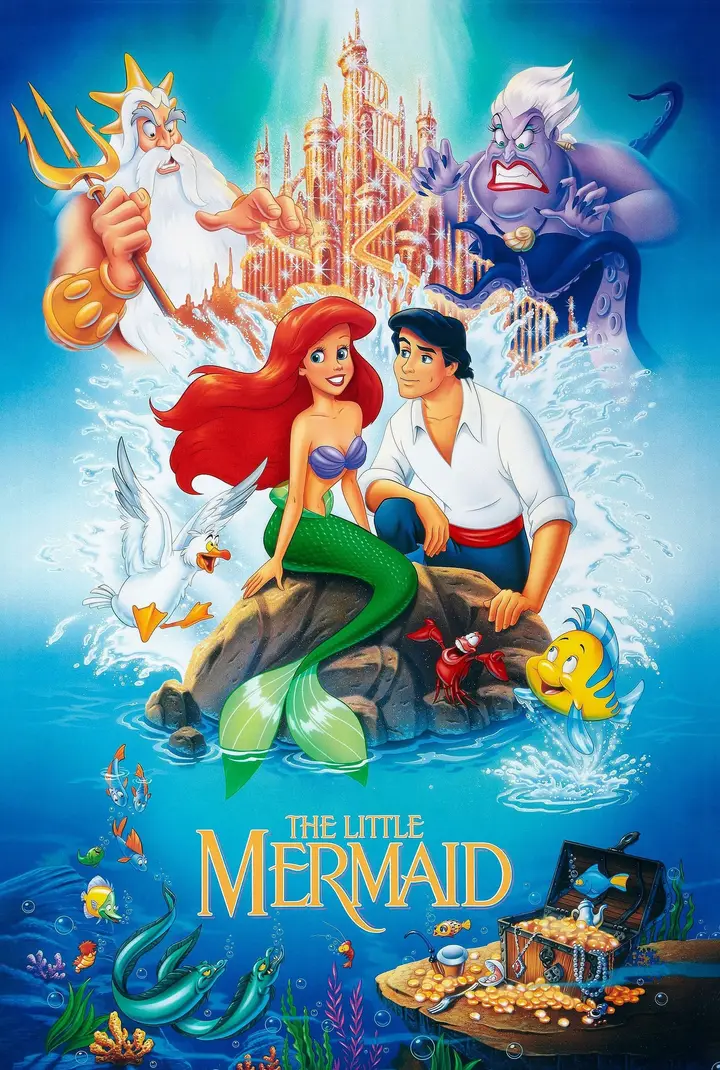
The Little Mermaid did not simply revive an old fairy tale. Songs articulated a character's desires and moved the story forward; the music and animation served a shared dramatic rhythm. Alan Menken and Howard Ashman were crucial to this approach. The momentum helped the studio build an extraordinary sequence of releases, but the methods did not erase the labour and experimentation of the previous Bronze Age.
The word “Renaissance” is familiar in criticism and sometimes in Disney's own retrospective publicity. The exact boundary remains an editorial convention, though the 1989–1999 sequence is widely recognized. It should not be confused with all Disney-branded films released in the 1990s: Pixar's Toy Story, for example, has its own studio history.
The Renaissance features in release order
- The Little Mermaid (1989): a fairy-tale musical about longing, risk and voice.
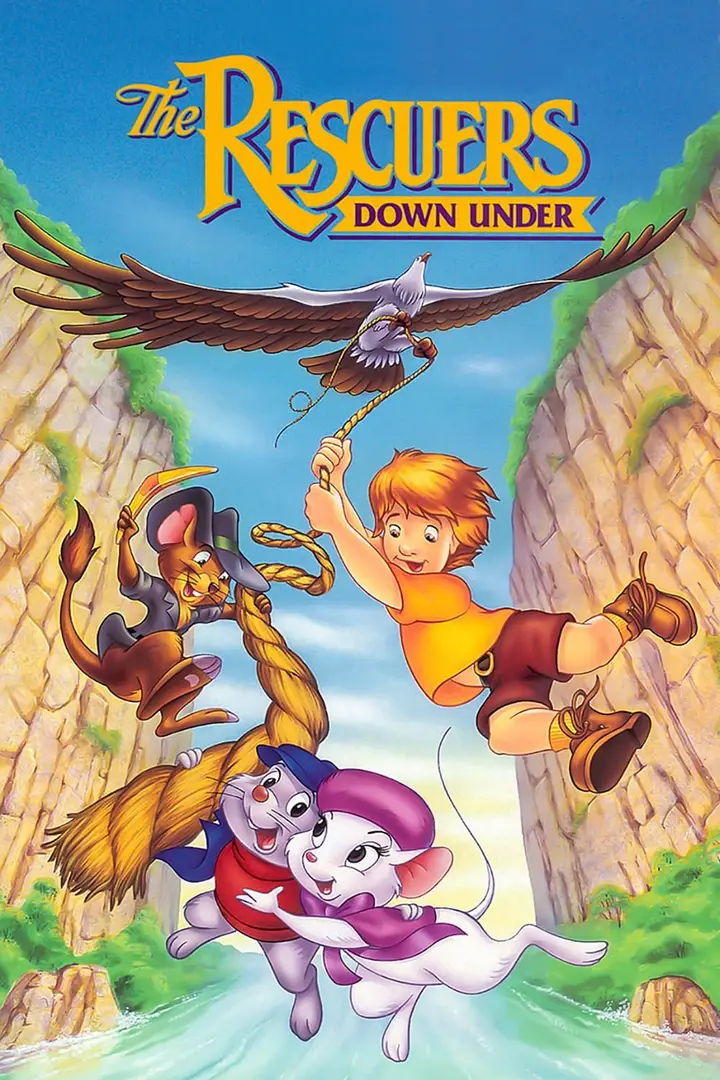
- The Rescuers Down Under (1990): an adventure sequel, an important exception to the decade's dominant musical pattern.
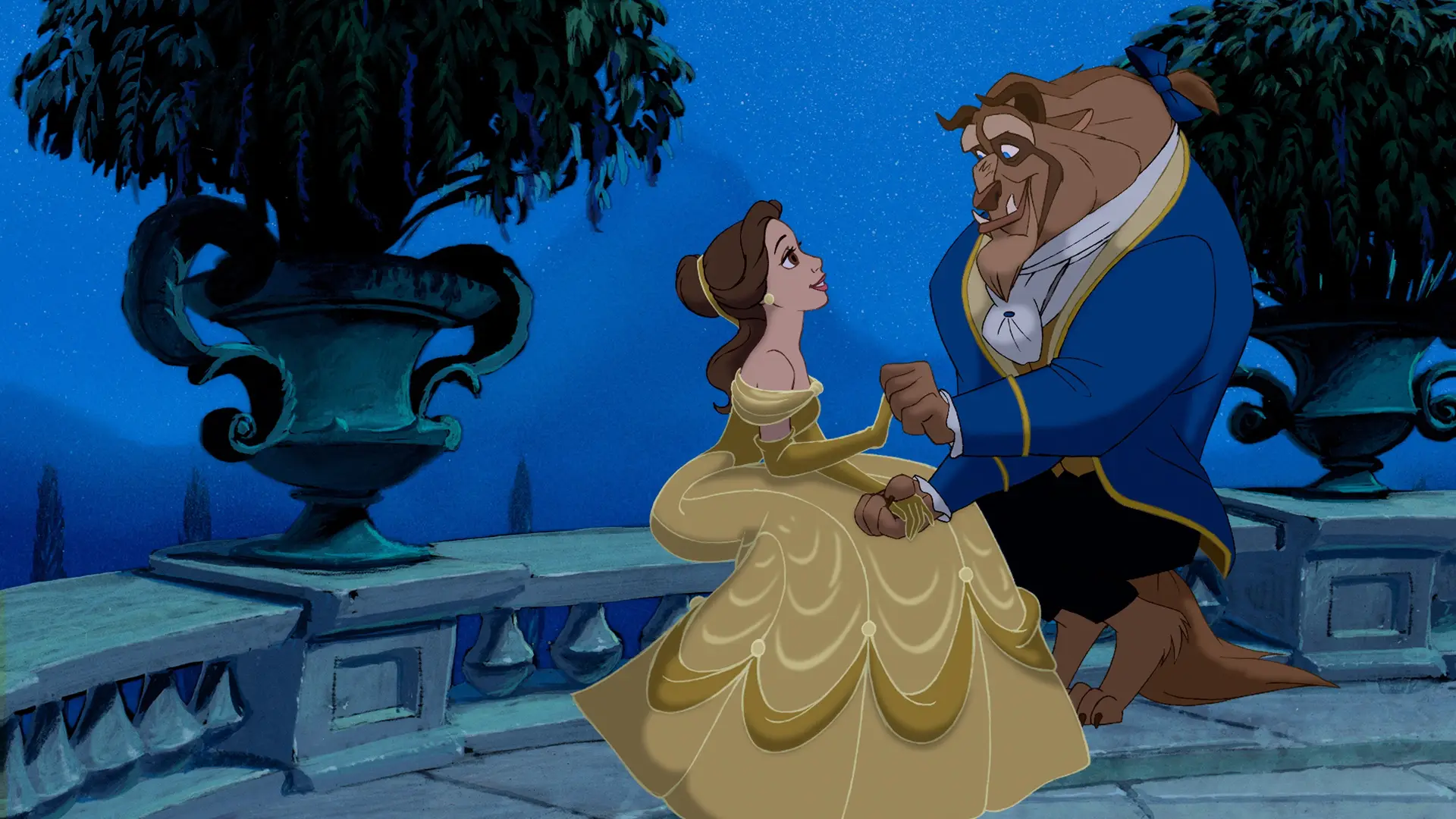
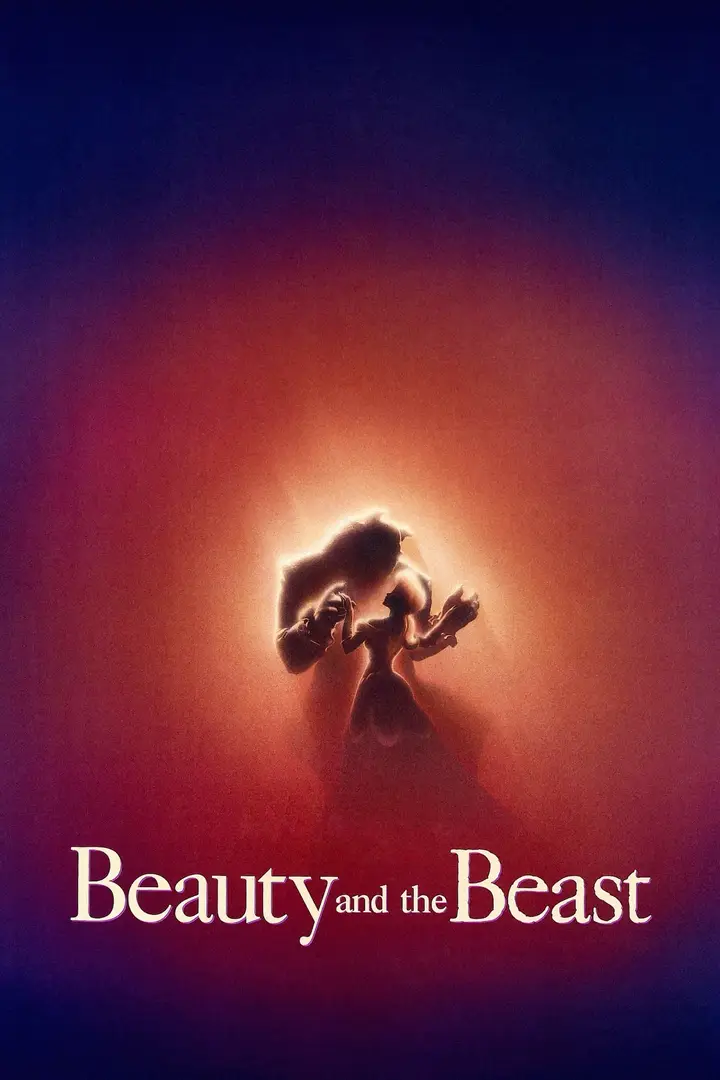
- Beauty and the Beast (1991): a lush musical that became the first fully animated feature nominated for the Academy Award for Best Picture.
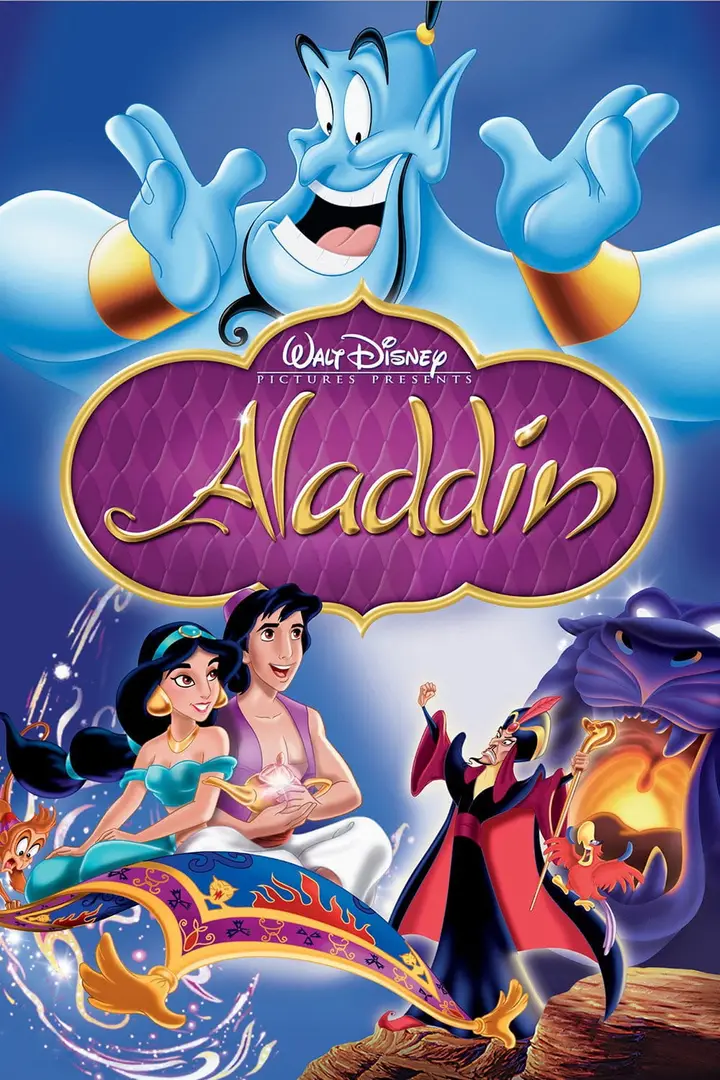
- Aladdin (1992): a rapid comic fantasy built around performance, identity and desire.
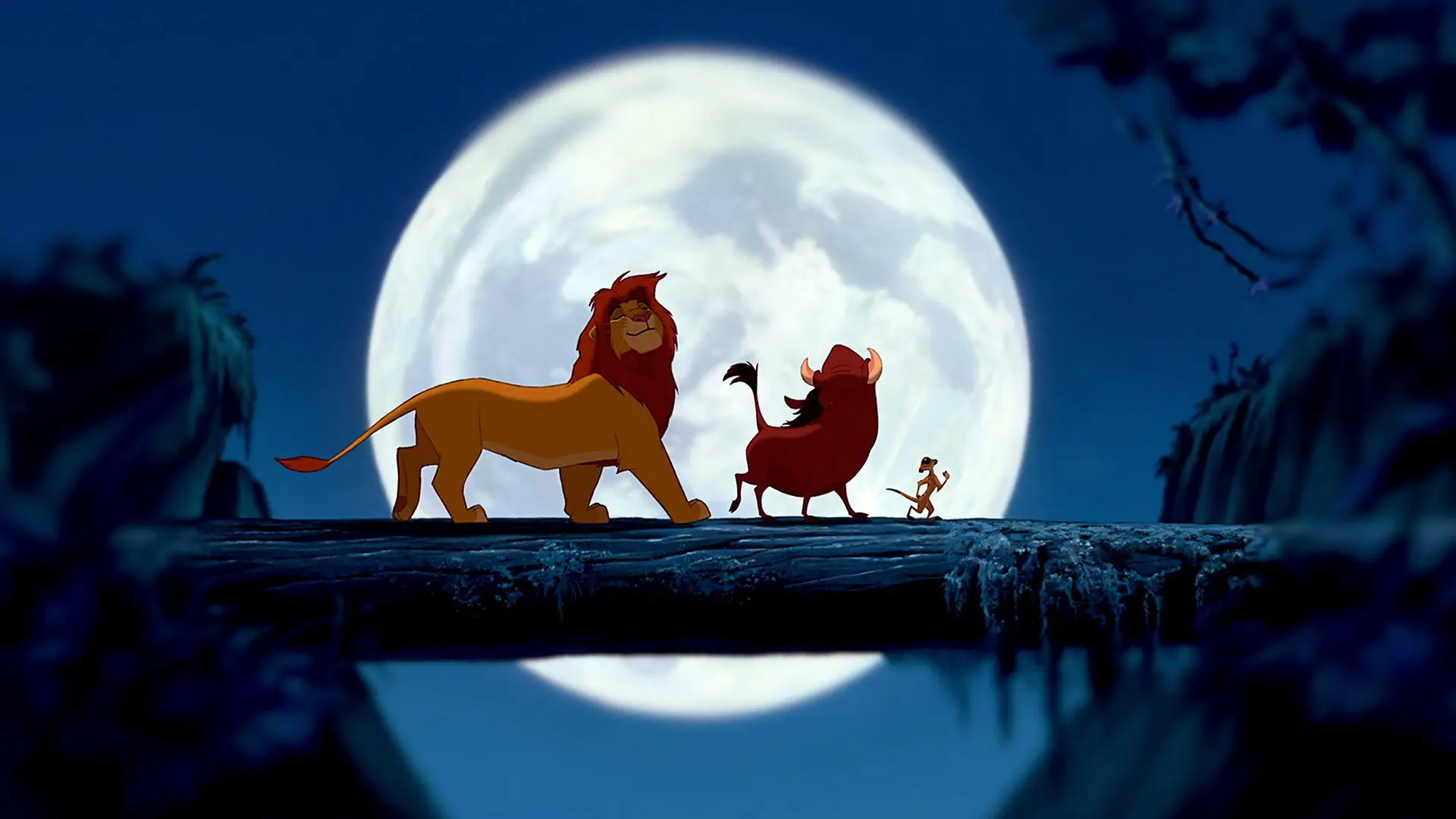
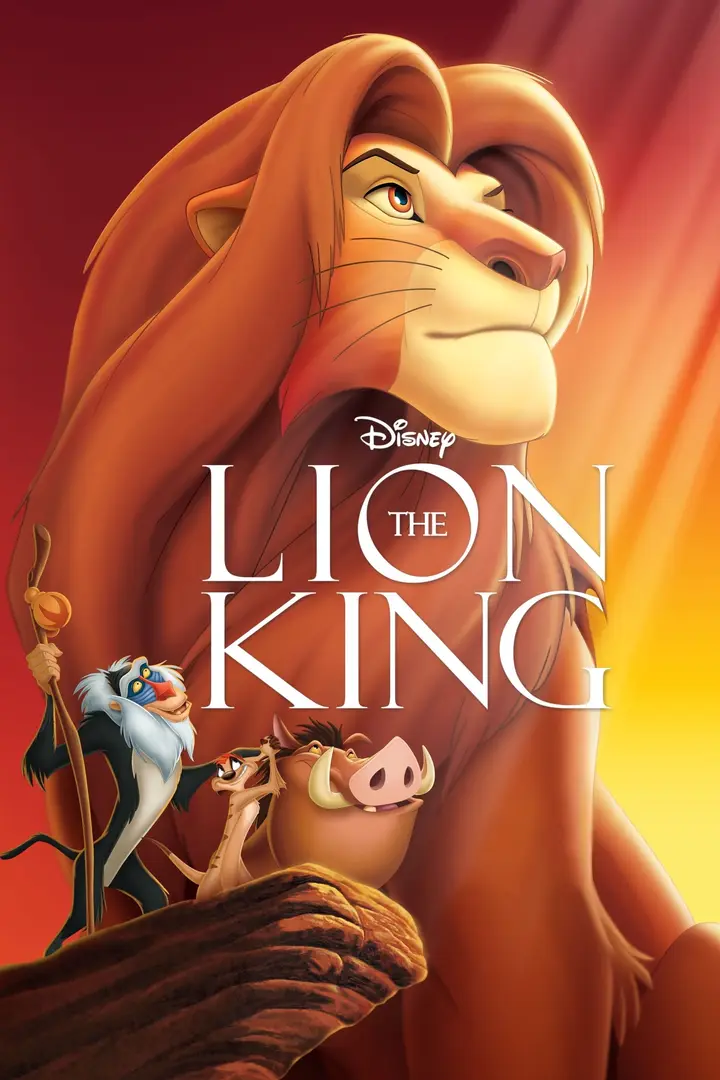
- The Lion King (1994): music and myth organized around bereavement, responsibility and power.
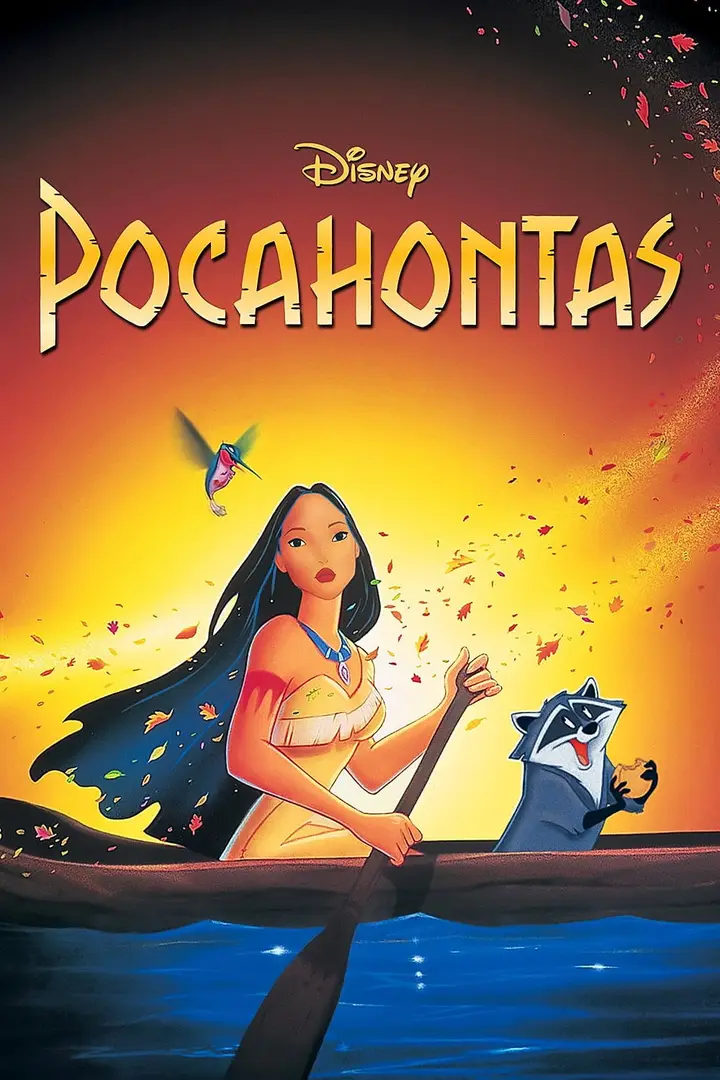
- Pocahontas (1995): an aesthetically ambitious work that also requires discussion of its departures from history and Indigenous representation.
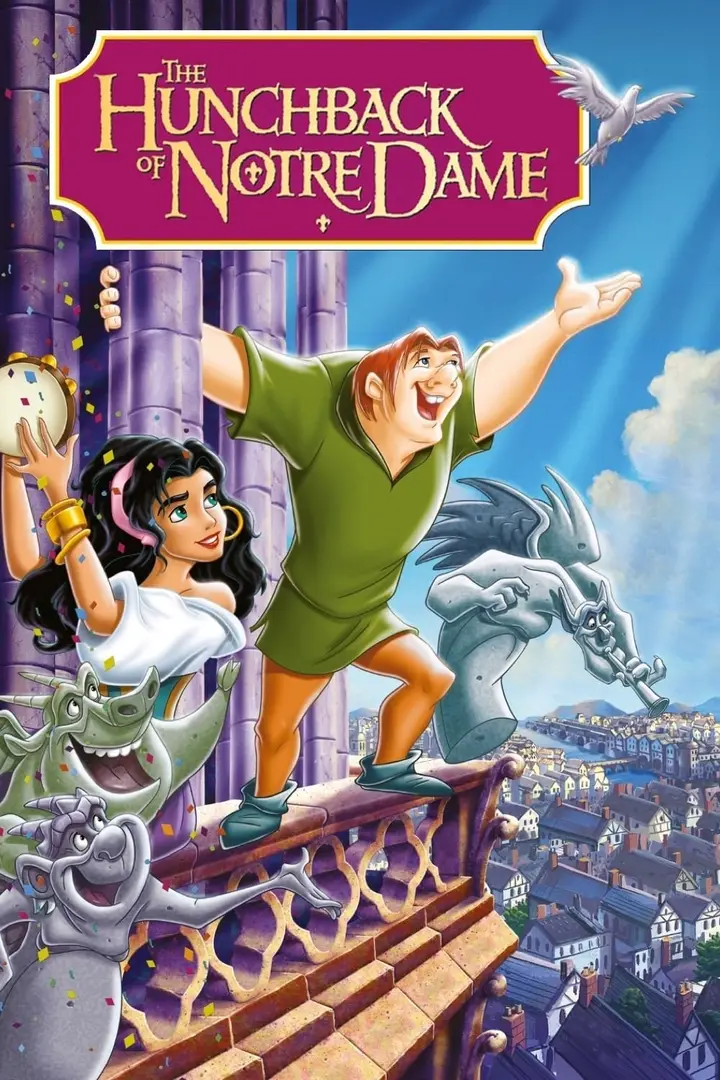
- The Hunchback of Notre Dame (1996): a musical about prejudice and conscience with some of the studio's most troubling adult themes.
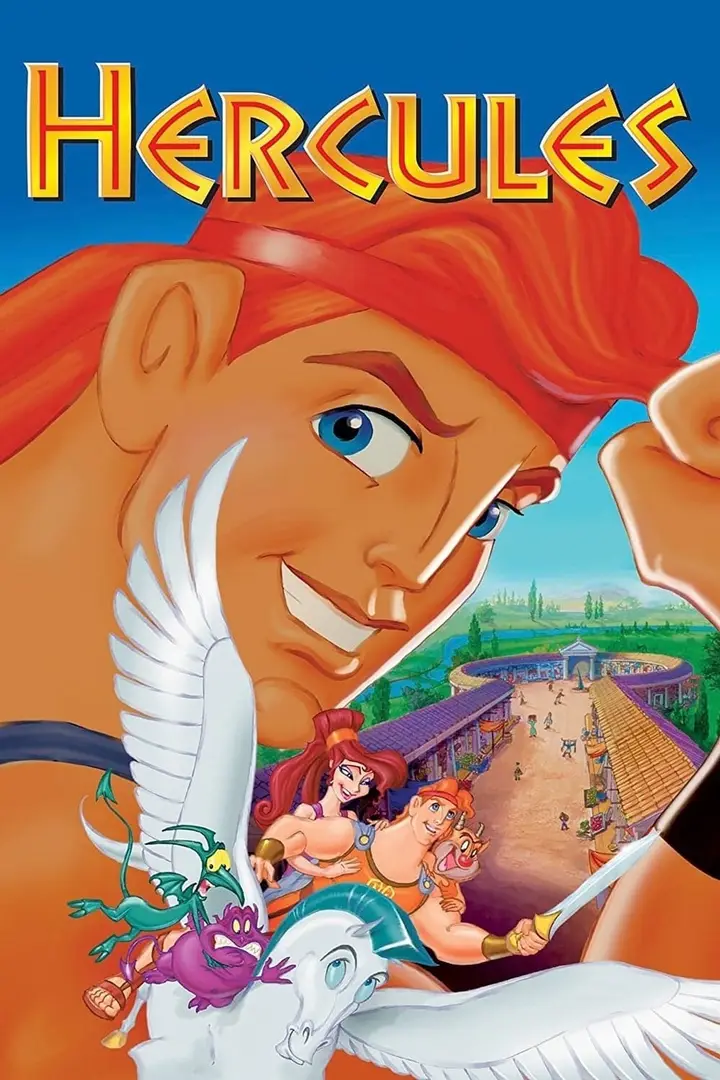
- Hercules (1997): Greek myth recast through gospel influences and comic celebrity culture.
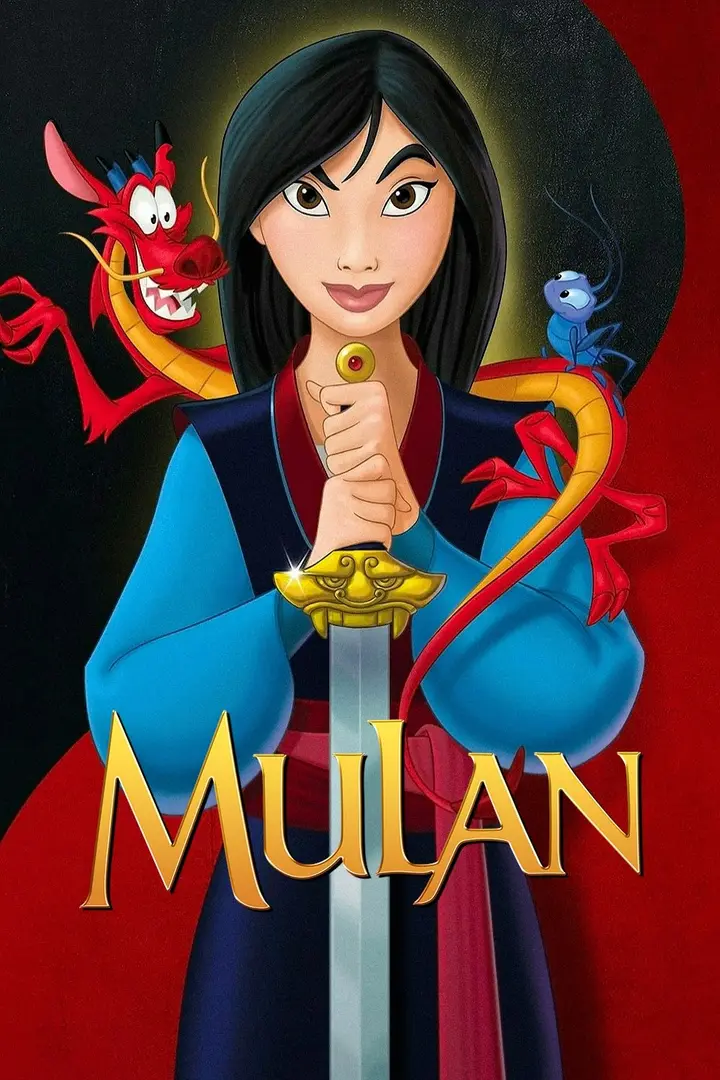
- Mulan (1998): identity, duty, war and self-determination within a period adventure.
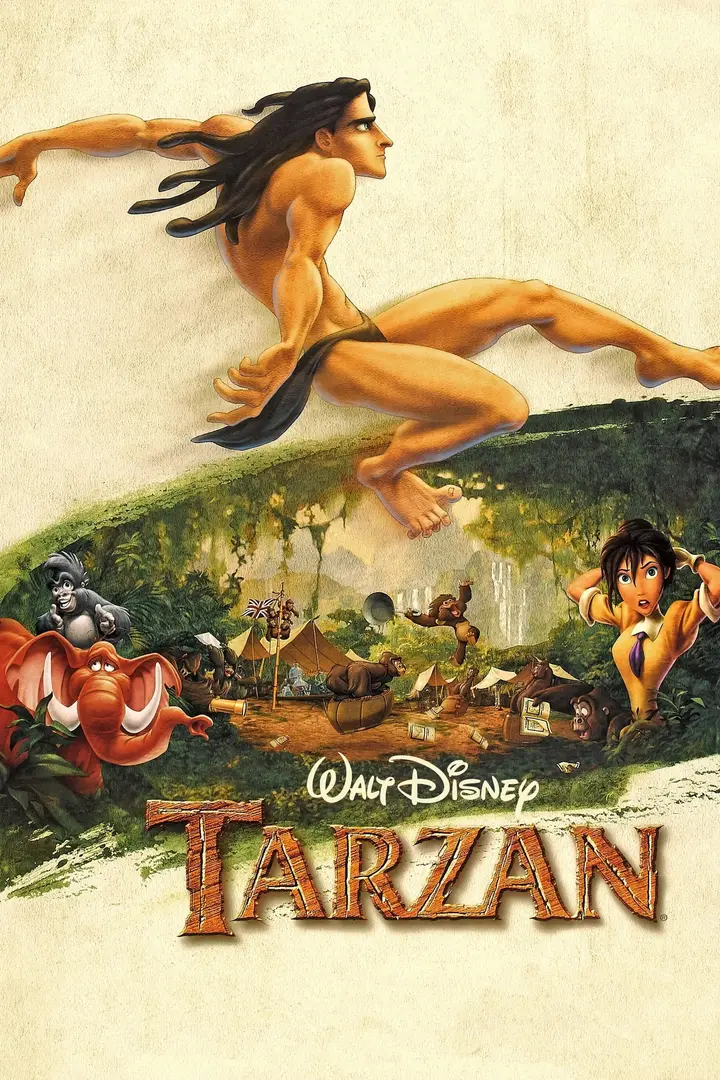
- Tarzan (1999): family, belonging and loss told with expressive movement through a forest world.
Fantasia 2000 (December 1999) is also part of this collection. TFFC keeps its Production year of 1999; Disney's own chronology places it at the start of the 2000s, which makes it a hinge between this period and the next.
The list explains why both “musical renaissance” and “ten Disney musicals” are imprecise. The decade's influence came from using different genres while retaining strong visual and emotional identities.
What the films changed—and what needs re-examining
Digital assistance increasingly supported hand-drawn animation without making every film a computer-generated feature. The scope of crowd scenes, camera movement and imagined spaces could expand. But innovations were not only technological. A heroine might state a desire in song, a villain might use spectacular music to seduce an audience, and a story might make grief its driving force.
An adult revisiting the decade may also notice historical simplifications or troubling implications that a child does not immediately identify. Pocahontas should not be mistaken for a reliable history lesson. The Hunchback of Notre Dame raises themes of persecution, coercion and desire. Mulan includes warfare; The Lion King depicts loss and threatening animal violence. Critical affection and responsible guidance can coexist.
How to use this era for a family movie night
Explore the film cards in this collection; for a cross-era comparison of song-driven features, use Disney Animation Musicals. They answer different questions: one is historical, the other thematic. TFFC's individual guides help match a title to the child's maturity and sensitivity, and the Disney Family Guide connects the studio's animation to Pixar, live action and other Disney-owned film families.
Follow the story into the more unpredictable Experimental Era or return to the seven-era overview.
Research and sources
The feature sequence follows Disney Animation; the Best Picture nomination is confirmed by the Academy of Motion Picture Arts and Sciences. The term “Renaissance” is a critical period label, not a guarantee that every film is appropriate for all ages.