Disney's Experimental Era (2000–2009)
After a decade famous for animated musicals, Disney Animation entered the 2000s without one governing formula. The Post-Renaissance—or Experimental—Era ranges from the satirical speed of The Emperor's New Groove to the intimate family story of Lilo & Stitch, and from hand-drawn adventure to features made in computer animation. Some releases struggled at the box office; others found enduring affection. Calling the whole decade a failure would conceal the creative changes on which later successes depended.
Twelve films, one decade, no single house style
The studio's official feature list groups the following twelve releases under 2000–2009:
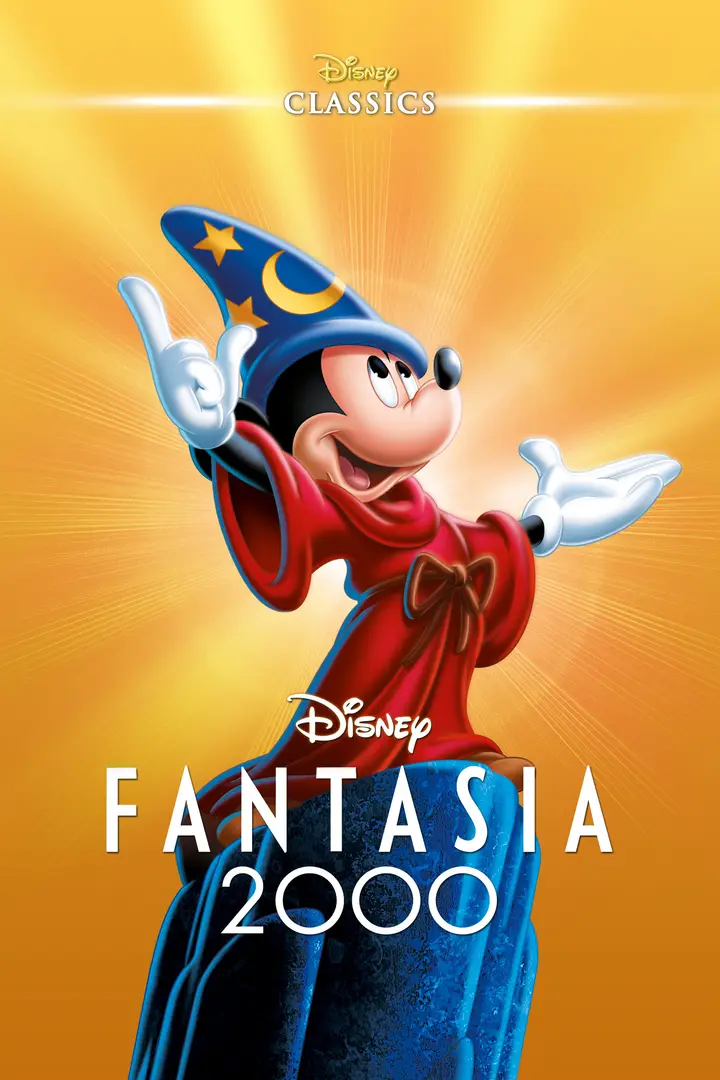
- Fantasia 2000 (2000 in the studio's U.S. release sequence), musical visions continuing the 1940 experiment.
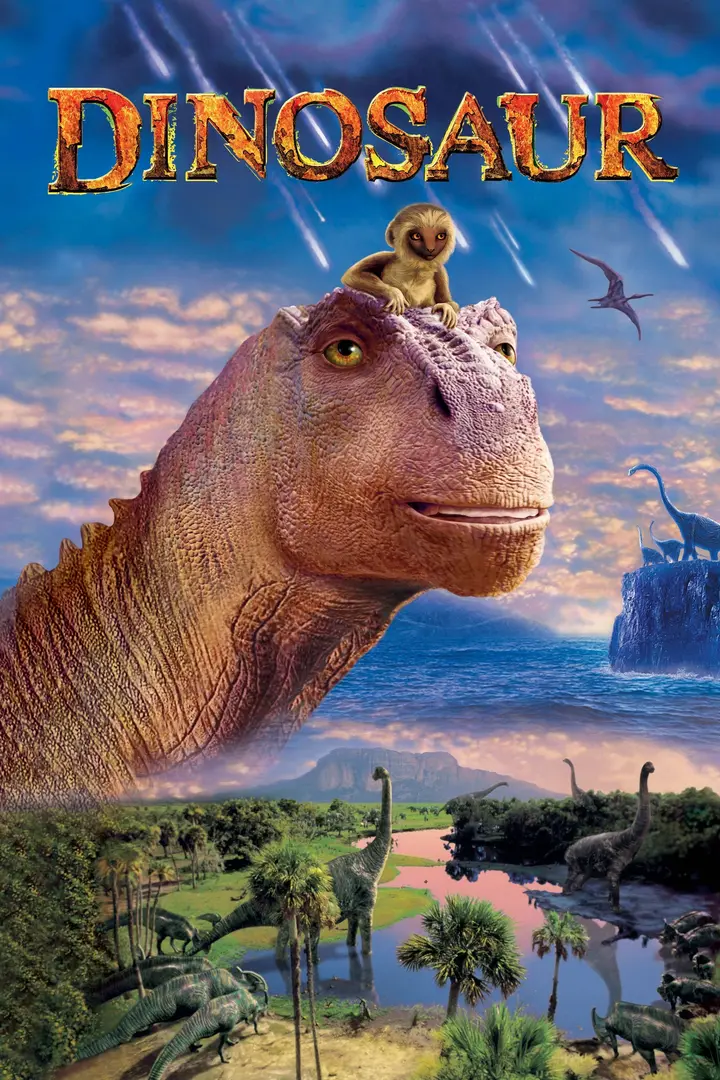
- Dinosaur (2000), combining computer-animated characters with photographed environments.
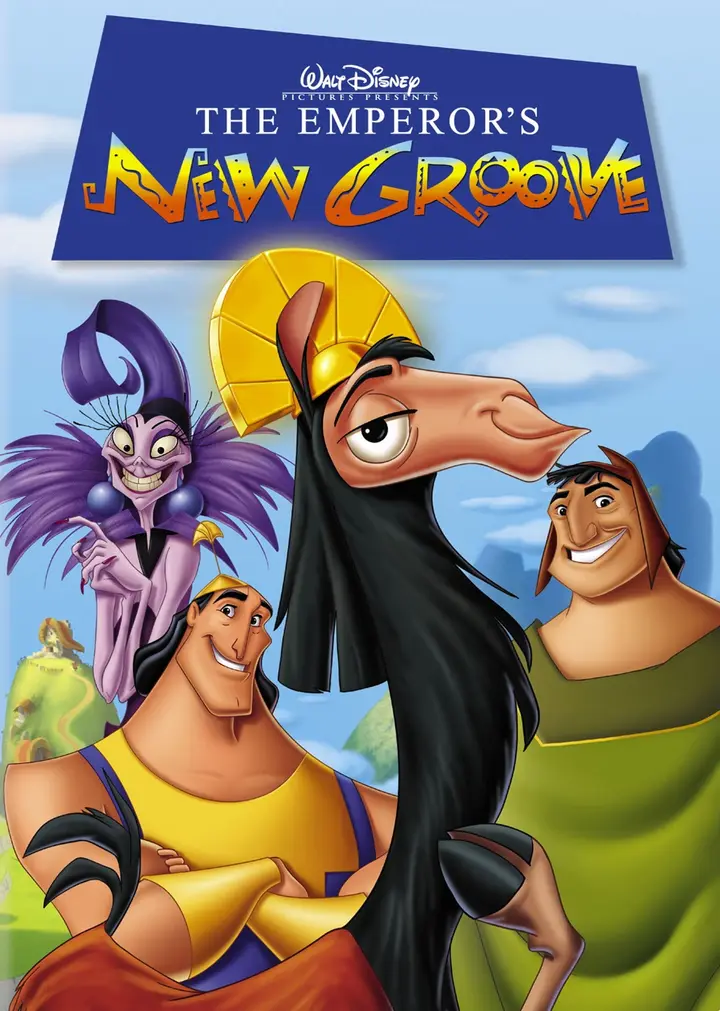
- The Emperor's New Groove (2000), an exceptionally fast character comedy.
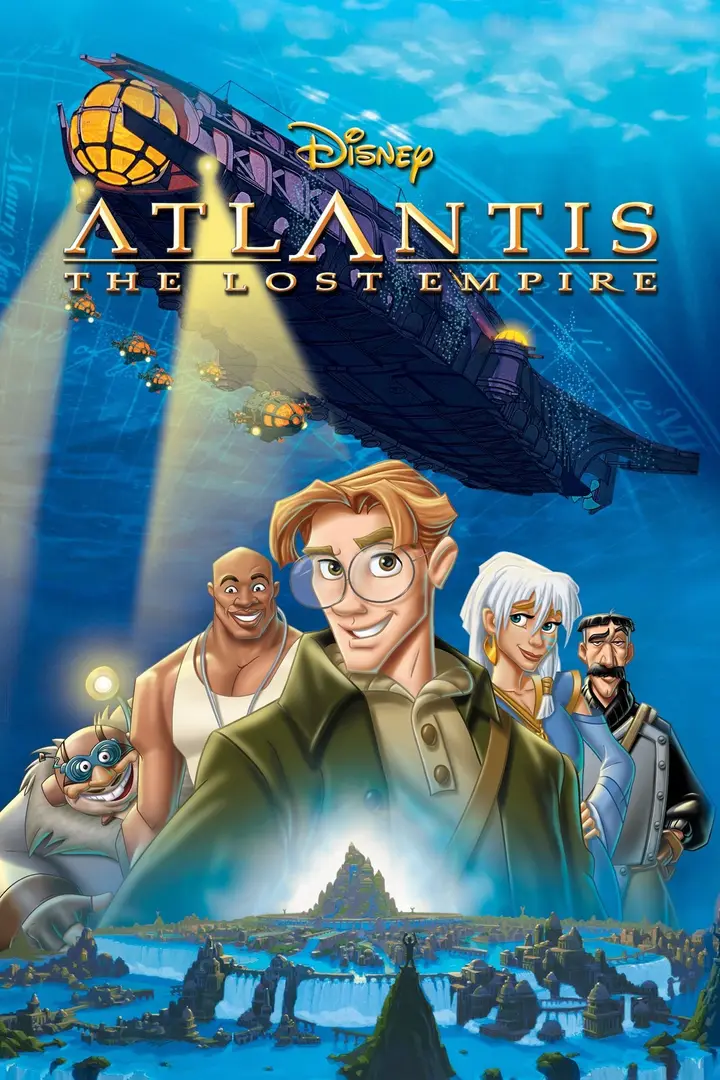
- Atlantis: The Lost Empire (2001), science-fiction adventure with distinctive graphic design.
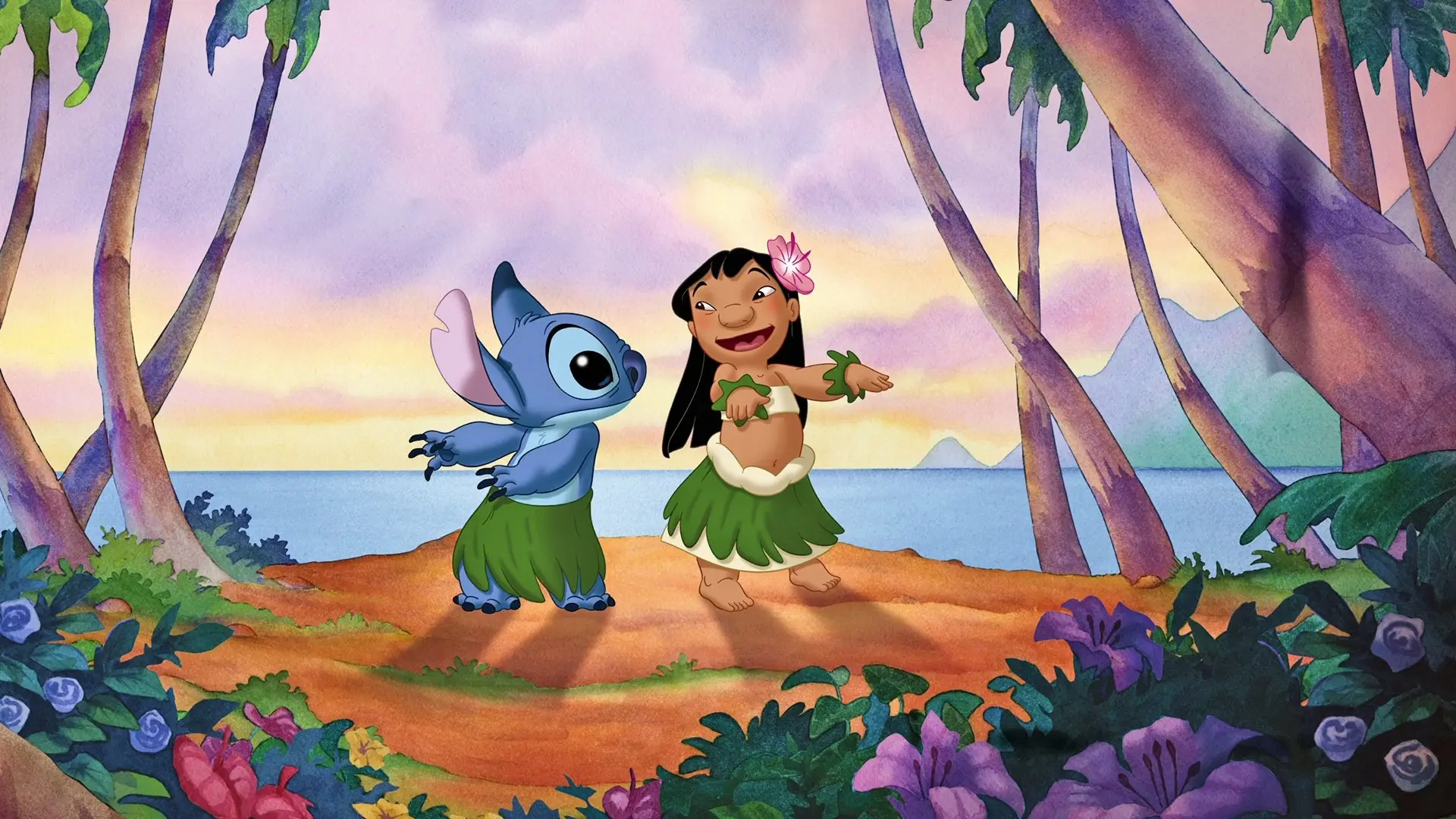
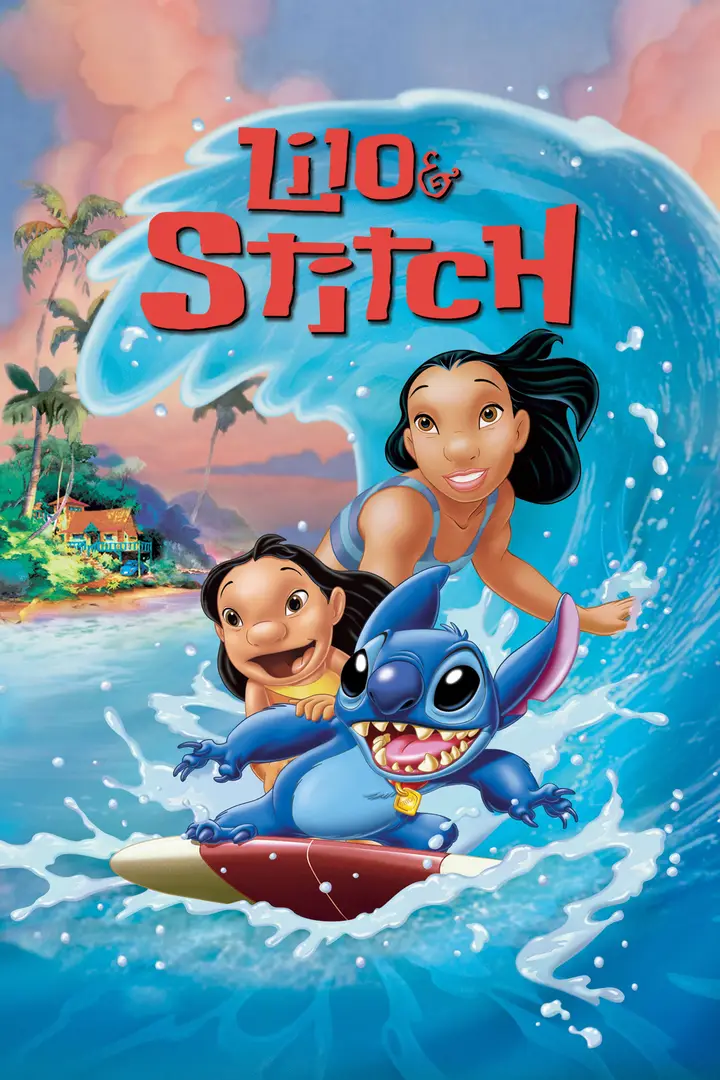
- Lilo & Stitch (2002), an unconventional Hawaiian family story about belonging and care.
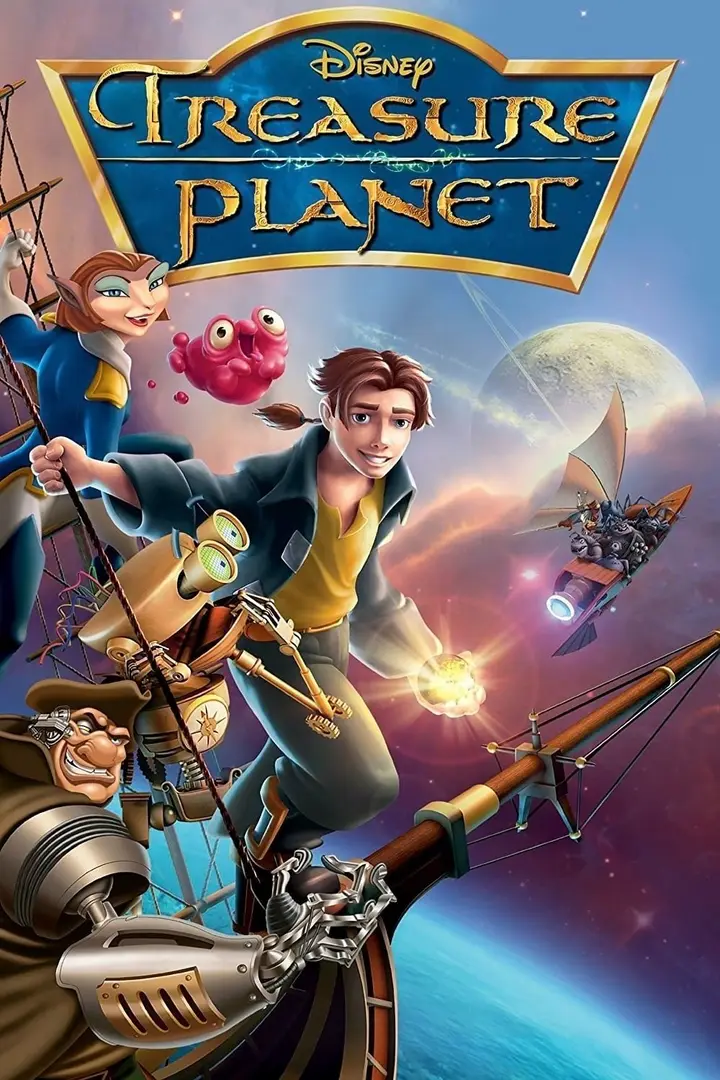
- Treasure Planet (2002), a spacefaring transformation of Treasure Island.
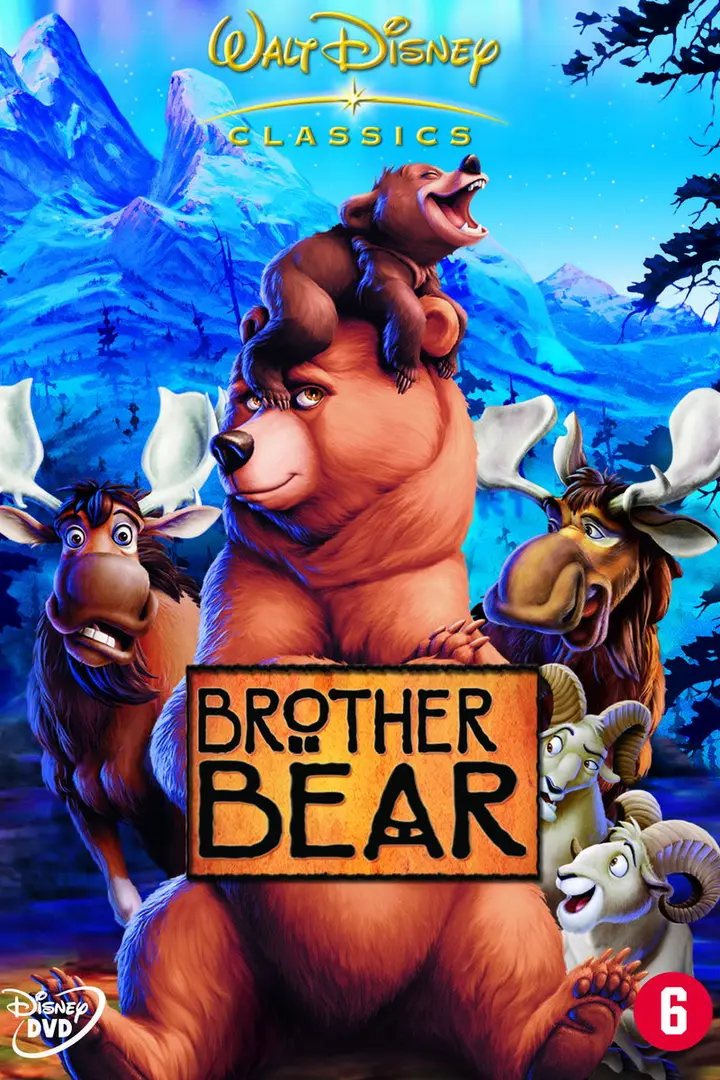
- Brother Bear (2003), an animal transformation tale concerned with grief and empathy.
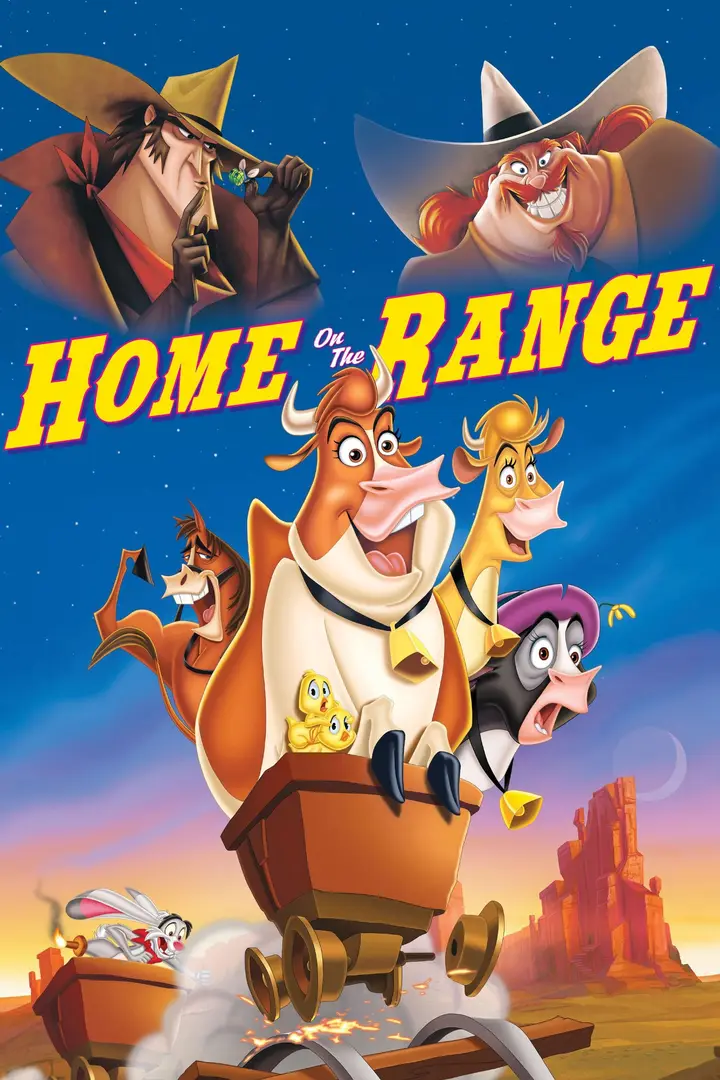
- Home on the Range (2004), a comic Western built around farm animals.
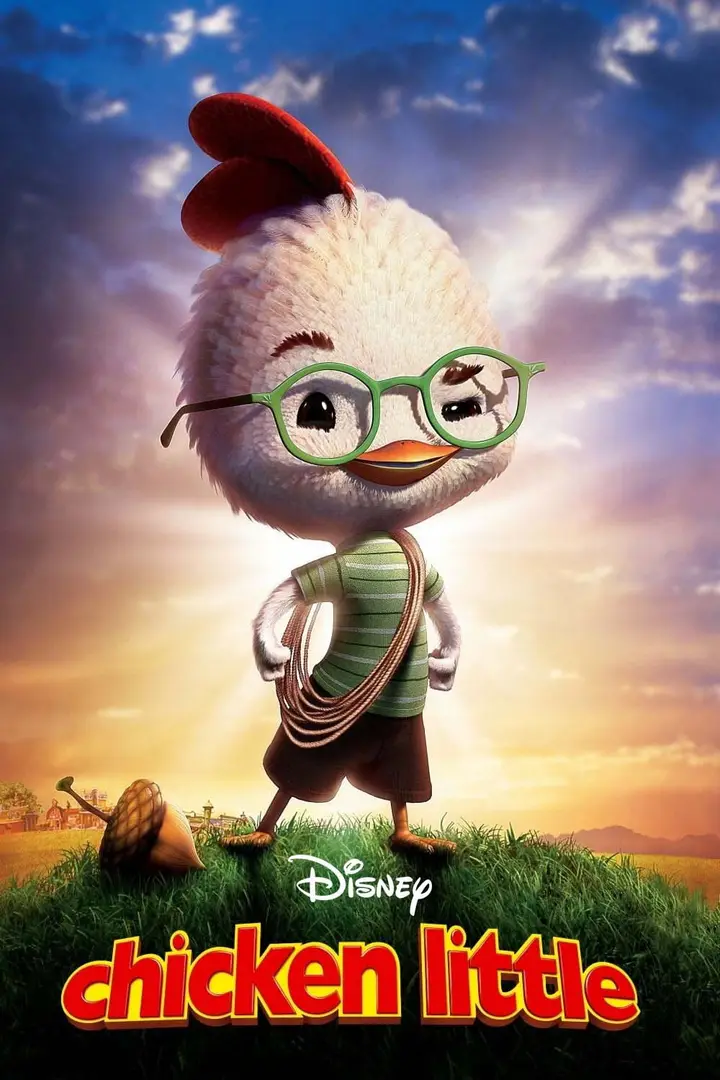
- Chicken Little (2005), a computer-animated comedy about anxiety and social standing.
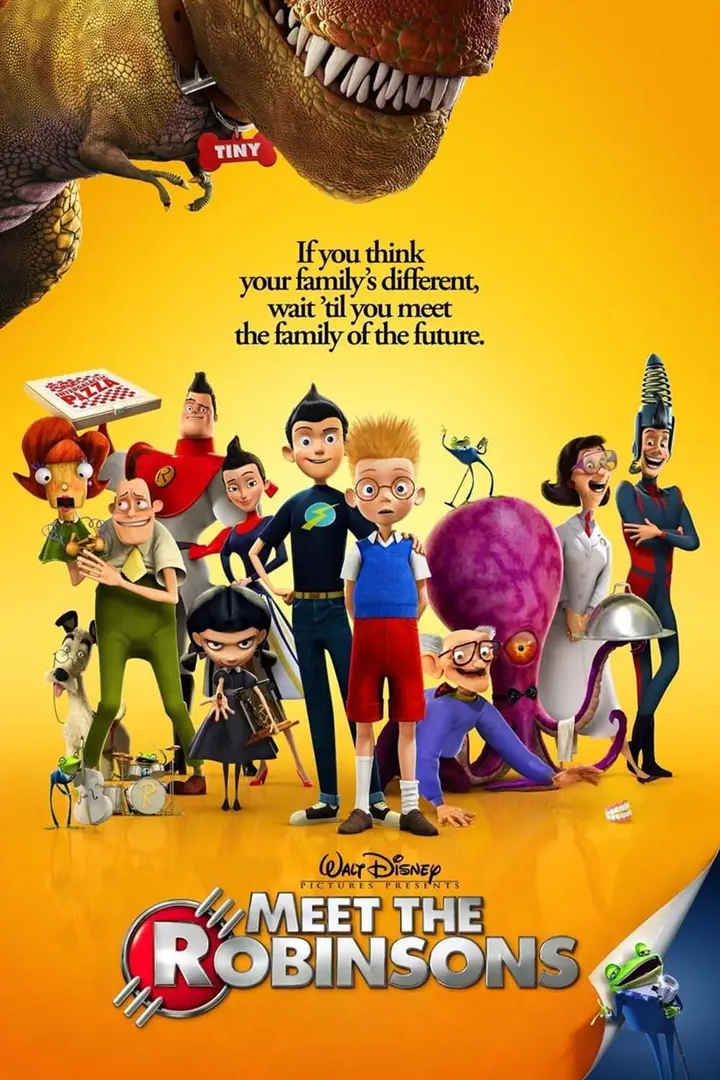
- Meet the Robinsons (2007), an inventive time-travel story about family and resilience.
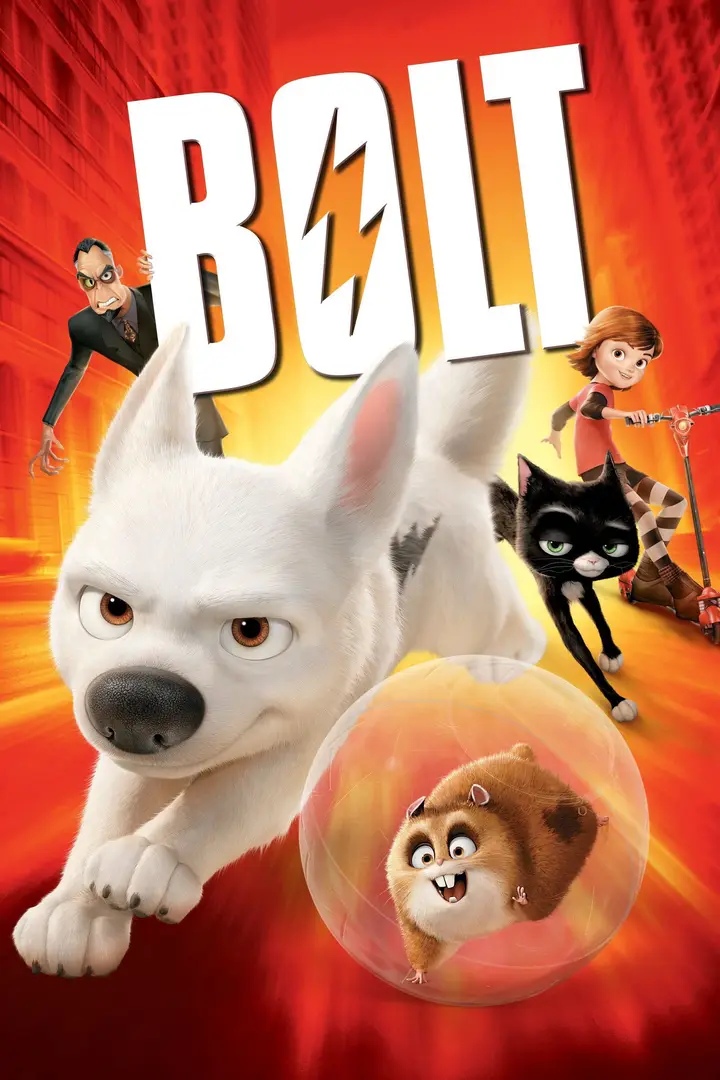
- Bolt (2008), a film about manufactured heroism and genuine attachment.
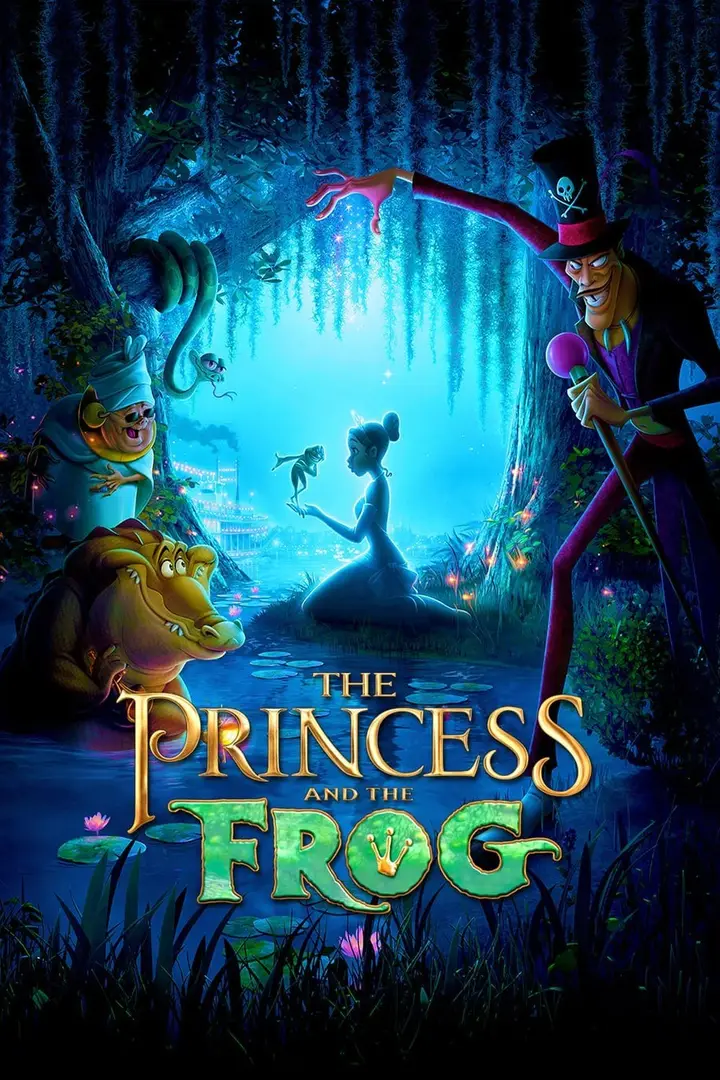
- The Princess and the Frog (2009), a hand-drawn musical that many commentators regard as a bridge to the next phase.
Although Fantasia 2000 premiered in December 1999, TFFC places it in the Experimental Era, reflecting its position in Disney Animation's 2000 feature catalogue.
The medium changed, but drawing did not simply disappear
This decade is often reduced to “Disney abandoned hand-drawn animation”. The reality is more complicated. Traditional drawing remained central to several features, digital tools altered production in different ways, and The Princess and the Frog consciously returned to a hand-drawn musical form in 2009. The distinguishing issue is the search for workable stories and visual identities amid technological and competitive change.
The effects are visible on screen. Atlantis uses angular shapes and ensemble adventure. Lilo & Stitch places a family under emotional pressure rather than an enchanted kingdom under a spell. The Emperor's New Groove is comic absurdism, while Meet the Robinsons is a futuristic story that ultimately asks what family means. Those are distinct creative hypotheses, not a list of films trying to reproduce The Lion King.
Which experiments work for different children?
Lilo & Stitch brings conflict, loss, abandonment fears and an extraordinary tenderness about siblings. Brother Bear treats grief and harm to animals seriously; Atlantis and Treasure Planet involve adventure danger; Chicken Little and The Emperor's New Groove have frantic comic rhythms that not every child enjoys. The Princess and the Frog includes a villain and shadowy imagery despite its joyful music. Match the actual themes to the viewer rather than treating the decade as one category.
The existing Contemporary Disney Animation collection extends beyond these historical dates; it is a discovery tool, not an exact Experimental Era collection. For the longer history, see the Renaissance and Revival studies, or choose directly through the Disney Family Guide.
Historical approach
Release dates follow the Walt Disney Animation Studios catalogue. Critical era terms are interpretive, and The Princess and the Frog may reasonably be understood as a transition. The treatment of this period avoids confusing the studio's internal changes with the separate trajectory of Pixar Animation Studios.