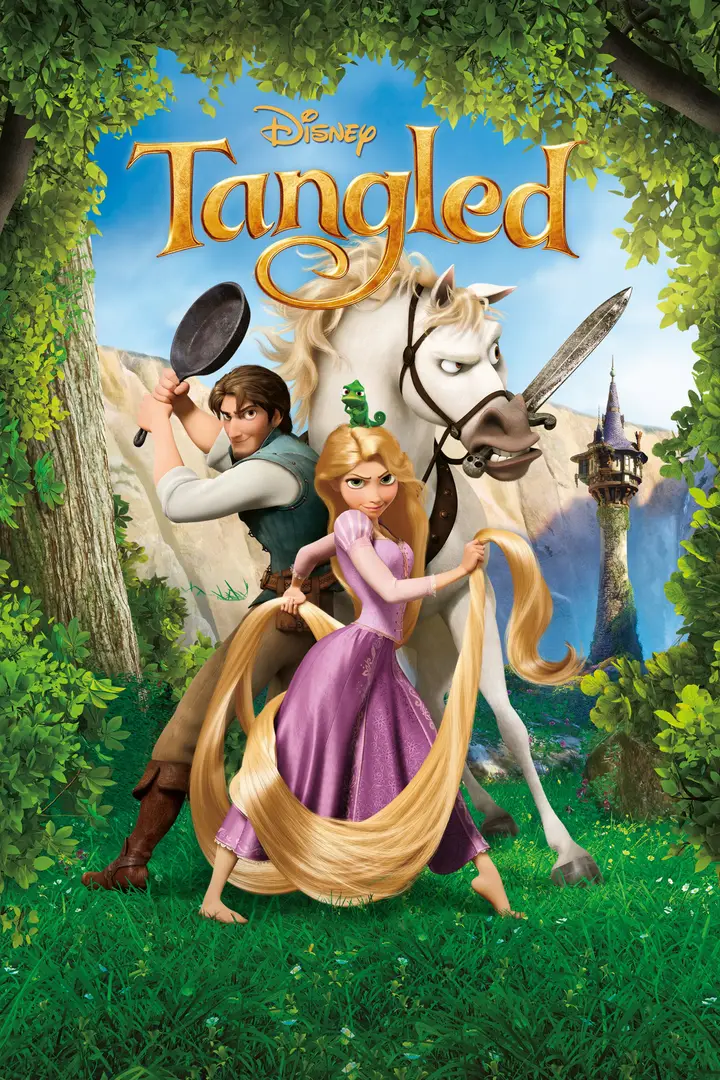
Disney's Revival Era: 2010s and the Unsettled 2020s
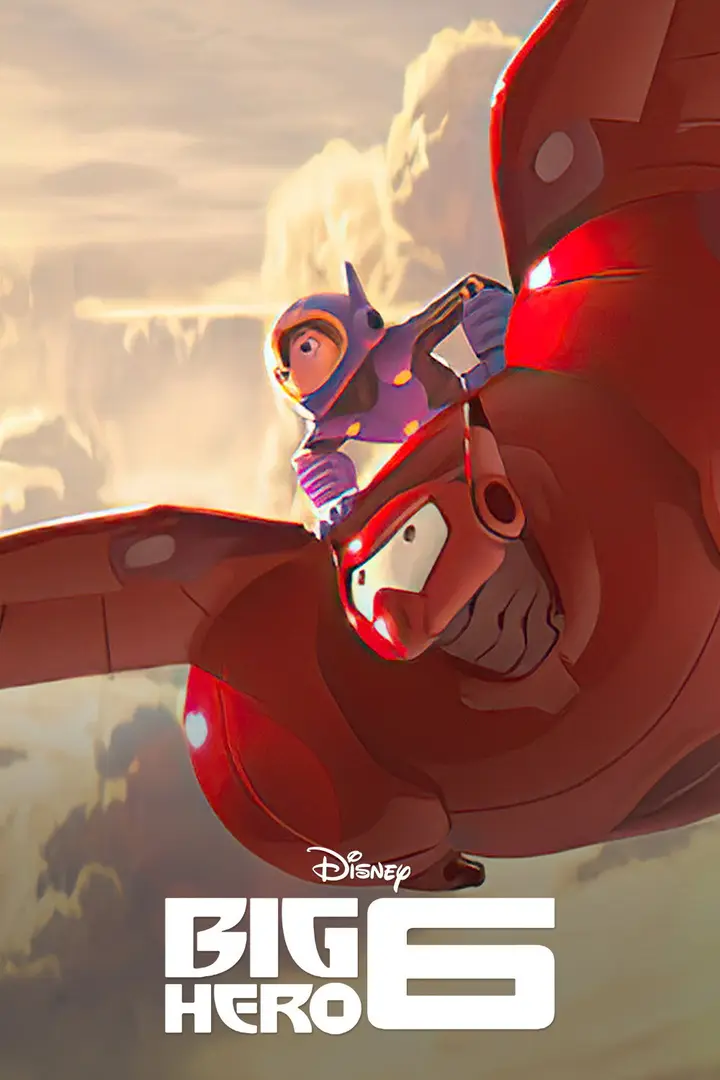
In 2010, Tangled made a fairy tale feel contemporary while using computer animation in a new way for Walt Disney Animation Studios. The decade that followed brought Frozen, Big Hero 6, Zootopia and Moana: different films, but a recognizable renewal of commercial reach and storytelling ambition. This is often called the Revival Era or Second Renaissance. The more interesting historical question in 2026 is no longer simply when the revival began. It is where, or whether, the period ends.
Why the 2010s felt like a revival
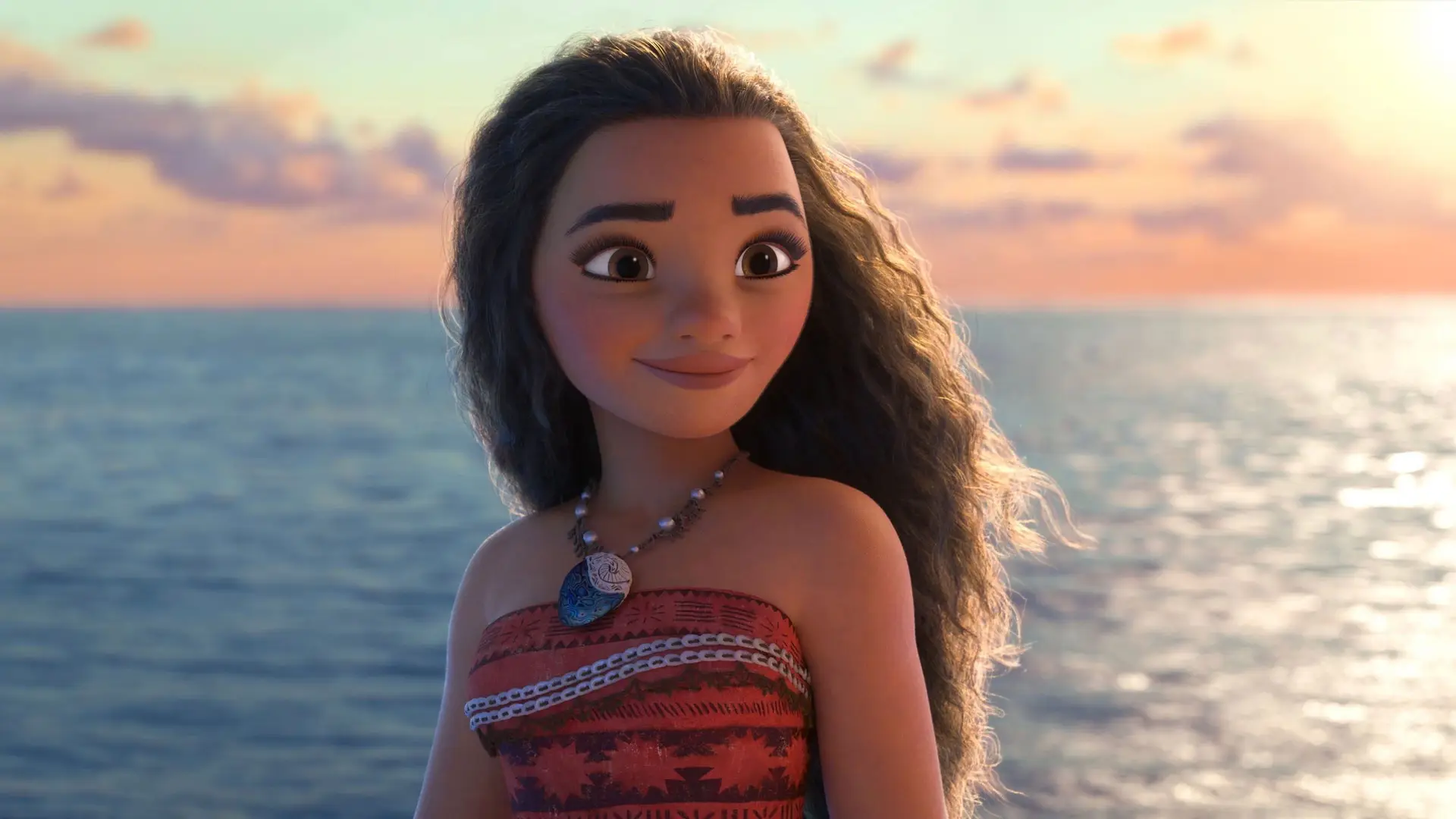
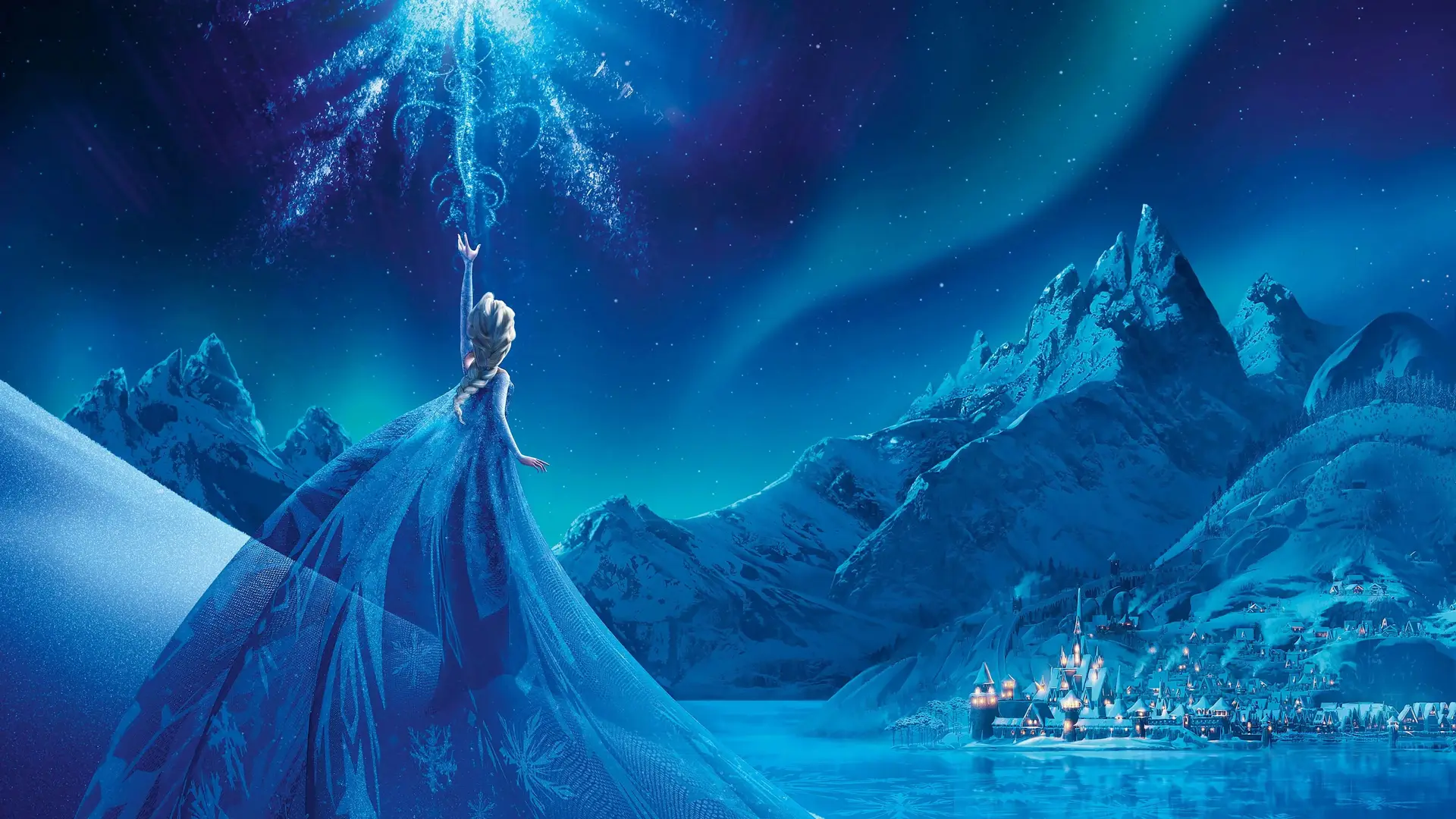
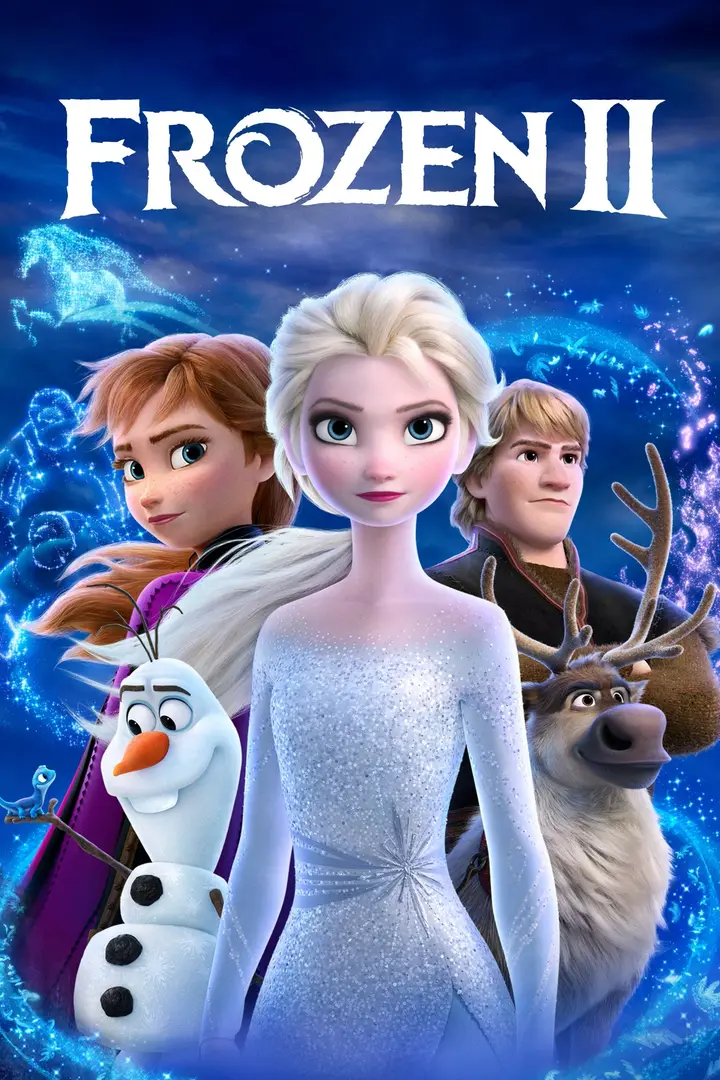
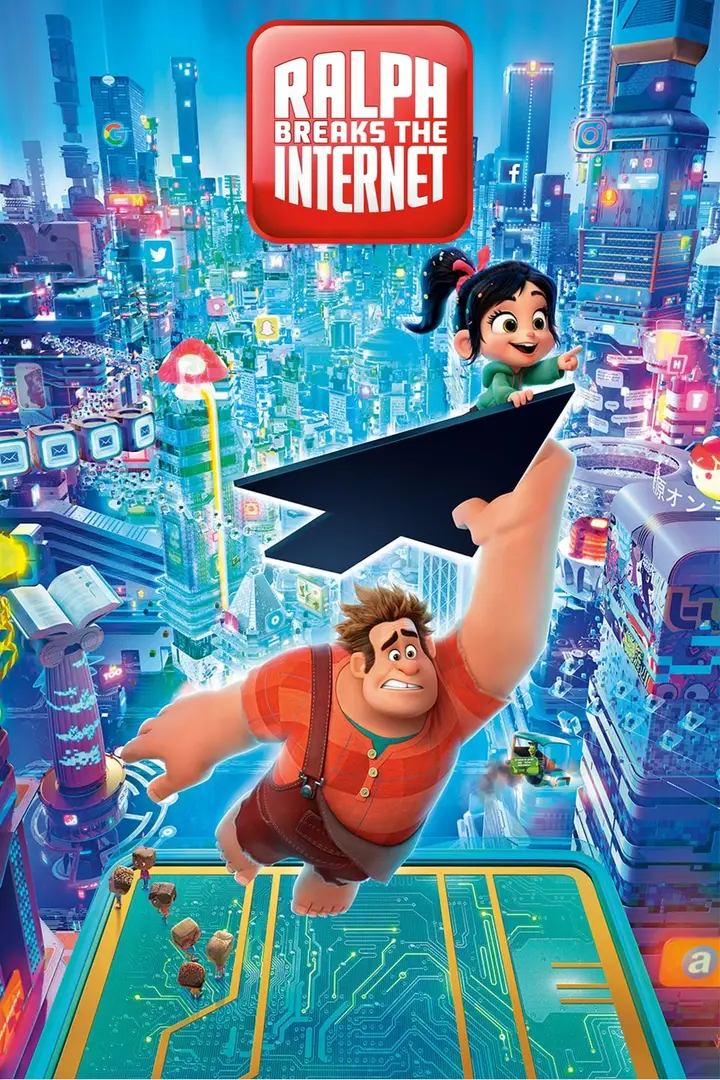
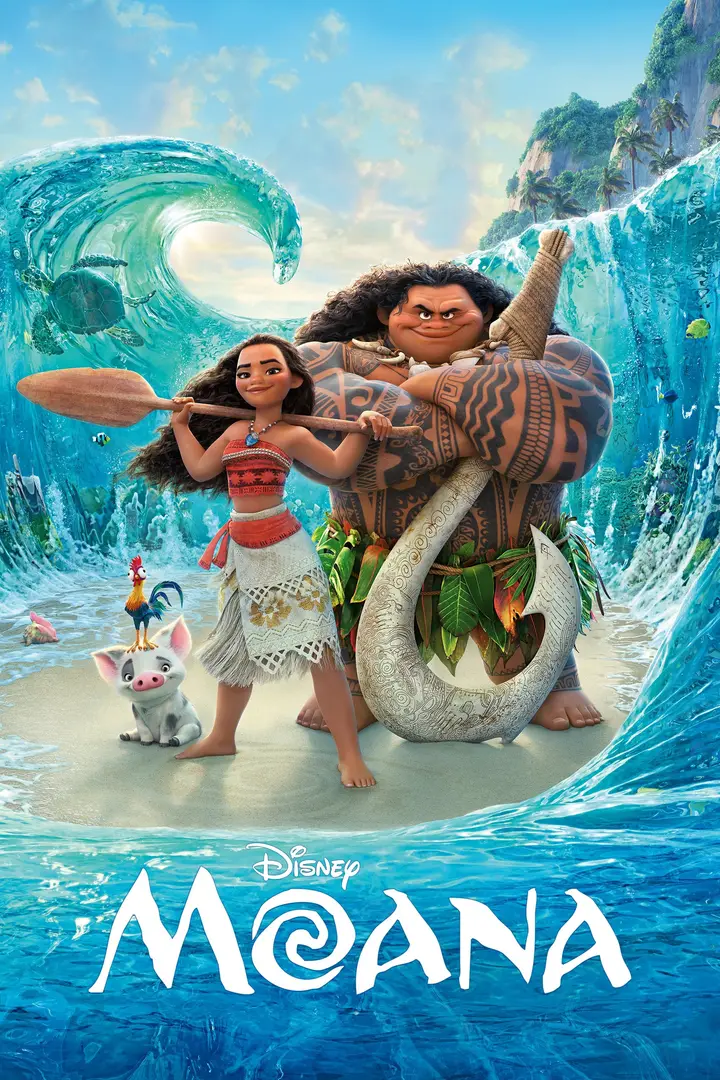
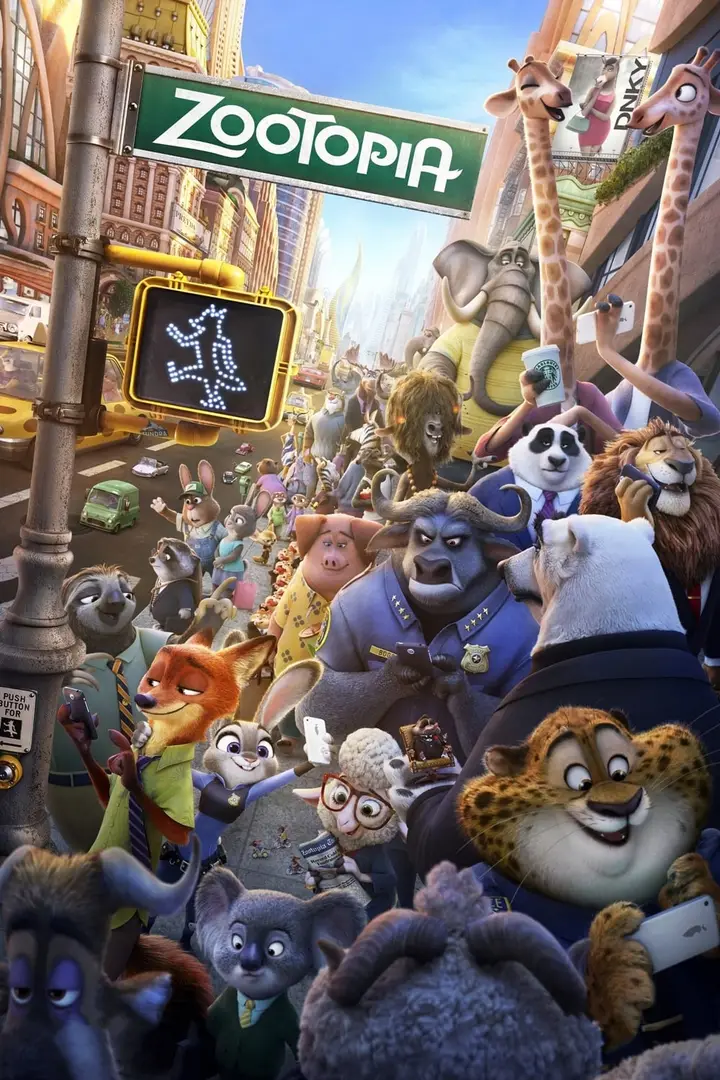
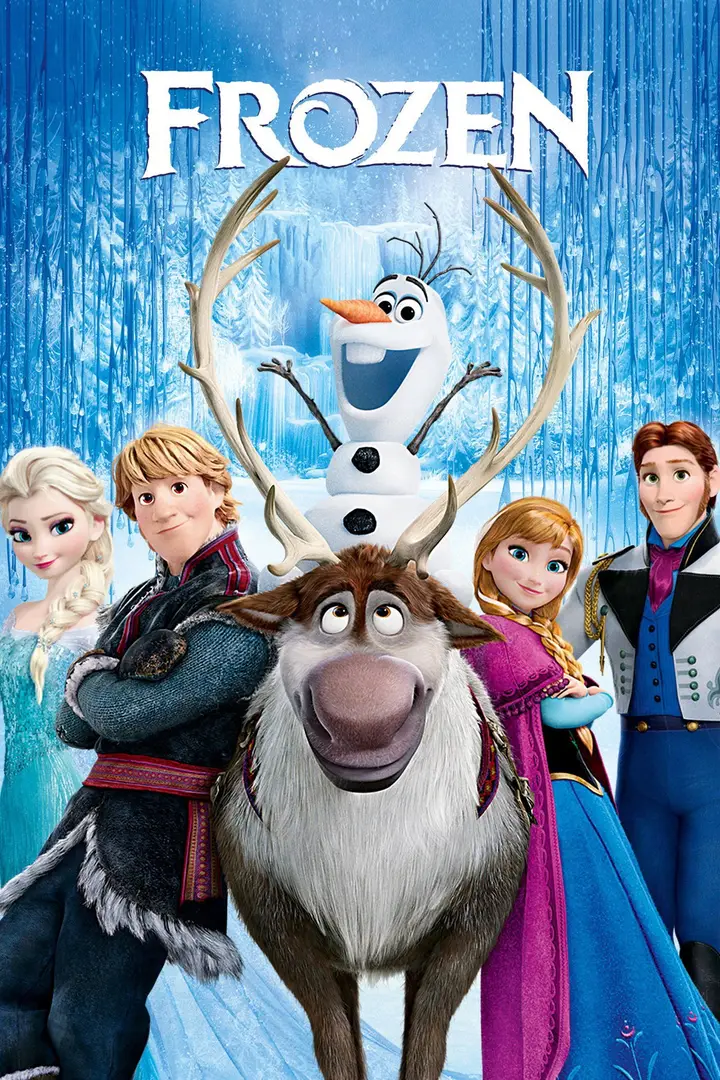
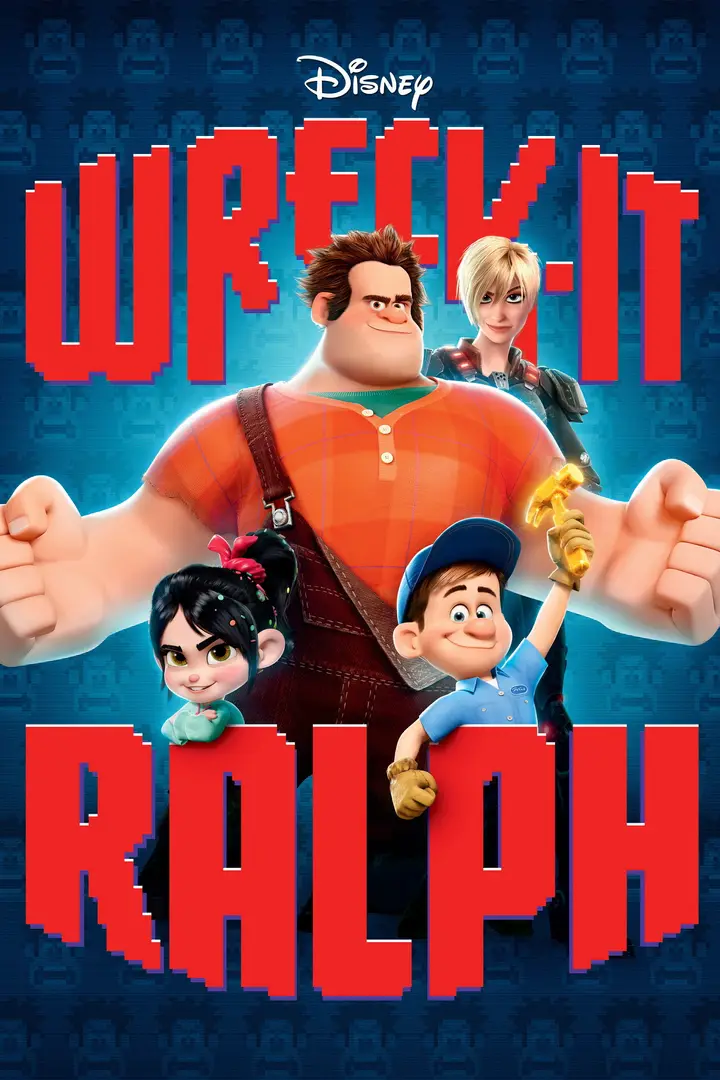
The decade followed the genre experiments of the 2000s. Tangled combined a modern sense of humour with a fairy-tale structure; Wreck-It Ralph made identity a story about video-game worlds; and Frozen turned sisterhood into the central relationship of an extraordinary musical success. Big Hero 6 explored grief through science-fiction heroism, while Zootopia used an animal metropolis to discuss prejudice and institutions. Moana made a sea voyage and an inherited cultural responsibility the heart of the drama.
These are not all princess musicals. What links them is a renewed confidence in using animation for emotionally clear, ambitious stories with distinct visual worlds. Yet “success” should not be treated as proof that every film's cultural representation, narrative choices or messages are beyond criticism.
The 2010–2019 feature sequence
- Tangled (2010): independence, trust and a controlling parental figure.
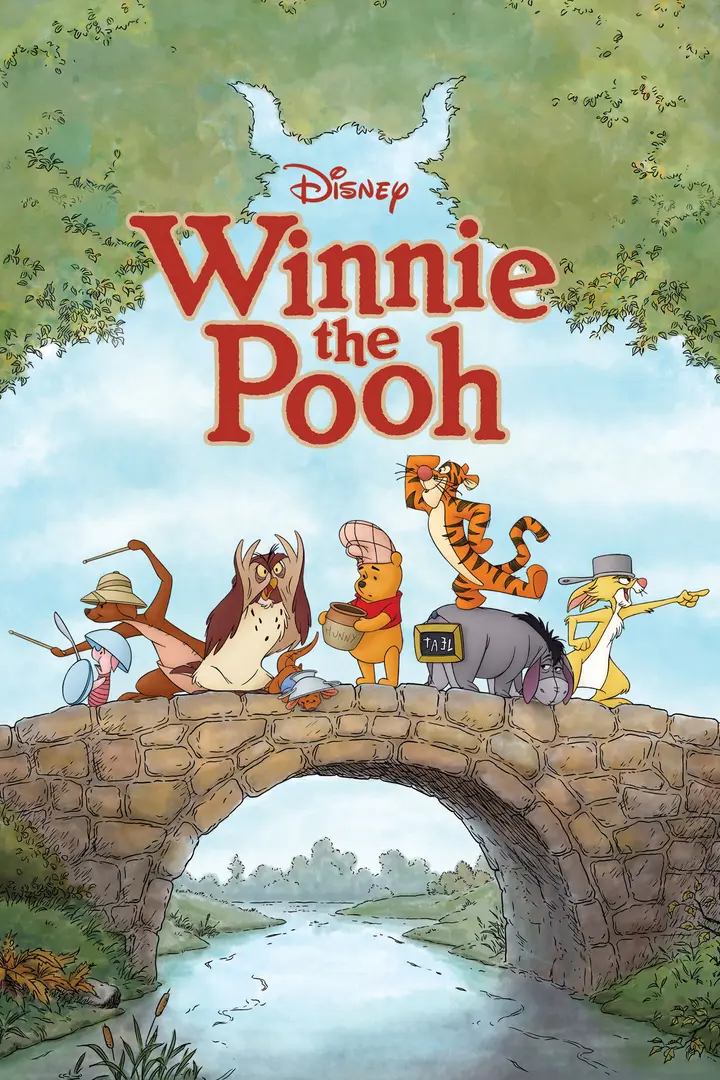
- Winnie the Pooh (2011): gentler, storybook-scale adventures in hand-drawn form.
- Wreck-It Ralph (2012): identity, friendship and social exclusion in a game world.
- Frozen (2013): sisterhood, isolation, self-acceptance and the weight of fear.
- Big Hero 6 (2014): mourning, revenge and care inside superhero action.
- Zootopia and Moana (2016): prejudice and institutions in one, community and calling in the other.
- Ralph Breaks the Internet (2018): online spaces and changing friendships.
- Frozen 2 (2019): memory, uncertainty and the cost of discovering a painful past.
This period continues several artistic discussions from the Experimental Era. It also contains a hand-drawn feature, Winnie the Pooh, so “the CGI era” is an insufficient description.
Do the 2020s belong to the same era?
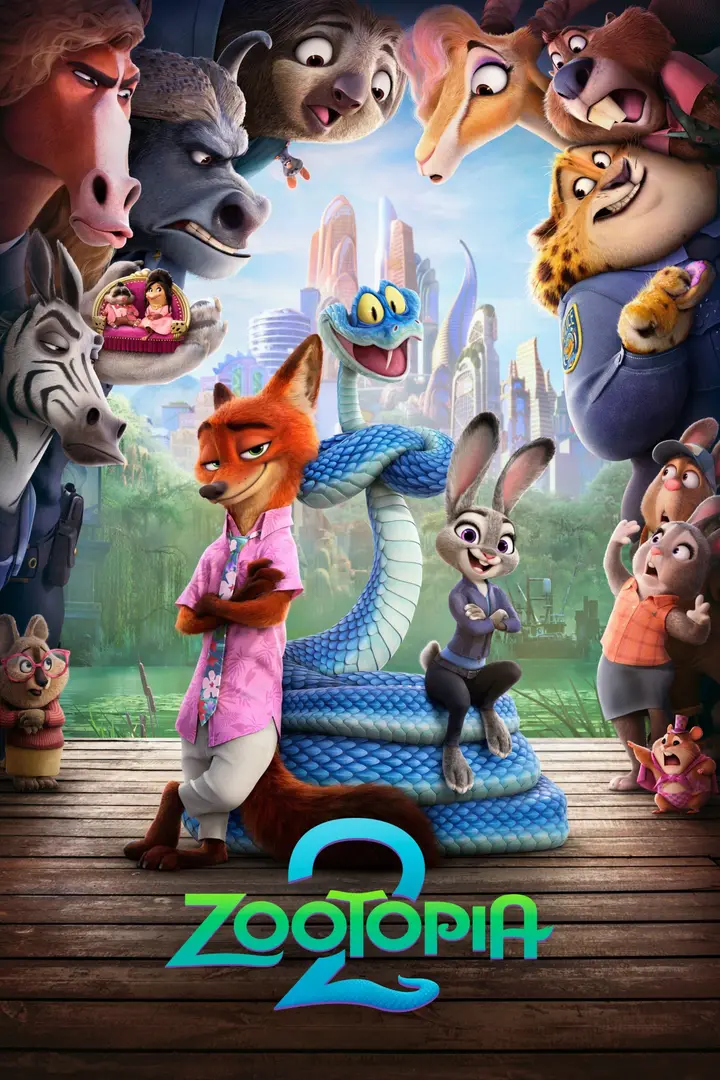
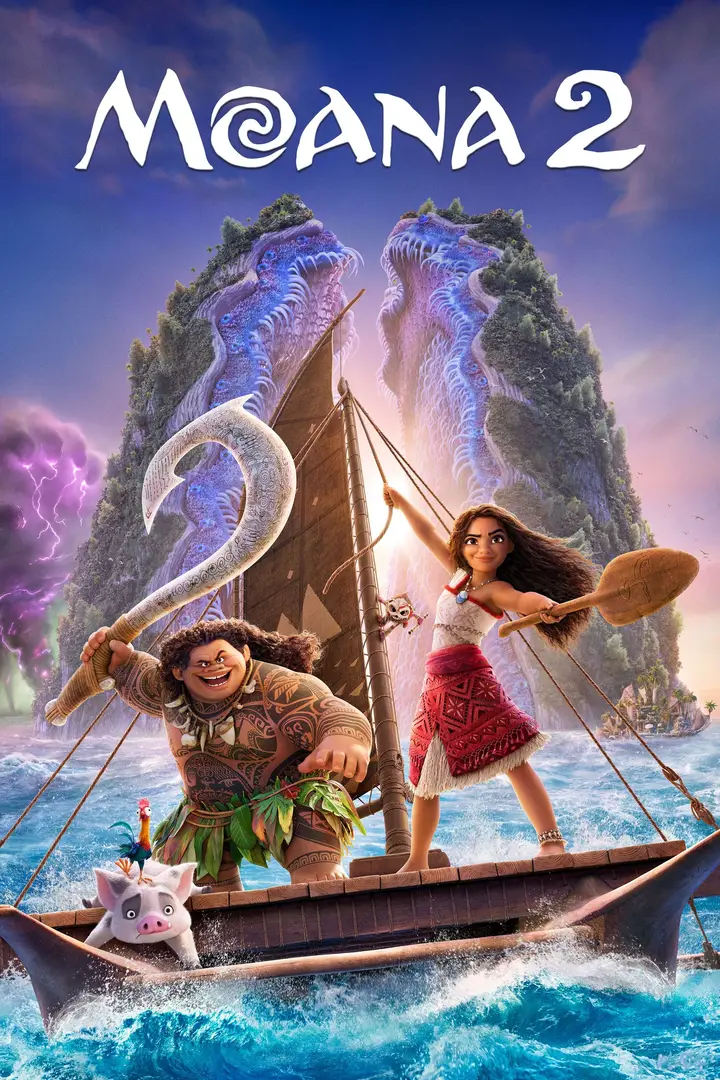
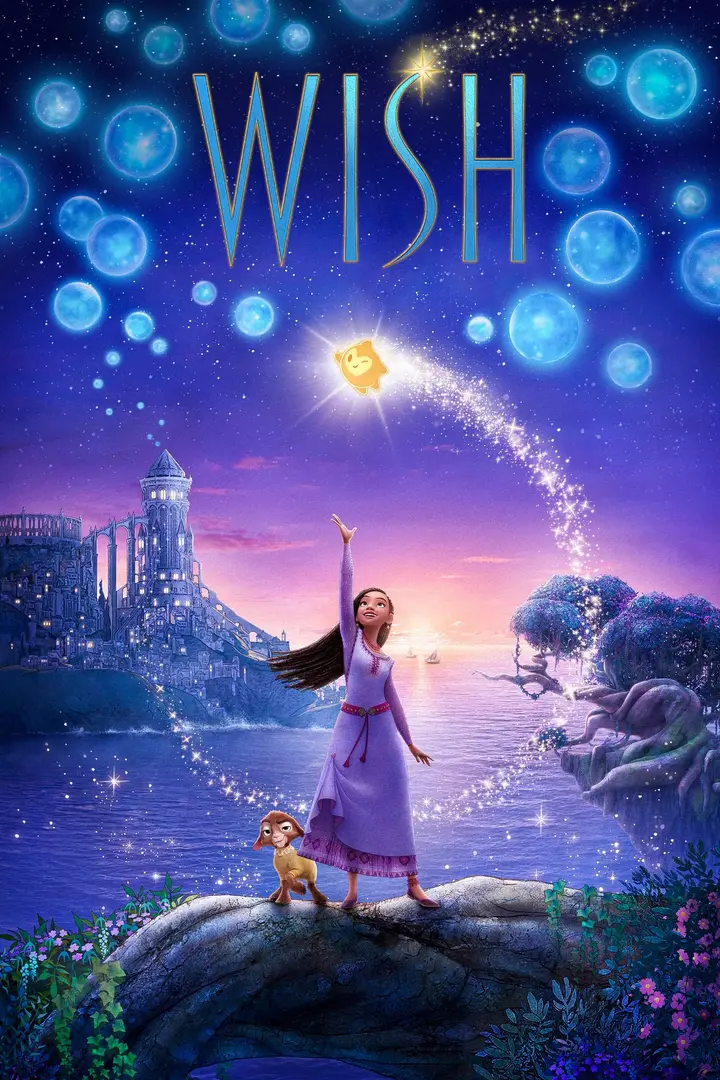
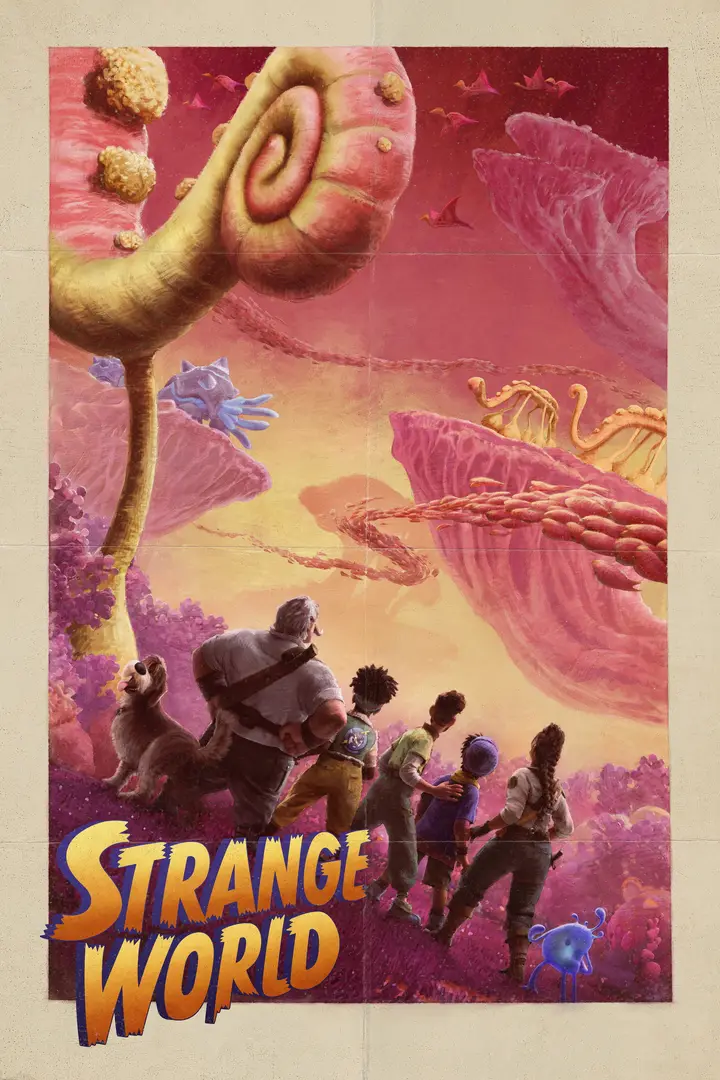
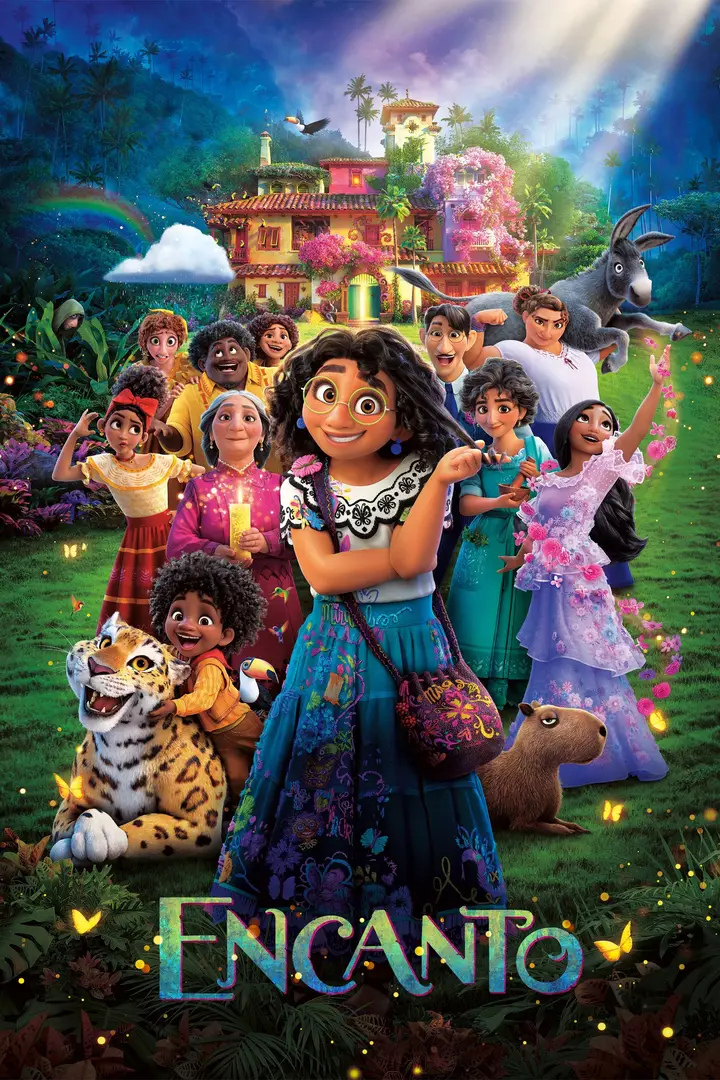
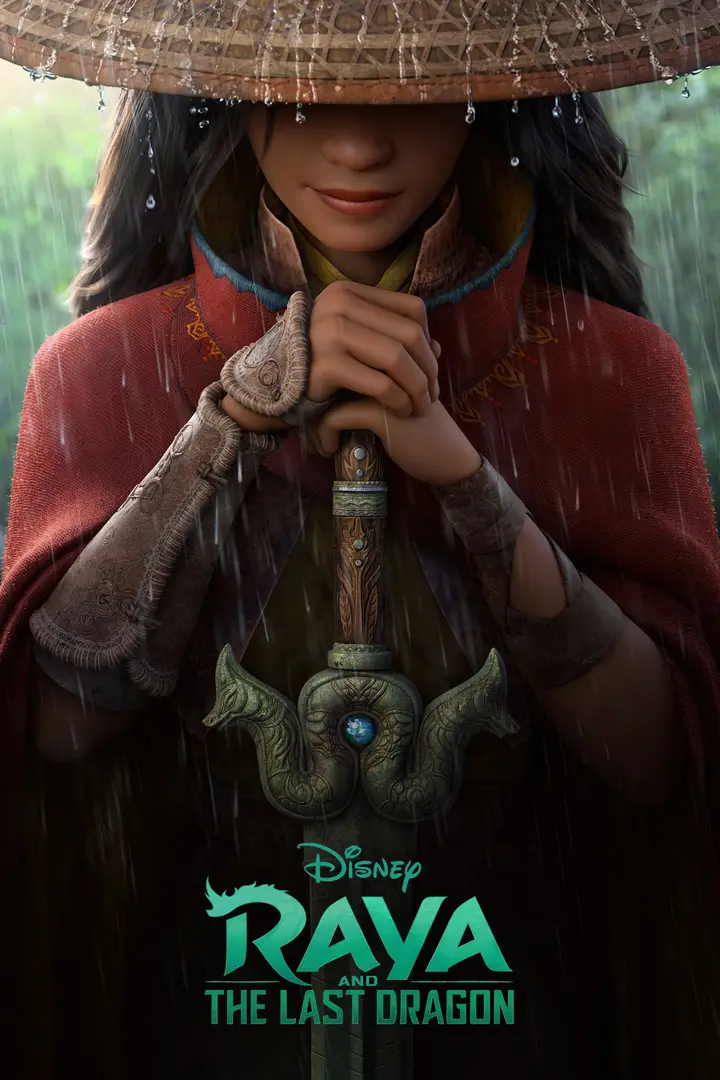
Raya and the Last Dragon and Encanto (2021), Strange World (2022), Wish (2023), Moana 2 (2024) and Zootopia 2 (2025) demonstrate a broad range of themes and approaches. Filmgoing, distribution and audience expectations also changed in the early 2020s. Some commentators continue “Revival” through the present; others prefer a distinction between the 2010s and the 2020s. Neither division is an official, universally settled Disney taxonomy. We treat the 2010s as the clearest core of the revival and the 2020s as an emerging chapter whose description will change with time.
The announced Hexed is listed by the studio for November 25, 2026 and is not treated here as released as of this article's November 2026 review. Future films will require an actual post-release editorial review before their place in any era can be assessed.
What the revival means for a family today
The familiar branding can conceal very different needs. Tangled raises issues of emotional manipulation; Big Hero 6 and Frozen 2 confront grief and fear; Zootopia invites discussion of stereotypes; Encanto examines family roles and invisible pressure. A child who enjoys a song may still find a frightening scene overwhelming. Preview the individual TFFC film guides rather than applying one age recommendation to a decade.
Browse Contemporary Disney Animation, understanding that this existing collection covers a wider range than the 2010s alone. To explore by a child's interests, maturity and sensitivities, use the Disney Family Guide. The full seven-era overview explains the historical classification; Pixar has its own studio history, not a place inside this particular feature canon.
Sources and chronology
Released features and the announced status of Hexed are drawn from the studio's official filmography. “Revival”, “Second Renaissance” and any 2020s successor are editorial labels subject to further research.