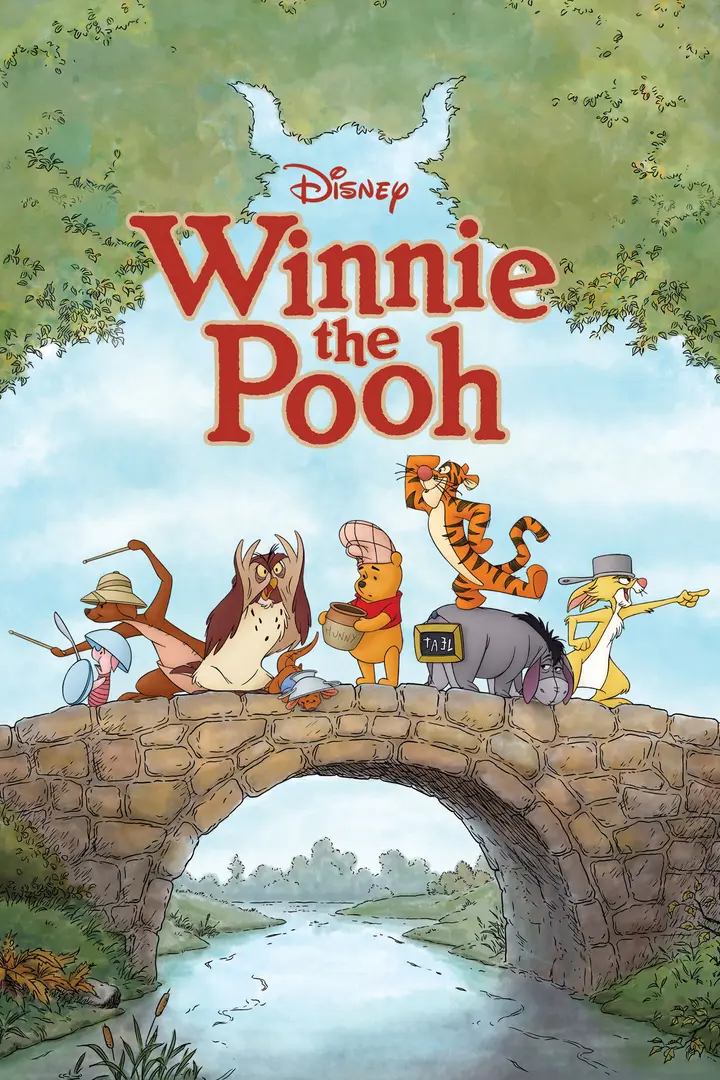
Winnie the Pooh
AgeMinimum 3Recommended 3+
A gentle celebration of friendship, imagination, and life's small adventures.
When Eeyore loses his tail, Pooh and his friends set out to find a suitable replacement. Their search soon leads to a second adventure after Owl misinterprets a note from Christopher Robin and convinces the group that their young friend has been captured by a mysterious creature.
- Release Year
- 2011
- Runtime
- 63 min
- Format
- Hand-Drawn Animation
- Genre
- Drama, Animation
- Mood
- Tender
- MPAA Rating
- G
In the Hundred Acre Wood, even the smallest problems can turn into gentle adventures. A missing tail, a misunderstood note, or a search for honey is enough to bring friends together and send them in unexpected directions. The story treats these moments with sincerity, showing how childhood imagination can give everyday events greater meaning than they seem to have at first.
Pages turn, illustrations shift, and words sometimes become part of the action itself. The watercolor world stays soft and welcoming, while quiet music and light humor create a calm, unhurried rhythm that shapes every moment.
The characters rarely set out to do anything important. What gives their journeys meaning is the way they care for each other along the way. Again and again, friendship matters more than the original goal, even when plans go completely off course.
Why It Stands Out
The film embraces the simplicity of A. A. Milne’s stories, finding charm in small adventures and everyday mishaps. Its hand-drawn artwork and gentle humor preserve a style of family storytelling that feels increasingly uncommon.
Parents’ Insight
A small worry can sometimes occupy a child’s thoughts for an entire day. Sitting with someone patient enough to listen can make the burden feel lighter, even when nothing has changed.
Parents’ Guide
What to know before you press play
Six things parents ask about, rated on the same scale for every film and series in the collection.
- Scary intensity
- Minimal (1 of 5)
- Violence
- Minimal (1 of 5)
- Language
- None (0 of 5)
- Emotional intensity
- Minimal (1 of 5)
- Sexual content
- None (0 of 5)
- Substance use
- None (0 of 5)
Content notes
- Very mild peril and suspense; Fantasy creatures
Parent guidance
Gentle themes, suitable for youngest viewers
Questions Parents Ask
What is Winnie the Pooh about?
When Eeyore loses his tail, Pooh and his friends set out to find a suitable replacement. Their search soon leads to a second adventure after Owl misinterprets a note from Christopher Robin and convinces the group that their young friend has been captured by a mysterious creature. The 'Backson' the friends invent to explain Christopher Robin's absence becomes a running joke that only makes their rescue mission more chaotic.
What age is Winnie the Pooh suitable for?
The Hundred Acre Wood's slow, low-key pacing suits even the youngest viewers, with nothing in the plot demanding more attention than a 3-year-old can give.
Is Winnie the Pooh scary?
- Very mild peril and suspense
- Fantasy creatures
- Parent preview: optional
The Hundred Acre Wood's mild mishaps stay gentle and storybook-scaled throughout, consistent with the classic Pooh tone.
Is Winnie the Pooh worth watching?
Winnie the Pooh embraces the simplicity of A. A. Milne's stories, finding charm in small adventures and everyday mishaps. Its hand-drawn artwork and storybook narration preserve a style of family storytelling that feels increasingly uncommon: pages turn, illustrations shift, and words sometimes become part of the action itself. In the Hundred Acre Wood, even the smallest problems can turn into gentle adventures, and friendship matters more than the original goal, even when plans go completely off course.
What is Winnie the Pooh based on?
Winnie the Pooh is based on the Winnie-the-Pooh books written by A. A. Milne and illustrated by E. H. Shepard, beginning with Winnie-the-Pooh, first published in 1926. The film combines several classic Milne stories, including the search for Eeyore's tail and the search for the imaginary 'Backson,' into one continuous narrative.
What order should you watch the Winnie the Pooh movies in?
Winnie the Pooh is the ninth of the 10 Winnie the Pooh movies in release order. Watch it after Pooh's Heffalump Halloween Movie (2005) and before Christopher Robin (2018). Release order: 1) The Many Adventures of Winnie the Pooh (1977, best from age 3); 2) Winnie the Pooh: Spookable Pooh (1996, special, best from age 4); 3) Pooh's Grand Adventure: The Search for Christopher Robin (1997, direct-to-video, not in our collection); 4) The Tigger Movie (2000, best from age 4); 5) Winnie the Pooh: A Very Merry Pooh Year (2002, direct-to-video, best from age 4); 6) Piglet's Big Movie (2003, best from age 4); 7) Pooh's Heffalump Movie (2005, best from age 4); 8) Pooh's Heffalump Halloween Movie (2005, direct-to-video, best from age 4); 9) Winnie the Pooh (2011, best from age 3); 10) Christopher Robin (2018, best from age 7). Every Pooh film stands alone, so start with any. Christopher Robin is a live-action story about the boy as a grown-up and suits slightly older children. Ages across the series range from 3 (The Many Adventures of Winnie the Pooh) to 7 (Christopher Robin), so a younger child may be ready for some films well before others. 9 of the 10 have a full parents’ guide in The Family Film Collection.
Talk About It
Eeyore’s missing tail and Owl’s Backson misunderstanding send Pooh’s friends into gentle confusion, where helping one another matters more than honey.
- Why does Pooh help find Eeyore’s tail?
- How does Piglet act when friends need him?
- Would you enter a pit to catch a Backson?
- What would you tell Owl about Christopher Robin’s note?
- Why does Pooh keep thinking about honey?
- How does Tigger train Eeyore?
- Which tail replacement is funniest?
- Why does Pooh give up his reward?
Turn this film into a ready-to-use class discussion
Use the Teacher Resources already attached to this film. Choose the questions you want, then print, copy or share the result.
Similar Movies
The Many Adventures of Winnie the Pooh supplies the classic Hundred Acre Wood foundation. The Tigger Movie spotlights Tigger, Piglet's Big Movie does the same for Piglet, and Pooh's Heffalump Movie expands the circle of friends, whereas Totoro and The Peanuts Movie leave the franchise but retain gentle childhood-scale storytelling.
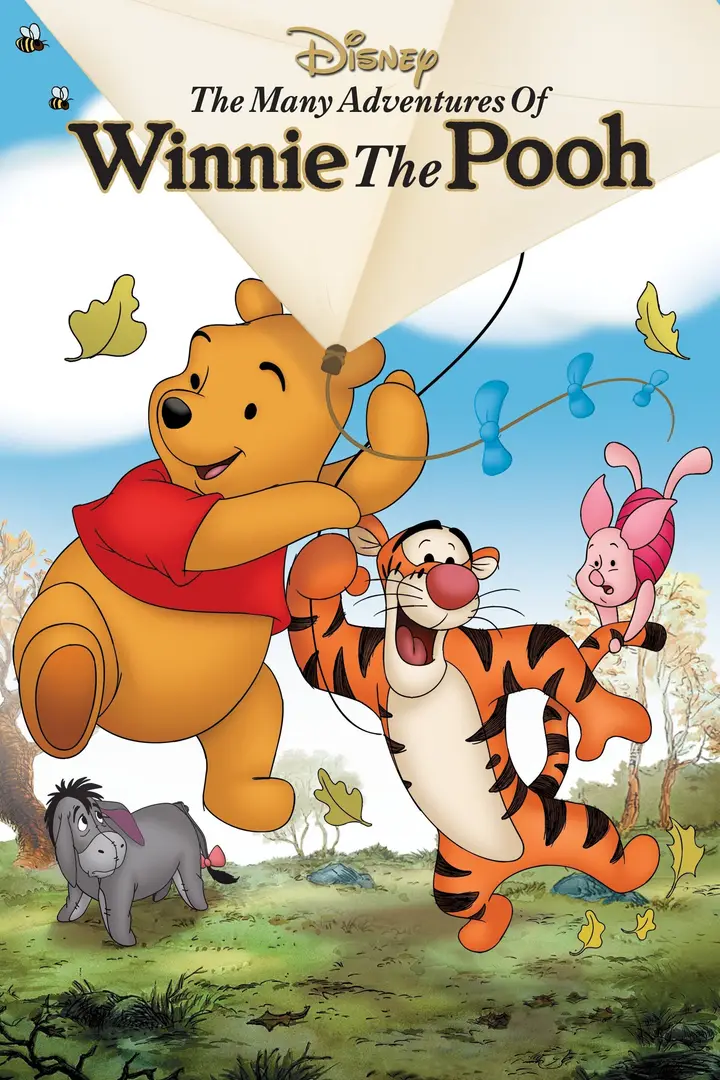
The Many Adventures of Winnie the Pooh
Storybook warmth and gentle humor accompany a series of small adventures filled with friendship and charm.
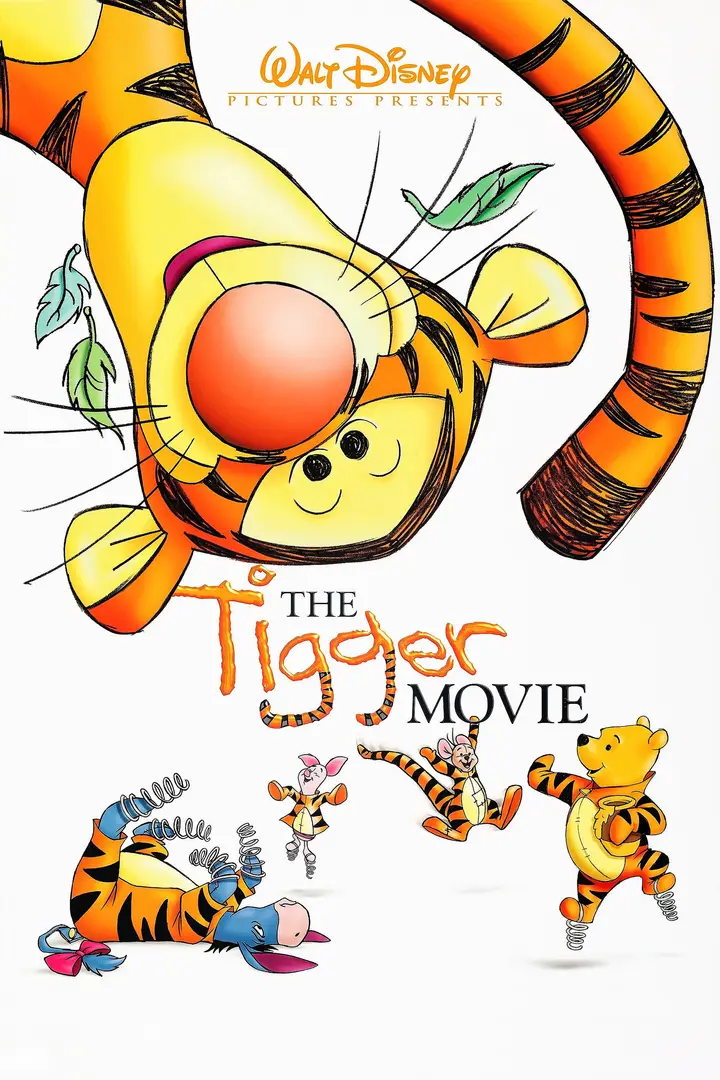
The Tigger Movie
All the bouncing in the Hundred Acre Wood can't hide a tender question: what makes a family? Tigger's warmth has never felt more personal.
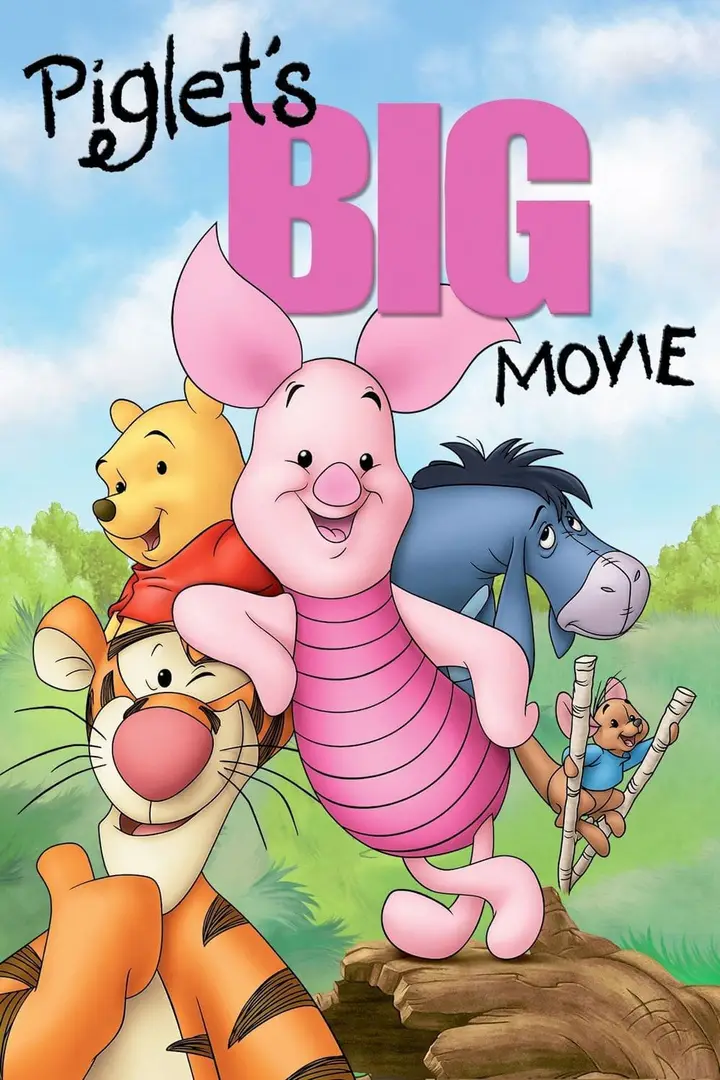
Piglet's Big Movie
Small in size, enormous in kindness: Piglet's gentlest moments reveal the courage and affection hidden in the Hundred Acre Wood.
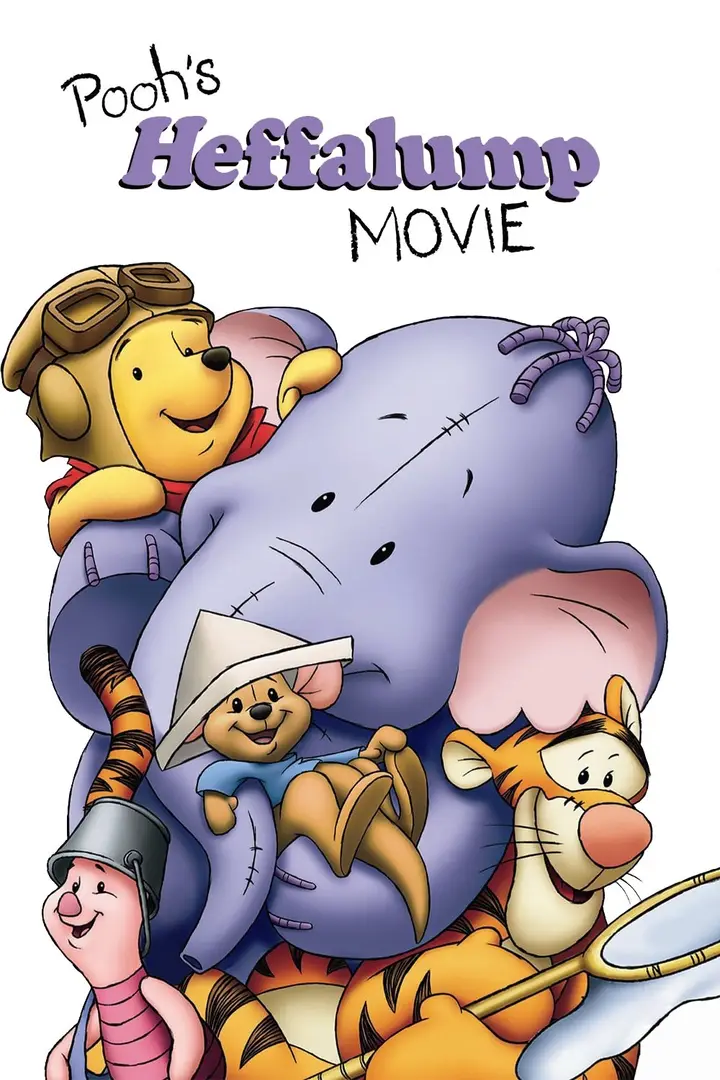
Pooh's Heffalump Movie
A woodland friendship turns fear of the unfamiliar into gentle laughter, with Roo's curiosity lighting up every moment.
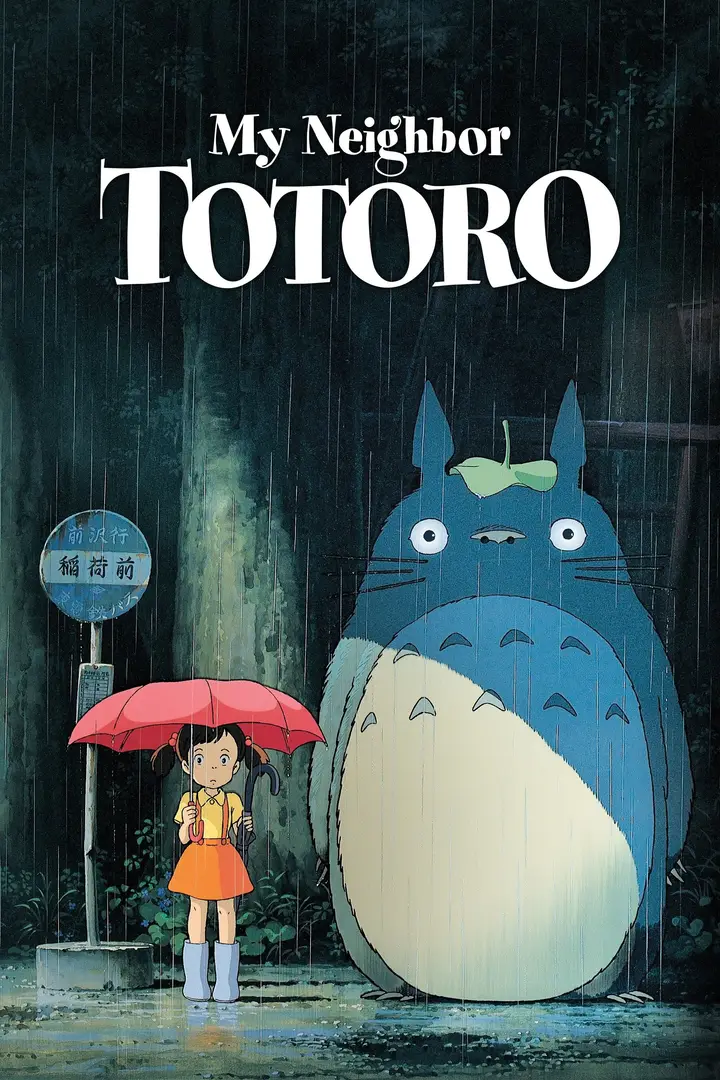
My Neighbor Totoro
Gentle humor, small discoveries, and the quiet rhythms of family life gradually become something magical in one of animation's most comforting childhood fantasies.
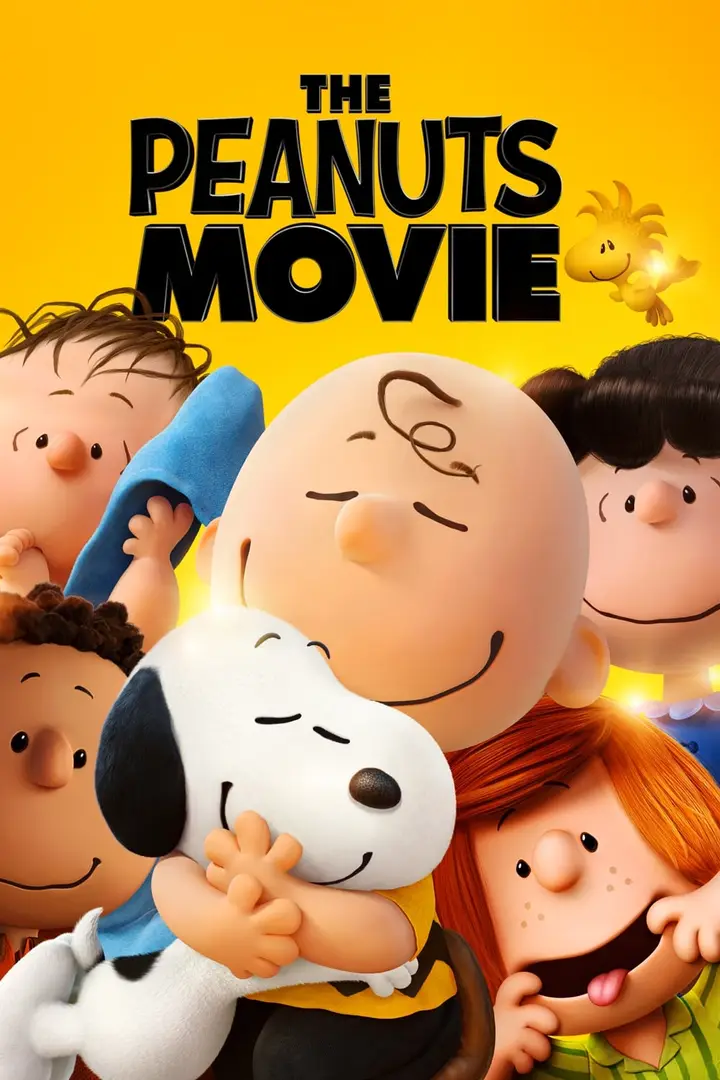
The Peanuts Movie
Timeless characters, joyful energy, and a heartfelt reminder that kindness matters more than success.