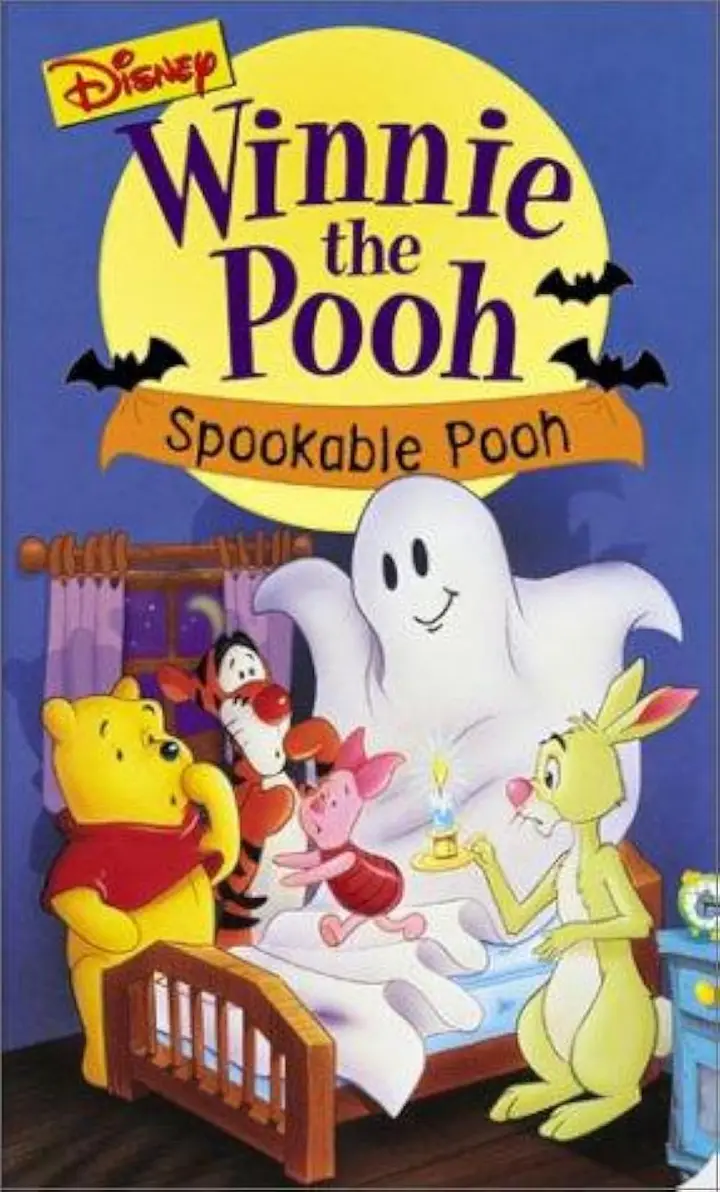
Winnie the Pooh: Spookable Pooh
AgeMinimum 4Recommended 4+
A low-intensity collection of rainy-day fantasy and uneasy dreams, with Piglet facing fears that feel considerably bigger than he does.
Across two stories, Piglet encounters very different reasons to be frightened. A rainy afternoon in Christopher Robin’s attic becomes an imagined medieval adventure involving a dreadful dragon, while a stormy nightmare later leaves Piglet afraid to fall asleep again.
- Release Year
- 1996
- Runtime
- 33 min
- Format
- Hand-Drawn Animation
- Mood
- Spooky, Playful
- MPAA Rating
- Not Rated
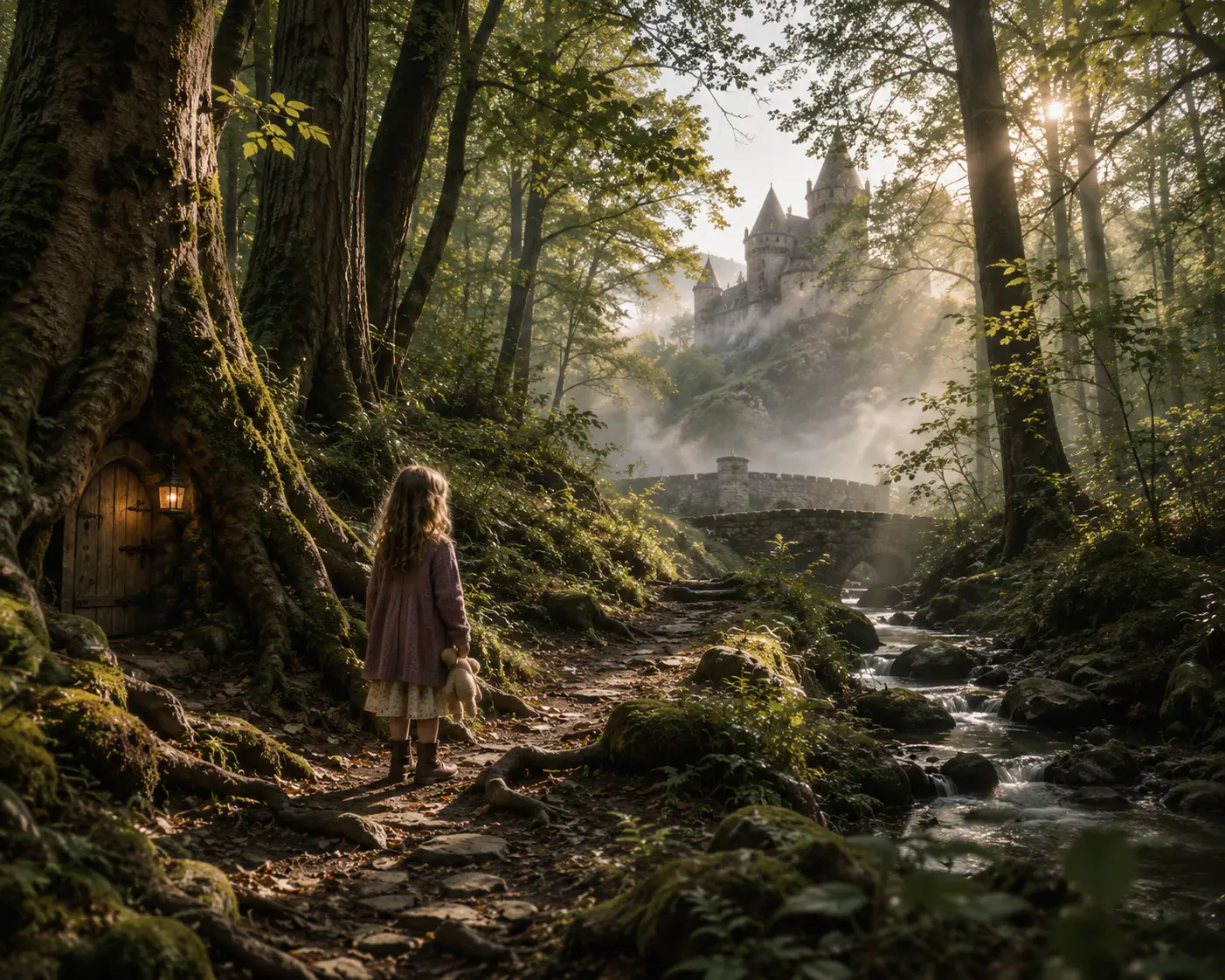
Piglet is particularly easy to frighten, and Spookable Pooh makes that nervousness central to both stories. In “A Knight to Remember,” a rainy afternoon sends Pooh and his friends exploring Christopher Robin’s attic, where their play becomes an imagined medieval adventure. Piglet soon finds himself facing a dreadful dragon in a world where make-believe danger feels considerably larger than he does.
“Rock-a-Bye Pooh Bear” approaches fear from a different direction. A stormy nightmare leaves Piglet reluctant to go back to sleep, even after he is awake and surrounded by familiar friends. Pooh, Rabbit and Tigger want to reassure him, but knowing that a dream cannot hurt him does not immediately remove the feeling it left behind. The situation will be recognizable to younger viewers who have understood perfectly well that a nightmare was imaginary and still preferred to keep the light on.
Together, the two stories make this less a conventional Halloween celebration than a small collection about being spooked. One fear grows from imaginative play and the other follows Piglet out of a dream, allowing the same character to experience fear in two different ways. The Hundred Acre Wood remains familiar throughout, and Piglet does not have to become a different, suddenly fearless character. He remains Piglet, learning that being frightened and finding enough courage to continue can exist at the same time.
Why It Stands Out
Piglet's familiar worries connect two Halloween stories about imaginary threats and lingering nightmares. The Hundred Acre Wood keeps the scares approachable, using friendship and playful misunderstandings to give each fright a reassuring context.
Parents’ Insight
A child can understand that a dragon or nightmare is imaginary and still feel genuinely afraid. Piglet’s experiences leave room for that gap between understanding and emotion, making reassurance more important than simply insisting that there is nothing to fear.
Parents’ Guide
What to know before you press play
Six things parents ask about, rated on the same scale for every film and series in the collection.
- Scary intensity
- Minimal (1 of 5)
- Violence
- Mild (2 of 5)
- Language
- None (0 of 5)
- Emotional intensity
- Minimal (1 of 5)
- Sexual content
- None (0 of 5)
- Substance use
- None (0 of 5)
Content notes
- Gentle spooky scenes
Questions Parents Ask
What age is Winnie the Pooh: Spookable Pooh suitable for?
Children around age 4 can usually follow the simple adventures and understand the reassuring messages about fear. A few shadowy settings, strange noises and moments of uncertainty may briefly unsettle sensitive children, but there is no strong threat or sustained intensity.
Is Winnie the Pooh: Spookable Pooh scary?
- It contains gentle spooky scenes, imagined dangers and brief suspense, but no horror, graphic violence or intense threats
- Graphic violence
The stories use darkness, unfamiliar sounds and Piglet's nervous reactions to create mild tension. Each frightening idea is softened by humor, friendship and a safe outcome, making the collection more playful than scary for most young children.
What is Winnie the Pooh: Spookable Pooh based on?
The release compiles the television episodes A Knight to Remember and Rock-a-Bye Pooh Bear under a Halloween presentation. Its world and characters trace back to Milne's Winnie the Pooh stories, but these particular adventures were produced for Disney television.
What is Winnie the Pooh: Spookable Pooh about?
The 1996 release brings together two stories from The New Adventures of Winnie the Pooh: A Knight to Remember and Rock-a-Bye Pooh Bear. Castles, strange noises and imagined dangers create playful suspense, while the Hundred Acre Wood friends turn each scare into a lesson about bravery and friendship.
Is Winnie the Pooh: Spookable Pooh worth watching?
It is a charming, low-intensity seasonal choice for younger children who enjoy Winnie the Pooh and short, reassuring stories. The compact running time works well for a first spooky-season viewing or for children not ready for a full-length Halloween film. Its animation has a nostalgic television feel, and Piglet's efforts to be brave offer a useful, gentle way to discuss fear with young viewers.
What order should you watch the Winnie the Pooh movies in?
Winnie the Pooh: Spookable Pooh is the second of the 10 Winnie the Pooh movies in release order. Watch it after The Many Adventures of Winnie the Pooh (1977) and before Pooh's Grand Adventure: The Search for Christopher Robin (1997). It is a short special that fits in at any point. Release order: 1) The Many Adventures of Winnie the Pooh (1977, best from age 3); 2) Winnie the Pooh: Spookable Pooh (1996, special, best from age 4); 3) Pooh's Grand Adventure: The Search for Christopher Robin (1997, direct-to-video, not in our collection); 4) The Tigger Movie (2000, best from age 4); 5) Winnie the Pooh: A Very Merry Pooh Year (2002, direct-to-video, best from age 4); 6) Piglet's Big Movie (2003, best from age 4); 7) Pooh's Heffalump Movie (2005, best from age 4); 8) Pooh's Heffalump Halloween Movie (2005, direct-to-video, best from age 4); 9) Winnie the Pooh (2011, best from age 3); 10) Christopher Robin (2018, best from age 7). Every Pooh film stands alone, so start with any. Christopher Robin is a live-action story about the boy as a grown-up and suits slightly older children. Ages across the series range from 3 (The Many Adventures of Winnie the Pooh) to 7 (Christopher Robin), so a younger child may be ready for some films well before others. 9 of the 10 have a full parents’ guide in The Family Film Collection.
Talk About It
Across two stories, Piglet faces fear in different forms: a rainy afternoon becomes an imagined medieval adventure with a dragon, while a nightmare during a storm leaves him afraid to sleep again. Use the film to discuss friendship, courage and imagination, helping children distinguish a frightening story or dream from real danger and consider how patient support can restore a sense of safety.
- How does a rainy afternoon in Christopher Robin’s attic turn into an imaginative adventure?
- What makes the dragon frightening to Piglet even though it belongs to a story?
- How is Piglet’s fear after the nightmare different from the fear in the medieval adventure?
- How does the storm make Piglet’s dream feel more real?
- What do Piglet’s friends do when he becomes afraid to sleep again?
- Which response from a friend helps Piglet feel safest, and why?
- When can telling a scary story be fun, and when might it become too much for someone?
- What idea from Piglet’s experiences could help a child after a bad dream?
Turn this film into a ready-to-use class discussion
Use the Teacher Resources already attached to this film. Choose the questions you want, then print, copy or share the result.
Similar Movies
Pooh-related viewing occupies one side of the set: The Many Adventures of Winnie the Pooh, Christopher Robin and Heffalump Halloween. The other side—Smurfy Hollow, Monsters, Inc. and Goosebumps 2—moves toward friendly monsters, fear and playful seasonal adventure.
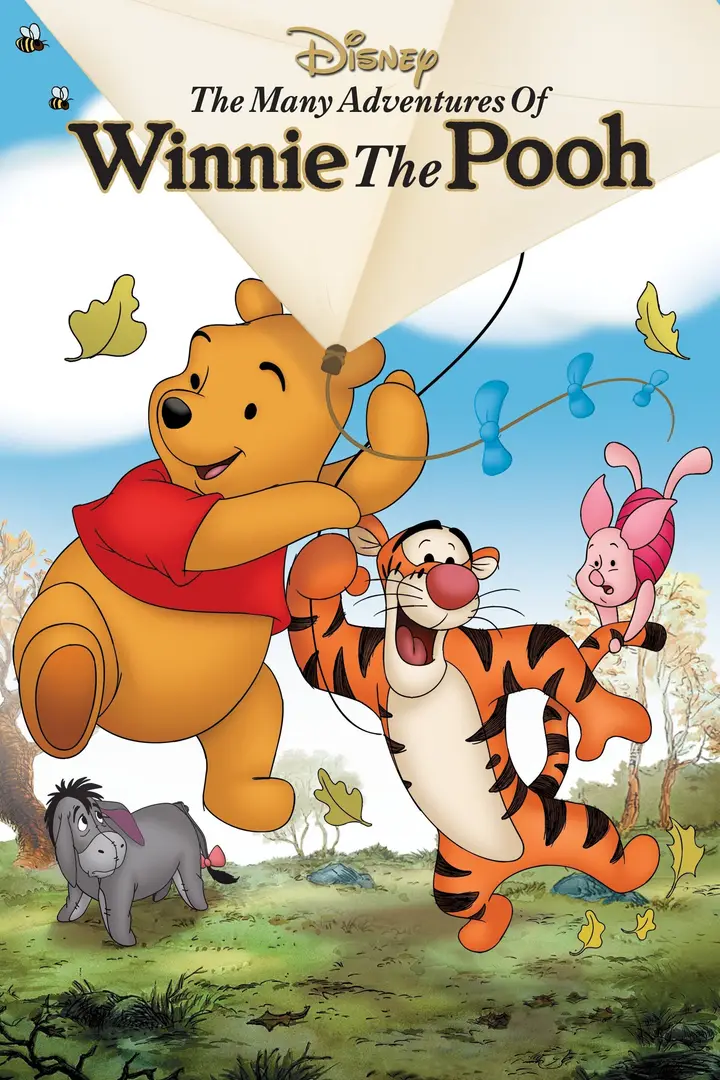
The Many Adventures of Winnie the Pooh
Storybook warmth and gentle humor accompany a series of small adventures filled with friendship and charm.
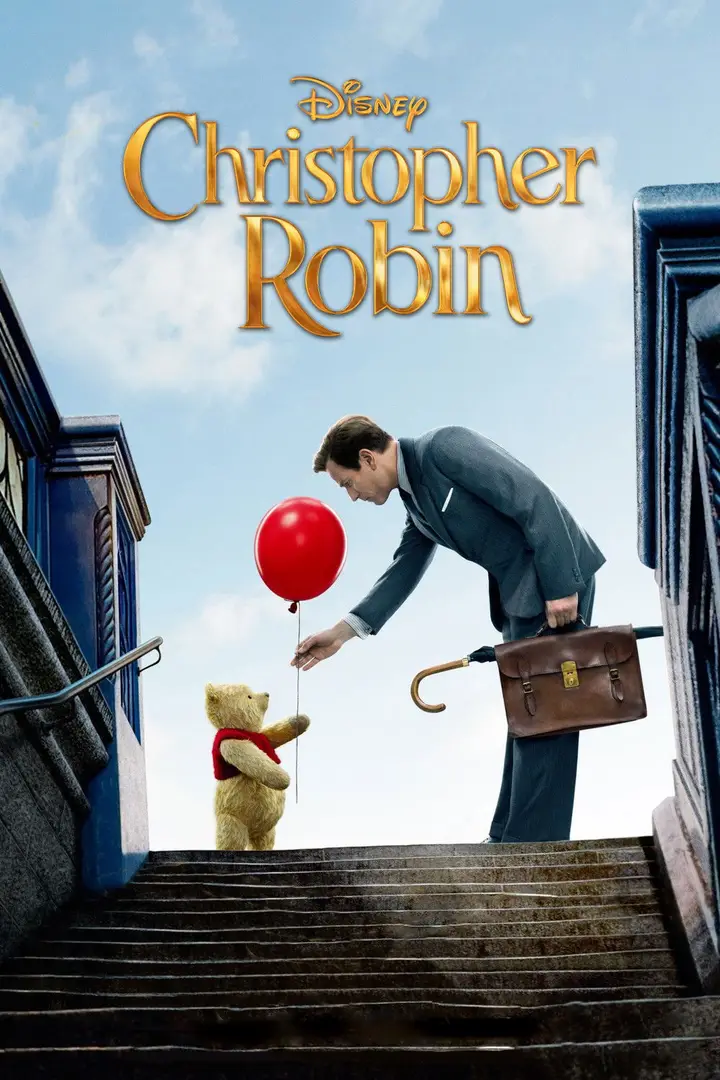
Christopher Robin
A wistful, grown-up return to childhood wonder, about rediscovering joy in an overworked adult life.
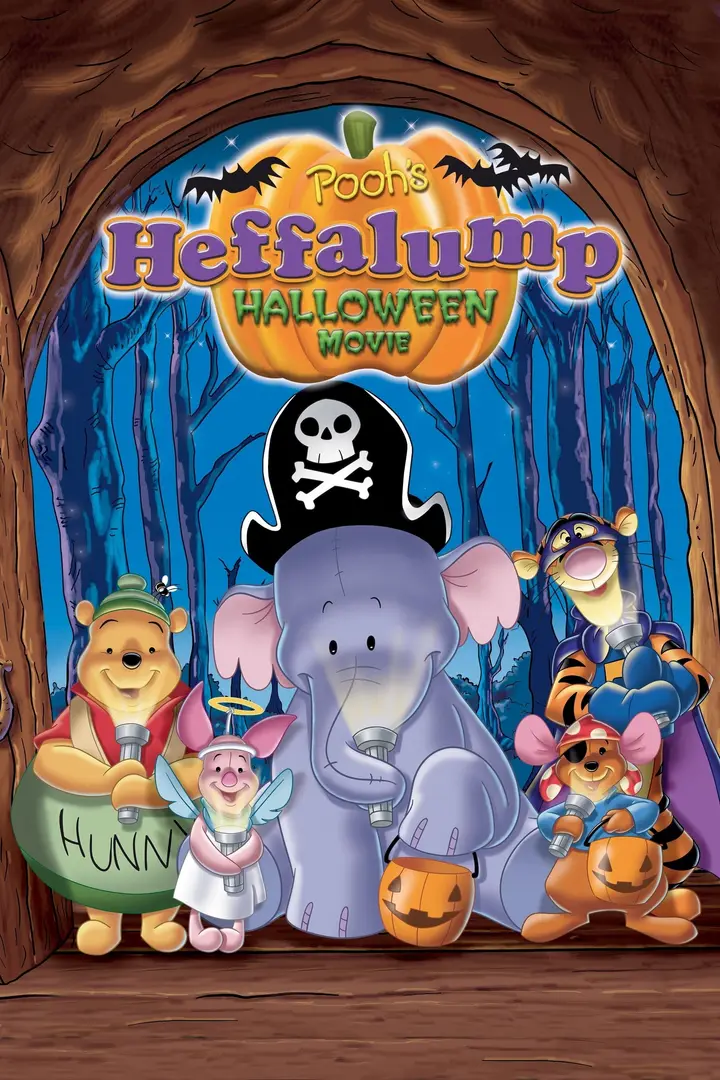
Pooh's Heffalump Halloween Movie
A low-intensity Halloween adventure built around first-time trick-or-treating, imagined monsters, familiar friends, and learning what being brave can actually mean.
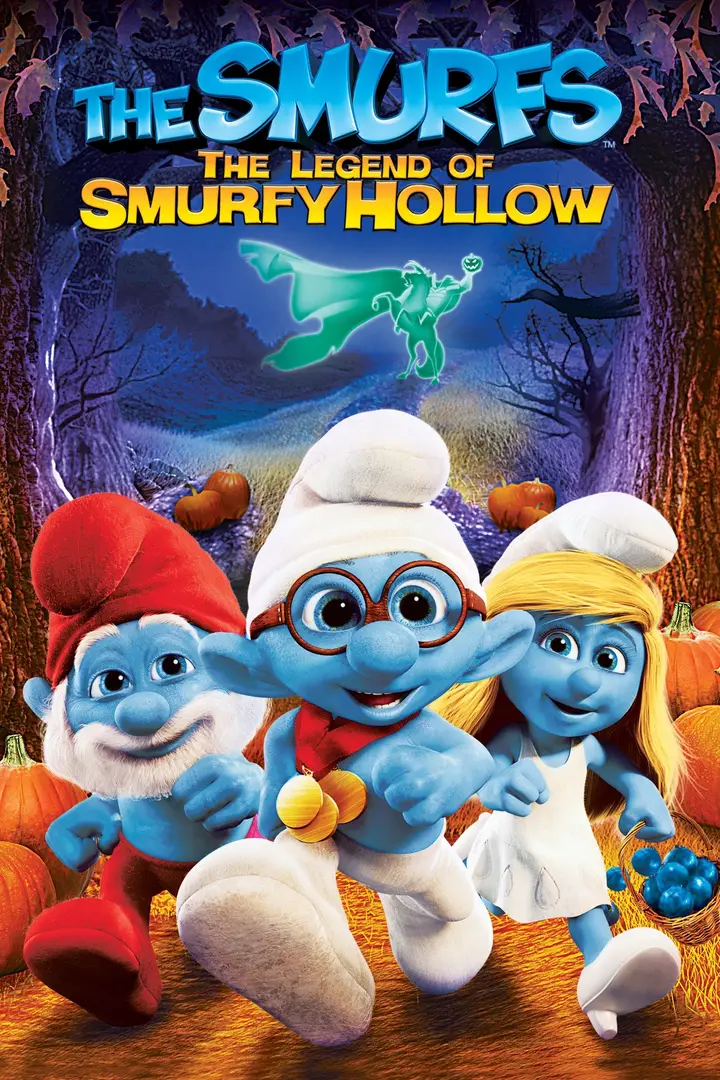
The Smurfs: The Legend of Smurfy Hollow
The Smurfs get a deliciously eerie Halloween world: dim woods, old legends, and a rivalry that matters much less than friendship.
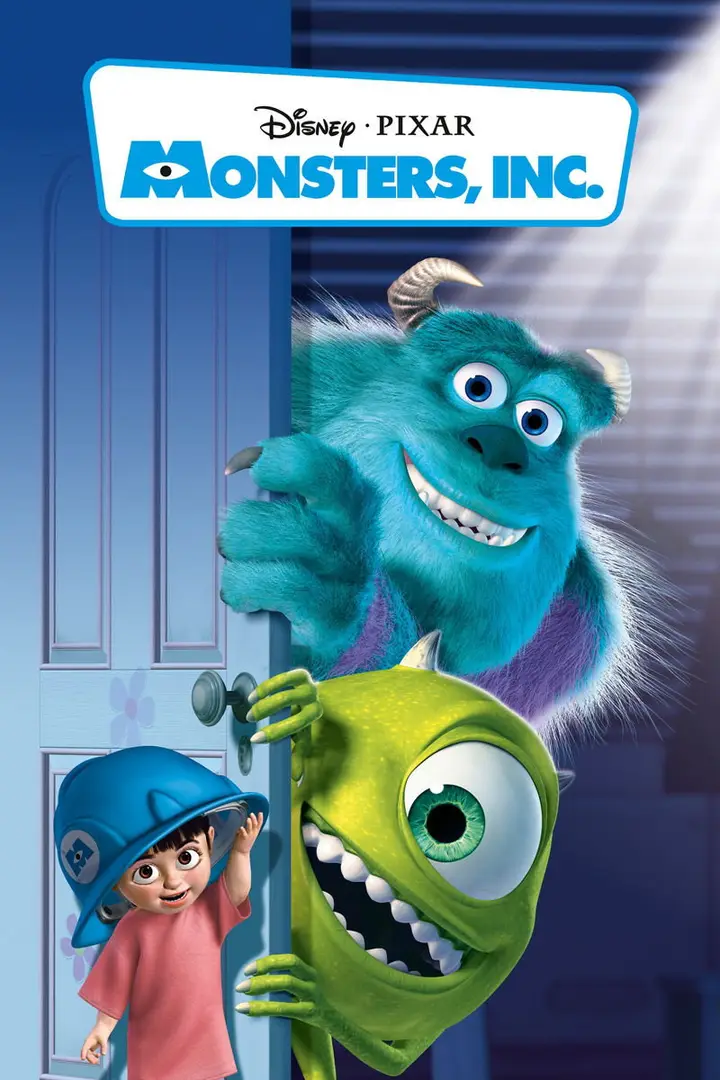
Monsters, Inc.
Childhood fears, unforgettable characters, and one of Pixar's most imaginative worlds come together in a funny and surprisingly heartfelt adventure.
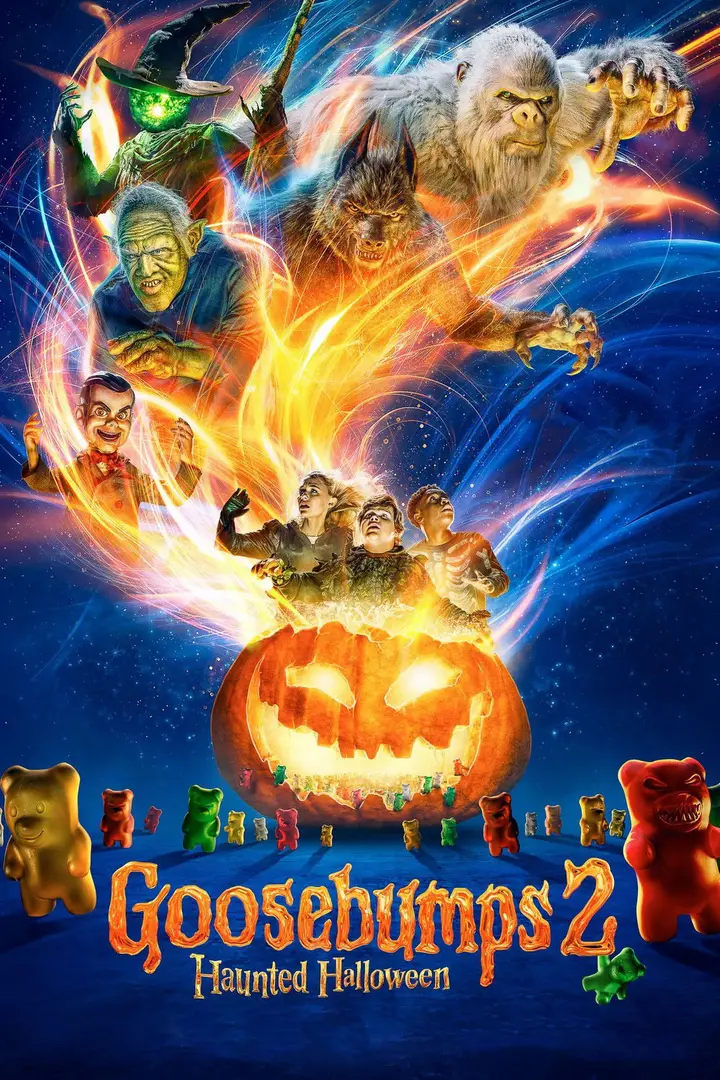
Goosebumps 2: Haunted Halloween
A Halloween adventure of haunted books, mischievous monsters, and a small town transformed into a night of supernatural surprises.