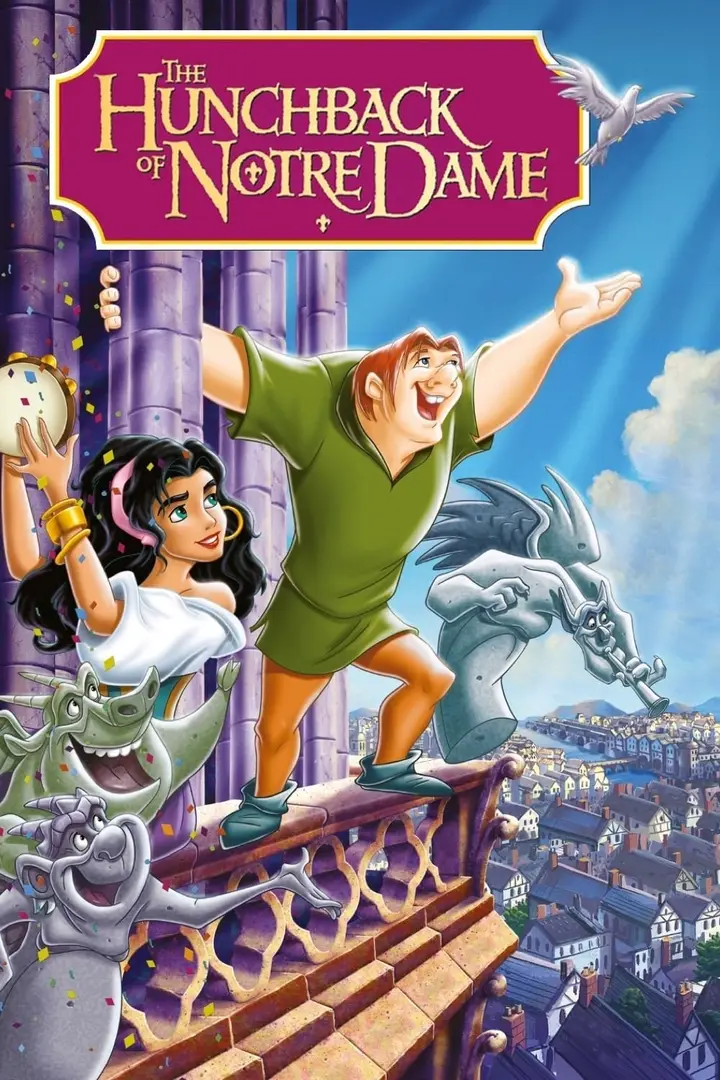
The Hunchback of Notre Dame
AgeMinimum 8Recommended 9+
A powerful gothic drama about loneliness, compassion, and the longing to be accepted by the world beyond the cathedral walls.
After a cruel judge kills a Romani woman outside Notre Dame Cathedral, he reluctantly agrees to raise her deformed infant son, Quasimodo, inside the cathedral bell tower. Twenty years later, the kindhearted Quasimodo defies his guardian's orders and ventures outside for the first time and meets the compassionate Esmeralda.
- Release Year
- 1996
- Runtime
- 91 min
- Format
- Hand-Drawn Animation
- Mood
- Emotional, Intense
- MPAA Rating
- G
The Hunchback of Notre Dame unfolds in a city where people are constantly being watched. Crowded squares, church steps, public celebrations, and towering balconies turn much of Paris into a stage, with characters frequently placed before audiences that judge, cheer, mock, or condemn what they see.
That public scrutiny shapes nearly every major relationship in the film. Quasimodo spends much of his life observing others from above, separated from the crowds below, while Esmeralda attracts attention wherever she goes. Private moments exist, but public opinion often carries equal or greater influence over events.
Cathedrals, bells, choirs, and vast interior spaces reinforce that sense of scale throughout the story. Individual choices matter, yet the presence of the crowd is never far away, turning personal struggles into public spectacles.
Why It Stands Out
Towering shadows, cathedral bells, stained glass, and medieval Paris give the film a distinctly gothic character. Firelight, stone, and vast interiors create imagery unlike anything else produced during the Disney Renaissance.
Parents’ Insight
The stories we hear about the world often shape our choices long before we have enough experience to question them. Reconsidering those beliefs can be far more difficult than accepting them in the first place.
Parents’ Guide
What to know before you press play
Six things parents ask about, rated on the same scale for every film and series in the collection.
- Scary intensity
- Mild (2 of 5)
- Violence
- Moderate (3 of 5)
- Language
- Minimal (1 of 5)
- Emotional intensity
- Mild (2 of 5)
- Sexual content
- Mild (2 of 5)
- Substance use
- Moderate (3 of 5)
Content notes
- Surprisingly intense themes of prejudice, lust, and a villain's attempted murder; darker than typical Disney fare
Questions Parents Ask
What is The Hunchback of Notre Dame about?
Raised in isolation within the bell tower of Notre Dame Cathedral, Quasimodo has spent his entire life believing the outside world will never accept him because of his appearance. His guardian, Judge Claude Frollo, keeps him hidden from society, convincing him that the cathedral is the only place where he belongs.
Everything changes during the Festival of Fools, where Quasimodo meets the compassionate Esmeralda, a young Romani woman who treats him with kindness and dignity. As Frollo's obsession with controlling both Esmeralda and the city grows increasingly dangerous, Quasimodo must decide whether to remain hidden in fear or risk everything to protect the people who have shown him acceptance. His journey becomes one of courage, belonging, and discovering that a person's worth is never determined by appearance alone.
What age is The Hunchback of Notre Dame suitable for?
Frollo's intimidation, the fire, attempted violence, and persecution give the film a darker edge than many Disney musicals, making 8 a reasonable minimum. At 9+, children are more likely to understand the prejudice and abuse of power behind the danger rather than experiencing Frollo only as a frightening villain.
Is The Hunchback of Notre Dame scary?
- Intimidating villain
- Fire and danger
- Public humiliation
- Sword fights and action
- Emotional intensity
- Graphic violence
- Gore
- Horror elements
Judge Frollo creates an atmosphere of constant tension through his cruelty, abuse of power, and relentless pursuit of Esmeralda. Several scenes involve public humiliation, burning buildings, dangerous confrontations, and emotional distress.
Is The Hunchback of Notre Dame worth watching?
Quasimodo's isolation and the film's unusually mature themes about prejudice and faith give this adaptation more emotional weight than typical Disney animated fare of its era. Its Gothic architecture and choral score give it a visual and musical gravity distinct from Disney's lighter fare.
What is The Hunchback of Notre Dame based on?
The Hunchback of Notre Dame is based on the book Victor Hugo's classic book Notre-Dame de Paris, first published in 1831. While the film significantly softens many of the novel's darker events to create a family-friendly story, it retains its central characters, medieval Paris setting, and enduring themes of prejudice, compassion, justice, and belonging. The adaptation places greater emphasis on hope, friendship, and redemption than Hugo's original work.
Talk About It
Frollo’s control keeps Quasimodo hidden in Notre Dame, but Esmeralda’s compassion gives him courage to challenge prejudice and protect Paris’s persecuted Romani community.
- Why does Quasimodo believe Frollo’s warnings about the outside world?
- How does Esmeralda treat Quasimodo differently from the festival crowd?
- Would you leave the cathedral after years of being told you were unsafe?
- What would you tell Phoebus when Frollo orders him to harm civilians?
- Why does Quasimodo mistake Esmeralda’s kindness for romantic love?
- How do the gargoyles help and sometimes mislead him?
- Which act makes Esmeralda a threat to Frollo’s authority?
- Quasimodo disobeys Frollo for the first time to go outside. What does that first act of disobedience cost him, and what does it give him?
Turn this film into a ready-to-use class discussion
Use the Teacher Resources already attached to this film. Choose the questions you want, then print, copy or share the result.
Similar Movies
Three of these are Disney's own musical tradition; the other three widen into non-Disney animated films with the same mix of spectacle and real injustice underneath.
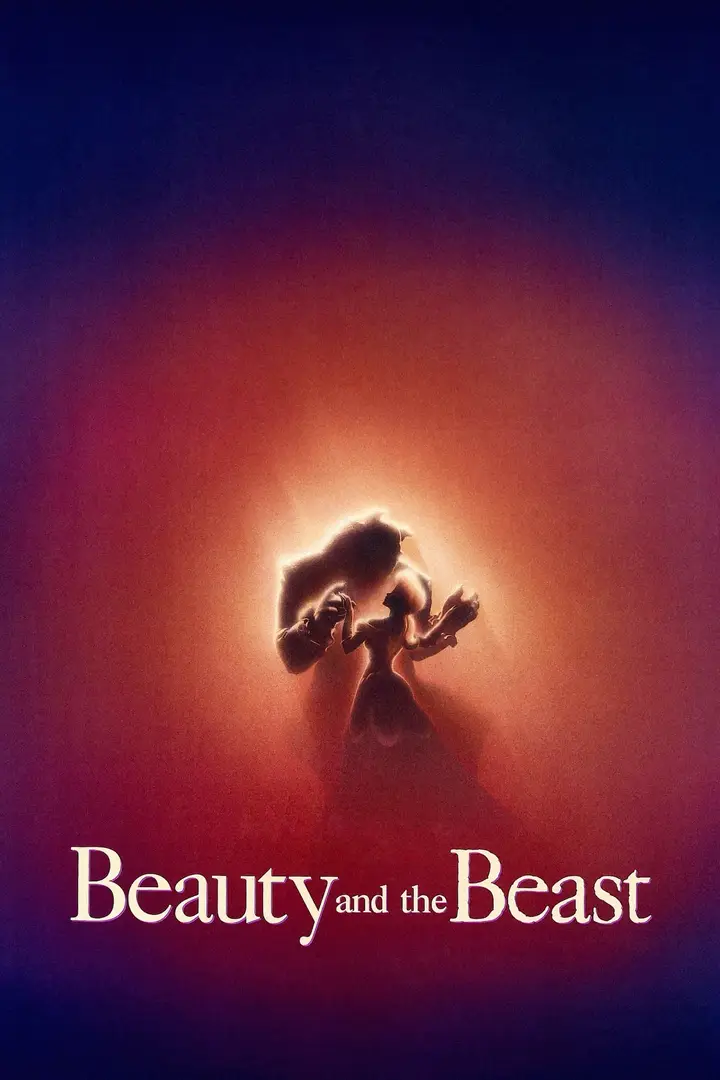
Beauty and the Beast
A lonely young woman and a cursed prince slowly transform a forgotten castle into a place where love, hope, and vulnerability can exist again.
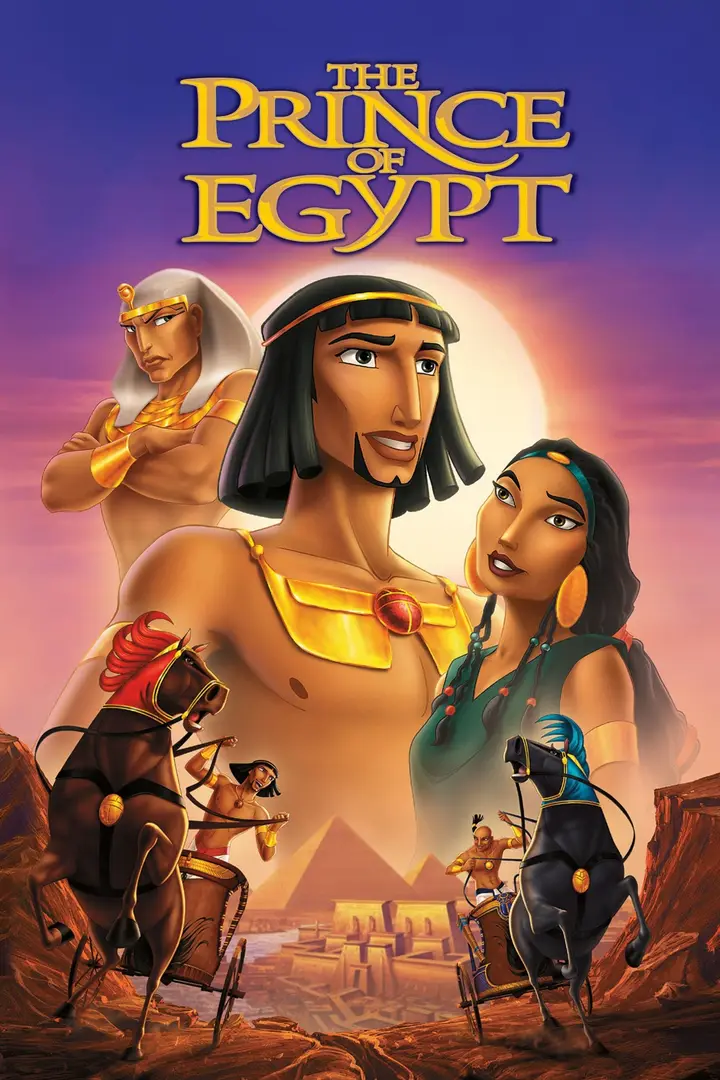
The Prince of Egypt
An epic biblical fantasy filled with spectacle, tragedy, brotherhood, and one of the most ambitious musical productions in animation.
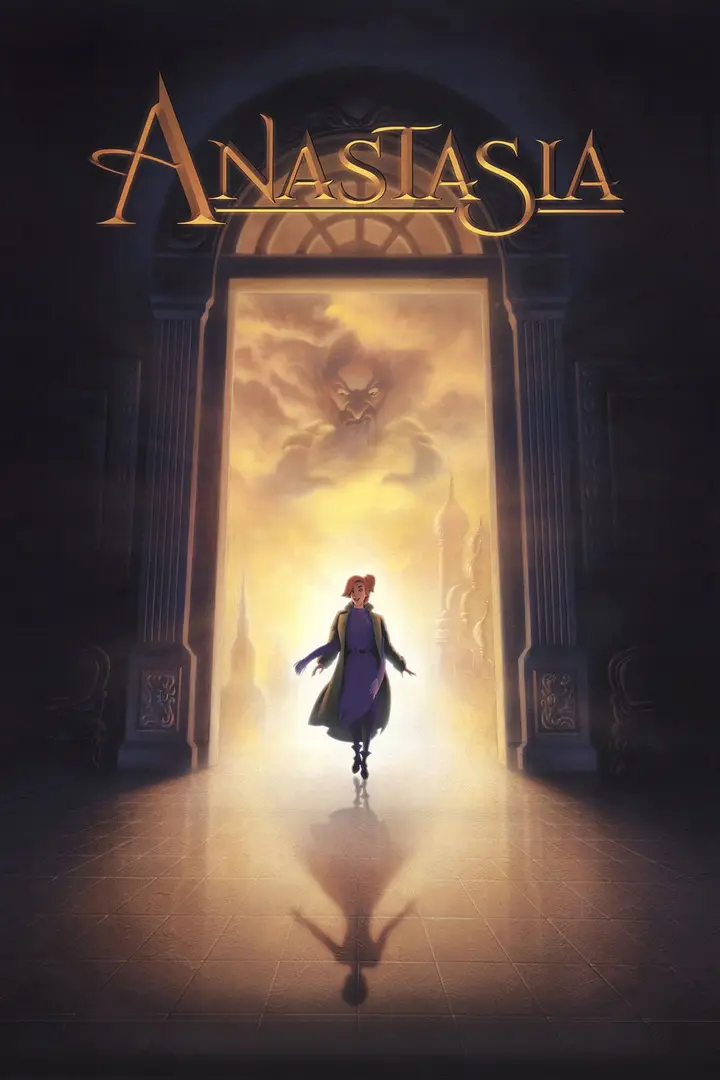
Anastasia
Lost memories, imperial grandeur, and enduring hope shape one of animation's most romantic adventures.
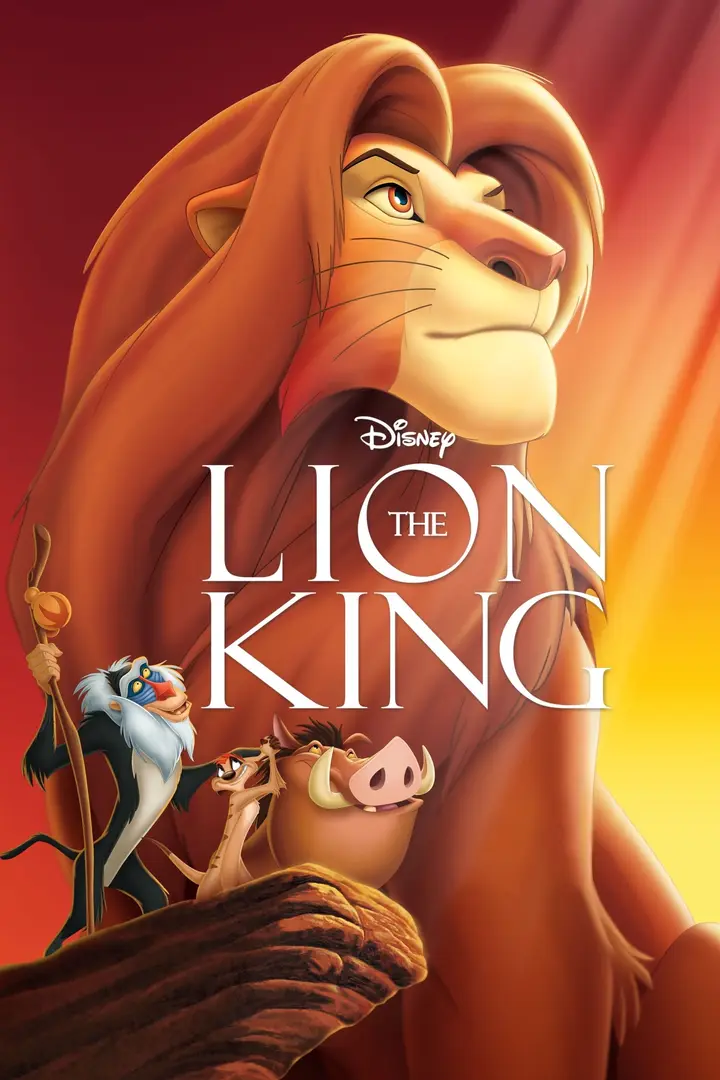
The Lion King
The Circle of Life unfolds through childhood, loss, responsibility, and redemption in a timeless coming-of-age epic about finding your place in the world.

Pocahontas
Golden forests, flowing rivers, and timeless melodies create a romance filled with wonder and grace.
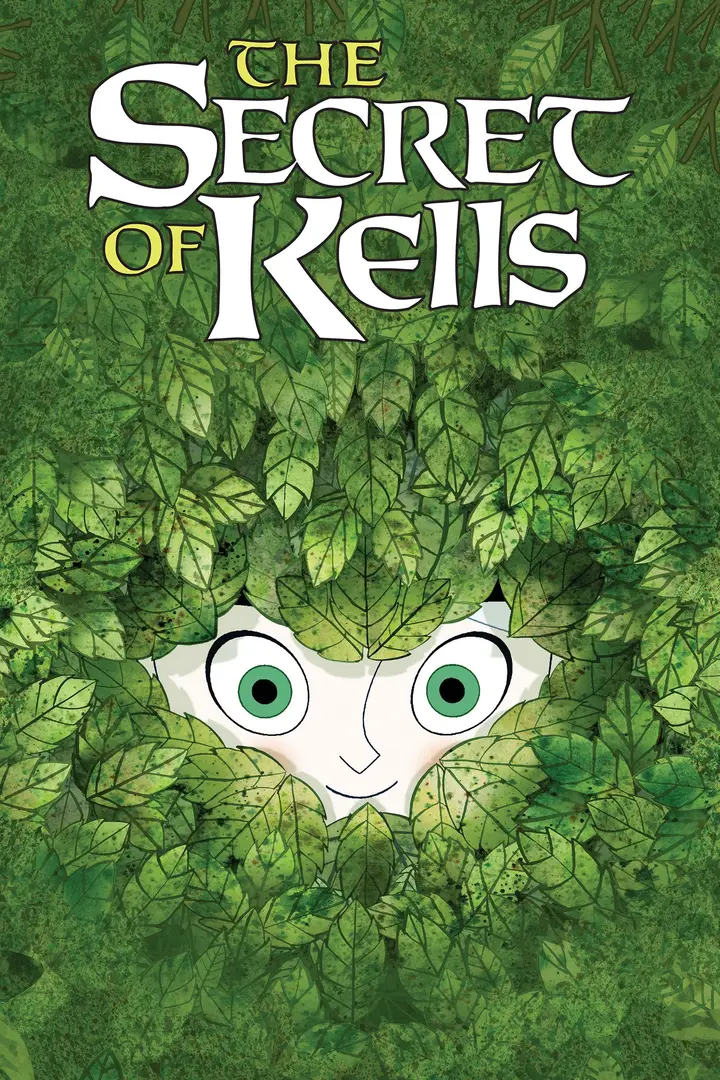
The Secret of Kells
Irish folklore and medieval artistry meet in a world of quiet wonder, mystery, and imagination.