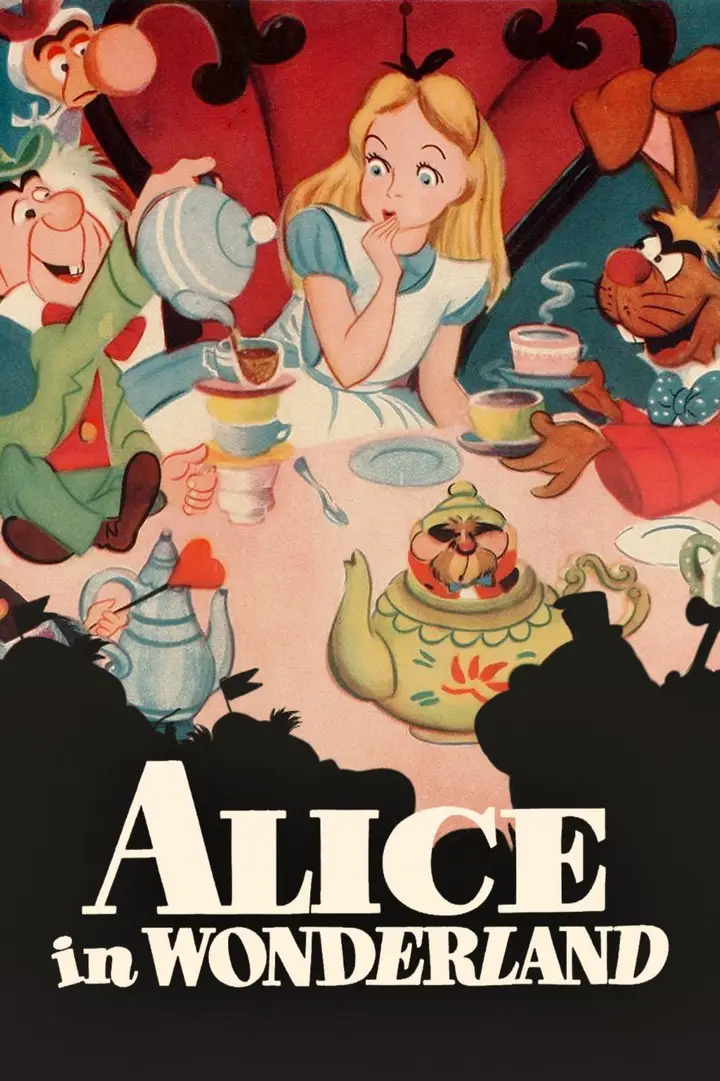
Alice in Wonderland
AgeMinimum 5Recommended 5+
A landmark fantasy whose dreamlike imagery and unconventional logic continue to inspire interpretation, discussion, and debate.
While reluctantly listening to her older sister's lessons in the English countryside, Alice follows a frantic white rabbit into a strange underground world. There she encounters peculiar creatures, shifting logic, bizarre conversations, and increasingly absurd situations while searching for a way back home.
- Release Year
- 1951
- Runtime
- 75 min
- Format
- Hand-Drawn Animation
- Mood
- Magical, Playful
- MPAA Rating
- G
Alice in Wonderland embraces surreal humor, visual experimentation, nonsense, and dream logic more completely than any other Disney film. Bold colors, eccentric characters, lively music, and constantly shifting environments keep the adventure unpredictable, where conversations wander, songs appear unexpectedly, and almost nothing stays stable for long.
Each encounter introduces another set of impossible rules. Alice drifts from one strange situation to the next, meeting characters who seem to follow different logic. The Cheshire Cat, the Mad Hatter, and the Queen of Hearts each reshape the adventure in their own way.
Its absurd comedy and fantasy imagery remain grounded in a familiar childhood experience. Alice faces confusing rules, unpredictable behavior, and sudden changes in mood, rarely receiving a clear explanation from anyone.
Why It Stands Out
Instead of reshaping Lewis Carroll’s world into a conventional Disney adventure, Alice in Wonderland preserves its absurdity, episodic structure, and unpredictable rhythm. That decision makes it one of the studio’s most unusual adaptations.
Parents’ Insight
For many children, growing up can feel confusing in ways adults easily forget. Rules change constantly, conversations stop making sense, and the world often appears governed by unfamiliar logic.
Parents’ Guide
What to know before you press play
Six things parents ask about, rated on the same scale for every film and series in the collection.
- Scary intensity
- Minimal (1 of 5)
- Violence
- Mild (2 of 5)
- Language
- Minimal (1 of 5)
- Emotional intensity
- Minimal (1 of 5)
- Sexual content
- None (0 of 5)
- Substance use
- Mild (2 of 5)
Content notes
- Surreal, occasionally unsettling imagery
Questions Parents Ask
What is Alice in Wonderland about?
While spending a quiet afternoon with her older sister, Alice becomes fascinated by a White Rabbit who seems to be in a great hurry. Her curiosity leads her into Wonderland, a dreamlike world filled with eccentric characters, impossible situations, and constantly changing rules. As Alice journeys through this unpredictable place, she meets figures such as the Cheshire Cat, the Mad Hatter, and the Queen of Hearts, each presenting new challenges and surprising encounters. Along the way, Alice learns to navigate uncertainty while remaining true to herself in a world where almost nothing behaves as expected.
What age is Alice in Wonderland suitable for?
Alice in Wonderland contains very little traditional danger or violence, but its dreamlike atmosphere can feel strange for young children — characters behave unpredictably, environments change without warning, and familiar ideas are turned upside down. Most 5-year-olds find this whimsical rather than unsettling.
Is Alice in Wonderland scary?
- Fantastical, surreal imagery
- The Queen of Hearts' angry outbursts
- Some unsettling fantasy sequences
- Blood or graphic violence
- Jump scares
Across Alice in Wonderland, the story presents a few scenes that may seem unusual or slightly unsettling for younger children, particularly because Wonderland rarely follows consistent rules. The Queen of Hearts can appear intimidating, and several sequences rely on strange transformations and exaggerated fantasy rather than realistic peril. Most children recover quickly as the film maintains a playful, humorous tone throughout.
Is Alice in Wonderland worth watching?
The film's surreal, dreamlike visual logic captures the nonsensical spirit of Lewis Carroll's books more directly than a straightforward narrative adaptation could. Its episodic structure, mirroring the source material, gives each vignette its own distinct visual invention.
What is Alice in Wonderland based on?
Alice in Wonderland is based primarily on Lewis Carroll's 1865 novel Alice's Adventures in Wonderland, while also drawing from its 1871 sequel Through the Looking-Glass. Disney combines characters and episodes from both books while preserving much of Carroll's playful nonsense, wordplay, and dreamlike logic.
Talk About It
Alice follows the White Rabbit into a world where size, language, and rules constantly shift, testing her curiosity and her confidence in her own identity.
- What makes Alice follow the White Rabbit instead of staying with her sister?
- How does changing size make Wonderland exciting and frustrating for Alice?
- Which Wonderland rule confuses Alice most?
- What would you ask the Cheshire Cat if you were lost in Wonderland?
- Why is the Mad Hatter’s tea party difficult for Alice to enjoy?
- Alice keeps trying to use ordinary manners and logic in Wonderland. During which encounter would you advise her to stop arguing with Wonderland's rules and try a different approach?
- Which creature would you trust to guide Alice, and why?
- How might you respond if the Queen of Hearts ordered everyone around?
Turn this film into a ready-to-use class discussion
Use the Teacher Resources already attached to this film. Choose the questions you want, then print, copy or share the result.
Similar Movies
A white rabbit leads a curious girl into an absurd world in Alice in Wonderland, a hole a later film sends her down again years on; The Wizard of Oz and Spirited Away send travelers of their own into a strange land, and Peter Pan and The Cat Returns open two more portals into wonder.
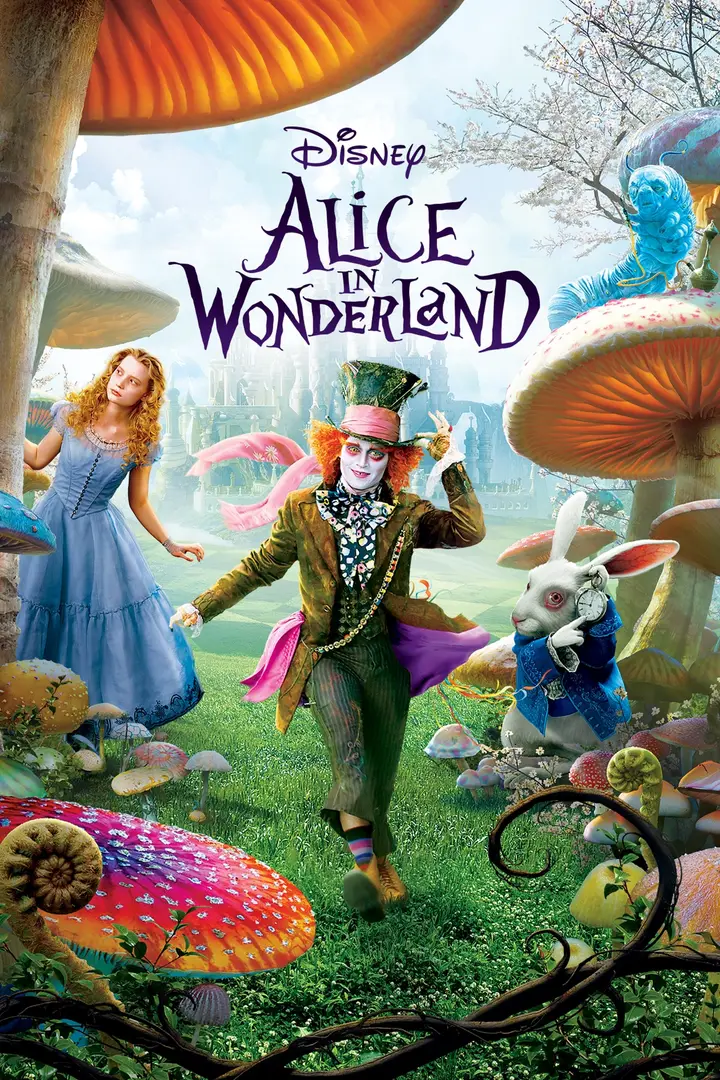
Alice in Wonderland
A whimsical dark fantasy adventure of impossible worlds, forgotten dreams, and a young woman rediscovering the courage to become herself.
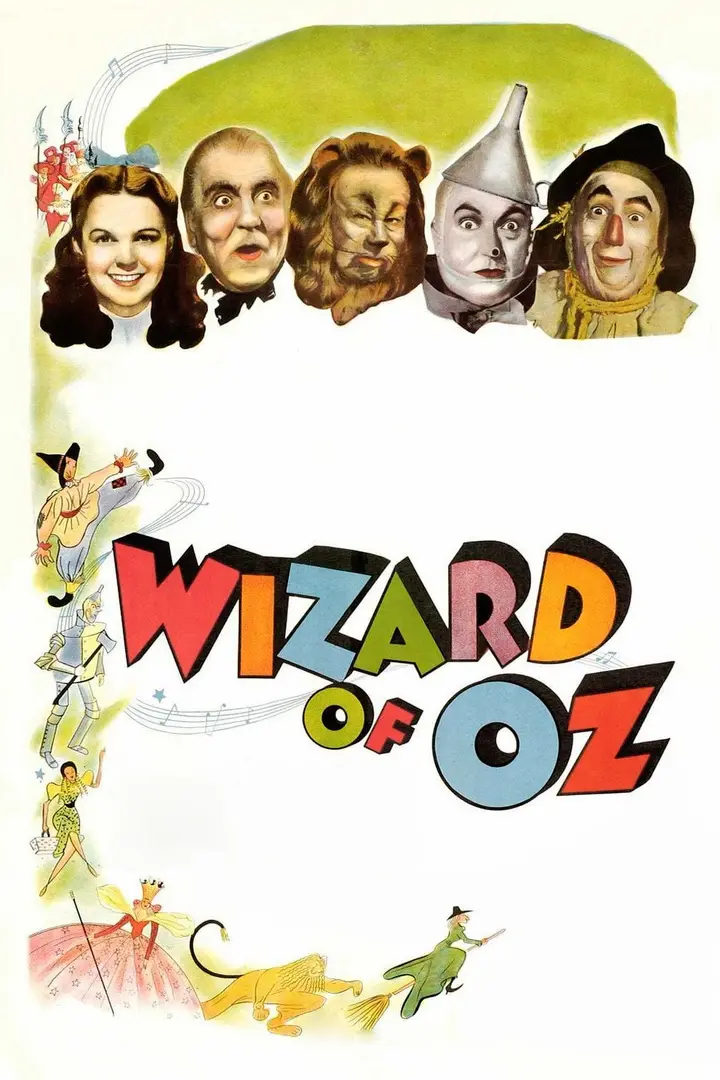
The Wizard of Oz
Sepia Kansas gives way to Technicolor Oz, where Dorothy’s road home winds through songs, witches, unlikely friends, and some of Hollywood’s defining fantasy imagery.
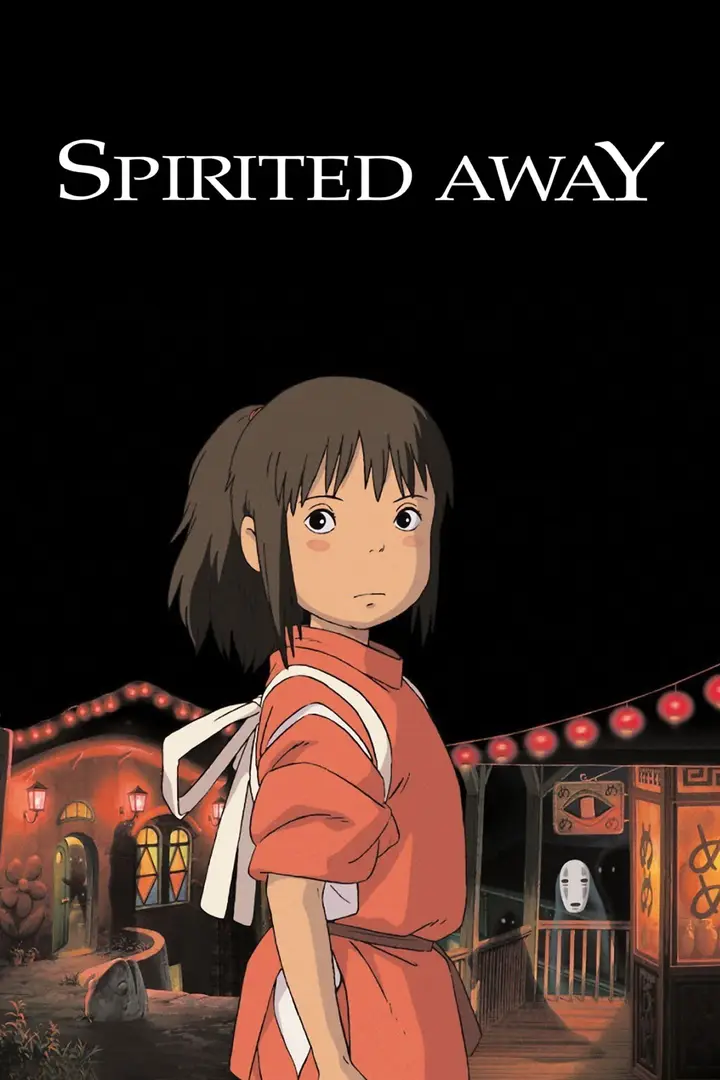
Spirited Away
Identity, greed, loneliness, courage, and the struggle to remain yourself unfold within one of animation's most imaginative and unforgettable fantasy worlds.
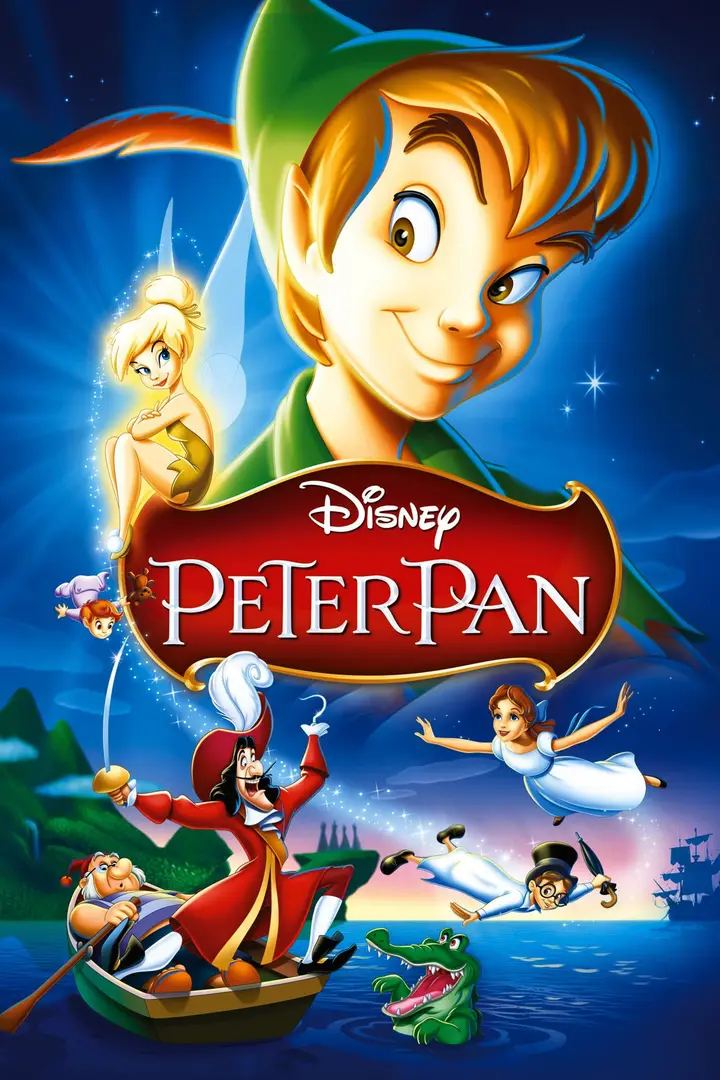
Peter Pan
A playful fantasy adventure about childhood freedom, secret worlds, flying pirates, and the dream of never having to grow up.
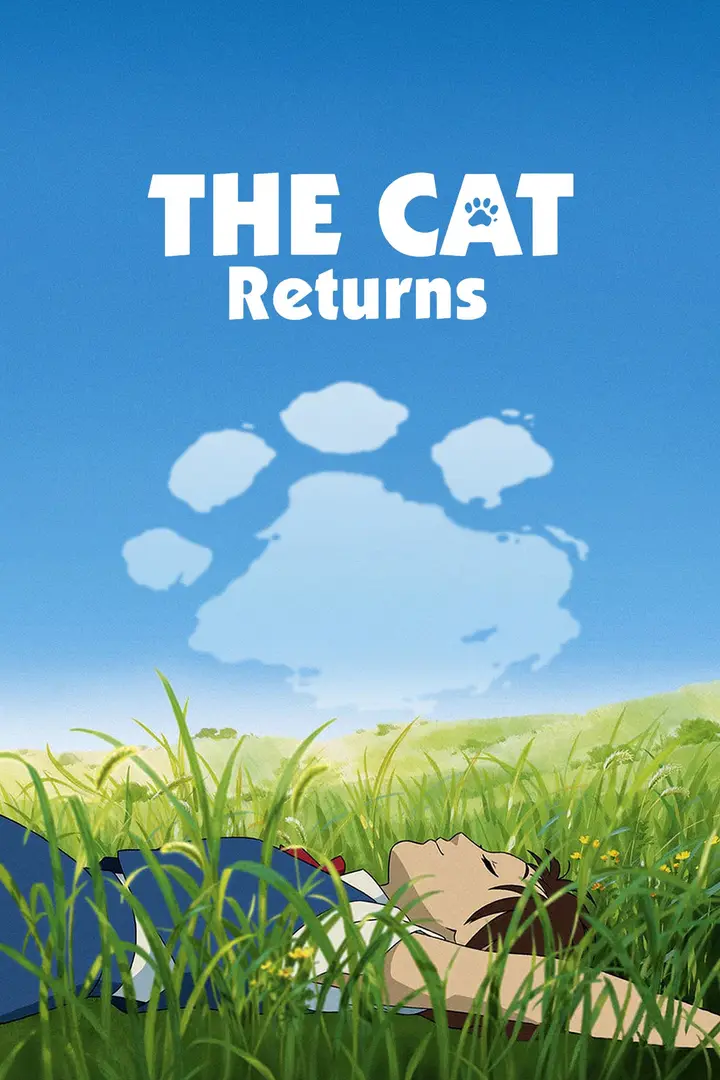
The Cat Returns
An ordinary girl, a kingdom of cats, and a charming hero create one of animation's most delightful adventures.
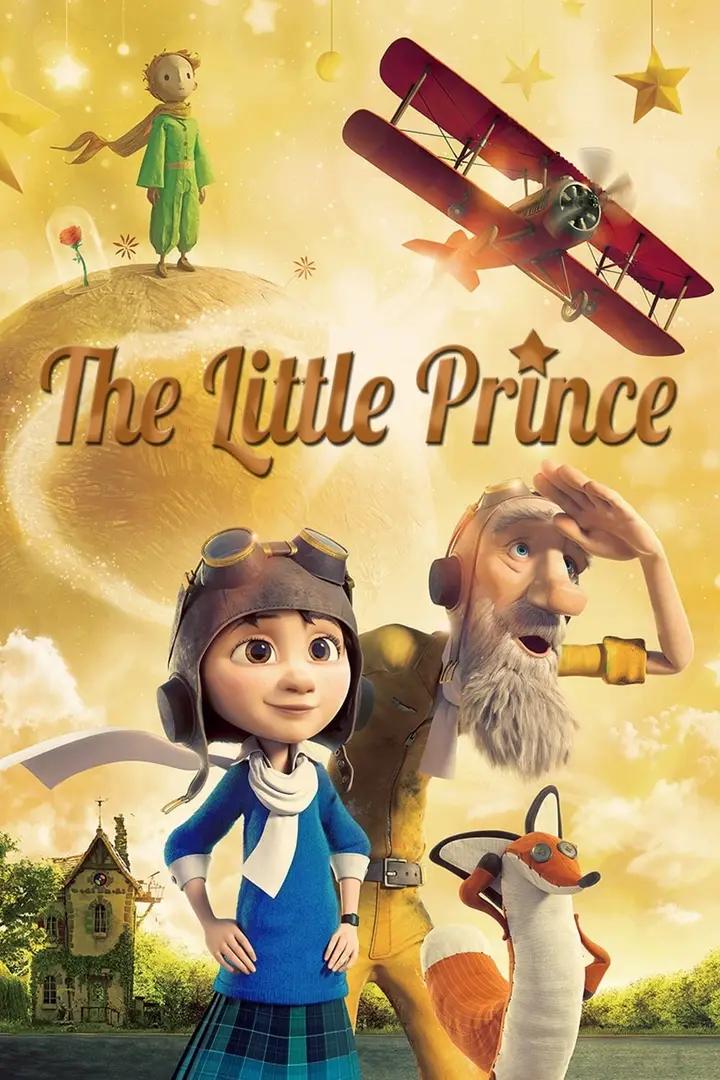
The Little Prince
A lonely girl, an eccentric aviator, and a timeless story about imagination, friendship, and what truly matters.