The Sword in the Stone
AgeMinimum 5Recommended 5+
A playful fantasy where every mistake, transformation, and adventure becomes part of growing wiser.
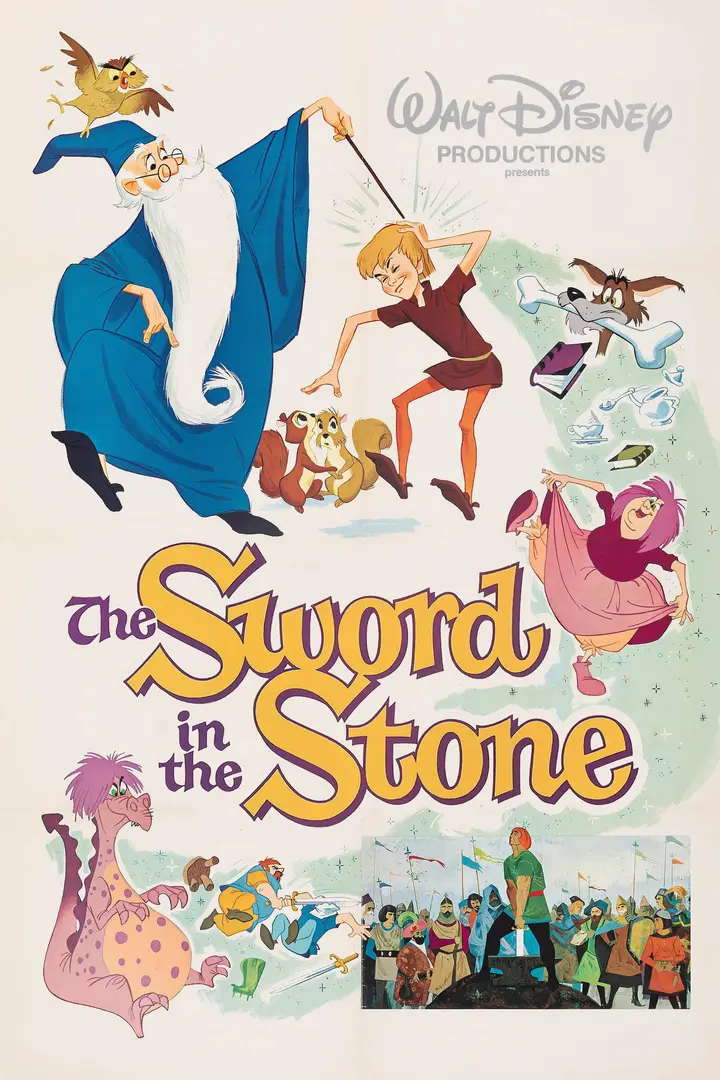
With England lacking an heir, a sword appears in an anvil bearing a promise about the next king. Years later, the eccentric wizard Merlin begins educating an orphan called Arthur through a series of magical transformations and lessons.
- Release Year
- 1963
- Runtime
- 79 min
- Format
- Hand-Drawn Animation
- Mood
- Magical, Playful
- MPAA Rating
- G
The Sword in the Stone keeps its focus on small disasters, strange lessons, chaotic magic, and the shifting dynamic between Merlin and Arthur. Cluttered cottages, talking animals, kitchens collapsing into chaos, and endless arguments give the film an unpredictable rhythm that often resembles childhood mischief more than heroic fantasy.
Arthur spends most of the story confused, distracted, impatient, or embarrassed as Merlin pushes him through strange experiences designed to teach observation, discipline, and self-control. Failed spells, accidental disasters, and exaggerated comedy gradually shape the way he begins seeing both himself and the world around him.
Merlin's absent-minded inventions and unpredictable magic keep even ordinary scenes unstable and energetic. Lessons rarely arrive in the way Arthur expects. Most begin as confusion, drift into disaster, and only make sense much later.
Why It Stands Out
The film approaches the Arthurian legend through clumsy magic, strange lessons, and childhood chaos instead of heroic grandeur. Merlin and Arthur’s unpredictable relationship turns a legendary tale into a series of entertaining misadventures.
Parents’ Insight
Children are often less interested in rules than outcomes. When someone is struggling and another person helps, the situation can seem surprisingly simple from a child’s point of view.
Parents’ Guide
What to know before you press play
Six things parents ask about, rated on the same scale for every film and series in the collection.
- Scary intensity
- Minimal (1 of 5)
- Violence
- Mild (2 of 5)
- Language
- Minimal (1 of 5)
- Emotional intensity
- Minimal (1 of 5)
- Sexual content
- None (0 of 5)
- Substance use
- Mild (2 of 5)
Content notes
- Mild magical peril (transformation battle)
Questions Parents Ask
What is The Sword in the Stone about?
After the King of England dies without an heir, a mysterious sword appears embedded in an anvil, declaring that whoever can pull it free will become the next ruler. Far from the royal court, a humble orphan known as Wart begins learning from the wise but unconventional wizard Merlin. Rather than teaching through books alone, Merlin transforms Arthur into different animals and leads him through unusual experiences that encourage curiosity, patience, and understanding. Little does Arthur realize that these seemingly chaotic lessons are preparing him for a destiny greater than anyone could imagine.
What age is The Sword in the Stone suitable for?
Minimum age: 5. Recommended age: 5+. Merlin and Madam Mim's shapeshifting duel is played for spectacle and laughs rather than danger, and the film's real emphasis is on Arthur's lessons in curiosity and problem-solving as Merlin transforms him into different animals.
Is The Sword in the Stone scary?
- A magical shape-shifting duel
- Mild fantasy peril
- Madam Mim's unsettling forms
- Blood or graphic violence
- Horror elements
In The Sword in the Stone, viewers encounter a few energetic magical confrontations, particularly Merlin's transformation duel with Madame Mim. Although some of her magical forms may briefly surprise younger viewers, the sequence is played largely for comedy. The overall tone remains cheerful, imaginative, and reassuring from beginning to end.
Is The Sword in the Stone worth watching?
Merlin's shapeshifting lessons for young Arthur turn magical education into genuinely funny physical comedy. The wizard's duel with Madame Mim remains one of the studio's most inventive animated set pieces of the era.
What is The Sword in the Stone based on?
The Sword in the Stone is based on the book Sword in the Stone, the 1938 fantasy book by T. H. White, itself inspired by the enduring legends of King Arthur, first published in 1938. White reimagined the Arthurian legends through the eyes of a young Arthur, focusing on education, wisdom, and character rather than heroic conquest. Disney's adaptation preserves this playful perspective while adding its own distinctive humor and magical charm.
Talk About It
Merlin’s magical lessons transform young Wart into animals, teaching the overlooked orphan how curiosity, judgment, and humility prepare someone to lead.
- What makes Wart curious about the world around him?
- How does Merlin teach without making learning feel ordinary?
- Which transformation reveals the most about Wart’s character?
- Would you have wanted Merlin to teach you by changing shape?
- Which responsibility challenges Wart most as he learns to think like a leader?
- How does the story treat wisdom differently from strength?
- Which lesson seems most useful for a future king?
- How does the film make ordinary life feel magical?
Turn this film into a ready-to-use class discussion
Use the Teacher Resources already attached to this film. Choose the questions you want, then print, copy or share the result.
Similar Movies
The Kid Who Would Be King retells this myth for a modern boy, guided toward a sword only he can pull from a stone, as Arthur does under Merlin. Brave and Robin Hood draw on a comparable mythic spirit, while The Black Cauldron and Onward turn to two kinds of magical coming-of-age.
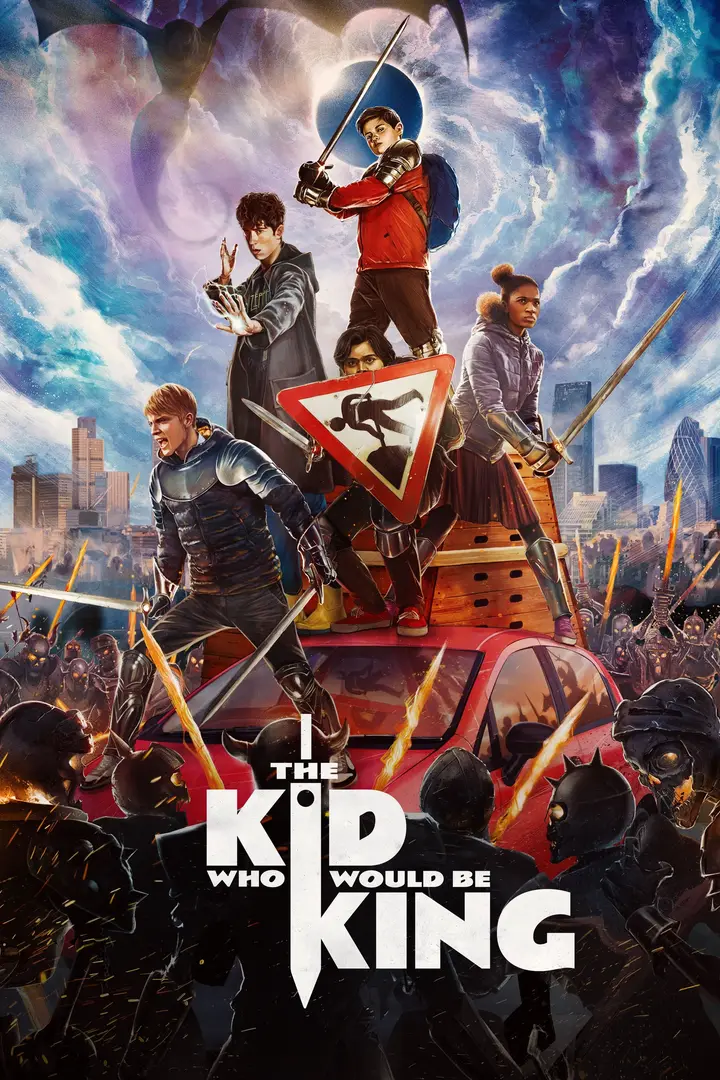
The Kid Who Would Be King
A modern Arthurian adventure about courage, leadership, and discovering heroism in an ordinary schoolkid.
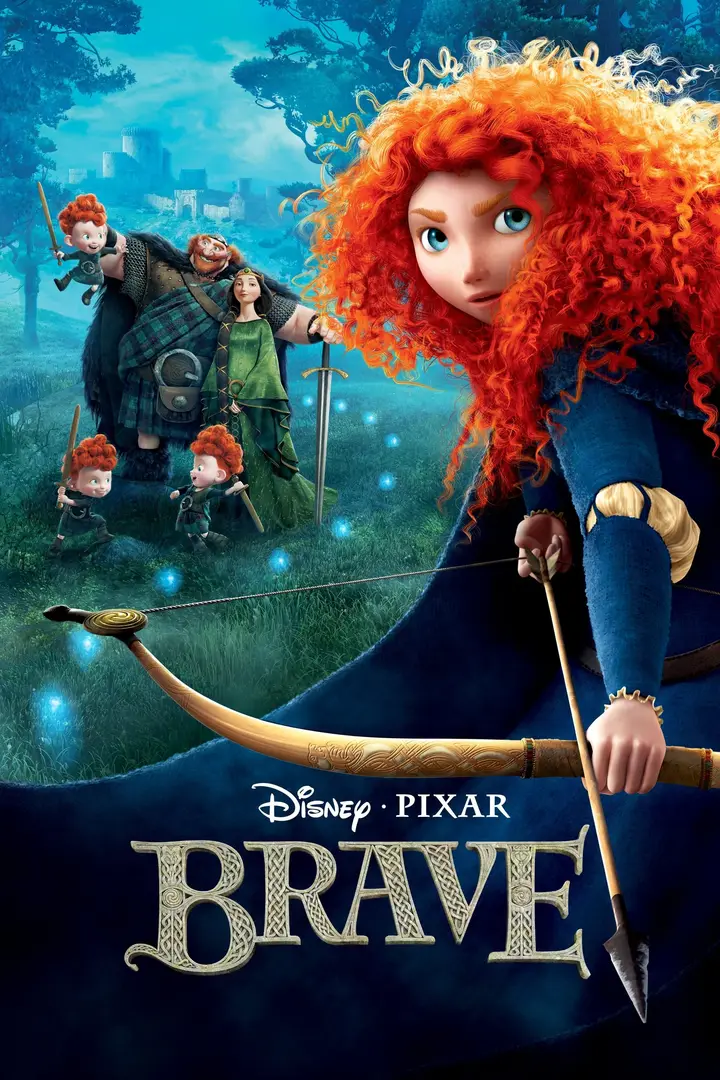
Brave
The untamed beauty of the Highlands and a fiercely independent heroine drive a stirring adventure full of heart.
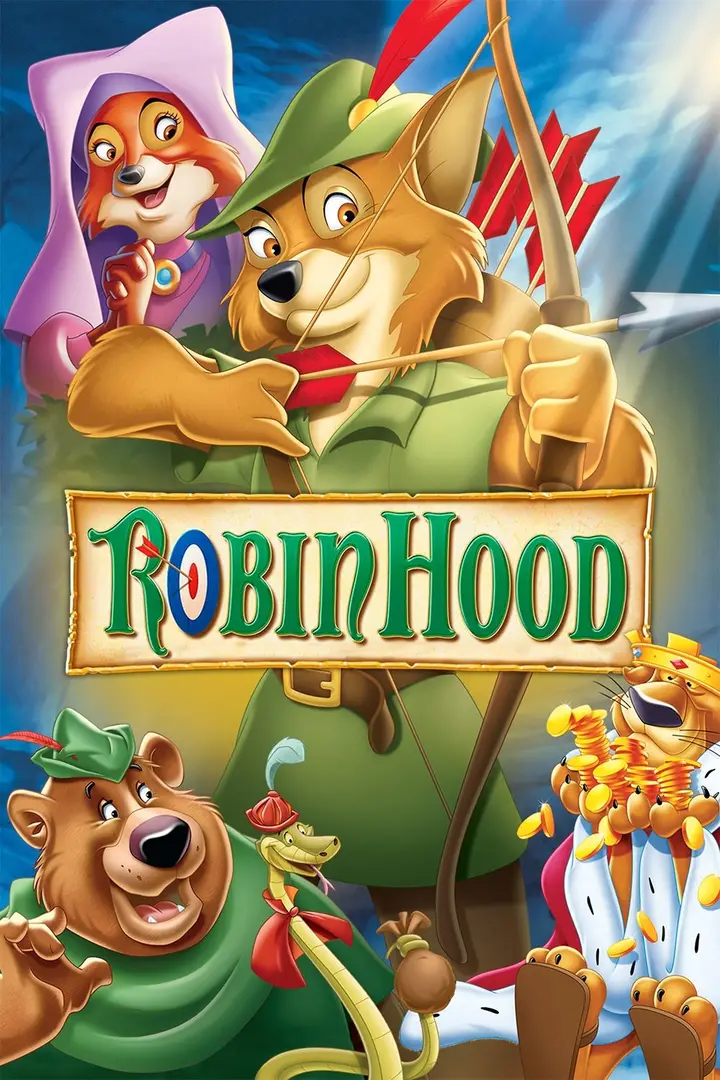
Robin Hood
A lighthearted medieval adventure about generosity, loyalty, playful rebellion, and life among the outlaws of Sherwood Forest.
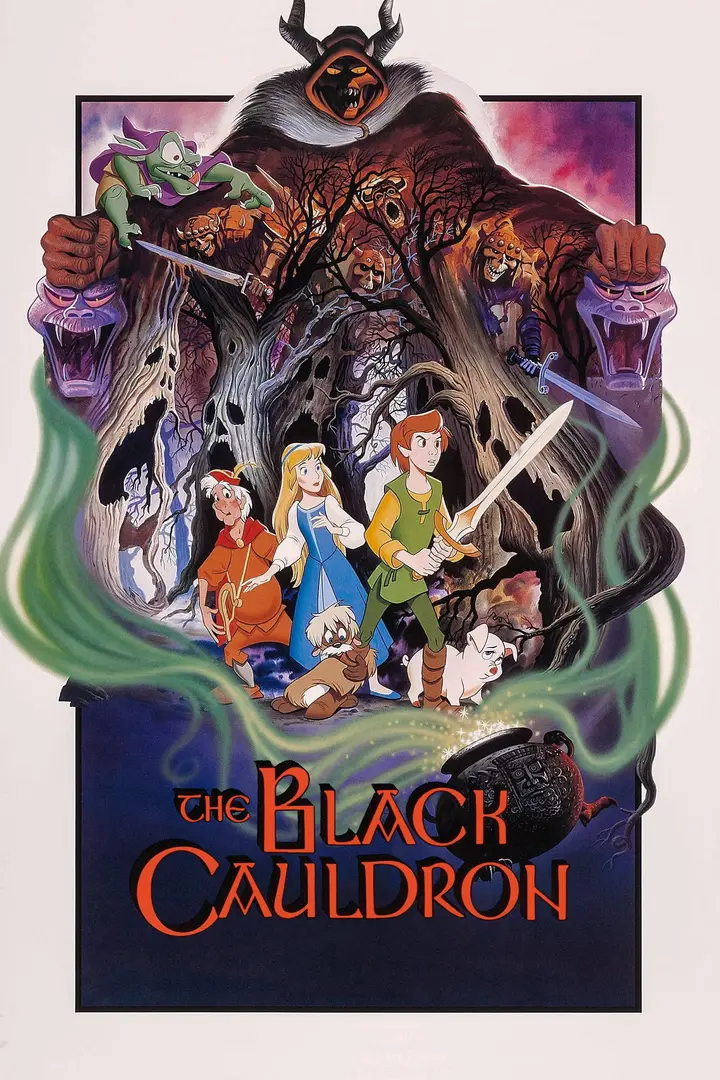
The Black Cauldron
A darker, more atmospheric fantasy adventure about courage, sacrifice, and resisting the pull of great and terrible power.
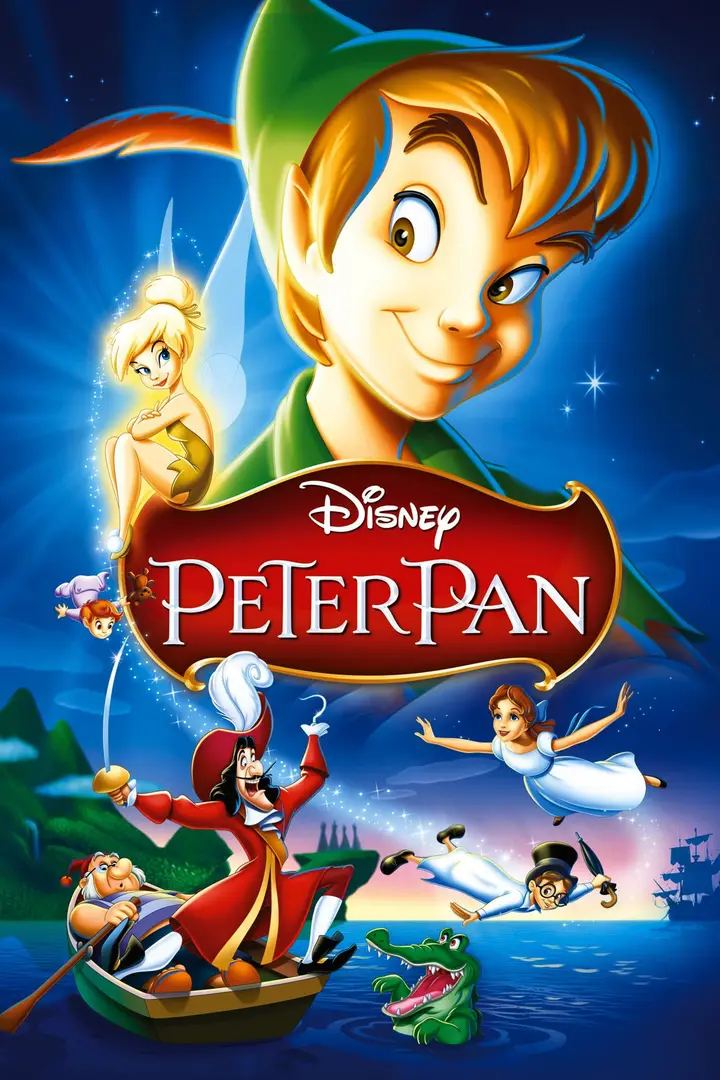
Peter Pan
A playful fantasy adventure about childhood freedom, secret worlds, flying pirates, and the dream of never having to grow up.
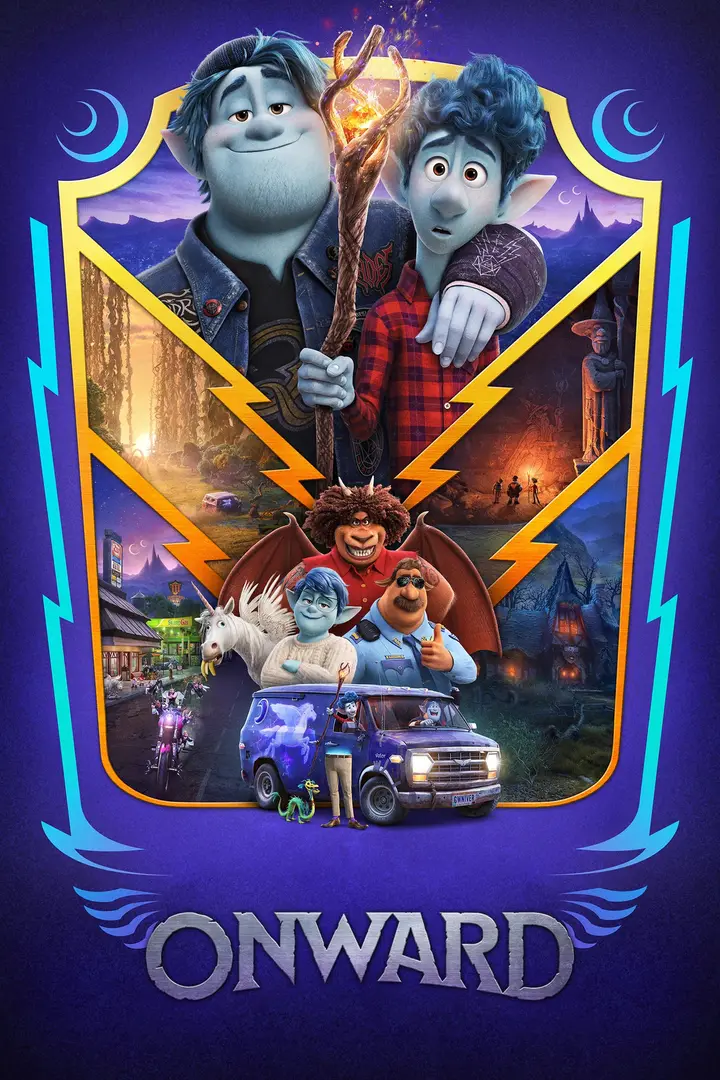
Onward
A heartfelt fantasy adventure about family, loss, and appreciating the people who help shape our lives.