
The 100 Best Animated TV Series for Kids & Families
From gentle first cartoons and timeless classics to adventurous anime for older viewers: 100 remarkable series, selected for real families.

Some animated series belong to a particular moment in childhood; others stay with us for years. Here you'll find gentle first favourites, imaginative comedies, stories that nurture curiosity, timeless classics and ambitious anime for older viewers. Each offers a different way to laugh, learn, feel or explore together.
How we selected the 100
We look at the quality of the storytelling, the imagination behind the animation, the strength of the characters and the lasting appeal of the humour. We value series that respect young viewers, encourage curiosity or empathy, and offer something meaningful beyond immediate entertainment. We also consider pacing, emotional intensity and age suitability. Editor's Choice and Excellent distinctions reflect this broader editorial assessment.
A carefully curated journey through animation, from beloved classics to outstanding contemporary international series and anime. These shows stand out for their storytelling, creativity, memorable characters, humour, emotional depth or the opportunities they offer children to learn and grow. With choices for different ages and interests, the collection helps families discover series that are genuinely worth their time.
Find the right series
Choose one band. Results show age-relevant series approved by our editors: those whose Minimum-to-Recommended age span overlaps the band, plus individually approved favorites. The Recommended Age is a starting point, not a maximum.
More filters and sort
No series in this guide match this age.
First favourites & preschool discoveries
Short, warm, playful and educational stories. Some invite quiet reflection; others turn counting, nature, feelings or family life into an adventure. Always follow each show's own age guidance.
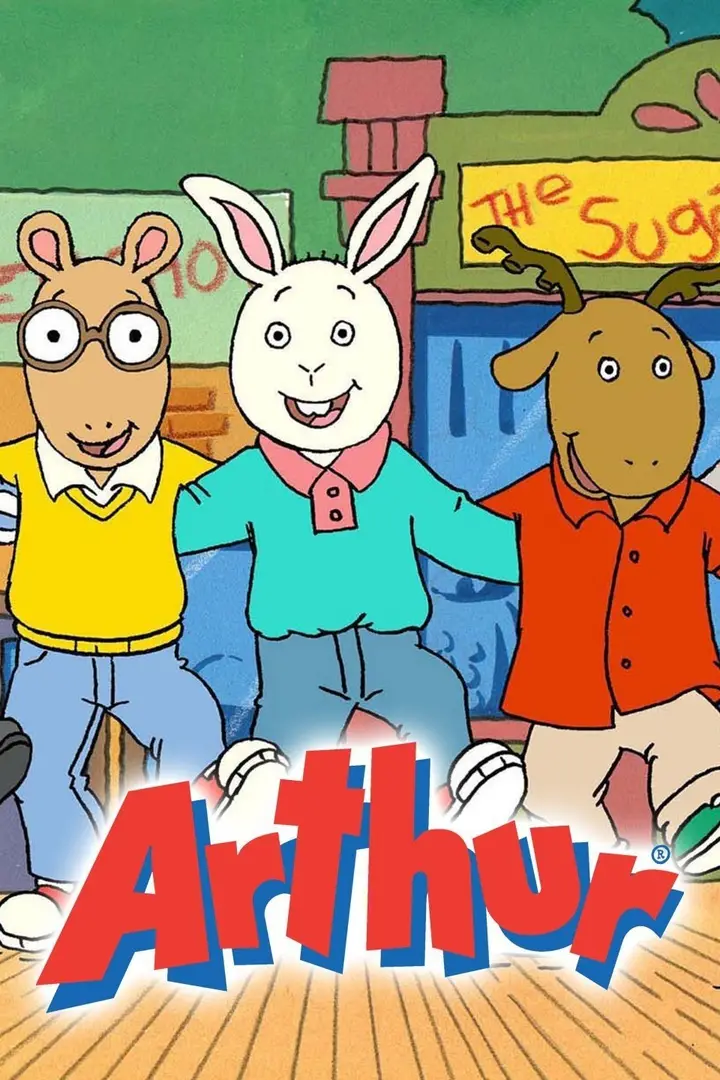
Arthur
School, family and friendship conflicts are treated as problems with more than one side. Arthur and his friends make mistakes, argue, apologize and compromise, giving everyday social situations a thoughtful structure children can recognize.
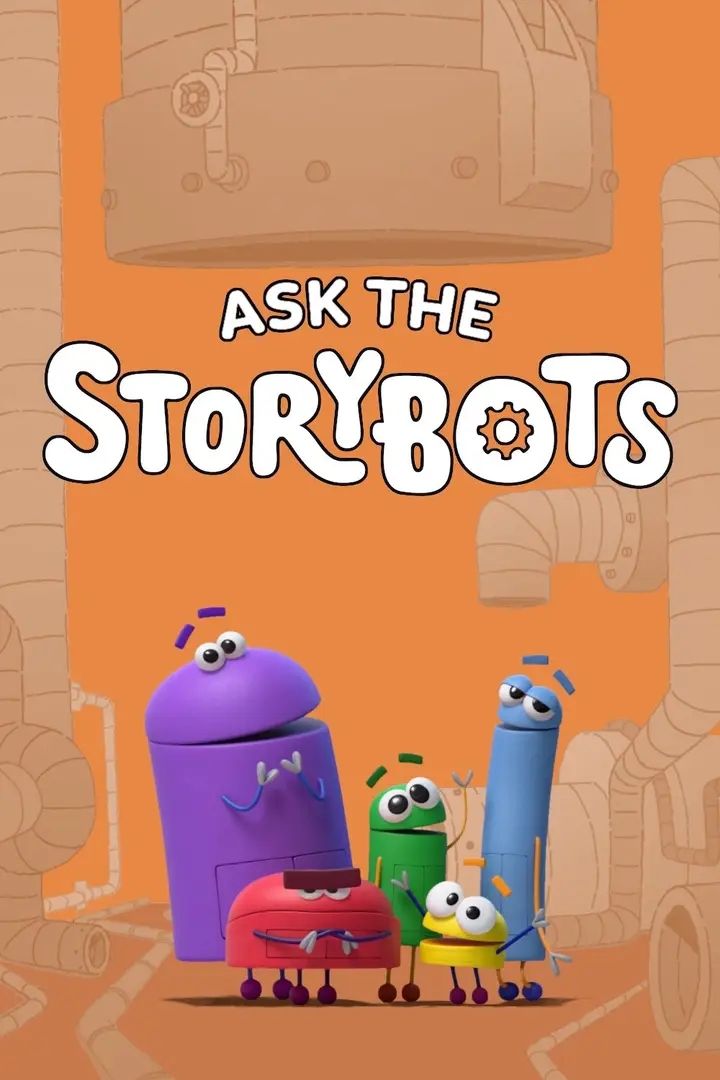
Ask the StoryBots
Children’s questions become investigations through machines, bodies, laboratories and imaginative environments. Songs and comedy keep explanations lively, while the StoryBots gather clues before giving a clear answer grounded in what they discovered.
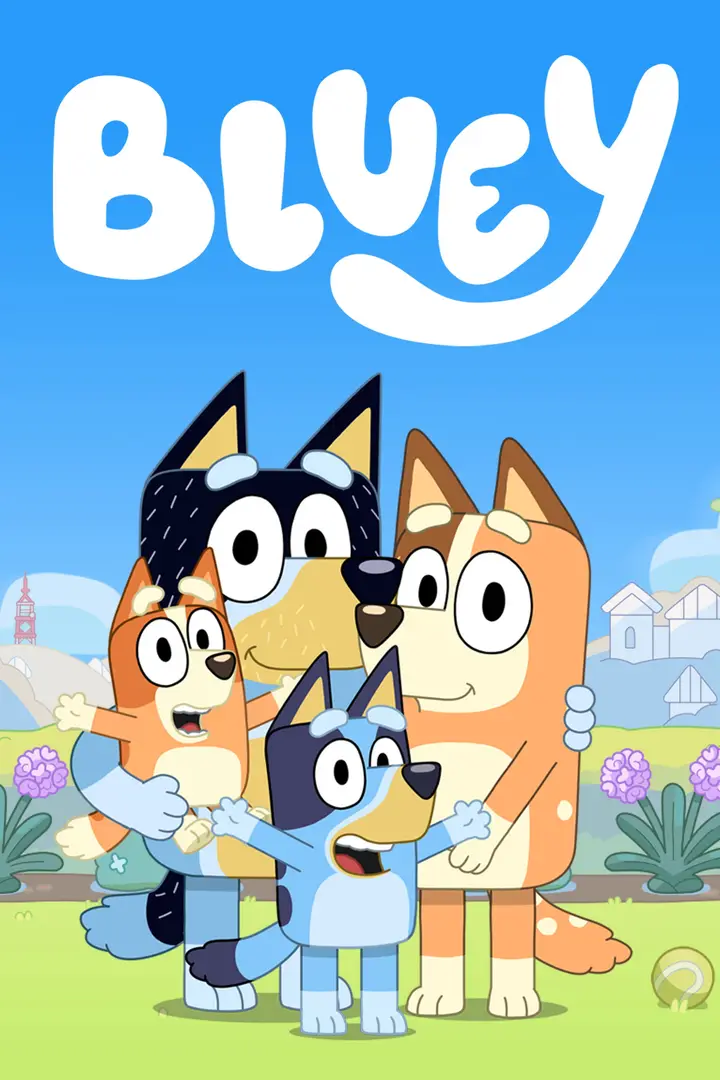
Bluey
Ordinary family moments become imaginative games with rules that change as Bluey and Bingo negotiate, improvise and learn. Short episodes observe childhood behavior closely while giving Bandit and Chilli believable limits as parents.
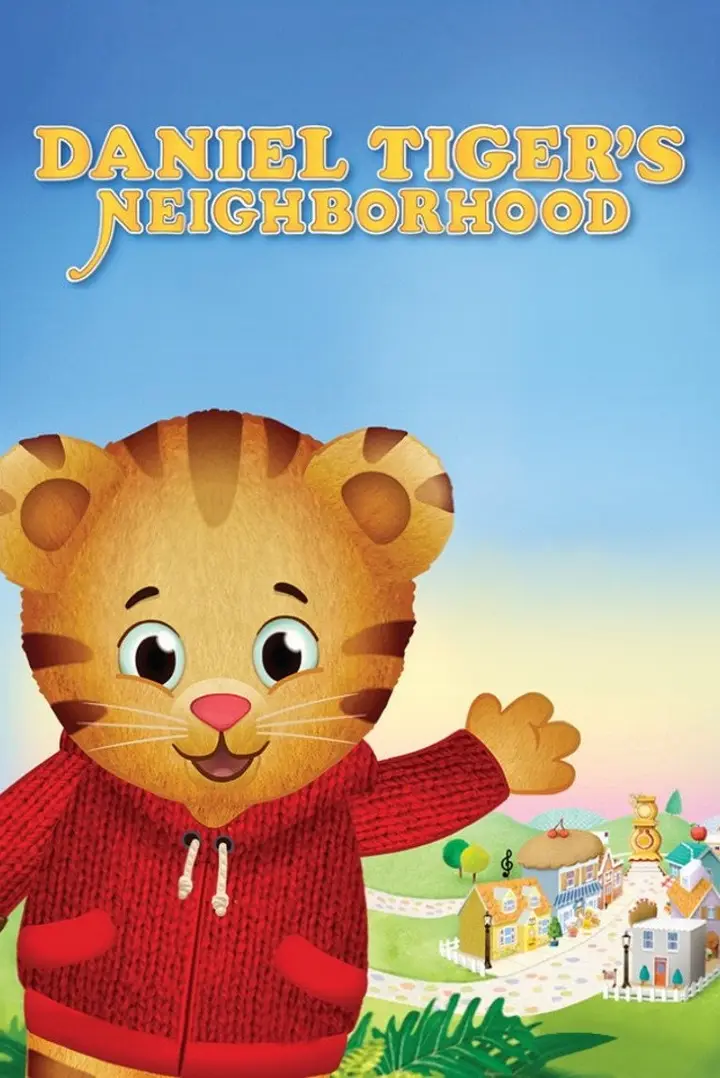
Daniel Tiger's Neighborhood
Everyday preschool situations are broken into feelings, choices and simple strategies children can remember. Short songs turn ideas about anger, sharing, separation and change into practical phrases that can be reused outside the episode.
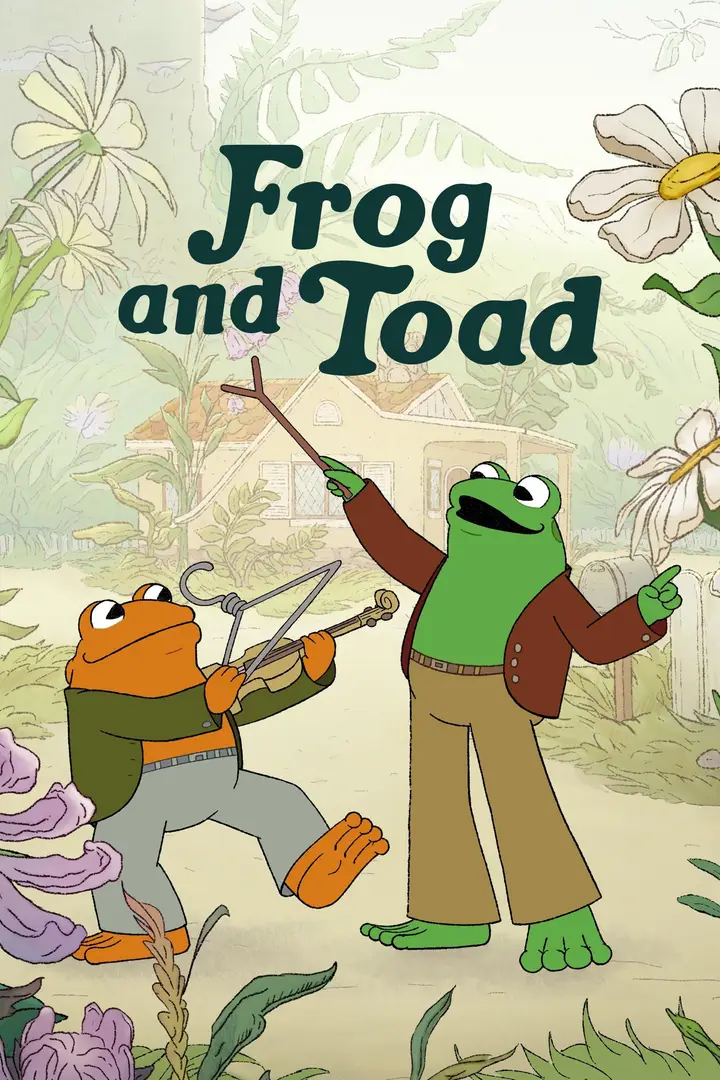
Frog and Toad
It preserves Arnold Lobel's understated humor and modest scale, finding real warmth in visits, small plans, and misunderstandings between two friends who don't need to be alike.
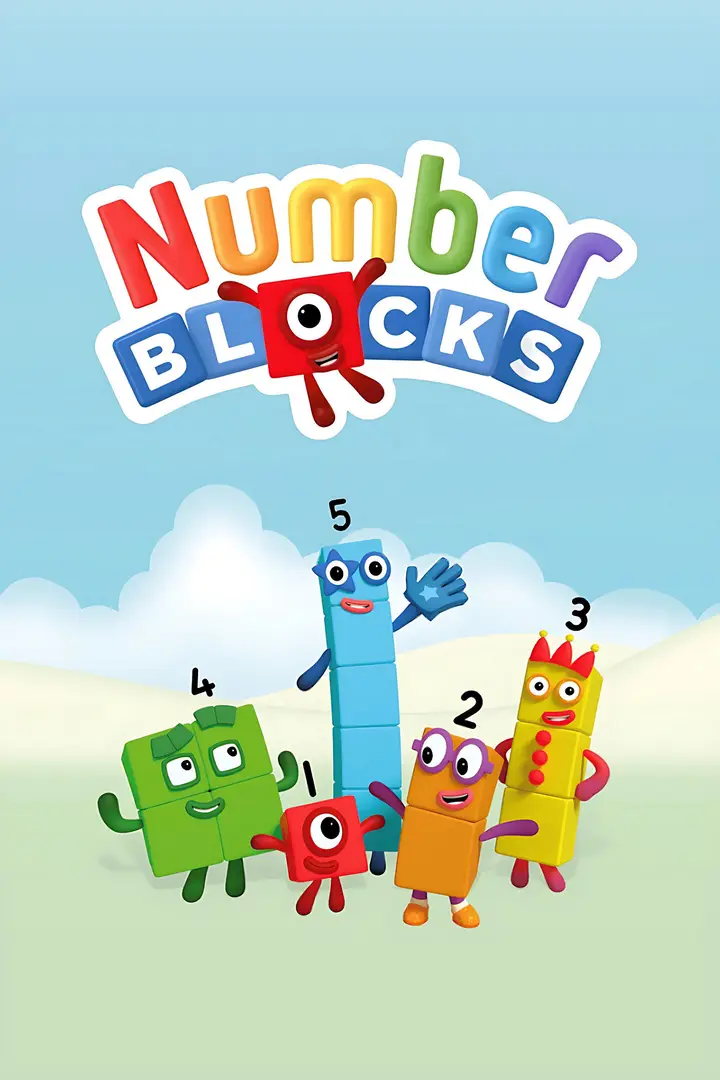
Numberblocks
Numbers become physical characters who join, split and rearrange, making quantity and arithmetic visible. Short musical episodes let children see addition, subtraction and patterns in motion, linking written numbers to concrete amounts.
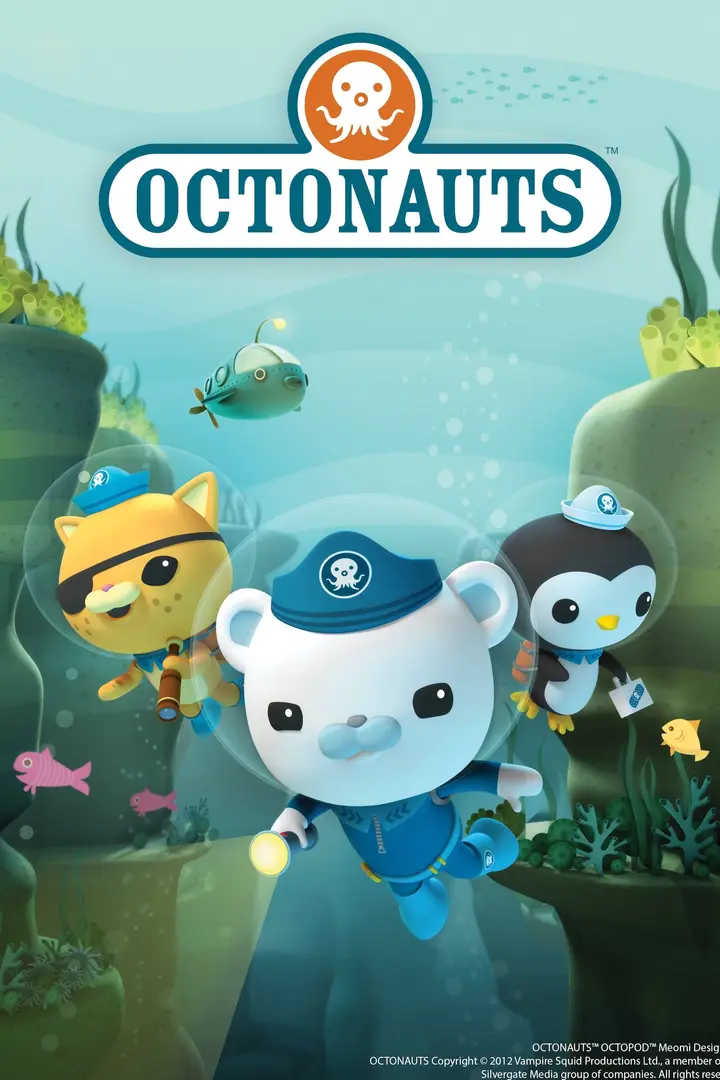
Octonauts
Underwater rescue missions combine real marine biology with clear team roles in medicine, engineering and exploration. Each emergency introduces an animal or habitat while showing that successful rescue depends on knowledge and cooperation.
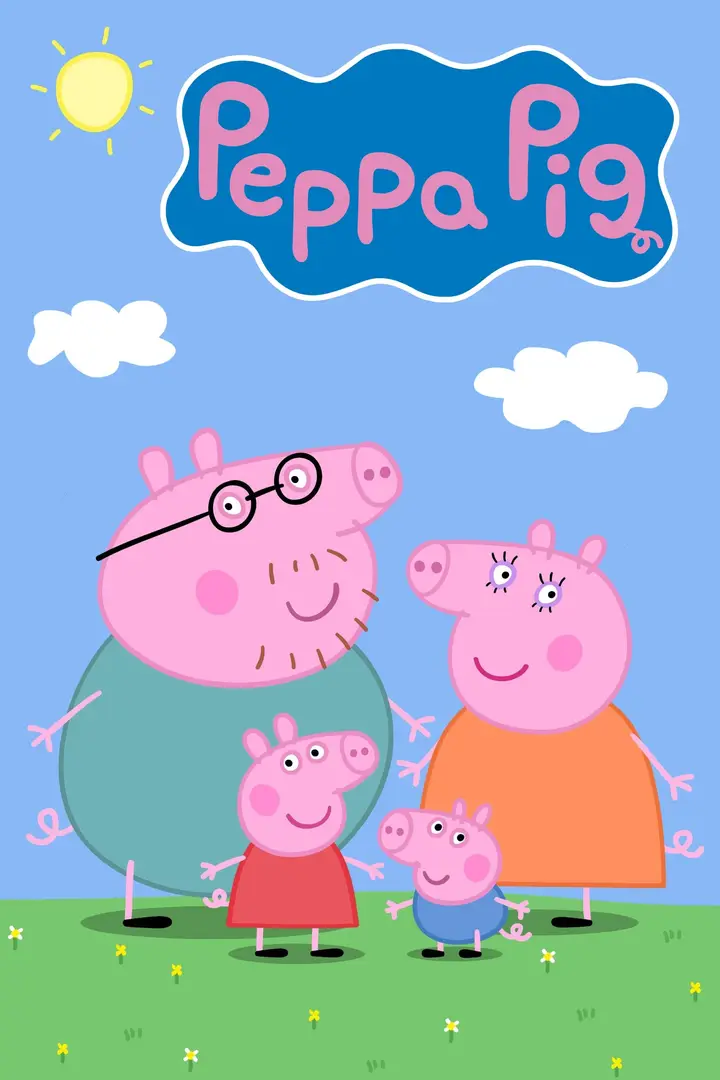
Peppa Pig
Short episodes stay close to familiar preschool life, turning family outings, weather, play and small disagreements into easy stories. Peppa’s confidence and George’s younger perspective give ordinary routines enough contrast to keep them engaging.
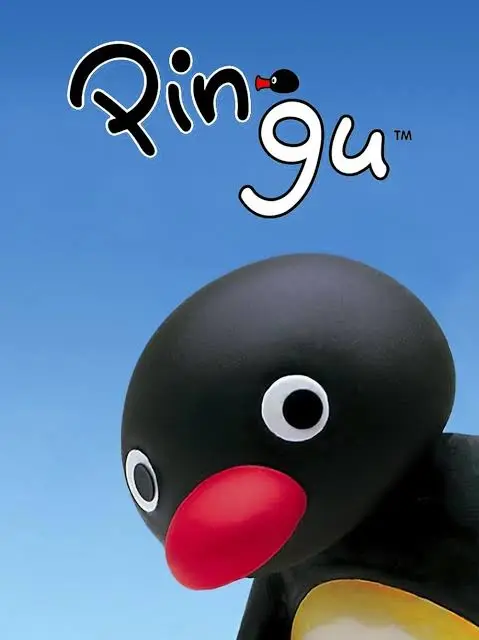
Pingu
Invented speech puts the emphasis on gesture, timing and visible reactions, letting children follow family life and comic mistakes without depending on vocabulary. Pingu’s expressive movement makes consequences clear through action instead of explanation.
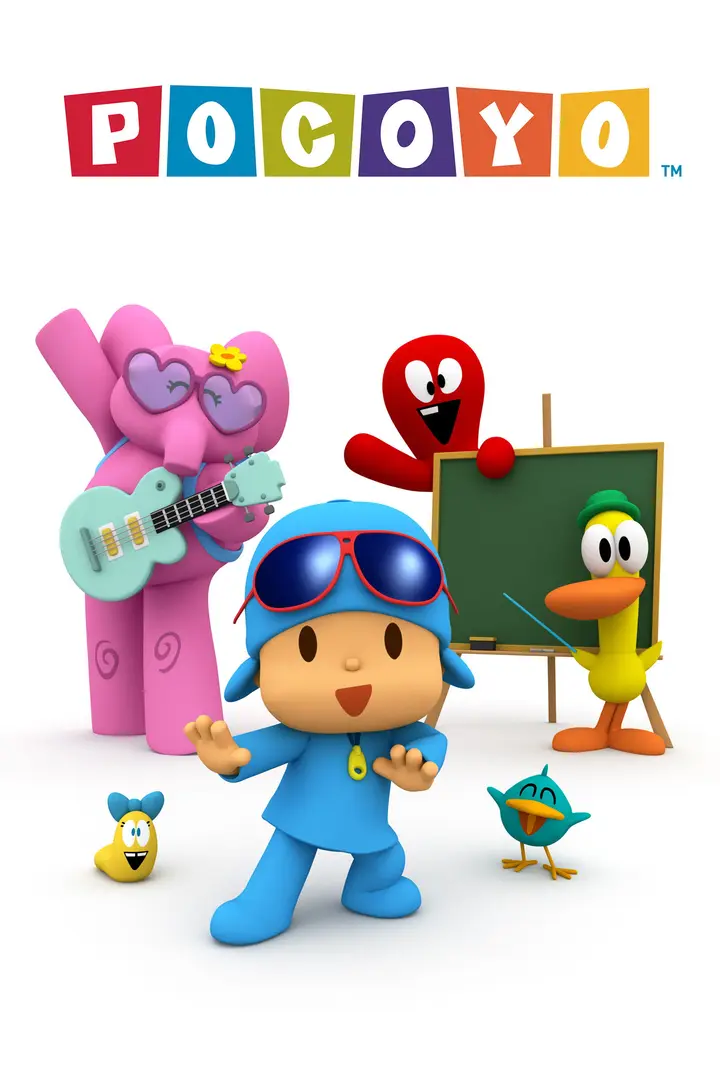
Pocoyo
A simple white world keeps attention on Pocoyo, his friends and the problem in front of them. The narrator’s direct questions create an interactive rhythm that supports curiosity, sharing, patience and recognition of basic feelings.
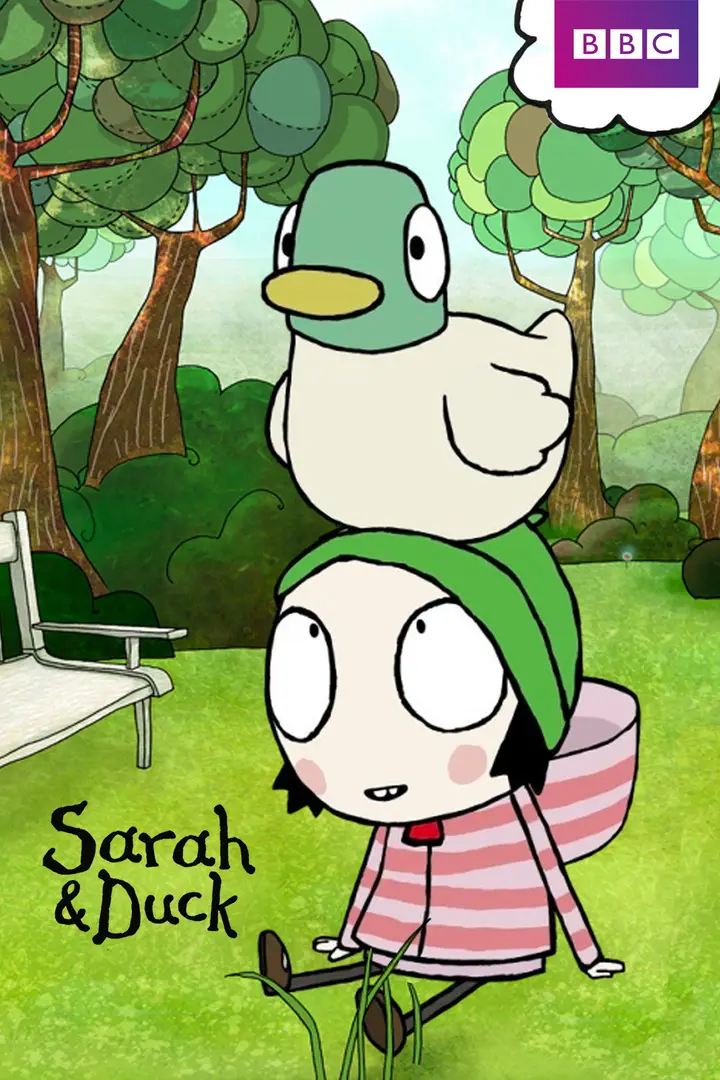
Sarah & Duck
Small everyday events turn into imaginative adventures without loud action or complicated plotting. Sarah’s practical curiosity, Duck’s companionship and the offbeat visual humor create a distinctive preschool rhythm built on observation.
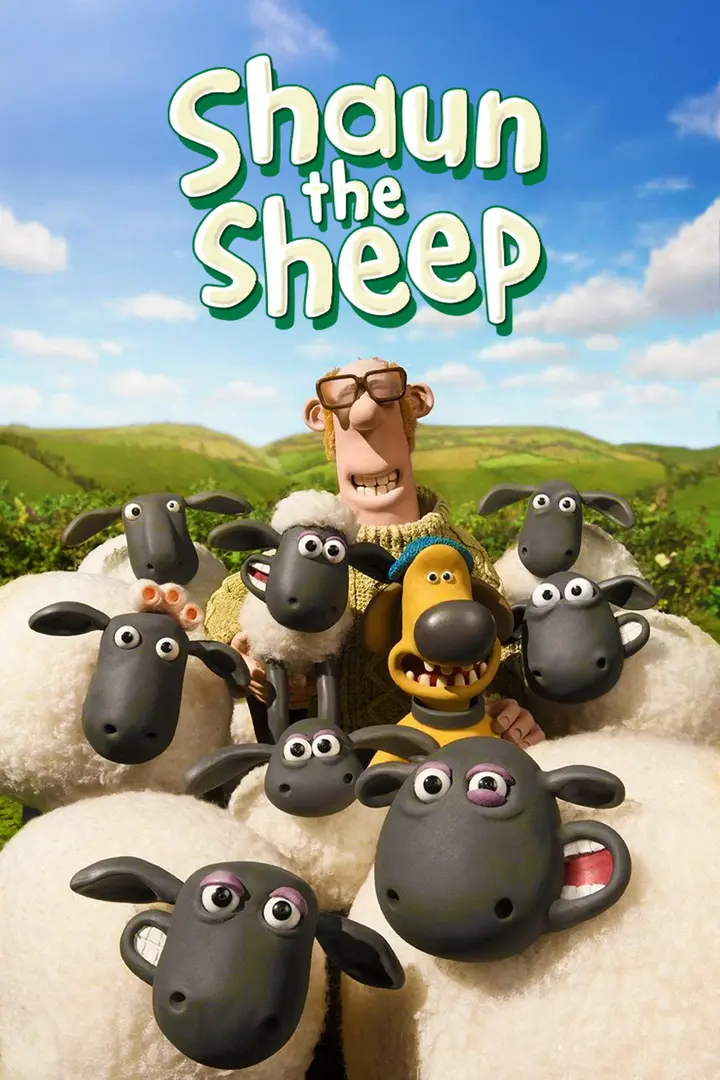
Shaun the Sheep
Nearly wordless storytelling turns farm routines into precise visual comedy. Shaun’s schemes, Bitzer’s attempts to restore order and the flock’s group reactions make timing, observation and cause-and-effect easy to follow without dialogue.
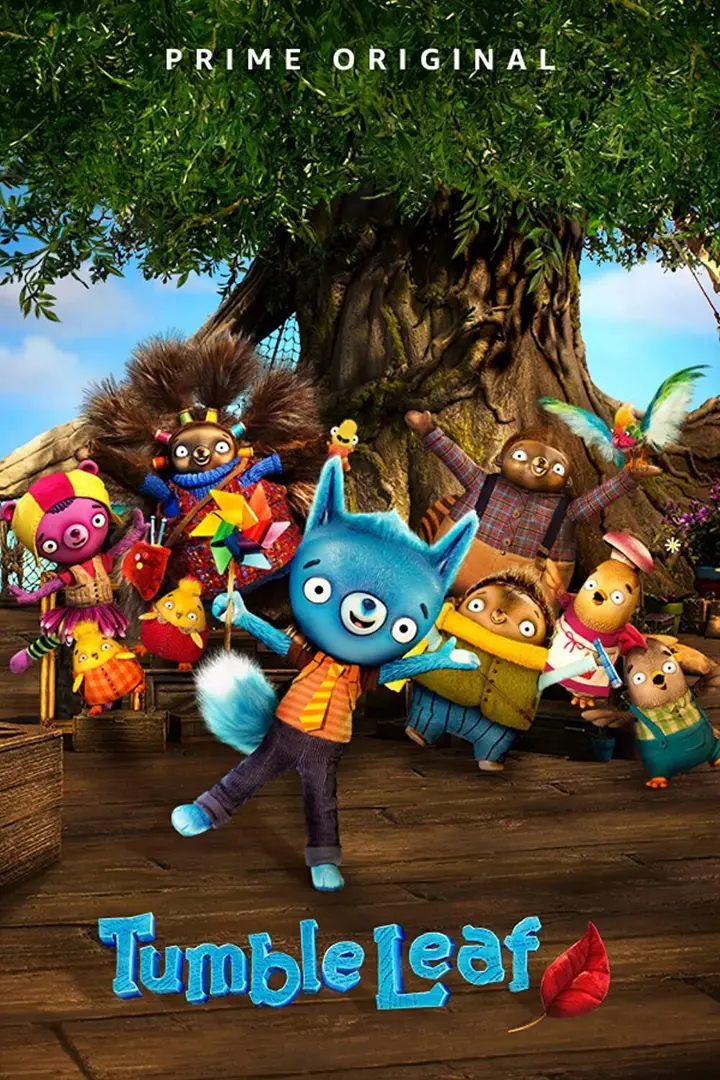
Tumble Leaf
Fig learns by observing, testing and changing his approach, so discovery grows directly from play. The stop-motion world gives objects and movement strong physical presence, making early scientific thinking easy to see.
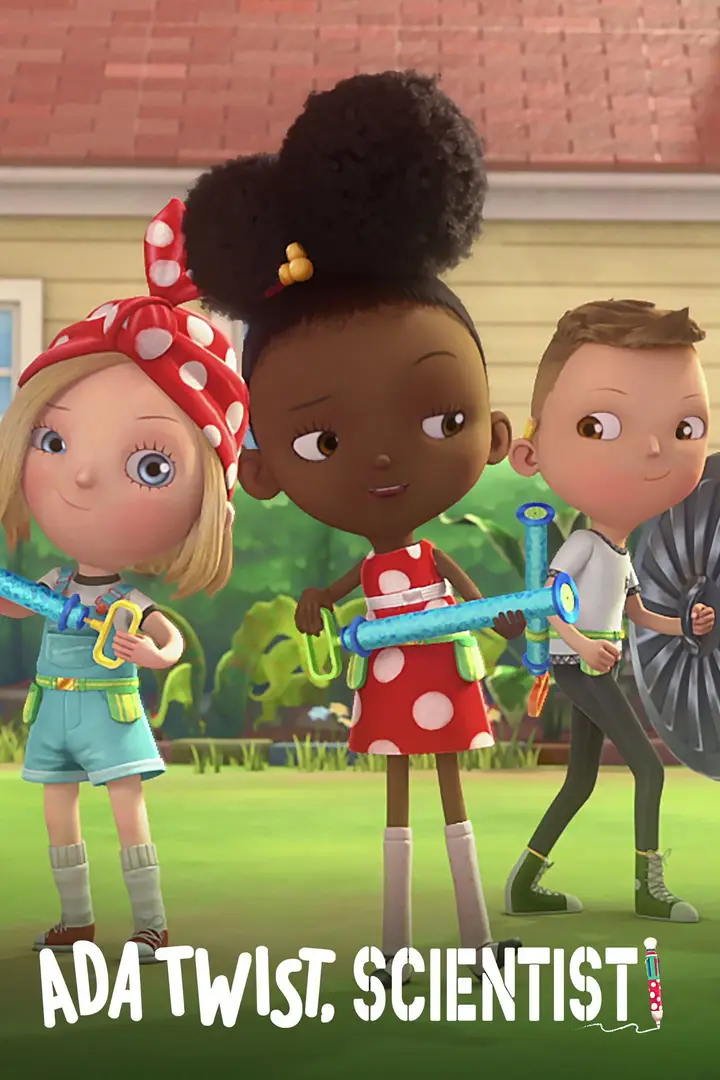
Ada Twist, Scientist
It treats science as an ongoing process of guessing, testing, and failing rather than a set of correct answers, modeling curiosity and good questions as skills worth practicing.
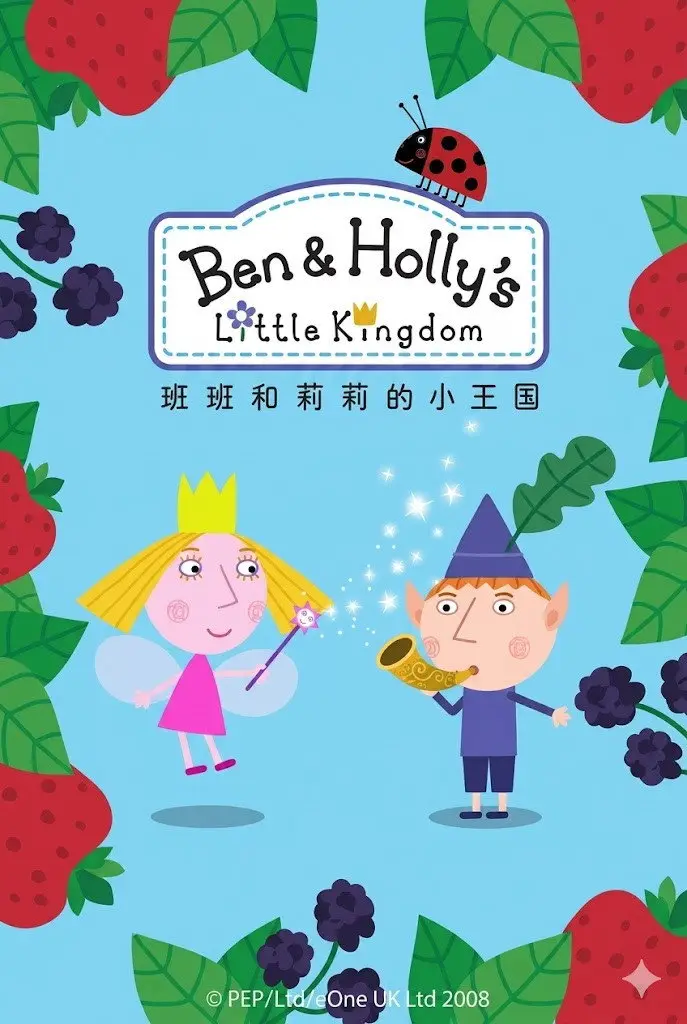
Ben & Holly's Little Kingdom
Magic and practical problem-solving constantly collide as Holly learns spells and Ben relies on elf skills and inventions. The contrast creates clear comedy while keeping friendship, family and everyday preschool situations at the center.
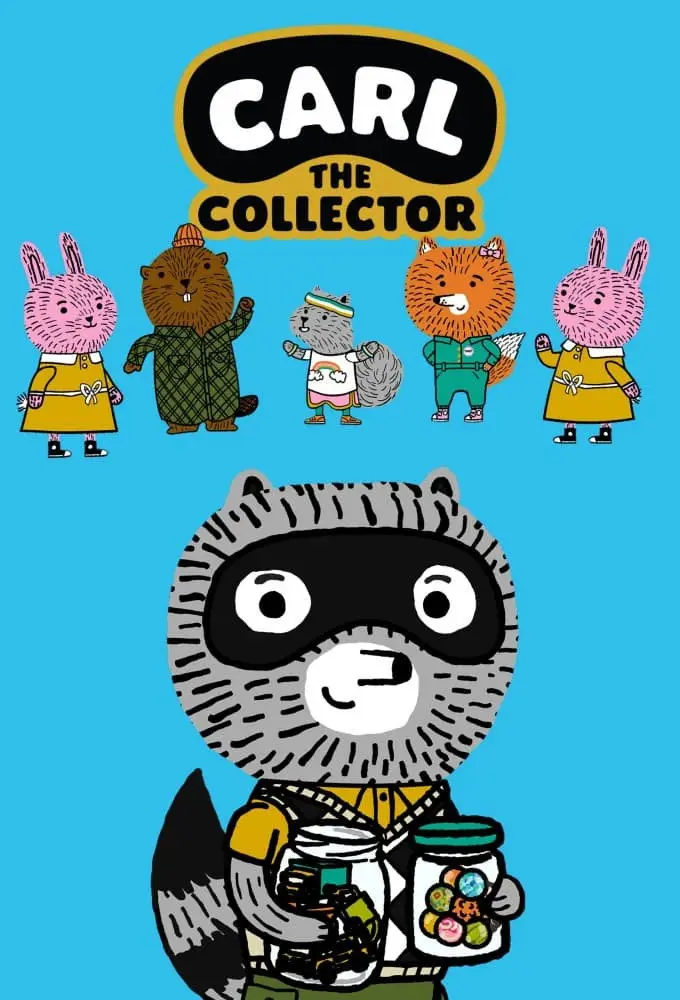
Carl the Collector
By making Carl's autism simply part of who he is rather than the subject of every episode, the show normalizes different communication styles without turning them into a lesson.
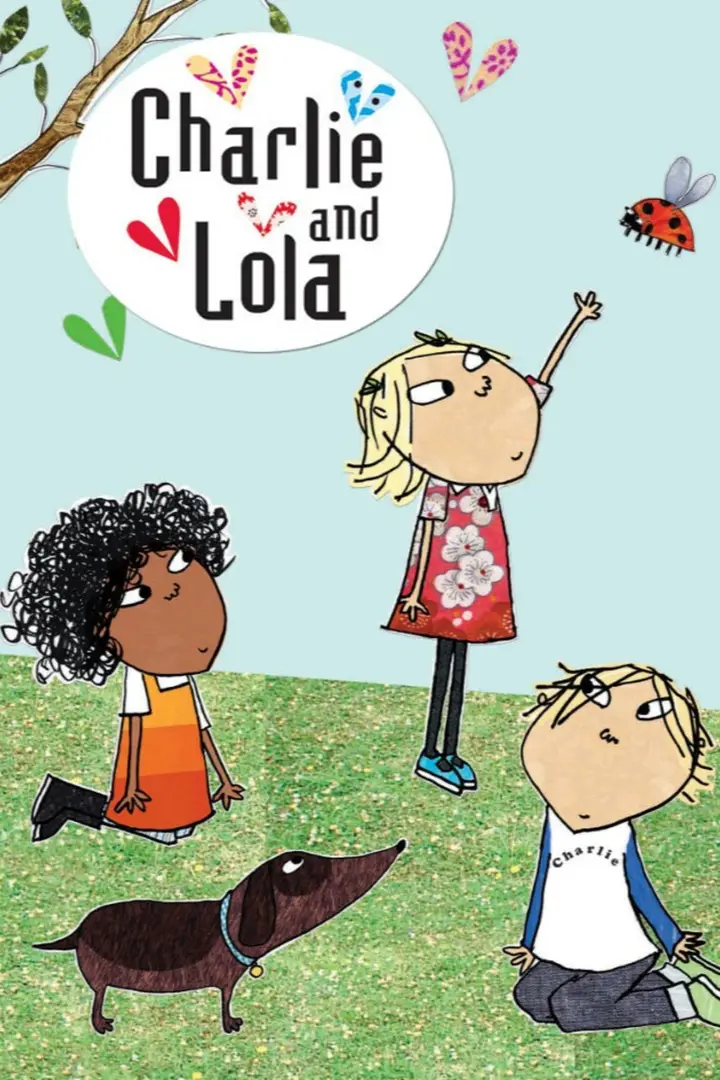
Charlie and Lola
Lola’s imagination gives ordinary preschool worries enormous visual life, while Charlie responds with patience instead of forcing solutions. Their sibling relationship makes trying food, starting school and handling change feel safe enough to explore.
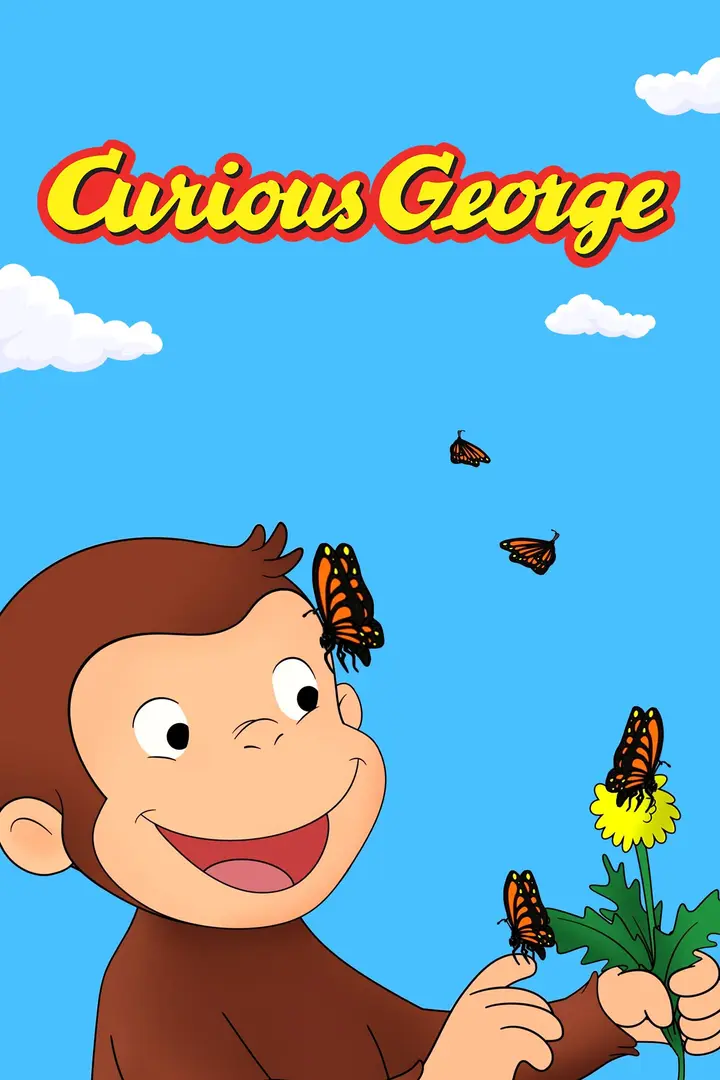
Curious George
George’s curiosity turns ordinary objects, machines and environments into practical experiments. He makes mistakes, observes what happened and adjusts his approach, showing problem-solving as an active process built on attention and persistence.
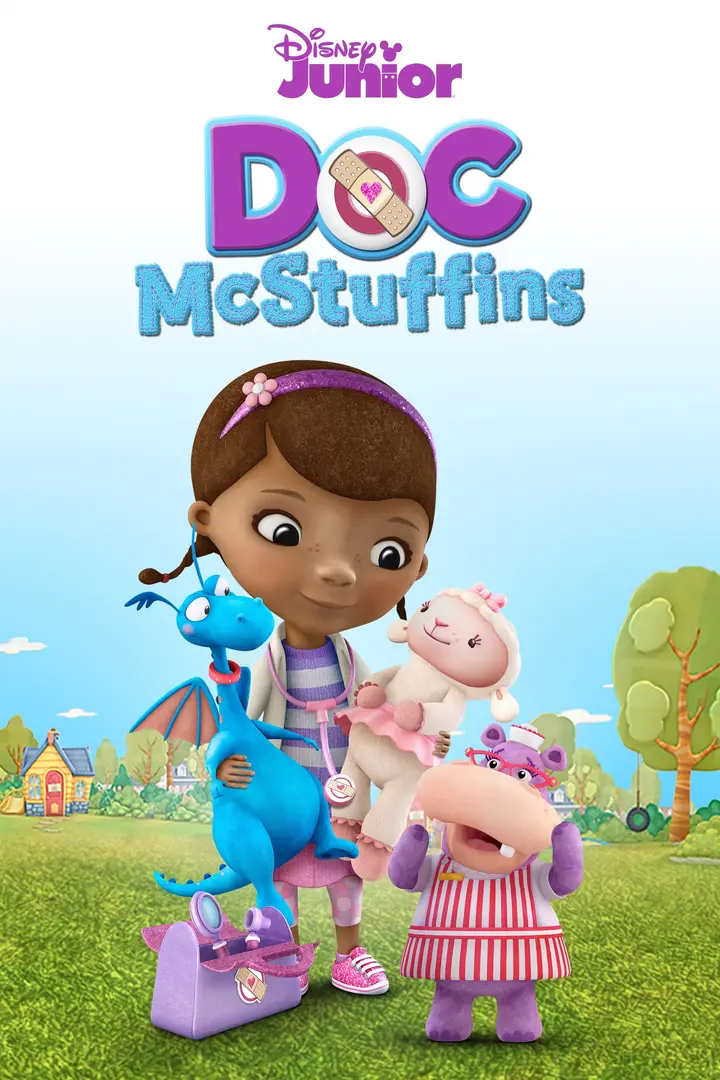
Doc McStuffins
Medical routines become reassuring role-play as Doc listens, examines and explains what each toy needs. The clinic structure gives preschoolers clear steps for checkups, hygiene and asking for help when something hurts.
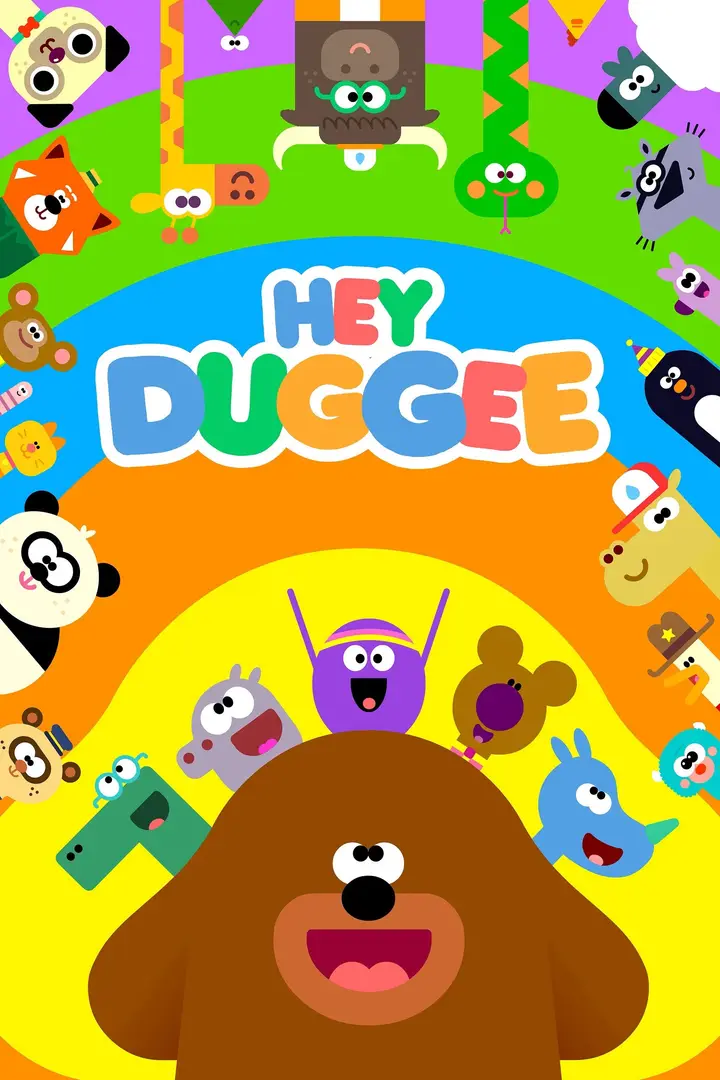
Hey Duggee
Each badge turns an everyday activity into a small shared goal, giving preschoolers a clear beginning, middle and end. Visual humor, repetition and group participation keep crafts, cooking, movement and teamwork easy to follow.
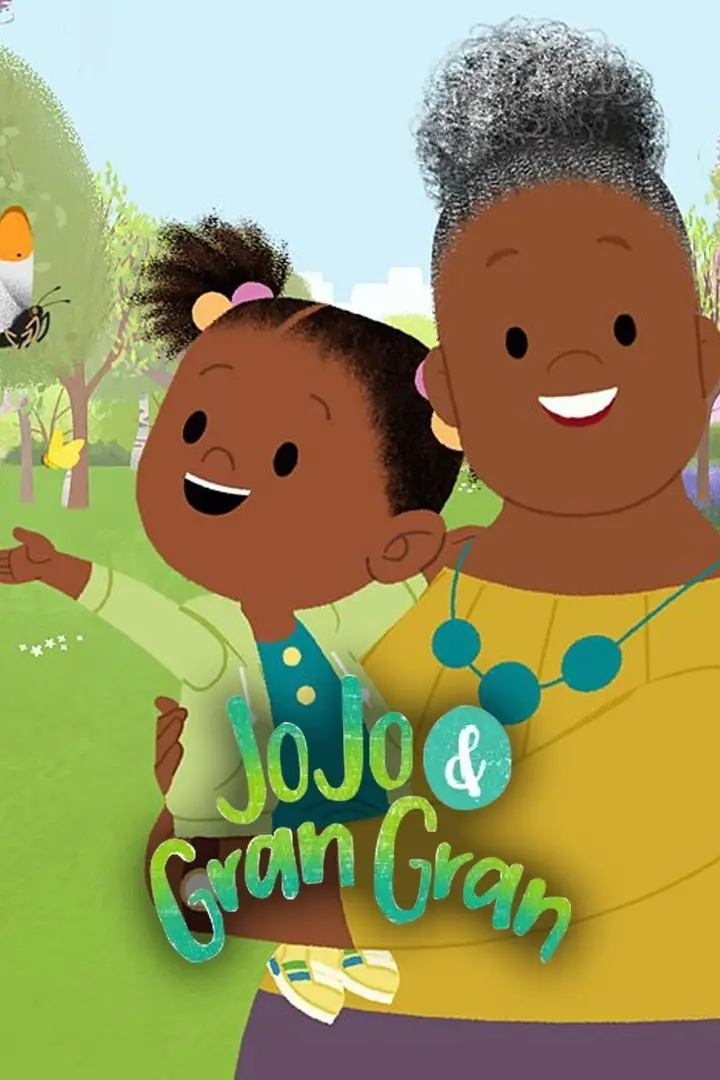
JoJo & Gran Gran
Everyday outings, cooking and family celebrations let Gran Gran connect JoJo’s questions with lived experience and British Caribbean traditions. Their conversations show how knowledge, culture and practical skills can pass naturally through an intergenerational relationship.
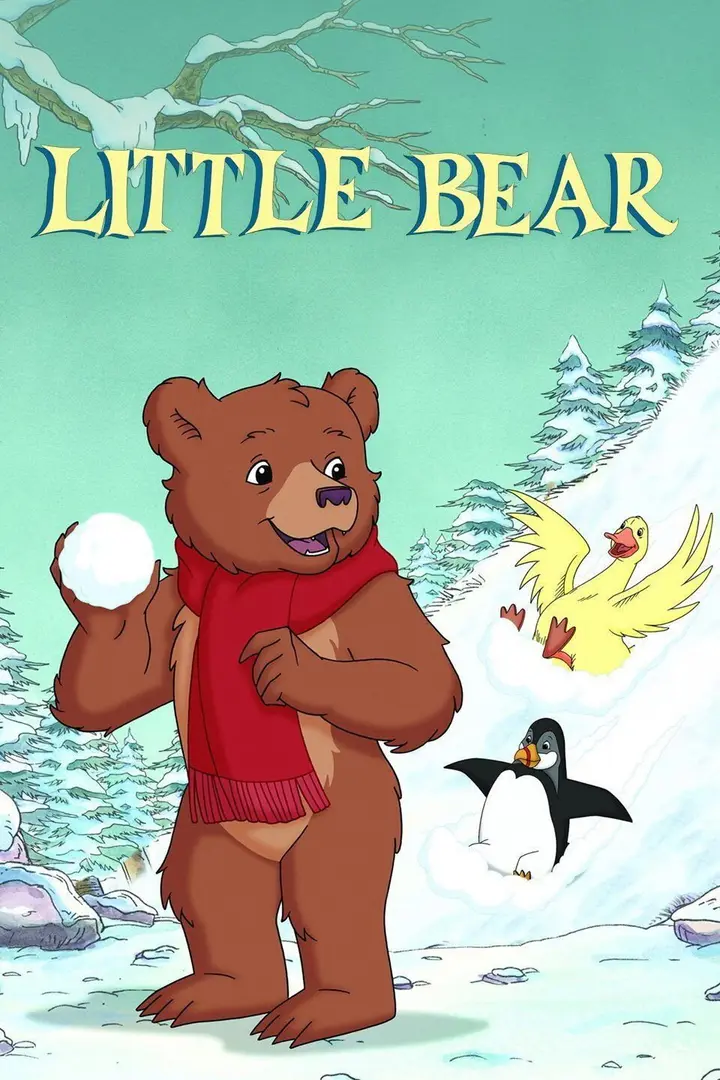
Little Bear
Home-sized adventures unfold through patient conversation, imaginative play and secure family relationships. A visit, game or question has room to develop naturally, giving companionship and observation more importance than speed or conflict.
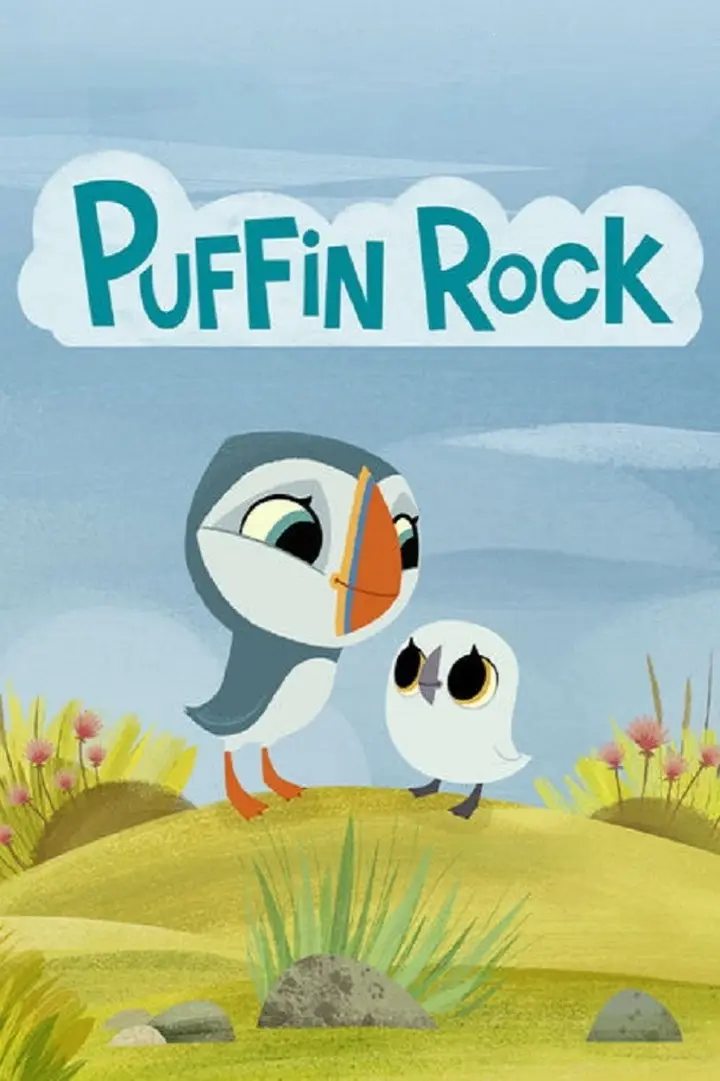
Puffin Rock
Oona and Baba explore island life through tides, weather, migration and animal behavior, keeping nature observation inside family stories. The slow pace and small discoveries make curiosity itself the main source of adventure.
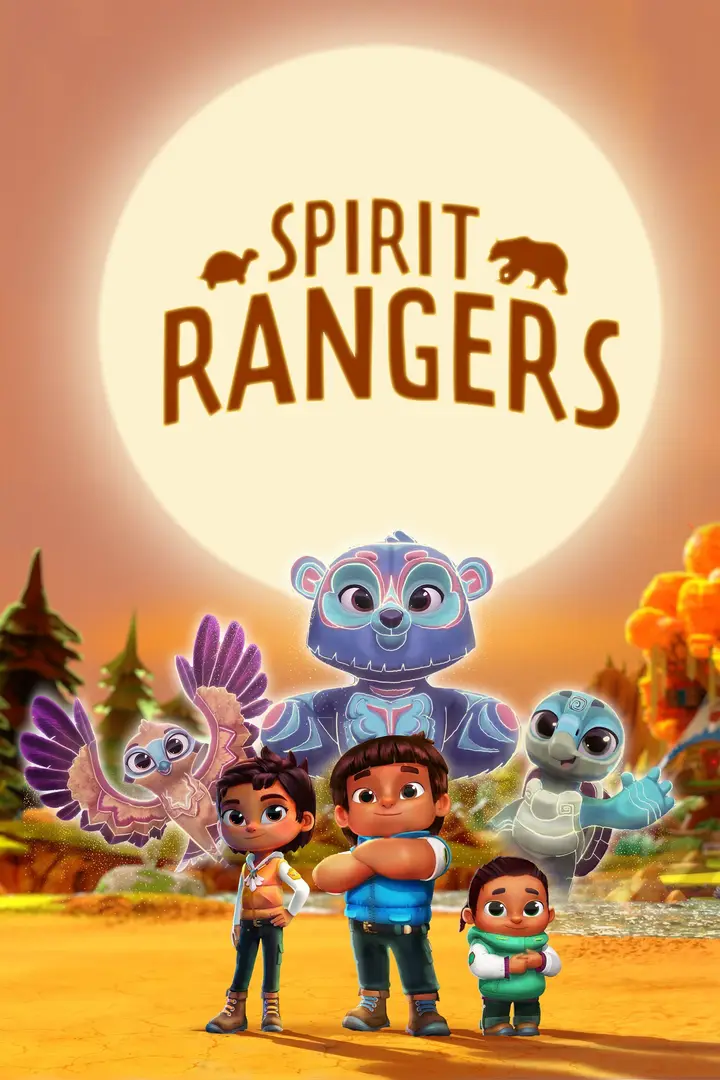
Spirit Rangers
It treats Native American spirituality and land connection as a consistent, lived part of the story rather than decoration, giving fantasy transformation adventures genuine cultural grounding.
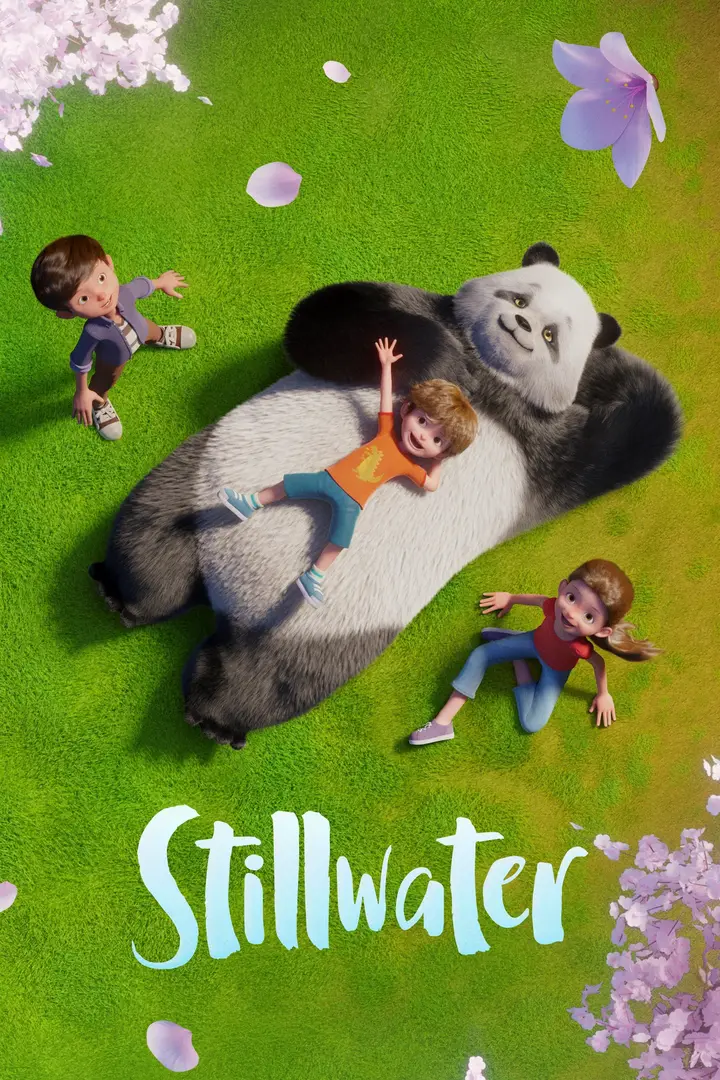
Stillwater
Rather than resolving problems quickly, it uses quiet parables to model patience and reflection, giving children — and the adults watching with them — another way to sit with difficult feelings.
Big worlds for school-age viewers
Friendship, comedy, science, magical worlds and memorable heroes, from the best-loved classics to contemporary international animation. The intensity varies: read each guide before pressing play.
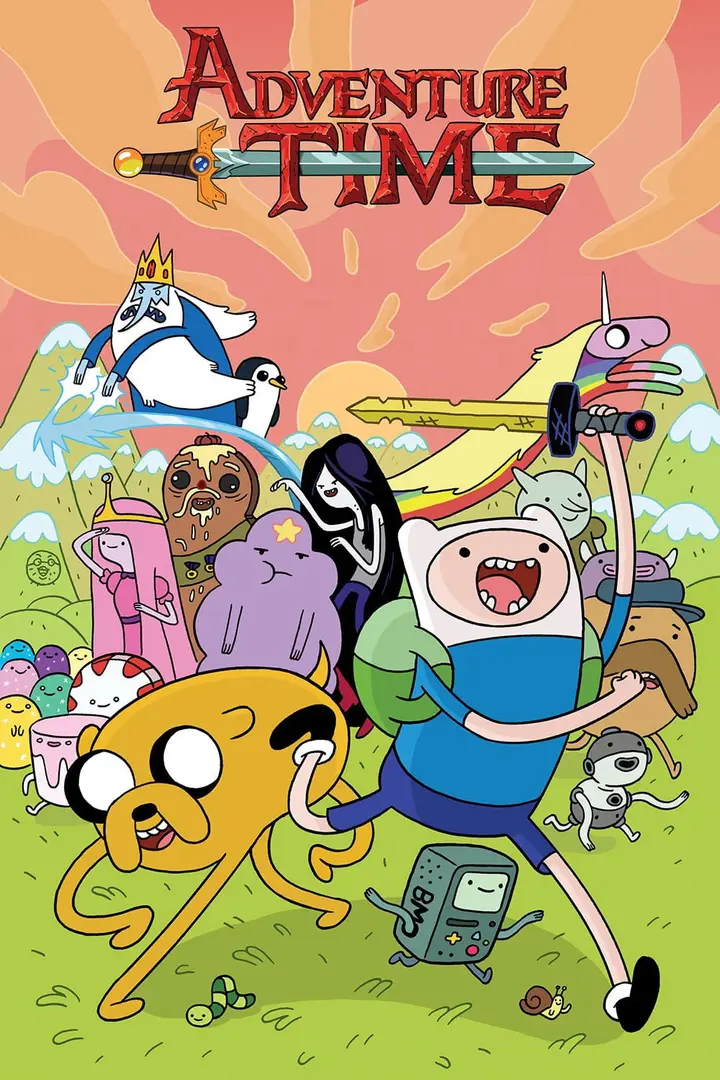
Adventure Time
Finn and Jake’s playful quests gradually reveal a world with history, damaged relationships and lasting consequences. Absurd comedy, songs and monsters sit beside stories about friendship, identity, responsibility and growing older, giving the fantasy distinctive depth.
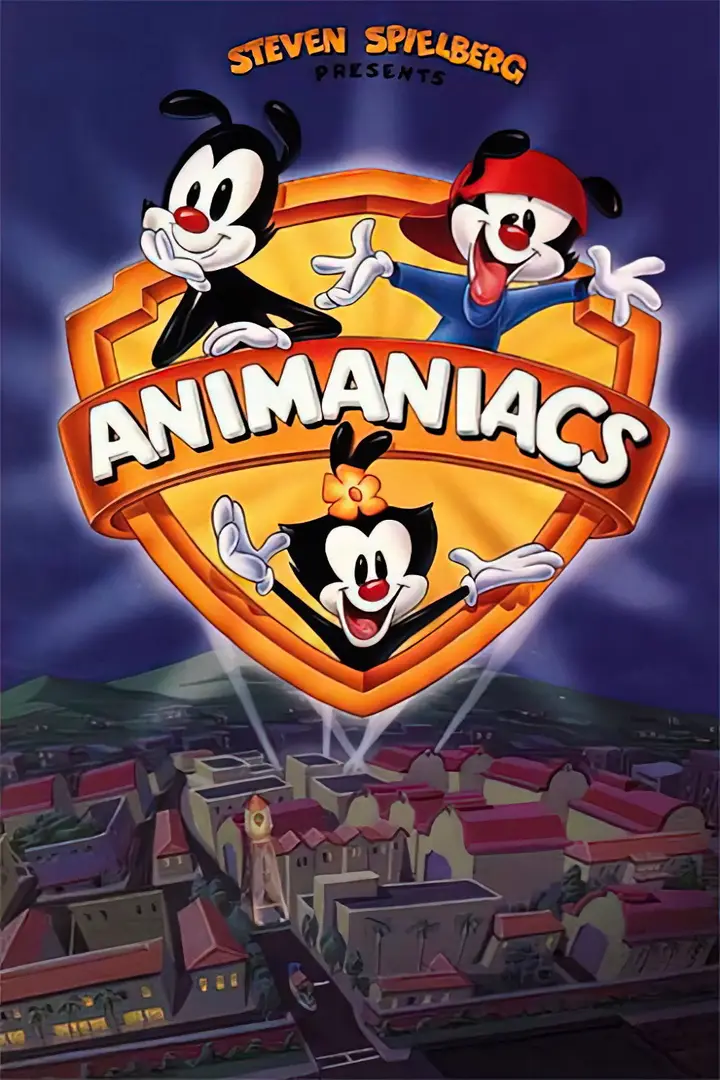
Animaniacs
Songs, wordplay, slapstick and constant format changes make the comedy highly varied. Younger viewers can follow the physical humor, while older children get more from satire, cultural references and jokes aimed beyond the child audience.
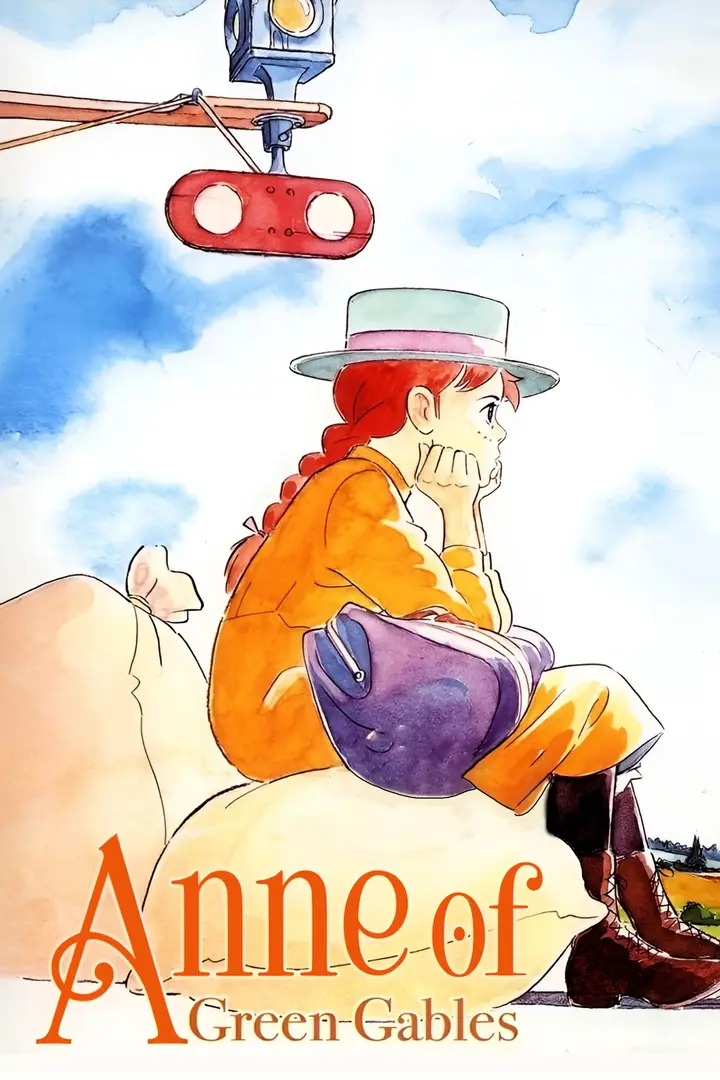
Anne of Green Gables
Anne’s imagination, language and strong personality carry a patient story built on friendships, school, mistakes and family bonds. The long timeline lets viewers see her judgment and relationships change in believable steps instead of resetting after each episode.

Avatar: The Last Airbender
Epic fantasy grows through a carefully structured journey in which Aang must master the elements while deciding what kind of Avatar he wants to become. Humor, friendship and martial arts support deeper themes of grief, identity and responsibility.

Batman: The Animated Series
Noir atmosphere, detective work and psychologically motivated villains give Gotham rare depth for superhero animation. Batman often has to understand a case before defeating anyone, while recurring characters build a morally complicated city over time.
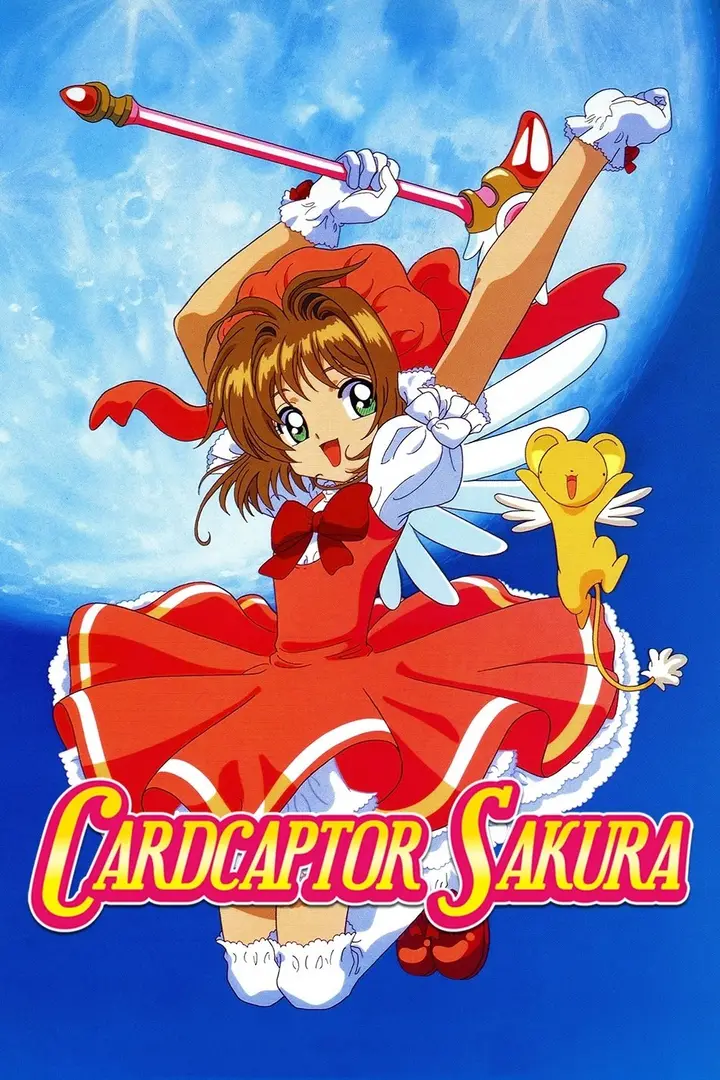
Cardcaptor Sakura
It grounds a magical card-collecting quest in patient, everyday character growth, letting its heroine mature emotionally without ever losing her core kindness and curiosity.
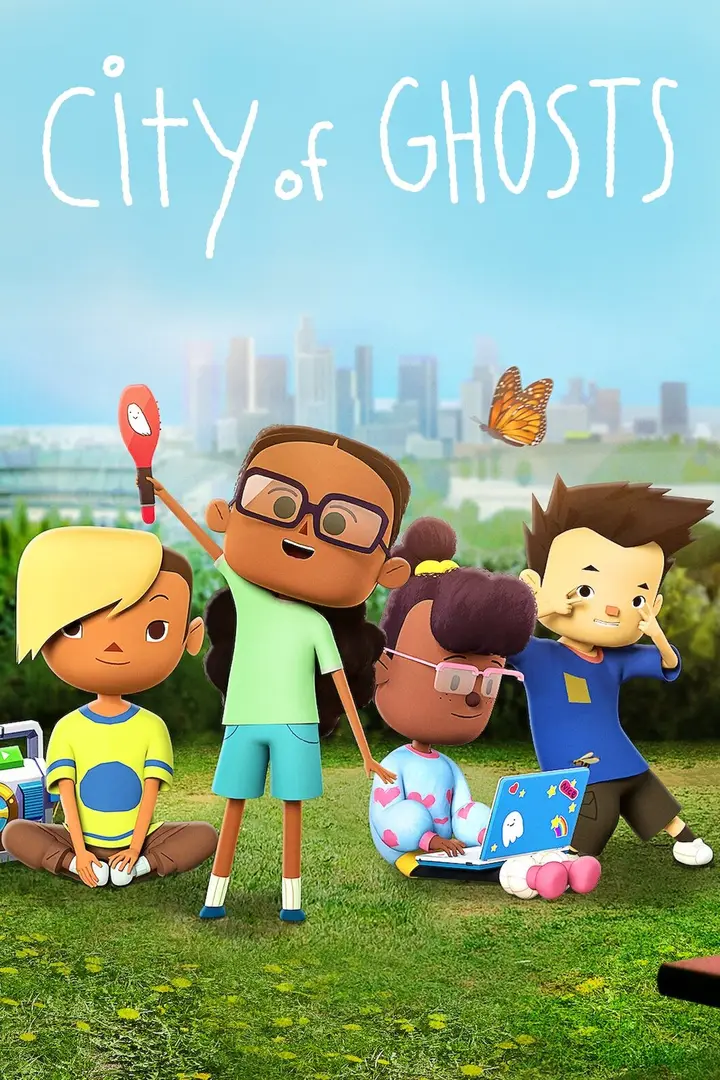
City of Ghosts
By pairing animation with real residents' voices, it turns ghost stories into genuine oral history, using a gentle supernatural frame to introduce specific neighborhoods, traditions, and community memory.
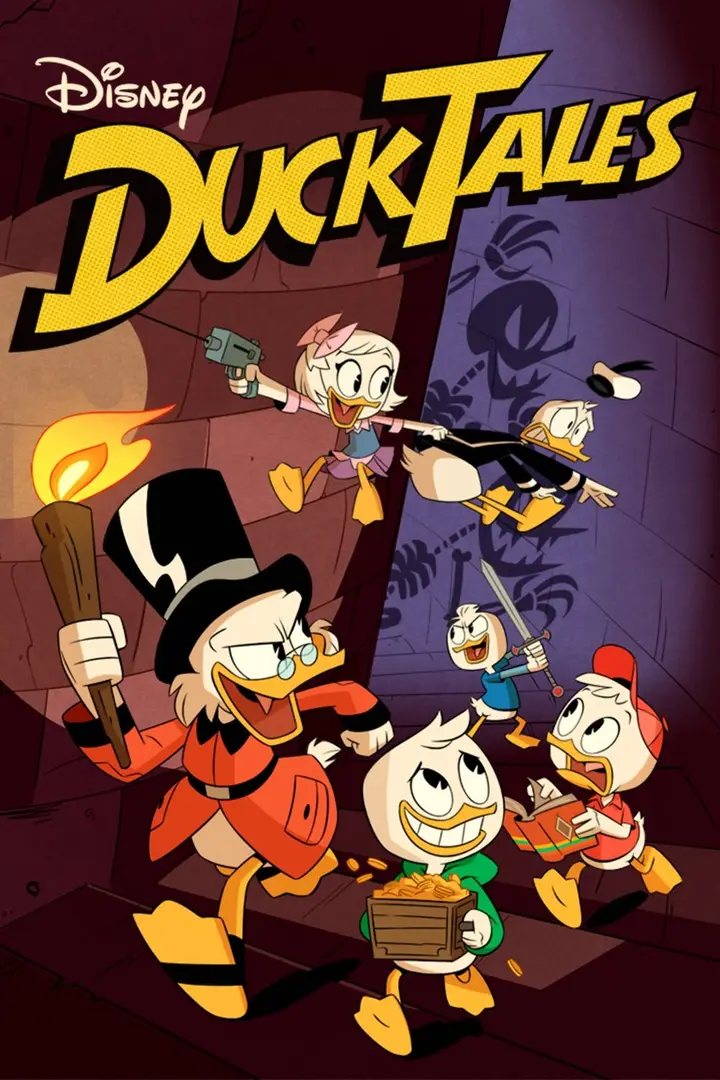
DuckTales
Treasure hunts and globe-trotting adventures gain extra weight through family secrets, rivalries and season-long mysteries. Scrooge, the nephews, Webby and Donald have distinct roles, letting action and family dynamics develop together.
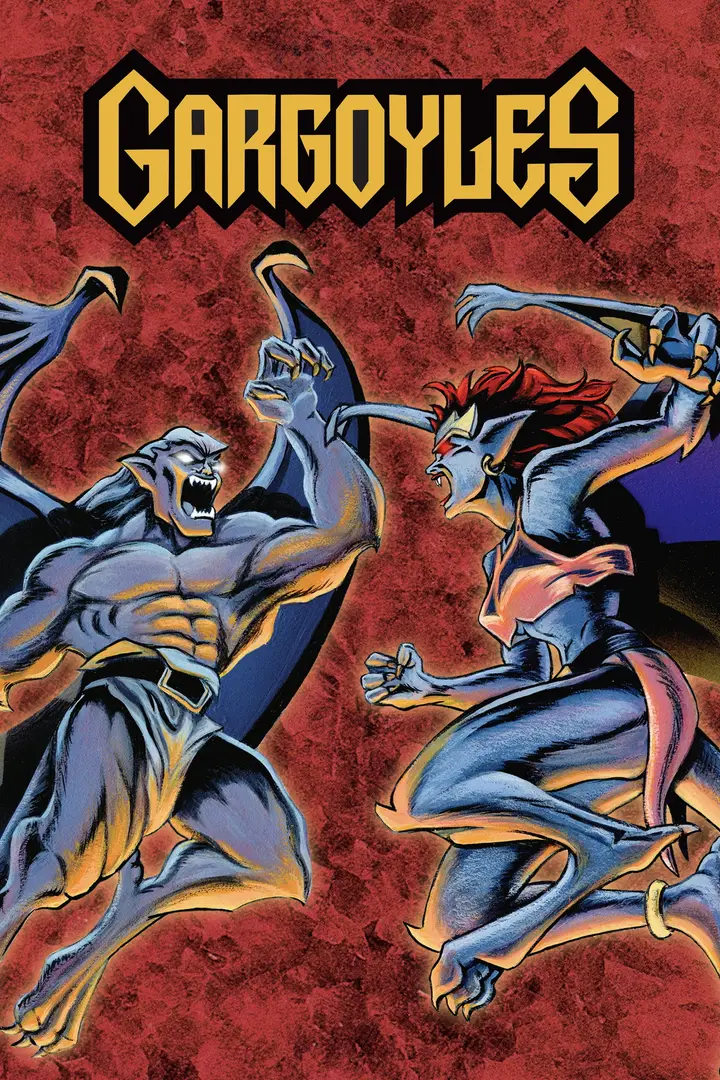
Gargoyles
Medieval history, urban fantasy and long-form plotting give the series a richer structure than most action cartoons of its era. Goliath’s clan faces betrayal and adaptation while building a new sense of family in modern New York.
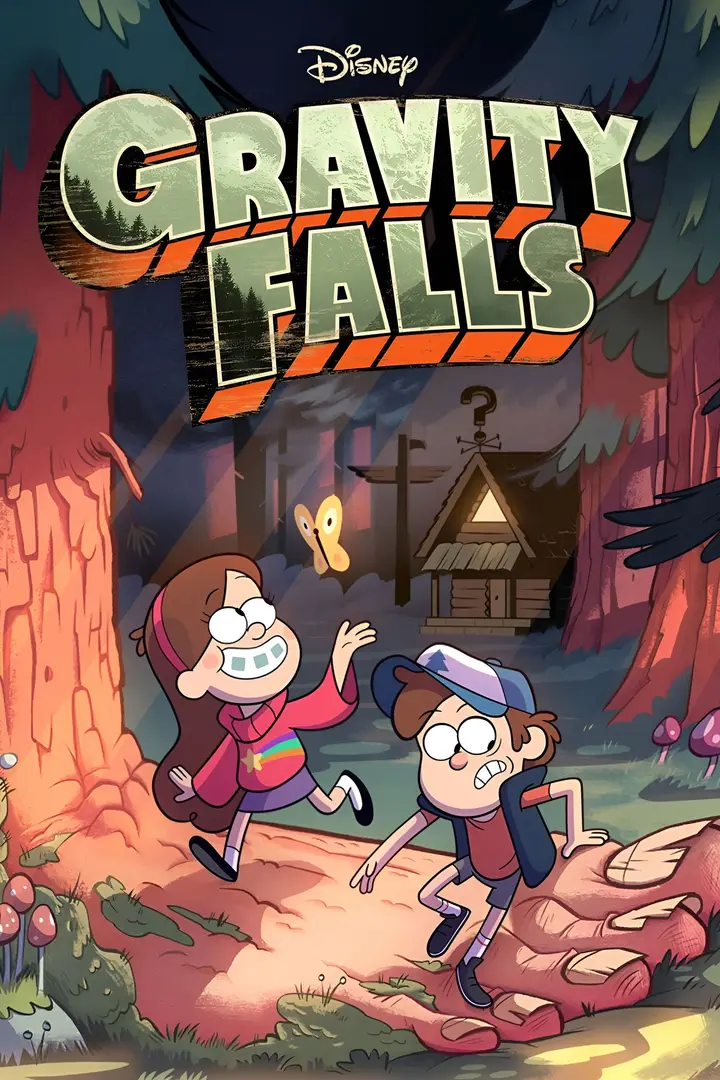
Gravity Falls
Dipper’s mysterious journal turns a strange summer town into a connected puzzle filled with monsters, codes and hidden organizations. Mabel’s energy balances the suspense, while the twins’ loyalty keeps the expanding mystery tied to family.
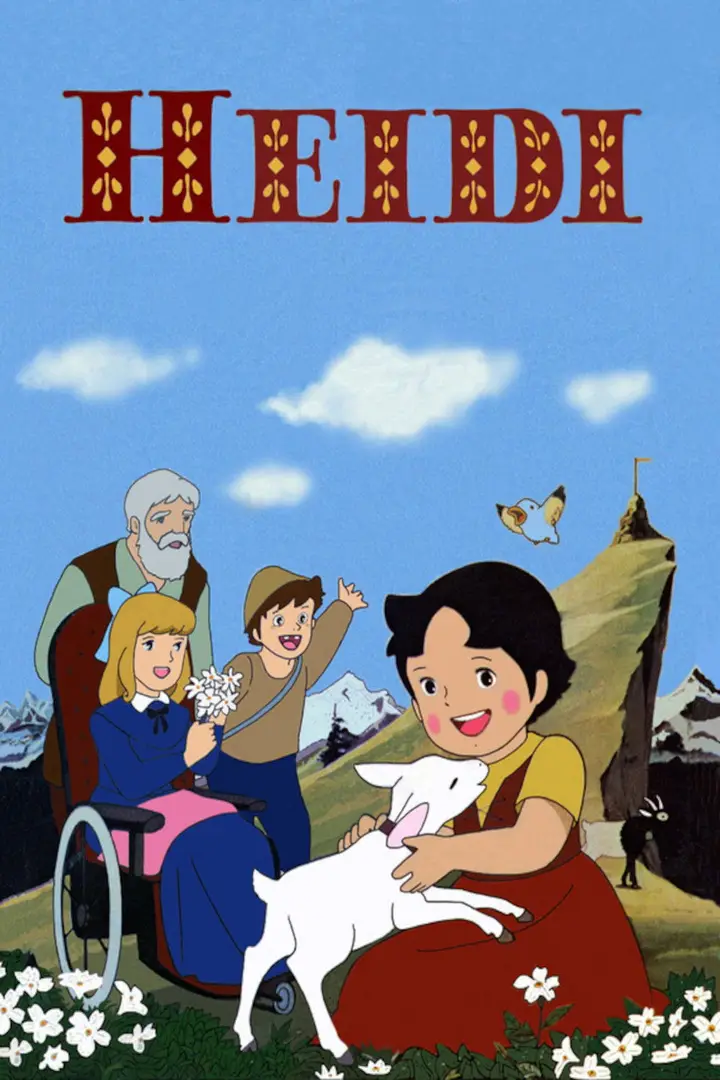
Heidi, Girl of the Alps
Its unhurried storytelling and strong sense of place find real emotional weight in separation, belonging, and change rather than in action, giving it lasting appeal decades later.
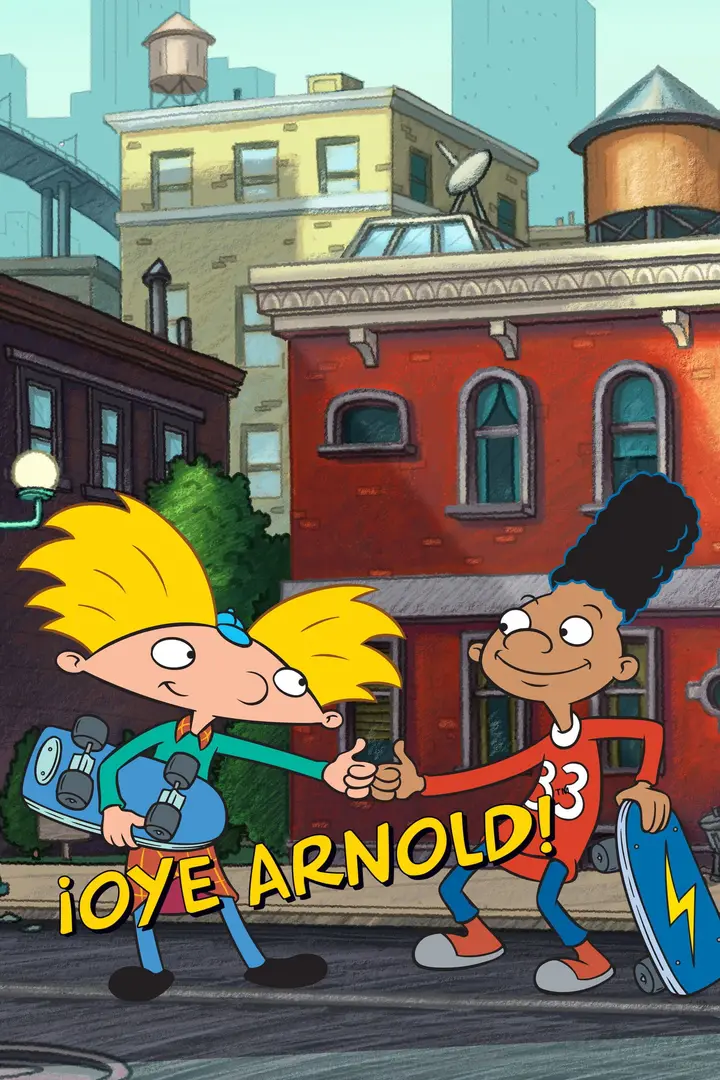
Hey Arnold!
City life gives small childhood stories a broad social backdrop, while Arnold’s patience lets supporting characters reveal more than their first impression. Friendship, poverty, loneliness and first crushes are handled with honesty and humor.
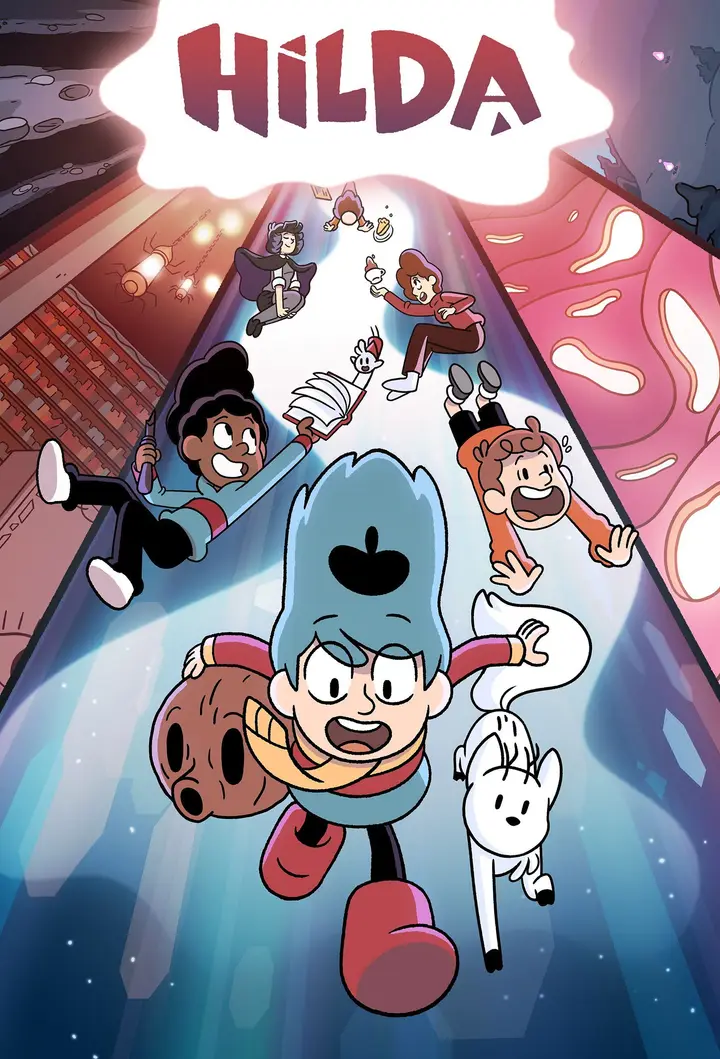
Hilda
Hilda approaches trolls, giants and spirits with curiosity before fear, giving folklore a welcoming sense of discovery. Moving from the wilderness to Trolberg expands the world while keeping friendship and understanding unfamiliar creatures central.
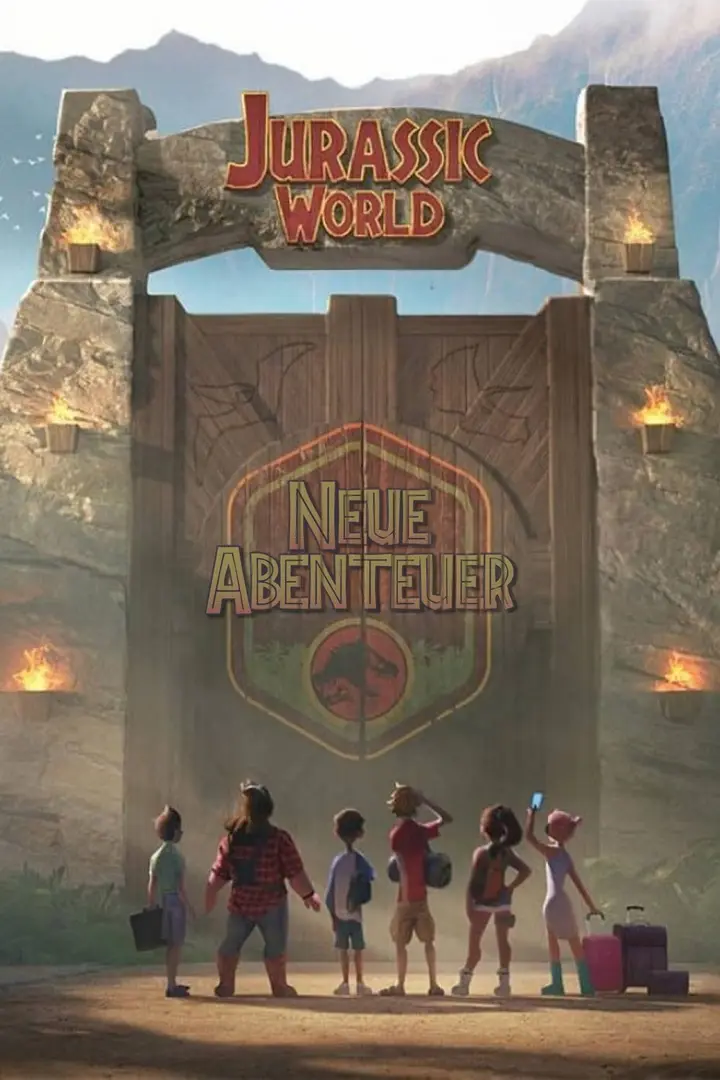
Jurassic World: Camp Cretaceous
It brings real Jurassic World stakes to a teen ensemble, using chases and close calls to force a mismatched group to build the trust that survival actually requires.
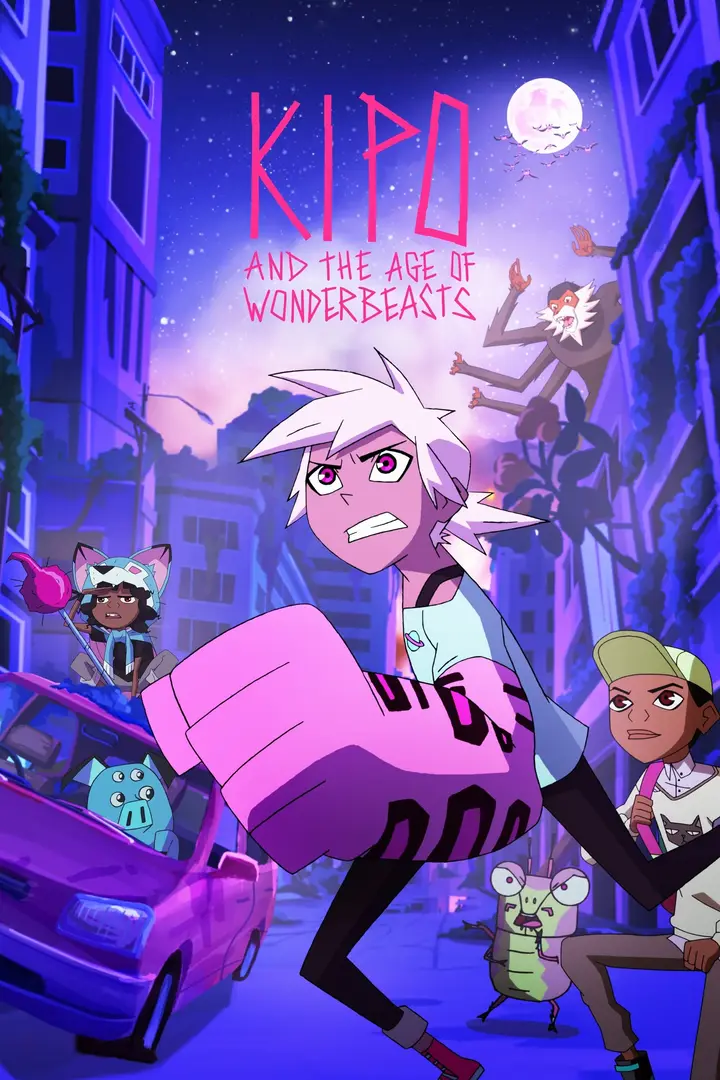
Kipo and the Age of Wonderbeasts
Its post-apocalyptic setting and mutant-animal action stay purely fantastical while the story explores prejudice and coexistence, giving an energetic adventure real thematic weight for older kids.

Maya and the Three
Its Mesoamerican-inspired mythology and striking visual design give an already spectacular quest real cultural identity, while the story takes duty and sacrifice seriously rather than treating them lightly.

Molly of Denali
Molly uses maps, books, websites, signs and oral knowledge to answer practical questions in her Alaskan community. Literacy becomes a tool for real tasks, while contemporary Alaska Native culture is integrated into daily life.
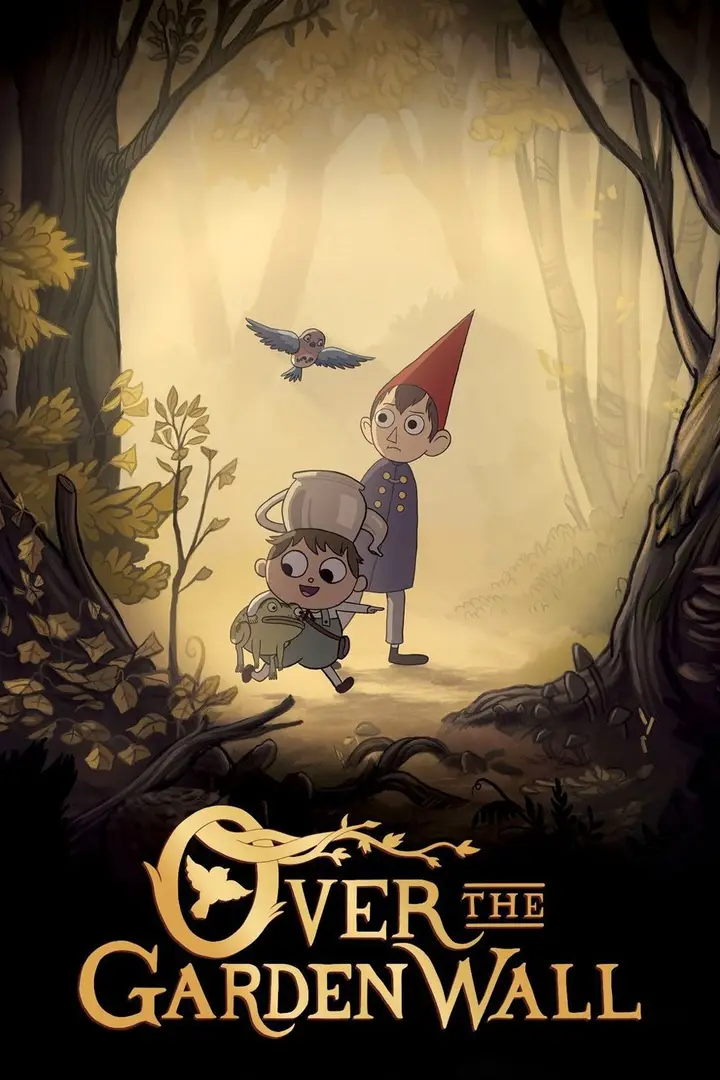
Over the Garden Wall
A compact journey through the Unknown blends folklore, dry humor and fairy-tale imagery with a tightly controlled mystery. Wirt and Greg’s sibling bond gives the strange encounters continuity while the atmosphere grows steadily darker.
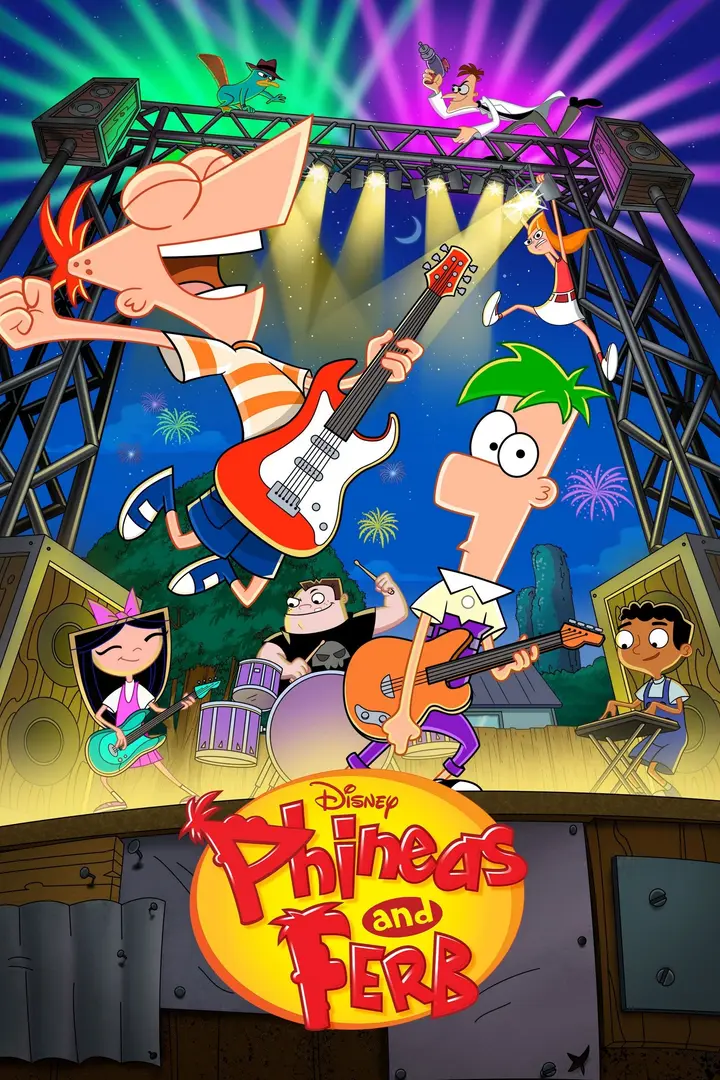
Phineas and Ferb
Every summer day becomes an engineering-sized challenge as Phineas and Ferb build impossible projects with cheerful confidence. Candace’s failed attempts to expose them and Perry’s secret-agent subplot create parallel comic structures that repeatedly intersect.
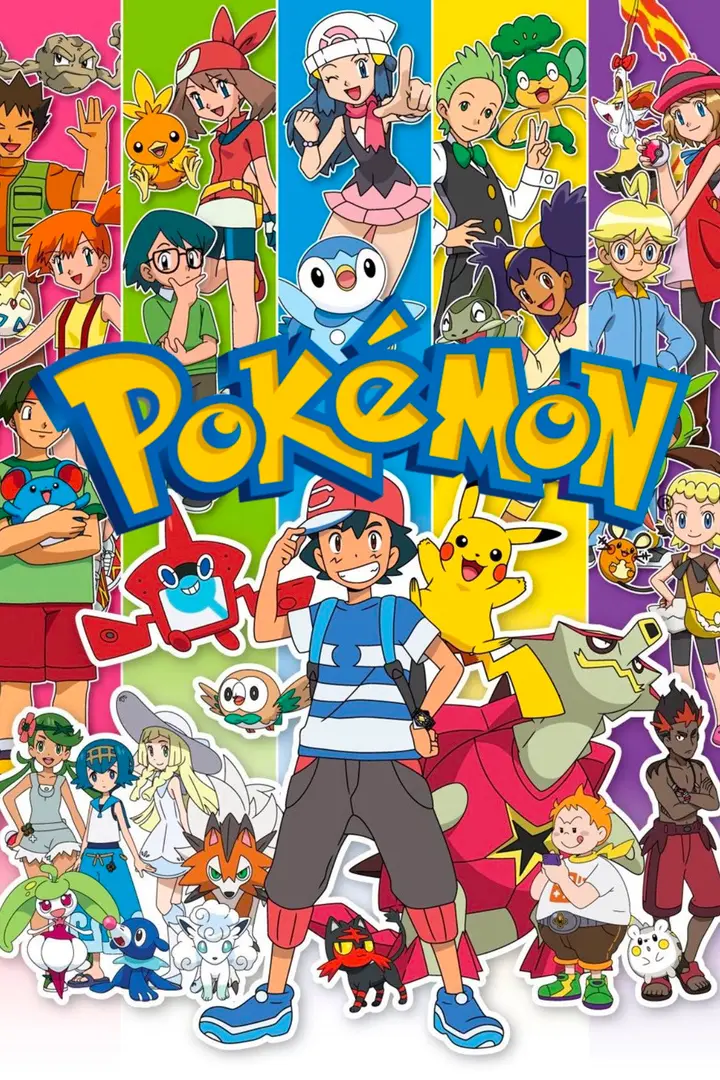
Pokémon
Its clear goals and constant sense of discovery keep the adventure easy to enter, while friendship with each Pokémon matters as much as winning any battle.
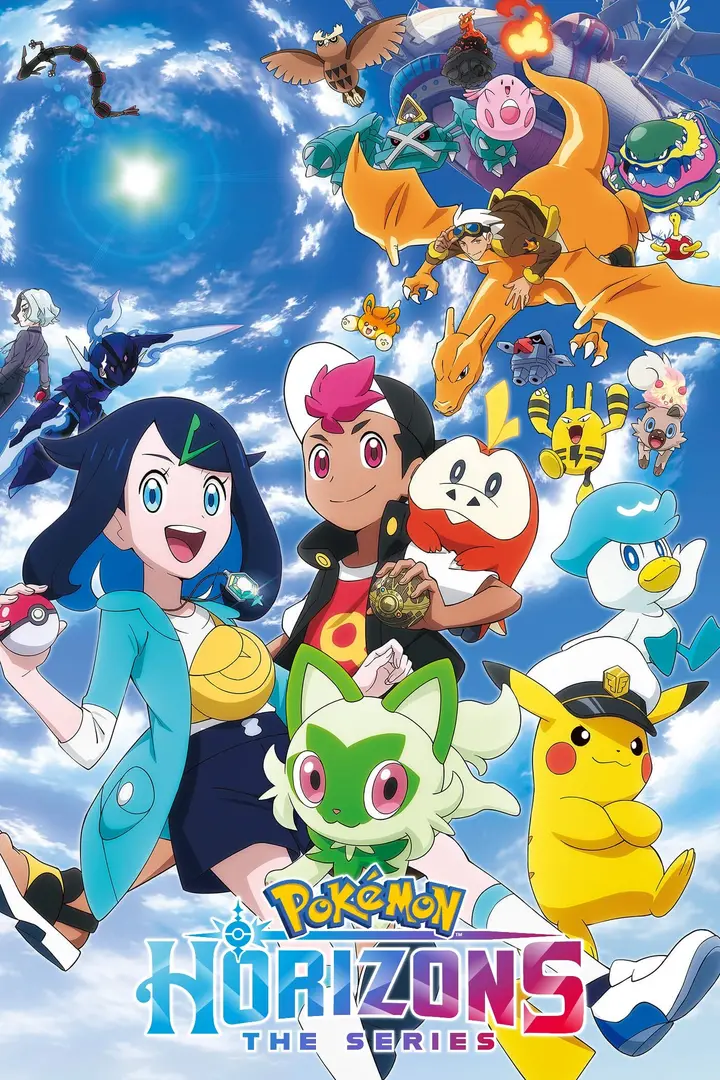
Pokémon Horizons: The Series
New protagonists and a fresh mystery give longtime viewers an easy re-entry point while keeping the discovery, humor, and gradual growth that define the franchise.
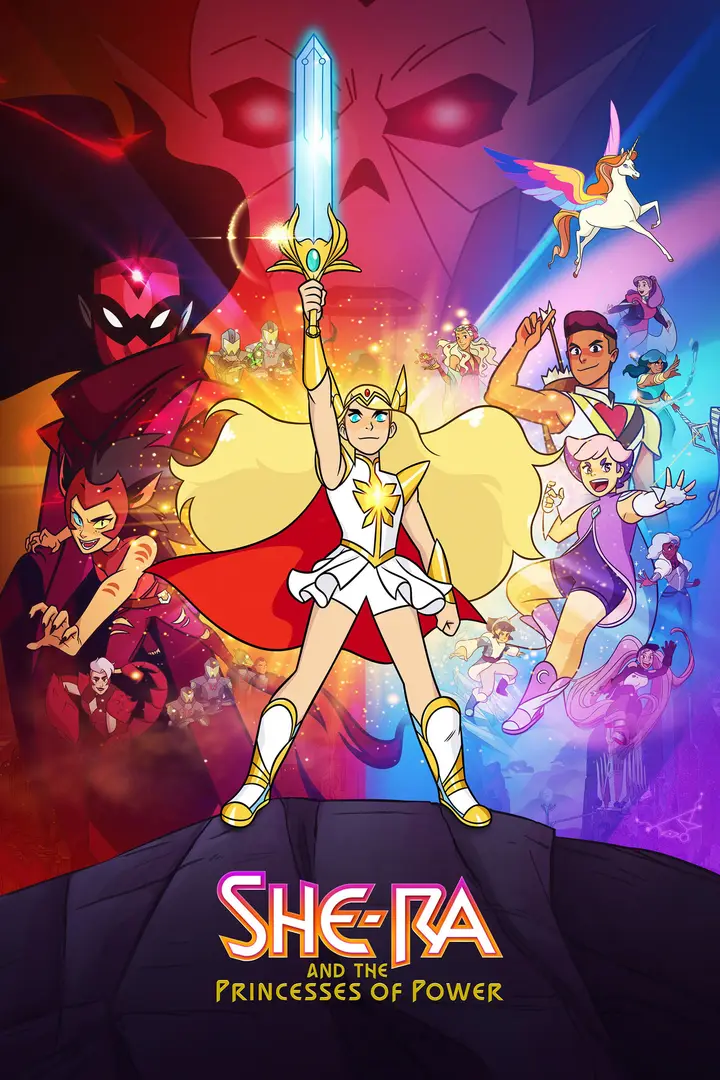
She-Ra and the Princesses of Power
Adora’s discovery that the Horde has deceived her turns fantasy action into a story about loyalty, manipulation and change. Her break with Catra gives the larger rebellion personal stakes that continue across the series.
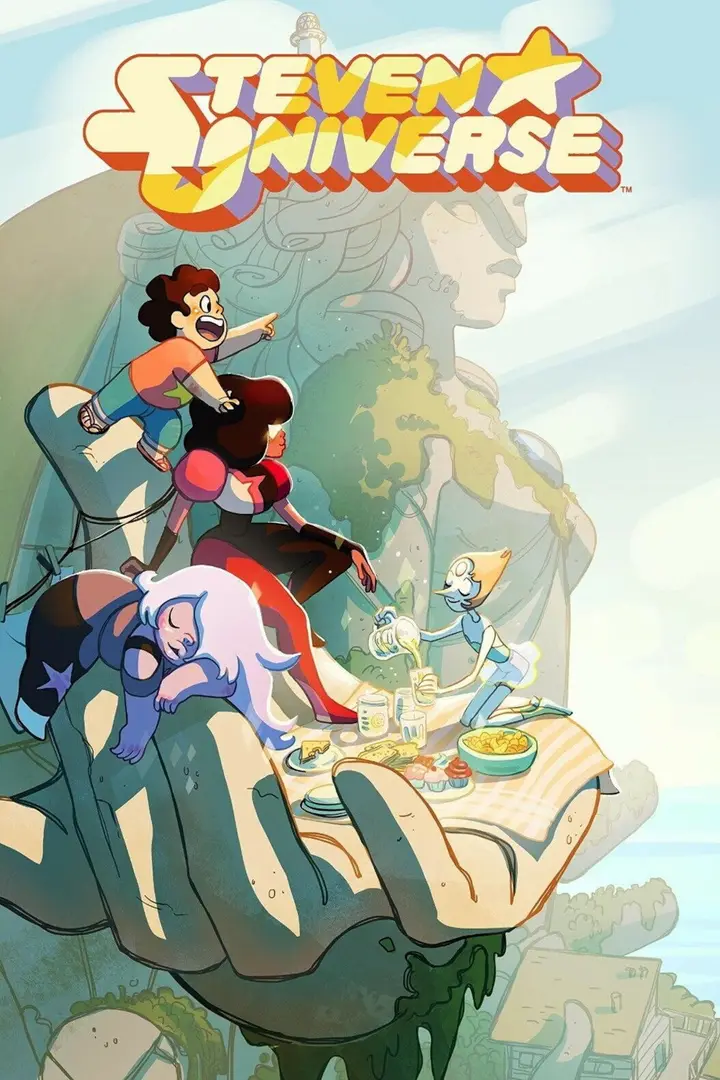
Steven Universe
A playful fantasy gradually becomes a layered story about identity, family history, responsibility and changing relationships. Steven’s empathy and the Crystal Gems’ complicated past give the long-form plot depth without losing its sense of humor.
Questions parents ask
How did you choose the best cartoons for children?
We look at the quality of the storytelling, the imagination behind the animation, the strength of the characters and the lasting appeal of the humour, and we consider pacing, emotional intensity and age suitability. This is a curated selection of 100 series, not a numbered ranking.
What are some educational animated series for younger children?
Numberblocks explores early maths, Ask the StoryBots answers children's questions, and Octonauts introduces marine life. Each has its own age guidance; educational value alone does not guarantee a fit for every viewer.
Are all 100 series suitable for preschoolers?
No. The guide also includes challenging anime and intense stories for older children and teenagers. Check each series' Minimum Age, Recommended Age and Parents Should Know section.


