
Best 2020s TV Shows for Kids & Families
Standout family series of the current decade, from preschool and comedy to fantasy, science fiction, and new chapters of familiar franchises.

Best 2020s TV Shows for Kids & Families
The 2020s are still unfolding, but the decade has already produced shows worth a place in a serious family-TV guide. Preschool stories, comedy, fantasy, science fiction, ambitious adventures, and returning franchises now compete across streaming services and traditional networks. TFFC keeps this list open to new additions and pairs each choice with age guidance, making it practical instead of merely current. Shows follow first-air year, while suitable anime can also appear in the dedicated anime guides without being duplicated as separate entities.
Find the right series
Choose one band. Results show age-relevant series approved by our editors: those whose Minimum-to-Recommended age span overlaps the band, plus individually approved favorites. The Recommended Age is a starting point, not a maximum.
More filters and sort
No series in this guide match this age.
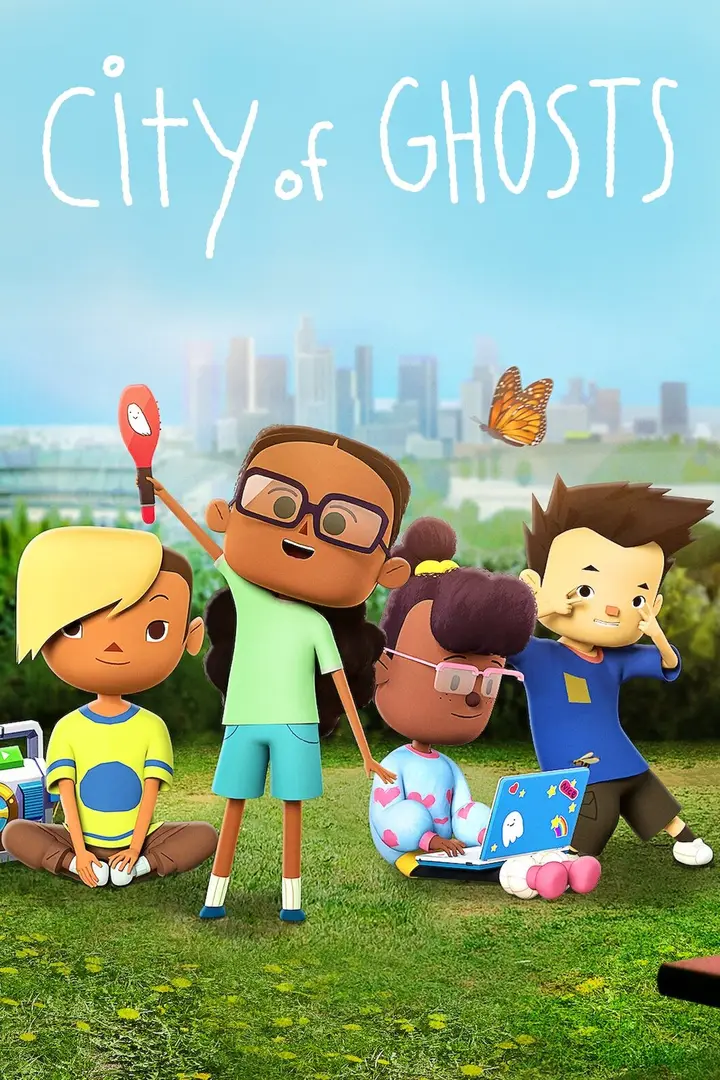
City of Ghosts
By pairing animation with real residents' voices, it turns ghost stories into genuine oral history, using a gentle supernatural frame to introduce specific neighborhoods, traditions, and community memory.
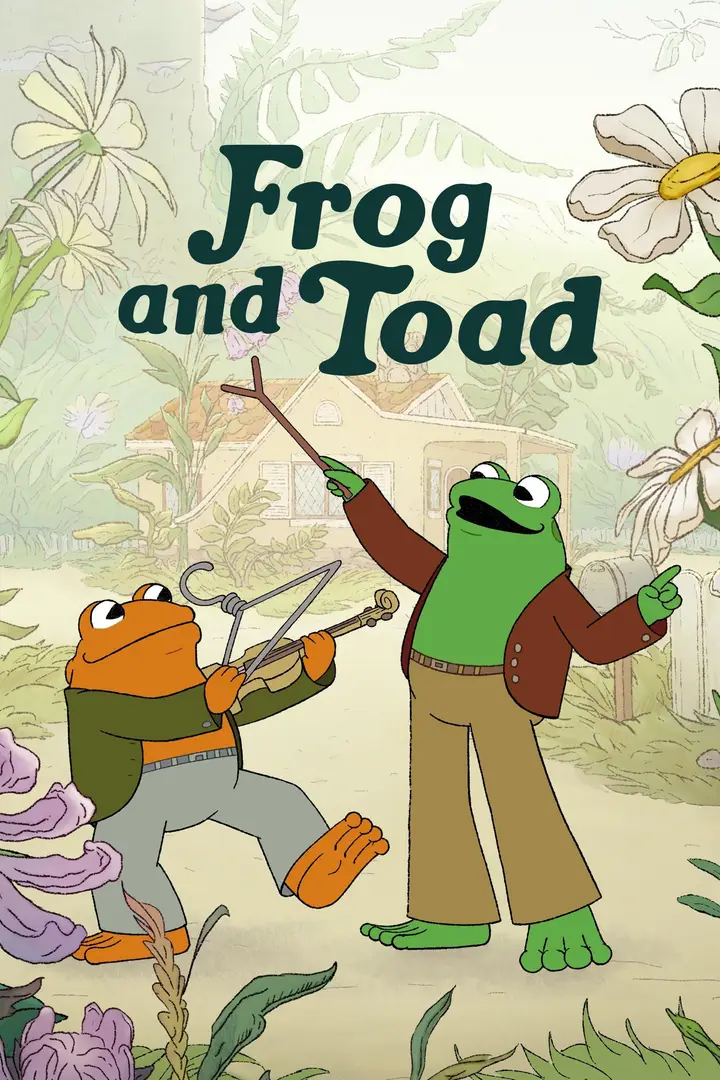
Frog and Toad
It preserves Arnold Lobel's understated humor and modest scale, finding real warmth in visits, small plans, and misunderstandings between two friends who don't need to be alike.
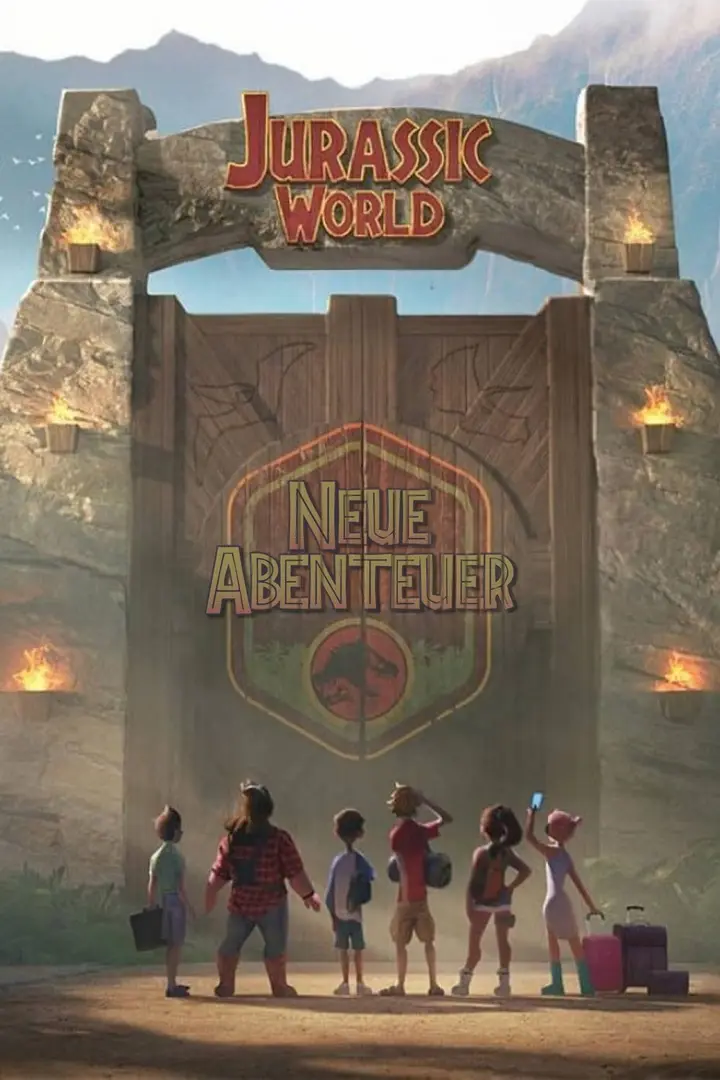
Jurassic World: Camp Cretaceous
It brings real Jurassic World stakes to a teen ensemble, using chases and close calls to force a mismatched group to build the trust that survival actually requires.
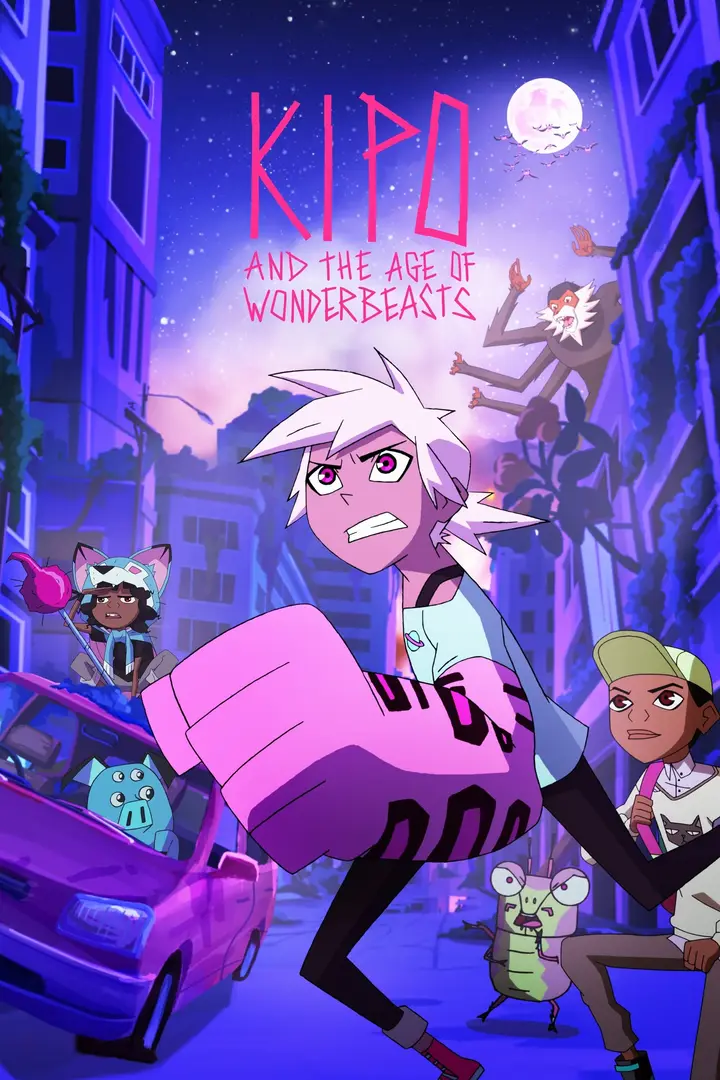
Kipo and the Age of Wonderbeasts
Its post-apocalyptic setting and mutant-animal action stay purely fantastical while the story explores prejudice and coexistence, giving an energetic adventure real thematic weight for older kids.
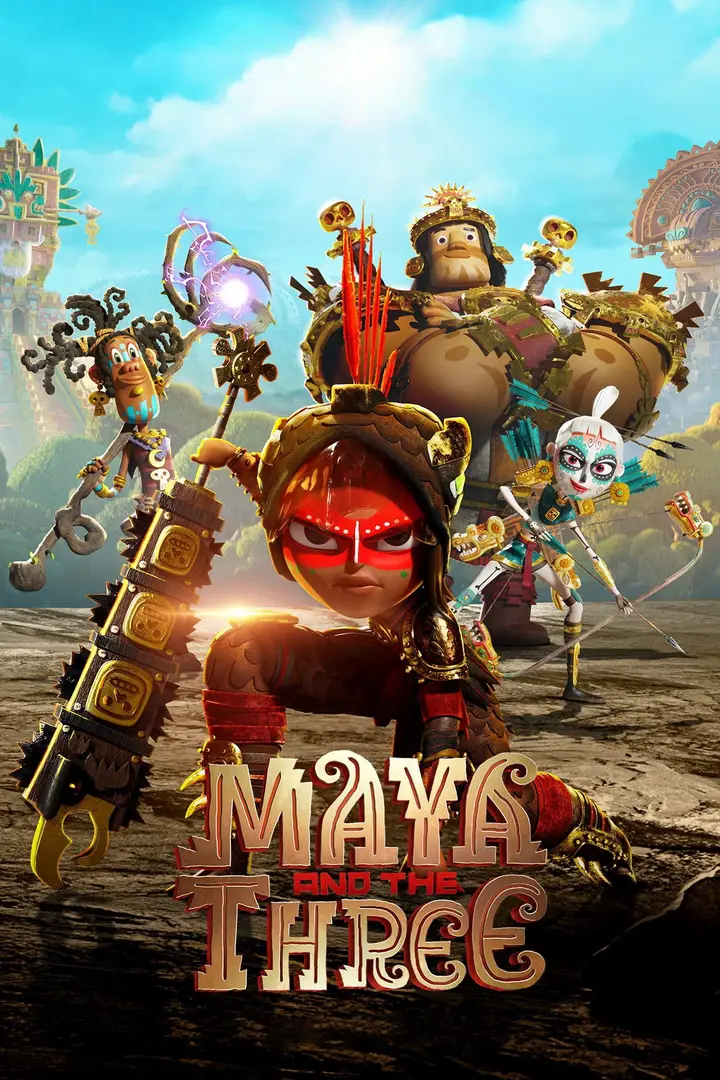
Maya and the Three
Its Mesoamerican-inspired mythology and striking visual design give an already spectacular quest real cultural identity, while the story takes duty and sacrifice seriously rather than treating them lightly.
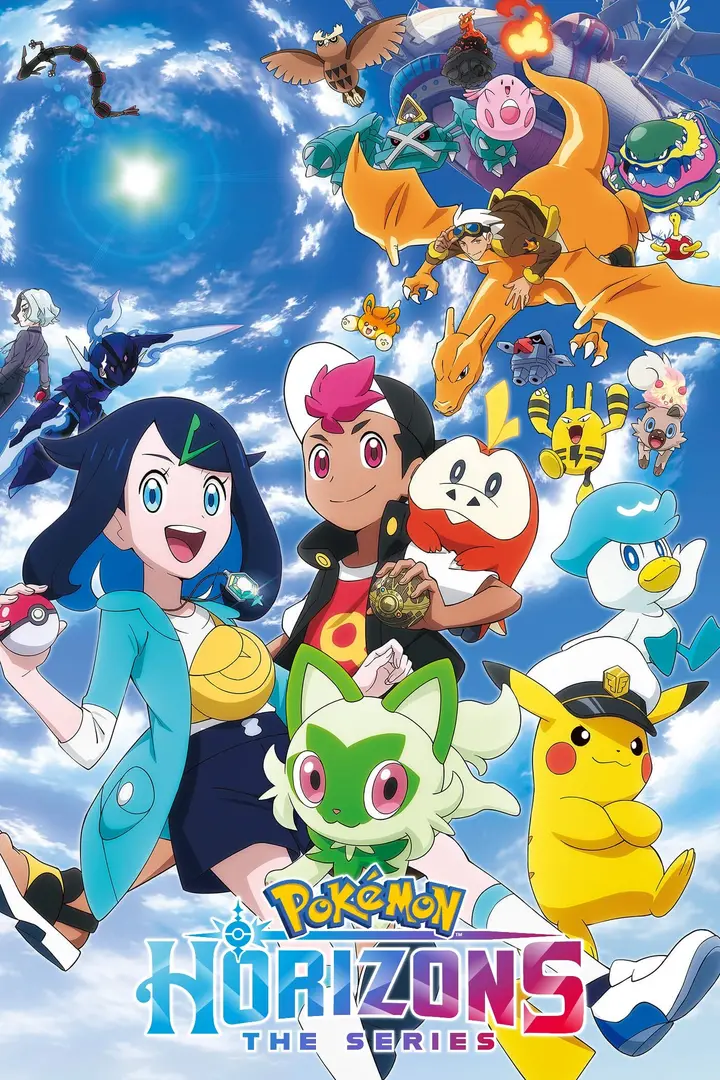
Pokémon Horizons: The Series
New protagonists and a fresh mystery give longtime viewers an easy re-entry point while keeping the discovery, humor, and gradual growth that define the franchise.
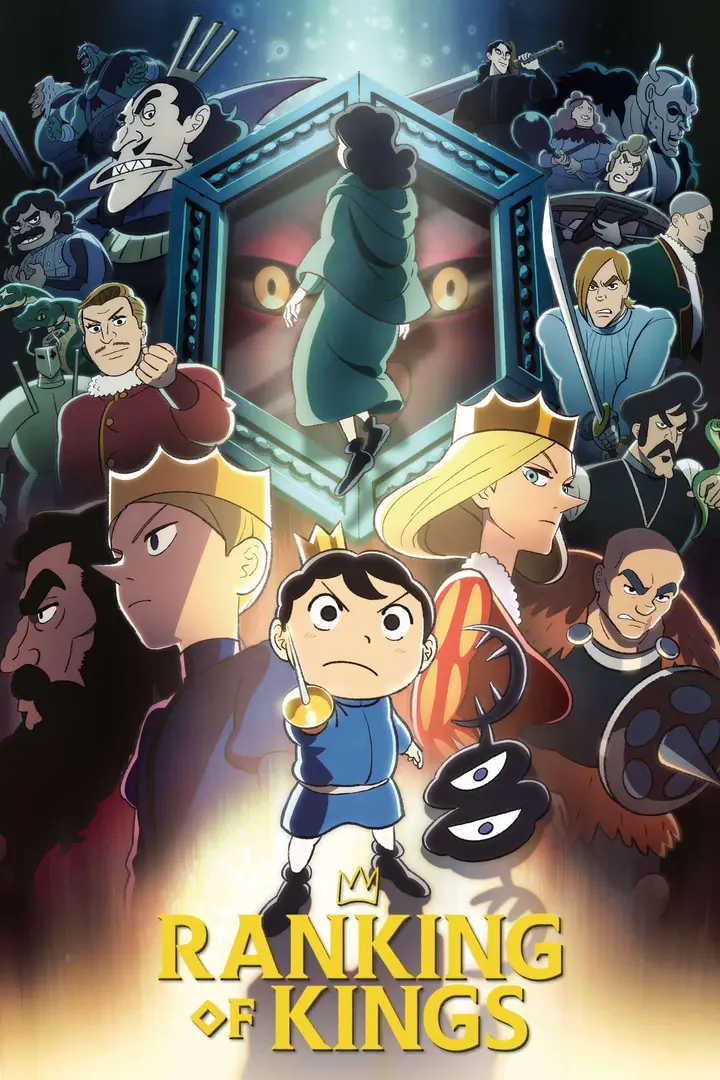
Ranking of Kings
Bojji’s determination and compassion turn a fairy-tale kingdom into a story about how strength is judged and who gets underestimated. Political secrets, family loyalties and shifting alliances add depth without losing sight of his personal journey.
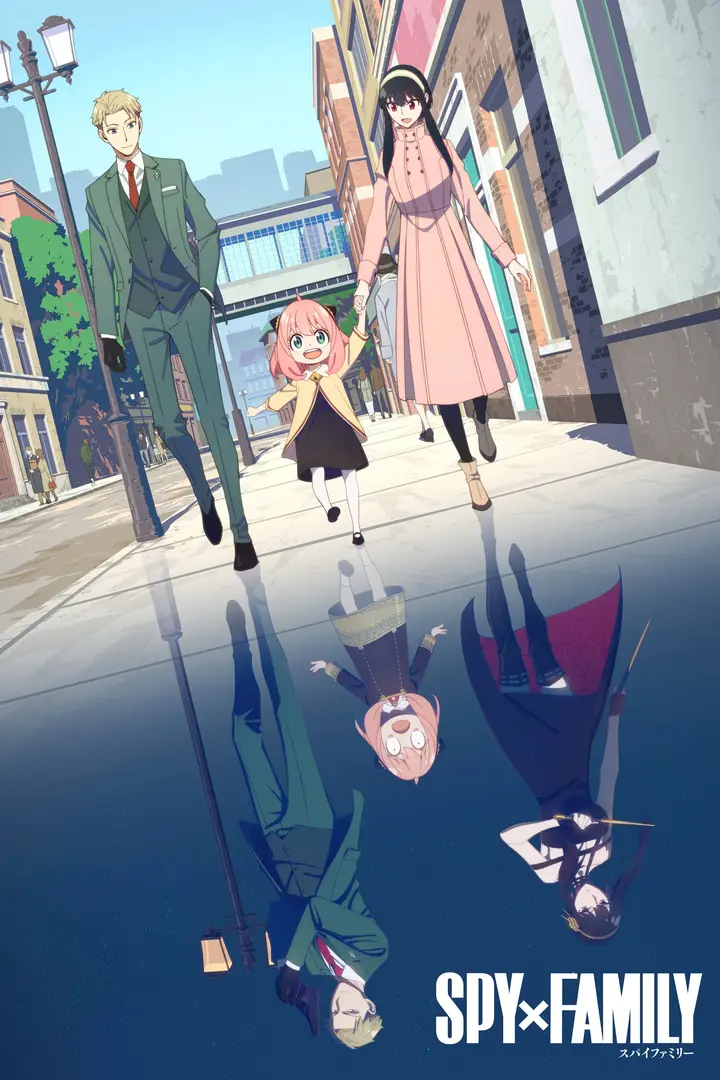
Spy x Family
Espionage, school comedy and domestic life reinforce each other instead of competing for attention. The hidden identities create constant comic tension, while Anya’s perspective and the growing bond between the Forgers give the action a warm, character-driven center.
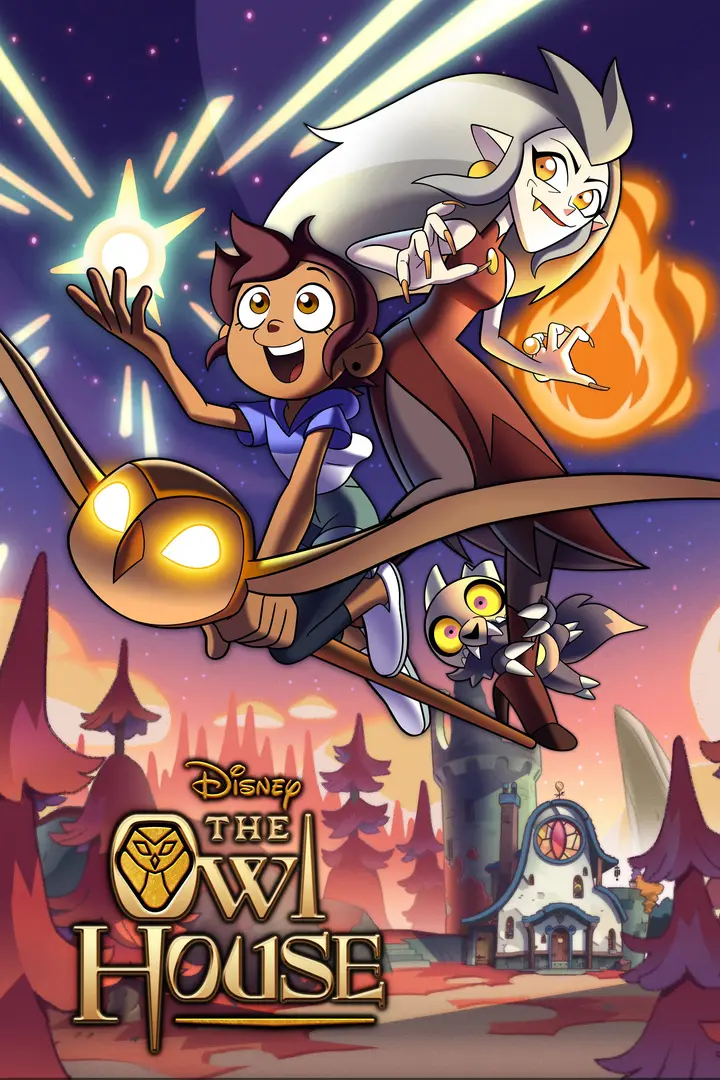
The Owl House
It starts as a fast fantasy comedy but steadily deepens into a genuine coming-of-age story about identity, chosen family, and refusing the roles other people expect you to accept.
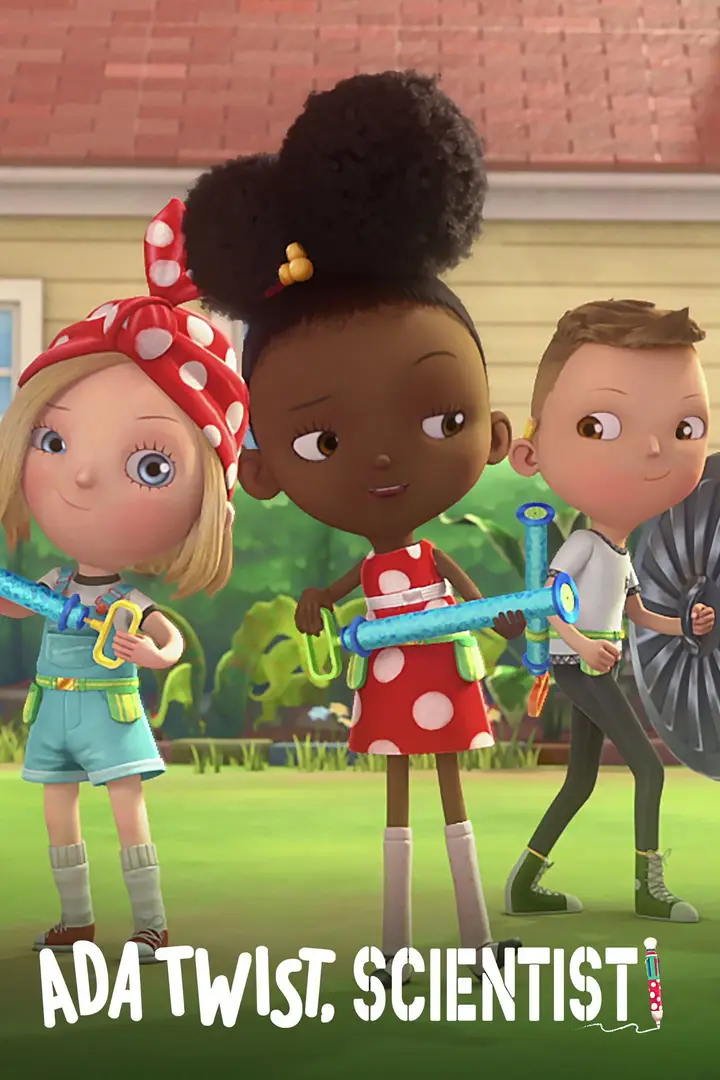
Ada Twist, Scientist
It treats science as an ongoing process of guessing, testing, and failing rather than a set of correct answers, modeling curiosity and good questions as skills worth practicing.
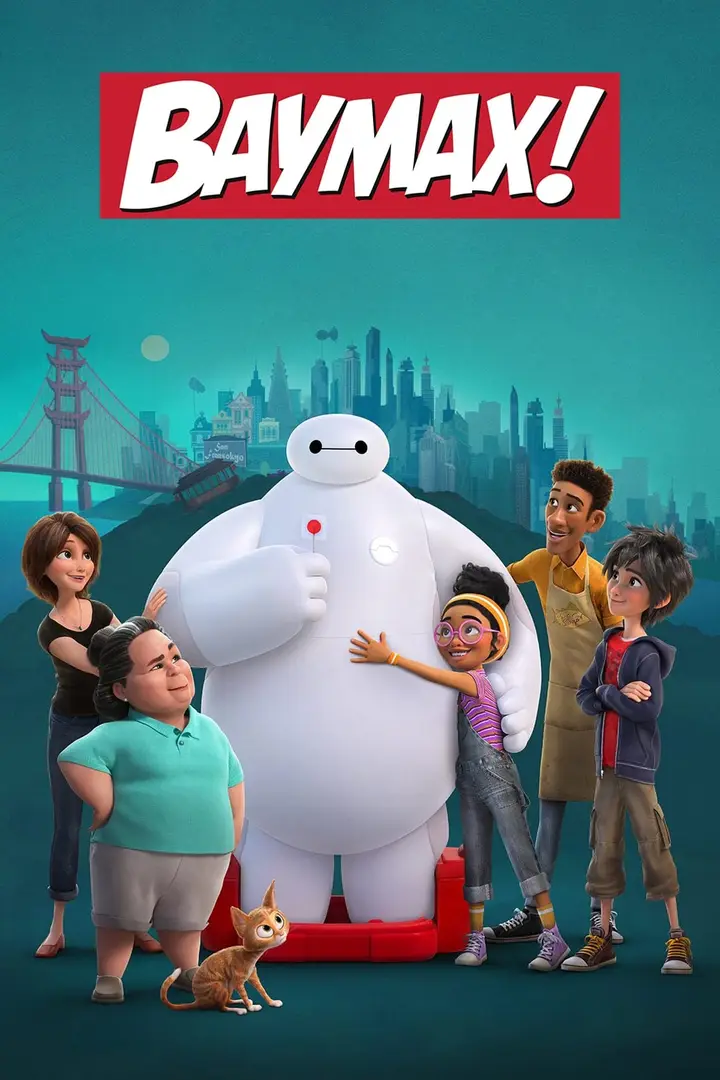
Baymax!
Each short episode follows a different stranger, using Baymax's literal humor and calm reassurance to make anxiety, body changes, and recovery feel like ordinary, discussable parts of life.
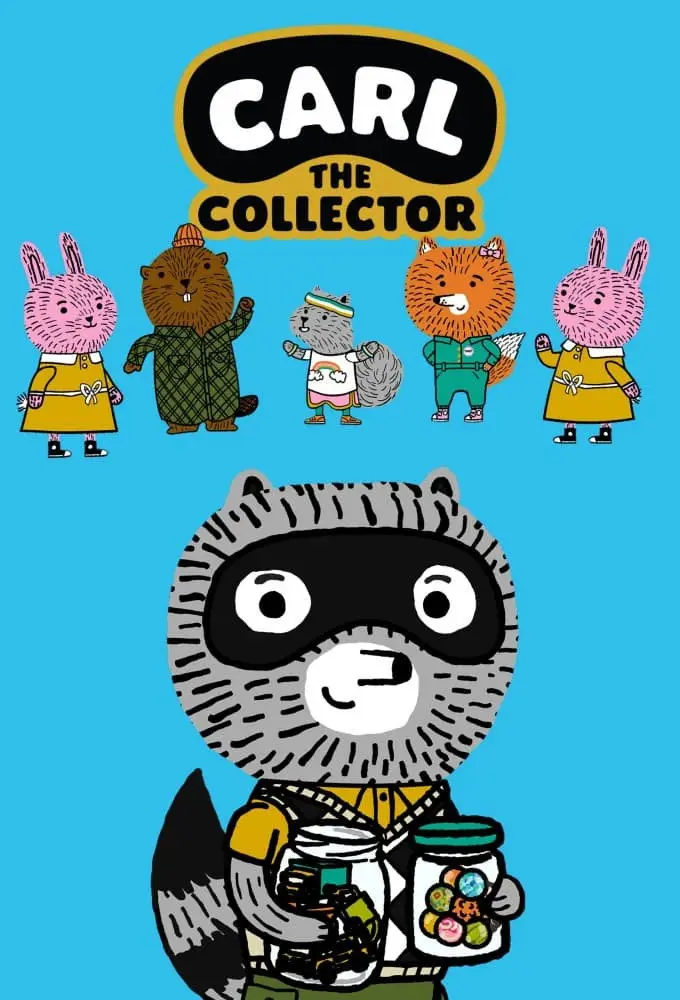
Carl the Collector
By making Carl's autism simply part of who he is rather than the subject of every episode, the show normalizes different communication styles without turning them into a lesson.
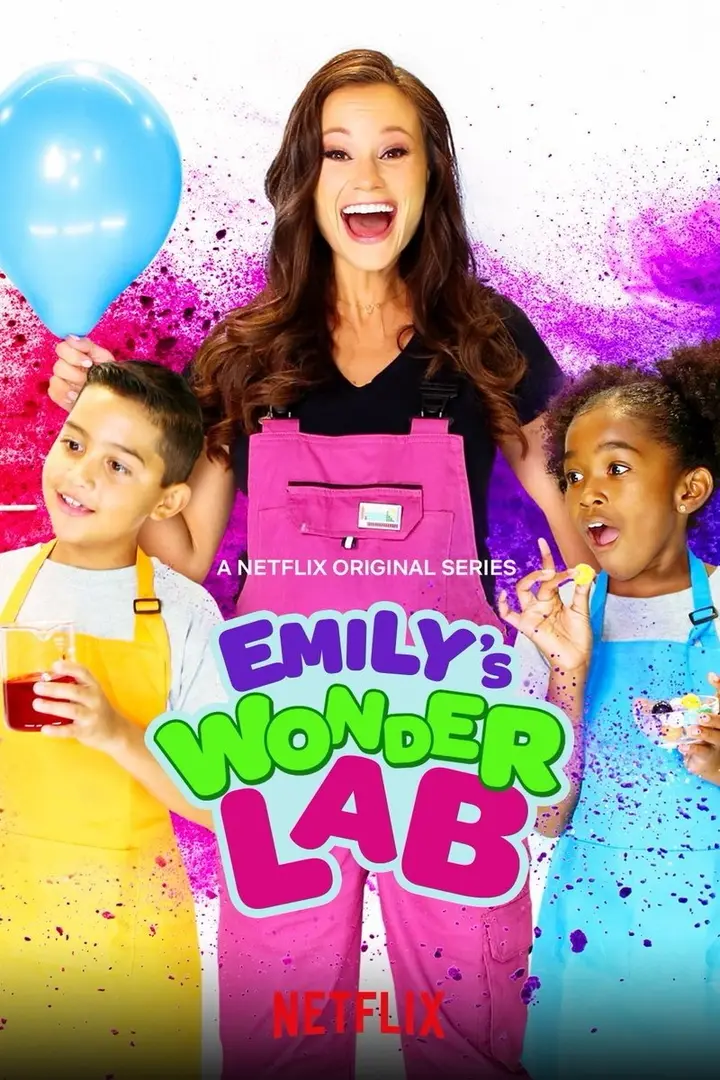
Emily's Wonder Lab
Real children do the experiments, so viewers see themselves as scientists, and every episode gives families something concrete to do together afterwards.
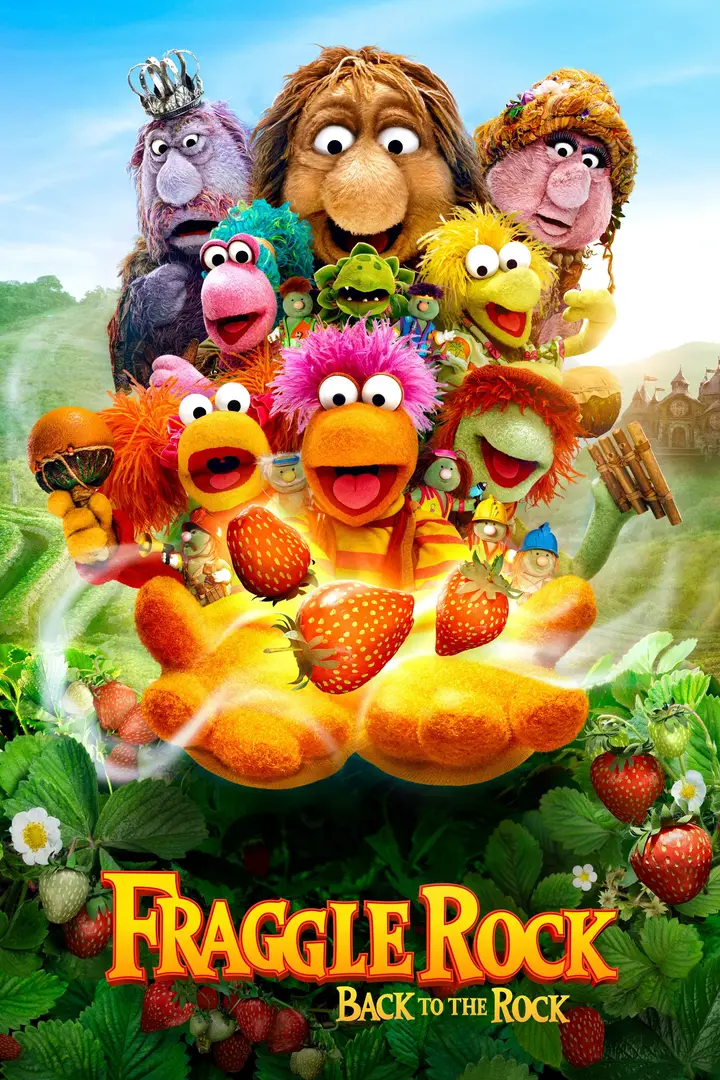
Fraggle Rock: Back to the Rock
It preserves the original's handcrafted look and musical warmth while using small character choices to show how one decision can ripple through an entire interdependent community.
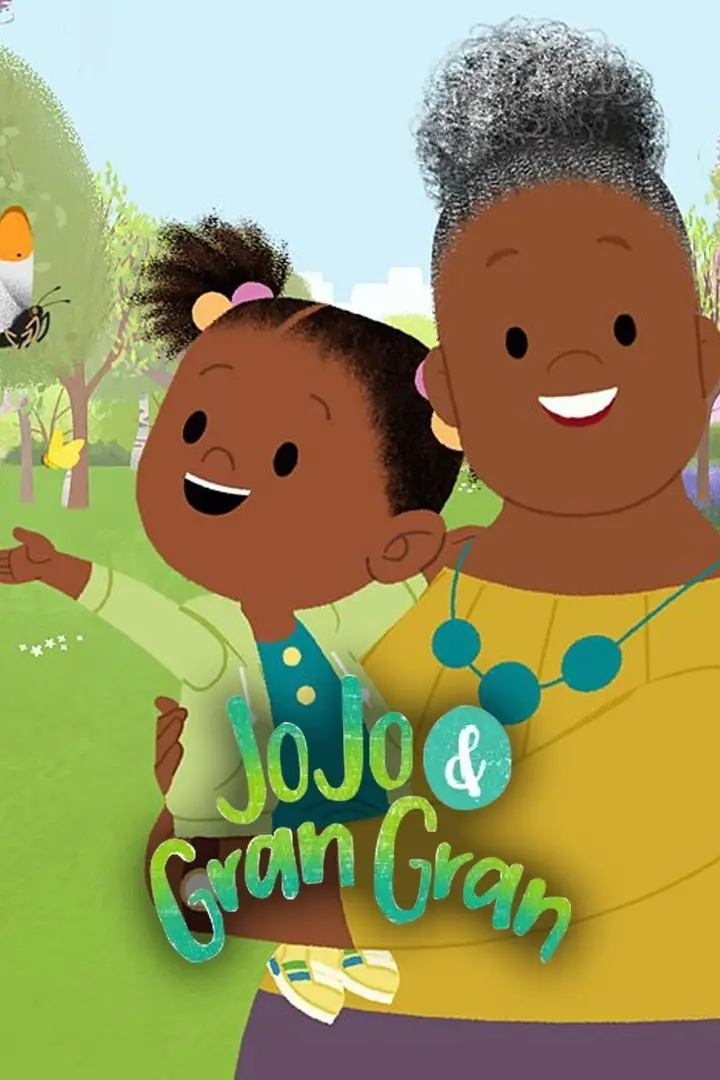
JoJo & Gran Gran
Everyday outings, cooking and family celebrations let Gran Gran connect JoJo’s questions with lived experience and British Caribbean traditions. Their conversations show how knowledge, culture and practical skills can pass naturally through an intergenerational relationship.
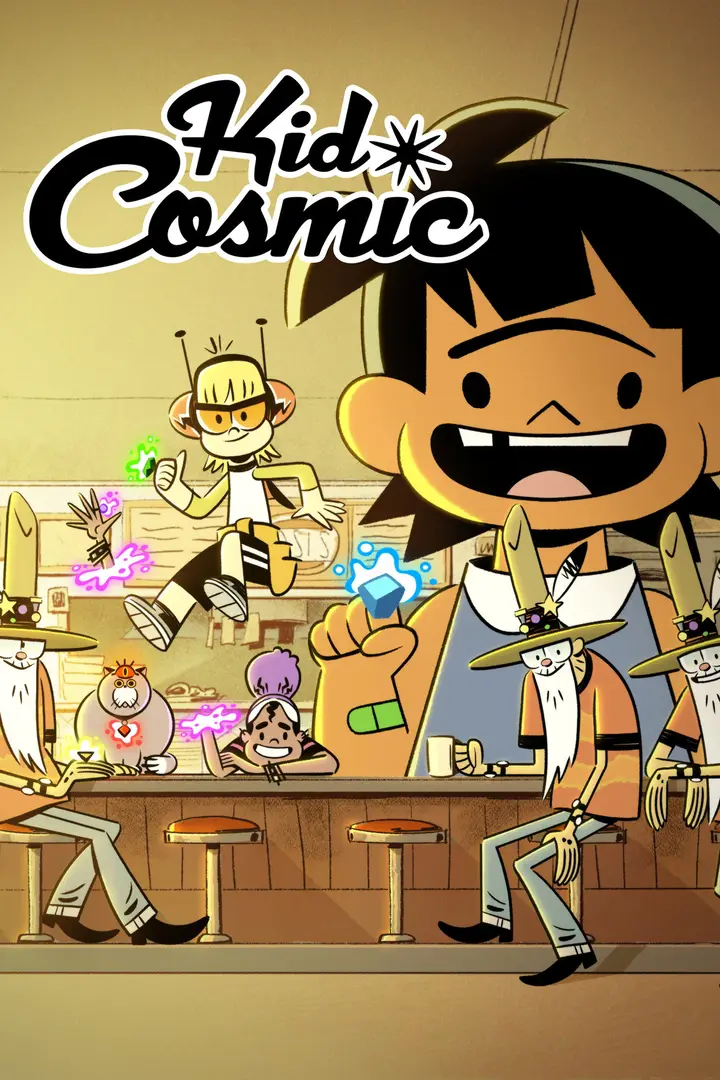
Kid Cosmic
Kid Cosmic treats failure as part of becoming capable rather than something to hide. Its heroes make mistakes, misjudge opponents and sometimes lose badly, then learn to listen, cooperate and reconsider what being heroic means. Beneath the bright comic-book energy is a compassionate idea: real heroes help rather than simply defeat whoever looks like the enemy.
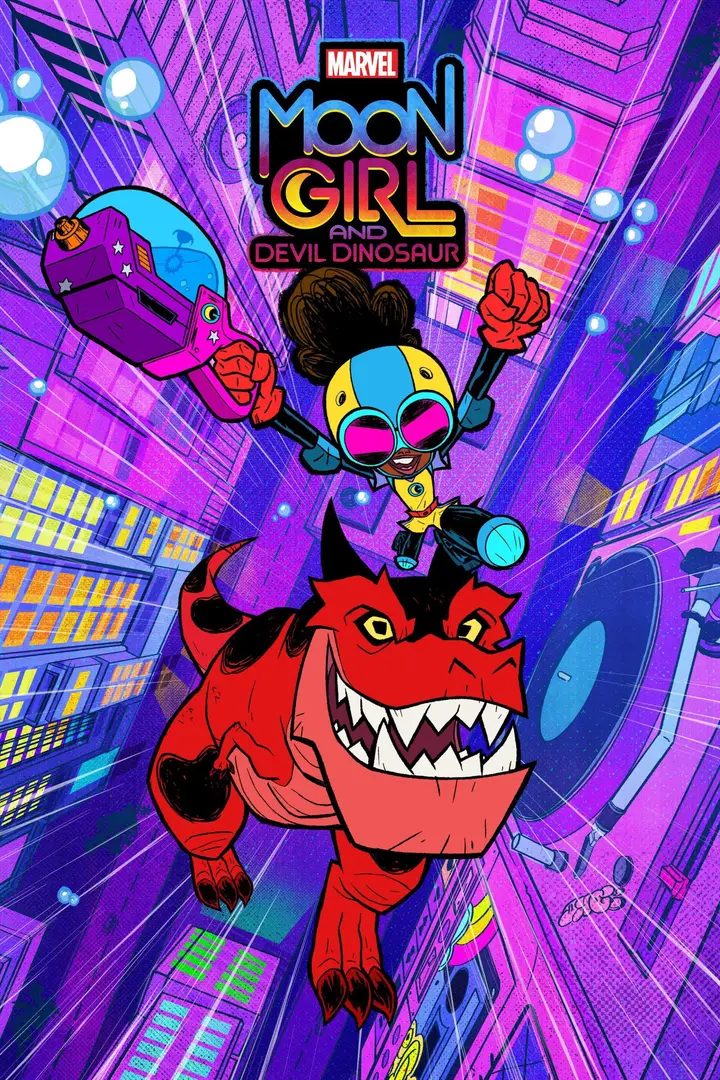
Marvel's Moon Girl and Devil Dinosaur
It grounds superhero spectacle in a specific Lower East Side family life, and lets its genius protagonist be brilliant yet fallible, giving mistakes as much narrative weight as her inventions.
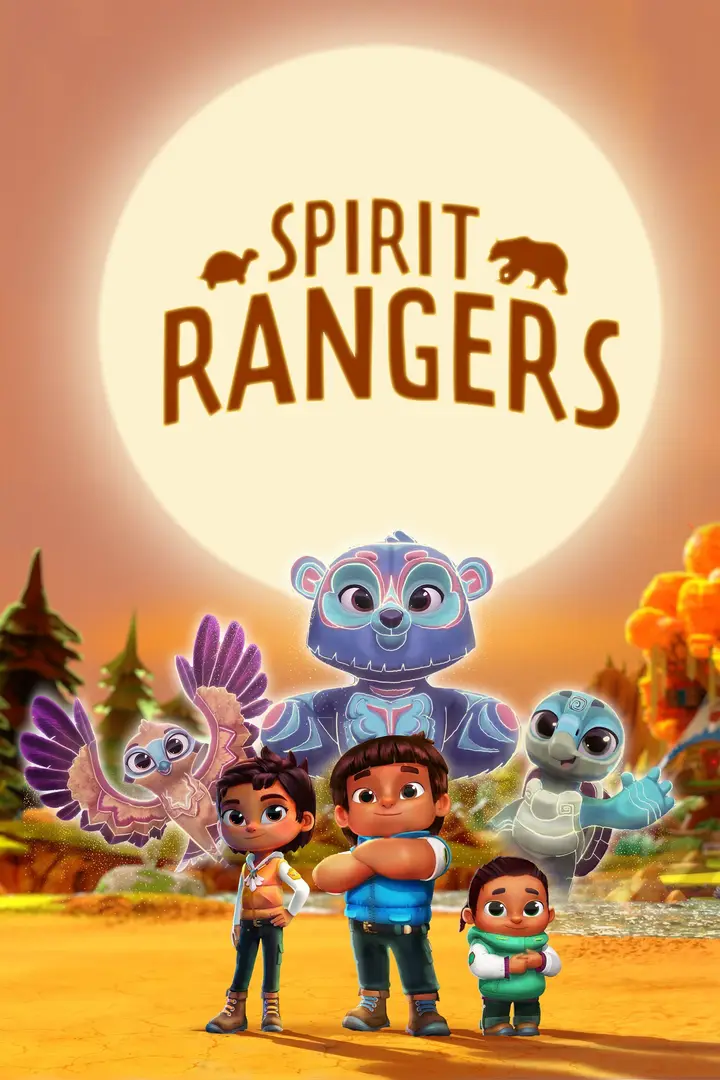
Spirit Rangers
It treats Native American spirituality and land connection as a consistent, lived part of the story rather than decoration, giving fantasy transformation adventures genuine cultural grounding.
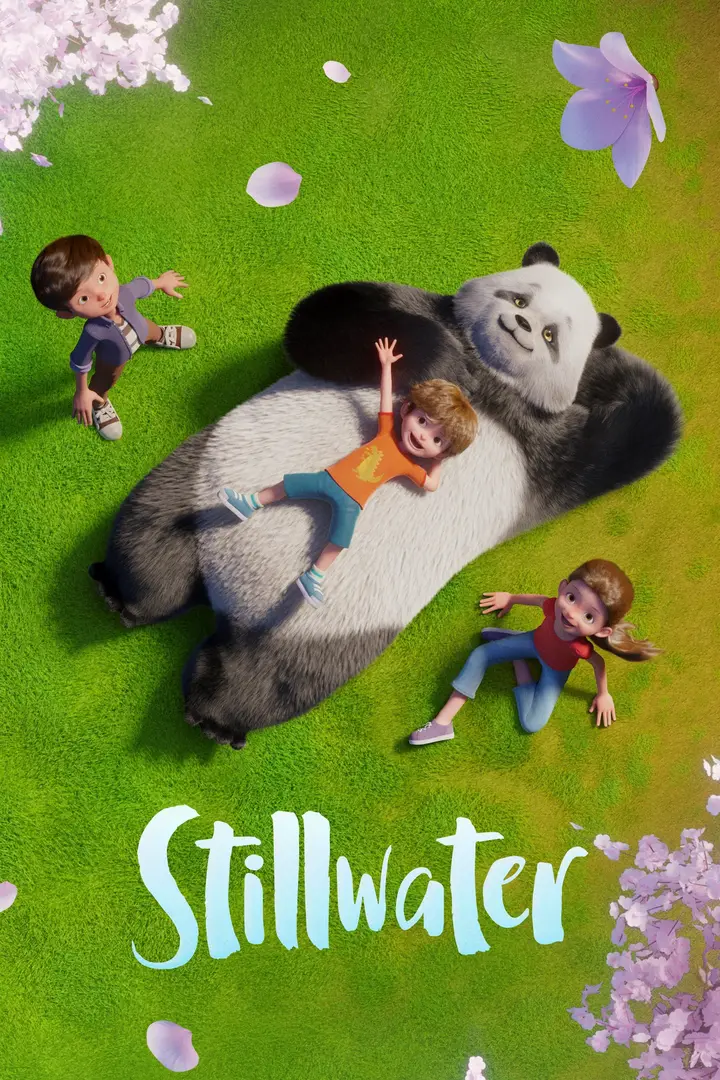
Stillwater
Rather than resolving problems quickly, it uses quiet parables to model patience and reflection, giving children — and the adults watching with them — another way to sit with difficult feelings.
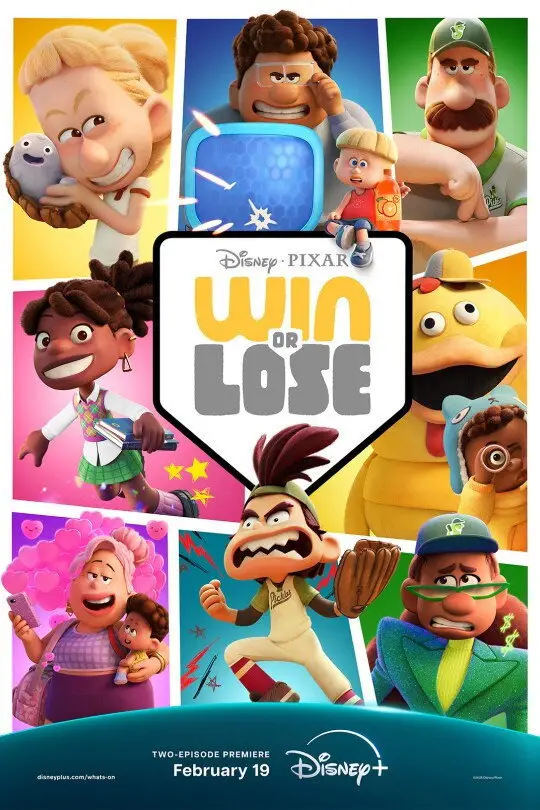
Win or Lose
Retelling the same softball week from a different character's perspective each episode shows vividly how little we actually know about what someone else is feeling or fearing.
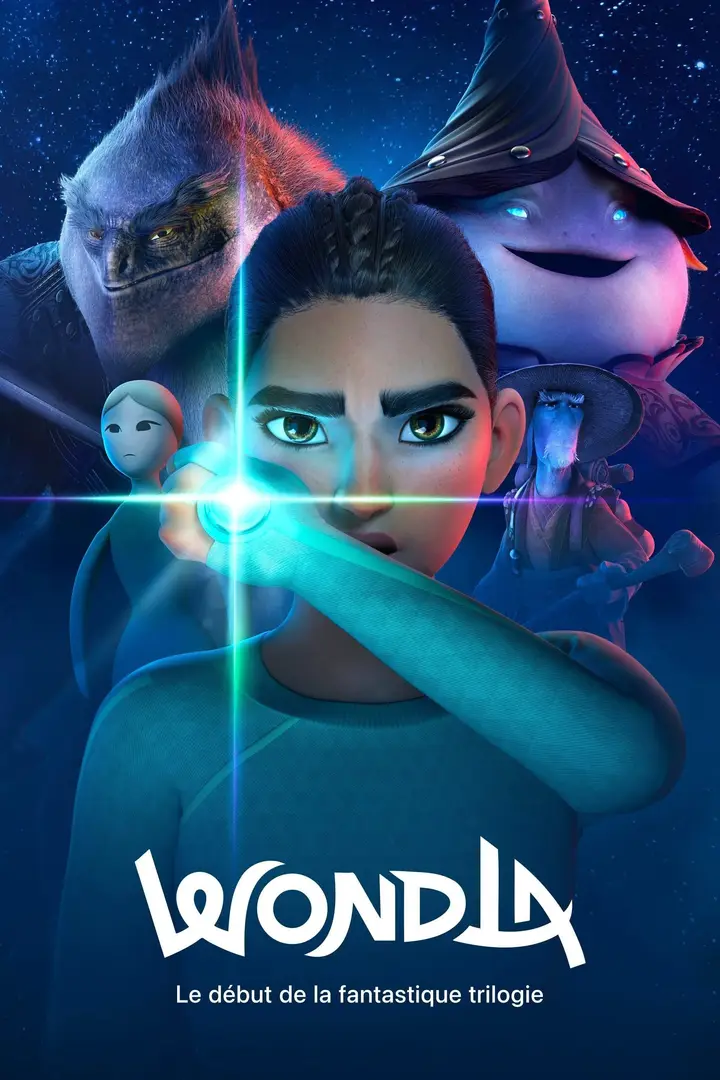
WondLa
Eva's forced exit from an isolated underground life into a truly unfamiliar world gives a science-fiction adventure real emotional stakes about identity and who to trust when everything changes.
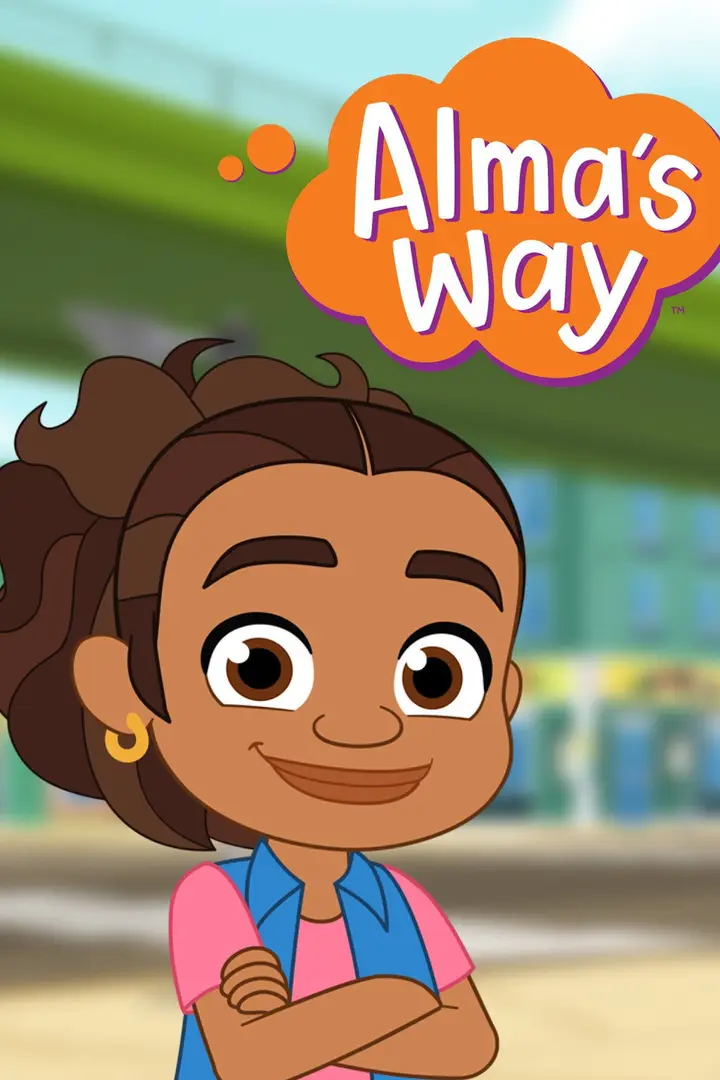
Alma's Way
Alma pauses to think through her own reasoning before acting, modeling a visible thought process that gives young viewers a concrete way to slow down and consider consequences.
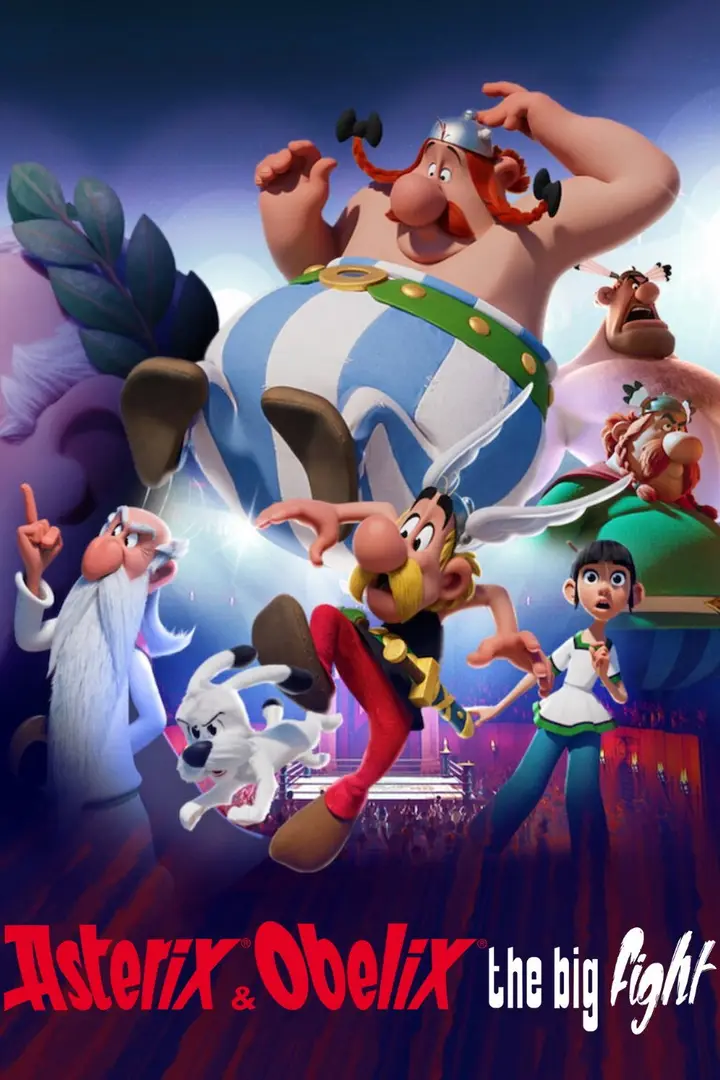
Asterix & Obelix: The Big Fight
Without the magic potion, the heroes have to rely on cleverness and on each other, which gives the slapstick a real story about friendship and community. The five episodes make a manageable family mini-series.
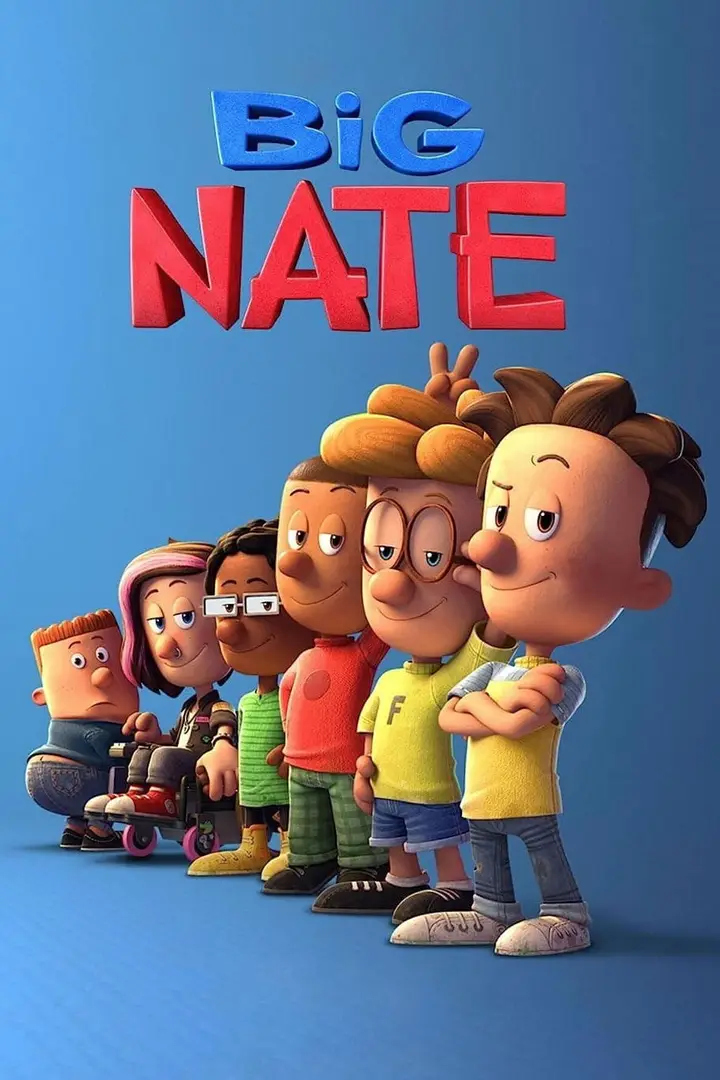
Big Nate
Nate's confidence consistently outpaces his judgment, and the comedy comes from watching ambitious plans unravel while he stays undiscouraged enough to try again almost immediately.
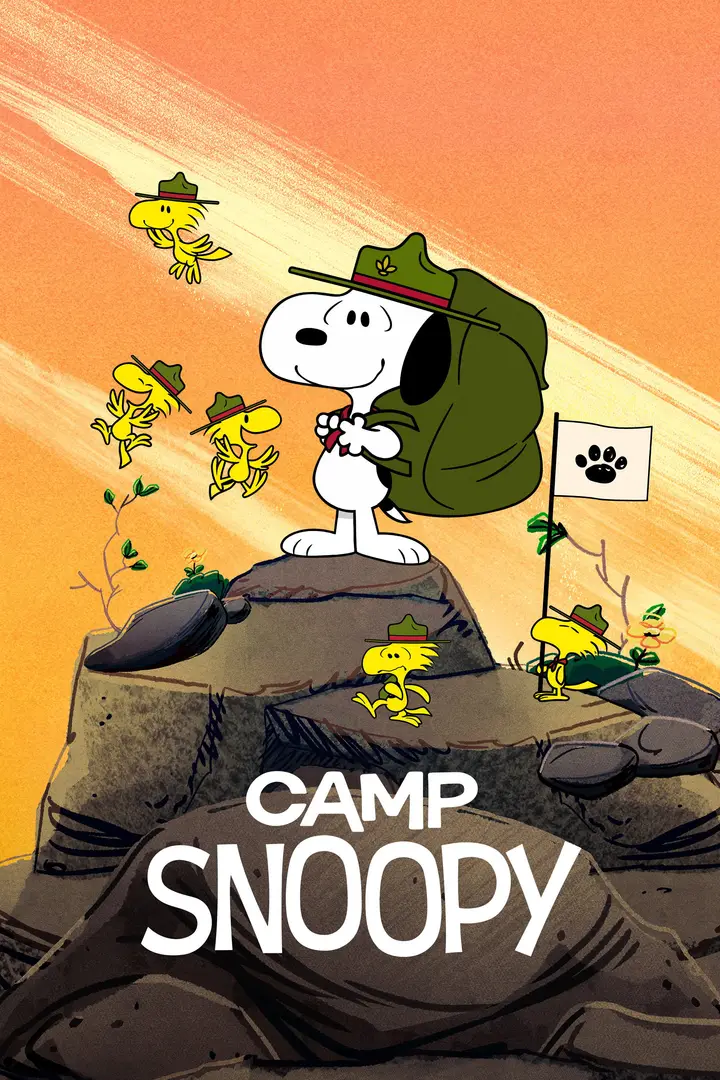
Camp Snoopy
It finds Peanuts' familiar dry humor in ordinary summer-camp disappointments, treating small setbacks as genuinely significant without ever raising the stakes beyond a child's actual experience.
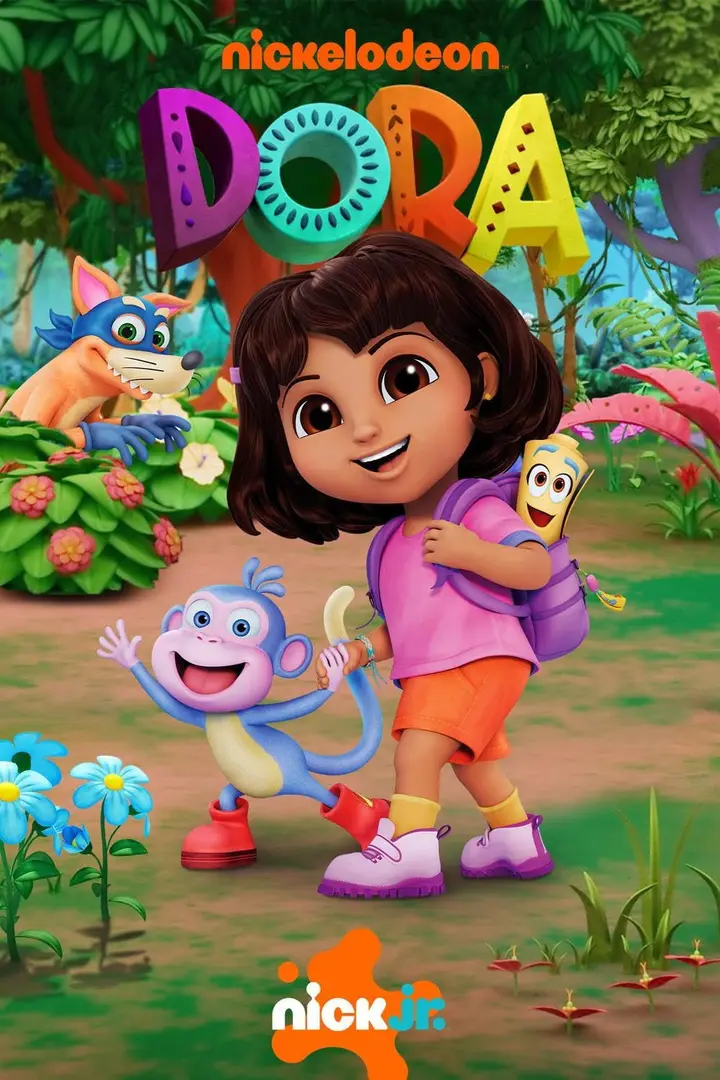
Dora
It keeps the original's direct address and pause-think-answer structure while modernizing the animation, giving preschoolers a familiar problem-solving format with a faster, fresher feel.
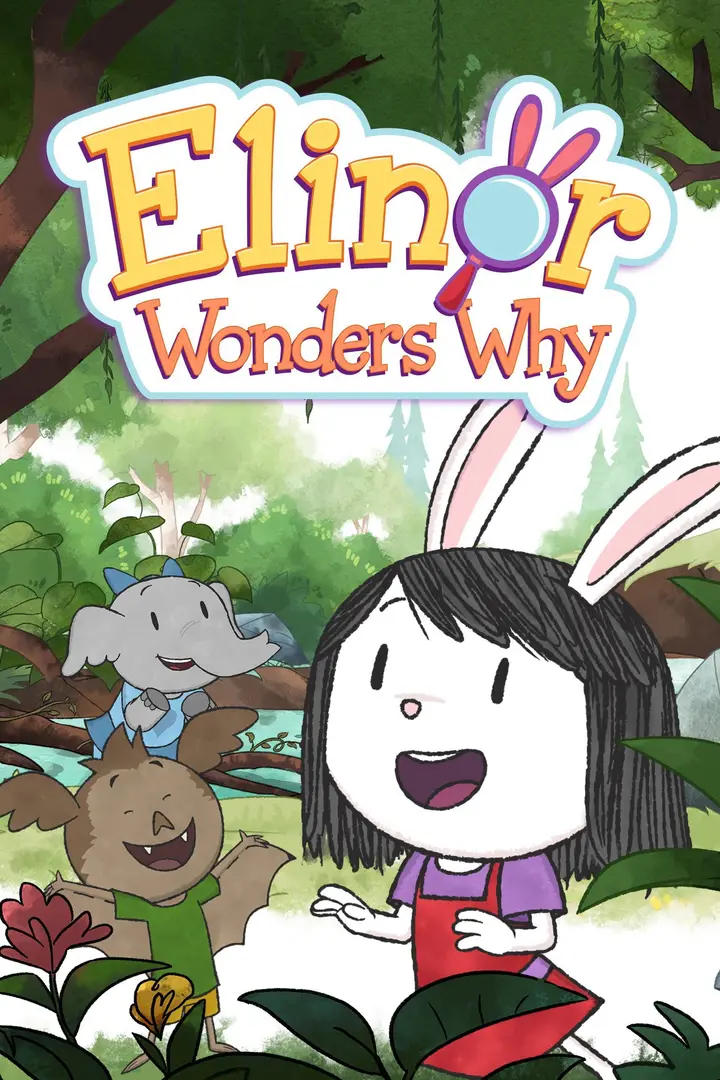
Elinor Wonders Why
Elinor starts with questions children could ask outdoors, then observes, compares and tests ideas with Ari and Olive. The process shows that science begins with noticing details and being willing to look again.
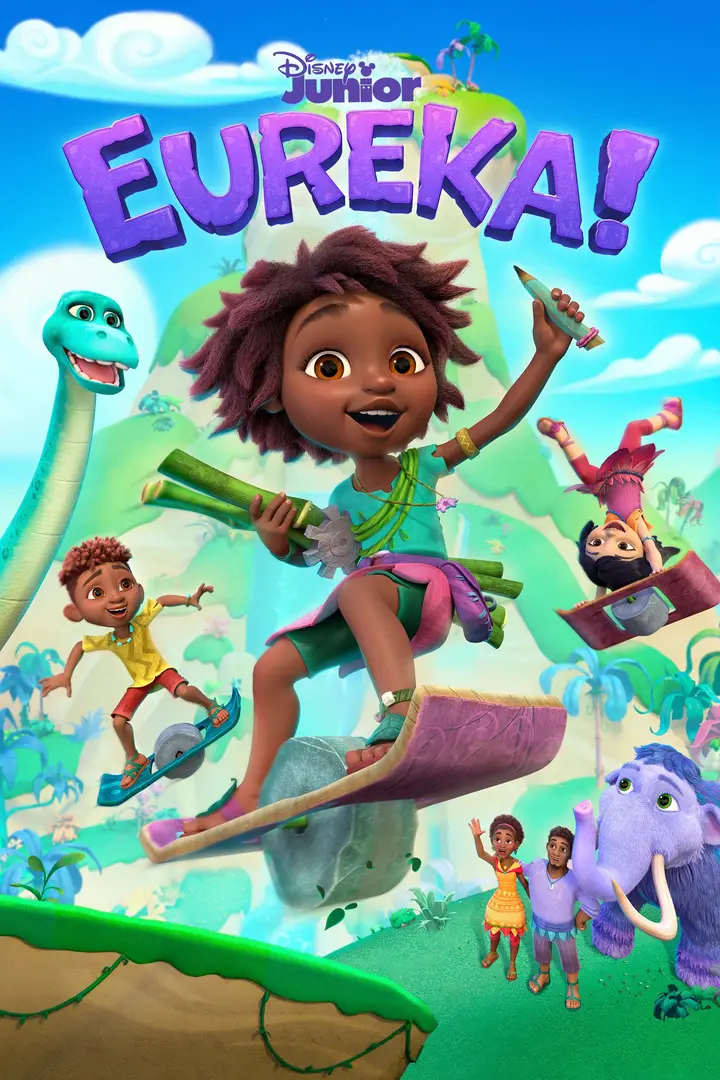
Eureka!
Eureka turns everyday problems into invention projects, moving from idea to prototype and back to revision when something fails. Friends and family take part, showing engineering as a collaborative process built on curiosity, testing and persistence.
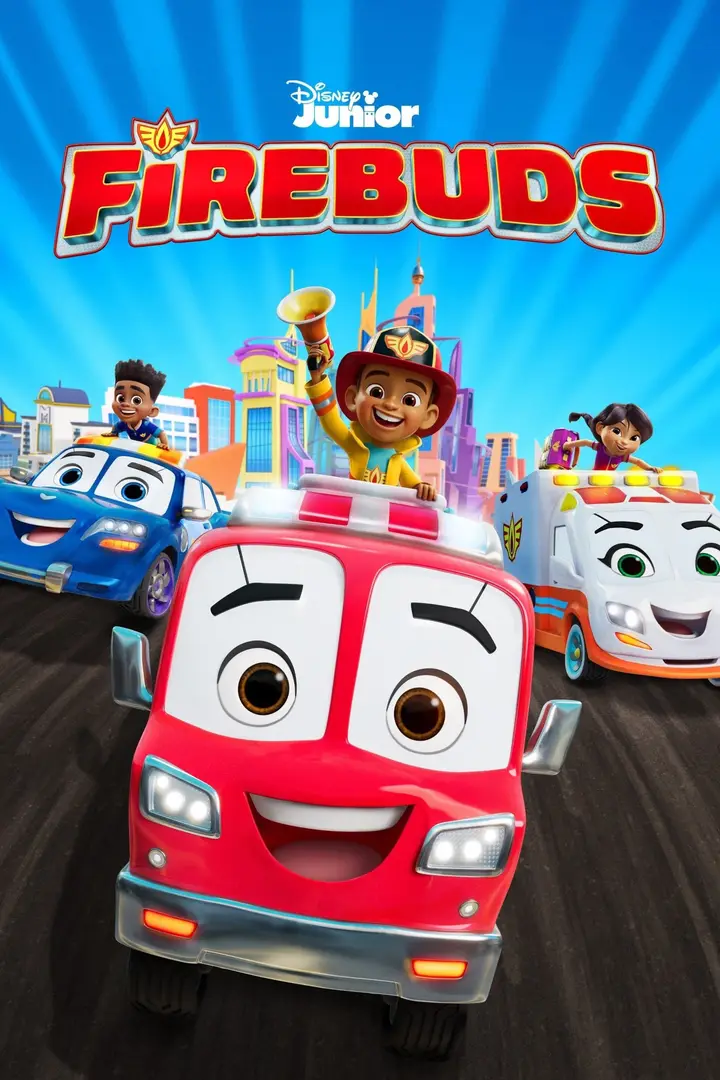
Firebuds
Rescue missions treat helping the community as shared work between children and their talking vehicles. Preparation, communication and choosing the right help matter as much as speed, giving each emergency a clear teamwork structure.
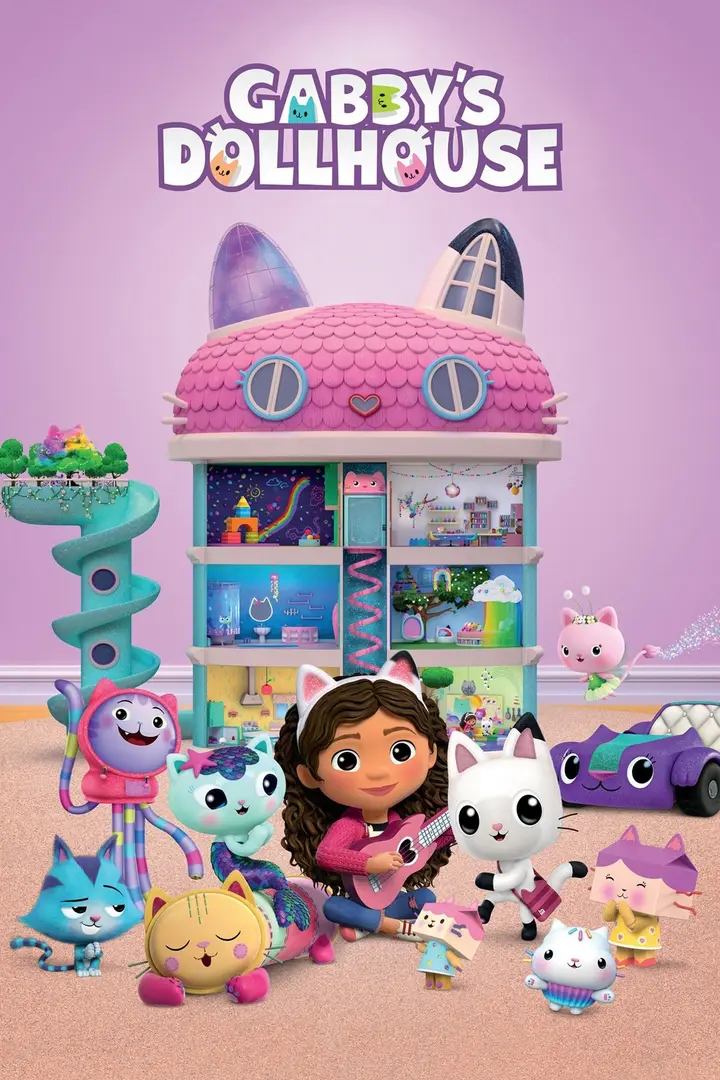
Gabby's Dollhouse
Its small, repeatable missions and blend of live-action and animation make creative problem-solving feel achievable, rewarding persistence even when a first attempt at a plan doesn't quite work.
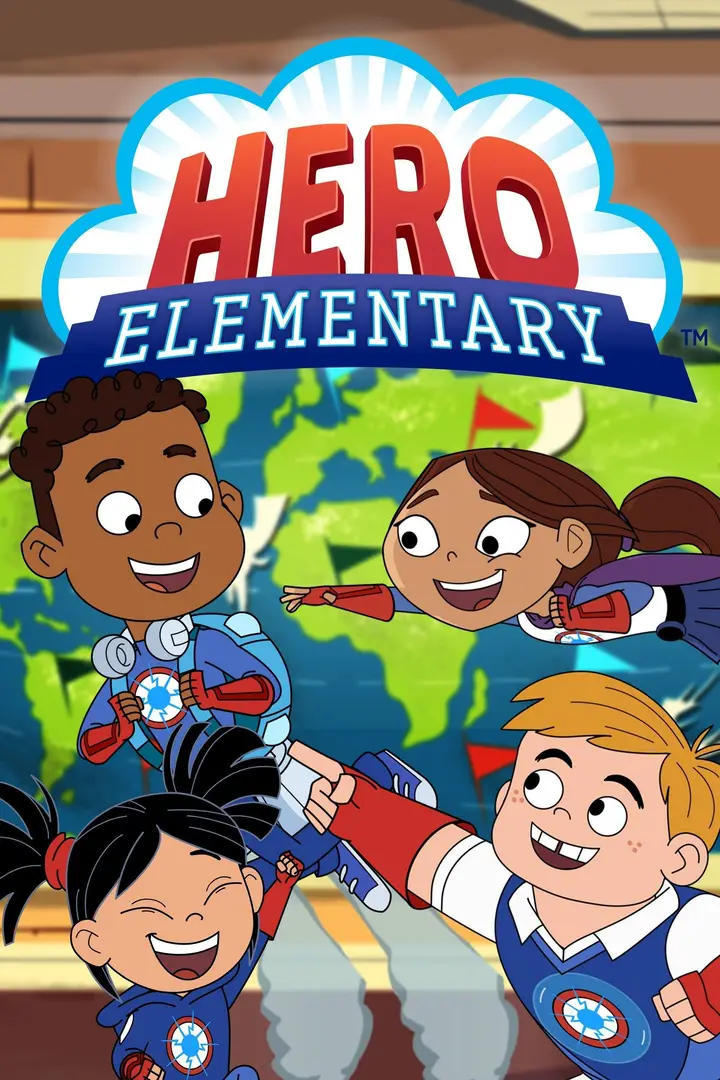
Hero Elementary
Superhero missions become science investigations as the students observe, compare evidence and test solutions. Powers provide excitement, but teamwork and scientific thinking solve the real problem, giving early elementary viewers a clear model for inquiry.
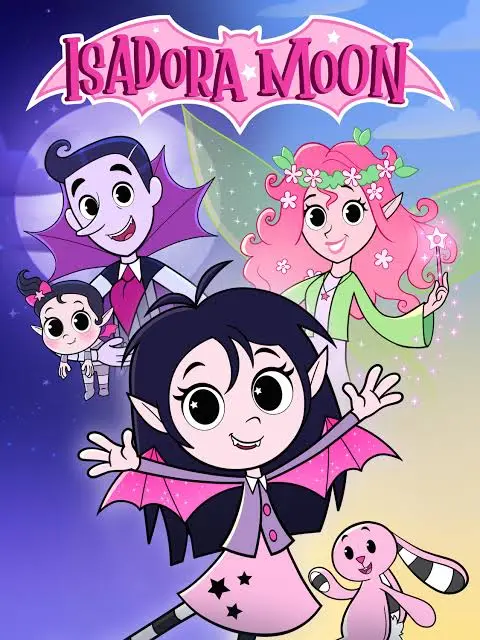
Isadora Moon
Splitting its heroine between fairy and vampire families lets the show explore mixed identity through comedy, giving young viewers a light way to think about belonging to more than one group.
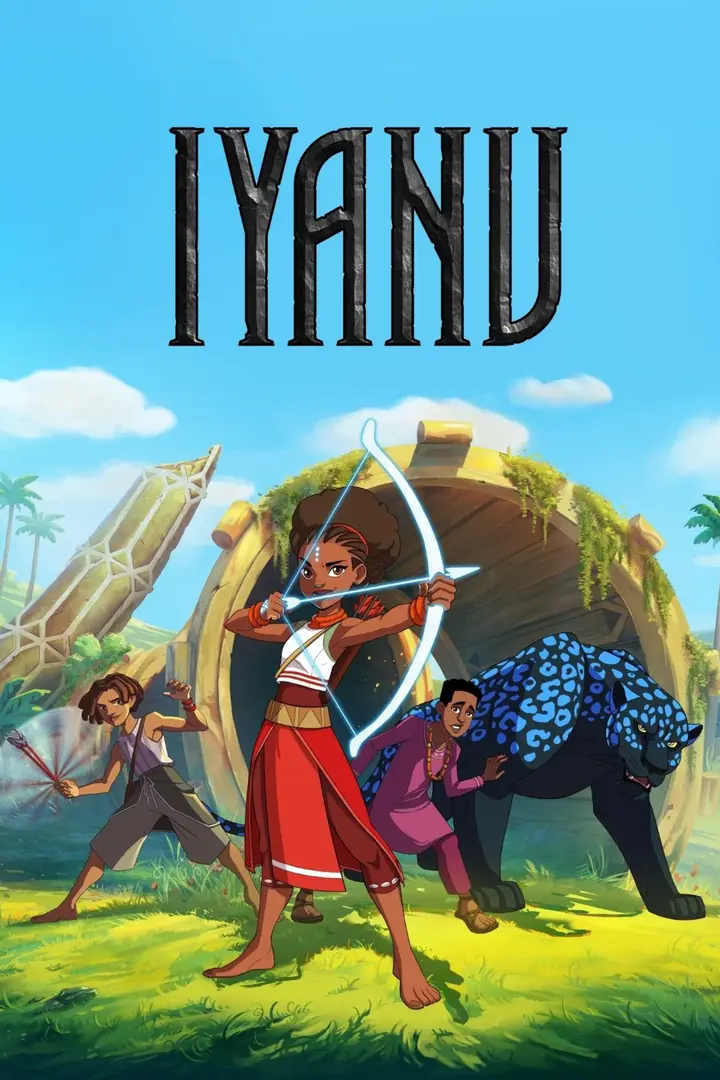
Iyanu
By grounding its superhero fantasy in specific Yoruba mythology, it gives a familiar 'discovering your powers' story real cultural depth and a distinct visual identity.
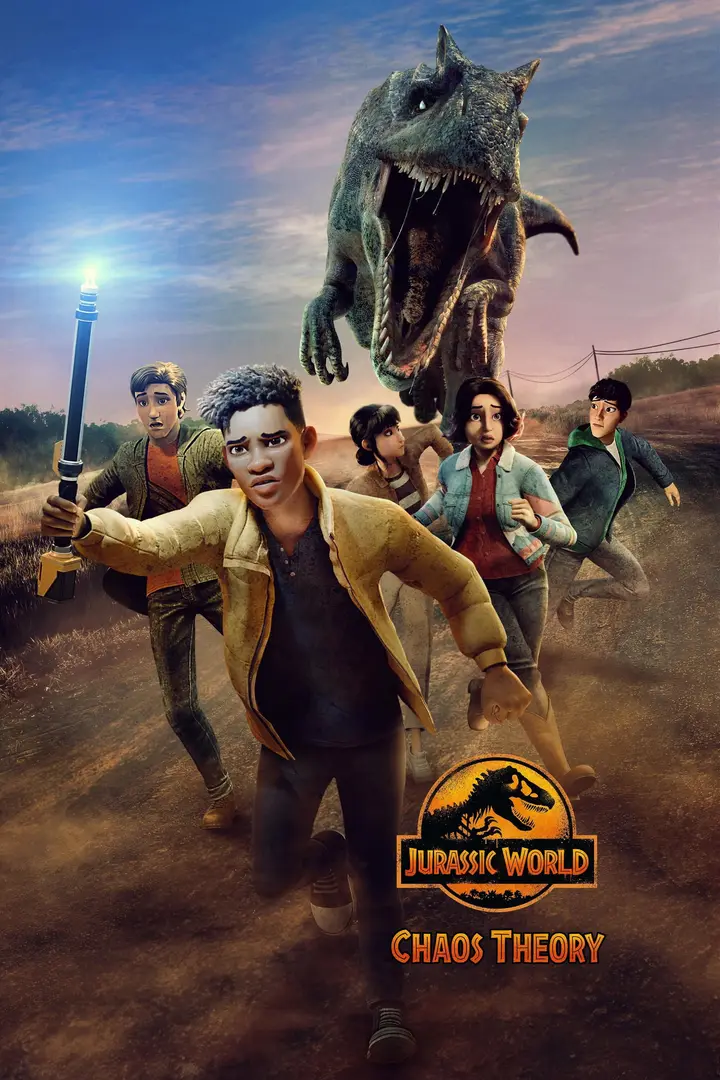
Jurassic World: Chaos Theory
By reuniting the Camp Cretaceous friends as young adults facing a genuine conspiracy, it uses old friendships to explore how shared trauma and time apart can reshape a group.
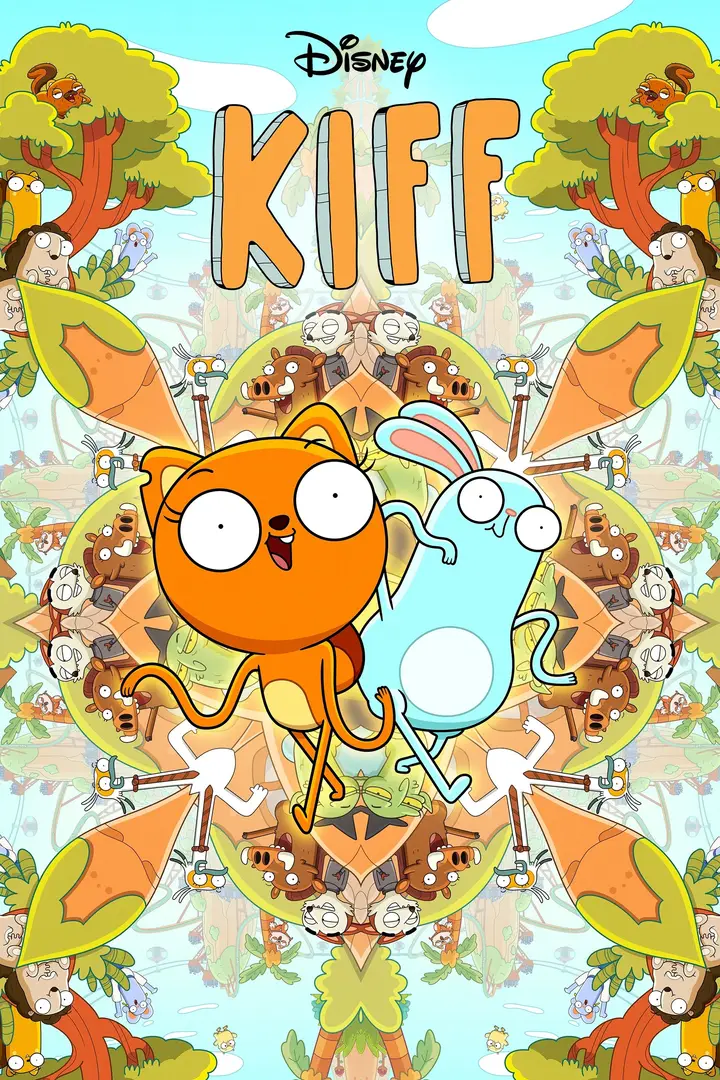
Kiff
Kiff's absolute confidence colliding with everyday reality drives fast, escalating comedy, while Barry's steadiness keeps their friendship a stable anchor no matter how chaotic things get.
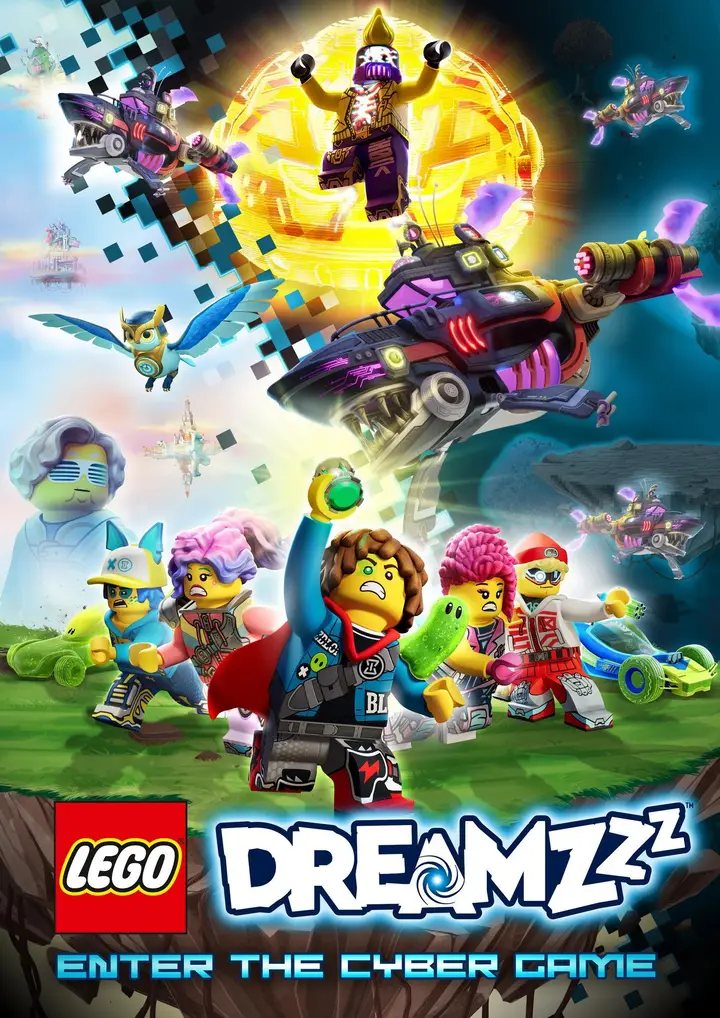
LEGO DREAMZzz
It uses LEGO's build-anything logic to give shape to fears and insecurities as much as to spectacular battles, treating imagination as a flexible tool rather than a fixed answer.
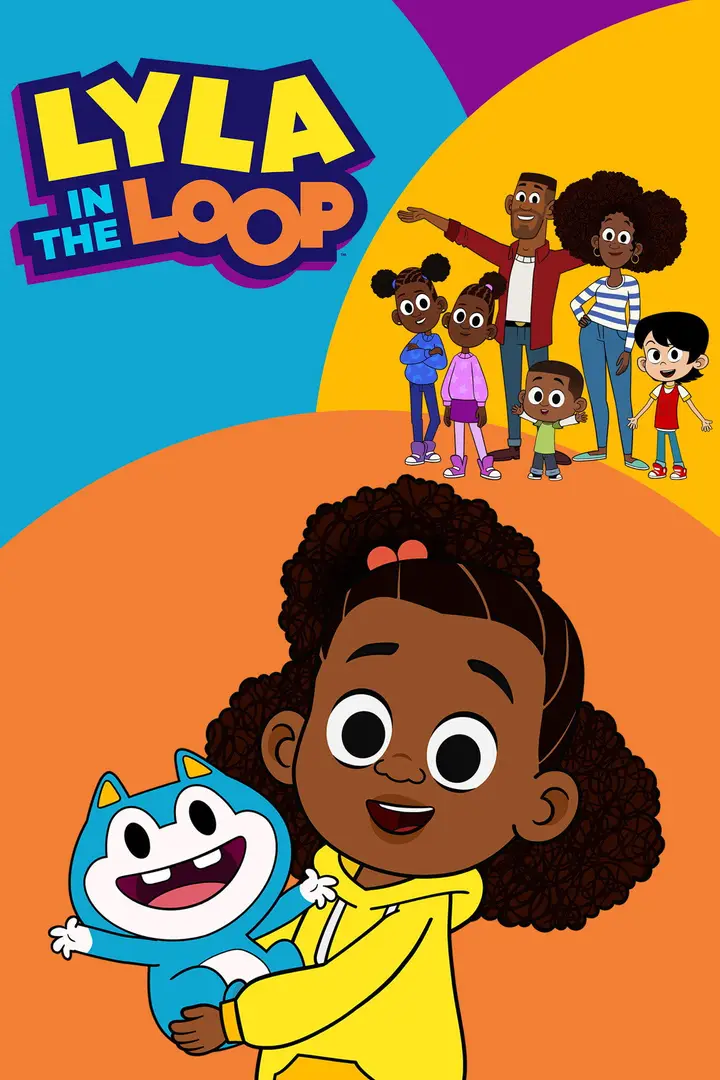
Lyla in the Loop
It applies real computational thinking to household tasks and neighborhood problems, showing that organizing, testing, and revising ideas is a skill useful far beyond computers.
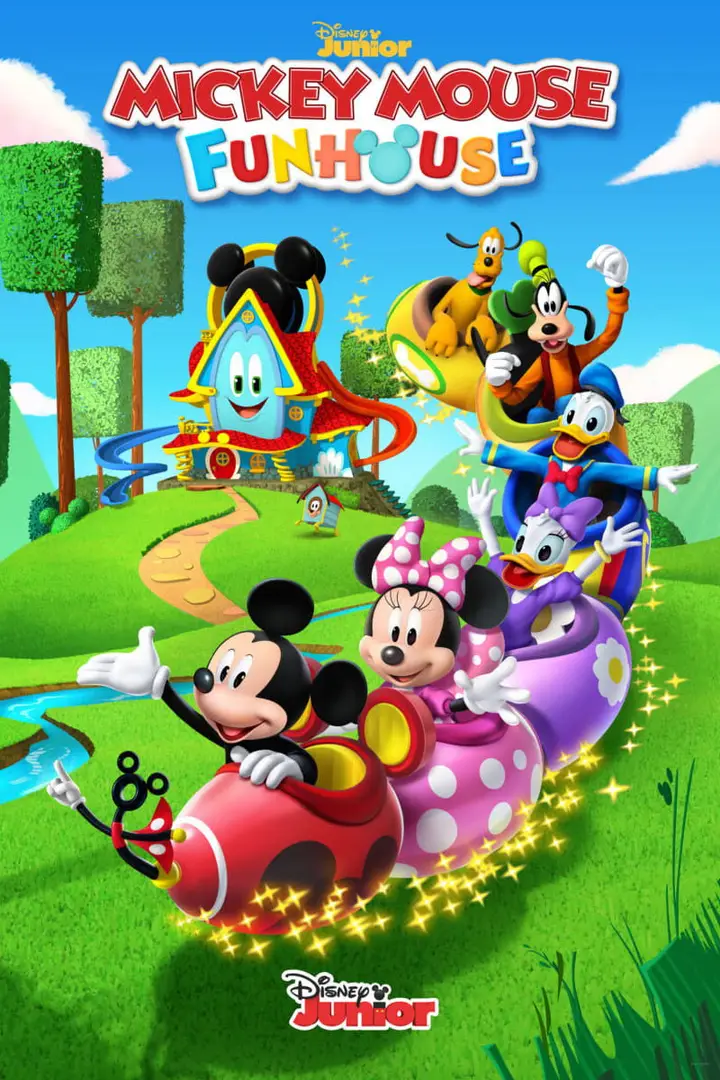
Mickey Mouse Funhouse
The talking Funhouse sends Mickey and friends through portals where settings and rules change quickly. Familiar characters, songs and group problem-solving keep the fantasy accessible while asking children to adapt to each new world together.
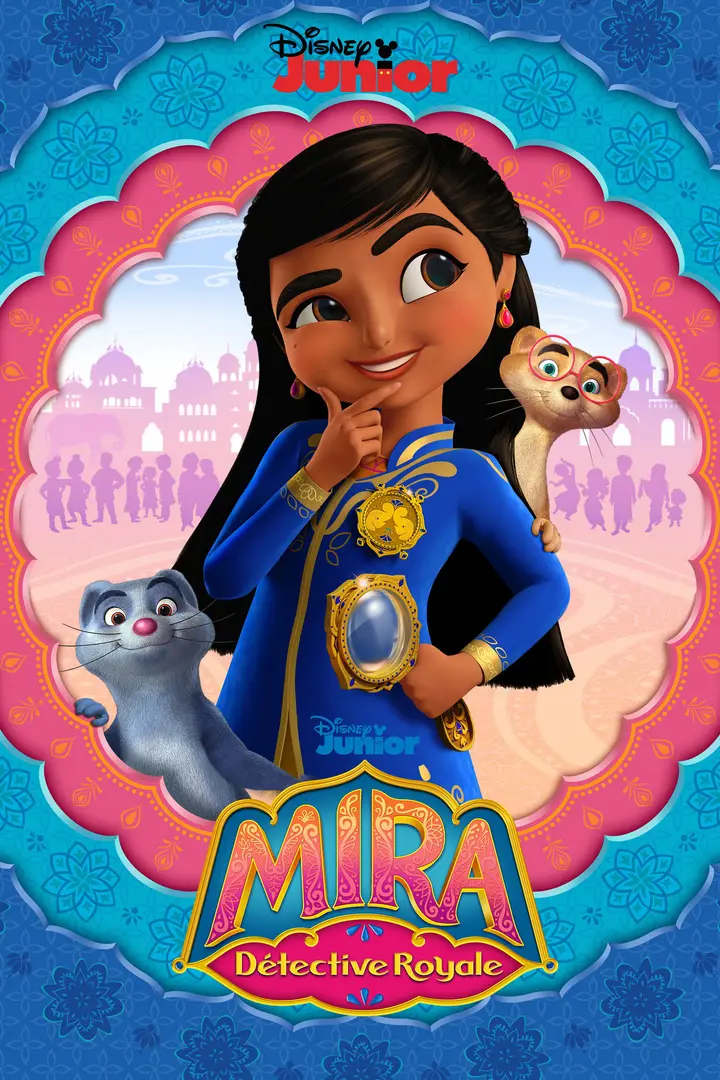
Mira, Royal Detective
Each mystery models a clear reasoning process — noticing details, comparing clues, weighing different views — while its Indian-inspired setting, music, and family life give the format real cultural texture.
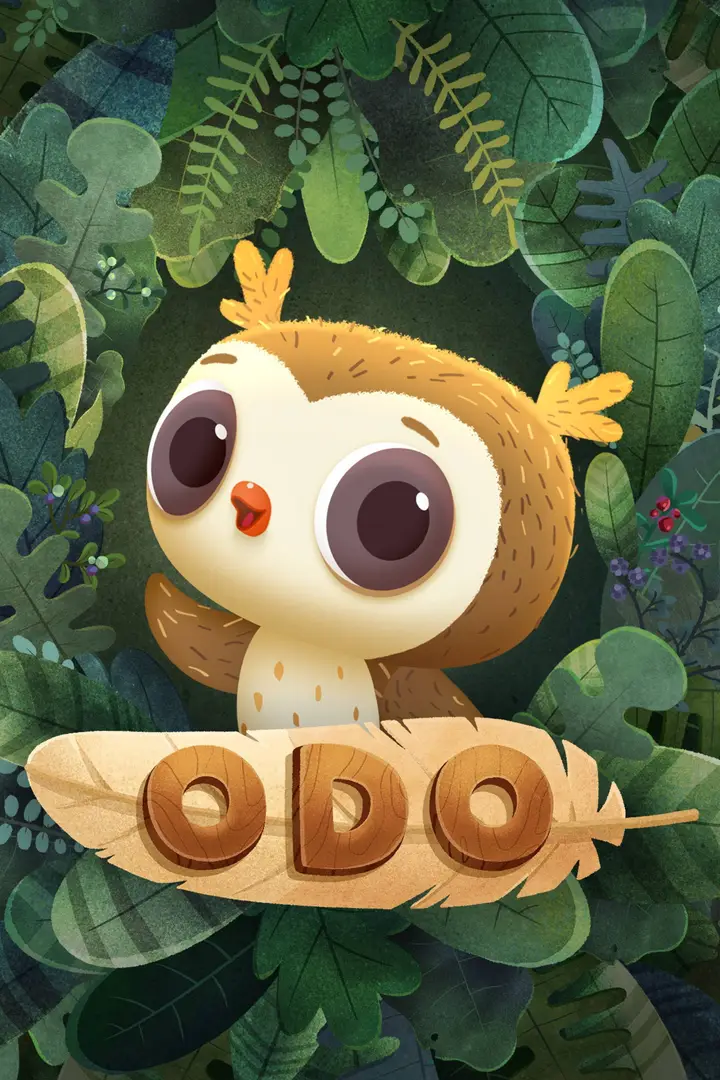
Odo
Odo’s small size never defines what he attempts at forest camp. Activities with Doodle and the other campers turn uncertainty, disagreement and mistakes into chances to contribute, giving confidence a cooperative shape instead of a competitive one.
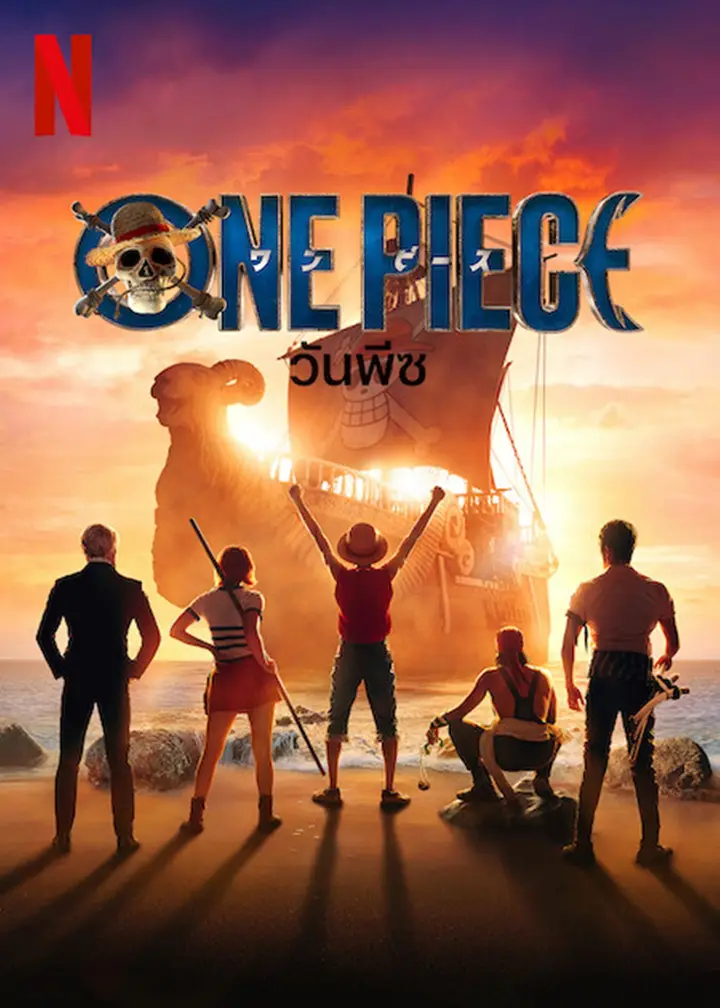
One Piece (2023)
Luffy's loyalty and optimism hold the crew together, and each member's backstory shows how friendship can heal old wounds. It is also a strong way into the manga and anime for teens.
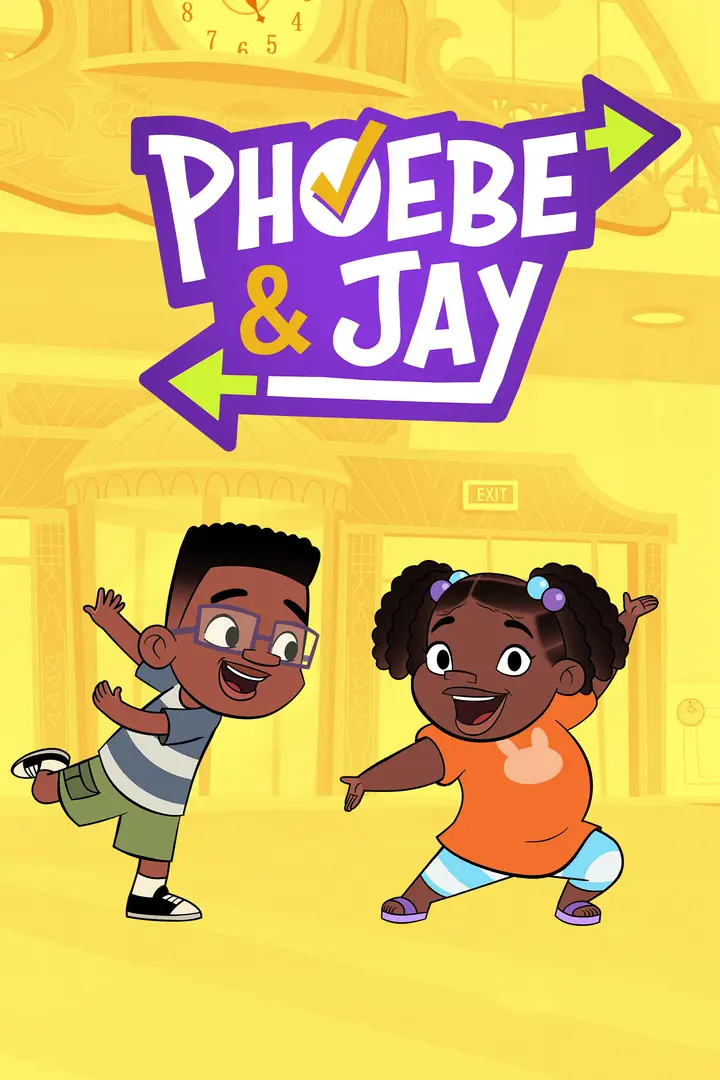
Phoebe & Jay
Words in signs, conversations and play become practical tools for solving recognizable preschool problems. Phoebe and Jay use early literacy socially, showing that asking clearly, listening and explaining can help family and neighborhood situations move forward.
Reading Rainbow (2025 Revival)
Books stay central, but participatory activities ask children to respond, create and discuss what reading can spark. The contemporary ensemble connects stories with questions, creative work and other people’s experiences beyond the page.
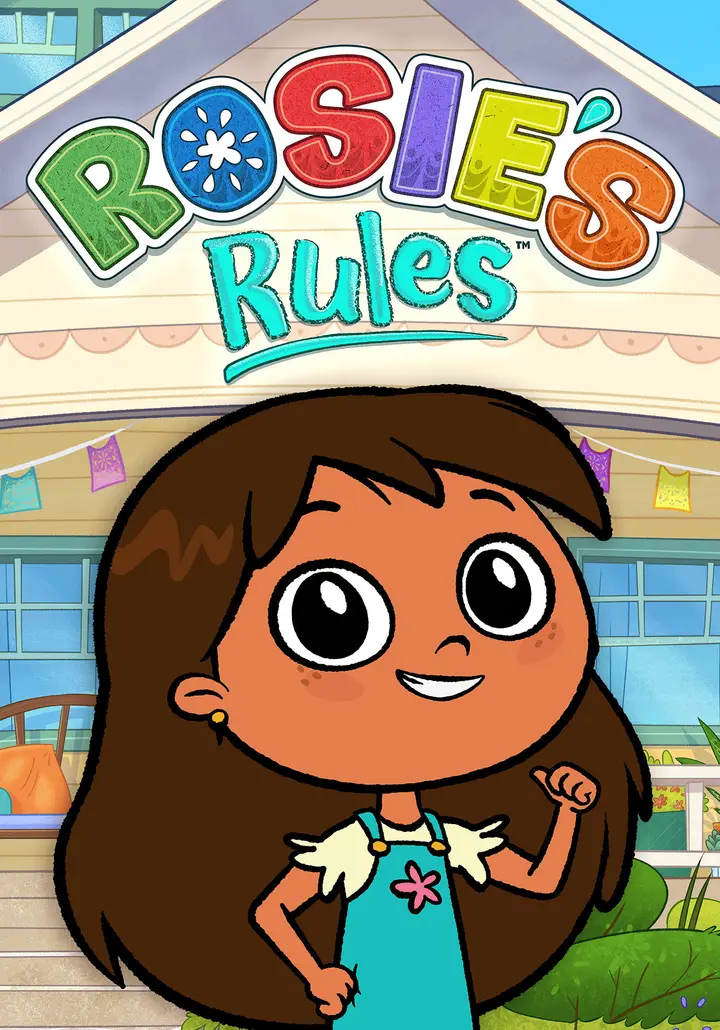
Rosie's Rules
Rosie draws her own conclusions from lived experience rather than receiving ready-made lessons, modeling curiosity and revision as she tries, observes, and adjusts her thinking about the world.
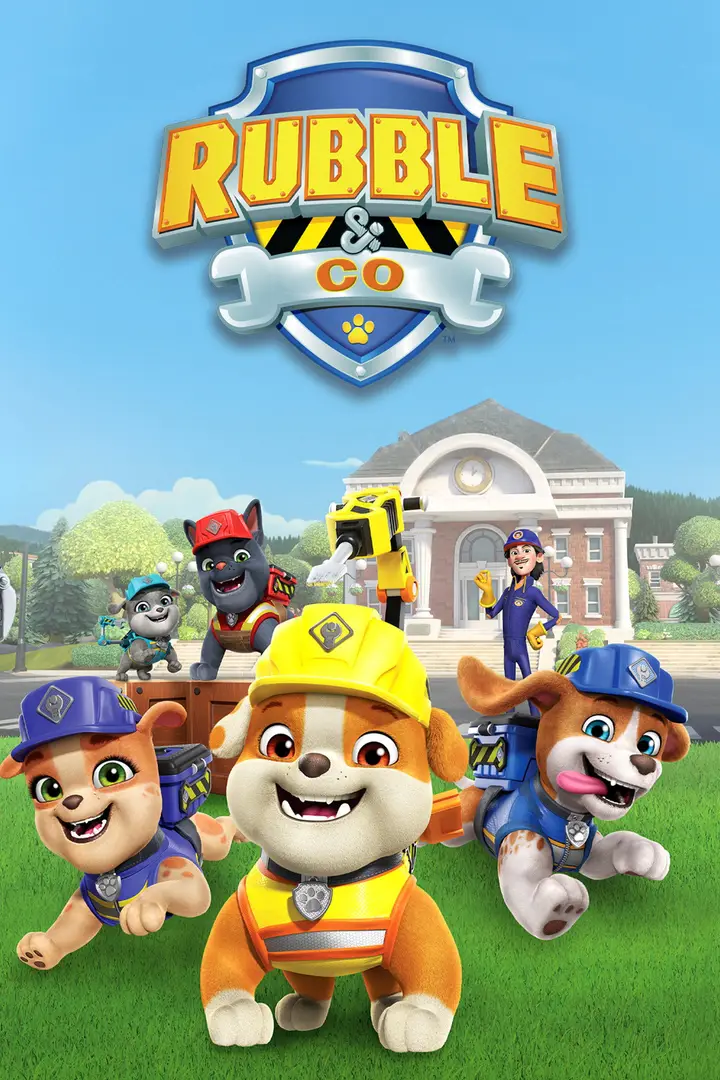
Rubble & Crew
Construction problems unfold through visible stages: identify the need, choose equipment, test a plan and adjust when something fails. Roads, bridges and community projects show engineering as coordinated work built from several roles.
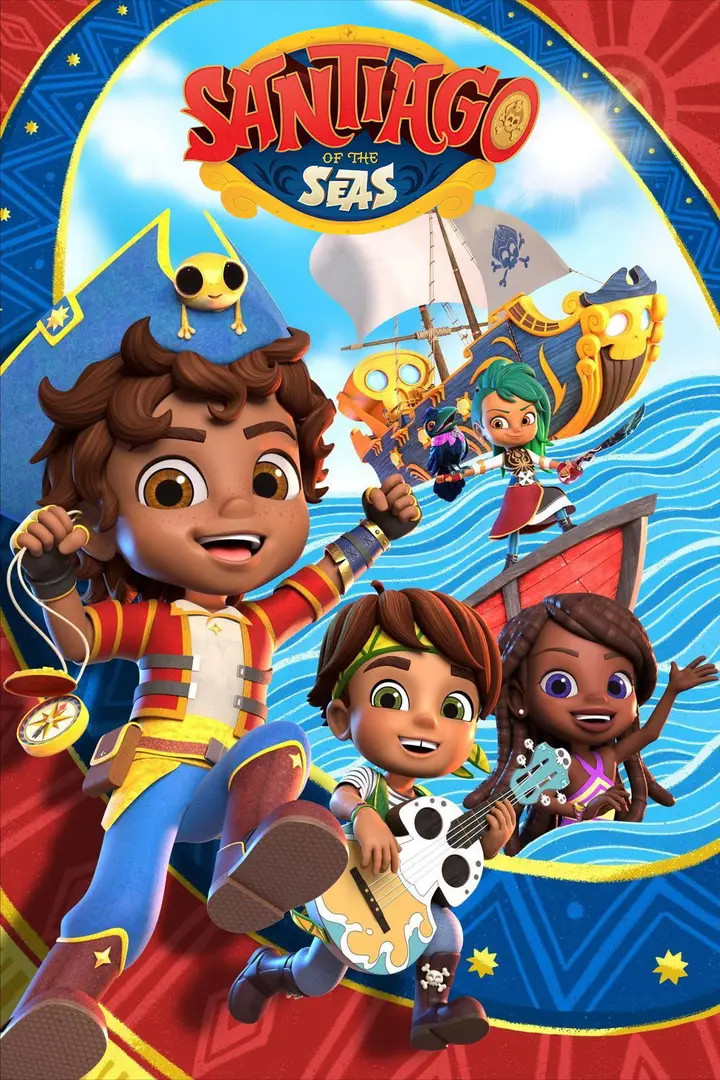
Santiago of the Seas
Its pirate-adventure format doubles as a natural showcase for Spanish language and Caribbean culture, weaving vocabulary and customs into the plot instead of pausing the action to teach them.
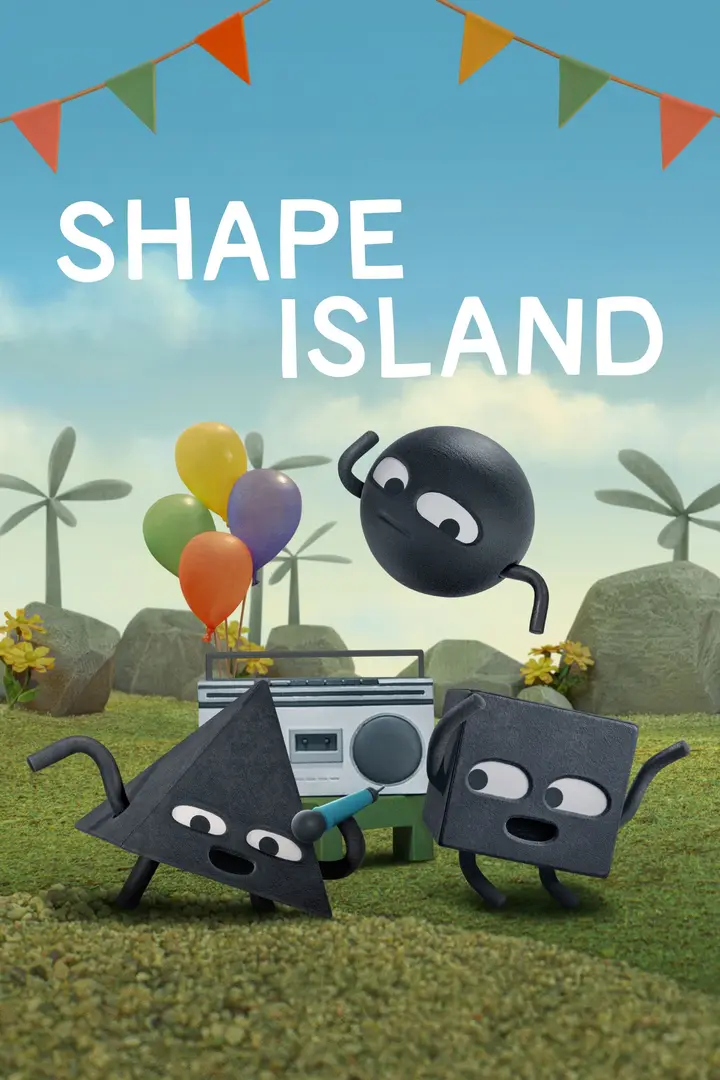
Shape Island
Turning basic geometric shapes into sharply distinct personalities lets the show explore real social friction through simple, visually clear characters rather than abstract lessons.

Sonic Prime
Each parallel world reimagines familiar characters in a genuinely different genre, while Sonic's arc shows that speed and instinct aren't enough without listening to others first.
Questions parents ask
What are the best new kids’ shows of the 2020s?
For preschoolers, Trash Truck and Elinor Wonders Why (both from age 4) are calm and curious, and Ada Twist, Scientist (from 5) makes mistakes part of learning. For school-age children, Kipo and the Age of Wonderbeasts and The Owl House (both from 8) are standouts, and Jurassic World: Camp Cretaceous (from 9) suits confident viewers.
Is The Owl House appropriate for kids?
It is recommended from age 8 (minimum 7). Early episodes are light fantasy comedy about a girl who stumbles into a world of witches and demons, but the mythology and emotional stakes grow much bigger in later seasons. Children who start young often grow up with it, so the deeper episodes can wait until they are ready.
Is Jurassic World: Camp Cretaceous scary?
It can be. It is recommended from age 9 (minimum 8) because the peril feels real: a group of kids is stranded on the island, and dinosaur attacks put the characters in genuine danger. Children who already enjoy dinosaur action usually love it; for more sensitive viewers, watching the first episode together is a good test.


