
Best 2020s TV Shows for Kids & Families
Standout family series of the current decade, from preschool and comedy to fantasy, science fiction, and new chapters of familiar franchises.

Page 2 of 2. This page shows series 49–71 out of 71.
Find the right series
Choose one band. Results show age-relevant series approved by our editors: those whose Minimum-to-Recommended age span overlaps the band, plus individually approved favorites. The Recommended Age is a starting point, not a maximum.
More filters and sort
No series in this guide match this age.
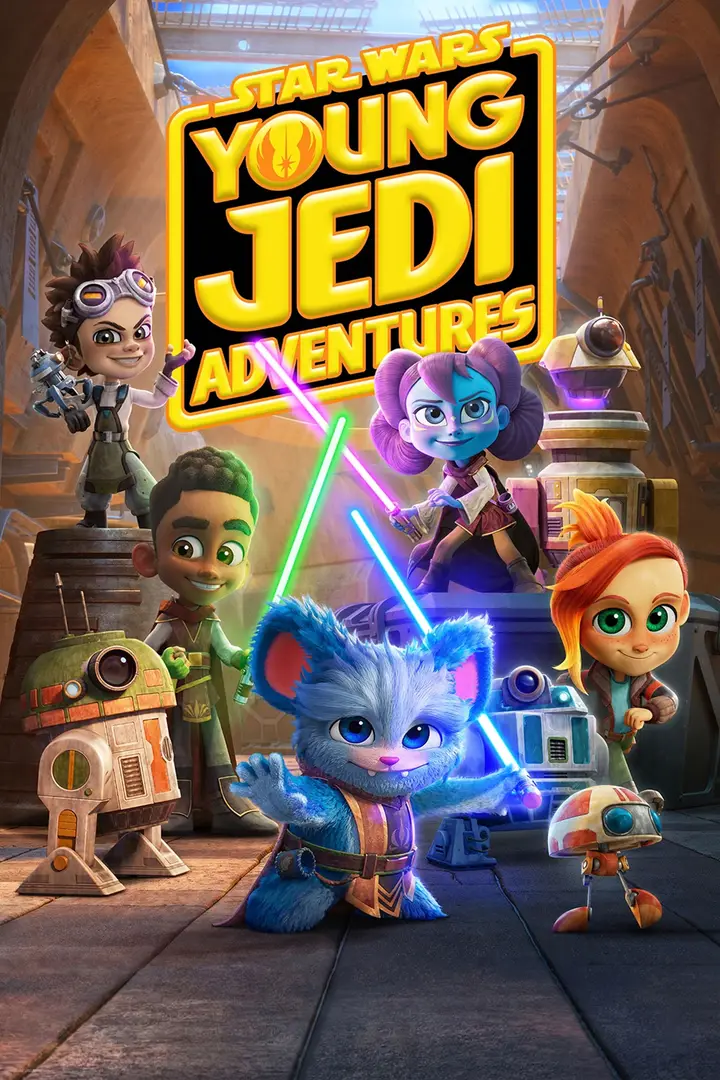
Star Wars: Young Jedi Adventures
It scales Star Wars down to genuinely preschool-appropriate stakes without losing lightsabers, starships, or its identity, prioritizing self-control and helping others over combat victory.
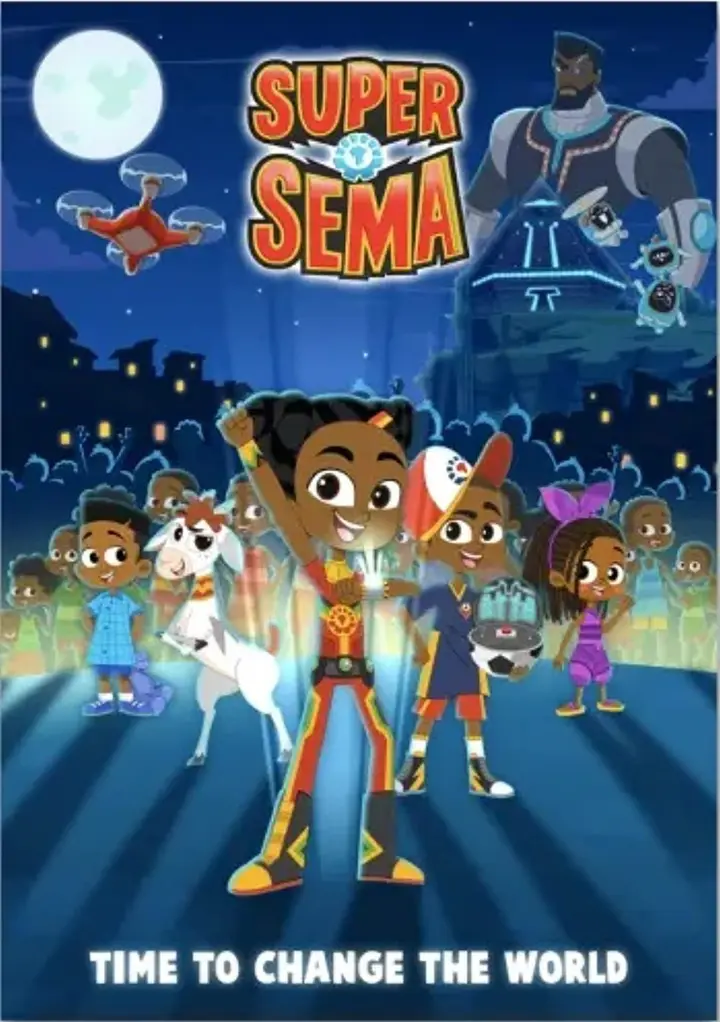
Super Sema
It grounds its superhero action in real STEM problem-solving rather than magic, giving its African-inspired setting and inventive heroine a distinct identity within the genre.
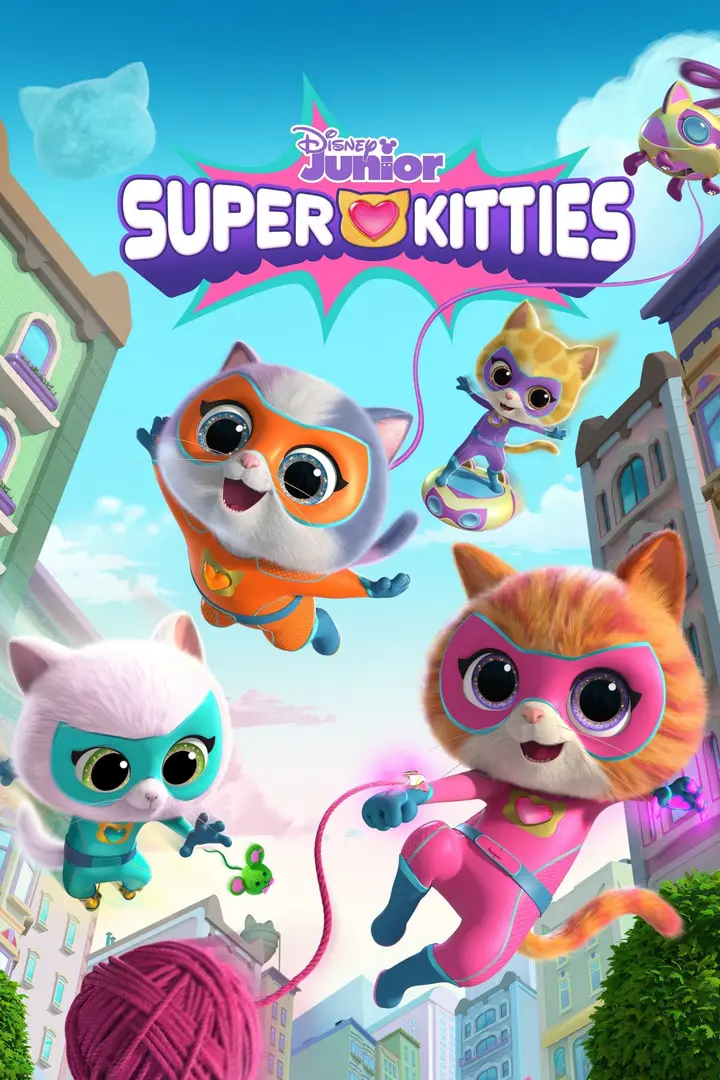
SuperKitties
Four kitten superheroes bring different strengths to each rescue, making teamwork visible through fast action. Mistakes frequently show why listening and asking for help matter, while comic villains keep the missions lively without severe danger.
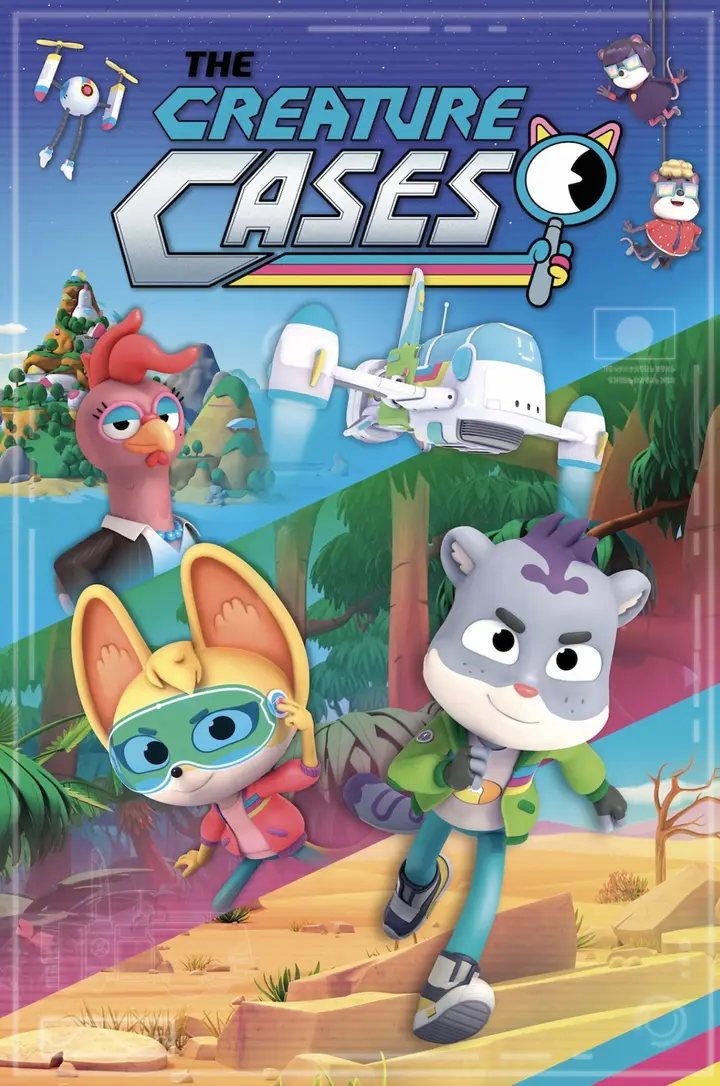
The Creature Cases
Each case turns a genuine animal behavior into the actual clue that solves the mystery, so factual natural history emerges from the plot instead of feeling like an inserted lesson.
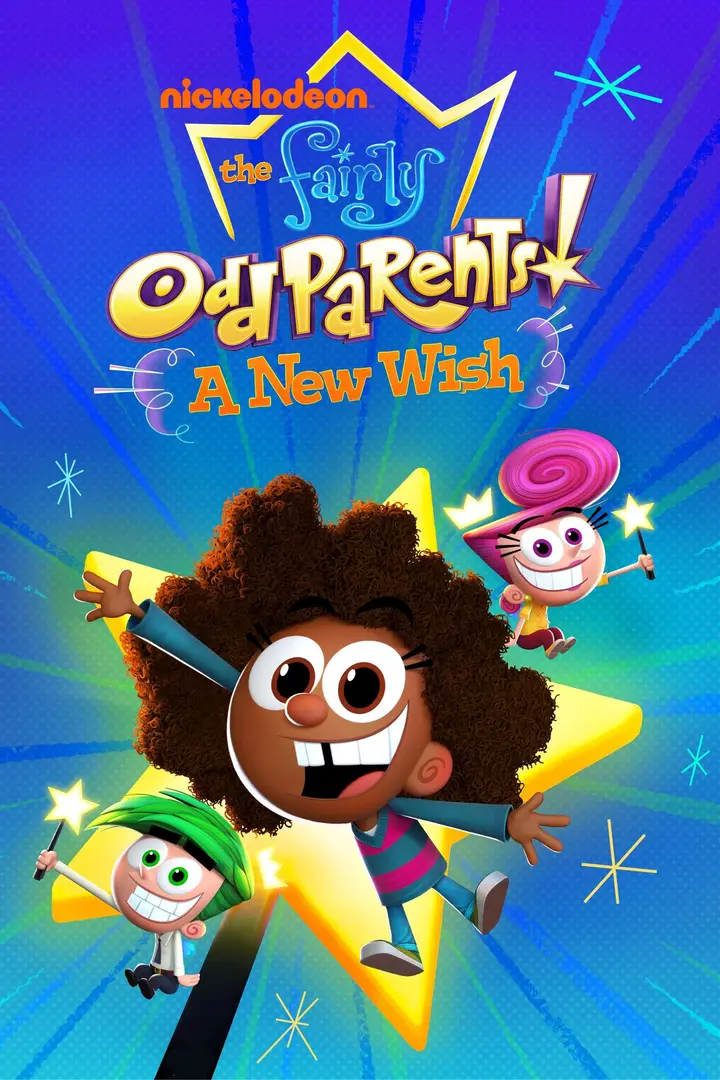
The Fairly OddParents: A New Wish
As in the original series, the real comedy comes from wishes going right technically but wrong practically, and a new lead gives familiar magical rules fresh comic energy.
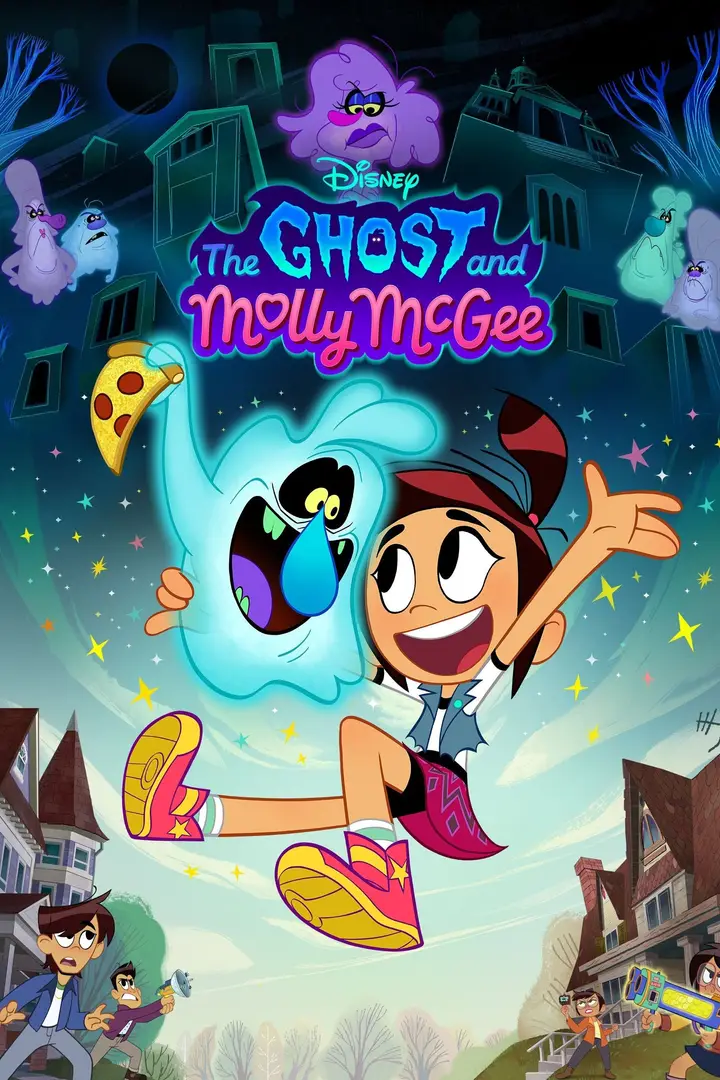
The Ghost and Molly McGee
The mismatched pairing of relentless optimism and grumpy pessimism drives fast comedy, while the friendship that slowly grows between them gives the sillier episodes real emotional footing.
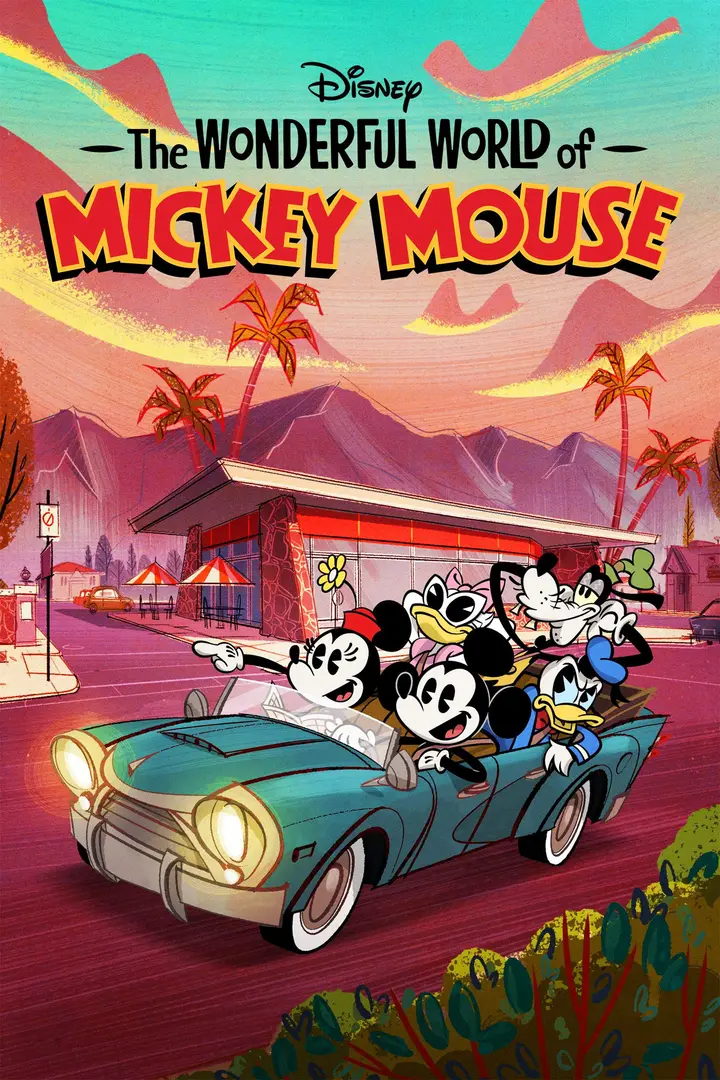
The Wonderful World of Mickey Mouse
Short, self-contained slapstick shorts let classic Disney characters feel newly strange and energetic, using fast visual comedy that needs no history or continuity to enjoy.
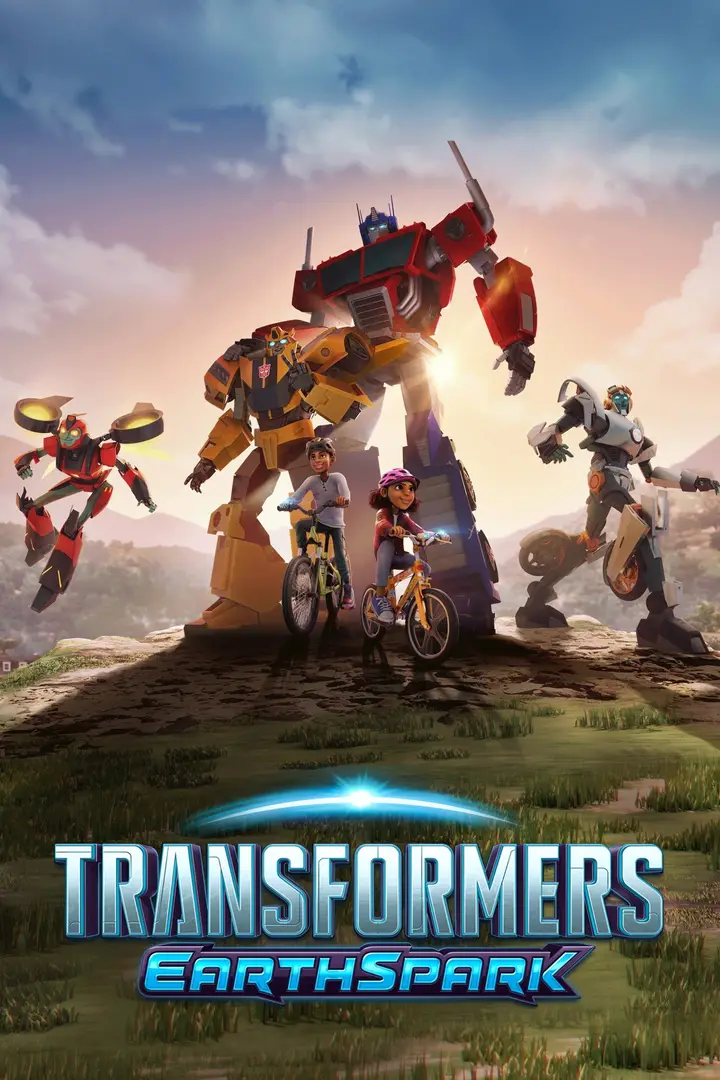
Transformers: EarthSpark
By giving its young Transformers no fixed Autobot or Decepticon identity, the show turns a familiar toy franchise into a story about choosing your own values instead of inheriting old conflicts.
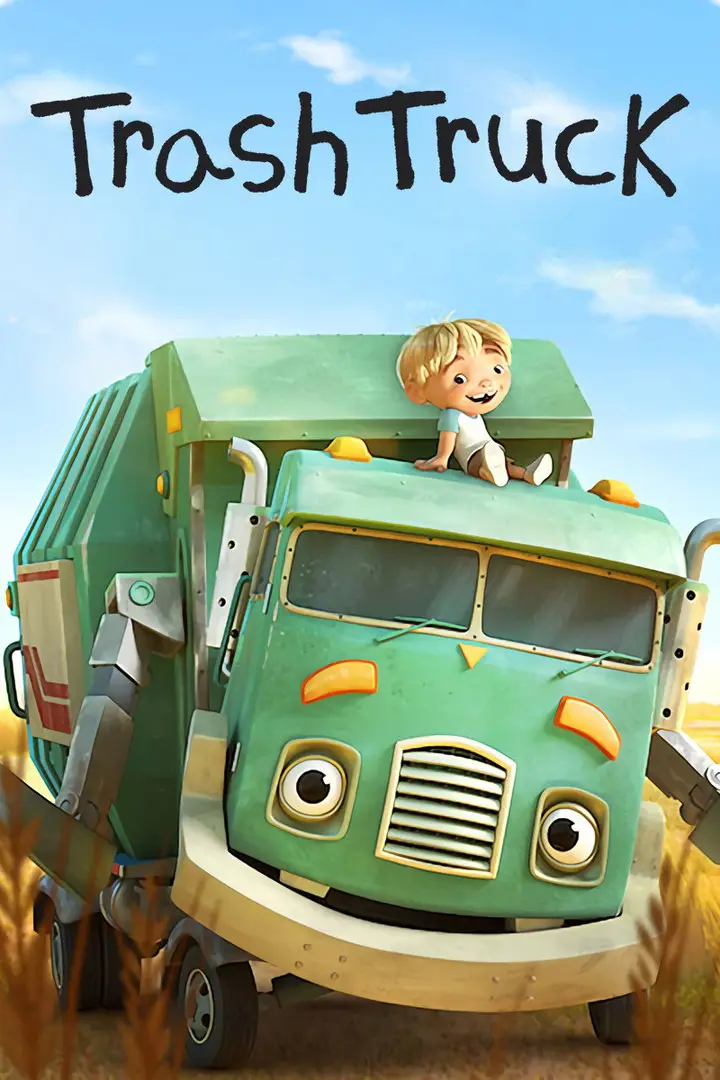
Trash Truck
Its gentle, low-stakes stories turn an ordinary object into a source of wonder, using a child's own curiosity and imagination rather than jokes or danger to hold attention.
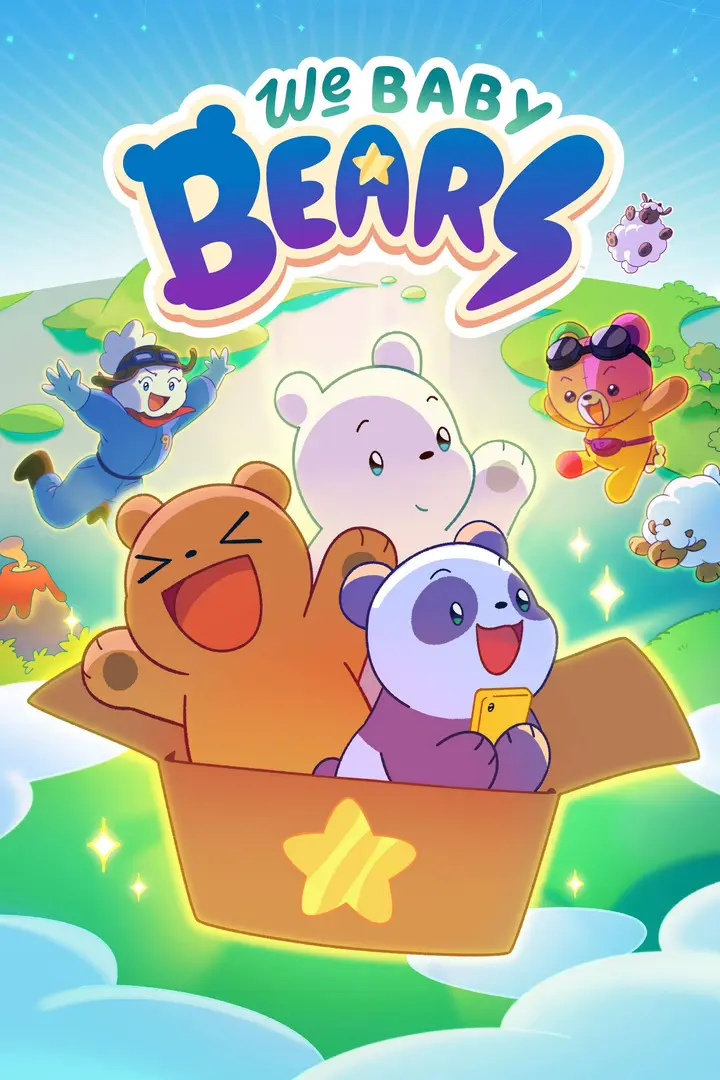
We Baby Bears
Each stop shifts genre entirely, from fairy tale to science fiction, while the bond between the three brothers stays the one constant, making adaptability itself the show's real subject.
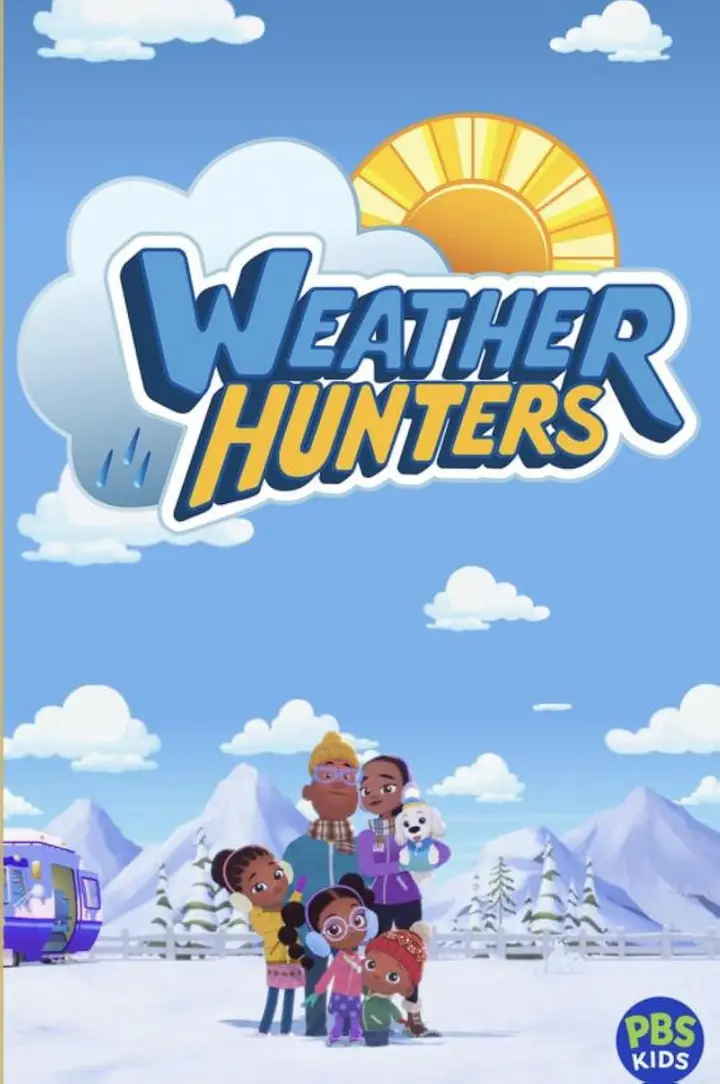
Weather Hunters
It treats meteorology as hands-on investigation rather than abstract facts, connecting forecasts directly to real decisions like what to wear or how to prepare for a storm.
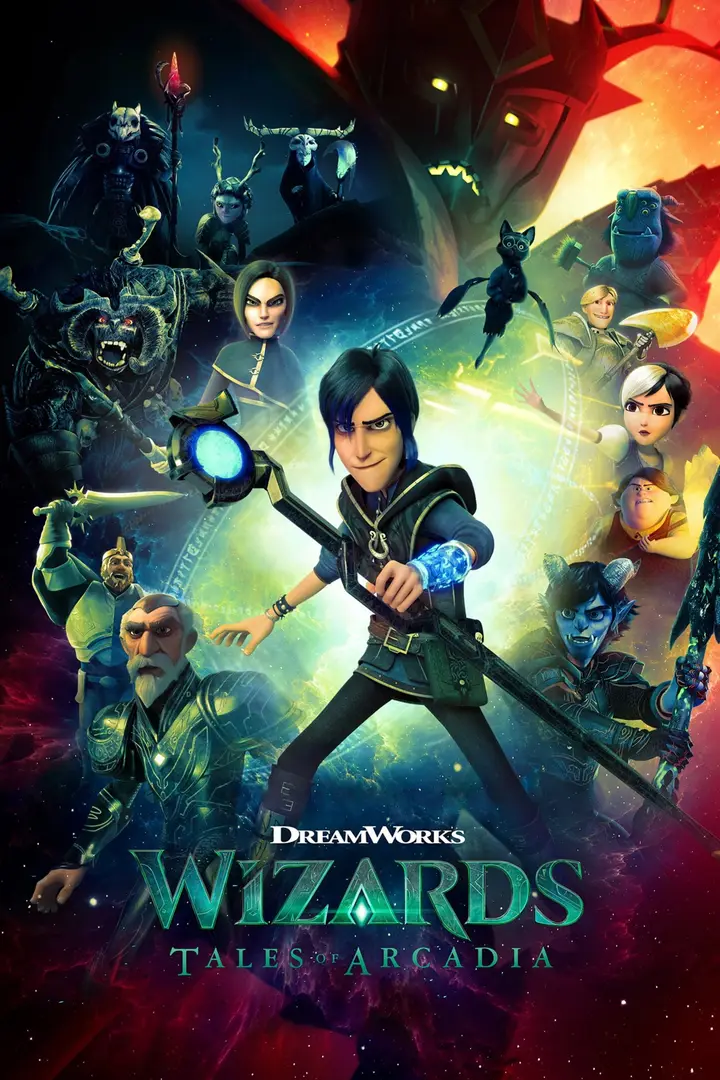
Wizards: Tales of Arcadia
Douxie’s long apprenticeship becomes a satisfying leadership story as the series links Camelot to Arcadia’s present. Time travel deepens the franchise mythology, while familiar heroes give the final television chapter strong continuity and momentum.
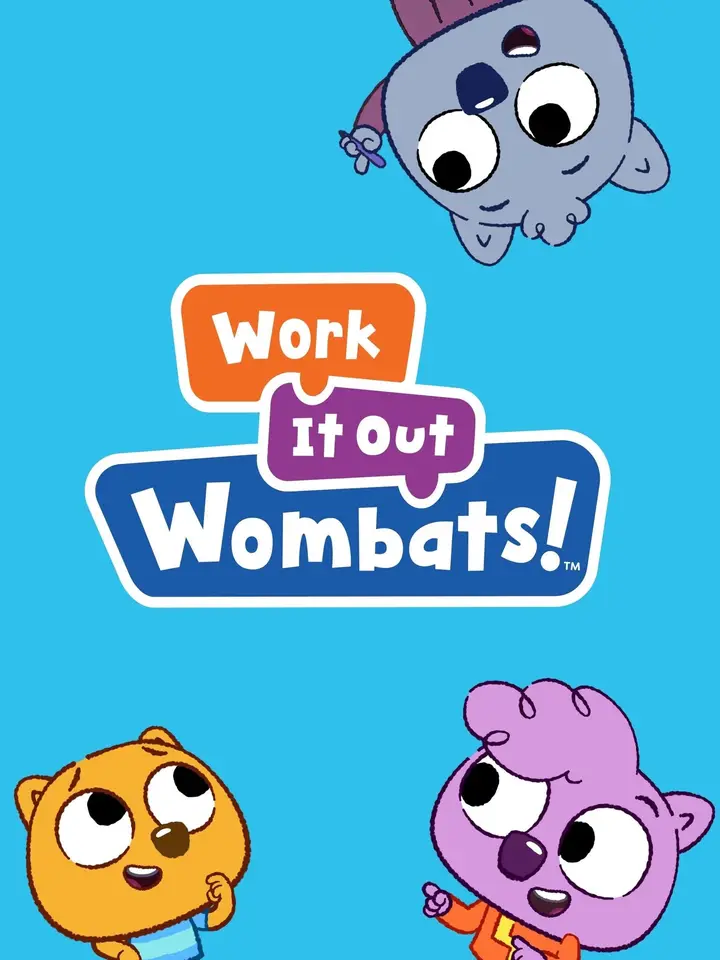
Work It Out Wombats!
It introduces real computational thinking — sequencing, patterns, debugging — through ordinary play and chores instead of screens, making the concepts feel practical rather than technical.
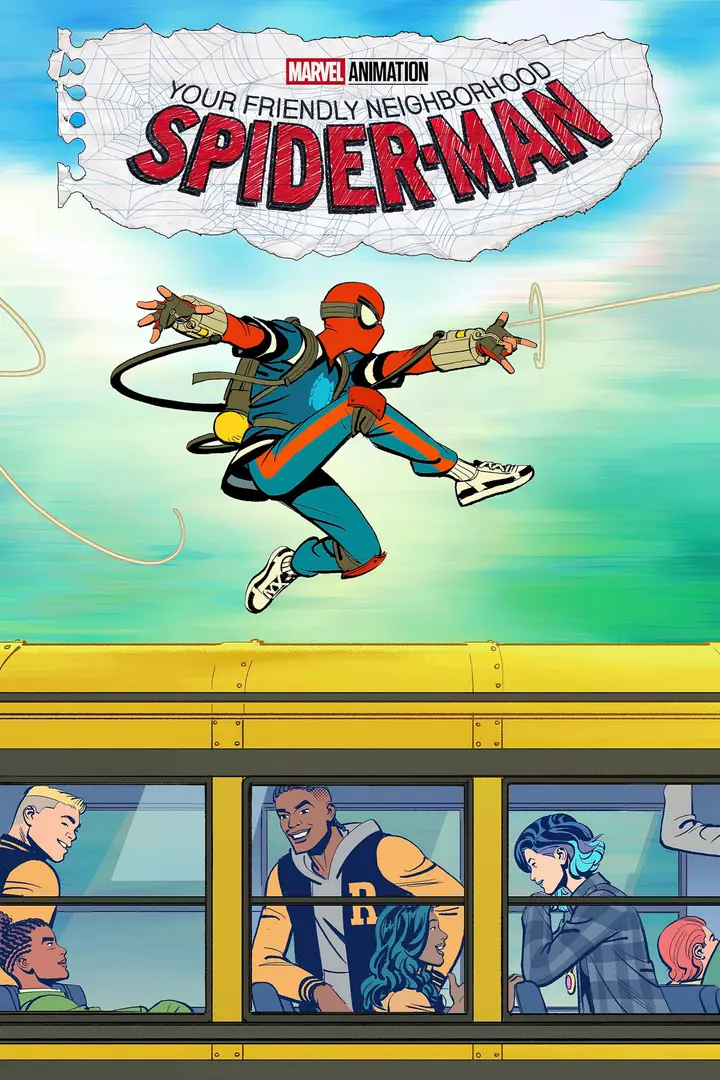
Your Friendly Neighborhood Spider-Man
By resetting Peter Parker to his earliest days as a hero, it recaptures the tension of every choice mattering, before experience makes heroism feel routine or easy.
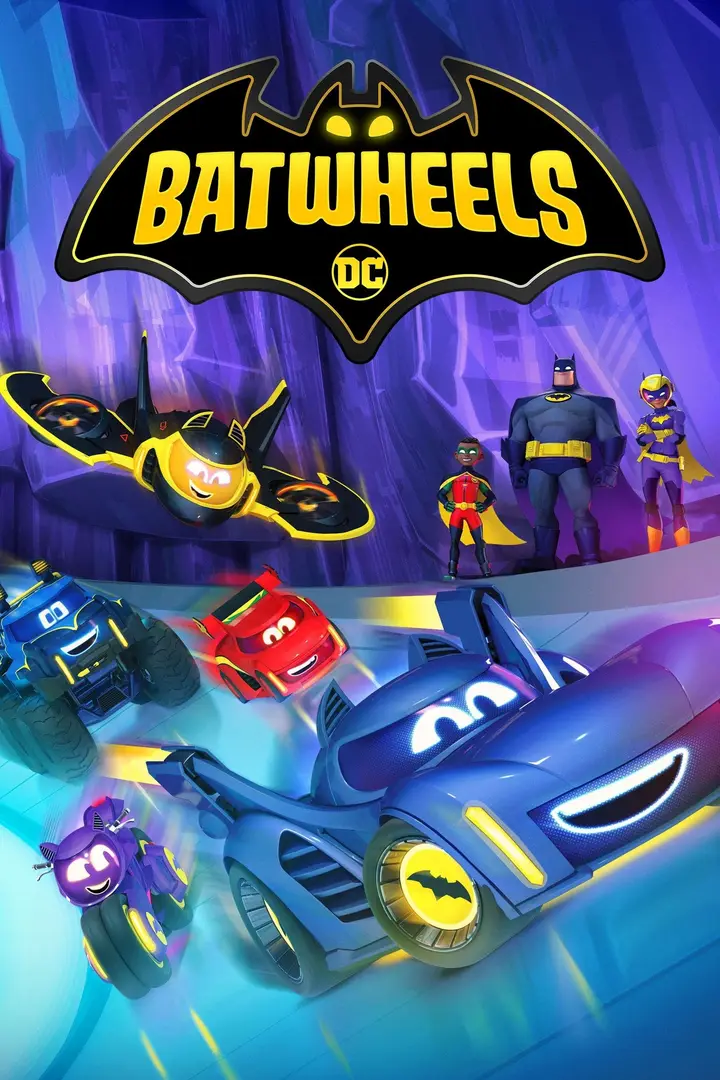
Batwheels
Youthful vehicle heroes bring different strengths to Batman-style missions, making coordination as important as speed or gadgets. Team rivalry, confidence and mistakes give the colorful superhero action a clear social-learning structure.
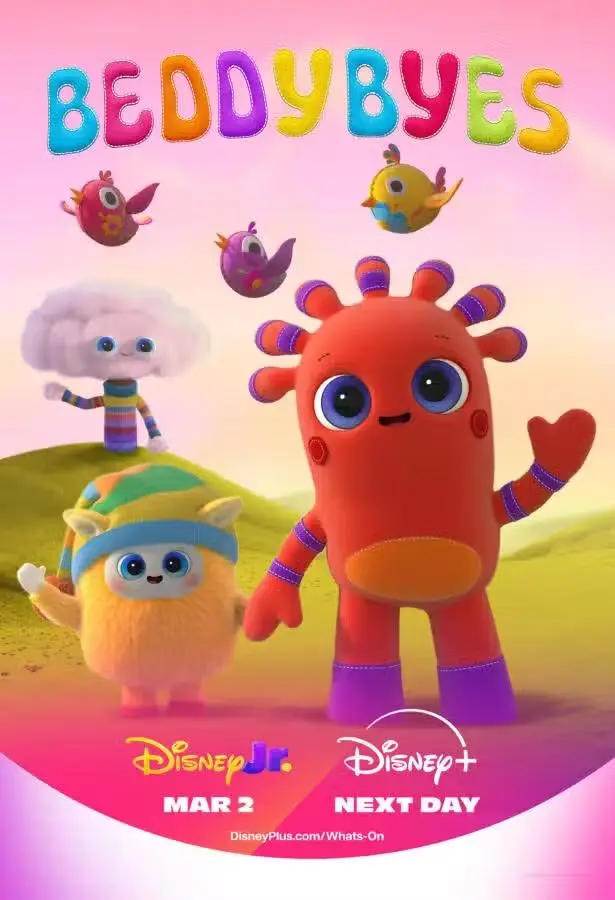
BeddyByes
Its pace deliberately slows rather than builds, using repetition and music to walk young viewers through the same calming bedtime sequence every single episode.
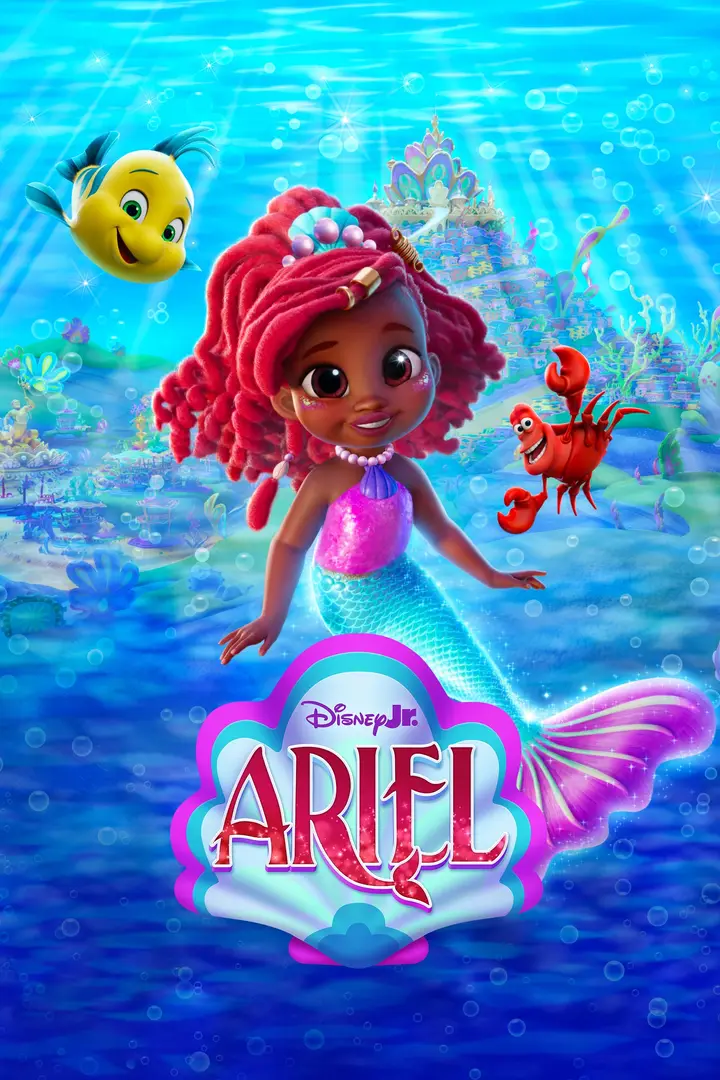
Disney Junior's Ariel
It scales The Little Mermaid's curiosity and independence down to preschool-friendly, self-contained adventures, using bright visuals and Caribbean-inspired culture for a distinct identity.
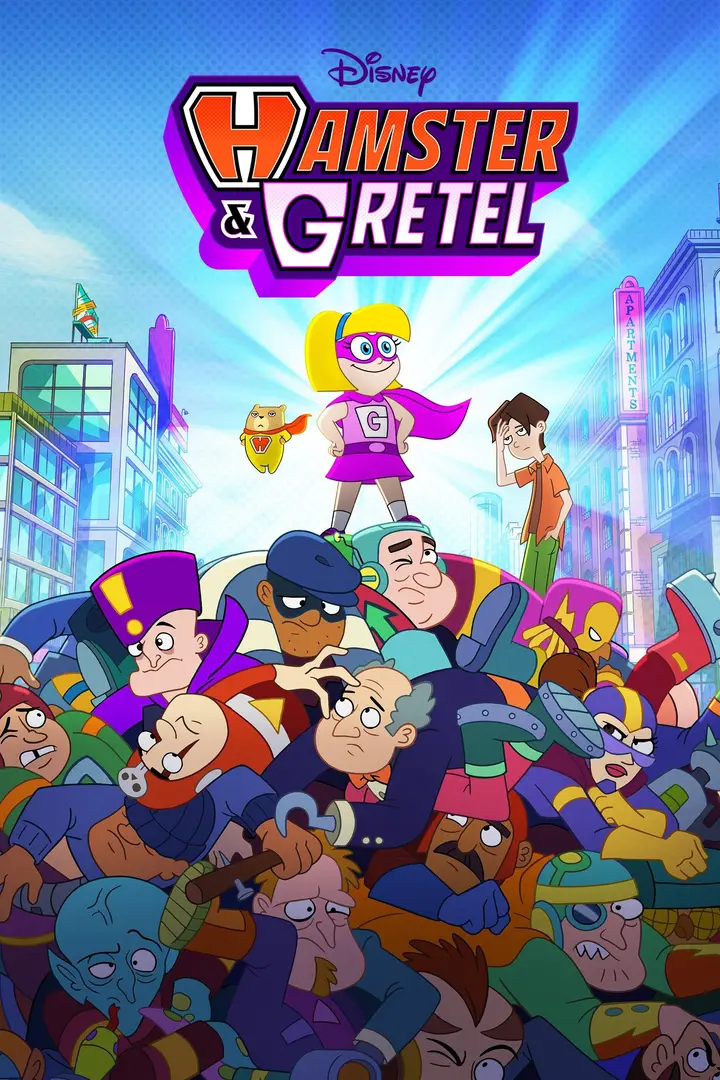
Hamster & Gretel
Its funniest idea is a sibling who expected to be the hero ending up powerless, forcing the show to explore teamwork and finding your role instead of just delivering powers.
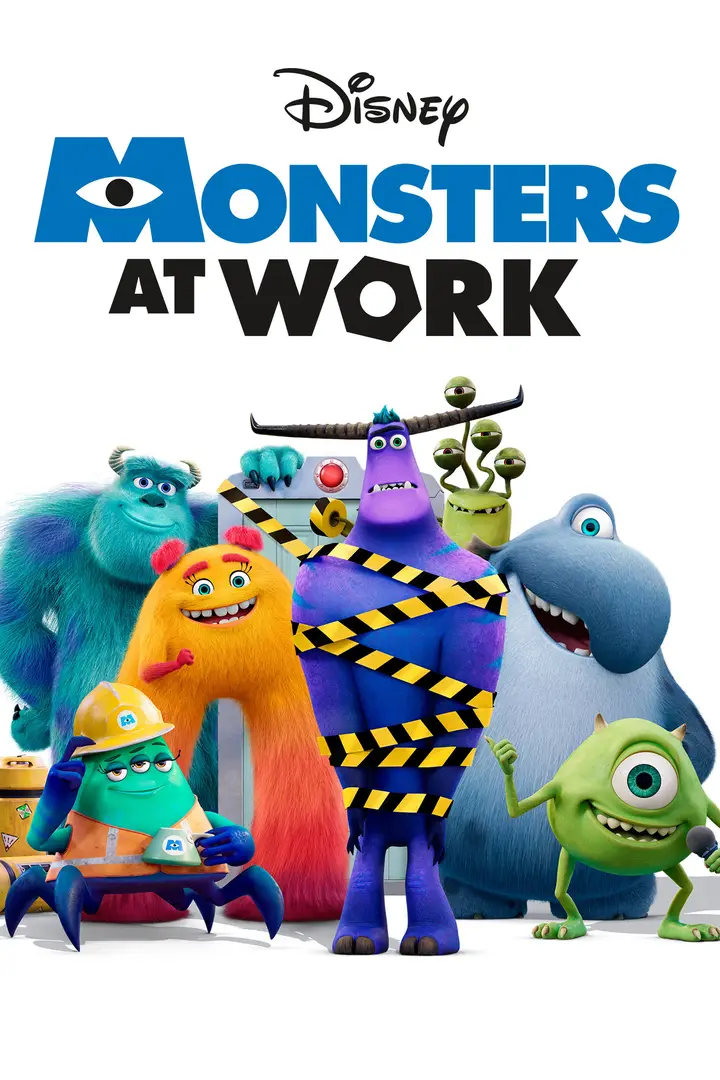
Monsters at Work
It extends a beloved film's world into workplace comedy, using a company changing direction almost overnight to explore ambition, teamwork, and finding your place among more experienced coworkers.
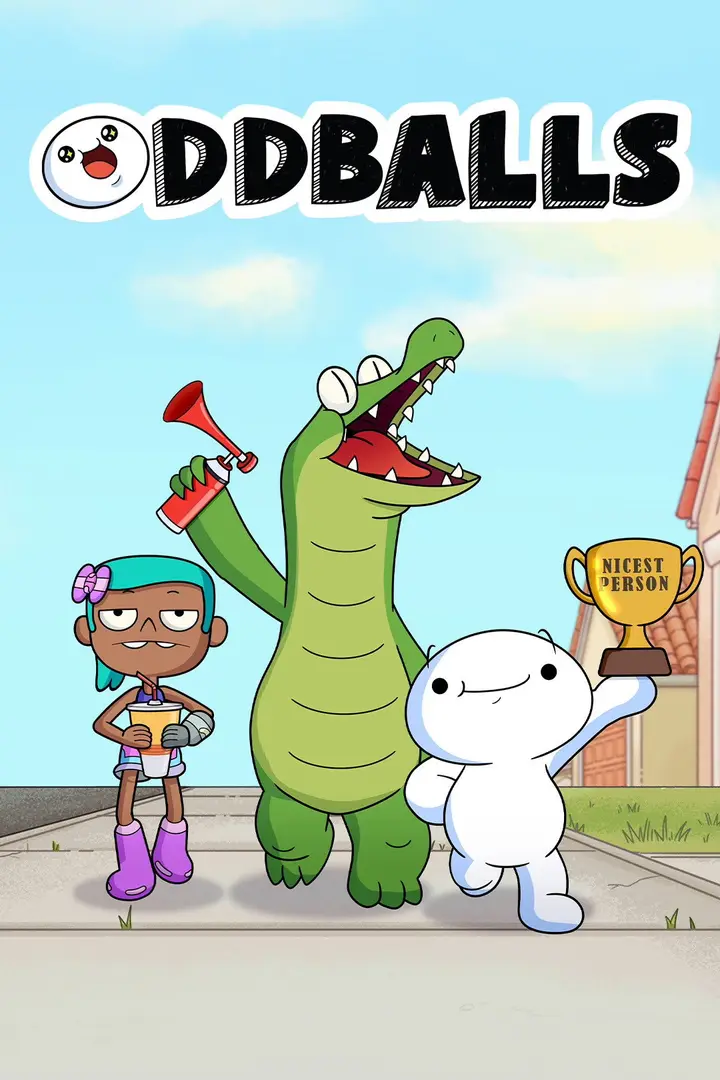
Oddballs
Behind the silliness, James's frustrations are very recognizable to children, and the show lets him be wrong, overreact and make up with his friends. Max and Echo show that very different friends can stick together.
Pupstruction
By treating every job as a puzzle needing different specialized skills, it teaches that being 'best' matters less than how a team's different strengths fit together.
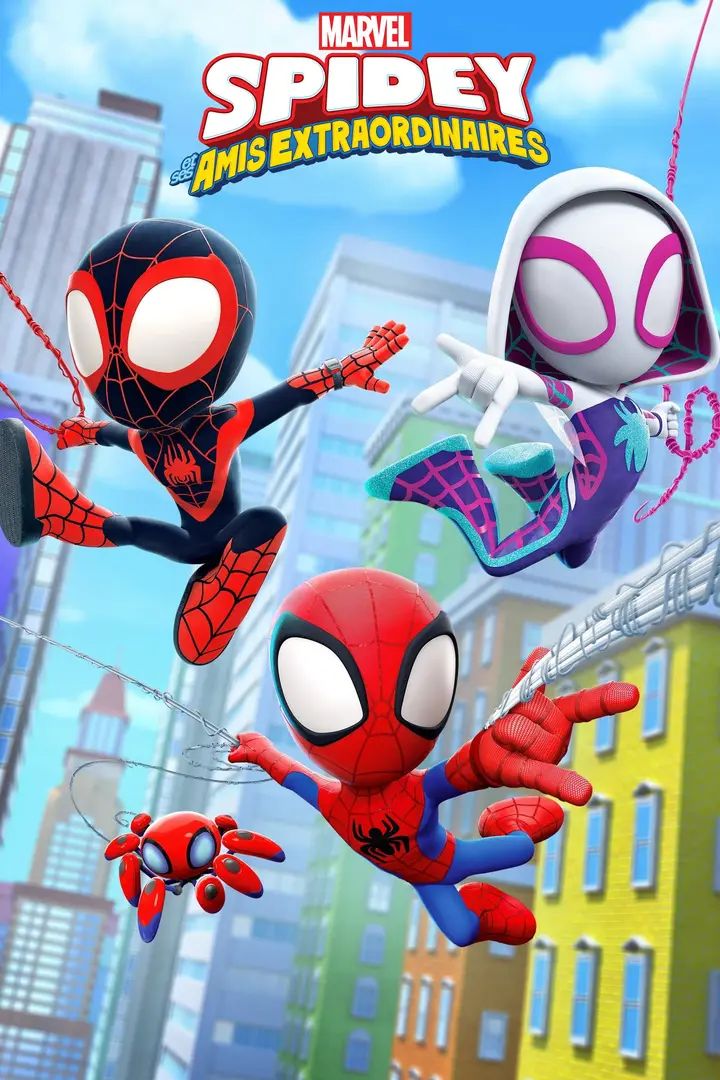
Spidey and His Amazing Friends
It adapts Spider-Man's world for the youngest viewers by keeping conflicts simple and putting teamwork ahead of solo heroics, without losing the core idea that power comes with responsibility.
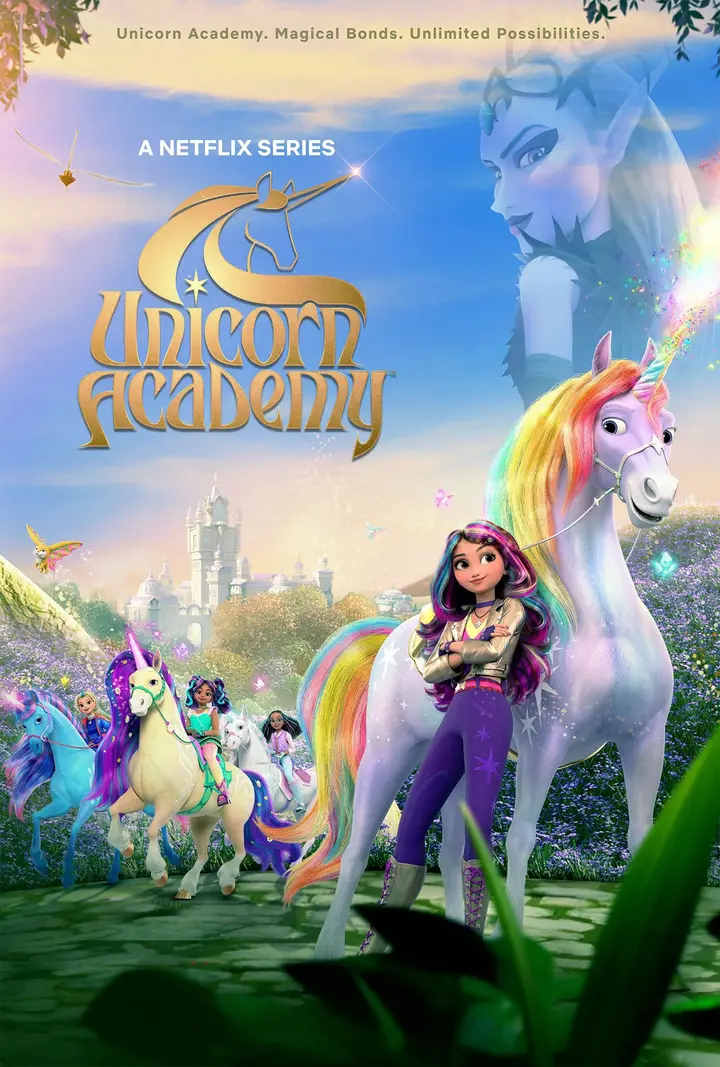
Unicorn Academy
It treats bonding with a unicorn as an act of trust and cooperation rather than raw ability, using a familiar school-adventure structure to make its fantasy world easy to enter.


