
The 100 Best Animated TV Series for Kids & Families
From gentle first cartoons and timeless classics to adventurous anime for older viewers: 100 remarkable series, selected for real families.

Some animated series belong to a particular moment in childhood; others stay with us for years. Here you'll find gentle first favourites, imaginative comedies, stories that nurture curiosity, timeless classics and ambitious anime for older viewers. Each offers a different way to laugh, learn, feel or explore together.
Page 2 of 3. This page shows series 49–96 out of 100.
Find the right series
Choose one band. Results show age-relevant series approved by our editors: those whose Minimum-to-Recommended age span overlaps the band, plus individually approved favorites. The Recommended Age is a starting point, not a maximum.
More filters and sort
No series in this guide match this age.
Big worlds for school-age viewers
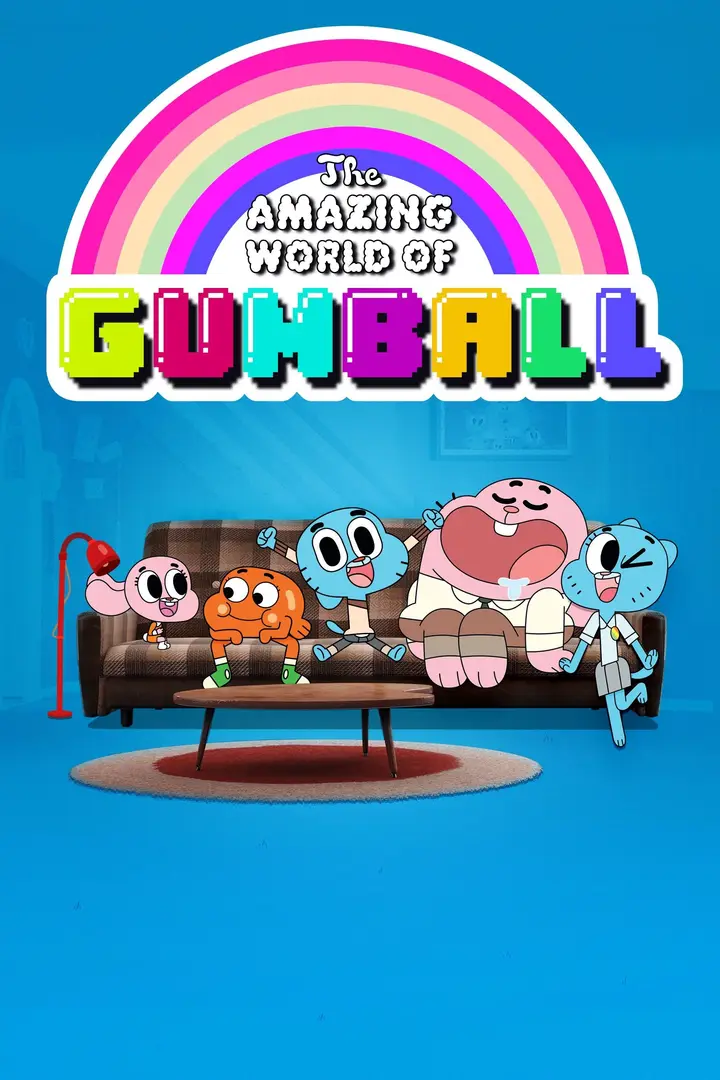
The Amazing World of Gumball
Ordinary school and family problems explode into surreal comedy through mixed animation styles and impossible logic. Gumball and Darwin’s friendship gives the visual chaos a stable center, while satire adds extra layers for older viewers.
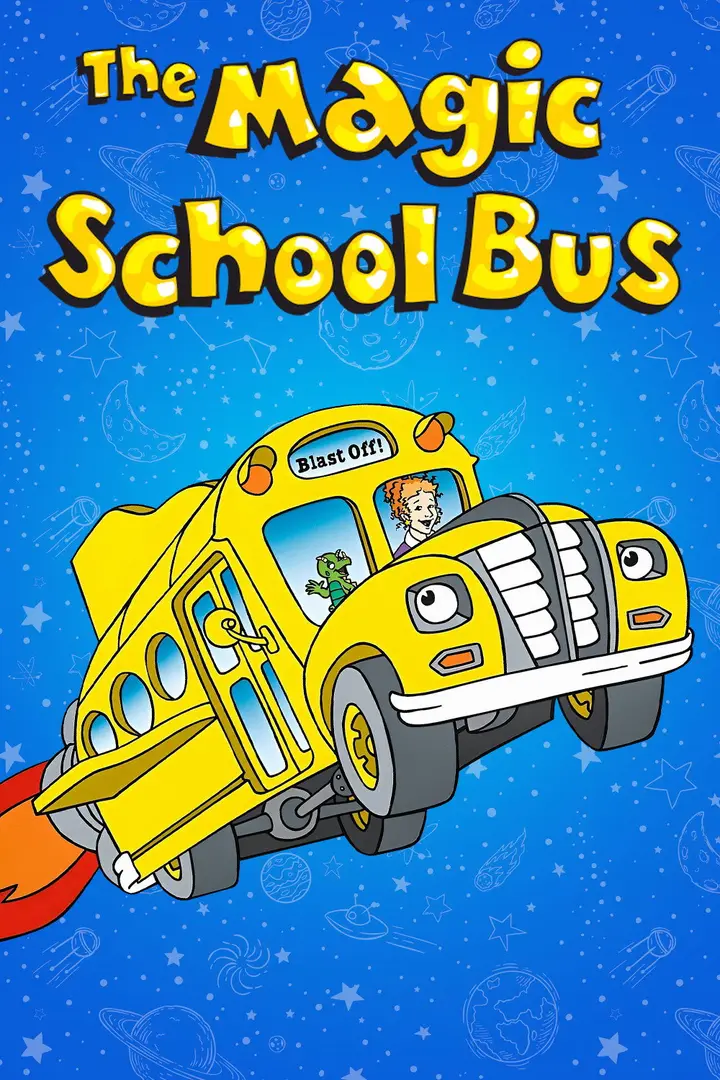
The Magic School Bus
Scientific questions become immersive field trips where the class observes, predicts and tests ideas directly. Ms. Frizzle’s impossible bus turns biology, physics and astronomy into memorable experiences while keeping curiosity and experimentation at the center.
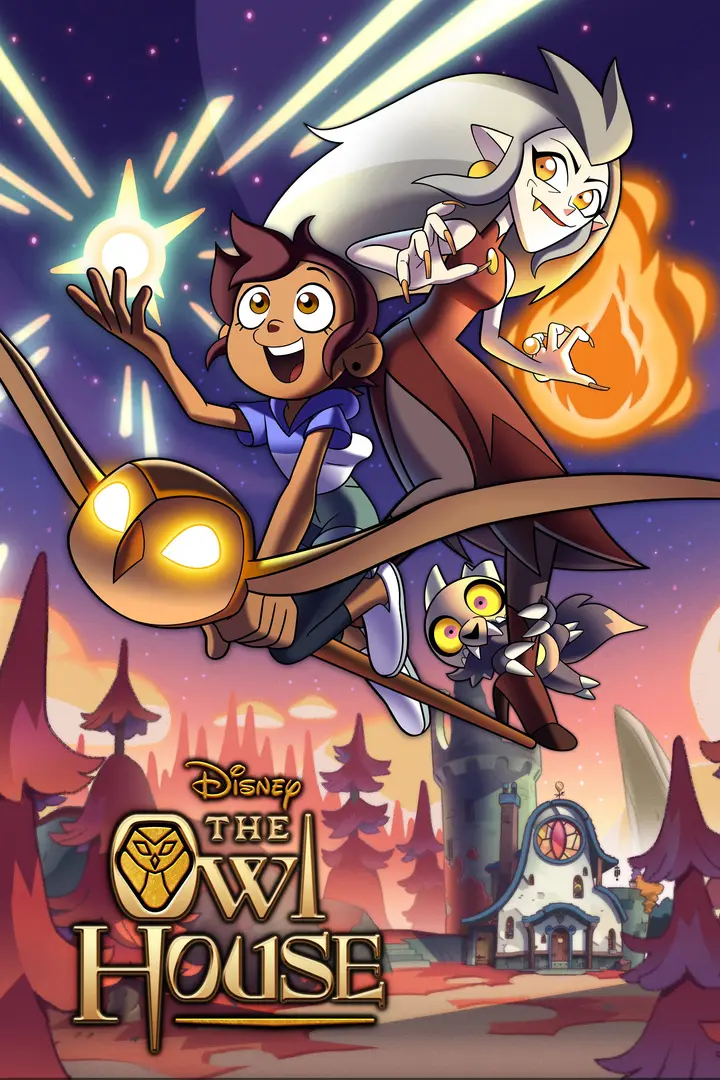
The Owl House
It starts as a fast fantasy comedy but steadily deepens into a genuine coming-of-age story about identity, chosen family, and refusing the roles other people expect you to accept.
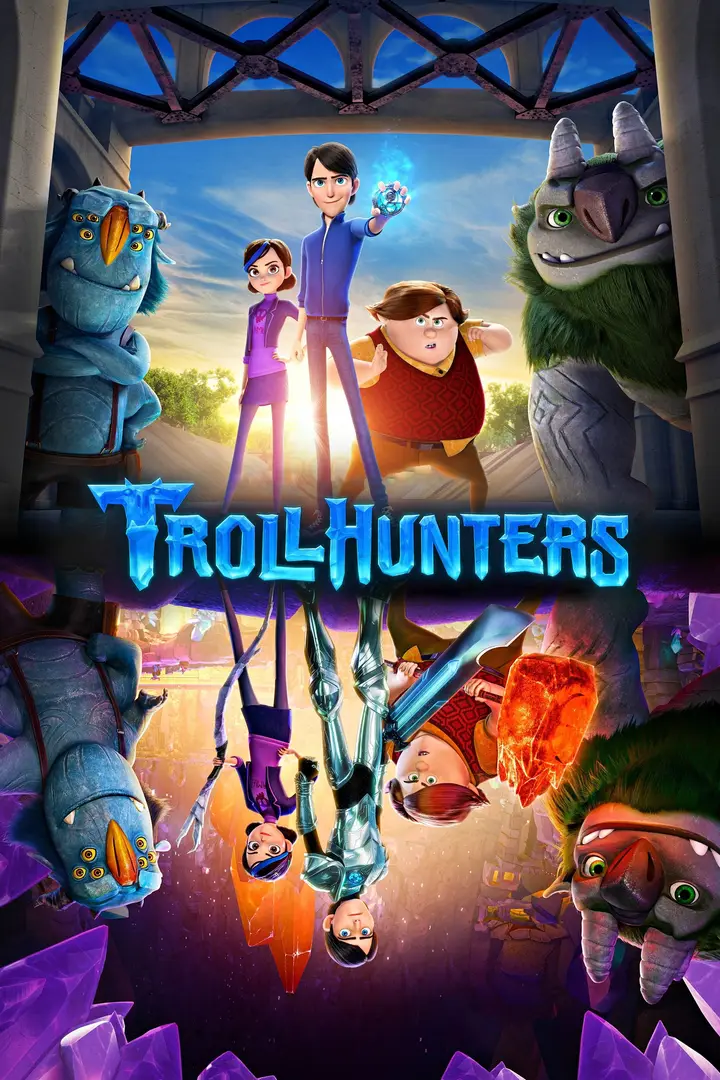
Trollhunters: Tales of Arcadia
Jim’s ordinary school life collides with a hidden troll civilization after he is chosen as its human protector. Training, friendship and duty give the fantasy action clear stakes that grow steadily across the serialized story.
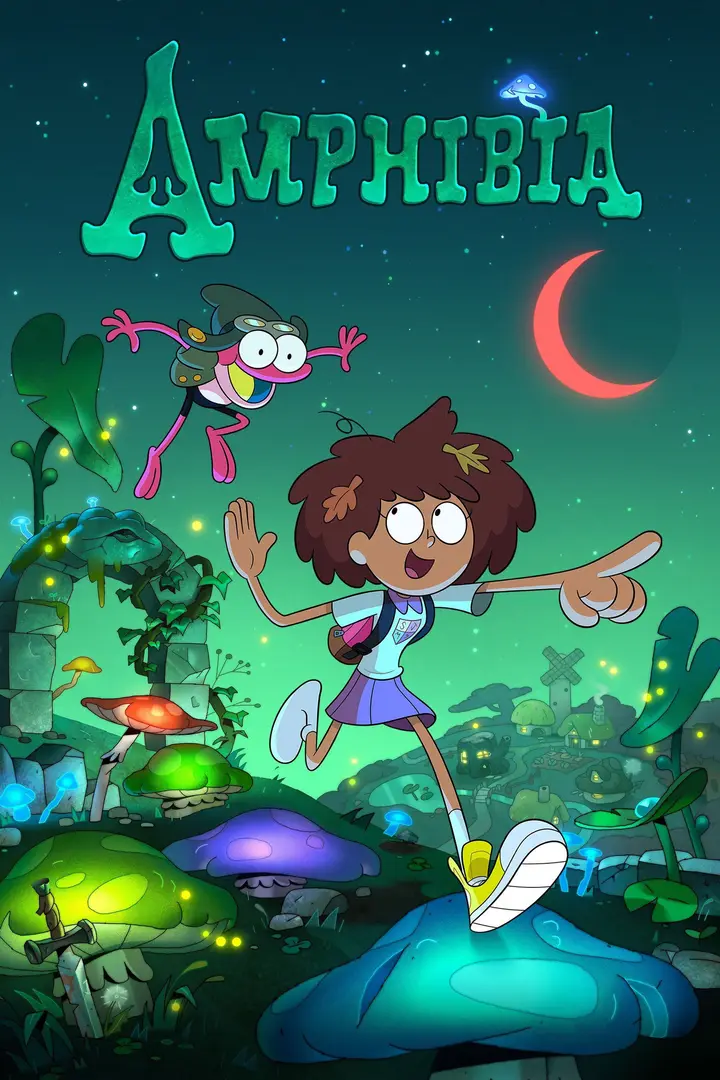
Amphibia
Anne’s comic adventures with the Plantars gradually expand into a serialized fantasy about friendship, betrayal and responsibility. The shift works because the family bond built early gives later conflicts stronger personal consequences.
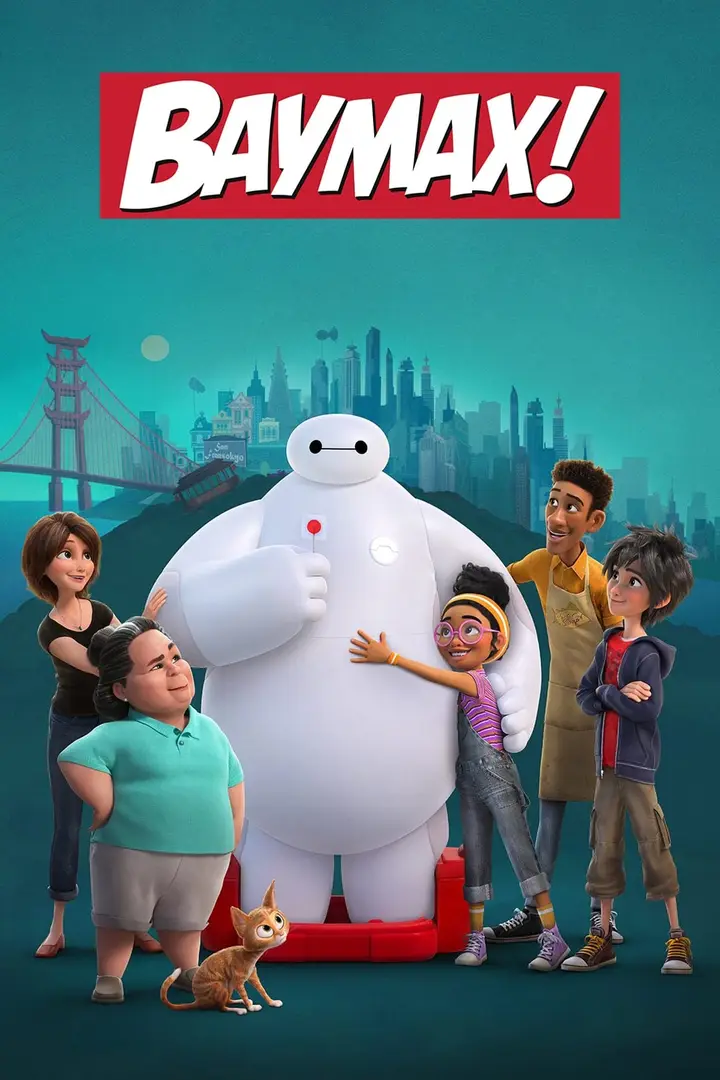
Baymax!
Each short episode follows a different stranger, using Baymax's literal humor and calm reassurance to make anxiety, body changes, and recovery feel like ordinary, discussable parts of life.

Carmen Sandiego
Carmen’s missions combine action with geography, history and cultural information as she stays ahead of V.I.L.E. Planning, disguises and teamwork make each theft a strategic problem, while her targets keep the moral framework clear.
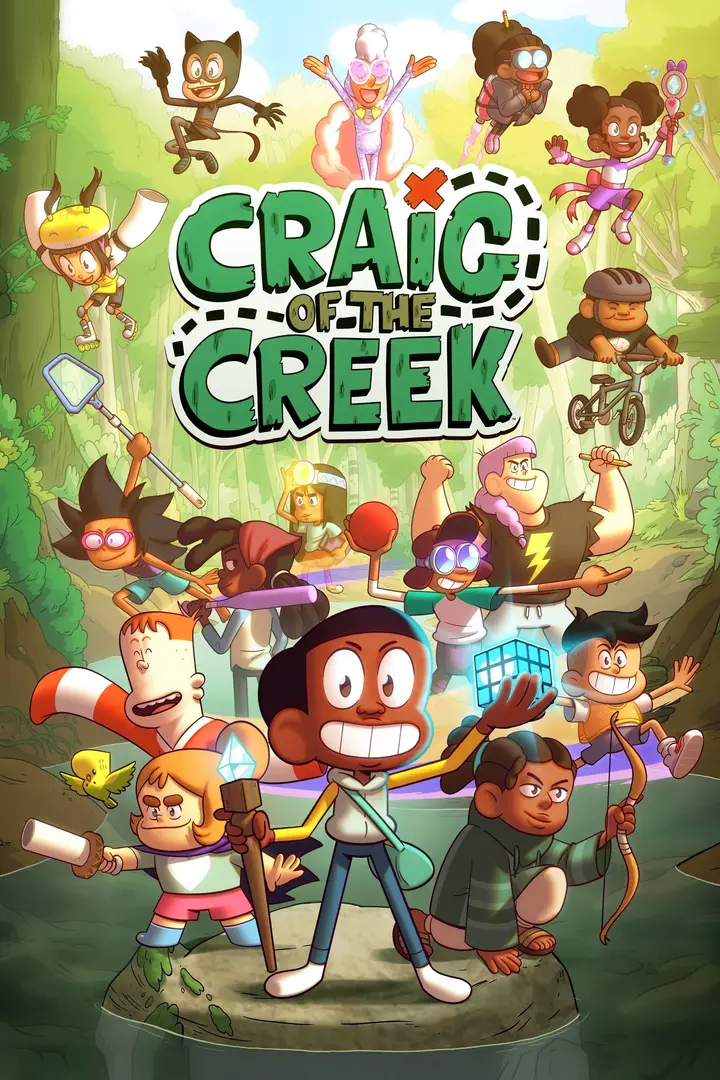
Craig of the Creek
The Creek turns neighborhood play into a child-built world with its own groups, rules and traditions. Craig, Kelsey and JP solve problems through negotiation and creativity, giving ordinary independence the scale of adventure.
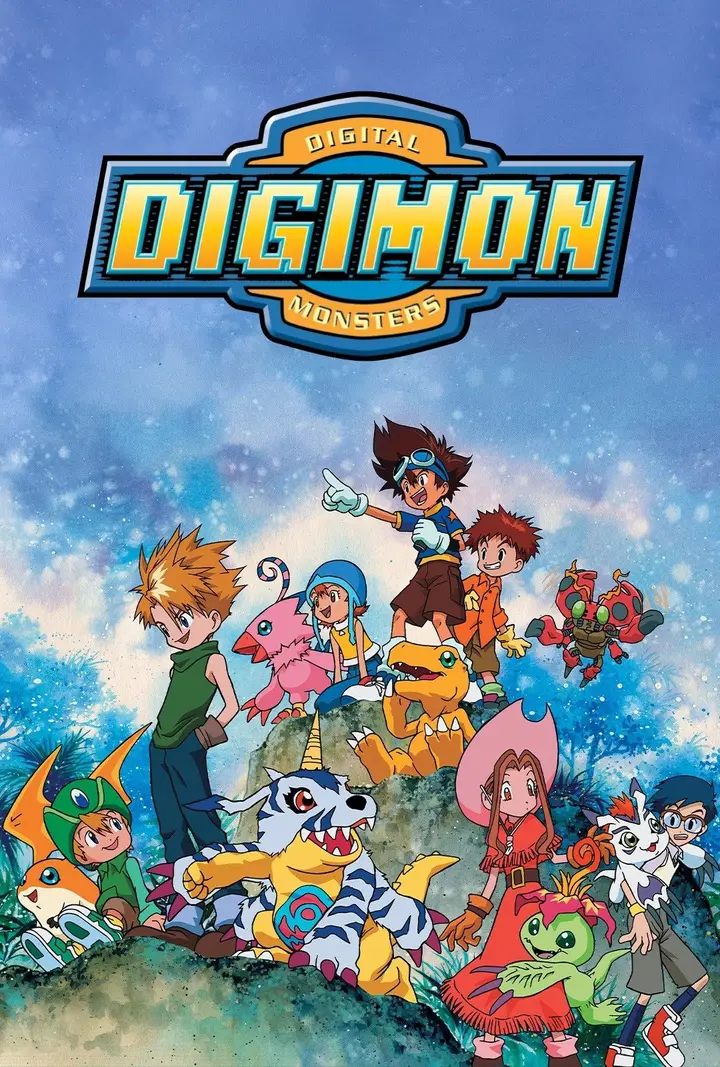
Digimon Adventure
The bond between each child and their Digimon partner gives battles genuine emotional stakes, keeping courage and responsibility as central as the fighting itself.
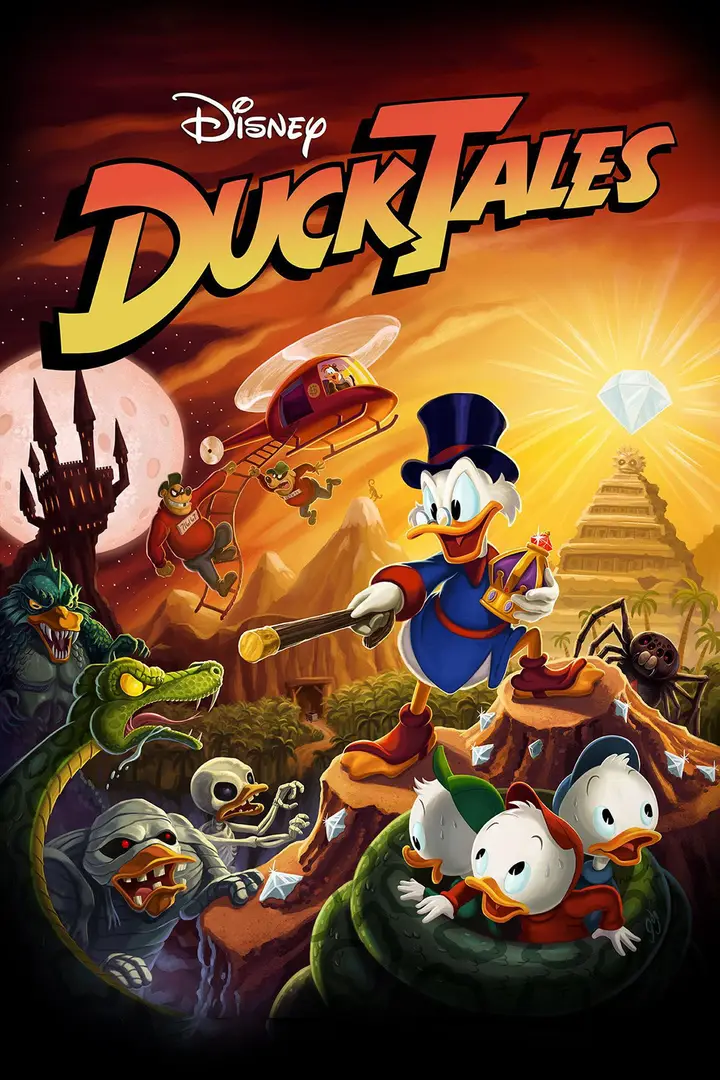
DuckTales
Treasure hunts, lost civilizations and eccentric villains give the original DuckTales a strong pulp-adventure rhythm. Huey, Dewey and Louie take active roles in solving problems, while Scrooge’s experience connects risk, curiosity and family loyalty.
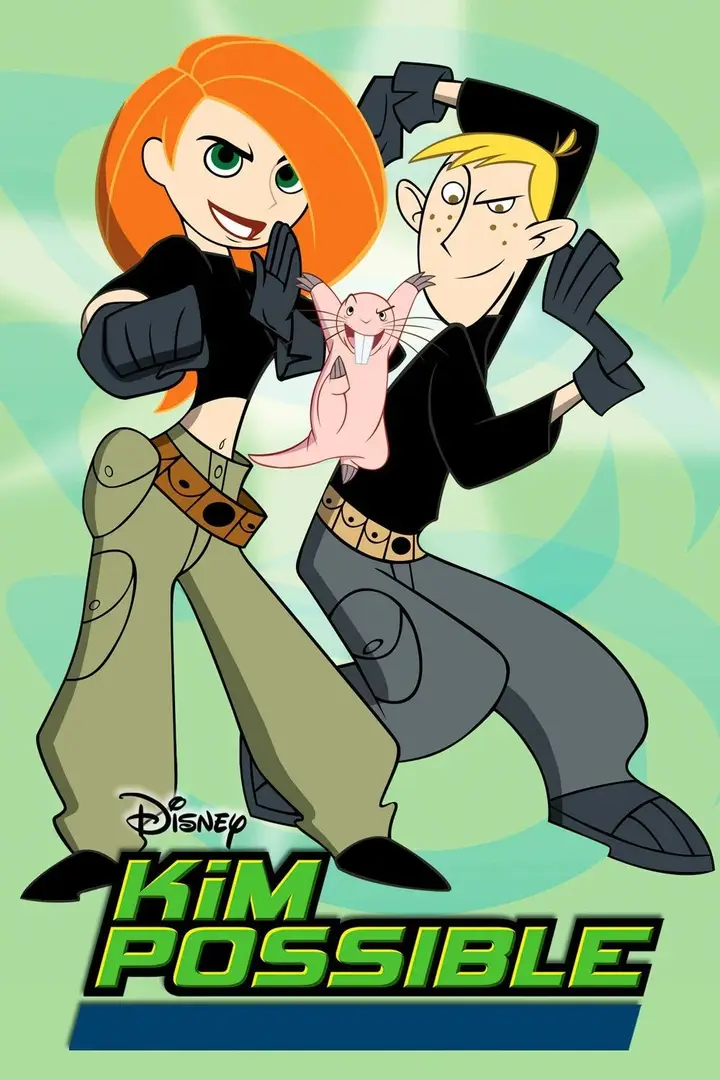
Kim Possible
Kim’s competence on missions contrasts with the ordinary complications of school, family and friendships. Ron, Rufus and Wade make teamwork essential, while the spy parody lets action and teenage embarrassment exist in the same story.
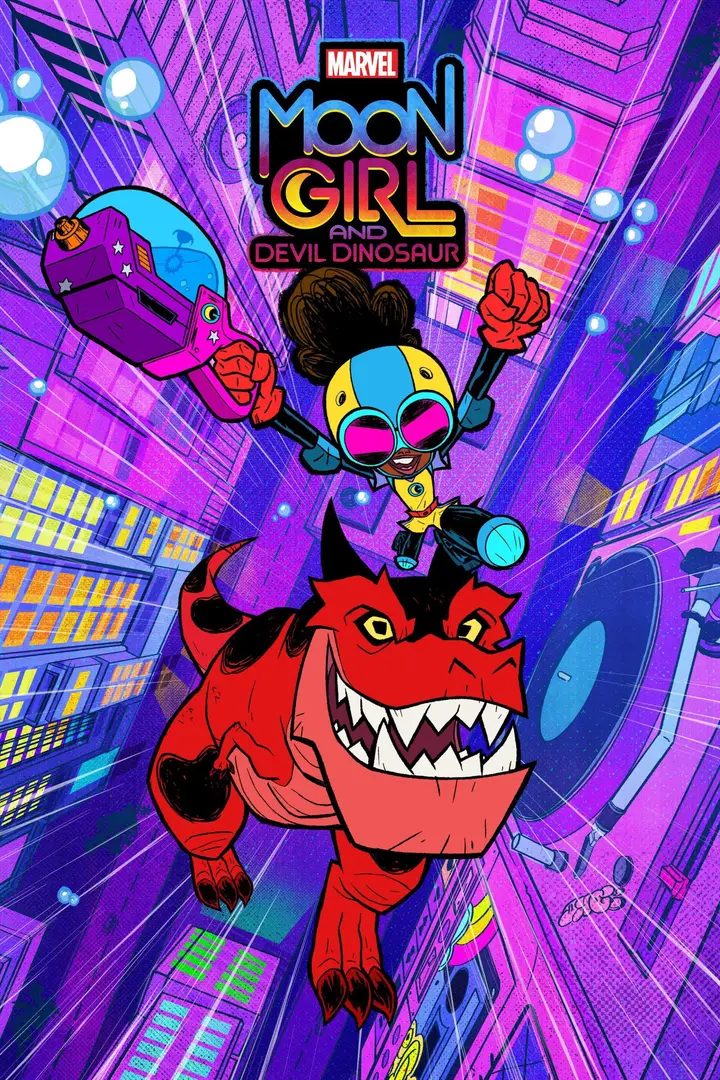
Marvel's Moon Girl and Devil Dinosaur
It grounds superhero spectacle in a specific Lower East Side family life, and lets its genius protagonist be brilliant yet fallible, giving mistakes as much narrative weight as her inventions.
Moomin (1990)
It treats family and friendship as stable ground while letting its world stay genuinely strange, funny, and occasionally melancholy, rewarding thoughtful viewers of any age.
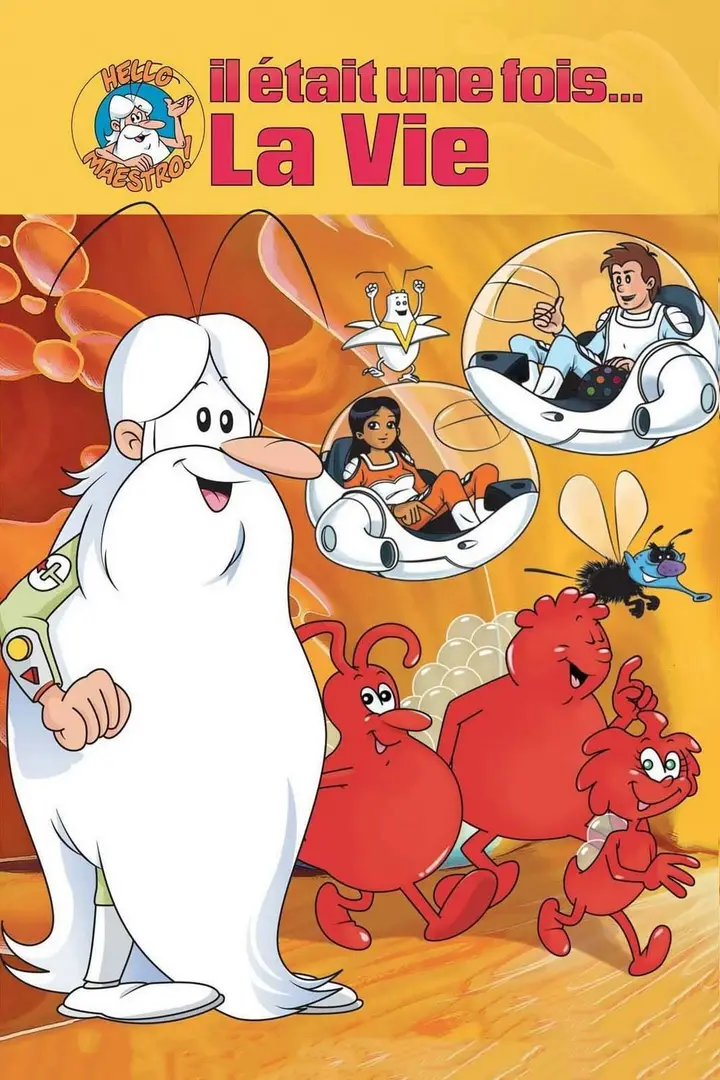
Once Upon a Time... Life
Cells, organs and microbes become characters inside the body, turning invisible biological processes into clear visual stories. Digestion, circulation, immunity and growth gain memorable cause-and-effect structure while preserving the scientific idea.
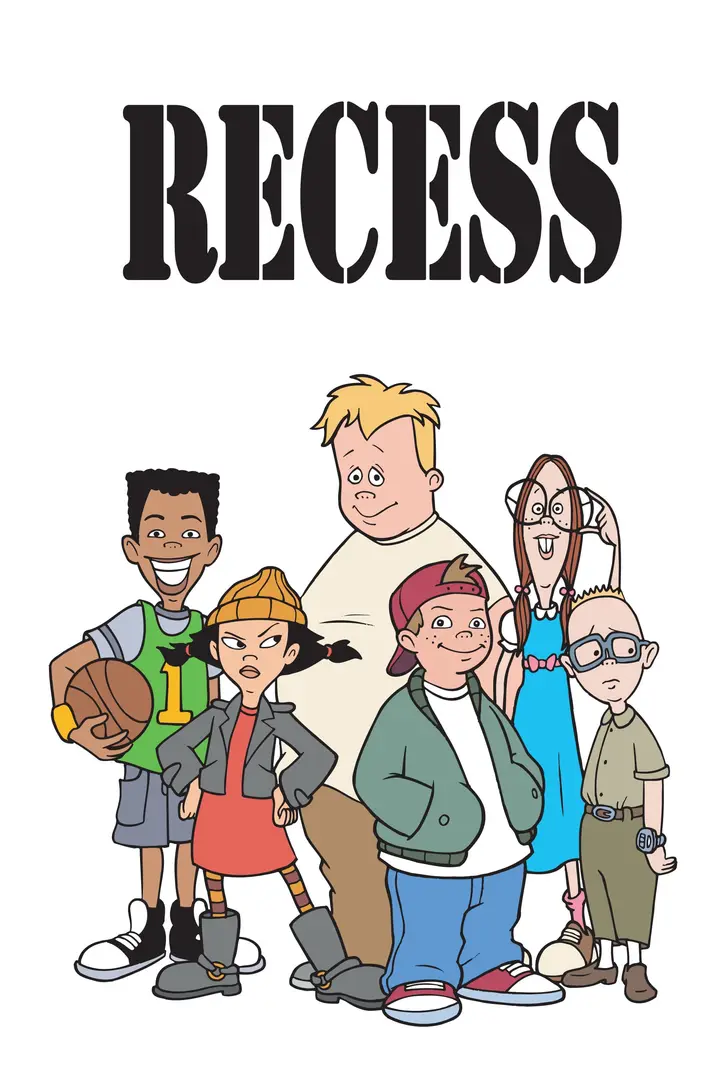
Recess
The playground operates like a miniature society, giving everyday school conflicts clear rules, alliances and consequences. T.J. and his friends solve problems through negotiation, loyalty and teamwork, making social dynamics feel important without losing the comedy.
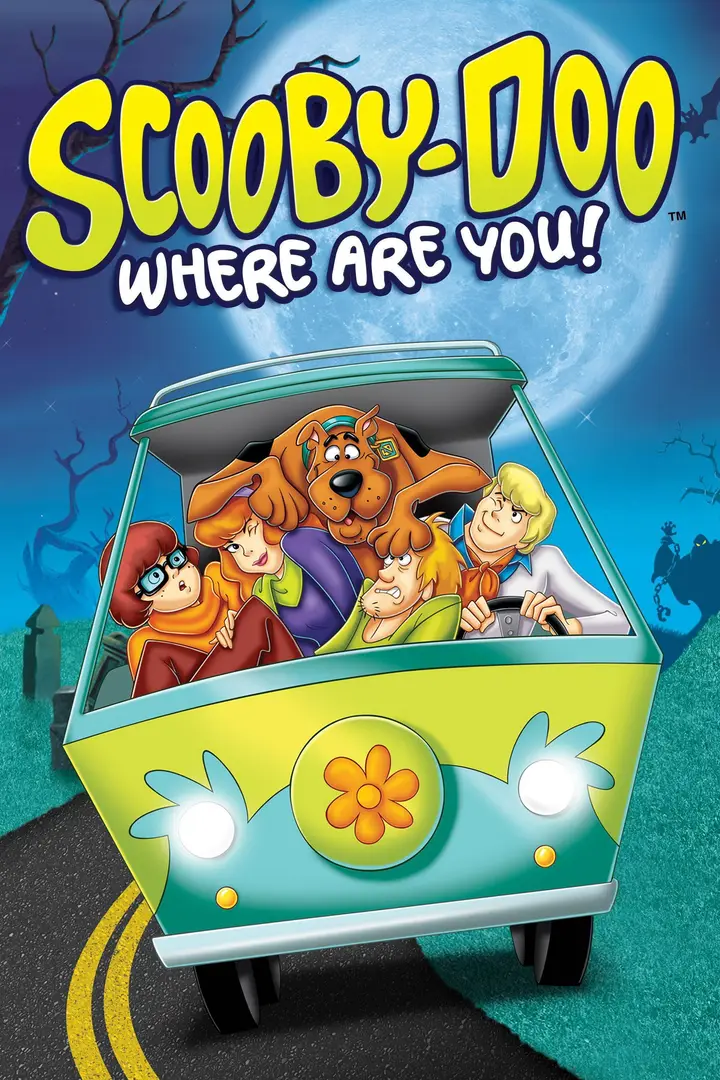
Scooby-Doo, Where Are You!
A reliable mystery structure gives children clues to follow before the final reveal, while Scooby and Shaggy keep the spooky material playful. Repetition helps young viewers learn how suspense, disguise and deduction work together.
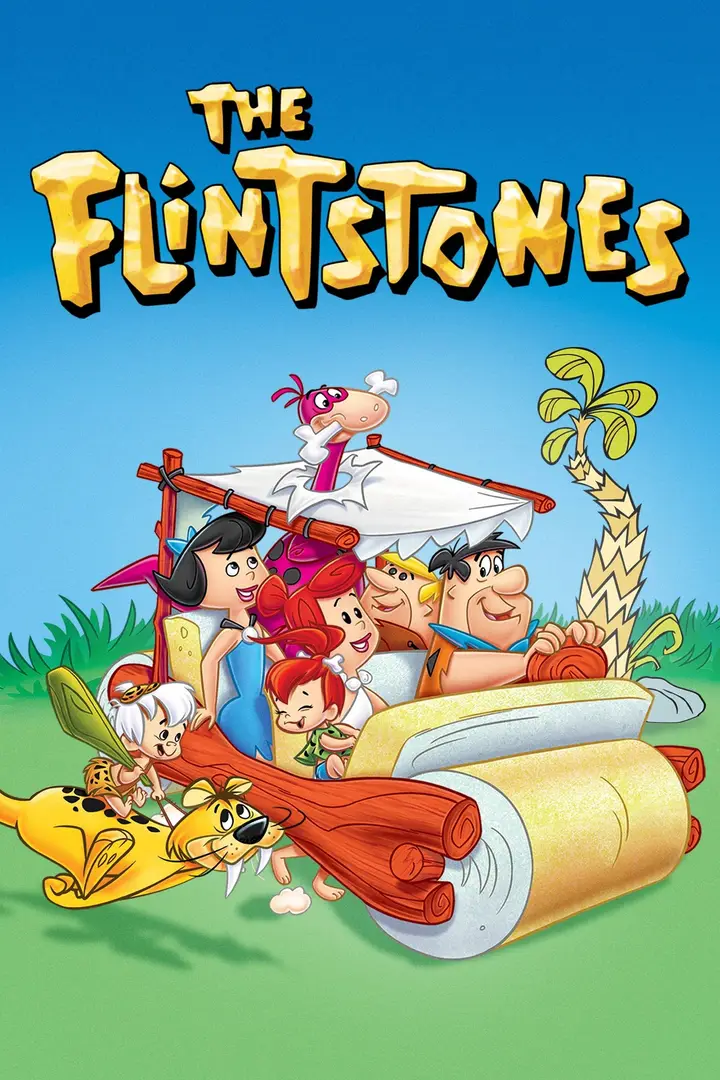
The Flintstones
Bedrock turns familiar family routines into Stone Age comedy through animal-powered appliances, rocky technology and Fred’s overconfident schemes. The domestic setup gives children an easy entry point while the prehistoric inventions supply the comic hook.

The Pink Panther Show
Minimal dialogue puts timing, visual invention and comic cause-and-effect at the center. The Pink Panther’s calm improvisation contrasts with increasingly absurd obstacles, making the short cartoons easy to follow across languages and ages.
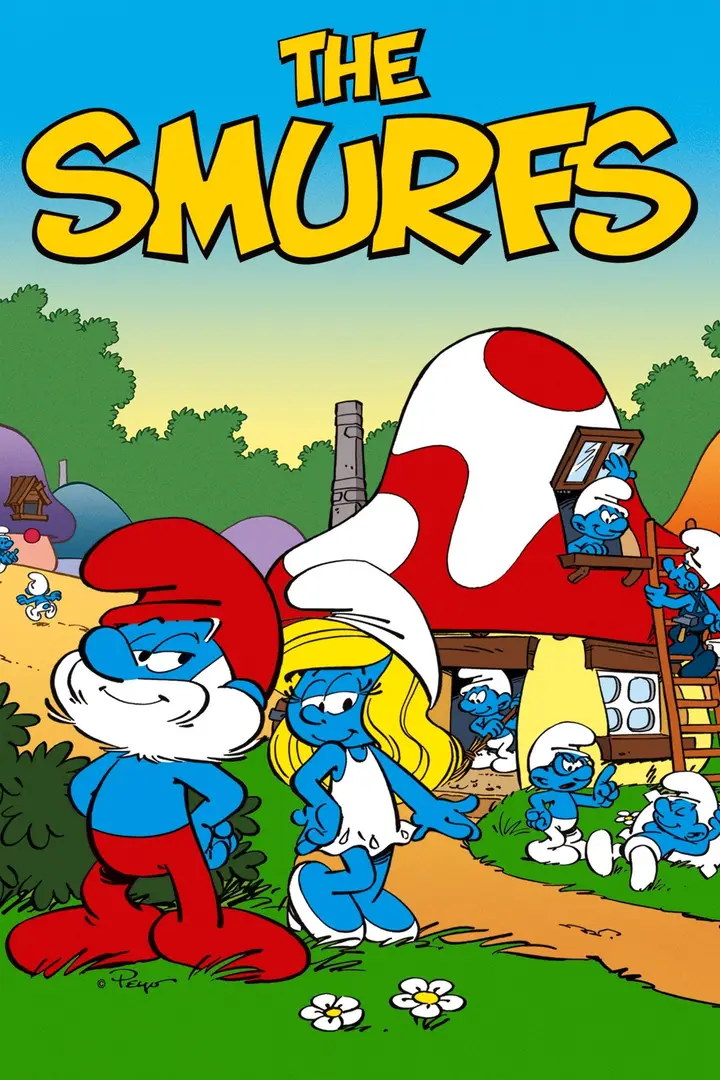
The Smurfs
A village full of sharply defined personalities turns small weaknesses into clear comic problems. Gargamel provides recurring fantasy danger, while Papa Smurf and the community repeatedly bring the story back to cooperation and repair.
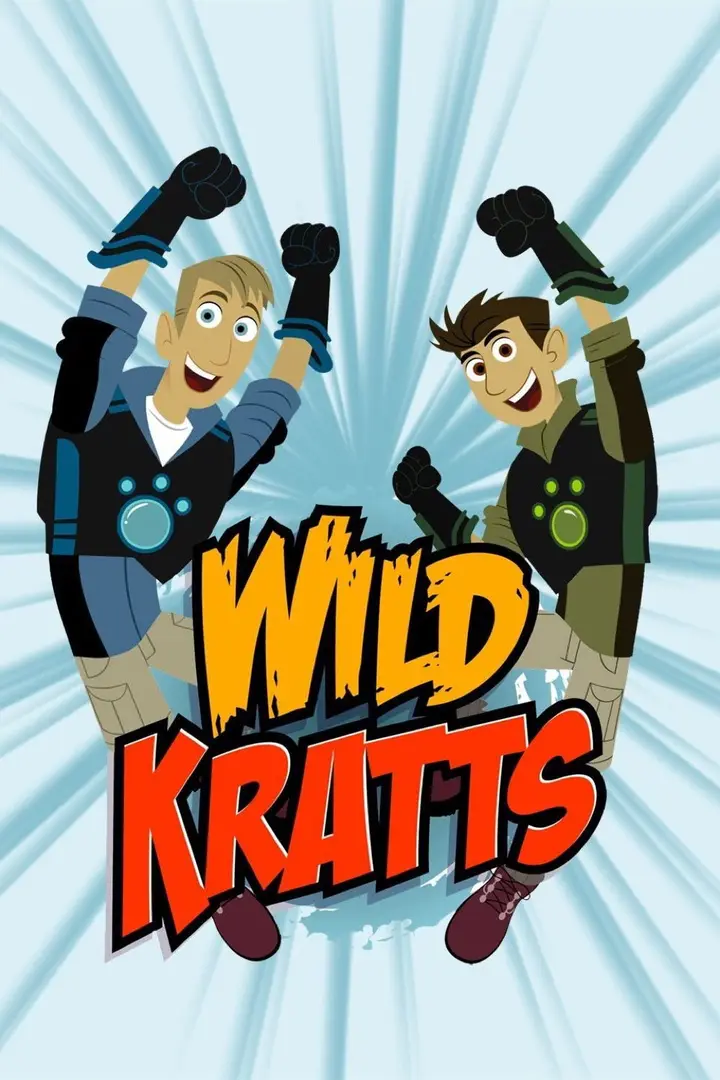
Wild Kratts
Creature Power suits turn real animal adaptations into adventure tools, making biology visible and memorable. Chris and Martin connect habitats, behavior and conservation to practical missions, so facts are learned through action instead of detached explanation.
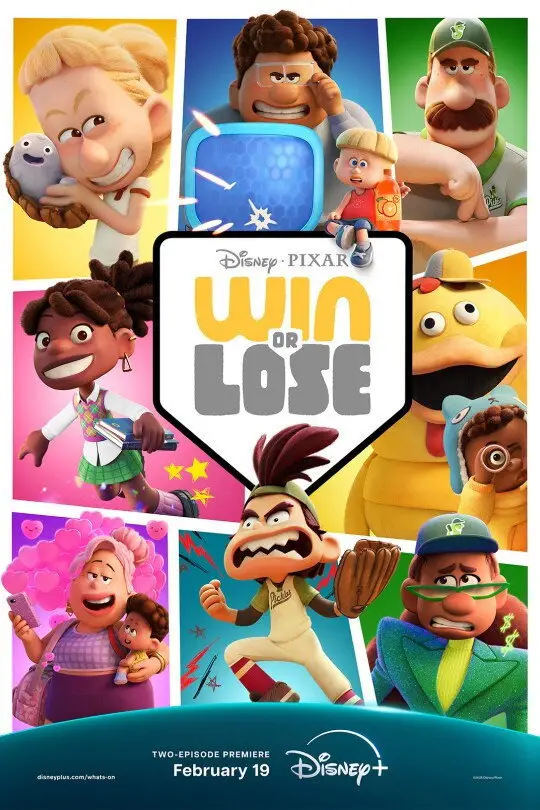
Win or Lose
Retelling the same softball week from a different character's perspective each episode shows vividly how little we actually know about what someone else is feeling or fearing.
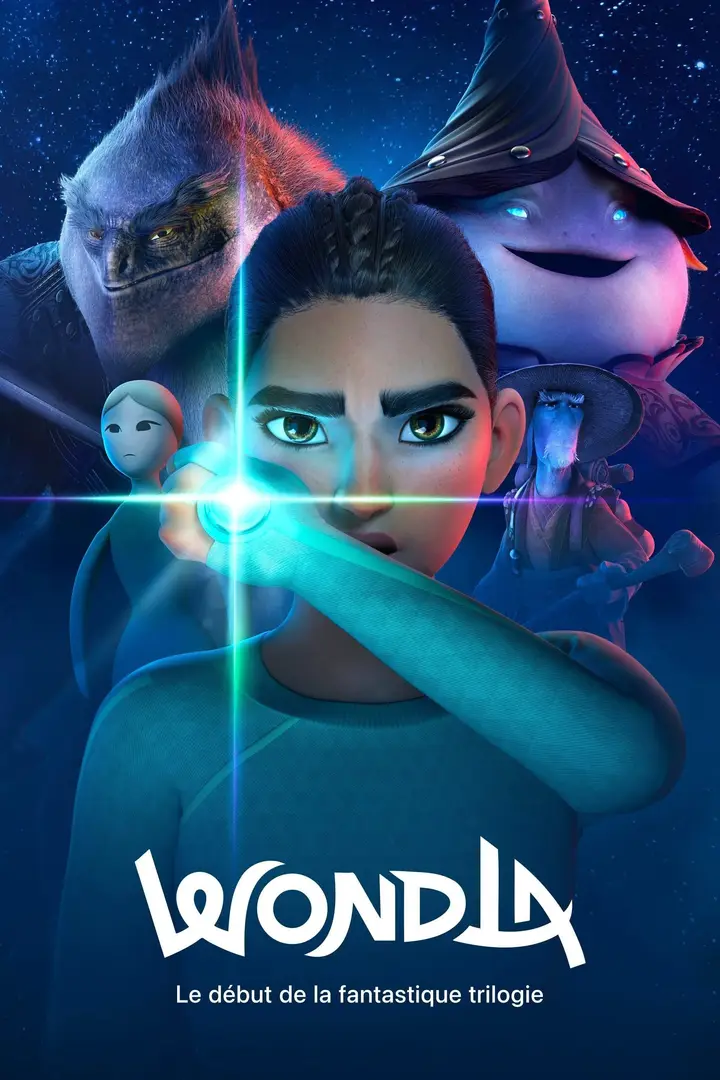
WondLa
Eva's forced exit from an isolated underground life into a truly unfamiliar world gives a science-fiction adventure real emotional stakes about identity and who to trust when everything changes.
Animation with depth for older kids & teens
Ambitious anime, layered fantasy, mysteries, demanding emotions and richer character journeys. Some choices include intense peril, violence, grief or mature subjects and are not intended for younger children.
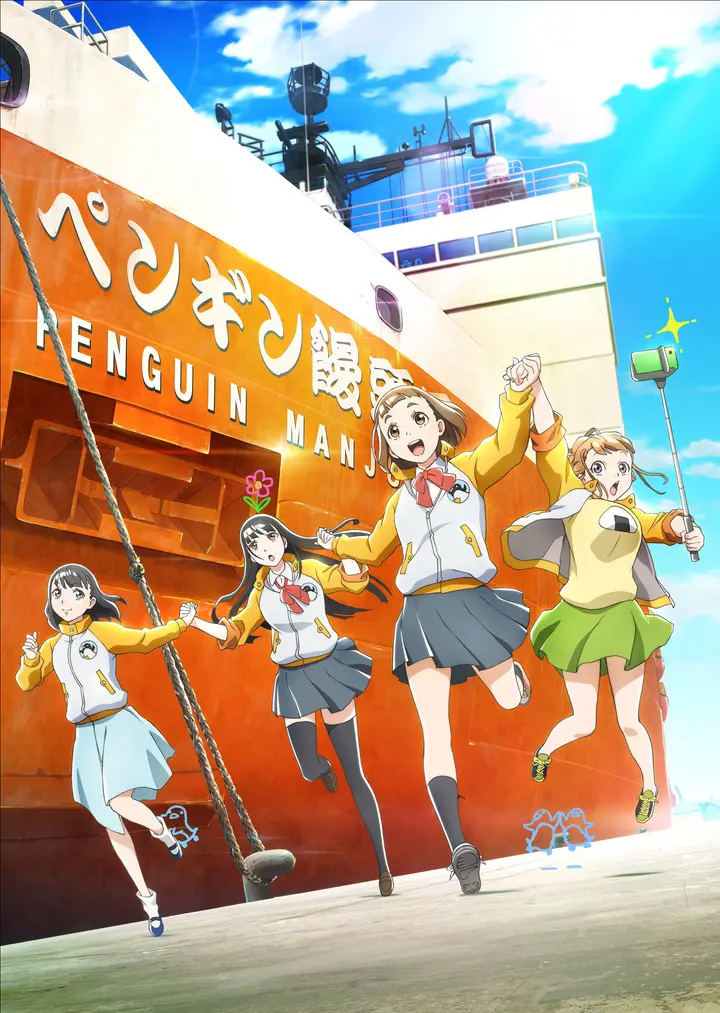
A Place Further Than the Universe
The Antarctic goal gives the series a concrete destination, but the real strength is watching four girls plan, fail, adapt and commit to going together. Detailed preparation and believable friendships make the achievement feel earned instead of inspirational by default.
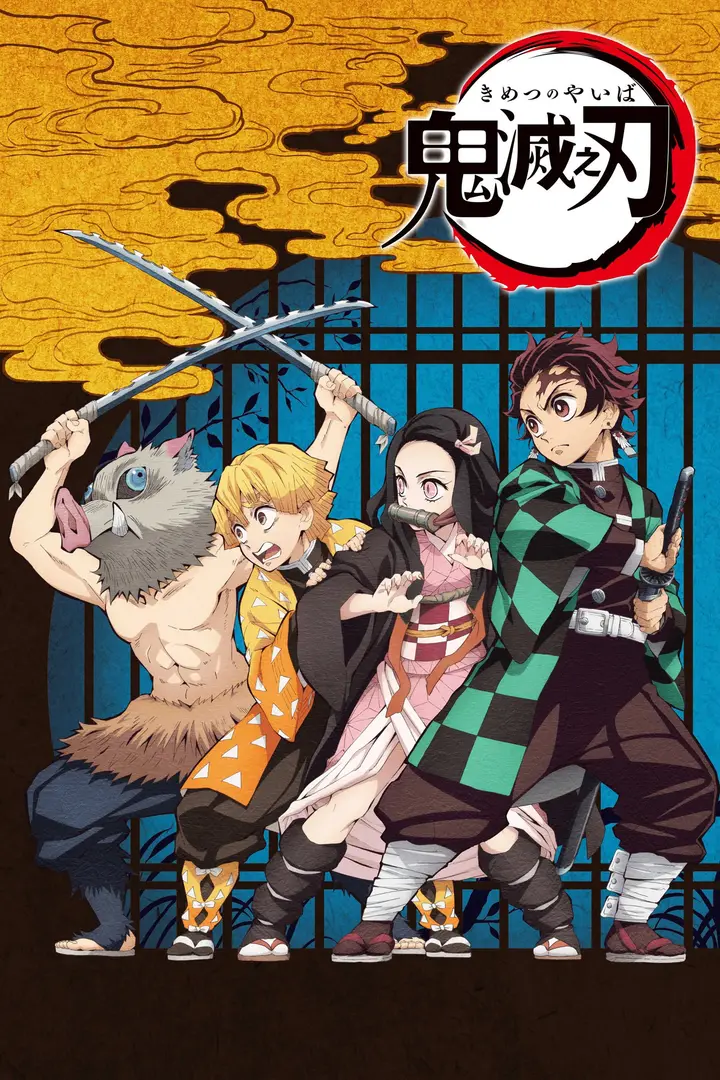
Demon Slayer: Kimetsu no Yaiba
Tanjiro’s loyalty to Nezuko gives the spectacular battles a strong personal anchor, while compassion toward defeated demons adds dimension to the action. The series balances training, family bonds and increasingly dangerous enemies across a clear serialized journey.
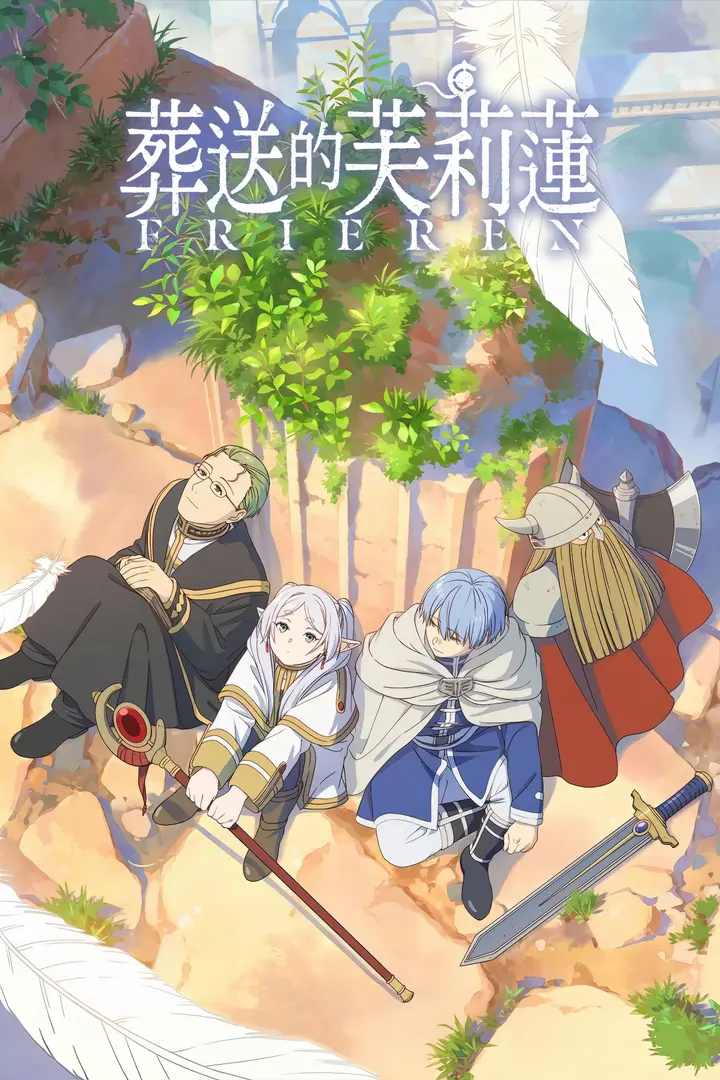
Frieren: Beyond Journey's End
Fantasy adventure gains unusual depth through memory, time and the difference between human and elven lifespans. Frieren’s new journey gives past relationships new meaning, while younger companions keep the story moving beyond reflection alone.
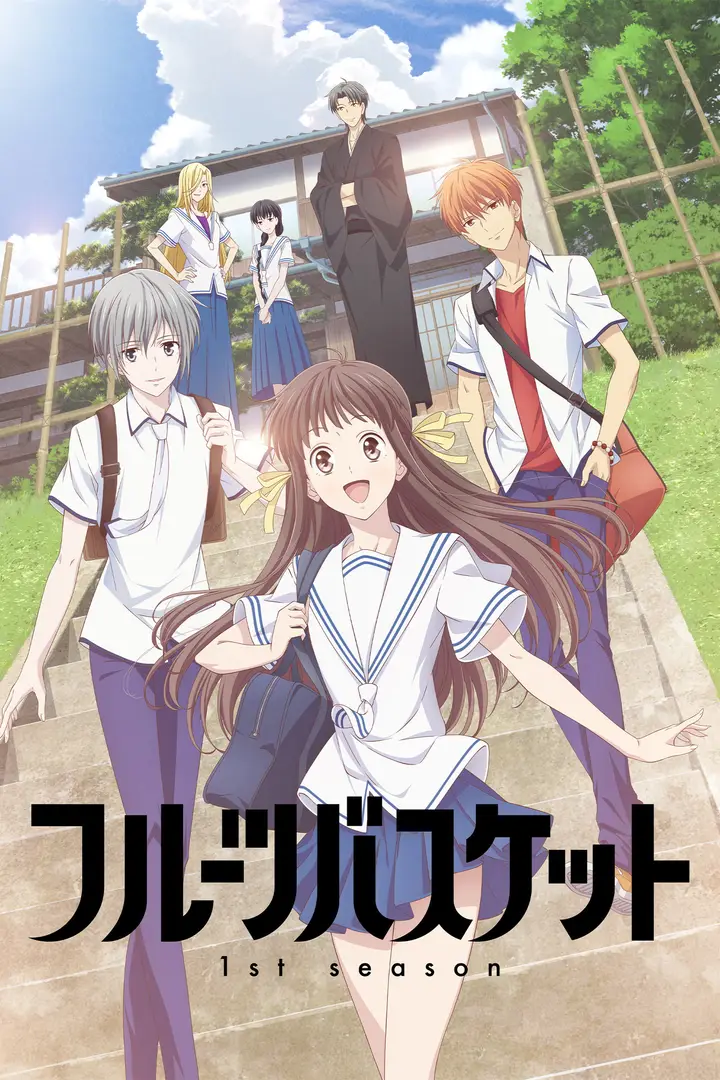
Fruits Basket (2019)
A warm supernatural premise gradually opens into a substantial family drama about control, abuse, loneliness and recovery. Tohru’s empathy matters because change takes time; kindness supports people without functioning as an instant solution to their problems.
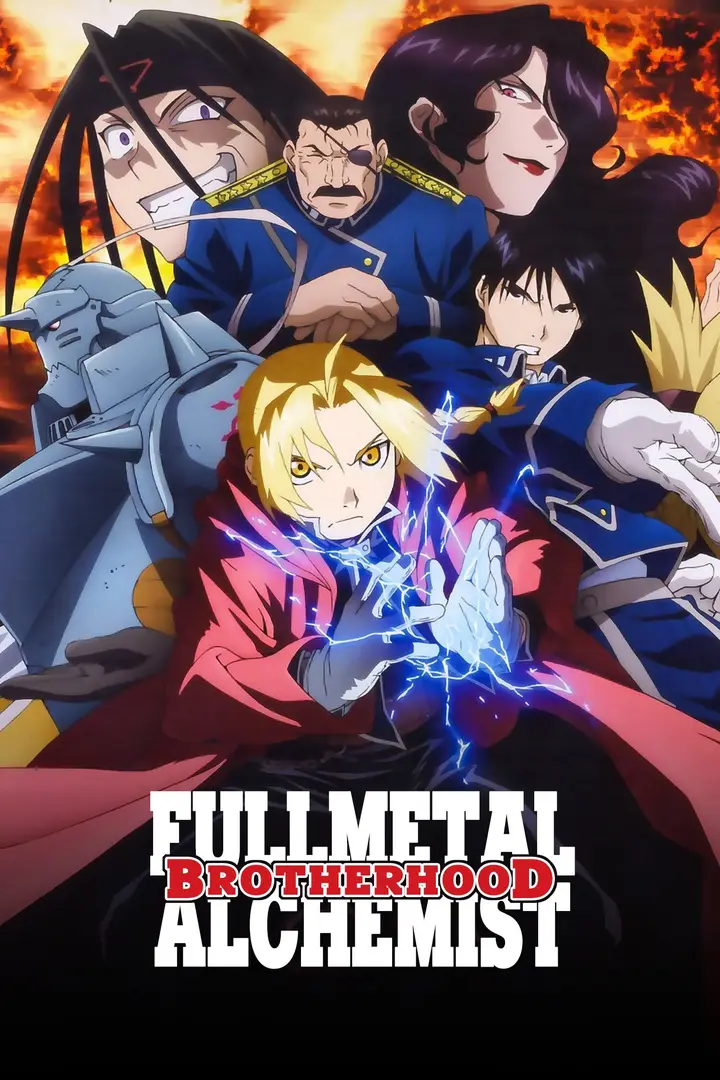
Fullmetal Alchemist: Brotherhood
Tightly connected plotting lets action, politics, alchemy and character choices build toward one coherent long-form story. Edward and Alphonse’s search stays personal while the wider narrative examines war, prejudice, sacrifice and the misuse of power.
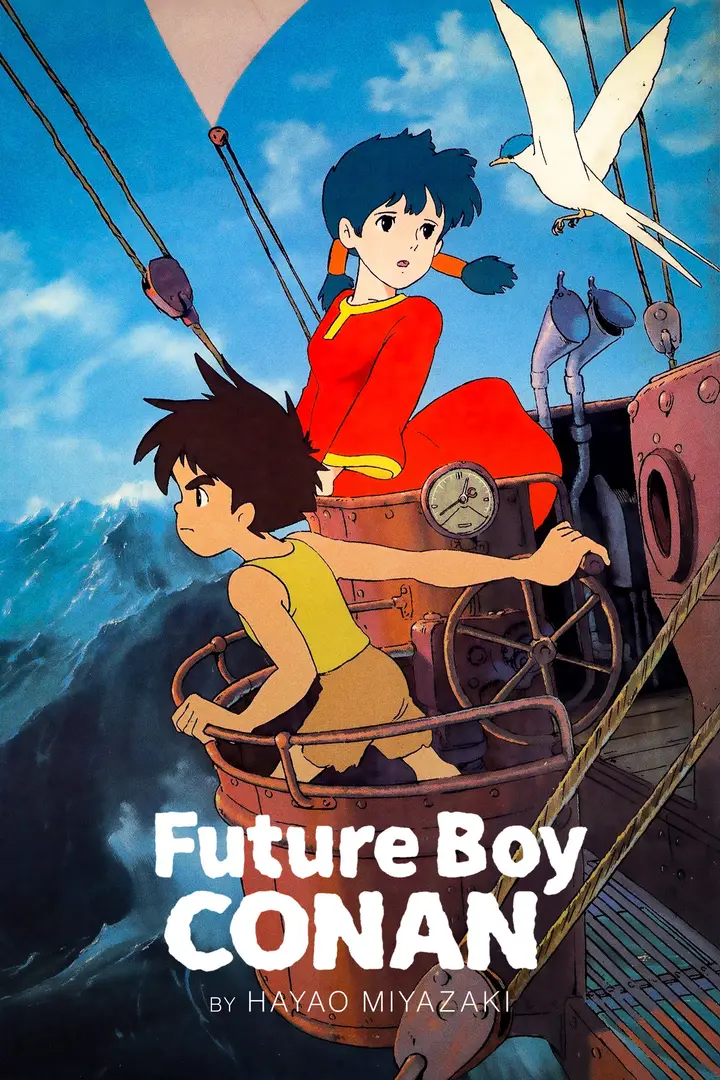
Future Boy Conan
Conan combines large-scale adventure with ecological ideas, political conflict and a hero defined by loyalty as much as physical courage. The ruined world creates real stakes, but the story keeps returning to cooperation, rebuilding and the possibility of a better future.

Haikyu!!
Matches stay exciting because tactics, positioning and small improvements matter as much as athletic talent. The series gives teammates and opponents clear goals, making practice, setbacks and cooperation feel consequential without relying on fantasy powers or violent stakes.
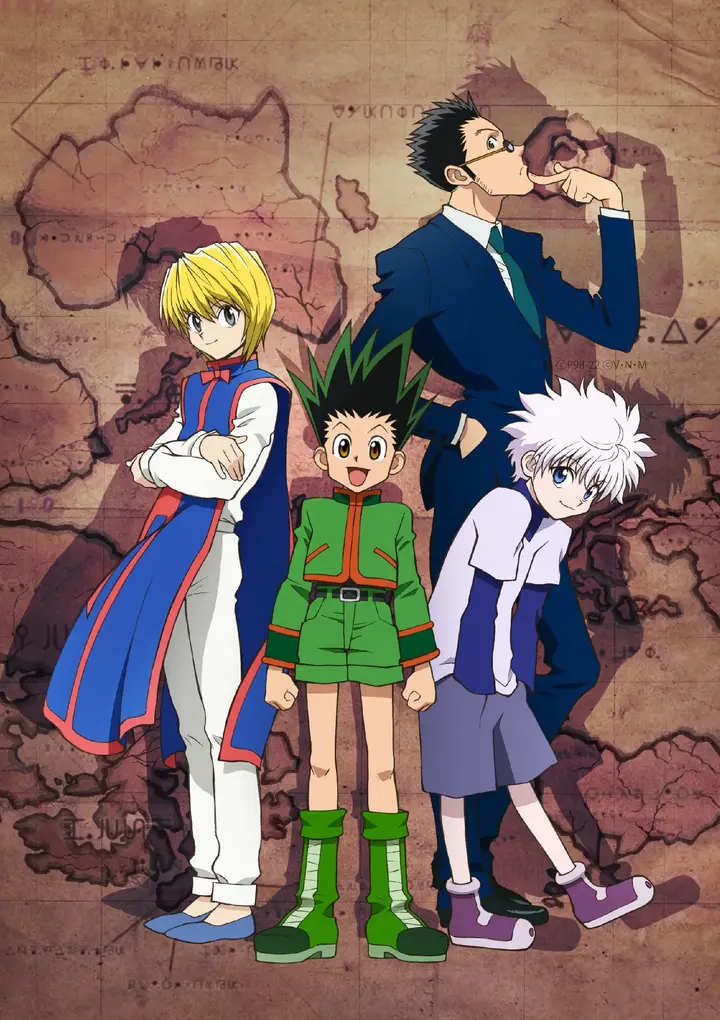
Hunter x Hunter (2011)
Strategy, character growth and shifting tone give the series exceptional range. What begins as a youthful adventure develops into increasingly complex conflicts, while Gon, Killua, Kurapika and Leorio provide strong personal anchors across very different arcs.
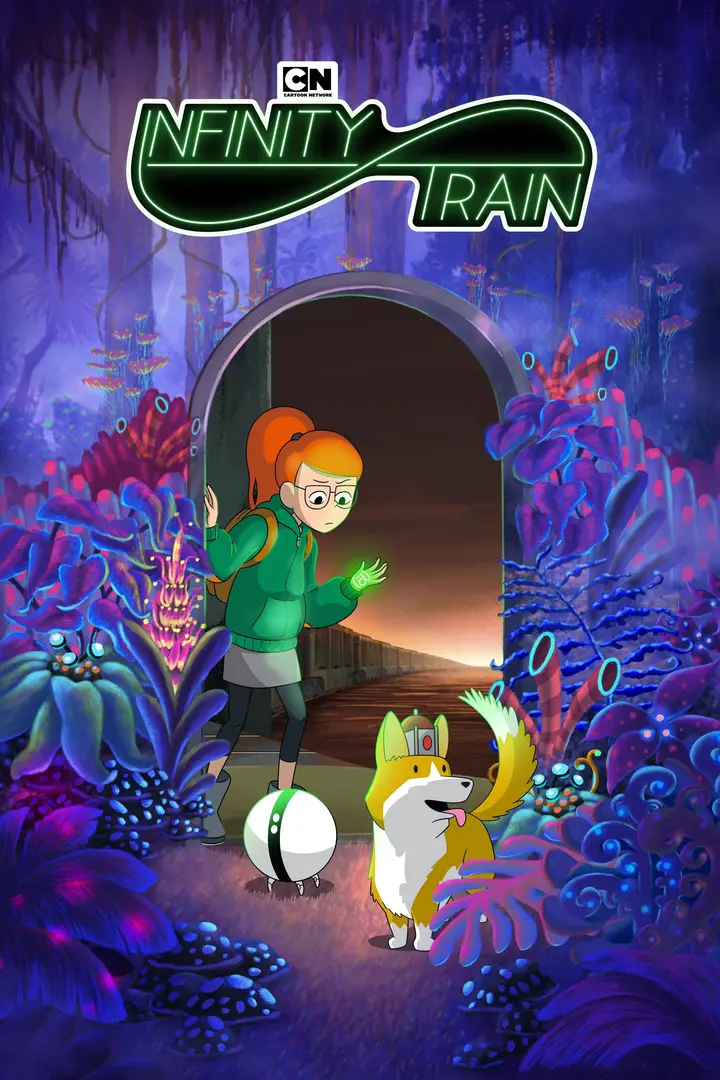
Infinity Train
Each train car becomes a separate world, but the real journey is personal. Changing numbers and new protagonists turn puzzles into a framework for grief, guilt, identity and harmful patterns that must be confronted.
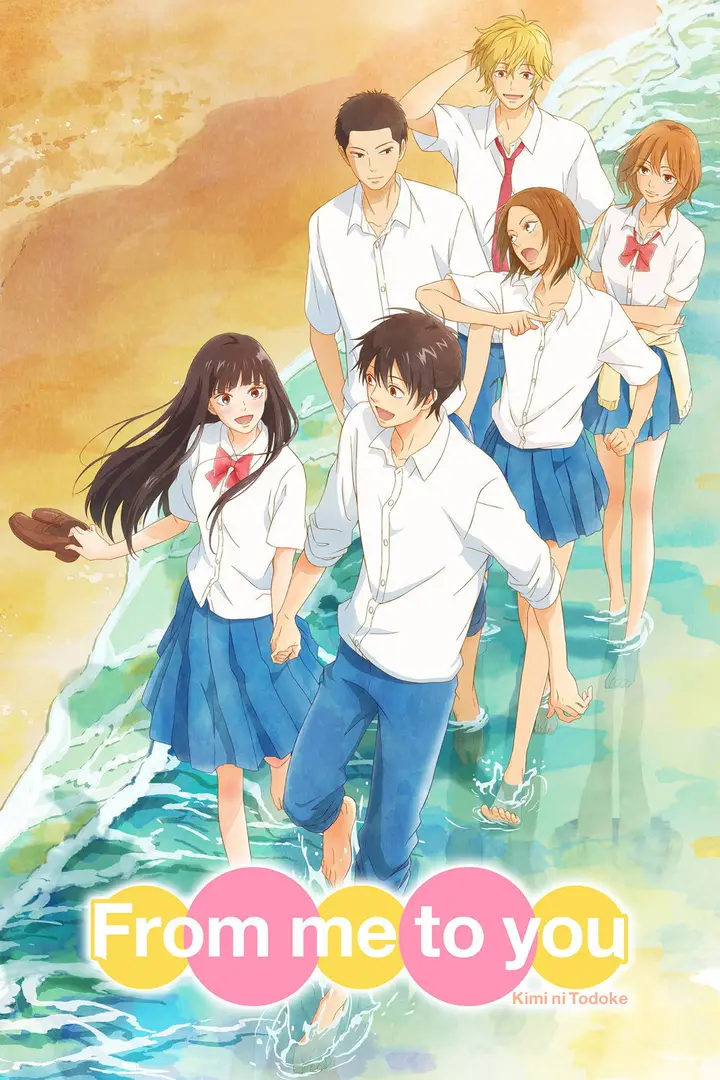
Kimi ni Todoke: From Me to You
Sawako’s growing confidence develops through sincere friendships as much as through romance. The patient school setting gives misunderstandings time to resolve through conversation and makes small social steps feel meaningful, making it an accessible first romance anime.
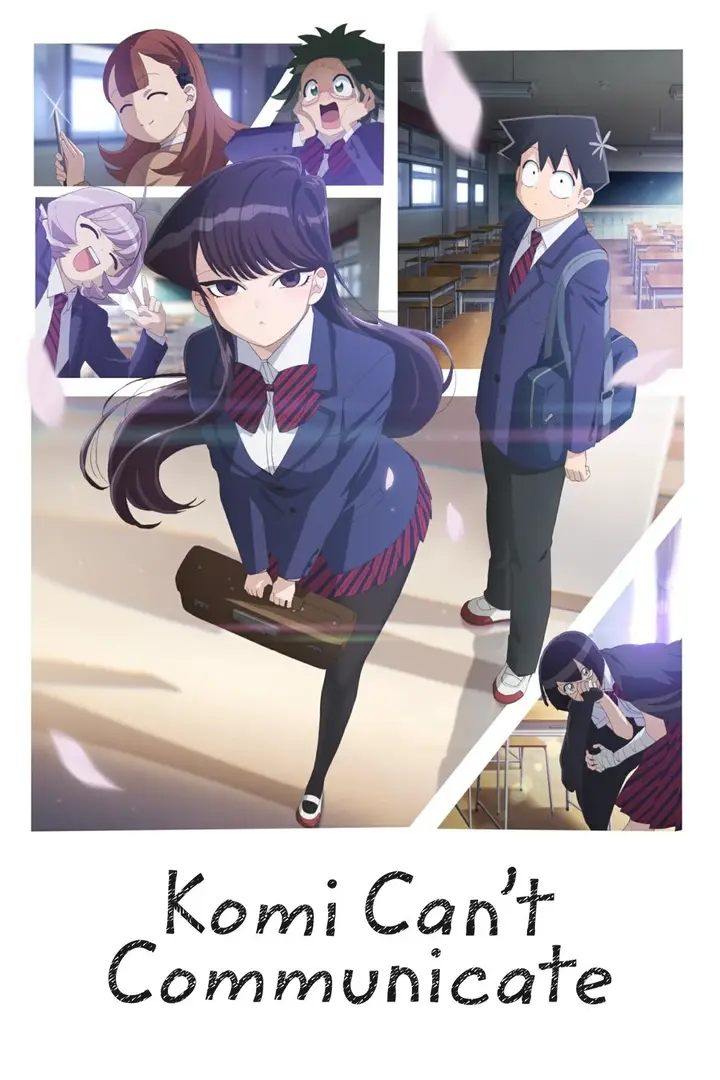
Komi Can't Communicate
Komi’s goal of making one hundred friends turns small social steps into clear progress. Exaggerated school comedy and an eccentric ensemble keep the format lively, while Tadano’s support preserves a sympathetic view of communication anxiety.
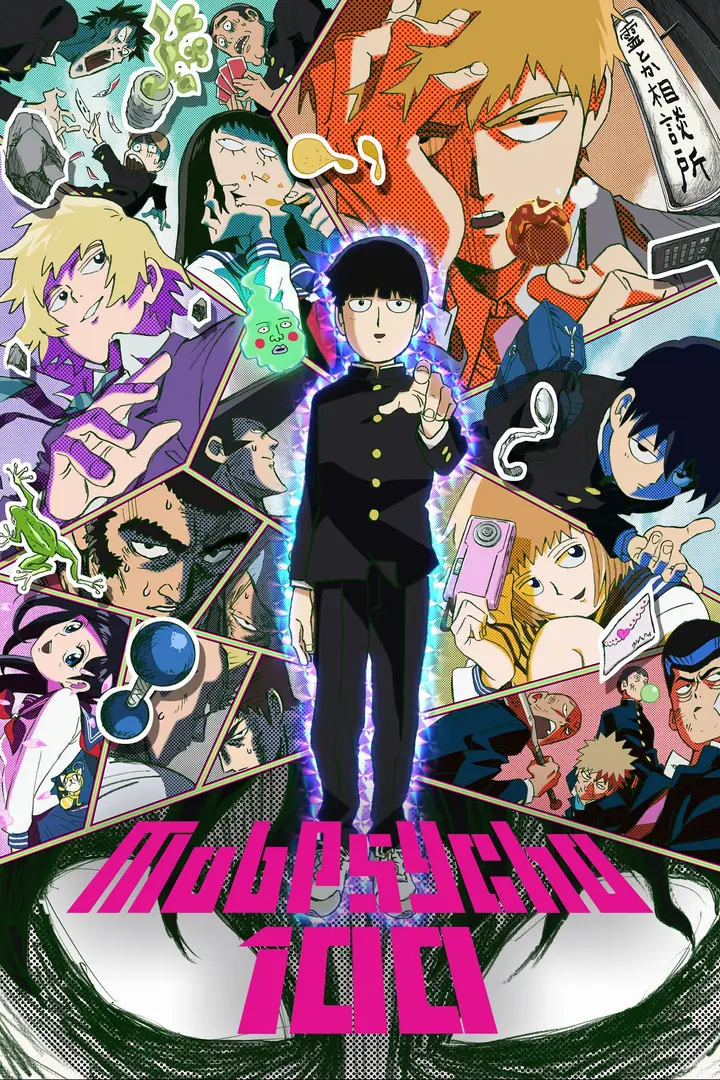
Mob Psycho 100
Mob’s overwhelming psychic power matters less than his effort to become a better, more confident person. Absurd comedy, striking supernatural action and Reigen’s influence support a thoughtful story about self-worth, choices and what actually makes someone strong.

Naruto
Naruto’s long-term growth gives the series real cumulative force: training, rivalries and team bonds build across many episodes instead of resetting. The strongest arcs connect action to loneliness, loyalty and perseverance, giving the ninja world a solid character foundation.

One Piece
Huge world-building stays coherent because the Straw Hat crew’s loyalty and opposition to oppression provide a consistent center. Island-by-island adventures can shift from broad comedy to serious social themes while still contributing to one enormous journey.
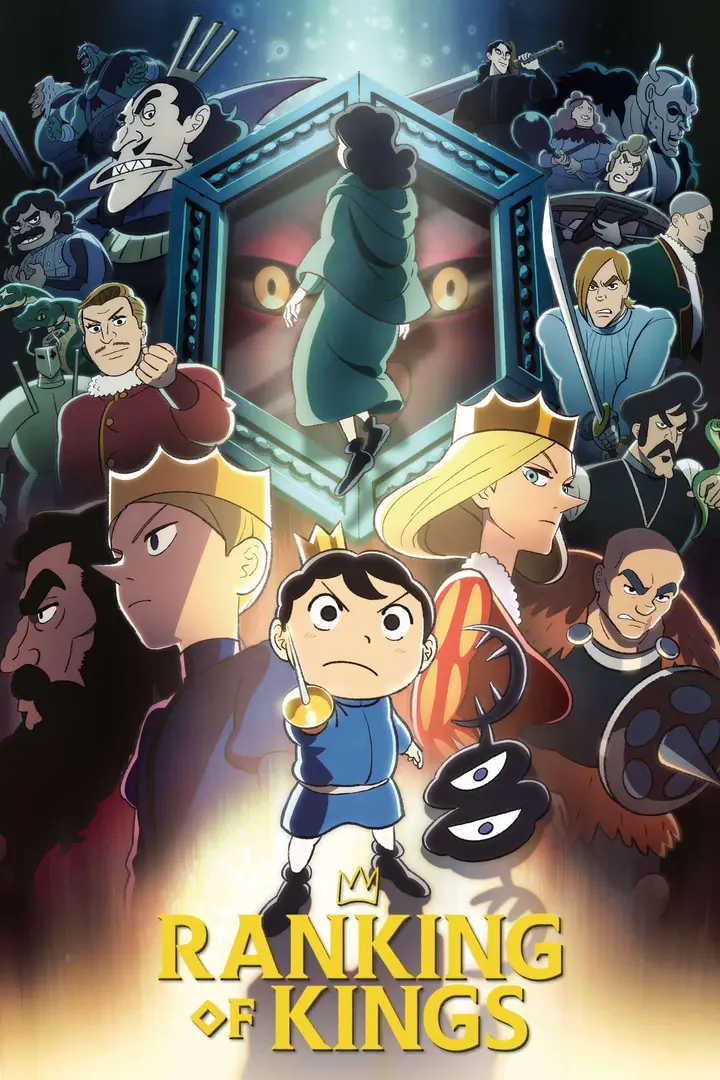
Ranking of Kings
Bojji’s determination and compassion turn a fairy-tale kingdom into a story about how strength is judged and who gets underestimated. Political secrets, family loyalties and shifting alliances add depth without losing sight of his personal journey.
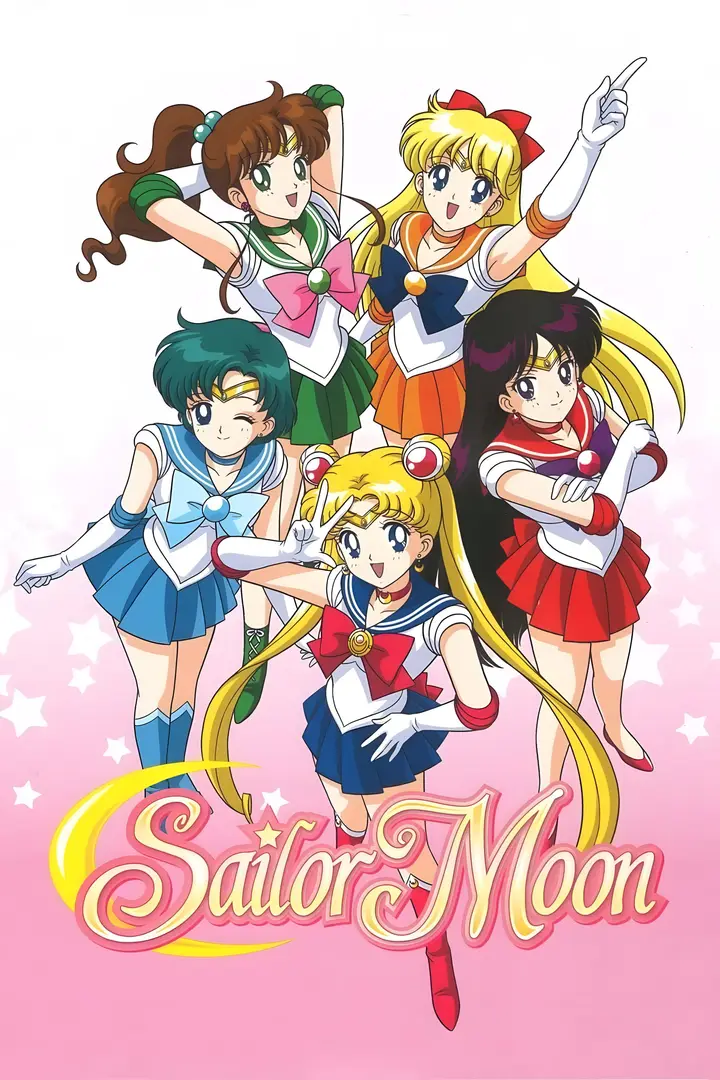
Sailor Moon
Magical battles, school comedy and an expanding team of Sailor Guardians give the series both episodic fun and long-form continuity. Friendships and group dynamics grow alongside the fantasy plot, which helps the larger story arcs carry weight.

Samurai Jack
Sparse dialogue and cinematic composition make Jack’s journey depend on movement, atmosphere and visual problem-solving. The future setting constantly changes around him, while his discipline and moral code give the wandering adventure a stable center.
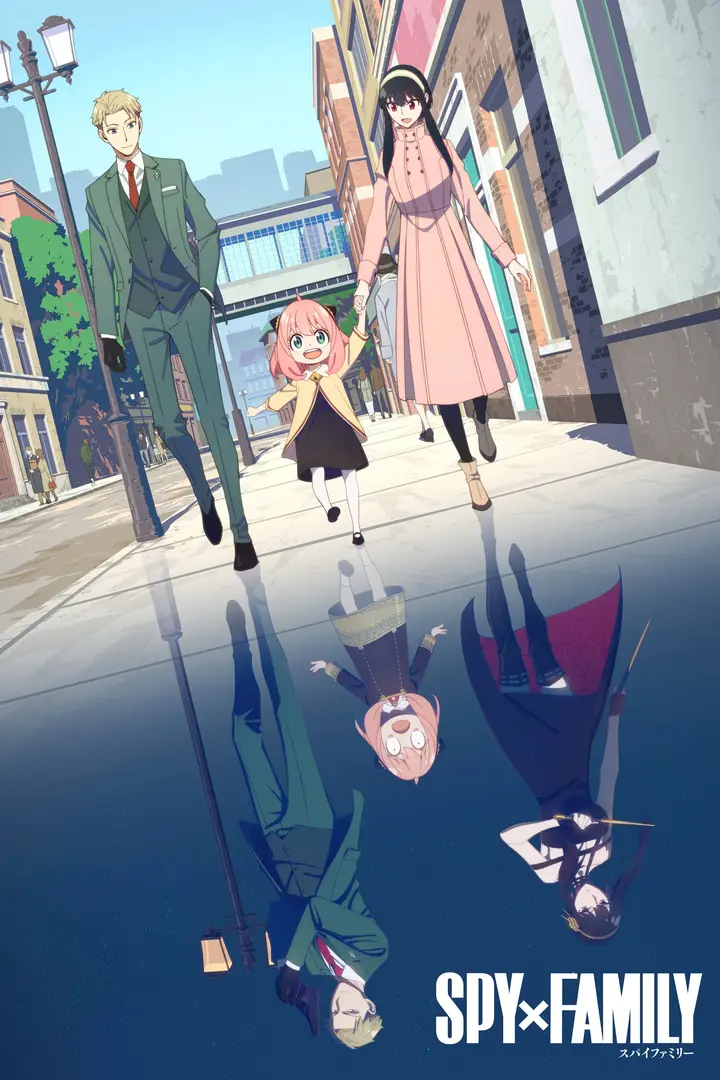
Spy x Family
Espionage, school comedy and domestic life reinforce each other instead of competing for attention. The hidden identities create constant comic tension, while Anya’s perspective and the growing bond between the Forgers give the action a warm, character-driven center.

The Apothecary Diaries
Maomao solves palace mysteries through observation, medical knowledge and skepticism instead of combat. Poisoning cases, social detail and court politics give her intelligence practical consequences and make the series a strong choice for viewers who enjoy deduction.
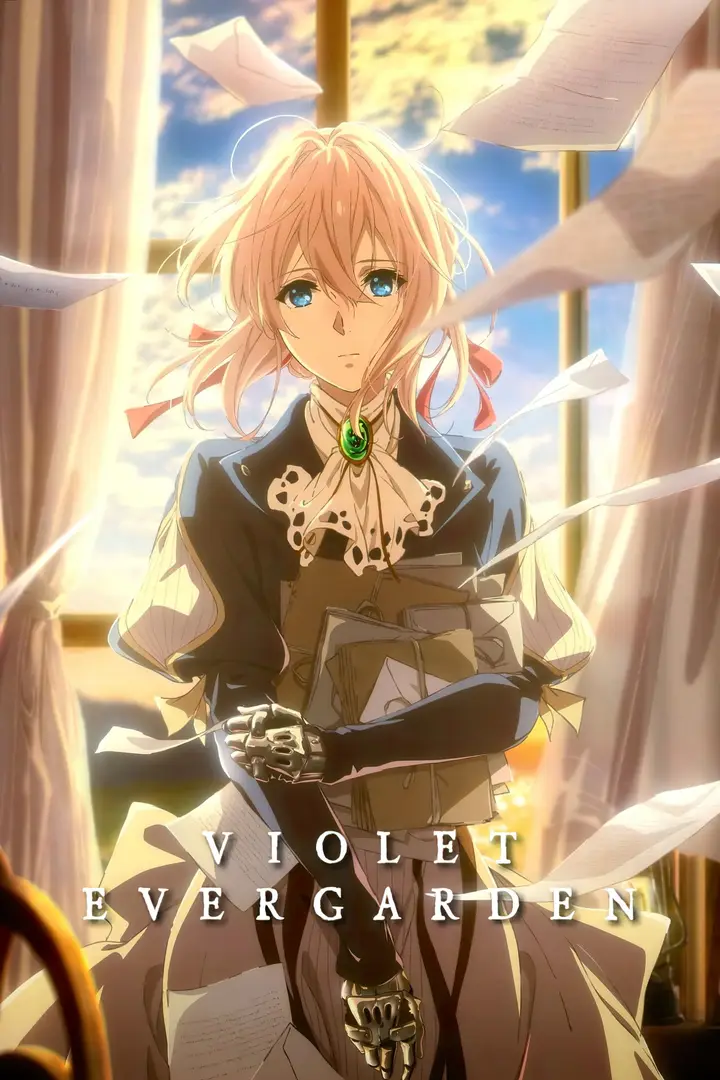
Violet Evergarden
Letter writing becomes a way to examine grief, love and memory as Violet learns to understand feelings she once could not name. Each assignment adds another perspective on loss while moving her own recovery forward.

Blue Period
Art becomes both personal expression and disciplined work as Yatora learns through practice, critique and repeated failure. The series gives creative ambition practical detail, making it especially useful for teens thinking seriously about talent, study and improvement.
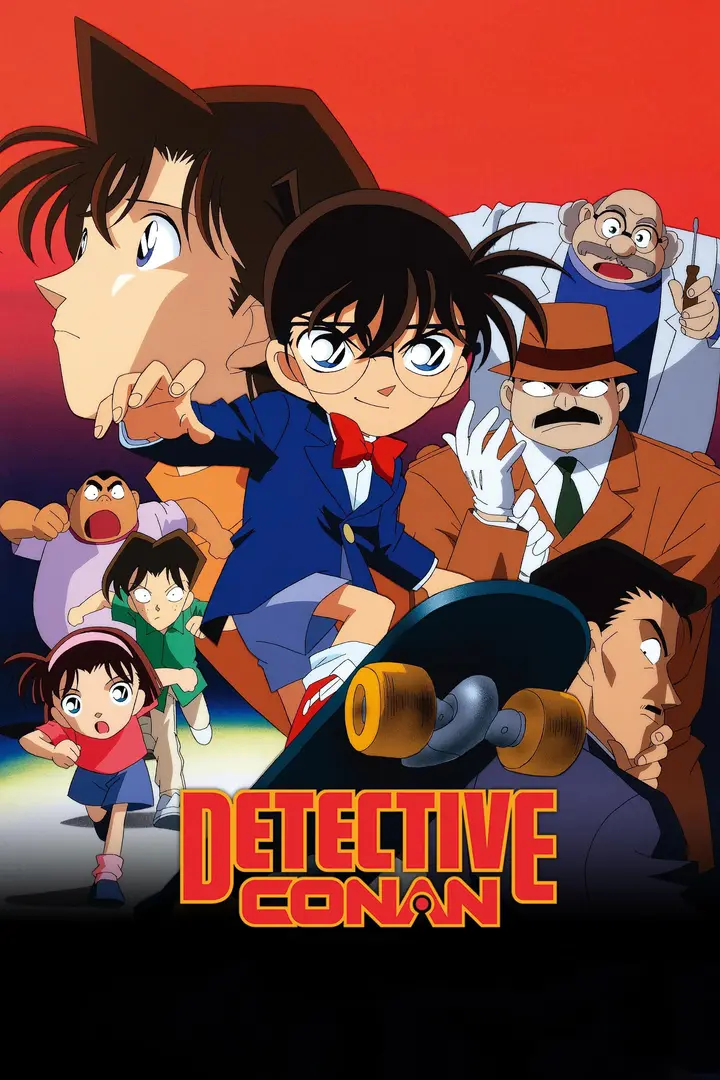
Case Closed / Detective Conan
Hundreds of cases sustain the series through logic, observation and puzzle construction, while Conan’s hidden identity supports a longer conspiracy. Locked-room mysteries, disguises and recurring clues make it especially rewarding for viewers who enjoy deduction.
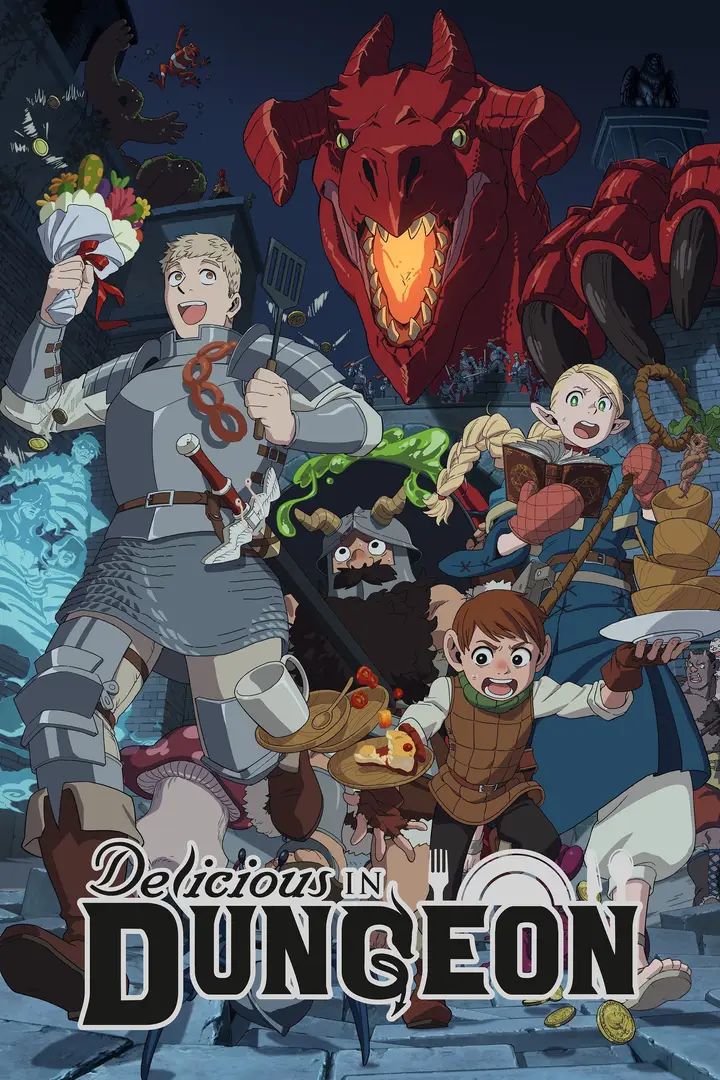
Delicious in Dungeon
Monster cooking begins as inventive fantasy comedy and expands into detailed world-building about ecology, magic and the dungeon itself. Strong group chemistry keeps the unusual food premise character-driven while the larger rescue mission steadily deepens.
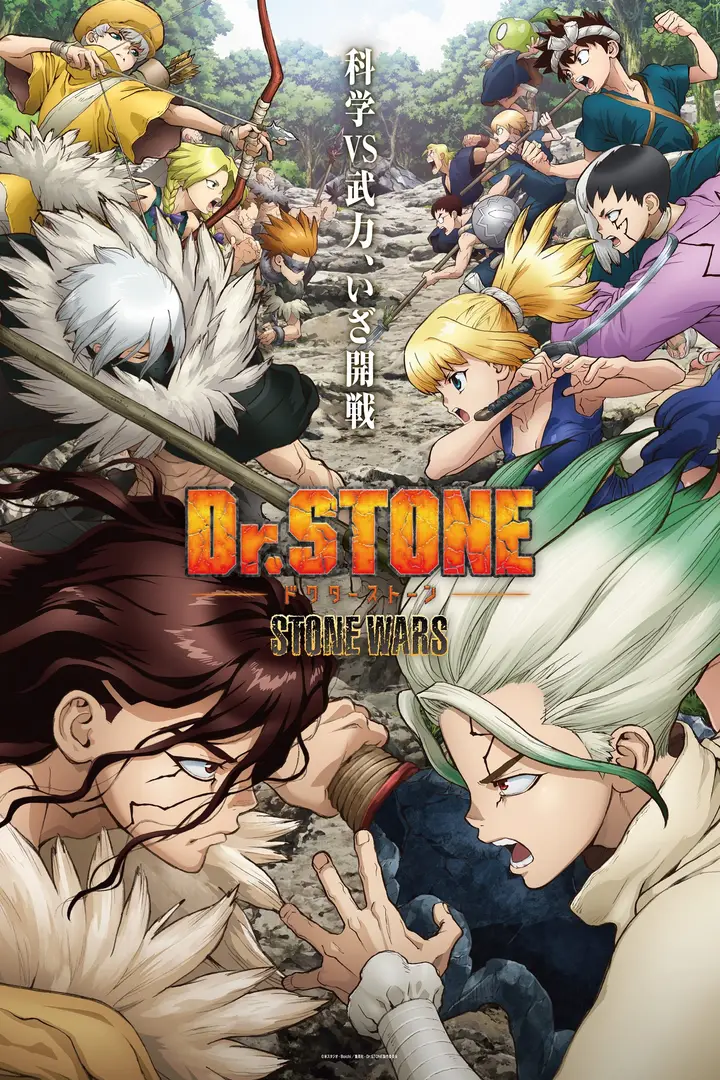
Dr. Stone
Chemistry, physics, engineering and medicine become tools for solving concrete problems, so scientific thinking drives the adventure instead of sitting beside it. Senku’s inventions give each arc a clear payoff and make curiosity central to the series’ momentum.
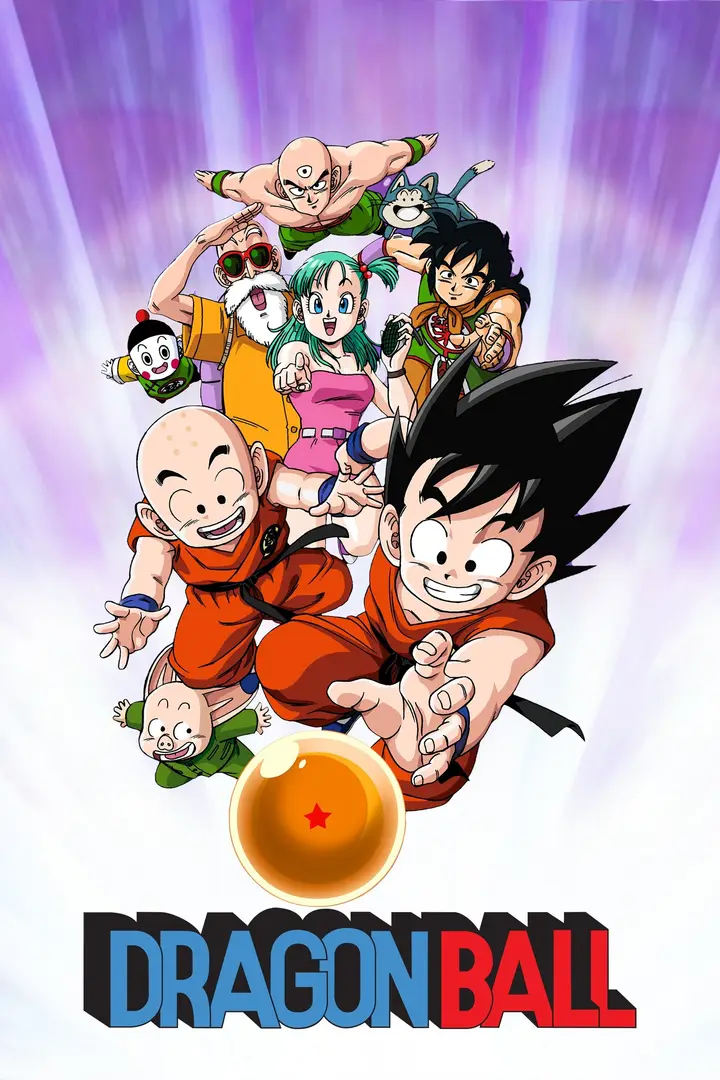
Dragon Ball
Exploration, martial-arts training and an eccentric supporting cast give early Dragon Ball a sense of discovery that later battle-focused series often lose. Goku’s curiosity and constant improvement keep the adventure moving while gradually expanding the world around him.
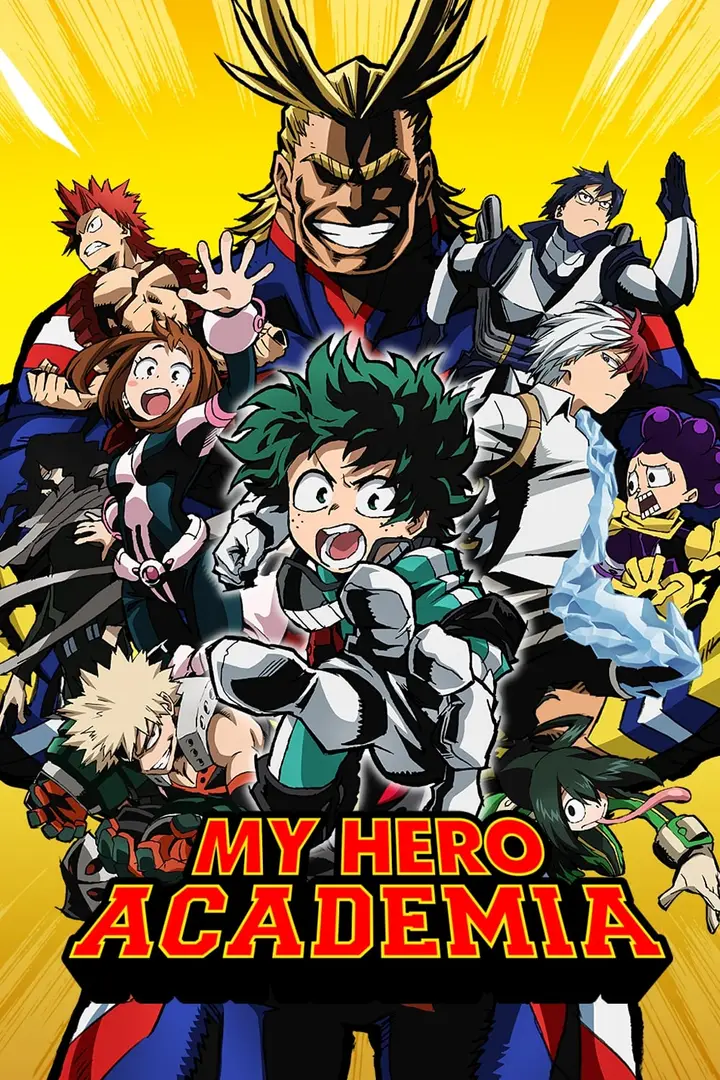
My Hero Academia
A clear school structure makes a large superhero cast easy to follow while training and teamwork give character growth visible milestones. Izuku’s progress keeps responsibility and the meaning of heroism connected to the escalating action.


