
Best 2010s TV Shows for Kids & Families
Gravity Falls, Adventure Time, Hilda, Trollhunters, The Dragon Prince, and more from the decade streaming reshaped family TV.
Best 2010s TV Shows for Kids & Families
The 2010s changed where families watched TV, not the need to find shows worth watching. Gravity Falls, Adventure Time, The Legend of Korra, Hilda, Trollhunters, and The Dragon Prince built ambitious fantasy worlds and continuing stories, while younger children had an enormous range of preschool choices. TFFC brings the decade's strongest family options into one broad guide with age guidance, without artificially separating streaming from traditional television. Shows are ordered by first-air year so the shift in children's TV is easy to follow.
Find the right series
Choose one band. Results show age-relevant series approved by our editors: those whose Minimum-to-Recommended age span overlaps the band, plus individually approved favorites. The Recommended Age is a starting point, not a maximum.
More filters and sort
No series in this guide match this age.

A Place Further Than the Universe
The Antarctic goal gives the series a concrete destination, but the real strength is watching four girls plan, fail, adapt and commit to going together. Detailed preparation and believable friendships make the achievement feel earned instead of inspirational by default.
Adventure Time
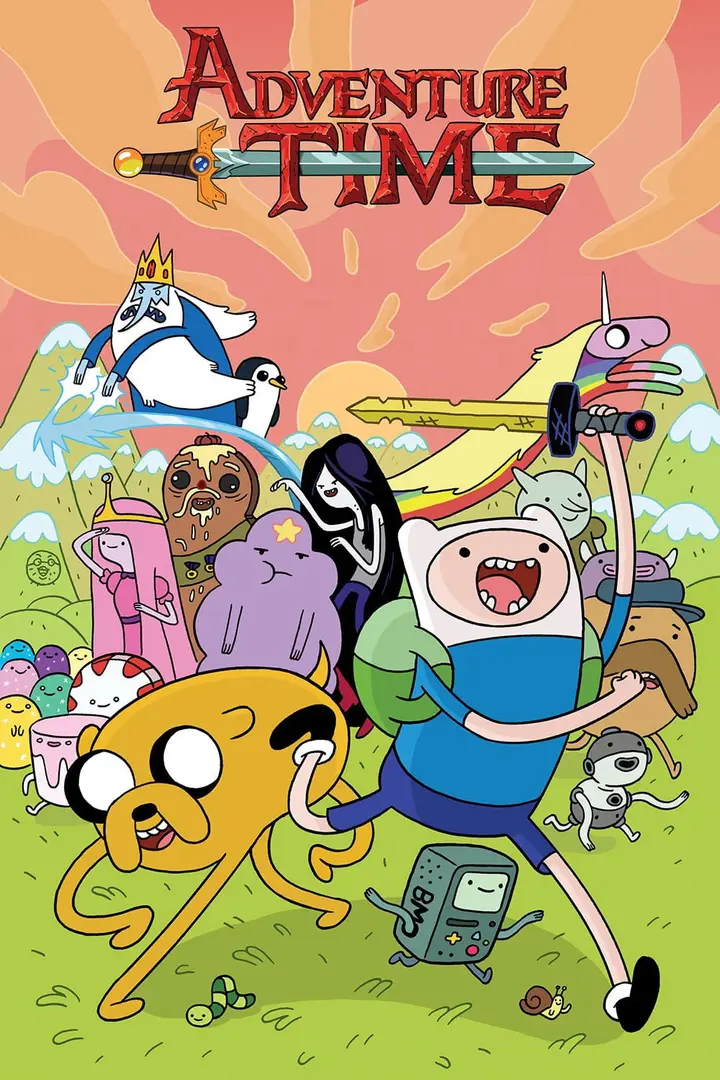
Finn and Jake’s playful quests gradually reveal a world with history, damaged relationships and lasting consequences. Absurd comedy, songs and monsters sit beside stories about friendship, identity, responsibility and growing older, giving the fantasy distinctive depth.
Ask the StoryBots
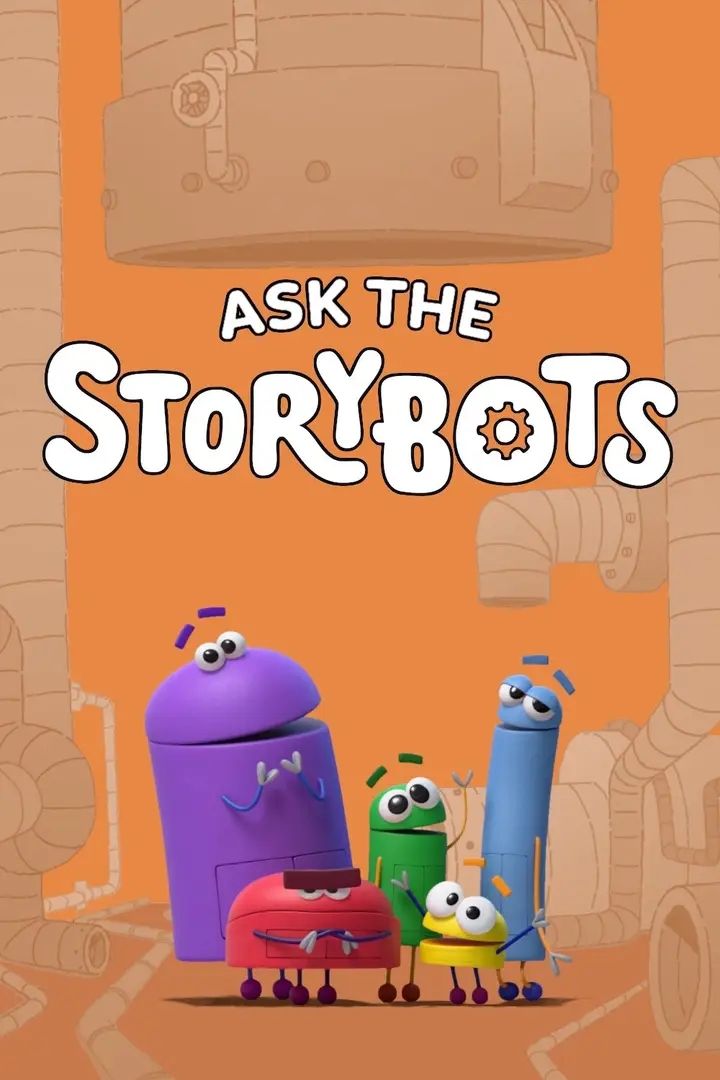
Children’s questions become investigations through machines, bodies, laboratories and imaginative environments. Songs and comedy keep explanations lively, while the StoryBots gather clues before giving a clear answer grounded in what they discovered.
Bluey
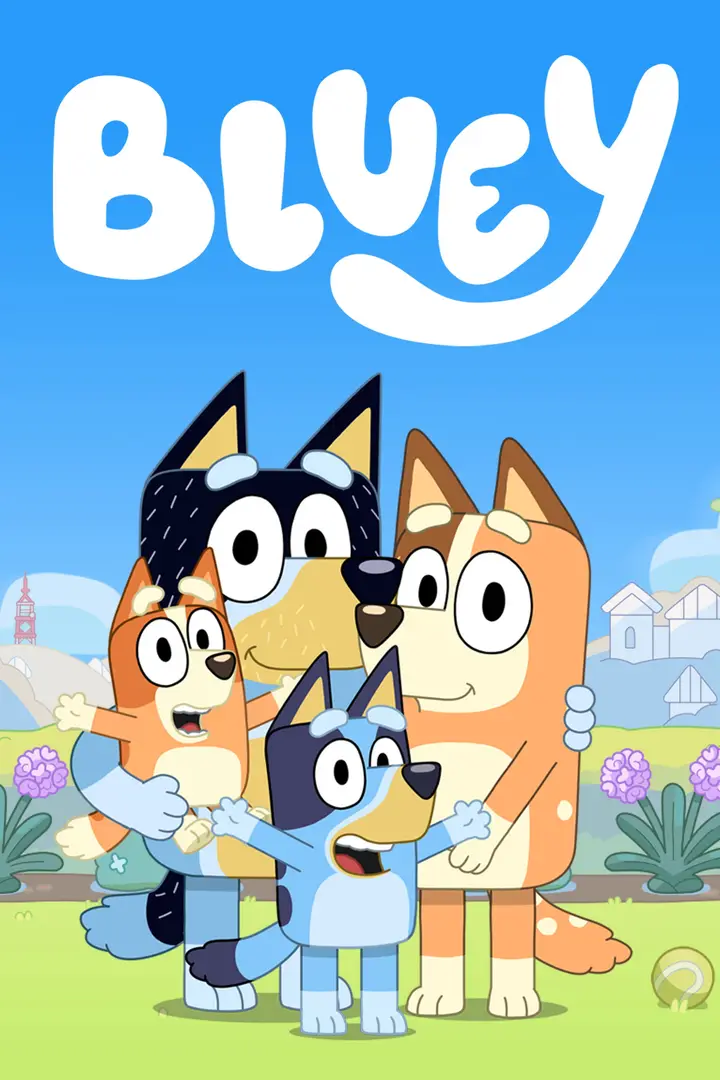
Ordinary family moments become imaginative games with rules that change as Bluey and Bingo negotiate, improvise and learn. Short episodes observe childhood behavior closely while giving Bandit and Chilli believable limits as parents.
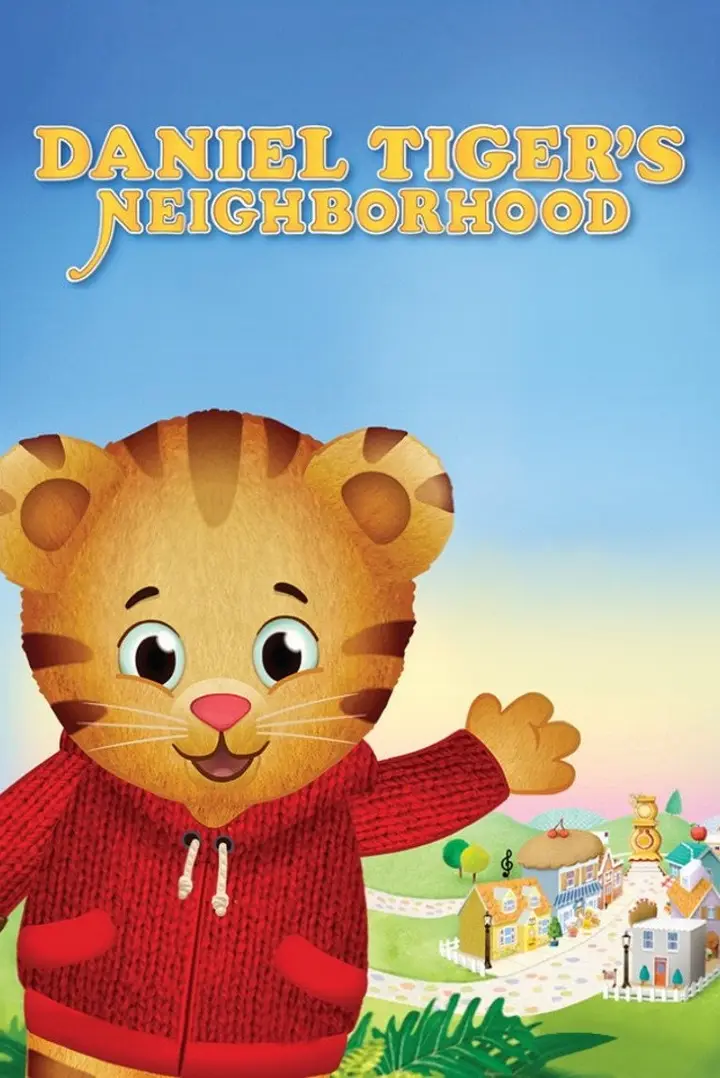
Daniel Tiger's Neighborhood
Everyday preschool situations are broken into feelings, choices and simple strategies children can remember. Short songs turn ideas about anger, sharing, separation and change into practical phrases that can be reused outside the episode.
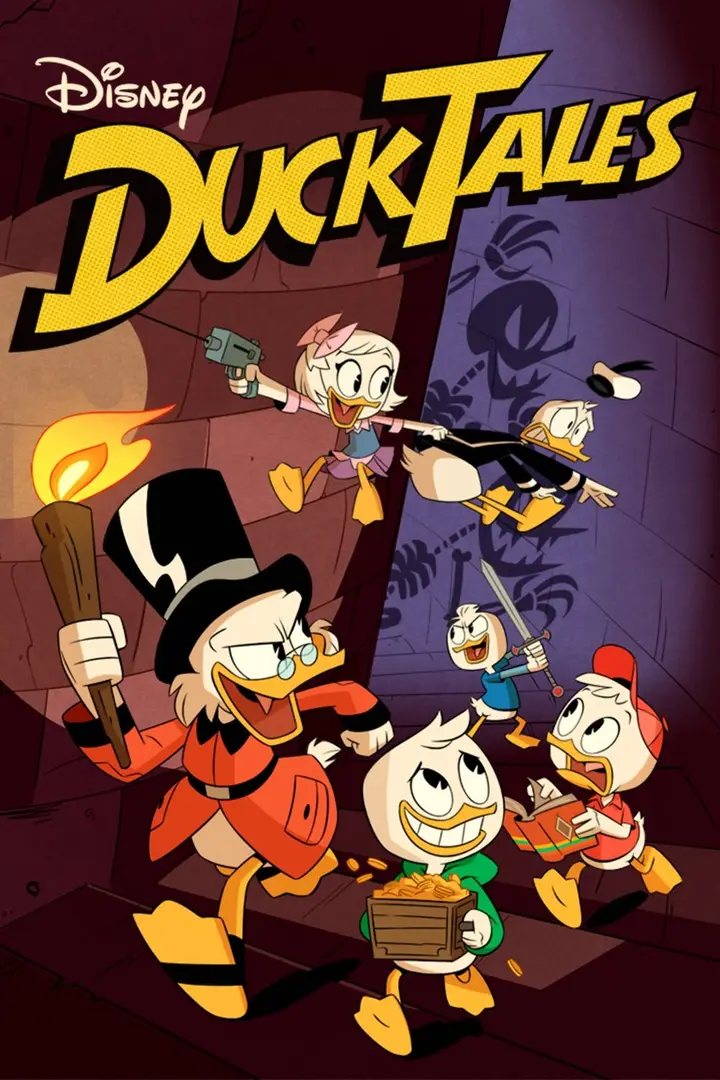
DuckTales
Treasure hunts and globe-trotting adventures gain extra weight through family secrets, rivalries and season-long mysteries. Scrooge, the nephews, Webby and Donald have distinct roles, letting action and family dynamics develop together.
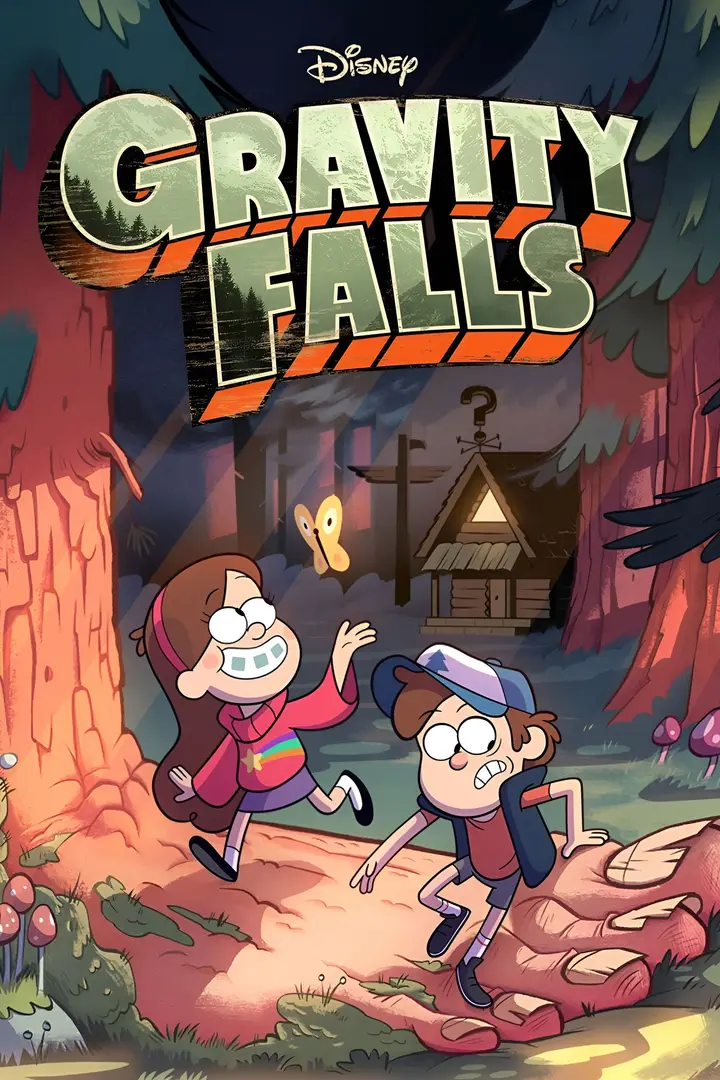
Gravity Falls
Dipper’s mysterious journal turns a strange summer town into a connected puzzle filled with monsters, codes and hidden organizations. Mabel’s energy balances the suspense, while the twins’ loyalty keeps the expanding mystery tied to family.

Haikyu!!
Matches stay exciting because tactics, positioning and small improvements matter as much as athletic talent. The series gives teammates and opponents clear goals, making practice, setbacks and cooperation feel consequential without relying on fantasy powers or violent stakes.
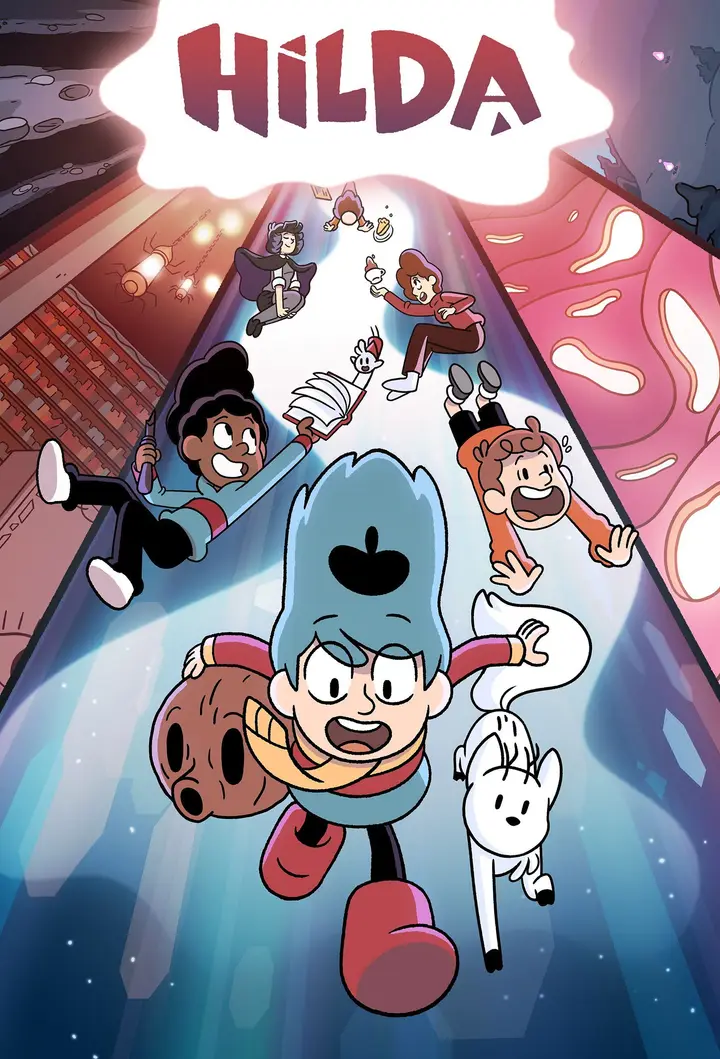
Hilda
Hilda approaches trolls, giants and spirits with curiosity before fear, giving folklore a welcoming sense of discovery. Moving from the wilderness to Trolberg expands the world while keeping friendship and understanding unfamiliar creatures central.
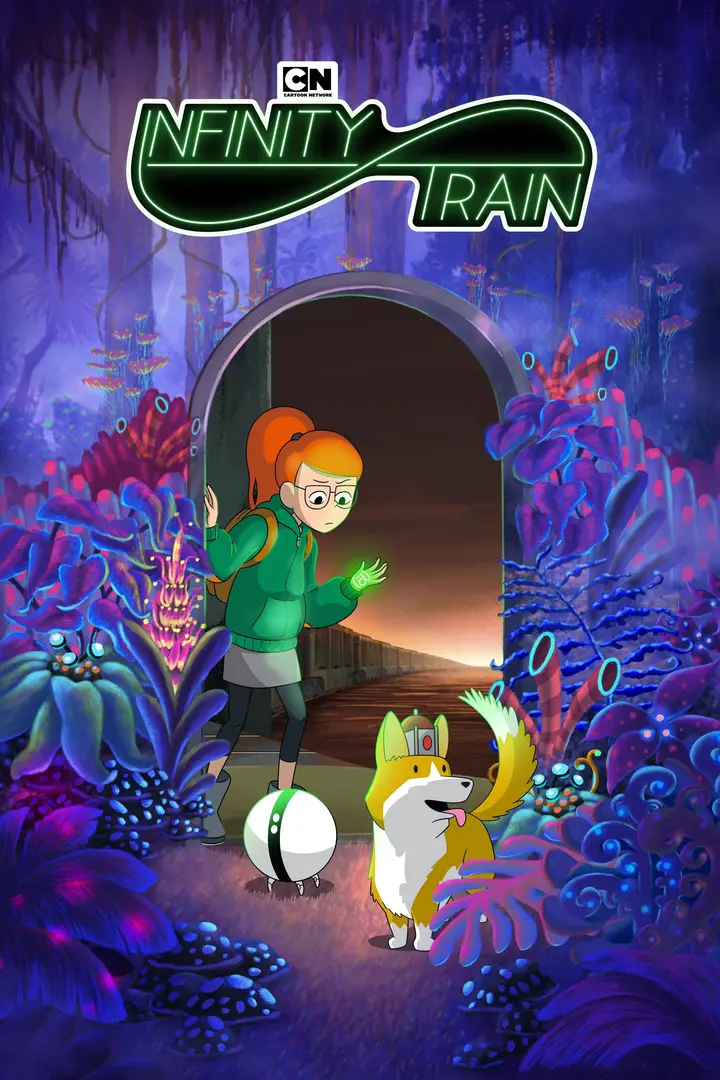
Infinity Train
Each train car becomes a separate world, but the real journey is personal. Changing numbers and new protagonists turn puzzles into a framework for grief, guilt, identity and harmful patterns that must be confronted.
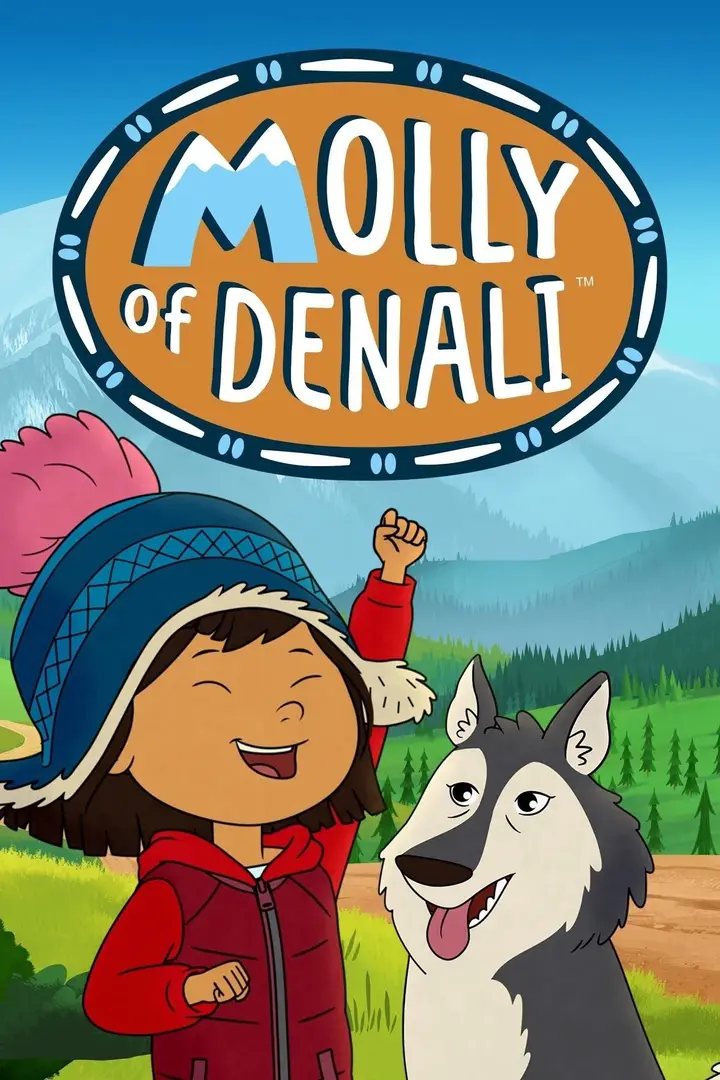
Molly of Denali
Molly uses maps, books, websites, signs and oral knowledge to answer practical questions in her Alaskan community. Literacy becomes a tool for real tasks, while contemporary Alaska Native culture is integrated into daily life.
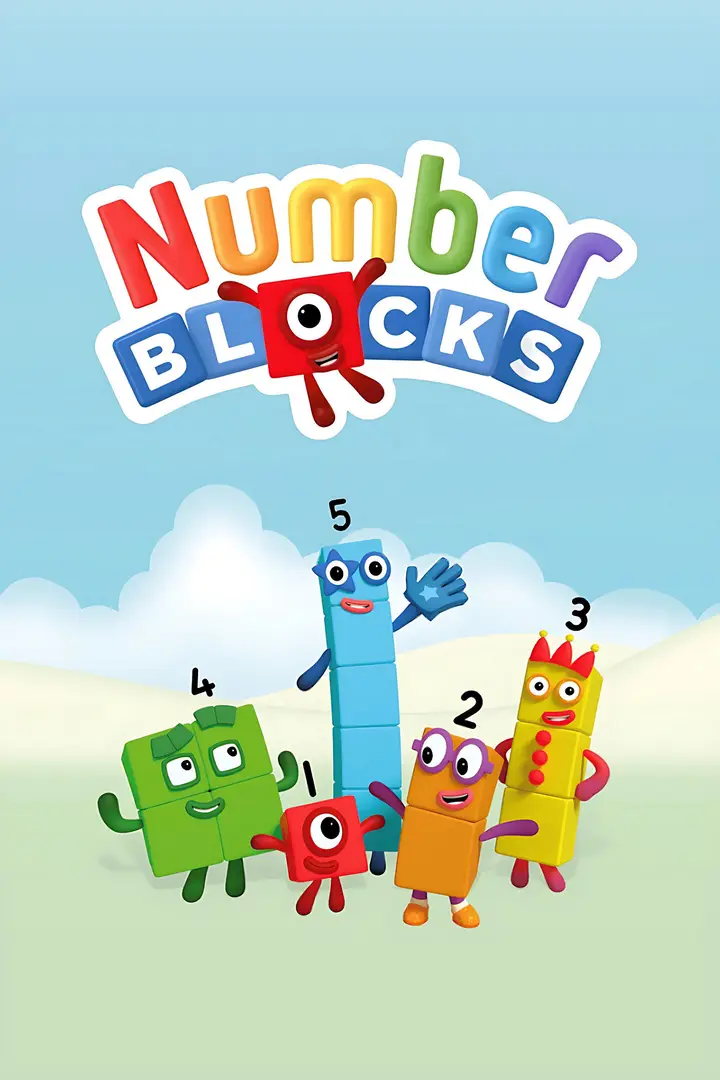
Numberblocks
Numbers become physical characters who join, split and rearrange, making quantity and arithmetic visible. Short musical episodes let children see addition, subtraction and patterns in motion, linking written numbers to concrete amounts.
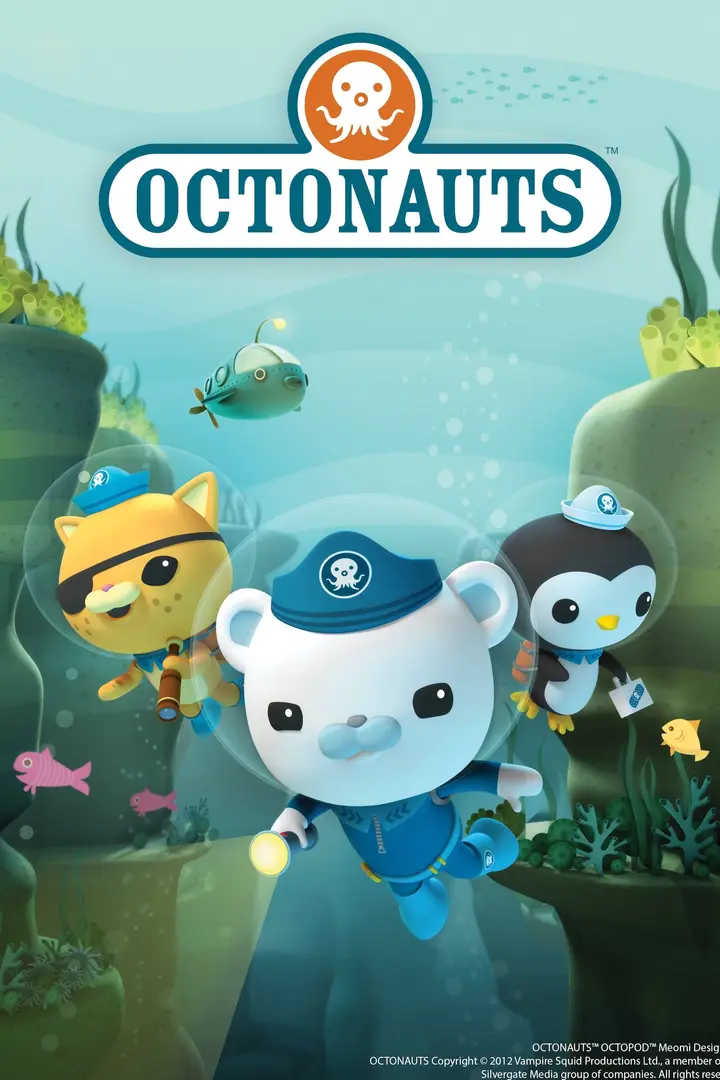
Octonauts
Underwater rescue missions combine real marine biology with clear team roles in medicine, engineering and exploration. Each emergency introduces an animal or habitat while showing that successful rescue depends on knowledge and cooperation.
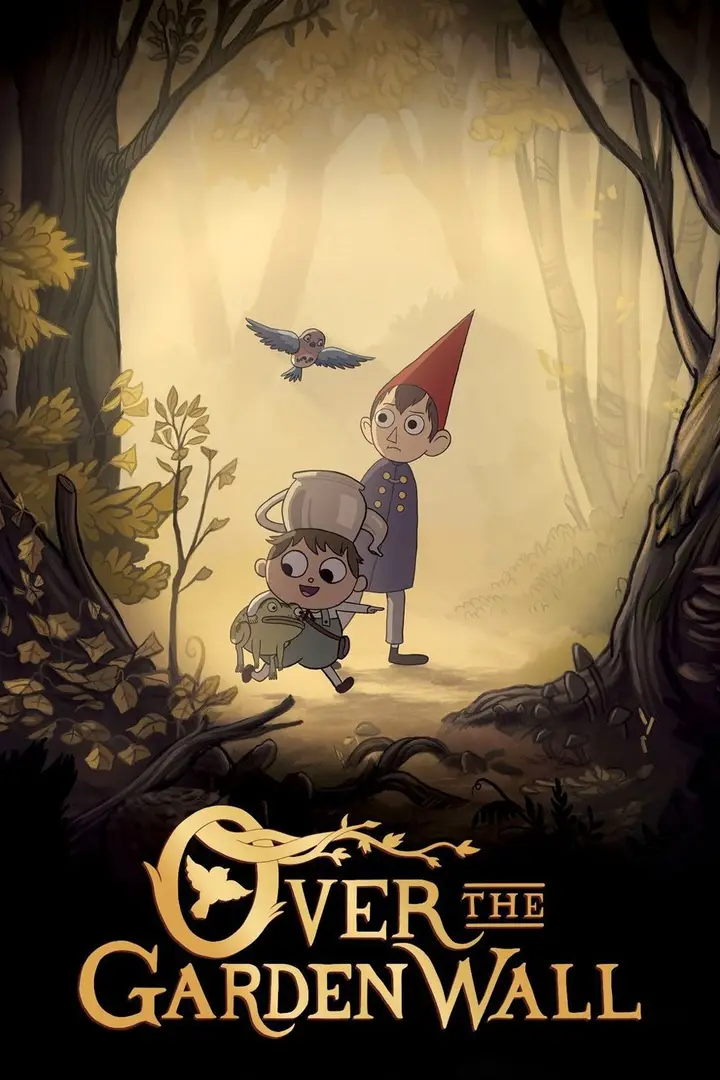
Over the Garden Wall
A compact journey through the Unknown blends folklore, dry humor and fairy-tale imagery with a tightly controlled mystery. Wirt and Greg’s sibling bond gives the strange encounters continuity while the atmosphere grows steadily darker.
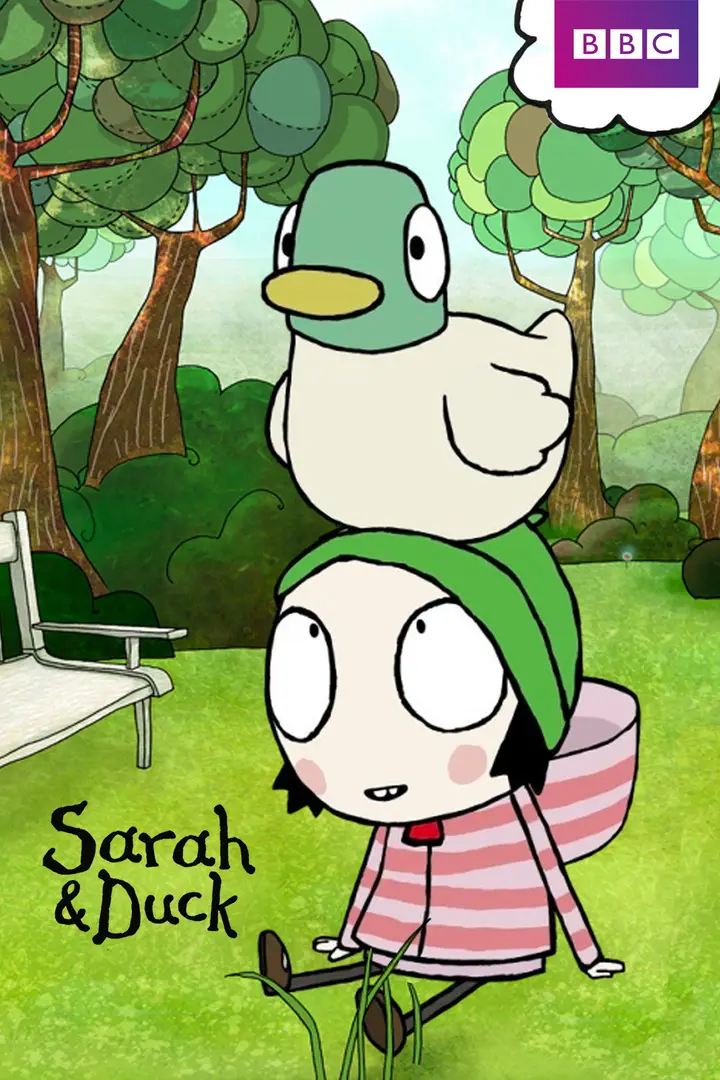
Sarah & Duck
Small everyday events turn into imaginative adventures without loud action or complicated plotting. Sarah’s practical curiosity, Duck’s companionship and the offbeat visual humor create a distinctive preschool rhythm built on observation.
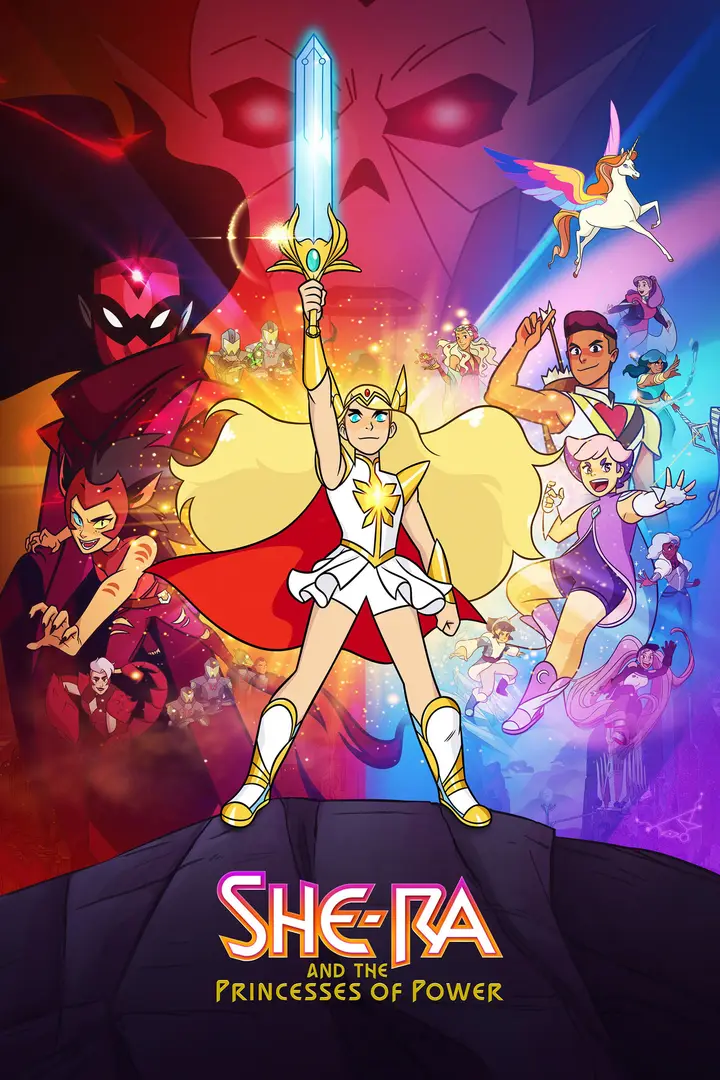
She-Ra and the Princesses of Power
Adora’s discovery that the Horde has deceived her turns fantasy action into a story about loyalty, manipulation and change. Her break with Catra gives the larger rebellion personal stakes that continue across the series.
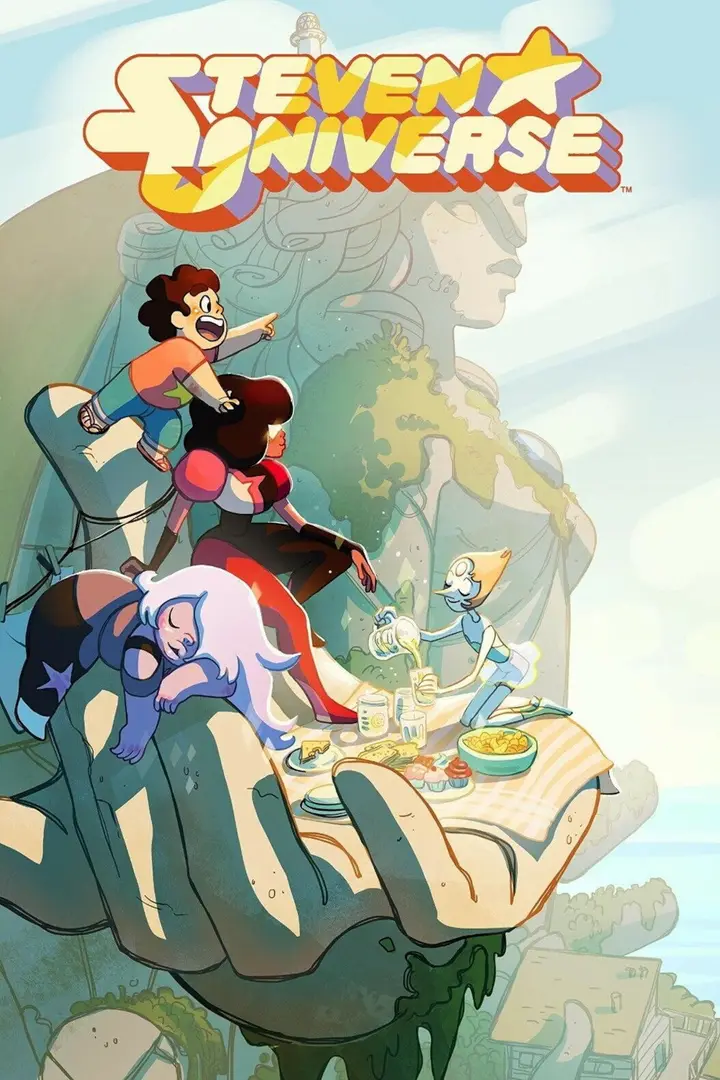
Steven Universe
A playful fantasy gradually becomes a layered story about identity, family history, responsibility and changing relationships. Steven’s empathy and the Crystal Gems’ complicated past give the long-form plot depth without losing its sense of humor.
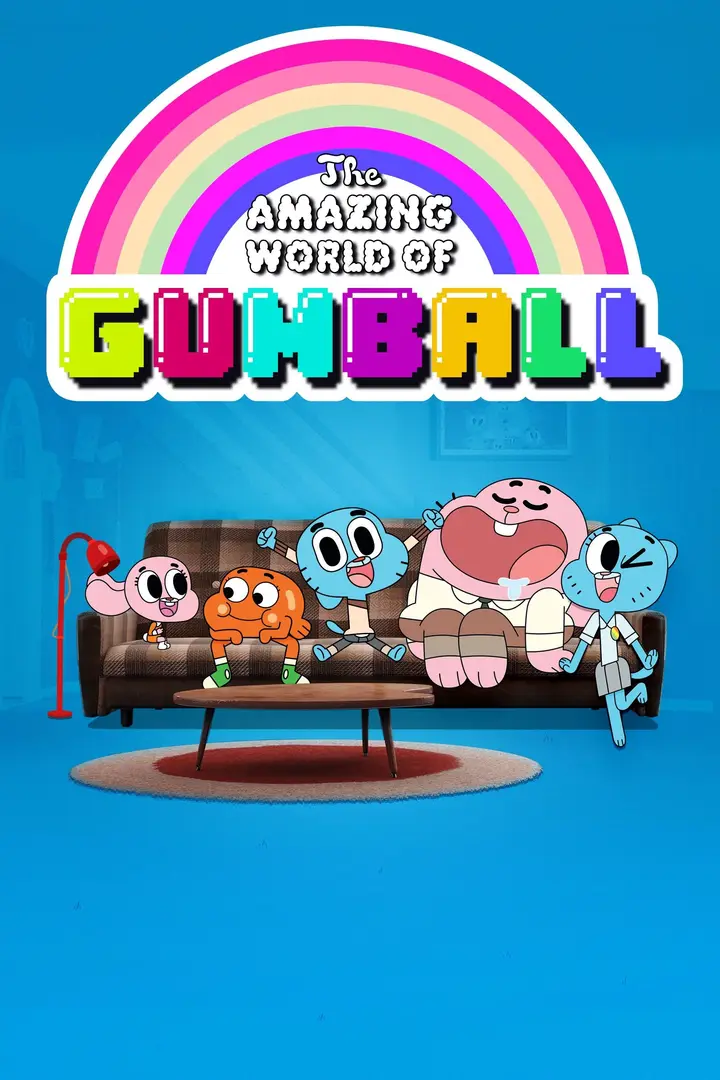
The Amazing World of Gumball
Ordinary school and family problems explode into surreal comedy through mixed animation styles and impossible logic. Gumball and Darwin’s friendship gives the visual chaos a stable center, while satire adds extra layers for older viewers.
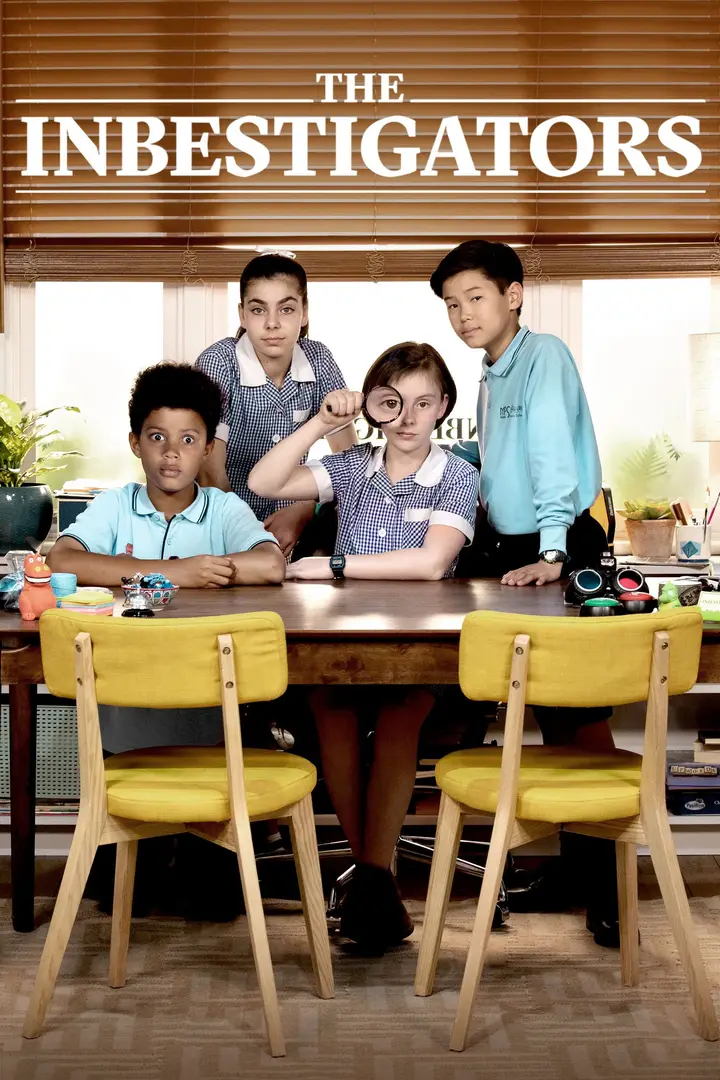
The InBESTigators
The mysteries are small enough to feel real and are solved by observation, logic and teamwork, not luck. The four friends are very different, and the show lets each of them be clever in their own way.
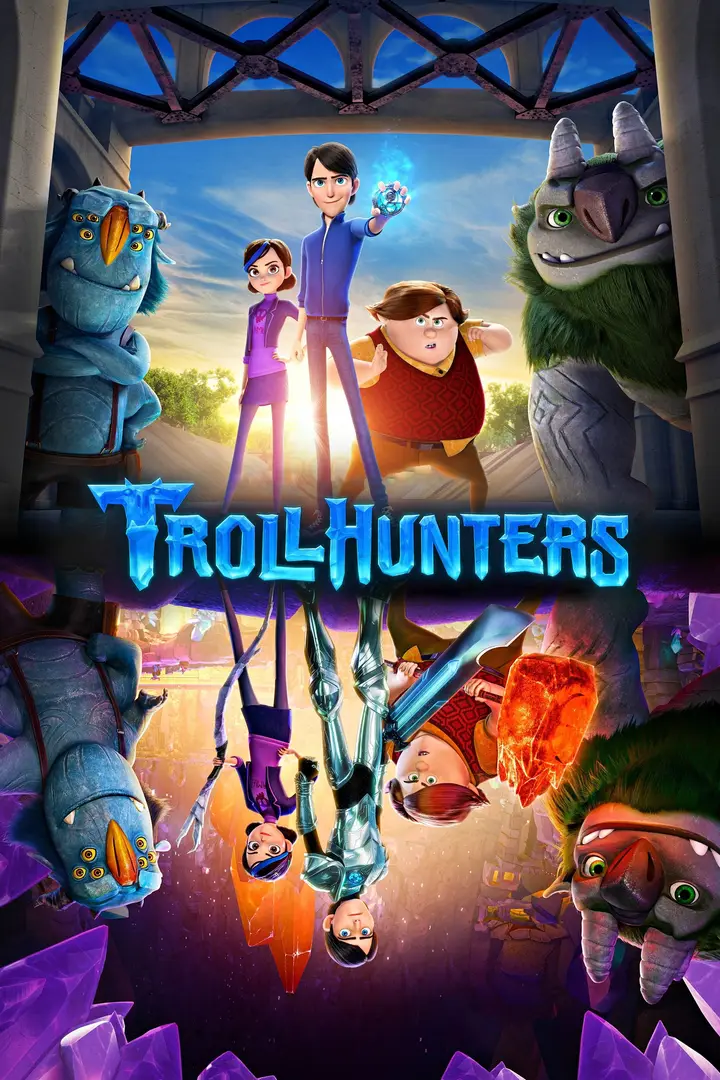
Trollhunters: Tales of Arcadia
Jim’s ordinary school life collides with a hidden troll civilization after he is chosen as its human protector. Training, friendship and duty give the fantasy action clear stakes that grow steadily across the serialized story.
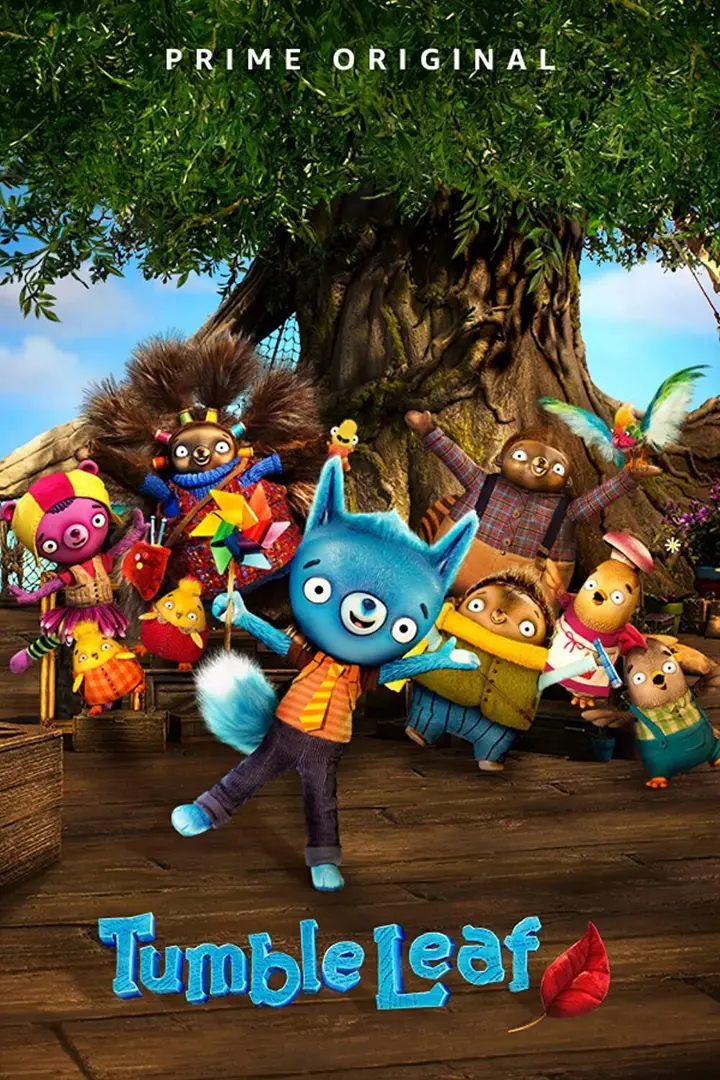
Tumble Leaf
Fig learns by observing, testing and changing his approach, so discovery grows directly from play. The stop-motion world gives objects and movement strong physical presence, making early scientific thinking easy to see.
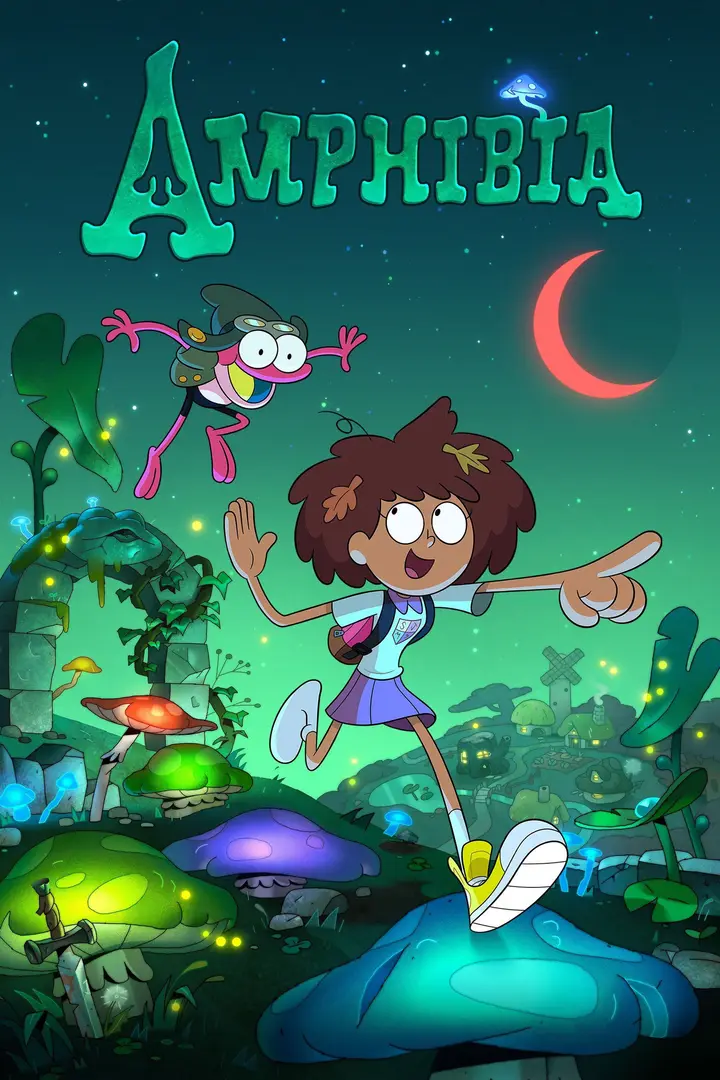
Amphibia
Anne’s comic adventures with the Plantars gradually expand into a serialized fantasy about friendship, betrayal and responsibility. The shift works because the family bond built early gives later conflicts stronger personal consequences.
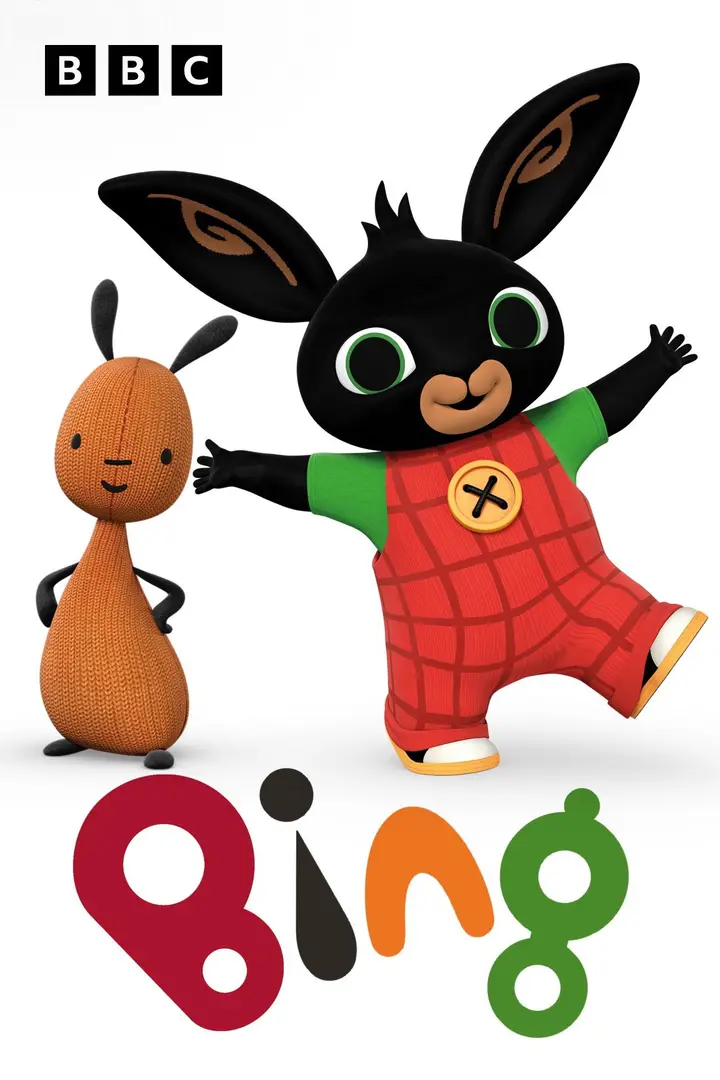
Bing
Each episode stays close to one preschool frustration, allowing Bing’s reaction to remain visible before the problem settles. Flop guides without taking over, so mistakes, waiting and trying again feel like real developmental steps.

Carmen Sandiego
Carmen’s missions combine action with geography, history and cultural information as she stays ahead of V.I.L.E. Planning, disguises and teamwork make each theft a strategic problem, while her targets keep the moral framework clear.
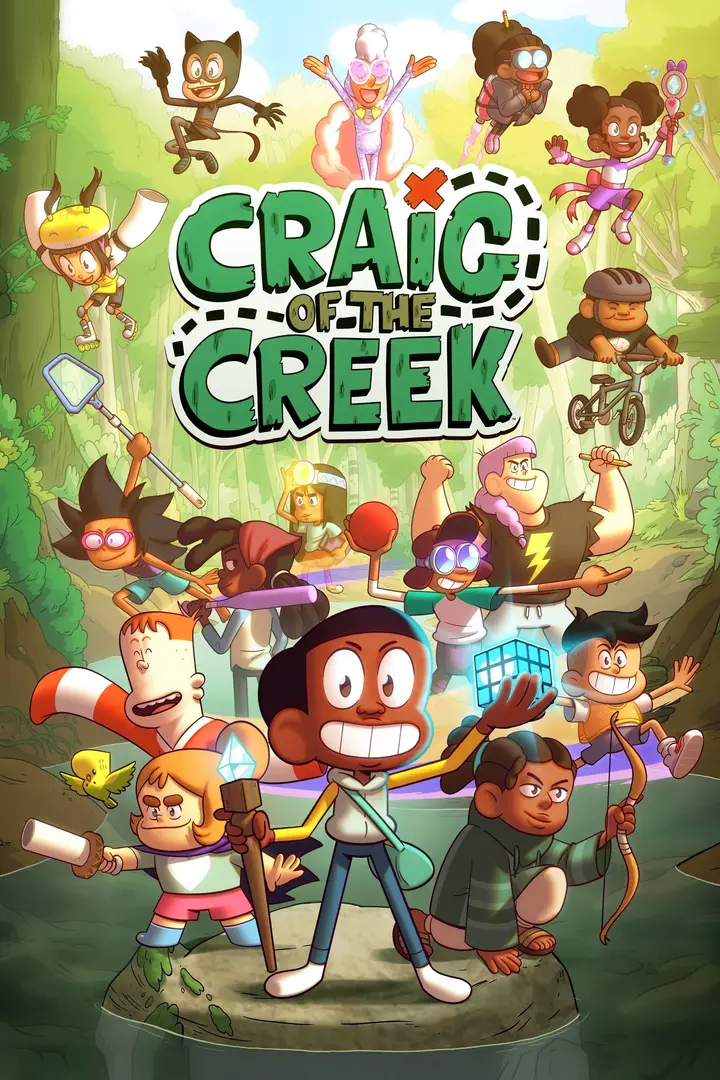
Craig of the Creek
The Creek turns neighborhood play into a child-built world with its own groups, rules and traditions. Craig, Kelsey and JP solve problems through negotiation and creativity, giving ordinary independence the scale of adventure.
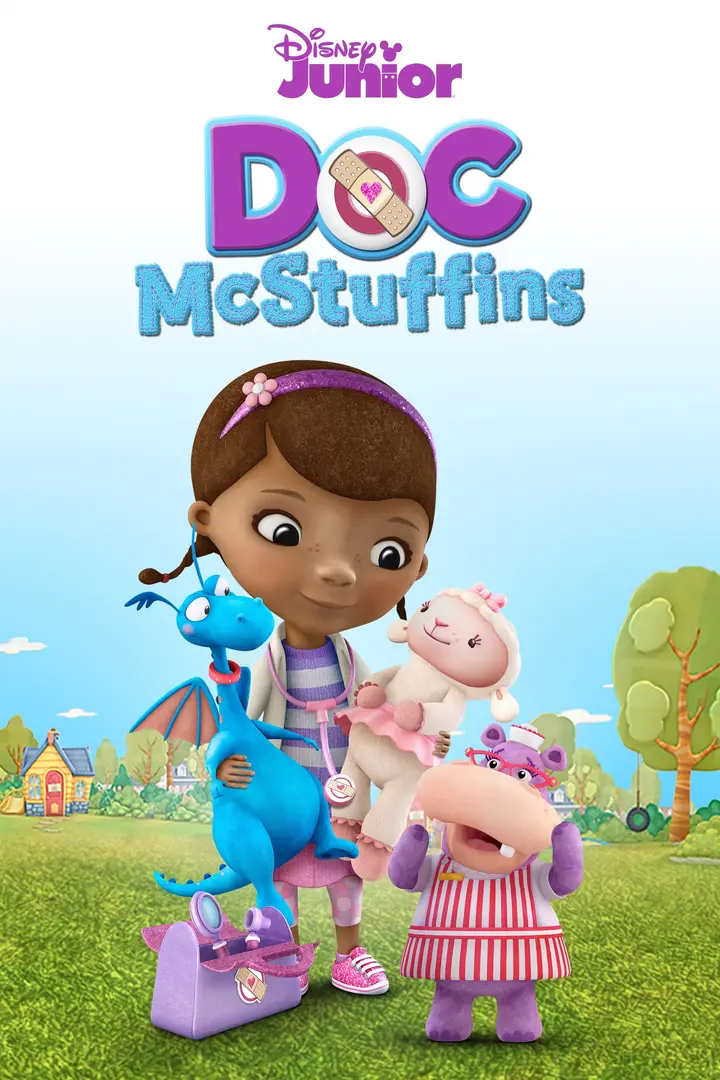
Doc McStuffins
Medical routines become reassuring role-play as Doc listens, examines and explains what each toy needs. The clinic structure gives preschoolers clear steps for checkups, hygiene and asking for help when something hurts.

Dr. Stone
Chemistry, physics, engineering and medicine become tools for solving concrete problems, so scientific thinking drives the adventure instead of sitting beside it. Senku’s inventions give each arc a clear payoff and make curiosity central to the series’ momentum.
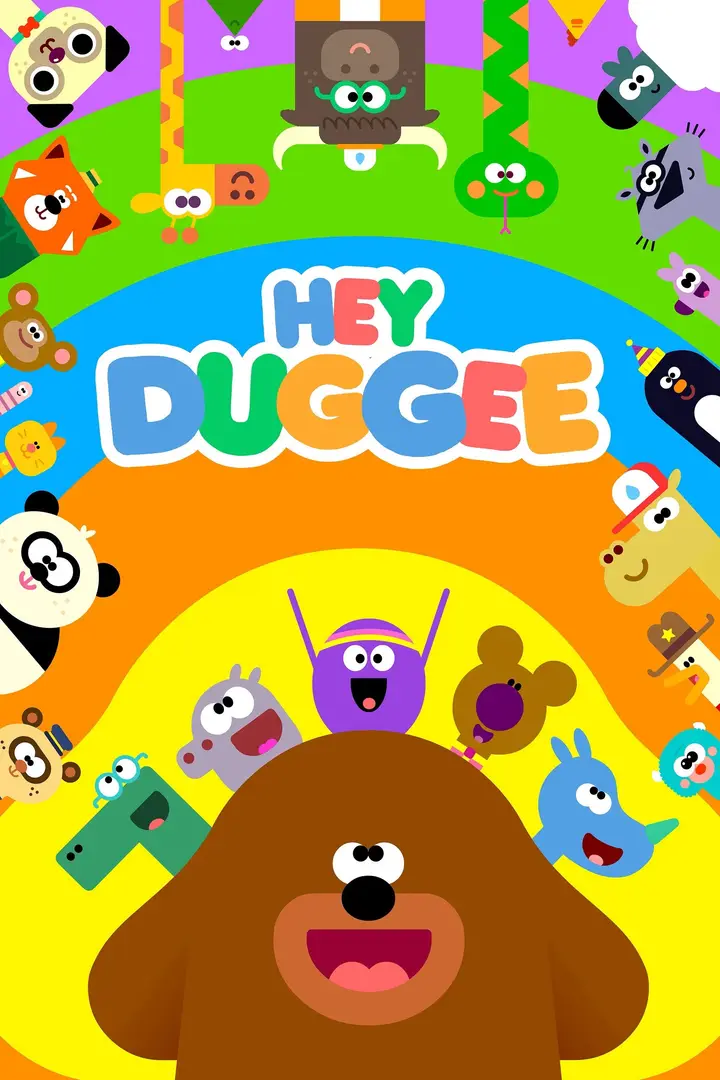
Hey Duggee
Each badge turns an everyday activity into a small shared goal, giving preschoolers a clear beginning, middle and end. Visual humor, repetition and group participation keep crafts, cooking, movement and teamwork easy to follow.
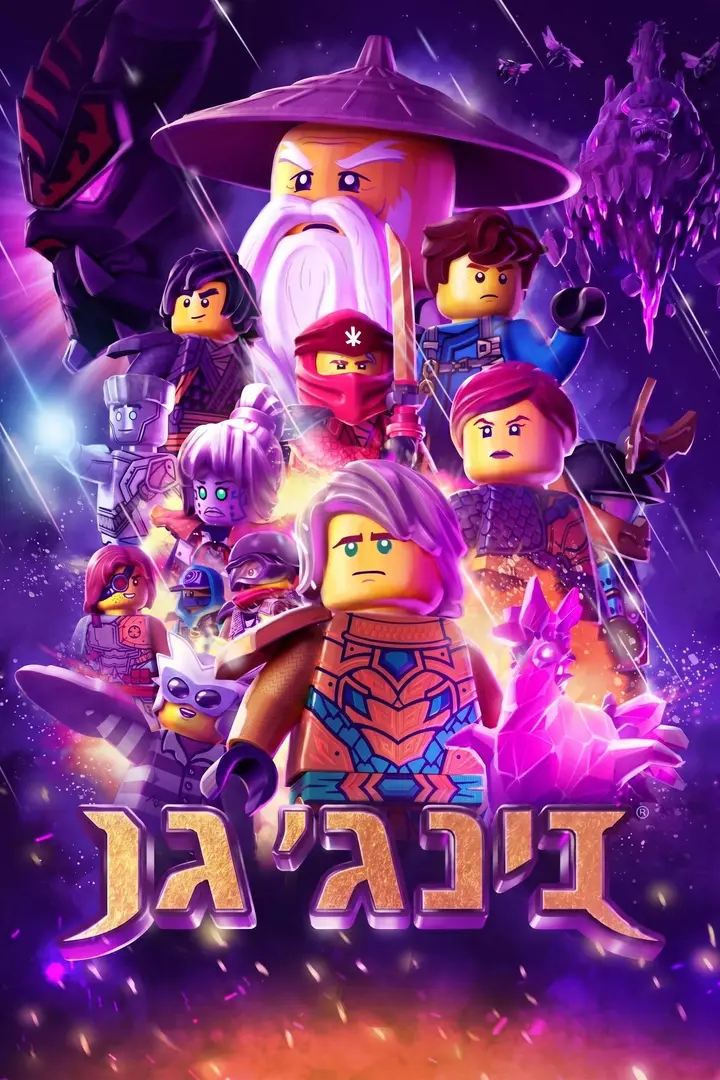
Ninjago: Masters of Spinjitzu
Martial-arts fantasy grows into a long-form team saga as Kai, Jay, Cole and Zane develop powers, loyalties and leadership. Dragons, vehicles and comedy keep the action lively while family history and sacrifice deepen the continuing story.
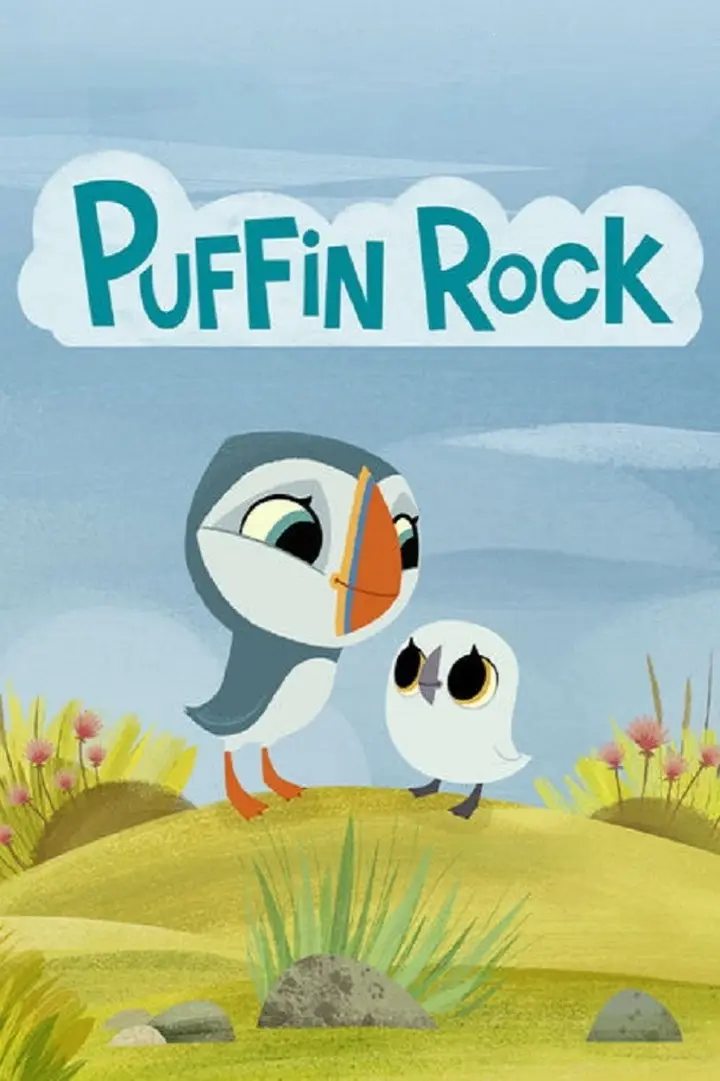
Puffin Rock
Oona and Baba explore island life through tides, weather, migration and animal behavior, keeping nature observation inside family stories. The slow pace and small discoveries make curiosity itself the main source of adventure.
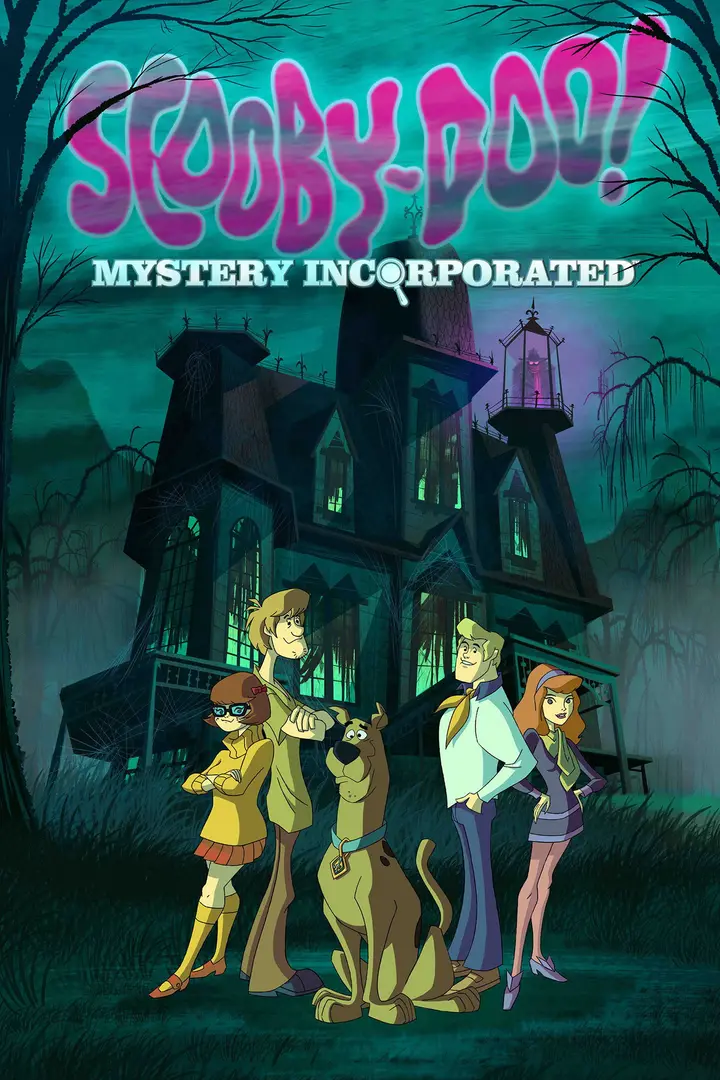
Scooby-Doo! Mystery Incorporated
Familiar monster mysteries are woven into a larger serialized puzzle about Crystal Cove’s past. Individual cases still deliver traps and comedy, while hidden clues, earlier mystery teams and relationship conflicts give the series deeper continuity.
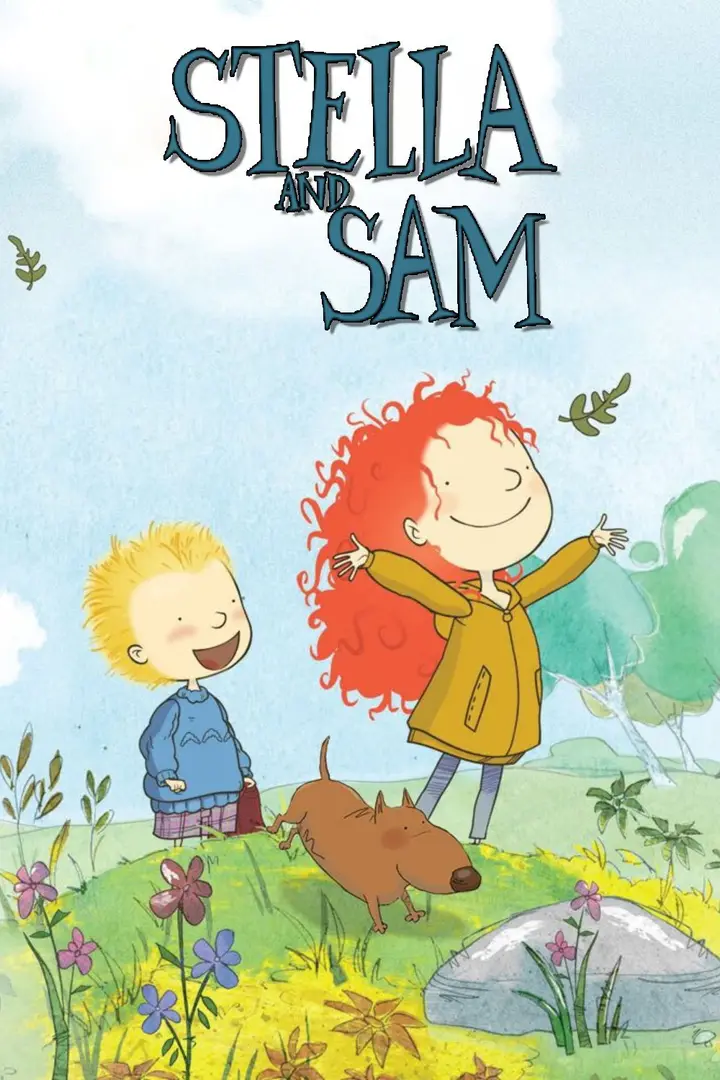
Stella and Sam
Sam’s questions and Stella’s imaginative answers turn outdoor play into discovery without leaving everyday surroundings. Watercolor-like images, pauses and sibling conversation make observation central, so imagination grows directly from noticing the world around them.
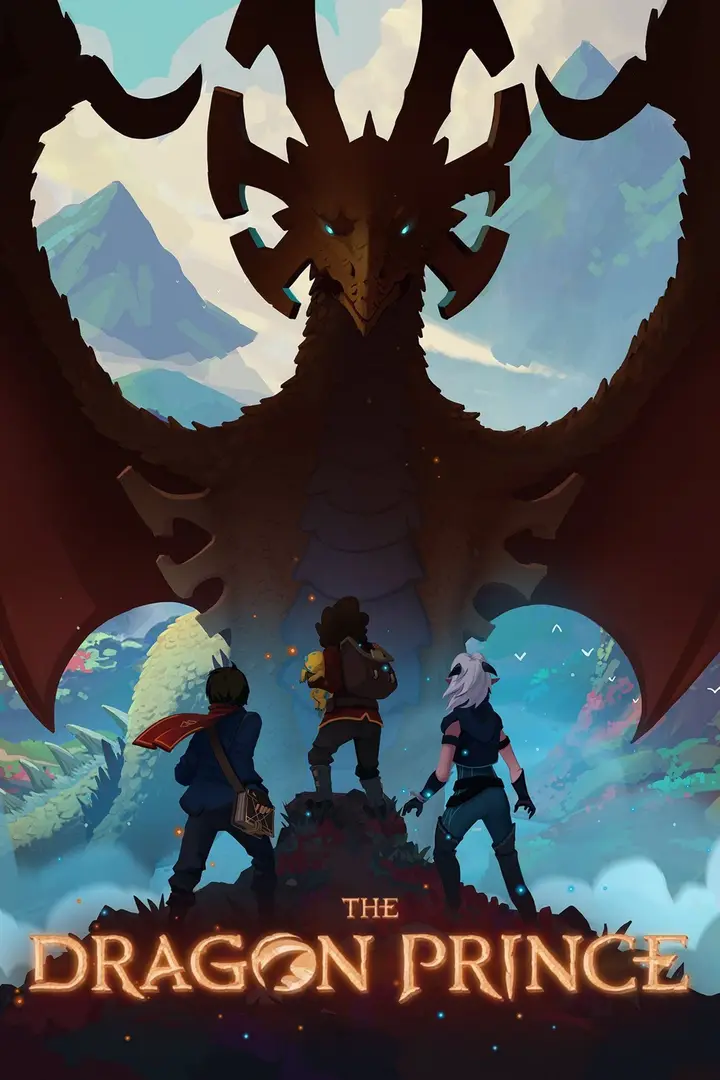
The Dragon Prince
A mission to return the dragon prince’s egg reframes a conflict built on mistrust between humans, elves and dragons. Magic, politics and family loyalty make the journey morally complex without losing its adventure momentum.
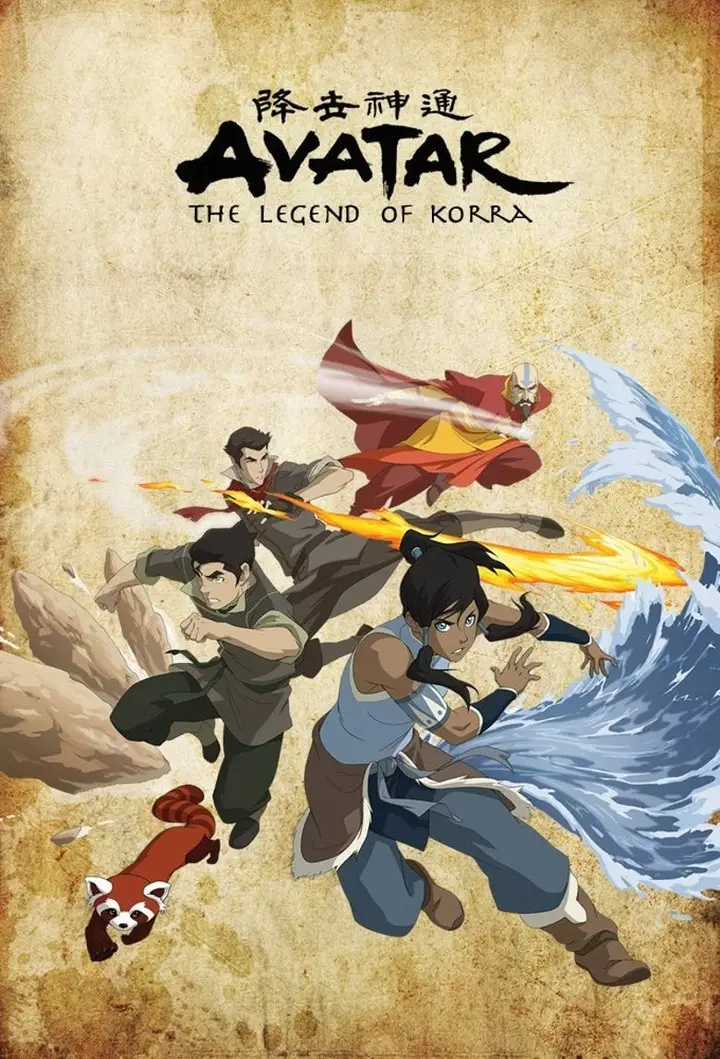
The Legend of Korra
Korra begins as a powerful Avatar who must learn patience, diplomacy and spiritual balance. Republic City’s conflicts connect bending, technology and politics, giving the sequel a broader social world and a more mature leadership arc.
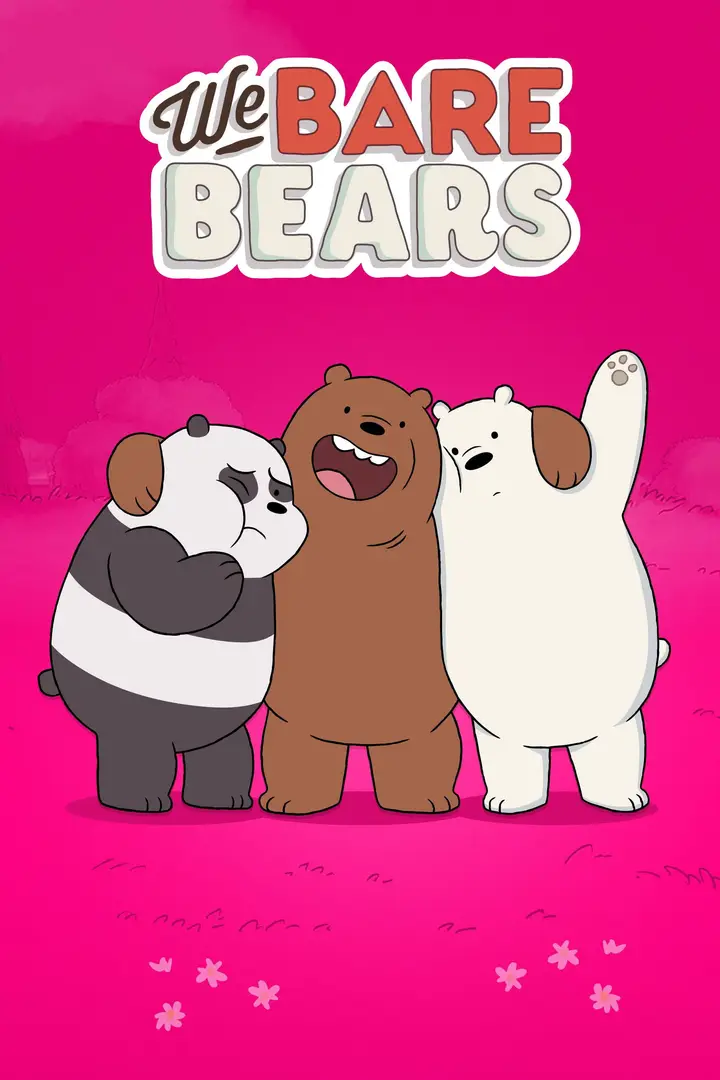
We Bare Bears
Grizz, Panda and Ice Bear approach city life in very different ways, turning social rules, friendship and belonging into warm comedy. Their sibling bond gives the absurd situations a stable center and keeps loneliness from becoming heavy.
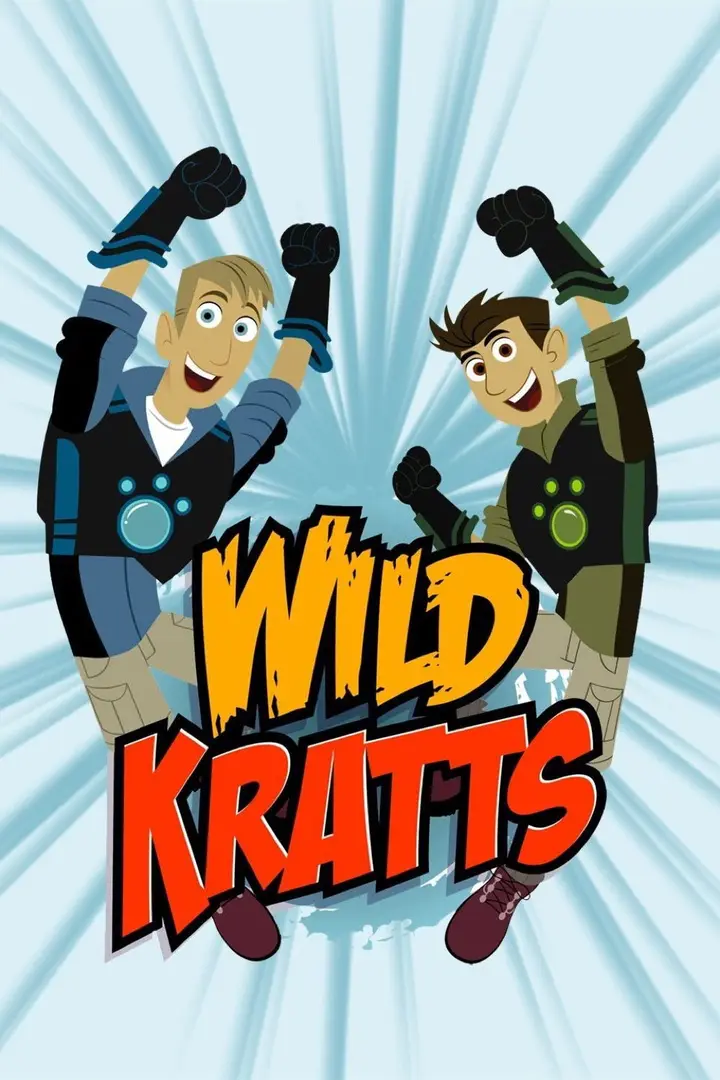
Wild Kratts
Creature Power suits turn real animal adaptations into adventure tools, making biology visible and memorable. Chris and Martin connect habitats, behavior and conservation to practical missions, so facts are learned through action instead of detached explanation.
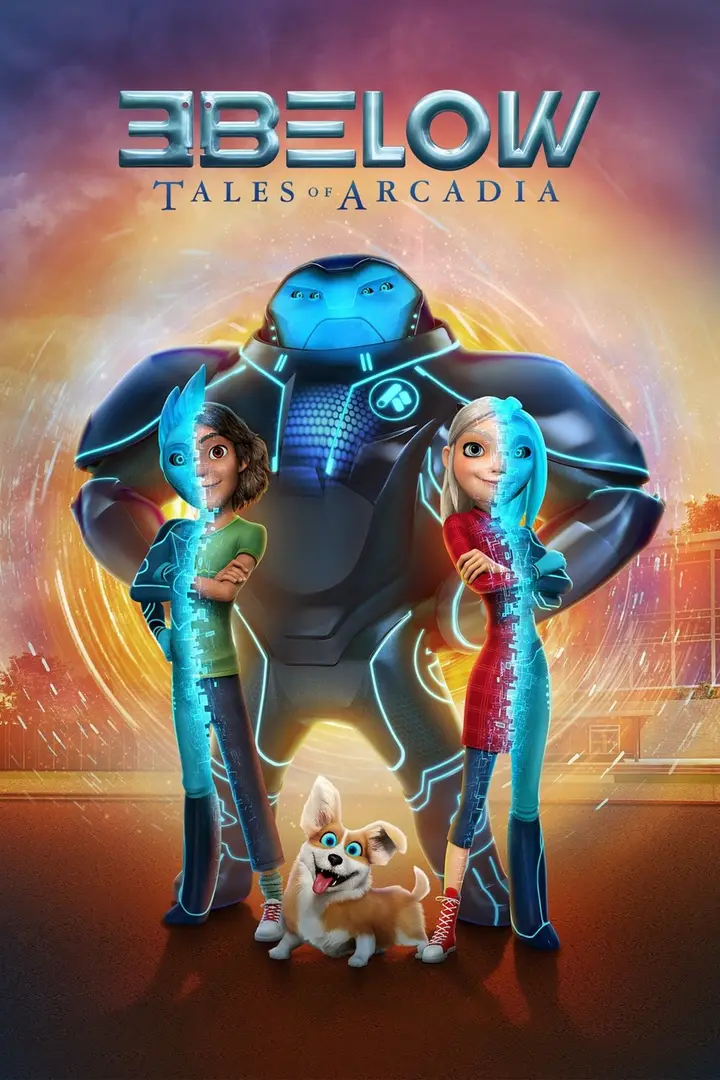
3Below: Tales of Arcadia
Aja and Krel’s escape from a coup turns science-fiction adventure into a story about displacement, identity and responsibility. Learning Earth customs adds comedy, while repairing their ship keeps the larger survival goal active.
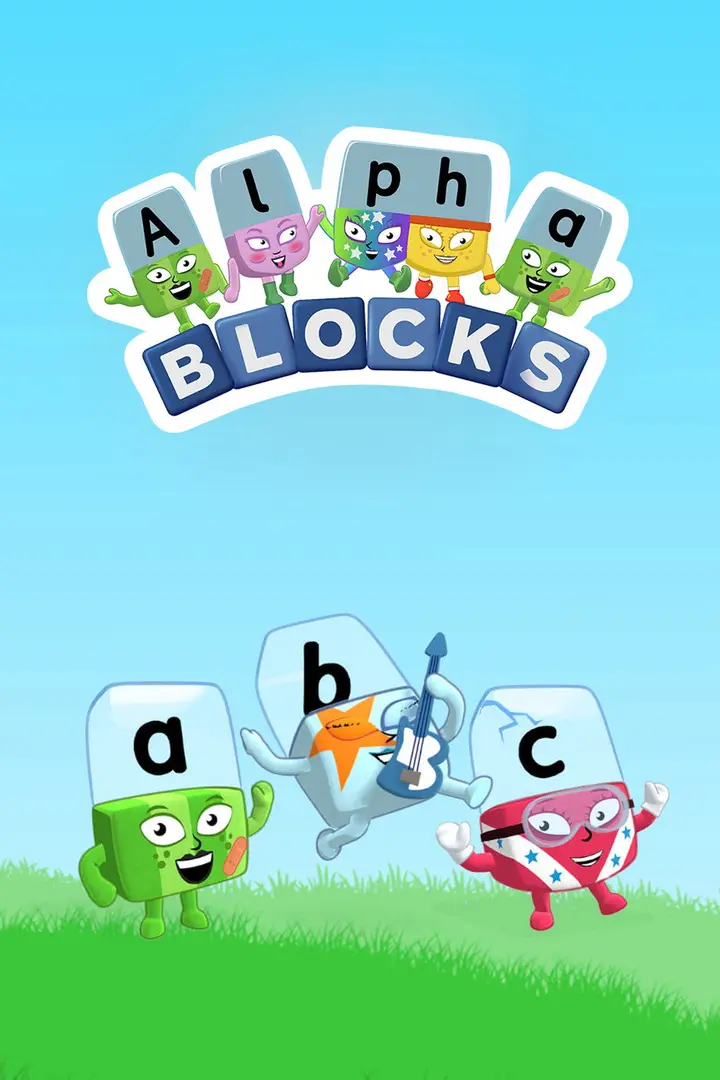
Alphablocks
Letters become characters who combine sounds into words, making phonics visible and memorable. Short episodes focus on one reading idea at a time, letting children hear how changing a letter changes the word.
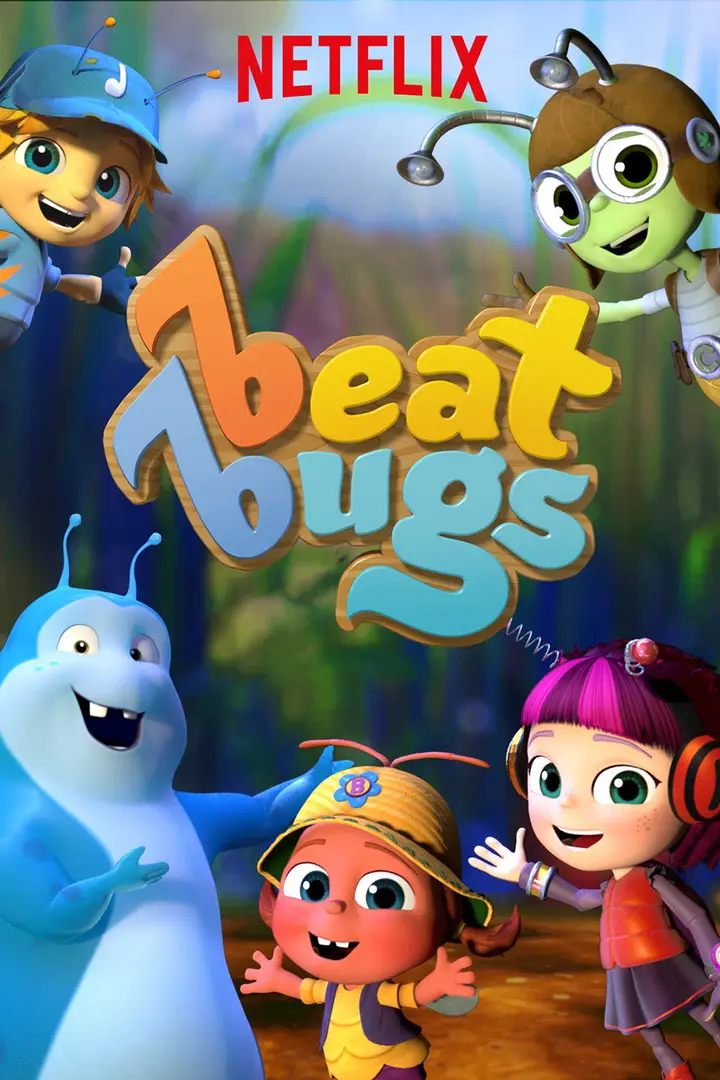
Beat Bugs
Beatles songs become part of friendship stories about fears, misunderstandings and new experiences. The garden setting keeps the scale accessible, while music gives each problem another way to express confidence, empathy and cooperation.
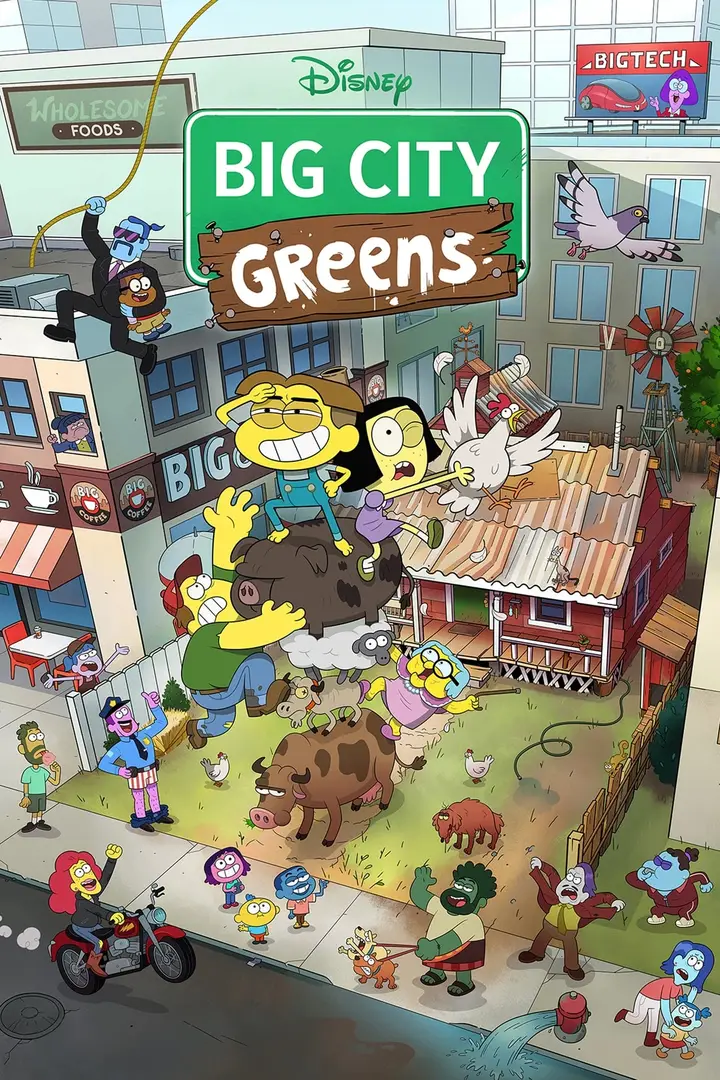
Big City Greens
Cricket’s confidence creates fast comic disasters as his family adjusts to city life. Tilly, Bill and Gramma Alice react in very different ways, giving the slapstick a family structure that repeatedly returns to loyalty.

Blue's Clues & You!
The familiar clue-solving format preserves pauses, repetition and direct participation while updating the presentation. Three paw prints guide each story, giving preschoolers a predictable process for speaking, counting, identifying patterns and drawing conclusions.
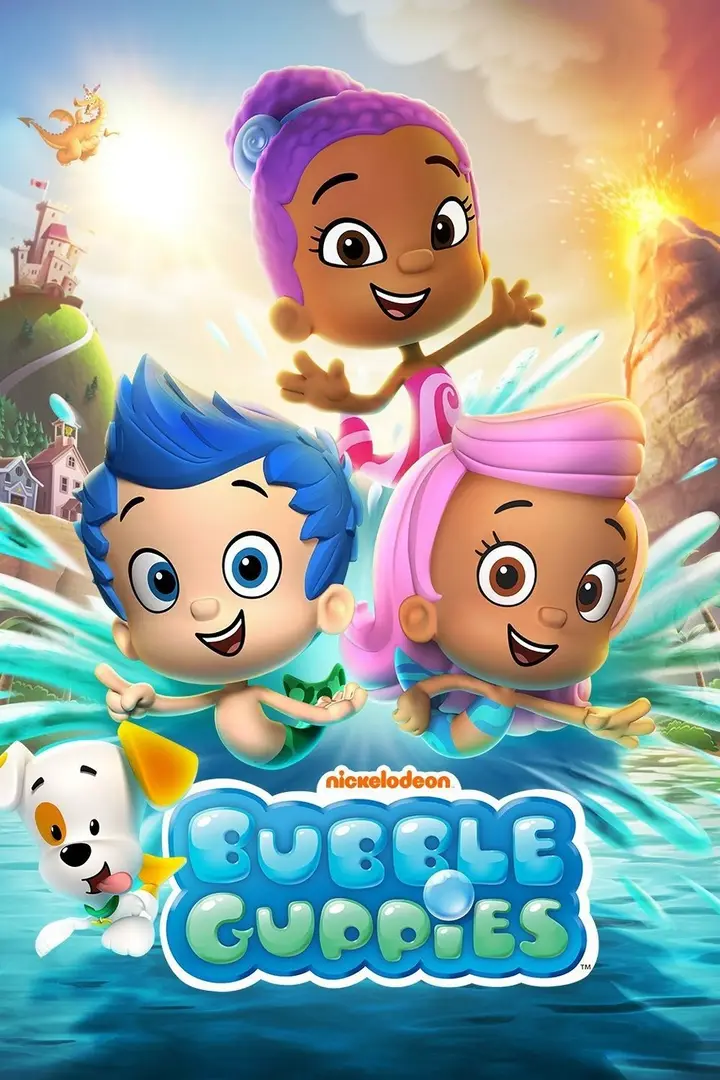
Bubble Guppies
An underwater preschool turns questions into songs, games and imaginative field trips. Repeated musical patterns and direct participation help vocabulary, routines and basic concepts feel playful instead of instructional.
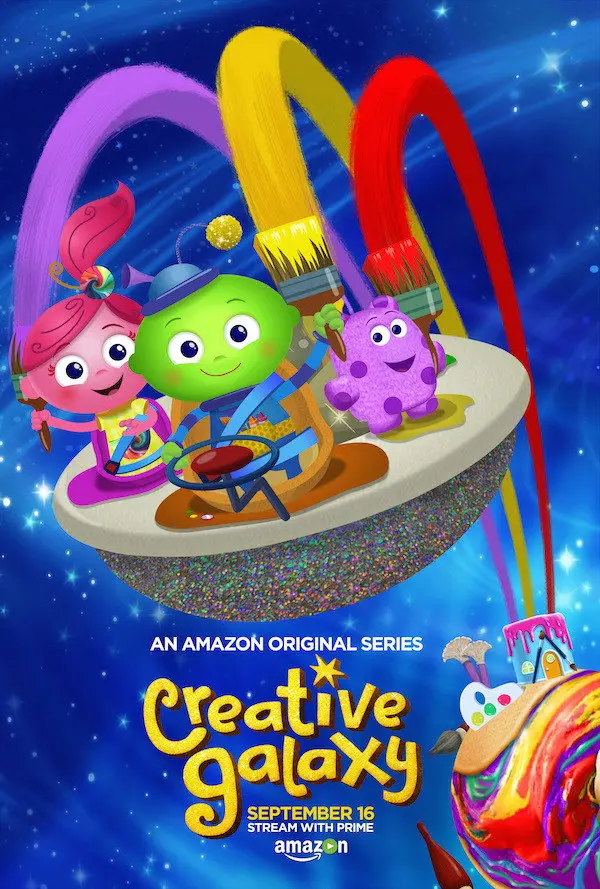
Creative Galaxy
Art techniques become practical problem-solving tools as Arty travels to help with creative challenges. Painting, drawing, collage and sculpture are shown as processes that involve experimentation, communication and mistakes instead of perfect results.
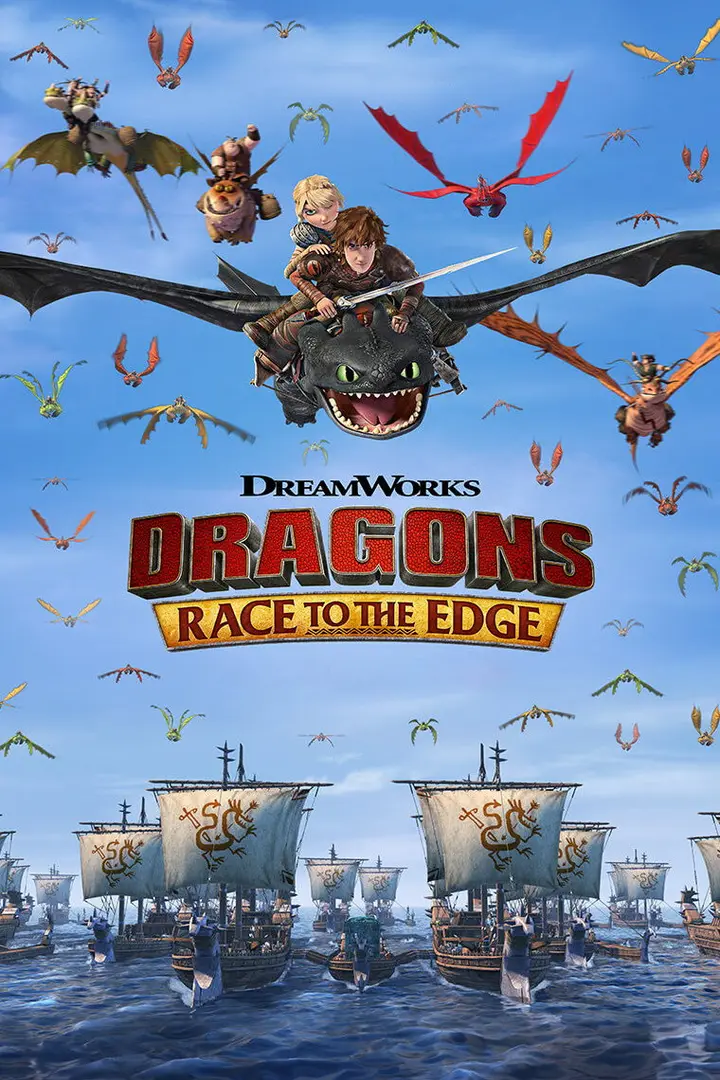
Dragons: Race to the Edge
The Dragon Eye turns exploration into a long-running mystery about new species, distant places and hidden knowledge. Hiccup’s leadership grows through strategic challenges, while the riders’ friendships carry the expanding adventure.
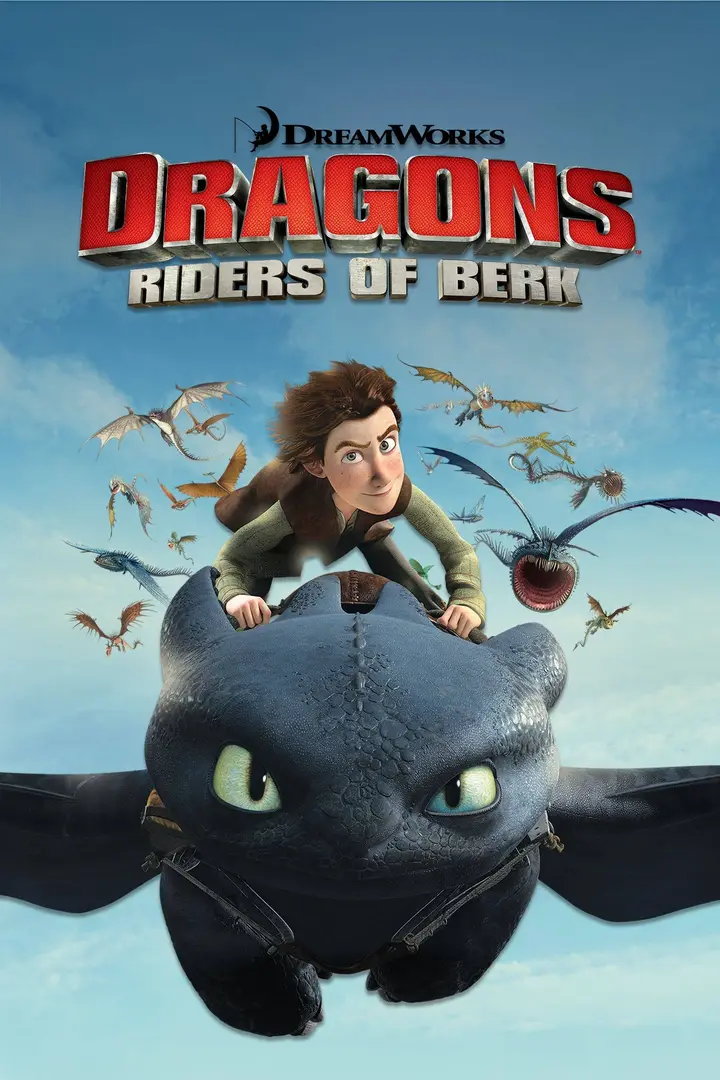
DreamWorks Dragons
Life after the first film becomes a practical experiment in human-dragon coexistence. Training, feeding and protecting different species gives Hiccup repeated leadership challenges while expanding the lore and friendships around Berk.
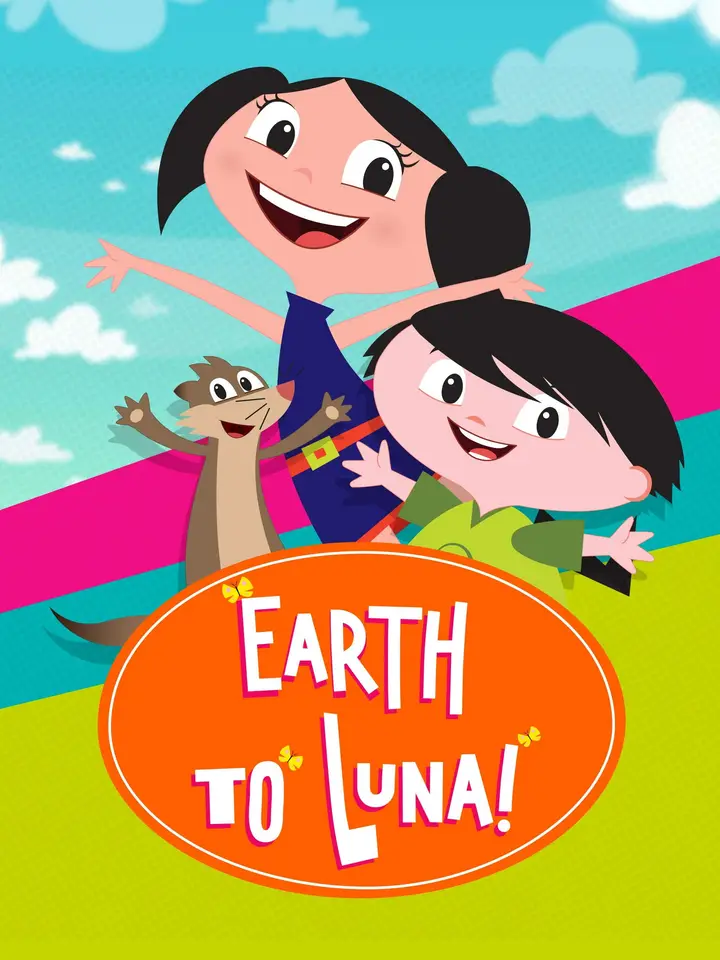
Earth to Luna!
Luna models how to turn a question into an experiment — guess, test, conclude — in a way four-year-olds can follow. Short episodes fit well into a preschool routine.
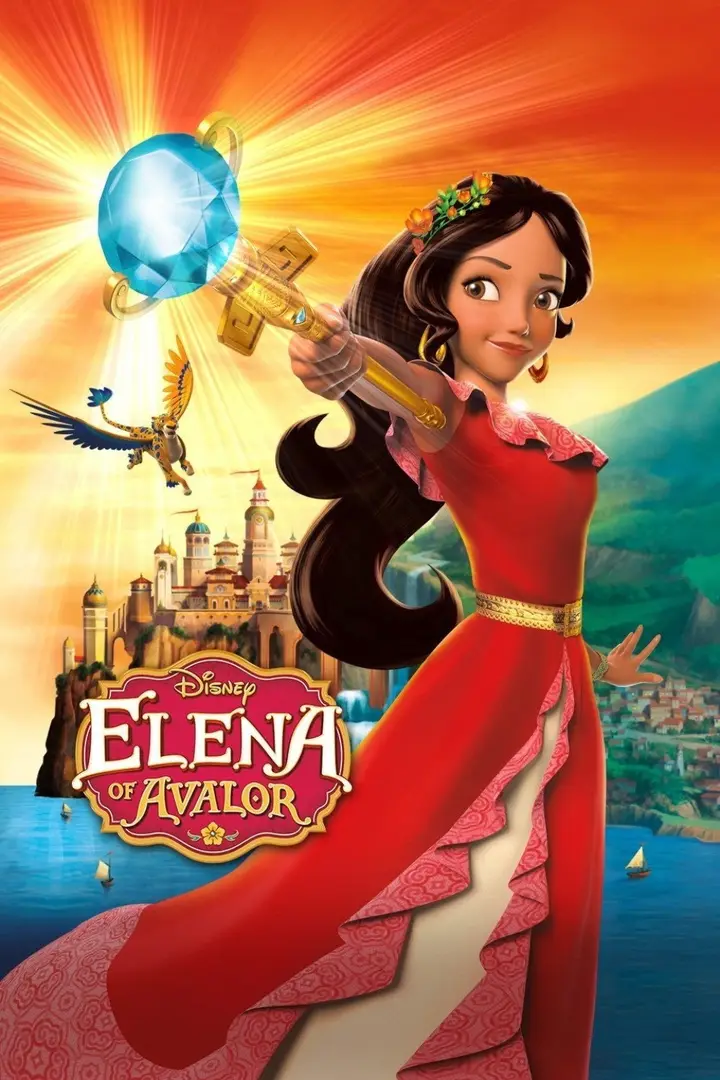
Elena of Avalor
Elena’s path toward becoming queen makes leadership something she has to practice, not simply inherit. Political decisions, magical dangers and community problems repeatedly test whether courage can be balanced with patience, listening and compassion.
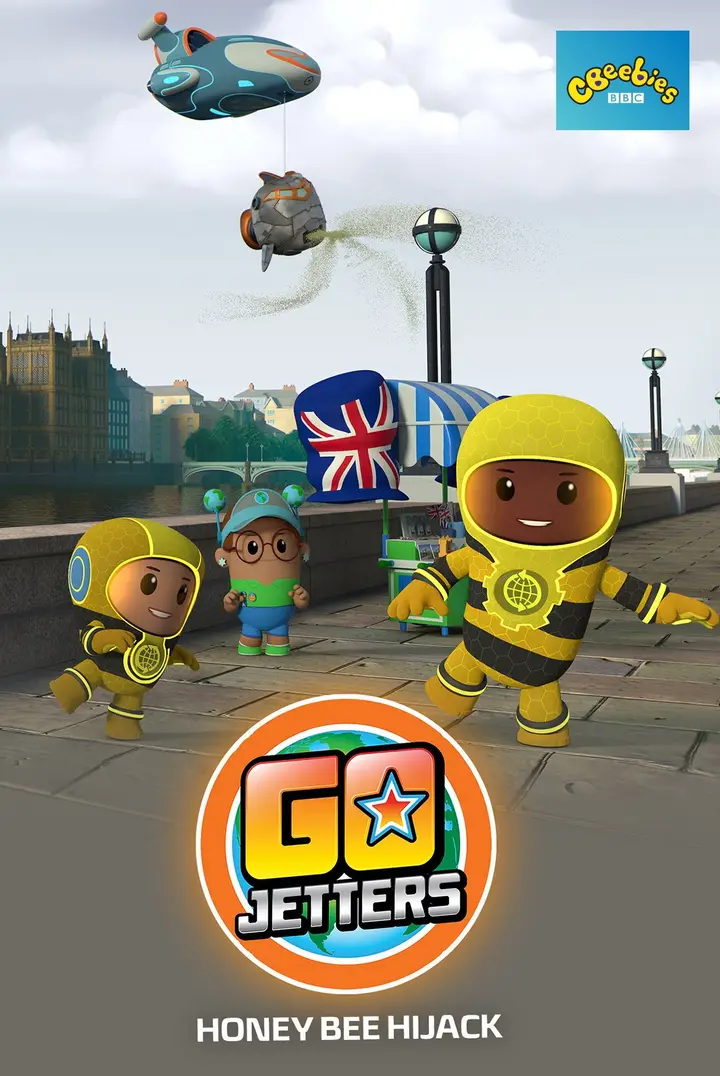
Go Jetters
Real landmarks become the setting for fast rescue missions, placing geography inside action instead of classroom explanation. Grandmaster Glitch creates the problem, while the team’s vehicles and coordinated response connect factual travel knowledge with adventure.
Questions parents ask
What are the best 2010s TV shows for kids?
Daniel Tiger’s Neighborhood (from age 3) and Octonauts (from 5) lead for younger children, with Wild Kratts (from 6) for animal lovers. Hilda (from 7) and Gravity Falls (from 8) are favourites that parents enjoy just as much, and Adventure Time (from 9) suits older children ready for stranger, more layered stories.
Is Gravity Falls too scary for kids?
For most children it is just right from age 8 (minimum 7). It mixes comedy with monsters, mysteries and spooky moments, and the supernatural side grows darker as the story connects in the second season. Sensitive children may prefer to watch the creepier episodes with you, but the humour does a lot to soften the scares.
Is Adventure Time suitable for young kids?
It is recommended from age 9 (minimum 8). The bright colours and silly humour can hide grief, loss, unsettling images and complicated relationships, especially in later seasons. Younger children may enjoy single episodes, but the show is richest for older kids who can sit with its stranger, more emotional side.


