
Best 2010s TV Shows for Kids & Families
Gravity Falls, Adventure Time, Hilda, Trollhunters, The Dragon Prince, and more from the decade streaming reshaped family TV.
Page 2 of 3. This page shows series 49–96 out of 101.
Find the right series
Choose one band. Results show age-relevant series approved by our editors: those whose Minimum-to-Recommended age span overlaps the band, plus individually approved favorites. The Recommended Age is a starting point, not a maximum.
More filters and sort
No series in this guide match this age.
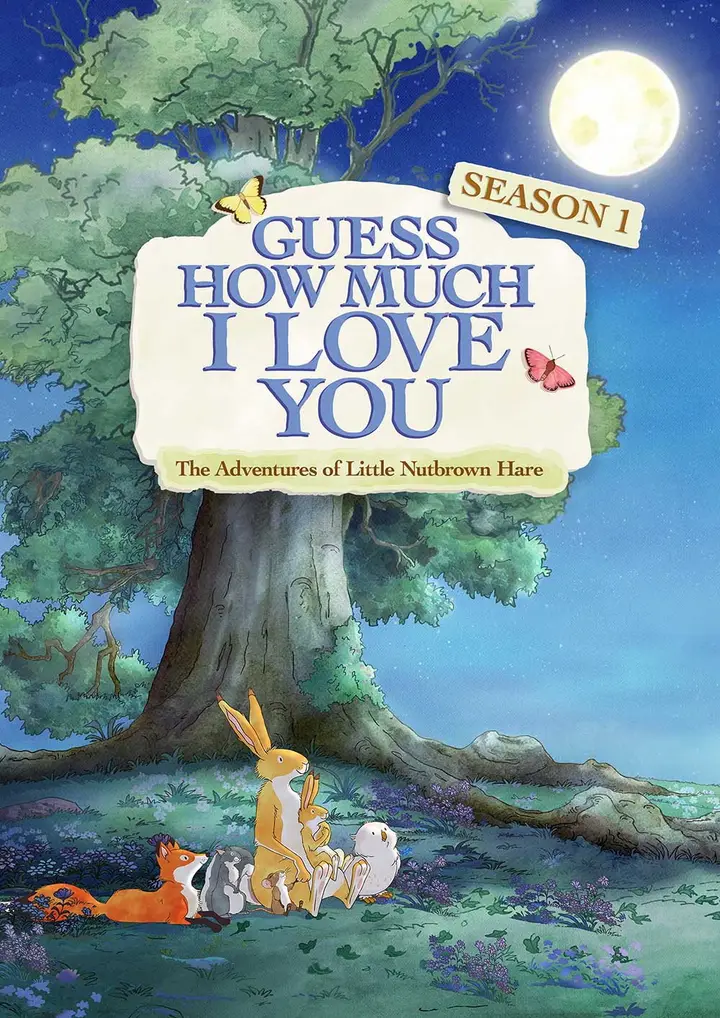
Guess How Much I Love You
Small countryside discoveries are built around affection, play and reassurance between Little Nutbrown Hare and Big Nutbrown Hare. The stories value connection over conflict, making nature, friendship and family bonds the main source of interest.
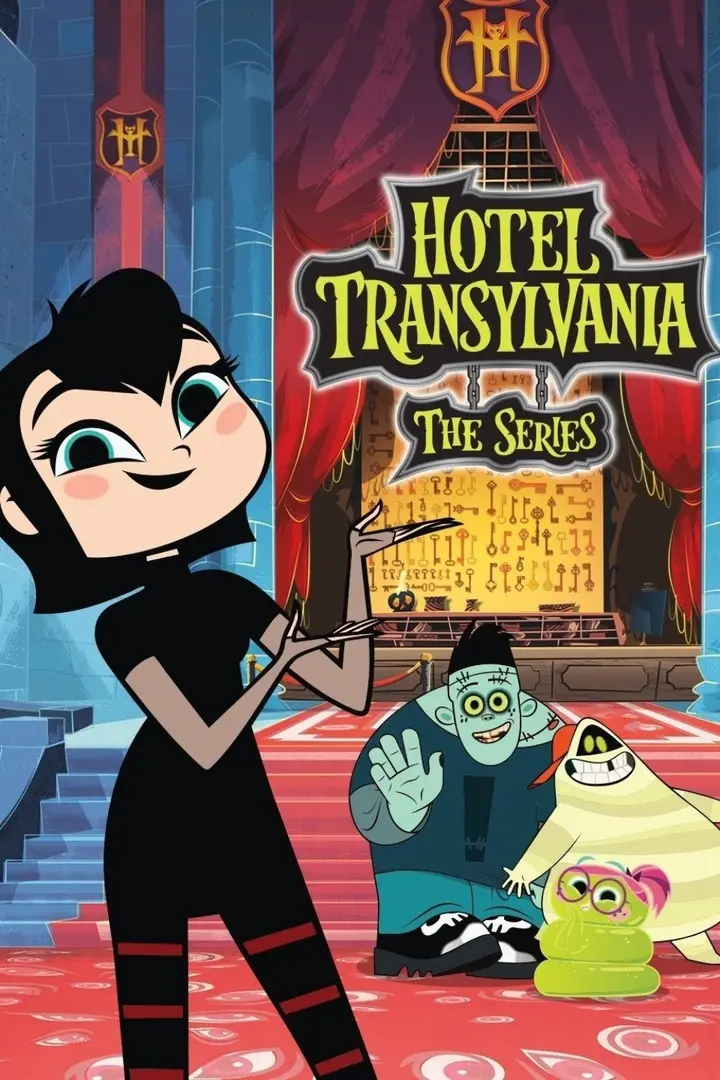
Hotel Transylvania: The Series
Mavis’s push for independence gives the monster comedy a clear adolescent center. Hotel rules, strict Aunt Lydia and supernatural mishaps turn everyday questions about freedom, boundaries and responsibility into playful fantasy conflicts.
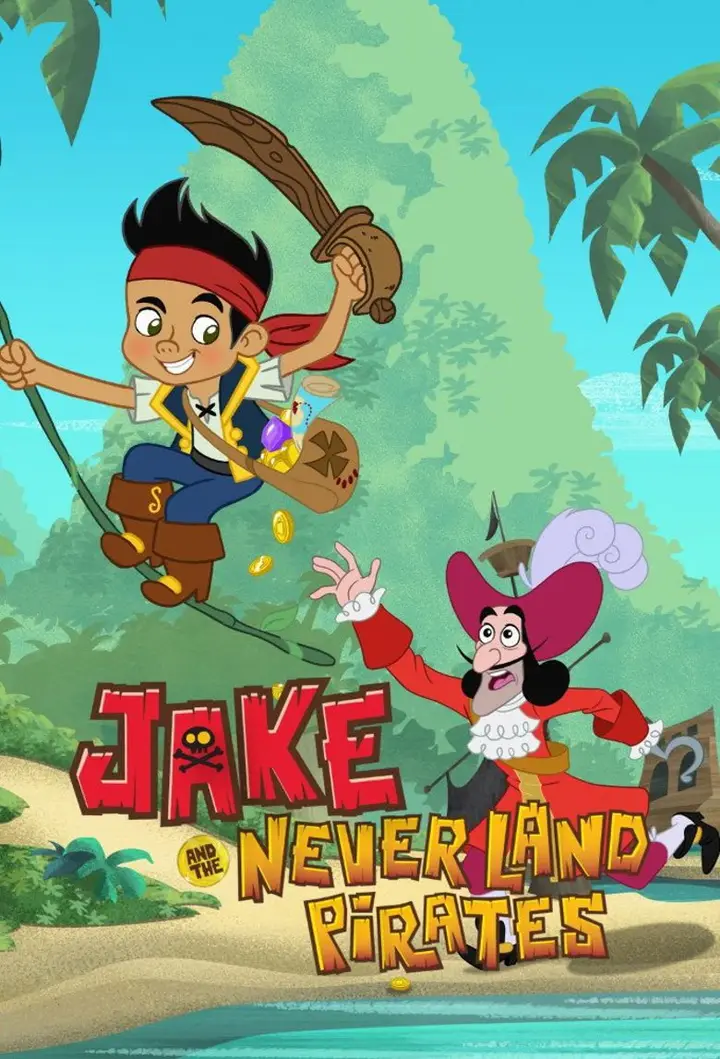
Jake and the Never Land Pirates
Preschool pirate missions combine clues, counting and simple choices with familiar Never Land characters. Jake’s crew succeeds through cooperation, making the adventure interactive without letting conflict with Captain Hook become threatening.
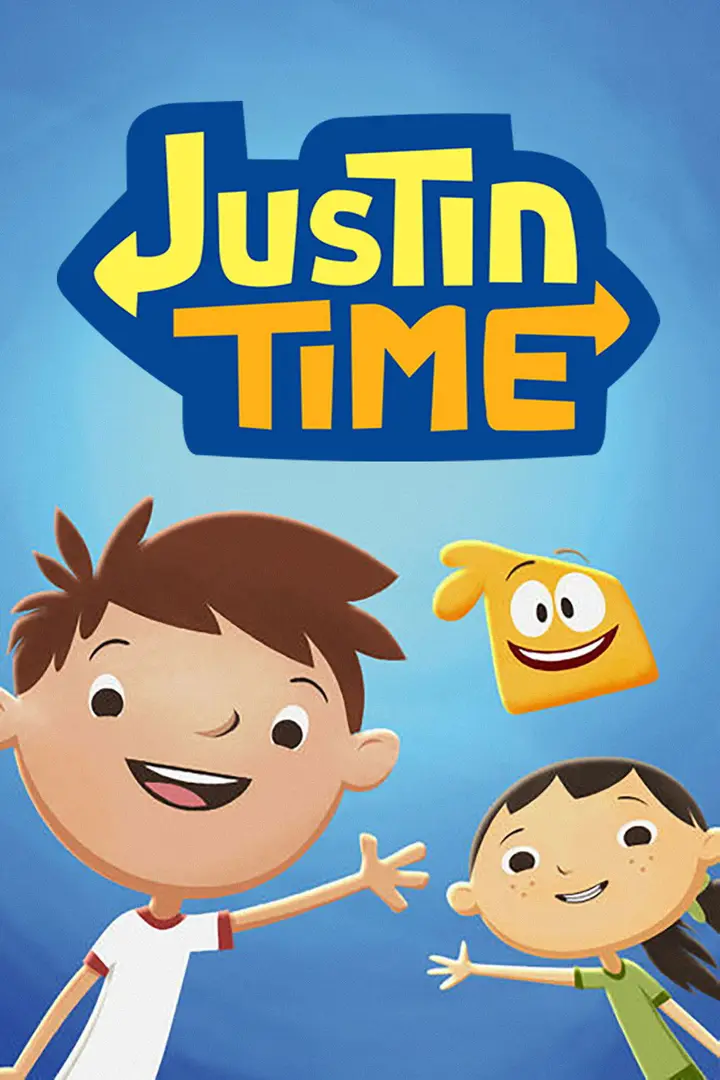
Justin Time
Justin’s imagination links everyday problems to adventures across history, geography and culture. Each trip gives him a new perspective that he can bring home, making fantasy exploration directly useful to practical childhood situations.
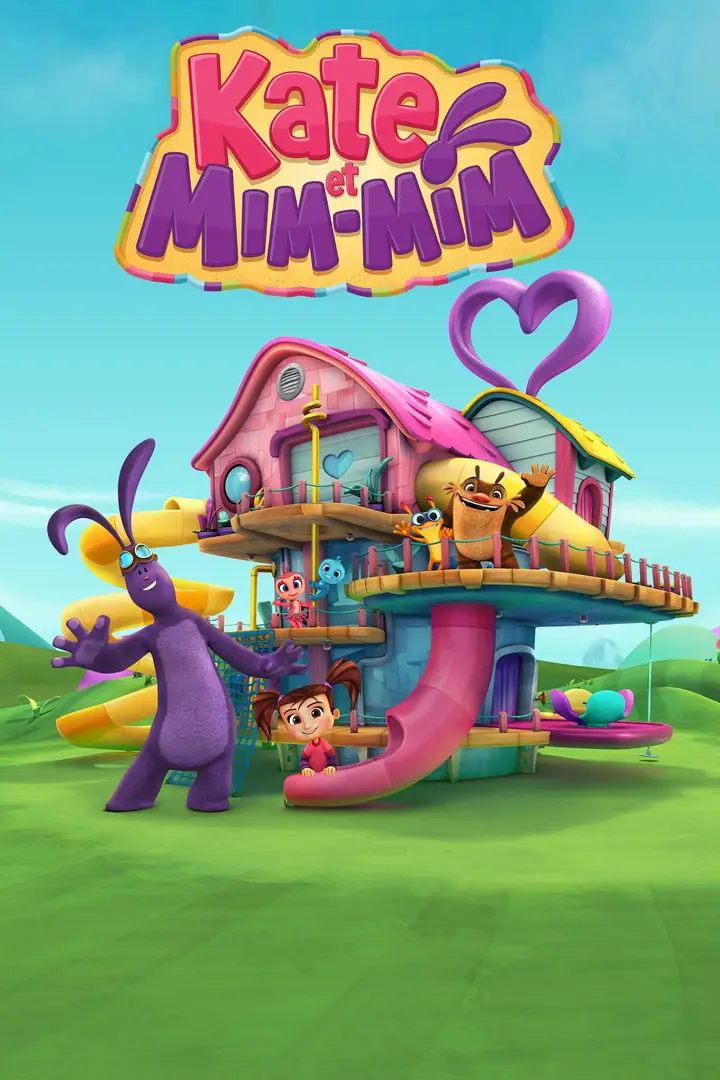
Kate & Mim-Mim
Kate turns everyday worries into adventures in Mimiloo, where larger fantasy problems can be tried from several angles. What she learns there often gives her a new way to handle the original situation at home.
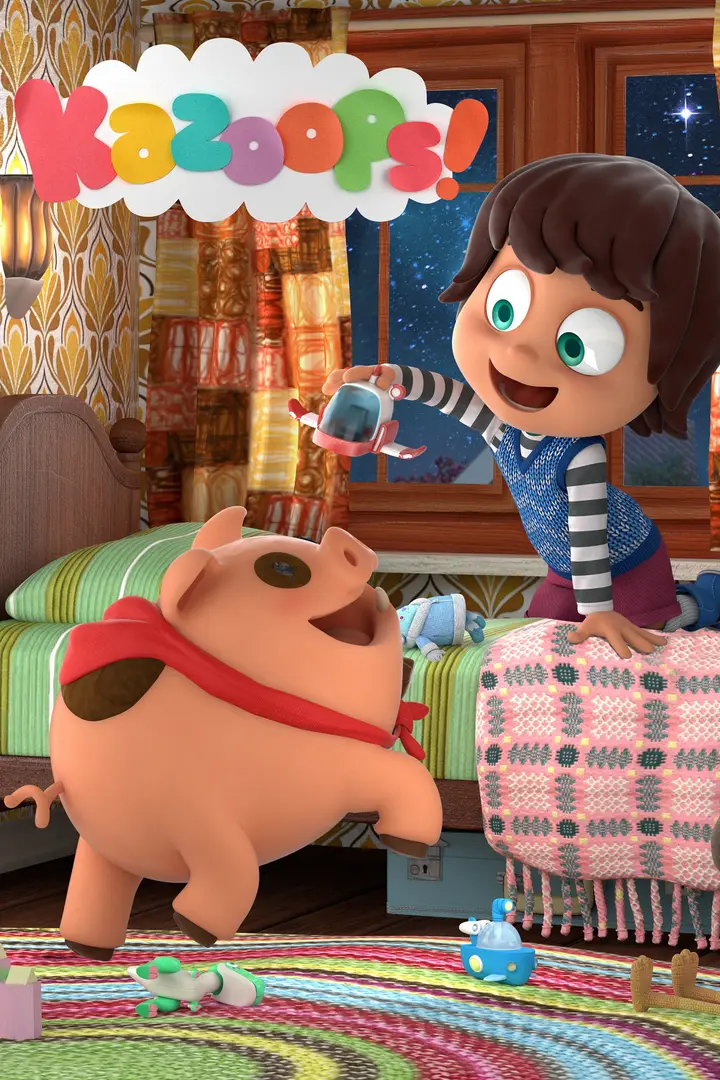
Kazoops!
Monty questions familiar assumptions and uses musical imagination to test whether things must work the usual way. Each fantasy sequence opens several possible answers, making curiosity and alternative thinking the point of the story.
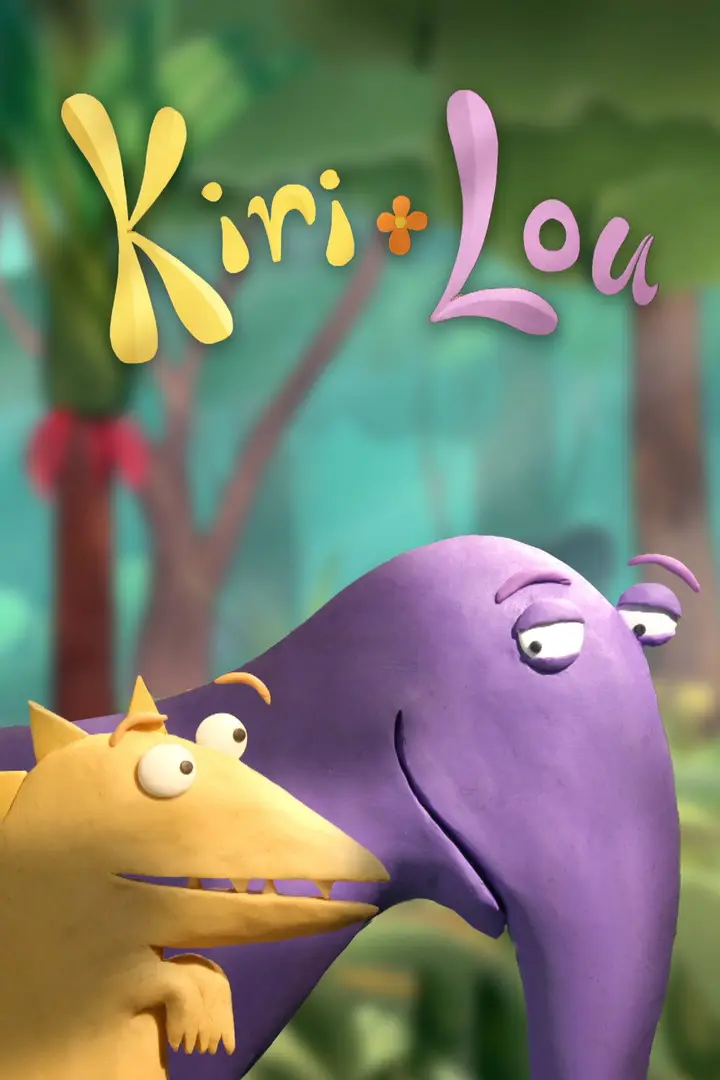
Kiri & Lou
Short stop-motion stories give jealousy, frustration, loneliness and reconciliation enough space to be understood without turning them into lessons. Kiri and Lou make mistakes, pause and reconnect, keeping preschool social life recognizable.
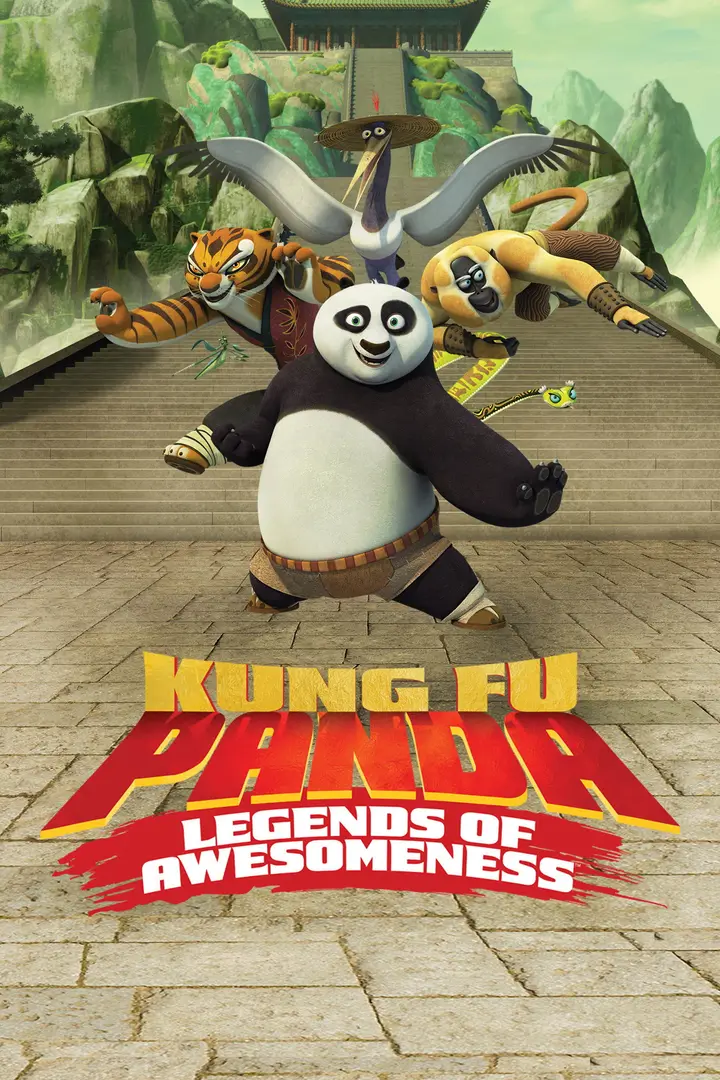
Kung Fu Panda: Legends of Awesomeness
Po’s enthusiasm constantly collides with the discipline expected of the Dragon Warrior. New villains and training challenges let the series use martial-arts comedy to explore humility, responsibility and the value of different problem-solving styles.
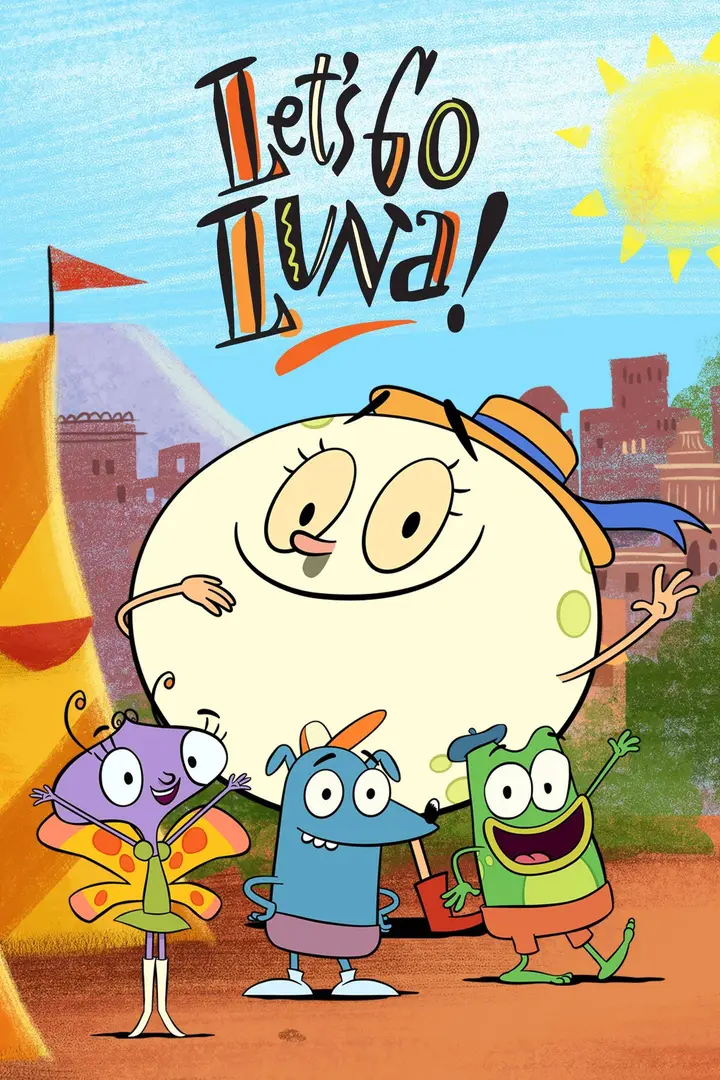
Let's Go Luna!
Travel becomes a way to learn about culture through food, art, music, customs and everyday life instead of isolated facts. The young characters’ questions make geography practical and give each city a human context.
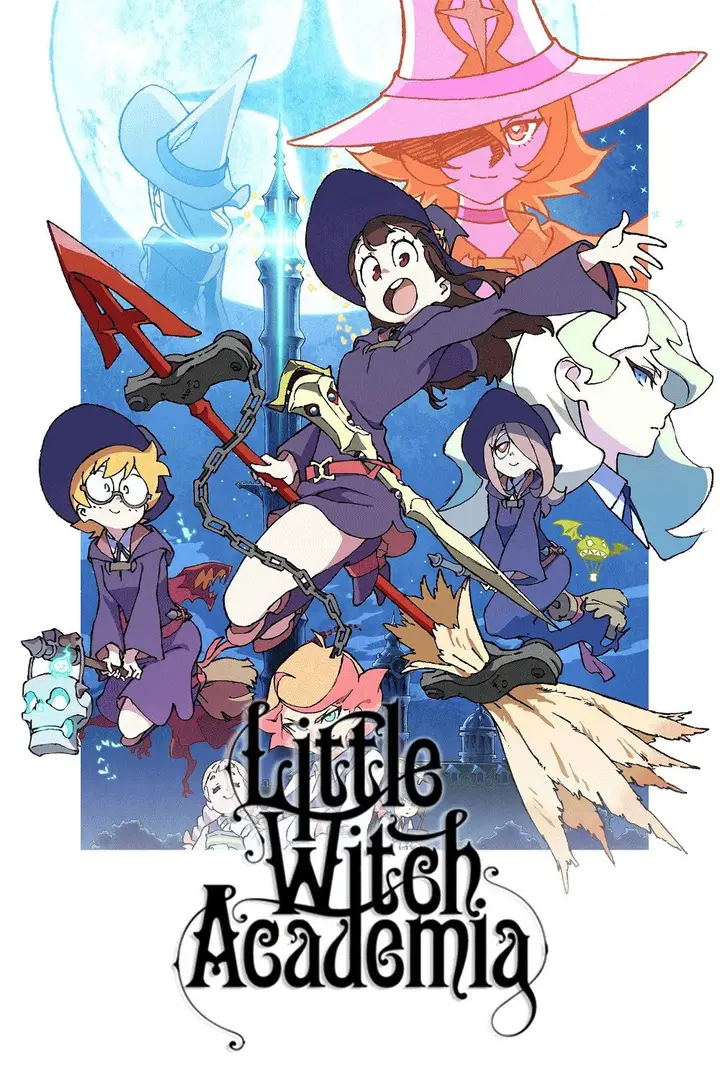
Little Witch Academia
By giving its heroine no natural magical talent, the show argues that effort and personality can matter more than innate ability, even in a school built entirely around magic.
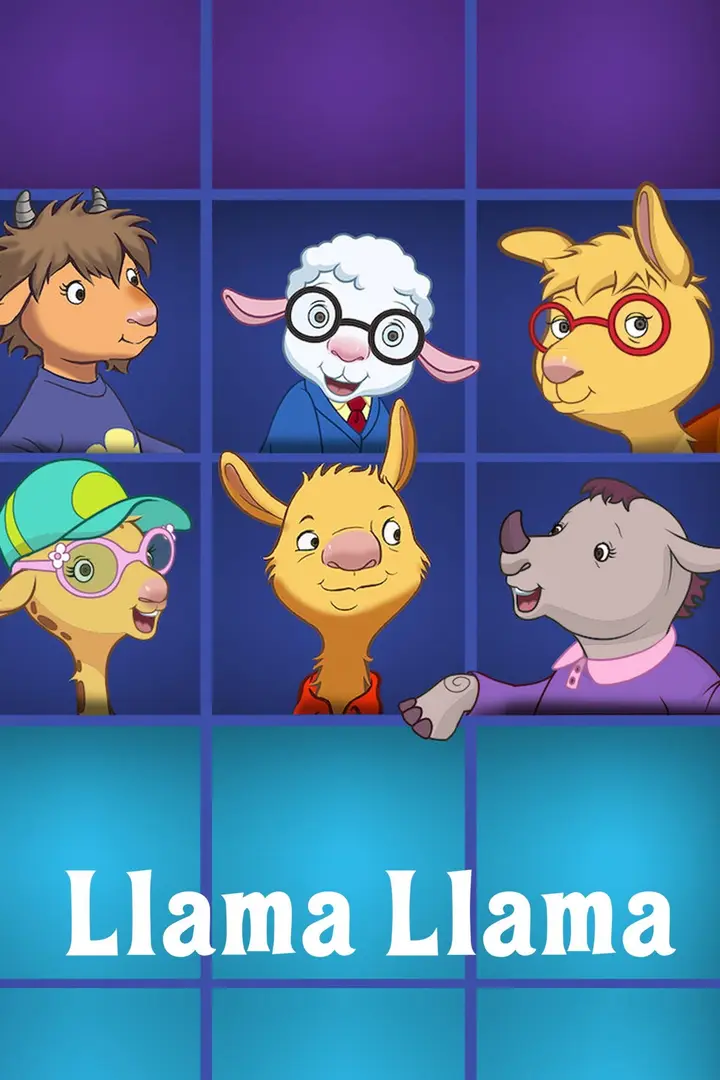
Llama Llama
Separation, waiting, sharing and unfamiliar experiences stay close to a young child’s world. Mama Llama supports without erasing the problem, while rhyming language helps name reactions and show how reassurance and practice can change a difficult moment.
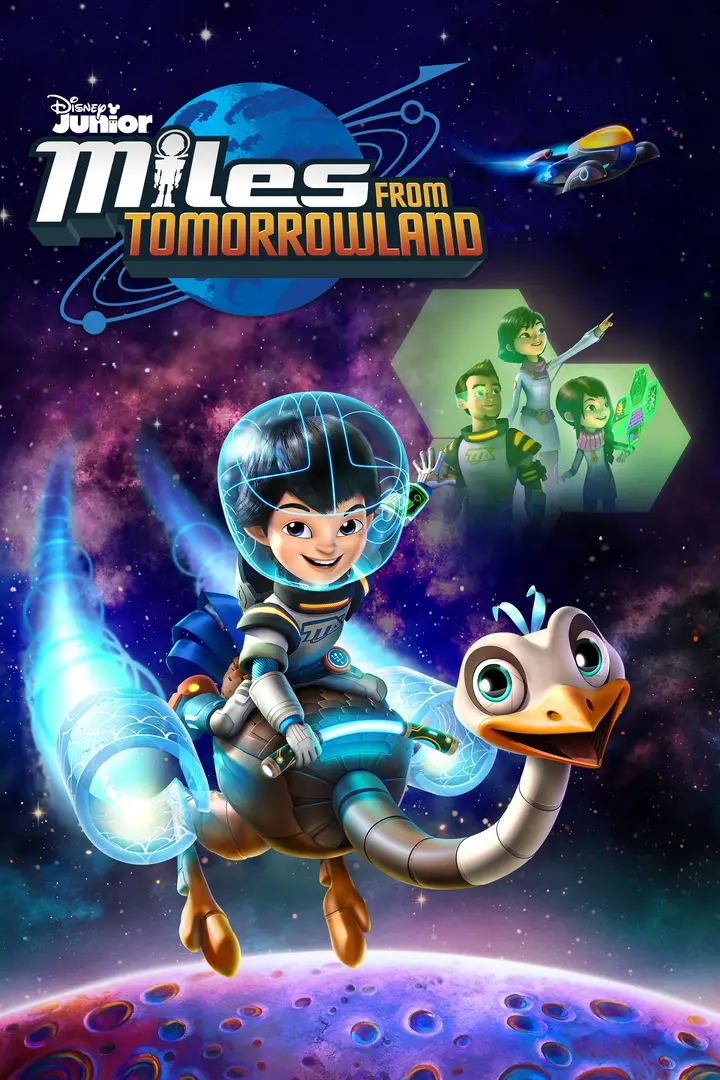
Miles from Tomorrowland
A family traveling through space turns exploration into a shared problem-solving project. New planets and species create science-fiction adventure, while technology, observation and communication keep curiosity connected to cooperation and respect for unfamiliar communities.
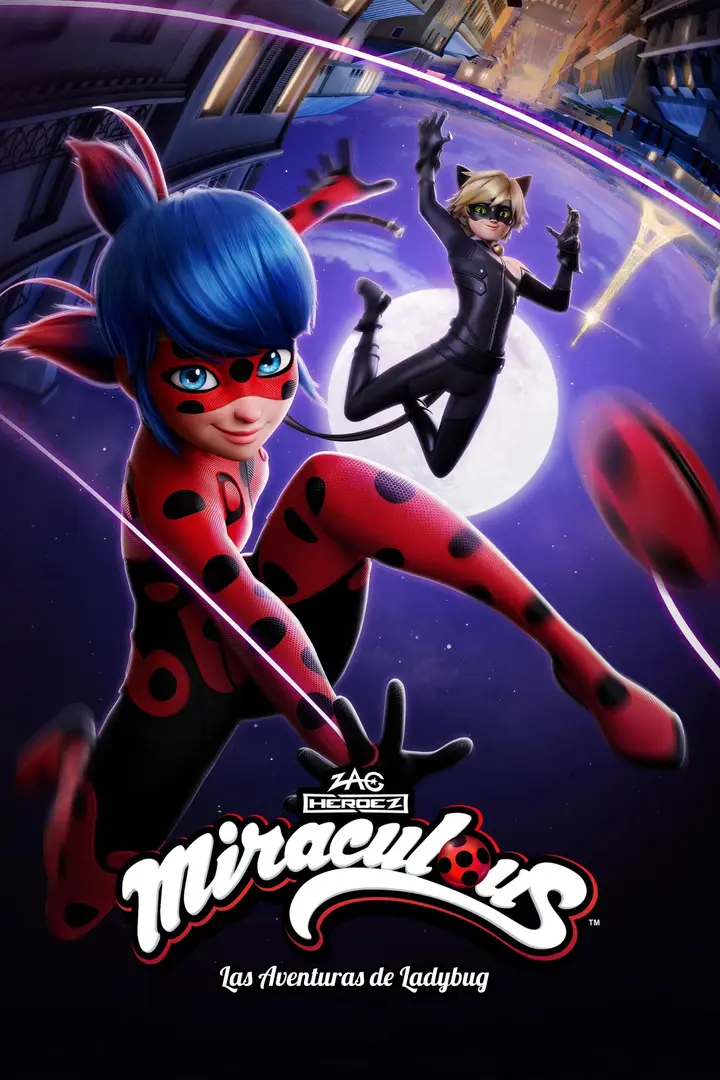
Miraculous: Tales of Ladybug & Cat Noir
Superhero battles are tied to school life, secret identities and a complicated friendship between Marinette and Adrien. Their powers work best through cooperation, while the growing Miraculous mythology gives the recurring villain structure long-term momentum.
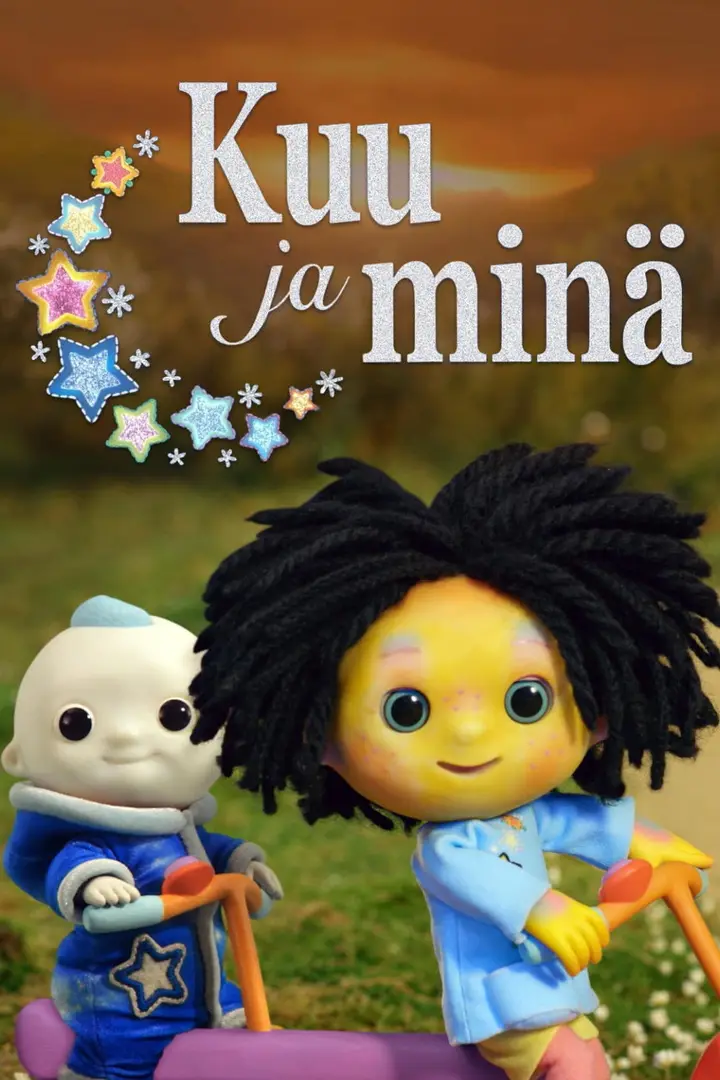
Moon and Me
Repeated songs, toy-house rituals and long pauses create predictable night-time sequences for very young viewers. Characters gather, objects arrive and the house settles again, making anticipation and recognition the main structure instead of a conventional plot.
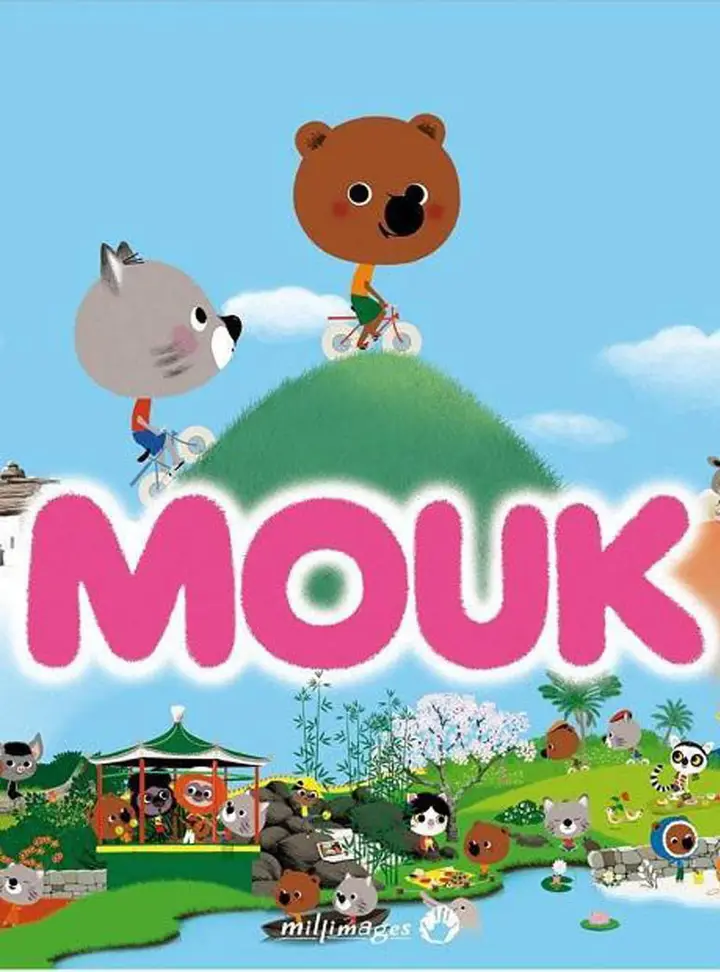
Mouk
Cycling around the world turns geography into lived experience as Mouk and Chavapa encounter foods, traditions, landscapes and animals. Small misunderstandings become opportunities to observe respectfully and learn how everyday life can differ from place to place.
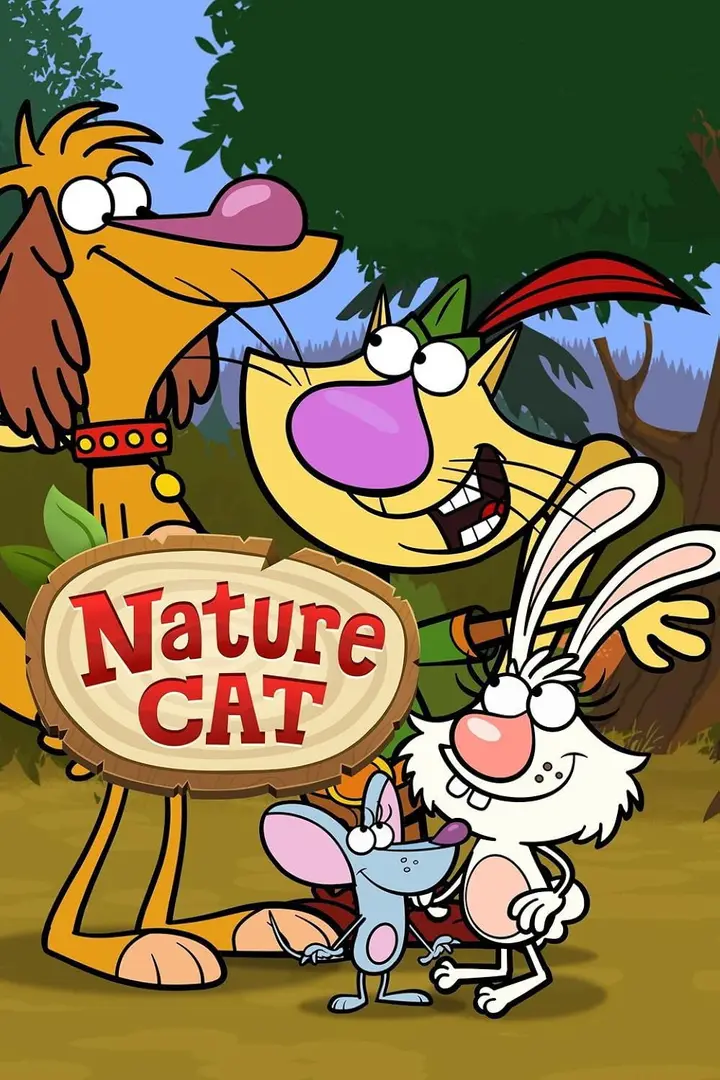
Nature Cat
Outdoor missions connect plants, animals, habitats and basic science to things children can notice for themselves. The comedy keeps the pace lively, while observation and curiosity drive the learning instead of memorized facts.
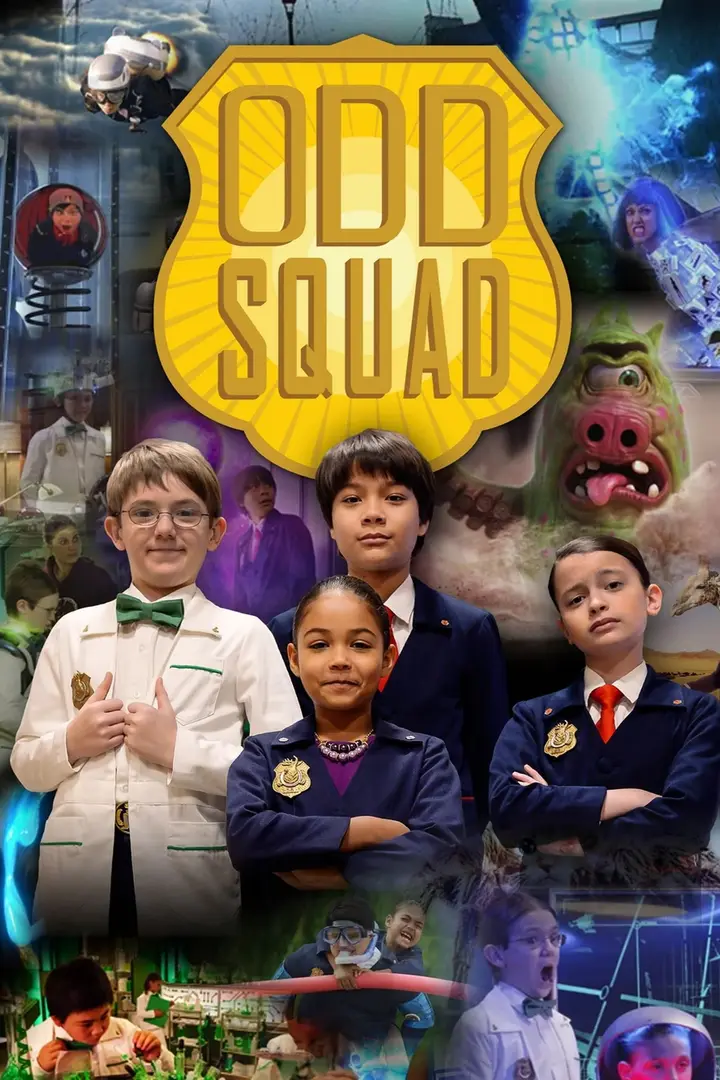
Odd Squad
Bizarre cases turn mathematics into detective work, with agents using patterns, measurement, geometry and logic to reach answers. Because solutions must be explained, the series makes reasoning visible instead of treating the correct answer as magic.
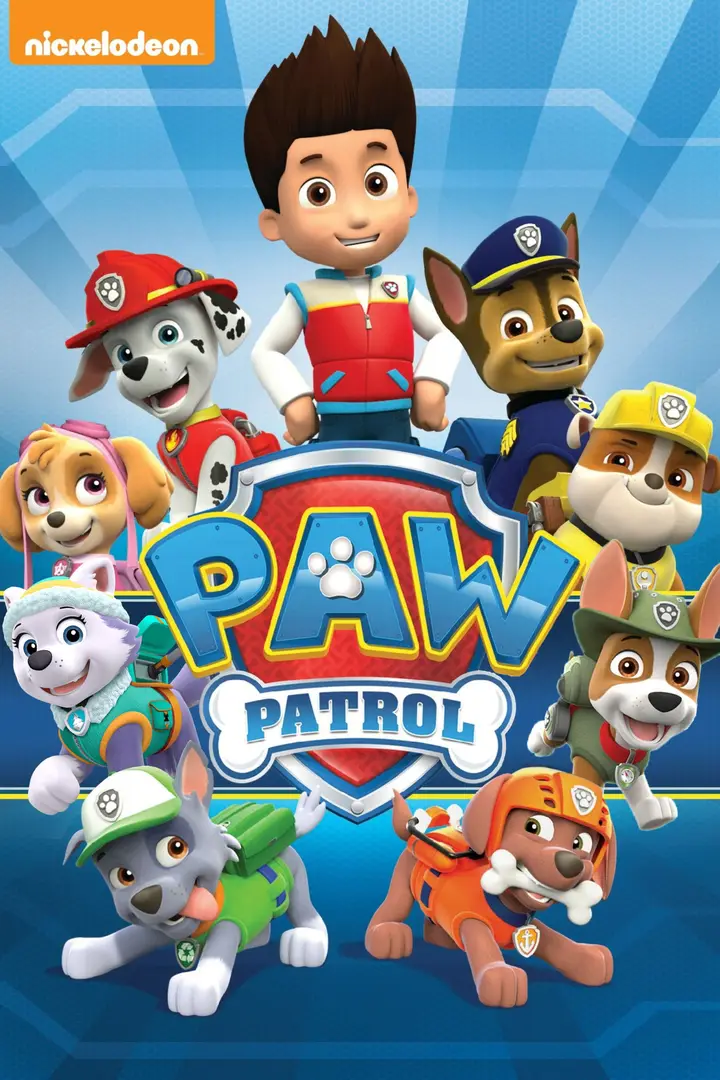
PAW Patrol
A repeated rescue structure makes teamwork easy for preschoolers to understand: identify the problem, choose the right skills and complete the mission together. Specialized vehicles and roles give each pup a clear contribution.
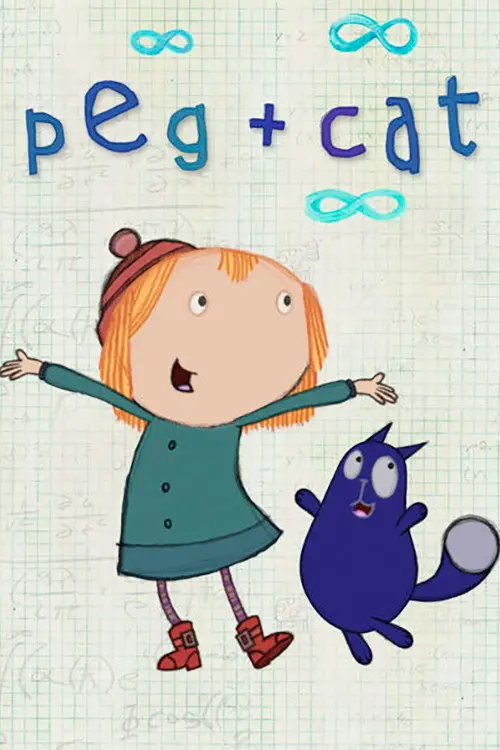
Peg + Cat
Math becomes part of the story as Peg and Cat use counting, patterns, shapes and measurement to solve practical problems. Mistakes are treated as part of the process, reinforcing persistence and flexible thinking.
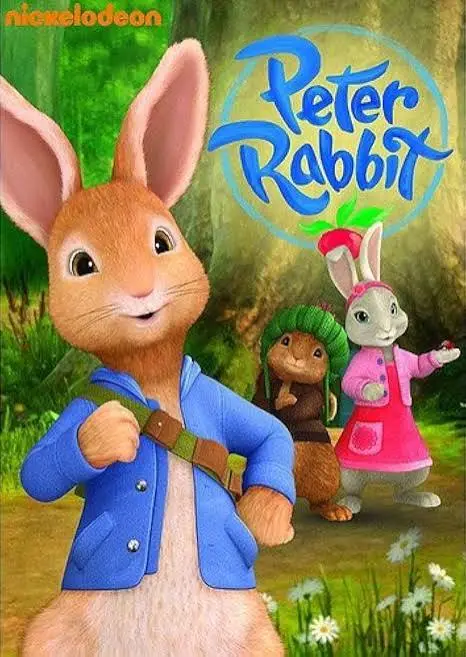
Peter Rabbit
Peter’s impulsive plans create lively woodland adventures where escapes and mistakes have clear consequences. Benjamin and Lily help turn raw curiosity into teamwork, planning and better choices as each problem develops.
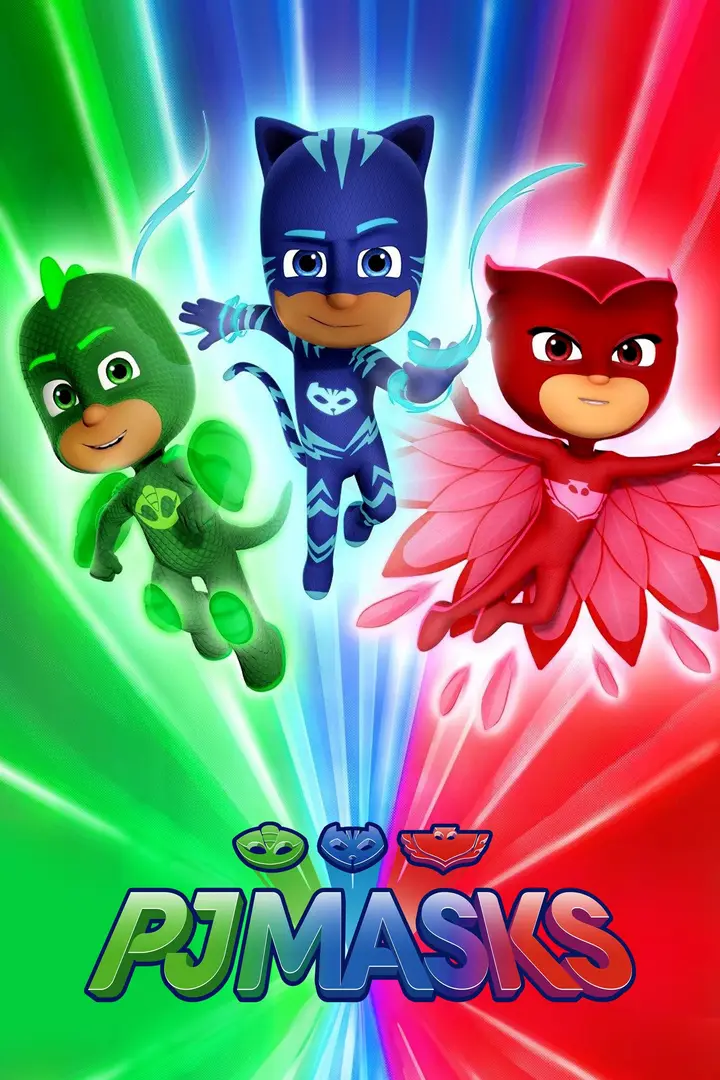
PJ Masks
Three six-year-olds become nighttime heroes whose different powers only work well when combined. Recurring villains create simple superhero missions, while mistakes and impatience repeatedly show why cooperation matters more than individual ability.
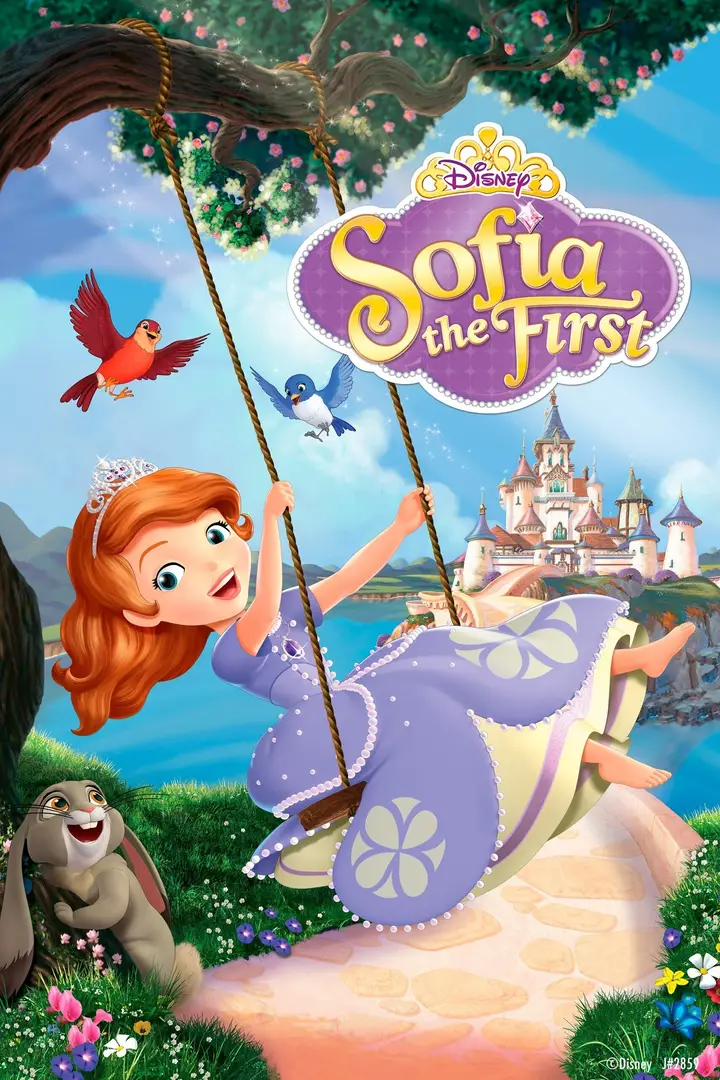
Sofia, the First
Sofia’s move into royal life turns princess fantasy into stories about fairness, responsibility and belonging. The magical setting attracts attention, but the real problems are usually social choices she must understand for herself.
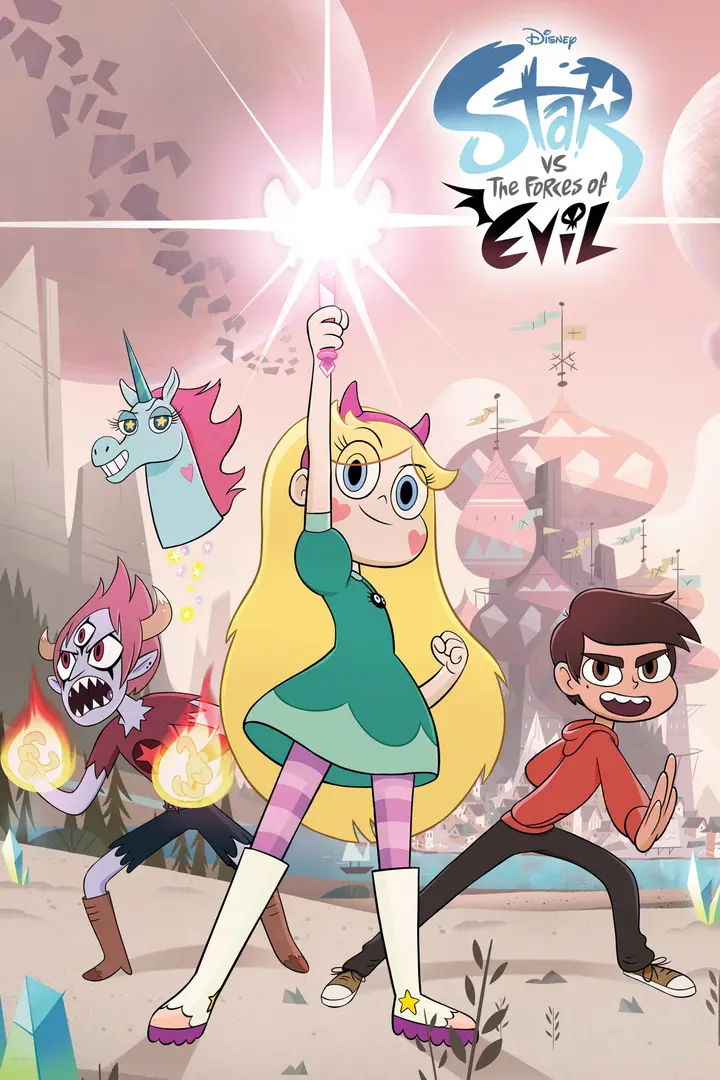
Star vs. the Forces of Evil
Star’s chaotic magic begins as fast comedy, then opens into larger questions about history, power and responsibility. Her friendship with Marco keeps the expanding fantasy grounded while the serialized plot gives earlier choices consequences.
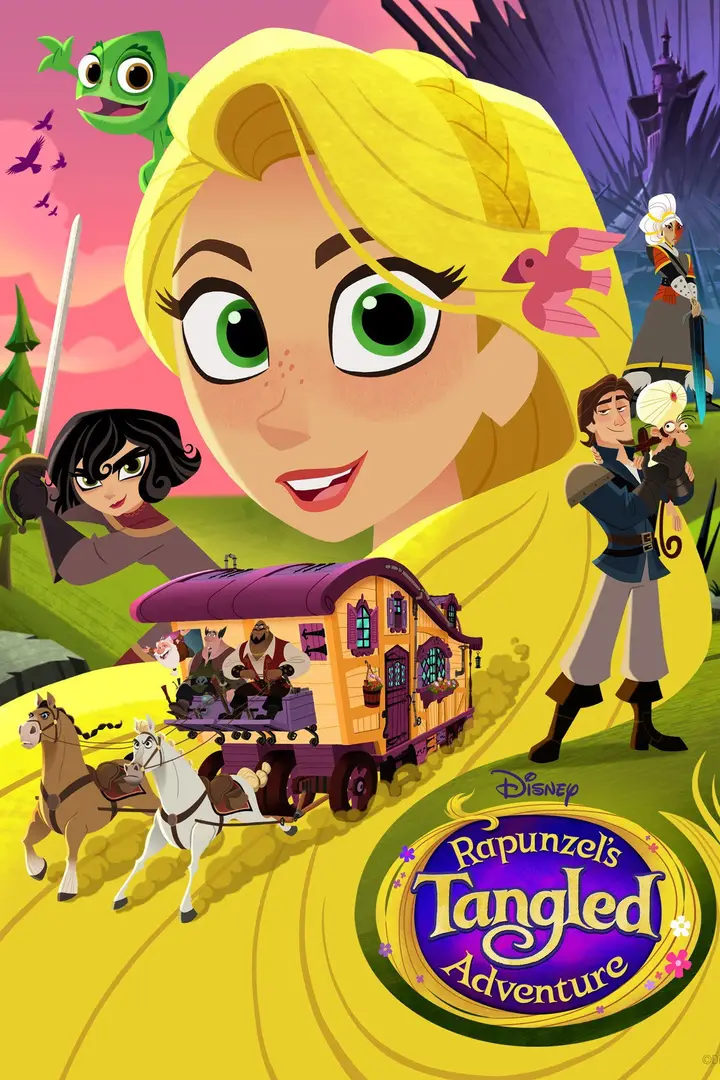
Tangled: The Series
Rapunzel’s return home becomes the start of a larger journey about leadership, independence and choosing her future. The mystery of her restored hair gives songs, comedy and fantasy adventure a strong serialized direction.
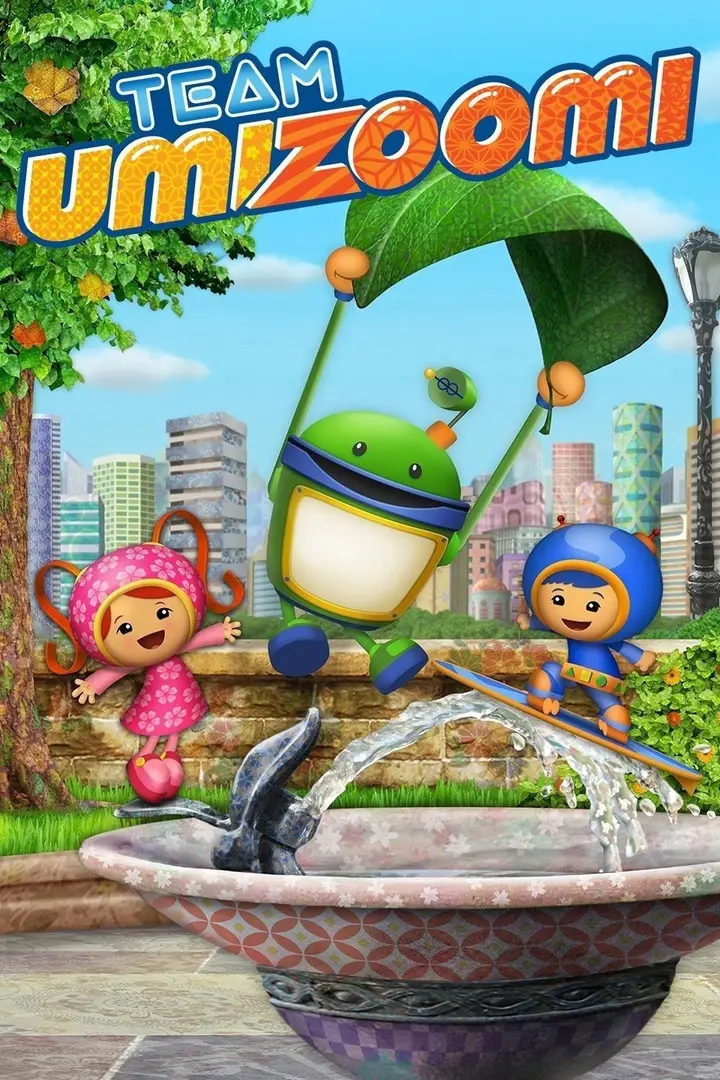
Team Umizoomi
Counting, shapes, patterns and measurement become active tools the team uses to solve problems in Umi City. Viewers are invited to spot information and answer questions, making early mathematics part of each mission’s solution.
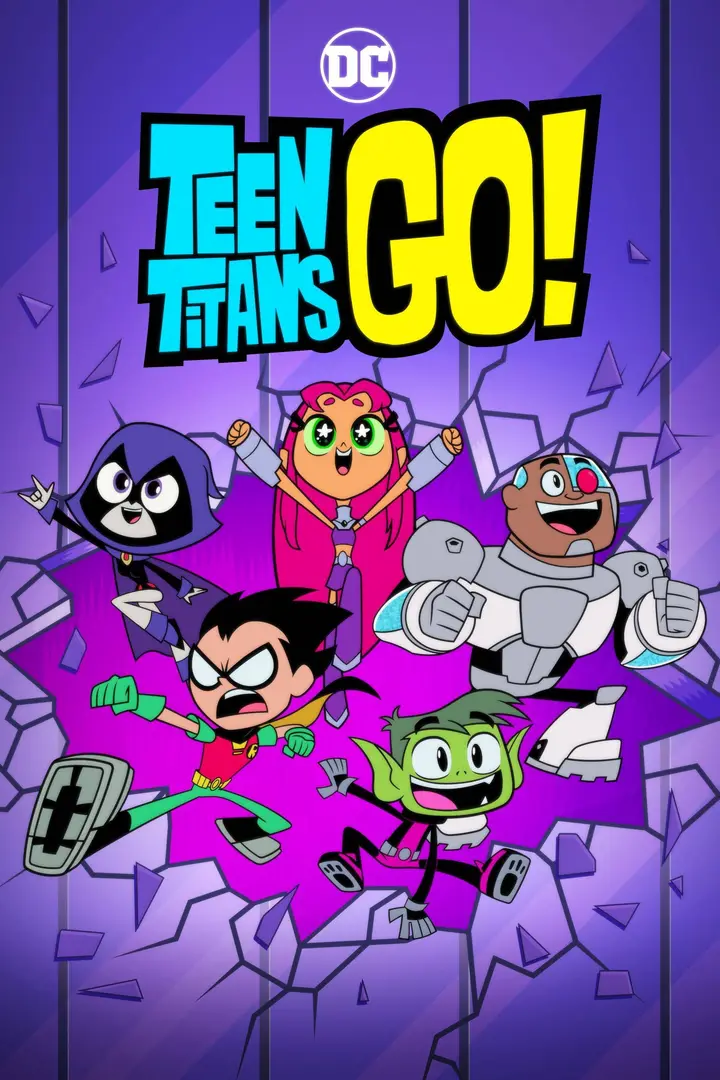
Teen Titans Go!
Superhero powers become fuel for fast parody, absurd arguments and pop-culture jokes. The team’s clashing personalities keep episodes energetic, while the series freely mocks heroic conventions instead of treating every mission with seriousness.
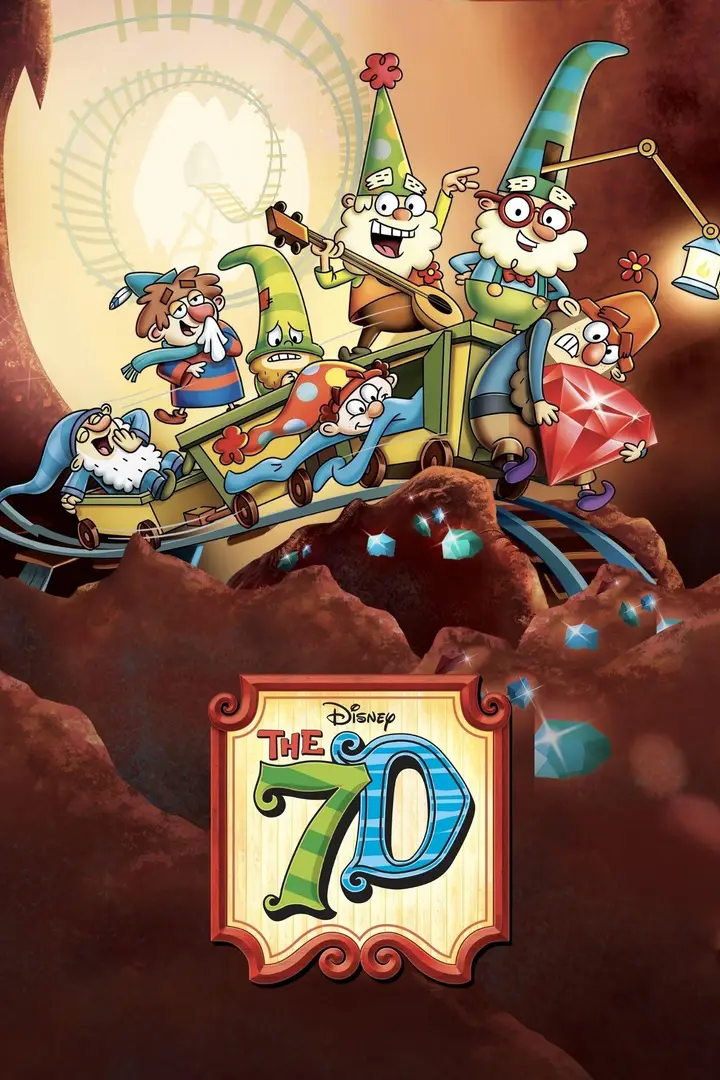
The 7D
Seven sharply defined personalities turn every royal crisis into a group comedy about complementary strengths and weaknesses. Magical schemes, songs and fast action keep the fantasy moving while making the whole team necessary.
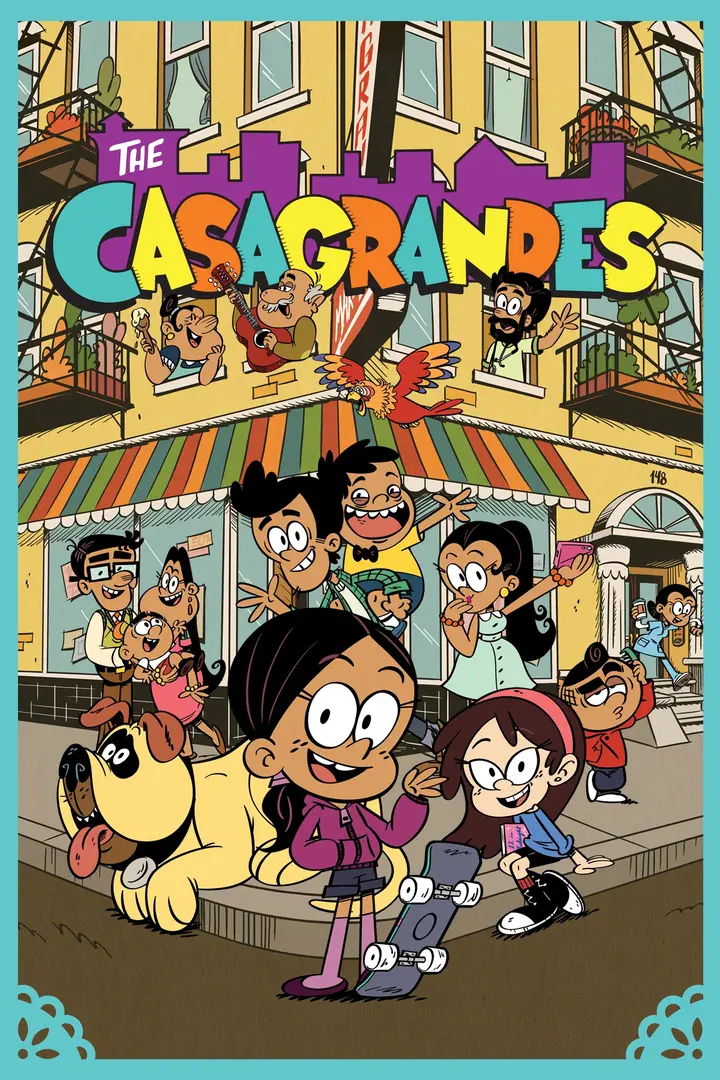
The Casagrandes
A crowded multigenerational home turns privacy, chores, school and friendship into fast family comedy. Mexican-American culture appears through food, celebrations, language and everyday relationships, giving the setting specificity without stopping the story for explanation.
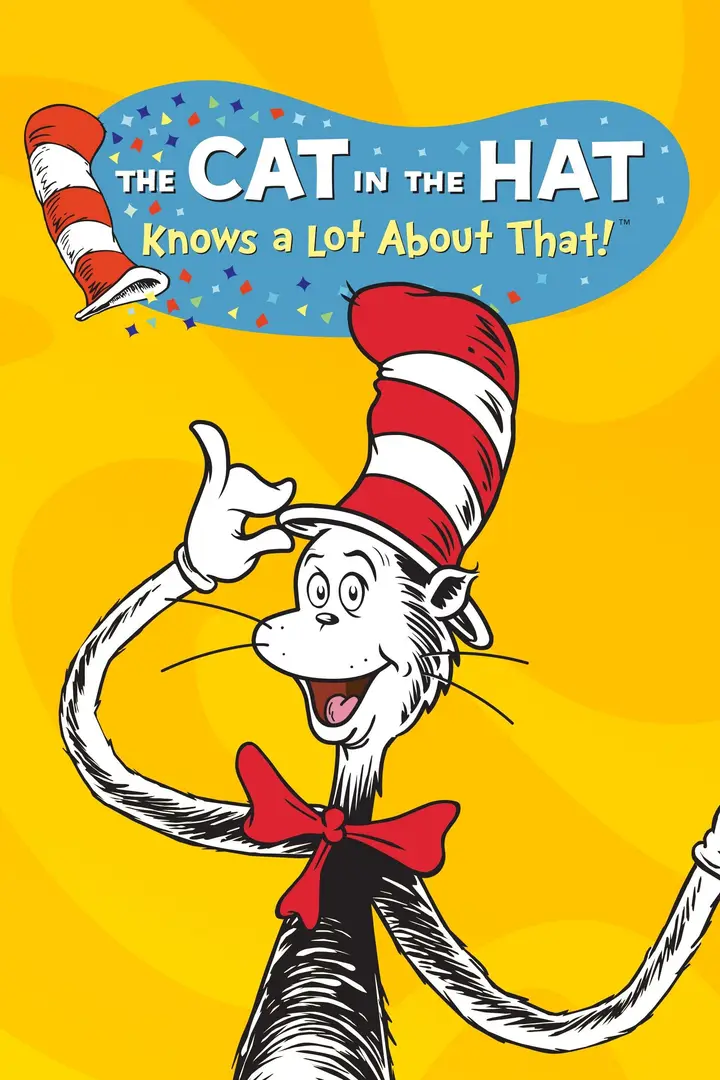
The Cat in the Hat Knows a Lot About That!
Questions about animals, plants, weather and physical science become imaginative field trips aboard the Thingamajigger. Observation, rhyme and playful experiments make preschool science active, while the Cat keeps curiosity moving from question to discovery.
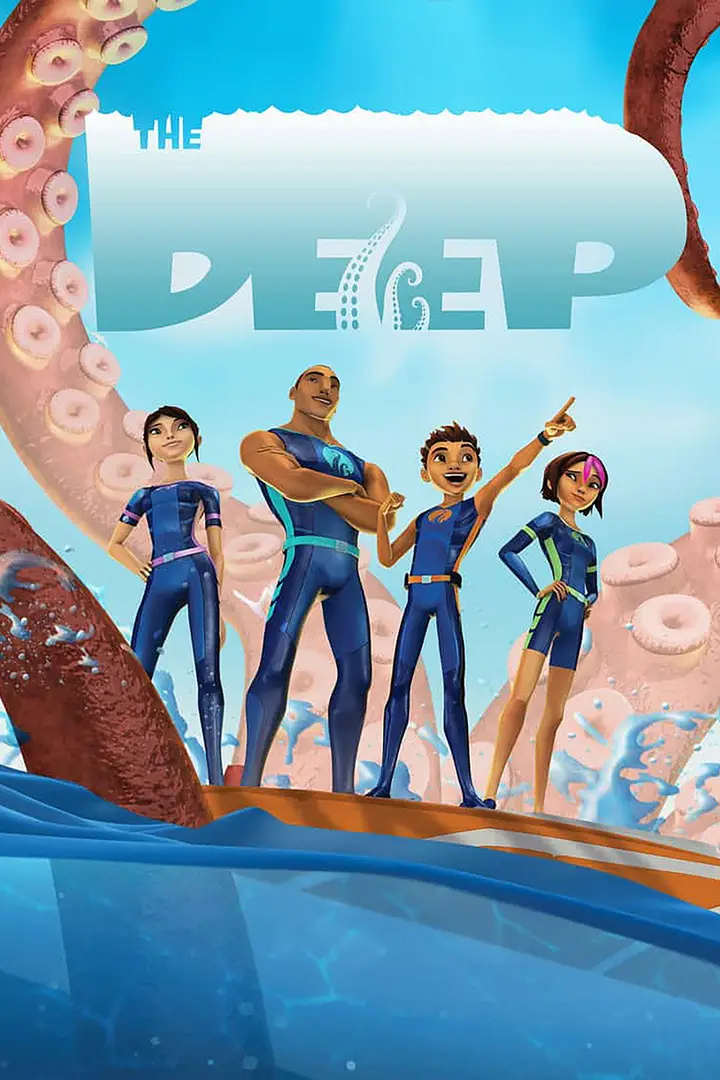
The Deep
The Nektons treat the ocean as a place of real discovery, combining marine science with lost civilizations and family adventure. Their submarine missions reward curiosity, technology and caution as each mystery pushes them into unfamiliar environments.
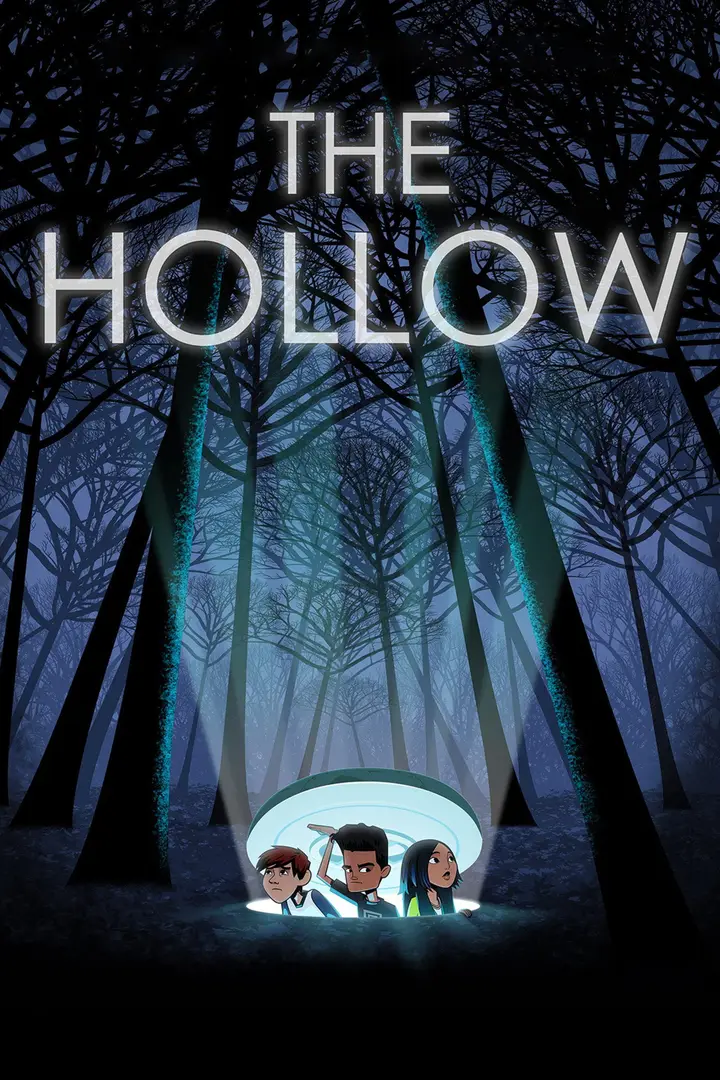
The Hollow
Three teenagers wake without memories and must solve game-like challenges using different abilities. The mystery develops through clues, strange environments and teamwork, making cooperation essential because no one character can understand everything alone.
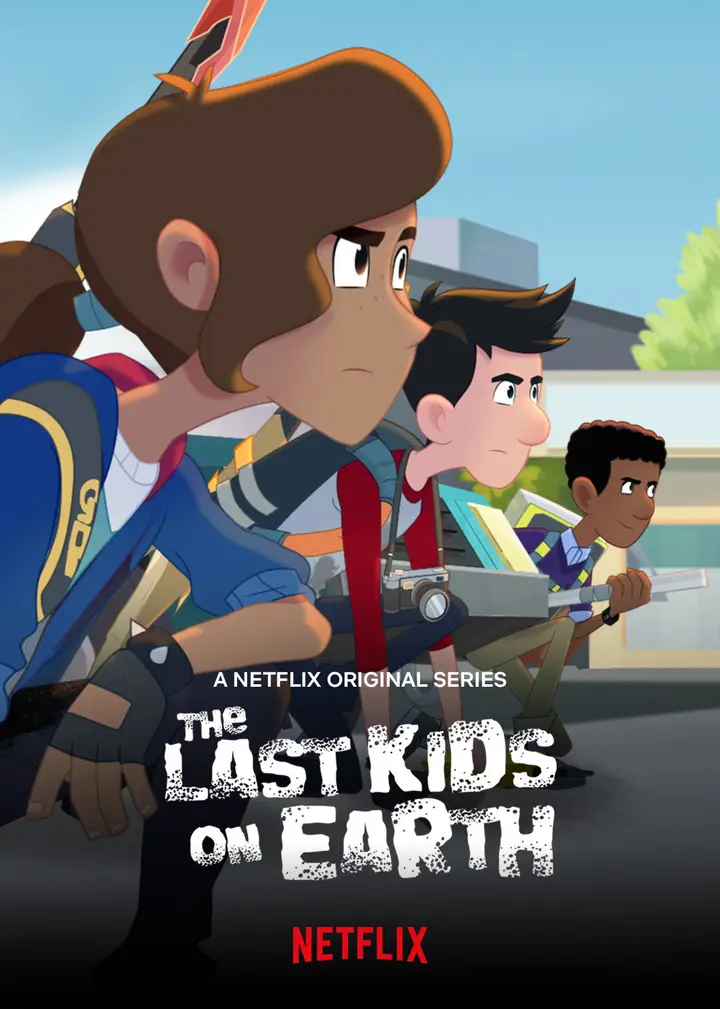
The Last Kids on Earth
The monsters are the hook, but the heart is Jack, a foster kid who finally finds a family in his friends. Humor keeps the scares manageable, and fans can continue with the books.
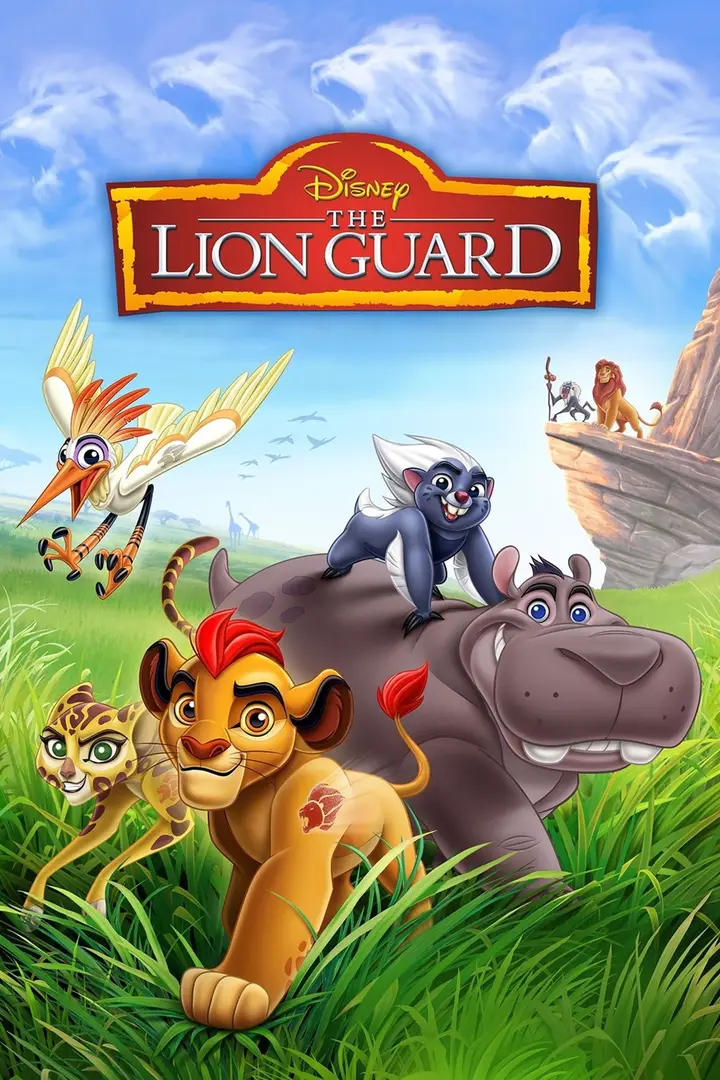
The Lion Guard
Kion leads a team whose different animal abilities make cooperation essential to protecting the Pride Lands. Rescue missions, territorial disputes and songs expand The Lion King world while tying leadership to responsible use of power.
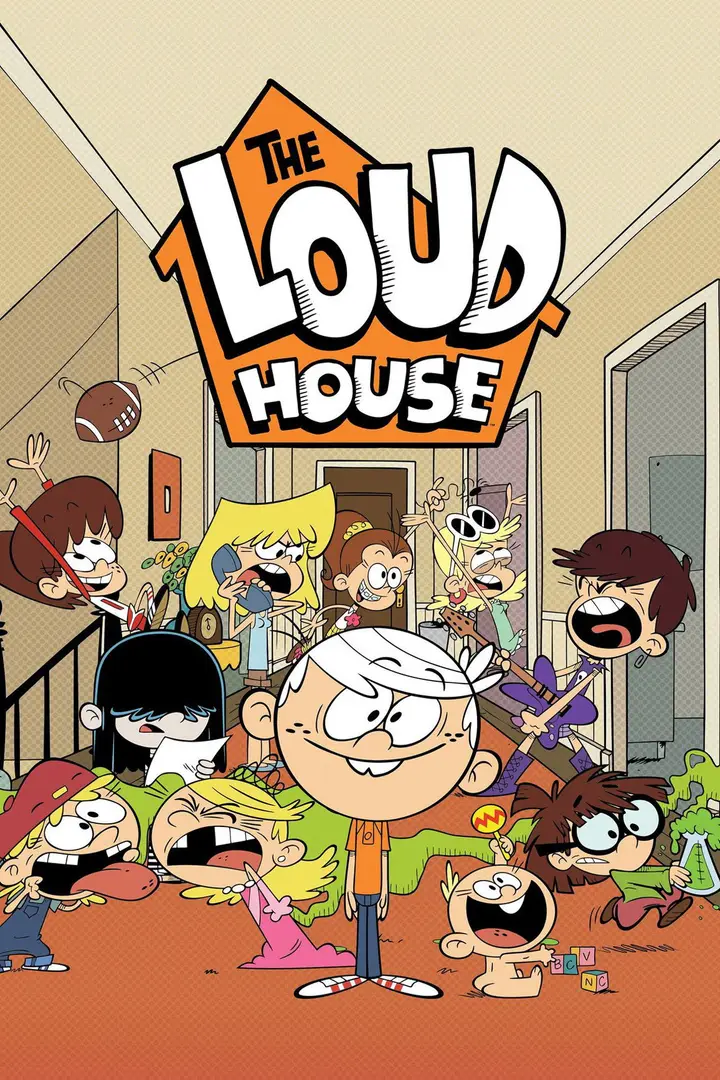
The Loud House
Lincoln’s crowded home creates endless practical problems around privacy, fairness and sibling rivalry. The exaggerated comedy works because each sister has a clear personality, while compromise and cooperation repeatedly restore the family after failed schemes.
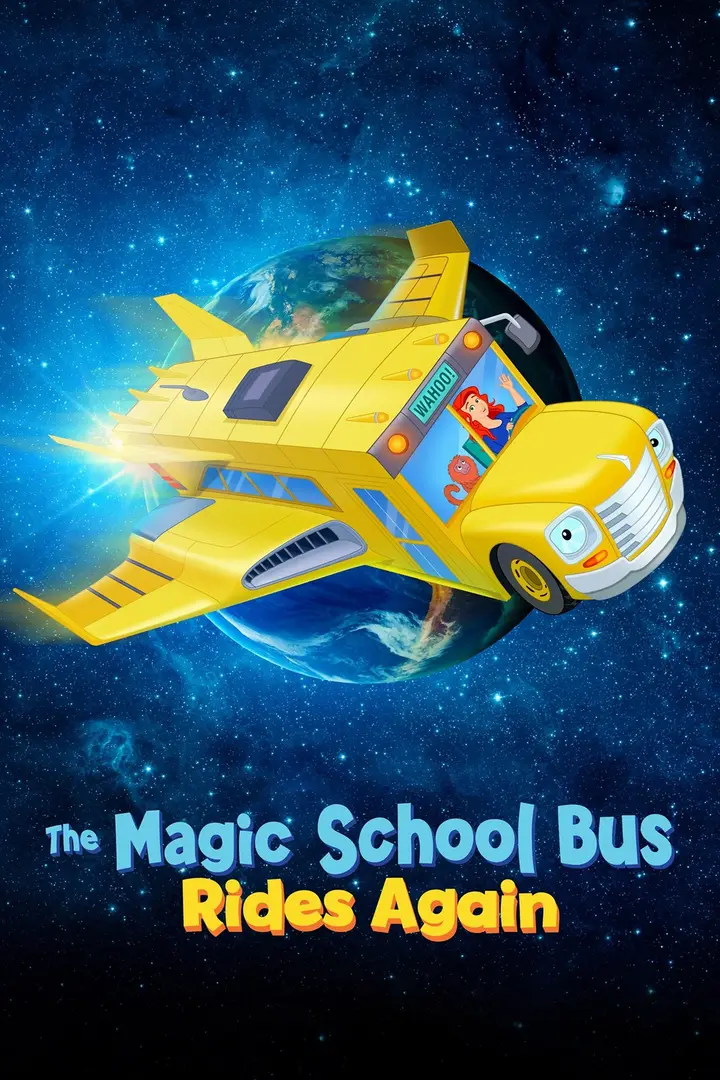
The Magic School Bus Rides Again
Ms. Fiona Frizzle turns questions into impossible field trips where students can observe science directly. Shrinking, time travel and space exploration make biology, physics and Earth science active experiences instead of abstract explanations.
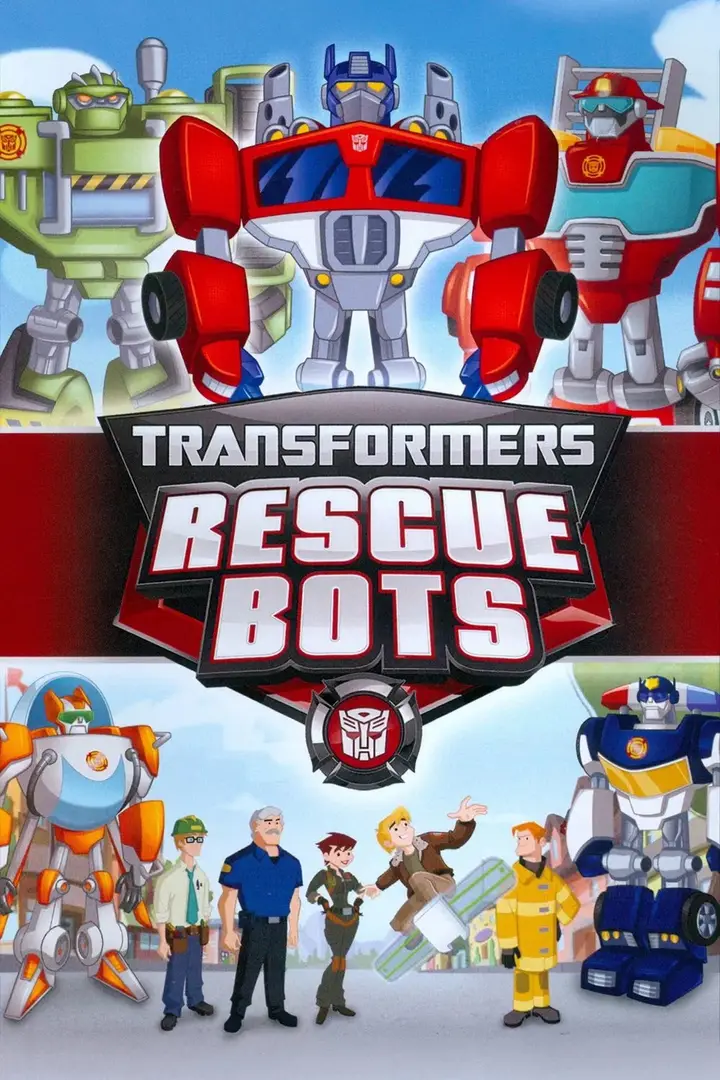
Transformers: Rescue Bots
Rescue work replaces warfare as the core of the Transformers formula. The Bots learn from the Burns family, turning vehicles, emergencies and science-fiction threats into stories about public safety, teamwork and protecting people first.
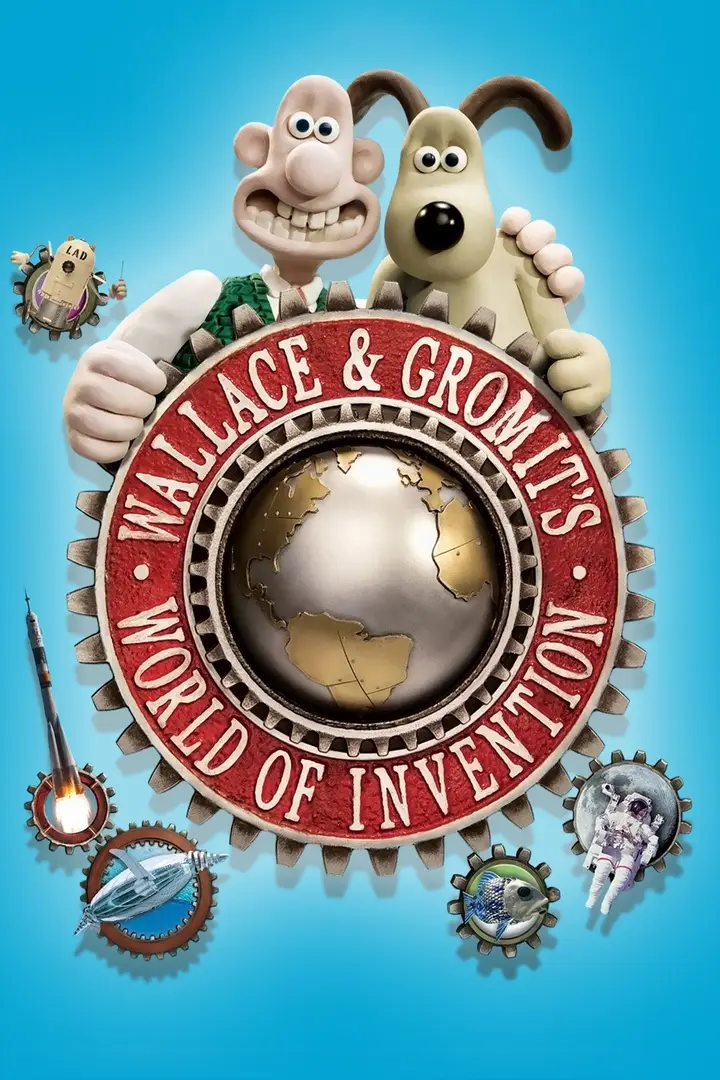
Wallace and Gromit's World of Invention
Real inventors, machines and experimental technology are framed by Wallace’s enthusiasm and Aardman humor. The series shows engineering as trial, failure and adaptation, making inventive thinking feel approachable without reducing the real work involved.
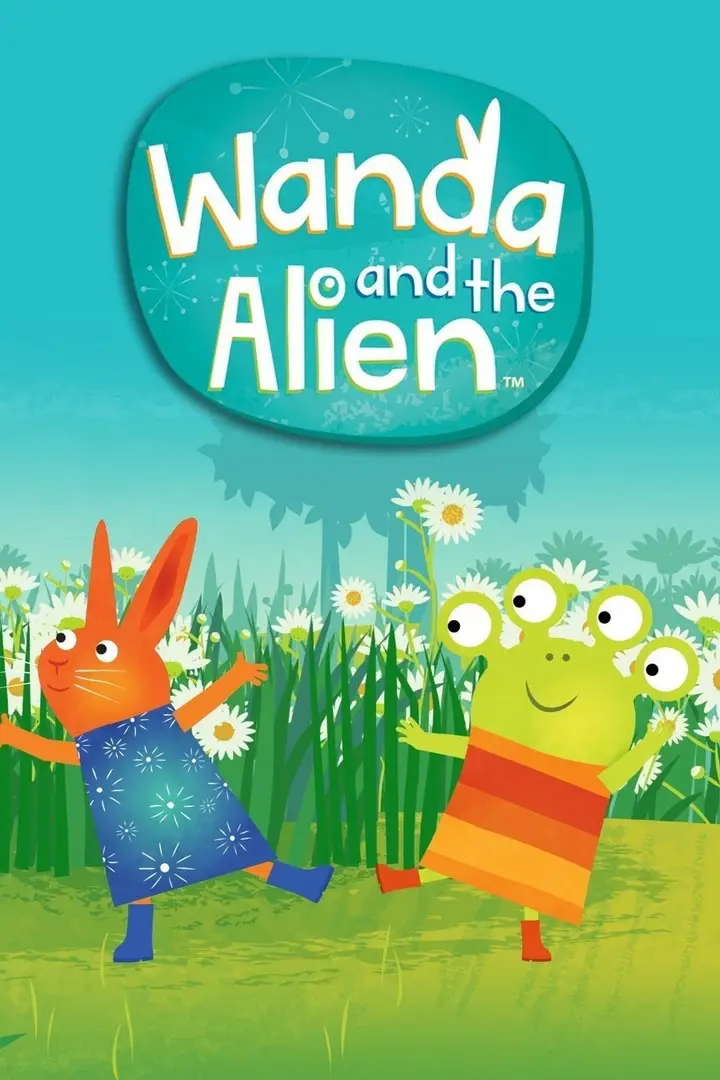
Wanda and the Alien
Wanda’s friendship with a stranded alien treats difference as a source of curiosity instead of fear. Visiting each other’s families and communities turns unfamiliar customs into simple preschool stories about communication, nature and openness.
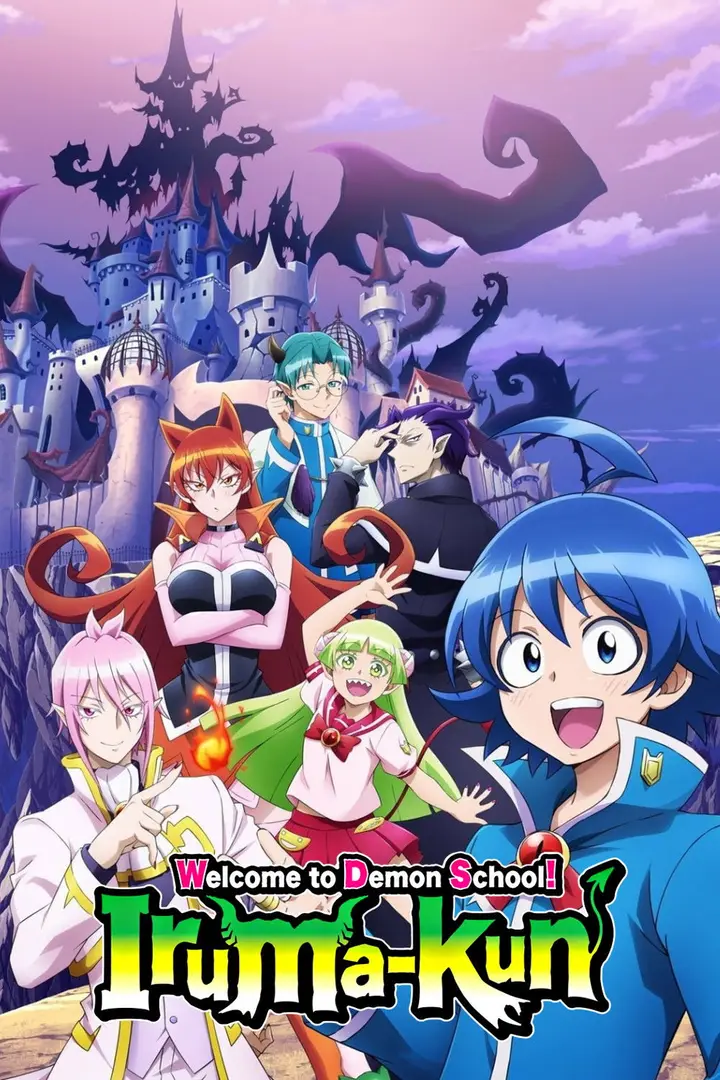
Welcome to Demon School! Iruma-kun
Iruma succeeds through empathy, adaptability and friendship in a school where almost everyone around him is a demon. That contrast gives the comedy its charm, while the growing cast and school challenges provide enough continuity to support longer story arcs.
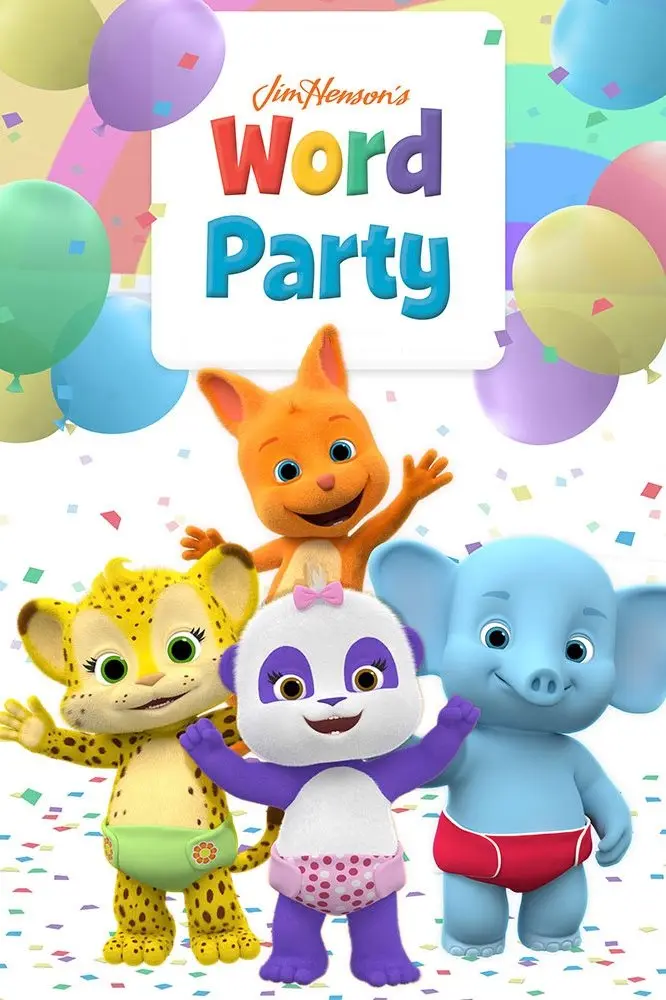
Word Party
Four baby animals learn alongside the audience, using songs, games and repetition to build early vocabulary. Because mistakes are treated as normal learning steps, participation feels encouraging instead of like a test.
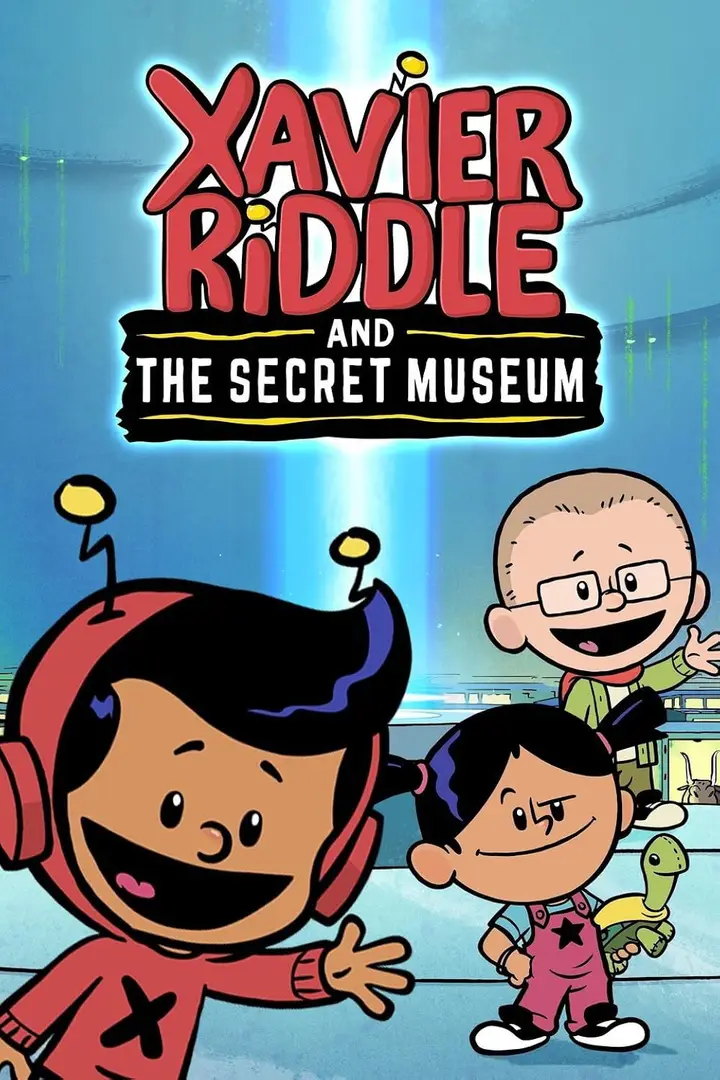
Xavier Riddle and the Secret Museum
Time-travel visits introduce historical figures through one quality or decision instead of compressing an entire biography. Linking each visit to a present-day problem makes famous names easier for younger children to remember and discuss.
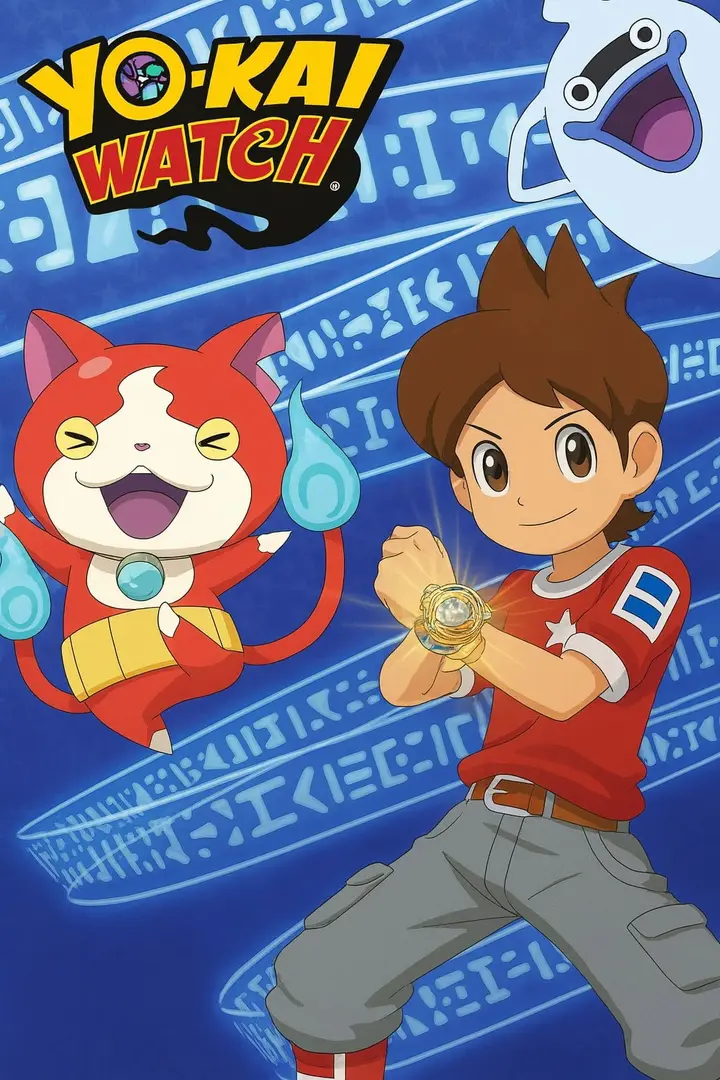
Yo-kai Watch
Turning everyday mishaps into supernatural mysteries gives ordinary childhood annoyances a playful explanation, while its large collectible cast rewards curiosity about each new creature.

Blippi
Blippi shows real places and real machines rather than animated stand-ins, so toddlers can connect what they see on screen with the digger down the street or the animals at the farm. Repetition and simple naming build early vocabulary.
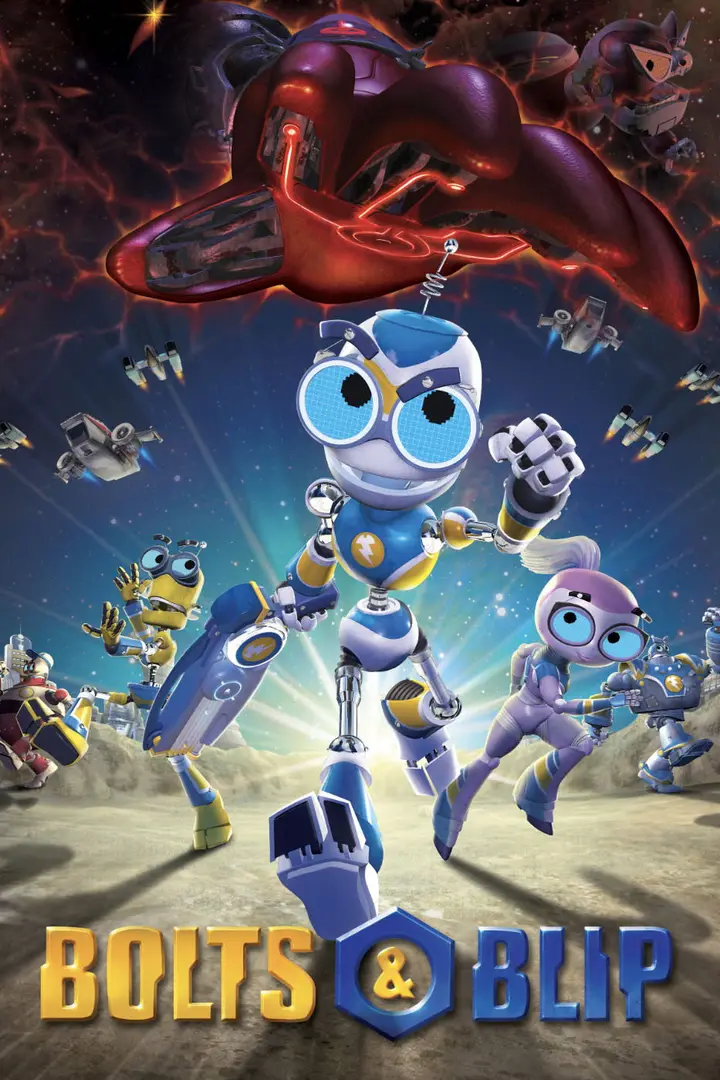
Bolts & Blip
Robot sports begin as competition and expand into a broader science-fiction conflict about friendship, confidence and hidden threats. Bolts and Blip’s contrasting personalities give the team a clear interpersonal core as the stakes grow.
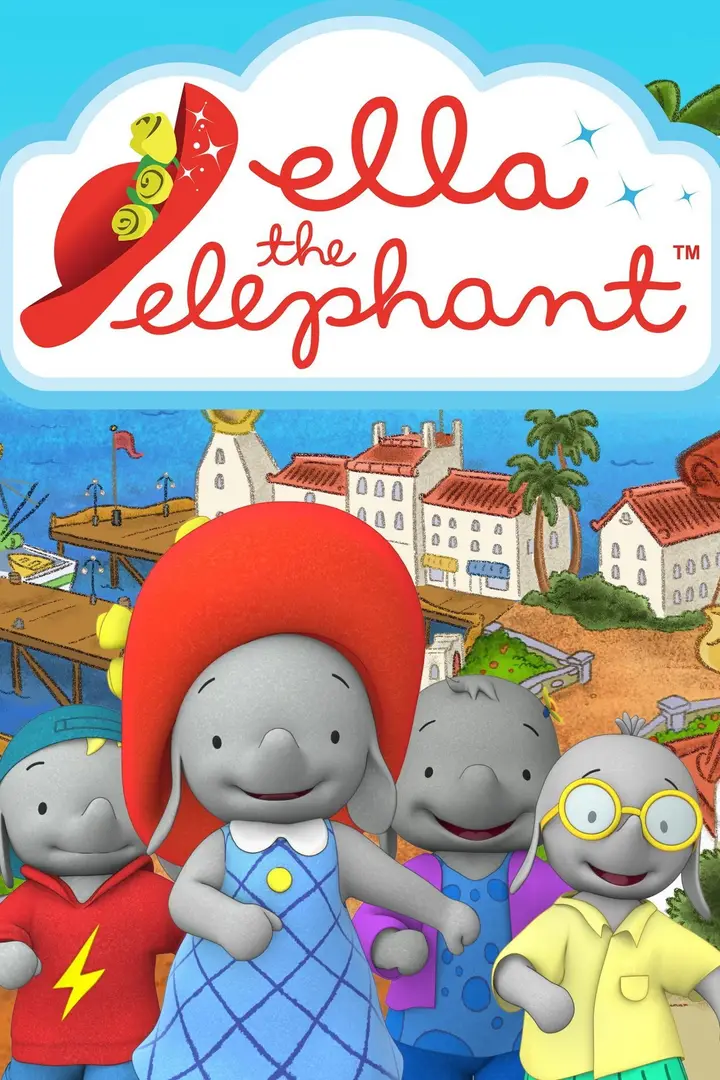
Ella the Elephant
Ella’s magical red hat can help, but her kindness, confidence and creativity usually solve the real problem. School, family and community stories keep the fantasy light while emphasizing cooperation and trying again after mistakes.
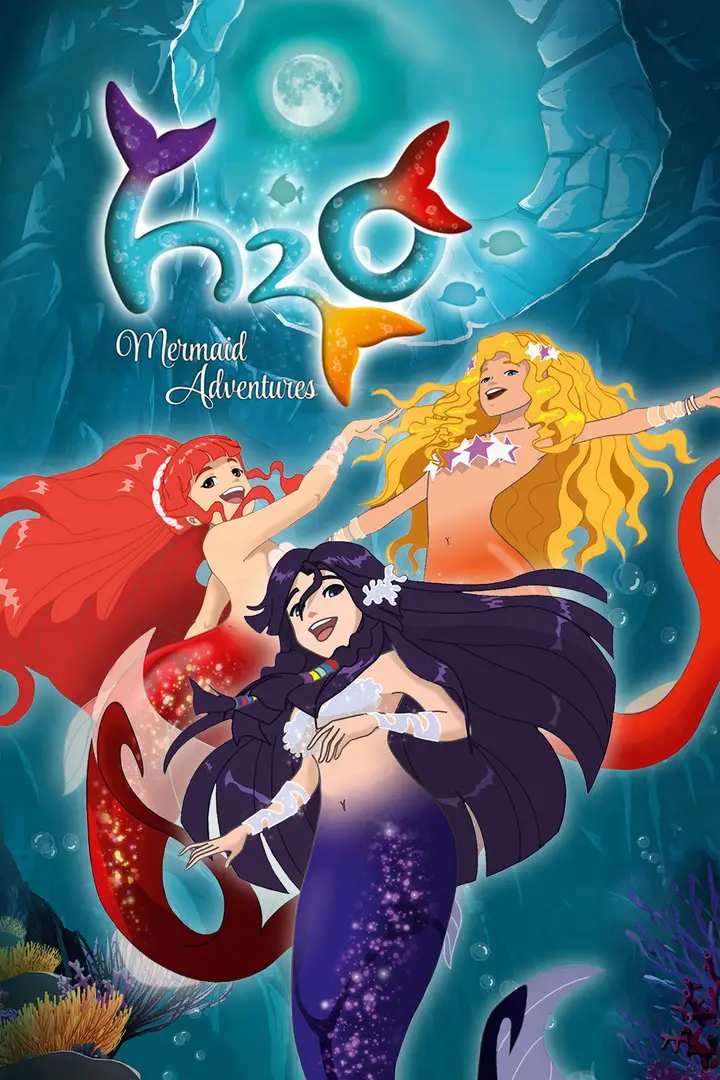
H2O: Mermaid Adventures
Three friends must balance school life with secret mermaid identities and different water powers. Their contrasting personalities make cooperation necessary, while the expanded ocean setting gives the friendship story a steady source of magical adventure.
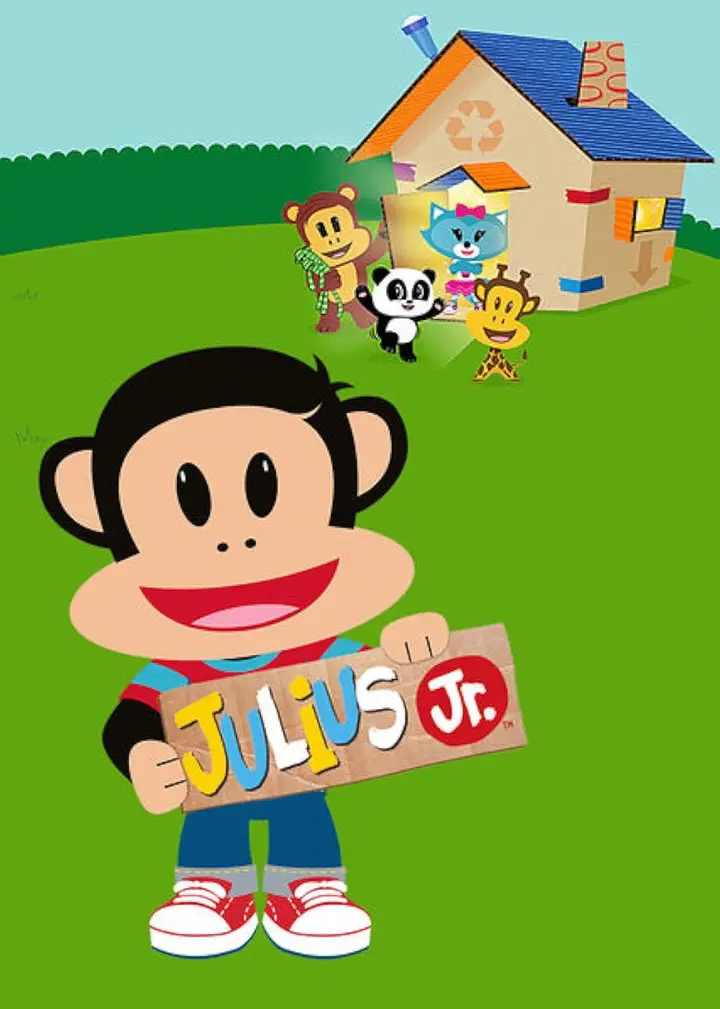
Julius Jr.
Cardboard-box inventions and imaginative spaces turn building into a social activity. Julius likes creating solutions, but the group repeatedly succeeds by listening to one another and combining different ideas instead of relying on one plan.
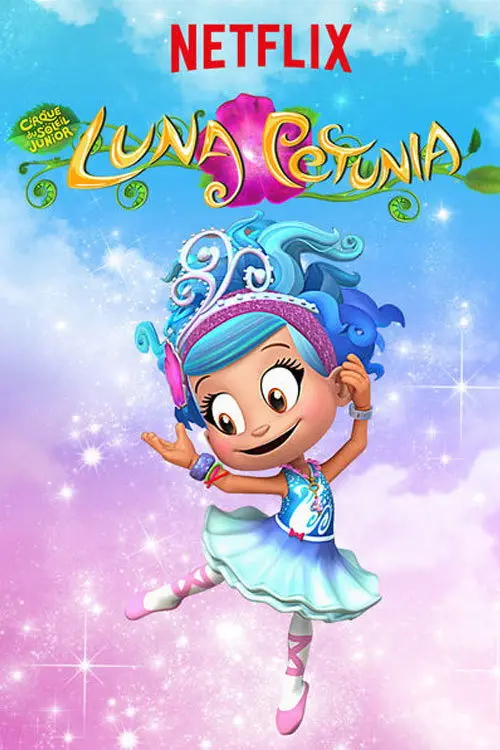
Luna Petunia
Amazia turns everyday problems into bright fantasy challenges where movement, imagination and creativity open new possibilities. Luna’s confidence grows through trying different approaches, making flexible thinking more important than finding one fixed answer.


