
Best Anime for Kids & Tweens, by Age
“Anime for kids” is not one age category. Pokémon and Doraemon can work as highly accessible first choices, while Haikyu!!, Dr. Stone, and other titles ask for more attention, intensity tolerance, or maturity. TFFC selects anime that can genuinely work for kids and tweens and organizes them by minimum and recommended age. This is not a popularity or quality ranking: the list begins with the easiest family viewing and gradually moves toward richer, more demanding stories.
Find the right series
Choose one band. Results show age-relevant series approved by our editors: those whose Minimum-to-Recommended age span overlaps the band, plus individually approved favorites. The Recommended Age is a starting point, not a maximum.
More filters and sort
No series in this guide match this age.
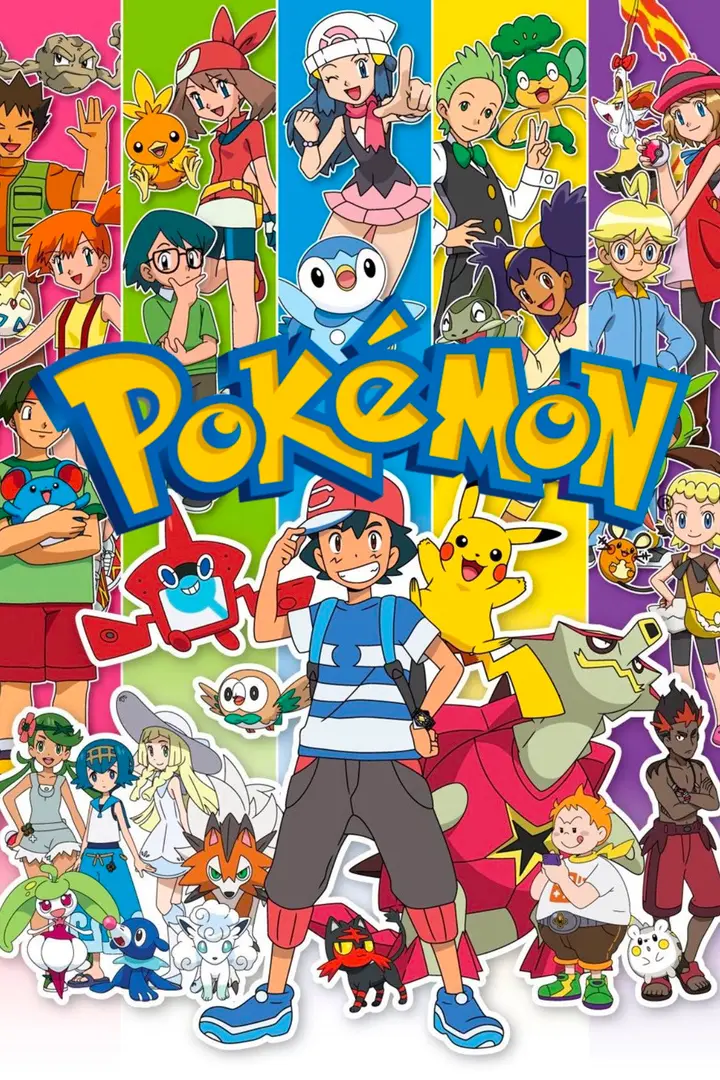
Pokémon
Its clear goals, friendship, discovery and long-form adventure make it exceptionally easy for younger viewers to enter and keep following.
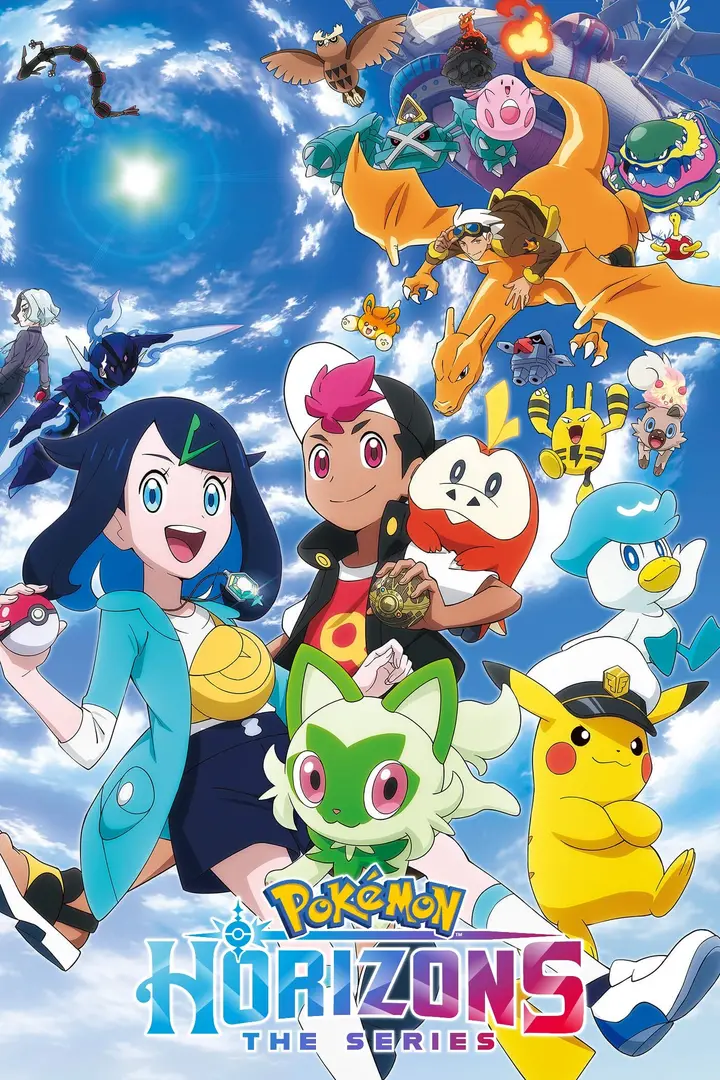
Pokémon Horizons: The Series
New protagonists refresh the franchise while preserving the discovery, humor, teamwork and adventure that make Pokémon accessible.
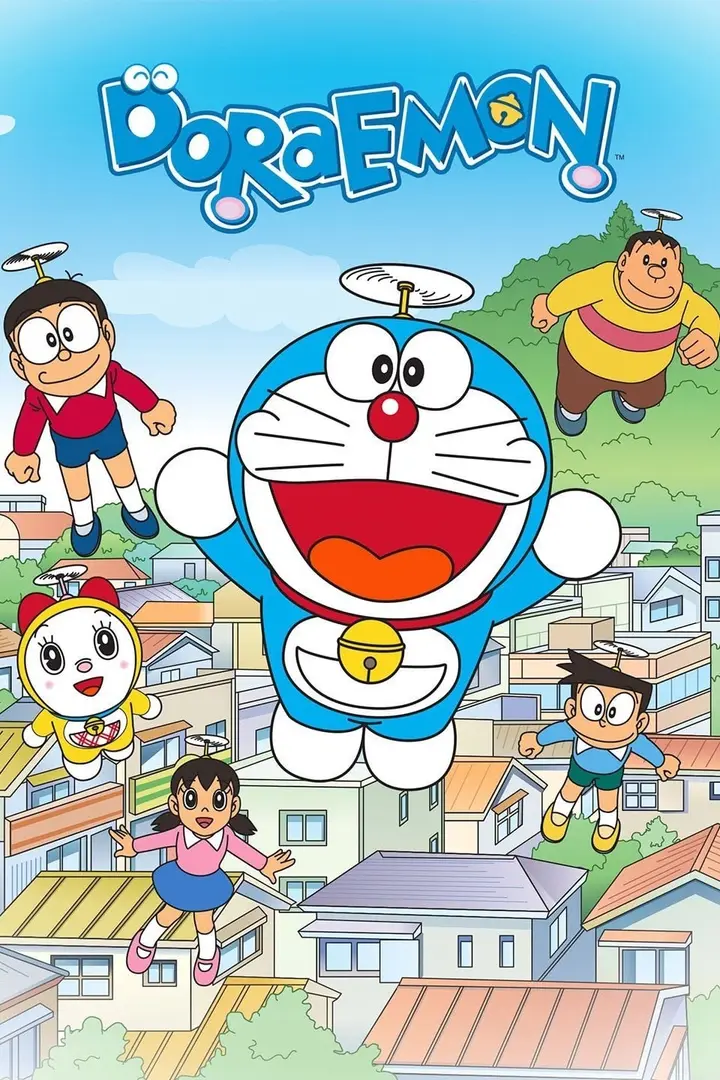
Doraemon (2005)
Everyday problems, inventive gadgets and self-contained comedy make it an easy first anime for younger children.
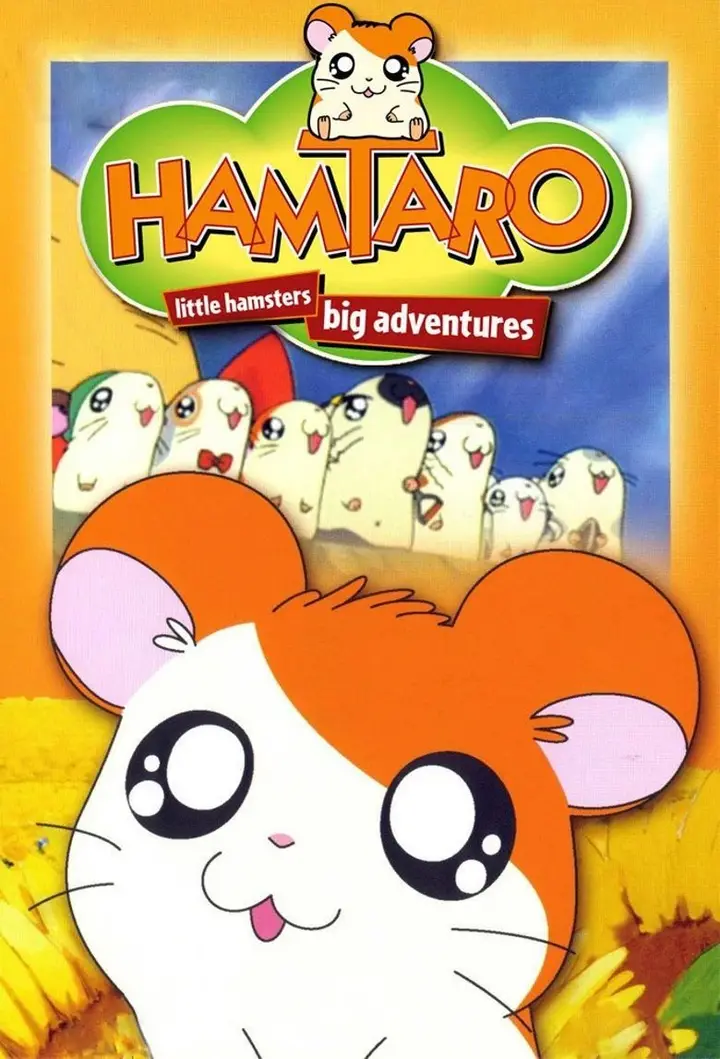
Hamtaro
Low-stakes adventures, warm friendships and simple cooperative stories make it especially welcoming for very young viewers.
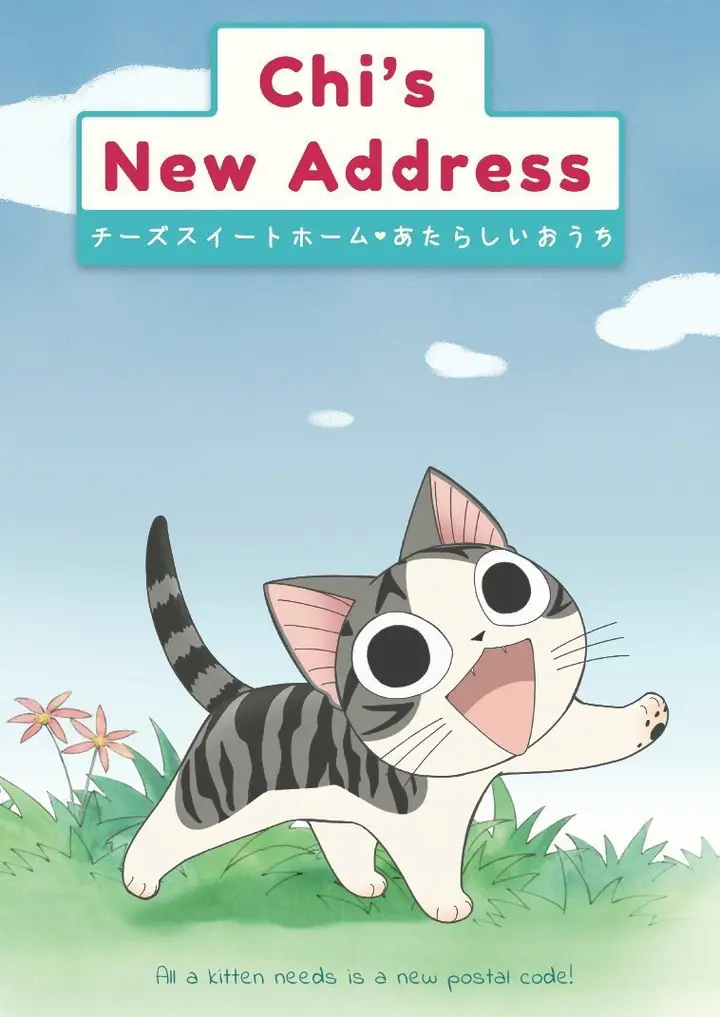
Chi's Sweet Home
Short episodes, mild humor and a kitten's-eye view of daily life create an especially accessible starting point.
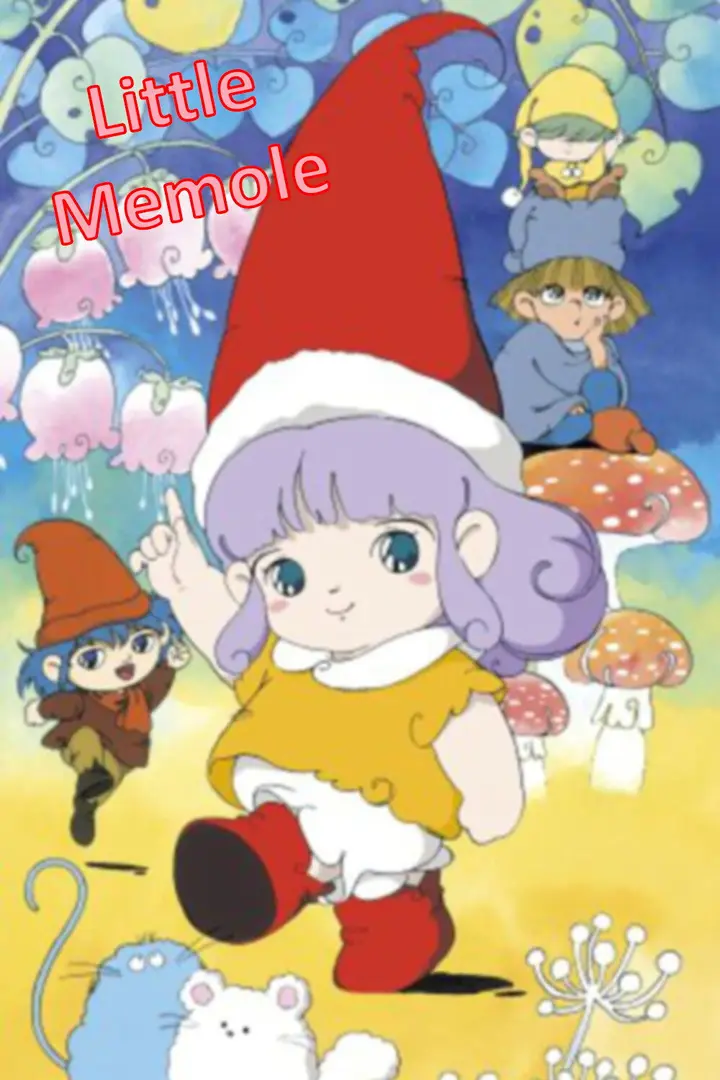
Little Memole
Friendship, nature and soft fantasy make the series especially welcoming for younger children.
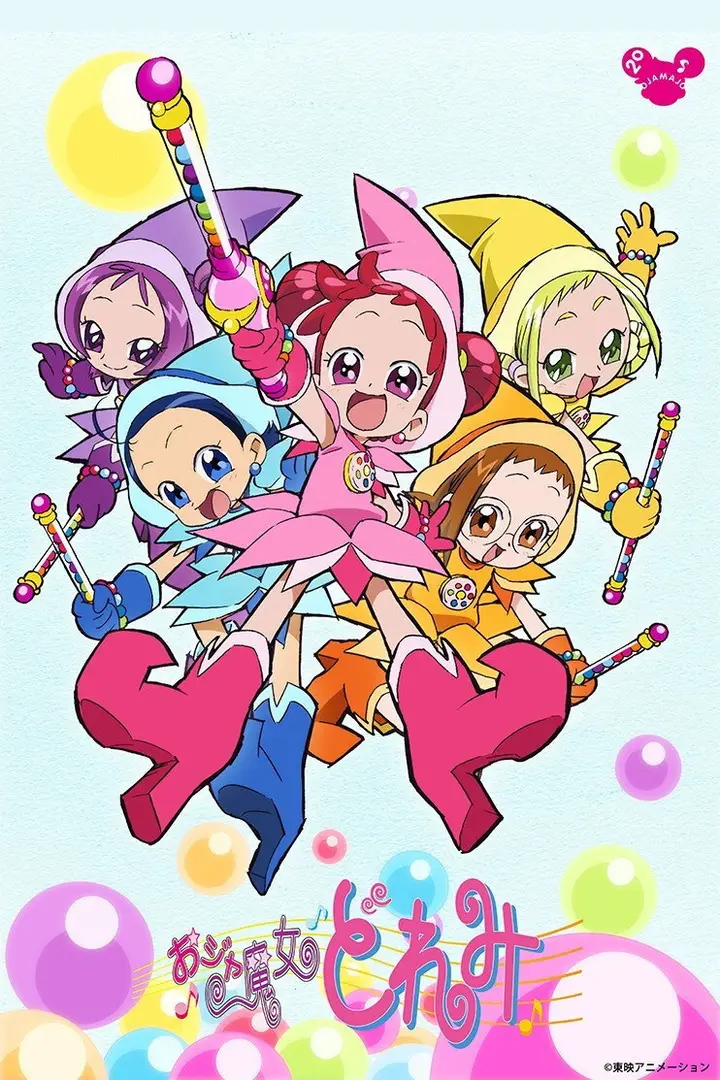
Ojamajo Doremi
Bright magical-girl energy, friendship and relatable childhood problems give the fantasy a strong everyday foundation.
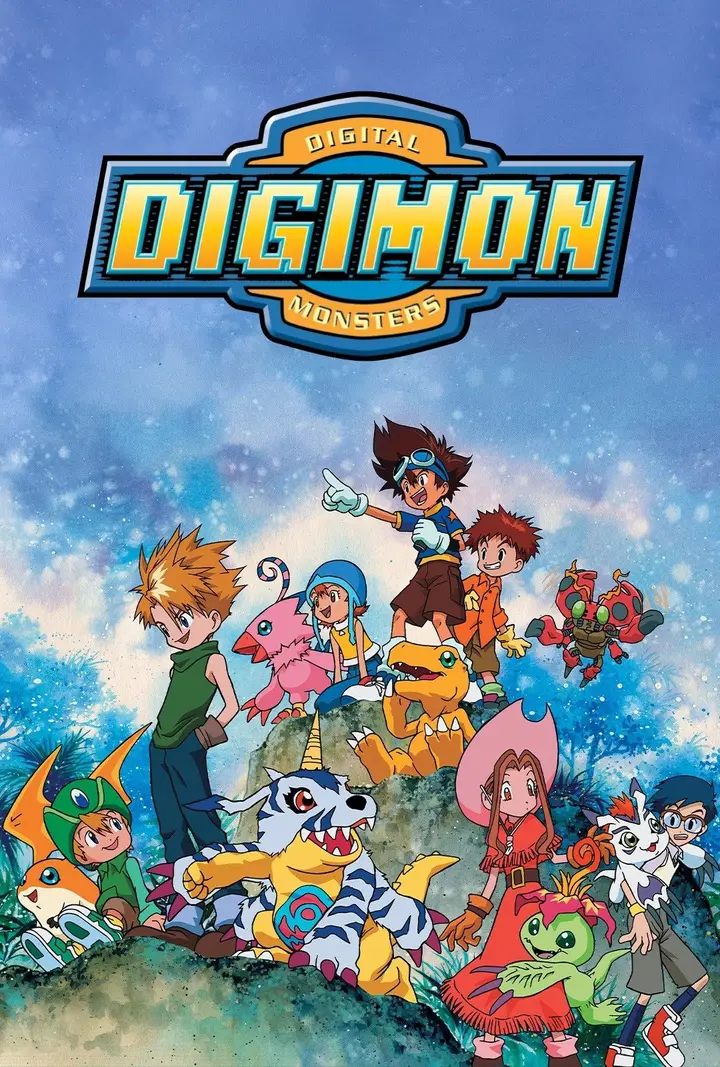
Digimon Adventure
Strong friendships, meaningful growth and a genuine journey through an unknown world give the battles real weight through friendship and growth.
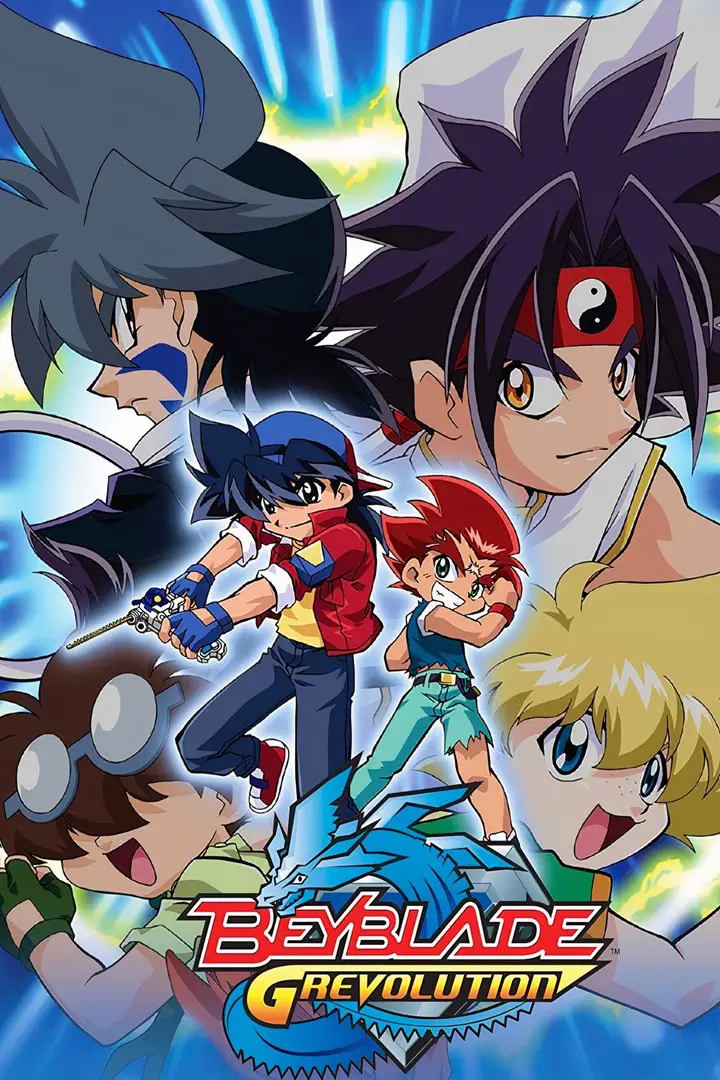
Beyblade
Training, strategy, rivalry and visible improvement make the competition exciting without losing its clear sports values.
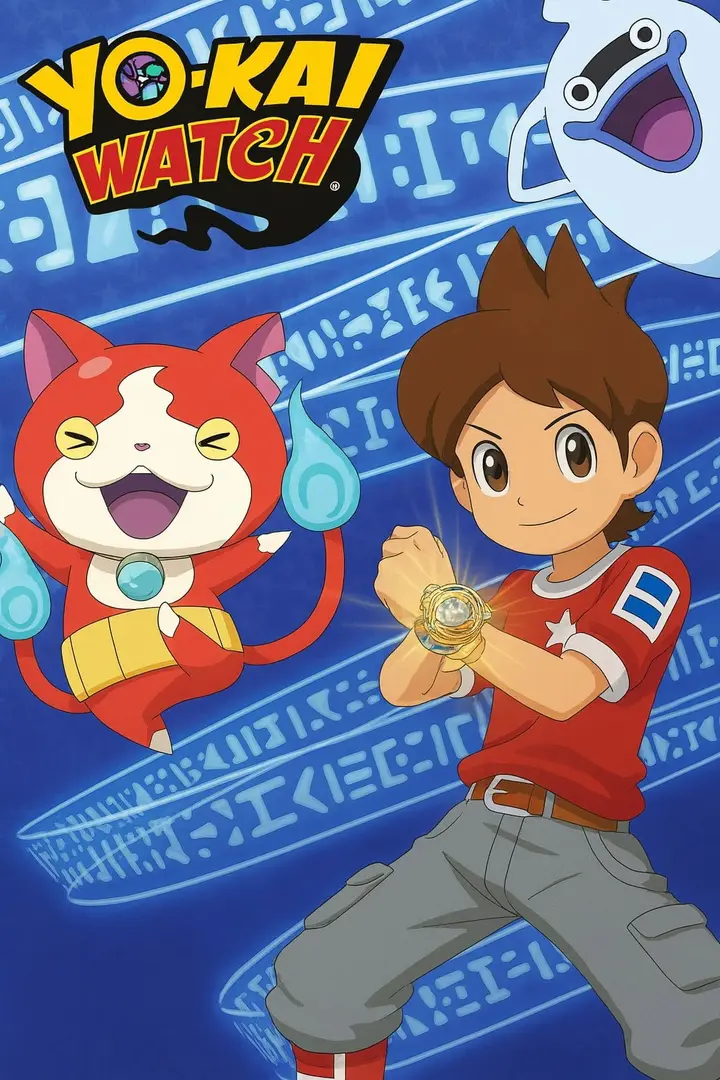
Yo-kai Watch
Playful supernatural mysteries, immediate humor and a large cast of collectible characters keep the series lively and approachable.
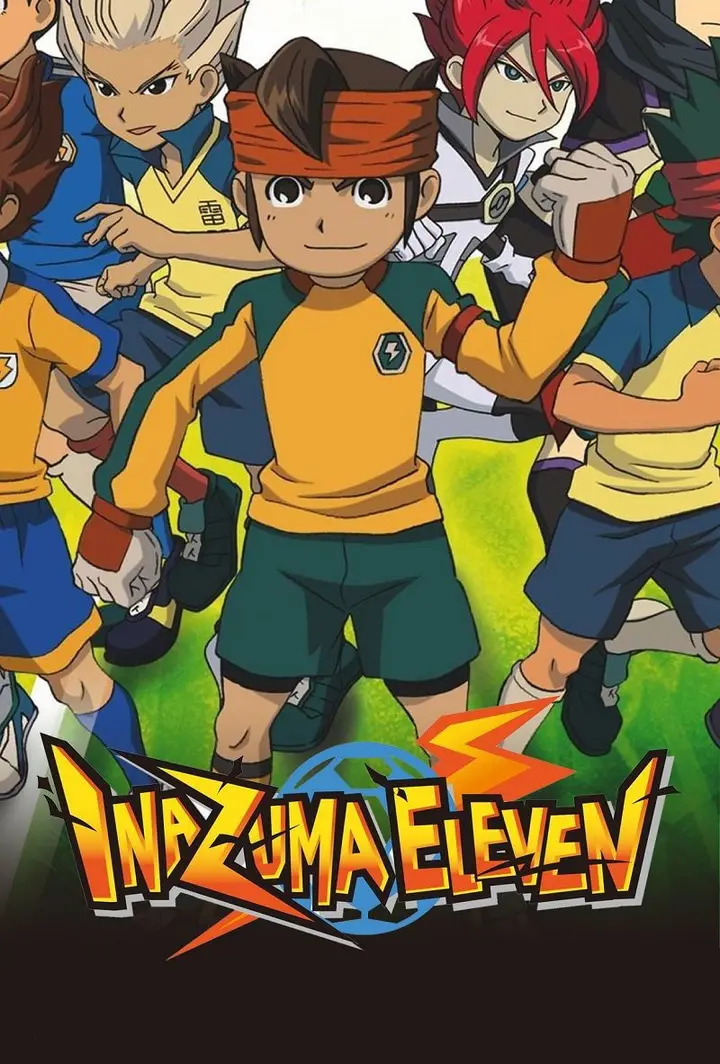
Inazuma Eleven
Football, teamwork, persistence and spectacular techniques create strong sports momentum for younger viewers.
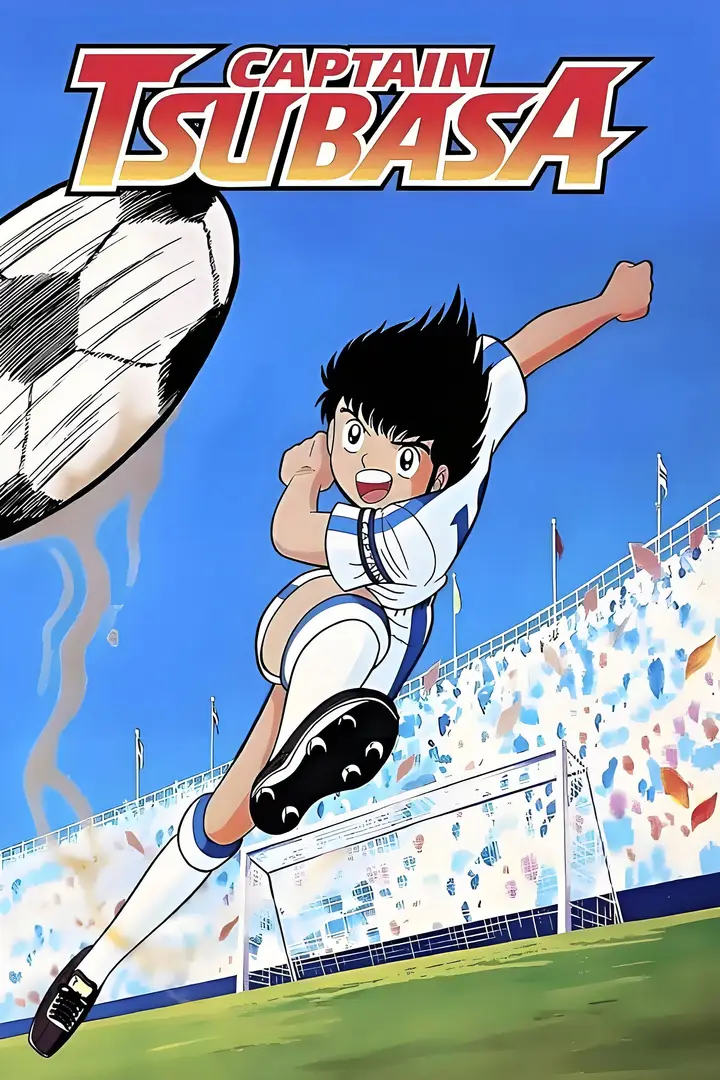
Captain Tsubasa (1983)
Football, training and visible improvement make the classic sports story immediately motivating and easy to follow.
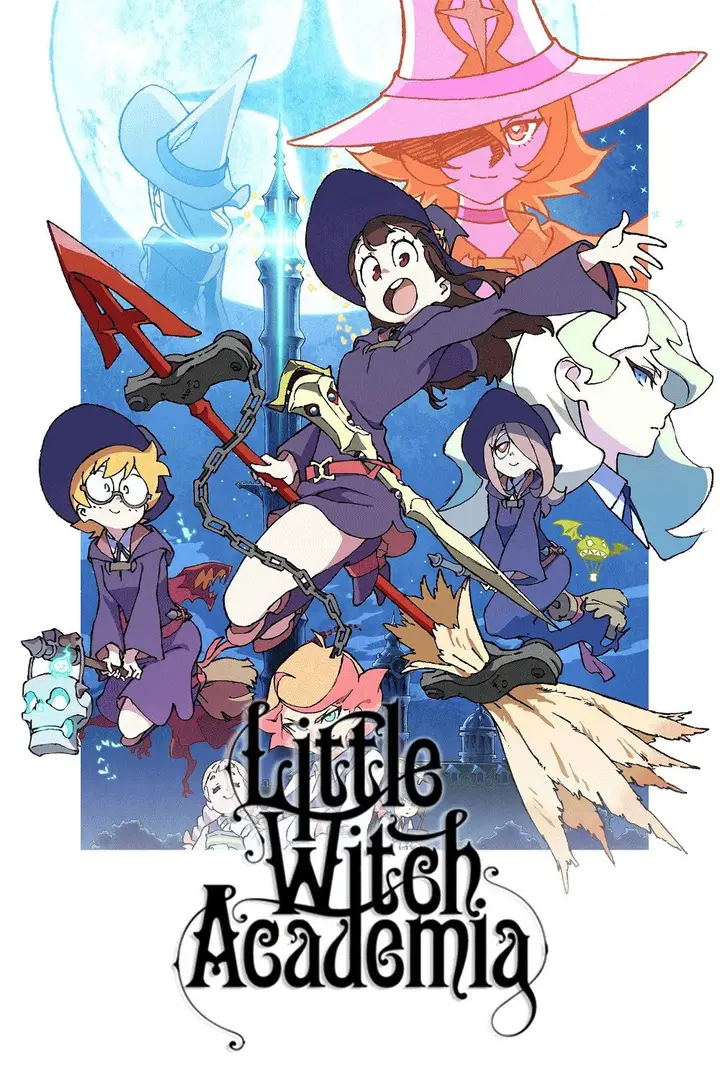
Little Witch Academia
Optimism, school fantasy and a determined heroine make effort and individuality feel more important than natural talent.
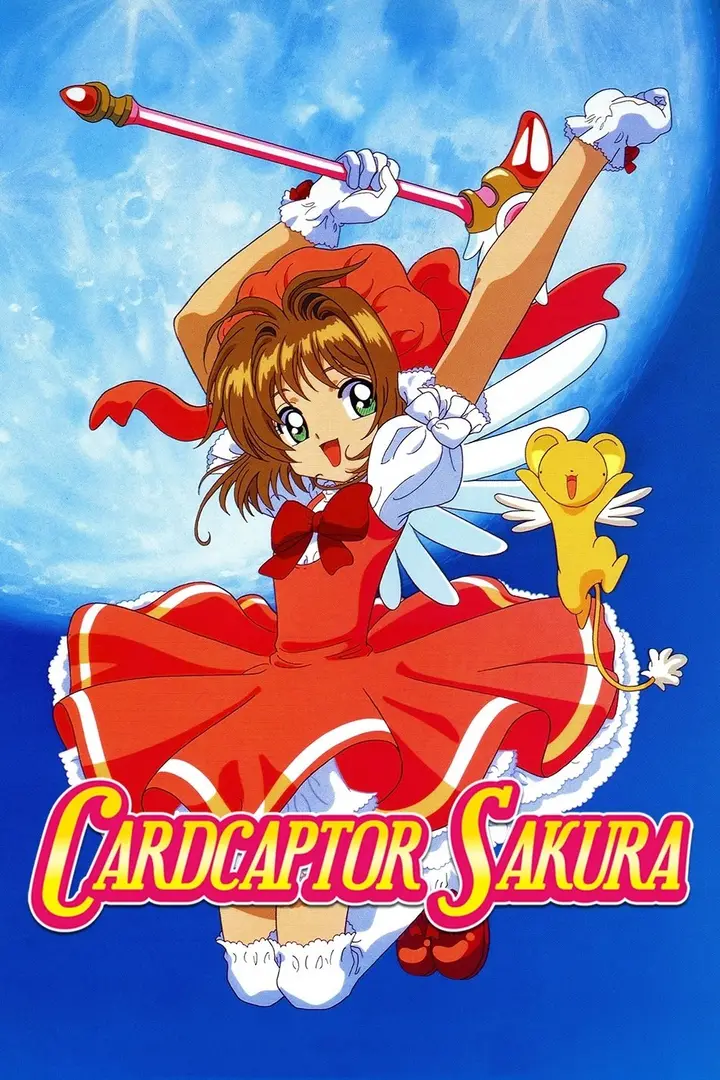
Cardcaptor Sakura
Warm everyday life, imaginative magic and patient character growth give the series enduring appeal beyond its battles.
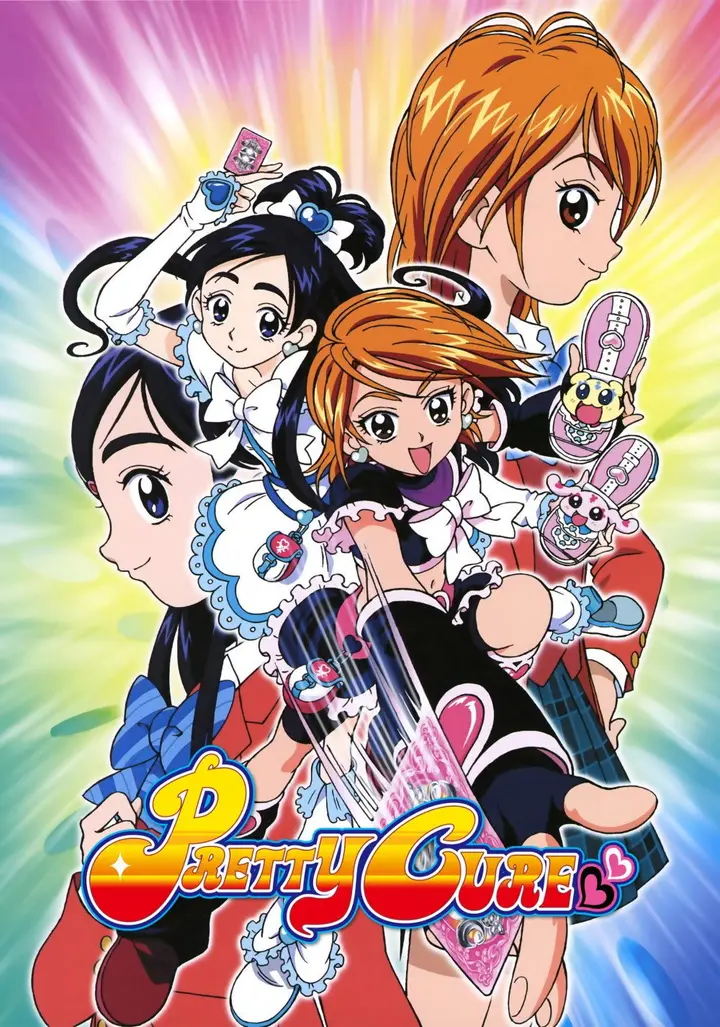
Futari wa Pretty Cure
Energetic action and a strong two-girl friendship make the magical-girl structure especially direct and engaging.
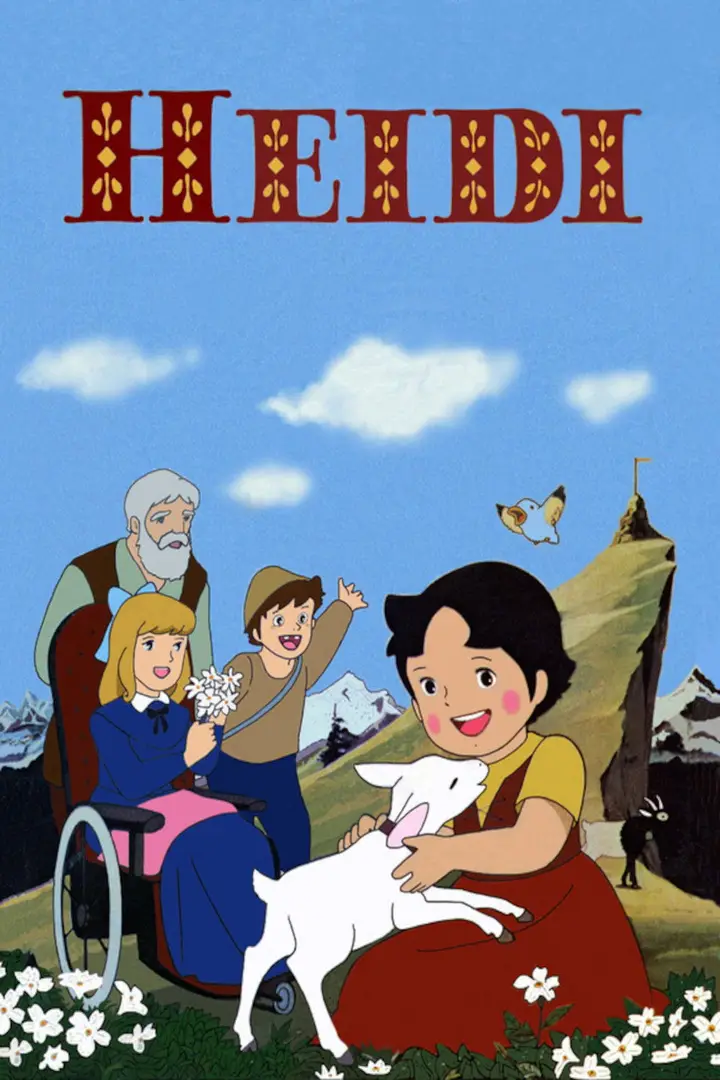
Heidi, Girl of the Alps
Nature, family bonds and clear character storytelling give the series lasting value far beyond its production era.
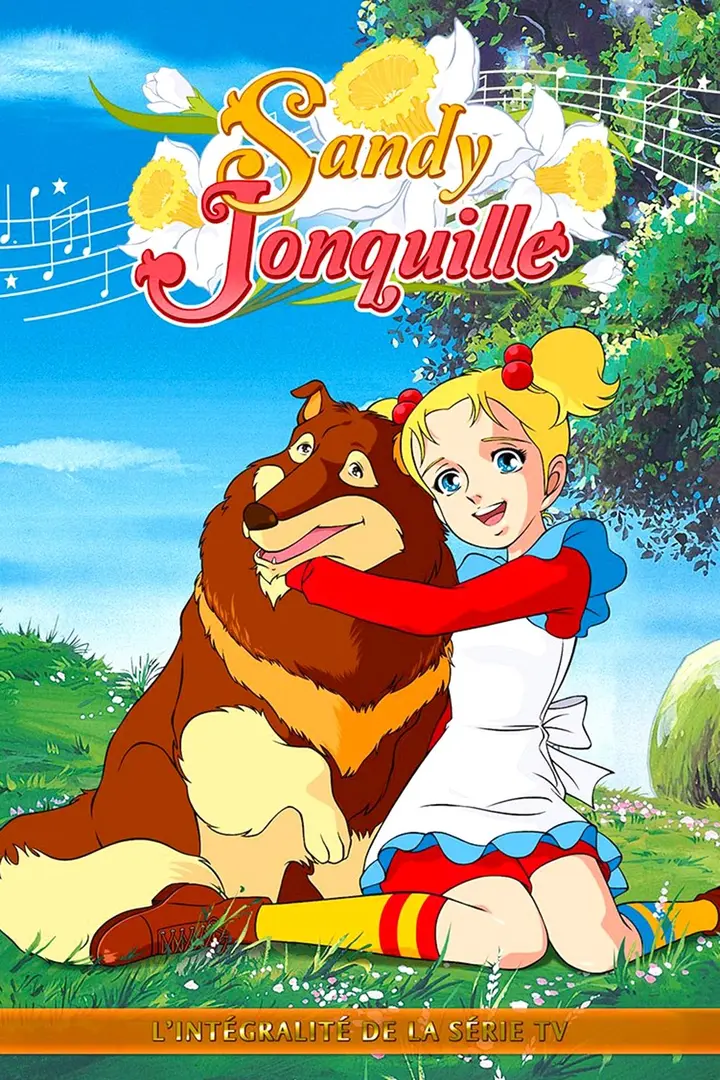
Hello! Sandybell
An active heroine, family mystery and classic shōjo coming-of-age drama give the series strong nostalgic appeal.
Moomin (1990)
Atmosphere, acceptance of different personalities and flexible moods make Moominvalley unusually rich family fantasy.
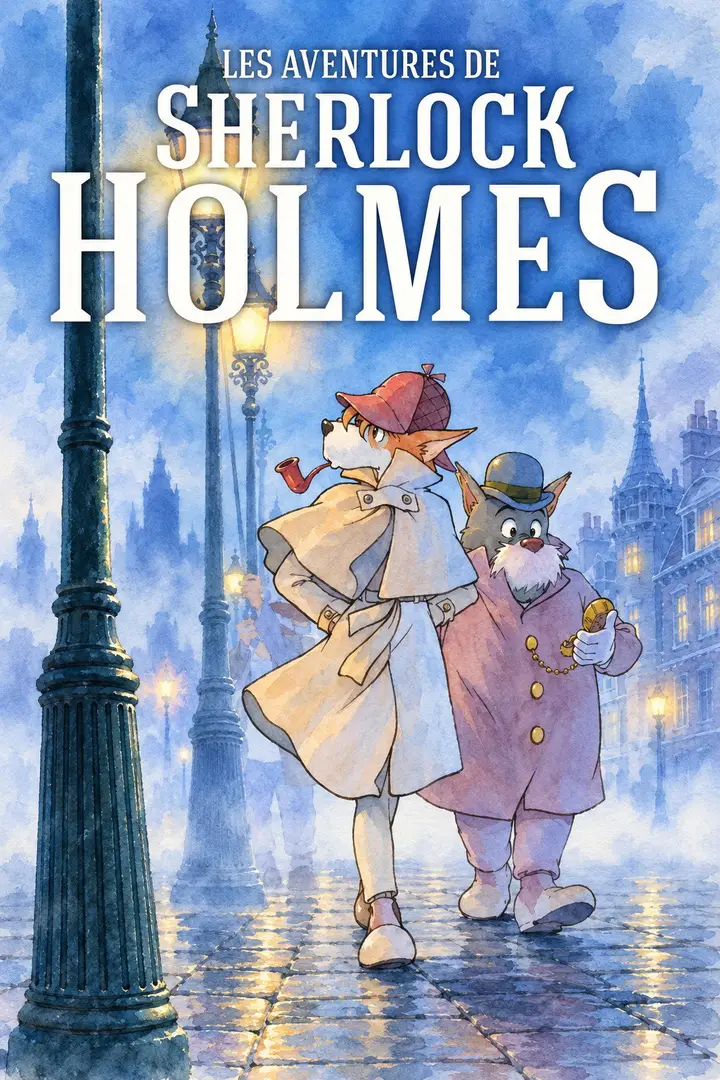
Sherlock Hound
Detective puzzles, inventions, chases and humor turn classic mystery storytelling into accessible animated adventure.
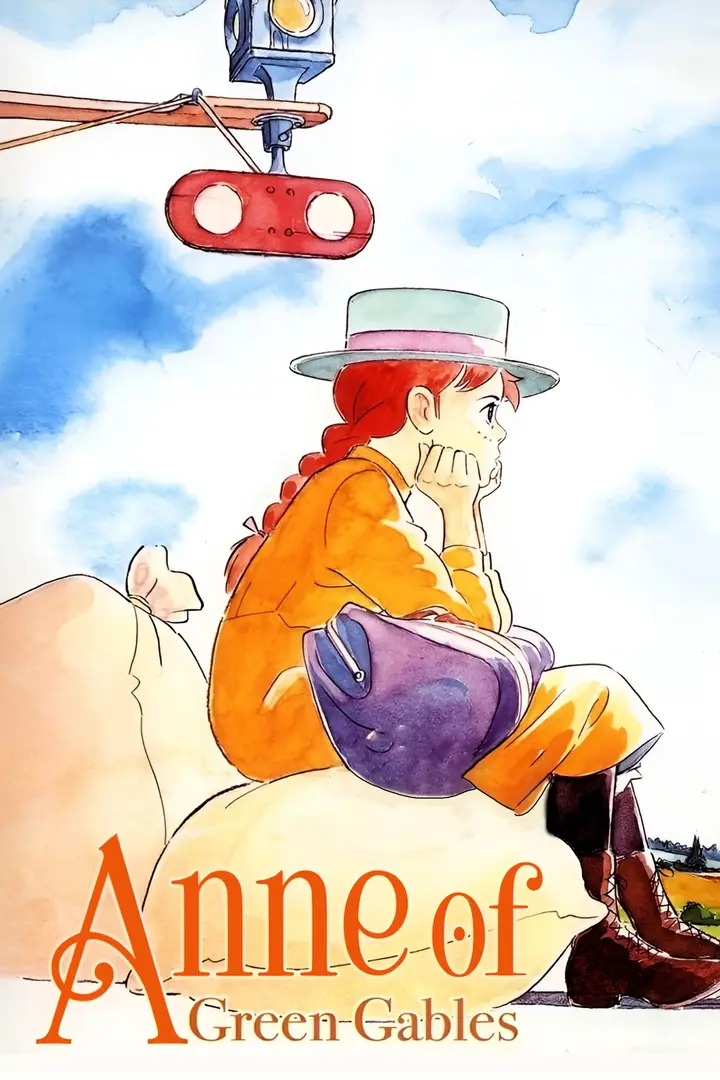
Anne of Green Gables
Careful character development, imagination and believable everyday growth make Anne a deeply rewarding family protagonist.
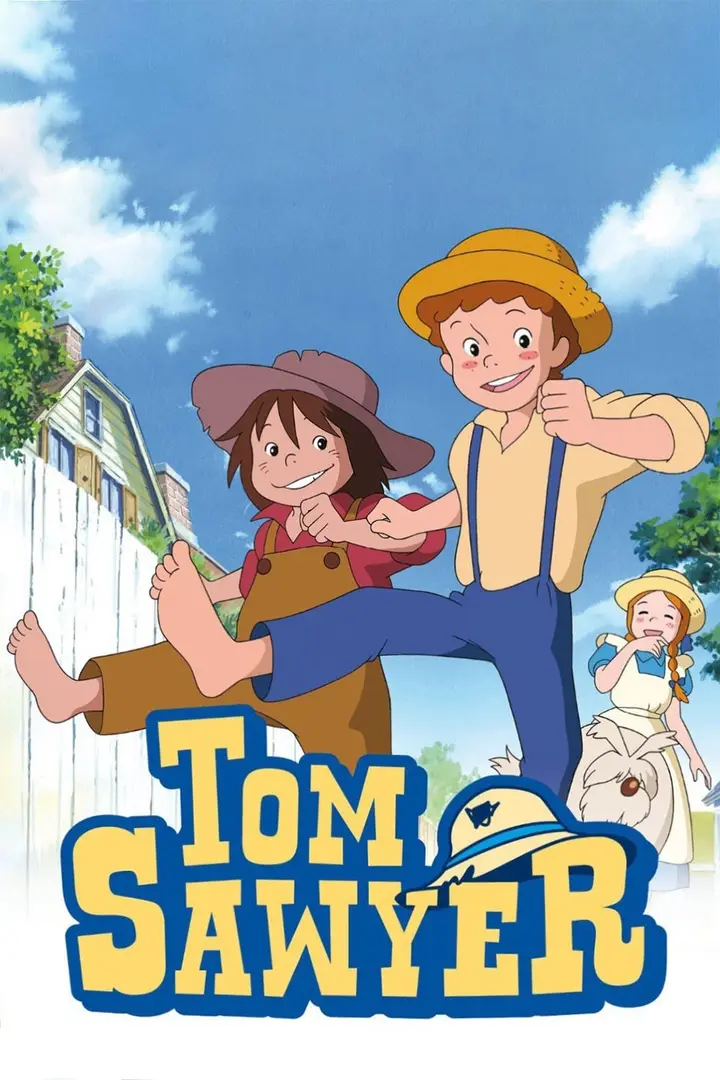
The Adventures of Tom Sawyer
Mischief, freedom, adventure and real consequences create a lively coming-of-age story with strong historical character.

Sonic X
Fast action, familiar game characters and straightforward goals make the series easy to follow and immediately energetic.
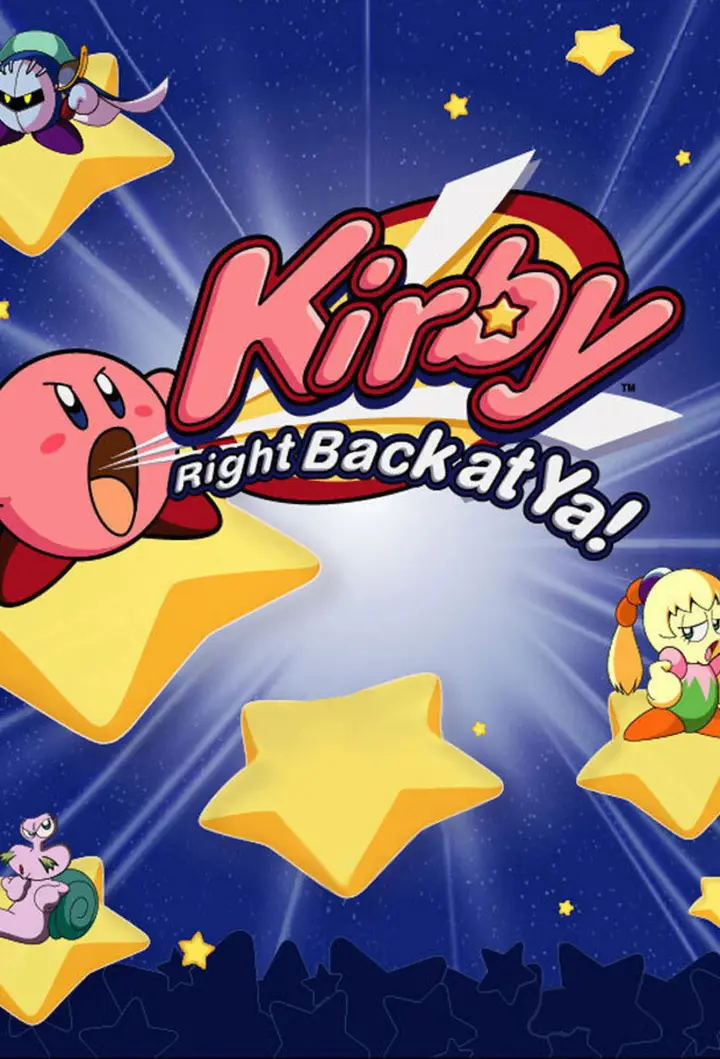
Kirby: Right Back at Ya!
Colorful comedy, inventive powers and a friendly central hero make the monster-of-the-week format especially approachable.
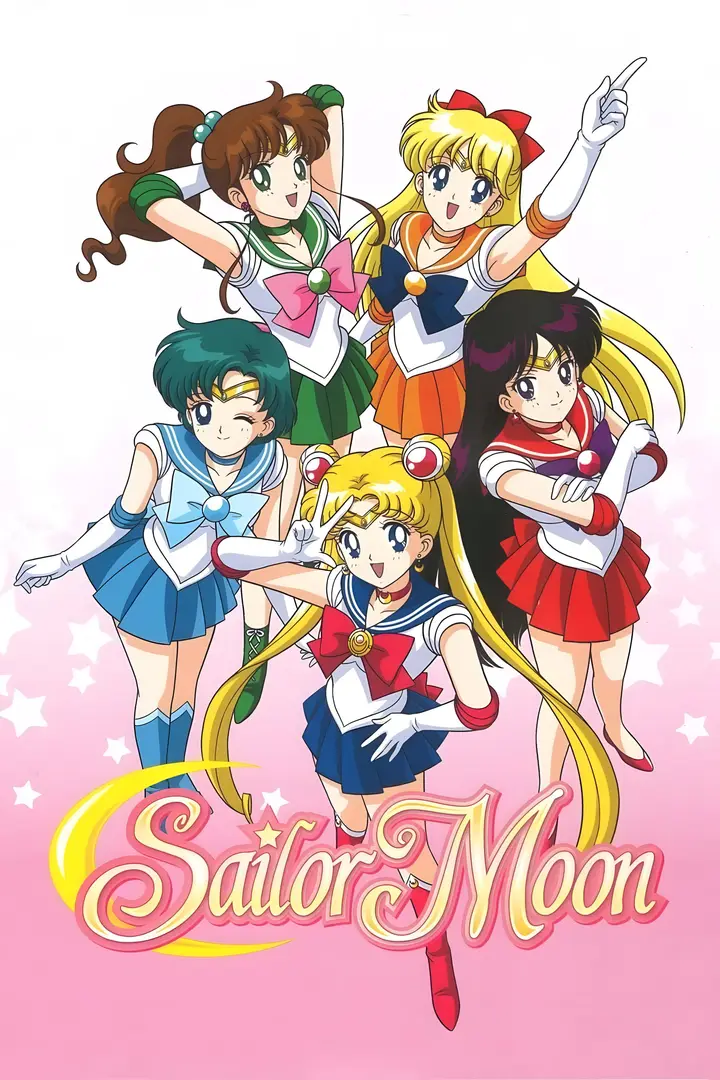
Sailor Moon
Magical-girl action, comedy and a strong female team give the series both adventure and lasting continuity in relationships and feelings.
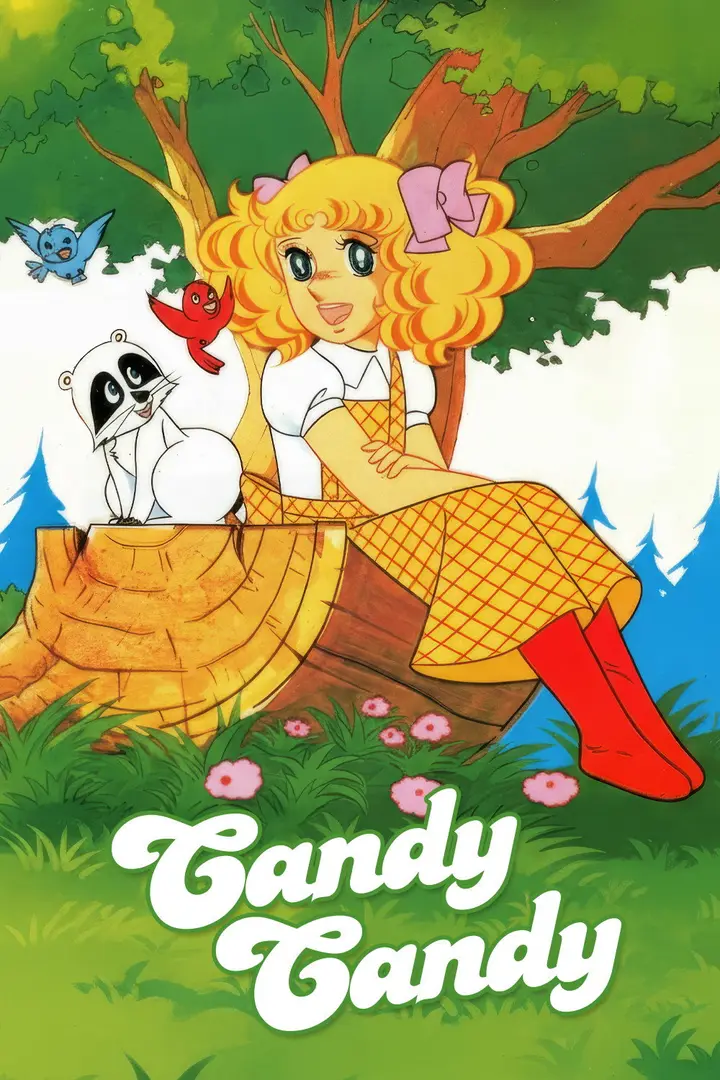
Candy Candy
A resilient heroine and long-form character storytelling give the classic melodrama distinctive staying power.
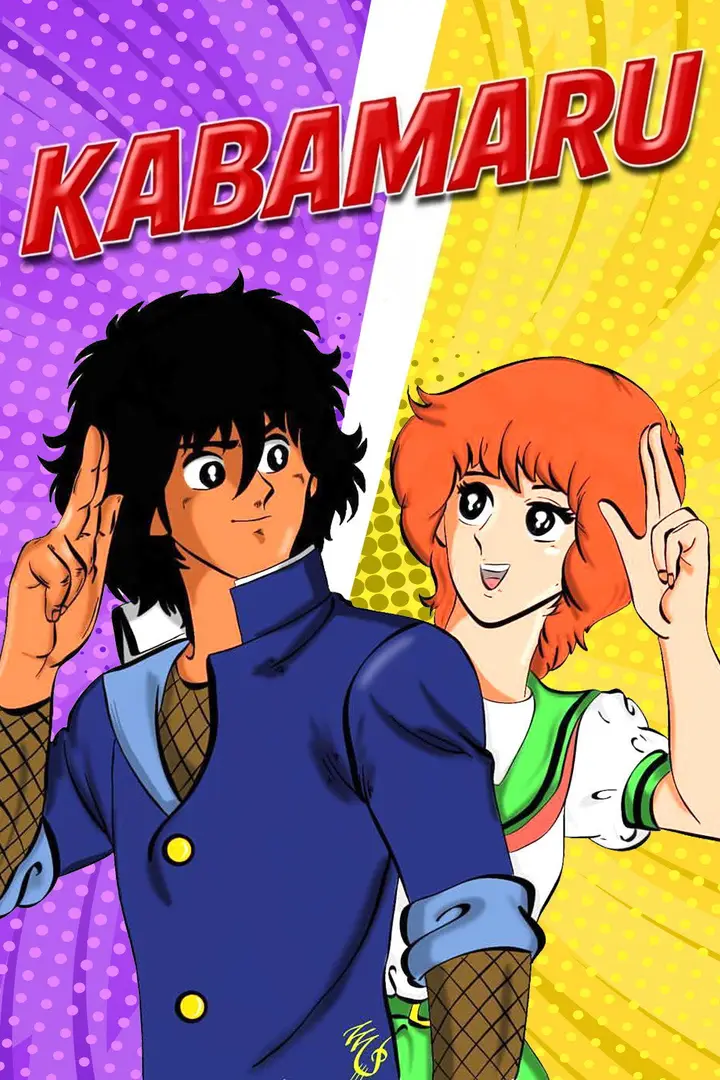
Ninja Kabamaru
Explosive comedy, ninja action and a wildly distinctive hero make the series memorable despite its dated edges.
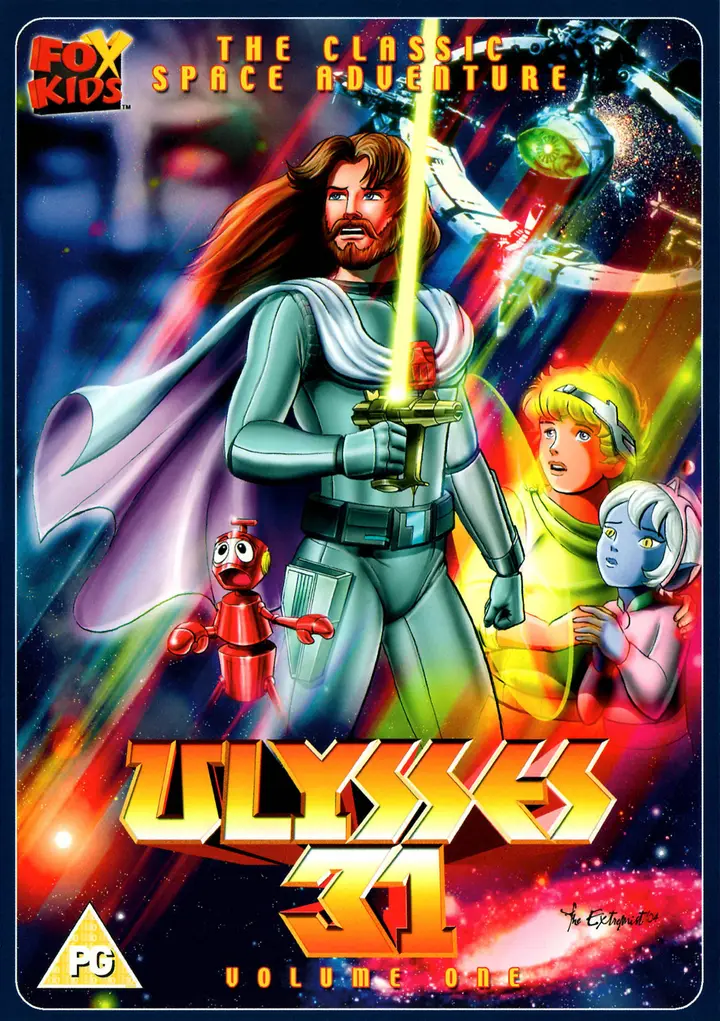
Ulysses 31
Greek mythology and science fiction combine into a distinctive space adventure with a strong overarching journey.
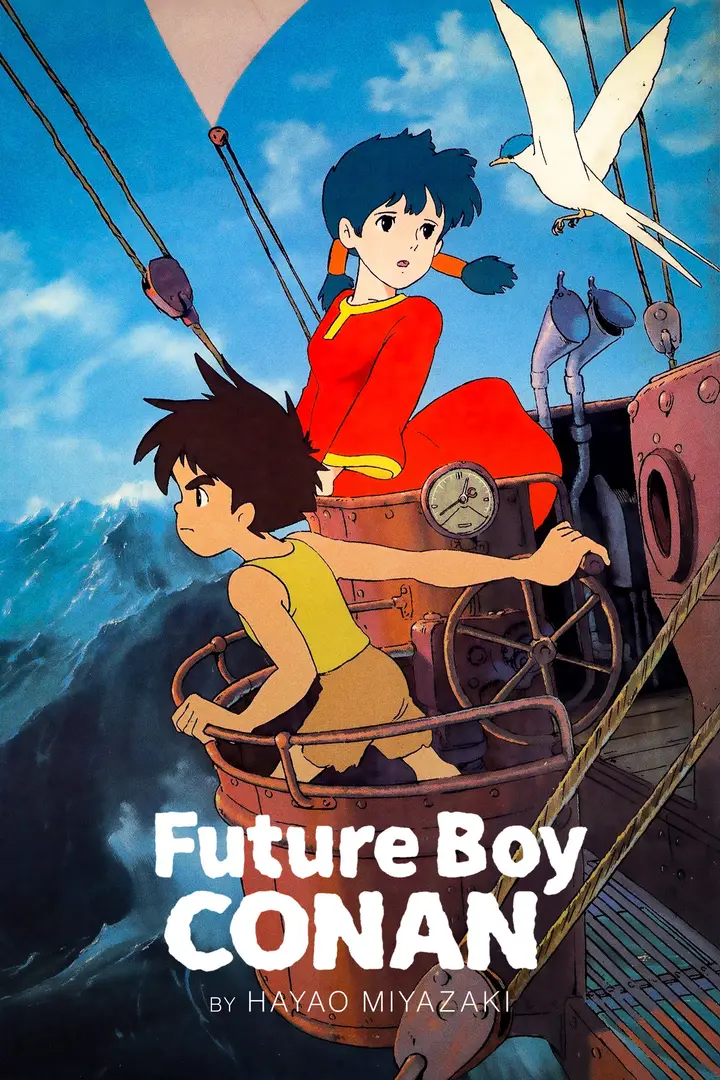
Future Boy Conan
Large-scale adventure, ecological themes and an optimistic young hero give the post-apocalyptic story distinctive warmth.
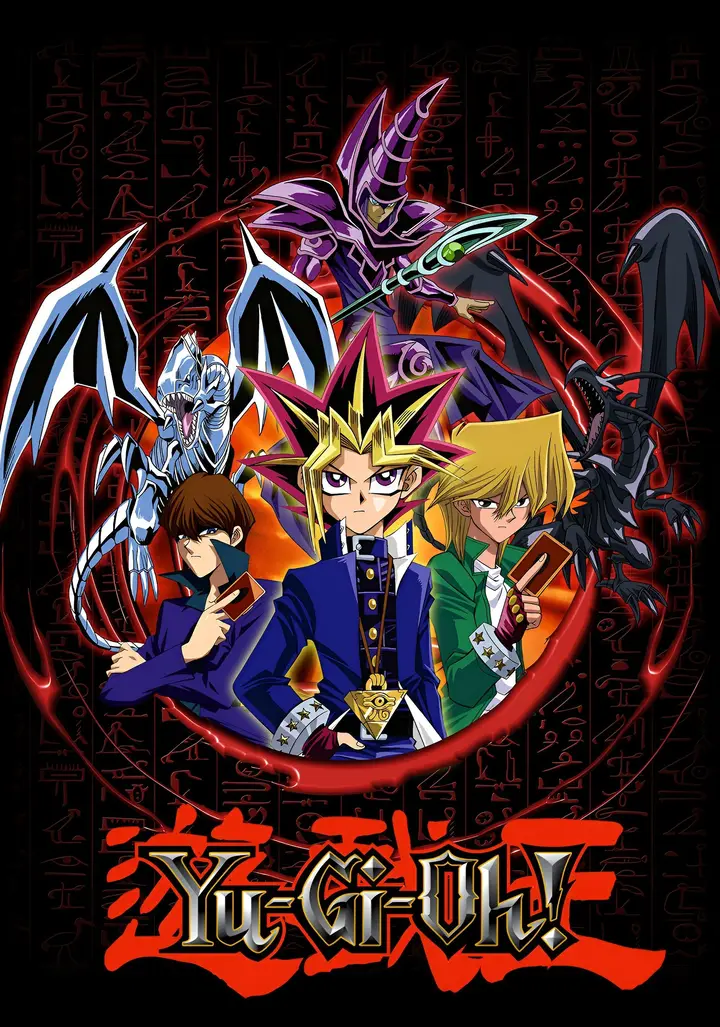
Yu-Gi-Oh! Duel Monsters
Strategy, mythology and long-form rivalries give the card battles more narrative weight than simple competition.
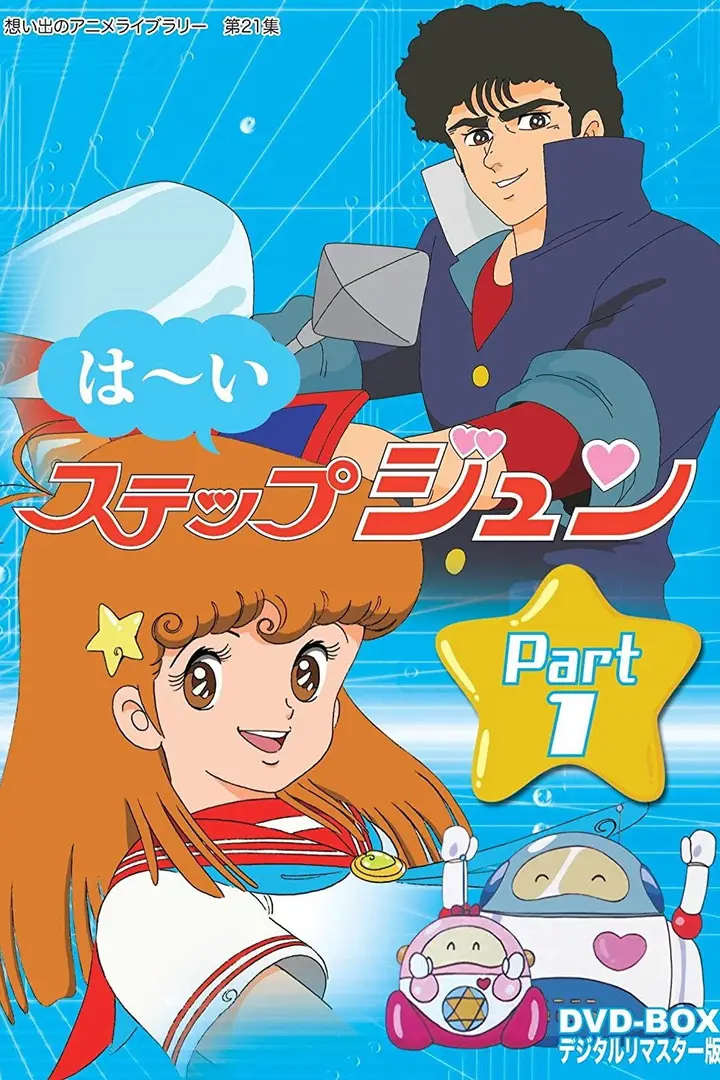
Hai Step Jun
An inventive girl protagonist, robots and light school romance give this 1980s shōjo comedy a distinctive technological twist.
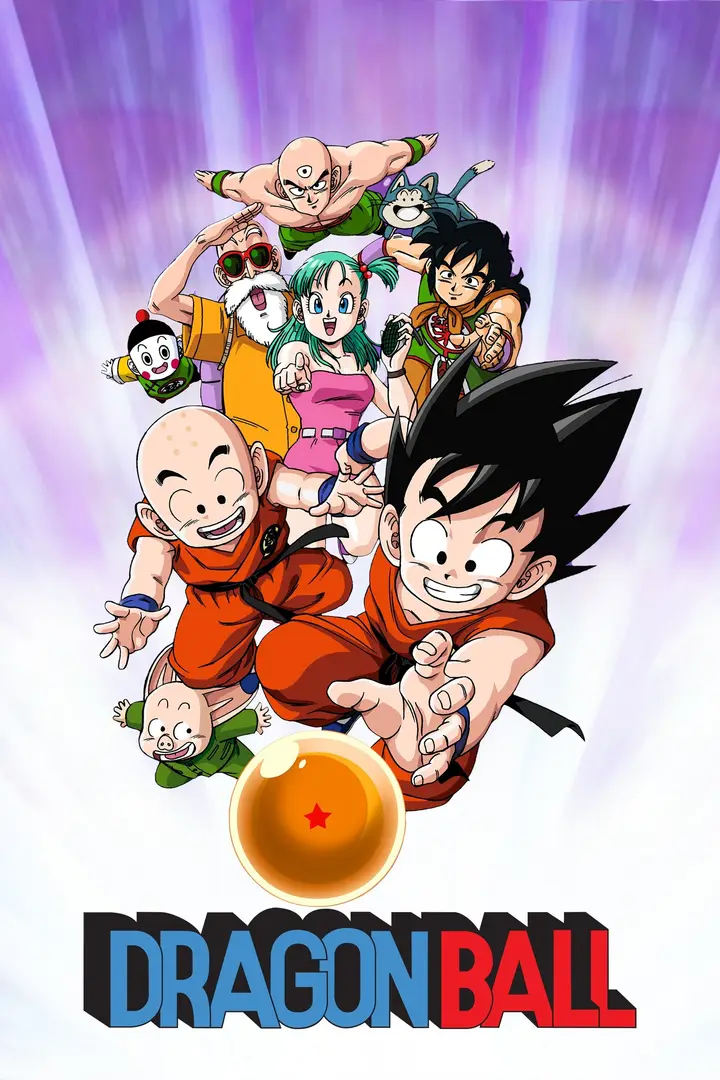
Dragon Ball
Exploration, training, humor and martial arts create the blueprint for a hugely influential adventure series.
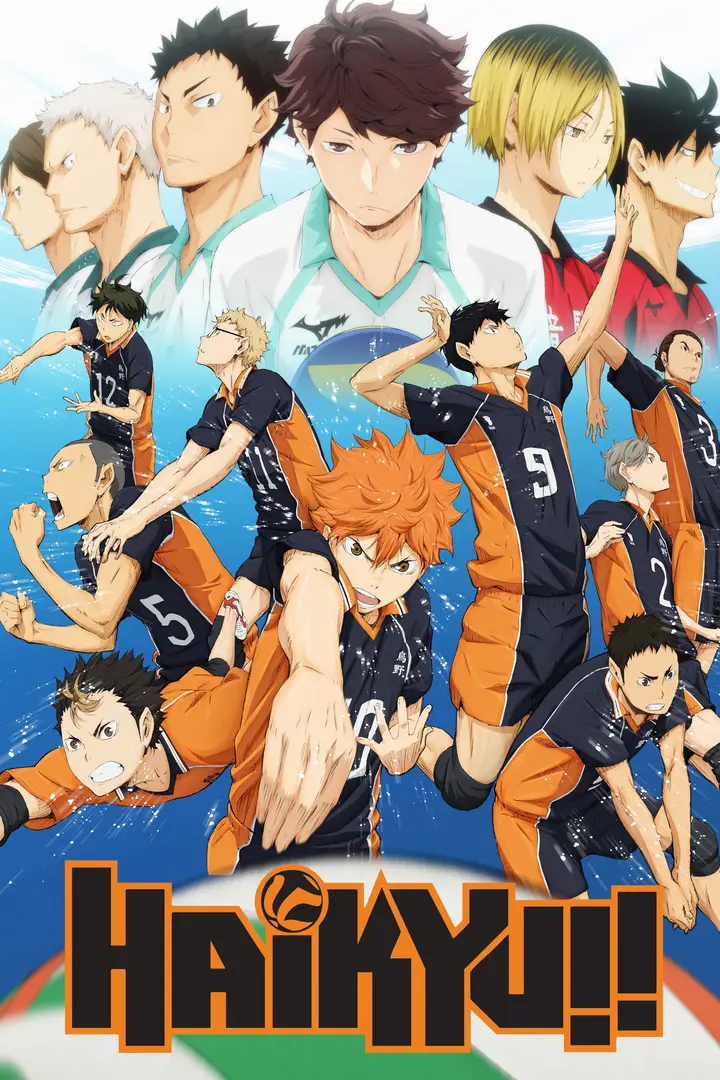
Haikyu!!
Exceptional sports tension, teamwork and visible improvement make practice and competition genuinely exciting.

Dr. Stone
Real scientific ideas become adventure tools, making curiosity and invention feel as exciting as combat.
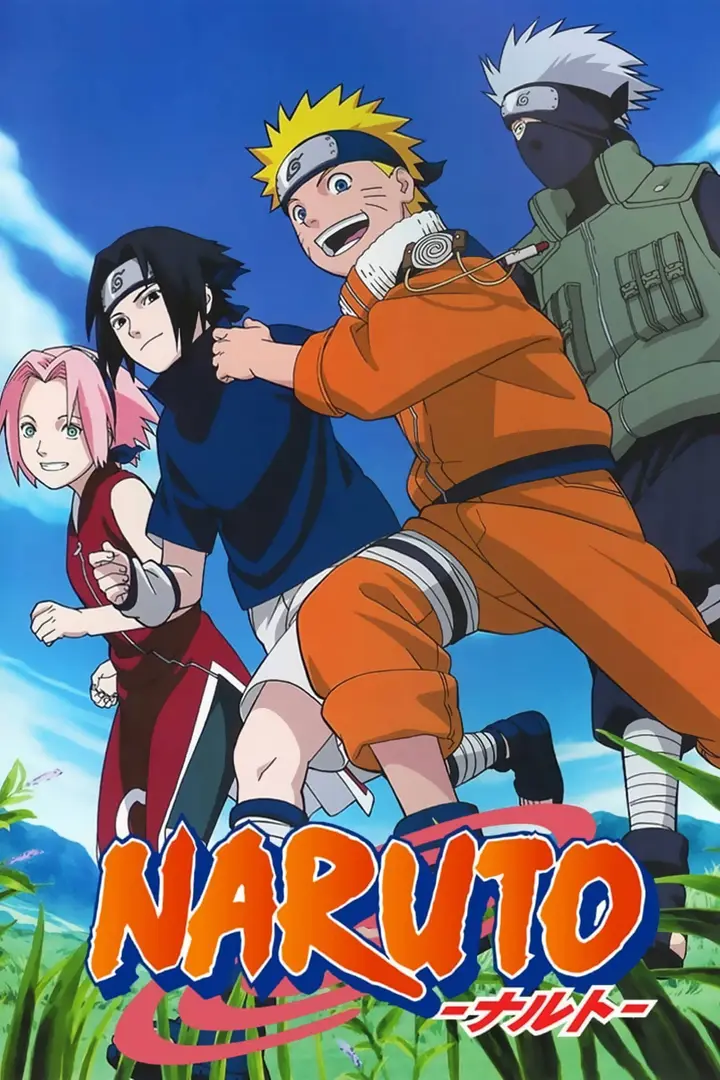
Naruto
Long-term growth, perseverance and team relationships give the sprawling ninja story a strong foundation in growth and team relationships.
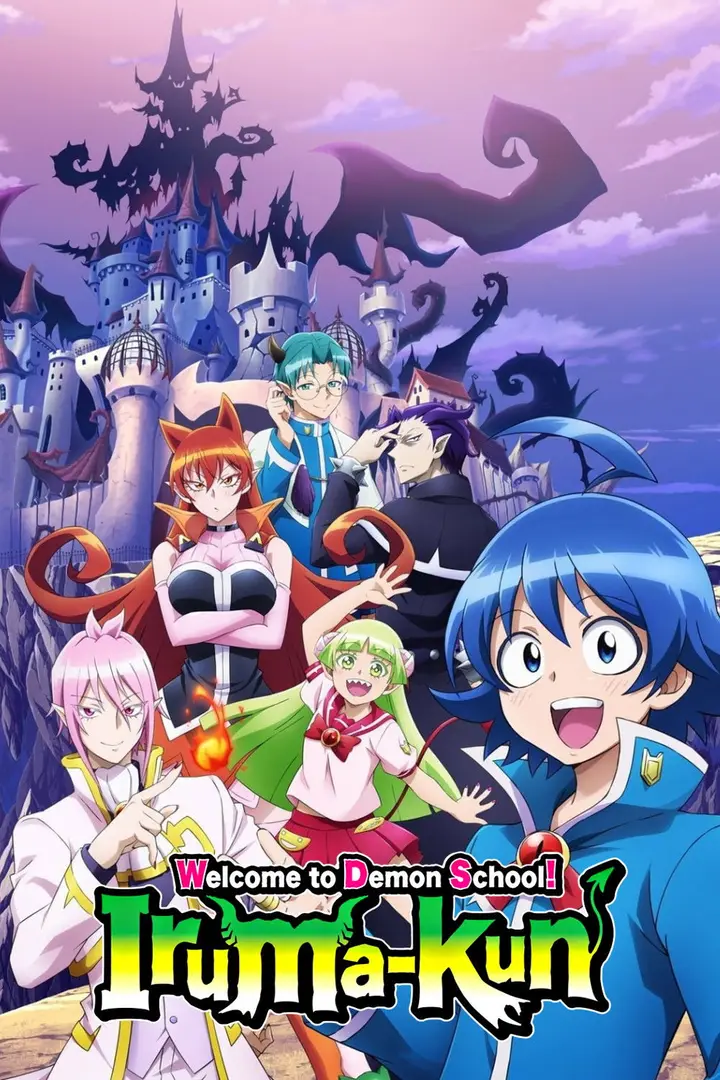
Welcome to Demon School! Iruma-kun
Warm comedy, friendship and an empathetic hero make the demon-school premise unusually welcoming.

A Place Further Than the Universe
Friendship, planning and a genuinely ambitious journey make the coming-of-age story inspiring without needing fantasy or action.
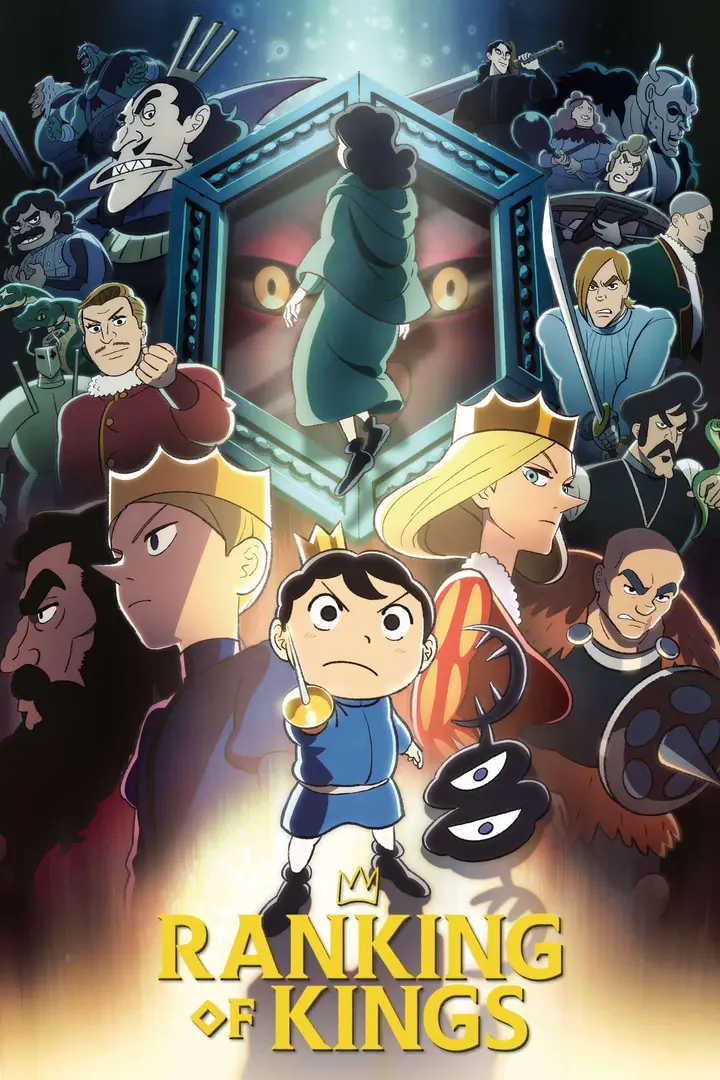
Ranking of Kings
Compassion, courage and a hero who challenges assumptions about strength give the fairy-tale world real depth.
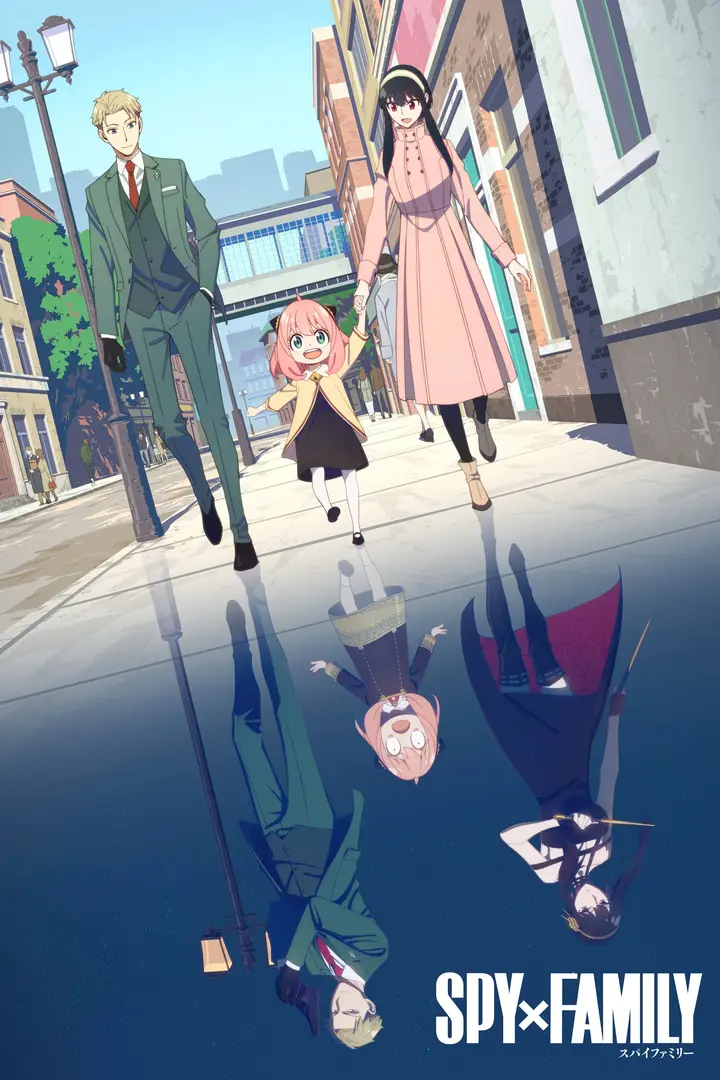
Spy x Family
Family chemistry, school comedy and espionage blend into a rare action series with a genuinely affectionate center.
Questions parents ask
What age is appropriate for anime?
What is a good first anime for a child?
Chi’s Sweet Home (from age 6) is one of the gentlest possible starts: episodes last a few minutes and there is no real danger. Hamtaro (from 6) solves small problems through friendship, and Doraemon (2005, from 7) has self-contained episodes you can watch in any order. Pokémon (from 7) is the natural next step for children who want more adventure.
Why does some children’s anime feel more intense than Western cartoons?
Japanese children’s television is often more open about death, rivalry, sadness and long-running conflict, even when the art looks cute. That is why our ages sometimes sit higher than a show’s look suggests. Reading the short note under each title, or watching the first episodes together, tells you more than the artwork does.


