
Best TV Shows for Kids, by Age
From accessible first favorites to bigger adventures, ordered by minimum and recommended age so the next good fit is easier to find.

Best TV Shows for Kids, by Age
The hard part is not finding children's television; it is finding something that feels neither too young nor too intense for the child you are choosing for. This list starts with accessible shows for younger viewers and gradually moves toward bigger adventures, denser storytelling, and stronger intensity for tweens. Order is based on TFFC minimum and recommended ages, not popularity or release year. That makes the guide useful for choosing by actual viewing readiness instead of guessing from a poster, platform, or broad age label.
Find the right series
Choose one band. Results show age-relevant series approved by our editors: those whose Minimum-to-Recommended age span overlaps the band, plus individually approved favorites. The Recommended Age is a starting point, not a maximum.
More filters and sort
No series in this guide match this age.
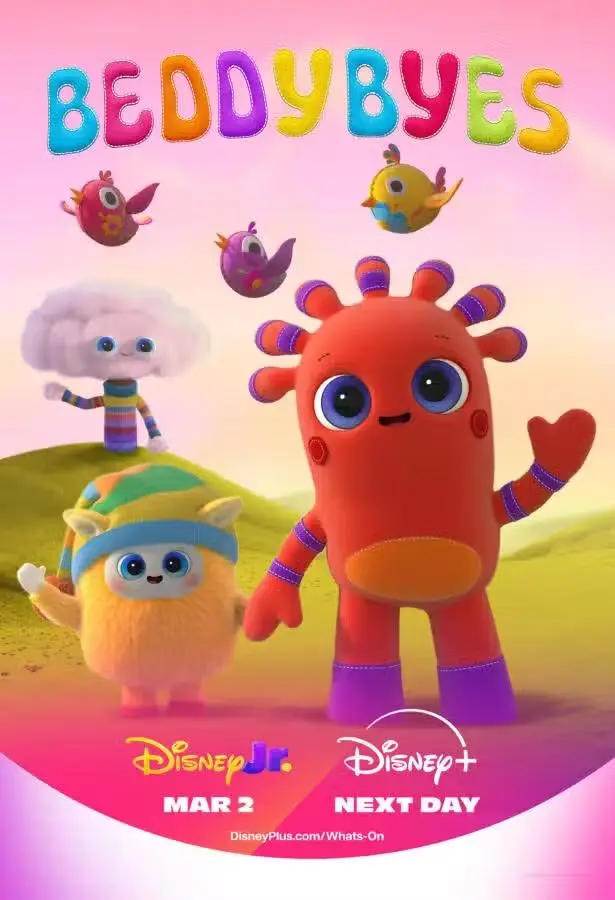
BeddyByes
Its pace deliberately slows rather than builds, using repetition and music to walk young viewers through the same calming bedtime sequence every single episode.
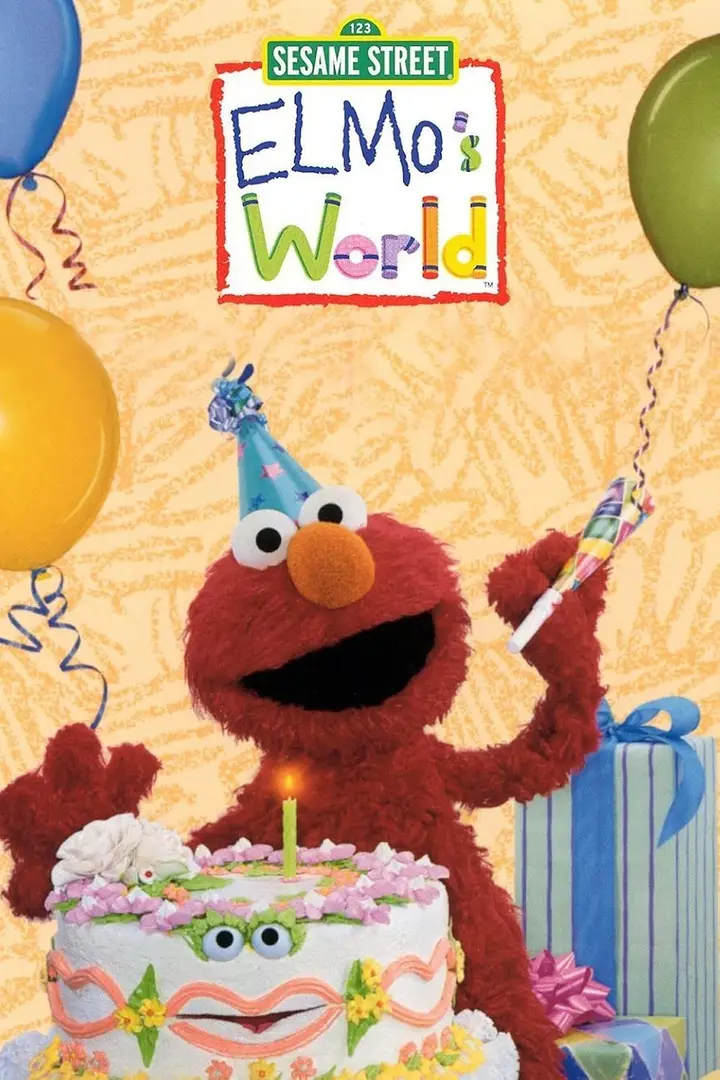
Elmo's World
Elmo learns the way toddlers do: by asking, looking and trying. The repeated structure lowers stress for very young viewers, and the clips of real children make each topic concrete.
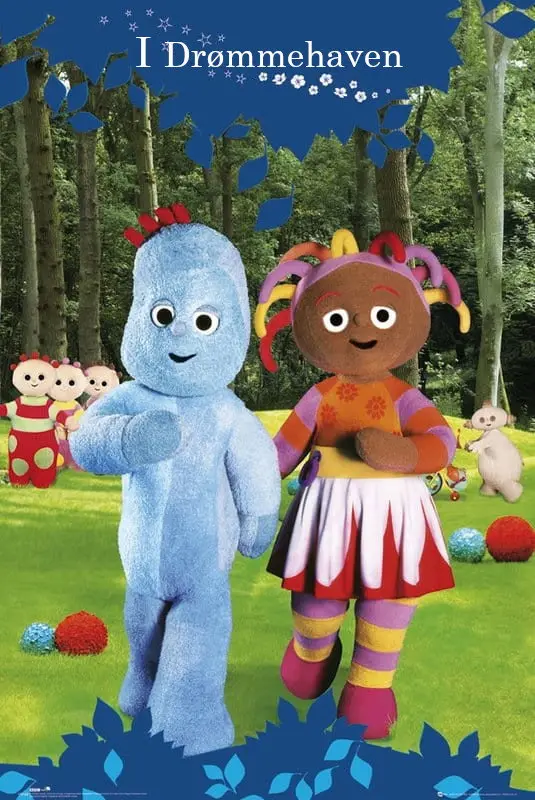
In the Night Garden
Songs, repeated phrases, familiar transitions and predictable farewells give each visit the structure of a bedtime ritual. The dreamlike garden works through recognition and routine, with characters moving through repeated patterns instead of a conventional quest.
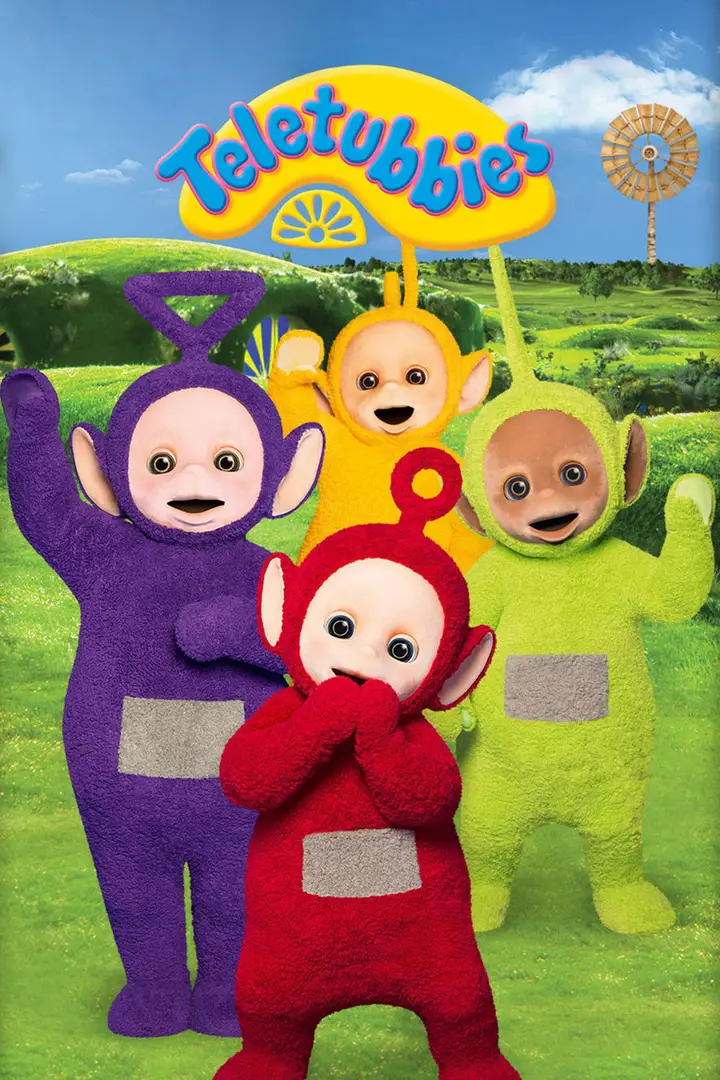
Teletubbies
Repetition, gestures, playful sounds and simple cause and effect create a viewing rhythm that very young children can understand without much plot. The familiar landscape and physical comedy make recognition and anticipation more important than narrative complexity.
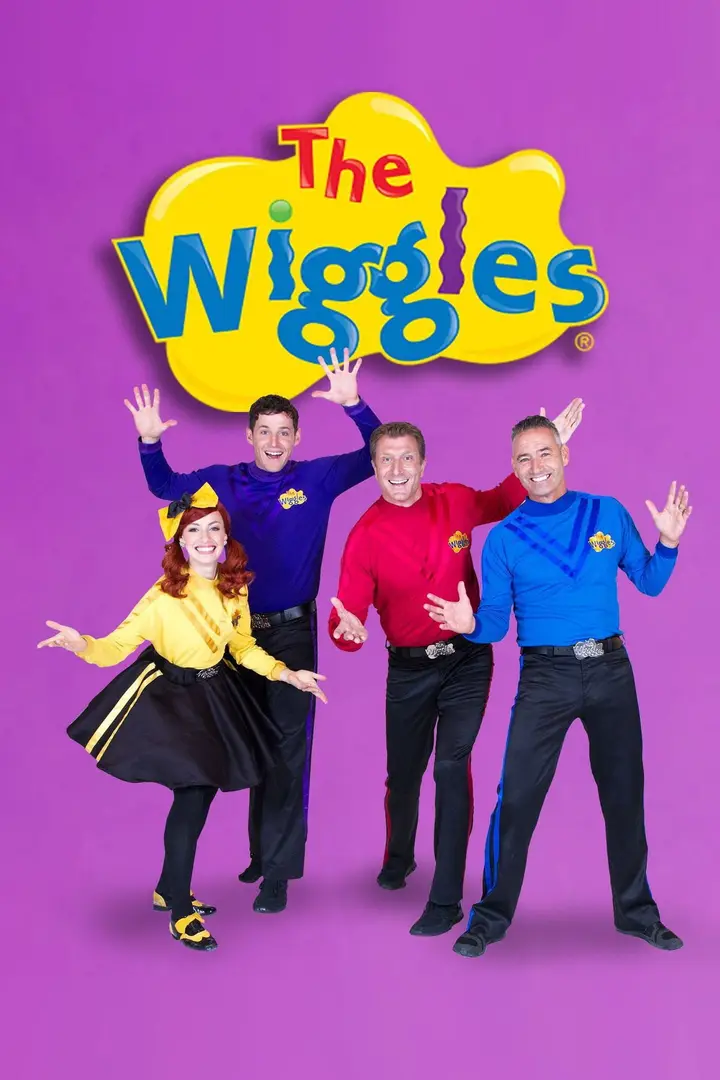
The Wiggles
Built by early-childhood educators, it turns screen time into active time: children copy the moves, count along and sing. Music supports language, rhythm and memory at this age.
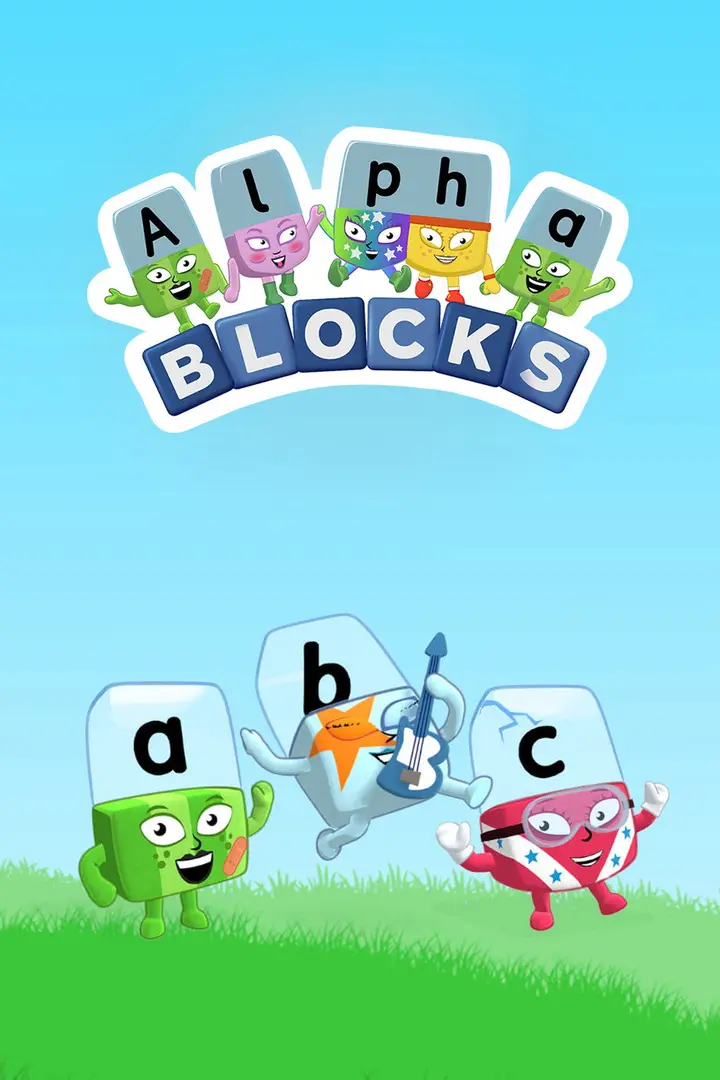
Alphablocks
Letters become characters who combine sounds into words, making phonics visible and memorable. Short episodes focus on one reading idea at a time, letting children hear how changing a letter changes the word.
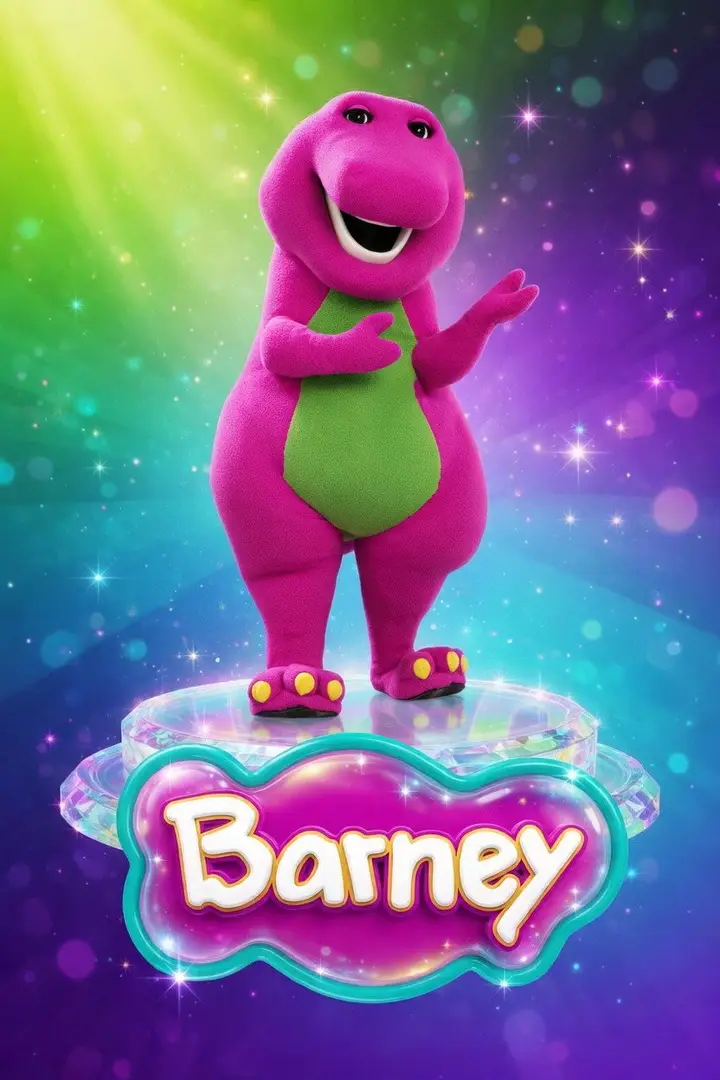
Barney & Friends
Songs, repetition and imaginative play invite children to participate with the group instead of watching passively. Everyday ideas about feelings, language, cooperation and turn-taking become visible through shared activities and predictable routines.
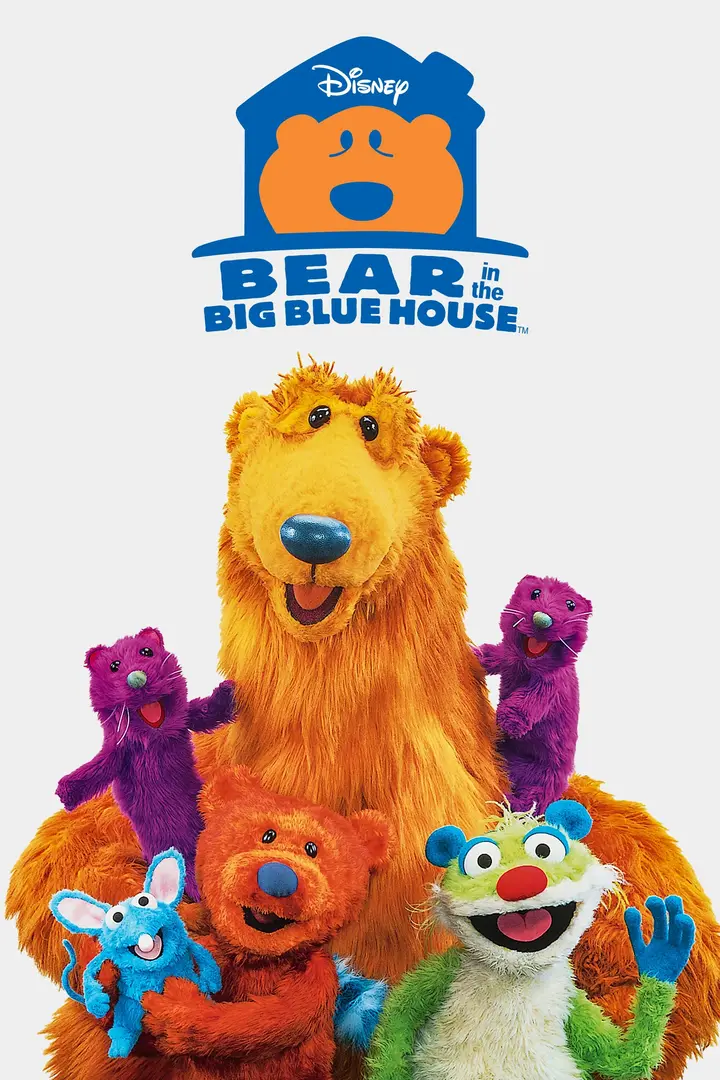
Bear in the Big Blue House
Songs, direct address and familiar housemates make preschool learning feel participatory. Bear guides conversations about feelings, routines and considerate behavior, while the recurring closing exchange with Luna gives each episode a reassuring shape.
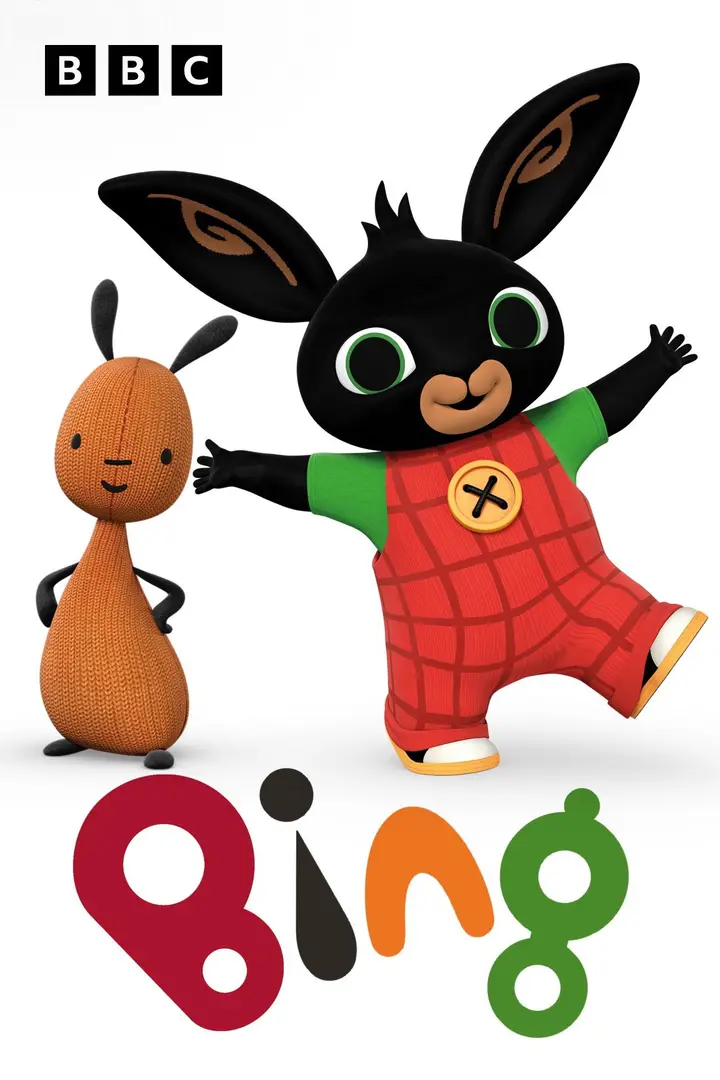
Bing
Each episode stays close to one preschool frustration, allowing Bing’s reaction to remain visible before the problem settles. Flop guides without taking over, so mistakes, waiting and trying again feel like real developmental steps.

Blippi
Blippi shows real places and real machines rather than animated stand-ins, so toddlers can connect what they see on screen with the digger down the street or the animals at the farm. Repetition and simple naming build early vocabulary.
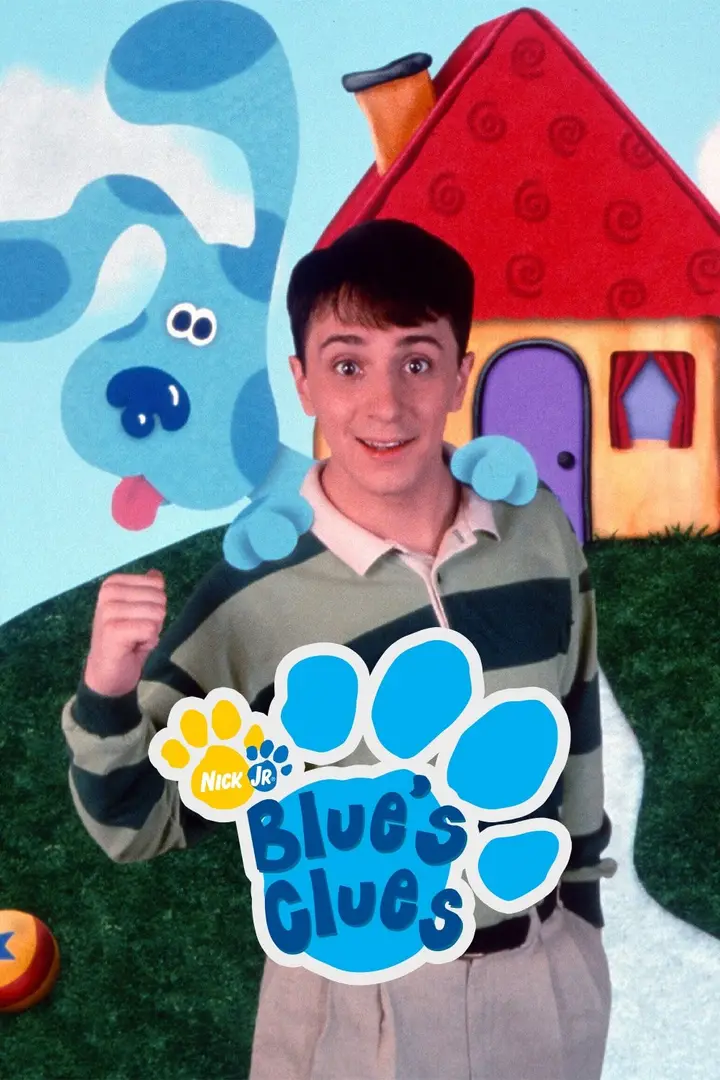
Blue's Clues
Direct questions, repeated clue steps and visible notebook drawings turn each episode into a participatory puzzle. The predictable structure supports early attention, language and reasoning skills without asking preschoolers to track complicated stories.
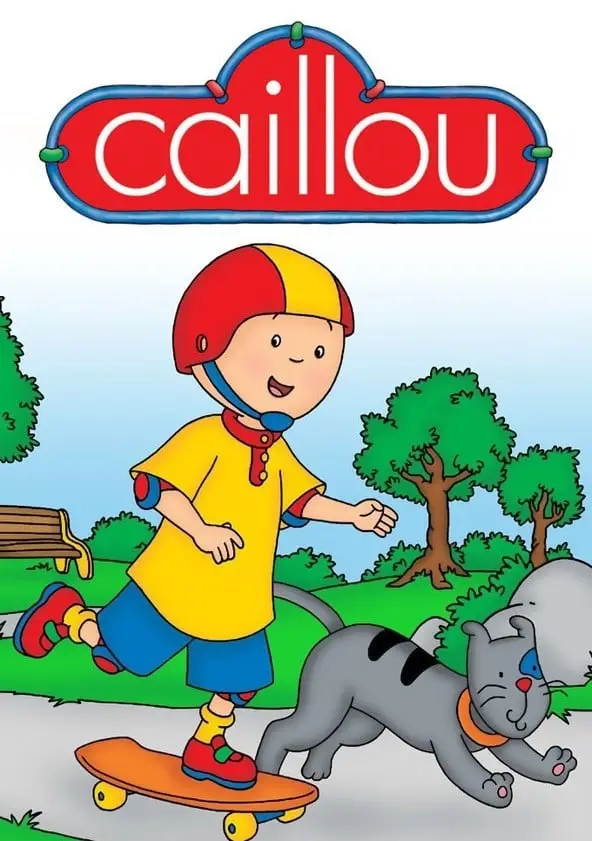
Caillou
Everyday preschool experiences stay close to Caillou’s point of view, making fears, jealousy, sharing and new routines easy to recognize. The simple pacing gives young viewers time to see how small problems are understood and resolved.
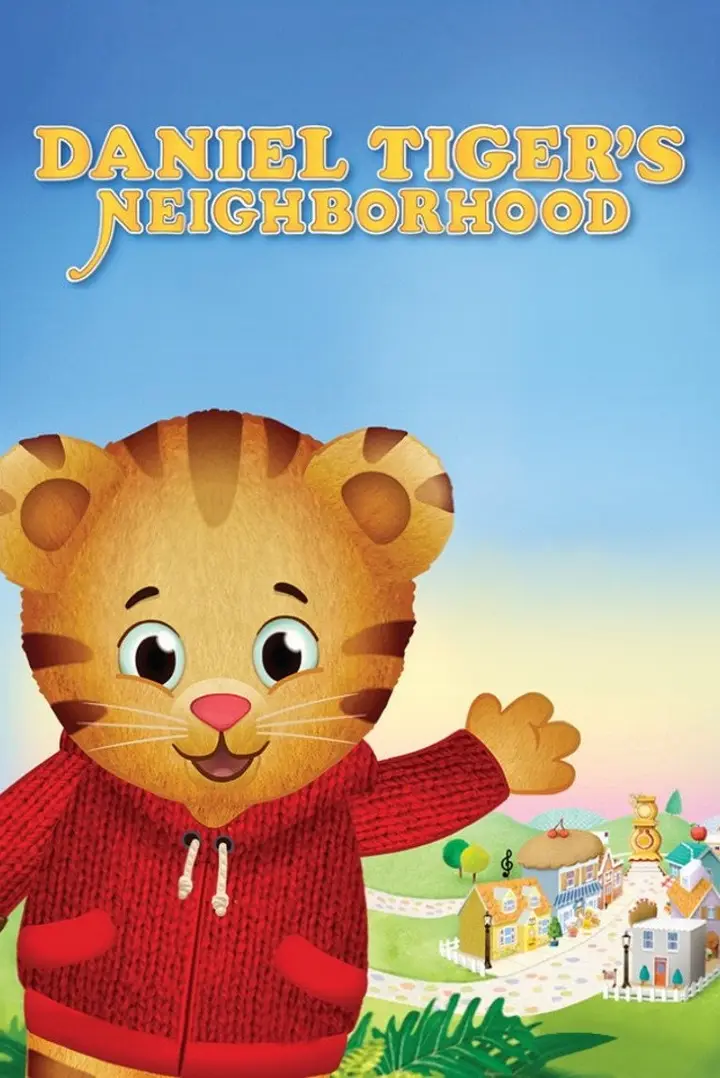
Daniel Tiger's Neighborhood
Everyday preschool situations are broken into feelings, choices and simple strategies children can remember. Short songs turn ideas about anger, sharing, separation and change into practical phrases that can be reused outside the episode.
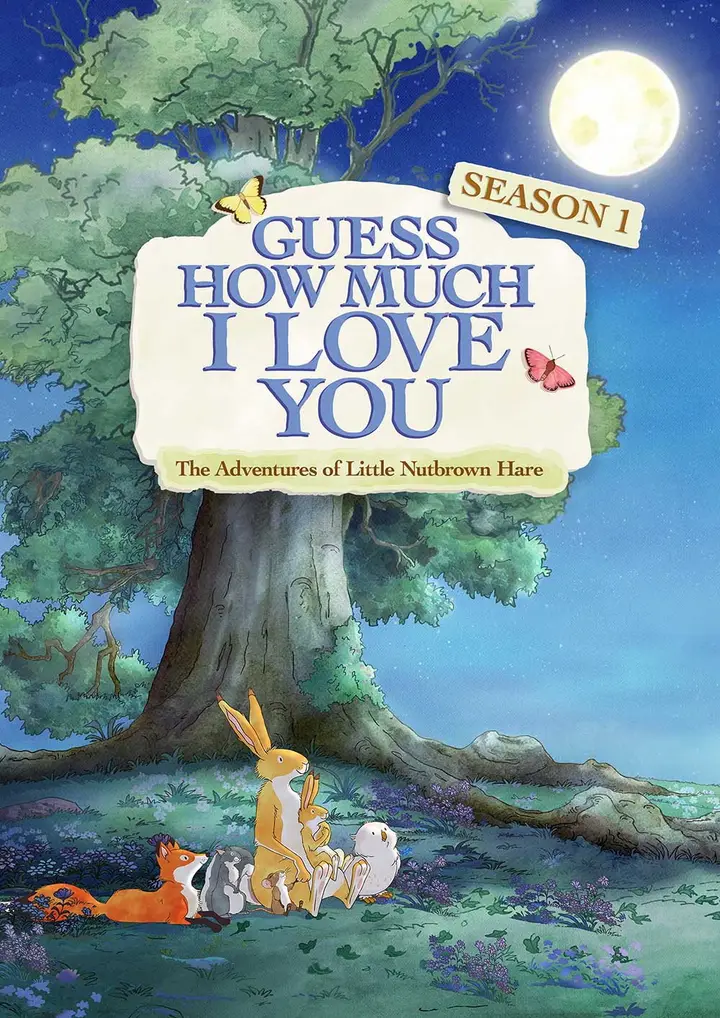
Guess How Much I Love You
Small countryside discoveries are built around affection, play and reassurance between Little Nutbrown Hare and Big Nutbrown Hare. The stories value connection over conflict, making nature, friendship and family bonds the main source of interest.
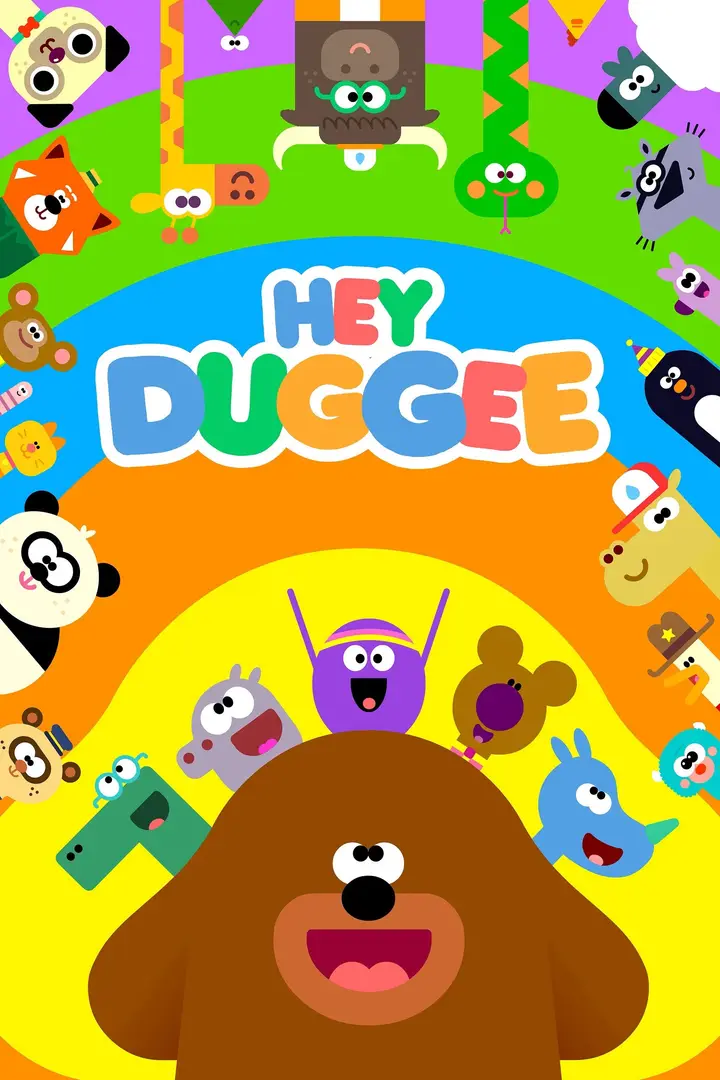
Hey Duggee
Each badge turns an everyday activity into a small shared goal, giving preschoolers a clear beginning, middle and end. Visual humor, repetition and group participation keep crafts, cooking, movement and teamwork easy to follow.
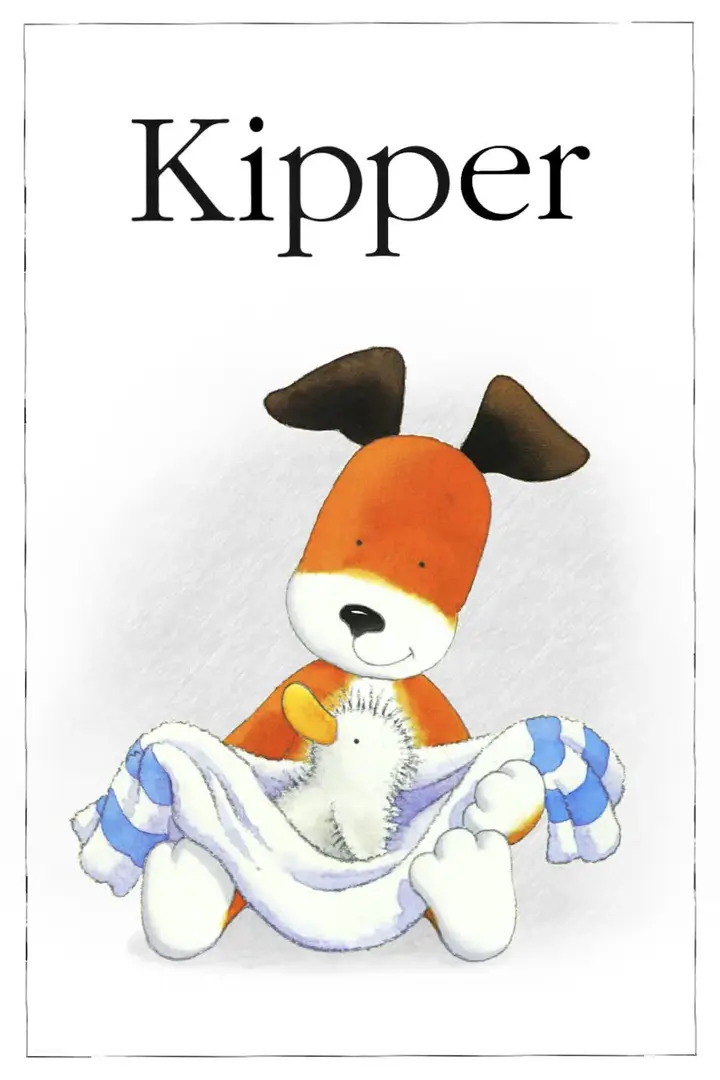
Kipper
Ordinary objects, outings and small discoveries become compact stories shaped by Kipper’s curiosity. Sparse backgrounds, pauses and dry humor leave space for children to notice details, making companionship and observation the main appeal.
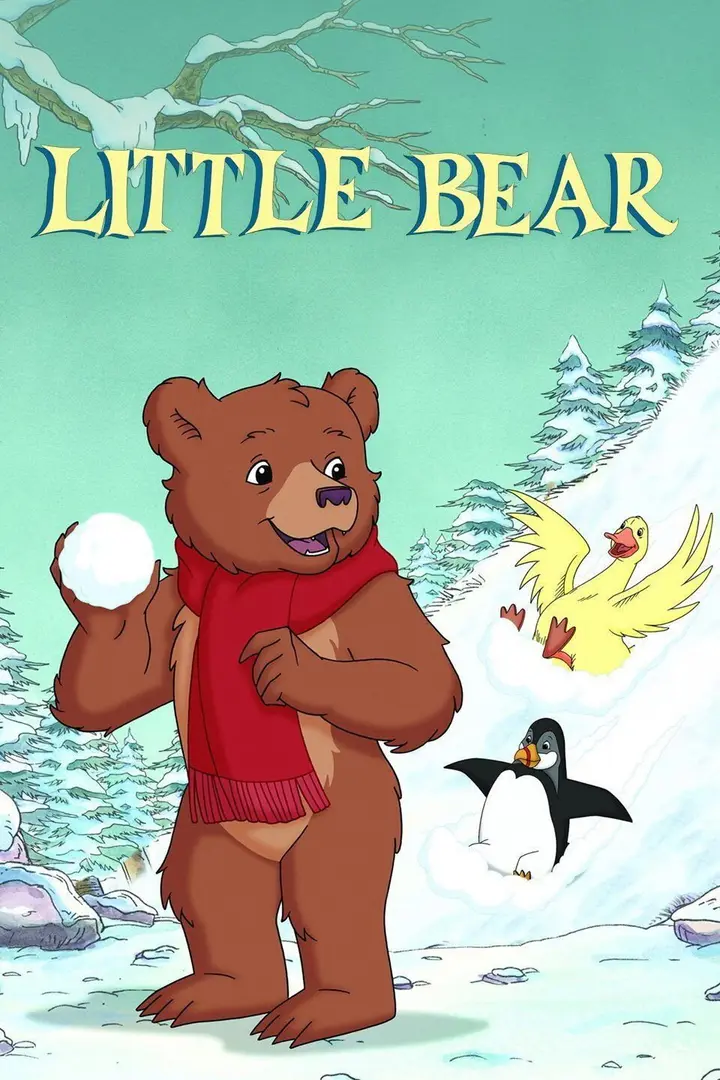
Little Bear
Home-sized adventures unfold through patient conversation, imaginative play and secure family relationships. A visit, game or question has room to develop naturally, giving companionship and observation more importance than speed or conflict.
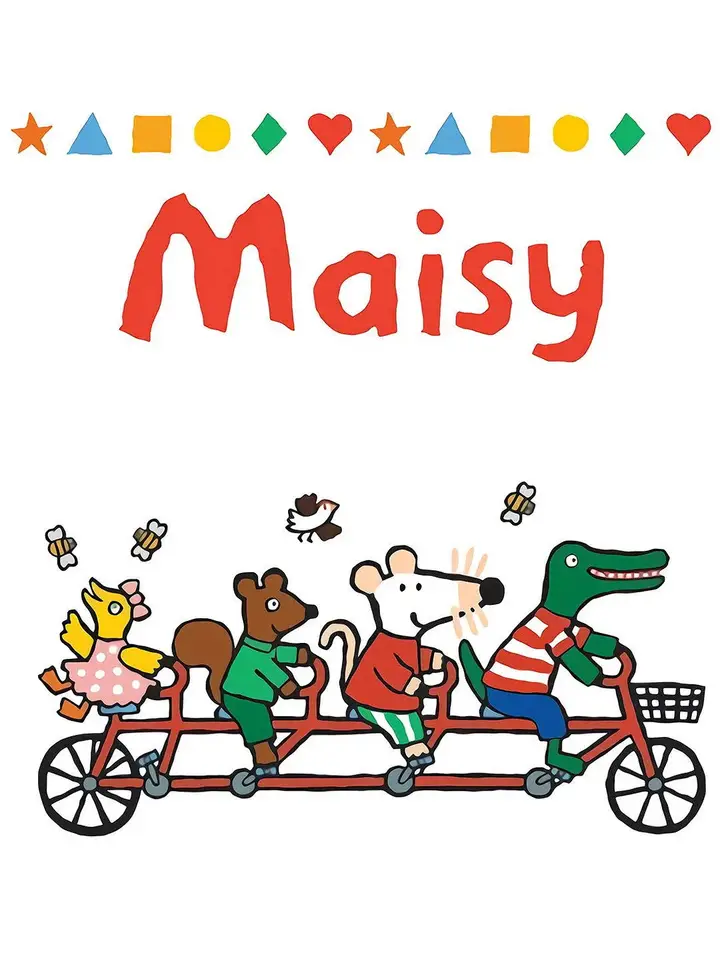
Maisy
Clear narration, uncluttered pictures and familiar routines keep attention on one child-sized activity at a time. Everyday play, outings and simple tasks become easy stories where recognition and participation matter more than suspense.
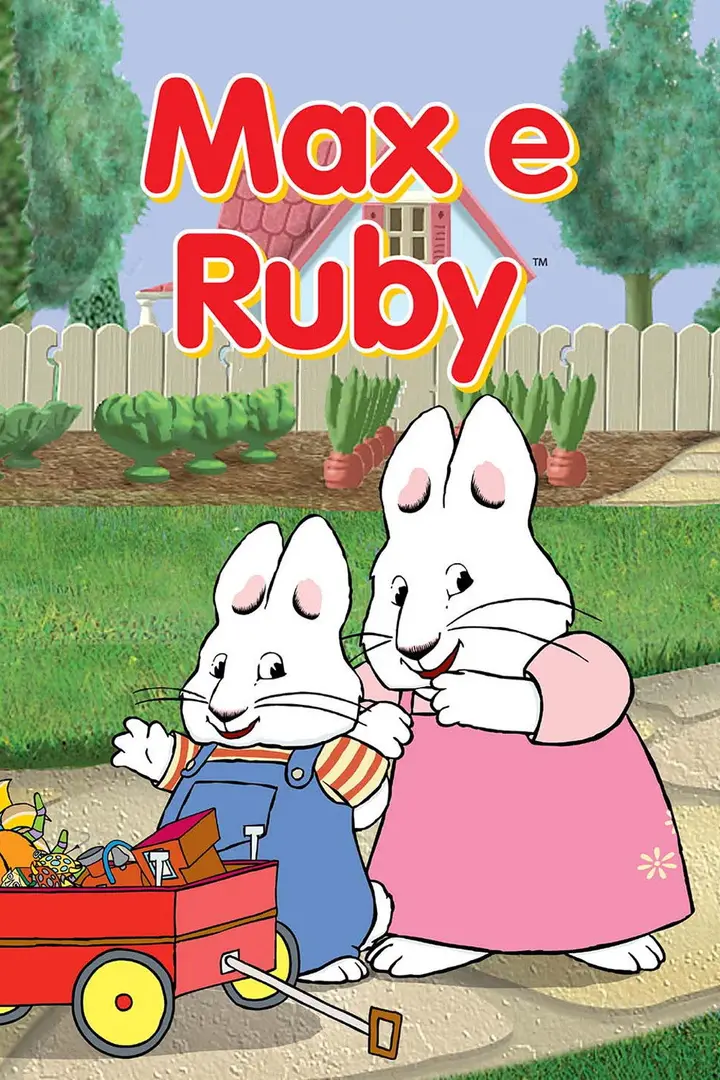
Max & Ruby
Ruby’s careful plans and Max’s single-minded ideas create a simple sibling pattern that preschoolers can anticipate. Their differences drive the comedy, while the endings repeatedly show that Max’s approach has value too.
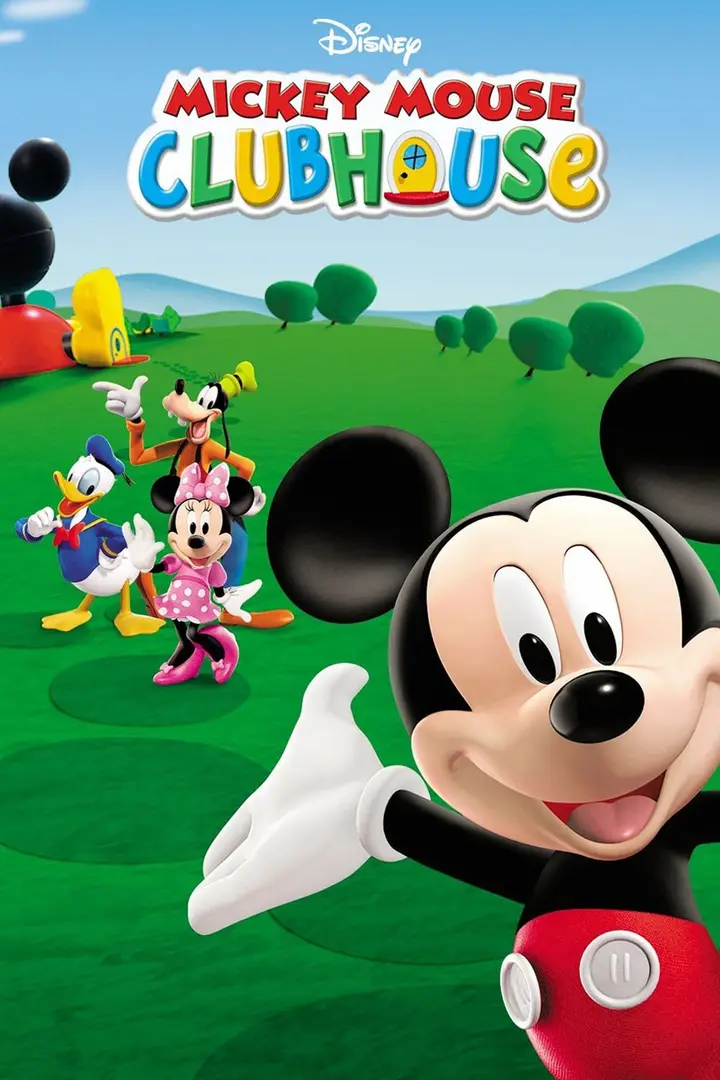
Mickey Mouse Clubhouse
Each episode starts with a practical problem and invites children to choose tools, identify patterns and follow steps toward a solution. Familiar characters and repetition make early problem-solving feel playful instead of instructional.
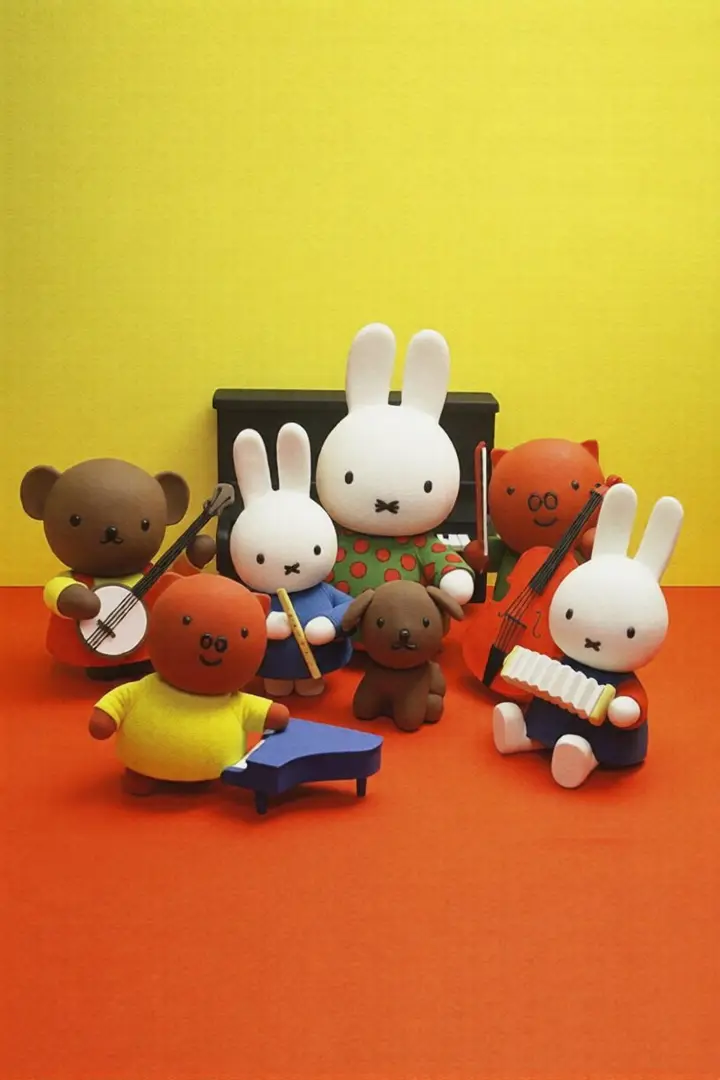
Miffy and Friends
Short stop-motion stories focus on one familiar activity at a time, using simple shapes and clear visual cause and effect. Miffy’s curiosity makes visiting, drawing or outdoor play easy to follow before children can manage dense dialogue.
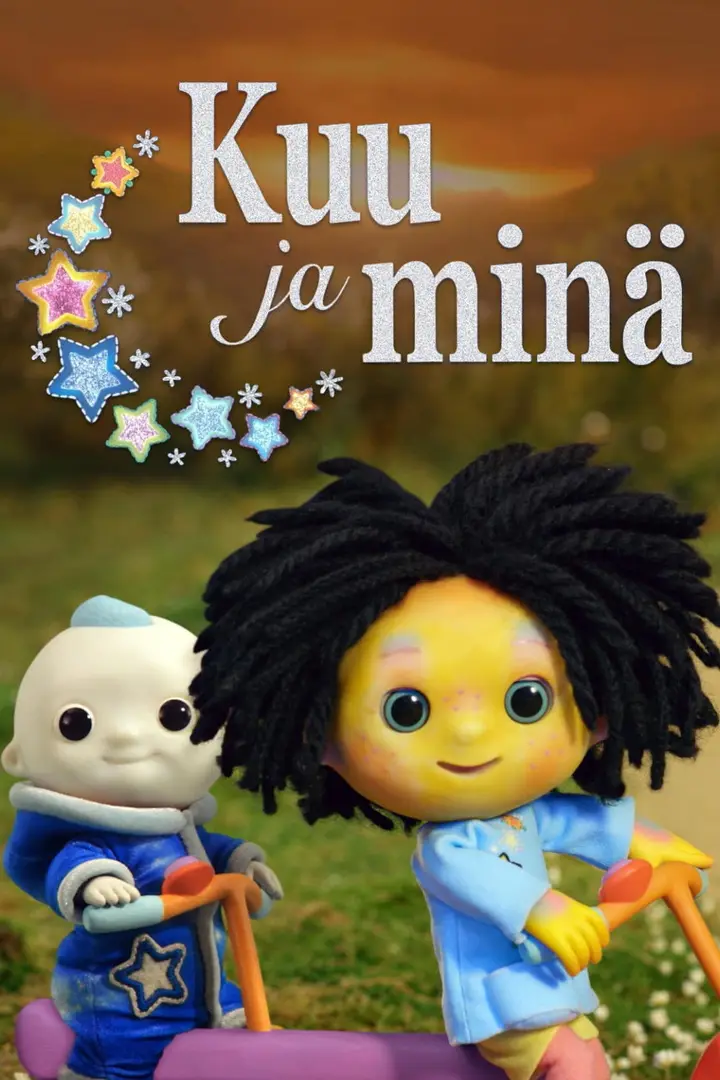
Moon and Me
Repeated songs, toy-house rituals and long pauses create predictable night-time sequences for very young viewers. Characters gather, objects arrive and the house settles again, making anticipation and recognition the main structure instead of a conventional plot.
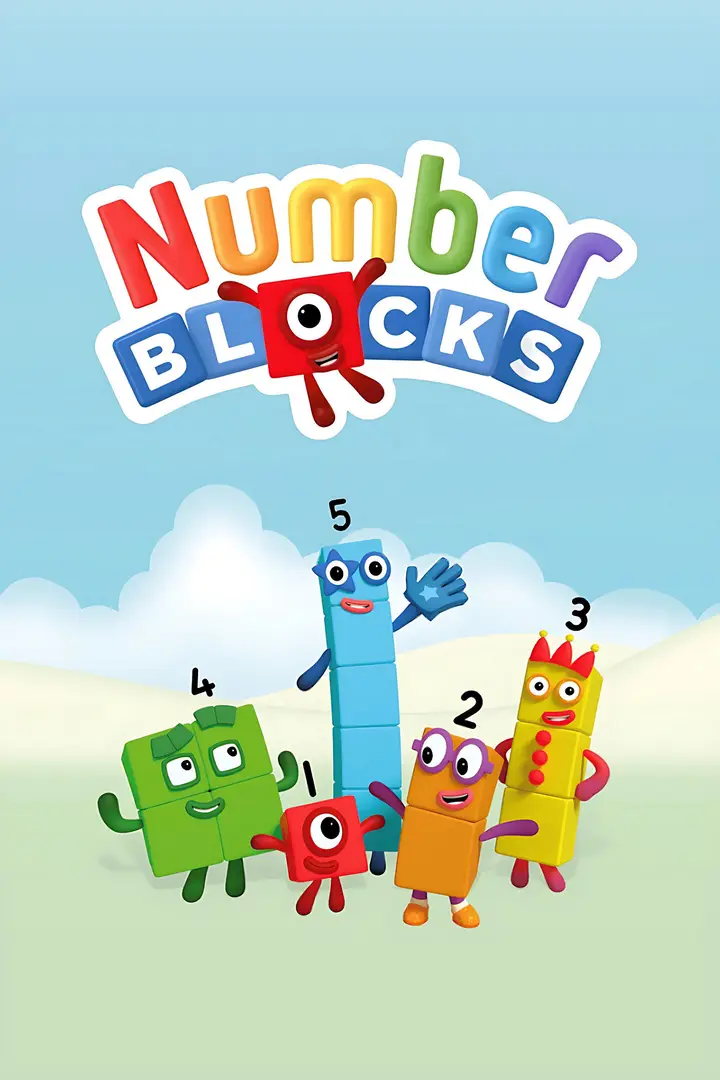
Numberblocks
Numbers become physical characters who join, split and rearrange, making quantity and arithmetic visible. Short musical episodes let children see addition, subtraction and patterns in motion, linking written numbers to concrete amounts.
Oswald
Big City feels welcoming because problems are solved through courtesy, patience and careful thought. Oswald’s literal observations, Weenie’s presence and the musical rhythm create comedy without requiring chaos or high-stakes conflict.
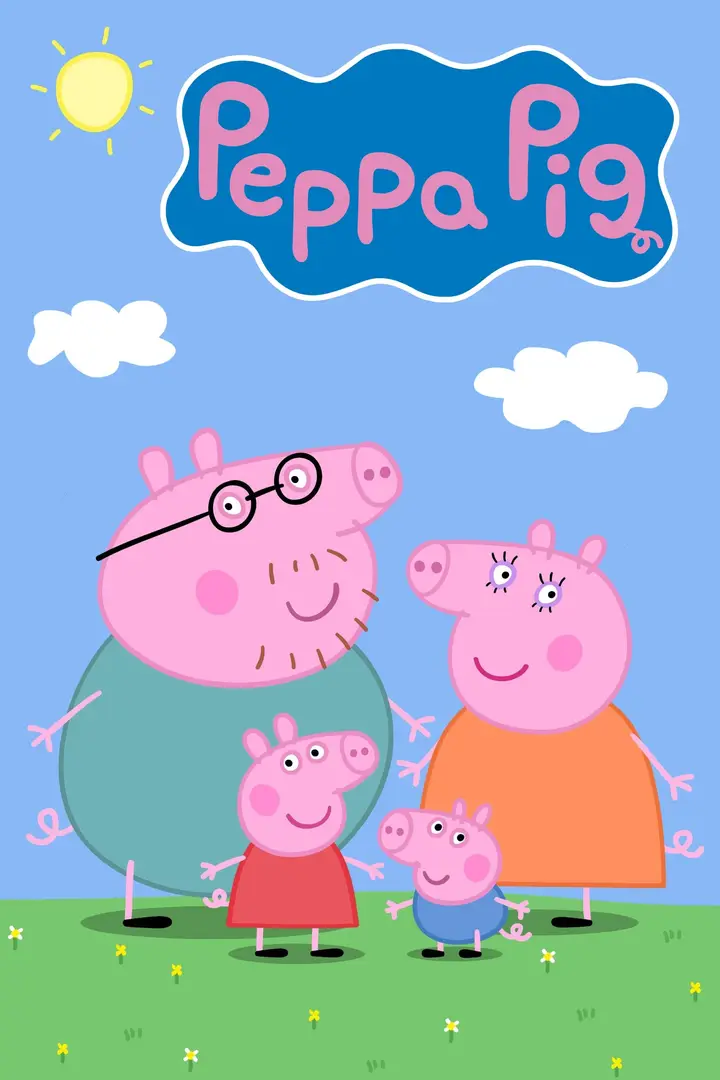
Peppa Pig
Short episodes stay close to familiar preschool life, turning family outings, weather, play and small disagreements into easy stories. Peppa’s confidence and George’s younger perspective give ordinary routines enough contrast to keep them engaging.
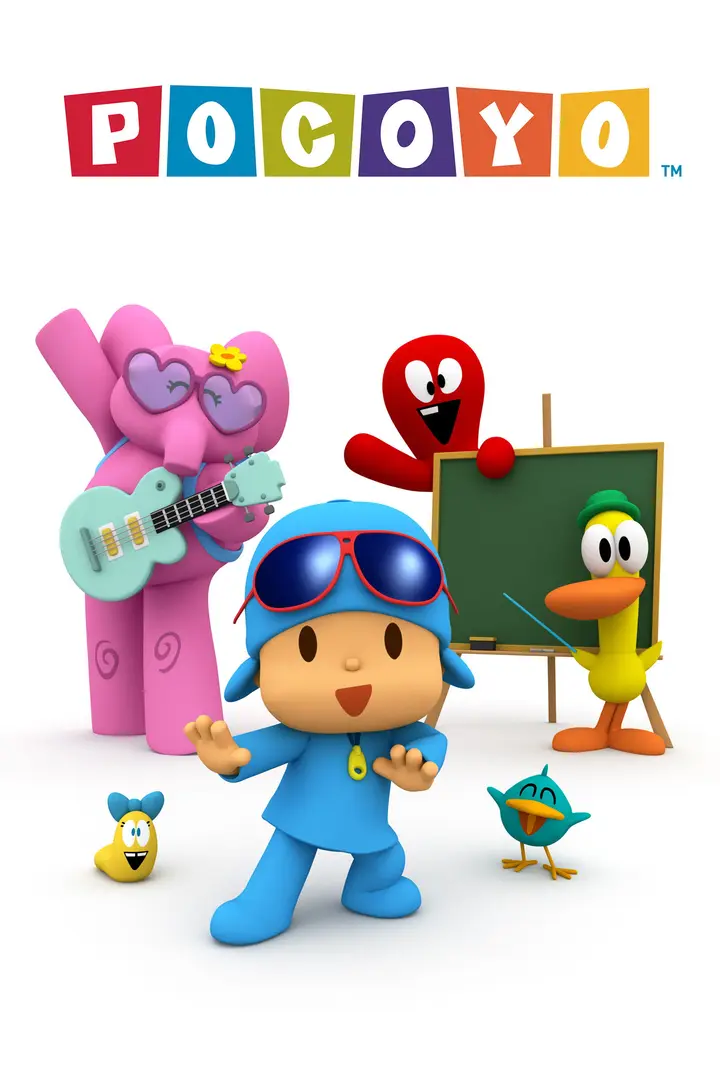
Pocoyo
A simple white world keeps attention on Pocoyo, his friends and the problem in front of them. The narrator’s direct questions create an interactive rhythm that supports curiosity, sharing, patience and recognition of basic feelings.
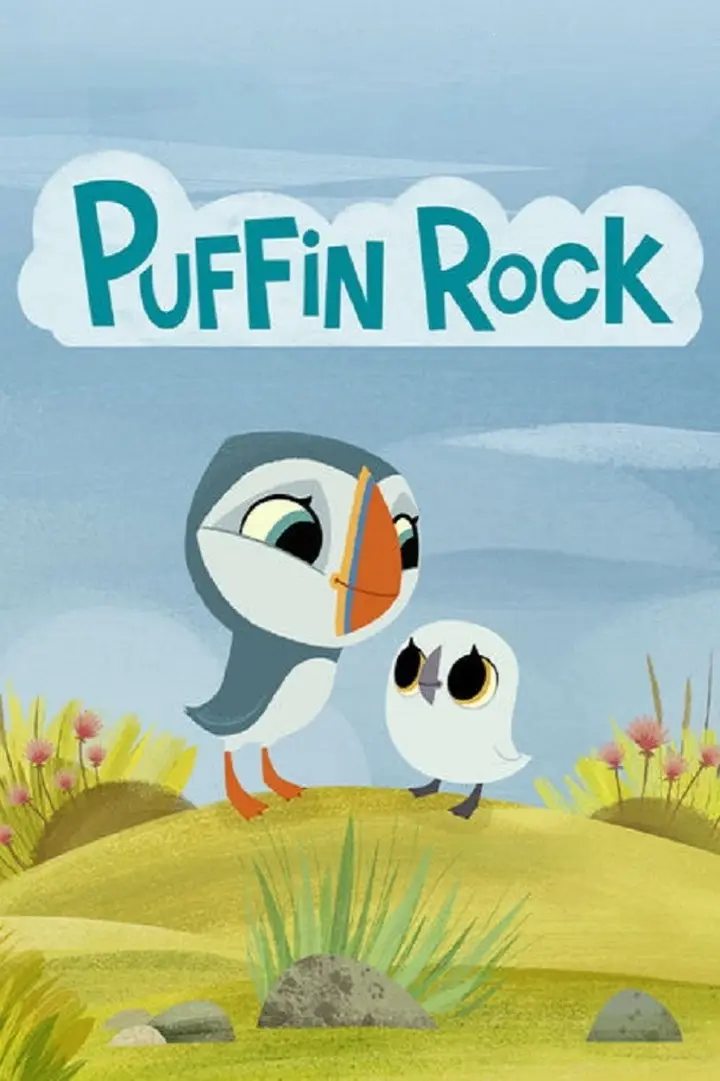
Puffin Rock
Oona and Baba explore island life through tides, weather, migration and animal behavior, keeping nature observation inside family stories. The slow pace and small discoveries make curiosity itself the main source of adventure.
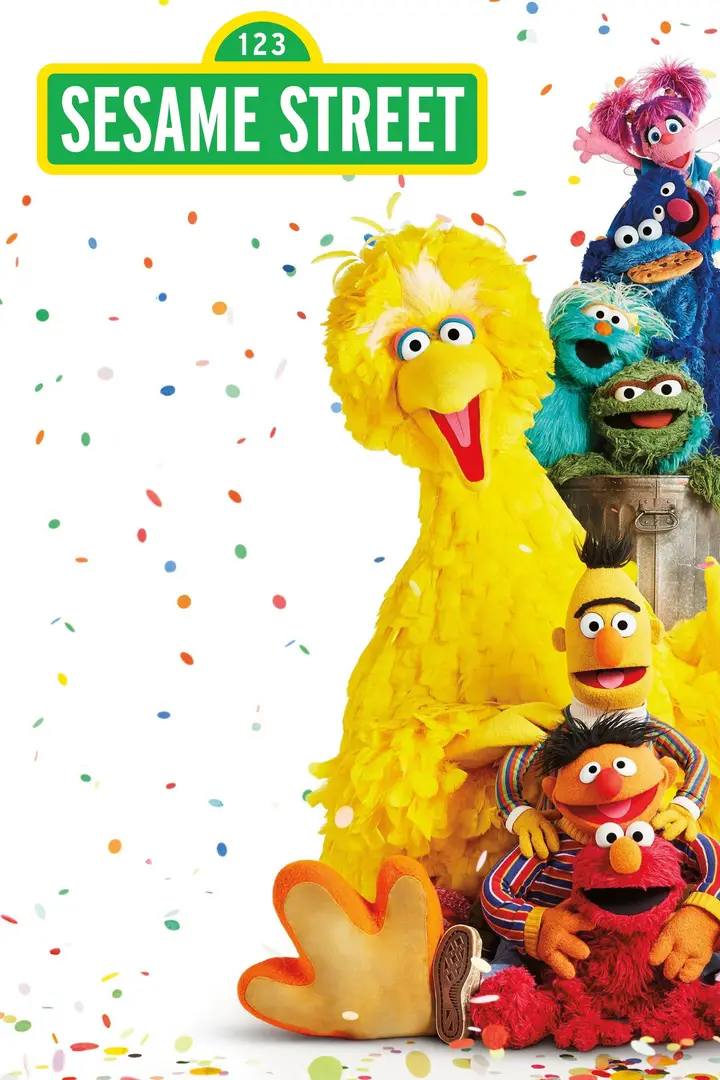
Sesame Street
Muppets, songs, animation and live-action sketches break early learning into short, memorable pieces. Letters, numbers, vocabulary and social ideas return in varied formats, while recurring characters give young children a familiar anchor.
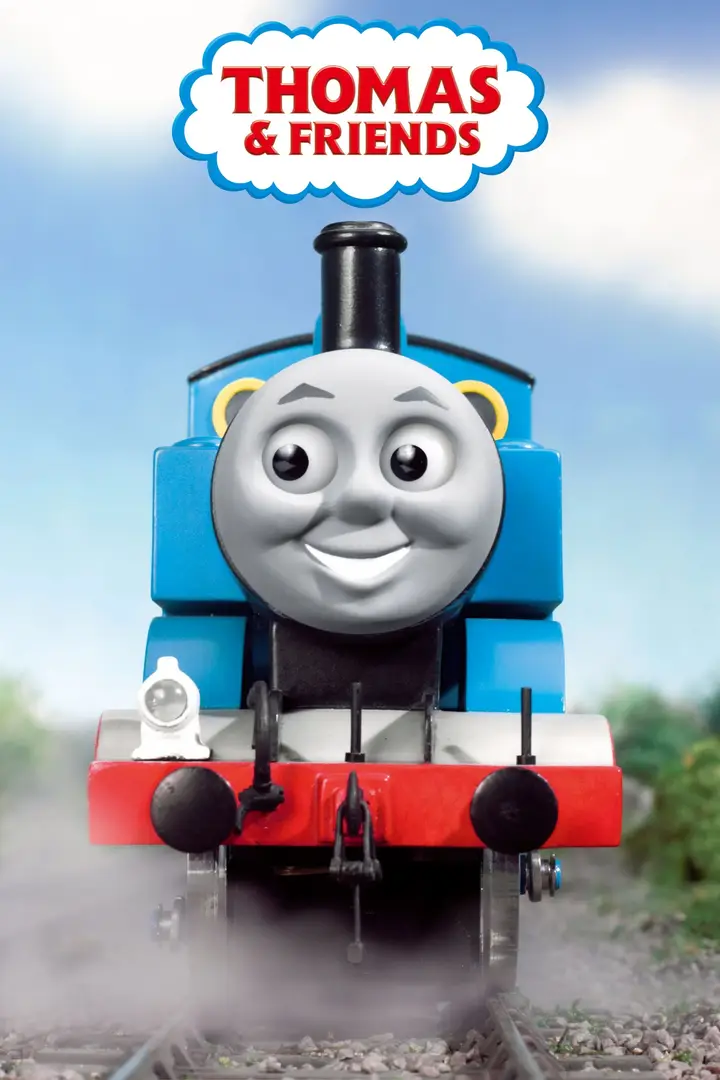
Thomas & Friends
Railway jobs turn responsibility into clear practical stories as Thomas and the other engines learn how one task affects the whole system. Distinct personalities make impatience, pride and cooperation easy for young children to recognize.
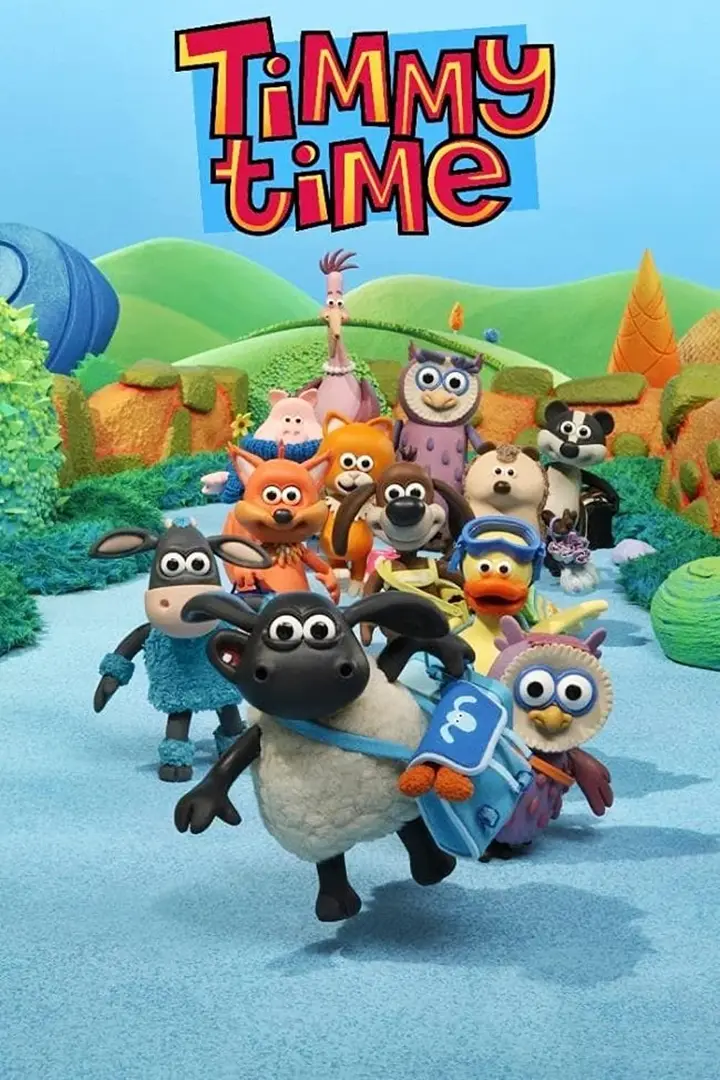
Timmy Time
Without conventional dialogue, Timmy’s nursery day is told through movement, expressions and simple social situations. Sharing, waiting, mistakes and cooperation become easy to read visually, making the preschool lessons feel part of play.
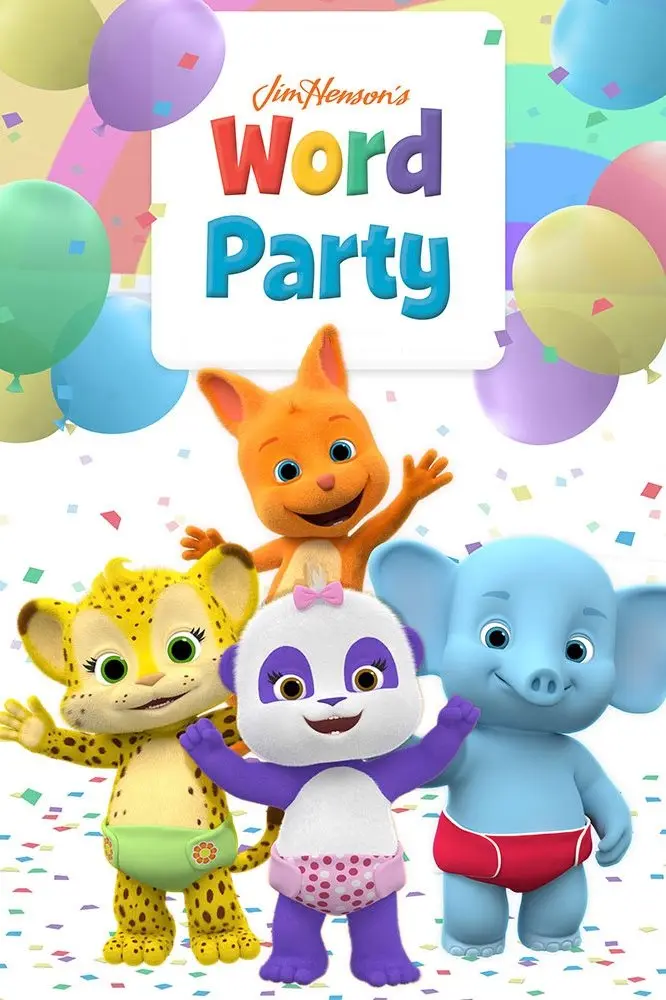
Word Party
Four baby animals learn alongside the audience, using songs, games and repetition to build early vocabulary. Because mistakes are treated as normal learning steps, participation feels encouraging instead of like a test.

Adventures of the Little Koala
Roobear’s village turns play, school and small social problems into calm stories about friendship and community. The animal setting also introduces elements of Australian wildlife without shifting into formal documentary teaching.
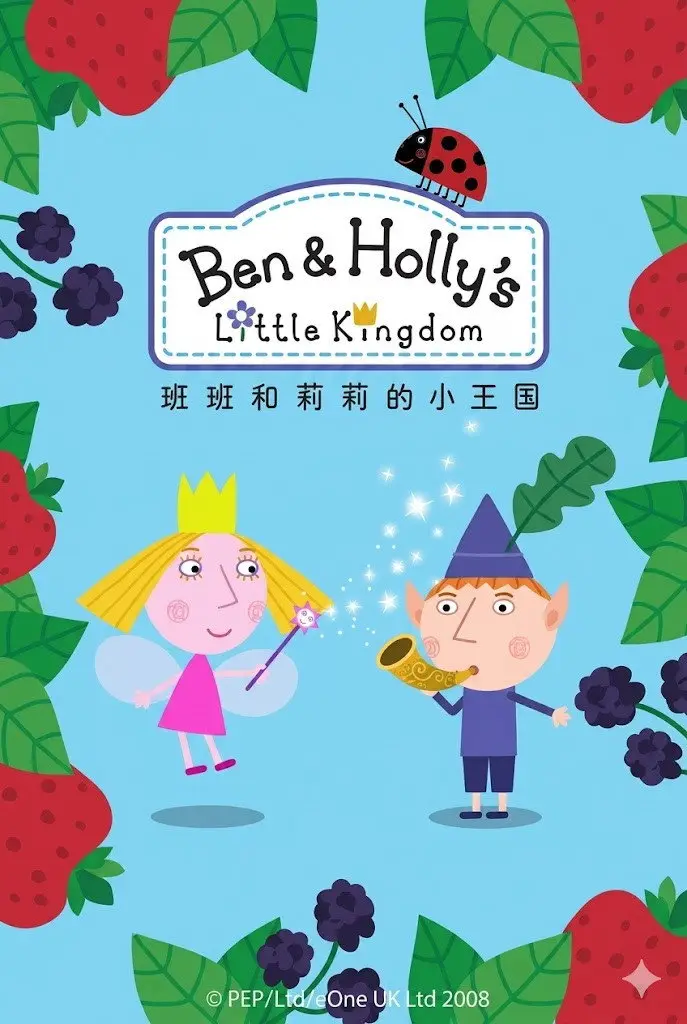
Ben & Holly's Little Kingdom
Magic and practical problem-solving constantly collide as Holly learns spells and Ben relies on elf skills and inventions. The contrast creates clear comedy while keeping friendship, family and everyday preschool situations at the center.
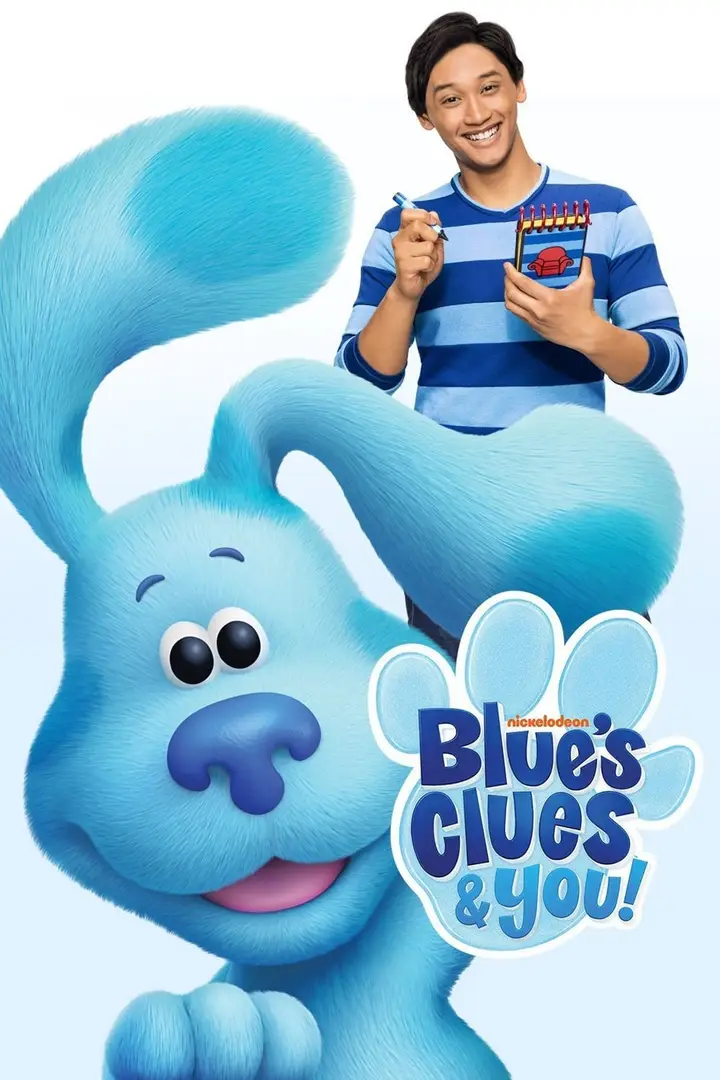
Blue's Clues & You!
The familiar clue-solving format preserves pauses, repetition and direct participation while updating the presentation. Three paw prints guide each story, giving preschoolers a predictable process for speaking, counting, identifying patterns and drawing conclusions.
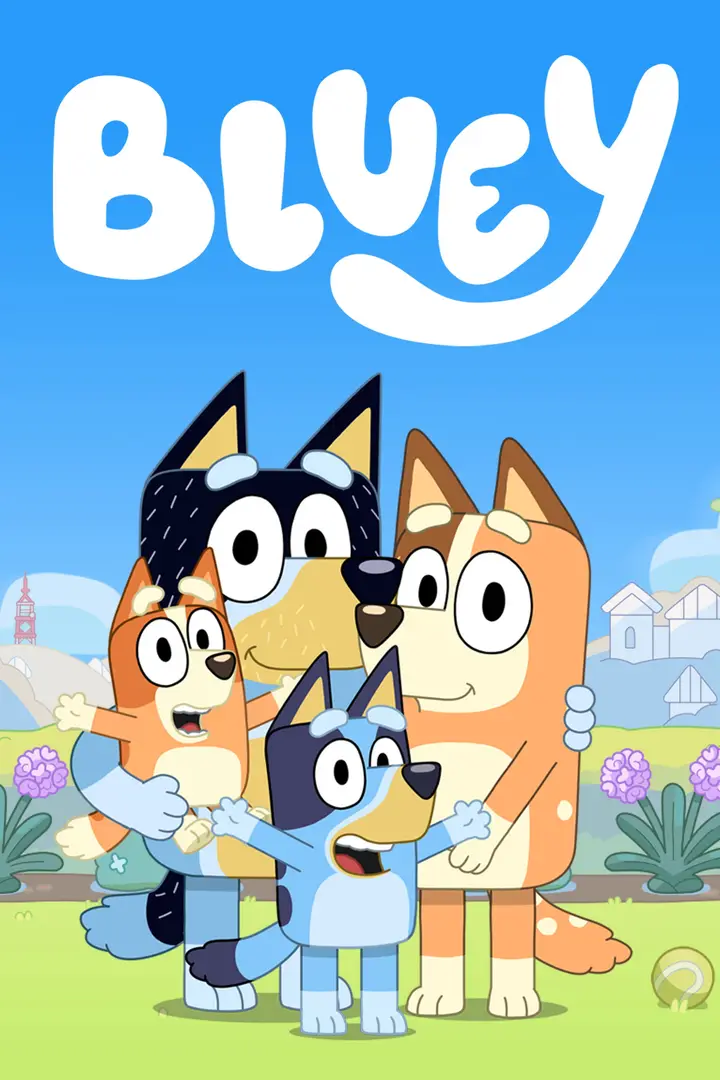
Bluey
Ordinary family moments become imaginative games with rules that change as Bluey and Bingo negotiate, improvise and learn. Short episodes observe childhood behavior closely while giving Bandit and Chilli believable limits as parents.
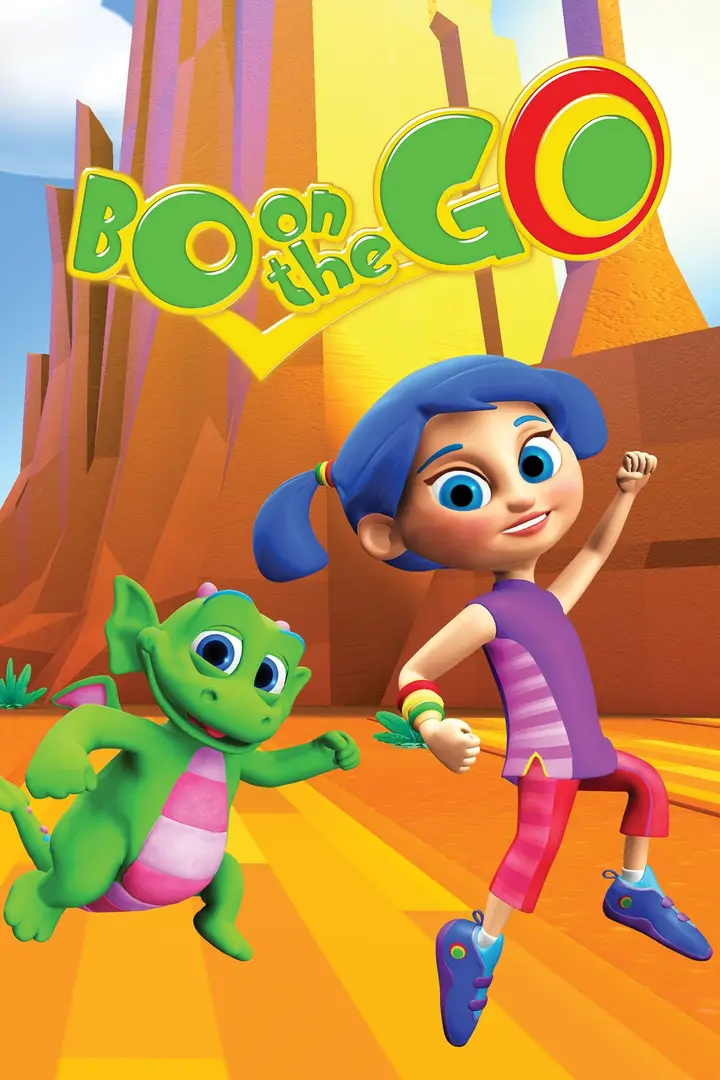
Bo on the Go!
Each imaginative mission asks children to move with Bo instead of only watching. Running, jumping and stretching become part of the solution, giving preschool problem-solving a physical dimension built around participation and repetition.
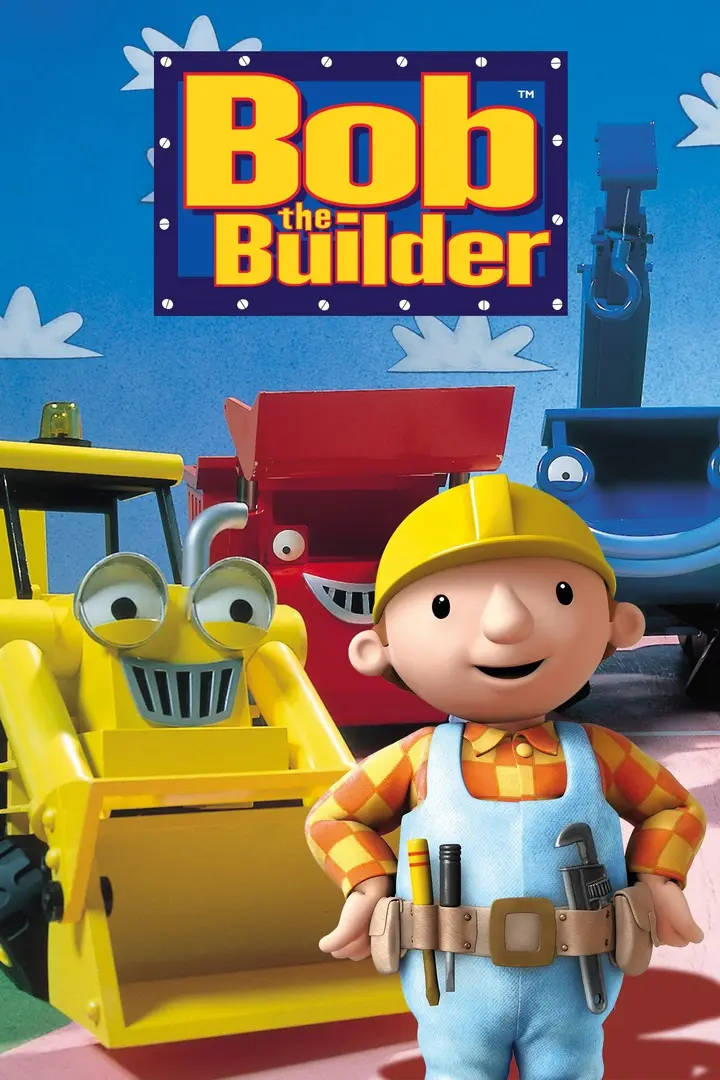
Bob the Builder
Construction jobs create practical problems that need planning, persistence and teamwork before anything is finished. Bob, Wendy and the talking vehicles show that mistakes can be corrected by slowing down, asking for help and trying again.
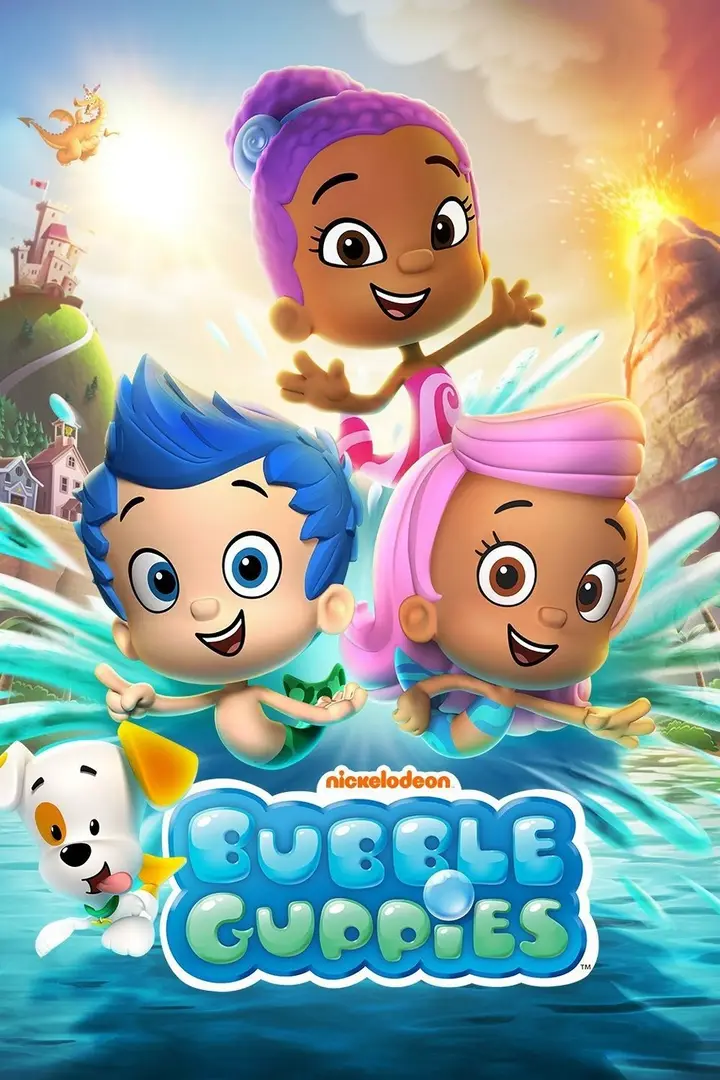
Bubble Guppies
An underwater preschool turns questions into songs, games and imaginative field trips. Repeated musical patterns and direct participation help vocabulary, routines and basic concepts feel playful instead of instructional.
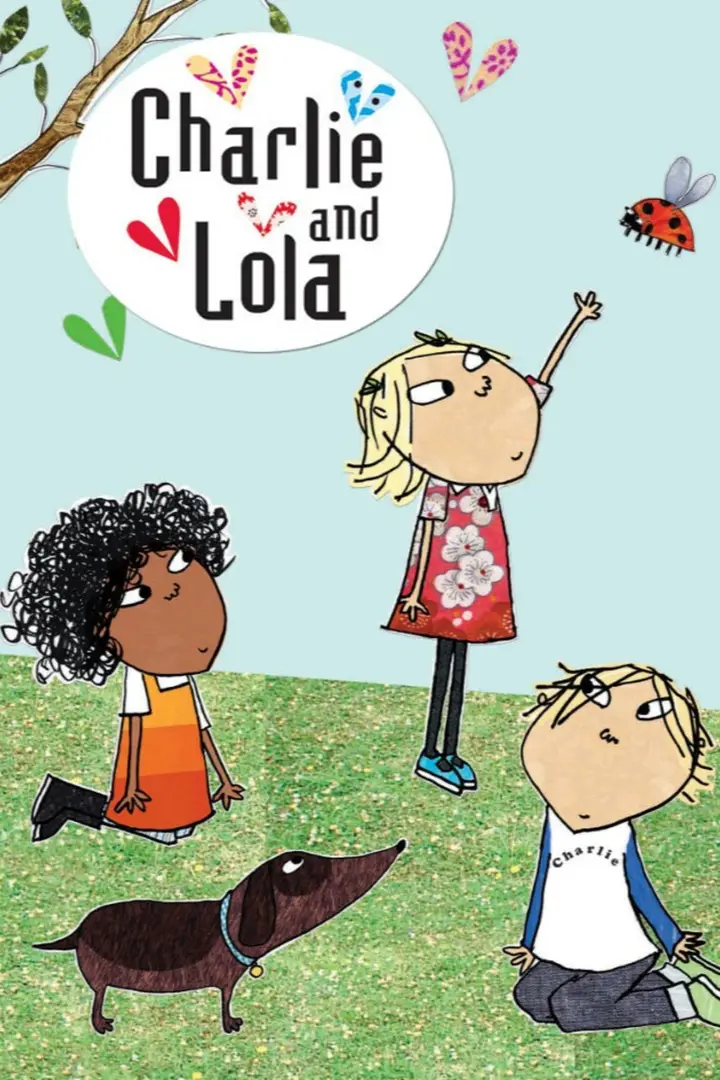
Charlie and Lola
Lola’s imagination gives ordinary preschool worries enormous visual life, while Charlie responds with patience instead of forcing solutions. Their sibling relationship makes trying food, starting school and handling change feel safe enough to explore.
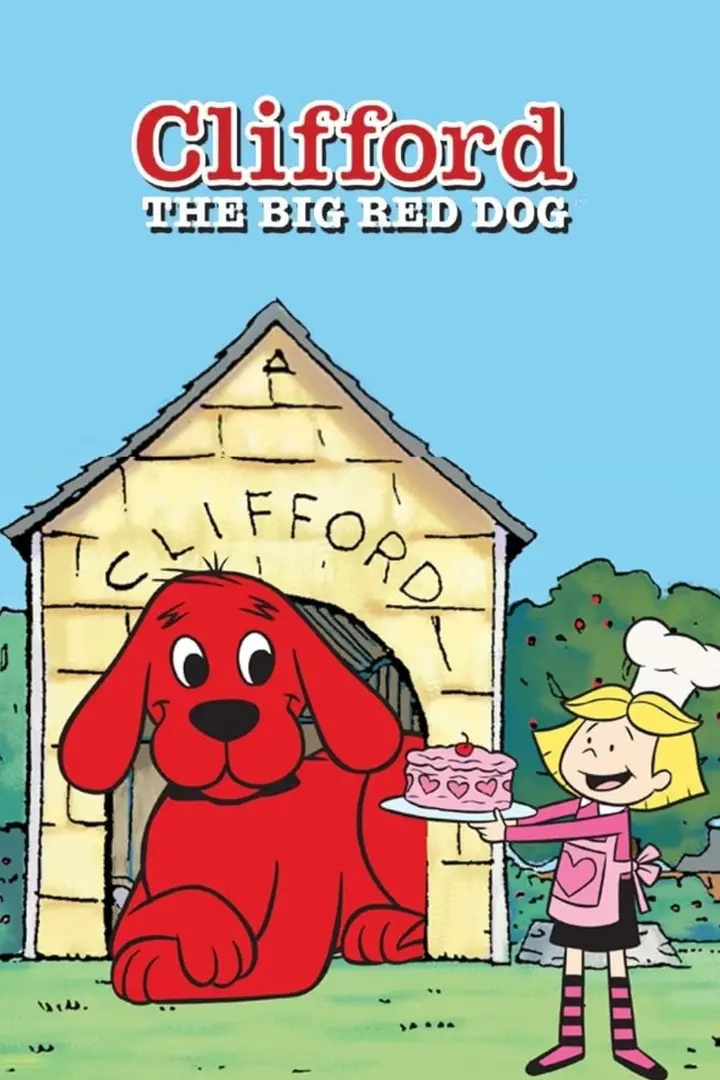
Clifford the Big Red Dog
Clifford’s enormous size turns ordinary activities into practical social problems, but his kindness and loyalty define the stories. Friendship, fairness and respect are explored through simple situations where listening and correcting mistakes restore the community.
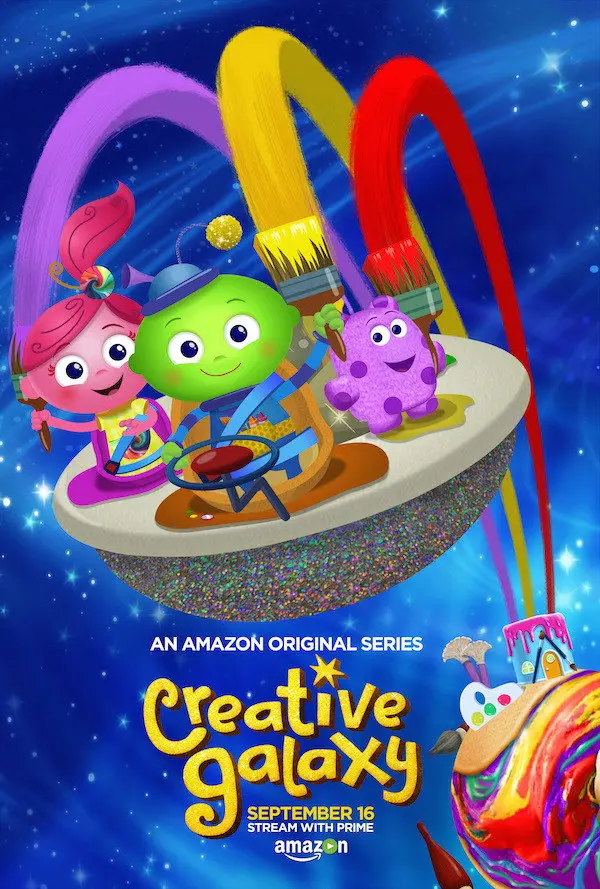
Creative Galaxy
Art techniques become practical problem-solving tools as Arty travels to help with creative challenges. Painting, drawing, collage and sculpture are shown as processes that involve experimentation, communication and mistakes instead of perfect results.
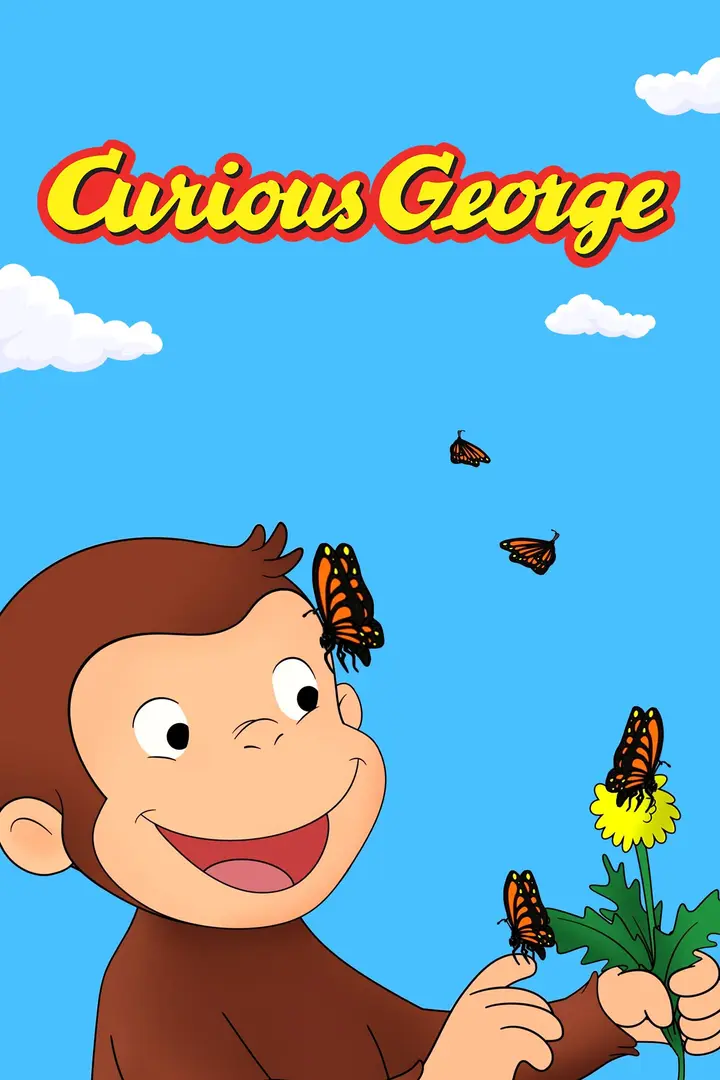
Curious George
George’s curiosity turns ordinary objects, machines and environments into practical experiments. He makes mistakes, observes what happened and adjusts his approach, showing problem-solving as an active process built on attention and persistence.
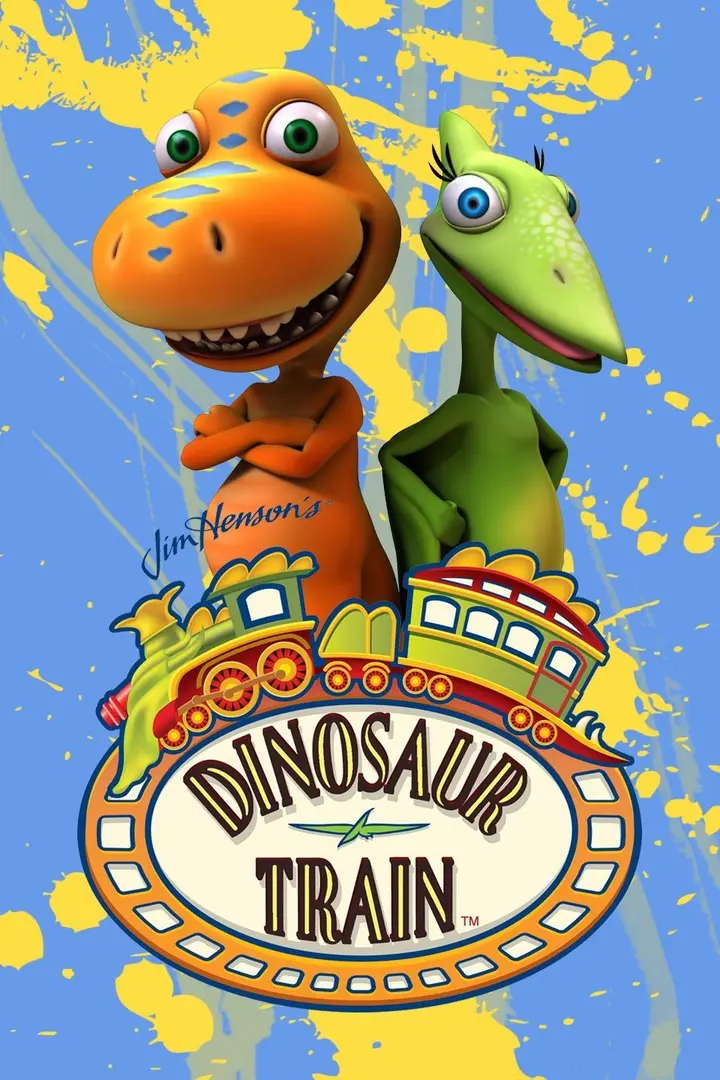
Dinosaur Train
Time-travel train journeys turn paleontology into family exploration as Buddy compares species, habitats and prehistoric periods. Observation and classification stay part of the story, so scientific curiosity grows naturally from each new dinosaur encounter.
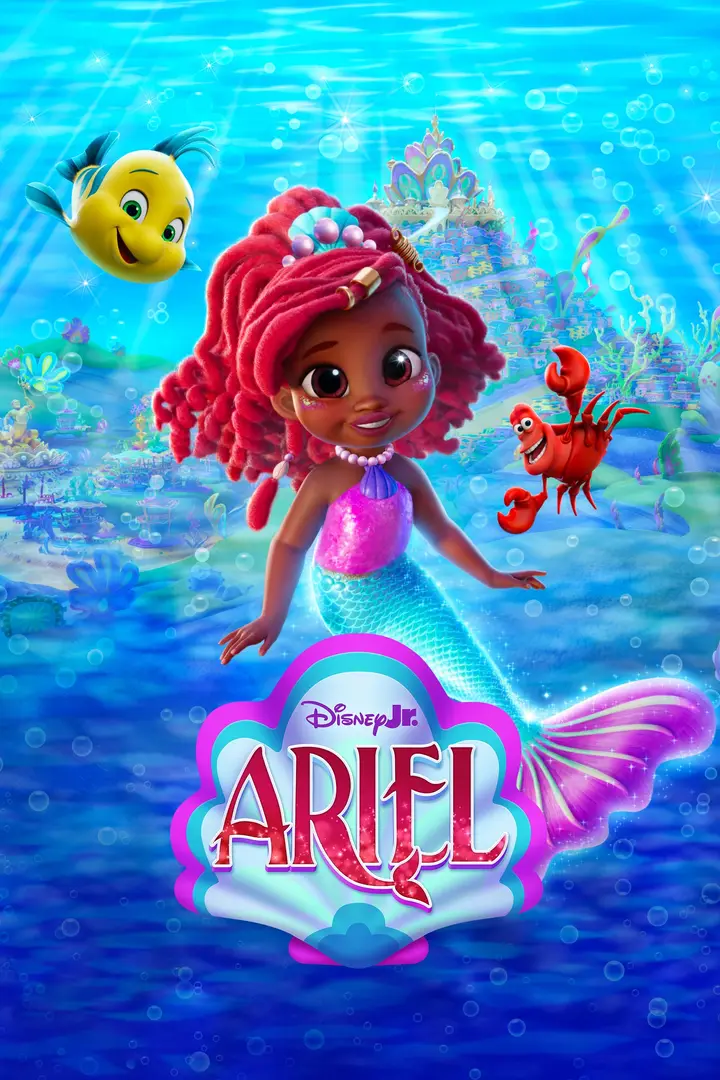
Disney Junior's Ariel
It scales The Little Mermaid's curiosity and independence down to preschool-friendly, self-contained adventures, using bright visuals and Caribbean-inspired culture for a distinct identity.
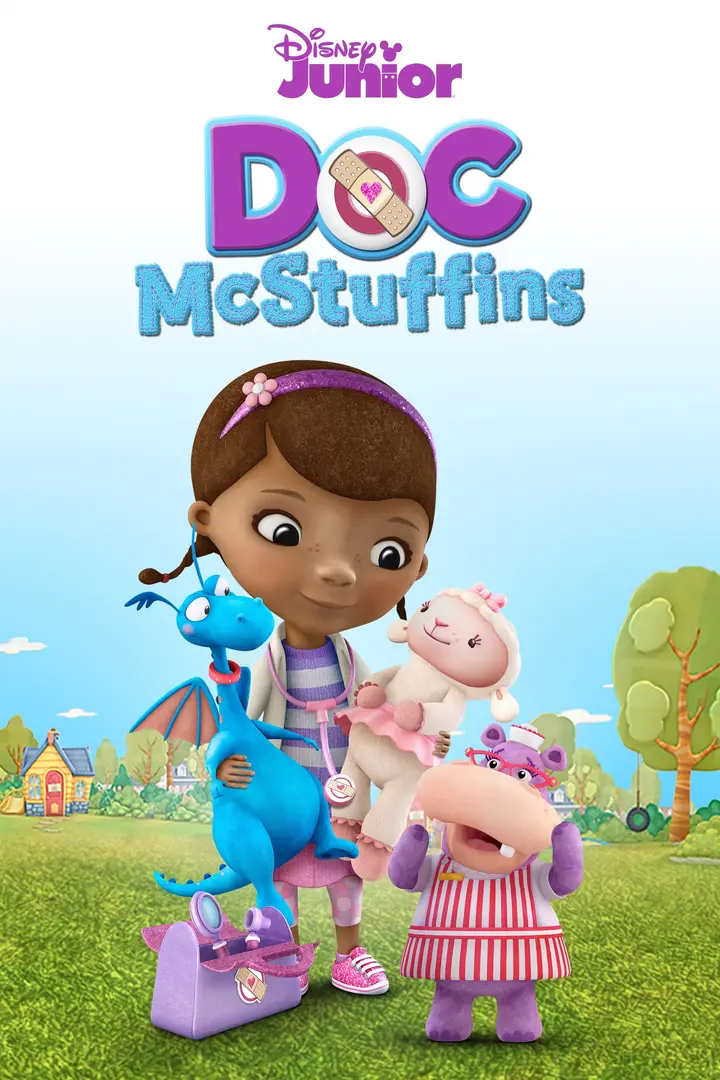
Doc McStuffins
Medical routines become reassuring role-play as Doc listens, examines and explains what each toy needs. The clinic structure gives preschoolers clear steps for checkups, hygiene and asking for help when something hurts.
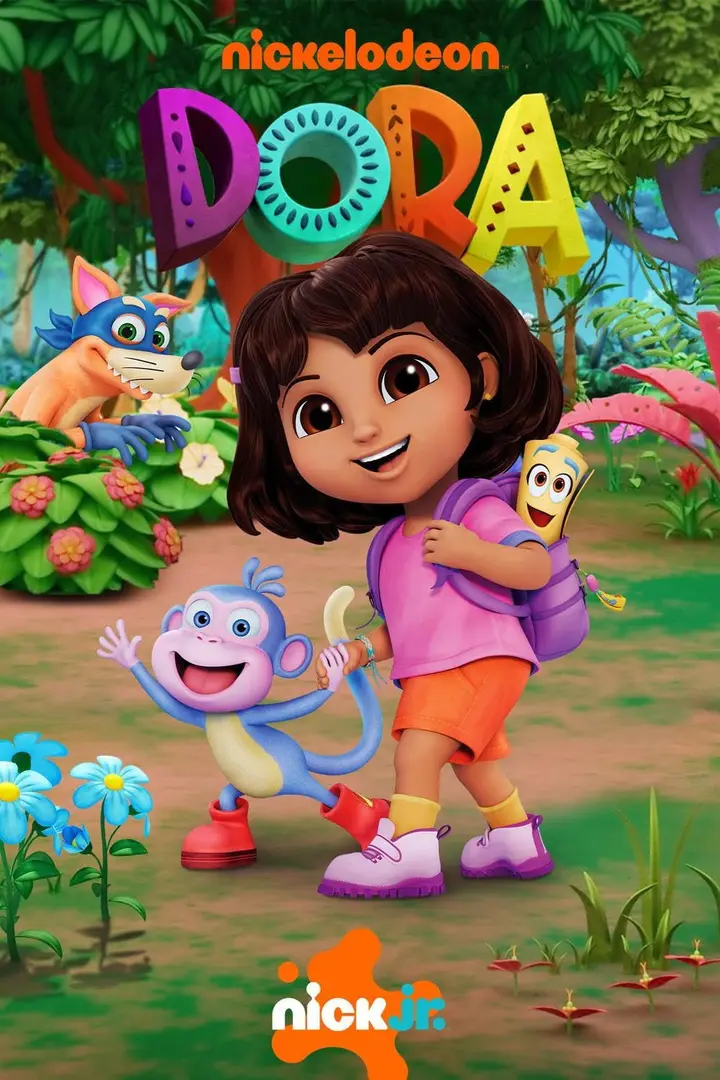
Dora
It keeps the original's direct address and pause-think-answer structure while modernizing the animation, giving preschoolers a familiar problem-solving format with a faster, fresher feel.
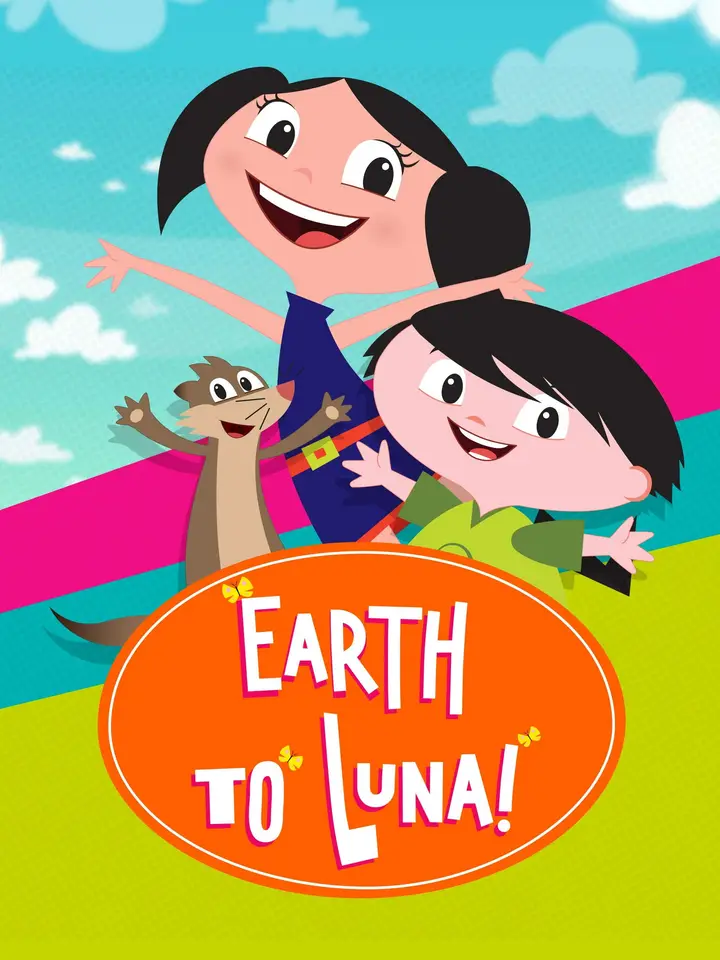
Earth to Luna!
Luna models how to turn a question into an experiment — guess, test, conclude — in a way four-year-olds can follow. Short episodes fit well into a preschool routine.
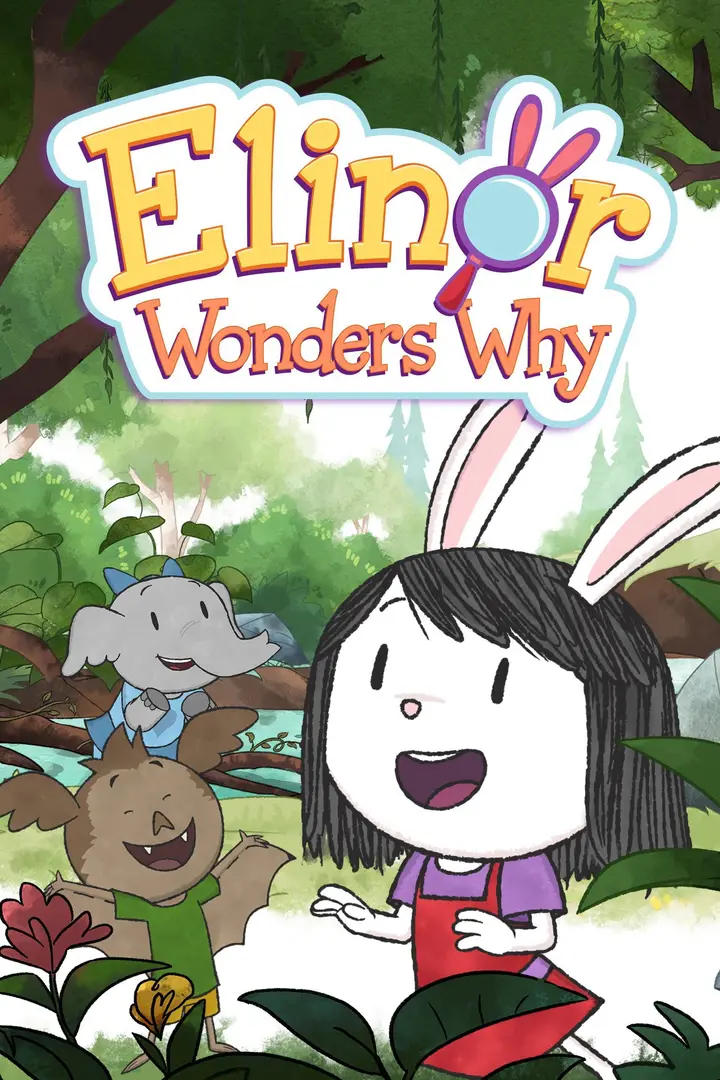
Elinor Wonders Why
Elinor starts with questions children could ask outdoors, then observes, compares and tests ideas with Ari and Olive. The process shows that science begins with noticing details and being willing to look again.
Questions parents ask
What are the best TV shows for kids by age?
A quick path by age: at 3, Peppa Pig, Daniel Tiger’s Neighborhood or Bluey (from 4); at 5, Shaun the Sheep and Arthur; at 6, The Magic School Bus and Wild Kratts; at 7, Hilda and DuckTales; at 8, Avatar: The Last Airbender and Gravity Falls. Every show in this guide carries its own Minimum and Recommended Age, so you can go further from there.
How can I tell if a show is too intense for my child?
Check the gap between the Minimum and Recommended Age and read the short note on what parents should know. Then watch one episode together and notice how your child reacts: questions are fine, but fear at bedtime, lingering worry or copying aggressive play are signs to wait a little. Coming back to the same show six months later often works well.
What shows can the whole family enjoy together?
Shows with jokes for every age work best. Bluey (from 4) is famous for making parents laugh as much as children, Shaun the Sheep (from 5) needs no dialogue at all, Hilda and The Muppet Show (from 7) charm adults too, and Avatar: The Last Airbender and Gravity Falls (from 8) are stories families often watch from start to finish together.


