
Best TV Shows for Kids, by Age
From accessible first favorites to bigger adventures, ordered by minimum and recommended age so the next good fit is easier to find.

Page 2 of 7. This page shows series 49–96 out of 328.
Find the right series
Choose one band. Results show age-relevant series approved by our editors: those whose Minimum-to-Recommended age span overlaps the band, plus individually approved favorites. The Recommended Age is a starting point, not a maximum.
More filters and sort
No series in this guide match this age.
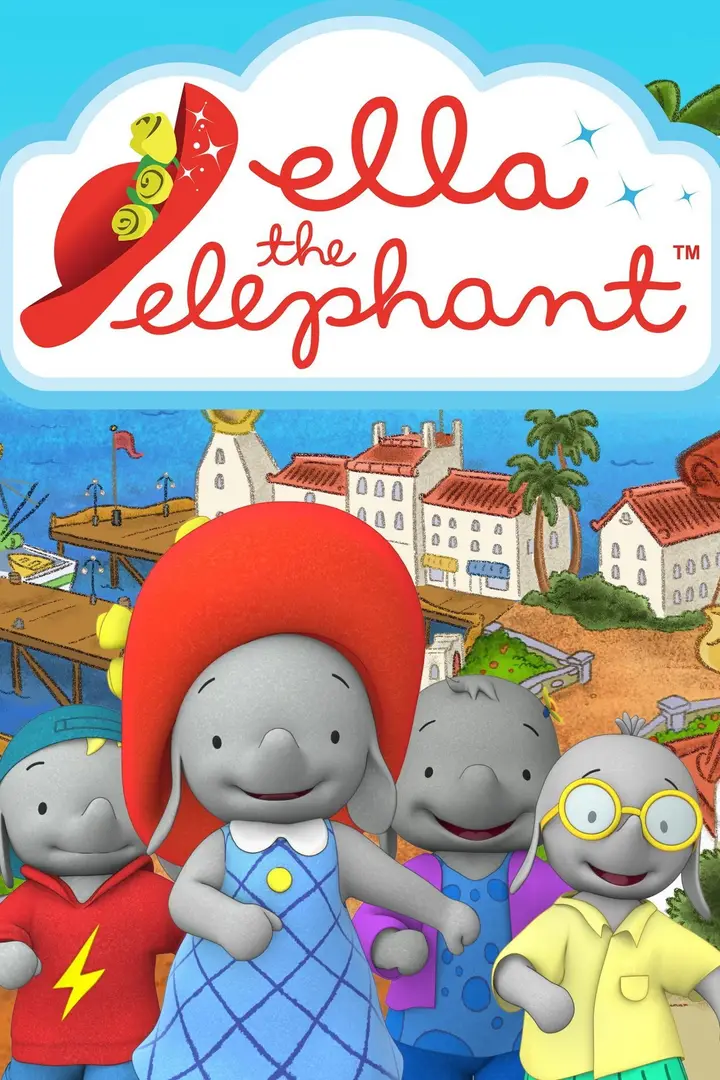
Ella the Elephant
Ella’s magical red hat can help, but her kindness, confidence and creativity usually solve the real problem. School, family and community stories keep the fantasy light while emphasizing cooperation and trying again after mistakes.
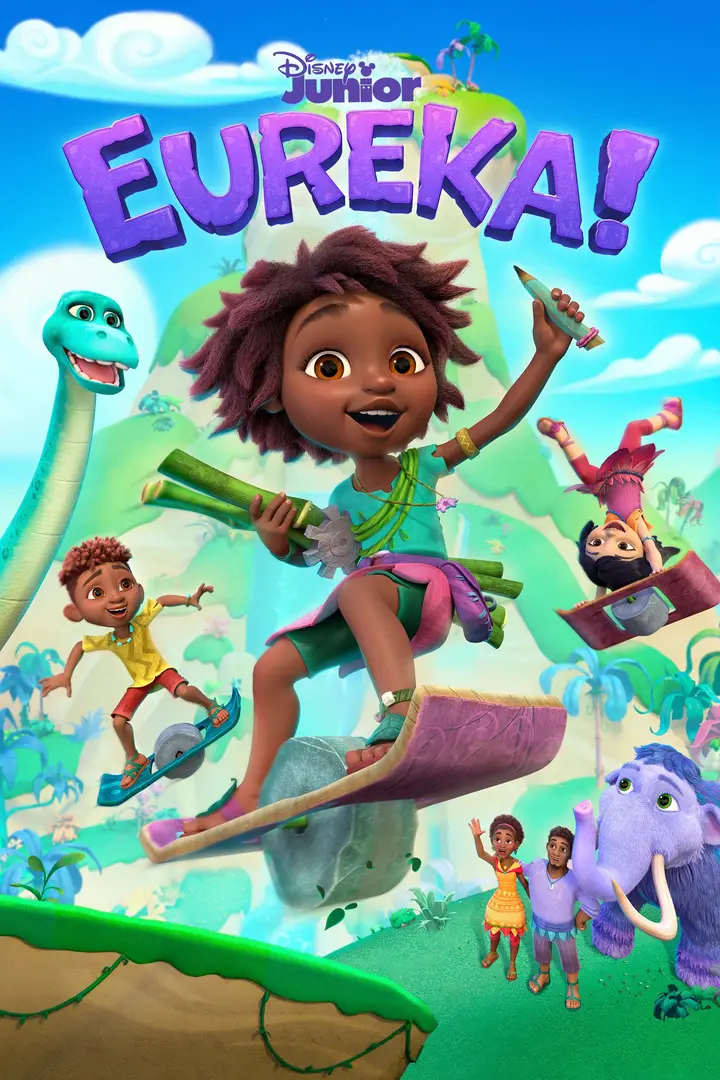
Eureka!
Eureka turns everyday problems into invention projects, moving from idea to prototype and back to revision when something fails. Friends and family take part, showing engineering as a collaborative process built on curiosity, testing and persistence.
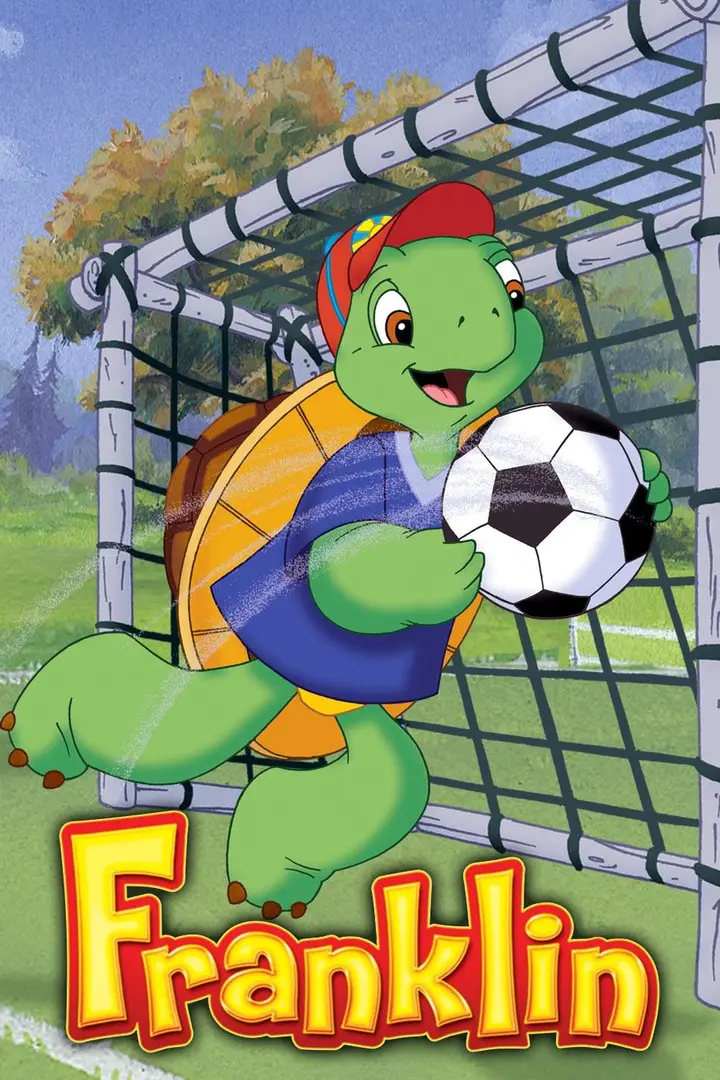
Franklin
Clear childhood dilemmas move through consequence and repair without turning Franklin into a perfect role model. He can worry, boast or make mistakes, then use family and friendship to understand another point of view.
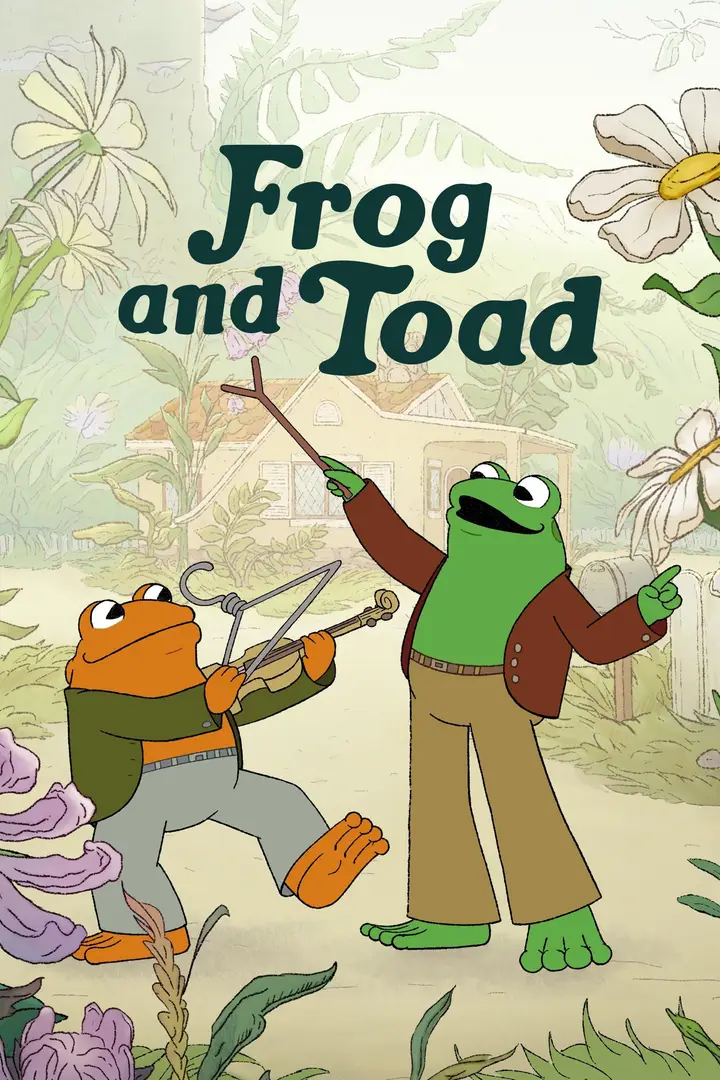
Frog and Toad
It preserves Arnold Lobel's understated humor and modest scale, finding real warmth in visits, small plans, and misunderstandings between two friends who don't need to be alike.
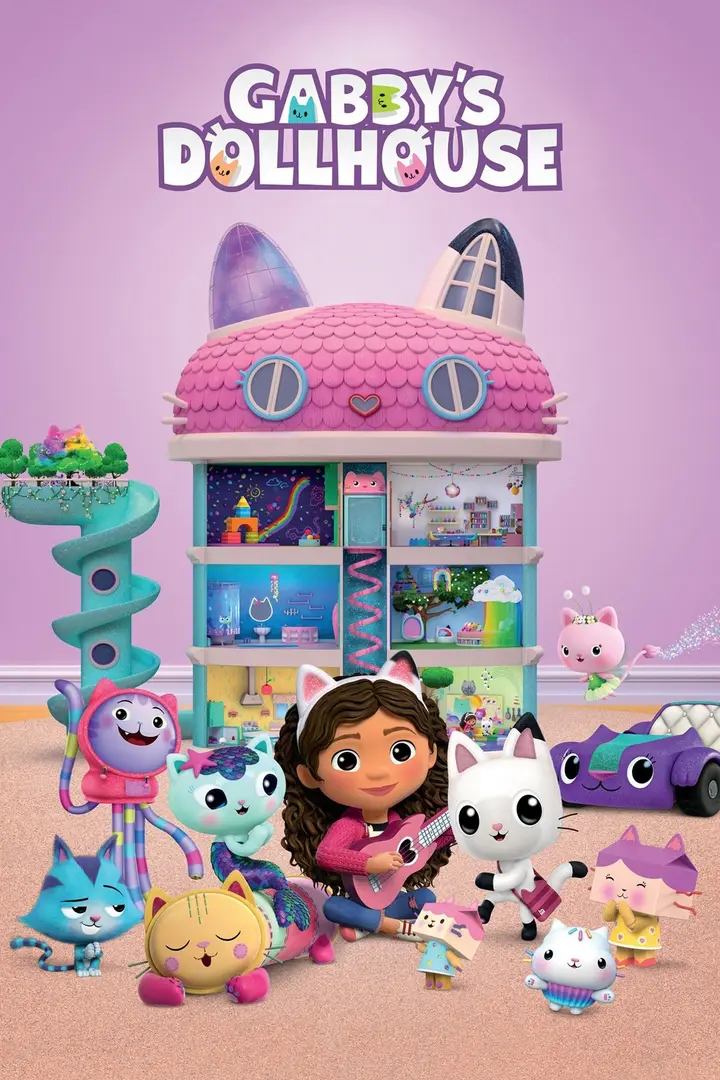
Gabby's Dollhouse
Its small, repeatable missions and blend of live-action and animation make creative problem-solving feel achievable, rewarding persistence even when a first attempt at a plan doesn't quite work.
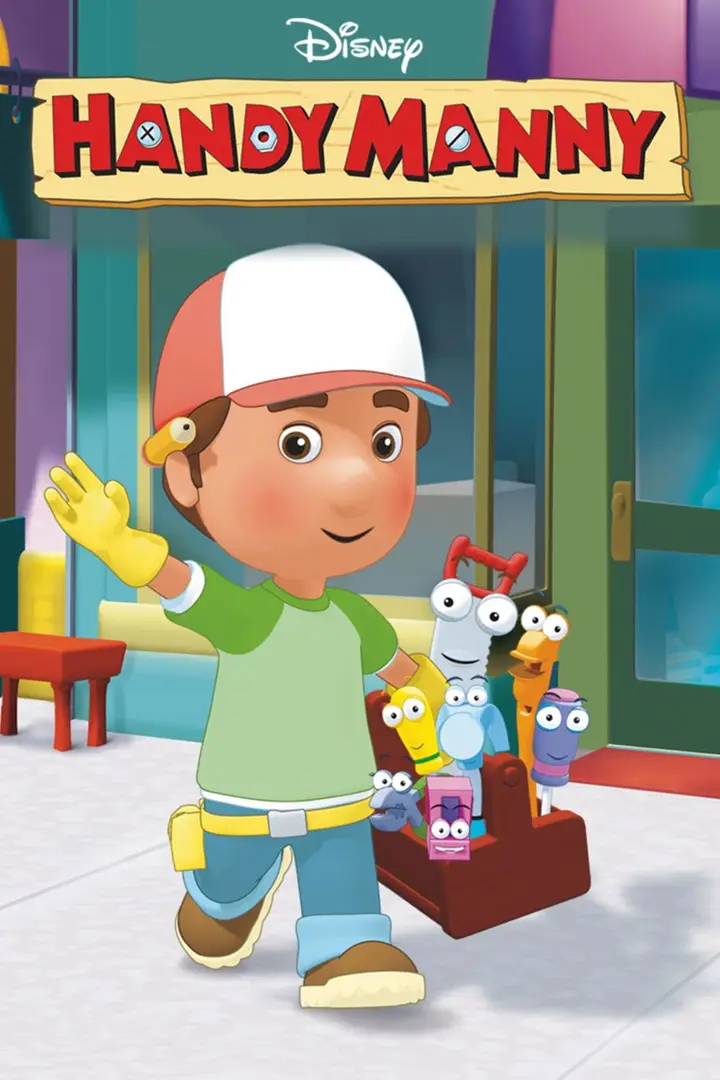
Handy Manny
Repair jobs turn tools, planning and teamwork into clear preschool problem-solving. Manny and his talking tools combine different skills, while Spanish words and expressions appear naturally inside everyday community situations.
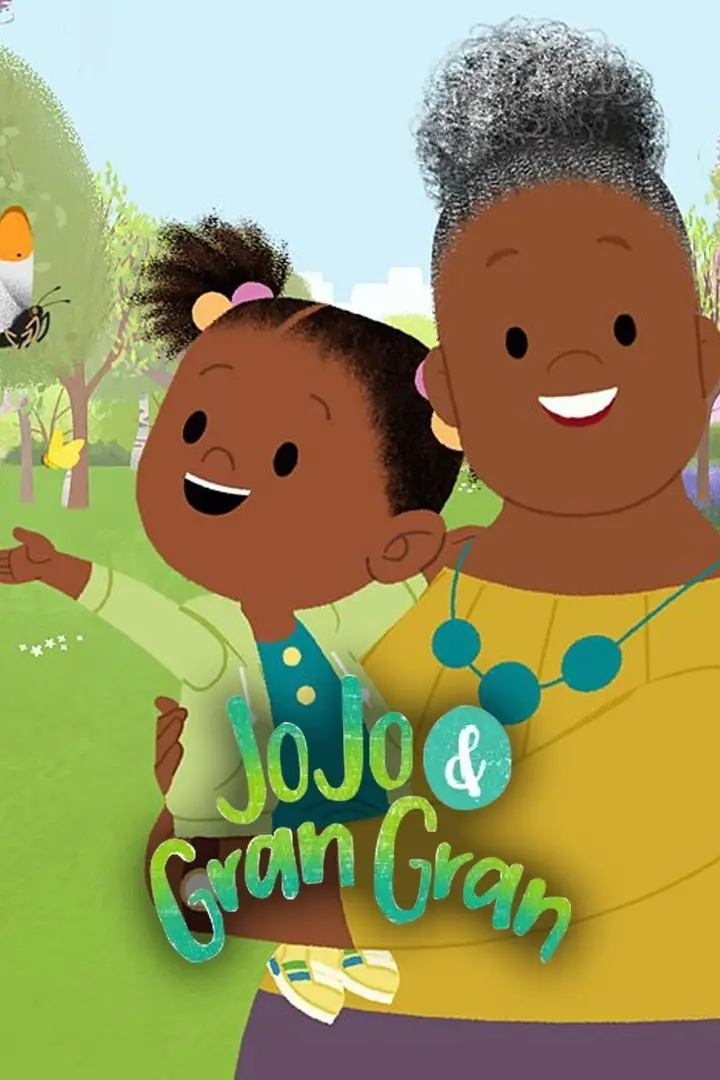
JoJo & Gran Gran
Everyday outings, cooking and family celebrations let Gran Gran connect JoJo’s questions with lived experience and British Caribbean traditions. Their conversations show how knowledge, culture and practical skills can pass naturally through an intergenerational relationship.
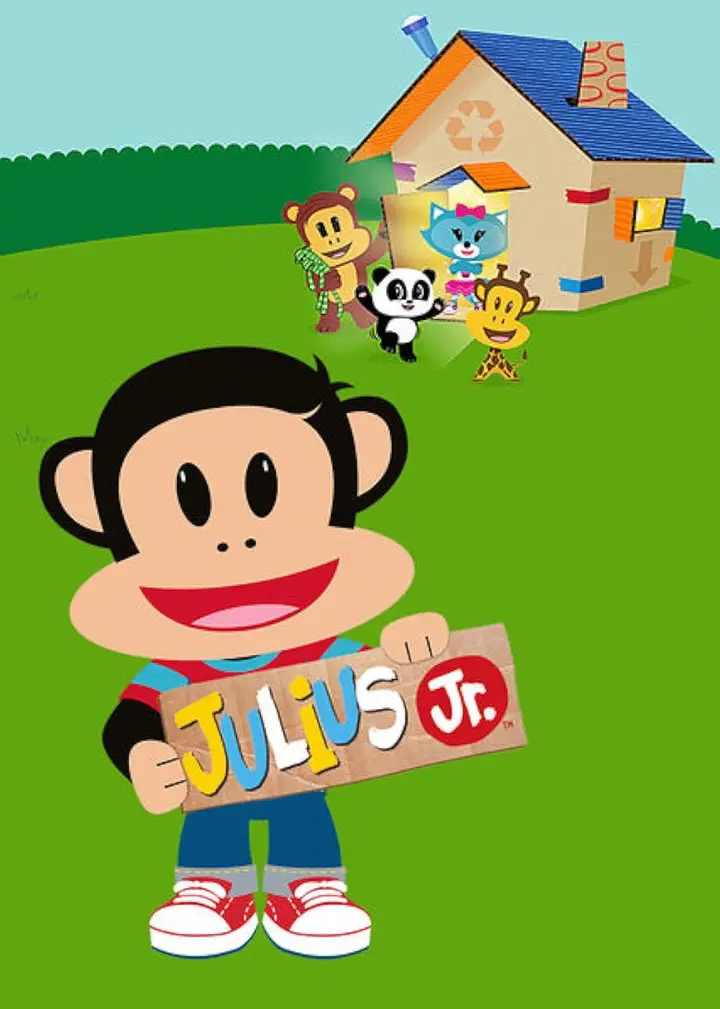
Julius Jr.
Cardboard-box inventions and imaginative spaces turn building into a social activity. Julius likes creating solutions, but the group repeatedly succeeds by listening to one another and combining different ideas instead of relying on one plan.
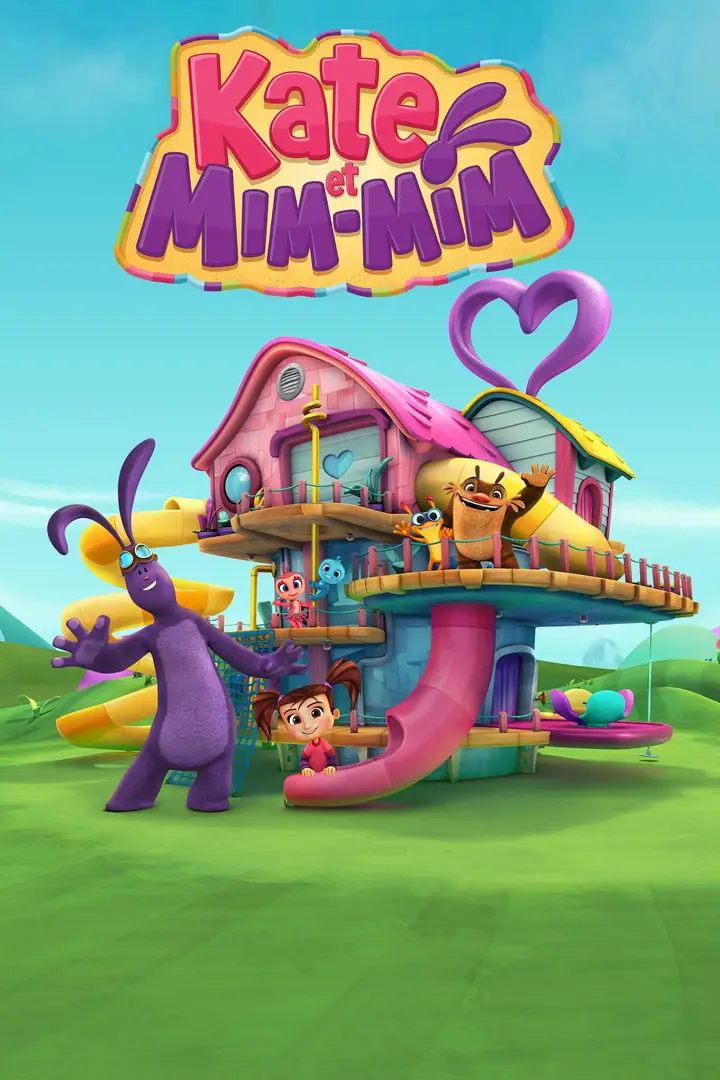
Kate & Mim-Mim
Kate turns everyday worries into adventures in Mimiloo, where larger fantasy problems can be tried from several angles. What she learns there often gives her a new way to handle the original situation at home.
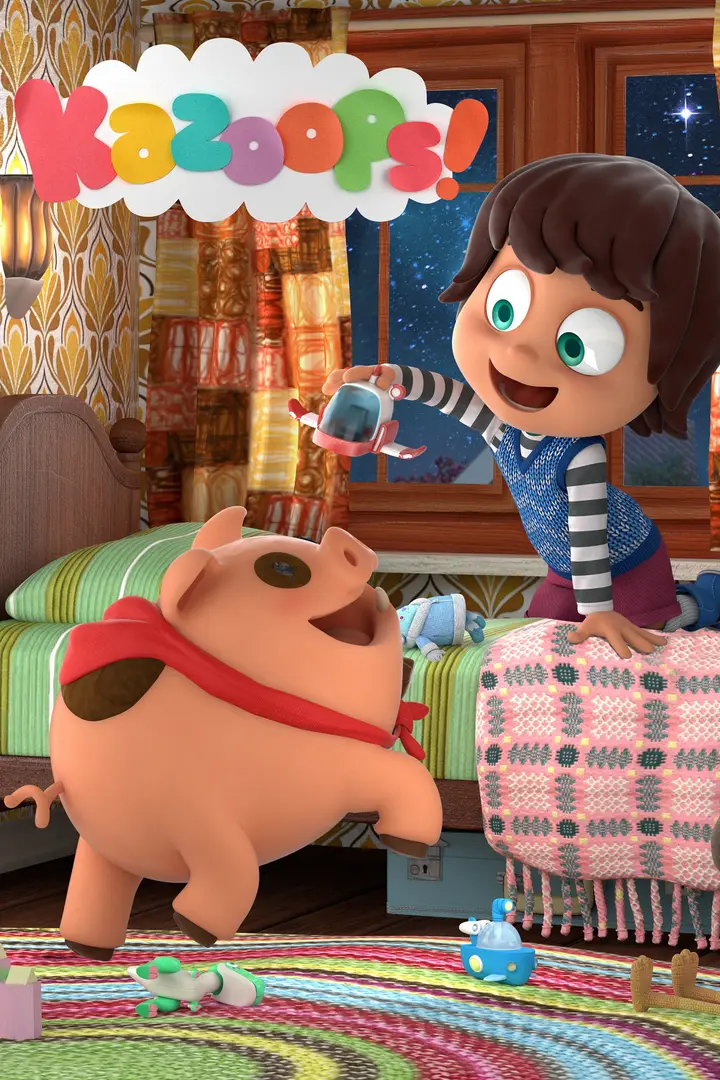
Kazoops!
Monty questions familiar assumptions and uses musical imagination to test whether things must work the usual way. Each fantasy sequence opens several possible answers, making curiosity and alternative thinking the point of the story.
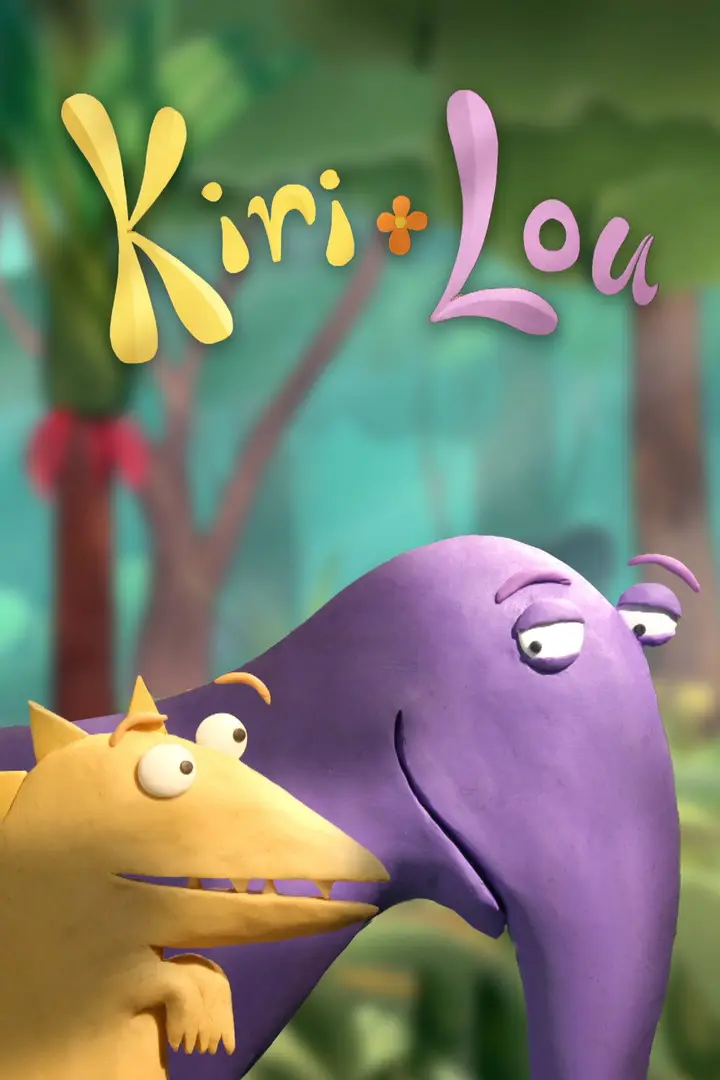
Kiri & Lou
Short stop-motion stories give jealousy, frustration, loneliness and reconciliation enough space to be understood without turning them into lessons. Kiri and Lou make mistakes, pause and reconnect, keeping preschool social life recognizable.
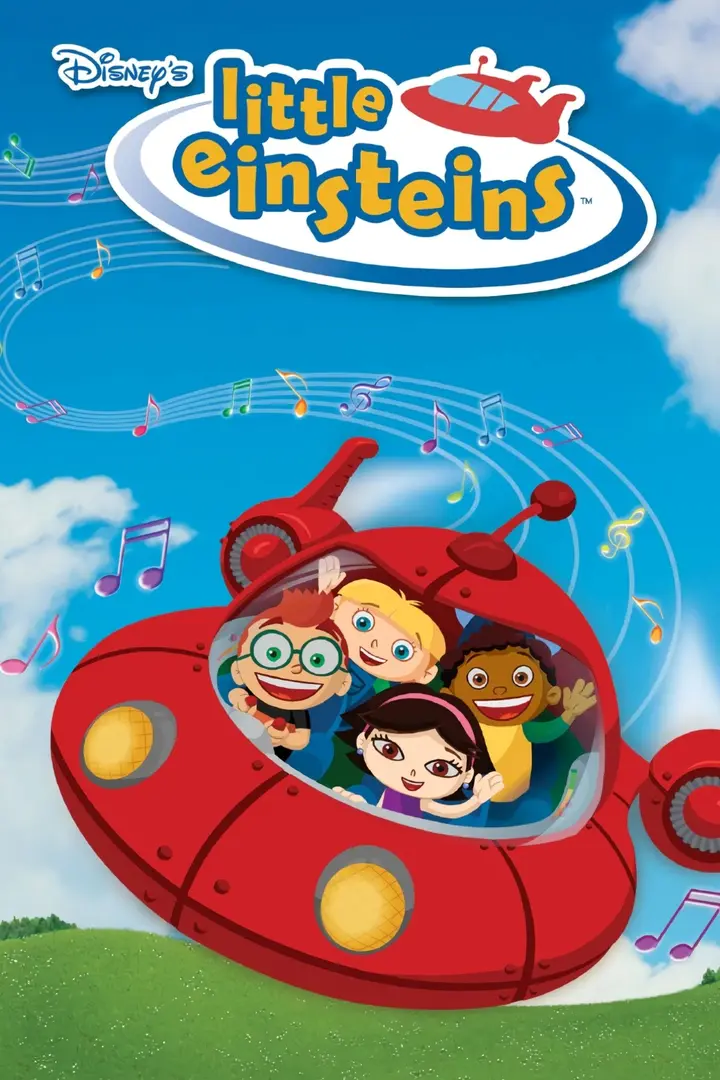
Little Einsteins
Interactive missions make classical music, visual art, rhythm and movement active parts of the story. Leo, June, Quincy and Annie invite children to listen, observe patterns and participate, making the arts feel practical and playful.
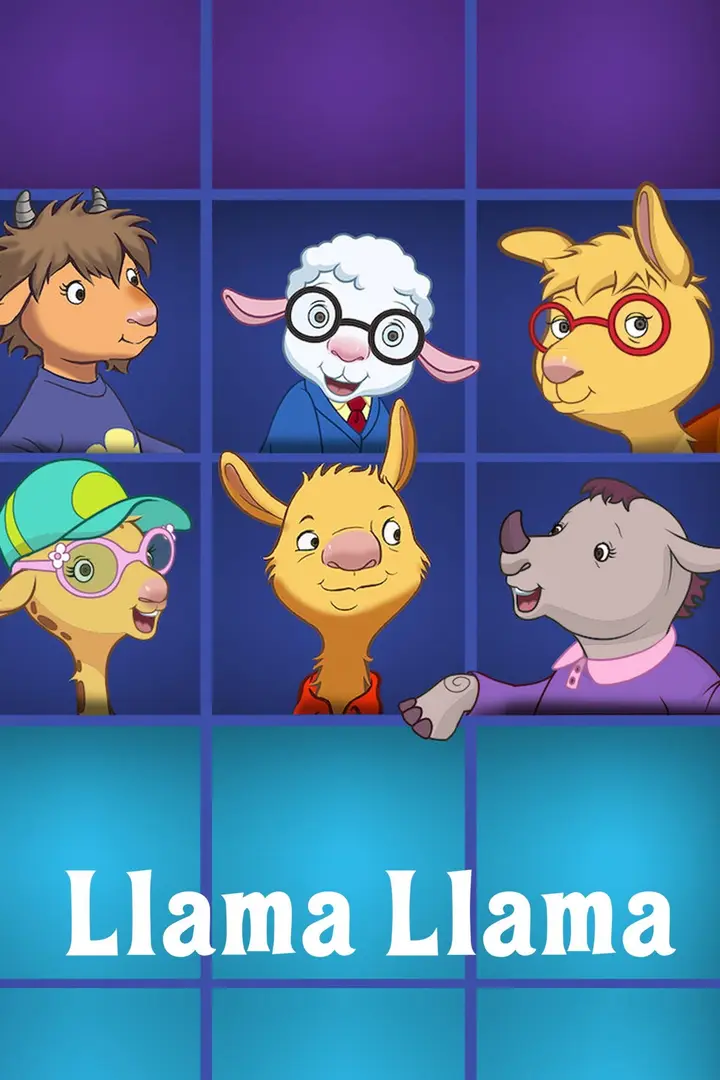
Llama Llama
Separation, waiting, sharing and unfamiliar experiences stay close to a young child’s world. Mama Llama supports without erasing the problem, while rhyming language helps name reactions and show how reassurance and practice can change a difficult moment.
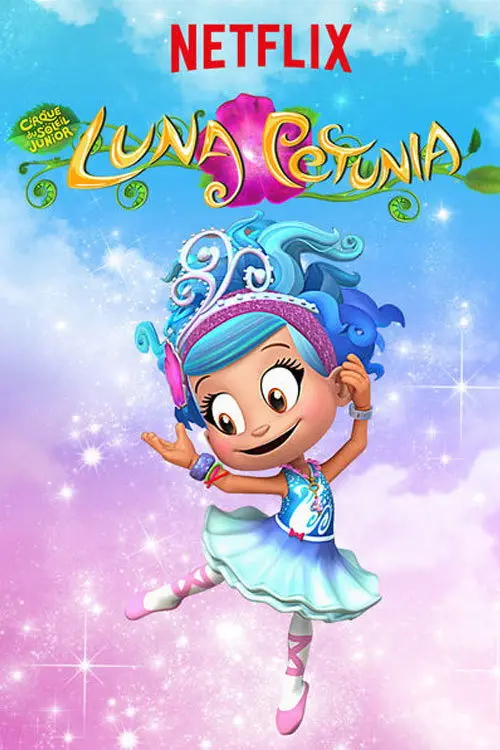
Luna Petunia
Amazia turns everyday problems into bright fantasy challenges where movement, imagination and creativity open new possibilities. Luna’s confidence grows through trying different approaches, making flexible thinking more important than finding one fixed answer.
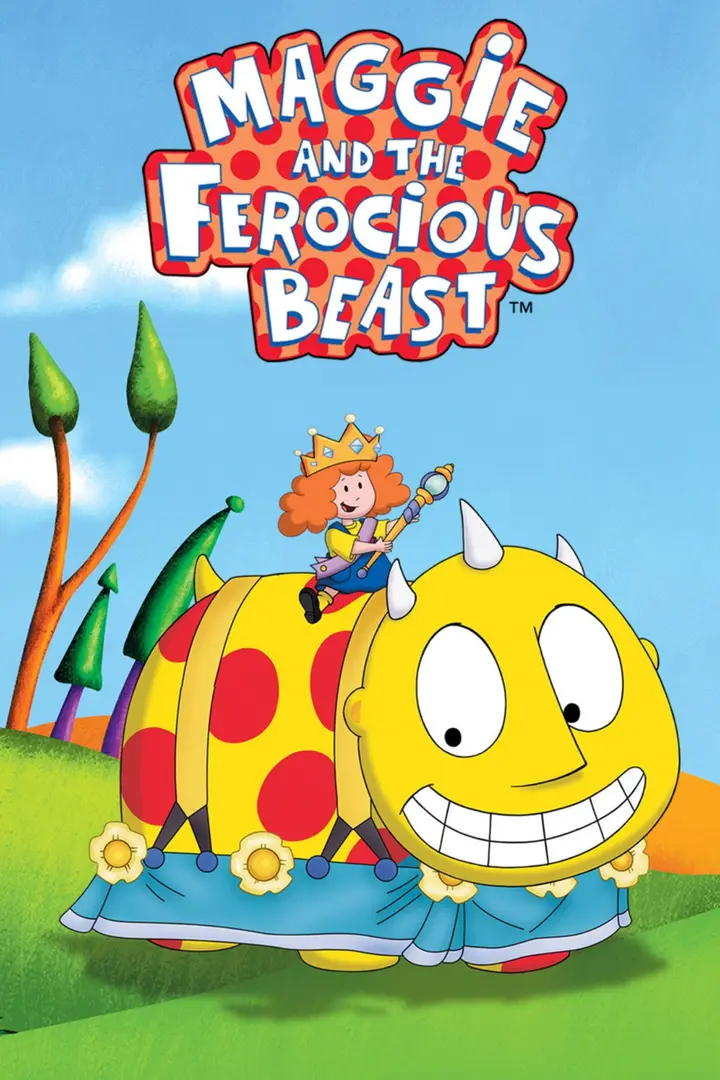
Maggie and the Ferocious Beast
Maggie, Hamilton and the Ferocious Beast turn the invented land of Nowhere into a friendship-led fantasy. Their contrasting personalities create mild humor and practical cooperation, while songs and conversation carry the journeys more than danger.
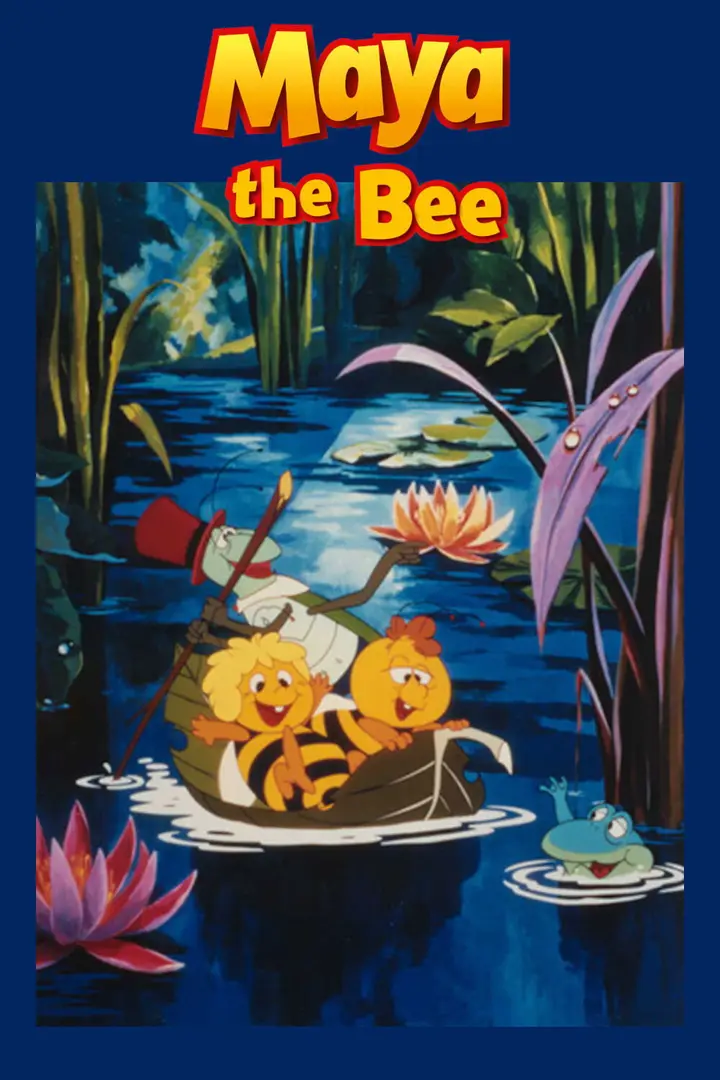
Maya the Honey Bee
Maya’s curiosity turns the meadow into a living community of insects and small animals. Exploration introduces nature through relationships and practical problems, while Willy’s caution gives her adventurous personality a useful counterbalance.
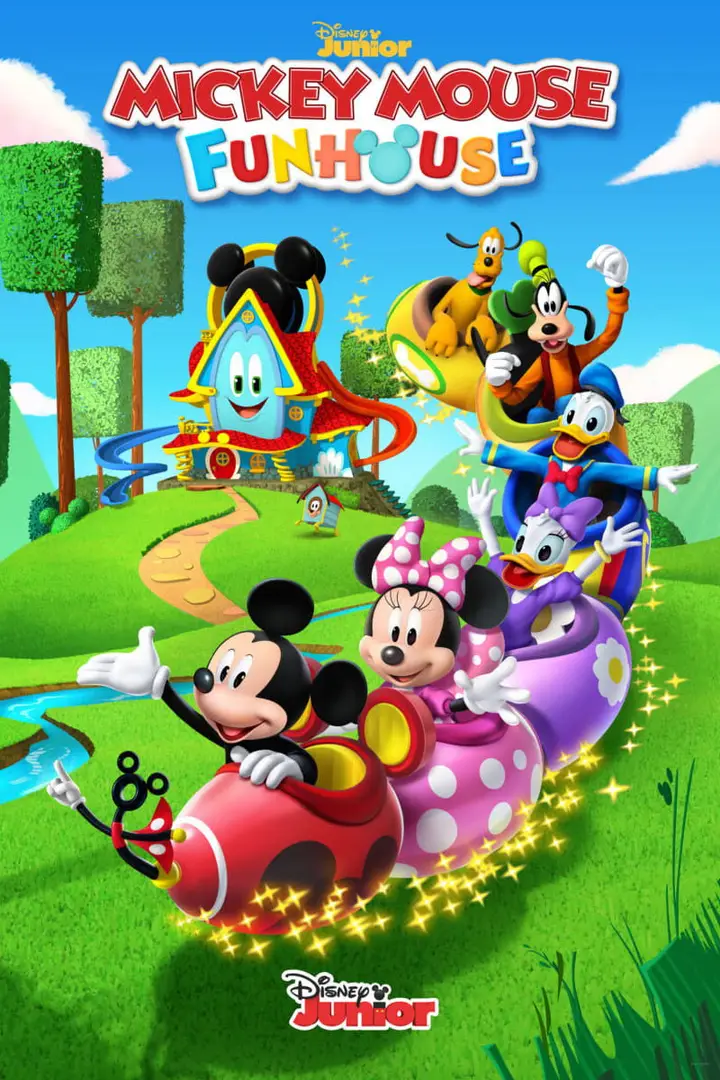
Mickey Mouse Funhouse
The talking Funhouse sends Mickey and friends through portals where settings and rules change quickly. Familiar characters, songs and group problem-solving keep the fantasy accessible while asking children to adapt to each new world together.
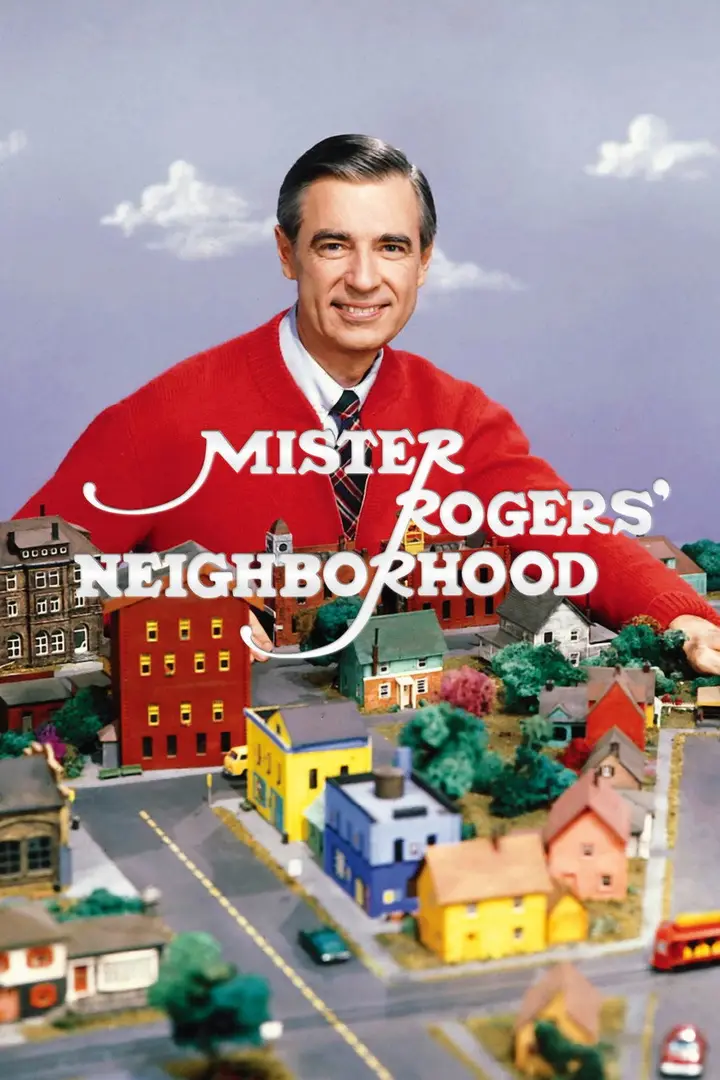
Mister Rogers' Neighborhood
Fred Rogers treats children’s questions and feelings with unusual respect, using direct conversation, real-world visits and Make-Believe stories to make everyday experiences understandable. The slow pace gives young viewers time to process rather than rushing toward stimulation.
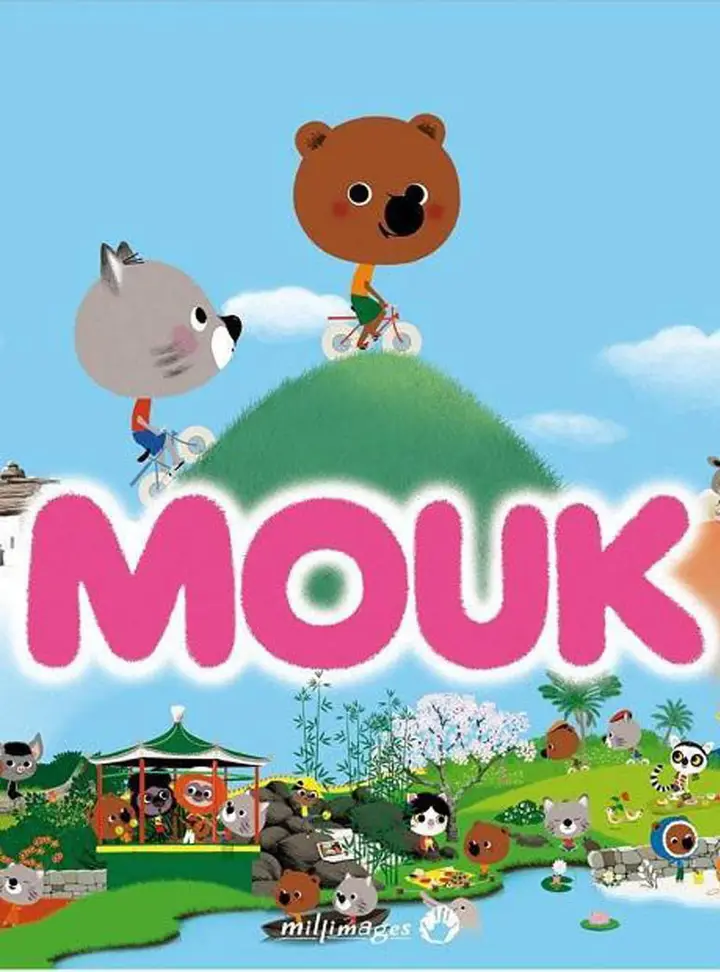
Mouk
Cycling around the world turns geography into lived experience as Mouk and Chavapa encounter foods, traditions, landscapes and animals. Small misunderstandings become opportunities to observe respectfully and learn how everyday life can differ from place to place.
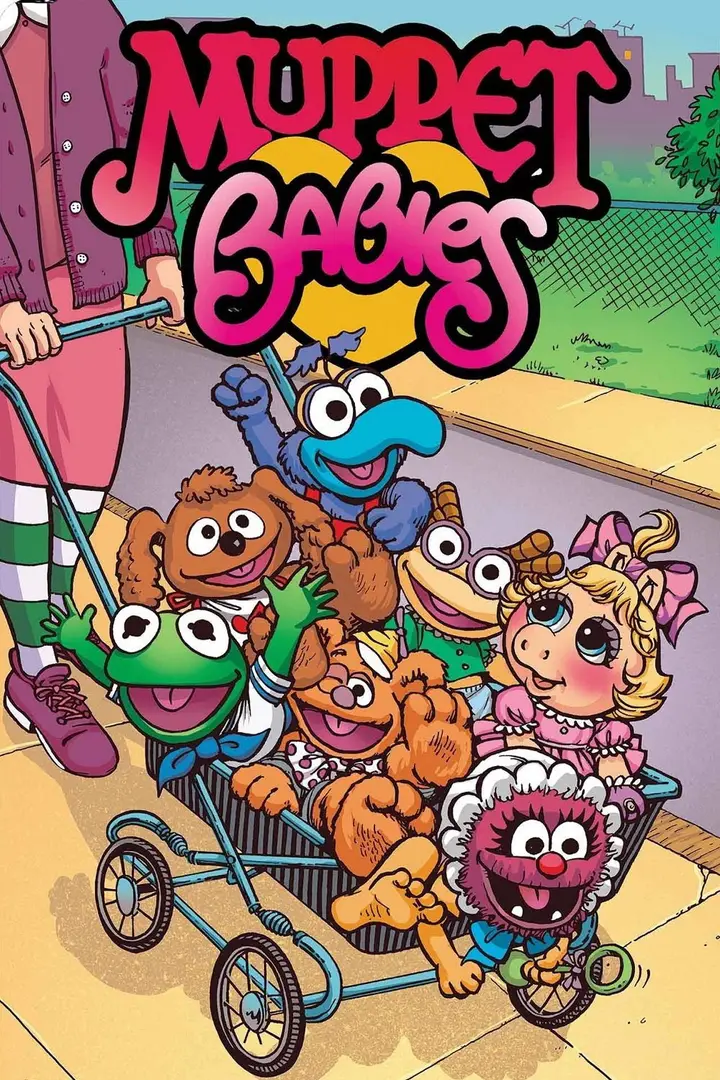
Muppet Babies
Ordinary nursery objects become spaceships, jungles and adventure settings through shared pretend play. The Muppet Babies negotiate ideas, disagree and build stories together, showing imagination as a social and collaborative activity.
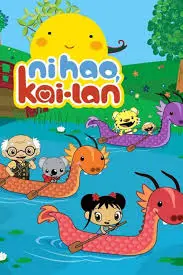
Ni Hao, Kai-Lan
Everyday preschool conflicts are paired with Mandarin words and Chinese cultural elements, giving communication skills a broader context. Kai-Lan pauses to identify feelings and causes, helping children see social problem-solving as a sequence they can follow.
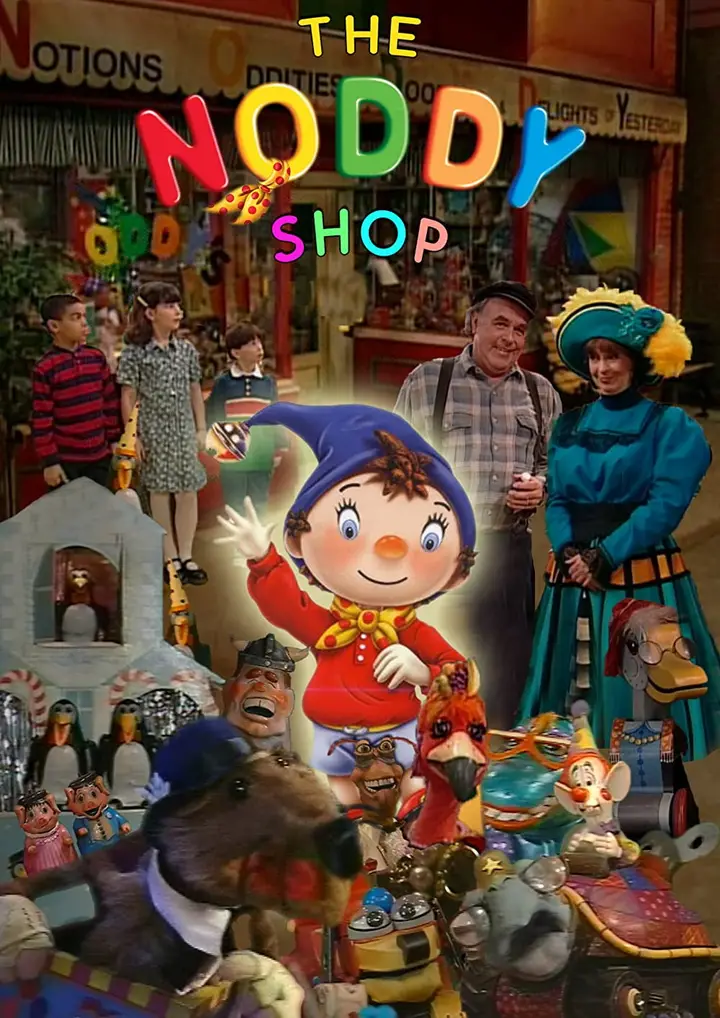
Noddy
Toyland gives simple preschool problems a colorful fantasy setting while keeping the social rules close to everyday childhood. Noddy makes mistakes, meets new friends and learns through consequences instead of punishment or ridicule.
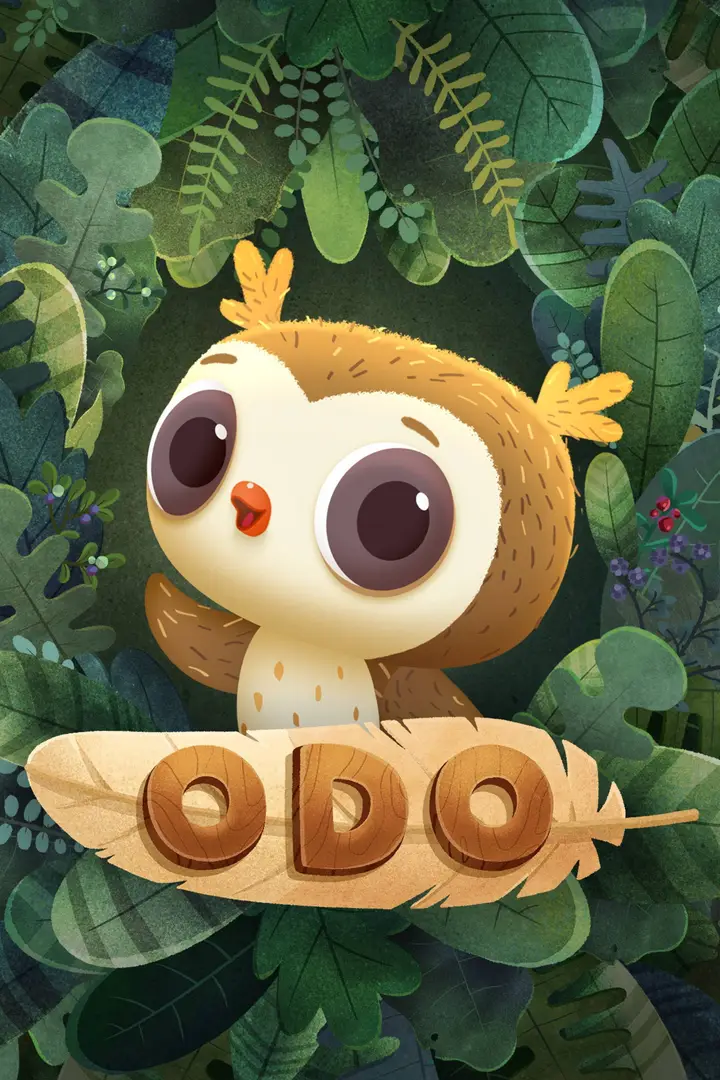
Odo
Odo’s small size never defines what he attempts at forest camp. Activities with Doodle and the other campers turn uncertainty, disagreement and mistakes into chances to contribute, giving confidence a cooperative shape instead of a competitive one.
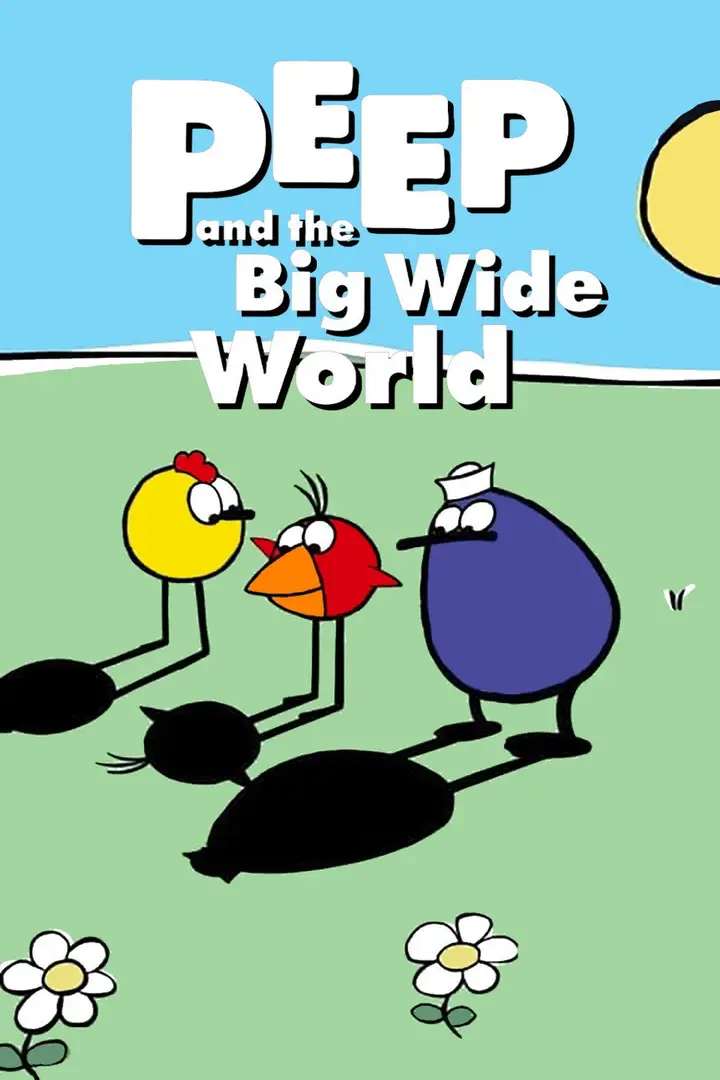
Peep and the Big Wide World
Simple questions about water, sound, shadows and movement become short experiments led by curiosity. Peep, Chirp and Quack test ideas, make mistakes and try again, showing scientific thinking as a practical part of everyday play.
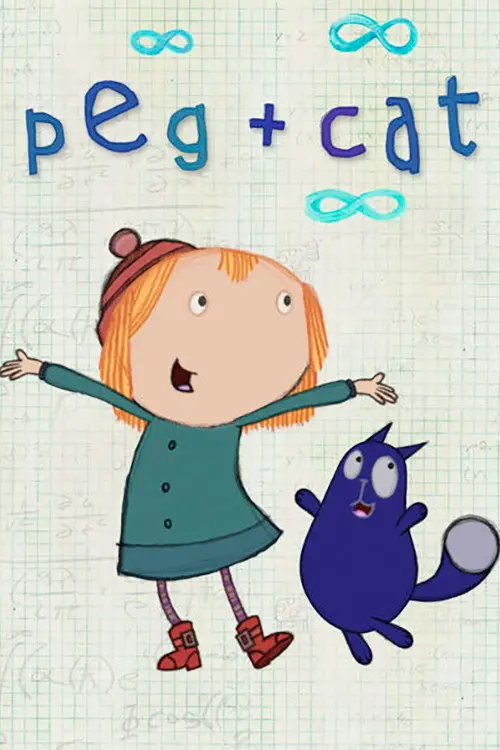
Peg + Cat
Math becomes part of the story as Peg and Cat use counting, patterns, shapes and measurement to solve practical problems. Mistakes are treated as part of the process, reinforcing persistence and flexible thinking.
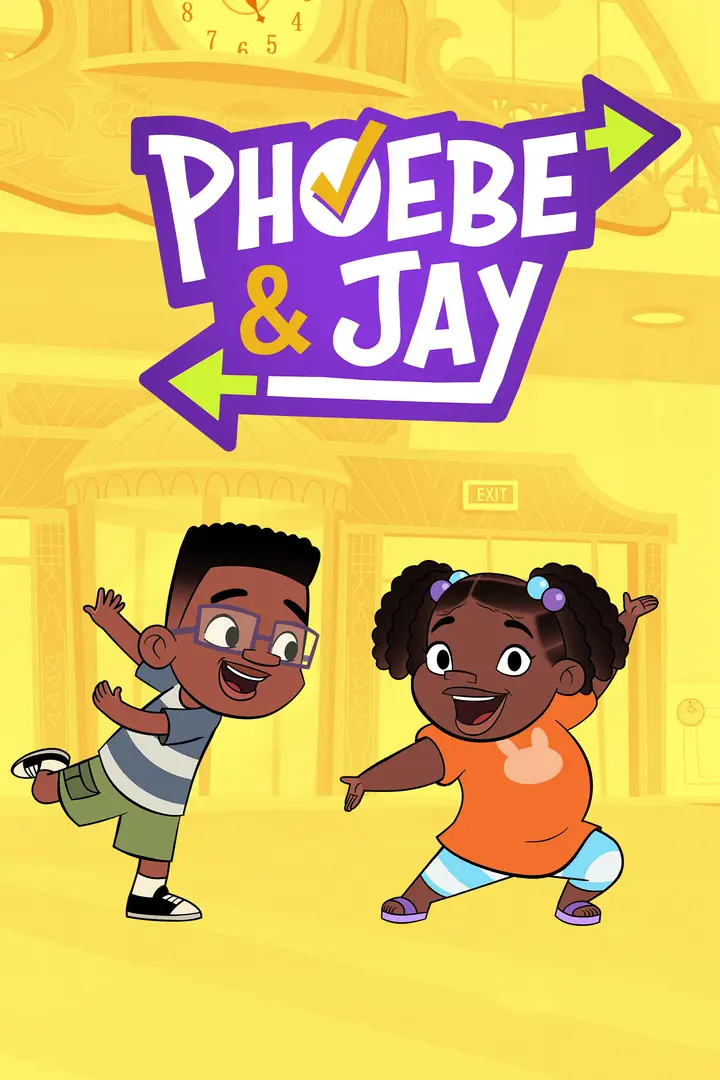
Phoebe & Jay
Words in signs, conversations and play become practical tools for solving recognizable preschool problems. Phoebe and Jay use early literacy socially, showing that asking clearly, listening and explaining can help family and neighborhood situations move forward.
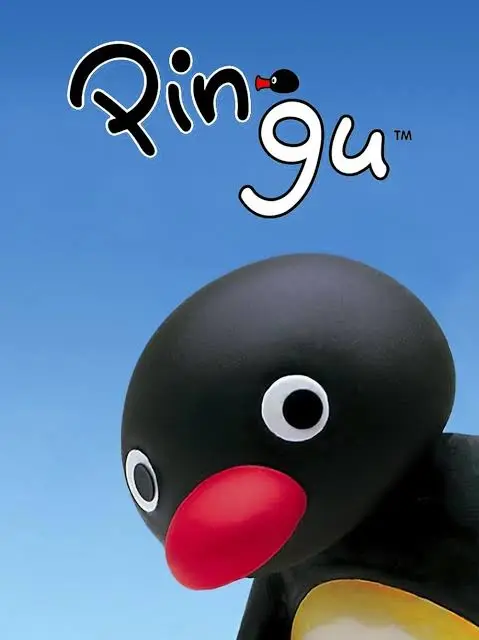
Pingu
Invented speech puts the emphasis on gesture, timing and visible reactions, letting children follow family life and comic mistakes without depending on vocabulary. Pingu’s expressive movement makes consequences clear through action instead of explanation.
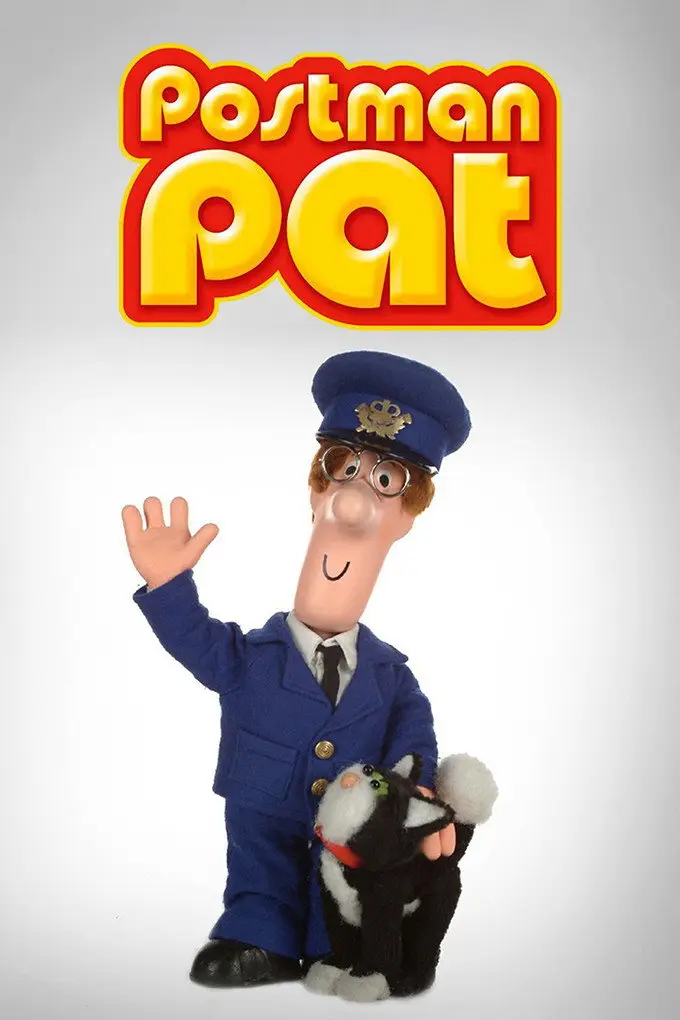
Postman Pat
The repeated delivery round gives each episode a dependable shape: meet a local need, face a manageable complication and find a practical solution. Greendale’s recurring residents make cooperation and community the main attraction.
Pupstruction
By treating every job as a puzzle needing different specialized skills, it teaches that being 'best' matters less than how a team's different strengths fit together.
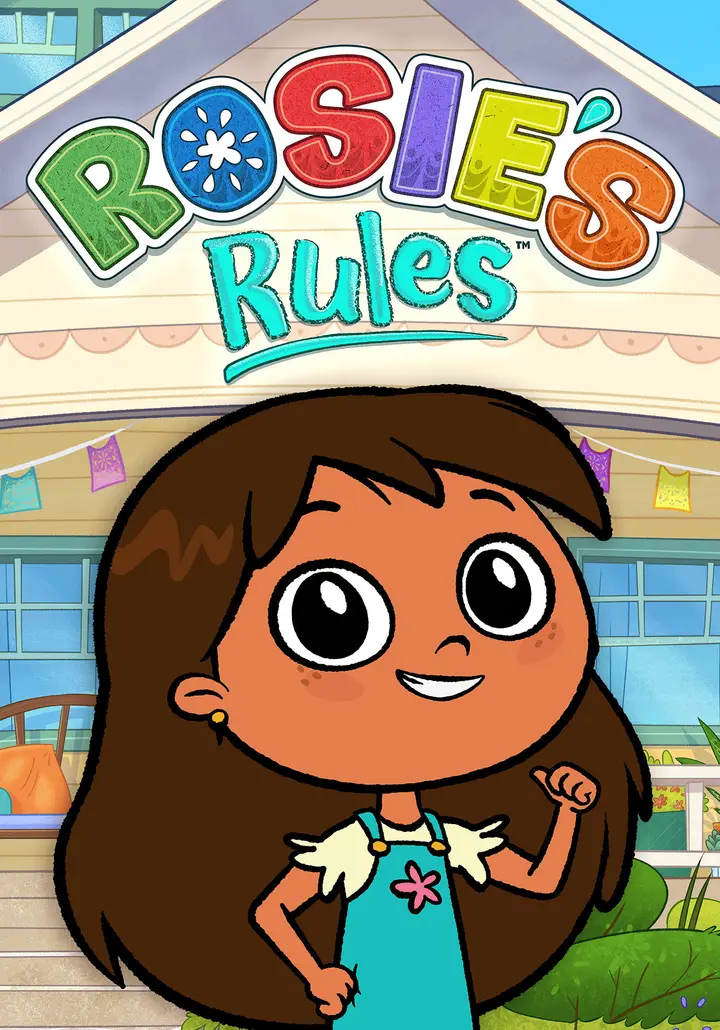
Rosie's Rules
Rosie draws her own conclusions from lived experience rather than receiving ready-made lessons, modeling curiosity and revision as she tries, observes, and adjusts her thinking about the world.
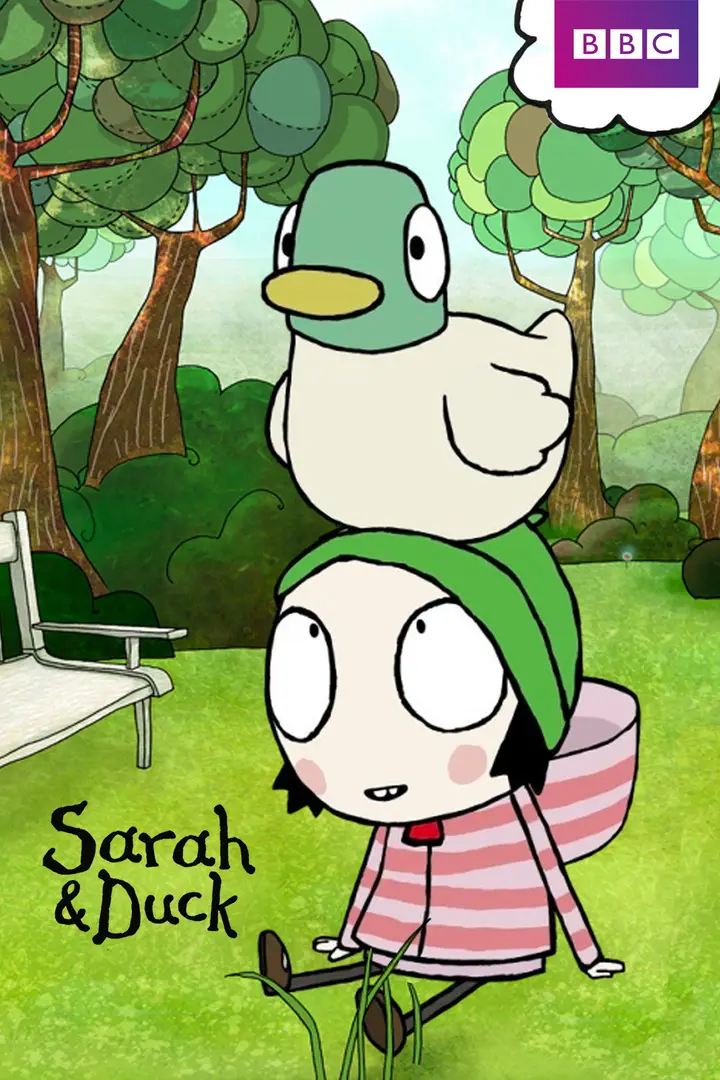
Sarah & Duck
Small everyday events turn into imaginative adventures without loud action or complicated plotting. Sarah’s practical curiosity, Duck’s companionship and the offbeat visual humor create a distinctive preschool rhythm built on observation.
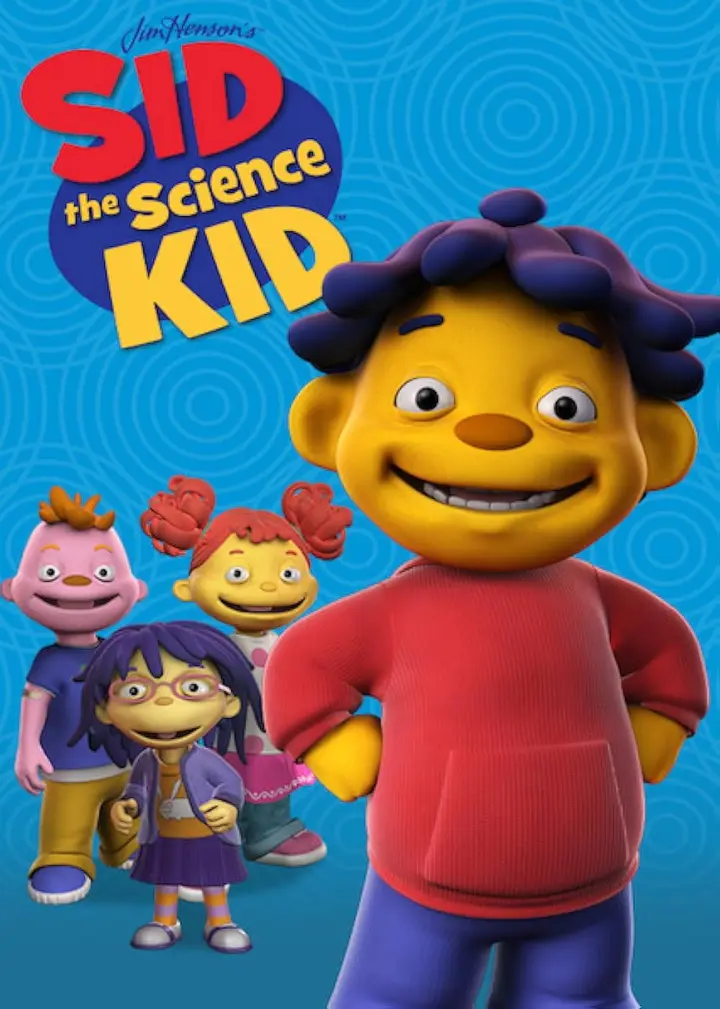
Sid the Science Kid
Sid begins with questions from everyday life and follows them through observation, discussion and small experiments. The series emphasizes how evidence is gathered, helping preschoolers see science as a process instead of a list of facts.
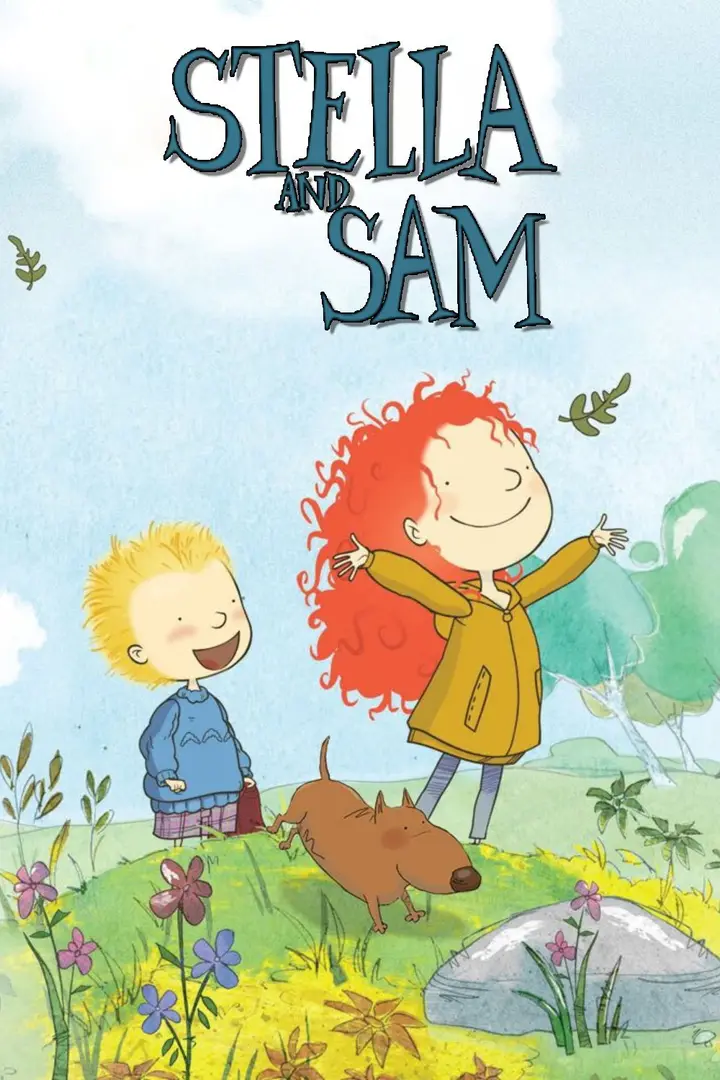
Stella and Sam
Sam’s questions and Stella’s imaginative answers turn outdoor play into discovery without leaving everyday surroundings. Watercolor-like images, pauses and sibling conversation make observation central, so imagination grows directly from noticing the world around them.
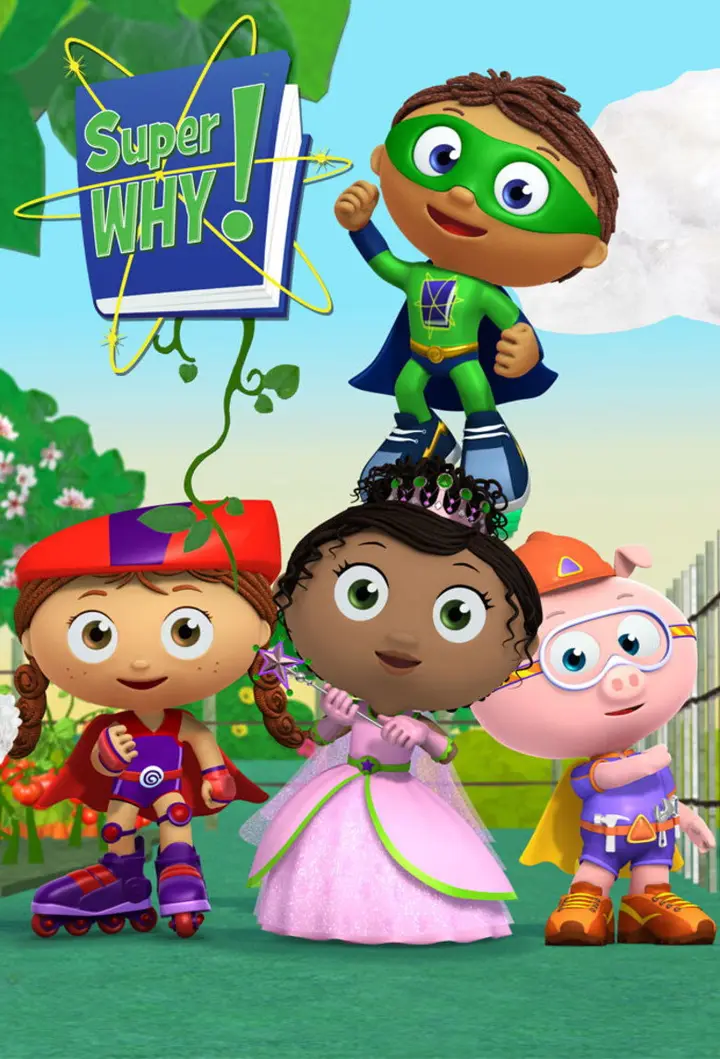
Super Why!
Storybook adventures turn letters, sounds, spelling and word meaning into tools the Super Readers use to solve problems. Changing or examining text makes early literacy feel active, while direct participation helps children practice alongside the characters.
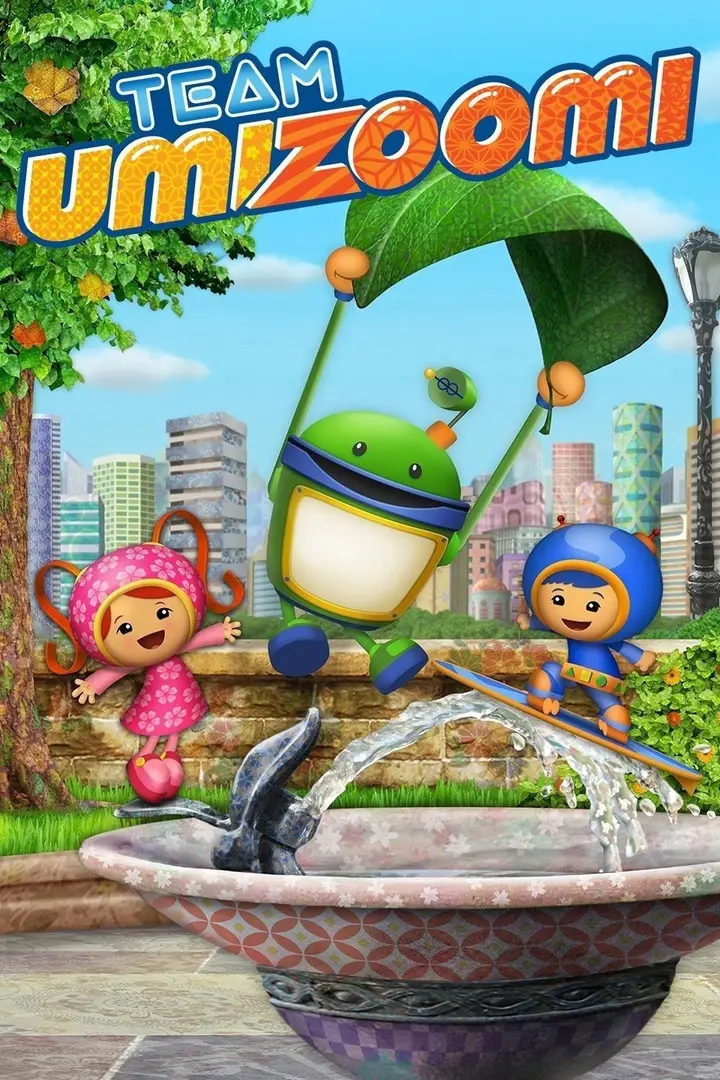
Team Umizoomi
Counting, shapes, patterns and measurement become active tools the team uses to solve problems in Umi City. Viewers are invited to spot information and answer questions, making early mathematics part of each mission’s solution.
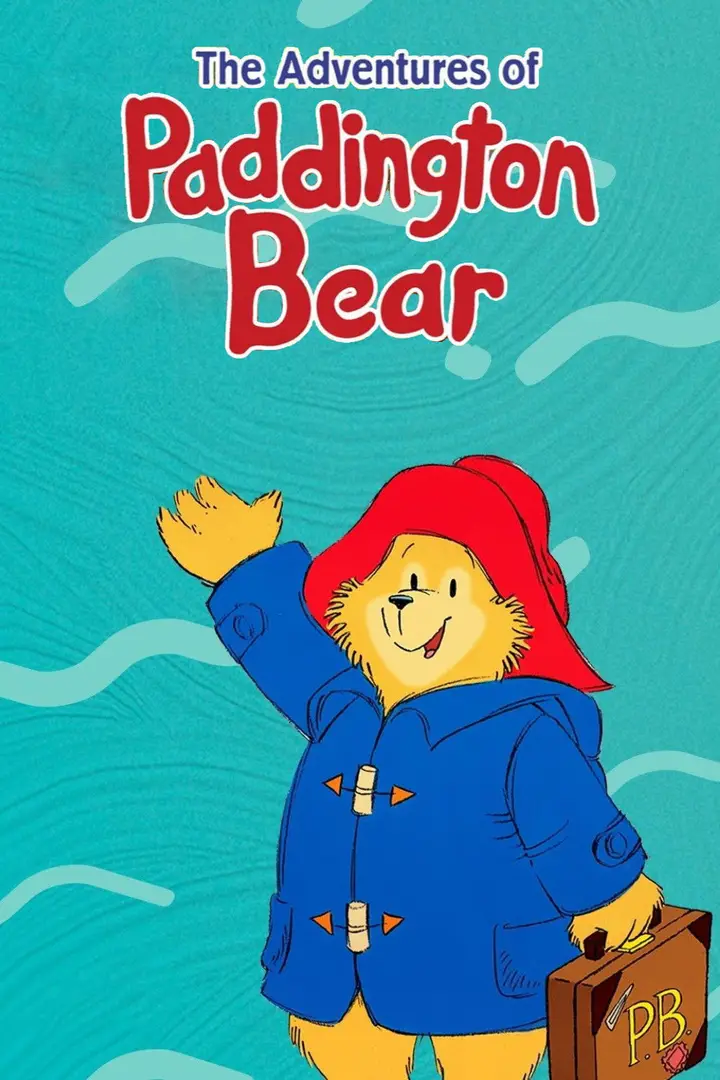
The Adventures of Paddington Bear
Paddington’s literal thinking turns ordinary errands into larger comic problems while his manners and kindness keep him sympathetic. The Brown family provides security, so misunderstandings can grow without making the world feel unsafe.
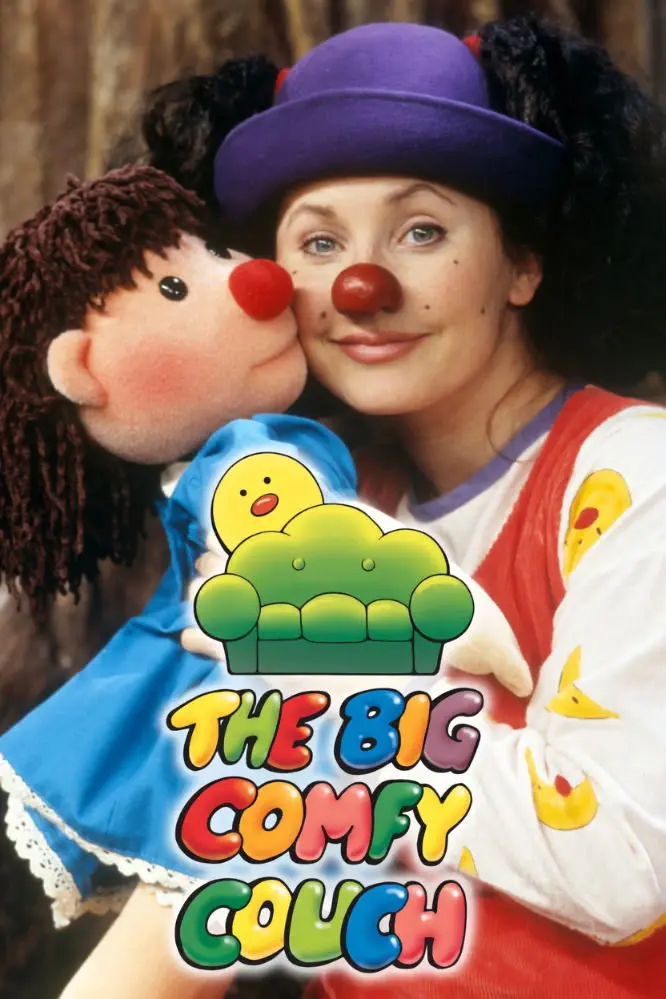
The Big Comfy Couch
Clowning, movement and recurring routines make practical preschool lessons easy to imitate. Loonette can model a stretch, name a feeling or work through a mess, then return the episode to a familiar home-base rhythm.
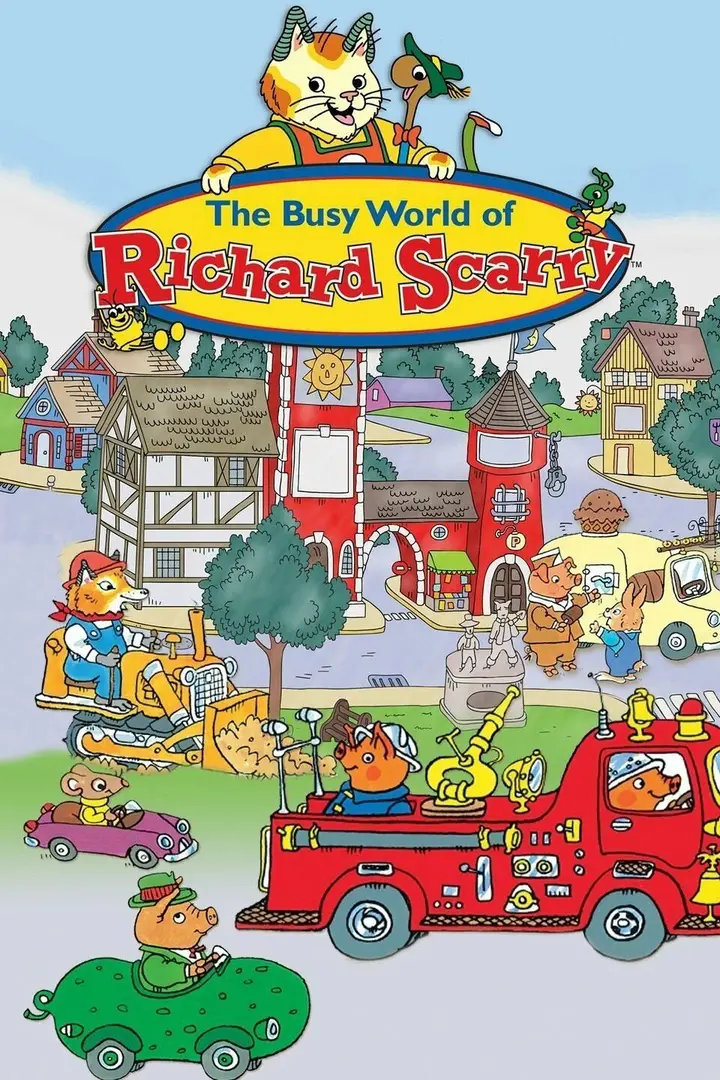
The Busy World of Richard Scarry
Busytown turns jobs, vehicles and everyday systems into stories children can watch in action. Huckle Cat, Lowly Worm and their neighbors make community roles visible, connecting curiosity about how things work with cooperation.

The Cat in the Hat Knows a Lot About That!
Questions about animals, plants, weather and physical science become imaginative field trips aboard the Thingamajigger. Observation, rhyme and playful experiments make preschool science active, while the Cat keeps curiosity moving from question to discovery.
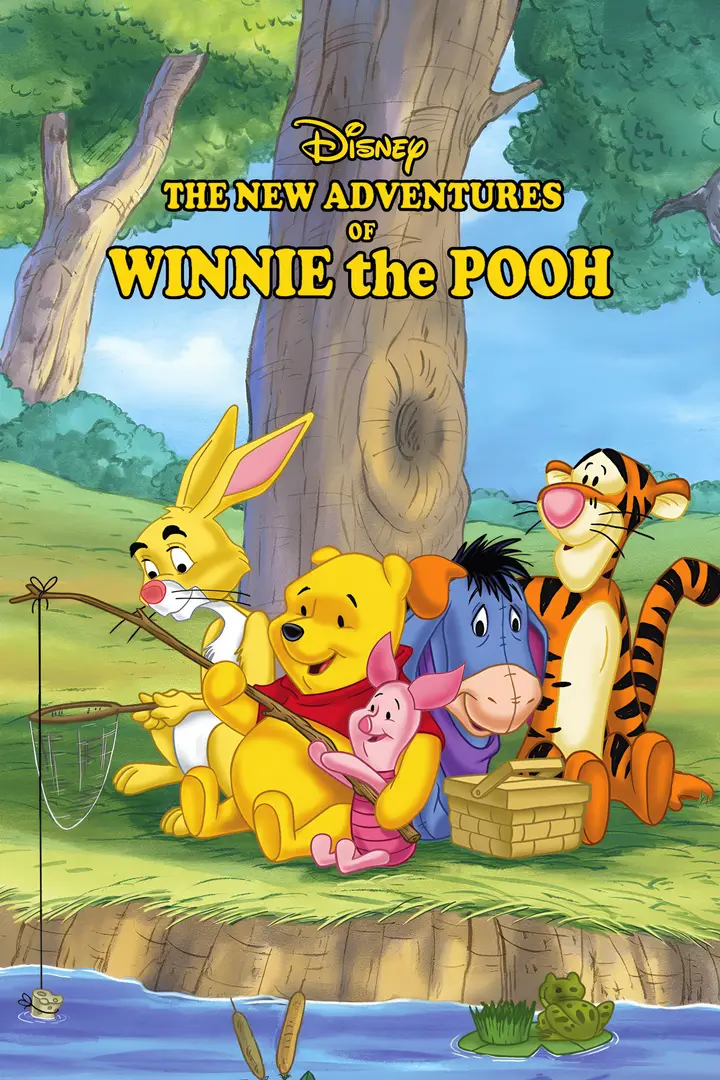
The New Adventures of Winnie the Pooh
Tiny misunderstandings become imaginative expeditions while the Hundred Acre Wood keeps every story familiar and secure. Pooh, Piglet, Tigger and their friends model different temperaments, giving friendship and patience clear everyday meaning.
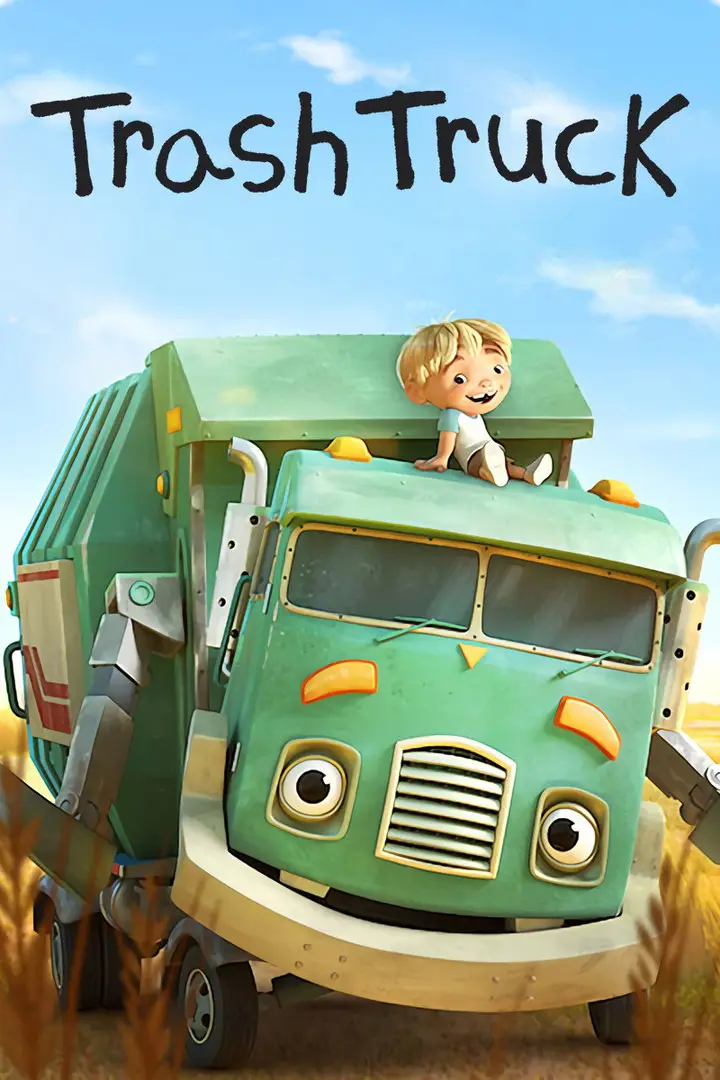
Trash Truck
Its gentle, low-stakes stories turn an ordinary object into a source of wonder, using a child's own curiosity and imagination rather than jokes or danger to hold attention.
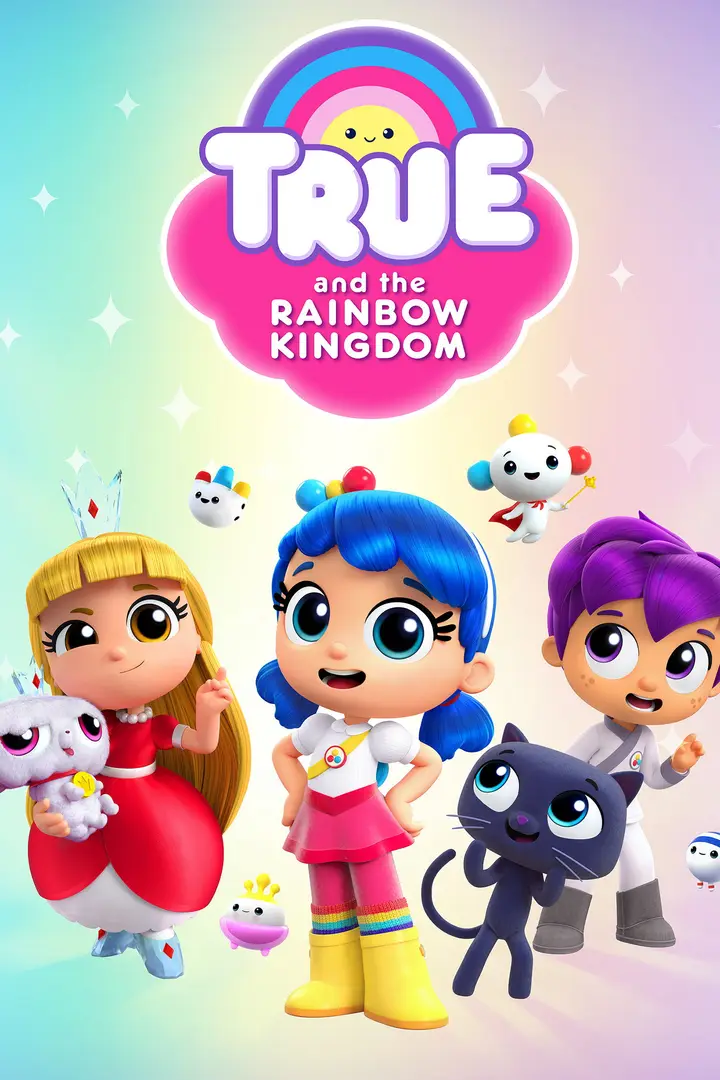
True and the Rainbow Kingdom
True treats magic as a problem-solving tool that must be chosen carefully, not used at random. Observing what residents need, selecting the right Wishes and adjusting the plan makes empathy and flexible thinking central to each adventure.
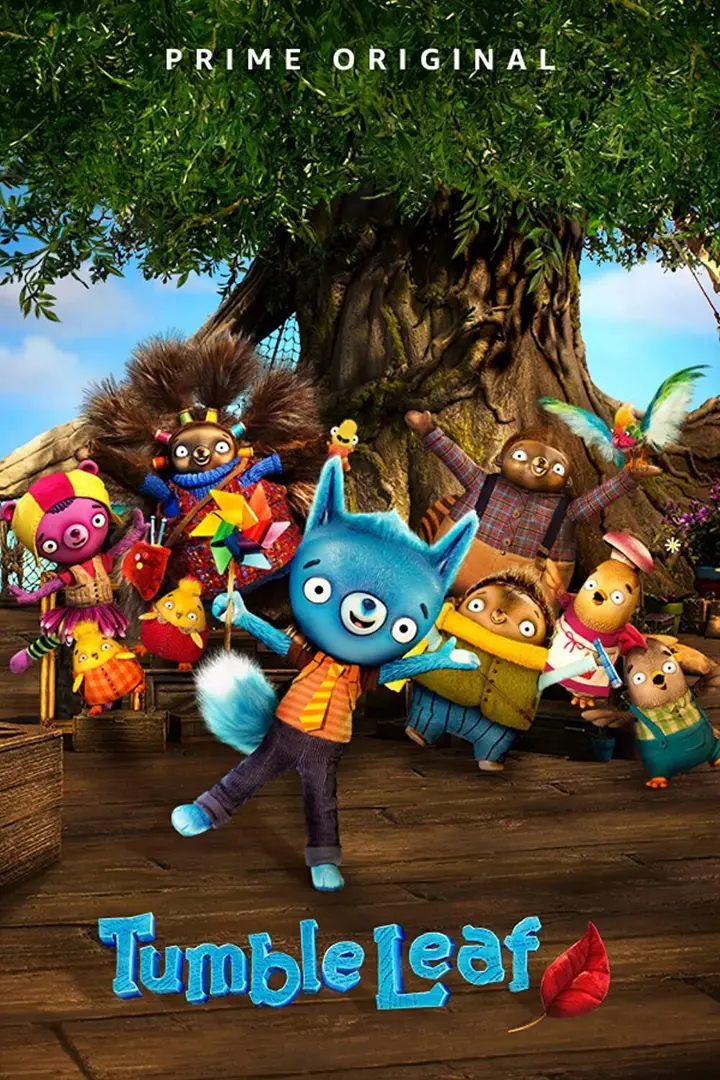
Tumble Leaf
Fig learns by observing, testing and changing his approach, so discovery grows directly from play. The stop-motion world gives objects and movement strong physical presence, making early scientific thinking easy to see.
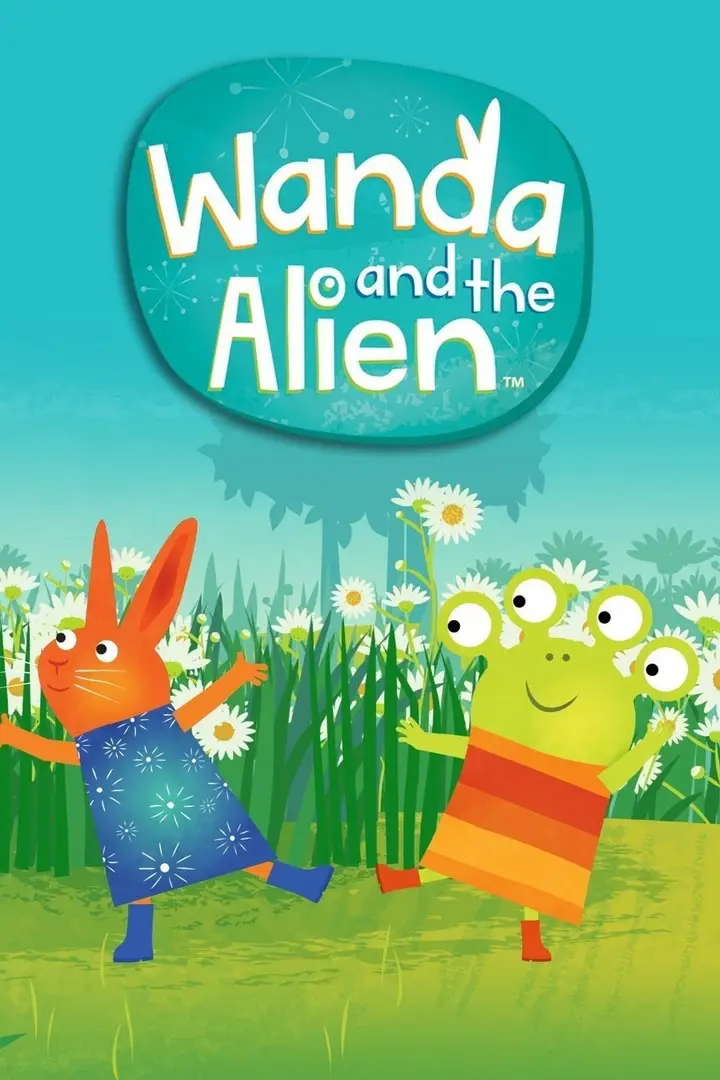
Wanda and the Alien
Wanda’s friendship with a stranded alien treats difference as a source of curiosity instead of fear. Visiting each other’s families and communities turns unfamiliar customs into simple preschool stories about communication, nature and openness.
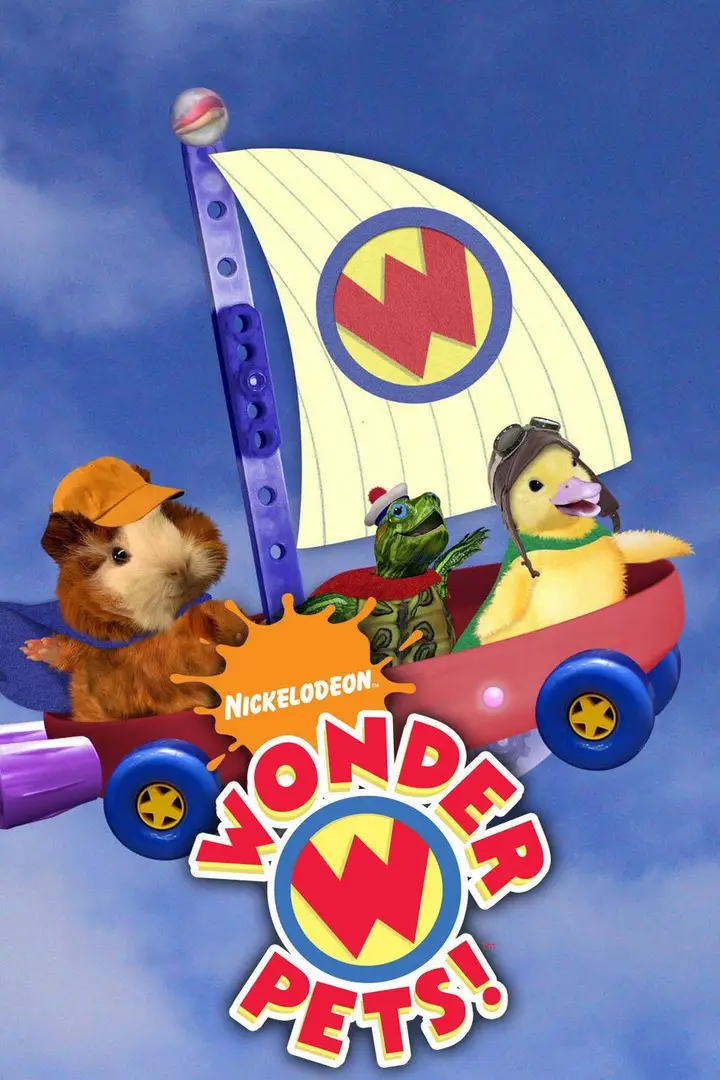
Wonder Pets!
A repeated rescue formula gives preschoolers a clear story path, while sung dialogue and teamwork make each mission easy to remember. Every problem depends on cooperation, so the musical structure supports the social message as well as the plot.
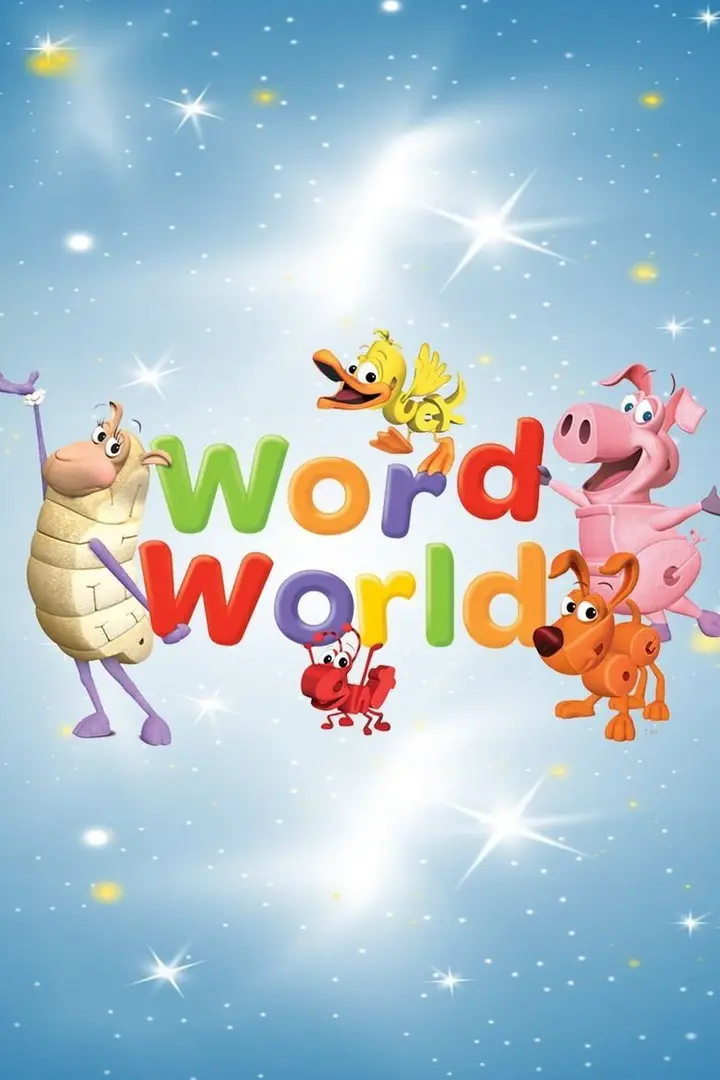
WordWorld
Objects and characters are literally built from the letters that spell their names, making word construction visible. Each small adventure links sounds, spelling and meaning, so early reading concepts become part of how the world works.
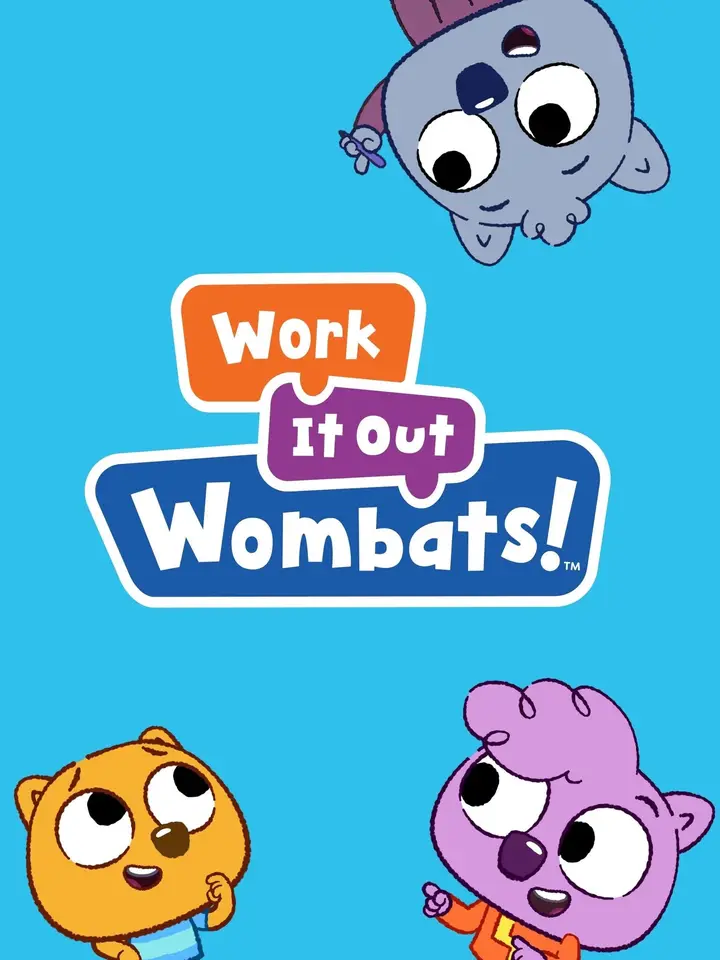
Work It Out Wombats!
It introduces real computational thinking — sequencing, patterns, debugging — through ordinary play and chores instead of screens, making the concepts feel practical rather than technical.
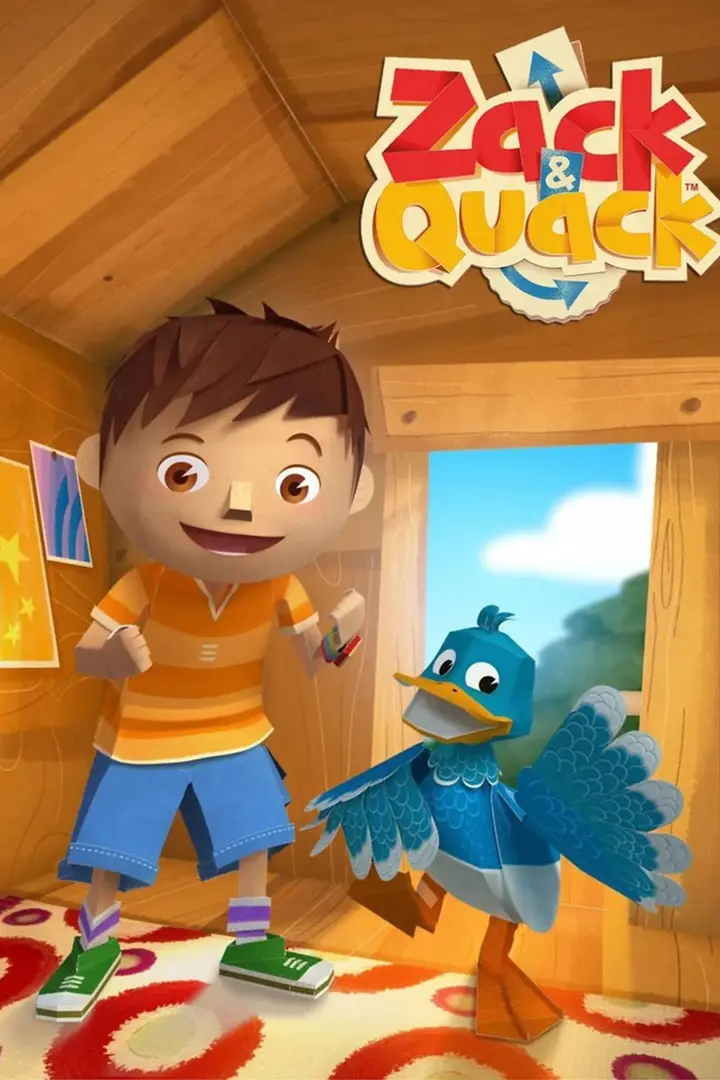
Zack & Quack
A pop-up book world makes every setting physically transformable, turning play into a sequence of visual problem-solving challenges. Zack, Quack and Kira keep experimenting when the first plan fails, so creativity feels practical and collaborative.


