
Classic Cartoons for Kids Today: What Still Works?
52 cartoons from the 1960s–1990s, grouped by decade and judged with current age guidance.

Classic Cartoons for Kids Today: What Still Works?
A classic can be worth sharing and still need current context. TFFC’s 52-title list covers the 1960s through the 1990s and stays chronological, with 4 titles from the 1960s, 2 from the 1970s, 20 from the 1980s and 26 from the 1990s. Each card uses current Minimum and Recommended Ages, so nostalgia never substitutes for present-day suitability.
Find the right series
Choose one band. Results show age-relevant series approved by our editors: those whose Minimum-to-Recommended age span overlaps the band, plus individually approved favorites. The Recommended Age is a starting point, not a maximum.
More filters and sort
No series in this guide match this age.
Classic Cartoons of the 1960s
Early television animation that still earns a place in family discovery, shown with current TFFC age guidance.
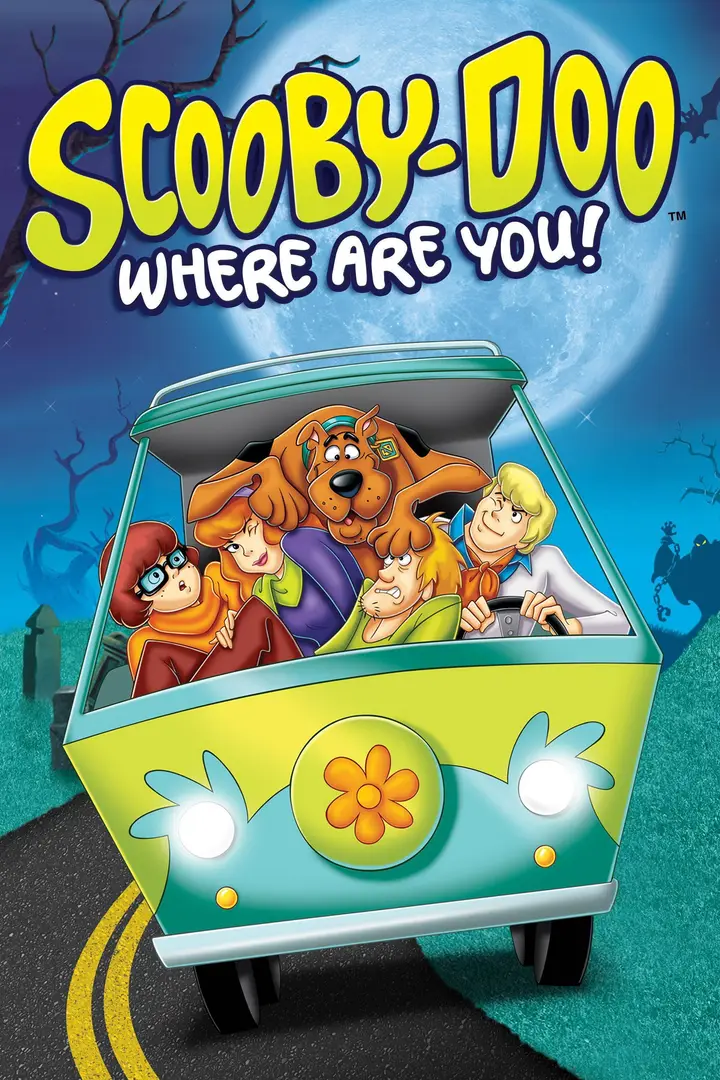
Scooby-Doo, Where Are You!
A reliable mystery structure gives children clues to follow before the final reveal, while Scooby and Shaggy keep the spooky material playful. Repetition helps young viewers learn how suspense, disguise and deduction work together.
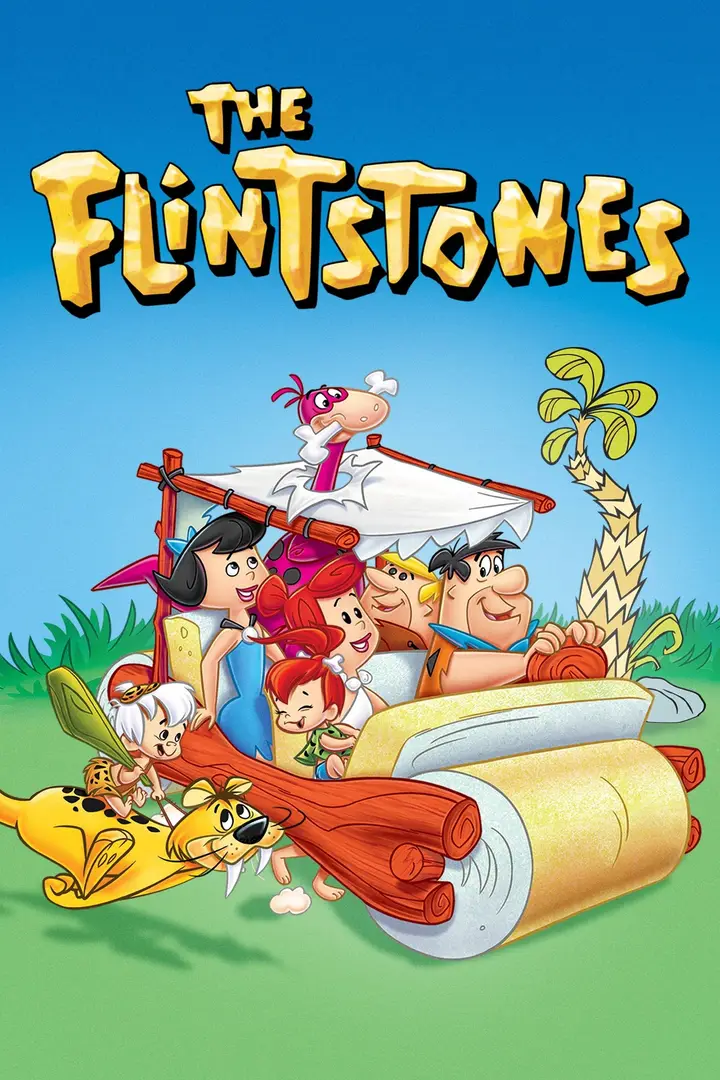
The Flintstones
Bedrock turns familiar family routines into Stone Age comedy through animal-powered appliances, rocky technology and Fred’s overconfident schemes. The domestic setup gives children an easy entry point while the prehistoric inventions supply the comic hook.
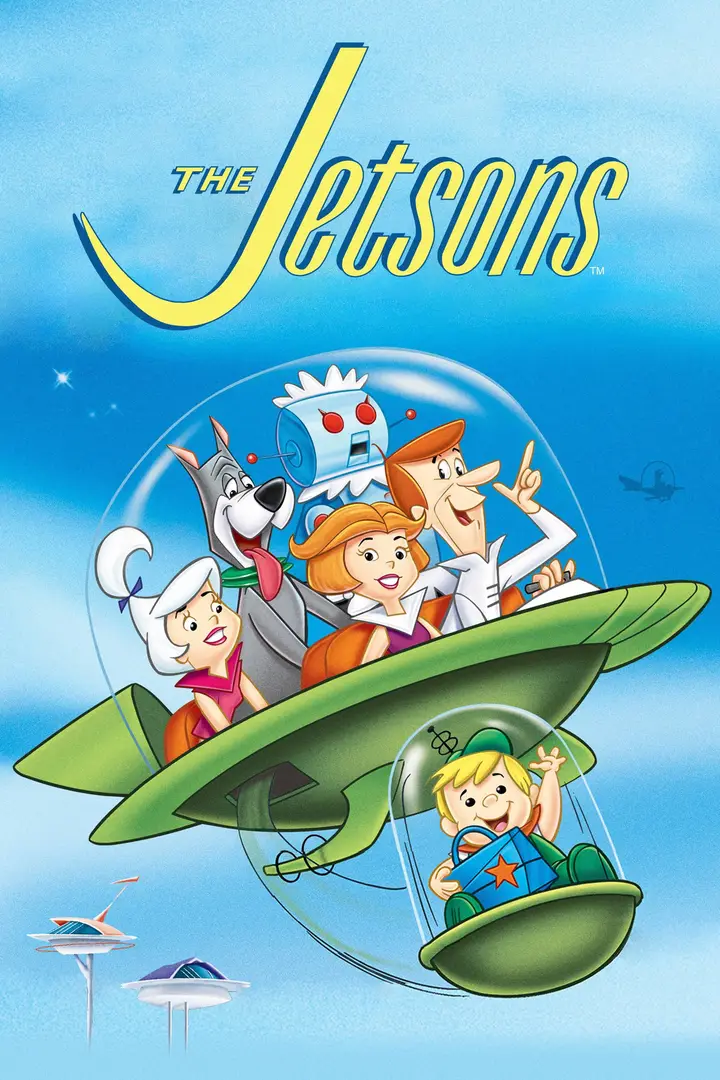
The Jetsons
Flying cars, robots and automated homes turn ordinary family problems into retro-futuristic comedy. The contrast between spectacular technology and familiar worries about work, school and family life keeps the imagined future easy to understand.
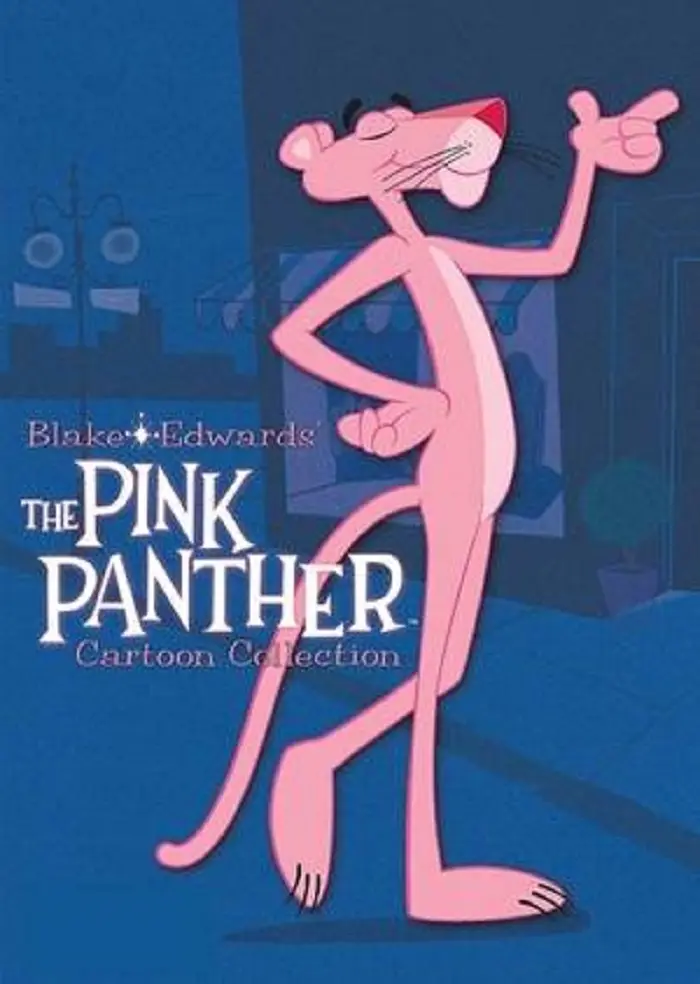
The Pink Panther Show
Minimal dialogue puts timing, visual invention and comic cause-and-effect at the center. The Pink Panther’s calm improvisation contrasts with increasingly absurd obstacles, making the short cartoons easy to follow across languages and ages.
Classic Cartoons of the 1970s
A small but distinctive bridge between early TV animation and the larger franchise-heavy decades that followed.
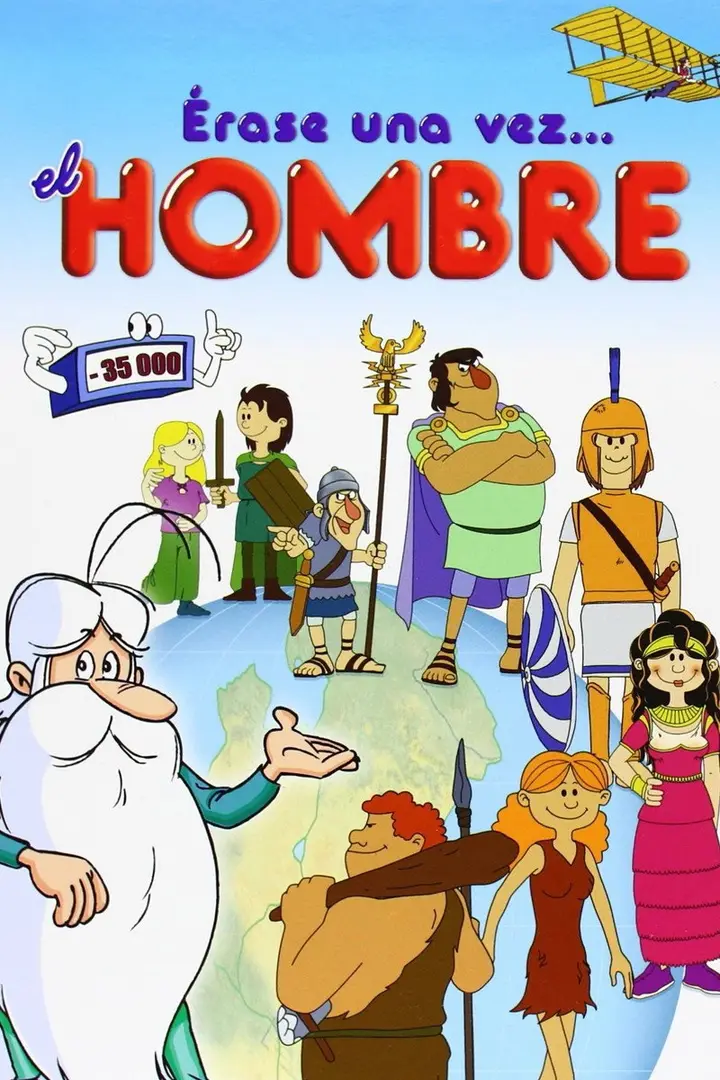
Once Upon a Time... Man
Recurring characters guide viewers through major historical periods, helping centuries and cultures feel connected. Wars, inventions and social change are placed in a broad chronological story, giving children a framework before they study individual events in depth.
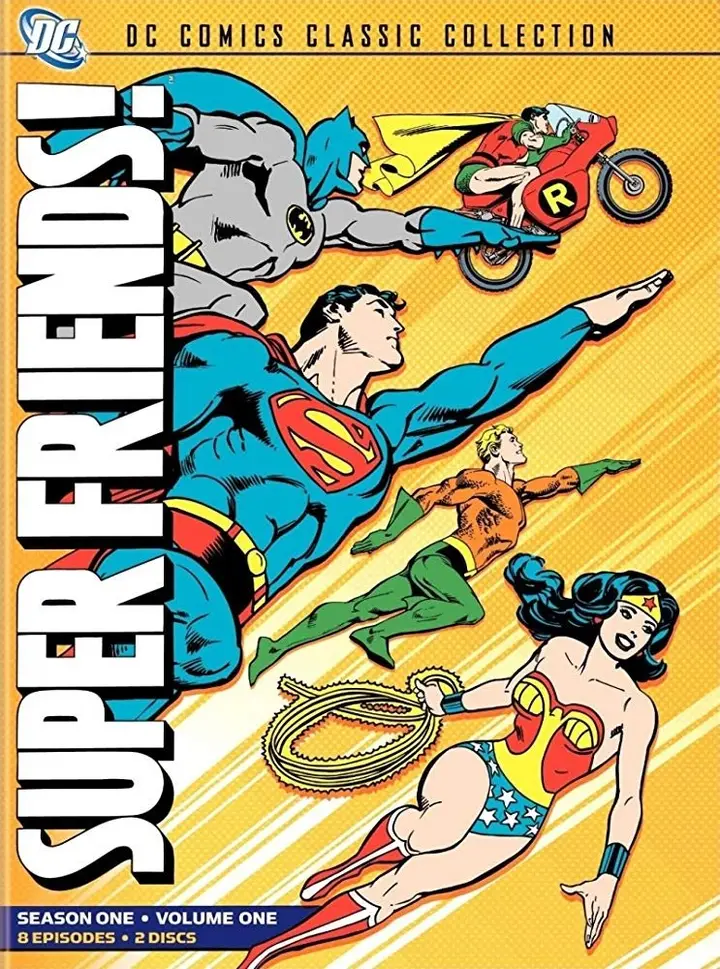
Super Friends
Classic DC heroes solve problems through teamwork, rescue and straightforward decision-making. The restrained action and clear moral structure make superhero storytelling easy to enter without the heavier violence or dense continuity found in many later adaptations.
Classic Cartoons of the 1980s
Twenty 1980s classics spanning adventure, comedy and franchise-driven animation, with current TFFC ages helping families separate easy nostalgia from titles that ask for more maturity.
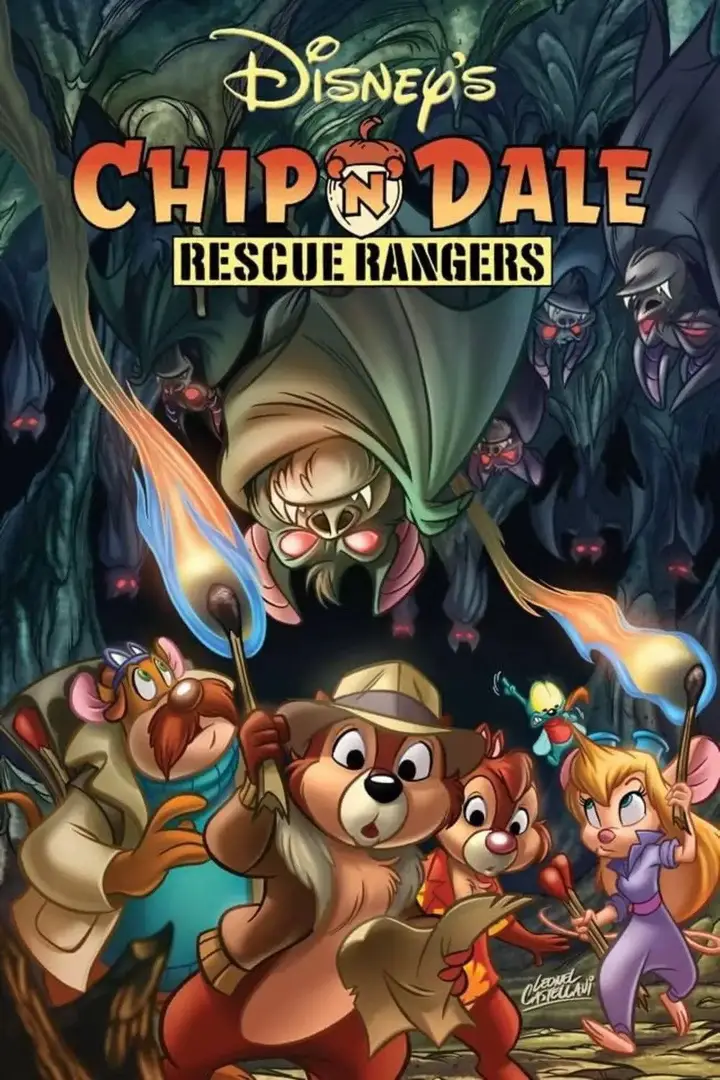
Chip 'n' Dale Rescue Rangers
Small-scale mysteries become energetic adventures as the Rescue Rangers combine Gadget’s inventions, Chip’s planning and the whole team’s different strengths. Cases reward observation and cooperation instead of relying on physical power alone.
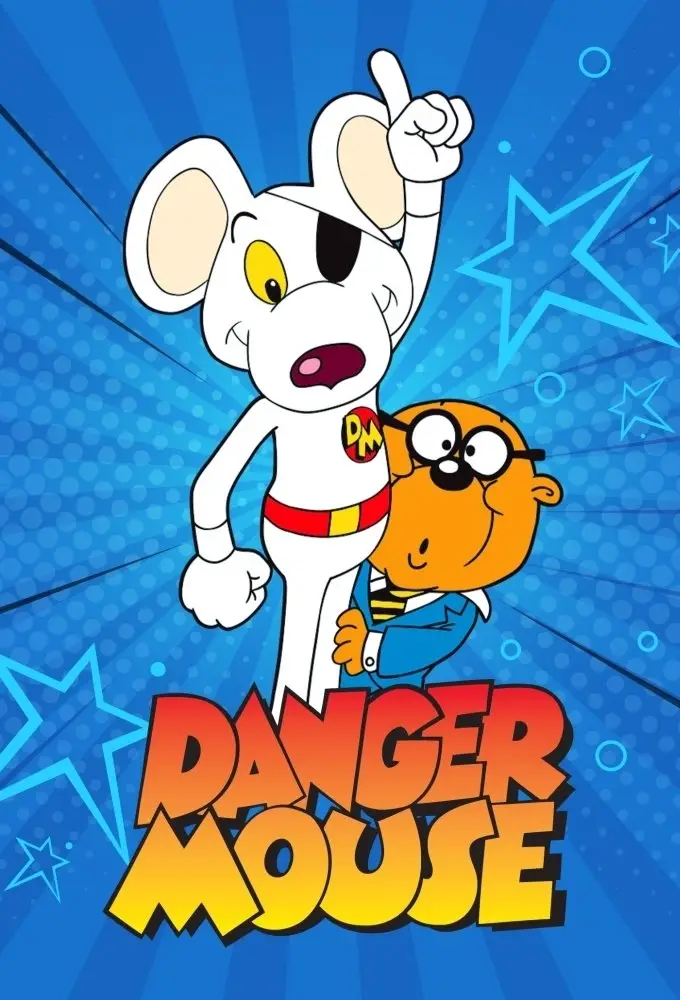
Danger Mouse
Spy missions become rapid-fire comedy through absurd inventions, exaggerated villains and a narrator who comments on the action. Danger Mouse and Penfold give each episode a clear partnership, while the parody rewards viewers who catch the extra jokes.
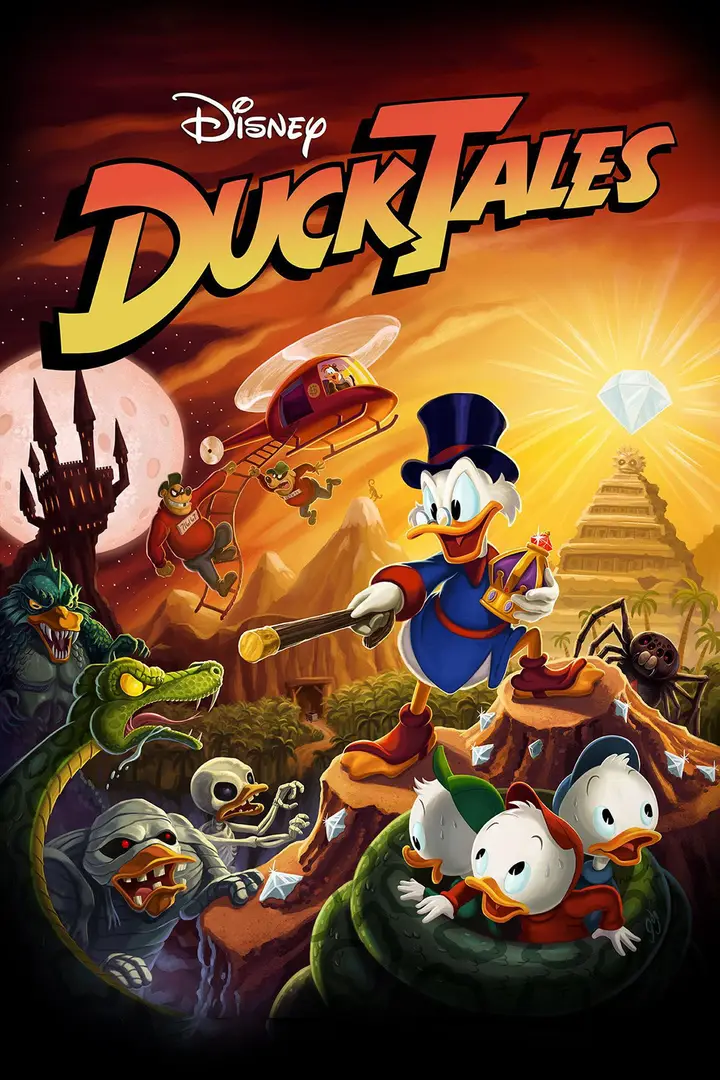
DuckTales
Treasure hunts, lost civilizations and eccentric villains give the original DuckTales a strong pulp-adventure rhythm. Huey, Dewey and Louie take active roles in solving problems, while Scrooge’s experience connects risk, curiosity and family loyalty.
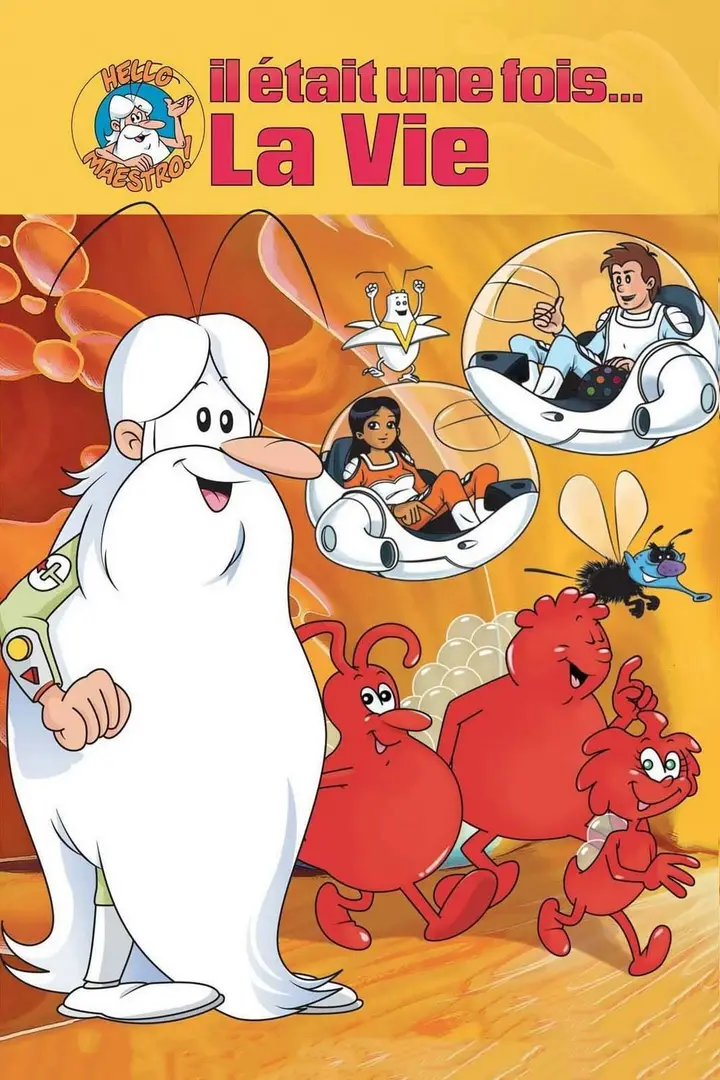
Once Upon a Time... Life
Cells, organs and microbes become characters inside the body, turning invisible biological processes into clear visual stories. Digestion, circulation, immunity and growth gain memorable cause-and-effect structure while preserving the scientific idea.
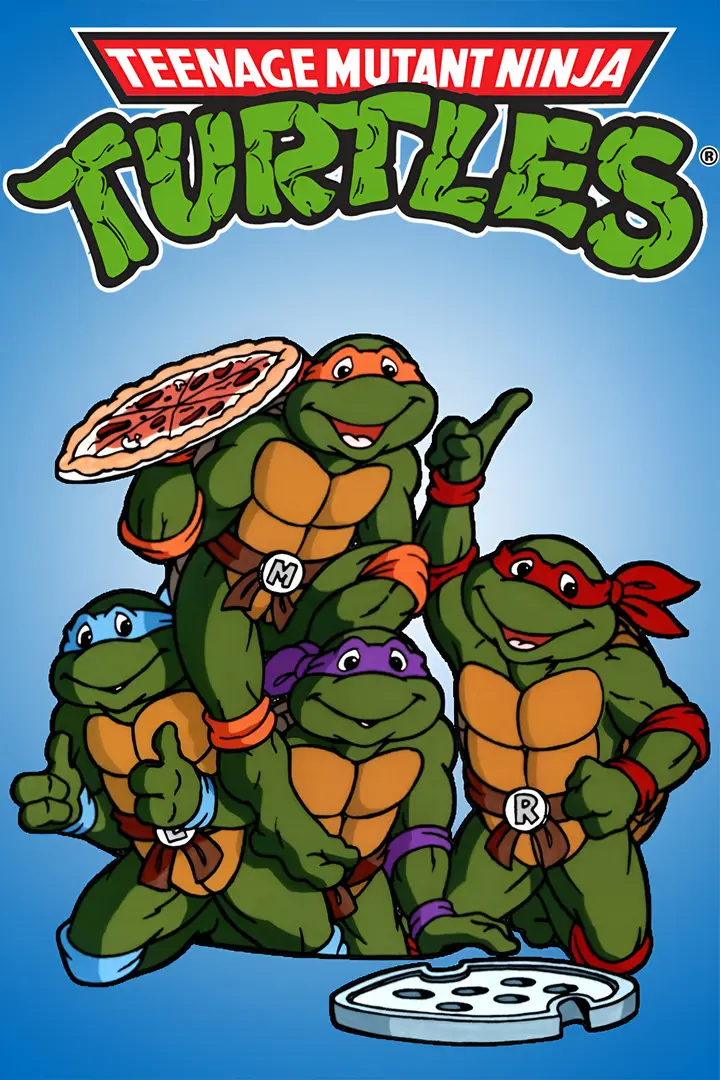
Teenage Mutant Ninja Turtles
Martial arts, science fiction and four distinct personalities give the team constant comic and tactical variety. Leonardo, Raphael, Donatello and Michelangelo work best when their different strengths combine against Shredder and other recurring threats.
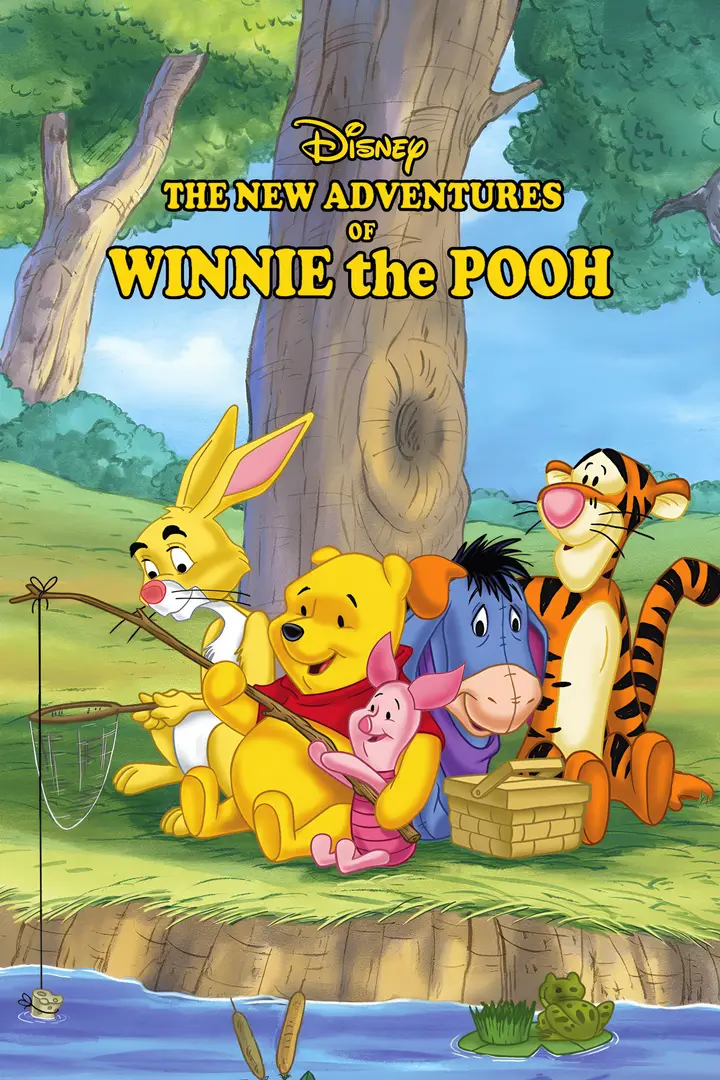
The New Adventures of Winnie the Pooh
Tiny misunderstandings become imaginative expeditions while the Hundred Acre Wood keeps every story familiar and secure. Pooh, Piglet, Tigger and their friends model different temperaments, giving friendship and patience clear everyday meaning.
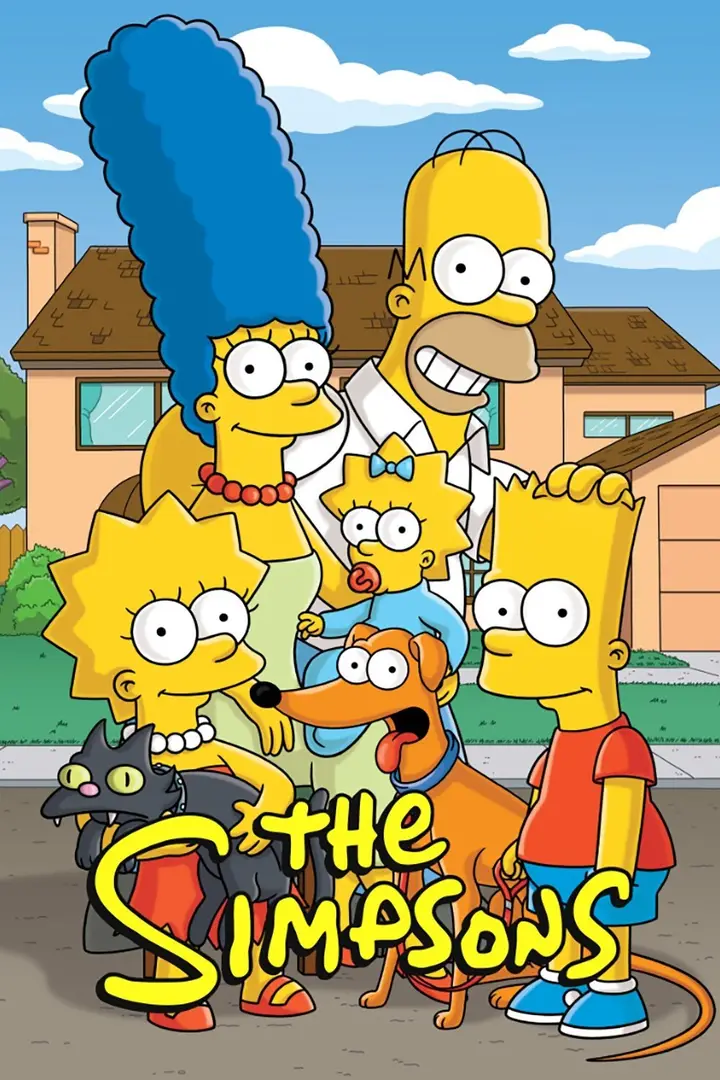
The Simpsons
Family comedy becomes social satire as Springfield provides endless material about school, work, politics, media and popular culture. Bart, Lisa, Homer and Marge offer different perspectives, letting simple jokes sit beside sharper commentary.
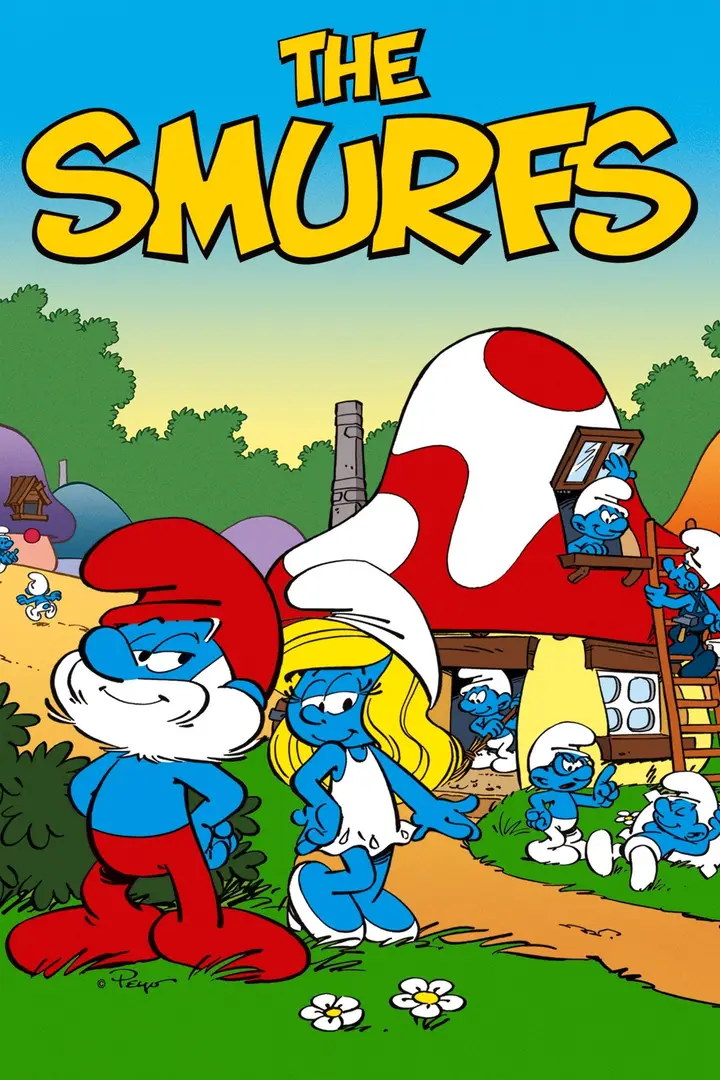
The Smurfs
A village full of sharply defined personalities turns small weaknesses into clear comic problems. Gargamel provides recurring fantasy danger, while Papa Smurf and the community repeatedly bring the story back to cooperation and repair.
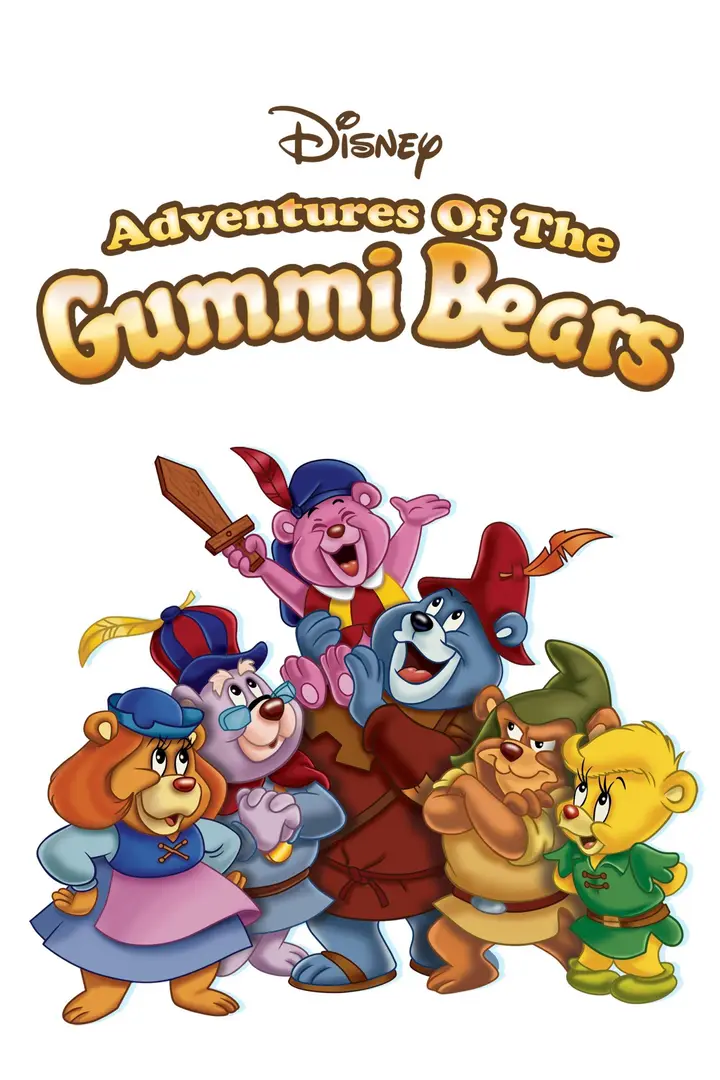
Adventures of the Gummi Bears
Hidden history, magical technology and a small community give the fantasy world a strong sense of heritage. The Gummis survive through inventions, knowledge and teamwork, so adventure repeatedly rewards thinking as much as magical power.
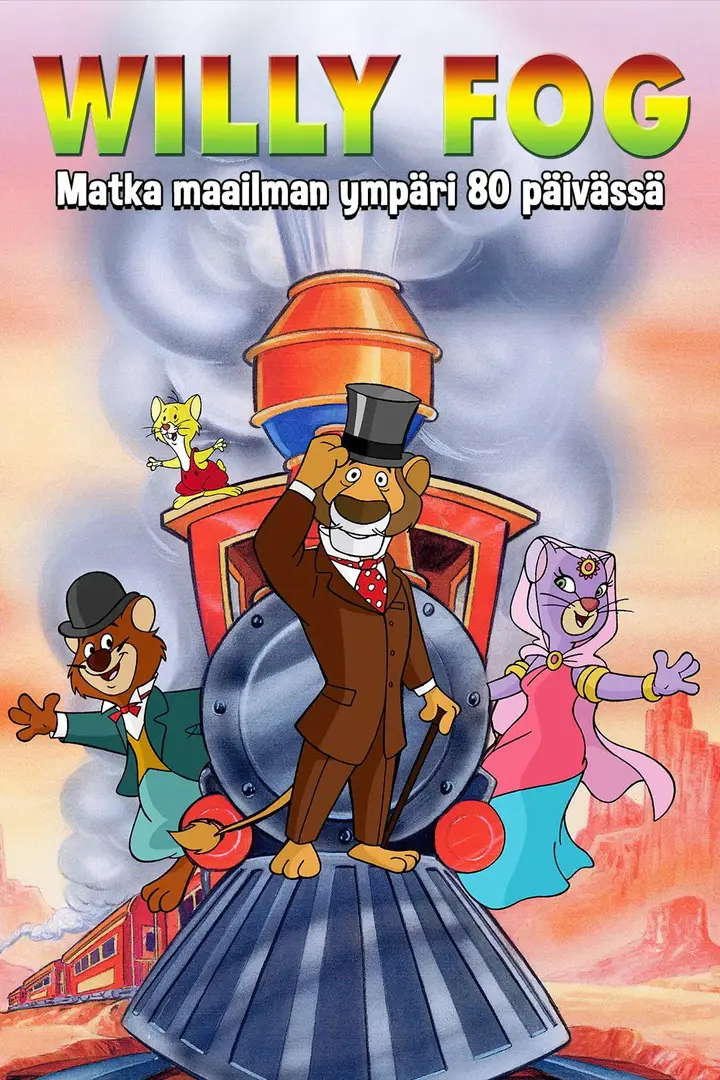
Around the World with Willy Fog
The eighty-day deadline gives every stop a clear sense of momentum while trains, ships and unfamiliar places expand the journey. Planning, persistence and teamwork stay central as new obstacles test the group’s schedule.
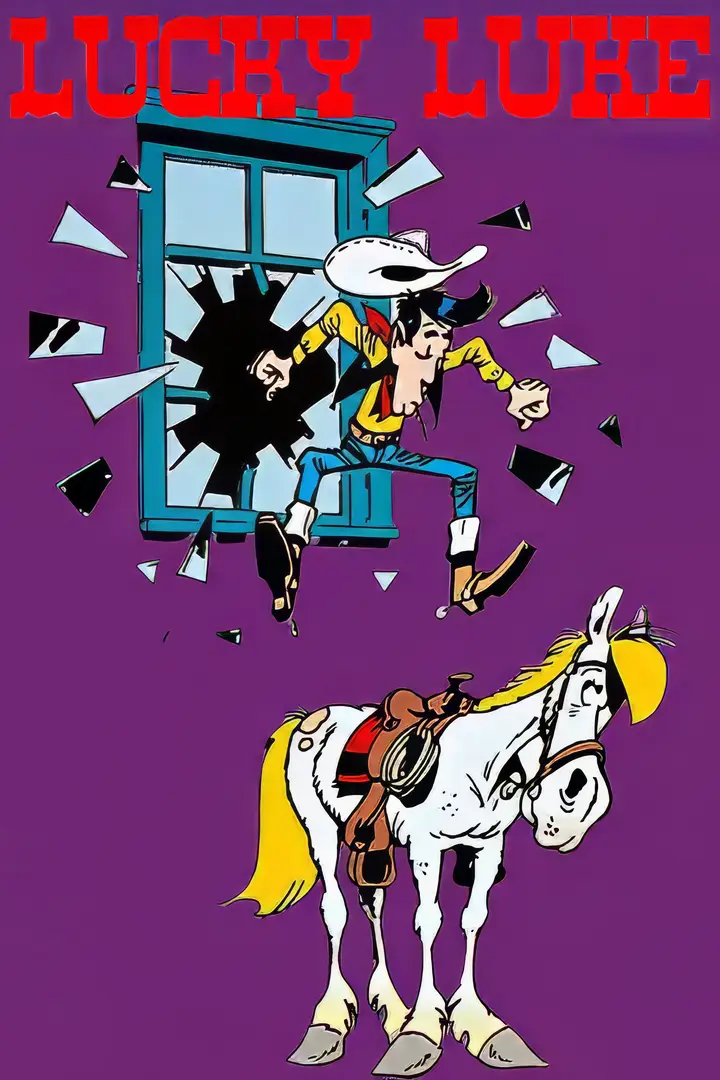
Lucky Luke
Western clichés become comedy through Lucky Luke’s impossible speed, the Daltons’ repeated failures and a large cast of eccentric frontier characters. The parody keeps shootouts and pursuits lighter than a realistic western.
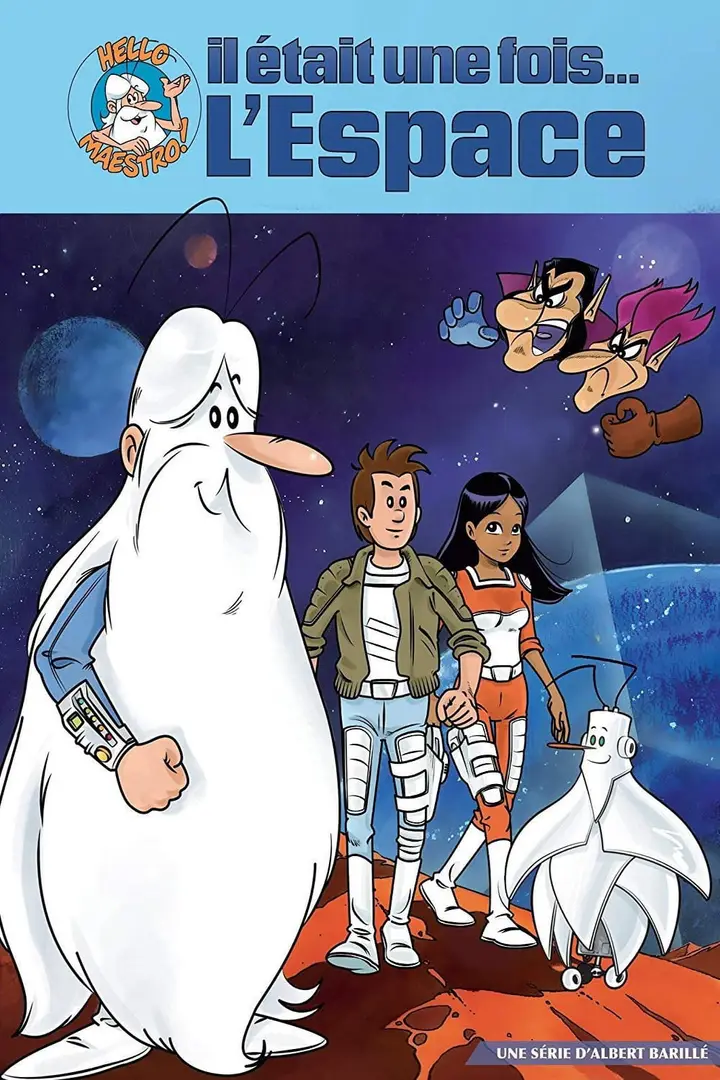
Once Upon a Time... Space
Space exploration is treated as a social and scientific challenge, not only as combat. Planetary encounters combine technology, diplomacy and political tension, giving older children a broader picture of what future civilizations might require.
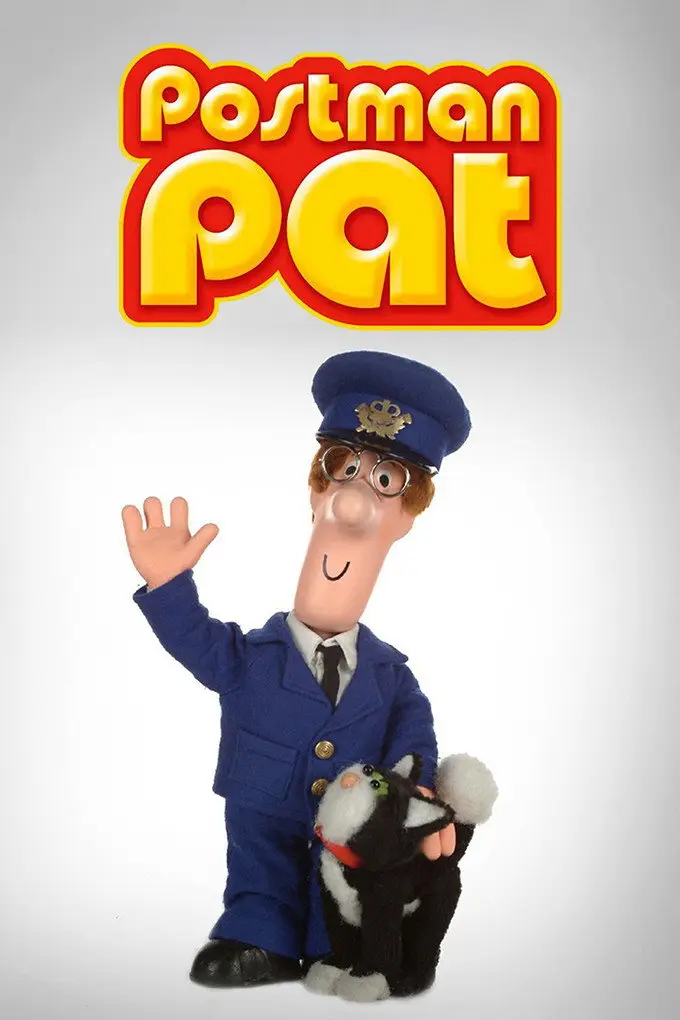
Postman Pat
The repeated delivery round gives each episode a dependable shape: meet a local need, face a manageable complication and find a practical solution. Greendale’s recurring residents make cooperation and community the main attraction.
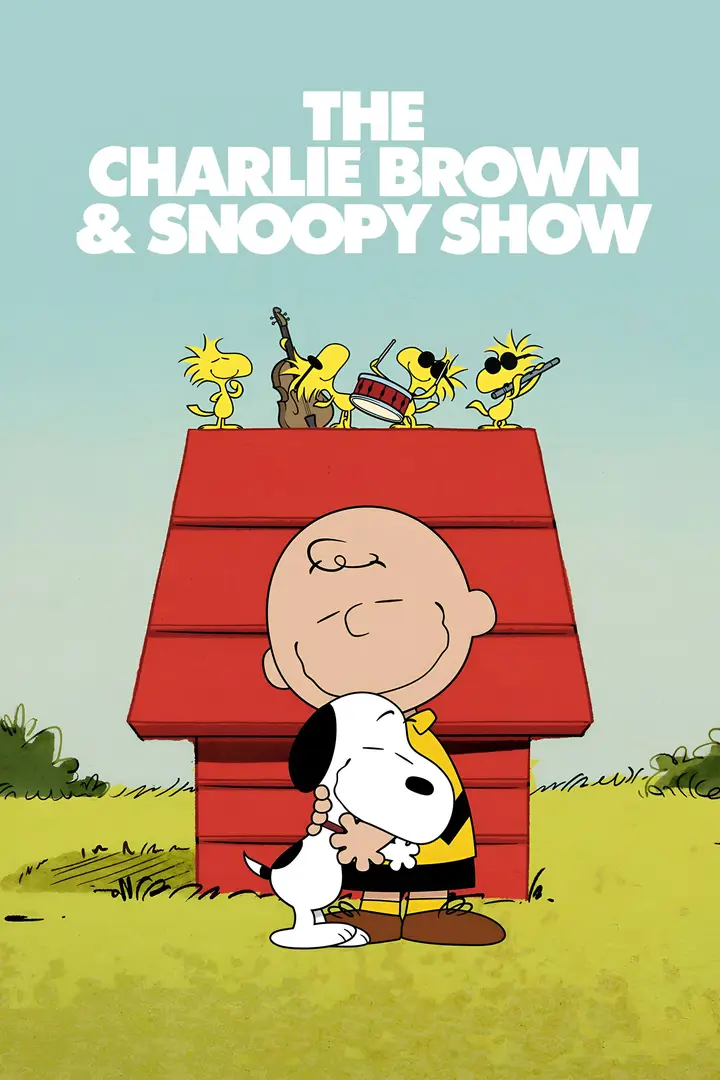
The Charlie Brown and Snoopy Show
Everyday disappointments, school problems and small ambitions become dry comedy through the Peanuts characters’ distinct personalities. Charlie Brown’s persistence and Snoopy’s imagination give the stories both realism and playful escape.
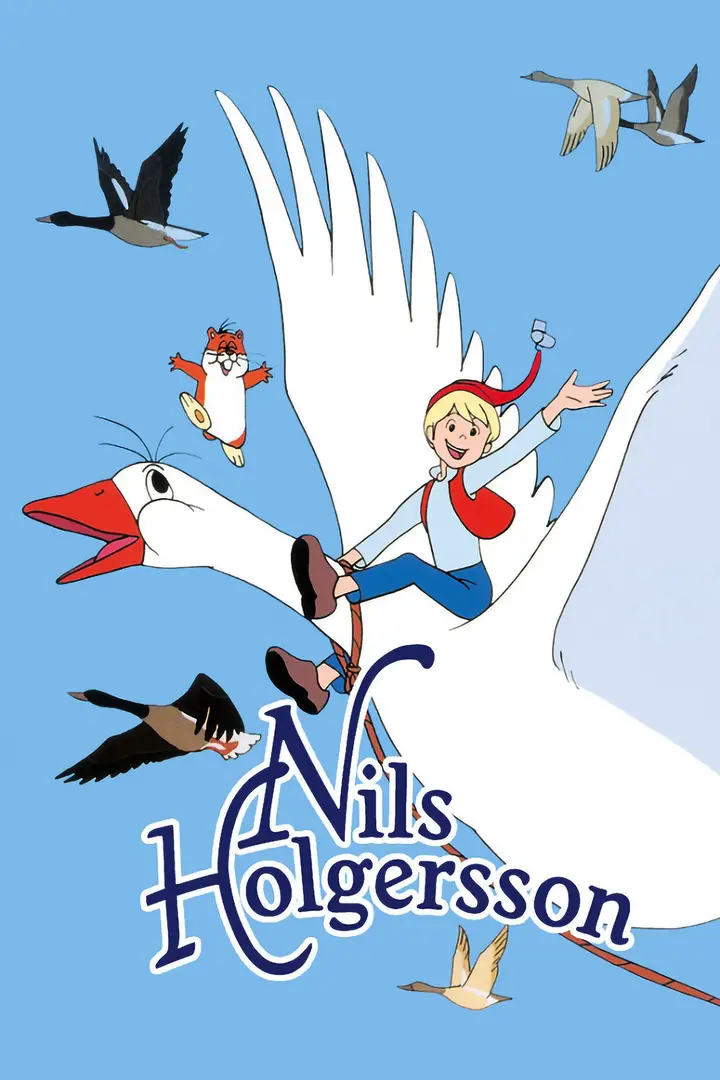
The Wonderful Adventures of Nils
Nils’s journey with wild geese turns a selfish boy’s transformation into a long adventure through nature. Seeing the world from a tiny scale gives animals, landscapes and responsibility a direct role in his growth.
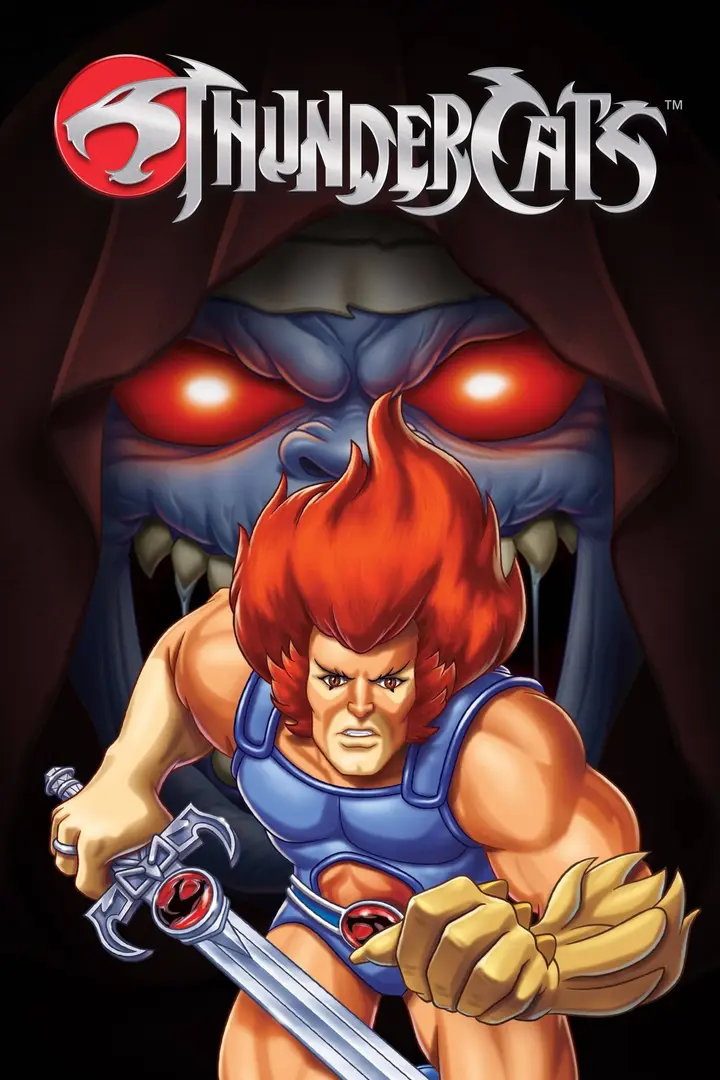
ThunderCats
Science fantasy, distinct powers and a clear team structure give the ThunderCats broad adventure appeal. Lion-O’s growth into leadership adds a continuing character arc, so battles with Mumm-Ra also test judgment, patience and responsibility.
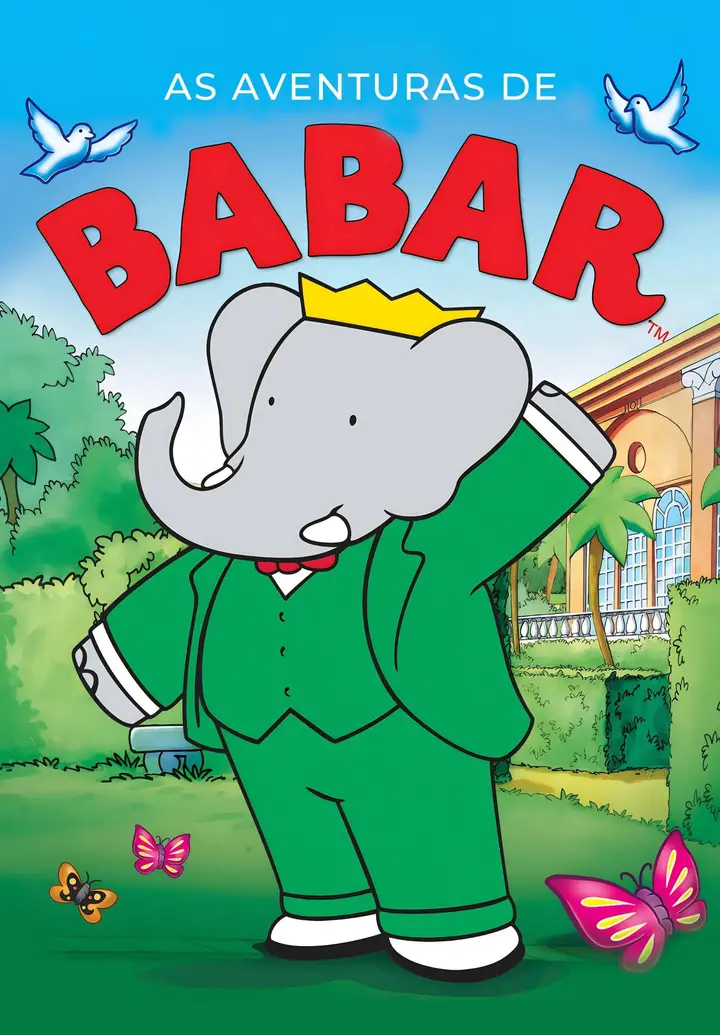
Babar
Royal storybook fantasy stays grounded in family and community responsibilities as Babar reflects on childhood and leadership. Problems often require patience, listening and compromise, giving the adventures a calm social structure.
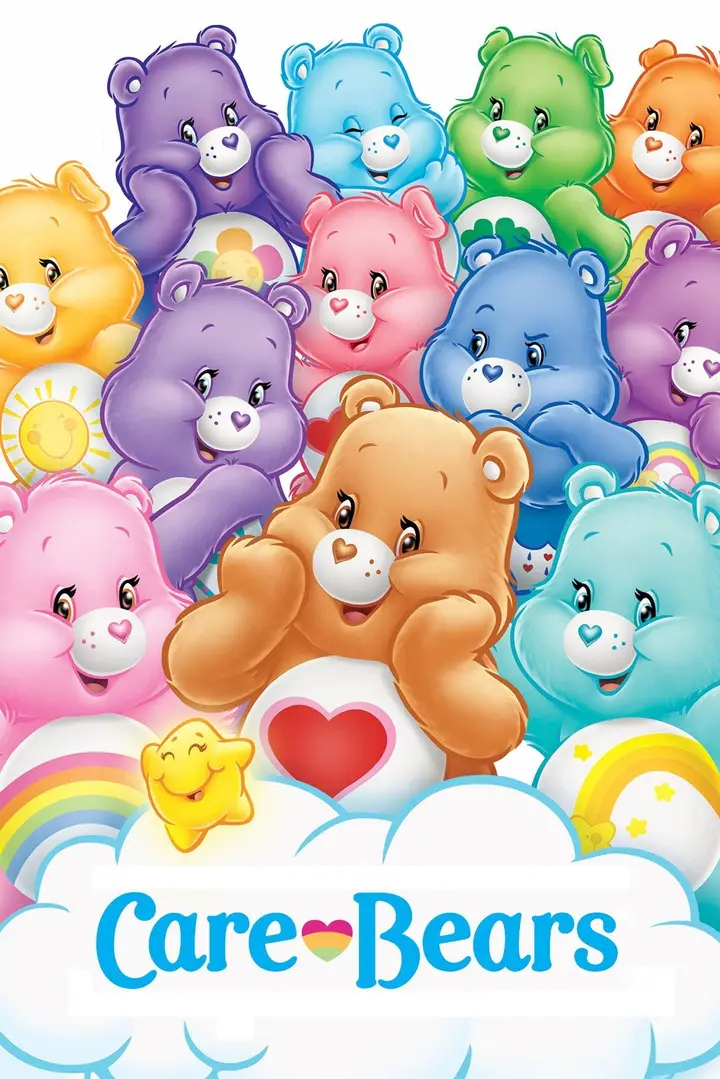
Care Bears
Colorful fantasy turns feelings into visible problems the Care Bears can name, discuss and address. Their missions frame caring as active support, so kindness means listening, helping and responding when fear or anger affects someone.
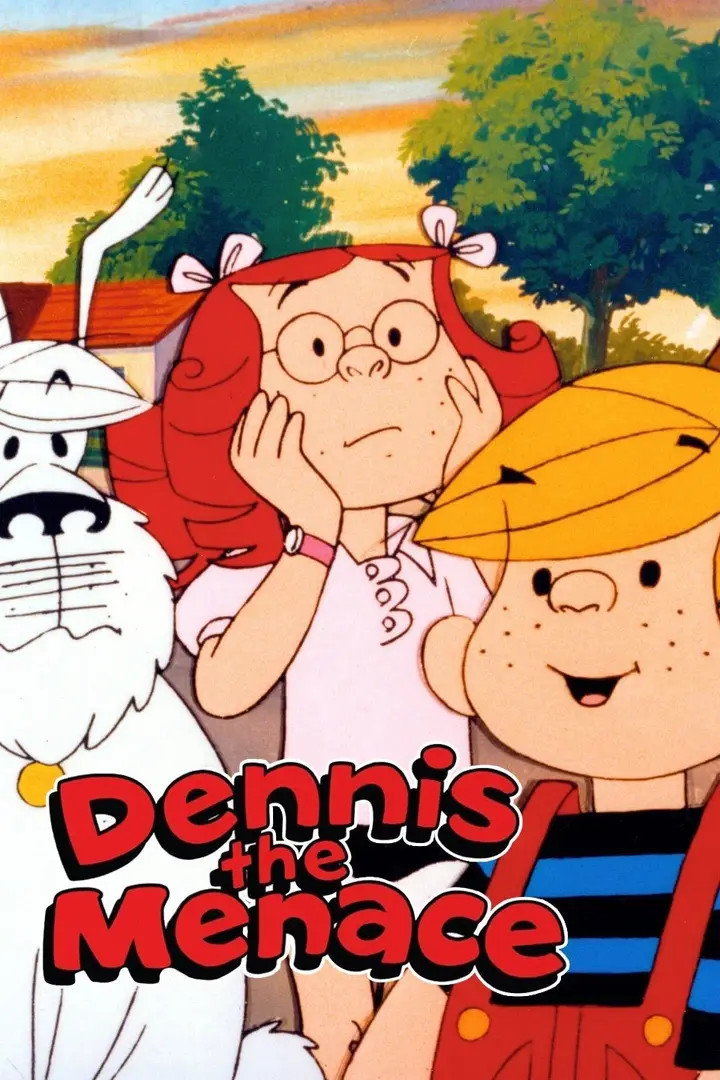
Dennis the Menace
Dennis’s good intentions repeatedly trigger chains of accidents, misunderstandings and comic consequences. Mr. Wilson’s frustration provides the counterpoint, and the family setting keeps the mischief connected to affection, not deliberate cruelty.
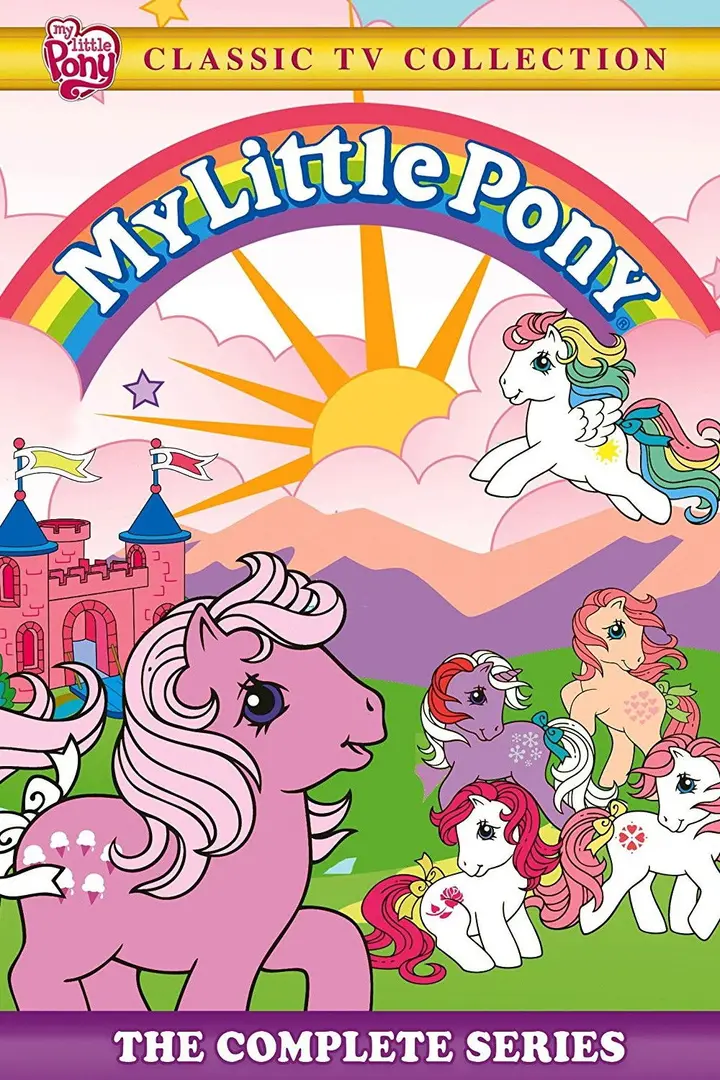
My Little Pony 'n Friends
A bright magical world combines friendship stories with fairy-tale threats, songs and simple battles between good and evil. Megan gives viewers a human point of entry while the ponies solve problems through trust and cooperation.
Classic Cartoons of the 1990s
Twenty-six 1990s classics ranging from preschool and school comedy to action, mystery and serialized animation, judged with today’s TFFC age guidance instead of nostalgia alone.
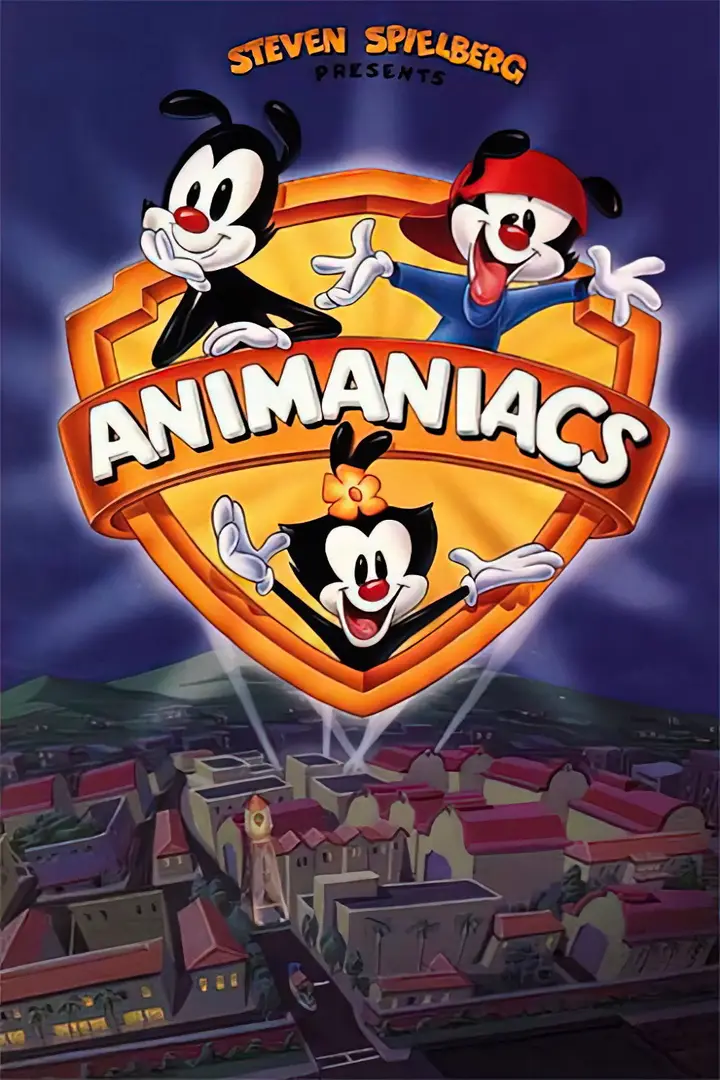
Animaniacs
Songs, wordplay, slapstick and constant format changes make the comedy highly varied. Younger viewers can follow the physical humor, while older children get more from satire, cultural references and jokes aimed beyond the child audience.
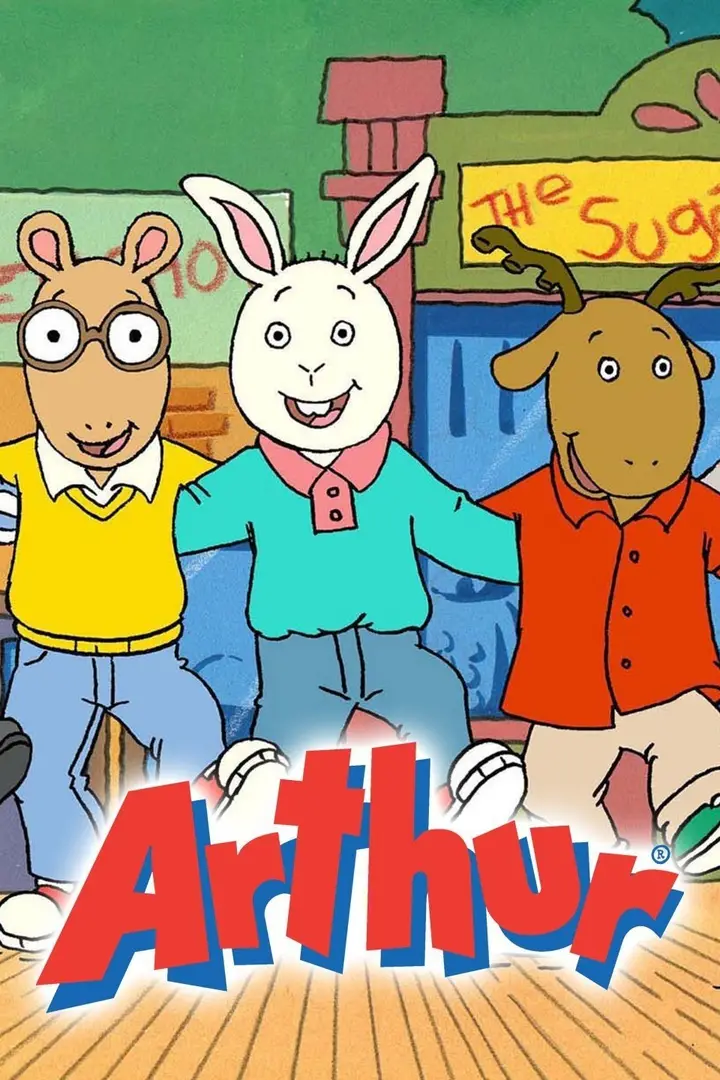
Arthur
School, family and friendship conflicts are treated as problems with more than one side. Arthur and his friends make mistakes, argue, apologize and compromise, giving everyday social situations a thoughtful structure children can recognize.
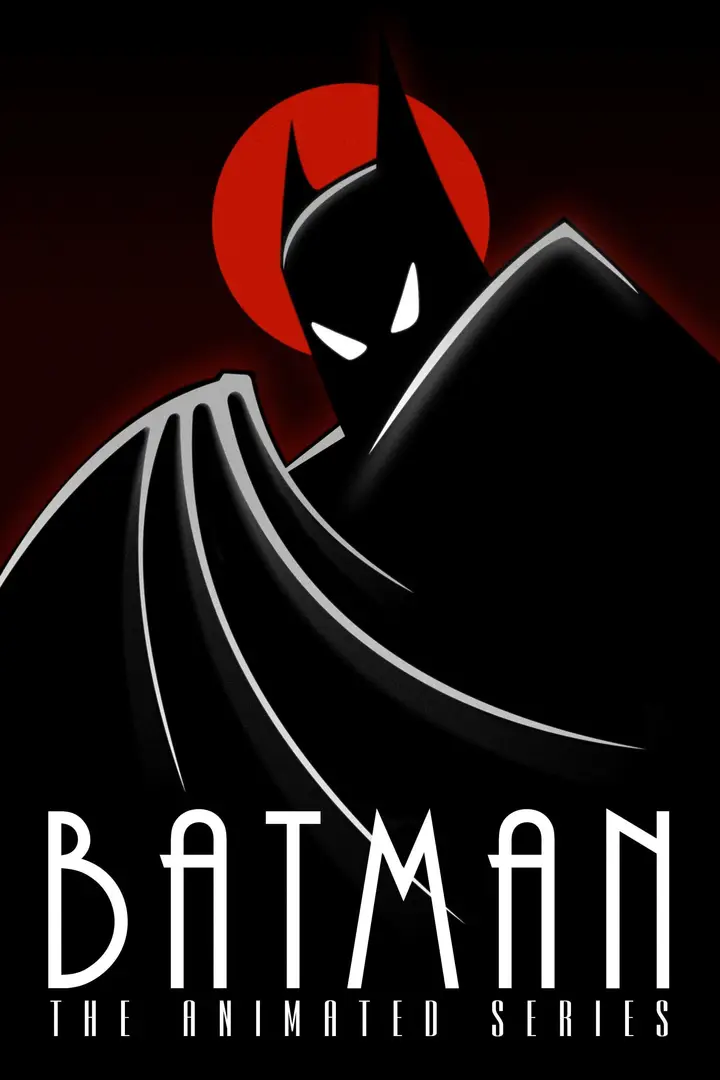
Batman: The Animated Series
Noir atmosphere, detective work and psychologically motivated villains give Gotham rare depth for superhero animation. Batman often has to understand a case before defeating anyone, while recurring characters build a morally complicated city over time.
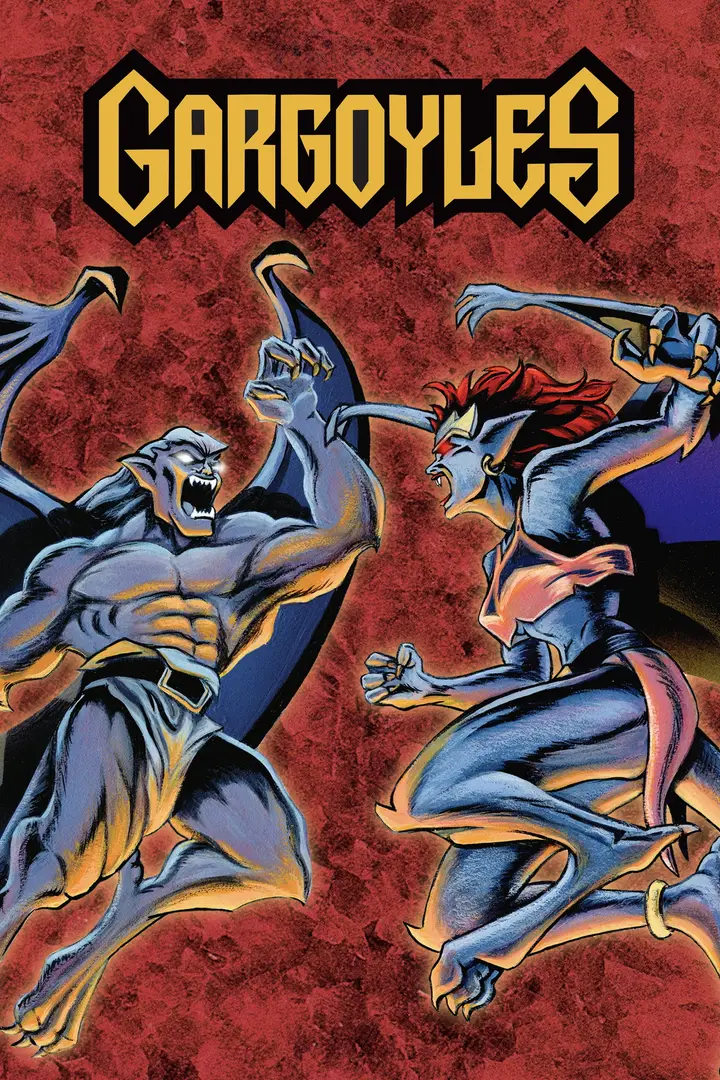
Gargoyles
Medieval history, urban fantasy and long-form plotting give the series a richer structure than most action cartoons of its era. Goliath’s clan faces betrayal and adaptation while building a new sense of family in modern New York.
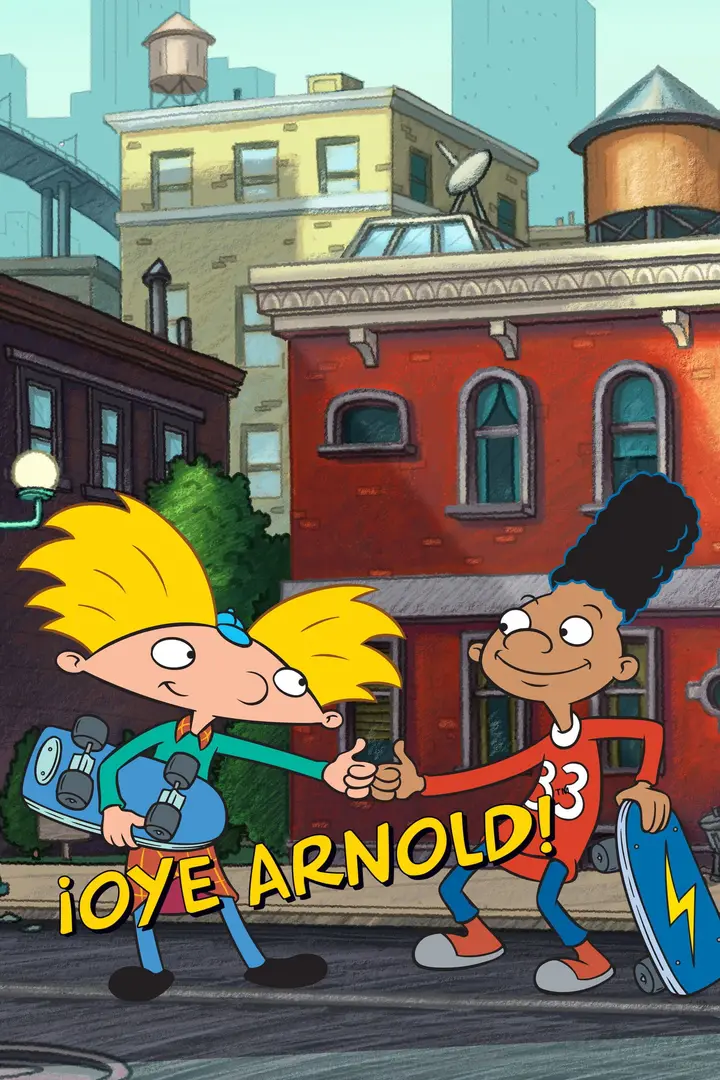
Hey Arnold!
City life gives small childhood stories a broad social backdrop, while Arnold’s patience lets supporting characters reveal more than their first impression. Friendship, poverty, loneliness and first crushes are handled with honesty and humor.
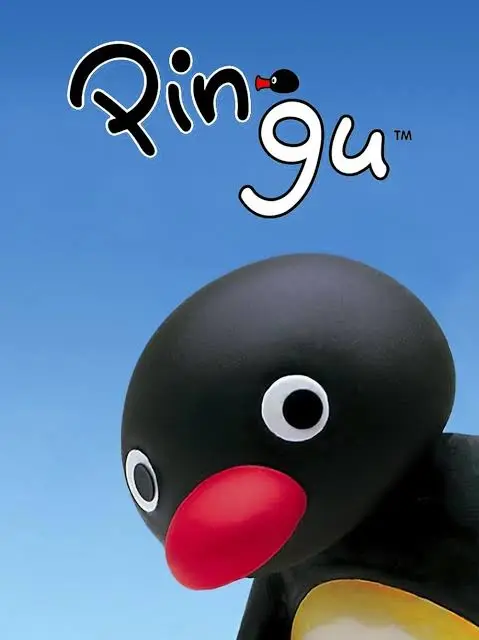
Pingu
Invented speech puts the emphasis on gesture, timing and visible reactions, letting children follow family life and comic mistakes without depending on vocabulary. Pingu’s expressive movement makes consequences clear through action instead of explanation.
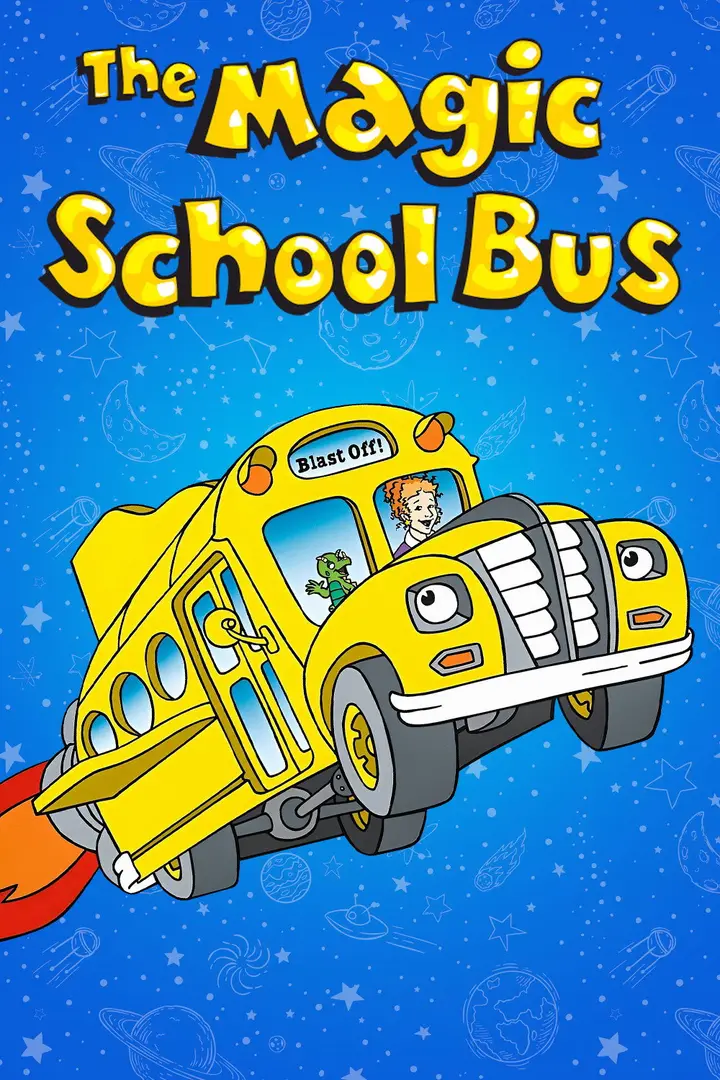
The Magic School Bus
Scientific questions become immersive field trips where the class observes, predicts and tests ideas directly. Ms. Frizzle’s impossible bus turns biology, physics and astronomy into memorable experiences while keeping curiosity and experimentation at the center.
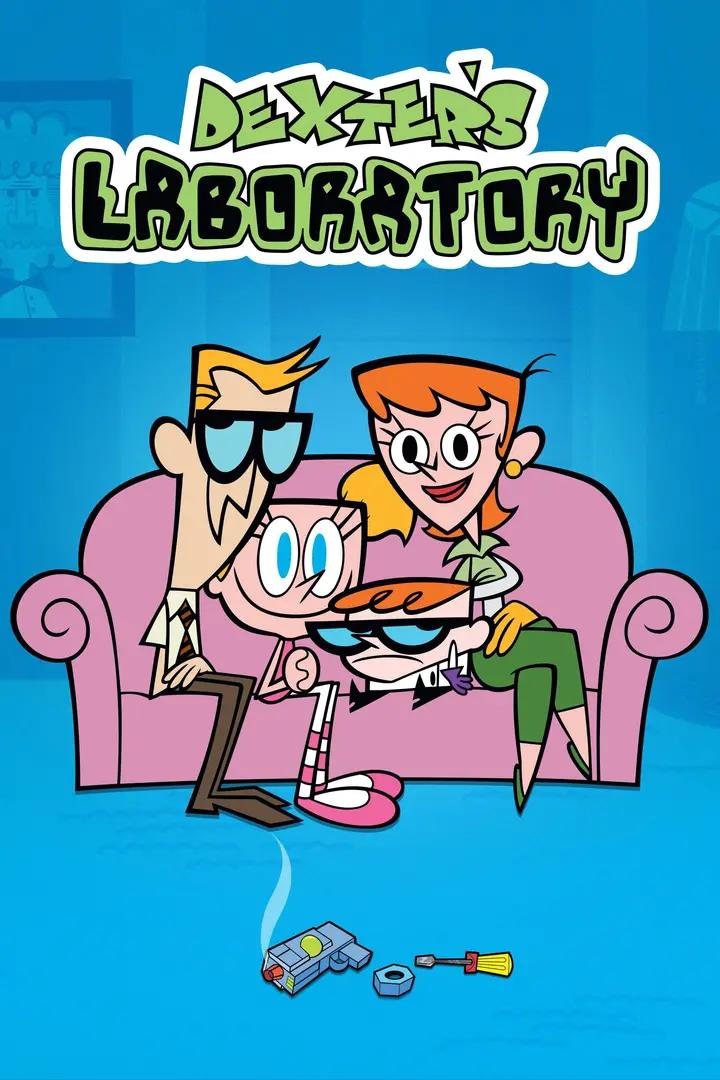
Dexter's Laboratory
Dexter’s secret laboratory turns scientific ambition into fast comedy as inventions collide with Dee Dee’s curiosity and his own overconfidence. The contrast between careful planning and chaotic results gives every experiment a clear comic engine.
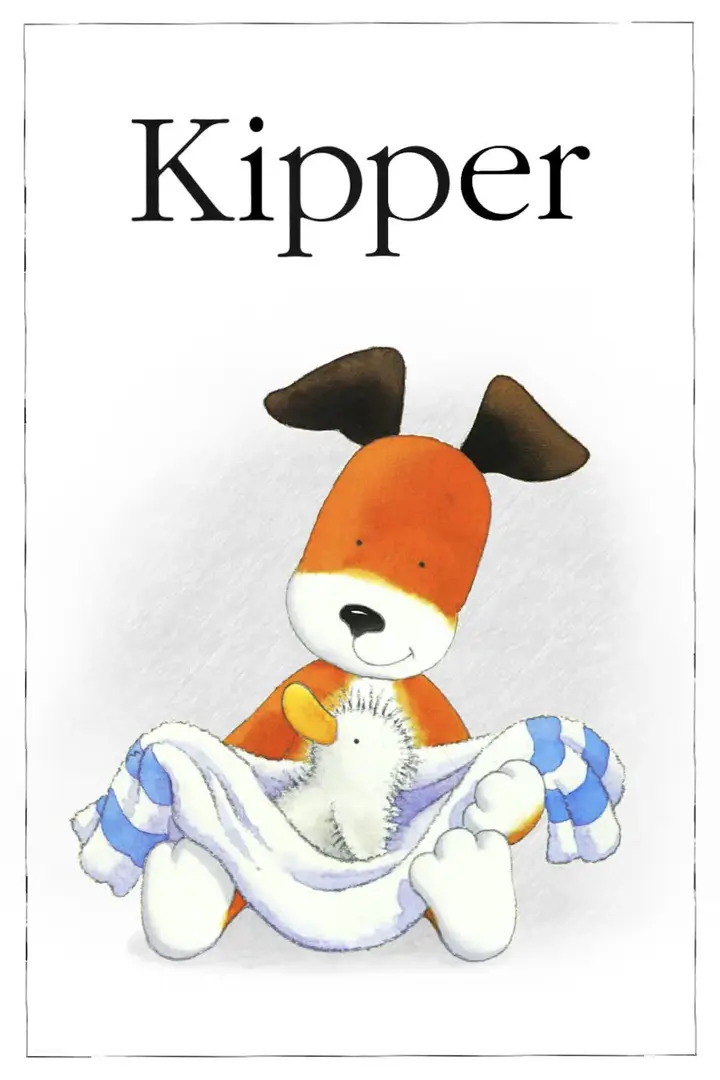
Kipper
Ordinary objects, outings and small discoveries become compact stories shaped by Kipper’s curiosity. Sparse backgrounds, pauses and dry humor leave space for children to notice details, making companionship and observation the main appeal.
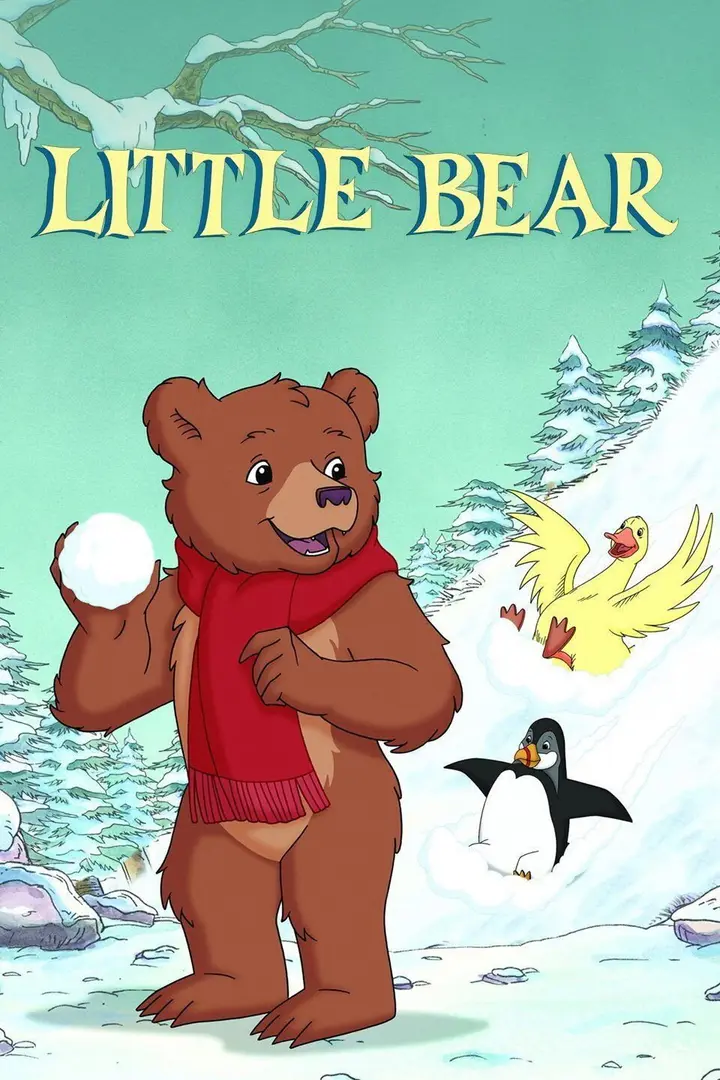
Little Bear
Home-sized adventures unfold through patient conversation, imaginative play and secure family relationships. A visit, game or question has room to develop naturally, giving companionship and observation more importance than speed or conflict.
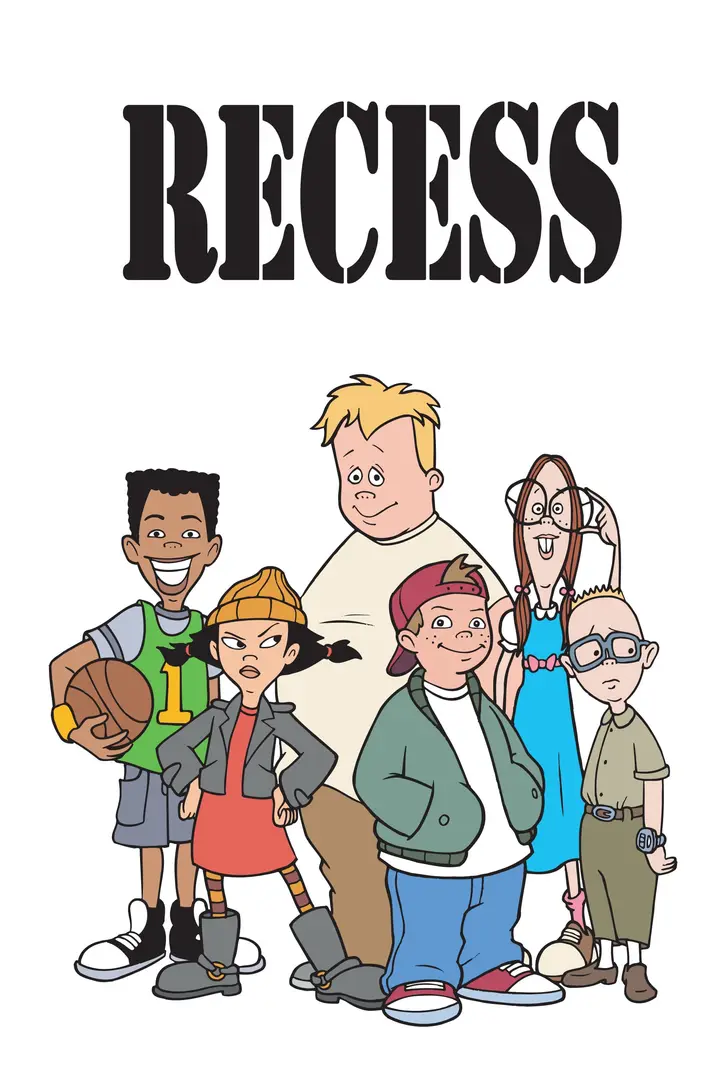
Recess
The playground operates like a miniature society, giving everyday school conflicts clear rules, alliances and consequences. T.J. and his friends solve problems through negotiation, loyalty and teamwork, making social dynamics feel important without losing the comedy.
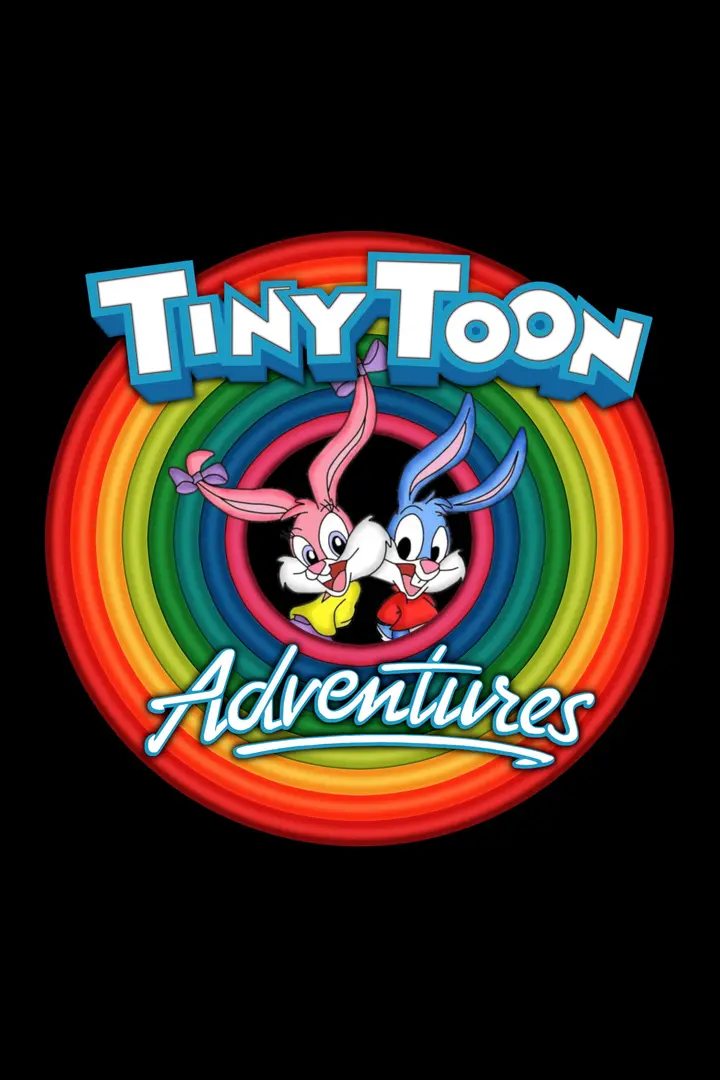
Tiny Toon Adventures
A younger Looney Tunes generation brings slapstick, parody and pop-culture jokes into school life at Acme Looniversity. Buster, Babs, Plucky and their classmates make cartoon chaos feel structured by friendship, competition and performance.
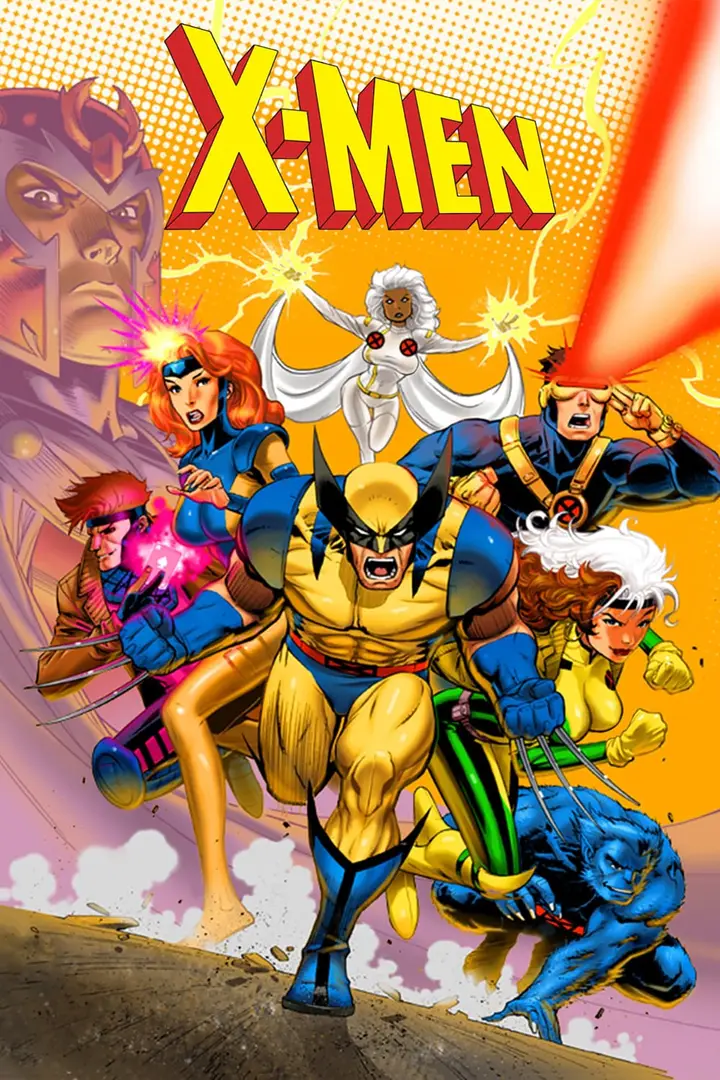
X-Men: The Animated Series
Superhero action carries added weight through prejudice, political fear and the challenge of protecting people who may distrust the X-Men. Strong continuity lets relationships and consequences build across episodes, rewarding viewers who follow longer arcs.
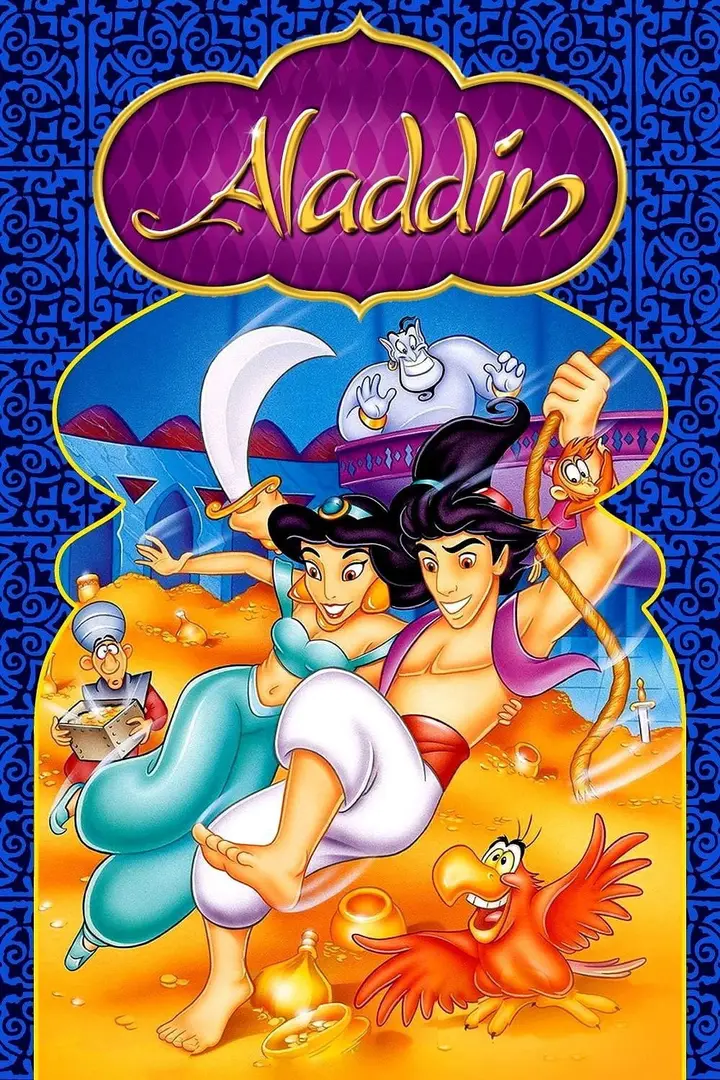
Aladdin
The series expands Agrabah beyond the film through new kingdoms, sorcerers, cursed objects and recurring threats. Jasmine, Genie, Abu, Iago and Carpet all contribute to solutions, giving the adventure a broader team dynamic.
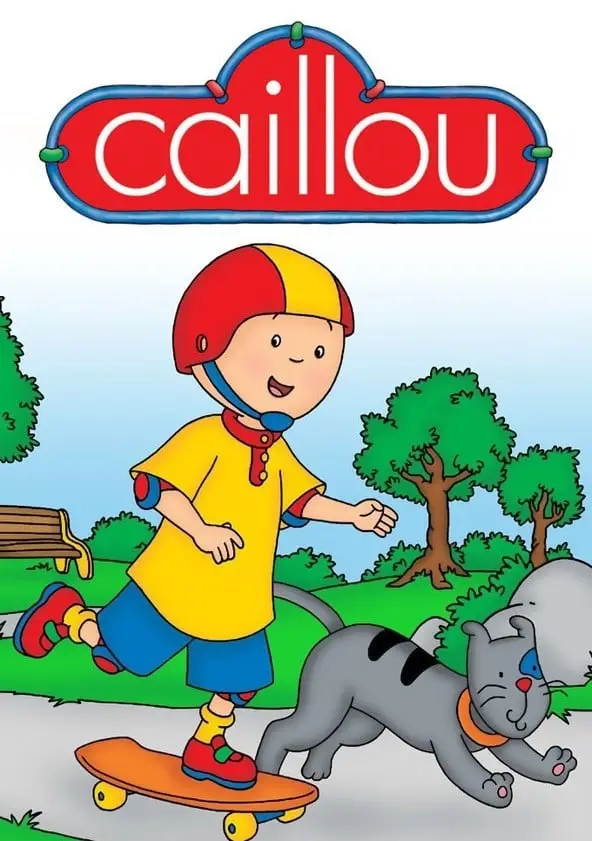
Caillou
Everyday preschool experiences stay close to Caillou’s point of view, making fears, jealousy, sharing and new routines easy to recognize. The simple pacing gives young viewers time to see how small problems are understood and resolved.
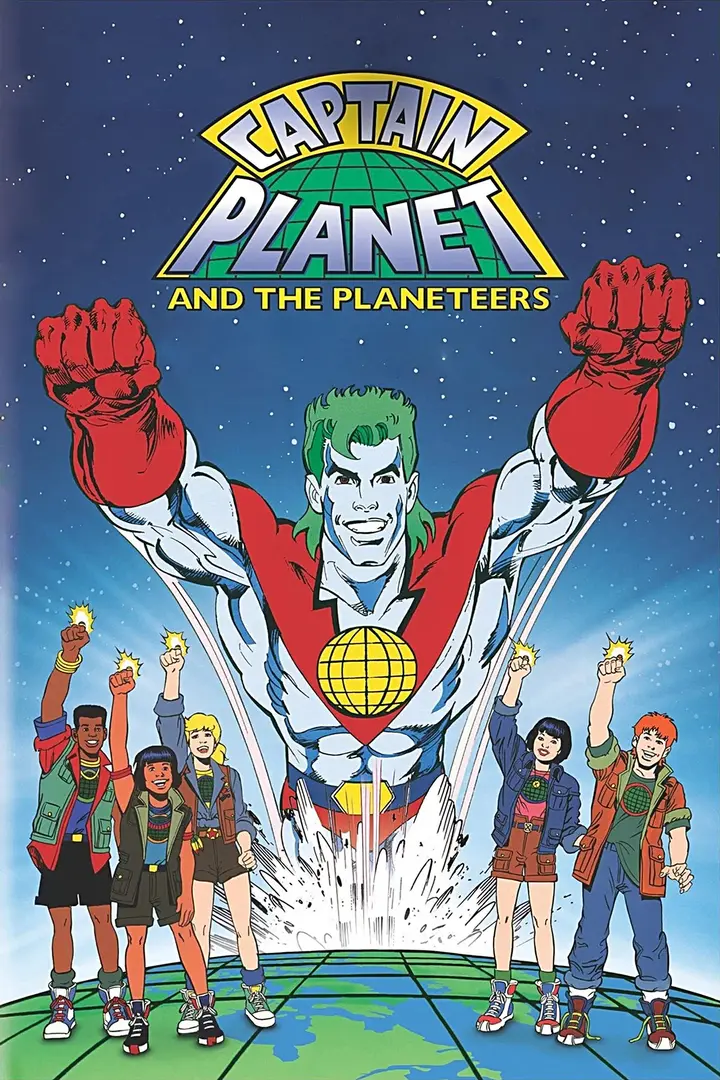
Captain Planet and the Planeteers
Environmental problems become action missions as five teenagers combine different elemental powers and perspectives. The direct structure connects pollution, wildlife protection and resource use to practical choices, giving teamwork a clear global purpose.
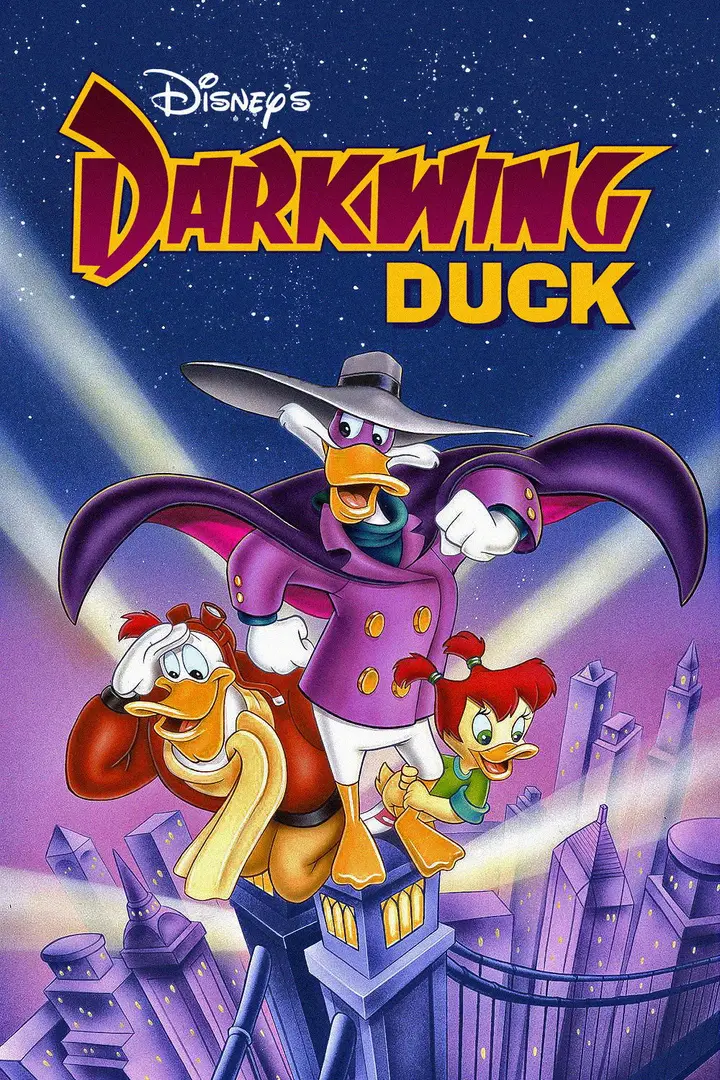
Darkwing Duck
Superhero parody works through Darkwing’s oversized confidence, eccentric villains and a strong makeshift-family dynamic. Gadgets and slapstick keep the action lively, while Gosalyn and Launchpad give the stories more substance than a sequence of jokes.
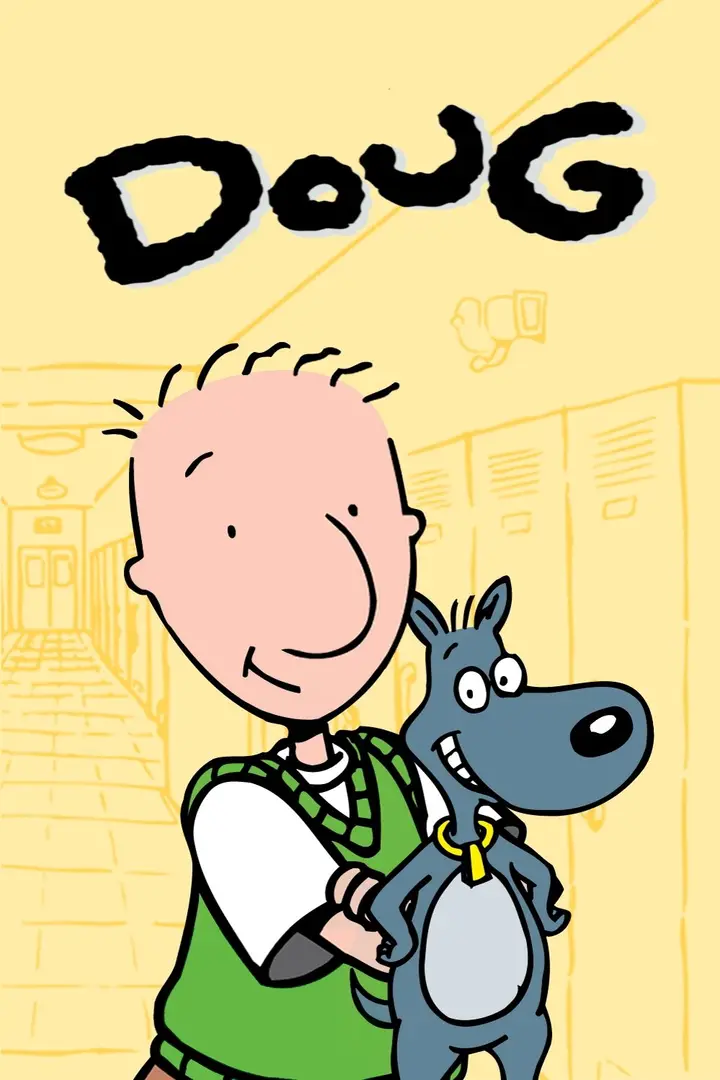
Doug
Doug’s imagination turns ordinary preteen worries into exaggerated fantasies that reveal how large small problems can feel. His journal, friendships and crush on Patti keep the stories focused on identity, embarrassment and growing confidence.
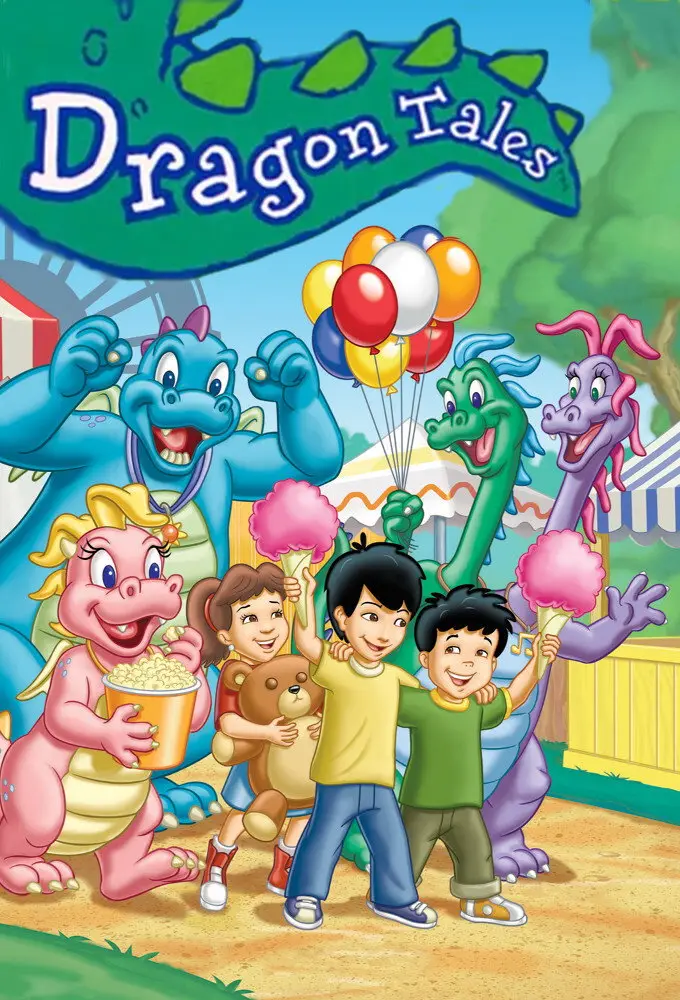
Dragon Tales
Dragon Land enlarges ordinary childhood setbacks into colorful fantasy adventures where cooperation and confidence matter. Emmy, Max and their dragon friends move forward by listening, sharing ideas and supporting one another through each challenge.
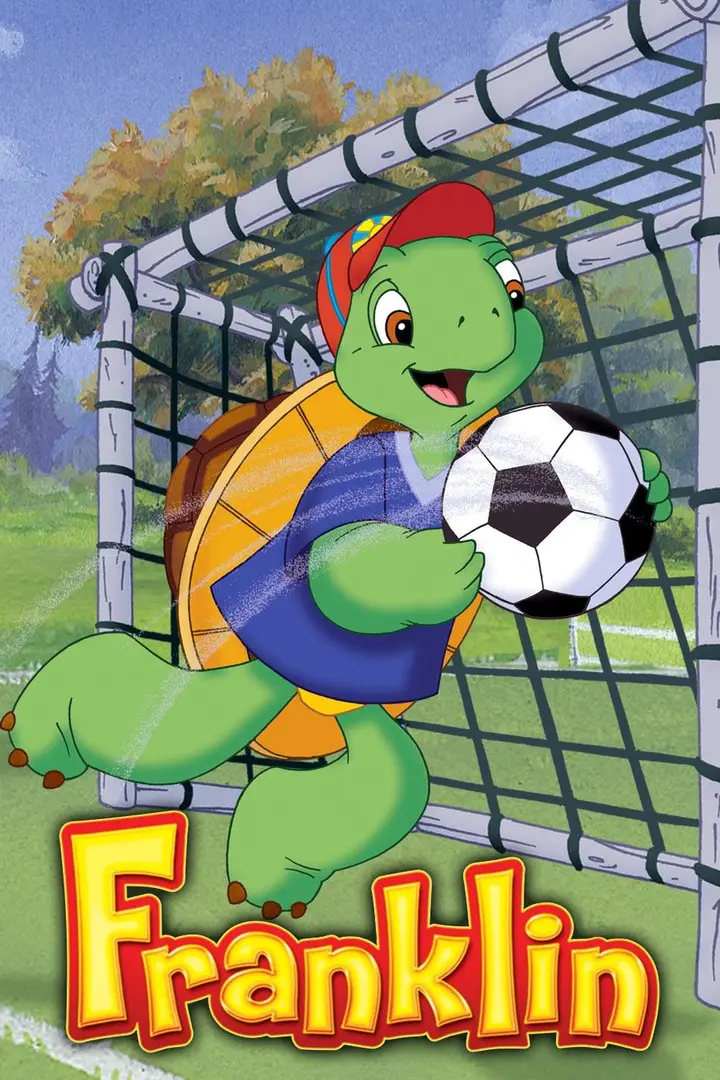
Franklin
Clear childhood dilemmas move through consequence and repair without turning Franklin into a perfect role model. He can worry, boast or make mistakes, then use family and friendship to understand another point of view.
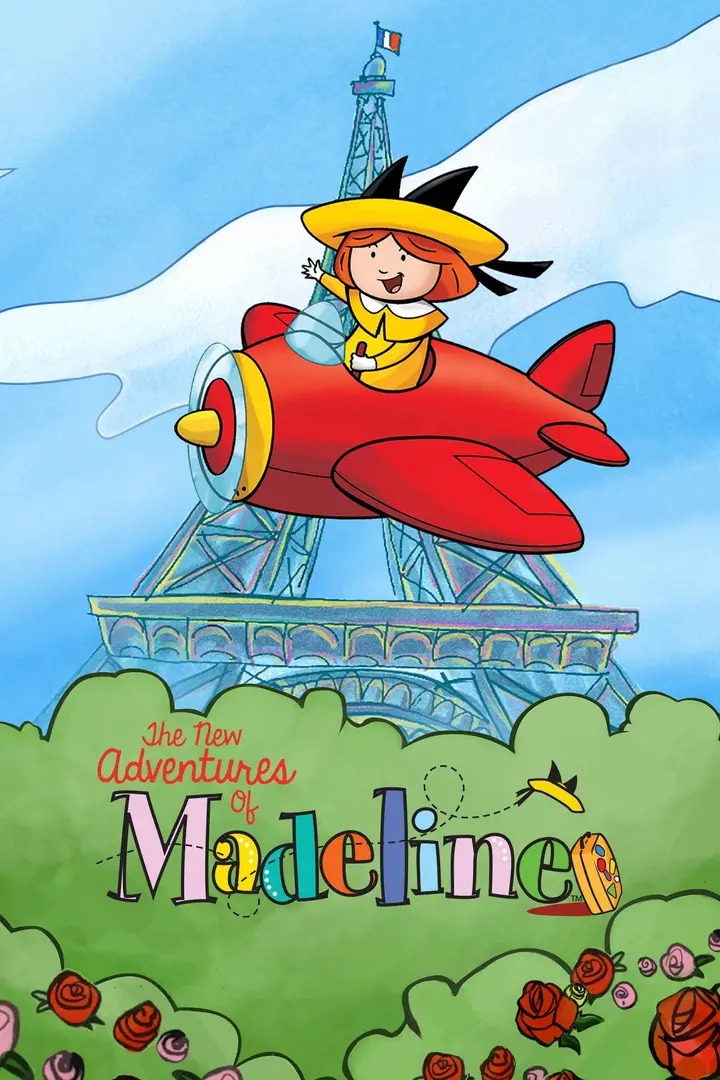
Madeline
Paris, school life and travel give Madeline’s independence a broad storybook world to explore. Her confidence carries her into experiences others might avoid, while rhyming narration and a strong visual identity preserve the books’ distinctive character.
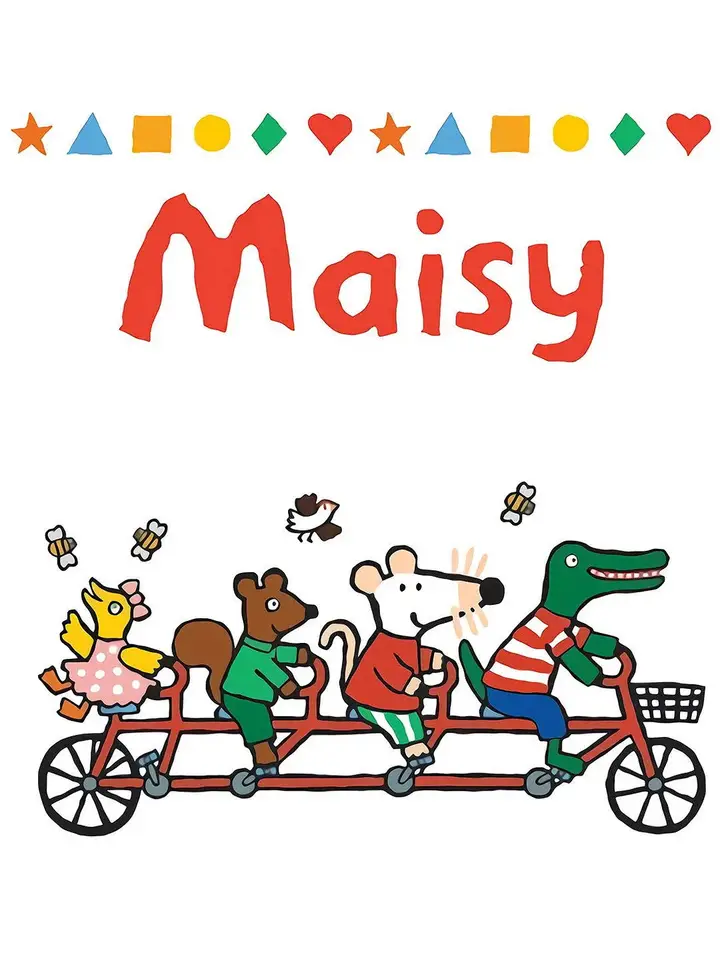
Maisy
Clear narration, uncluttered pictures and familiar routines keep attention on one child-sized activity at a time. Everyday play, outings and simple tasks become easy stories where recognition and participation matter more than suspense.
Questions parents ask
Which classic cartoons still work for kids today?
TFFC keeps 52 pre-2000 animated series in this guide, including The Flintstones, The Smurfs, DuckTales, Batman: The Animated Series, The Magic School Bus, and other titles that still offer a strong family-viewing reason. Each one is judged with current TFFC age guidance, so suitability today matters as much as nostalgia.
Are classic cartoons automatically suitable for young children?
No. Older children’s television can include slapstick violence, scary imagery, denser dialogue, or stereotyped attitudes. TFFC does not lower an age simply because a title was made for children decades ago. Use the current Minimum and Recommended Ages plus the description before deciding whether a classic fits your child.
Why are the classic cartoons grouped by decade instead of ranked?
The purpose is discovery across television history, not a claim that one generation’s favorite is objectively better than another. Decade grouping preserves context and makes browsing easier; the current age guidance and description do the practical work of helping a family choose.


