
Animated Kids’ Shows from Our Netflix Picks
Animated picks across ages, with our guidance and filters.

Animated Kids’ Shows from Our Netflix Picks
Our Netflix TV picks bring together earlier TFFC favourites and newer series already reviewed on our site. Availability varies by country and may change, so check your local Netflix catalogue before watching.
Find the right series
Choose one band. Results show age-relevant series approved by our editors: those whose Minimum-to-Recommended age span overlaps the band, plus individually approved favorites. The Recommended Age is a starting point, not a maximum.
More filters and sort
No series in this guide match this age.
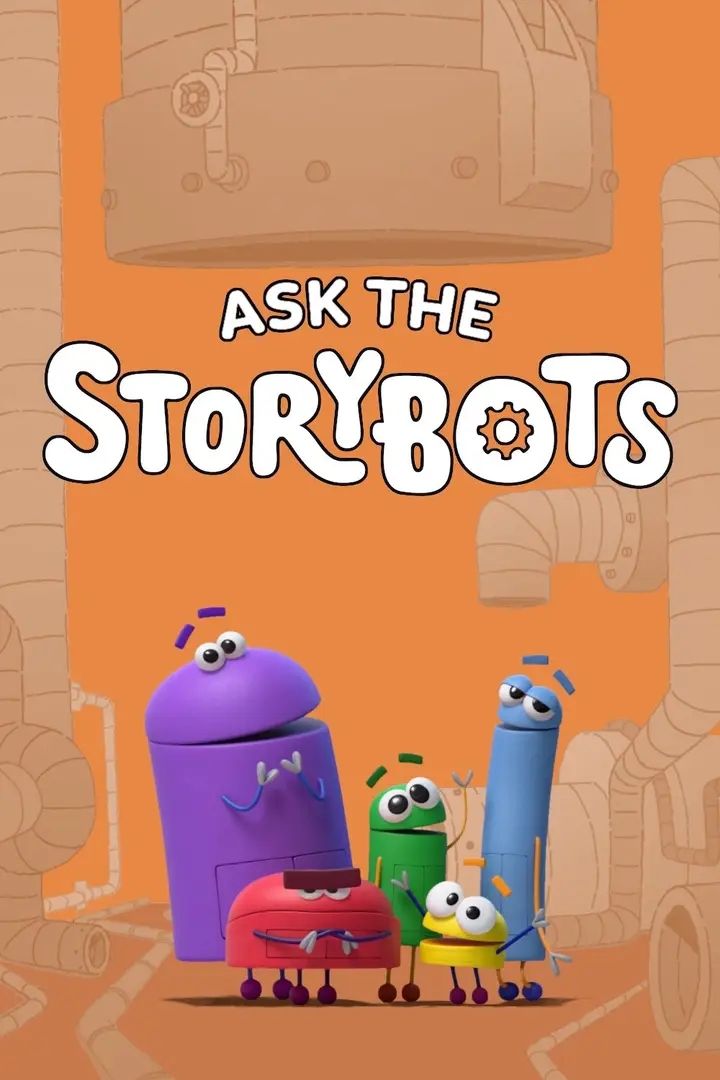
Ask the StoryBots
Children’s questions become investigations through machines, bodies, laboratories and imaginative environments. Songs and comedy keep explanations lively, while the StoryBots gather clues before giving a clear answer grounded in what they discovered.
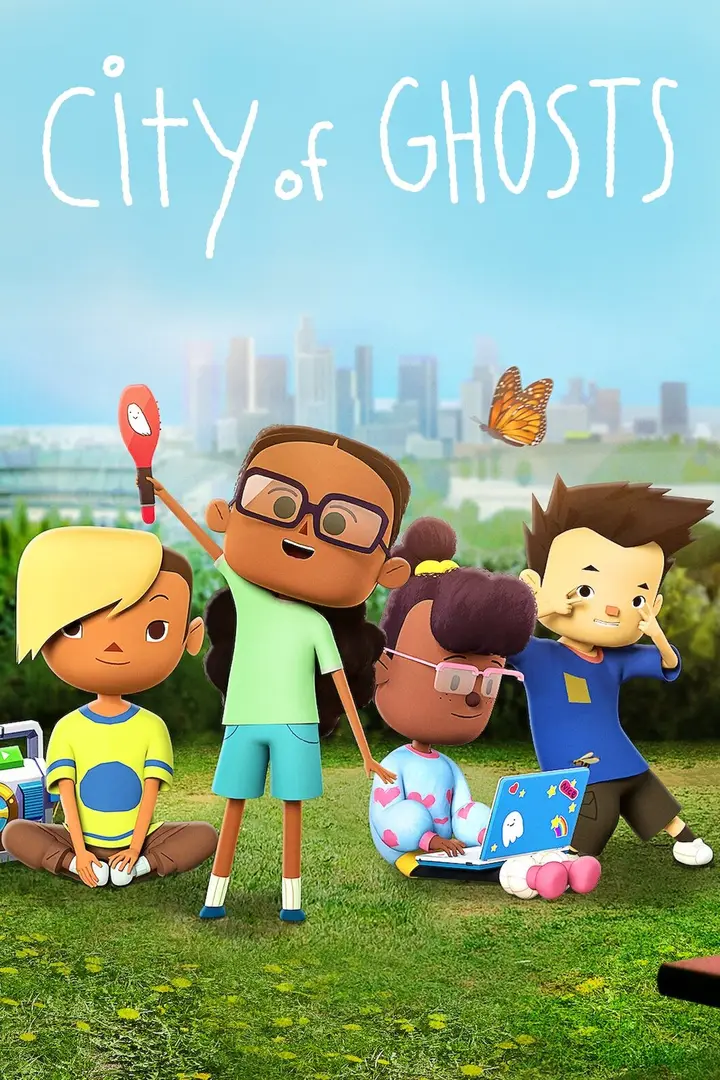
City of Ghosts
By pairing animation with real residents' voices, it turns ghost stories into genuine oral history, using a gentle supernatural frame to introduce specific neighborhoods, traditions, and community memory.
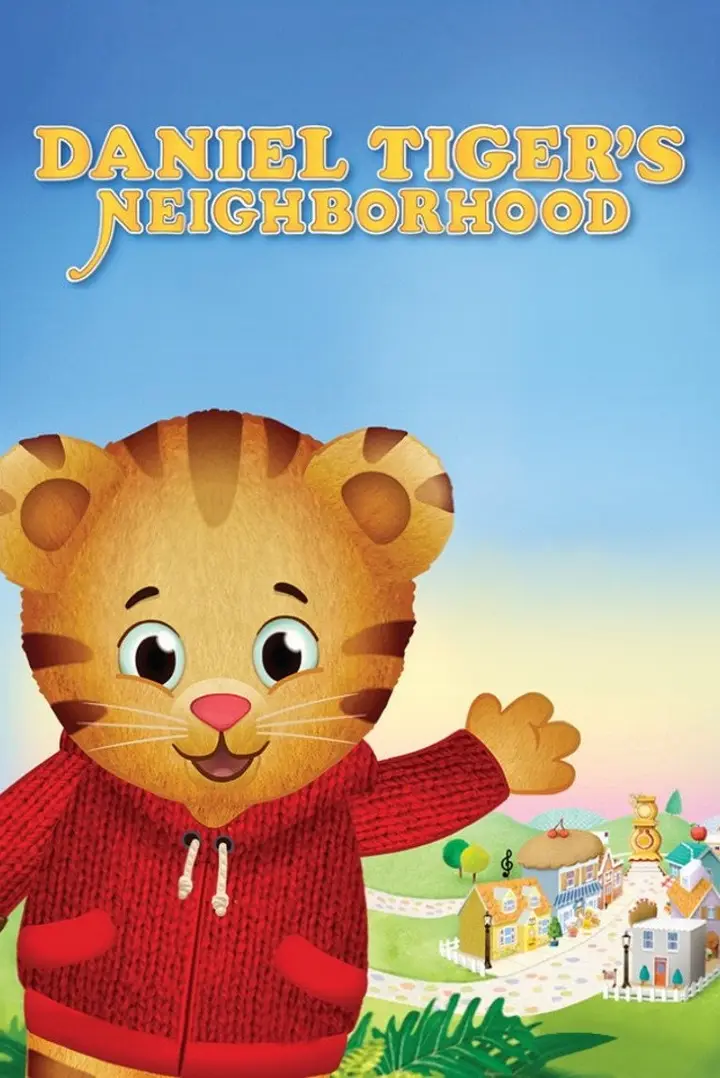
Daniel Tiger's Neighborhood
Everyday preschool situations are broken into feelings, choices and simple strategies children can remember. Short songs turn ideas about anger, sharing, separation and change into practical phrases that can be reused outside the episode.
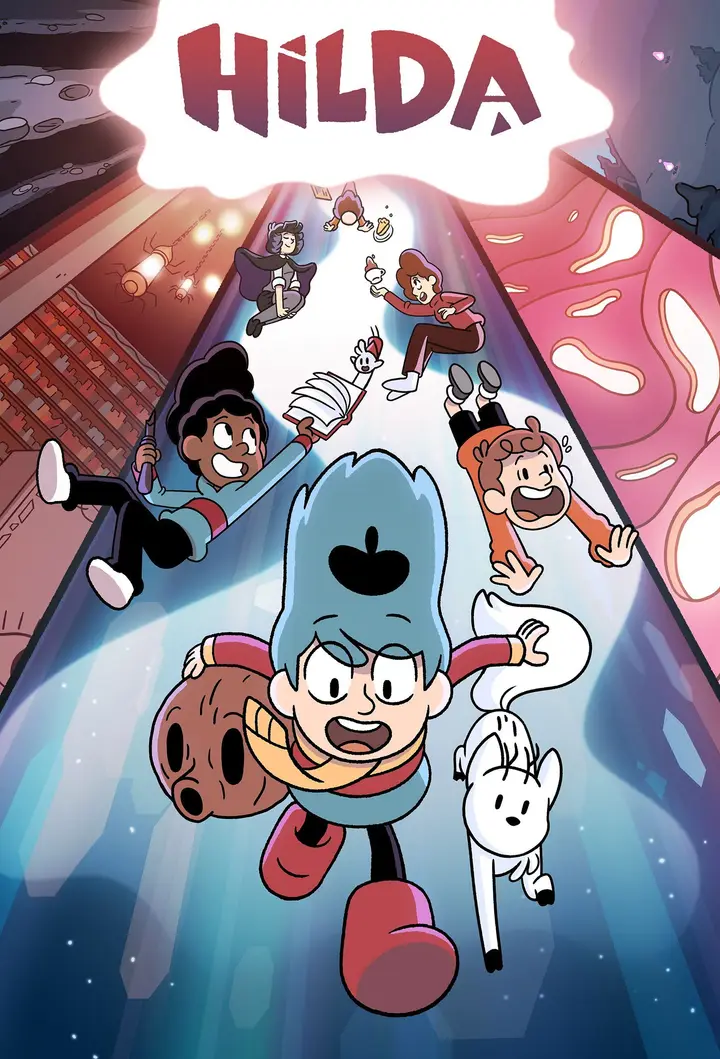
Hilda
Hilda approaches trolls, giants and spirits with curiosity before fear, giving folklore a welcoming sense of discovery. Moving from the wilderness to Trolberg expands the world while keeping friendship and understanding unfamiliar creatures central.
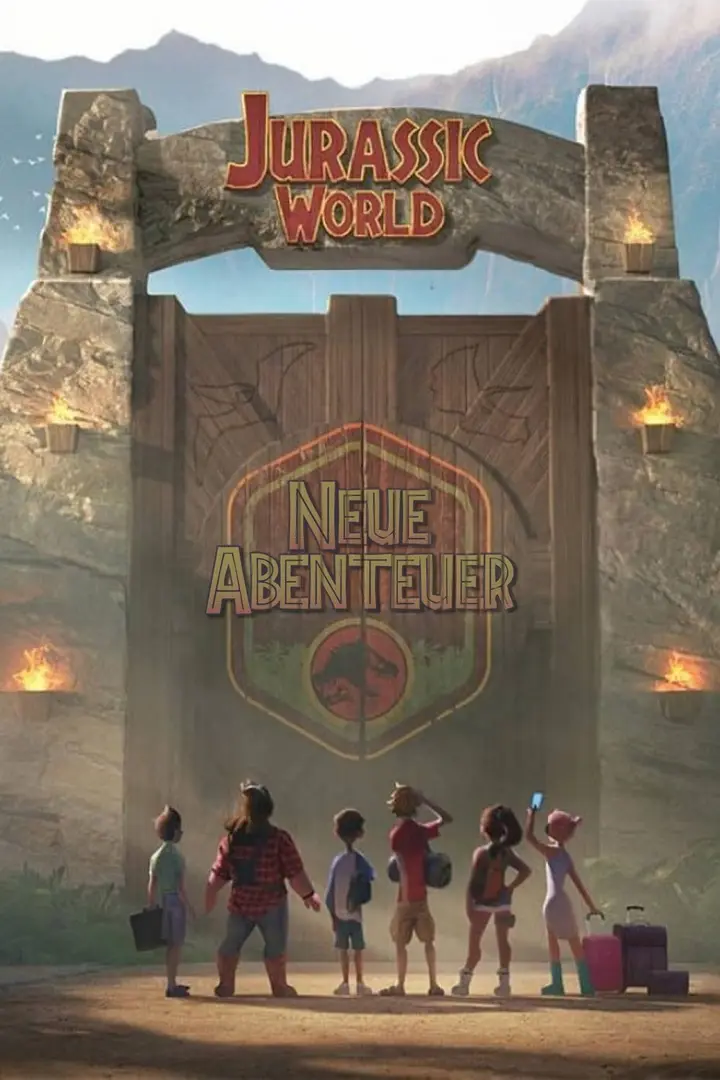
Jurassic World: Camp Cretaceous
It brings real Jurassic World stakes to a teen ensemble, using chases and close calls to force a mismatched group to build the trust that survival actually requires.
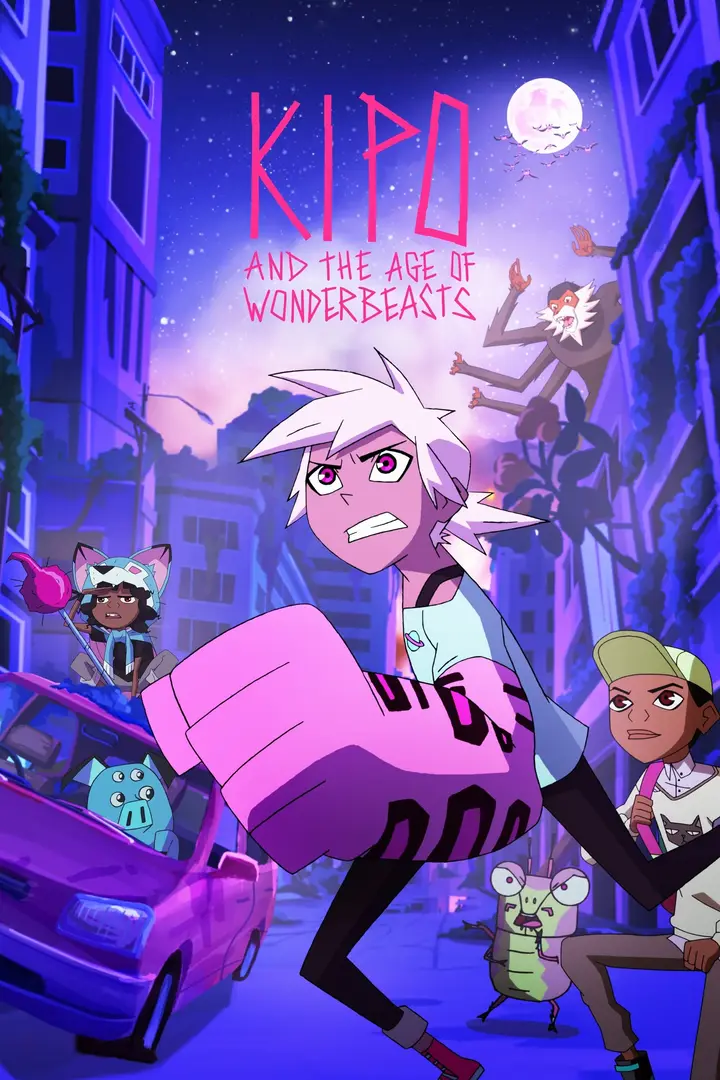
Kipo and the Age of Wonderbeasts
Its post-apocalyptic setting and mutant-animal action stay purely fantastical while the story explores prejudice and coexistence, giving an energetic adventure real thematic weight for older kids.
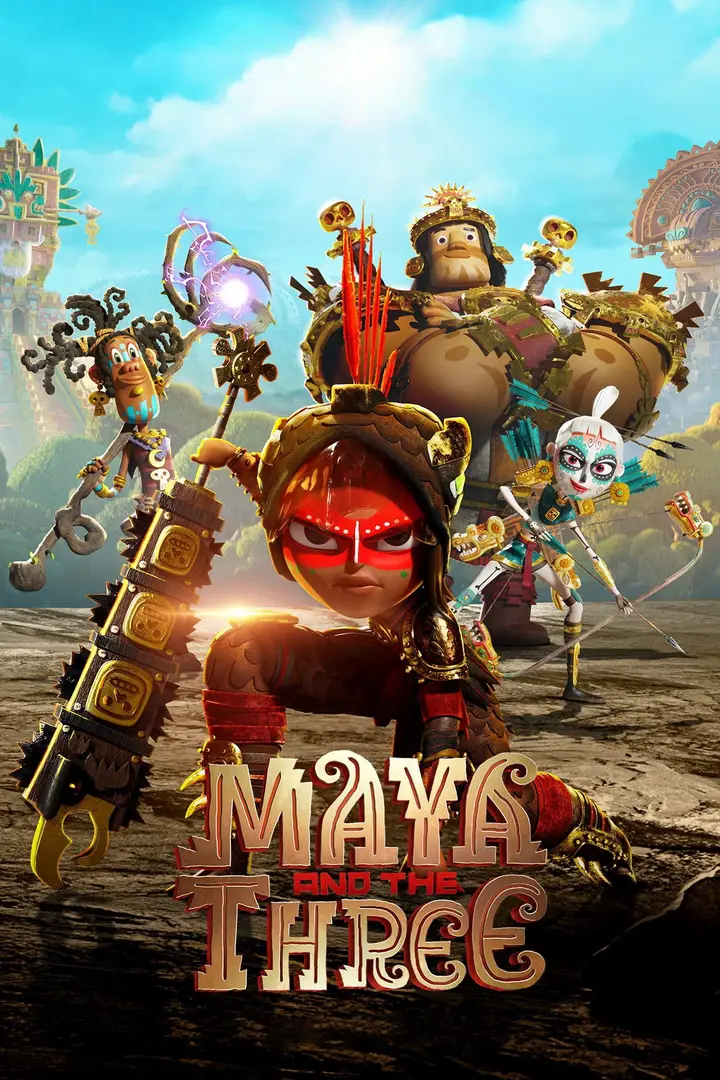
Maya and the Three
Its Mesoamerican-inspired mythology and striking visual design give an already spectacular quest real cultural identity, while the story takes duty and sacrifice seriously rather than treating them lightly.
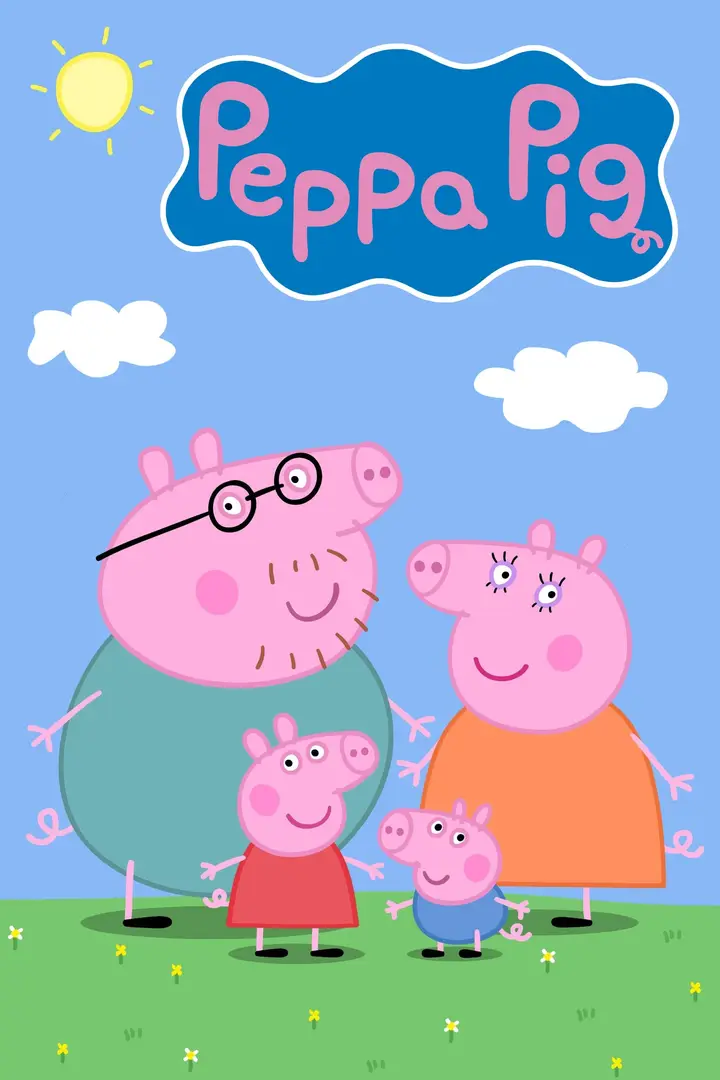
Peppa Pig
Short episodes stay close to familiar preschool life, turning family outings, weather, play and small disagreements into easy stories. Peppa’s confidence and George’s younger perspective give ordinary routines enough contrast to keep them engaging.
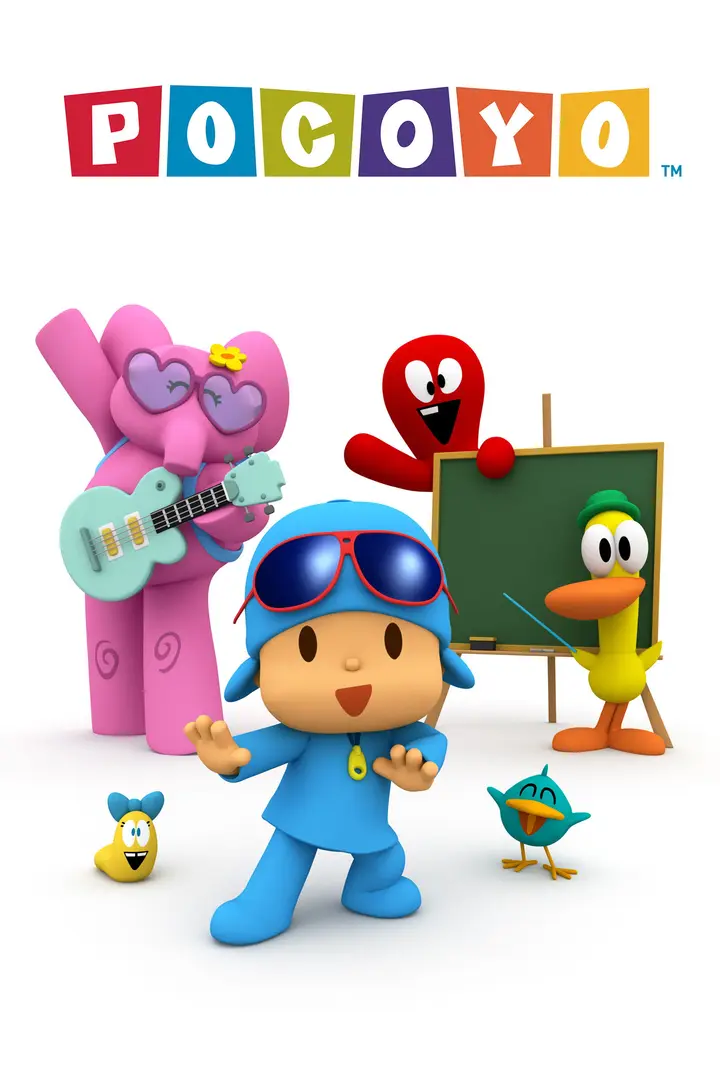
Pocoyo
A simple white world keeps attention on Pocoyo, his friends and the problem in front of them. The narrator’s direct questions create an interactive rhythm that supports curiosity, sharing, patience and recognition of basic feelings.
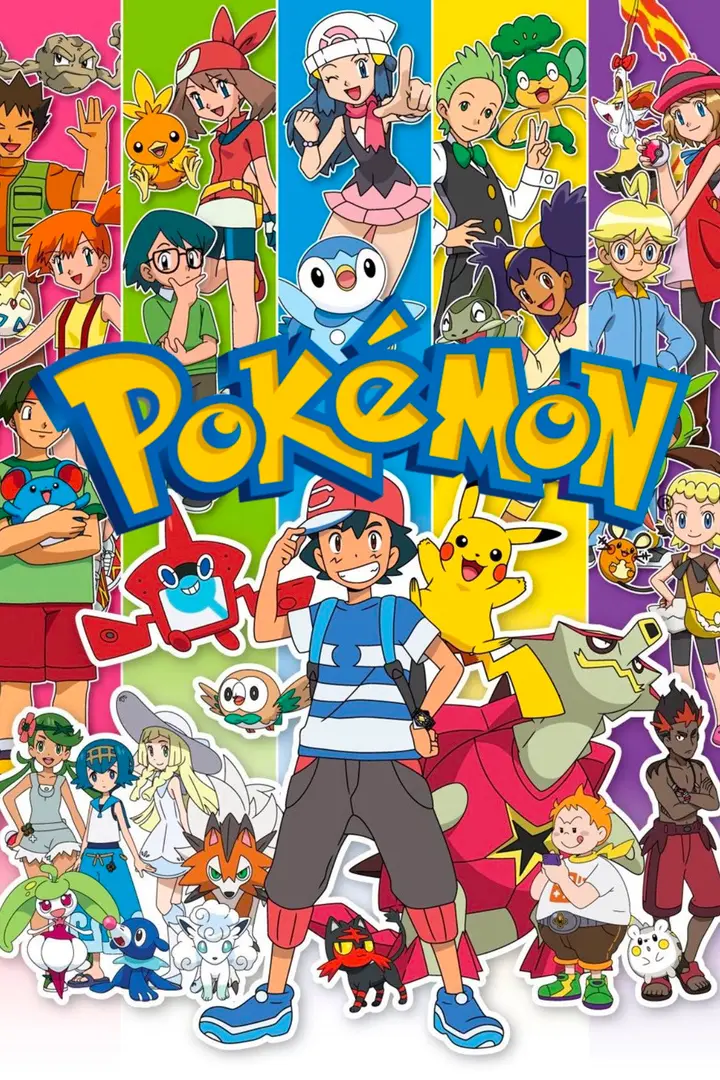
Pokémon
Its clear goals and constant sense of discovery keep the adventure easy to enter, while friendship with each Pokémon matters as much as winning any battle.
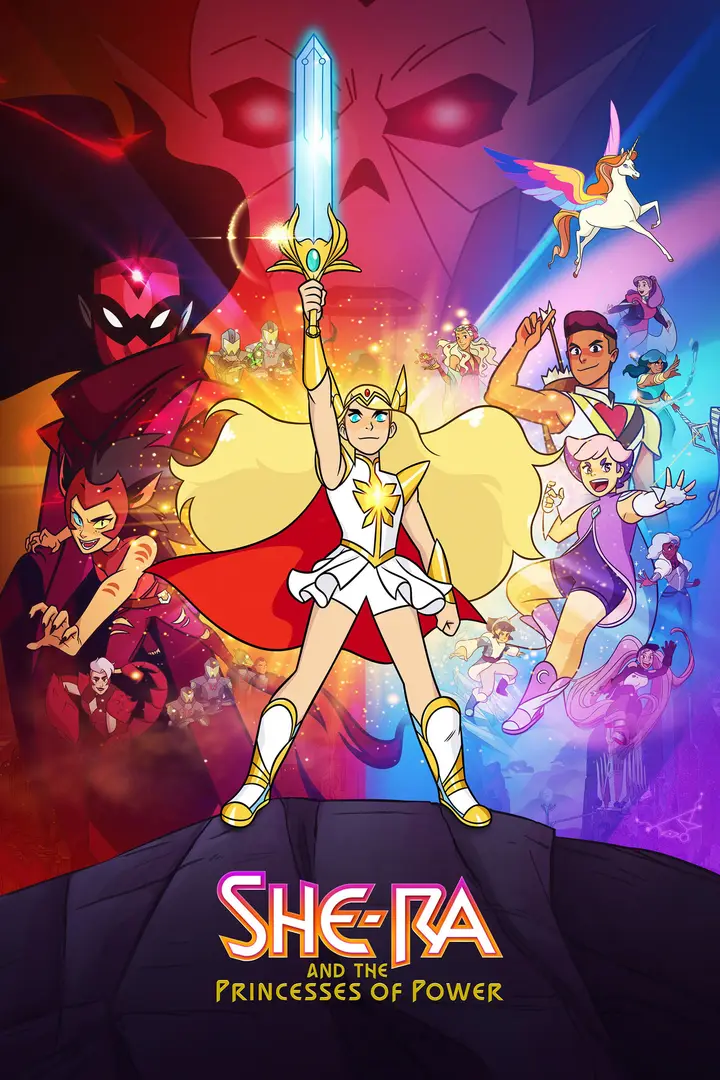
She-Ra and the Princesses of Power
Adora’s discovery that the Horde has deceived her turns fantasy action into a story about loyalty, manipulation and change. Her break with Catra gives the larger rebellion personal stakes that continue across the series.
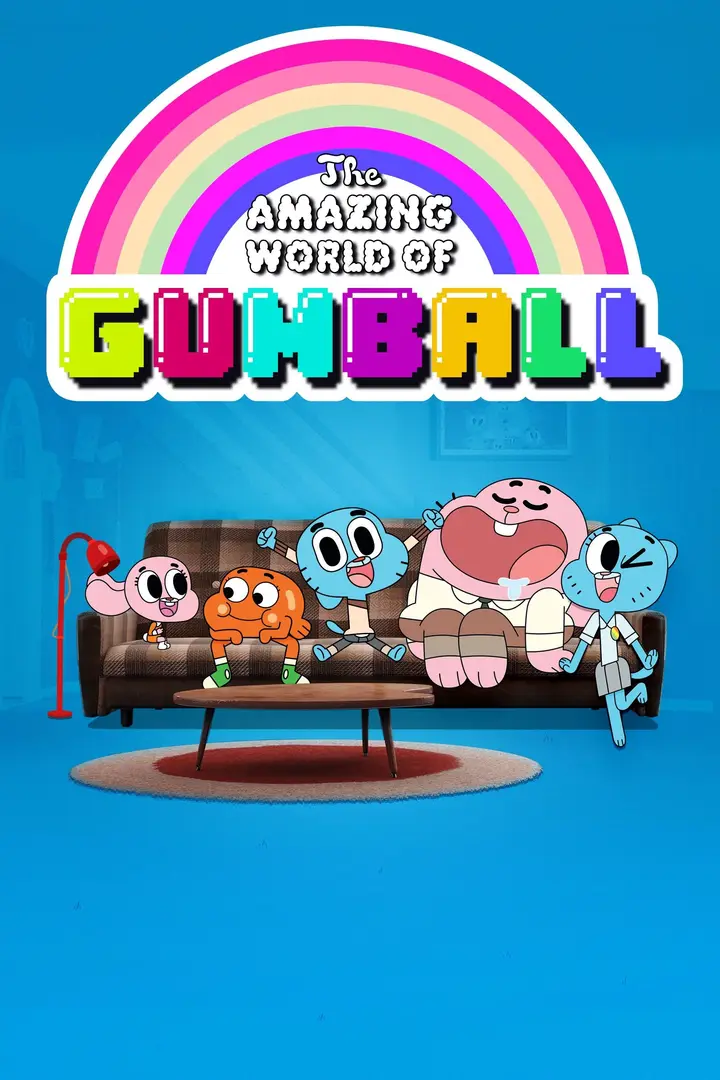
The Amazing World of Gumball
Ordinary school and family problems explode into surreal comedy through mixed animation styles and impossible logic. Gumball and Darwin’s friendship gives the visual chaos a stable center, while satire adds extra layers for older viewers.
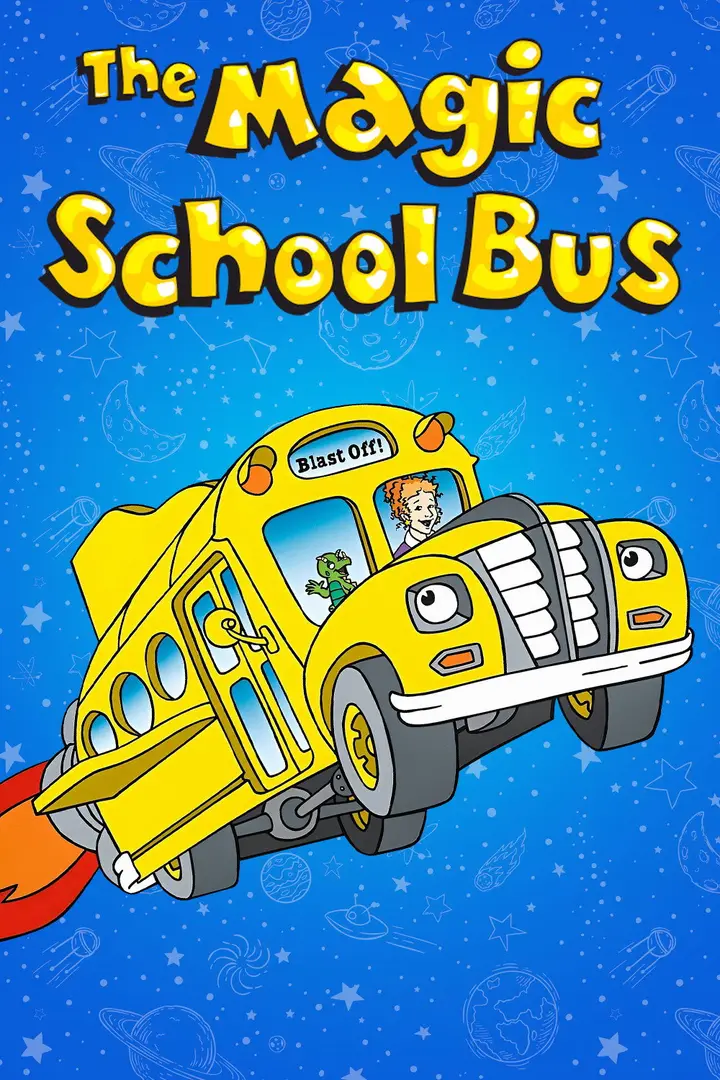
The Magic School Bus
Scientific questions become immersive field trips where the class observes, predicts and tests ideas directly. Ms. Frizzle’s impossible bus turns biology, physics and astronomy into memorable experiences while keeping curiosity and experimentation at the center.
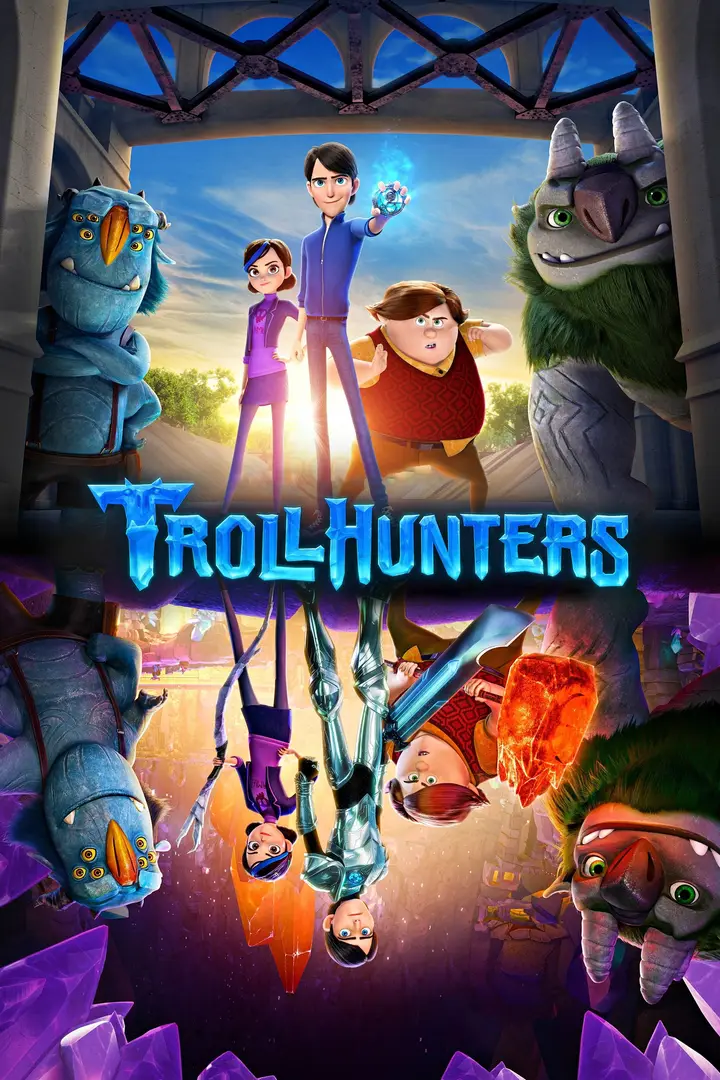
Trollhunters: Tales of Arcadia
Jim’s ordinary school life collides with a hidden troll civilization after he is chosen as its human protector. Training, friendship and duty give the fantasy action clear stakes that grow steadily across the serialized story.
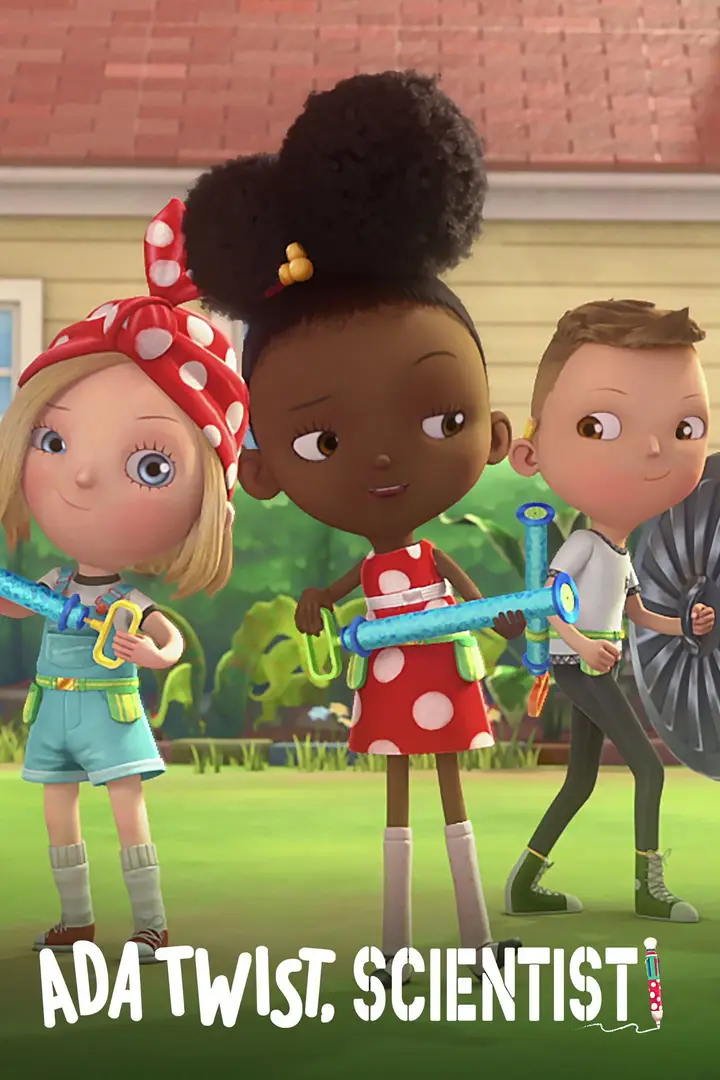
Ada Twist, Scientist
It treats science as an ongoing process of guessing, testing, and failing rather than a set of correct answers, modeling curiosity and good questions as skills worth practicing.
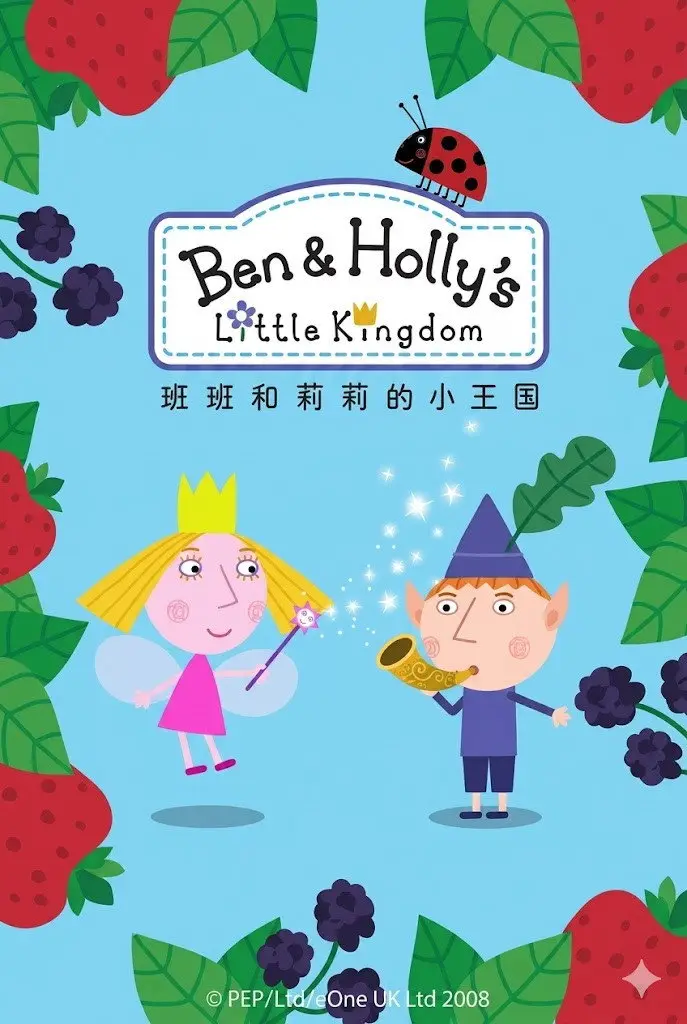
Ben & Holly's Little Kingdom
Magic and practical problem-solving constantly collide as Holly learns spells and Ben relies on elf skills and inventions. The contrast creates clear comedy while keeping friendship, family and everyday preschool situations at the center.

Carmen Sandiego
Carmen’s missions combine action with geography, history and cultural information as she stays ahead of V.I.L.E. Planning, disguises and teamwork make each theft a strategic problem, while her targets keep the moral framework clear.
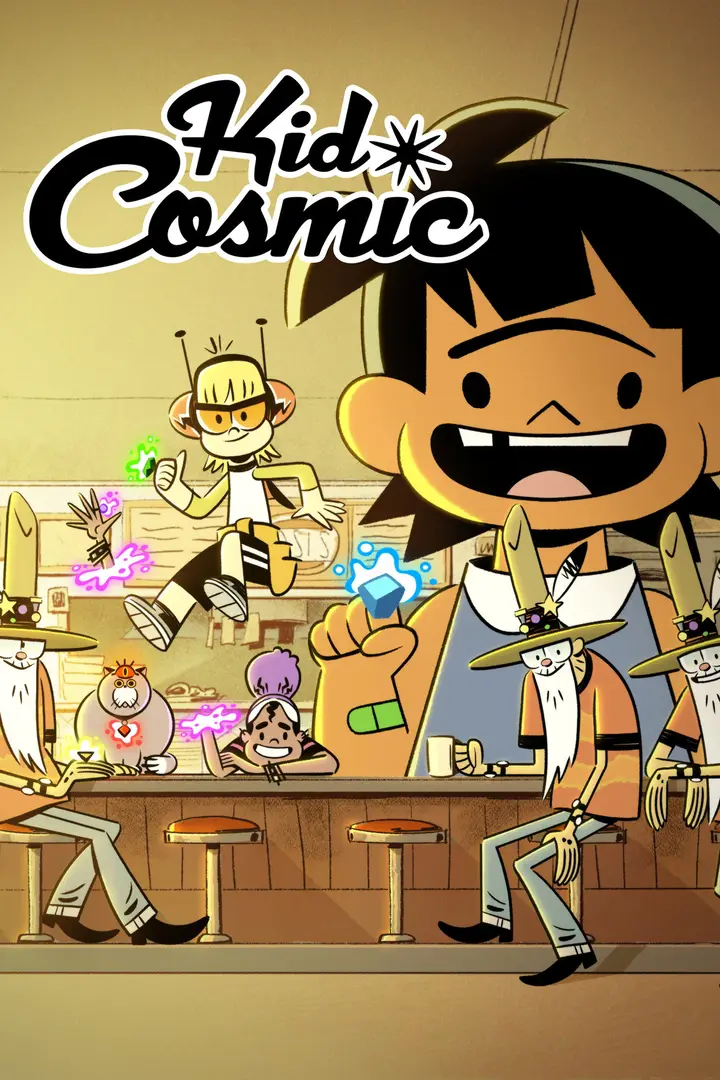
Kid Cosmic
Kid Cosmic treats failure as part of becoming capable rather than something to hide. Its heroes make mistakes, misjudge opponents and sometimes lose badly, then learn to listen, cooperate and reconsider what being heroic means. Beneath the bright comic-book energy is a compassionate idea: real heroes help rather than simply defeat whoever looks like the enemy.
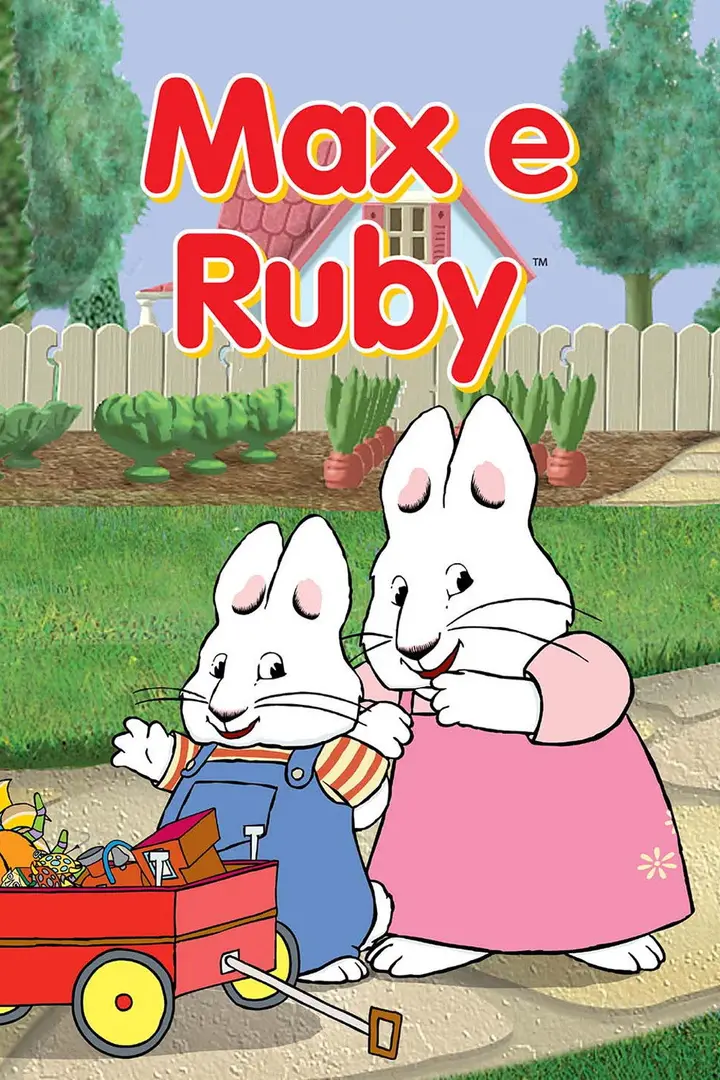
Max & Ruby
Ruby’s careful plans and Max’s single-minded ideas create a simple sibling pattern that preschoolers can anticipate. Their differences drive the comedy, while the endings repeatedly show that Max’s approach has value too.
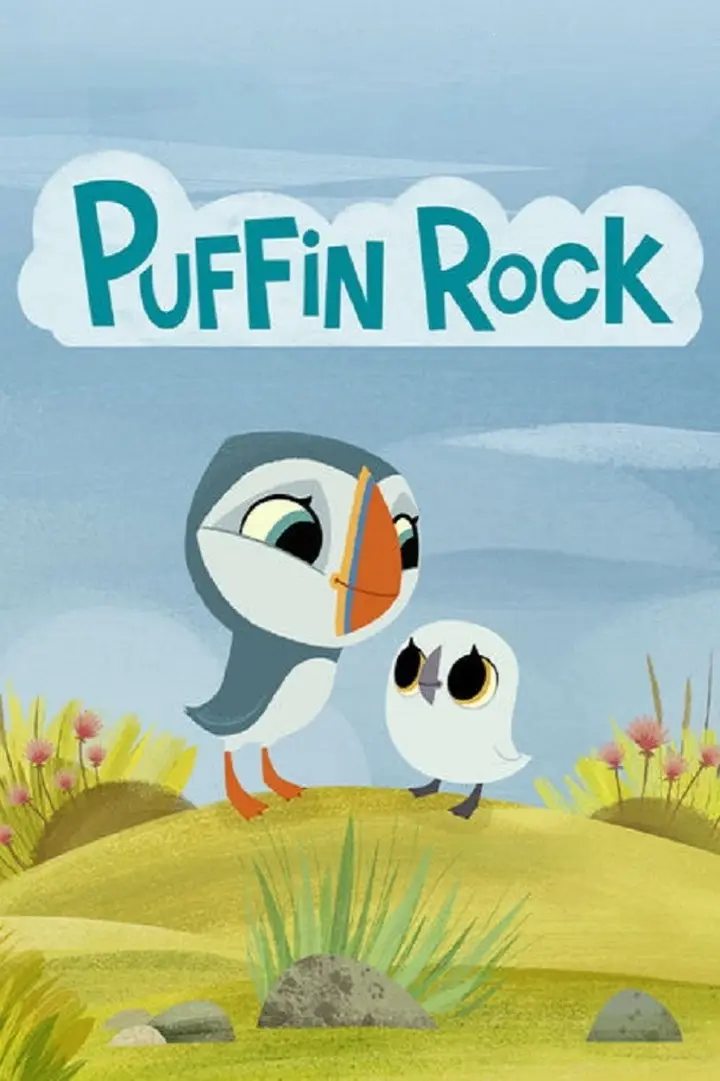
Puffin Rock
Oona and Baba explore island life through tides, weather, migration and animal behavior, keeping nature observation inside family stories. The slow pace and small discoveries make curiosity itself the main source of adventure.
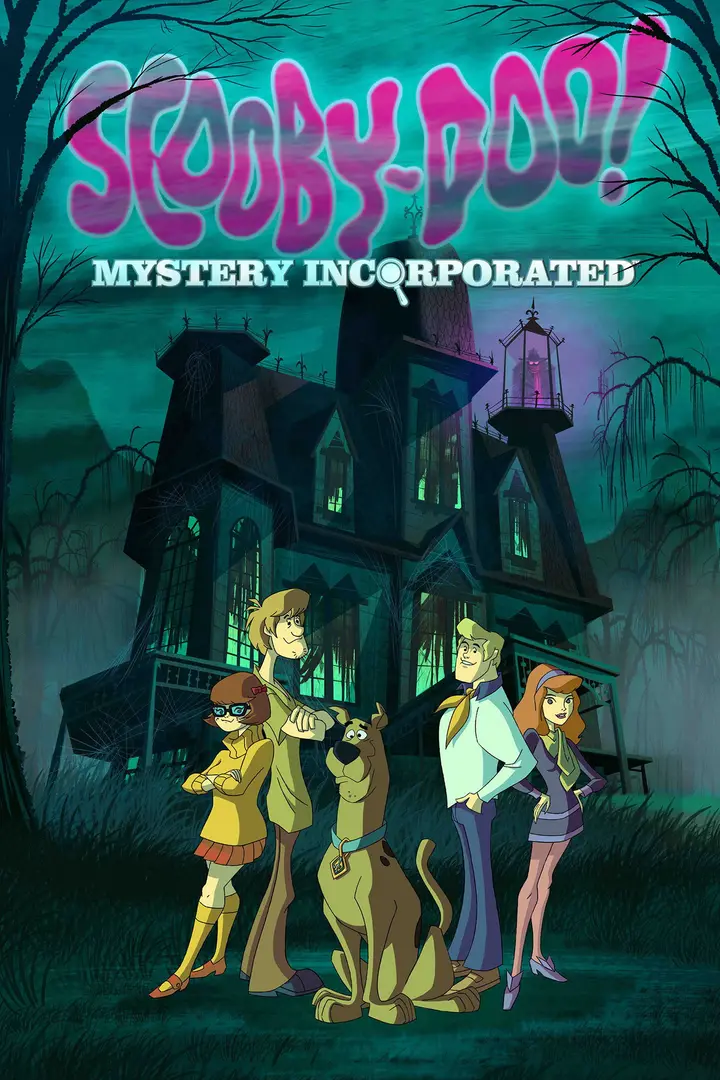
Scooby-Doo! Mystery Incorporated
Familiar monster mysteries are woven into a larger serialized puzzle about Crystal Cove’s past. Individual cases still deliver traps and comedy, while hidden clues, earlier mystery teams and relationship conflicts give the series deeper continuity.
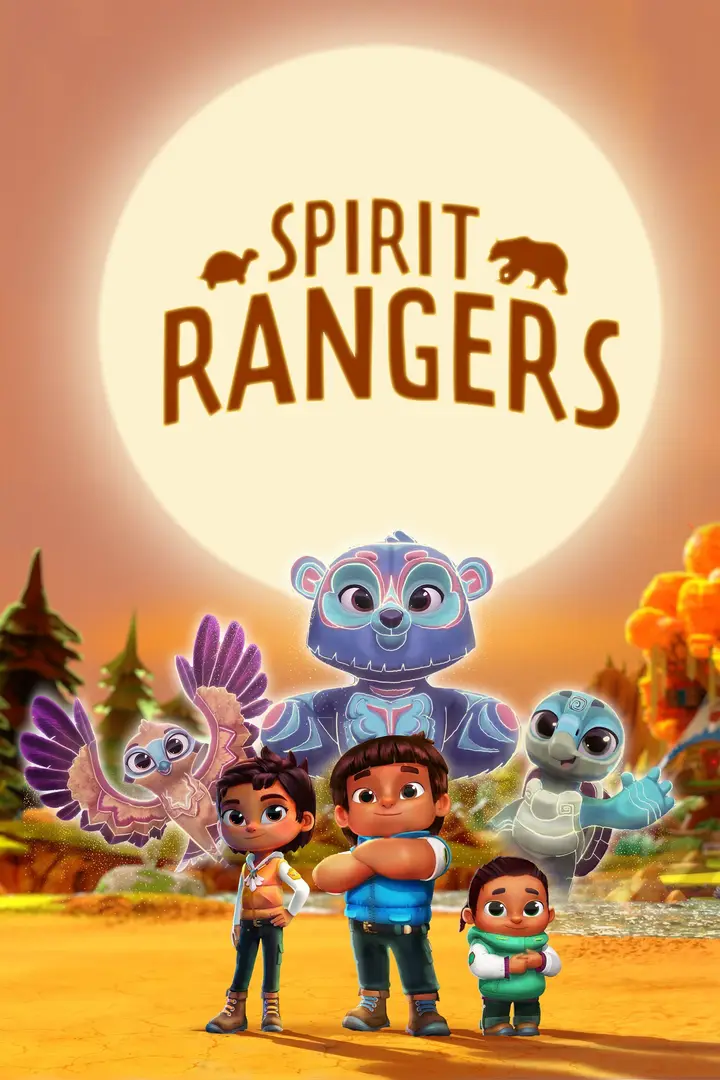
Spirit Rangers
It treats Native American spirituality and land connection as a consistent, lived part of the story rather than decoration, giving fantasy transformation adventures genuine cultural grounding.
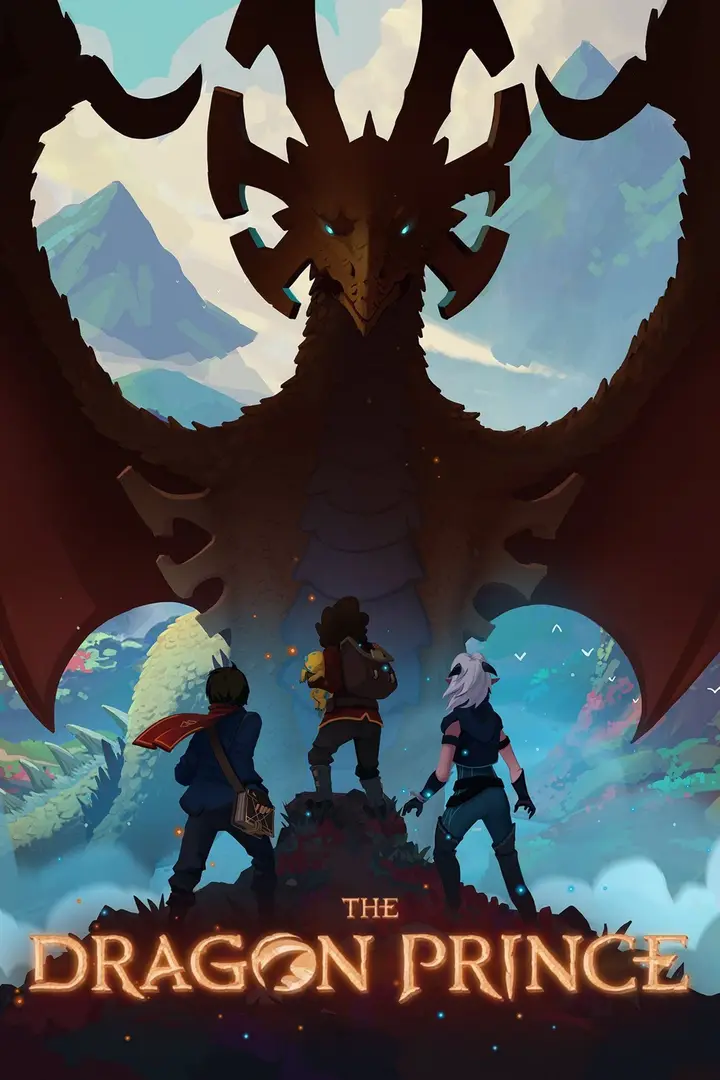
The Dragon Prince
A mission to return the dragon prince’s egg reframes a conflict built on mistrust between humans, elves and dragons. Magic, politics and family loyalty make the journey morally complex without losing its adventure momentum.
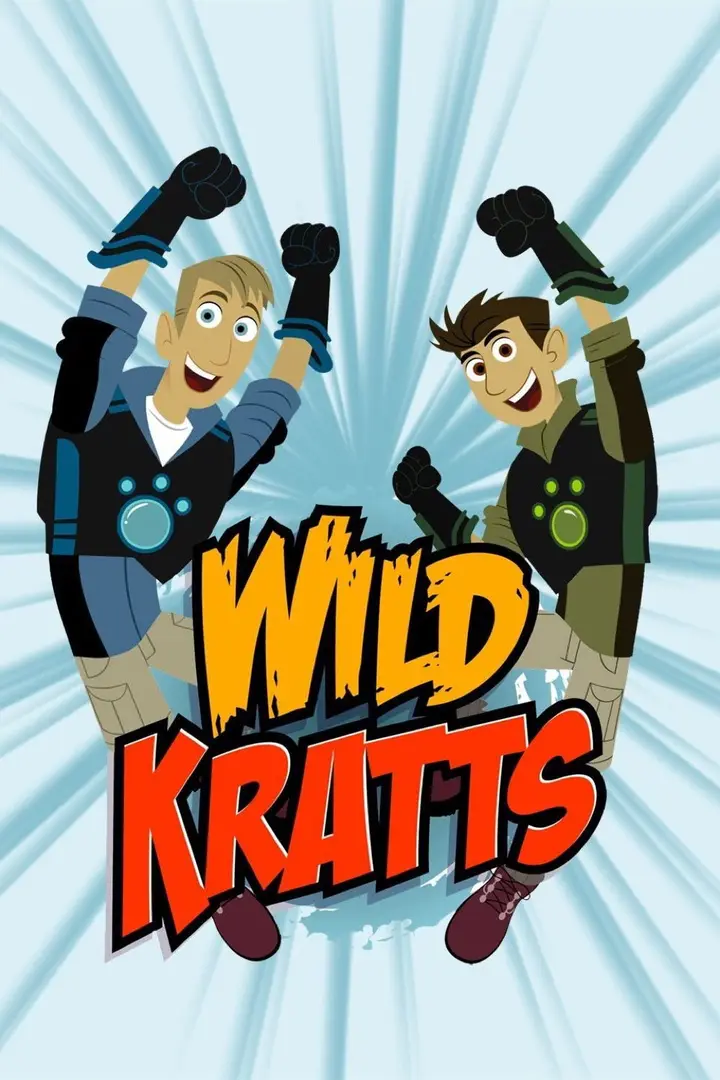
Wild Kratts
Creature Power suits turn real animal adaptations into adventure tools, making biology visible and memorable. Chris and Martin connect habitats, behavior and conservation to practical missions, so facts are learned through action instead of detached explanation.
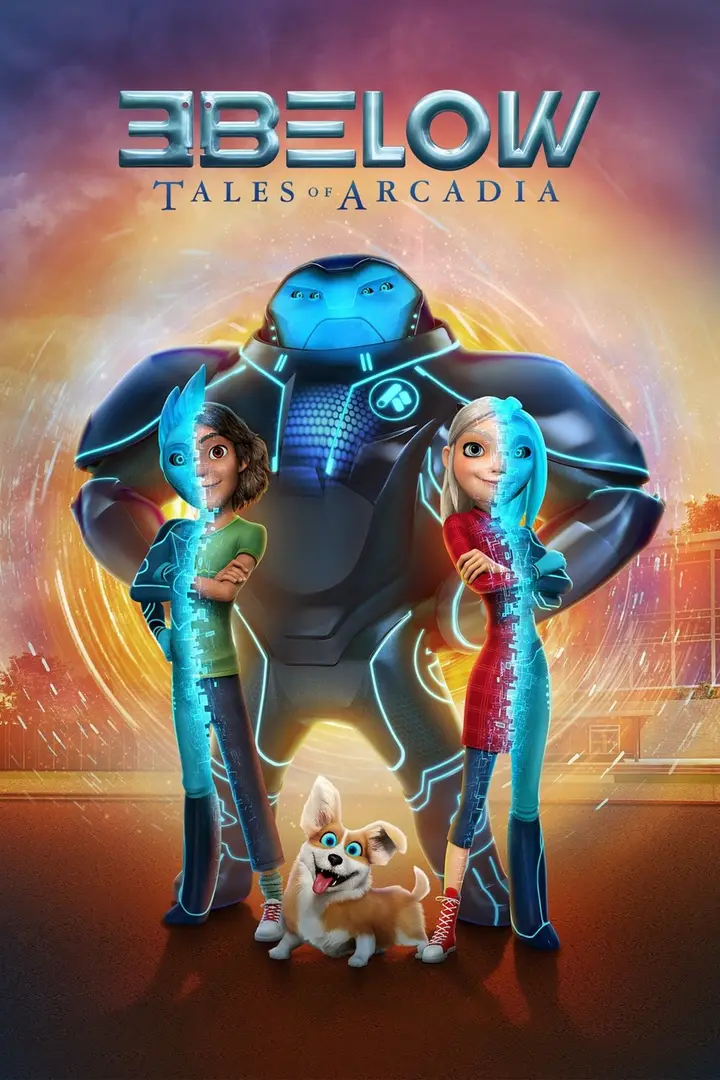
3Below: Tales of Arcadia
Aja and Krel’s escape from a coup turns science-fiction adventure into a story about displacement, identity and responsibility. Learning Earth customs adds comedy, while repairing their ship keeps the larger survival goal active.
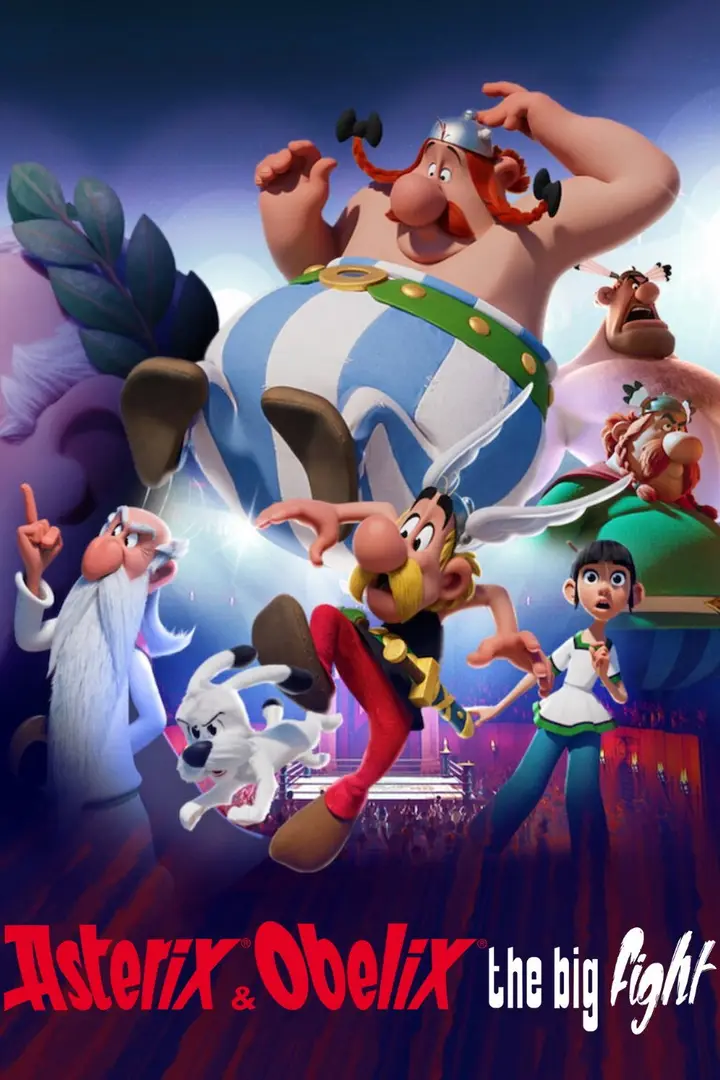
Asterix & Obelix: The Big Fight
Without the magic potion, the heroes have to rely on cleverness and on each other, which gives the slapstick a real story about friendship and community. The five episodes make a manageable family mini-series.
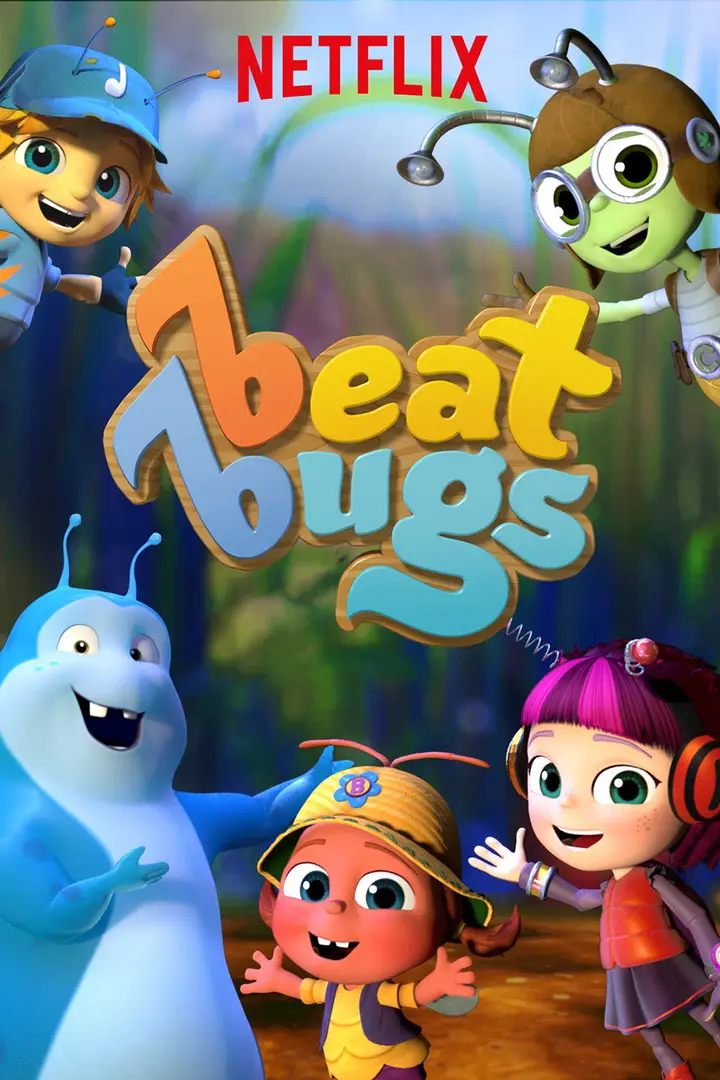
Beat Bugs
Beatles songs become part of friendship stories about fears, misunderstandings and new experiences. The garden setting keeps the scale accessible, while music gives each problem another way to express confidence, empathy and cooperation.
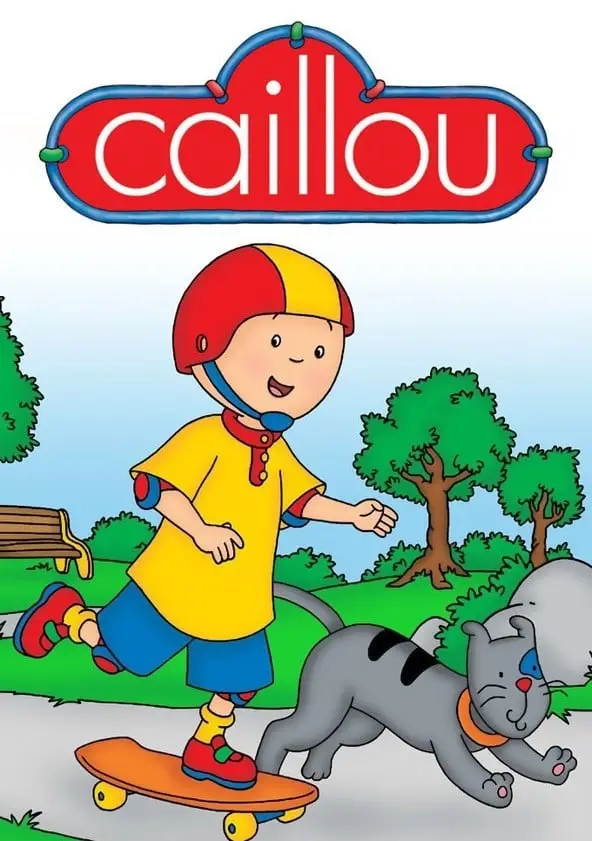
Caillou
Everyday preschool experiences stay close to Caillou’s point of view, making fears, jealousy, sharing and new routines easy to recognize. The simple pacing gives young viewers time to see how small problems are understood and resolved.
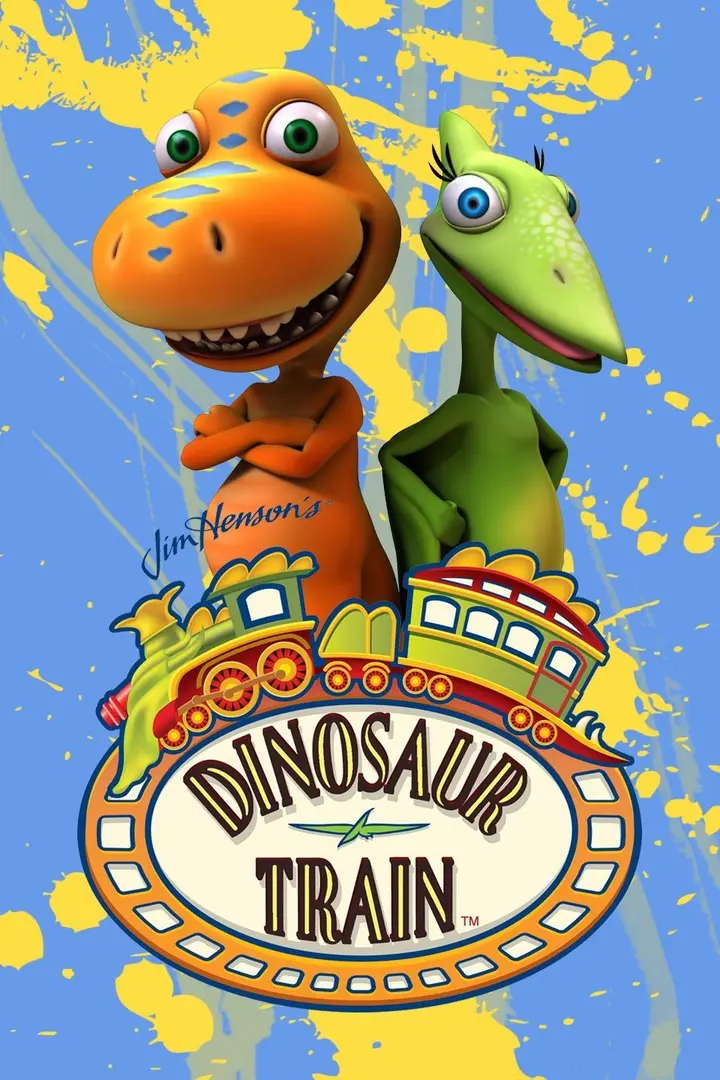
Dinosaur Train
Time-travel train journeys turn paleontology into family exploration as Buddy compares species, habitats and prehistoric periods. Observation and classification stay part of the story, so scientific curiosity grows naturally from each new dinosaur encounter.
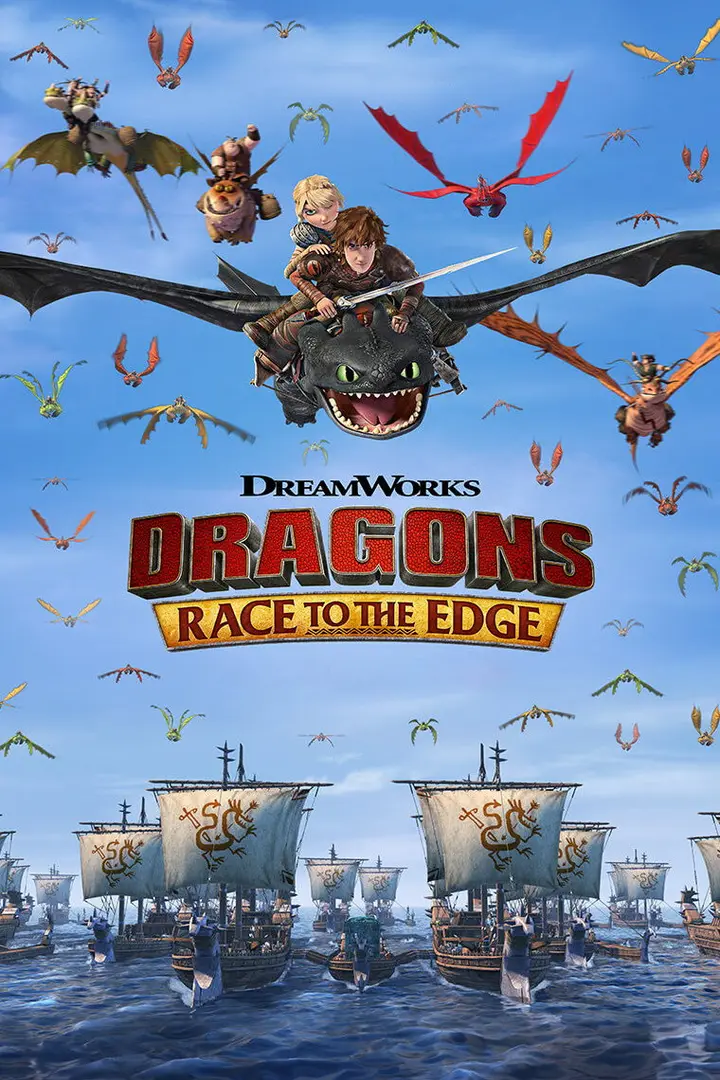
Dragons: Race to the Edge
The Dragon Eye turns exploration into a long-running mystery about new species, distant places and hidden knowledge. Hiccup’s leadership grows through strategic challenges, while the riders’ friendships carry the expanding adventure.
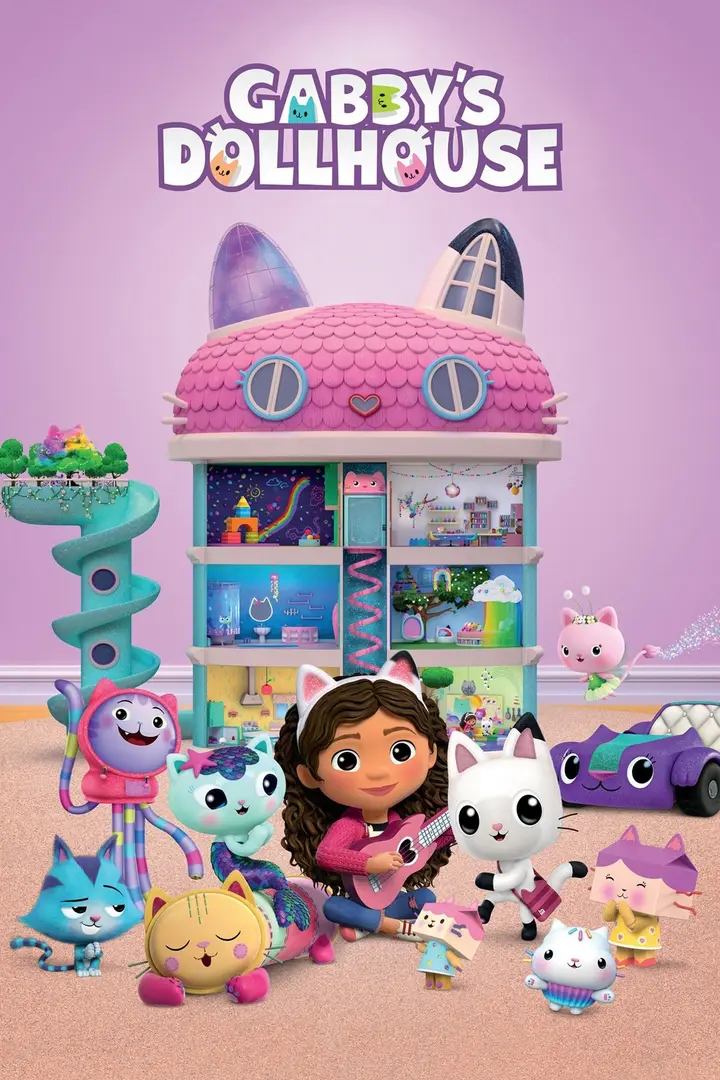
Gabby's Dollhouse
Its small, repeatable missions and blend of live-action and animation make creative problem-solving feel achievable, rewarding persistence even when a first attempt at a plan doesn't quite work.
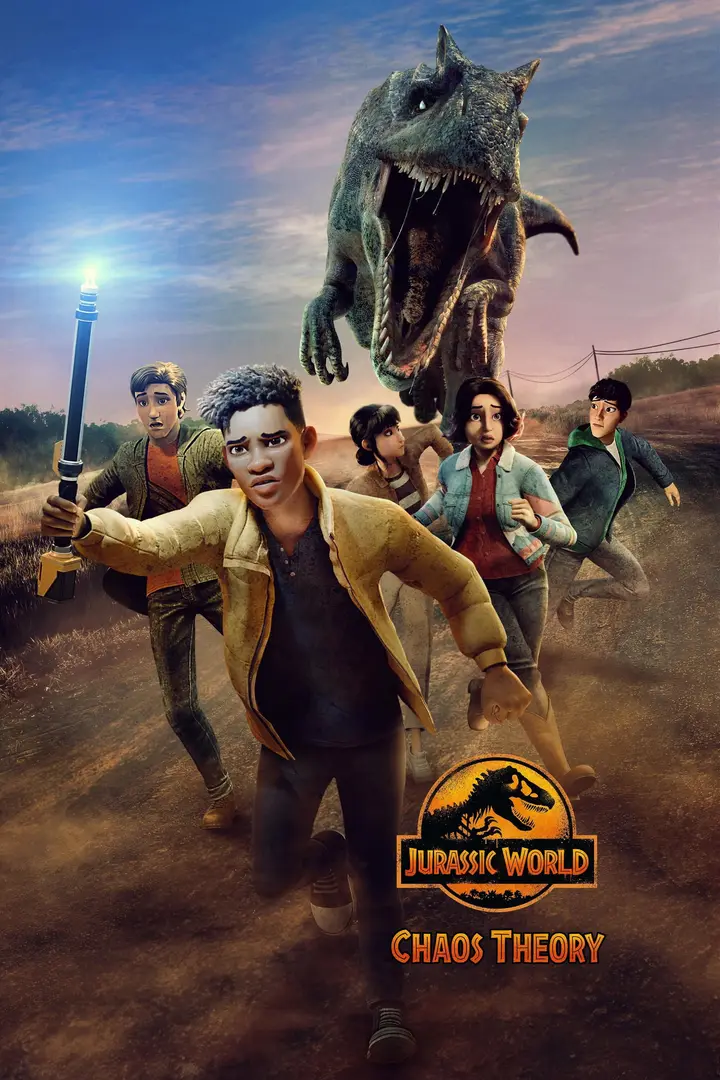
Jurassic World: Chaos Theory
By reuniting the Camp Cretaceous friends as young adults facing a genuine conspiracy, it uses old friendships to explore how shared trauma and time apart can reshape a group.
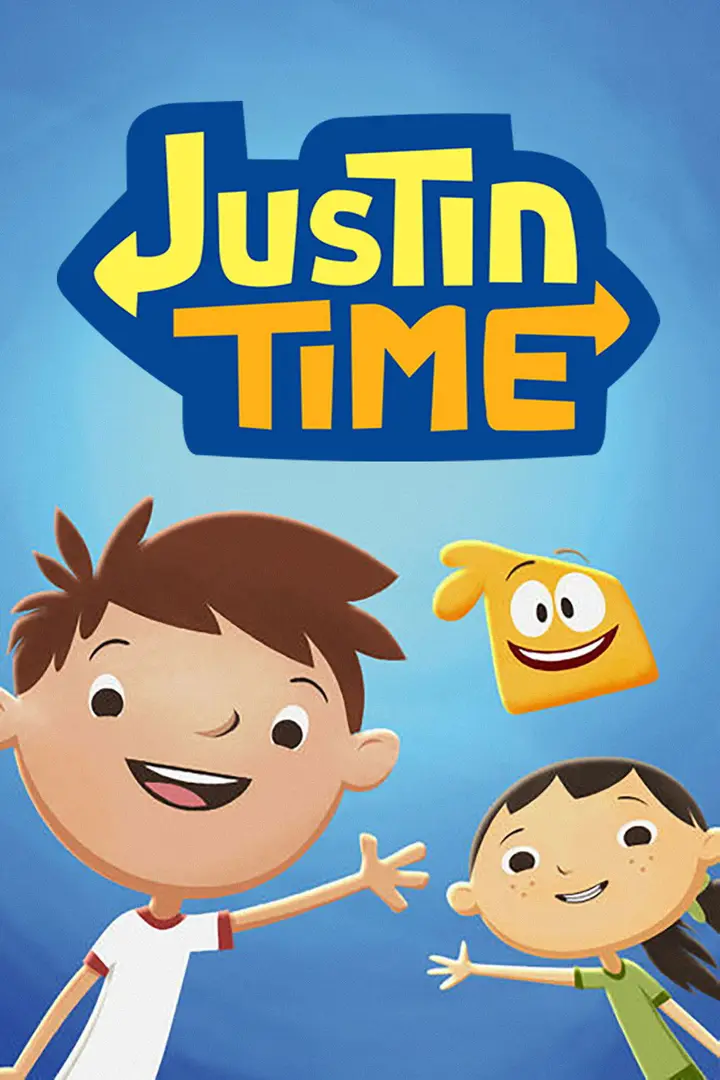
Justin Time
Justin’s imagination links everyday problems to adventures across history, geography and culture. Each trip gives him a new perspective that he can bring home, making fantasy exploration directly useful to practical childhood situations.
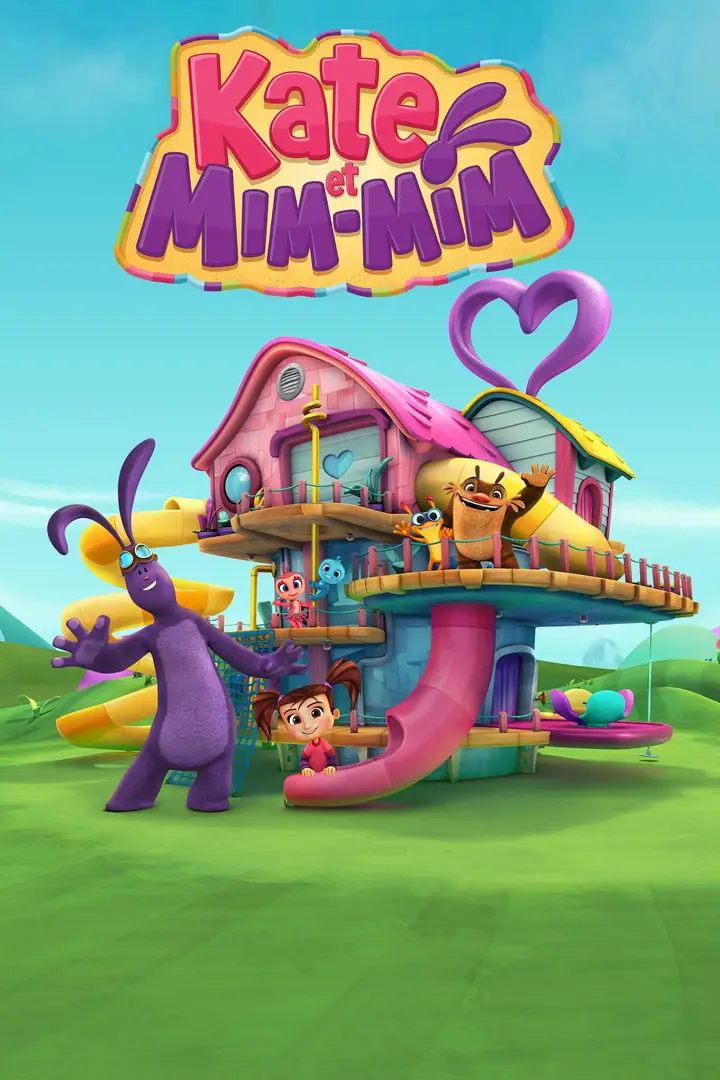
Kate & Mim-Mim
Kate turns everyday worries into adventures in Mimiloo, where larger fantasy problems can be tried from several angles. What she learns there often gives her a new way to handle the original situation at home.
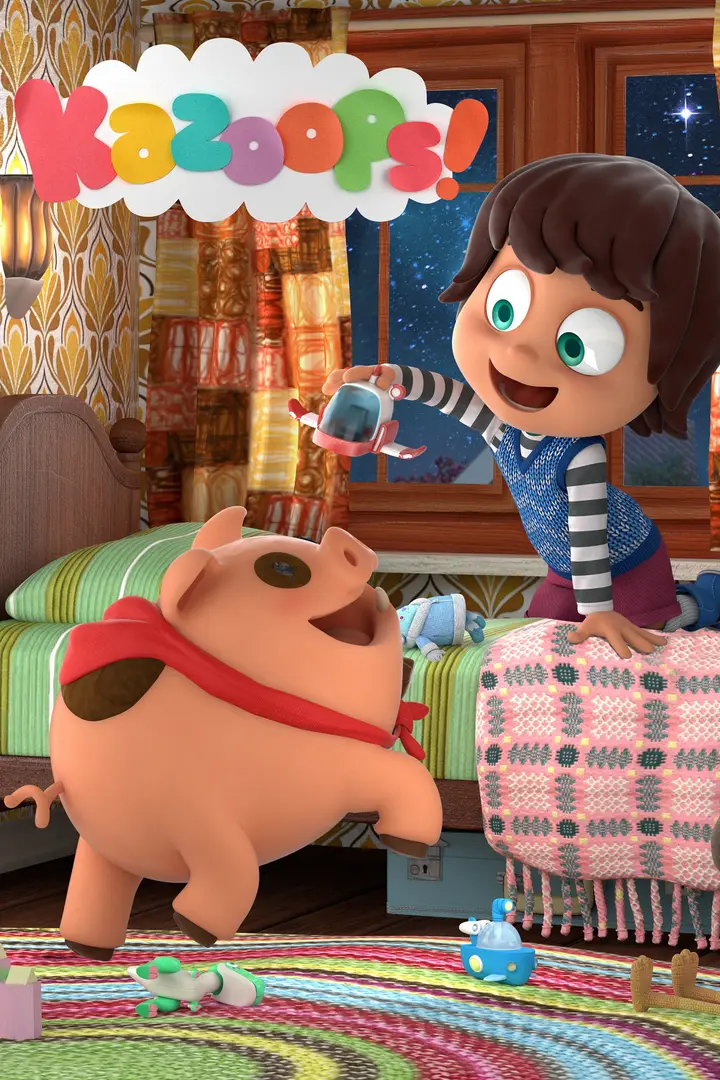
Kazoops!
Monty questions familiar assumptions and uses musical imagination to test whether things must work the usual way. Each fantasy sequence opens several possible answers, making curiosity and alternative thinking the point of the story.
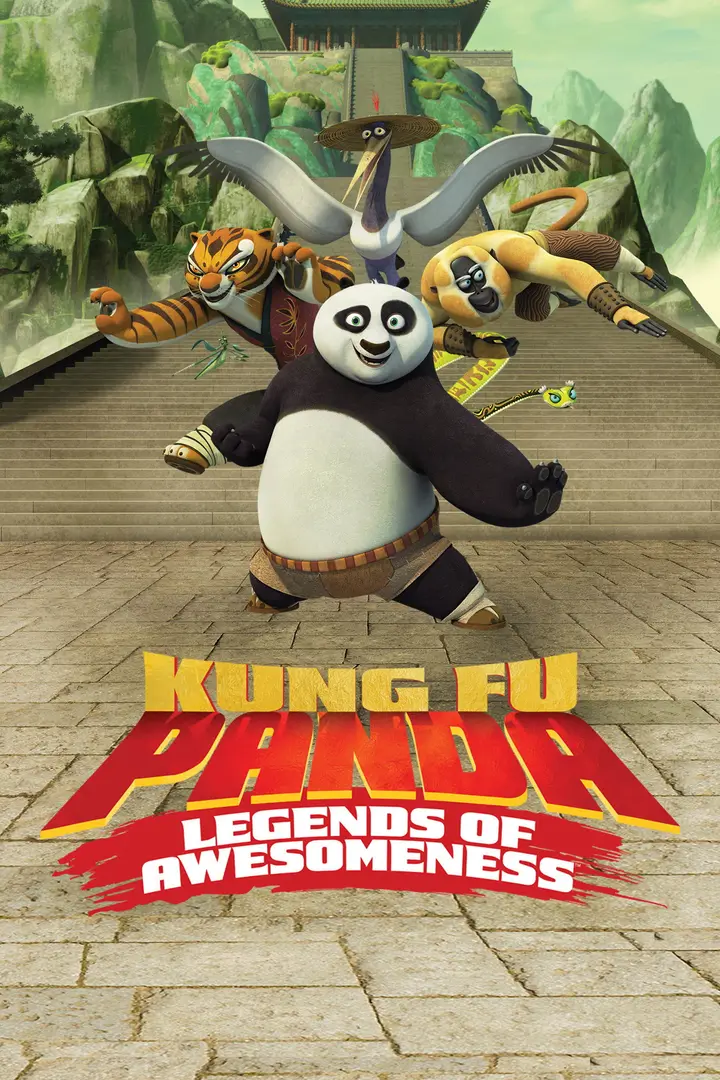
Kung Fu Panda: Legends of Awesomeness
Po’s enthusiasm constantly collides with the discipline expected of the Dragon Warrior. New villains and training challenges let the series use martial-arts comedy to explore humility, responsibility and the value of different problem-solving styles.
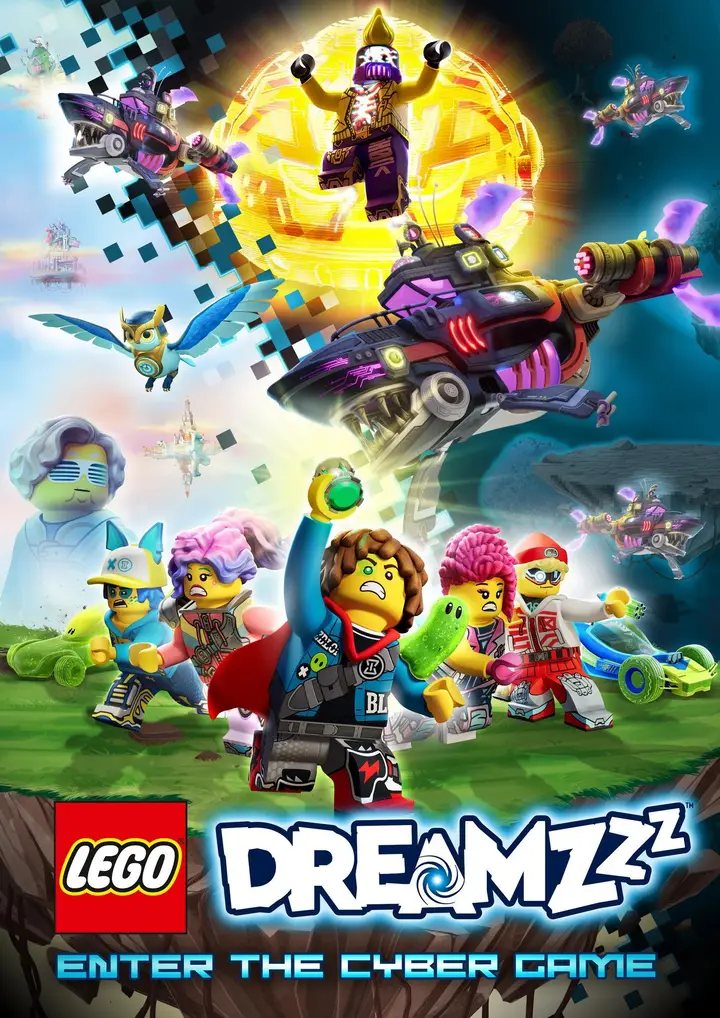
LEGO DREAMZzz
It uses LEGO's build-anything logic to give shape to fears and insecurities as much as to spectacular battles, treating imagination as a flexible tool rather than a fixed answer.
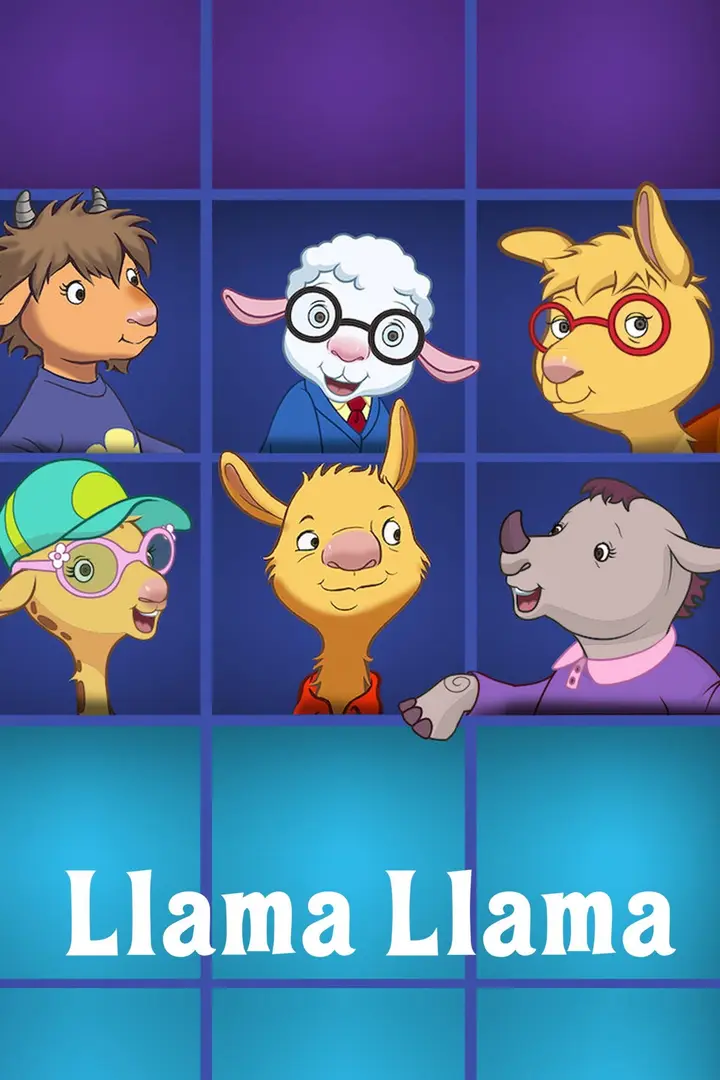
Llama Llama
Separation, waiting, sharing and unfamiliar experiences stay close to a young child’s world. Mama Llama supports without erasing the problem, while rhyming language helps name reactions and show how reassurance and practice can change a difficult moment.
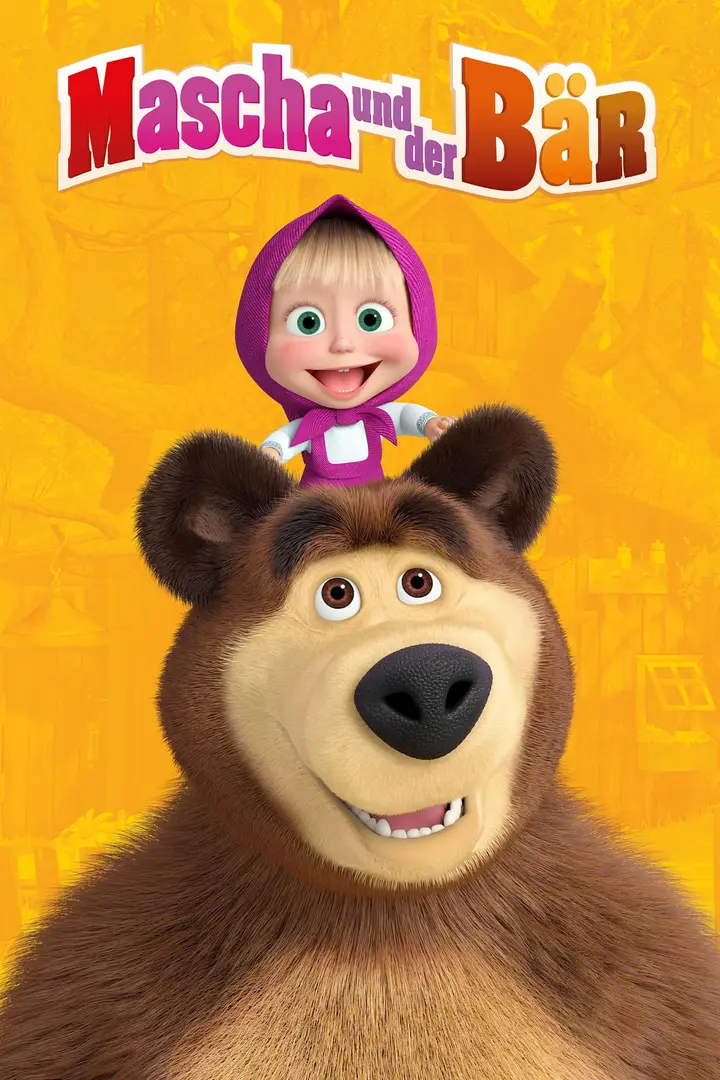
Masha and the Bear
Masha’s unstoppable curiosity collides with Bear’s desire for order, creating a strong comic rhythm built on contrast. Physical storytelling and expressive animation make the relationship easy to read as the chaos grows larger.
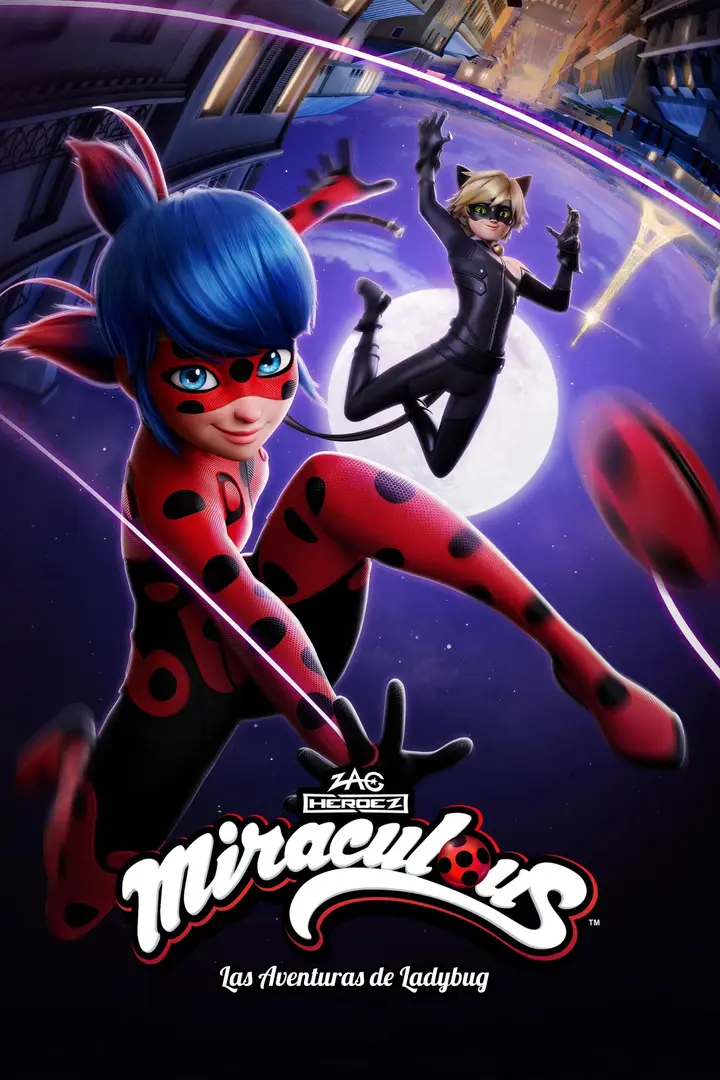
Miraculous: Tales of Ladybug & Cat Noir
Superhero battles are tied to school life, secret identities and a complicated friendship between Marinette and Adrien. Their powers work best through cooperation, while the growing Miraculous mythology gives the recurring villain structure long-term momentum.
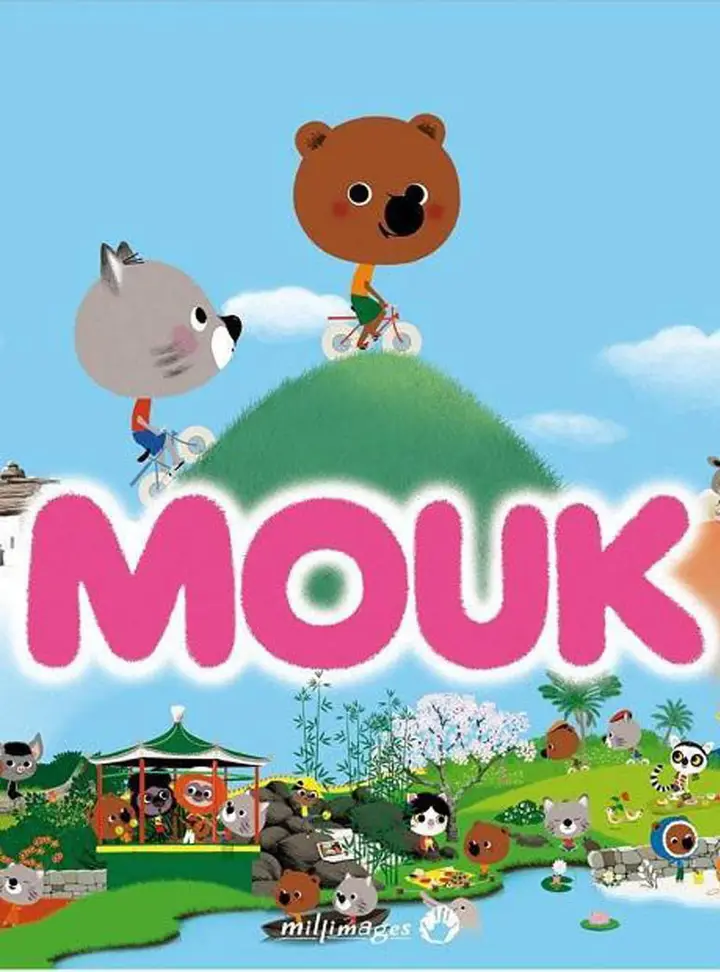
Mouk
Cycling around the world turns geography into lived experience as Mouk and Chavapa encounter foods, traditions, landscapes and animals. Small misunderstandings become opportunities to observe respectfully and learn how everyday life can differ from place to place.
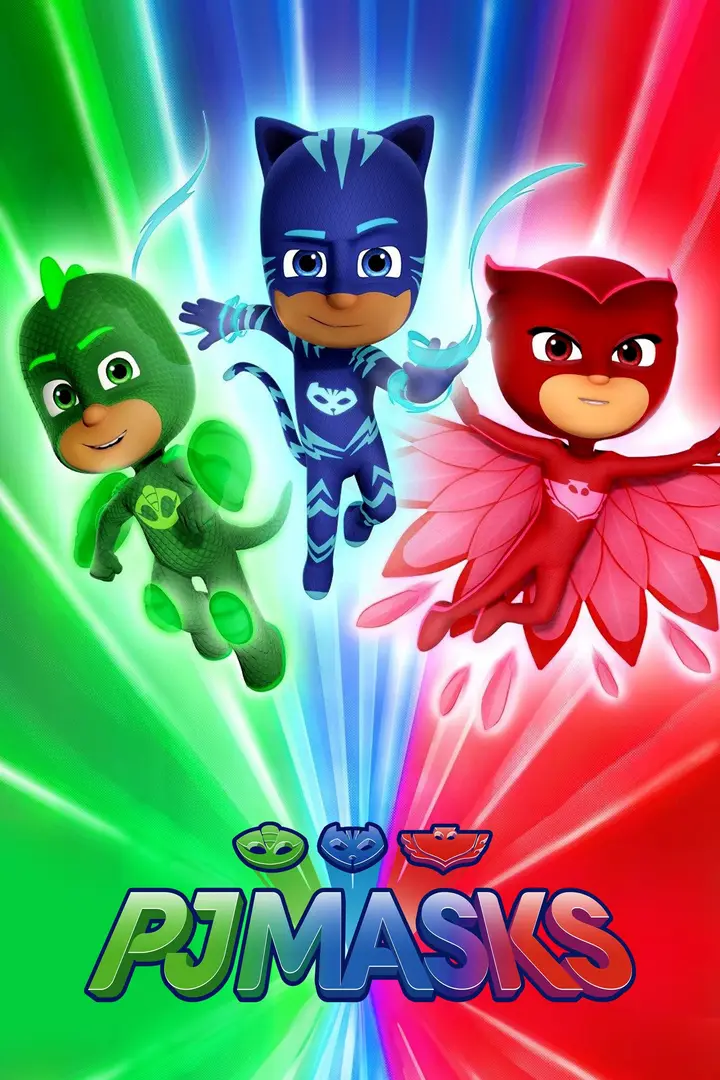
PJ Masks
Three six-year-olds become nighttime heroes whose different powers only work well when combined. Recurring villains create simple superhero missions, while mistakes and impatience repeatedly show why cooperation matters more than individual ability.
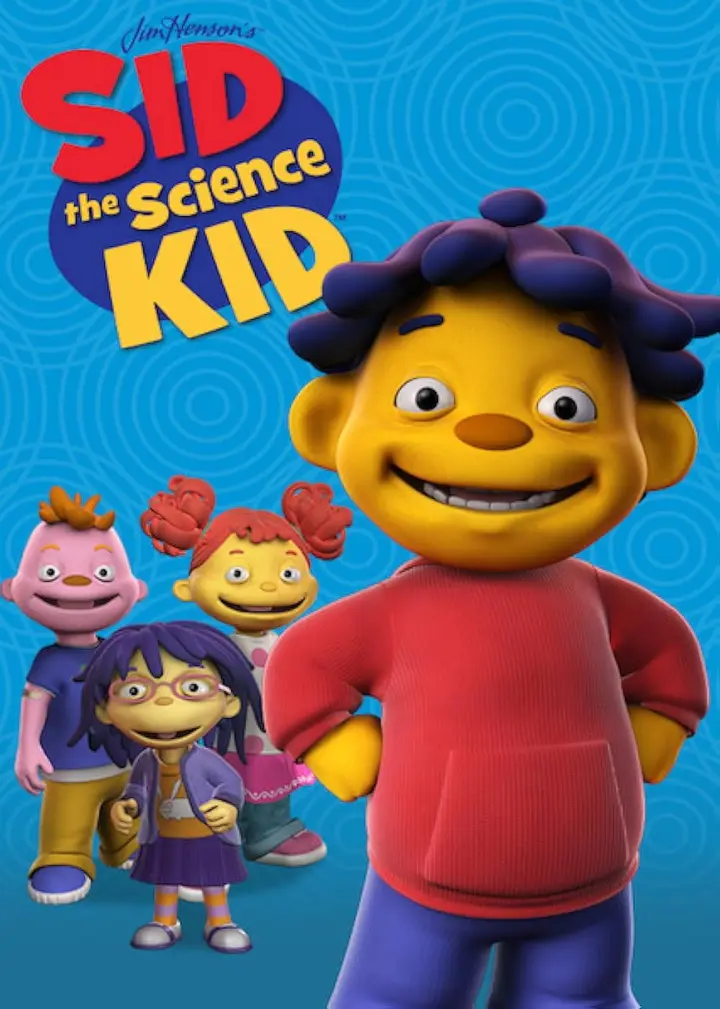
Sid the Science Kid
Sid begins with questions from everyday life and follows them through observation, discussion and small experiments. The series emphasizes how evidence is gathered, helping preschoolers see science as a process instead of a list of facts.

Sonic Prime
Each parallel world reimagines familiar characters in a genuinely different genre, while Sonic's arc shows that speed and instinct aren't enough without listening to others first.
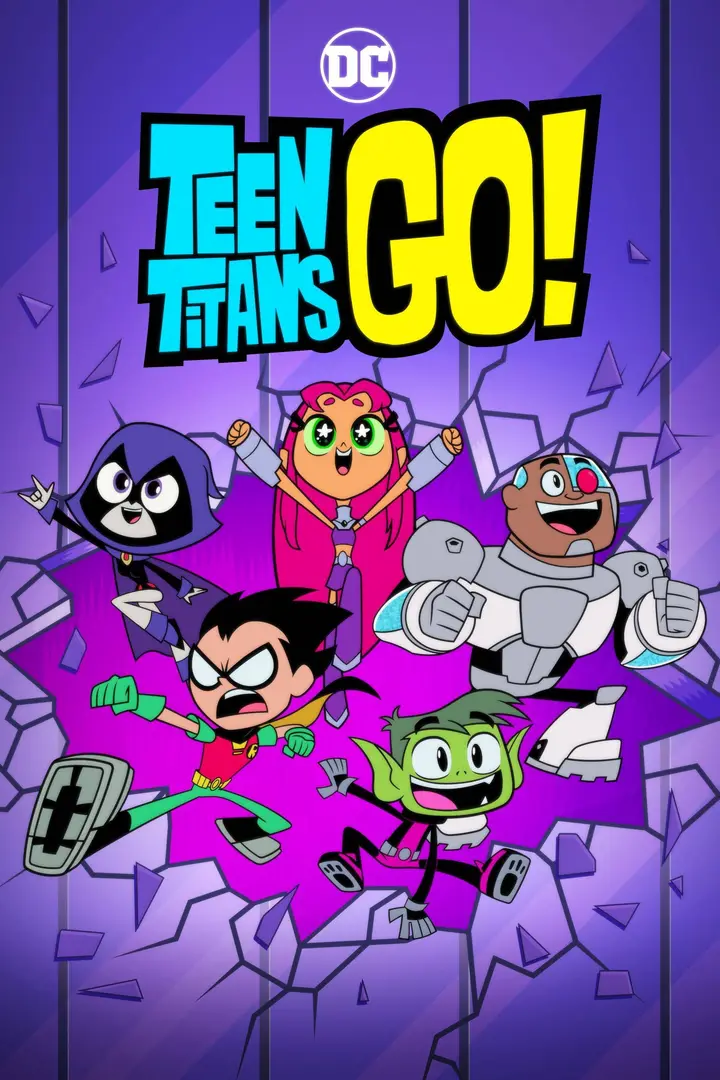
Teen Titans Go!
Superhero powers become fuel for fast parody, absurd arguments and pop-culture jokes. The team’s clashing personalities keep episodes energetic, while the series freely mocks heroic conventions instead of treating every mission with seriousness.
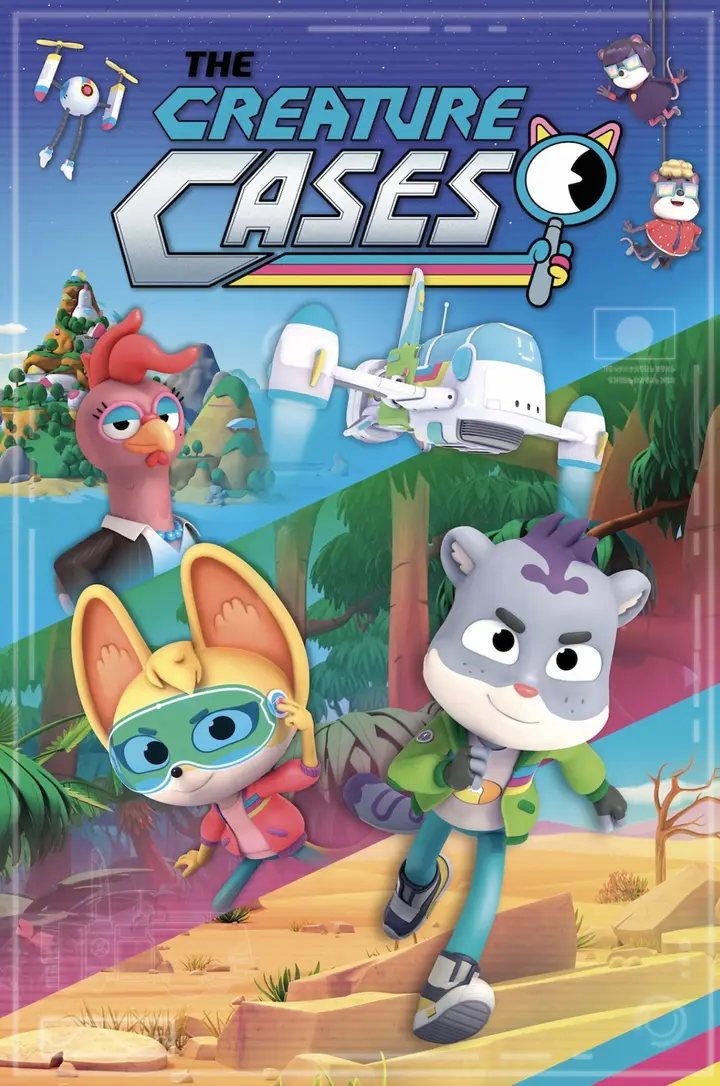
The Creature Cases
Each case turns a genuine animal behavior into the actual clue that solves the mystery, so factual natural history emerges from the plot instead of feeling like an inserted lesson.
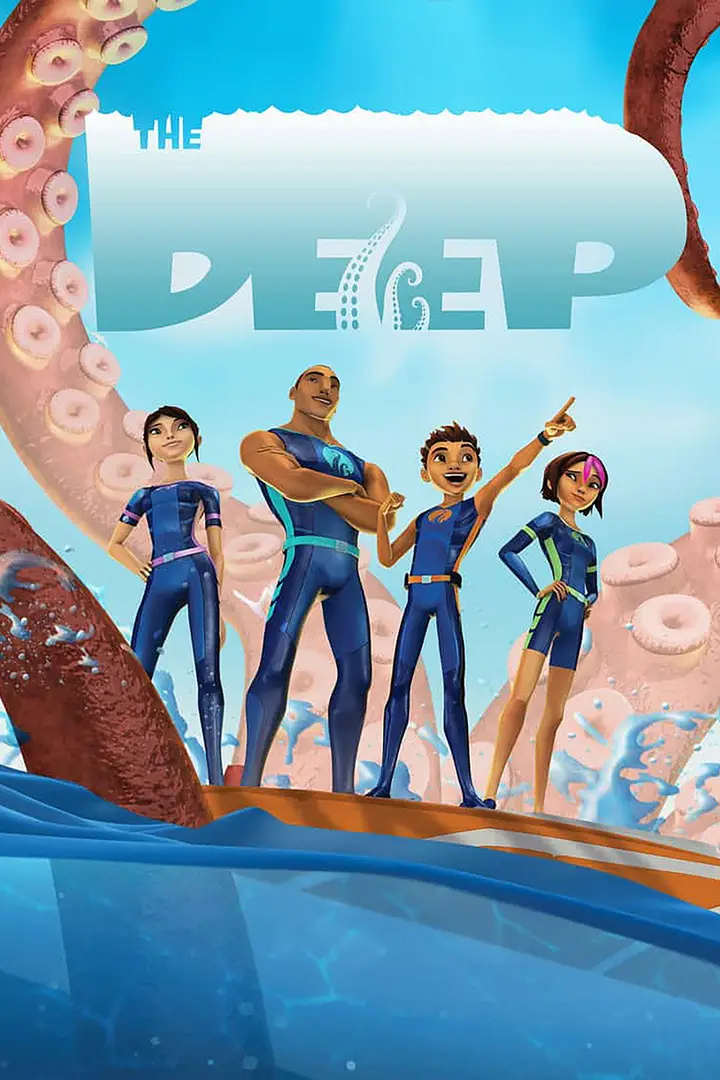
The Deep
The Nektons treat the ocean as a place of real discovery, combining marine science with lost civilizations and family adventure. Their submarine missions reward curiosity, technology and caution as each mystery pushes them into unfamiliar environments.
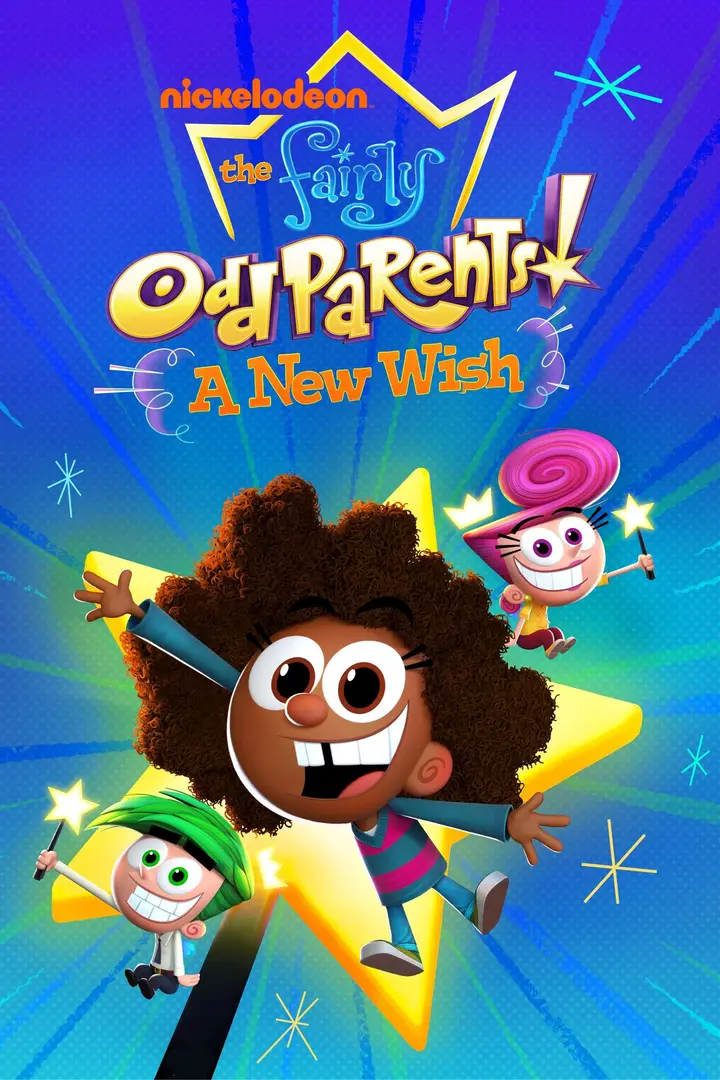
The Fairly OddParents: A New Wish
As in the original series, the real comedy comes from wishes going right technically but wrong practically, and a new lead gives familiar magical rules fresh comic energy.


