
Animated Kids’ Shows from Our Netflix Picks
Animated picks across ages, with our guidance and filters.

Page 2 of 2. This page shows series 49–69 out of 69.
Find the right series
Choose one band. Results show age-relevant series approved by our editors: those whose Minimum-to-Recommended age span overlaps the band, plus individually approved favorites. The Recommended Age is a starting point, not a maximum.
More filters and sort
No series in this guide match this age.
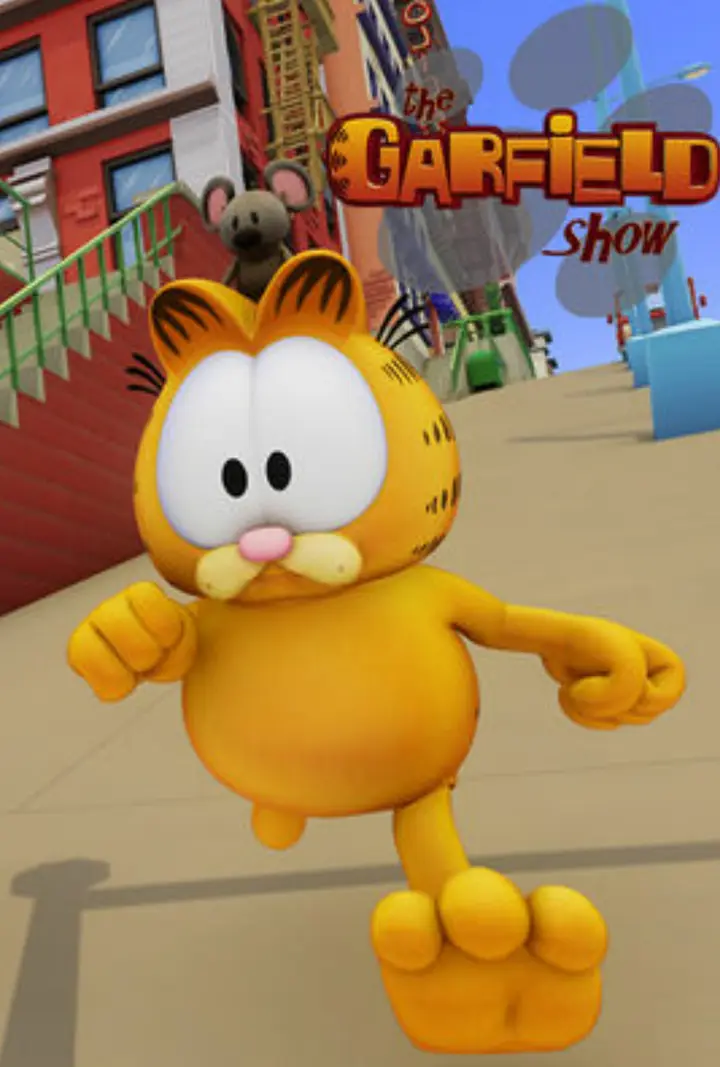
The Garfield Show
Garfield’s laziness and sarcasm stay intact while the stories expand into larger adventures with neighbors, animals and aliens. His selfish confidence drives the comedy, but moments of genuine concern prevent the character from becoming purely cynical.
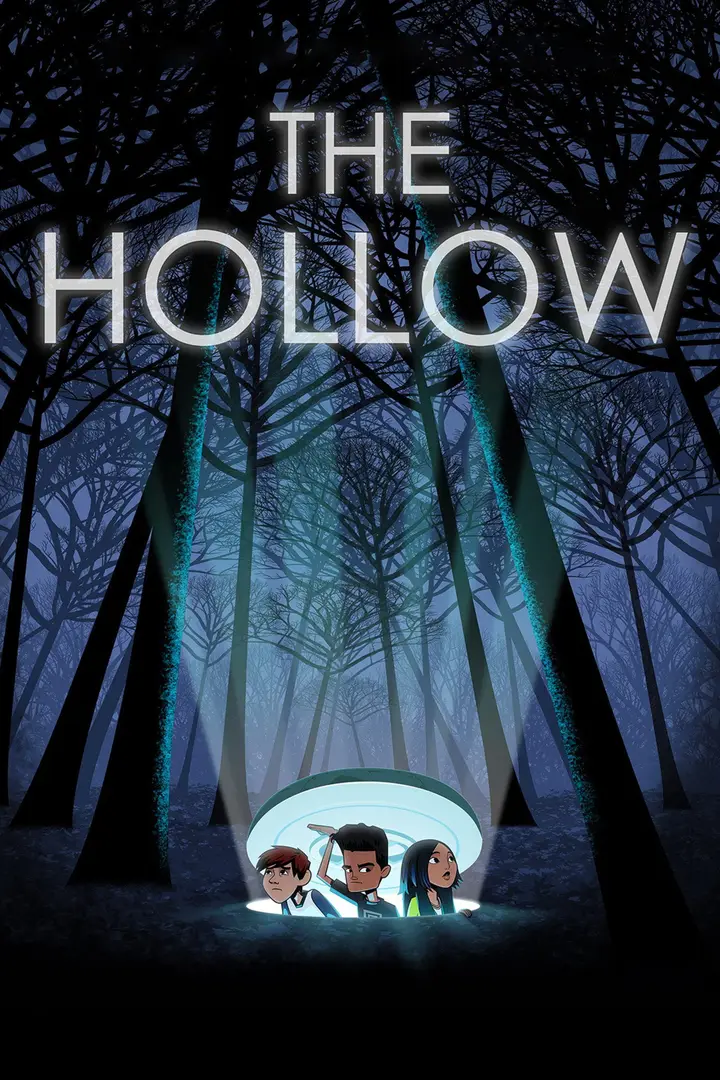
The Hollow
Three teenagers wake without memories and must solve game-like challenges using different abilities. The mystery develops through clues, strange environments and teamwork, making cooperation essential because no one character can understand everything alone.
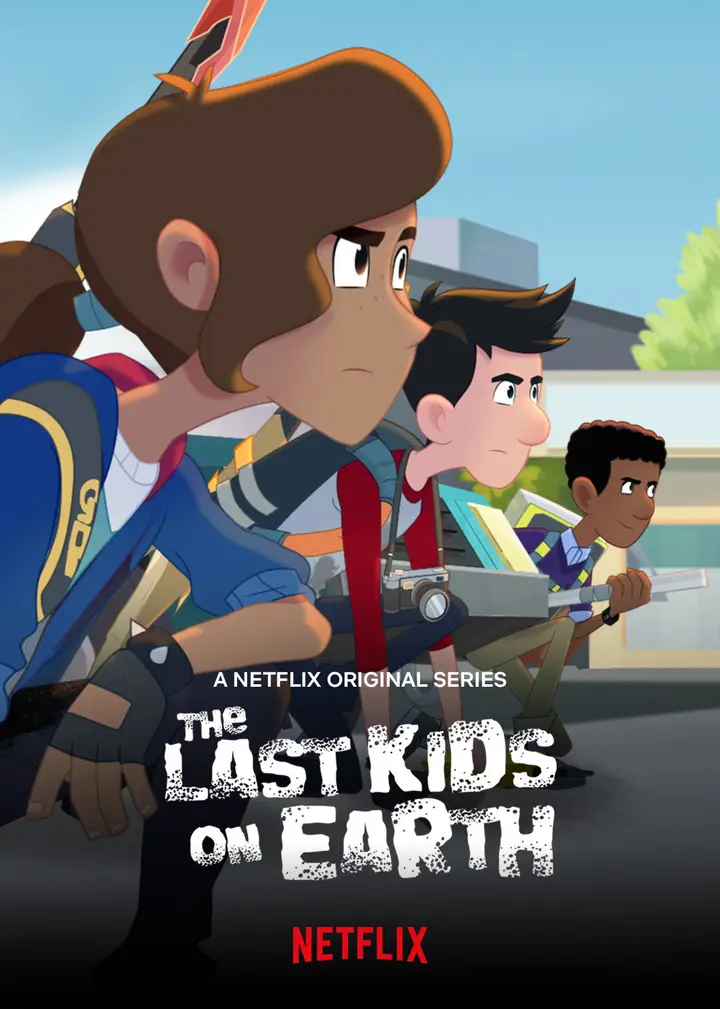
The Last Kids on Earth
The monsters are the hook, but the heart is Jack, a foster kid who finally finds a family in his friends. Humor keeps the scares manageable, and fans can continue with the books.
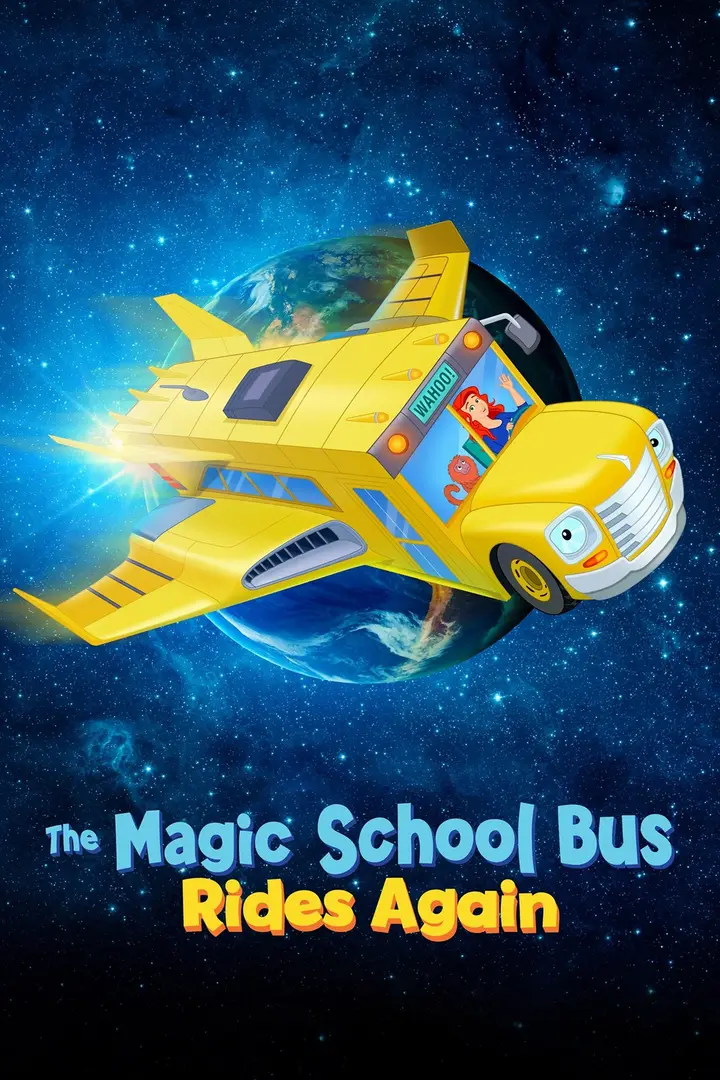
The Magic School Bus Rides Again
Ms. Fiona Frizzle turns questions into impossible field trips where students can observe science directly. Shrinking, time travel and space exploration make biology, physics and Earth science active experiences instead of abstract explanations.
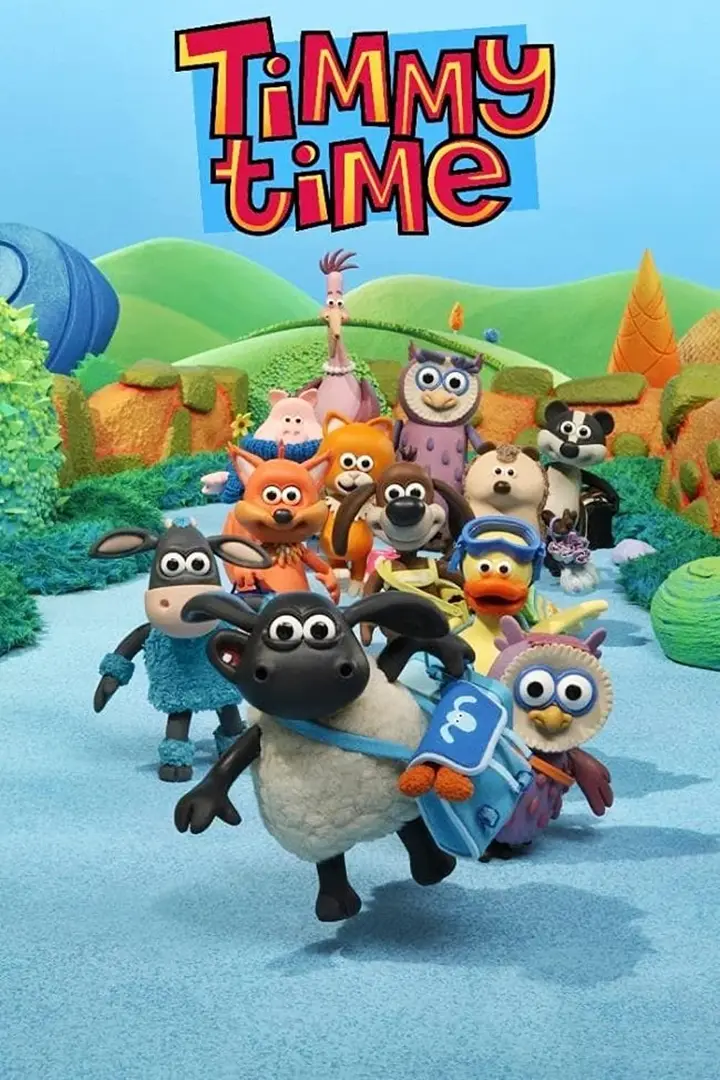
Timmy Time
Without conventional dialogue, Timmy’s nursery day is told through movement, expressions and simple social situations. Sharing, waiting, mistakes and cooperation become easy to read visually, making the preschool lessons feel part of play.
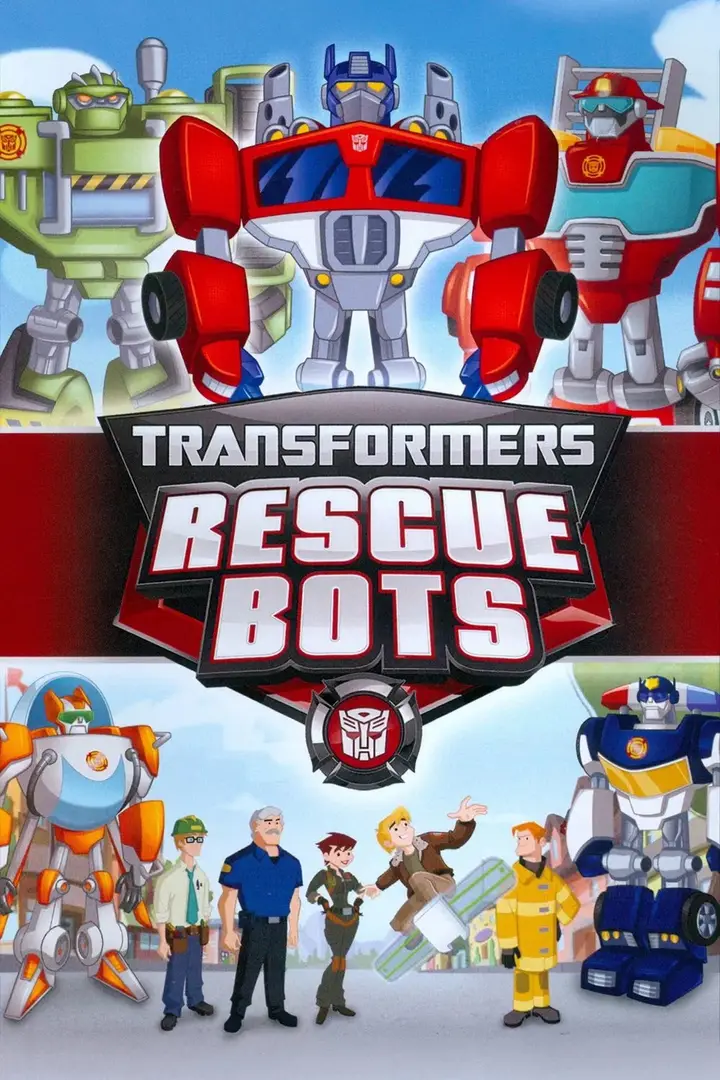
Transformers: Rescue Bots
Rescue work replaces warfare as the core of the Transformers formula. The Bots learn from the Burns family, turning vehicles, emergencies and science-fiction threats into stories about public safety, teamwork and protecting people first.
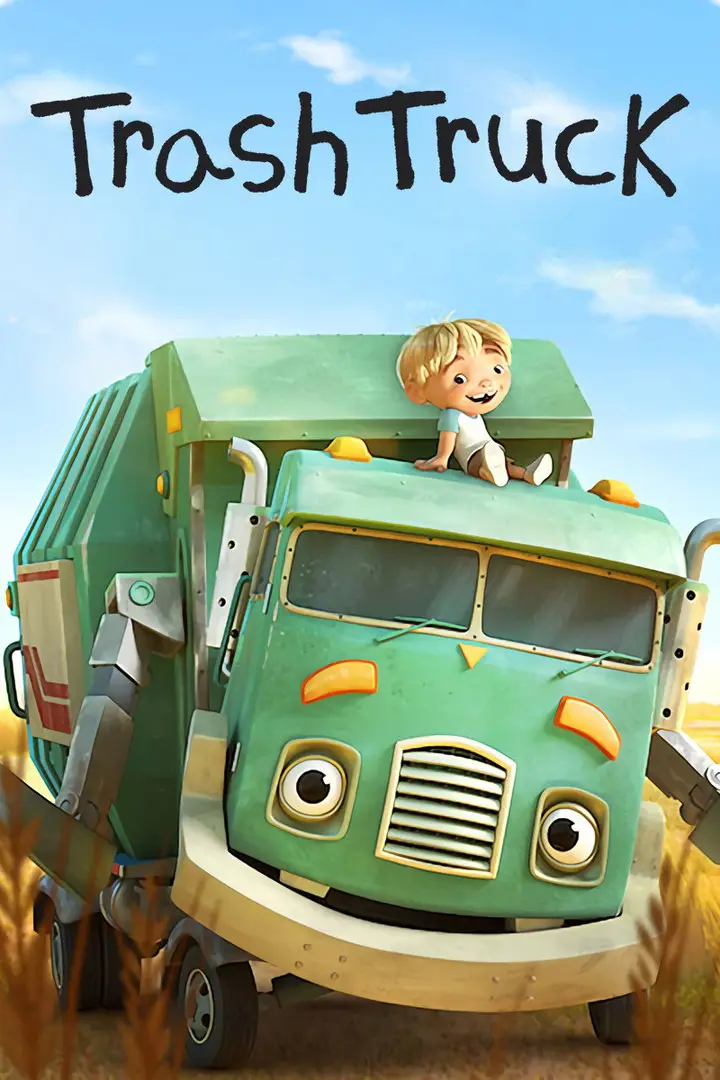
Trash Truck
Its gentle, low-stakes stories turn an ordinary object into a source of wonder, using a child's own curiosity and imagination rather than jokes or danger to hold attention.
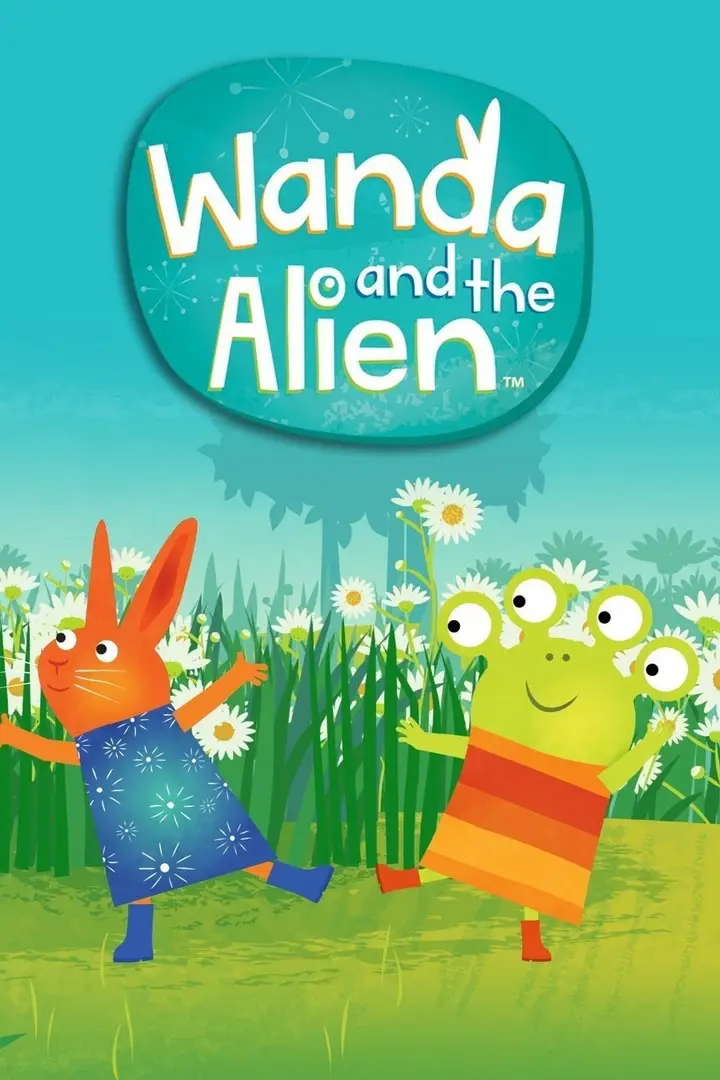
Wanda and the Alien
Wanda’s friendship with a stranded alien treats difference as a source of curiosity instead of fear. Visiting each other’s families and communities turns unfamiliar customs into simple preschool stories about communication, nature and openness.
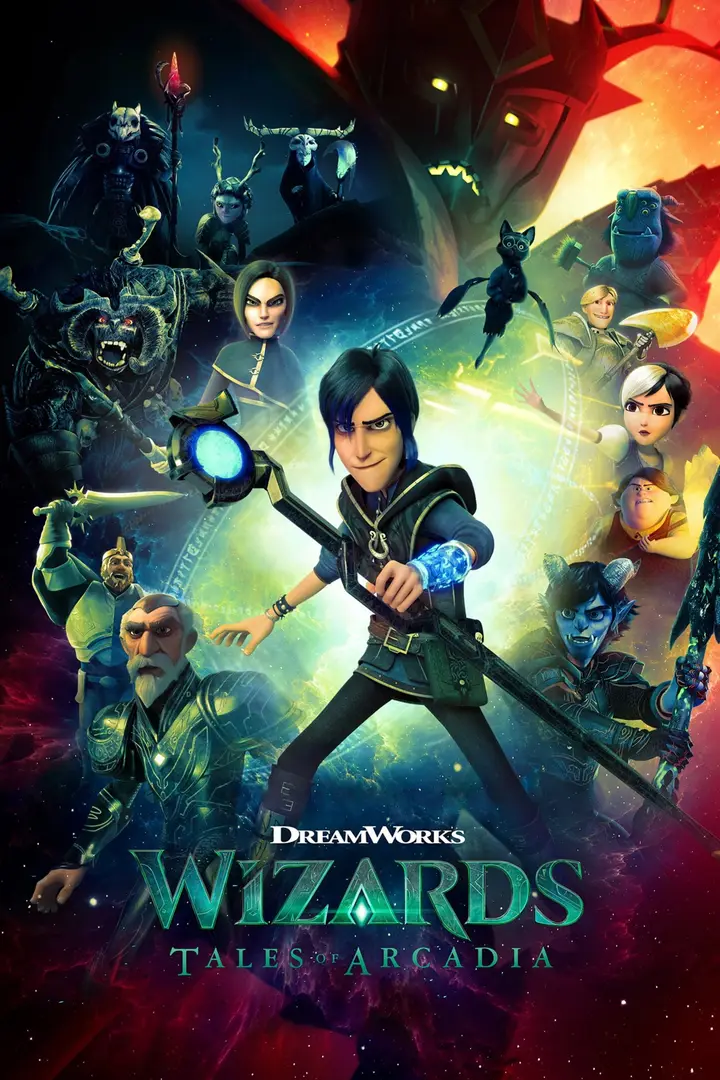
Wizards: Tales of Arcadia
Douxie’s long apprenticeship becomes a satisfying leadership story as the series links Camelot to Arcadia’s present. Time travel deepens the franchise mythology, while familiar heroes give the final television chapter strong continuity and momentum.
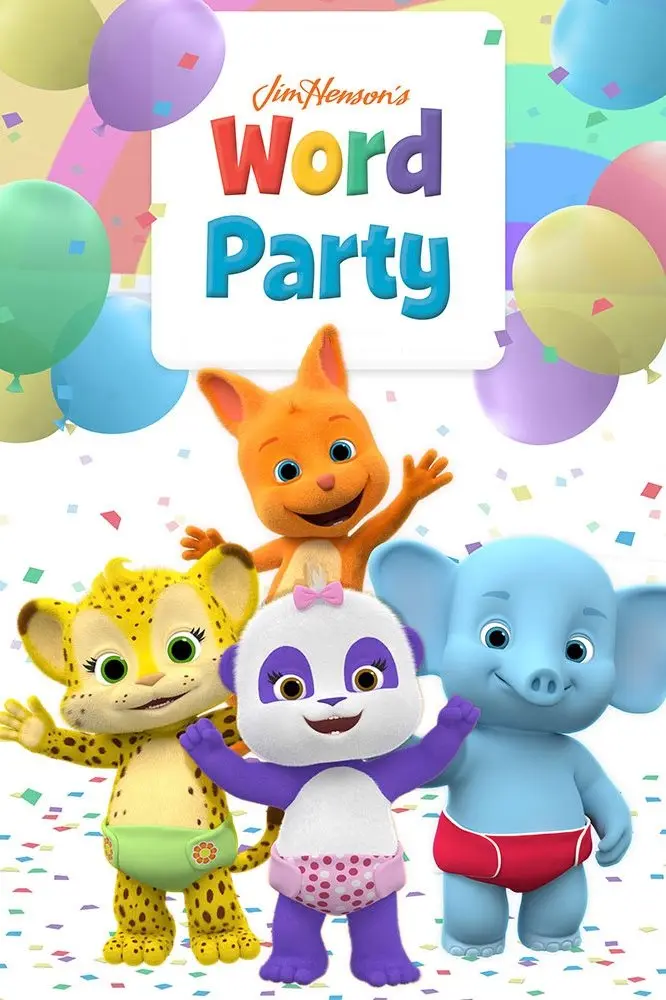
Word Party
Four baby animals learn alongside the audience, using songs, games and repetition to build early vocabulary. Because mistakes are treated as normal learning steps, participation feels encouraging instead of like a test.
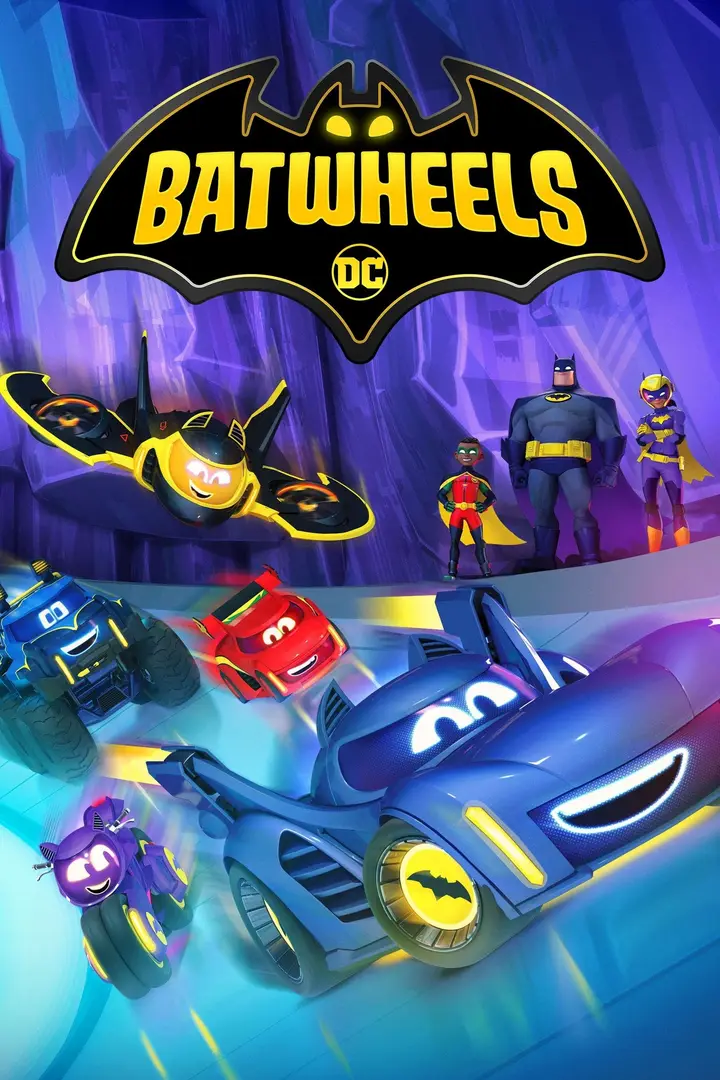
Batwheels
Youthful vehicle heroes bring different strengths to Batman-style missions, making coordination as important as speed or gadgets. Team rivalry, confidence and mistakes give the colorful superhero action a clear social-learning structure.
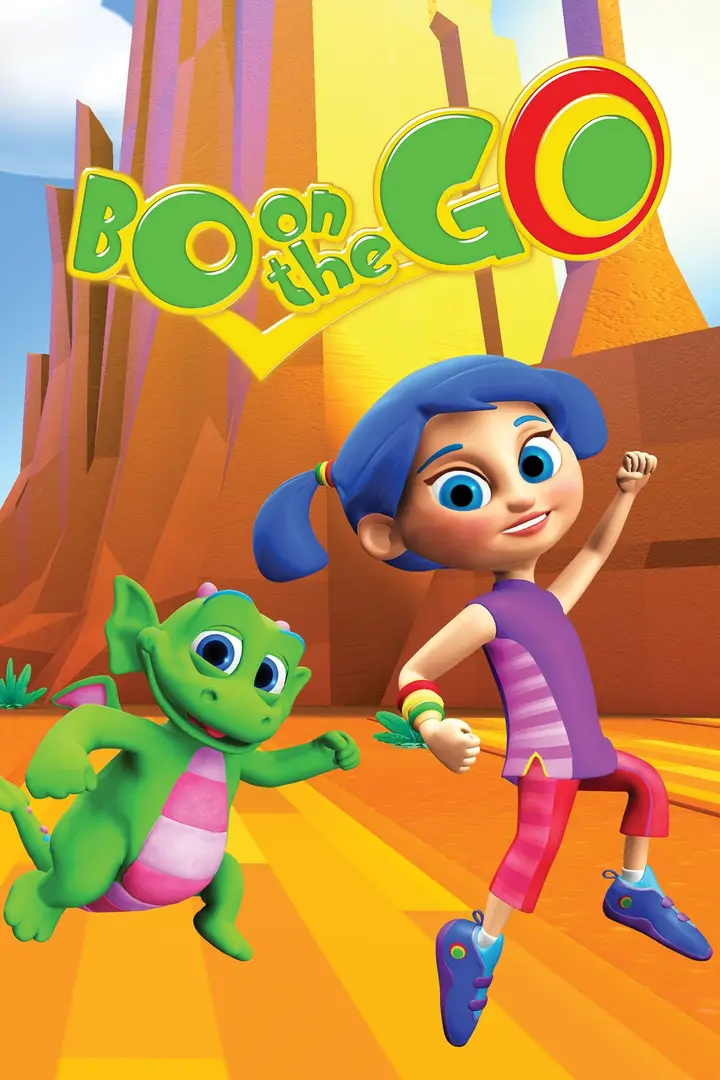
Bo on the Go!
Each imaginative mission asks children to move with Bo instead of only watching. Running, jumping and stretching become part of the solution, giving preschool problem-solving a physical dimension built around participation and repetition.
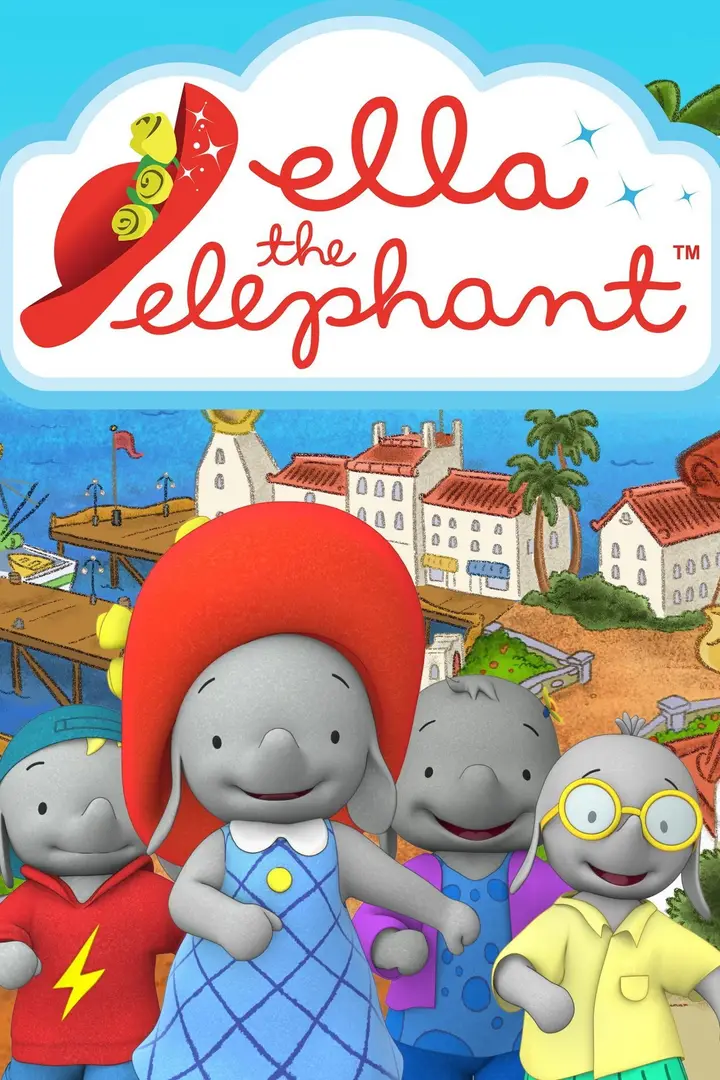
Ella the Elephant
Ella’s magical red hat can help, but her kindness, confidence and creativity usually solve the real problem. School, family and community stories keep the fantasy light while emphasizing cooperation and trying again after mistakes.
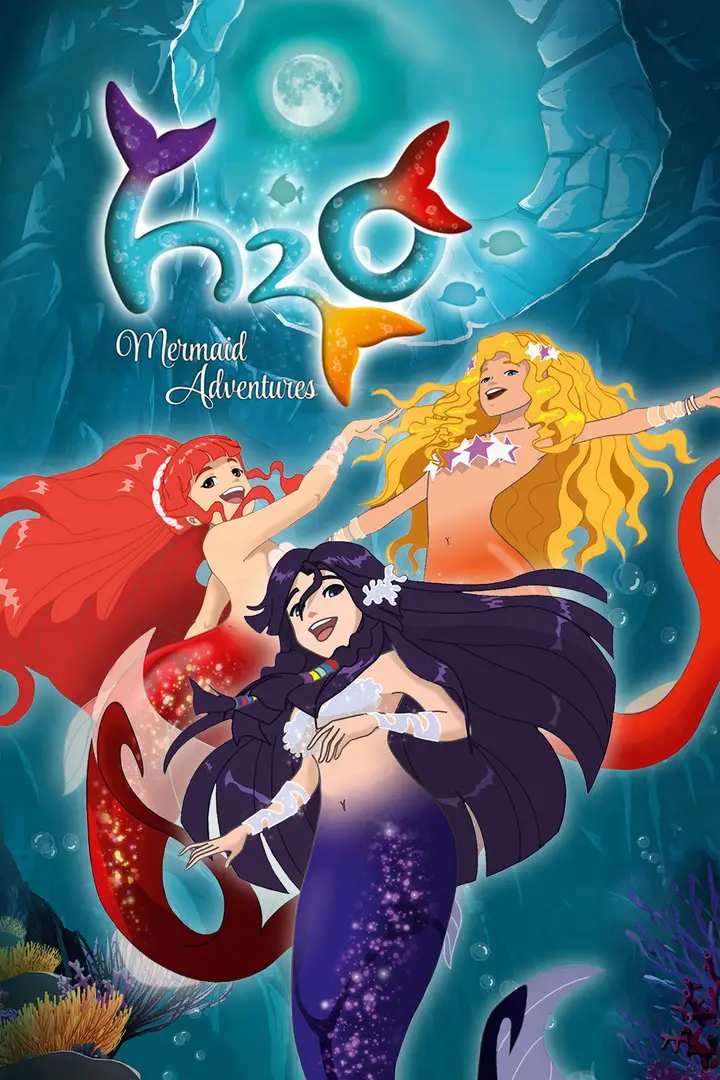
H2O: Mermaid Adventures
Three friends must balance school life with secret mermaid identities and different water powers. Their contrasting personalities make cooperation necessary, while the expanded ocean setting gives the friendship story a steady source of magical adventure.
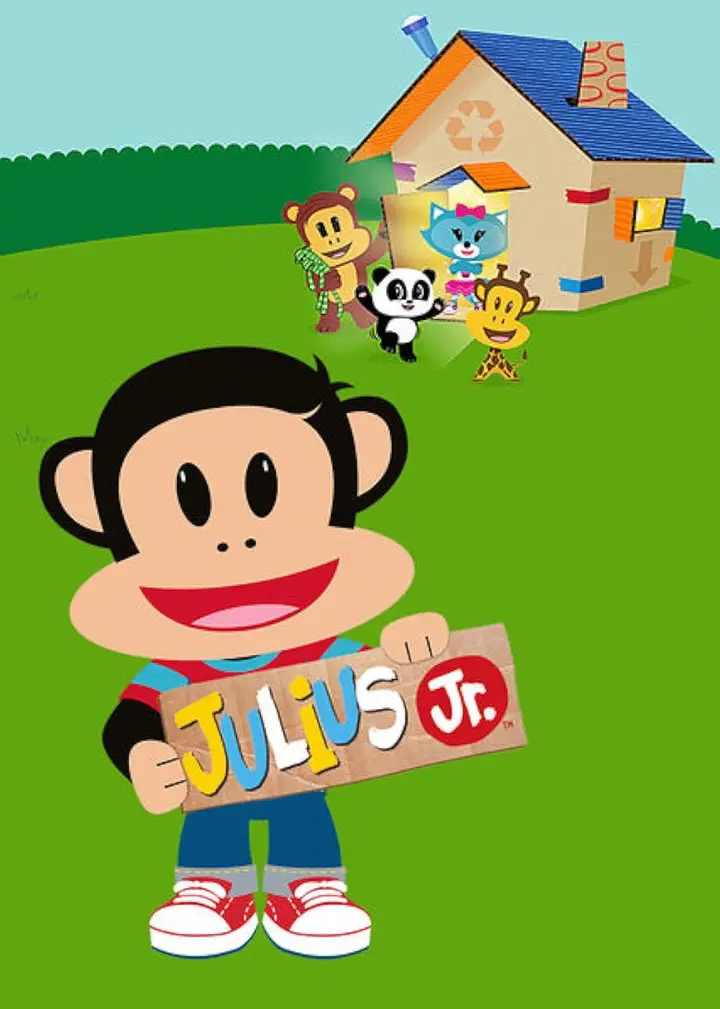
Julius Jr.
Cardboard-box inventions and imaginative spaces turn building into a social activity. Julius likes creating solutions, but the group repeatedly succeeds by listening to one another and combining different ideas instead of relying on one plan.
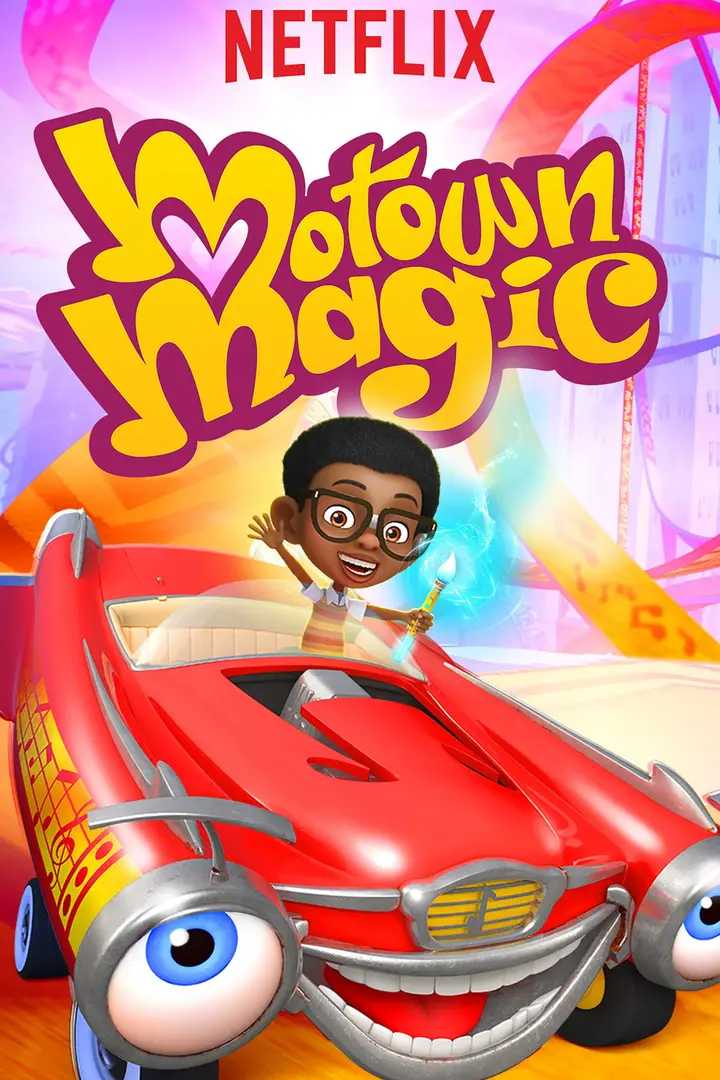
Motown Magic
A magical paintbrush turns classic Motown songs into visual adventures about creativity, confidence and community. Ben’s street art makes music part of the action, so familiar recordings become tools for imaginative problem-solving.
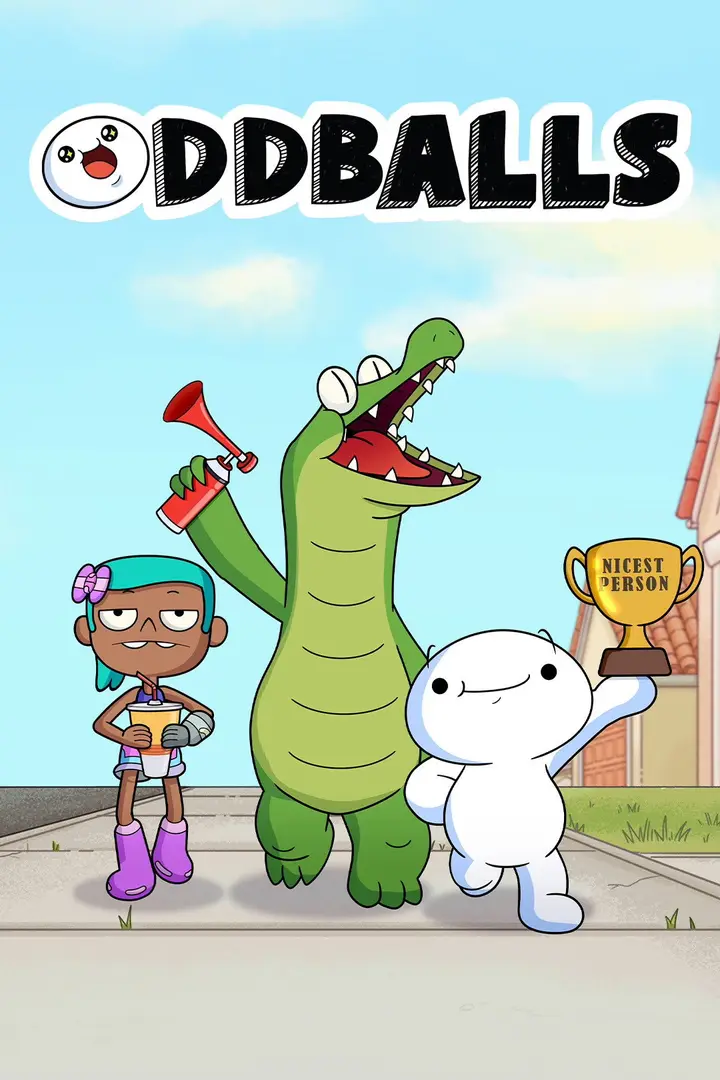
Oddballs
Behind the silliness, James's frustrations are very recognizable to children, and the show lets him be wrong, overreact and make up with his friends. Max and Echo show that very different friends can stick together.
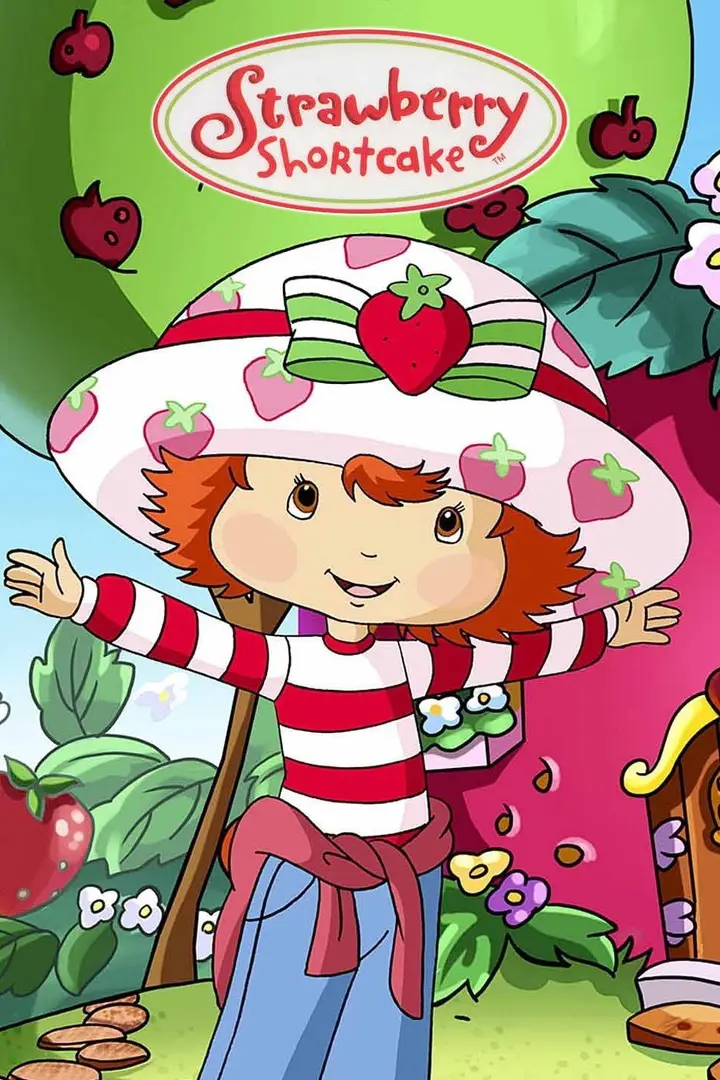
Strawberry Shortcake
A bright fantasy setting supports simple stories about friendship, patience, honesty and confidence. Picnics, performances and celebrations give each episode a clear social situation where listening and cooperation matter more than winning.
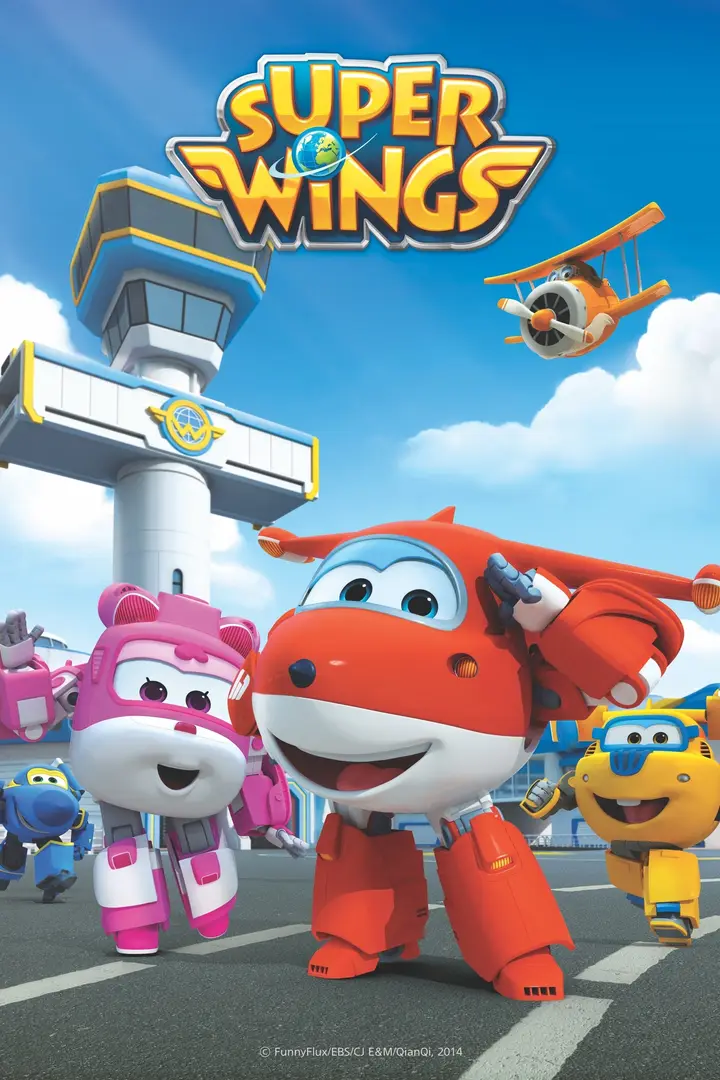
Super Wings
Jett’s deliveries turn geography into repeated practical missions, with each destination introducing a new place, custom or everyday problem. Specialized teammates show that different skills can contribute to the same solution.
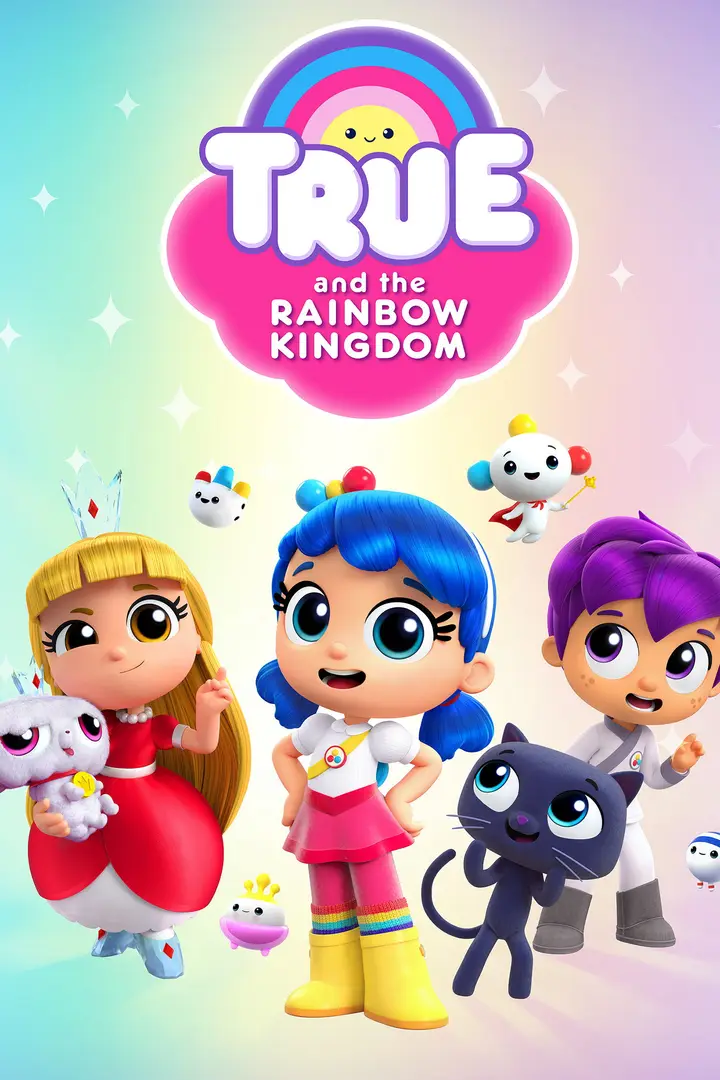
True and the Rainbow Kingdom
True treats magic as a problem-solving tool that must be chosen carefully, not used at random. Observing what residents need, selecting the right Wishes and adjusting the plan makes empathy and flexible thinking central to each adventure.
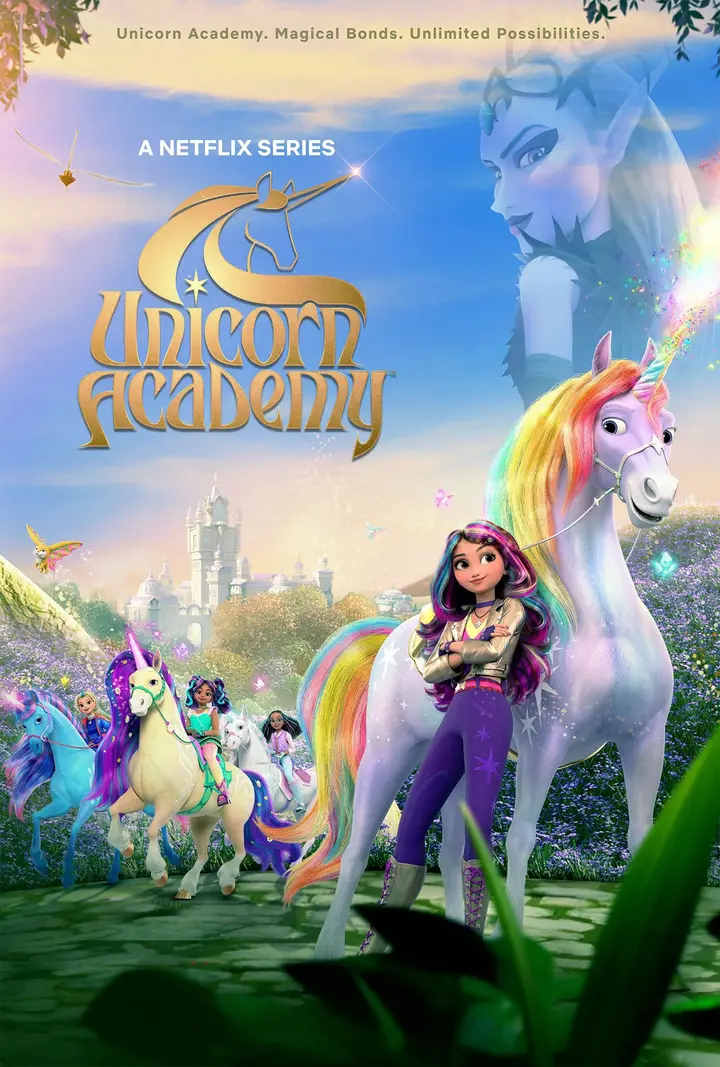
Unicorn Academy
It treats bonding with a unicorn as an act of trust and cooperation rather than raw ability, using a familiar school-adventure structure to make its fantasy world easy to enter.


