
Best TV Shows for Kids, by Age
From accessible first favorites to bigger adventures, ordered by minimum and recommended age so the next good fit is easier to find.

Page 6 of 7. This page shows series 241–288 out of 328.
Find the right series
Choose one band. Results show age-relevant series approved by our editors: those whose Minimum-to-Recommended age span overlaps the band, plus individually approved favorites. The Recommended Age is a starting point, not a maximum.
More filters and sort
No series in this guide match this age.
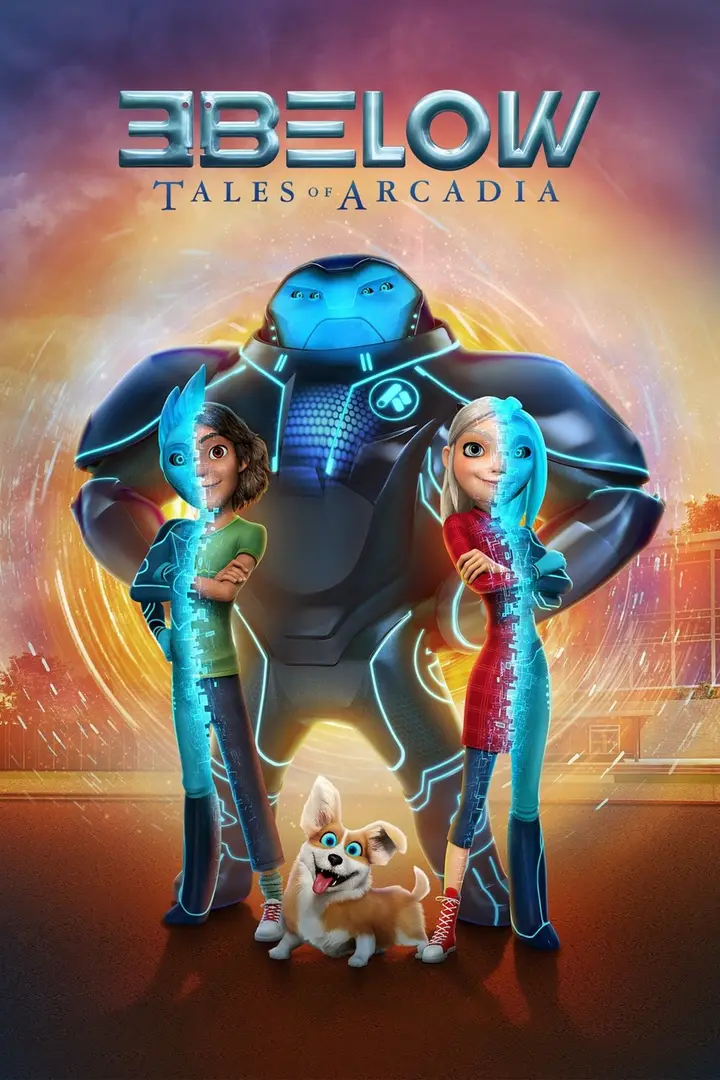
3Below: Tales of Arcadia
Aja and Krel’s escape from a coup turns science-fiction adventure into a story about displacement, identity and responsibility. Learning Earth customs adds comedy, while repairing their ship keeps the larger survival goal active.
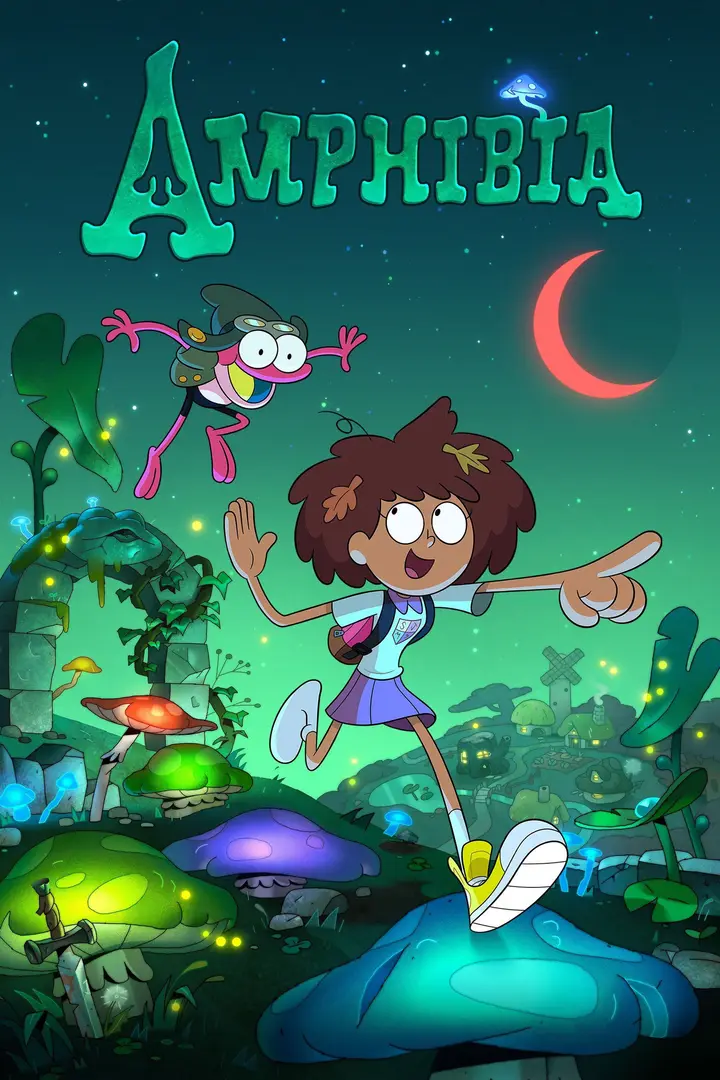
Amphibia
Anne’s comic adventures with the Plantars gradually expand into a serialized fantasy about friendship, betrayal and responsibility. The shift works because the family bond built early gives later conflicts stronger personal consequences.
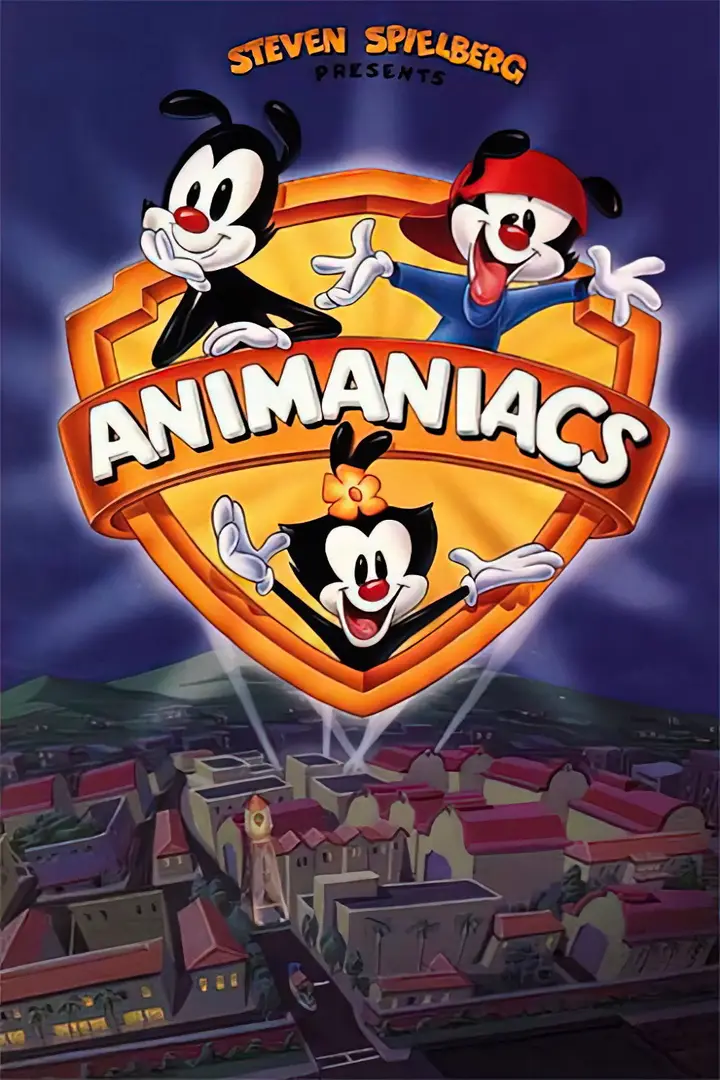
Animaniacs
Songs, wordplay, slapstick and constant format changes make the comedy highly varied. Younger viewers can follow the physical humor, while older children get more from satire, cultural references and jokes aimed beyond the child audience.
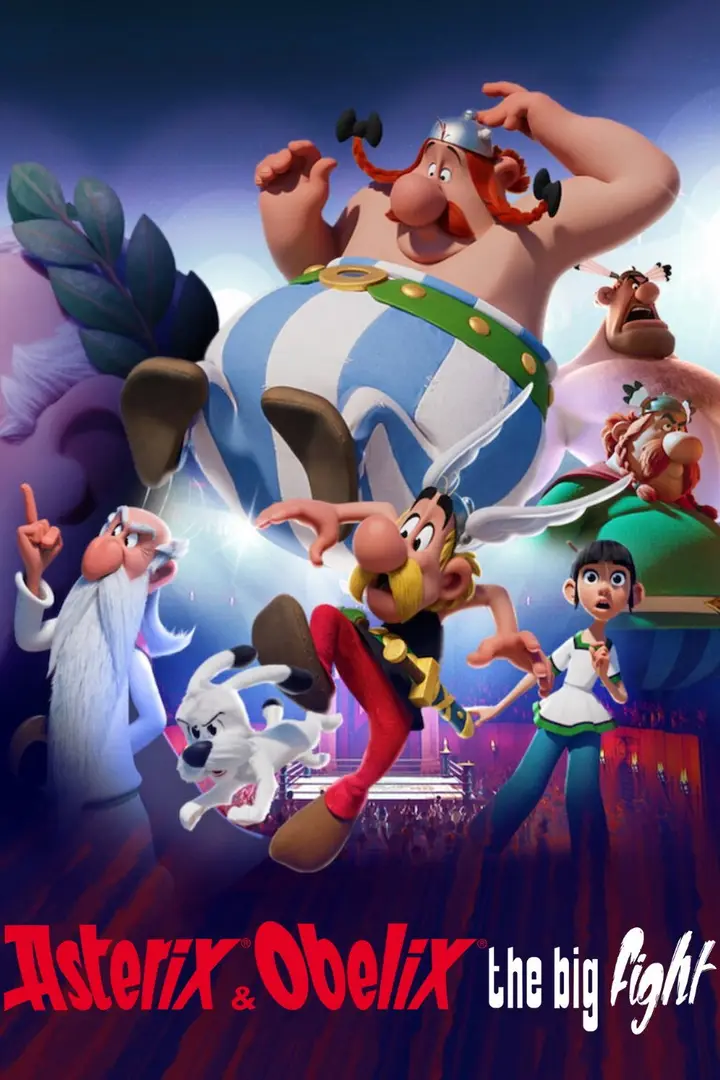
Asterix & Obelix: The Big Fight
Without the magic potion, the heroes have to rely on cleverness and on each other, which gives the slapstick a real story about friendship and community. The five episodes make a manageable family mini-series.
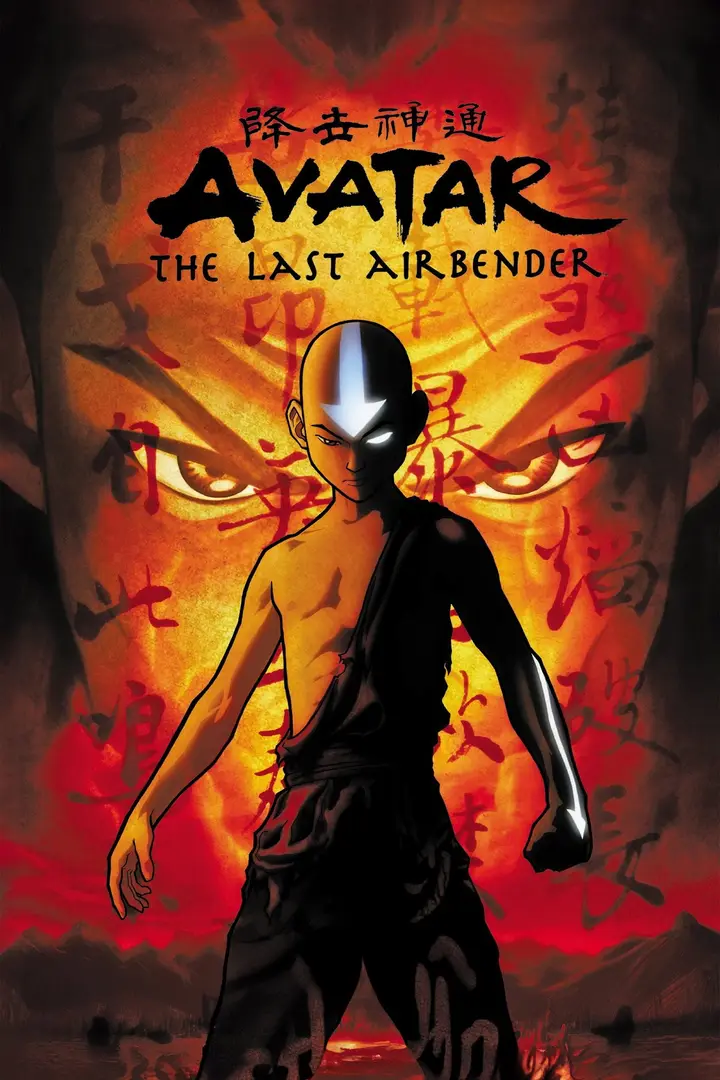
Avatar: The Last Airbender
Epic fantasy grows through a carefully structured journey in which Aang must master the elements while deciding what kind of Avatar he wants to become. Humor, friendship and martial arts support deeper themes of grief, identity and responsibility.
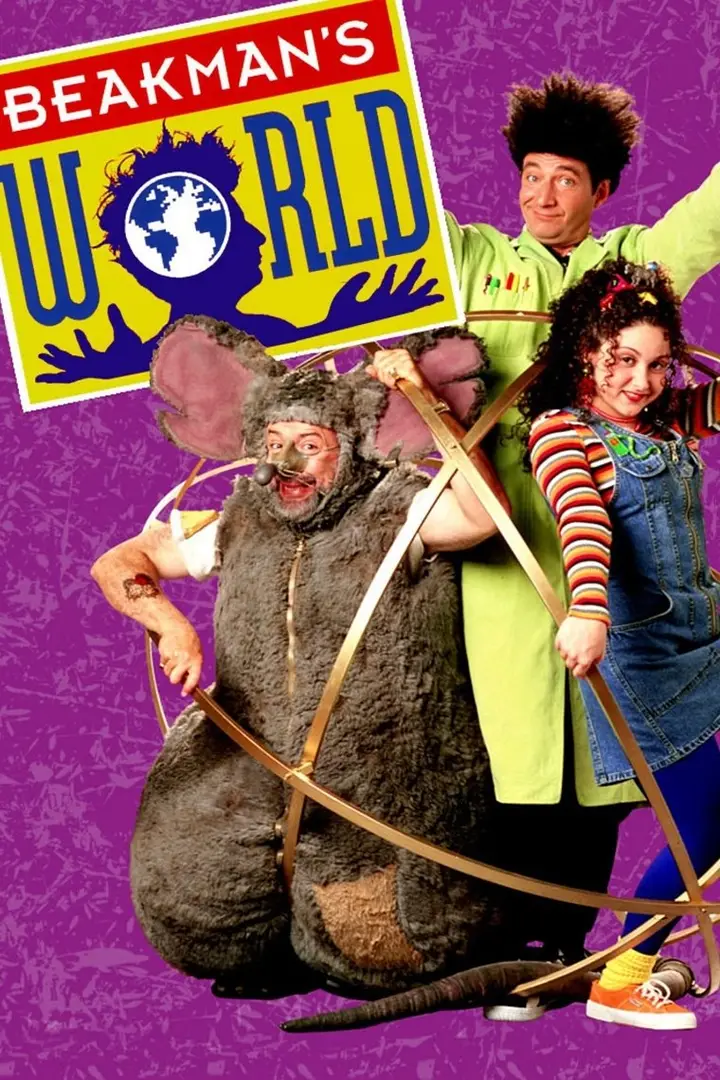
Beakman's World
Starting from real viewer questions shows children that curiosity about ordinary things is the start of science. The demonstrations are simple enough to try at home or in class.
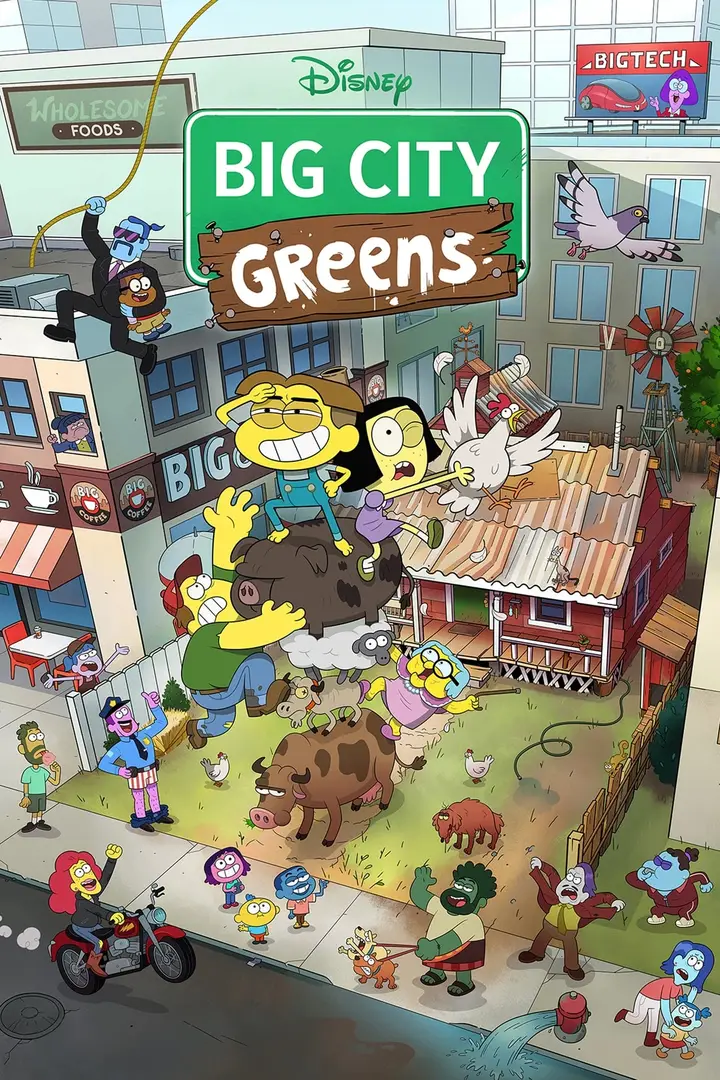
Big City Greens
Cricket’s confidence creates fast comic disasters as his family adjusts to city life. Tilly, Bill and Gramma Alice react in very different ways, giving the slapstick a family structure that repeatedly returns to loyalty.
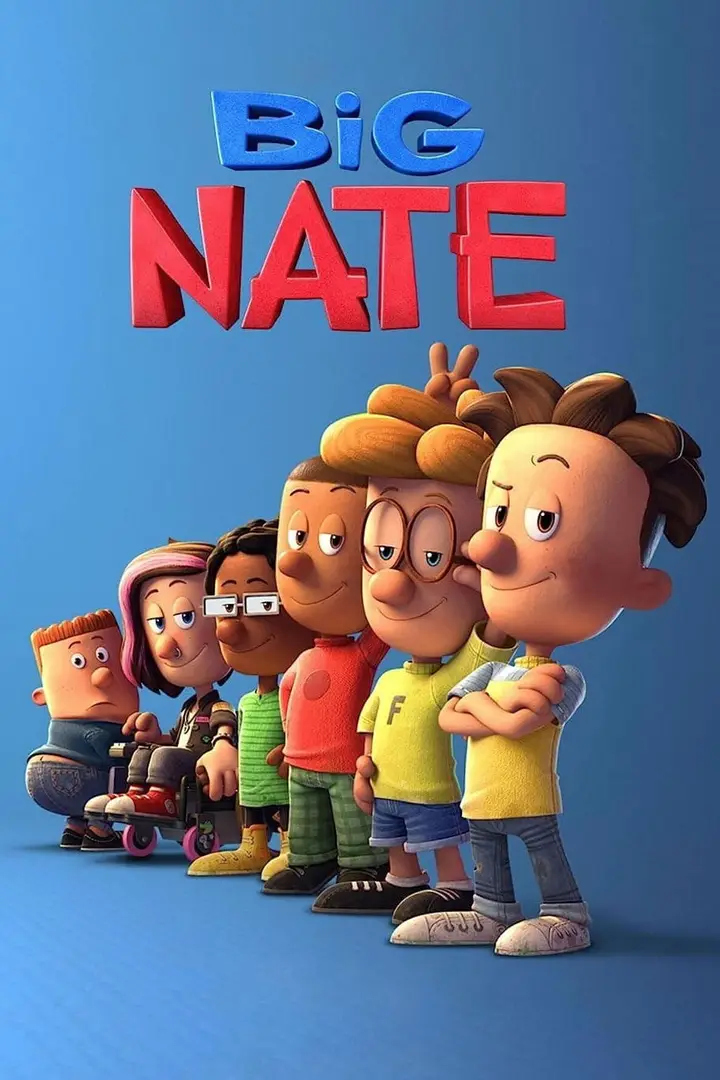
Big Nate
Nate's confidence consistently outpaces his judgment, and the comedy comes from watching ambitious plans unravel while he stays undiscouraged enough to try again almost immediately.
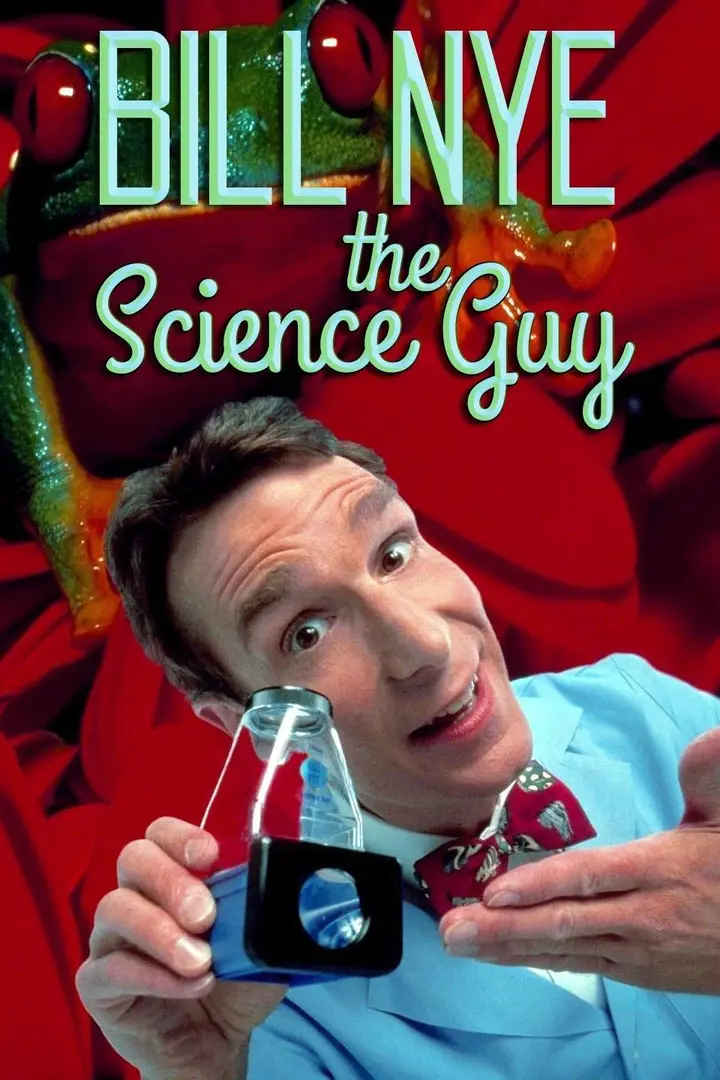
Bill Nye the Science Guy
The show teaches the method, not just the facts: ask a question, test it, look at the result. Each episode is self-contained, which makes it easy to use in class or pair with a home experiment.
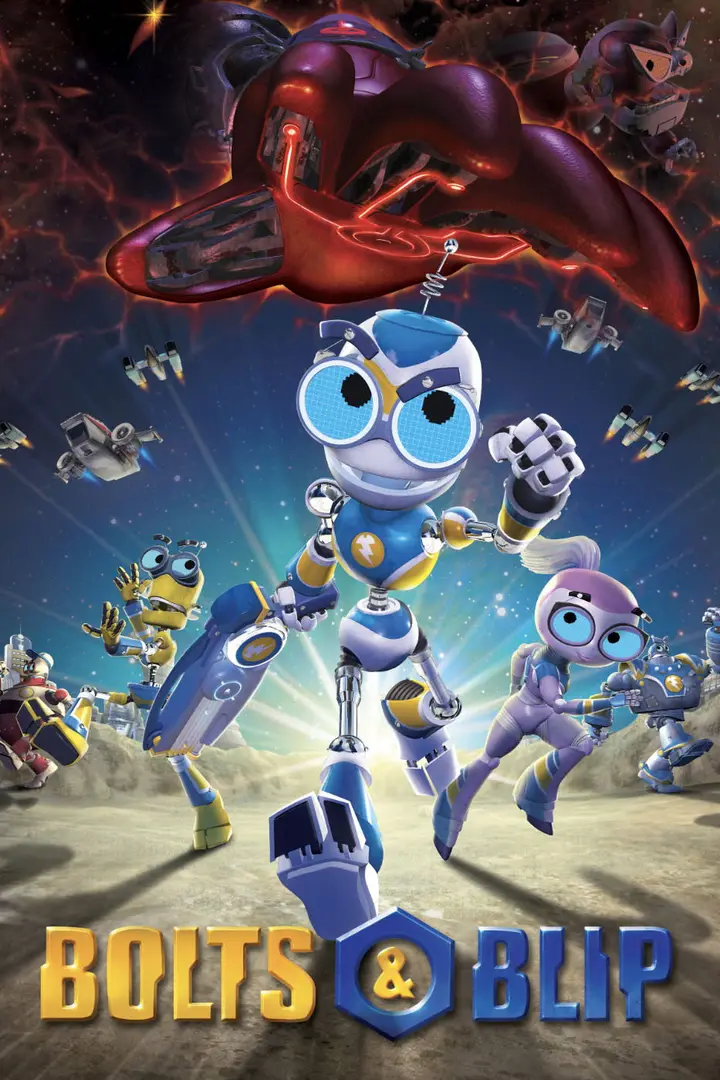
Bolts & Blip
Robot sports begin as competition and expand into a broader science-fiction conflict about friendship, confidence and hidden threats. Bolts and Blip’s contrasting personalities give the team a clear interpersonal core as the stakes grow.
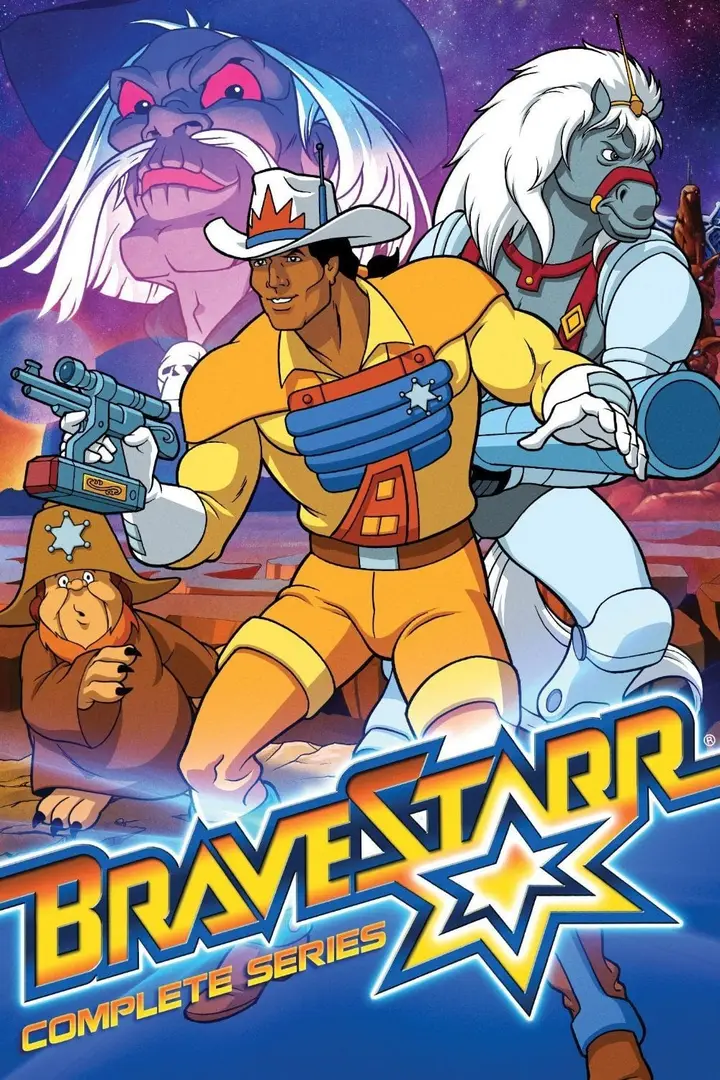
BraveStarr
A space-western setting mixes frontier adventure with aliens, futuristic technology and supernatural powers. BraveStarr’s role as marshal gives the action a clear responsibility framework, while his allies broaden each mission beyond solo heroics.
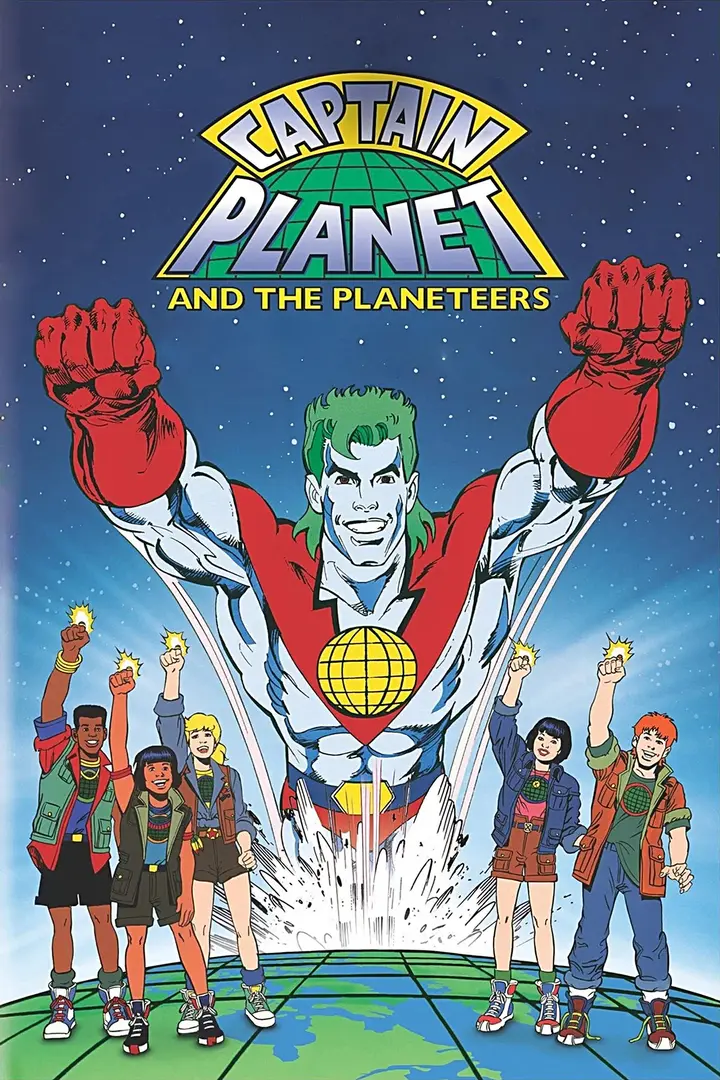
Captain Planet and the Planeteers
Environmental problems become action missions as five teenagers combine different elemental powers and perspectives. The direct structure connects pollution, wildlife protection and resource use to practical choices, giving teamwork a clear global purpose.

Carmen Sandiego
Carmen’s missions combine action with geography, history and cultural information as she stays ahead of V.I.L.E. Planning, disguises and teamwork make each theft a strategic problem, while her targets keep the moral framework clear.
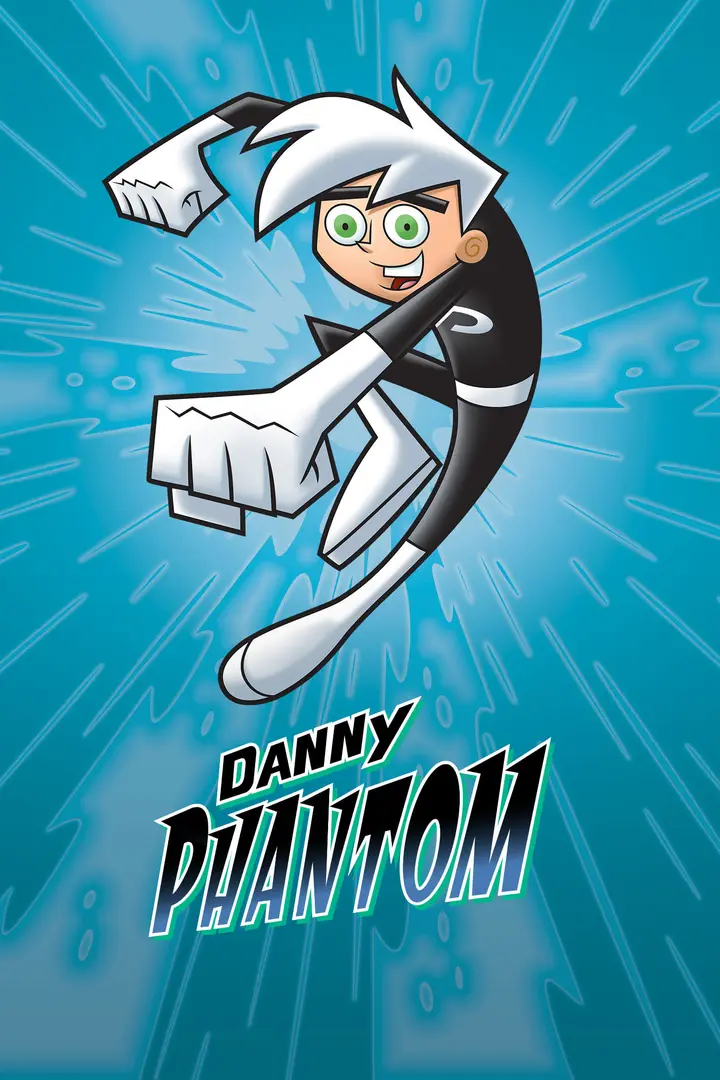
Danny Phantom
Danny’s ghost powers create a superhero double life that connects action with school, friendship and identity. Sam and Tucker keep him grounded, while the secret he must protect adds pressure to every supernatural conflict.
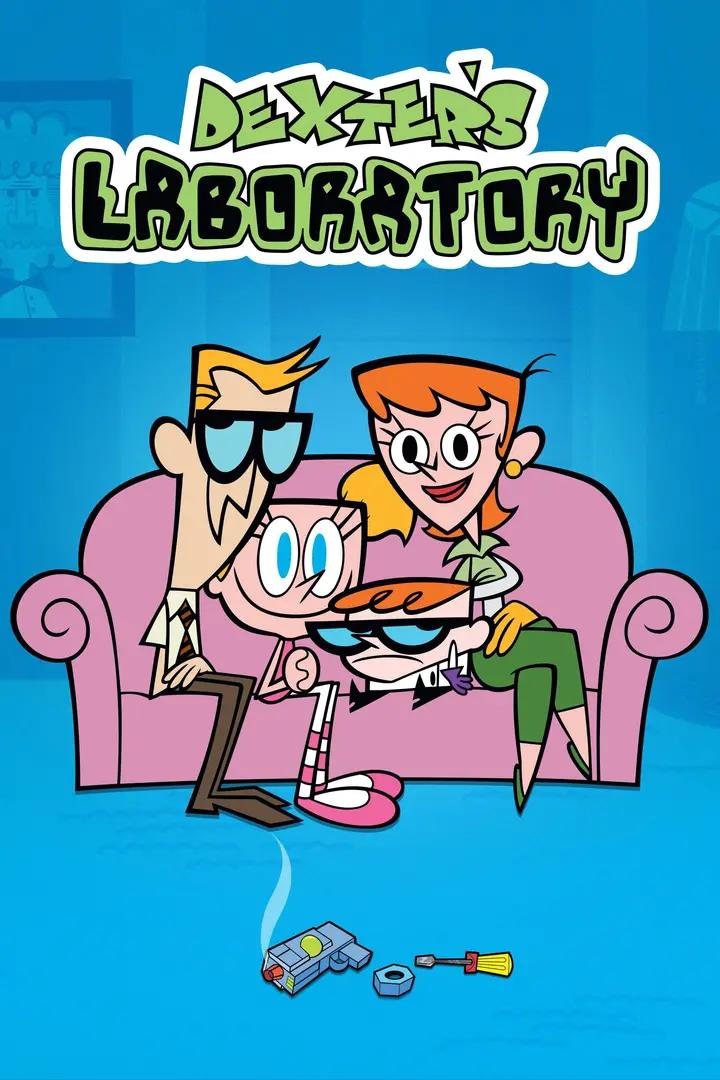
Dexter's Laboratory
Dexter’s secret laboratory turns scientific ambition into fast comedy as inventions collide with Dee Dee’s curiosity and his own overconfidence. The contrast between careful planning and chaotic results gives every experiment a clear comic engine.
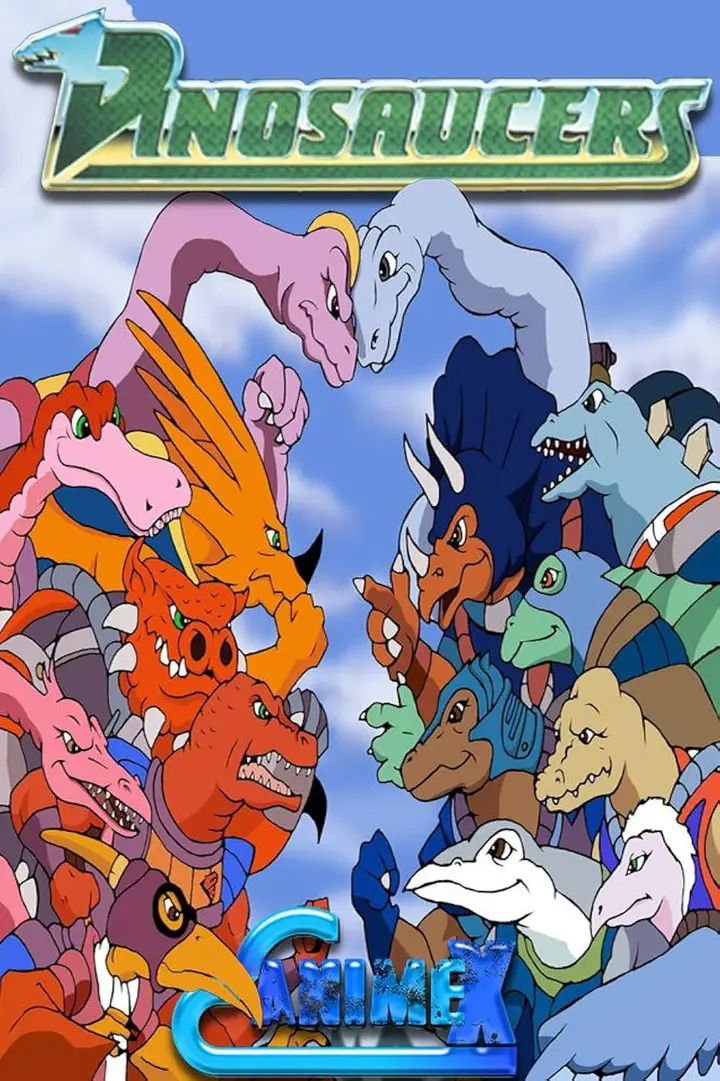
Dinosaucers
Alien dinosaurs, spaceships and young human allies give the series an instantly readable science-fiction hook. The Secret Scouts keep the interplanetary conflict connected to Earth, while team loyalty drives the defense against the Tyrannos.
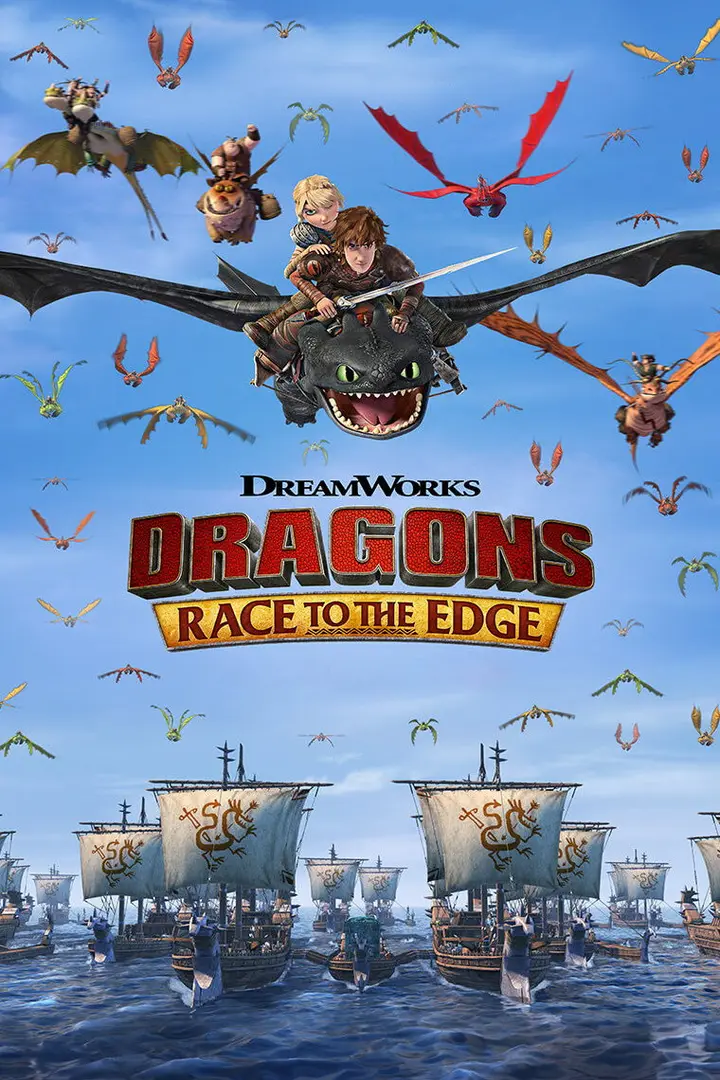
Dragons: Race to the Edge
The Dragon Eye turns exploration into a long-running mystery about new species, distant places and hidden knowledge. Hiccup’s leadership grows through strategic challenges, while the riders’ friendships carry the expanding adventure.
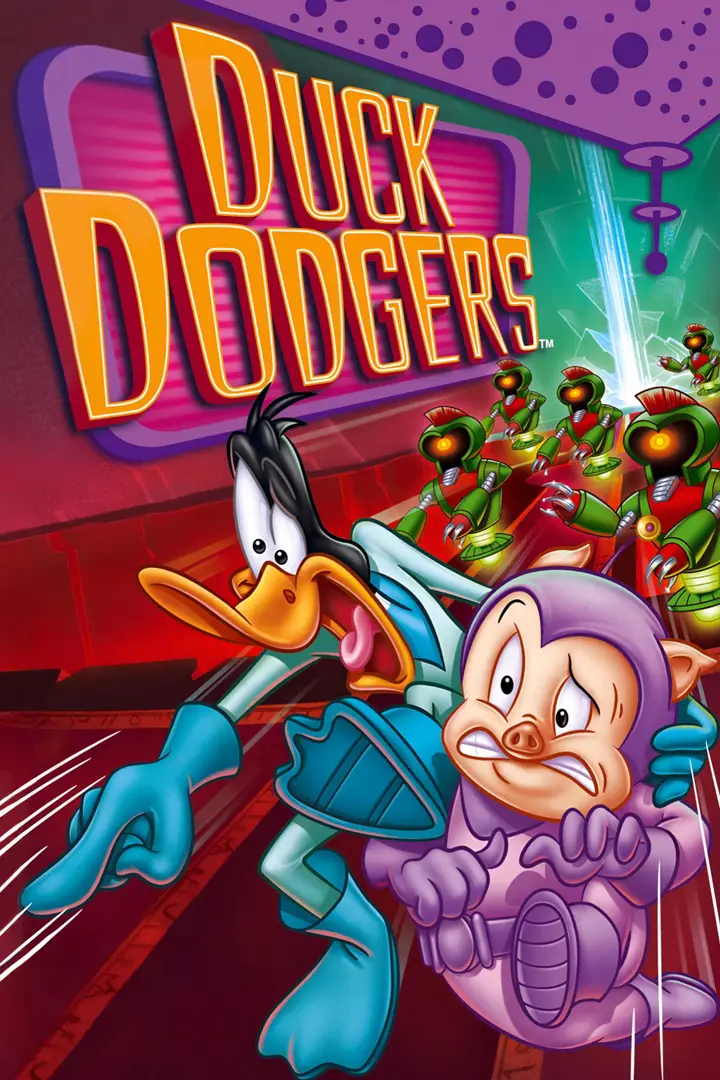
Duck Dodgers
Daffy’s exaggerated confidence turns space opera into parody, especially when his young partner proves far more capable. Alien empires, futuristic missions and Marvin the Martian provide a clear science-fiction framework for the comedy.
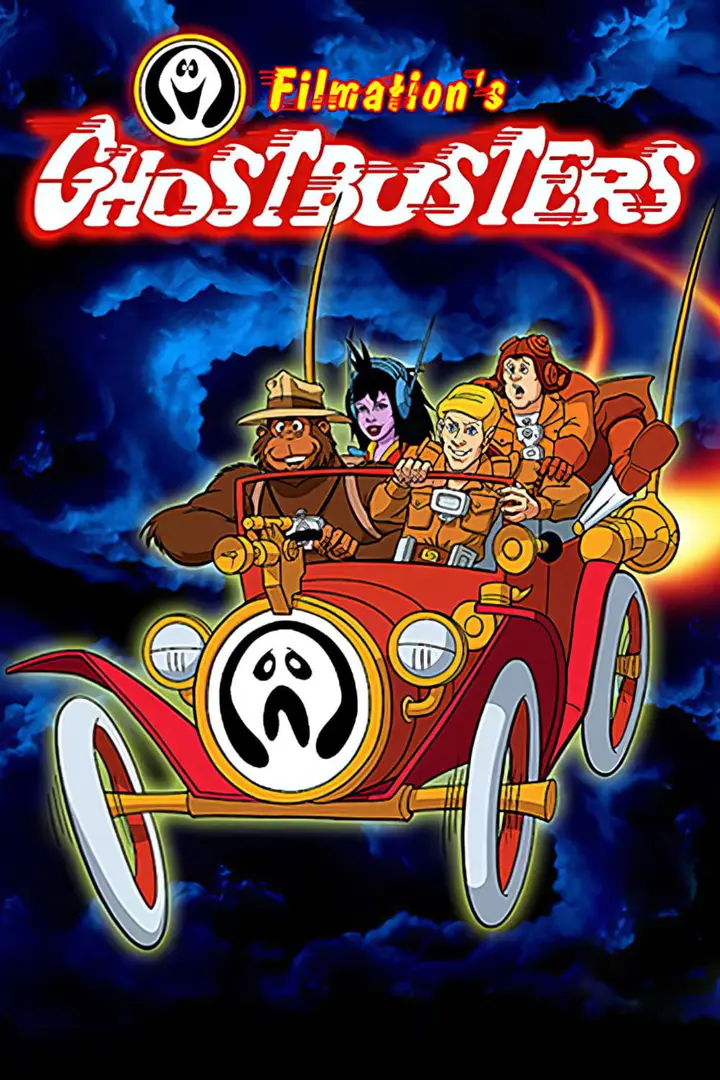
Filmation's Ghostbusters
Supernatural investigation is mixed with broad comedy, transformations and gadget-driven action. Jake, Eddie and Tracy form an easy-to-read team, while Prime Evil and his followers give the series a consistent set of recurring threats.
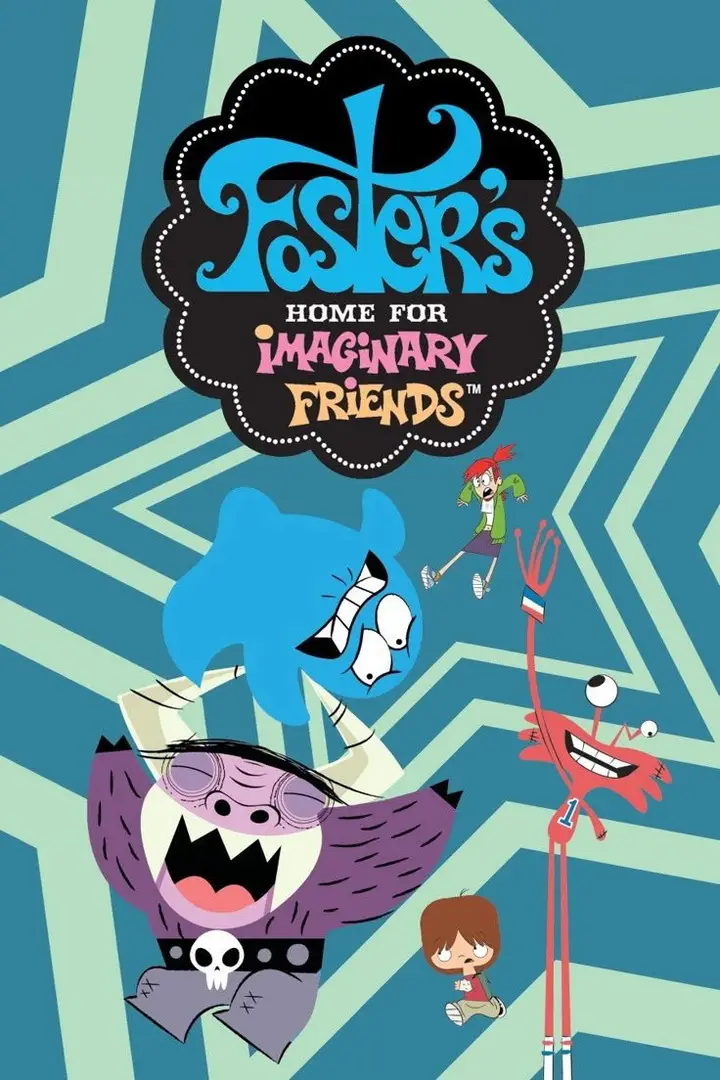
Foster's Home for Imaginary Friends
A home full of imaginary friends gives childhood creativity a social world with rules, jealousy and responsibility. Mac’s daily visits to Bloo keep the surreal comedy tied to a clear friendship and the fear of being replaced.
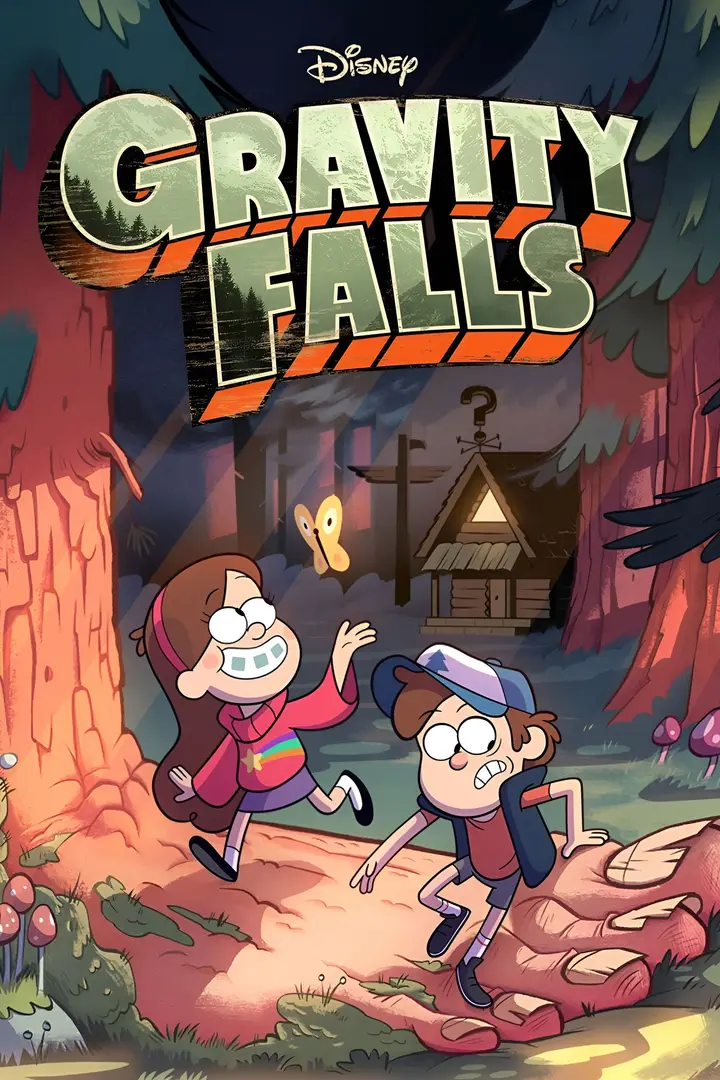
Gravity Falls
Dipper’s mysterious journal turns a strange summer town into a connected puzzle filled with monsters, codes and hidden organizations. Mabel’s energy balances the suspense, while the twins’ loyalty keeps the expanding mystery tied to family.
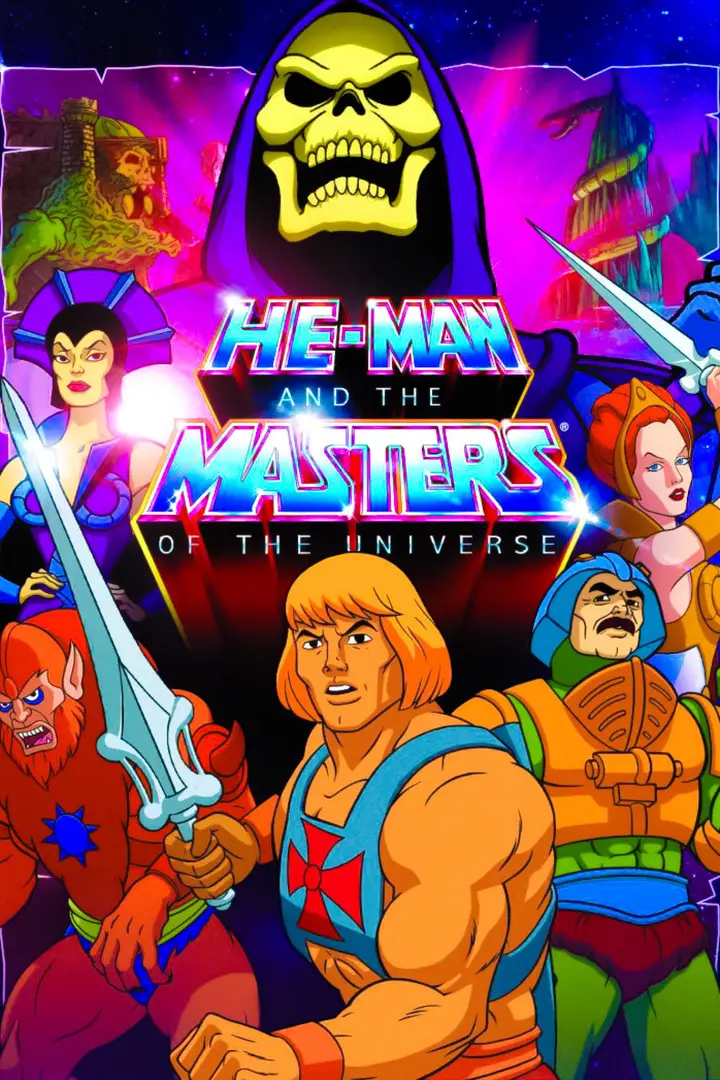
He-Man and the Masters of the Universe
Sword-and-sorcery fantasy mixes with futuristic technology to create a vivid adventure world. Prince Adam’s transformation into He-Man gives each battle a clear responsibility theme, since power matters only when used to protect others.
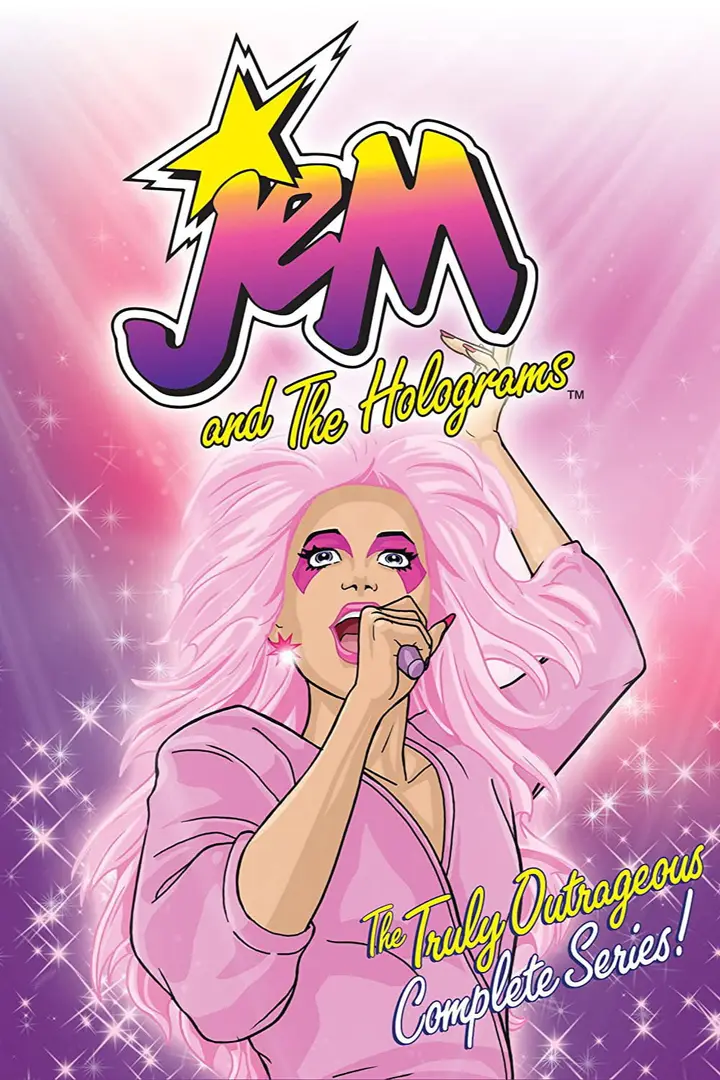
Jem
Music, fashion and performance sit beside a double-identity story about responsibility and ambition. Jerrica’s use of Synergy creates constant tension between public success and private obligations, giving the bright pop setting a stronger narrative engine.
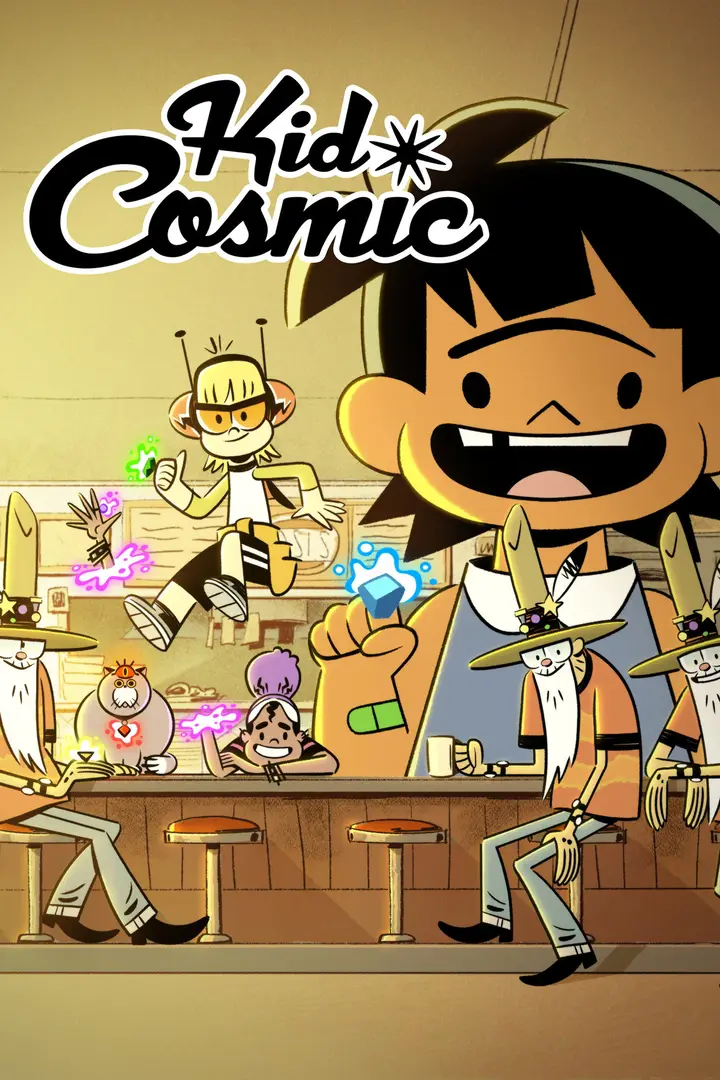
Kid Cosmic
Kid Cosmic treats failure as part of becoming capable rather than something to hide. Its heroes make mistakes, misjudge opponents and sometimes lose badly, then learn to listen, cooperate and reconsider what being heroic means. Beneath the bright comic-book energy is a compassionate idea: real heroes help rather than simply defeat whoever looks like the enemy.
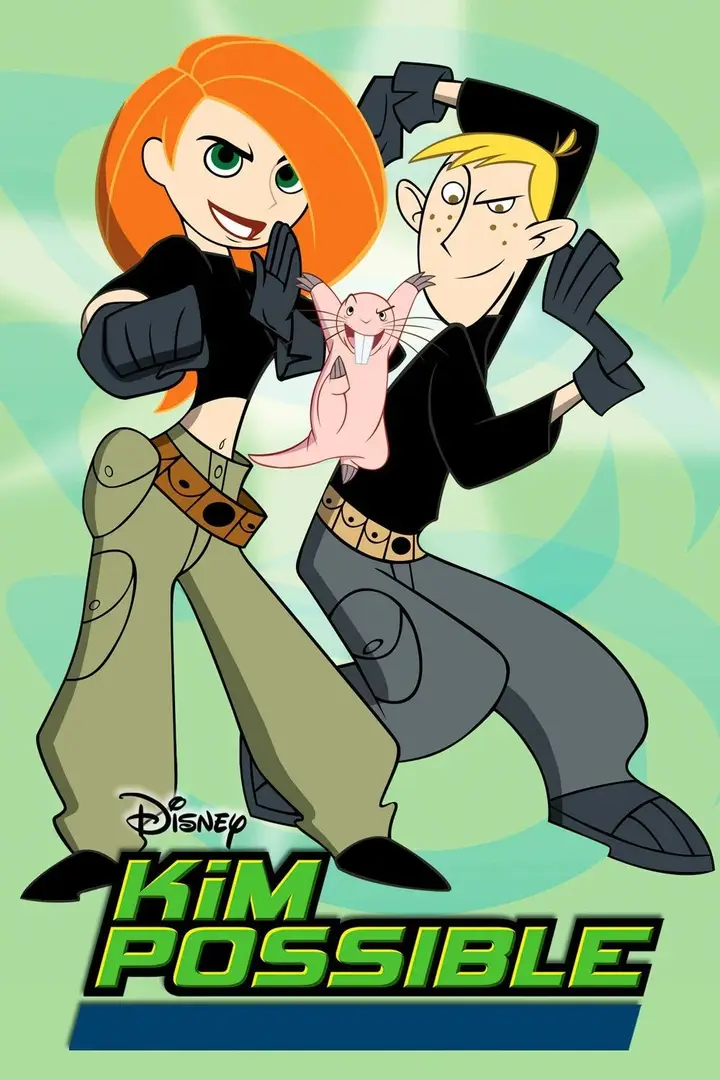
Kim Possible
Kim’s competence on missions contrasts with the ordinary complications of school, family and friendships. Ron, Rufus and Wade make teamwork essential, while the spy parody lets action and teenage embarrassment exist in the same story.
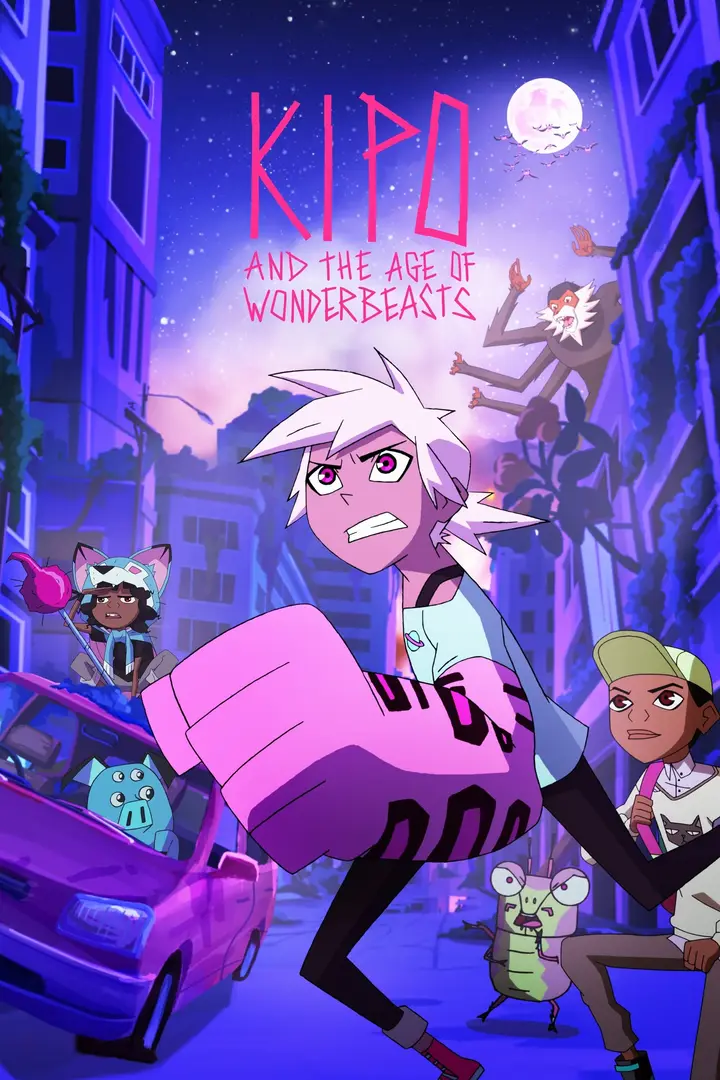
Kipo and the Age of Wonderbeasts
Its post-apocalyptic setting and mutant-animal action stay purely fantastical while the story explores prejudice and coexistence, giving an energetic adventure real thematic weight for older kids.
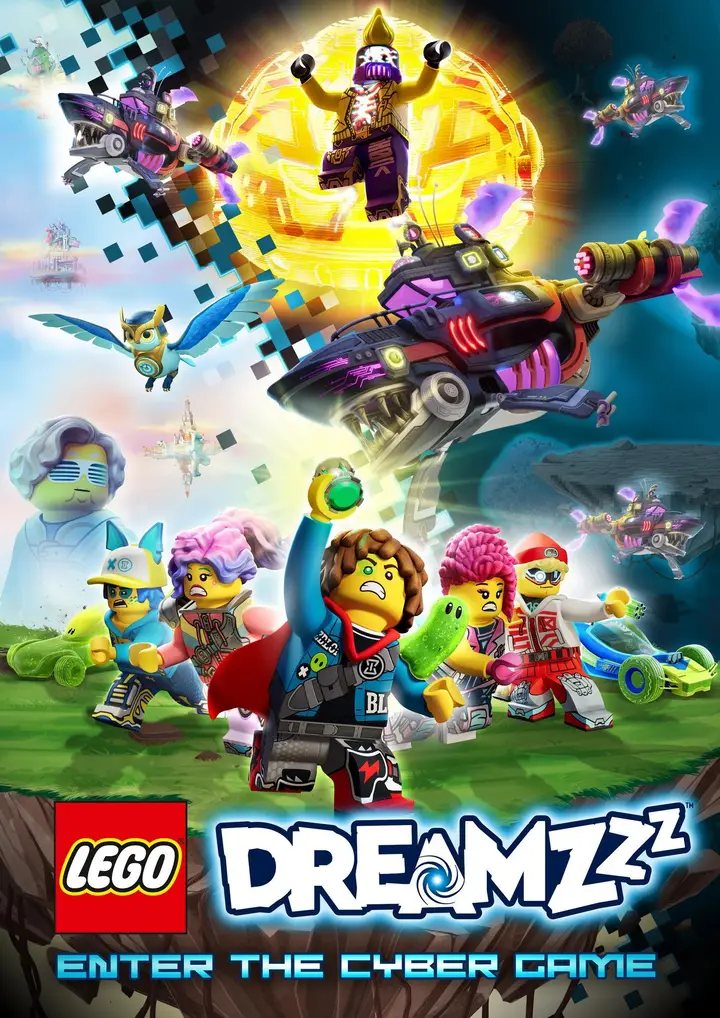
LEGO DREAMZzz
It uses LEGO's build-anything logic to give shape to fears and insecurities as much as to spectacular battles, treating imagination as a flexible tool rather than a fixed answer.
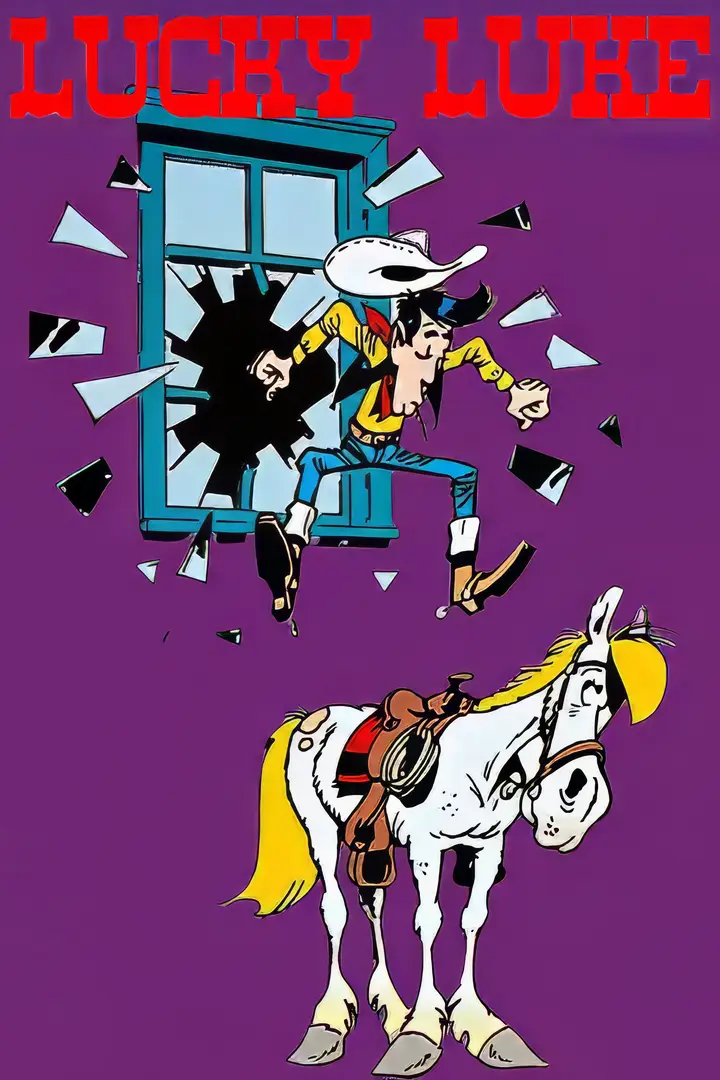
Lucky Luke
Western clichés become comedy through Lucky Luke’s impossible speed, the Daltons’ repeated failures and a large cast of eccentric frontier characters. The parody keeps shootouts and pursuits lighter than a realistic western.
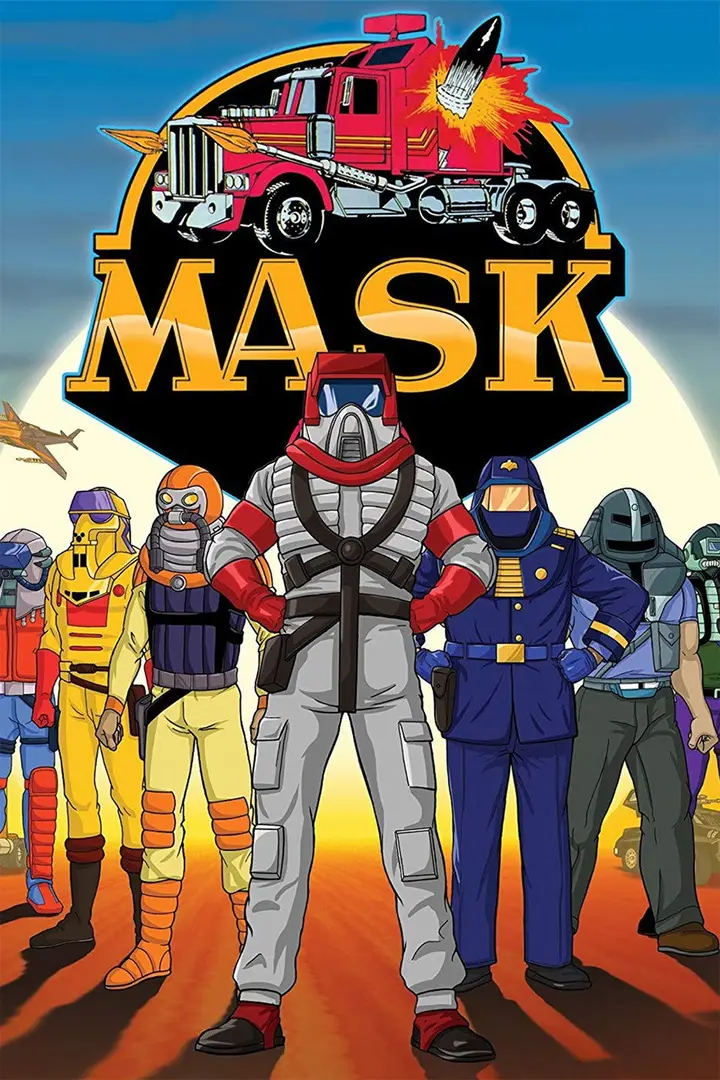
M.A.S.K.
Transforming vehicles and specialized masks give every mission a tactical puzzle as well as visual spectacle. Matt Trakker’s team succeeds by combining different abilities, making planning and coordination as important as the futuristic hardware.
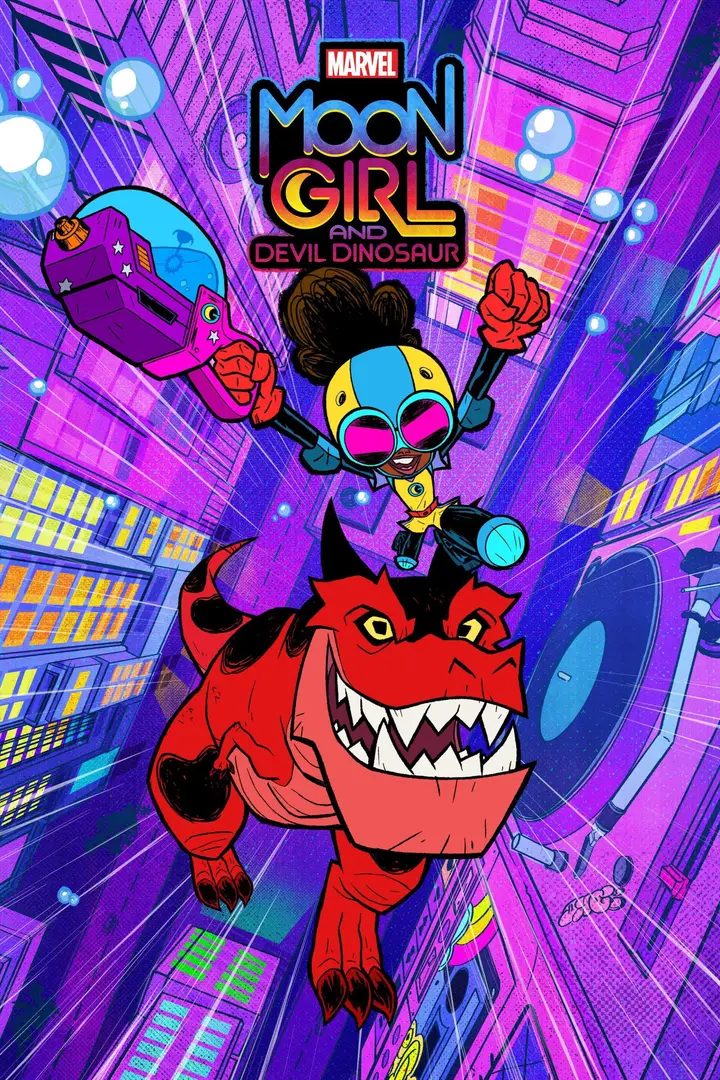
Marvel's Moon Girl and Devil Dinosaur
It grounds superhero spectacle in a specific Lower East Side family life, and lets its genius protagonist be brilliant yet fallible, giving mistakes as much narrative weight as her inventions.
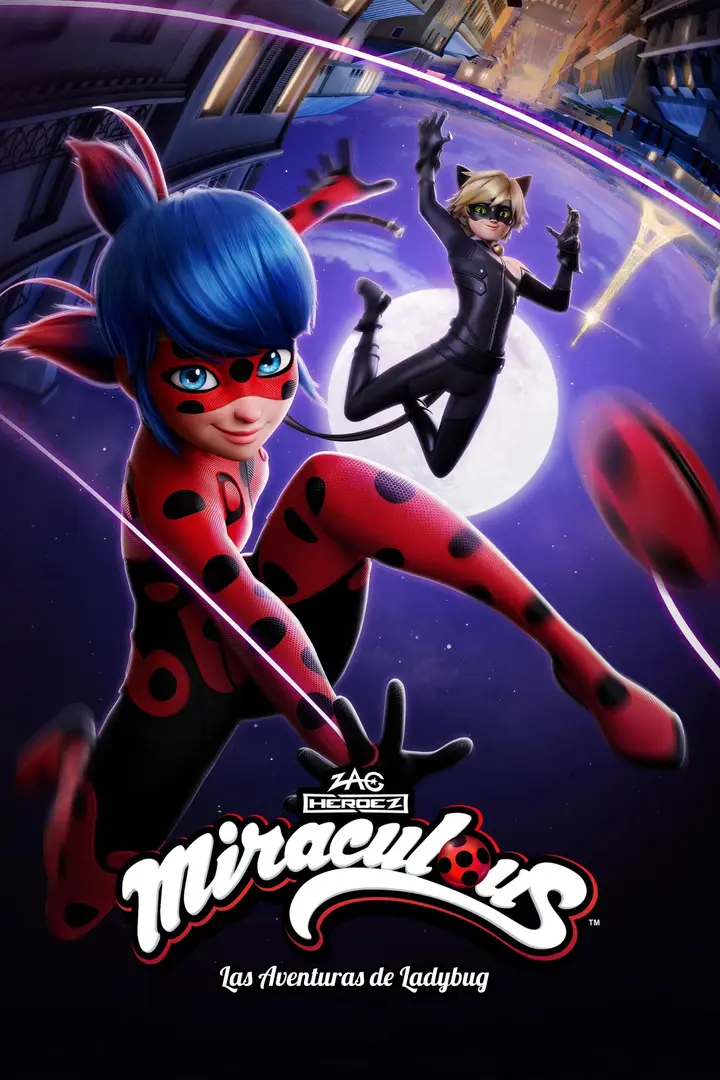
Miraculous: Tales of Ladybug & Cat Noir
Superhero battles are tied to school life, secret identities and a complicated friendship between Marinette and Adrien. Their powers work best through cooperation, while the growing Miraculous mythology gives the recurring villain structure long-term momentum.
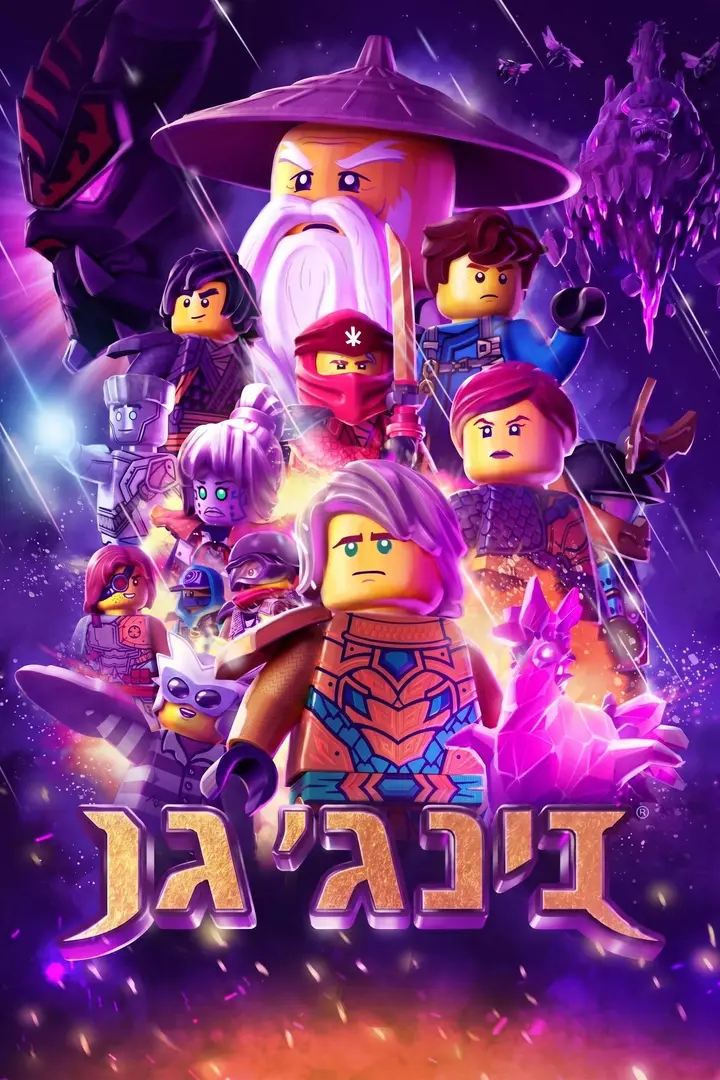
Ninjago: Masters of Spinjitzu
Martial-arts fantasy grows into a long-form team saga as Kai, Jay, Cole and Zane develop powers, loyalties and leadership. Dragons, vehicles and comedy keep the action lively while family history and sacrifice deepen the continuing story.
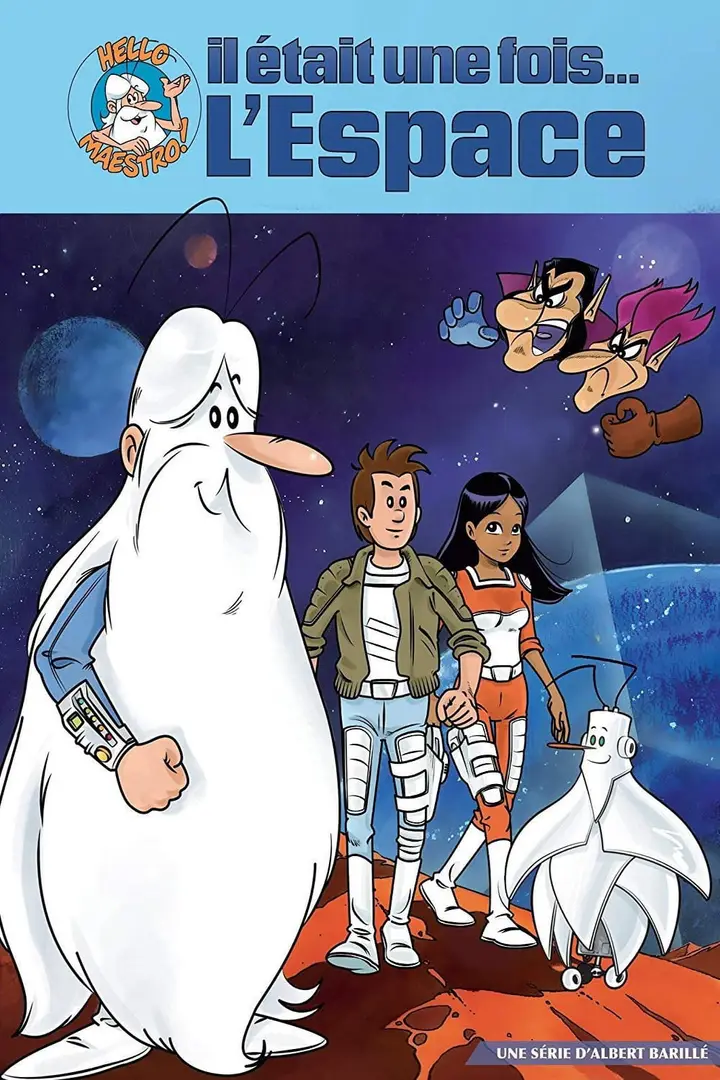
Once Upon a Time... Space
Space exploration is treated as a social and scientific challenge, not only as combat. Planetary encounters combine technology, diplomacy and political tension, giving older children a broader picture of what future civilizations might require.
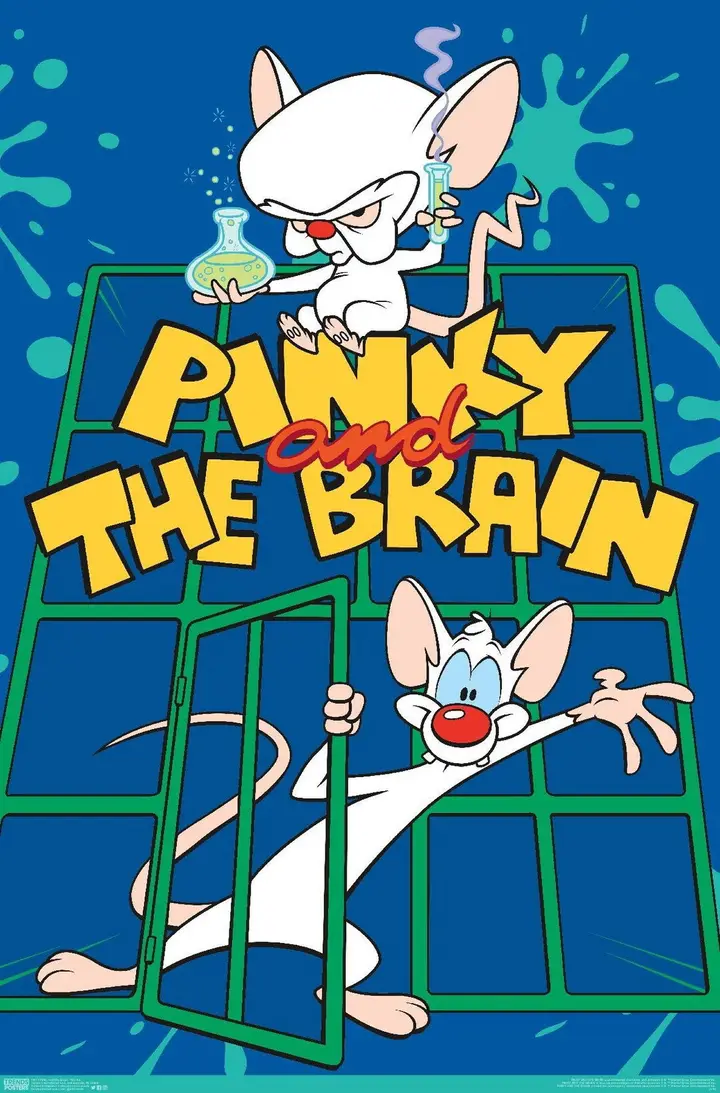
Pinky and the Brain
Brain’s elaborate plans for world domination become repeated exercises in overconfidence, logic and comic failure. Pinky’s unpredictability provides the perfect contrast, while historical and cultural references give older viewers extra layers to catch.
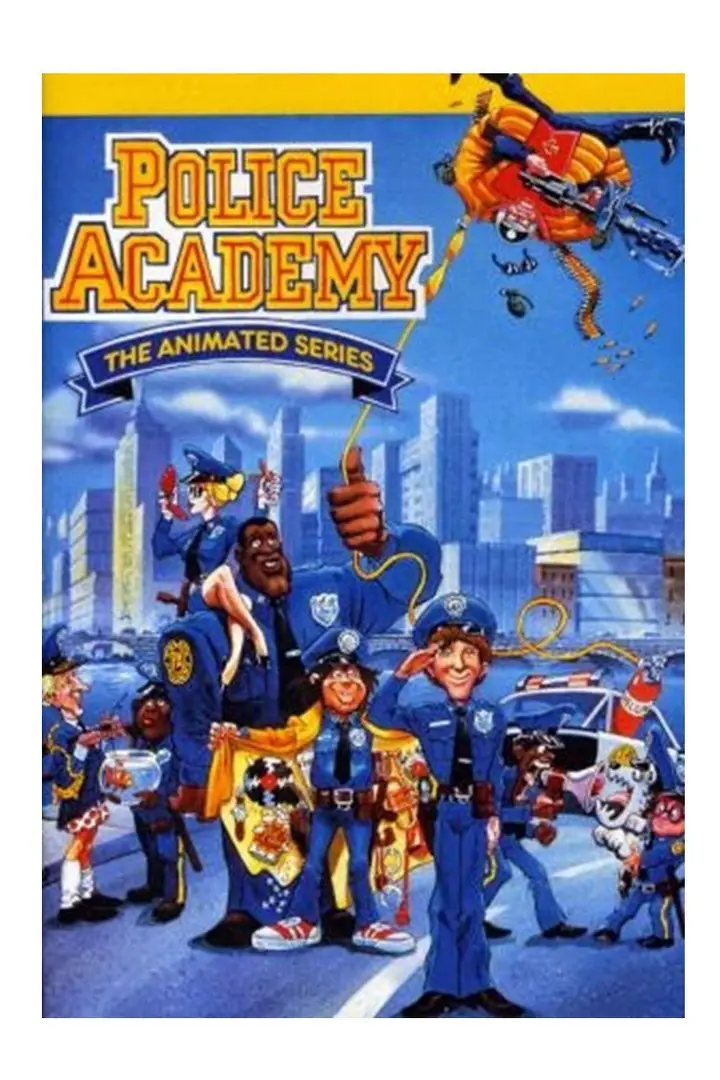
Police Academy: The Animated Series
Police action is reshaped into broad cartoon comedy through eccentric officers, odd gadgets and plans that rarely go smoothly. The ensemble format keeps cases varied and gives each character a recognizable comic role.
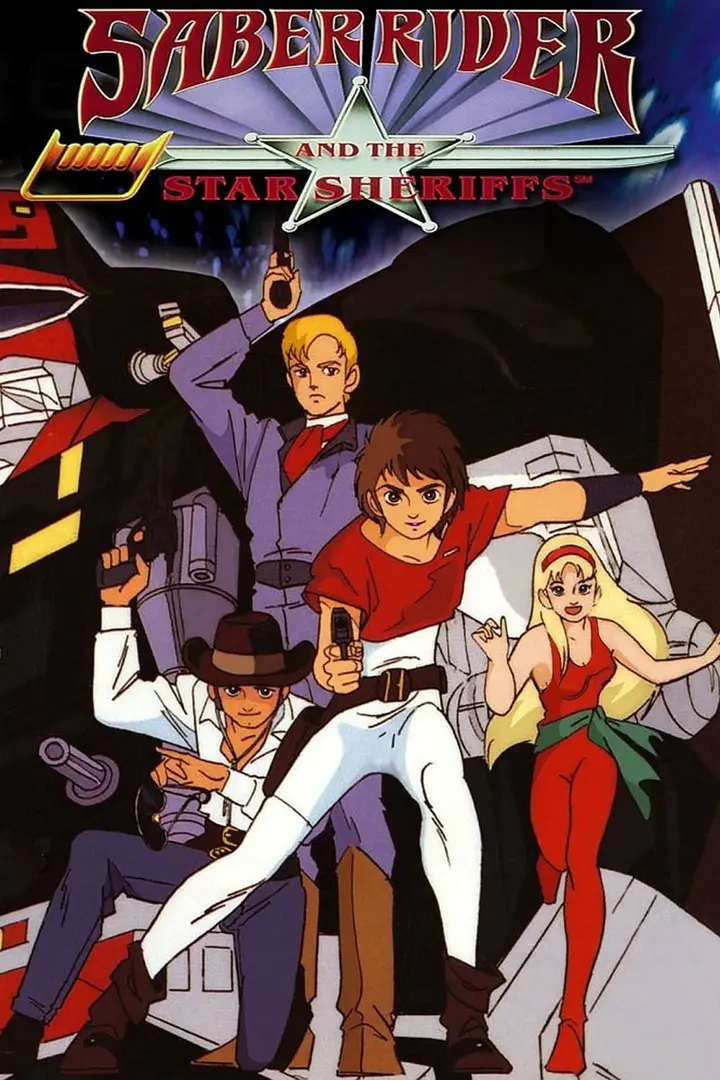
Saber Rider and the Star Sheriffs
A space-western setting gives the team clear roles, distinctive vehicles and a strong frontier identity. Saber Rider’s leadership, Ramrod’s transformations and the Outrider conflict create steady momentum while keeping cooperation central to every mission.
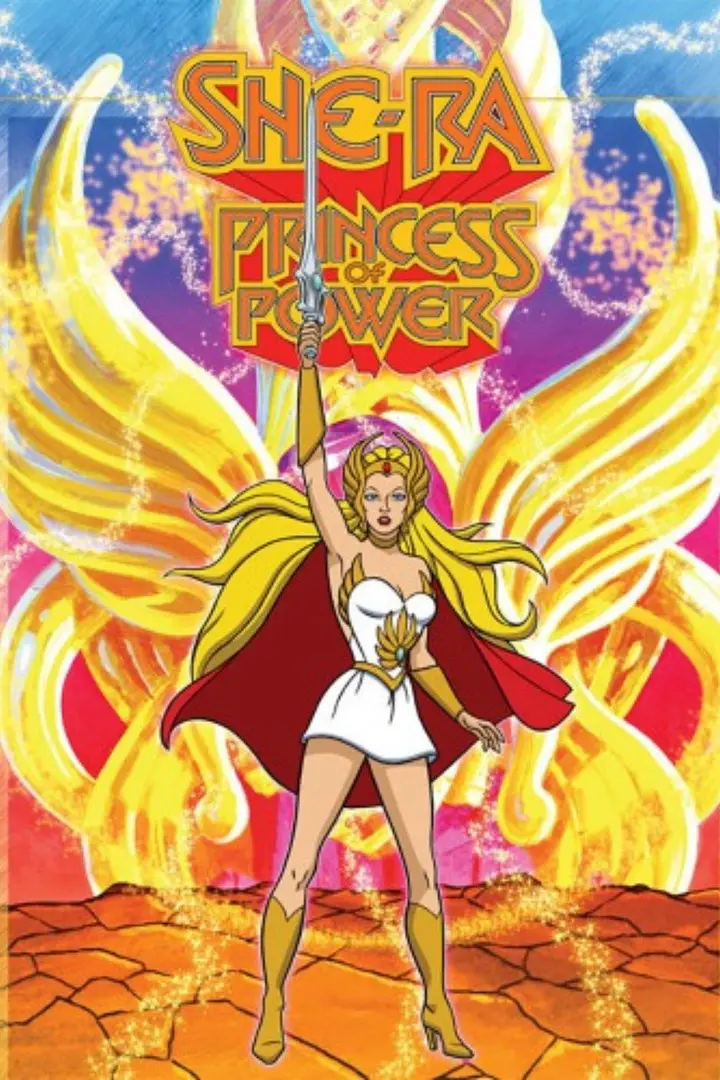
She-Ra: Princess of Power
Adora’s transformation into She-Ra gives the fantasy a strong heroic center built around protecting people under occupation. The Rebellion, magical allies and rescue missions keep teamwork and resistance central to the action.
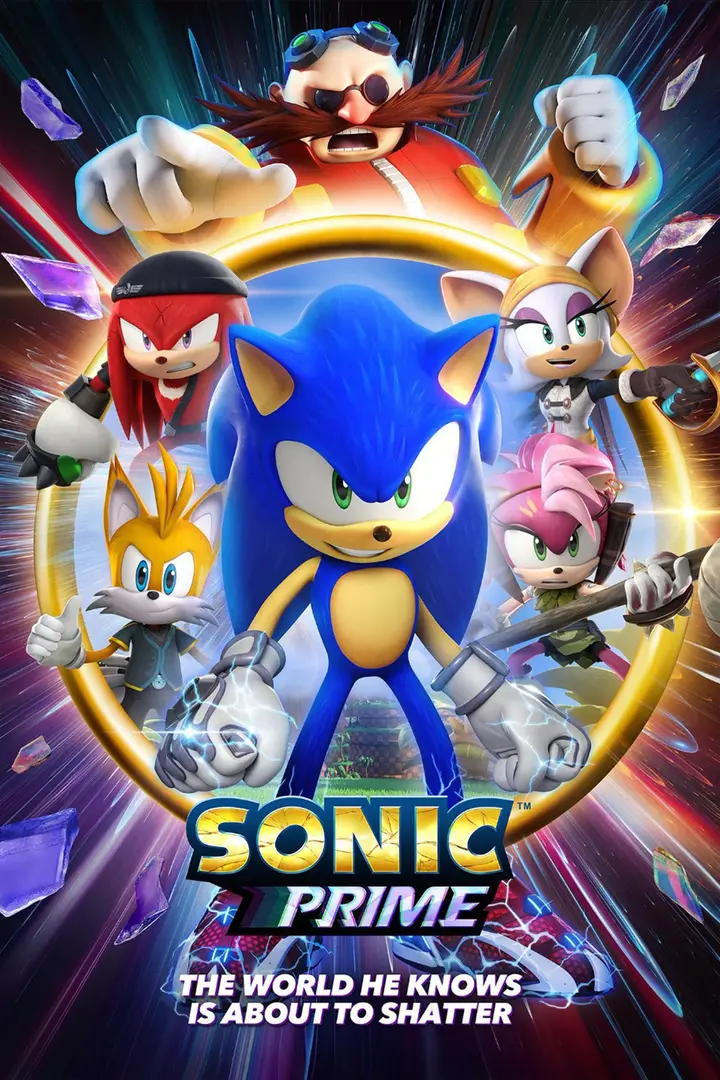
Sonic Prime
Each parallel world reimagines familiar characters in a genuinely different genre, while Sonic's arc shows that speed and instinct aren't enough without listening to others first.
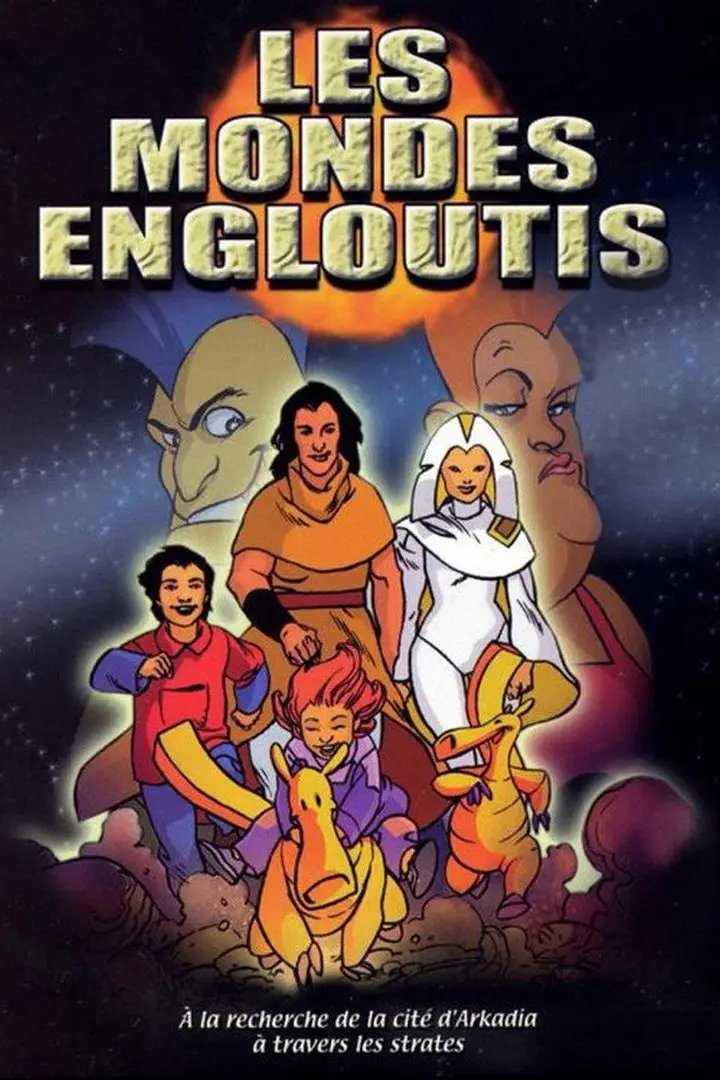
Spartakus and the Sun Beneath the Sea
A failing artificial sun gives the underground quest clear urgency, while lost civilizations and mythic references make each stage feel distinct. Arkana and Spartakus must rely on knowledge and cooperation as much as physical courage.
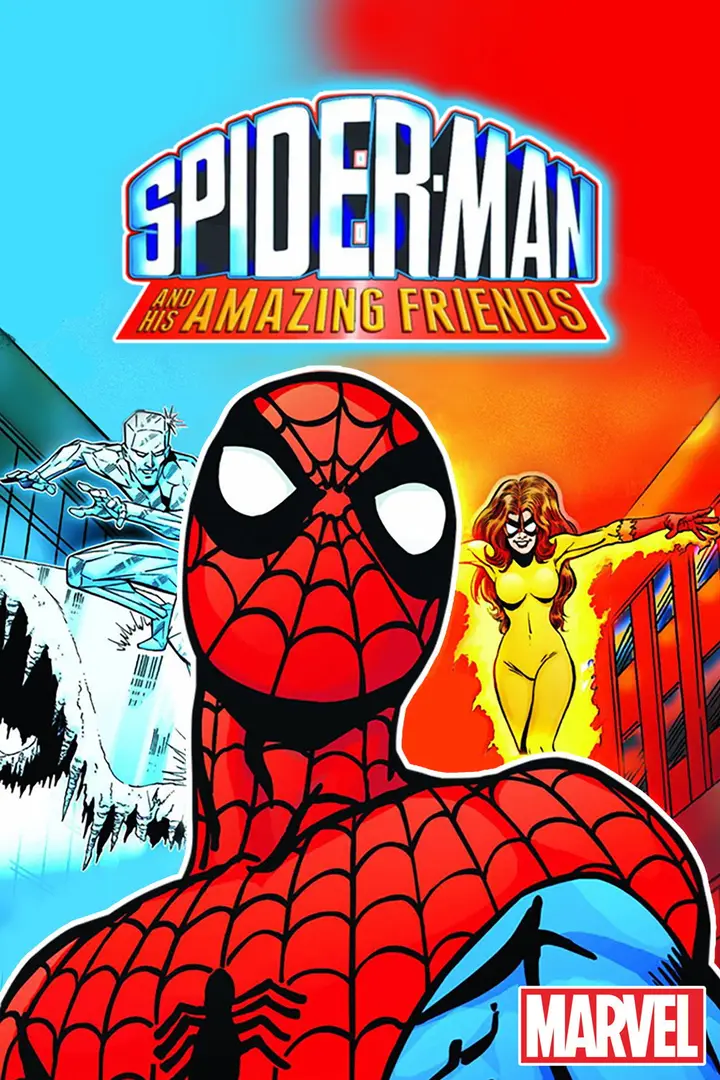
Spider-Man and His Amazing Friends
Spider-Man, Iceman and Firestar combine different powers in team-based superhero stories that also make room for school and home life. Shared missions emphasize cooperation instead of letting one hero solve every problem alone.
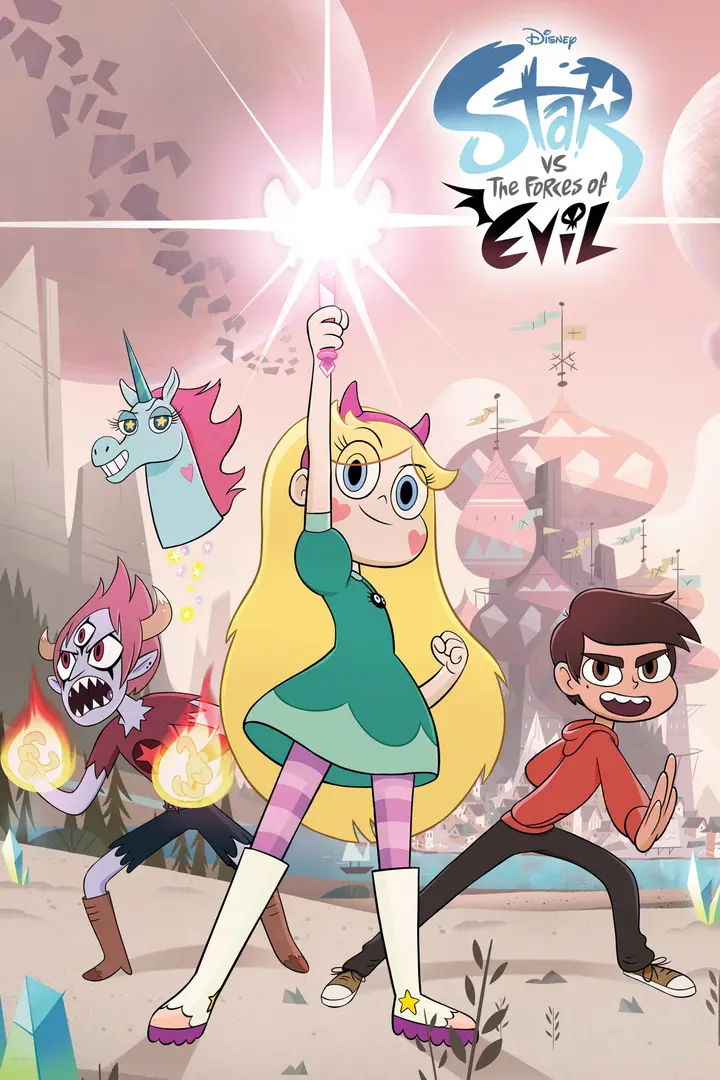
Star vs. the Forces of Evil
Star’s chaotic magic begins as fast comedy, then opens into larger questions about history, power and responsibility. Her friendship with Marco keeps the expanding fantasy grounded while the serialized plot gives earlier choices consequences.
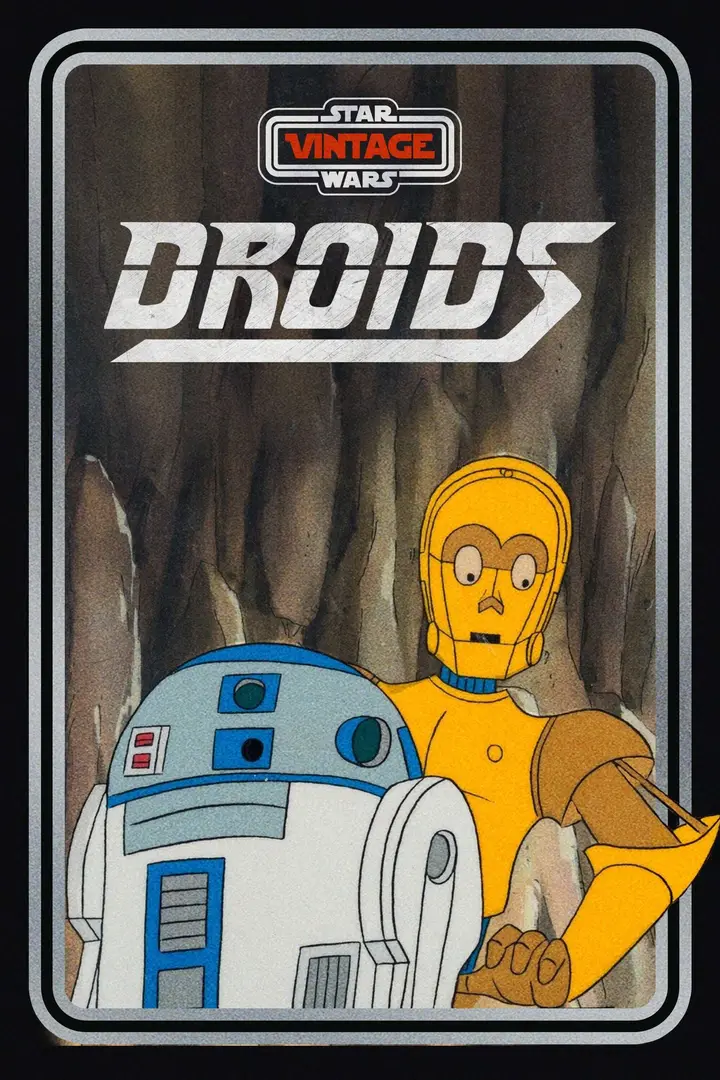
Star Wars: Droids
R2-D2 and C-3PO anchor smaller Star Wars adventures through contrasting personalities, technology and constant problem-solving. Changing owners and planets keep the setting varied while their partnership provides continuity across political conflicts and criminal schemes.
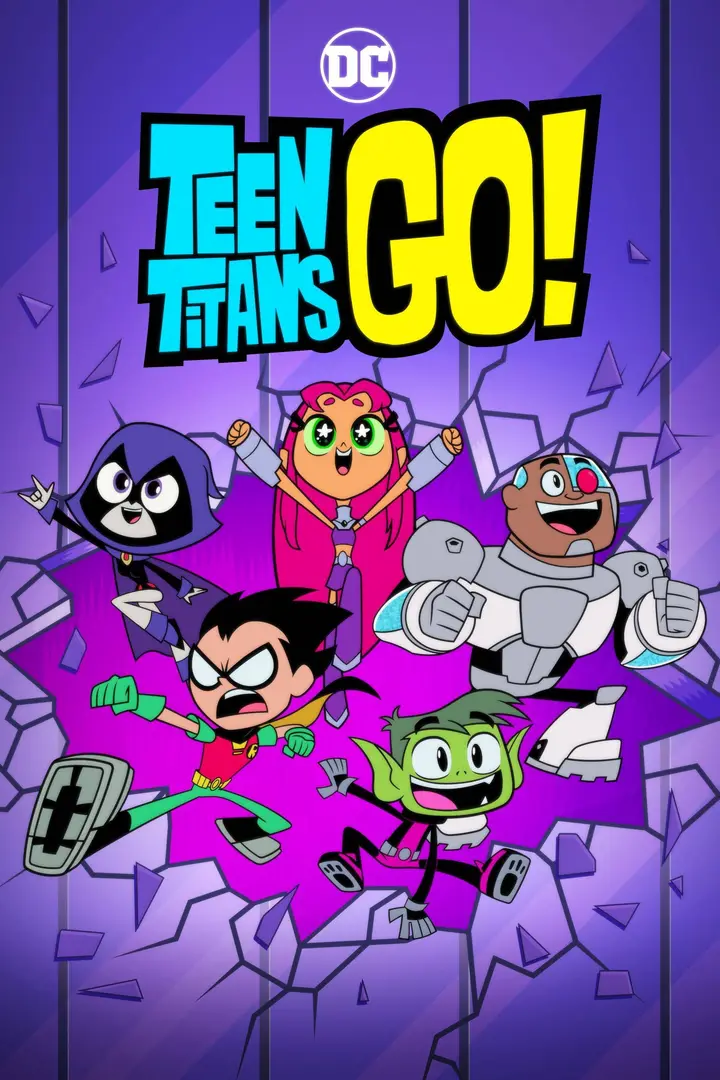
Teen Titans Go!
Superhero powers become fuel for fast parody, absurd arguments and pop-culture jokes. The team’s clashing personalities keep episodes energetic, while the series freely mocks heroic conventions instead of treating every mission with seriousness.
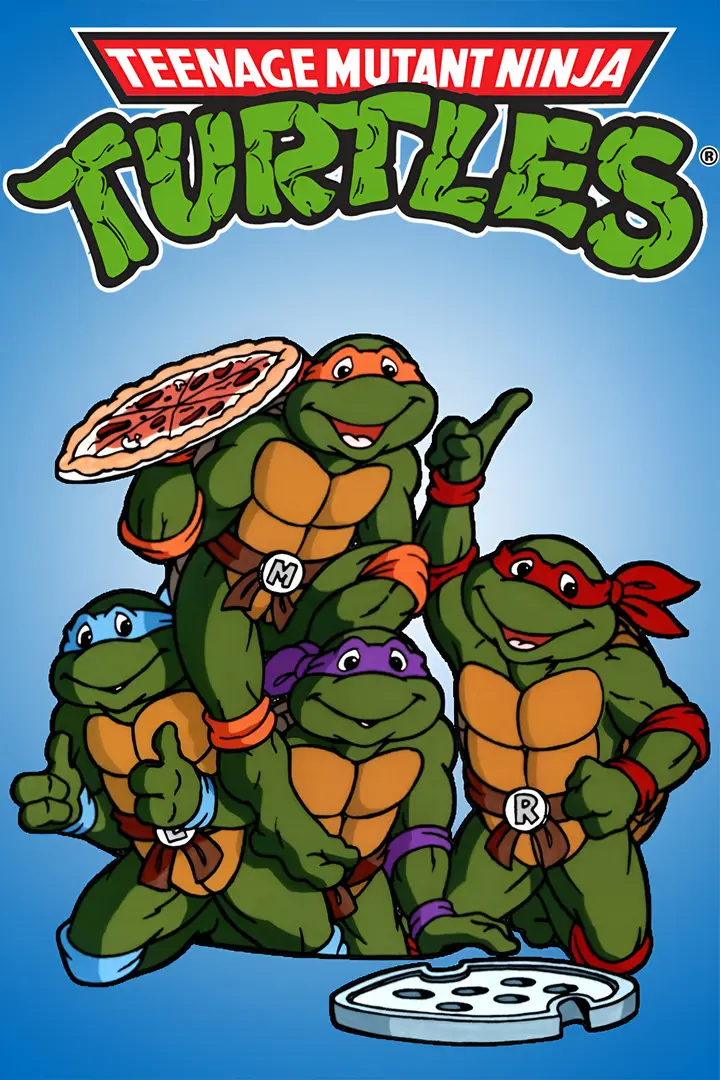
Teenage Mutant Ninja Turtles
Martial arts, science fiction and four distinct personalities give the team constant comic and tactical variety. Leonardo, Raphael, Donatello and Michelangelo work best when their different strengths combine against Shredder and other recurring threats.
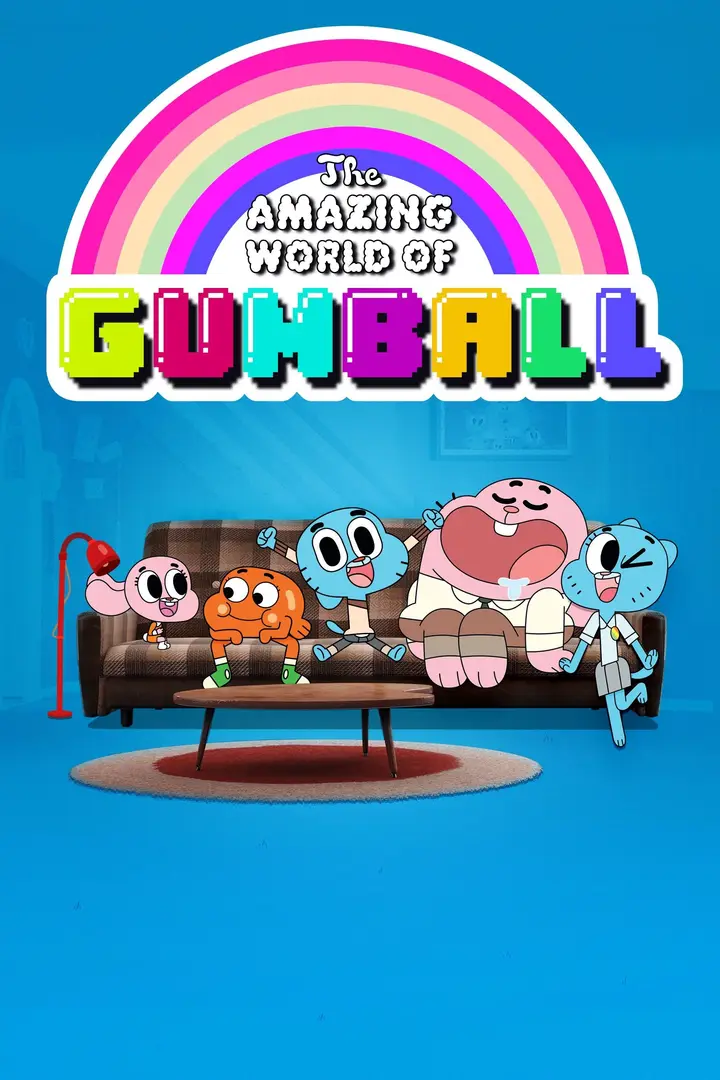
The Amazing World of Gumball
Ordinary school and family problems explode into surreal comedy through mixed animation styles and impossible logic. Gumball and Darwin’s friendship gives the visual chaos a stable center, while satire adds extra layers for older viewers.
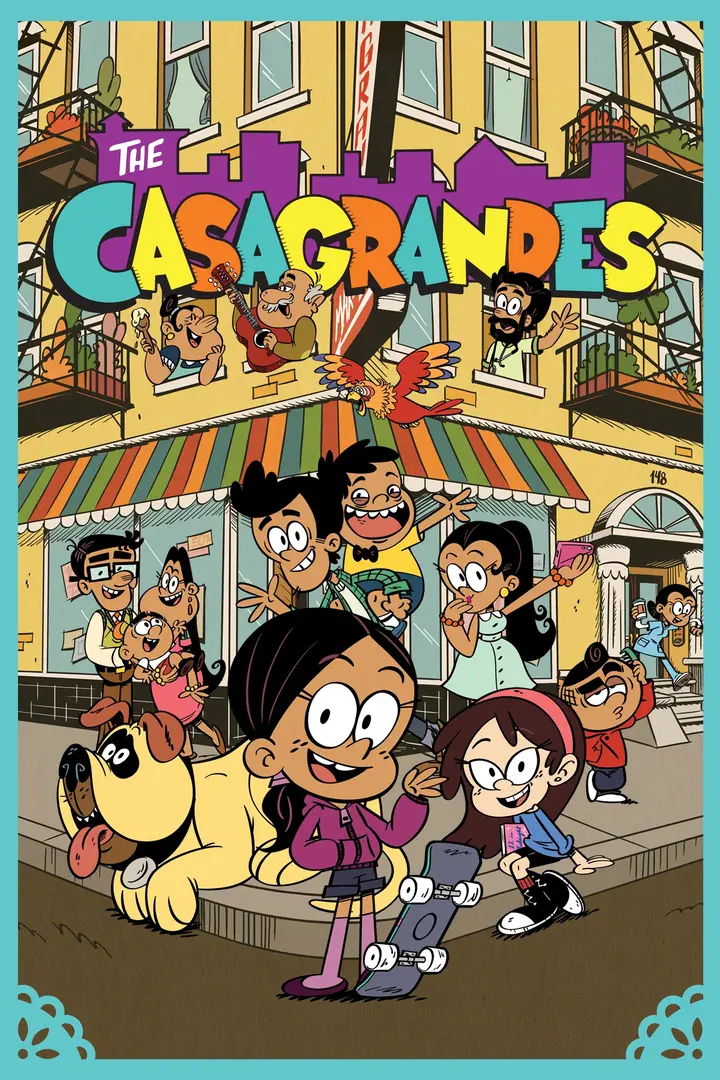
The Casagrandes
A crowded multigenerational home turns privacy, chores, school and friendship into fast family comedy. Mexican-American culture appears through food, celebrations, language and everyday relationships, giving the setting specificity without stopping the story for explanation.
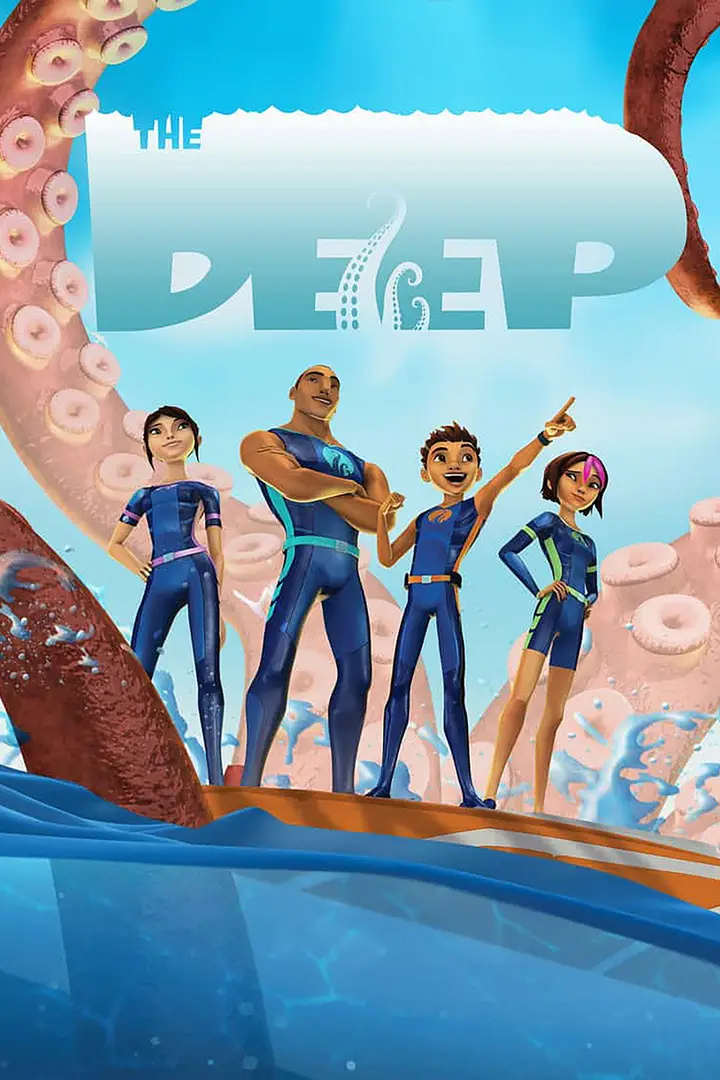
The Deep
The Nektons treat the ocean as a place of real discovery, combining marine science with lost civilizations and family adventure. Their submarine missions reward curiosity, technology and caution as each mystery pushes them into unfamiliar environments.
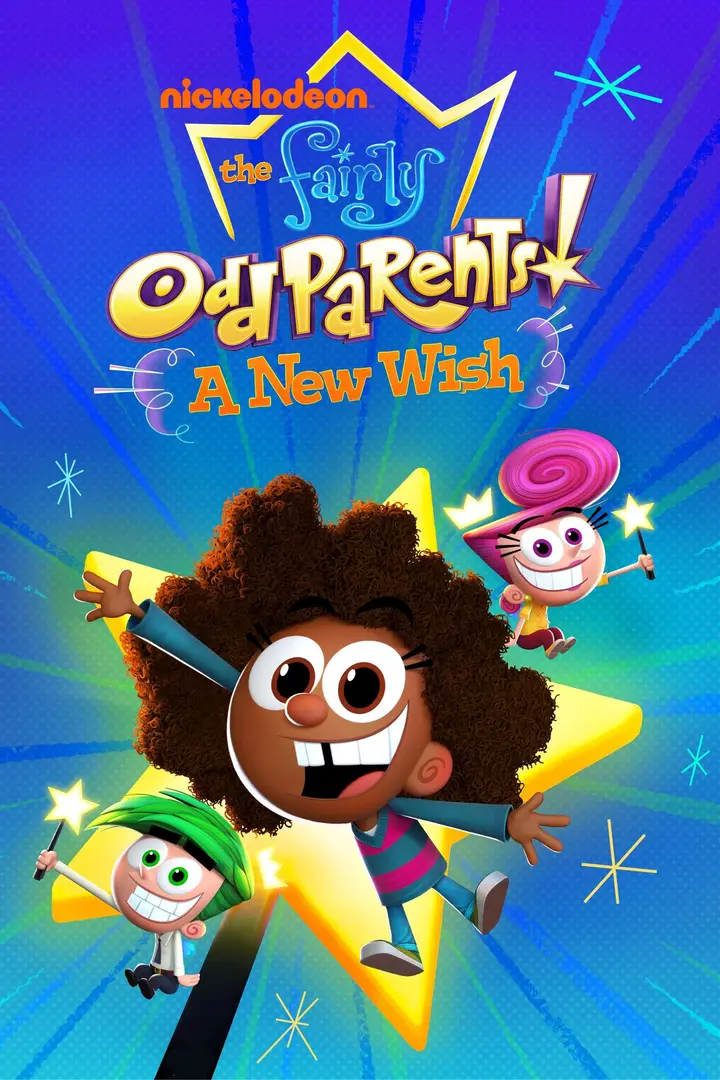
The Fairly OddParents: A New Wish
As in the original series, the real comedy comes from wishes going right technically but wrong practically, and a new lead gives familiar magical rules fresh comic energy.


