
Best TV Shows for Kids, by Age
From accessible first favorites to bigger adventures, ordered by minimum and recommended age so the next good fit is easier to find.

Page 5 of 7. This page shows series 193–240 out of 328.
Find the right series
Choose one band. Results show age-relevant series approved by our editors: those whose Minimum-to-Recommended age span overlaps the band, plus individually approved favorites. The Recommended Age is a starting point, not a maximum.
More filters and sort
No series in this guide match this age.
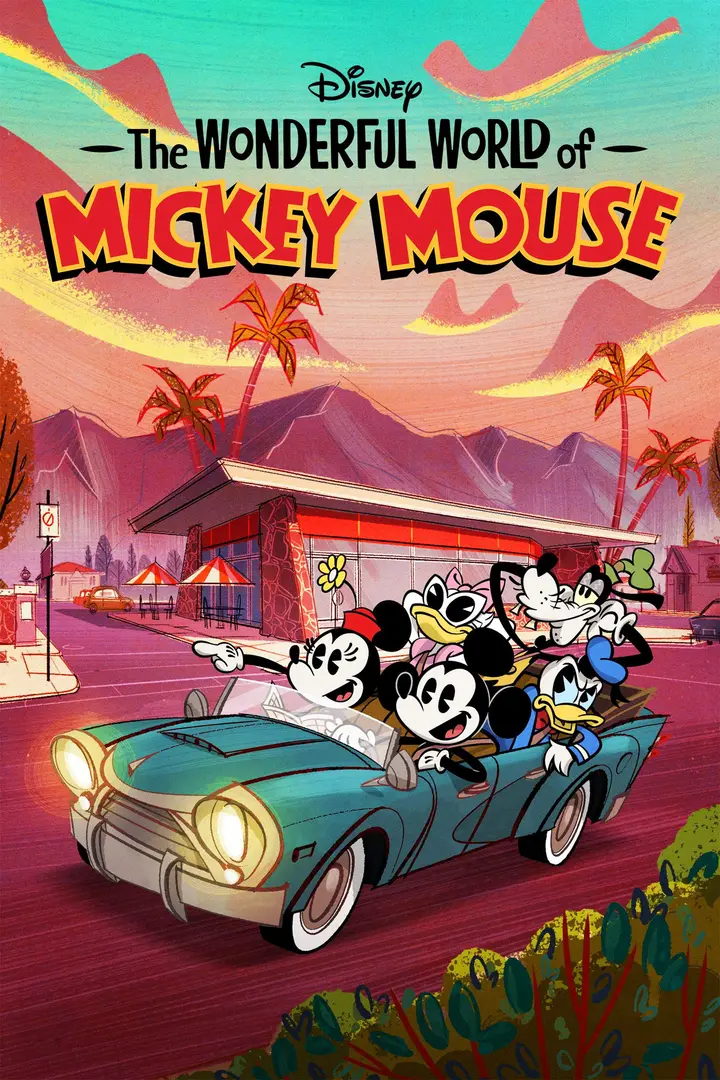
The Wonderful World of Mickey Mouse
Short, self-contained slapstick shorts let classic Disney characters feel newly strange and energetic, using fast visual comedy that needs no history or continuity to enjoy.
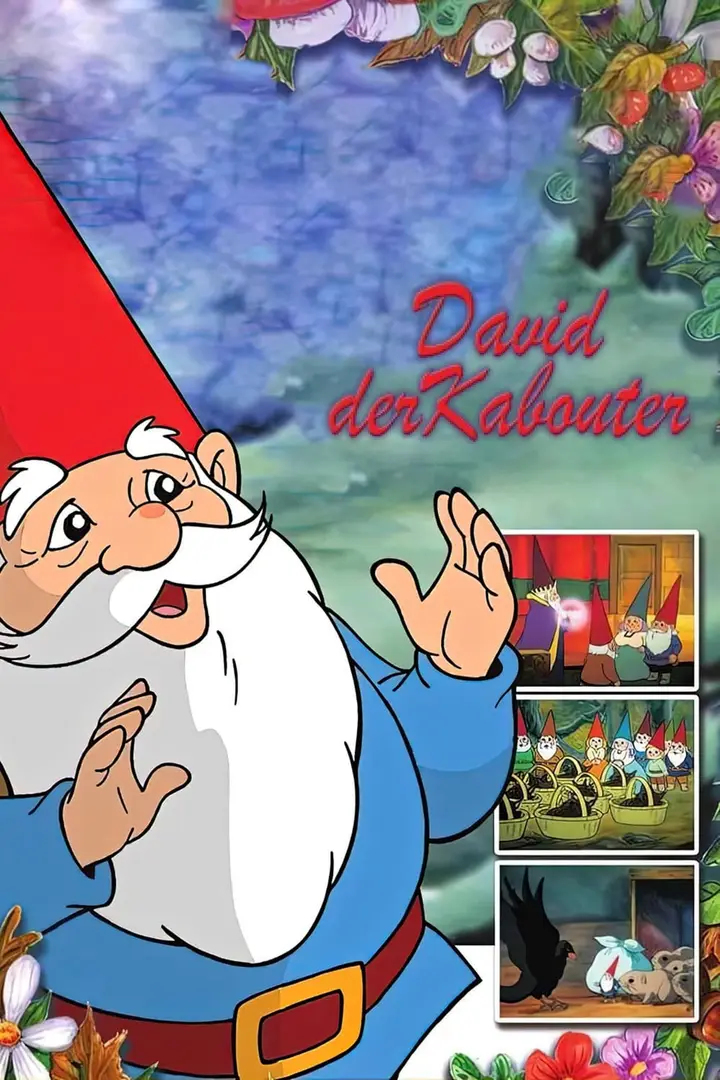
The World of David the Gnome
David’s knowledge of animals and the natural world turns each journey into practical care, not conquest. Swift the fox adds movement and companionship, while the forest setting keeps compassion, observation and helping vulnerable creatures central.
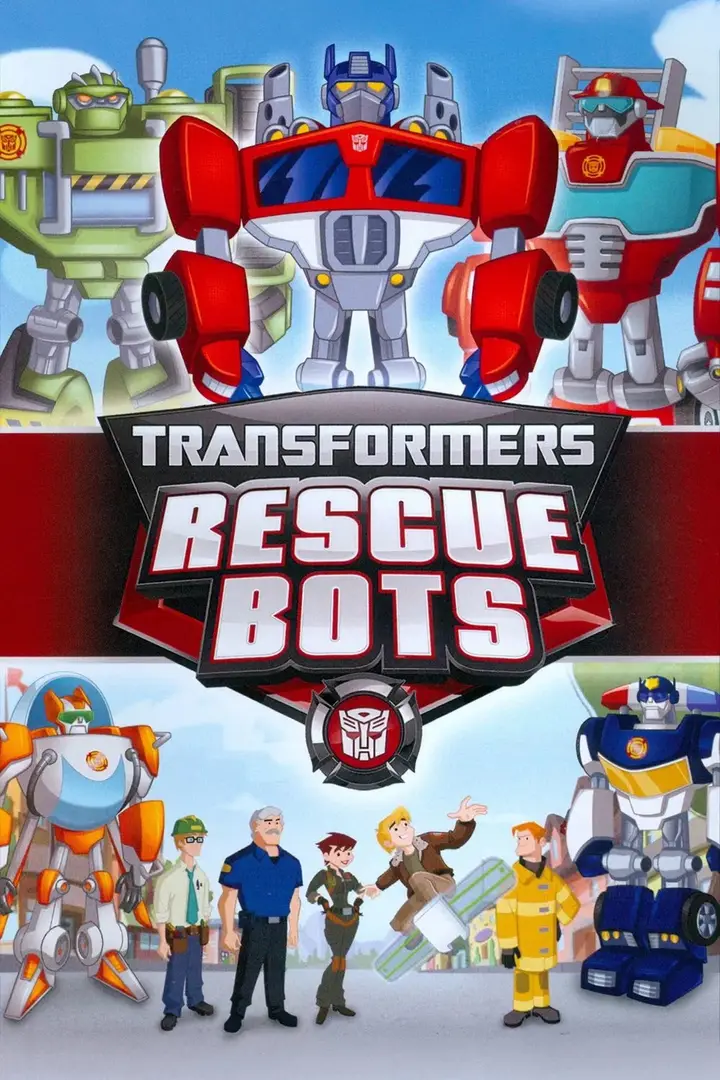
Transformers: Rescue Bots
Rescue work replaces warfare as the core of the Transformers formula. The Bots learn from the Burns family, turning vehicles, emergencies and science-fiction threats into stories about public safety, teamwork and protecting people first.
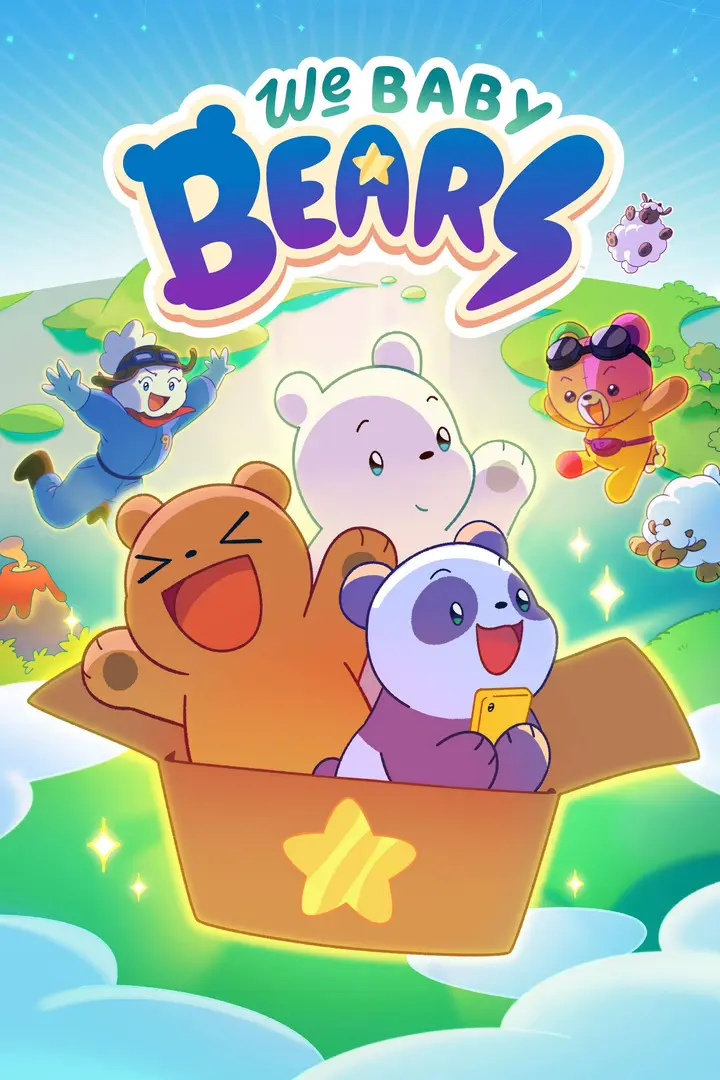
We Baby Bears
Each stop shifts genre entirely, from fairy tale to science fiction, while the bond between the three brothers stays the one constant, making adaptability itself the show's real subject.
Wild Kratts
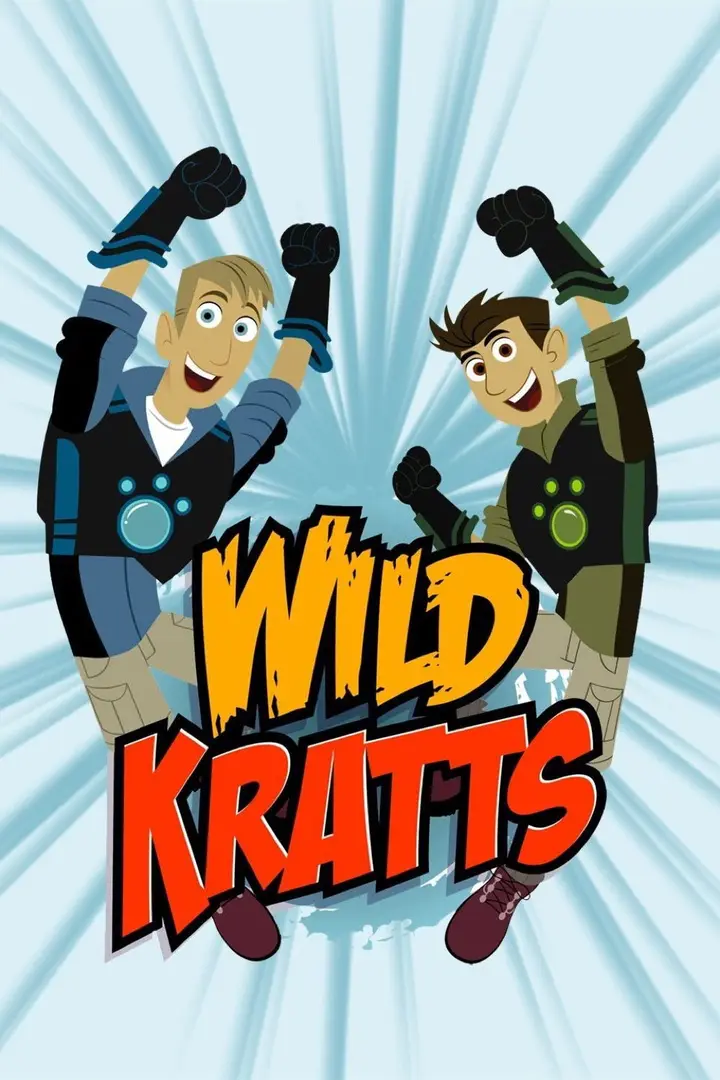
Creature Power suits turn real animal adaptations into adventure tools, making biology visible and memorable. Chris and Martin connect habitats, behavior and conservation to practical missions, so facts are learned through action instead of detached explanation.
Aladdin
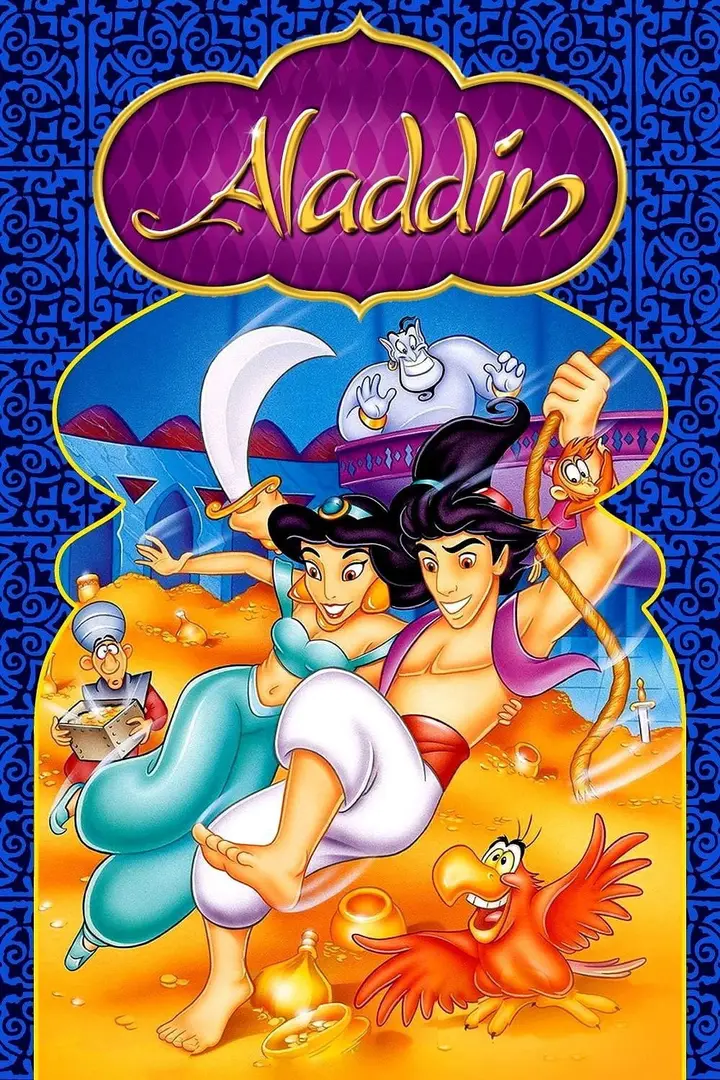
The series expands Agrabah beyond the film through new kingdoms, sorcerers, cursed objects and recurring threats. Jasmine, Genie, Abu, Iago and Carpet all contribute to solutions, giving the adventure a broader team dynamic.
ALF: The Animated Series
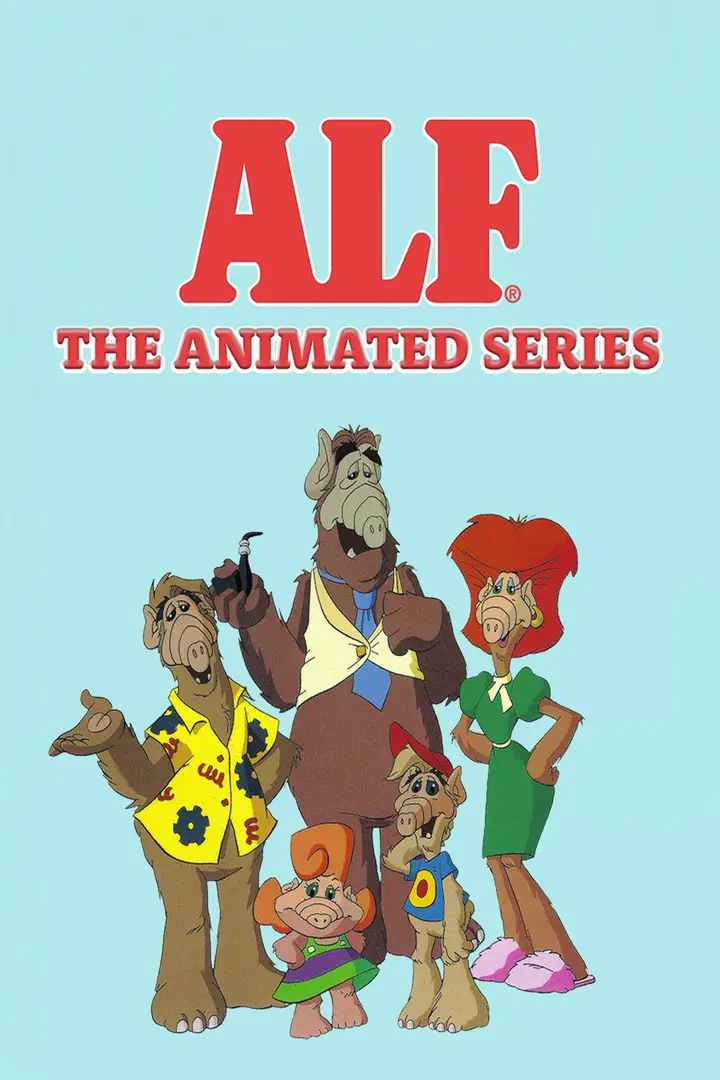
Melmac turns ALF’s familiar sarcasm into a full alien family and school setting. Futuristic technology and everyday problems create playful science fiction, while the prequel format explains the relationships and culture that shaped Gordon Shumway.
Around the World with Willy Fog
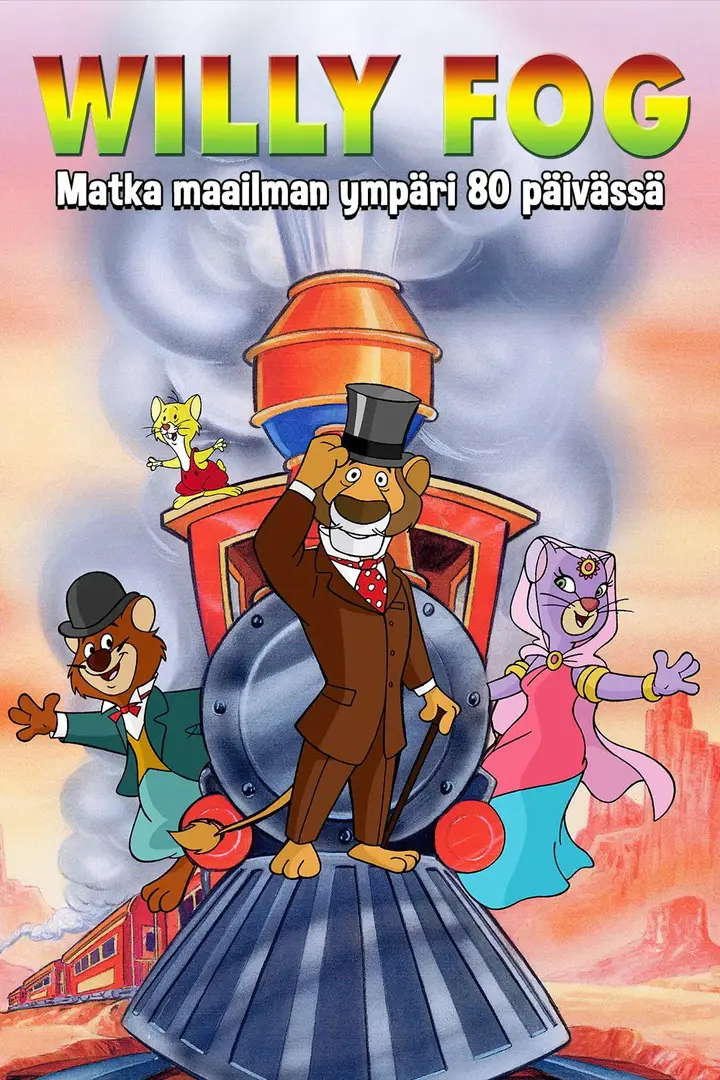
The eighty-day deadline gives every stop a clear sense of momentum while trains, ships and unfamiliar places expand the journey. Planning, persistence and teamwork stay central as new obstacles test the group’s schedule.
Baymax!
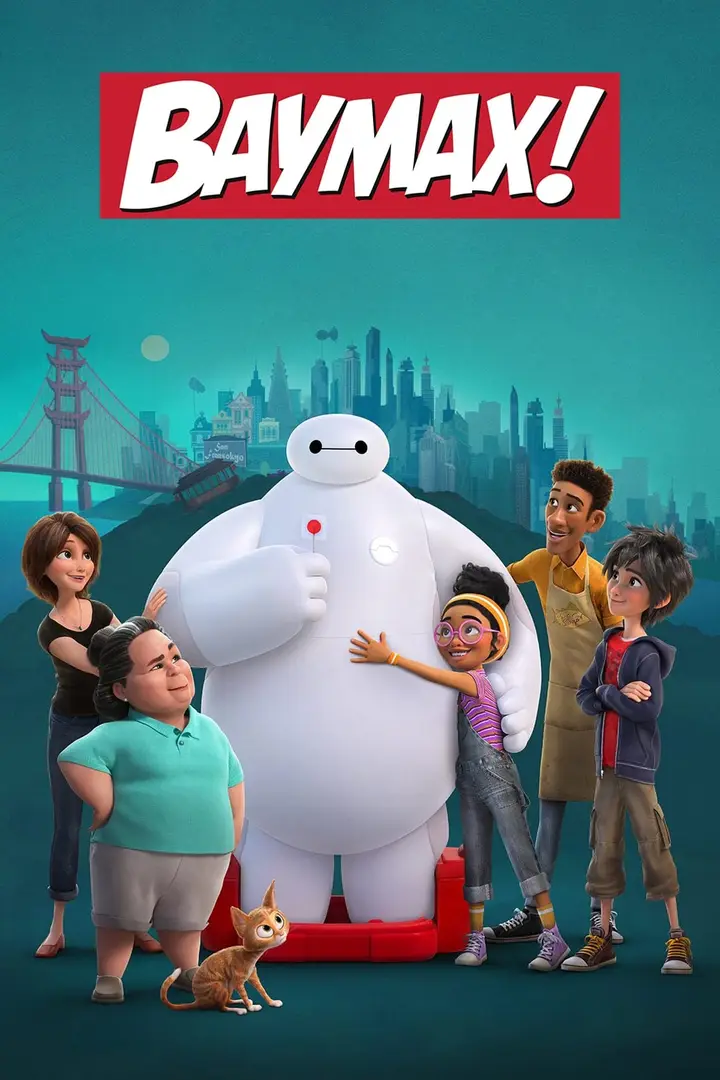
Each short episode follows a different stranger, using Baymax's literal humor and calm reassurance to make anxiety, body changes, and recovery feel like ordinary, discussable parts of life.
Buzz Lightyear of Star Command
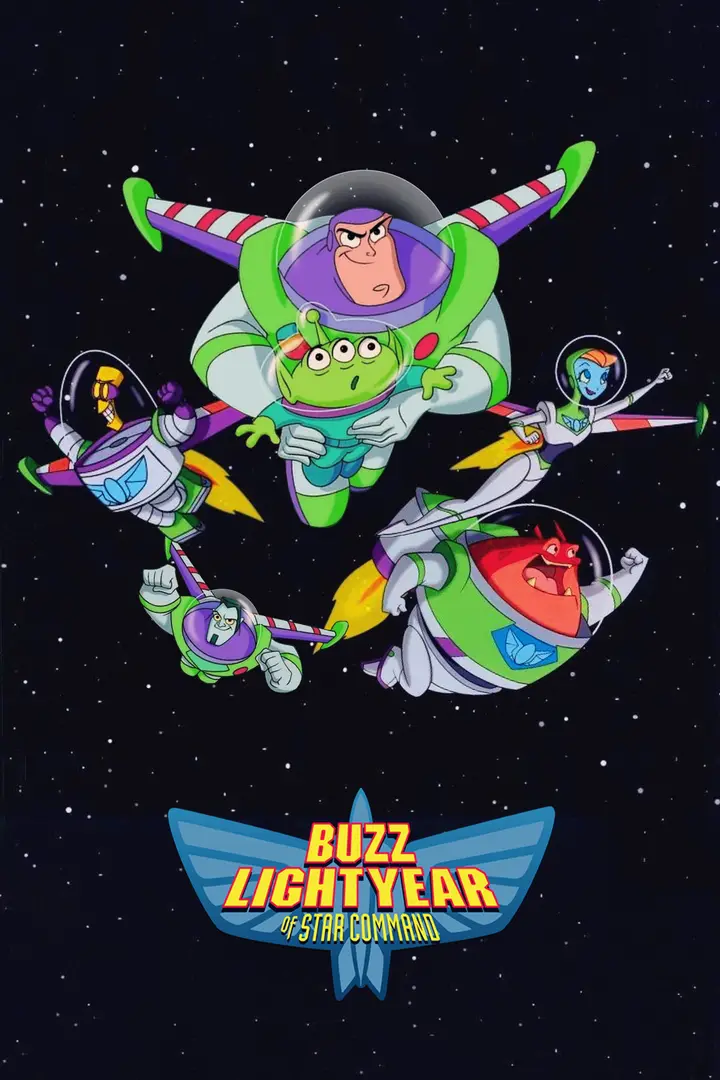
Buzz’s confidence is tested by a younger team whose different abilities make cooperation necessary. Alien worlds, Star Command missions and Emperor Zurg give the series a full science-fiction framework while keeping teamwork central.
Count Duckula
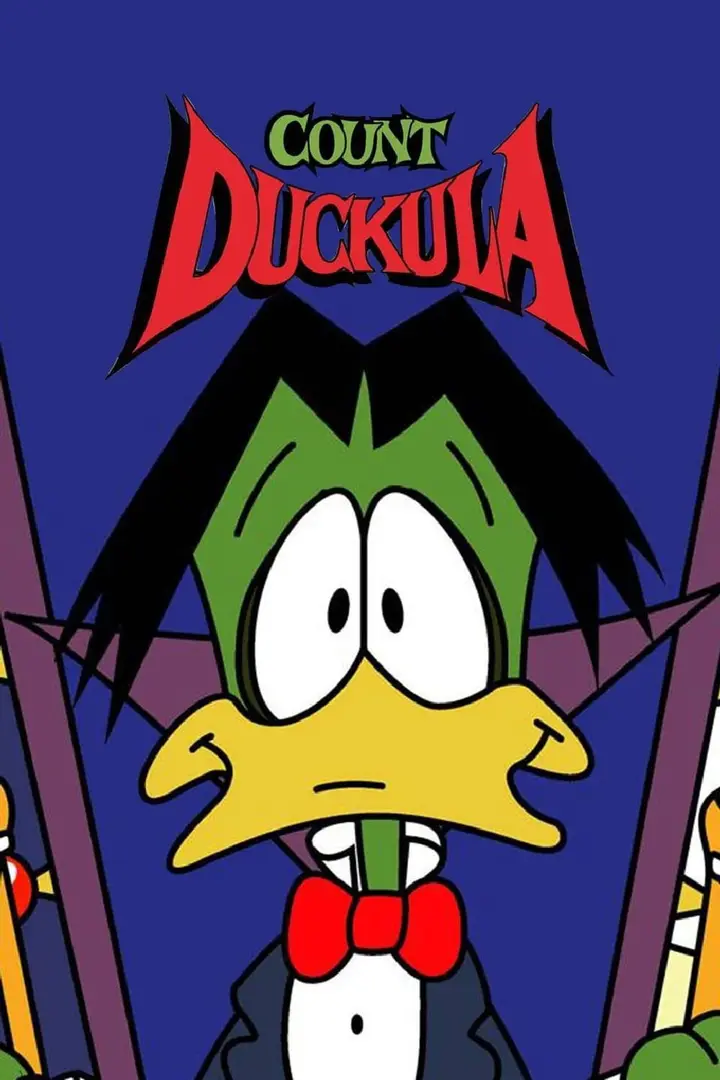
Horror conventions become British comedy through a vampire duck who prefers vegetables, travel and fame to blood. Igor’s seriousness and Nanny’s chaos make the gothic setting feel playful while parodying classic Dracula stories.
Craig of the Creek
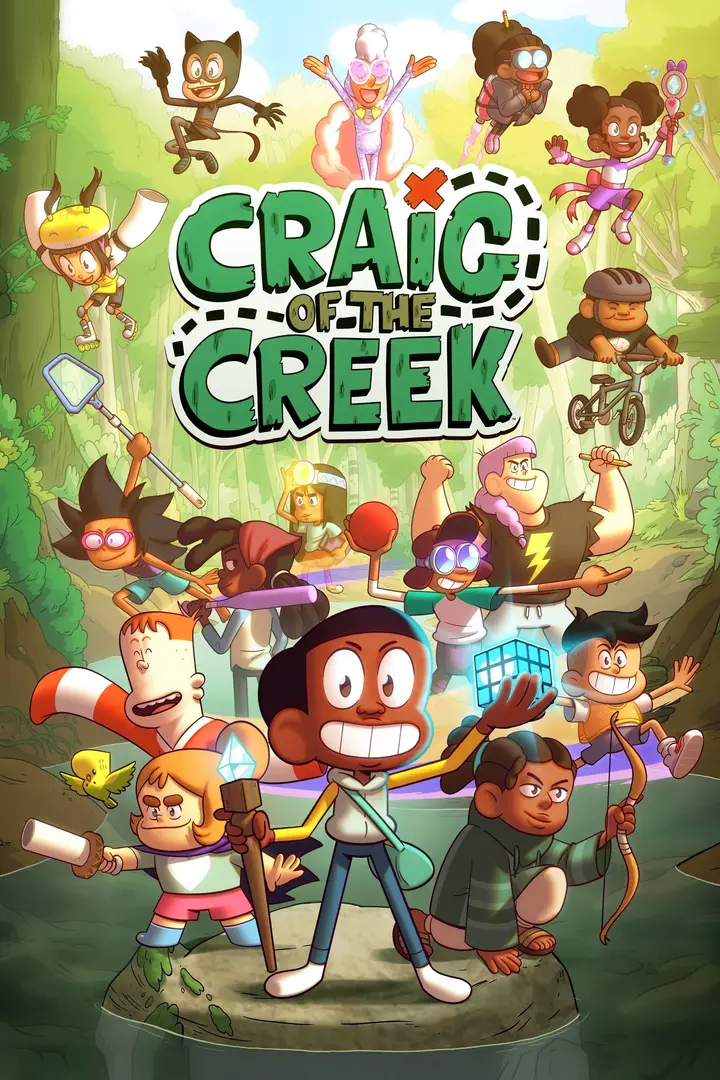
The Creek turns neighborhood play into a child-built world with its own groups, rules and traditions. Craig, Kelsey and JP solve problems through negotiation and creativity, giving ordinary independence the scale of adventure.
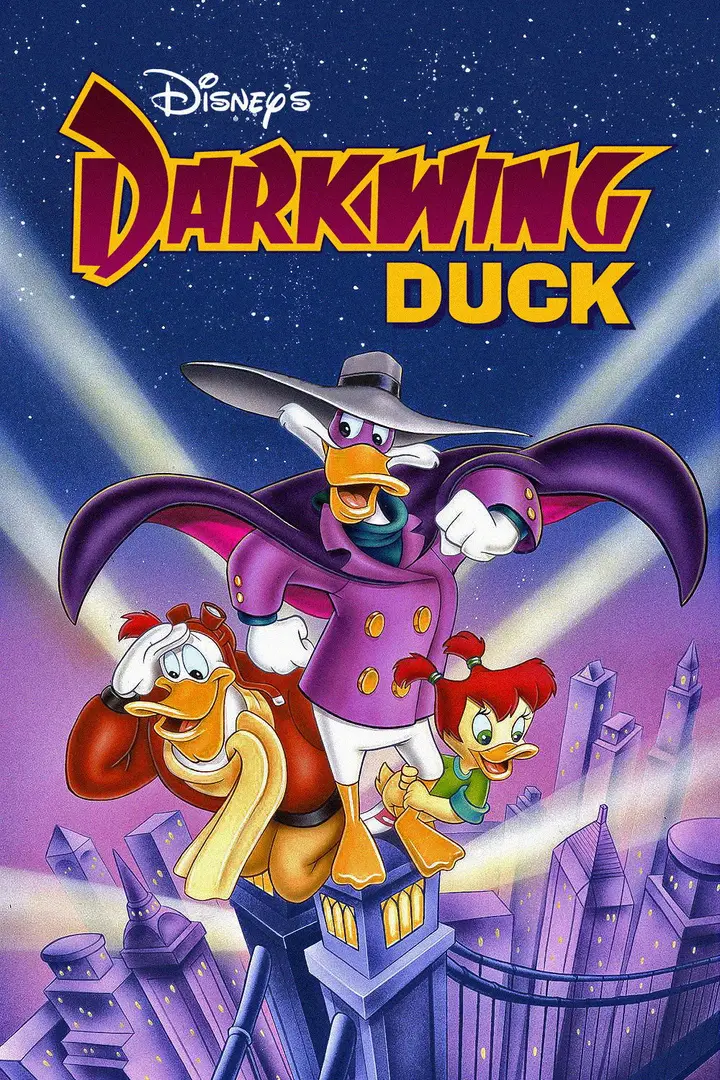
Darkwing Duck
Superhero parody works through Darkwing’s oversized confidence, eccentric villains and a strong makeshift-family dynamic. Gadgets and slapstick keep the action lively, while Gosalyn and Launchpad give the stories more substance than a sequence of jokes.
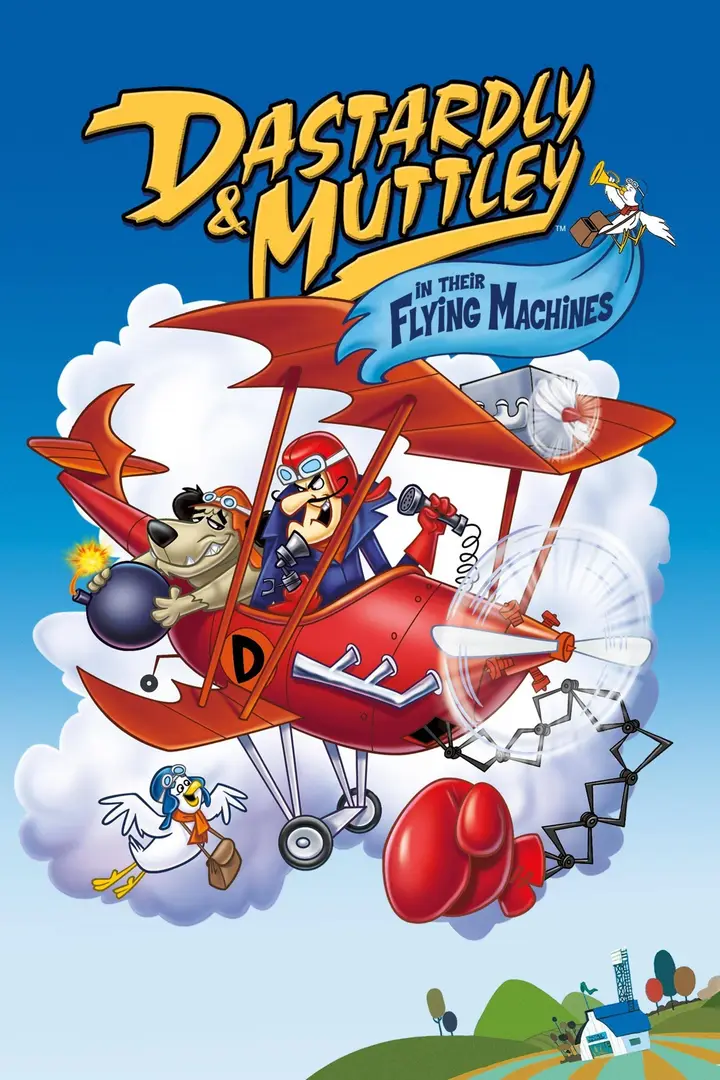
Dastardly and Muttley in Their Flying Machines
Elaborate flying machines and impossible plans create a reliable pattern of setup, sabotage and comic failure. Muttley’s reactions give the repeated formula personality, while each new contraption provides a fresh visual gag.
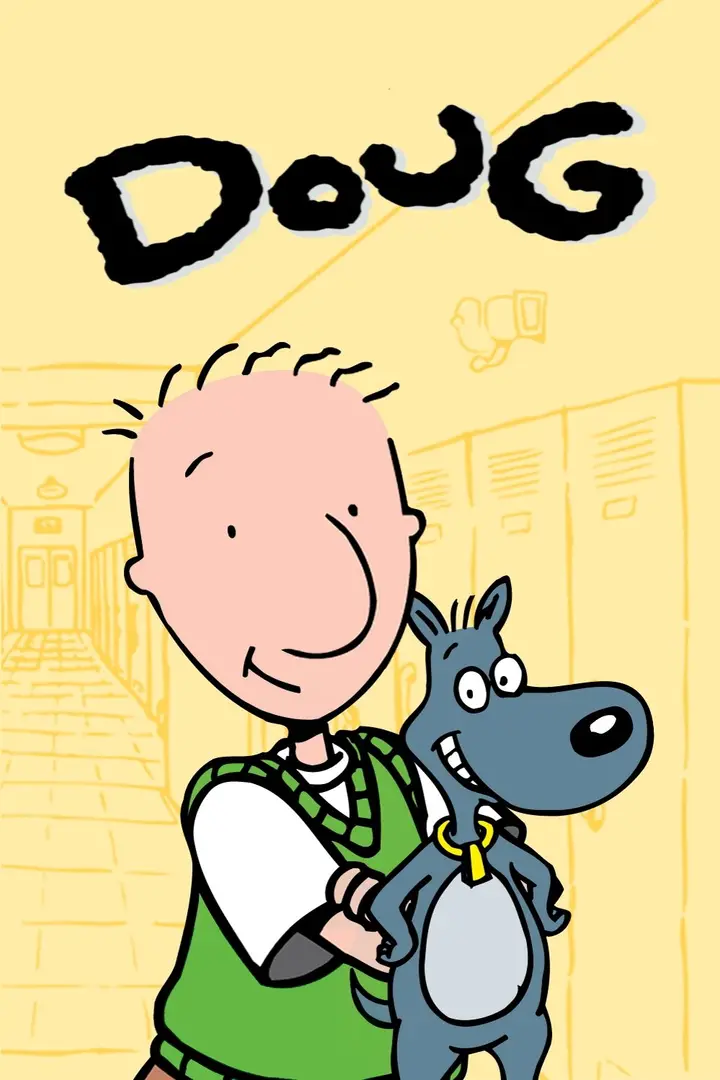
Doug
Doug’s imagination turns ordinary preteen worries into exaggerated fantasies that reveal how large small problems can feel. His journal, friendships and crush on Patti keep the stories focused on identity, embarrassment and growing confidence.
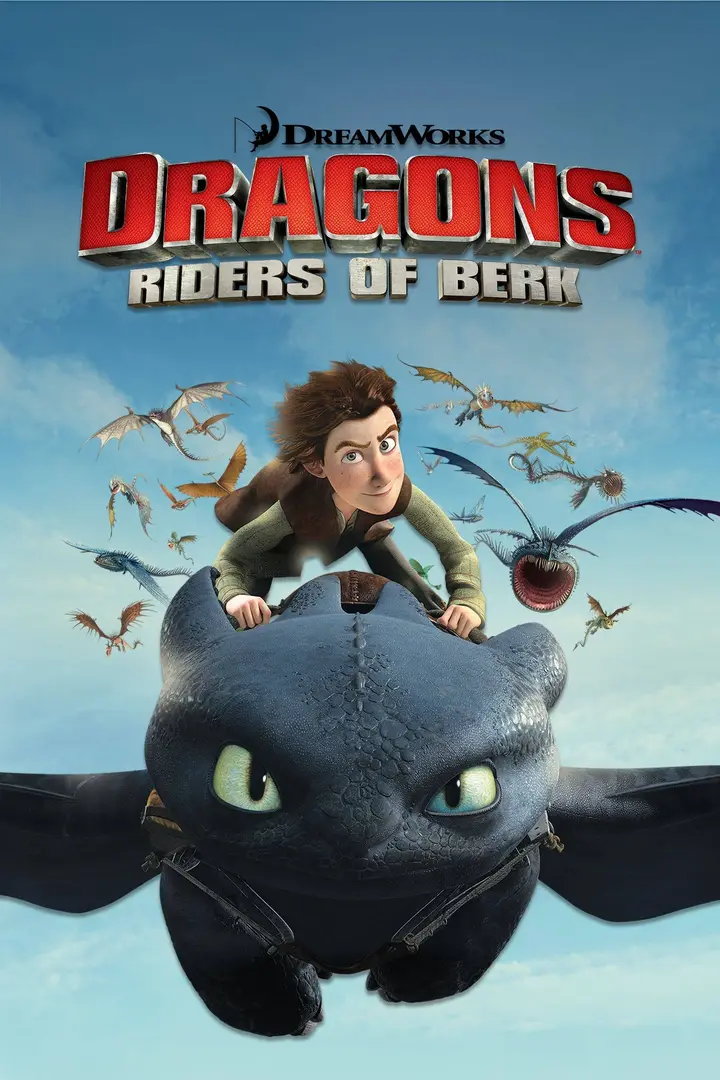
DreamWorks Dragons
Life after the first film becomes a practical experiment in human-dragon coexistence. Training, feeding and protecting different species gives Hiccup repeated leadership challenges while expanding the lore and friendships around Berk.
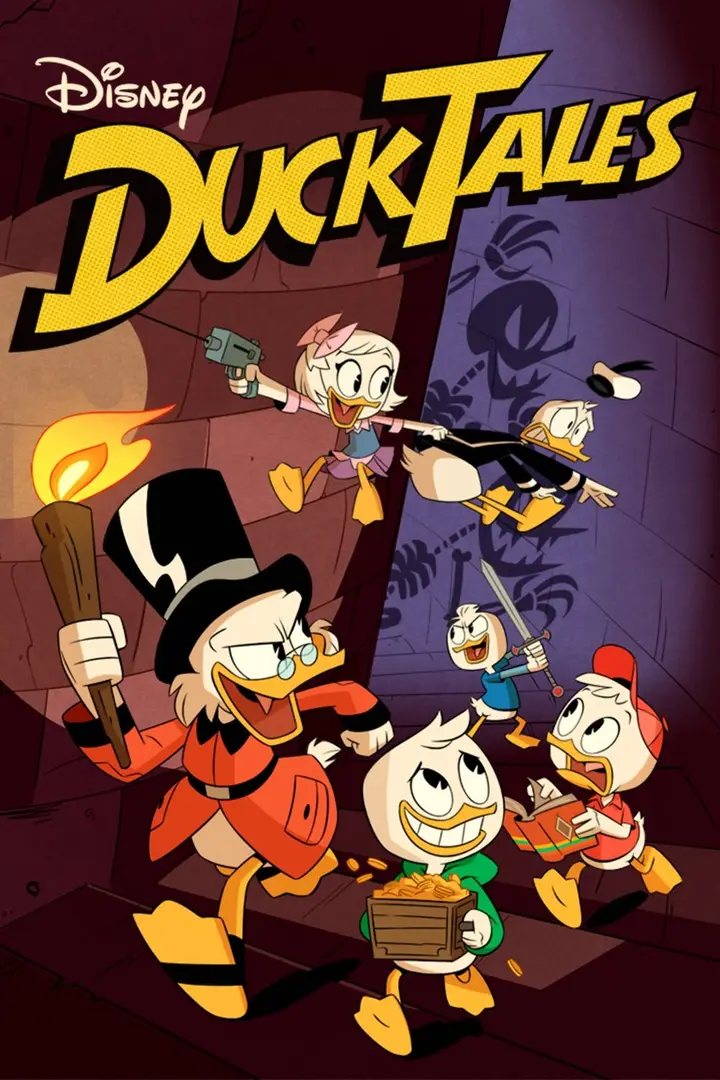
DuckTales
Treasure hunts and globe-trotting adventures gain extra weight through family secrets, rivalries and season-long mysteries. Scrooge, the nephews, Webby and Donald have distinct roles, letting action and family dynamics develop together.
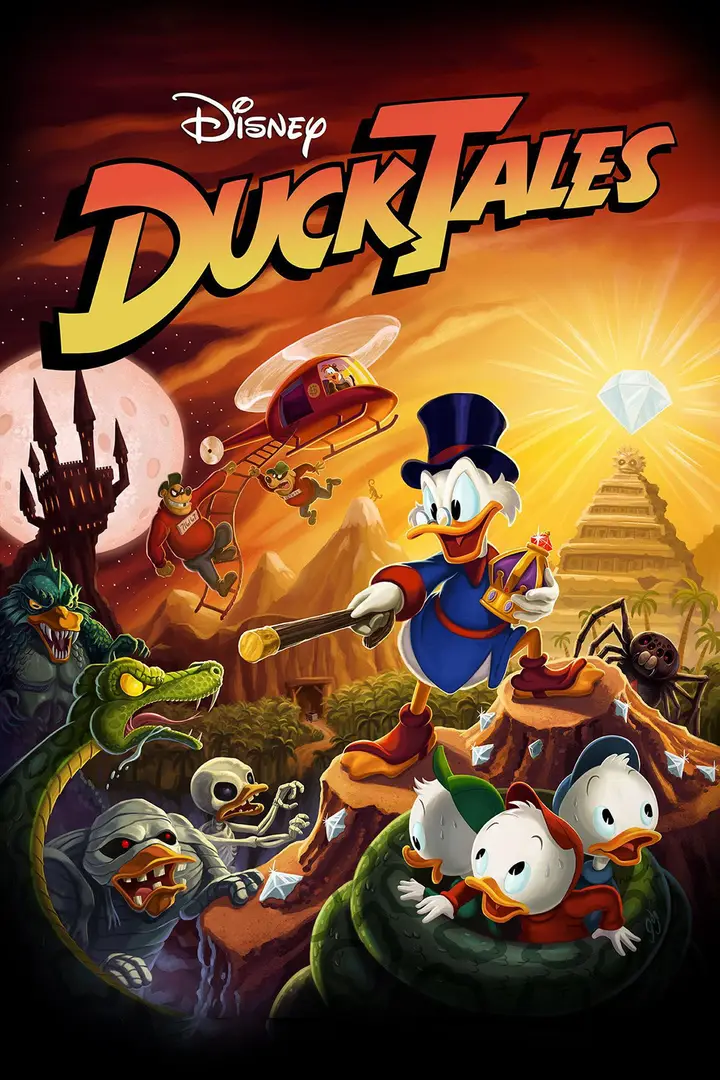
DuckTales
Treasure hunts, lost civilizations and eccentric villains give the original DuckTales a strong pulp-adventure rhythm. Huey, Dewey and Louie take active roles in solving problems, while Scrooge’s experience connects risk, curiosity and family loyalty.
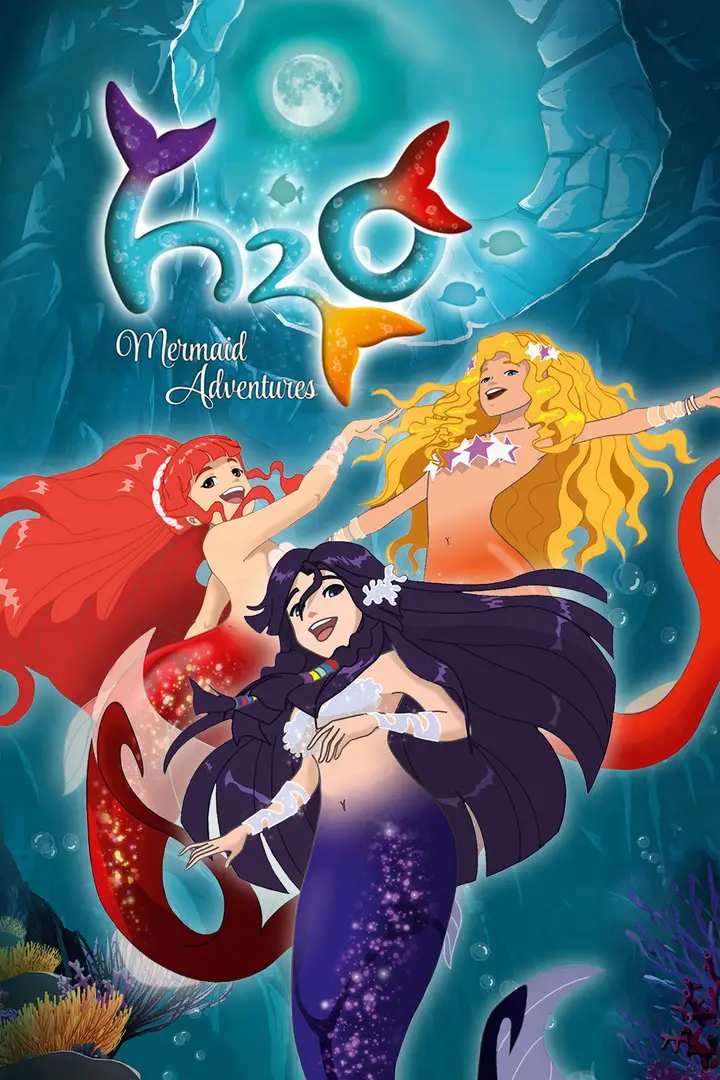
H2O: Mermaid Adventures
Three friends must balance school life with secret mermaid identities and different water powers. Their contrasting personalities make cooperation necessary, while the expanded ocean setting gives the friendship story a steady source of magical adventure.
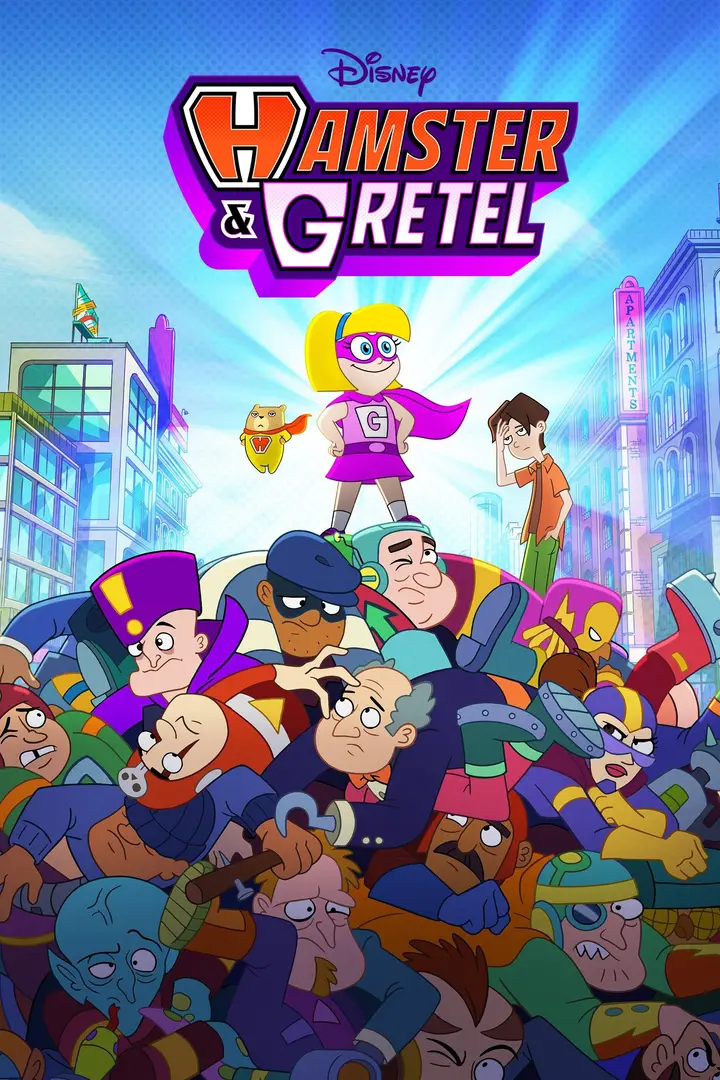
Hamster & Gretel
Its funniest idea is a sibling who expected to be the hero ending up powerless, forcing the show to explore teamwork and finding your role instead of just delivering powers.
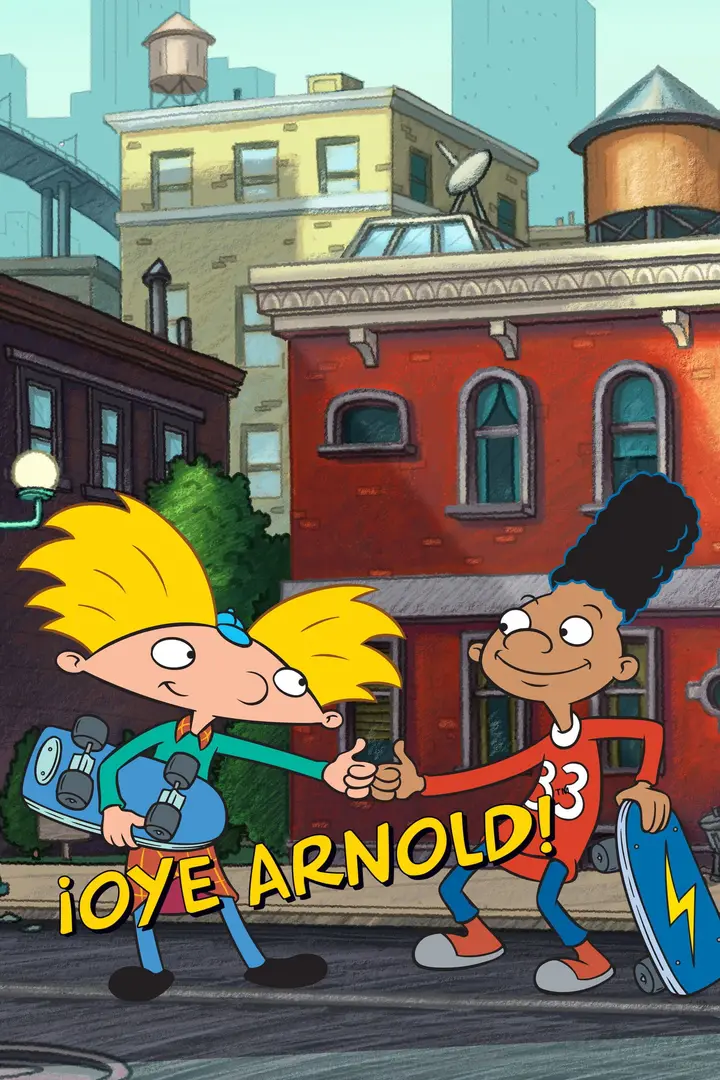
Hey Arnold!
City life gives small childhood stories a broad social backdrop, while Arnold’s patience lets supporting characters reveal more than their first impression. Friendship, poverty, loneliness and first crushes are handled with honesty and humor.
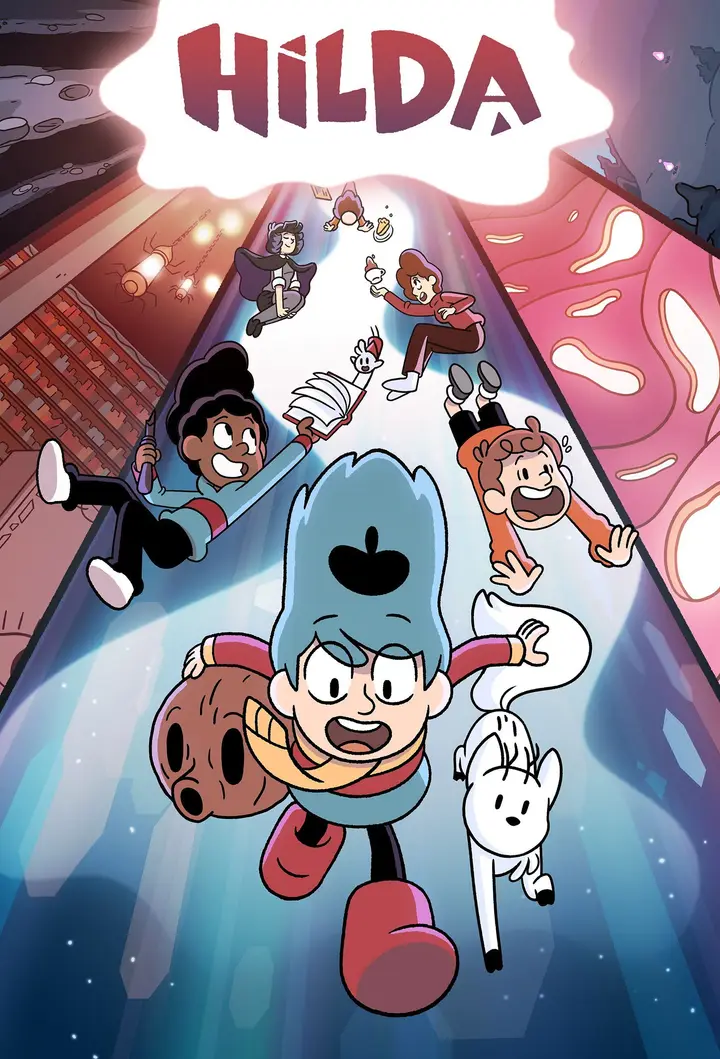
Hilda
Hilda approaches trolls, giants and spirits with curiosity before fear, giving folklore a welcoming sense of discovery. Moving from the wilderness to Trolberg expands the world while keeping friendship and understanding unfamiliar creatures central.
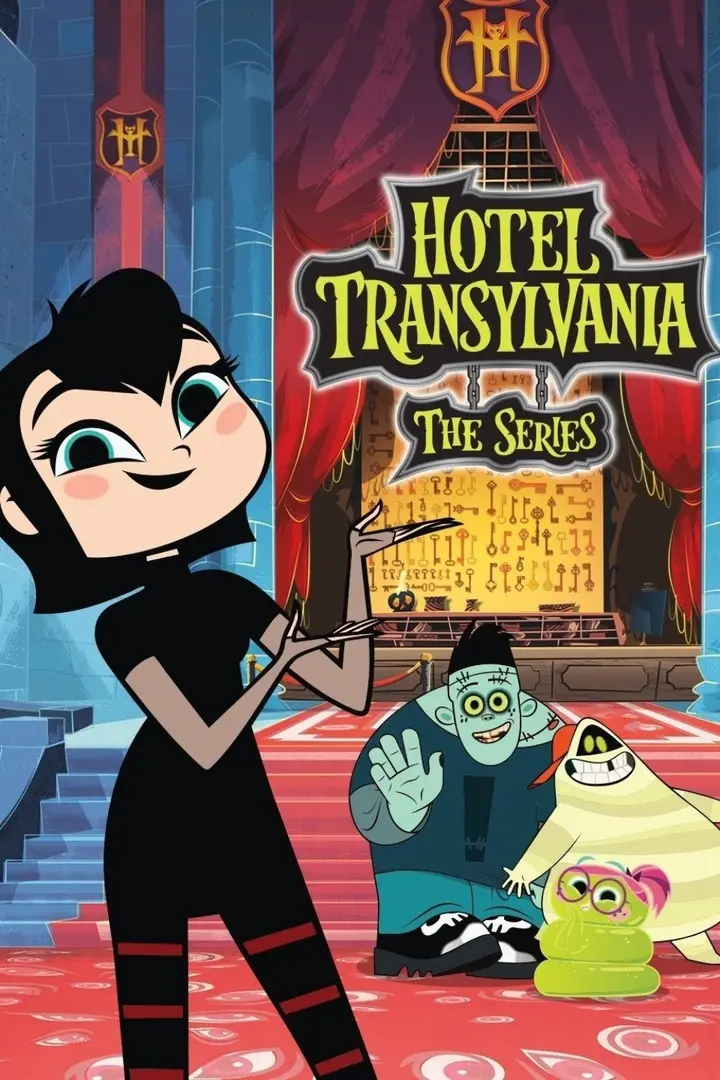
Hotel Transylvania: The Series
Mavis’s push for independence gives the monster comedy a clear adolescent center. Hotel rules, strict Aunt Lydia and supernatural mishaps turn everyday questions about freedom, boundaries and responsibility into playful fantasy conflicts.
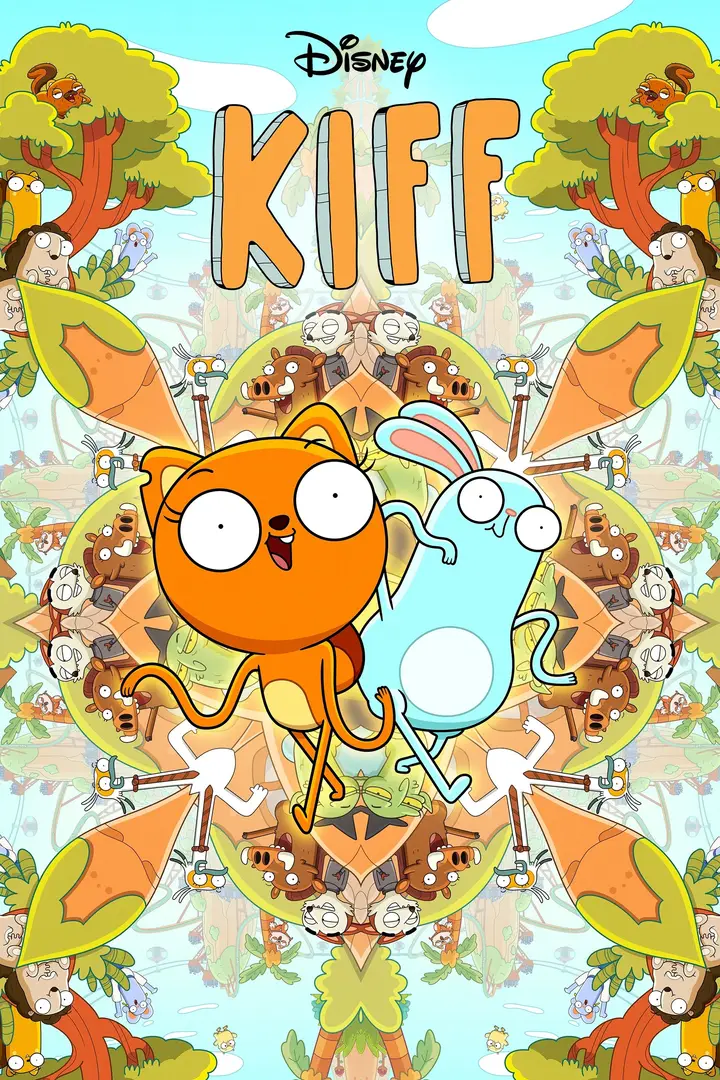
Kiff
Kiff's absolute confidence colliding with everyday reality drives fast, escalating comedy, while Barry's steadiness keeps their friendship a stable anchor no matter how chaotic things get.
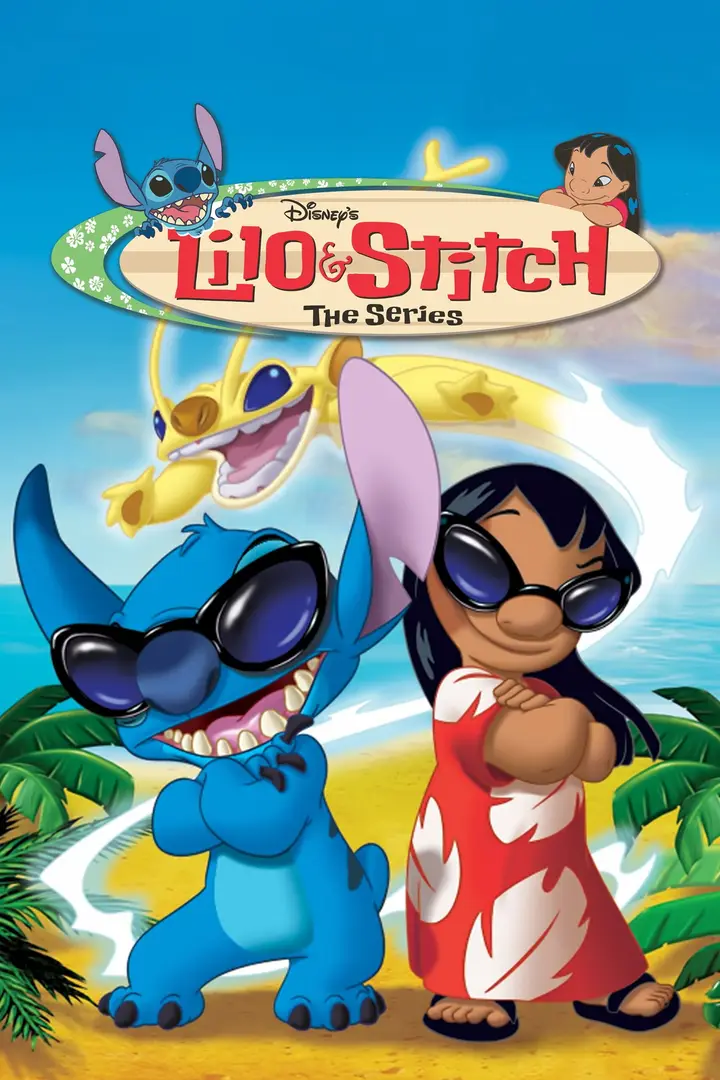
Lilo & Stitch: The Series
Each new experiment begins as a problem, then becomes a search for where its special ability belongs. That structure extends the idea of ohana by turning acceptance, purpose and responsibility into recurring adventure goals.
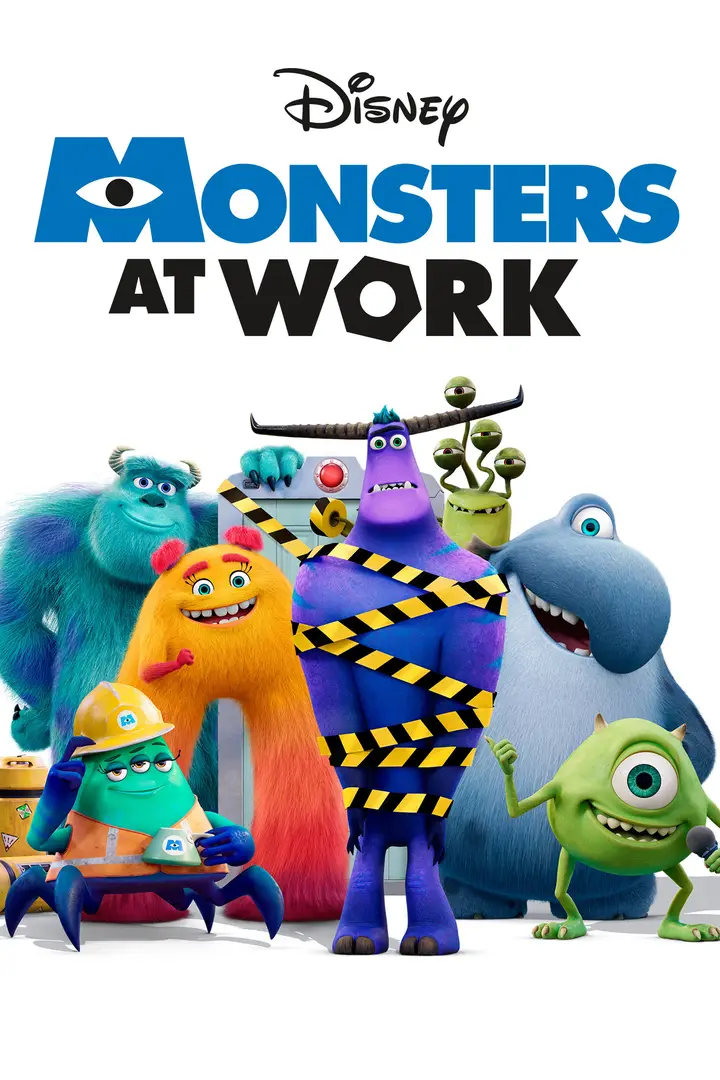
Monsters at Work
It extends a beloved film's world into workplace comedy, using a company changing direction almost overnight to explore ambition, teamwork, and finding your place among more experienced coworkers.
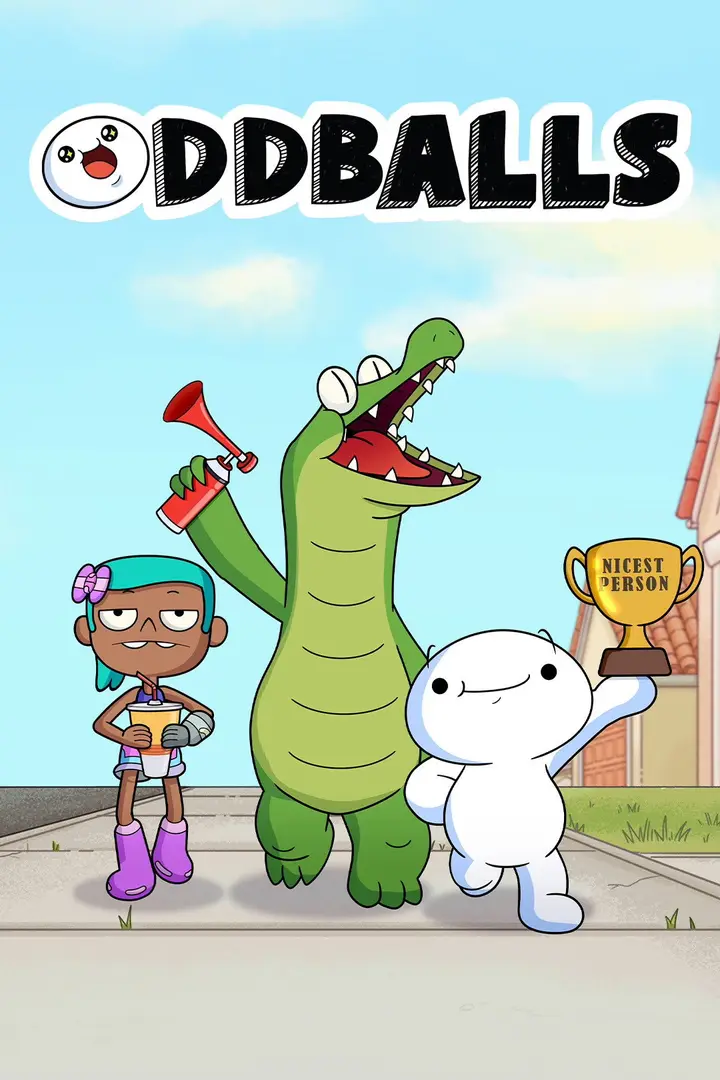
Oddballs
Behind the silliness, James's frustrations are very recognizable to children, and the show lets him be wrong, overreact and make up with his friends. Max and Echo show that very different friends can stick together.
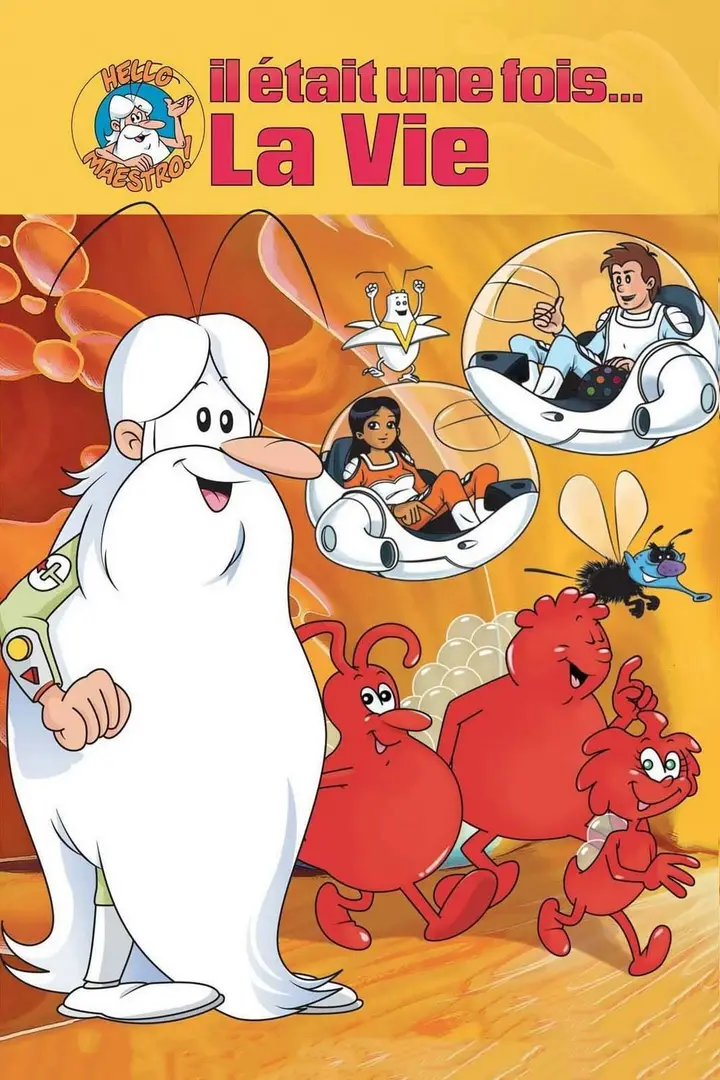
Once Upon a Time... Life
Cells, organs and microbes become characters inside the body, turning invisible biological processes into clear visual stories. Digestion, circulation, immunity and growth gain memorable cause-and-effect structure while preserving the scientific idea.
Once Upon a Time... Man
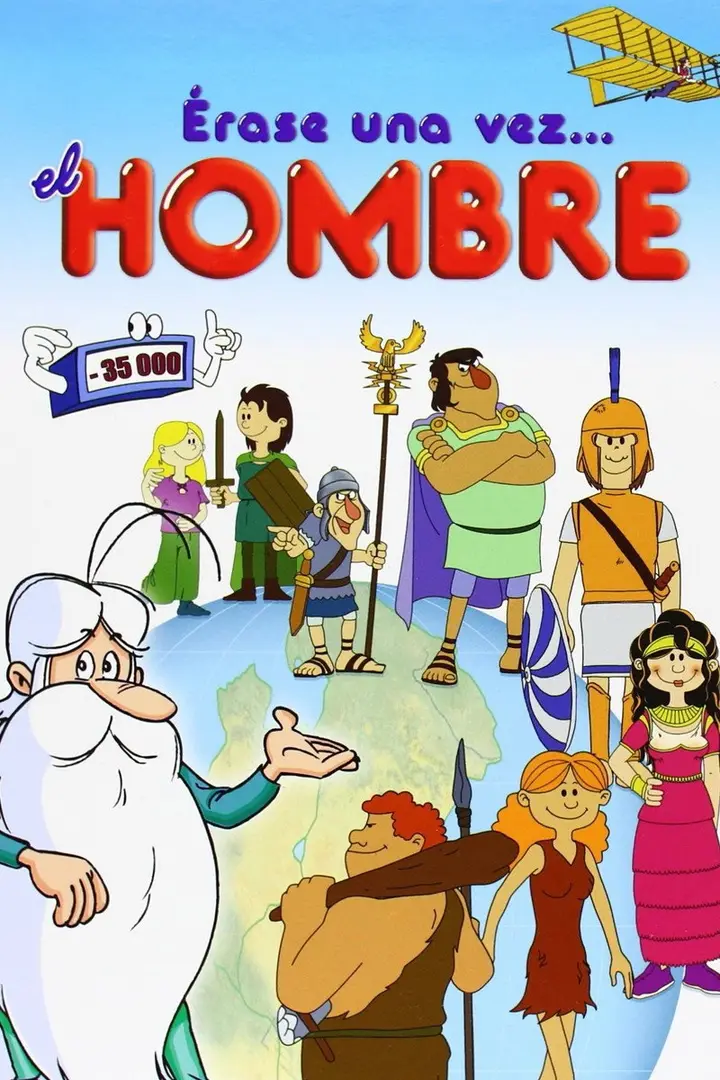
Recurring characters guide viewers through major historical periods, helping centuries and cultures feel connected. Wars, inventions and social change are placed in a broad chronological story, giving children a framework before they study individual events in depth.
Phineas and Ferb
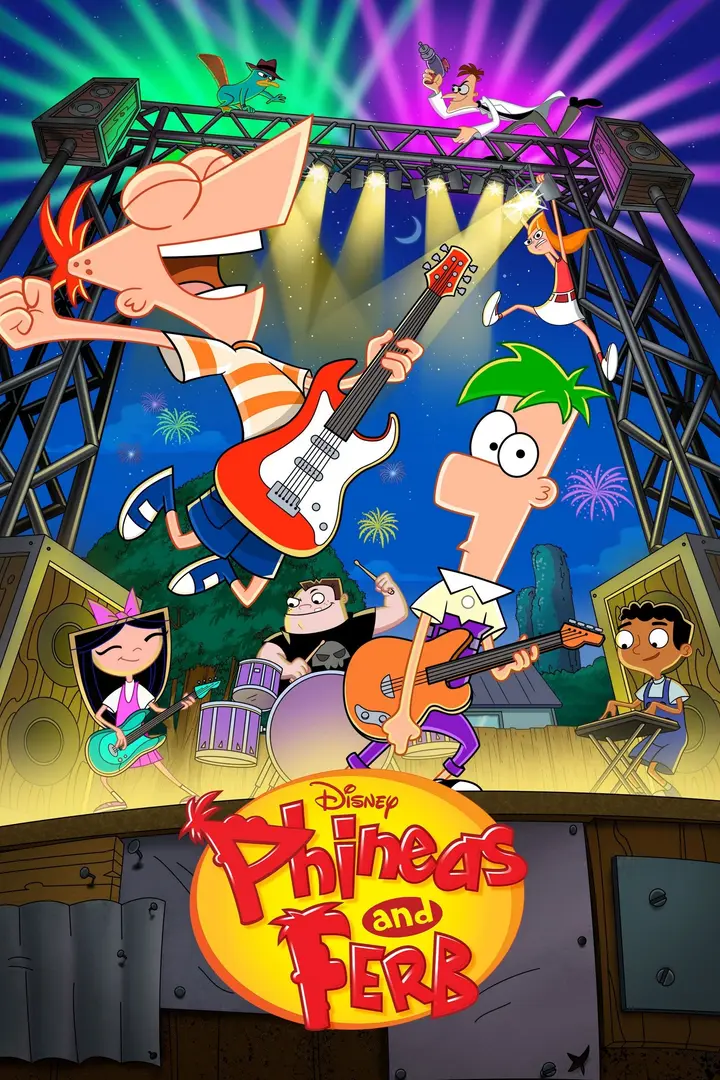
Every summer day becomes an engineering-sized challenge as Phineas and Ferb build impossible projects with cheerful confidence. Candace’s failed attempts to expose them and Perry’s secret-agent subplot create parallel comic structures that repeatedly intersect.
Popeye the Sailor
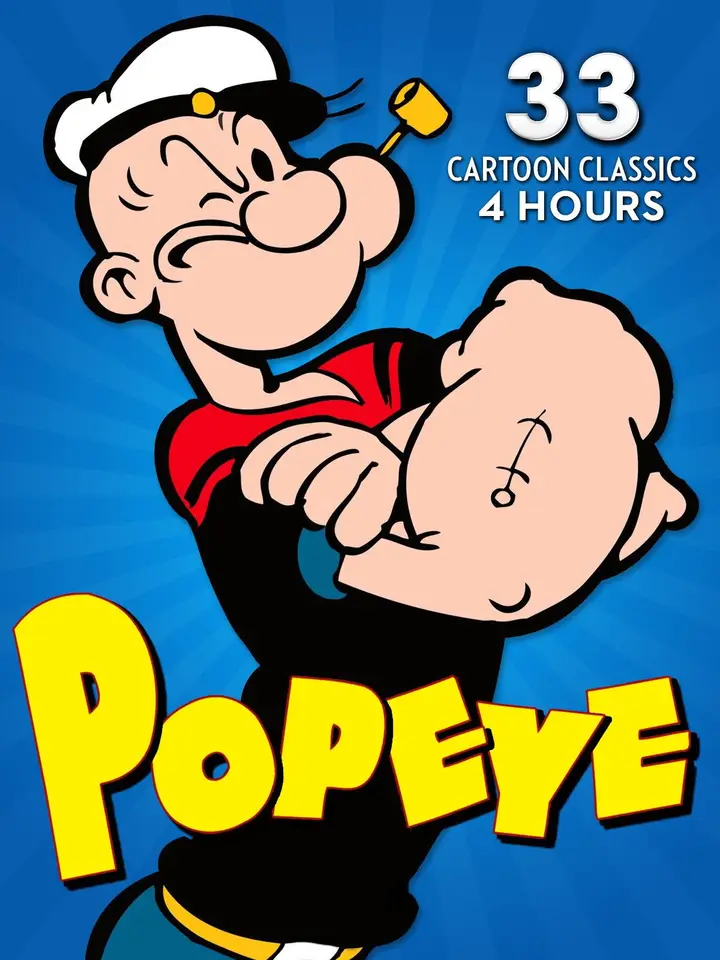
Short plots, a clear rivalry and exaggerated physical comedy make Popeye easy to follow. His spinach-powered turnarounds provide a predictable payoff, while loyalty and persistence give the brawling hero a simple moral center.
Pup Academy
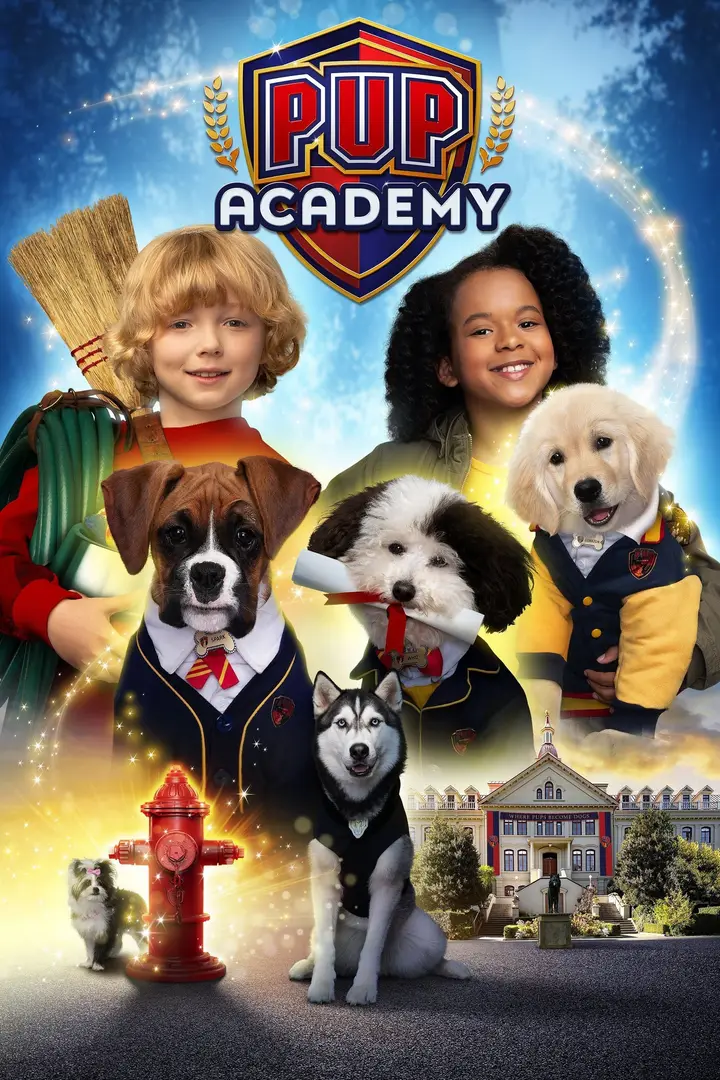
The idea that pets are trained to look after 'their' children is warm and reassuring, and each episode ends with a clear lesson about friendship or responsibility.
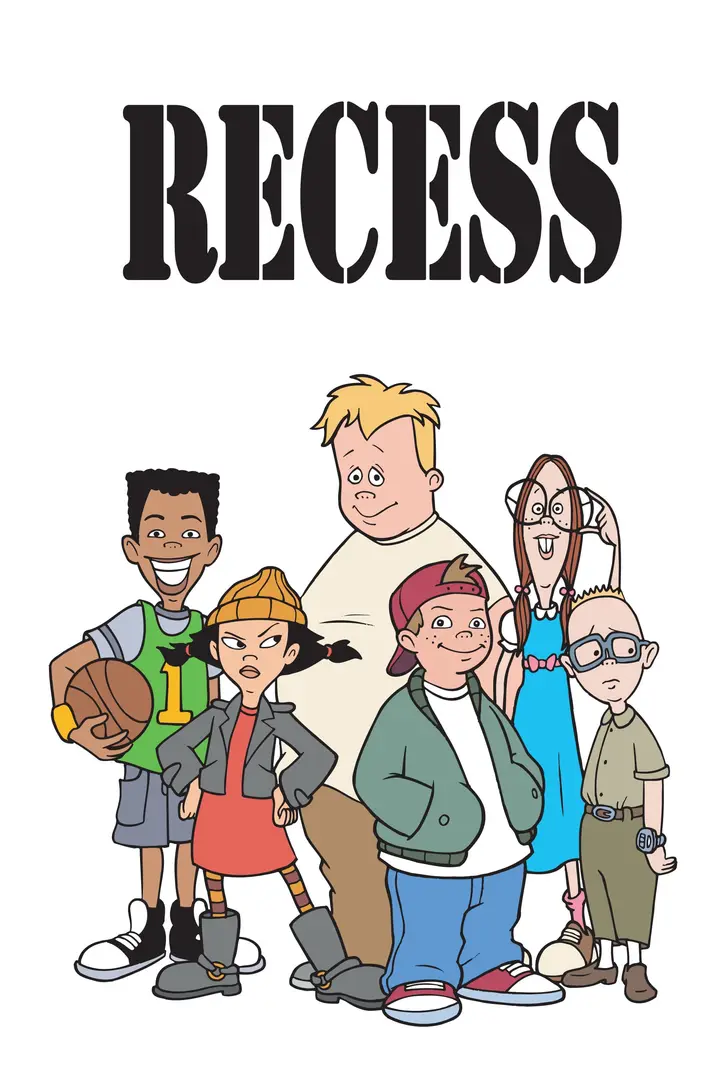
Recess
The playground operates like a miniature society, giving everyday school conflicts clear rules, alliances and consequences. T.J. and his friends solve problems through negotiation, loyalty and teamwork, making social dynamics feel important without losing the comedy.
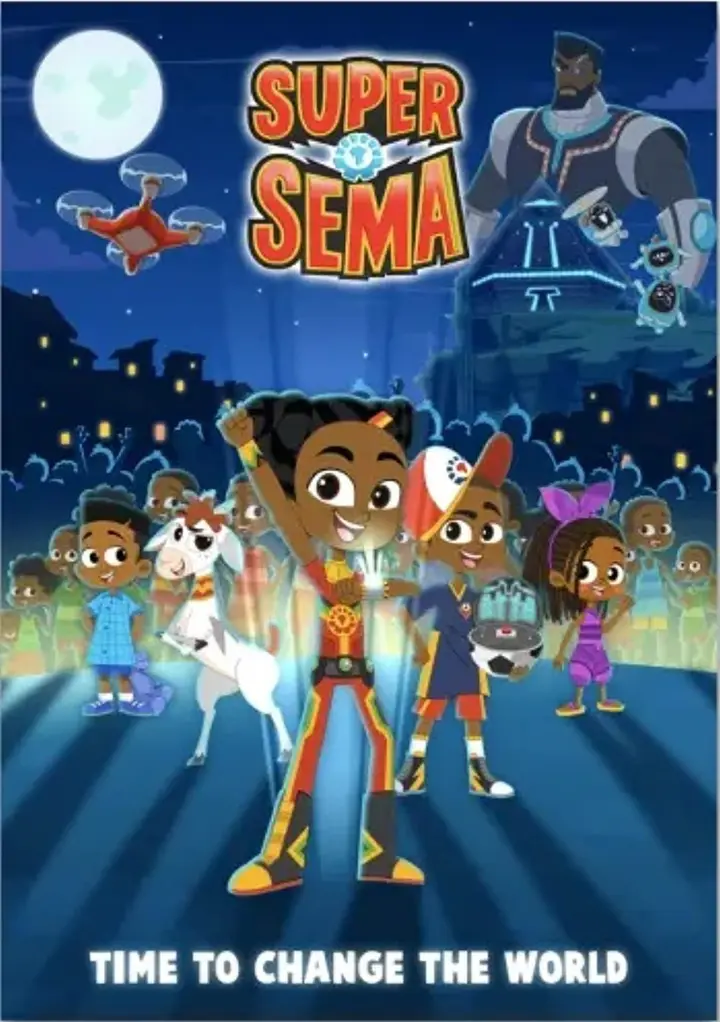
Super Sema
It grounds its superhero action in real STEM problem-solving rather than magic, giving its African-inspired setting and inventive heroine a distinct identity within the genre.
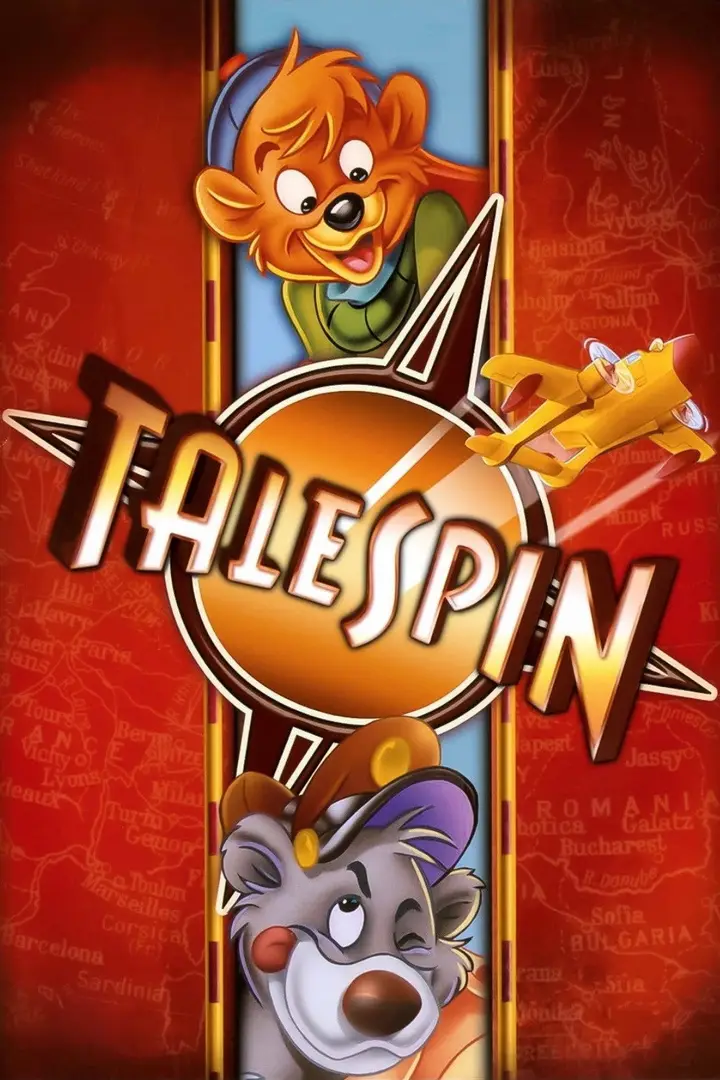
TaleSpin
Aerial adventure, found-family dynamics and cargo missions give the series steady momentum. Baloo, Kit and Rebecca bring different responsibilities to the group, so chases and pirate threats stay connected to loyalty, work and growing trust.
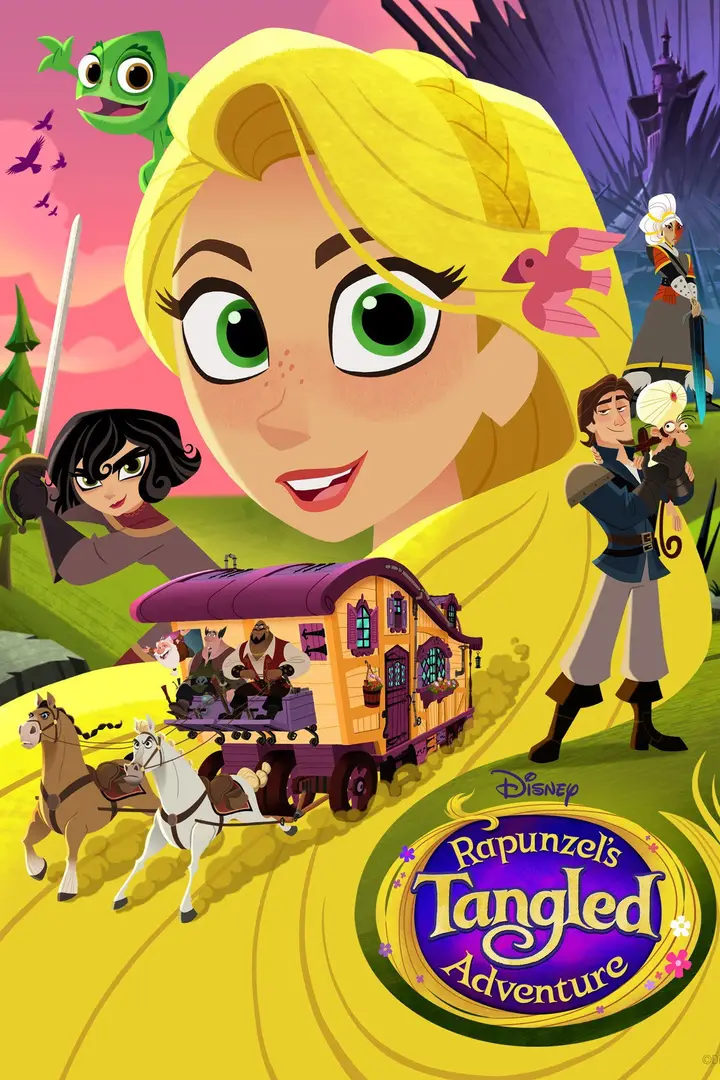
Tangled: The Series
Rapunzel’s return home becomes the start of a larger journey about leadership, independence and choosing her future. The mystery of her restored hair gives songs, comedy and fantasy adventure a strong serialized direction.
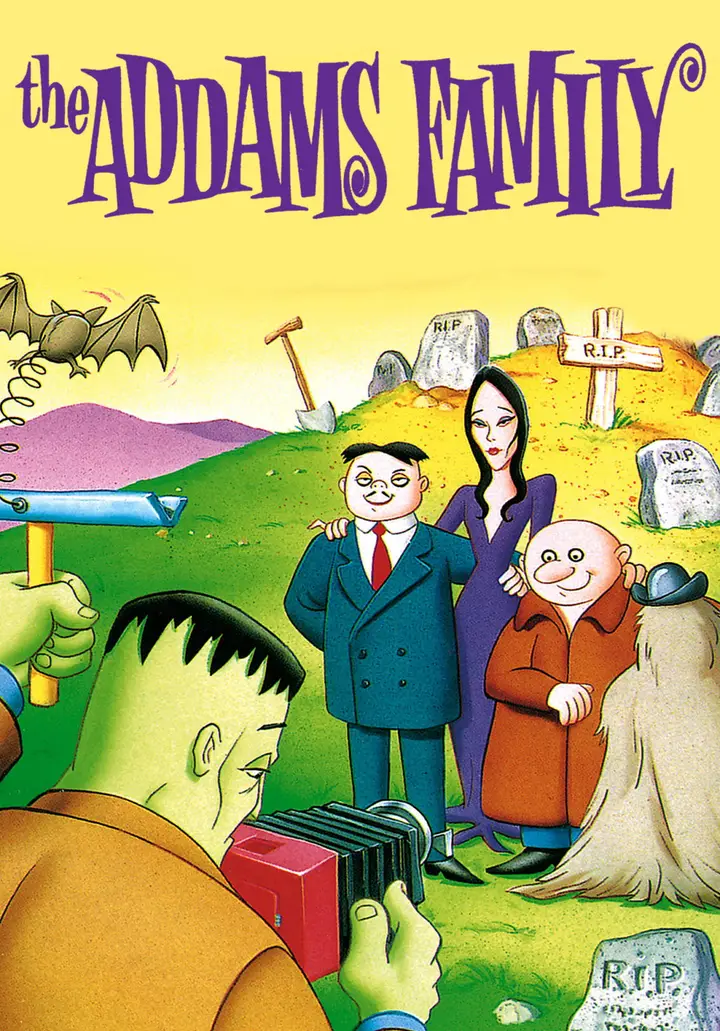
The Addams Family
The Addamses reverse ordinary expectations: creepy objects, macabre hobbies and strange behavior feel normal inside a loving family. That contrast lets spooky imagery become comedy while keeping the family bond clear and consistent.
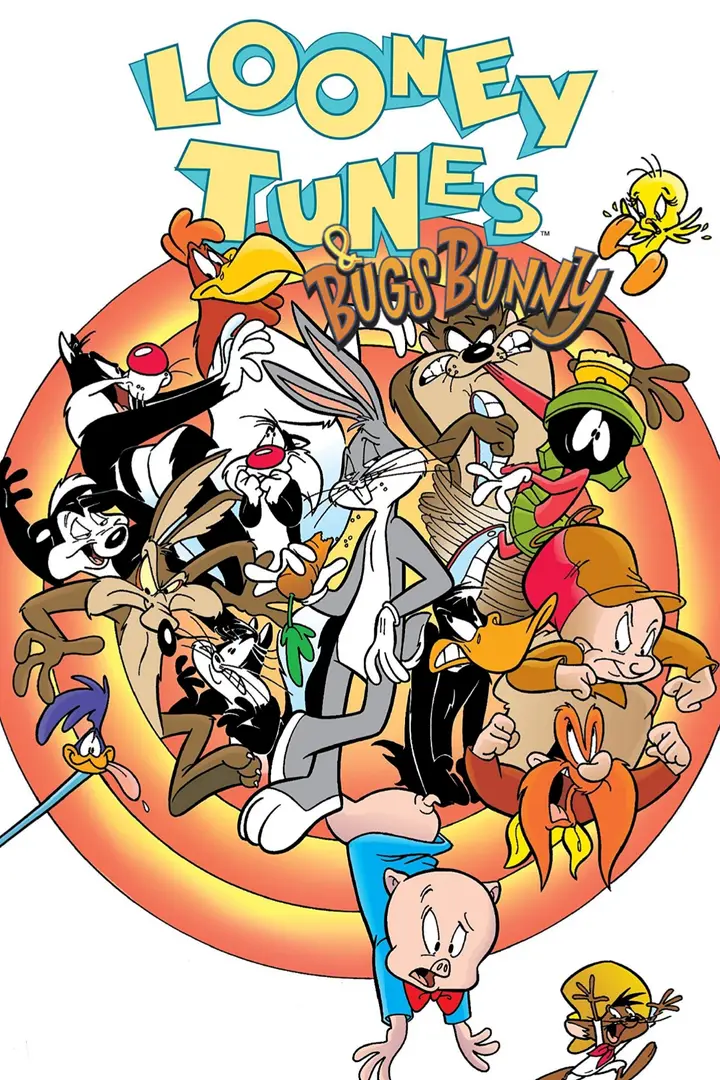
The Bugs Bunny / Looney Tunes Comedy Hour
Classic Looney Tunes shorts rely on exact timing, visual escalation and sharply defined rivalries. Bugs, Daffy, Tweety and the others turn chases and failed schemes into compact comedy with clear setups and payoffs.
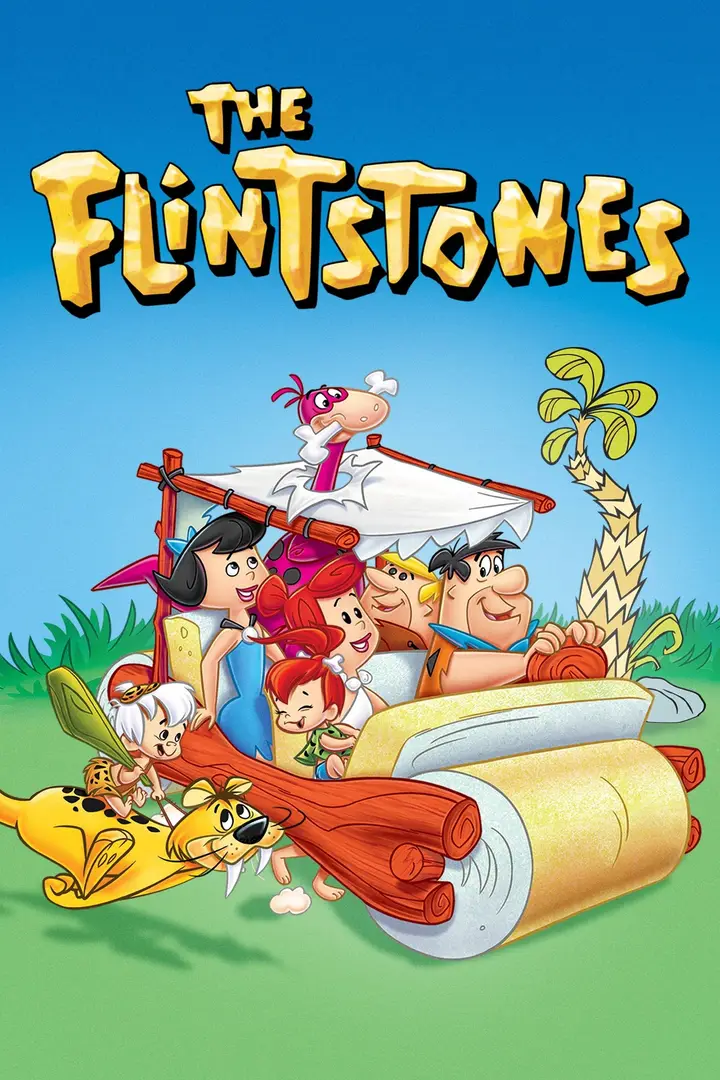
The Flintstones
Bedrock turns familiar family routines into Stone Age comedy through animal-powered appliances, rocky technology and Fred’s overconfident schemes. The domestic setup gives children an easy entry point while the prehistoric inventions supply the comic hook.
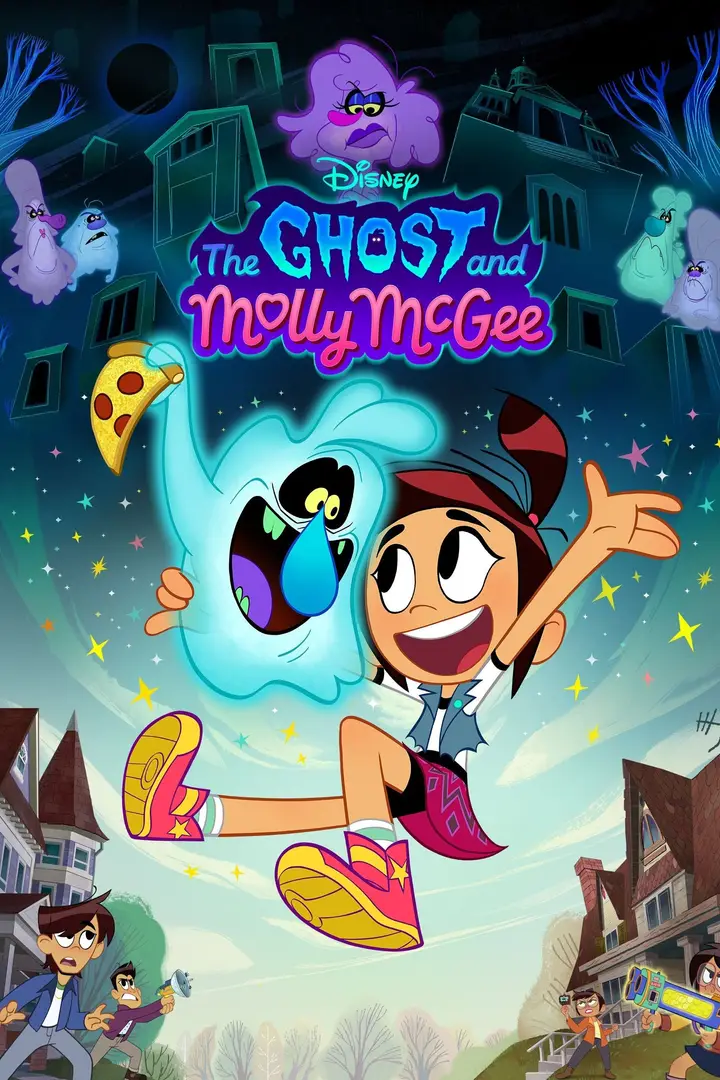
The Ghost and Molly McGee
The mismatched pairing of relentless optimism and grumpy pessimism drives fast comedy, while the friendship that slowly grows between them gives the sillier episodes real emotional footing.
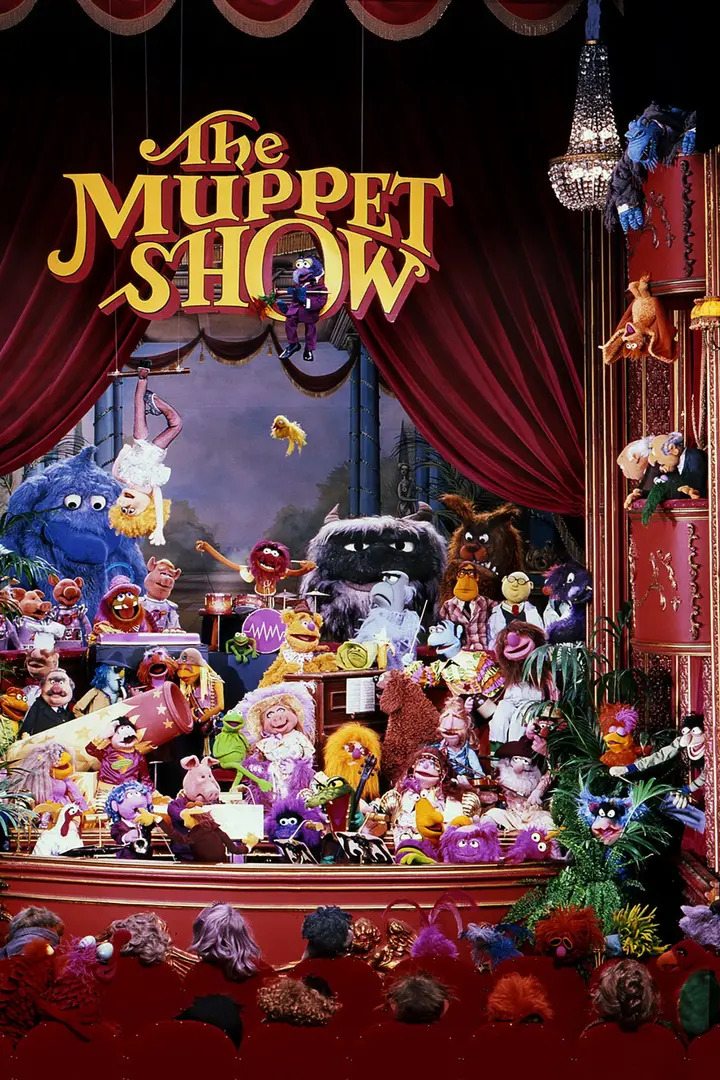
The Muppet Show
Variety acts, songs and backstage chaos give each episode several comic layers. Children can enjoy the characters and performances, while older viewers catch more of the show-business parody, timing and celebrity guest humor.
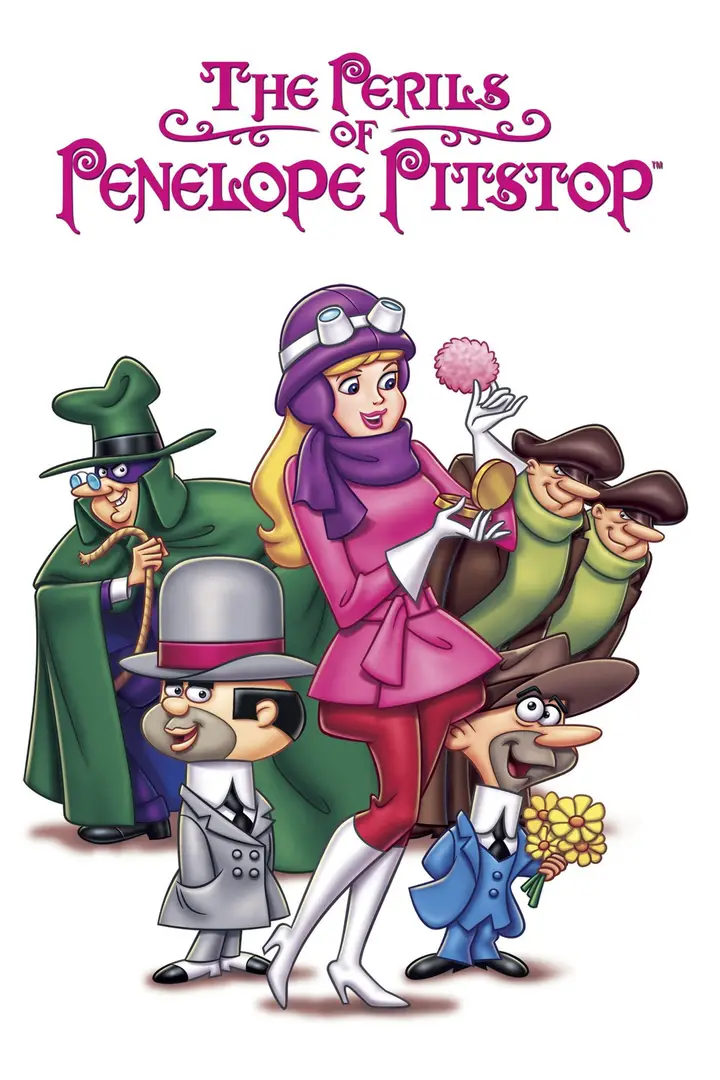
The Perils of Penelope Pitstop
Cliffhanger parody gives every episode an immediate problem: Penelope faces an elaborate trap, the Hooded Claw escalates it and rescue plans go wrong. Penelope’s own resourcefulness keeps her active inside the repeated formula.
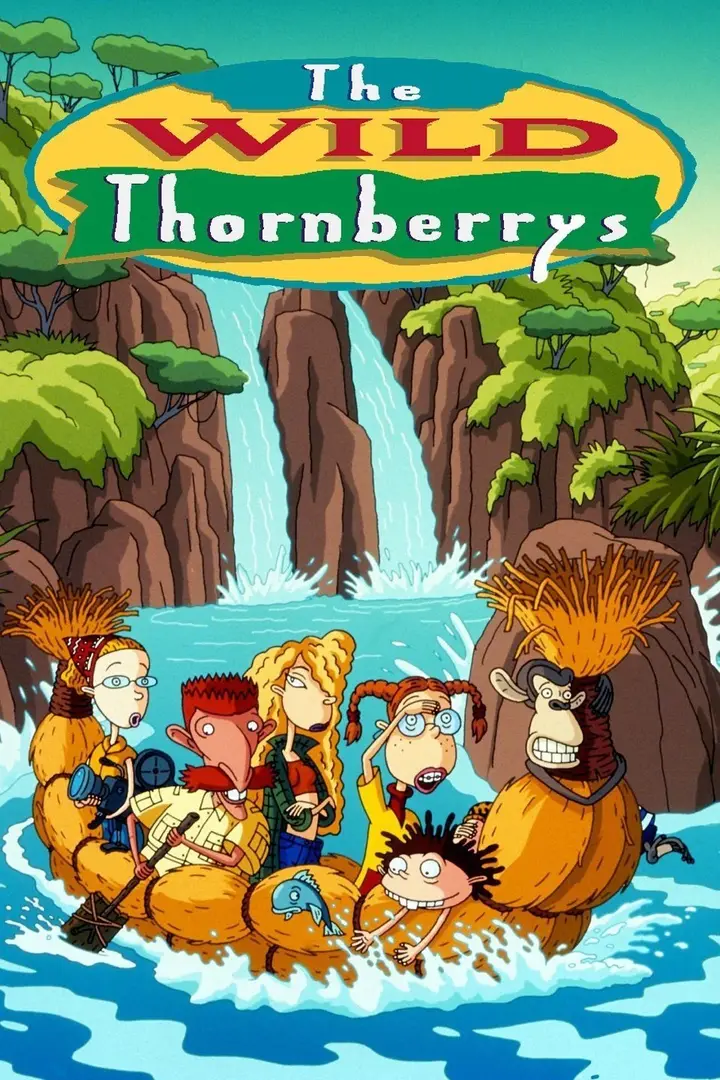
The Wild Thornberrys
Global travel, wildlife observation and Eliza’s secret ability to speak with animals turn conservation into adventure. Family comedy keeps the journey accessible while different ecosystems and species give each location its own practical questions.
Tiny Toon Adventures
A younger Looney Tunes generation brings slapstick, parody and pop-culture jokes into school life at Acme Looniversity. Buster, Babs, Plucky and their classmates make cartoon chaos feel structured by friendship, competition and performance.
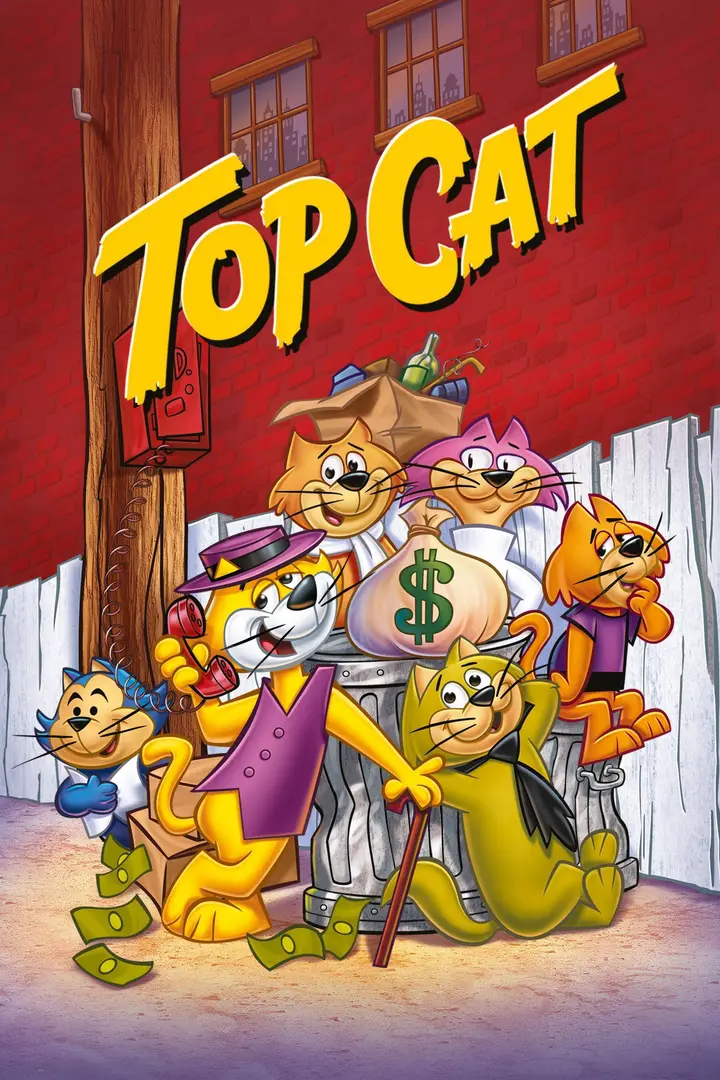
Top Cat
Fast dialogue and small hustles give Top Cat a streetwise comic rhythm, with Officer Dibble acting as a reliable obstacle to each scheme. The gang’s loyalty keeps the opportunistic plots grounded in friendship.
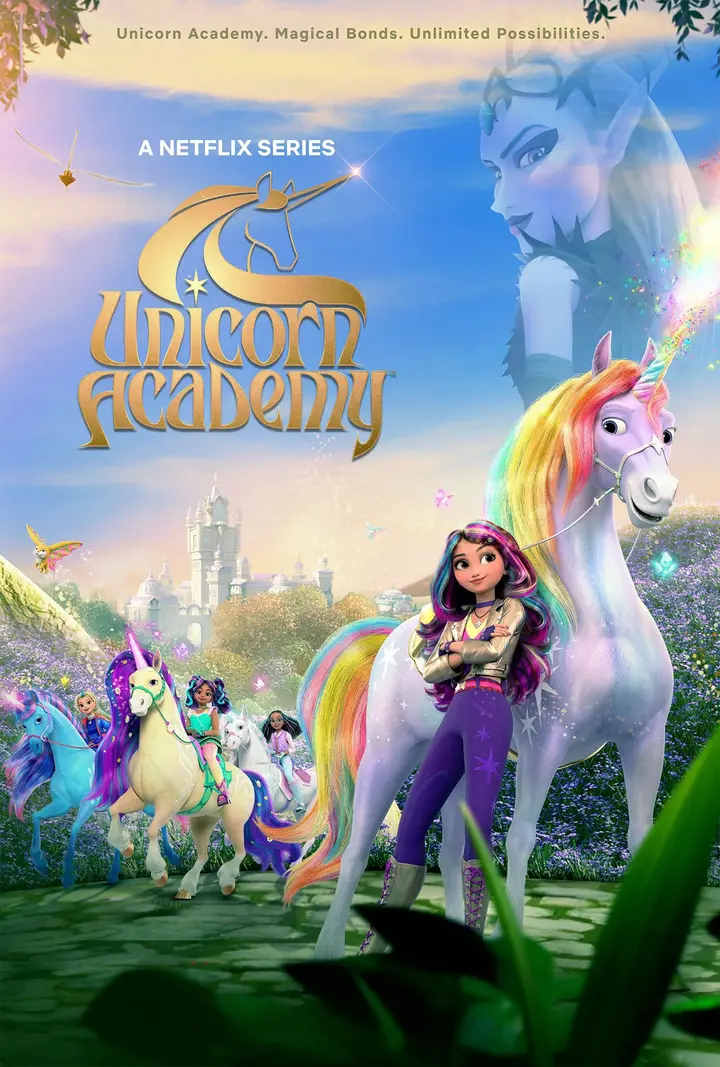
Unicorn Academy
It treats bonding with a unicorn as an act of trust and cooperation rather than raw ability, using a familiar school-adventure structure to make its fantasy world easy to enter.
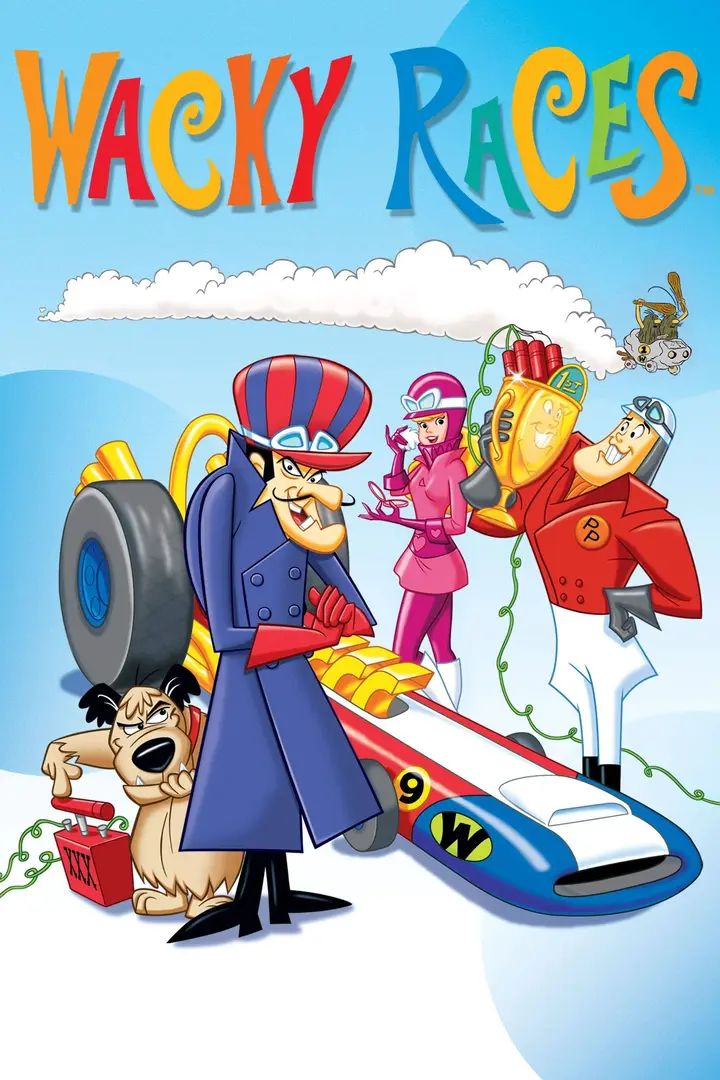
Wacky Races
Eleven strange vehicles turn every race into a moving showcase of visual jokes, rivalries and mechanical surprises. Dick Dastardly’s sabotage gives the competition a comic obstacle, while the varied teams make each episode easy to distinguish.
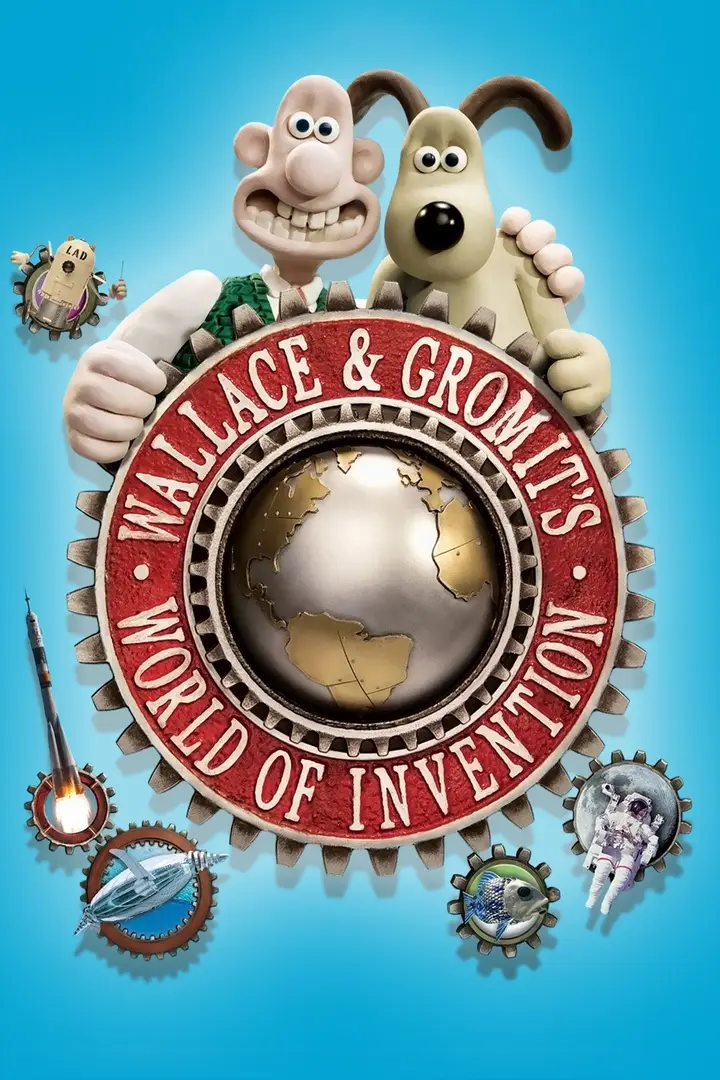
Wallace and Gromit's World of Invention
Real inventors, machines and experimental technology are framed by Wallace’s enthusiasm and Aardman humor. The series shows engineering as trial, failure and adaptation, making inventive thinking feel approachable without reducing the real work involved.


