
Best Educational TV Shows for Kids by Learning Goal
99 learning-led series across six goals, ordered with clear TFFC Minimum and Recommended Ages.
Best Educational TV Shows for Kids by Learning Goal
Educational TV is not one category, and “positive” is not the same as “educational.” This guide contains 99 series where learning is a sustained part of the experience: 15 Early Literacy, 31 STEM & Problem-Solving, 10 Nature & Animals, 14 History/Geography/Culture, 6 Creativity & Arts, and 23 Social and Interpersonal titles. TFFC Minimum and Recommended Ages stay visible within every learning section.
Find the right series
Choose one band. Results show age-relevant series approved by our editors: those whose Minimum-to-Recommended age span overlaps the band, plus individually approved favorites. The Recommended Age is a starting point, not a maximum.
More filters and sort
No series in this guide match this age.
Reading, Language & Early Literacy
Twelve series where letters, sounds, vocabulary, reading or language development are a recurring part of the viewing experience, not an occasional educational moment.
Blue's Clues
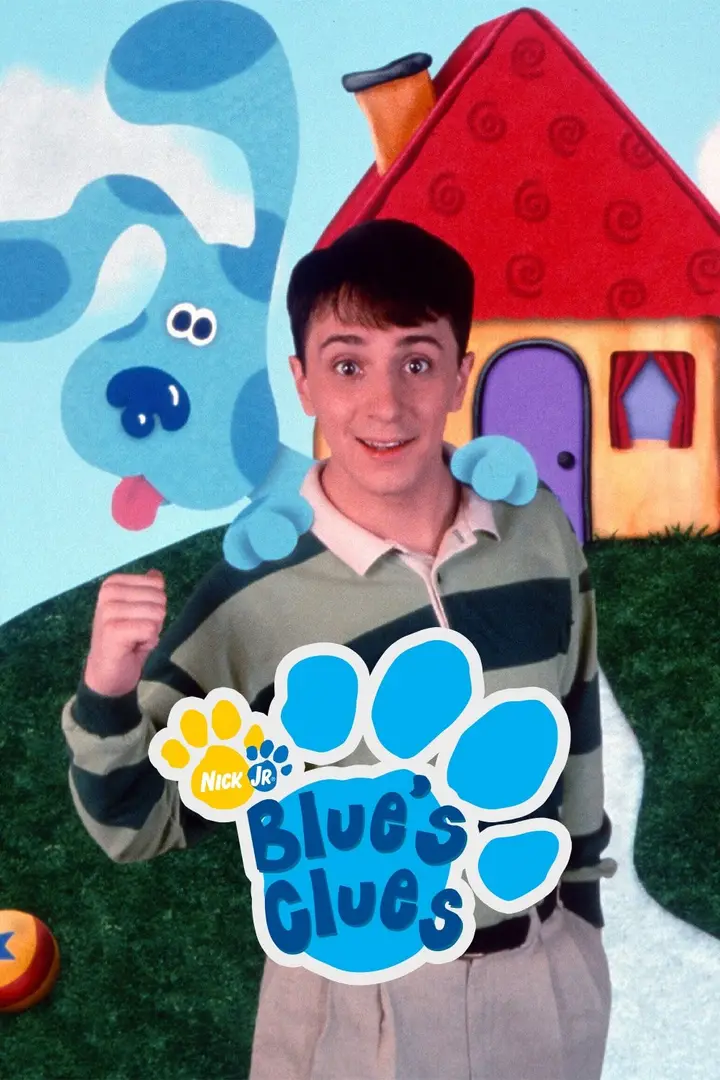
Direct questions, repeated clue steps and visible notebook drawings turn each episode into a participatory puzzle. The predictable structure supports early attention, language and reasoning skills without asking preschoolers to track complicated stories.
Pocoyo
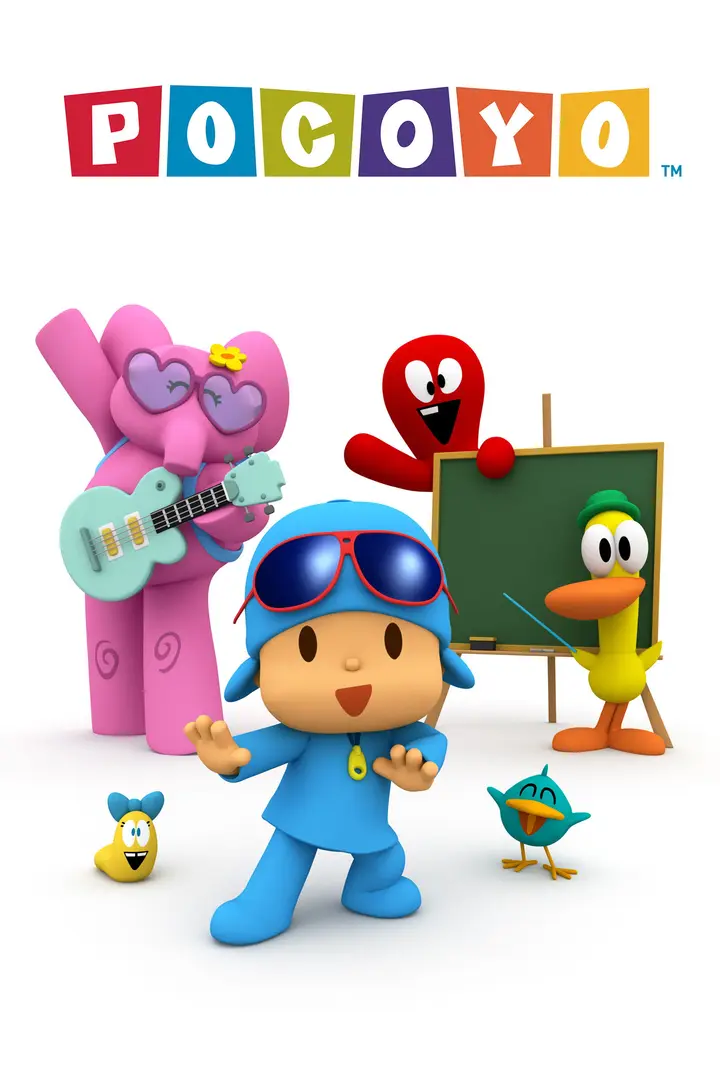
A simple white world keeps attention on Pocoyo, his friends and the problem in front of them. The narrator’s direct questions create an interactive rhythm that supports curiosity, sharing, patience and recognition of basic feelings.
Reading Rainbow (1983)
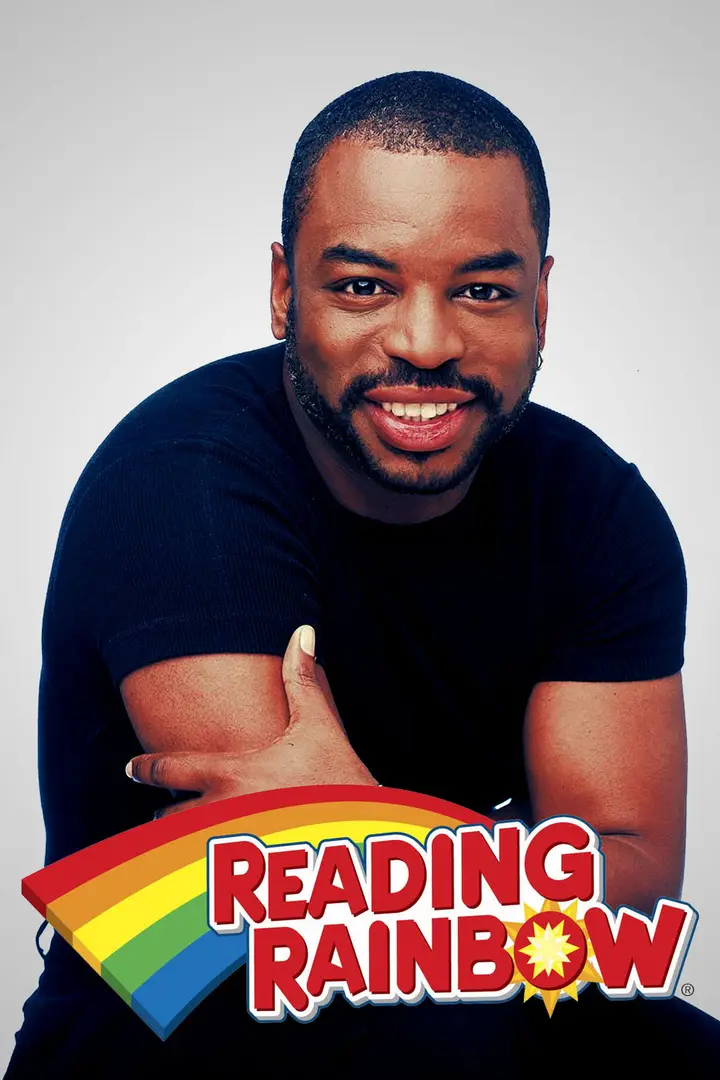
A featured picture book becomes a gateway into real places, people and ideas through interviews, visits and demonstrations. Reading is connected to science, history, art, work and community life instead of being treated as an isolated skill.
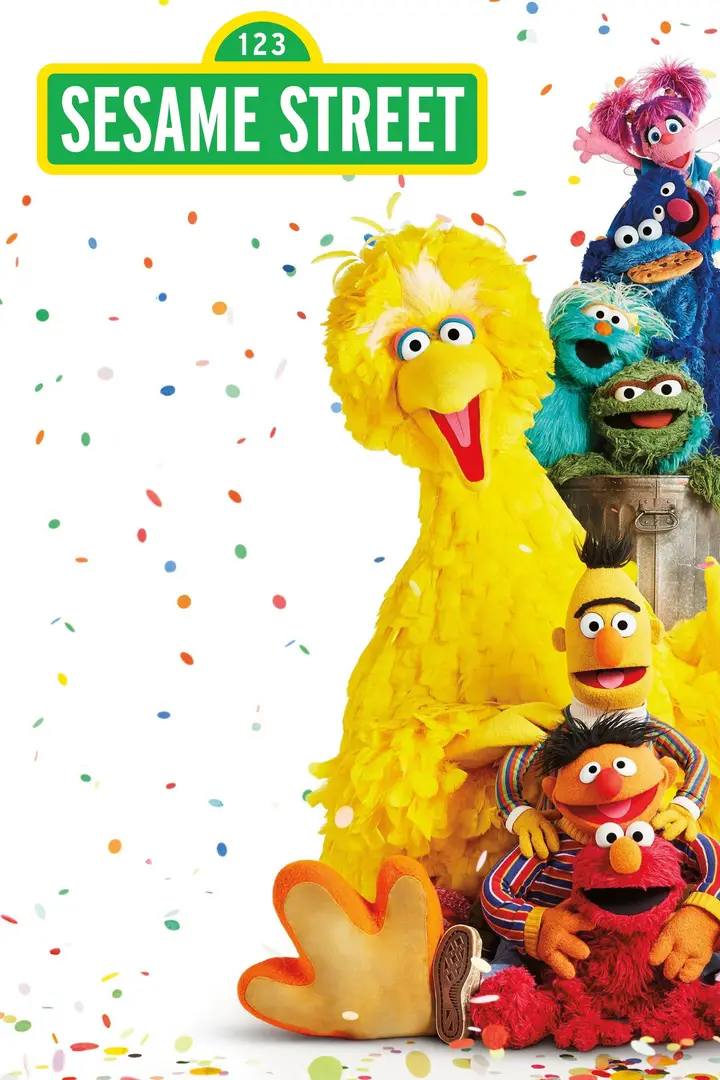
Sesame Street
Muppets, songs, animation and live-action sketches break early learning into short, memorable pieces. Letters, numbers, vocabulary and social ideas return in varied formats, while recurring characters give young children a familiar anchor.
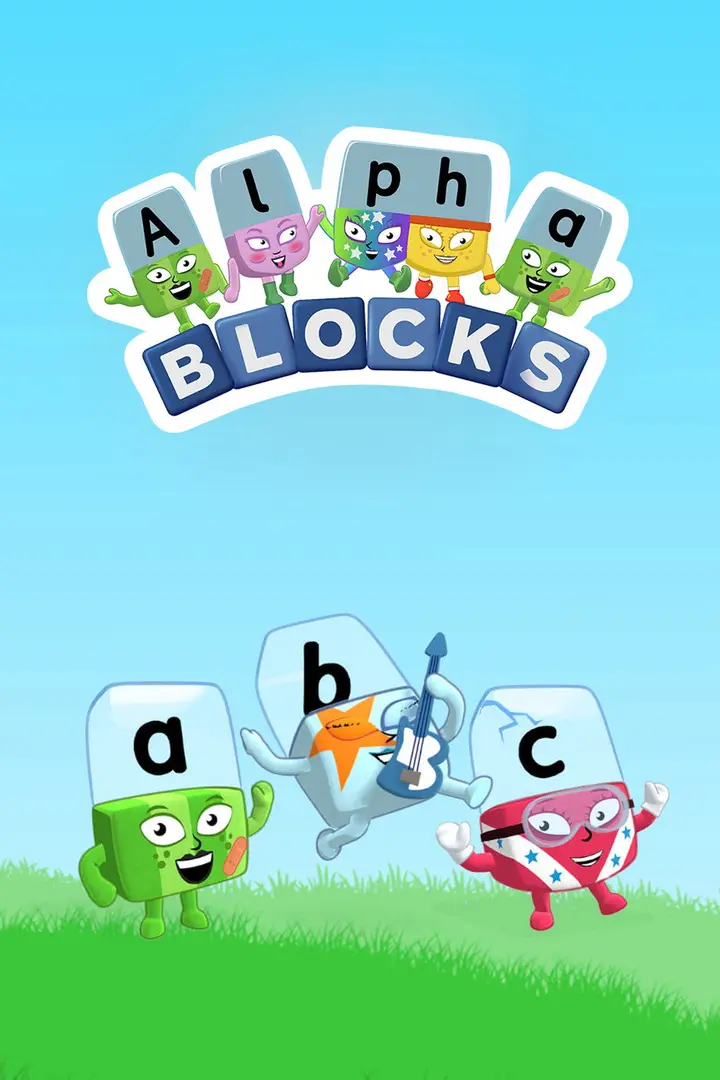
Alphablocks
Letters become characters who combine sounds into words, making phonics visible and memorable. Short episodes focus on one reading idea at a time, letting children hear how changing a letter changes the word.
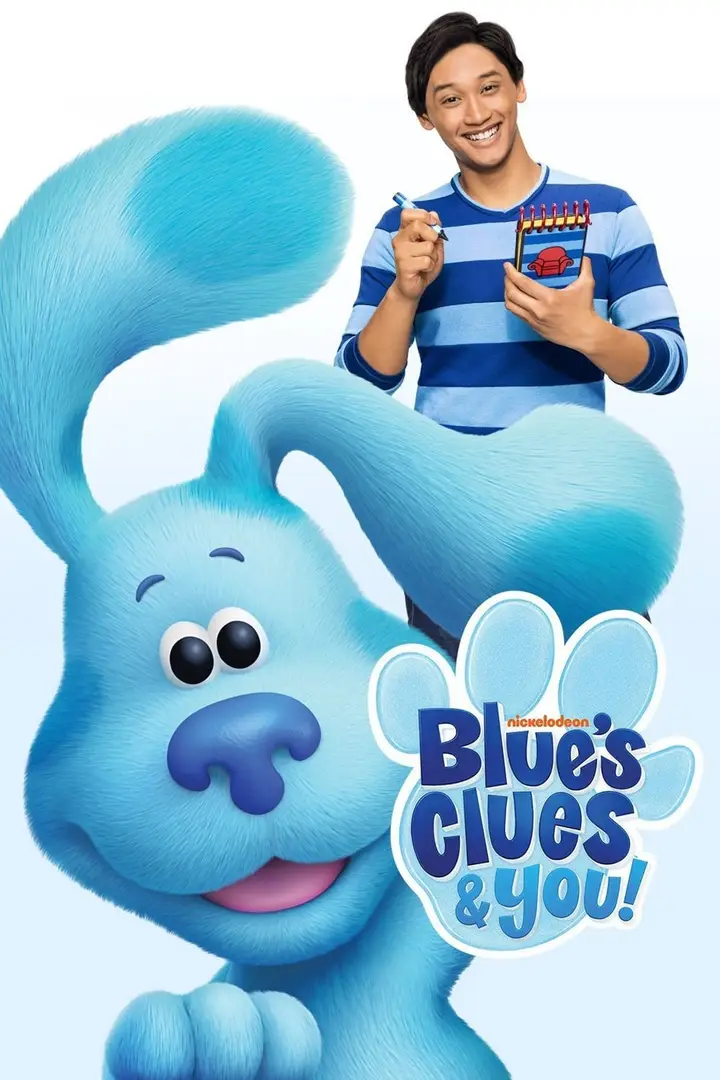
Blue's Clues & You!
The familiar clue-solving format preserves pauses, repetition and direct participation while updating the presentation. Three paw prints guide each story, giving preschoolers a predictable process for speaking, counting, identifying patterns and drawing conclusions.
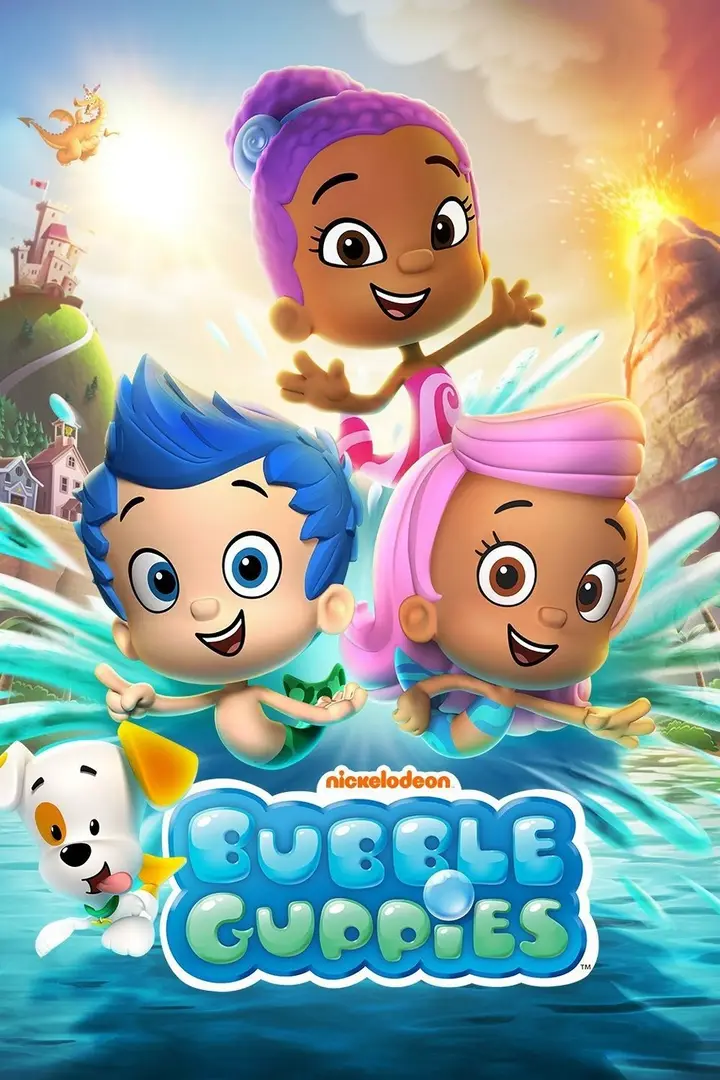
Bubble Guppies
An underwater preschool turns questions into songs, games and imaginative field trips. Repeated musical patterns and direct participation help vocabulary, routines and basic concepts feel playful instead of instructional.
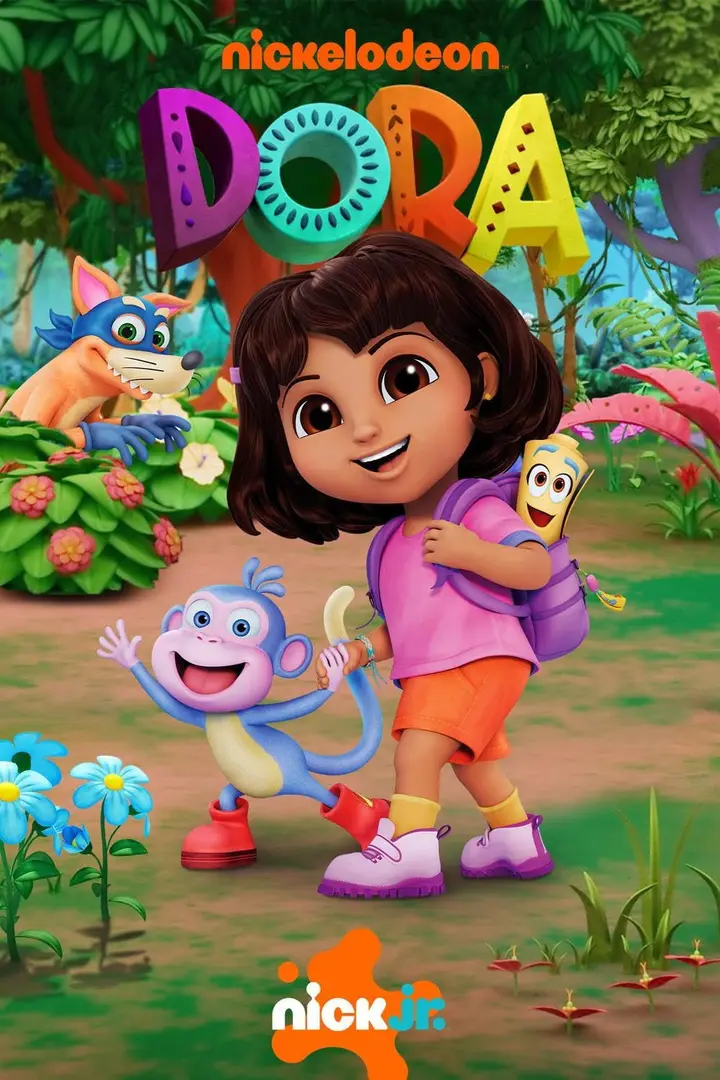
Dora
It keeps the original's direct address and pause-think-answer structure while modernizing the animation, giving preschoolers a familiar problem-solving format with a faster, fresher feel.
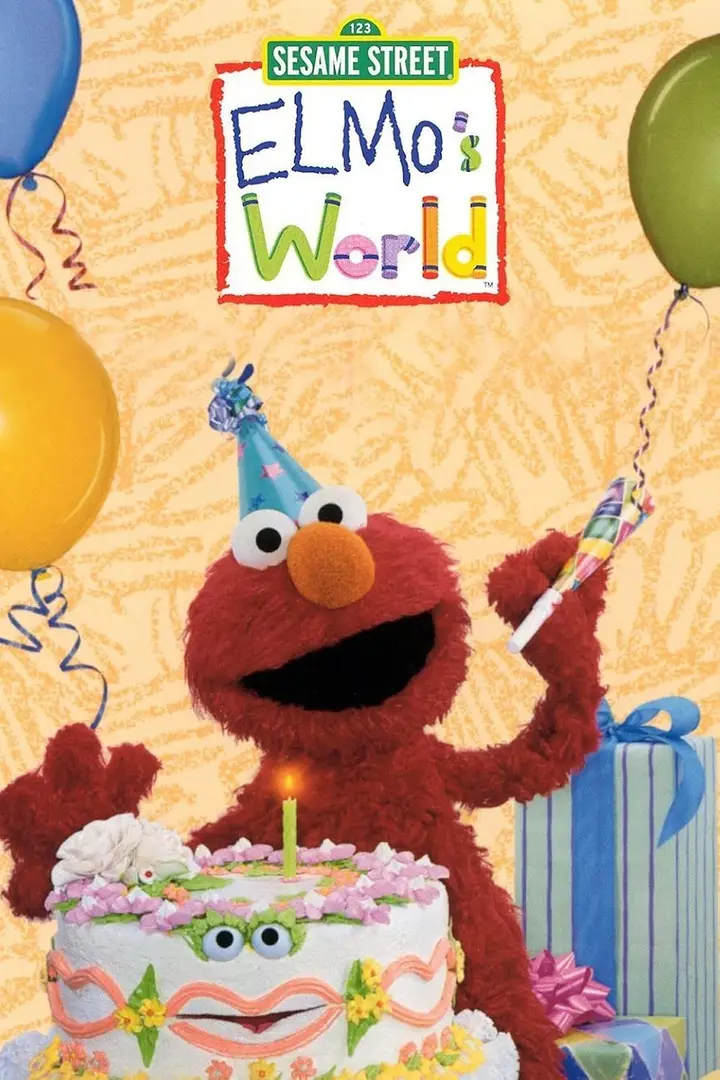
Elmo's World
Elmo learns the way toddlers do: by asking, looking and trying. The repeated structure lowers stress for very young viewers, and the clips of real children make each topic concrete.
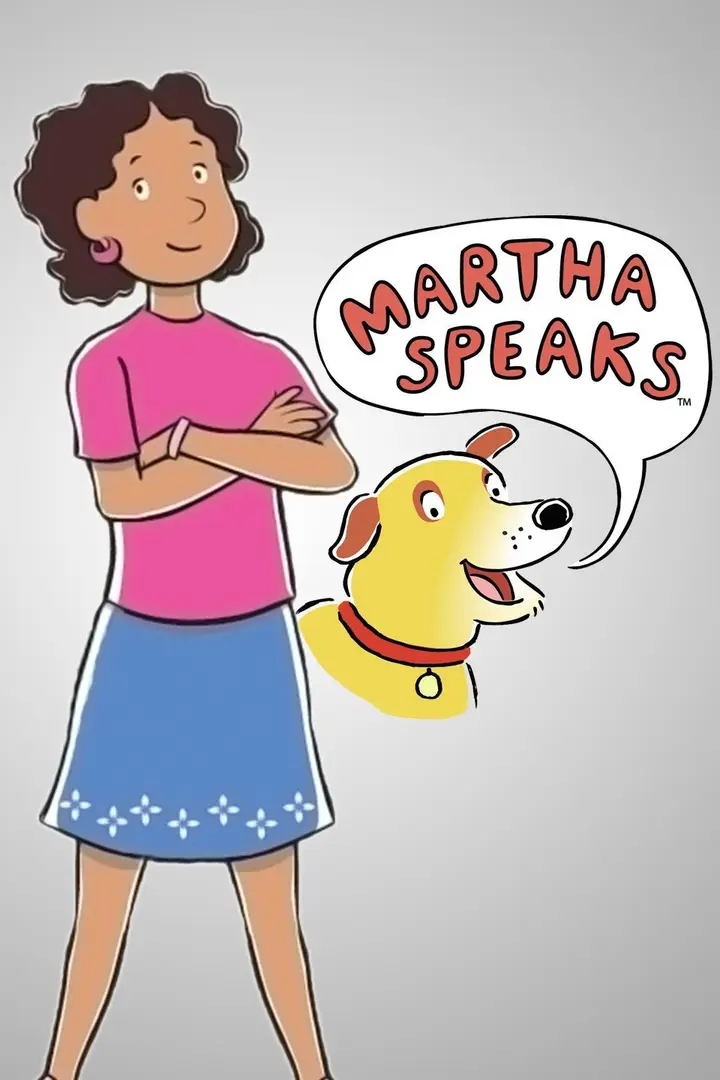
Martha Speaks
Martha’s ability to talk turns everyday adventures into natural vocabulary lessons. New words are introduced through context and repeated in conversation, so language development stays tied to character, humor and plot as part of the story.
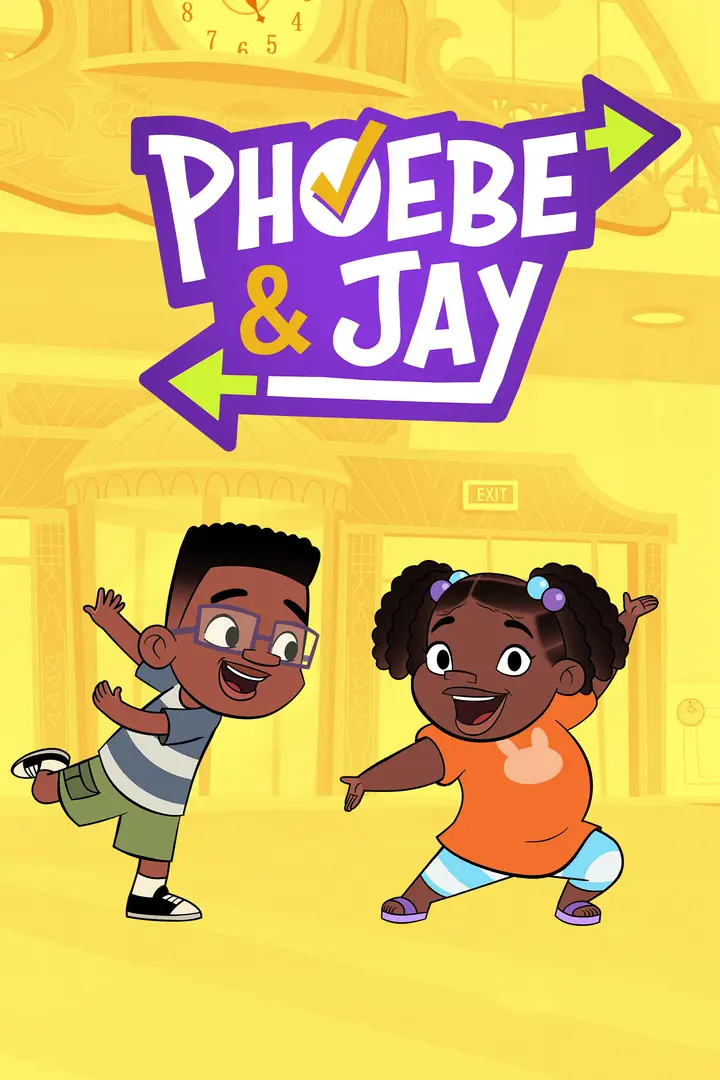
Phoebe & Jay
Words in signs, conversations and play become practical tools for solving recognizable preschool problems. Phoebe and Jay use early literacy socially, showing that asking clearly, listening and explaining can help family and neighborhood situations move forward.
Reading Rainbow (2025 Revival)
Books stay central, but participatory activities ask children to respond, create and discuss what reading can spark. The contemporary ensemble connects stories with questions, creative work and other people’s experiences beyond the page.
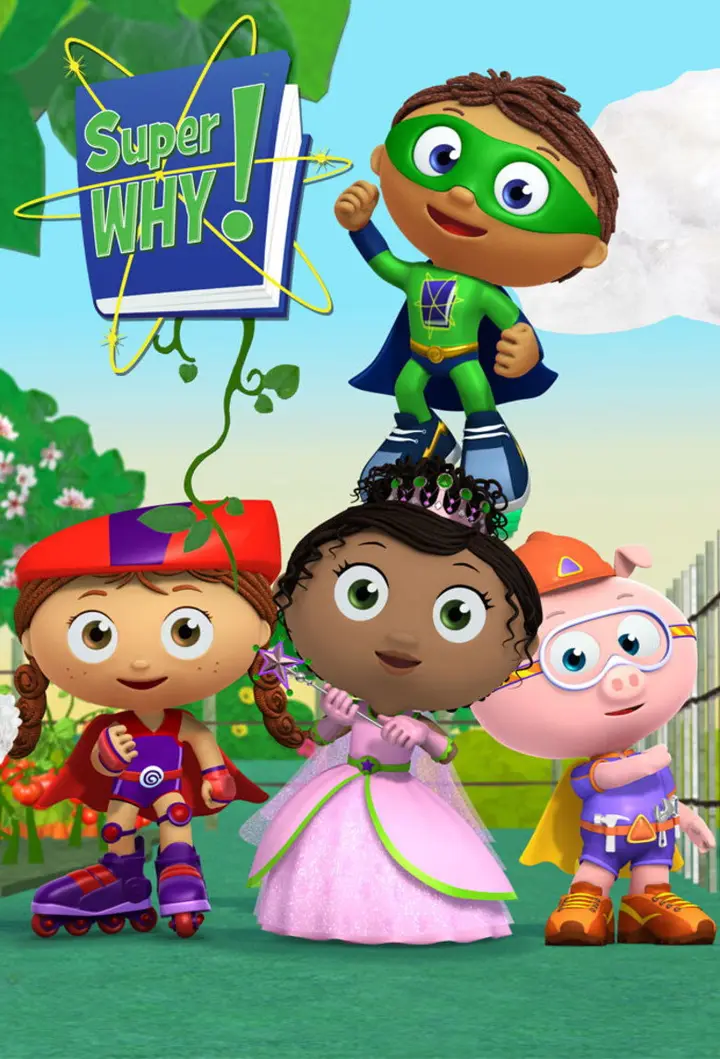
Super Why!
Storybook adventures turn letters, sounds, spelling and word meaning into tools the Super Readers use to solve problems. Changing or examining text makes early literacy feel active, while direct participation helps children practice alongside the characters.
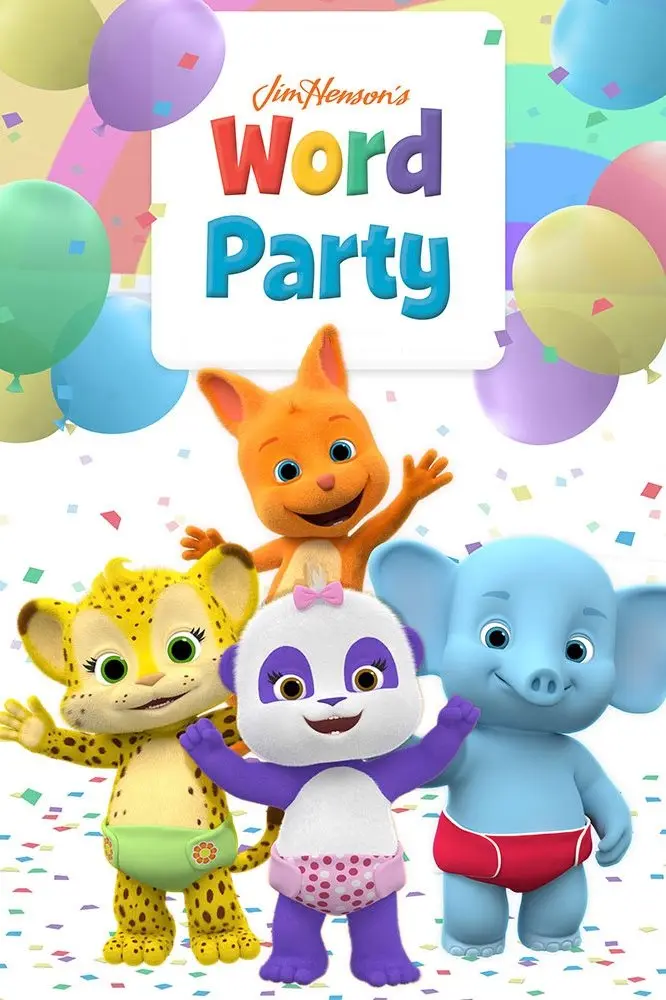
Word Party
Four baby animals learn alongside the audience, using songs, games and repetition to build early vocabulary. Because mistakes are treated as normal learning steps, participation feels encouraging instead of like a test.
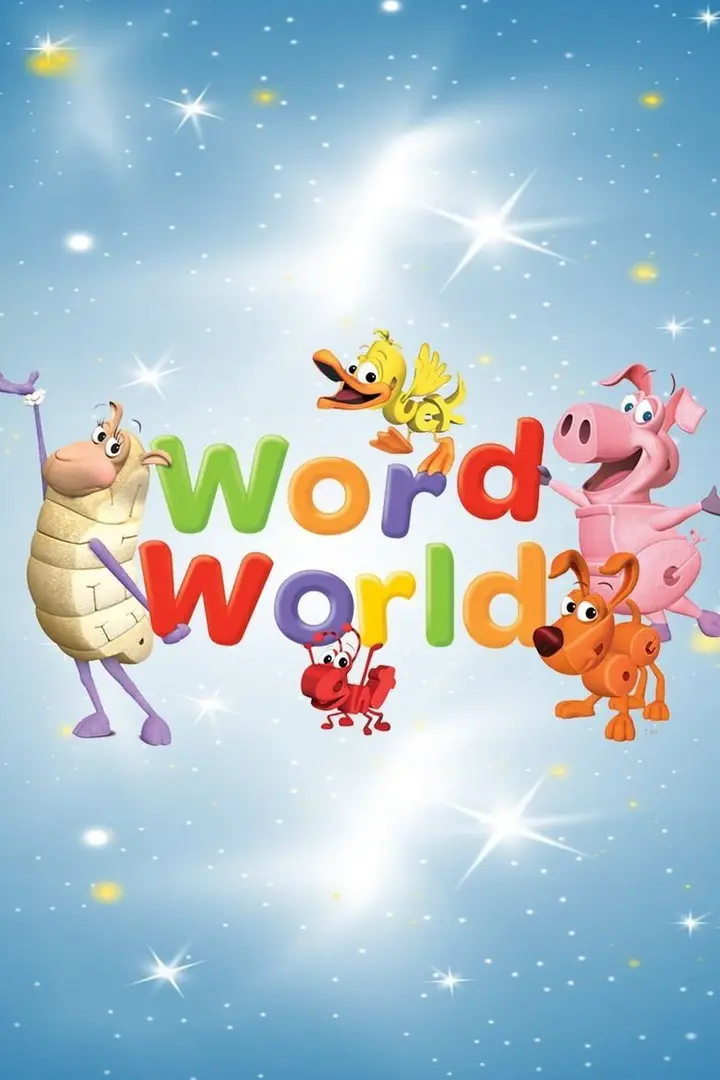
WordWorld
Objects and characters are literally built from the letters that spell their names, making word construction visible. Each small adventure links sounds, spelling and meaning, so early reading concepts become part of how the world works.
Math, Science, Engineering & Problem-Solving
Twenty-five series built around numbers, science, engineering, investigation or practical problem-solving, from preschool questions to more structured explanations and experiments.
Ask the StoryBots
Children’s questions become investigations through machines, bodies, laboratories and imaginative environments. Songs and comedy keep explanations lively, while the StoryBots gather clues before giving a clear answer grounded in what they discovered.
Bill Nye the Science Guy
The show teaches the method, not just the facts: ask a question, test it, look at the result. Each episode is self-contained, which makes it easy to use in class or pair with a home experiment.
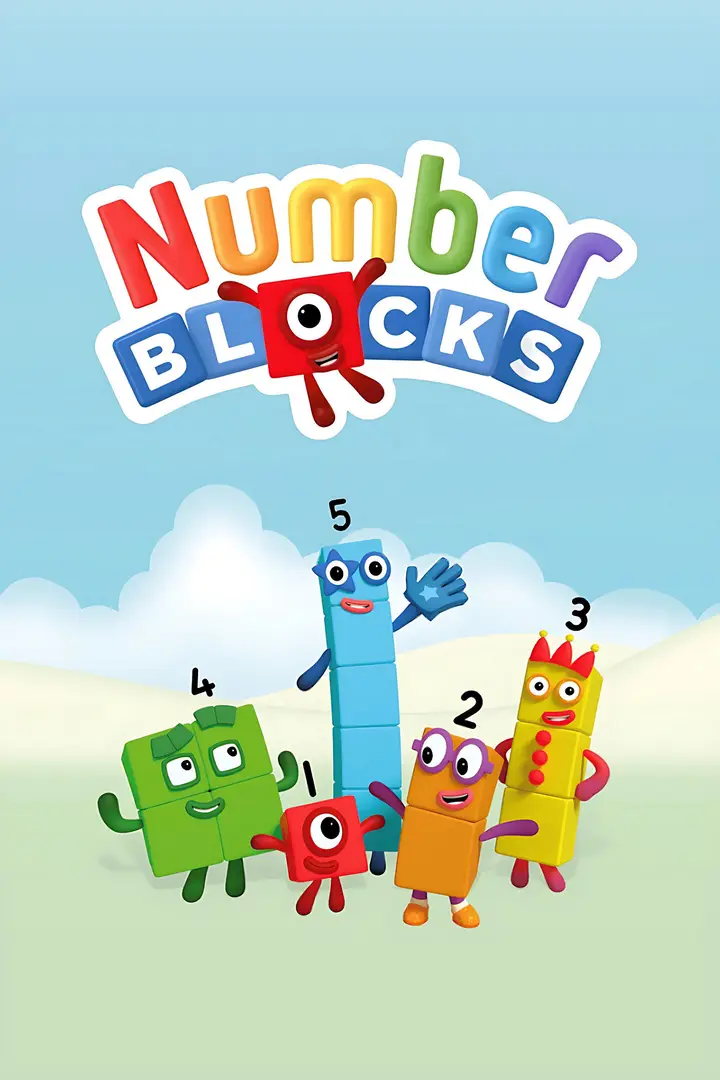
Numberblocks
Numbers become physical characters who join, split and rearrange, making quantity and arithmetic visible. Short musical episodes let children see addition, subtraction and patterns in motion, linking written numbers to concrete amounts.
The Magic School Bus
Scientific questions become immersive field trips where the class observes, predicts and tests ideas directly. Ms. Frizzle’s impossible bus turns biology, physics and astronomy into memorable experiences while keeping curiosity and experimentation at the center.
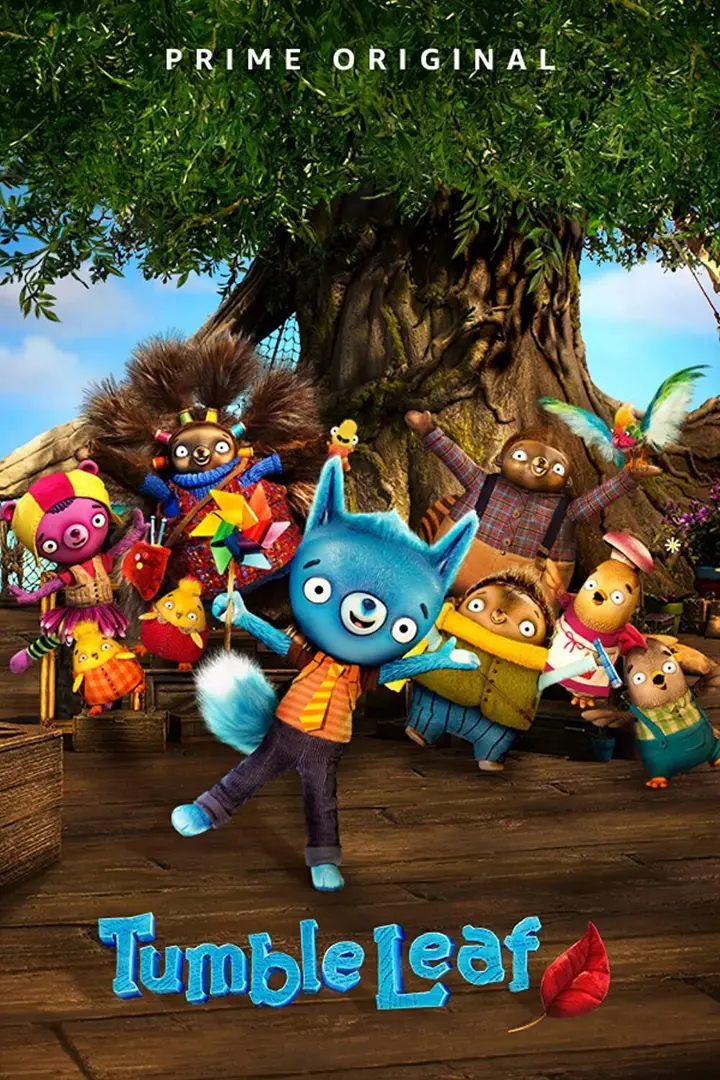
Tumble Leaf
Fig learns by observing, testing and changing his approach, so discovery grows directly from play. The stop-motion world gives objects and movement strong physical presence, making early scientific thinking easy to see.
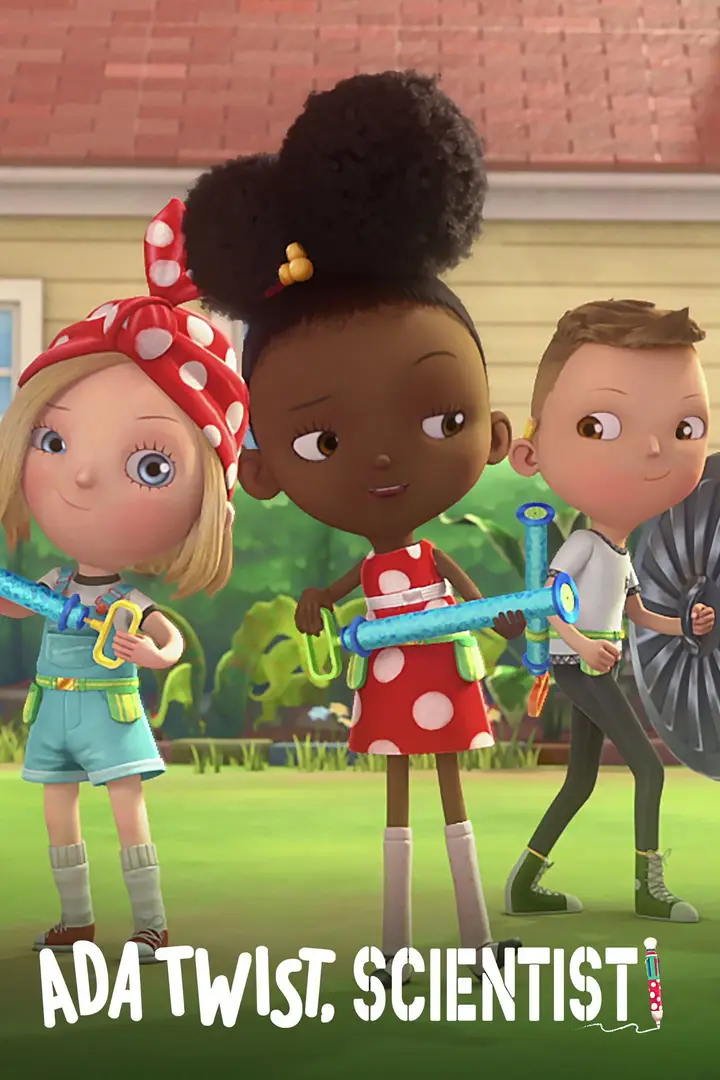
Ada Twist, Scientist
It treats science as an ongoing process of guessing, testing, and failing rather than a set of correct answers, modeling curiosity and good questions as skills worth practicing.
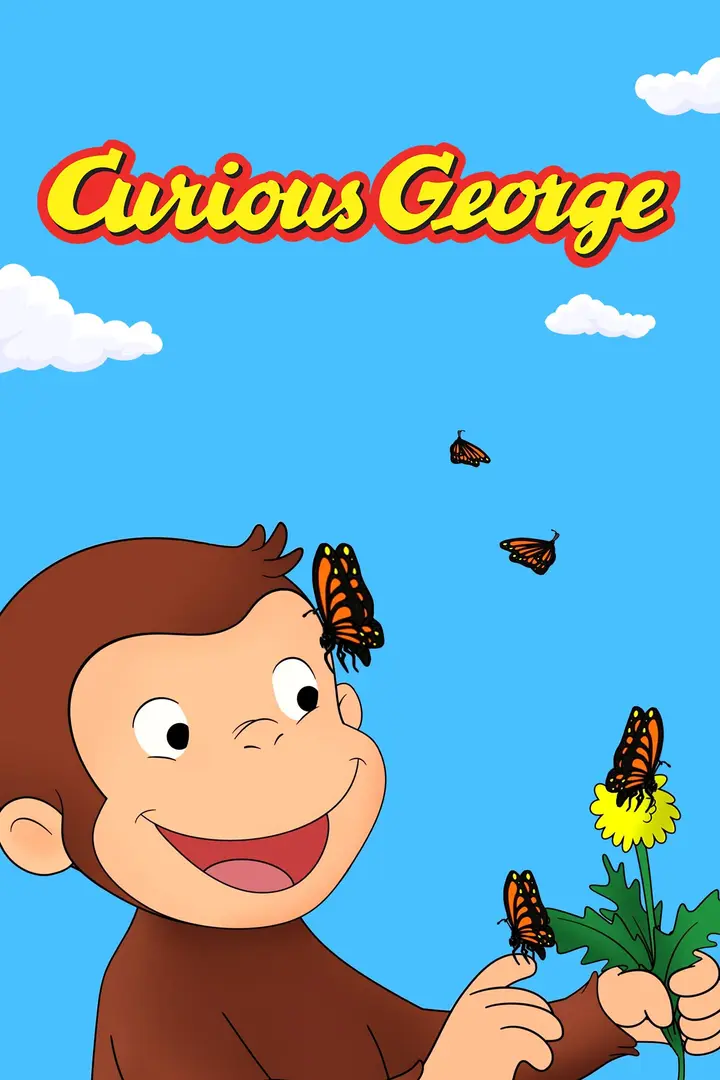
Curious George
George’s curiosity turns ordinary objects, machines and environments into practical experiments. He makes mistakes, observes what happened and adjusts his approach, showing problem-solving as an active process built on attention and persistence.
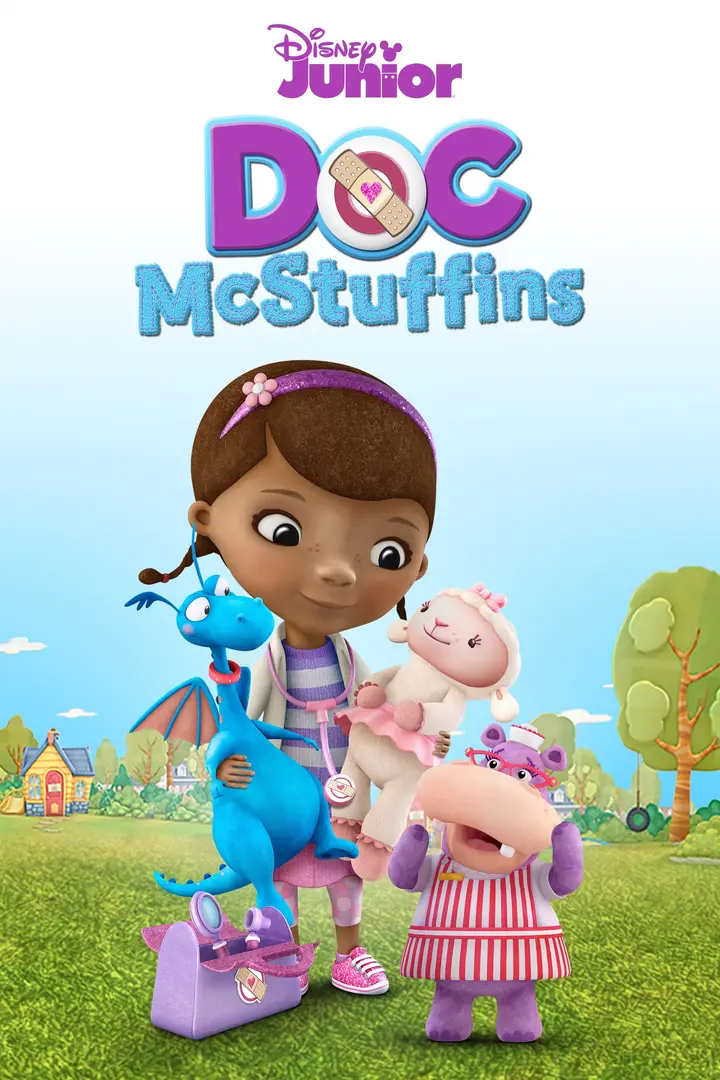
Doc McStuffins
Medical routines become reassuring role-play as Doc listens, examines and explains what each toy needs. The clinic structure gives preschoolers clear steps for checkups, hygiene and asking for help when something hurts.
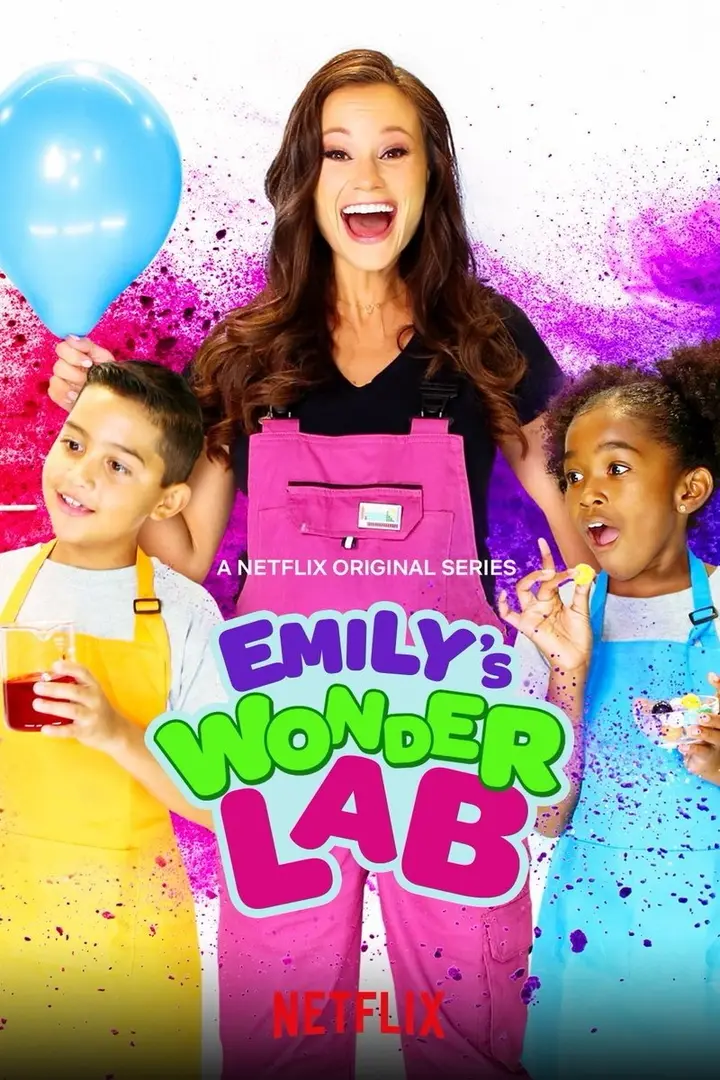
Emily's Wonder Lab
Real children do the experiments, so viewers see themselves as scientists, and every episode gives families something concrete to do together afterwards.
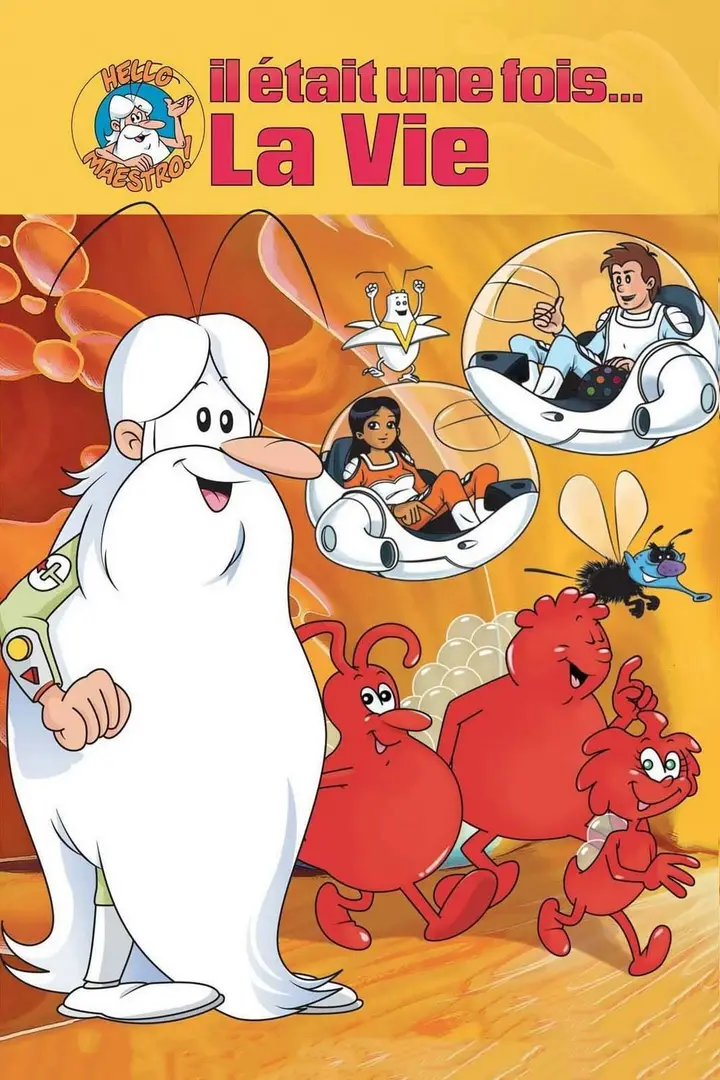
Once Upon a Time... Life
Cells, organs and microbes become characters inside the body, turning invisible biological processes into clear visual stories. Digestion, circulation, immunity and growth gain memorable cause-and-effect structure while preserving the scientific idea.
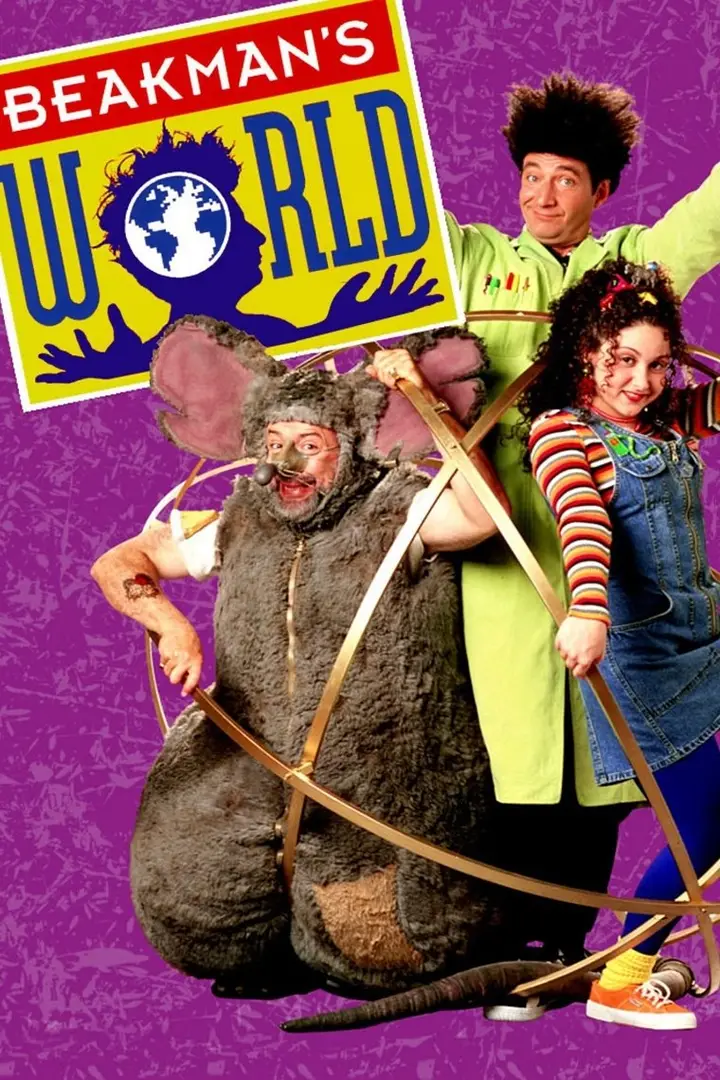
Beakman's World
Starting from real viewer questions shows children that curiosity about ordinary things is the start of science. The demonstrations are simple enough to try at home or in class.
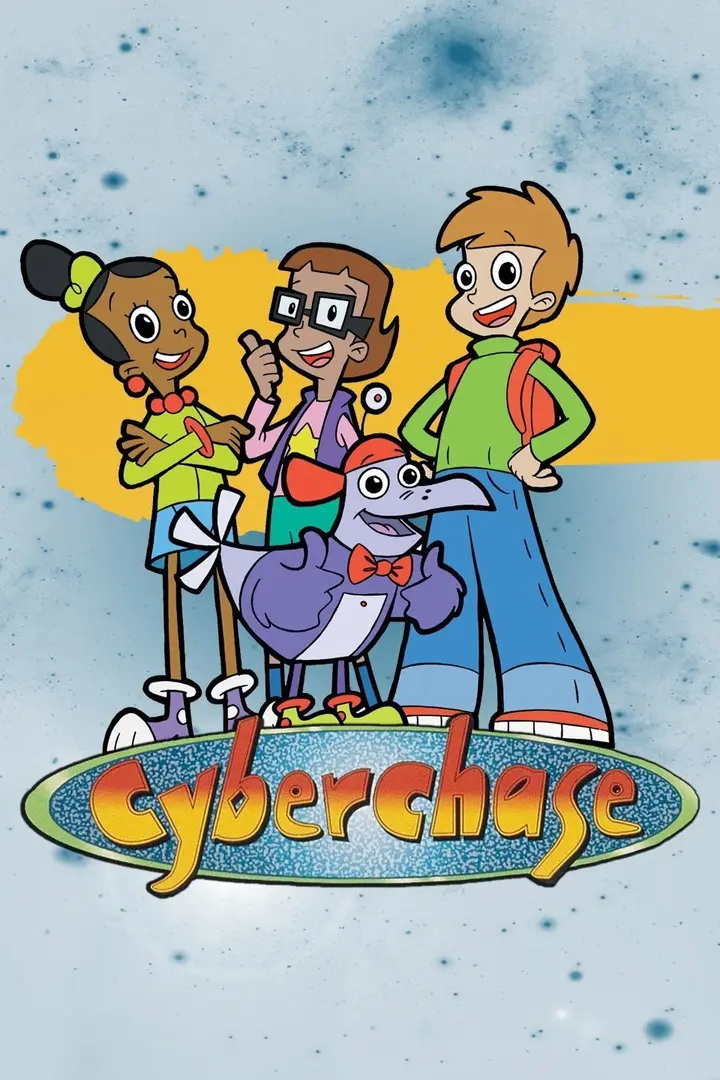
Cyberchase
Cyberspace missions turn mathematics into a practical survival tool instead of a classroom exercise. Jackie, Matt and Inez test strategies, correct mistakes and use patterns, measurement and logic to solve problems under pressure.
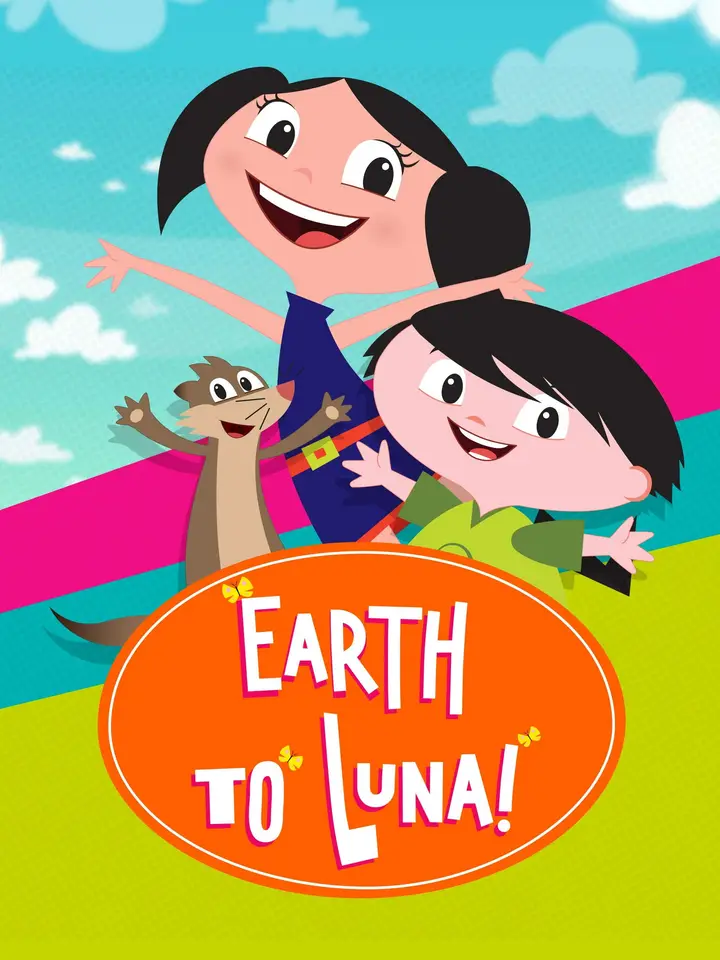
Earth to Luna!
Luna models how to turn a question into an experiment — guess, test, conclude — in a way four-year-olds can follow. Short episodes fit well into a preschool routine.
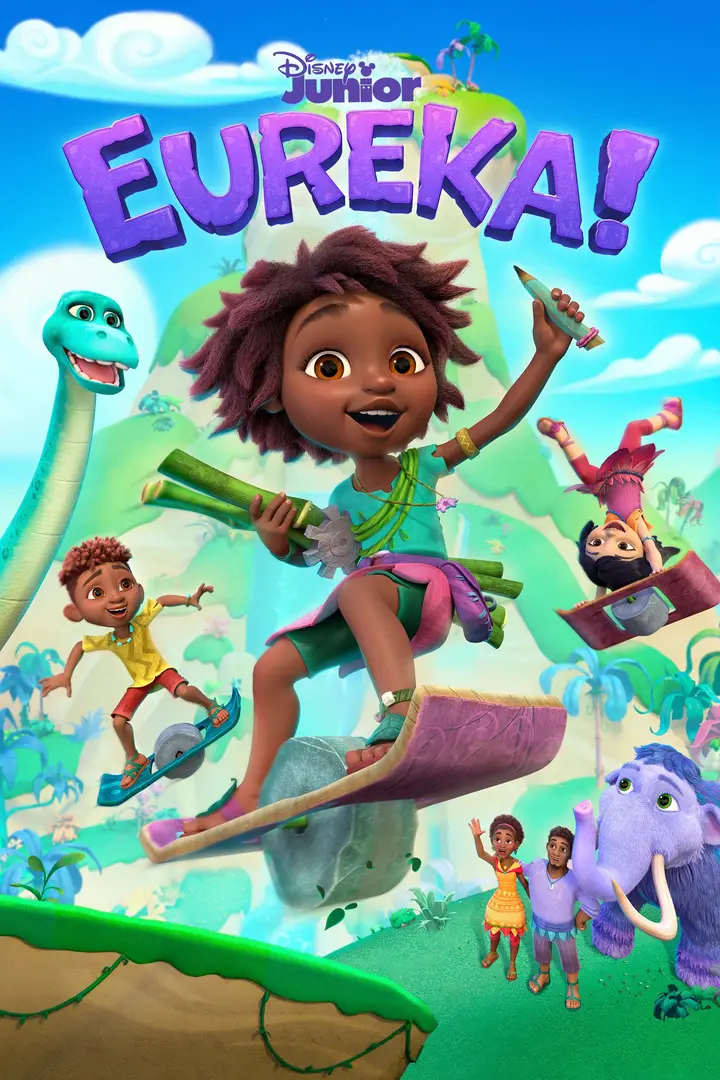
Eureka!
Eureka turns everyday problems into invention projects, moving from idea to prototype and back to revision when something fails. Friends and family take part, showing engineering as a collaborative process built on curiosity, testing and persistence.
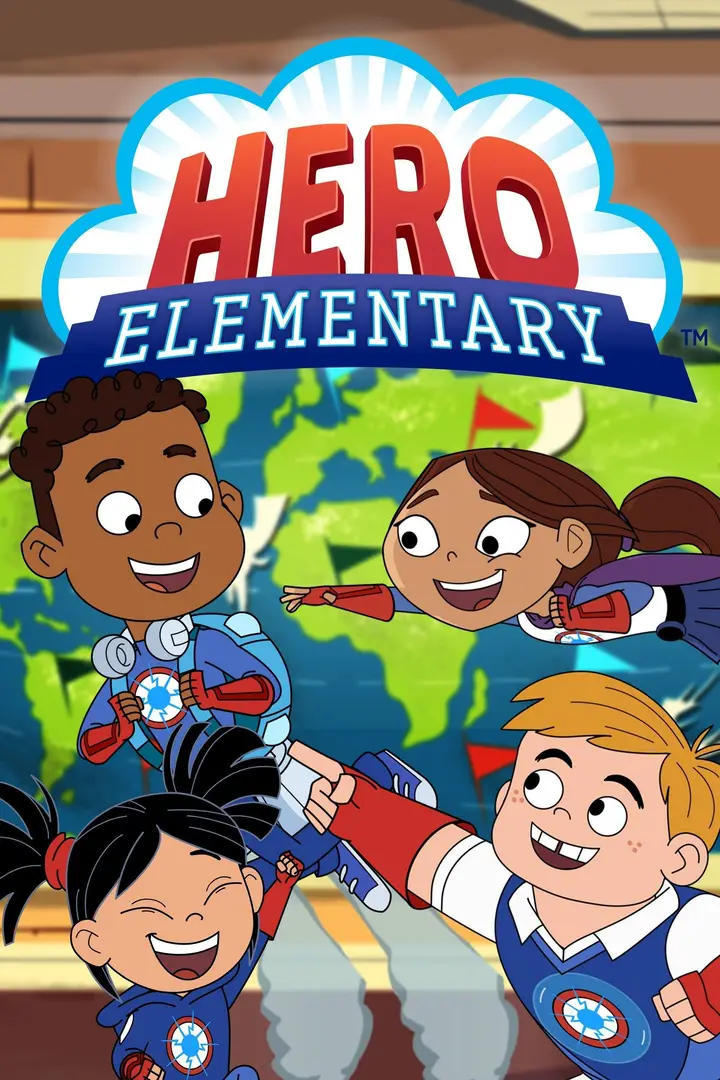
Hero Elementary
Superhero missions become science investigations as the students observe, compare evidence and test solutions. Powers provide excitement, but teamwork and scientific thinking solve the real problem, giving early elementary viewers a clear model for inquiry.
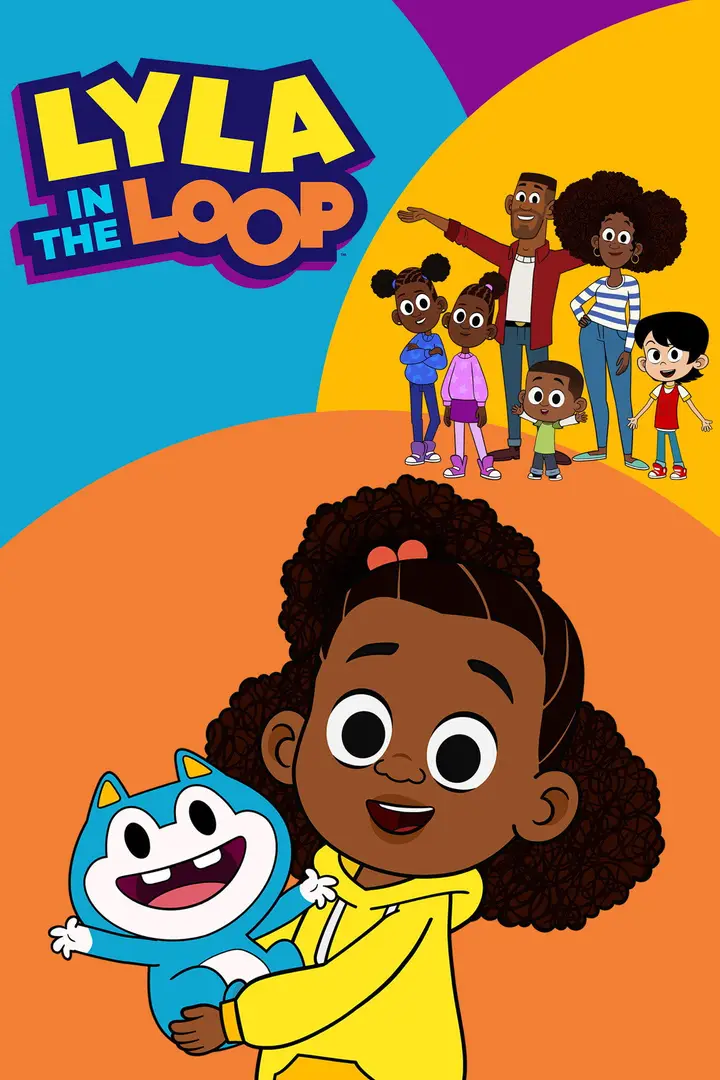
Lyla in the Loop
It applies real computational thinking to household tasks and neighborhood problems, showing that organizing, testing, and revising ideas is a skill useful far beyond computers.
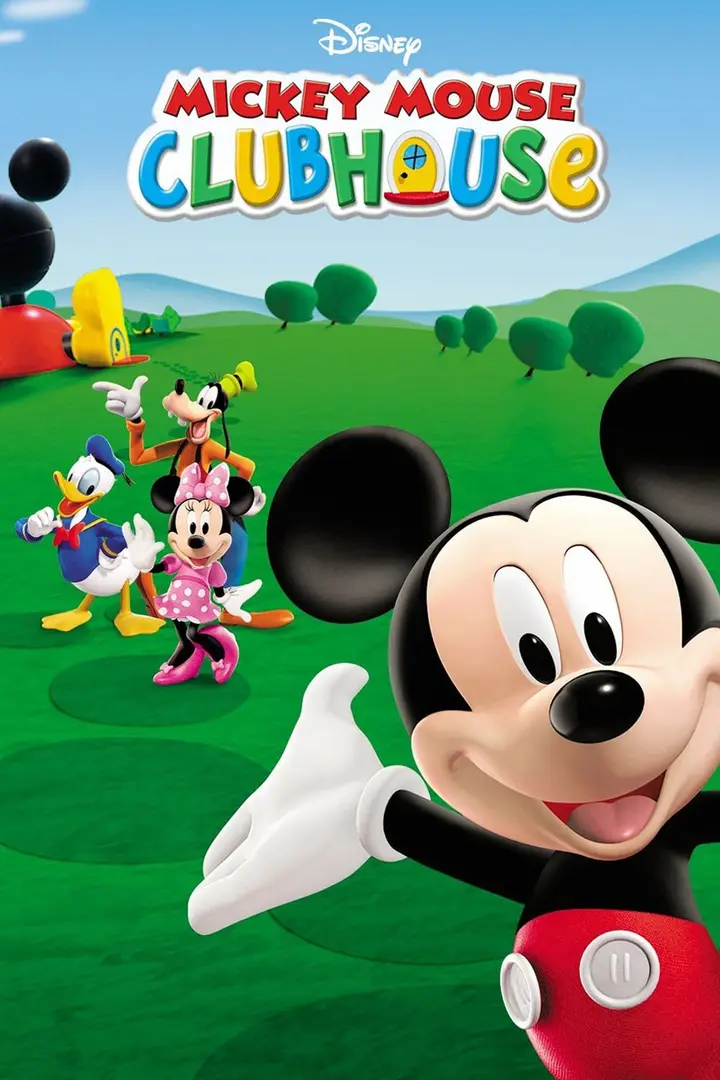
Mickey Mouse Clubhouse
Each episode starts with a practical problem and invites children to choose tools, identify patterns and follow steps toward a solution. Familiar characters and repetition make early problem-solving feel playful instead of instructional.
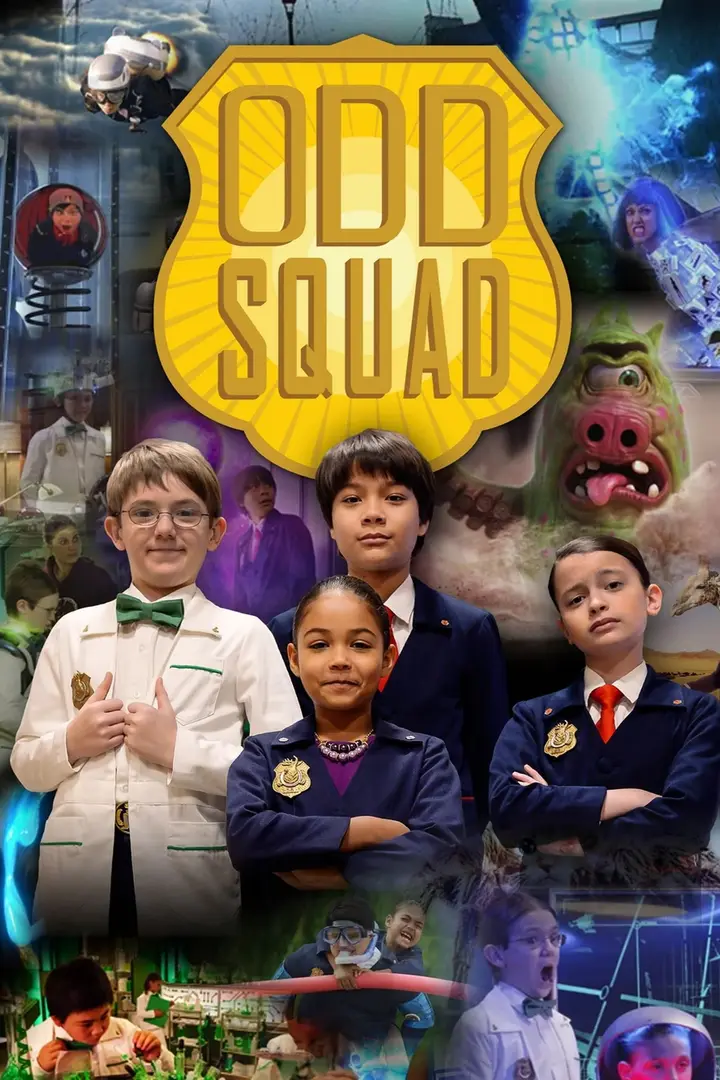
Odd Squad
Bizarre cases turn mathematics into detective work, with agents using patterns, measurement, geometry and logic to reach answers. Because solutions must be explained, the series makes reasoning visible instead of treating the correct answer as magic.
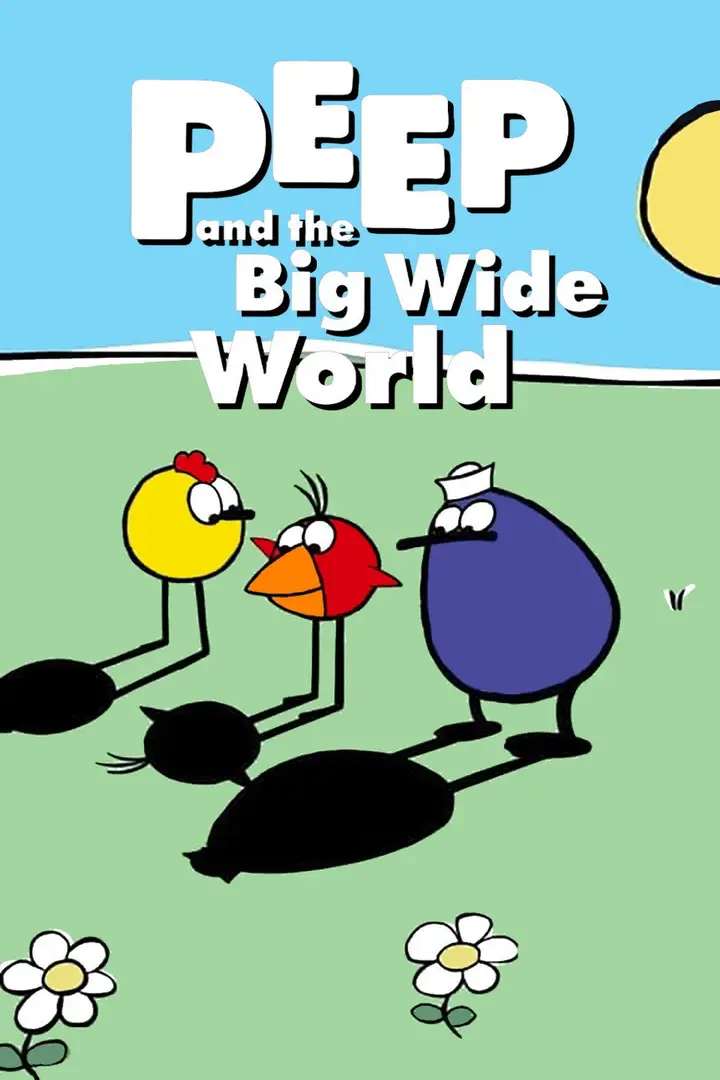
Peep and the Big Wide World
Simple questions about water, sound, shadows and movement become short experiments led by curiosity. Peep, Chirp and Quack test ideas, make mistakes and try again, showing scientific thinking as a practical part of everyday play.
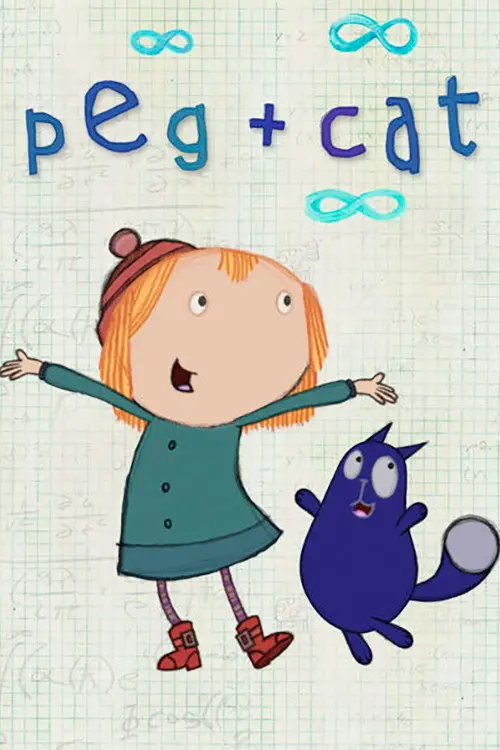
Peg + Cat
Math becomes part of the story as Peg and Cat use counting, patterns, shapes and measurement to solve practical problems. Mistakes are treated as part of the process, reinforcing persistence and flexible thinking.
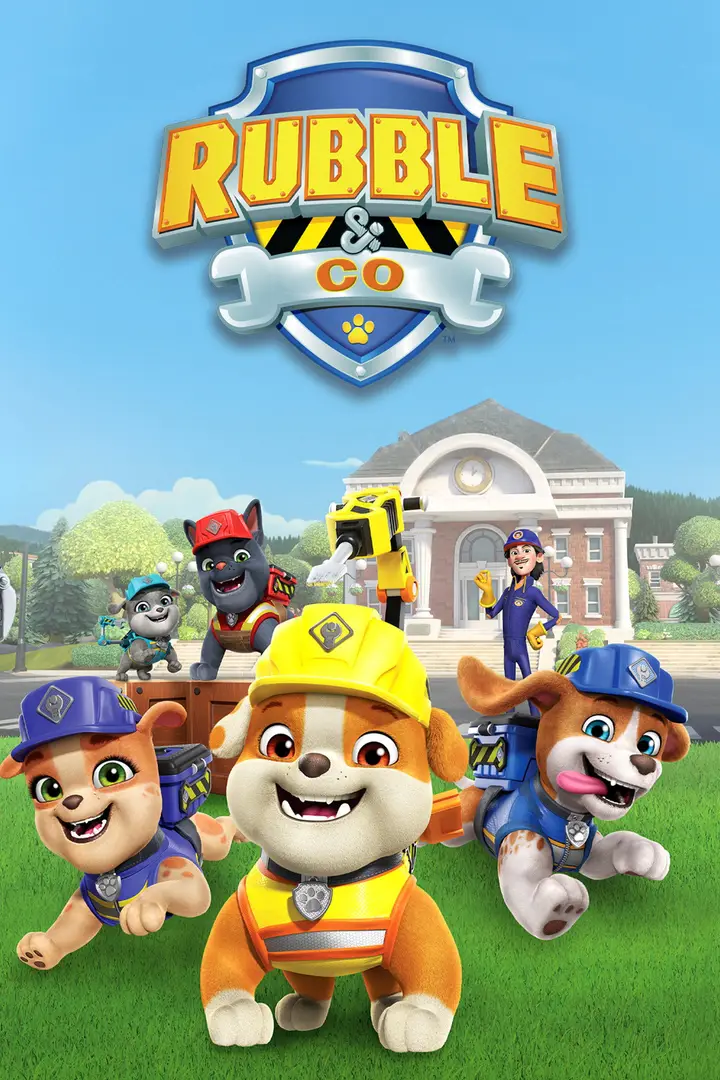
Rubble & Crew
Construction problems unfold through visible stages: identify the need, choose equipment, test a plan and adjust when something fails. Roads, bridges and community projects show engineering as coordinated work built from several roles.
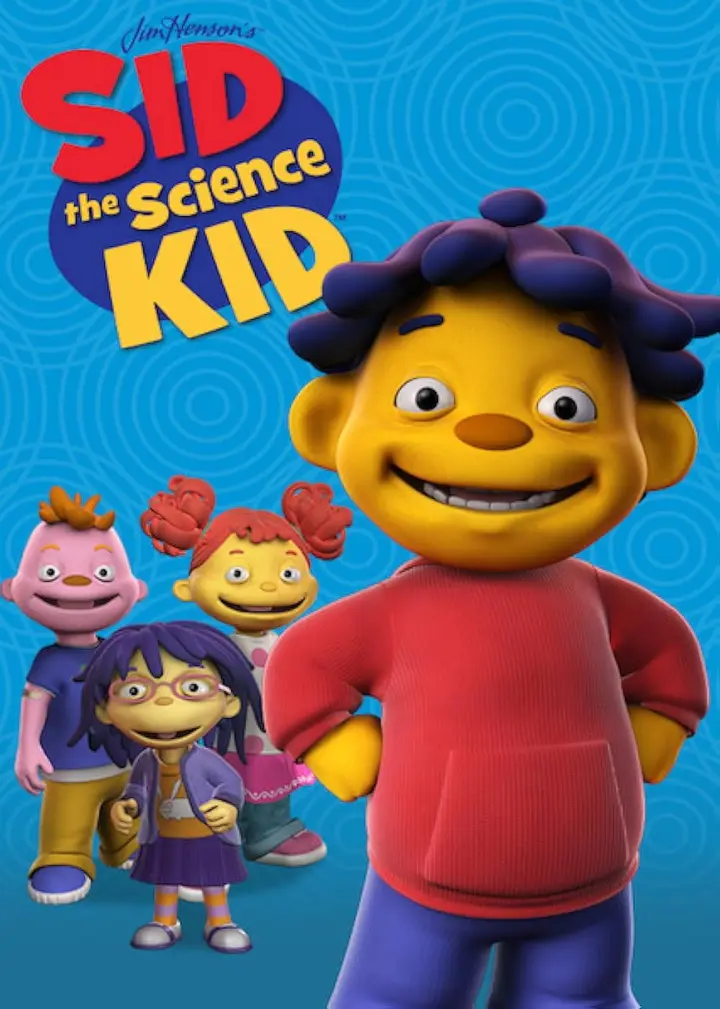
Sid the Science Kid
Sid begins with questions from everyday life and follows them through observation, discussion and small experiments. The series emphasizes how evidence is gathered, helping preschoolers see science as a process instead of a list of facts.
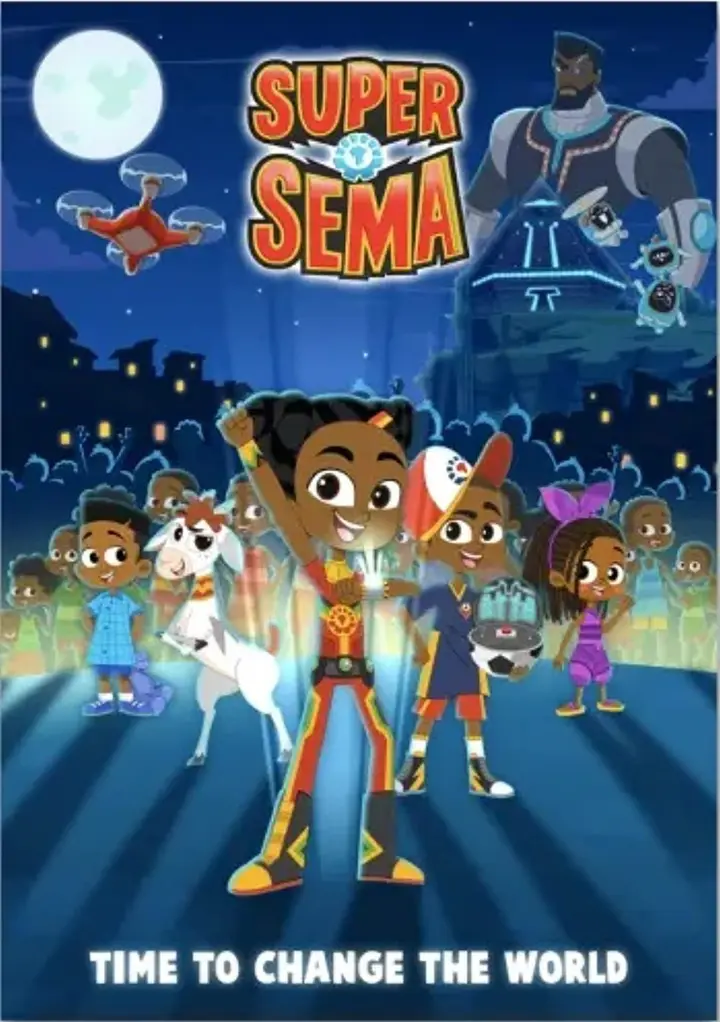
Super Sema
It grounds its superhero action in real STEM problem-solving rather than magic, giving its African-inspired setting and inventive heroine a distinct identity within the genre.
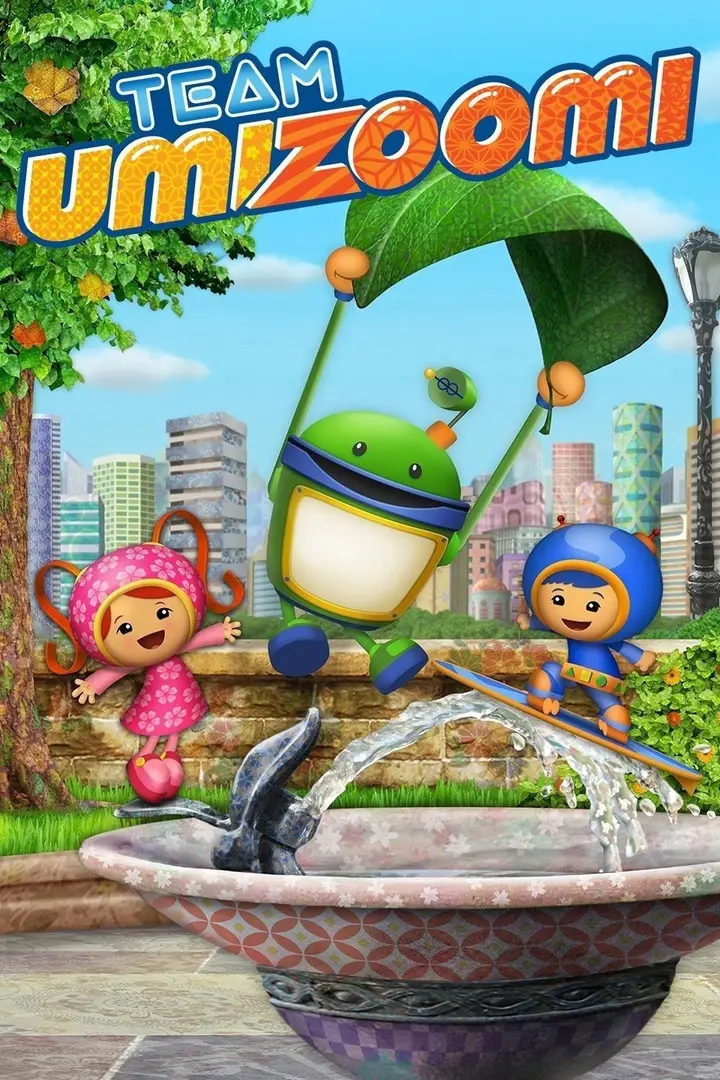
Team Umizoomi
Counting, shapes, patterns and measurement become active tools the team uses to solve problems in Umi City. Viewers are invited to spot information and answer questions, making early mathematics part of each mission’s solution.
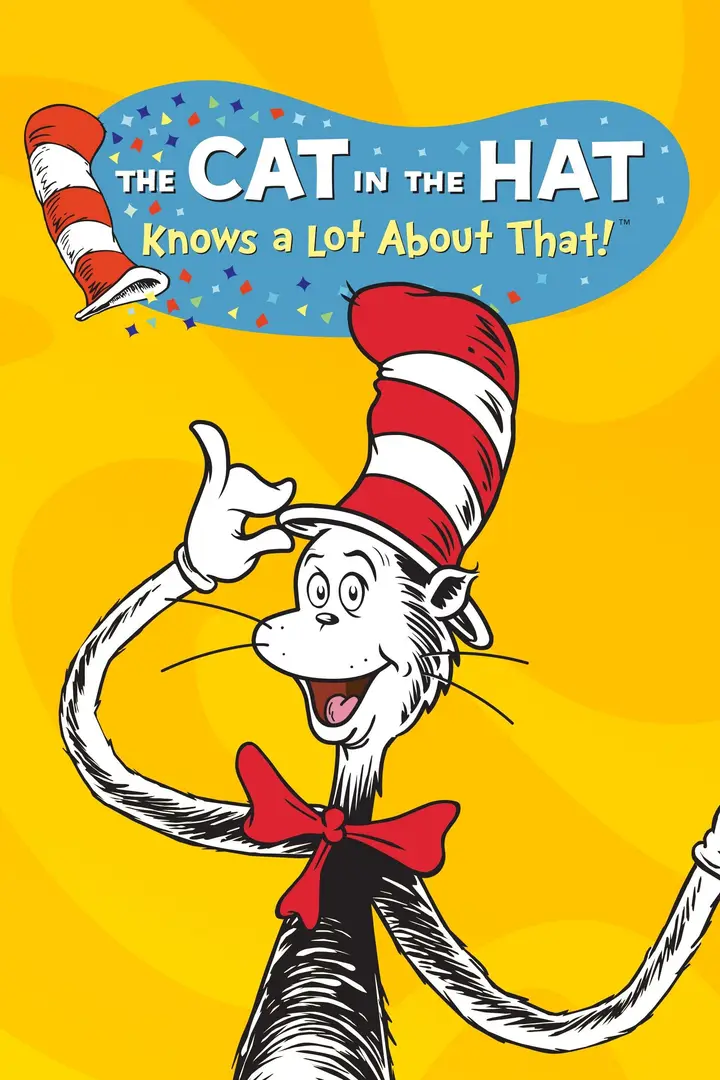
The Cat in the Hat Knows a Lot About That!
Questions about animals, plants, weather and physical science become imaginative field trips aboard the Thingamajigger. Observation, rhyme and playful experiments make preschool science active, while the Cat keeps curiosity moving from question to discovery.
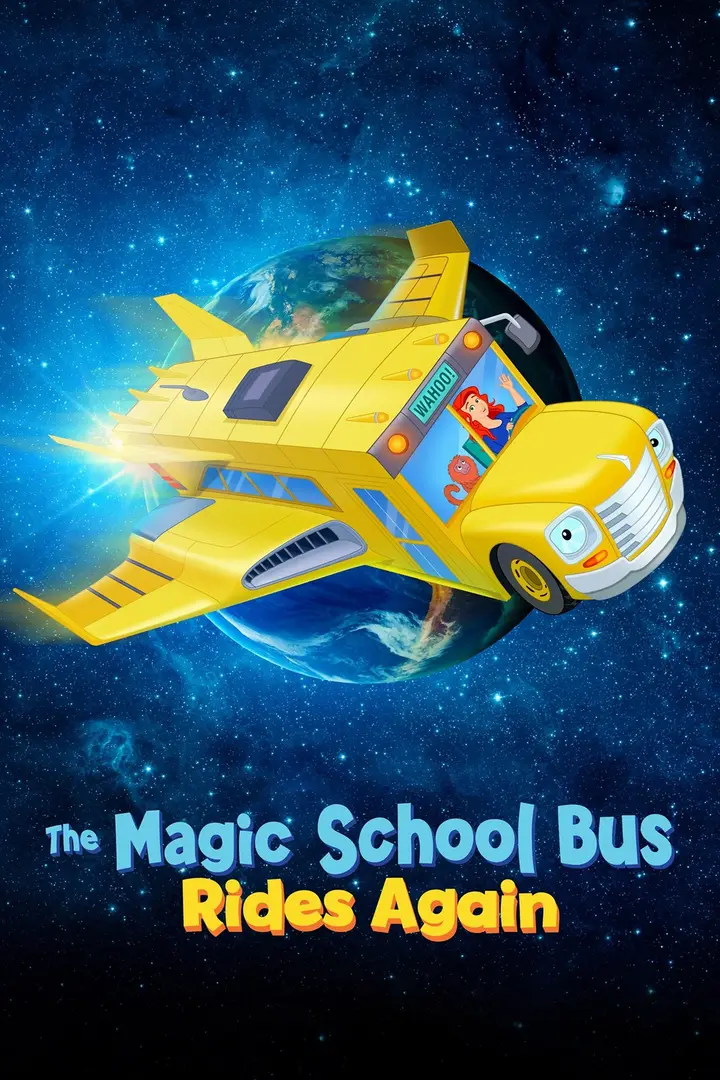
The Magic School Bus Rides Again
Ms. Fiona Frizzle turns questions into impossible field trips where students can observe science directly. Shrinking, time travel and space exploration make biology, physics and Earth science active experiences instead of abstract explanations.
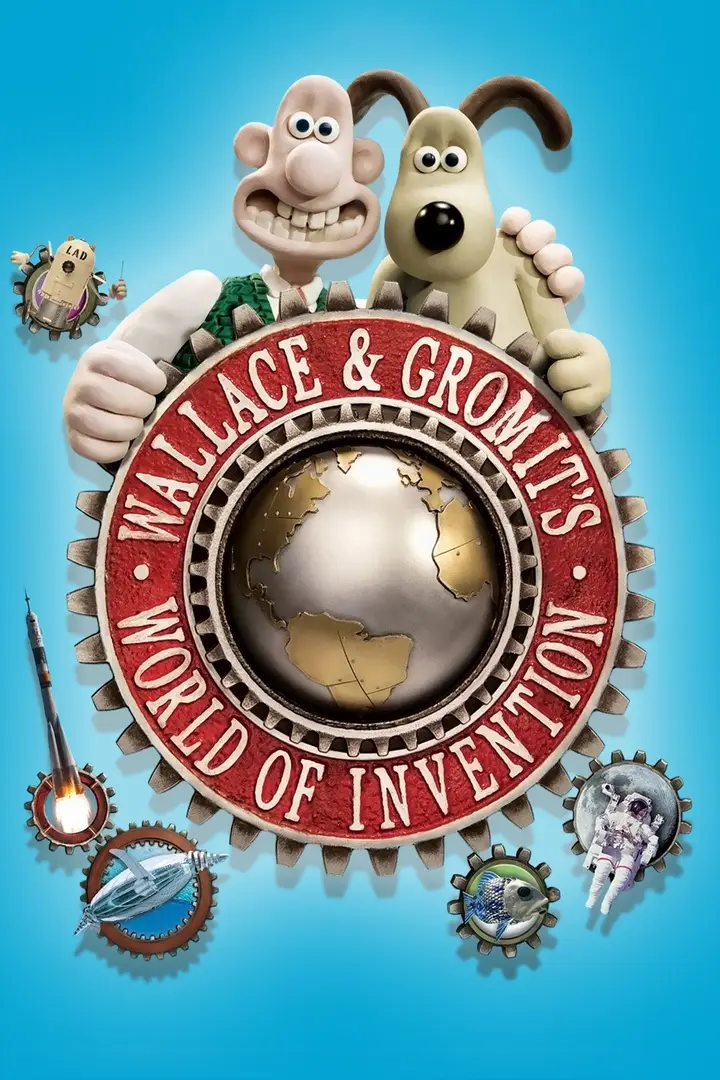
Wallace and Gromit's World of Invention
Real inventors, machines and experimental technology are framed by Wallace’s enthusiasm and Aardman humor. The series shows engineering as trial, failure and adaptation, making inventive thinking feel approachable without reducing the real work involved.
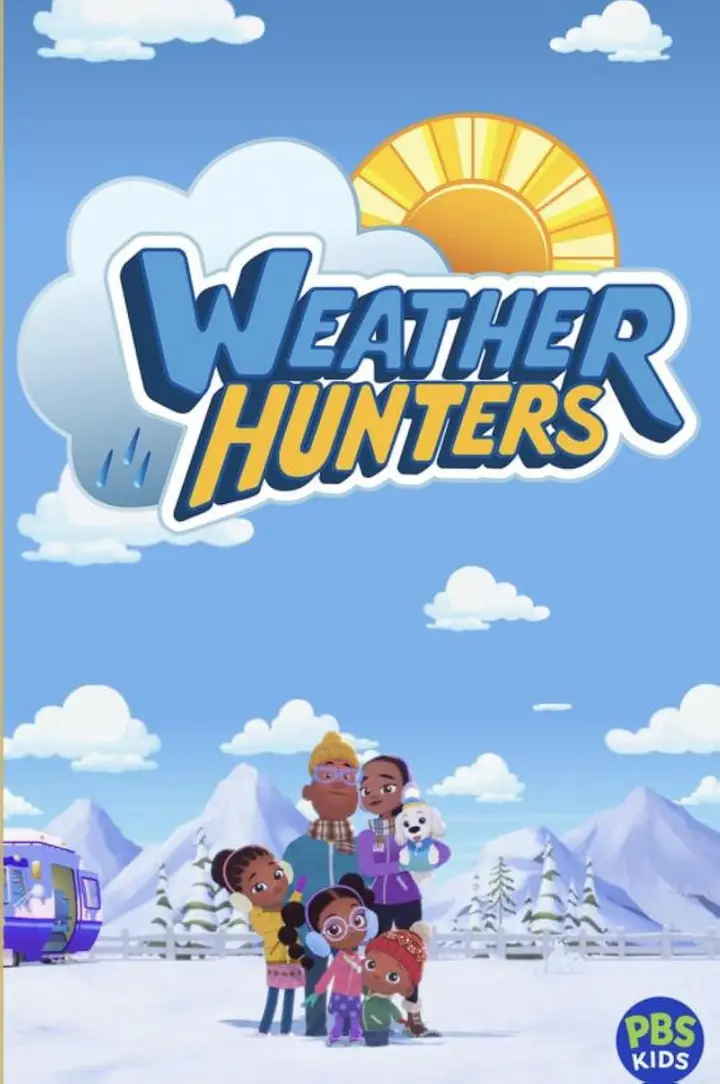
Weather Hunters
It treats meteorology as hands-on investigation rather than abstract facts, connecting forecasts directly to real decisions like what to wear or how to prepare for a storm.
Work It Out Wombats!
It introduces real computational thinking — sequencing, patterns, debugging — through ordinary play and chores instead of screens, making the concepts feel practical rather than technical.
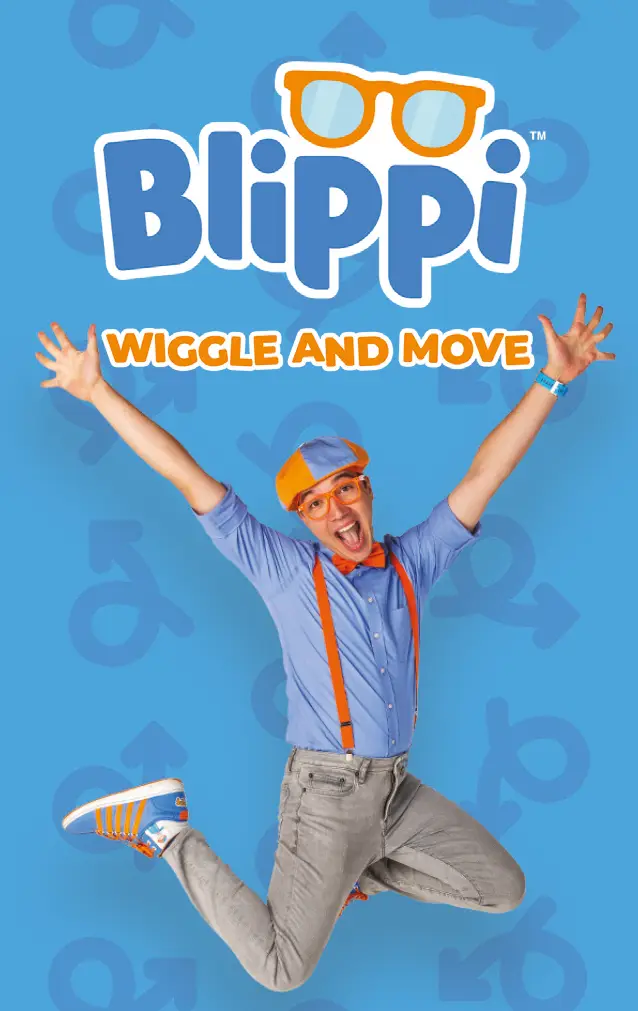
Blippi
Blippi shows real places and real machines rather than animated stand-ins, so toddlers can connect what they see on screen with the digger down the street or the animals at the farm. Repetition and simple naming build early vocabulary.
Pupstruction
By treating every job as a puzzle needing different specialized skills, it teaches that being 'best' matters less than how a team's different strengths fit together.
Nature, Animals & the Living World
Wildlife, habitats, ecosystems, observation, and curiosity about how living things and environments work.
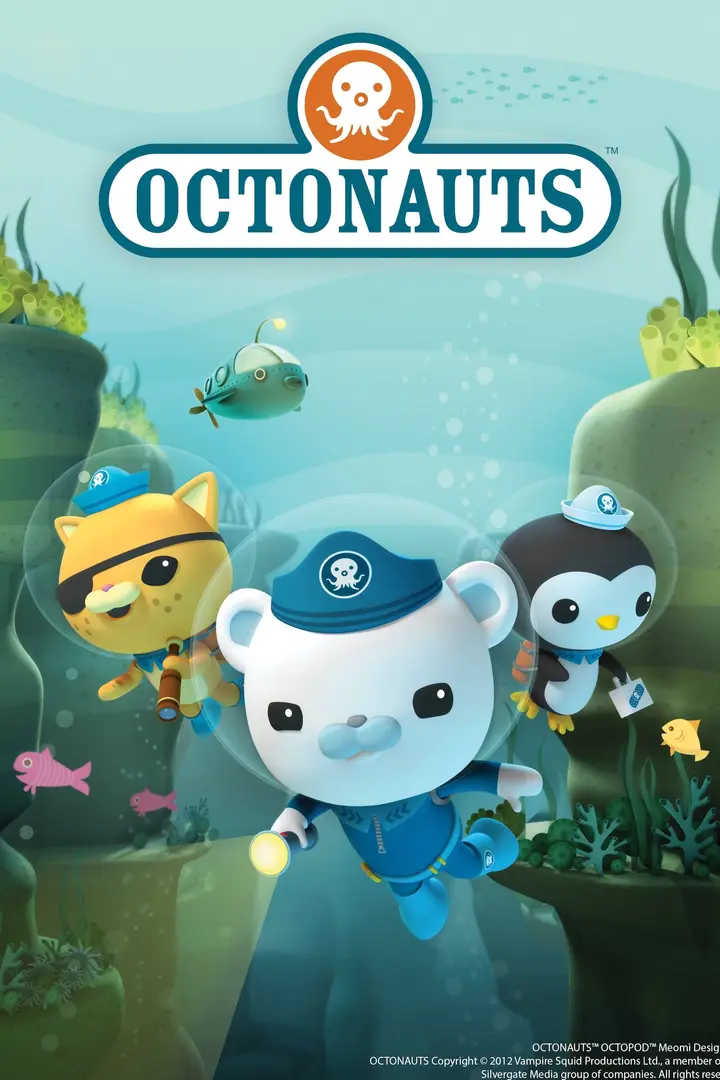
Octonauts
Underwater rescue missions combine real marine biology with clear team roles in medicine, engineering and exploration. Each emergency introduces an animal or habitat while showing that successful rescue depends on knowledge and cooperation.
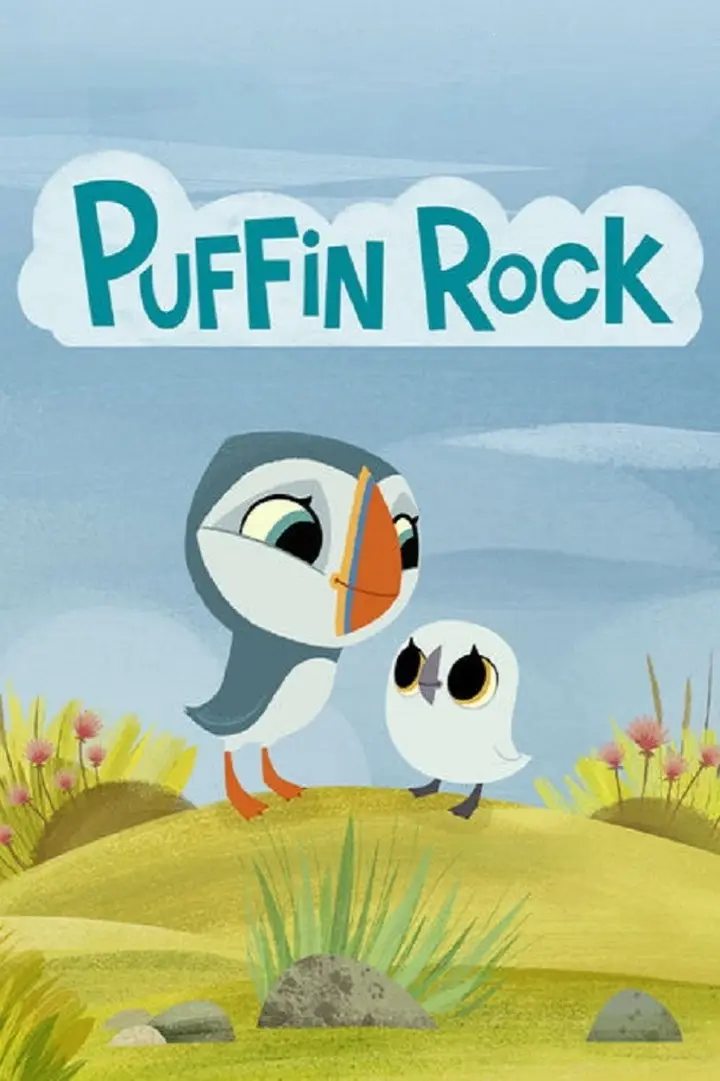
Puffin Rock
Oona and Baba explore island life through tides, weather, migration and animal behavior, keeping nature observation inside family stories. The slow pace and small discoveries make curiosity itself the main source of adventure.
Questions parents ask
What makes a TV show “educational” in this guide?
Learning has to be a consistent part of the viewing experience, not just an occasional moral or a generally positive tone. The 99 selections repeatedly support literacy, STEM and problem-solving, nature knowledge, history/culture, creativity, or social and everyday skills. The guide separates those goals so families can choose by the kind of learning they want.
Which shows are best for reading, STEM, nature, or social skills?
Use the learning-goal sections instead of one overall ranking. Early Literacy includes Alphablocks and Super Why!; STEM & Problem-Solving includes Peg + Cat, Odd Squad, and Ada Twist, Scientist; Nature & Animals includes Wild Kratts; Social Skills & Everyday Life includes Mister Rogers’ Neighborhood and Daniel Tiger’s Neighborhood.
Should I choose an educational show by subject or by age first?
Start with age, then choose the learning goal. A strong science series for an eight-year-old can still be a poor fit for a four-year-old, and a preschool literacy show may feel too simple for an older child. TFFC keeps Minimum and Recommended Ages visible inside every learning category so the subject never replaces viewing readiness.


