
Best Educational TV Shows for Kids by Learning Goal
99 learning-led series across six goals, ordered with clear TFFC Minimum and Recommended Ages.

Page 2 of 3. This page shows series 49–96 out of 99.
Find the right series
Choose one band. Results show age-relevant series approved by our editors: those whose Minimum-to-Recommended age span overlaps the band, plus individually approved favorites. The Recommended Age is a starting point, not a maximum.
More filters and sort
No series in this guide match this age.
Nature, Animals & the Living World
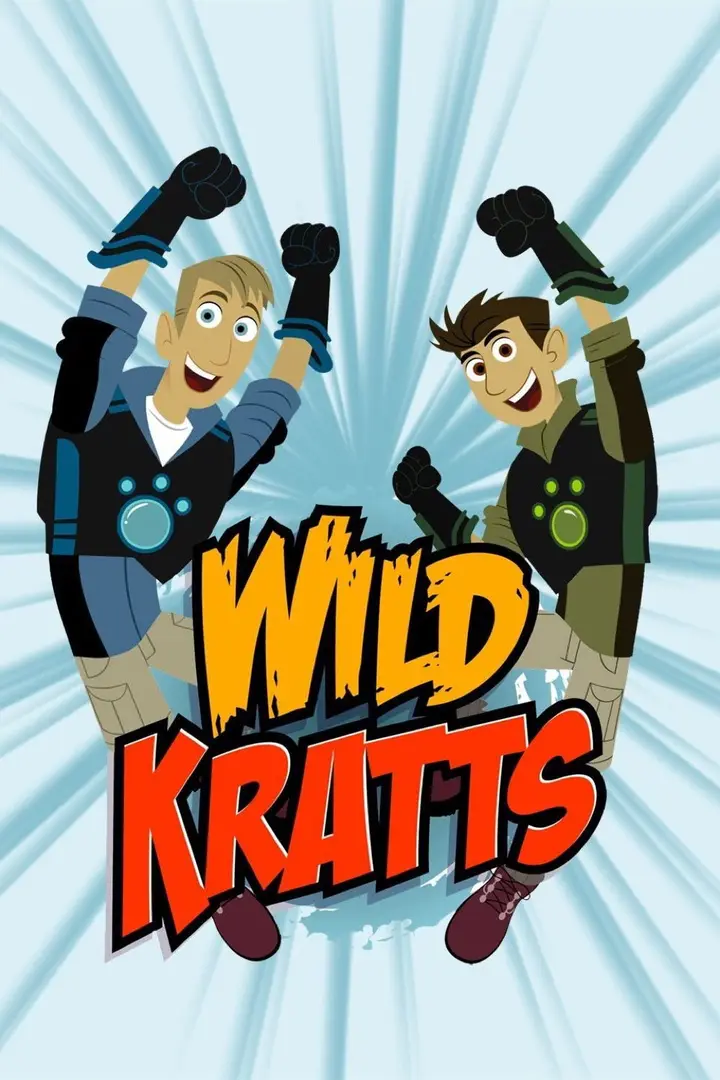
Wild Kratts
Creature Power suits turn real animal adaptations into adventure tools, making biology visible and memorable. Chris and Martin connect habitats, behavior and conservation to practical missions, so facts are learned through action instead of detached explanation.
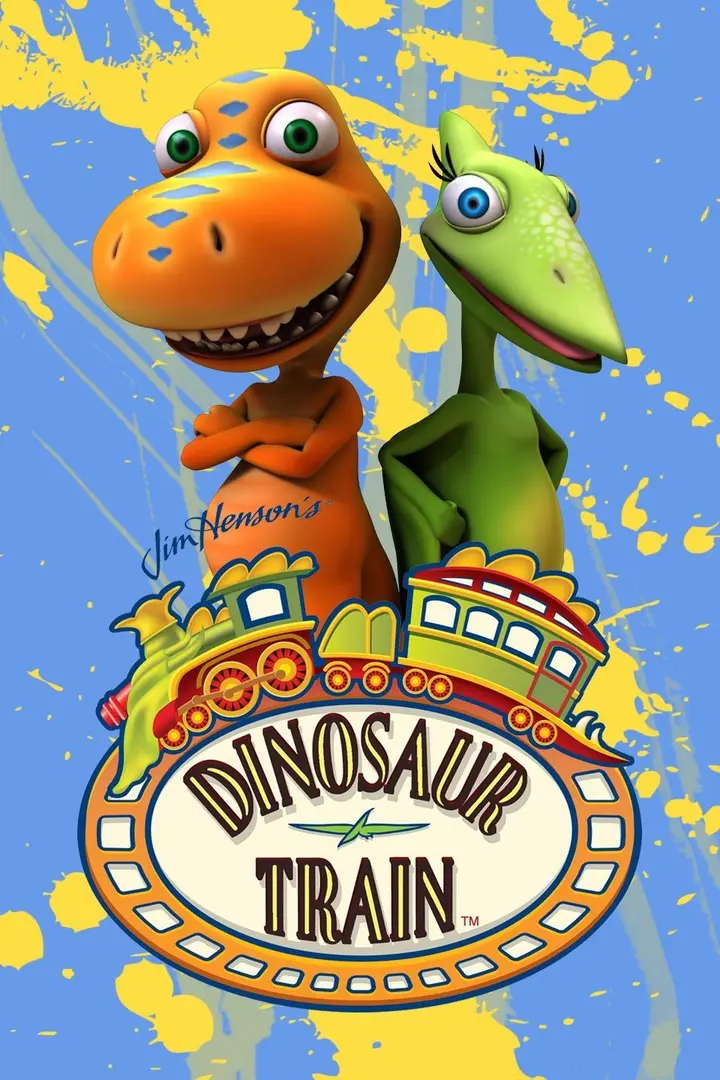
Dinosaur Train
Time-travel train journeys turn paleontology into family exploration as Buddy compares species, habitats and prehistoric periods. Observation and classification stay part of the story, so scientific curiosity grows naturally from each new dinosaur encounter.
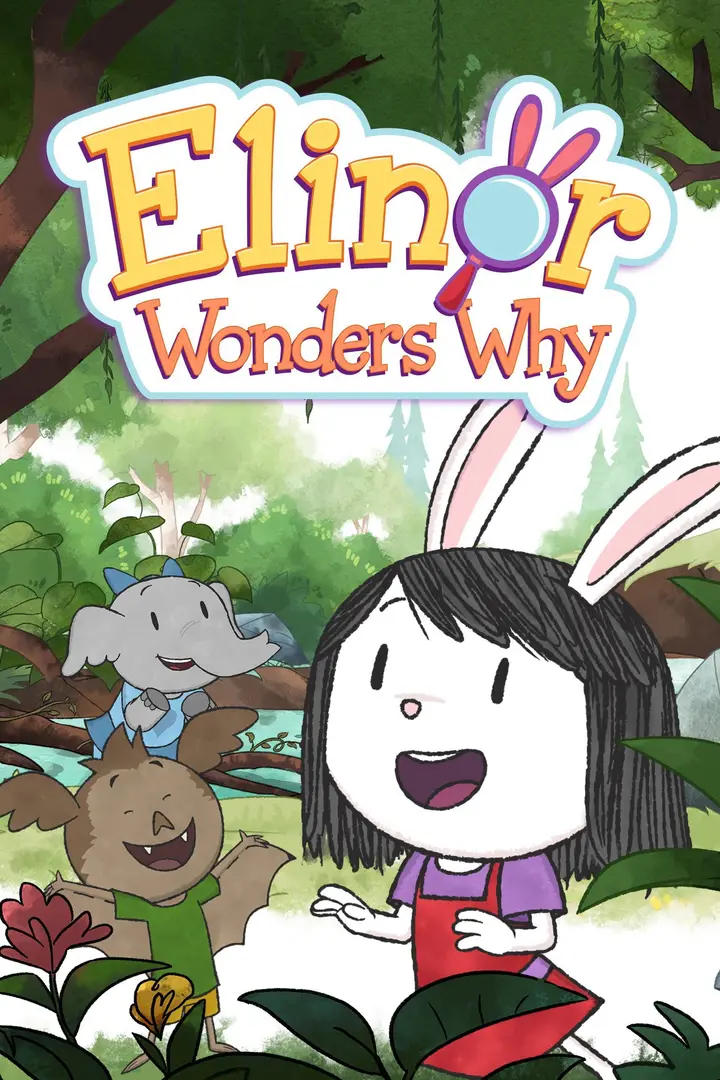
Elinor Wonders Why
Elinor starts with questions children could ask outdoors, then observes, compares and tests ideas with Ari and Olive. The process shows that science begins with noticing details and being willing to look again.
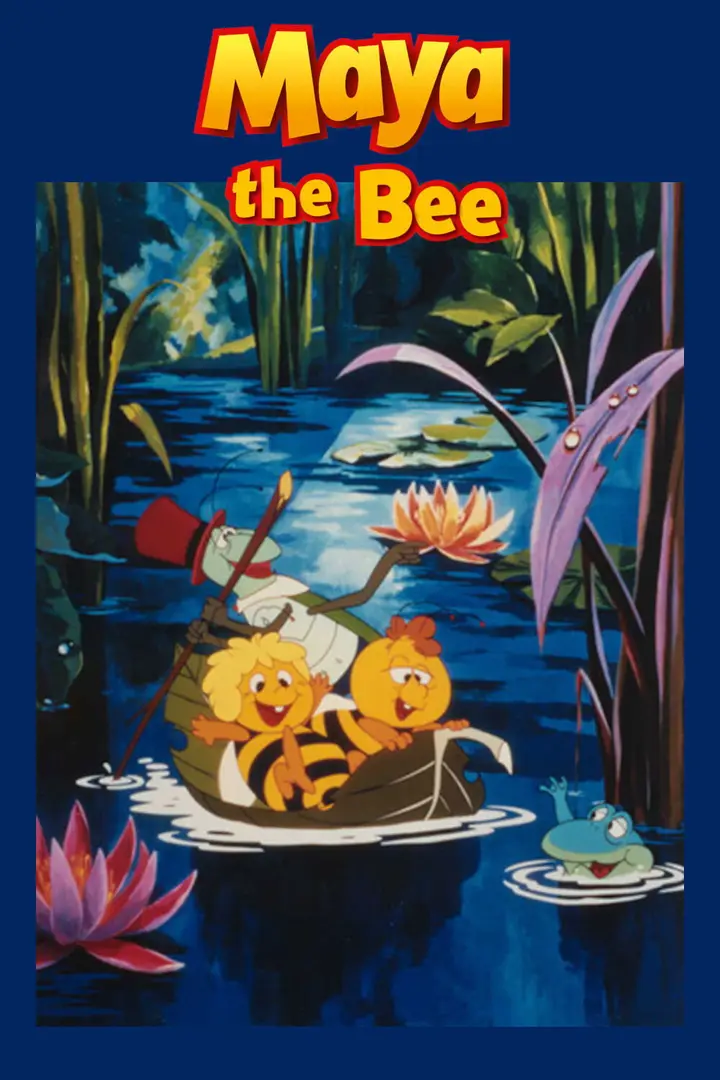
Maya the Honey Bee
Maya’s curiosity turns the meadow into a living community of insects and small animals. Exploration introduces nature through relationships and practical problems, while Willy’s caution gives her adventurous personality a useful counterbalance.
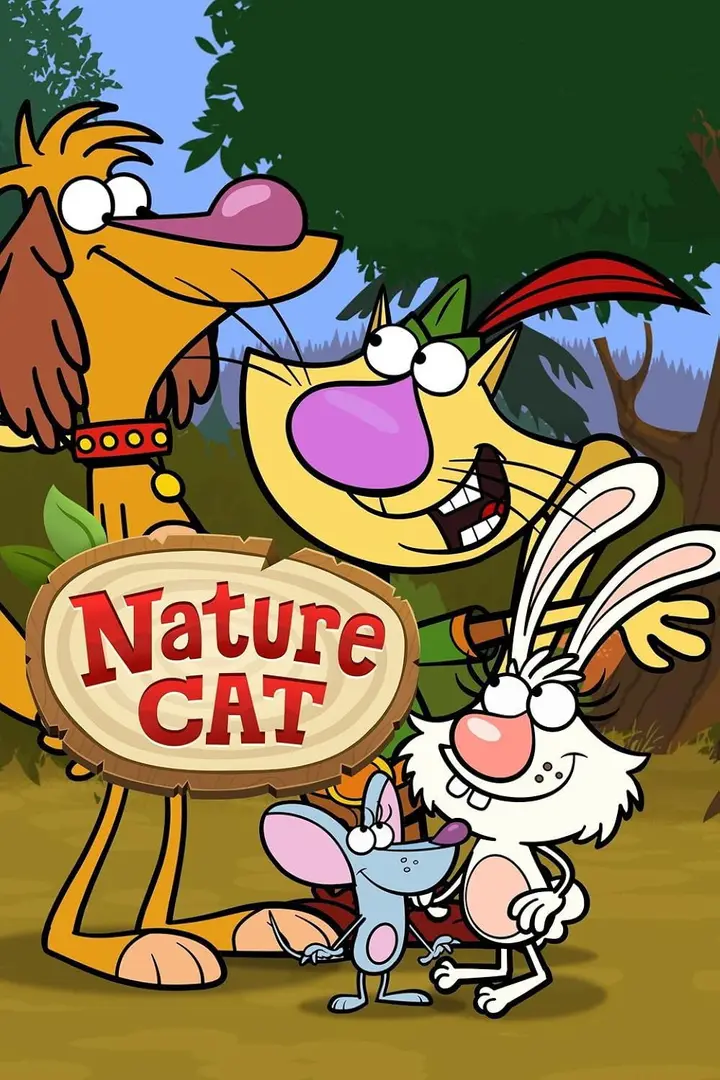
Nature Cat
Outdoor missions connect plants, animals, habitats and basic science to things children can notice for themselves. The comedy keeps the pace lively, while observation and curiosity drive the learning instead of memorized facts.
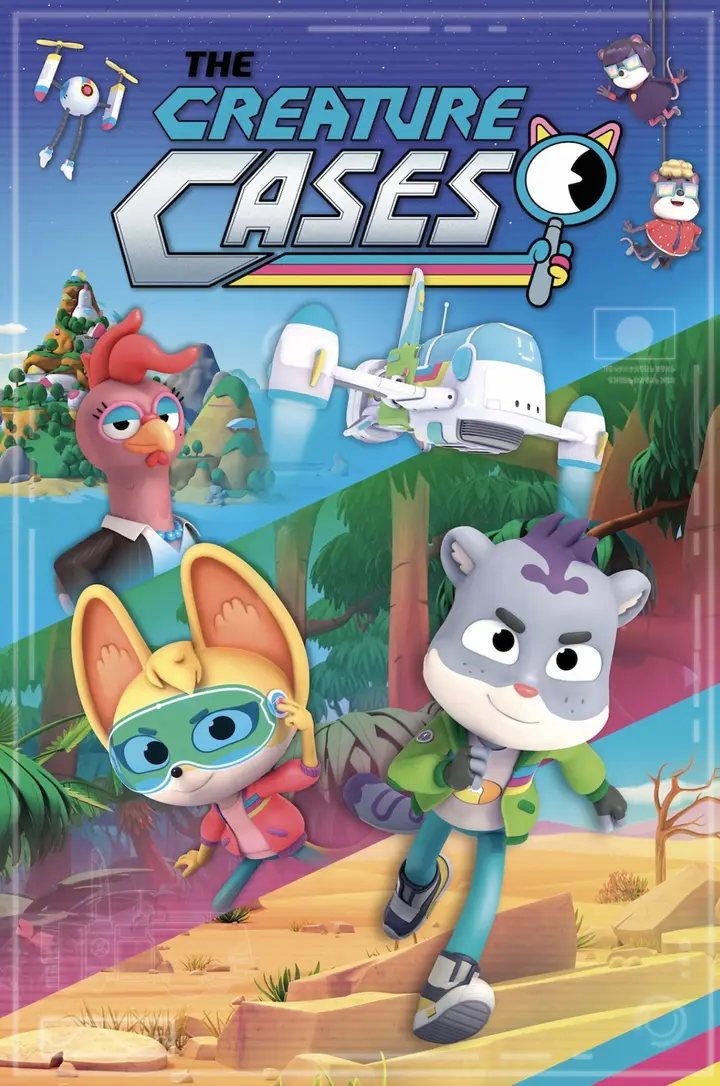
The Creature Cases
Each case turns a genuine animal behavior into the actual clue that solves the mystery, so factual natural history emerges from the plot instead of feeling like an inserted lesson.
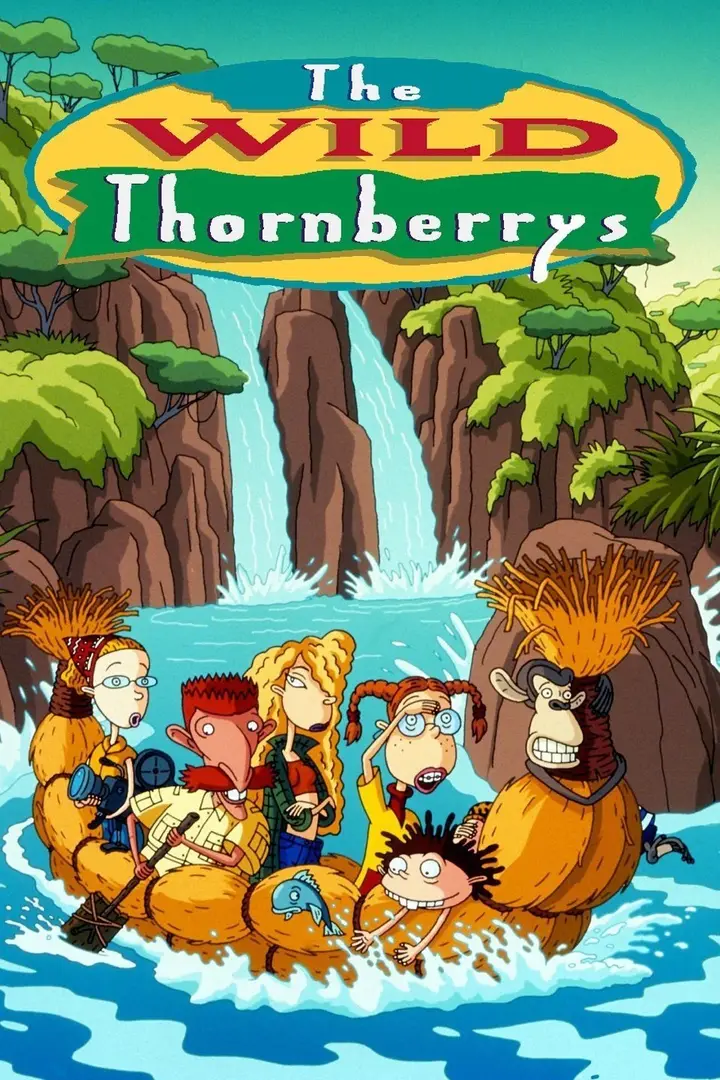
The Wild Thornberrys
Global travel, wildlife observation and Eliza’s secret ability to speak with animals turn conservation into adventure. Family comedy keeps the journey accessible while different ecosystems and species give each location its own practical questions.
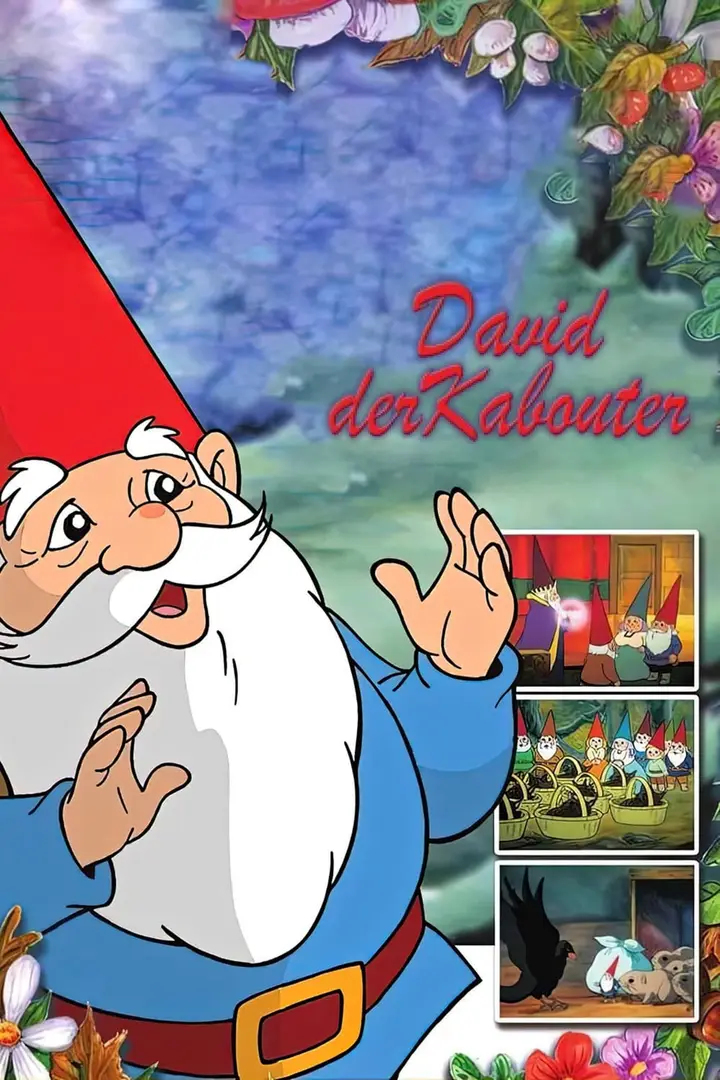
The World of David the Gnome
David’s knowledge of animals and the natural world turns each journey into practical care, not conquest. Swift the fox adds movement and companionship, while the forest setting keeps compassion, observation and helping vulnerable creatures central.
History, Geography & Culture
Fourteen series that use places, people, travel, history or cultural context as a sustained learning focus, helping children connect stories with the wider world.
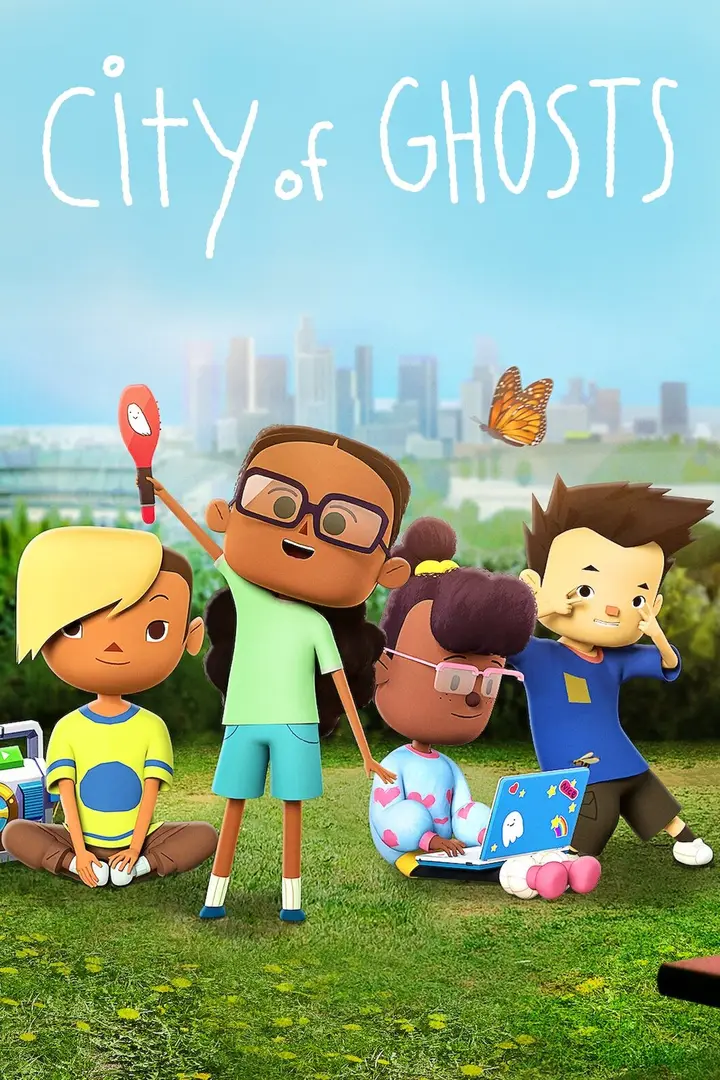
City of Ghosts
By pairing animation with real residents' voices, it turns ghost stories into genuine oral history, using a gentle supernatural frame to introduce specific neighborhoods, traditions, and community memory.

Molly of Denali
Molly uses maps, books, websites, signs and oral knowledge to answer practical questions in her Alaskan community. Literacy becomes a tool for real tasks, while contemporary Alaska Native culture is integrated into daily life.

Carmen Sandiego
Carmen’s missions combine action with geography, history and cultural information as she stays ahead of V.I.L.E. Planning, disguises and teamwork make each theft a strategic problem, while her targets keep the moral framework clear.
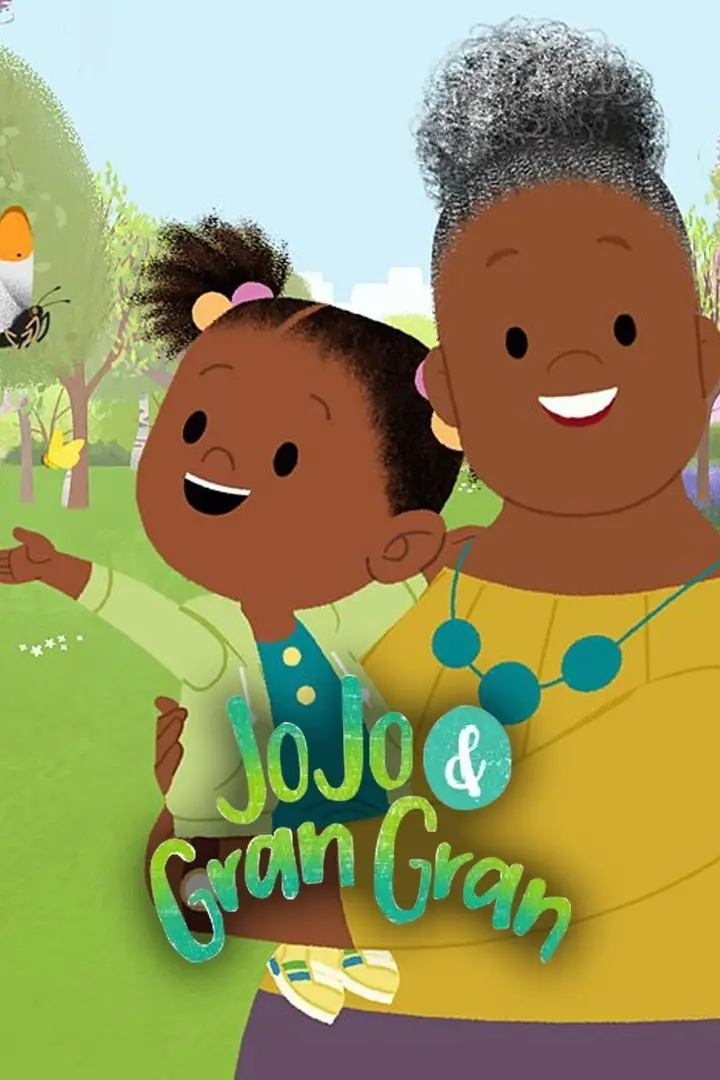
JoJo & Gran Gran
Everyday outings, cooking and family celebrations let Gran Gran connect JoJo’s questions with lived experience and British Caribbean traditions. Their conversations show how knowledge, culture and practical skills can pass naturally through an intergenerational relationship.
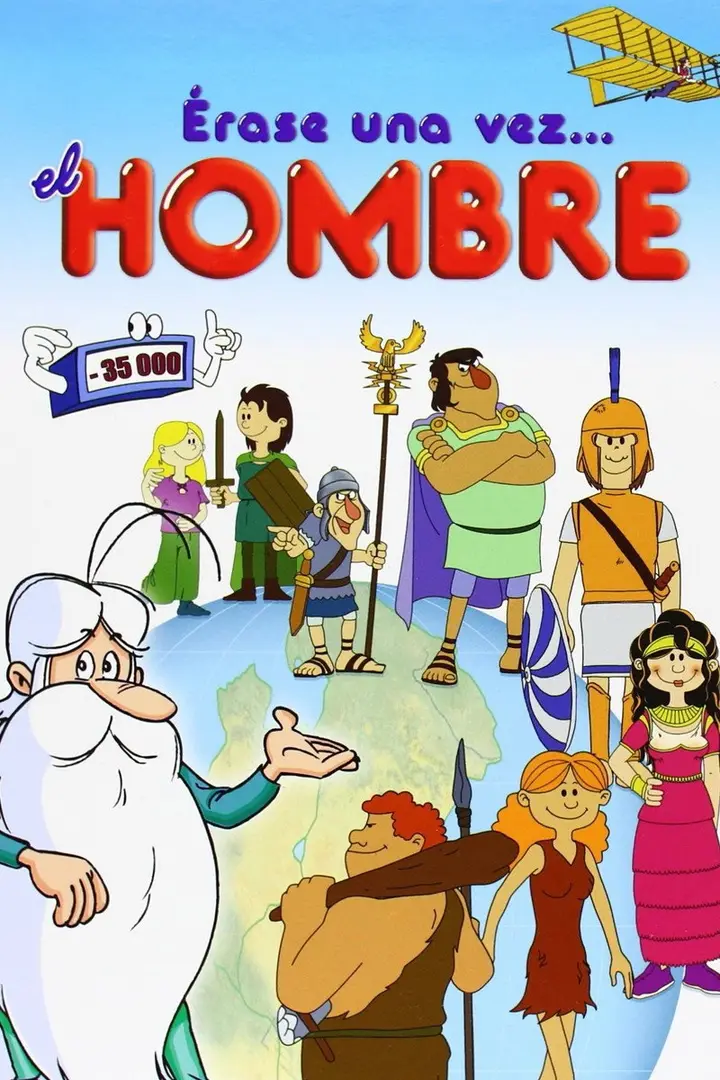
Once Upon a Time... Man
Recurring characters guide viewers through major historical periods, helping centuries and cultures feel connected. Wars, inventions and social change are placed in a broad chronological story, giving children a framework before they study individual events in depth.
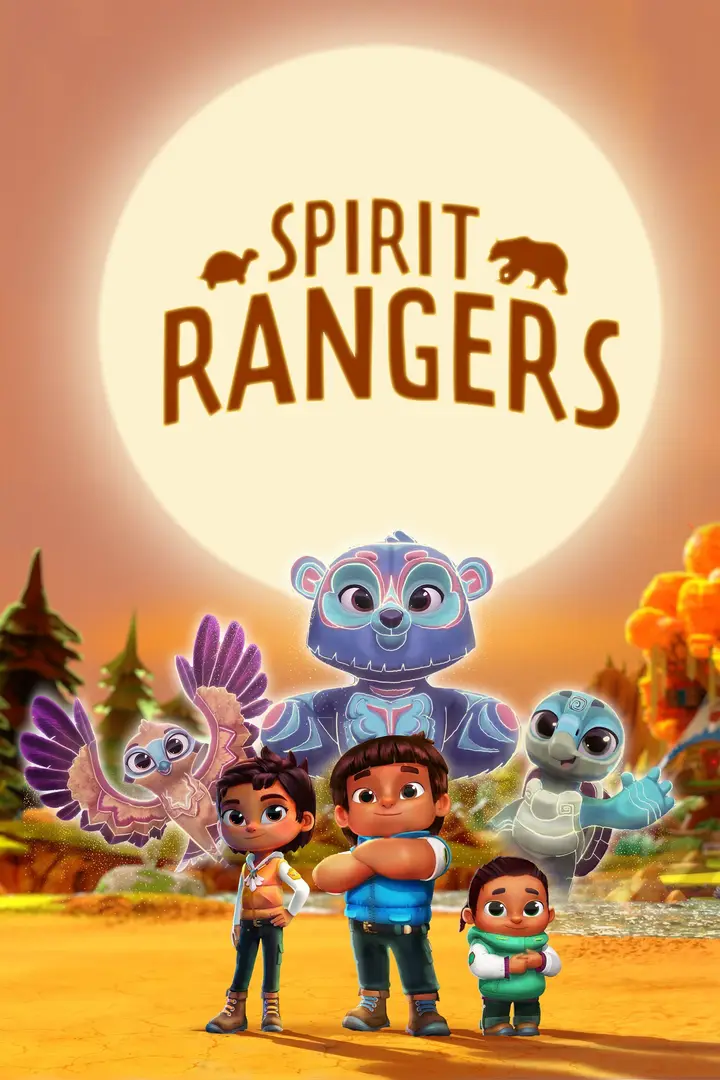
Spirit Rangers
It treats Native American spirituality and land connection as a consistent, lived part of the story rather than decoration, giving fantasy transformation adventures genuine cultural grounding.
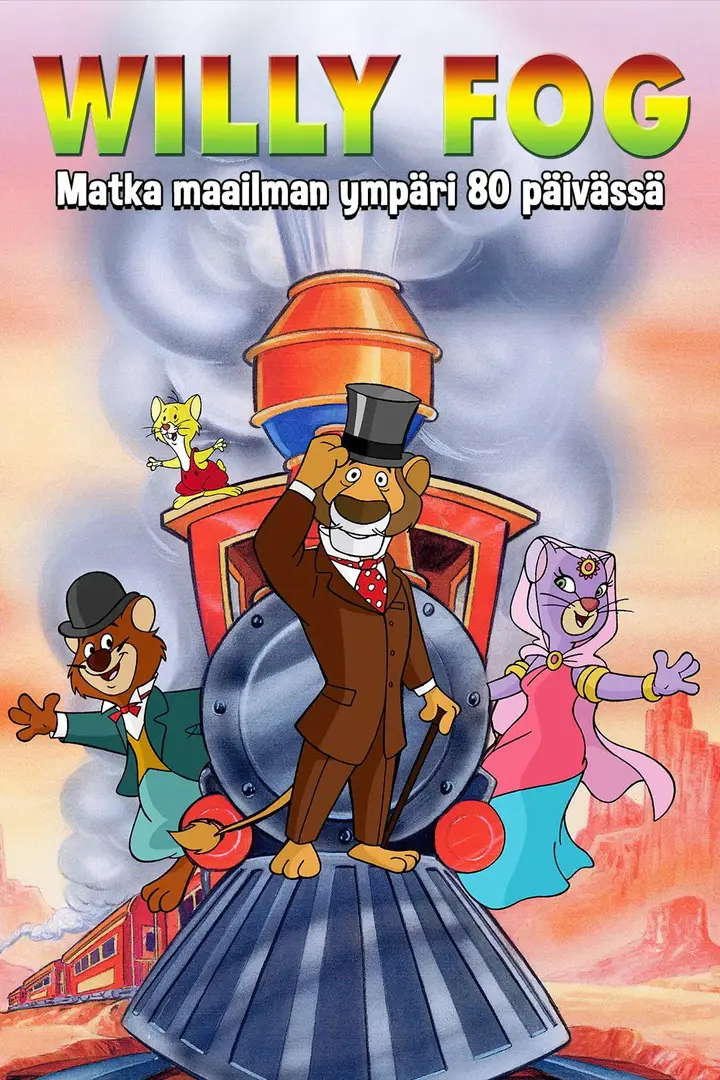
Around the World with Willy Fog
The eighty-day deadline gives every stop a clear sense of momentum while trains, ships and unfamiliar places expand the journey. Planning, persistence and teamwork stay central as new obstacles test the group’s schedule.
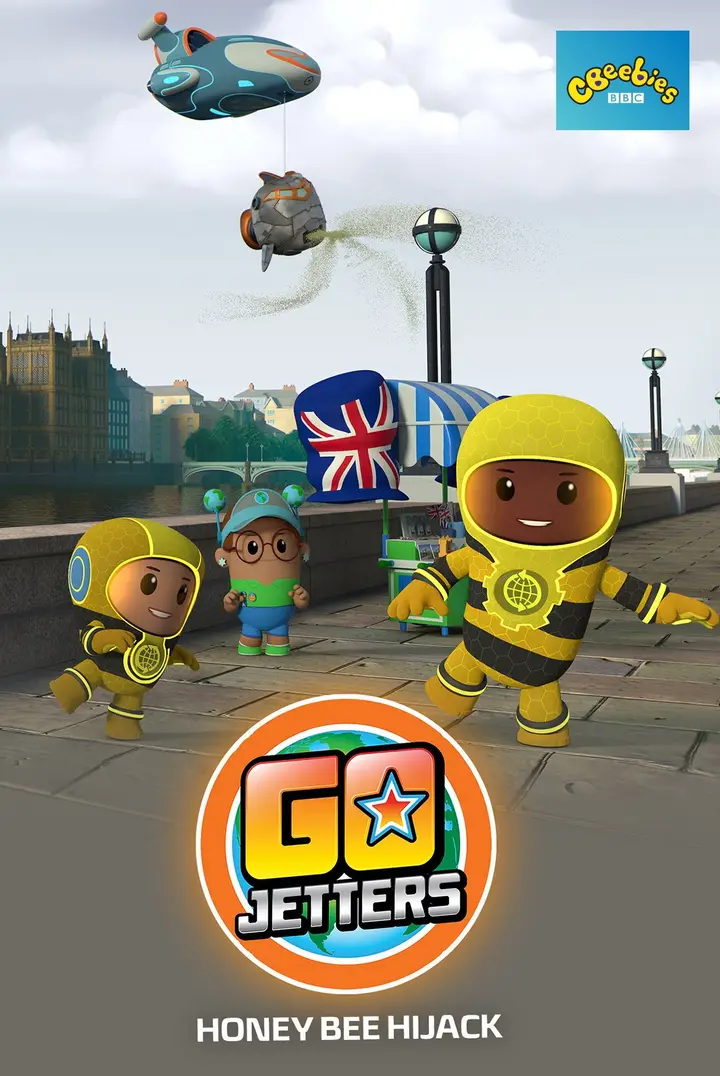
Go Jetters
Real landmarks become the setting for fast rescue missions, placing geography inside action instead of classroom explanation. Grandmaster Glitch creates the problem, while the team’s vehicles and coordinated response connect factual travel knowledge with adventure.
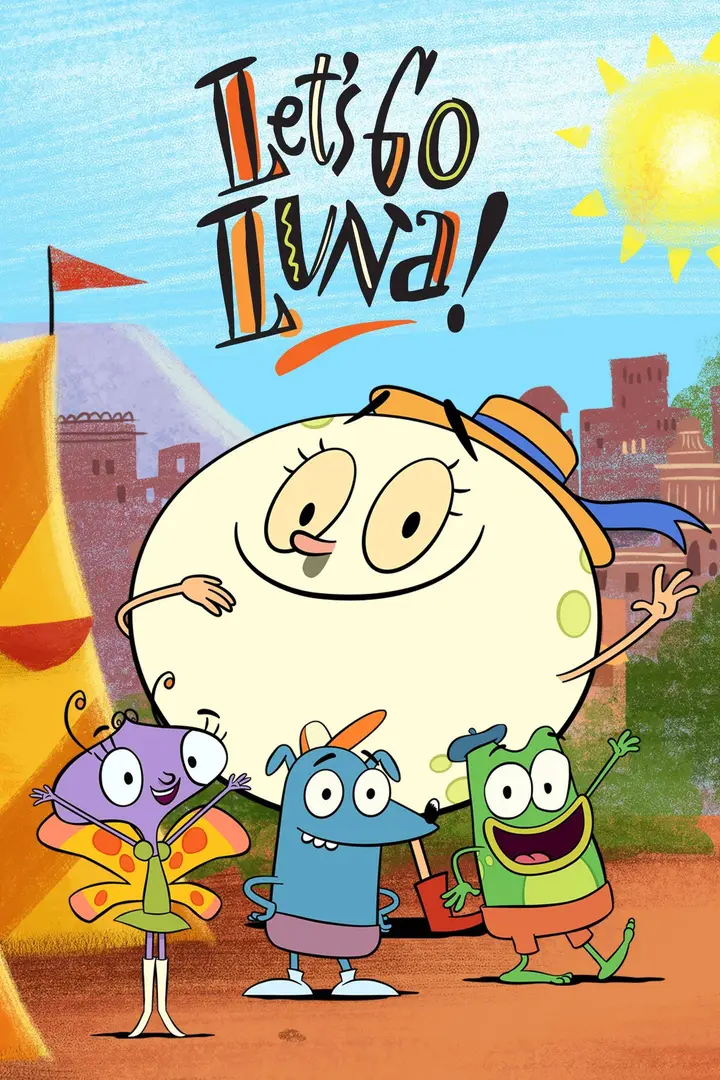
Let's Go Luna!
Travel becomes a way to learn about culture through food, art, music, customs and everyday life instead of isolated facts. The young characters’ questions make geography practical and give each city a human context.
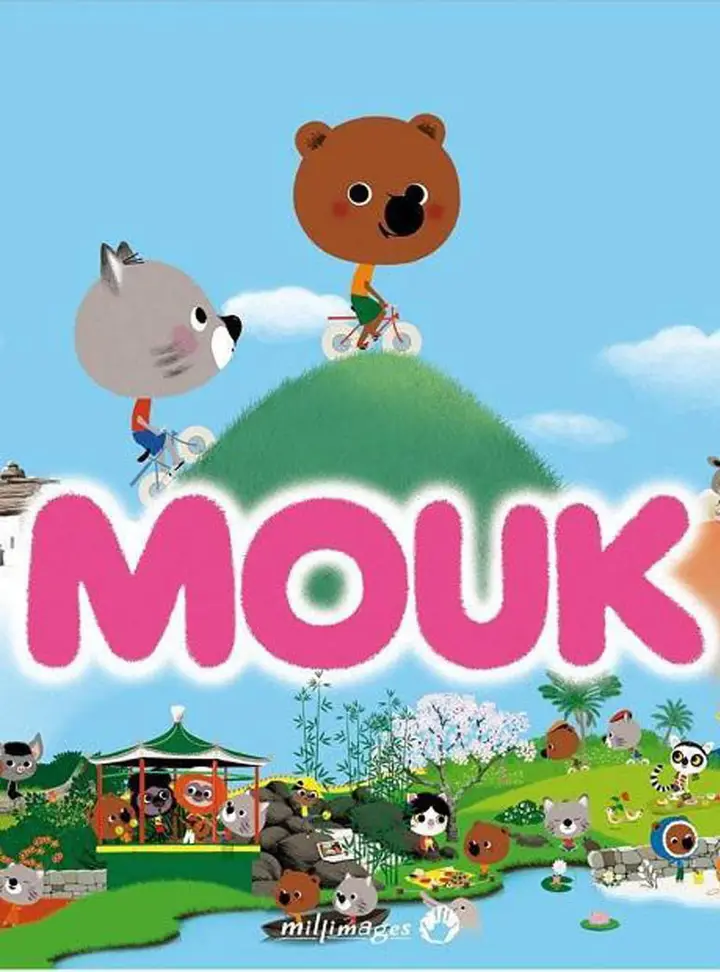
Mouk
Cycling around the world turns geography into lived experience as Mouk and Chavapa encounter foods, traditions, landscapes and animals. Small misunderstandings become opportunities to observe respectfully and learn how everyday life can differ from place to place.
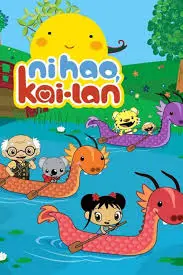
Ni Hao, Kai-Lan
Everyday preschool conflicts are paired with Mandarin words and Chinese cultural elements, giving communication skills a broader context. Kai-Lan pauses to identify feelings and causes, helping children see social problem-solving as a sequence they can follow.
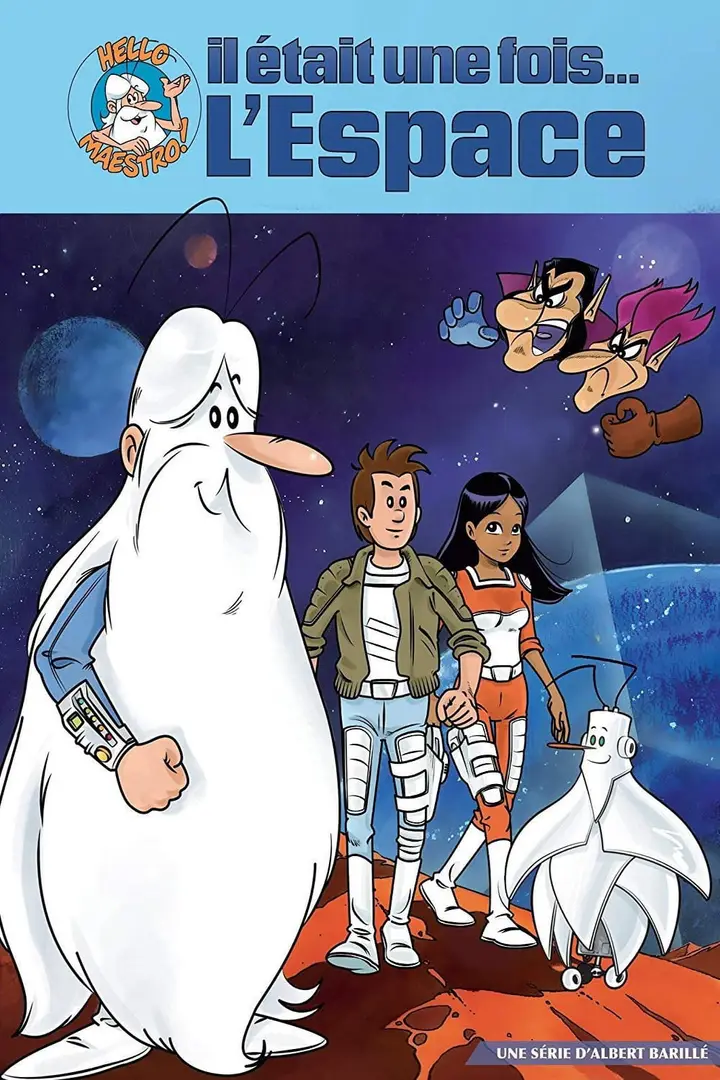
Once Upon a Time... Space
Space exploration is treated as a social and scientific challenge, not only as combat. Planetary encounters combine technology, diplomacy and political tension, giving older children a broader picture of what future civilizations might require.
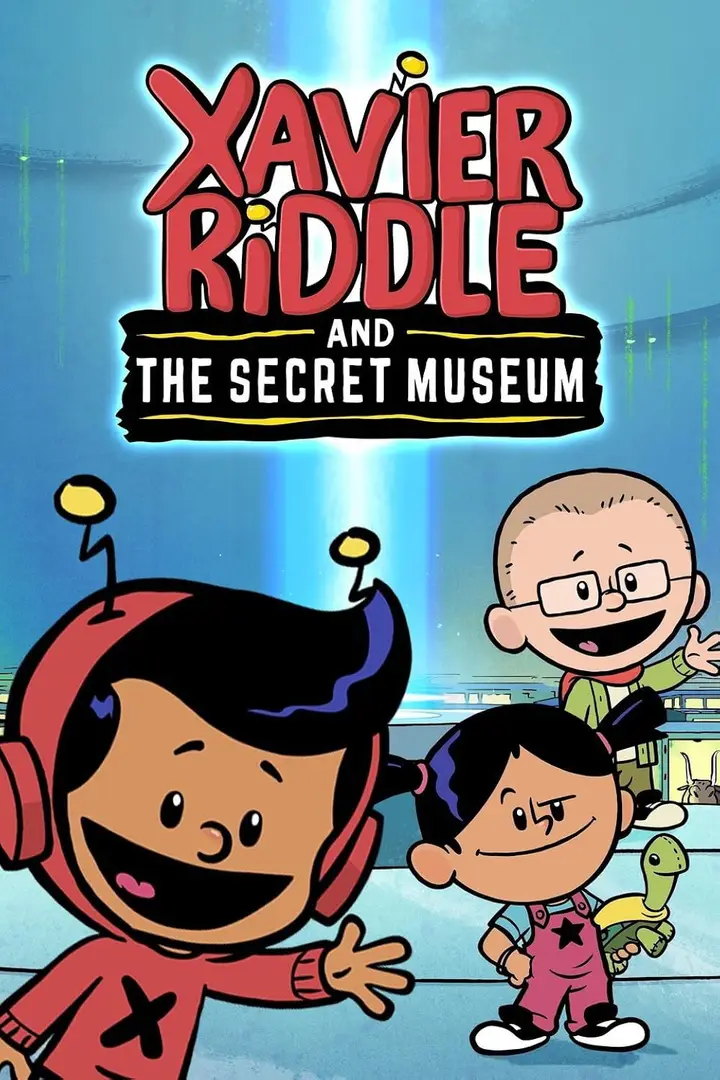
Xavier Riddle and the Secret Museum
Time-travel visits introduce historical figures through one quality or decision instead of compressing an entire biography. Linking each visit to a present-day problem makes famous names easier for younger children to remember and discuss.
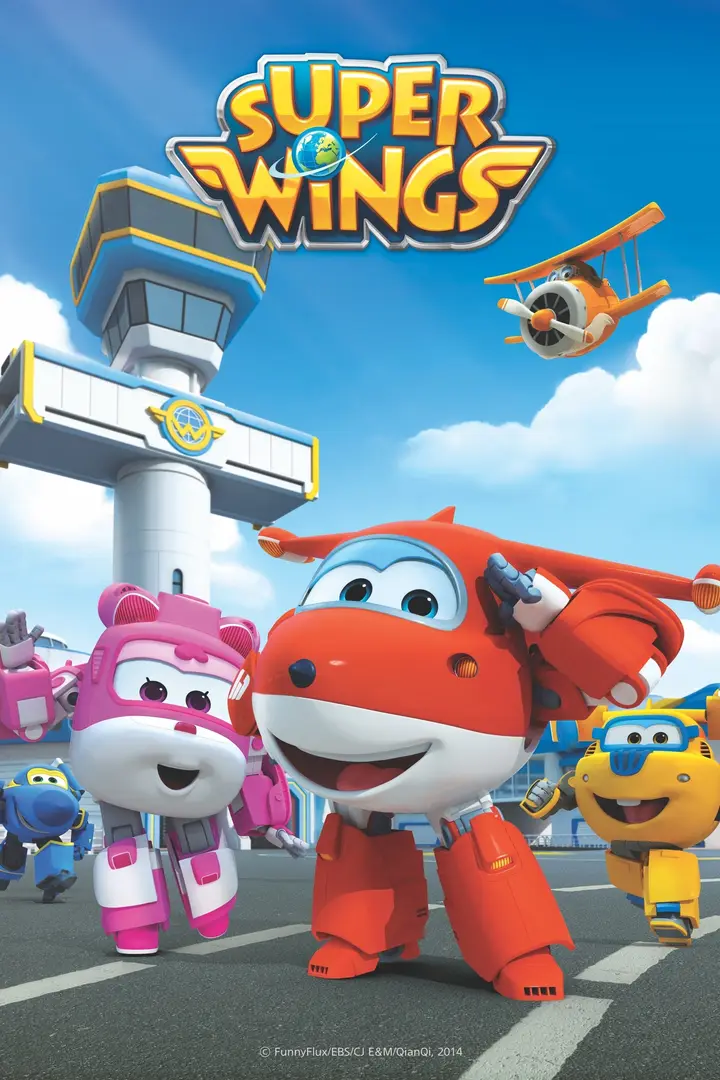
Super Wings
Jett’s deliveries turn geography into repeated practical missions, with each destination introducing a new place, custom or everyday problem. Specialized teammates show that different skills can contribute to the same solution.
Creativity, Music & the Arts
Five series where music, making, performance or artistic expression is central to what children do and learn, with creativity treated as an active skill.
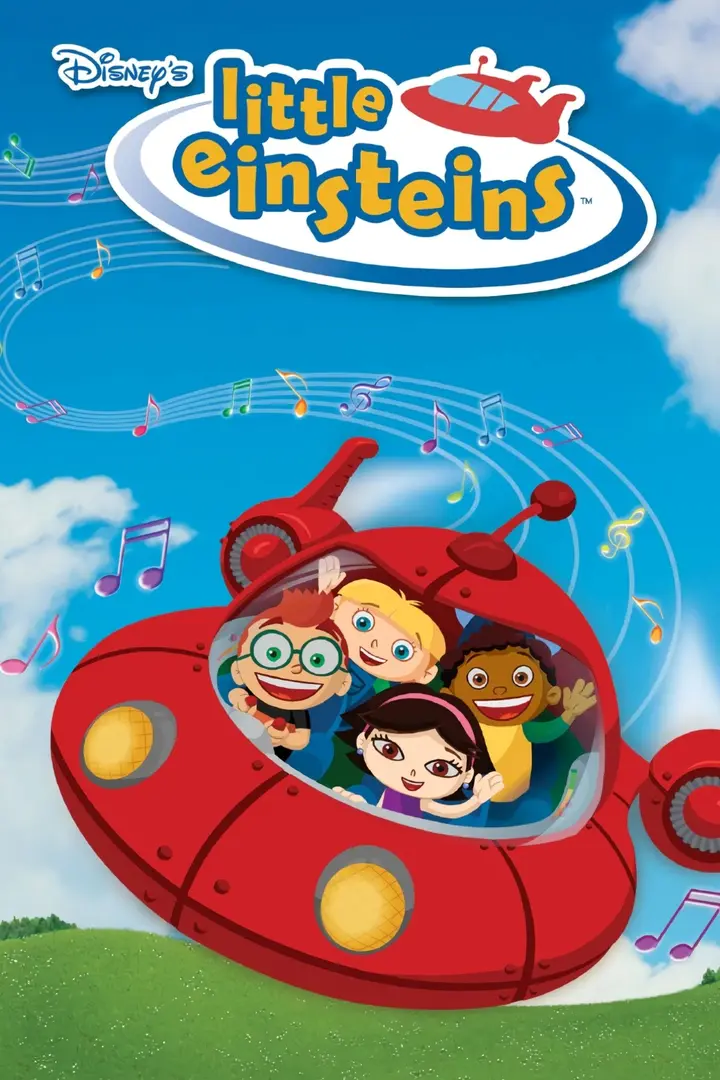
Little Einsteins
Interactive missions make classical music, visual art, rhythm and movement active parts of the story. Leo, June, Quincy and Annie invite children to listen, observe patterns and participate, making the arts feel practical and playful.
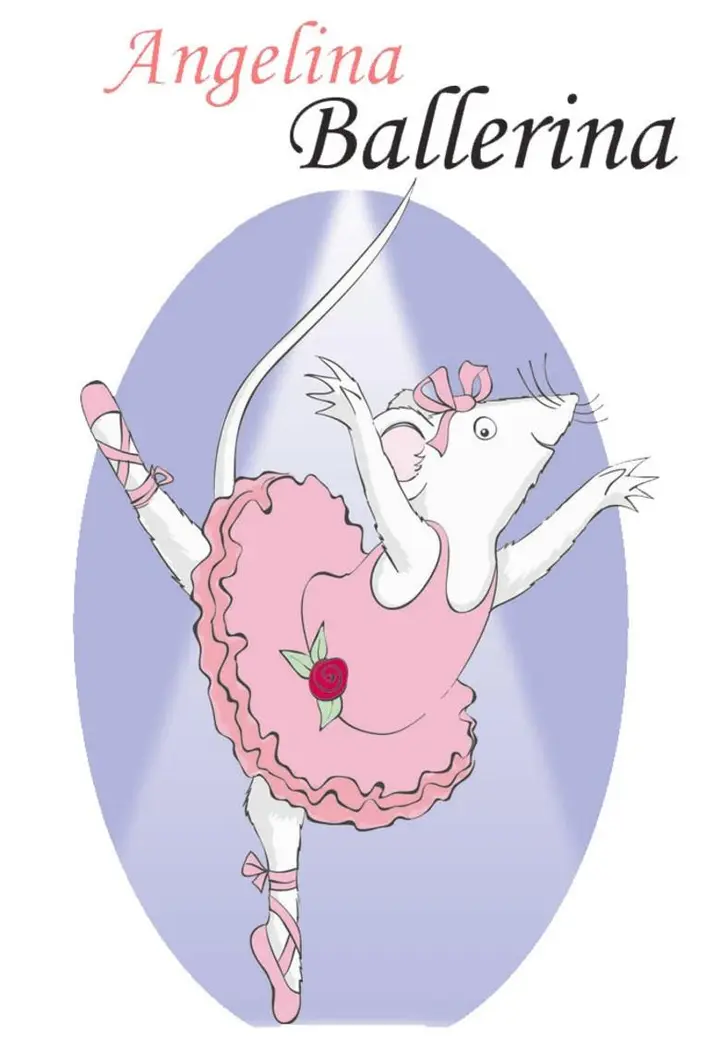
Angelina Ballerina
Ballet is treated as both art and disciplined practice, with rehearsals, auditions and performances shaping Angelina’s ambitions. Setbacks show that progress depends on repeated effort, listening and cooperation with teachers, family and classmates.
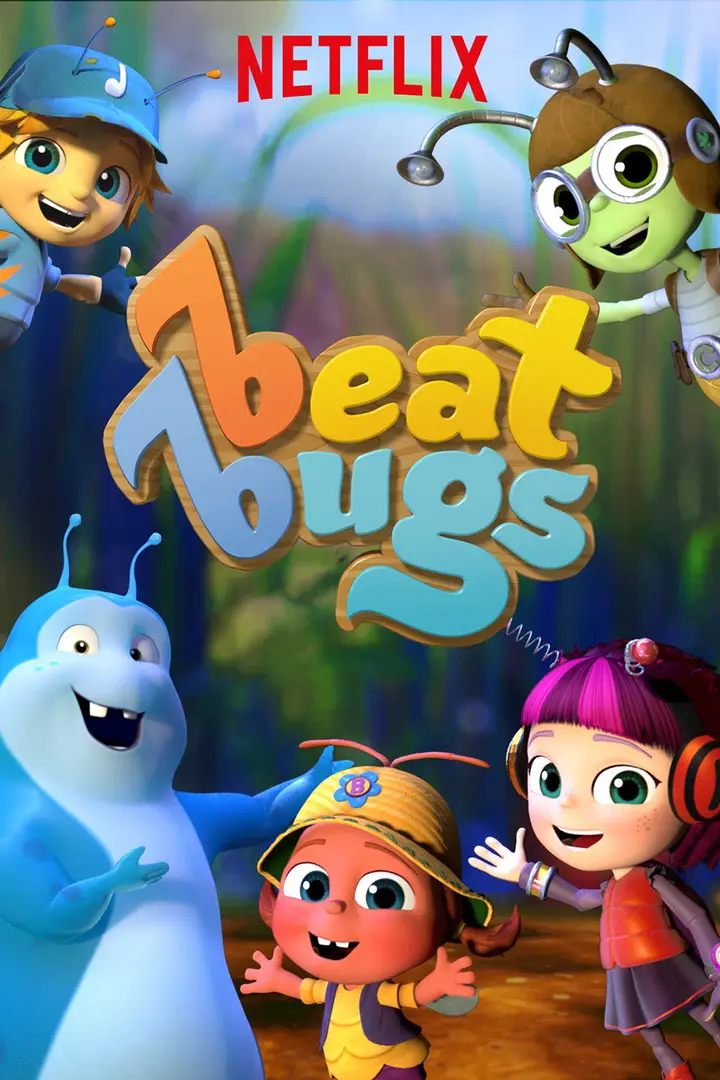
Beat Bugs
Beatles songs become part of friendship stories about fears, misunderstandings and new experiences. The garden setting keeps the scale accessible, while music gives each problem another way to express confidence, empathy and cooperation.
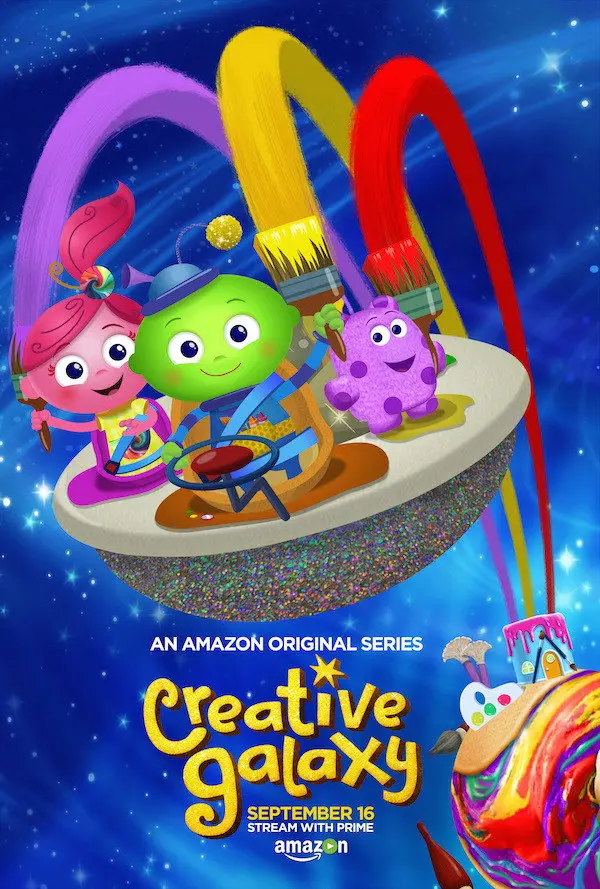
Creative Galaxy
Art techniques become practical problem-solving tools as Arty travels to help with creative challenges. Painting, drawing, collage and sculpture are shown as processes that involve experimentation, communication and mistakes instead of perfect results.
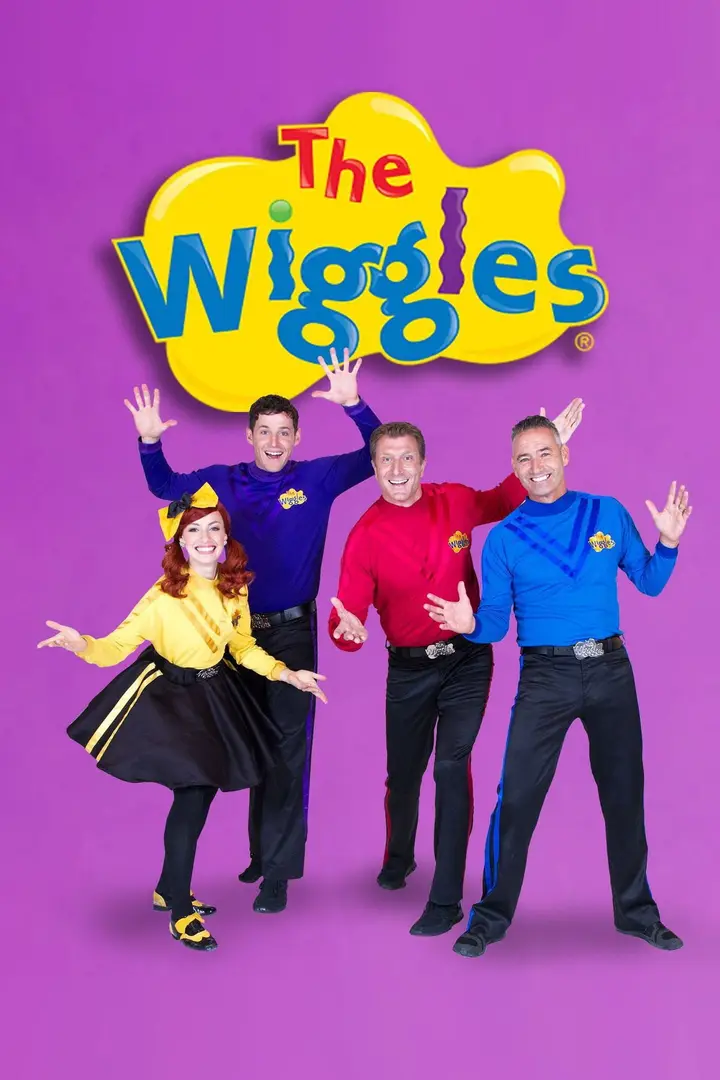
The Wiggles
Built by early-childhood educators, it turns screen time into active time: children copy the moves, count along and sing. Music supports language, rhythm and memory at this age.
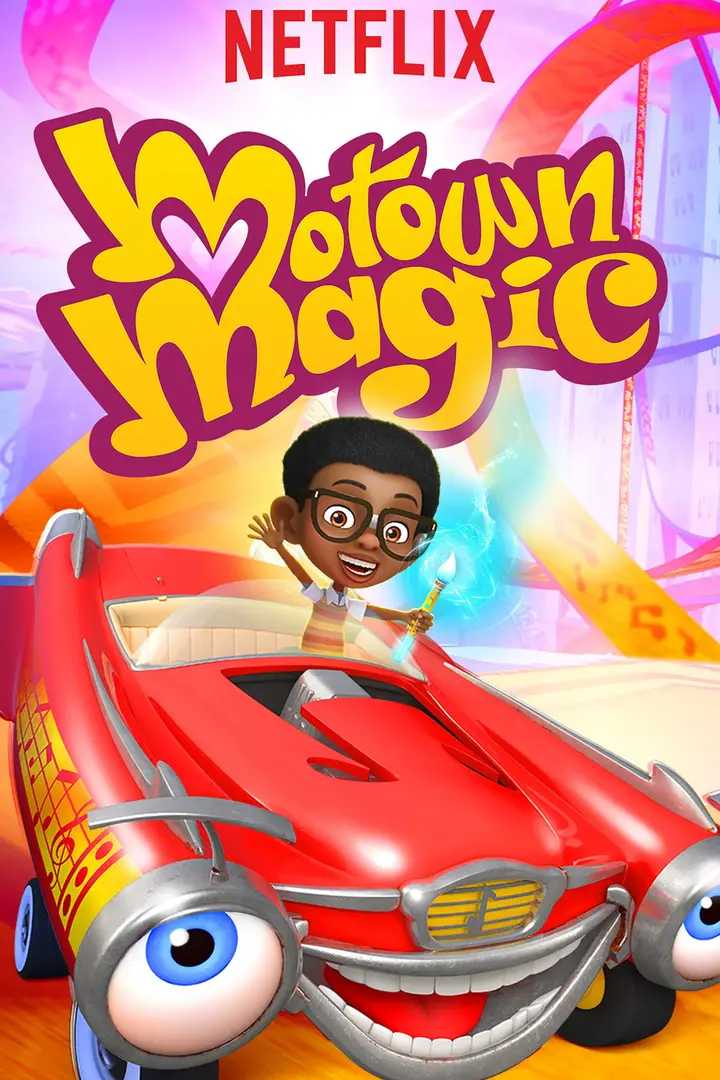
Motown Magic
A magical paintbrush turns classic Motown songs into visual adventures about creativity, confidence and community. Ben’s street art makes music part of the action, so familiar recordings become tools for imaginative problem-solving.
Social Skills, Feelings & Everyday Life
Twenty-two series focused on communication, cooperation, feelings, routines, friendship and everyday problem-solving, useful for families seeking learning through recognizable social situations.
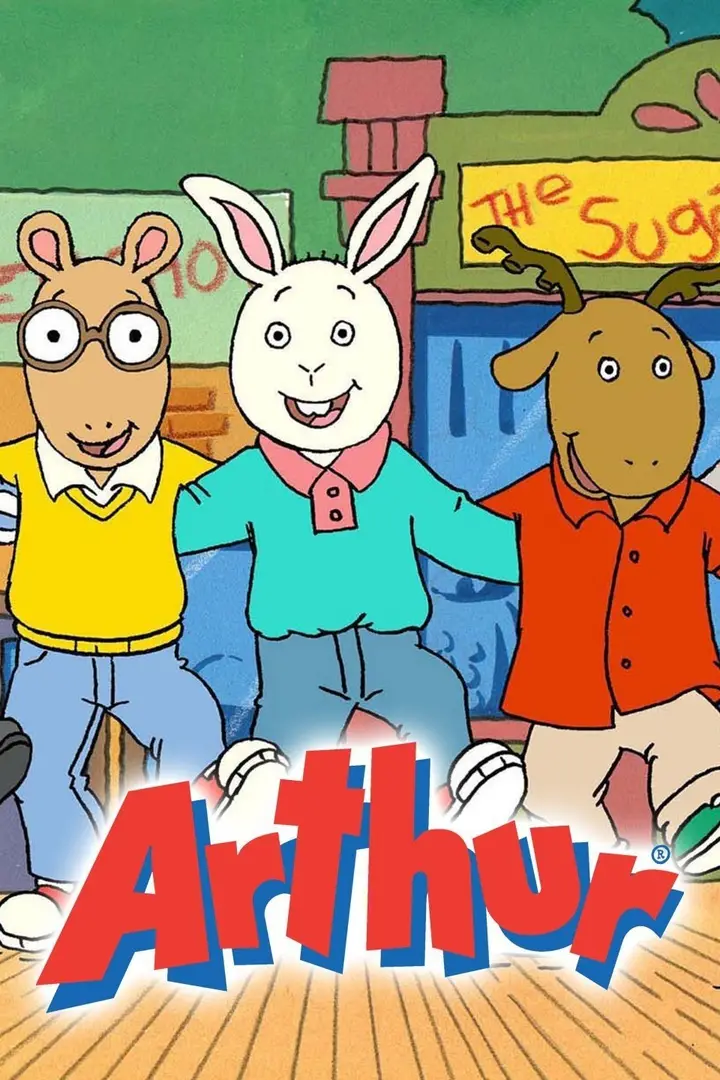
Arthur
School, family and friendship conflicts are treated as problems with more than one side. Arthur and his friends make mistakes, argue, apologize and compromise, giving everyday social situations a thoughtful structure children can recognize.
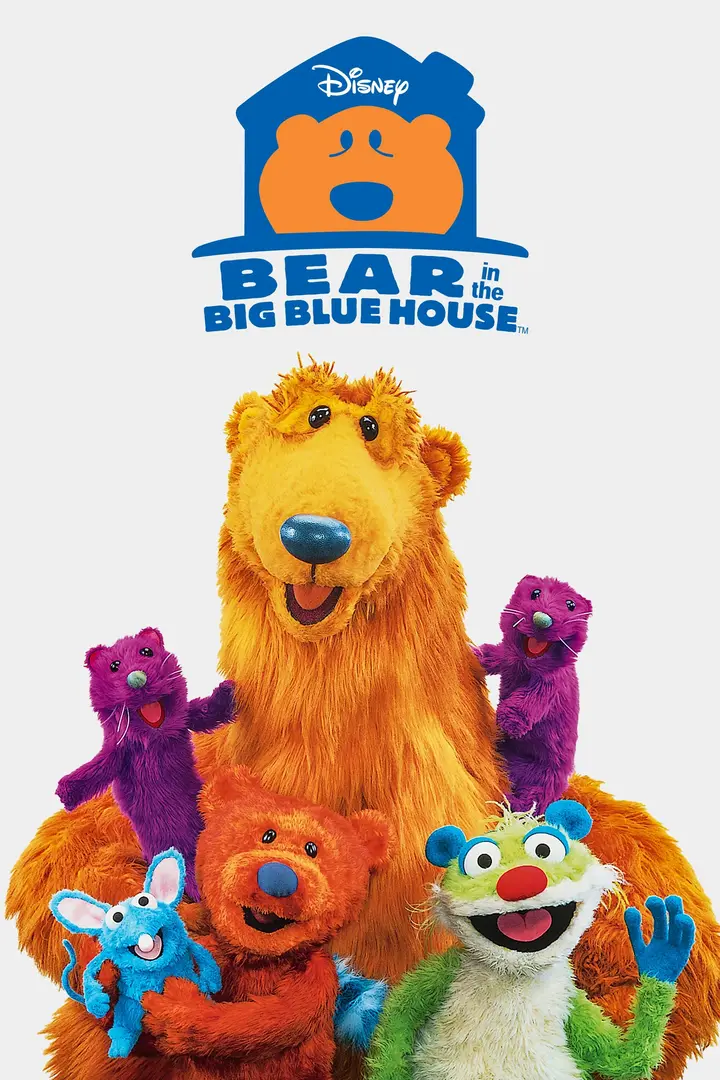
Bear in the Big Blue House
Songs, direct address and familiar housemates make preschool learning feel participatory. Bear guides conversations about feelings, routines and considerate behavior, while the recurring closing exchange with Luna gives each episode a reassuring shape.
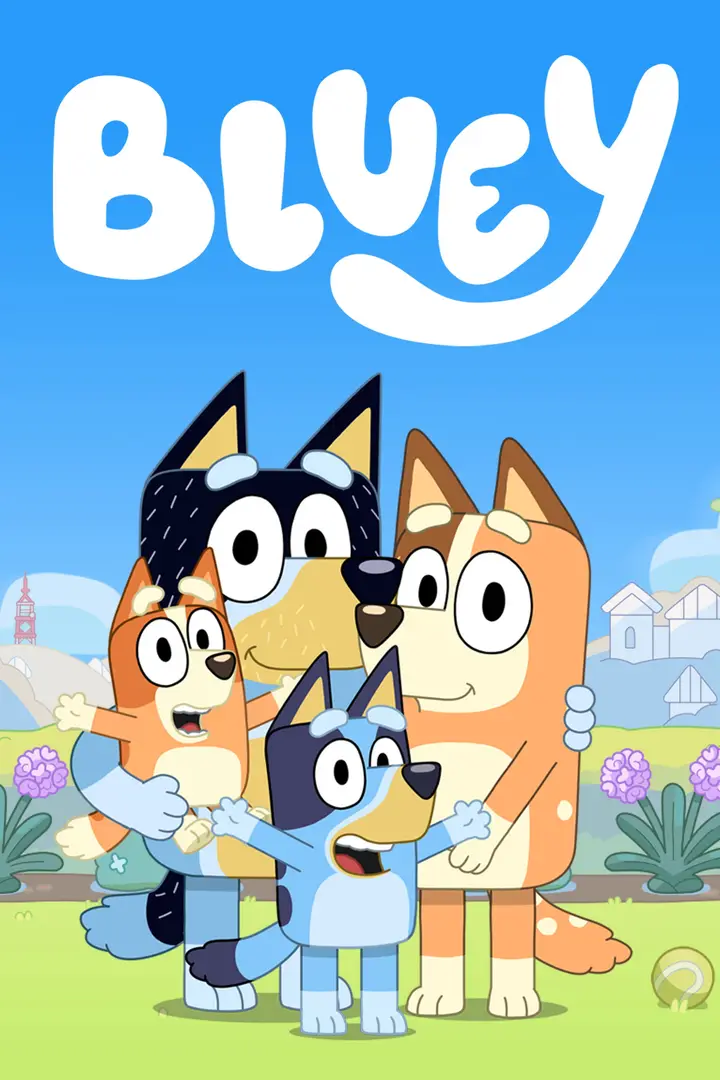
Bluey
Ordinary family moments become imaginative games with rules that change as Bluey and Bingo negotiate, improvise and learn. Short episodes observe childhood behavior closely while giving Bandit and Chilli believable limits as parents.
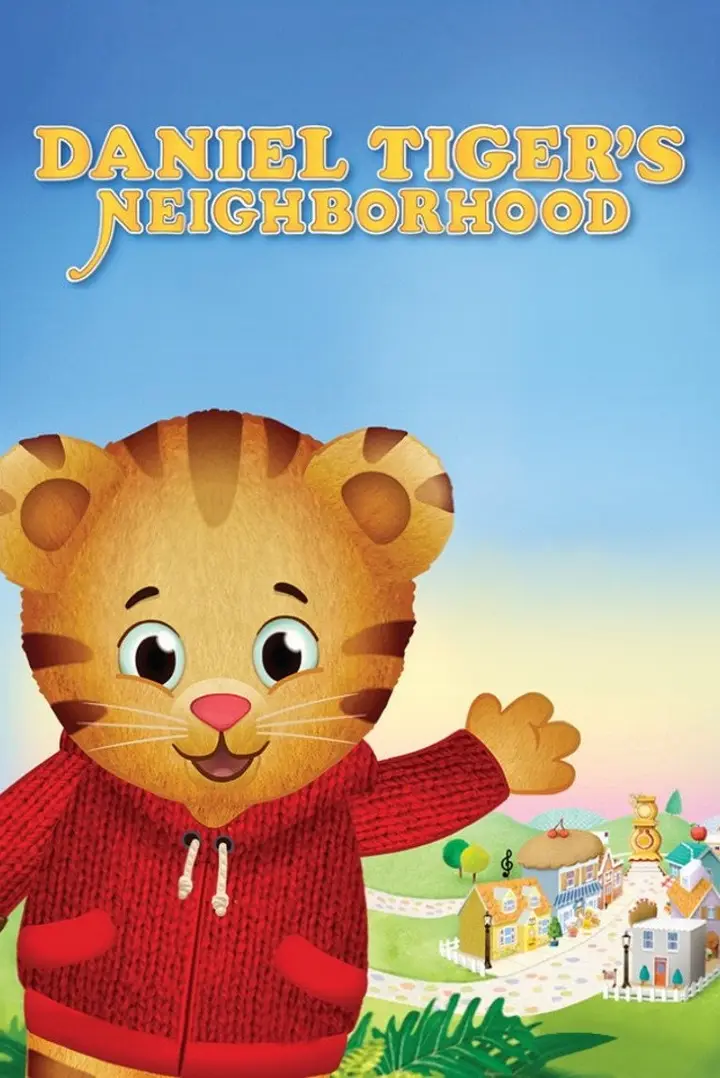
Daniel Tiger's Neighborhood
Everyday preschool situations are broken into feelings, choices and simple strategies children can remember. Short songs turn ideas about anger, sharing, separation and change into practical phrases that can be reused outside the episode.
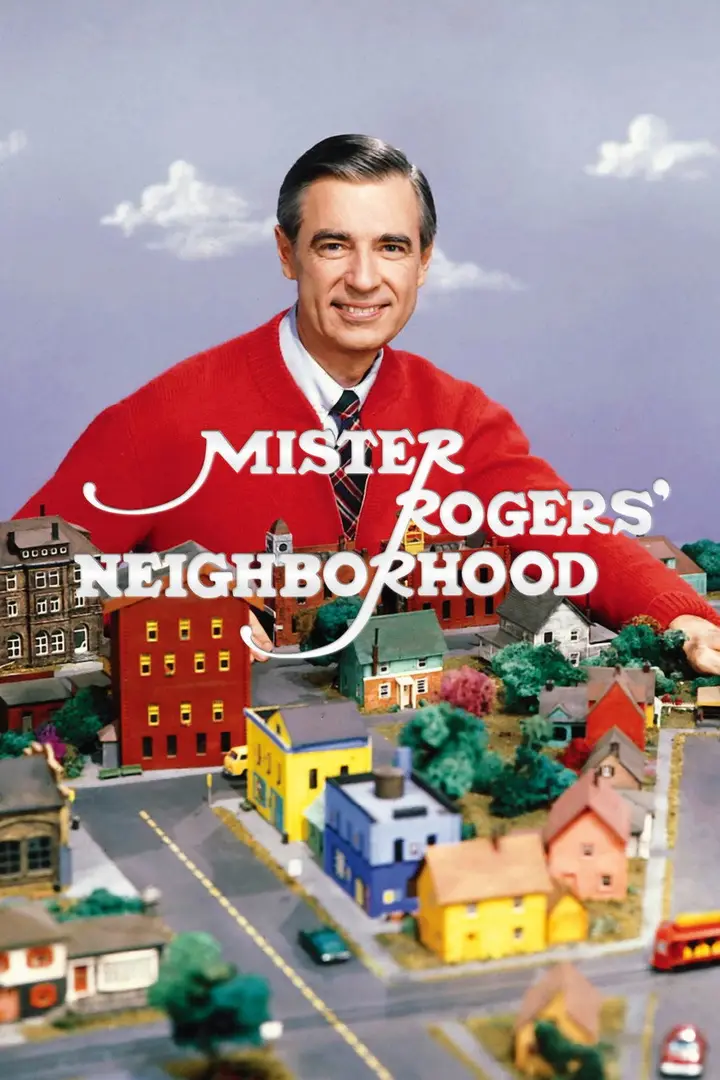
Mister Rogers' Neighborhood
Fred Rogers treats children’s questions and feelings with unusual respect, using direct conversation, real-world visits and Make-Believe stories to make everyday experiences understandable. The slow pace gives young viewers time to process rather than rushing toward stimulation.
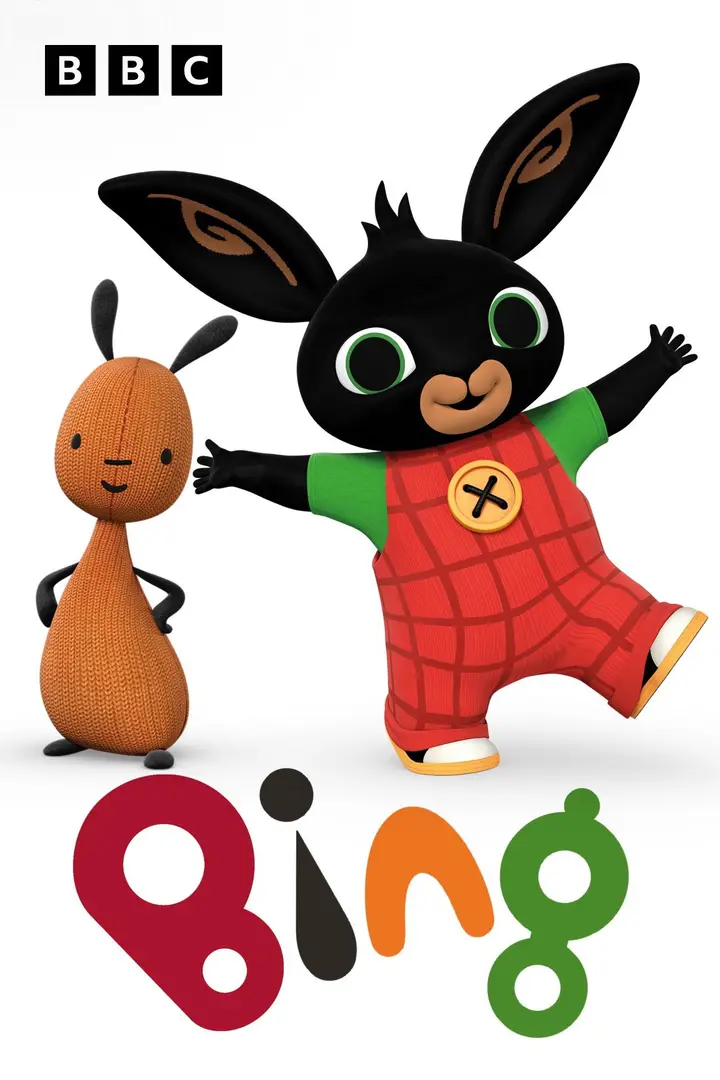
Bing
Each episode stays close to one preschool frustration, allowing Bing’s reaction to remain visible before the problem settles. Flop guides without taking over, so mistakes, waiting and trying again feel like real developmental steps.
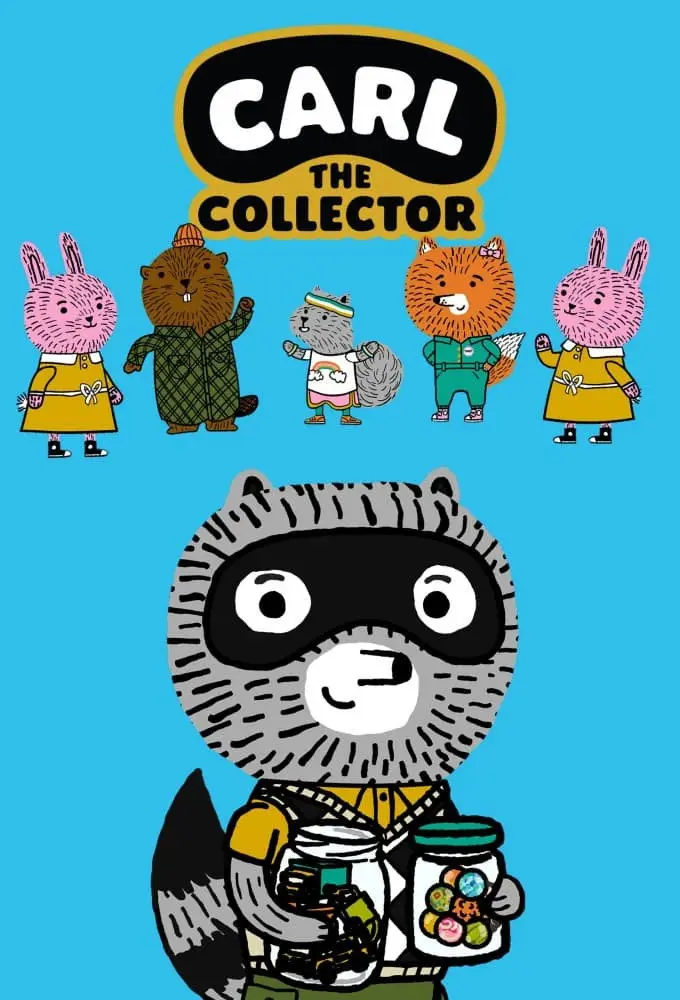
Carl the Collector
By making Carl's autism simply part of who he is rather than the subject of every episode, the show normalizes different communication styles without turning them into a lesson.
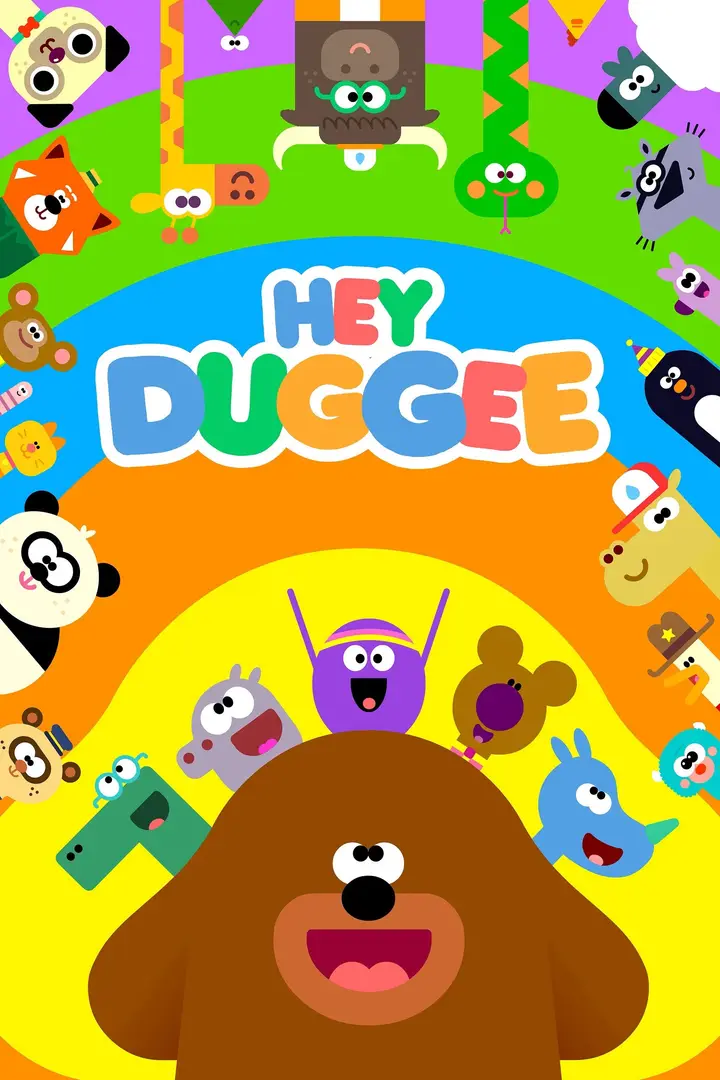
Hey Duggee
Each badge turns an everyday activity into a small shared goal, giving preschoolers a clear beginning, middle and end. Visual humor, repetition and group participation keep crafts, cooking, movement and teamwork easy to follow.
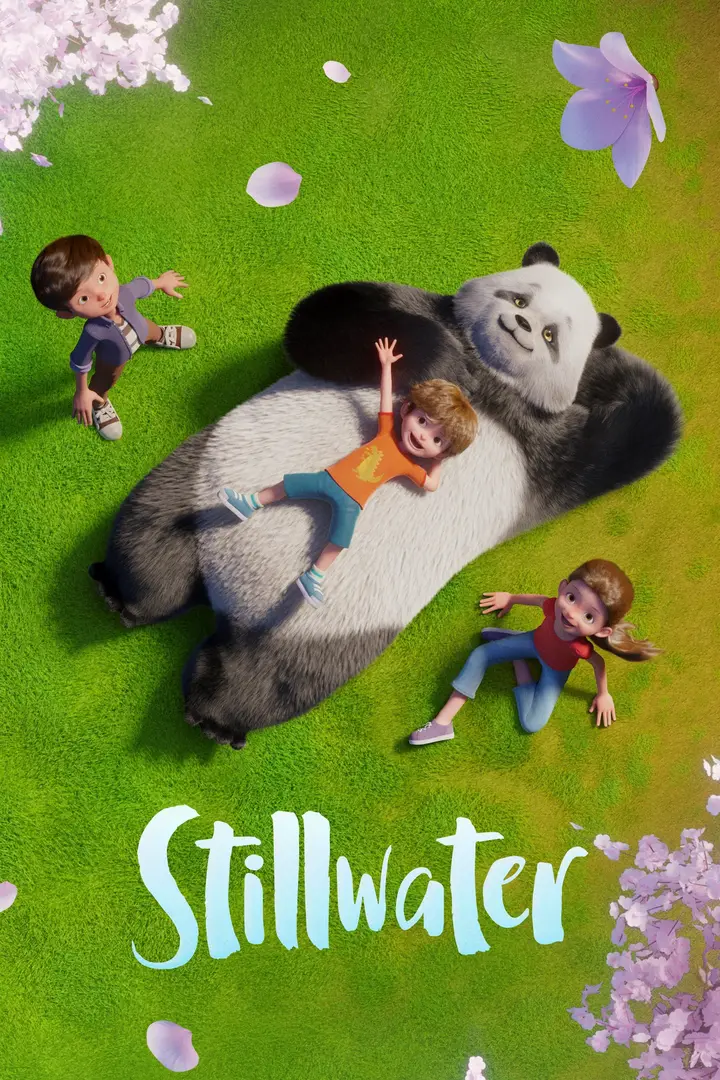
Stillwater
Rather than resolving problems quickly, it uses quiet parables to model patience and reflection, giving children — and the adults watching with them — another way to sit with difficult feelings.
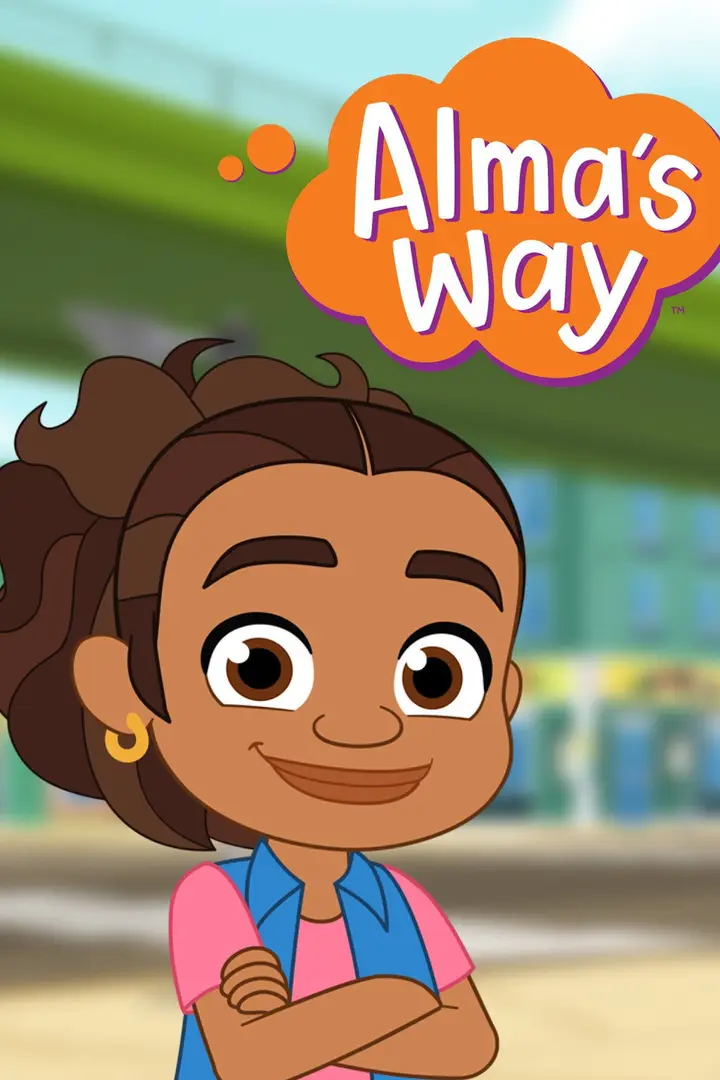
Alma's Way
Alma pauses to think through her own reasoning before acting, modeling a visible thought process that gives young viewers a concrete way to slow down and consider consequences.
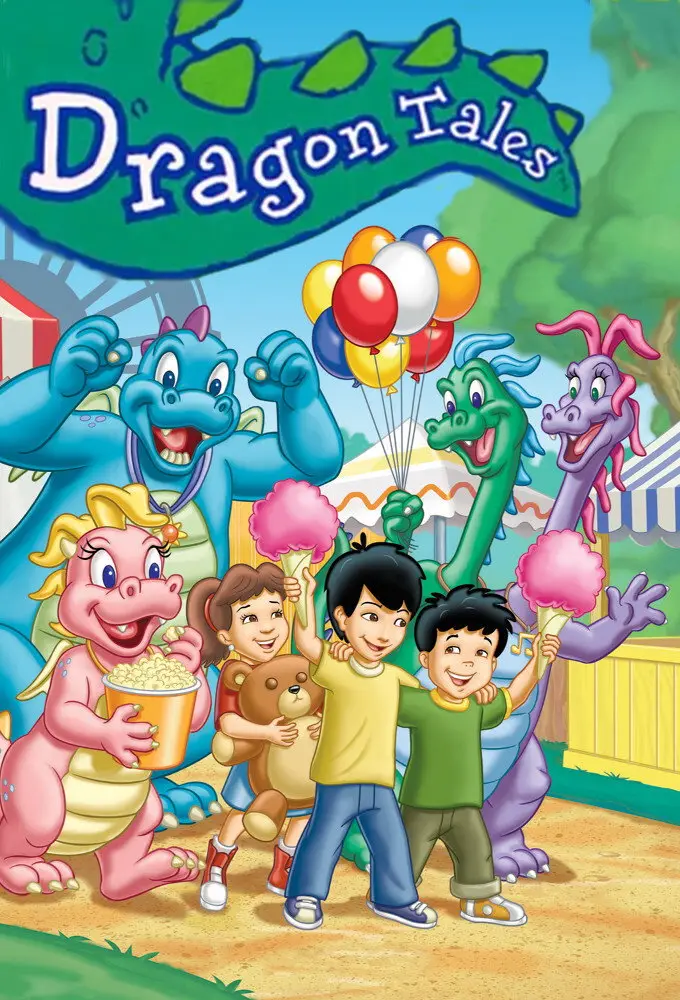
Dragon Tales
Dragon Land enlarges ordinary childhood setbacks into colorful fantasy adventures where cooperation and confidence matter. Emmy, Max and their dragon friends move forward by listening, sharing ideas and supporting one another through each challenge.
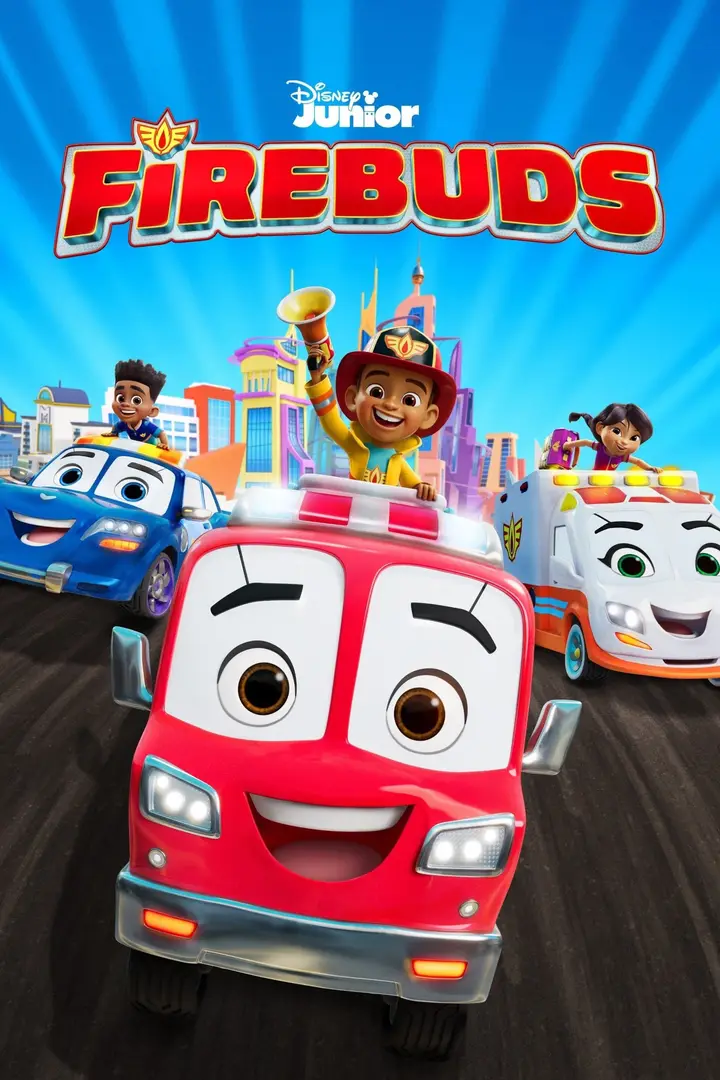
Firebuds
Rescue missions treat helping the community as shared work between children and their talking vehicles. Preparation, communication and choosing the right help matter as much as speed, giving each emergency a clear teamwork structure.
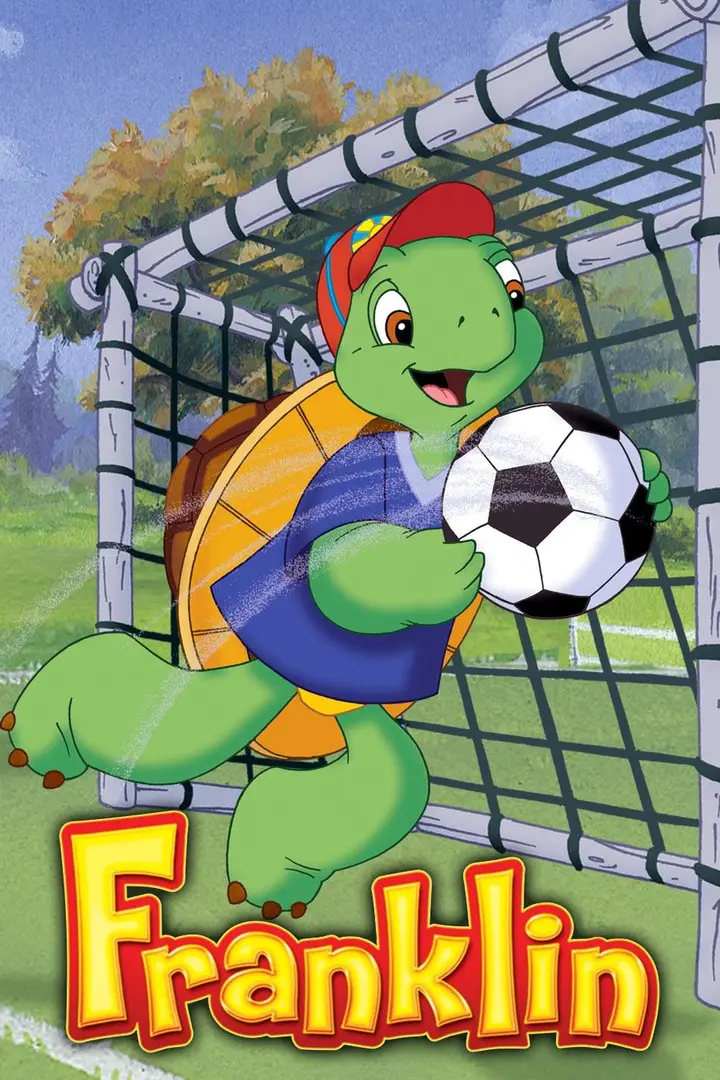
Franklin
Clear childhood dilemmas move through consequence and repair without turning Franklin into a perfect role model. He can worry, boast or make mistakes, then use family and friendship to understand another point of view.
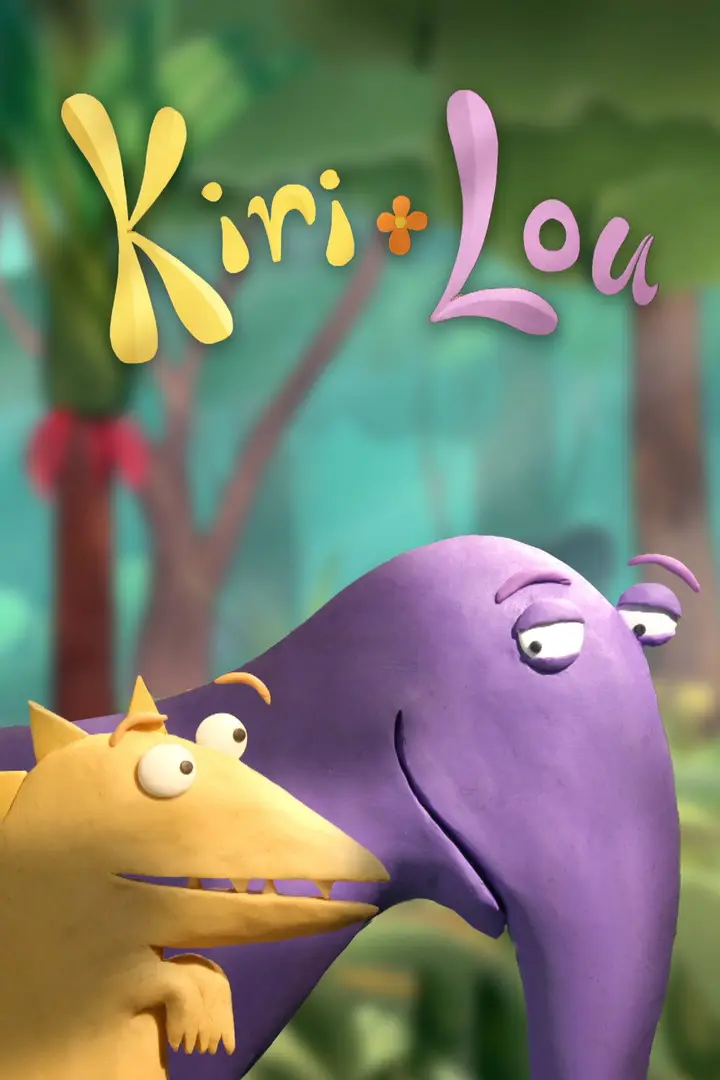
Kiri & Lou
Short stop-motion stories give jealousy, frustration, loneliness and reconciliation enough space to be understood without turning them into lessons. Kiri and Lou make mistakes, pause and reconnect, keeping preschool social life recognizable.
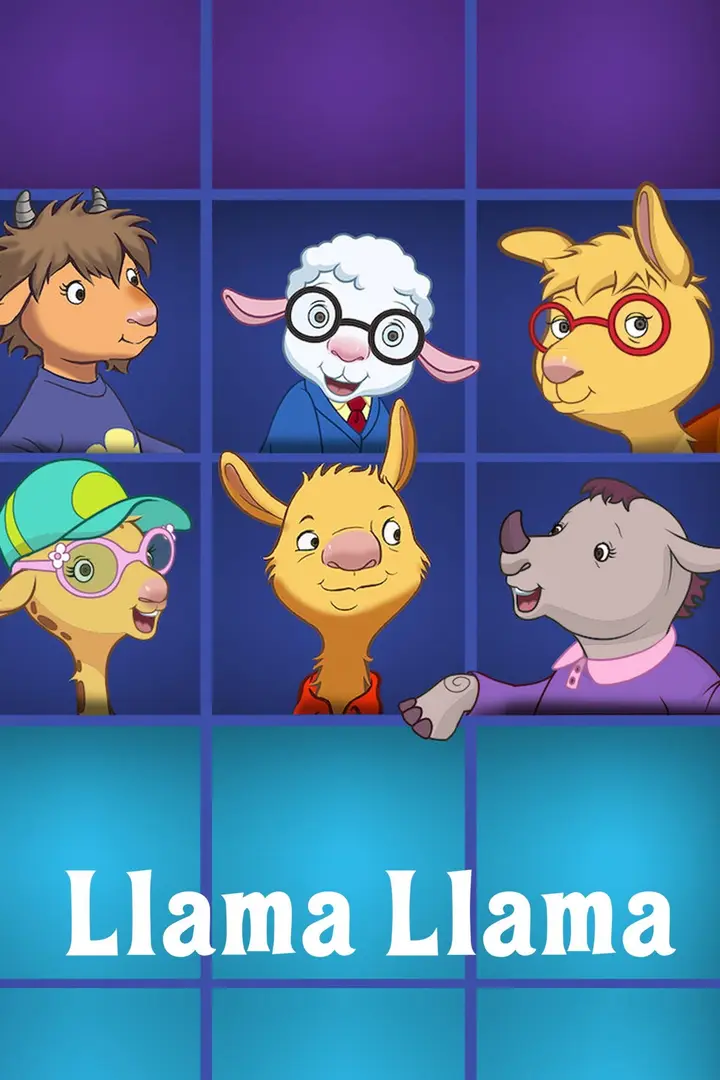
Llama Llama
Separation, waiting, sharing and unfamiliar experiences stay close to a young child’s world. Mama Llama supports without erasing the problem, while rhyming language helps name reactions and show how reassurance and practice can change a difficult moment.
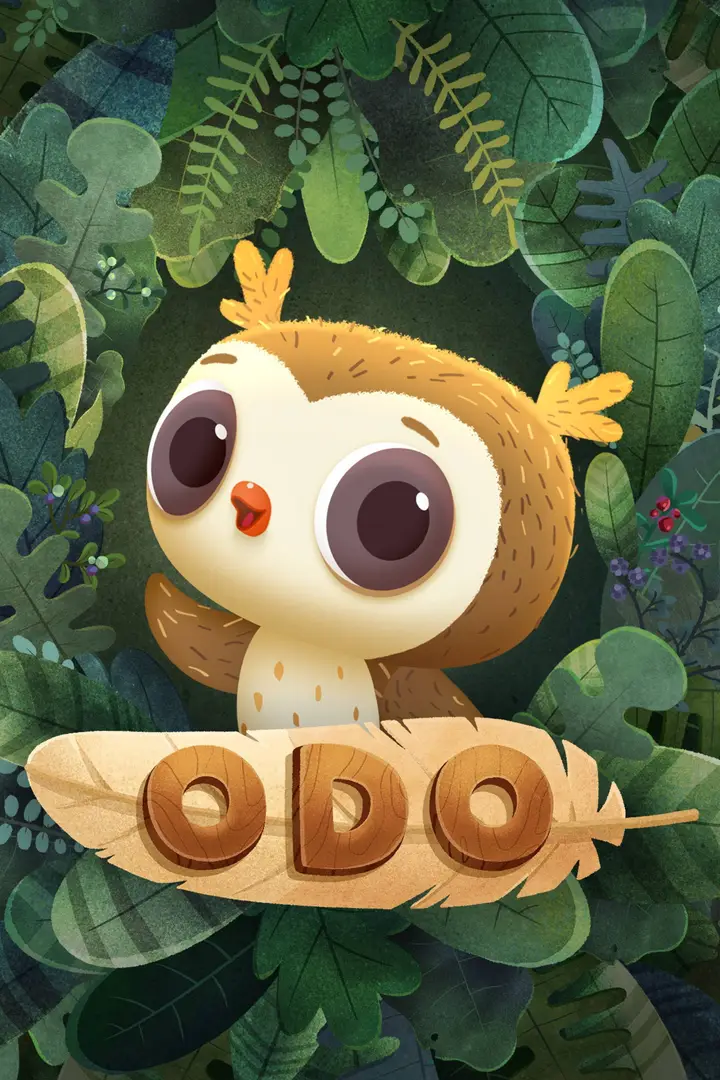
Odo
Odo’s small size never defines what he attempts at forest camp. Activities with Doodle and the other campers turn uncertainty, disagreement and mistakes into chances to contribute, giving confidence a cooperative shape instead of a competitive one.
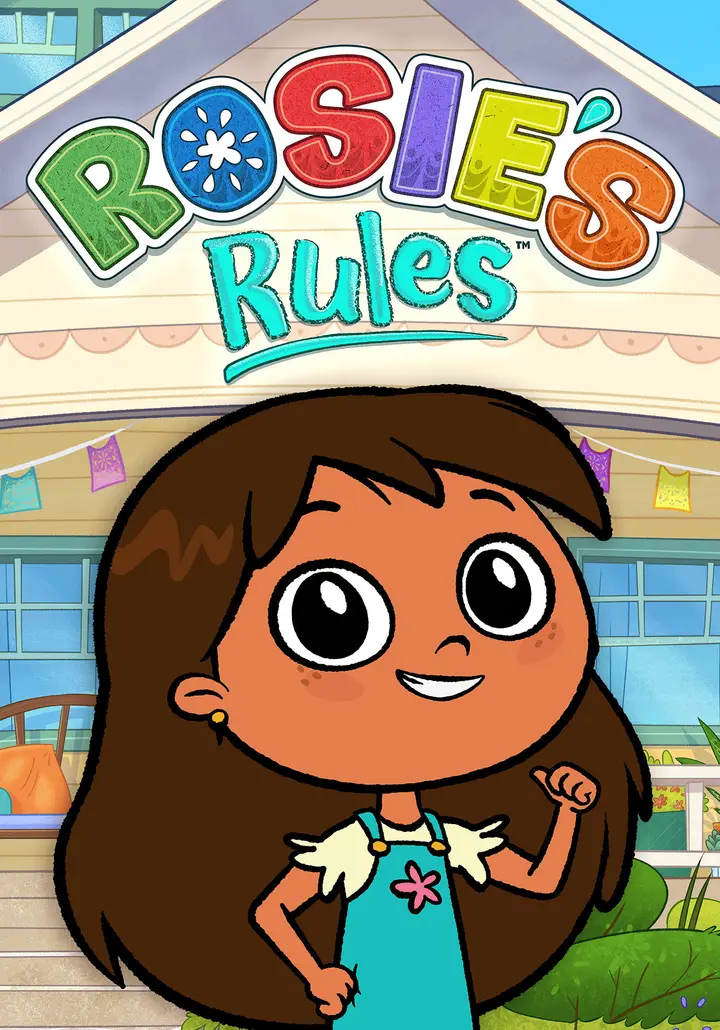
Rosie's Rules
Rosie draws her own conclusions from lived experience rather than receiving ready-made lessons, modeling curiosity and revision as she tries, observes, and adjusts her thinking about the world.
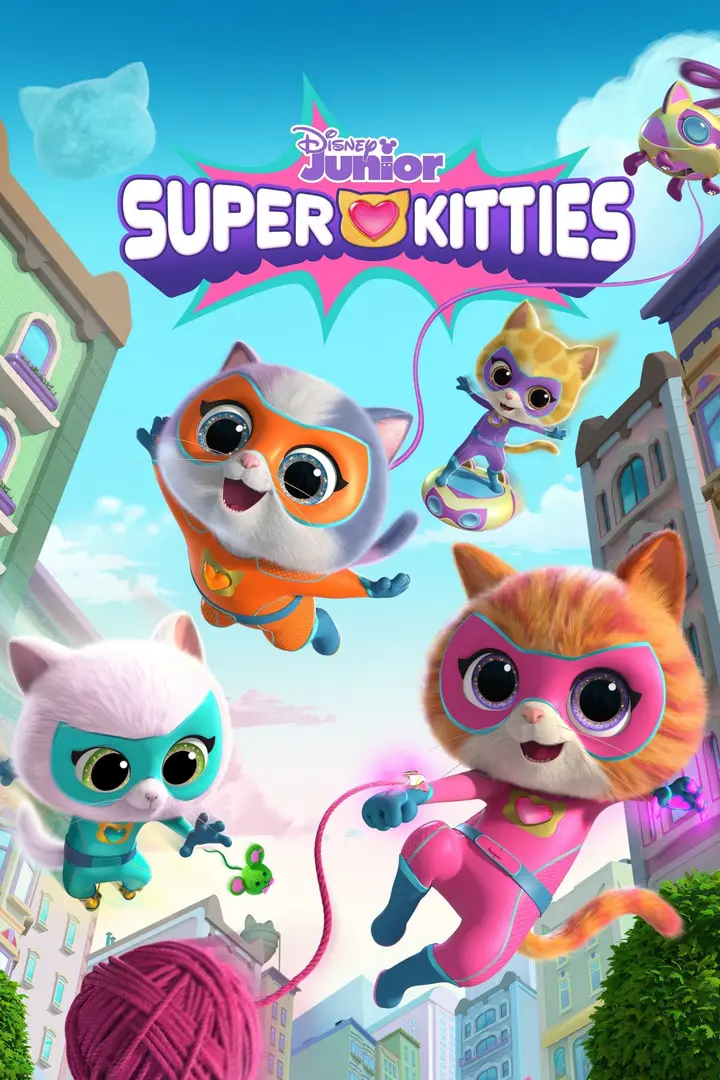
SuperKitties
Four kitten superheroes bring different strengths to each rescue, making teamwork visible through fast action. Mistakes frequently show why listening and asking for help matter, while comic villains keep the missions lively without severe danger.
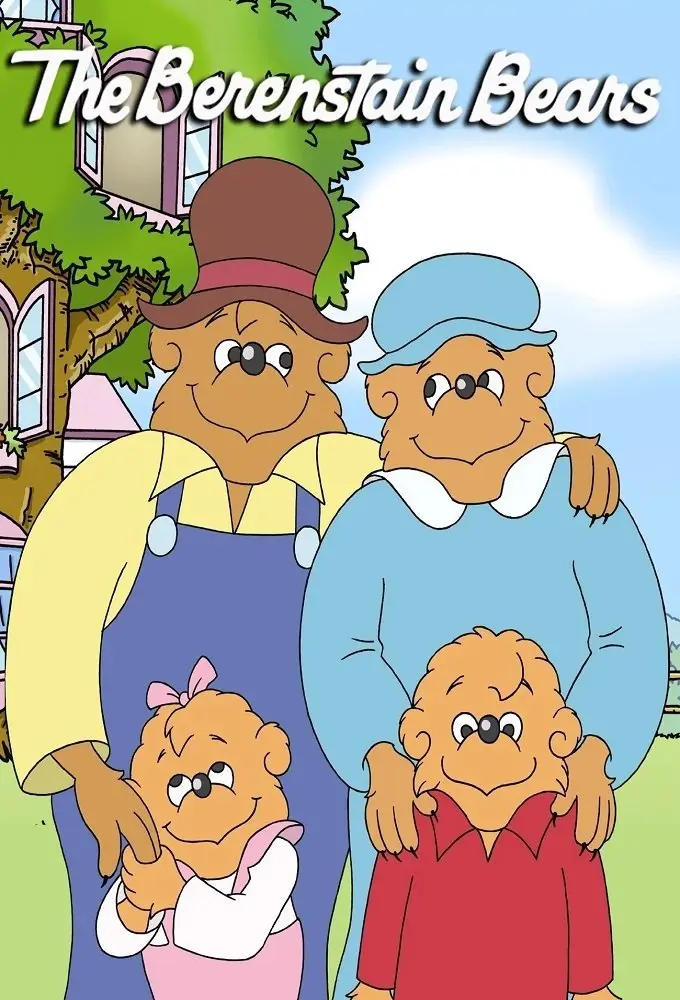
The Berenstain Bears (2003)
Each episode turns one family concern into a complete story of choice, consequence, discussion and repair. Mama and Papa guide without solving everything, so Brother and Sister must reconsider their behavior and act differently.
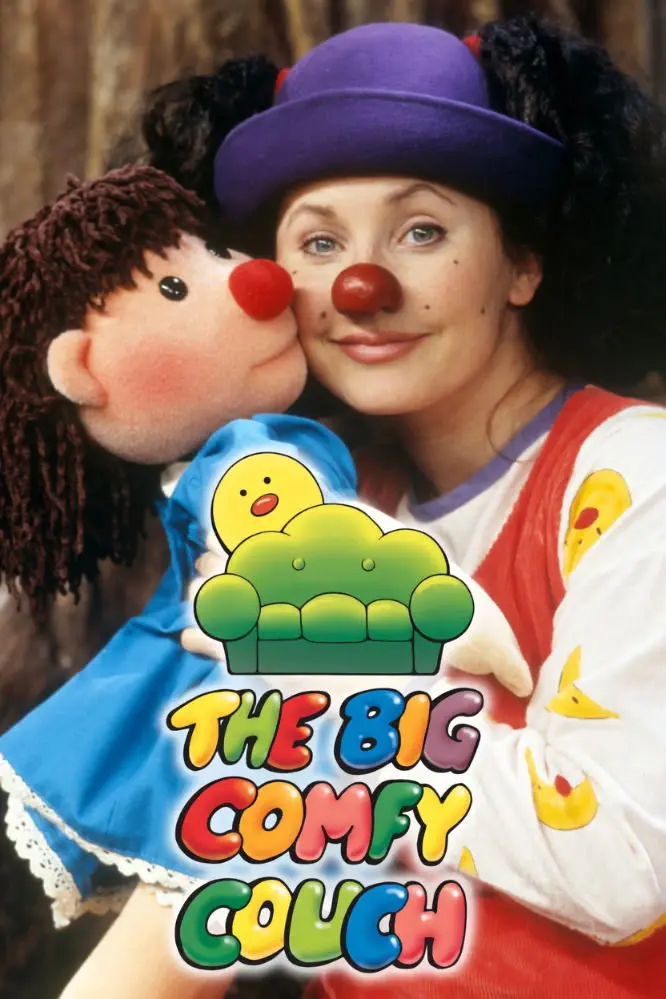
The Big Comfy Couch
Clowning, movement and recurring routines make practical preschool lessons easy to imitate. Loonette can model a stretch, name a feeling or work through a mess, then return the episode to a familiar home-base rhythm.


