
Best Preschool TV Shows & First Shows for Ages 2–4
96 age-guided preschool picks: 31 First TV choices and 65 further shows for age 4.
Best Preschool TV Shows & First Shows for Ages 2–4
If this is a child’s first TV, start with a sensible fit instead of a popularity list. TFFC’s First TV section contains 31 shows with Recommended Age 3 or below; the full preschool guide contains 96 non-anime series, including 65 further picks for age 4. Every card shows Minimum and Recommended Age, separating what may be manageable from what is more likely to fit now.
Find the right series
Choose one band. Results show age-relevant series approved by our editors: those whose Minimum-to-Recommended age span overlaps the band, plus individually approved favorites. The Recommended Age is a starting point, not a maximum.
More filters and sort
No series in this guide match this age.
First TV Shows for Ages 2–3
A starting set for ages 2–3, prioritizing clear visual storytelling, repetition, familiar routines, basic language and social learning before longer or denser preschool series.
Bear in the Big Blue House
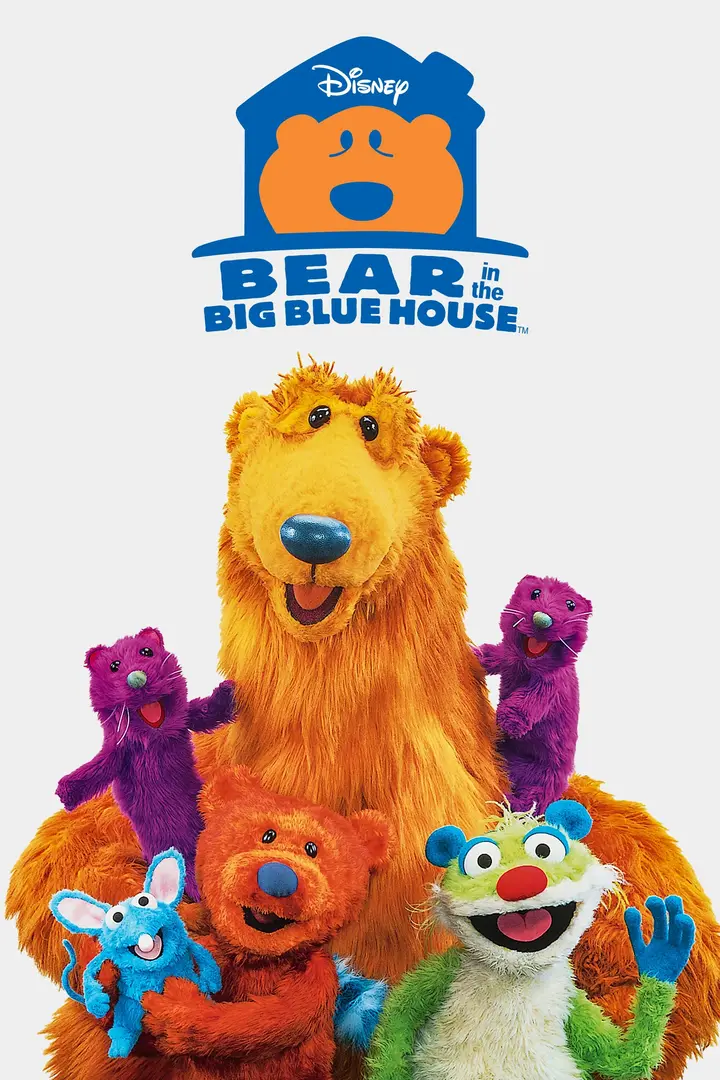
Songs, direct address and familiar housemates make preschool learning feel participatory. Bear guides conversations about feelings, routines and considerate behavior, while the recurring closing exchange with Luna gives each episode a reassuring shape.
Blue's Clues
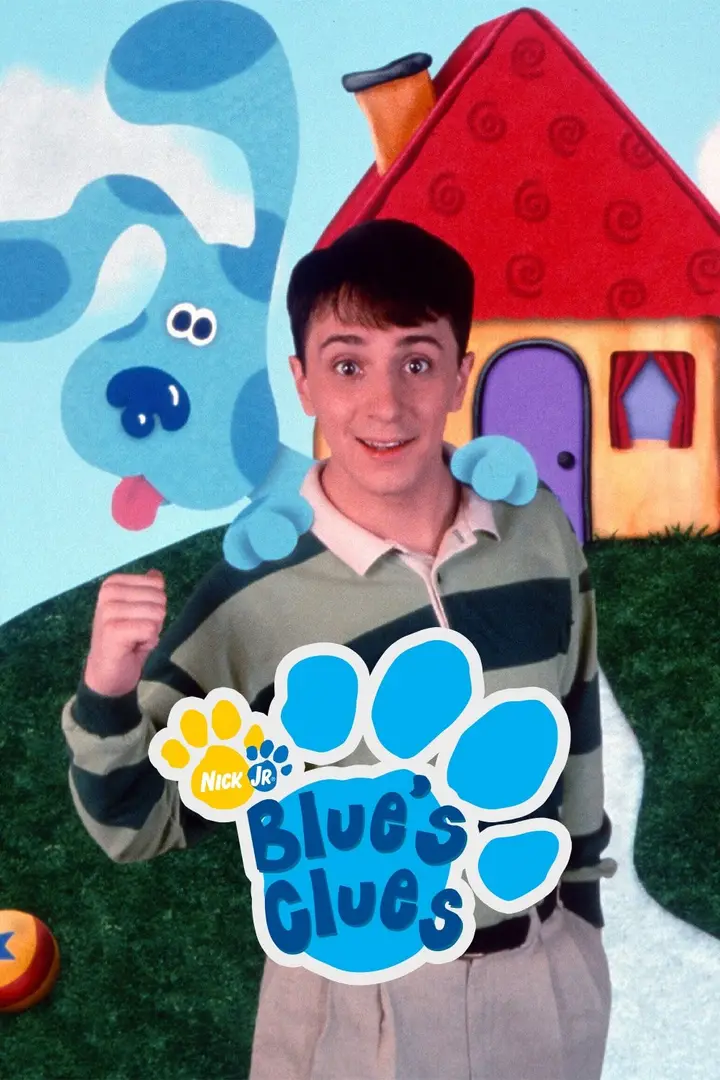
Direct questions, repeated clue steps and visible notebook drawings turn each episode into a participatory puzzle. The predictable structure supports early attention, language and reasoning skills without asking preschoolers to track complicated stories.
Daniel Tiger's Neighborhood
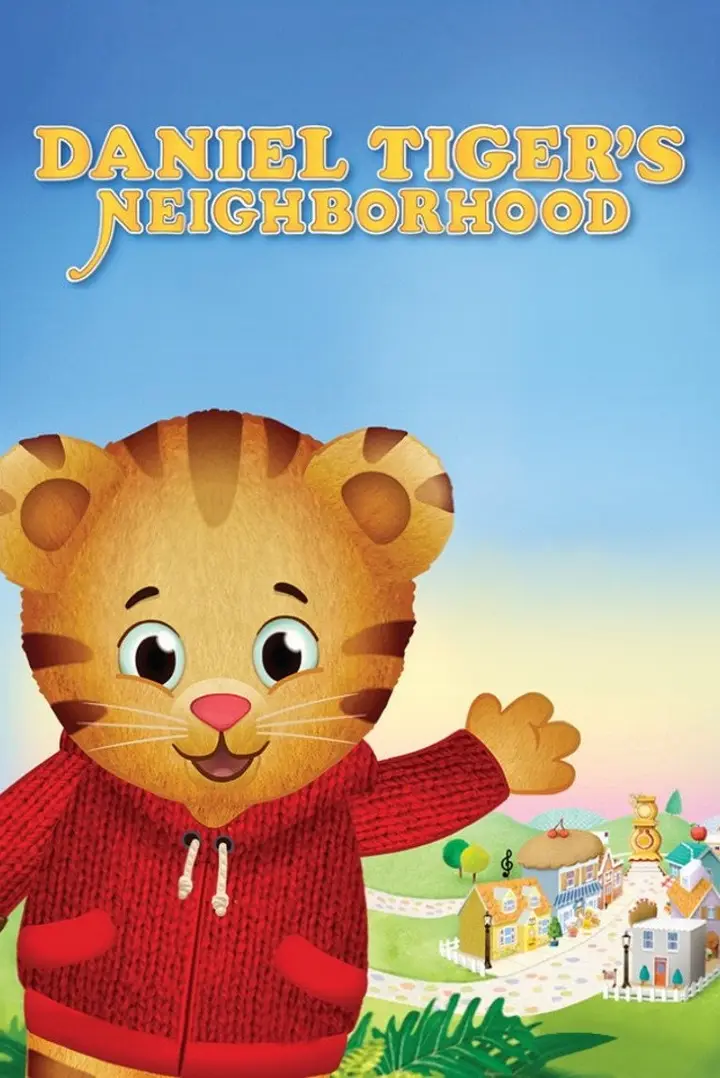
Everyday preschool situations are broken into feelings, choices and simple strategies children can remember. Short songs turn ideas about anger, sharing, separation and change into practical phrases that can be reused outside the episode.
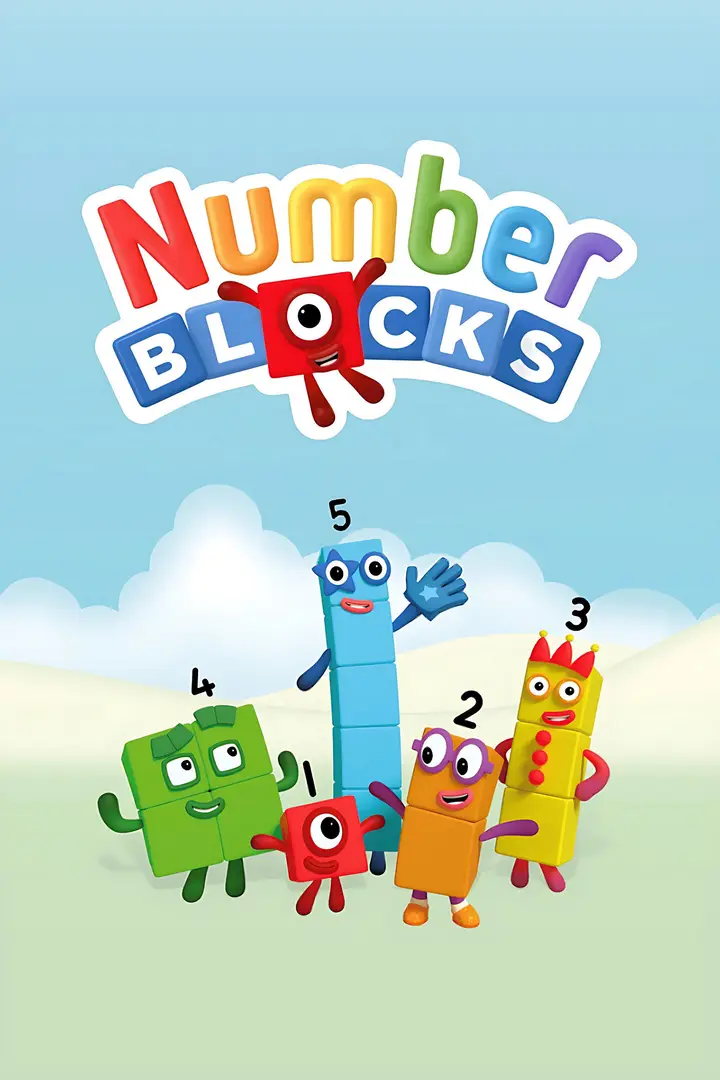
Numberblocks
Numbers become physical characters who join, split and rearrange, making quantity and arithmetic visible. Short musical episodes let children see addition, subtraction and patterns in motion, linking written numbers to concrete amounts.
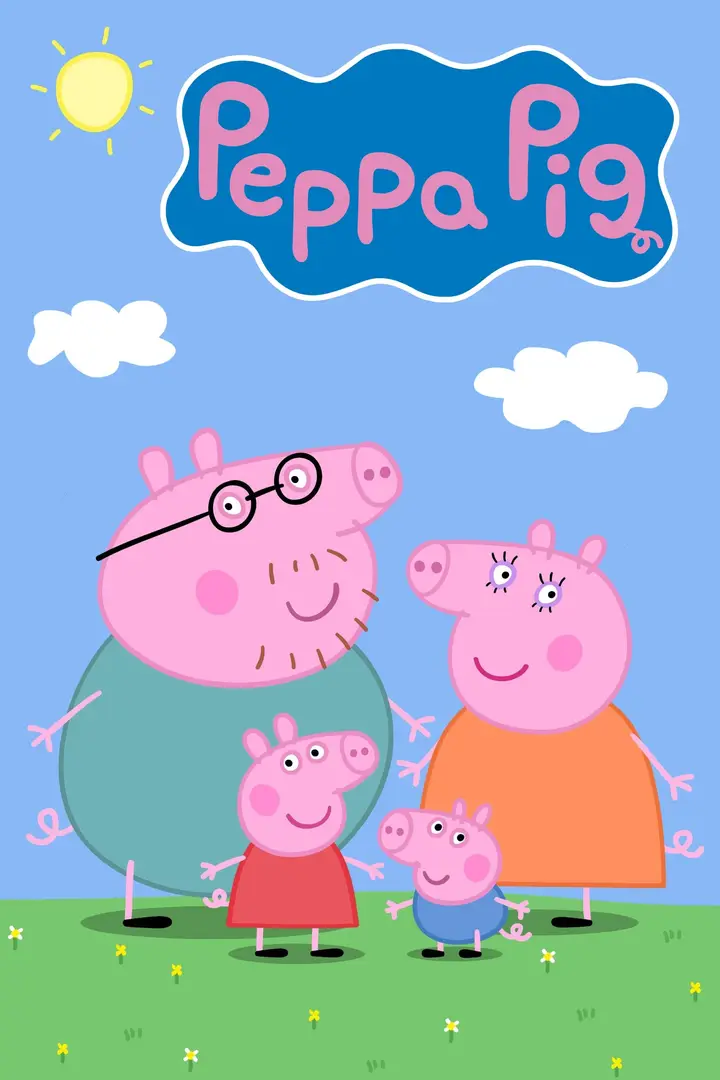
Peppa Pig
Short episodes stay close to familiar preschool life, turning family outings, weather, play and small disagreements into easy stories. Peppa’s confidence and George’s younger perspective give ordinary routines enough contrast to keep them engaging.
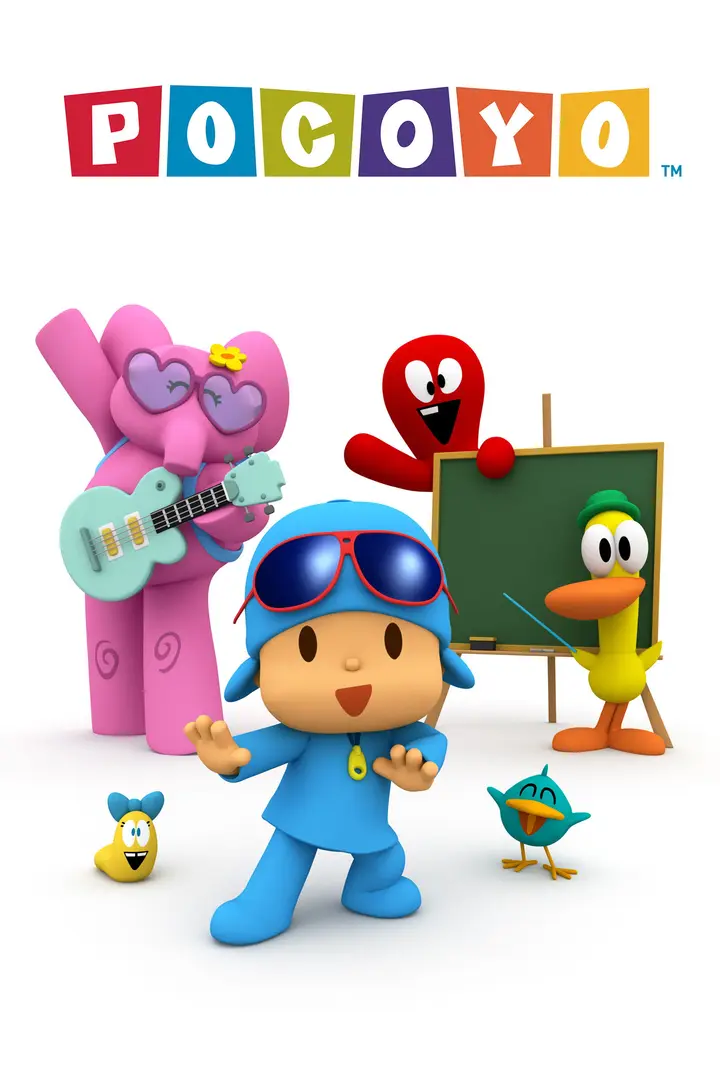
Pocoyo
A simple white world keeps attention on Pocoyo, his friends and the problem in front of them. The narrator’s direct questions create an interactive rhythm that supports curiosity, sharing, patience and recognition of basic feelings.
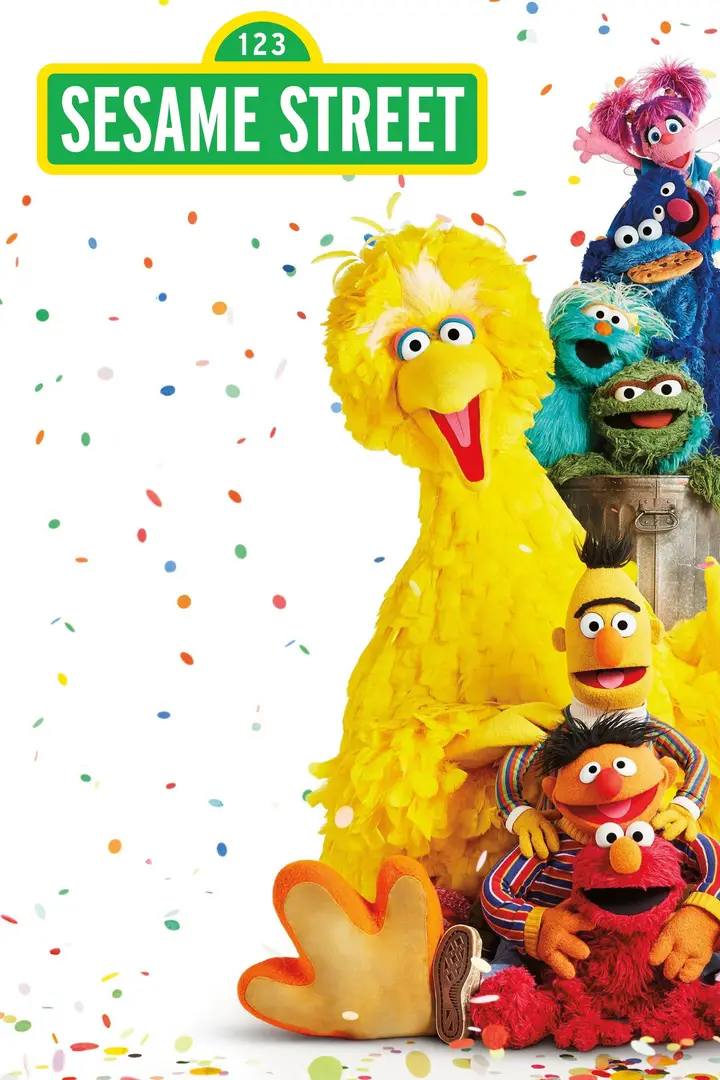
Sesame Street
Muppets, songs, animation and live-action sketches break early learning into short, memorable pieces. Letters, numbers, vocabulary and social ideas return in varied formats, while recurring characters give young children a familiar anchor.
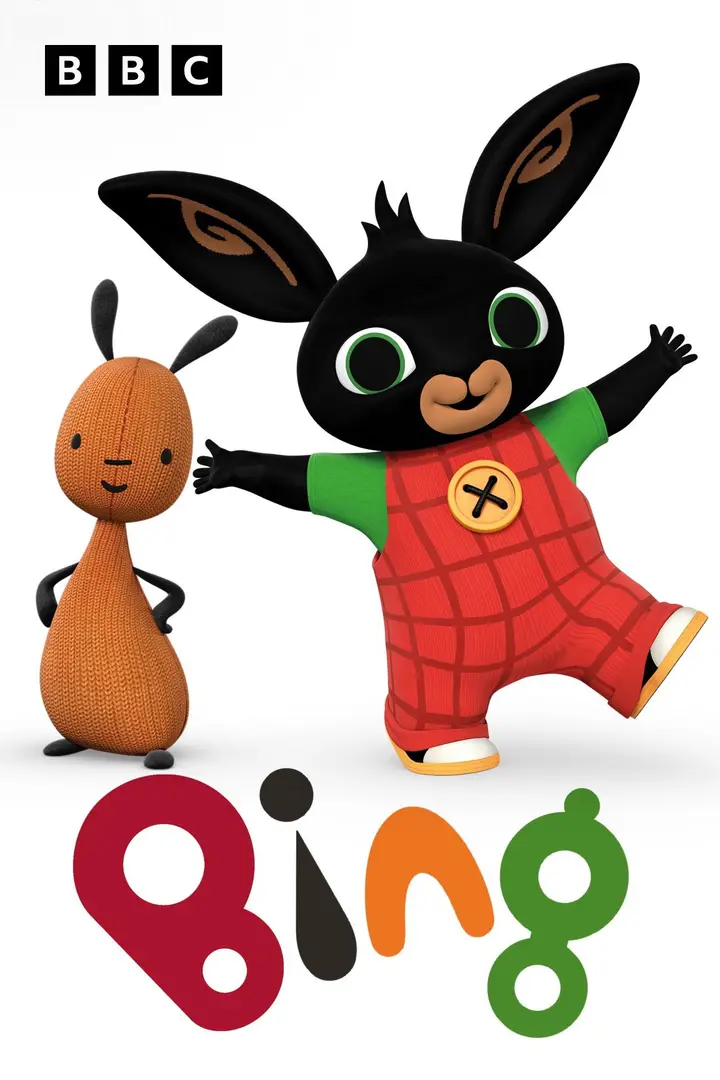
Bing
Each episode stays close to one preschool frustration, allowing Bing’s reaction to remain visible before the problem settles. Flop guides without taking over, so mistakes, waiting and trying again feel like real developmental steps.
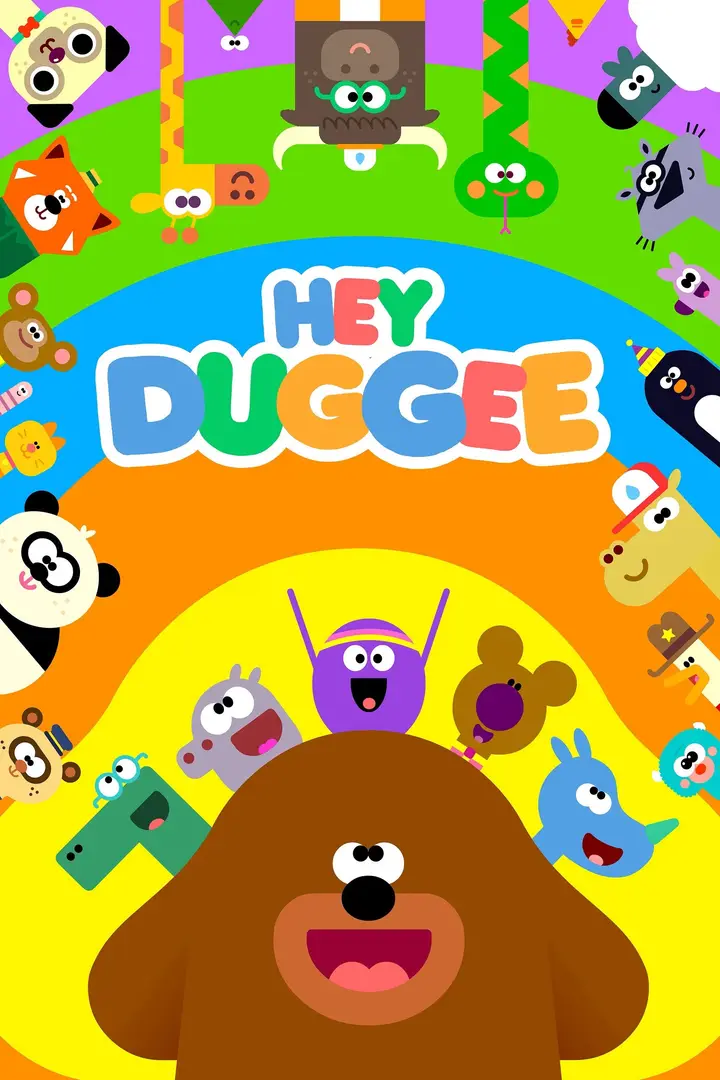
Hey Duggee
Each badge turns an everyday activity into a small shared goal, giving preschoolers a clear beginning, middle and end. Visual humor, repetition and group participation keep crafts, cooking, movement and teamwork easy to follow.
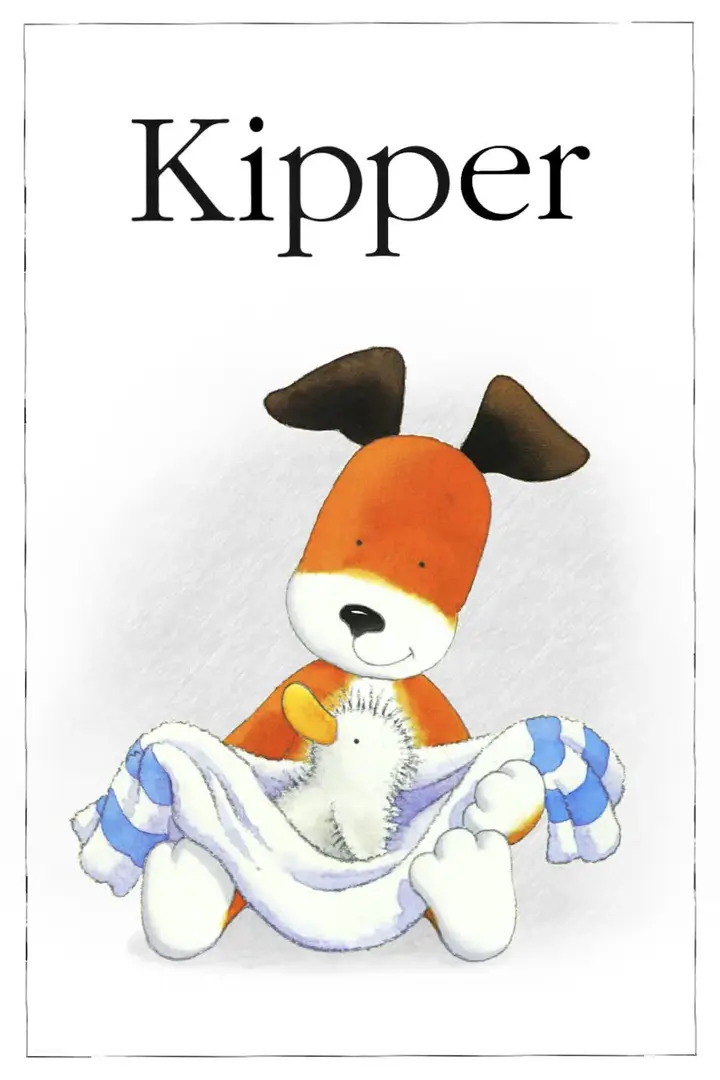
Kipper
Ordinary objects, outings and small discoveries become compact stories shaped by Kipper’s curiosity. Sparse backgrounds, pauses and dry humor leave space for children to notice details, making companionship and observation the main appeal.
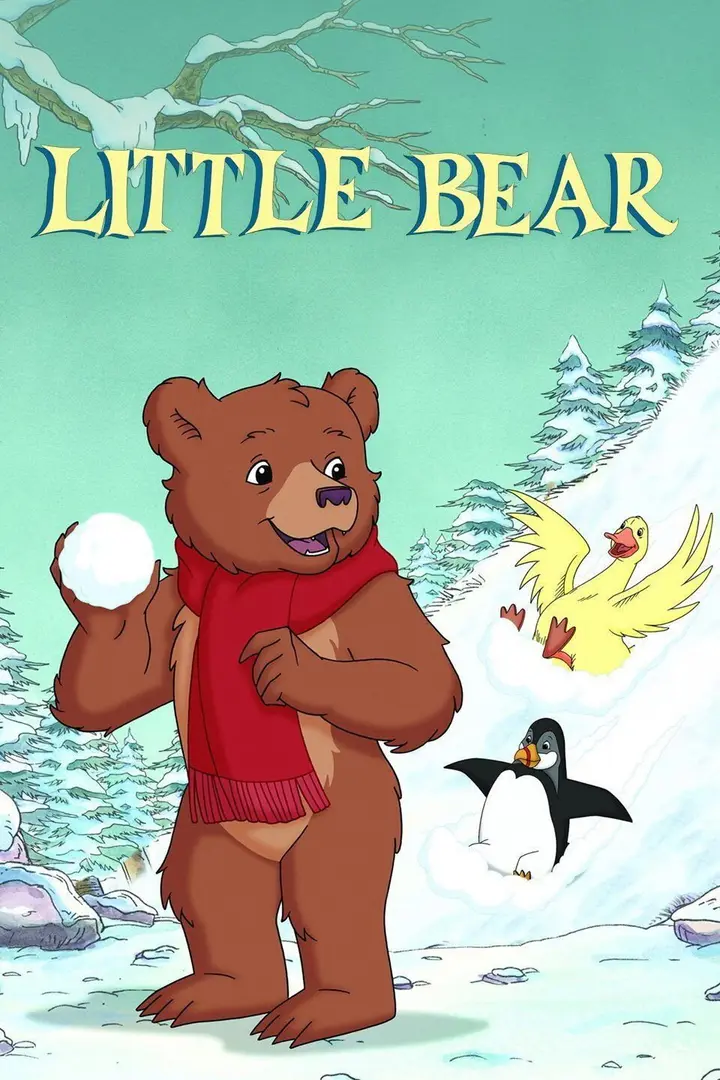
Little Bear
Home-sized adventures unfold through patient conversation, imaginative play and secure family relationships. A visit, game or question has room to develop naturally, giving companionship and observation more importance than speed or conflict.
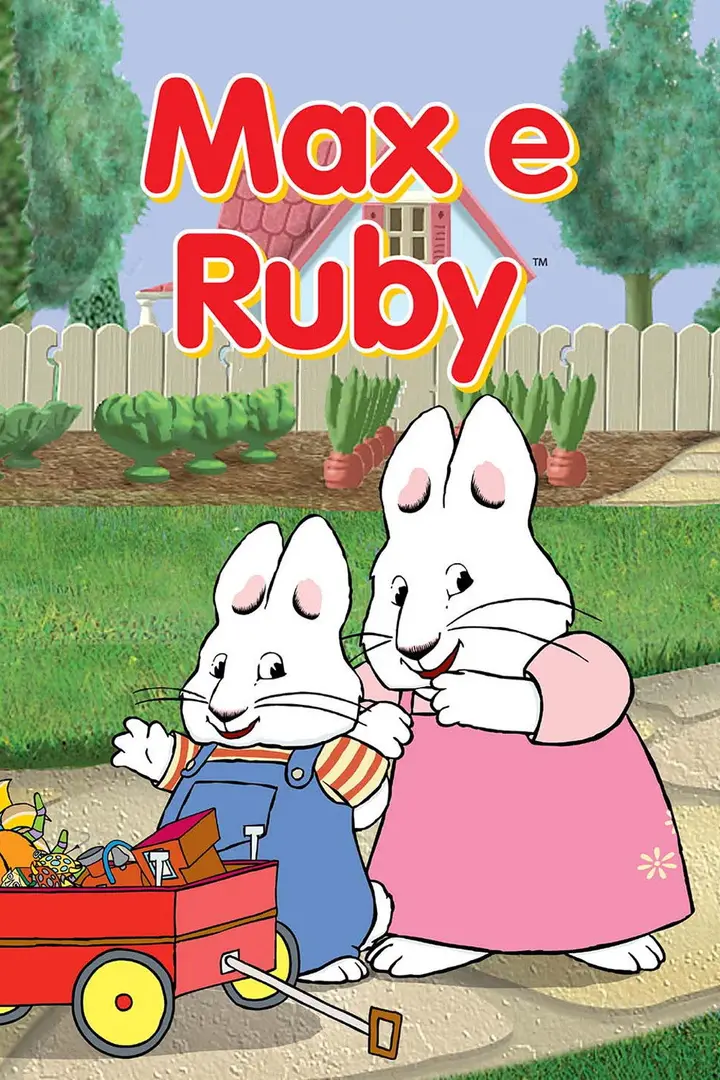
Max & Ruby
Ruby’s careful plans and Max’s single-minded ideas create a simple sibling pattern that preschoolers can anticipate. Their differences drive the comedy, while the endings repeatedly show that Max’s approach has value too.
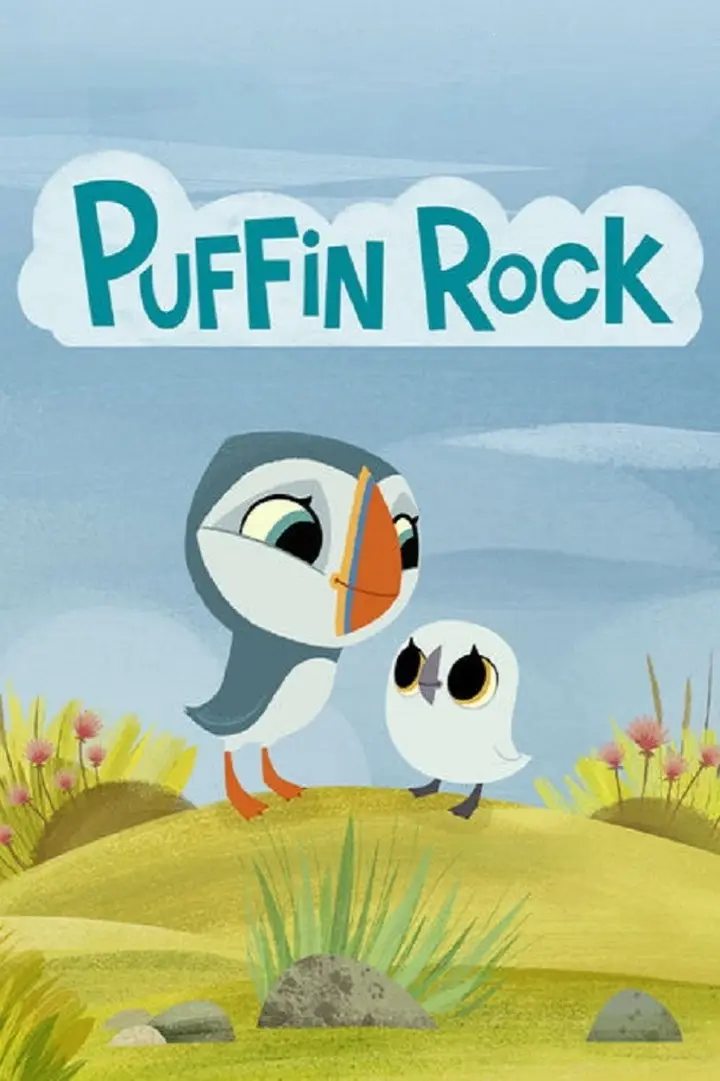
Puffin Rock
Oona and Baba explore island life through tides, weather, migration and animal behavior, keeping nature observation inside family stories. The slow pace and small discoveries make curiosity itself the main source of adventure.
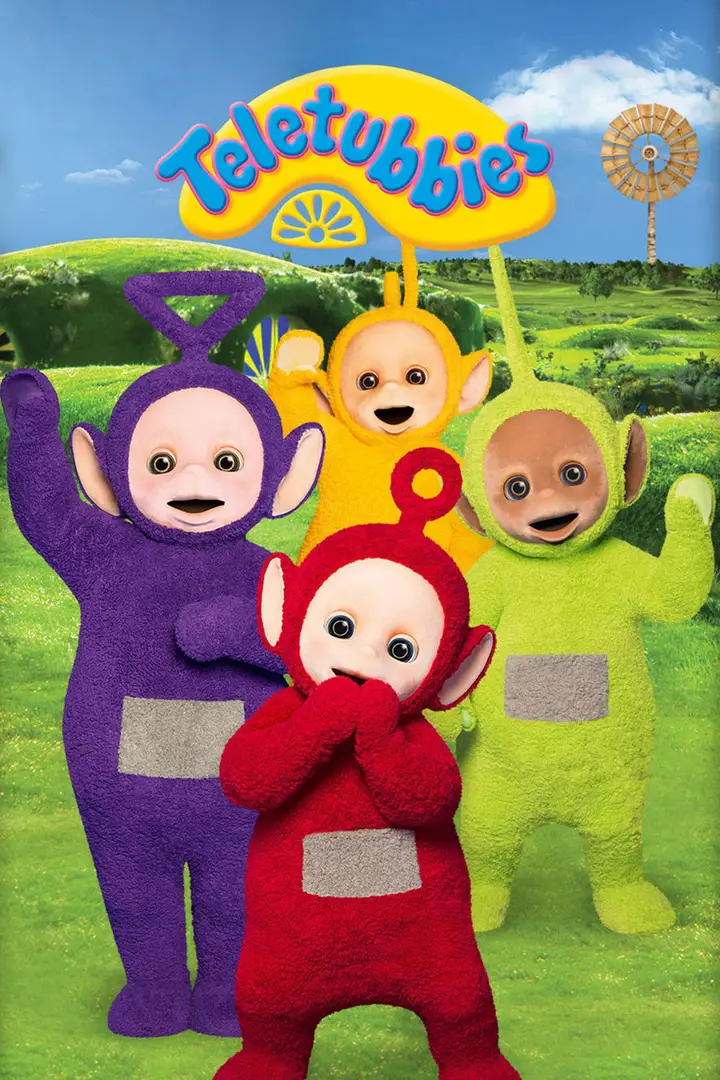
Teletubbies
Repetition, gestures, playful sounds and simple cause and effect create a viewing rhythm that very young children can understand without much plot. The familiar landscape and physical comedy make recognition and anticipation more important than narrative complexity.
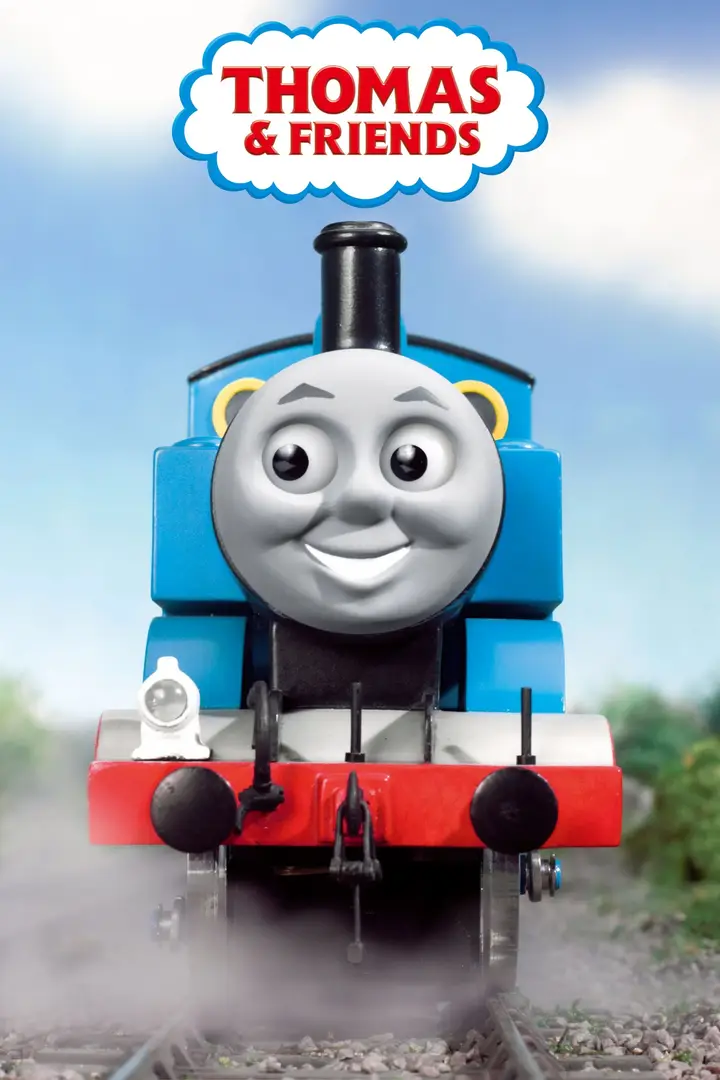
Thomas & Friends
Railway jobs turn responsibility into clear practical stories as Thomas and the other engines learn how one task affects the whole system. Distinct personalities make impatience, pride and cooperation easy for young children to recognize.
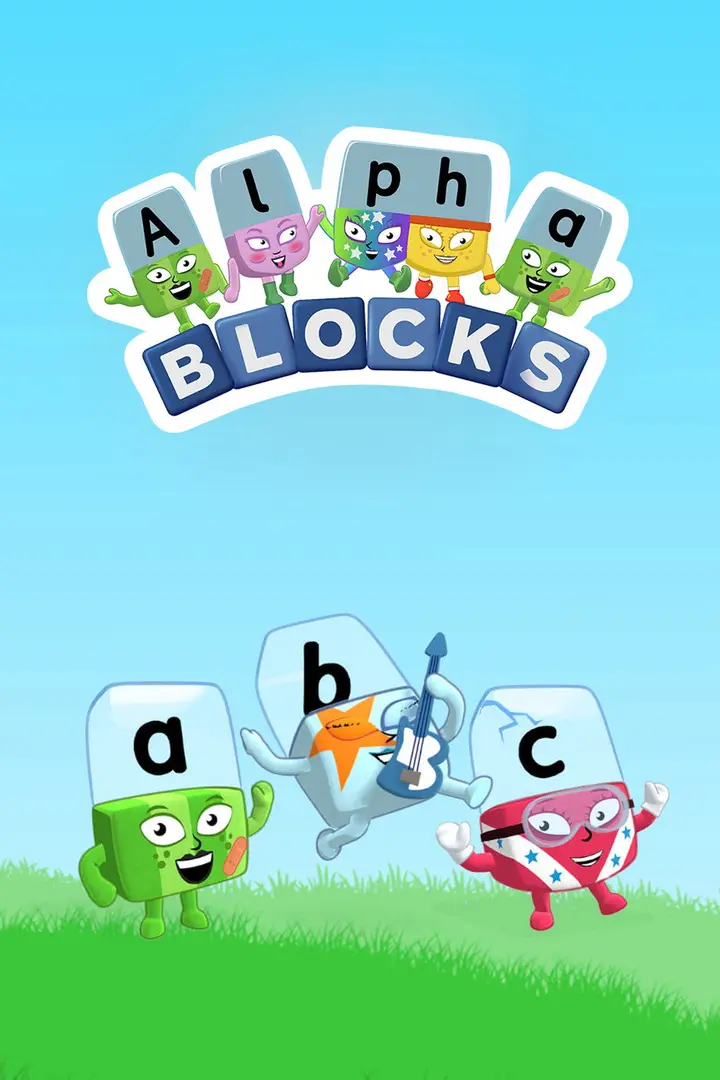
Alphablocks
Letters become characters who combine sounds into words, making phonics visible and memorable. Short episodes focus on one reading idea at a time, letting children hear how changing a letter changes the word.
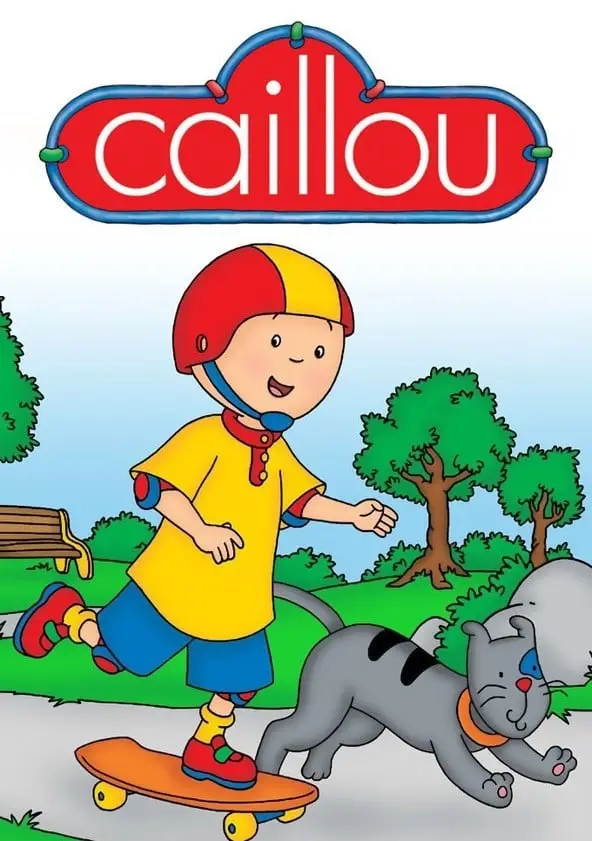
Caillou
Everyday preschool experiences stay close to Caillou’s point of view, making fears, jealousy, sharing and new routines easy to recognize. The simple pacing gives young viewers time to see how small problems are understood and resolved.
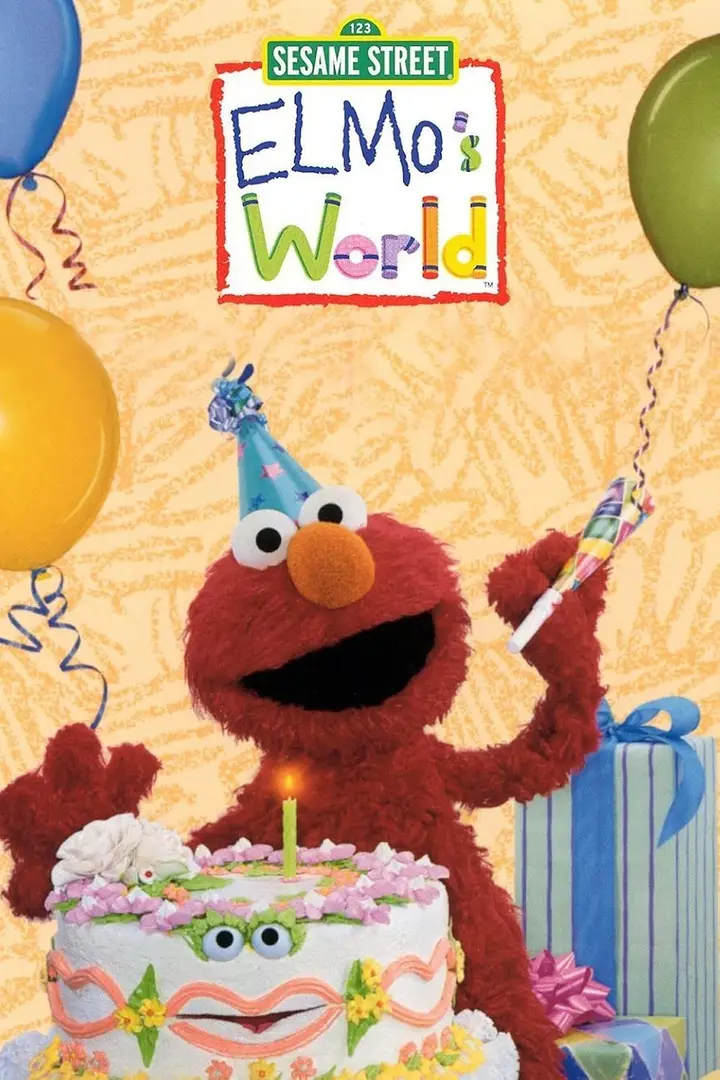
Elmo's World
Elmo learns the way toddlers do: by asking, looking and trying. The repeated structure lowers stress for very young viewers, and the clips of real children make each topic concrete.
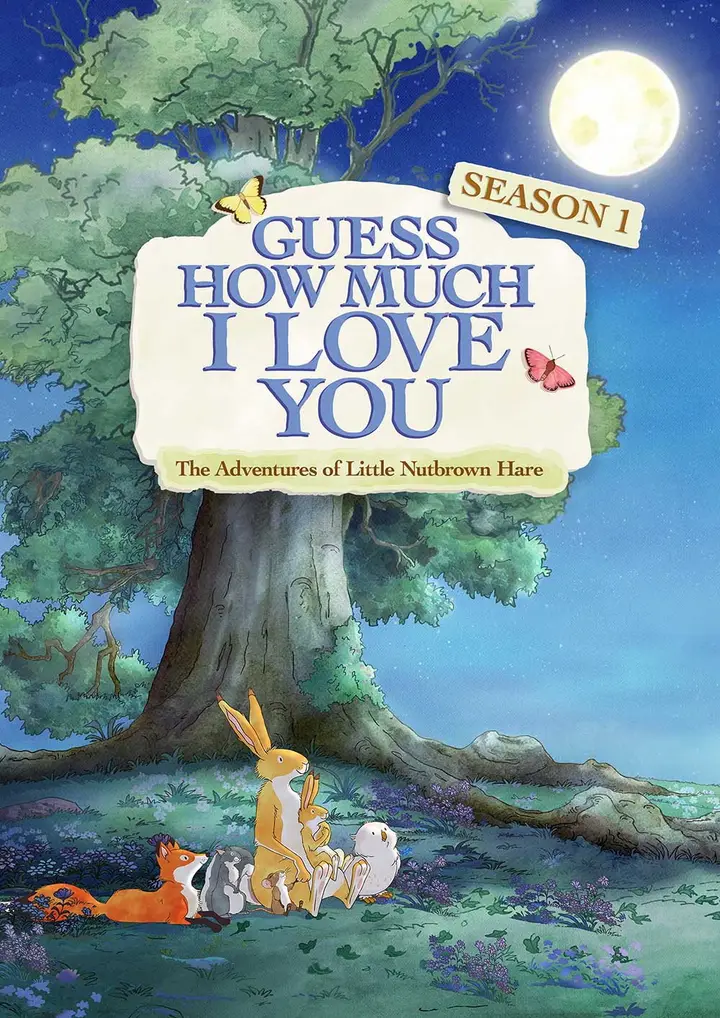
Guess How Much I Love You
Small countryside discoveries are built around affection, play and reassurance between Little Nutbrown Hare and Big Nutbrown Hare. The stories value connection over conflict, making nature, friendship and family bonds the main source of interest.
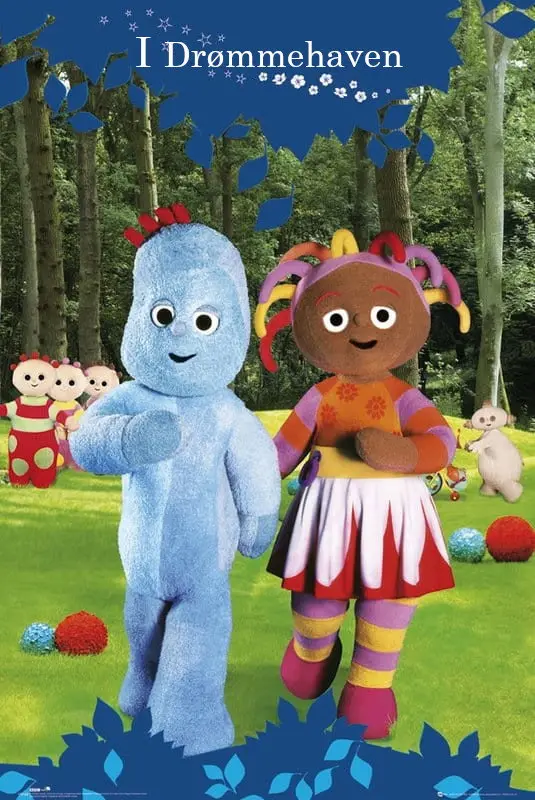
In the Night Garden
Songs, repeated phrases, familiar transitions and predictable farewells give each visit the structure of a bedtime ritual. The dreamlike garden works through recognition and routine, with characters moving through repeated patterns instead of a conventional quest.
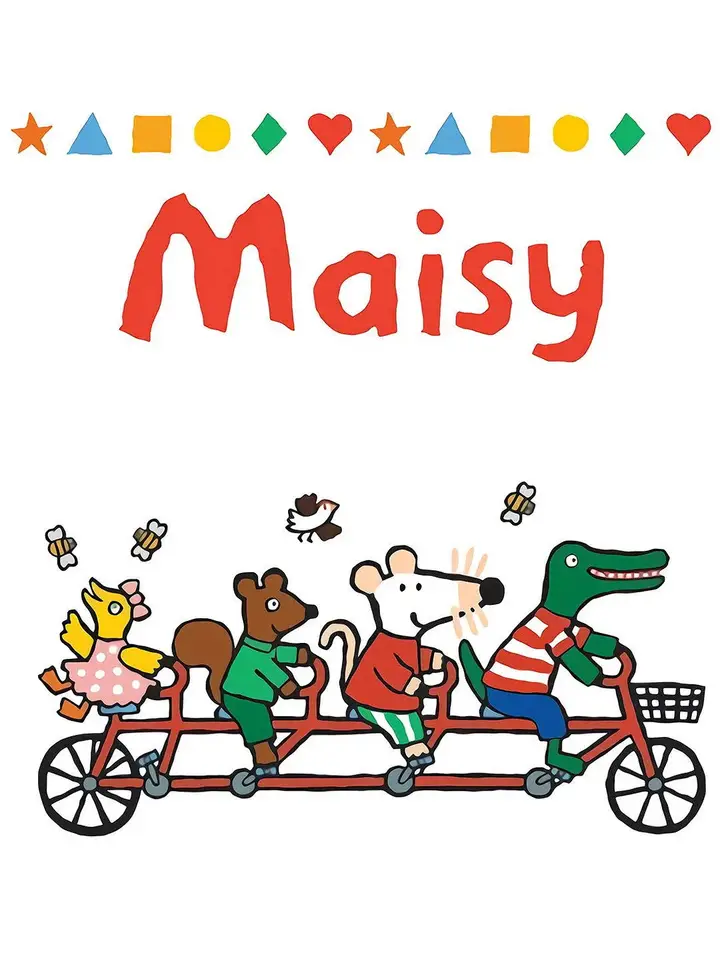
Maisy
Clear narration, uncluttered pictures and familiar routines keep attention on one child-sized activity at a time. Everyday play, outings and simple tasks become easy stories where recognition and participation matter more than suspense.
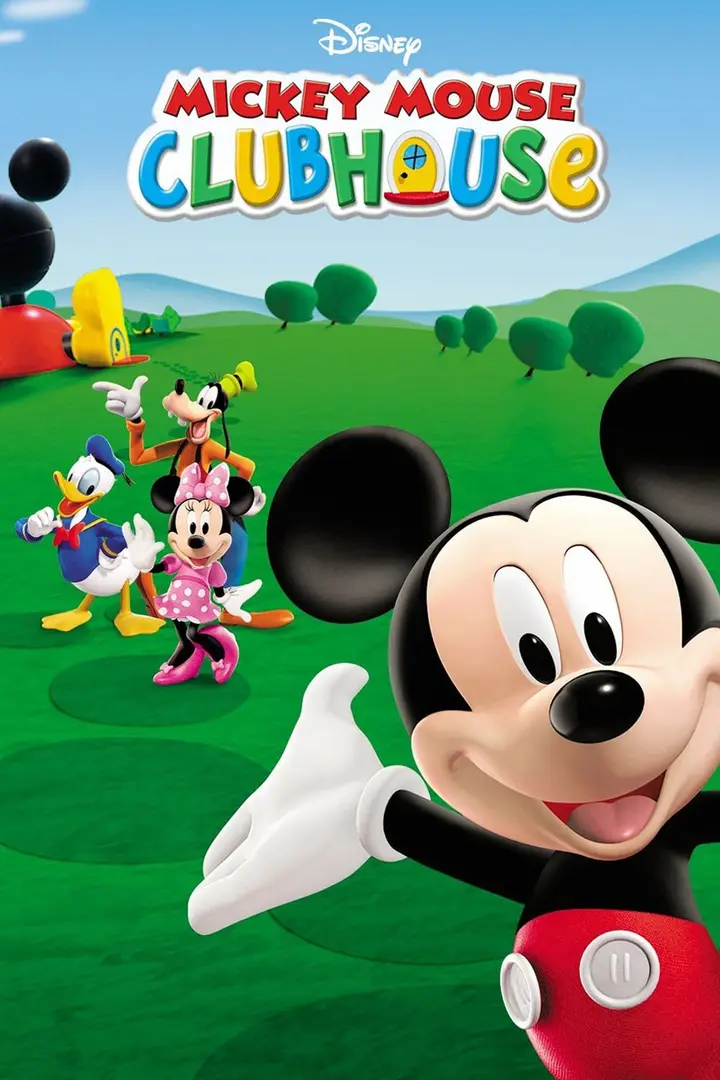
Mickey Mouse Clubhouse
Each episode starts with a practical problem and invites children to choose tools, identify patterns and follow steps toward a solution. Familiar characters and repetition make early problem-solving feel playful instead of instructional.
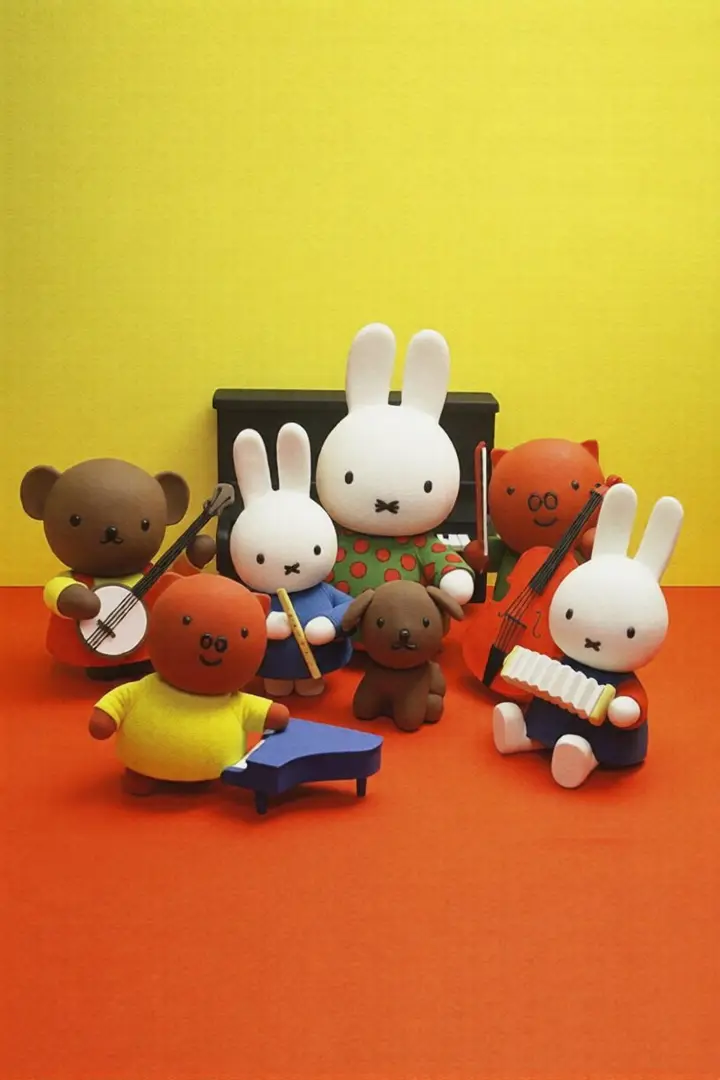
Miffy and Friends
Short stop-motion stories focus on one familiar activity at a time, using simple shapes and clear visual cause and effect. Miffy’s curiosity makes visiting, drawing or outdoor play easy to follow before children can manage dense dialogue.
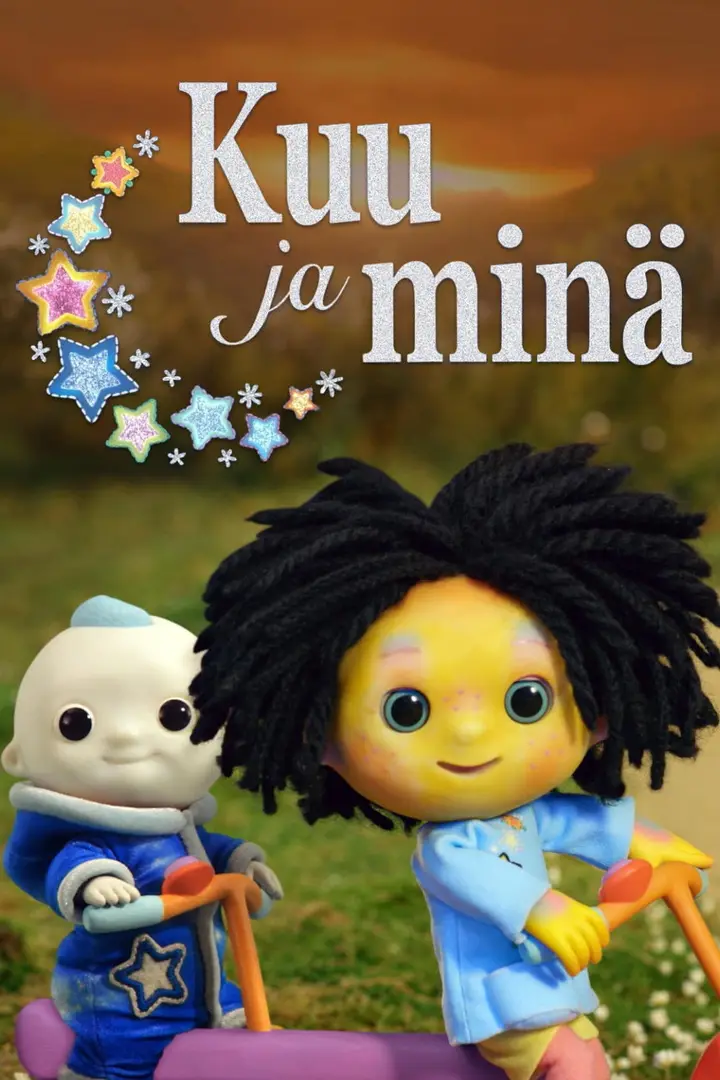
Moon and Me
Repeated songs, toy-house rituals and long pauses create predictable night-time sequences for very young viewers. Characters gather, objects arrive and the house settles again, making anticipation and recognition the main structure instead of a conventional plot.
Oswald
Big City feels welcoming because problems are solved through courtesy, patience and careful thought. Oswald’s literal observations, Weenie’s presence and the musical rhythm create comedy without requiring chaos or high-stakes conflict.
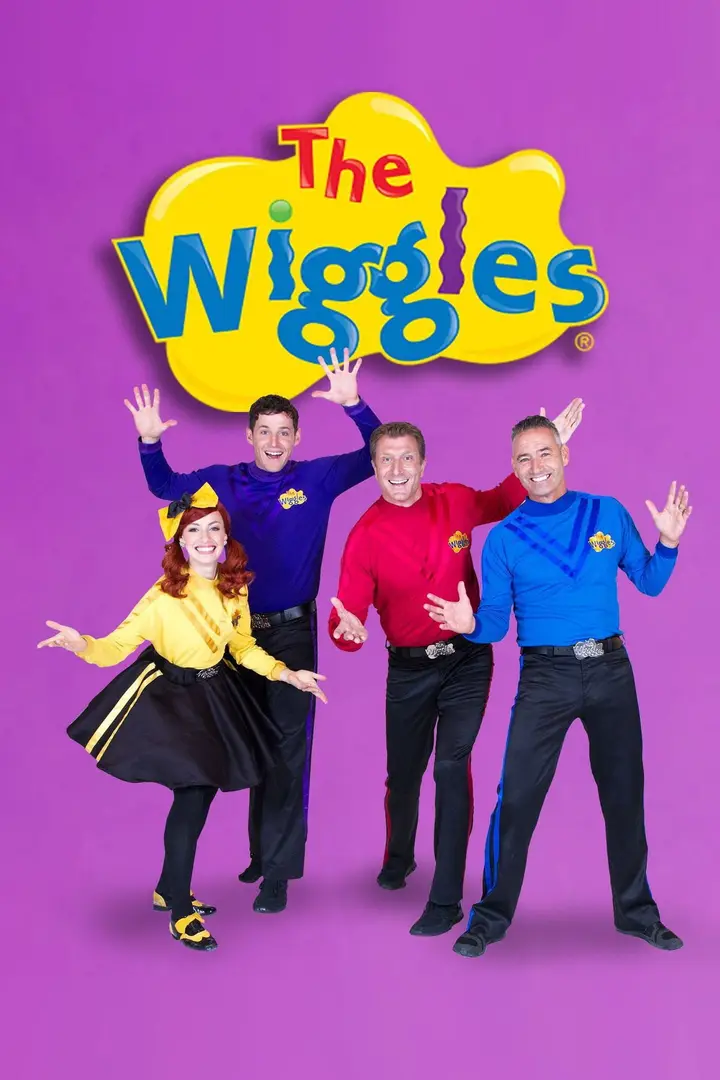
The Wiggles
Built by early-childhood educators, it turns screen time into active time: children copy the moves, count along and sing. Music supports language, rhythm and memory at this age.
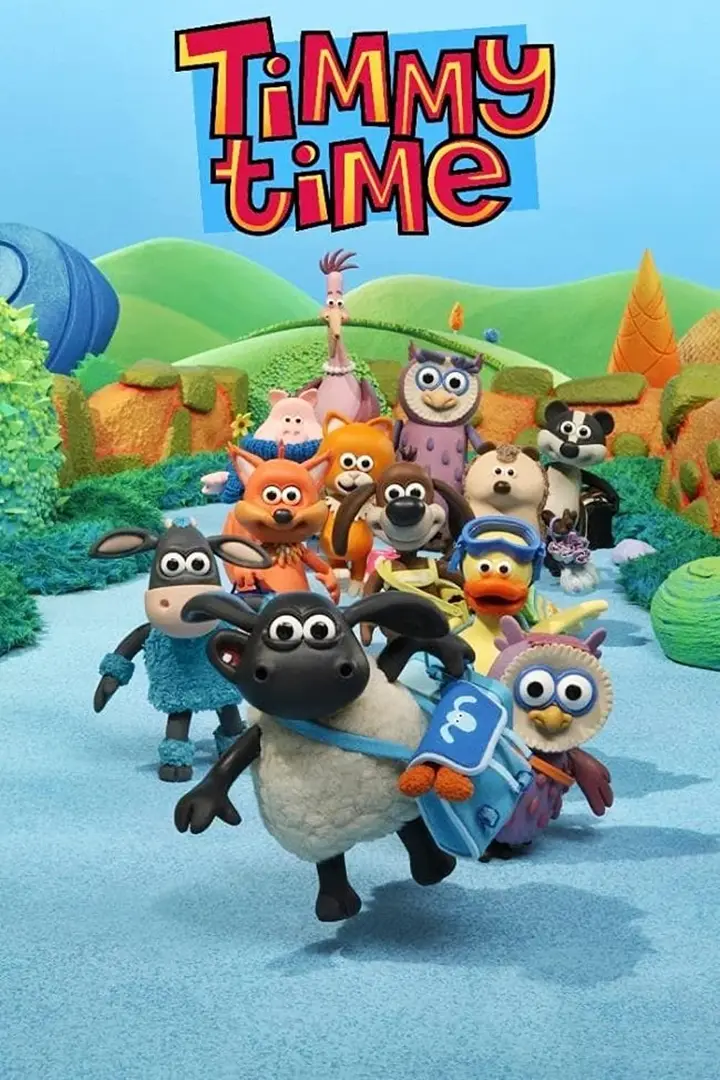
Timmy Time
Without conventional dialogue, Timmy’s nursery day is told through movement, expressions and simple social situations. Sharing, waiting, mistakes and cooperation become easy to read visually, making the preschool lessons feel part of play.
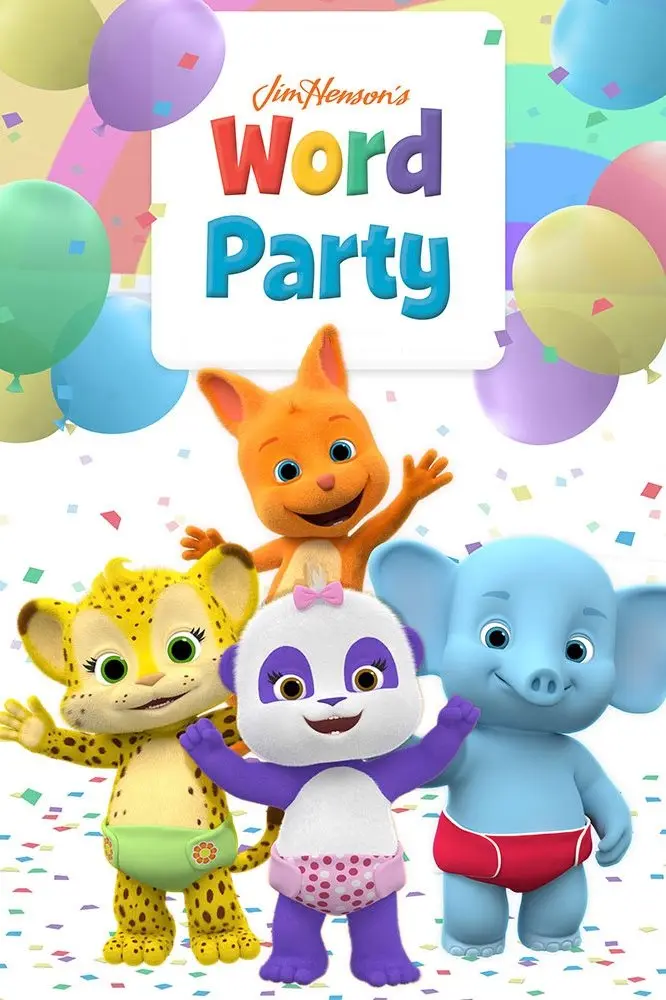
Word Party
Four baby animals learn alongside the audience, using songs, games and repetition to build early vocabulary. Because mistakes are treated as normal learning steps, participation feels encouraging instead of like a test.
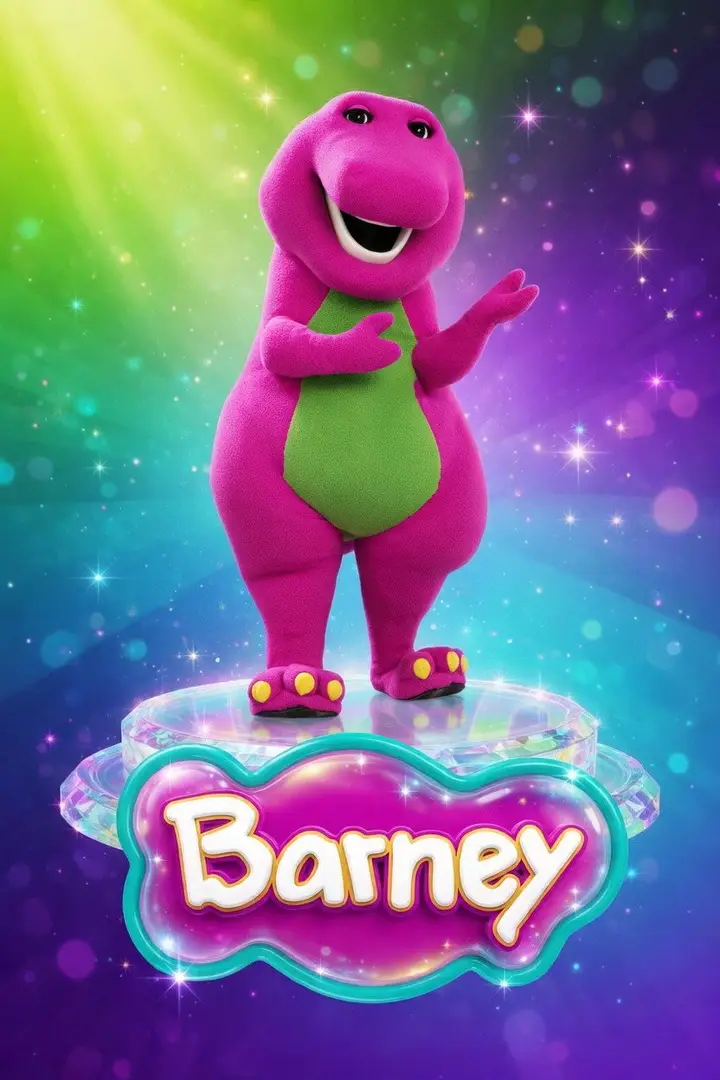
Barney & Friends
Songs, repetition and imaginative play invite children to participate with the group instead of watching passively. Everyday ideas about feelings, language, cooperation and turn-taking become visible through shared activities and predictable routines.
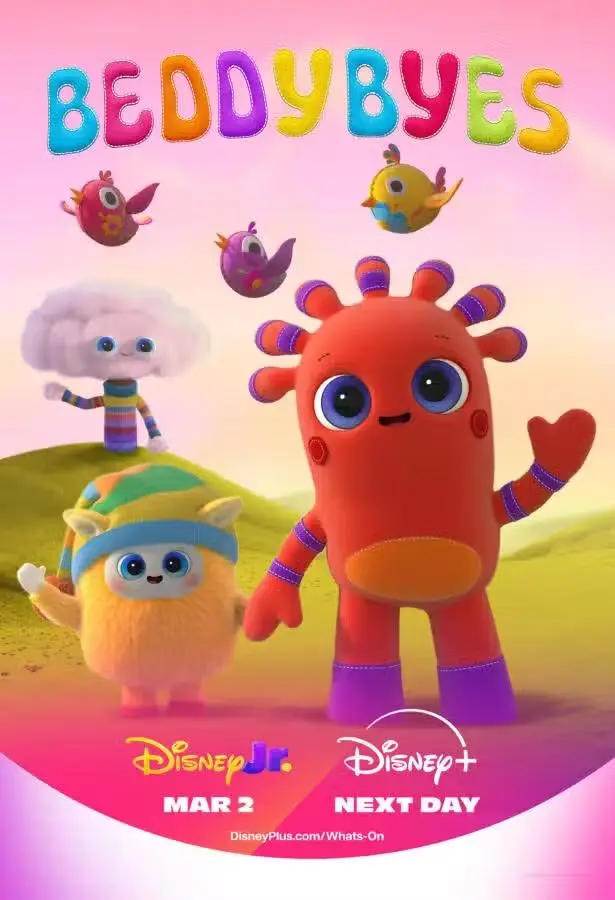
BeddyByes
Its pace deliberately slows rather than builds, using repetition and music to walk young viewers through the same calming bedtime sequence every single episode.

Blippi
Blippi shows real places and real machines rather than animated stand-ins, so toddlers can connect what they see on screen with the digger down the street or the animals at the farm. Repetition and simple naming build early vocabulary.
More Preschool Picks for Age 4
A broader age-4 set with more dialogue, pretend play, early learning, comedy and simple adventure for children ready to move beyond first-viewing formats.
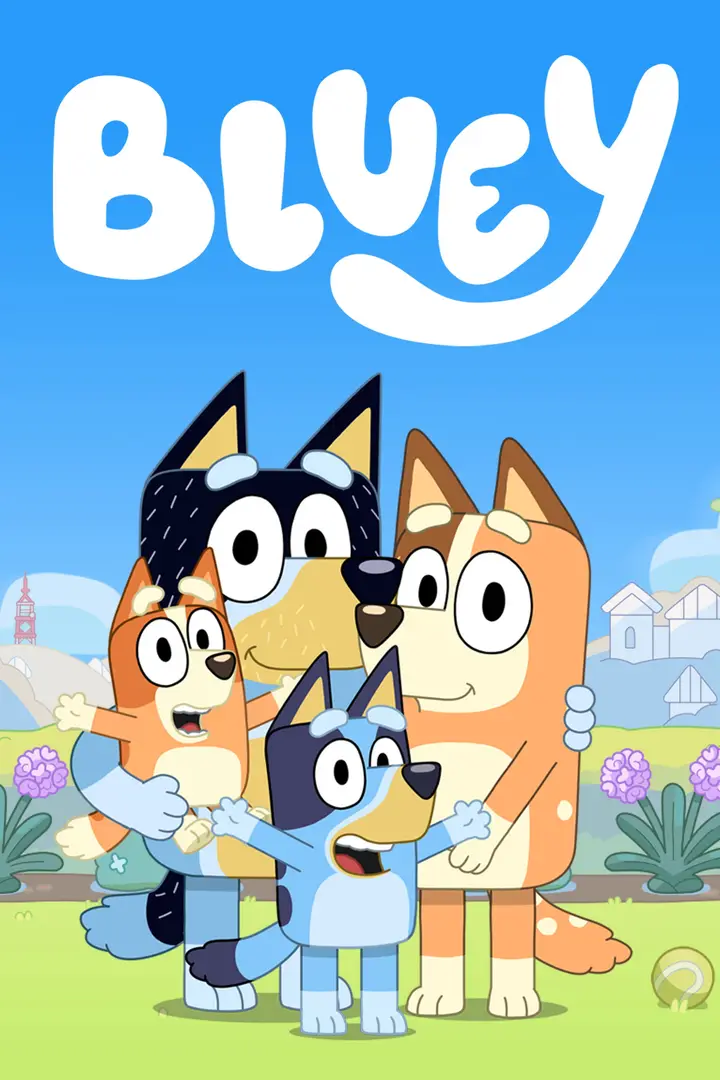
Bluey
Ordinary family moments become imaginative games with rules that change as Bluey and Bingo negotiate, improvise and learn. Short episodes observe childhood behavior closely while giving Bandit and Chilli believable limits as parents.
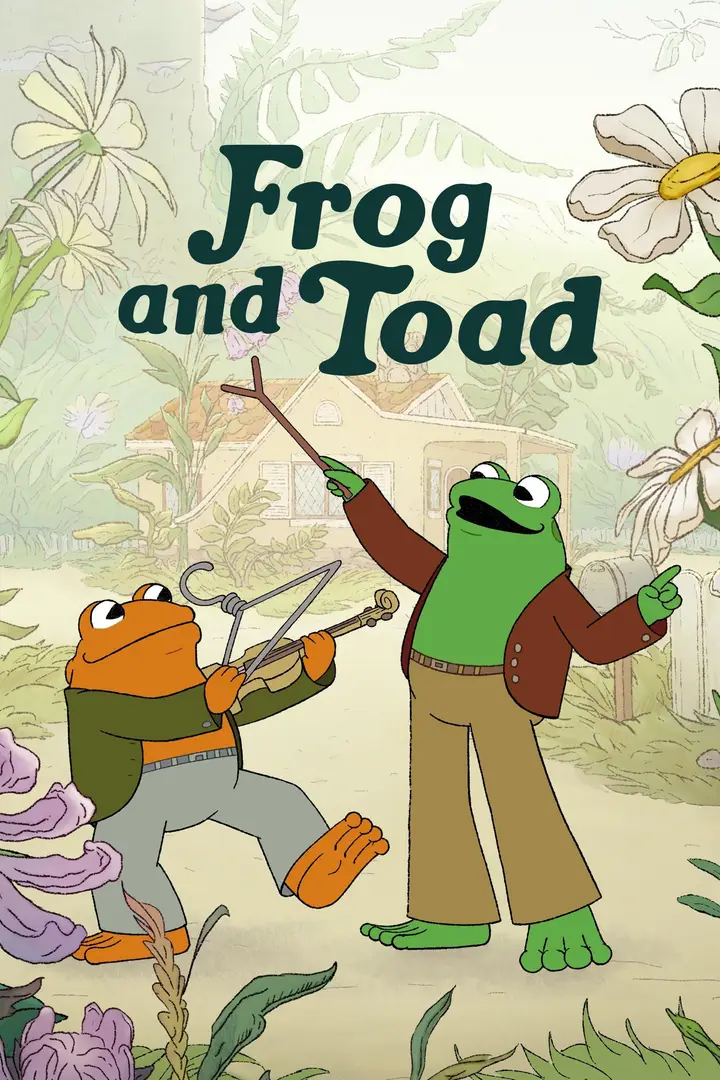
Frog and Toad
It preserves Arnold Lobel's understated humor and modest scale, finding real warmth in visits, small plans, and misunderstandings between two friends who don't need to be alike.
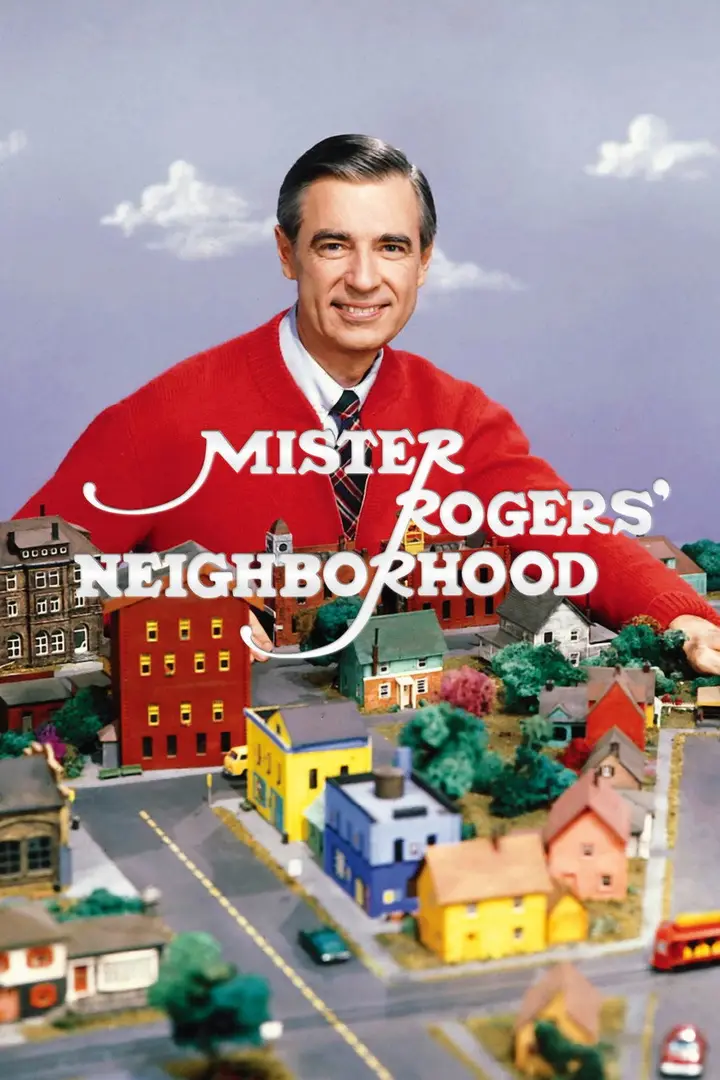
Mister Rogers' Neighborhood
Fred Rogers treats children’s questions and feelings with unusual respect, using direct conversation, real-world visits and Make-Believe stories to make everyday experiences understandable. The slow pace gives young viewers time to process rather than rushing toward stimulation.
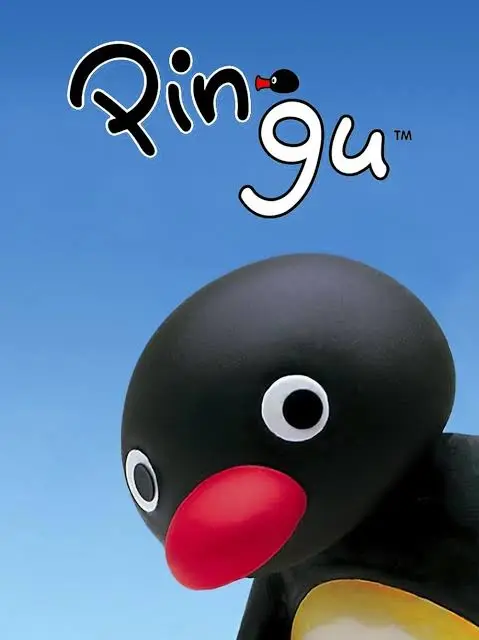
Pingu
Invented speech puts the emphasis on gesture, timing and visible reactions, letting children follow family life and comic mistakes without depending on vocabulary. Pingu’s expressive movement makes consequences clear through action instead of explanation.
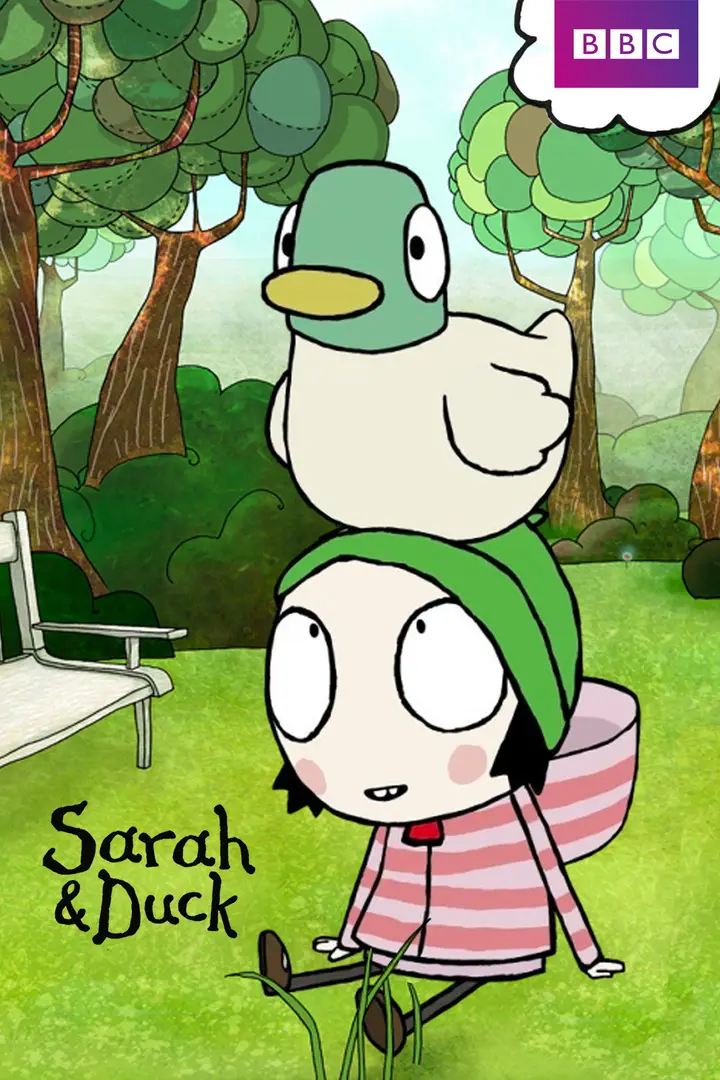
Sarah & Duck
Small everyday events turn into imaginative adventures without loud action or complicated plotting. Sarah’s practical curiosity, Duck’s companionship and the offbeat visual humor create a distinctive preschool rhythm built on observation.
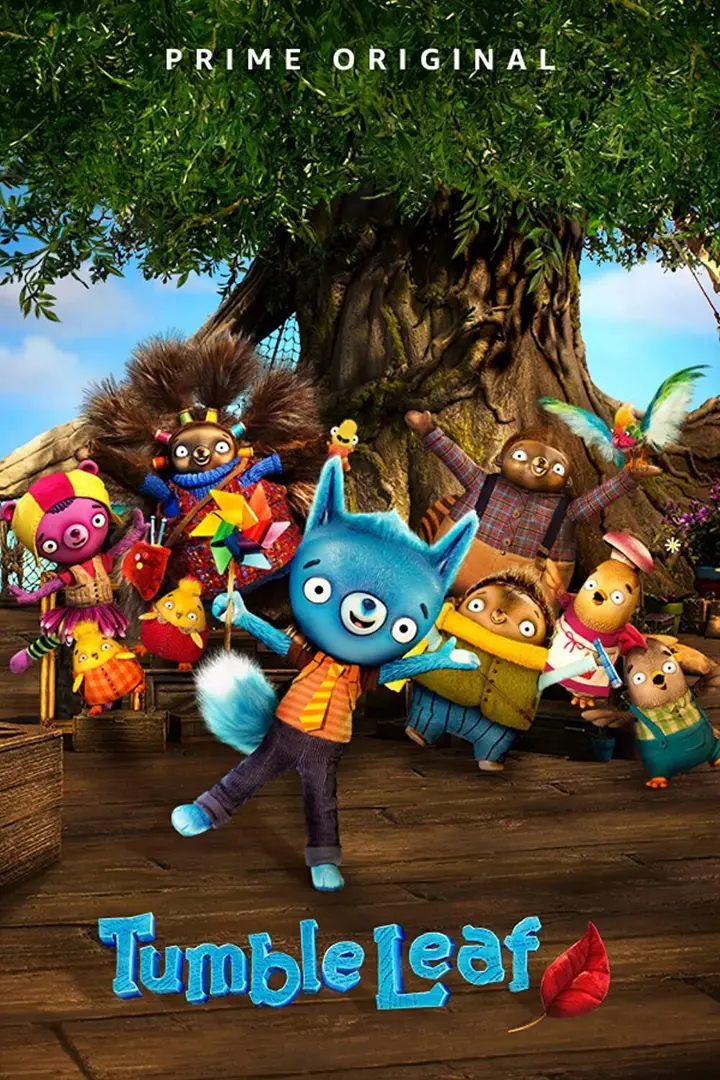
Tumble Leaf
Fig learns by observing, testing and changing his approach, so discovery grows directly from play. The stop-motion world gives objects and movement strong physical presence, making early scientific thinking easy to see.
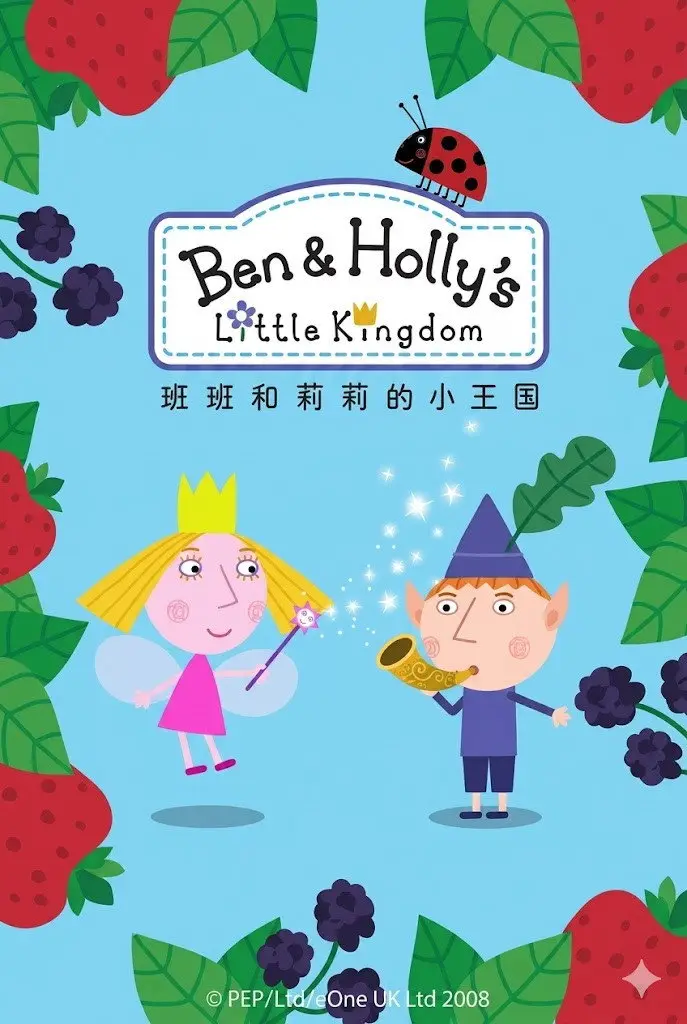
Ben & Holly's Little Kingdom
Magic and practical problem-solving constantly collide as Holly learns spells and Ben relies on elf skills and inventions. The contrast creates clear comedy while keeping friendship, family and everyday preschool situations at the center.
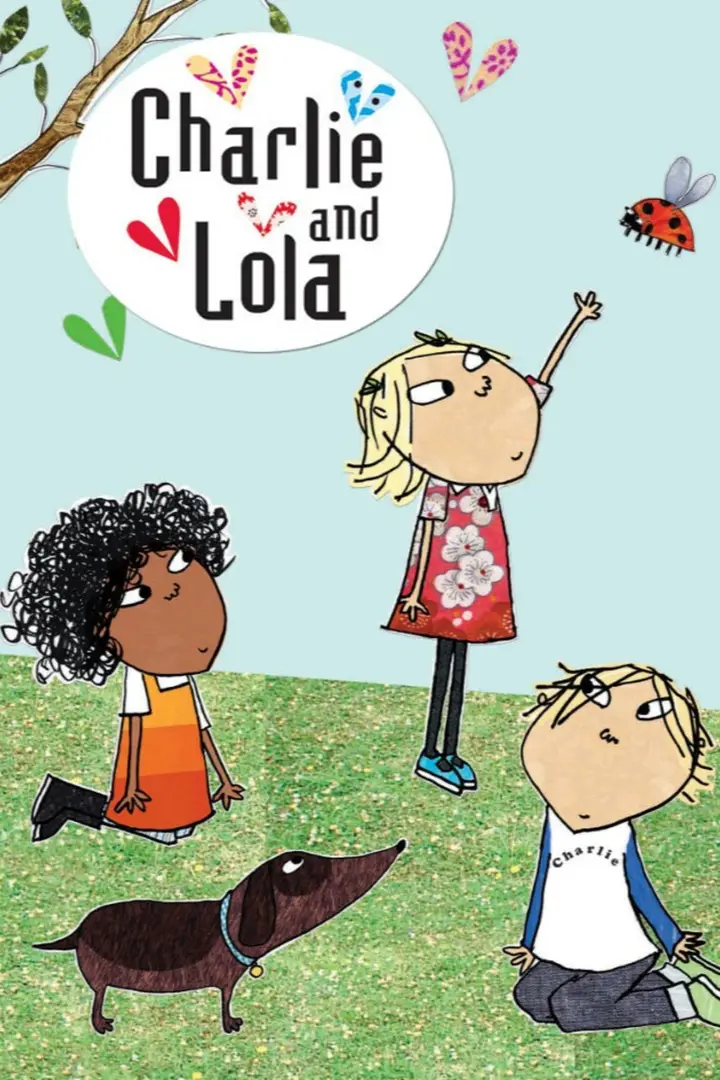
Charlie and Lola
Lola’s imagination gives ordinary preschool worries enormous visual life, while Charlie responds with patience instead of forcing solutions. Their sibling relationship makes trying food, starting school and handling change feel safe enough to explore.
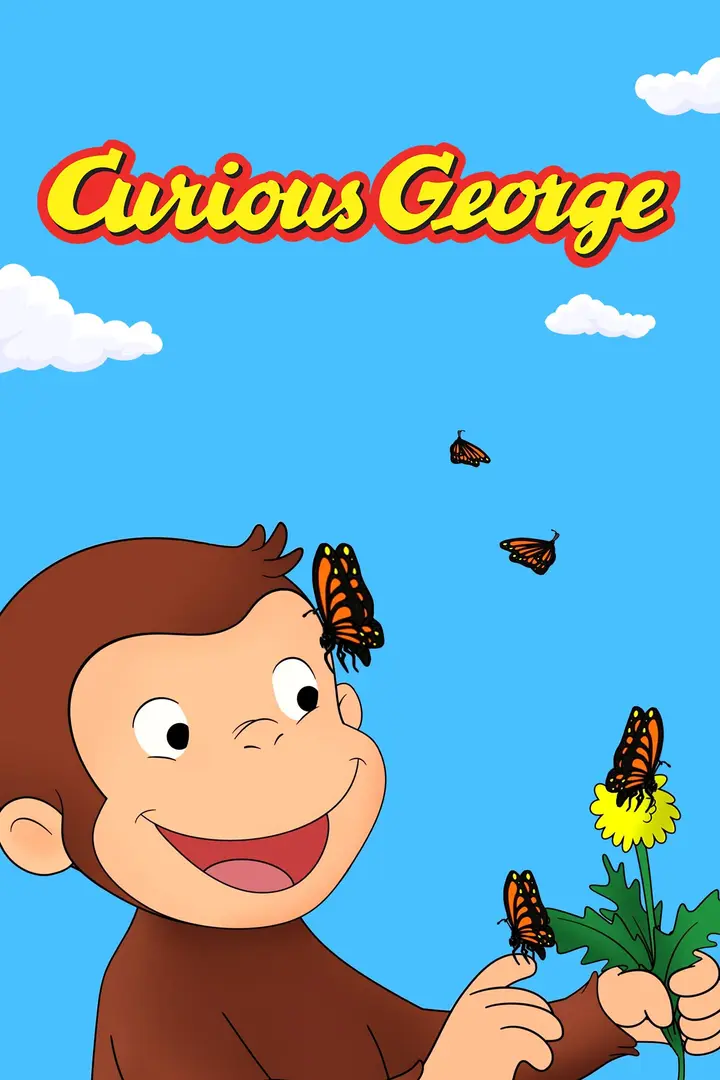
Curious George
George’s curiosity turns ordinary objects, machines and environments into practical experiments. He makes mistakes, observes what happened and adjusts his approach, showing problem-solving as an active process built on attention and persistence.
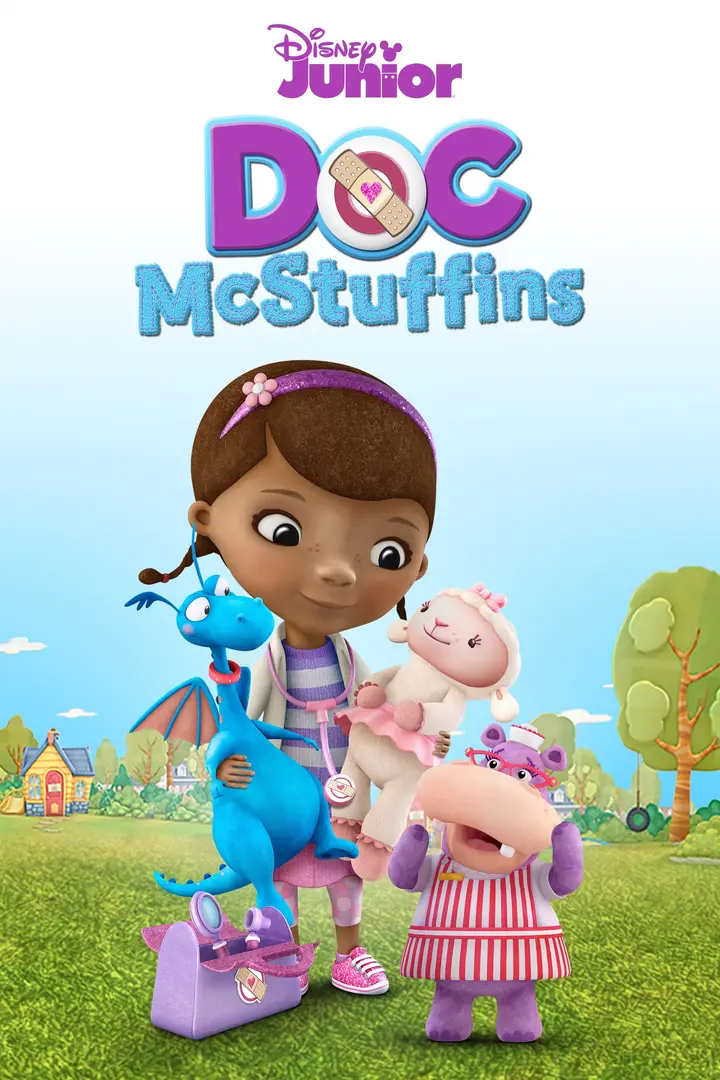
Doc McStuffins
Medical routines become reassuring role-play as Doc listens, examines and explains what each toy needs. The clinic structure gives preschoolers clear steps for checkups, hygiene and asking for help when something hurts.
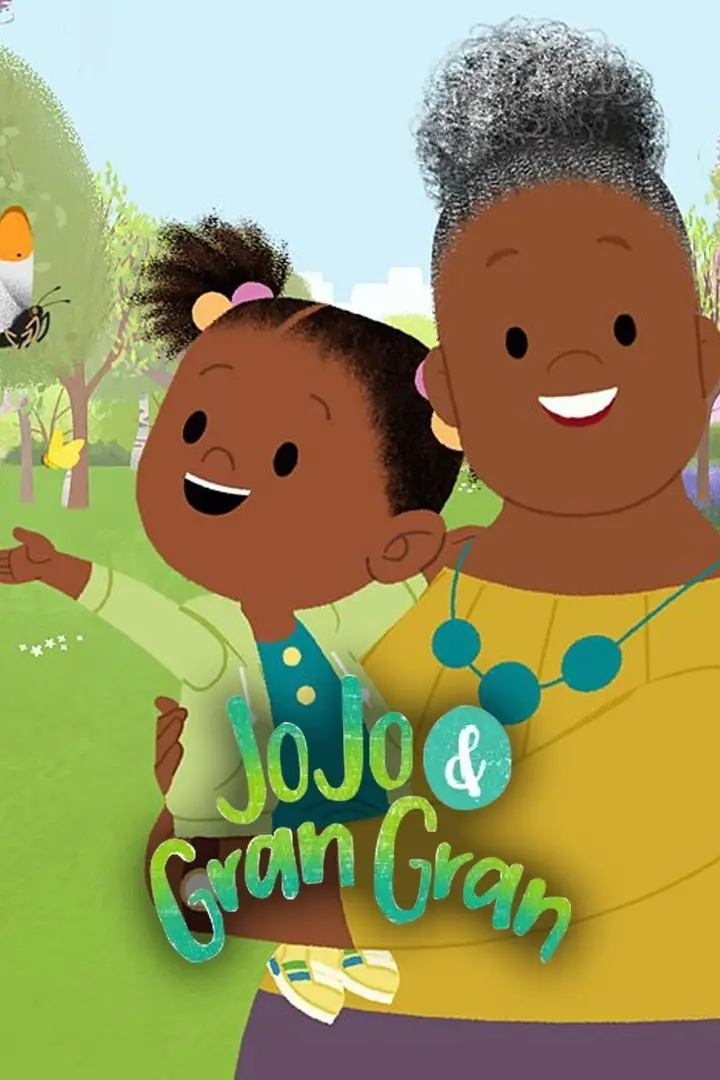
JoJo & Gran Gran
Everyday outings, cooking and family celebrations let Gran Gran connect JoJo’s questions with lived experience and British Caribbean traditions. Their conversations show how knowledge, culture and practical skills can pass naturally through an intergenerational relationship.
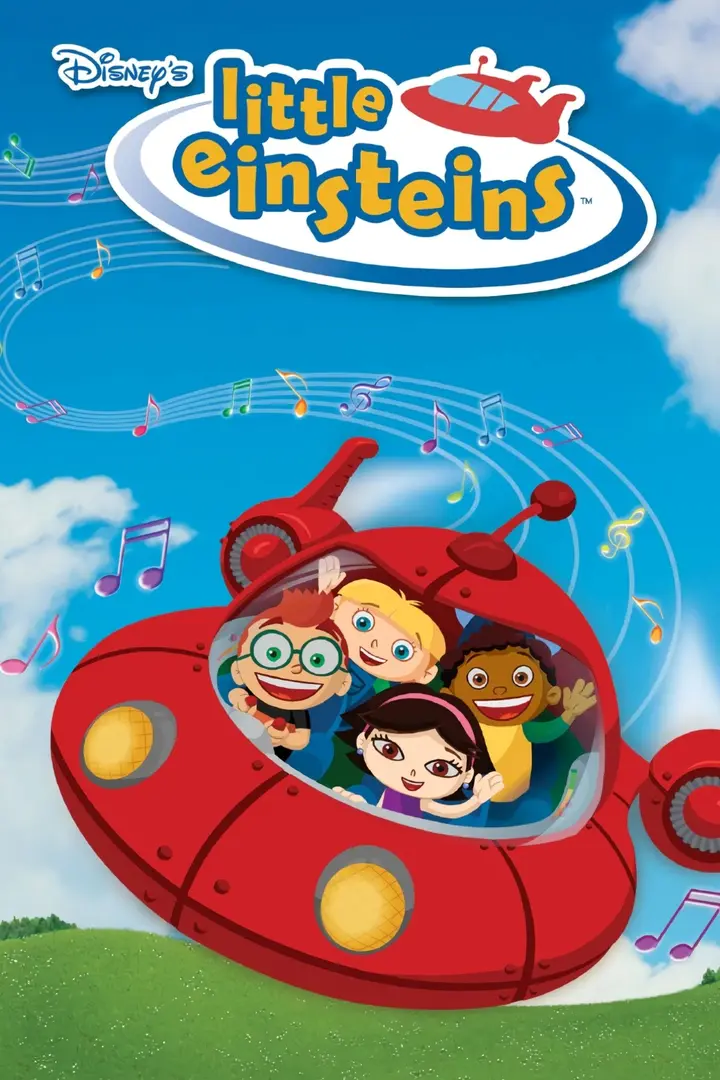
Little Einsteins
Interactive missions make classical music, visual art, rhythm and movement active parts of the story. Leo, June, Quincy and Annie invite children to listen, observe patterns and participate, making the arts feel practical and playful.
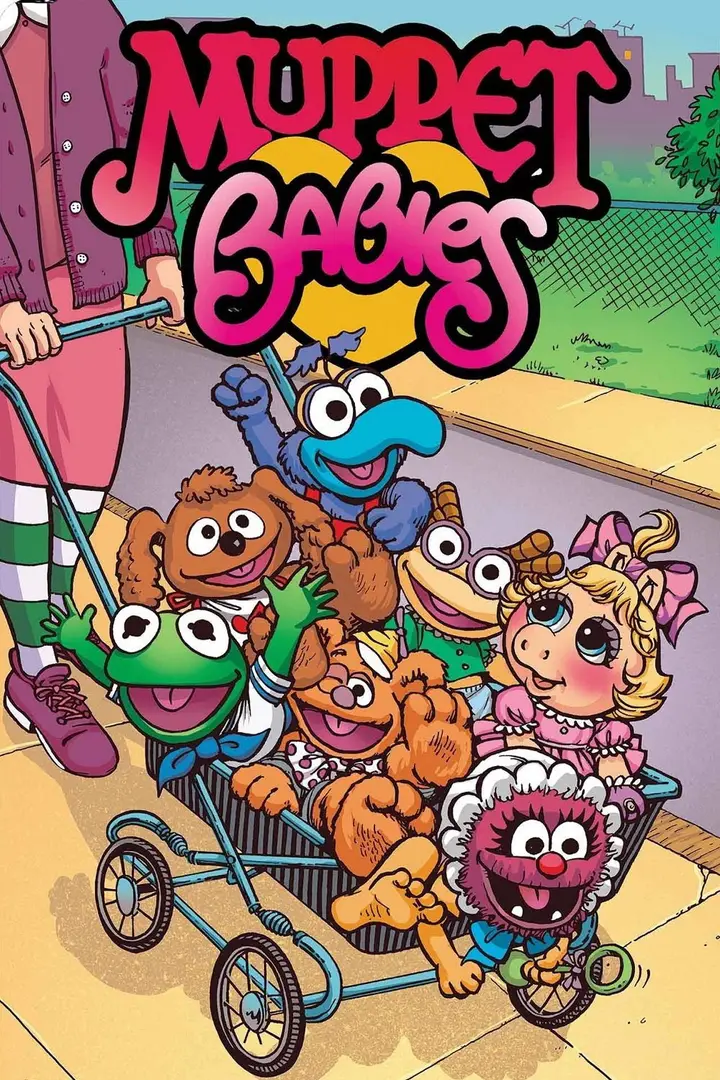
Muppet Babies
Ordinary nursery objects become spaceships, jungles and adventure settings through shared pretend play. The Muppet Babies negotiate ideas, disagree and build stories together, showing imagination as a social and collaborative activity.
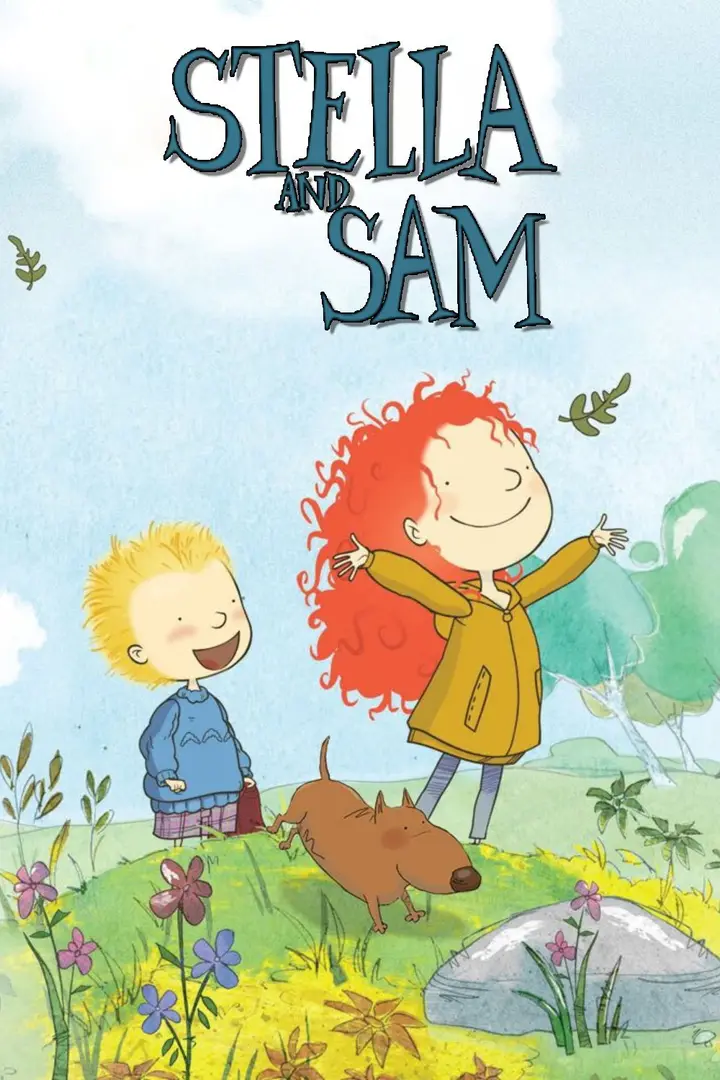
Stella and Sam
Sam’s questions and Stella’s imaginative answers turn outdoor play into discovery without leaving everyday surroundings. Watercolor-like images, pauses and sibling conversation make observation central, so imagination grows directly from noticing the world around them.
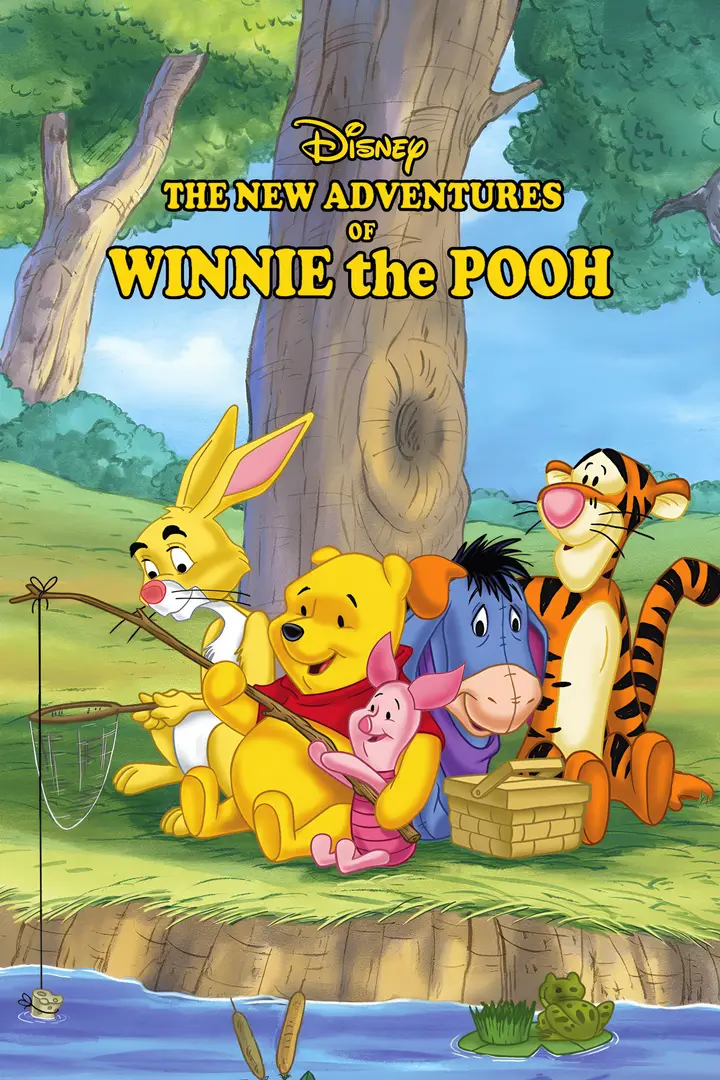
The New Adventures of Winnie the Pooh
Tiny misunderstandings become imaginative expeditions while the Hundred Acre Wood keeps every story familiar and secure. Pooh, Piglet, Tigger and their friends model different temperaments, giving friendship and patience clear everyday meaning.
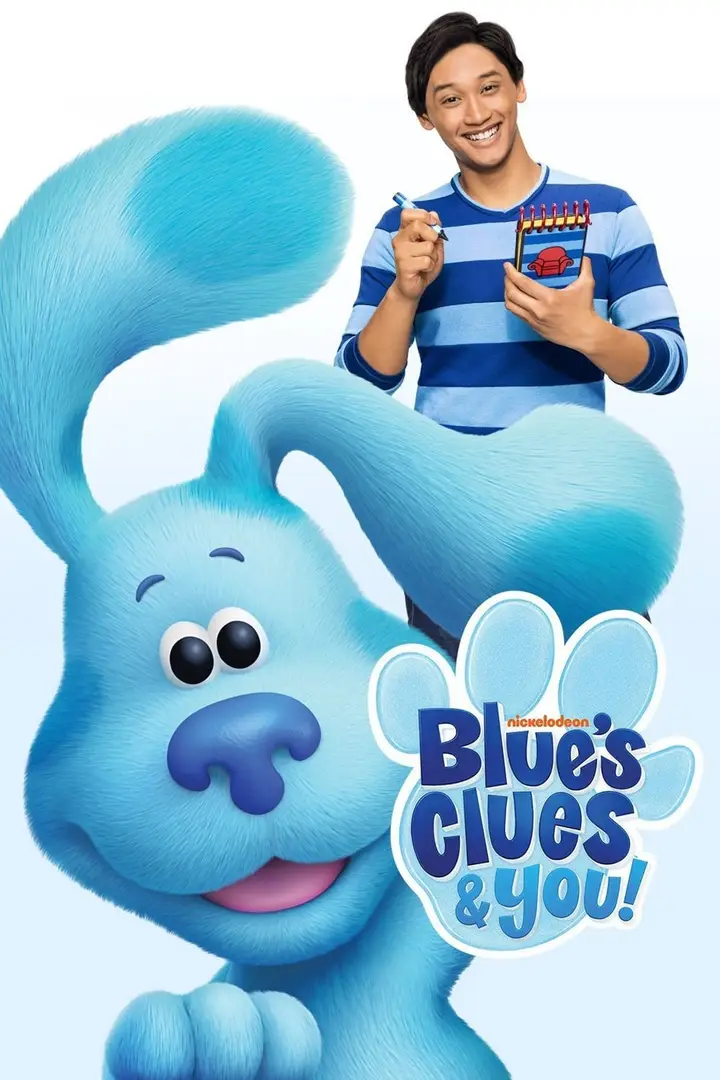
Blue's Clues & You!
The familiar clue-solving format preserves pauses, repetition and direct participation while updating the presentation. Three paw prints guide each story, giving preschoolers a predictable process for speaking, counting, identifying patterns and drawing conclusions.
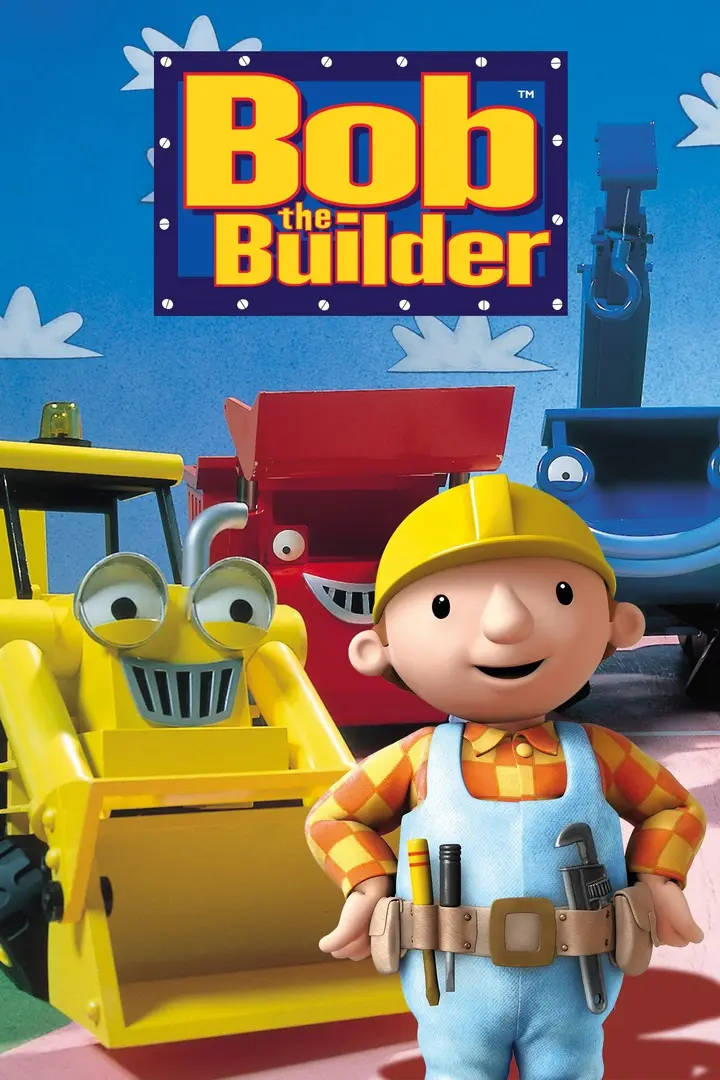
Bob the Builder
Construction jobs create practical problems that need planning, persistence and teamwork before anything is finished. Bob, Wendy and the talking vehicles show that mistakes can be corrected by slowing down, asking for help and trying again.
Questions parents ask
What are good first TV shows for a 2- or 3-year-old?
Use the First TV section before the full preschool list. It contains 31 TFFC titles with Recommended Age 3 or below, including Blue’s Clues, Mickey Mouse Clubhouse, Alphablocks, Numberblocks, and Hey Duggee. The goal is to give families a smaller, age-led starting set instead of treating one show as the universal first choice.
How did TFFC choose the preschool list?
The rule is intentionally transparent: non-anime series with a TFFC Recommended Age of 4 or below qualify for the preschool guide. Titles at Recommended Age 3 or below make up the First TV section. The page is ordered by age readiness, not popularity, platform, or release date.
Does “educational” automatically mean suitable for preschoolers?
No. Learning value and age suitability are separate questions. A show can teach science, vocabulary, or social skills and still ask for more attention, narrative memory, or intensity tolerance than a younger preschooler has. TFFC keeps Educational and Preschool as overlapping guides instead of treating one label as a shortcut for the other.


