
First TV Shows for Ages 2–3: Where to Start
Familiar routines, clear storytelling and manageable episodes for children beginning their TV journey.
First TV Shows for Ages 2–3: Where to Start
For children just beginning to follow television, this is the shortest route into the preschool catalog: 31 picks with TFFC Recommended Age 3 or below. They favor clear visual storytelling, familiar routines, repetition and manageable episode structures, giving families a practical place to start before exploring the wider preschool guide.
Find the right series
Choose one band. Results show age-relevant series approved by our editors: those whose Minimum-to-Recommended age span overlaps the band, plus individually approved favorites. The Recommended Age is a starting point, not a maximum.
More filters and sort
No series in this guide match this age.
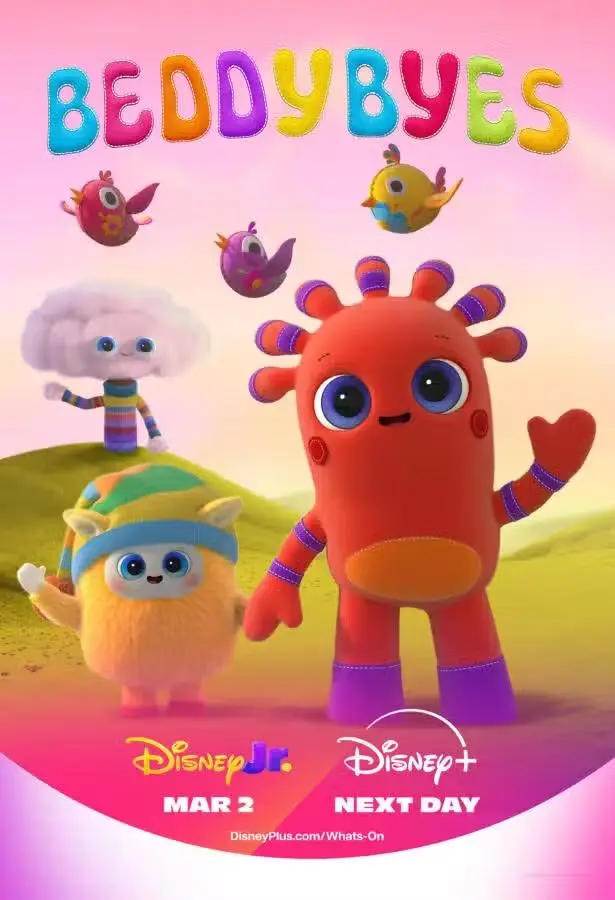
BeddyByes
Its pace deliberately slows rather than builds, using repetition and music to walk young viewers through the same calming bedtime sequence every single episode.
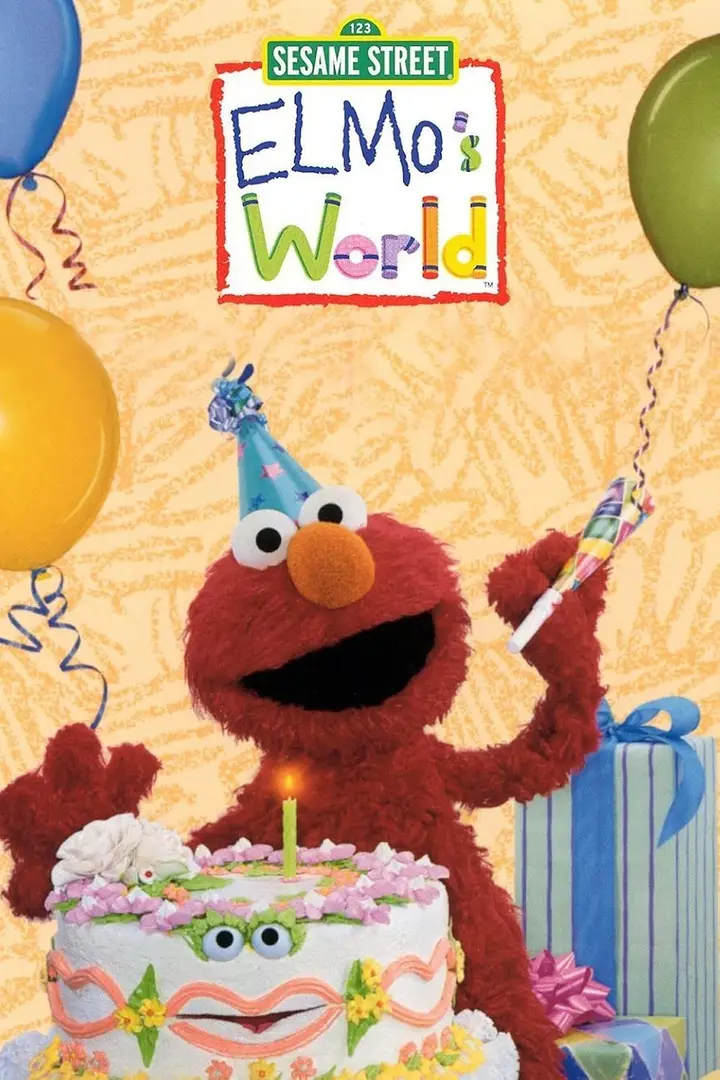
Elmo's World
Elmo learns the way toddlers do: by asking, looking and trying. The repeated structure lowers stress for very young viewers, and the clips of real children make each topic concrete.
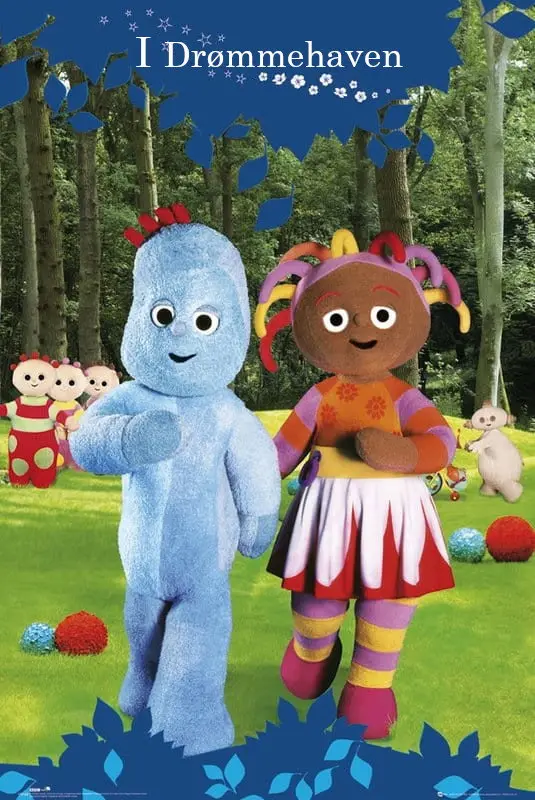
In the Night Garden
Songs, repeated phrases, familiar transitions and predictable farewells give each visit the structure of a bedtime ritual. The dreamlike garden works through recognition and routine, with characters moving through repeated patterns instead of a conventional quest.
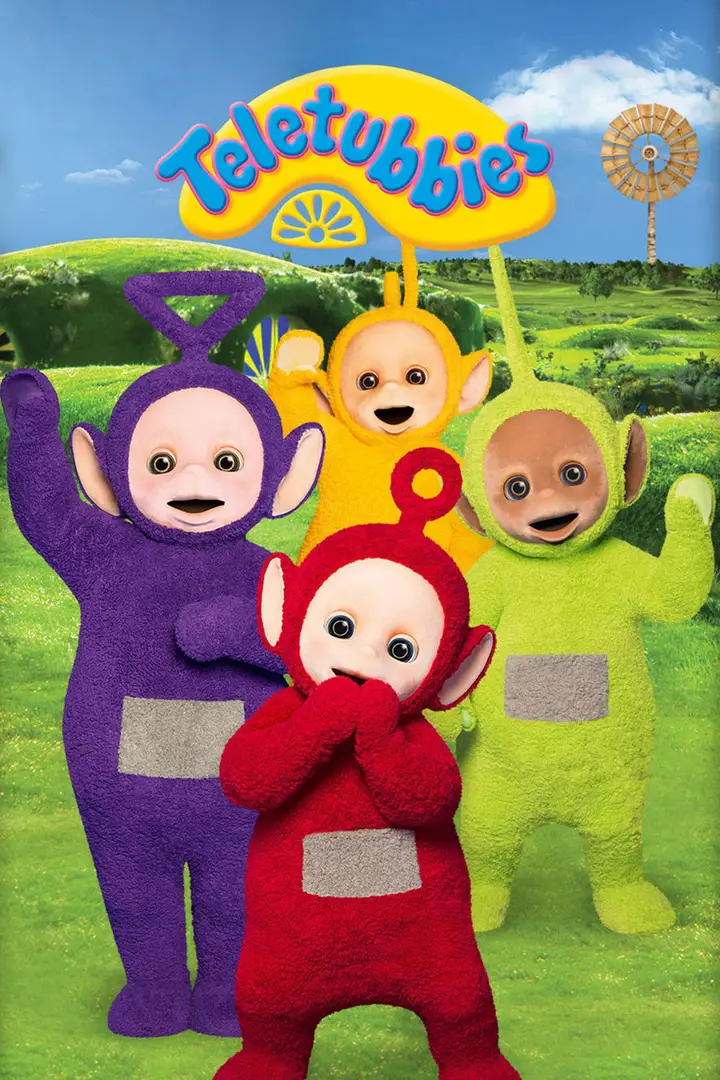
Teletubbies
Repetition, gestures, playful sounds and simple cause and effect create a viewing rhythm that very young children can understand without much plot. The familiar landscape and physical comedy make recognition and anticipation more important than narrative complexity.
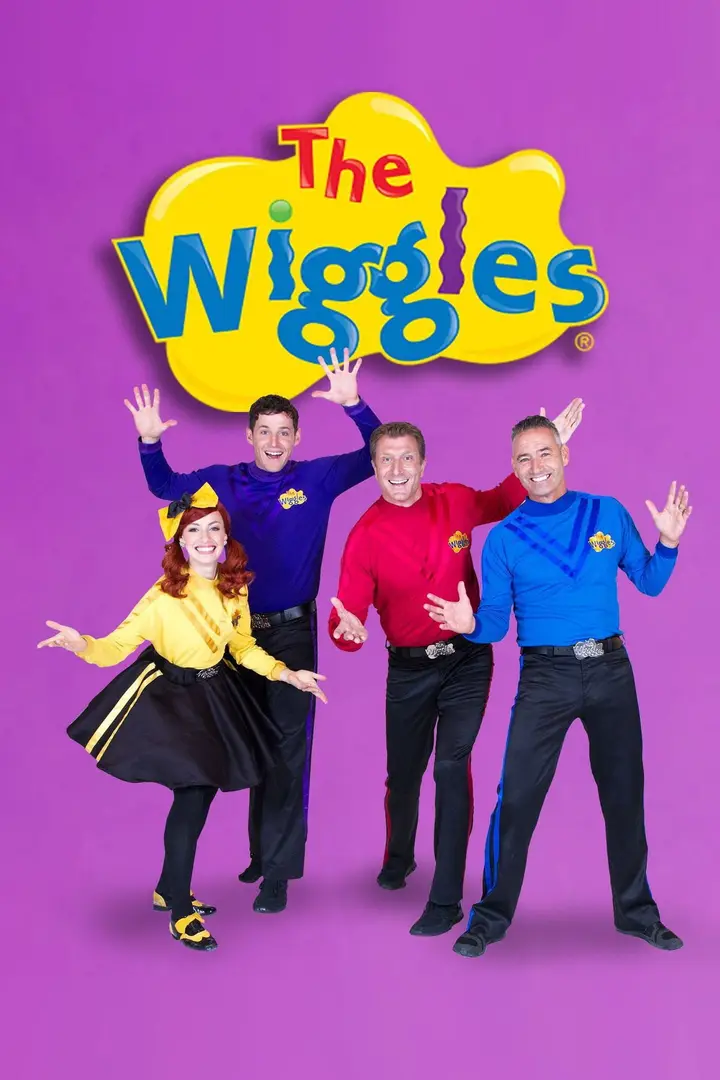
The Wiggles
Built by early-childhood educators, it turns screen time into active time: children copy the moves, count along and sing. Music supports language, rhythm and memory at this age.
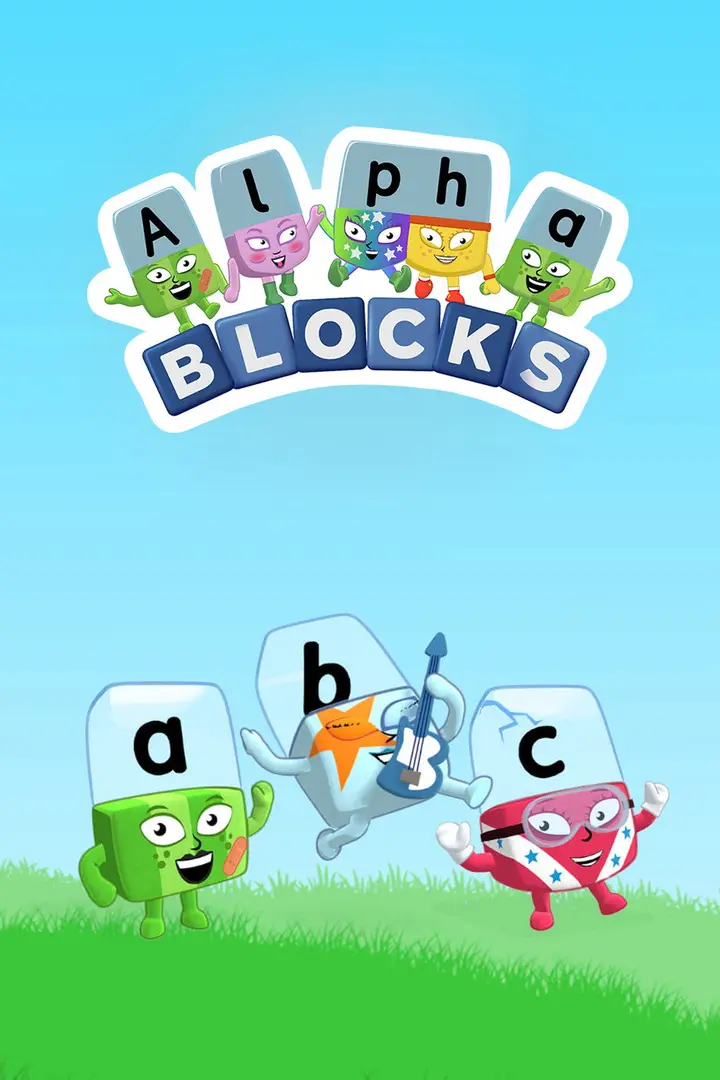
Alphablocks
Letters become characters who combine sounds into words, making phonics visible and memorable. Short episodes focus on one reading idea at a time, letting children hear how changing a letter changes the word.
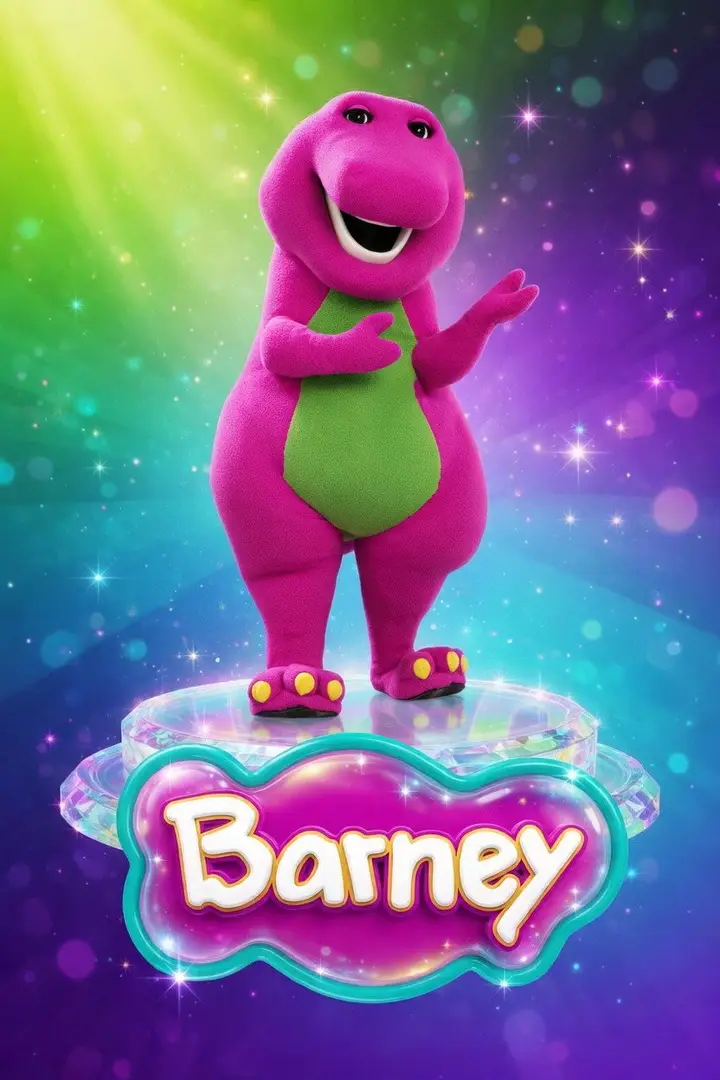
Barney & Friends
Songs, repetition and imaginative play invite children to participate with the group instead of watching passively. Everyday ideas about feelings, language, cooperation and turn-taking become visible through shared activities and predictable routines.
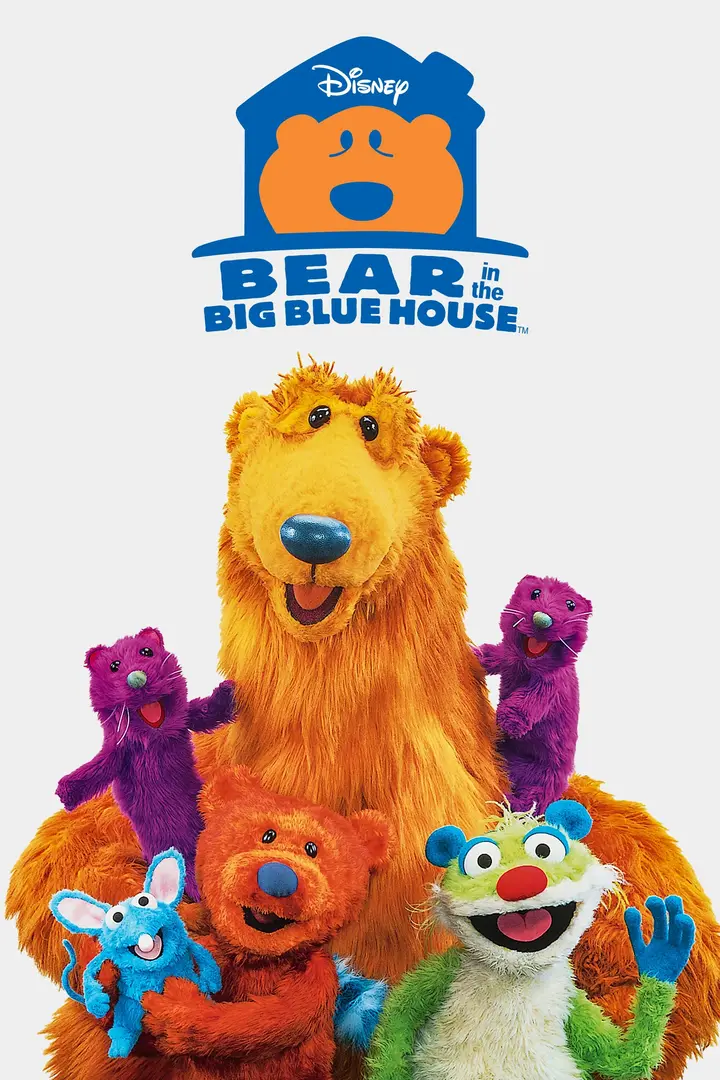
Bear in the Big Blue House
Songs, direct address and familiar housemates make preschool learning feel participatory. Bear guides conversations about feelings, routines and considerate behavior, while the recurring closing exchange with Luna gives each episode a reassuring shape.
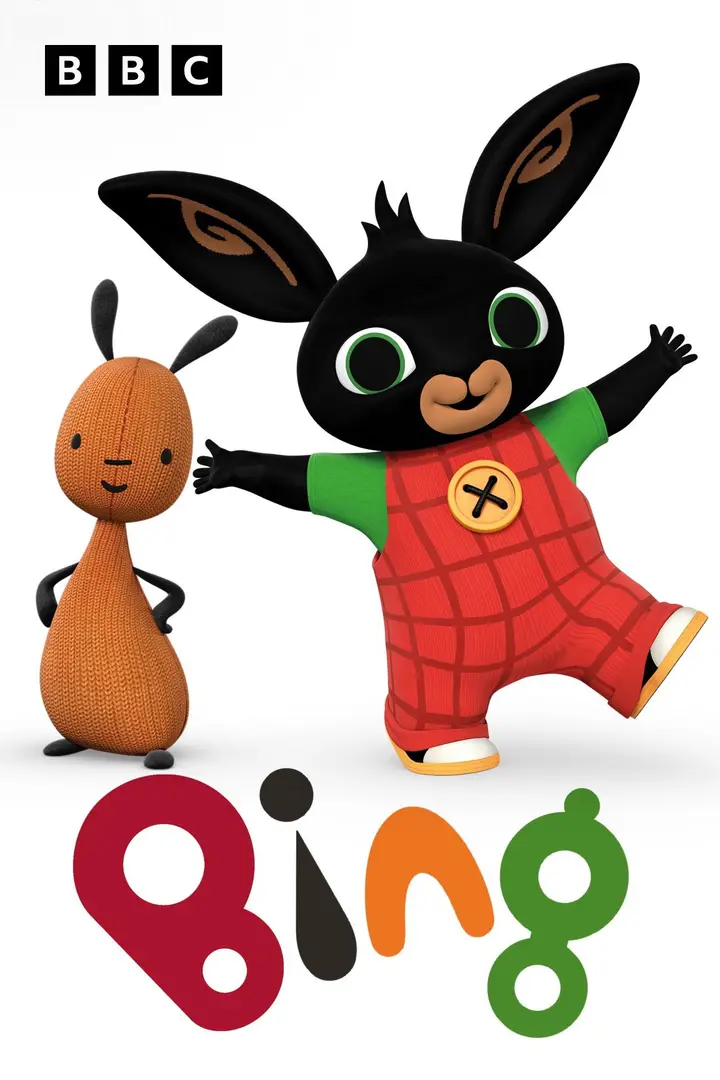
Bing
Each episode stays close to one preschool frustration, allowing Bing’s reaction to remain visible before the problem settles. Flop guides without taking over, so mistakes, waiting and trying again feel like real developmental steps.

Blippi
Blippi shows real places and real machines rather than animated stand-ins, so toddlers can connect what they see on screen with the digger down the street or the animals at the farm. Repetition and simple naming build early vocabulary.
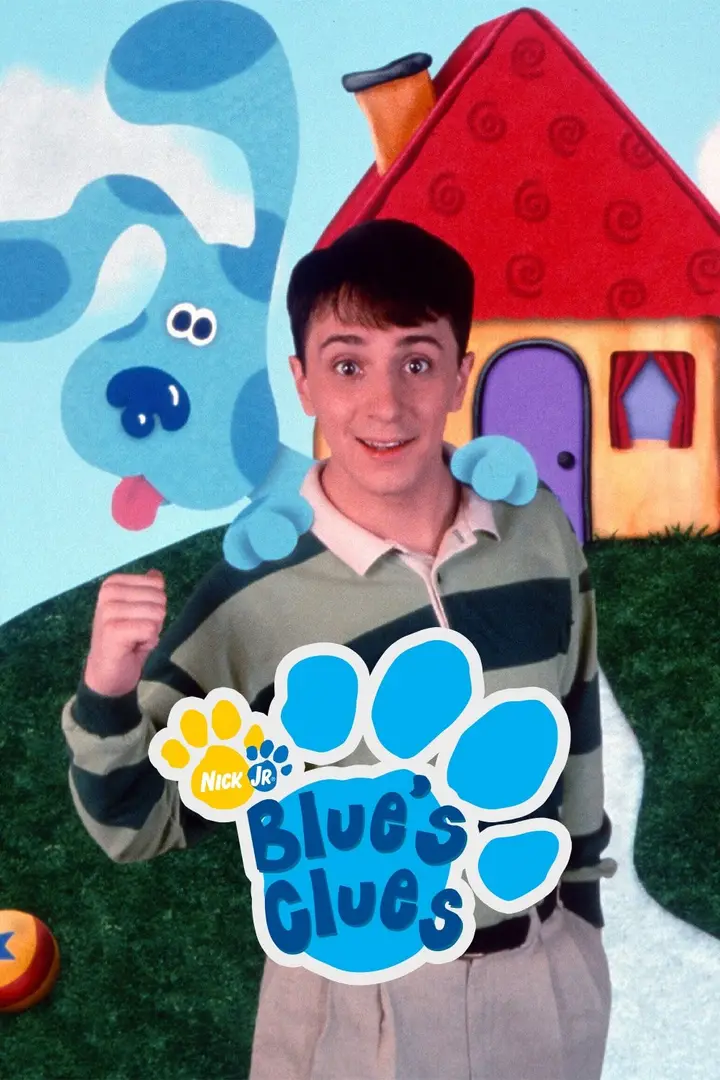
Blue's Clues
Direct questions, repeated clue steps and visible notebook drawings turn each episode into a participatory puzzle. The predictable structure supports early attention, language and reasoning skills without asking preschoolers to track complicated stories.
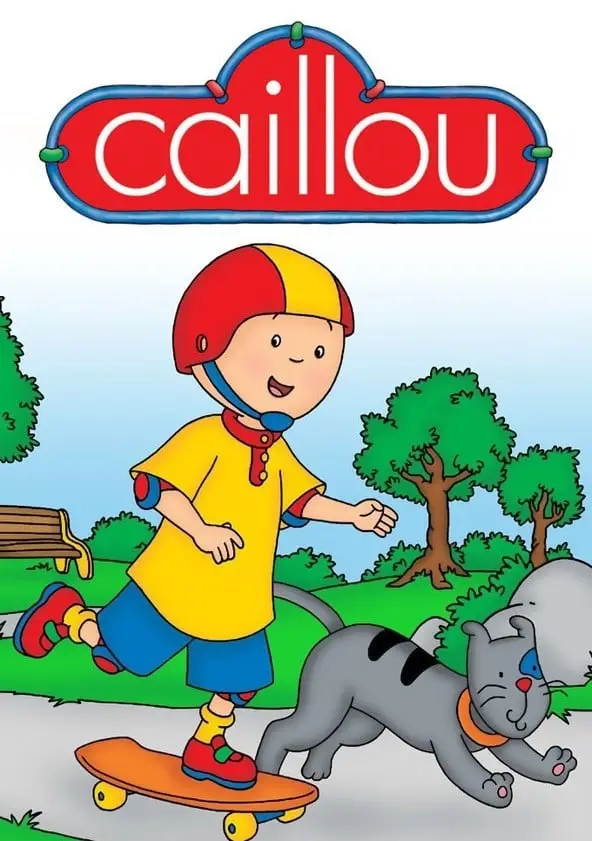
Caillou
Everyday preschool experiences stay close to Caillou’s point of view, making fears, jealousy, sharing and new routines easy to recognize. The simple pacing gives young viewers time to see how small problems are understood and resolved.
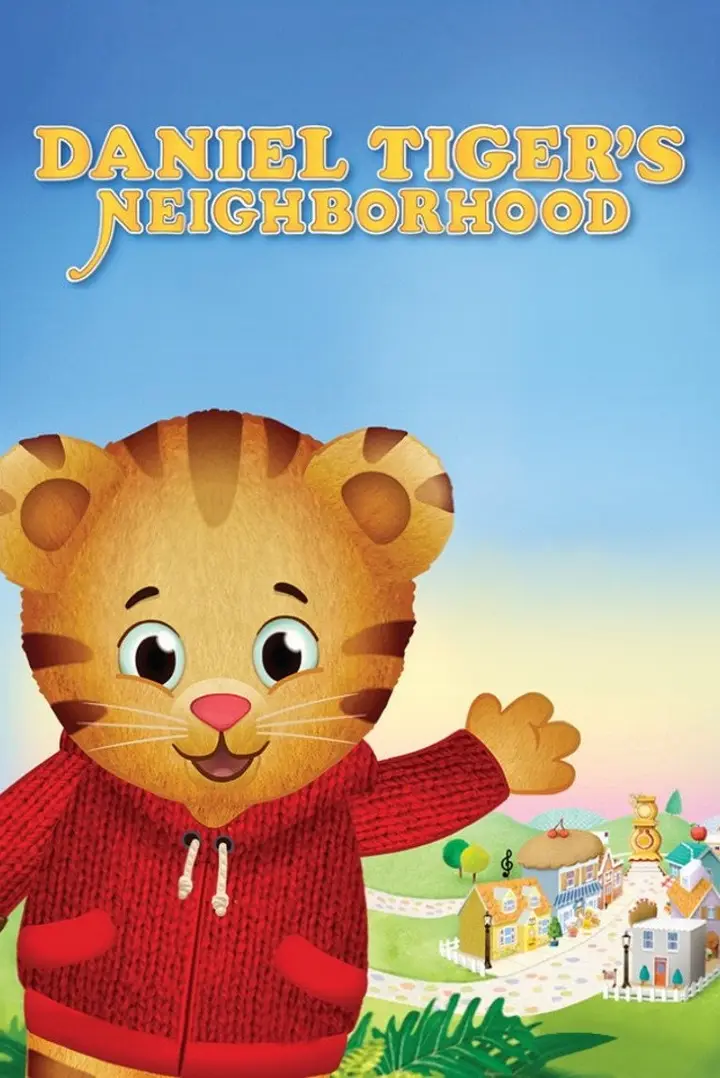
Daniel Tiger's Neighborhood
Everyday preschool situations are broken into feelings, choices and simple strategies children can remember. Short songs turn ideas about anger, sharing, separation and change into practical phrases that can be reused outside the episode.
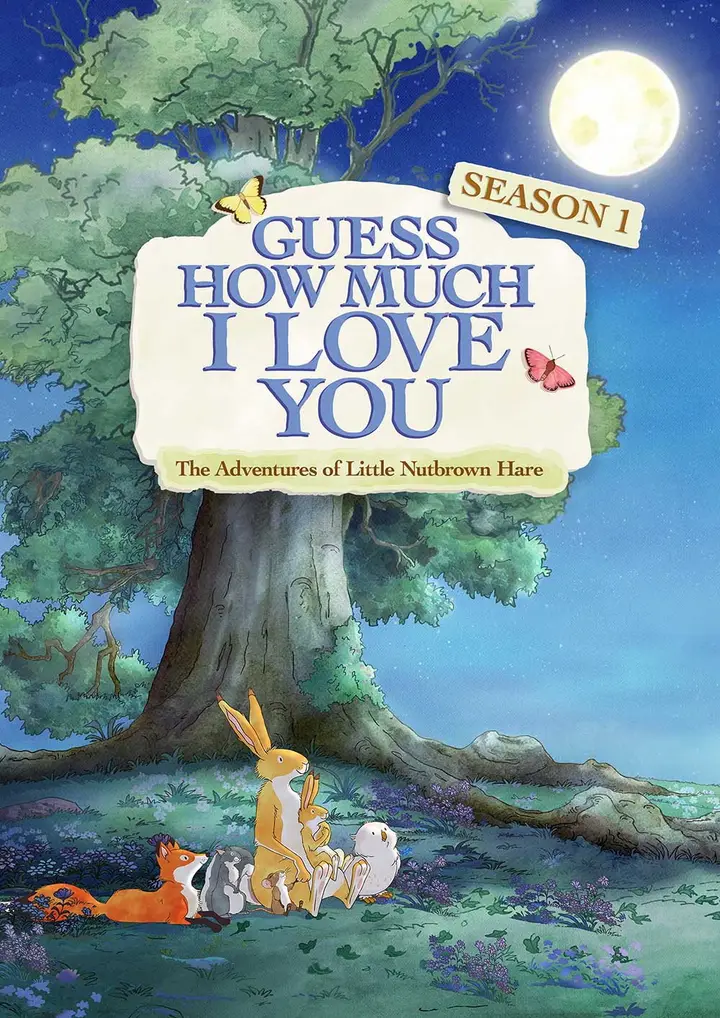
Guess How Much I Love You
Small countryside discoveries are built around affection, play and reassurance between Little Nutbrown Hare and Big Nutbrown Hare. The stories value connection over conflict, making nature, friendship and family bonds the main source of interest.
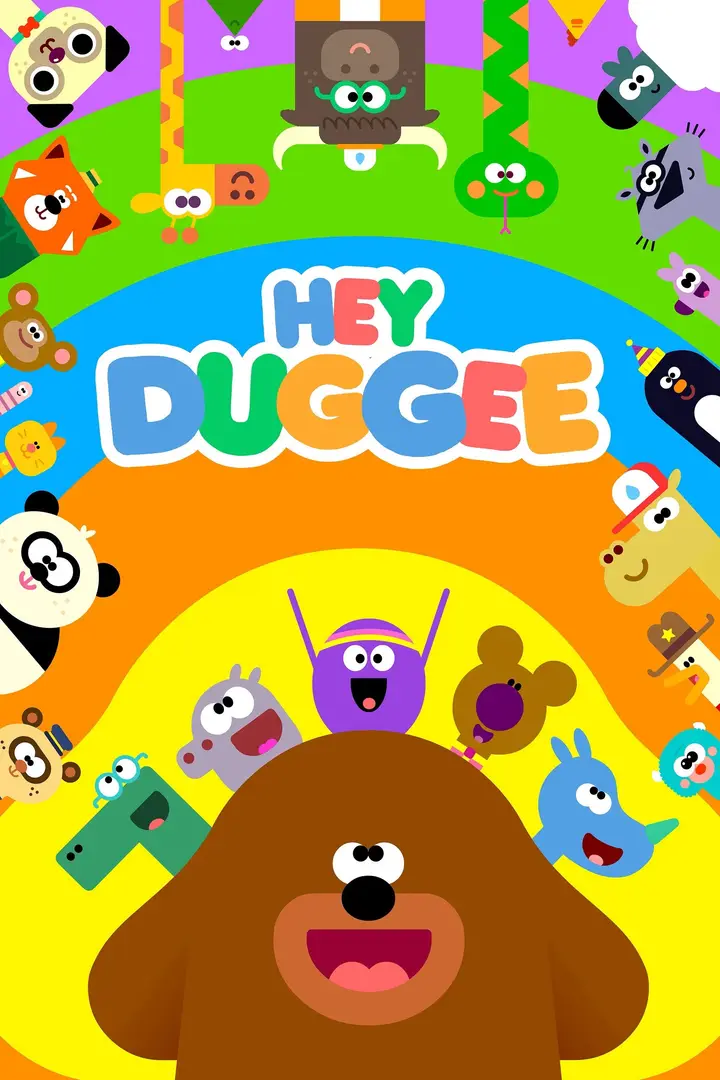
Hey Duggee
Each badge turns an everyday activity into a small shared goal, giving preschoolers a clear beginning, middle and end. Visual humor, repetition and group participation keep crafts, cooking, movement and teamwork easy to follow.
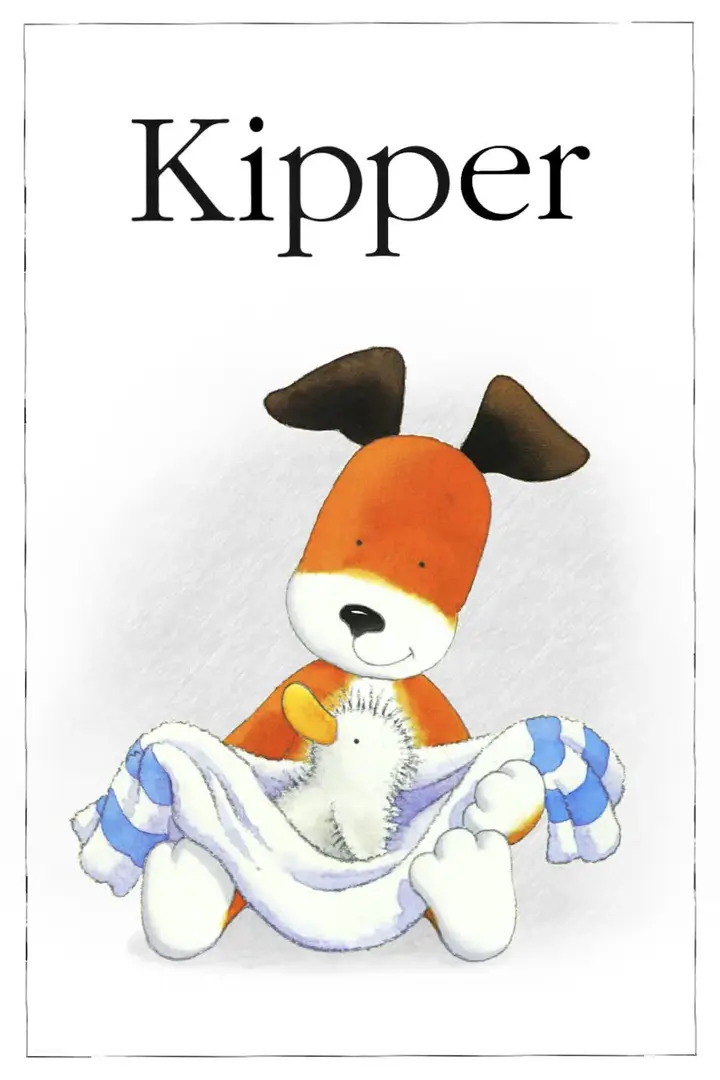
Kipper
Ordinary objects, outings and small discoveries become compact stories shaped by Kipper’s curiosity. Sparse backgrounds, pauses and dry humor leave space for children to notice details, making companionship and observation the main appeal.
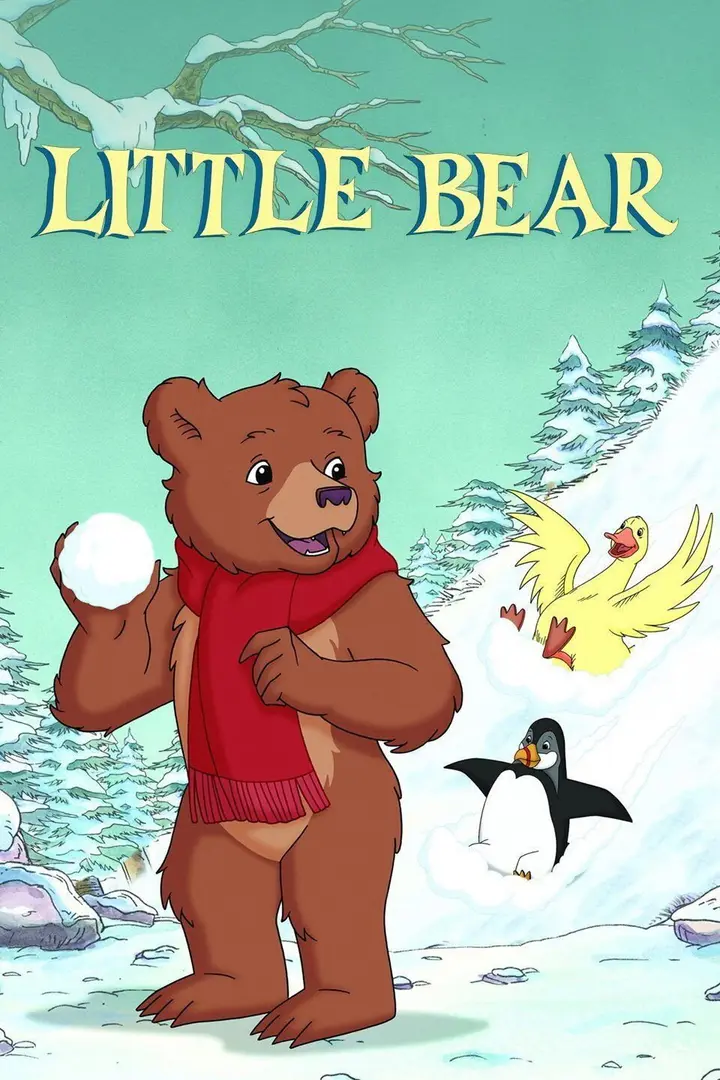
Little Bear
Home-sized adventures unfold through patient conversation, imaginative play and secure family relationships. A visit, game or question has room to develop naturally, giving companionship and observation more importance than speed or conflict.
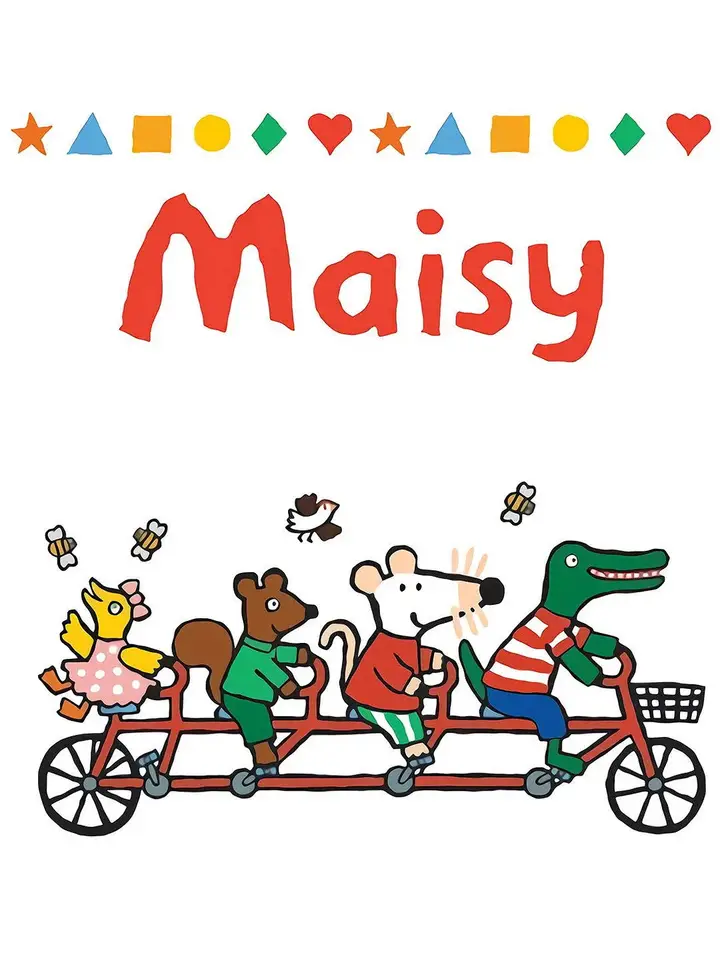
Maisy
Clear narration, uncluttered pictures and familiar routines keep attention on one child-sized activity at a time. Everyday play, outings and simple tasks become easy stories where recognition and participation matter more than suspense.
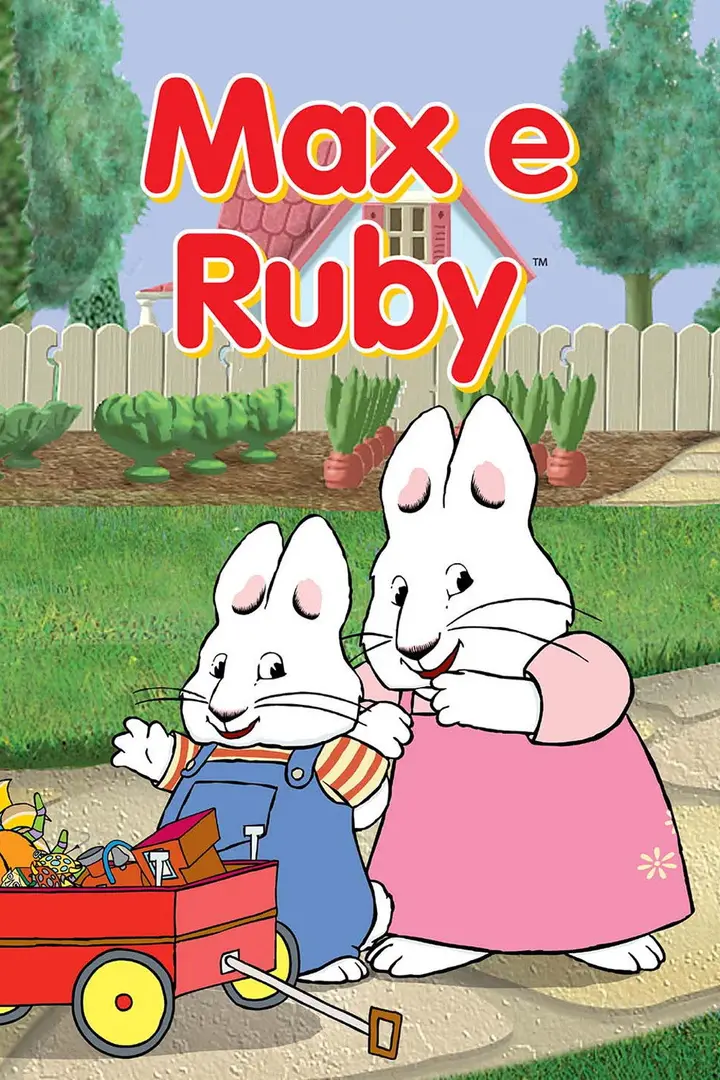
Max & Ruby
Ruby’s careful plans and Max’s single-minded ideas create a simple sibling pattern that preschoolers can anticipate. Their differences drive the comedy, while the endings repeatedly show that Max’s approach has value too.
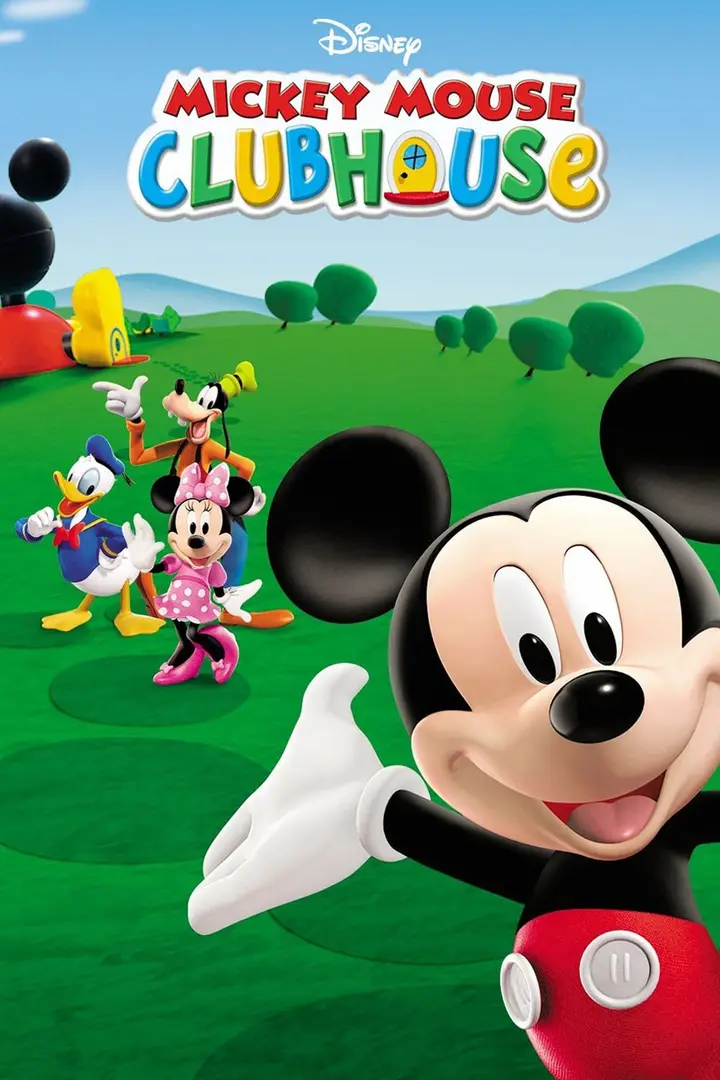
Mickey Mouse Clubhouse
Each episode starts with a practical problem and invites children to choose tools, identify patterns and follow steps toward a solution. Familiar characters and repetition make early problem-solving feel playful instead of instructional.
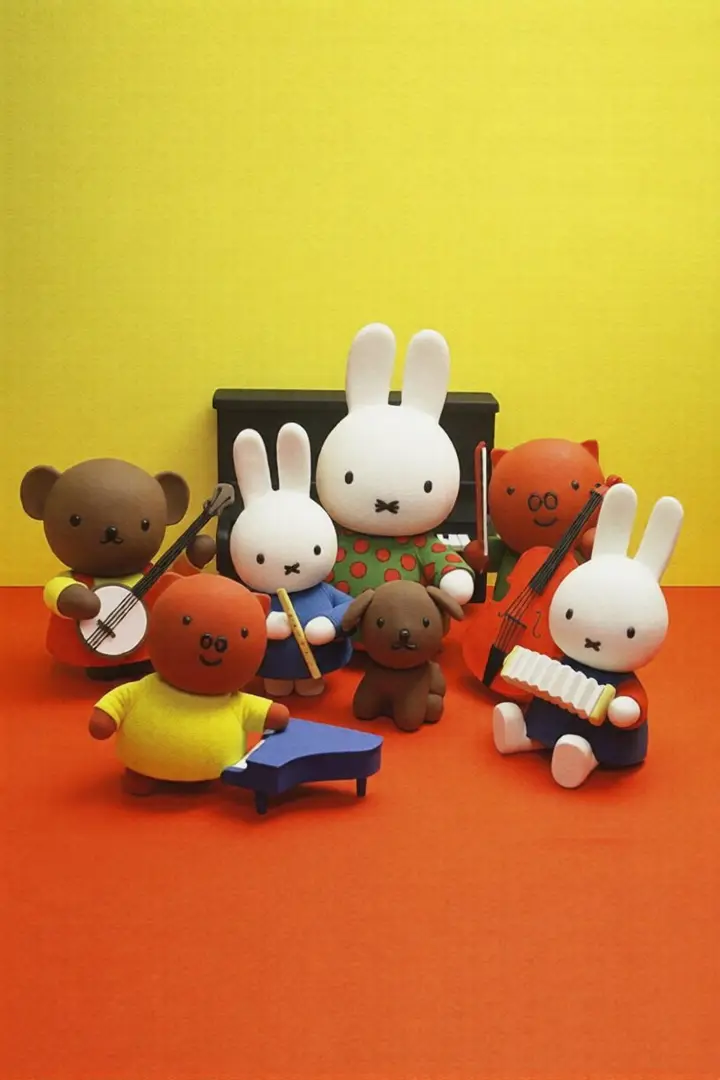
Miffy and Friends
Short stop-motion stories focus on one familiar activity at a time, using simple shapes and clear visual cause and effect. Miffy’s curiosity makes visiting, drawing or outdoor play easy to follow before children can manage dense dialogue.
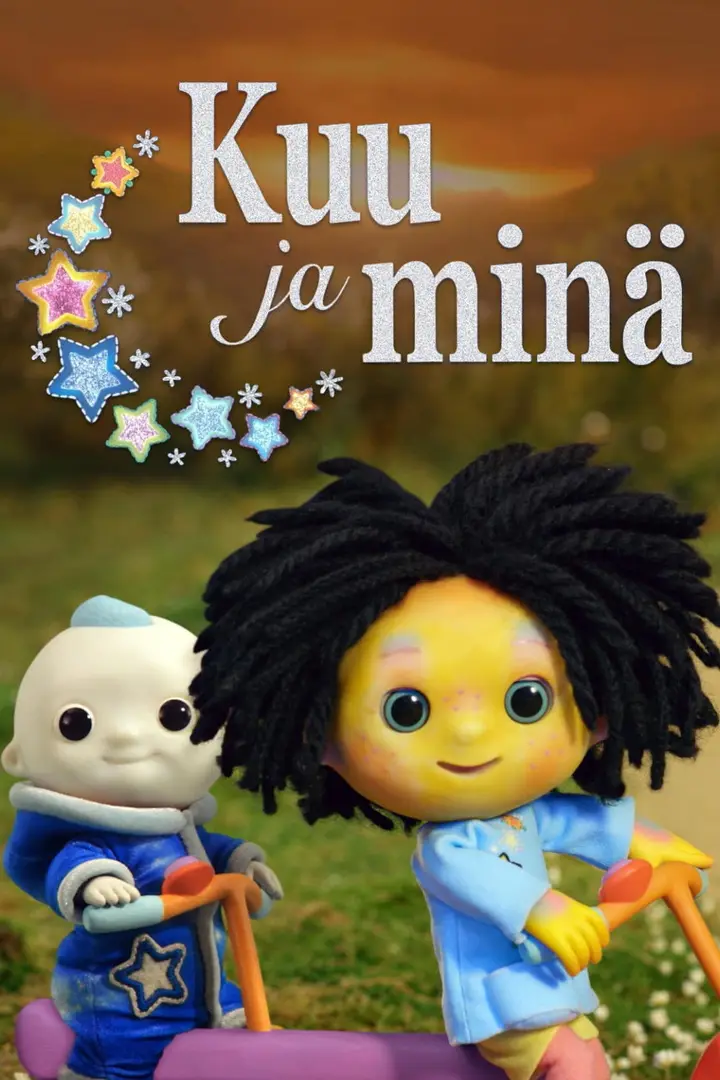
Moon and Me
Repeated songs, toy-house rituals and long pauses create predictable night-time sequences for very young viewers. Characters gather, objects arrive and the house settles again, making anticipation and recognition the main structure instead of a conventional plot.
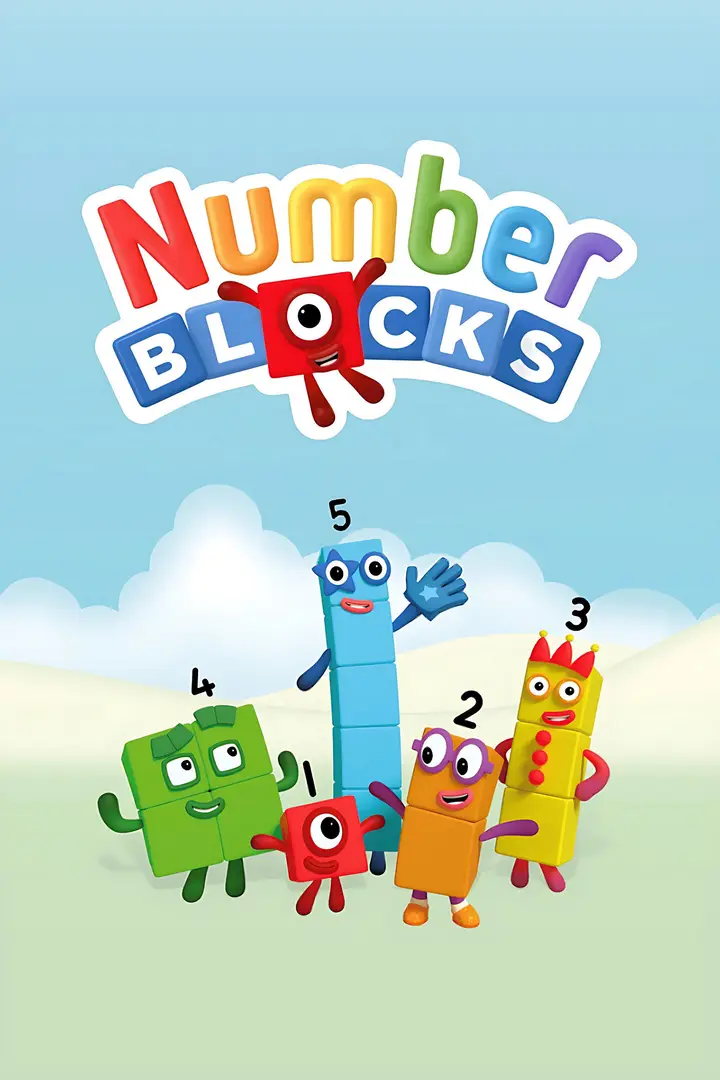
Numberblocks
Numbers become physical characters who join, split and rearrange, making quantity and arithmetic visible. Short musical episodes let children see addition, subtraction and patterns in motion, linking written numbers to concrete amounts.
Oswald
Big City feels welcoming because problems are solved through courtesy, patience and careful thought. Oswald’s literal observations, Weenie’s presence and the musical rhythm create comedy without requiring chaos or high-stakes conflict.
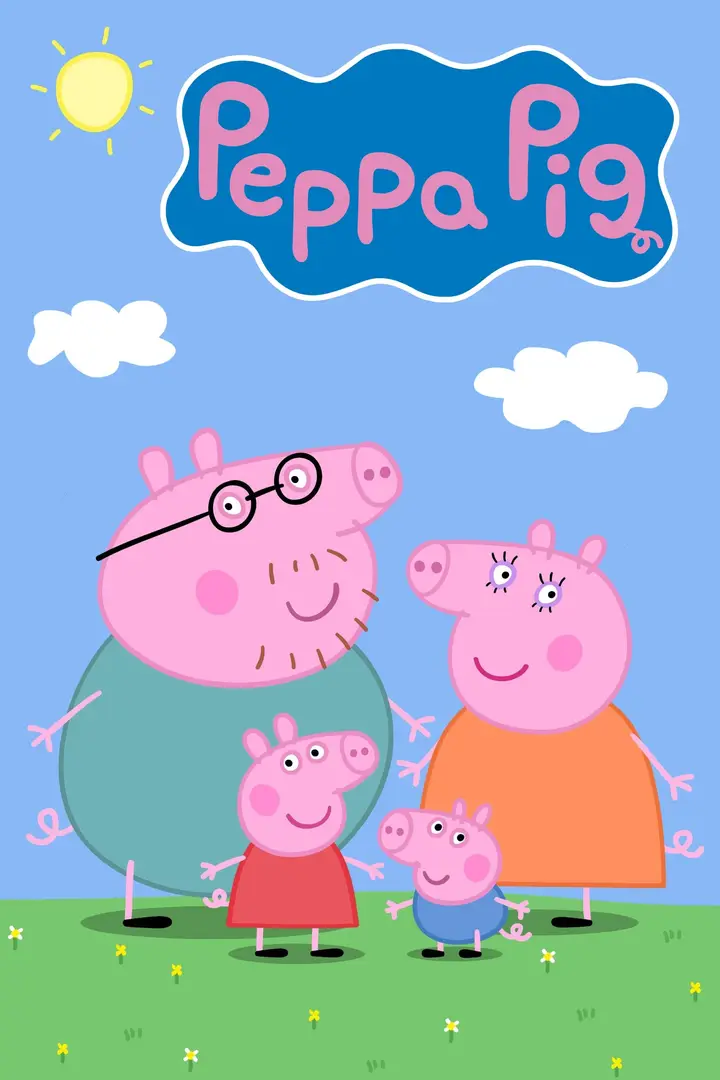
Peppa Pig
Short episodes stay close to familiar preschool life, turning family outings, weather, play and small disagreements into easy stories. Peppa’s confidence and George’s younger perspective give ordinary routines enough contrast to keep them engaging.
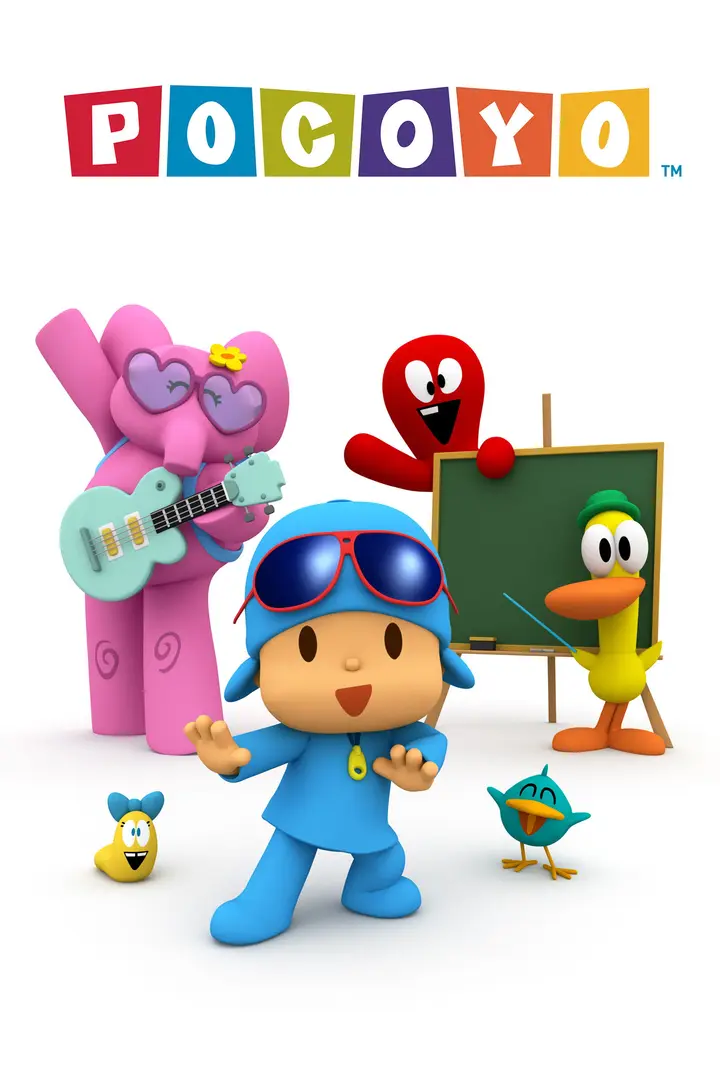
Pocoyo
A simple white world keeps attention on Pocoyo, his friends and the problem in front of them. The narrator’s direct questions create an interactive rhythm that supports curiosity, sharing, patience and recognition of basic feelings.
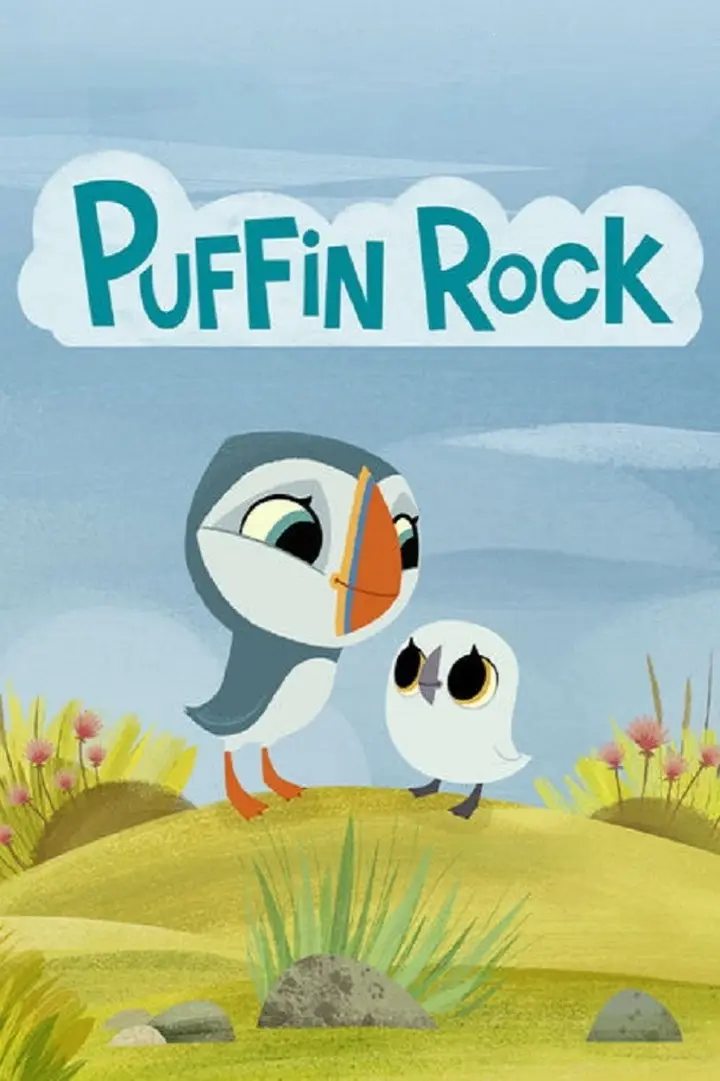
Puffin Rock
Oona and Baba explore island life through tides, weather, migration and animal behavior, keeping nature observation inside family stories. The slow pace and small discoveries make curiosity itself the main source of adventure.
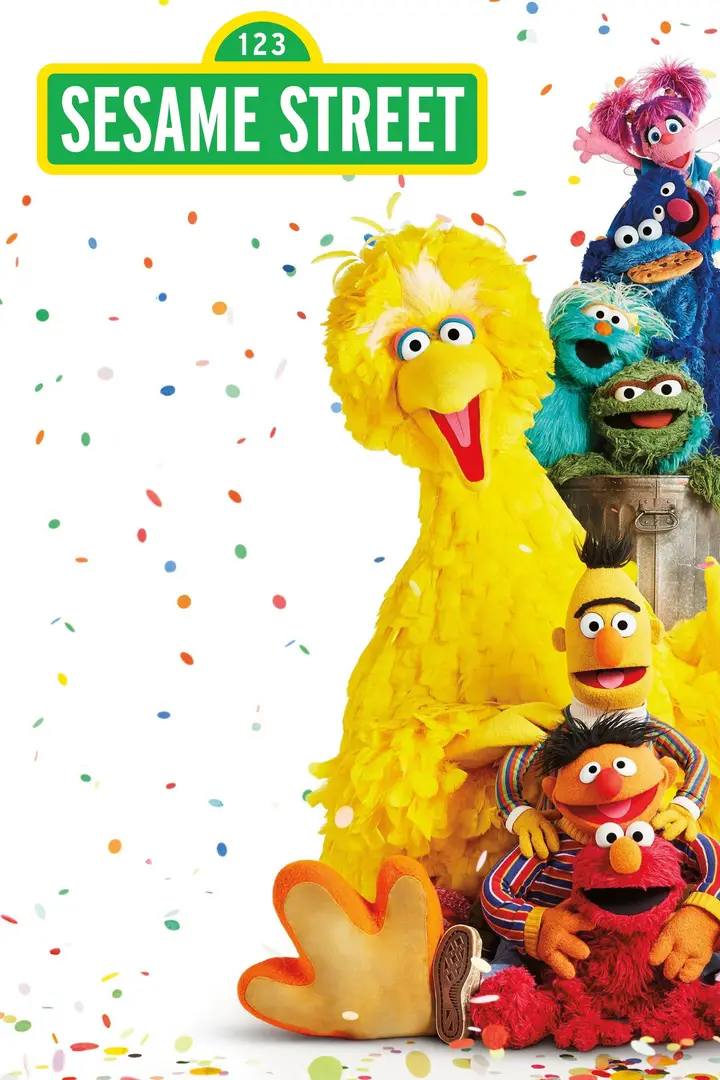
Sesame Street
Muppets, songs, animation and live-action sketches break early learning into short, memorable pieces. Letters, numbers, vocabulary and social ideas return in varied formats, while recurring characters give young children a familiar anchor.
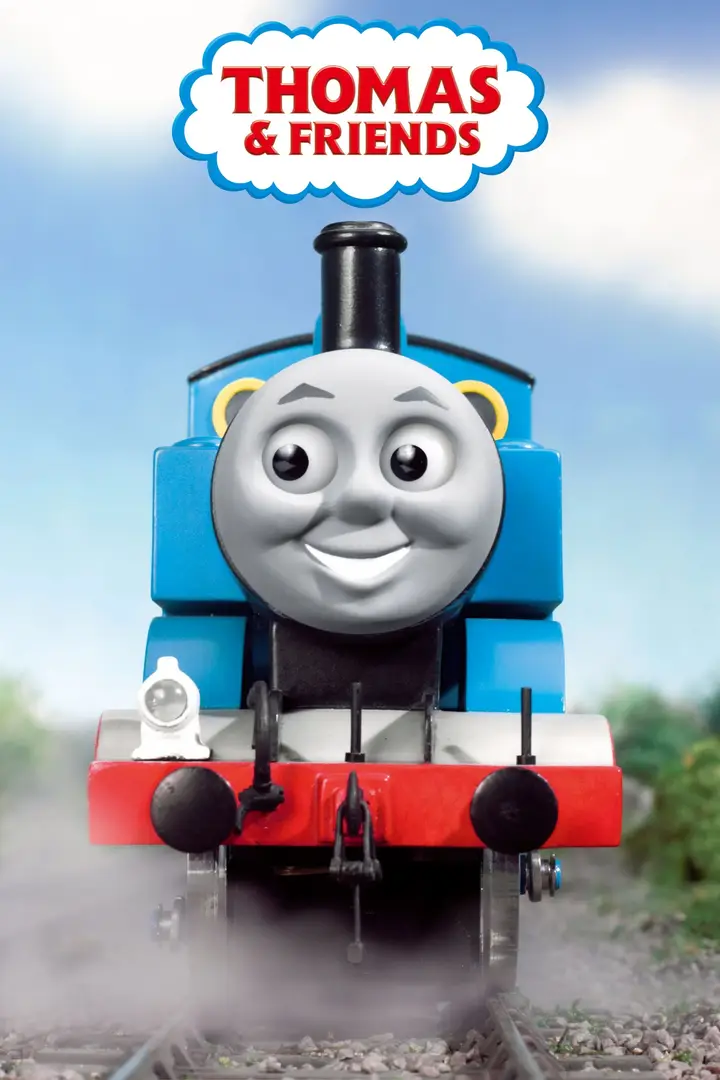
Thomas & Friends
Railway jobs turn responsibility into clear practical stories as Thomas and the other engines learn how one task affects the whole system. Distinct personalities make impatience, pride and cooperation easy for young children to recognize.
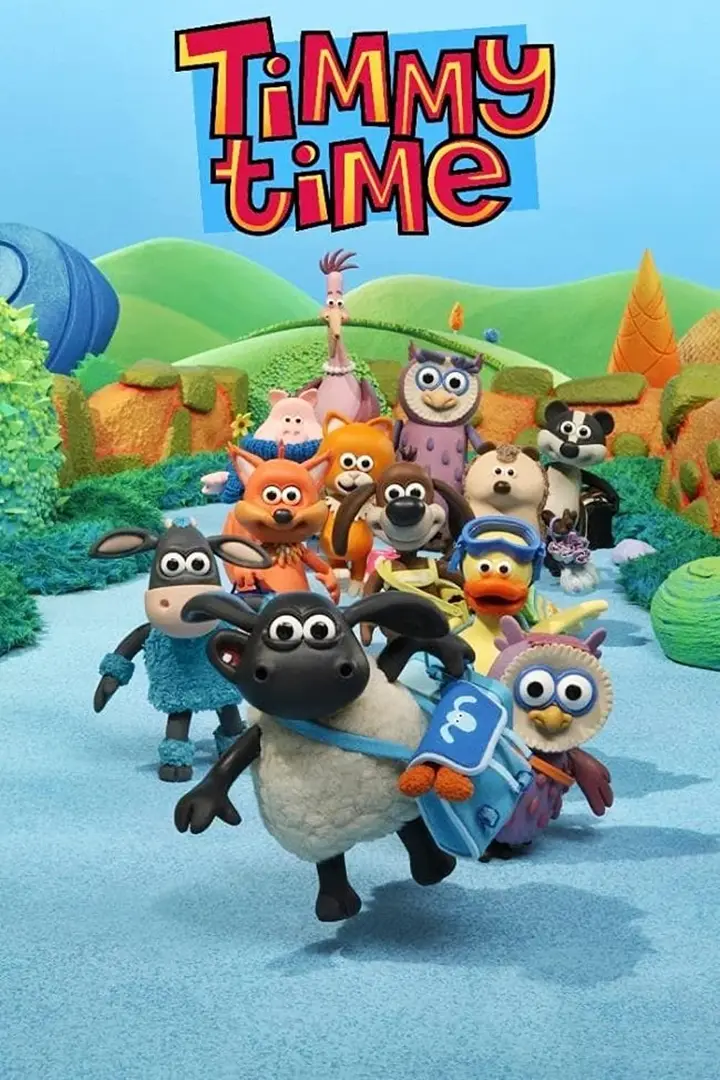
Timmy Time
Without conventional dialogue, Timmy’s nursery day is told through movement, expressions and simple social situations. Sharing, waiting, mistakes and cooperation become easy to read visually, making the preschool lessons feel part of play.
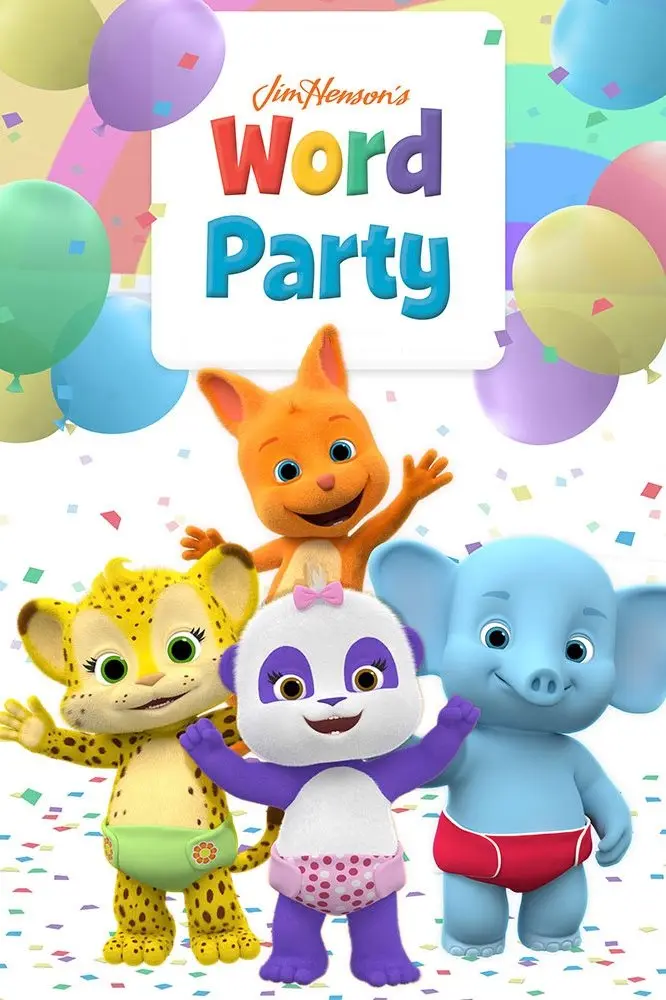
Word Party
Four baby animals learn alongside the audience, using songs, games and repetition to build early vocabulary. Because mistakes are treated as normal learning steps, participation feels encouraging instead of like a test.
Questions parents ask
When can a toddler start watching TV?
The World Health Organization recommends no screen time under age 1, advises against sedentary screen time at age 1, and for ages 2 to 4 suggests no more than one hour a day, with less being better. Video calls with family are treated separately. When you do start, short, slow shows watched together are the gentlest first step.
What makes a good first TV show for a 2- or 3-year-old?
Short episodes, a slow pace, few scene changes, familiar routines and characters who talk to the child and leave time to answer. Pocoyo, Hey Duggee, Puffin Rock and Blue’s Clues (all from age 3) do this well, and In the Night Garden and Teletubbies (from 2) are built almost entirely on calm repetition.
Should I watch TV with my toddler?
Yes, whenever you can. At this age children understand far more when an adult watches with them, names what is happening and connects it to real life, for example by singing the song again later or pointing out a red bus outside. Co-viewing is one of the few points every major guideline agrees on.


