
Family TV Shows from Our Disney+ Picks
Family series across ages, with our own guidance and filters.

Family TV Shows from Our Disney+ Picks
From gentle preschool adventures to imaginative mysteries, our Disney+ family TV picks bring together series that already have TFFC age and content guidance. Choose by age, editorial standing and episode length. Availability varies by country and may change, so check your local Disney+ catalogue before watching.
Find the right series
Choose one band. Results show age-relevant series approved by our editors: those whose Minimum-to-Recommended age span overlaps the band, plus individually approved favorites. The Recommended Age is a starting point, not a maximum.
More filters and sort
No series in this guide match this age.
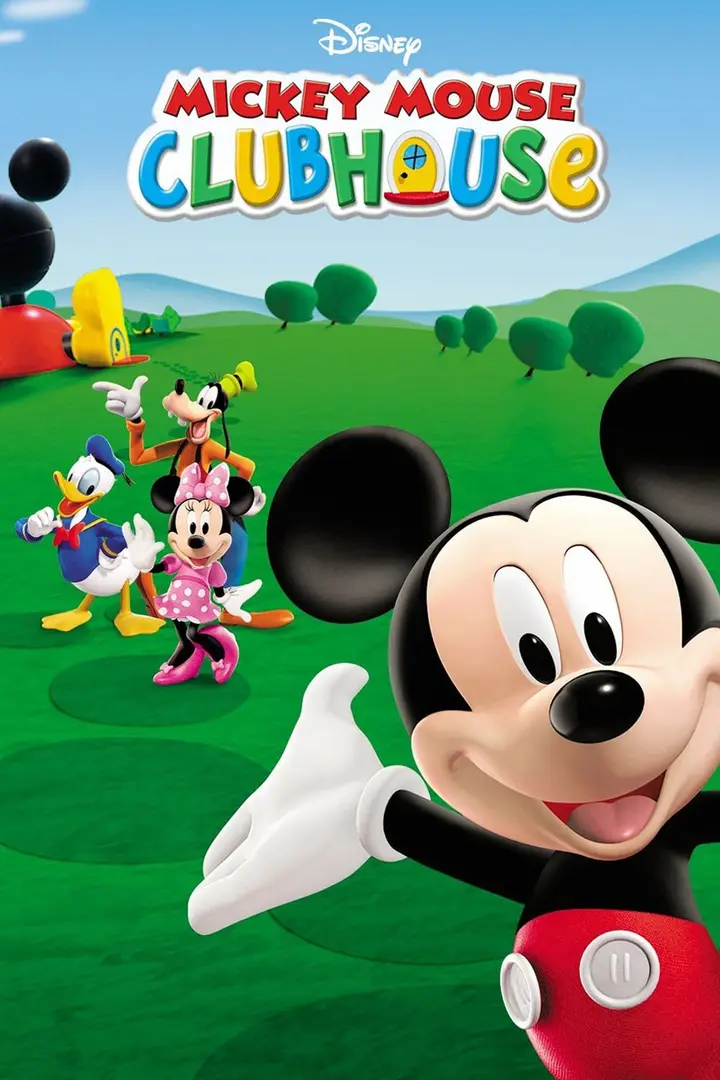
Mickey Mouse Clubhouse
Each episode starts with a practical problem and invites children to choose tools, identify patterns and follow steps toward a solution. Familiar characters and repetition make early problem-solving feel playful instead of instructional.
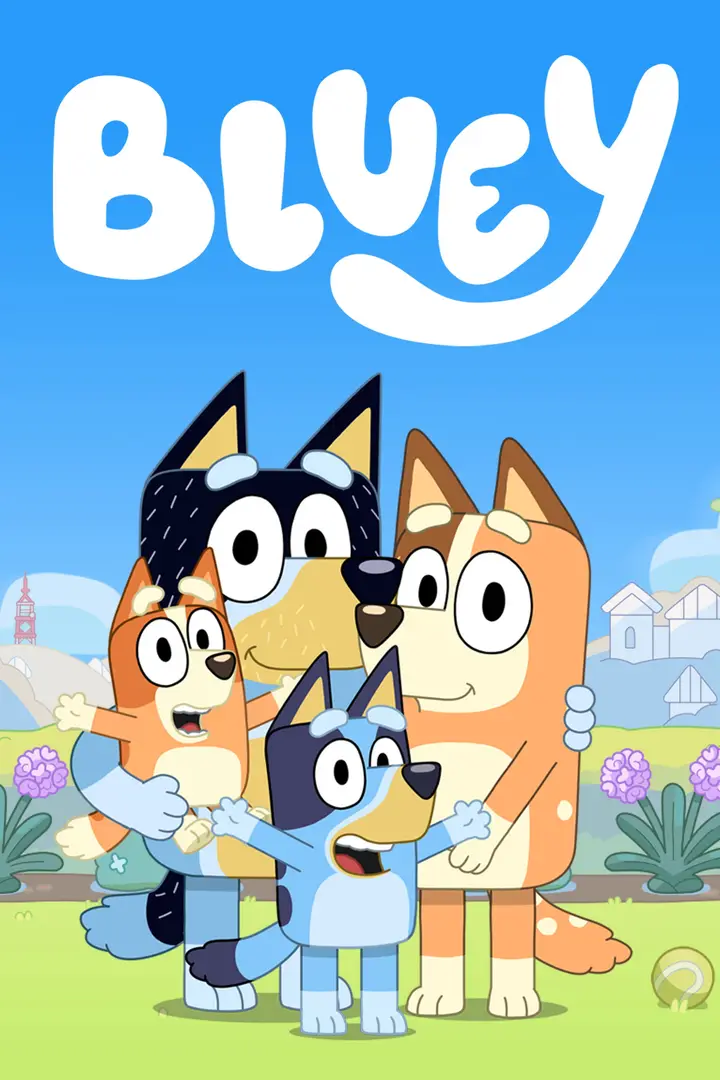
Bluey
Ordinary family moments become imaginative games with rules that change as Bluey and Bingo negotiate, improvise and learn. Short episodes observe childhood behavior closely while giving Bandit and Chilli believable limits as parents.
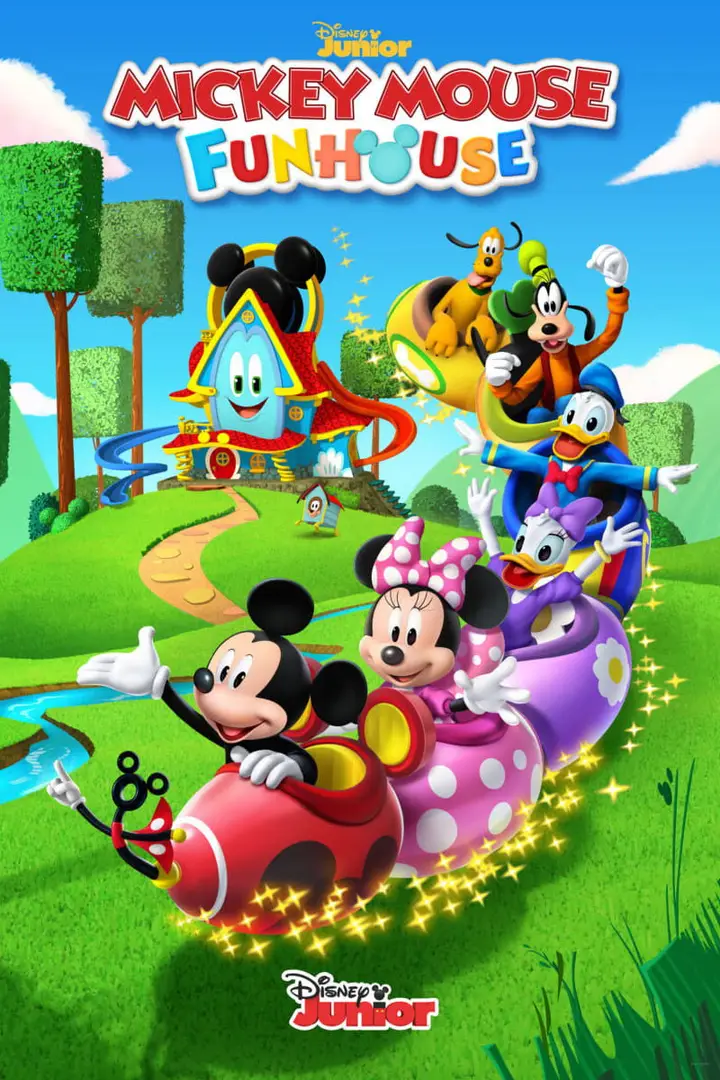
Mickey Mouse Funhouse
The talking Funhouse sends Mickey and friends through portals where settings and rules change quickly. Familiar characters, songs and group problem-solving keep the fantasy accessible while asking children to adapt to each new world together.
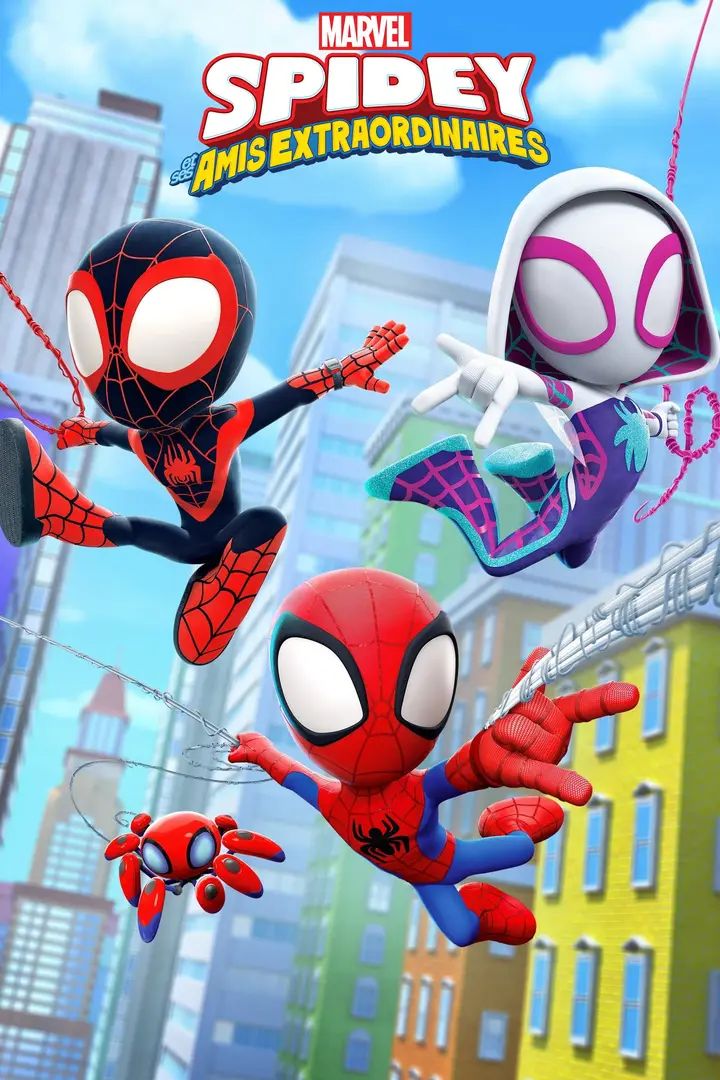
Spidey and His Amazing Friends
It adapts Spider-Man's world for the youngest viewers by keeping conflicts simple and putting teamwork ahead of solo heroics, without losing the core idea that power comes with responsibility.
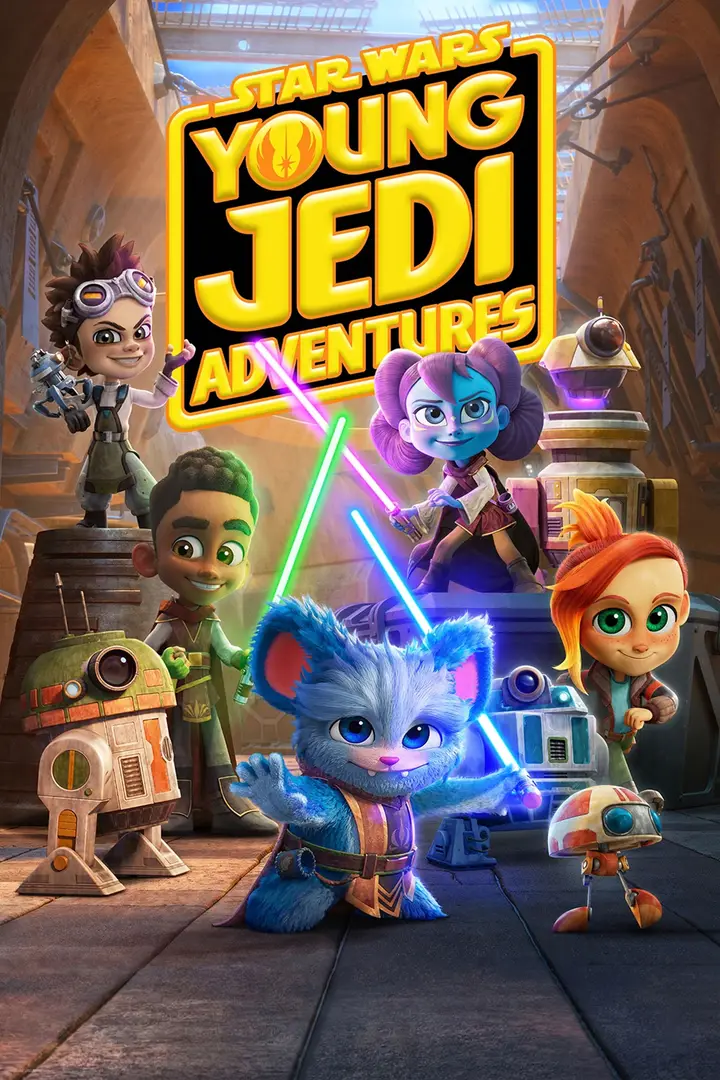
Star Wars: Young Jedi Adventures
It scales Star Wars down to genuinely preschool-appropriate stakes without losing lightsabers, starships, or its identity, prioritizing self-control and helping others over combat victory.
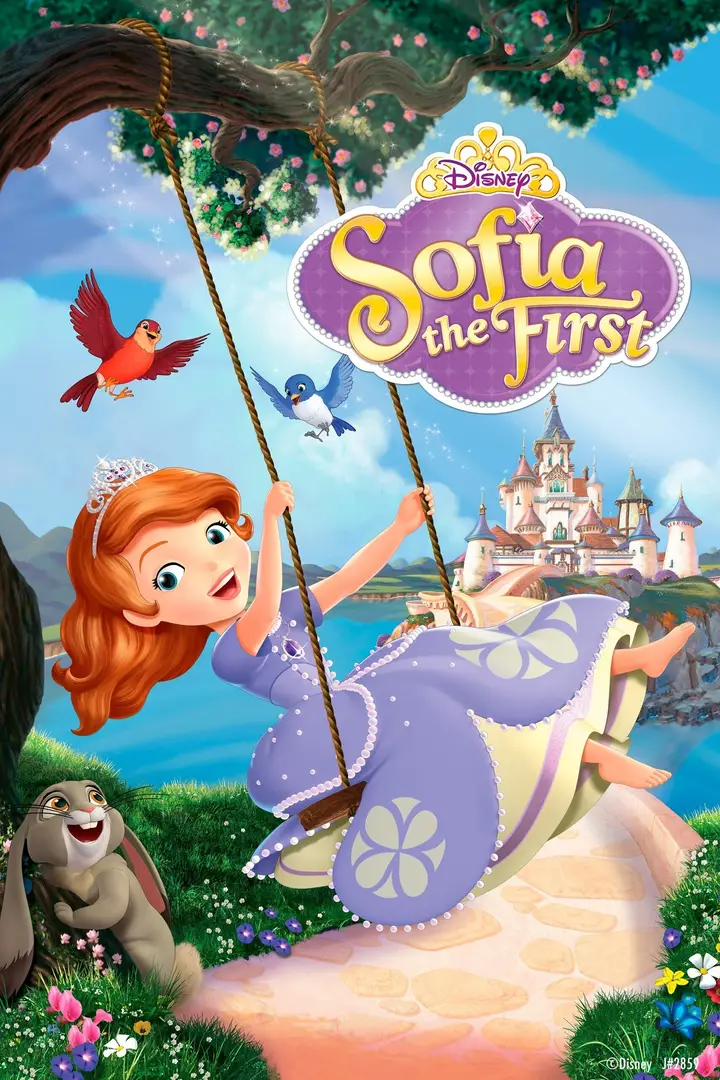
Sofia, the First
Sofia’s move into royal life turns princess fantasy into stories about fairness, responsibility and belonging. The magical setting attracts attention, but the real problems are usually social choices she must understand for herself.
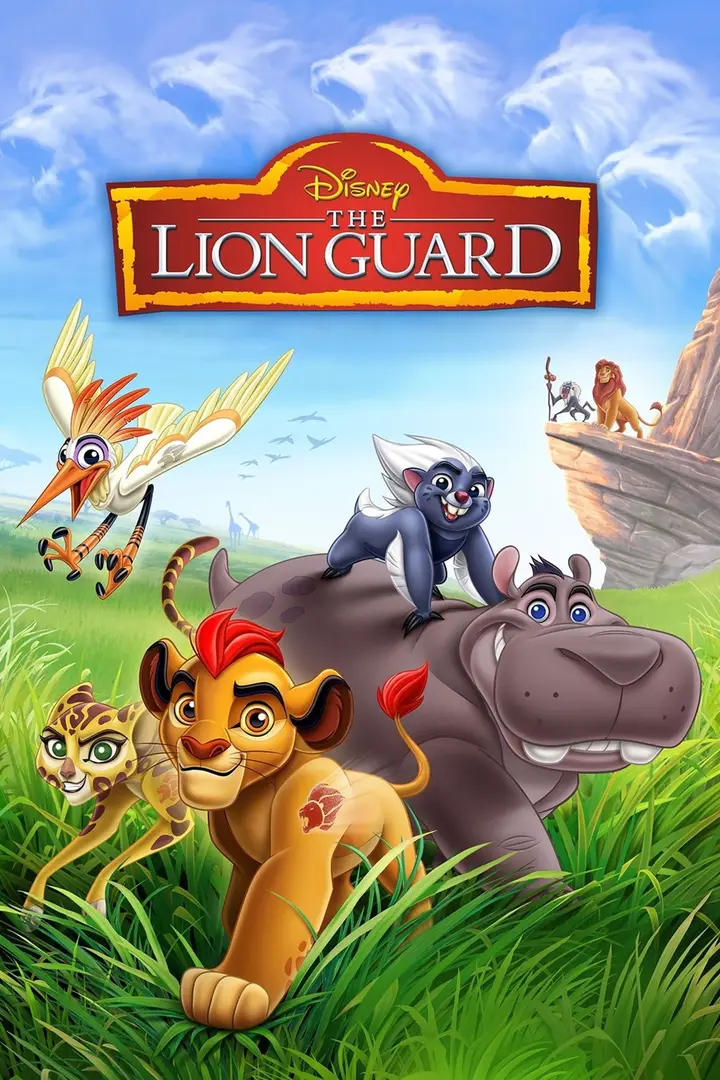
The Lion Guard
Kion leads a team whose different animal abilities make cooperation essential to protecting the Pride Lands. Rescue missions, territorial disputes and songs expand The Lion King world while tying leadership to responsible use of power.
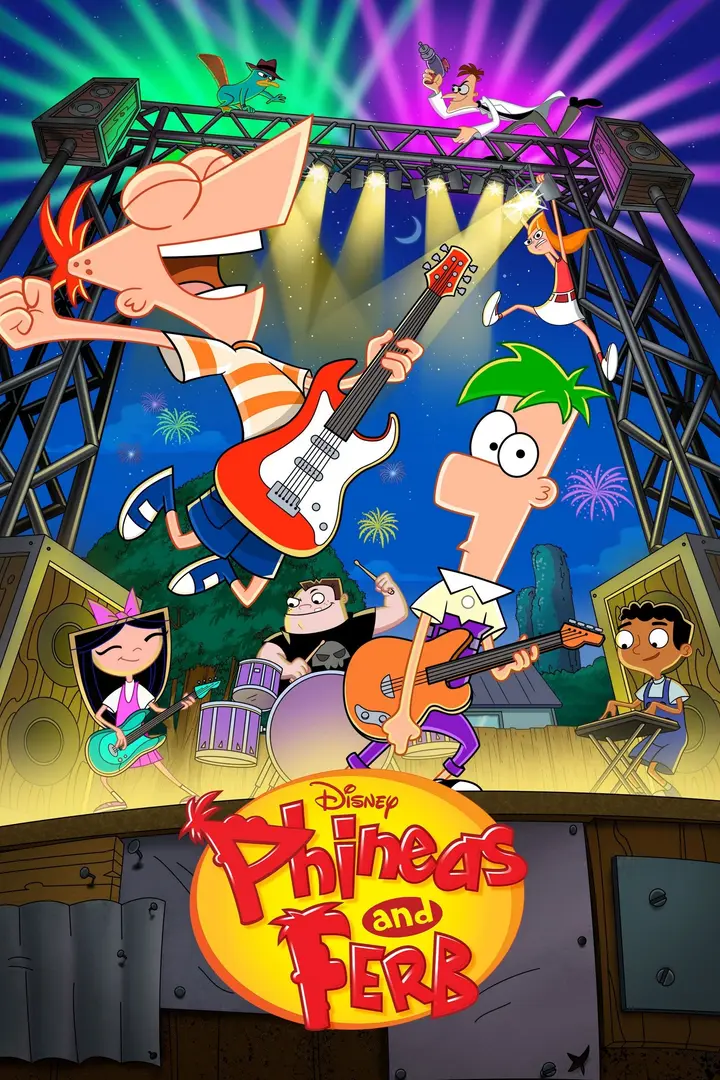
Phineas and Ferb
Every summer day becomes an engineering-sized challenge as Phineas and Ferb build impossible projects with cheerful confidence. Candace’s failed attempts to expose them and Perry’s secret-agent subplot create parallel comic structures that repeatedly intersect.
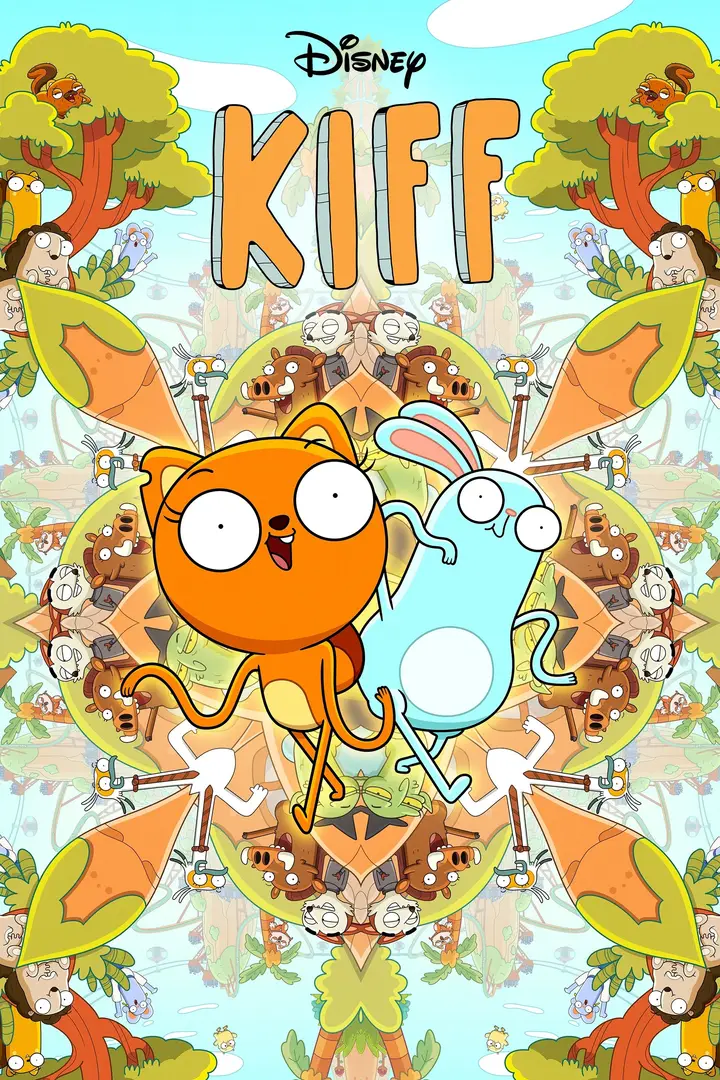
Kiff
Kiff's absolute confidence colliding with everyday reality drives fast, escalating comedy, while Barry's steadiness keeps their friendship a stable anchor no matter how chaotic things get.
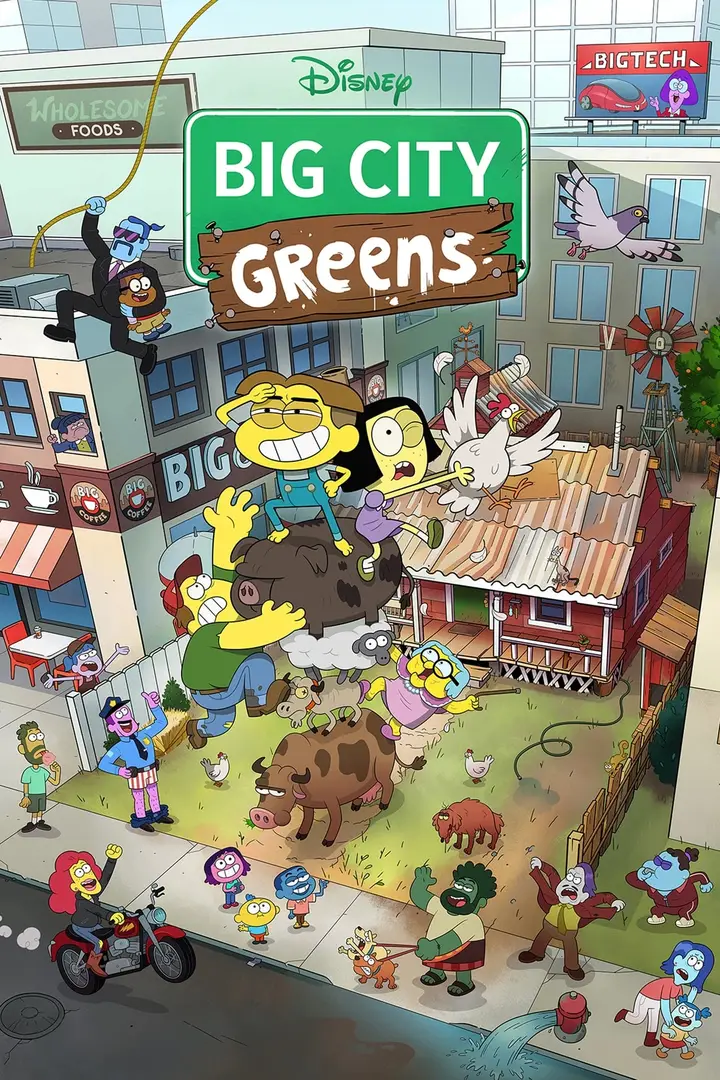
Big City Greens
Cricket’s confidence creates fast comic disasters as his family adjusts to city life. Tilly, Bill and Gramma Alice react in very different ways, giving the slapstick a family structure that repeatedly returns to loyalty.
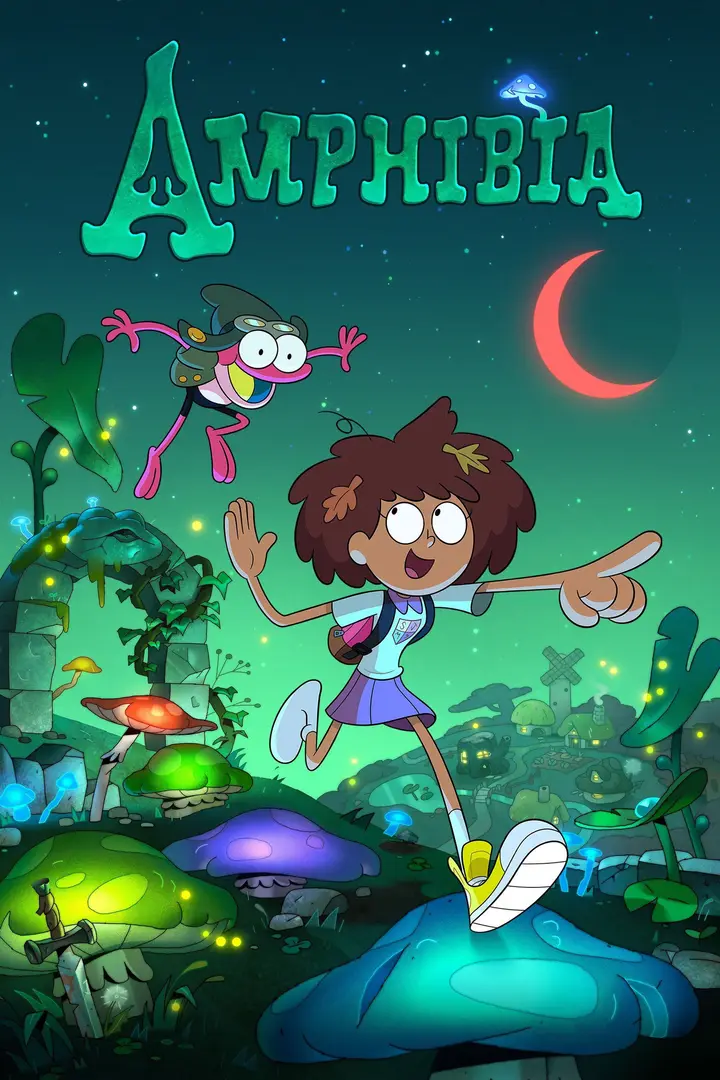
Amphibia
Anne’s comic adventures with the Plantars gradually expand into a serialized fantasy about friendship, betrayal and responsibility. The shift works because the family bond built early gives later conflicts stronger personal consequences.
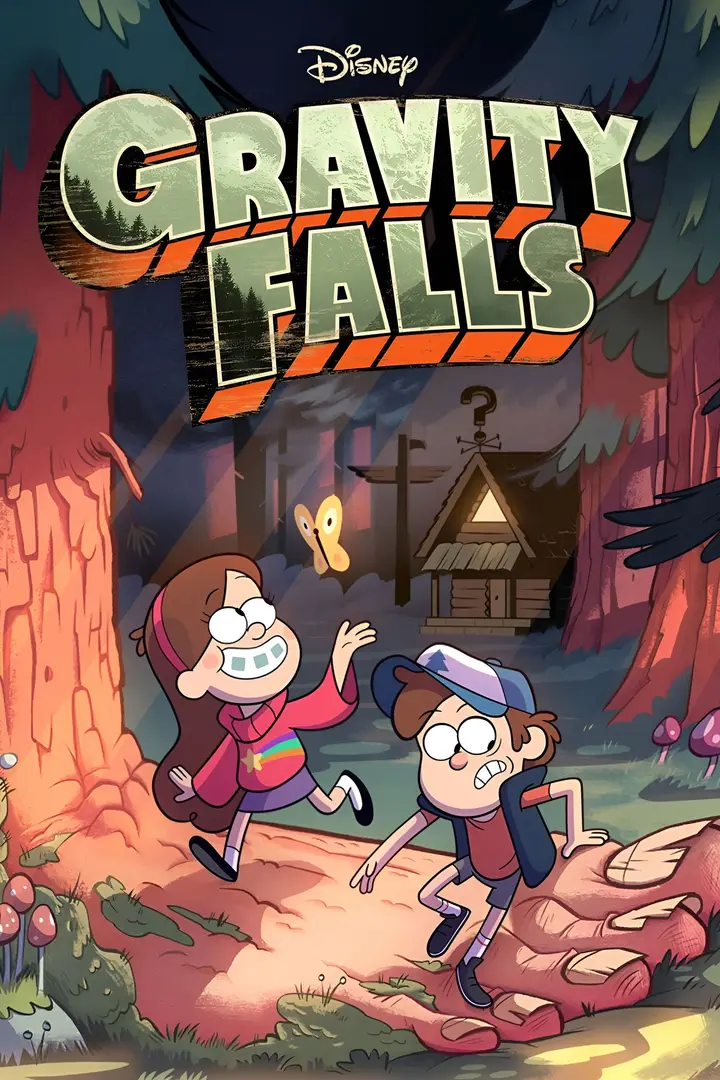
Gravity Falls
Dipper’s mysterious journal turns a strange summer town into a connected puzzle filled with monsters, codes and hidden organizations. Mabel’s energy balances the suspense, while the twins’ loyalty keeps the expanding mystery tied to family.
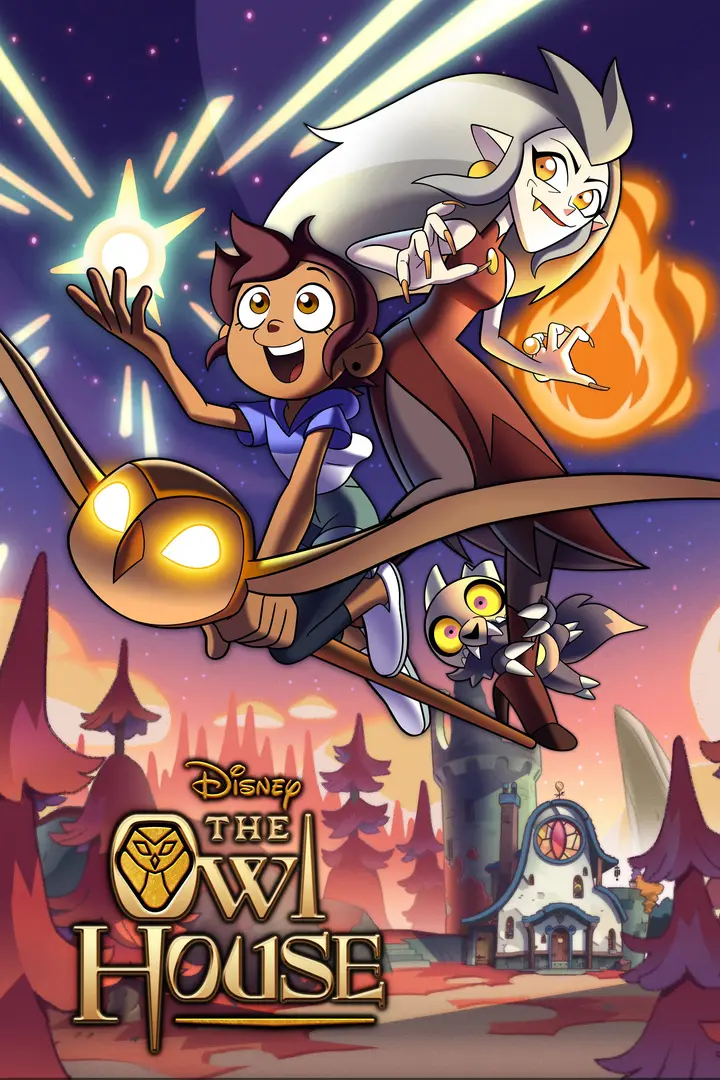
The Owl House
It starts as a fast fantasy comedy but steadily deepens into a genuine coming-of-age story about identity, chosen family, and refusing the roles other people expect you to accept.
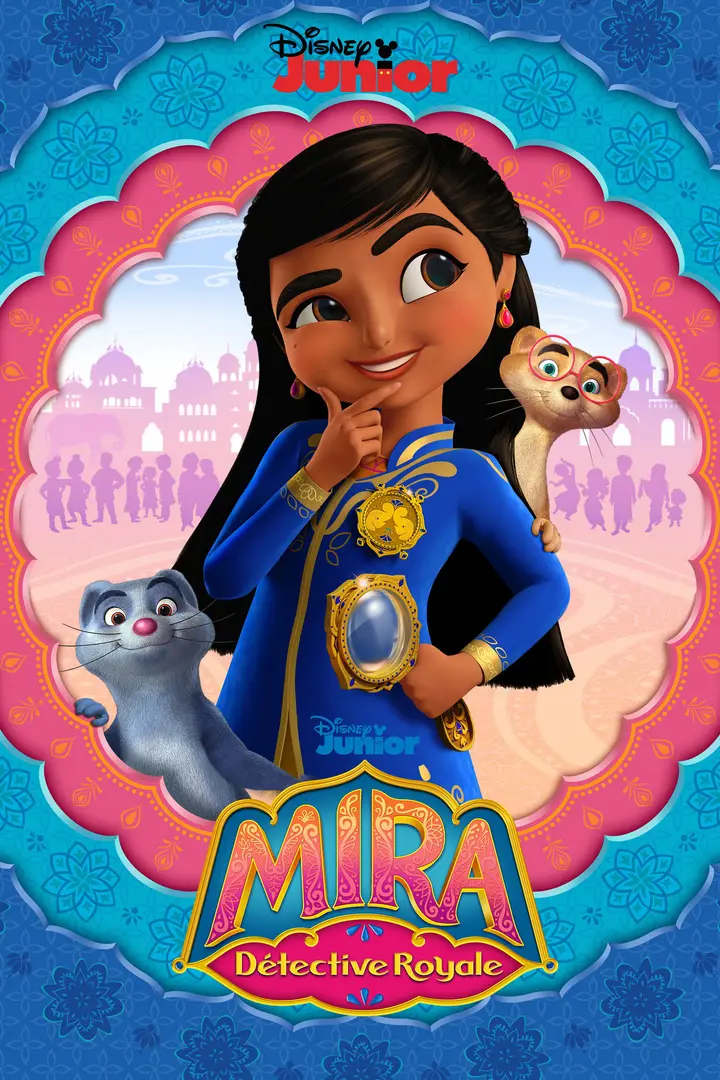
Mira, Royal Detective
Each mystery models a clear reasoning process — noticing details, comparing clues, weighing different views — while its Indian-inspired setting, music, and family life give the format real cultural texture.
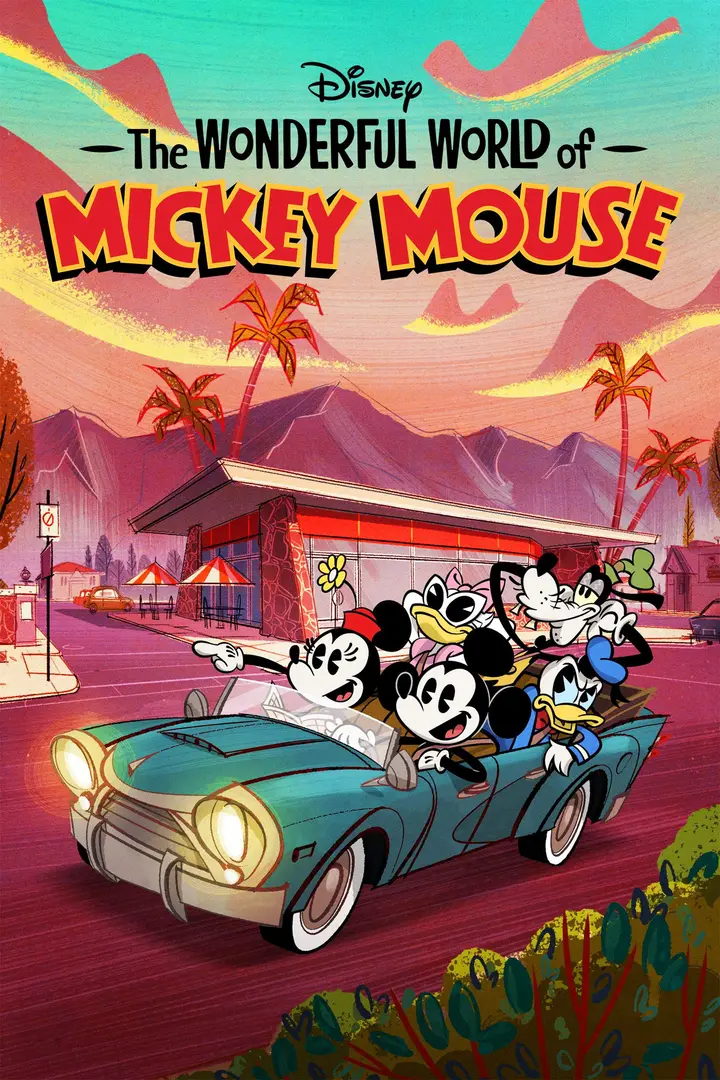
The Wonderful World of Mickey Mouse
Short, self-contained slapstick shorts let classic Disney characters feel newly strange and energetic, using fast visual comedy that needs no history or continuity to enjoy.
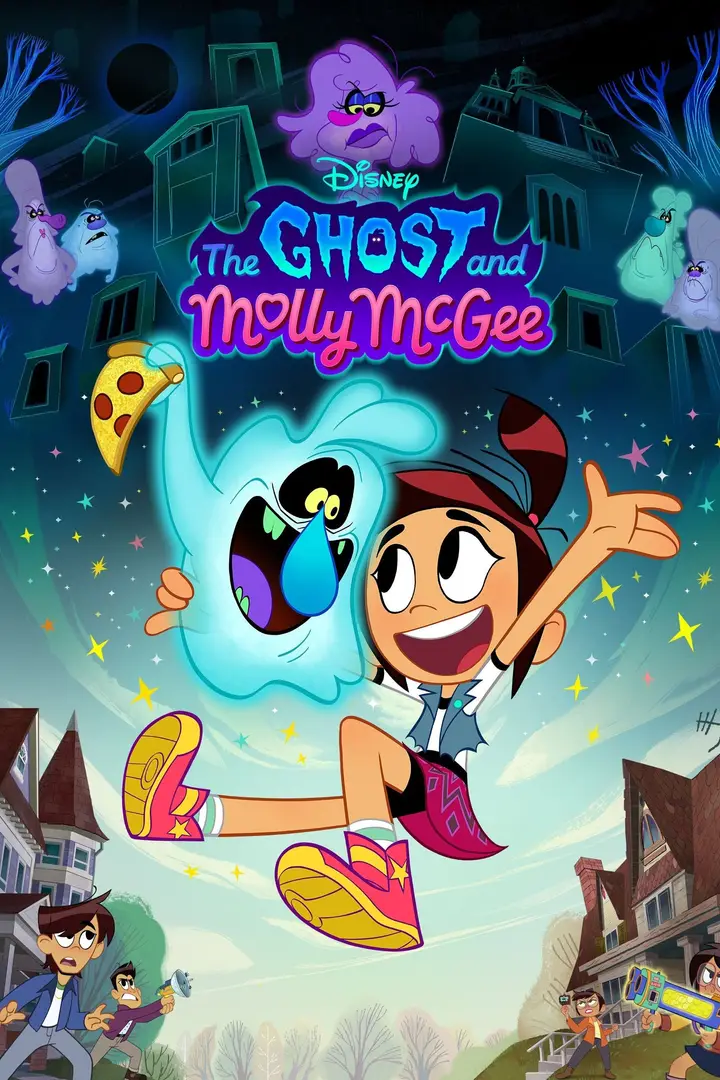
The Ghost and Molly McGee
The mismatched pairing of relentless optimism and grumpy pessimism drives fast comedy, while the friendship that slowly grows between them gives the sillier episodes real emotional footing.
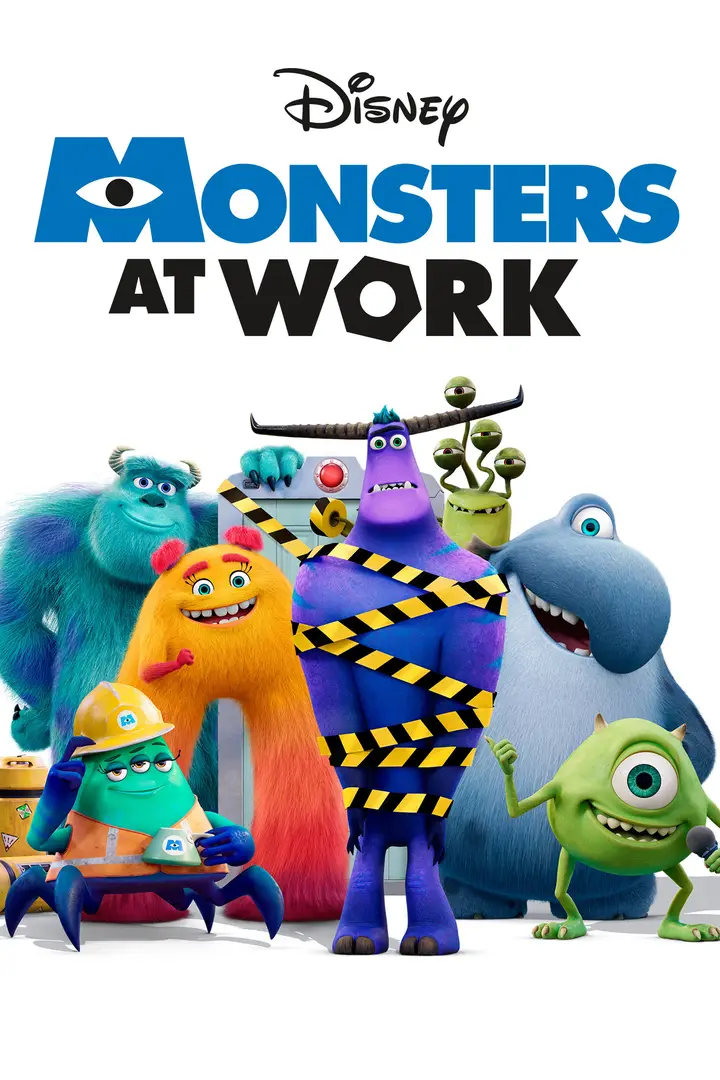
Monsters at Work
It extends a beloved film's world into workplace comedy, using a company changing direction almost overnight to explore ambition, teamwork, and finding your place among more experienced coworkers.
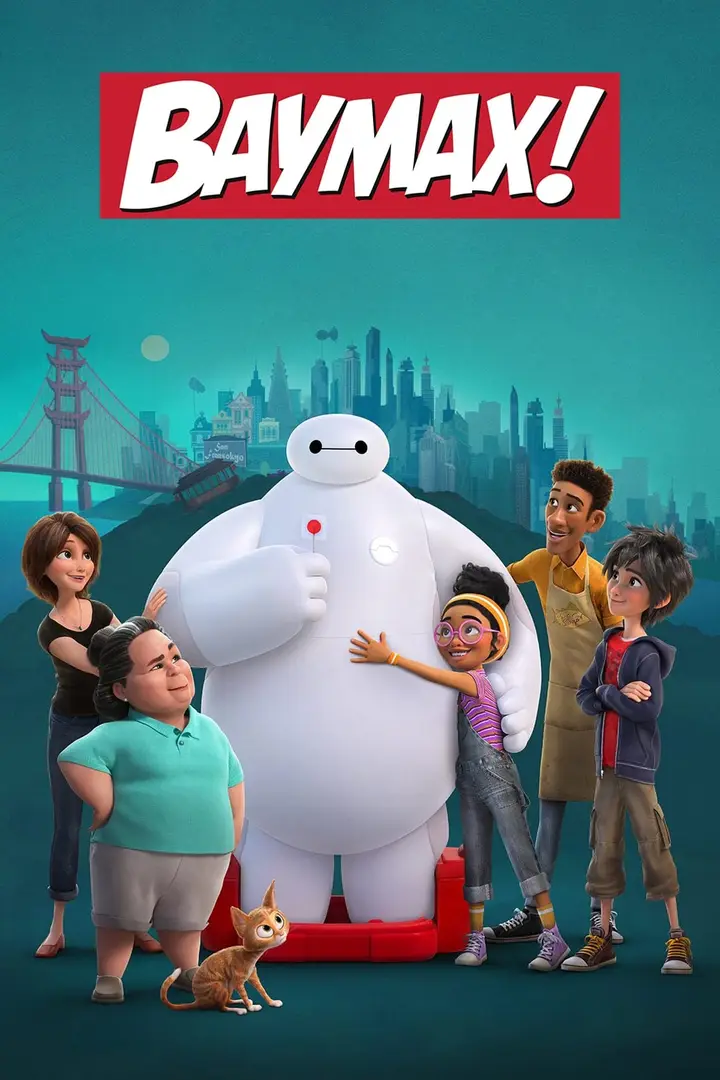
Baymax!
Each short episode follows a different stranger, using Baymax's literal humor and calm reassurance to make anxiety, body changes, and recovery feel like ordinary, discussable parts of life.
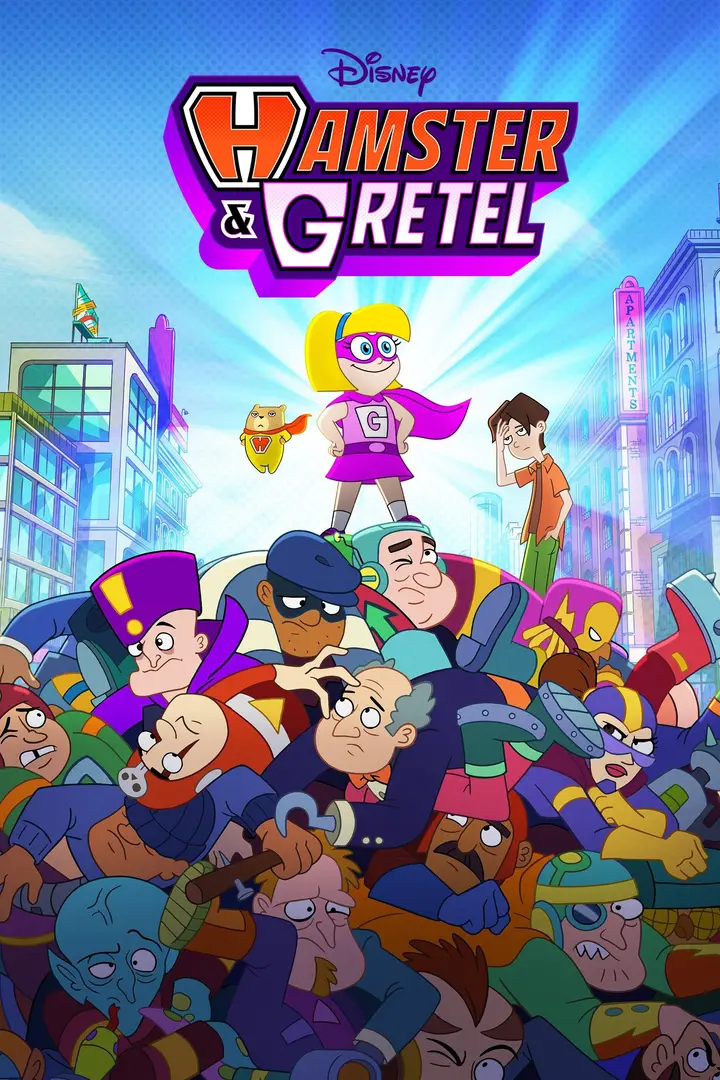
Hamster & Gretel
Its funniest idea is a sibling who expected to be the hero ending up powerless, forcing the show to explore teamwork and finding your role instead of just delivering powers.
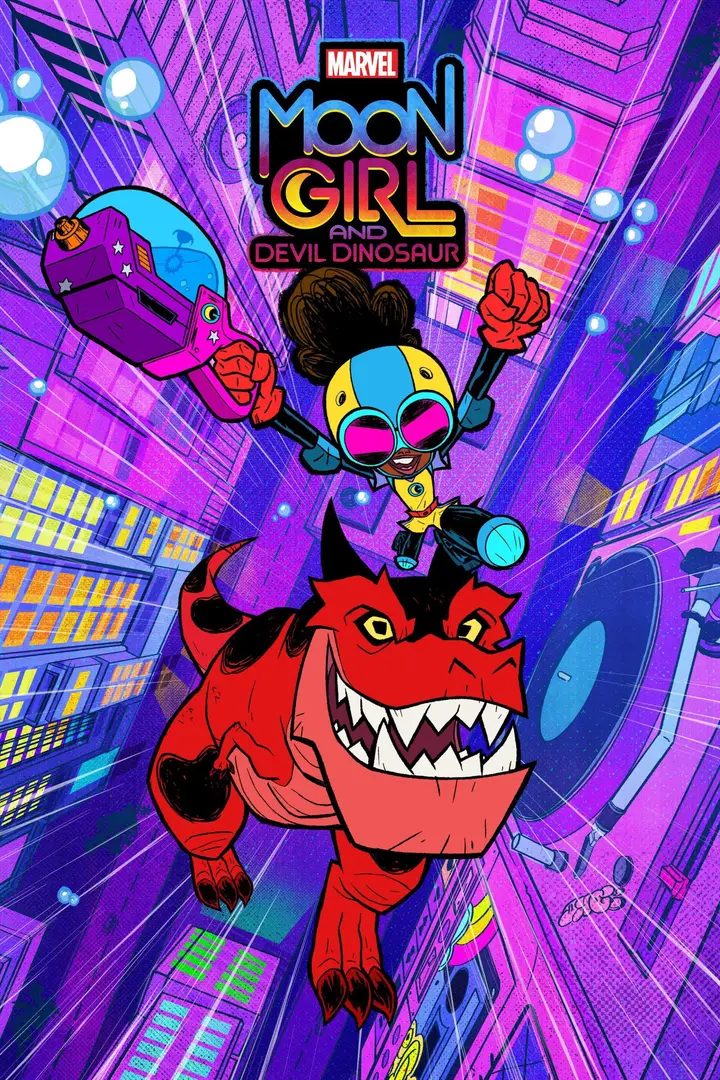
Marvel's Moon Girl and Devil Dinosaur
It grounds superhero spectacle in a specific Lower East Side family life, and lets its genius protagonist be brilliant yet fallible, giving mistakes as much narrative weight as her inventions.
Pupstruction
By treating every job as a puzzle needing different specialized skills, it teaches that being 'best' matters less than how a team's different strengths fit together.
Win or Lose
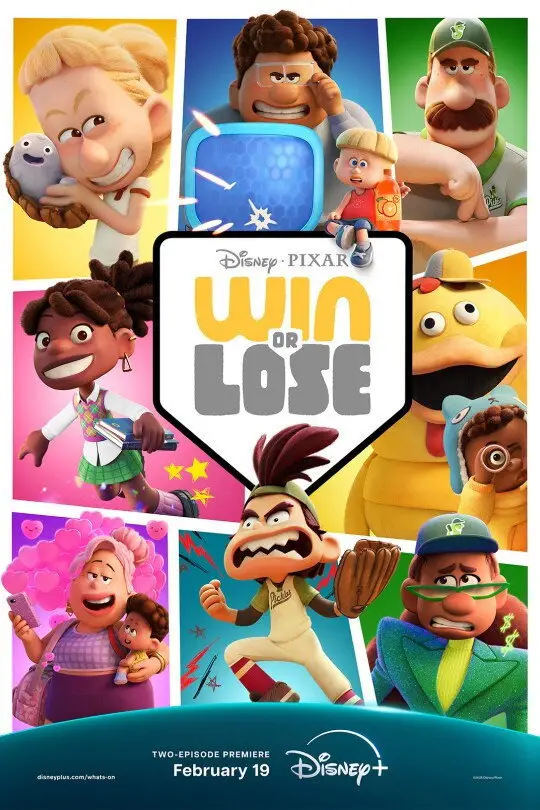
Retelling the same softball week from a different character's perspective each episode shows vividly how little we actually know about what someone else is feeling or fearing.
Your Friendly Neighborhood Spider-Man
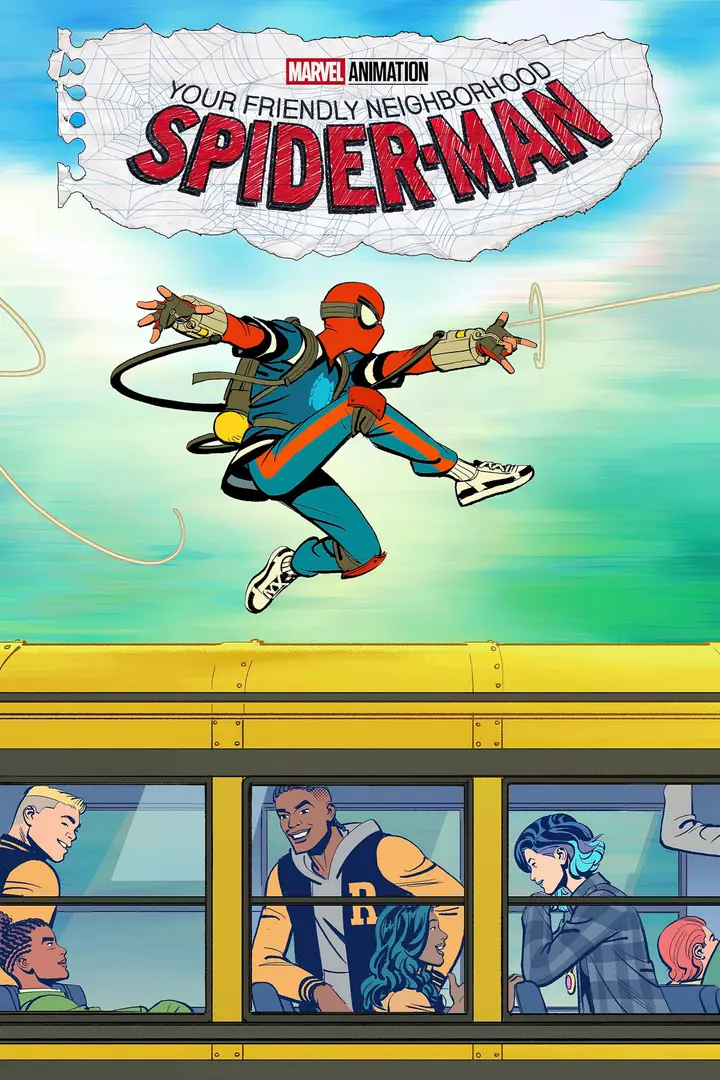
By resetting Peter Parker to his earliest days as a hero, it recaptures the tension of every choice mattering, before experience makes heroism feel routine or easy.
DuckTales
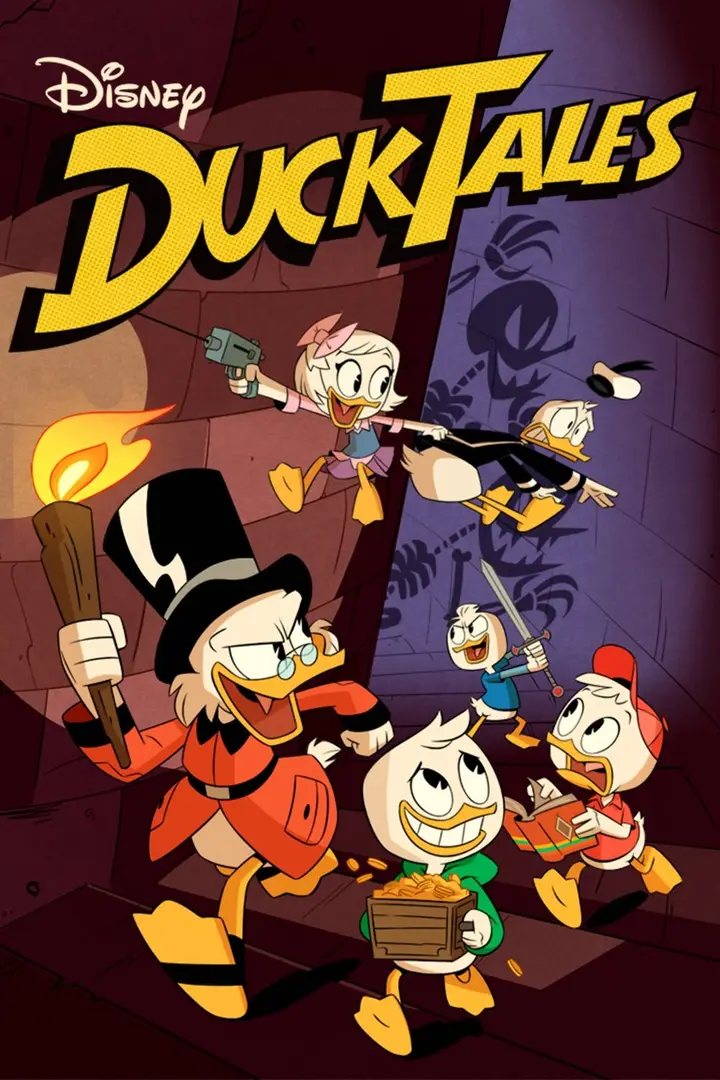
Treasure hunts and globe-trotting adventures gain extra weight through family secrets, rivalries and season-long mysteries. Scrooge, the nephews, Webby and Donald have distinct roles, letting action and family dynamics develop together.
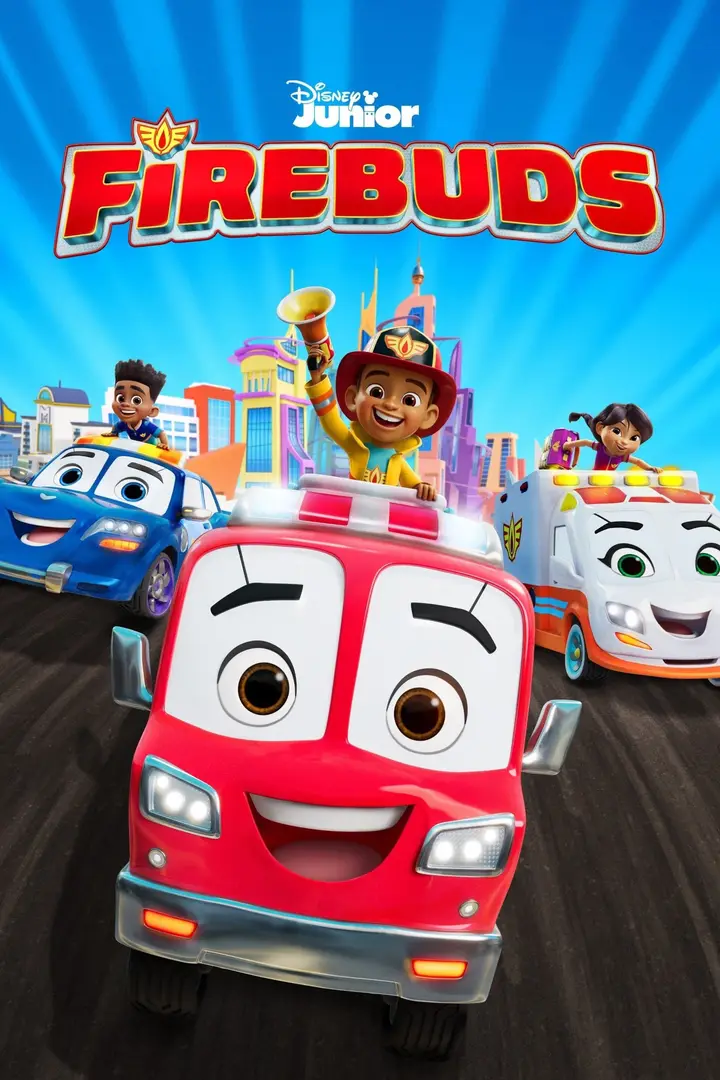
Firebuds
Rescue missions treat helping the community as shared work between children and their talking vehicles. Preparation, communication and choosing the right help matter as much as speed, giving each emergency a clear teamwork structure.
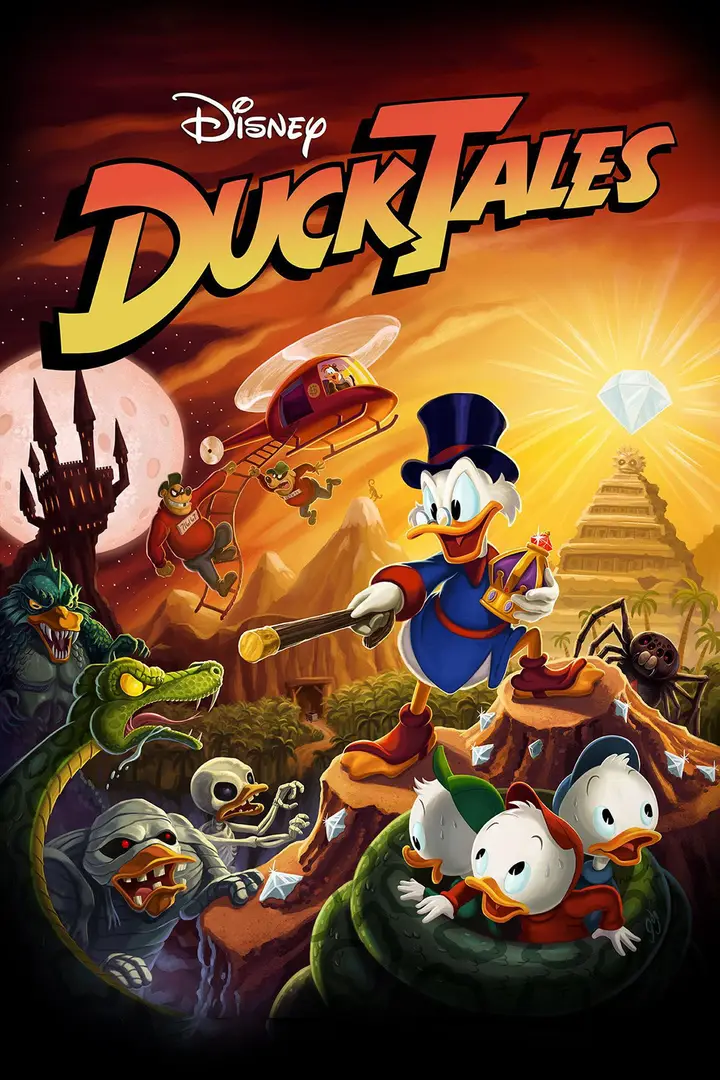
DuckTales
Treasure hunts, lost civilizations and eccentric villains give the original DuckTales a strong pulp-adventure rhythm. Huey, Dewey and Louie take active roles in solving problems, while Scrooge’s experience connects risk, curiosity and family loyalty.
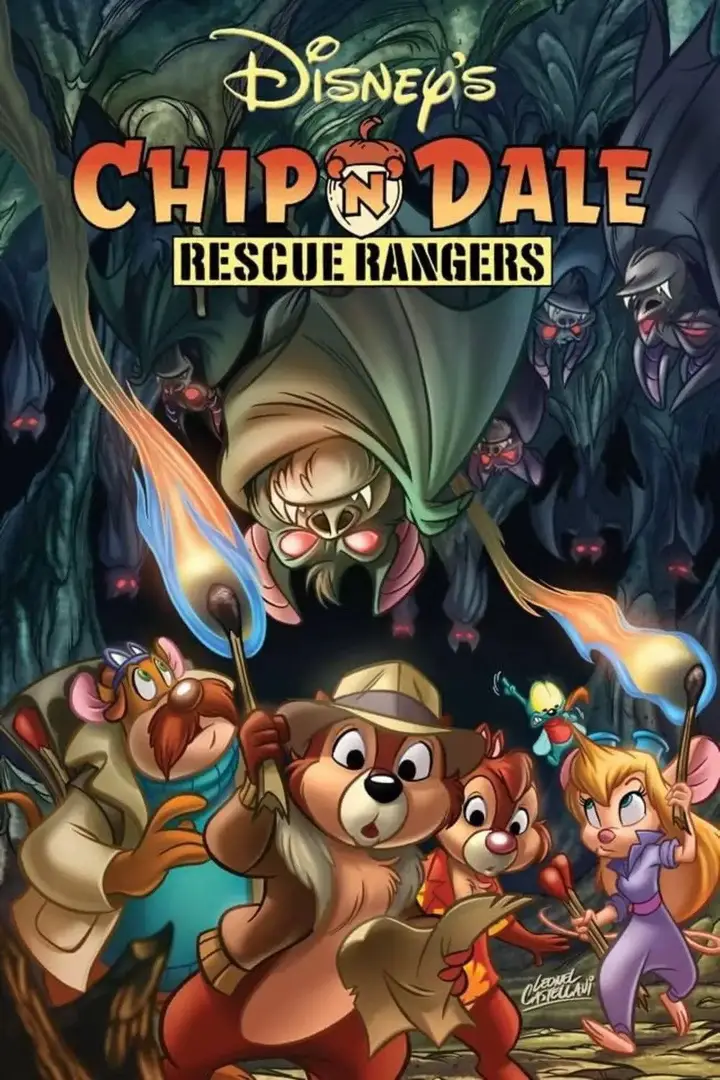
Chip 'n' Dale Rescue Rangers
Small-scale mysteries become energetic adventures as the Rescue Rangers combine Gadget’s inventions, Chip’s planning and the whole team’s different strengths. Cases reward observation and cooperation instead of relying on physical power alone.
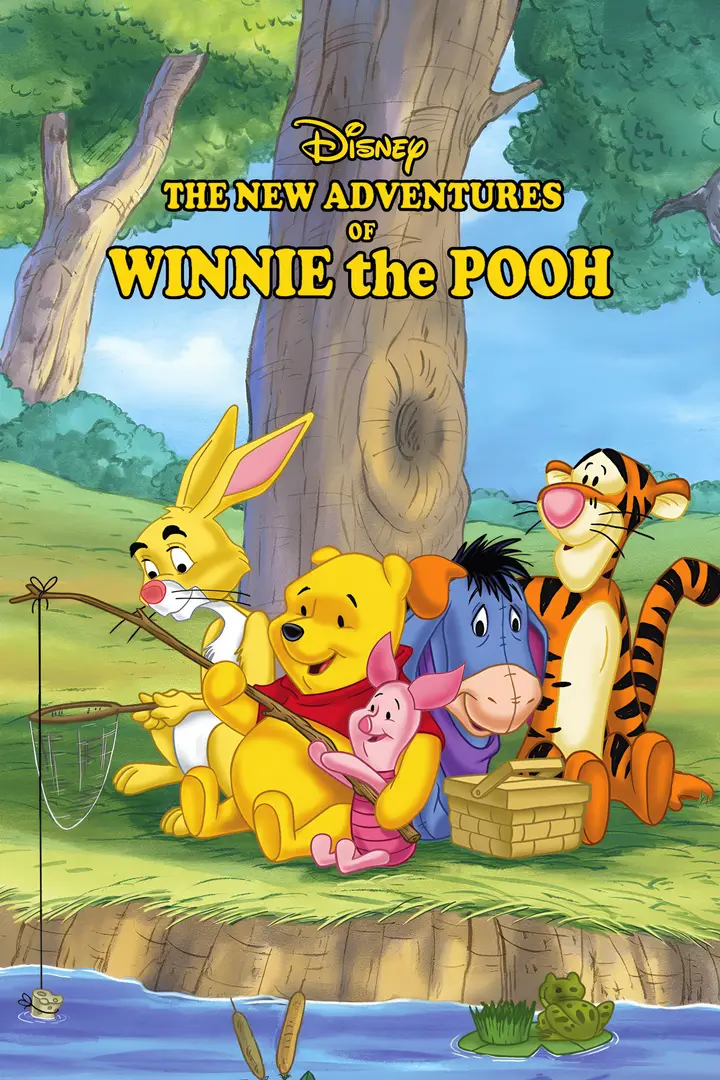
The New Adventures of Winnie the Pooh
Tiny misunderstandings become imaginative expeditions while the Hundred Acre Wood keeps every story familiar and secure. Pooh, Piglet, Tigger and their friends model different temperaments, giving friendship and patience clear everyday meaning.
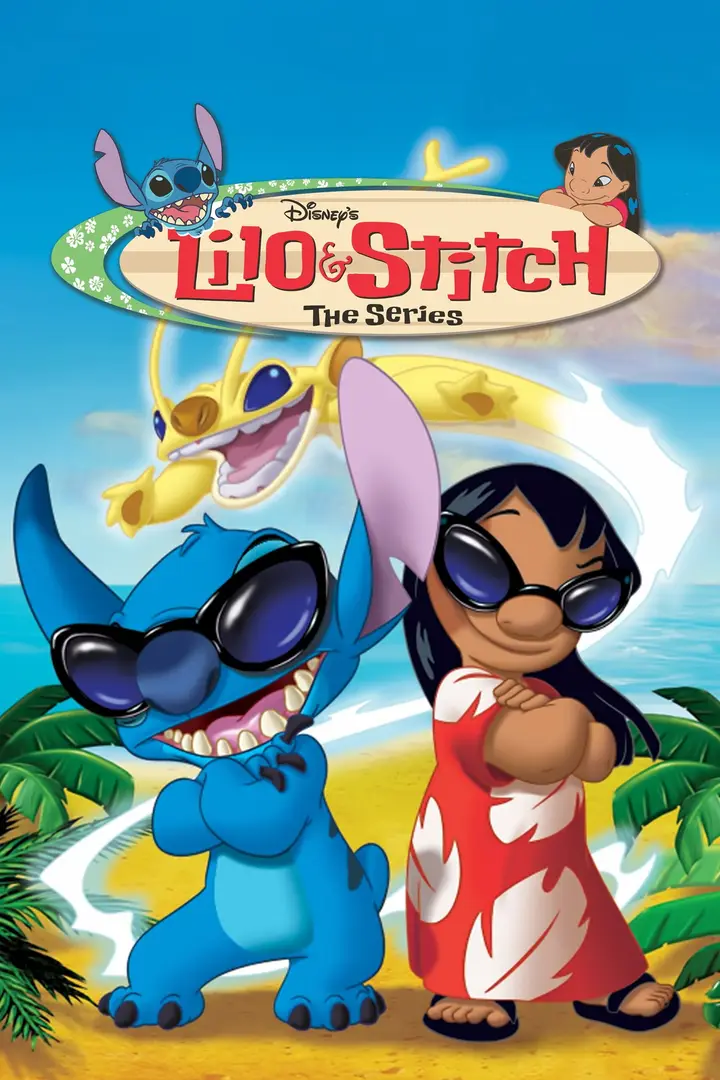
Lilo & Stitch: The Series
Each new experiment begins as a problem, then becomes a search for where its special ability belongs. That structure extends the idea of ohana by turning acceptance, purpose and responsibility into recurring adventure goals.
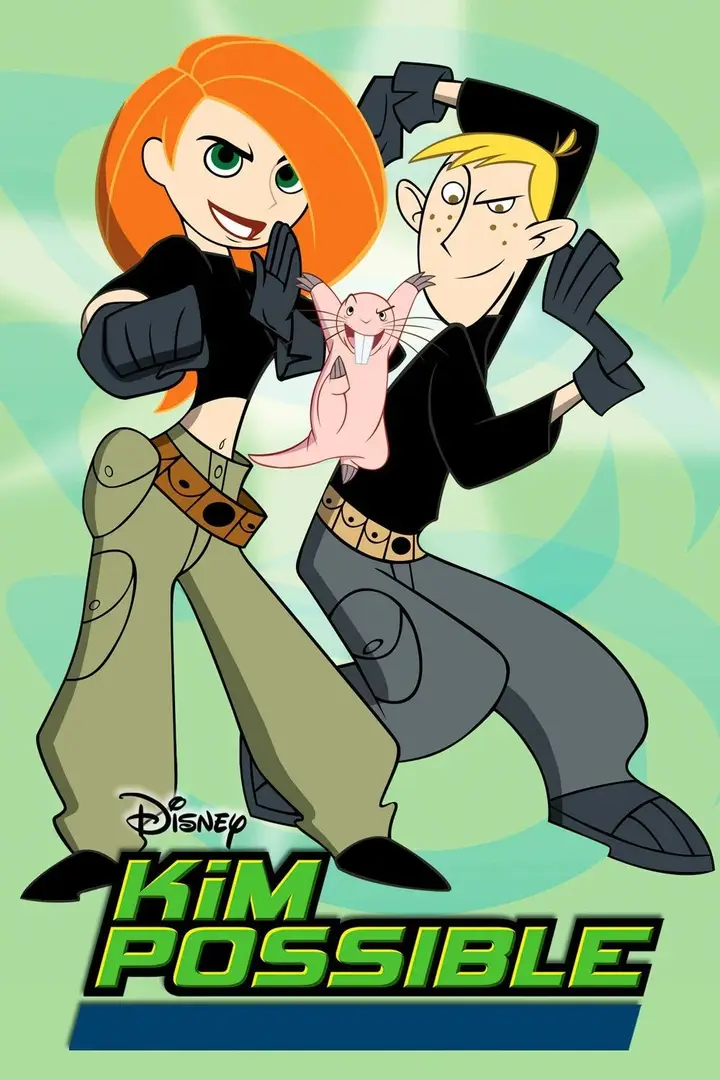
Kim Possible
Kim’s competence on missions contrasts with the ordinary complications of school, family and friendships. Ron, Rufus and Wade make teamwork essential, while the spy parody lets action and teenage embarrassment exist in the same story.
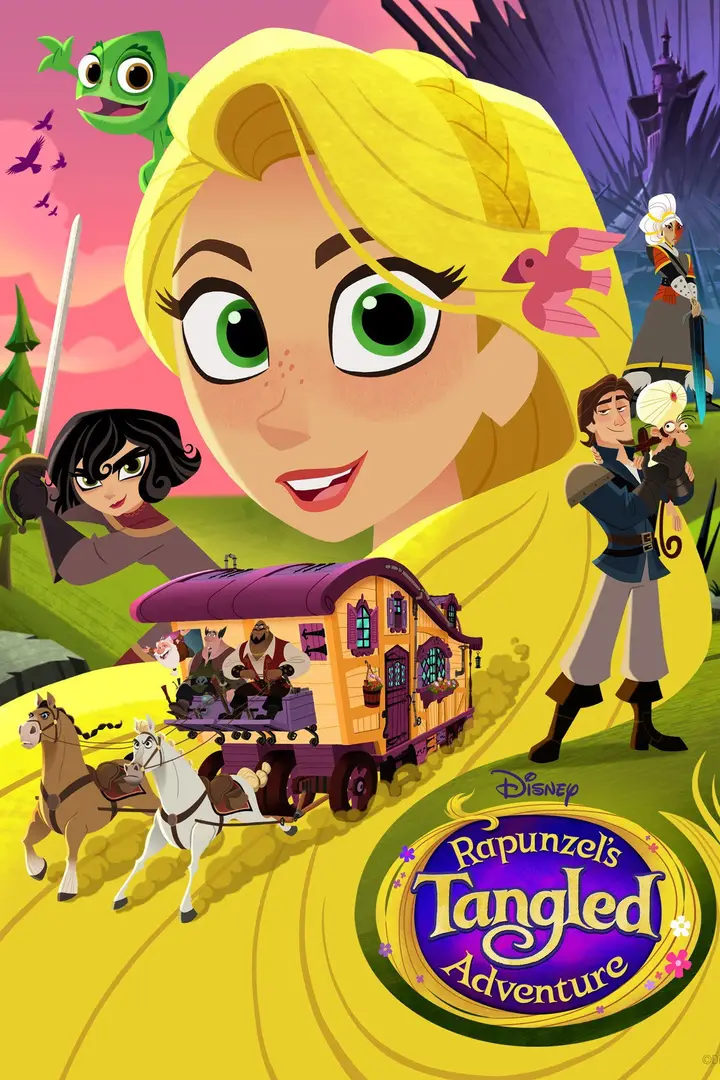
Tangled: The Series
Rapunzel’s return home becomes the start of a larger journey about leadership, independence and choosing her future. The mystery of her restored hair gives songs, comedy and fantasy adventure a strong serialized direction.
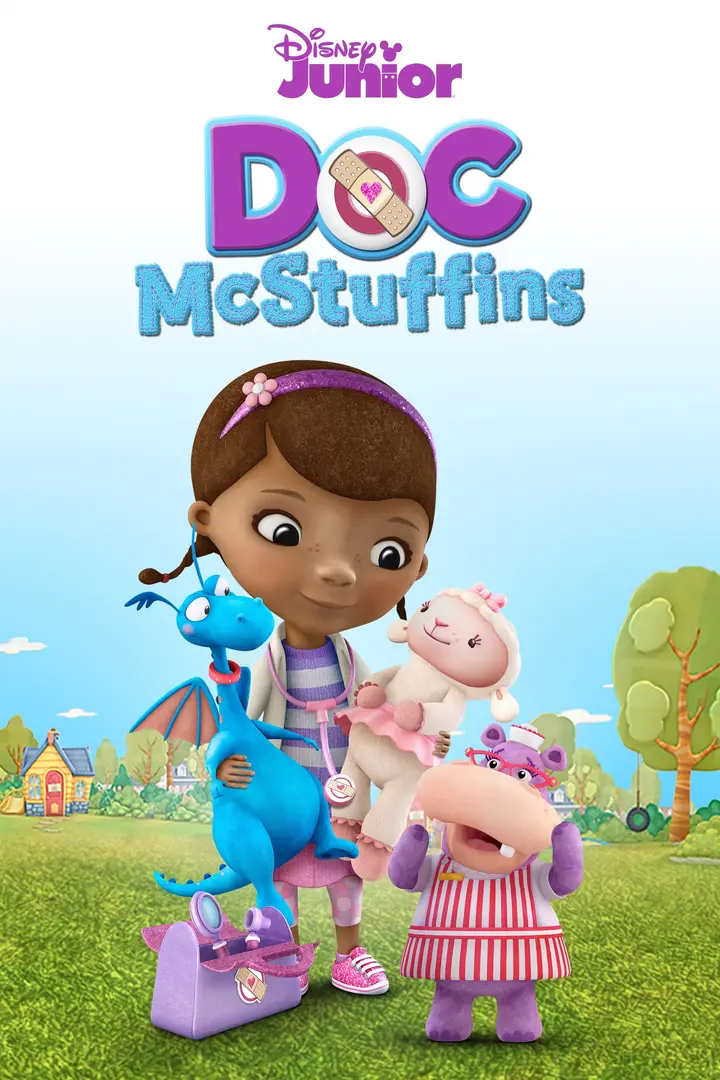
Doc McStuffins
Medical routines become reassuring role-play as Doc listens, examines and explains what each toy needs. The clinic structure gives preschoolers clear steps for checkups, hygiene and asking for help when something hurts.
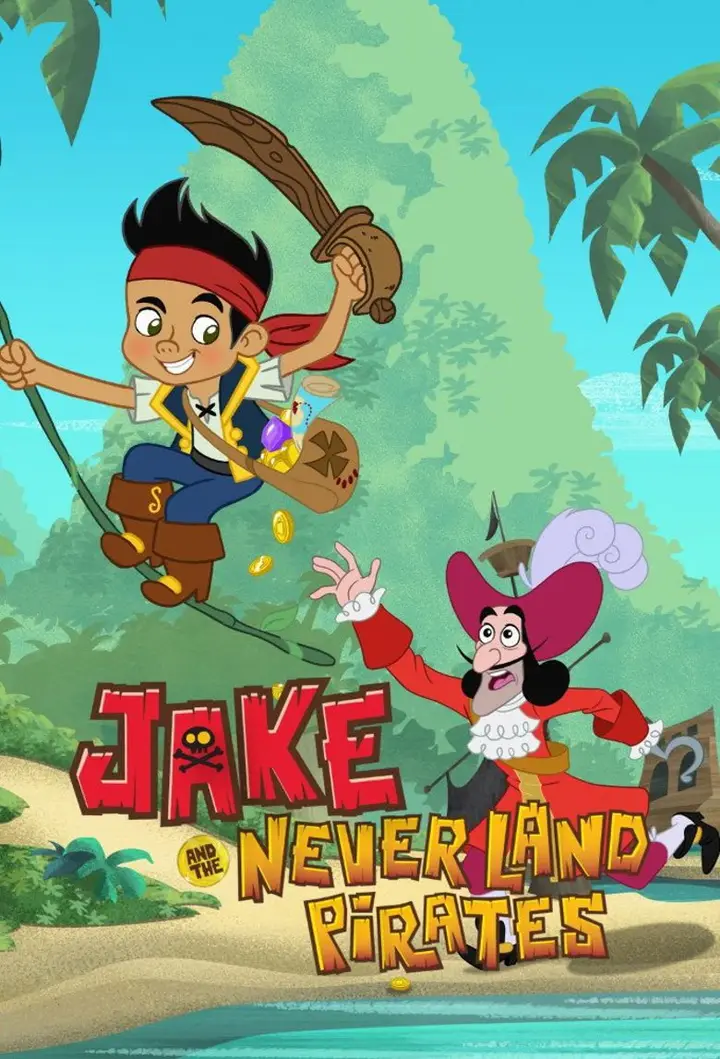
Jake and the Never Land Pirates
Preschool pirate missions combine clues, counting and simple choices with familiar Never Land characters. Jake’s crew succeeds through cooperation, making the adventure interactive without letting conflict with Captain Hook become threatening.

Elena of Avalor
Elena’s path toward becoming queen makes leadership something she has to practice, not simply inherit. Political decisions, magical dangers and community problems repeatedly test whether courage can be balanced with patience, listening and compassion.
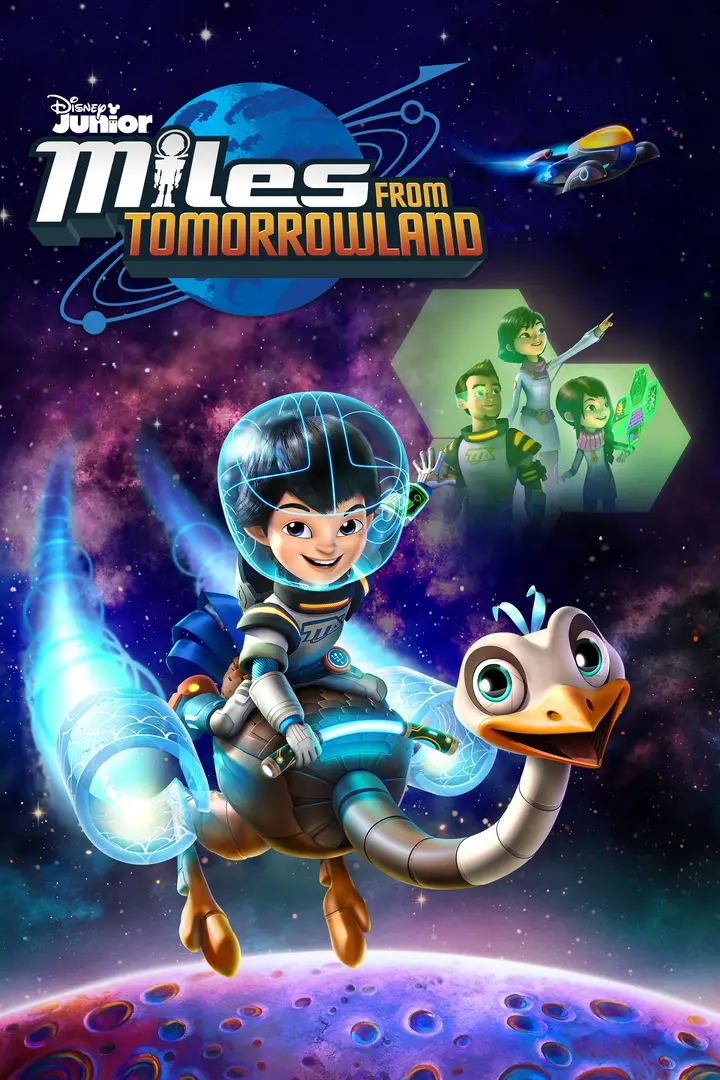
Miles from Tomorrowland
A family traveling through space turns exploration into a shared problem-solving project. New planets and species create science-fiction adventure, while technology, observation and communication keep curiosity connected to cooperation and respect for unfamiliar communities.
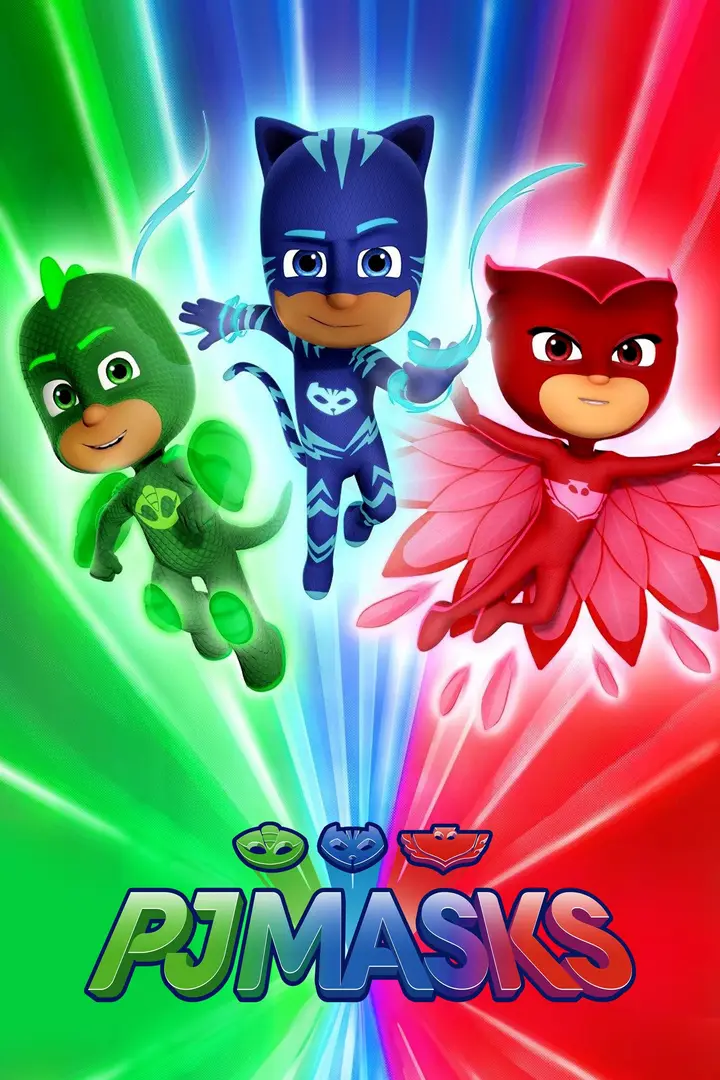
PJ Masks
Three six-year-olds become nighttime heroes whose different powers only work well when combined. Recurring villains create simple superhero missions, while mistakes and impatience repeatedly show why cooperation matters more than individual ability.
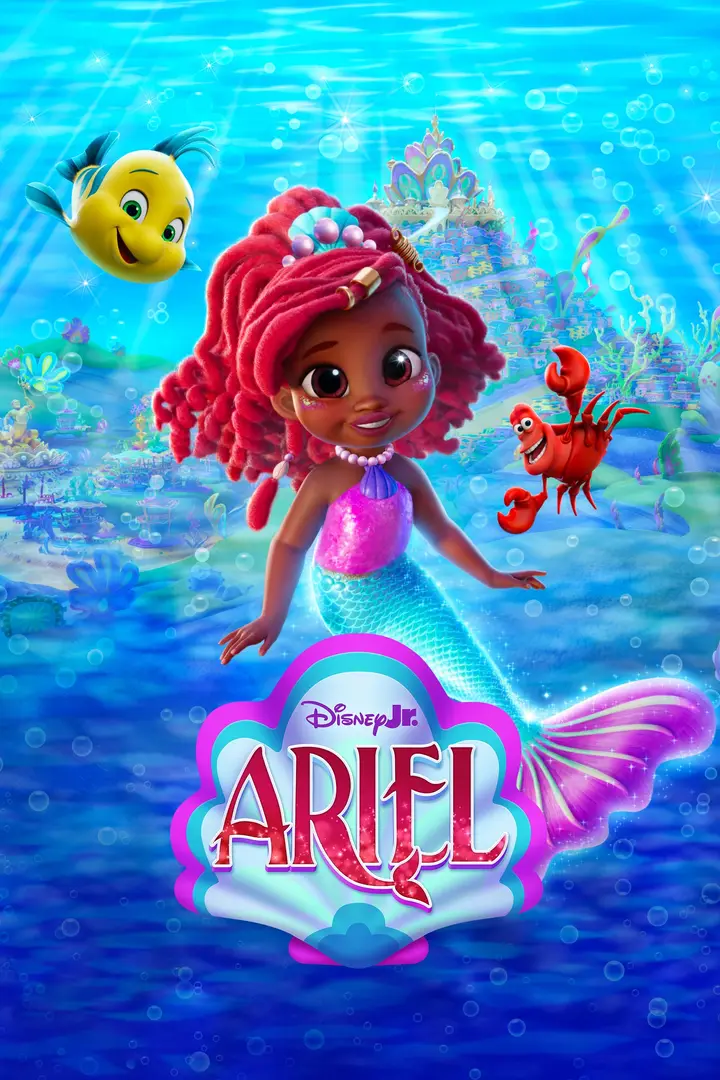
Disney Junior's Ariel
It scales The Little Mermaid's curiosity and independence down to preschool-friendly, self-contained adventures, using bright visuals and Caribbean-inspired culture for a distinct identity.


