
Anime TV Shows from Our Crunchyroll Picks
Anime across age groups, with clear guidance for stronger content.

Anime TV Shows from Our Crunchyroll Picks
Explore anime from our Crunchyroll picks using the existing TFFC guidance on minimum and recommended ages, intensity and episode length. The selection spans gentle fantasy, sports, comedy and more demanding action; not every title suits younger children. Availability varies by country and may change, so check your local Crunchyroll catalogue before watching.
Find the right series
Choose one band. Results show age-relevant series approved by our editors: those whose Minimum-to-Recommended age span overlaps the band, plus individually approved favorites. The Recommended Age is a starting point, not a maximum.
More filters and sort
No series in this guide match this age.
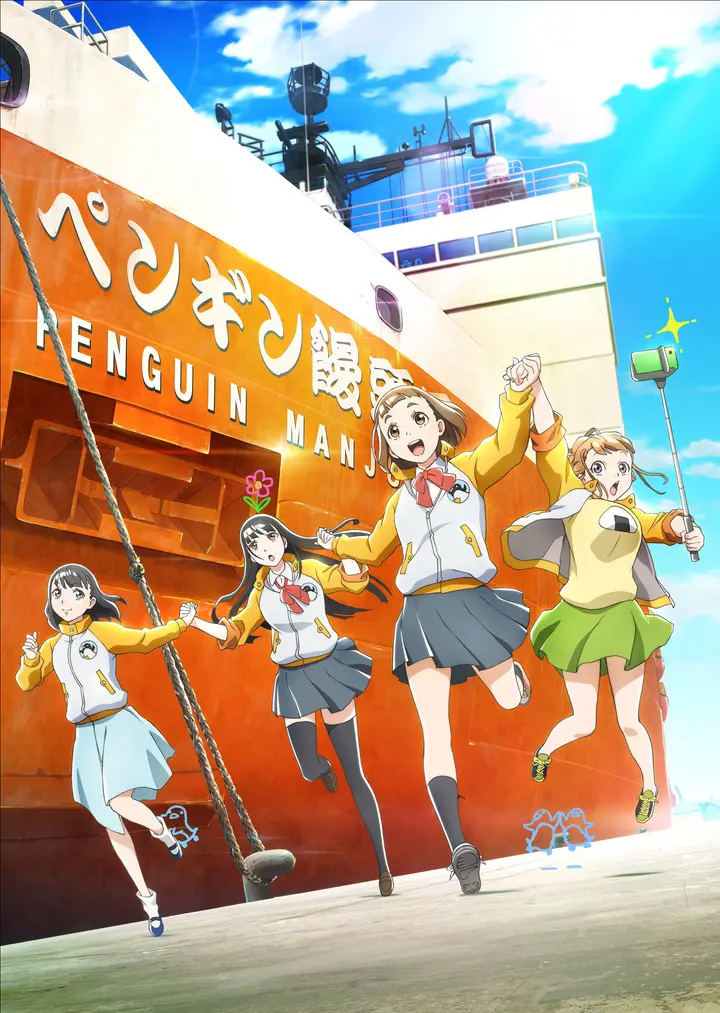
A Place Further Than the Universe
The Antarctic goal gives the series a concrete destination, but the real strength is watching four girls plan, fail, adapt and commit to going together. Detailed preparation and believable friendships make the achievement feel earned instead of inspirational by default.
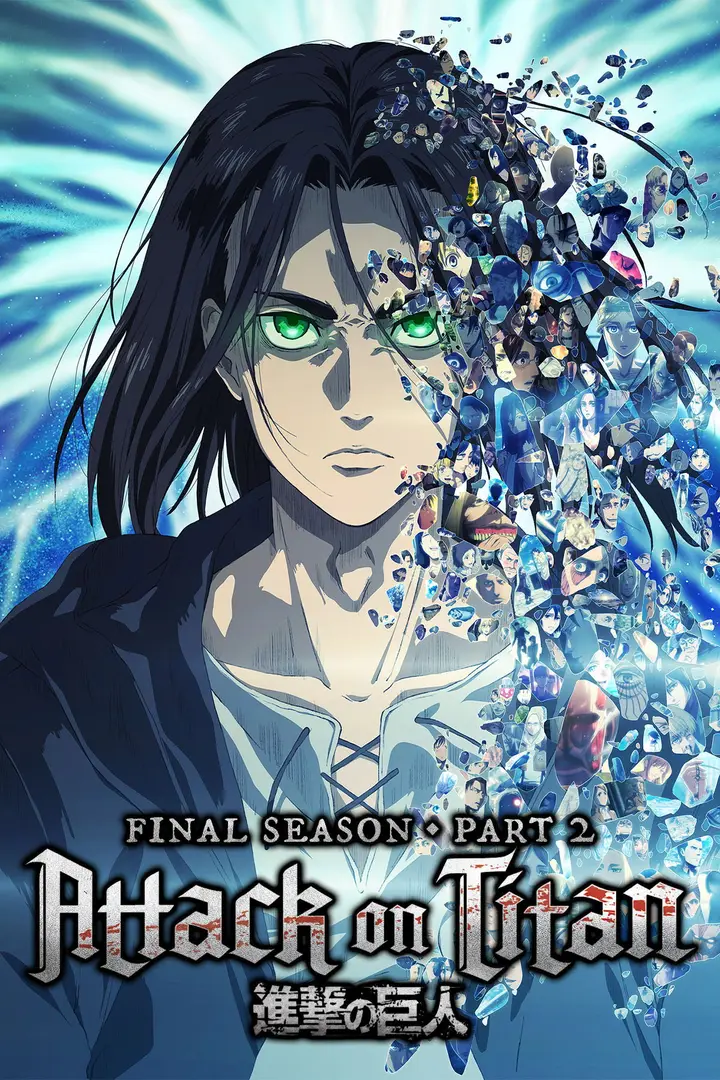
Attack on Titan
A survival-horror premise expands into political and war drama as discoveries continually reshape what the characters believe about their world. Mystery, military pressure and difficult moral choices give the series unusual thematic ambition alongside its action.
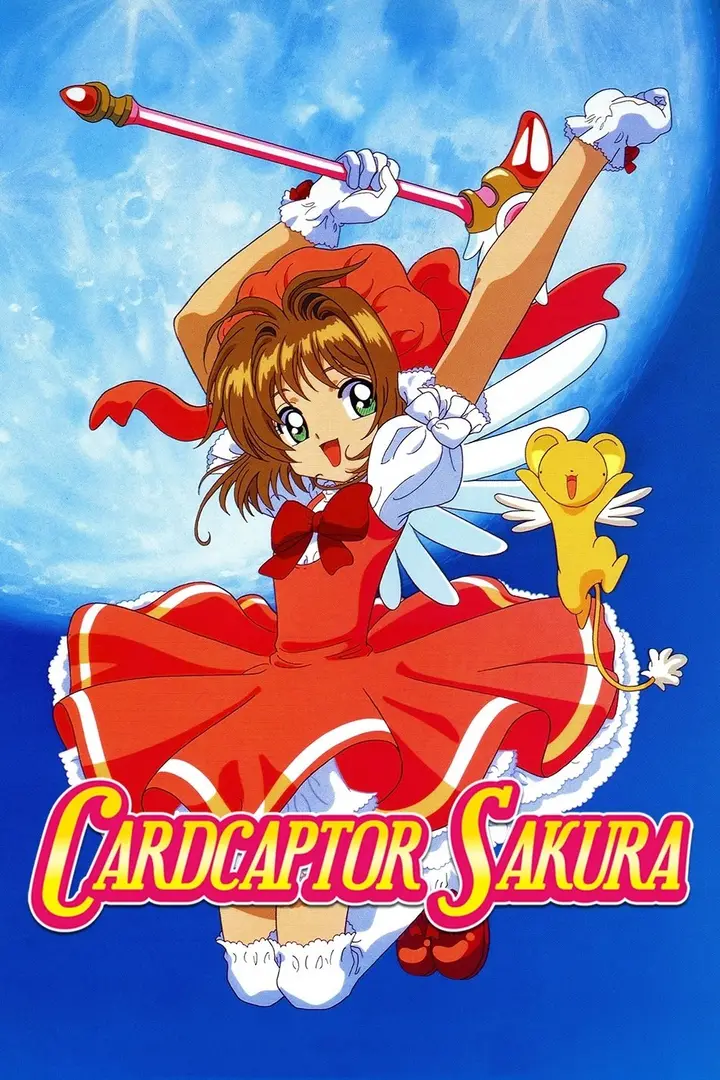
Cardcaptor Sakura
It grounds a magical card-collecting quest in patient, everyday character growth, letting its heroine mature emotionally without ever losing her core kindness and curiosity.
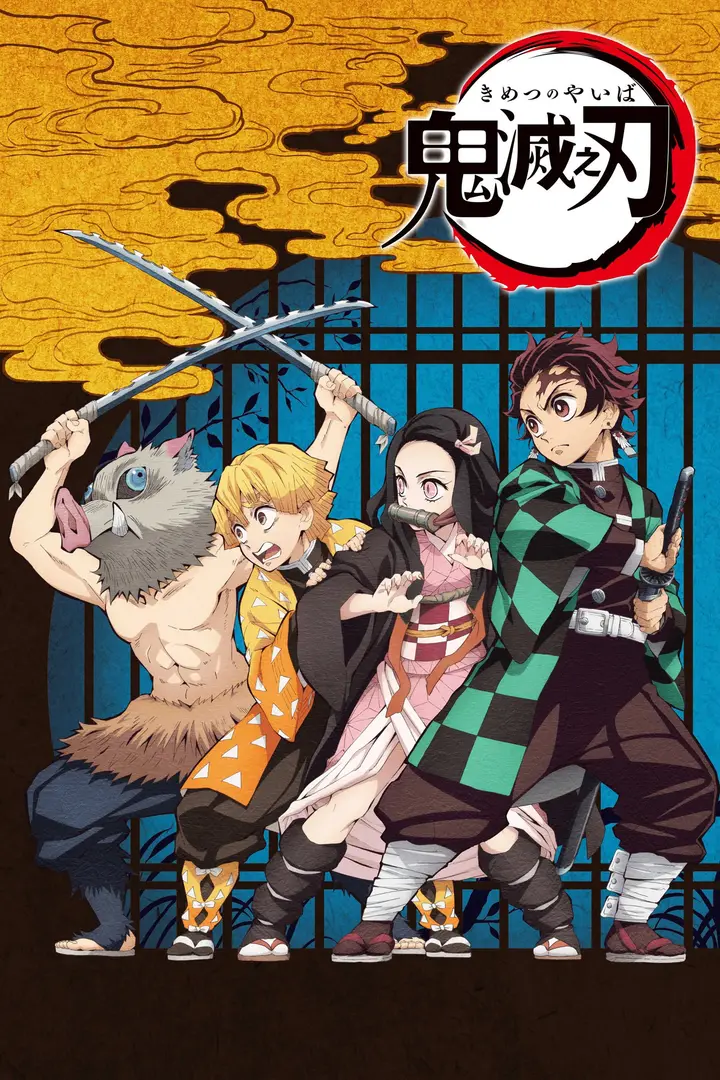
Demon Slayer: Kimetsu no Yaiba
Tanjiro’s loyalty to Nezuko gives the spectacular battles a strong personal anchor, while compassion toward defeated demons adds dimension to the action. The series balances training, family bonds and increasingly dangerous enemies across a clear serialized journey.
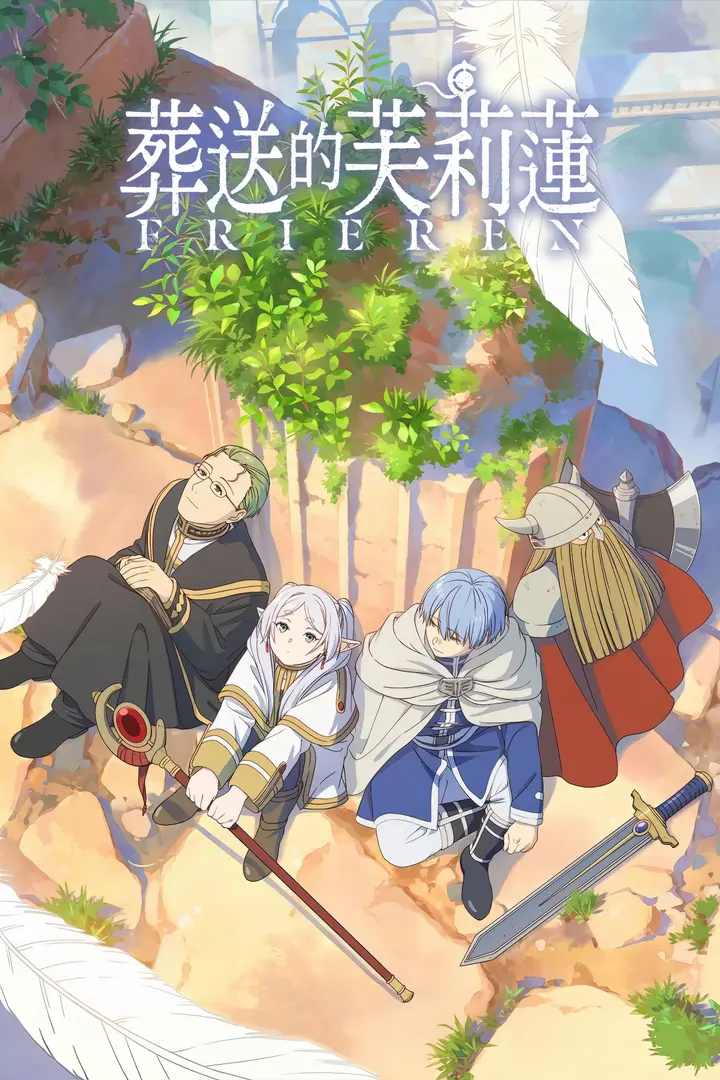
Frieren: Beyond Journey's End
Fantasy adventure gains unusual depth through memory, time and the difference between human and elven lifespans. Frieren’s new journey gives past relationships new meaning, while younger companions keep the story moving beyond reflection alone.

Fruits Basket (2019)
A warm supernatural premise gradually opens into a substantial family drama about control, abuse, loneliness and recovery. Tohru’s empathy matters because change takes time; kindness supports people without functioning as an instant solution to their problems.
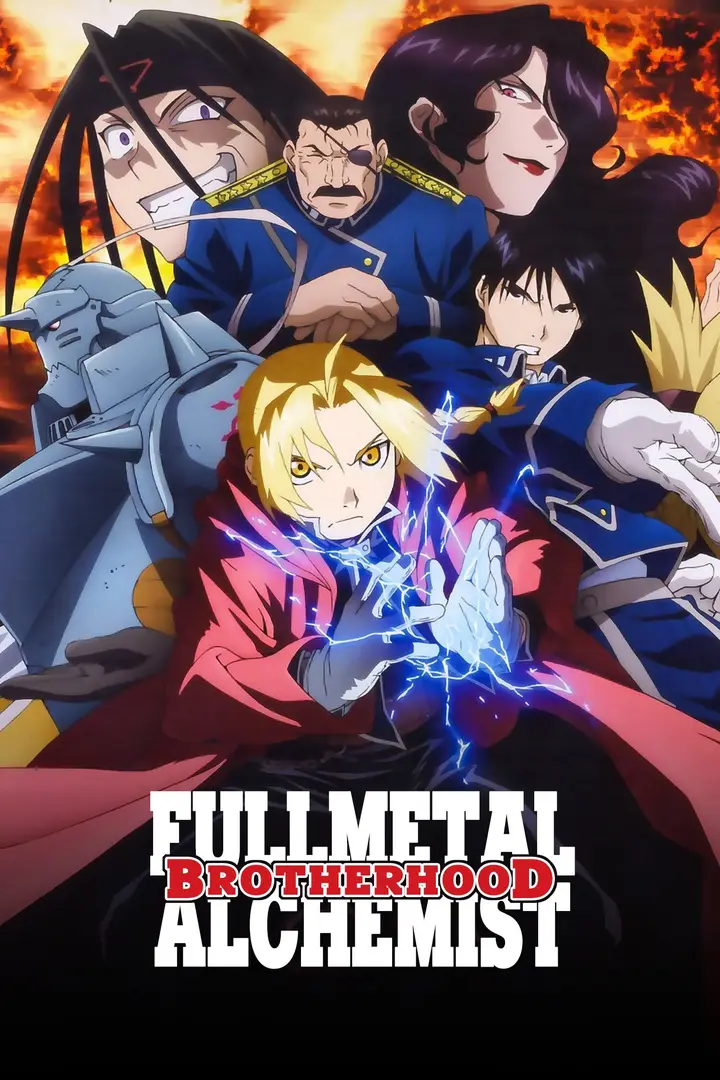
Fullmetal Alchemist: Brotherhood
Tightly connected plotting lets action, politics, alchemy and character choices build toward one coherent long-form story. Edward and Alphonse’s search stays personal while the wider narrative examines war, prejudice, sacrifice and the misuse of power.

Haikyu!!
Matches stay exciting because tactics, positioning and small improvements matter as much as athletic talent. The series gives teammates and opponents clear goals, making practice, setbacks and cooperation feel consequential without relying on fantasy powers or violent stakes.
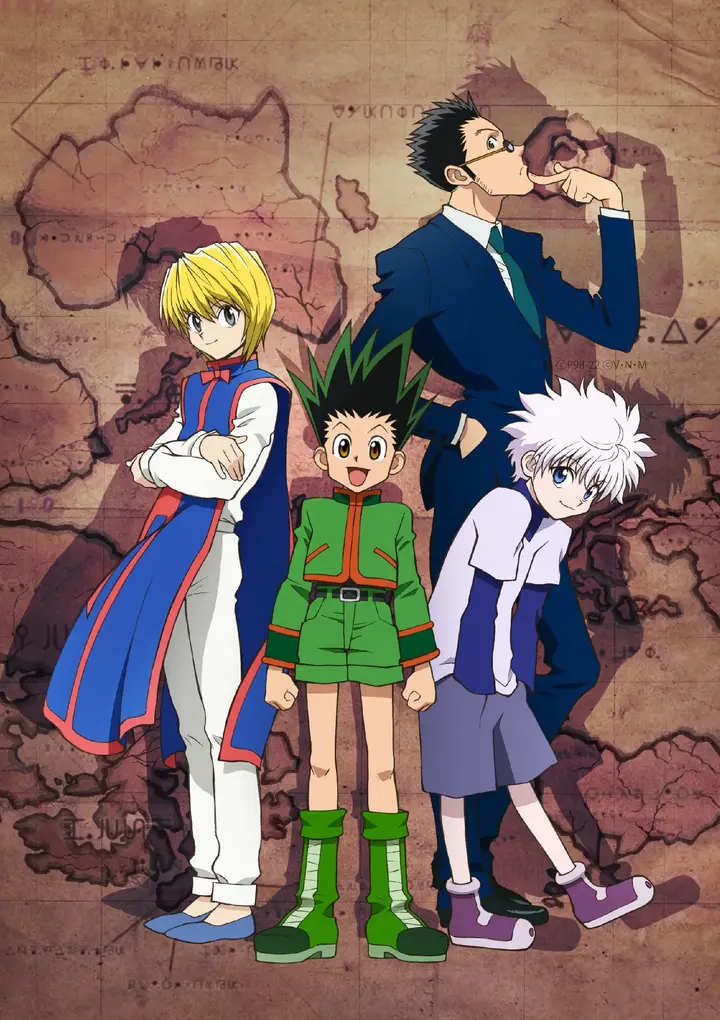
Hunter x Hunter (2011)
Strategy, character growth and shifting tone give the series exceptional range. What begins as a youthful adventure develops into increasingly complex conflicts, while Gon, Killua, Kurapika and Leorio provide strong personal anchors across very different arcs.
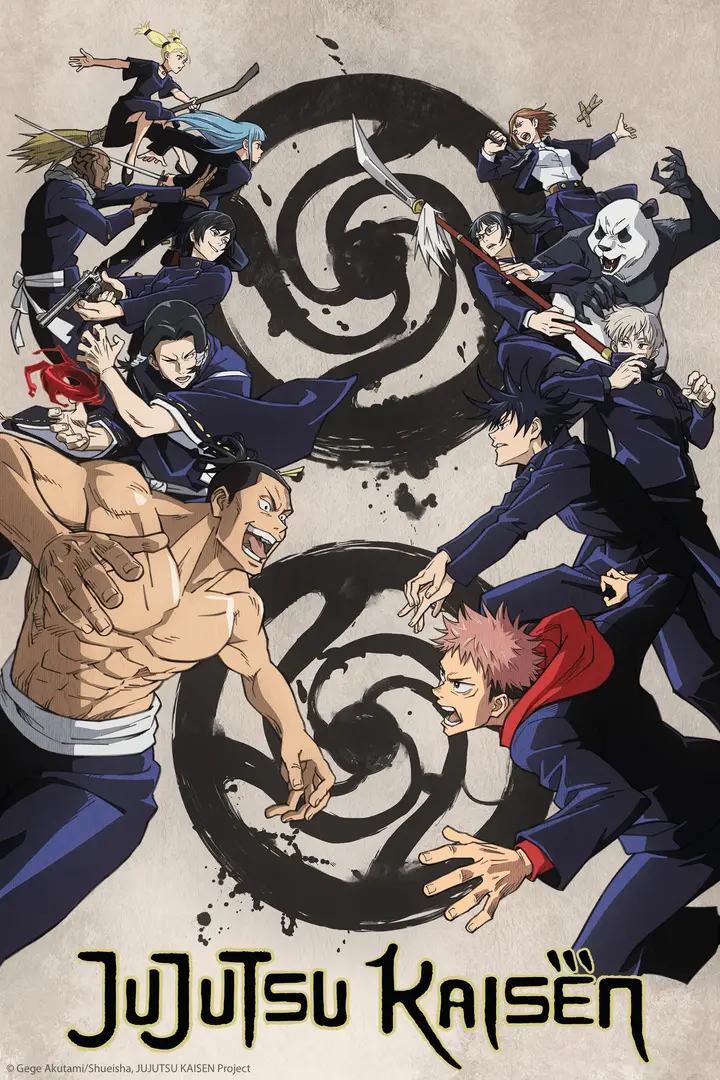
Jujutsu Kaisen
Fast supernatural combat works because strong character chemistry sits beside an inventive curse system rooted in human fear and negativity. Yuji’s situation gives the action a constant moral pressure, while the wider cast keeps battles varied and strategically distinct.

Kimi ni Todoke: From Me to You
Sawako’s growing confidence develops through sincere friendships as much as through romance. The patient school setting gives misunderstandings time to resolve through conversation and makes small social steps feel meaningful, making it an accessible first romance anime.
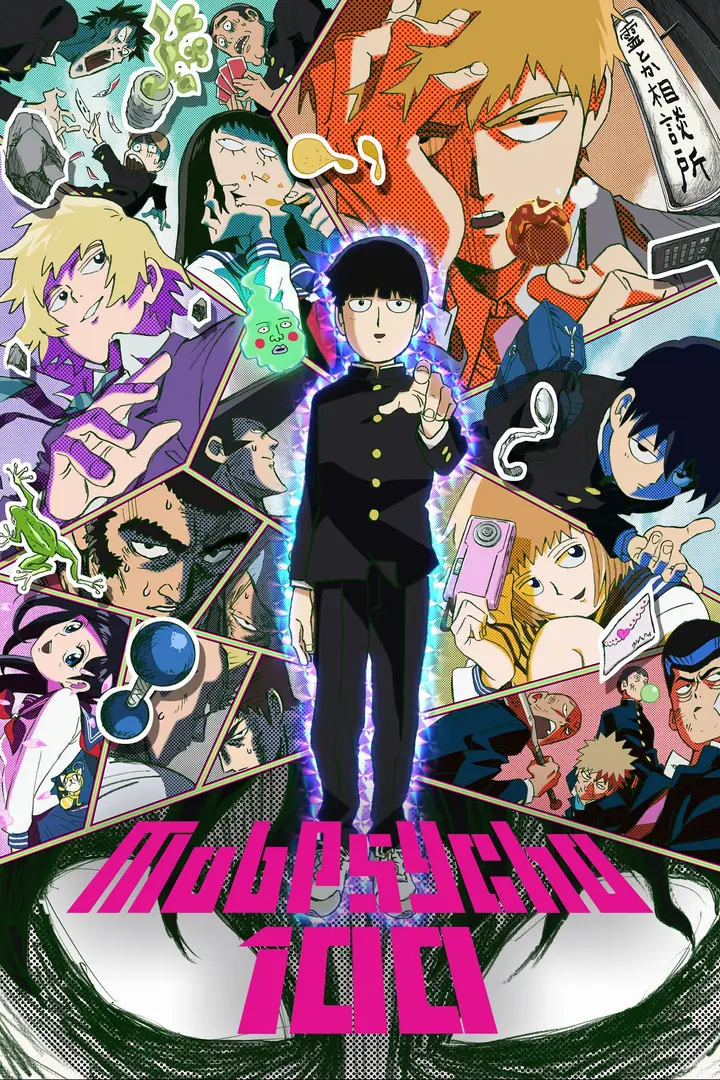
Mob Psycho 100
Mob’s overwhelming psychic power matters less than his effort to become a better, more confident person. Absurd comedy, striking supernatural action and Reigen’s influence support a thoughtful story about self-worth, choices and what actually makes someone strong.
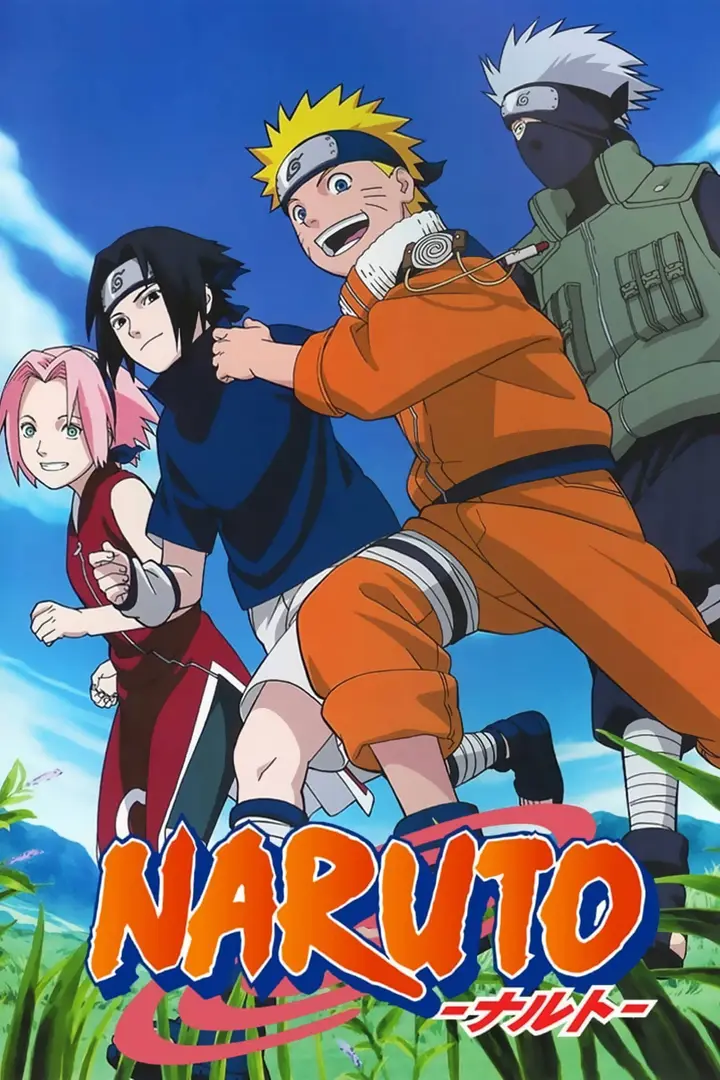
Naruto
Naruto’s long-term growth gives the series real cumulative force: training, rivalries and team bonds build across many episodes instead of resetting. The strongest arcs connect action to loneliness, loyalty and perseverance, giving the ninja world a solid character foundation.
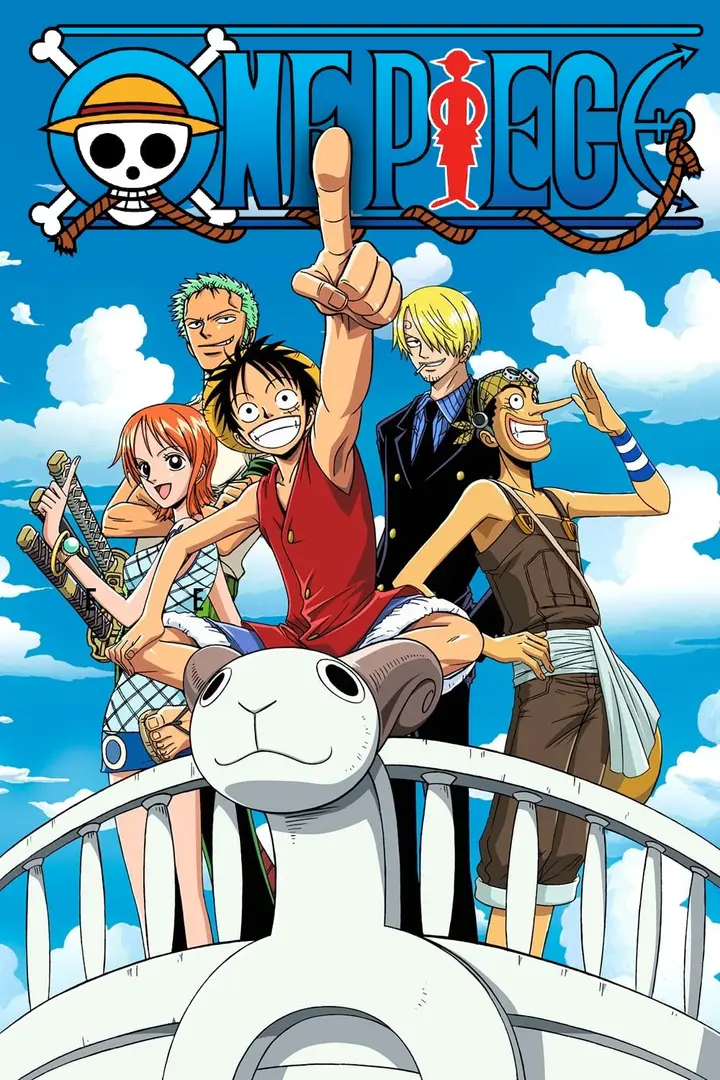
One Piece
Huge world-building stays coherent because the Straw Hat crew’s loyalty and opposition to oppression provide a consistent center. Island-by-island adventures can shift from broad comedy to serious social themes while still contributing to one enormous journey.
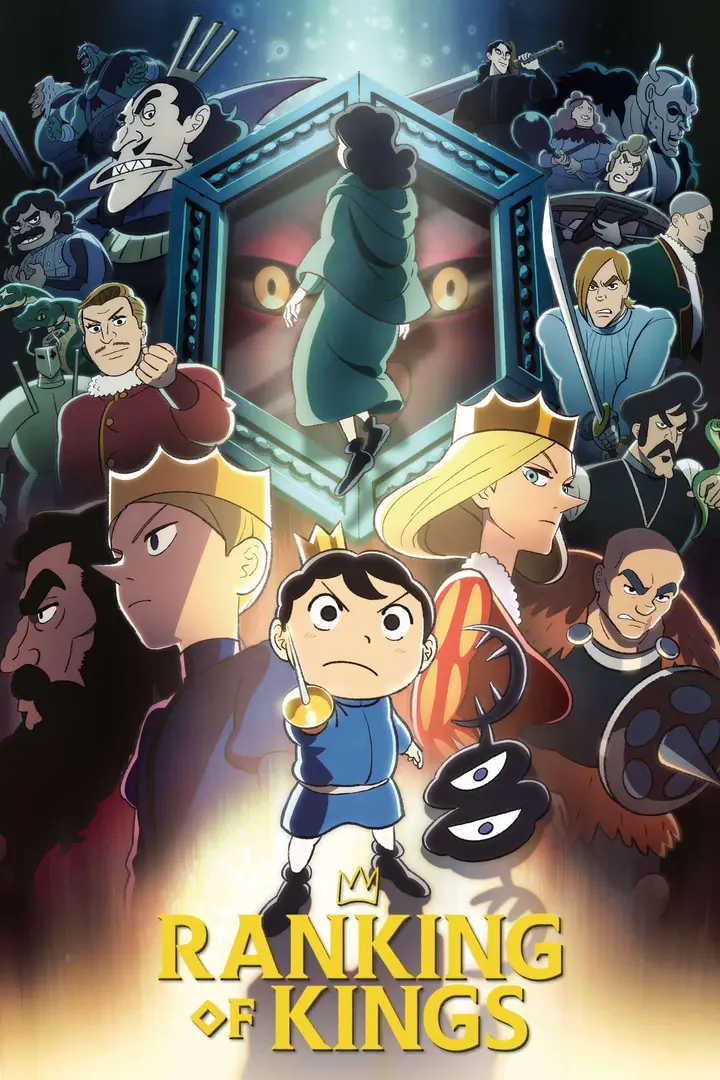
Ranking of Kings
Bojji’s determination and compassion turn a fairy-tale kingdom into a story about how strength is judged and who gets underestimated. Political secrets, family loyalties and shifting alliances add depth without losing sight of his personal journey.
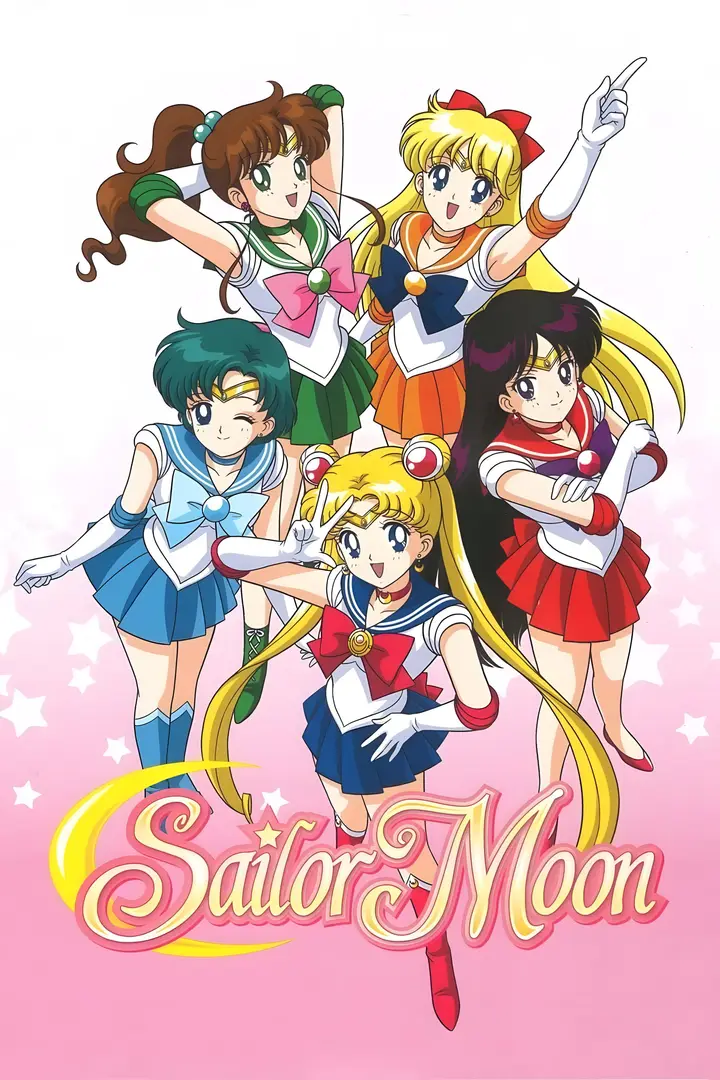
Sailor Moon
Magical battles, school comedy and an expanding team of Sailor Guardians give the series both episodic fun and long-form continuity. Friendships and group dynamics grow alongside the fantasy plot, which helps the larger story arcs carry weight.
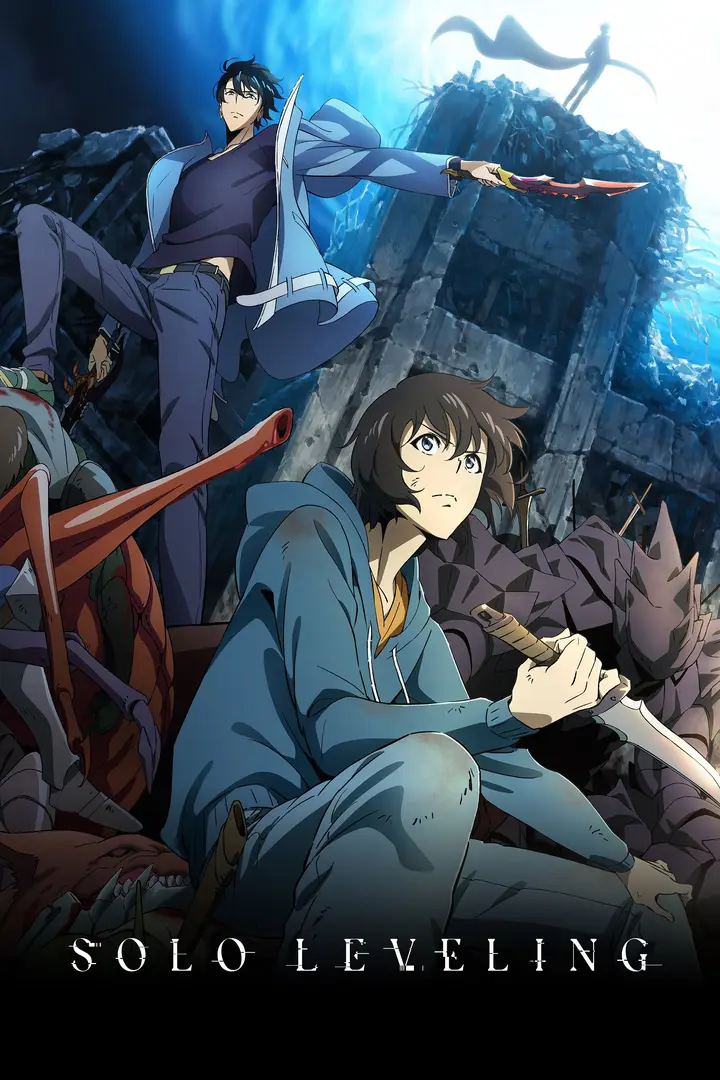
Solo Leveling
A very clear progression system makes Jinwoo’s growth immediately readable, turning new abilities and increasingly dangerous dungeons into steady forward momentum. The series delivers the satisfaction of visible improvement with polished, high-impact action.
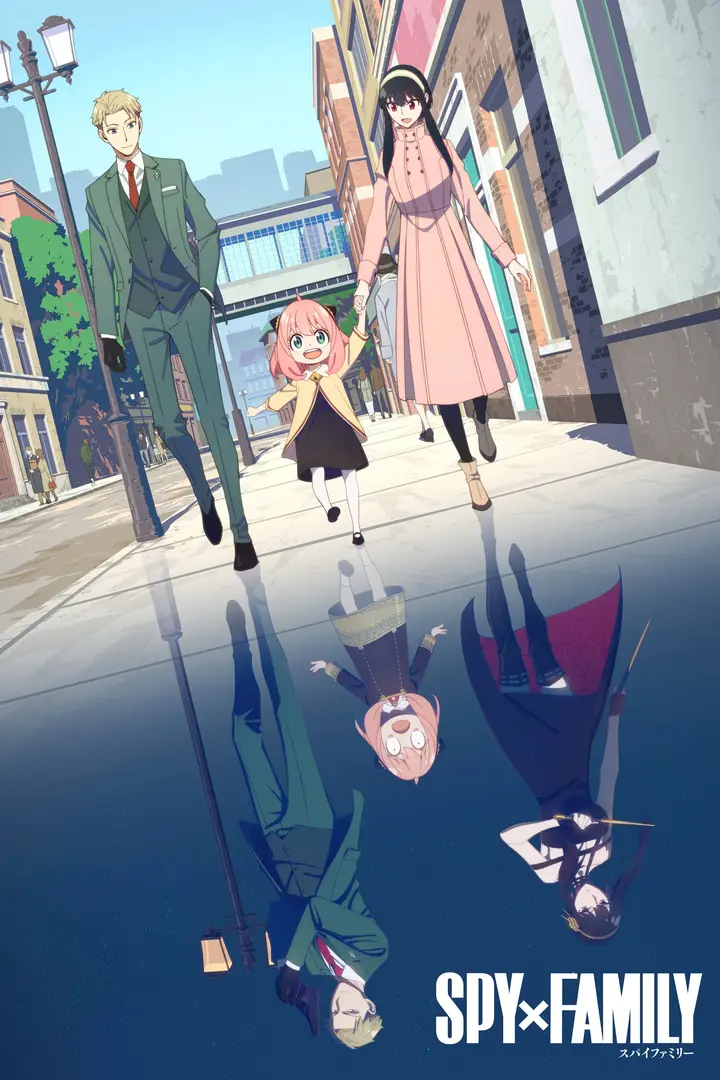
Spy x Family
Espionage, school comedy and domestic life reinforce each other instead of competing for attention. The hidden identities create constant comic tension, while Anya’s perspective and the growing bond between the Forgers give the action a warm, character-driven center.
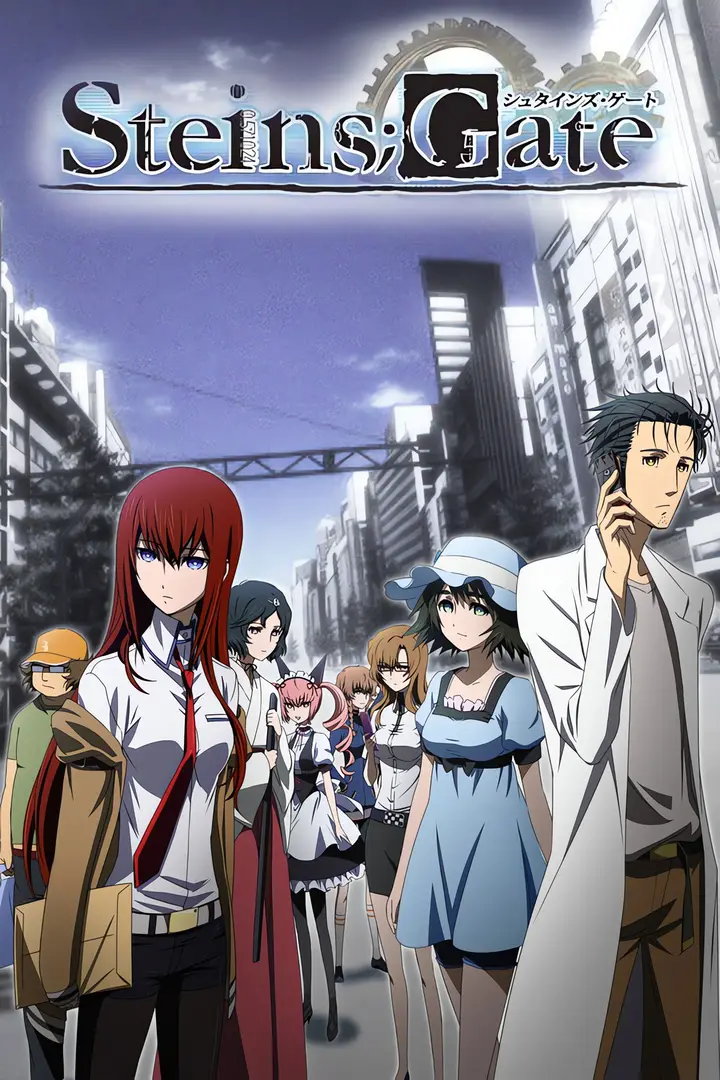
Steins;Gate
Careful early setup pays off when playful time-travel experiments become a tightly connected thriller about consequence and sacrifice. Okabe’s repeated attempts to change events make cause and effect increasingly personal and urgent.

The Apothecary Diaries
Maomao solves palace mysteries through observation, medical knowledge and skepticism instead of combat. Poisoning cases, social detail and court politics give her intelligence practical consequences and make the series a strong choice for viewers who enjoy deduction.
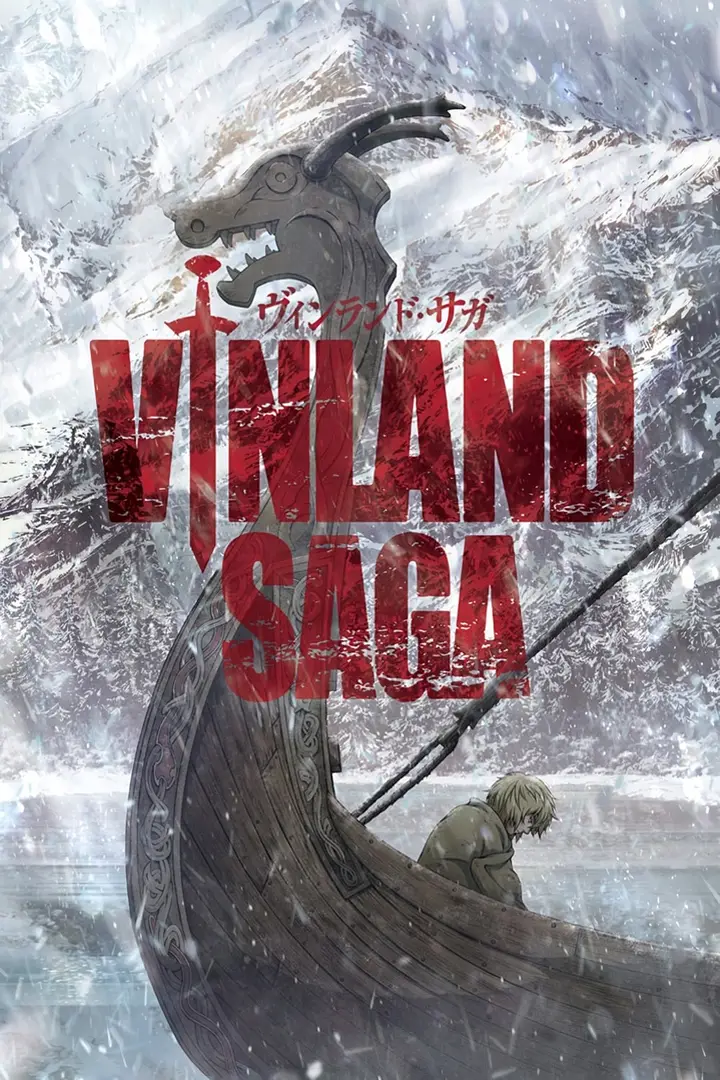
Vinland Saga
Historical drama and long-term character transformation give the series unusual weight. Thorfinn’s path from revenge toward a different understanding of strength lets the story examine violence, slavery, freedom and responsibility rather than simply celebrating Viking warfare.
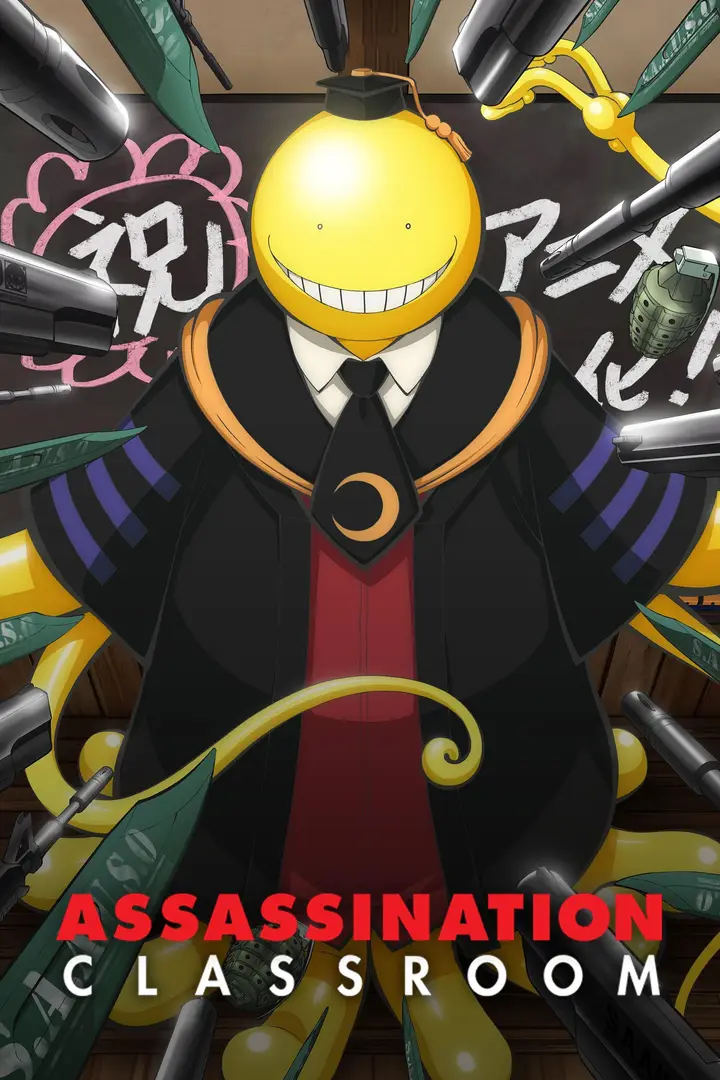
Assassination Classroom
An absurd assassination premise develops into a surprisingly thoughtful story about teaching, confidence and overlooked students. Koro-sensei’s attention to individual strengths gives the class measurable growth and turns repeated attempts on his life into an unusual educational framework.
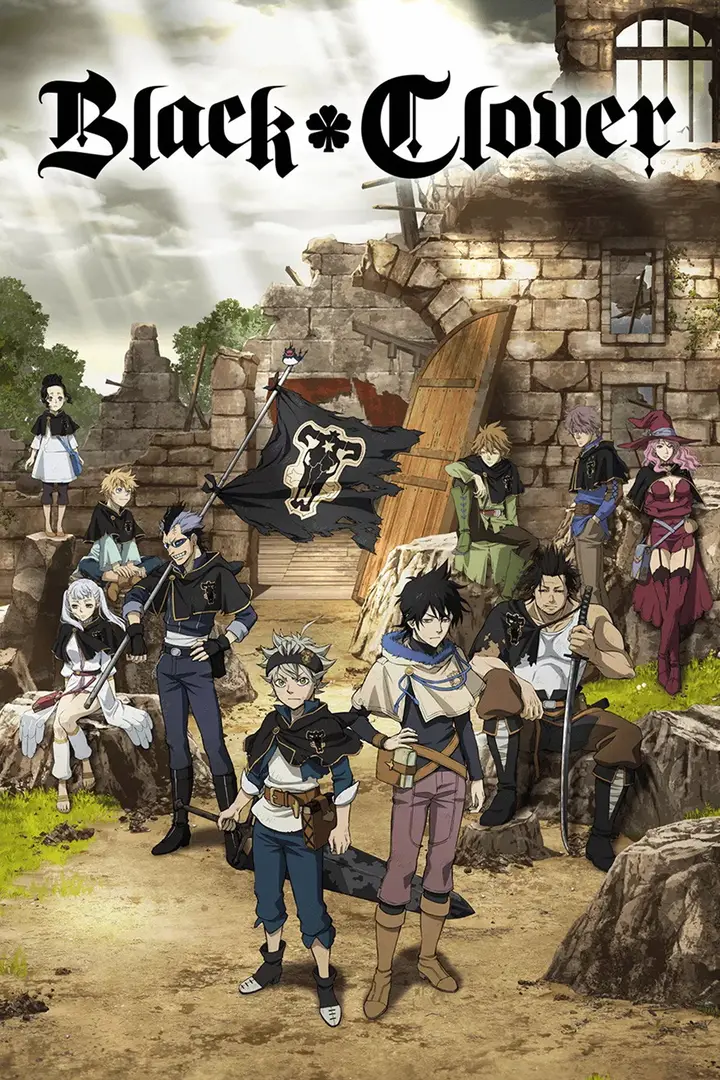
Black Clover
Asta’s lack of magic gives his persistence a clear obstacle from the beginning, while the Black Bulls provide a team structure for steady growth. Training, rivalry and power progression reward viewers who enjoy long-form shōnen development.

Bleach
Stylish sword combat, supernatural mythology and a large ensemble sustain a long shōnen journey with clear power systems and memorable rivalries. Ichigo’s protective role keeps the expanding spiritual conflicts tied to personal loyalty.
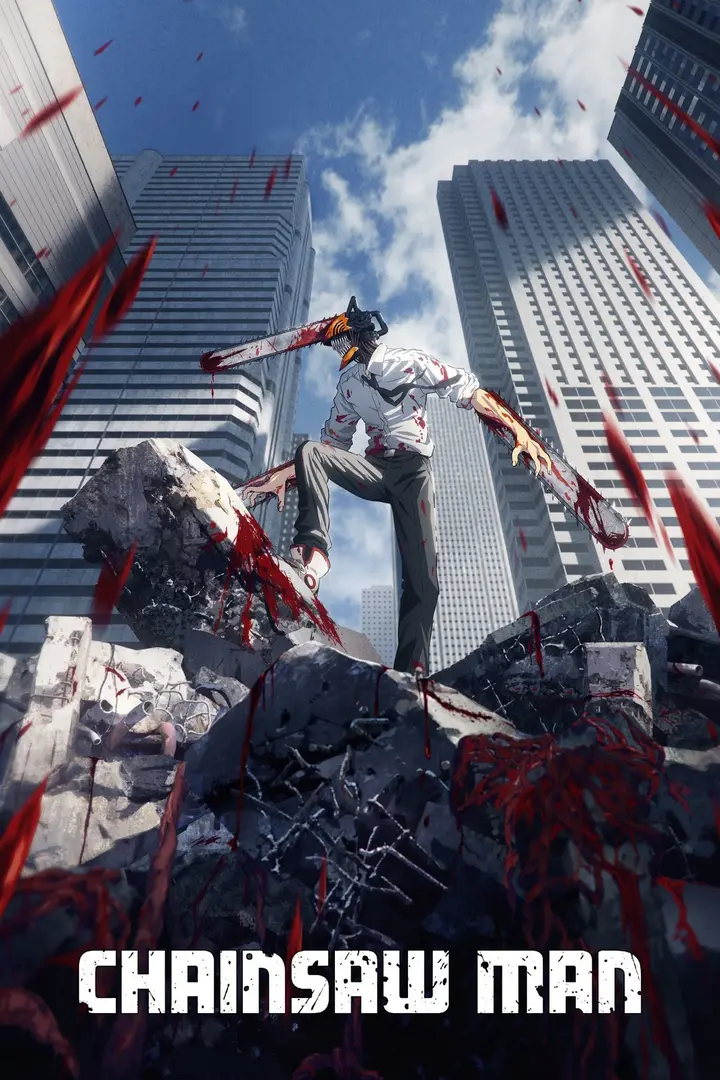
Chainsaw Man
Black comedy, extreme body horror and Denji’s basic desires create an unusually raw action story about exploitation and connection. His vulnerability makes the manipulation around him as important as the spectacular devil battles.
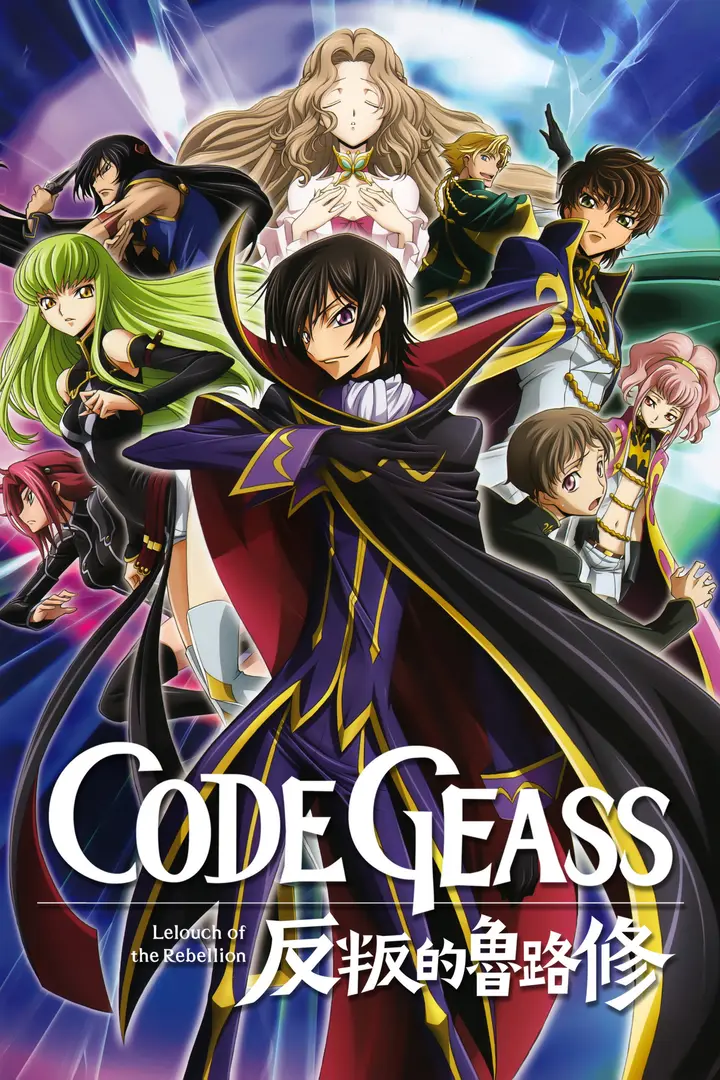
Code Geass
Political strategy, secret identities and Lelouch’s morally complicated choices turn the mecha framework into a tense rebellion thriller. Plans and counterplans matter as much as battles, giving the story a strong sense of escalation.
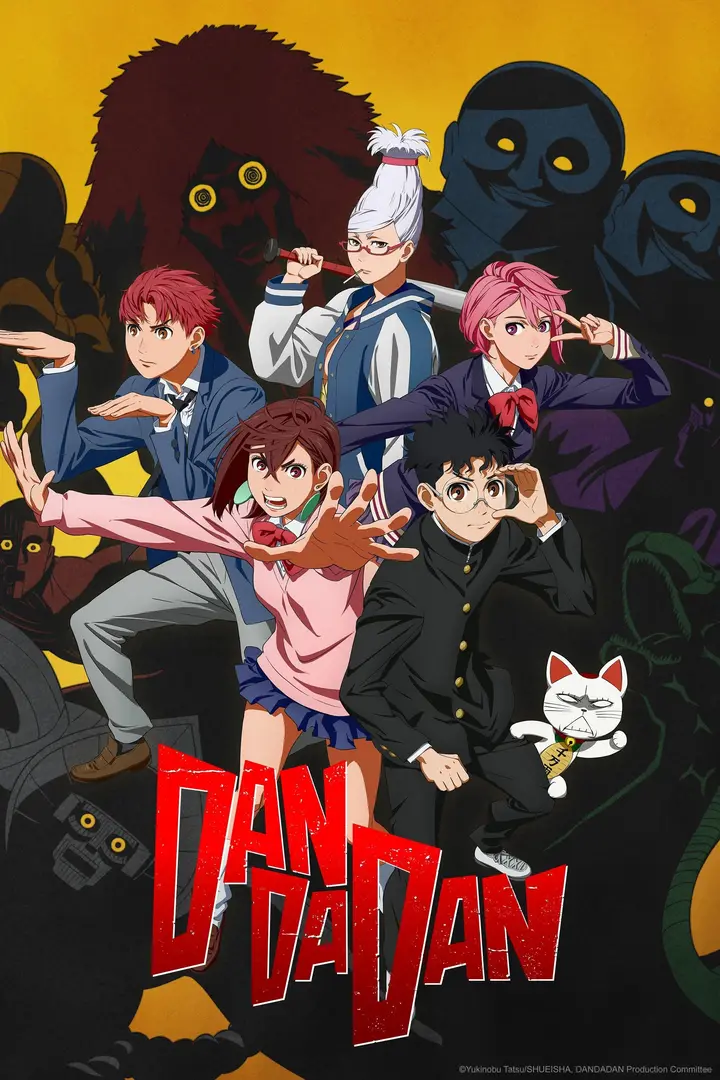
DAN DA DAN
Ghosts, aliens, romance and absurd comedy collide with exceptional visual energy, but the strongest element is the growing bond between Momo and Okarun. Their contrasting beliefs keep the supernatural chaos grounded in character chemistry.
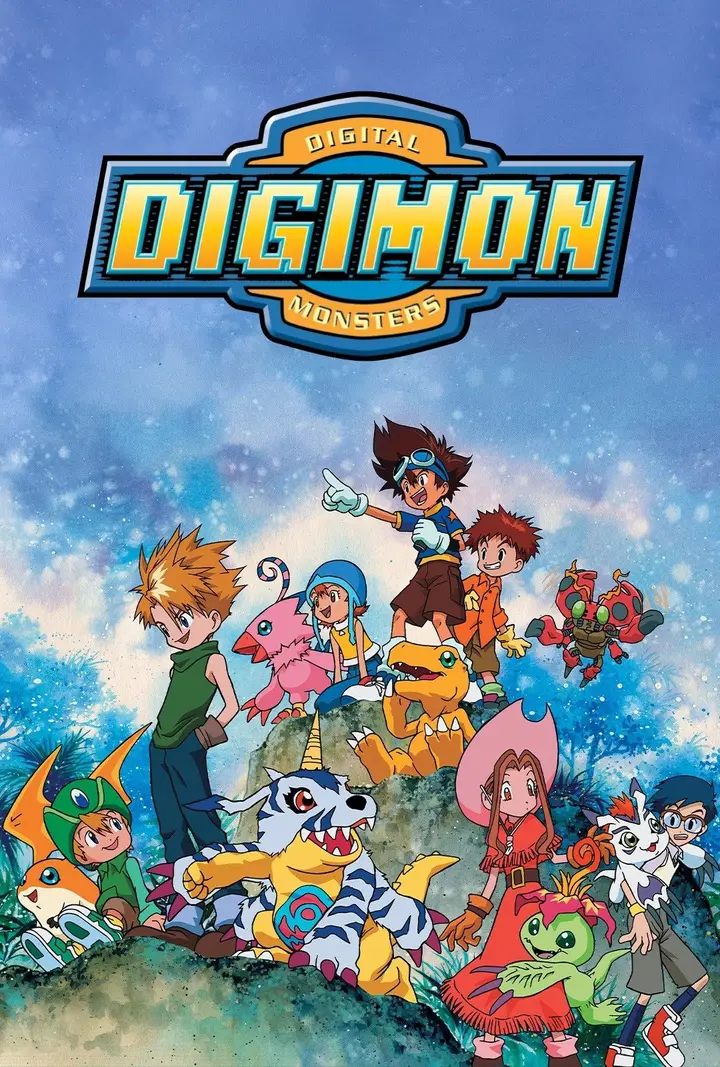
Digimon Adventure
The bond between each child and their Digimon partner gives battles genuine emotional stakes, keeping courage and responsibility as central as the fighting itself.
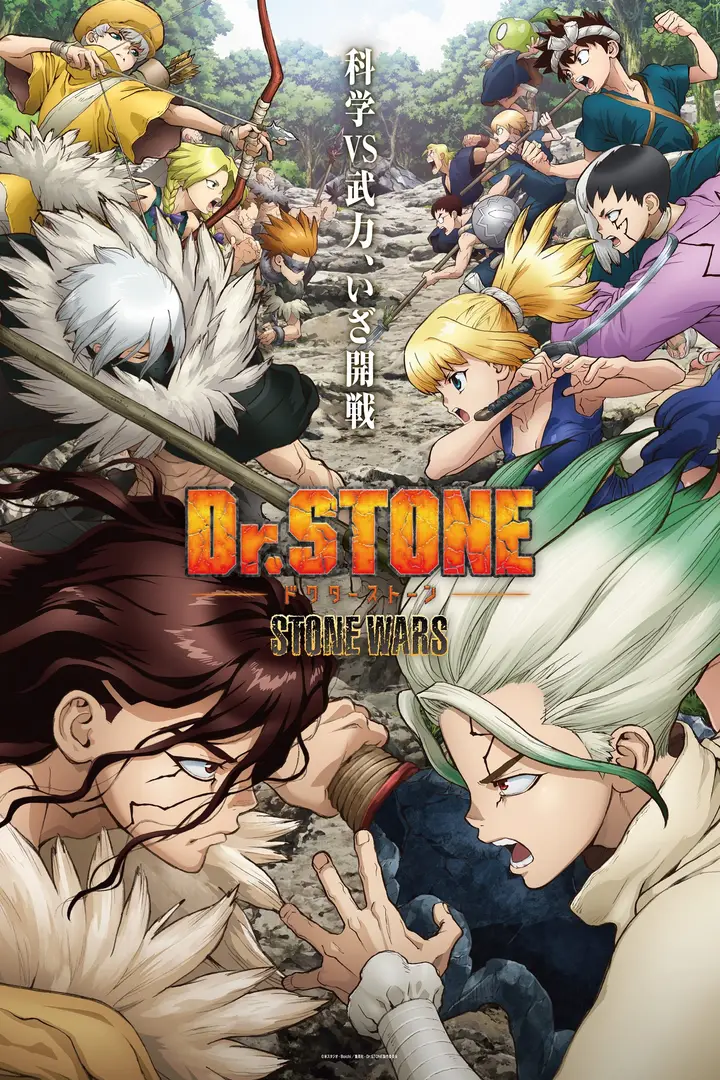
Dr. Stone
Chemistry, physics, engineering and medicine become tools for solving concrete problems, so scientific thinking drives the adventure instead of sitting beside it. Senku’s inventions give each arc a clear payoff and make curiosity central to the series’ momentum.
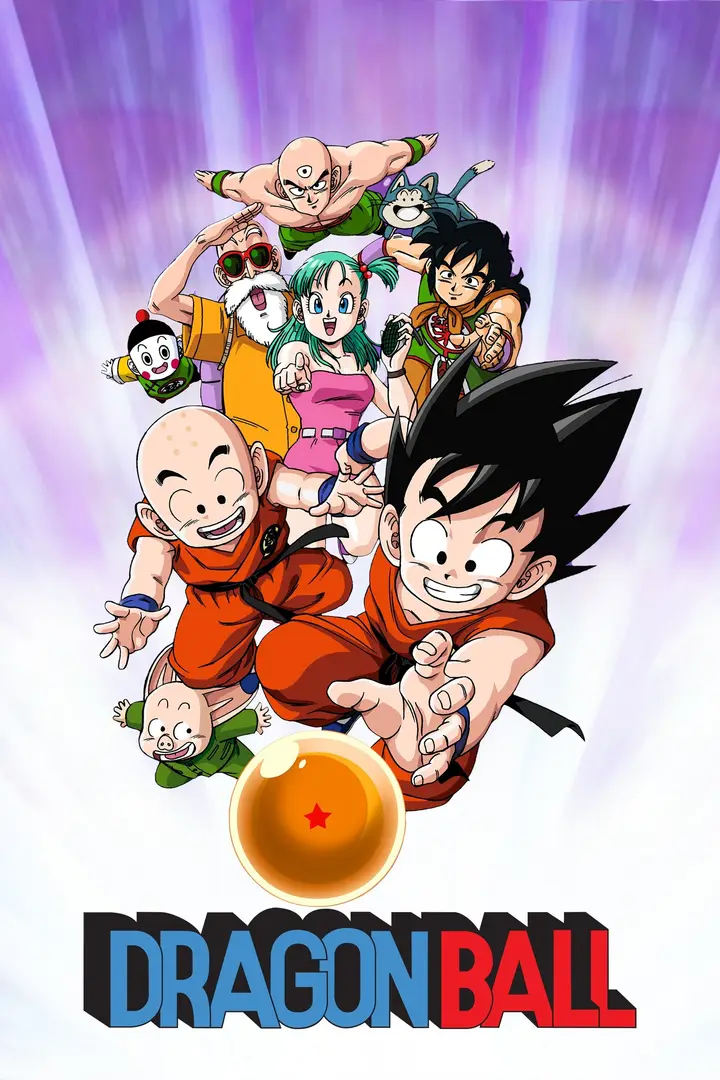
Dragon Ball
Exploration, martial-arts training and an eccentric supporting cast give early Dragon Ball a sense of discovery that later battle-focused series often lose. Goku’s curiosity and constant improvement keep the adventure moving while gradually expanding the world around him.
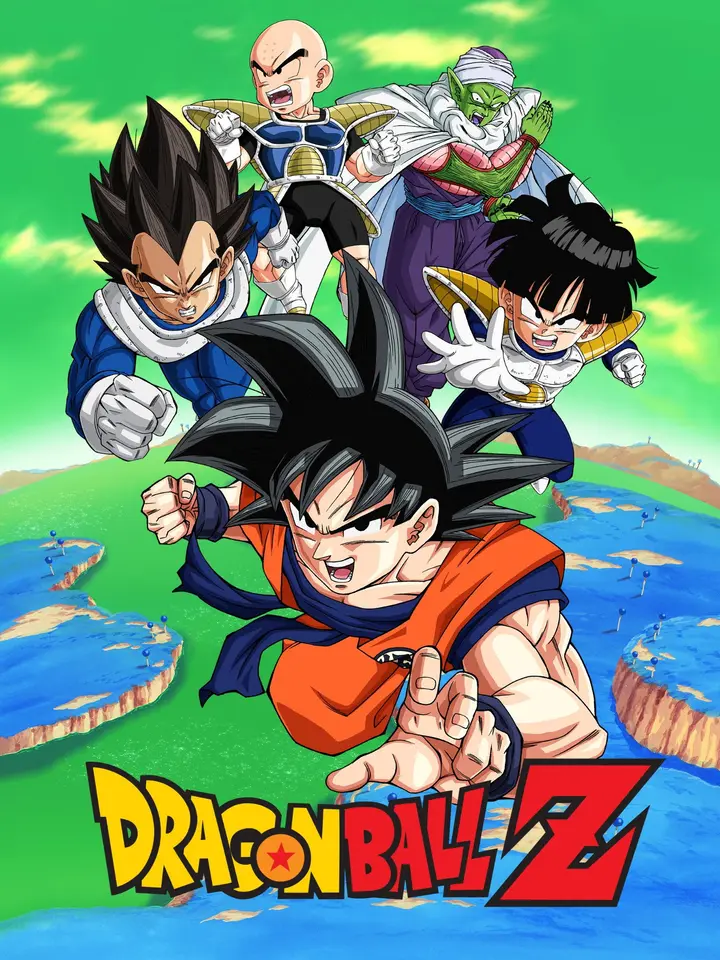
Dragon Ball Z
Training, sacrifice and escalating rivals turn Goku’s battles into a clear progression of effort and consequence. Iconic transformations and long-running rivalries give the series strong momentum, while family and teamwork keep the action connected to relationships.
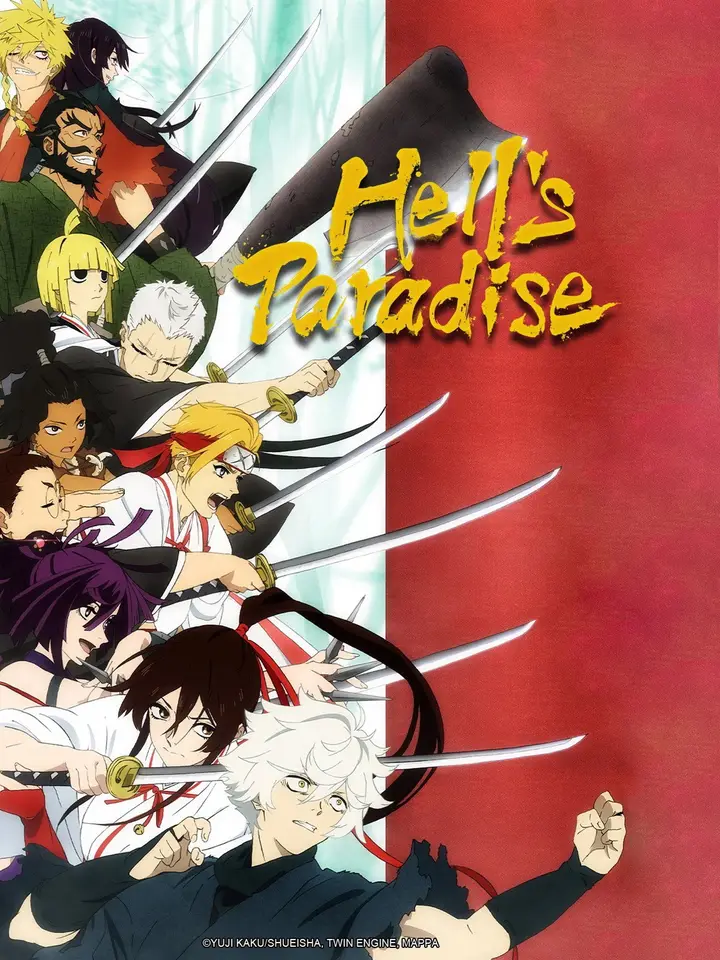
Hell's Paradise
Dark fantasy, martial arts and a deadly island expedition create strong survival momentum, while Gabimaru’s attachment to his wife gives the violence a personal counterweight. Questions about survival and connection deepen the action beyond spectacle.
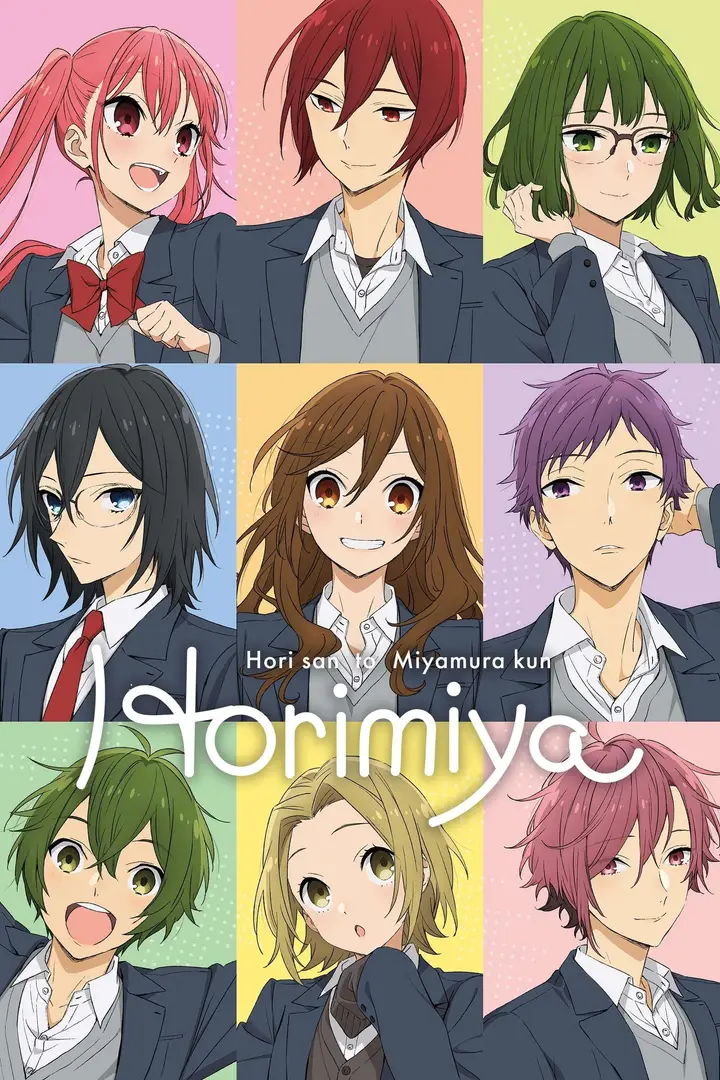
Horimiya
Hori and Miyamura move from hidden sides of themselves into a relationship that actually progresses, giving the series a natural sense of intimacy. Supporting characters receive their own insecurities and hopes, widening the story beyond one couple.
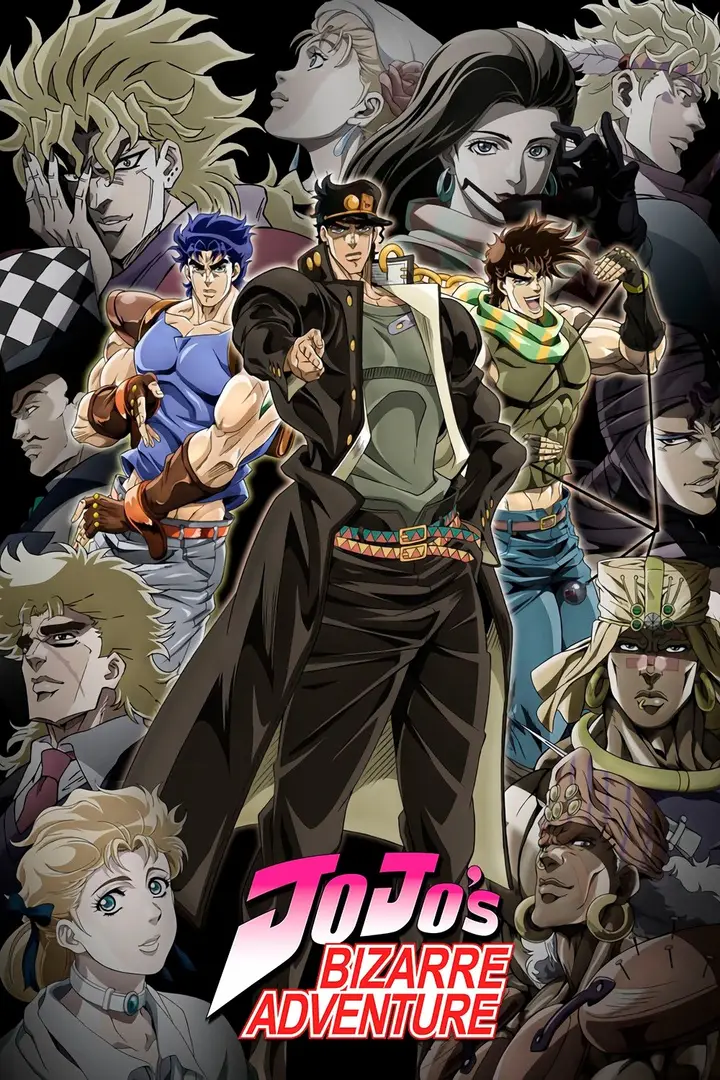
JoJo's Bizarre Adventure
Each generation reinvents the series with a new setting, cast and battle logic while preserving the Joestar connection. Extreme visual style and inventive powers make confrontations feel strategic as well as spectacular, giving the franchise a distinct identity.
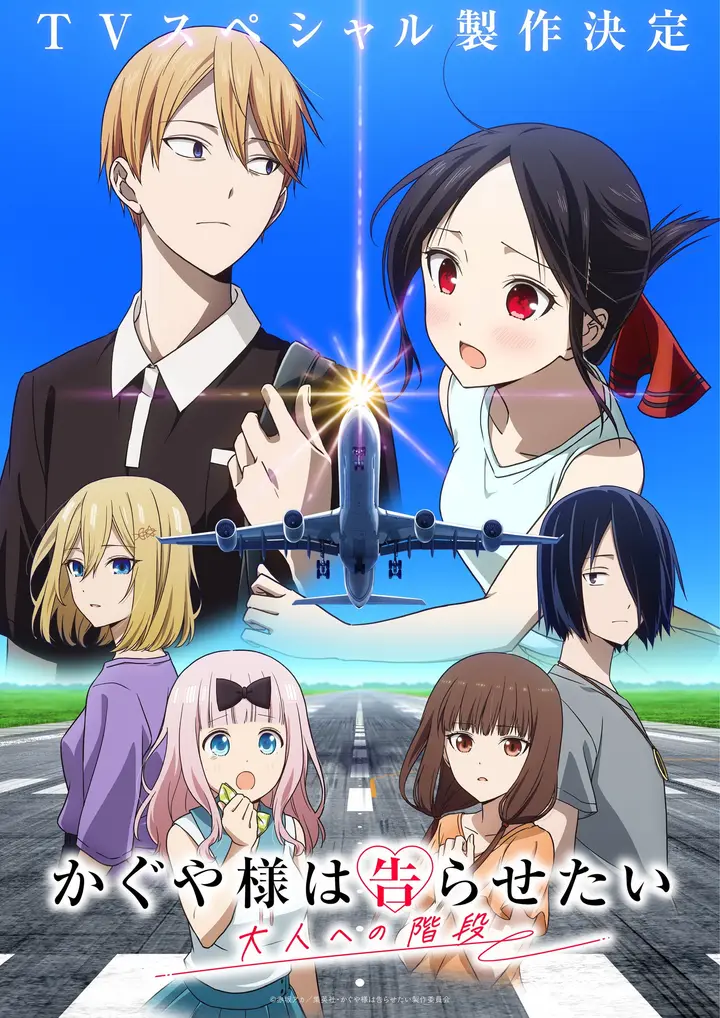
Kaguya-sama: Love Is War
Elaborate mind games turn adolescent embarrassment into sharp comedy, but the characters gradually gain depth through vulnerability and changing friendships. The exaggerated contests work because they eventually point toward insecurity and the difficulty of communicating honestly.
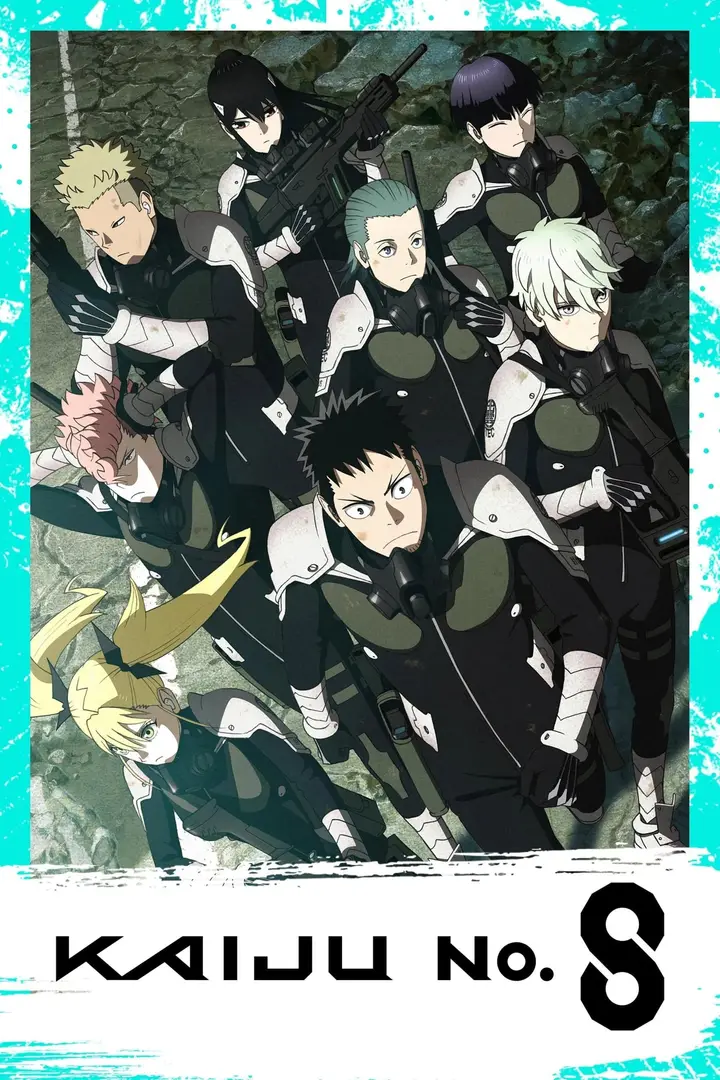
Kaiju No. 8
Kafka’s second chance at a long-delayed goal gives the monster-fighting setup a refreshing adult perspective. Teamwork, humor and ambition stay balanced as his kaiju transformation adds secrecy and personal risk to the Defense Force action.
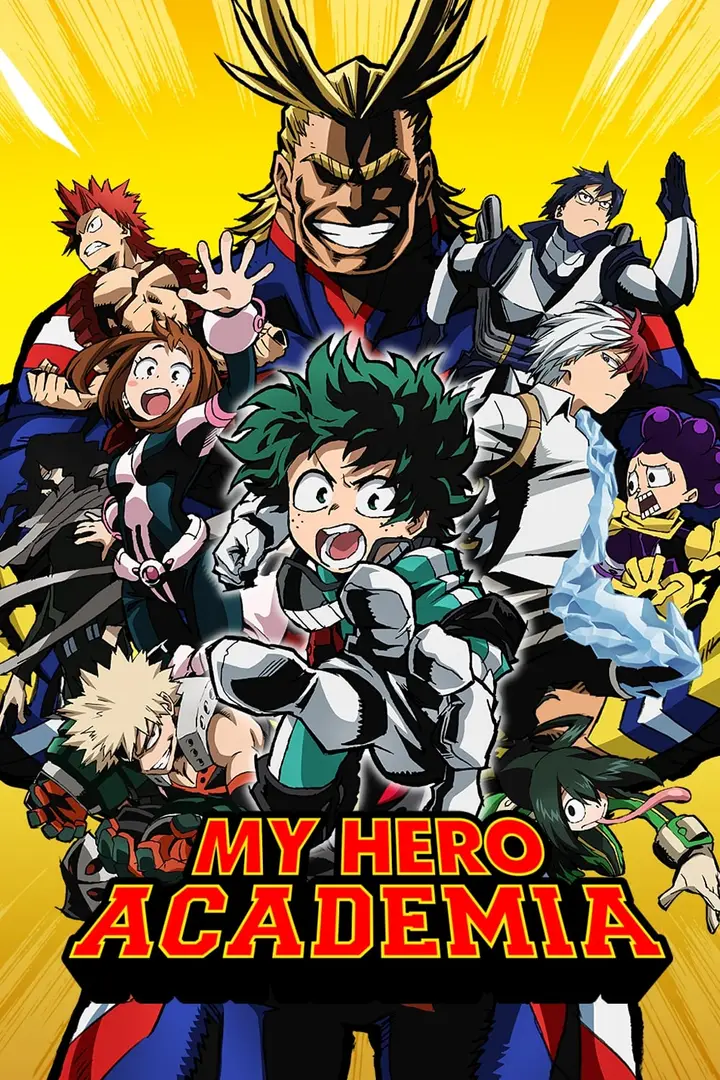
My Hero Academia
A clear school structure makes a large superhero cast easy to follow while training and teamwork give character growth visible milestones. Izuku’s progress keeps responsibility and the meaning of heroism connected to the escalating action.
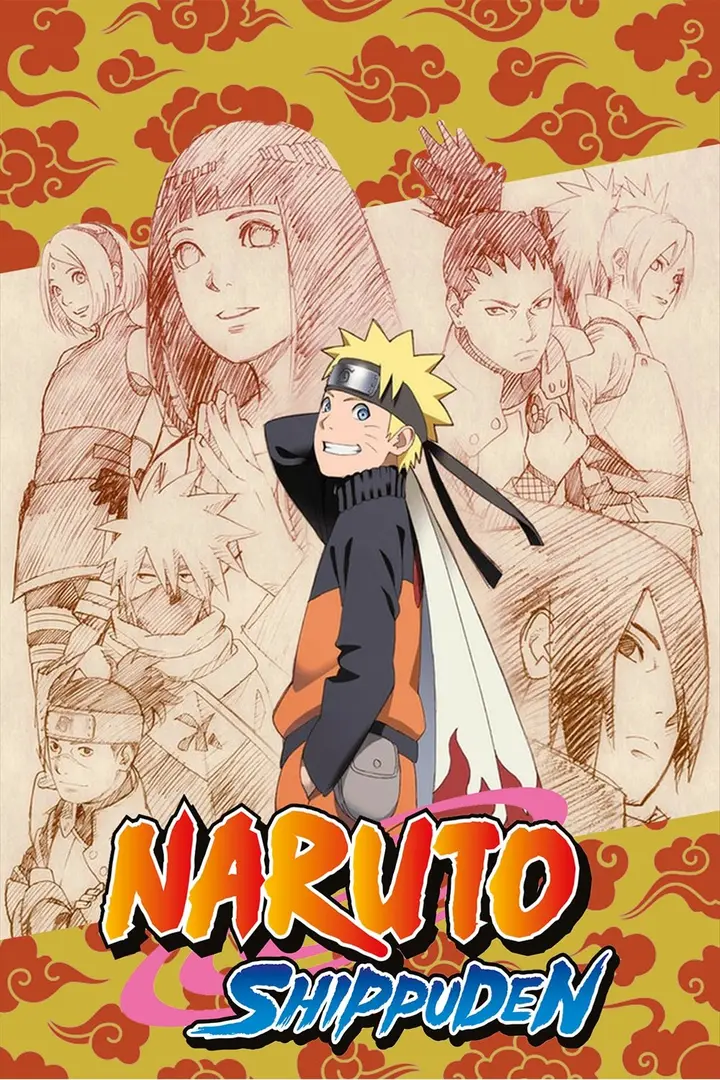
Naruto: Shippuden
Years of earlier relationships gain stronger consequences as Naruto’s world expands into grief, revenge, political conflict and war. The series rewards viewers who know the original because long-standing friendships and rivalries receive substantial payoff.
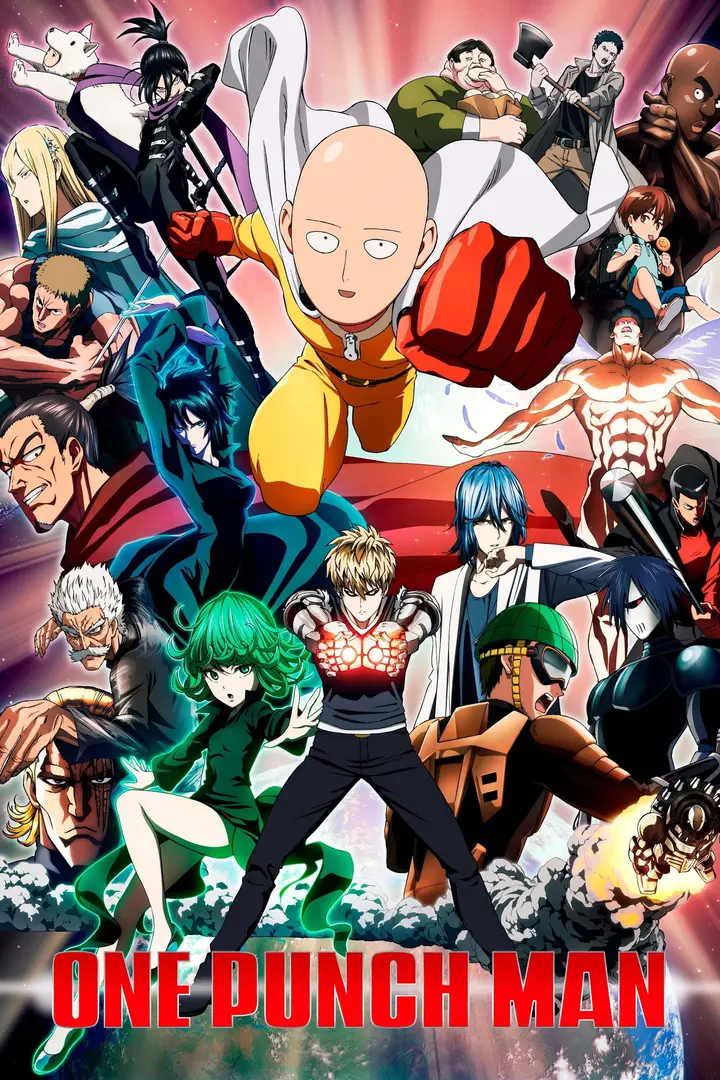
One-Punch Man
Saitama’s boredom turns extreme superhero power into sharp parody, while rankings, rivals and supporting heroes give the world structure beyond the central joke. Deadpan humor keeps oversized battles from becoming repetitive and gives the series its distinctive tone.

Oshi no Ko
The entertainment industry becomes a sharp lens on fame, image management, social media and exploitation. Aqua and Ruby’s different goals keep the drama personal while revealing how public success can hide pressure and manipulation.
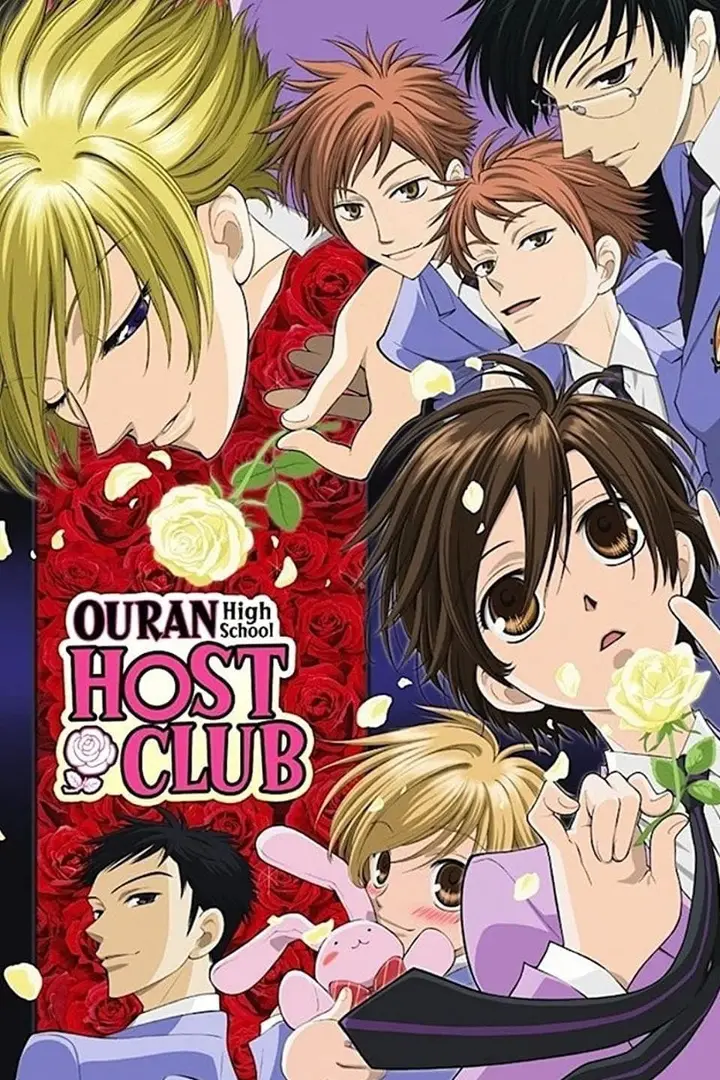
Ouran High School Host Club
Rapid parody, an ensemble full of contrasting personalities and Haruhi’s practical viewpoint keep the school comedy distinctive. The series plays with romance, wealth and gender expectations while continually exaggerating familiar shōjo conventions for comic effect.
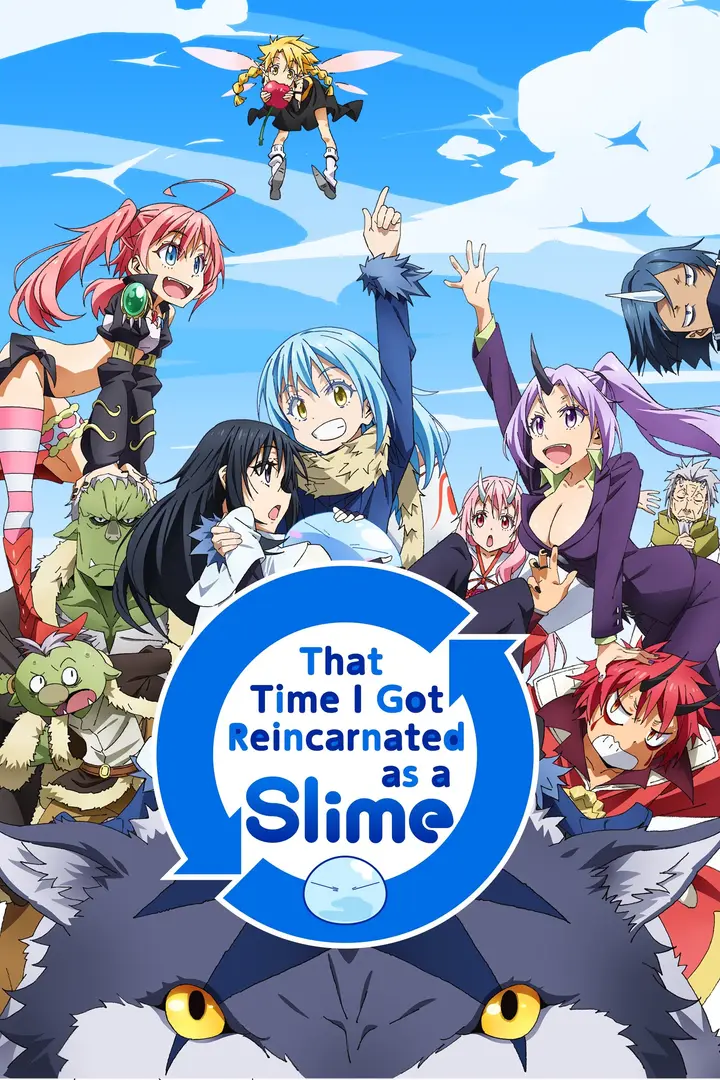
That Time I Got Reincarnated as a Slime
Rimuru’s fantasy progression is built as much on diplomacy, trade and community-building as on combat. Watching different groups form alliances and institutions gives the world steady forward movement and makes cooperation a major source of satisfaction.
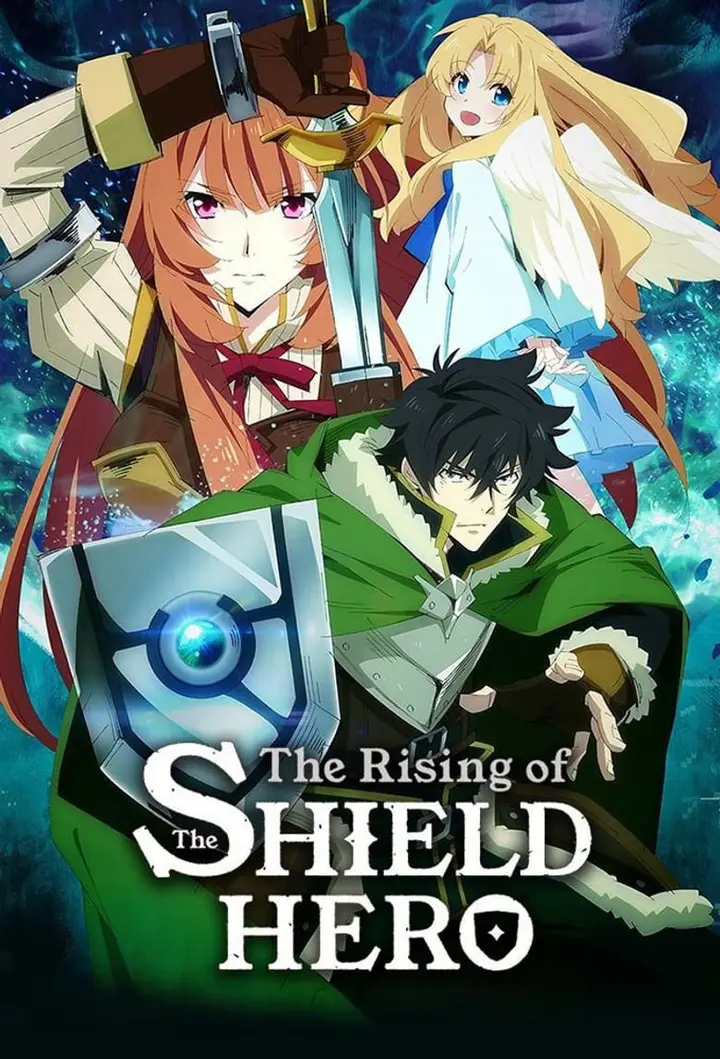
The Rising of the Shield Hero
Naofumi’s recovery after betrayal gives the progression fantasy a strong underdog structure. Rebuilding trust, forming a party and gaining practical strength create sustained momentum, while the larger world gives his resentment and choices continuing consequences.
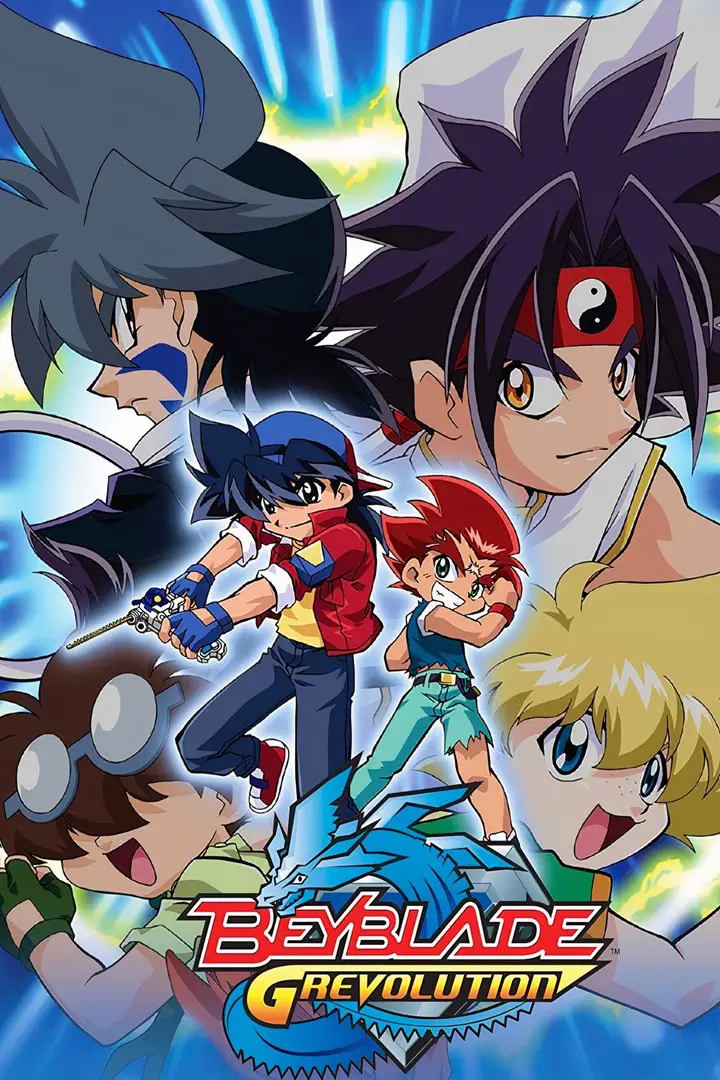
Beyblade
It treats competition as a path to self-improvement rather than pure victory, keeping training, strategy, and learning from defeat as central as the flashy battles themselves.
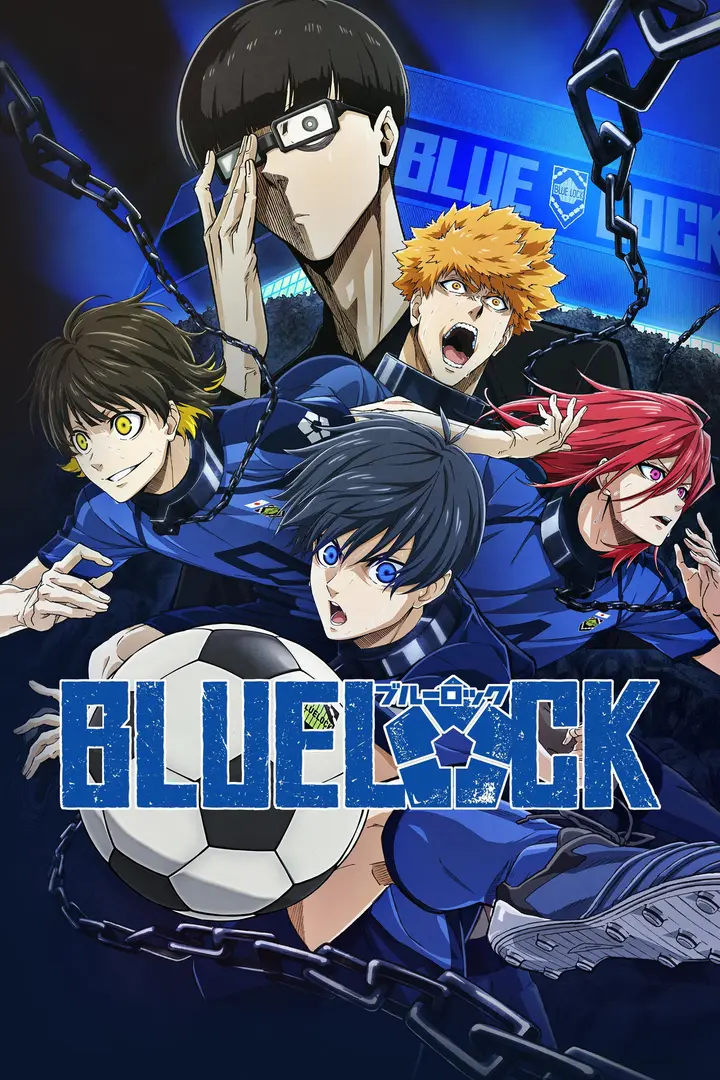
Blue Lock
Football becomes a psychological contest as Blue Lock pushes strikers to examine ambition, decision-making and individual skill. The extreme premise gives familiar sports training a sharper competitive identity and makes tactical breakthroughs feel dramatic.
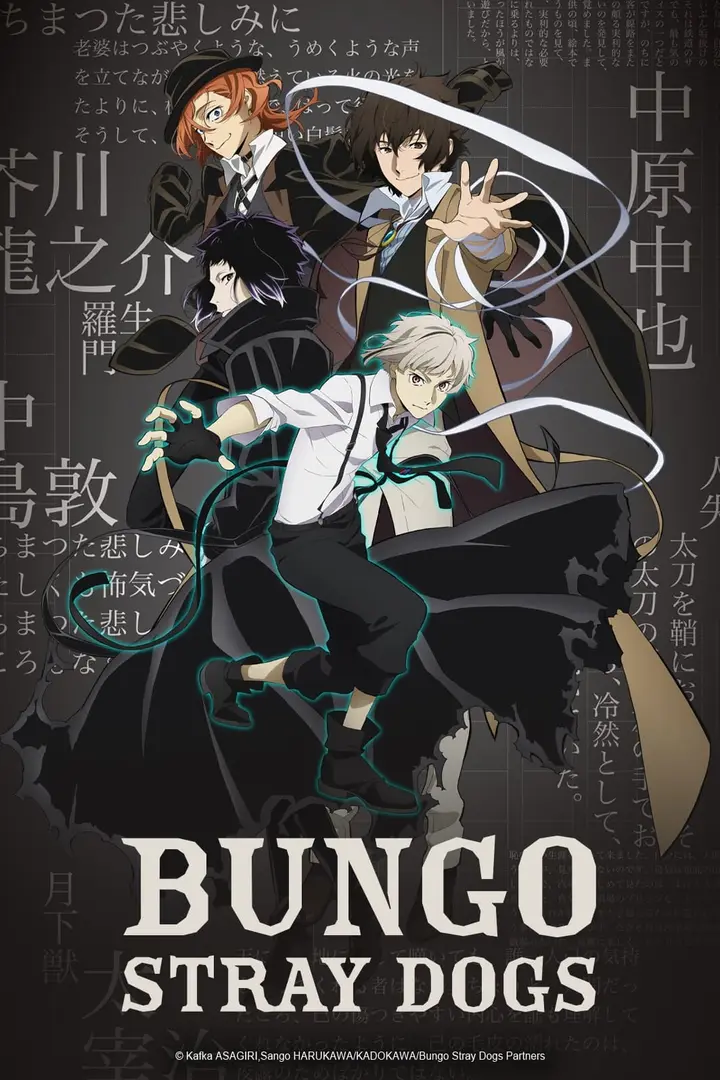
Bungo Stray Dogs
Literary references, supernatural abilities and shifting alliances give the detective-action ensemble a distinct identity. Cases often become battles of strategy, while the large cast keeps loyalties, rivalries and personal histories active across longer arcs.
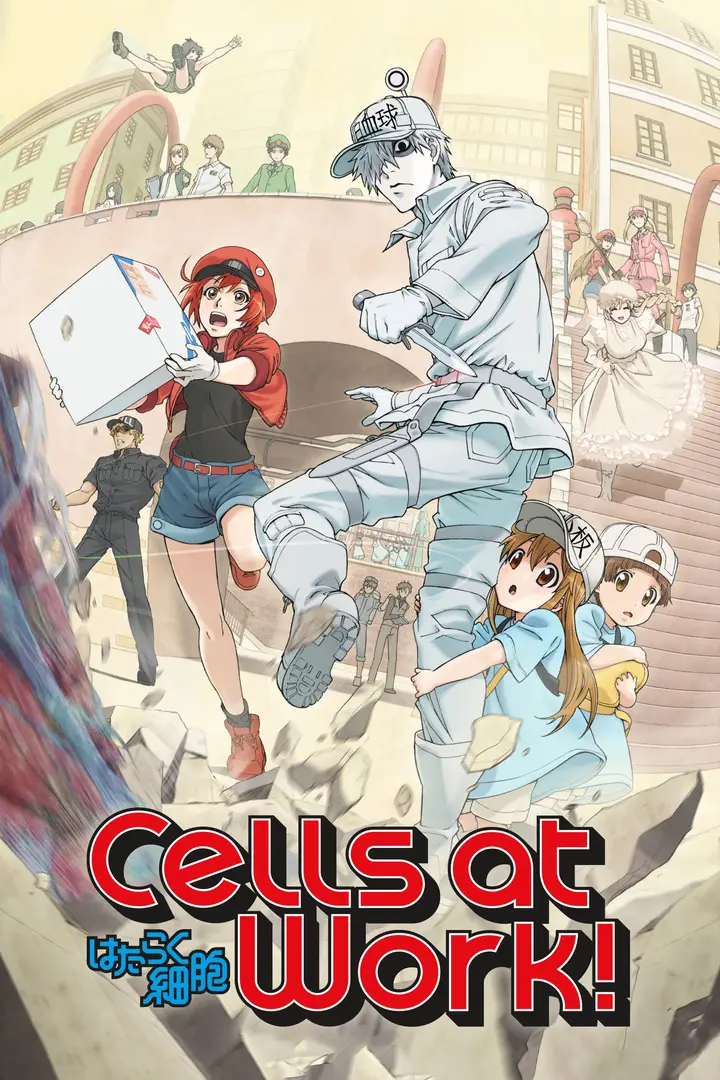
Cells at Work!
Real biological functions become memorable action-comedy as blood cells, immune cells and other body systems cooperate against injury and disease. The scientific logic remains visible beneath the jokes, giving curious viewers useful concepts without turning episodes into lectures.
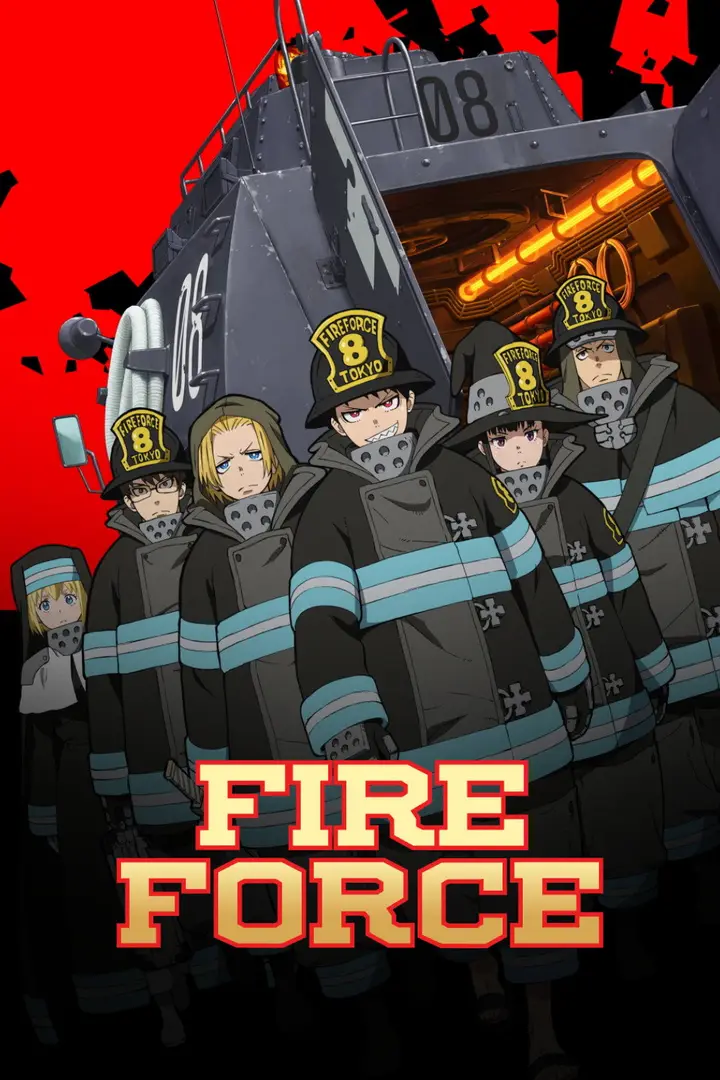
Fire Force
Distinctive fire-based powers and strong action choreography give the battles a clear visual identity, while Shinra’s family history and the expanding conspiracy provide longer-term momentum beyond the brigade missions.


