
Best TV Shows for 9-Year-Olds
Continuing adventures, heroic stories and classic anime for increasingly confident viewers.

Best TV Shows for 9-Year-Olds
At age 9, our 30 recommended series make room for continuing stories, heroic action and classic anime, including Adventure Time, Batman: The Animated Series and Anne of Green Gables. Another 11 can be started at 9, but TFFC recommends them later because they demand greater comfort with intensity or longer story arcs.
Find the right series
Choose one band. Results show age-relevant series approved by our editors: those whose Minimum-to-Recommended age span overlaps the band, plus individually approved favorites. The Recommended Age is a starting point, not a maximum.
More filters and sort
No series in this guide match this age.
Recommended for 9-year-olds
These series have this age as their recommended viewing age.
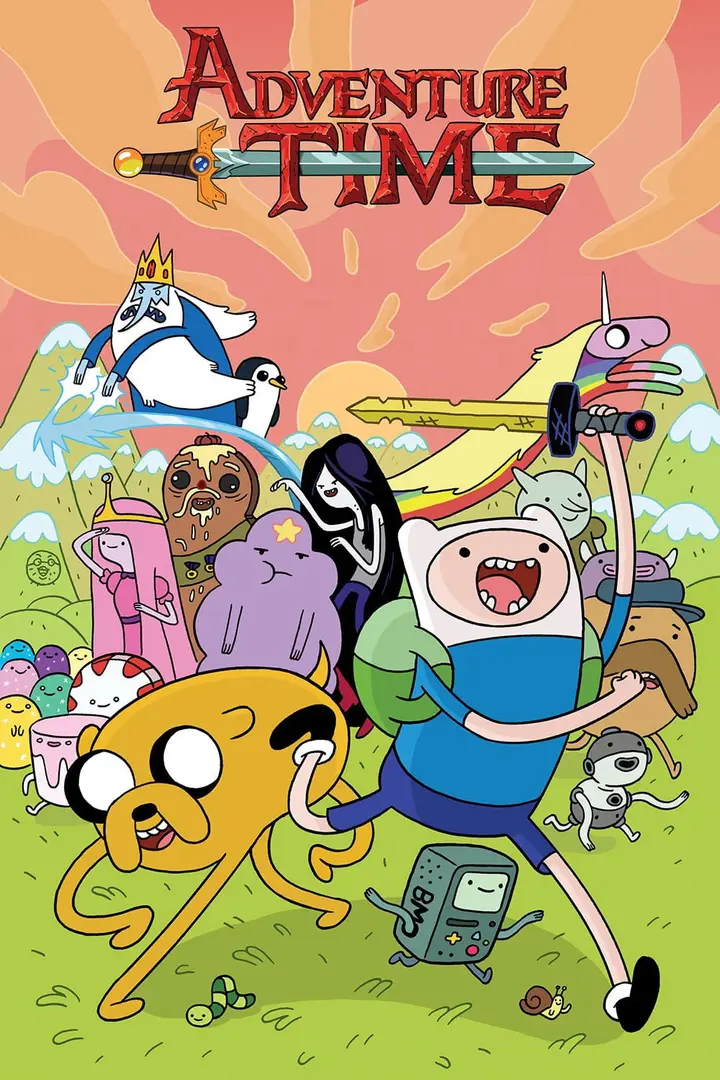
Adventure Time
Finn and Jake’s playful quests gradually reveal a world with history, damaged relationships and lasting consequences. Absurd comedy, songs and monsters sit beside stories about friendship, identity, responsibility and growing older, giving the fantasy distinctive depth.
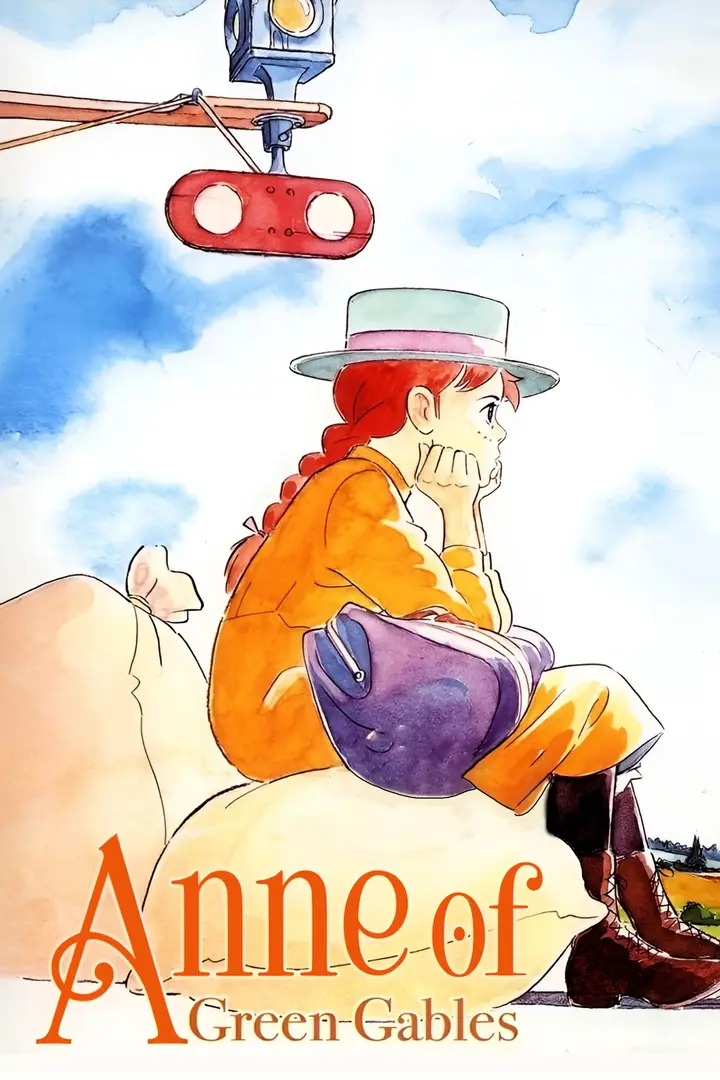
Anne of Green Gables
Anne’s imagination, language and strong personality carry a patient story built on friendships, school, mistakes and family bonds. The long timeline lets viewers see her judgment and relationships change in believable steps instead of resetting after each episode.
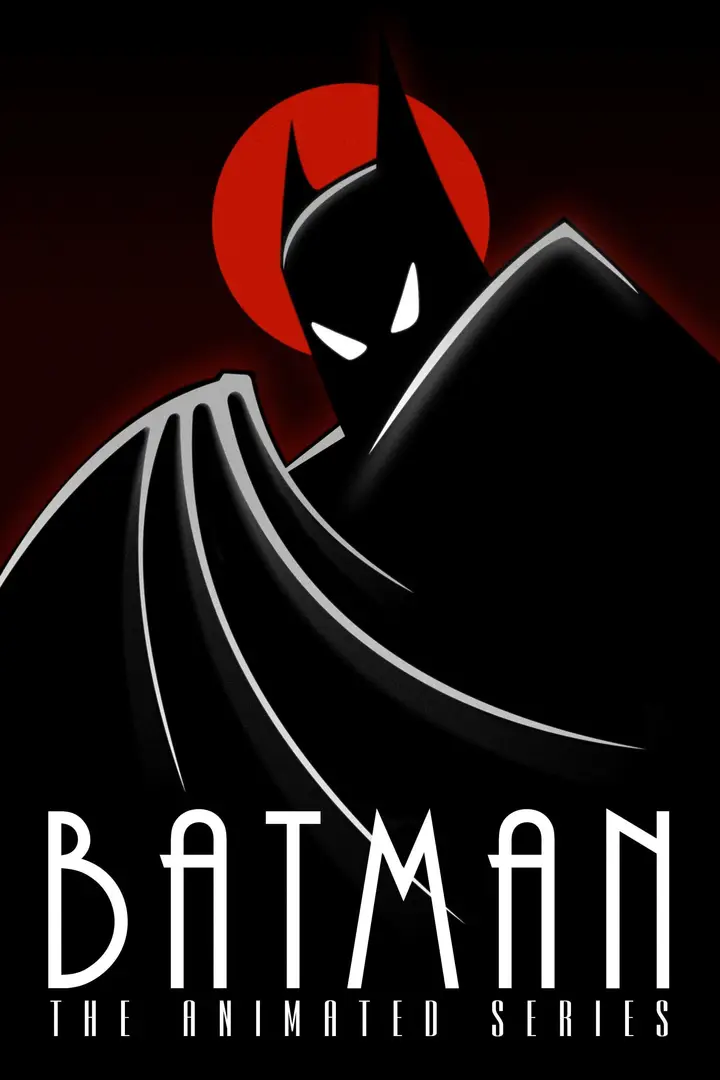
Batman: The Animated Series
Noir atmosphere, detective work and psychologically motivated villains give Gotham rare depth for superhero animation. Batman often has to understand a case before defeating anyone, while recurring characters build a morally complicated city over time.
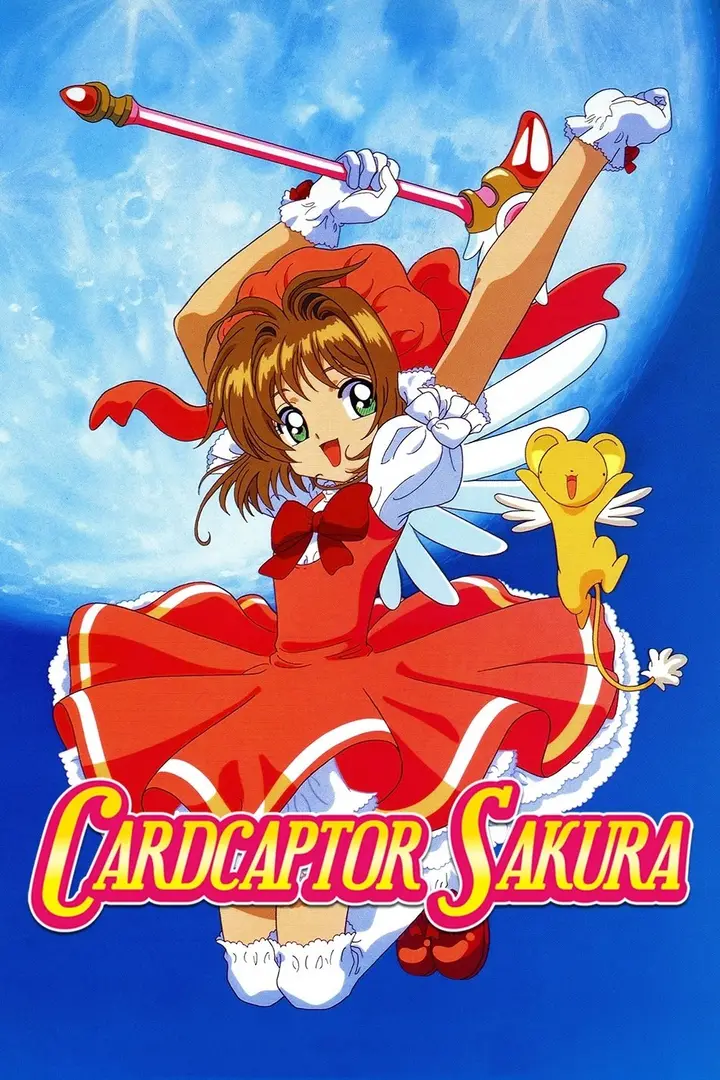
Cardcaptor Sakura
It grounds a magical card-collecting quest in patient, everyday character growth, letting its heroine mature emotionally without ever losing her core kindness and curiosity.
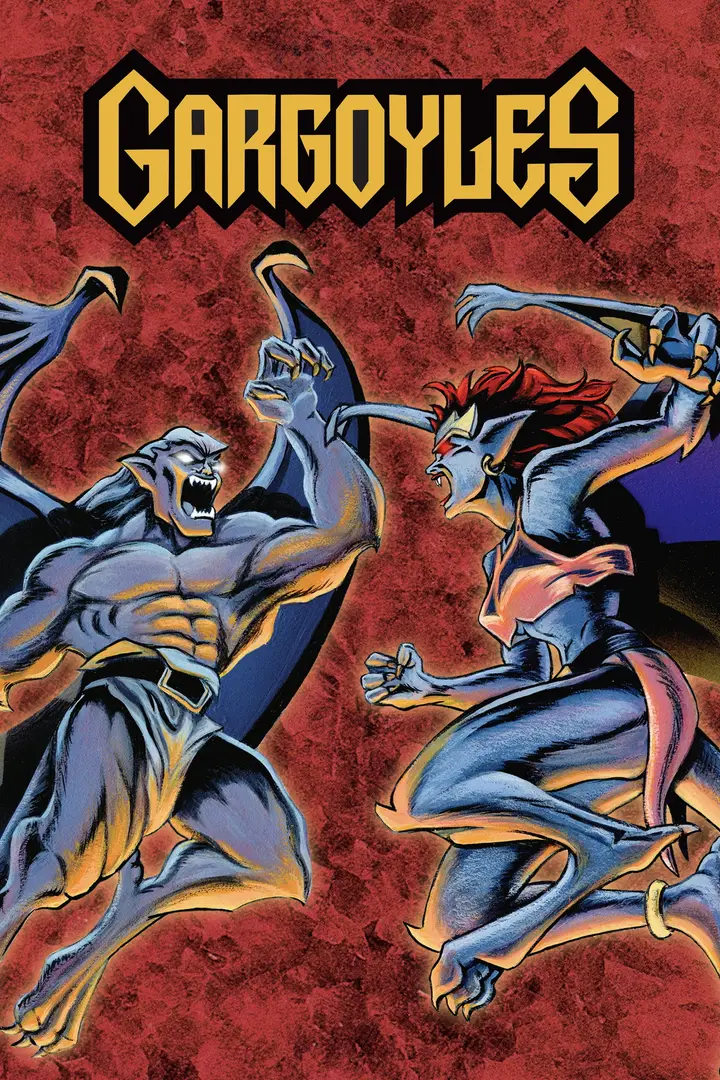
Gargoyles
Medieval history, urban fantasy and long-form plotting give the series a richer structure than most action cartoons of its era. Goliath’s clan faces betrayal and adaptation while building a new sense of family in modern New York.
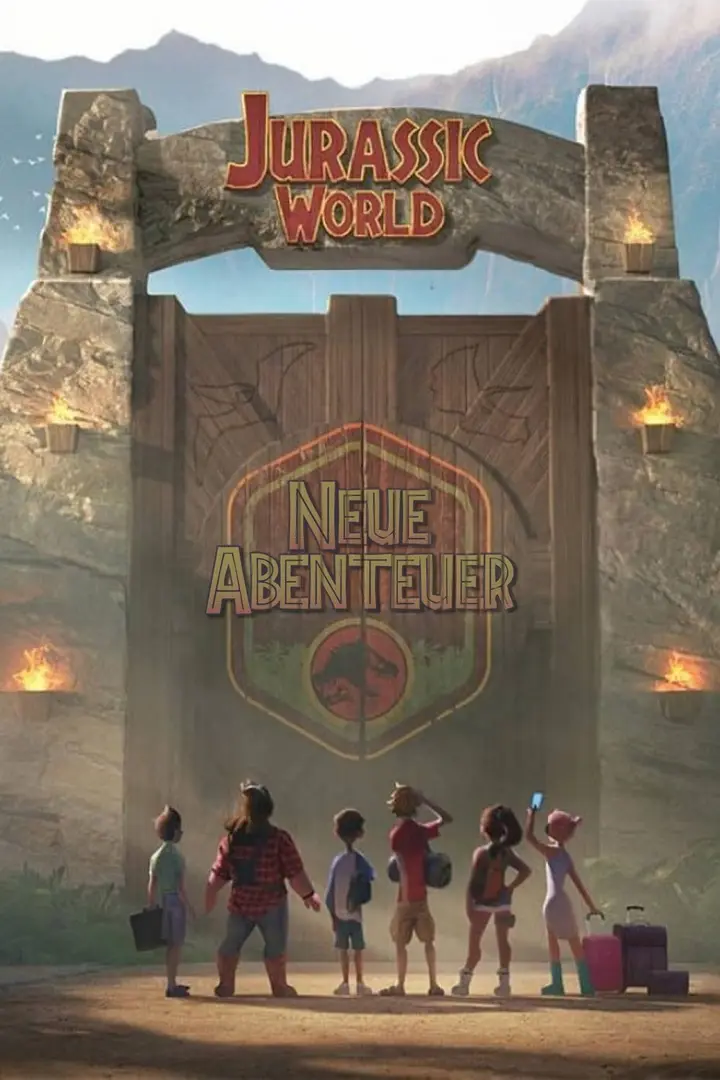
Jurassic World: Camp Cretaceous
It brings real Jurassic World stakes to a teen ensemble, using chases and close calls to force a mismatched group to build the trust that survival actually requires.
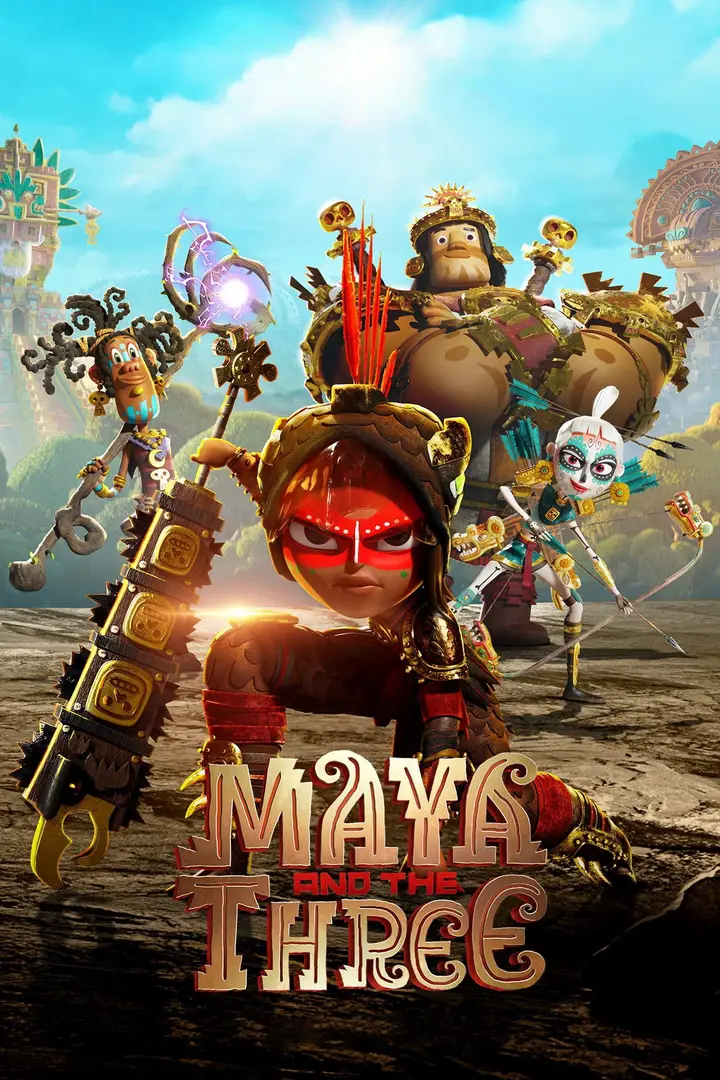
Maya and the Three
Its Mesoamerican-inspired mythology and striking visual design give an already spectacular quest real cultural identity, while the story takes duty and sacrifice seriously rather than treating them lightly.
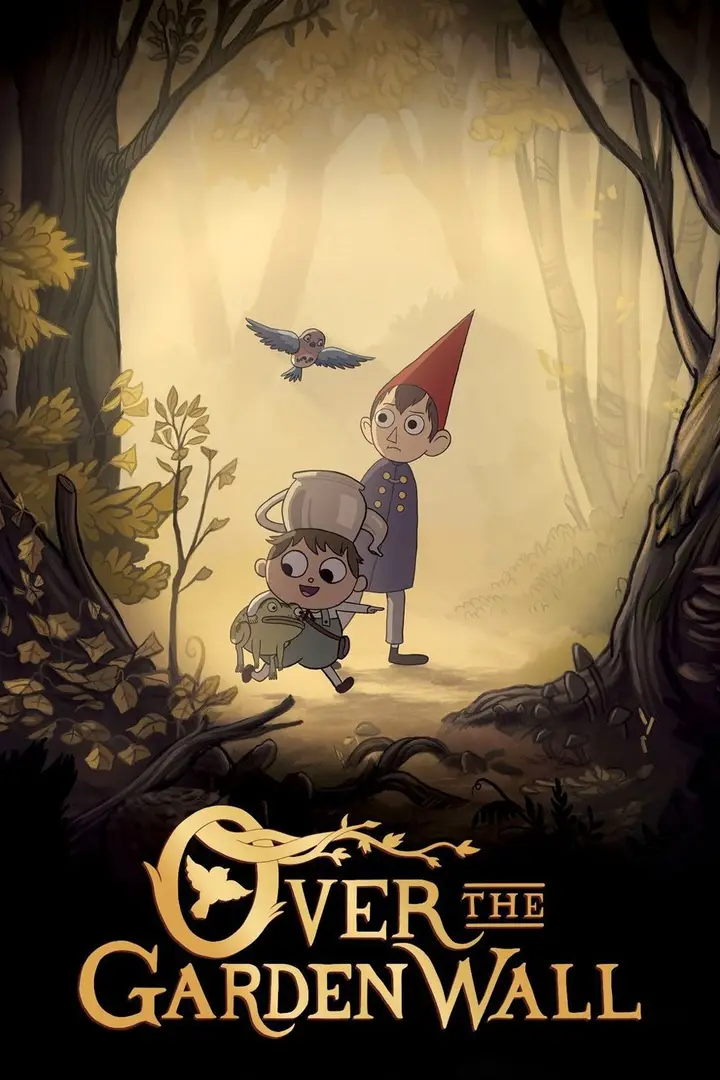
Over the Garden Wall
A compact journey through the Unknown blends folklore, dry humor and fairy-tale imagery with a tightly controlled mystery. Wirt and Greg’s sibling bond gives the strange encounters continuity while the atmosphere grows steadily darker.
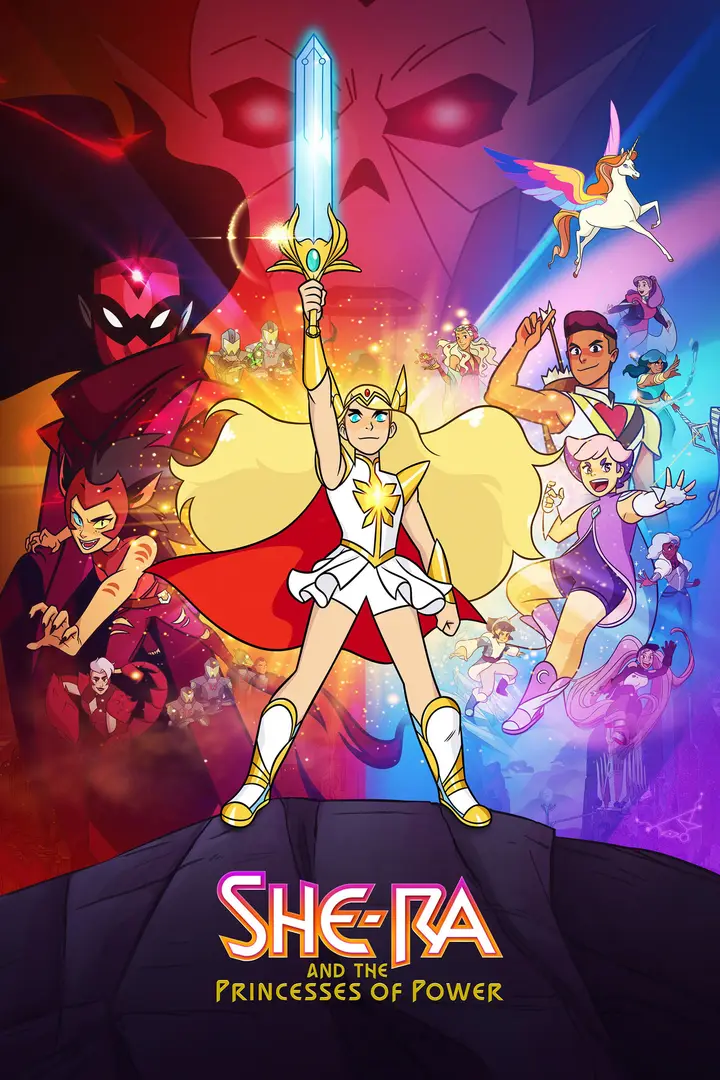
She-Ra and the Princesses of Power
Adora’s discovery that the Horde has deceived her turns fantasy action into a story about loyalty, manipulation and change. Her break with Catra gives the larger rebellion personal stakes that continue across the series.
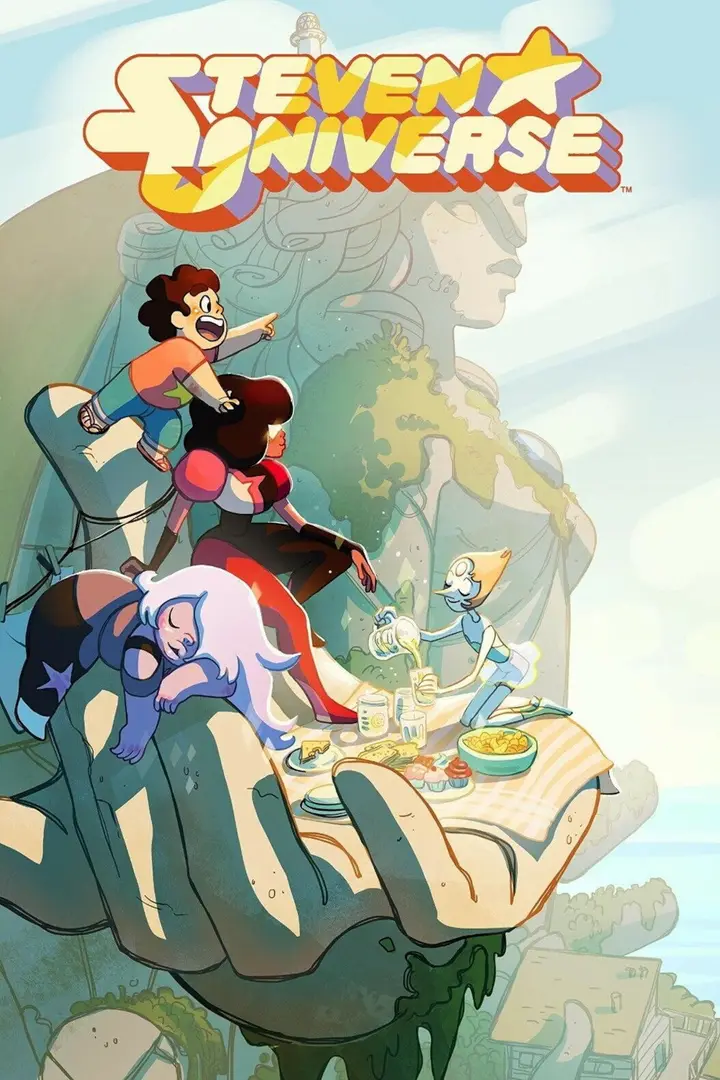
Steven Universe
A playful fantasy gradually becomes a layered story about identity, family history, responsibility and changing relationships. Steven’s empathy and the Crystal Gems’ complicated past give the long-form plot depth without losing its sense of humor.
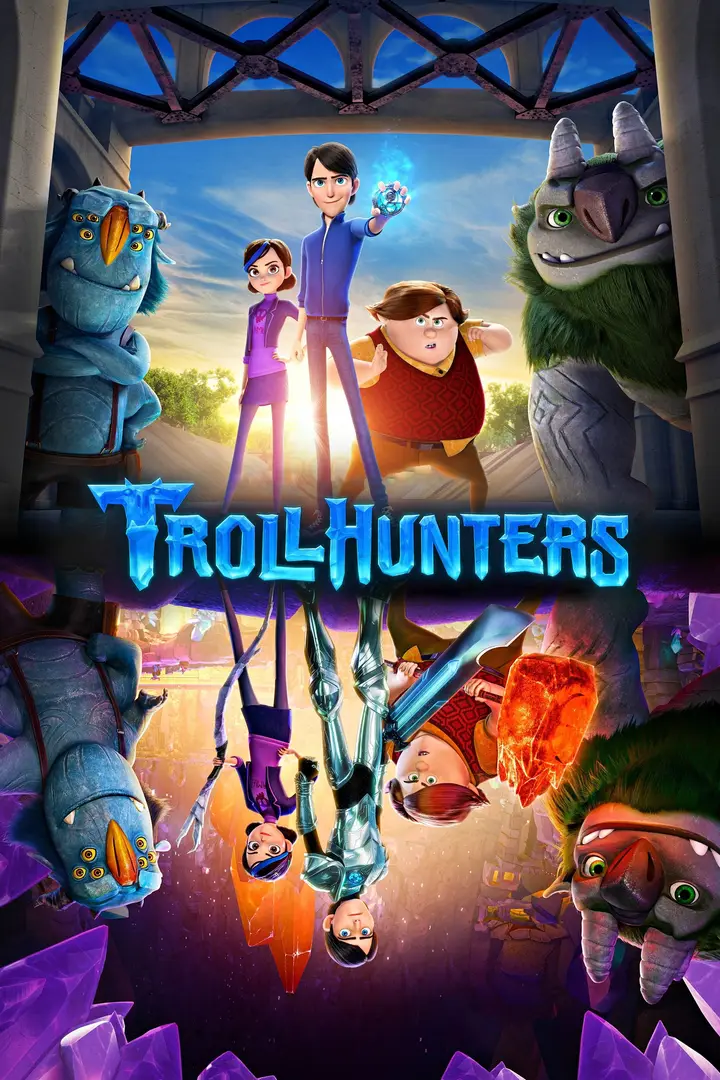
Trollhunters: Tales of Arcadia
Jim’s ordinary school life collides with a hidden troll civilization after he is chosen as its human protector. Training, friendship and duty give the fantasy action clear stakes that grow steadily across the serialized story.
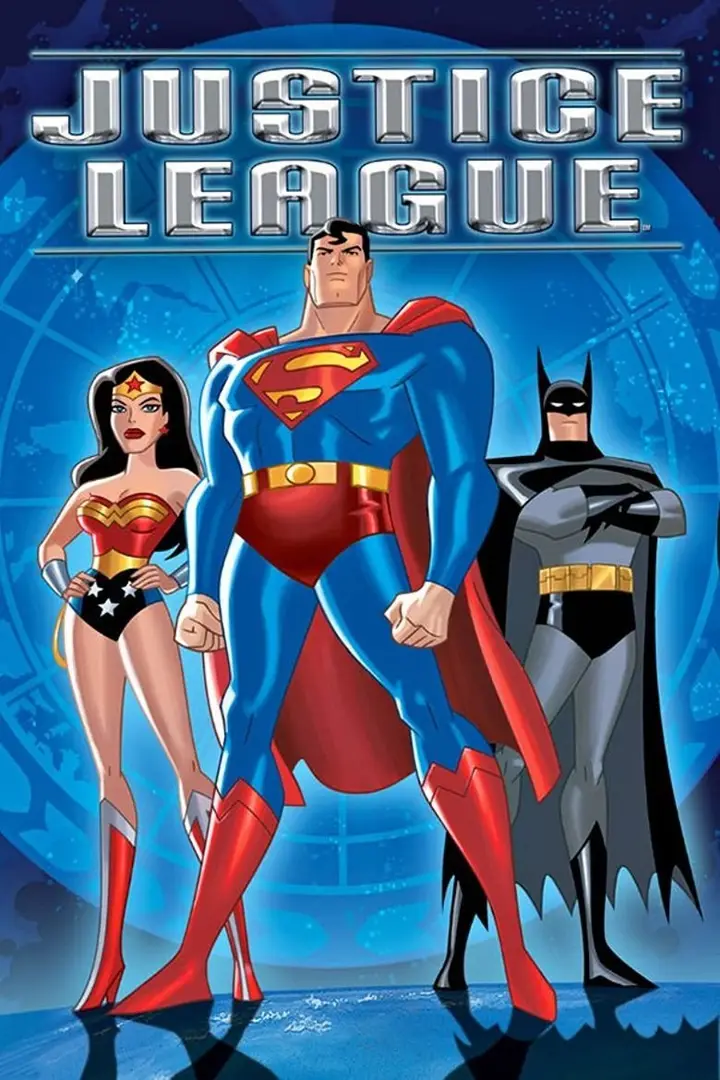
Justice League
Seven heroes with different powers and moral instincts must learn to operate as one team. Global threats and political consequences make cooperation more complicated than simple teamwork, while recurring conflicts give each member room to develop.
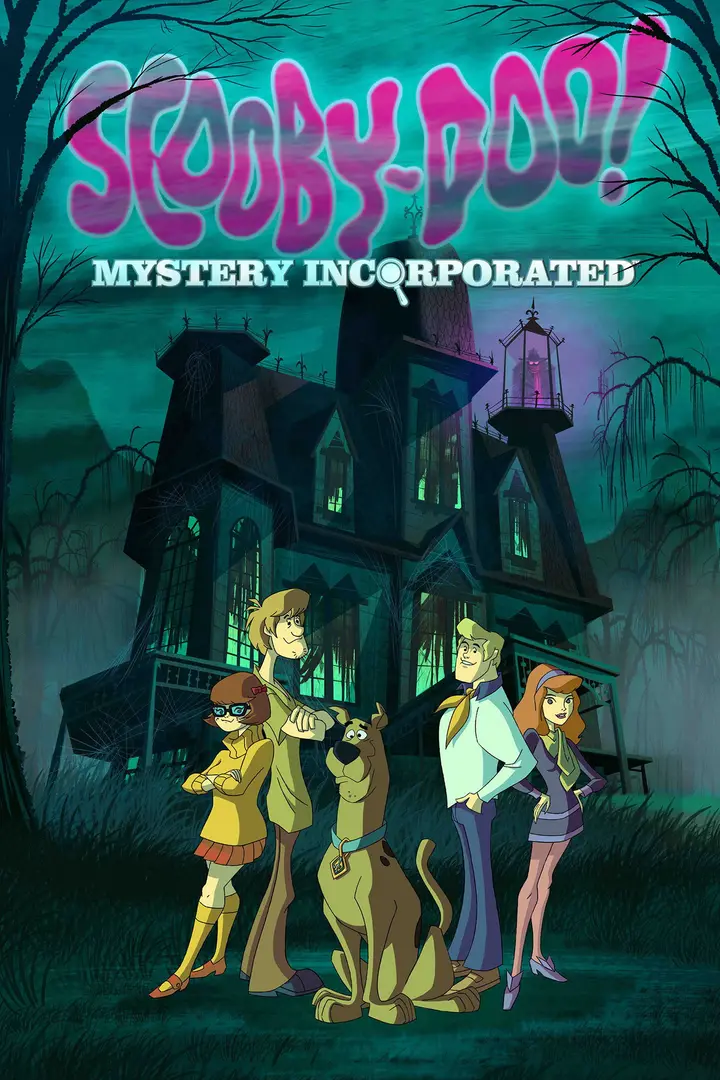
Scooby-Doo! Mystery Incorporated
Familiar monster mysteries are woven into a larger serialized puzzle about Crystal Cove’s past. Individual cases still deliver traps and comedy, while hidden clues, earlier mystery teams and relationship conflicts give the series deeper continuity.
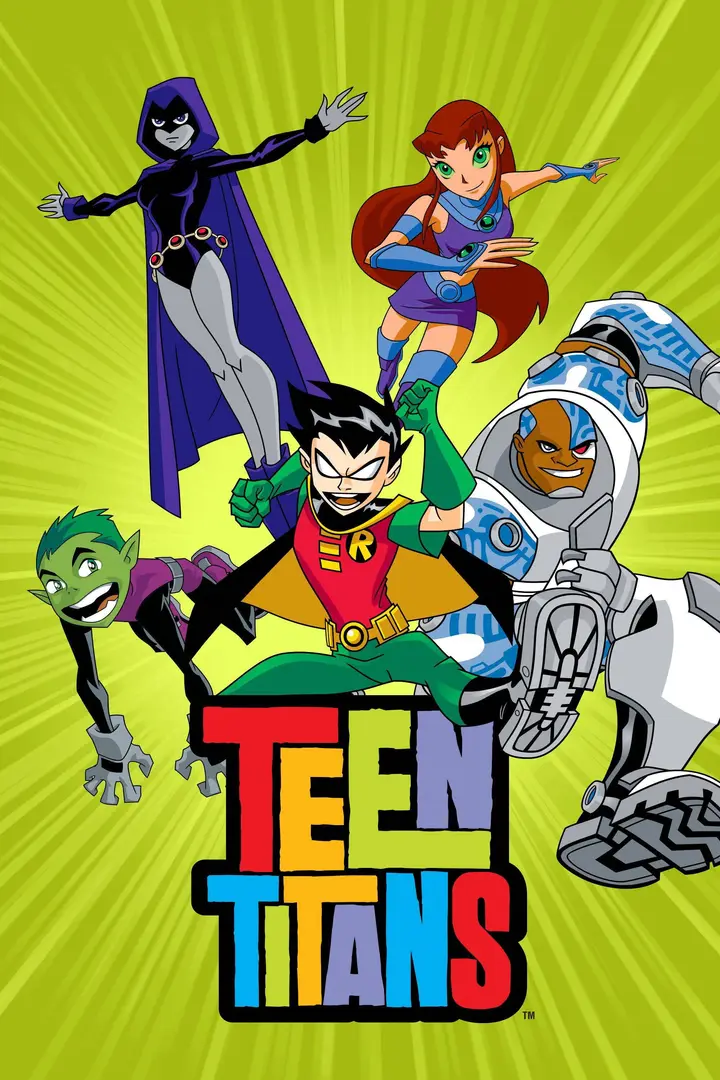
Teen Titans
Five young heroes live, fight and grow together, so superhero action is constantly tied to friendship and trust. Playful standalone episodes sit beside darker arcs about identity, control and family, giving the series substantial range.
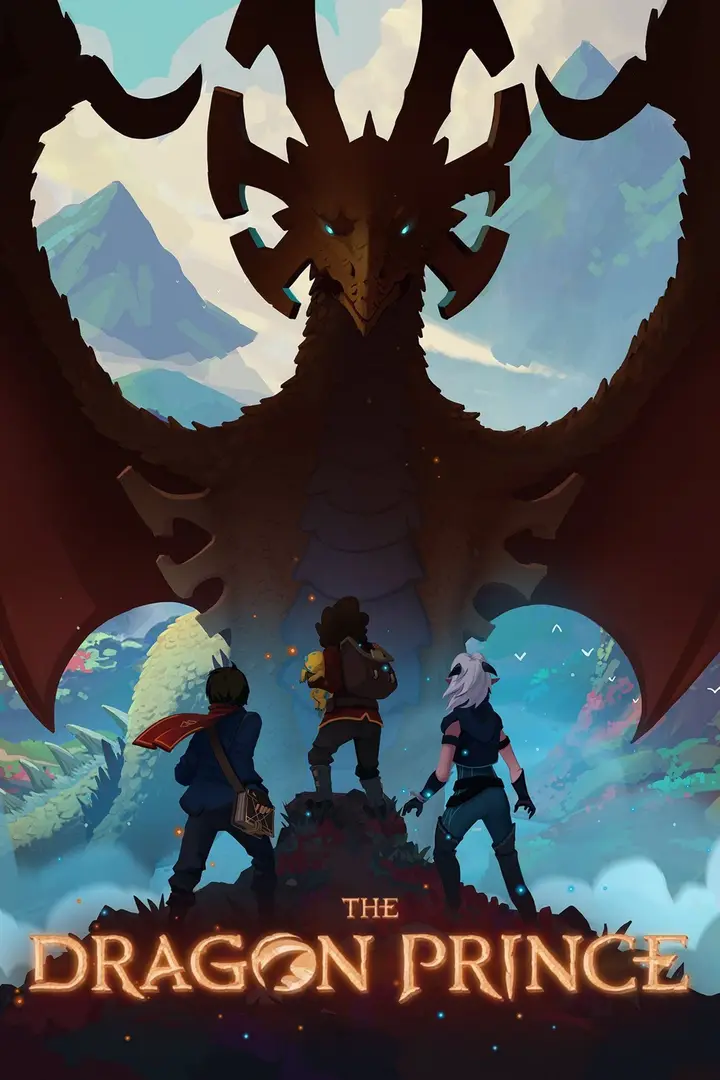
The Dragon Prince
A mission to return the dragon prince’s egg reframes a conflict built on mistrust between humans, elves and dragons. Magic, politics and family loyalty make the journey morally complex without losing its adventure momentum.
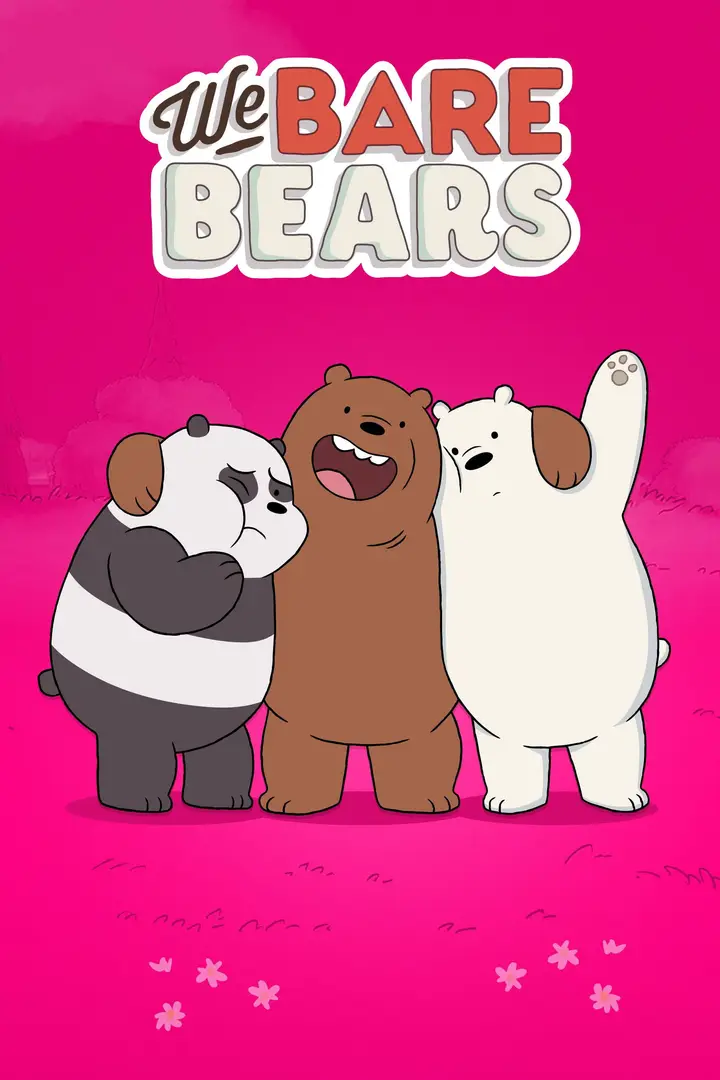
We Bare Bears
Grizz, Panda and Ice Bear approach city life in very different ways, turning social rules, friendship and belonging into warm comedy. Their sibling bond gives the absurd situations a stable center and keeps loneliness from becoming heavy.
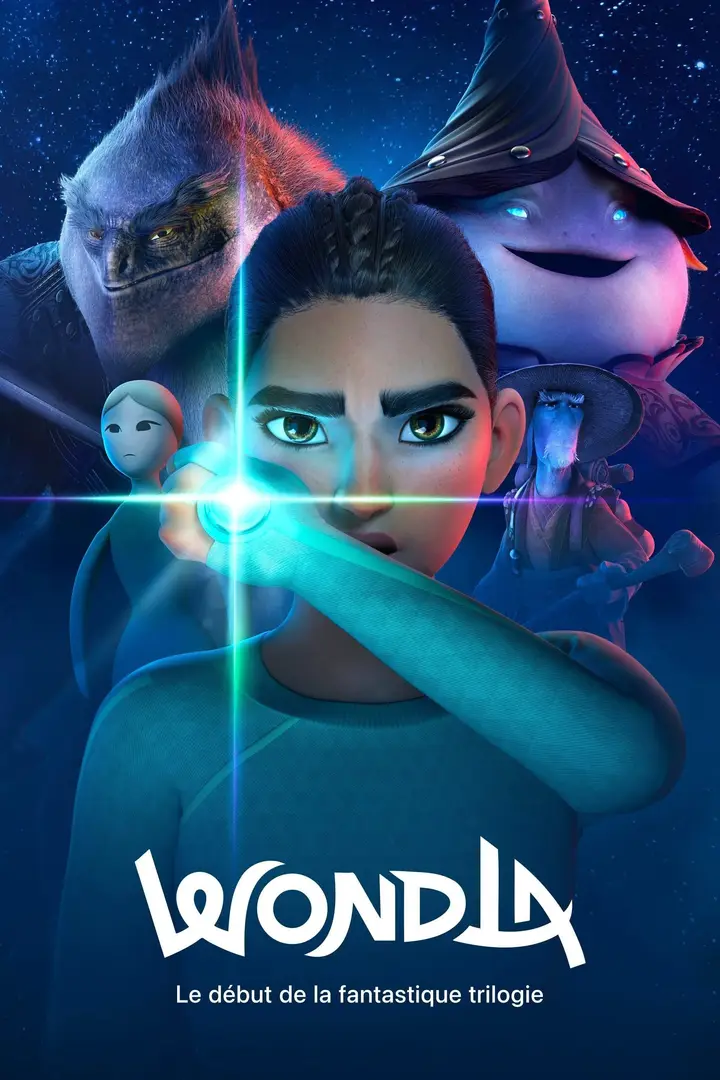
WondLa
Eva's forced exit from an isolated underground life into a truly unfamiliar world gives a science-fiction adventure real emotional stakes about identity and who to trust when everything changes.
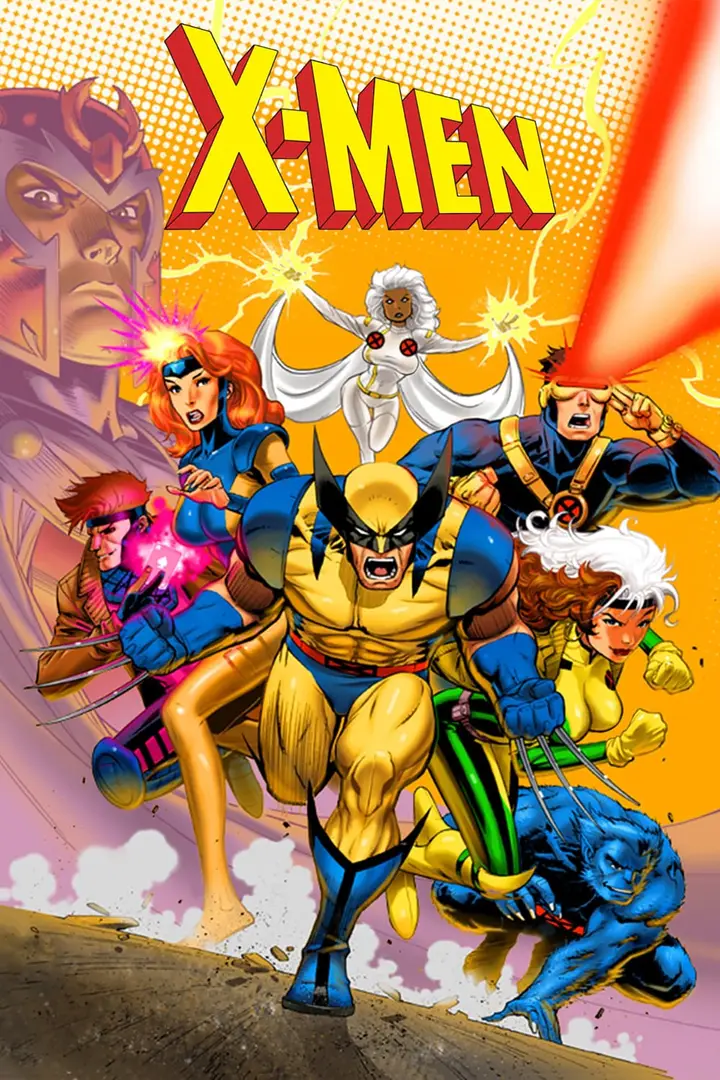
X-Men: The Animated Series
Superhero action carries added weight through prejudice, political fear and the challenge of protecting people who may distrust the X-Men. Strong continuity lets relationships and consequences build across episodes, rewarding viewers who follow longer arcs.
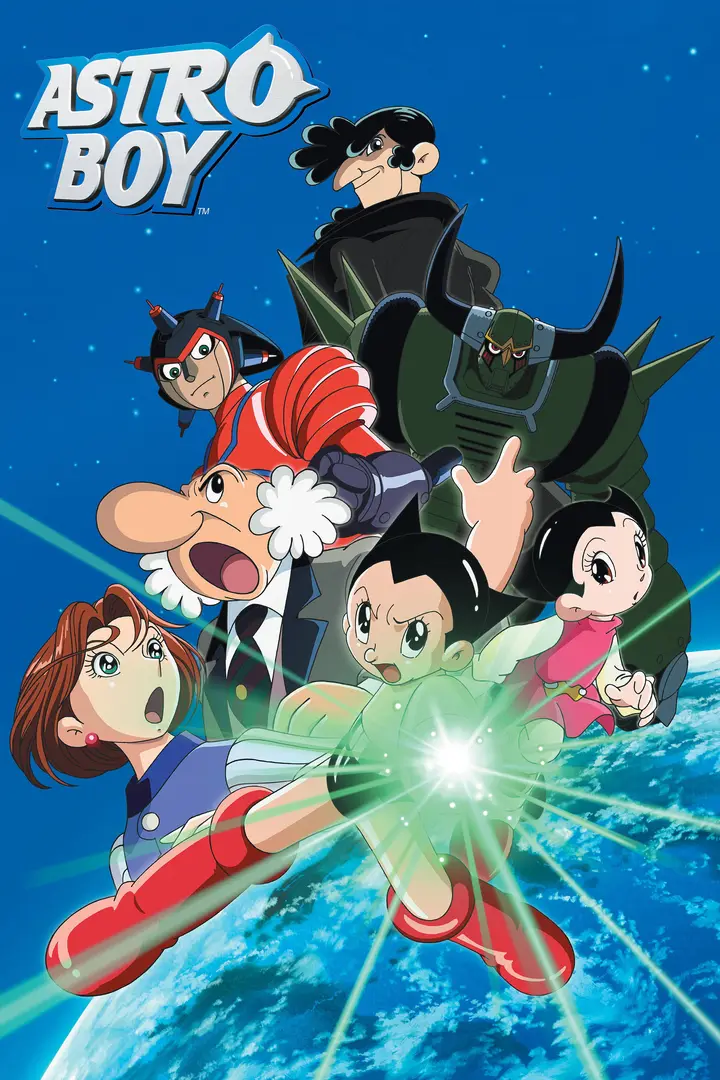
Astro Boy
Astro’s power is balanced by his search for belonging in a world divided over robots and humans. Superhero action becomes a way to examine identity, prejudice and the responsibilities attached to advanced technology.
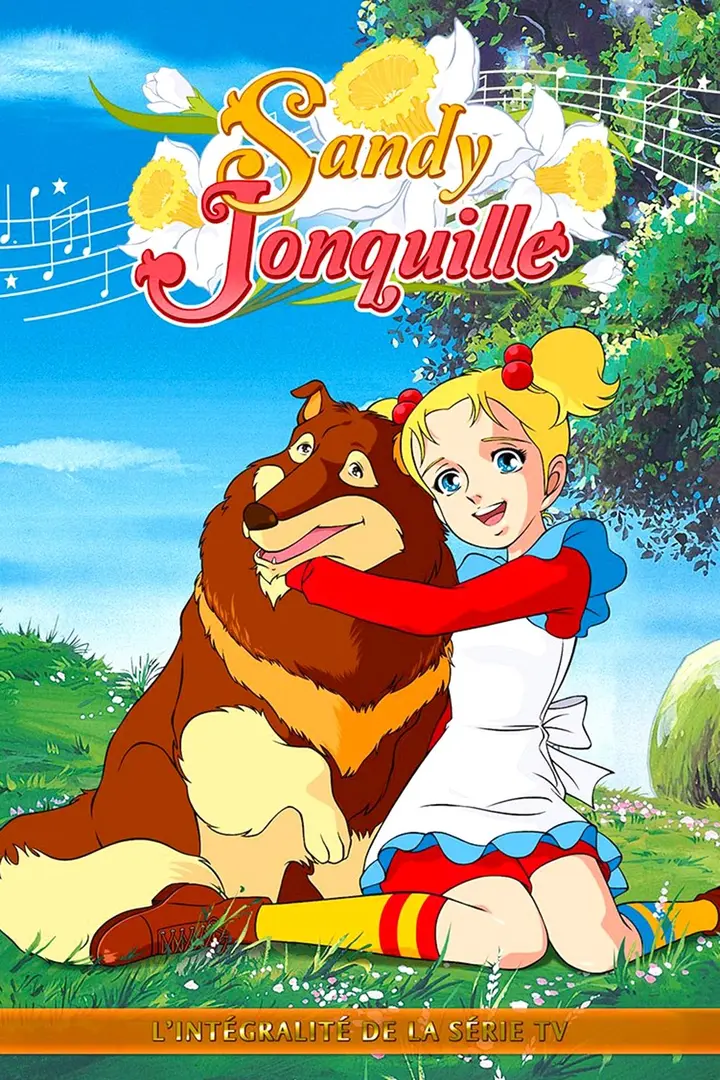
Hello! Sandybell
An active heroine, family mystery and classic shōjo melodrama give Sandybell a clear coming-of-age arc. Friendship, journalism and the search for her mother create continuity for viewers who prefer relationships and personal growth over fantasy action.
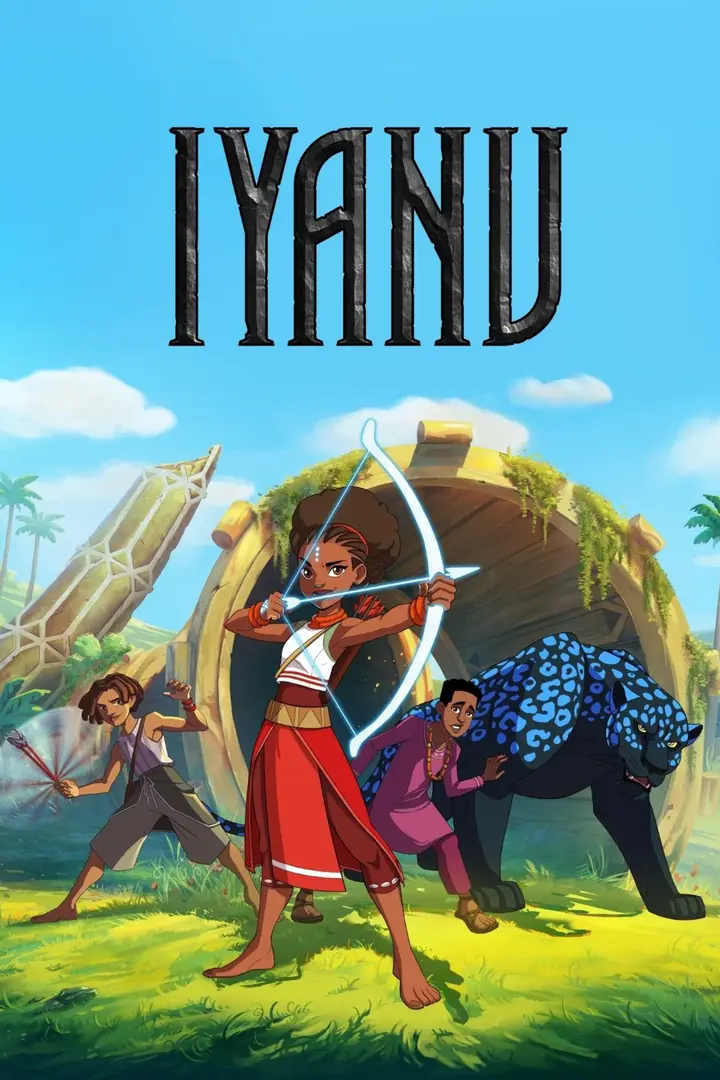
Iyanu
By grounding its superhero fantasy in specific Yoruba mythology, it gives a familiar 'discovering your powers' story real cultural depth and a distinct visual identity.
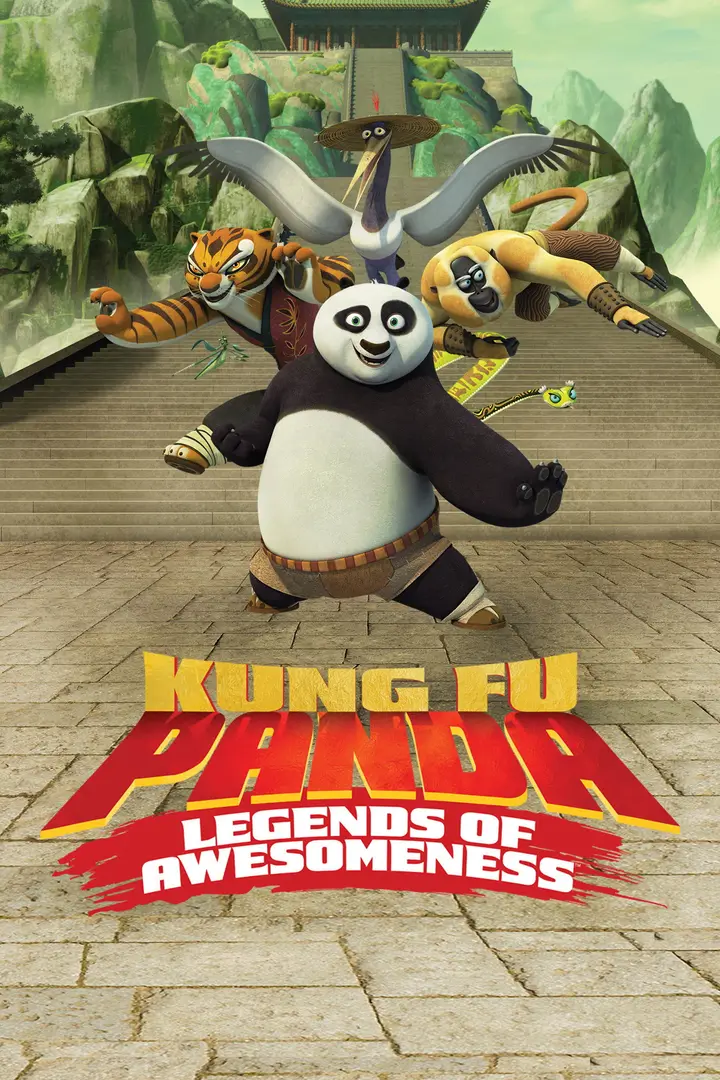
Kung Fu Panda: Legends of Awesomeness
Po’s enthusiasm constantly collides with the discipline expected of the Dragon Warrior. New villains and training challenges let the series use martial-arts comedy to explore humility, responsibility and the value of different problem-solving styles.
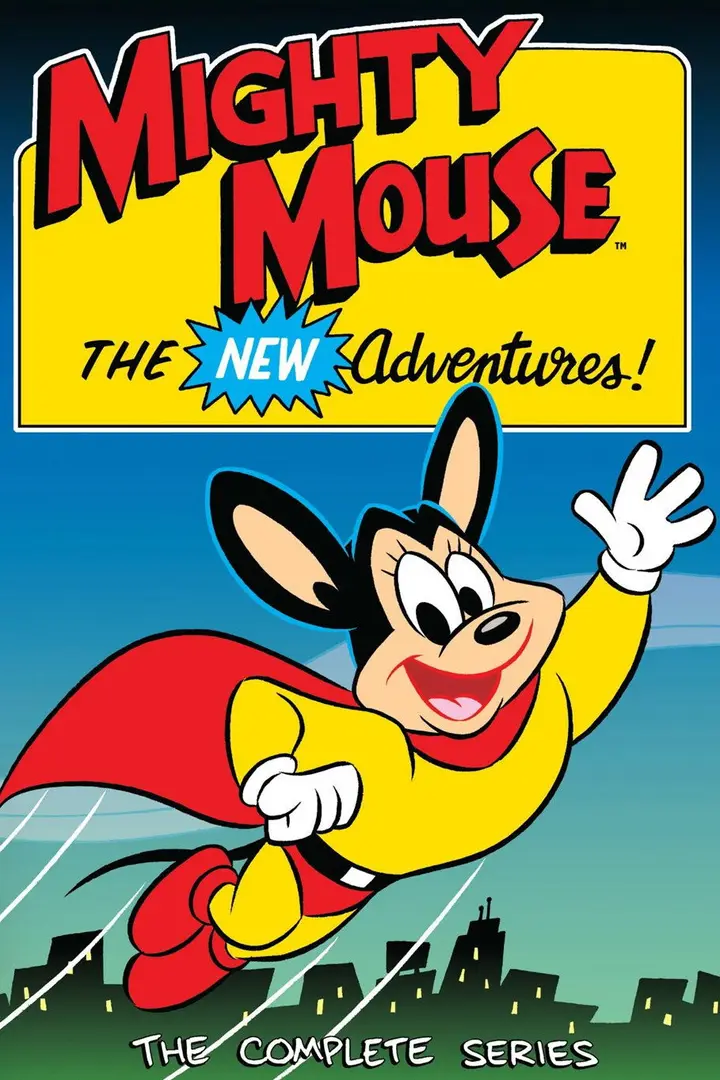
Mighty Mouse: The New Adventures
Superhero rescue stories become eccentric satire through strange villains, visual experimentation and jokes about cartoon conventions. Mighty Mouse still provides a clear heroic anchor, but the series constantly plays with how those stories are told.
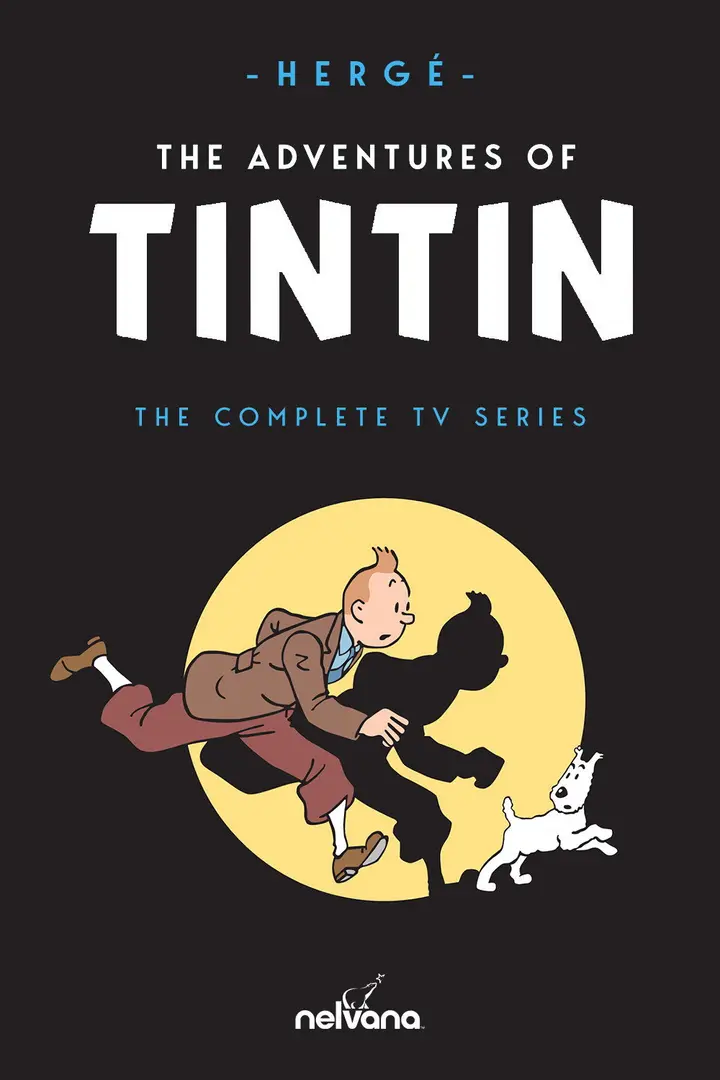
The Adventures of Tintin
Travel, investigation and international intrigue give Tintin’s cases a strong sense of movement. Snowy, Captain Haddock and the wider cast add humor and personality, while clues and persistence keep each adventure grounded in problem-solving.
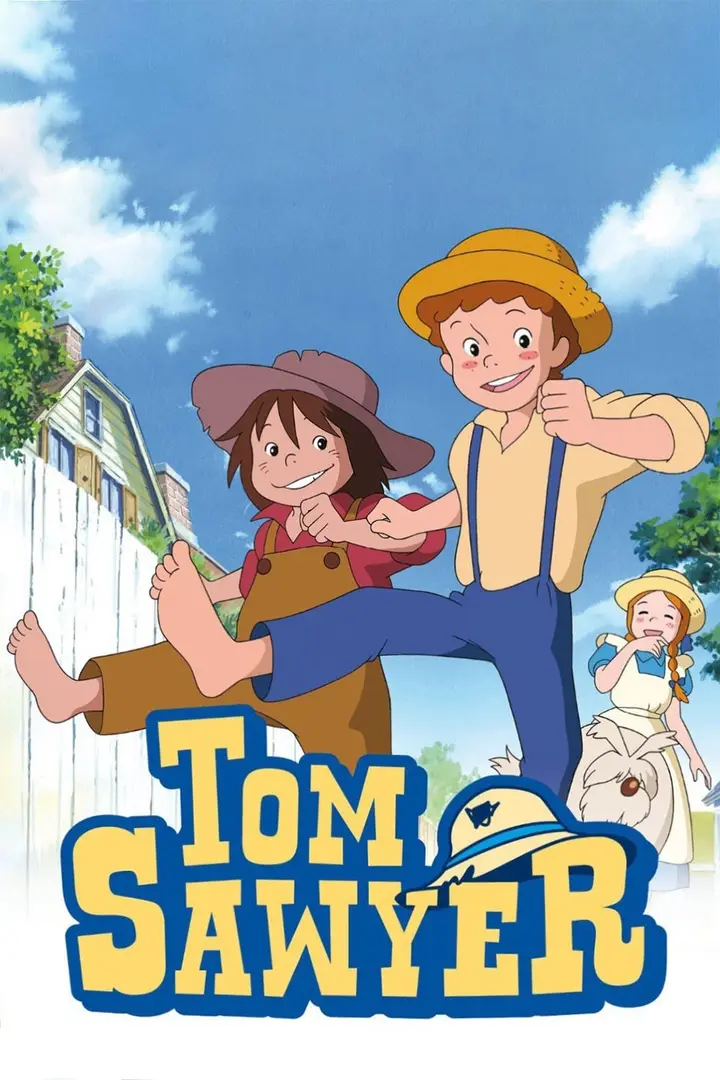
The Adventures of Tom Sawyer
Mischief, friendship and outdoor adventure give the series strong momentum, while consequences gradually add responsibility to Tom’s choices. The historical setting also gives older children more to notice than the surface-level humor and escapades.
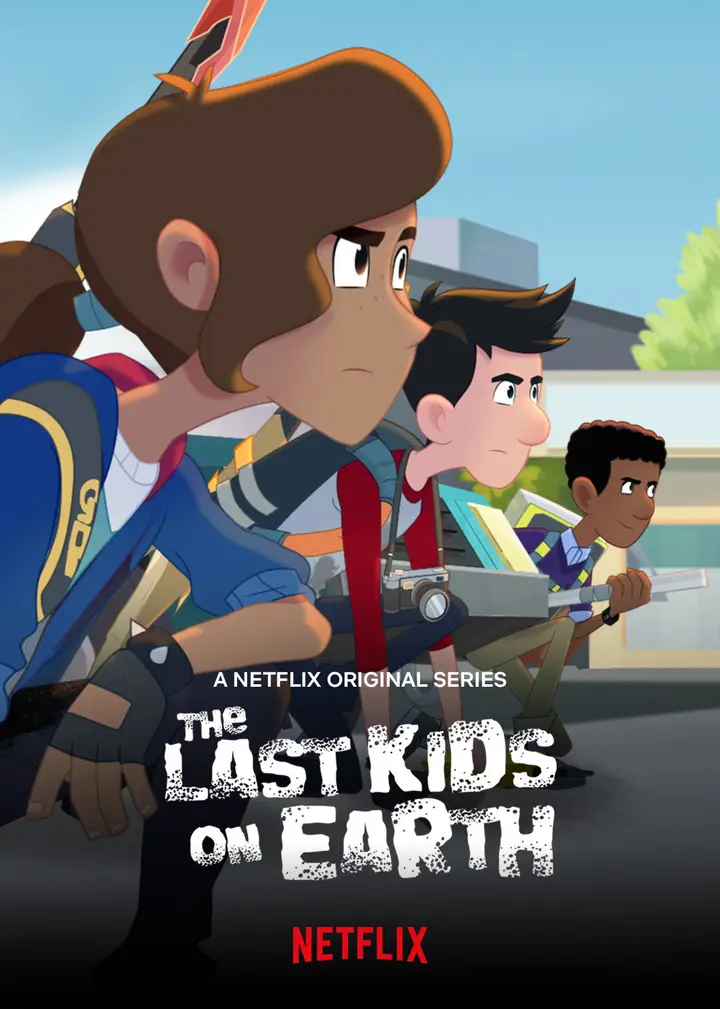
The Last Kids on Earth
The monsters are the hook, but the heart is Jack, a foster kid who finally finds a family in his friends. Humor keeps the scares manageable, and fans can continue with the books.
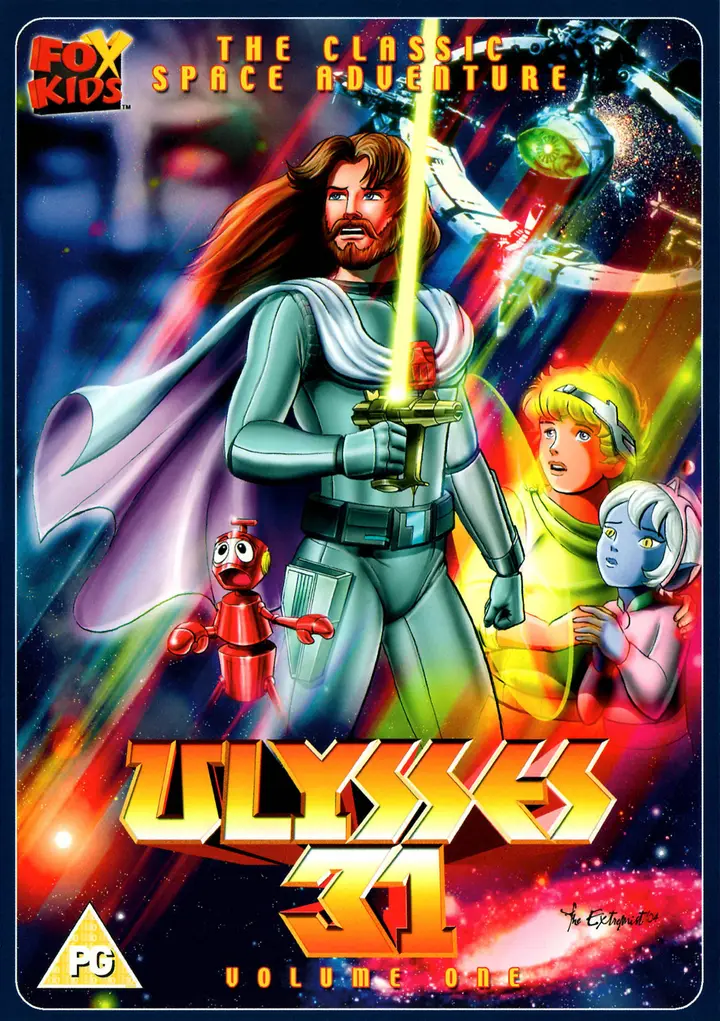
Ulysses 31
Greek mythology and science fiction fit together naturally here: familiar myths become planets, machines and alien civilizations without losing the sense of a long voyage home. The overarching quest gives otherwise episodic adventures a clear destination.
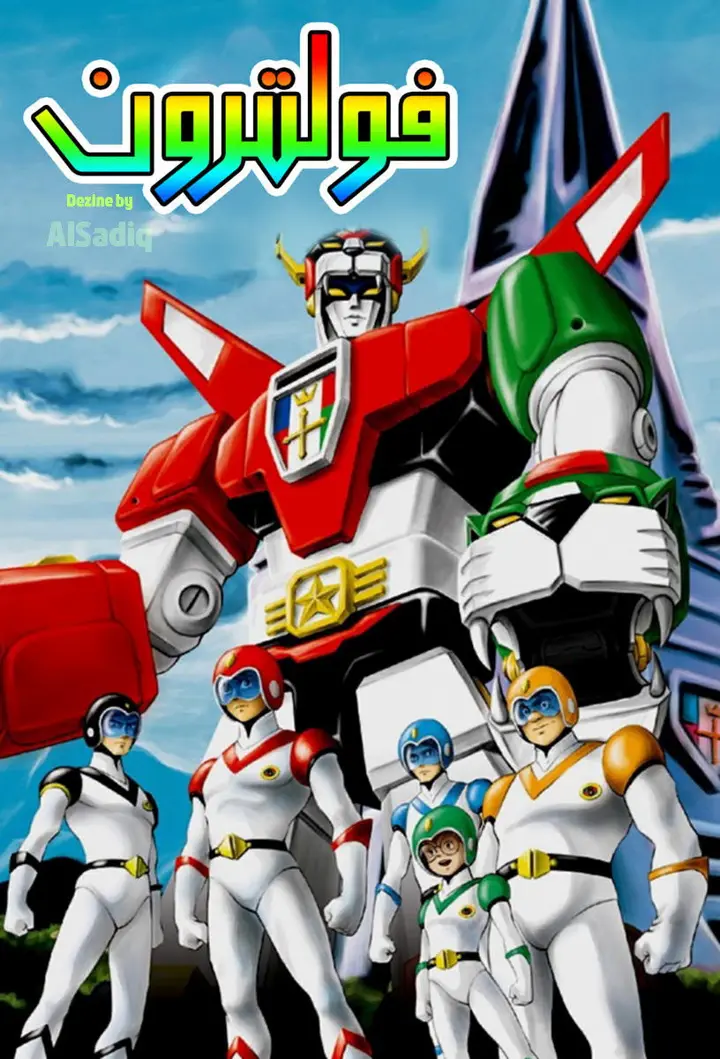
Voltron: Defender of the Universe
Five robotic lions must combine before Voltron can reach full strength, making teamwork part of the series’ central visual idea. Space battles, monsters and pilot coordination give the action clear structure and escalating scale.
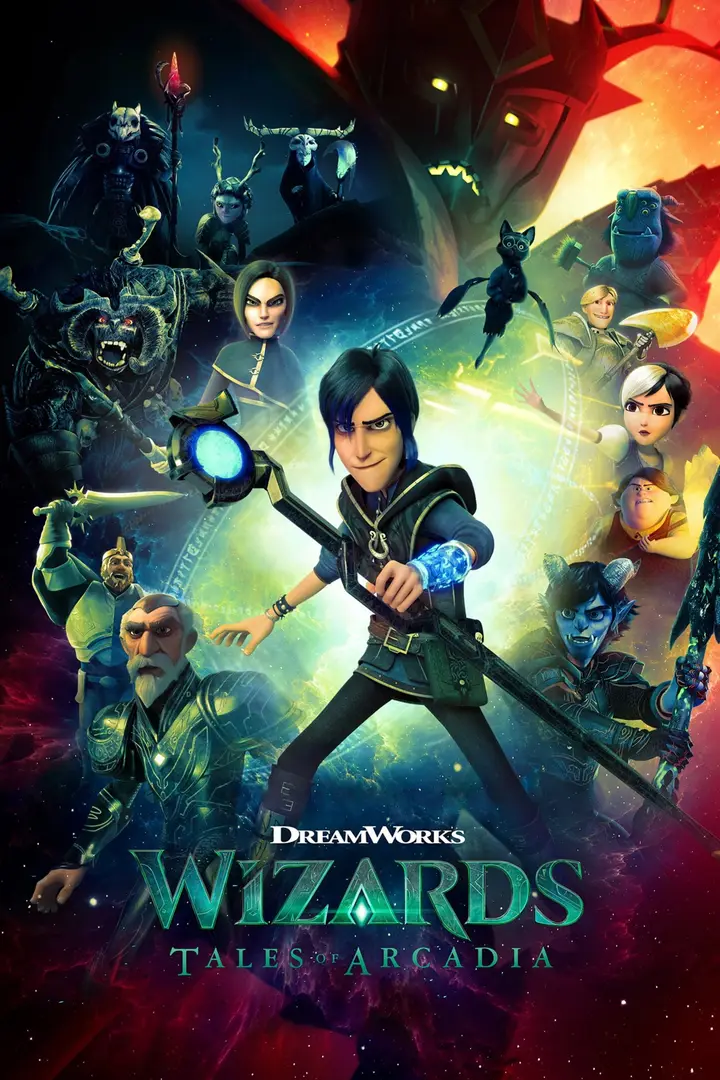
Wizards: Tales of Arcadia
Douxie’s long apprenticeship becomes a satisfying leadership story as the series links Camelot to Arcadia’s present. Time travel deepens the franchise mythology, while familiar heroes give the final television chapter strong continuity and momentum.
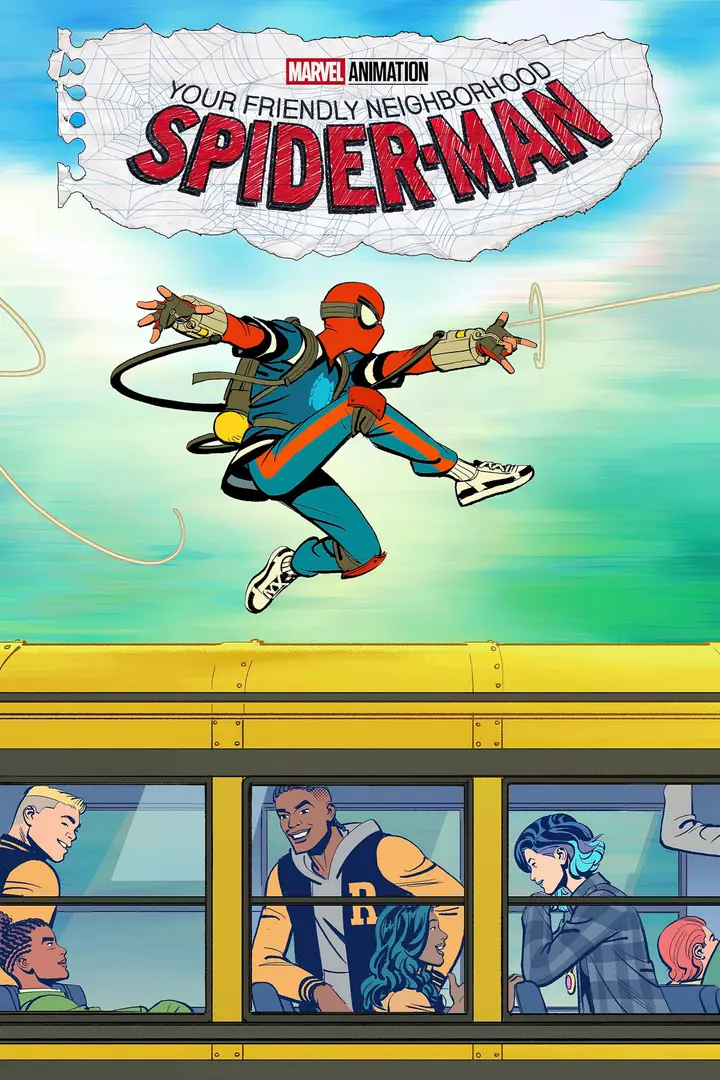
Your Friendly Neighborhood Spider-Man
By resetting Peter Parker to his earliest days as a hero, it recaptures the tension of every choice mattering, before experience makes heroism feel routine or easy.
Can start at 9, recommended for older viewers
These series meet the minimum age, but TFFC recommends waiting until the age shown on each card.
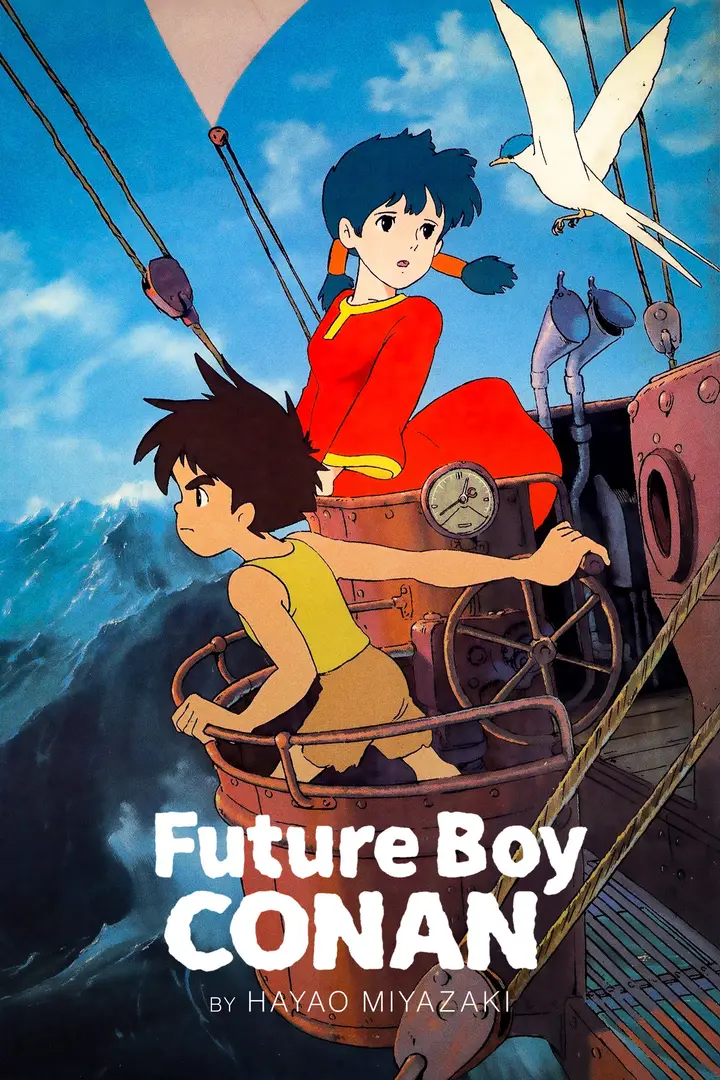
Future Boy Conan
Conan combines large-scale adventure with ecological ideas, political conflict and a hero defined by loyalty as much as physical courage. The ruined world creates real stakes, but the story keeps returning to cooperation, rebuilding and the possibility of a better future.
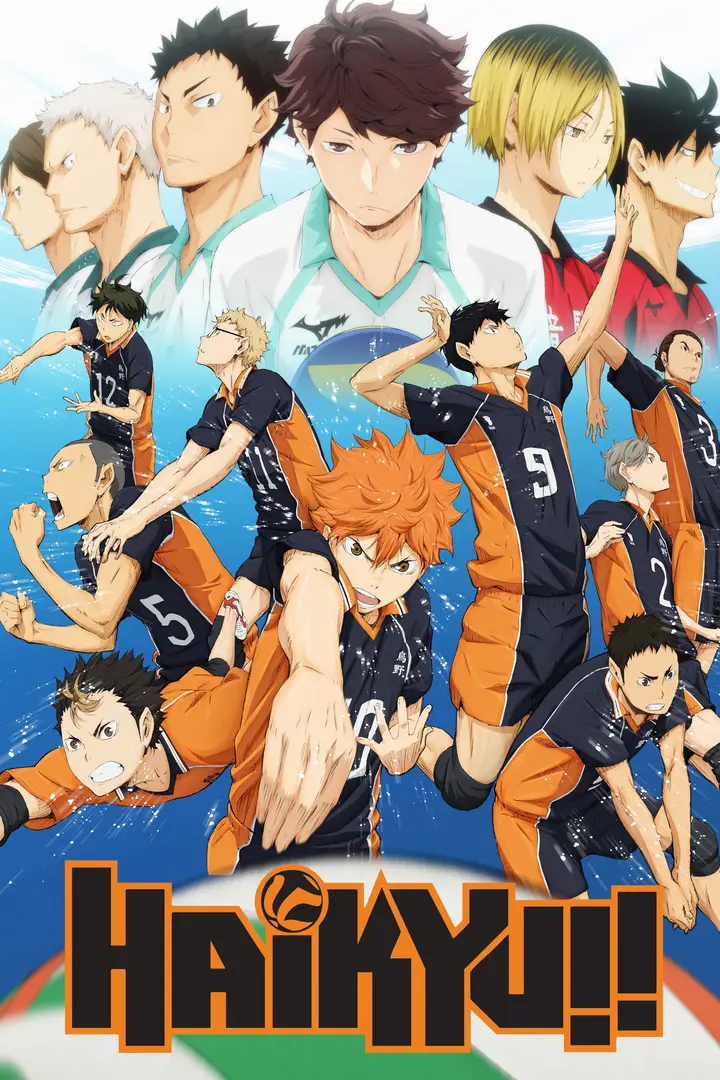
Haikyu!!
Matches stay exciting because tactics, positioning and small improvements matter as much as athletic talent. The series gives teammates and opponents clear goals, making practice, setbacks and cooperation feel consequential without relying on fantasy powers or violent stakes.
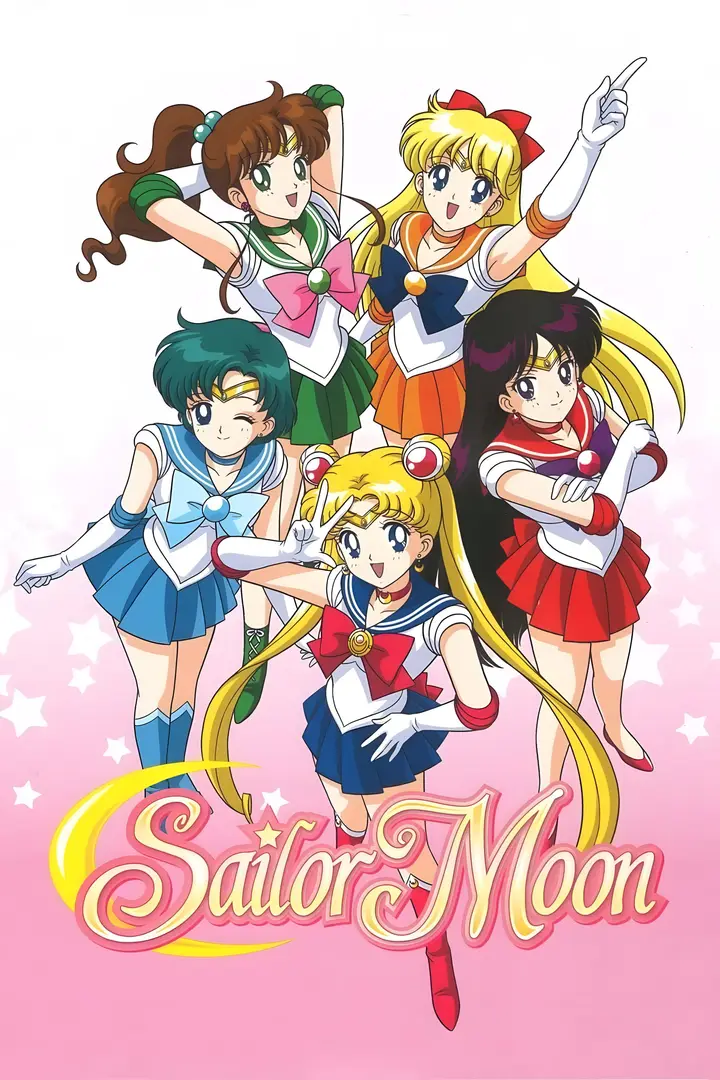
Sailor Moon
Magical battles, school comedy and an expanding team of Sailor Guardians give the series both episodic fun and long-form continuity. Friendships and group dynamics grow alongside the fantasy plot, which helps the larger story arcs carry weight.
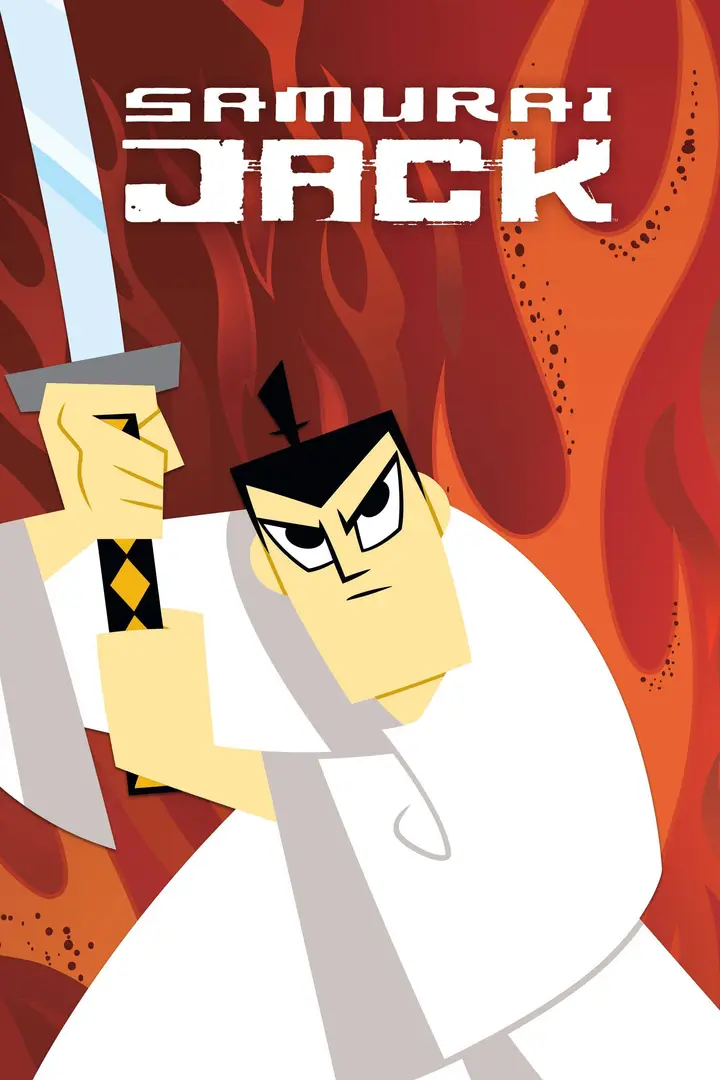
Samurai Jack
Sparse dialogue and cinematic composition make Jack’s journey depend on movement, atmosphere and visual problem-solving. The future setting constantly changes around him, while his discipline and moral code give the wandering adventure a stable center.
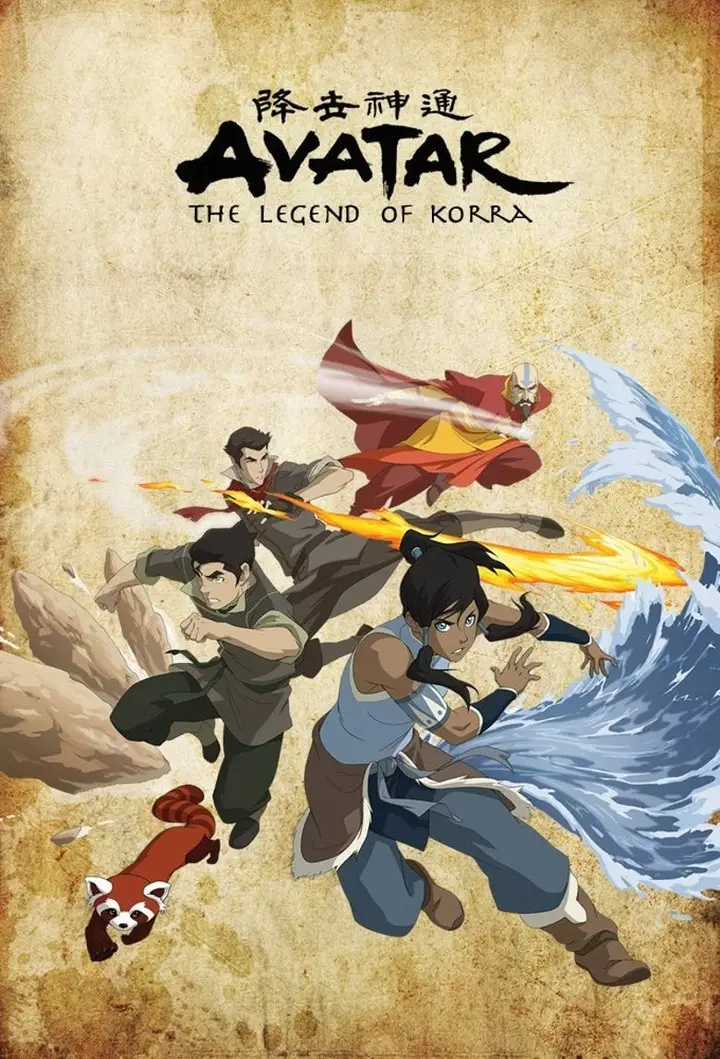
The Legend of Korra
Korra begins as a powerful Avatar who must learn patience, diplomacy and spiritual balance. Republic City’s conflicts connect bending, technology and politics, giving the sequel a broader social world and a more mature leadership arc.
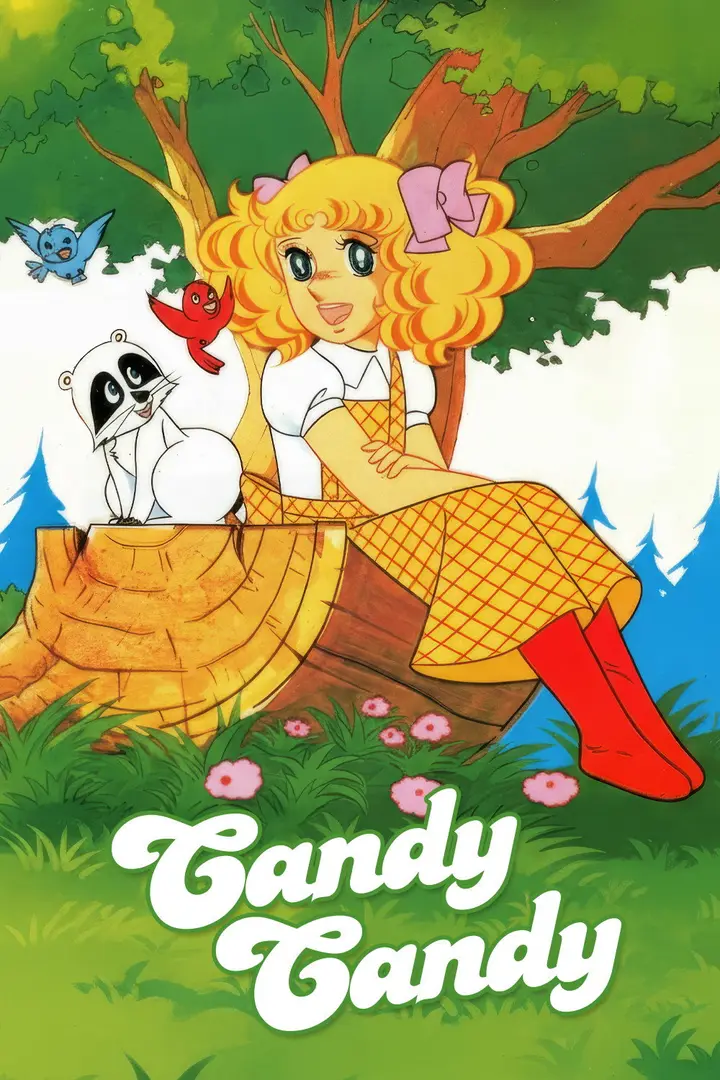
Candy Candy
Candy’s resilience gives the long melodrama a strong center as homes, friendships, losses and romantic relationships change around her. The extended timeline lets setbacks have lasting consequences and gives her growth more weight than a reset-based children’s series.
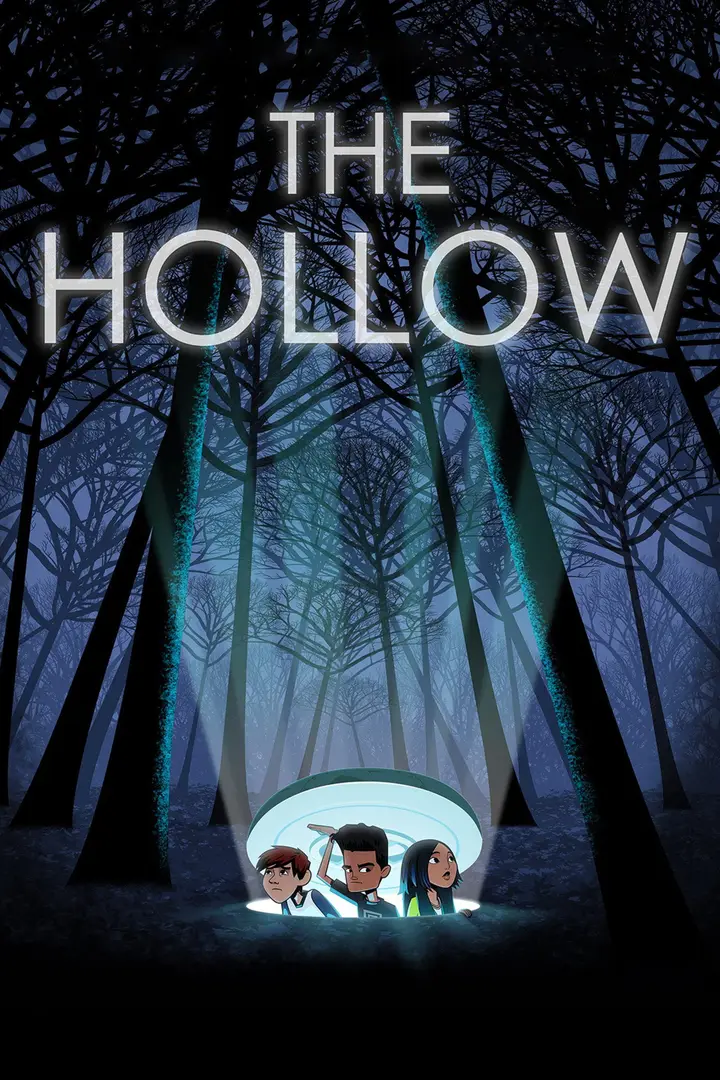
The Hollow
Three teenagers wake without memories and must solve game-like challenges using different abilities. The mystery develops through clues, strange environments and teamwork, making cooperation essential because no one character can understand everything alone.
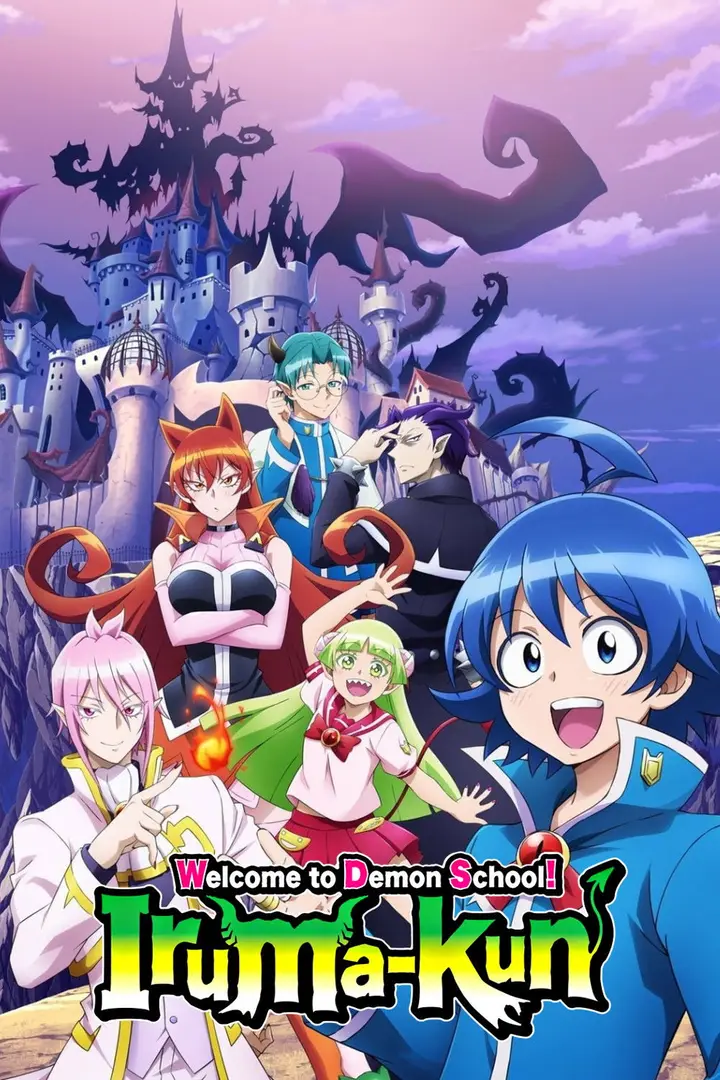
Welcome to Demon School! Iruma-kun
Iruma succeeds through empathy, adaptability and friendship in a school where almost everyone around him is a demon. That contrast gives the comedy its charm, while the growing cast and school challenges provide enough continuity to support longer story arcs.
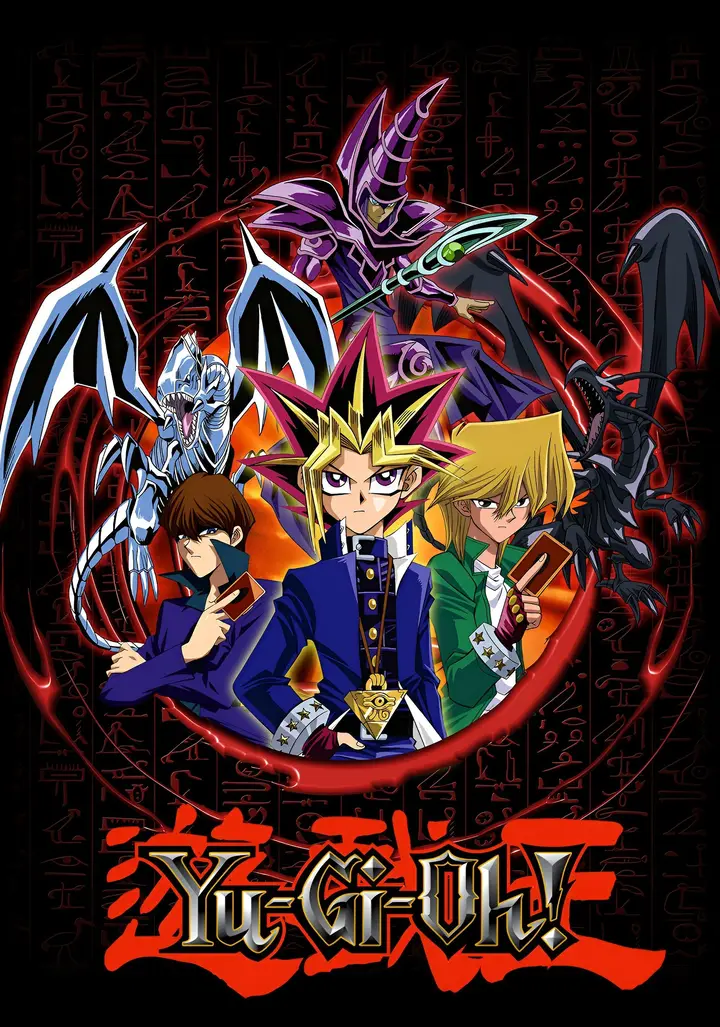
Yu-Gi-Oh! Duel Monsters
Strategy, rivalry and mythology tie the card battles to character stakes instead of leaving them as isolated games. Clear rules make the duels readable, while longer arcs give friendships, ancient secrets and major opponents room to develop.
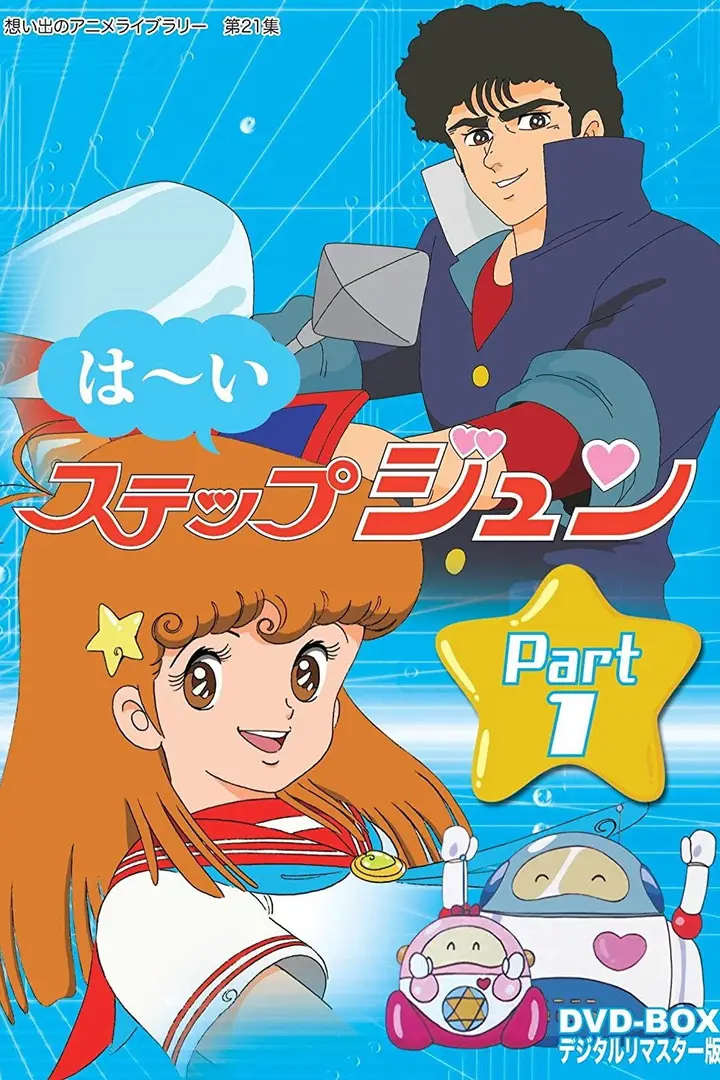
Hai Step Jun
Jun’s enthusiasm for machines and robots gives this school comedy an unusual engineering-minded heroine. Light romance and playful inventions sit side by side, creating a distinctive 1980s shōjo mix of technology, crushes and everyday comedy.
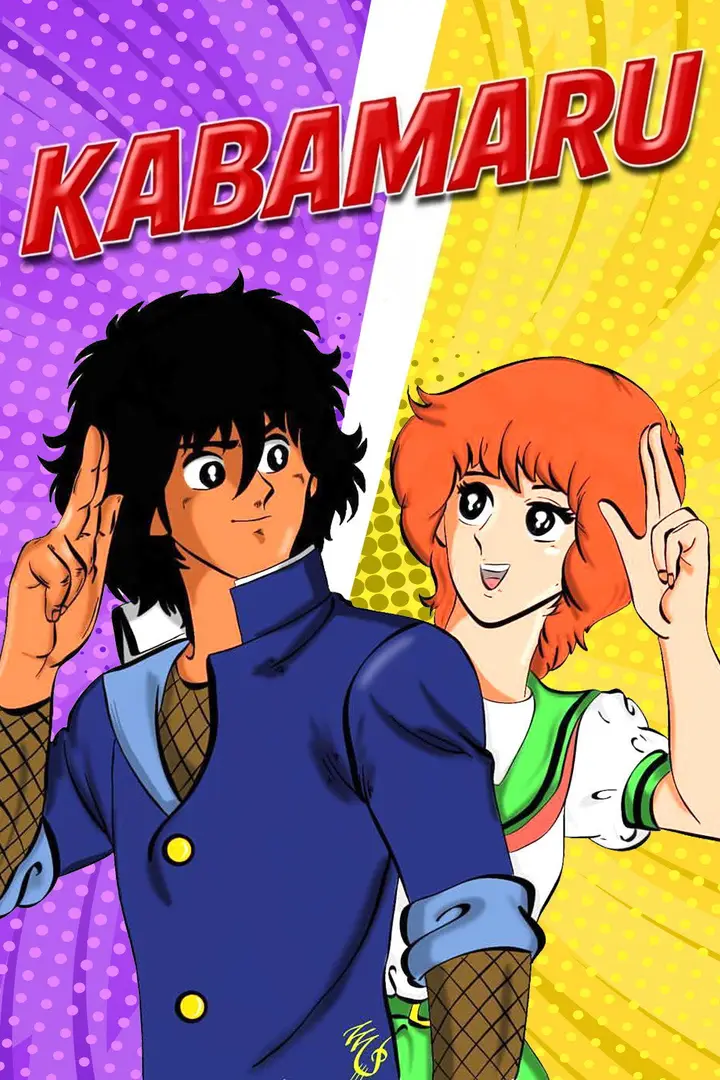
Ninja Kabamaru
Kabamaru’s extreme appetite, mountain upbringing and real ninja skills collide with school life in a fast mix of physical comedy and martial-arts action. His exaggerated personality gives the series a distinct identity that still feels energetic decades later.
Still a good fit at this age
Series with a lower Recommended Age that our editors have also approved for this age group. The Recommended Age shown on each card is unchanged.
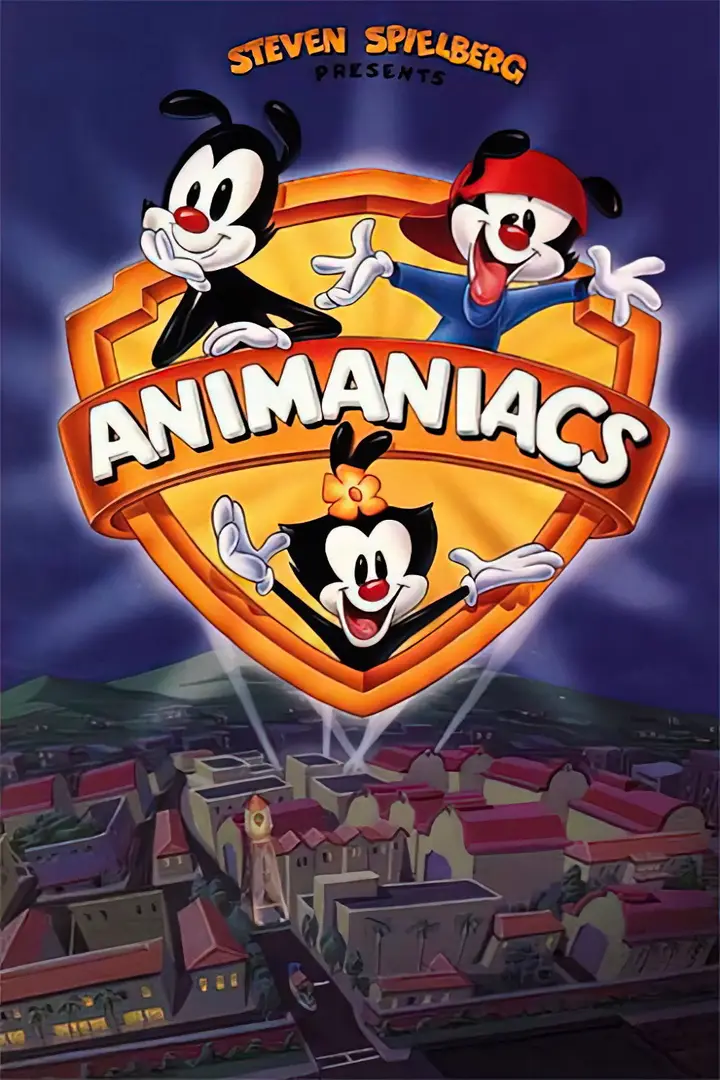
Animaniacs
Songs, wordplay, slapstick and constant format changes make the comedy highly varied. Younger viewers can follow the physical humor, while older children get more from satire, cultural references and jokes aimed beyond the child audience.
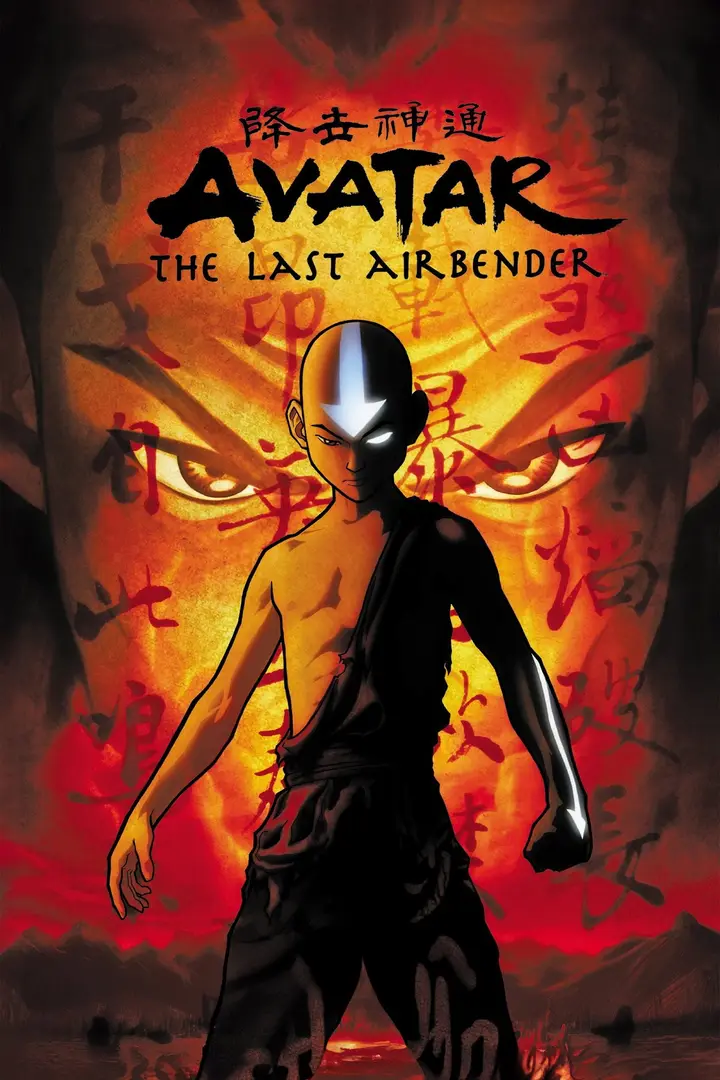
Avatar: The Last Airbender
Epic fantasy grows through a carefully structured journey in which Aang must master the elements while deciding what kind of Avatar he wants to become. Humor, friendship and martial arts support deeper themes of grief, identity and responsibility.
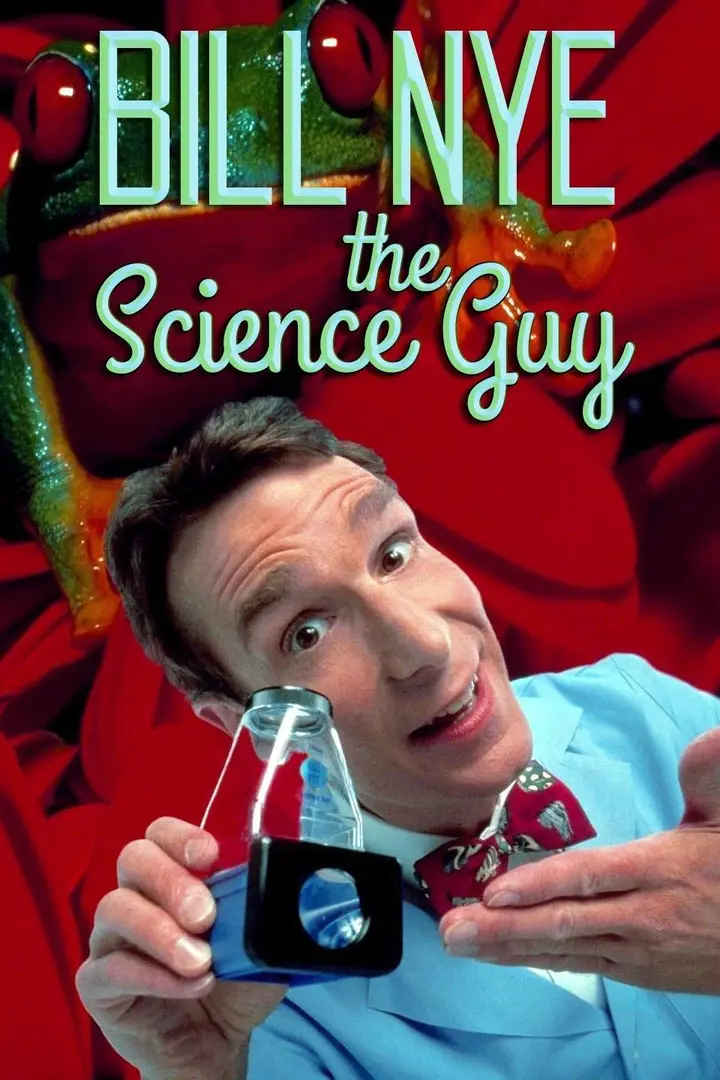
Bill Nye the Science Guy
The show teaches the method, not just the facts: ask a question, test it, look at the result. Each episode is self-contained, which makes it easy to use in class or pair with a home experiment.
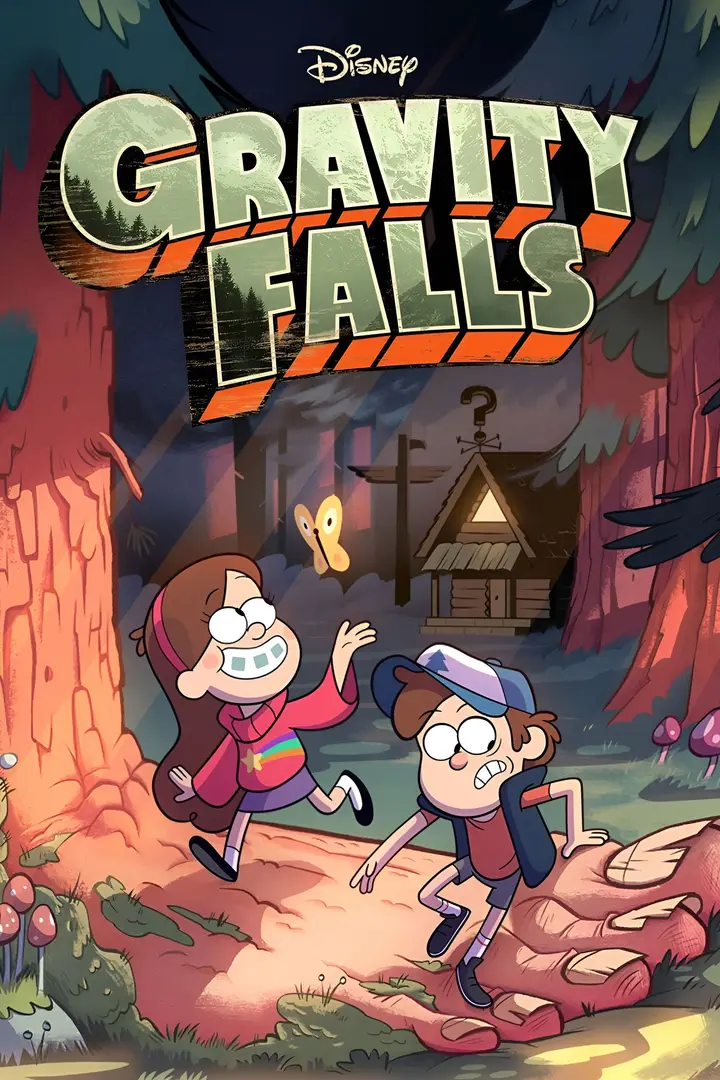
Gravity Falls
Dipper’s mysterious journal turns a strange summer town into a connected puzzle filled with monsters, codes and hidden organizations. Mabel’s energy balances the suspense, while the twins’ loyalty keeps the expanding mystery tied to family.
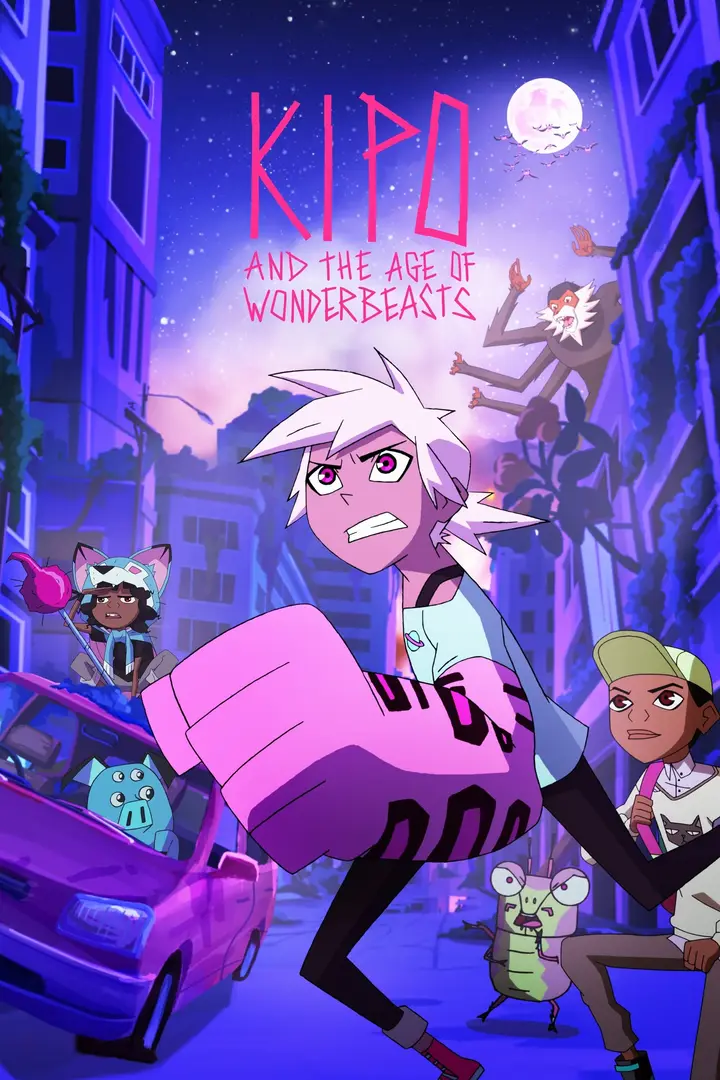
Kipo and the Age of Wonderbeasts
Its post-apocalyptic setting and mutant-animal action stay purely fantastical while the story explores prejudice and coexistence, giving an energetic adventure real thematic weight for older kids.
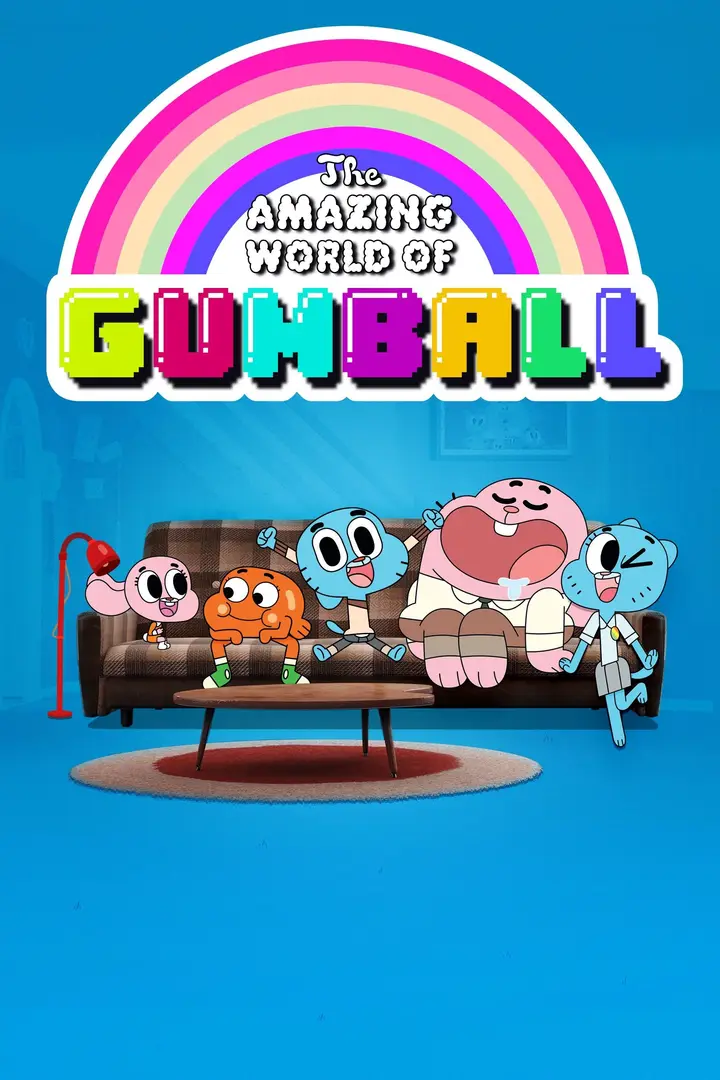
The Amazing World of Gumball
Ordinary school and family problems explode into surreal comedy through mixed animation styles and impossible logic. Gumball and Darwin’s friendship gives the visual chaos a stable center, while satire adds extra layers for older viewers.
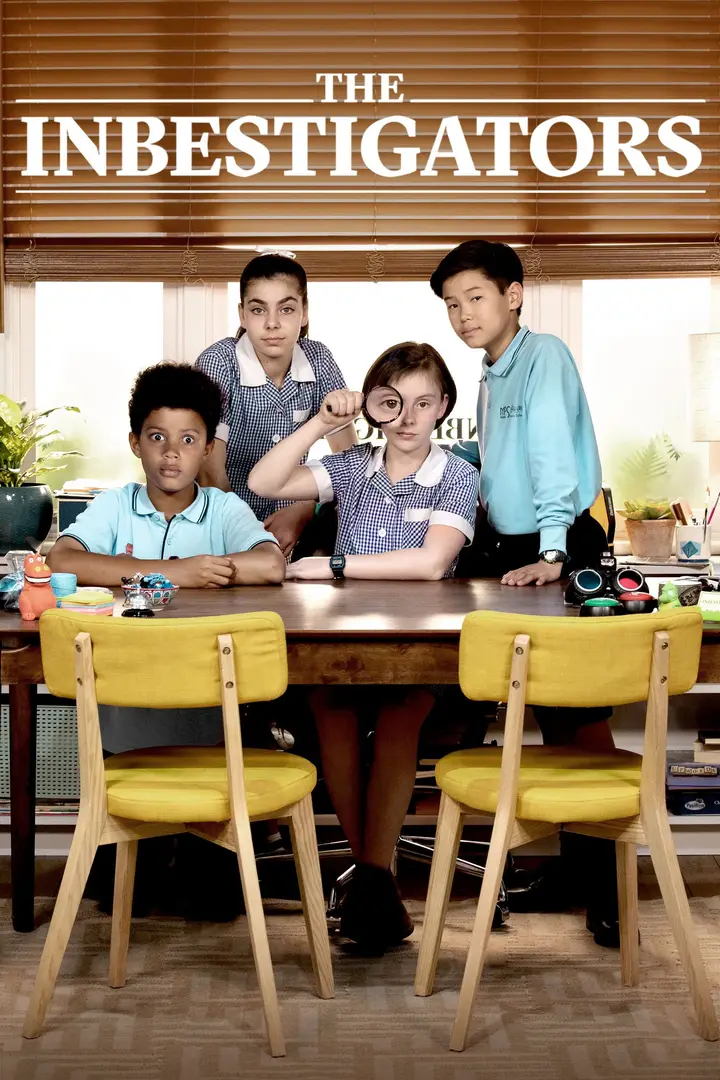
The InBESTigators
The mysteries are small enough to feel real and are solved by observation, logic and teamwork, not luck. The four friends are very different, and the show lets each of them be clever in their own way.
Questions parents ask
What are the best TV shows for 9-year-olds?
Nine-year-olds are ready for bigger worlds and higher stakes. She-Ra and the Princesses of Power, The Dragon Prince, Trollhunters: Tales of Arcadia and Jurassic World: Camp Cretaceous are all recommended from this age, as are The Adventures of Tintin for classic adventure and Adventure Time for something more surreal.
What superhero shows are good for 9-year-olds?
Batman: The Animated Series, Justice League and Teen Titans are all recommended from age 9. Batman is the darkest in tone, Justice League brings big team battles and global crises, and Teen Titans balances supervillain fights with a lot of humour. For a lighter start, Kim Possible (from 8) mixes spy action with school comedy.
Is Scooby-Doo! Mystery Incorporated too scary for a 9-year-old?
Usually not, but it is the spookiest Scooby-Doo, which is why it is recommended from 9 (minimum 8). The atmosphere is darker, the suspense stronger and the mysteries continue from episode to episode. Children who found the original Scooby-Doo, Where Are You! (from 6) too easy often love the step up.


