
Best TV Shows for 6-Year-Olds
Playful adventures, first action stories and growing curiosity, with clear age guidance.
Best TV Shows for 6-Year-Olds
At age 6, our 45 recommended series introduce bigger missions, comedy and first action stories, from Batwheels and Cyberchase to Chi’s Sweet Home. Another 49 can be started at 6, but TFFC recommends them for older viewers because of denser storytelling or stronger intensity.
Find the right series
Choose one band. Results show age-relevant series approved by our editors: those whose Minimum-to-Recommended age span overlaps the band, plus individually approved favorites. The Recommended Age is a starting point, not a maximum.
More filters and sort
No series in this guide match this age.
Recommended for 6-year-olds
These series have this age as their recommended viewing age.
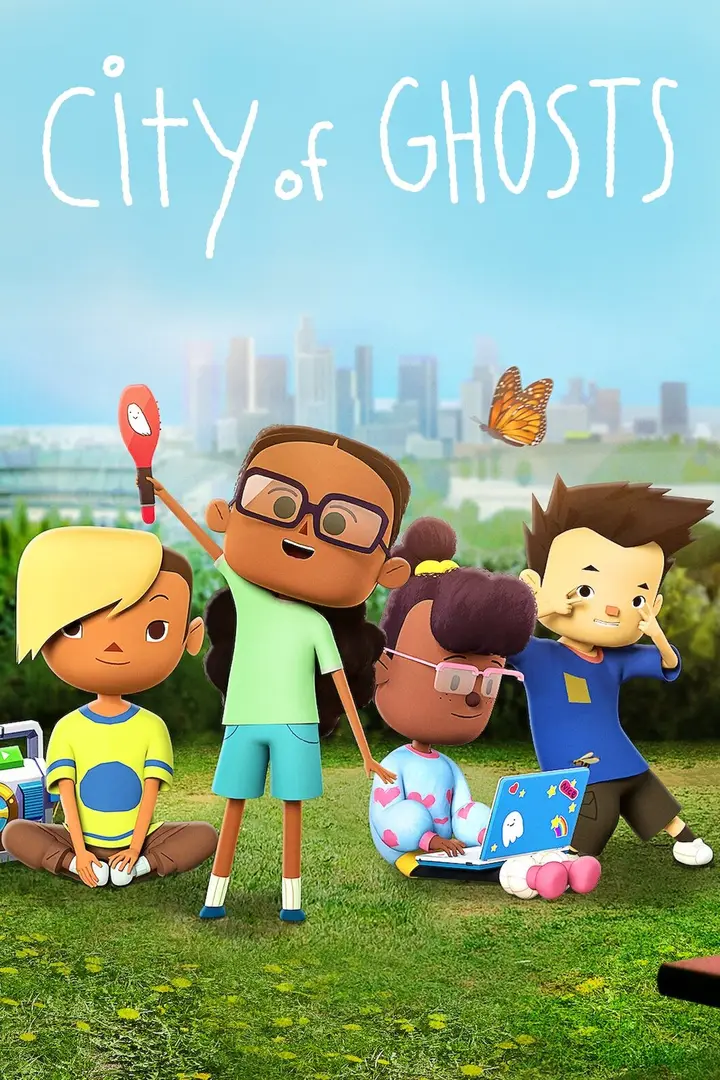
City of Ghosts
By pairing animation with real residents' voices, it turns ghost stories into genuine oral history, using a gentle supernatural frame to introduce specific neighborhoods, traditions, and community memory.
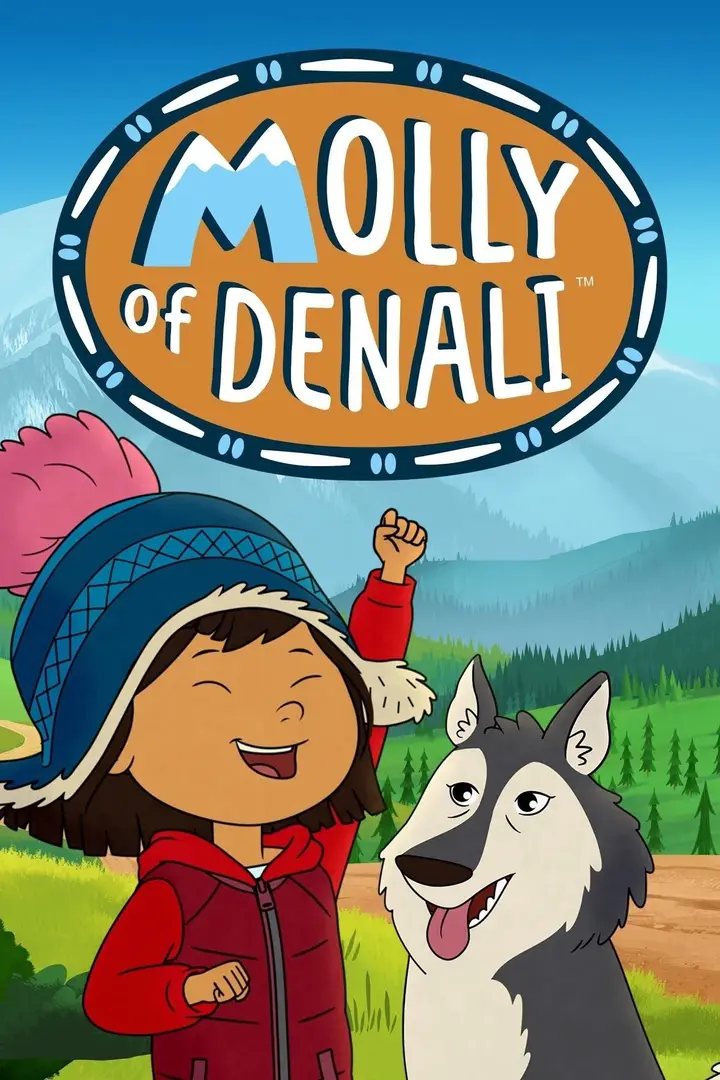
Molly of Denali
Molly uses maps, books, websites, signs and oral knowledge to answer practical questions in her Alaskan community. Literacy becomes a tool for real tasks, while contemporary Alaska Native culture is integrated into daily life.
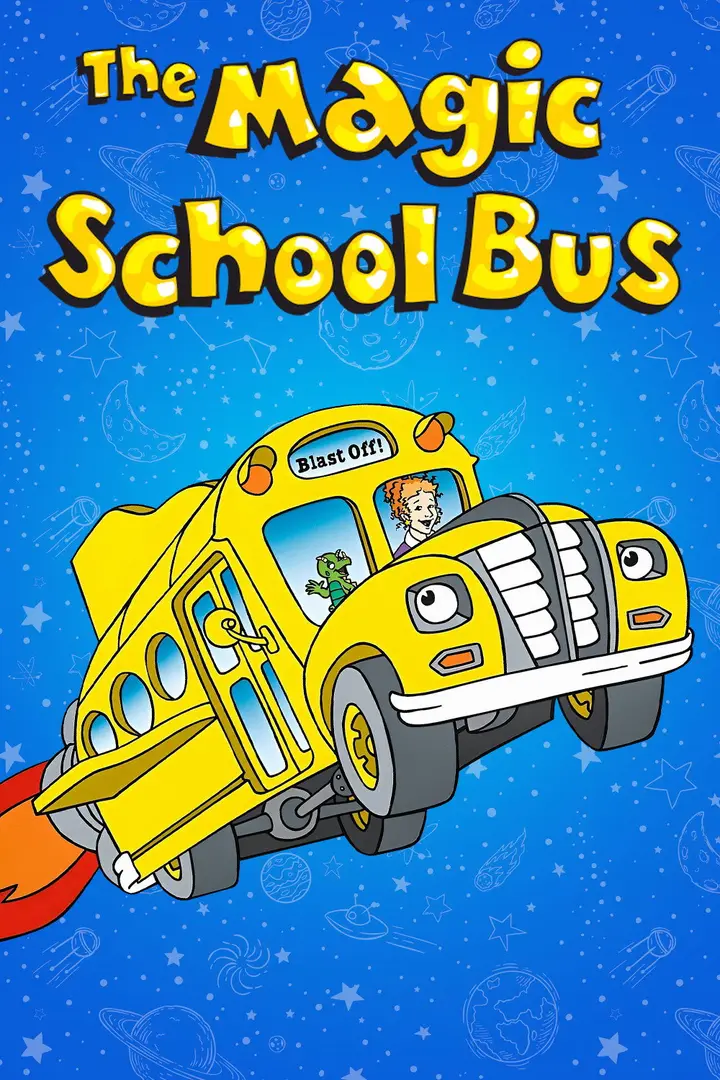
The Magic School Bus
Scientific questions become immersive field trips where the class observes, predicts and tests ideas directly. Ms. Frizzle’s impossible bus turns biology, physics and astronomy into memorable experiences while keeping curiosity and experimentation at the center.
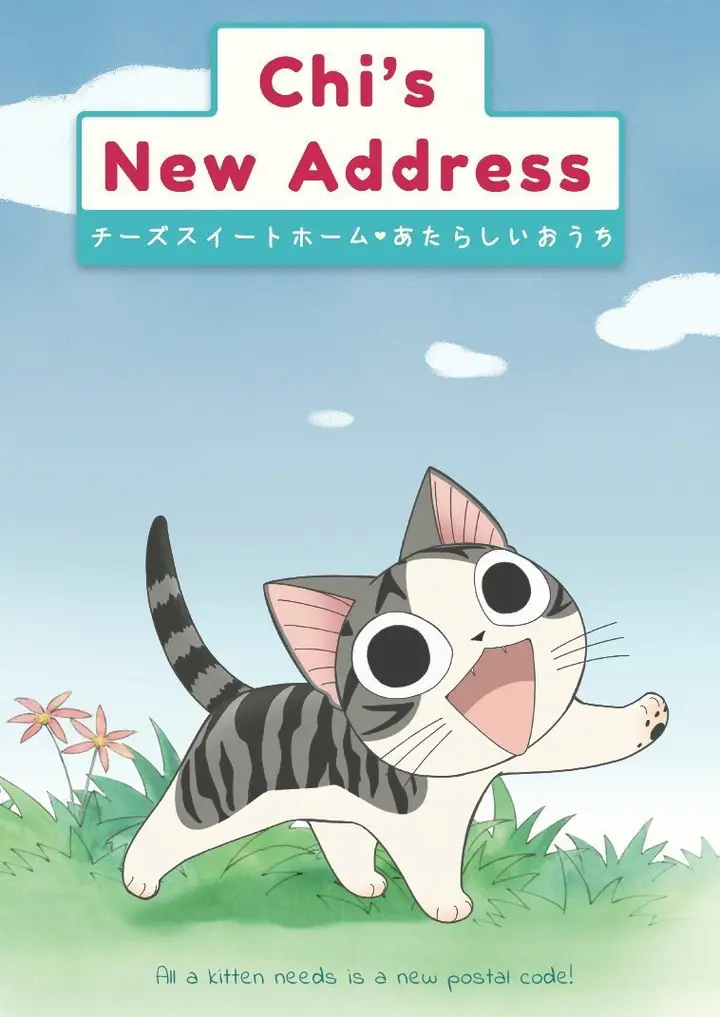
Chi's Sweet Home
Its extremely short, observational episodes capture a kitten's-eye view of ordinary domestic life with real warmth, needing almost no setup to enjoy for even the youngest viewers.
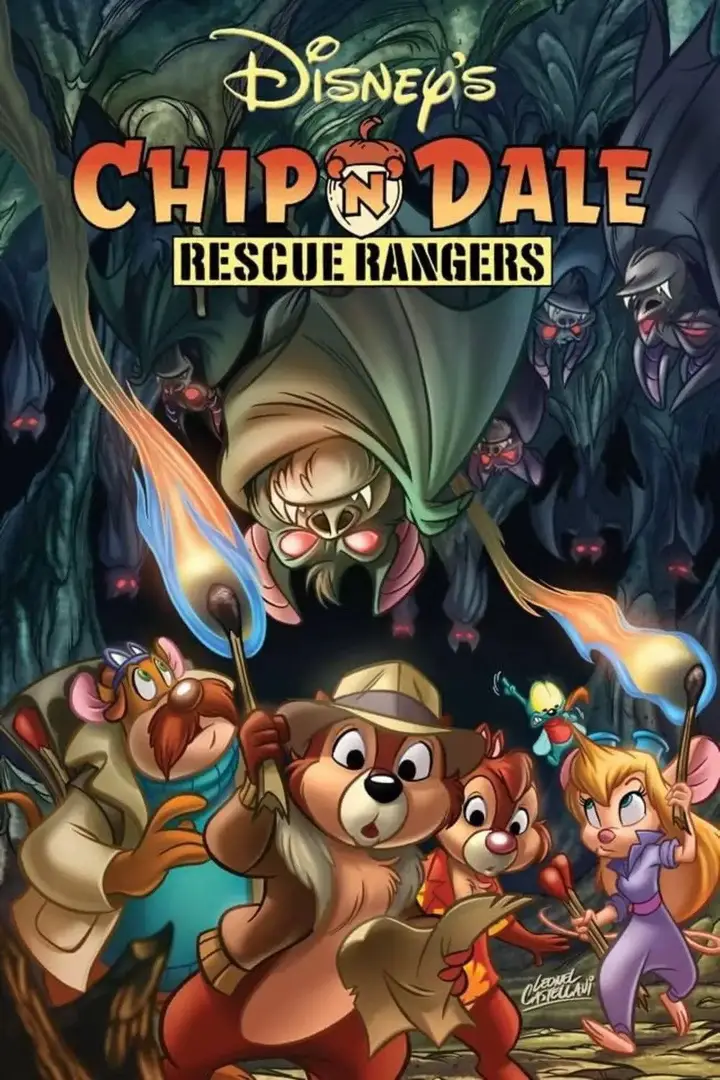
Chip 'n' Dale Rescue Rangers
Small-scale mysteries become energetic adventures as the Rescue Rangers combine Gadget’s inventions, Chip’s planning and the whole team’s different strengths. Cases reward observation and cooperation instead of relying on physical power alone.
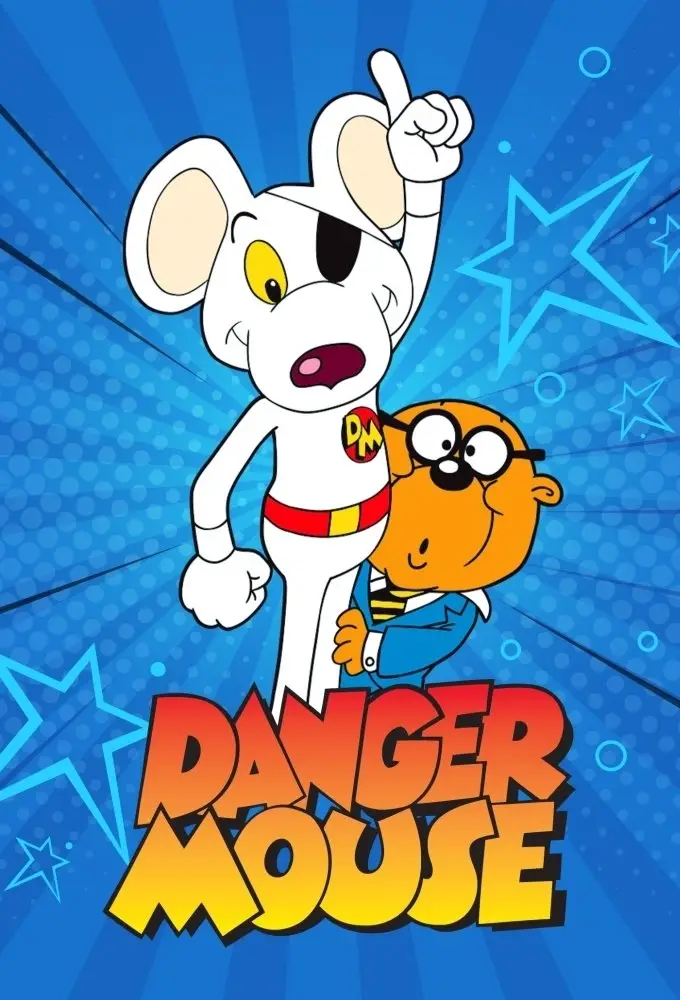
Danger Mouse
Spy missions become rapid-fire comedy through absurd inventions, exaggerated villains and a narrator who comments on the action. Danger Mouse and Penfold give each episode a clear partnership, while the parody rewards viewers who catch the extra jokes.
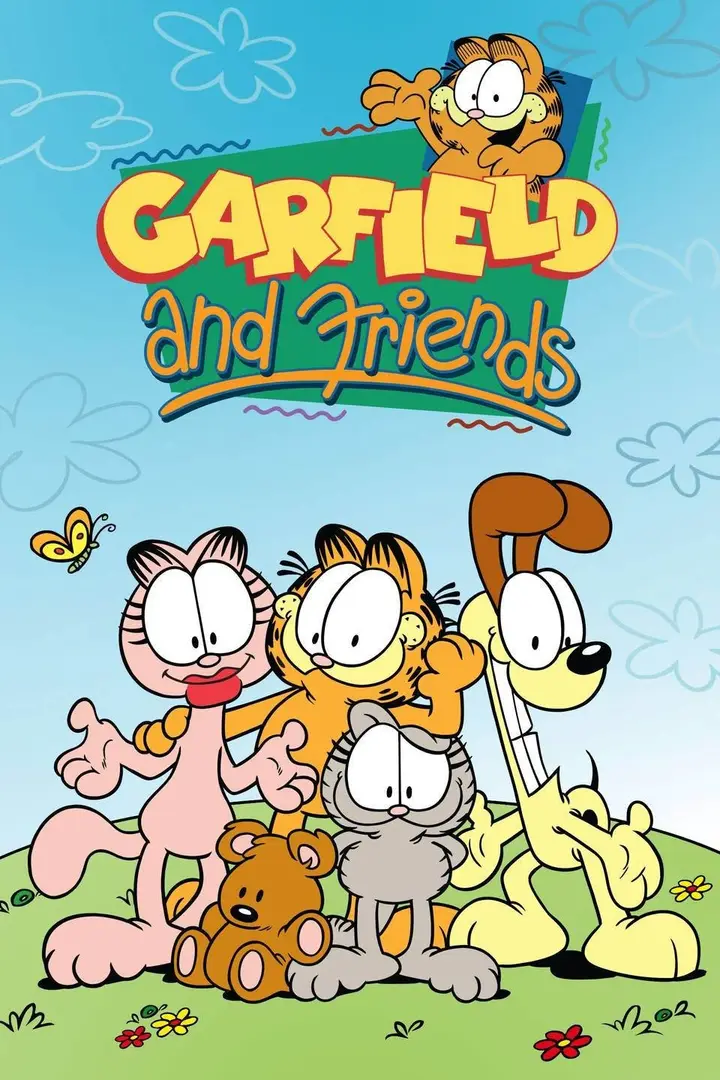
Garfield and Friends
Garfield’s sarcasm, Odie’s enthusiasm and Jon’s everyday frustrations create a dependable comic triangle. The farm segments add a second cast and different rhythm, keeping the package varied without losing its focus on character-based humor.
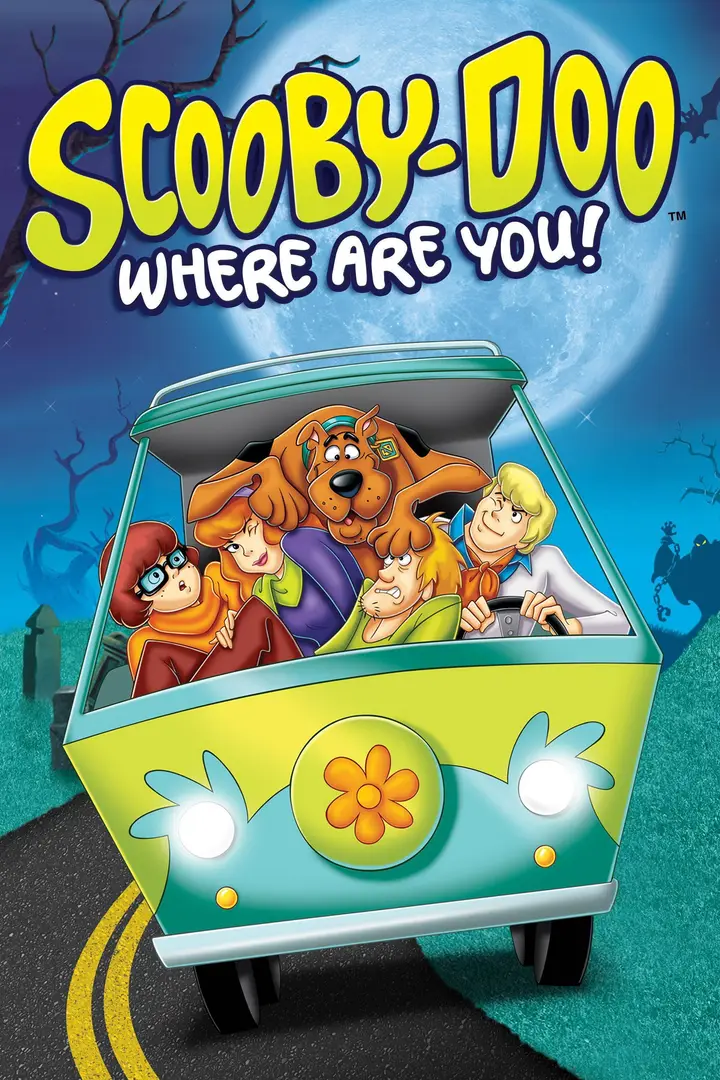
Scooby-Doo, Where Are You!
A reliable mystery structure gives children clues to follow before the final reveal, while Scooby and Shaggy keep the spooky material playful. Repetition helps young viewers learn how suspense, disguise and deduction work together.
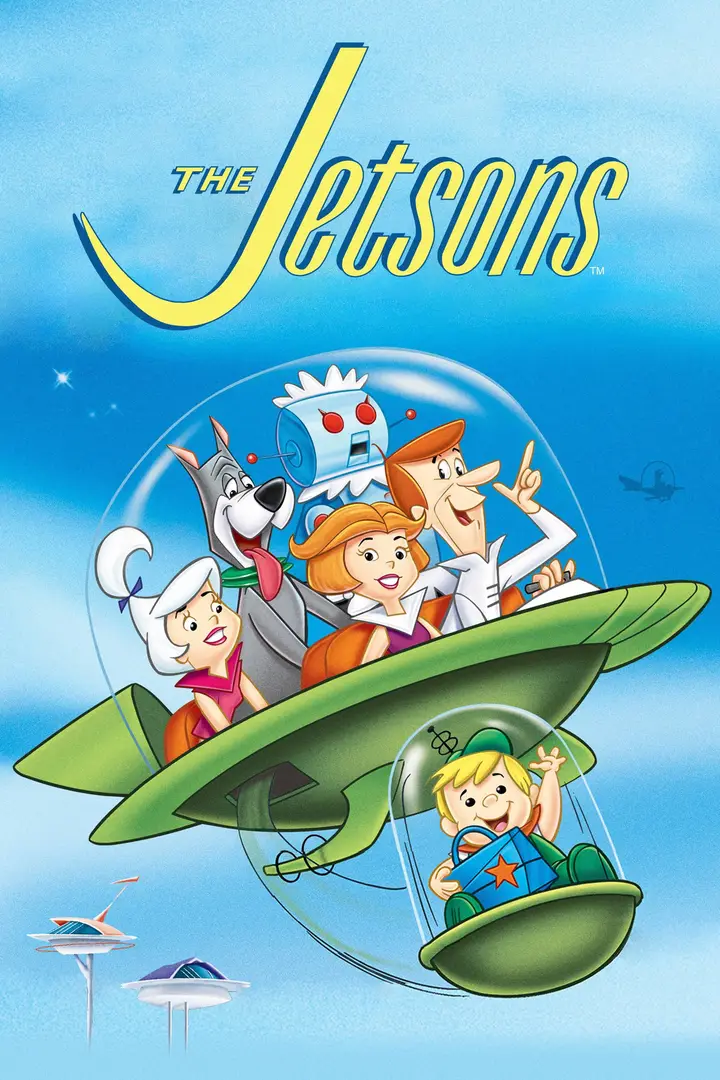
The Jetsons
Flying cars, robots and automated homes turn ordinary family problems into retro-futuristic comedy. The contrast between spectacular technology and familiar worries about work, school and family life keeps the imagined future easy to understand.
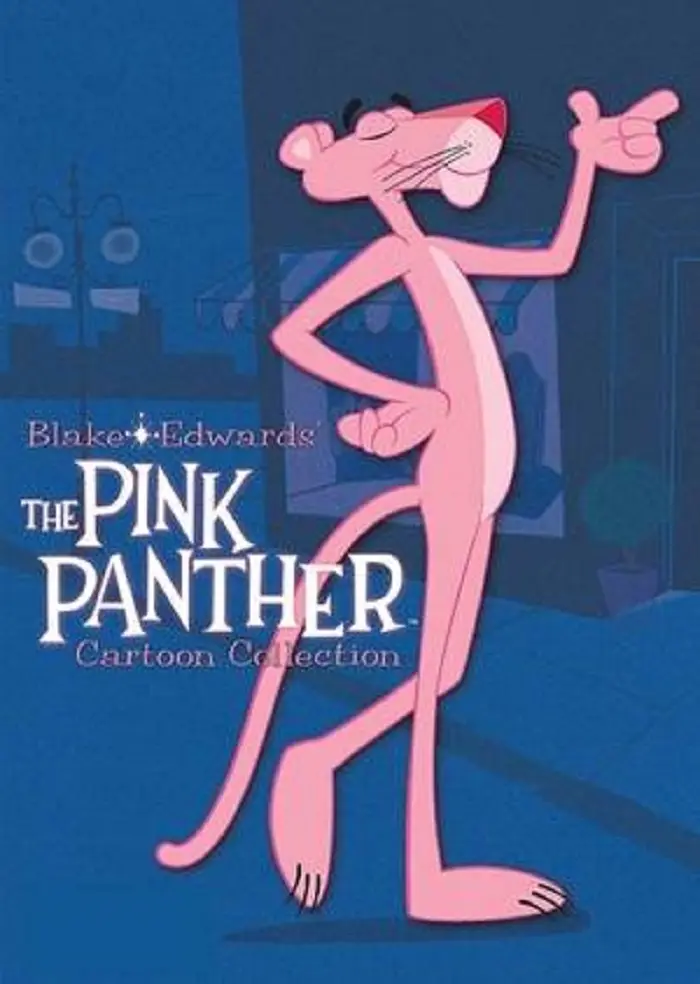
The Pink Panther Show
Minimal dialogue puts timing, visual invention and comic cause-and-effect at the center. The Pink Panther’s calm improvisation contrasts with increasingly absurd obstacles, making the short cartoons easy to follow across languages and ages.
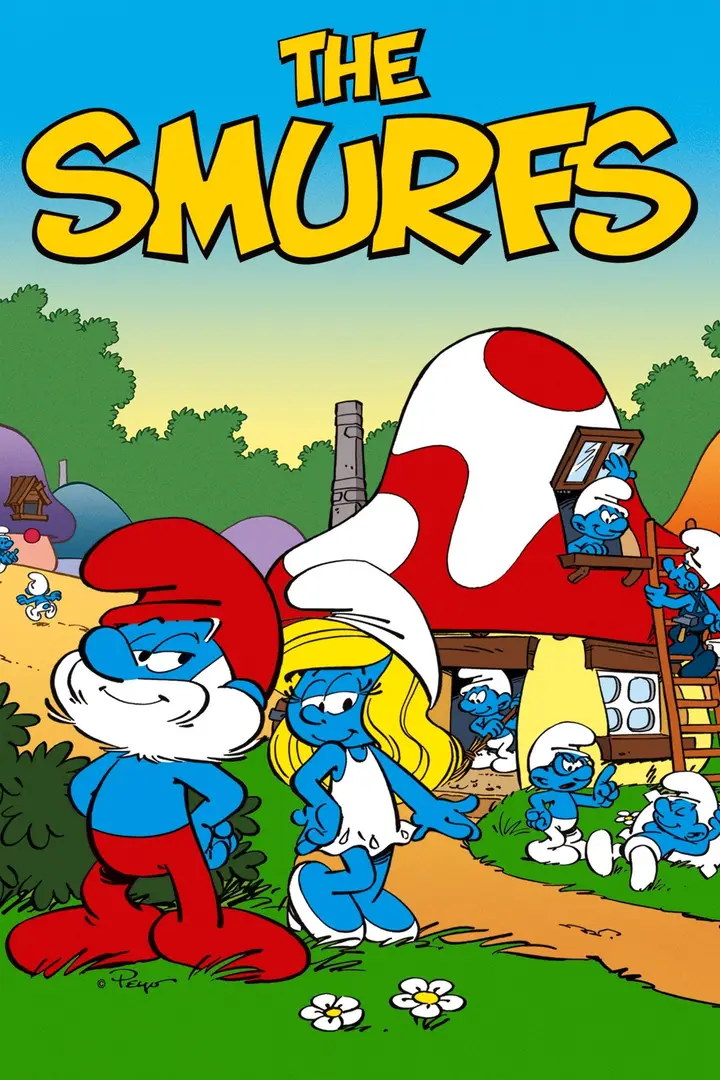
The Smurfs
A village full of sharply defined personalities turns small weaknesses into clear comic problems. Gargamel provides recurring fantasy danger, while Papa Smurf and the community repeatedly bring the story back to cooperation and repair.
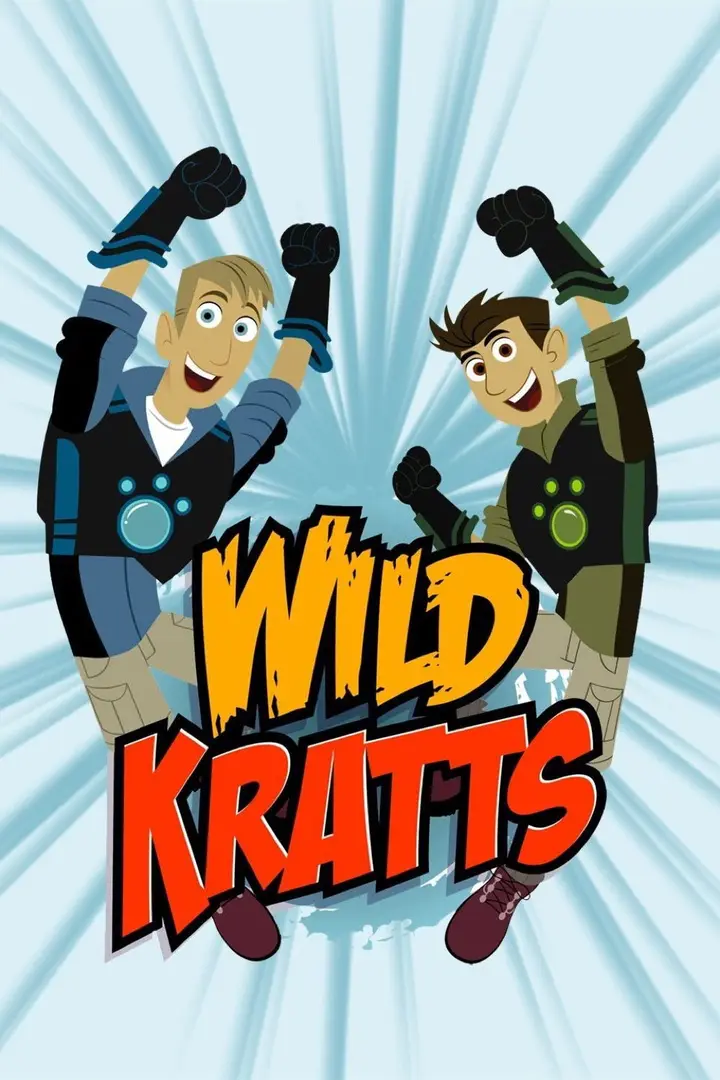
Wild Kratts
Creature Power suits turn real animal adaptations into adventure tools, making biology visible and memorable. Chris and Martin connect habitats, behavior and conservation to practical missions, so facts are learned through action instead of detached explanation.
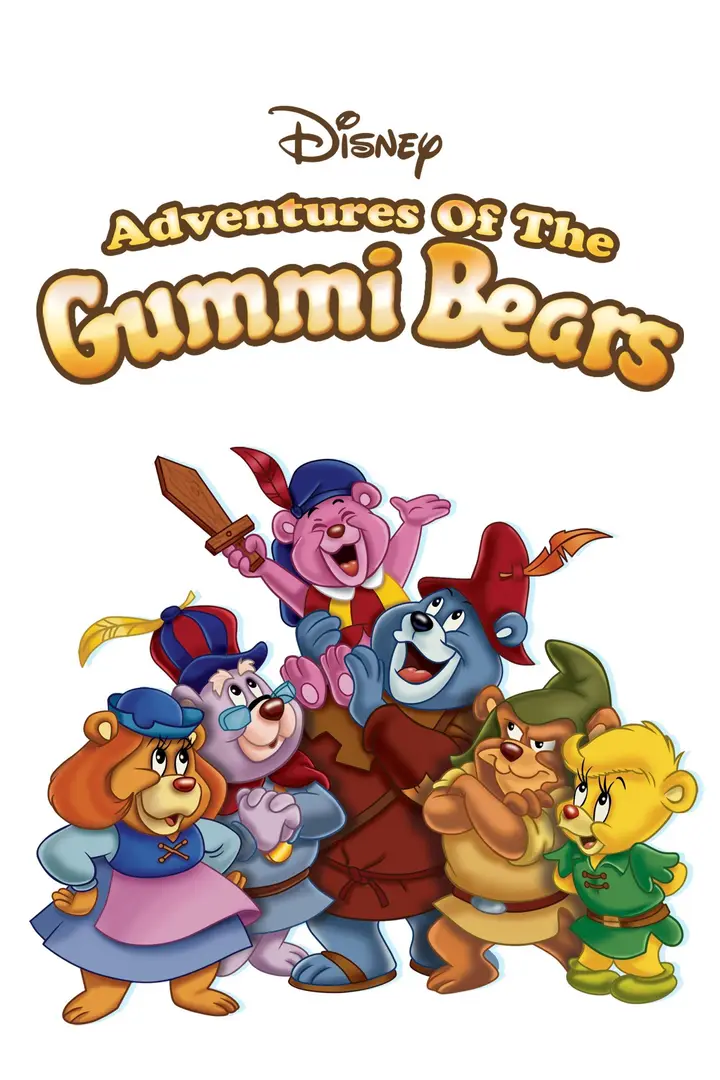
Adventures of the Gummi Bears
Hidden history, magical technology and a small community give the fantasy world a strong sense of heritage. The Gummis survive through inventions, knowledge and teamwork, so adventure repeatedly rewards thinking as much as magical power.
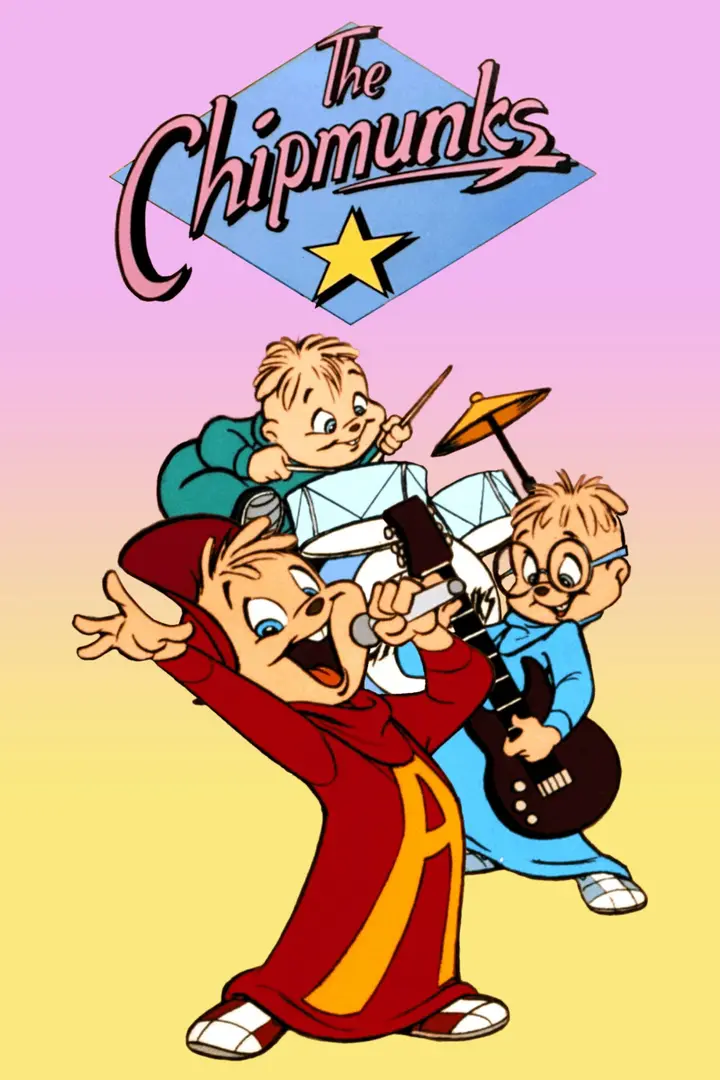
Alvin and the Chipmunks
Three contrasting brothers turn family life, school and performance into dependable comedy. Alvin creates momentum, Simon supplies logic and Theodore adds warmth, while songs give the trio a second way to express their personalities.
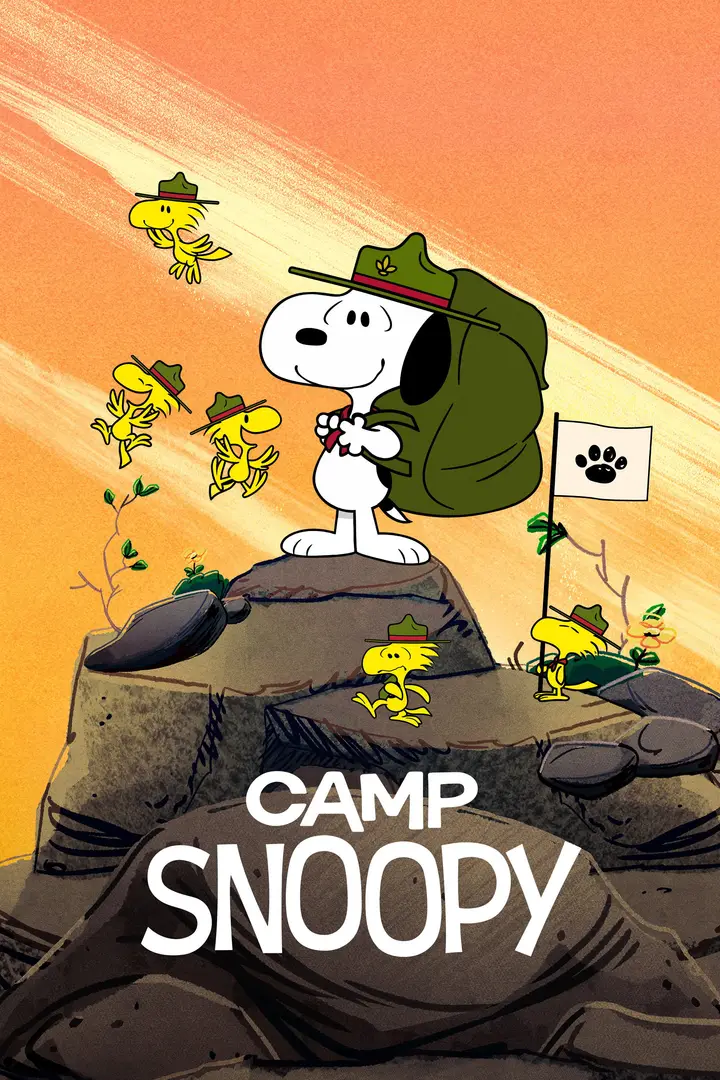
Camp Snoopy
It finds Peanuts' familiar dry humor in ordinary summer-camp disappointments, treating small setbacks as genuinely significant without ever raising the stakes beyond a child's actual experience.
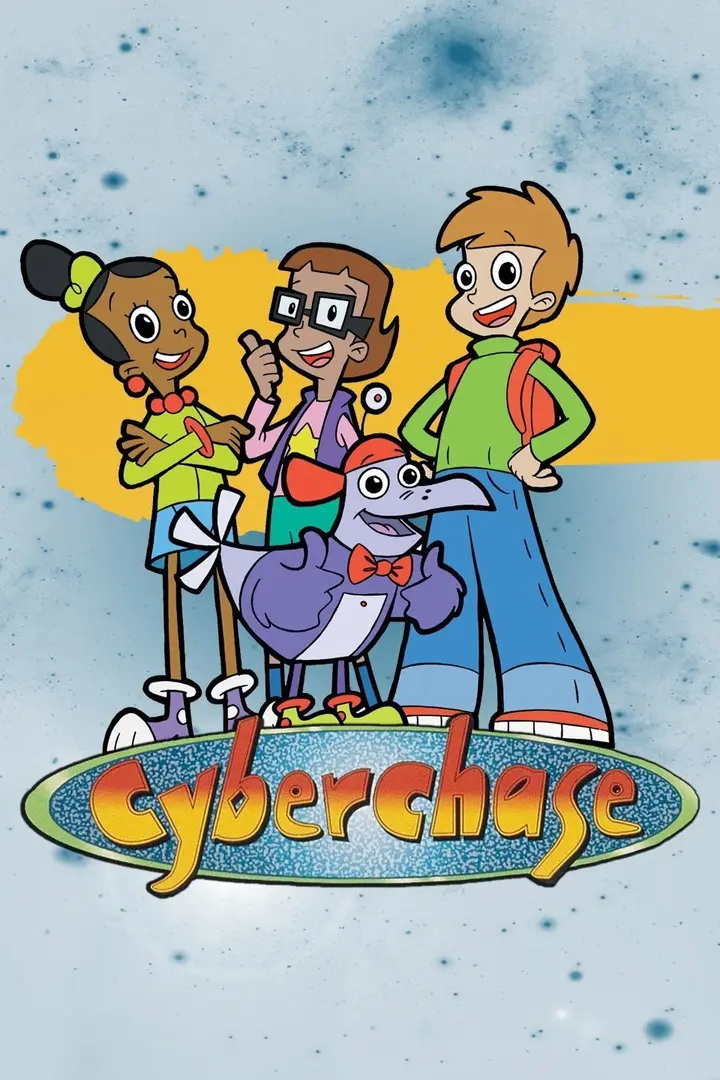
Cyberchase
Cyberspace missions turn mathematics into a practical survival tool instead of a classroom exercise. Jackie, Matt and Inez test strategies, correct mistakes and use patterns, measurement and logic to solve problems under pressure.
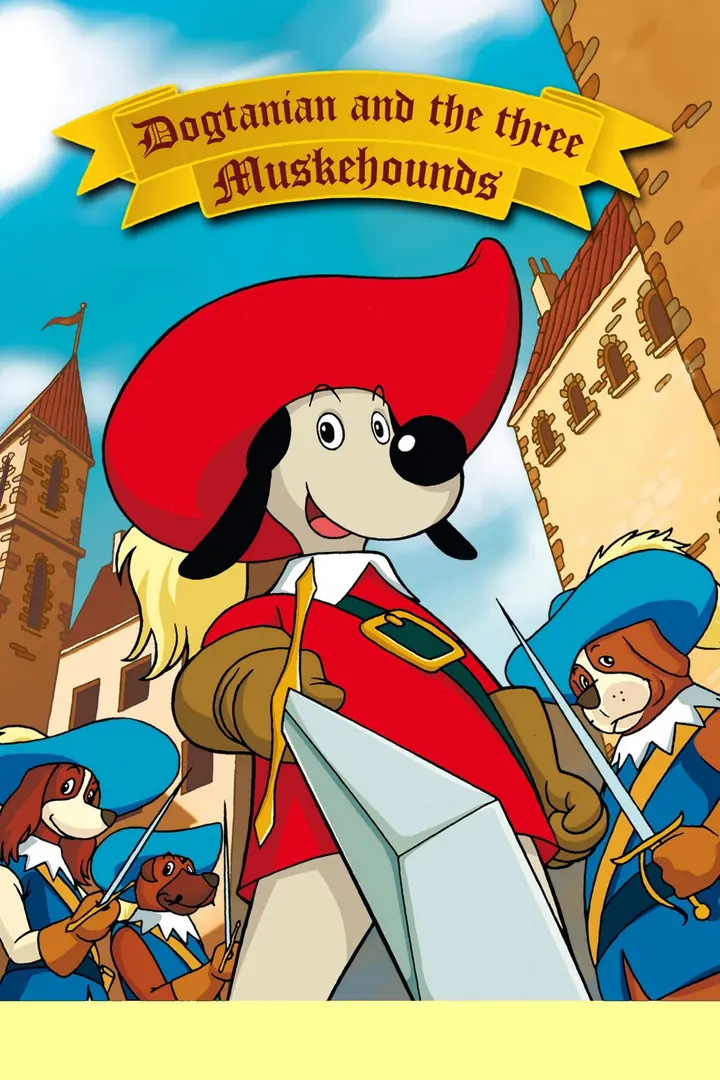
Dogtanian and the Three Muskehounds
Swashbuckling action gives a classic Musketeer story an accessible animal cast and clear coming-of-age goal. Dogtanian’s ambition grows through duels, friendship and palace intrigue, while cooperation defines what becoming a Musketeer actually means.
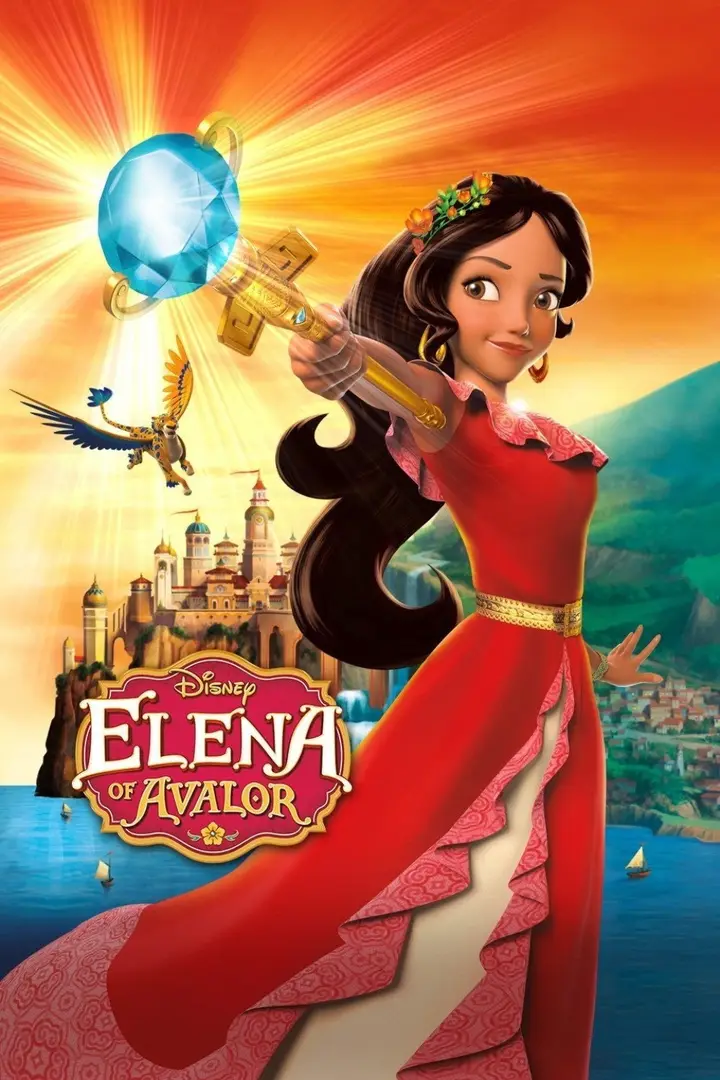
Elena of Avalor
Elena’s path toward becoming queen makes leadership something she has to practice, not simply inherit. Political decisions, magical dangers and community problems repeatedly test whether courage can be balanced with patience, listening and compassion.
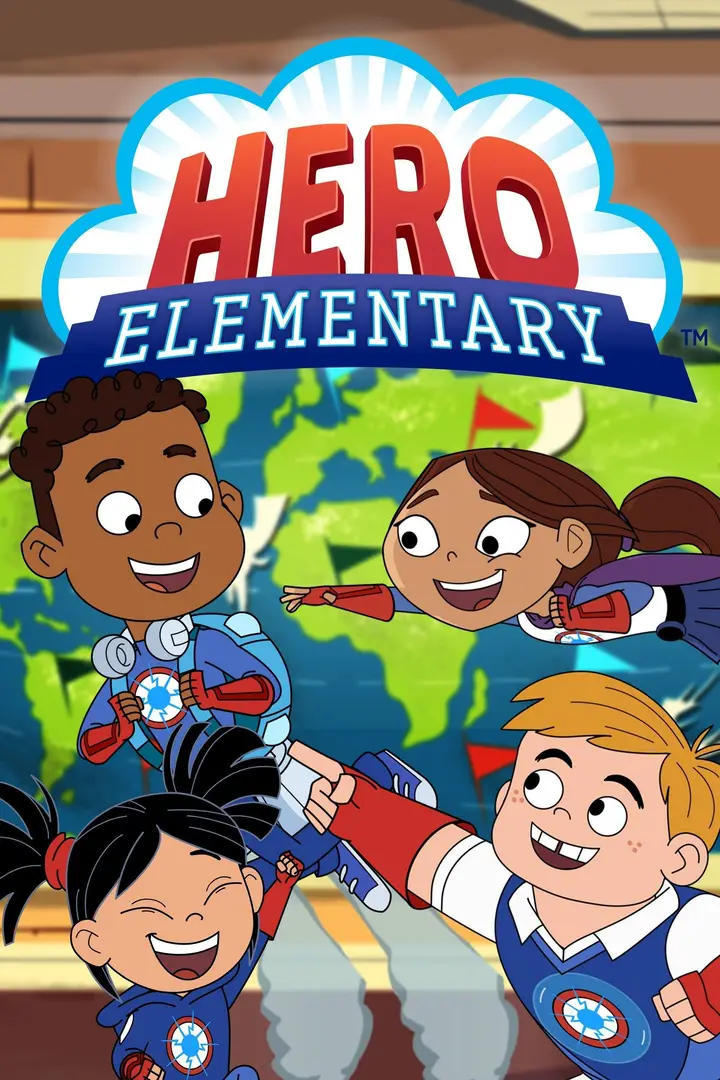
Hero Elementary
Superhero missions become science investigations as the students observe, compare evidence and test solutions. Powers provide excitement, but teamwork and scientific thinking solve the real problem, giving early elementary viewers a clear model for inquiry.
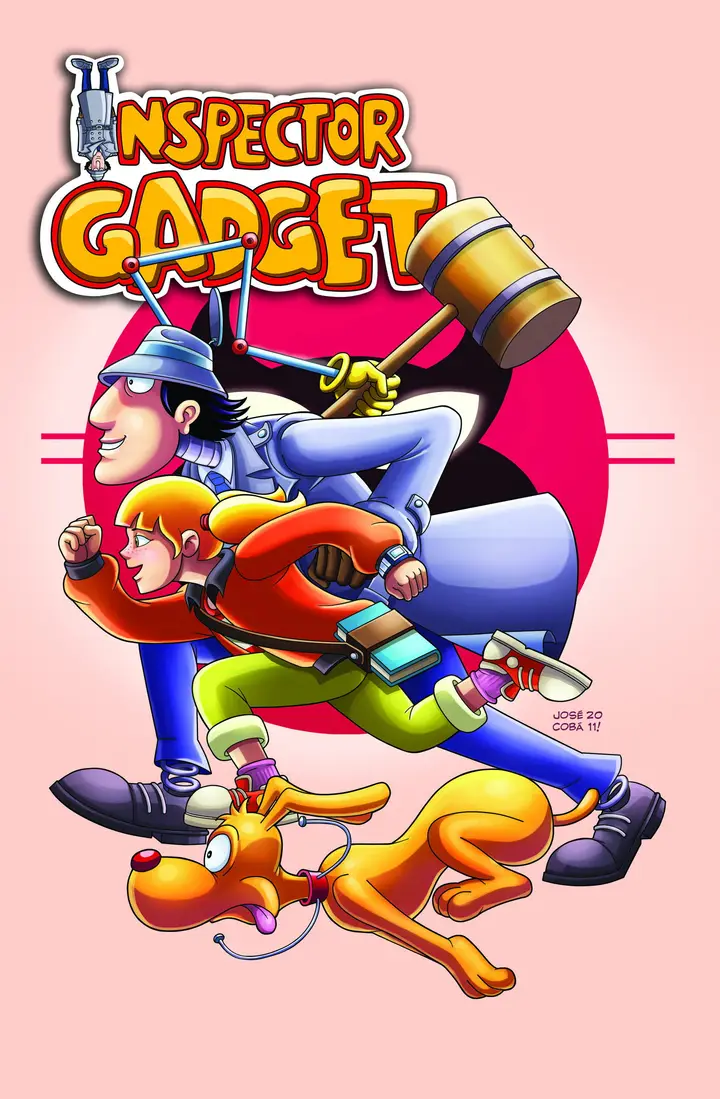
Inspector Gadget
Spy parody works through the gap between Gadget’s confidence and Penny’s real detective skill. Mechanical devices, clues and Brain’s disguises keep each case active, while the audience enjoys knowing who is actually solving the mystery.
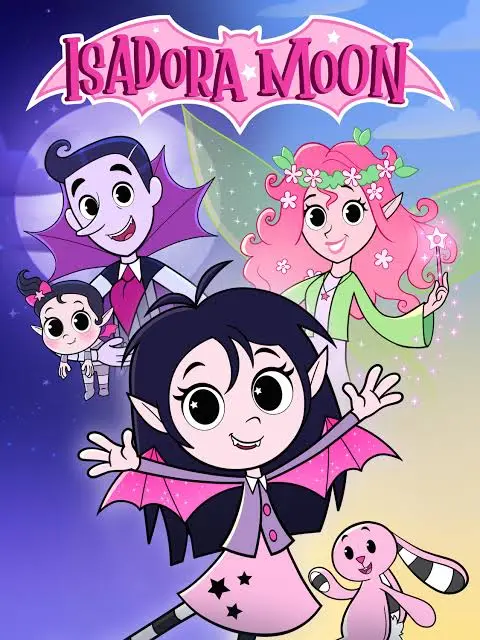
Isadora Moon
Splitting its heroine between fairy and vampire families lets the show explore mixed identity through comedy, giving young viewers a light way to think about belonging to more than one group.
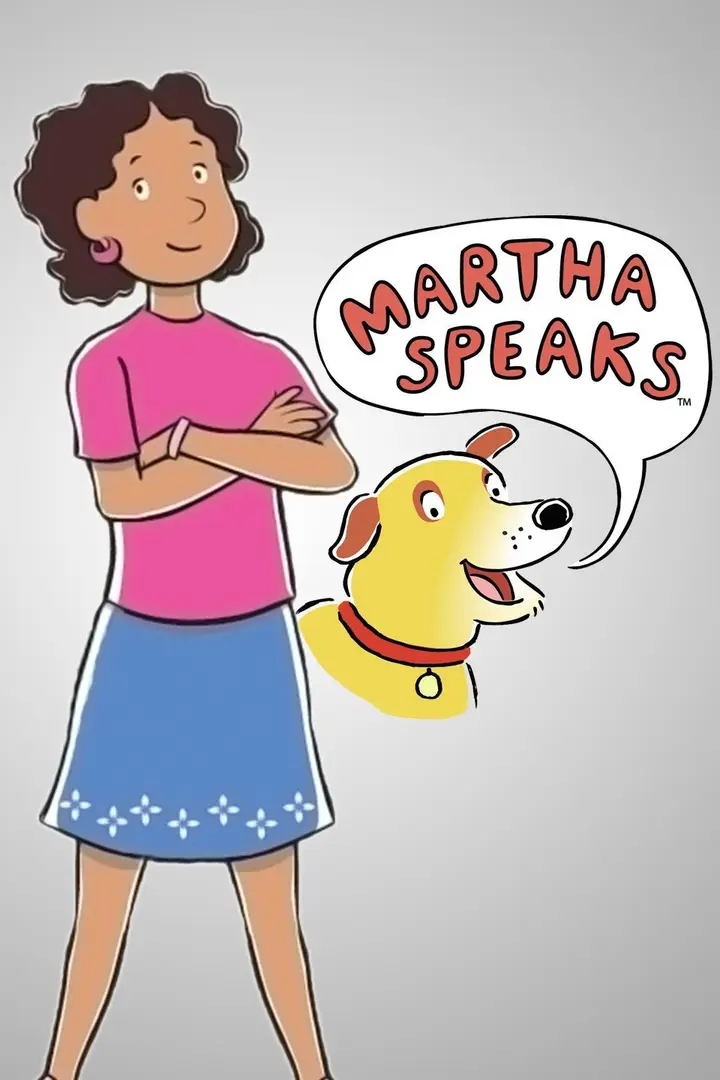
Martha Speaks
Martha’s ability to talk turns everyday adventures into natural vocabulary lessons. New words are introduced through context and repeated in conversation, so language development stays tied to character, humor and plot as part of the story.
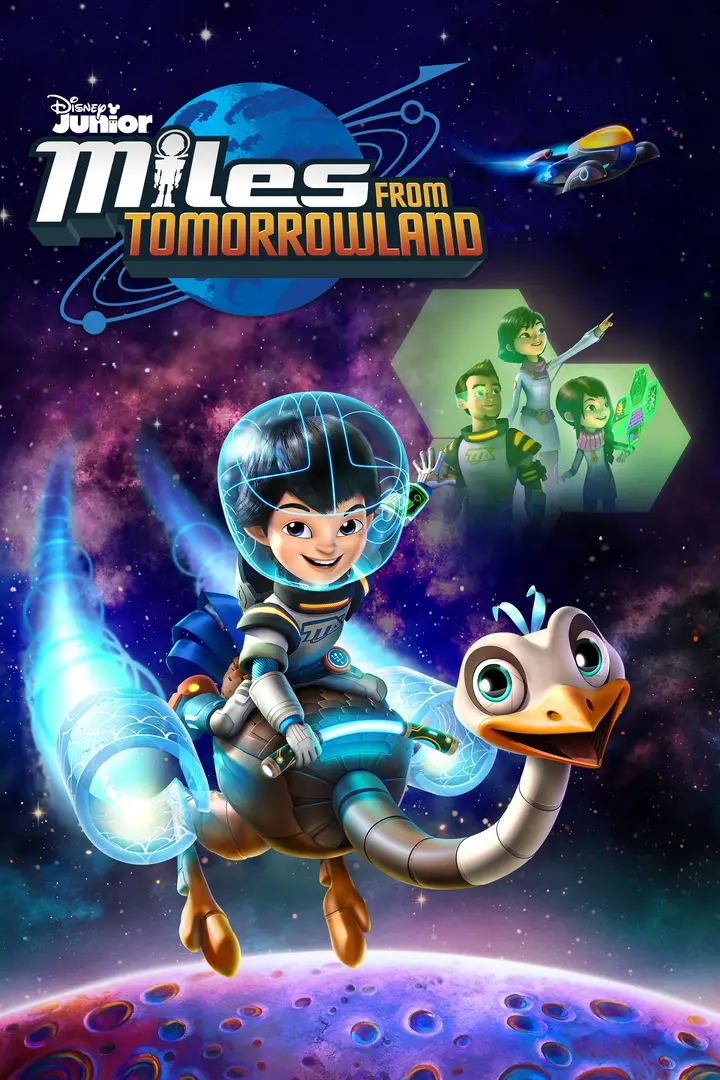
Miles from Tomorrowland
A family traveling through space turns exploration into a shared problem-solving project. New planets and species create science-fiction adventure, while technology, observation and communication keep curiosity connected to cooperation and respect for unfamiliar communities.
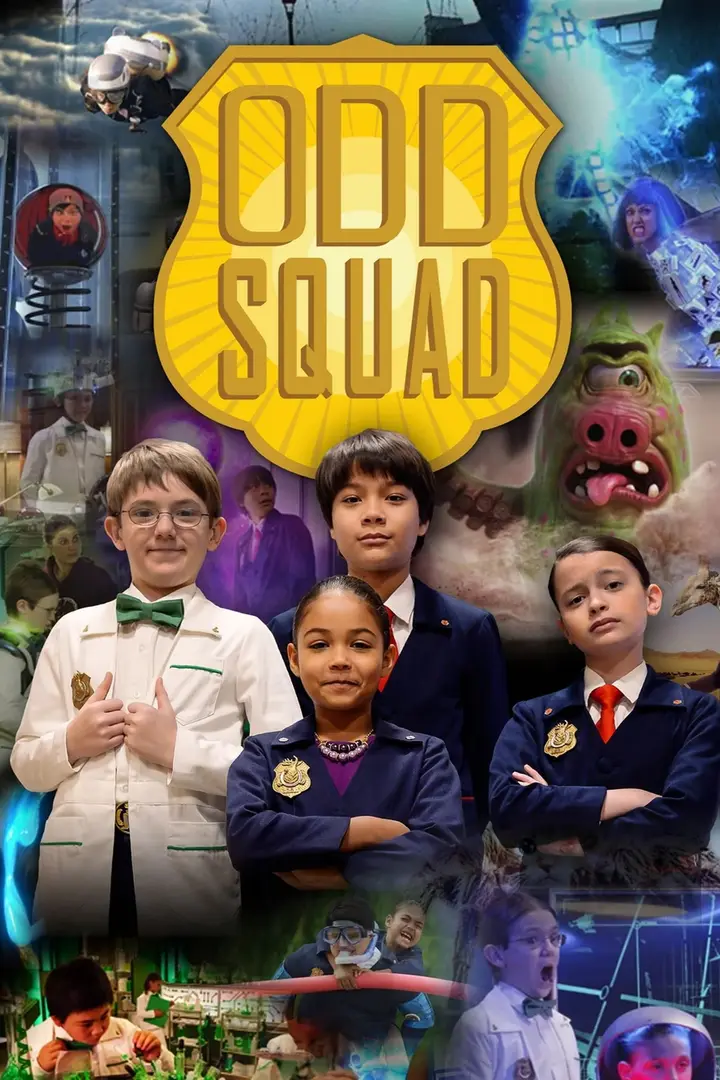
Odd Squad
Bizarre cases turn mathematics into detective work, with agents using patterns, measurement, geometry and logic to reach answers. Because solutions must be explained, the series makes reasoning visible instead of treating the correct answer as magic.
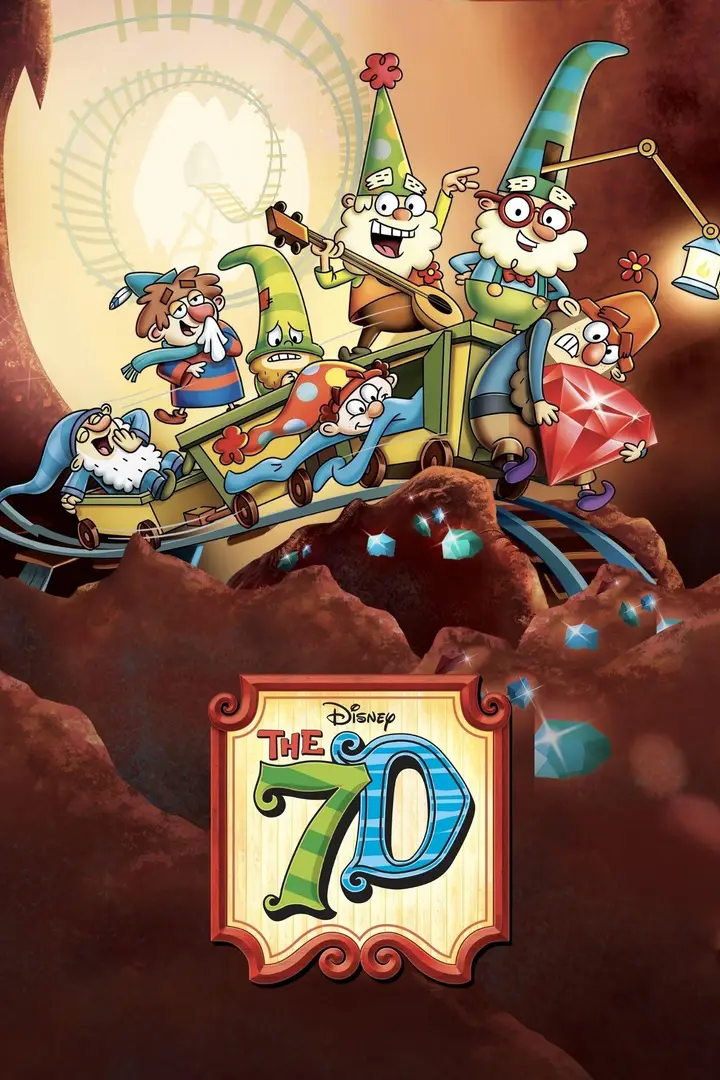
The 7D
Seven sharply defined personalities turn every royal crisis into a group comedy about complementary strengths and weaknesses. Magical schemes, songs and fast action keep the fantasy moving while making the whole team necessary.
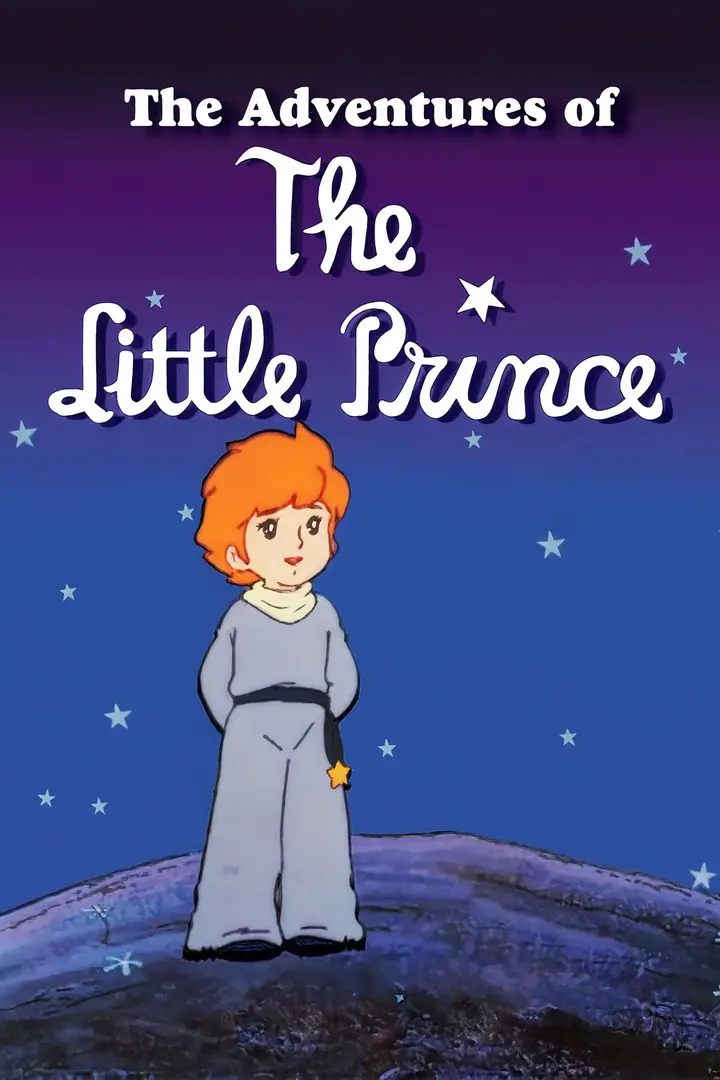
The Adventures of the Little Prince
Planet-to-planet journeys turn philosophical ideas into concrete encounters with loneliness, responsibility and friendship. The Little Prince’s reflective viewpoint keeps the fantasy thoughtful, while separate adventures give children clear entry points into a larger journey.
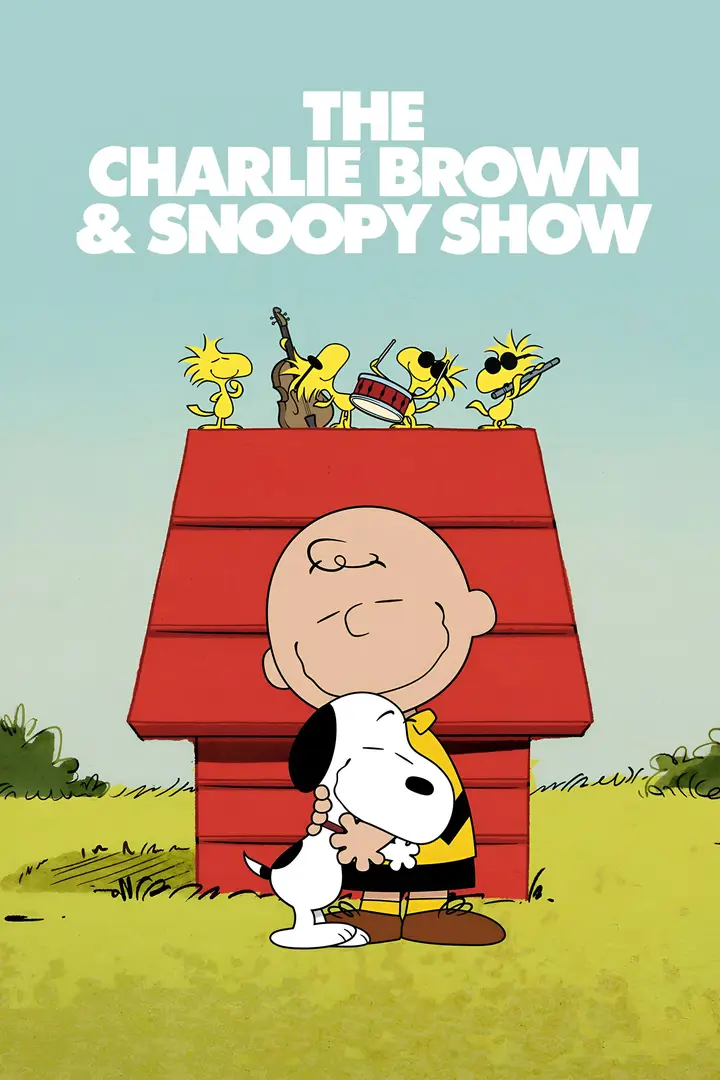
The Charlie Brown and Snoopy Show
Everyday disappointments, school problems and small ambitions become dry comedy through the Peanuts characters’ distinct personalities. Charlie Brown’s persistence and Snoopy’s imagination give the stories both realism and playful escape.
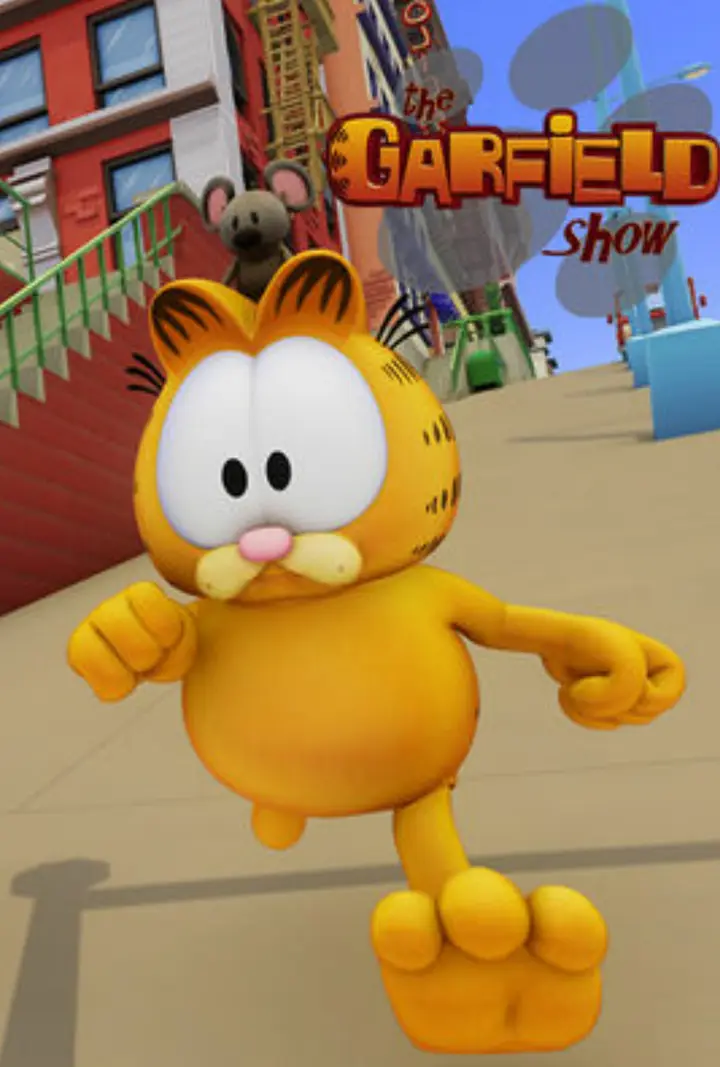
The Garfield Show
Garfield’s laziness and sarcasm stay intact while the stories expand into larger adventures with neighbors, animals and aliens. His selfish confidence drives the comedy, but moments of genuine concern prevent the character from becoming purely cynical.
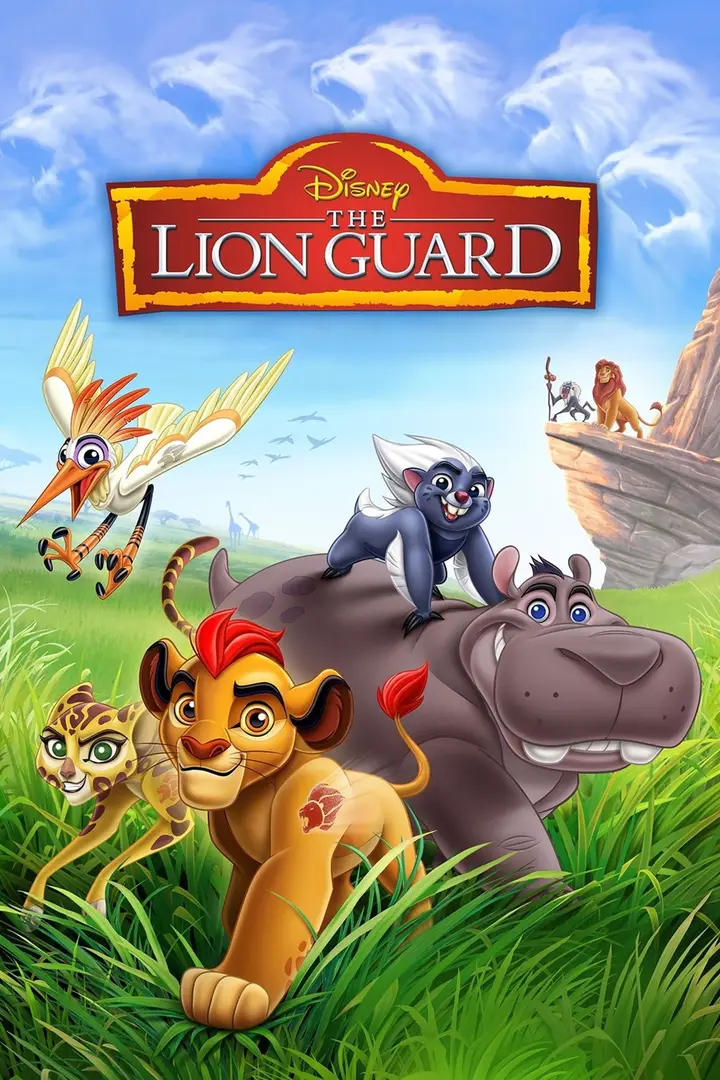
The Lion Guard
Kion leads a team whose different animal abilities make cooperation essential to protecting the Pride Lands. Rescue missions, territorial disputes and songs expand The Lion King world while tying leadership to responsible use of power.
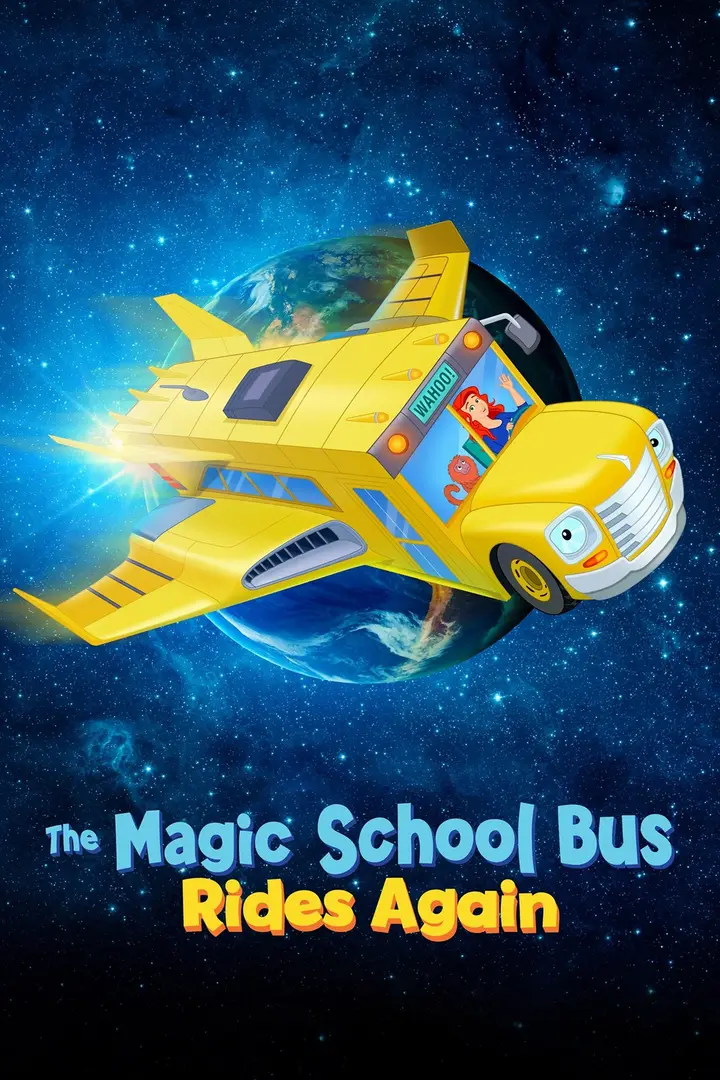
The Magic School Bus Rides Again
Ms. Fiona Frizzle turns questions into impossible field trips where students can observe science directly. Shrinking, time travel and space exploration make biology, physics and Earth science active experiences instead of abstract explanations.
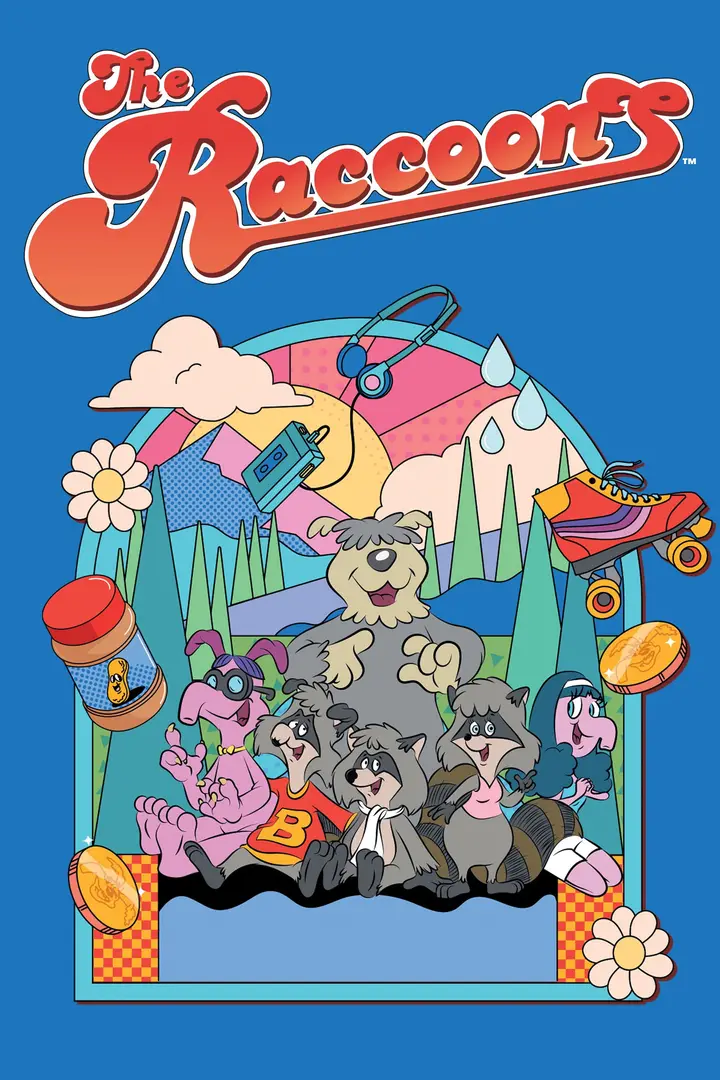
The Raccoons
Evergreen Forest gives environmental problems a community scale as Bert and his friends respond to Cyril Sneer’s disruptive plans. Comedy keeps the stories approachable while cooperation and protecting a shared home provide consistent stakes.
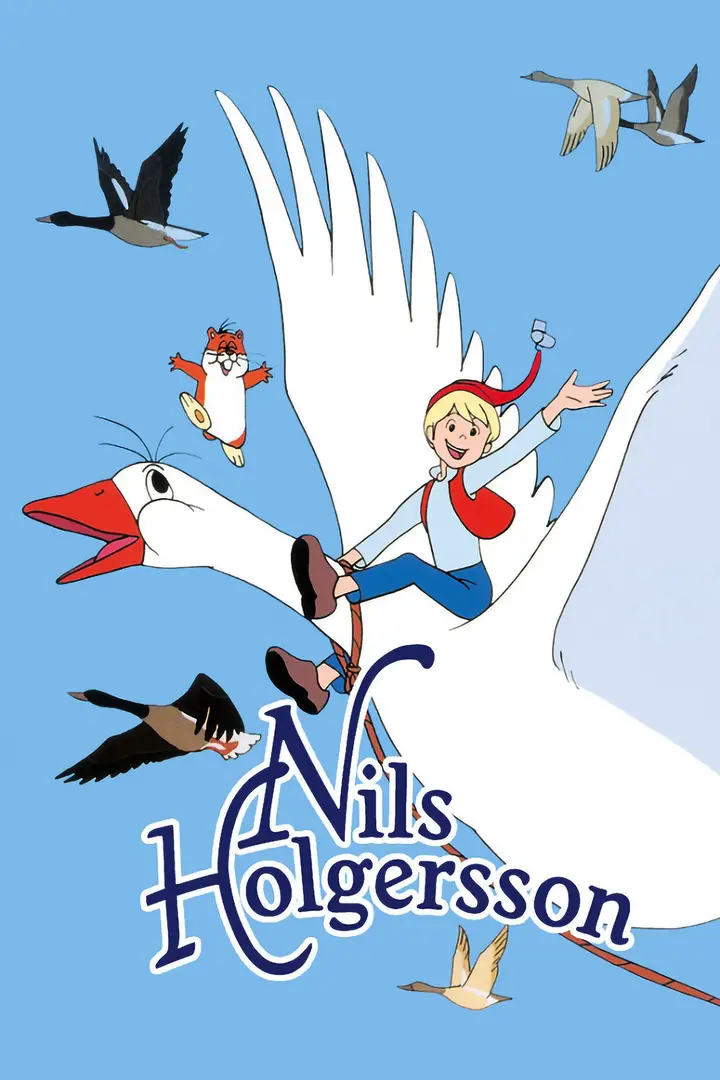
The Wonderful Adventures of Nils
Nils’s journey with wild geese turns a selfish boy’s transformation into a long adventure through nature. Seeing the world from a tiny scale gives animals, landscapes and responsibility a direct role in his growth.
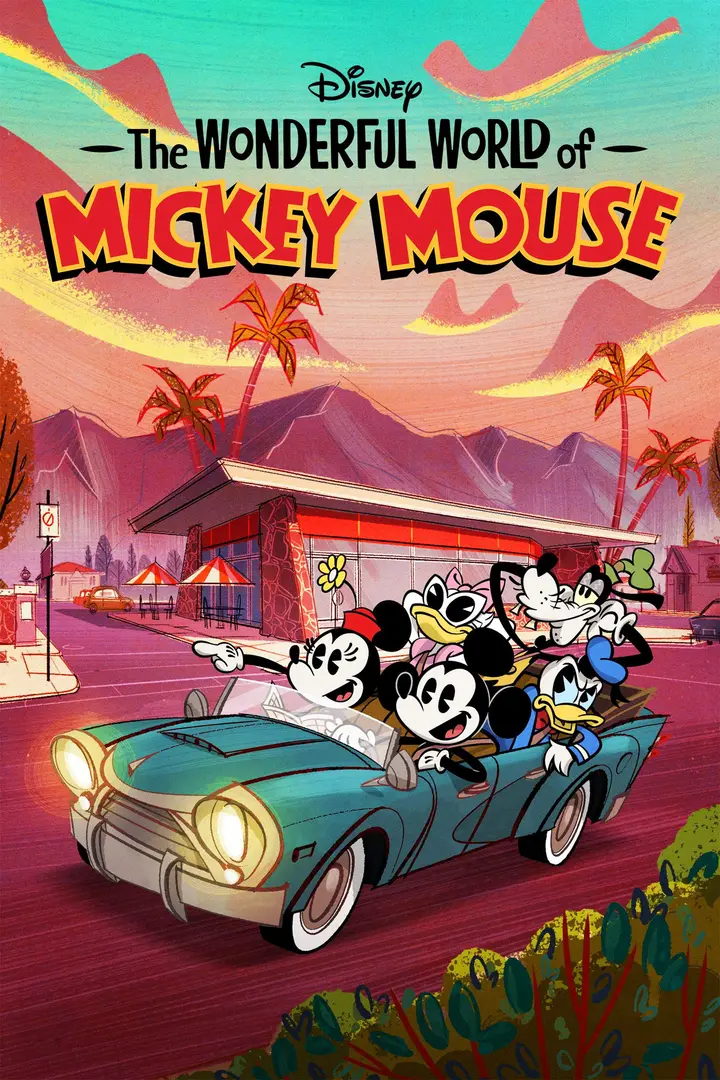
The Wonderful World of Mickey Mouse
Short, self-contained slapstick shorts let classic Disney characters feel newly strange and energetic, using fast visual comedy that needs no history or continuity to enjoy.
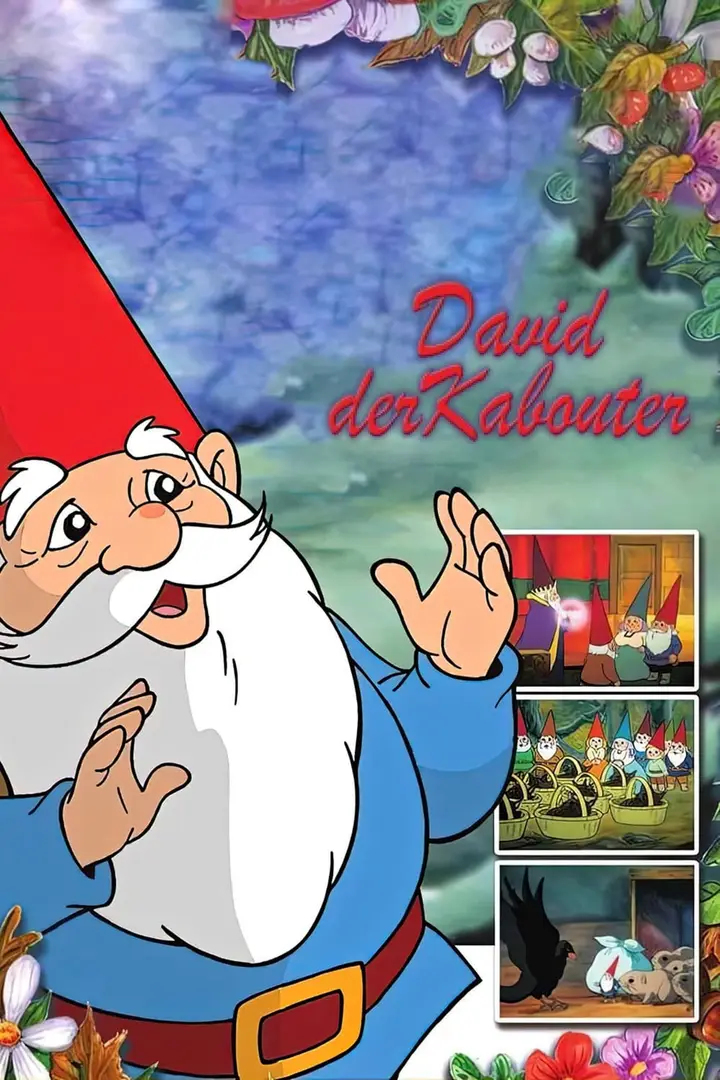
The World of David the Gnome
David’s knowledge of animals and the natural world turns each journey into practical care, not conquest. Swift the fox adds movement and companionship, while the forest setting keeps compassion, observation and helping vulnerable creatures central.
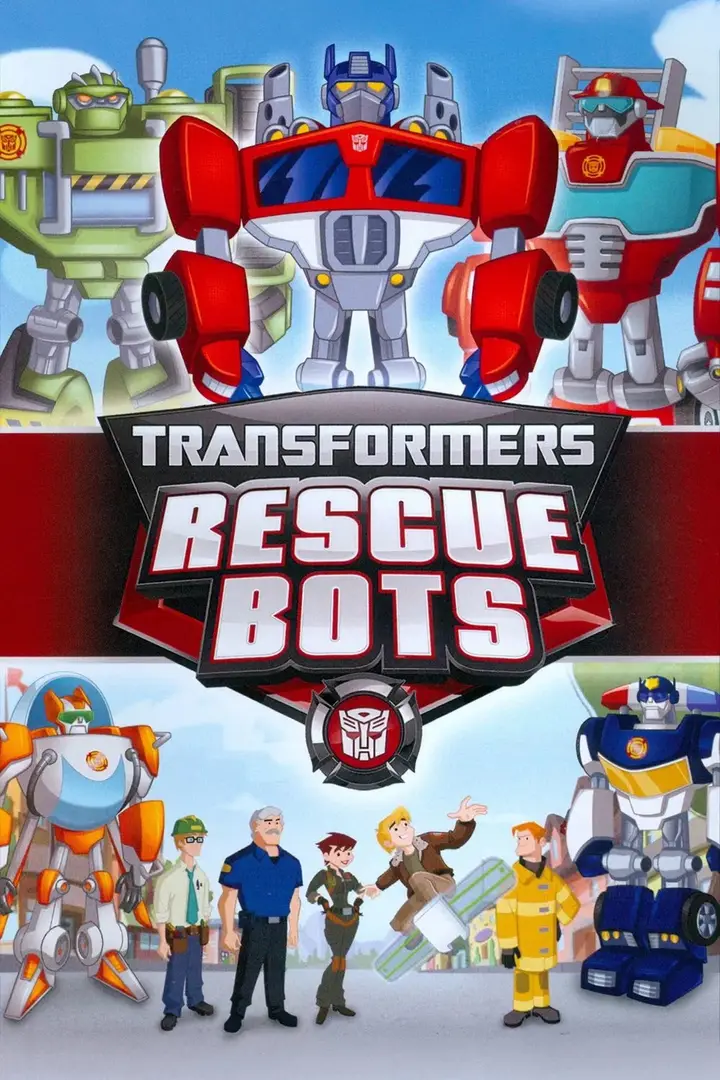
Transformers: Rescue Bots
Rescue work replaces warfare as the core of the Transformers formula. The Bots learn from the Burns family, turning vehicles, emergencies and science-fiction threats into stories about public safety, teamwork and protecting people first.
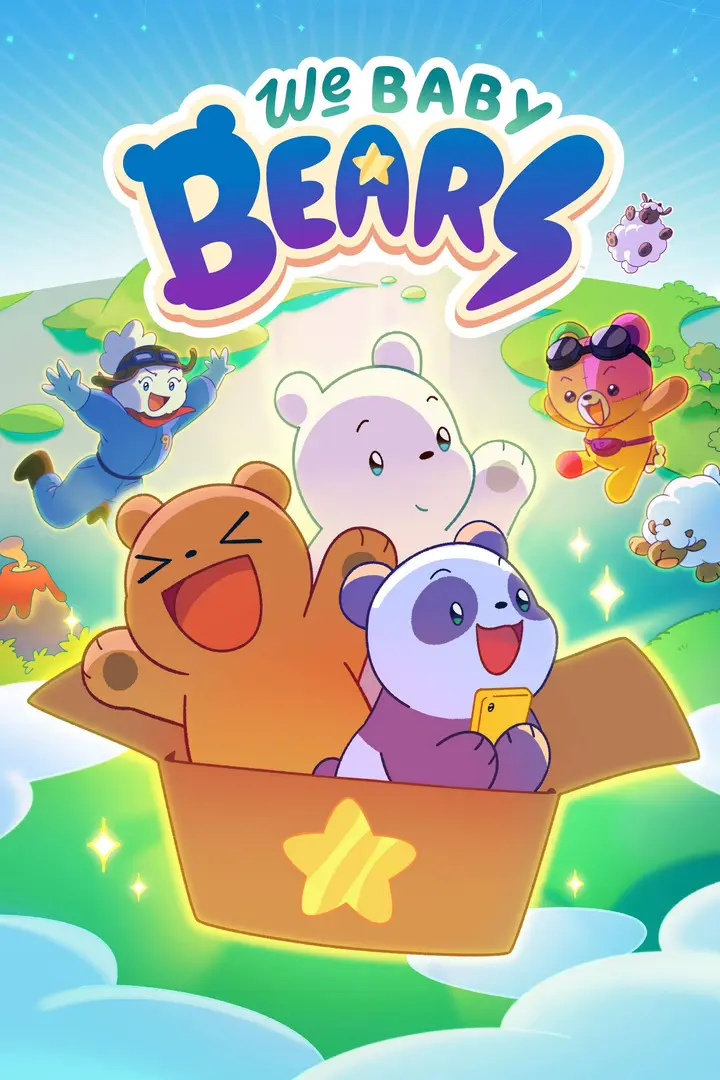
We Baby Bears
Each stop shifts genre entirely, from fairy tale to science fiction, while the bond between the three brothers stays the one constant, making adaptability itself the show's real subject.
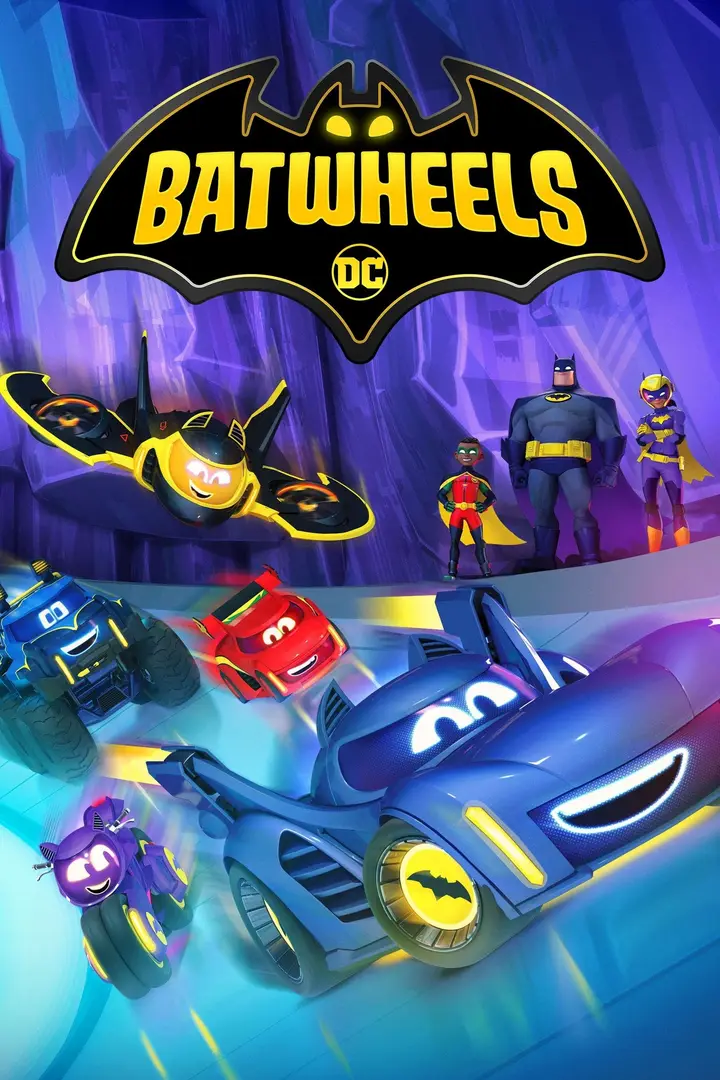
Batwheels
Youthful vehicle heroes bring different strengths to Batman-style missions, making coordination as important as speed or gadgets. Team rivalry, confidence and mistakes give the colorful superhero action a clear social-learning structure.
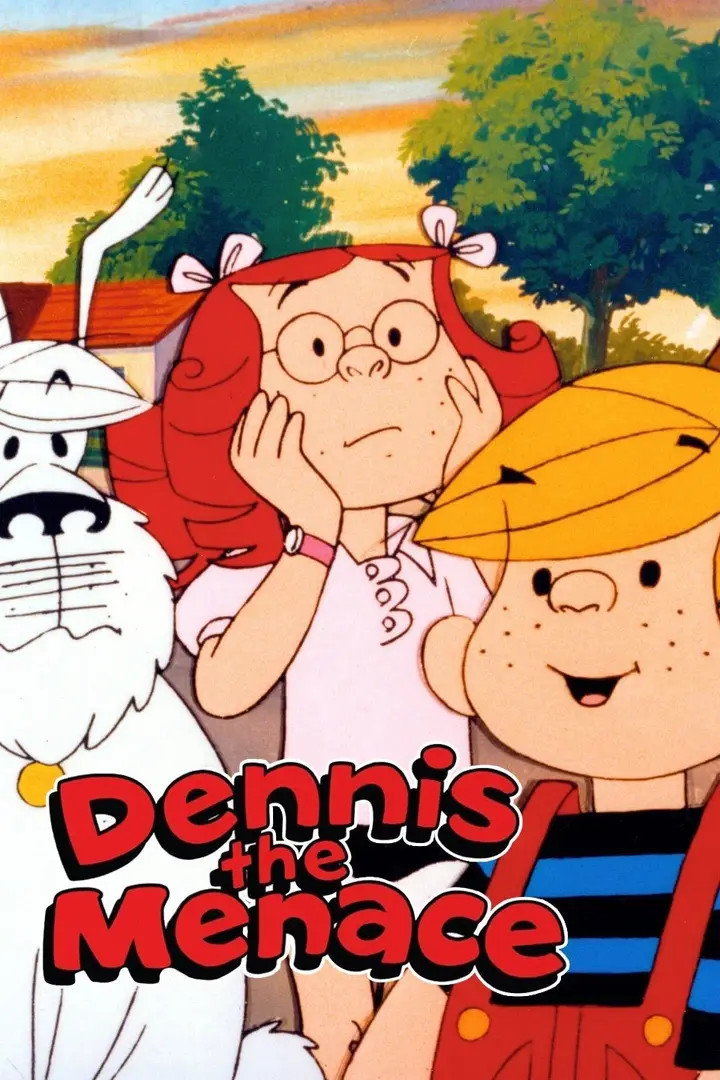
Dennis the Menace
Dennis’s good intentions repeatedly trigger chains of accidents, misunderstandings and comic consequences. Mr. Wilson’s frustration provides the counterpoint, and the family setting keeps the mischief connected to affection, not deliberate cruelty.
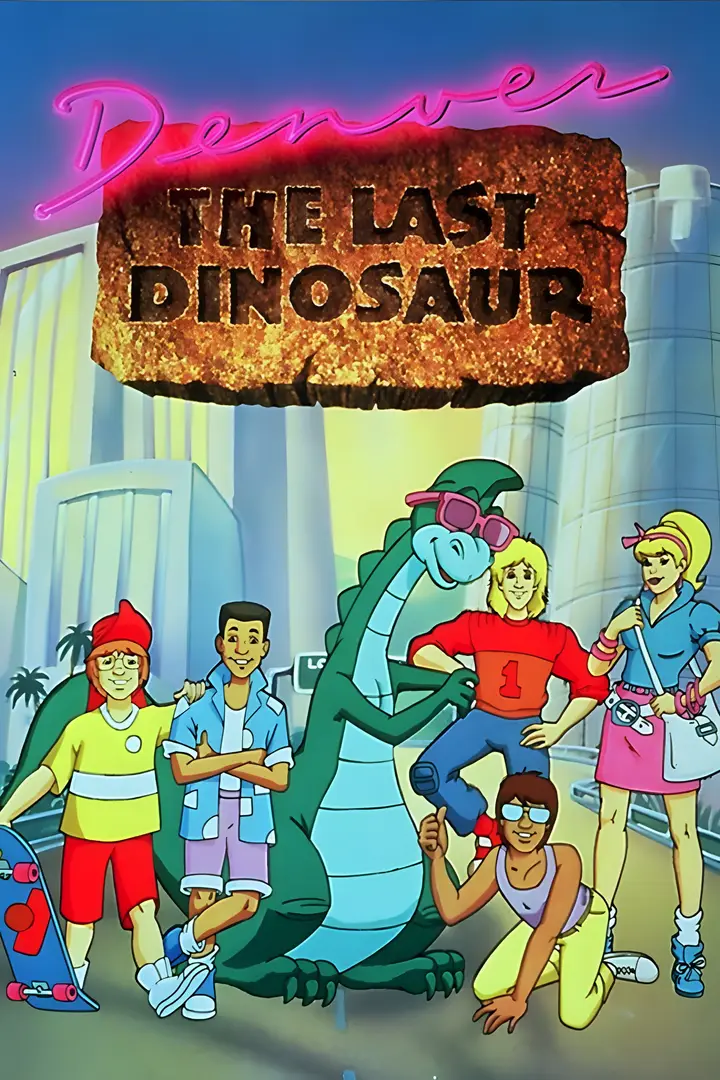
Denver, the Last Dinosaur
A friendly dinosaur dropped into 1980s California creates an easy mix of friendship, comedy and fish-out-of-water adventure. The teenagers’ efforts to protect Denver keep secrecy and loyalty central to the fun.
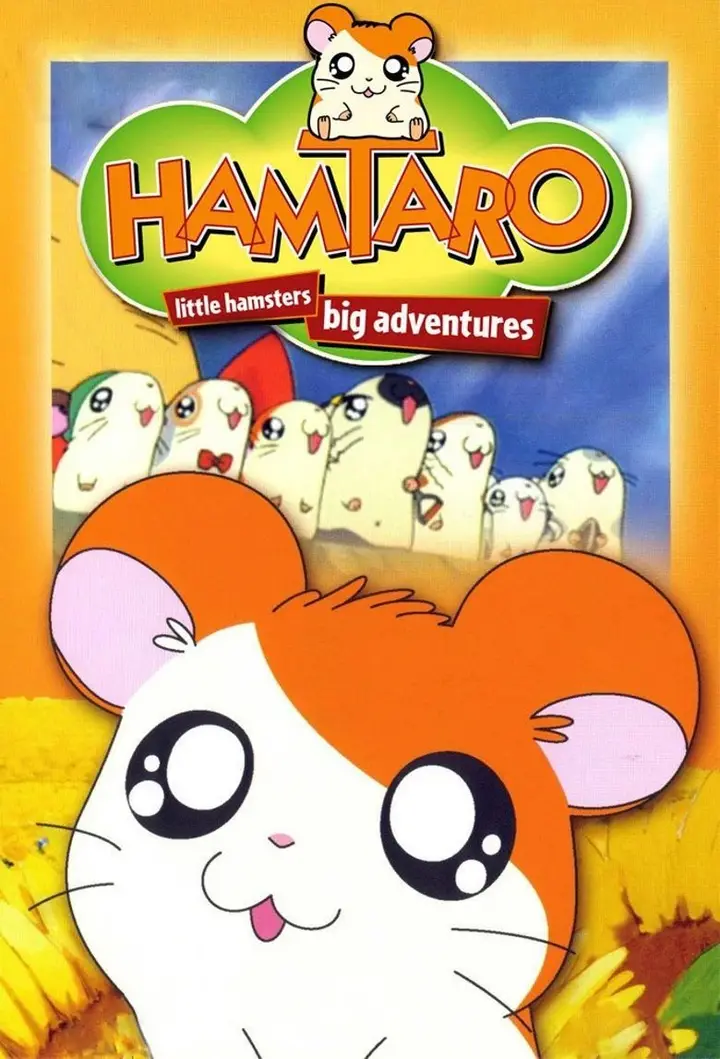
Hamtaro
Telling the story from a hamster's-eye view of the human world keeps stakes tiny and stories gentle, using scale itself as the source of charm rather than danger.
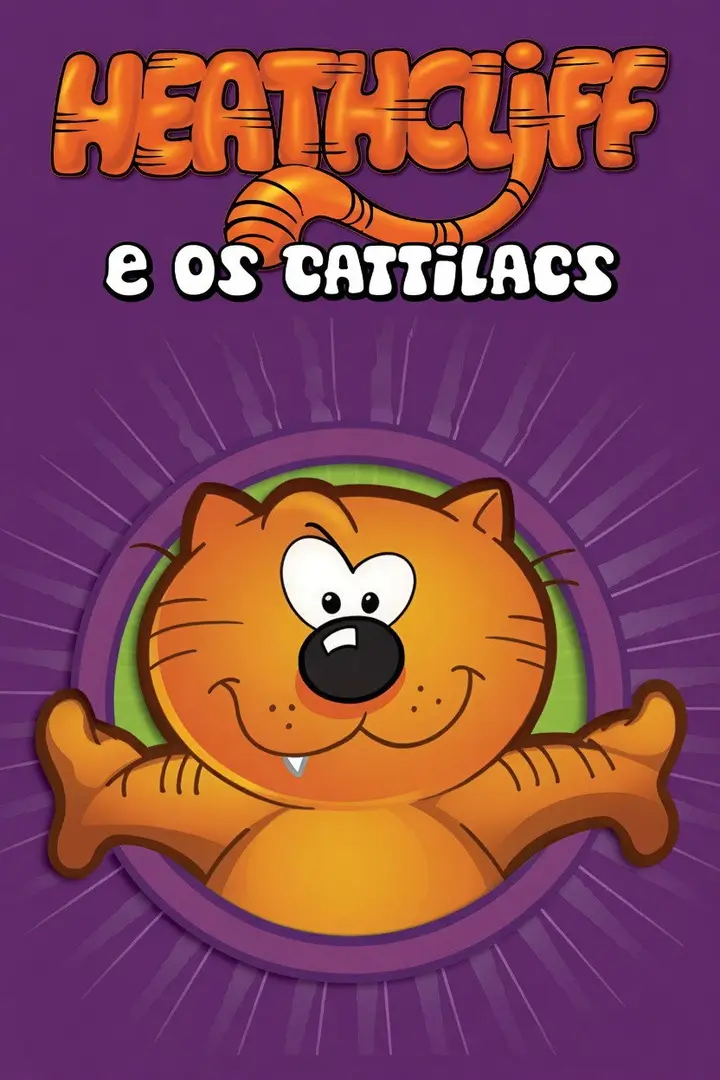
Heathcliff
Heathcliff’s confidence turns food, territory and neighborhood rivalry into fast slapstick comedy. His refusal to back down gives each episode a clear comic engine, while flashes of loyalty keep the mischievous cat from feeling one-note.
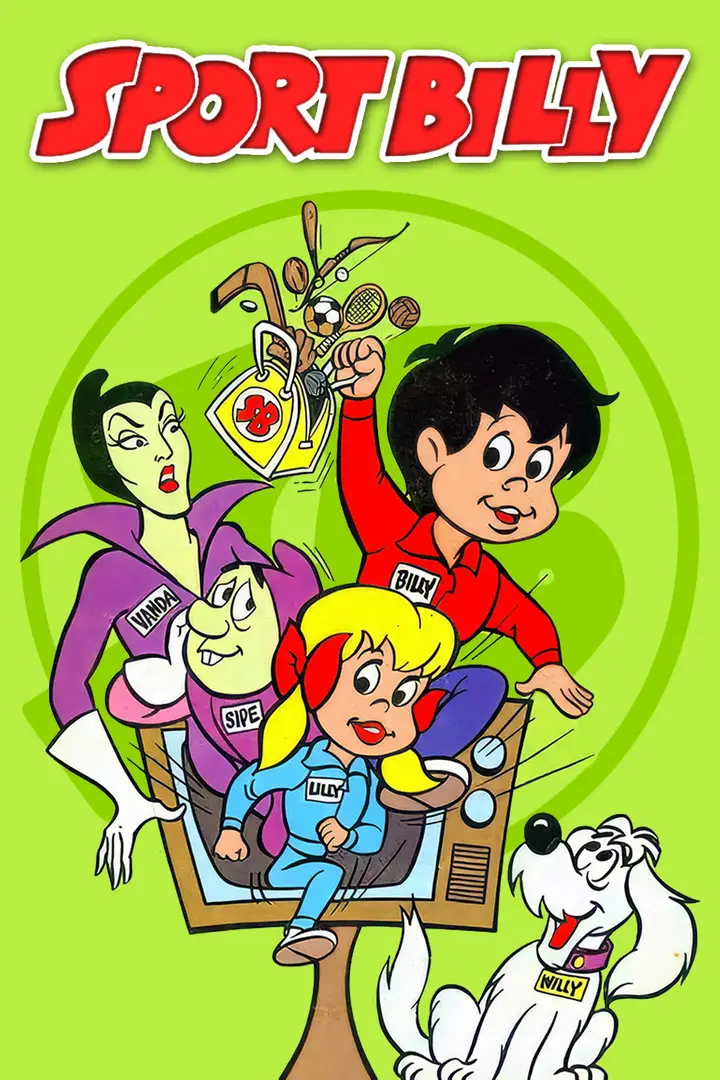
Sport Billy
Different sports become adventure tools as Billy uses equipment, teamwork and fair play to counter Vanda’s schemes. The rotating sports give children variety, while the recurring emphasis on effort and sportsmanship keeps the message consistent.
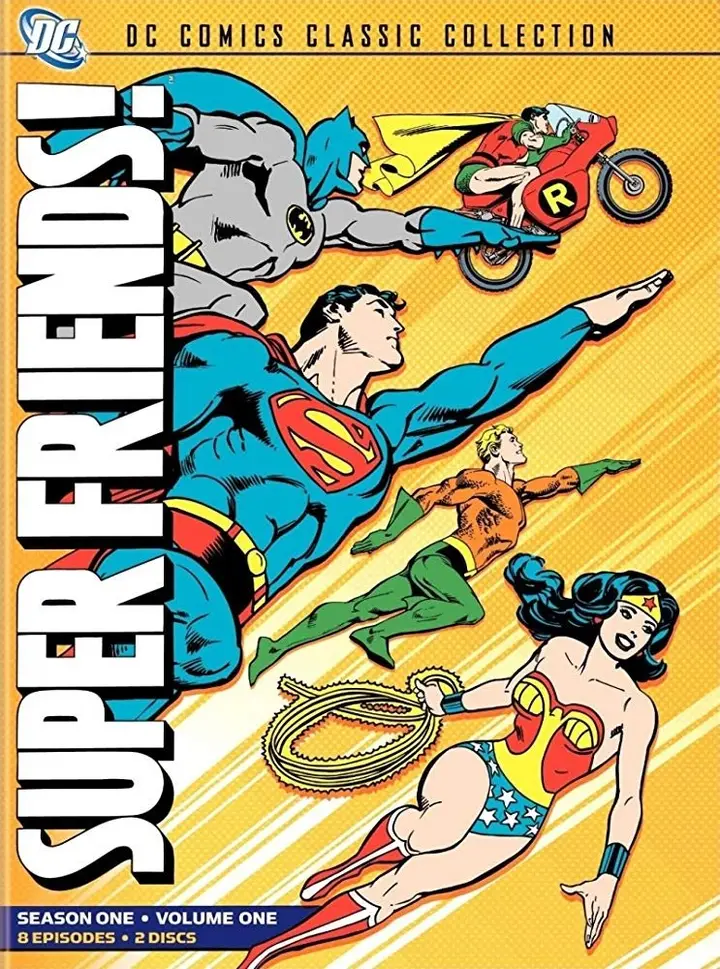
Super Friends
Classic DC heroes solve problems through teamwork, rescue and straightforward decision-making. The restrained action and clear moral structure make superhero storytelling easy to enter without the heavier violence or dense continuity found in many later adaptations.
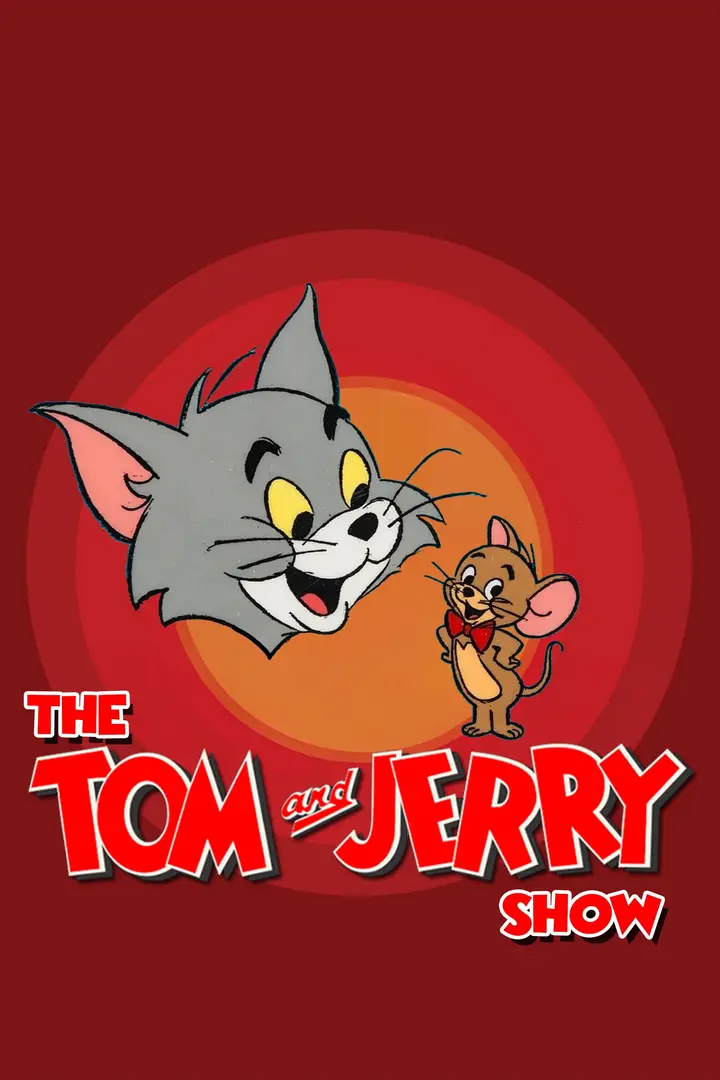
The New Tom and Jerry Show
Short chases, traps and reversals keep the comedy easy to read with little dialogue. Tom and Jerry’s rivalry produces a clear setup and payoff in each segment, while occasional teamwork adds variety to the familiar formula.
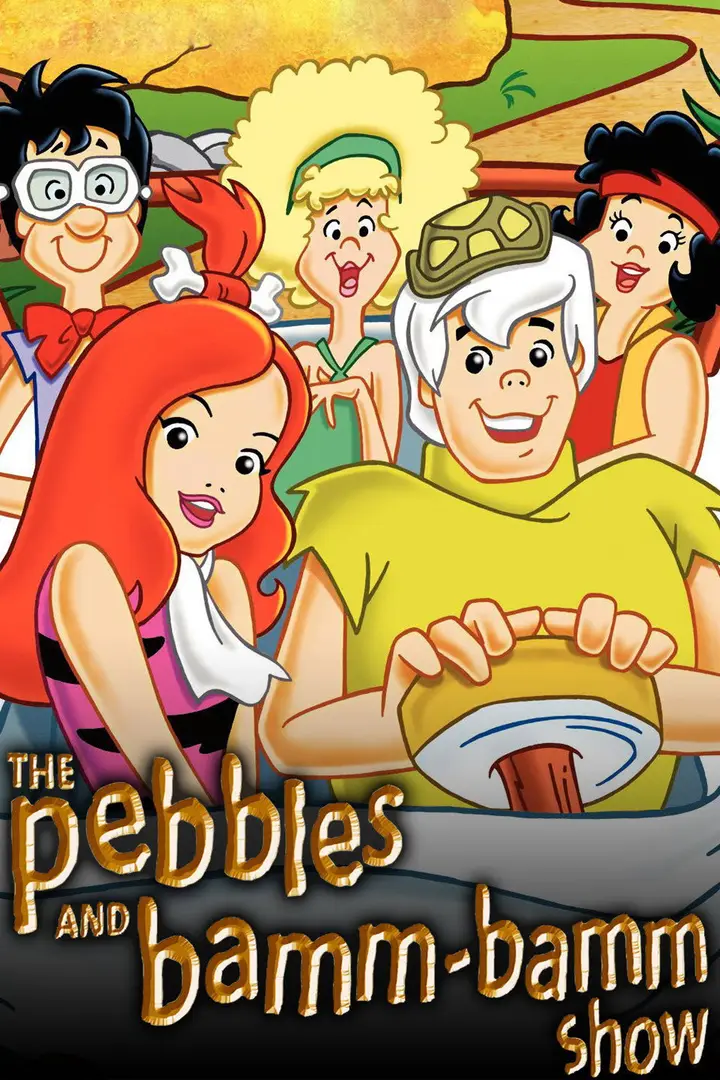
The Pebbles and Bamm-Bamm Show
Bedrock’s prehistoric jokes shift into teenage school life as Pebbles and Bamm-Bamm handle friendships, responsibilities and early romance. The familiar setting gives the spin-off continuity, while the older characters open new social situations.
Can start at 6, recommended for older viewers
These series meet the minimum age, but TFFC recommends waiting until the age shown on each card.
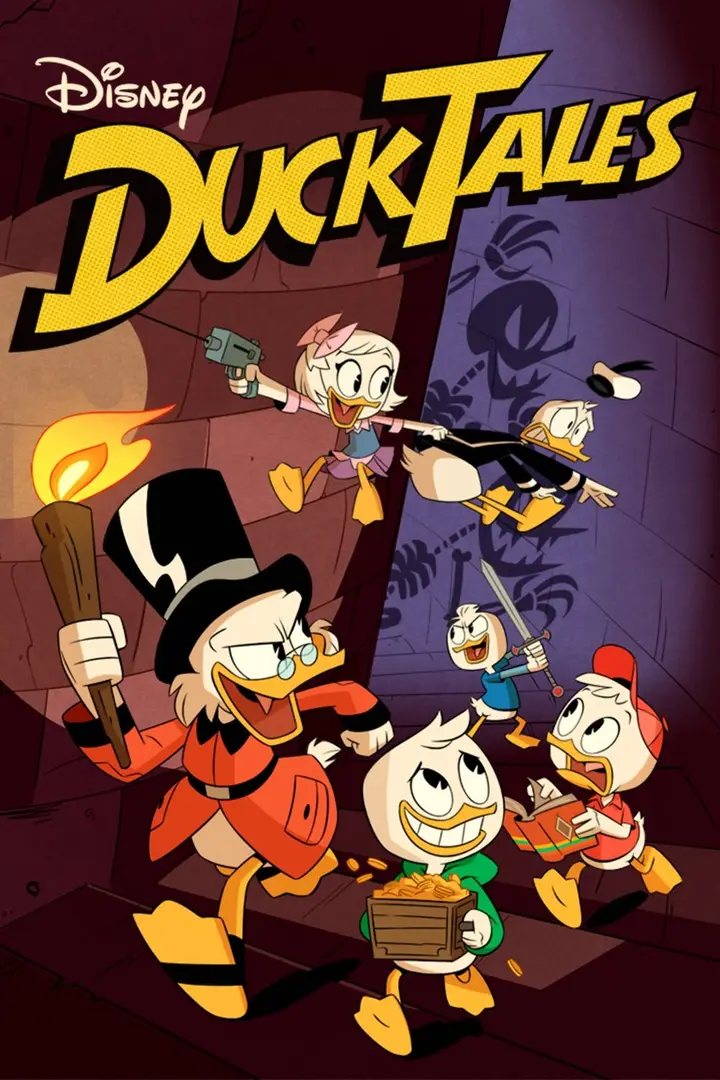
DuckTales
Treasure hunts and globe-trotting adventures gain extra weight through family secrets, rivalries and season-long mysteries. Scrooge, the nephews, Webby and Donald have distinct roles, letting action and family dynamics develop together.
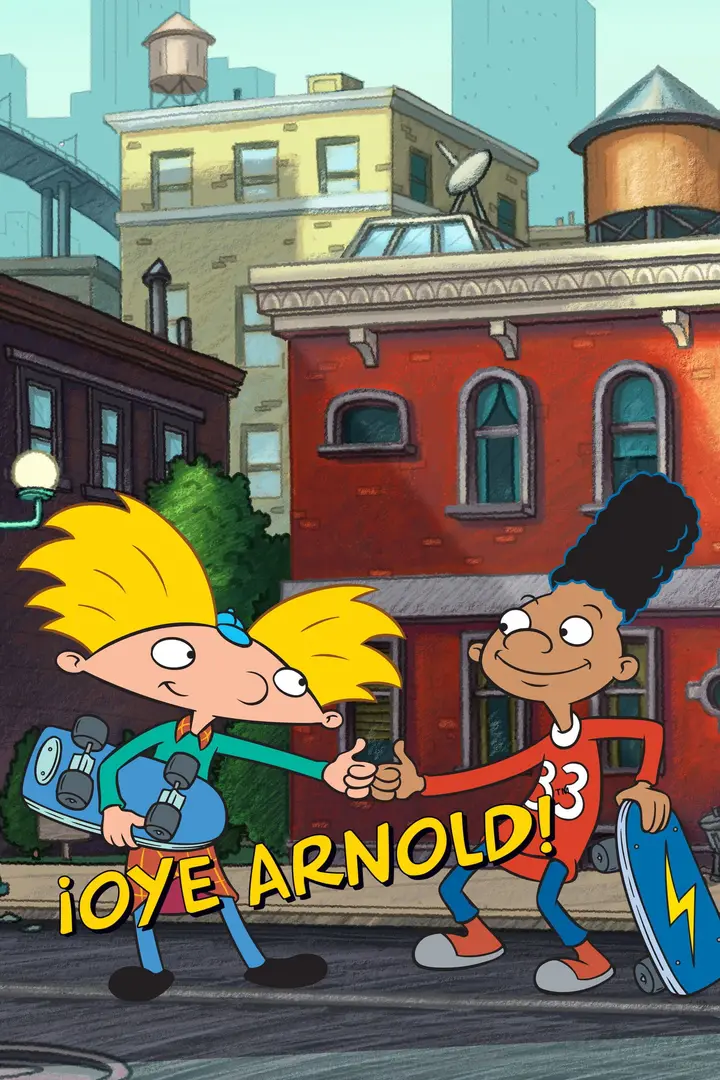
Hey Arnold!
City life gives small childhood stories a broad social backdrop, while Arnold’s patience lets supporting characters reveal more than their first impression. Friendship, poverty, loneliness and first crushes are handled with honesty and humor.
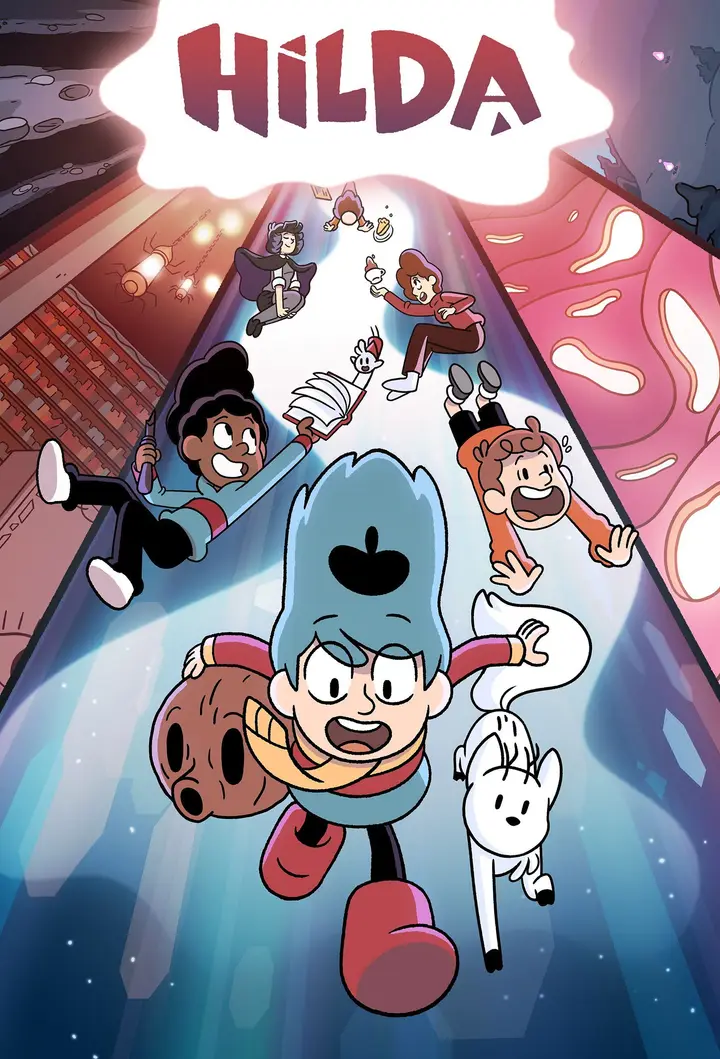
Hilda
Hilda approaches trolls, giants and spirits with curiosity before fear, giving folklore a welcoming sense of discovery. Moving from the wilderness to Trolberg expands the world while keeping friendship and understanding unfamiliar creatures central.
Questions parents ask
What are the best TV shows for 6-year-olds?
Six is a great age for curiosity-driven shows. The Magic School Bus and Wild Kratts turn science and animals into adventures, Cyberchase makes maths exciting, and classics such as The Smurfs, Chip ’n’ Dale Rescue Rangers and The Charlie Brown and Snoopy Show bring gentle humour and friendship.
Which shows help a 6-year-old who is starting school?
Look for shows that make learning feel like play and model school life. The Magic School Bus (from 6) explores space, volcanoes and the human body with a whole class, Cyberchase (from 6) builds problem-solving, and Arthur (from 5) handles friendships, jealousy and classroom worries in a calm, constructive way.
Are classic cartoons like The Smurfs OK for a 6-year-old?
Yes. The Smurfs is recommended from age 6 (minimum 5): there is magic, capture attempts and mild peril, but the tone stays reassuring and every episode ends well. The Jetsons and The Pink Panther Show are also good classics at this age, as long as you are ready to explain the odd old-fashioned joke.


