
Best TV Shows for 5-Year-Olds
Preschool favorites meet music, books, early science and new adventures for five-year-olds.

Page 4 of 4. This page shows series 145–160 out of 160.
Find the right series
Choose one band. Results show age-relevant series approved by our editors: those whose Minimum-to-Recommended age span overlaps the band, plus individually approved favorites. The Recommended Age is a starting point, not a maximum.
More filters and sort
No series in this guide match this age.
Still a good fit at this age
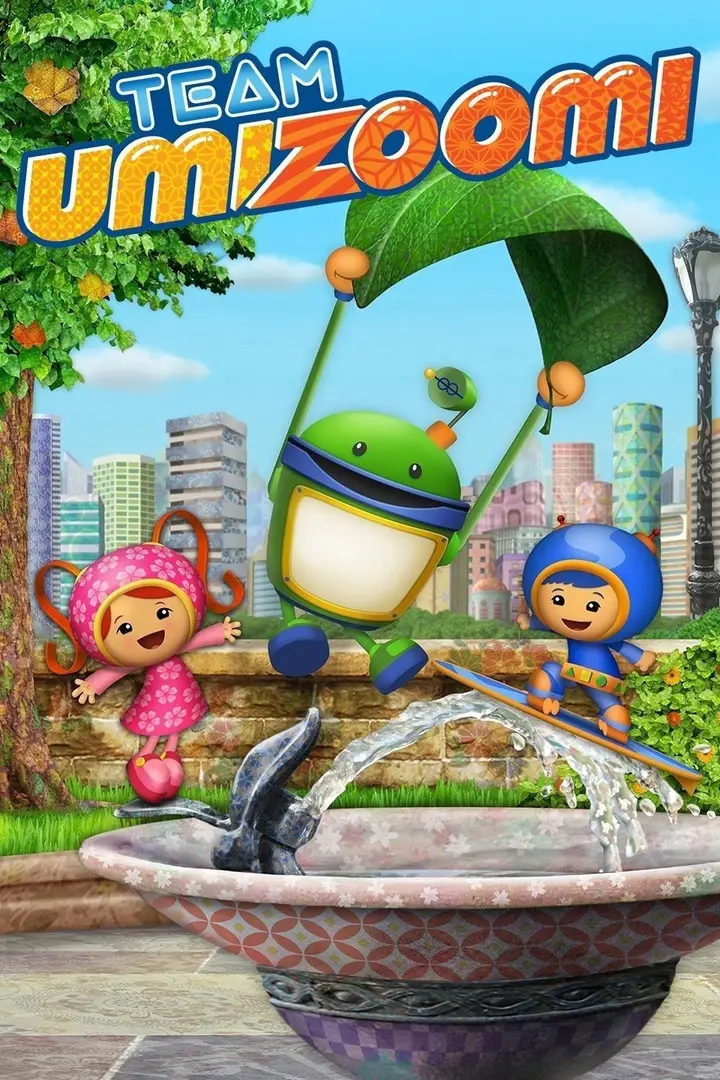
Team Umizoomi
Counting, shapes, patterns and measurement become active tools the team uses to solve problems in Umi City. Viewers are invited to spot information and answer questions, making early mathematics part of each mission’s solution.
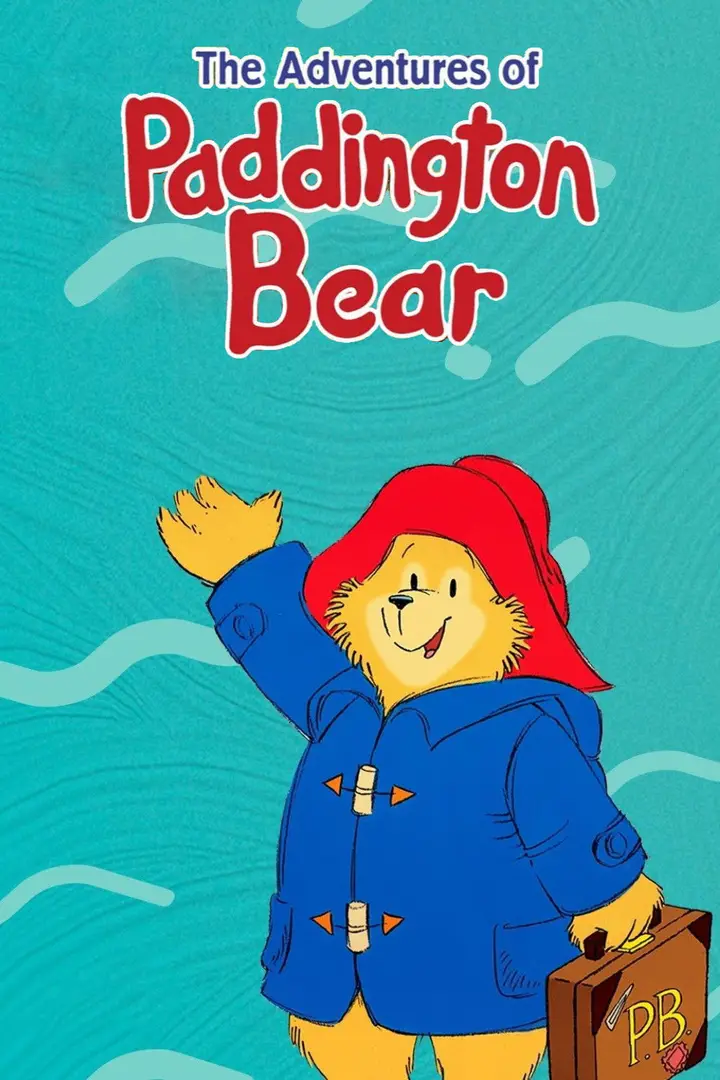
The Adventures of Paddington Bear
Paddington’s literal thinking turns ordinary errands into larger comic problems while his manners and kindness keep him sympathetic. The Brown family provides security, so misunderstandings can grow without making the world feel unsafe.
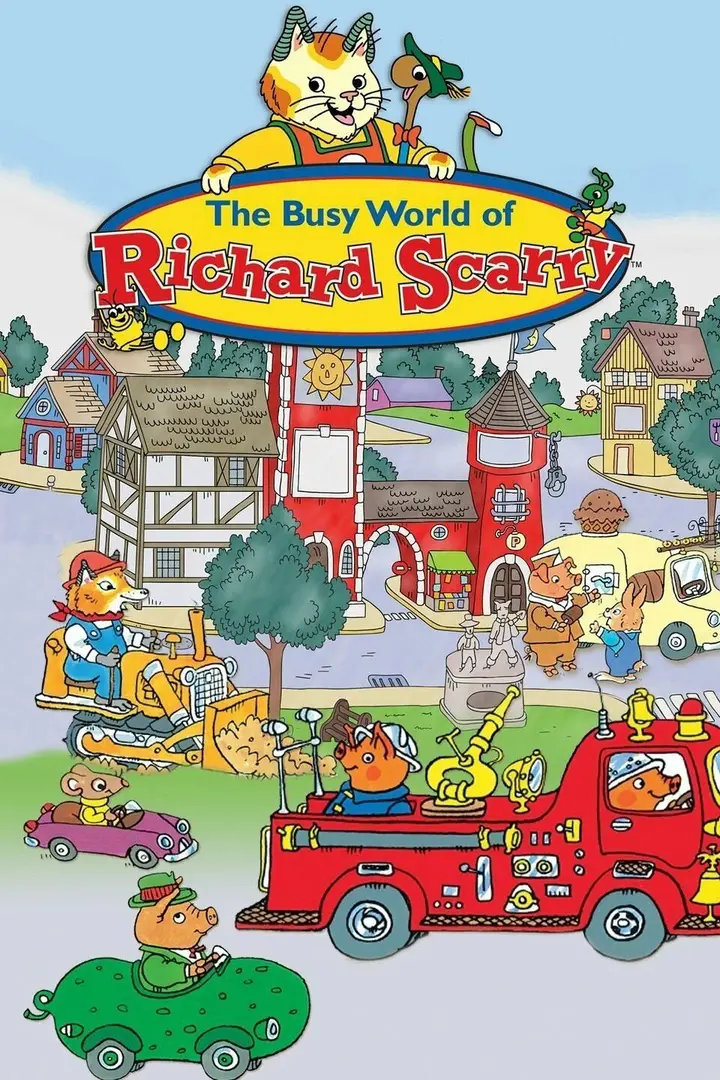
The Busy World of Richard Scarry
Busytown turns jobs, vehicles and everyday systems into stories children can watch in action. Huckle Cat, Lowly Worm and their neighbors make community roles visible, connecting curiosity about how things work with cooperation.
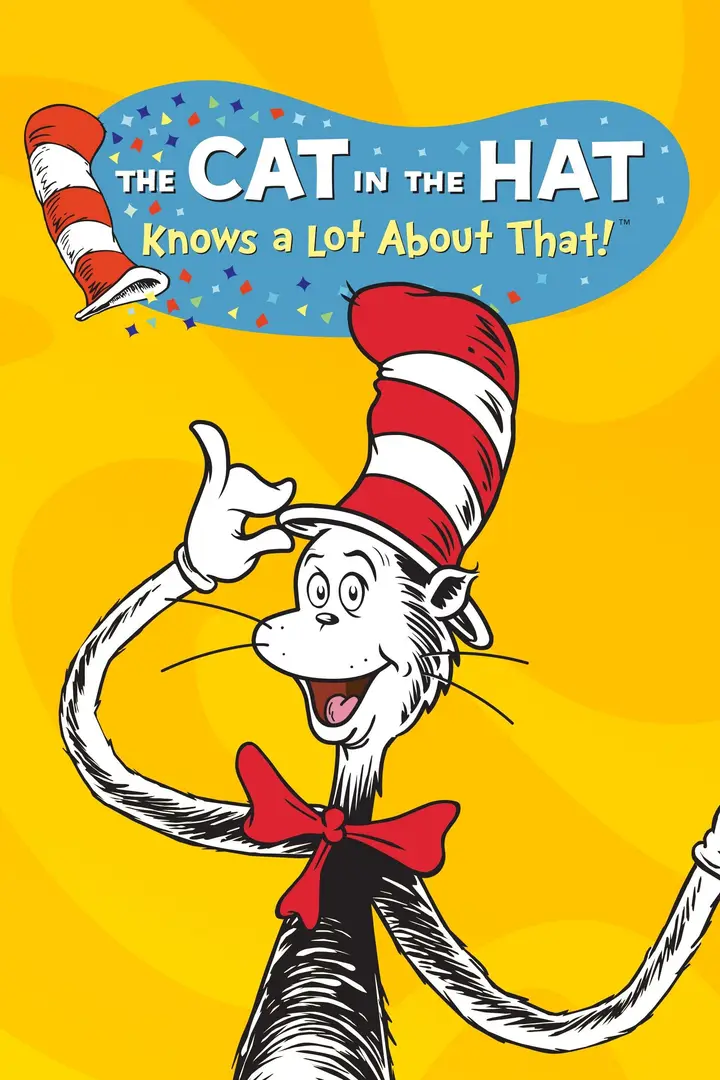
The Cat in the Hat Knows a Lot About That!
Questions about animals, plants, weather and physical science become imaginative field trips aboard the Thingamajigger. Observation, rhyme and playful experiments make preschool science active, while the Cat keeps curiosity moving from question to discovery.
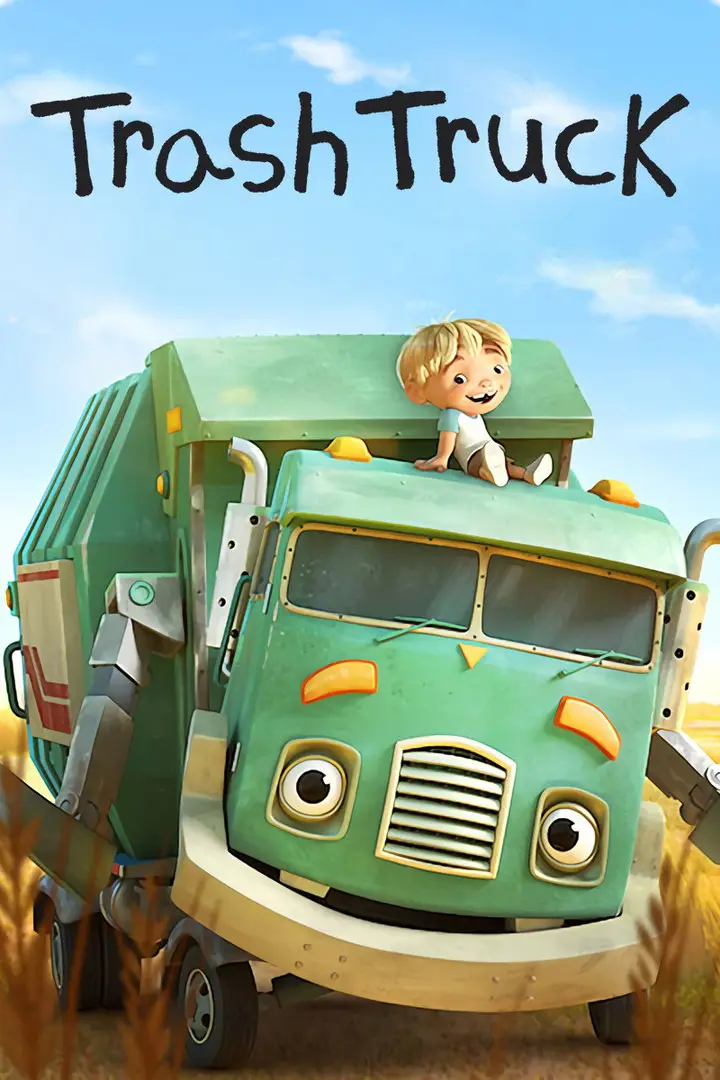
Trash Truck
Its gentle, low-stakes stories turn an ordinary object into a source of wonder, using a child's own curiosity and imagination rather than jokes or danger to hold attention.
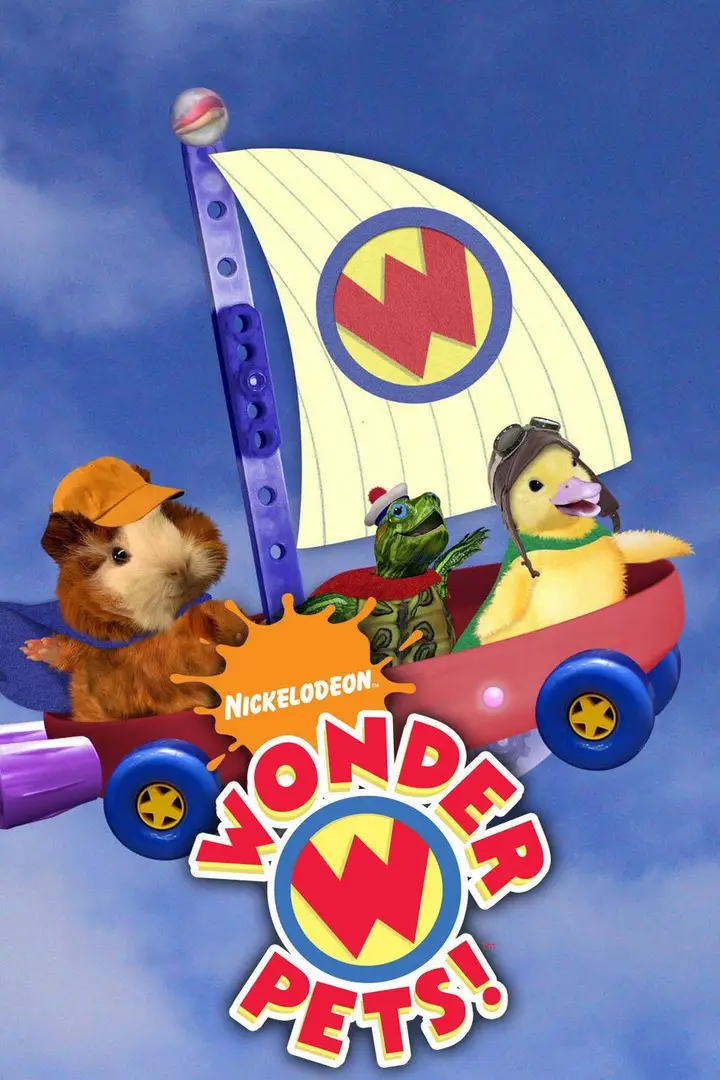
Wonder Pets!
A repeated rescue formula gives preschoolers a clear story path, while sung dialogue and teamwork make each mission easy to remember. Every problem depends on cooperation, so the musical structure supports the social message as well as the plot.
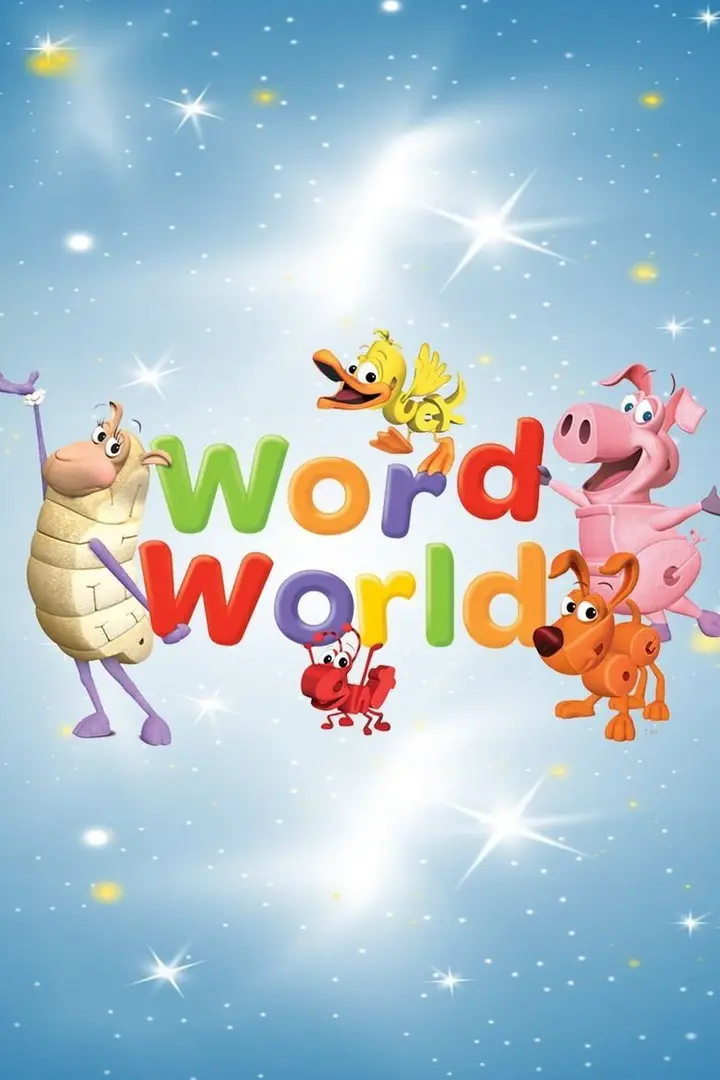
WordWorld
Objects and characters are literally built from the letters that spell their names, making word construction visible. Each small adventure links sounds, spelling and meaning, so early reading concepts become part of how the world works.
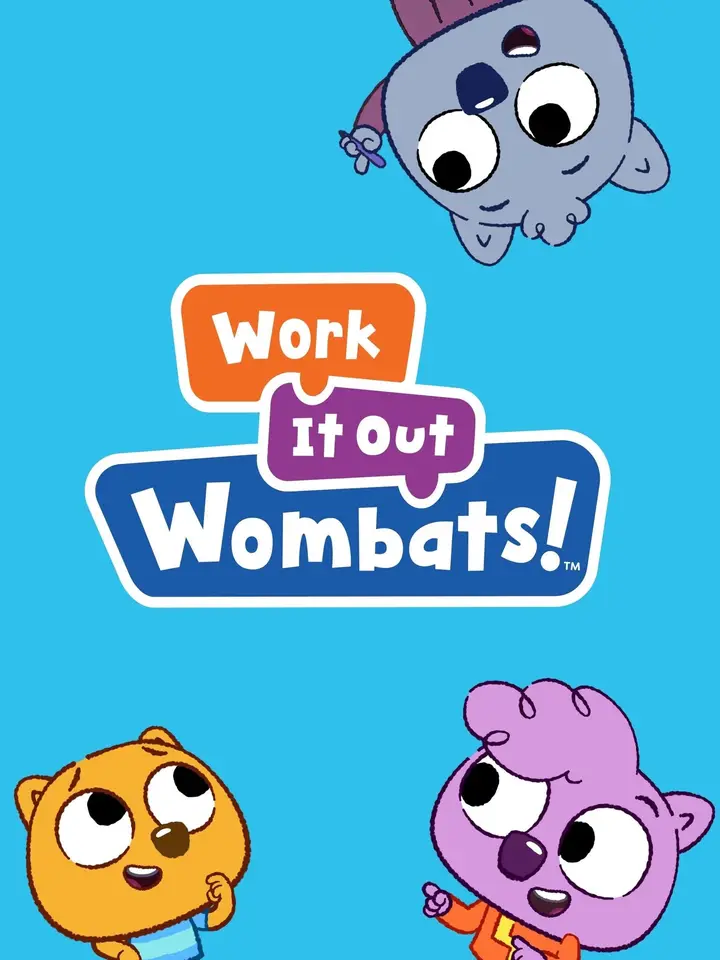
Work It Out Wombats!
It introduces real computational thinking — sequencing, patterns, debugging — through ordinary play and chores instead of screens, making the concepts feel practical rather than technical.

Adventures of the Little Koala
Roobear’s village turns play, school and small social problems into calm stories about friendship and community. The animal setting also introduces elements of Australian wildlife without shifting into formal documentary teaching.
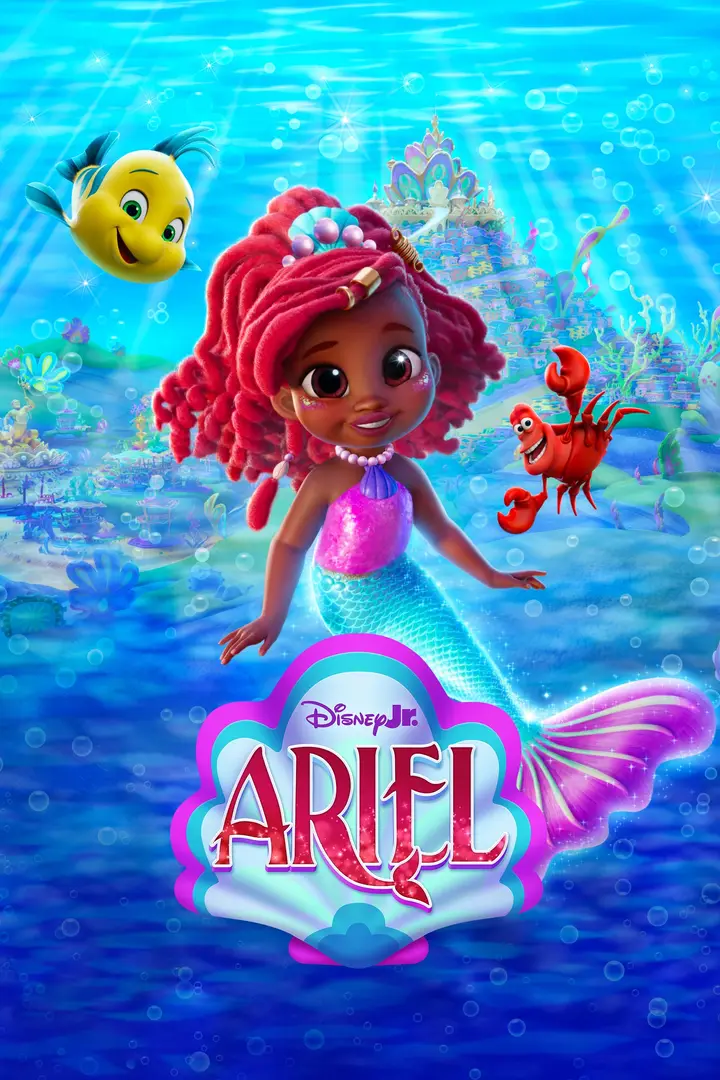
Disney Junior's Ariel
It scales The Little Mermaid's curiosity and independence down to preschool-friendly, self-contained adventures, using bright visuals and Caribbean-inspired culture for a distinct identity.
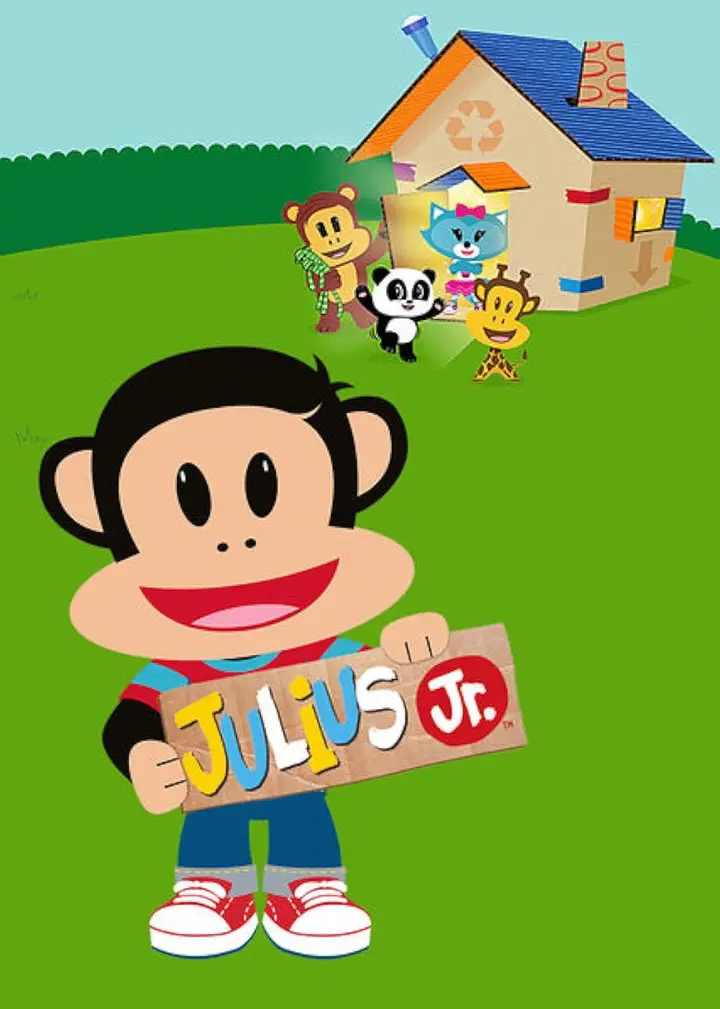
Julius Jr.
Cardboard-box inventions and imaginative spaces turn building into a social activity. Julius likes creating solutions, but the group repeatedly succeeds by listening to one another and combining different ideas instead of relying on one plan.
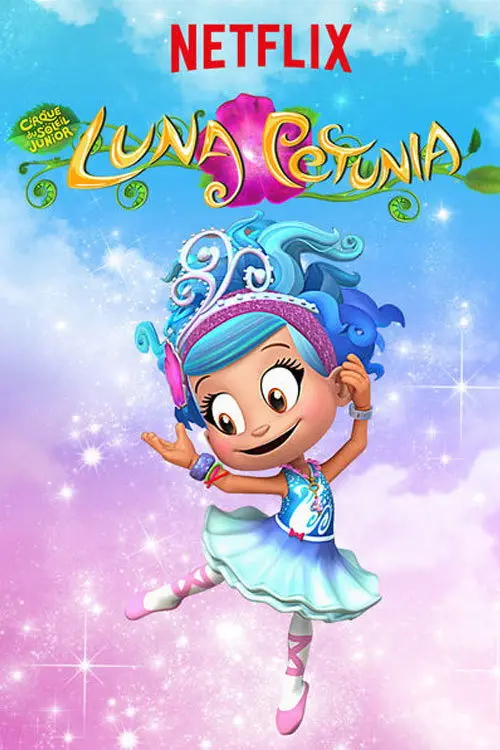
Luna Petunia
Amazia turns everyday problems into bright fantasy challenges where movement, imagination and creativity open new possibilities. Luna’s confidence grows through trying different approaches, making flexible thinking more important than finding one fixed answer.
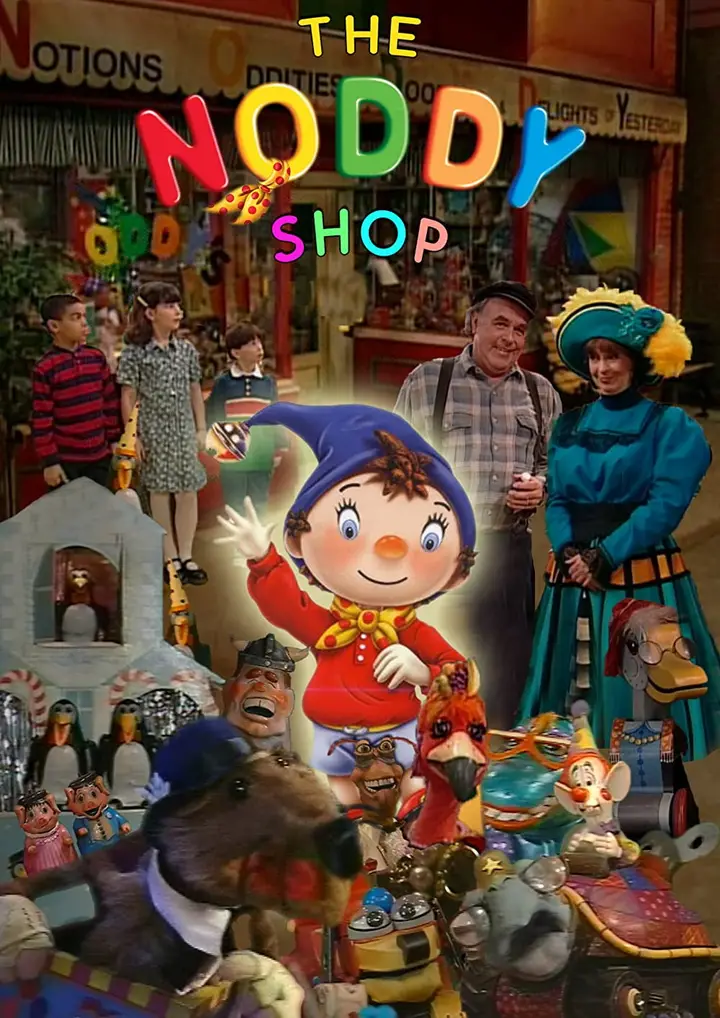
Noddy
Toyland gives simple preschool problems a colorful fantasy setting while keeping the social rules close to everyday childhood. Noddy makes mistakes, meets new friends and learns through consequences instead of punishment or ridicule.
Pupstruction
By treating every job as a puzzle needing different specialized skills, it teaches that being 'best' matters less than how a team's different strengths fit together.
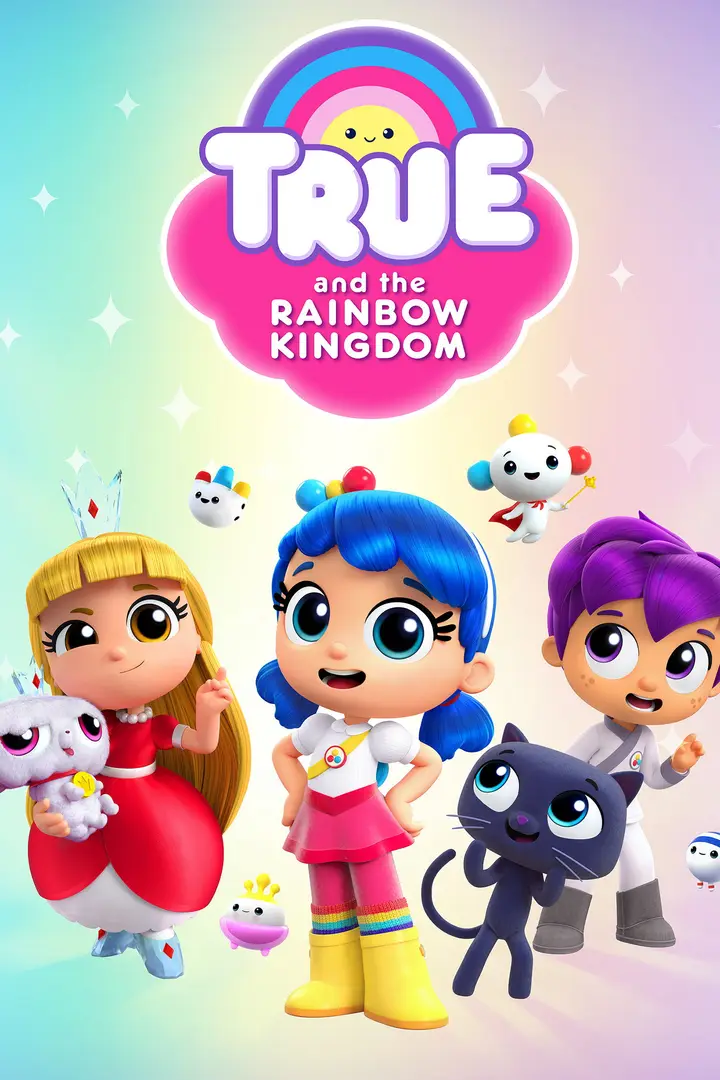
True and the Rainbow Kingdom
True treats magic as a problem-solving tool that must be chosen carefully, not used at random. Observing what residents need, selecting the right Wishes and adjusting the plan makes empathy and flexible thinking central to each adventure.
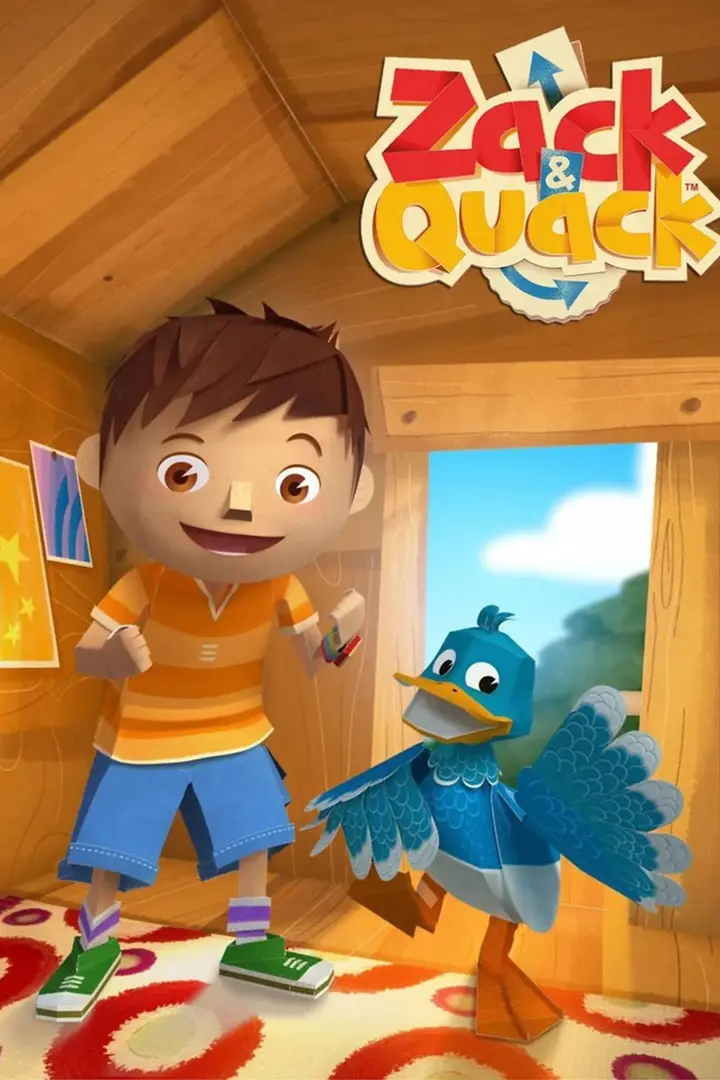
Zack & Quack
A pop-up book world makes every setting physically transformable, turning play into a sequence of visual problem-solving challenges. Zack, Quack and Kira keep experimenting when the first plan fails, so creativity feels practical and collaborative.


