
Best TV Shows for 5-Year-Olds
Preschool favorites meet music, books, early science and new adventures for five-year-olds.

Best TV Shows for 5-Year-Olds
At age 5, our 58 recommended picks combine preschool favourites with books, music, early science and community stories. Ada Twist, Scientist, Arthur and Angelina Ballerina show the range. Another 45 series have Minimum Age 5, but TFFC recommends them for older children.
Find the right series
Choose one band. Results show age-relevant series approved by our editors: those whose Minimum-to-Recommended age span overlaps the band, plus individually approved favorites. The Recommended Age is a starting point, not a maximum.
More filters and sort
No series in this guide match this age.
Recommended for 5-year-olds
These series have this age as their recommended viewing age.
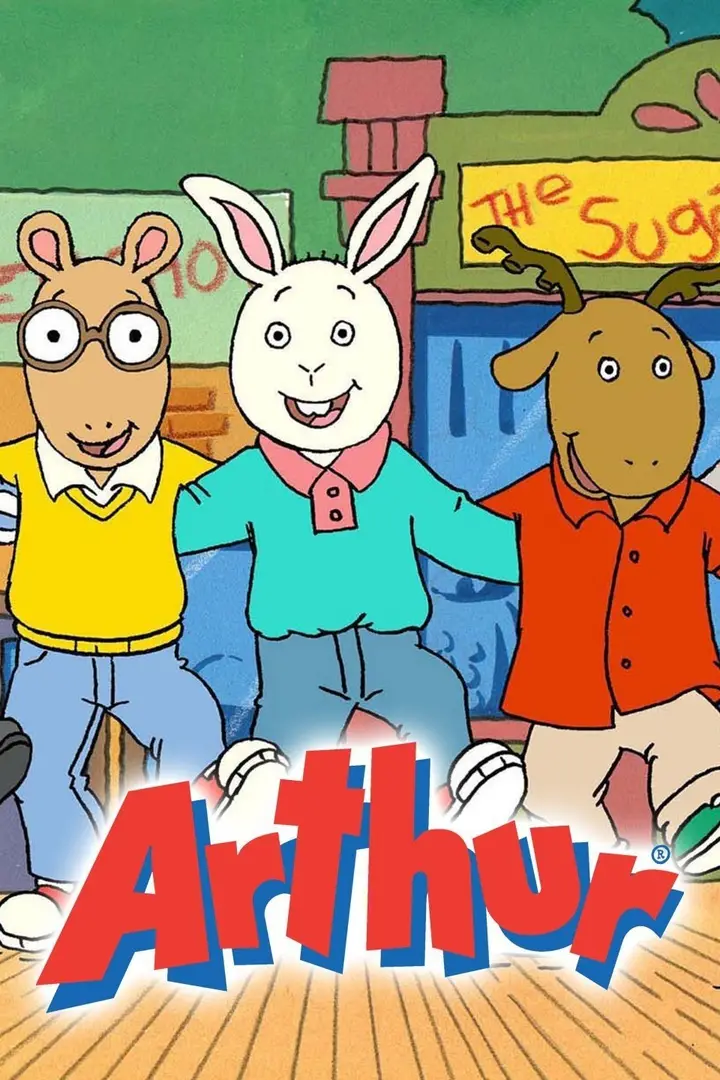
Arthur
School, family and friendship conflicts are treated as problems with more than one side. Arthur and his friends make mistakes, argue, apologize and compromise, giving everyday social situations a thoughtful structure children can recognize.
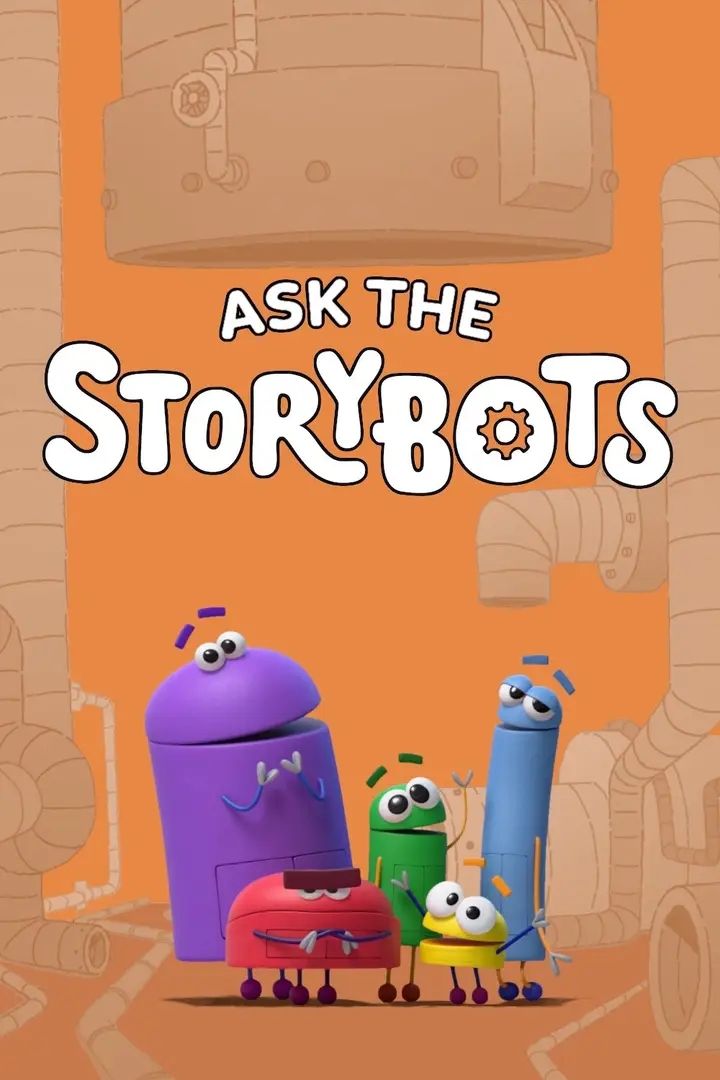
Ask the StoryBots
Children’s questions become investigations through machines, bodies, laboratories and imaginative environments. Songs and comedy keep explanations lively, while the StoryBots gather clues before giving a clear answer grounded in what they discovered.
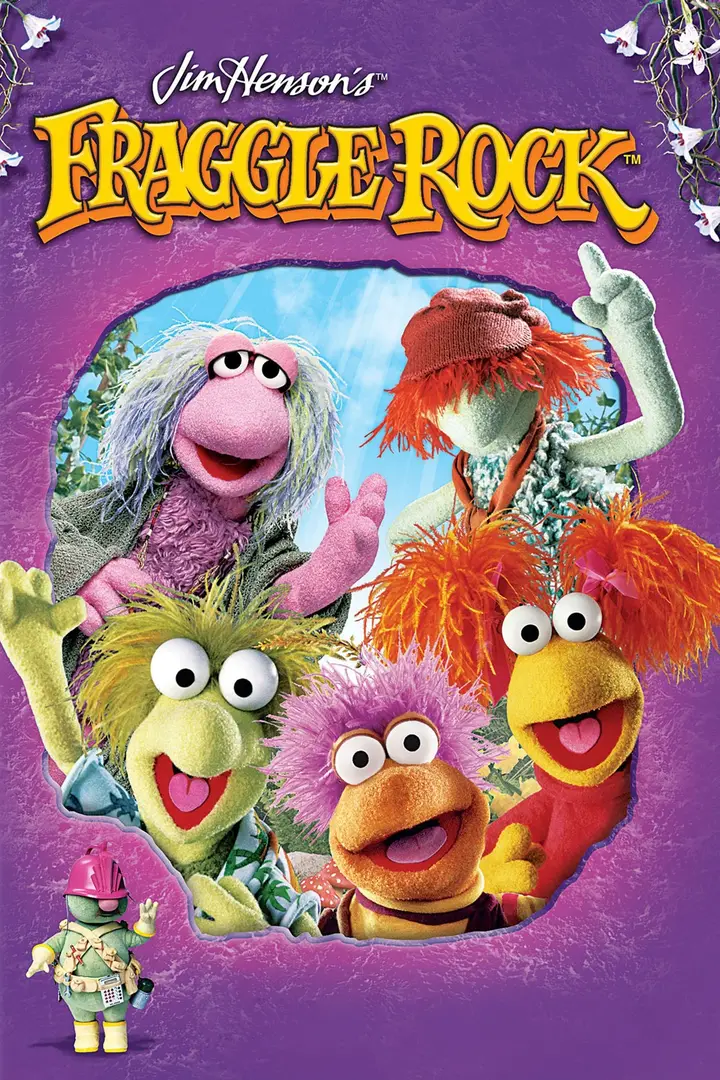
Fraggle Rock
Music and fantasy connect three communities whose needs frequently clash, letting children see cooperation from more than one point of view. Fraggles, Doozers and Gorgs turn ecology, prejudice and interdependence into memorable stories.
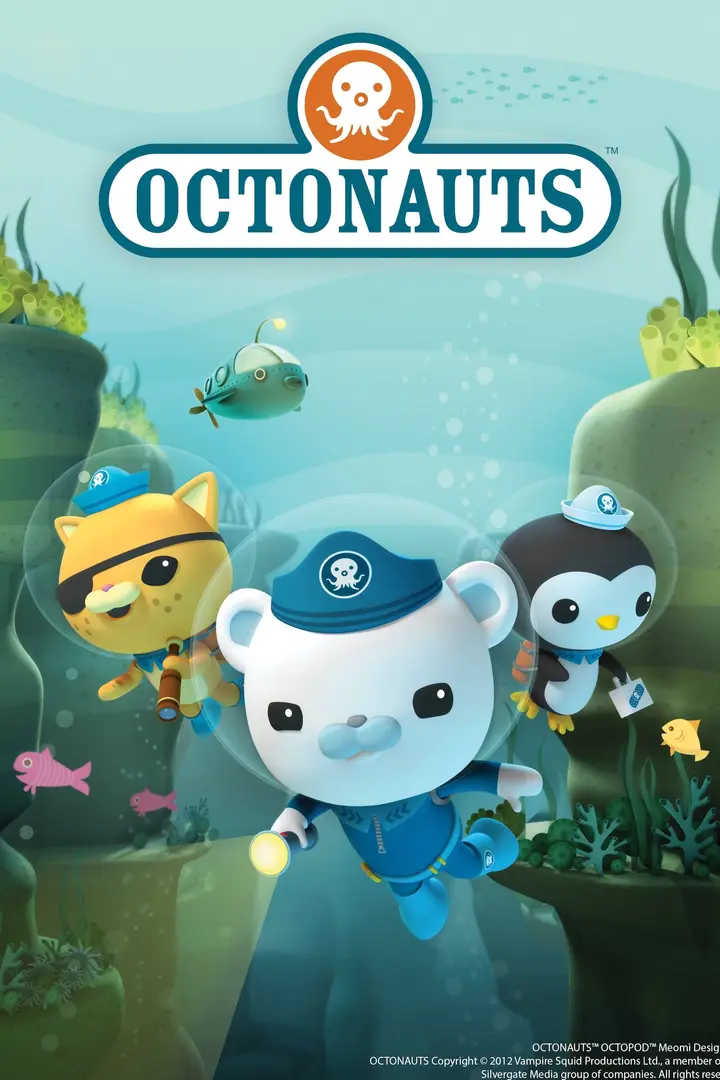
Octonauts
Underwater rescue missions combine real marine biology with clear team roles in medicine, engineering and exploration. Each emergency introduces an animal or habitat while showing that successful rescue depends on knowledge and cooperation.
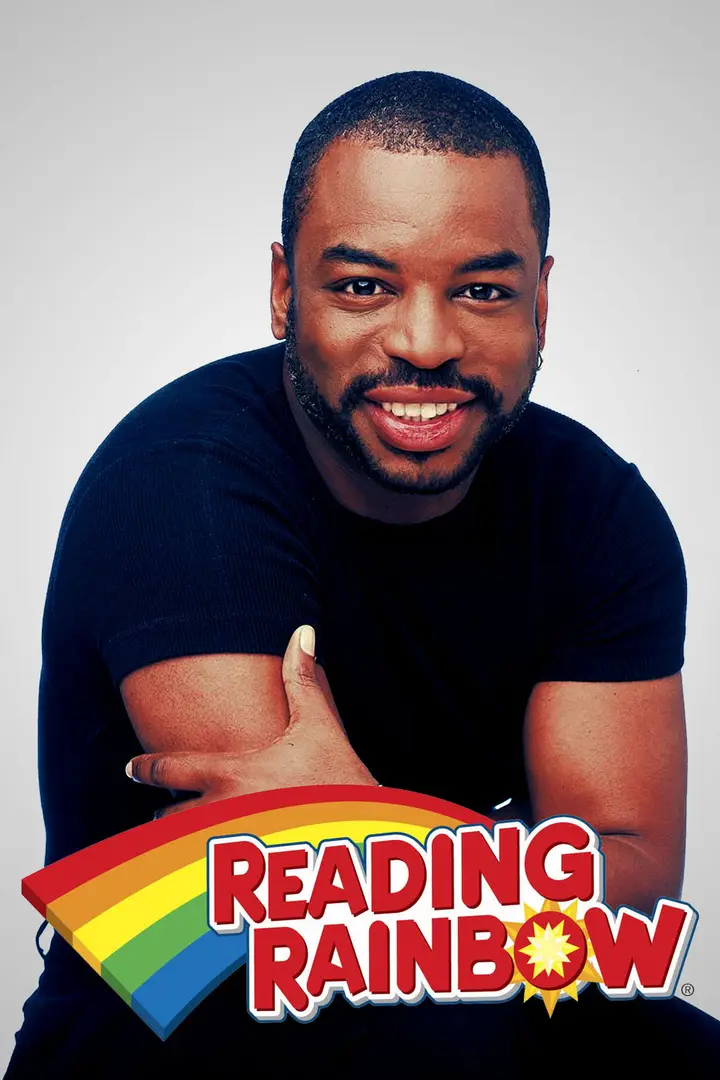
Reading Rainbow (1983)
A featured picture book becomes a gateway into real places, people and ideas through interviews, visits and demonstrations. Reading is connected to science, history, art, work and community life instead of being treated as an isolated skill.
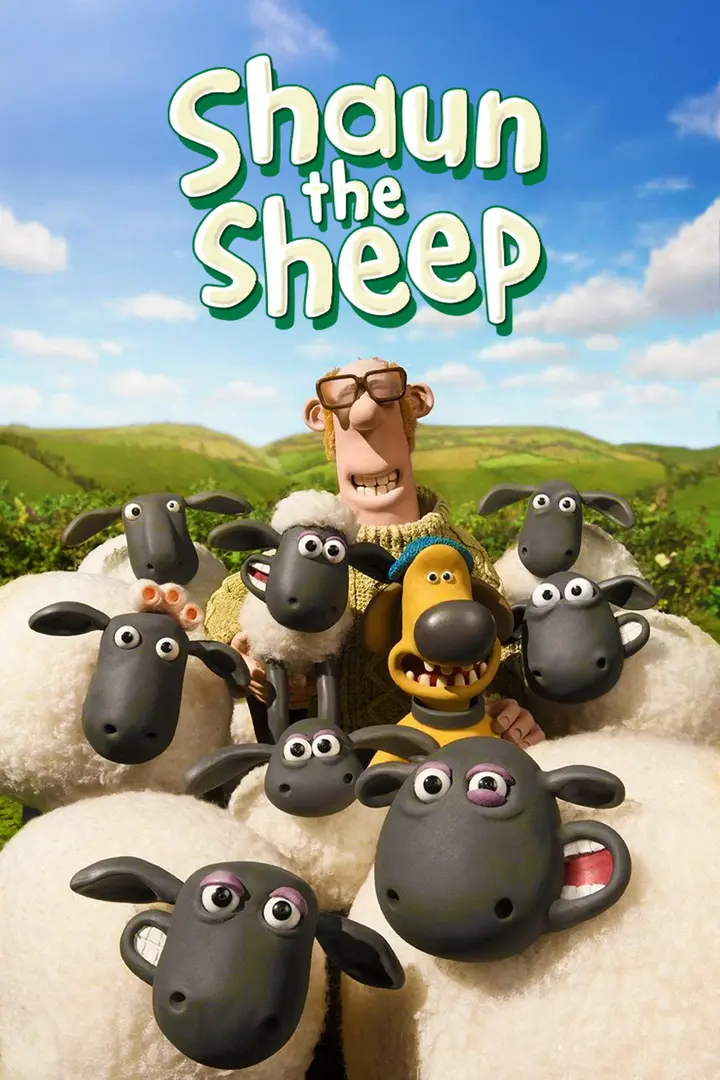
Shaun the Sheep
Nearly wordless storytelling turns farm routines into precise visual comedy. Shaun’s schemes, Bitzer’s attempts to restore order and the flock’s group reactions make timing, observation and cause-and-effect easy to follow without dialogue.
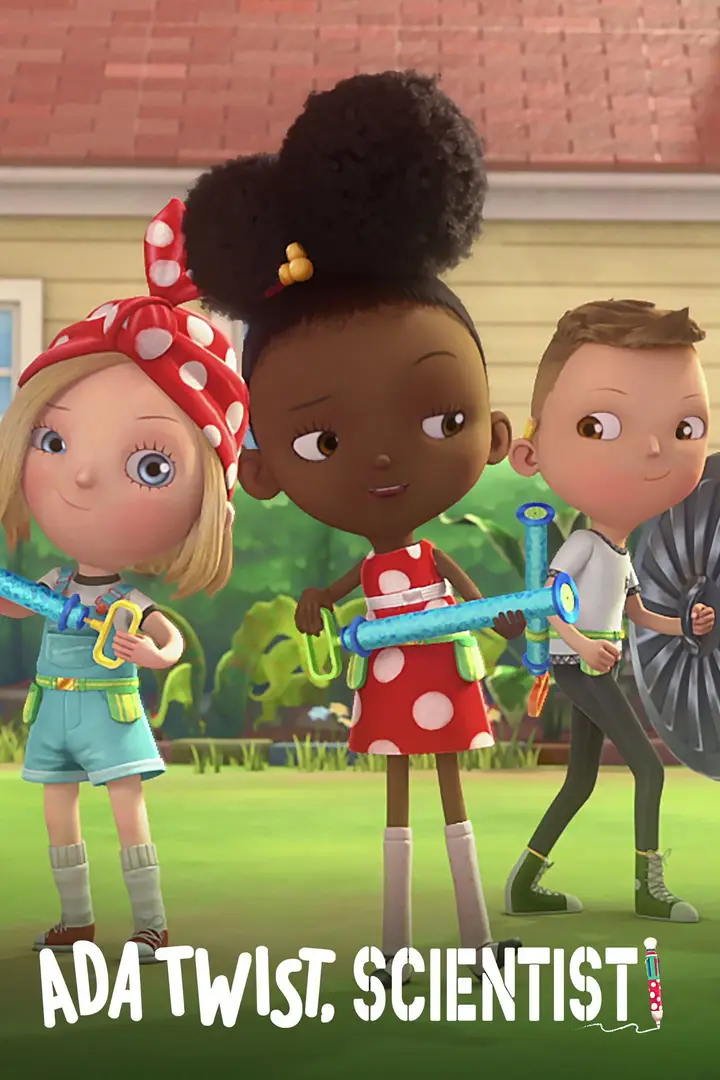
Ada Twist, Scientist
It treats science as an ongoing process of guessing, testing, and failing rather than a set of correct answers, modeling curiosity and good questions as skills worth practicing.
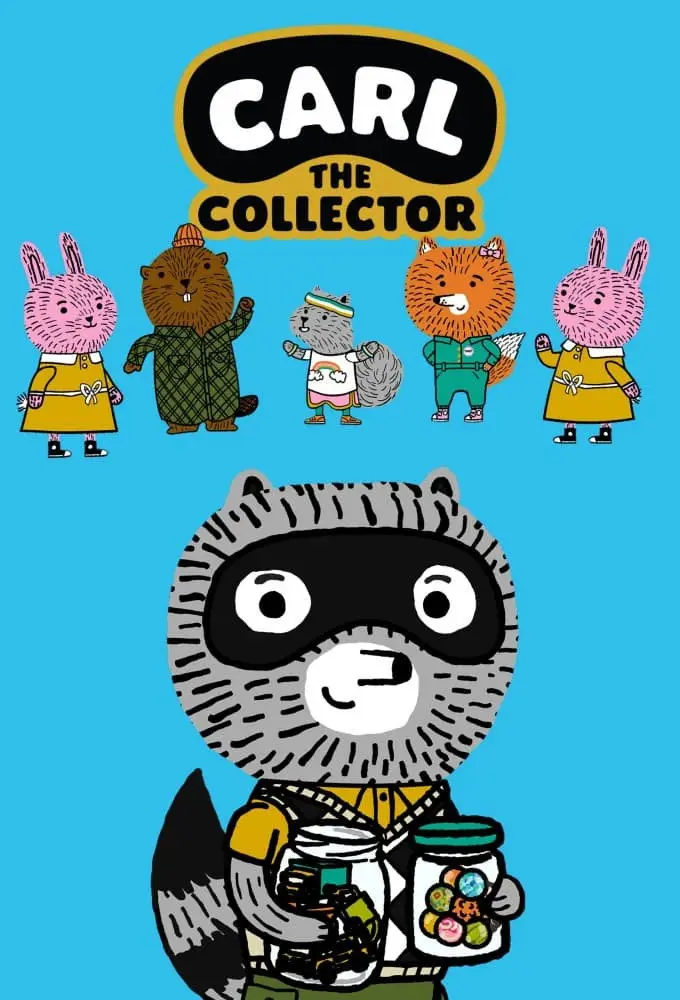
Carl the Collector
By making Carl's autism simply part of who he is rather than the subject of every episode, the show normalizes different communication styles without turning them into a lesson.
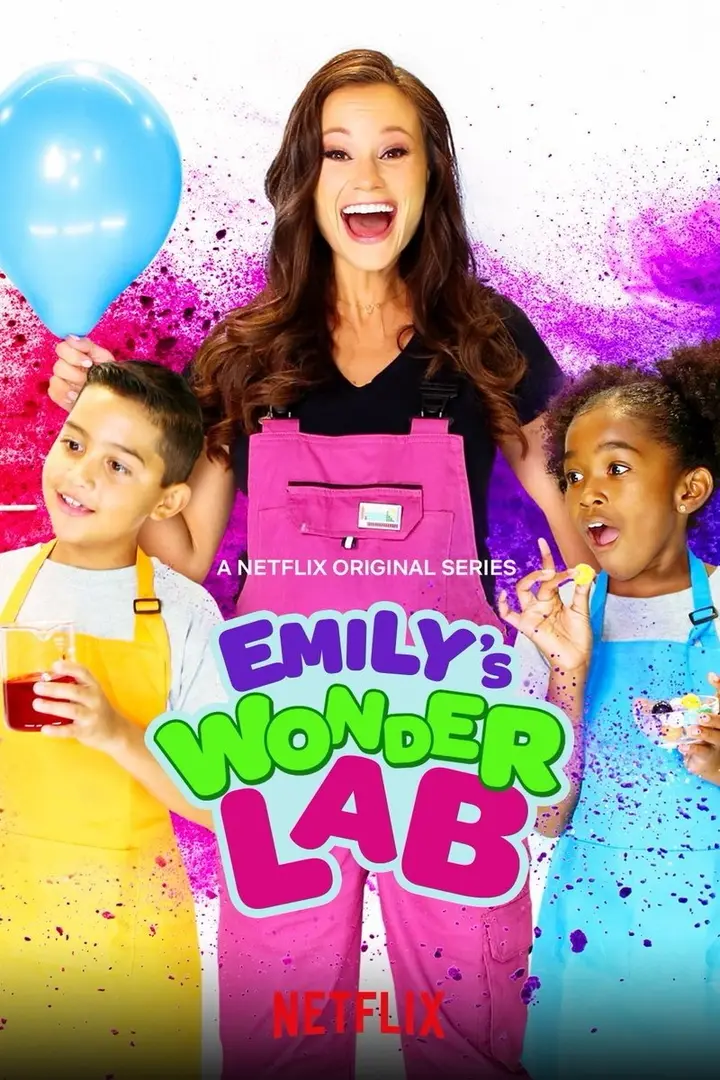
Emily's Wonder Lab
Real children do the experiments, so viewers see themselves as scientists, and every episode gives families something concrete to do together afterwards.
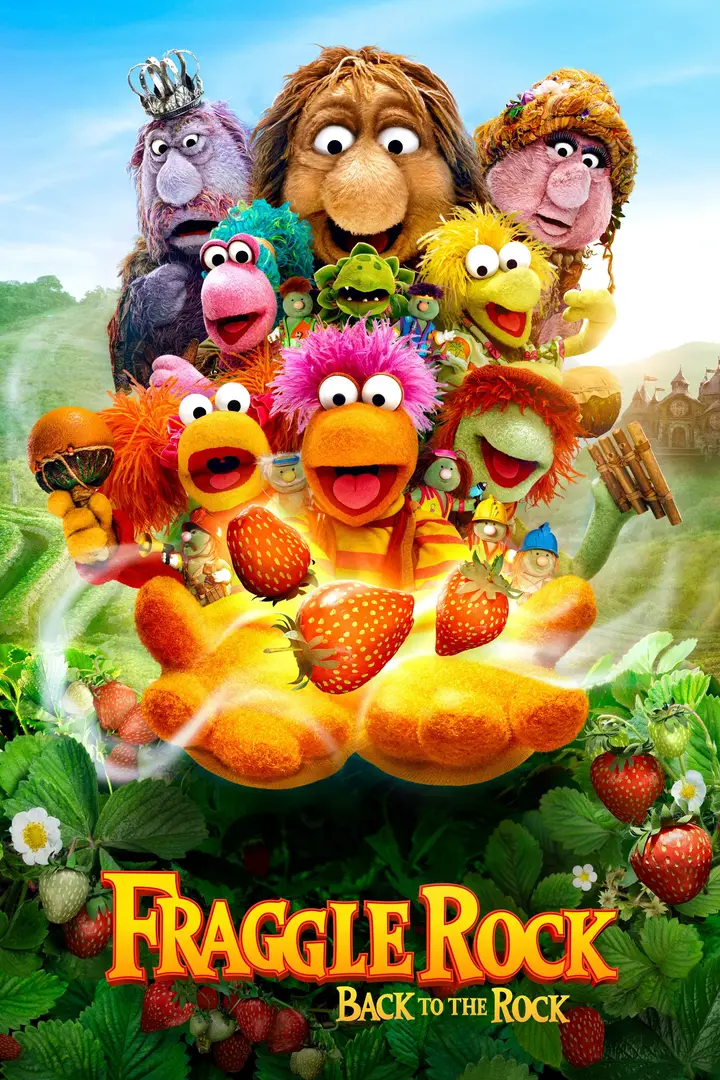
Fraggle Rock: Back to the Rock
It preserves the original's handcrafted look and musical warmth while using small character choices to show how one decision can ripple through an entire interdependent community.
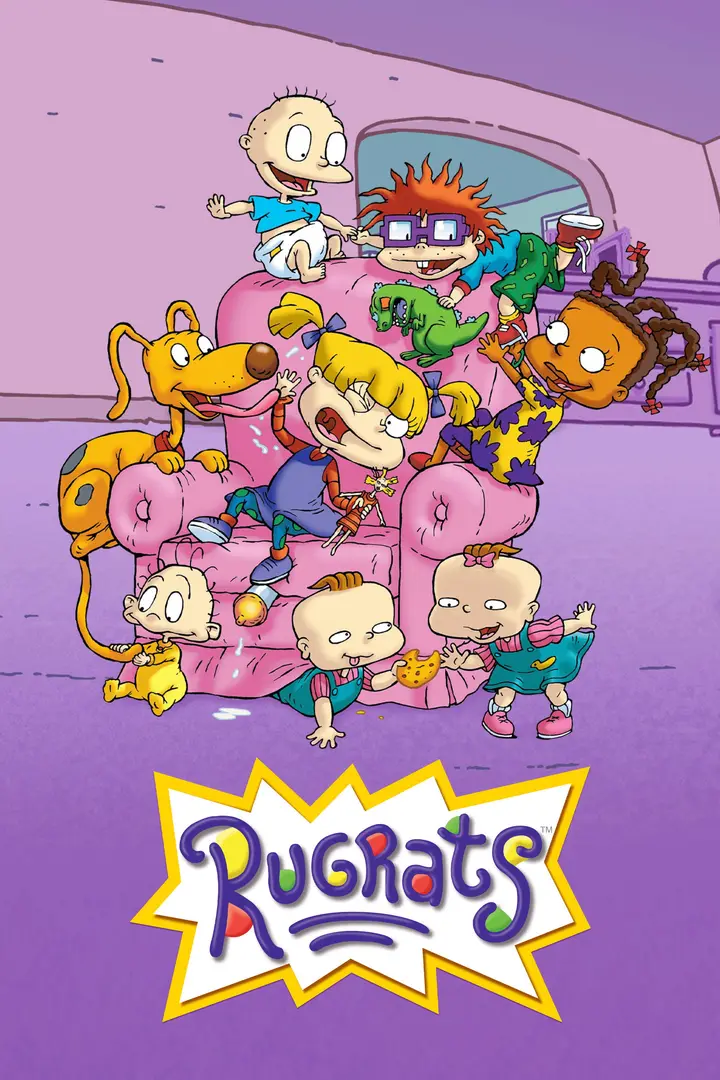
Rugrats
The babies interpret ordinary adult situations through limited knowledge, turning small events into enormous imagined adventures. The gap between what viewers know and what Tommy, Chuckie, Phil and Lil believe creates the series’ strongest comedy.
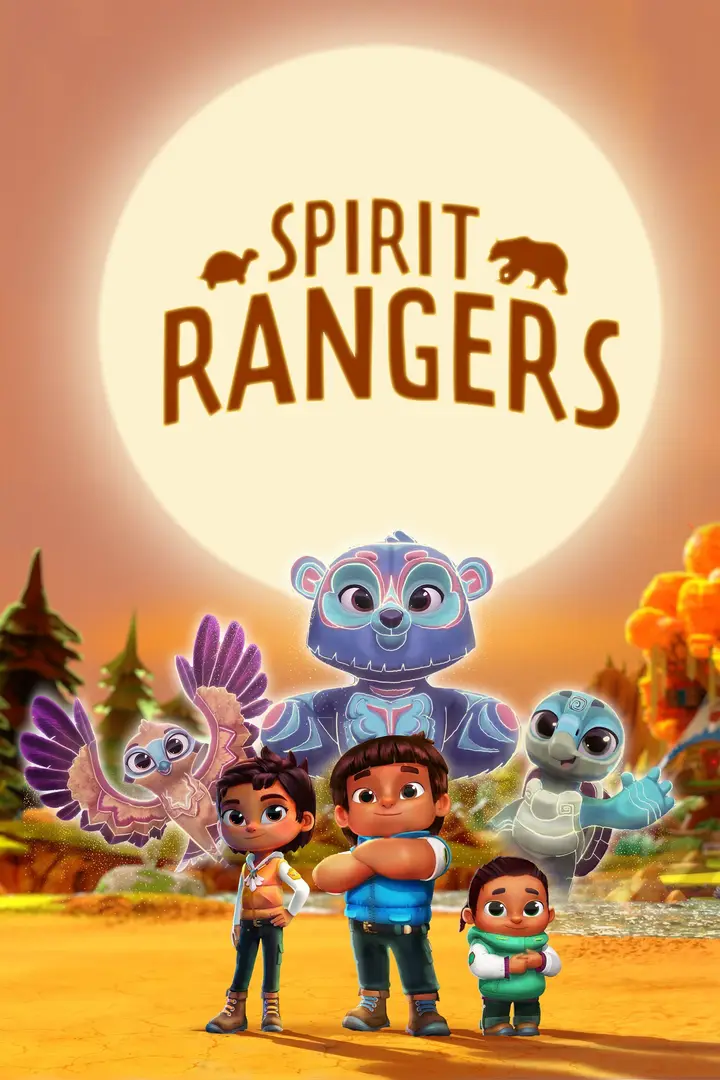
Spirit Rangers
It treats Native American spirituality and land connection as a consistent, lived part of the story rather than decoration, giving fantasy transformation adventures genuine cultural grounding.
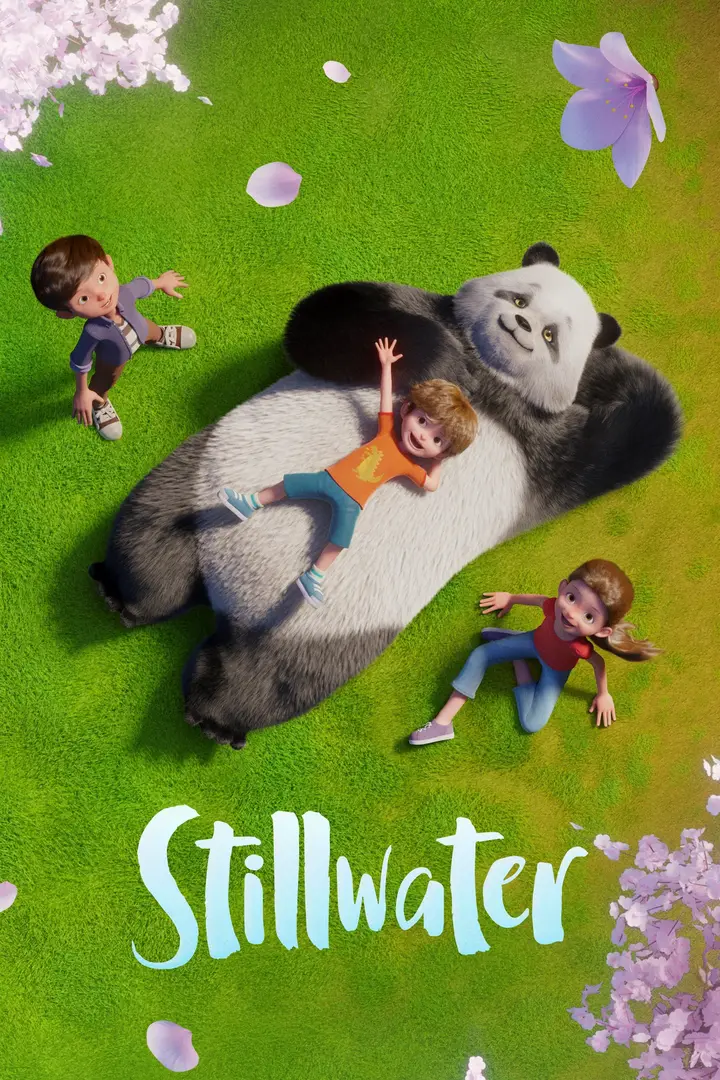
Stillwater
Rather than resolving problems quickly, it uses quiet parables to model patience and reflection, giving children — and the adults watching with them — another way to sit with difficult feelings.
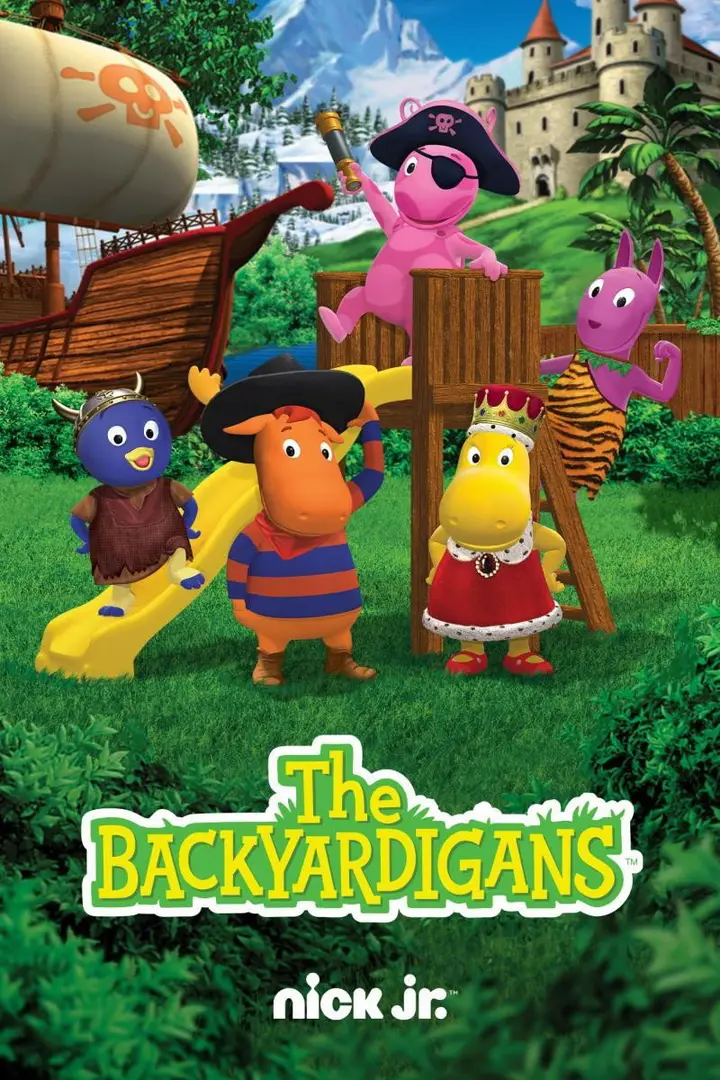
The Backyardigans
Pretend play turns one backyard into a new world each episode, while original songs and changing musical styles give every adventure its own identity. Cooperation keeps the imaginative scenarios structured and easy for preschoolers to follow.
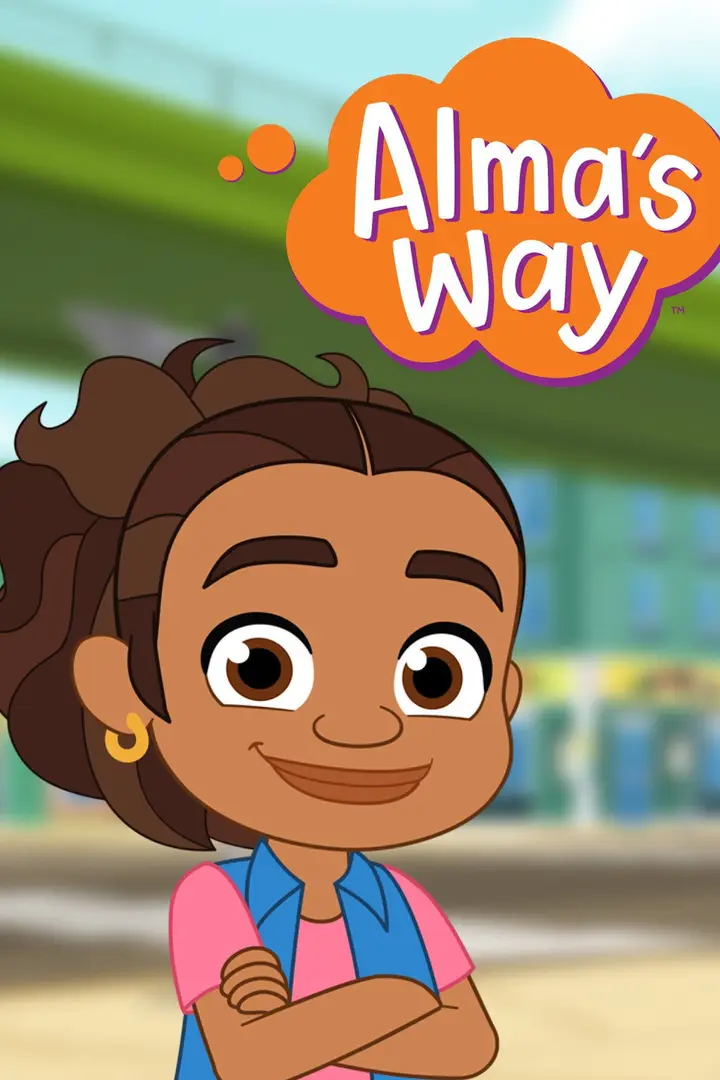
Alma's Way
Alma pauses to think through her own reasoning before acting, modeling a visible thought process that gives young viewers a concrete way to slow down and consider consequences.
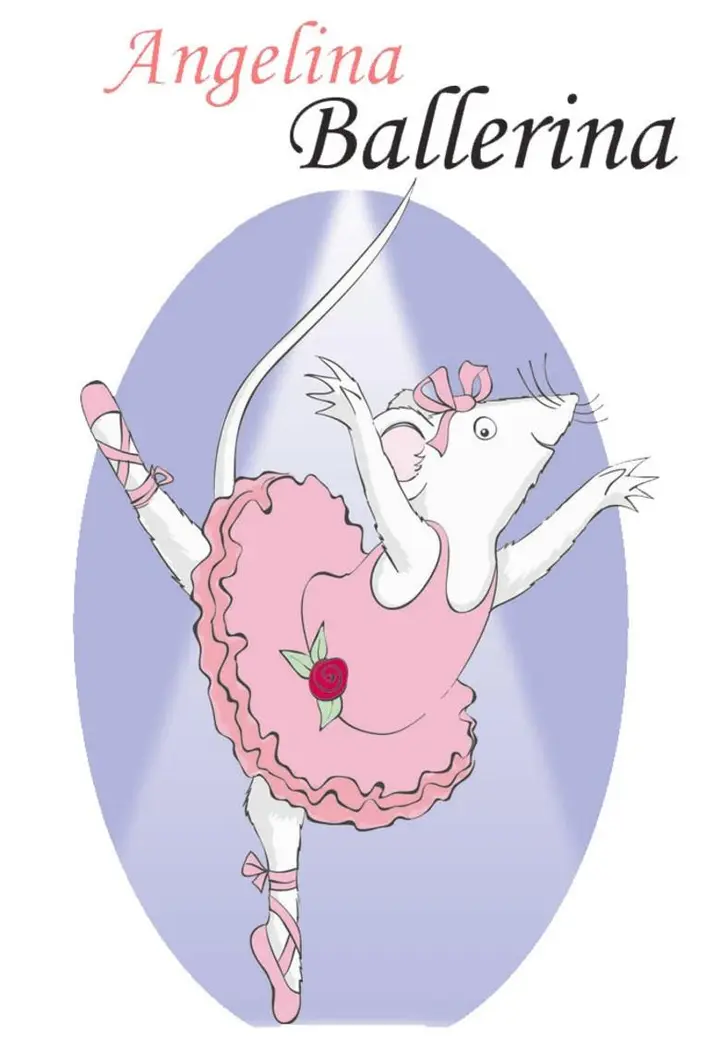
Angelina Ballerina
Ballet is treated as both art and disciplined practice, with rehearsals, auditions and performances shaping Angelina’s ambitions. Setbacks show that progress depends on repeated effort, listening and cooperation with teachers, family and classmates.
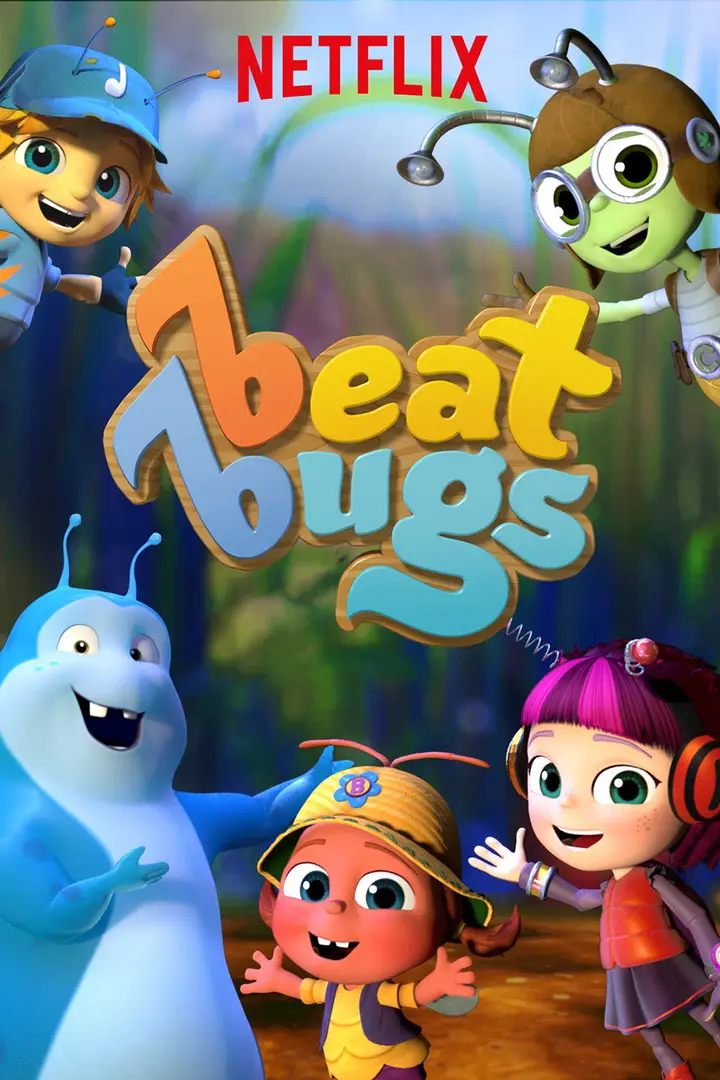
Beat Bugs
Beatles songs become part of friendship stories about fears, misunderstandings and new experiences. The garden setting keeps the scale accessible, while music gives each problem another way to express confidence, empathy and cooperation.
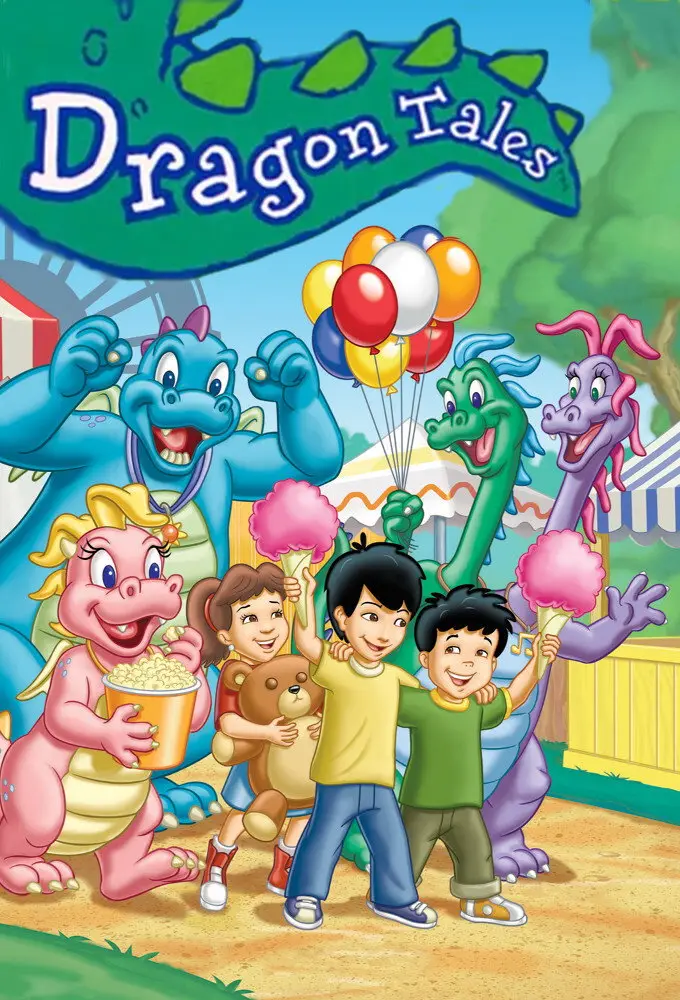
Dragon Tales
Dragon Land enlarges ordinary childhood setbacks into colorful fantasy adventures where cooperation and confidence matter. Emmy, Max and their dragon friends move forward by listening, sharing ideas and supporting one another through each challenge.
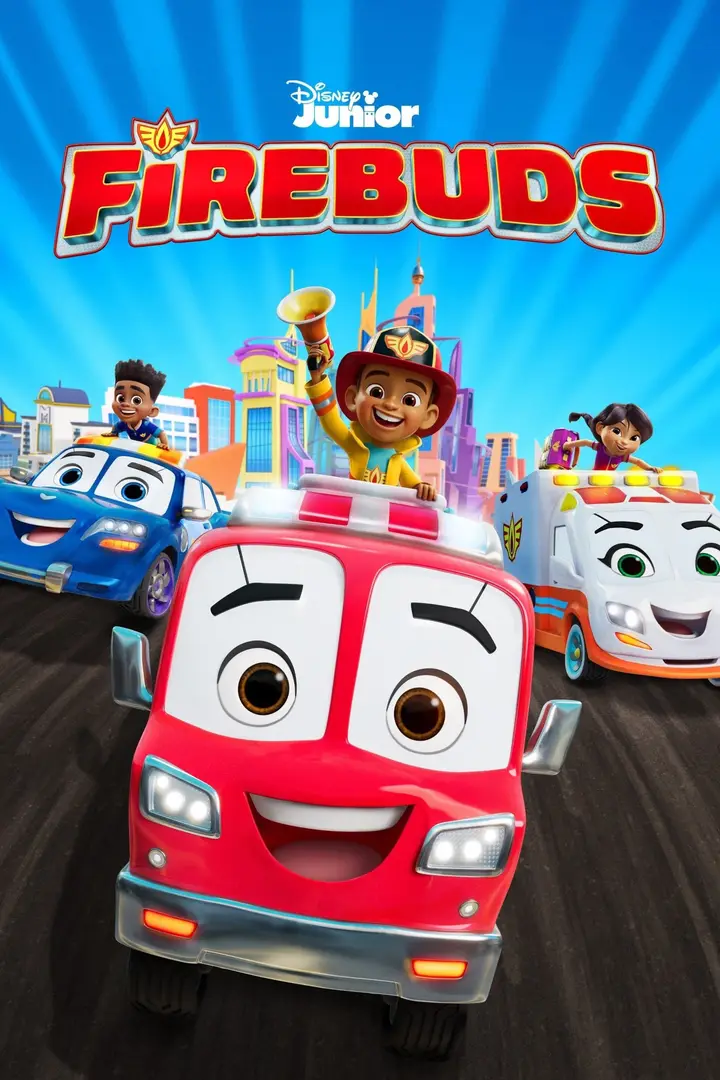
Firebuds
Rescue missions treat helping the community as shared work between children and their talking vehicles. Preparation, communication and choosing the right help matter as much as speed, giving each emergency a clear teamwork structure.
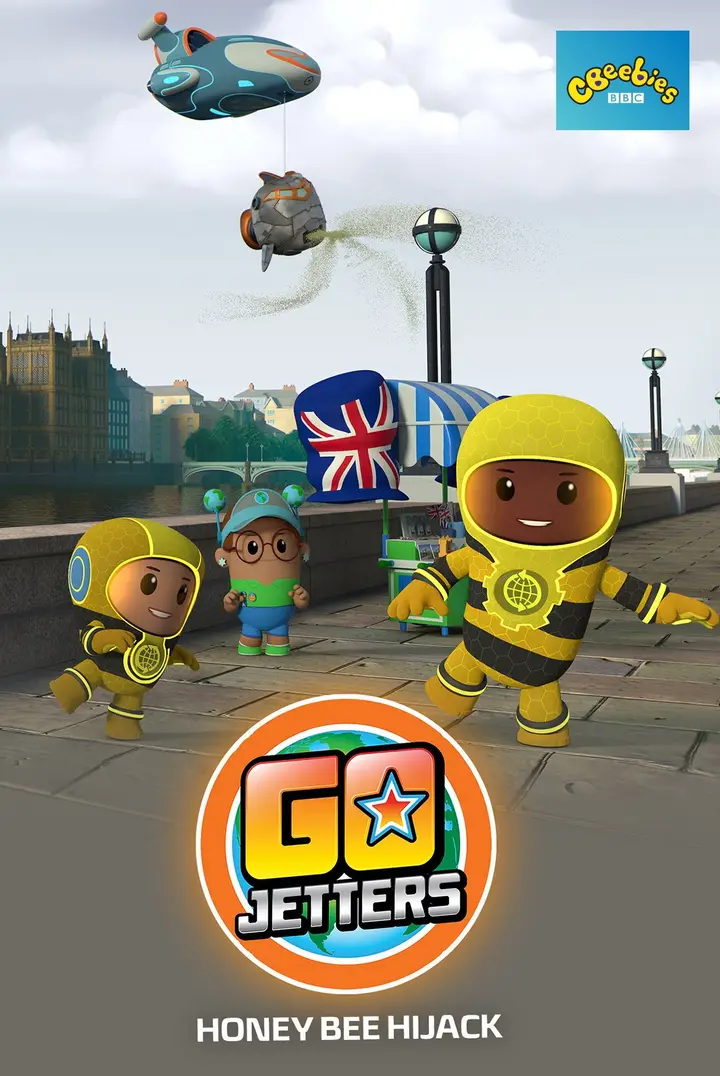
Go Jetters
Real landmarks become the setting for fast rescue missions, placing geography inside action instead of classroom explanation. Grandmaster Glitch creates the problem, while the team’s vehicles and coordinated response connect factual travel knowledge with adventure.
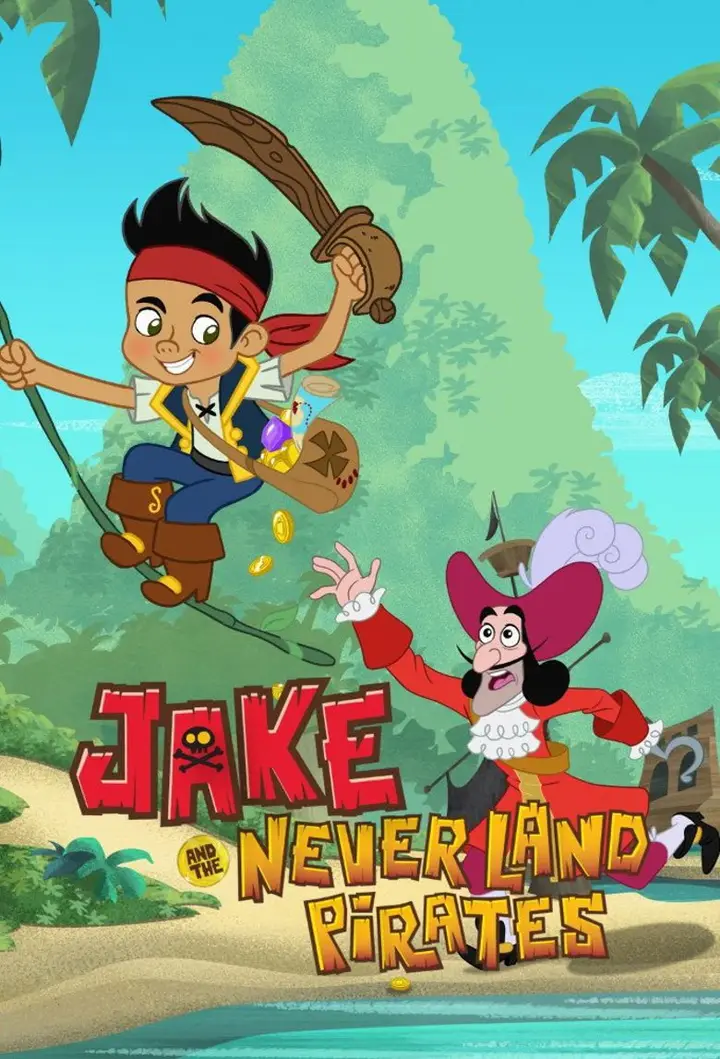
Jake and the Never Land Pirates
Preschool pirate missions combine clues, counting and simple choices with familiar Never Land characters. Jake’s crew succeeds through cooperation, making the adventure interactive without letting conflict with Captain Hook become threatening.
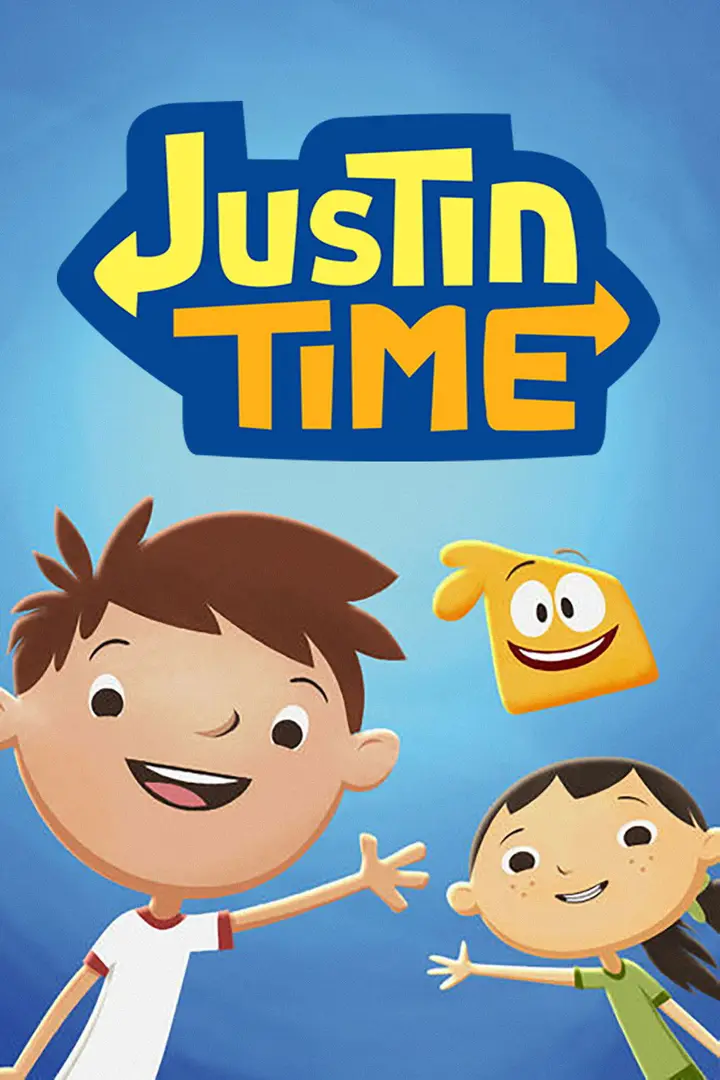
Justin Time
Justin’s imagination links everyday problems to adventures across history, geography and culture. Each trip gives him a new perspective that he can bring home, making fantasy exploration directly useful to practical childhood situations.
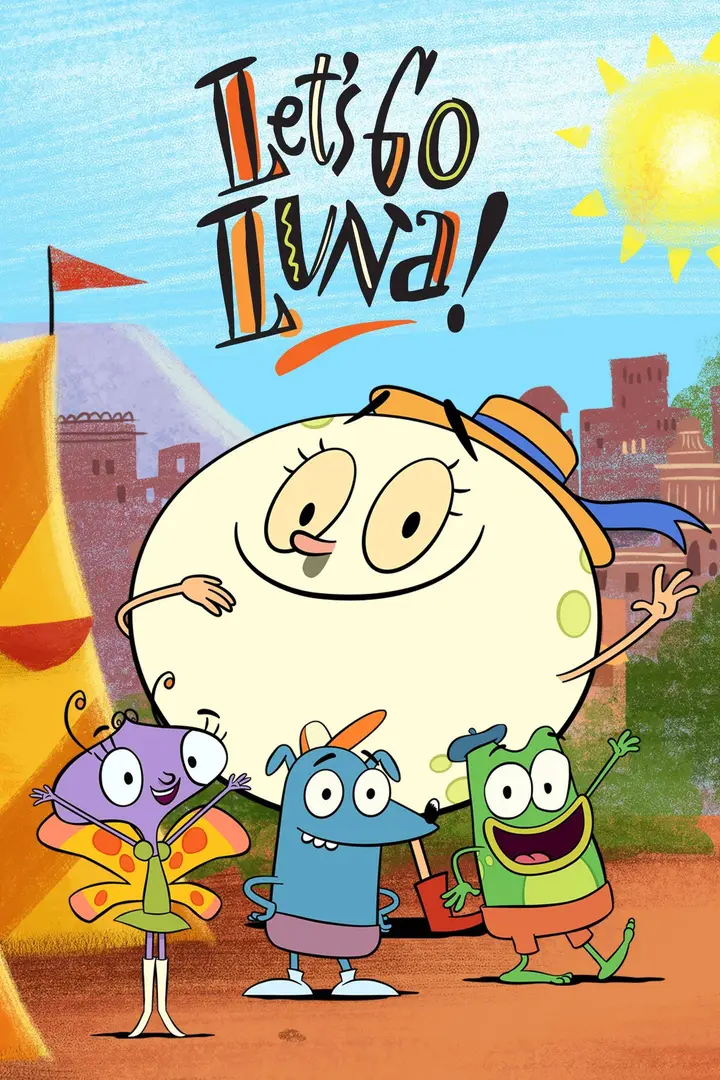
Let's Go Luna!
Travel becomes a way to learn about culture through food, art, music, customs and everyday life instead of isolated facts. The young characters’ questions make geography practical and give each city a human context.
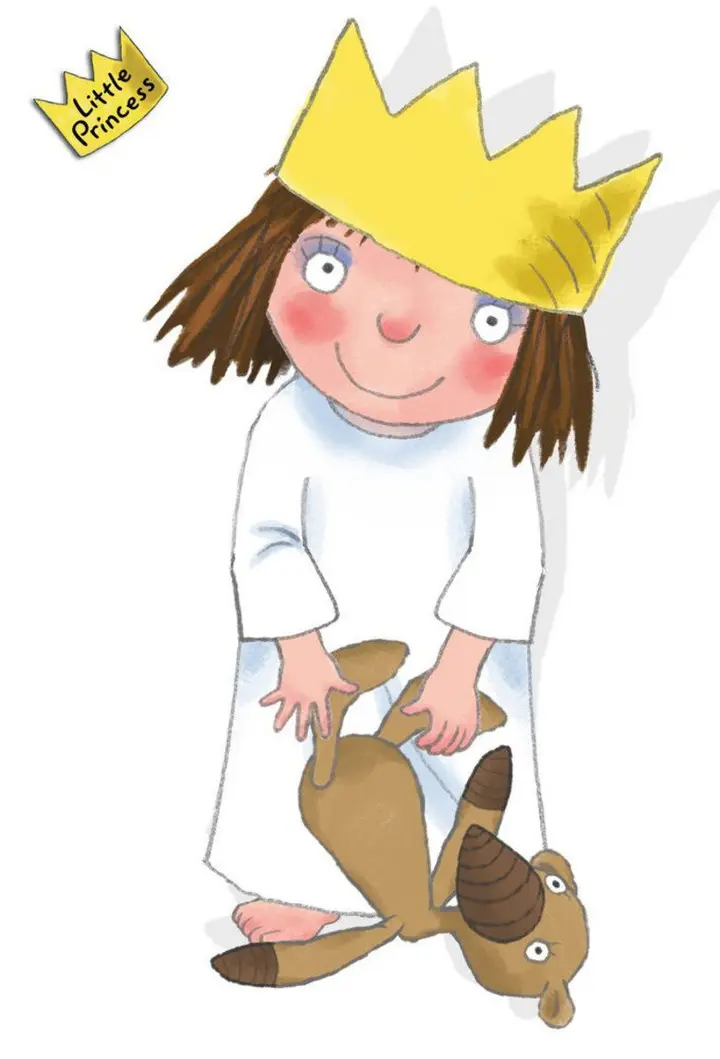
Little Princess
Each story begins with a strong preschool want or refusal, then lets the Little Princess discover consequences through experience. The castle setting adds fantasy scale without changing the familiar childhood issues intact.
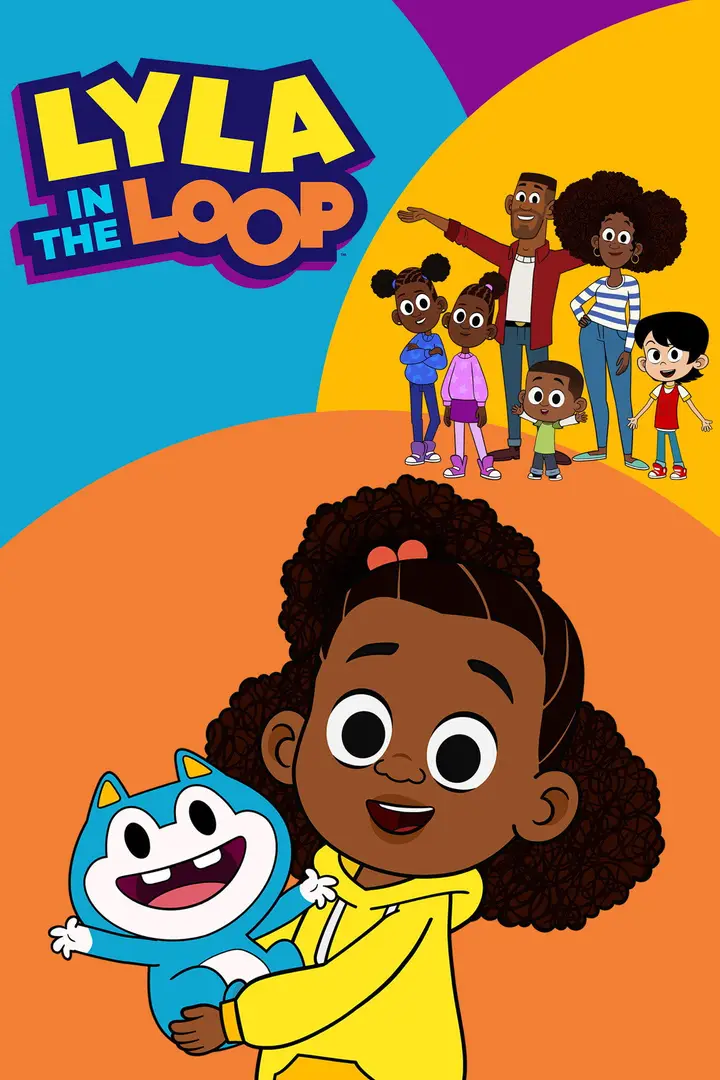
Lyla in the Loop
It applies real computational thinking to household tasks and neighborhood problems, showing that organizing, testing, and revising ideas is a skill useful far beyond computers.
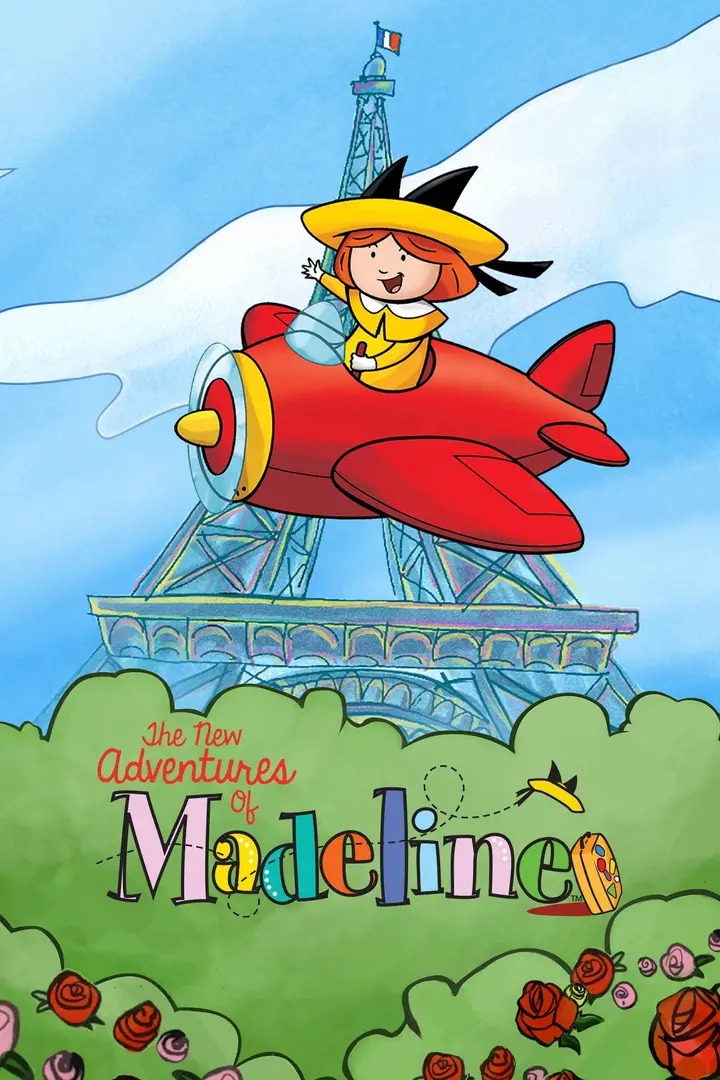
Madeline
Paris, school life and travel give Madeline’s independence a broad storybook world to explore. Her confidence carries her into experiences others might avoid, while rhyming narration and a strong visual identity preserve the books’ distinctive character.
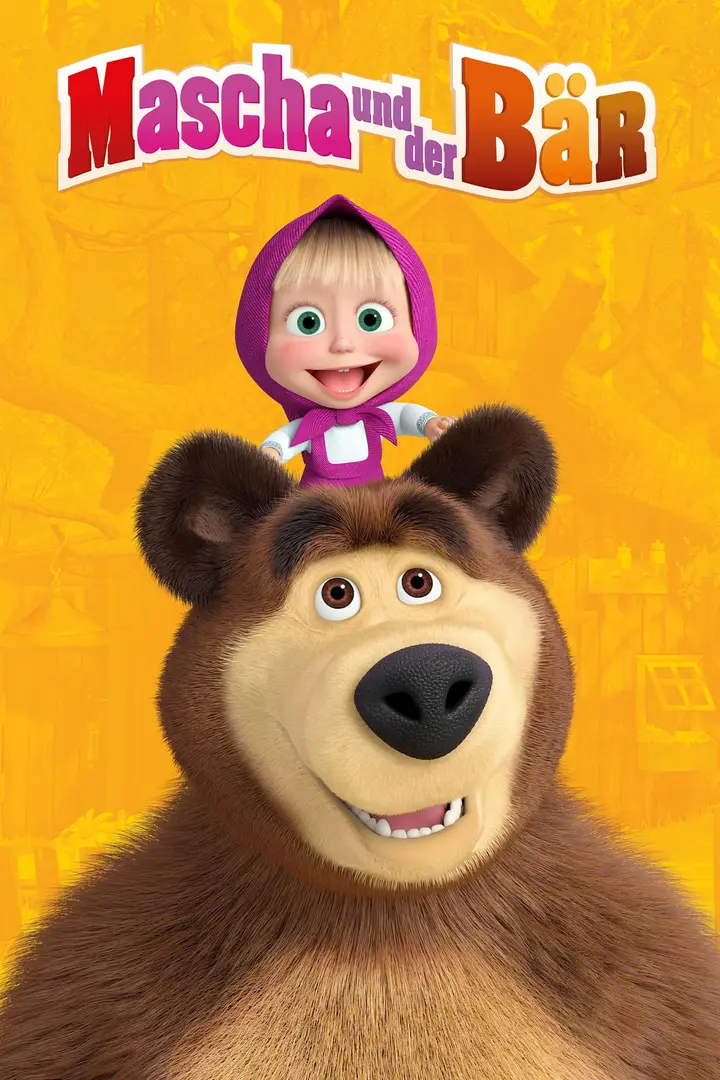
Masha and the Bear
Masha’s unstoppable curiosity collides with Bear’s desire for order, creating a strong comic rhythm built on contrast. Physical storytelling and expressive animation make the relationship easy to read as the chaos grows larger.
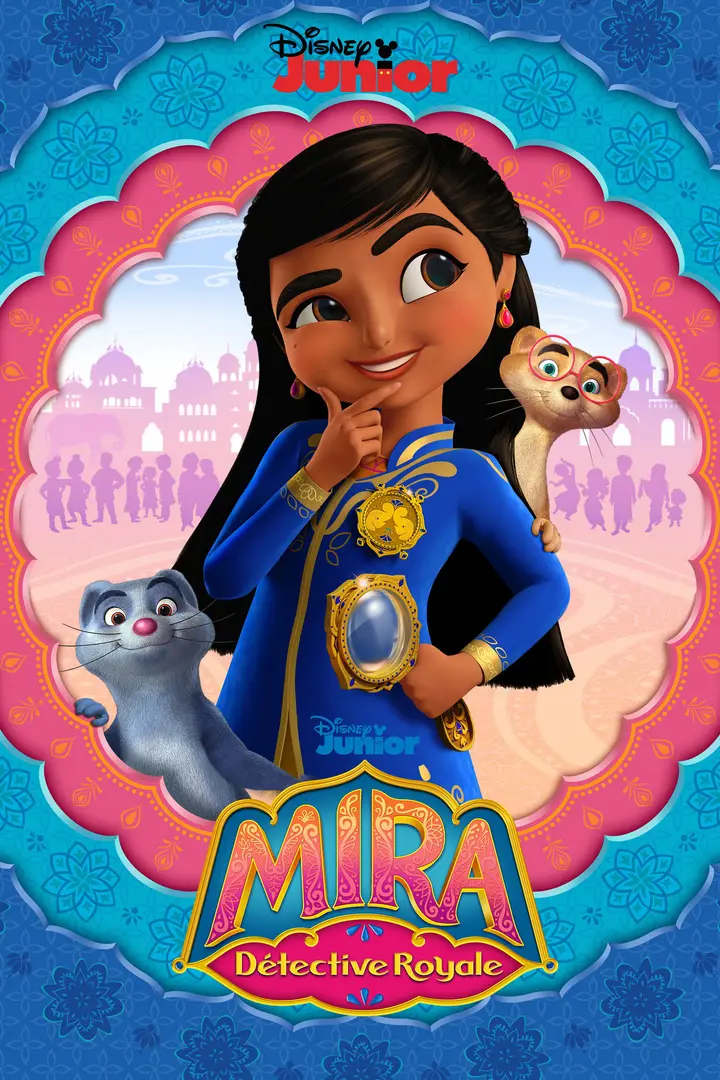
Mira, Royal Detective
Each mystery models a clear reasoning process — noticing details, comparing clues, weighing different views — while its Indian-inspired setting, music, and family life give the format real cultural texture.
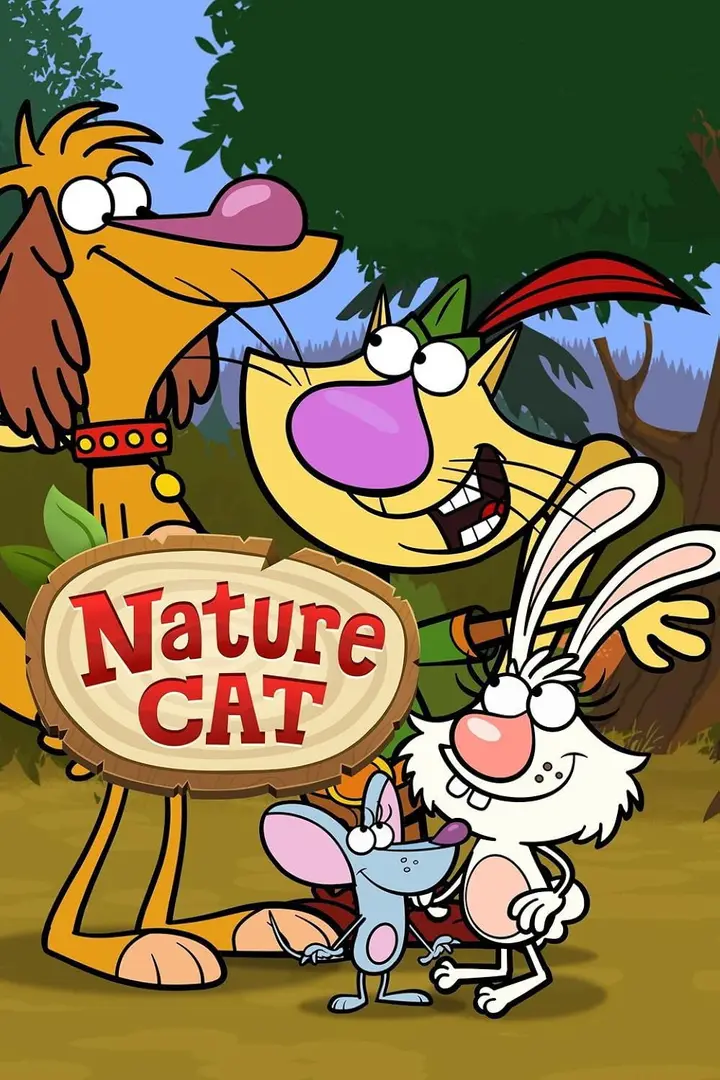
Nature Cat
Outdoor missions connect plants, animals, habitats and basic science to things children can notice for themselves. The comedy keeps the pace lively, while observation and curiosity drive the learning instead of memorized facts.
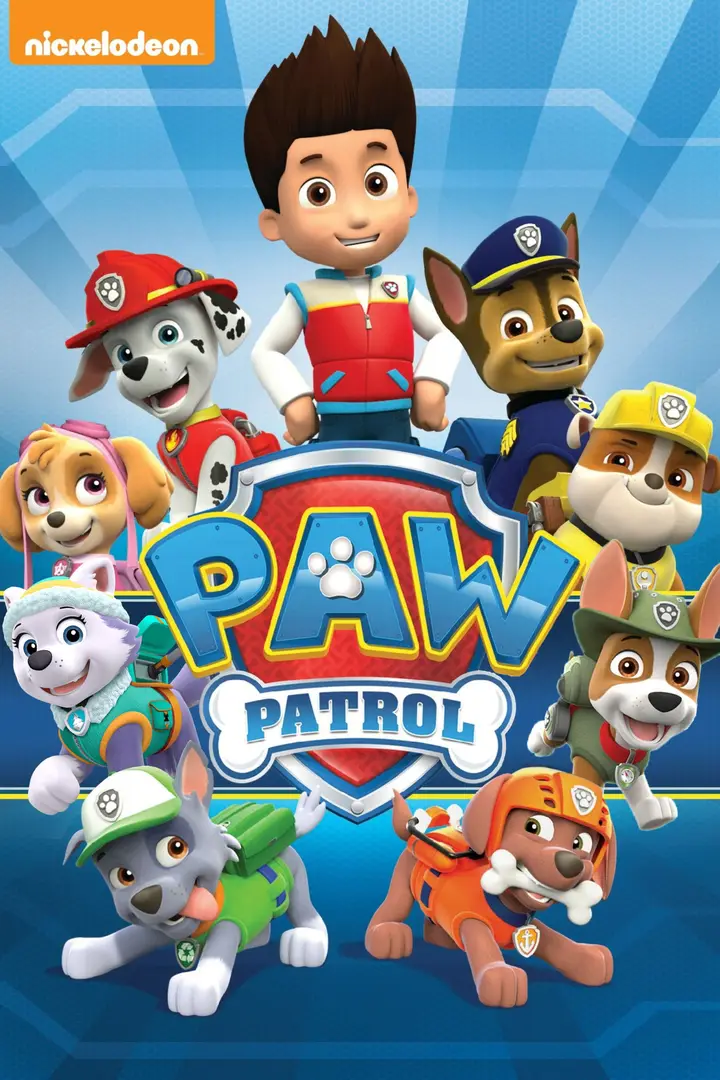
PAW Patrol
A repeated rescue structure makes teamwork easy for preschoolers to understand: identify the problem, choose the right skills and complete the mission together. Specialized vehicles and roles give each pup a clear contribution.
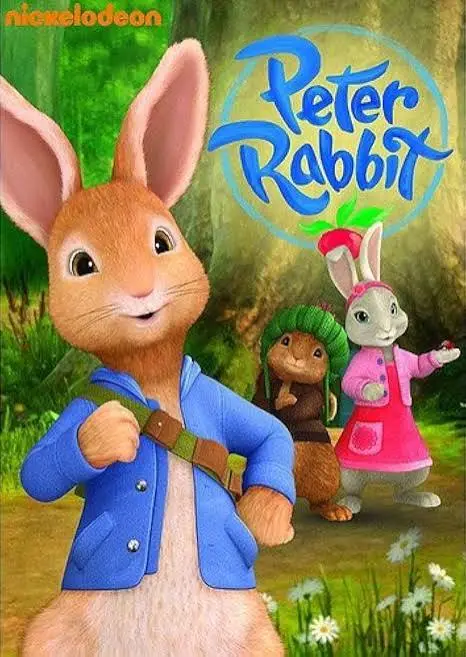
Peter Rabbit
Peter’s impulsive plans create lively woodland adventures where escapes and mistakes have clear consequences. Benjamin and Lily help turn raw curiosity into teamwork, planning and better choices as each problem develops.
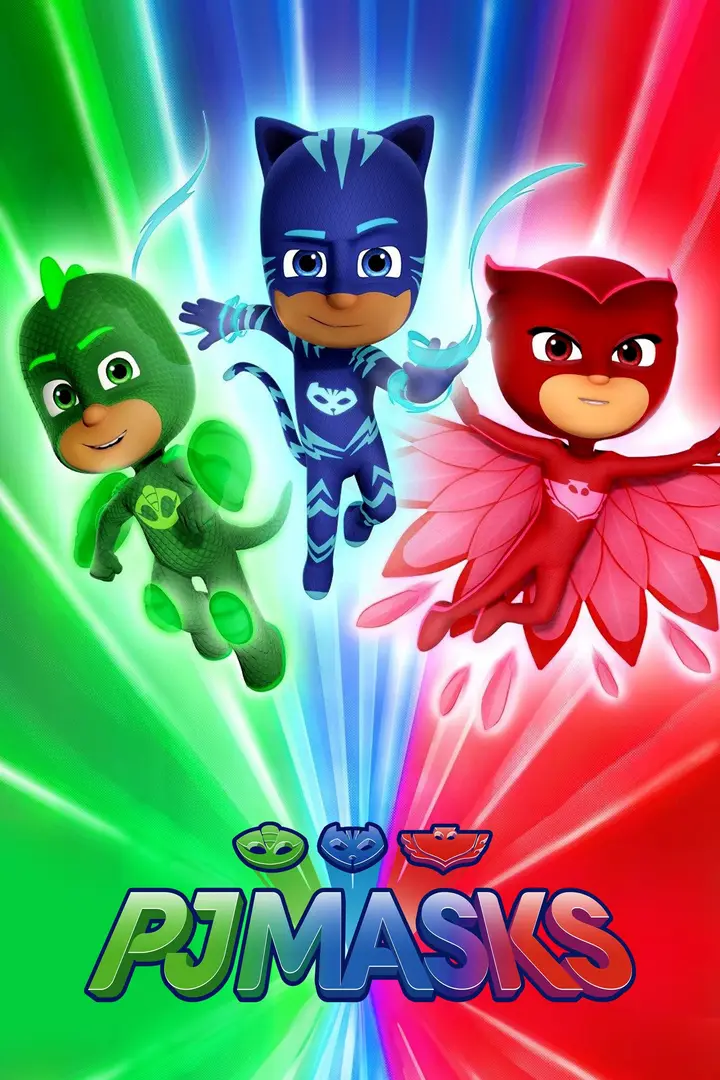
PJ Masks
Three six-year-olds become nighttime heroes whose different powers only work well when combined. Recurring villains create simple superhero missions, while mistakes and impatience repeatedly show why cooperation matters more than individual ability.
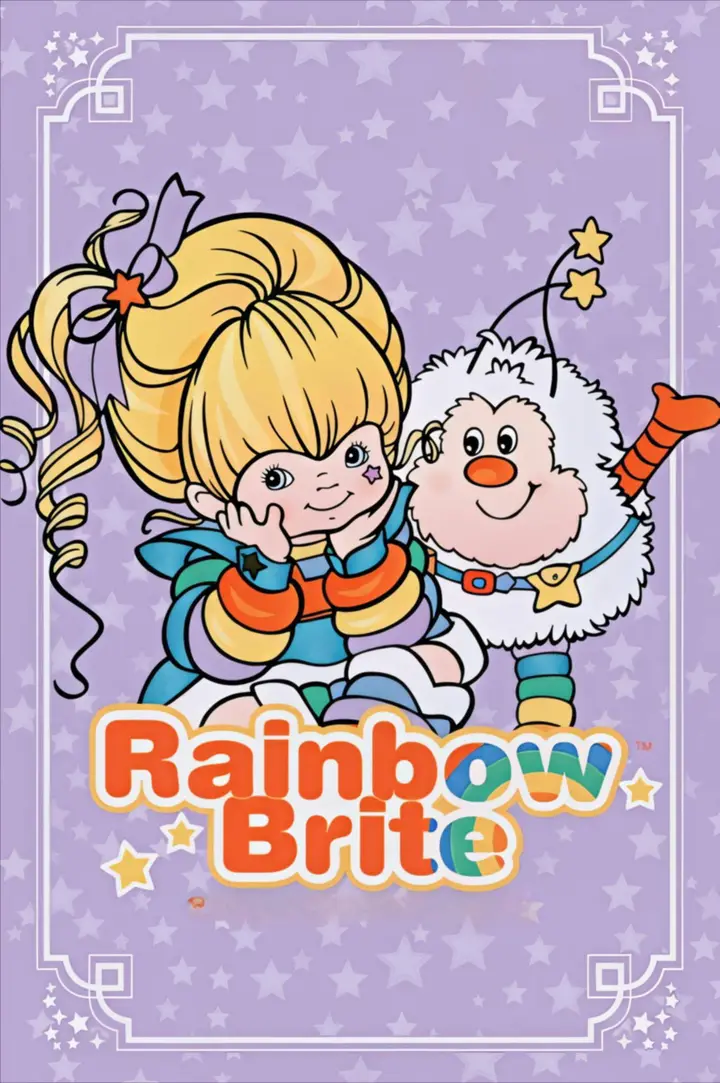
Rainbow Brite
Color becomes both magic and purpose as Rainbow Brite protects a world whose brightness depends on care and cooperation. The Color Kids and Twink give the simple missions a team structure younger viewers can follow easily.
Reading Rainbow (2025 Revival)
Books stay central, but participatory activities ask children to respond, create and discuss what reading can spark. The contemporary ensemble connects stories with questions, creative work and other people’s experiences beyond the page.
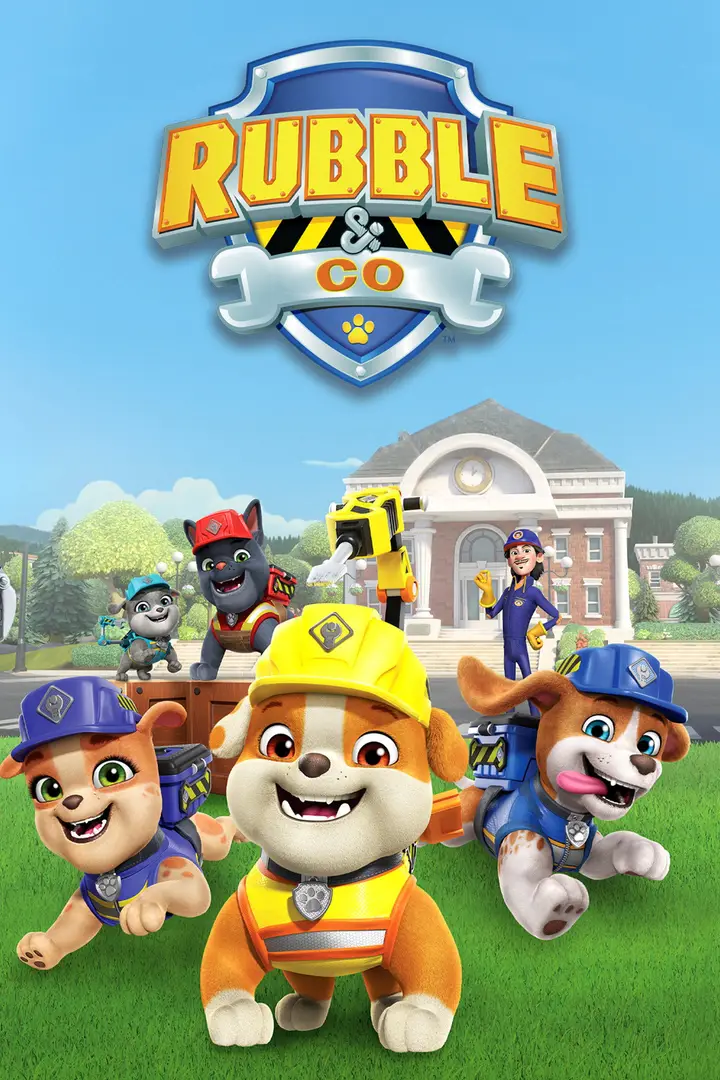
Rubble & Crew
Construction problems unfold through visible stages: identify the need, choose equipment, test a plan and adjust when something fails. Roads, bridges and community projects show engineering as coordinated work built from several roles.
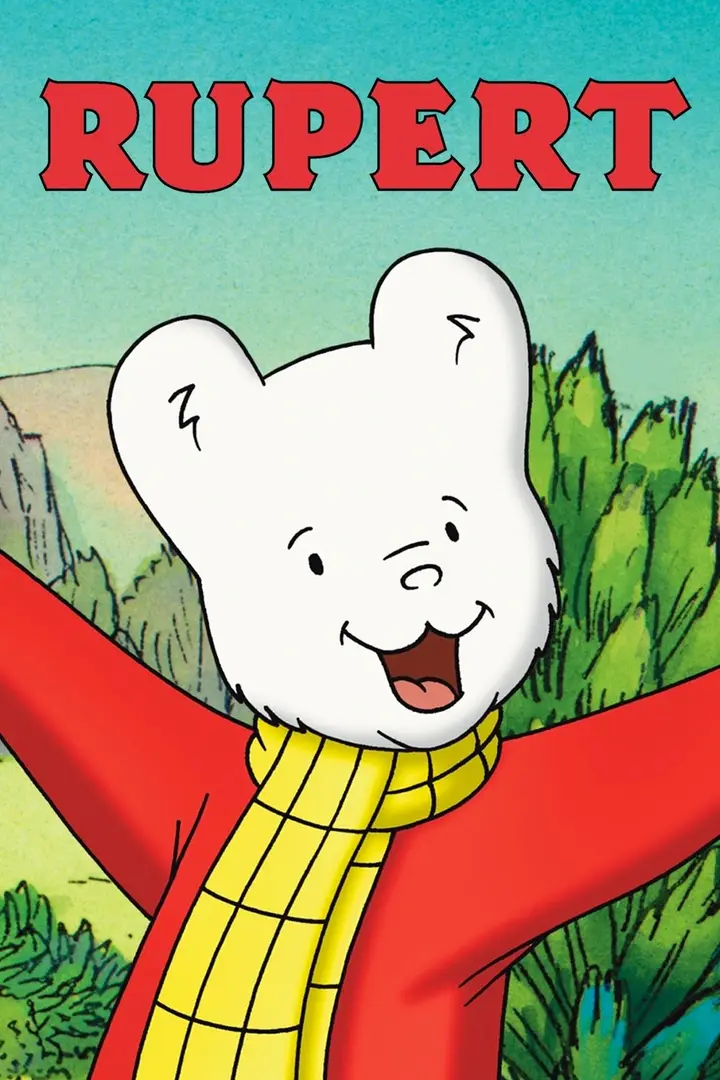
Rupert
An ordinary outing can become a journey to a magical kingdom or distant island, but Rupert’s manners and resourcefulness keep the fantasy grounded. Home waiting at the end gives the adventures a reassuring frame.
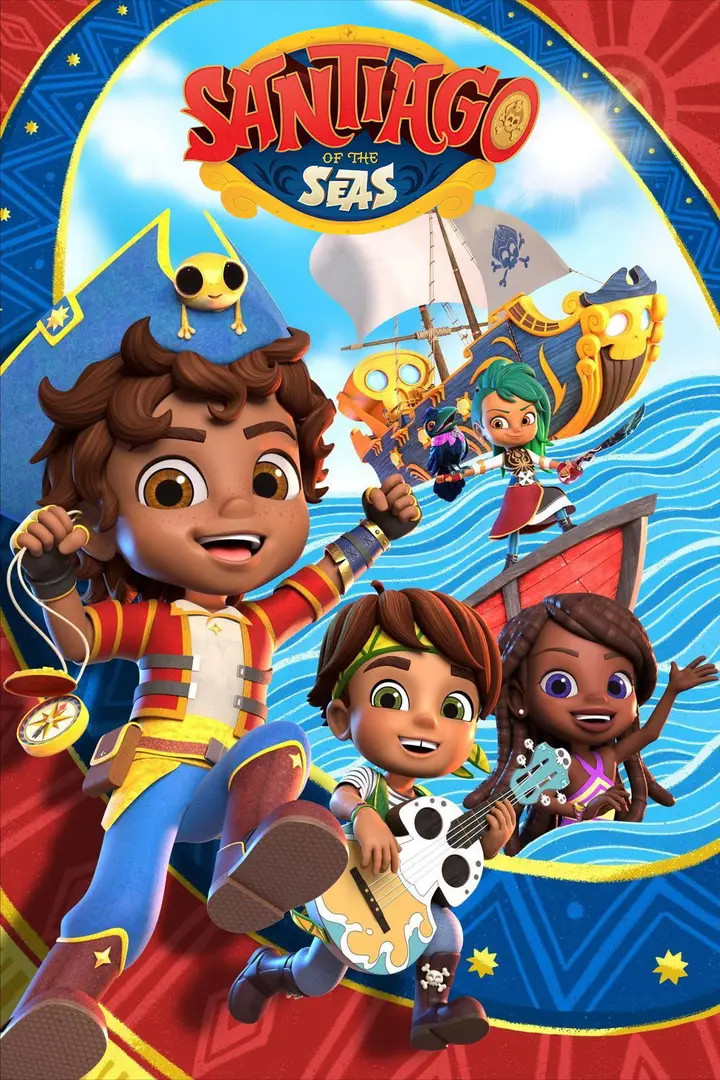
Santiago of the Seas
Its pirate-adventure format doubles as a natural showcase for Spanish language and Caribbean culture, weaving vocabulary and customs into the plot instead of pausing the action to teach them.
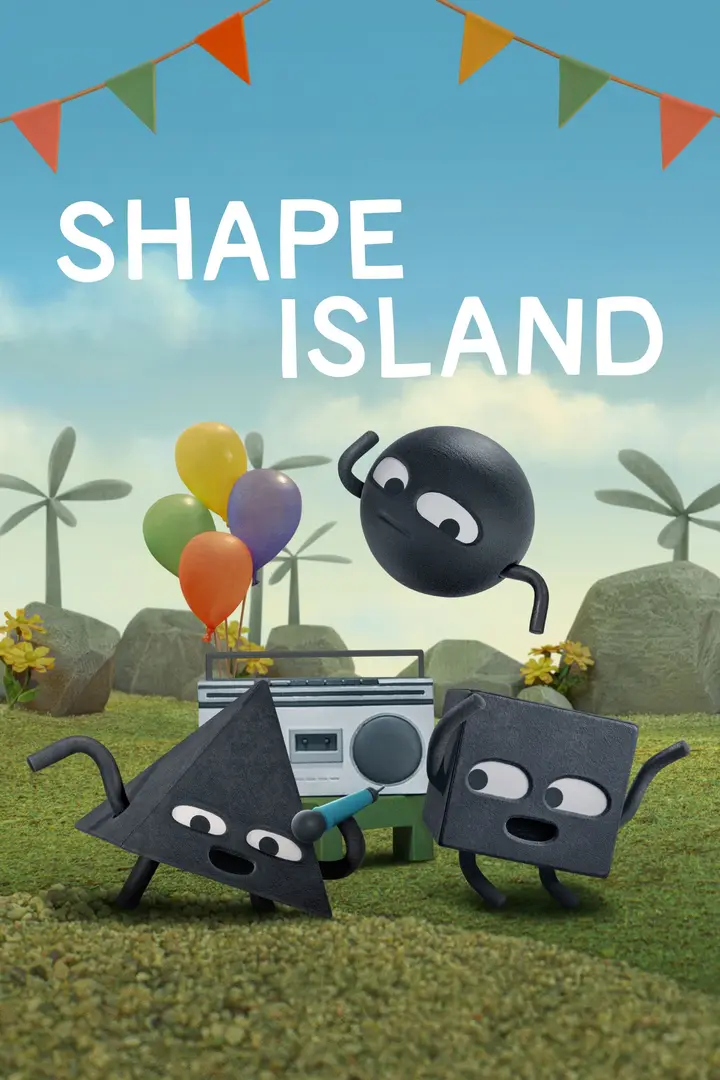
Shape Island
Turning basic geometric shapes into sharply distinct personalities lets the show explore real social friction through simple, visually clear characters rather than abstract lessons.
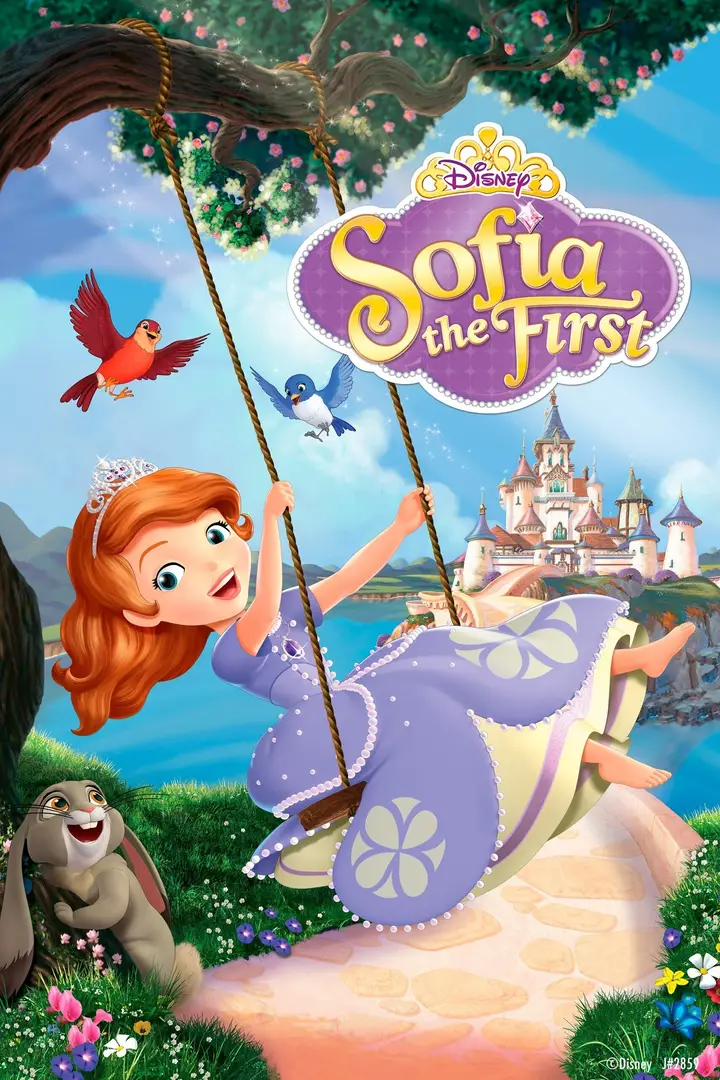
Sofia, the First
Sofia’s move into royal life turns princess fantasy into stories about fairness, responsibility and belonging. The magical setting attracts attention, but the real problems are usually social choices she must understand for herself.
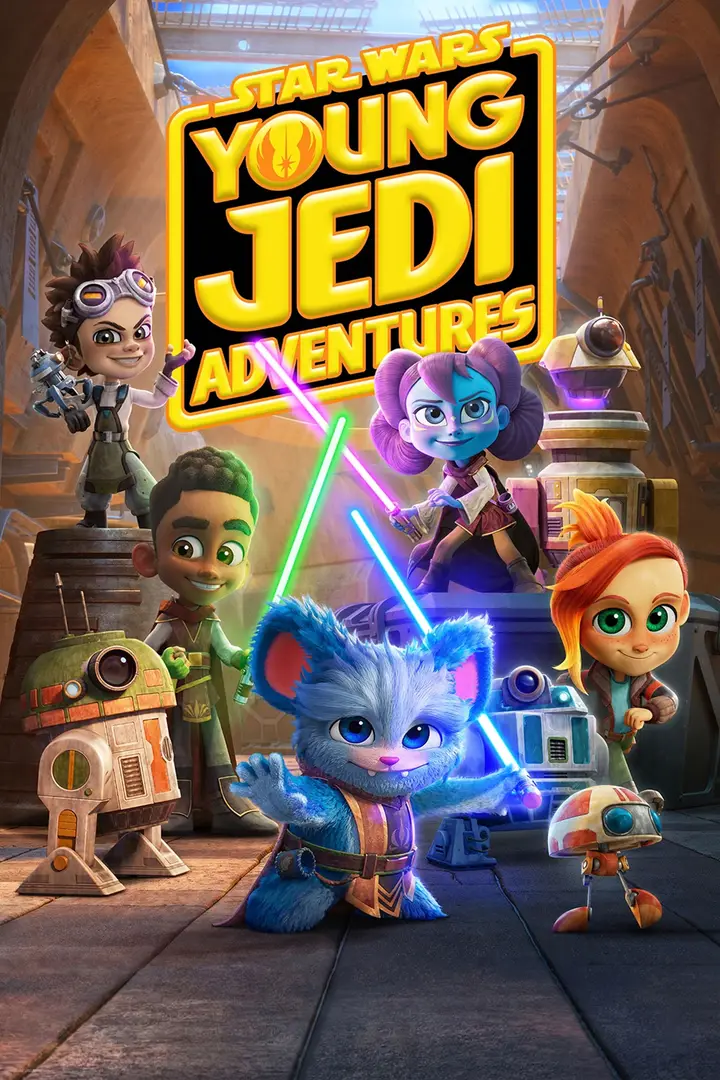
Star Wars: Young Jedi Adventures
It scales Star Wars down to genuinely preschool-appropriate stakes without losing lightsabers, starships, or its identity, prioritizing self-control and helping others over combat victory.
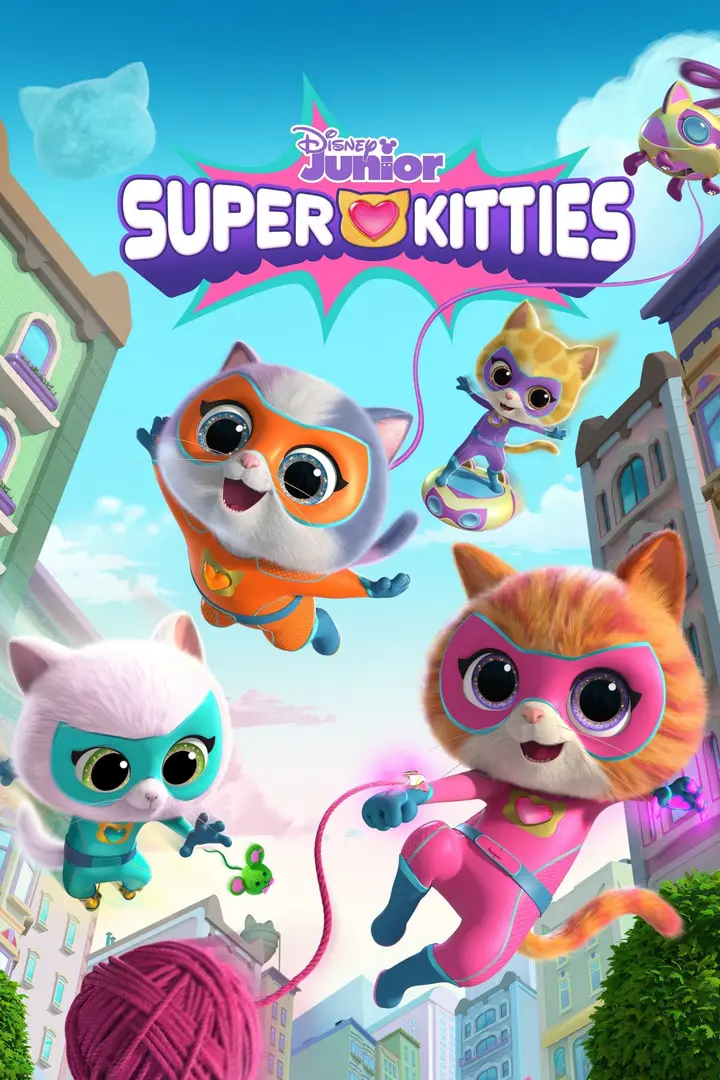
SuperKitties
Four kitten superheroes bring different strengths to each rescue, making teamwork visible through fast action. Mistakes frequently show why listening and asking for help matter, while comic villains keep the missions lively without severe danger.
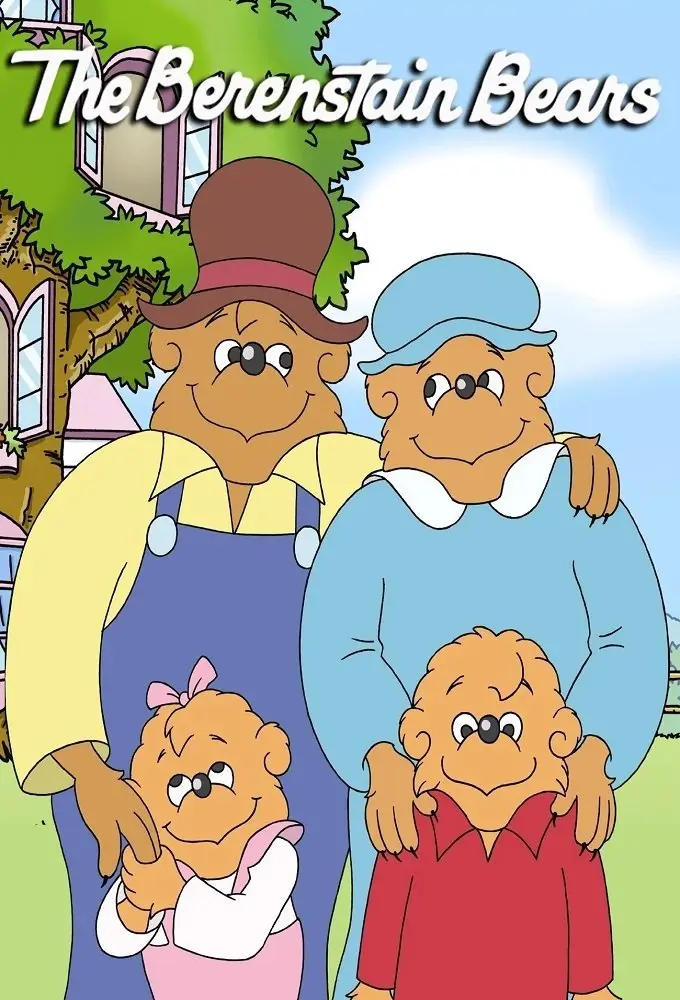
The Berenstain Bears (2003)
Each episode turns one family concern into a complete story of choice, consequence, discussion and repair. Mama and Papa guide without solving everything, so Brother and Sister must reconsider their behavior and act differently.
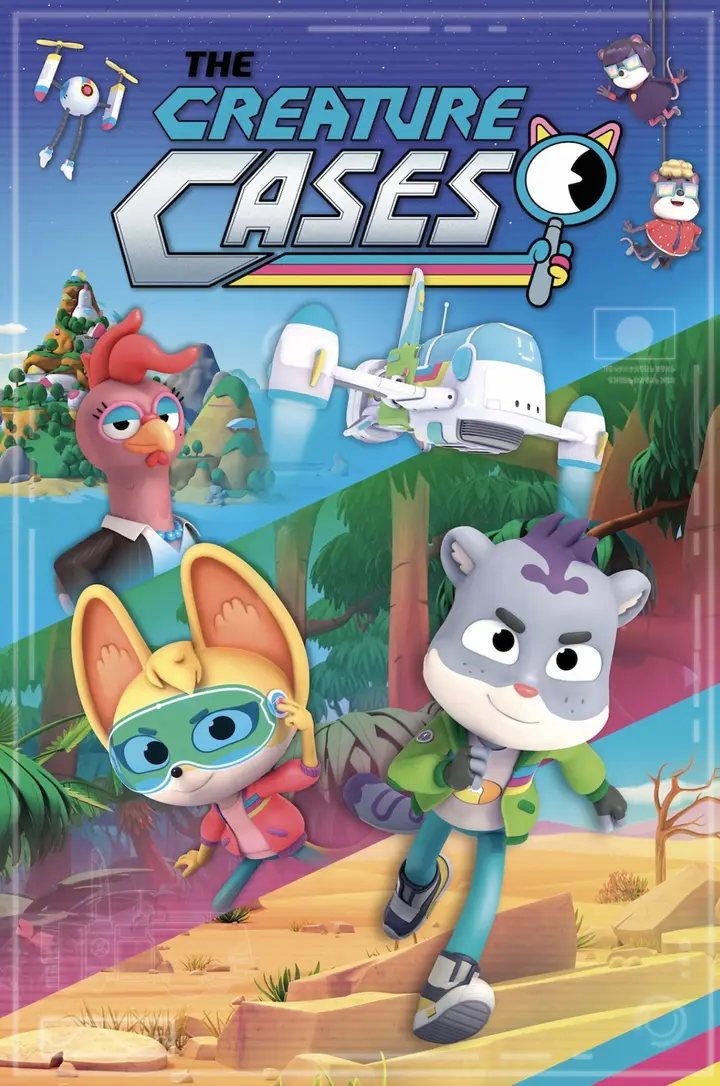
The Creature Cases
Each case turns a genuine animal behavior into the actual clue that solves the mystery, so factual natural history emerges from the plot instead of feeling like an inserted lesson.
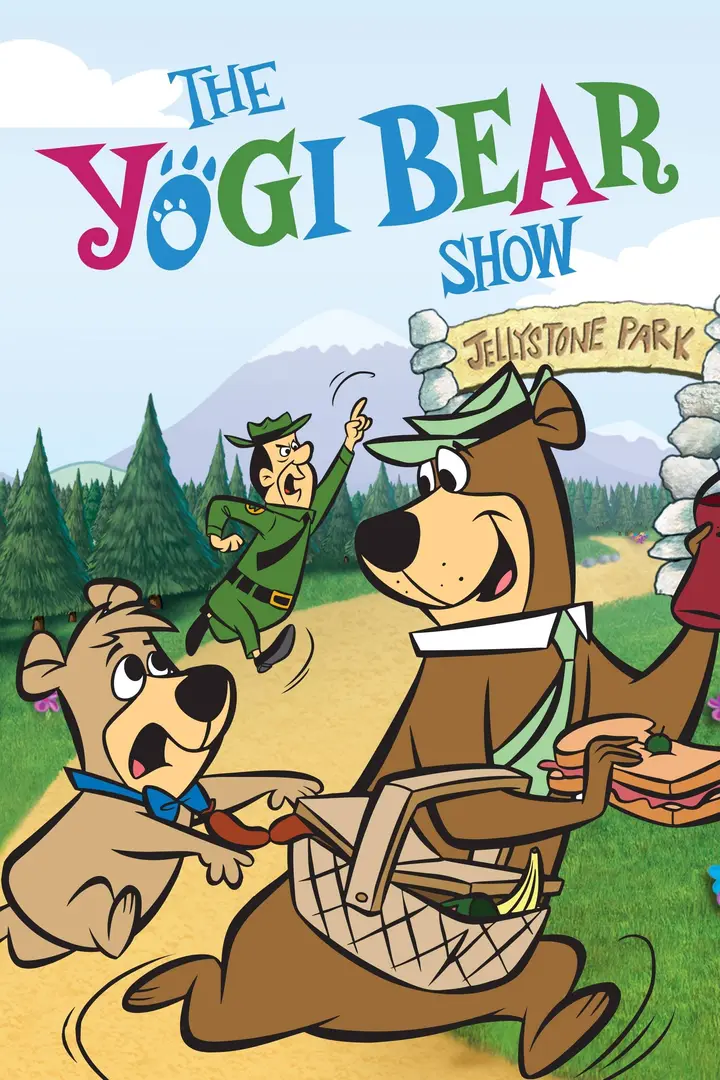
The Yogi Bear Show
Yogi’s picnic-basket schemes create simple comic goals that preschool and early-elementary viewers can follow immediately. Boo Boo’s caution and Ranger Smith’s supervision provide a steady counterpoint to Yogi’s confidence and repeated shortcuts.
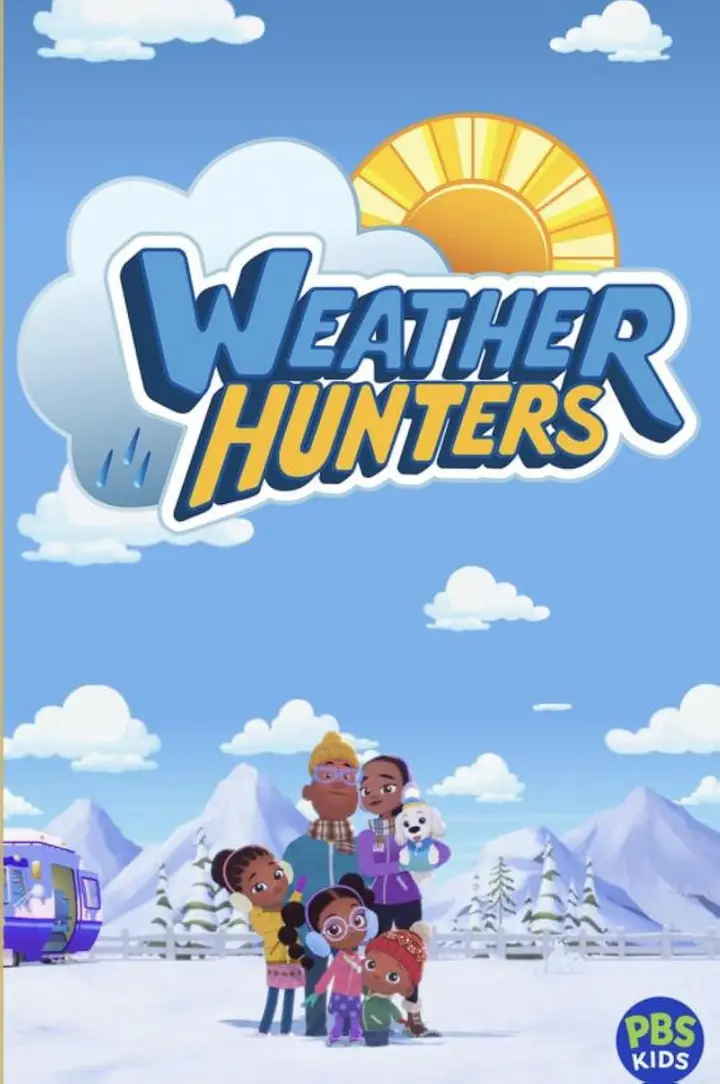
Weather Hunters
It treats meteorology as hands-on investigation rather than abstract facts, connecting forecasts directly to real decisions like what to wear or how to prepare for a storm.
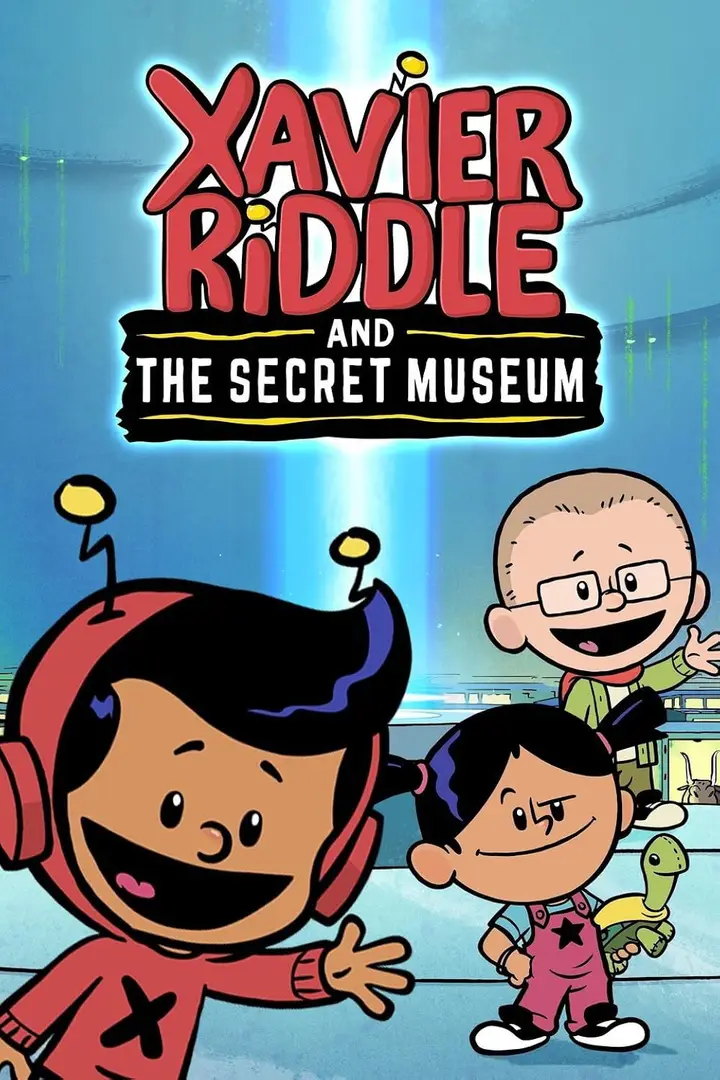
Xavier Riddle and the Secret Museum
Time-travel visits introduce historical figures through one quality or decision instead of compressing an entire biography. Linking each visit to a present-day problem makes famous names easier for younger children to remember and discuss.
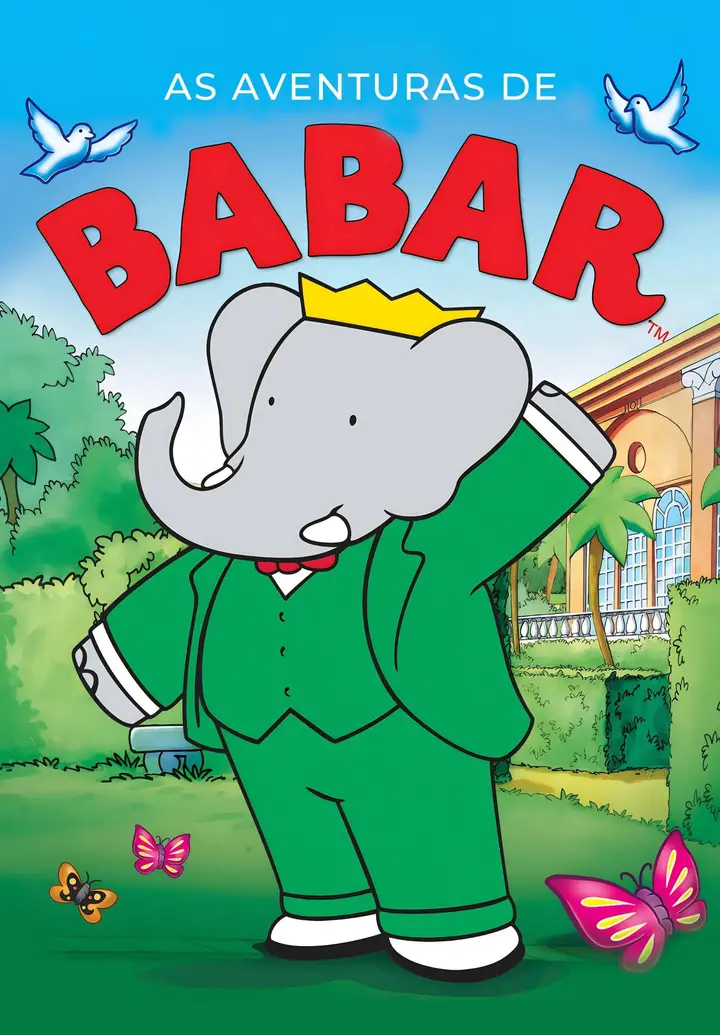
Babar
Royal storybook fantasy stays grounded in family and community responsibilities as Babar reflects on childhood and leadership. Problems often require patience, listening and compromise, giving the adventures a calm social structure.
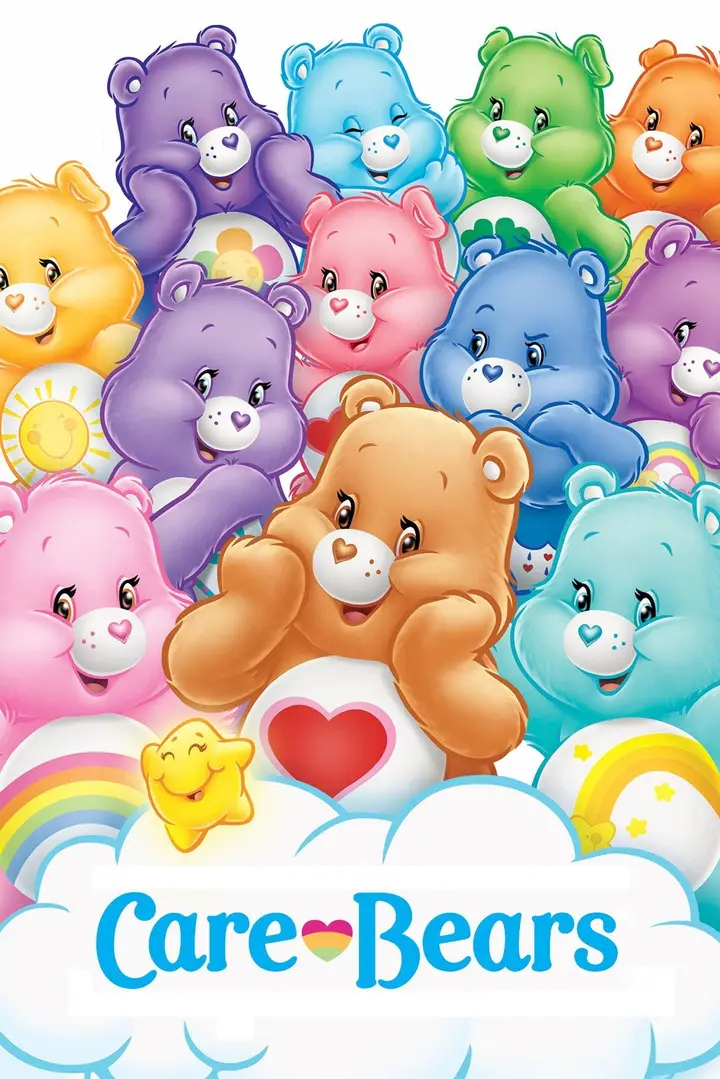
Care Bears
Colorful fantasy turns feelings into visible problems the Care Bears can name, discuss and address. Their missions frame caring as active support, so kindness means listening, helping and responding when fear or anger affects someone.
Questions parents ask
What are the best TV shows for 5-year-olds?
At 5, children are ready for slightly longer stories with simple problems to solve. Shaun the Sheep, Arthur, Masha and the Bear, PAW Patrol, Ask the StoryBots and Octonauts are all recommended from this age, and Fraggle Rock works well for children who enjoy music and quirky characters.
What changes between shows for 3-year-olds and 5-year-olds?
Shows for 3-year-olds rely on repetition, routines and almost no conflict. At 5, children can follow a story with a beginning, a problem and a solution, handle mild peril, and enjoy humour that comes from characters rather than slapstick alone. That is why series like Arthur, which deals with jealousy and school worries, fit better now.
Is PAW Patrol good for 5-year-olds?
Yes, it is recommended from age 5 (minimum 4). Every episode follows the same rescue pattern, with exciting emergencies that always end safely, which young children find reassuring. If your child is starting to want more story, Octonauts (also from 5) keeps the rescue idea and adds real facts about sea animals.


