
Best TV Shows for 12-Year-Olds
Fantasy, competition, relationships and satire, with guidance on more mature content.

Page 3 of 3. This page shows series 97–124 out of 124.
Find the right series
Choose one band. Results show age-relevant series approved by our editors: those whose Minimum-to-Recommended age span overlaps the band, plus individually approved favorites. The Recommended Age is a starting point, not a maximum.
More filters and sort
No series in this guide match this age.
Still a good fit at this age
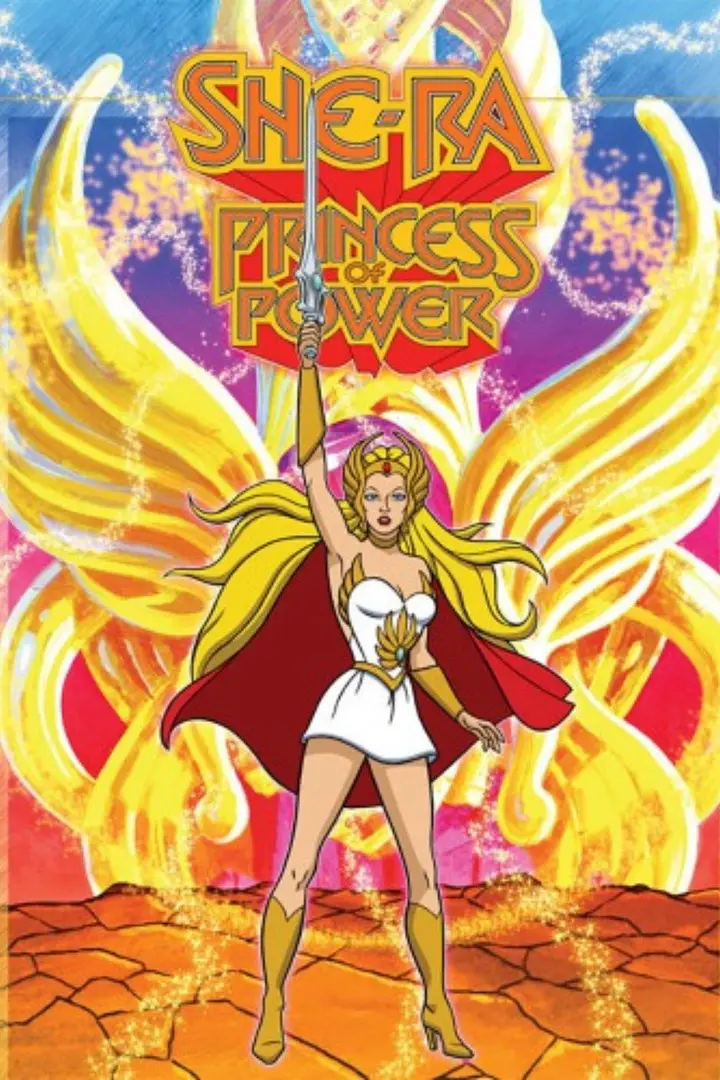
She-Ra: Princess of Power
Adora’s transformation into She-Ra gives the fantasy a strong heroic center built around protecting people under occupation. The Rebellion, magical allies and rescue missions keep teamwork and resistance central to the action.
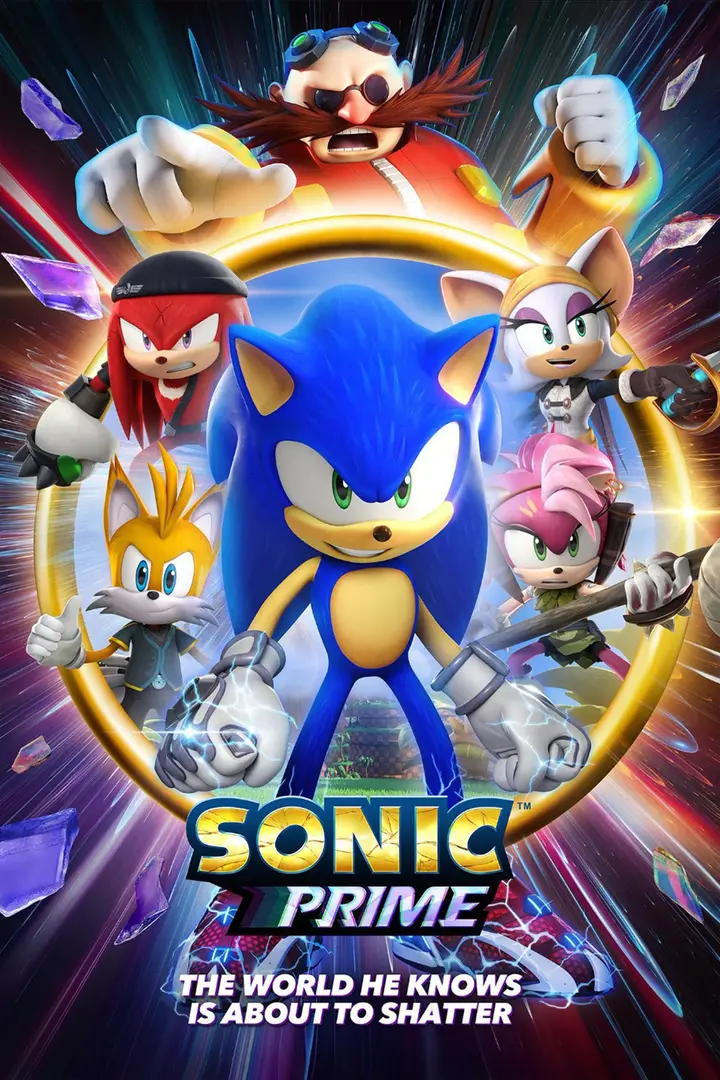
Sonic Prime
Each parallel world reimagines familiar characters in a genuinely different genre, while Sonic's arc shows that speed and instinct aren't enough without listening to others first.
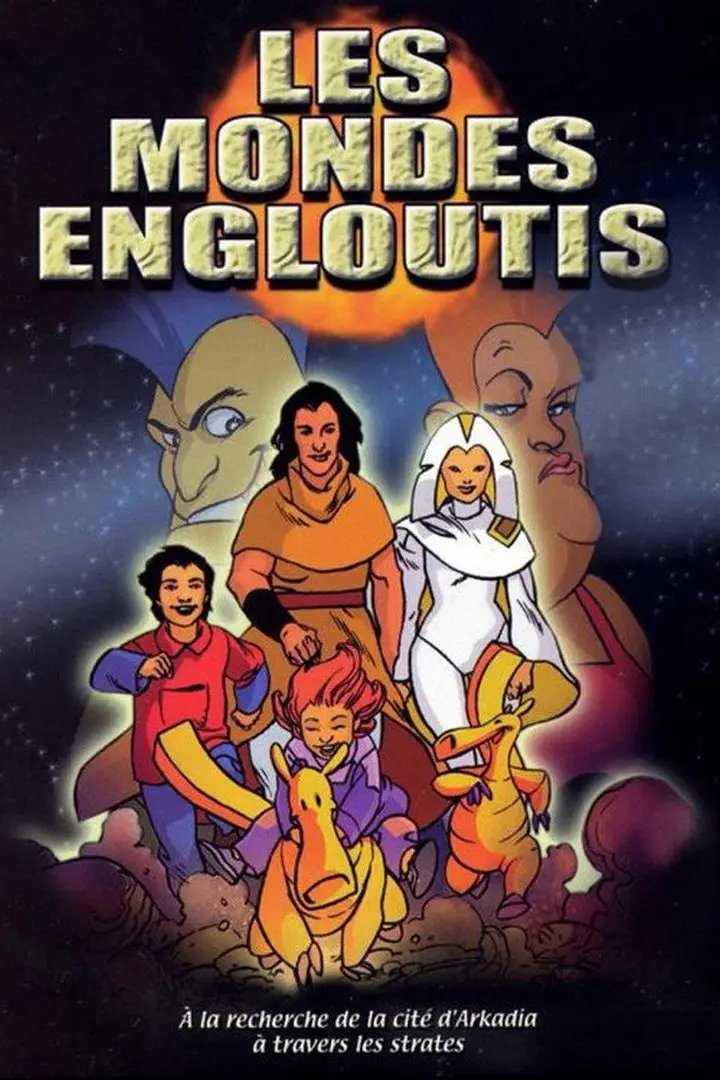
Spartakus and the Sun Beneath the Sea
A failing artificial sun gives the underground quest clear urgency, while lost civilizations and mythic references make each stage feel distinct. Arkana and Spartakus must rely on knowledge and cooperation as much as physical courage.
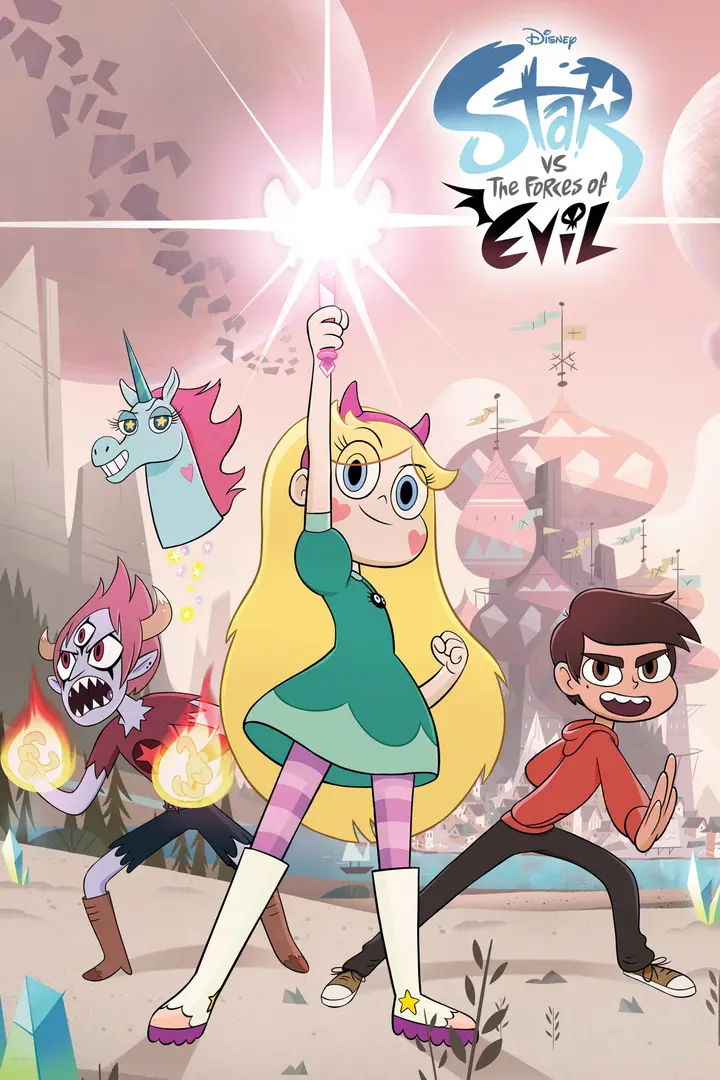
Star vs. the Forces of Evil
Star’s chaotic magic begins as fast comedy, then opens into larger questions about history, power and responsibility. Her friendship with Marco keeps the expanding fantasy grounded while the serialized plot gives earlier choices consequences.
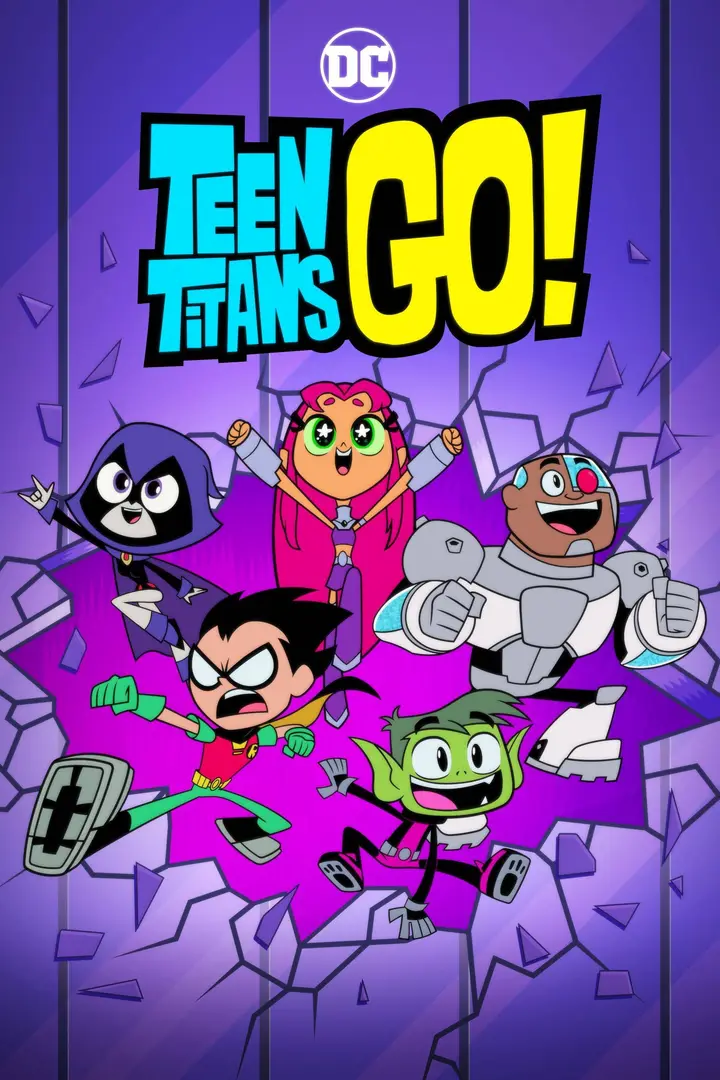
Teen Titans Go!
Superhero powers become fuel for fast parody, absurd arguments and pop-culture jokes. The team’s clashing personalities keep episodes energetic, while the series freely mocks heroic conventions instead of treating every mission with seriousness.
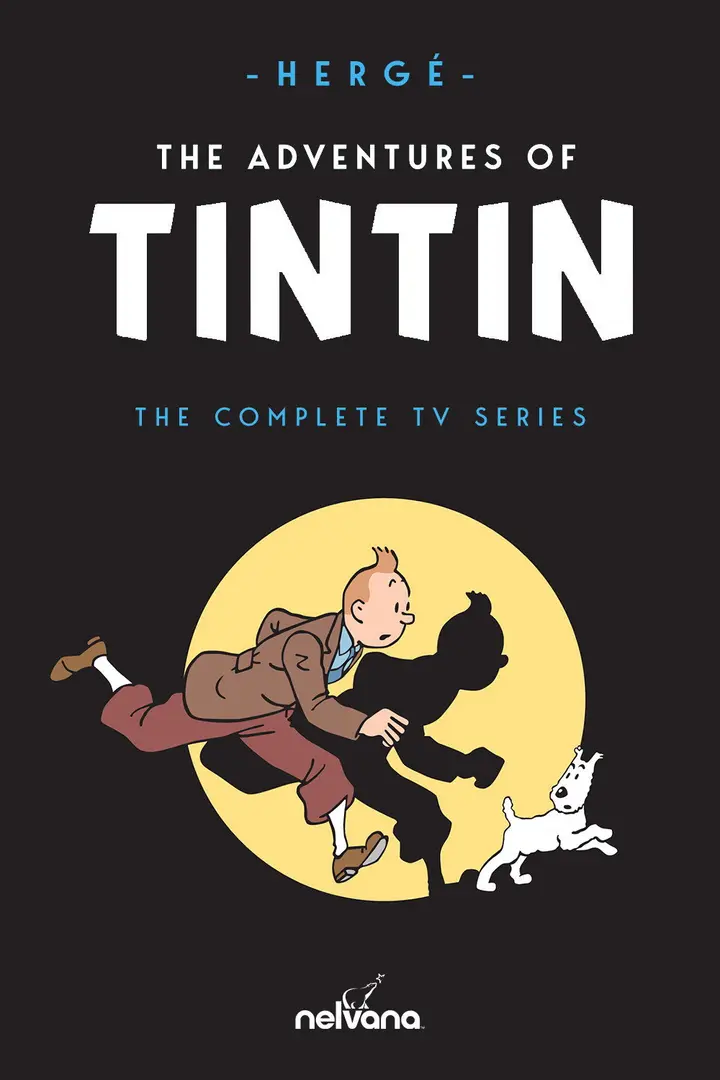
The Adventures of Tintin
Travel, investigation and international intrigue give Tintin’s cases a strong sense of movement. Snowy, Captain Haddock and the wider cast add humor and personality, while clues and persistence keep each adventure grounded in problem-solving.
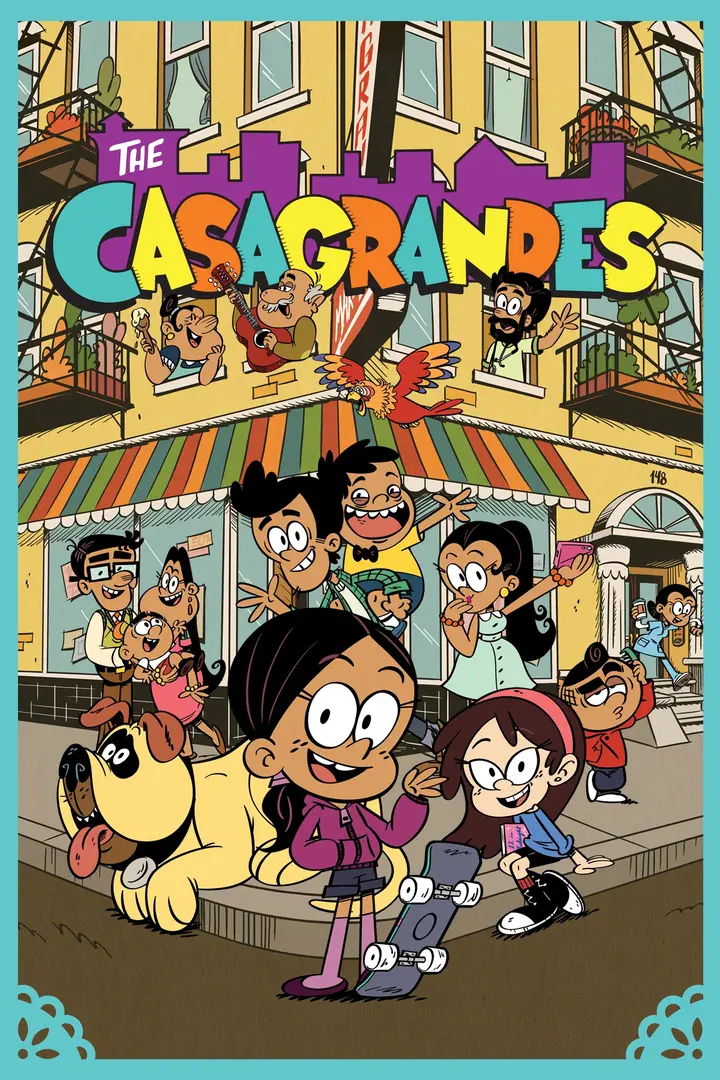
The Casagrandes
A crowded multigenerational home turns privacy, chores, school and friendship into fast family comedy. Mexican-American culture appears through food, celebrations, language and everyday relationships, giving the setting specificity without stopping the story for explanation.
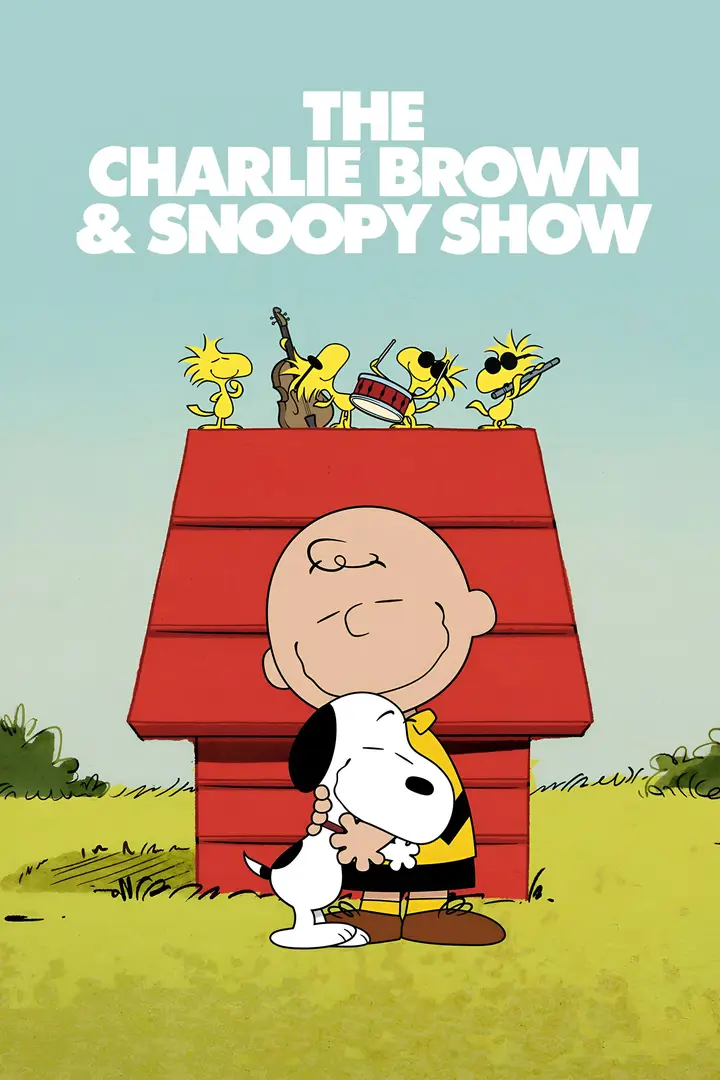
The Charlie Brown and Snoopy Show
Everyday disappointments, school problems and small ambitions become dry comedy through the Peanuts characters’ distinct personalities. Charlie Brown’s persistence and Snoopy’s imagination give the stories both realism and playful escape.
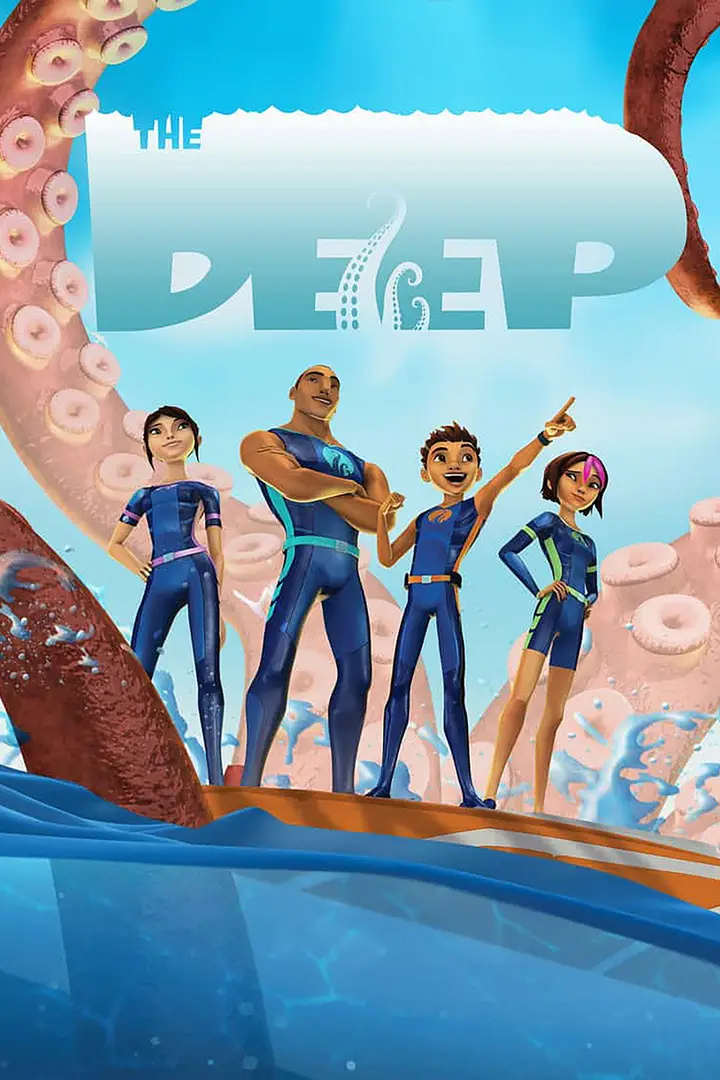
The Deep
The Nektons treat the ocean as a place of real discovery, combining marine science with lost civilizations and family adventure. Their submarine missions reward curiosity, technology and caution as each mystery pushes them into unfamiliar environments.
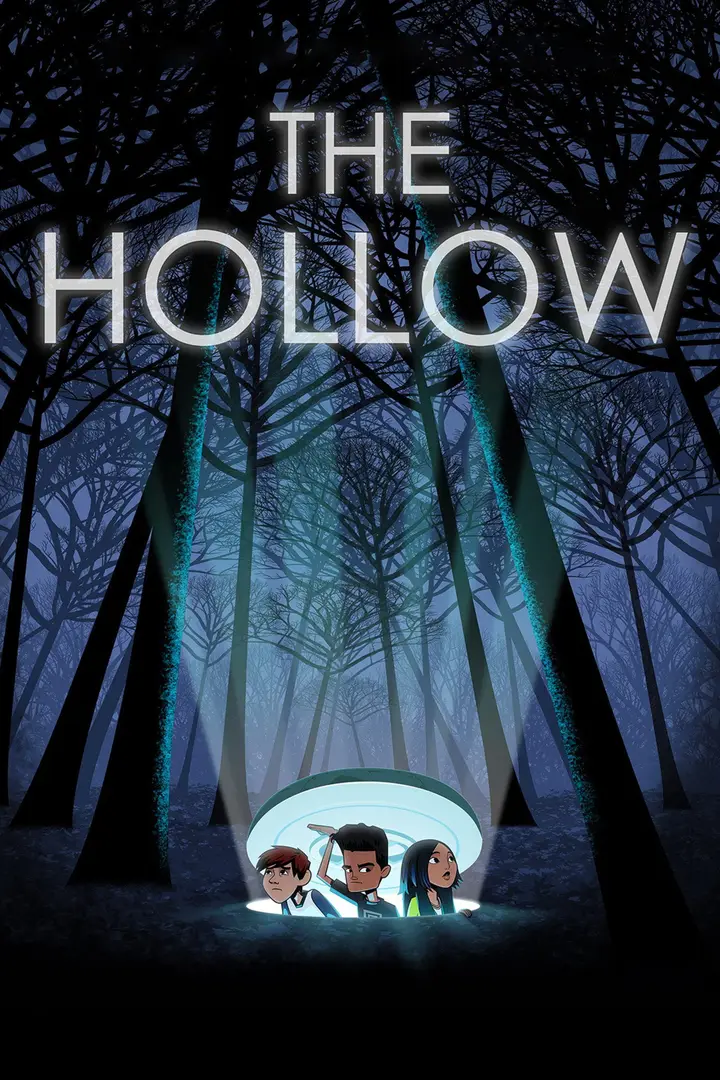
The Hollow
Three teenagers wake without memories and must solve game-like challenges using different abilities. The mystery develops through clues, strange environments and teamwork, making cooperation essential because no one character can understand everything alone.
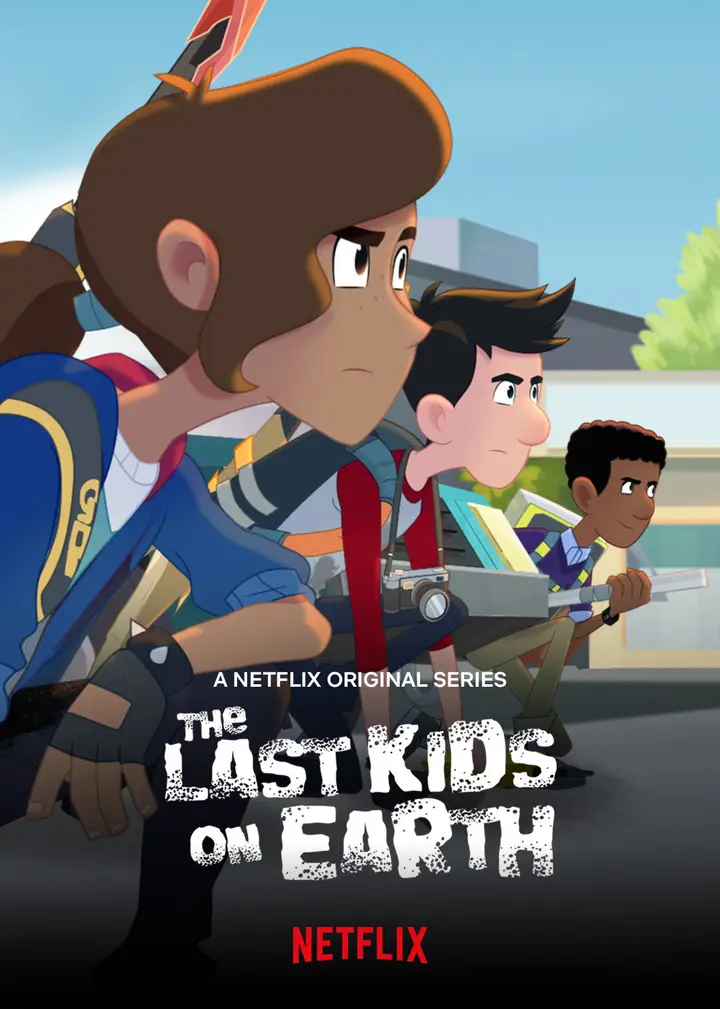
The Last Kids on Earth
The monsters are the hook, but the heart is Jack, a foster kid who finally finds a family in his friends. Humor keeps the scares manageable, and fans can continue with the books.
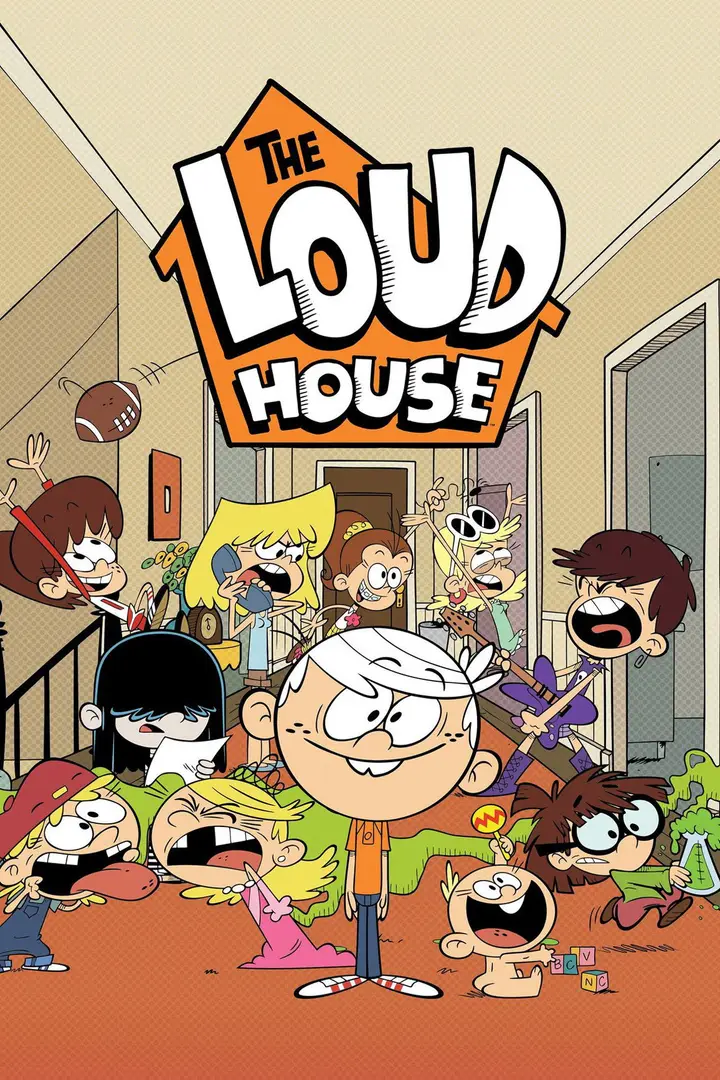
The Loud House
Lincoln’s crowded home creates endless practical problems around privacy, fairness and sibling rivalry. The exaggerated comedy works because each sister has a clear personality, while compromise and cooperation repeatedly restore the family after failed schemes.
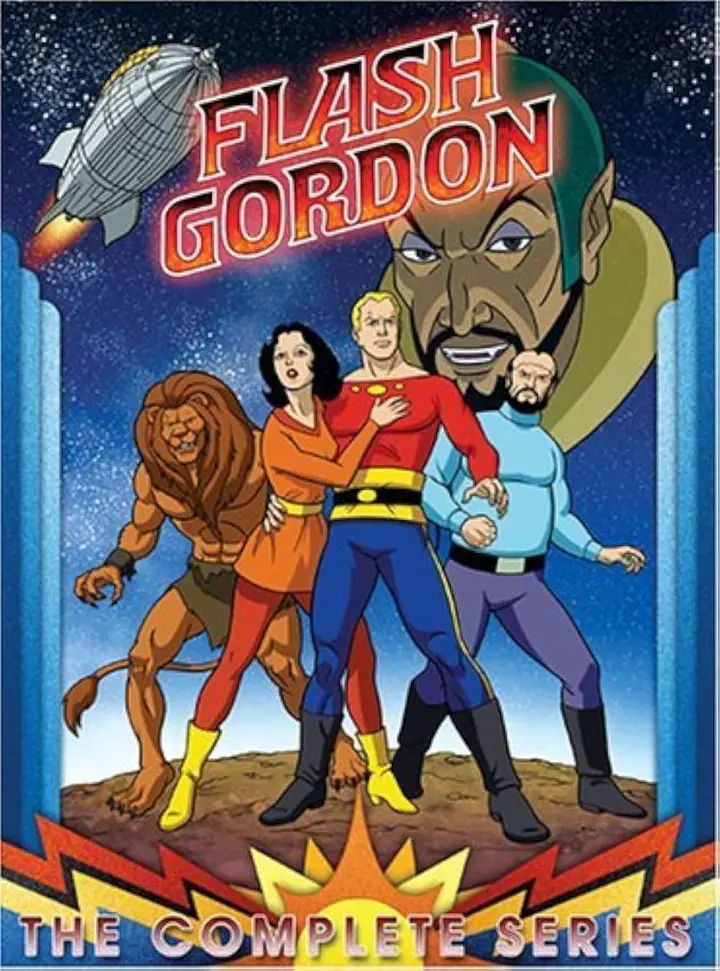
The New Adventures of Flash Gordon
Space opera, fantasy creatures and resistance against Ming give the series a broad adventure scale. Flash, Dale, Zarkov and their allies move through distinct regions of Mongo, keeping exploration tied to an ongoing struggle.
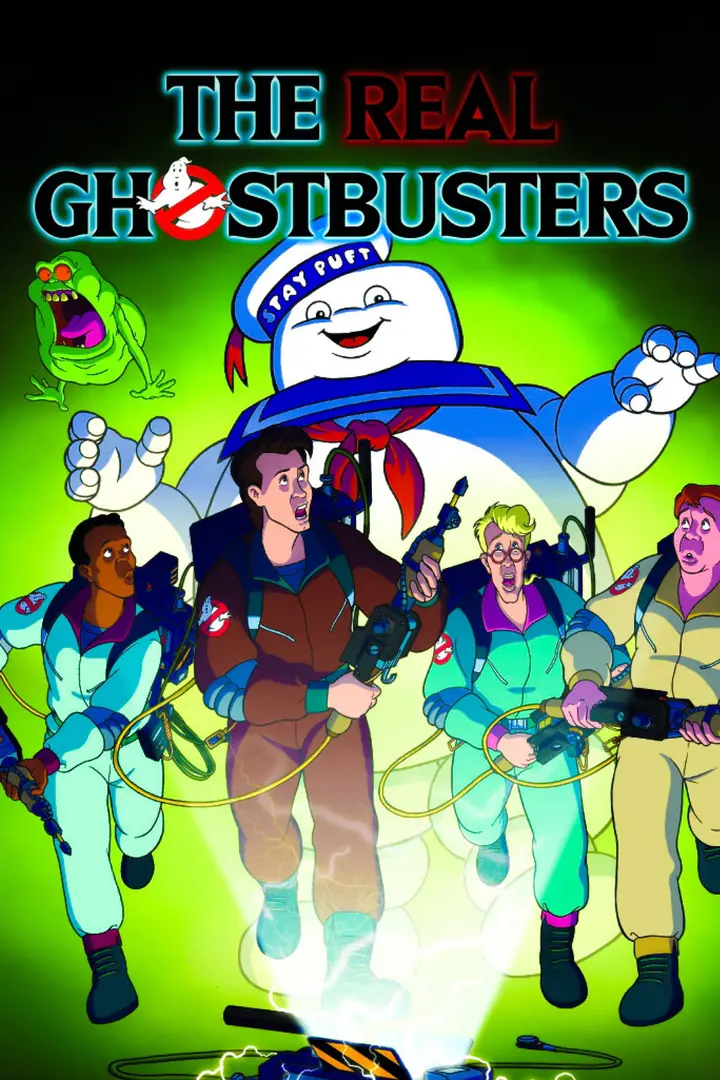
The Real Ghostbusters
Each case mixes investigation, gadgets and distinctive supernatural creatures, letting the team solve problems through knowledge as well as action. The series expands the film premise into a broad paranormal world without losing the chemistry between the four Ghostbusters.
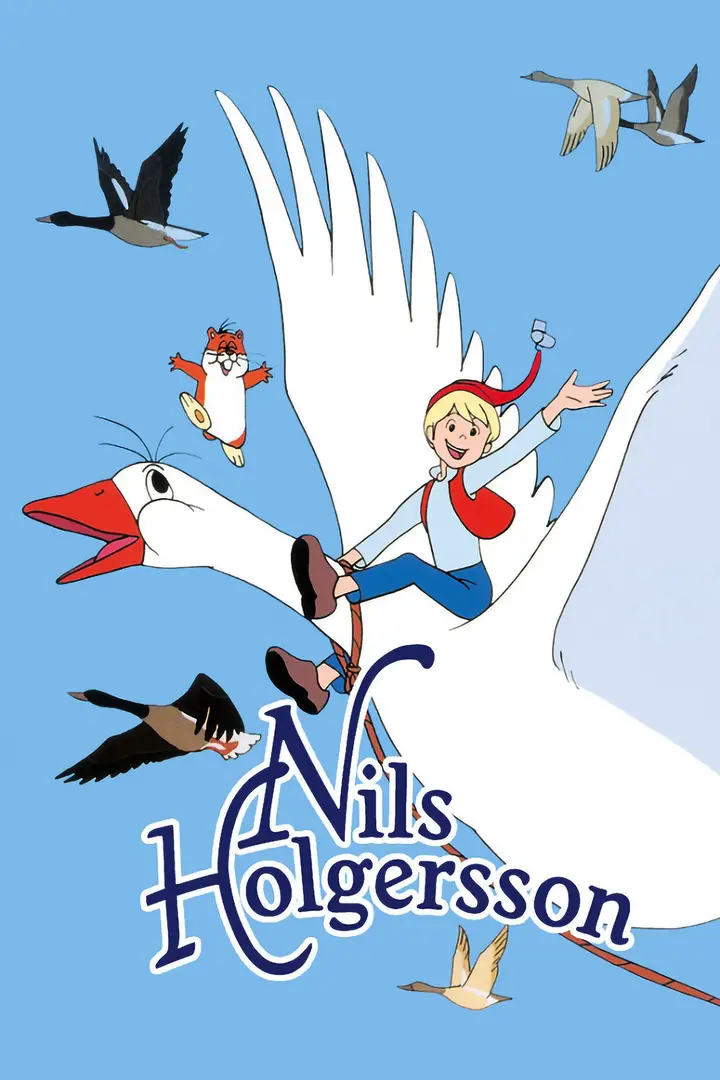
The Wonderful Adventures of Nils
Nils’s journey with wild geese turns a selfish boy’s transformation into a long adventure through nature. Seeing the world from a tiny scale gives animals, landscapes and responsibility a direct role in his growth.
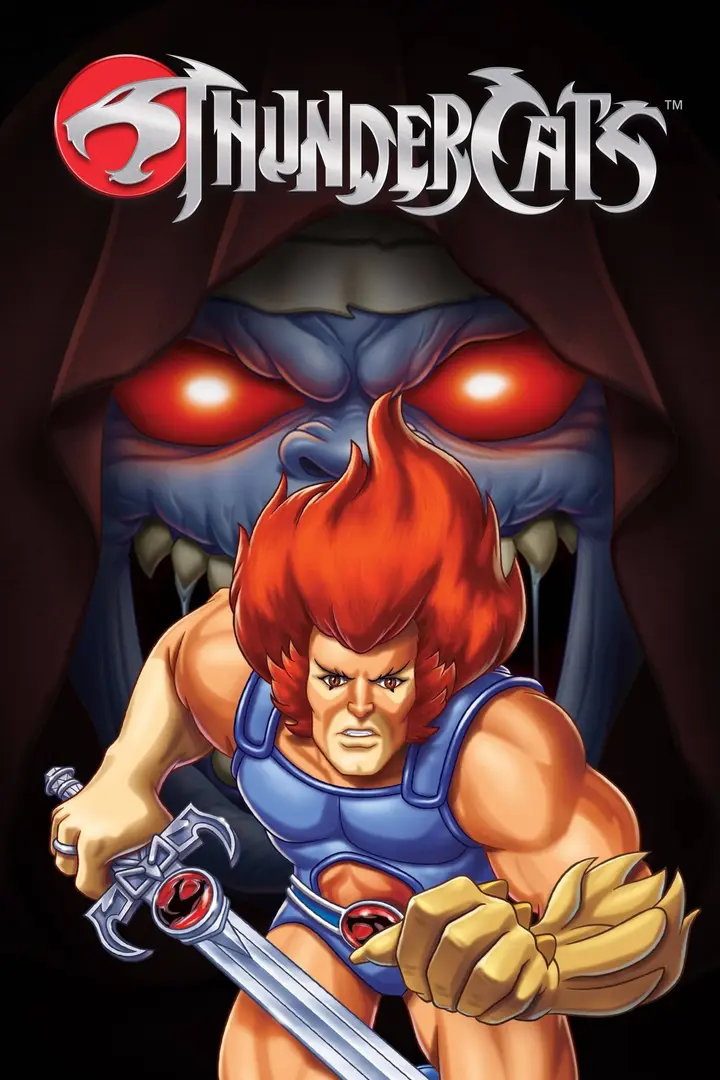
ThunderCats
Science fantasy, distinct powers and a clear team structure give the ThunderCats broad adventure appeal. Lion-O’s growth into leadership adds a continuing character arc, so battles with Mumm-Ra also test judgment, patience and responsibility.
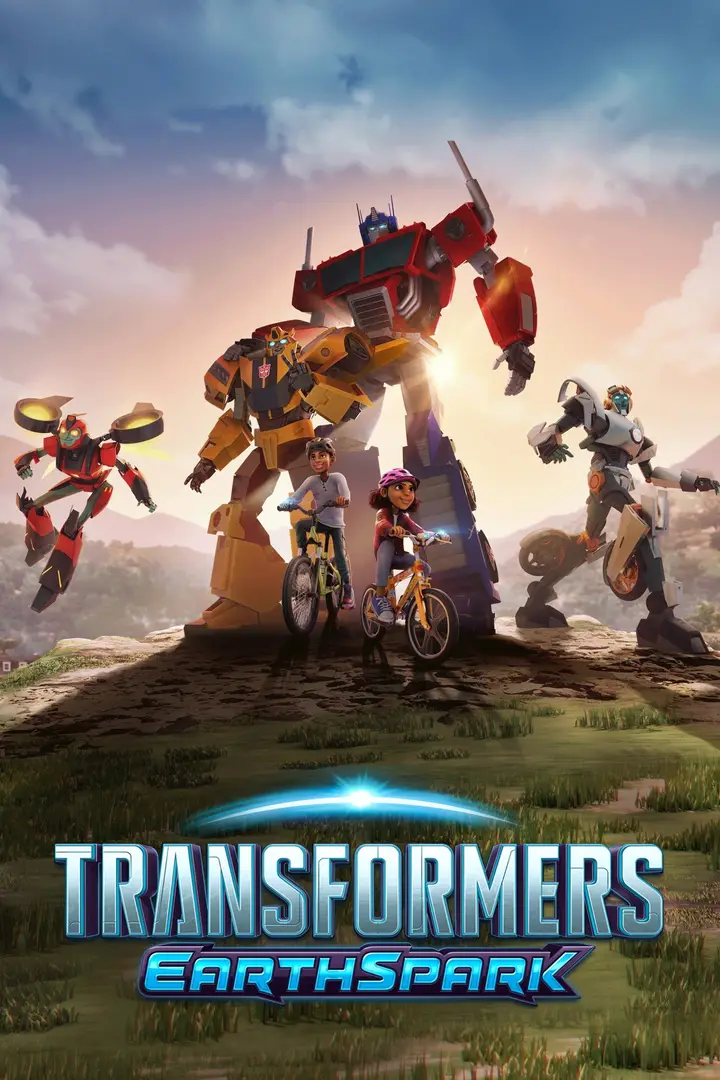
Transformers: EarthSpark
By giving its young Transformers no fixed Autobot or Decepticon identity, the show turns a familiar toy franchise into a story about choosing your own values instead of inheriting old conflicts.
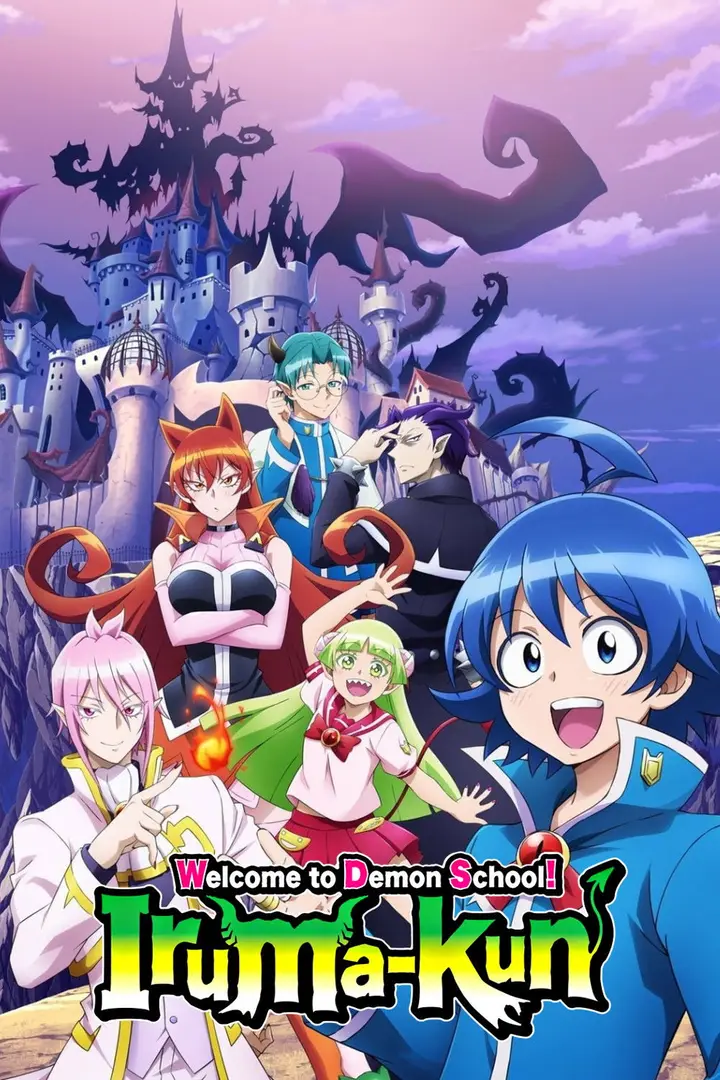
Welcome to Demon School! Iruma-kun
Iruma succeeds through empathy, adaptability and friendship in a school where almost everyone around him is a demon. That contrast gives the comedy its charm, while the growing cast and school challenges provide enough continuity to support longer story arcs.
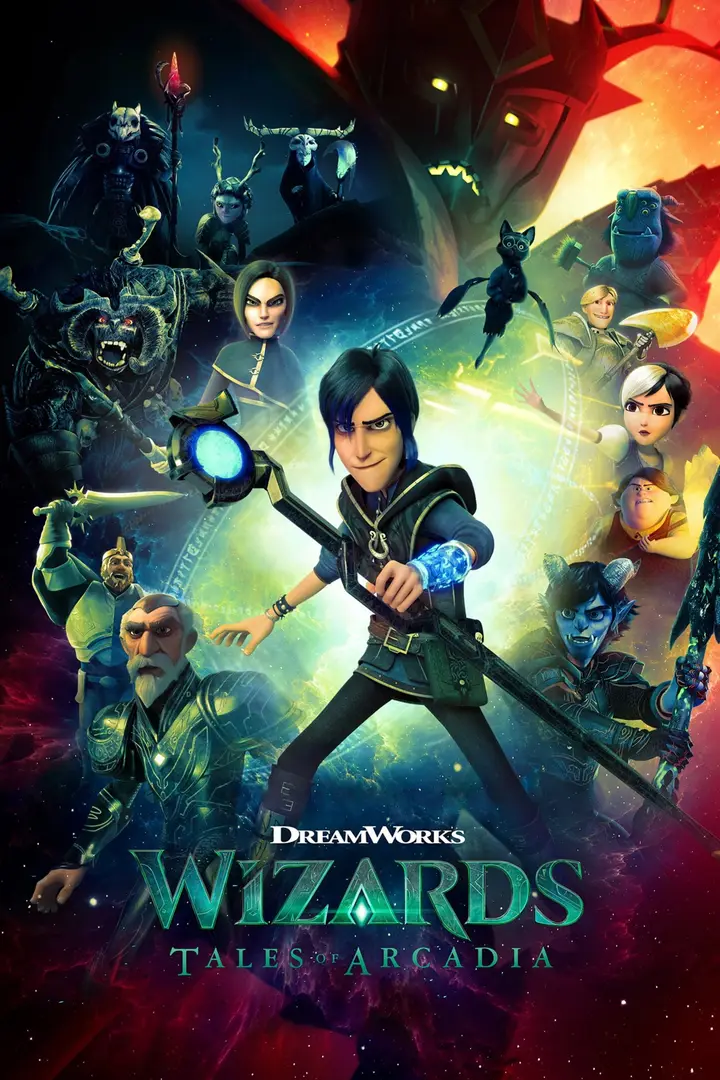
Wizards: Tales of Arcadia
Douxie’s long apprenticeship becomes a satisfying leadership story as the series links Camelot to Arcadia’s present. Time travel deepens the franchise mythology, while familiar heroes give the final television chapter strong continuity and momentum.
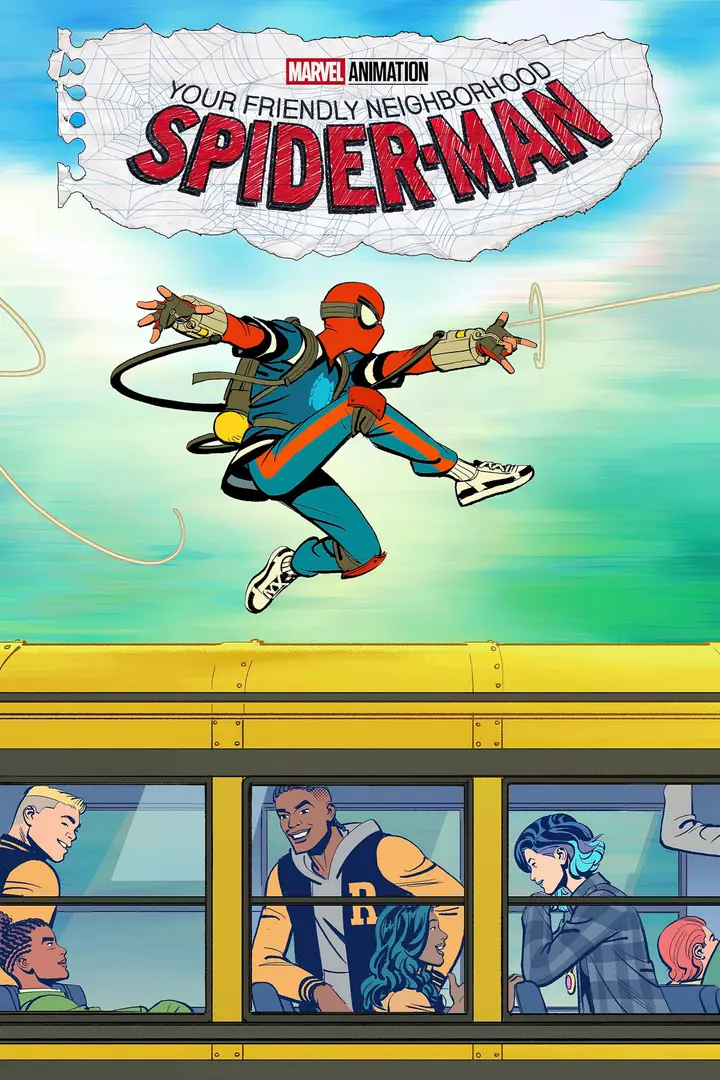
Your Friendly Neighborhood Spider-Man
By resetting Peter Parker to his earliest days as a hero, it recaptures the tension of every choice mattering, before experience makes heroism feel routine or easy.
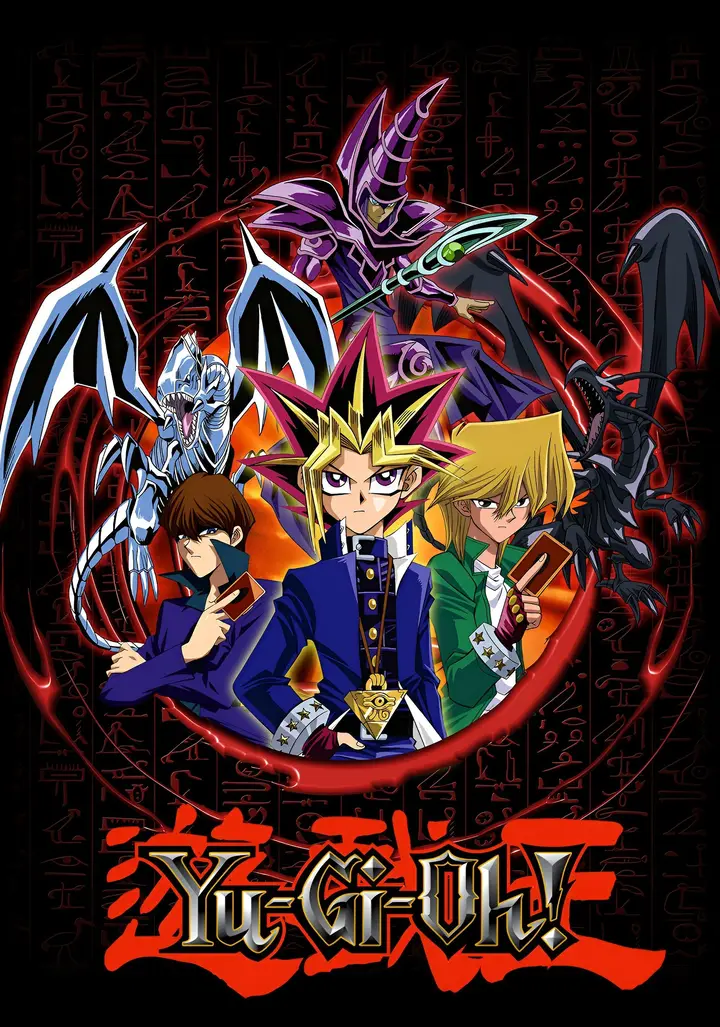
Yu-Gi-Oh! Duel Monsters
Strategy, rivalry and mythology tie the card battles to character stakes instead of leaving them as isolated games. Clear rules make the duels readable, while longer arcs give friendships, ancient secrets and major opponents room to develop.
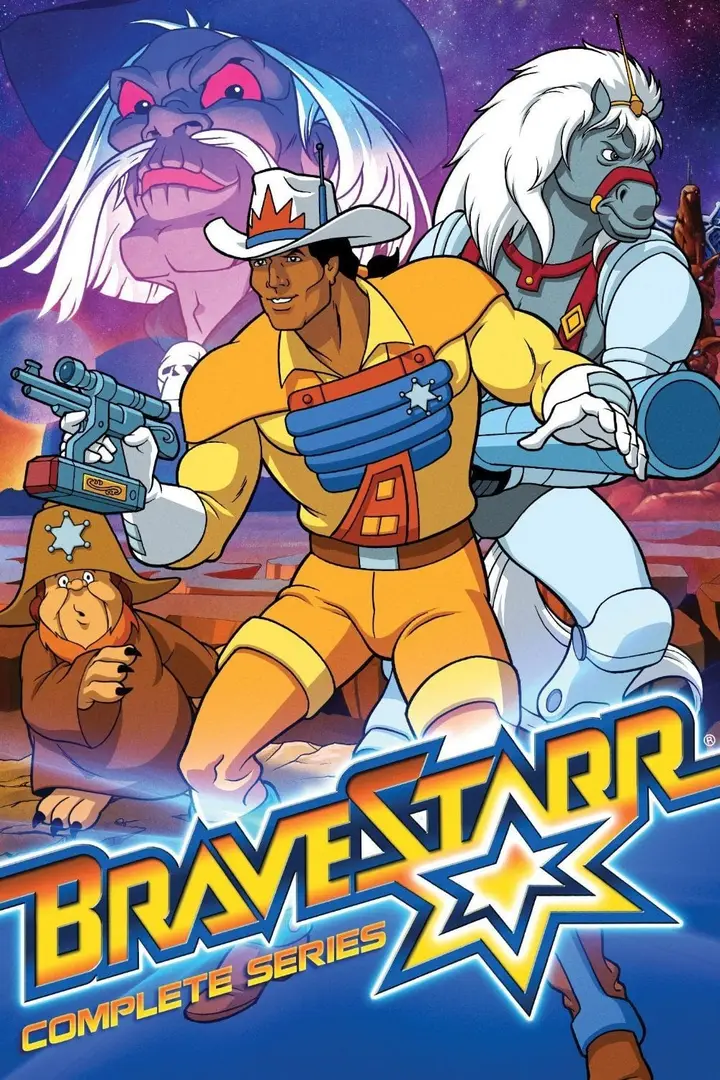
BraveStarr
A space-western setting mixes frontier adventure with aliens, futuristic technology and supernatural powers. BraveStarr’s role as marshal gives the action a clear responsibility framework, while his allies broaden each mission beyond solo heroics.
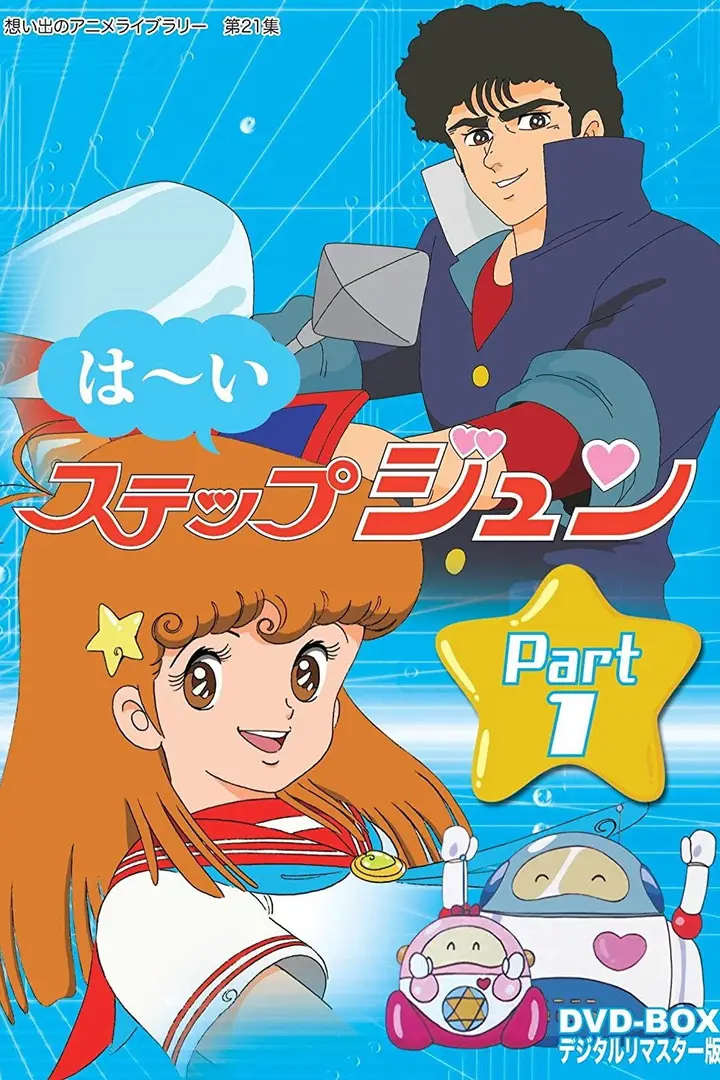
Hai Step Jun
Jun’s enthusiasm for machines and robots gives this school comedy an unusual engineering-minded heroine. Light romance and playful inventions sit side by side, creating a distinctive 1980s shōjo mix of technology, crushes and everyday comedy.
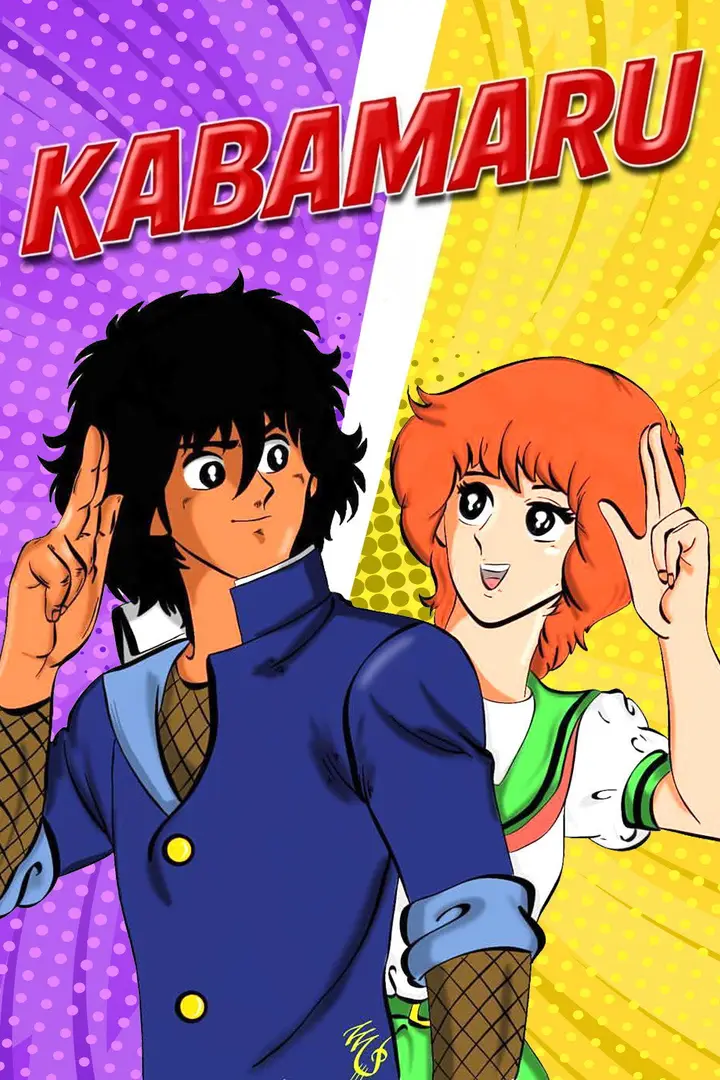
Ninja Kabamaru
Kabamaru’s extreme appetite, mountain upbringing and real ninja skills collide with school life in a fast mix of physical comedy and martial-arts action. His exaggerated personality gives the series a distinct identity that still feels energetic decades later.
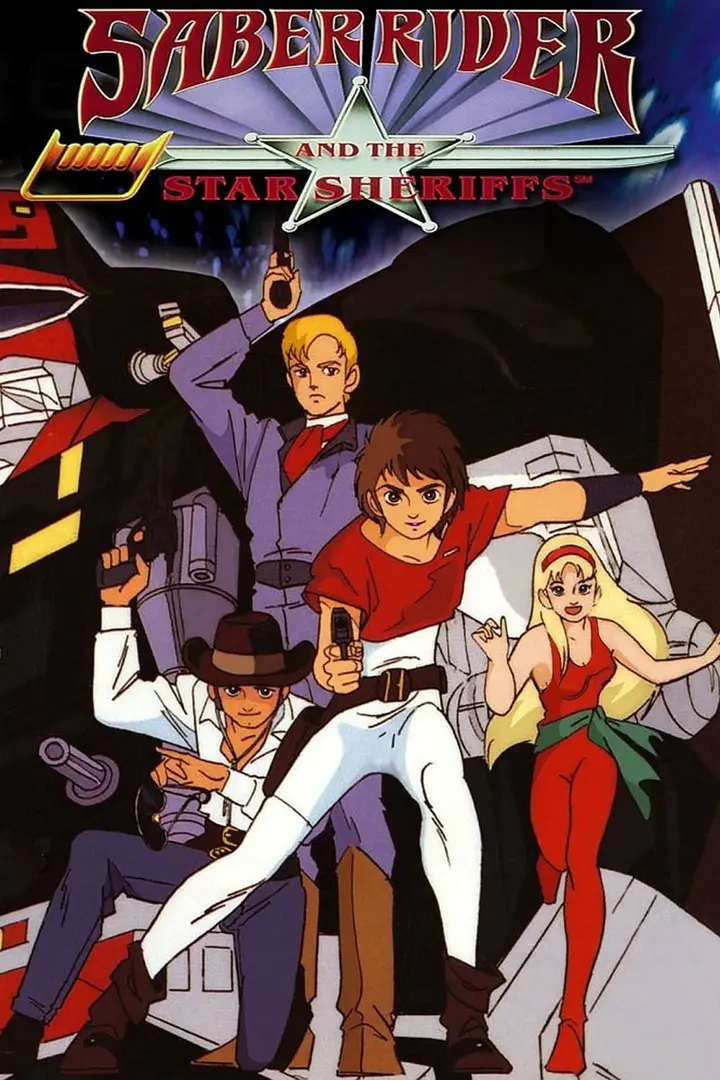
Saber Rider and the Star Sheriffs
A space-western setting gives the team clear roles, distinctive vehicles and a strong frontier identity. Saber Rider’s leadership, Ramrod’s transformations and the Outrider conflict create steady momentum while keeping cooperation central to every mission.
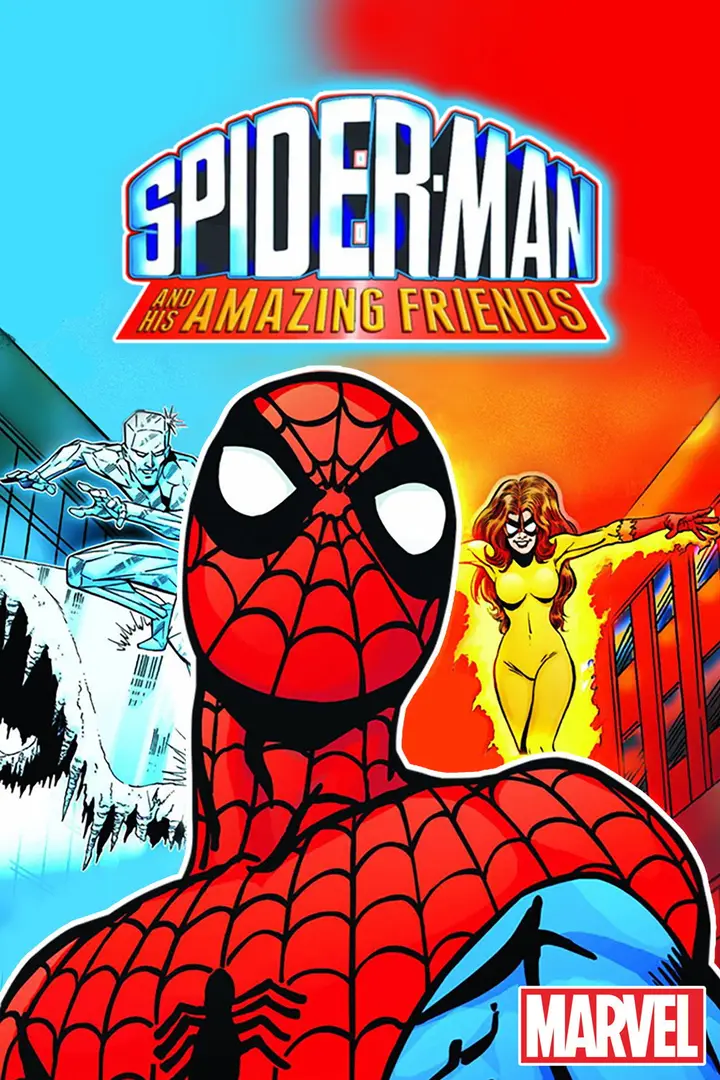
Spider-Man and His Amazing Friends
Spider-Man, Iceman and Firestar combine different powers in team-based superhero stories that also make room for school and home life. Shared missions emphasize cooperation instead of letting one hero solve every problem alone.
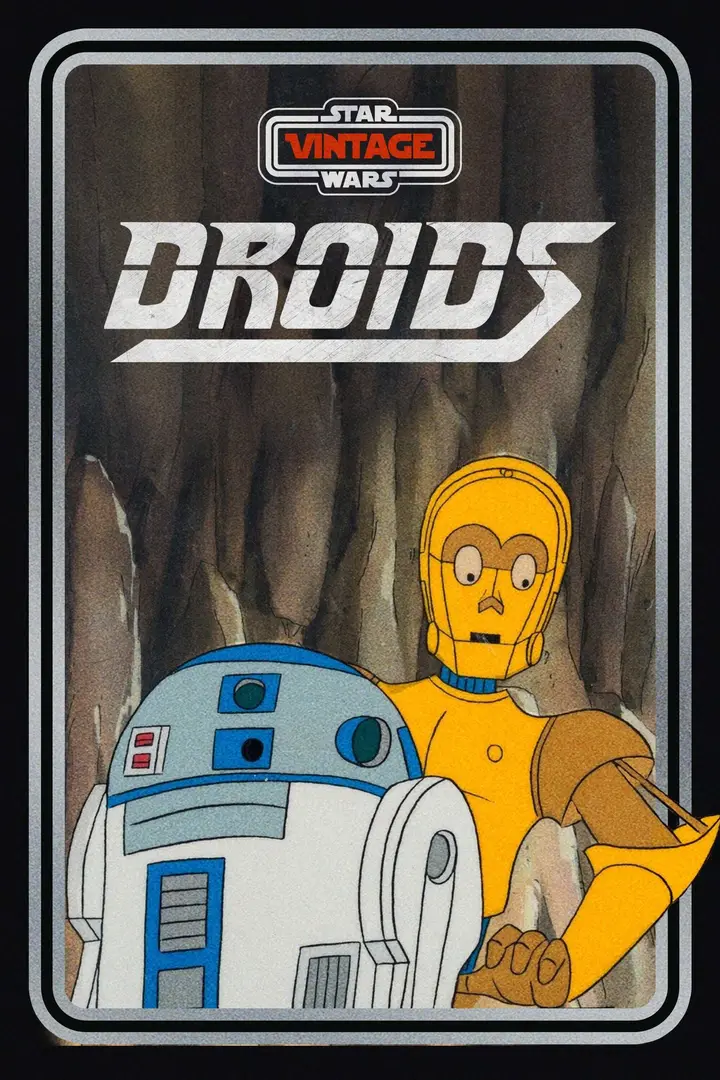
Star Wars: Droids
R2-D2 and C-3PO anchor smaller Star Wars adventures through contrasting personalities, technology and constant problem-solving. Changing owners and planets keep the setting varied while their partnership provides continuity across political conflicts and criminal schemes.
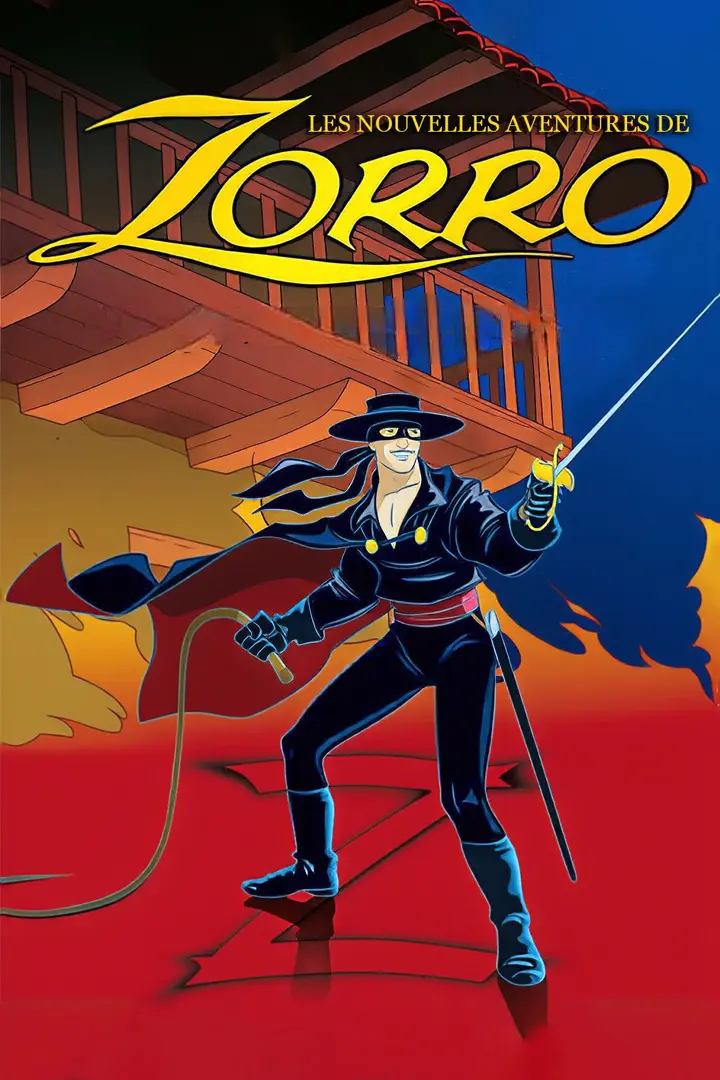
The New Adventures of Zorro
Secret identity, swordplay and strategy give Zorro’s missions a clear swashbuckling rhythm. Don Diego relies on planning as much as agility, turning resistance to corrupt authority into stories about courage, fairness and protecting vulnerable people.


