
Best TV Shows for 12-Year-Olds
Fantasy, competition, relationships and satire, with guidance on more mature content.

Best TV Shows for 12-Year-Olds
At age 12, our 10 recommended series include more demanding fantasy, sports competition, relationships and satire, from Frieren and Blue Lock to The Simpsons. Another 24 have Minimum Age 12, but their Recommended Age is higher because of more intense or mature content.
Find the right series
Choose one band. Results show age-relevant series approved by our editors: those whose Minimum-to-Recommended age span overlaps the band, plus individually approved favorites. The Recommended Age is a starting point, not a maximum.
More filters and sort
No series in this guide match this age.
Recommended for 12-year-olds
These series have this age as their recommended viewing age.
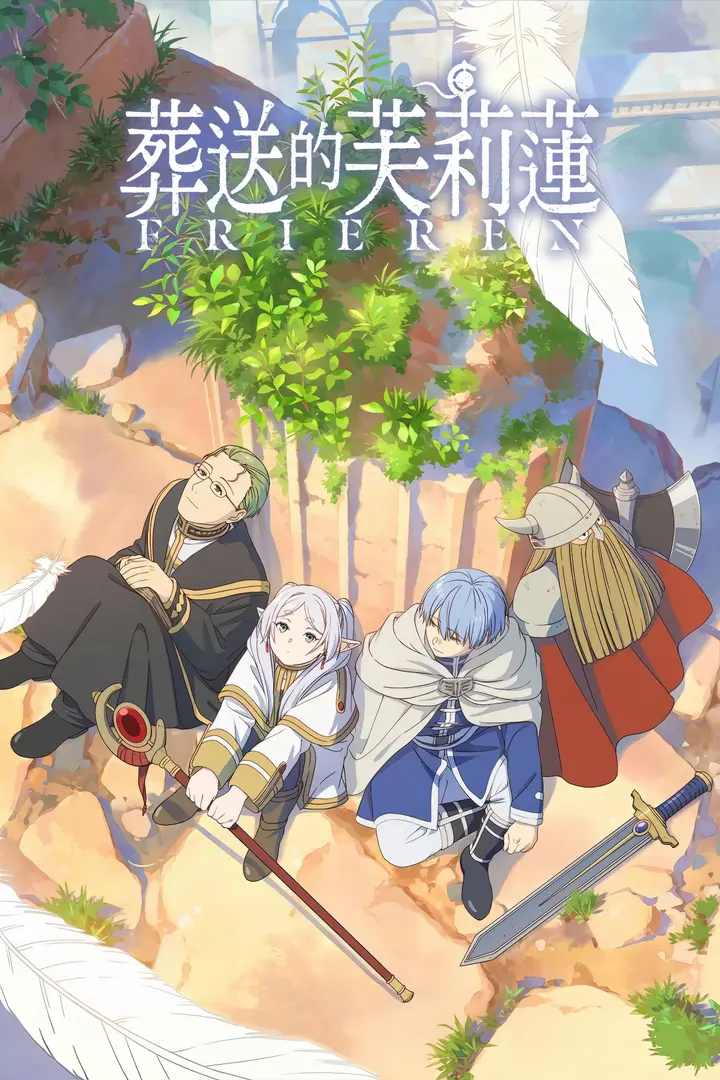
Frieren: Beyond Journey's End
Fantasy adventure gains unusual depth through memory, time and the difference between human and elven lifespans. Frieren’s new journey gives past relationships new meaning, while younger companions keep the story moving beyond reflection alone.
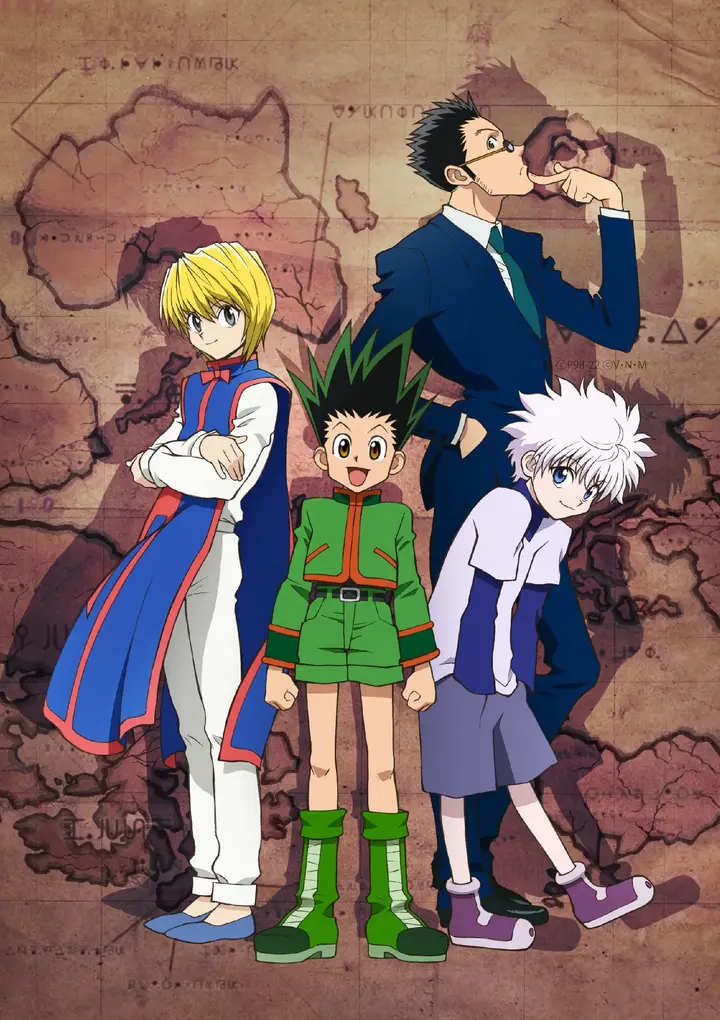
Hunter x Hunter (2011)
Strategy, character growth and shifting tone give the series exceptional range. What begins as a youthful adventure develops into increasingly complex conflicts, while Gon, Killua, Kurapika and Leorio provide strong personal anchors across very different arcs.
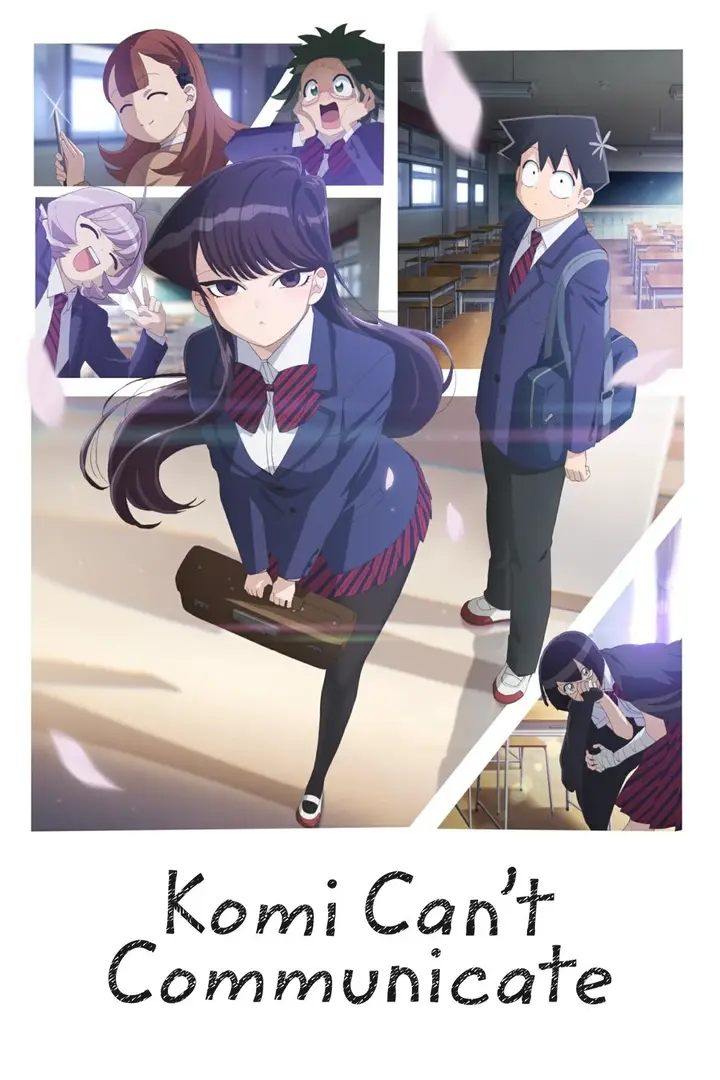
Komi Can't Communicate
Komi’s goal of making one hundred friends turns small social steps into clear progress. Exaggerated school comedy and an eccentric ensemble keep the format lively, while Tadano’s support preserves a sympathetic view of communication anxiety.
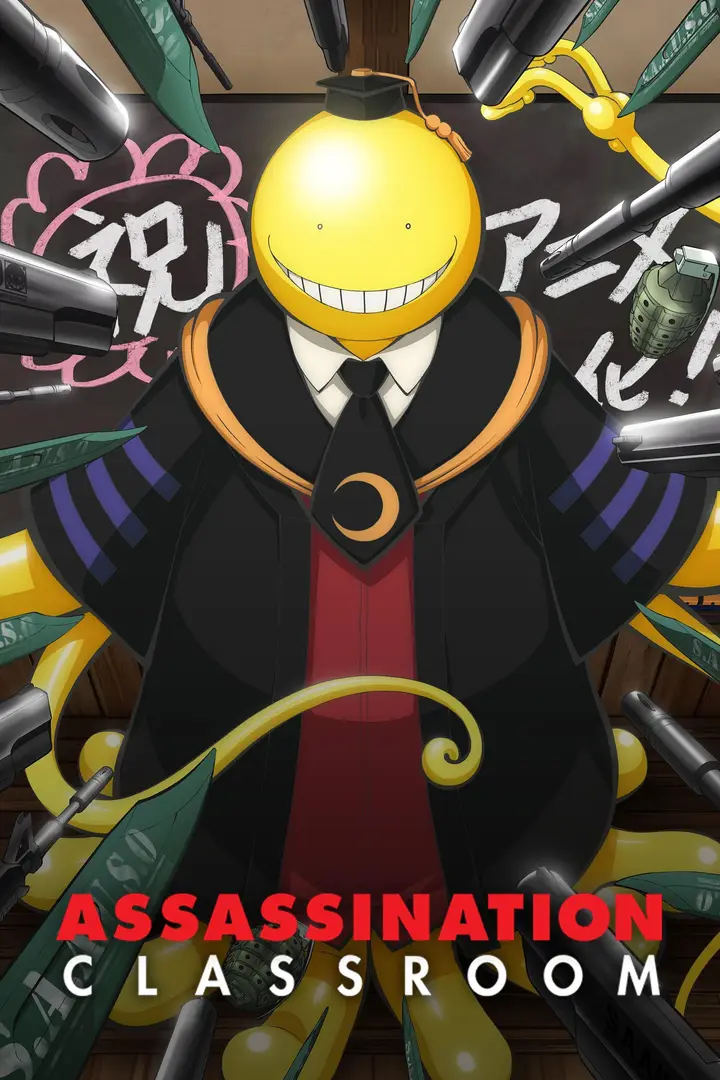
Assassination Classroom
An absurd assassination premise develops into a surprisingly thoughtful story about teaching, confidence and overlooked students. Koro-sensei’s attention to individual strengths gives the class measurable growth and turns repeated attempts on his life into an unusual educational framework.
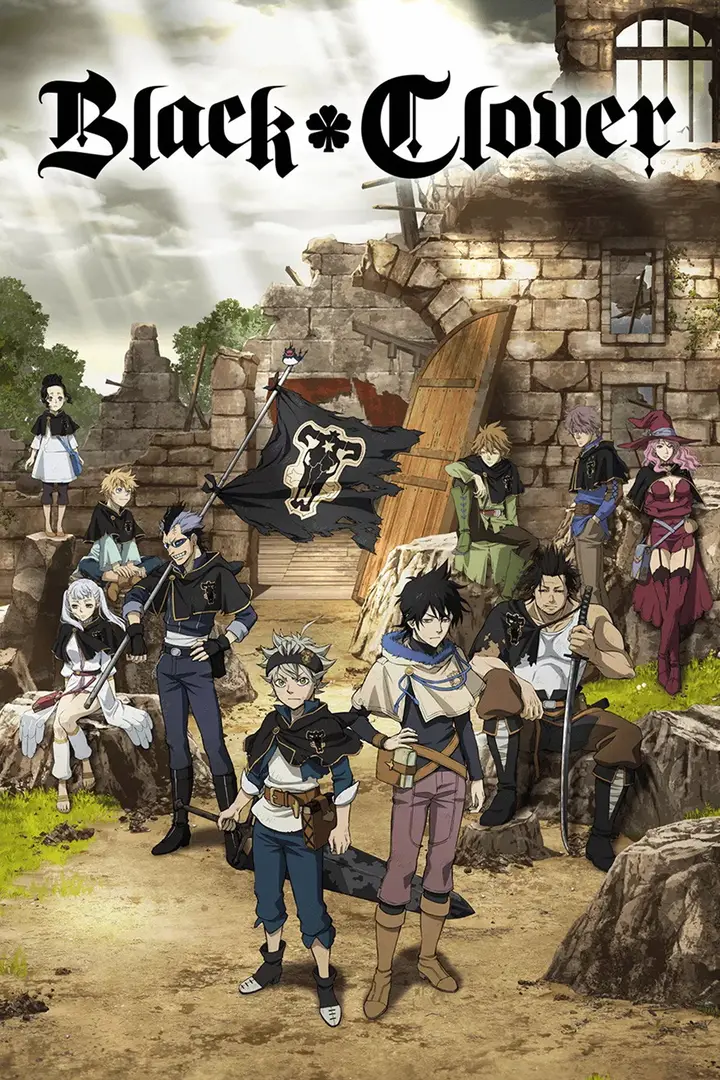
Black Clover
Asta’s lack of magic gives his persistence a clear obstacle from the beginning, while the Black Bulls provide a team structure for steady growth. Training, rivalry and power progression reward viewers who enjoy long-form shōnen development.
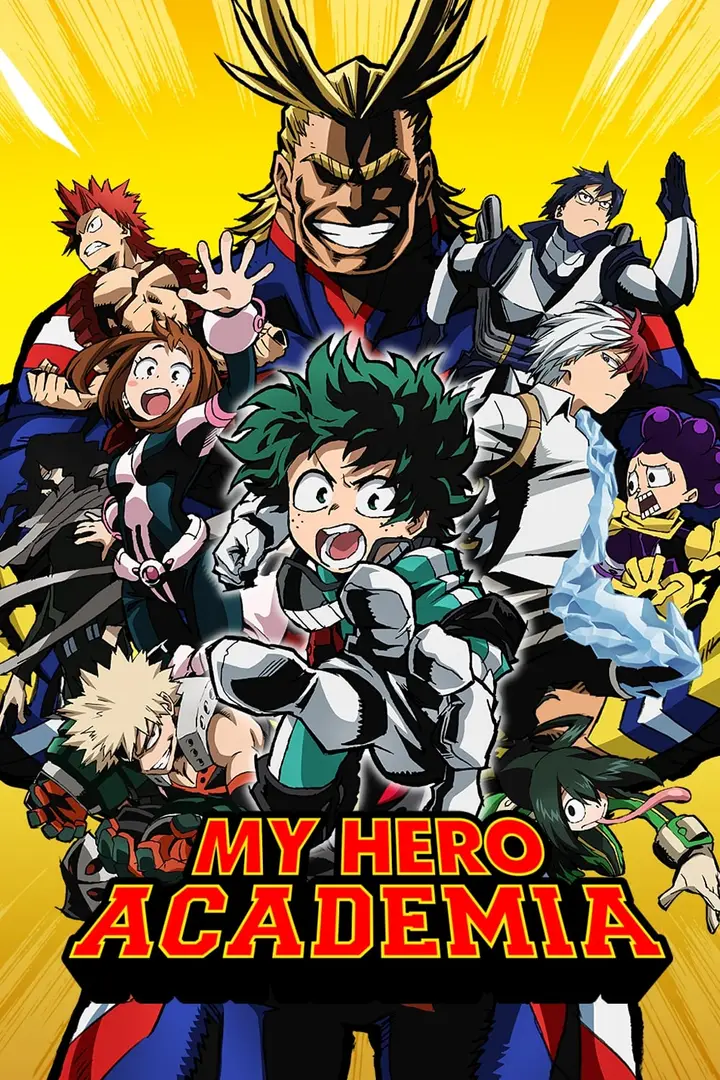
My Hero Academia
A clear school structure makes a large superhero cast easy to follow while training and teamwork give character growth visible milestones. Izuku’s progress keeps responsibility and the meaning of heroism connected to the escalating action.

The Fragrant Flower Blooms with Dignity
Considerate communication and mutual respect give this school romance unusual clarity. Rintaro and Kaoruko question assumptions about each other and their schools through ordinary conversations, letting friendship and affection develop without depending on constant misunderstanding.
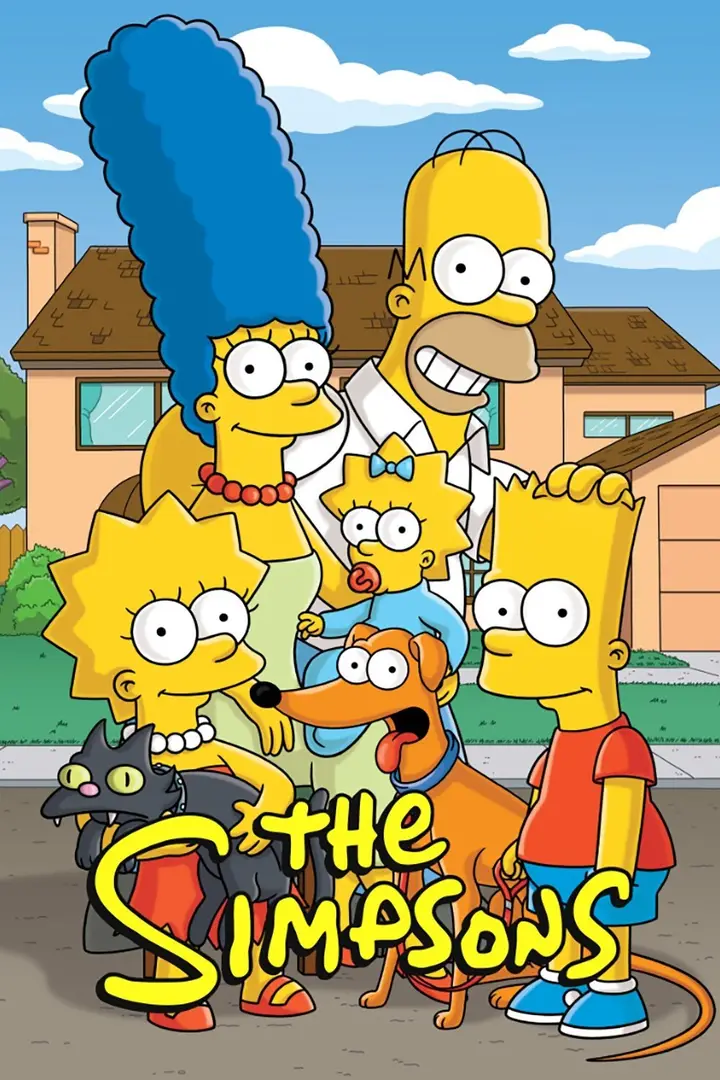
The Simpsons
Family comedy becomes social satire as Springfield provides endless material about school, work, politics, media and popular culture. Bart, Lisa, Homer and Marge offer different perspectives, letting simple jokes sit beside sharper commentary.
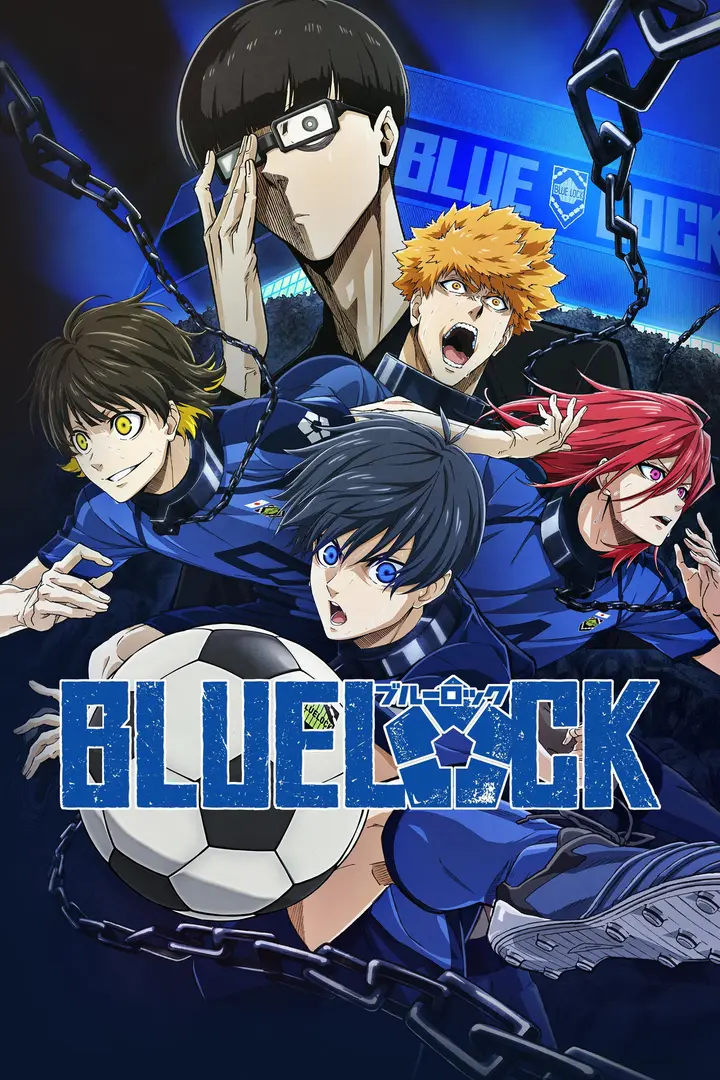
Blue Lock
Football becomes a psychological contest as Blue Lock pushes strikers to examine ambition, decision-making and individual skill. The extreme premise gives familiar sports training a sharper competitive identity and makes tactical breakthroughs feel dramatic.
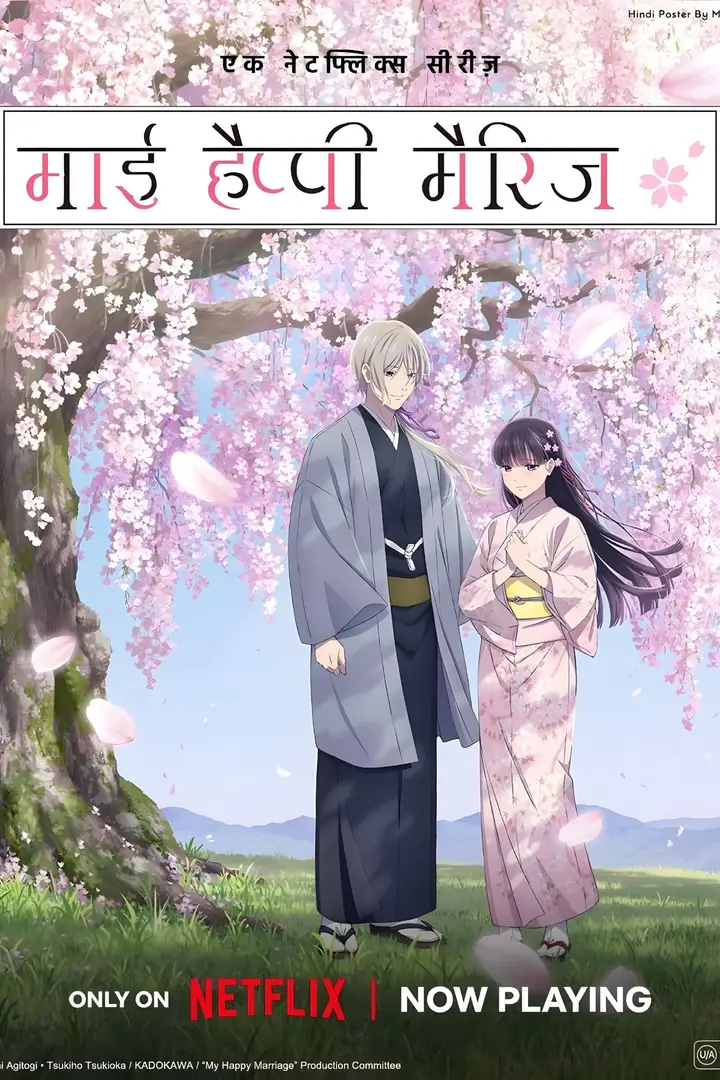
My Happy Marriage
A respectful relationship gives Miyo space to regain safety and dignity after an abusive upbringing. Romance, family politics and supernatural powers work together, while the story focuses on recovery and trust instead of turning suffering into romantic manipulation.
Can start at 12, recommended for older viewers
These series meet the minimum age, but TFFC recommends waiting until the age shown on each card.
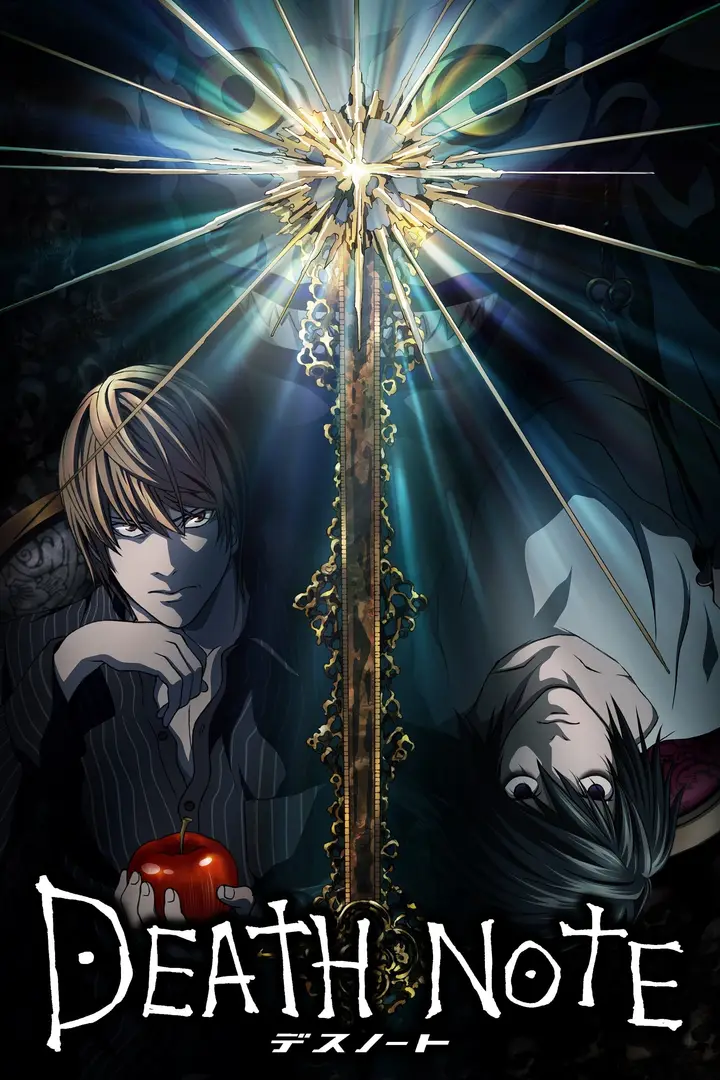
Death Note
Strategy and psychological rivalry create tension with very little conventional action. Light’s use of the notebook and L’s investigation turn surveillance, deception and moral corruption into an escalating intellectual contest with unusually clear consequences.
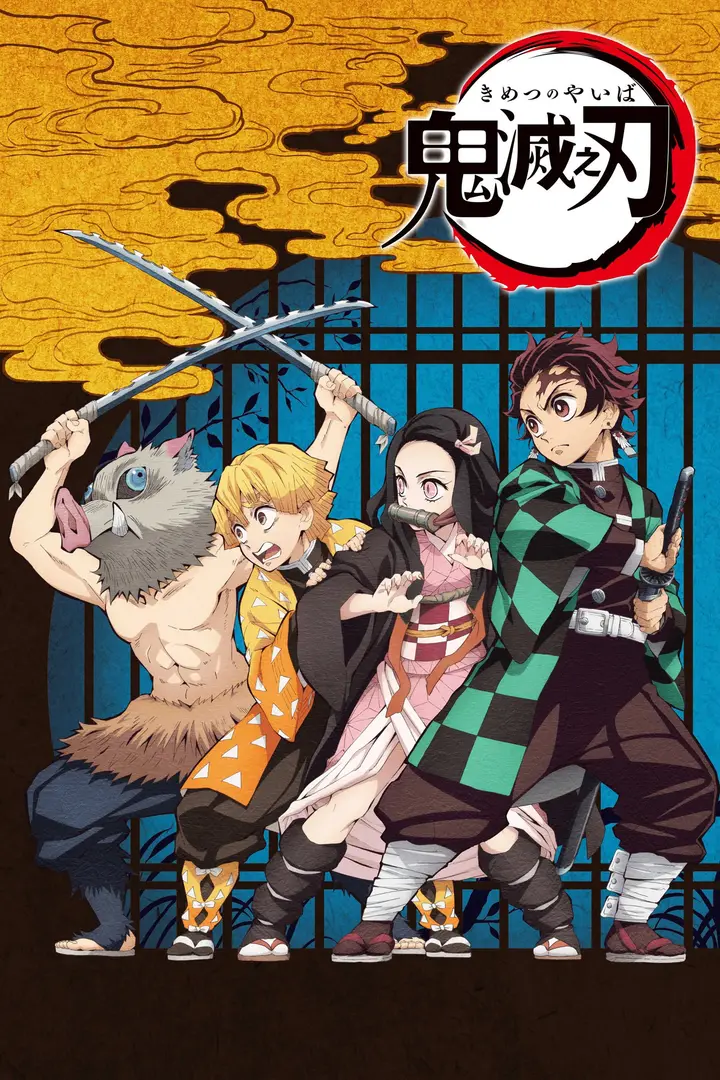
Demon Slayer: Kimetsu no Yaiba
Tanjiro’s loyalty to Nezuko gives the spectacular battles a strong personal anchor, while compassion toward defeated demons adds dimension to the action. The series balances training, family bonds and increasingly dangerous enemies across a clear serialized journey.
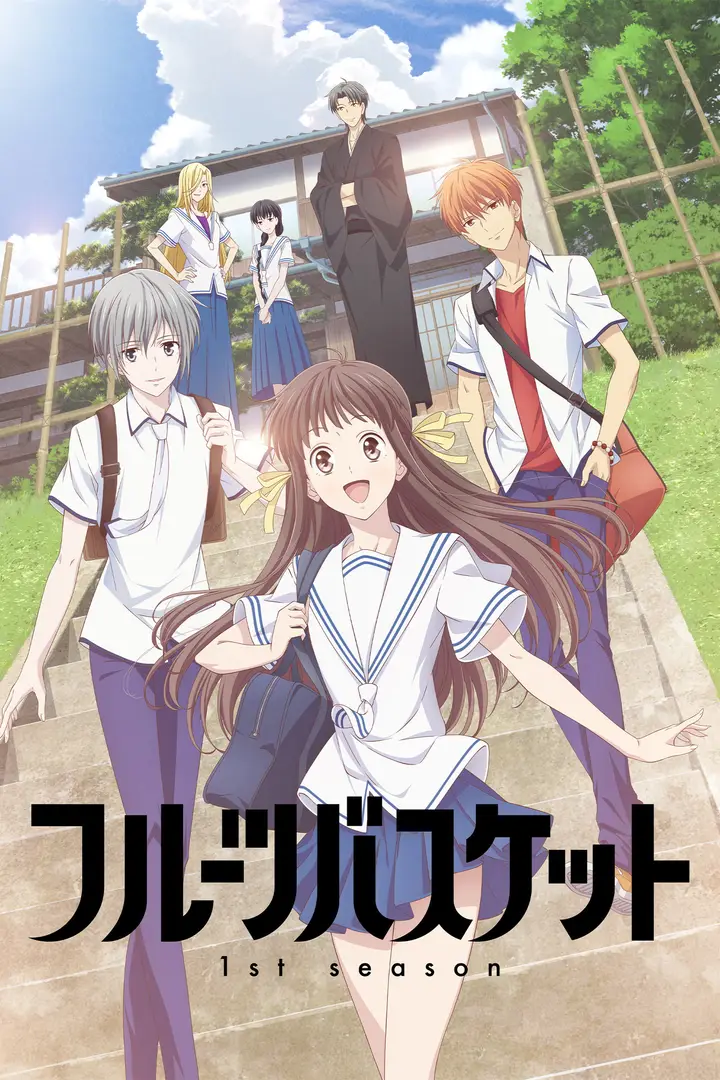
Fruits Basket (2019)
A warm supernatural premise gradually opens into a substantial family drama about control, abuse, loneliness and recovery. Tohru’s empathy matters because change takes time; kindness supports people without functioning as an instant solution to their problems.
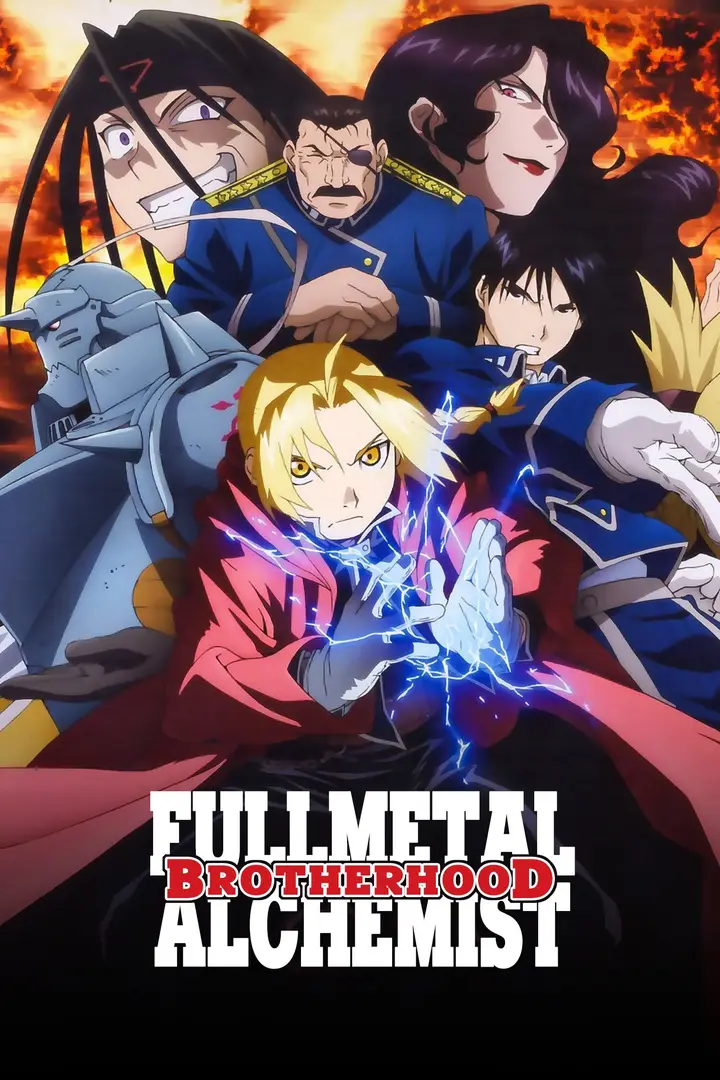
Fullmetal Alchemist: Brotherhood
Tightly connected plotting lets action, politics, alchemy and character choices build toward one coherent long-form story. Edward and Alphonse’s search stays personal while the wider narrative examines war, prejudice, sacrifice and the misuse of power.
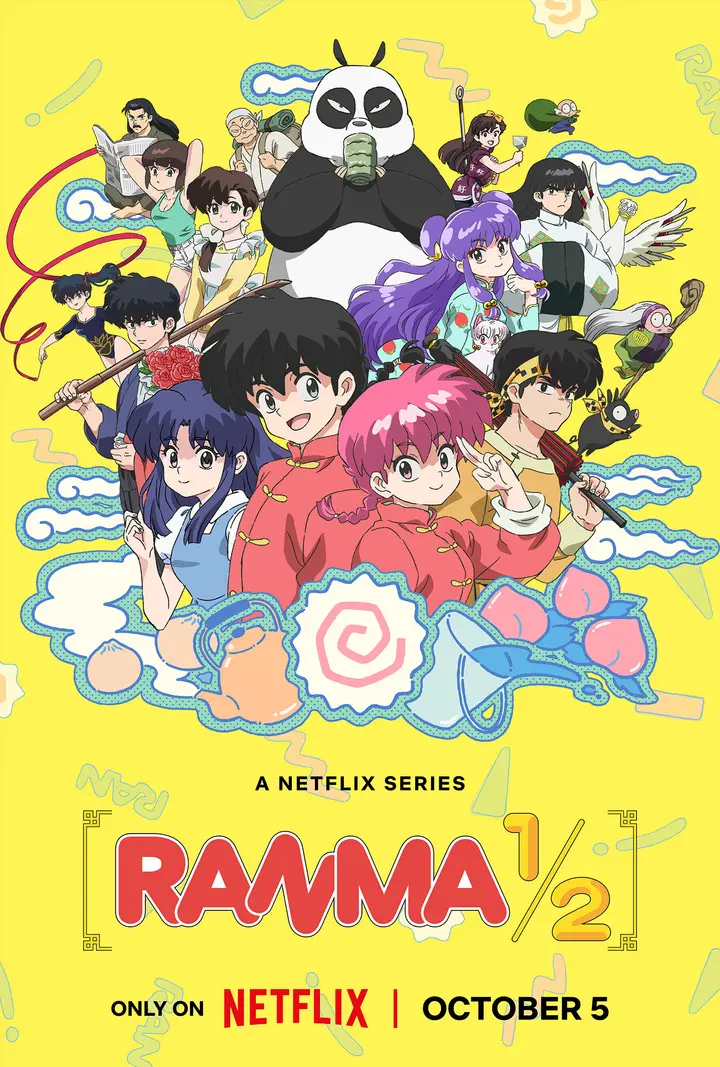
Ranma ½
MAPPA’s remake gives the classic transformation comedy crisp timing, kinetic fights and expressive animation. Ranma and Akane’s combative chemistry keeps the romantic plot moving while rivalries turn almost every social problem into elaborate physical farce.
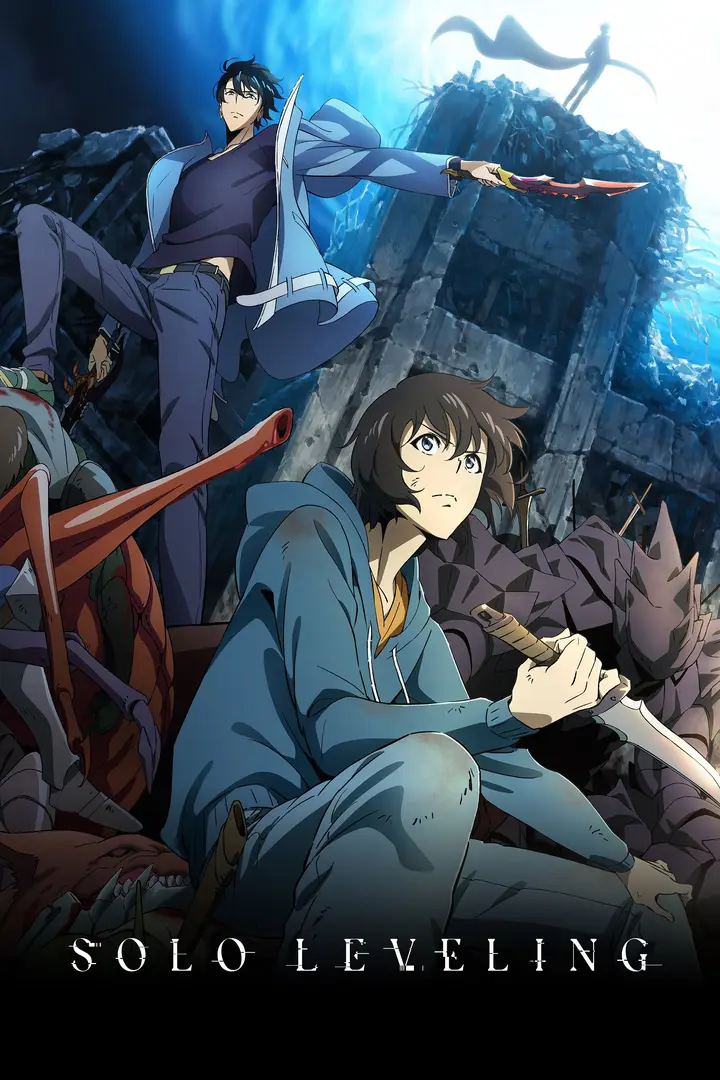
Solo Leveling
A very clear progression system makes Jinwoo’s growth immediately readable, turning new abilities and increasingly dangerous dungeons into steady forward momentum. The series delivers the satisfaction of visible improvement with polished, high-impact action.
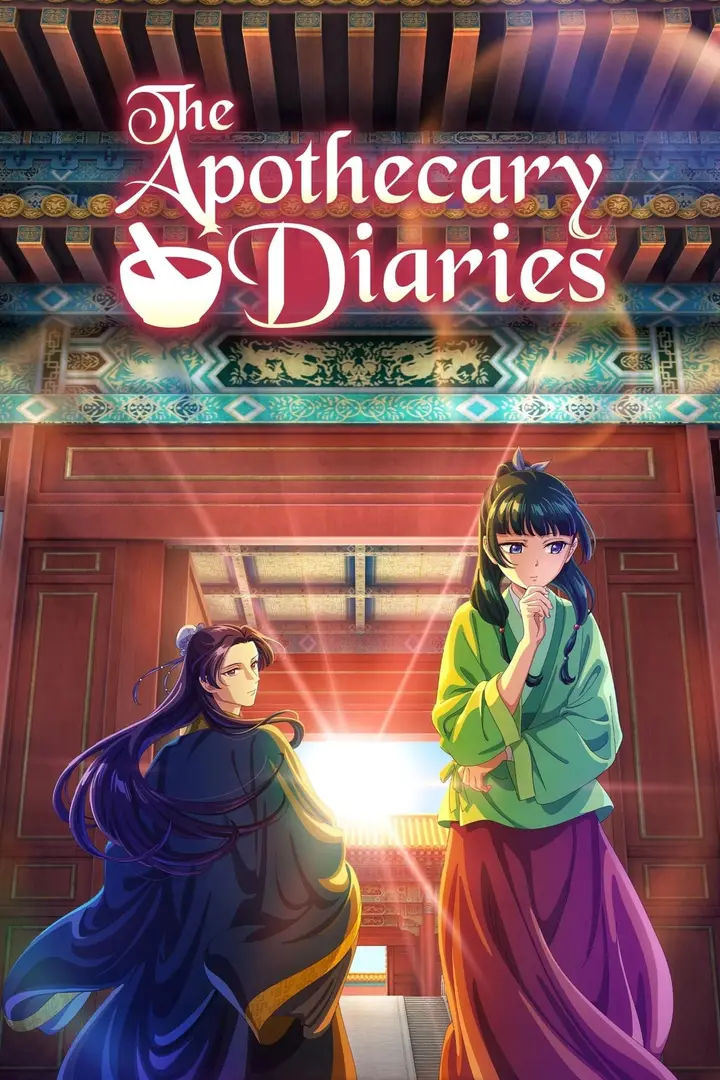
The Apothecary Diaries
Maomao solves palace mysteries through observation, medical knowledge and skepticism instead of combat. Poisoning cases, social detail and court politics give her intelligence practical consequences and make the series a strong choice for viewers who enjoy deduction.
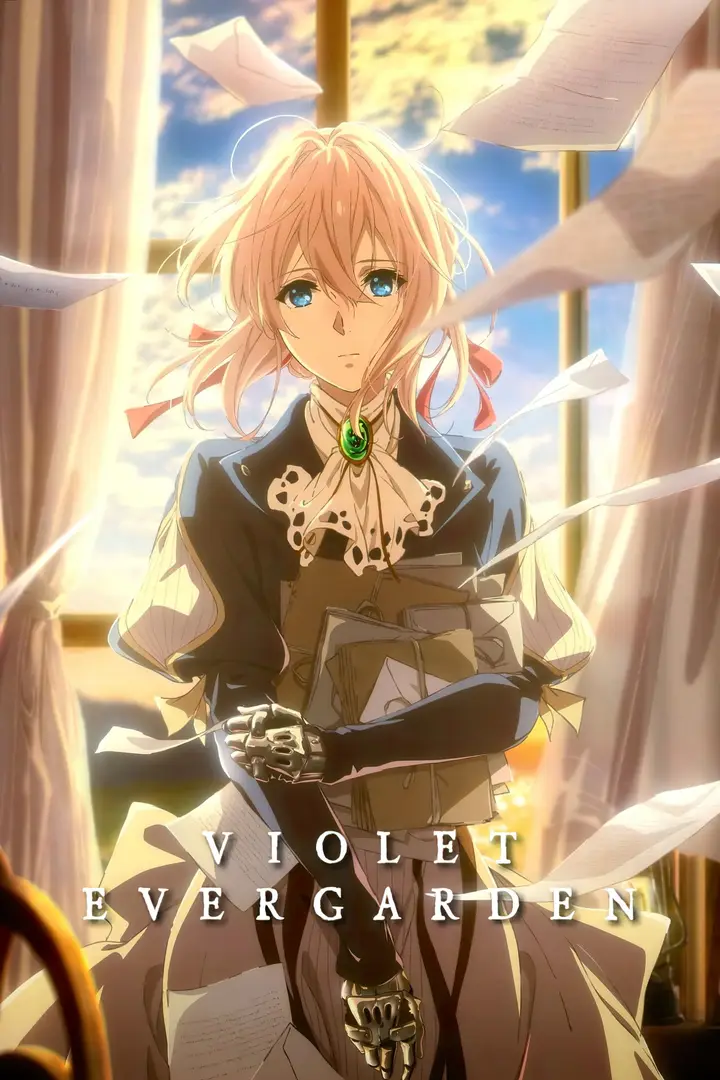
Violet Evergarden
Letter writing becomes a way to examine grief, love and memory as Violet learns to understand feelings she once could not name. Each assignment adds another perspective on loss while moving her own recovery forward.
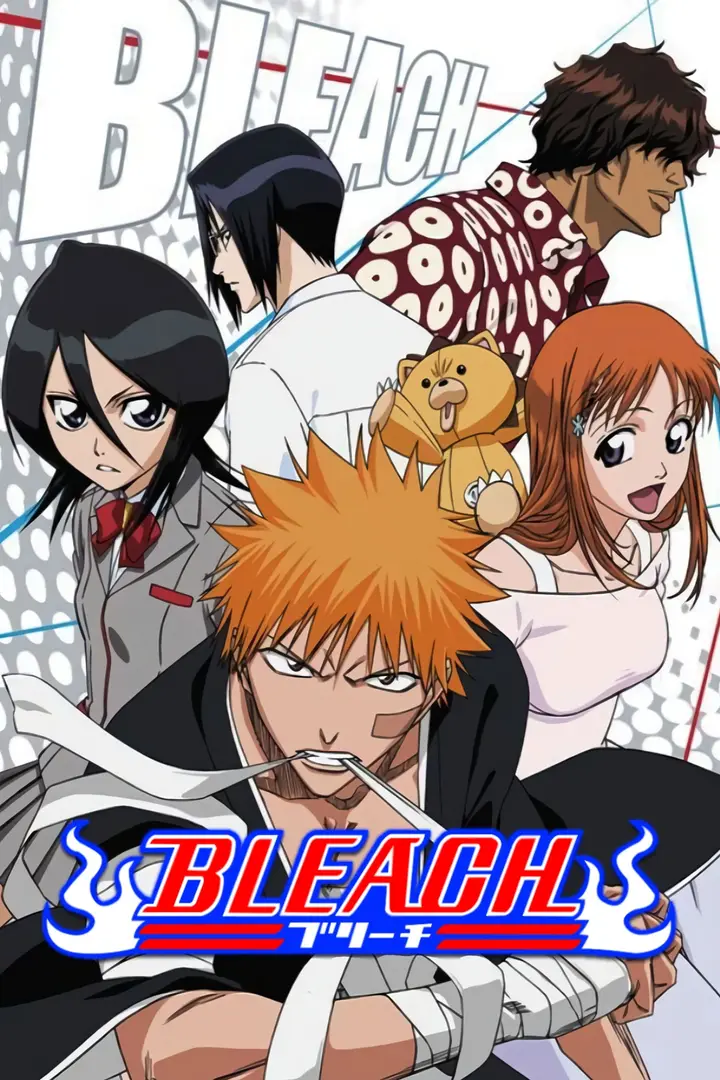
Bleach
Stylish sword combat, supernatural mythology and a large ensemble sustain a long shōnen journey with clear power systems and memorable rivalries. Ichigo’s protective role keeps the expanding spiritual conflicts tied to personal loyalty.

Blue Period
Art becomes both personal expression and disciplined work as Yatora learns through practice, critique and repeated failure. The series gives creative ambition practical detail, making it especially useful for teens thinking seriously about talent, study and improvement.
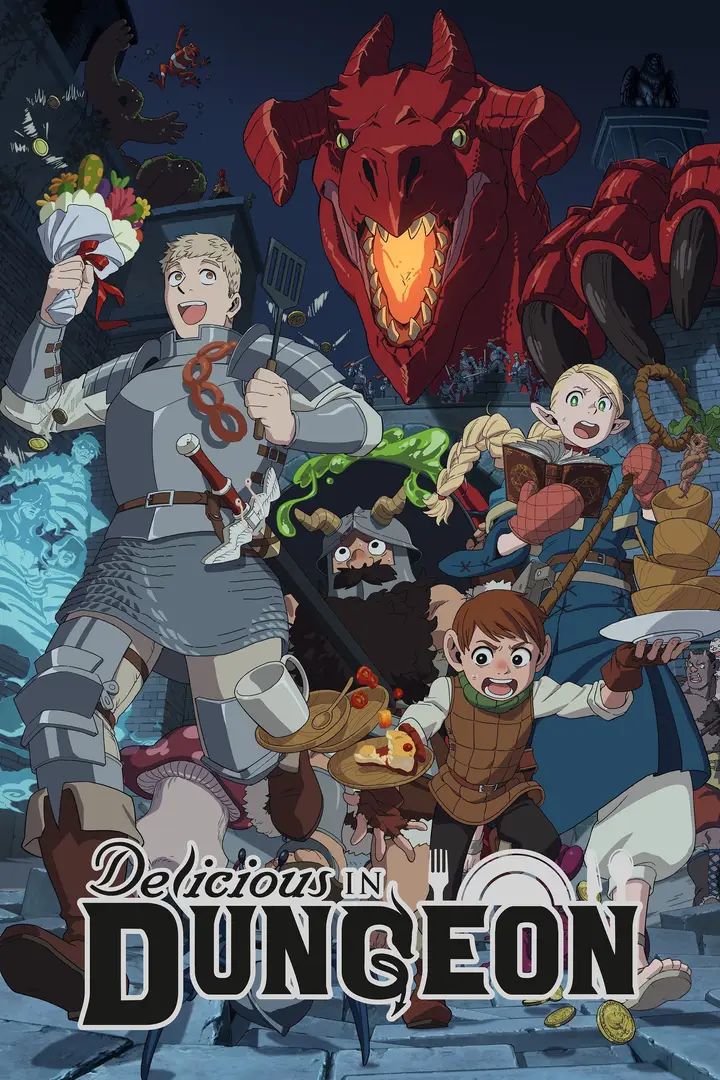
Delicious in Dungeon
Monster cooking begins as inventive fantasy comedy and expands into detailed world-building about ecology, magic and the dungeon itself. Strong group chemistry keeps the unusual food premise character-driven while the larger rescue mission steadily deepens.
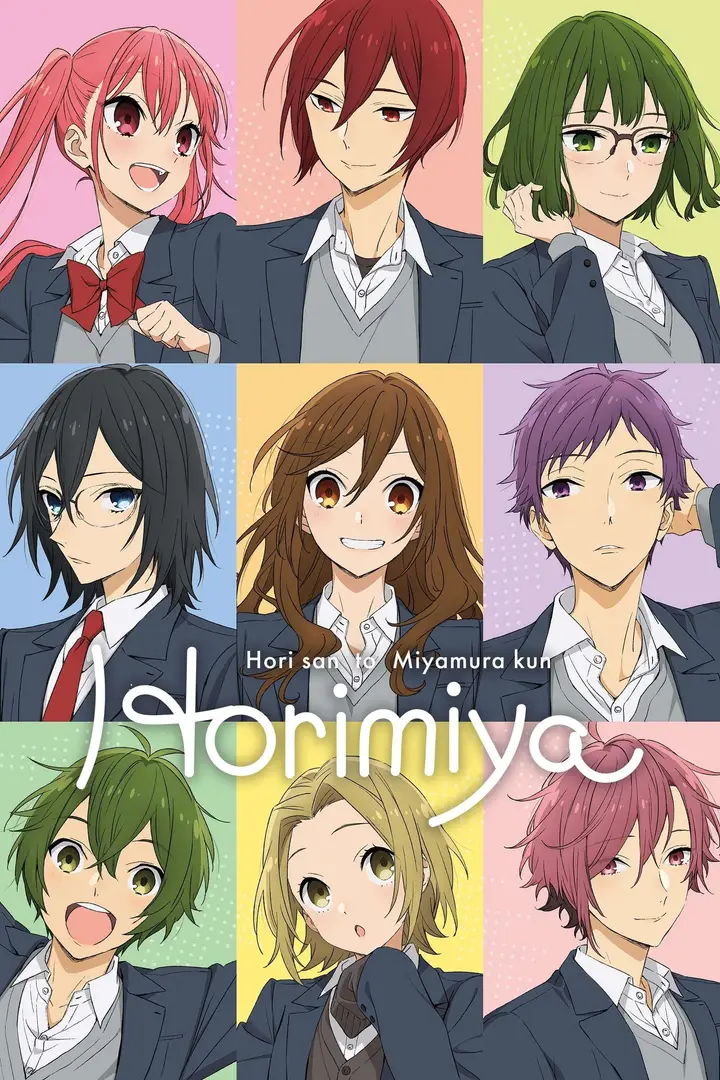
Horimiya
Hori and Miyamura move from hidden sides of themselves into a relationship that actually progresses, giving the series a natural sense of intimacy. Supporting characters receive their own insecurities and hopes, widening the story beyond one couple.
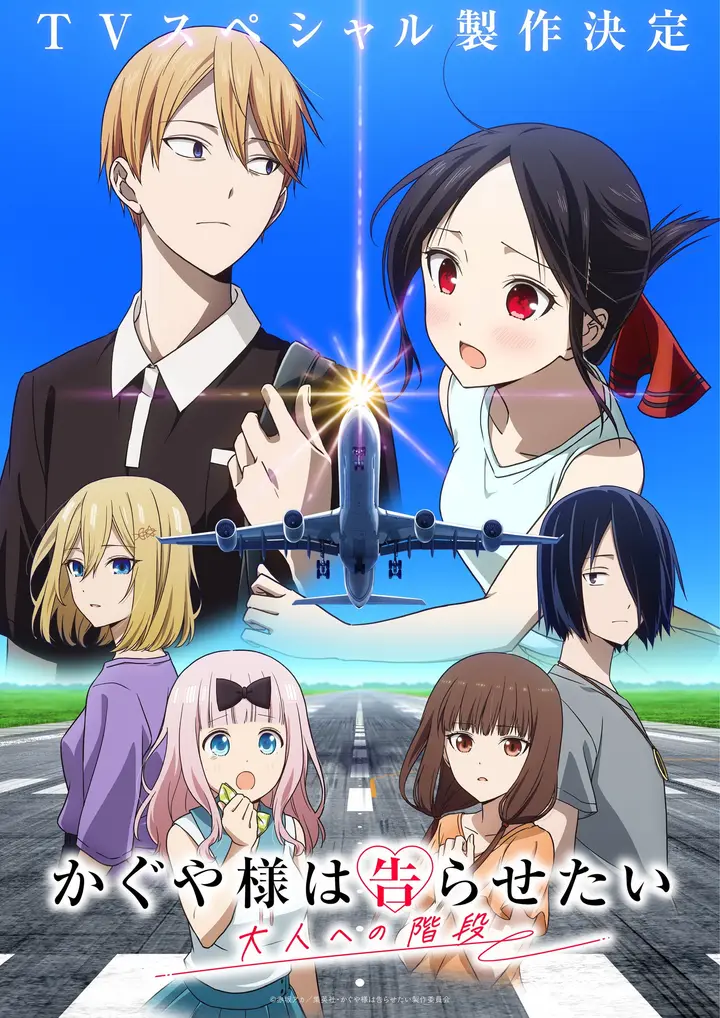
Kaguya-sama: Love Is War
Elaborate mind games turn adolescent embarrassment into sharp comedy, but the characters gradually gain depth through vulnerability and changing friendships. The exaggerated contests work because they eventually point toward insecurity and the difficulty of communicating honestly.
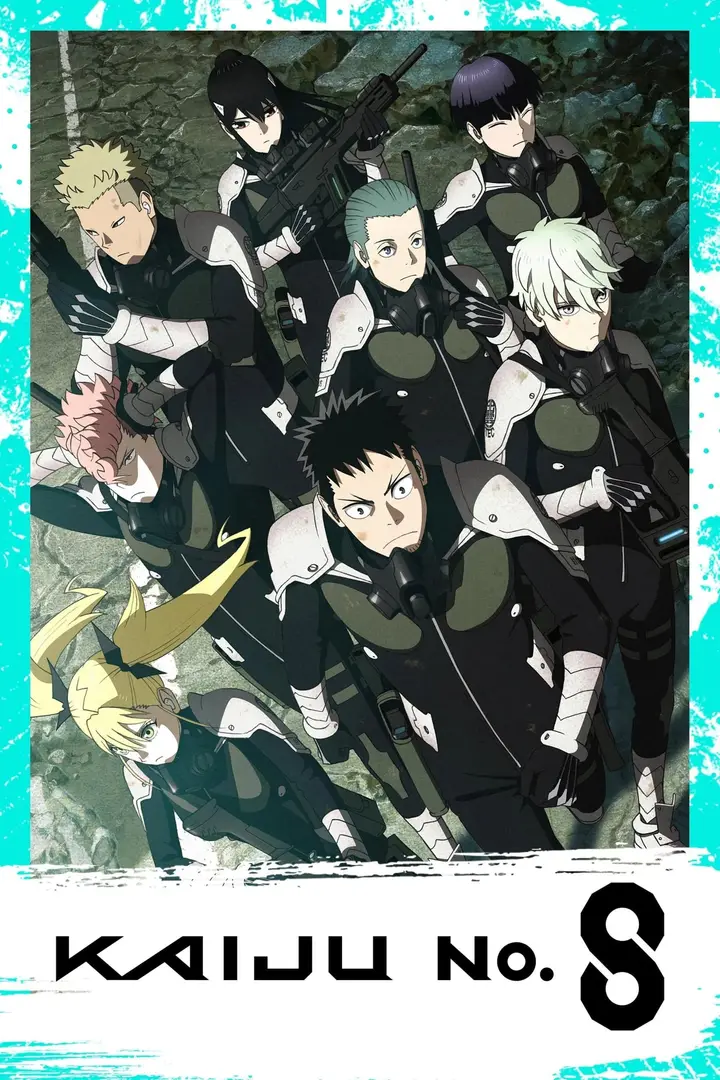
Kaiju No. 8
Kafka’s second chance at a long-delayed goal gives the monster-fighting setup a refreshing adult perspective. Teamwork, humor and ambition stay balanced as his kaiju transformation adds secrecy and personal risk to the Defense Force action.
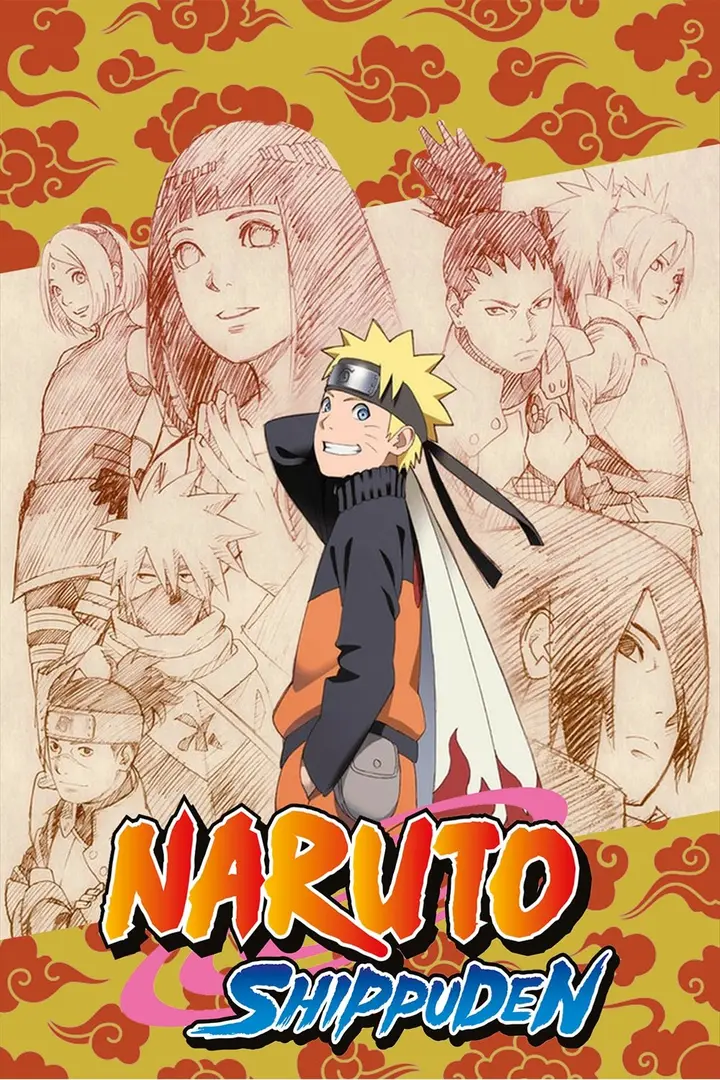
Naruto: Shippuden
Years of earlier relationships gain stronger consequences as Naruto’s world expands into grief, revenge, political conflict and war. The series rewards viewers who know the original because long-standing friendships and rivalries receive substantial payoff.
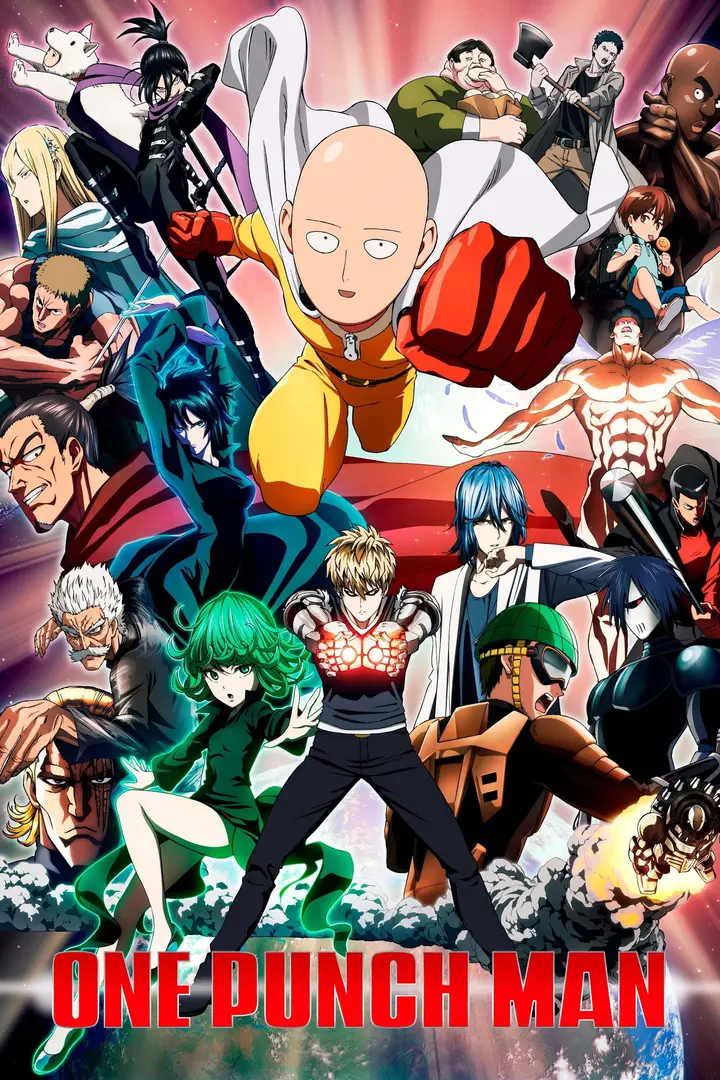
One-Punch Man
Saitama’s boredom turns extreme superhero power into sharp parody, while rankings, rivals and supporting heroes give the world structure beyond the central joke. Deadpan humor keeps oversized battles from becoming repetitive and gives the series its distinctive tone.
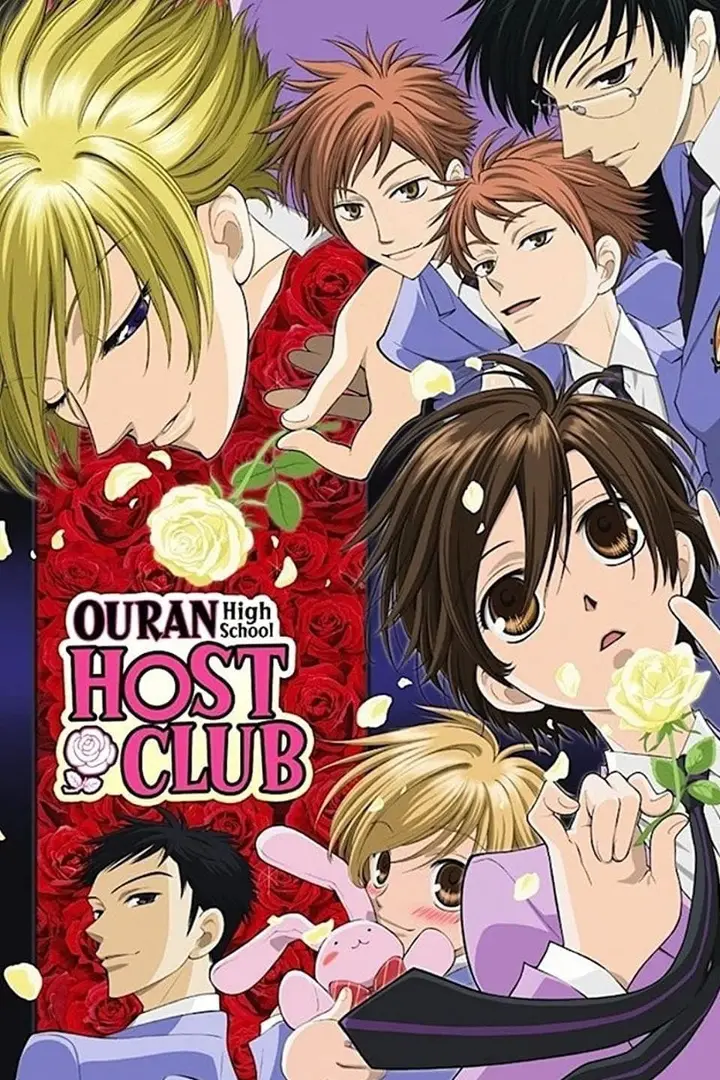
Ouran High School Host Club
Rapid parody, an ensemble full of contrasting personalities and Haruhi’s practical viewpoint keep the school comedy distinctive. The series plays with romance, wealth and gender expectations while continually exaggerating familiar shōjo conventions for comic effect.
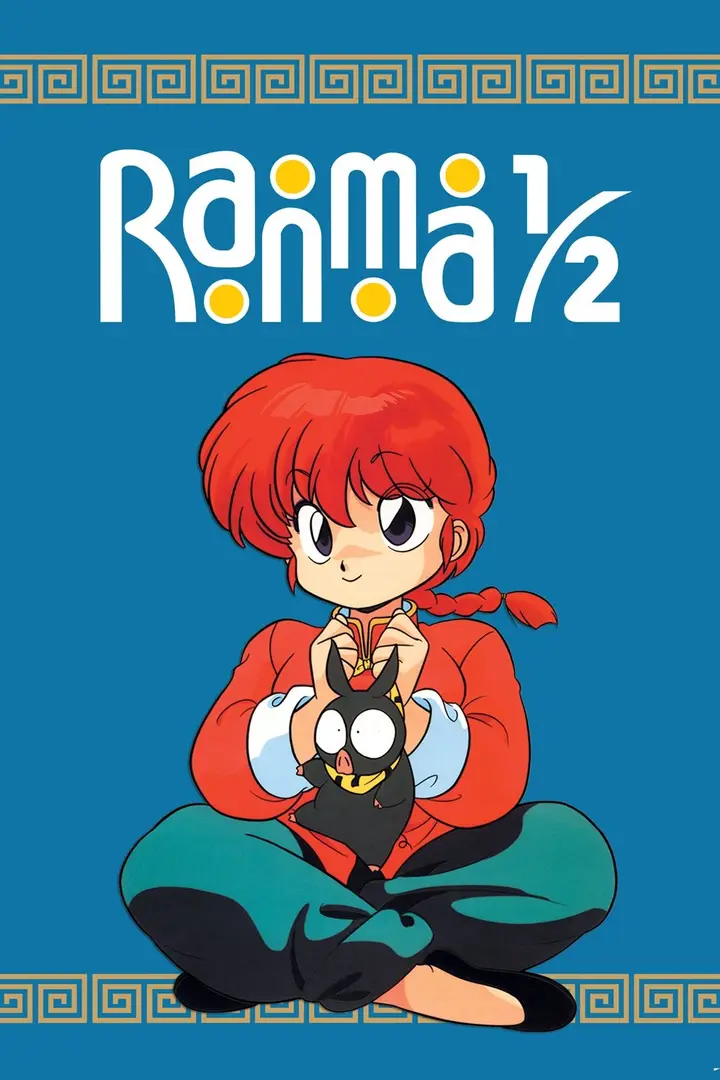
Ranma ½
Martial arts, romantic chaos and Ranma’s transformation curse create a fast comedy built around constant reversals. The series remains inventive in how it turns rivalries, engagements and identity-based misunderstandings into energetic physical farce.
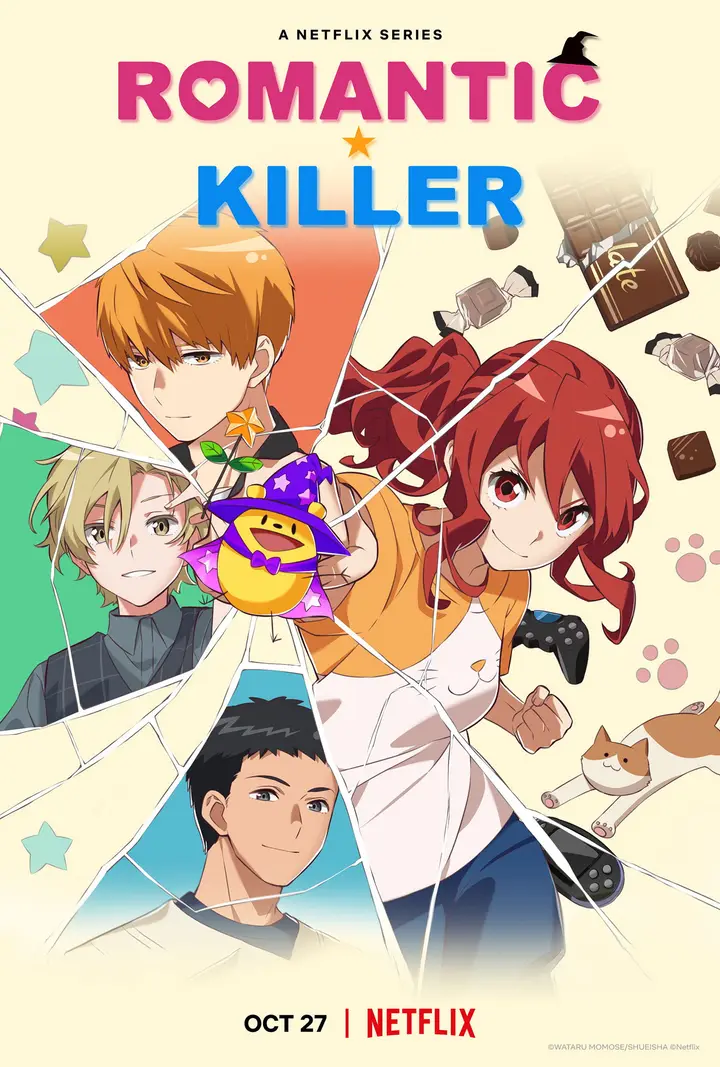
Romantic Killer
Anzu’s refusal to accept a forced dating-game setup gives the comedy strong agency and a self-aware voice. The series stays playful while gradually taking boundaries, personal safety and coercive behavior more seriously as the story develops.
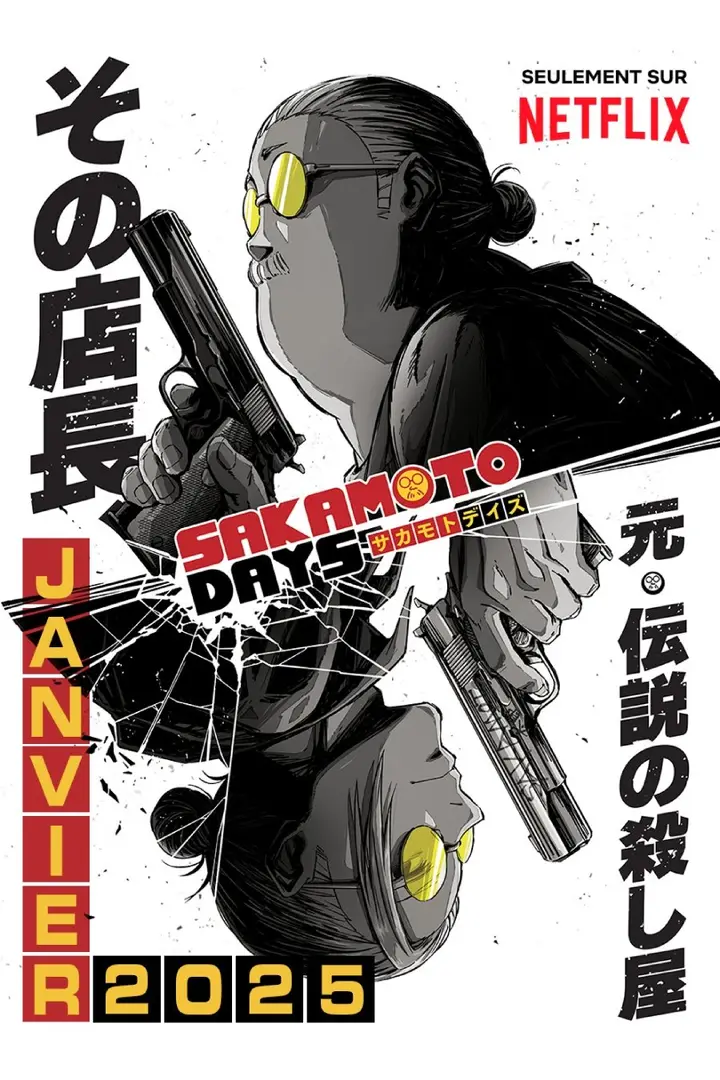
Sakamoto Days
A retired assassin protecting family life gives the action-comedy an instantly readable hook. Inventive choreography, deadpan humor and Sakamoto’s domestic priorities keep frequent fights playful without removing the skill behind them.
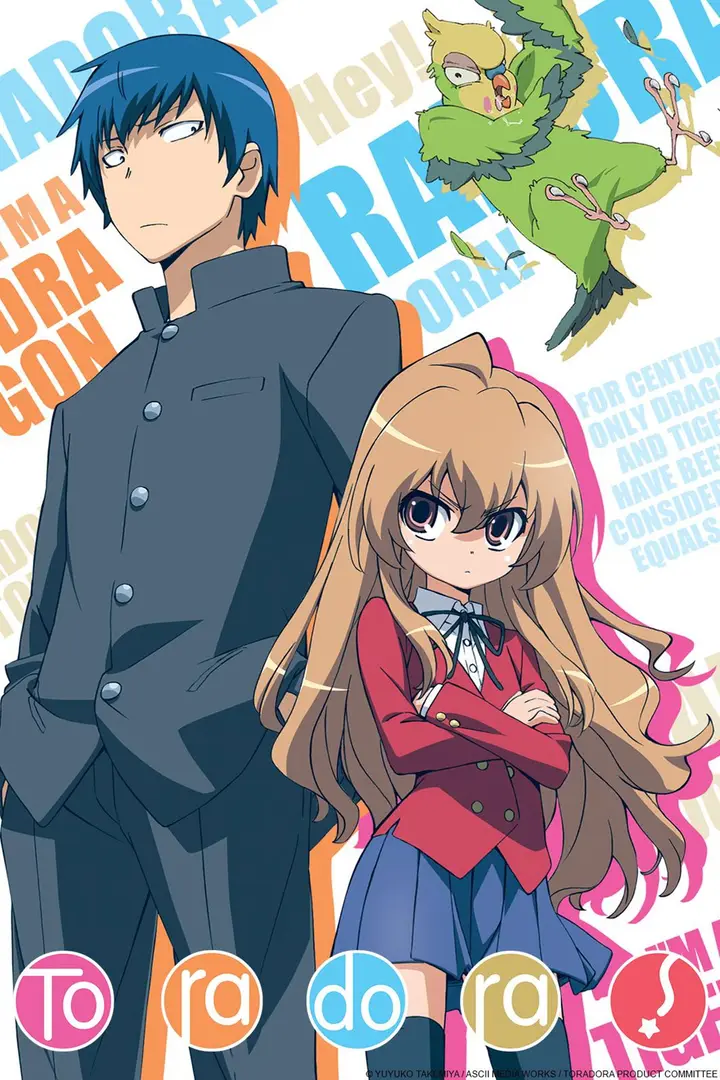
Toradora!
Strong chemistry turns a familiar school-romance setup into a more layered story about changing first impressions, family pressure and confused feelings. The friend group evolves with the central pair, so the relationship drama gains weight over time.
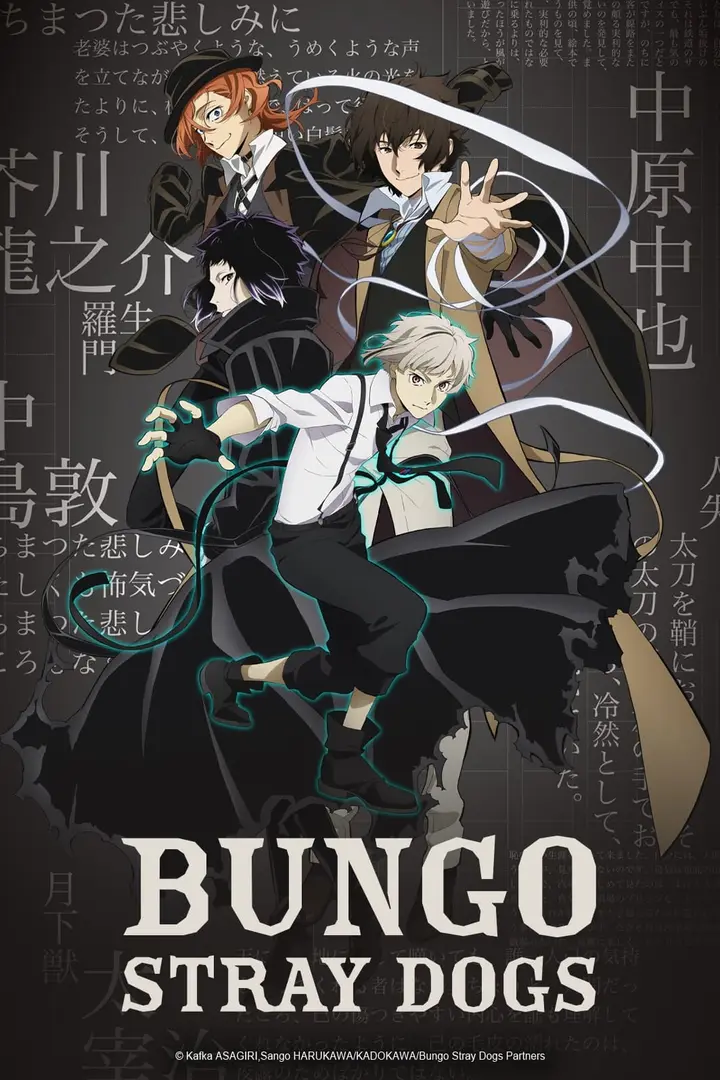
Bungo Stray Dogs
Literary references, supernatural abilities and shifting alliances give the detective-action ensemble a distinct identity. Cases often become battles of strategy, while the large cast keeps loyalties, rivalries and personal histories active across longer arcs.
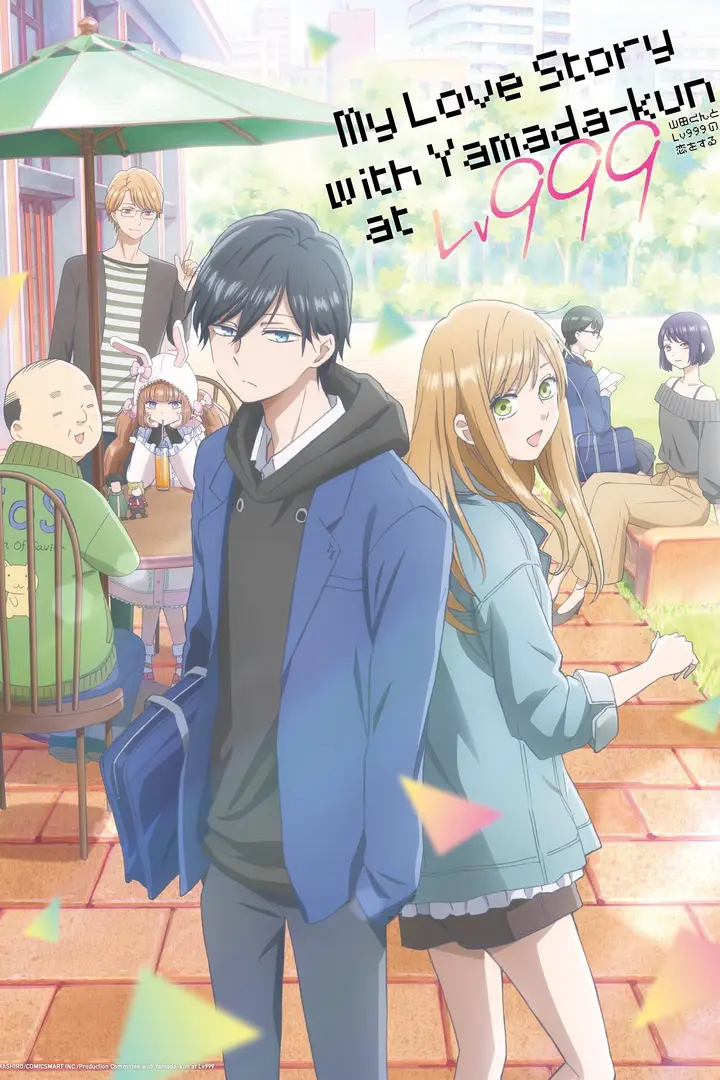
My Love Story with Yamada-kun at Lv999
Gaming culture gives Akane and Yamada a believable shared world while the romance develops through guild chats, offline gatherings and everyday interaction. The pacing gives both characters room to communicate and change without turning every misunderstanding into a prolonged conflict.
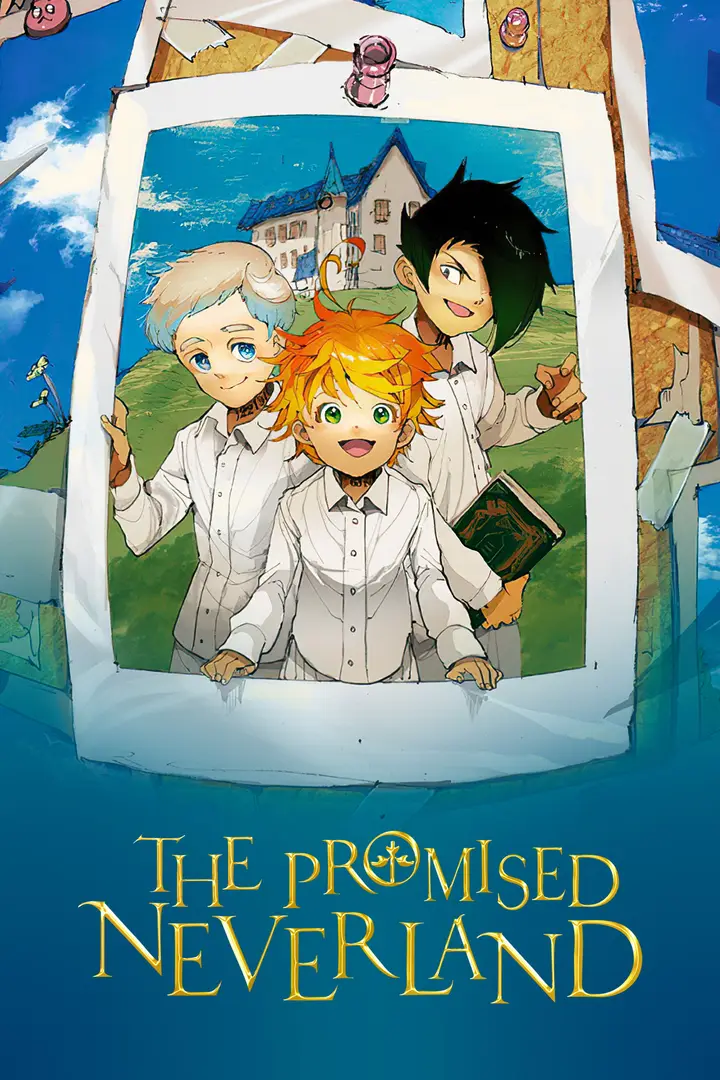
The Promised Neverland
Strategy drives the suspense as Emma, Norman and Ray respond to danger through planning, observation and cooperation. The first season gives young protagonists genuine intelligence and agency, making the escalating threat feel tense without depending on constant action.
Still a good fit at this age
Series with a lower Recommended Age that our editors have also approved for this age group. The Recommended Age shown on each card is unchanged.
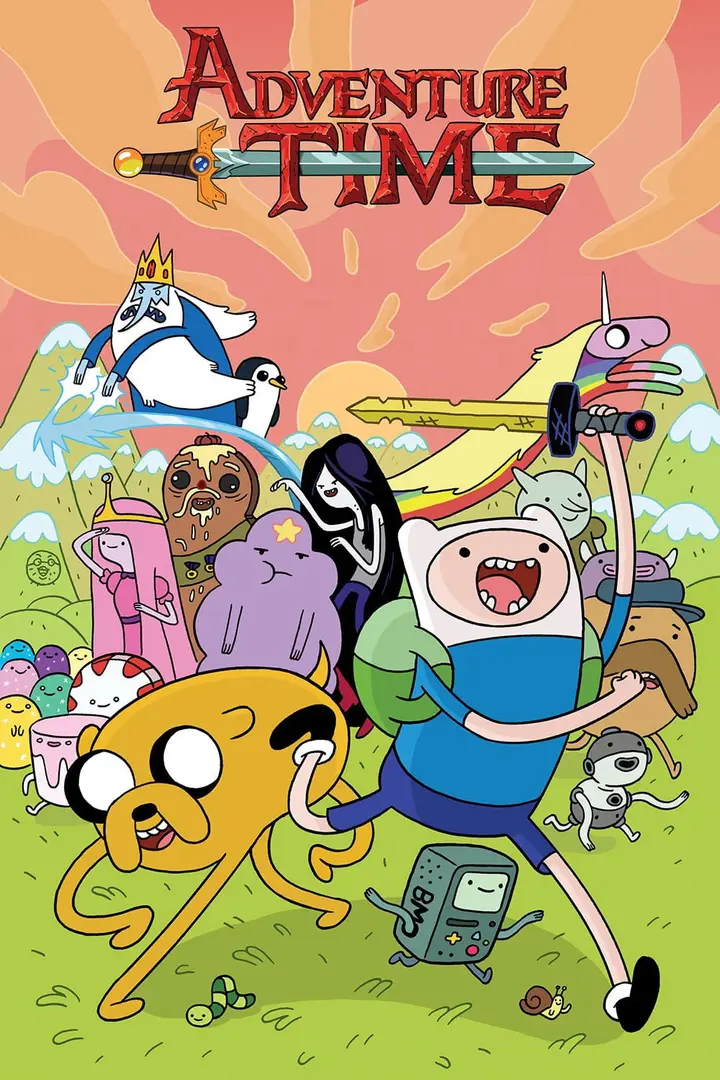
Adventure Time
Finn and Jake’s playful quests gradually reveal a world with history, damaged relationships and lasting consequences. Absurd comedy, songs and monsters sit beside stories about friendship, identity, responsibility and growing older, giving the fantasy distinctive depth.
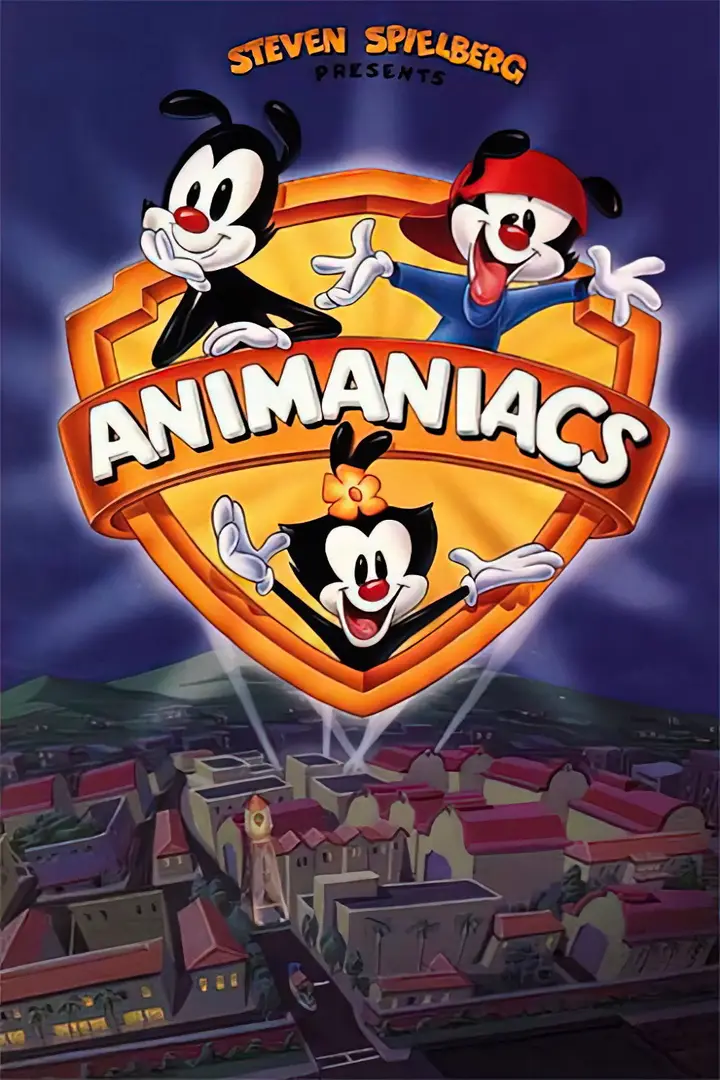
Animaniacs
Songs, wordplay, slapstick and constant format changes make the comedy highly varied. Younger viewers can follow the physical humor, while older children get more from satire, cultural references and jokes aimed beyond the child audience.
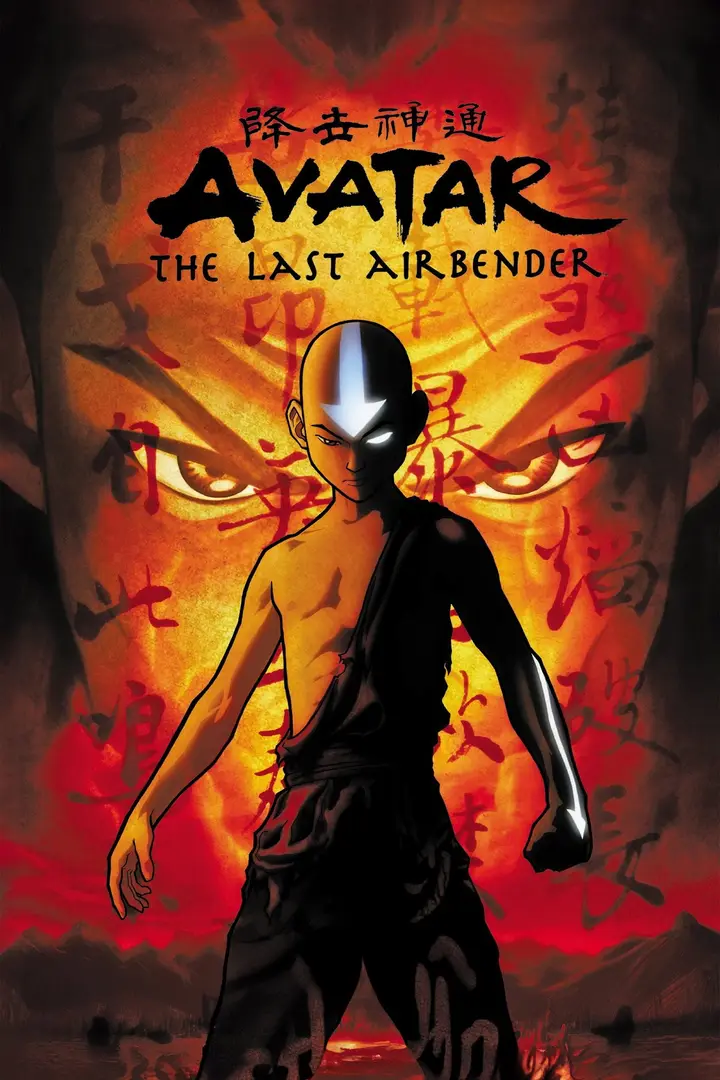
Avatar: The Last Airbender
Epic fantasy grows through a carefully structured journey in which Aang must master the elements while deciding what kind of Avatar he wants to become. Humor, friendship and martial arts support deeper themes of grief, identity and responsibility.
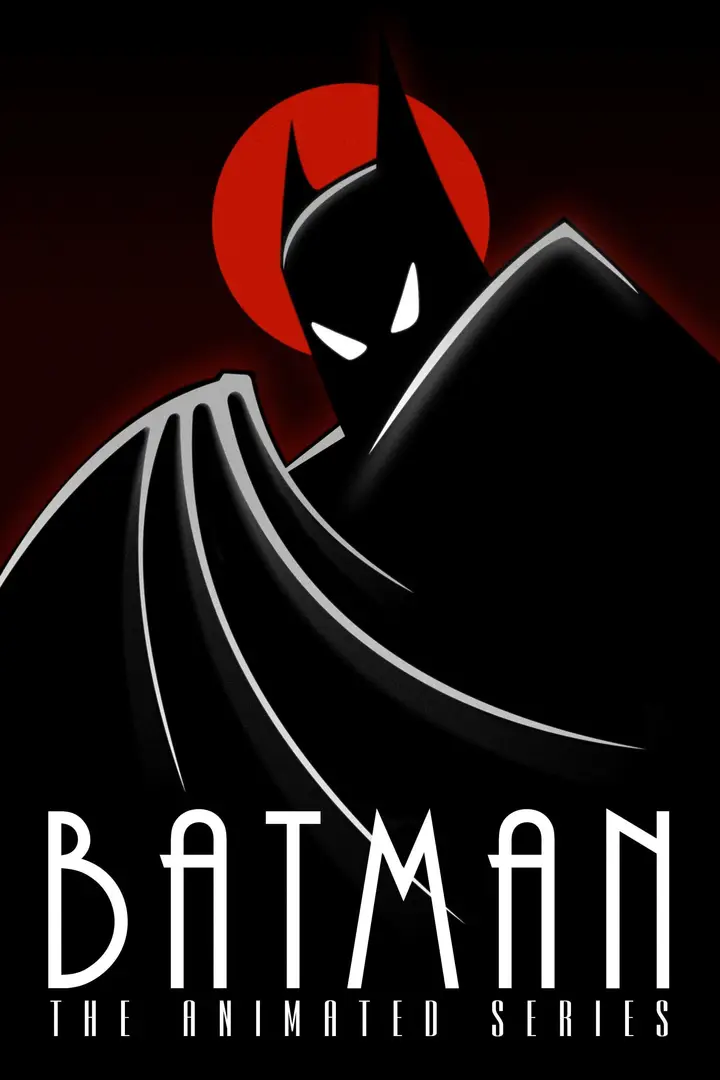
Batman: The Animated Series
Noir atmosphere, detective work and psychologically motivated villains give Gotham rare depth for superhero animation. Batman often has to understand a case before defeating anyone, while recurring characters build a morally complicated city over time.
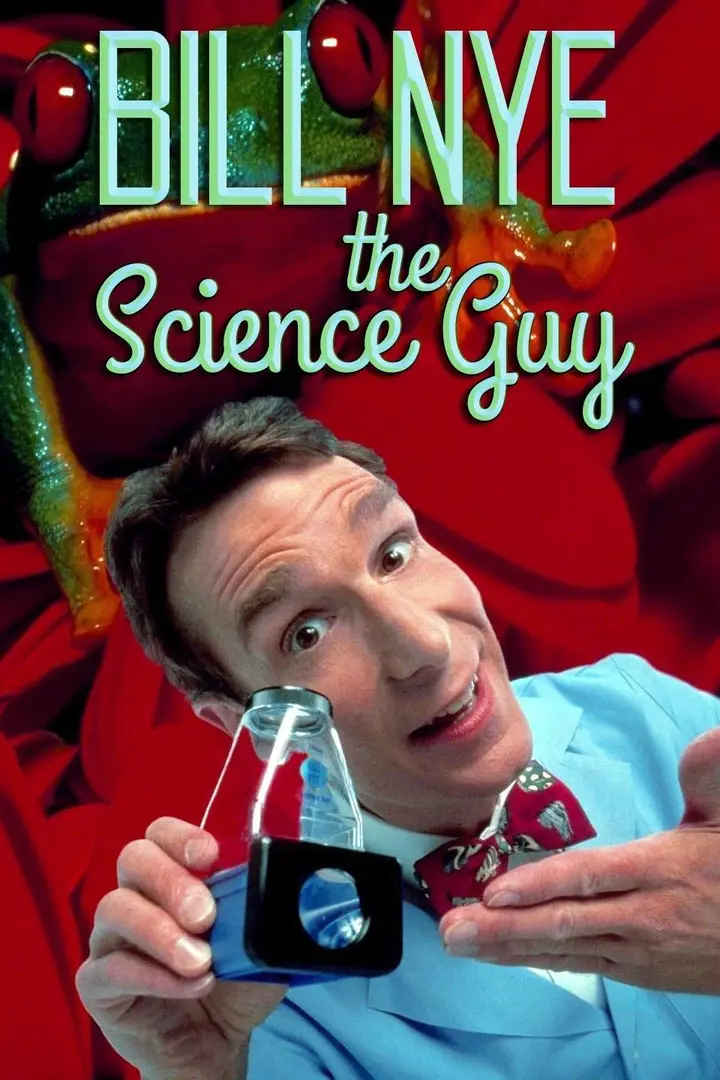
Bill Nye the Science Guy
The show teaches the method, not just the facts: ask a question, test it, look at the result. Each episode is self-contained, which makes it easy to use in class or pair with a home experiment.
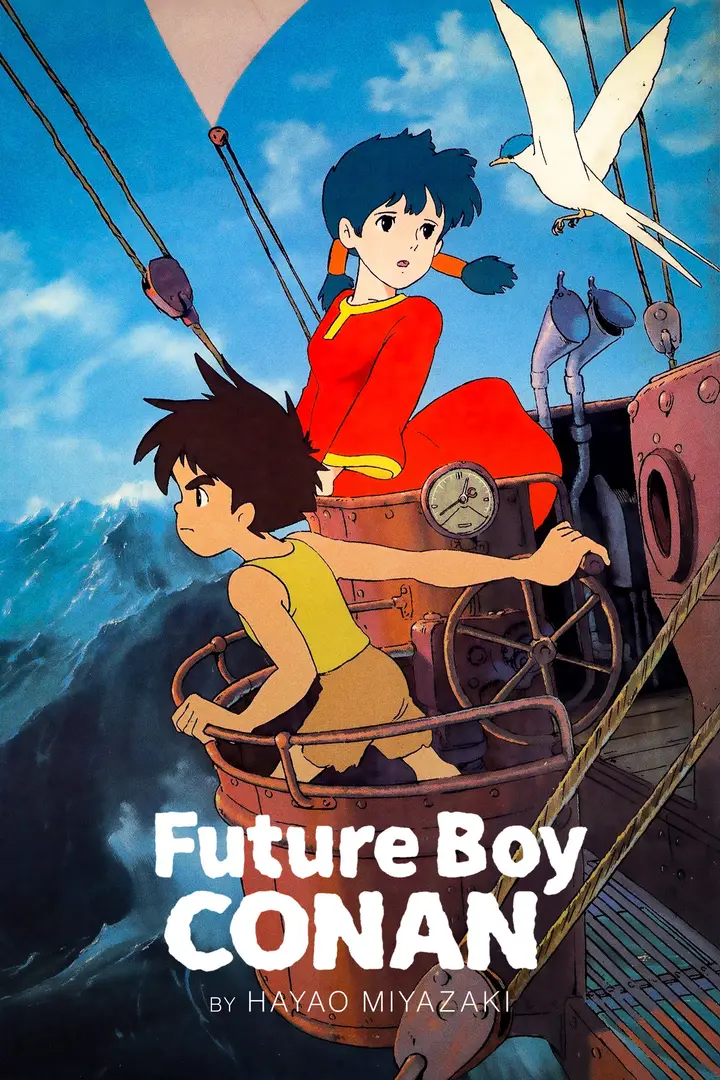
Future Boy Conan
Conan combines large-scale adventure with ecological ideas, political conflict and a hero defined by loyalty as much as physical courage. The ruined world creates real stakes, but the story keeps returning to cooperation, rebuilding and the possibility of a better future.
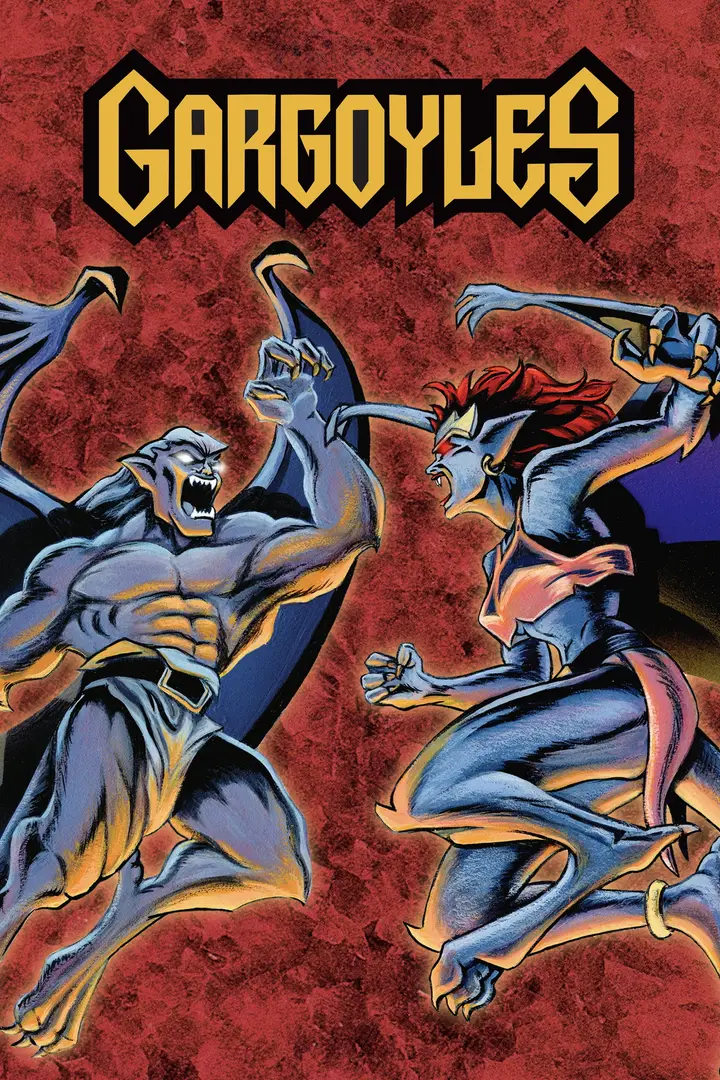
Gargoyles
Medieval history, urban fantasy and long-form plotting give the series a richer structure than most action cartoons of its era. Goliath’s clan faces betrayal and adaptation while building a new sense of family in modern New York.
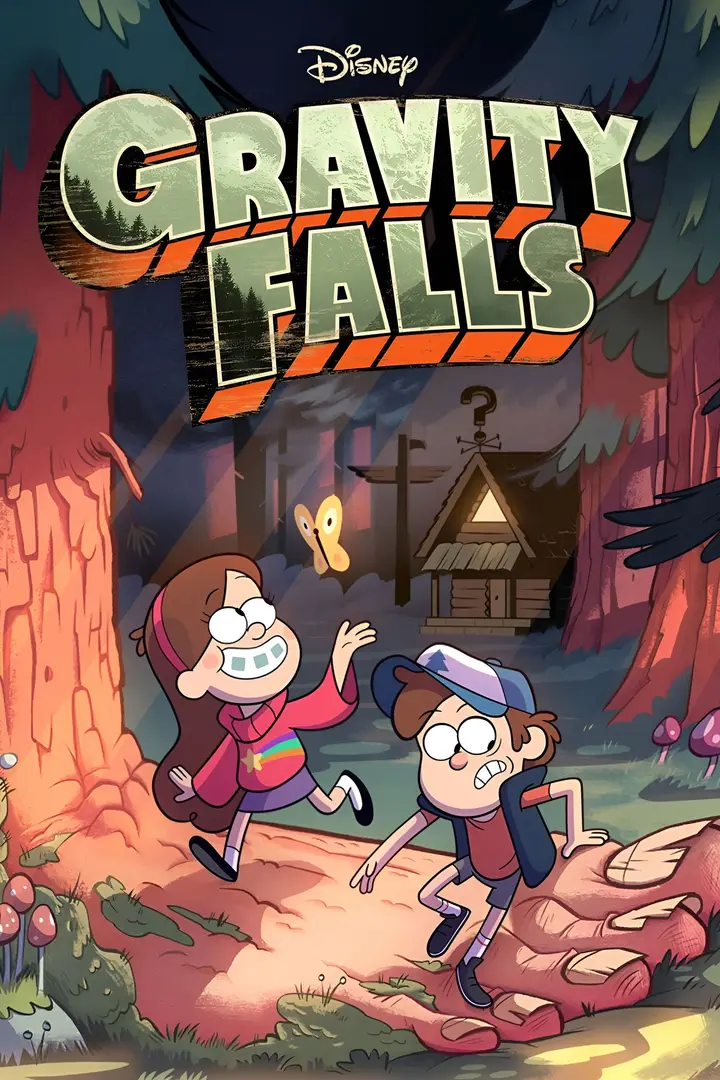
Gravity Falls
Dipper’s mysterious journal turns a strange summer town into a connected puzzle filled with monsters, codes and hidden organizations. Mabel’s energy balances the suspense, while the twins’ loyalty keeps the expanding mystery tied to family.
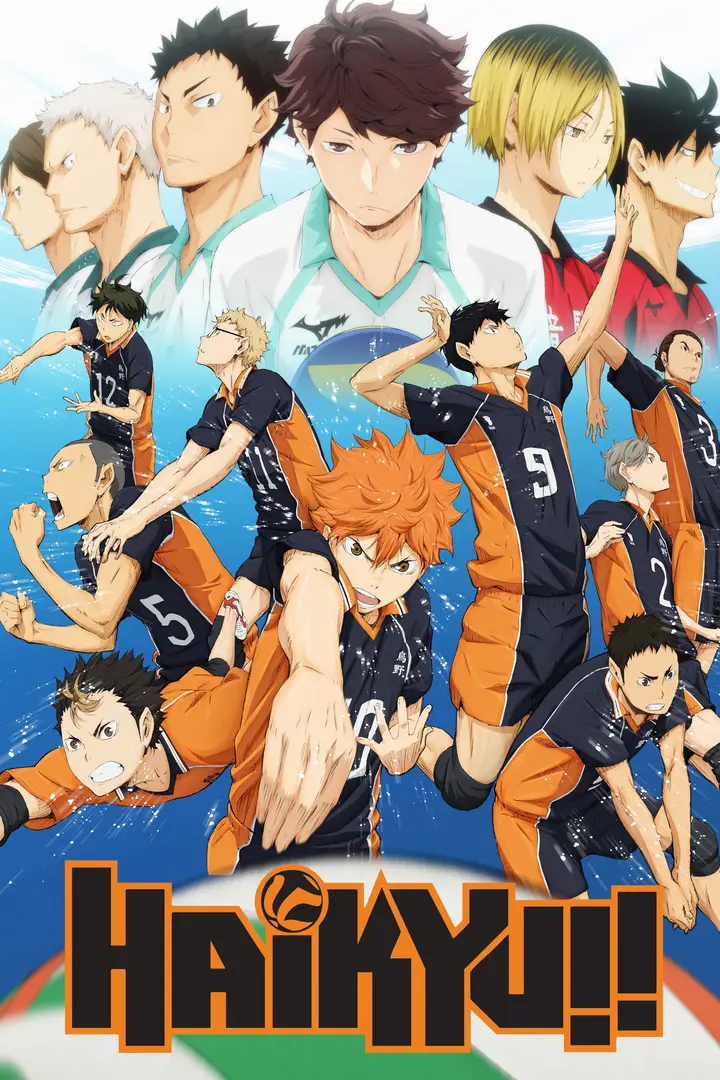
Haikyu!!
Matches stay exciting because tactics, positioning and small improvements matter as much as athletic talent. The series gives teammates and opponents clear goals, making practice, setbacks and cooperation feel consequential without relying on fantasy powers or violent stakes.
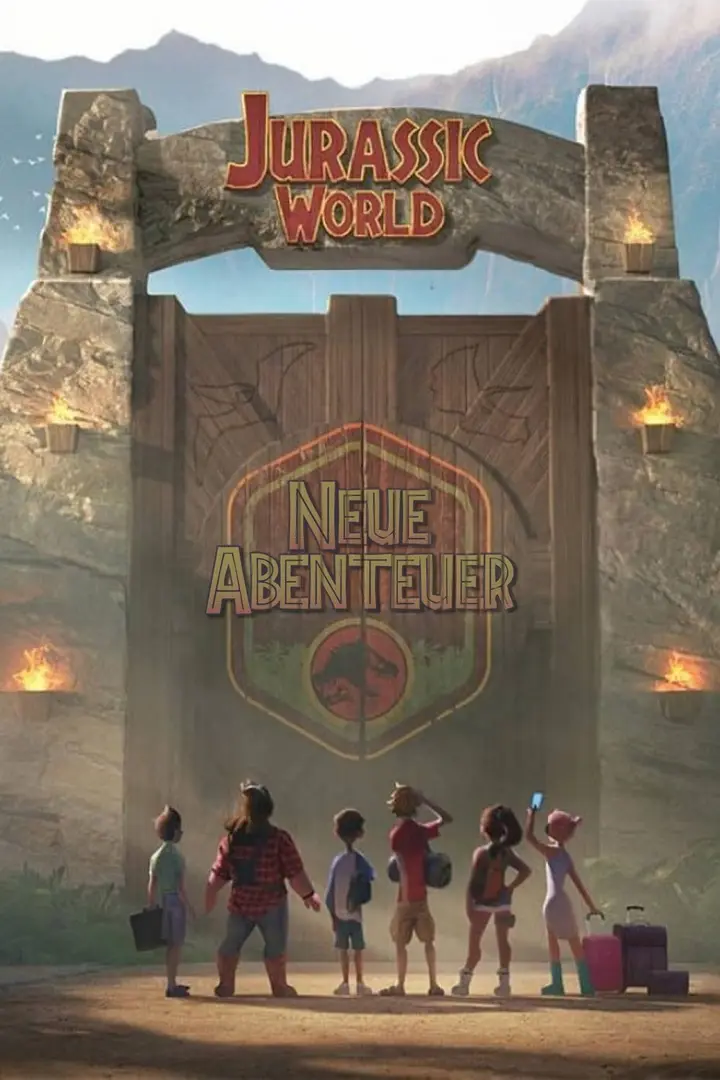
Jurassic World: Camp Cretaceous
It brings real Jurassic World stakes to a teen ensemble, using chases and close calls to force a mismatched group to build the trust that survival actually requires.
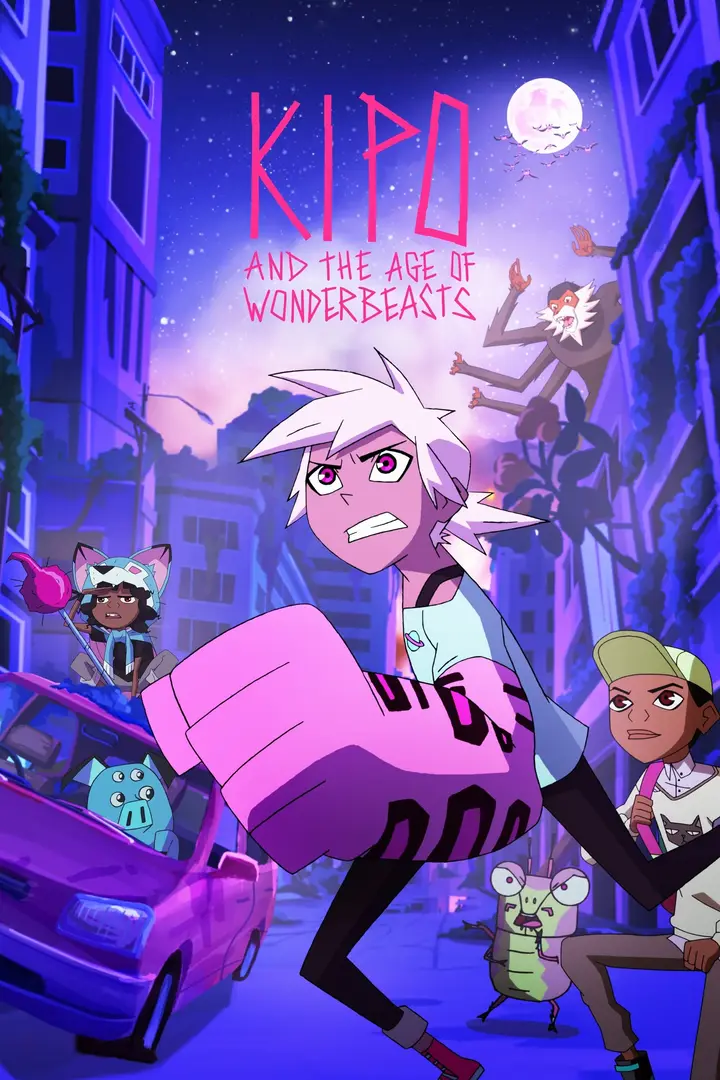
Kipo and the Age of Wonderbeasts
Its post-apocalyptic setting and mutant-animal action stay purely fantastical while the story explores prejudice and coexistence, giving an energetic adventure real thematic weight for older kids.
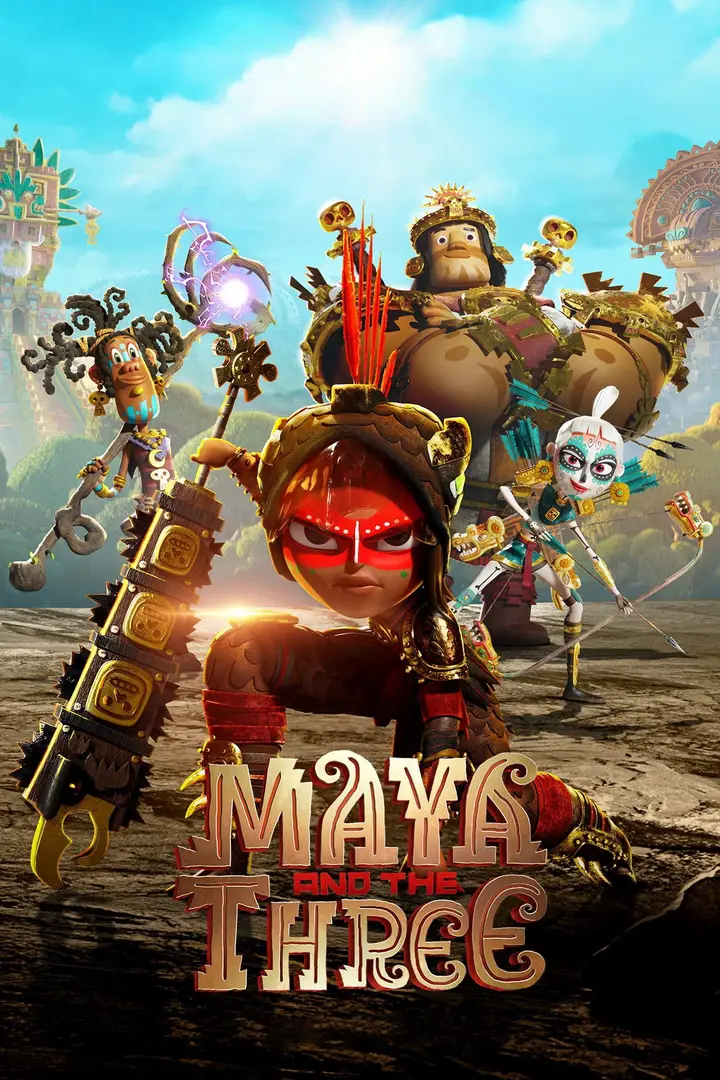
Maya and the Three
Its Mesoamerican-inspired mythology and striking visual design give an already spectacular quest real cultural identity, while the story takes duty and sacrifice seriously rather than treating them lightly.
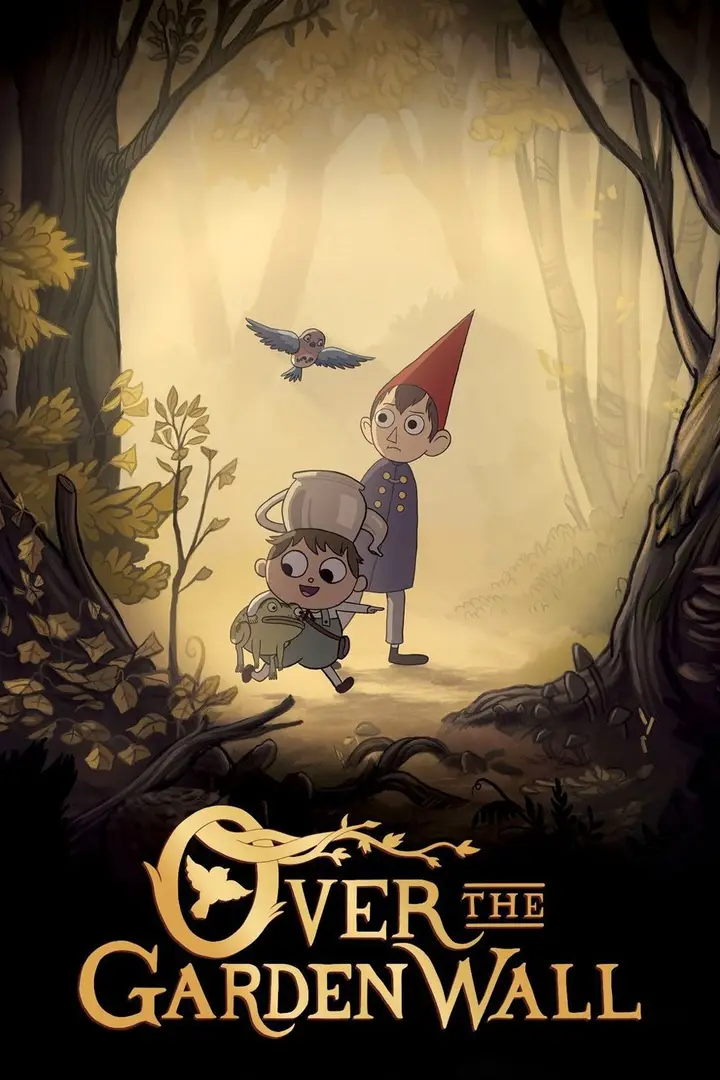
Over the Garden Wall
A compact journey through the Unknown blends folklore, dry humor and fairy-tale imagery with a tightly controlled mystery. Wirt and Greg’s sibling bond gives the strange encounters continuity while the atmosphere grows steadily darker.
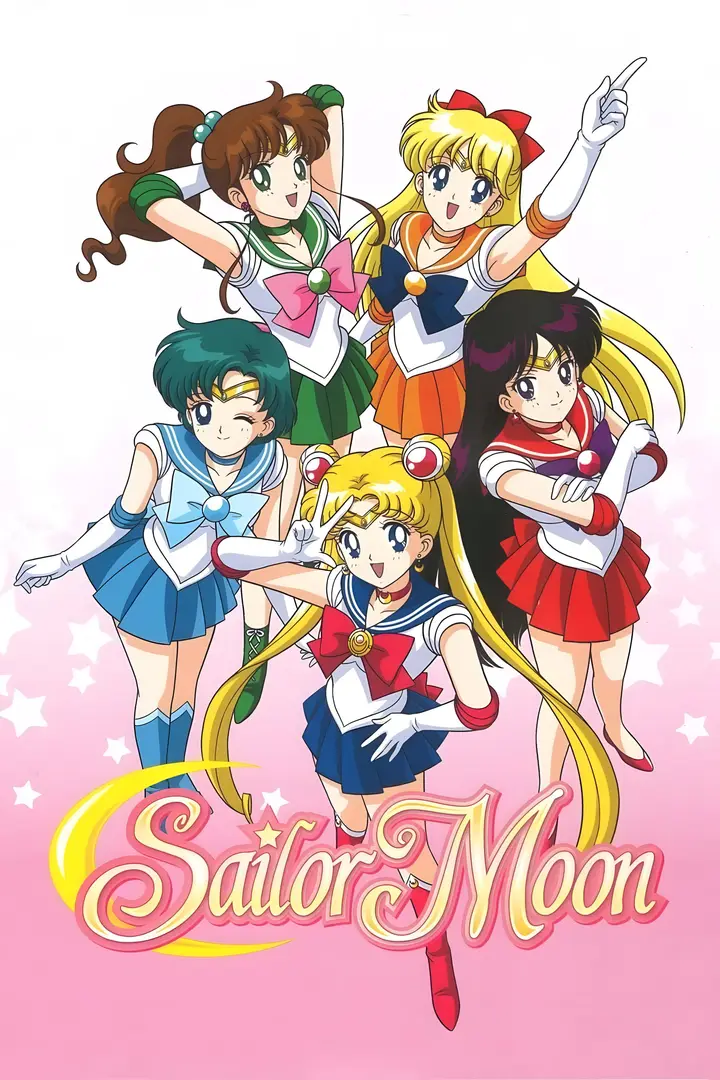
Sailor Moon
Magical battles, school comedy and an expanding team of Sailor Guardians give the series both episodic fun and long-form continuity. Friendships and group dynamics grow alongside the fantasy plot, which helps the larger story arcs carry weight.
Questions parents ask
What are the best TV shows for 12-year-olds?
At 12, the choice widens to more mature storytelling. Frieren: Beyond Journey’s End, Komi Can’t Communicate, My Hero Academia, Hunter x Hunter (2011) and Assassination Classroom are all recommended from this age, as is The Simpsons for families happy with its adult satire.
Is The Simpsons appropriate for a 12-year-old?
For most families, yes from 12 (minimum 11). Younger viewers follow the family plots easily, but the show regularly includes alcohol, sexual jokes, crude humour and adult satire that lands differently at 12 than at 8.
Is My Hero Academia appropriate for a 12-year-old?
Yes, 12 is its recommended age (minimum 11). It starts as an accessible superhero-school story, then the battles, injuries and danger grow more serious over the seasons, with some language and fan service along the way.


