
Best TV Shows for 11-Year-Olds
Science-inspired adventures, anime and increasingly complex stories for older viewers.

Best TV Shows for 11-Year-Olds
At age 11, our 17 recommended series move into more complex worlds, continuing stories and stronger action, from Dr. Stone and Cells at Work! to Naruto and One Piece. Another 10 can be started at 11, but TFFC recommends them for older viewers.
Find the right series
Choose one band. Results show age-relevant series approved by our editors: those whose Minimum-to-Recommended age span overlaps the band, plus individually approved favorites. The Recommended Age is a starting point, not a maximum.
More filters and sort
No series in this guide match this age.
Recommended for 11-year-olds
These series have this age as their recommended viewing age.
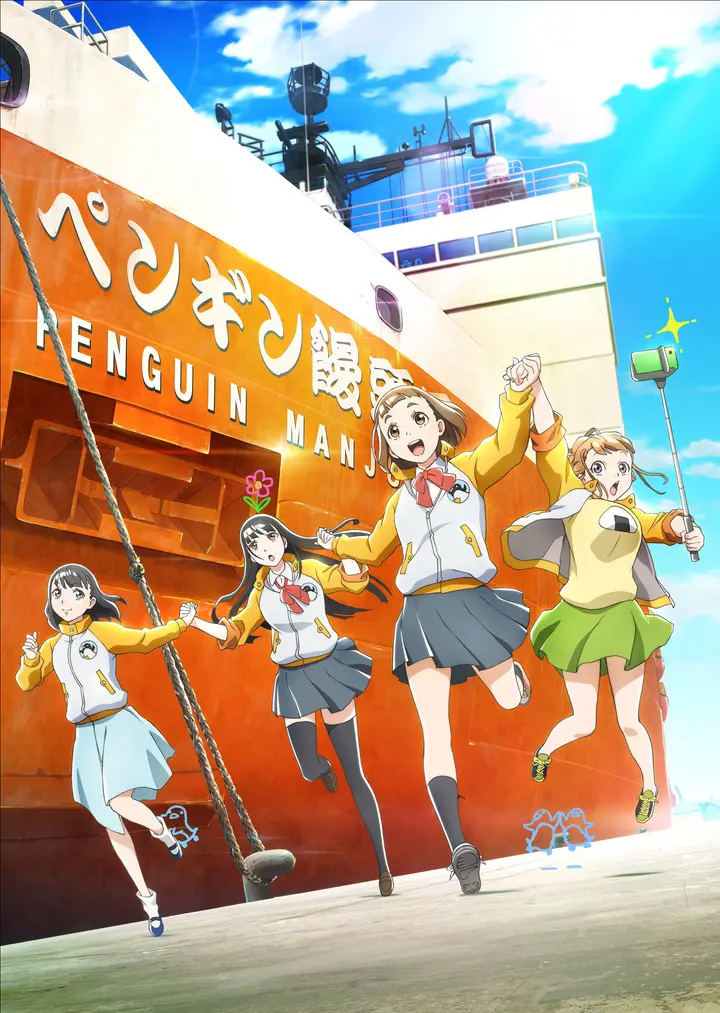
A Place Further Than the Universe
The Antarctic goal gives the series a concrete destination, but the real strength is watching four girls plan, fail, adapt and commit to going together. Detailed preparation and believable friendships make the achievement feel earned instead of inspirational by default.
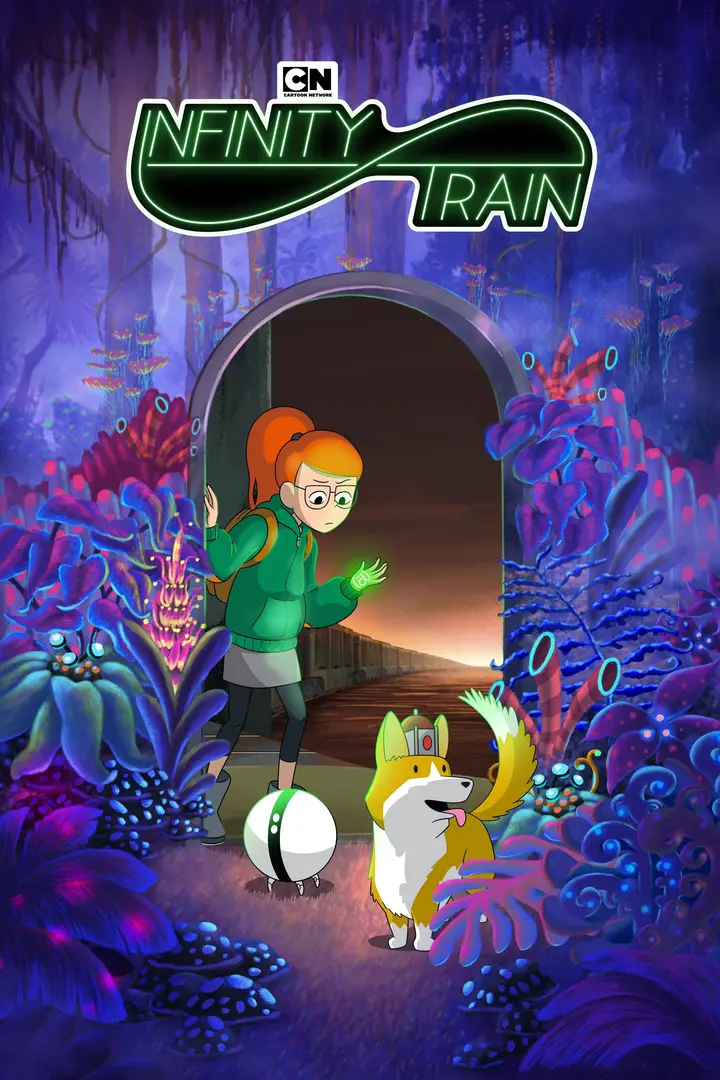
Infinity Train
Each train car becomes a separate world, but the real journey is personal. Changing numbers and new protagonists turn puzzles into a framework for grief, guilt, identity and harmful patterns that must be confronted.
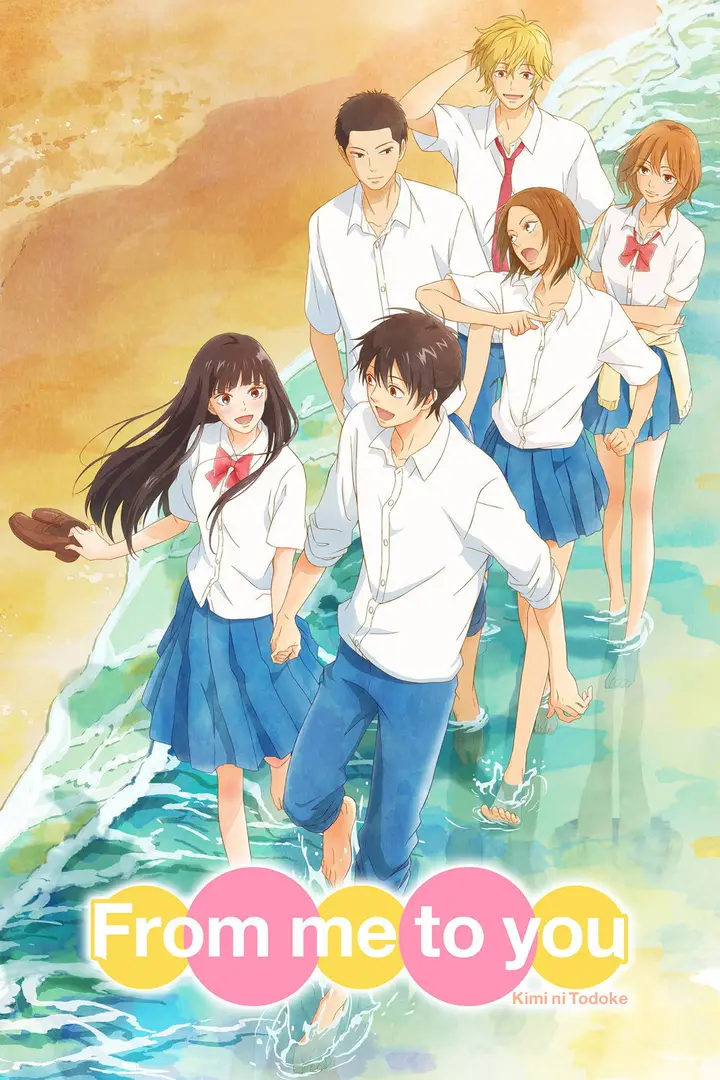
Kimi ni Todoke: From Me to You
Sawako’s growing confidence develops through sincere friendships as much as through romance. The patient school setting gives misunderstandings time to resolve through conversation and makes small social steps feel meaningful, making it an accessible first romance anime.
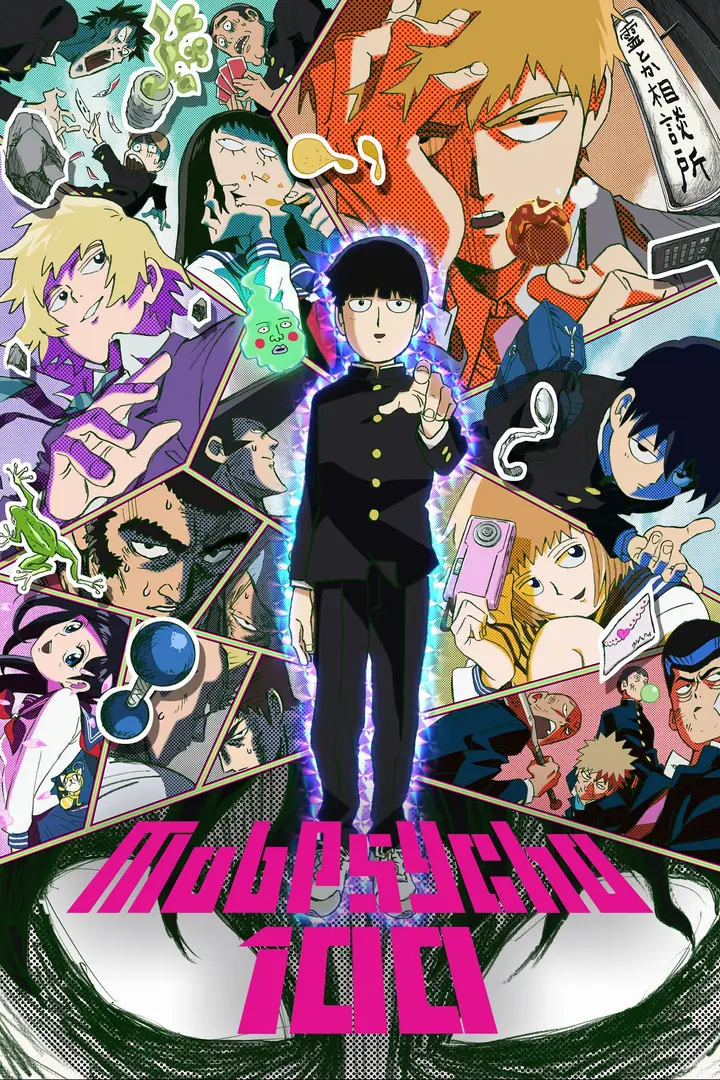
Mob Psycho 100
Mob’s overwhelming psychic power matters less than his effort to become a better, more confident person. Absurd comedy, striking supernatural action and Reigen’s influence support a thoughtful story about self-worth, choices and what actually makes someone strong.
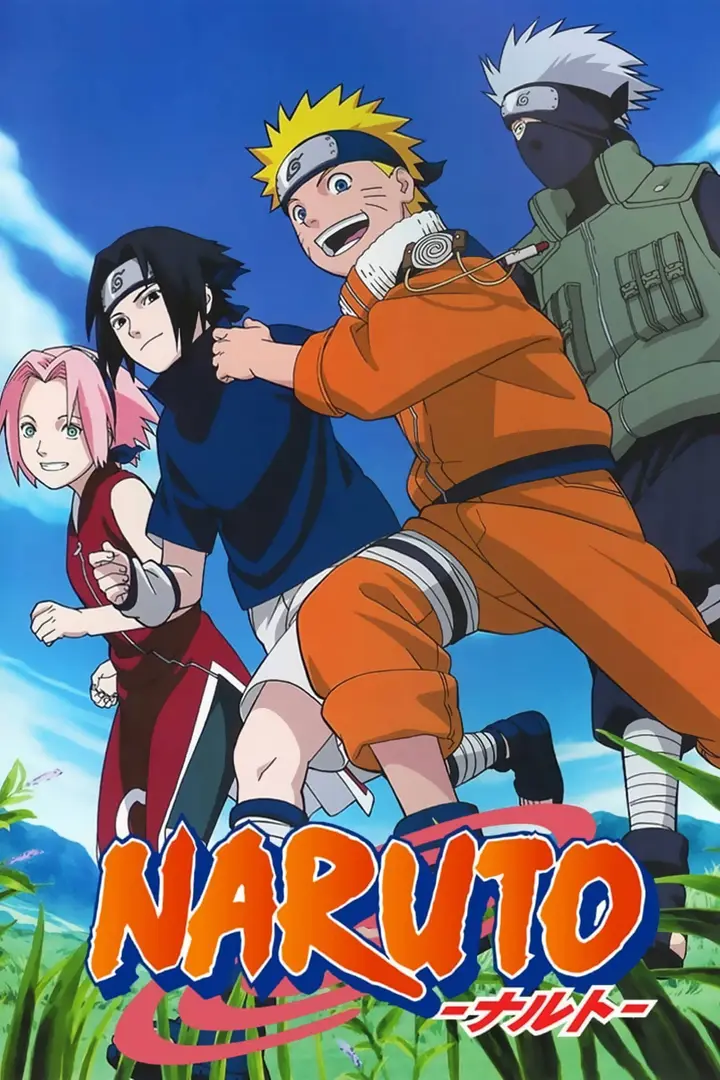
Naruto
Naruto’s long-term growth gives the series real cumulative force: training, rivalries and team bonds build across many episodes instead of resetting. The strongest arcs connect action to loneliness, loyalty and perseverance, giving the ninja world a solid character foundation.
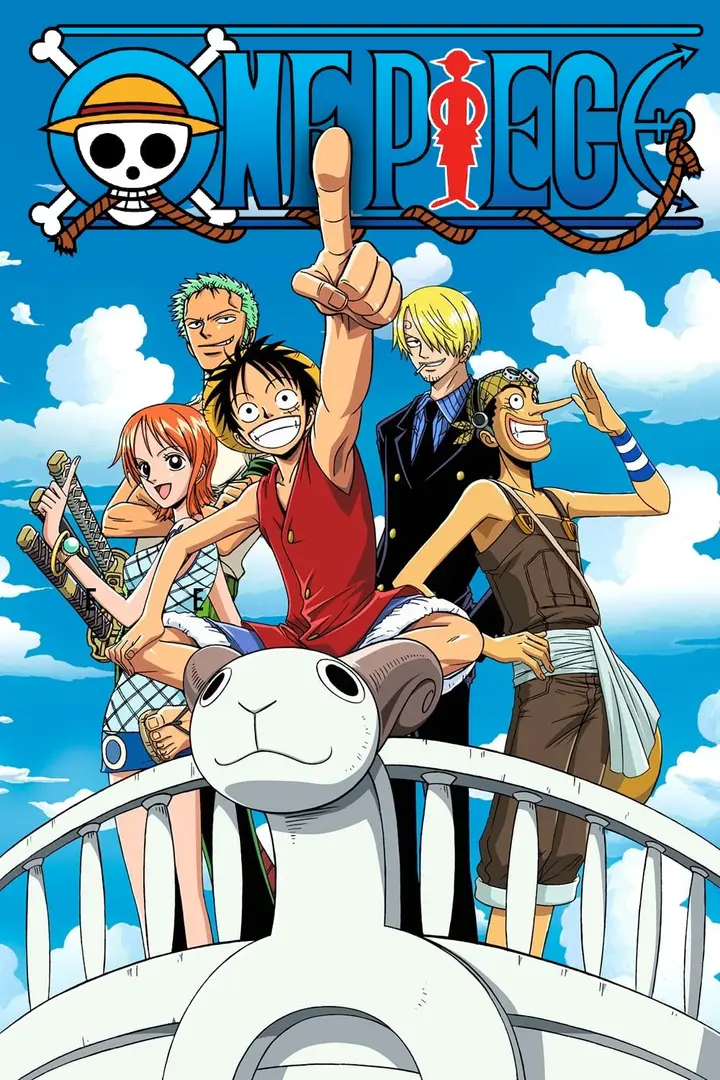
One Piece
Huge world-building stays coherent because the Straw Hat crew’s loyalty and opposition to oppression provide a consistent center. Island-by-island adventures can shift from broad comedy to serious social themes while still contributing to one enormous journey.
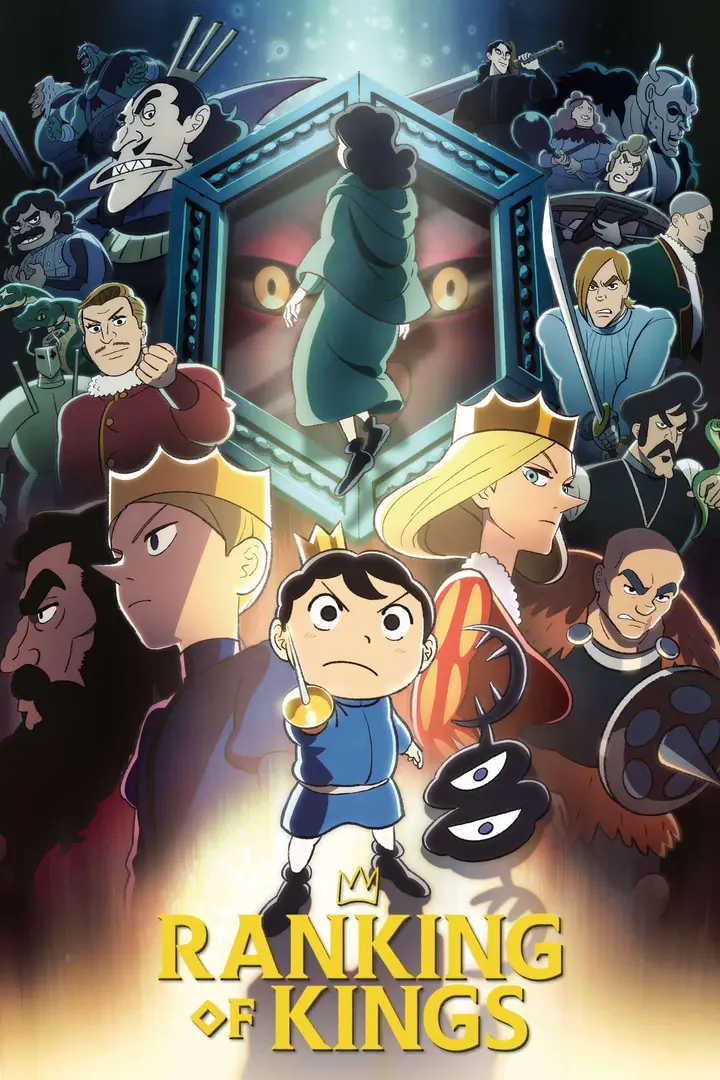
Ranking of Kings
Bojji’s determination and compassion turn a fairy-tale kingdom into a story about how strength is judged and who gets underestimated. Political secrets, family loyalties and shifting alliances add depth without losing sight of his personal journey.
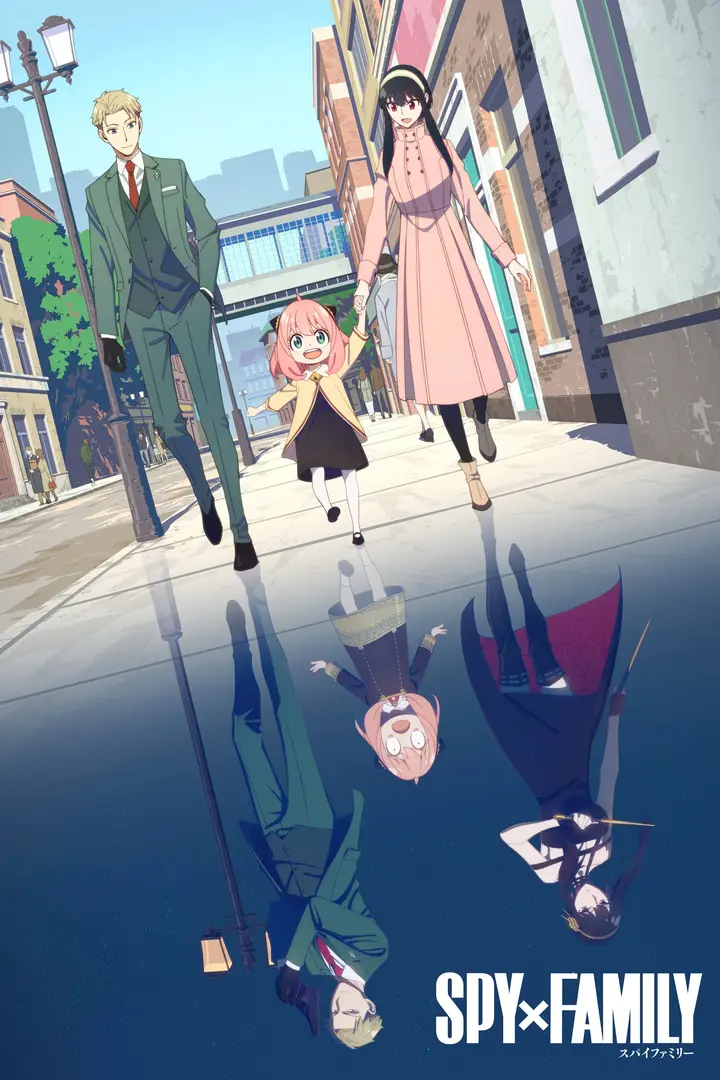
Spy x Family
Espionage, school comedy and domestic life reinforce each other instead of competing for attention. The hidden identities create constant comic tension, while Anya’s perspective and the growing bond between the Forgers give the action a warm, character-driven center.
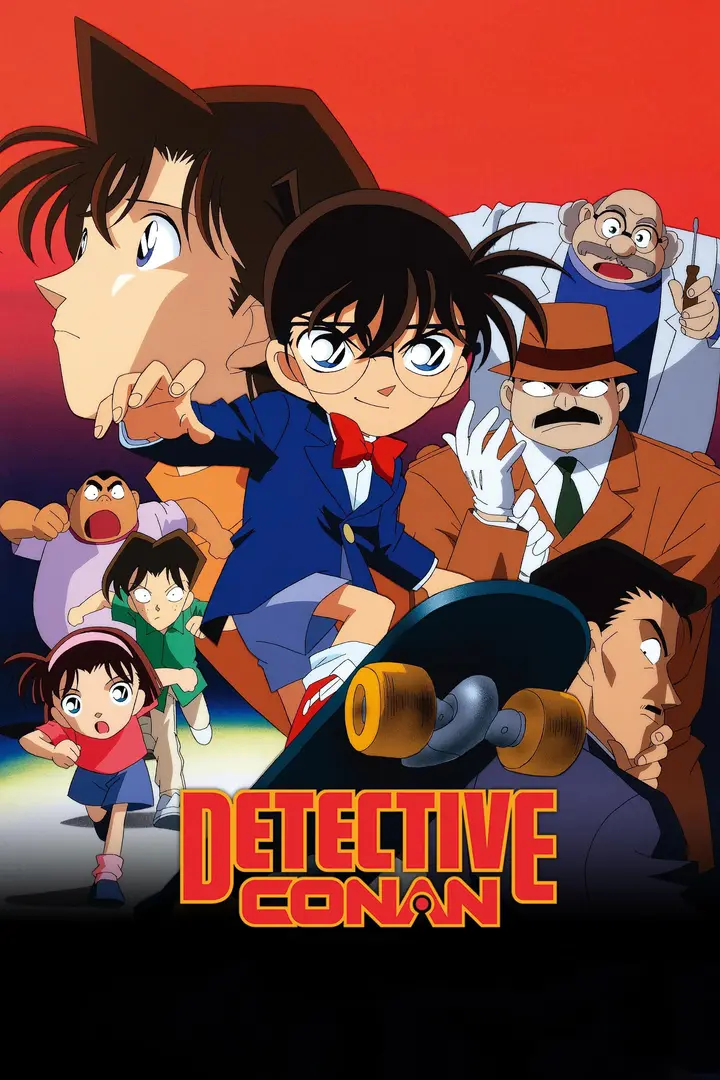
Case Closed / Detective Conan
Hundreds of cases sustain the series through logic, observation and puzzle construction, while Conan’s hidden identity supports a longer conspiracy. Locked-room mysteries, disguises and recurring clues make it especially rewarding for viewers who enjoy deduction.
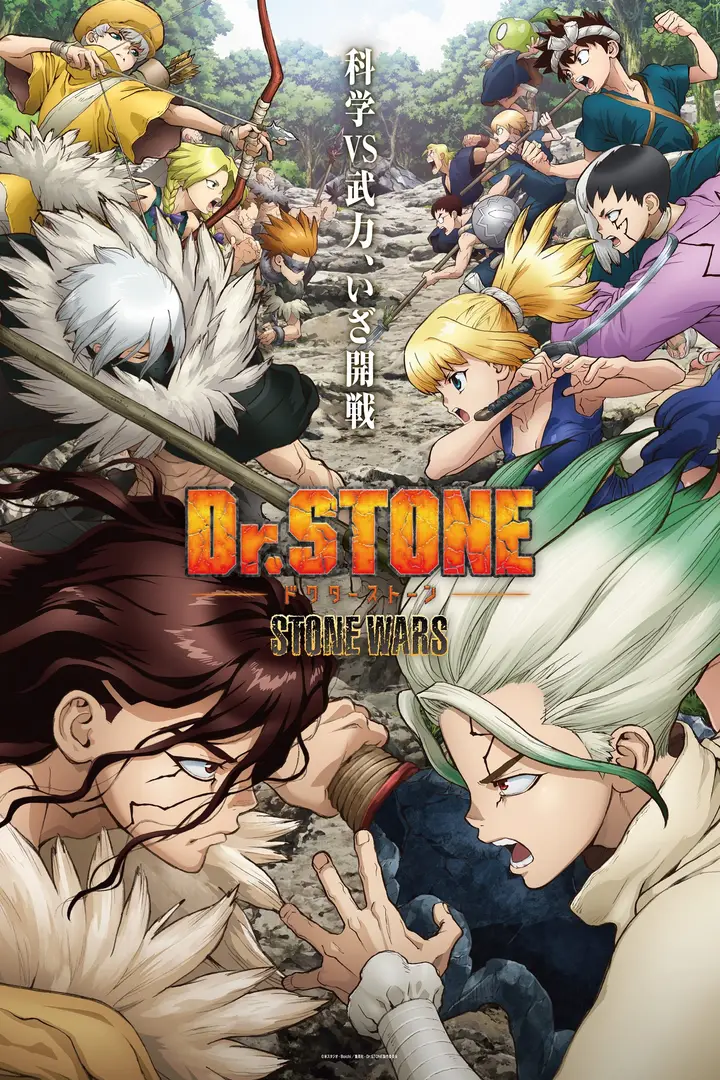
Dr. Stone
Chemistry, physics, engineering and medicine become tools for solving concrete problems, so scientific thinking drives the adventure instead of sitting beside it. Senku’s inventions give each arc a clear payoff and make curiosity central to the series’ momentum.
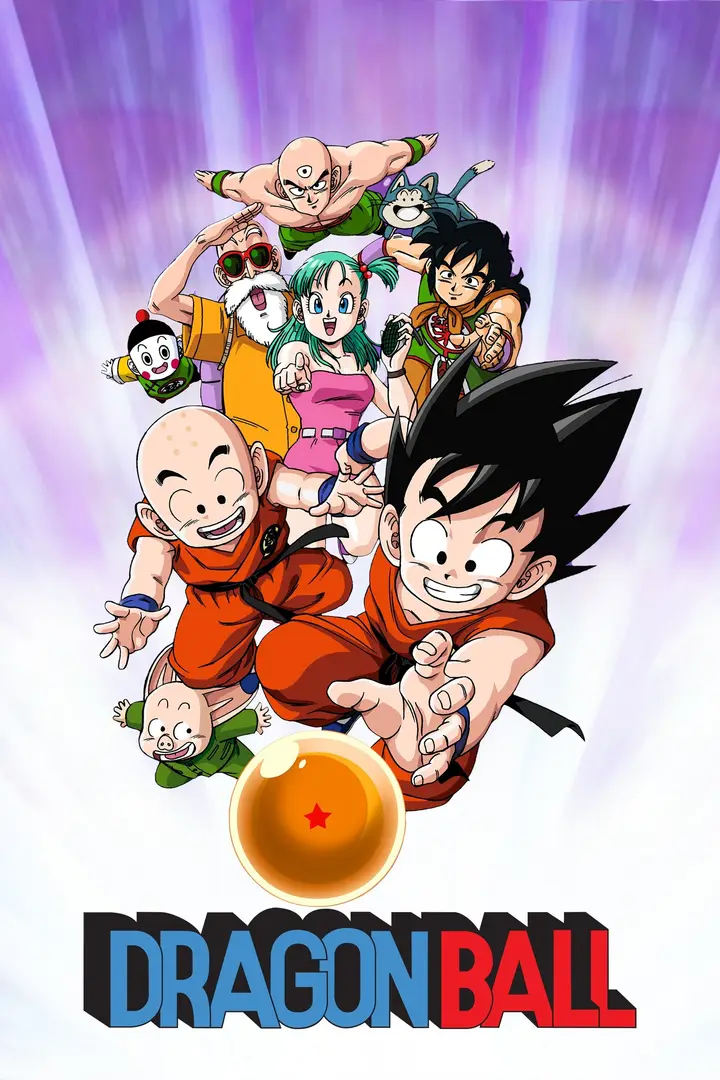
Dragon Ball
Exploration, martial-arts training and an eccentric supporting cast give early Dragon Ball a sense of discovery that later battle-focused series often lose. Goku’s curiosity and constant improvement keep the adventure moving while gradually expanding the world around him.
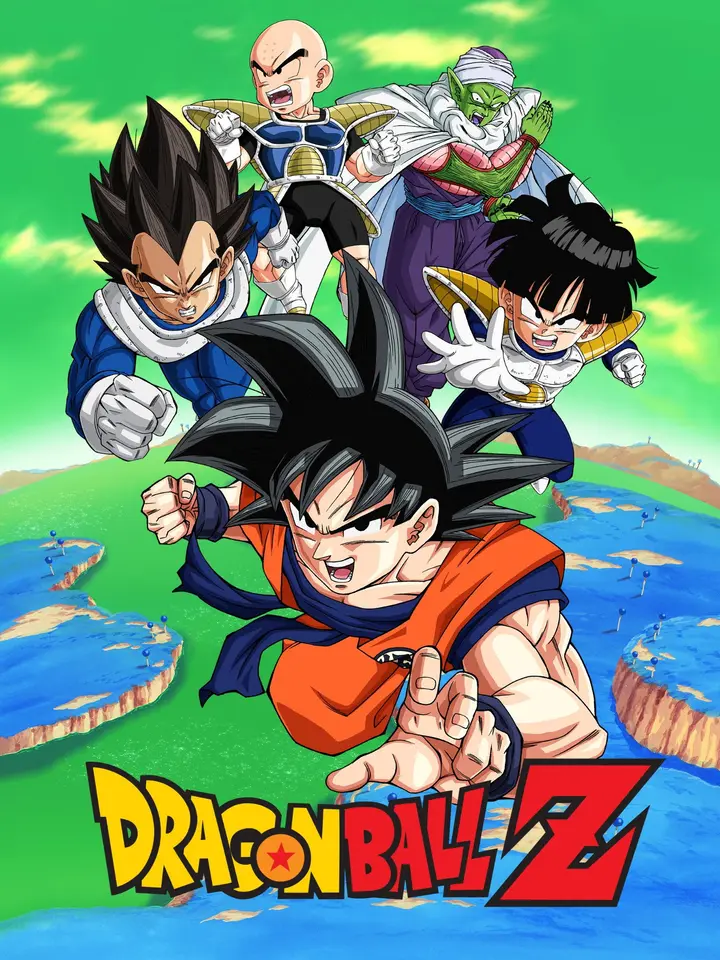
Dragon Ball Z
Training, sacrifice and escalating rivals turn Goku’s battles into a clear progression of effort and consequence. Iconic transformations and long-running rivalries give the series strong momentum, while family and teamwork keep the action connected to relationships.
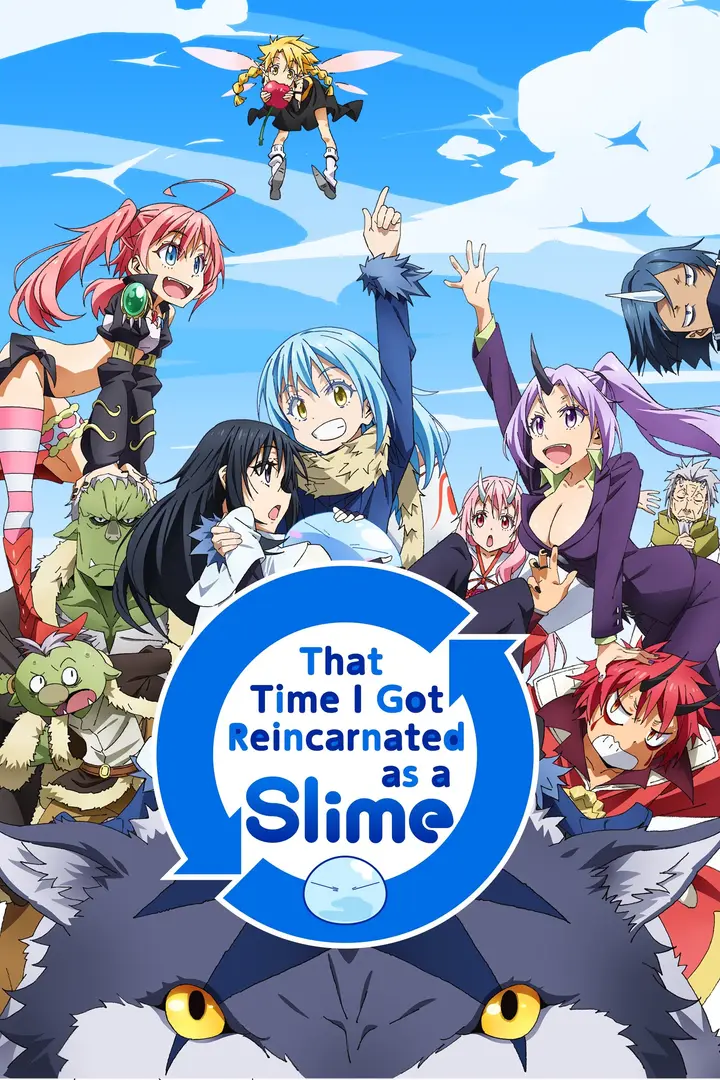
That Time I Got Reincarnated as a Slime
Rimuru’s fantasy progression is built as much on diplomacy, trade and community-building as on combat. Watching different groups form alliances and institutions gives the world steady forward movement and makes cooperation a major source of satisfaction.
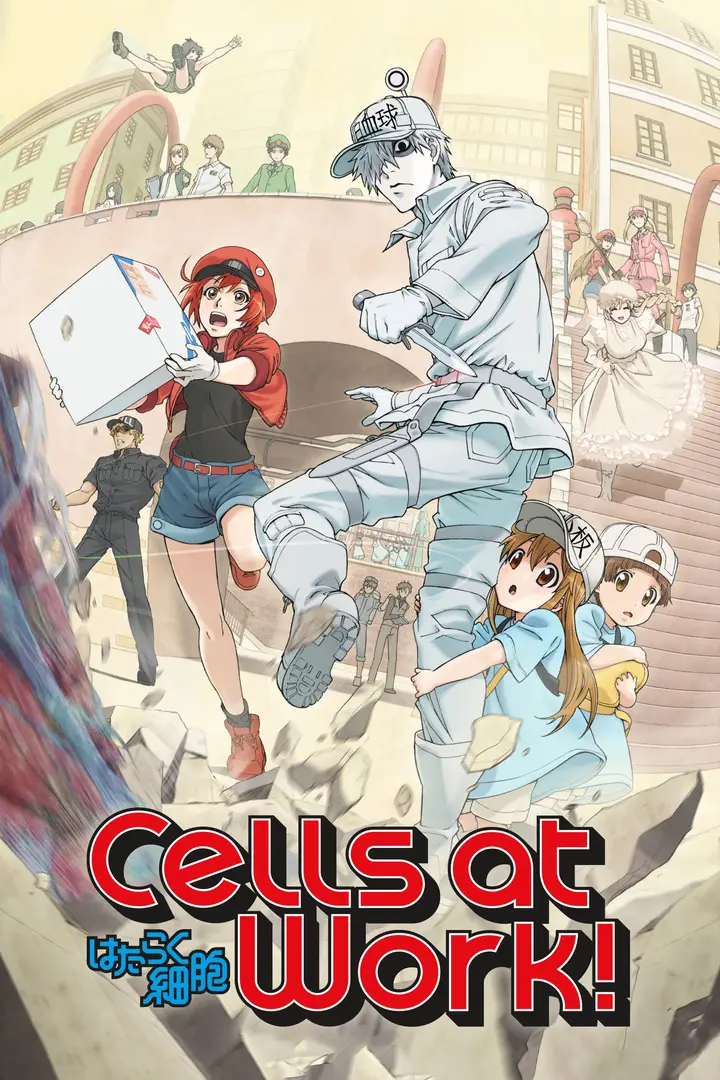
Cells at Work!
Real biological functions become memorable action-comedy as blood cells, immune cells and other body systems cooperate against injury and disease. The scientific logic remains visible beneath the jokes, giving curious viewers useful concepts without turning episodes into lectures.
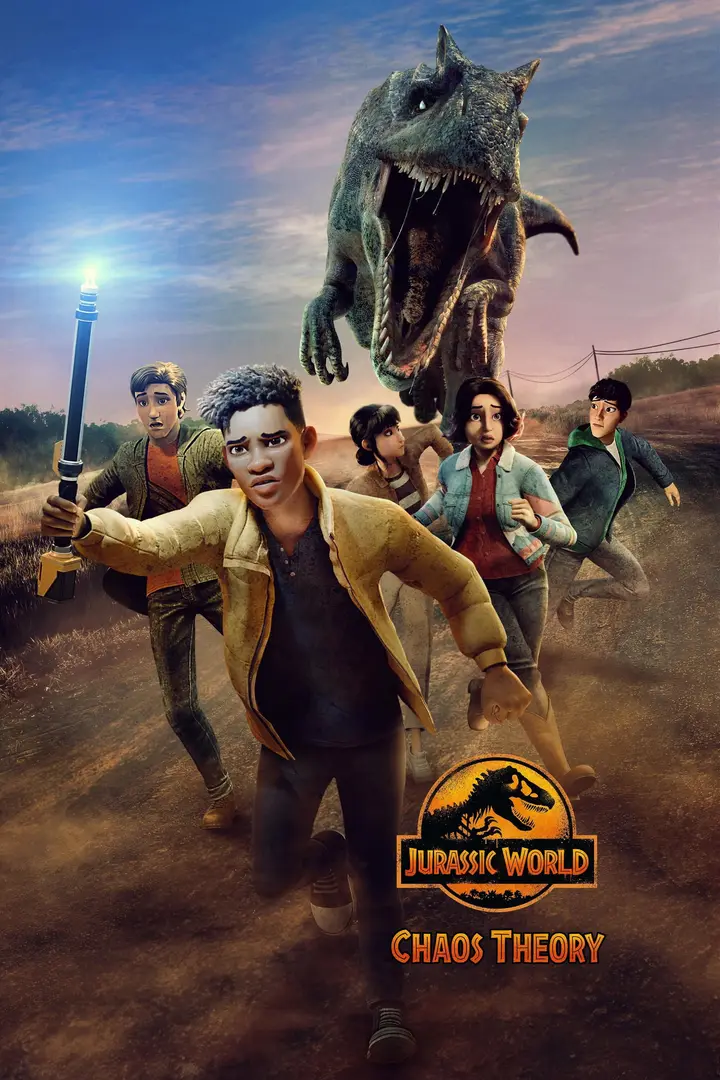
Jurassic World: Chaos Theory
By reuniting the Camp Cretaceous friends as young adults facing a genuine conspiracy, it uses old friendships to explore how shared trauma and time apart can reshape a group.
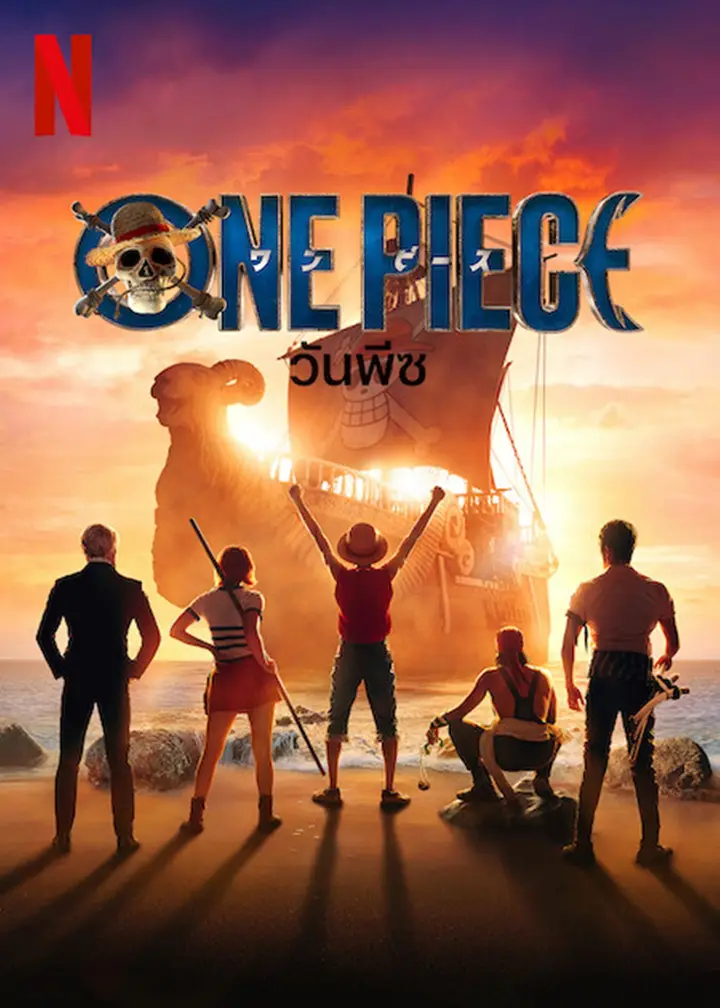
One Piece (2023)
Luffy's loyalty and optimism hold the crew together, and each member's backstory shows how friendship can heal old wounds. It is also a strong way into the manga and anime for teens.
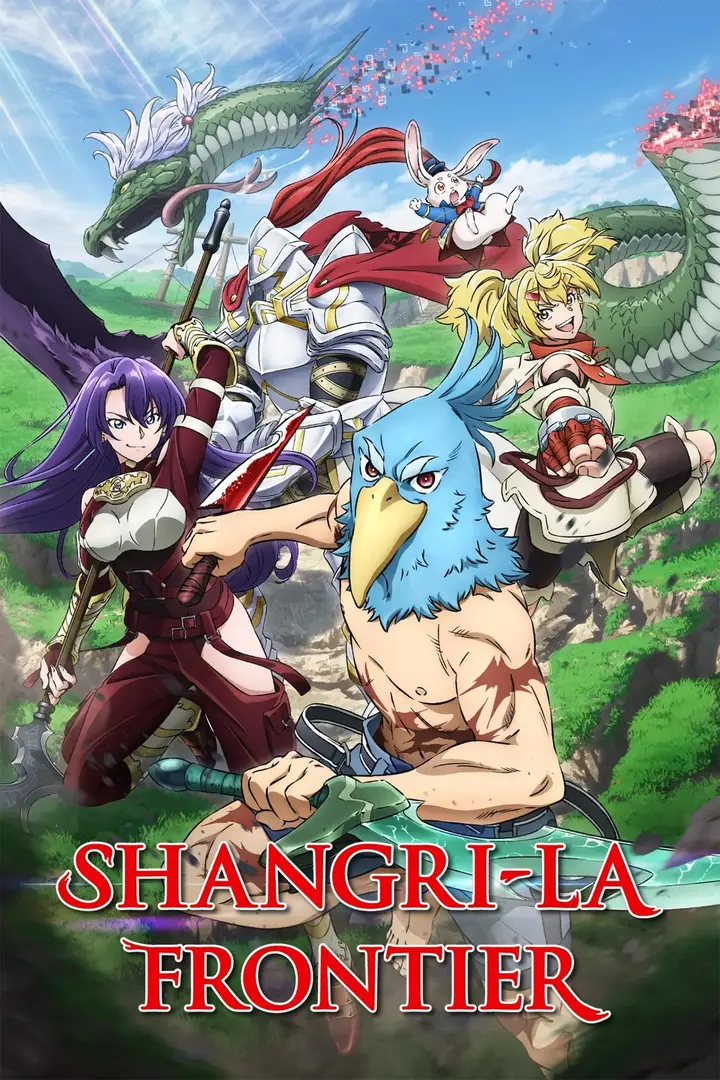
Shangri-La Frontier
Clear game systems, inventive boss fights and Rakuro’s enthusiasm for experimentation make progression easy to follow. The series celebrates learning mechanics, testing builds and improving through failure without relying on a grim trapped-in-a-game premise.
Can start at 11, recommended for older viewers
These series meet the minimum age, but TFFC recommends waiting until the age shown on each card.
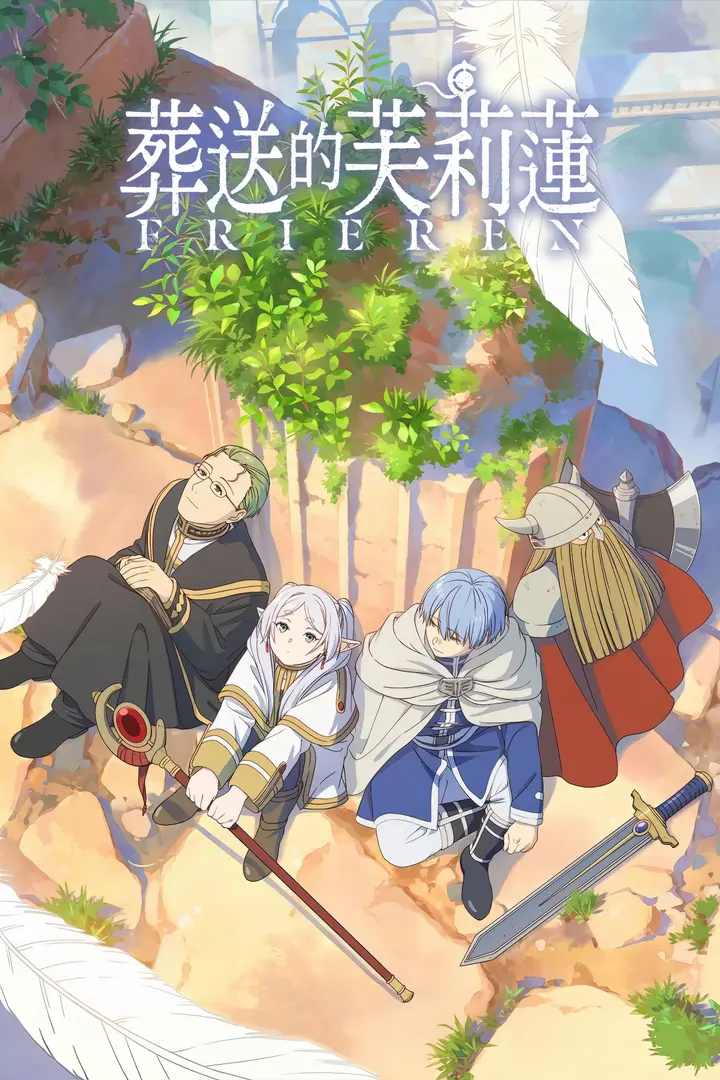
Frieren: Beyond Journey's End
Fantasy adventure gains unusual depth through memory, time and the difference between human and elven lifespans. Frieren’s new journey gives past relationships new meaning, while younger companions keep the story moving beyond reflection alone.
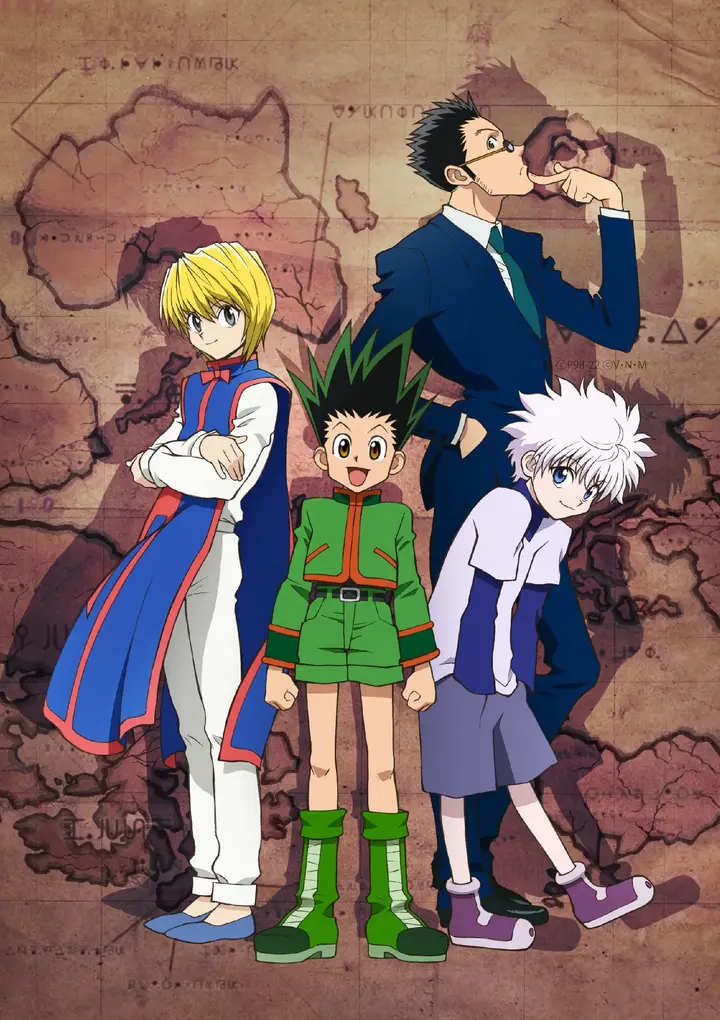
Hunter x Hunter (2011)
Strategy, character growth and shifting tone give the series exceptional range. What begins as a youthful adventure develops into increasingly complex conflicts, while Gon, Killua, Kurapika and Leorio provide strong personal anchors across very different arcs.
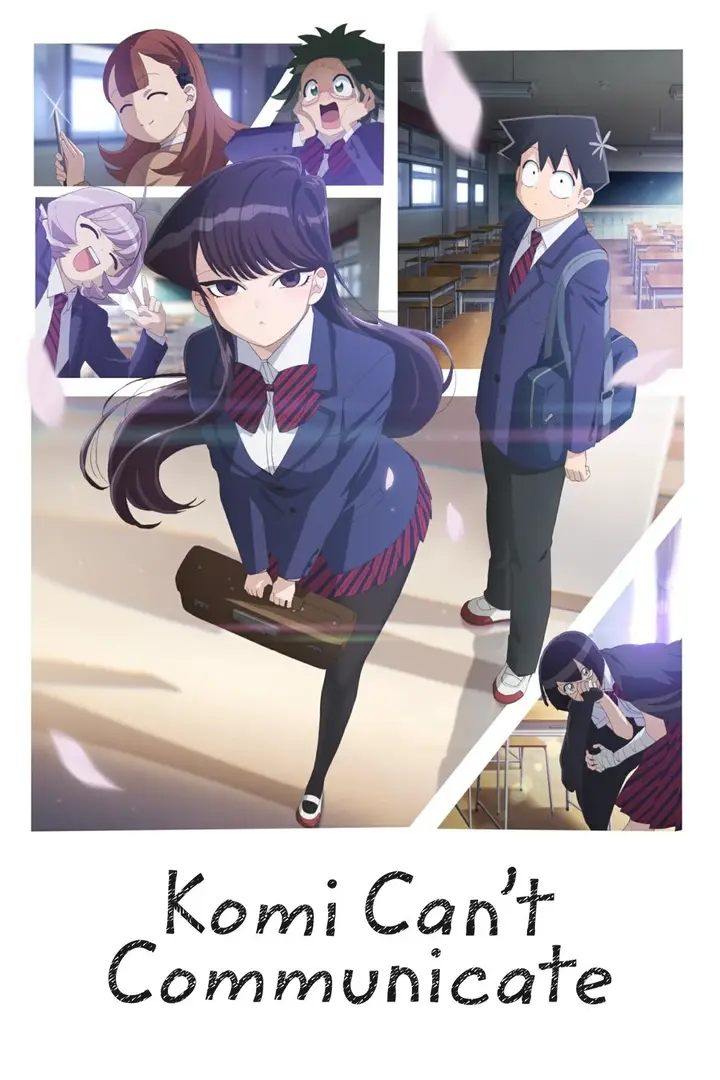
Komi Can't Communicate
Komi’s goal of making one hundred friends turns small social steps into clear progress. Exaggerated school comedy and an eccentric ensemble keep the format lively, while Tadano’s support preserves a sympathetic view of communication anxiety.
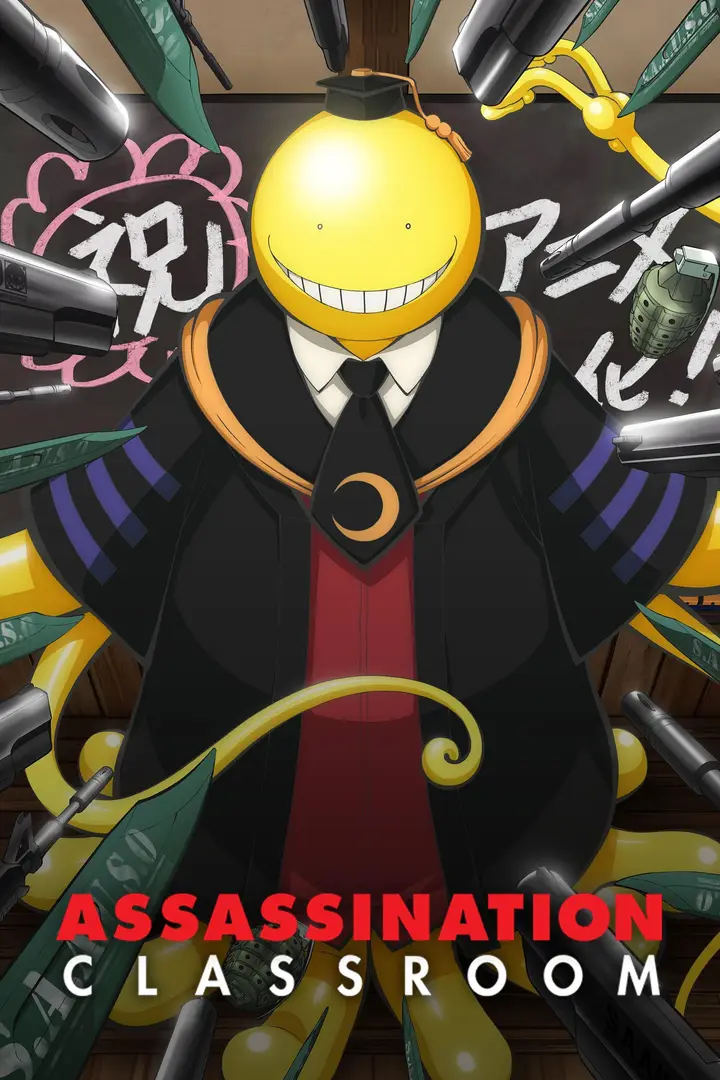
Assassination Classroom
An absurd assassination premise develops into a surprisingly thoughtful story about teaching, confidence and overlooked students. Koro-sensei’s attention to individual strengths gives the class measurable growth and turns repeated attempts on his life into an unusual educational framework.
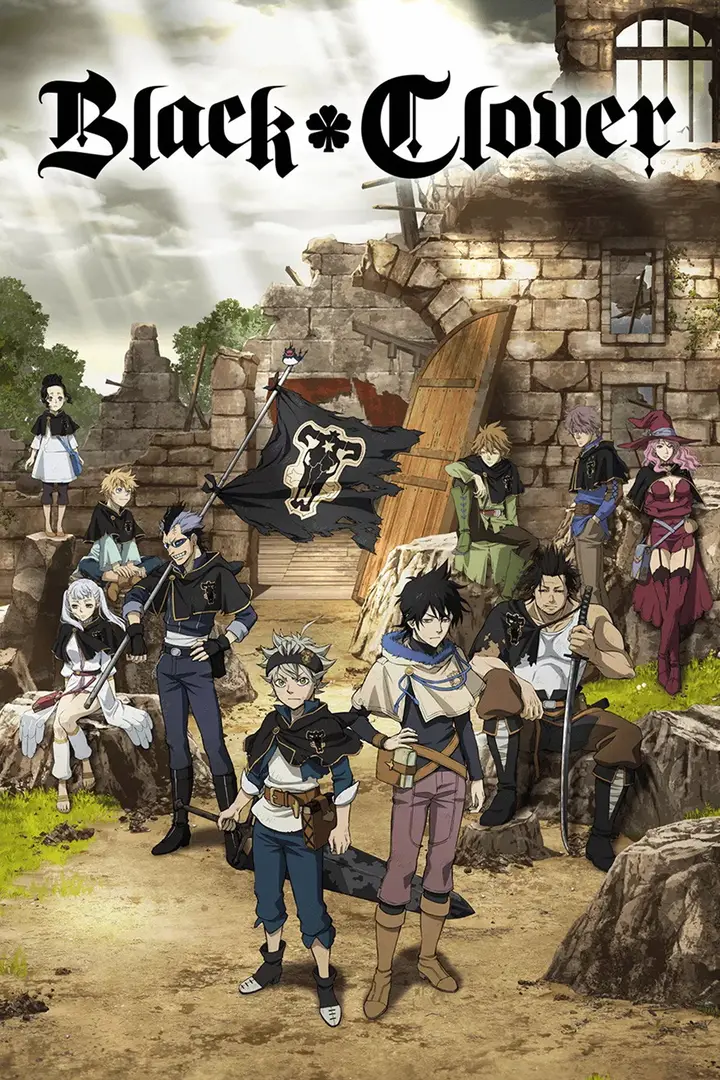
Black Clover
Asta’s lack of magic gives his persistence a clear obstacle from the beginning, while the Black Bulls provide a team structure for steady growth. Training, rivalry and power progression reward viewers who enjoy long-form shōnen development.
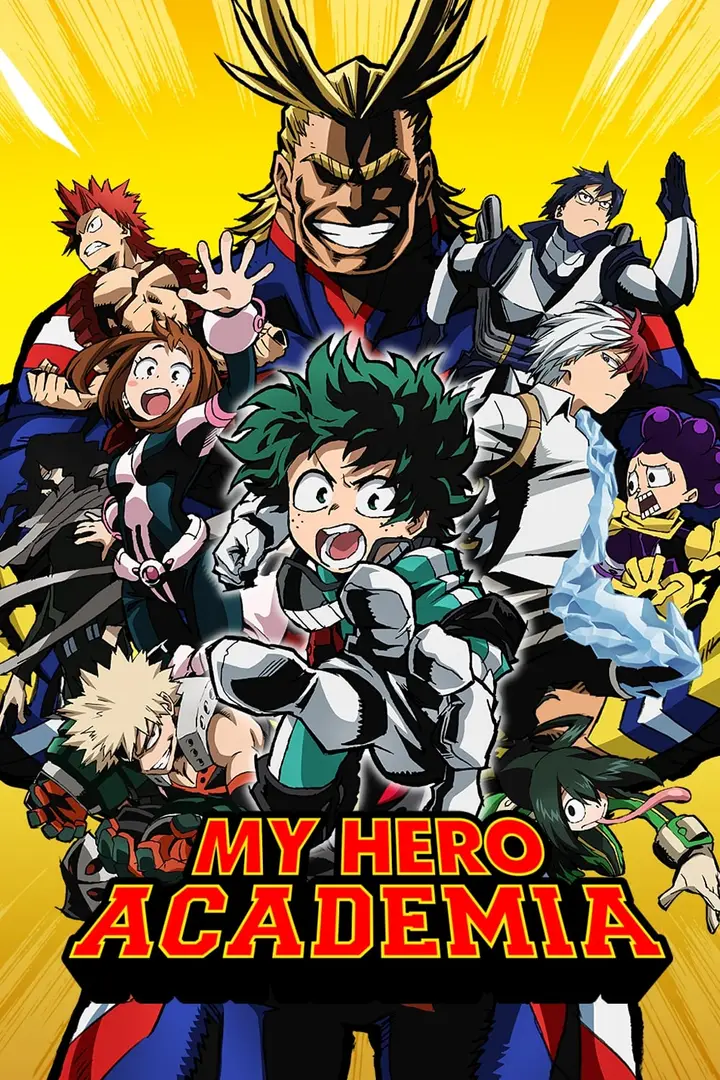
My Hero Academia
A clear school structure makes a large superhero cast easy to follow while training and teamwork give character growth visible milestones. Izuku’s progress keeps responsibility and the meaning of heroism connected to the escalating action.

The Fragrant Flower Blooms with Dignity
Considerate communication and mutual respect give this school romance unusual clarity. Rintaro and Kaoruko question assumptions about each other and their schools through ordinary conversations, letting friendship and affection develop without depending on constant misunderstanding.
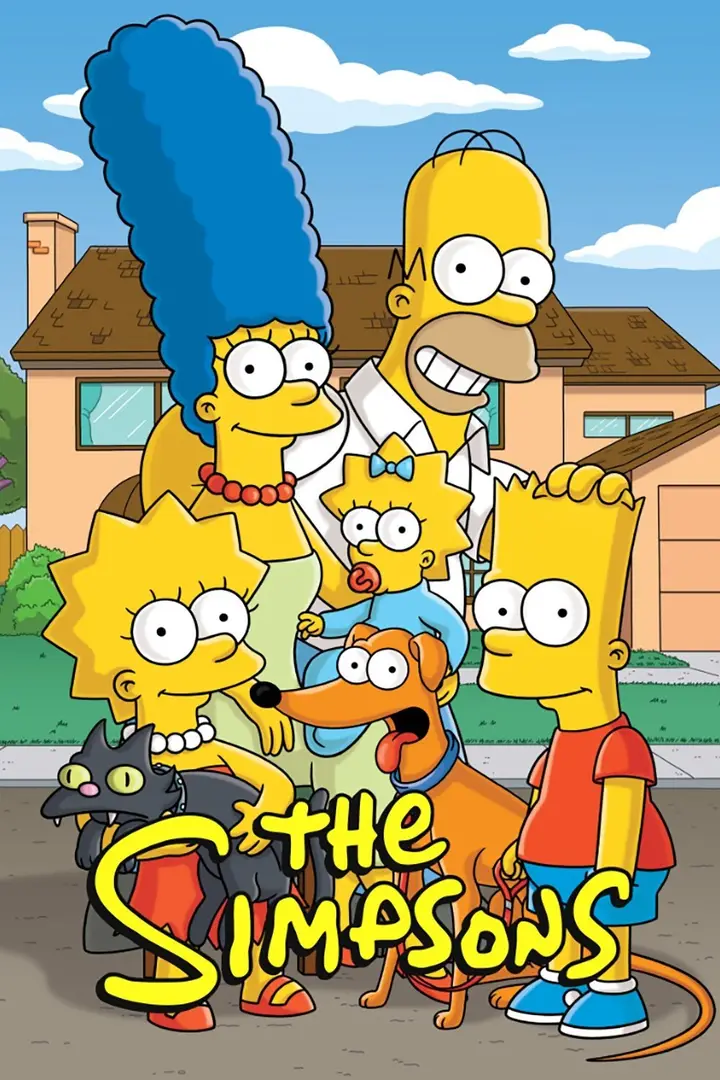
The Simpsons
Family comedy becomes social satire as Springfield provides endless material about school, work, politics, media and popular culture. Bart, Lisa, Homer and Marge offer different perspectives, letting simple jokes sit beside sharper commentary.
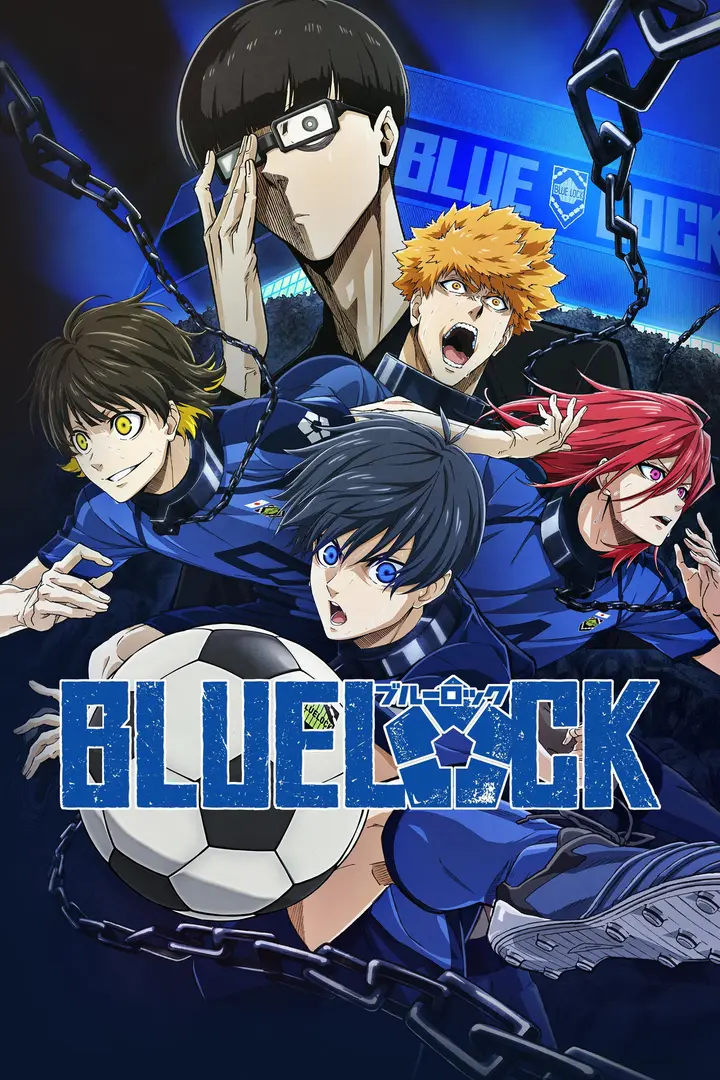
Blue Lock
Football becomes a psychological contest as Blue Lock pushes strikers to examine ambition, decision-making and individual skill. The extreme premise gives familiar sports training a sharper competitive identity and makes tactical breakthroughs feel dramatic.
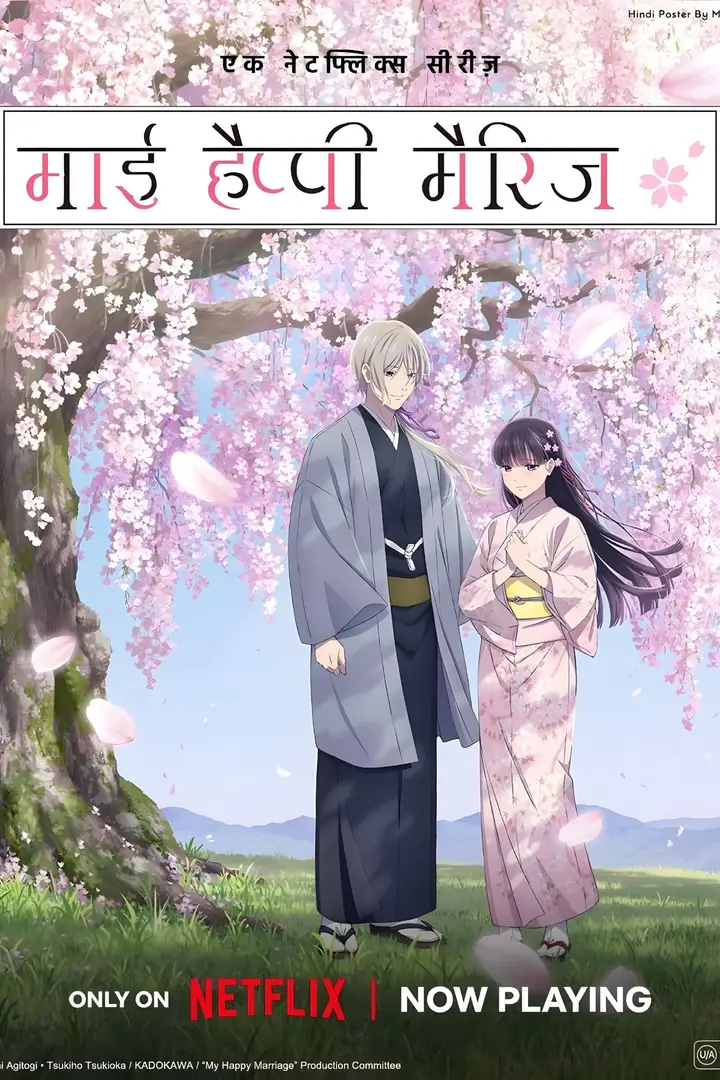
My Happy Marriage
A respectful relationship gives Miyo space to regain safety and dignity after an abusive upbringing. Romance, family politics and supernatural powers work together, while the story focuses on recovery and trust instead of turning suffering into romantic manipulation.
Still a good fit at this age
Series with a lower Recommended Age that our editors have also approved for this age group. The Recommended Age shown on each card is unchanged.
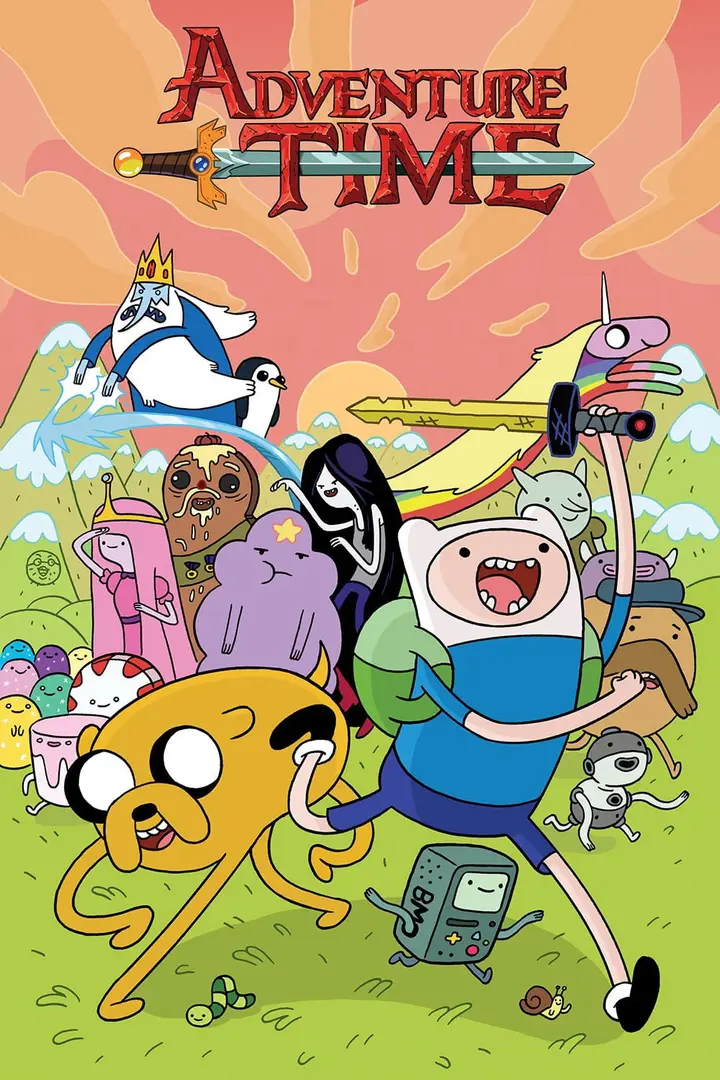
Adventure Time
Finn and Jake’s playful quests gradually reveal a world with history, damaged relationships and lasting consequences. Absurd comedy, songs and monsters sit beside stories about friendship, identity, responsibility and growing older, giving the fantasy distinctive depth.
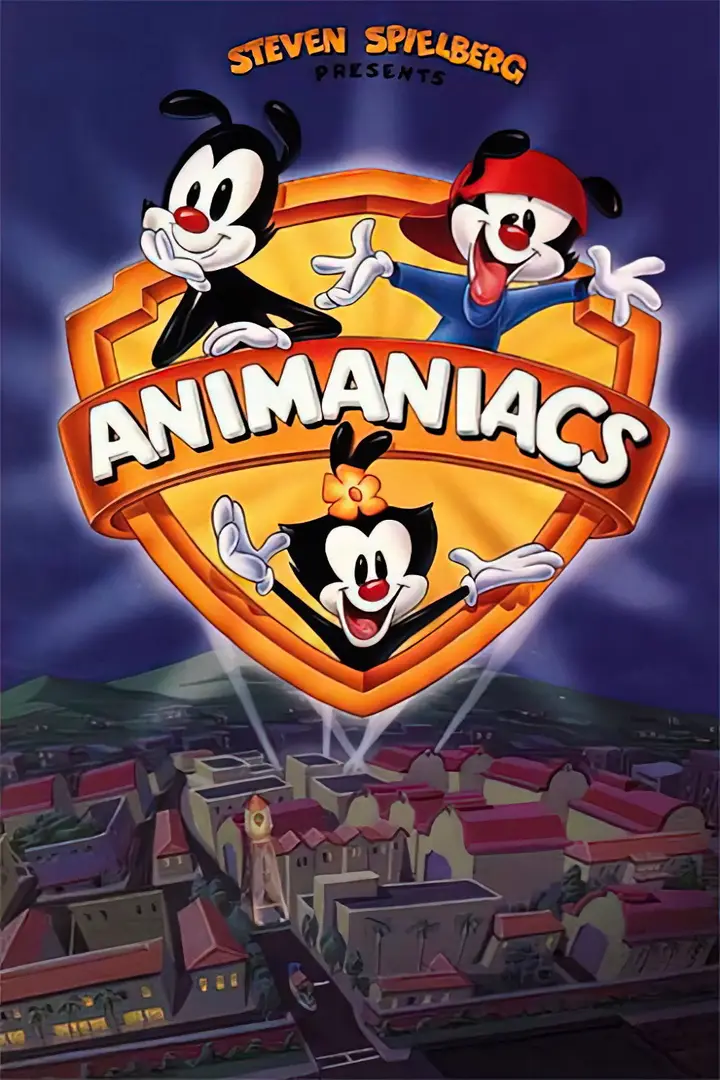
Animaniacs
Songs, wordplay, slapstick and constant format changes make the comedy highly varied. Younger viewers can follow the physical humor, while older children get more from satire, cultural references and jokes aimed beyond the child audience.
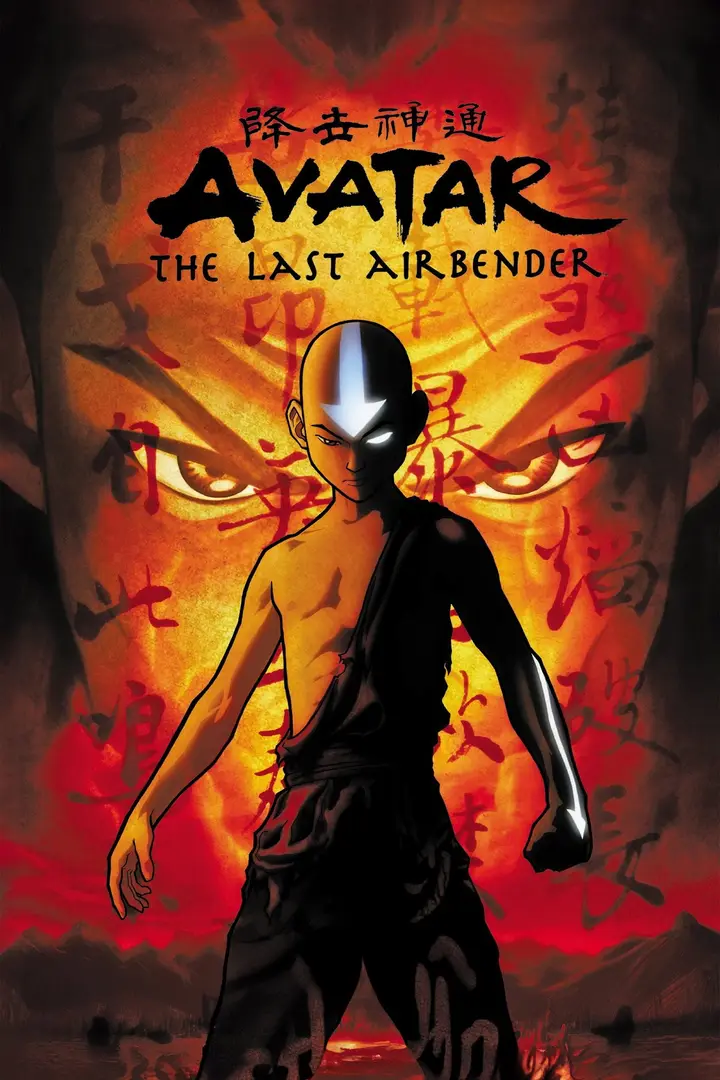
Avatar: The Last Airbender
Epic fantasy grows through a carefully structured journey in which Aang must master the elements while deciding what kind of Avatar he wants to become. Humor, friendship and martial arts support deeper themes of grief, identity and responsibility.
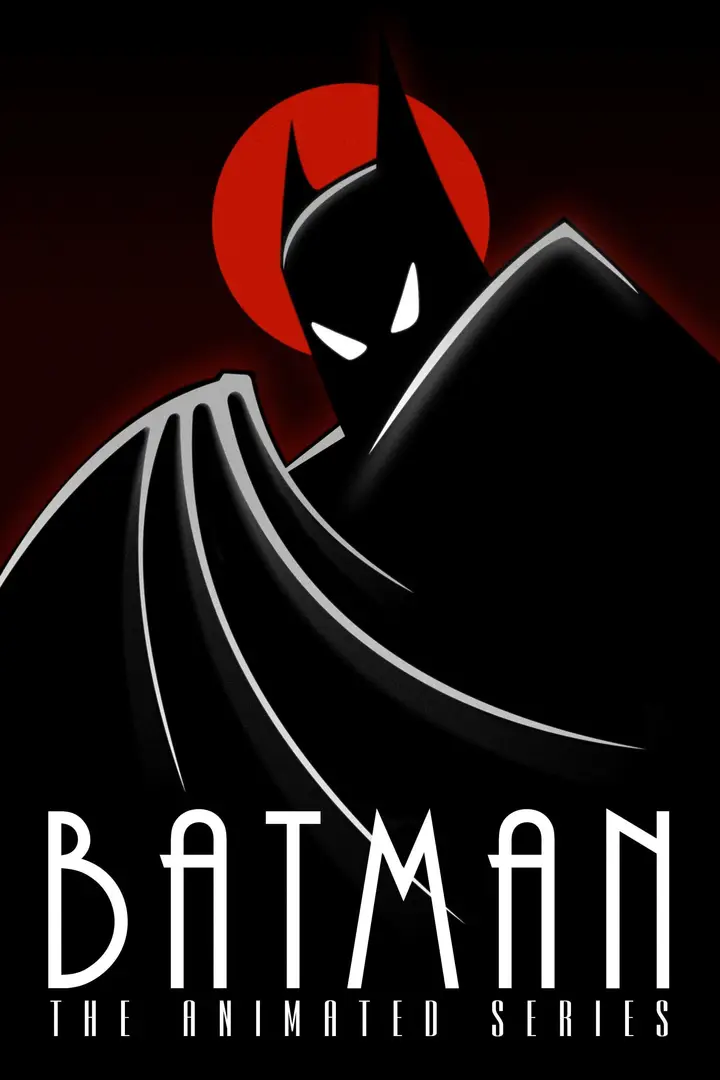
Batman: The Animated Series
Noir atmosphere, detective work and psychologically motivated villains give Gotham rare depth for superhero animation. Batman often has to understand a case before defeating anyone, while recurring characters build a morally complicated city over time.
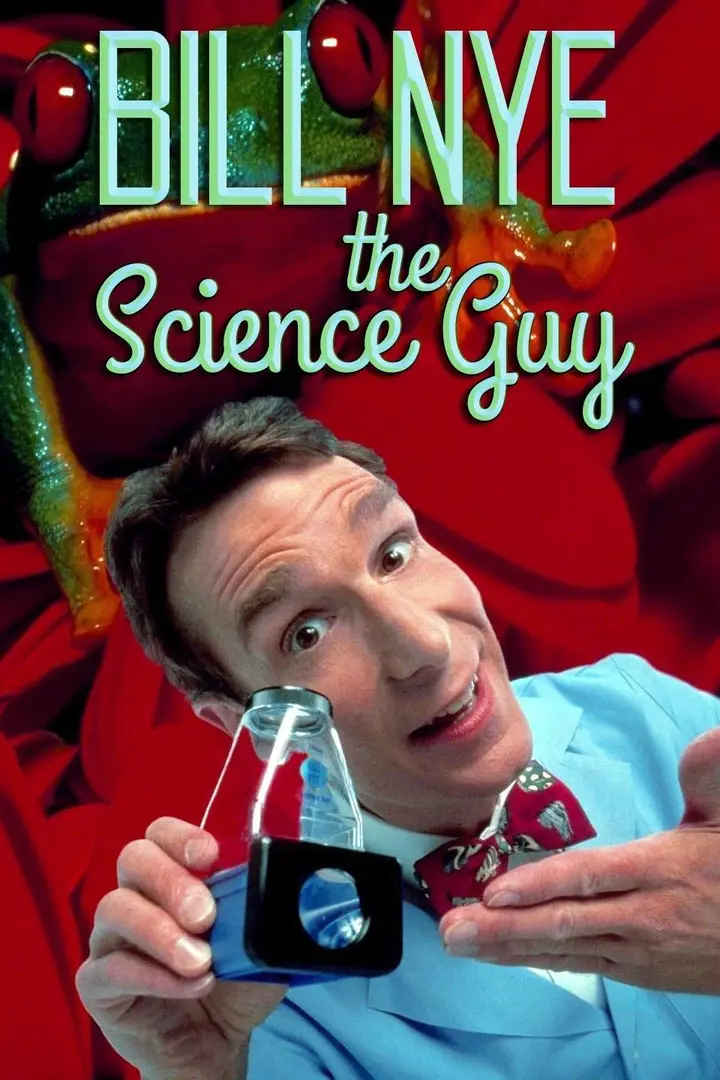
Bill Nye the Science Guy
The show teaches the method, not just the facts: ask a question, test it, look at the result. Each episode is self-contained, which makes it easy to use in class or pair with a home experiment.
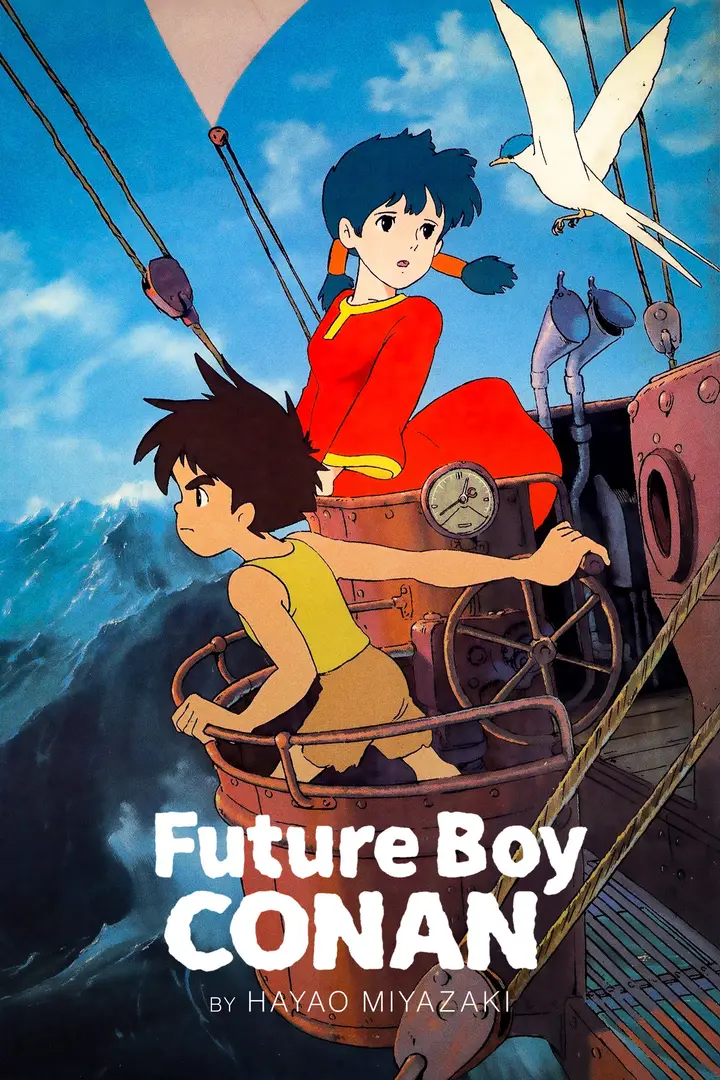
Future Boy Conan
Conan combines large-scale adventure with ecological ideas, political conflict and a hero defined by loyalty as much as physical courage. The ruined world creates real stakes, but the story keeps returning to cooperation, rebuilding and the possibility of a better future.
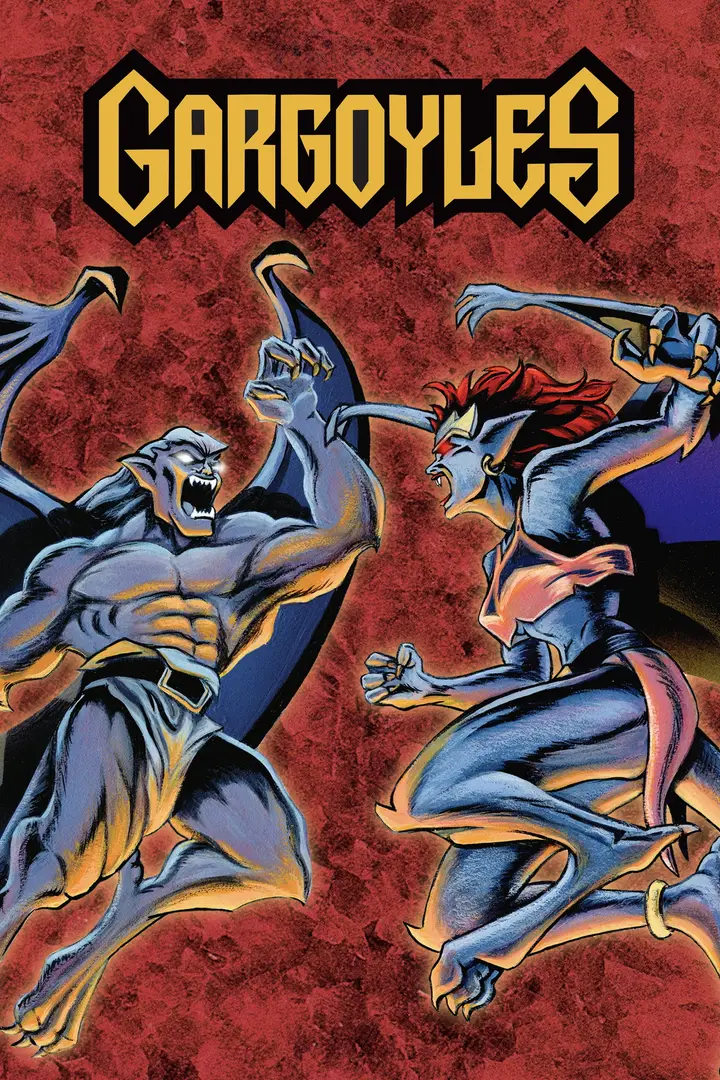
Gargoyles
Medieval history, urban fantasy and long-form plotting give the series a richer structure than most action cartoons of its era. Goliath’s clan faces betrayal and adaptation while building a new sense of family in modern New York.
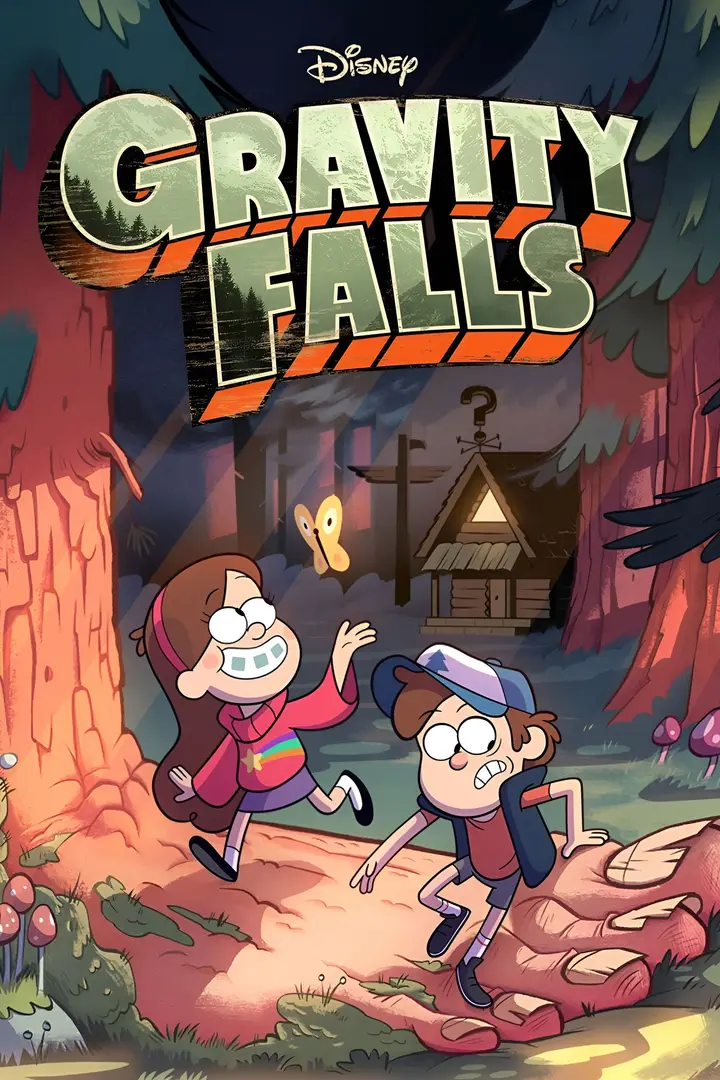
Gravity Falls
Dipper’s mysterious journal turns a strange summer town into a connected puzzle filled with monsters, codes and hidden organizations. Mabel’s energy balances the suspense, while the twins’ loyalty keeps the expanding mystery tied to family.
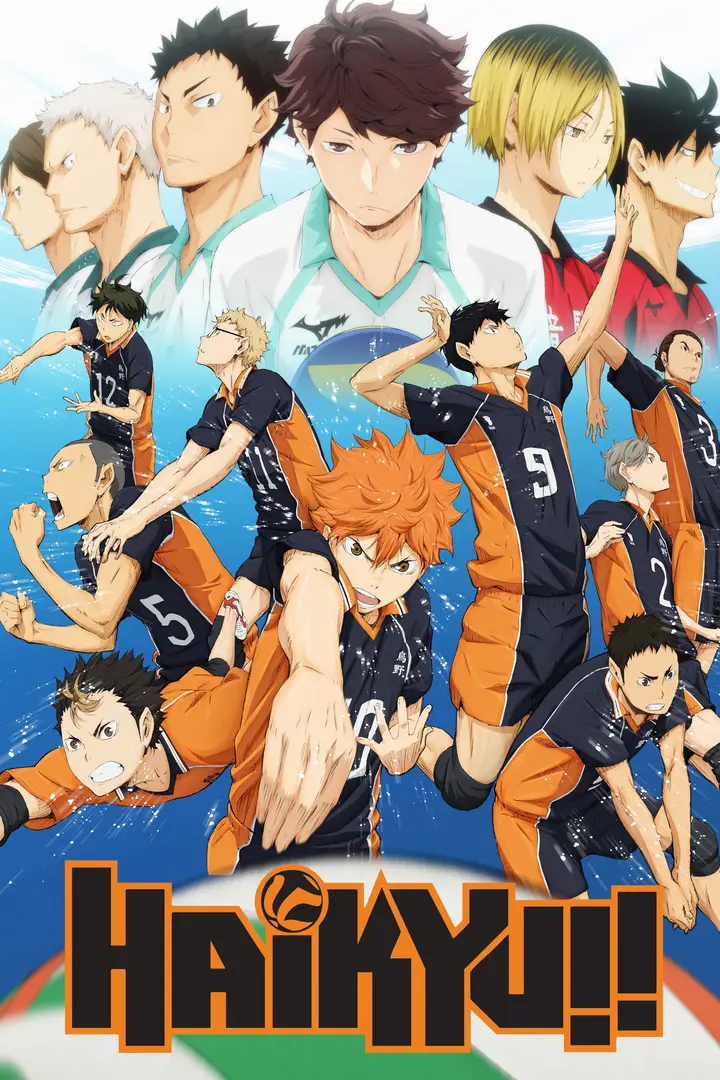
Haikyu!!
Matches stay exciting because tactics, positioning and small improvements matter as much as athletic talent. The series gives teammates and opponents clear goals, making practice, setbacks and cooperation feel consequential without relying on fantasy powers or violent stakes.
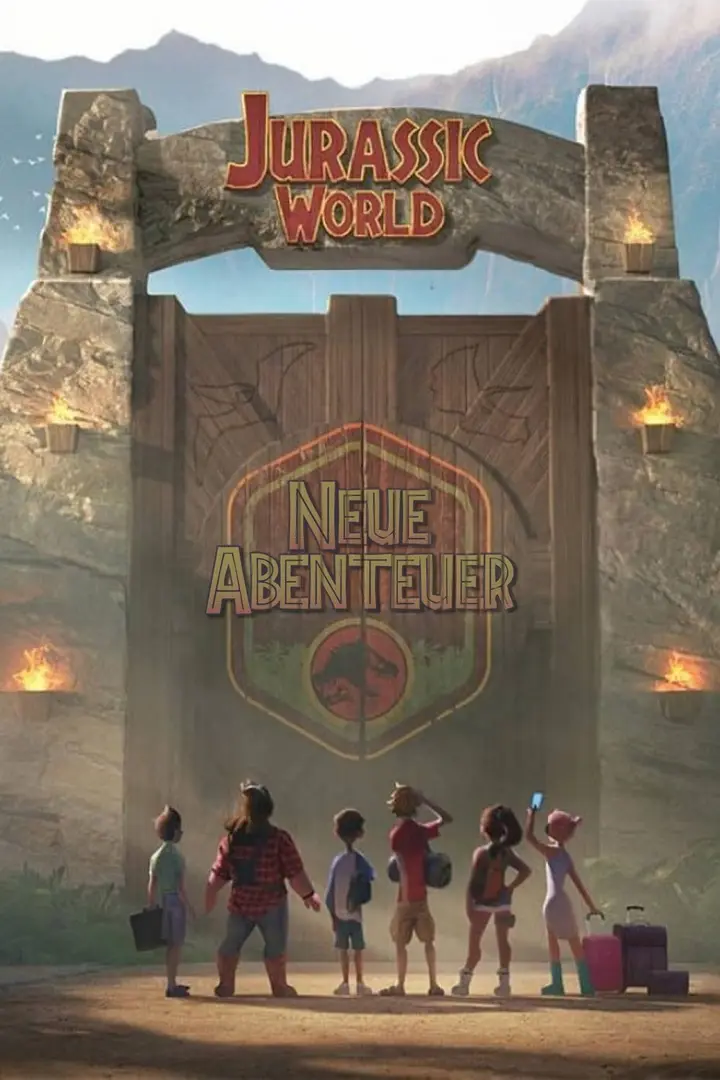
Jurassic World: Camp Cretaceous
It brings real Jurassic World stakes to a teen ensemble, using chases and close calls to force a mismatched group to build the trust that survival actually requires.
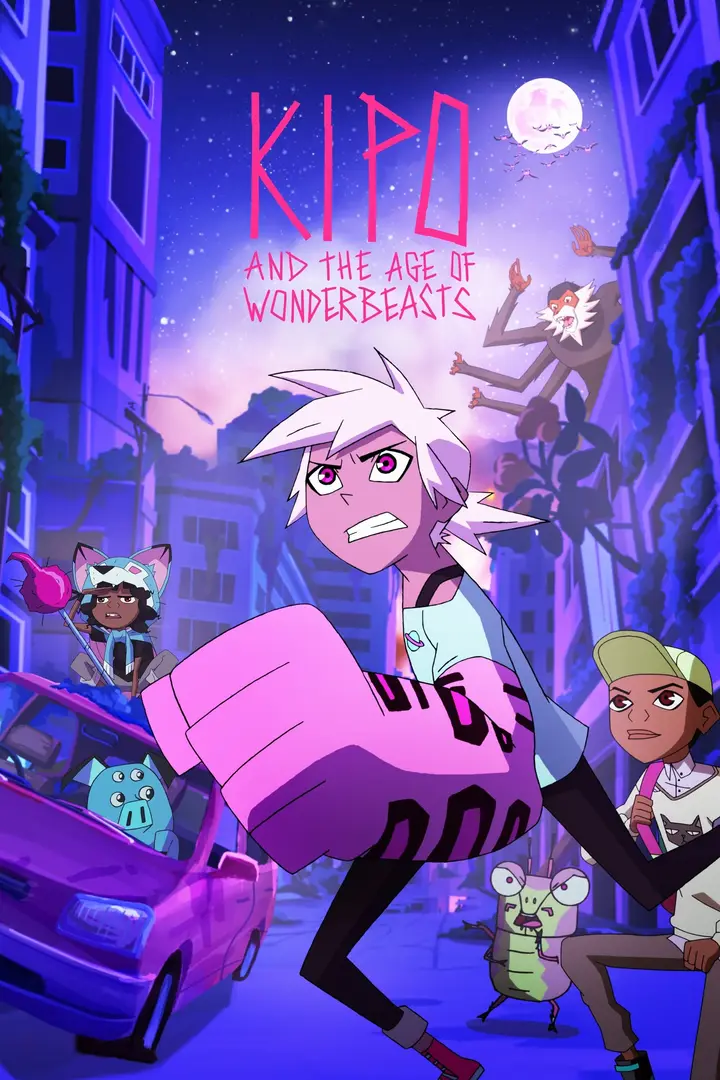
Kipo and the Age of Wonderbeasts
Its post-apocalyptic setting and mutant-animal action stay purely fantastical while the story explores prejudice and coexistence, giving an energetic adventure real thematic weight for older kids.
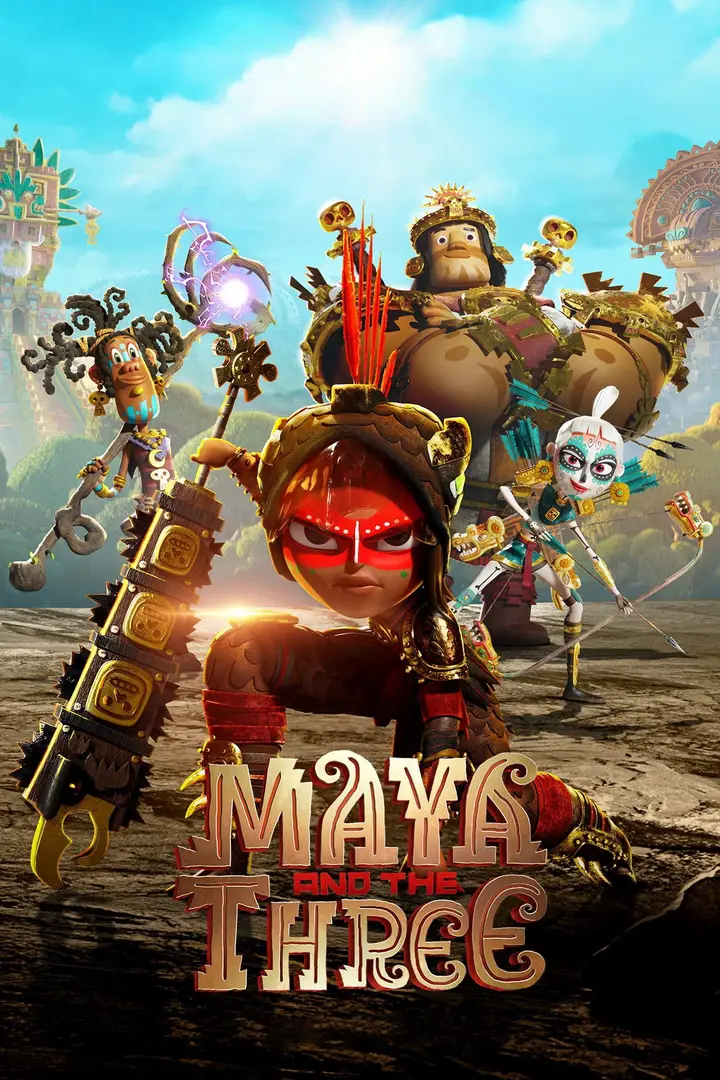
Maya and the Three
Its Mesoamerican-inspired mythology and striking visual design give an already spectacular quest real cultural identity, while the story takes duty and sacrifice seriously rather than treating them lightly.
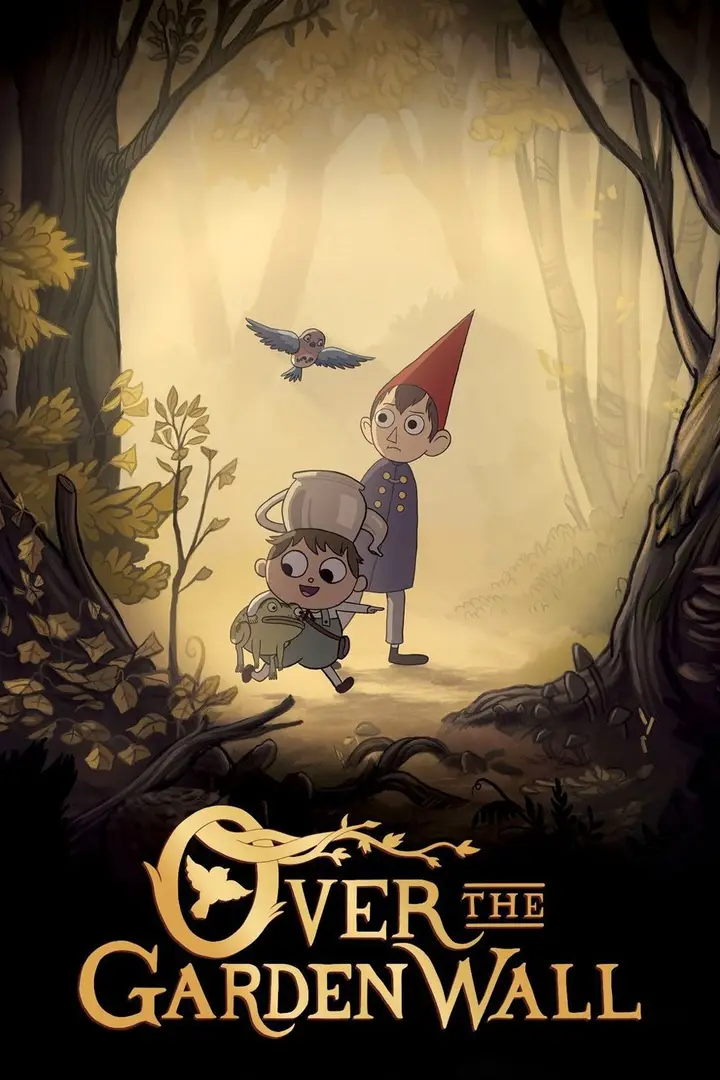
Over the Garden Wall
A compact journey through the Unknown blends folklore, dry humor and fairy-tale imagery with a tightly controlled mystery. Wirt and Greg’s sibling bond gives the strange encounters continuity while the atmosphere grows steadily darker.
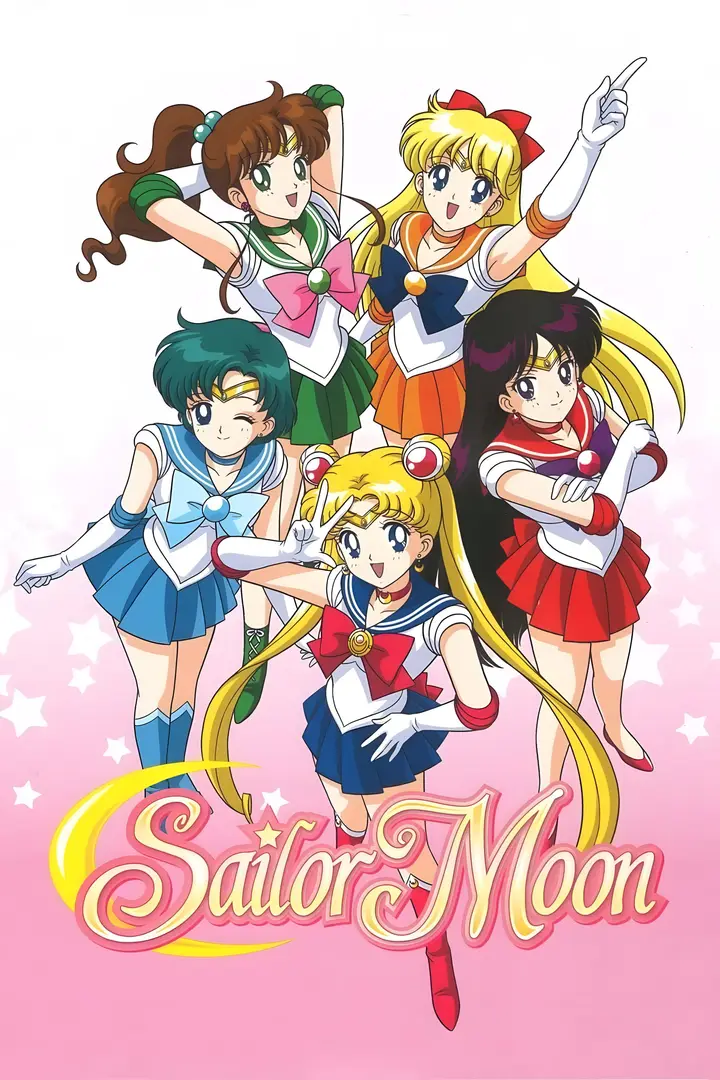
Sailor Moon
Magical battles, school comedy and an expanding team of Sailor Guardians give the series both episodic fun and long-form continuity. Friendships and group dynamics grow alongside the fantasy plot, which helps the larger story arcs carry weight.
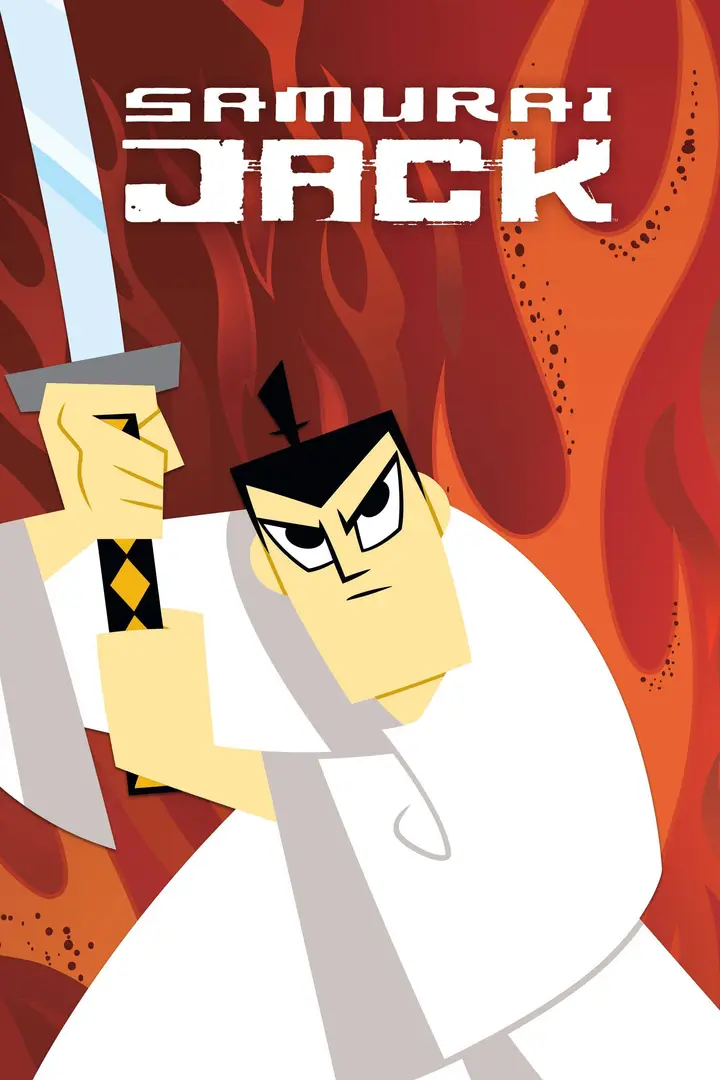
Samurai Jack
Sparse dialogue and cinematic composition make Jack’s journey depend on movement, atmosphere and visual problem-solving. The future setting constantly changes around him, while his discipline and moral code give the wandering adventure a stable center.
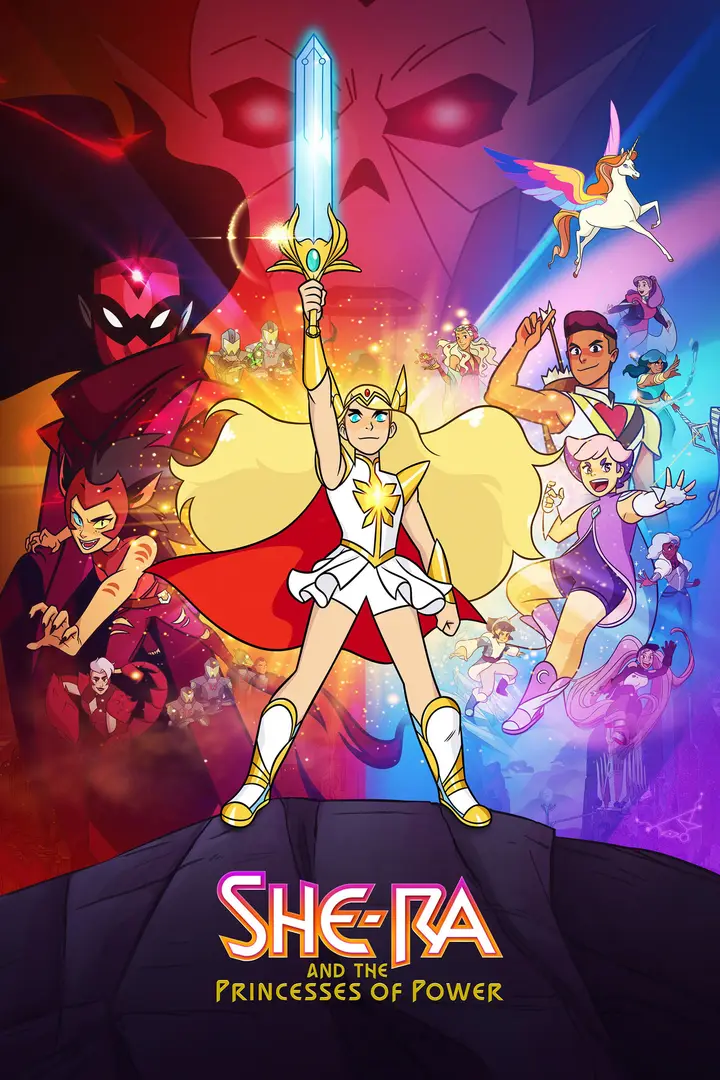
She-Ra and the Princesses of Power
Adora’s discovery that the Horde has deceived her turns fantasy action into a story about loyalty, manipulation and change. Her break with Catra gives the larger rebellion personal stakes that continue across the series.
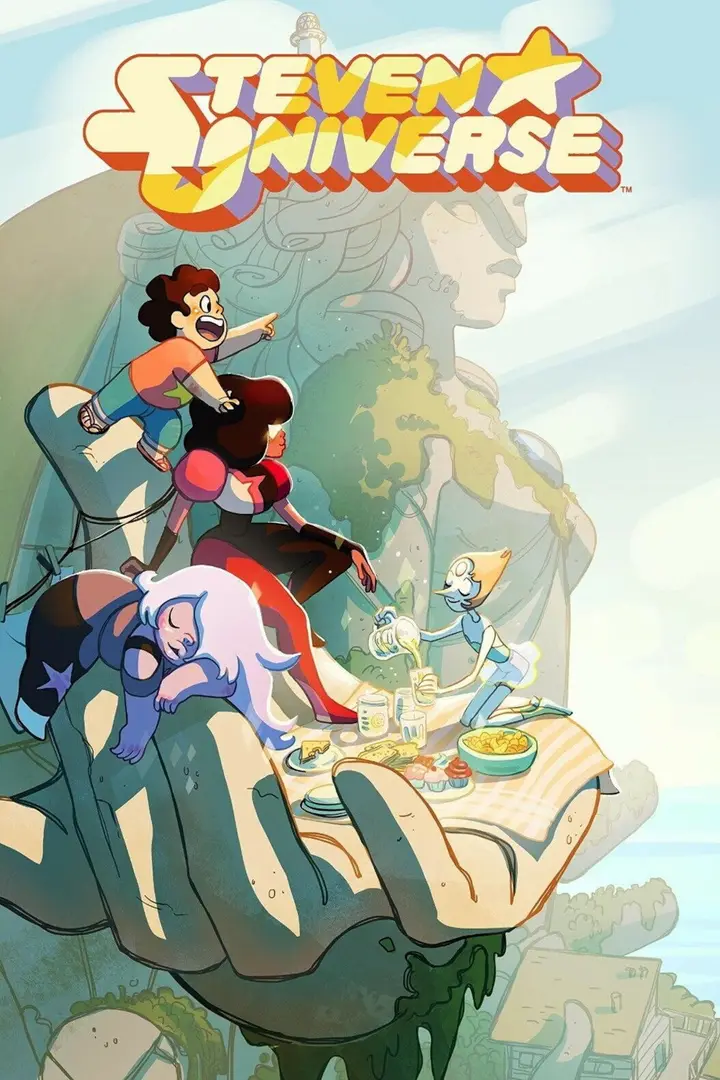
Steven Universe
A playful fantasy gradually becomes a layered story about identity, family history, responsibility and changing relationships. Steven’s empathy and the Crystal Gems’ complicated past give the long-form plot depth without losing its sense of humor.
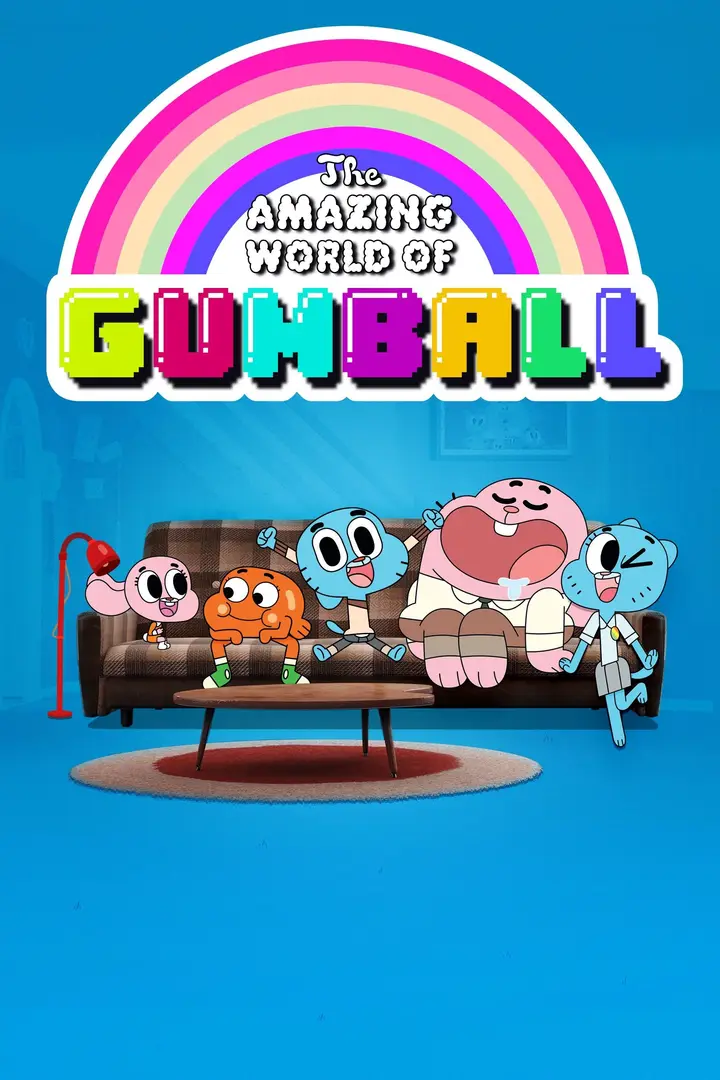
The Amazing World of Gumball
Ordinary school and family problems explode into surreal comedy through mixed animation styles and impossible logic. Gumball and Darwin’s friendship gives the visual chaos a stable center, while satire adds extra layers for older viewers.
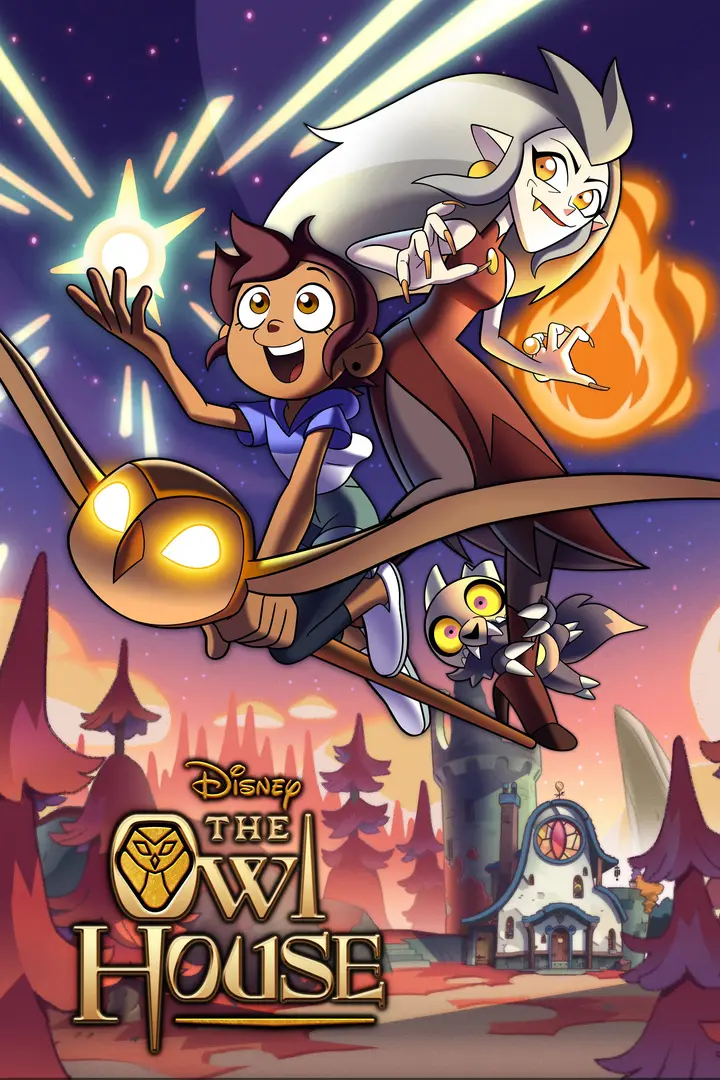
The Owl House
It starts as a fast fantasy comedy but steadily deepens into a genuine coming-of-age story about identity, chosen family, and refusing the roles other people expect you to accept.
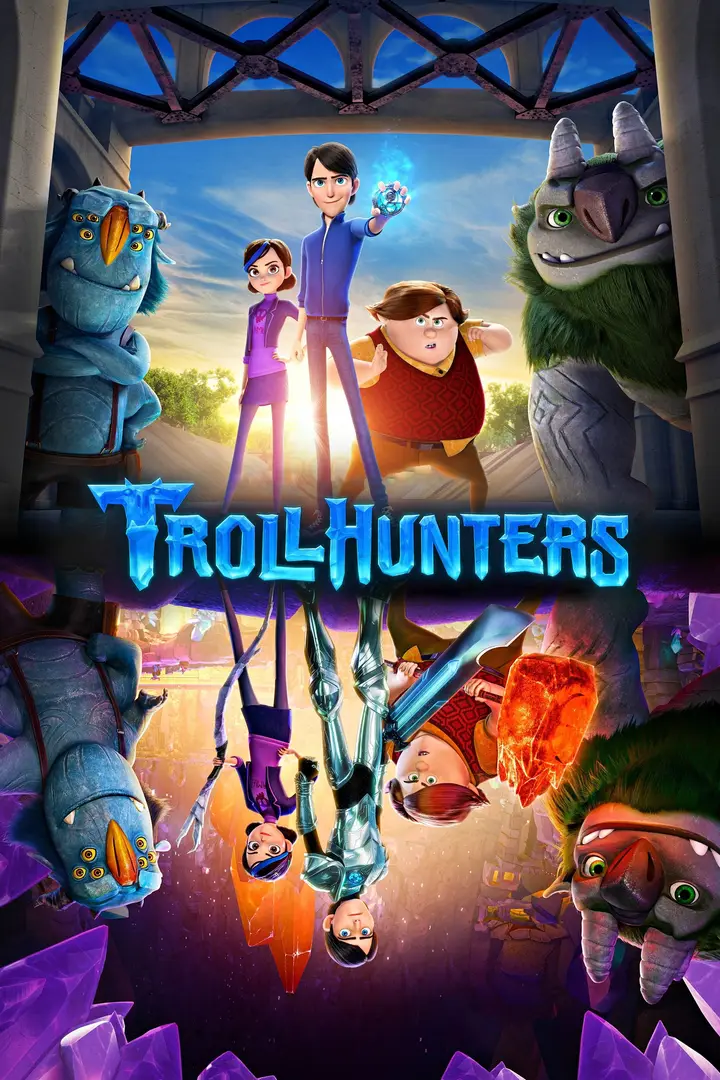
Trollhunters: Tales of Arcadia
Jim’s ordinary school life collides with a hidden troll civilization after he is chosen as its human protector. Training, friendship and duty give the fantasy action clear stakes that grow steadily across the serialized story.
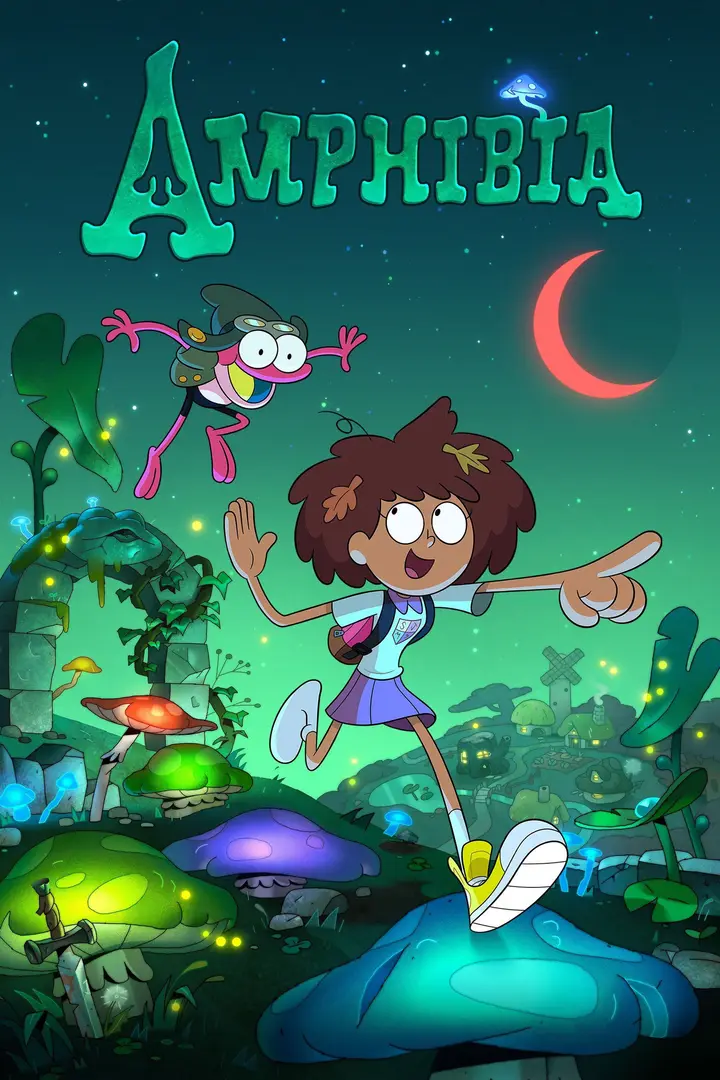
Amphibia
Anne’s comic adventures with the Plantars gradually expand into a serialized fantasy about friendship, betrayal and responsibility. The shift works because the family bond built early gives later conflicts stronger personal consequences.
Questions parents ask
What are the best TV shows for 11-year-olds?
Spy x Family, Dr. Stone, Naruto, One Piece and Mob Psycho 100 are all recommended from this age, alongside Infinity Train, an animated series with real emotional depth, and Jurassic World: Chaos Theory for dinosaur fans who have outgrown Camp Cretaceous.
Is Spy x Family appropriate for an 11-year-old?
Yes, 11 is its recommended age (minimum 10). The premise involves a spy, an assassin and weapons, but the violence is mostly stylised and the heart of the show is a funny, warm found family. The family comedy keeps the series accessible, though the spy plot assumes viewers can follow secrets, deception and ongoing missions.
Are there TV shows that help 11-year-olds learn something?
Yes, and some are surprisingly gripping. Cells at Work! (from 11) turns the immune system into an action story, though it shows a fair amount of stylised blood. Dr. Stone (from 11) rebuilds civilisation through real chemistry and invention, and A Place Further Than the Universe (from 11) follows teenagers on a journey to Antarctica.


