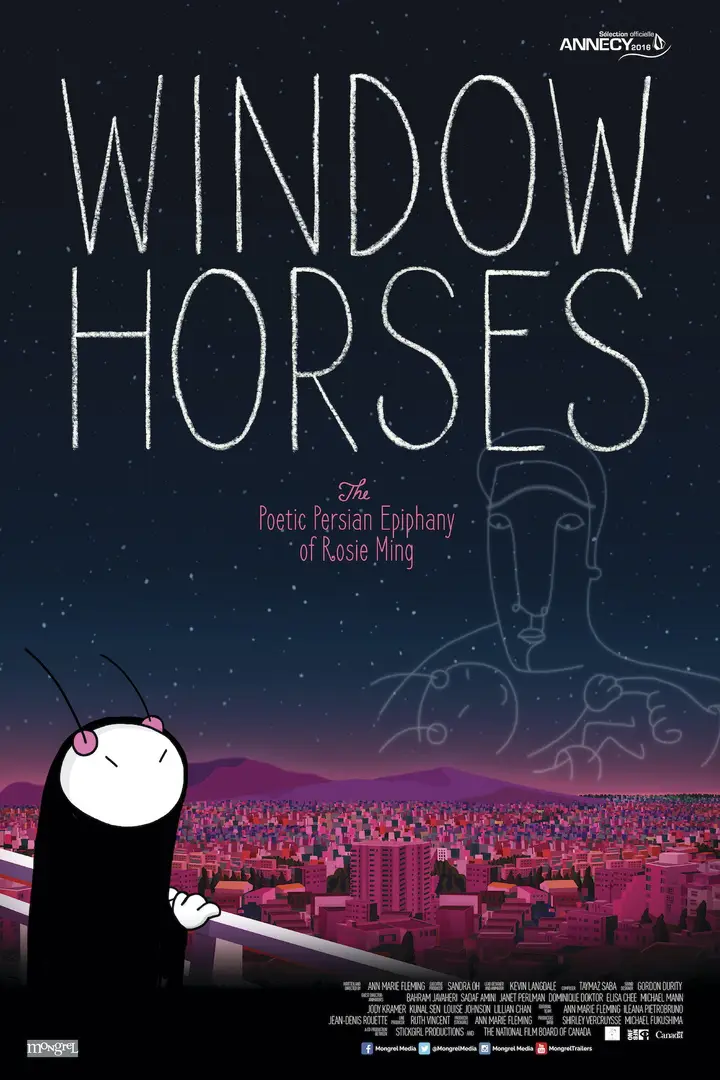
Window Horses
AgeMinimum 9Recommended 10+
Poetry, the streets of Shiraz and untold histories between generations make this intimate animated journey a celebration of listening and belonging.
Rosie Ming, a young Canadian poet raised by her Chinese grandparents, is invited to perform at a poetry festival in Shiraz, Iran. She arrives expecting little more than a chance to read her work, but conversations with poets and strangers begin opening doors onto her Iranian father’s past.
- Release Year
- 2016
- Runtime
- 88 min
- Format
- Hand-Drawn Animation
- Genre
- Animation, Drama
- Mood
- Calm, Emotional
- MPAA Rating
- Not Rated
Rosie Ming arrives in Shiraz with poems about Paris in her suitcase and a black chador packed by her grandparents. She is twenty, inexperienced with travel, and much more comfortable imagining distant places than actually entering them. The poetry festival quickly gives her something she did not expect: people willing to tell her stories about Iran, poetry, and the father she believes abandoned her.
Mehrnaz becomes an important guide, while Di Di and Dietmar bring very different ideas about poetry into the festival. Rosie’s conversations with them are not polished literary debates; they are awkward, funny, sometimes uncomfortable encounters between people carrying different histories. A visit to Hafez’s tomb gives the festival another dimension, connecting Rosie to a poetic tradition far older than the poems she has been writing alone in Vancouver.
The film’s visual language is wonderfully varied. Hand-drawn figures, Persian imagery, poems, songs and short animated histories shift the appearance of the film as different voices and memories enter Rosie’s world. That variety suits a story in which no single person owns the whole truth. Rosie arrives thinking she knows her family history. Shiraz gives her fragments, contradictions, letters and stories, and asks her to listen before deciding what they mean.
Why It Stands Out
Poetry becomes the doorway into a family mystery, while Shiraz becomes a meeting place for Chinese, Persian, German and Canadian voices.
The changing animation styles give each poem and recollection its own visual identity, making the film feel like a collection of stories gathered in one place.
Parents’ Insight
Family stories are rarely as simple as the version children first hear. As they grow older, they may encounter letters, memories and perspectives that complicate what they thought they knew about the people who came before them.
Parents’ Guide
What to know before you press play
Six things parents ask about, rated on the same scale for every film and series in the collection.
- Scary intensity
- Minimal (1 of 5)
- Violence
- Mild (2 of 5)
- Language
- None (0 of 5)
- Emotional intensity
- Minimal (1 of 5)
- Sexual content
- None (0 of 5)
- Substance use
- None (0 of 5)
Content notes
- Mild thematic complexity around family and identity
Parent guidance
Gentle themes, cultural identity exploration, generally suitable
Questions Parents Ask
What is Window Horses about?
At the festival, Rosie meets writers from different cultures and is introduced to Persian poetry, history, and everyday life. Conversations with the people she meets gradually challenge the story she has been told about her father and help her piece together why he returned to Iran. The trip becomes both a literary awakening and a personal search for the part of her identity she never knew.
What age is Window Horses suitable for?
The film's poetry-festival structure, which uses different animation styles to represent different cultures and stories within stories, is a layered piece of storytelling a 10-year-old holds together more consistently than a 9-year-old.
Is Window Horses scary?
- Mild thematic complexity around family and identity
- Parent preview: optional
Rosie's cross-cultural friendship and questions about home stay reflective and gentle throughout this hand-drawn film.
Is Window Horses worth watching?
Traveling there alone for the first time, she begins uncovering the truth about her father's past. Its hand-drawn, watercolor-style animation and gentle exploration of Persian poetry give the film a distinctive visual and cultural identity.
What is Window Horses based on?
Window Horses is based on the graphic novel Window Horses: The Poetic Persian Epiphany of Rosie Ming, written and illustrated by Ann Marie Fleming. The film adapts Fleming's own graphic novel closely, since she wrote and drew both versions of the story herself.
Talk About It
Canadian poet Rosie travels to Iran for a festival, where poetry and new friendships uncover her Iranian father’s political exile and family silence.
- What does Rosie need to understand about her grandparents’ silence before deciding whether they hid her father’s story only to control her?
- How does Mehrnaz welcome her?
- Would you travel alone to understand family history?
- What would you tell Rosie before reading publicly?
- Why did her grandparents hide the truth?
- How does Dietmar support her?
- Which poem changes Rosie most?
- How can Rosie honor her grandparents’ care while asking for the Iranian family history they withheld?
Turn this film into a ready-to-use class discussion
Use the Teacher Resources already attached to this film. Choose the questions you want, then print, copy or share the result.
Similar Movies
The Breadwinner and Princess Kaguya lead the reflective identity route in distinctive animation styles. The Little Prince and Ernest & Celestine offer gentler outsider perspectives; The Illusionist and The Wind Rises lean into quiet adult melancholy, memory and artistic longing.
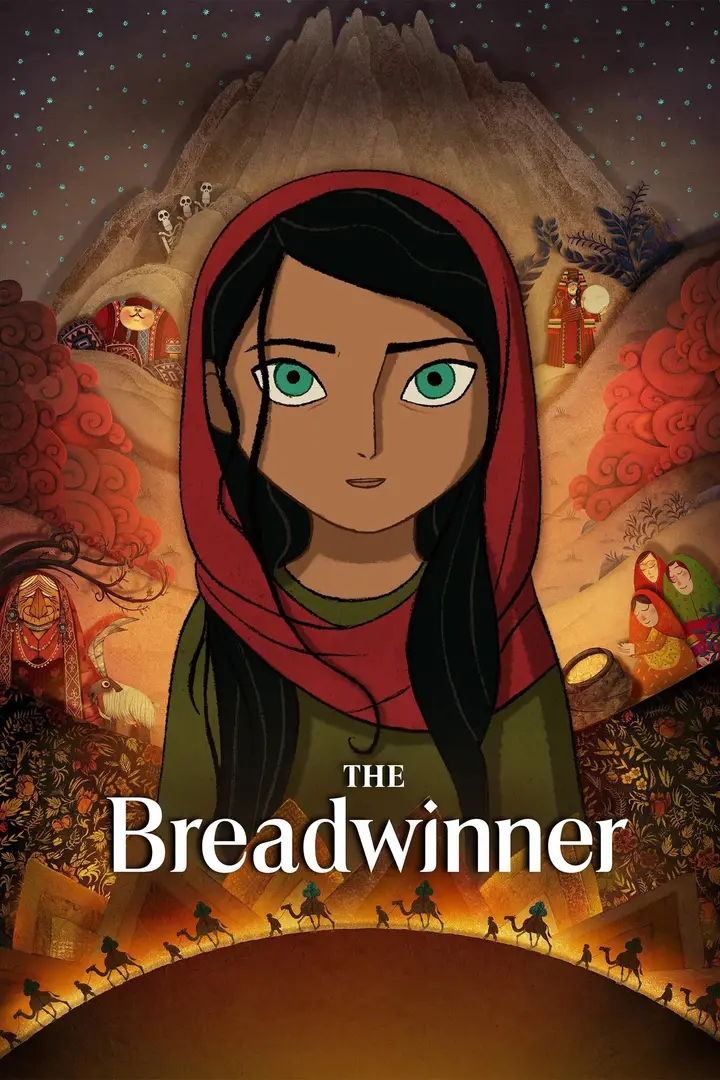
The Breadwinner
A powerful story of courage, resilience, and hope in the face of extraordinary hardship.
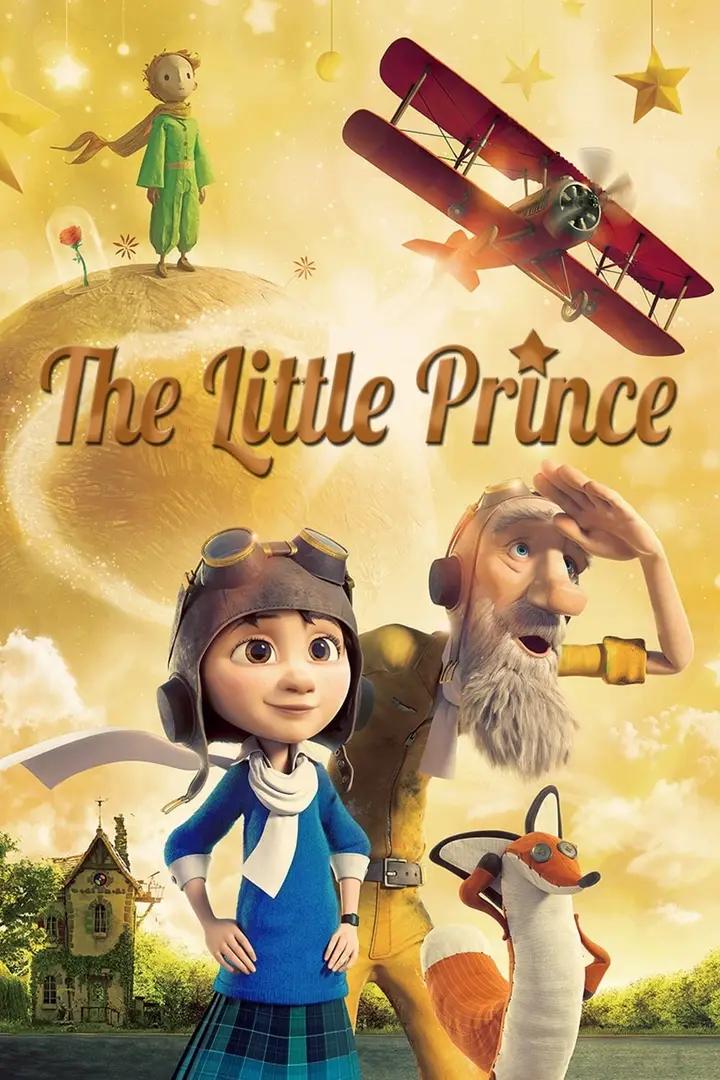
The Little Prince
A lonely girl, an eccentric aviator, and a timeless story about imagination, friendship, and what truly matters.
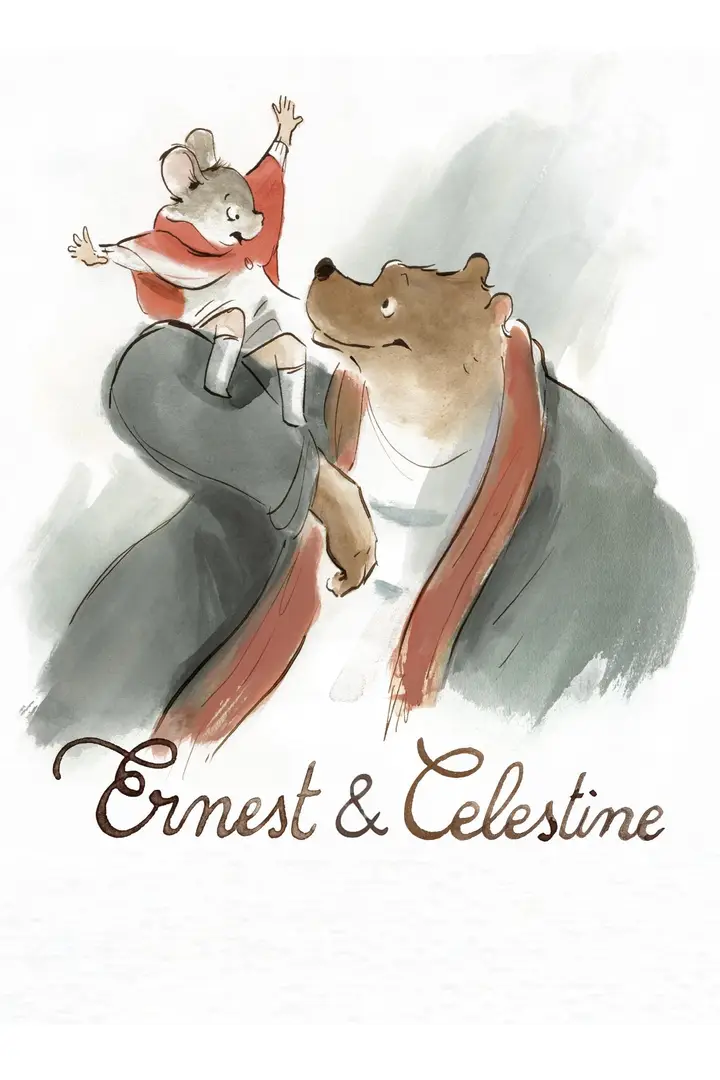
Ernest & Celestine
Watercolor beauty and delicate storytelling create a world of warmth and kindness, where friendship grows strong enough to overcome fear and bring very different worlds together.
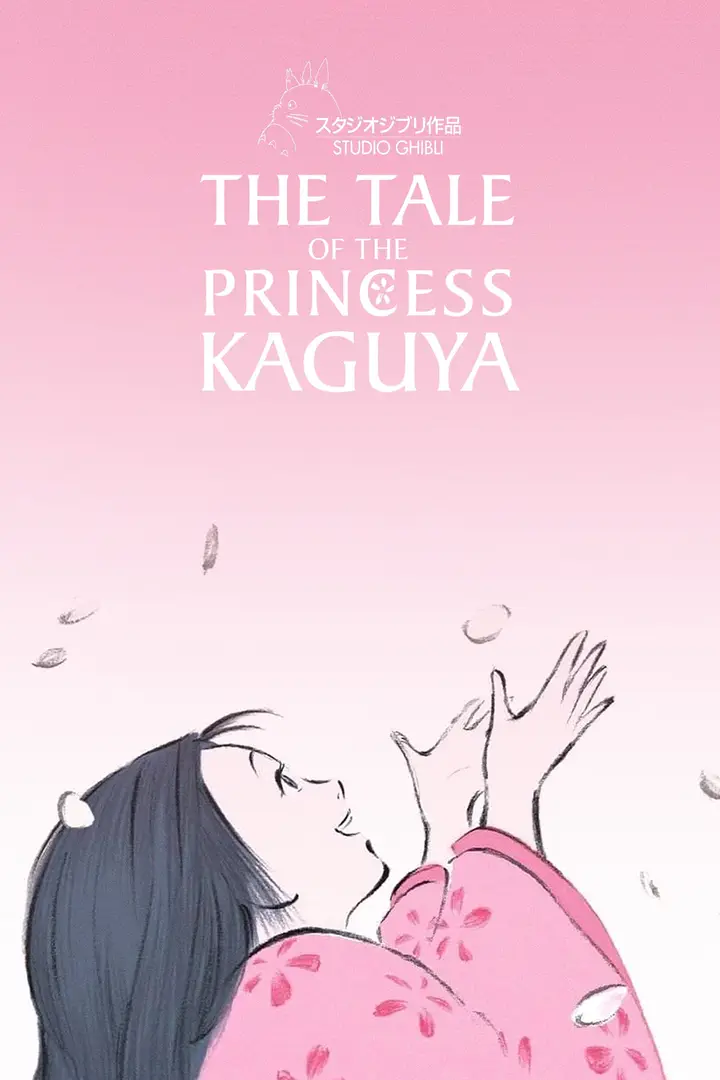
The Tale of the Princess Kaguya
Sunlit fields, childhood laughter, and a life slowly drifting away from everything that once made it meaningful.
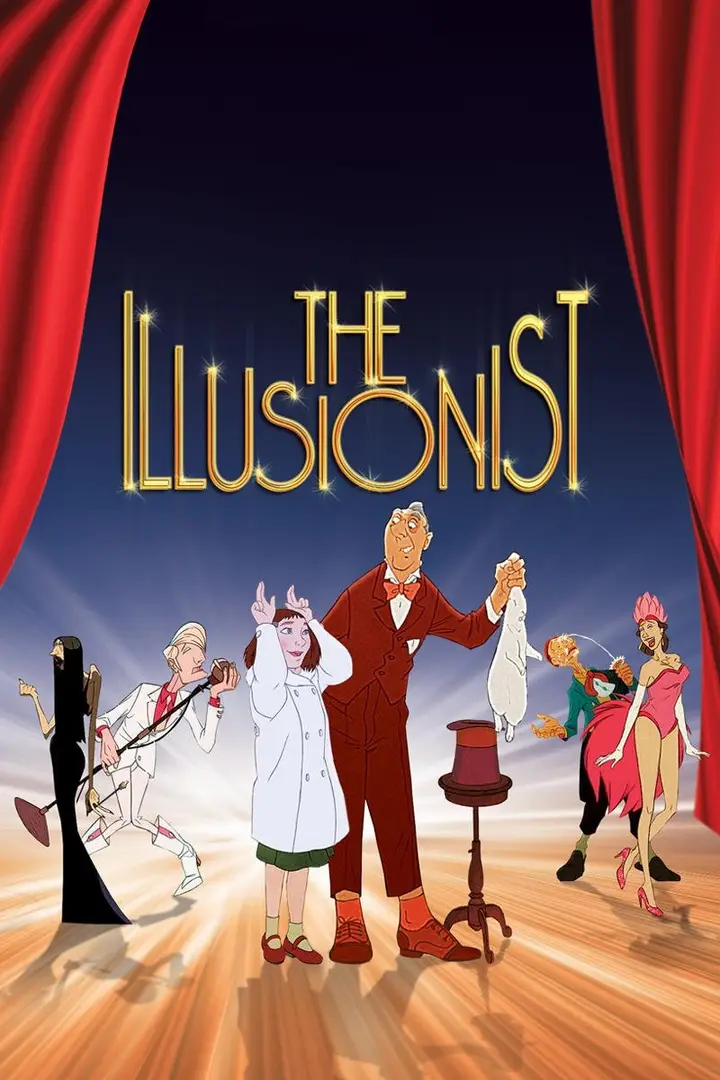
The Illusionist
A quiet and bittersweet journey through change, dignity, and the passing of time.
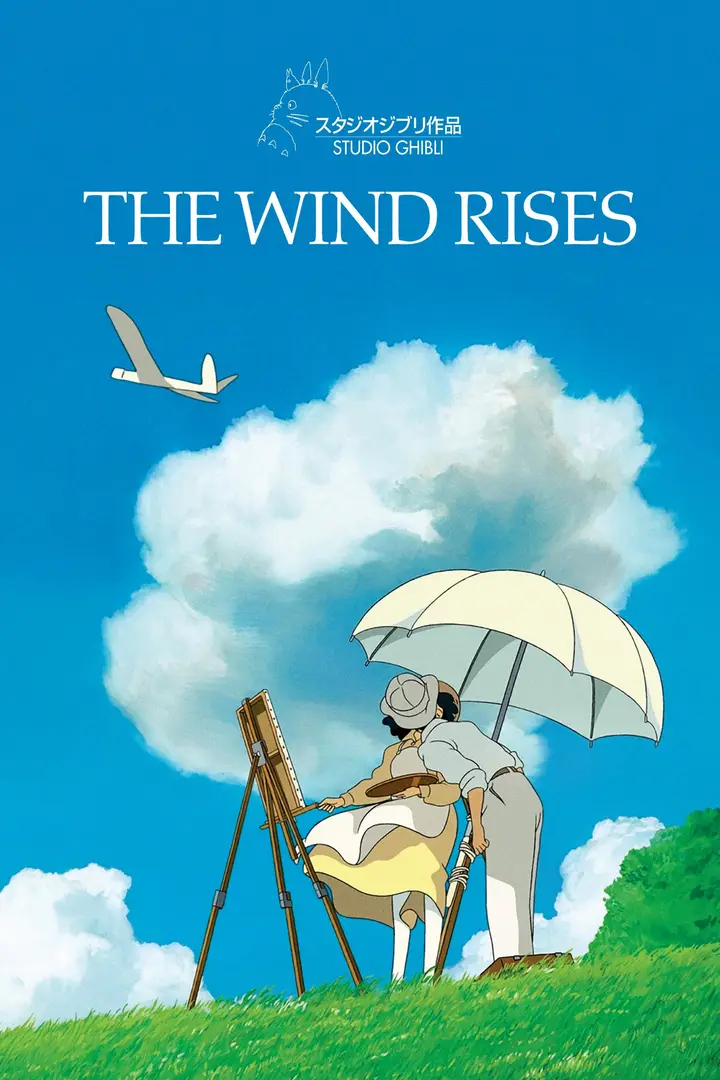
The Wind Rises
The Wind Rises transforms dreams of flight, love, and artistic creation into a melancholy meditation on beauty, ambition, and the cost of idealism.