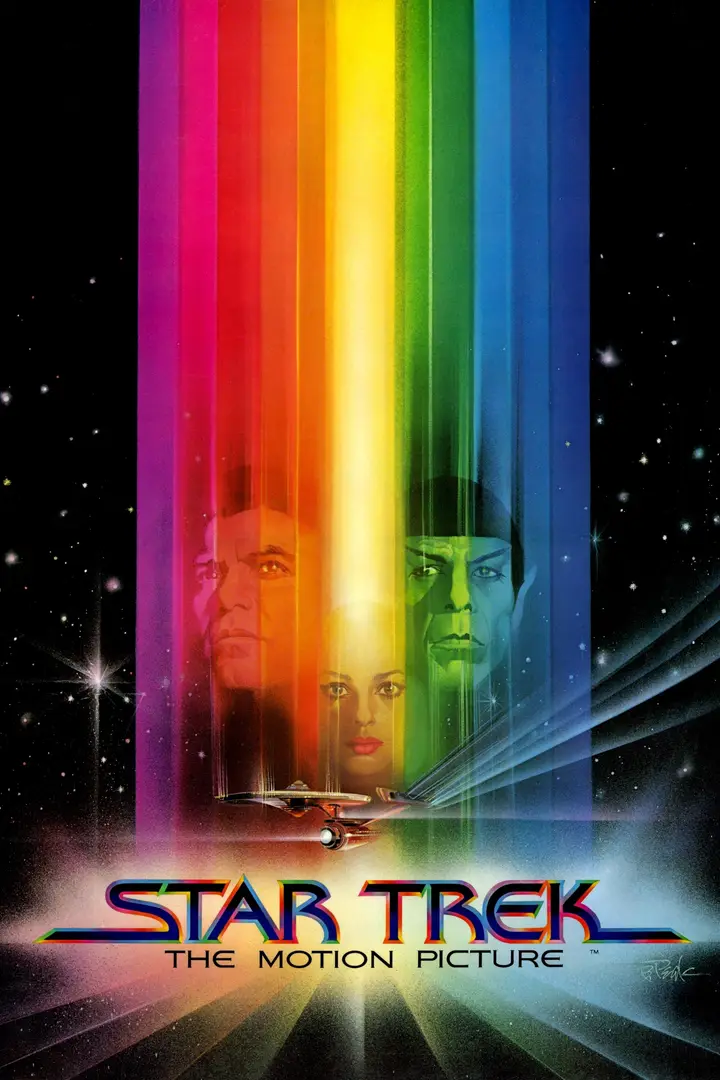
Star Trek: The Motion Picture
AgeMinimum 8Recommended 9+
A thoughtful science-fiction adventure about curiosity, first contact, and learning to understand what we do not recognize.
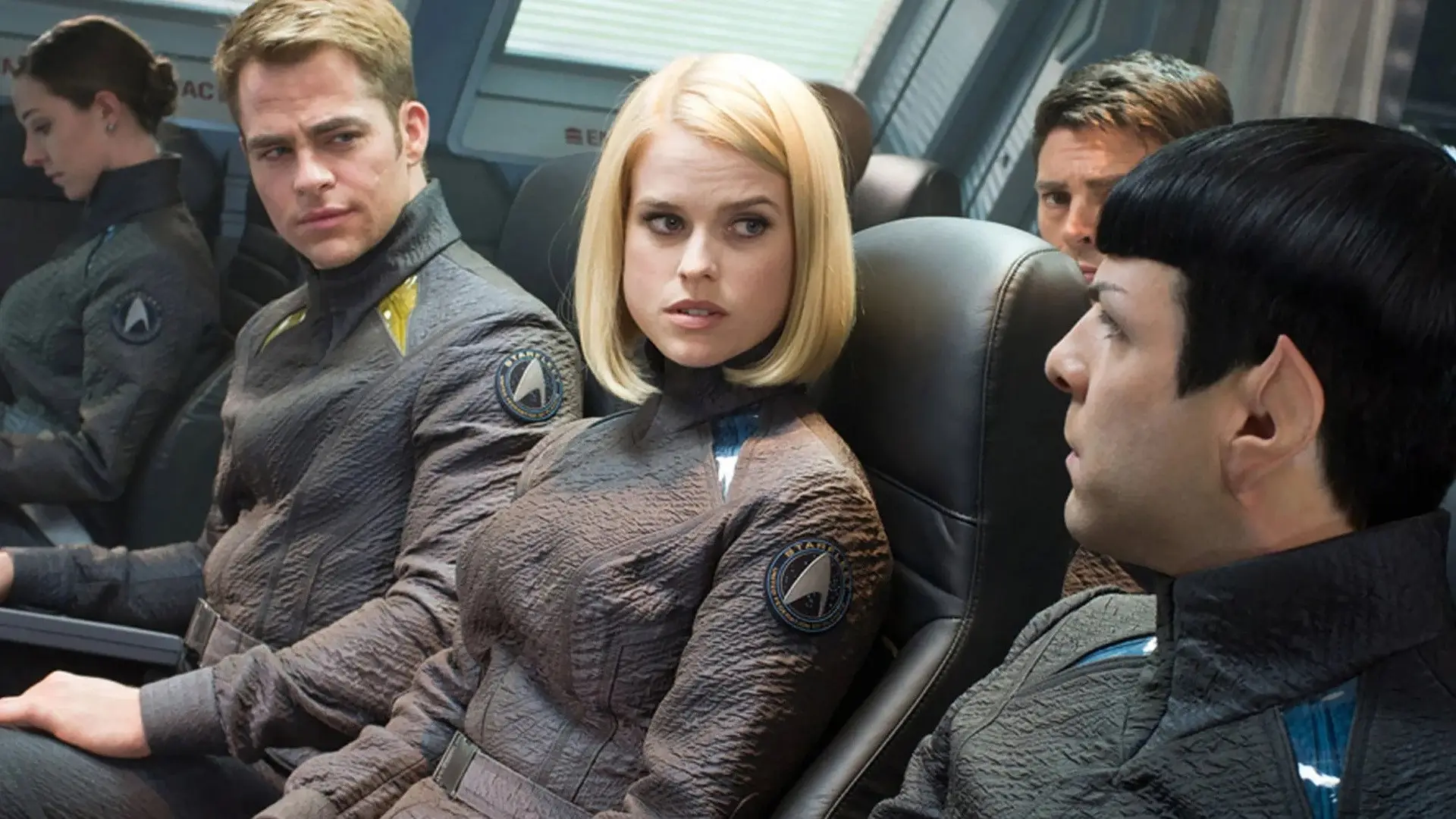
When a vast energy cloud moves toward Earth, Admiral James T. Kirk returns to command the newly refitted USS Enterprise. Alongside Spock, McCoy, Decker, Ilia, and the original crew, he must find out whether the approaching force is a threat, a message, or something no one has yet understood.
- Release Year
- 1979
- Runtime
- 132 min
- Studio
- Paramount Pictures
- Format
- Live Action
- Genre
- Adventure, Mystery, Science Fiction
- Mood
- Calm, Epic
- MPAA Rating
- G
Star Trek: The Motion Picture brings the original crew into a larger and more visually expansive version of their universe. The redesigned Enterprise, the long approach through space, and the scale of the unknown object place discovery and contact ahead of constant action.
Kirk’s return to command gives the entry a familiar center, with Spock, Decker, and Ilia adding different responses to the mystery. Duty, logic, personal connection, and caution all shape the crew’s attempt to face something powerful without treating it as an enemy too quickly.
The pacing is slower than many later Star Trek adventures, and that restraint gives viewers time to take in the ship, the crew, the technology, and the mystery itself. Exploration here begins with patience, careful thought, and the willingness to pause before reacting.
Why It Stands Out
Star Trek: The Motion Picture is memorable for treating first contact as a challenge of understanding, not conquest. Its slow, expansive style gives the unknown room to feel genuinely different.
Parents’ Insight
The mysterious space entity creates sustained tension without depending on constant combat.
Its measured pace and philosophical questions may suit viewers ready to talk about fear of the unknown, first contact and the value of patient observation.
Parents’ Guide
What to know before you press play
Six things parents ask about, rated on the same scale for every film and series in the collection.
- Scary intensity
- Minimal (1 of 5)
- Violence
- Moderate (3 of 5)
- Language
- Minimal (1 of 5)
- Emotional intensity
- Minimal (1 of 5)
- Sexual content
- None (0 of 5)
- Substance use
- Mild (2 of 5)
Content notes
- Slow-paced, cerebral sci-fi; minimal violence
Questions Parents Ask
What is Star Trek: The Motion Picture about?
When an enormous cloud of energy destroys everything in its path while moving steadily toward Earth, Admiral James T. Kirk takes command of the newly refitted USS Enterprise for one final mission. Reunited with Spock, Dr. McCoy, and the rest of his legendary crew, Kirk leads the Enterprise into deep space to investigate the mysterious entity known as V'Ger. As the crew ventures farther into the unknown, they discover that the greatest challenge is not defeating an enemy but understanding an intelligence unlike anything humanity has ever encountered. Their journey becomes an exploration of curiosity, identity, and the endless desire to seek answers beyond the limits of the familiar.
What age is Star Trek: The Motion Picture suitable for?
The mysterious V'Ger phenomenon stays firmly in the realm of philosophical mystery rather than danger, and understanding why the crew is so preoccupied with figuring out what it actually is takes a bit more patience at 8 than at 9.
Is Star Trek: The Motion Picture scary?
- Mysterious space phenomenon
- Brief scenes of peril
- Suspenseful discoveries
- Gore or graphic violence
- Horror elements
In Star Trek: The Motion Picture, viewers encounter occasional moments of suspense as the Enterprise investigates the enormous alien entity. The film contains a few tense sequences involving danger in space, but these are handled thoughtfully rather than dramatically. The emphasis remains on discovery, communication, and understanding rather than conflict.
Is Star Trek: The Motion Picture worth watching?
Star Trek: The Motion Picture is a thoughtful science-fiction adventure that celebrates curiosity, exploration, and the belief that understanding the unknown is more important than fearing it. Unlike many science-fiction films built around battles or invasions, Star Trek: The Motion Picture embraces the franchise's optimistic vision of exploration. Robert Wise directs the film with patience, allowing audiences to experience the vastness of space and the wonder of discovery alongside the Enterprise crew. Jerry Goldsmith's magnificent score, the film's groundbreaking visual effects, and its philosophical approach to first contact create an experience that feels both epic and reflective. For families with older children who enjoy science, astronomy, and big ideas, it offers one of the genre's most rewarding journeys.
What is Star Trek: The Motion Picture based on?
Star Trek: The Motion Picture is based on the Star Trek television series created by Gene Roddenberry, first broadcast in 1966. While featuring an original story, it builds upon the characters and optimistic vision established by Gene Roddenberry, expanding the franchise into feature films and beginning a cinematic series that would span decades. The film's plot was substantially reworked from an aborted attempt to relaunch the series as a new television show, Star Trek: Phase II.
What order should you watch the Star Trek movies in?
Star Trek: The Motion Picture (1979) is the first of the 13 Star Trek movies, so it is the place to start. Release order: 1) Star Trek: The Motion Picture (1979, best from age 9); 2) Star Trek II: The Wrath of Khan (1982, best from age 12); 3) Star Trek III: The Search for Spock (1984, best from age 10); 4) Star Trek IV: The Voyage Home (1986, best from age 7); 5) Star Trek V: The Final Frontier (1989, best from age 10); 6) Star Trek VI: The Undiscovered Country (1991, best from age 10); 7) Star Trek Generations (1994, best from age 10); 8) Star Trek: First Contact (1996, best from age 11); 9) Star Trek: Insurrection (1998, best from age 10); 10) Star Trek: Nemesis (2002, best from age 11); 11) Star Trek (2009, best from age 10); 12) Star Trek Into Darkness (2013, best from age 11); 13) Star Trek Beyond (2016, best from age 11). There are three crews: the original crew (films 1–6), The Next Generation (films 7–10) and the rebooted timeline (2009–2016). Star Trek (2009) is the easiest entry point for families new to the series; films II, III and IV form a connected trilogy. Ages across the series range from 7 (Star Trek IV: The Voyage Home) to 12 (Star Trek II: The Wrath of Khan), so a younger child may be ready for some films well before others. All 13 have a full parents’ guide in The Family Film Collection.
Talk About It
Kirk leads the refitted Enterprise toward V’Ger, where survival depends not on attacking the immense visitor but on understanding its identity and purpose.
- What makes Kirk take command of the Enterprise again?
- How does Decker feel when Kirk replaces him before the mission?
- Would you approach V’Ger with curiosity or prepare to fight it?
- Which moment makes Spock question his pursuit of pure logic?
- What keeps the crew working together when they barely understand the threat?
- How does Ilia’s return affect Decker differently from the other crew members?
- What would you ask V’Ger once communication becomes possible?
- Why might a machine seek its creator after gathering so much knowledge?
Turn this film into a ready-to-use class discussion
Use the Teacher Resources already attached to this film. Choose the questions you want, then print, copy or share the result.
Similar Movies
A sequel and a rebooted timeline both keep this crew's story going, after the Enterprise reunites to face a mysterious, powerful cloud approaching Earth in Star Trek: The Motion Picture. Contact and Close Encounters both search for meaning in the unknown; Interstellar sends that wonder into a real scientific journey.
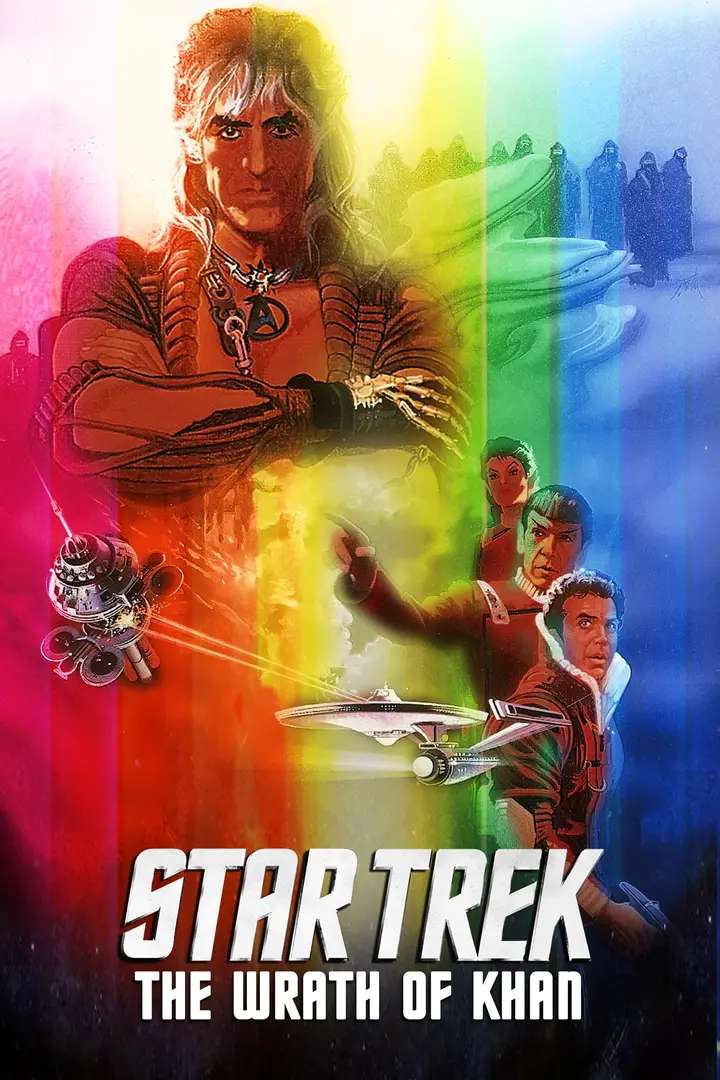
Star Trek II: The Wrath of Khan
A tense science-fiction thriller about revenge, friendship, aging, and the cost of choices made long ago.
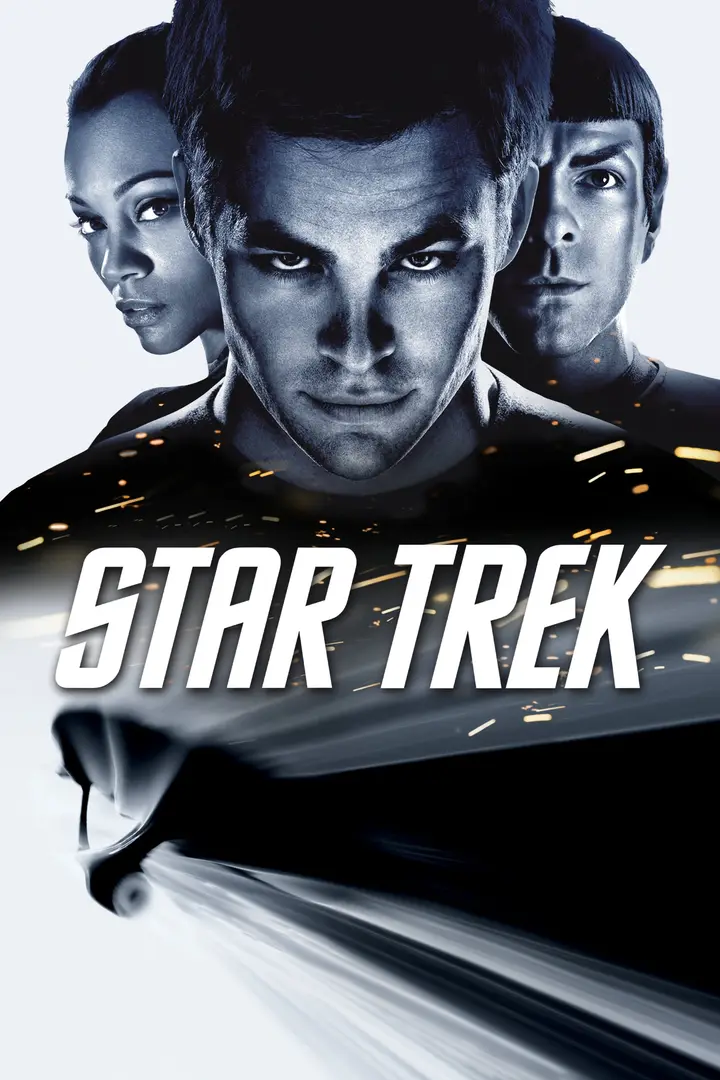
Star Trek
A thrilling science fiction adventure where a young crew discovers that exploring the unknown becomes possible when they learn to trust one another.
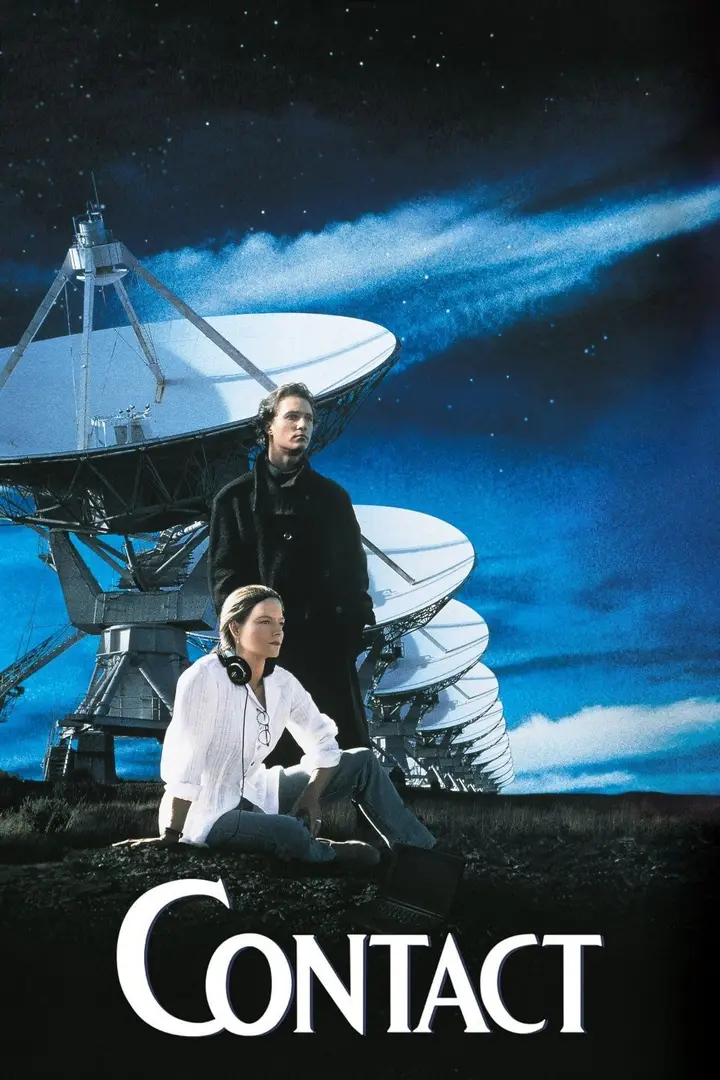
Contact
An inspiring science fiction journey of cosmic discovery, unanswered questions, and a scientist searching for meaning beyond our world.
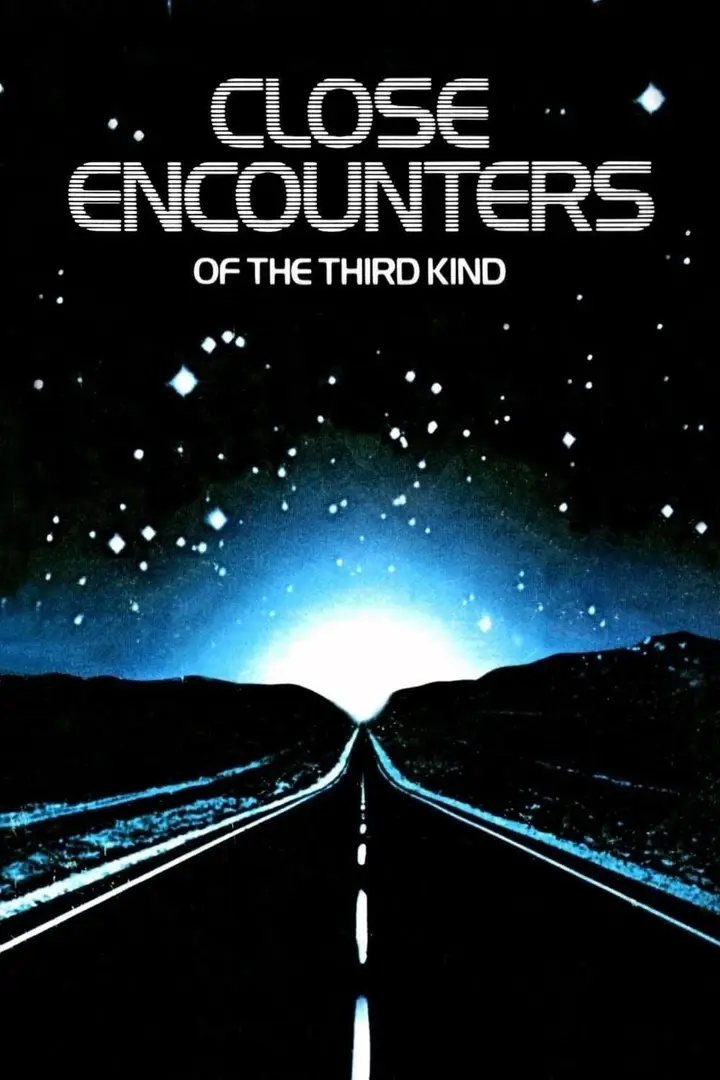
Close Encounters of the Third Kind
An unforgettable science fiction adventure where mysterious lights, impossible visions, and quiet wonder lead toward the unknown.
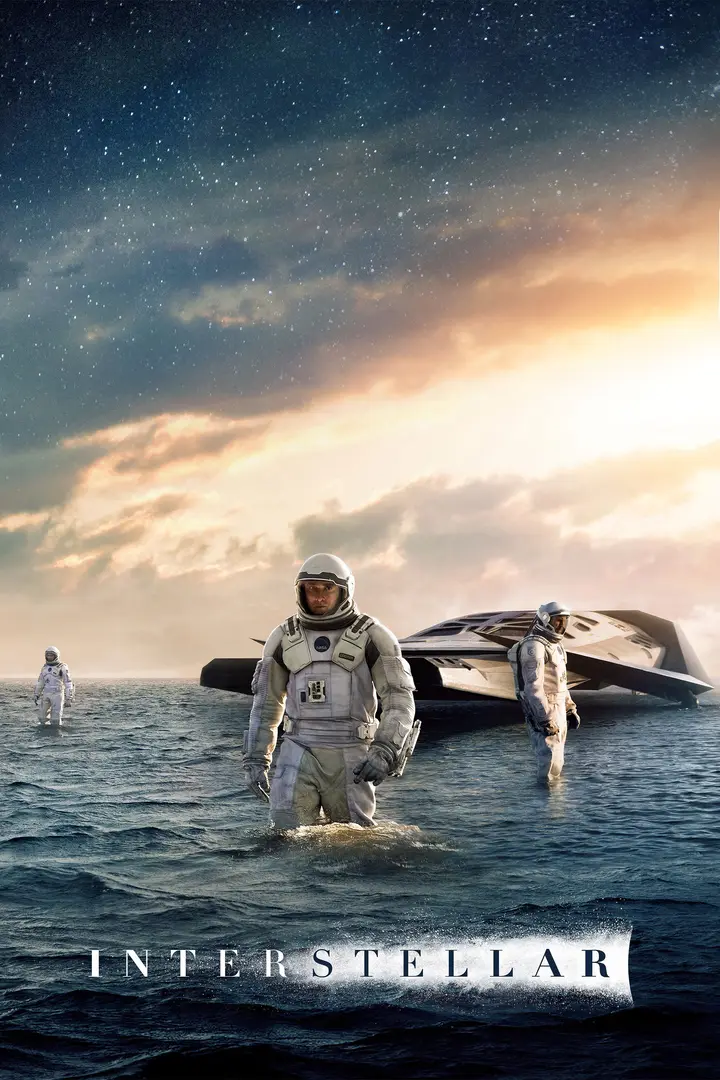
Interstellar
Distant worlds, astonishing cosmic imagery and the pull of a father–daughter bond make this science-fiction epic as intimate as it is vast.
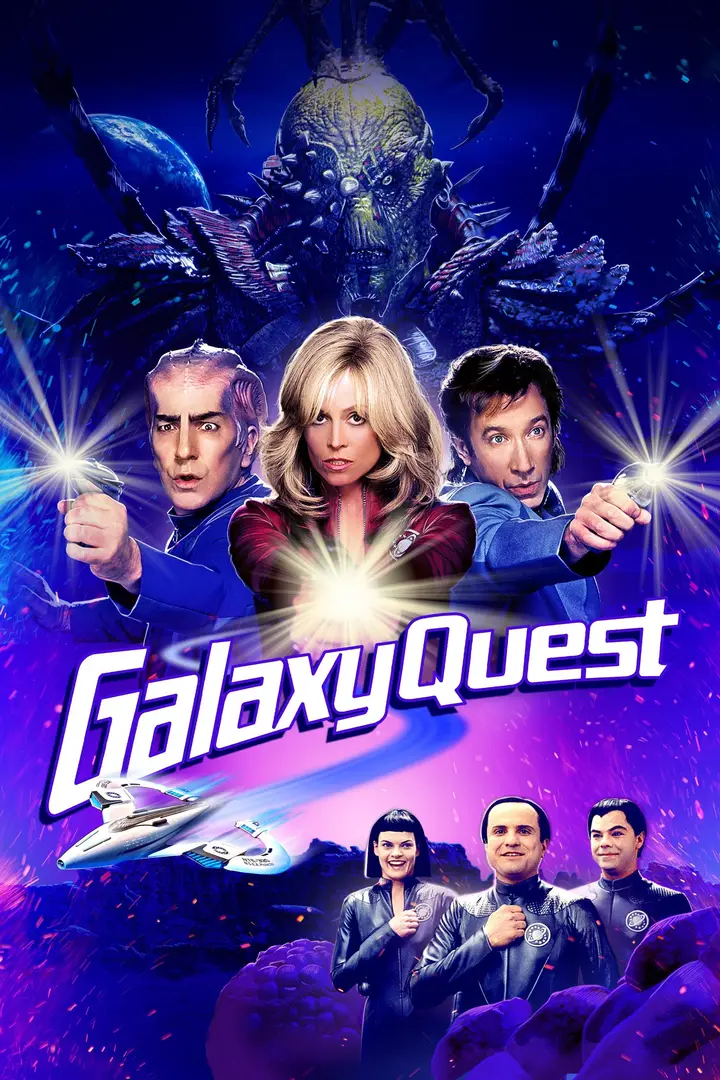
Galaxy Quest
A hilarious science fiction adventure where forgotten actors enter a real space mission and discover their greatest roles are not over.