Editor’s Choice
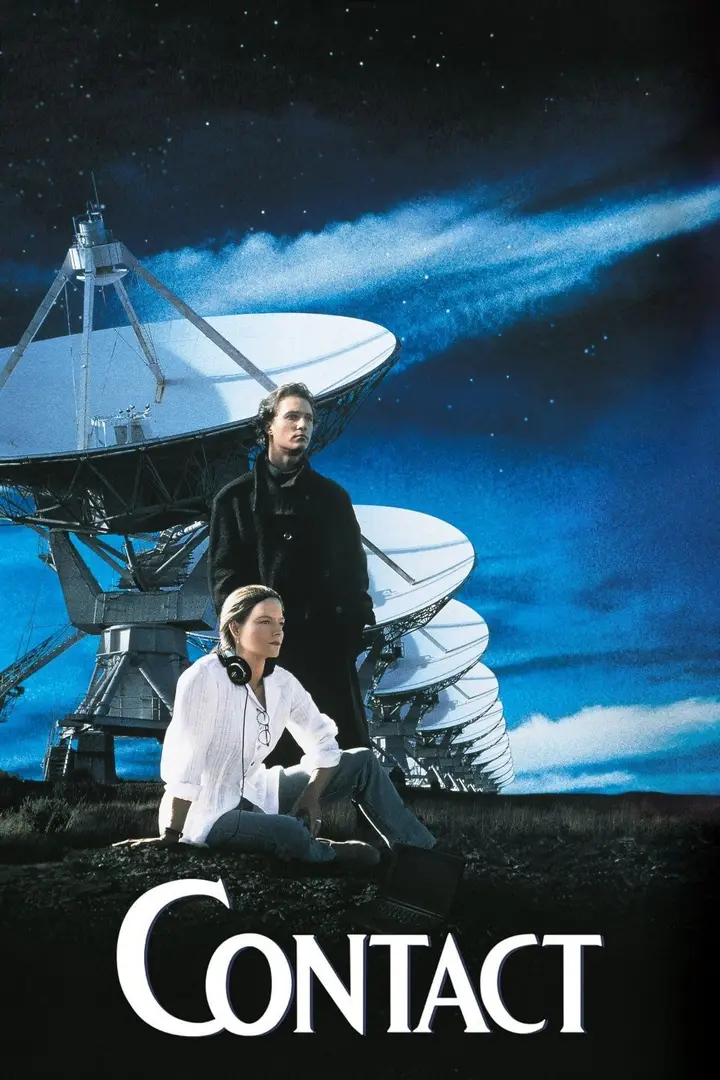
Contact
AgeMinimum 10Recommended 12+
An inspiring science fiction journey of cosmic discovery, unanswered questions, and a scientist searching for meaning beyond our world.
Dr. Ellie Arroway has dedicated her career to searching for evidence of intelligent life beyond Earth, despite skepticism from others in the scientific community. When she discovers a mysterious signal from deep space containing instructions for an unknown machine, Ellie is chosen to take part in a journey that challenges her understanding of science, belief, and humanity’s place in the universe.
- Release Year
- 1997
- Runtime
- 150 min
- Studio
- Warner Bros.
- Format
- Live Action
- Genre
- Drama, Mystery, Science Fiction
- Mood
- Calm, Emotional
- MPAA Rating
- PG
Contact places scientific curiosity at the center of its encounter with the unknown. Ellie Arroway is a scientist whose lifelong search for answers begins with a simple question: are we alone?
Her discovery of a signal from another world creates one of humanity’s greatest scientific moments, but the journey that follows is not only about technology or exploration. It raises questions about how science, experience and personal belief help people understand the unknown.
Ellie’s path is shaped by perseverance. For years, she continues searching despite doubts from others who question whether her work will ever lead anywhere. Her determination reflects the enduring human drive to understand what lies beyond familiar experience.
Every discovery opens further questions, leaving Ellie and the audience to consider what evidence can establish and where belief begins.
Why It Stands Out
Contact builds its science fiction around a scientist's search for evidence of life beyond Earth. The possibility of discovery brings questions of faith, knowledge, and belonging into focus, making the cosmic story deeply personal.
Parents’ Insight
Children naturally ask questions about the world around them. Encouraging curiosity helps them develop the confidence to explore ideas, test possibilities, and search for understanding.
Science and imagination do not need to compete. Wonder often begins with the courage to ask questions and the patience to look for answers.
Editor’s Choice: Scientific curiosity, cosmic wonder and questions of belief
Parents’ Guide
What to know before you press play
Six things parents ask about, rated on the same scale for every film and series in the collection.
- Scary intensity
- Minimal (1 of 5)
- Violence
- Moderate (3 of 5)
- Language
- Mild (2 of 5)
- Emotional intensity
- Mild (2 of 5)
- Sexual content
- None (0 of 5)
- Substance use
- Minimal (1 of 5)
Content notes
- Thoughtful themes about faith and science; brief scenes of loss; mild peril.
Parent guidance
Thoughtful sci-fi themes, mild peril, some mature philosophical content
Questions Parents Ask
What is Contact about?
Ever since childhood, Dr. Ellie Arroway has dedicated her life to the search for extraterrestrial intelligence, convinced humanity is not alone in the universe. Despite years of skepticism, funding struggles, and professional setbacks, she refuses to abandon her work.
Everything changes when her research team detects an unmistakable radio transmission from a distant star system. Hidden within the signal are detailed instructions for constructing an enormous machine unlike anything ever built. As nations race to understand the message, Ellie is chosen to undertake the extraordinary journey it promises. What follows challenges not only science, but also humanity's understanding of evidence, belief, and the mysteries that still lie beyond our reach.
What age is Contact suitable for?
Rather than action, the emotional impact here comes from complex ideas and thoughtful conversation between characters, which is why the philosophical weight of the story takes a couple more years to really land.
Is Contact scary?
- Mild suspense
- Brief peril
- Emotional loss
- Intense launch sequence
- Graphic violence
- Gore
- Horror elements
Contact contains very little traditional danger. The most intense scenes involve the construction and testing of the mysterious machine, along with several suspenseful moments surrounding the scientific mission.
The film is far more thought-provoking than frightening, focusing on ideas and emotions rather than action or horror.
Is Contact worth watching?
Contact remains one of cinema's finest science-fiction dramas, exploring curiosity, discovery, and humanity's search for meaning with intelligence, emotional depth, and remarkable optimism. Directed by Robert Zemeckis, Contact approaches science fiction through curiosity rather than conflict. Instead of asking how humanity would fight alien life, it explores what discovering we are not alone might mean for science, philosophy, and personal belief. Jodie Foster delivers an outstanding performance as Ellie Arroway, portraying a scientist whose greatest strength is her determination to keep asking questions. Beautiful visual effects, thoughtful storytelling, and Carl Sagan's optimistic vision combine to create a film that continues to inspire audiences interested in astronomy, exploration, and the enduring value of curiosity.
What is Contact based on?
Contact is based on the book Contact by Carl Sagan, first published in 1985. While the film streamlines parts of the story, it preserves the novel's central exploration of scientific discovery, humanity's search for intelligent life, and the relationship between evidence, belief, and curiosity. Many of the scientific ideas presented in the film reflect Sagan's lifelong work as an astronomer and science communicator, although the story itself is fictional.
Talk About It
Ellie Arroway’s lifelong search receives an extraterrestrial signal, placing scientific evidence, personal testimony, and public belief inside one unprecedented journey.
- Why does Ellie continue searching after funding is withdrawn?
- How does Palmer Joss challenge her view of evidence?
- Would you enter a machine designed from an extraterrestrial message?
- What would you tell Ellie before the selection hearing?
- Why does Hadden support the project from outside public institutions?
- How does Ellie’s memory of her father shape her search?
- Which part of her experience is hardest to communicate afterward?
- Why should her testimony matter when instruments record nothing?
Turn this film into a ready-to-use class discussion
Use the Teacher Resources already attached to this film. Choose the questions you want, then print, copy or share the result.
Similar Movies
A scientist's search for genuine contact with an alien intelligence makes Contact more contemplative than most science-fiction adventure. Star Trek: First Contact, Arrival, Interstellar and The Martian share that same thoughtful curiosity about the universe; WALL-E and Treasure Planet carry it into gentler, more adventurous territory instead.
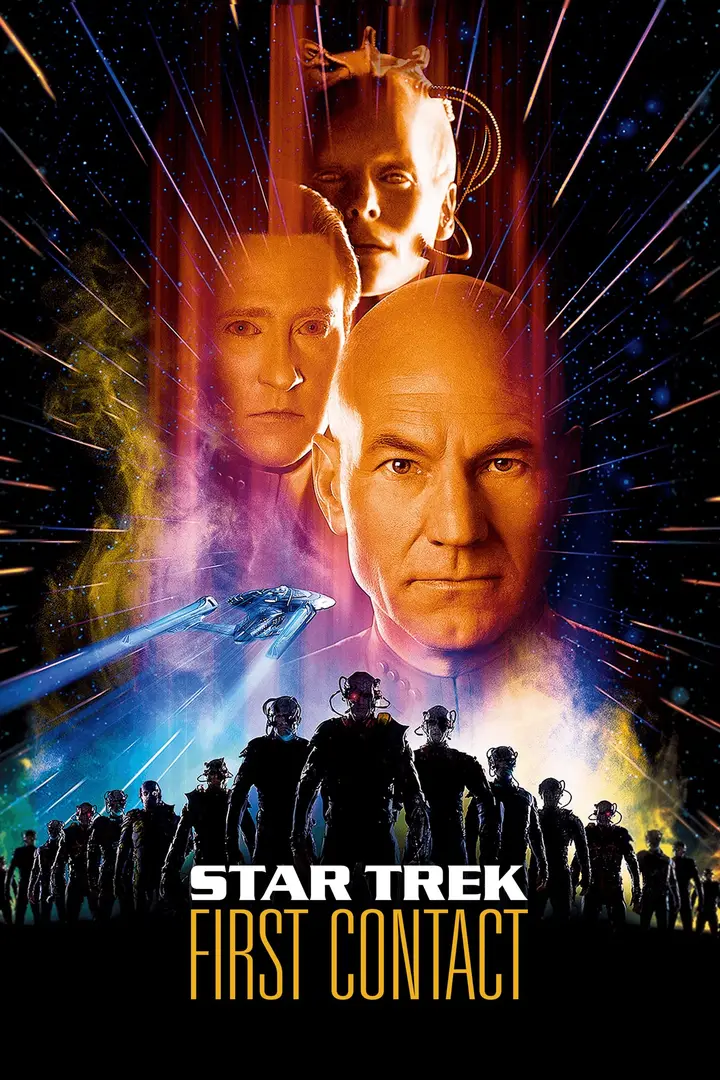
Star Trek: First Contact
A tense science-fiction thriller about fear, courage, and a turning point that changes humanity’s future.
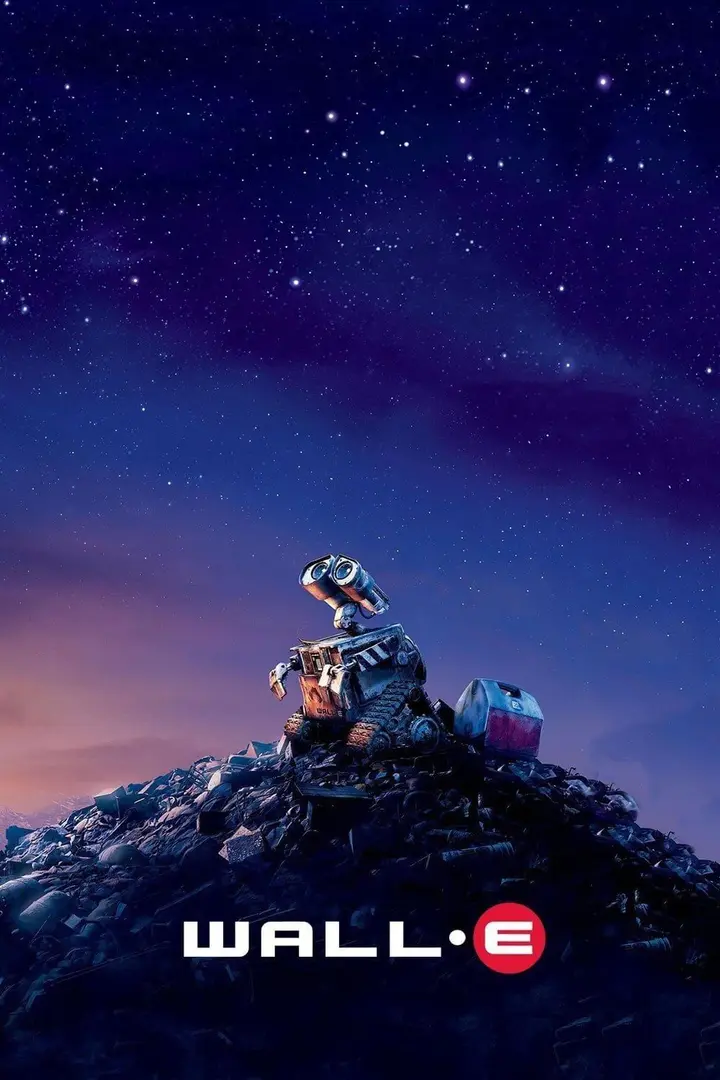
WALL·E
A lonely little robot drifting through the ruins of Earth unexpectedly discovers love, transforming a science-fiction adventure into one of animation's most touching romances.
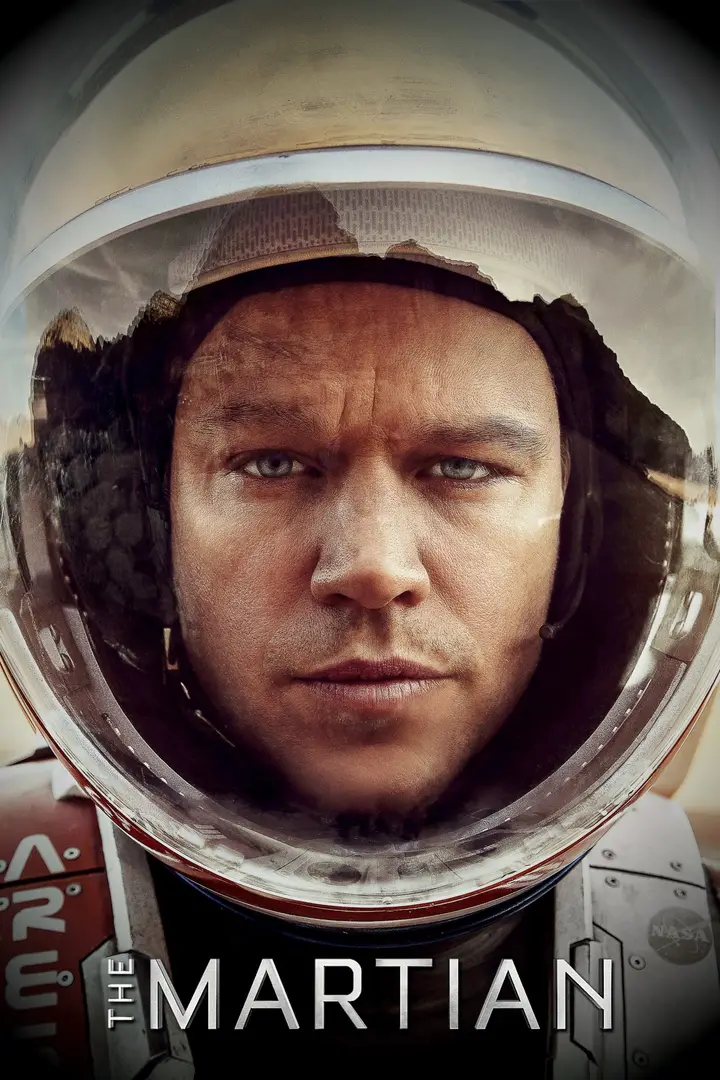
The Martian
A space adventure of Mars landscapes, scientific discovery, and one astronaut learning to survive in a world no human has explored before.
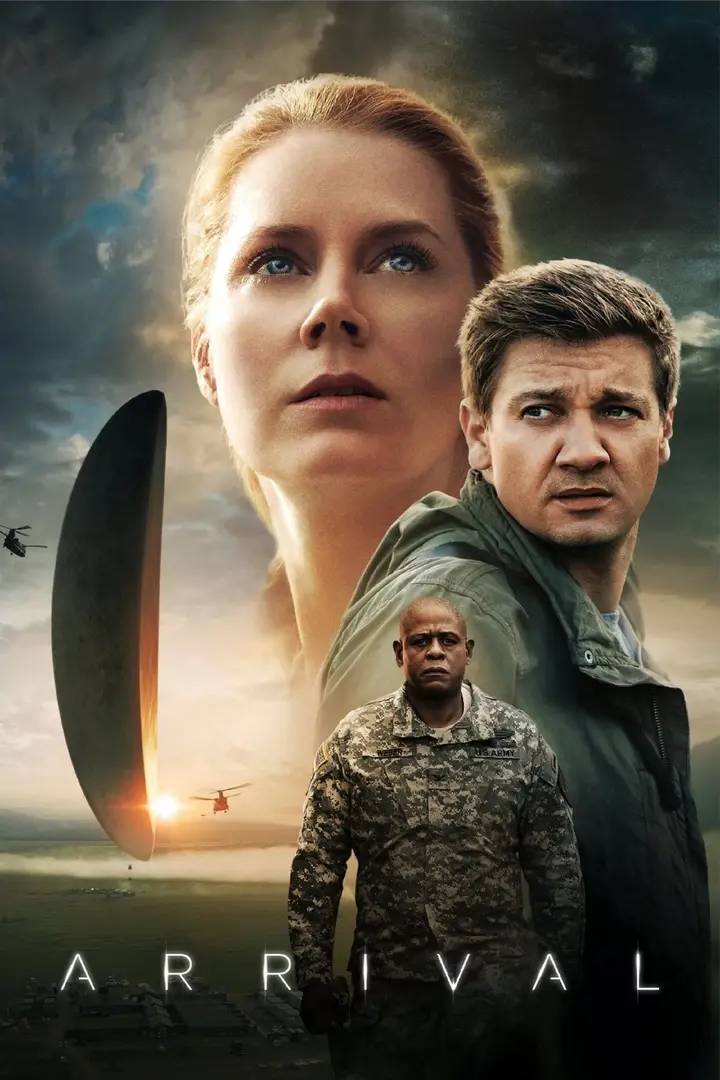
Arrival
A thoughtful science fiction journey of first contact, hidden meanings, and a linguist discovering that understanding another world can change her own.
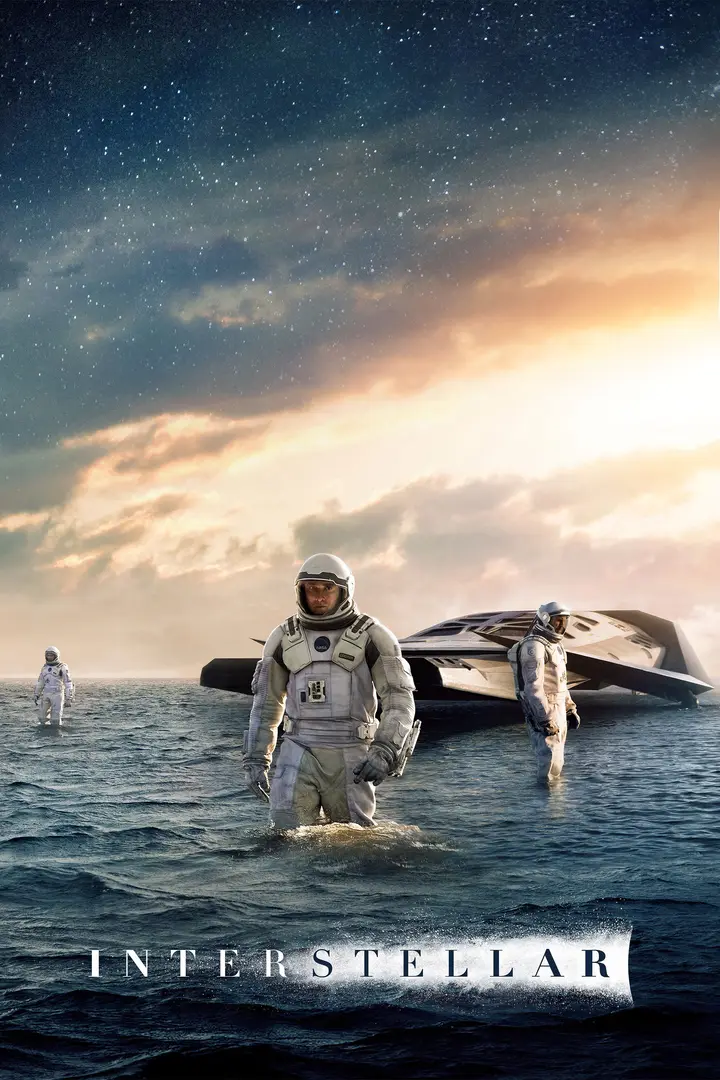
Interstellar
Distant worlds, astonishing cosmic imagery and the pull of a father–daughter bond make this science-fiction epic as intimate as it is vast.
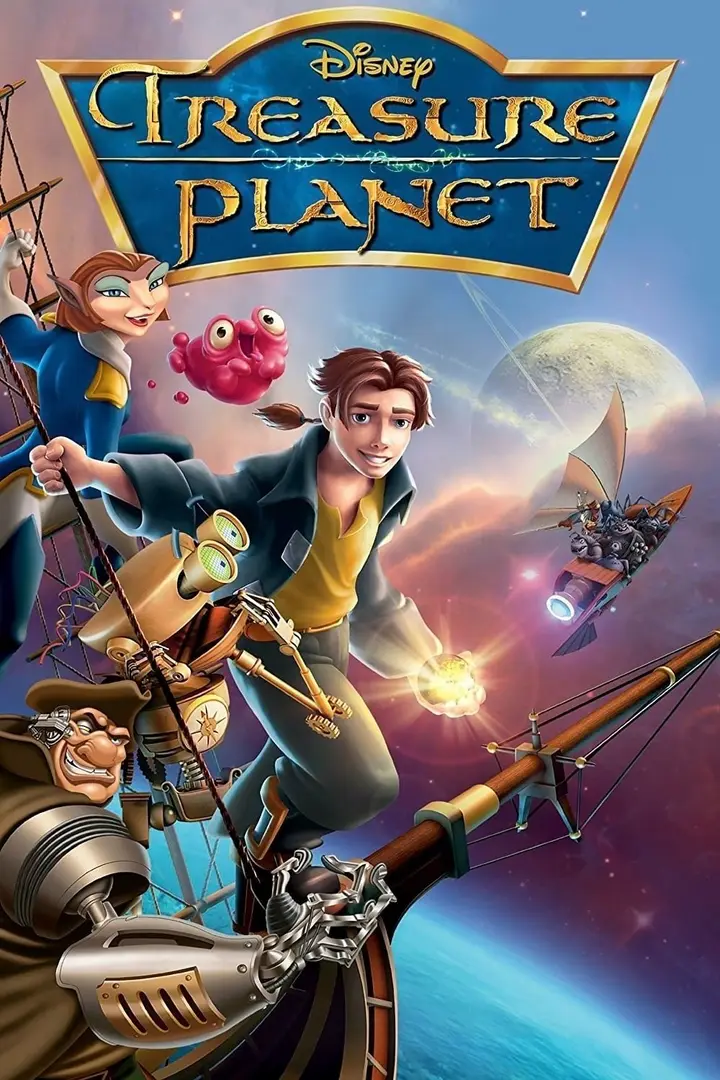
Treasure Planet
A thrilling spacefaring pirate adventure about trust, ambition, and an unexpected father-son bond.