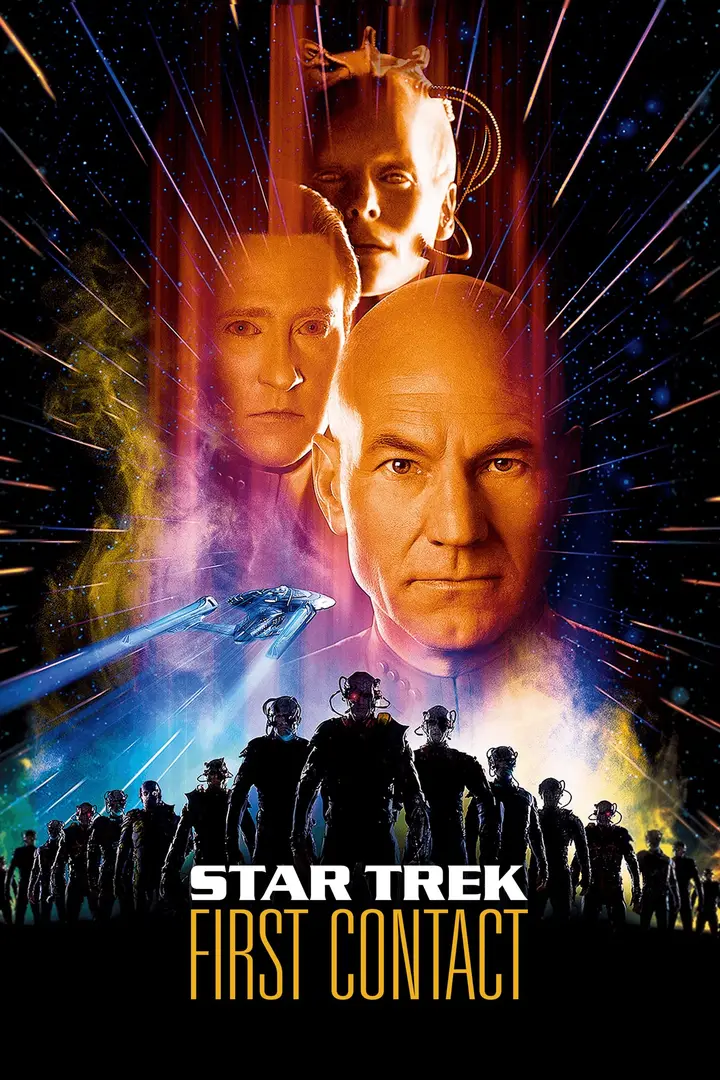
Star Trek: First Contact
AgeMinimum 8Recommended 11+
A tense science-fiction thriller about fear, courage, and a turning point that changes humanity’s future.
When the Borg travel back to 2063 to prevent humanity’s first contact with an alien civilization, Picard and the Enterprise-E follow. As the crew fights to protect the timeline, Zefram Cochrane prepares the warp flight that could open Earth’s future.
- Release Year
- 1996
- Runtime
- 111 min
- Studio
- Paramount Pictures
- Format
- Live Action
- Genre
- Action, Adventure, Horror, Science Fiction
- Mood
- Intense
- MPAA Rating
- PG-13
Star Trek: First Contact has one of the franchise’s strongest contrasts. Aboard the Enterprise-E, the Borg bring dark corridors, forced assimilation, and a sense of physical danger. On Earth, Cochrane’s early warp project looks rough, uncertain, and surprisingly human.
Picard’s history with the Borg makes the conflict more personal than a standard invasion plot. His anger is understandable, but it also threatens his judgment. Lily’s presence gives that tension a strong human counterpoint, especially because she sees the future without sharing his old wounds.
Cochrane keeps the story from becoming too solemn. He is not a polished hero, and that makes the historic moment more approachable. The launch matters because it begins with fear, improvisation, and reluctance, then grows into one of humanity’s most hopeful steps forward.
Why It Stands Out
Star Trek: First Contact pairs Borg horror with the promise of humanity’s first warp flight. Picard’s trauma and Cochrane’s imperfect courage give the adventure both urgency and hope.
Parents’ Insight
Cochrane’s flaws make his achievement easier to connect with. He is frightened, messy, and reluctant, yet one brave flight still opens humanity’s future.
Parents’ Guide
What to know before you press play
Six things parents ask about, rated on the same scale for every film and series in the collection.
- Scary intensity
- Strong (4 of 5)
- Violence
- Moderate (3 of 5)
- Language
- Minimal (1 of 5)
- Emotional intensity
- Minimal (1 of 5)
- Sexual content
- None (0 of 5)
- Substance use
- Minimal (1 of 5)
Content notes
- Genuinely frightening Borg antagonists and body-horror elements; more intense than most Star Trek films
Questions Parents Ask
What is Star Trek: First Contact about?
After defeating a Borg invasion near Earth, Captain Jean-Luc Picard discovers that the cybernetic Borg have escaped into the past in an attempt to change history forever. Traveling back to the year 2063 aboard the USS Enterprise-E, Picard and his crew learn that the Borg intend to prevent humanity's first contact with the peaceful Vulcans—a moment that will eventually unite Earth and begin humanity's journey into deep space.
As the Borg begin assimilating the Enterprise itself, Picard becomes increasingly consumed by his own painful history with the collective. While Commander Riker, Geordi La Forge, and the rest of the crew work to ensure scientist Zefram Cochrane successfully completes humanity's first warp flight, Picard must decide whether revenge is worth risking the future of the entire human race.
What age is Star Trek: First Contact suitable for?
Graphic gore stays limited, but several sequences may disturb younger viewers because characters are physically transformed by the Borg on screen; that body-horror element is easier to process by 11.
Is Star Trek: First Contact scary?
- Frightening Borg
- Body-horror imagery
- Assimilation scenes
- Science-fiction violence
- Intense suspense
- Graphic gore
- Supernatural horror
The Borg are among the most unsettling villains in family-friendly science fiction. Their mechanical appearance, emotionless behavior, and ability to assimilate living beings create several genuinely frightening scenes throughout the film.
The atmosphere aboard the Enterprise often resembles a suspense thriller, with dark corridors, hidden enemies, and constant tension. Older viewers generally handle these moments well, but younger children may find the Borg particularly unsettling.
Is Star Trek: First Contact worth watching?
Star Trek: First Contact is widely regarded as one of the strongest Star Trek films, combining exciting science-fiction action with thoughtful themes about humanity, identity, and hope for the future. Jonathan Frakes directs a film that successfully balances blockbuster spectacle with the philosophical ideas that have always defined Star Trek. While the Borg provide some of the franchise's most memorable action, the story focuses on humanity's optimism and its belief that cooperation, exploration, and scientific progress can build a better future. Patrick Stewart delivers one of Captain Picard's finest performances, exploring the emotional consequences of trauma while demonstrating the leadership and compassion that define the character. The combination of time travel, space adventure, memorable performances, and hopeful storytelling has made First Contact a favorite among both longtime fans and newcomers.
What is Star Trek: First Contact based on?
Star Trek: First Contact is an original screenplay that builds upon characters, events, and ideas established in the television series Star Trek: The Next Generation, particularly Captain Picard's earlier encounters with the Borg.
Although many novels and comics later expanded its story, the film itself was created as an original chapter within the Star Trek franchise.
What order should you watch the Star Trek movies in?
Star Trek: First Contact is the eighth of the 13 Star Trek movies in release order. Watch it after Star Trek Generations (1994) and before Star Trek: Insurrection (1998). Release order: 1) Star Trek: The Motion Picture (1979, best from age 9); 2) Star Trek II: The Wrath of Khan (1982, best from age 12); 3) Star Trek III: The Search for Spock (1984, best from age 10); 4) Star Trek IV: The Voyage Home (1986, best from age 7); 5) Star Trek V: The Final Frontier (1989, best from age 10); 6) Star Trek VI: The Undiscovered Country (1991, best from age 10); 7) Star Trek Generations (1994, best from age 10); 8) Star Trek: First Contact (1996, best from age 11); 9) Star Trek: Insurrection (1998, best from age 10); 10) Star Trek: Nemesis (2002, best from age 11); 11) Star Trek (2009, best from age 10); 12) Star Trek Into Darkness (2013, best from age 11); 13) Star Trek Beyond (2016, best from age 11). There are three crews: the original crew (films 1–6), The Next Generation (films 7–10) and the rebooted timeline (2009–2016). Star Trek (2009) is the easiest entry point for families new to the series; films II, III and IV form a connected trilogy. Ages across the series range from 7 (Star Trek IV: The Voyage Home) to 12 (Star Trek II: The Wrath of Khan), so a younger child may be ready for some films well before others. All 13 have a full parents’ guide in The Family Film Collection.
Talk About It
Picard follows the Borg into 2063, where protecting Cochrane’s warp flight requires mastering revenge while his ship is transformed around him.
- Why does Picard pursue the Borg into the past despite Starfleet’s orders?
- How does Lily challenge Picard’s claim that revenge is duty?
- Would you stay aboard a ship being transformed by the Borg?
- What would you tell Cochrane when he wants to abandon the warp flight?
- How does Data resist the Borg Queen’s offer of humanity?
- Why is first contact important beyond one successful flight?
- Which choice shows Picard becoming like the enemy he hates?
- How does the crew preserve hope while losing sections of Enterprise?
Turn this film into a ready-to-use class discussion
Use the Teacher Resources already attached to this film. Choose the questions you want, then print, copy or share the result.
Similar Movies
Three entries continue this same crew's ongoing run, one closes out the original crew's final outing, and a rebooted timeline reimagines an earlier generation entirely. One choice outside Star Trek plays the same crew-under-pressure formula for affectionate laughs.
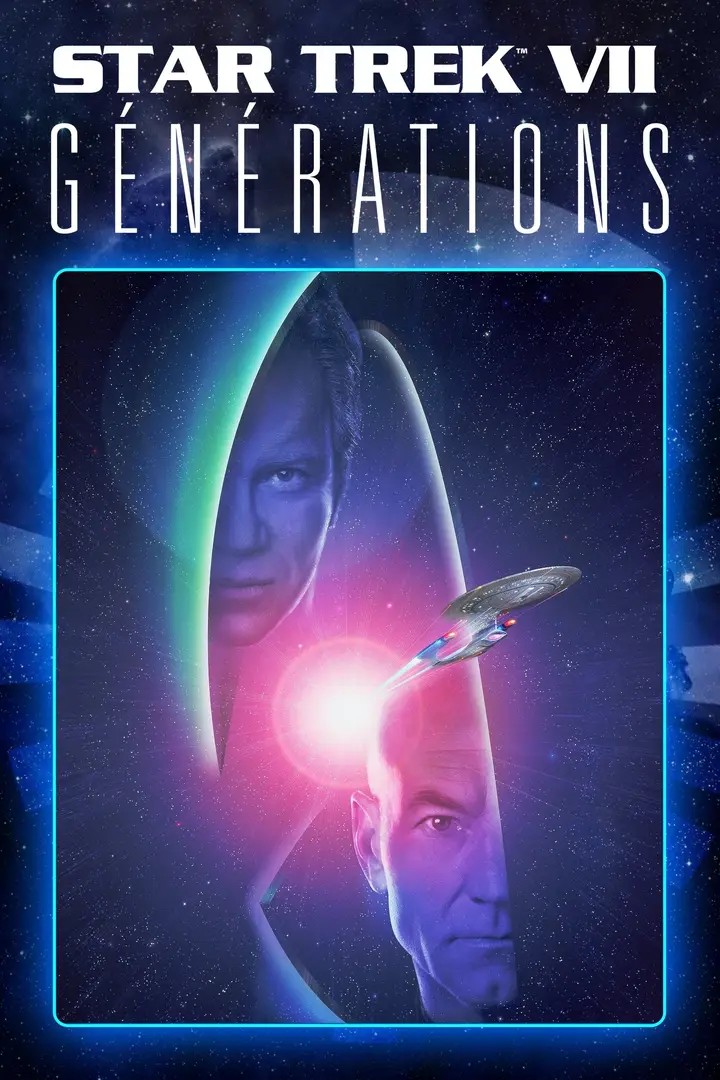
Star Trek Generations
A bittersweet science-fiction adventure about time, legacy, regret, and the choices that give a life meaning.
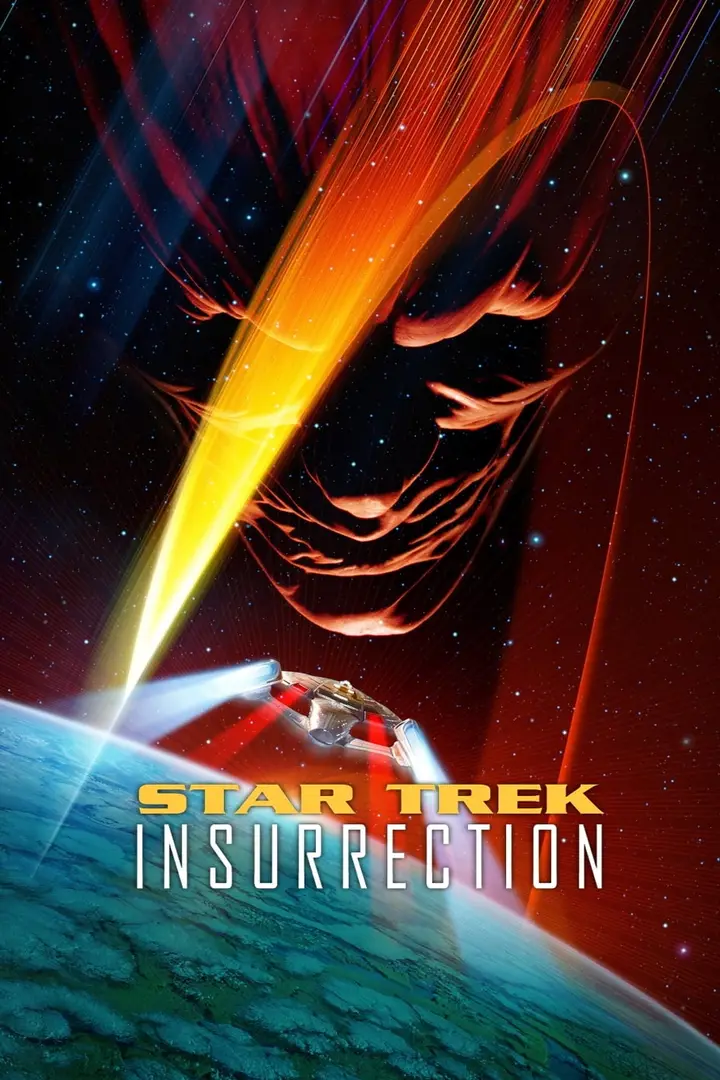
Star Trek: Insurrection
A thoughtful science-fiction adventure about home, conscience, and the cost of progress.
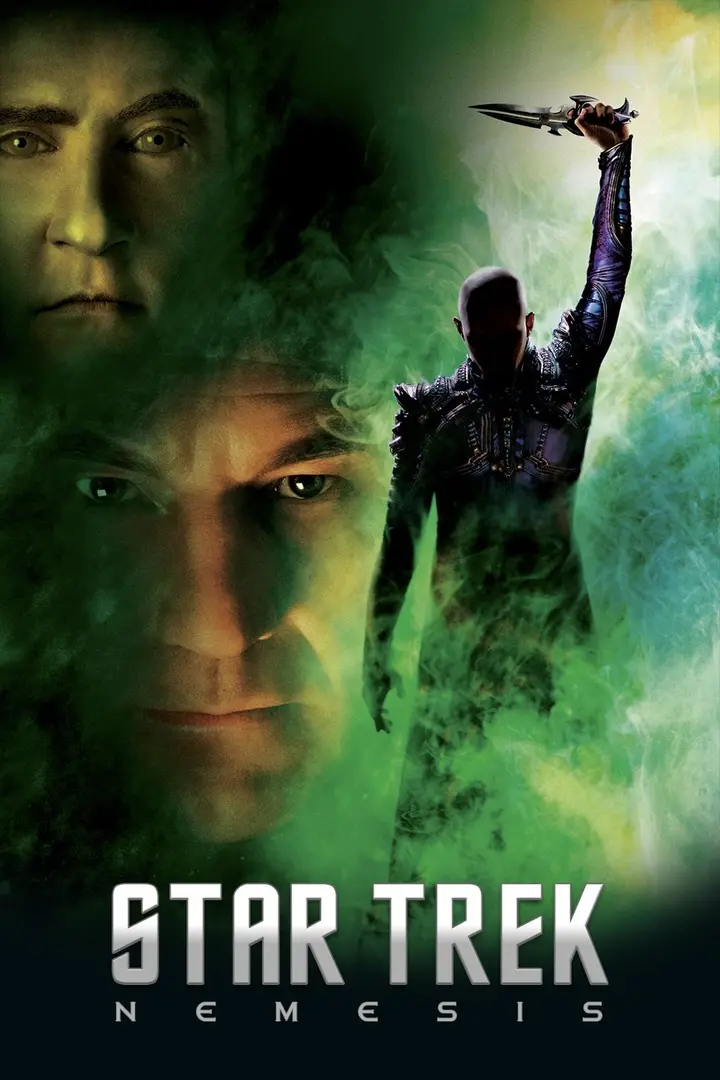
Star Trek: Nemesis
A dark science-fiction drama about identity, inheritance, and the choices that separate one life from another.
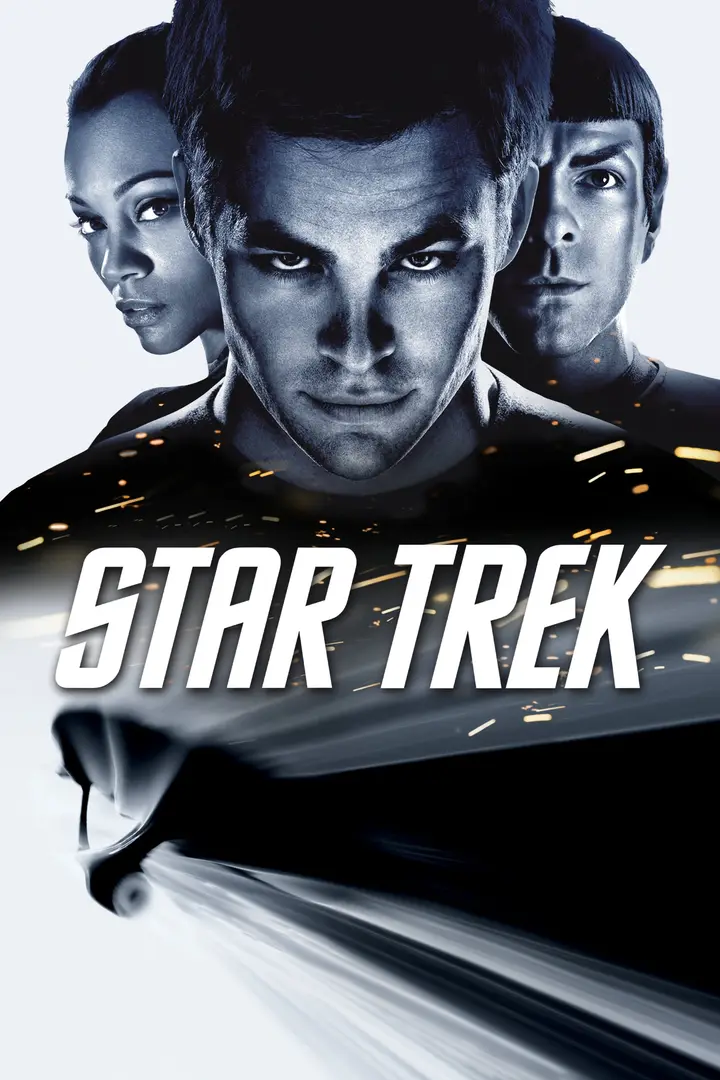
Star Trek
A thrilling science fiction adventure where a young crew discovers that exploring the unknown becomes possible when they learn to trust one another.
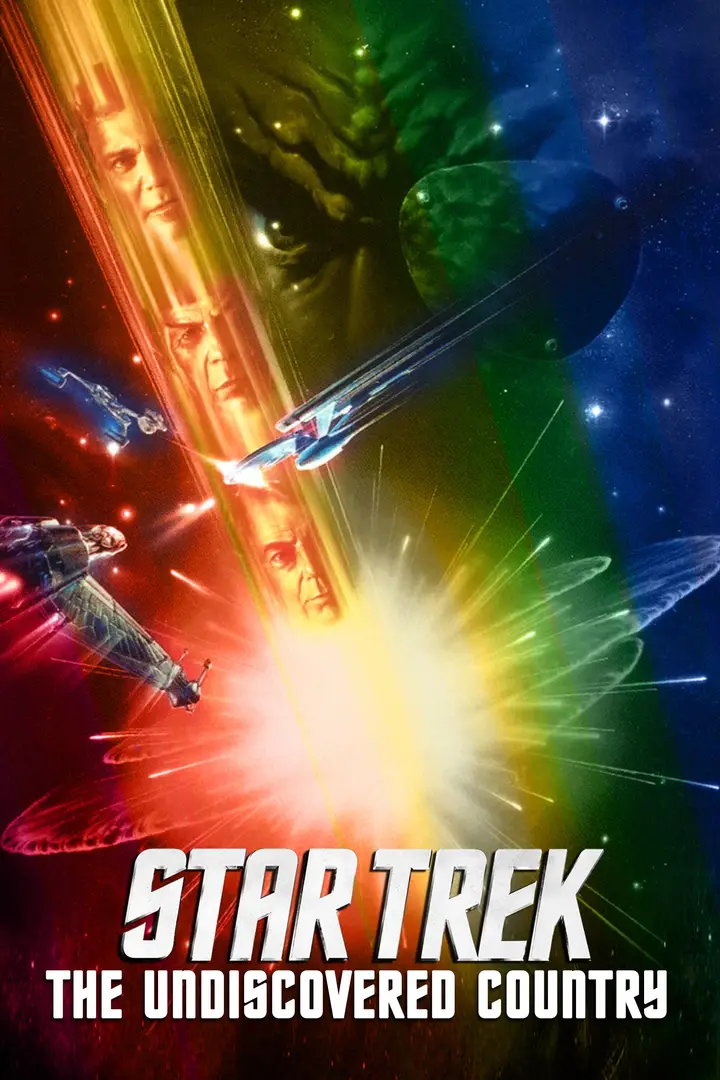
Star Trek VI: The Undiscovered Country
A tense political science-fiction thriller about fragile peace, old prejudice, and the difficulty of change.
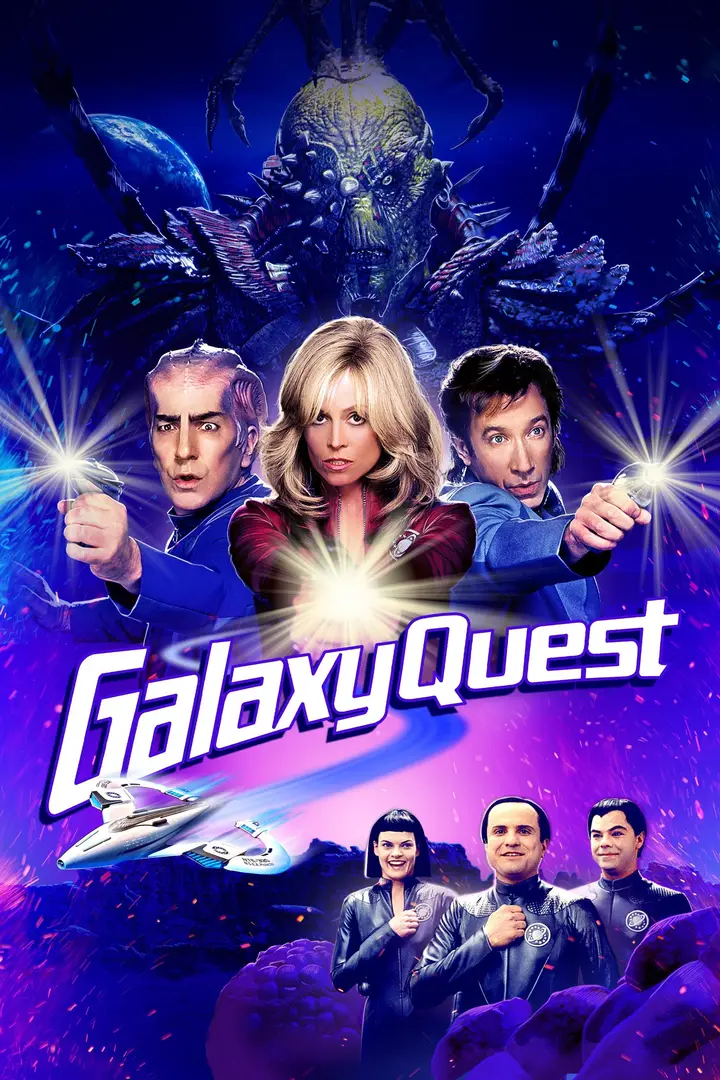
Galaxy Quest
A hilarious science fiction adventure where forgotten actors enter a real space mission and discover their greatest roles are not over.