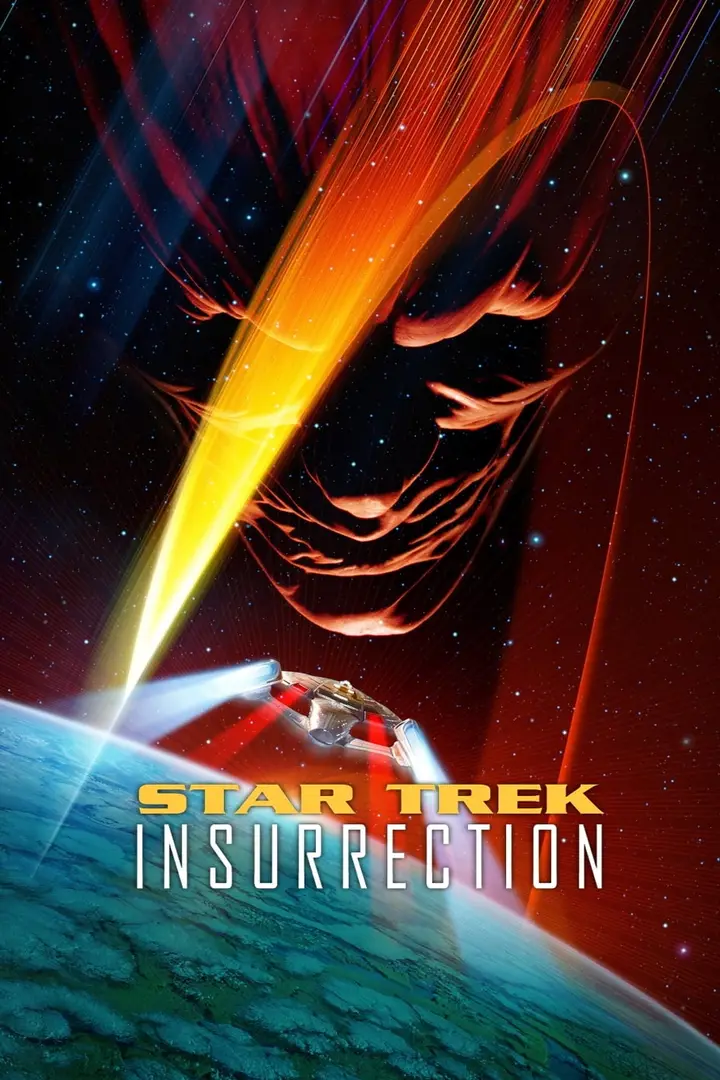
Star Trek: Insurrection
AgeMinimum 9Recommended 10+
A thoughtful science-fiction adventure about home, conscience, and the cost of progress.
When Picard discovers that Starfleet officers and the Son’a plan to relocate the peaceful Ba’ku for the sake of their planet’s unusual properties, he refuses to take part. With the Enterprise crew beside him, he must choose between official orders and the people those orders would harm.
- Release Year
- 1998
- Runtime
- 103 min
- Studio
- Paramount Pictures
- Format
- Live Action
- Genre
- Action, Adventure, Science Fiction
- Mood
- Epic, Emotional
- MPAA Rating
- PG
Star Trek: Insurrection moves at a gentler pace than many of the surrounding films. The Ba’ku village, its landscape, and its slower way of life give the adventure a quieter center, placing attention on a community that values continuity, place, and daily connection.
Picard’s decision creates the central conflict. The issue is not simply whether a mission succeeds, but whether powerful institutions can justify removing people from their home because others want what that home provides. That question keeps the stakes clear and immediate.
The entry works best when the crew’s loyalty moves from Starfleet procedure to personal conscience. Its romance, humor, and natural setting give the story a softer texture, while the conflict around the Ba’ku keeps the moral line easy to understand.
Why It Stands Out
Star Trek: Insurrection gives the franchise a smaller and more personal conflict. The threatened Ba’ku community turns questions of progress, power, and conscience into something direct and understandable.
Parents’ Insight
A home is not only a place where people live. It also holds routines, relationships, memory, and dignity, which makes losing it far more than a change of location.
Parents’ Guide
What to know before you press play
Six things parents ask about, rated on the same scale for every film and series in the collection.
- Scary intensity
- Minimal (1 of 5)
- Violence
- Moderate (3 of 5)
- Language
- Minimal (1 of 5)
- Emotional intensity
- Mild (2 of 5)
- Sexual content
- None (0 of 5)
- Substance use
- Minimal (1 of 5)
Content notes
- Moderate sci-fi action violence
Questions Parents Ask
What is Star Trek: Insurrection about?
While investigating unusual behavior among members of a peaceful alien society known as the Ba'ku, Captain Jean-Luc Picard uncovers a secret Federation operation led by Admiral Dougherty and the alien Son'a. Their plan is to relocate the Ba'ku against their will in order to exploit the extraordinary regenerative properties of their planet.
Refusing to participate in what he sees as a profound moral injustice, Picard openly disobeys orders and leads the Enterprise crew in defense of the Ba'ku. As tensions escalate into open conflict, Picard must balance loyalty to the Federation with his deeper commitment to justice, compassion, and the principles upon which the Federation was founded.
What age is Star Trek: Insurrection suitable for?
The battles stay lighthearted rather than tense, with most of the story's real stakes riding on the Ba'ku's fight to keep their planet's regenerative properties from being harvested.
Is Star Trek: Insurrection scary?
- Science-fiction battles
- Weapons and explosions
- Alien antagonists
- Characters in danger
- Graphic violence
- Gore
- Horror elements
The film features several action sequences involving futuristic weapons, spacecraft, and physical confrontations. Although characters face genuine danger, the tone remains adventurous rather than frightening, with very little graphic violence.
Is Star Trek: Insurrection worth watching?
Star Trek: Insurrection delivers a classic Star Trek adventure that places ethical choices and moral leadership above large-scale spectacle, reminding audiences that courage often begins with defending those who cannot defend themselves. Unlike some Star Trek films that focus primarily on military conflict or galaxy-threatening disasters, Insurrection returns to many of the philosophical ideas that defined Star Trek: The Next Generation. The story explores justice, human rights, political responsibility, and the difficult decisions leaders sometimes face when legal authority conflicts with moral responsibility. Jonathan Frakes directs an adventure that balances humor among the Enterprise crew with thoughtful questions about power, community, and the responsibility to protect vulnerable people. Patrick Stewart once again anchors the story with a compassionate and principled performance as Captain Picard.
What is Star Trek: Insurrection based on?
Rather than adapting a book or historical event, Star Trek: Insurrection tells a new original story set within Gene Roddenberry's Star Trek universe. It continues the adventures of Captain Picard and the crew introduced in Star Trek: The Next Generation, while exploring many of the ethical questions that have long defined the franchise.
What order should you watch the Star Trek movies in?
Star Trek: Insurrection is the ninth of the 13 Star Trek movies in release order. Watch it after Star Trek: First Contact (1996) and before Star Trek: Nemesis (2002). Release order: 1) Star Trek: The Motion Picture (1979, best from age 9); 2) Star Trek II: The Wrath of Khan (1982, best from age 12); 3) Star Trek III: The Search for Spock (1984, best from age 10); 4) Star Trek IV: The Voyage Home (1986, best from age 7); 5) Star Trek V: The Final Frontier (1989, best from age 10); 6) Star Trek VI: The Undiscovered Country (1991, best from age 10); 7) Star Trek Generations (1994, best from age 10); 8) Star Trek: First Contact (1996, best from age 11); 9) Star Trek: Insurrection (1998, best from age 10); 10) Star Trek: Nemesis (2002, best from age 11); 11) Star Trek (2009, best from age 10); 12) Star Trek Into Darkness (2013, best from age 11); 13) Star Trek Beyond (2016, best from age 11). There are three crews: the original crew (films 1–6), The Next Generation (films 7–10) and the rebooted timeline (2009–2016). Star Trek (2009) is the easiest entry point for families new to the series; films II, III and IV form a connected trilogy. Ages across the series range from 7 (Star Trek IV: The Voyage Home) to 12 (Star Trek II: The Wrath of Khan), so a younger child may be ready for some films well before others. All 13 have a full parents’ guide in The Family Film Collection.
Talk About It
Picard opposes a Federation relocation plan on the Ba’ku planet, placing institutional loyalty against consent, justice, and the principles Starfleet claims to serve.
- Why does Picard oppose the relocation after learning Starfleet approved it?
- How does Anij help Picard experience the Ba’ku way of life?
- Would you disobey your organization to prevent an injustice?
- What would you tell Admiral Dougherty before the operation begins?
- Why do the Son’a believe rejuvenation justifies forced removal?
- How does Data’s malfunction expose the hidden mission?
- Which Enterprise officer takes the greatest professional risk?
- Why does consent matter even when relocation could benefit billions?
Turn this film into a ready-to-use class discussion
Use the Teacher Resources already attached to this film. Choose the questions you want, then print, copy or share the result.
Similar Movies
The crew defying their own orders to protect a peaceful colony from exploitation makes Insurrection unusually ethical for this franchise. Three entries continue the same TNG-era crew's wider adventures, one returns to the original crew's final outing, one reboots the timeline entirely, and one plays a similar crew-under-pressure formula for laughs instead.
Star Trek: First Contact
A tense science-fiction thriller about fear, courage, and a turning point that changes humanity’s future.
Star Trek: Nemesis
A dark science-fiction drama about identity, inheritance, and the choices that separate one life from another.
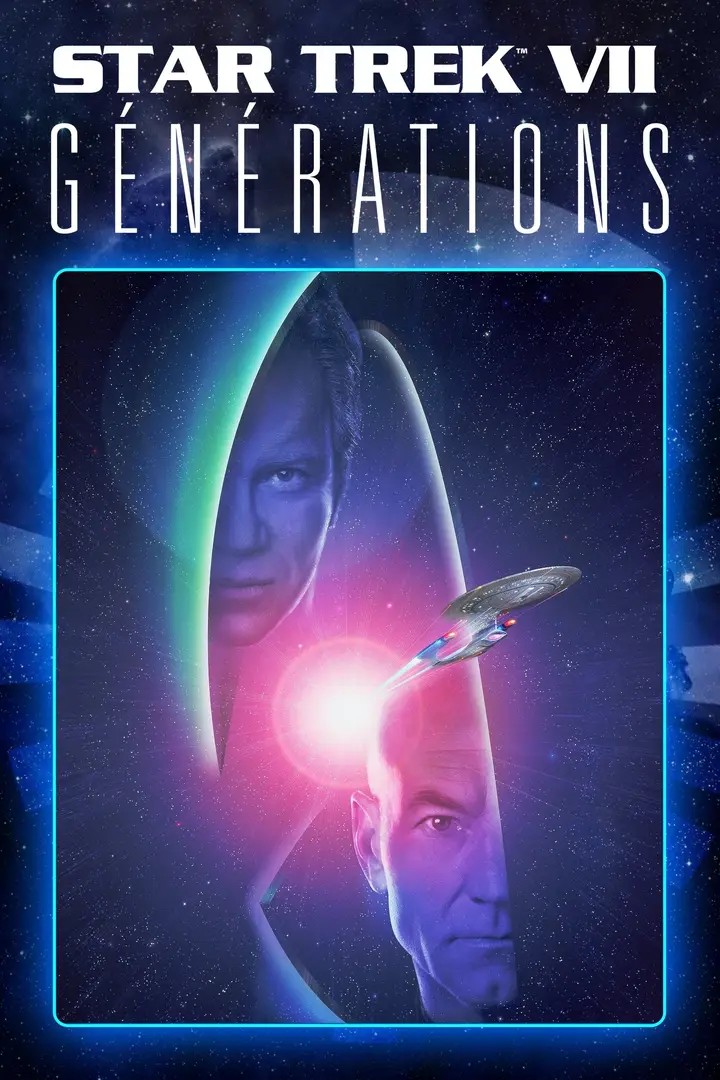
Star Trek Generations
A bittersweet science-fiction adventure about time, legacy, regret, and the choices that give a life meaning.
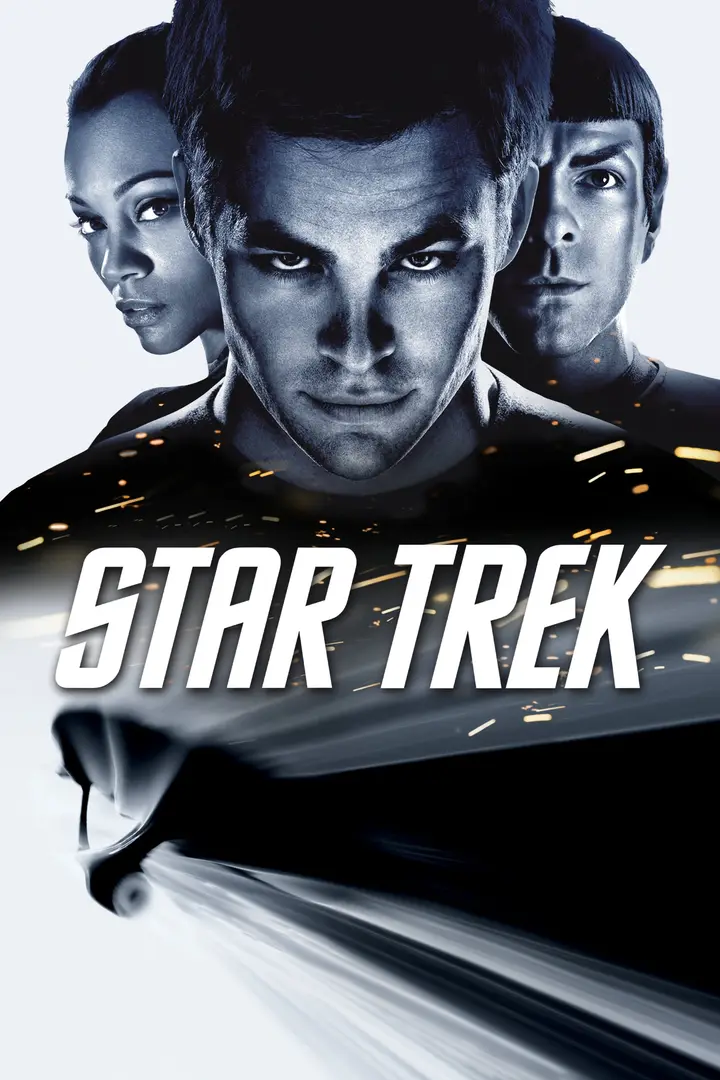
Star Trek
A thrilling science fiction adventure where a young crew discovers that exploring the unknown becomes possible when they learn to trust one another.
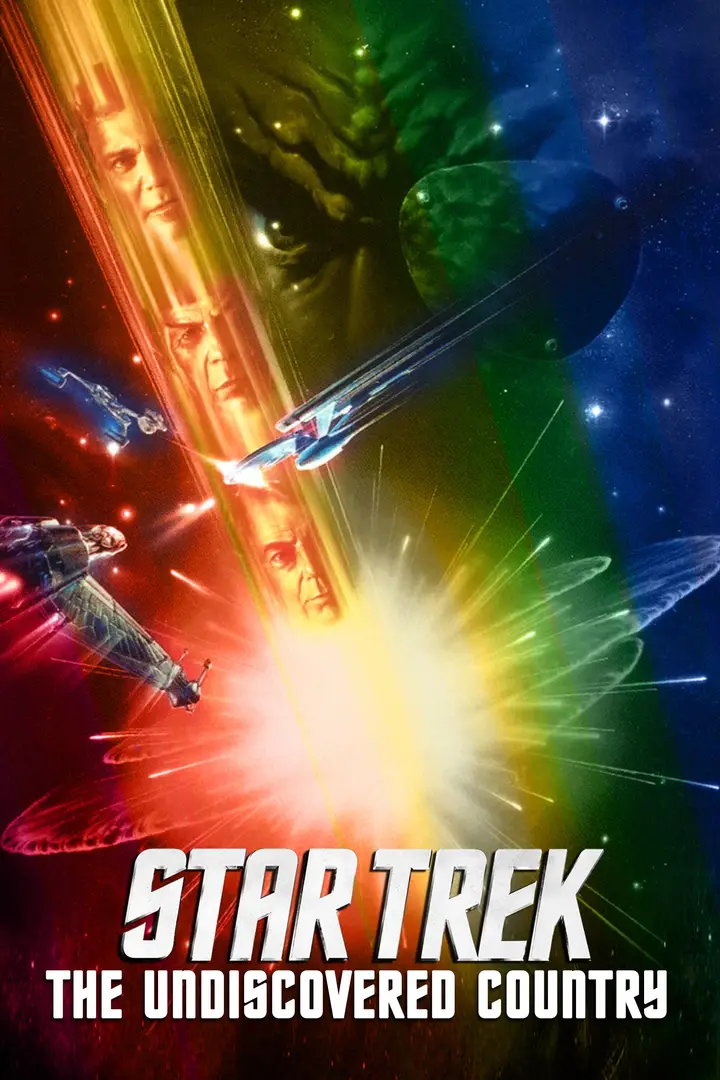
Star Trek VI: The Undiscovered Country
A tense political science-fiction thriller about fragile peace, old prejudice, and the difficulty of change.
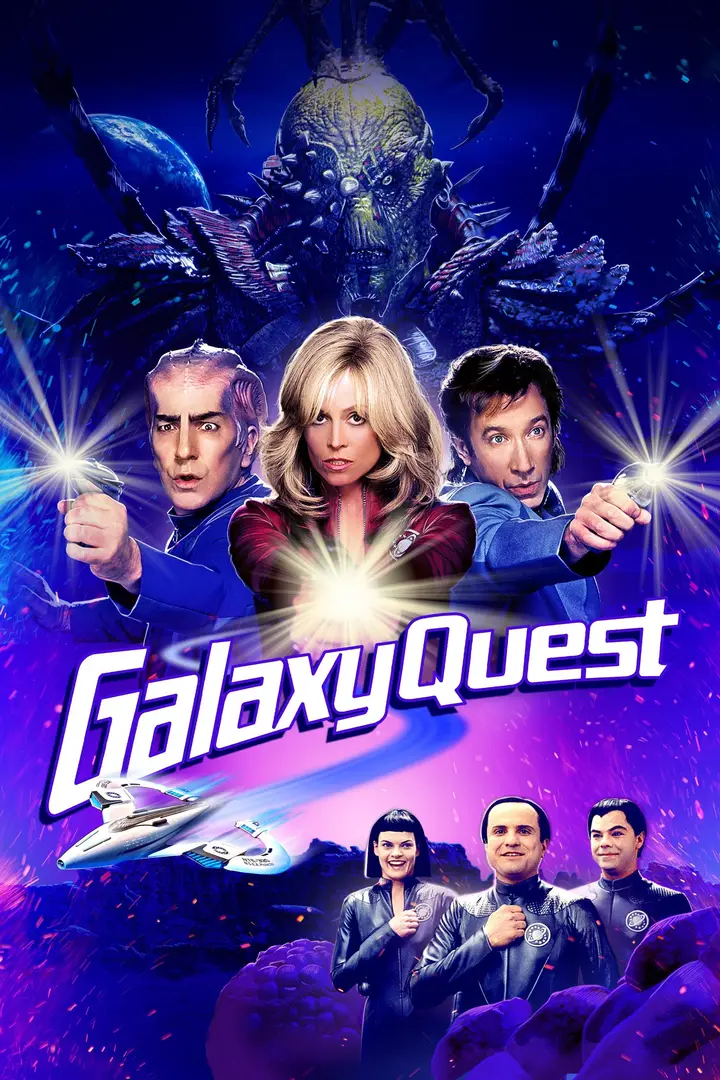
Galaxy Quest
A hilarious science fiction adventure where forgotten actors enter a real space mission and discover their greatest roles are not over.