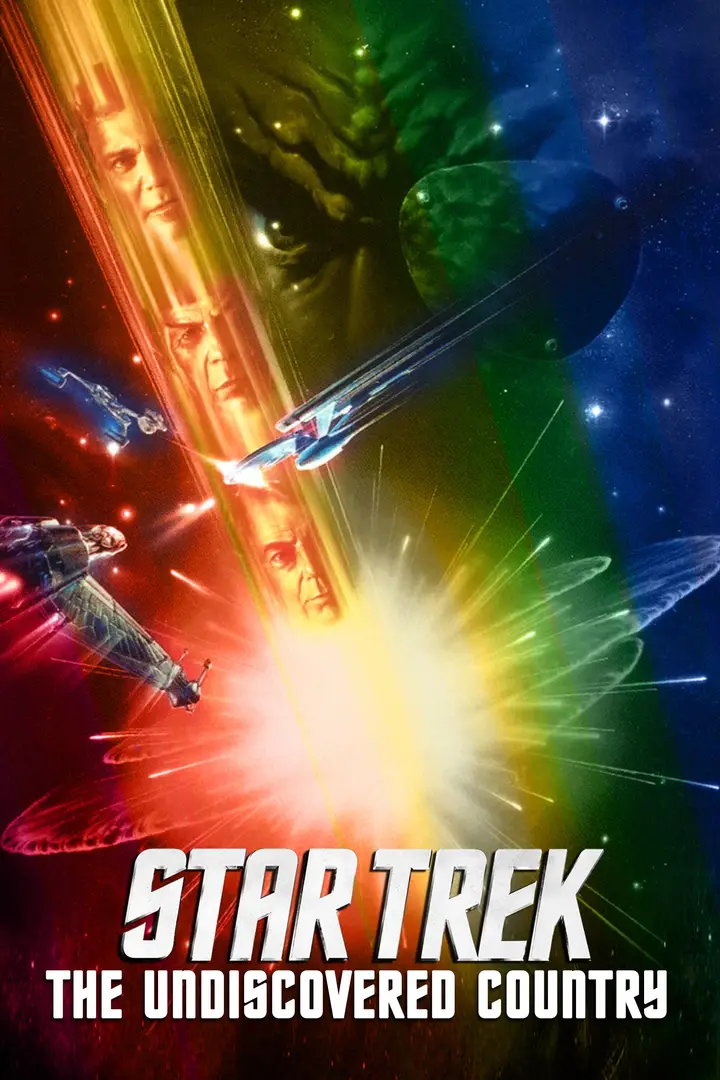
Star Trek VI: The Undiscovered Country
AgeMinimum 9Recommended 10+
A tense political science-fiction thriller about fragile peace, old prejudice, and the difficulty of change.
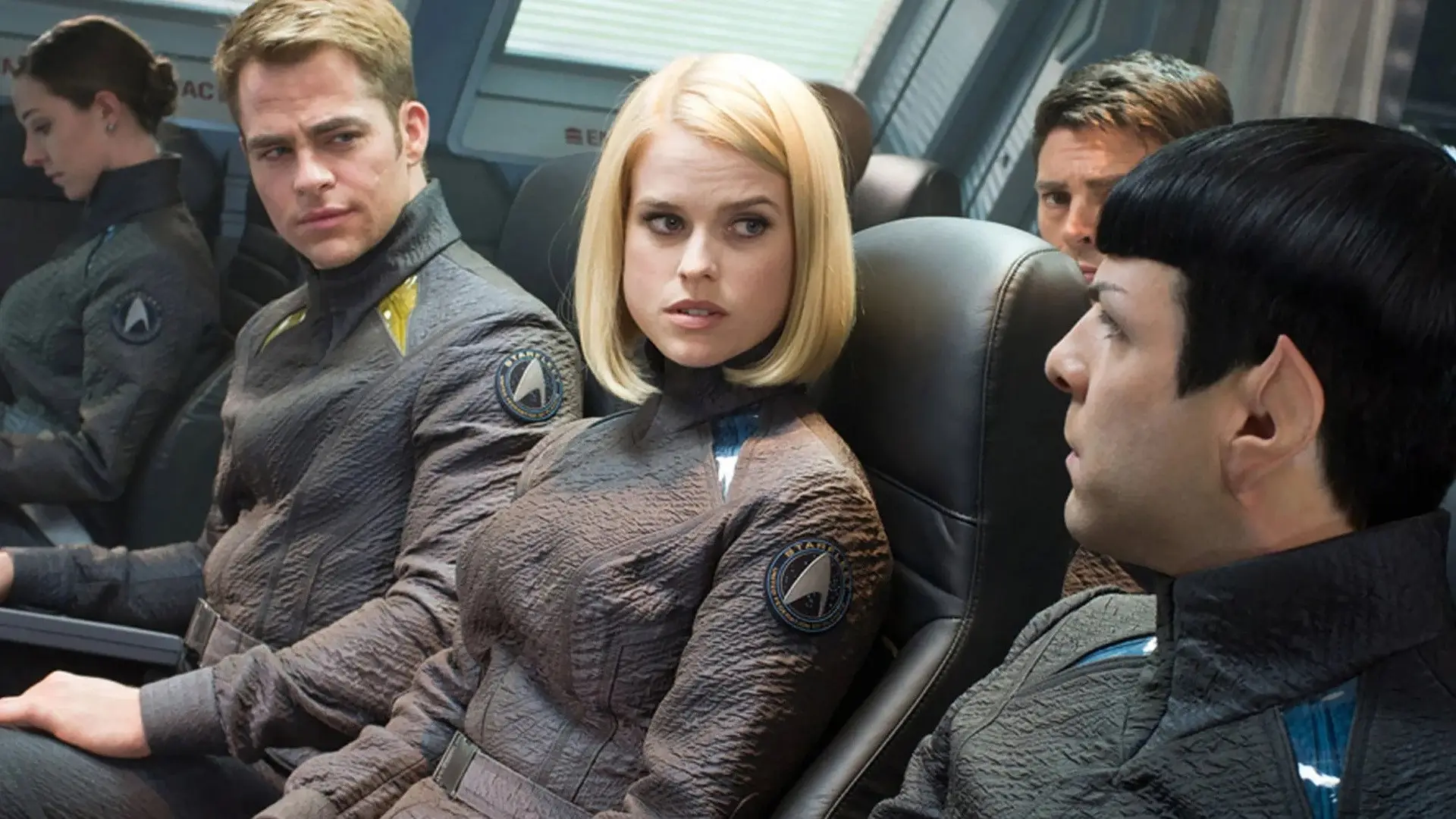
After a disaster weakens the Klingon Empire, Kirk and the Enterprise-A are assigned to escort Chancellor Gorkon to peace talks with the Federation. The mission soon becomes caught in suspicion, political danger, and a conspiracy that could destroy the chance for peace.
- Release Year
- 1991
- Runtime
- 113 min
- Studio
- Paramount Pictures
- Format
- Live Action
- Genre
- Adventure, Mystery, Science Fiction
- Mood
- Intense
- MPAA Rating
- PG
Star Trek VI: The Undiscovered Country places the original crew in a galaxy beginning to change. Peace with the Klingons is possible for the first time in years, but trust does not arrive simply because leaders sign agreements or make speeches.
The thriller structure gives the adventure a clear sense of pressure. Diplomatic meetings, accusation, prison exile, coded messages, and hidden motives keep the stakes close to both politics and personality. Kirk’s own anger toward the Klingons matters because peace requires more from him than professional duty.
As a farewell to the original crew, the entry has a calm confidence. Sulu now commands his own ship, Spock looks toward a different future, and Kirk faces one final test of whether the past should decide what comes next. The ending feels earned because change has not been made easy.
Why It Stands Out
When the Enterprise escorts a Klingon leader toward peace talks, an attack threatens to undo years of bitter rivalry. The original crew’s farewell mixes tense detective work with the hope that old enemies might learn to trust each other.
Parents’ Insight
Old anger does not disappear just because peace becomes possible. Reconciliation begins when people are willing to face the prejudice they still carry.
Parents’ Guide
What to know before you press play
Six things parents ask about, rated on the same scale for every film and series in the collection.
- Scary intensity
- Minimal (1 of 5)
- Violence
- Moderate (3 of 5)
- Language
- Mild (2 of 5)
- Emotional intensity
- Minimal (1 of 5)
- Sexual content
- None (0 of 5)
- Substance use
- Minimal (1 of 5)
Content notes
- Moderate sci-fi violence and political intrigue
Questions Parents Ask
What is Star Trek VI: The Undiscovered Country about?
When a catastrophic disaster cripples the Klingon homeworld, the longtime enemies of the Federation seek an unprecedented peace. Captain James T. Kirk, still burdened by personal loss and years of conflict, is reluctantly assigned to escort the Klingon Chancellor to crucial negotiations. After the Chancellor is assassinated and Kirk is falsely accused, the crew of the Enterprise races to expose a conspiracy designed to destroy any hope of reconciliation. Their mission becomes more than solving a mystery—it becomes a test of whether former enemies can overcome fear, prejudice, and history to build a better future.
What age is Star Trek VI: The Undiscovered Country suitable for?
The science-fiction combat comes across as tense but bloodless, with the real weight carried by the conspiracy to sabotage peace talks between the Federation and the Klingons.
Is Star Trek VI: The Undiscovered Country scary?
- Science-fiction combat
- Assassination and conspiracy
- Space battles
- Moderate suspense
- Graphic gore
- Horror elements
Across Star Trek VI: The Undiscovered Country, the story presents several action scenes involving phasers, explosions, and hand-to-hand combat, along with a murder investigation that drives much of the story. Although the stakes are high, the violence remains restrained, and the film places greater emphasis on diplomacy, moral choices, and solving the mystery than on action itself.
Is Star Trek VI: The Undiscovered Country worth watching?
Star Trek VI: The Undiscovered Country is widely regarded as one of the finest Star Trek films, combining suspense, thoughtful science fiction, and the original Enterprise crew's longstanding chemistry. Serving as the final adventure for the original cast, Star Trek VI balances exciting space adventure with remarkably relevant ideas about prejudice, reconciliation, and political courage. Director Nicholas Meyer crafts an engaging mystery while allowing each member of the Enterprise crew meaningful moments to shine. Rather than relying solely on spectacle, the film asks difficult questions about forgiveness, fear of change, and whether peace is possible after generations of conflict. Its thoughtful script and emotional storytelling make it one of the franchise's most satisfying films.
What is Star Trek VI: The Undiscovered Country based on?
Star Trek VI: The Undiscovered Country is not based on a book. It was created as an original cinematic story inspired by the long-running Star Trek television series and its characters. The film draws clear inspiration from real-world moments of political change and reconciliation, using science fiction to explore prejudice, diplomacy, and the difficult work of building lasting peace.
What order should you watch the Star Trek movies in?
Star Trek VI: The Undiscovered Country is the sixth of the 13 Star Trek movies in release order. Watch it after Star Trek V: The Final Frontier (1989) and before Star Trek Generations (1994). Release order: 1) Star Trek: The Motion Picture (1979, best from age 9); 2) Star Trek II: The Wrath of Khan (1982, best from age 12); 3) Star Trek III: The Search for Spock (1984, best from age 10); 4) Star Trek IV: The Voyage Home (1986, best from age 7); 5) Star Trek V: The Final Frontier (1989, best from age 10); 6) Star Trek VI: The Undiscovered Country (1991, best from age 10); 7) Star Trek Generations (1994, best from age 10); 8) Star Trek: First Contact (1996, best from age 11); 9) Star Trek: Insurrection (1998, best from age 10); 10) Star Trek: Nemesis (2002, best from age 11); 11) Star Trek (2009, best from age 10); 12) Star Trek Into Darkness (2013, best from age 11); 13) Star Trek Beyond (2016, best from age 11). There are three crews: the original crew (films 1–6), The Next Generation (films 7–10) and the rebooted timeline (2009–2016). Star Trek (2009) is the easiest entry point for families new to the series; films II, III and IV form a connected trilogy. Ages across the series range from 7 (Star Trek IV: The Voyage Home) to 12 (Star Trek II: The Wrath of Khan), so a younger child may be ready for some films well before others. All 13 have a full parents’ guide in The Family Film Collection.
Talk About It
Kirk escorts a Klingon peace mission despite deep resentment, then must clear his name and expose conspirators who fear reconciliation more than war.
- Why does Kirk distrust the Klingons before the peace mission begins?
- How does Spock challenge Kirk’s prejudice?
- Would you escort a former enemy while suspecting a conspiracy?
- What would you ask Chancellor Gorkon about peace?
- Why does Valeris seem trustworthy to the Enterprise crew?
- How do Kirk and McCoy survive Rura Penthe through cooperation?
- Which discovery changes the investigation most?
- What allows Kirk to accept that the future must change?
Turn this film into a ready-to-use class discussion
Use the Teacher Resources already attached to this film. Choose the questions you want, then print, copy or share the result.
Similar Movies
Star Trek V sits immediately before The Undiscovered Country in the original-crew run, with The Voyage Home and The Wrath of Khan reaching further back through the same era. Galaxy Quest spoofs that ensemble-space tradition, while Guardians of the Galaxy and Lightyear build their own team-based adventures beyond Star Trek.
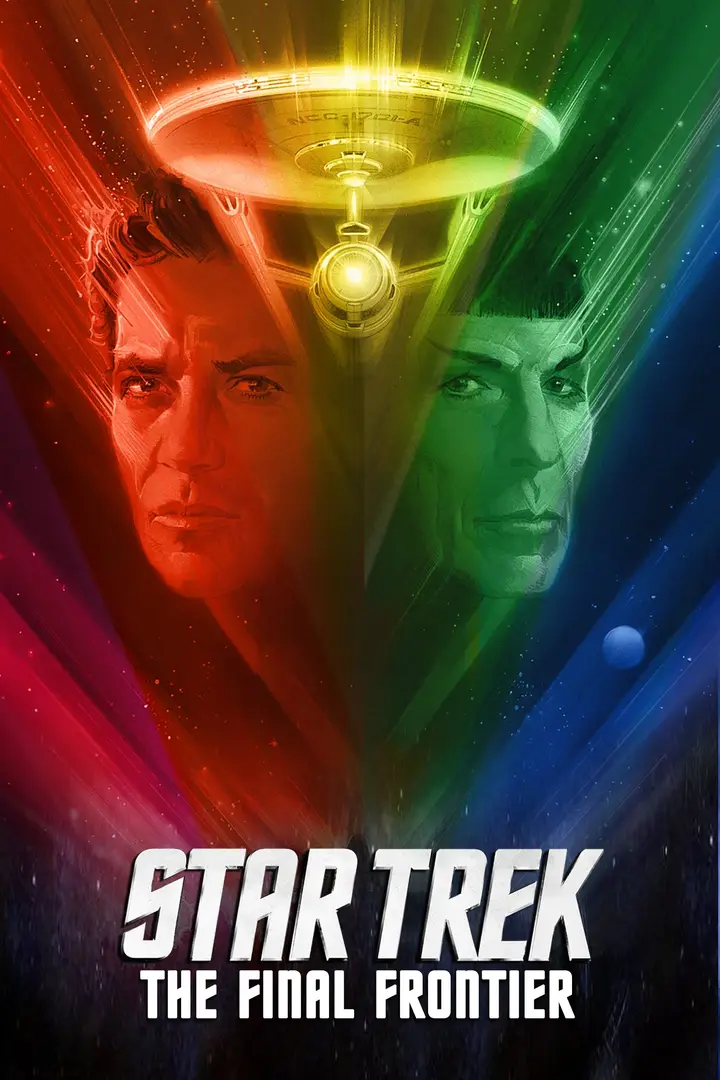
Star Trek V: The Final Frontier
A thoughtful science-fiction adventure about faith, pain, friendship, and the danger of easy answers.
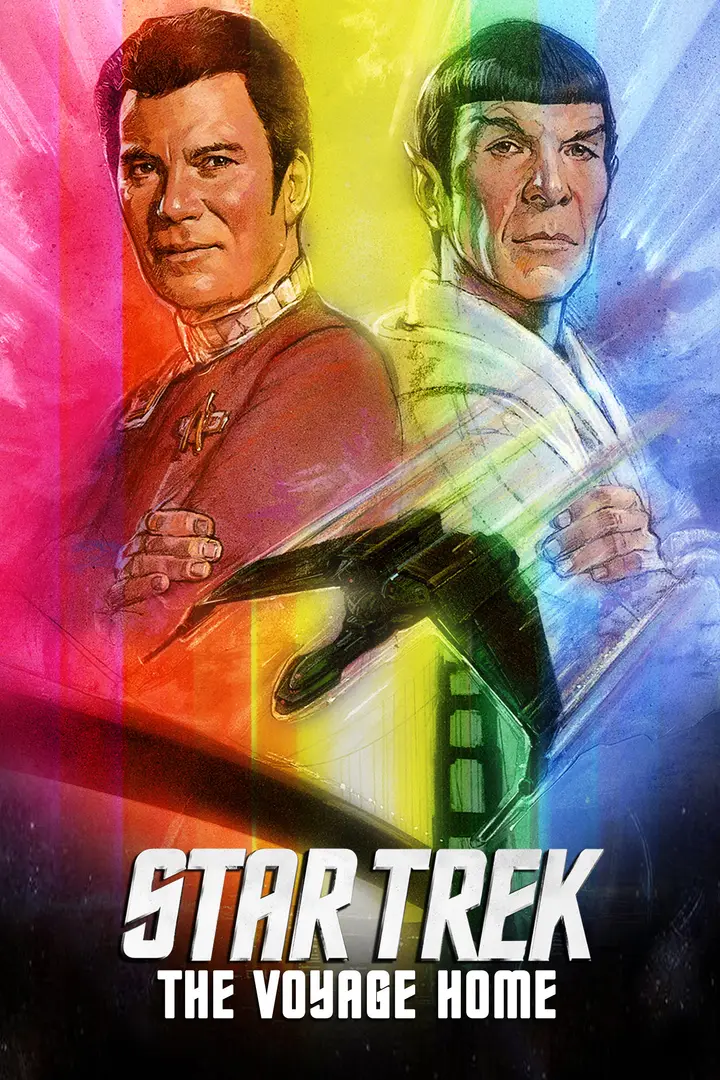
Star Trek IV: The Voyage Home
A warm and funny time-travel adventure about teamwork, nature, and finding a future by listening to the past.
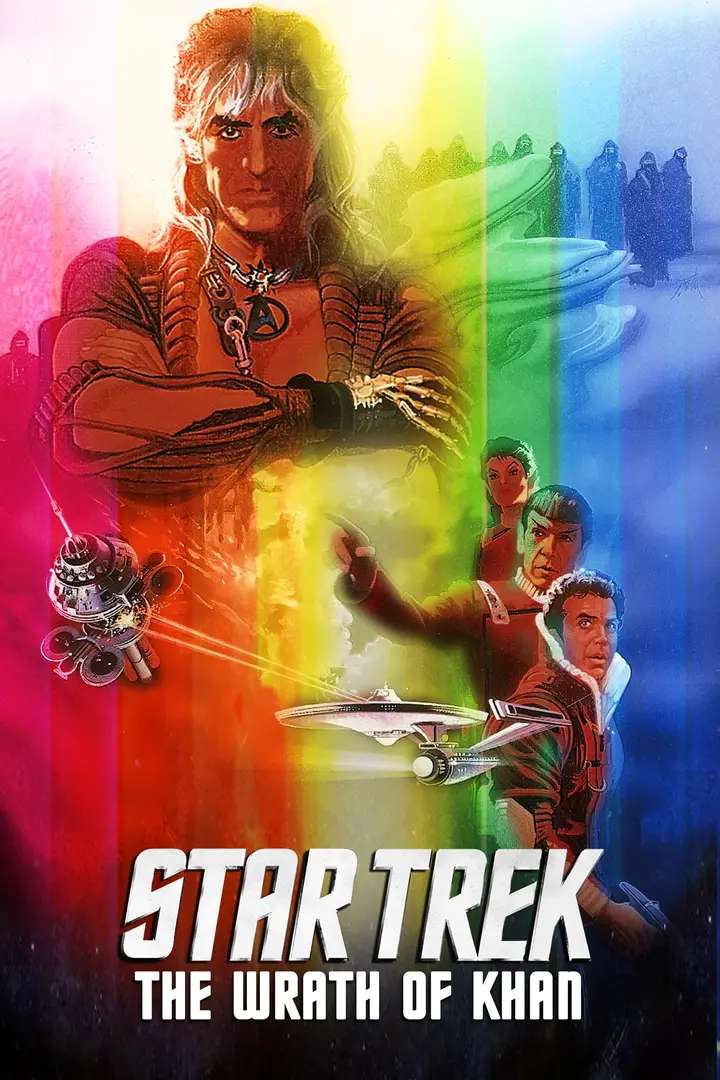
Star Trek II: The Wrath of Khan
A tense science-fiction thriller about revenge, friendship, aging, and the cost of choices made long ago.
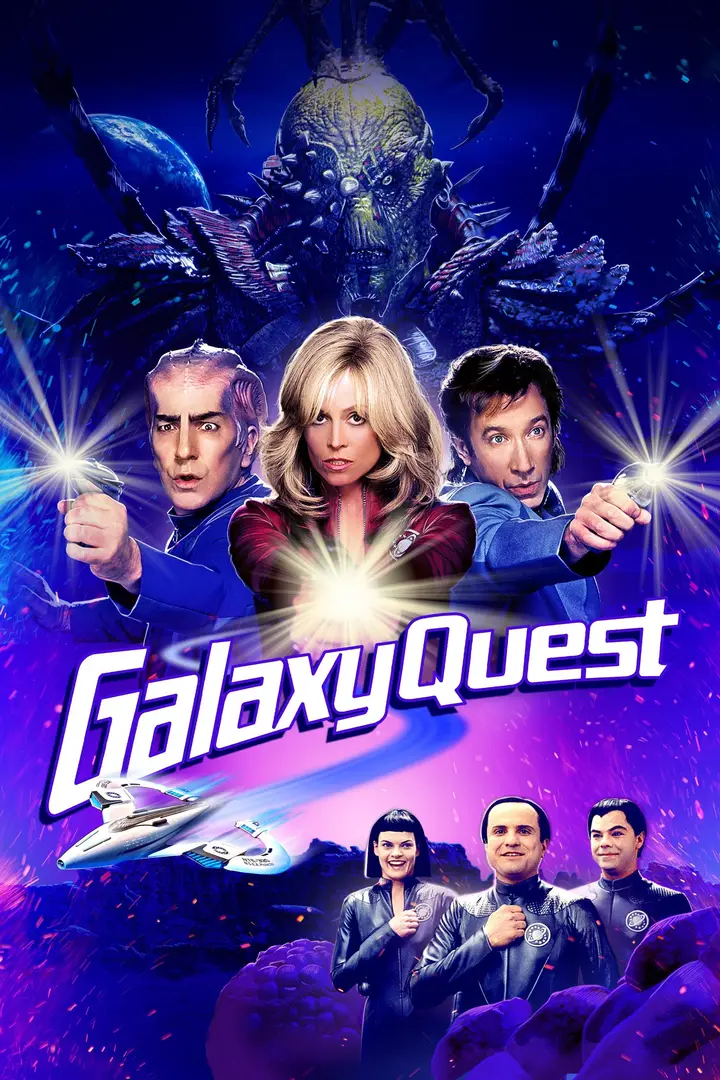
Galaxy Quest
A hilarious science fiction adventure where forgotten actors enter a real space mission and discover their greatest roles are not over.
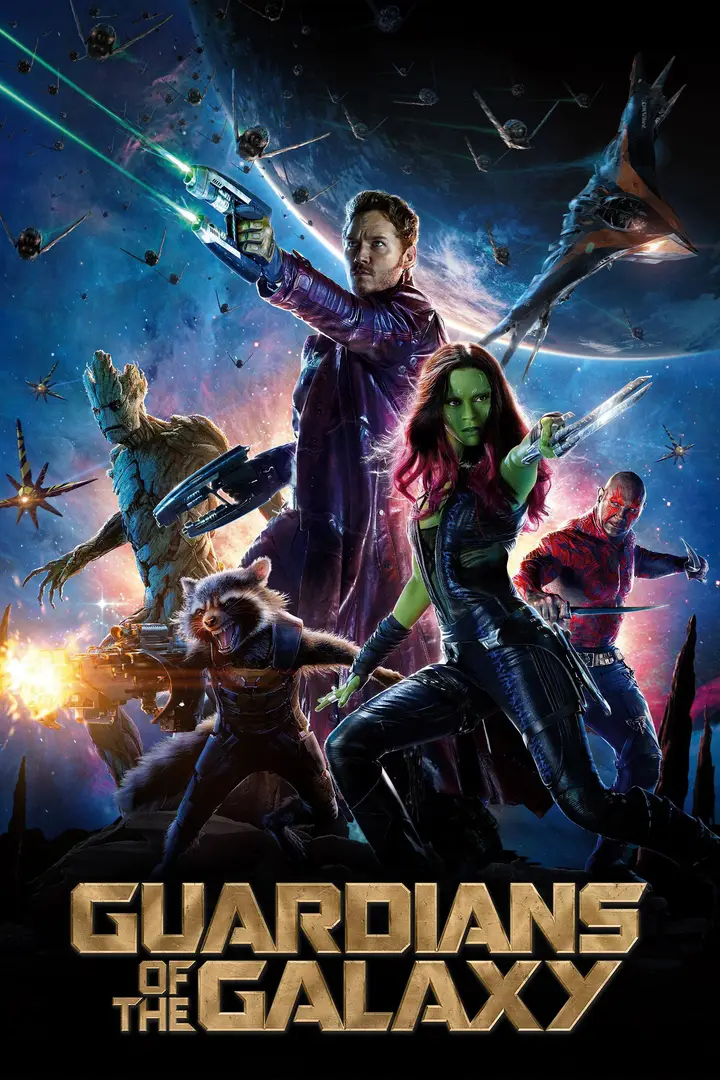
Guardians of the Galaxy
A vibrant science fiction adventure of music, humor, and unlikely heroes discovering that even the most different people can find a place where they belong.
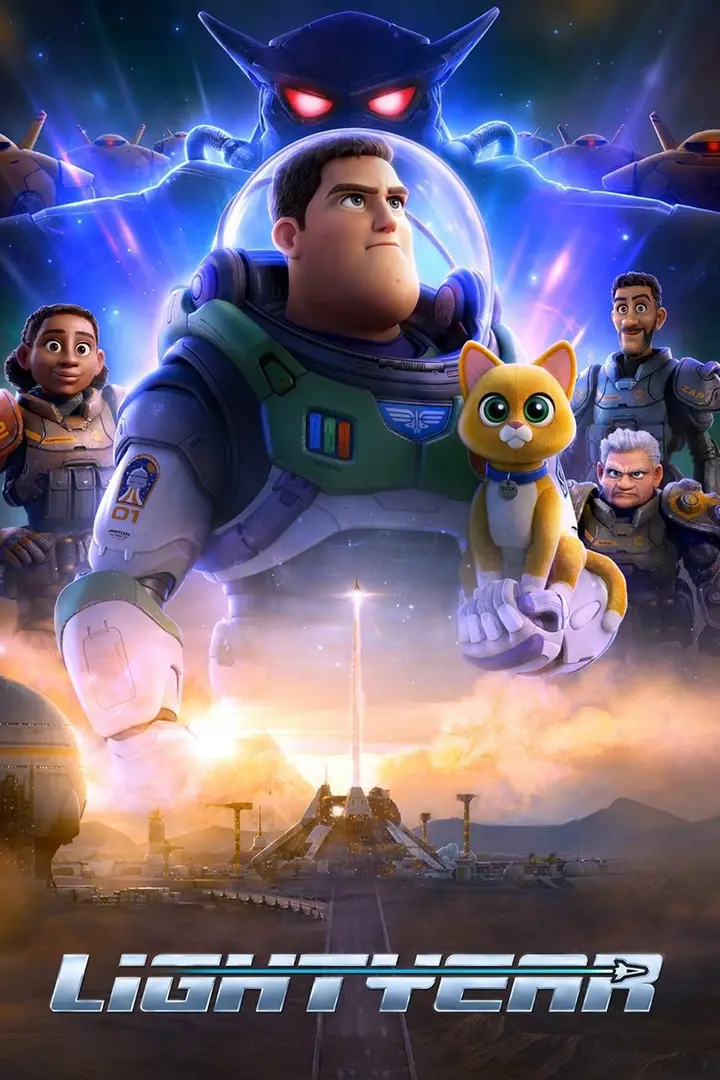
Lightyear
A sweeping space epic about time, sacrifice, and learning that heroism sometimes means letting go of control.