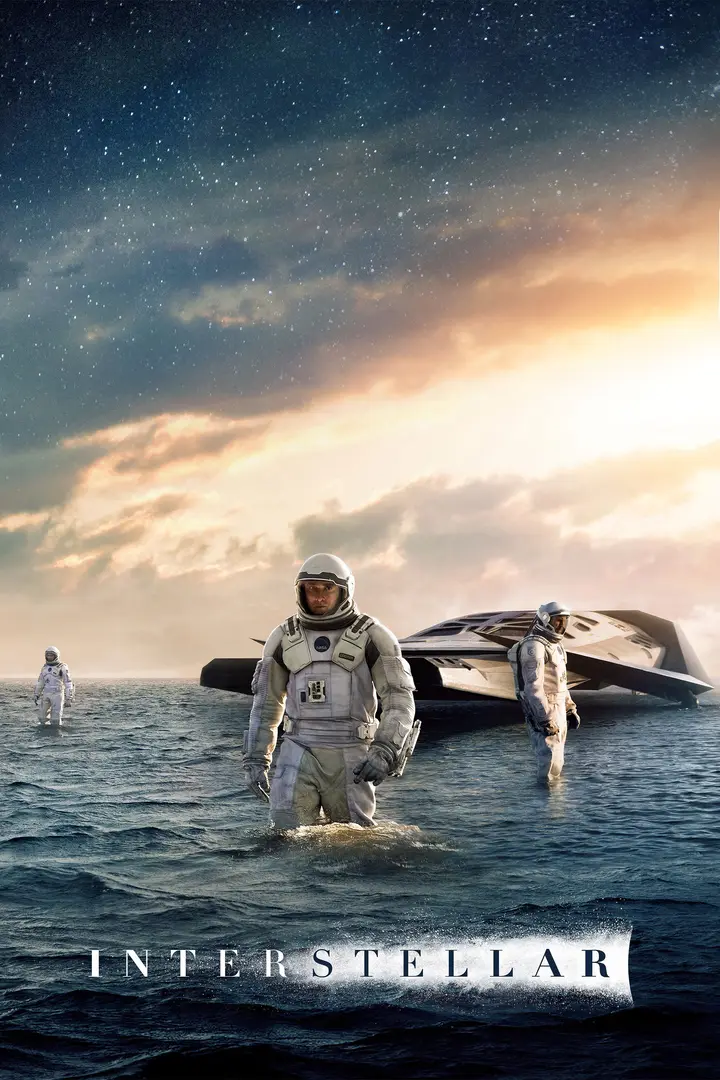
Editor’s Choice
Interstellar
AgeMinimum 10Recommended 13+
Distant worlds, astonishing cosmic imagery and the pull of a father–daughter bond make this science-fiction epic as intimate as it is vast.
In a future where Earth is becoming increasingly difficult to survive, former NASA pilot Cooper is given the chance to join a mission beyond the solar system in search of a new home for humanity. Leaving behind his children, especially his daughter Murph, Cooper travels through distant worlds with a team of explorers searching for answers that could determine the future of the human race. As time, distance, and impossible choices separate them, the mission becomes a journey about survival, sacrifice, and the connection between a parent and child that refuses to disappear.
- Release Year
- 2014
- Runtime
- 169 min
- Studio
- Paramount Pictures, Warner Bros.
- Format
- Live Action
- Genre
- Adventure, Drama, Science Fiction
- Mood
- Epic, Emotional
- MPAA Rating
- PG-13
Interstellar begins with a deeply human choice: whether to stay close to the people we love or leave them behind in the hope of protecting their future. Cooper is not only an astronaut preparing for the greatest journey in human history. He is a father who must accept a separation that may change his relationship with his children forever. The journey into space creates a world of discovery unlike anything Cooper has known. Distant planets, enormous spacecraft, unfamiliar landscapes, and the mysteries of the universe give the adventure a sense of wonder.
Yet every new horizon remains connected to what he left behind: the family waiting on Earth and the years they may never experience together. The relationship between Cooper and Murph gives the vastness of the universe a personal meaning. Their bond is tested by distance, misunderstanding, and time itself. What begins as a painful goodbye becomes a story about memory, forgiveness, and the ways people remain connected even when circumstances pull them apart.
Christopher Nolan combines scientific imagination with an emotional story about love, exploration, and sacrifice. The mysteries of space create the scale of the adventure, but the reason the journey matters comes from the people at its center. The universe may be enormous, but the most important discoveries are often connected to the relationships that give life meaning.
Why It Stands Out
The film makes relativity emotionally legible by linking differences in time to Cooper’s separation from his children. Large-format photography, practical spacecraft interiors and Hans Zimmer’s organ-led score give the scientific scale a physical weight while the family relationship keeps it comprehensible.
Parents’ Insight
Children and parents can experience the same moments in very different ways. A decision that feels necessary to one person may feel like a loss to another.
Cooper's journey raises questions about love, sacrifice, and the difficult choices people make for those they care about. Protecting the future of a family sometimes means facing moments of separation, uncertainty, and change.
Editor’s Choice: Awe-inspiring space travel, scientific ambition and a parent's devotion
Parents’ Guide
What to know before you press play
Six things parents ask about, rated on the same scale for every film and series in the collection.
- Scary intensity
- Mild (2 of 5)
- Violence
- Mild (2 of 5)
- Language
- Mild (2 of 5)
- Emotional intensity
- Moderate (3 of 5)
- Sexual content
- None (0 of 5)
- Substance use
- None (0 of 5)
Content notes
- Complex themes of mortality and time; intense space peril; demanding concepts and long runtime suited to older children and teens.
Parent guidance
Intense space peril, emotionally heavy themes of separation, best for older children
Questions Parents Ask
What is Interstellar about?
As Earth's crops fail one by one and choking dust storms threaten humanity's very survival, former test pilot Cooper is recruited by a secretive remnant of NASA to pilot a desperate mission through a newly discovered wormhole near Saturn. Alongside a small crew, Cooper must search the stars for a habitable world capable of sustaining what remains of the human race. To take on the mission, he must leave behind his young daughter Murph, who begs him not to go, setting in motion a journey that will test the very bonds of time, love, and family across galaxies.
What age is Interstellar suitable for?
Grasping that Cooper barely ages while his daughter grows old waiting for him — the real emotional cost of relativity in this story — is a concept dense enough that it tends to hit with full force closer to 13.
Is Interstellar scary?
- Complex themes of mortality and time
- Intense space peril
- Demanding concepts and long runtime suited to older children and teens
- Parent preview: recommended for sensitive viewers
The possibility that Cooper may never see his children again, combined with the disorienting wormhole and black-hole sequences, creates real, sustained dread rather than jump-scare-style fright.
Is Interstellar worth watching?
The dust storms and crop failures create a persistent, slow-building dread about humanity's survival, and the wormhole sequences carry genuine disorientation; the emotional core (a father possibly never seeing his children again) adds weight beyond the visual peril.
What is Interstellar based on?
Interstellar is not based on a true story, nor on a book. It is based on an original screenplay. It was written as an original screenplay by Jonathan and Christopher Nolan.
Talk About It
Cooper leaves his children to search beyond a wormhole, where time dilation, imperfect data, and Murph’s persistence connect human survival with family love.
- What does Cooper need to understand about Murph’s anger before he can see that saving humanity does not erase the cost of leaving his children?
- How does Murph react to his departure?
- Would you leave family to save future generations?
- What would you tell Brand before choosing a planet?
- Why does Mann falsify data?
- How does TARS earn trust?
- Which time loss is hardest?
- Why does Cooper enter the black hole?
Turn this film into a ready-to-use class discussion
Use the Teacher Resources already attached to this film. Choose the questions you want, then print, copy or share the result.
Similar Movies
Two science-fiction routes dominate: Arrival and Contact favor cerebral first contact, and The Martian plus Apollo 13 emphasize survival through problem-solving. Gattaca stays reflective and speculative, and Close Encounters turns most strongly toward wonder and encounter.
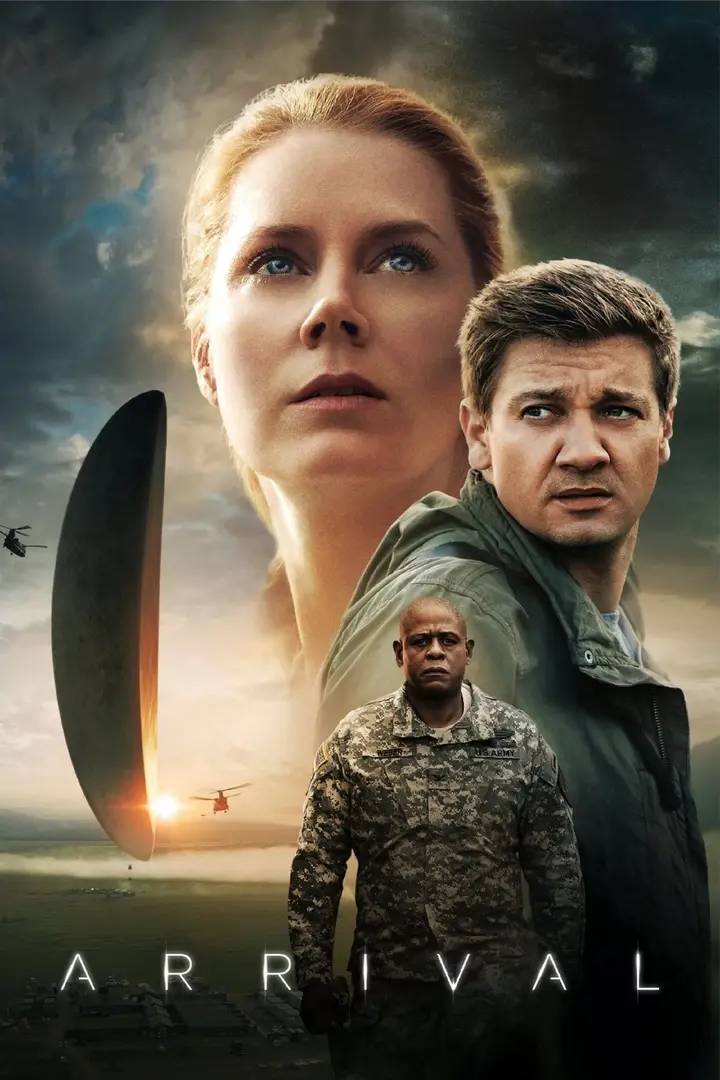
Arrival
A thoughtful science fiction journey of first contact, hidden meanings, and a linguist discovering that understanding another world can change her own.
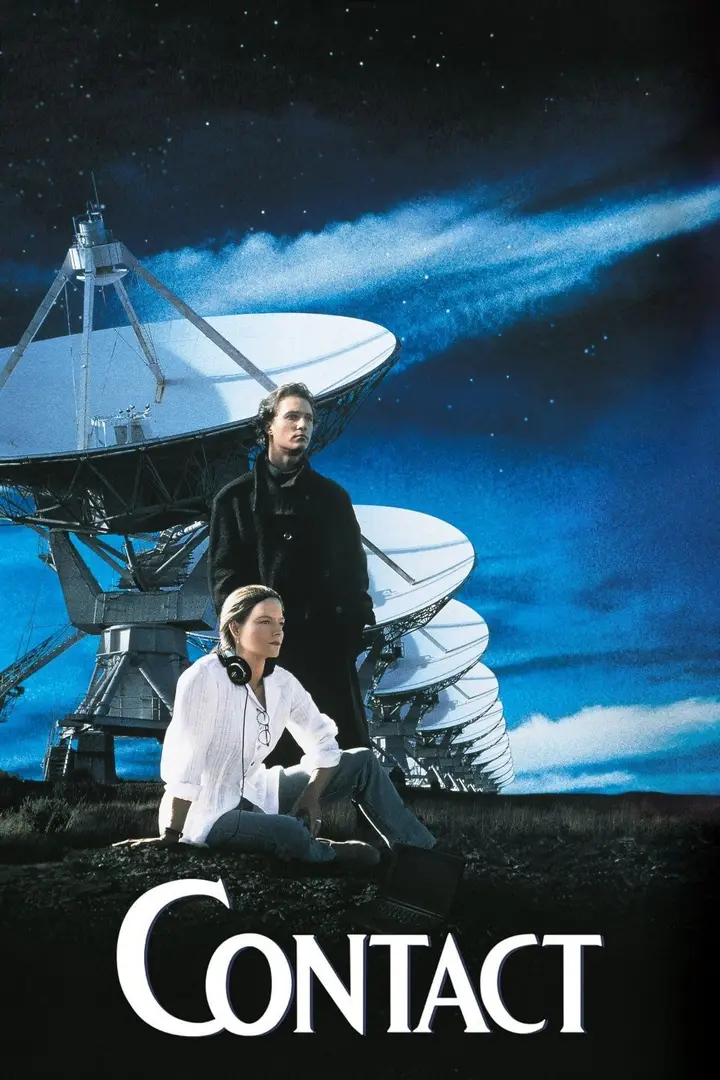
Contact
An inspiring science fiction journey of cosmic discovery, unanswered questions, and a scientist searching for meaning beyond our world.
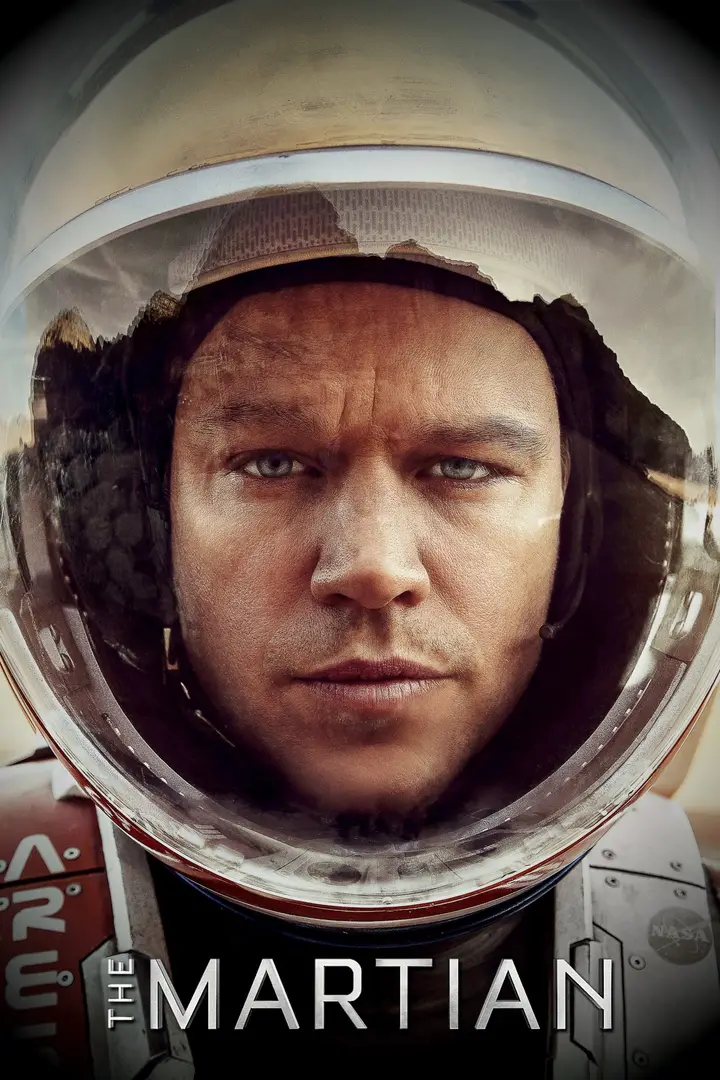
The Martian
A space adventure of Mars landscapes, scientific discovery, and one astronaut learning to survive in a world no human has explored before.
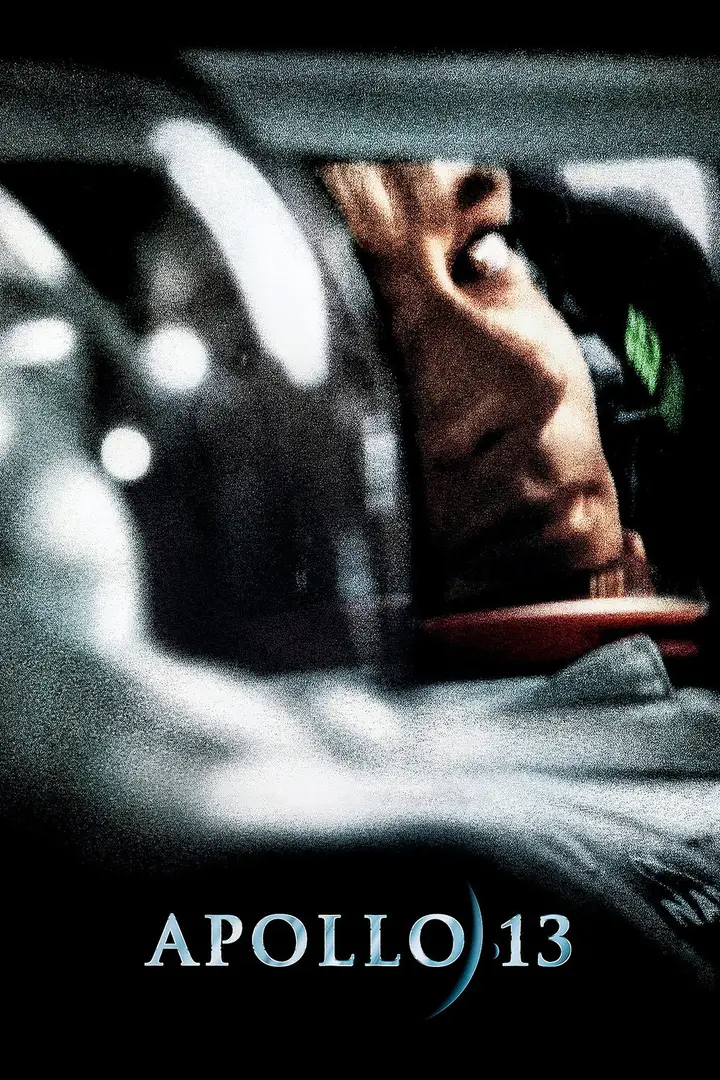
Apollo 13
A gripping space adventure of skill, teamwork, and calm determination as a crew and the people on Earth solve one impossible problem after another.
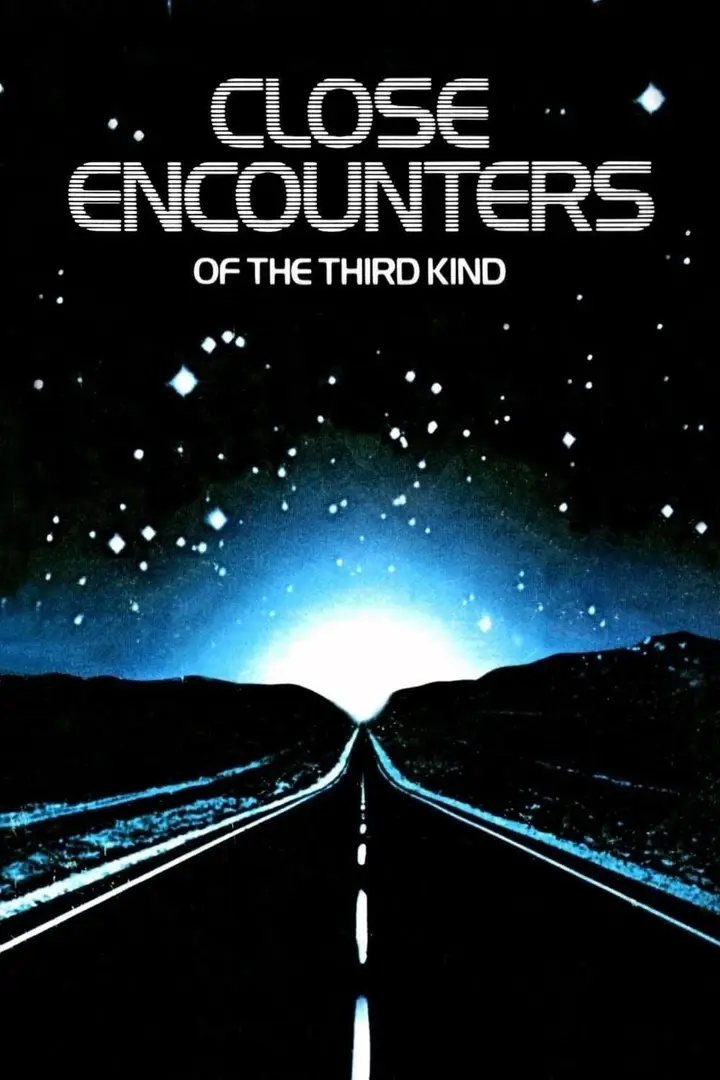
Close Encounters of the Third Kind
An unforgettable science fiction adventure where mysterious lights, impossible visions, and quiet wonder lead toward the unknown.
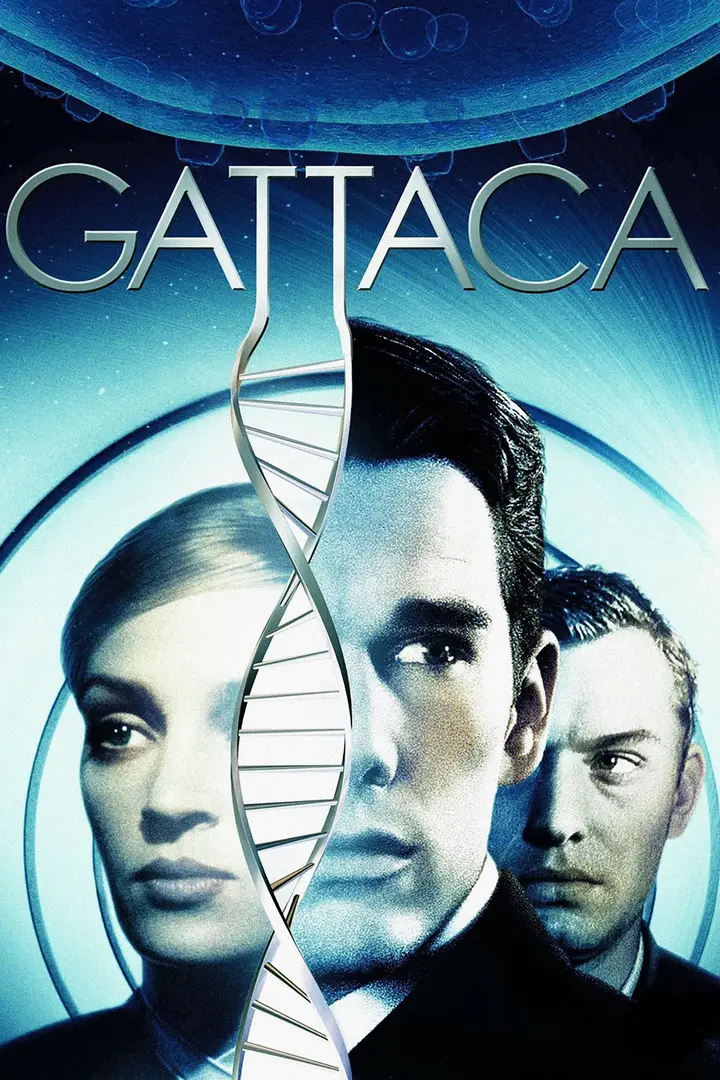
Gattaca
A thought-provoking science fiction drama of impossible ambitions, genetic boundaries, and a man proving that potential cannot be measured before it is discovered.