Editor’s Choice
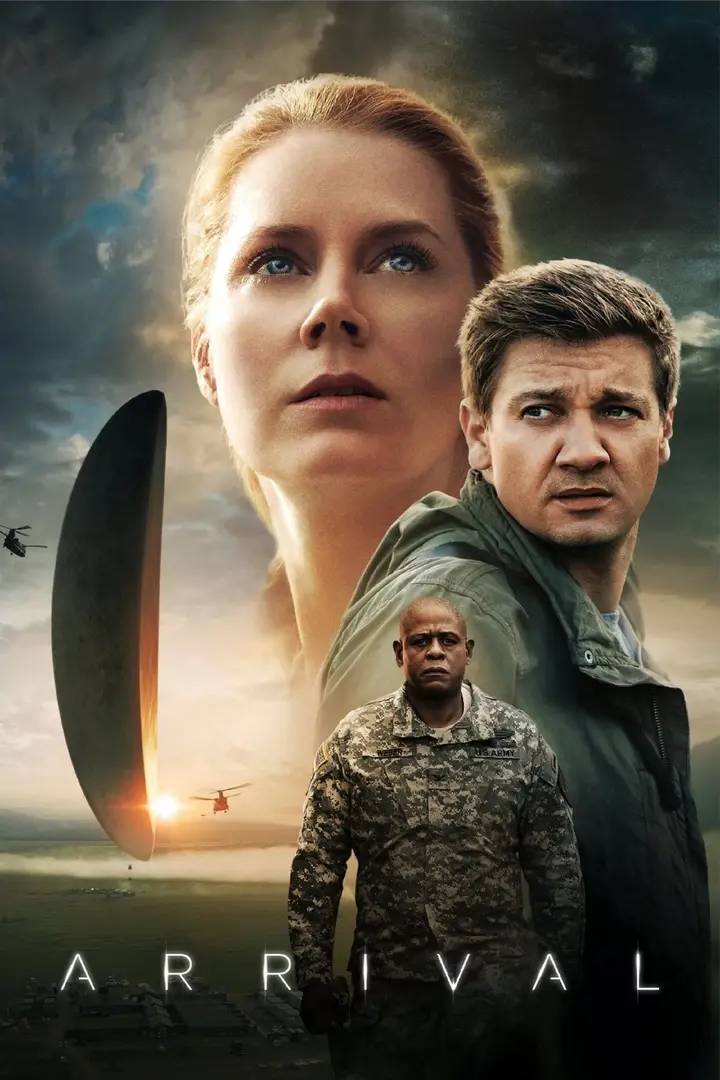
Arrival
AgeMinimum 10Recommended 13+
A thoughtful science fiction journey of first contact, hidden meanings, and a linguist discovering that understanding another world can change her own.
When twelve mysterious spacecraft appear around the world, linguistics professor Louise Banks is recruited to communicate with the alien visitors before fear and uncertainty lead to conflict. Working alongside physicist Ian Donnelly, Louise studies the aliens’ unique language and discovers that their message challenges everything she understands about communication, time, and human experience.
- Release Year
- 2016
- Runtime
- 116 min
- Studio
- Paramount Pictures
- Format
- Live Action
- Genre
- Drama, Mystery, Science Fiction
- Mood
- Calm, Emotional
- MPAA Rating
- PG-13
The arrival of spacecraft turns a global crisis into a problem of communication. Linguist Louise Banks is asked to understand the visitors' written symbols, and her progress depends on observation, repeated encounters and the willingness to question her first assumptions. Each discovery changes how she interprets the language and the intentions behind it.
The film makes that process visually compelling. Circular symbols, stark interiors and the scale of the hovering ships convey how far apart the two worlds appear. Conversations among scientists and military personnel reveal the pressure to act before everyone agrees on what the visitors mean.
Louise's private memories give the investigation a personal dimension, connecting questions about language with time and choice. Arrival asks how understanding can grow when fear and uncertainty influence every decision. Its suspense comes from the effort to listen carefully while the consequences of misunderstanding continue to rise.
Why It Stands Out
Arrival makes an encounter with extraterrestrial visitors a challenge of language and trust. As linguist Louise Banks learns to communicate across different ways of thinking, the film finds suspense in interpretation, patience, and the risks of misunderstanding.
Parents’ Insight
Louise doesn't wait for certainty before trying to communicate; she starts with what's actually in front of her and builds outward from there. Understanding someone whose thinking is completely unfamiliar begins with patience, not agreement.
Editor’s Choice: Intelligent sci-fi, haunting atmosphere and empathy
Parents’ Guide
What to know before you press play
Six things parents ask about, rated on the same scale for every film and series in the collection.
- Scary intensity
- Mild (2 of 5)
- Violence
- Mild (2 of 5)
- Language
- Minimal (1 of 5)
- Emotional intensity
- Moderate (3 of 5)
- Sexual content
- None (0 of 5)
- Substance use
- Minimal (1 of 5)
Content notes
- Emotionally complex themes around grief and loss; slow-paced and best suited for older children and teens.
Parent guidance
Thoughtful sci-fi themes, mild tension, emotionally complex ending
Questions Parents Ask
What is Arrival about?
When twelve massive, mysterious spacecraft suddenly appear at scattered locations around the globe, linguistics professor Louise Banks is recruited by the U.S. military to communicate with the alien visitors before international tensions erupt into open war. Working alongside physicist Ian Donnelly, Louise decodes the aliens' strange, circular written language, uncovering a message far more complex than anyone anticipated. As she grows closer to understanding the visitors' true purpose, Louise experiences vivid, fragmented visions that blur the boundaries of her own past, present, and future.
What age is Arrival suitable for?
Fully absorbing the film's nonlinear treatment of time, memory, choice, grief, and the emotional implications of Louise's experience is genuinely demanding, and a 13-year-old is much better positioned to engage with those ideas.
Is Arrival scary?
- Emotionally complex themes around grief and loss
- Slow-paced and best suited for older children and teens
- Parent preview: optional
Louise's grief over the daughter she loses in the future, revealed gradually alongside her efforts to communicate with the alien heptapods, gives the film its emotional core rather than any frightening imagery.
Is Arrival worth watching?
Arrival stands out for making language itself the engine of a science-fiction mystery; its payoff depends as much on perception, memory, and communication as on the visitors themselves. Louise's work as a linguist makes careful observation and translation dramatically important, and the film's nonlinear revelation turns that intellectual puzzle into an unusually emotional one.
What is Arrival based on?
Arrival is based on Ted Chiang’s short story “Story of Your Life,” first published in 1998. The film expands Chiang's short story considerably, inventing much of its visual language for the aliens' communication and its geopolitical subplot.
Talk About It
Linguist Louise learns the heptapods’ nonlinear language, and understanding time allows her to prevent war while knowingly embracing future love and grief.
- Why does Louise approach communication slowly?
- How does Ian support her method?
- Would you learn a language that changed time perception?
- What would you tell Louise before contacting General Shang?
- How can Louise act on future knowledge while respecting that Ian does not yet know the life and loss she has seen?
- How do Abbott and Costello communicate?
- Which word creates the greatest danger?
- What does Louise need to understand about the Heptapods’ language before she can recognize her visions as memories of the future?
Turn this film into a ready-to-use class discussion
Use the Teacher Resources already attached to this film. Choose the questions you want, then print, copy or share the result.
Similar Movies
First-contact curiosity is clearest in Contact and Close Encounters of the Third Kind. Interstellar enlarges the cosmic scale; The Martian, Gattaca and A.I. Artificial Intelligence take thoughtful science fiction toward survival, human potential and artificial life.
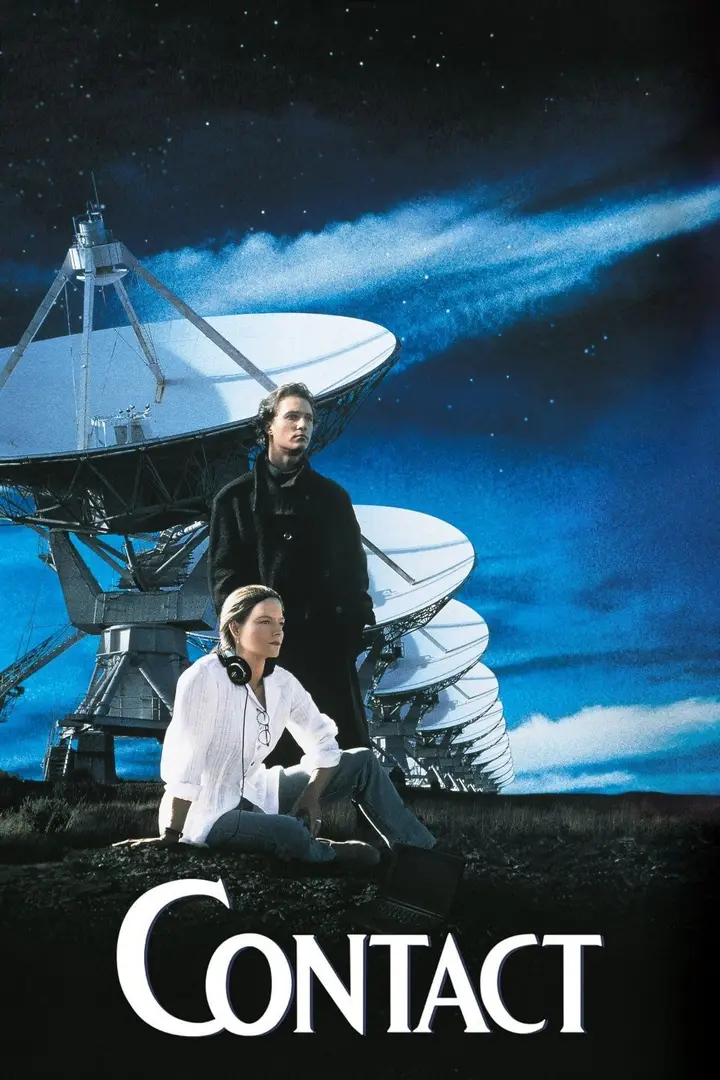
Contact
An inspiring science fiction journey of cosmic discovery, unanswered questions, and a scientist searching for meaning beyond our world.
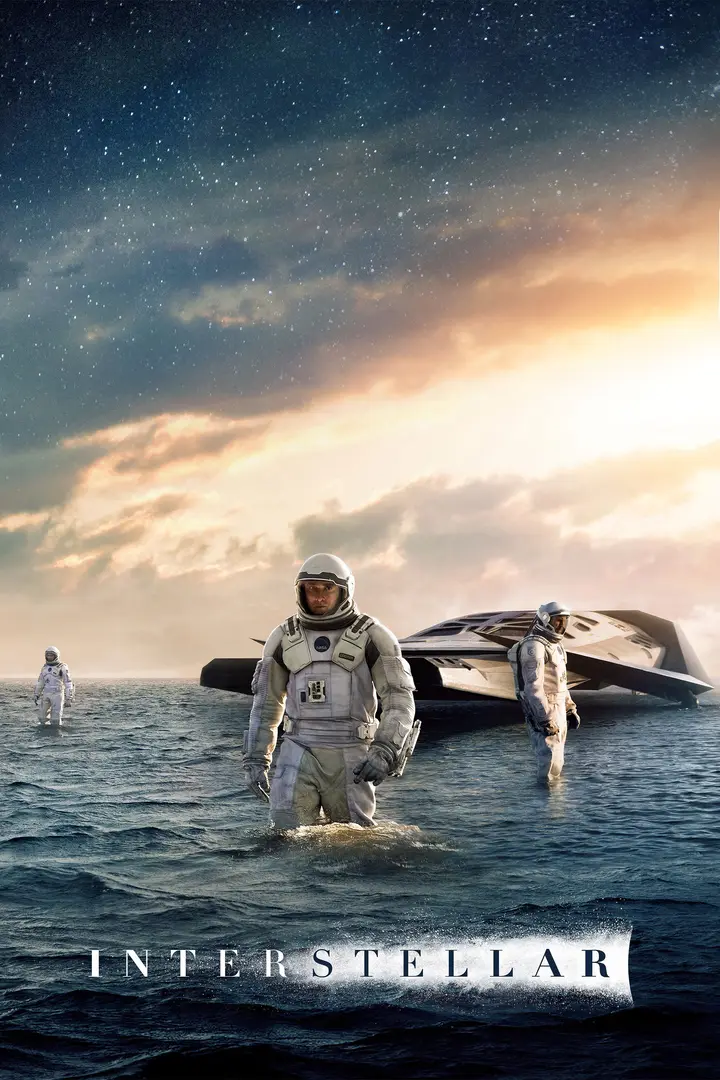
Interstellar
Distant worlds, astonishing cosmic imagery and the pull of a father–daughter bond make this science-fiction epic as intimate as it is vast.
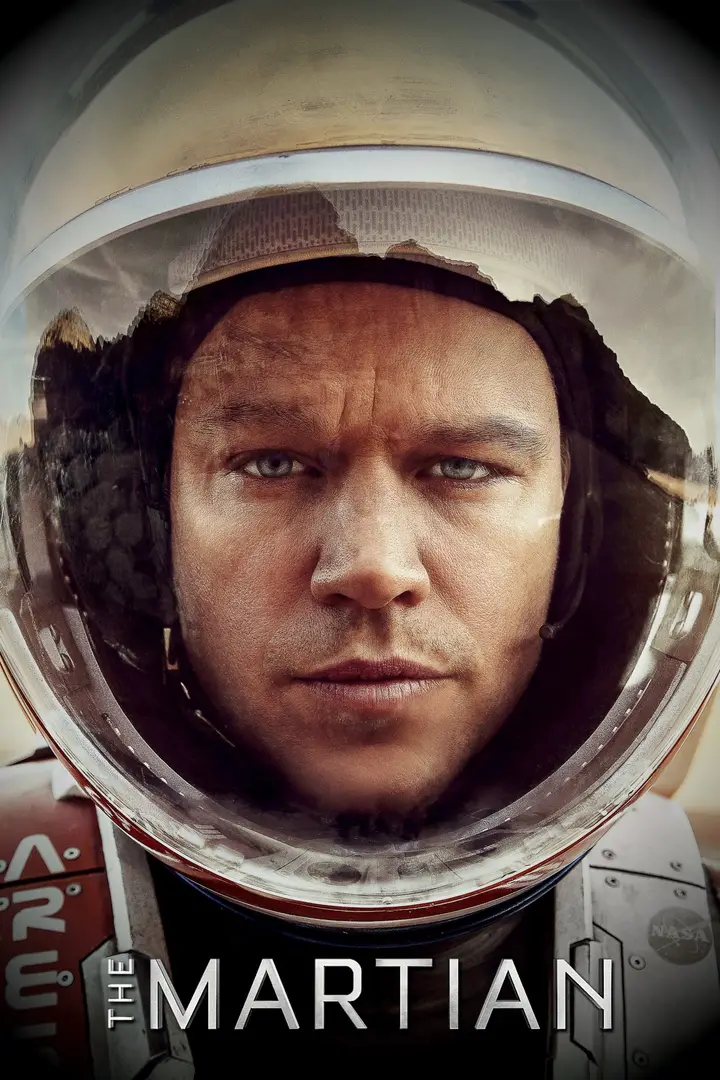
The Martian
A space adventure of Mars landscapes, scientific discovery, and one astronaut learning to survive in a world no human has explored before.
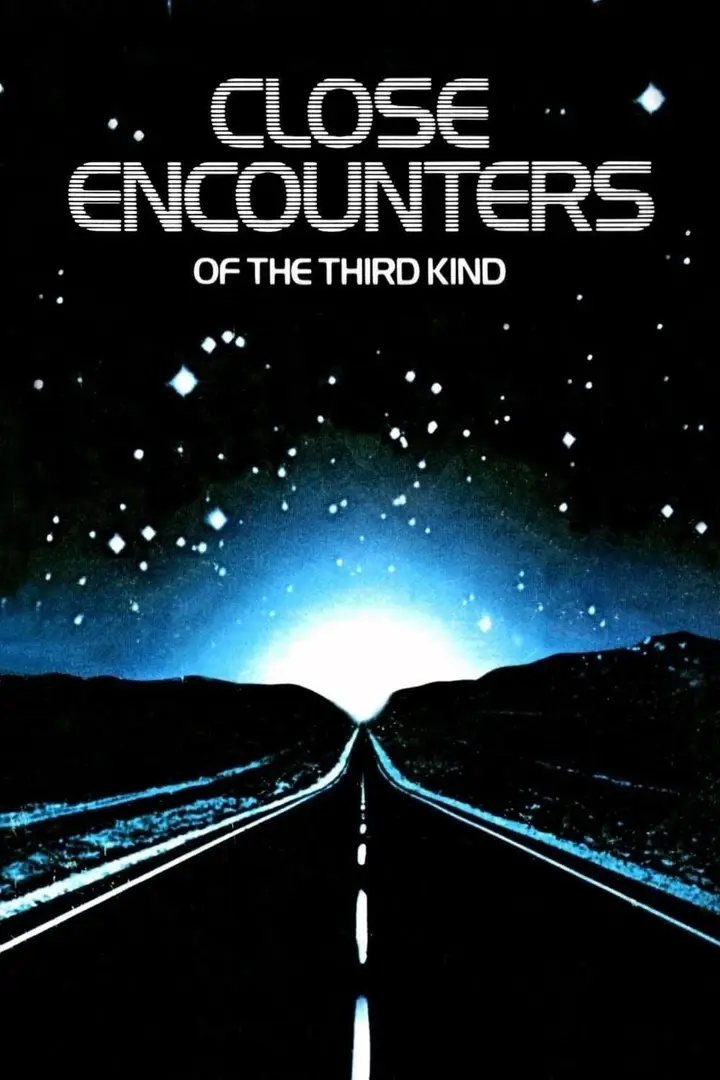
Close Encounters of the Third Kind
An unforgettable science fiction adventure where mysterious lights, impossible visions, and quiet wonder lead toward the unknown.
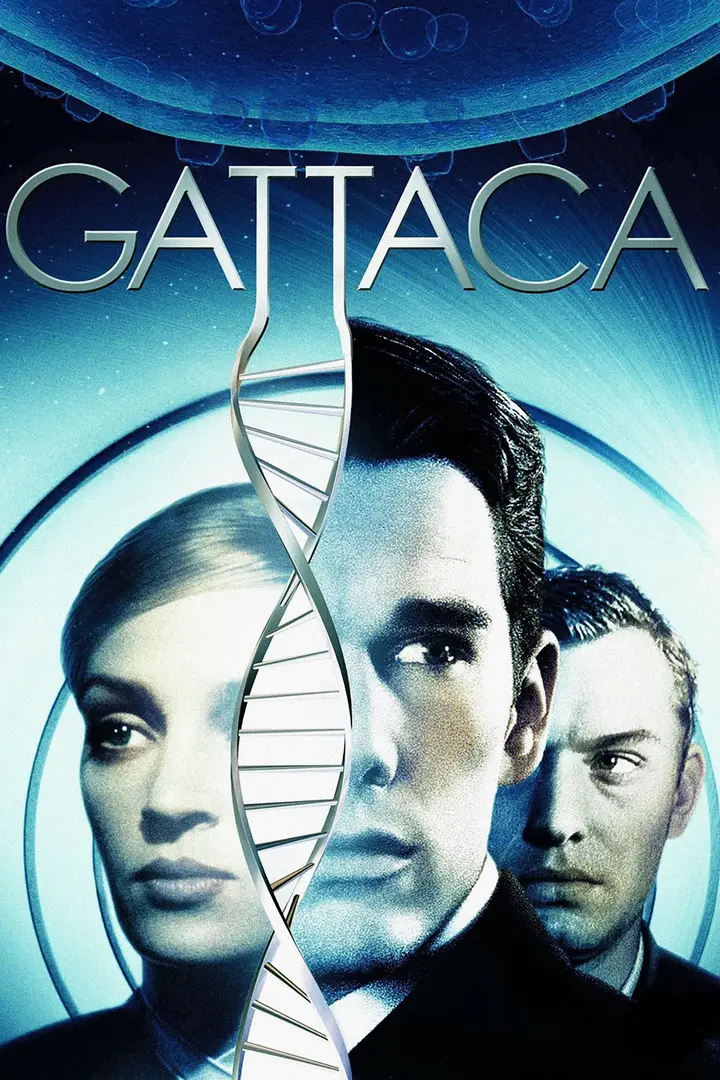
Gattaca
A thought-provoking science fiction drama of impossible ambitions, genetic boundaries, and a man proving that potential cannot be measured before it is discovered.
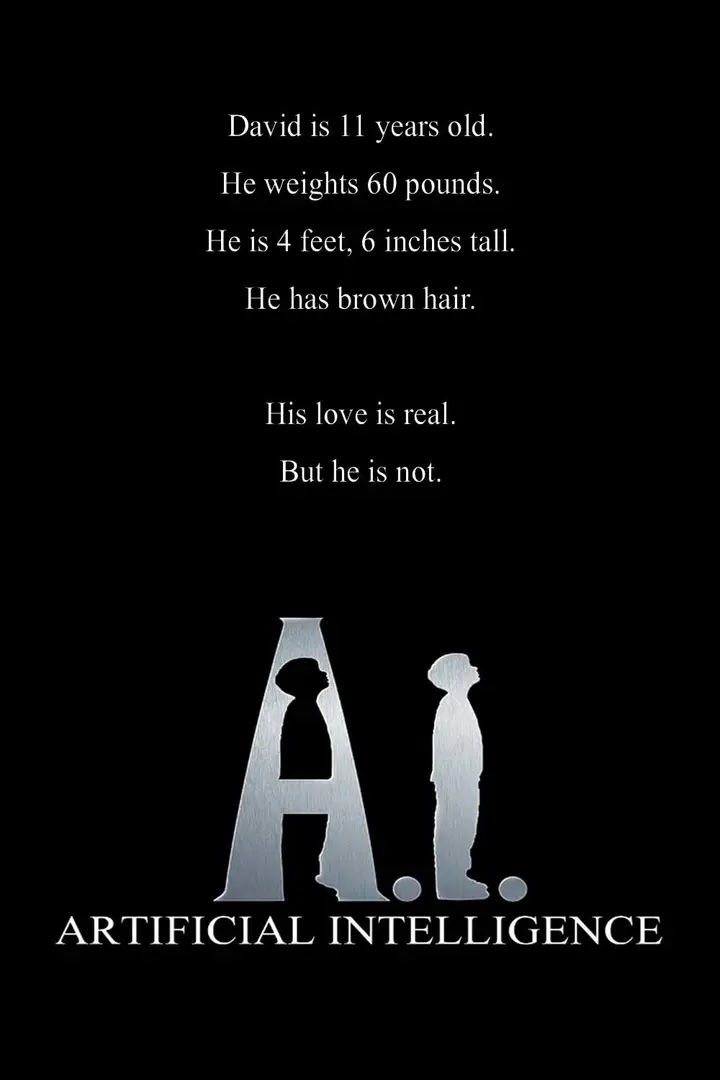
A.I. Artificial Intelligence
A visually stunning science fiction journey of wonder, emotion, and discovery as a robot boy explores a futuristic world while searching for love and a place to call home.