Gattaca
AgeMinimum 12Recommended 14+
A thought-provoking science fiction drama of impossible ambitions, genetic boundaries, and a man proving that potential cannot be measured before it is discovered.
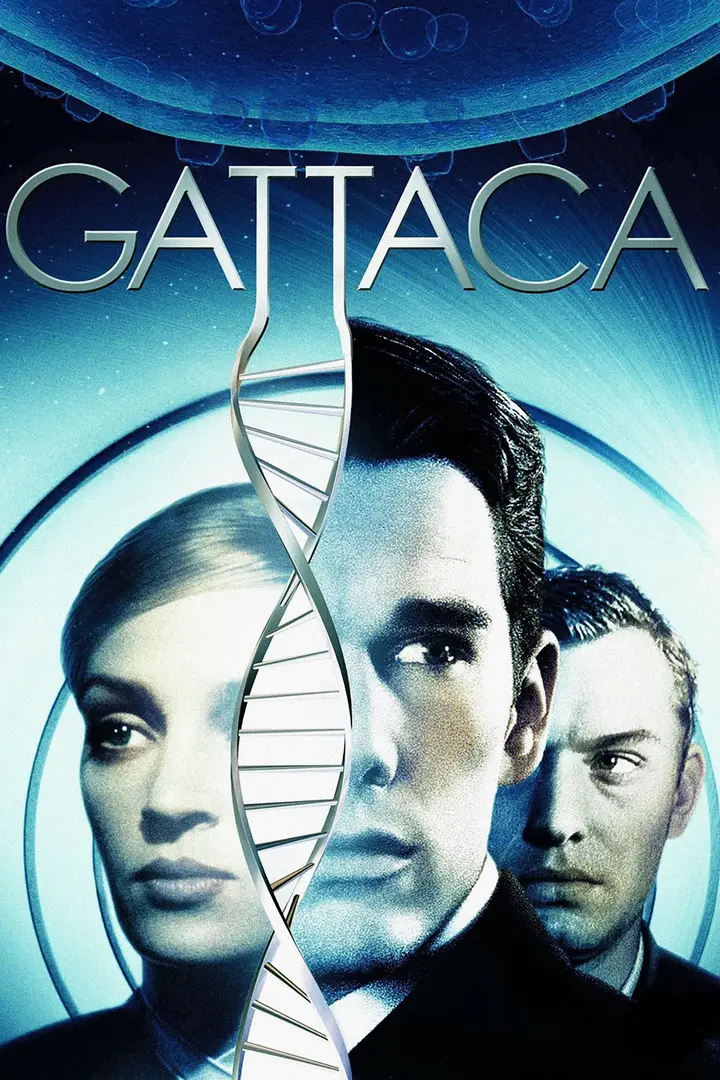
In a future society where genetic engineering determines a person's opportunities from birth, Vincent Freeman is considered genetically inferior because he was naturally conceived and has a heart condition. Determined to become an astronaut, he assumes the identity of a genetically enhanced man to enter the space program. When an investigation threatens to reveal his secret, Vincent must prove that human potential cannot be reduced to a genetic profile.
- Release Year
- 1997
- Runtime
- 106 min
- Studio
- Columbia Pictures
- Format
- Live Action
- Genre
- Drama, Science Fiction, Thriller
- Mood
- Intense, Emotional
- MPAA Rating
- PG-13
Gattaca imagines a future where science has transformed the way society judges human potential. In this world, genetic information is no longer only medical knowledge; it has become a measure of status, opportunity, and expectation.
Vincent grows up knowing that others have already decided what his future should be. His genetic profile places limits on him before he has the chance to demonstrate his determination, intelligence, or ability. His journey begins as a personal dream but becomes a challenge to a system built around assumptions.
The film’s central conflict is not between humans and technology, but between prediction and possibility. Genetic information can reveal important details about a person, yet Vincent’s story questions whether those details should define everything someone can achieve.
Through discipline, perseverance, and an unwavering belief in his own goals, Vincent challenges the idea that identity can be reduced to data. His greatest achievement comes from proving that human beings are more complex than any measurement designed to classify them.
Why It Stands Out
Gattaca imagines a society where genetic predictions shape people's futures. Vincent's determination challenges that system, raising questions about discrimination, personal freedom, and the limits of scientific certainty when judging a person's potential.
Parents’ Insight
Children can quickly absorb messages about what they are “good at” or what others expect from them. Helping them understand that abilities develop through effort, support, and determination can build confidence.
A person’s future should not be limited by assumptions made before they have the chance to show what they can do.
Parents’ Guide
What to know before you press play
Six things parents ask about, rated on the same scale for every film and series in the collection.
- Scary intensity
- Mild (2 of 5)
- Violence
- Mild (2 of 5)
- Language
- Mild (2 of 5)
- Emotional intensity
- Moderate (3 of 5)
- Sexual content
- None (0 of 5)
- Substance use
- Mild (2 of 5)
Content notes
- Themes of genetic discrimination and a brief suicide reference; best suited for older teens with discussion.
Parent guidance
Mature themes of genetic discrimination, some tense/dramatic scenes
Questions Parents Ask
What is Gattaca about?
In the near future, advances in genetic engineering allow parents to select the healthiest and most capable children before birth. Society gradually divides into those with genetically engineered advantages and those conceived naturally, whose opportunities become increasingly limited regardless of their abilities.
Vincent Freeman is one of these "invalids." Despite possessing an exceptional determination and an unwavering dream of becoming an astronaut, a congenital heart condition prevents him from entering the prestigious Gattaca Aerospace Corporation. Refusing to accept the future assigned to him, Vincent assumes the identity of Jerome Morrow, a genetically superior athlete whose own life has taken an unexpected turn. As Vincent moves closer to realizing his dream, a murder investigation threatens to expose the carefully constructed identity on which everything depends.
What age is Gattaca suitable for?
Minimum age: 12. Recommended age: 14+. The story contains mature themes involving genetic discrimination, identity, deception, and social inequality. There is mild violence, a brief suicide reference, and several tense dramatic moments, but little graphic content. Older teenagers are most likely to appreciate both the suspense and the thought-provoking ethical questions that remain remarkably relevant today.
Is Gattaca scary?
- Psychological tension
- Murder investigation
- Brief violence
- Brief reference to suicide
- Emotional intensity
- Graphic violence
- Gore
- Horror elements
- Genetic discrimination is a central mature theme
Gattaca creates tension through secrecy and the constant possibility that Vincent's identity will be discovered. Rather than frightening imagery, the suspense comes from psychological pressure, ethical dilemmas, and the consequences of living under constant scrutiny.
Is Gattaca worth watching?
Gattaca is one of the most intelligent science-fiction films ever made, combining a compelling human story with timeless questions about identity, determination, and the ethical limits of technology. Andrew Niccol crafts a remarkably restrained vision of the future, one where discrimination emerges not through machines or war but through the quiet acceptance of genetic perfection as the new social standard. Instead of relying on spectacle, the film builds suspense through character, atmosphere, and moral conflict. Ethan Hawke delivers a deeply human performance, supported by Uma Thurman and Jude Law. Elegant production design, minimalist architecture, and Michael Nyman's memorable score create a timeless world that still feels strikingly believable decades after the film's release.
What is Gattaca based on?
Gattaca is an original screenplay written by Andrew Niccol. Although fictional, it draws inspiration from real scientific advances in genetics and raises ethical questions that continue to shape modern discussions about genetic engineering, inherited traits, privacy, and equal opportunity.
Rather than predicting the future, the film invites audiences to consider how technological progress should be balanced with fairness, dignity, and individual freedom.
Talk About It
Vincent borrows Jerome’s genetic identity to enter Gattaca, challenging a society that mistakes probability for destiny.
- Why does Vincent refuse the future predicted by his genetic profile?
- How does Jerome feel about lending Vincent his identity?
- Would you risk imprisonment to pursue a dream society forbade?
- What would you tell Irene after she reveals her heart condition?
- Why does Anton keep challenging Vincent to swim?
- How does Vincent manage the daily burden of passing genetic tests?
- Vincent depends on Jerome’s genetic identity, while Jerome depends on Vincent to give that identity purpose. What does each owe the other when the deception becomes dangerous?
- Why does Dr. Lamar allow Vincent to board?
Turn this film into a ready-to-use class discussion
Use the Teacher Resources already attached to this film. Choose the questions you want, then print, copy or share the result.
Similar Movies
A future where genetic engineering decides your entire life's worth makes Gattaca more unsettling than most family science fiction. A.I. and Bicentennial Man ask that same identity question directly; Contact, Interstellar, Arrival and The Martian widen further, into exploration and survival stories with just as much emotional weight.
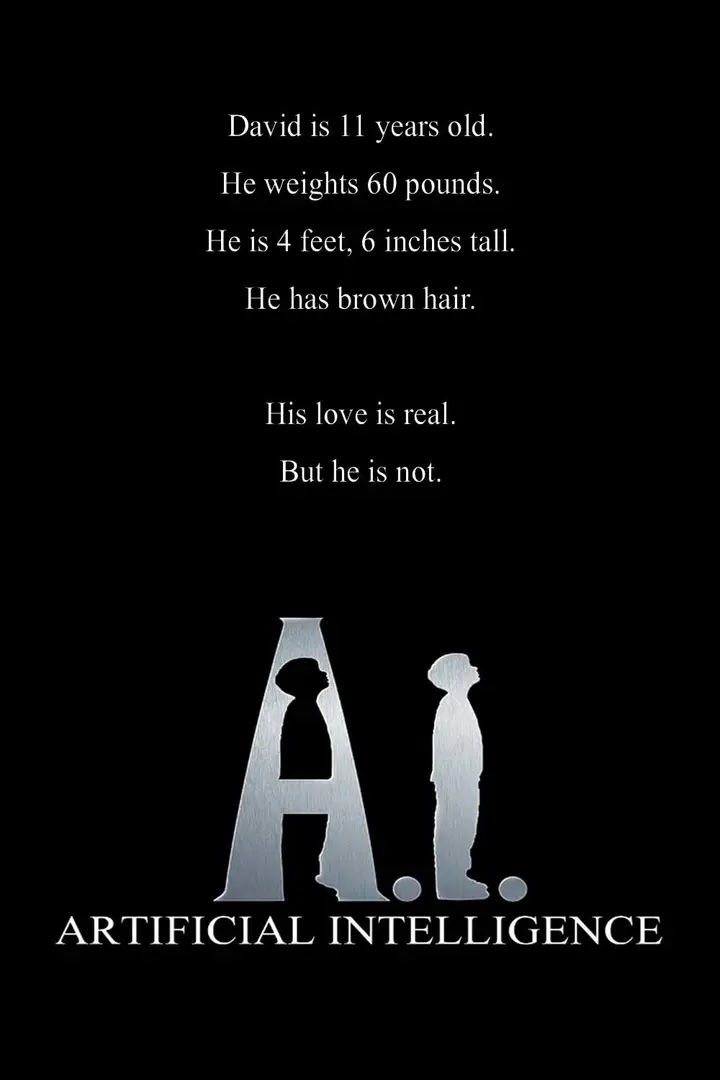
A.I. Artificial Intelligence
A visually stunning science fiction journey of wonder, emotion, and discovery as a robot boy explores a futuristic world while searching for love and a place to call home.
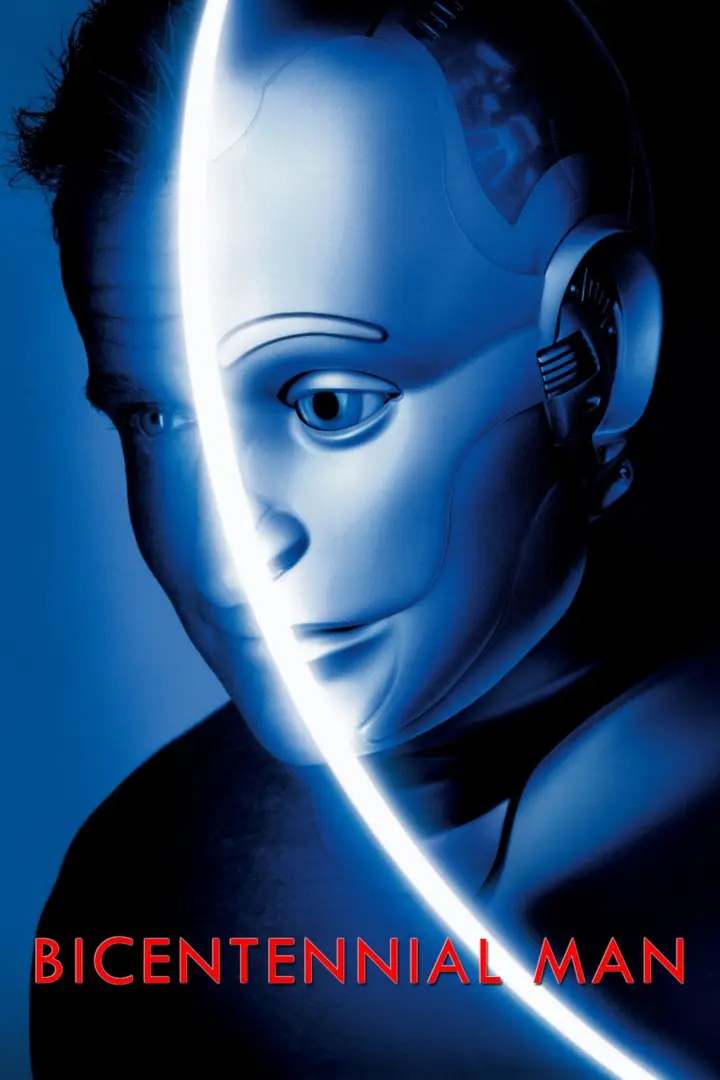
Bicentennial Man
A science fiction journey through passing generations and the life of a household robot who becomes something far more personal.
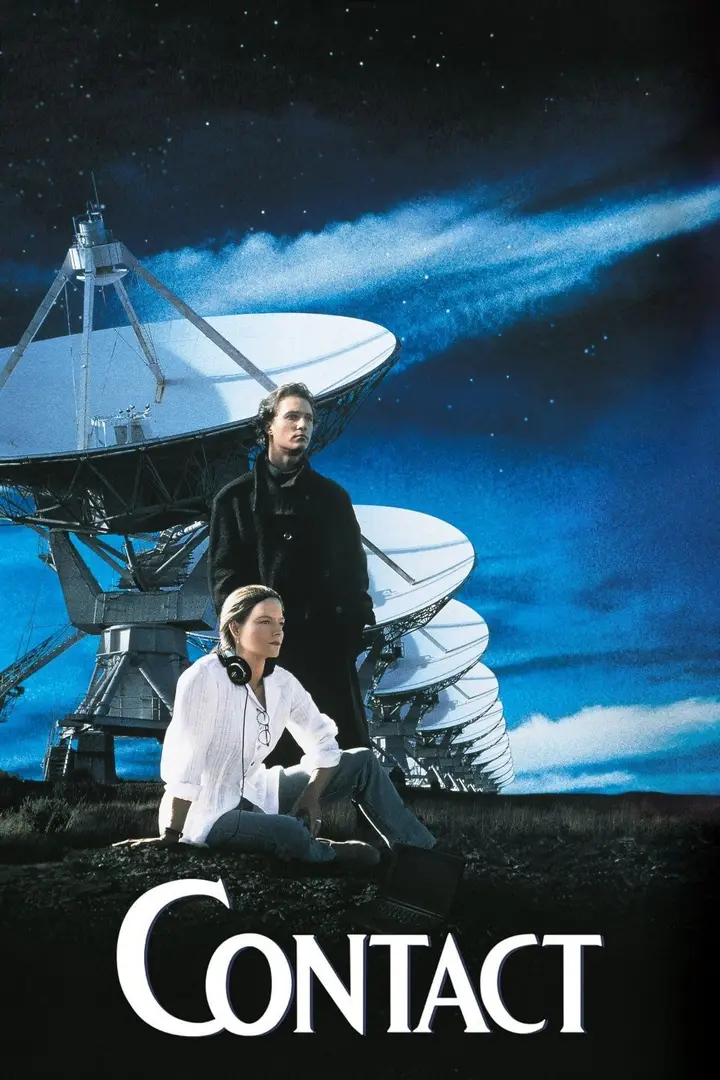
Contact
An inspiring science fiction journey of cosmic discovery, unanswered questions, and a scientist searching for meaning beyond our world.
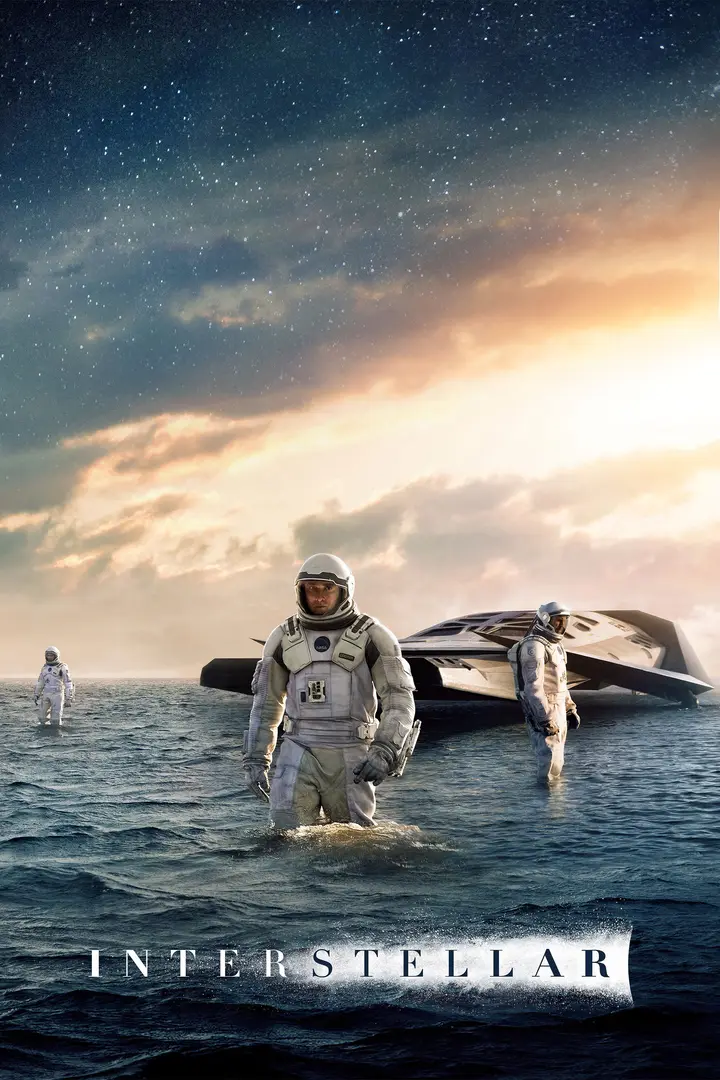
Interstellar
Distant worlds, astonishing cosmic imagery and the pull of a father–daughter bond make this science-fiction epic as intimate as it is vast.
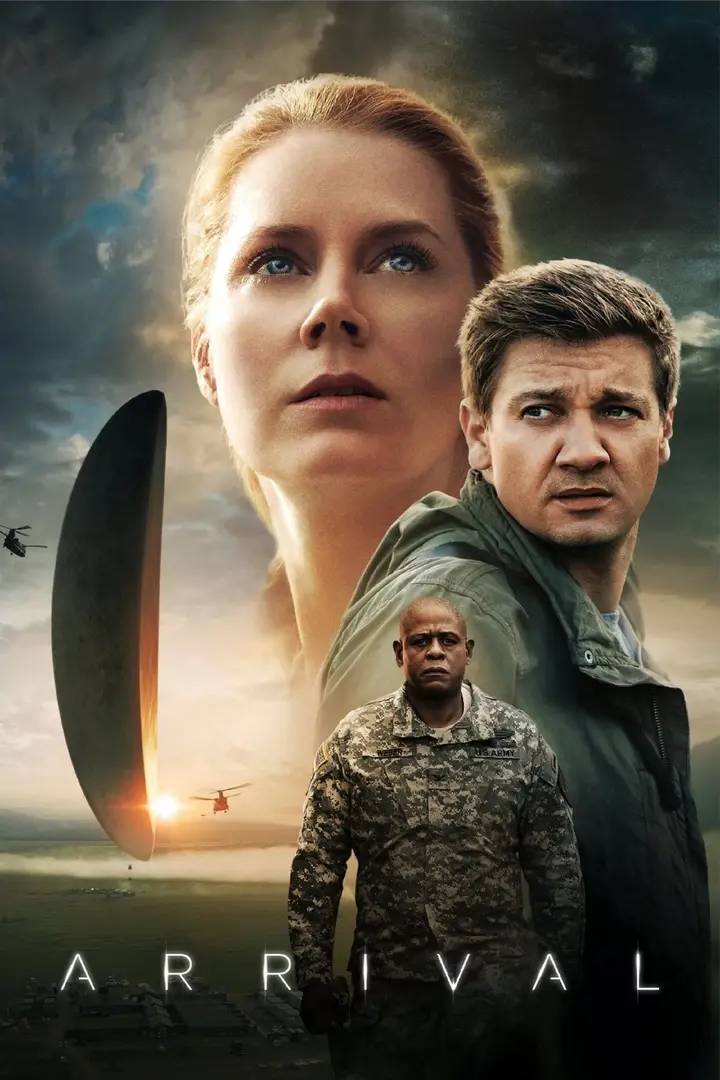
Arrival
A thoughtful science fiction journey of first contact, hidden meanings, and a linguist discovering that understanding another world can change her own.
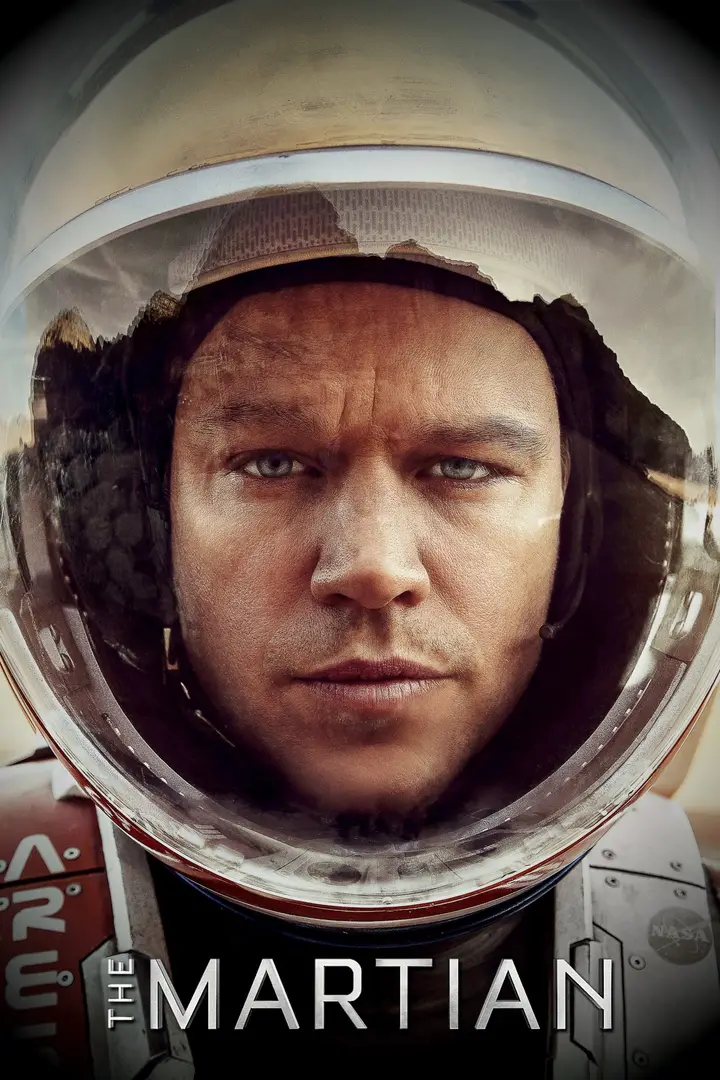
The Martian
A space adventure of Mars landscapes, scientific discovery, and one astronaut learning to survive in a world no human has explored before.