
Best TV Shows for 8-Year-Olds
Animated adventures, clever mysteries and more layered stories, with practical age guidance.
Page 2 of 3. This page shows series 49–96 out of 107.
Find the right series
Choose one band. Results show age-relevant series approved by our editors: those whose Minimum-to-Recommended age span overlaps the band, plus individually approved favorites. The Recommended Age is a starting point, not a maximum.
More filters and sort
No series in this guide match this age.
Recommended for 8-year-olds
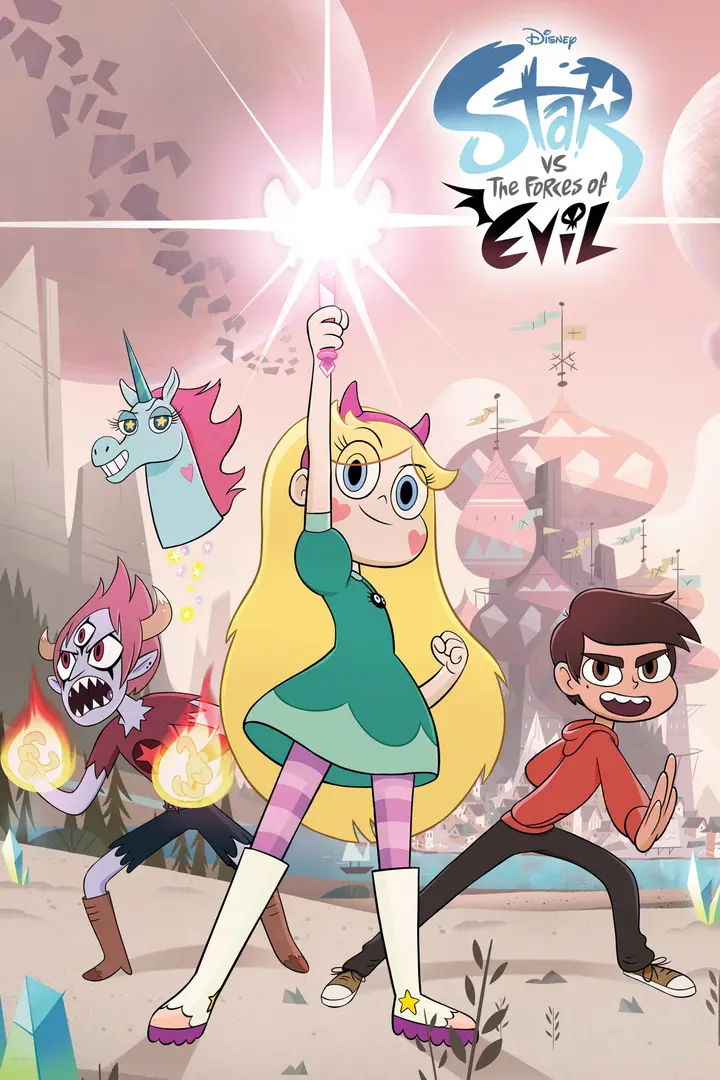
Star vs. the Forces of Evil
Star’s chaotic magic begins as fast comedy, then opens into larger questions about history, power and responsibility. Her friendship with Marco keeps the expanding fantasy grounded while the serialized plot gives earlier choices consequences.
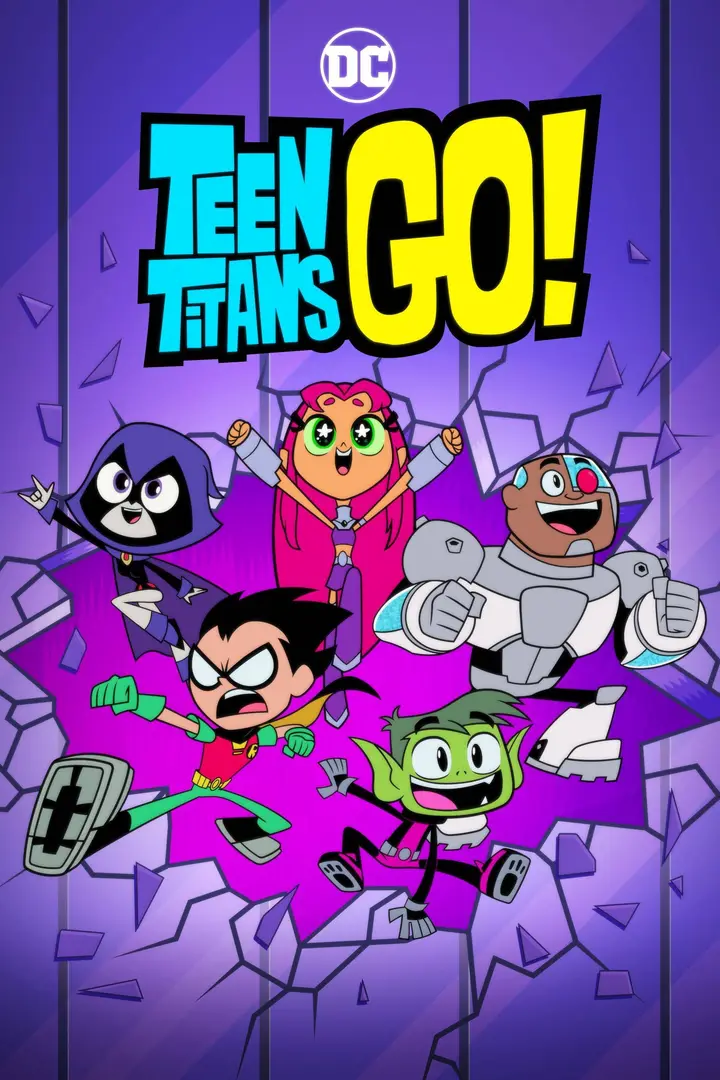
Teen Titans Go!
Superhero powers become fuel for fast parody, absurd arguments and pop-culture jokes. The team’s clashing personalities keep episodes energetic, while the series freely mocks heroic conventions instead of treating every mission with seriousness.
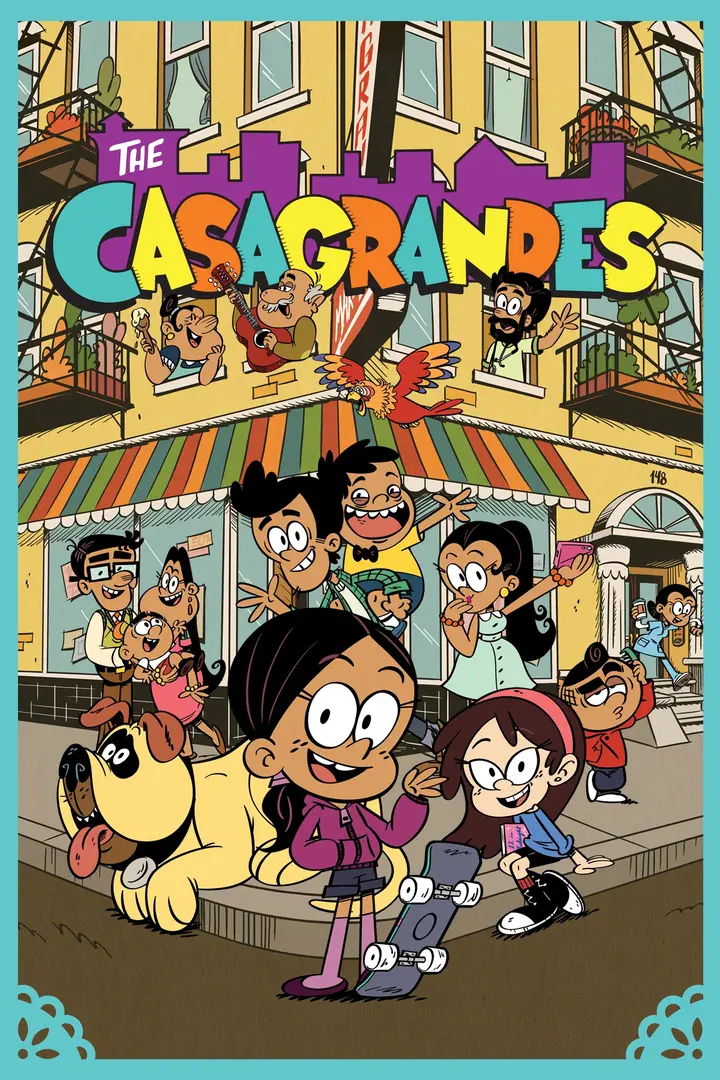
The Casagrandes
A crowded multigenerational home turns privacy, chores, school and friendship into fast family comedy. Mexican-American culture appears through food, celebrations, language and everyday relationships, giving the setting specificity without stopping the story for explanation.
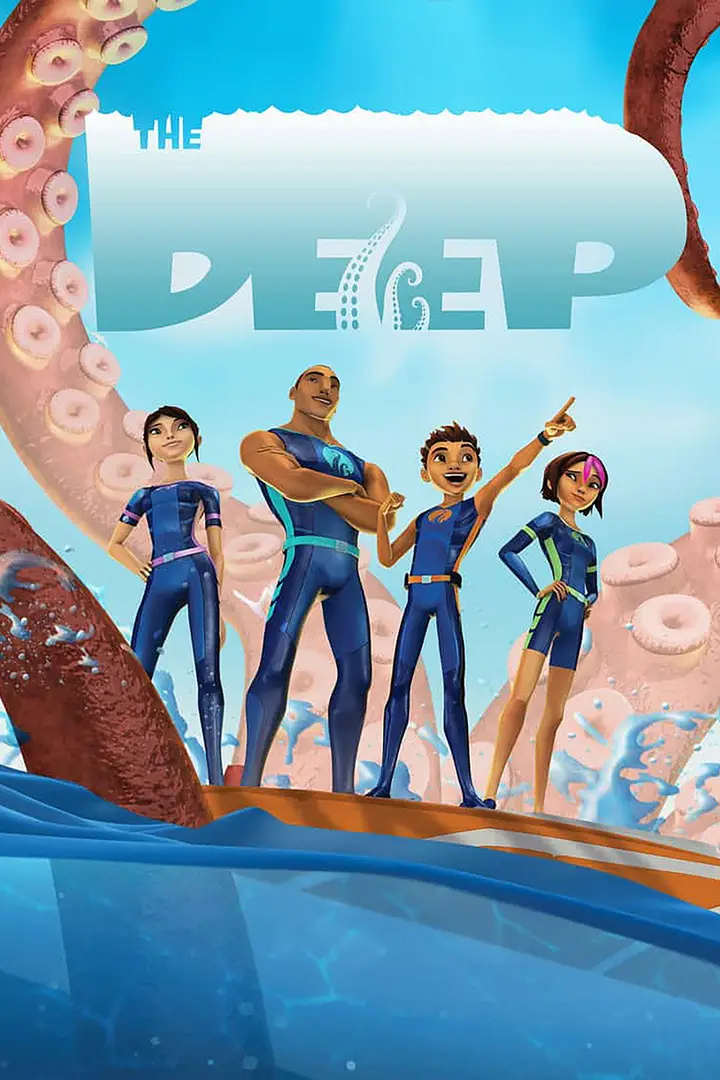
The Deep
The Nektons treat the ocean as a place of real discovery, combining marine science with lost civilizations and family adventure. Their submarine missions reward curiosity, technology and caution as each mystery pushes them into unfamiliar environments.
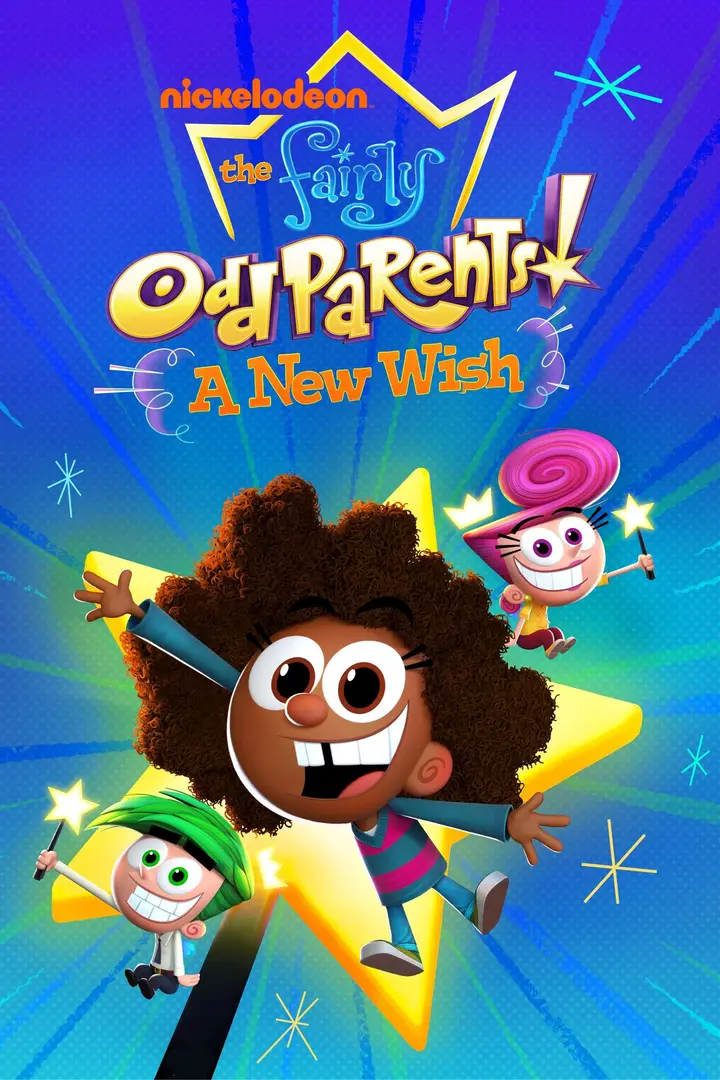
The Fairly OddParents: A New Wish
As in the original series, the real comedy comes from wishes going right technically but wrong practically, and a new lead gives familiar magical rules fresh comic energy.
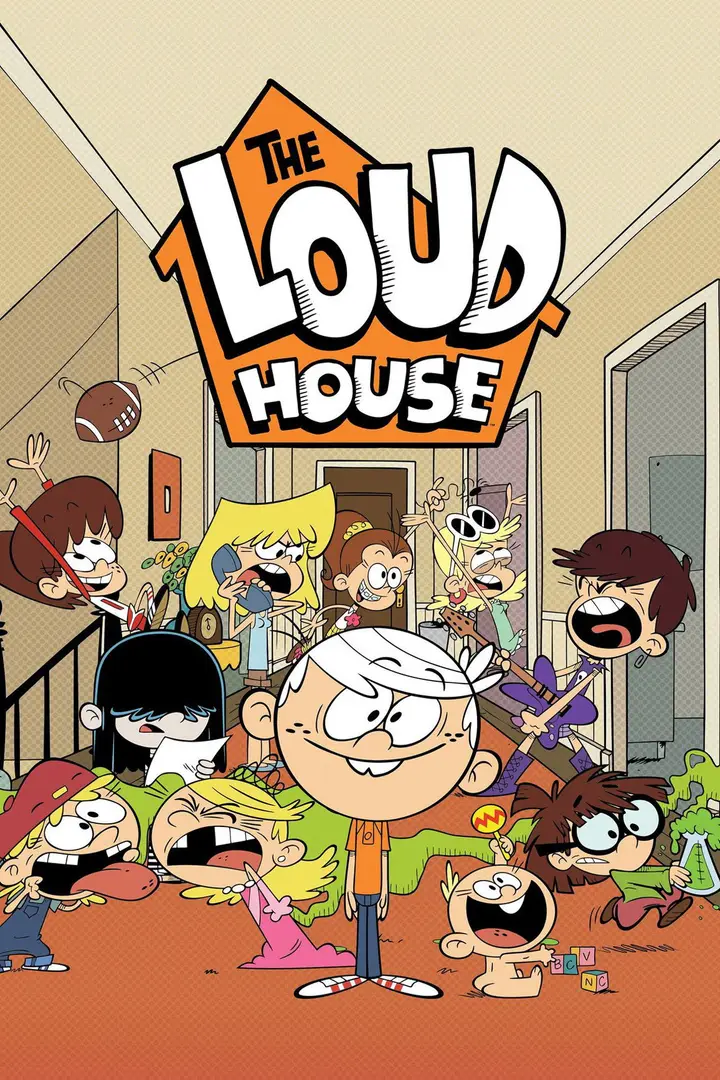
The Loud House
Lincoln’s crowded home creates endless practical problems around privacy, fairness and sibling rivalry. The exaggerated comedy works because each sister has a clear personality, while compromise and cooperation repeatedly restore the family after failed schemes.
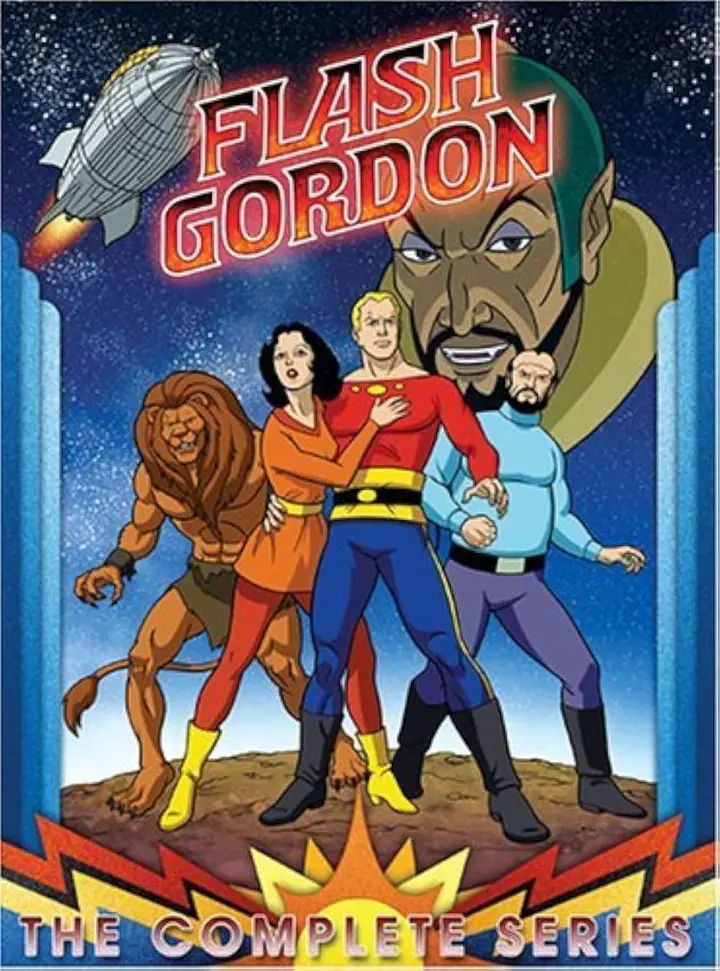
The New Adventures of Flash Gordon
Space opera, fantasy creatures and resistance against Ming give the series a broad adventure scale. Flash, Dale, Zarkov and their allies move through distinct regions of Mongo, keeping exploration tied to an ongoing struggle.
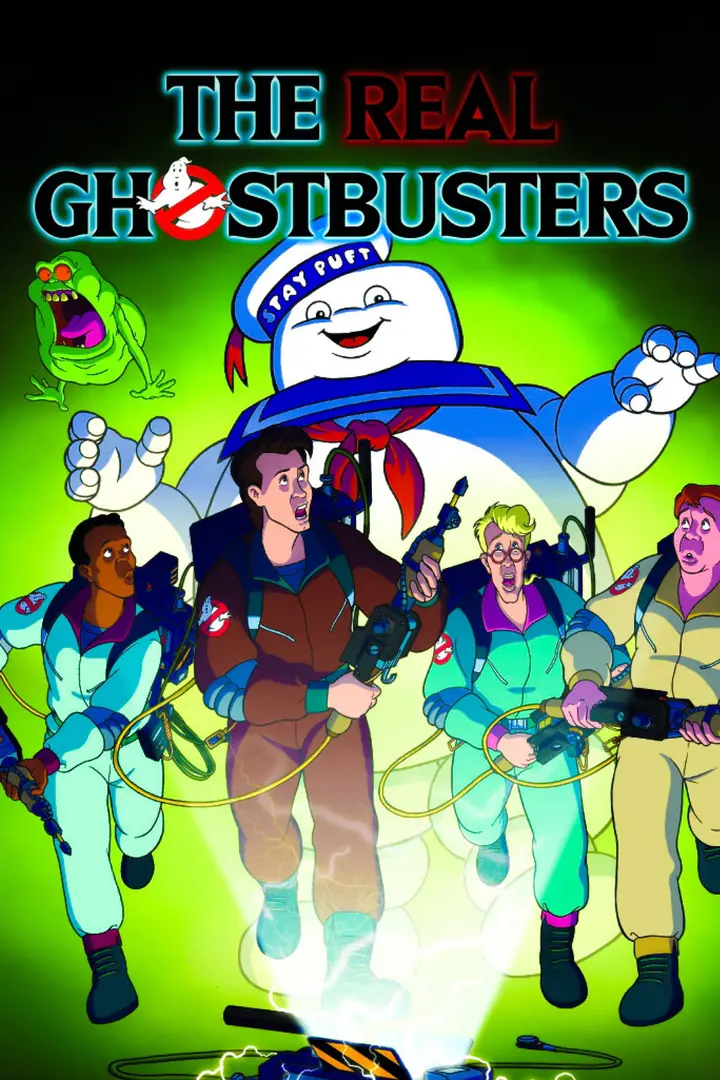
The Real Ghostbusters
Each case mixes investigation, gadgets and distinctive supernatural creatures, letting the team solve problems through knowledge as well as action. The series expands the film premise into a broad paranormal world without losing the chemistry between the four Ghostbusters.
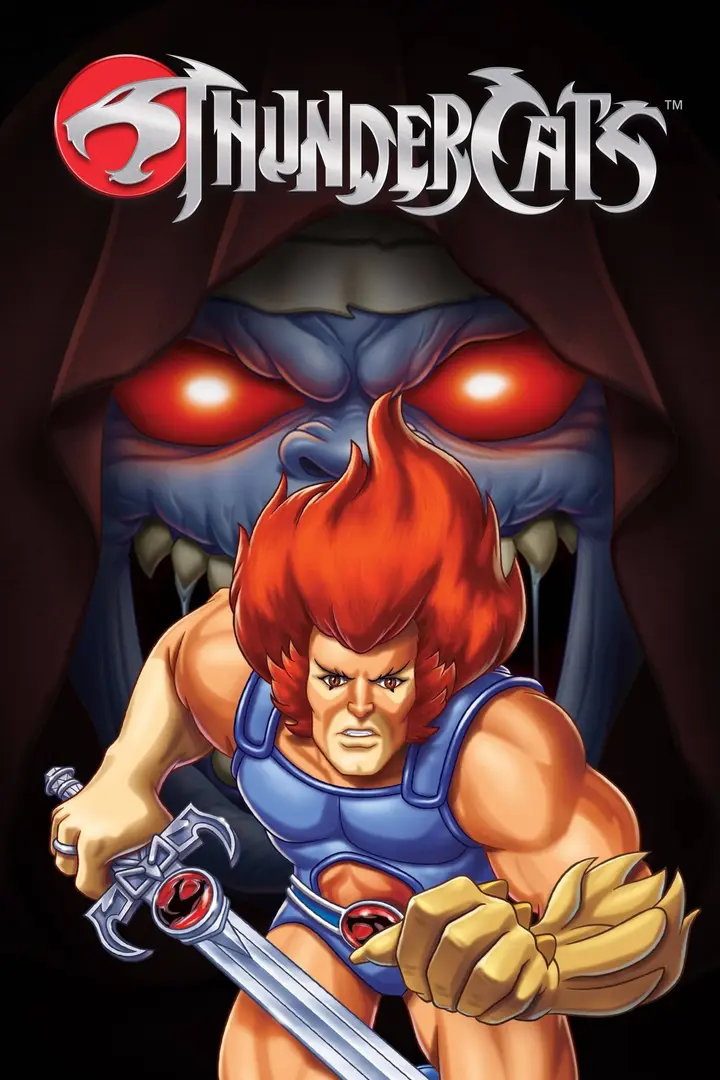
ThunderCats
Science fantasy, distinct powers and a clear team structure give the ThunderCats broad adventure appeal. Lion-O’s growth into leadership adds a continuing character arc, so battles with Mumm-Ra also test judgment, patience and responsibility.
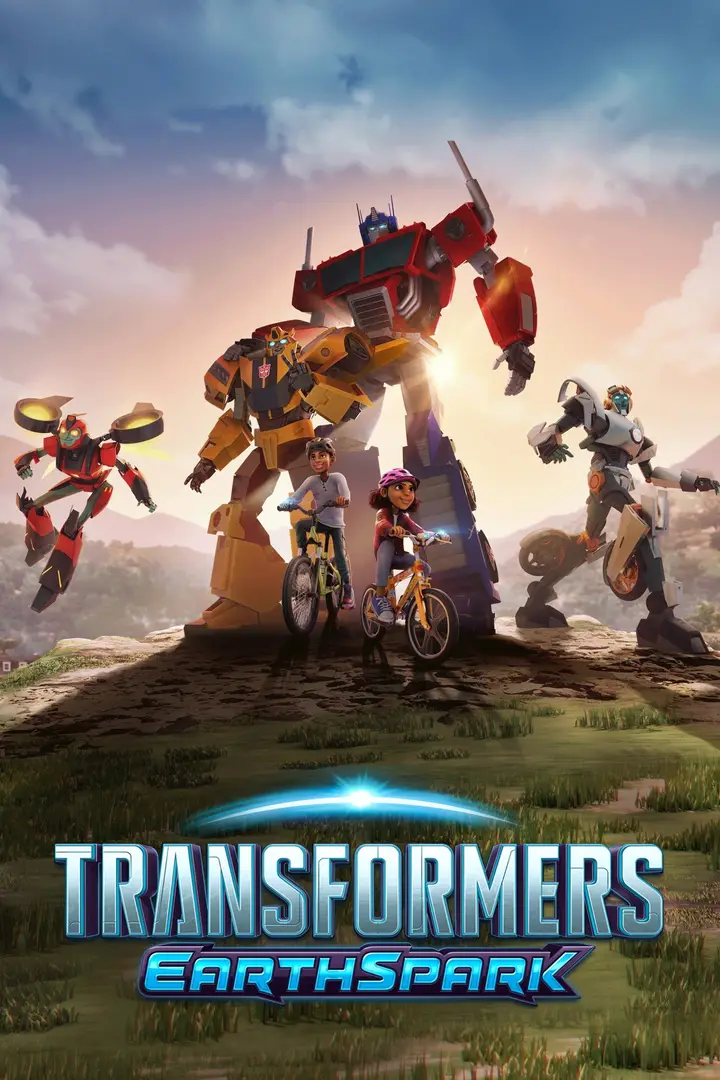
Transformers: EarthSpark
By giving its young Transformers no fixed Autobot or Decepticon identity, the show turns a familiar toy franchise into a story about choosing your own values instead of inheriting old conflicts.
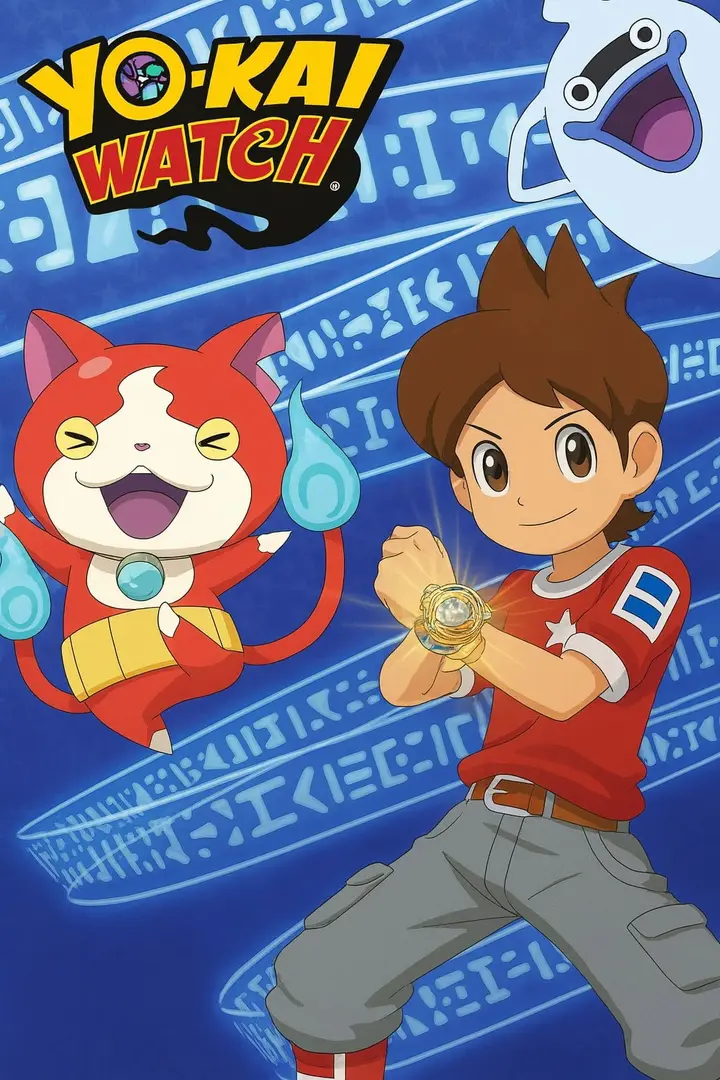
Yo-kai Watch
Turning everyday mishaps into supernatural mysteries gives ordinary childhood annoyances a playful explanation, while its large collectible cast rewards curiosity about each new creature.
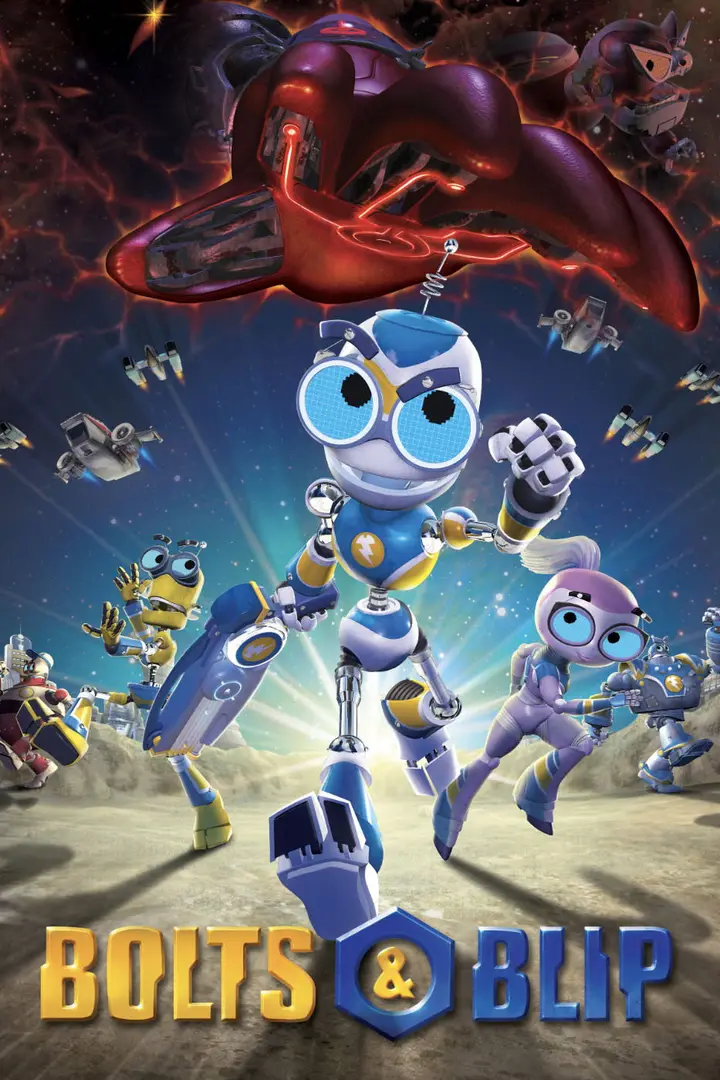
Bolts & Blip
Robot sports begin as competition and expand into a broader science-fiction conflict about friendship, confidence and hidden threats. Bolts and Blip’s contrasting personalities give the team a clear interpersonal core as the stakes grow.
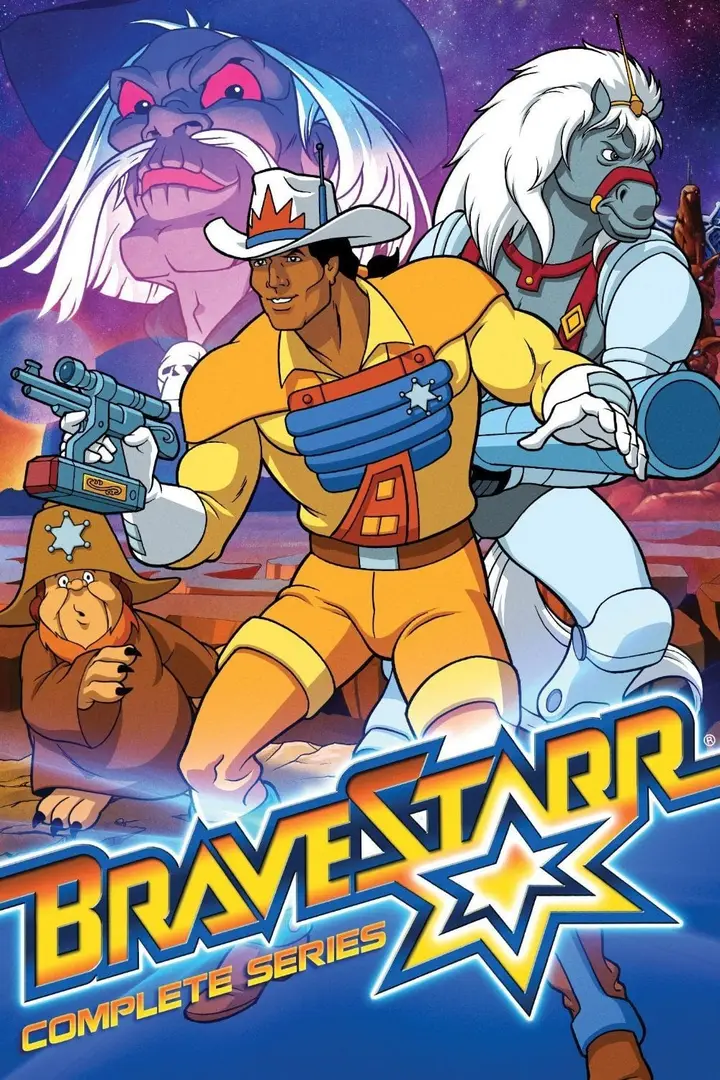
BraveStarr
A space-western setting mixes frontier adventure with aliens, futuristic technology and supernatural powers. BraveStarr’s role as marshal gives the action a clear responsibility framework, while his allies broaden each mission beyond solo heroics.
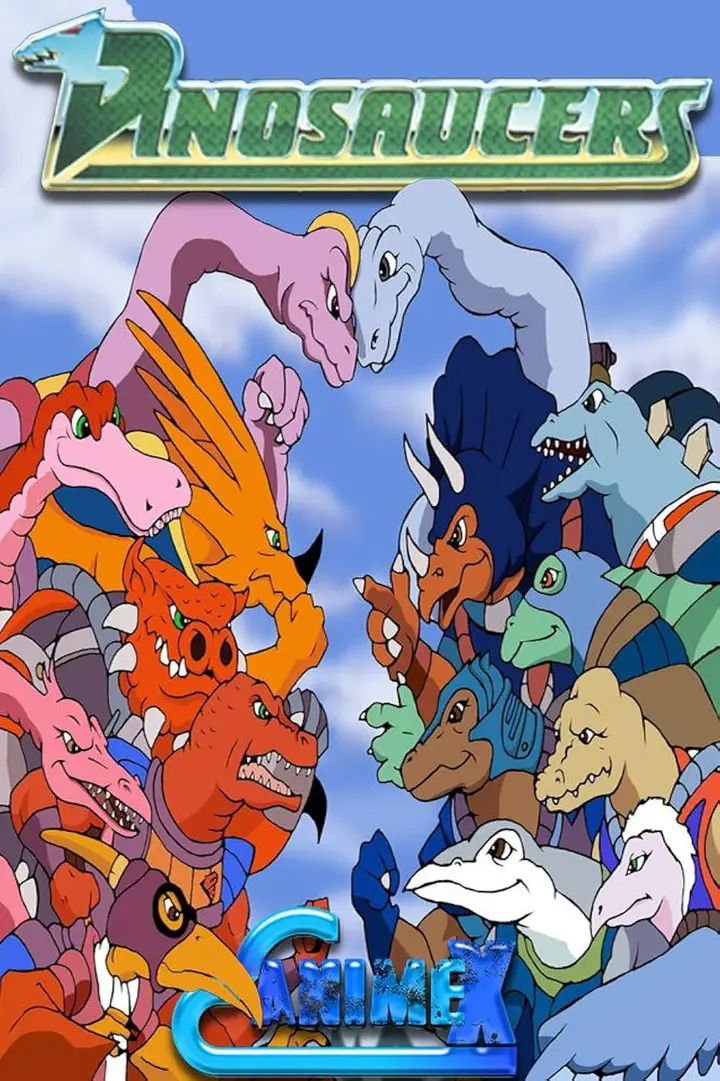
Dinosaucers
Alien dinosaurs, spaceships and young human allies give the series an instantly readable science-fiction hook. The Secret Scouts keep the interplanetary conflict connected to Earth, while team loyalty drives the defense against the Tyrannos.
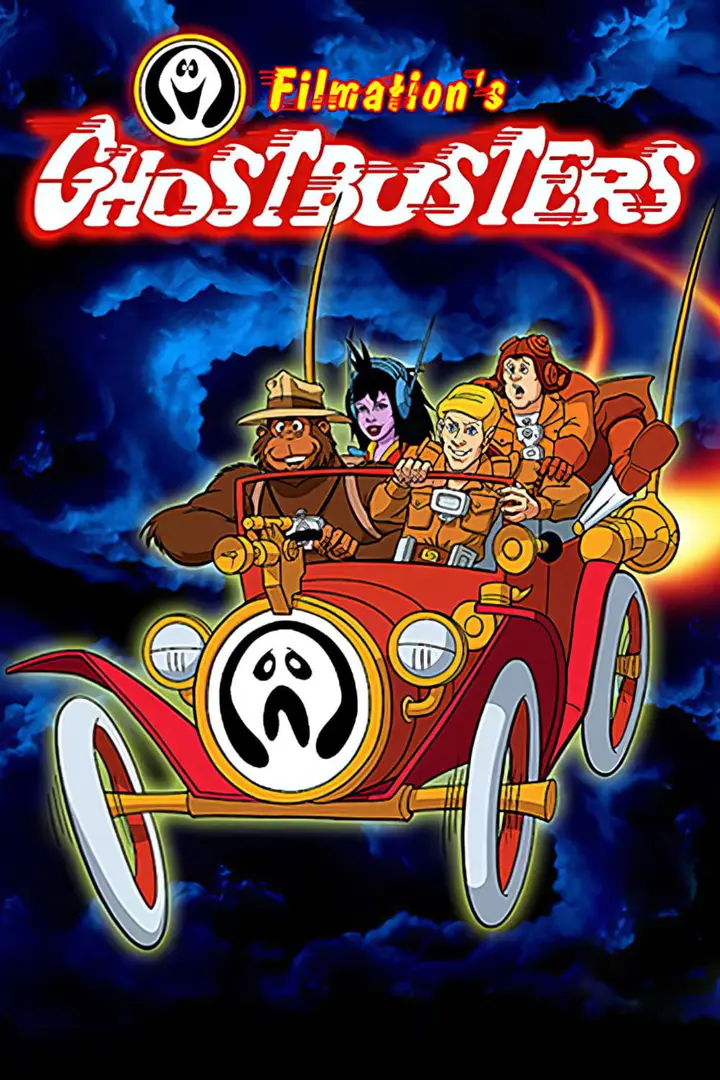
Filmation's Ghostbusters
Supernatural investigation is mixed with broad comedy, transformations and gadget-driven action. Jake, Eddie and Tracy form an easy-to-read team, while Prime Evil and his followers give the series a consistent set of recurring threats.
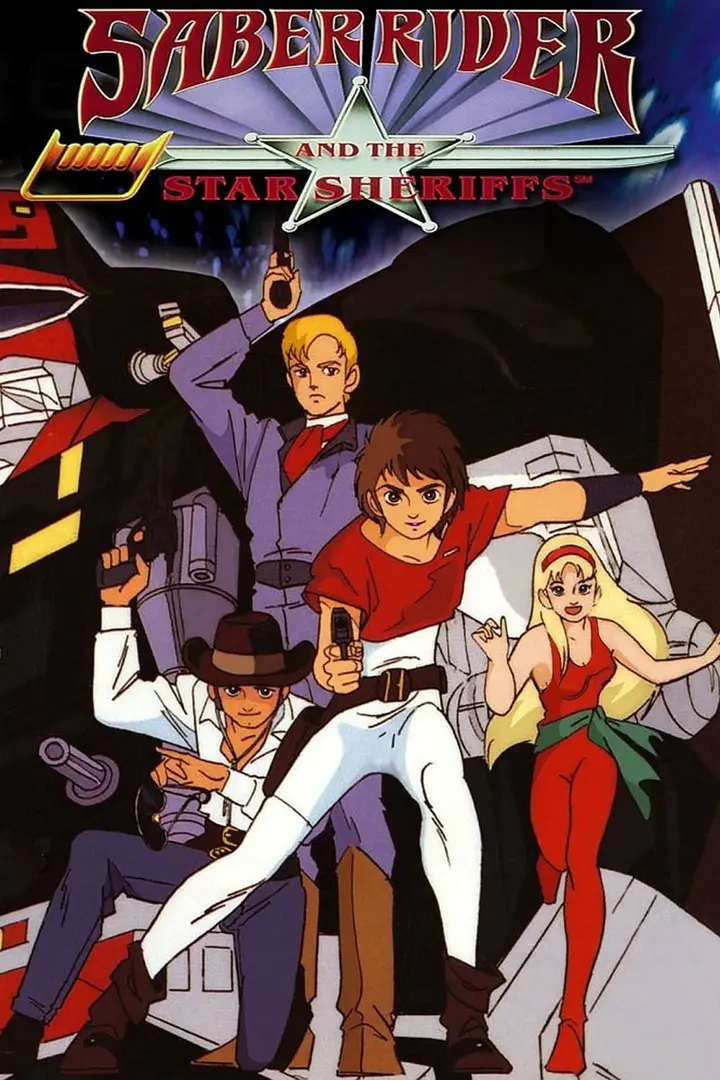
Saber Rider and the Star Sheriffs
A space-western setting gives the team clear roles, distinctive vehicles and a strong frontier identity. Saber Rider’s leadership, Ramrod’s transformations and the Outrider conflict create steady momentum while keeping cooperation central to every mission.
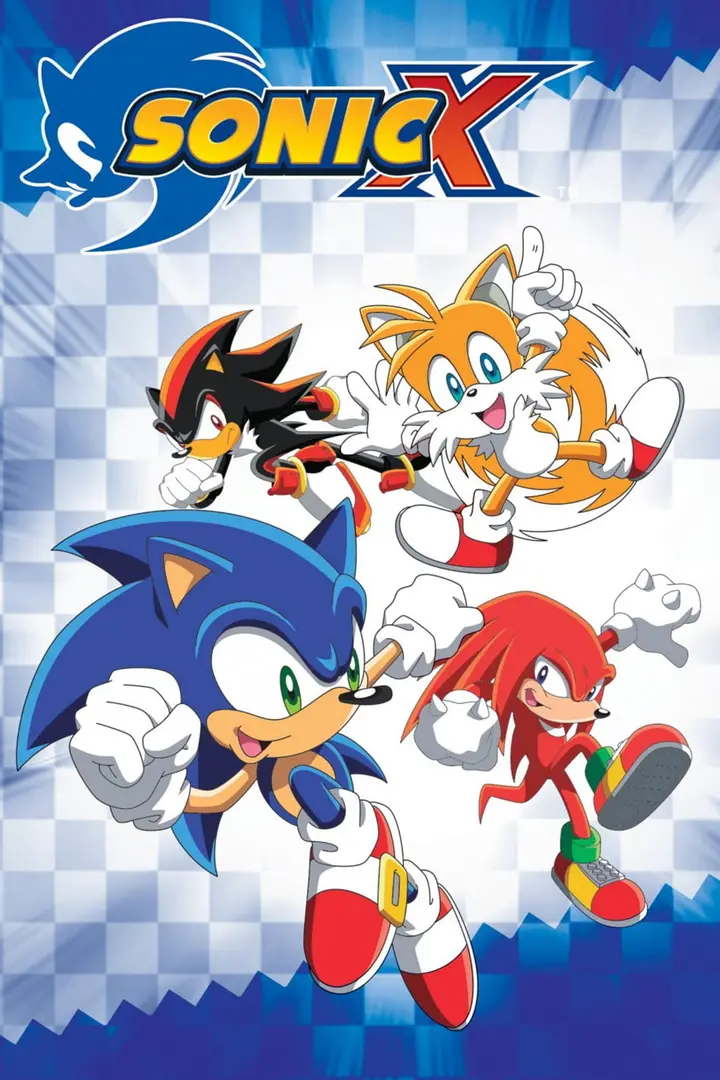
Sonic X
Fast missions, recognizable game characters and clear goals make Sonic X easy to enter without knowing the games. Rivalries, teamwork and Chaos Emerald storylines add enough continuity to keep the action from feeling like disconnected battles.
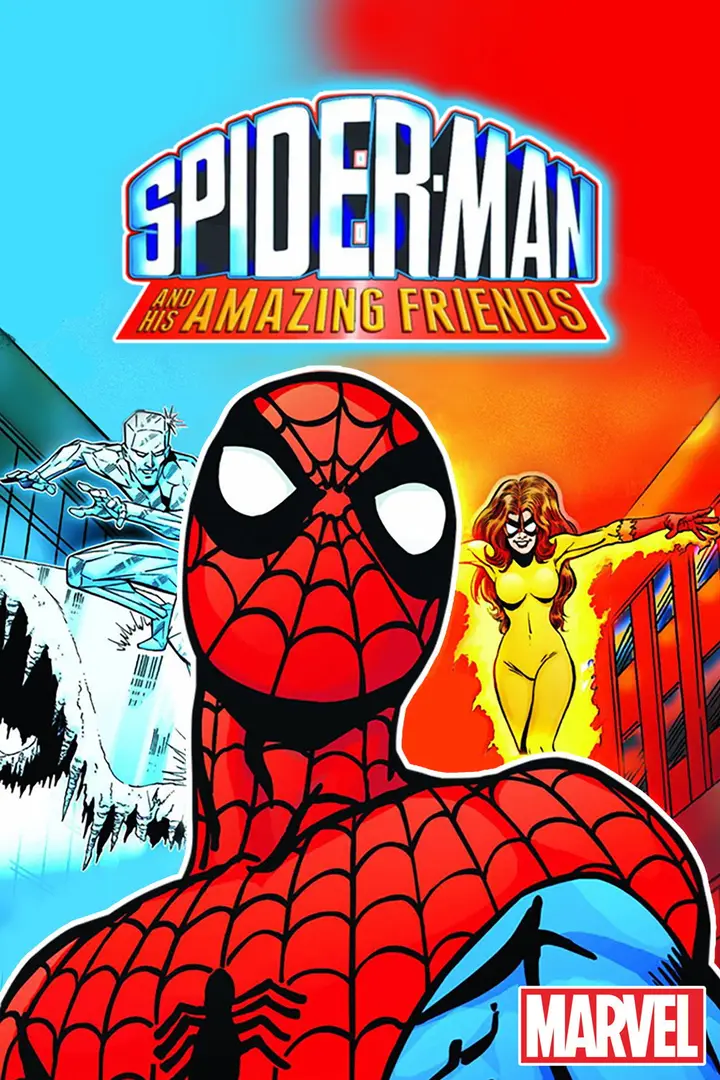
Spider-Man and His Amazing Friends
Spider-Man, Iceman and Firestar combine different powers in team-based superhero stories that also make room for school and home life. Shared missions emphasize cooperation instead of letting one hero solve every problem alone.
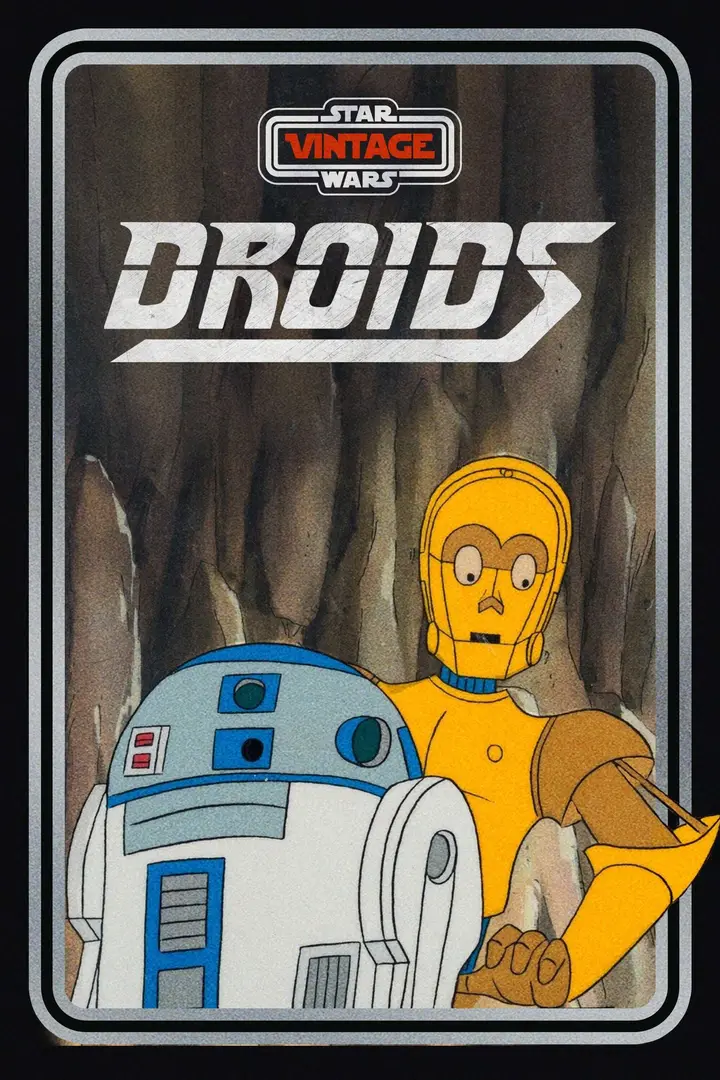
Star Wars: Droids
R2-D2 and C-3PO anchor smaller Star Wars adventures through contrasting personalities, technology and constant problem-solving. Changing owners and planets keep the setting varied while their partnership provides continuity across political conflicts and criminal schemes.
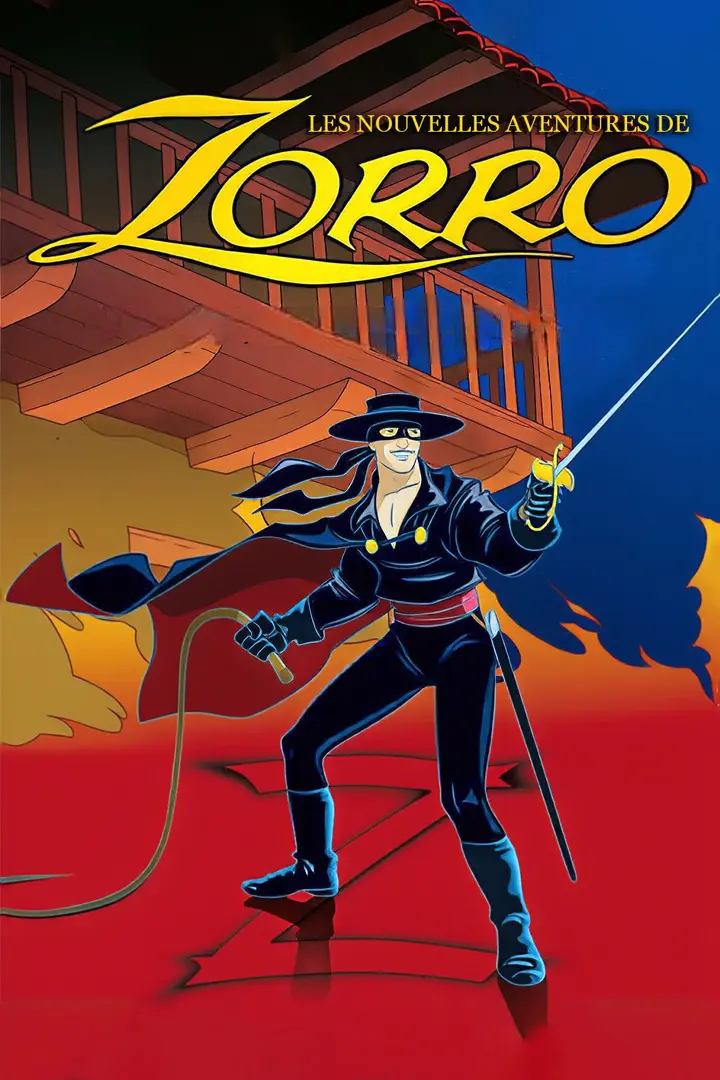
The New Adventures of Zorro
Secret identity, swordplay and strategy give Zorro’s missions a clear swashbuckling rhythm. Don Diego relies on planning as much as agility, turning resistance to corrupt authority into stories about courage, fairness and protecting vulnerable people.
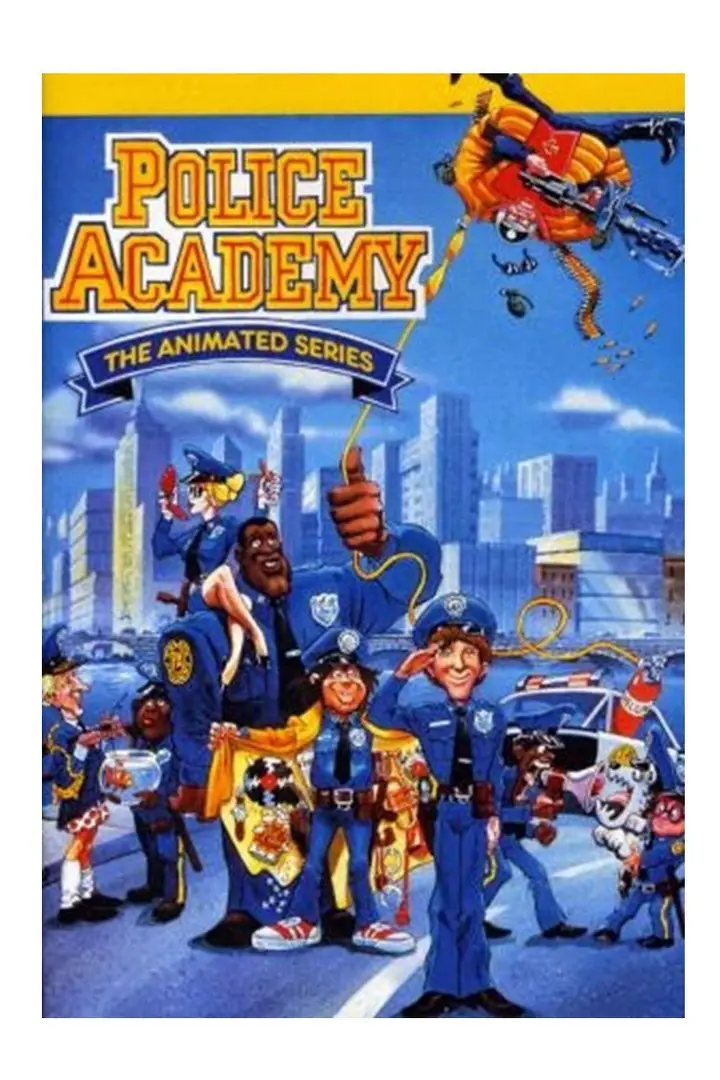
Police Academy: The Animated Series
Police action is reshaped into broad cartoon comedy through eccentric officers, odd gadgets and plans that rarely go smoothly. The ensemble format keeps cases varied and gives each character a recognizable comic role.
Can start at 8, recommended for older viewers
These series meet the minimum age, but TFFC recommends waiting until the age shown on each card.
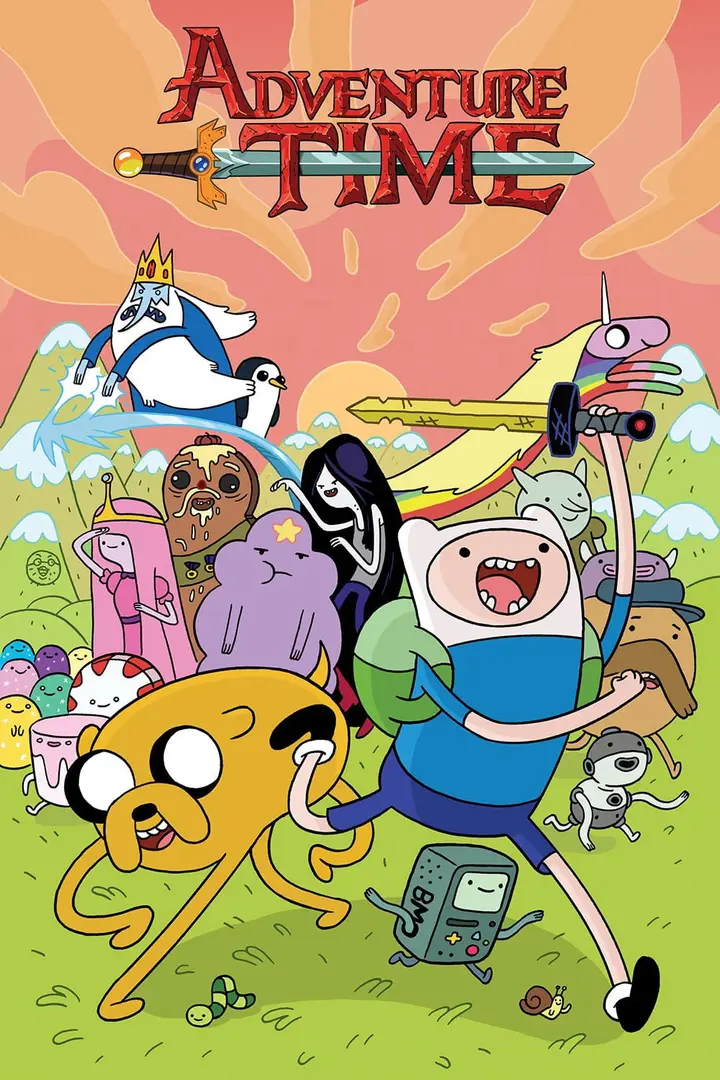
Adventure Time
Finn and Jake’s playful quests gradually reveal a world with history, damaged relationships and lasting consequences. Absurd comedy, songs and monsters sit beside stories about friendship, identity, responsibility and growing older, giving the fantasy distinctive depth.
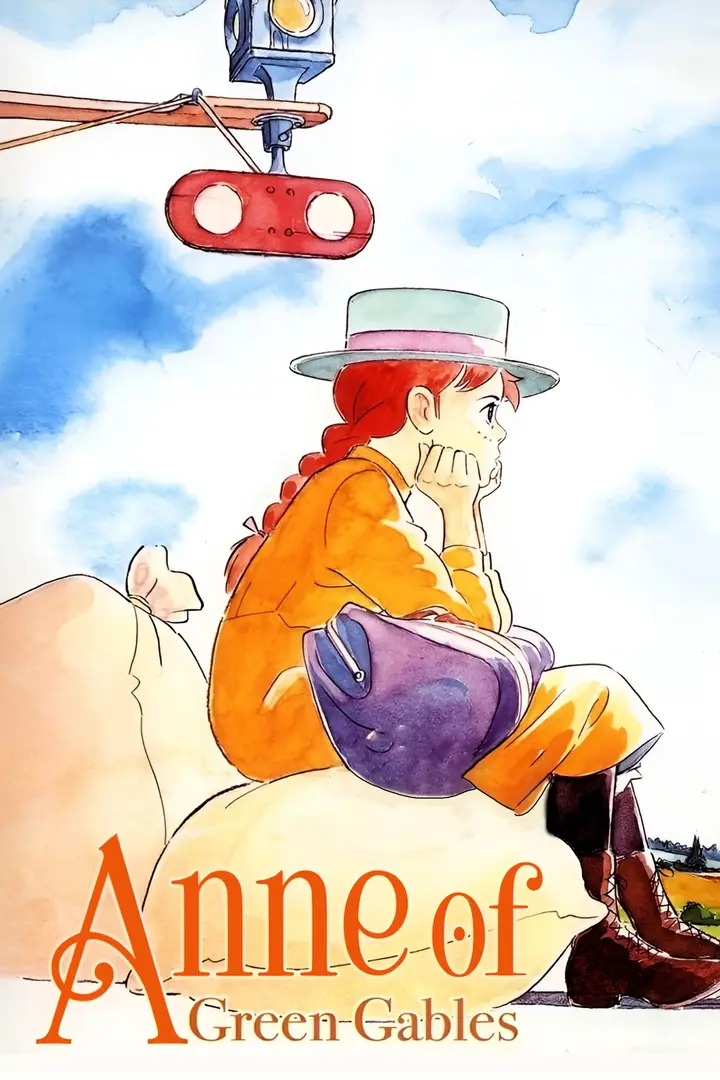
Anne of Green Gables
Anne’s imagination, language and strong personality carry a patient story built on friendships, school, mistakes and family bonds. The long timeline lets viewers see her judgment and relationships change in believable steps instead of resetting after each episode.
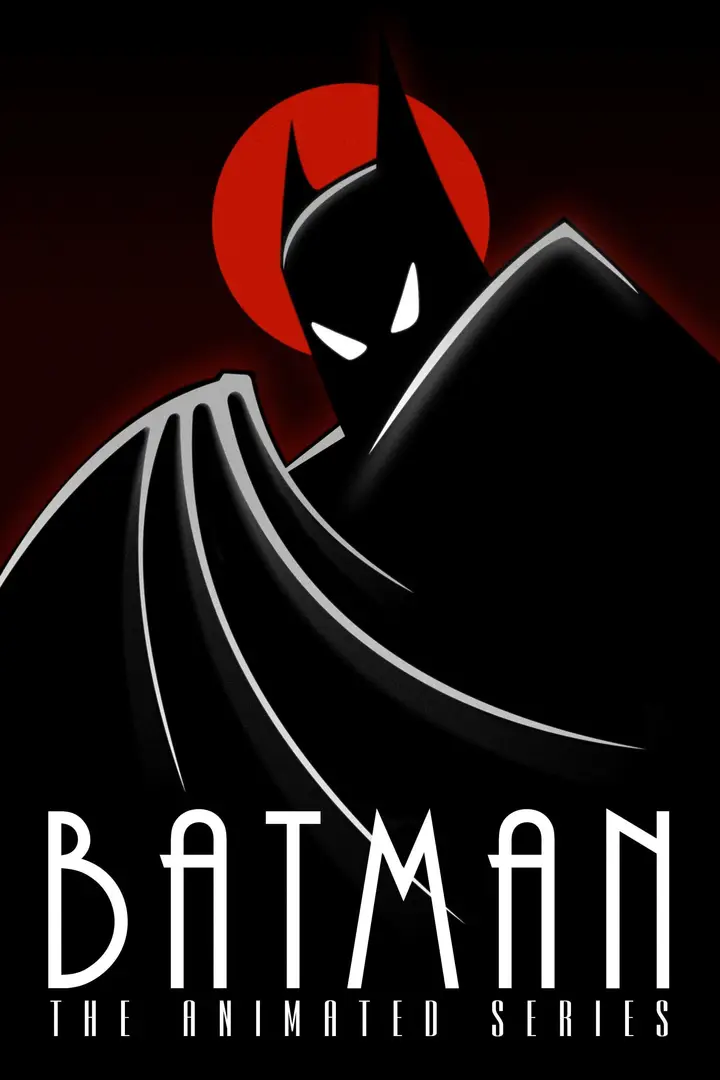
Batman: The Animated Series
Noir atmosphere, detective work and psychologically motivated villains give Gotham rare depth for superhero animation. Batman often has to understand a case before defeating anyone, while recurring characters build a morally complicated city over time.
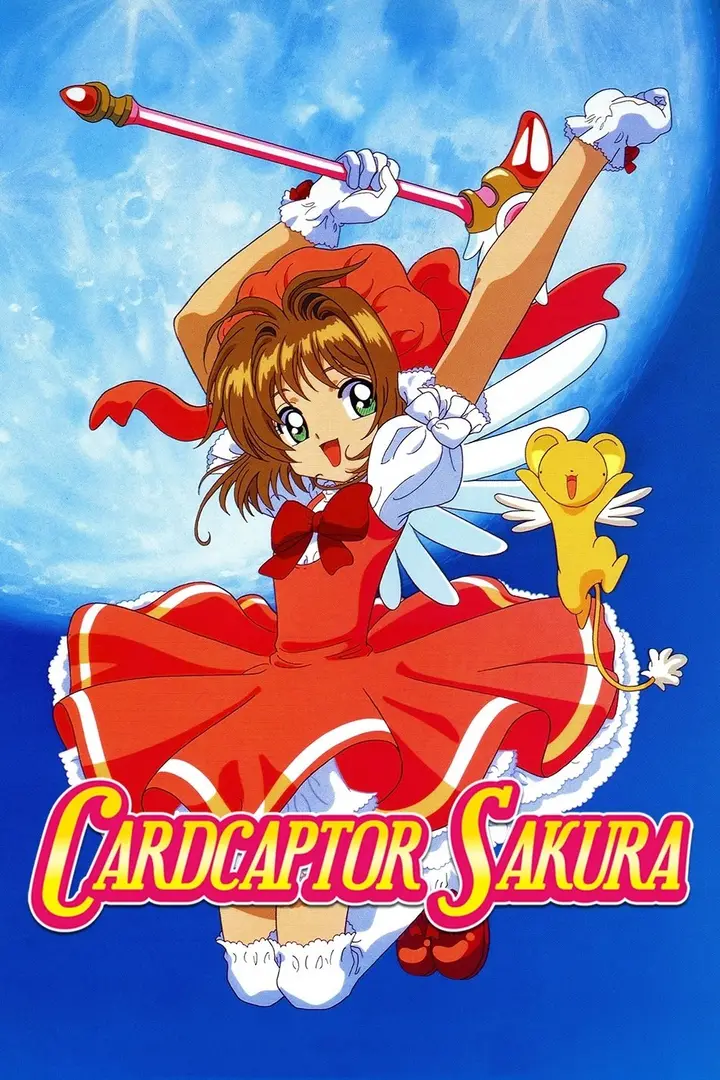
Cardcaptor Sakura
It grounds a magical card-collecting quest in patient, everyday character growth, letting its heroine mature emotionally without ever losing her core kindness and curiosity.
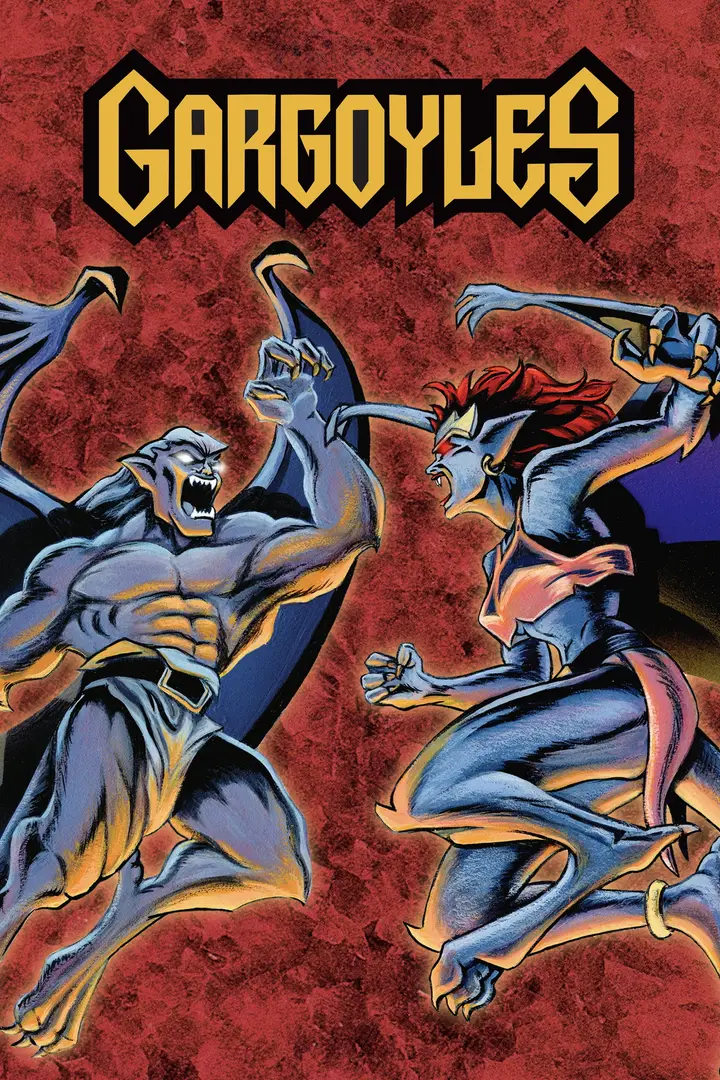
Gargoyles
Medieval history, urban fantasy and long-form plotting give the series a richer structure than most action cartoons of its era. Goliath’s clan faces betrayal and adaptation while building a new sense of family in modern New York.
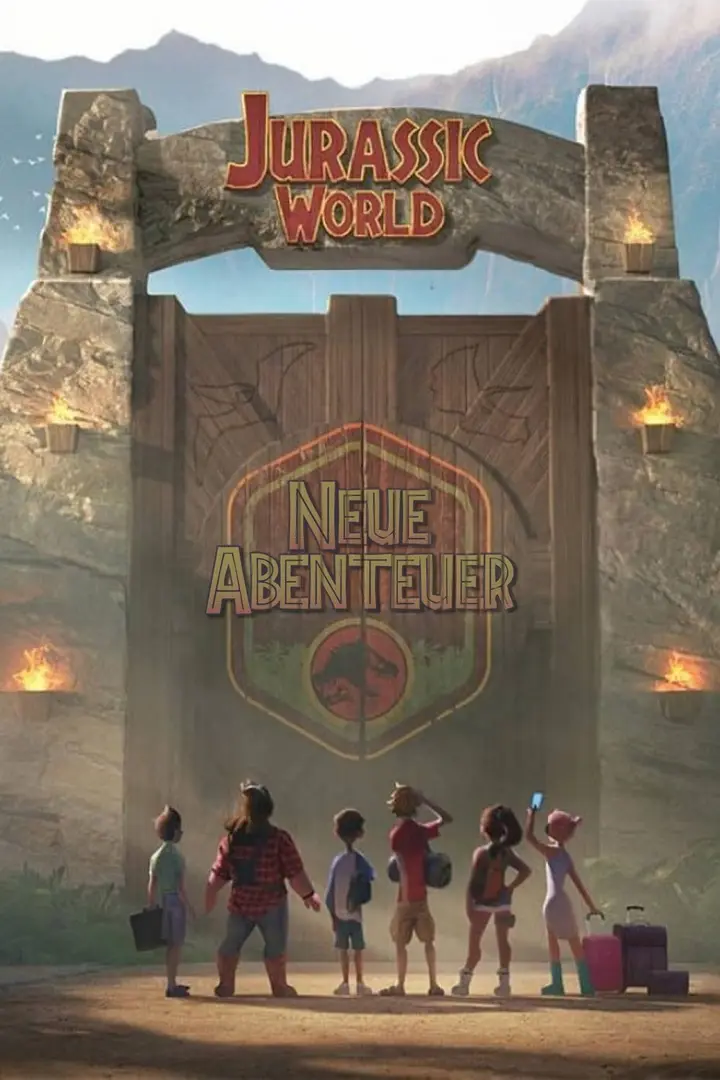
Jurassic World: Camp Cretaceous
It brings real Jurassic World stakes to a teen ensemble, using chases and close calls to force a mismatched group to build the trust that survival actually requires.
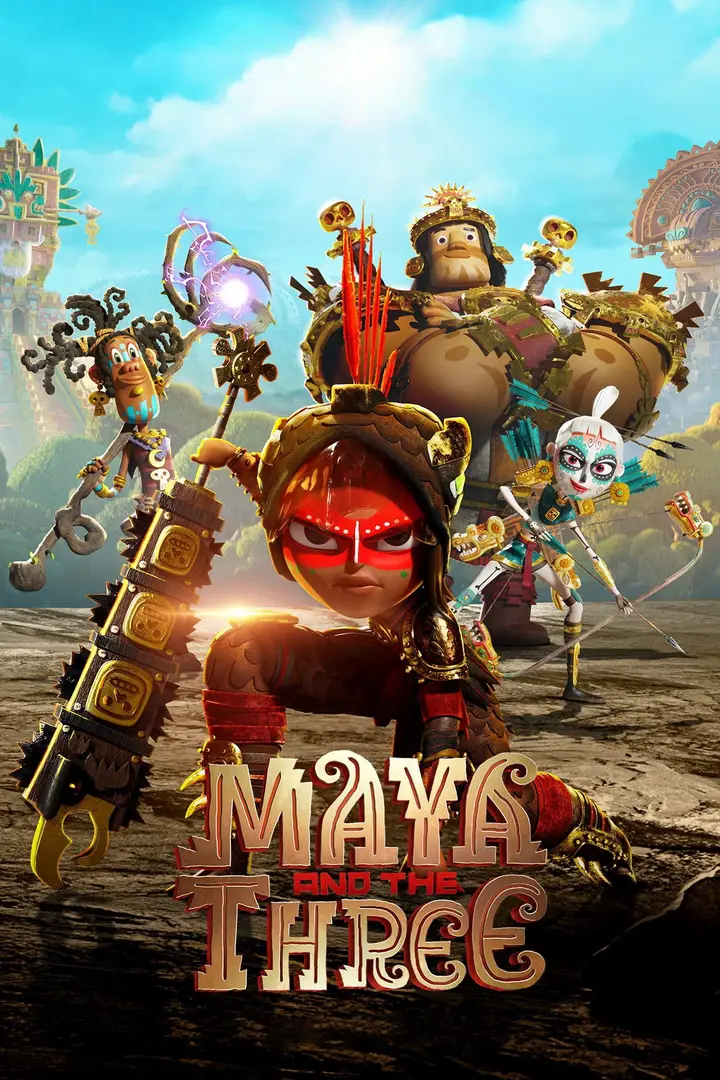
Maya and the Three
Its Mesoamerican-inspired mythology and striking visual design give an already spectacular quest real cultural identity, while the story takes duty and sacrifice seriously rather than treating them lightly.
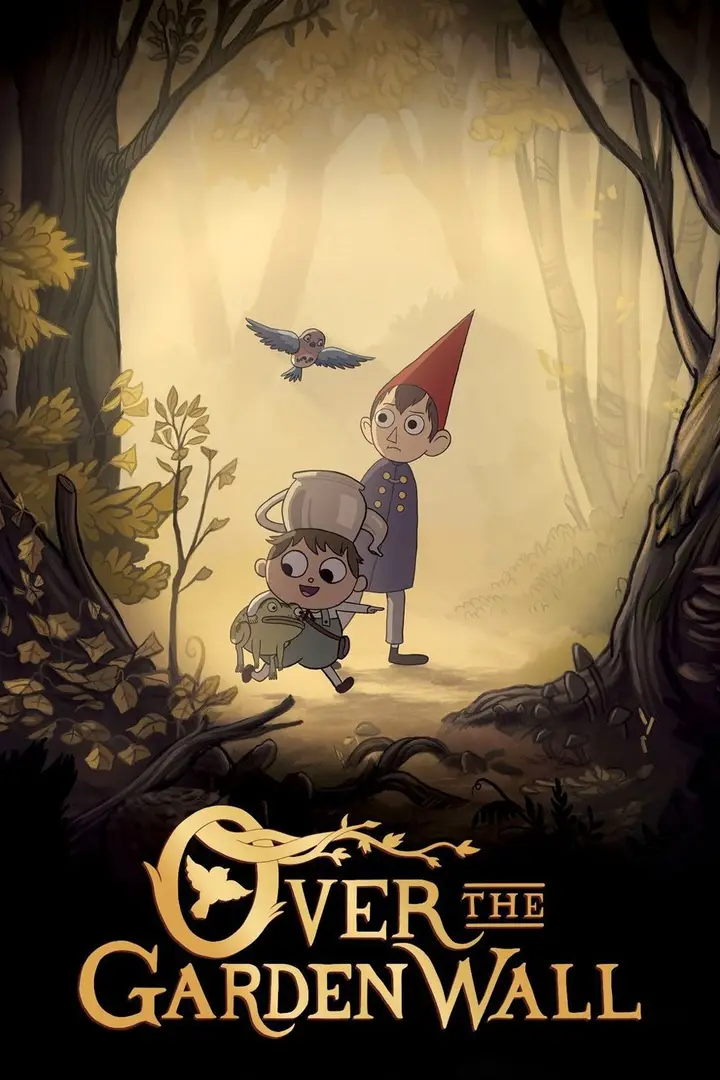
Over the Garden Wall
A compact journey through the Unknown blends folklore, dry humor and fairy-tale imagery with a tightly controlled mystery. Wirt and Greg’s sibling bond gives the strange encounters continuity while the atmosphere grows steadily darker.
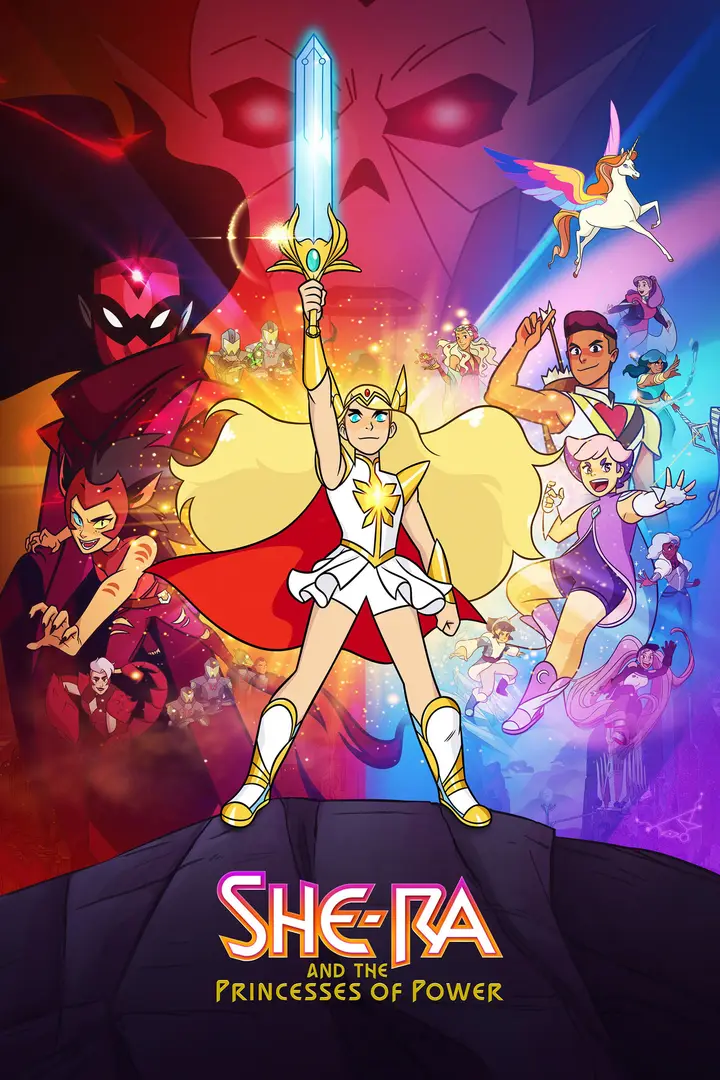
She-Ra and the Princesses of Power
Adora’s discovery that the Horde has deceived her turns fantasy action into a story about loyalty, manipulation and change. Her break with Catra gives the larger rebellion personal stakes that continue across the series.
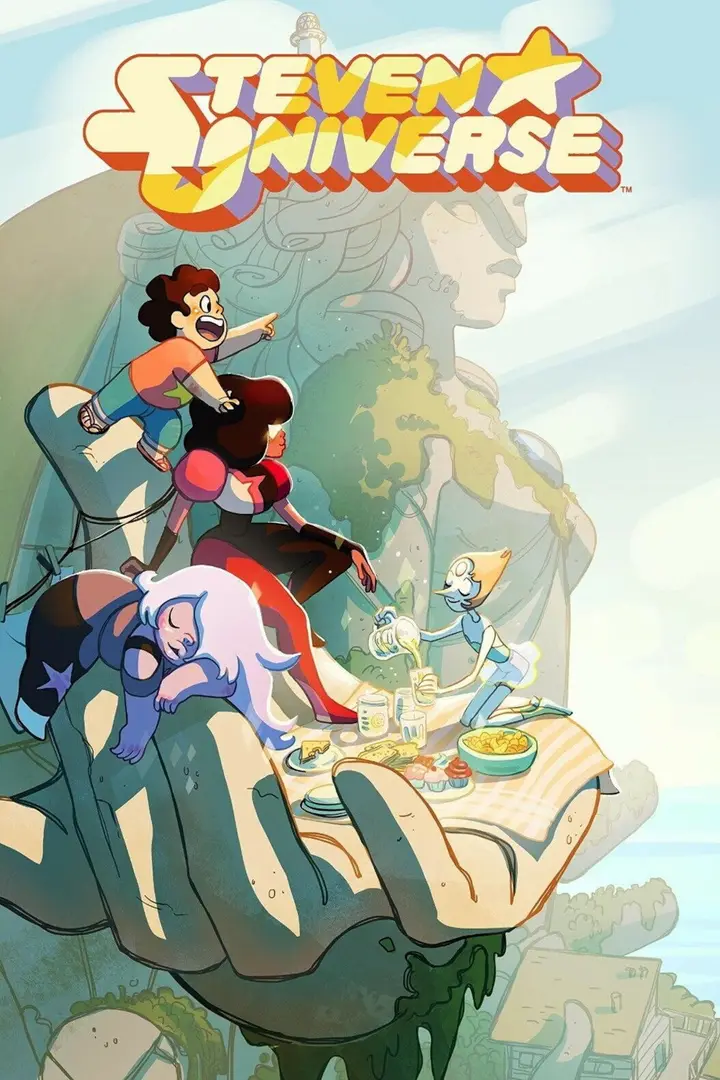
Steven Universe
A playful fantasy gradually becomes a layered story about identity, family history, responsibility and changing relationships. Steven’s empathy and the Crystal Gems’ complicated past give the long-form plot depth without losing its sense of humor.
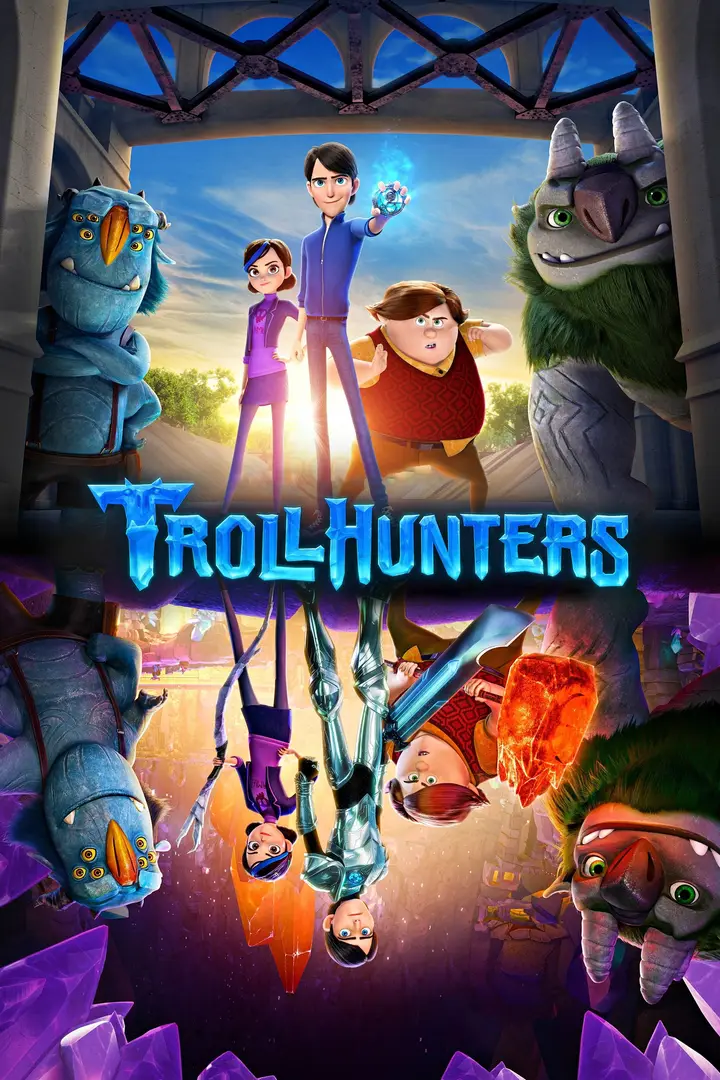
Trollhunters: Tales of Arcadia
Jim’s ordinary school life collides with a hidden troll civilization after he is chosen as its human protector. Training, friendship and duty give the fantasy action clear stakes that grow steadily across the serialized story.
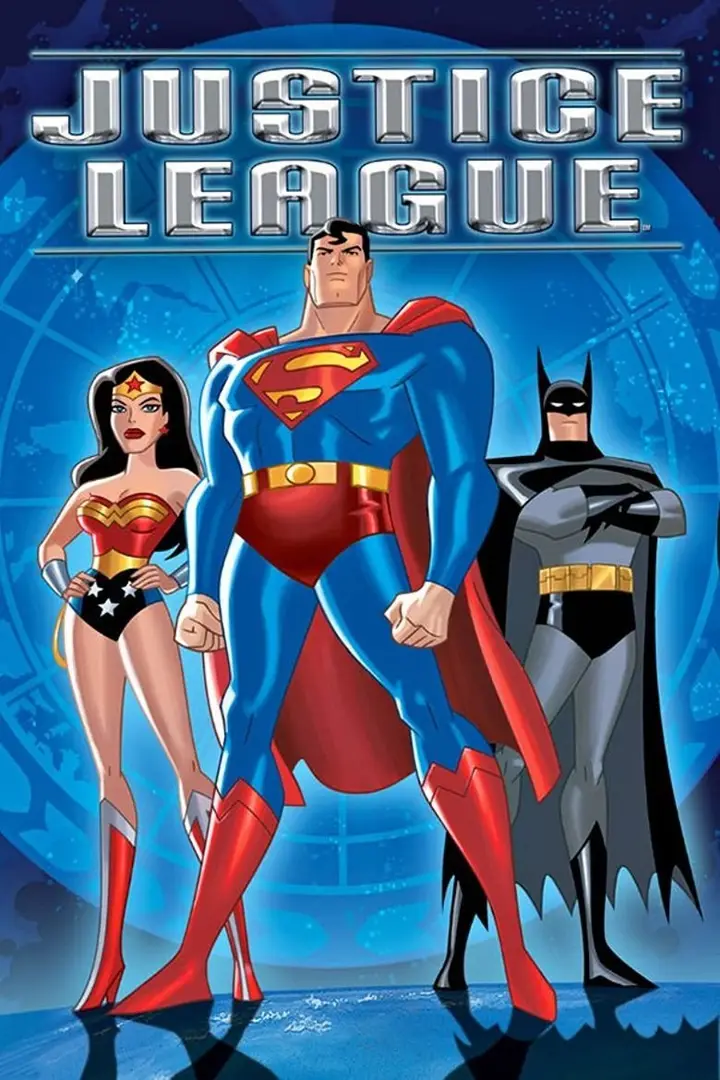
Justice League
Seven heroes with different powers and moral instincts must learn to operate as one team. Global threats and political consequences make cooperation more complicated than simple teamwork, while recurring conflicts give each member room to develop.
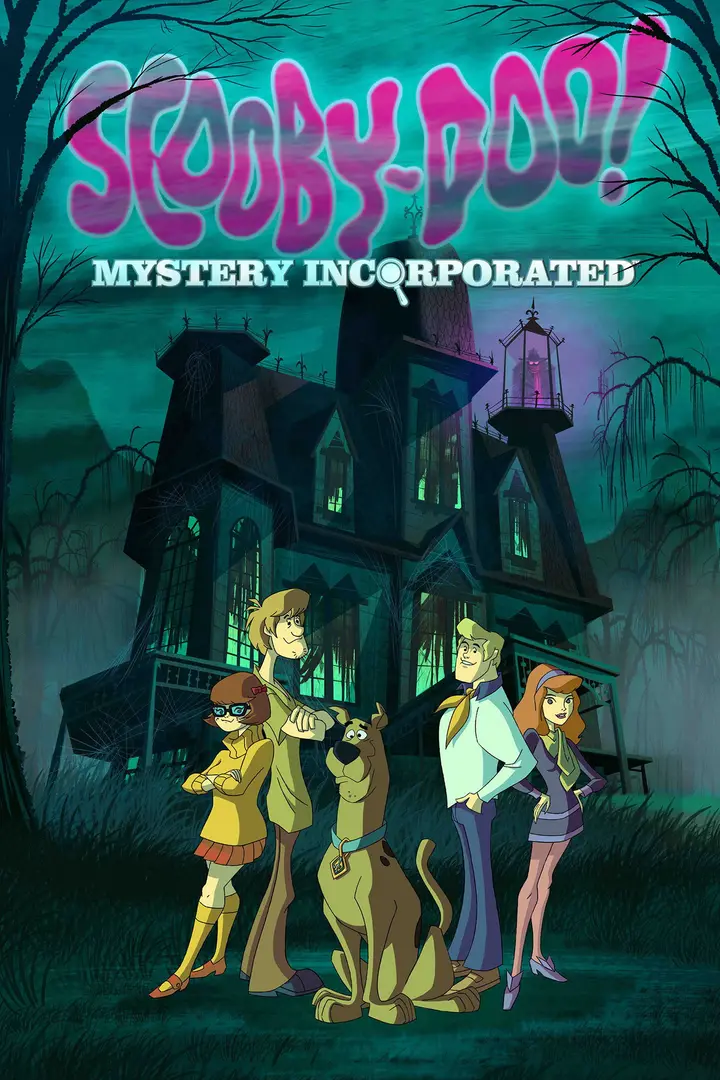
Scooby-Doo! Mystery Incorporated
Familiar monster mysteries are woven into a larger serialized puzzle about Crystal Cove’s past. Individual cases still deliver traps and comedy, while hidden clues, earlier mystery teams and relationship conflicts give the series deeper continuity.
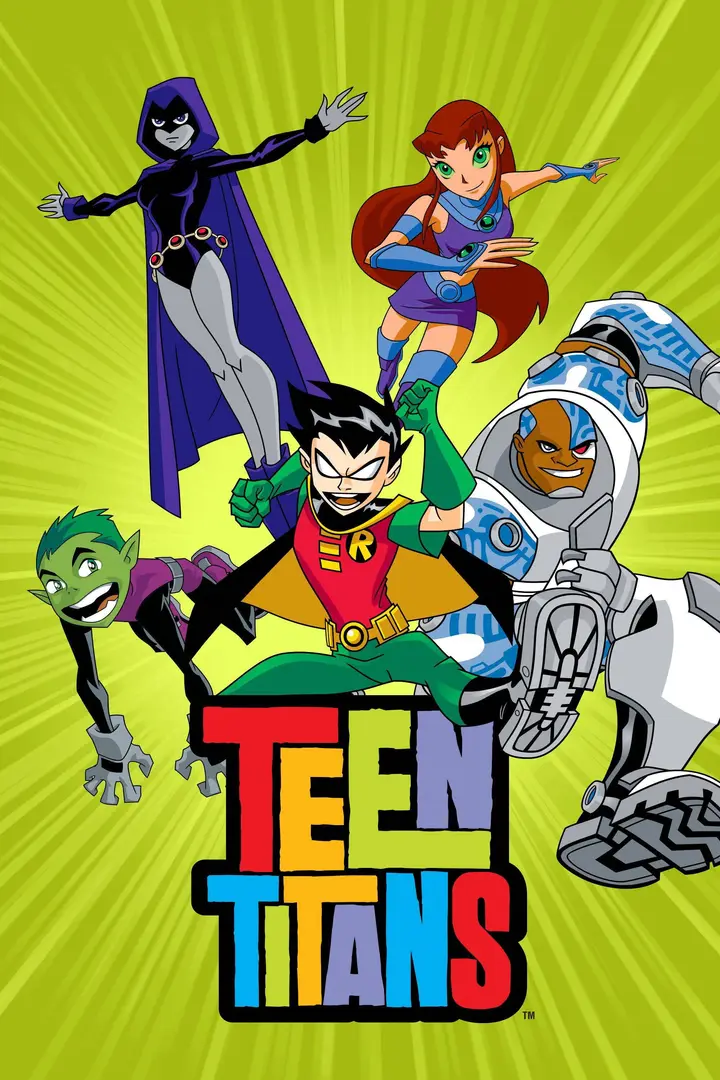
Teen Titans
Five young heroes live, fight and grow together, so superhero action is constantly tied to friendship and trust. Playful standalone episodes sit beside darker arcs about identity, control and family, giving the series substantial range.
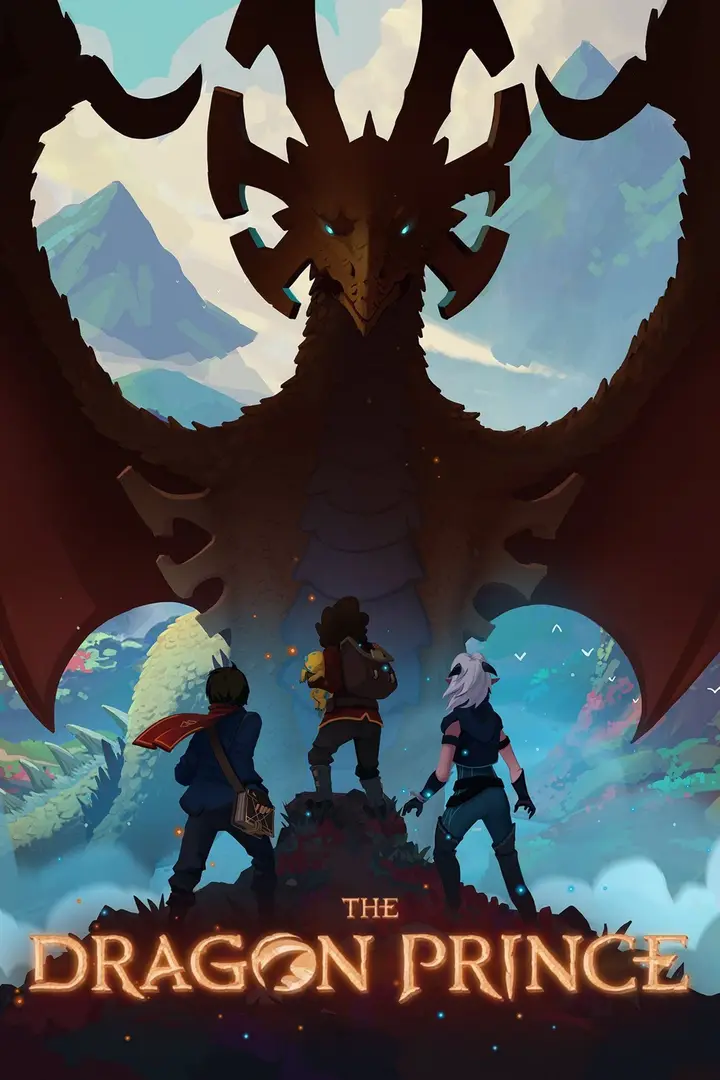
The Dragon Prince
A mission to return the dragon prince’s egg reframes a conflict built on mistrust between humans, elves and dragons. Magic, politics and family loyalty make the journey morally complex without losing its adventure momentum.
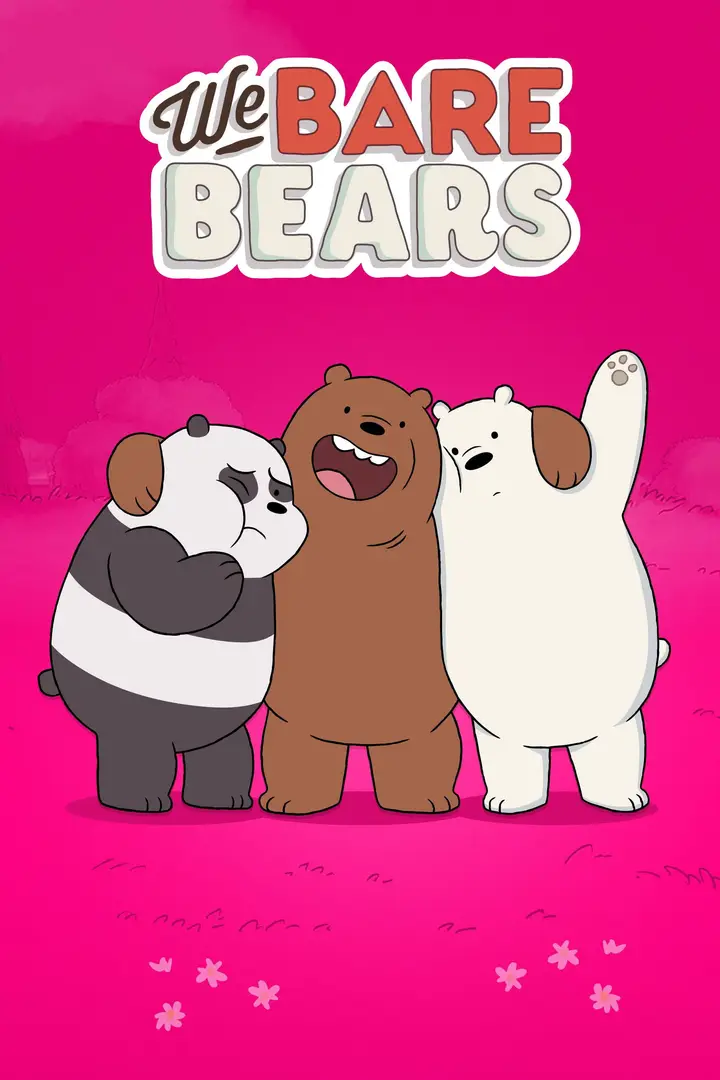
We Bare Bears
Grizz, Panda and Ice Bear approach city life in very different ways, turning social rules, friendship and belonging into warm comedy. Their sibling bond gives the absurd situations a stable center and keeps loneliness from becoming heavy.
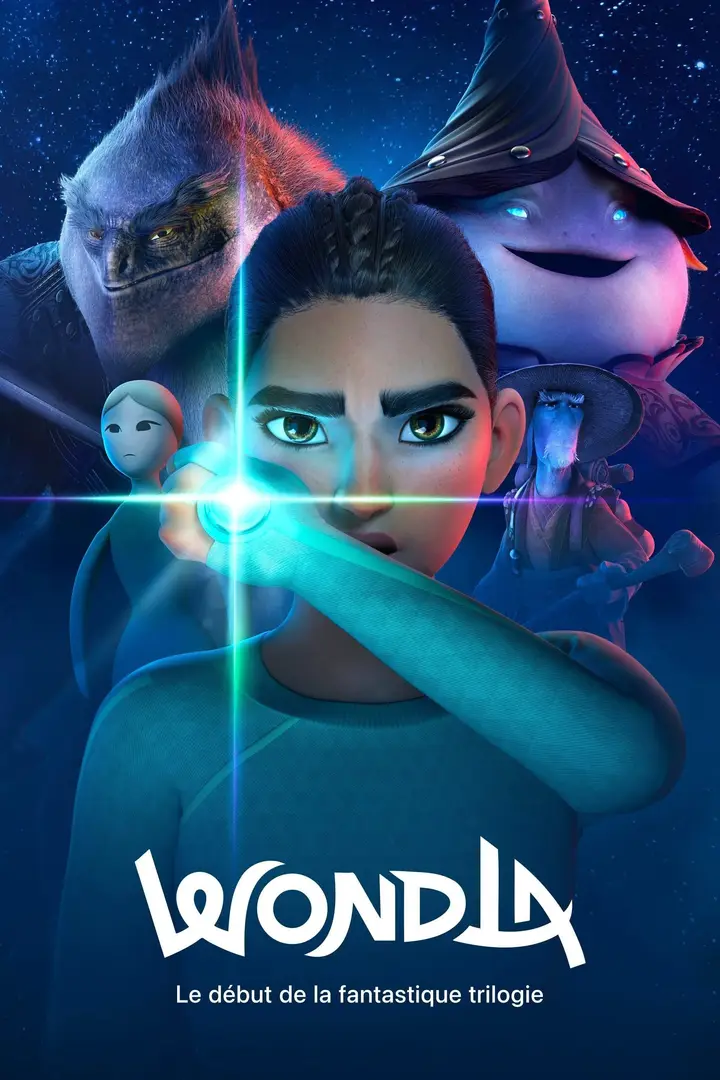
WondLa
Eva's forced exit from an isolated underground life into a truly unfamiliar world gives a science-fiction adventure real emotional stakes about identity and who to trust when everything changes.
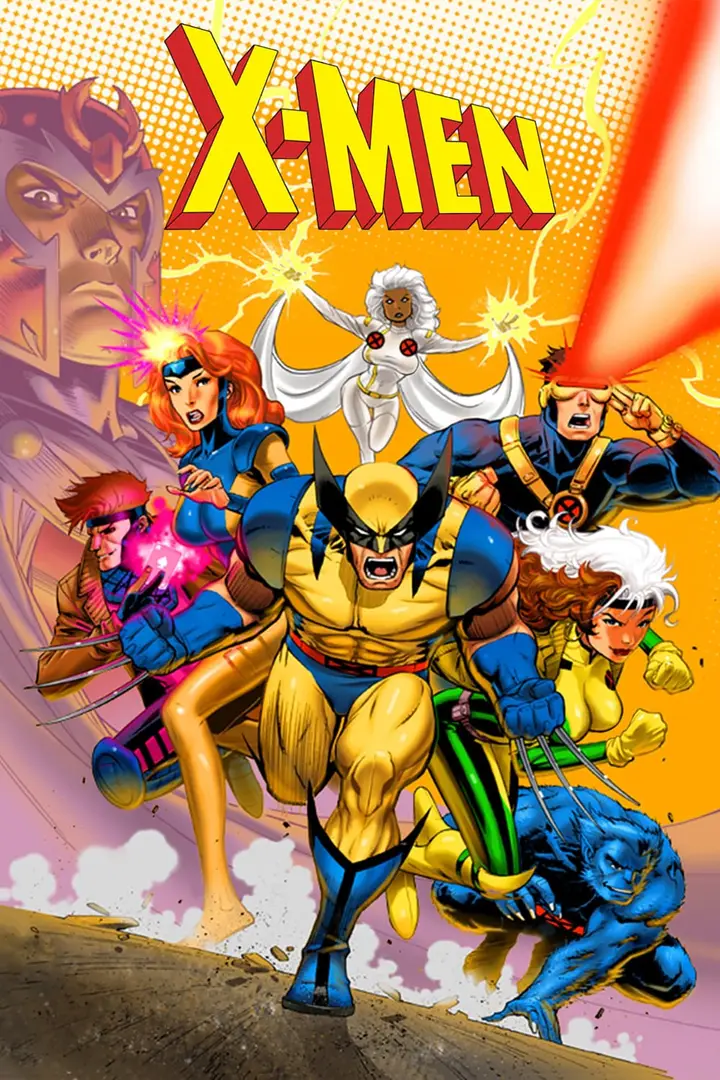
X-Men: The Animated Series
Superhero action carries added weight through prejudice, political fear and the challenge of protecting people who may distrust the X-Men. Strong continuity lets relationships and consequences build across episodes, rewarding viewers who follow longer arcs.
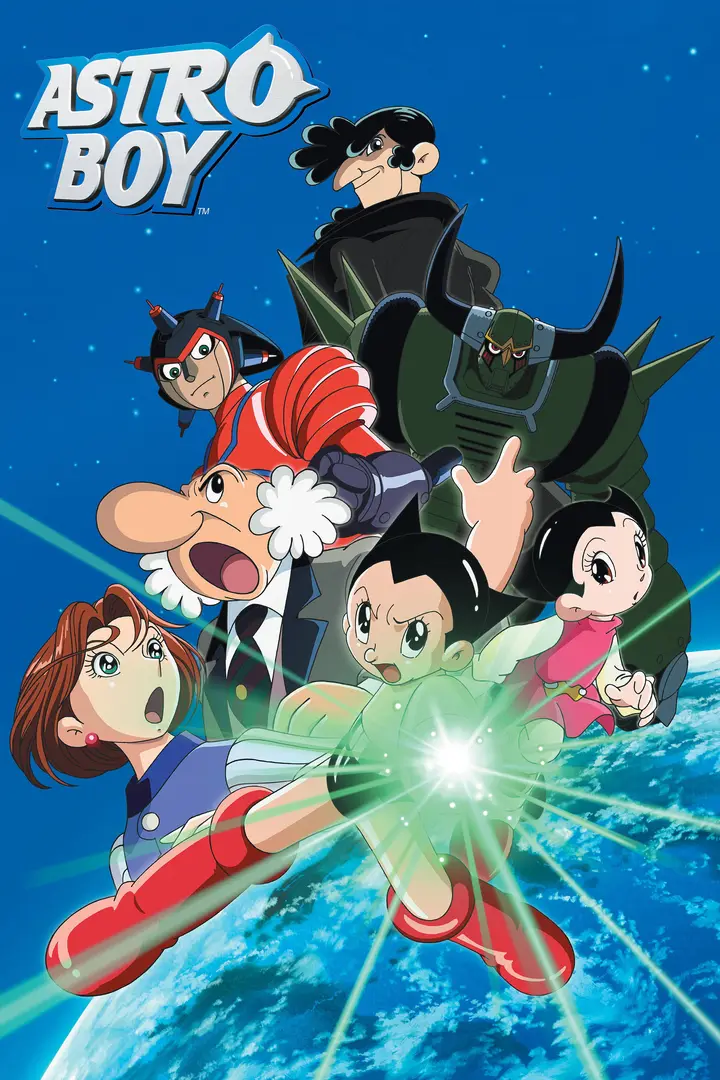
Astro Boy
Astro’s power is balanced by his search for belonging in a world divided over robots and humans. Superhero action becomes a way to examine identity, prejudice and the responsibilities attached to advanced technology.
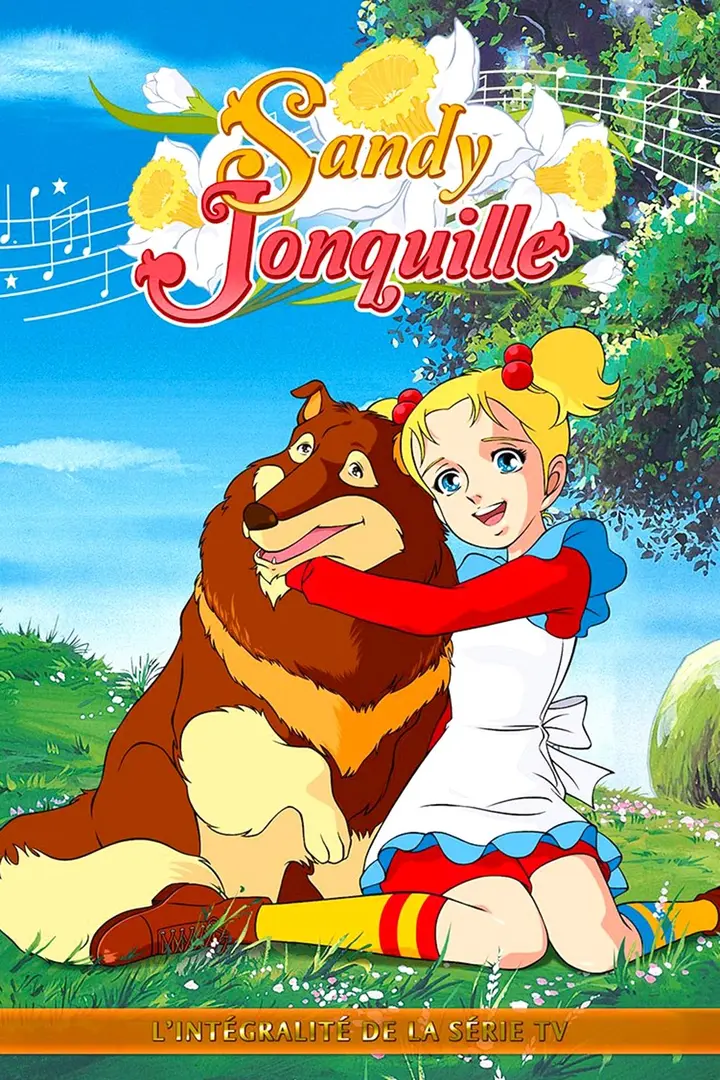
Hello! Sandybell
An active heroine, family mystery and classic shōjo melodrama give Sandybell a clear coming-of-age arc. Friendship, journalism and the search for her mother create continuity for viewers who prefer relationships and personal growth over fantasy action.
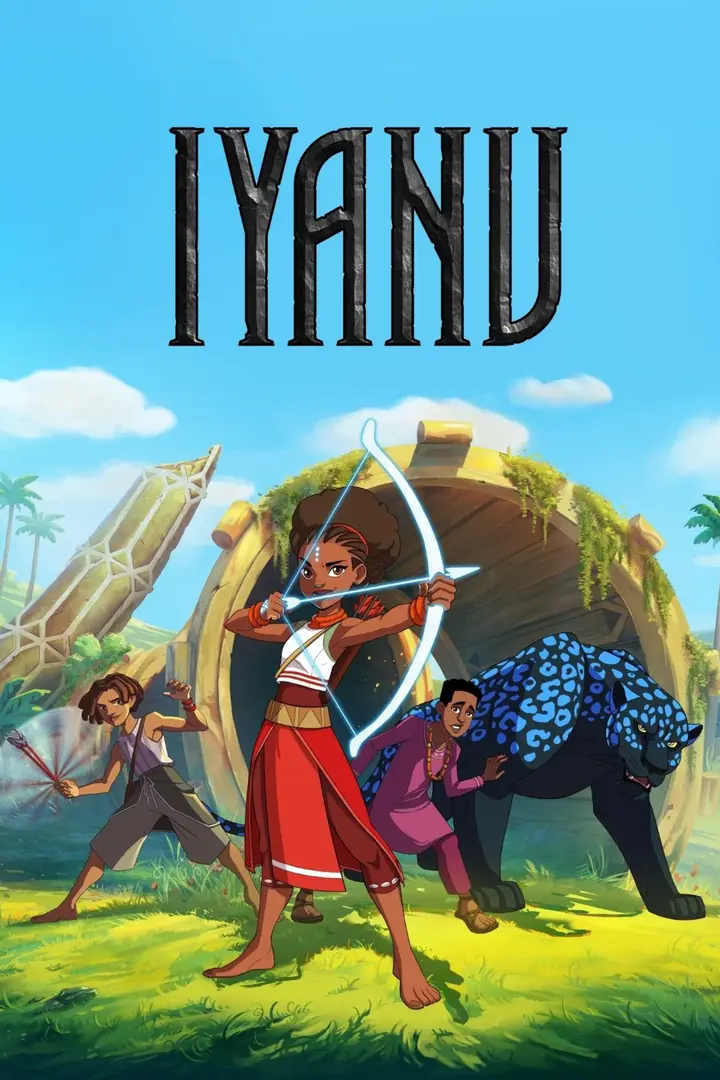
Iyanu
By grounding its superhero fantasy in specific Yoruba mythology, it gives a familiar 'discovering your powers' story real cultural depth and a distinct visual identity.
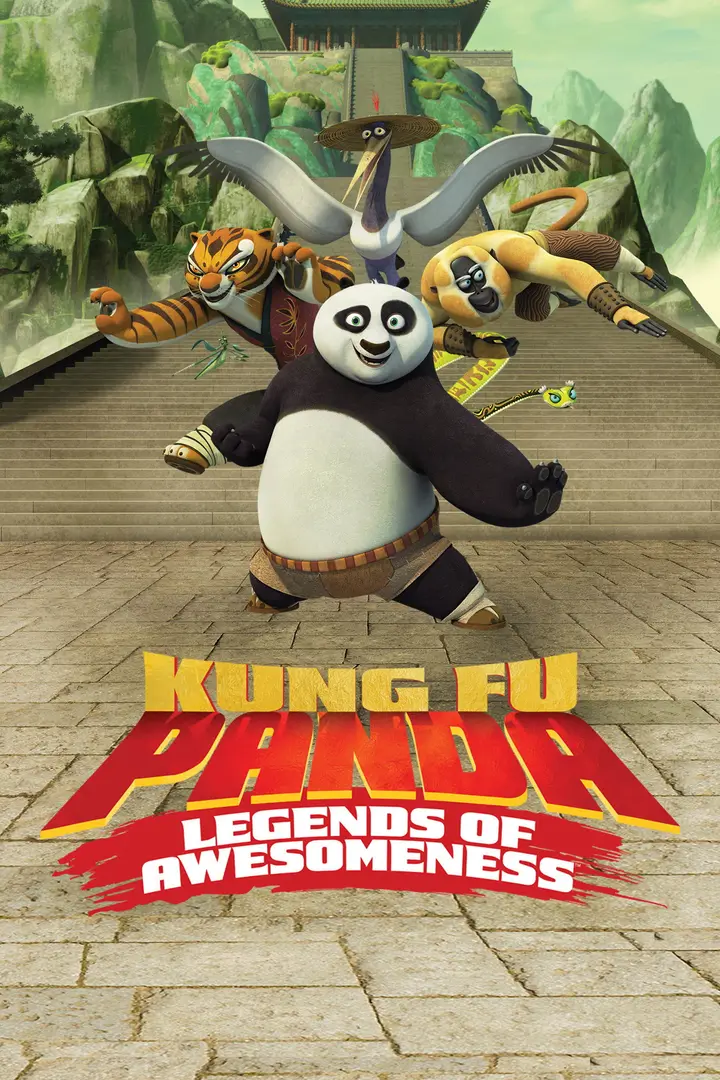
Kung Fu Panda: Legends of Awesomeness
Po’s enthusiasm constantly collides with the discipline expected of the Dragon Warrior. New villains and training challenges let the series use martial-arts comedy to explore humility, responsibility and the value of different problem-solving styles.
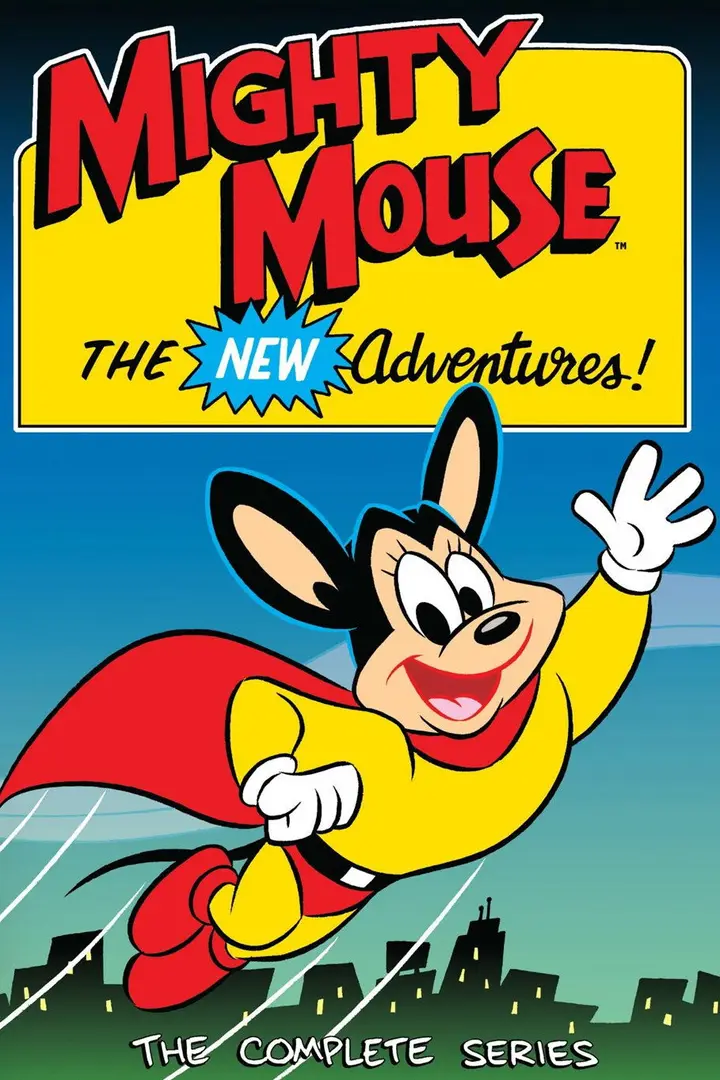
Mighty Mouse: The New Adventures
Superhero rescue stories become eccentric satire through strange villains, visual experimentation and jokes about cartoon conventions. Mighty Mouse still provides a clear heroic anchor, but the series constantly plays with how those stories are told.
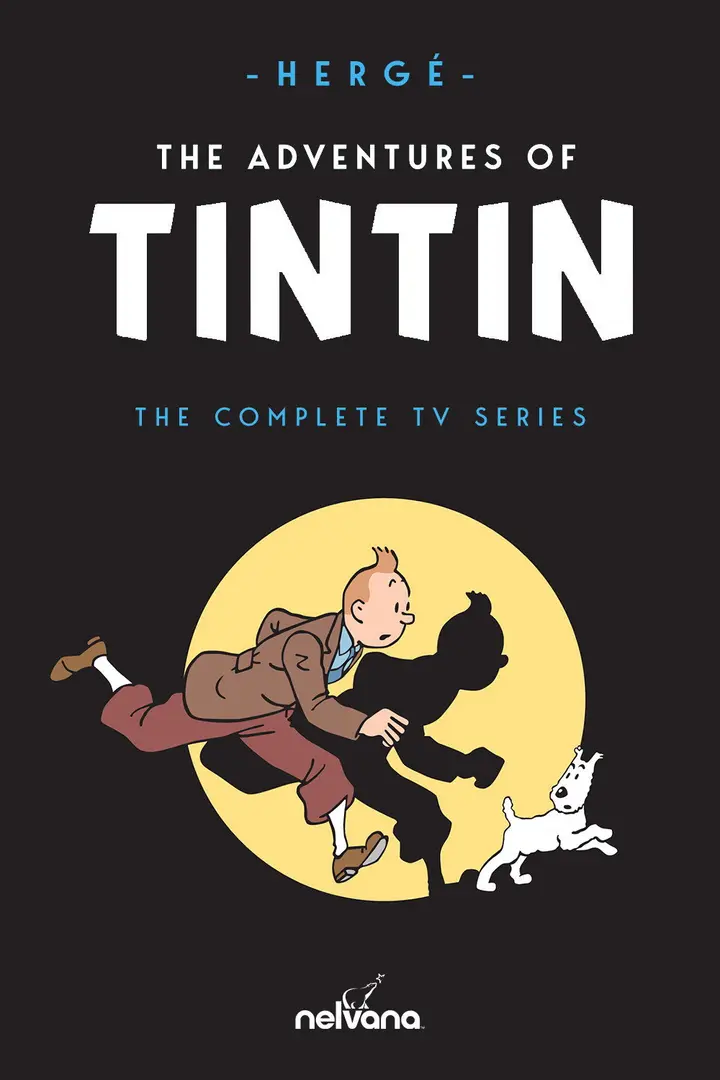
The Adventures of Tintin
Travel, investigation and international intrigue give Tintin’s cases a strong sense of movement. Snowy, Captain Haddock and the wider cast add humor and personality, while clues and persistence keep each adventure grounded in problem-solving.
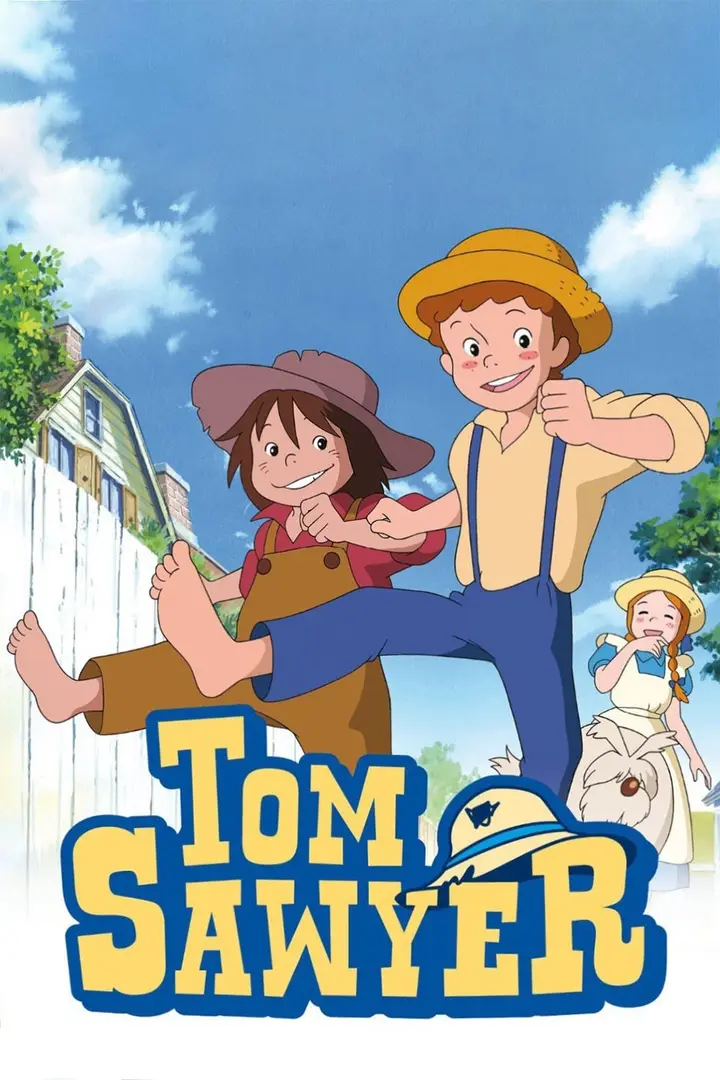
The Adventures of Tom Sawyer
Mischief, friendship and outdoor adventure give the series strong momentum, while consequences gradually add responsibility to Tom’s choices. The historical setting also gives older children more to notice than the surface-level humor and escapades.
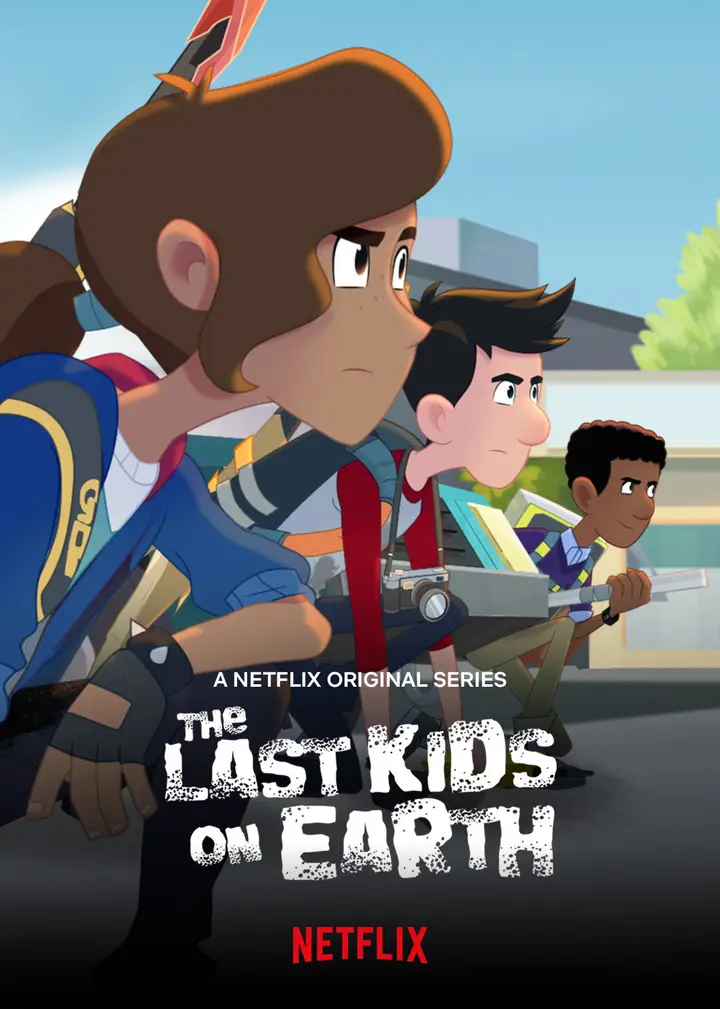
The Last Kids on Earth
The monsters are the hook, but the heart is Jack, a foster kid who finally finds a family in his friends. Humor keeps the scares manageable, and fans can continue with the books.
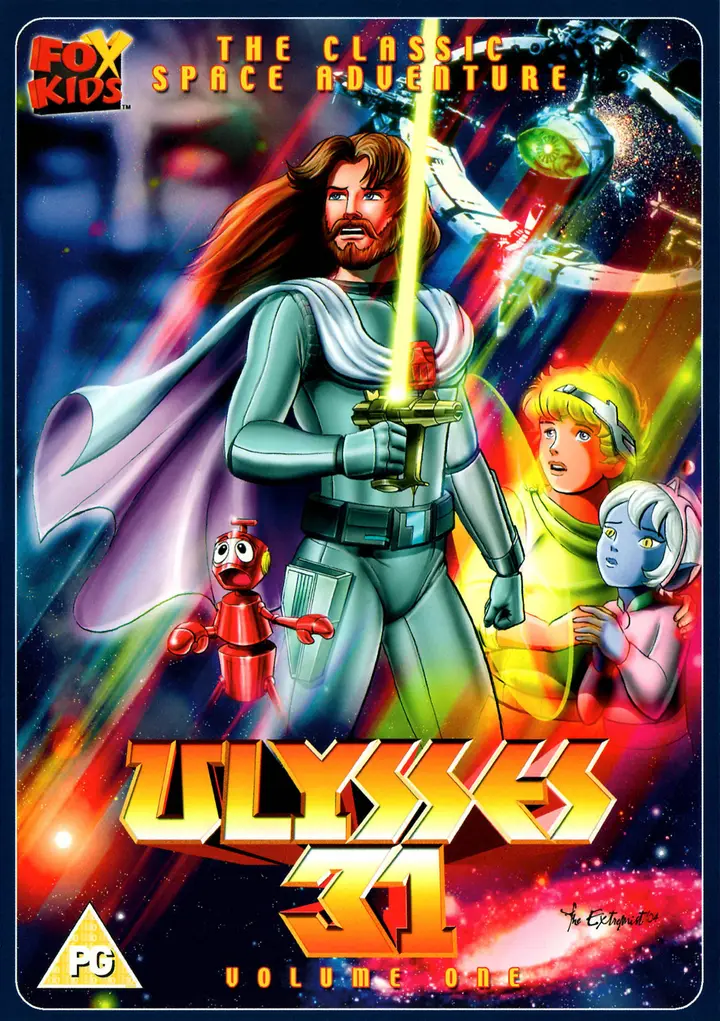
Ulysses 31
Greek mythology and science fiction fit together naturally here: familiar myths become planets, machines and alien civilizations without losing the sense of a long voyage home. The overarching quest gives otherwise episodic adventures a clear destination.


