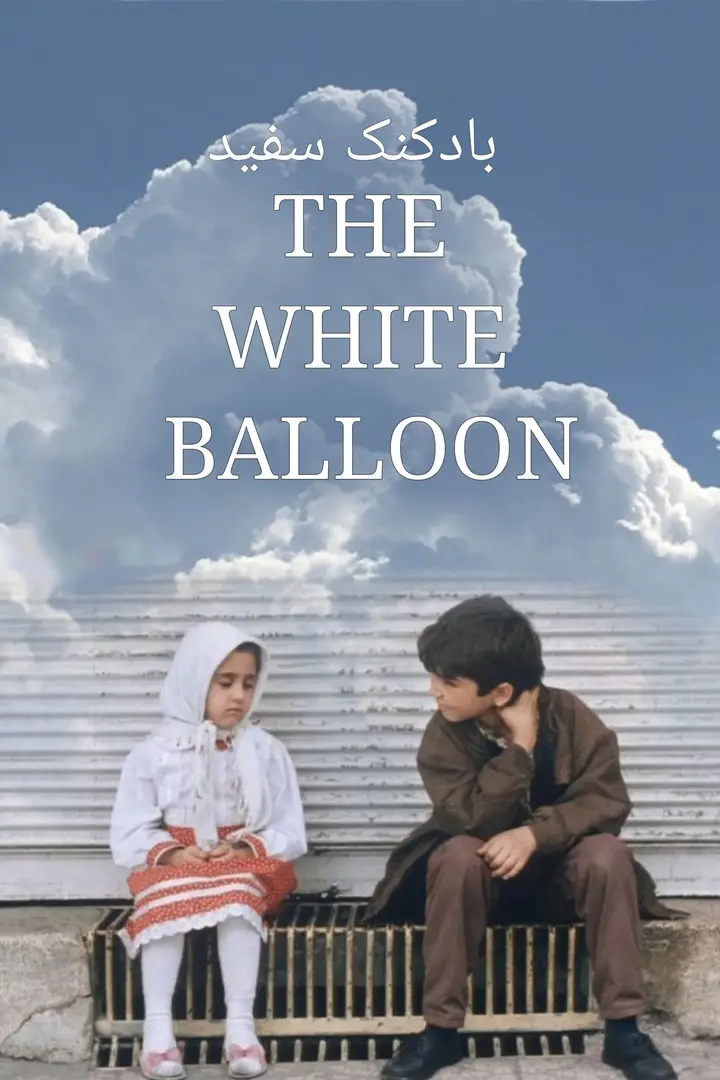
The White Balloon
AgeMinimum 8Recommended 8+
Tehran's bustling streets, a child's small wish and the unexpected kindness of strangers give this deceptively simple Iranian film its quiet suspense.
On the eve of the Iranian New Year, seven-year-old Razieh dreams of buying a goldfish for the family celebration. After receiving money from her mother, she loses the banknote on the way to the shop and begins searching through the streets of Tehran for a way to recover it. Along the journey, Razieh meets different people who shape her experience and help her understand more about the world around her.
- Release Year
- 1995
- Runtime
- 85 min
- Studio
- Ferdos Films
- Format
- Live Action
- Genre
- Drama
- Mood
- Calm, Warm
- MPAA Rating
- Not Rated
Razieh’s wish for a simple goldfish becomes the center of a much larger childhood experience. What begins as an ordinary errand takes her through the streets of Tehran, where every encounter introduces her to new people, unfamiliar situations and moments that test her patience and determination.
Through Razieh’s perspective, the film captures the emotions of childhood: curiosity, independence, frustration and the desire to achieve something important. The streets around her become a place of discovery, where small events carry great meaning and everyday interactions reveal different sides of the world she is beginning to understand.
The film creates a quiet family drama through a child’s viewpoint, focusing on ordinary moments, human connections and the experience of seeing a familiar environment with a new understanding. The simplicity of the story allows the emotions, relationships and atmosphere of the city to become the center of the experience.
Why It Stands Out
The White Balloon presents childhood through a simple goal that becomes a meaningful journey of independence and discovery. The film’s identity comes from its intimate storytelling, natural performances and careful observation of a child experiencing the world around her.
Parents’ Insight
Razieh’s journey shows how everyday experiences can become important moments of growth. The film points to the value of patience, confidence and allowing children the space to navigate challenges while developing their own understanding of the world.
Parents’ Guide
What to know before you press play
Six things parents ask about, rated on the same scale for every film and series in the collection.
- Scary intensity
- Mild (2 of 5)
- Violence
- Mild (2 of 5)
- Language
- Minimal (1 of 5)
- Emotional intensity
- Moderate (3 of 5)
- Sexual content
- None (0 of 5)
- Substance use
- Minimal (1 of 5)
Content notes
- Poverty, family pressure and mature social themes
Questions Parents Ask
What age is The White Balloon suitable for?
Minimum age: 8. Recommended age: 8+. Razieh trusts unfamiliar adults and becomes distressed when the family's money is trapped. Nothing graphic happens, but the real-time pacing makes small risks feel important.
Is The White Balloon scary?
- The snake-charmer encounter and fear of losing the family's money may worry sensitive children
- Graphic violence
The tension comes from ordinary uncertainty rather than danger: whether strangers will help, whether the note can be recovered and whether the shop will close.
What is The White Balloon based on?
Razieh's New Year errand is fictional, although the film uses real Tehran streets and close observation of everyday Iranian life.
What is The White Balloon about?
After persuading her mother to give her money, Razieh encounters snake charmers and loses the banknote through a street grate. She and her brother seek help from adults and an Afghan balloon seller as the New Year approaches.
Is The White Balloon worth watching?
It is a patient, humane family film for older children interested in everyday city life, persistence and how strangers respond to a child's problem. The simple goldfish quest becomes a close observation of money, trust and social difference. Its quiet pace rewards attentive viewers rather than those seeking fast action.
Talk About It
On the eve of Nowruz, Razieh persuades her mother to give her a banknote for a goldfish, loses it, and spends the whole afternoon trying to retrieve it from somewhere she can see but cannot reach — asking one adult after another for help. Use the film to discuss how adults should treat a child who asks them for help in the street, and why something small can matter enormously.
- Razieh loses a banknote and spends the whole afternoon trying to get it back. Why does something so small matter so much to her?
- She has to ask a series of strangers for help. Which of them treated her properly?
- Adults keep telling her to go away because she is a child. Has that ever happened to you?
- The money is in sight but out of reach. How would you have got it out?
- Her brother helps her in the end. What does that show about them?
- Nothing dramatic happens, and yet it is tense. Why?
- What is a small thing you have wanted very badly?
- How should adults treat a child who asks them for help in the street?
Turn this film into a ready-to-use class discussion
Use the Teacher Resources already attached to this film. Choose the questions you want, then print, copy or share the result.
Similar Movies
Children of Heaven, The Color of Paradise, The Cave of the Yellow Dog and I Am Kalam share the set's patient attention to young people meeting everyday difficulty with dignity. Dhanak and The Road Home widen that tone through determined journeys rooted in family, place and perseverance.
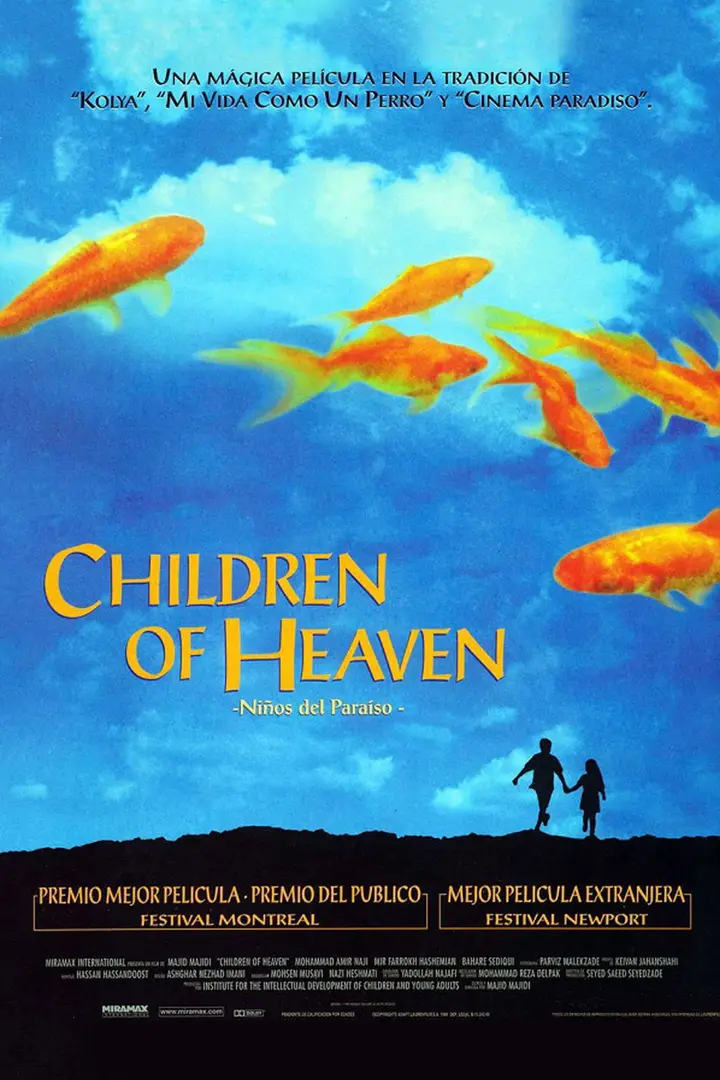
Children of Heaven
A tender Tehran childhood story of school streets, shared shoes, and two siblings trying to solve one small problem.
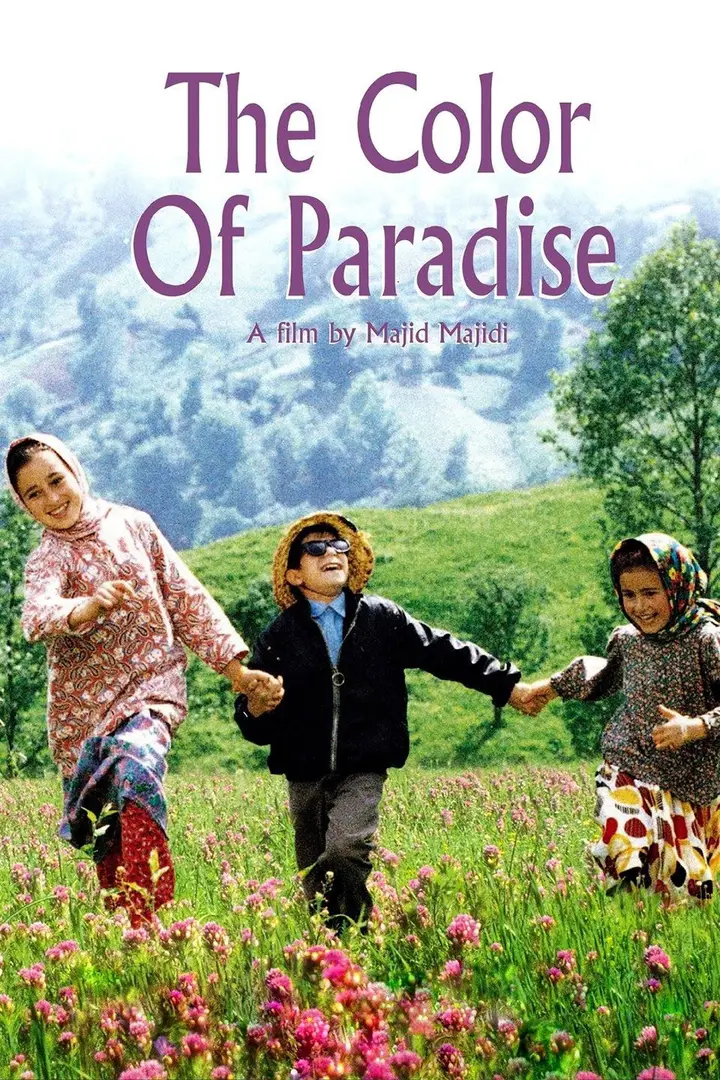
The Color of Paradise
Birdsong, flowing water and a blind child's extraordinary attentiveness illuminate a deeply humane portrait of love, pride and the beauty others overlook.
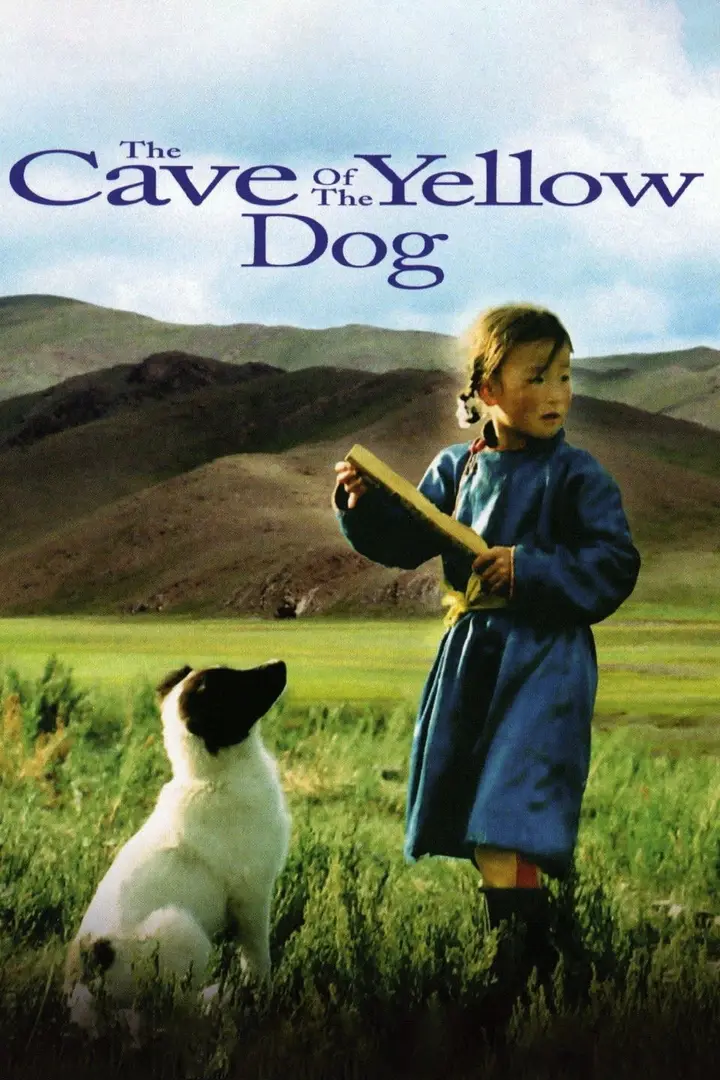
The Cave of the Yellow Dog
The Mongolian steppe takes its time, and so does this intimate family film: everyday nomadic rhythms, a child's bond with a dog, and quiet beauty.
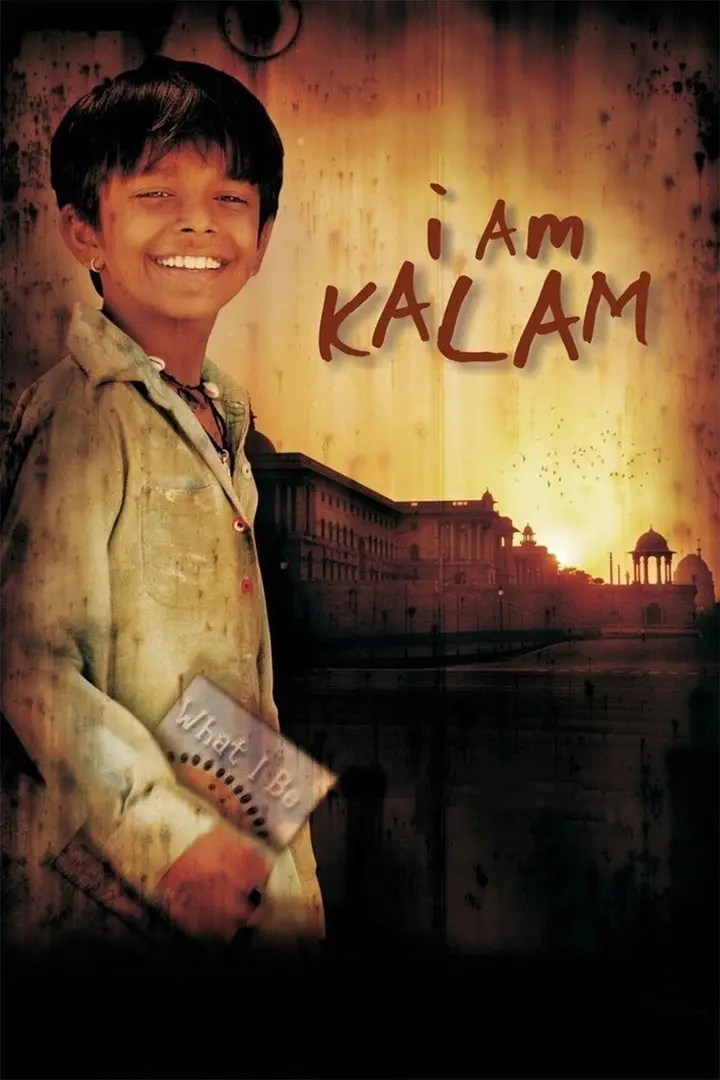
I Am Kalam
A roadside tea stall, a borrowed name and an unshakable hunger to learn make this small Indian drama understated and inspiring.
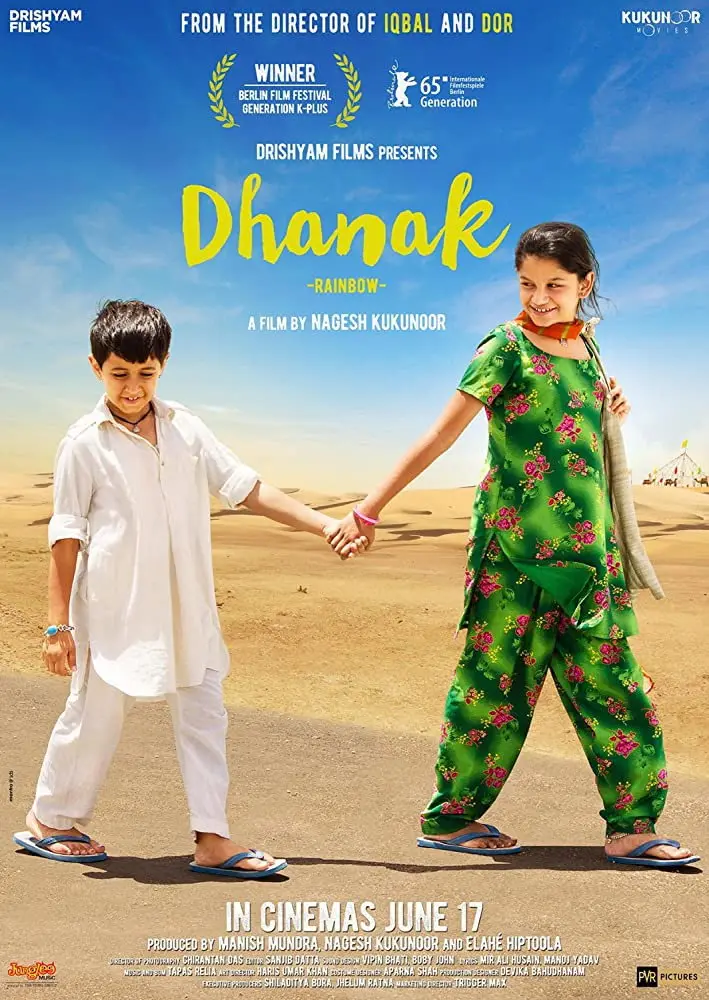
Dhanak
A colorful Indian road adventure of two siblings, Rajasthan landscapes, and a journey filled with unexpected encounters.
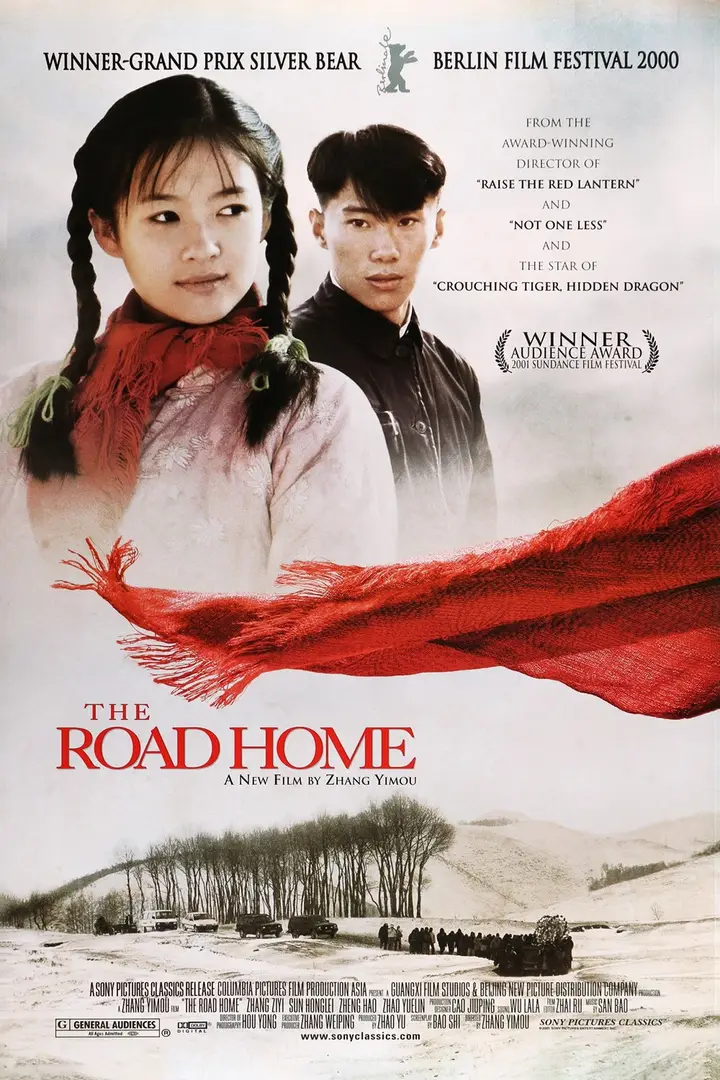
The Road Home
A tender and poetic drama of memory, devotion, and a love story whose quiet moments reveal the meaning of home.