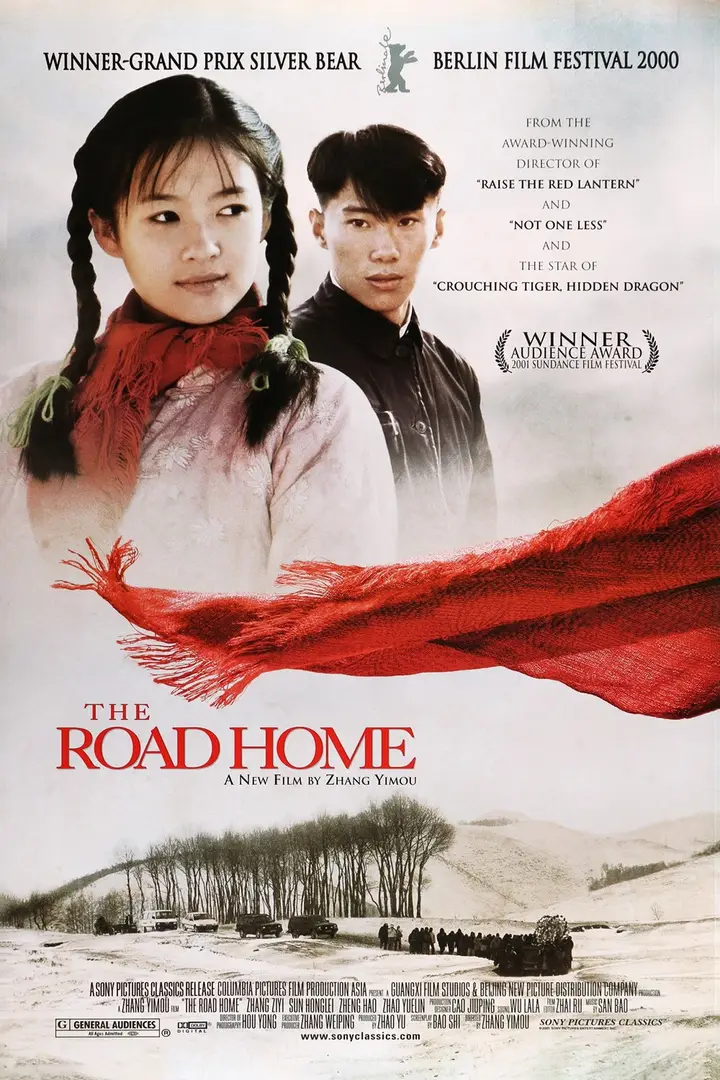
The Road Home
AgeMinimum 8Recommended 10+
A tender and poetic drama of memory, devotion, and a love story whose quiet moments reveal the meaning of home.
After his father’s death, a man returns to his rural Chinese village and remembers the story of how his parents first met. Through his mother’s memories, he recalls a young woman’s deep affection for the village teacher who arrived many years earlier, and the simple traditions that shaped their relationship.
As the past unfolds, a quiet love story emerges — one built not on grand gestures, but on patience, loyalty, and the small acts of care that remained meaningful throughout their lives.
- Release Year
- 1999
- Runtime
- 89 min
- Format
- Live Action
- Genre
- Drama, Romance
- Mood
- Tender, Calm
- MPAA Rating
- G
The Road Home begins as a son returns home after his father dies. During funeral preparations, the story turns toward the courtship of his parents many years earlier. Zhang Yimou uses that shift in time to make everyday actions carry the weight of remembrance.
A young woman waits along a path for a new schoolteacher, prepares food, and finds reasons to cross his route. Her gestures give shape to feelings she finds difficult to speak aloud. The seasons make each encounter part of a familiar rural landscape.
The film moves between memory and present responsibility, giving the son's journey a link to the life that came before him. Its use of color and carefully composed images draws attention to the objects, buildings, and roads that hold family history. Affection appears in the work and journeys people undertake for loved ones.
Why It Stands Out
The Road Home stands apart through its simplicity and emotional precision. Instead of relying on dramatic conflict, the film finds meaning in patience, tradition, and the small choices that reveal how deeply people care.
Its beauty comes from understanding that some of the most important stories are not defined by extraordinary events, but by the ordinary moments that remain with us forever.
Parents’ Insight
Zhao never says a word about love directly; she just keeps walking the same road, waiting, cooking the same meal. The film trusts that repetition, not declaration, is how devotion actually looks.
Parents’ Guide
What to know before you press play
Six things parents ask about, rated on the same scale for every film and series in the collection.
- Scary intensity
- Minimal (1 of 5)
- Violence
- Mild (2 of 5)
- Language
- None (0 of 5)
- Emotional intensity
- Moderate (3 of 5)
- Sexual content
- None (0 of 5)
- Substance use
- Minimal (1 of 5)
Content notes
- Gentle, slow-paced drama; themes of loss and mourning handled with sensitivity.
Parent guidance
Gentle drama built around grief after a father's death; nothing graphic or frightening
Questions Parents Ask
What is The Road Home about?
After his father, the village schoolteacher, passes away, Luo Yusheng returns to his remote childhood home in northern China to help arrange the funeral. Honoring his mother's wish to carry his father's body home by foot according to local tradition, he begins reflecting on the love story that brought his parents together decades earlier.
Set mainly in the 1950s, the film follows the young Zhao Di, whose quiet determination and unwavering affection for the newly arrived schoolteacher gradually blossom into a lifelong romance. Through changing seasons, simple daily routines, and acts of quiet devotion, The Road Home becomes a moving portrait of love, memory, family, and the traditions that connect generations.
What age is The Road Home suitable for?
There's nothing graphic or frightening here — the film's emotional focus is grief, remembrance, and enduring love rather than action or adventure, which suits mature children who enjoy thoughtful, character-driven stories about family and tradition.
Is The Road Home scary?
- Death of a beloved family member
- Grief and the process of mourning
- Graphic violence
- Horror imagery
The Road Home contains no frightening scenes or suspense. The emotional weight comes from the death of a beloved family member and the quiet process of mourning, all portrayed with warmth, dignity, and sensitivity.
Is The Road Home worth watching?
The Road Home is a beautifully crafted romantic drama that celebrates enduring love, family traditions, and the quiet moments that shape an entire lifetime. Directed by Zhang Yimou, The Road Home finds extraordinary beauty in ordinary life. Rather than relying on dramatic twists, it builds its emotional power through everyday gestures, changing seasons, expressive cinematography, and understated performances. The contrast between the monochrome present and the richly colored memories of the past reinforces the film's central themes of remembrance and lasting love. It is a gentle, reflective film that rewards patient viewers with one of cinema's most sincere portrayals of lifelong devotion.
What is The Road Home based on?
The Road Home is based on the novella Remembrance, written by Bao Shi, who adapted his own work into the screenplay. External sources consistently confirm the title and authorship, but an independently verifiable first-publication year for the novella was not found in accessible bibliographic records; the work necessarily predates the film's October 1999 release. Zhang Yimou's adaptation preserves the central love story while using the Chinese countryside, seasonal imagery, and shifts between black-and-white and color to deepen its themes of devotion, memory, tradition, and community. The film also marked Zhang Ziyi's screen debut and brought Bao Shi's story to an international audience.
Talk About It
After his father’s death, a man returns to his rural Chinese village and remembers the story of how his parents first met. Through his mother’s memories, he recalls a young woman’s deep affection for the village teacher who arrived many years earlier, and the simple traditions that shaped their relationship. As the past unfolds, a quiet love story emerges — one built not on grand gestures, but on patience, loyalty, and the small acts of care that remained meaningful throughout their lives.
- Why does Zhao Di wait beside the road for the new teacher?
- How does preparing food become her way of expressing affection?
- Would you preserve a difficult tradition if it mattered deeply to your family?
- The son insists on carrying out his mother's traditional funeral wishes even though it is inconvenient for everyone else. Was he right to insist?
- Zhao Di waits, cooks, and repeatedly walks the road to the school to show affection. Which small act would you most want to discuss, and what does it communicate without words?
- How does the village school connect the parents’ love with their son’s life?
- Which quiet gesture communicates the most without dialogue?
- Why does carrying the coffin home matter to Zhao Di?
Turn this film into a ready-to-use class discussion
Use the Teacher Resources already attached to this film. Choose the questions you want, then print, copy or share the result.
Similar Movies
A father's funeral becomes a son's memory of his parents' own courtship in The Road Home. Only Yesterday shares that same adult looking back on her childhood; Whisper of the Heart stays in the present tense of a fourteen-year-old's own coming-of-age, and Children of Heaven and Whale Rider turn toward a child's own hardship instead.
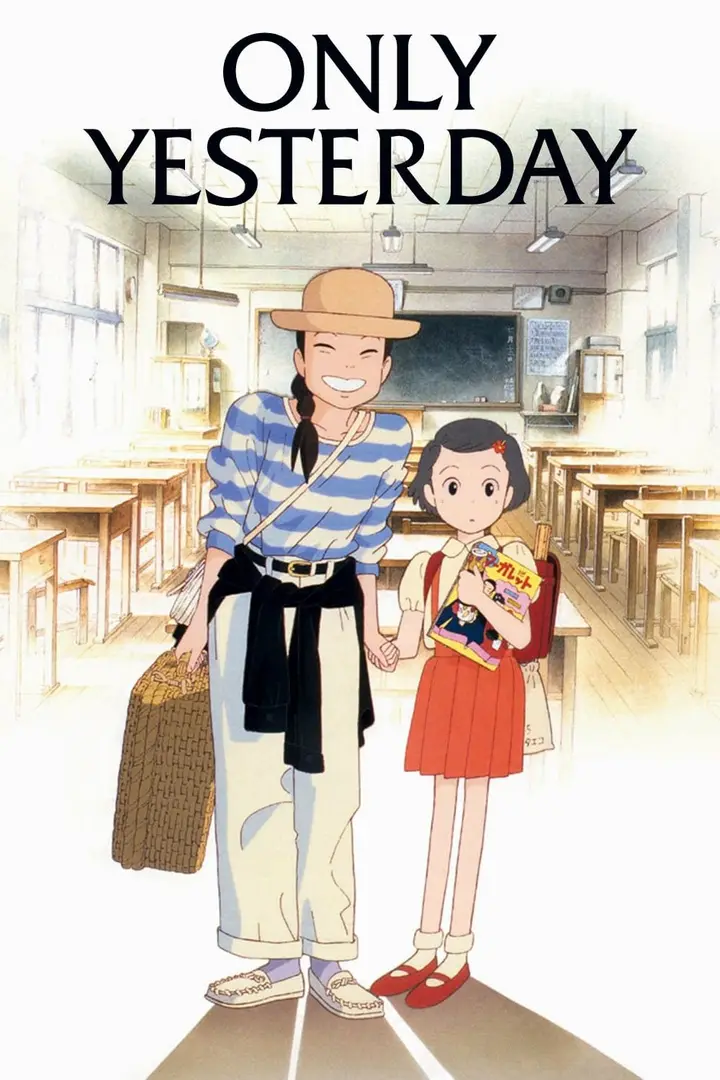
Only Yesterday
A gentle, reflective story about the quiet distance that grows between childhood and adulthood, and the courage it takes to rediscover the person we once hoped to become.
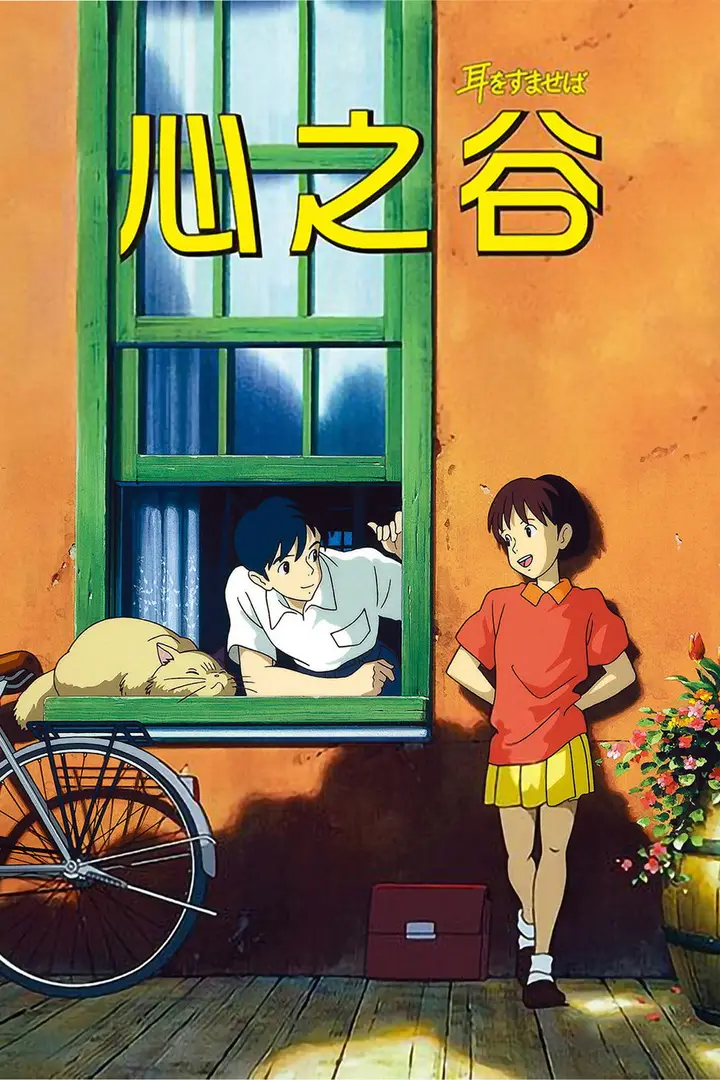
Whisper of the Heart
Ordinary streets, passing trains, and quiet afternoons form the backdrop for one of animation's most sincere celebrations of dreams, creativity, first love, and the exhilarating freedom of discovering who you want to become.
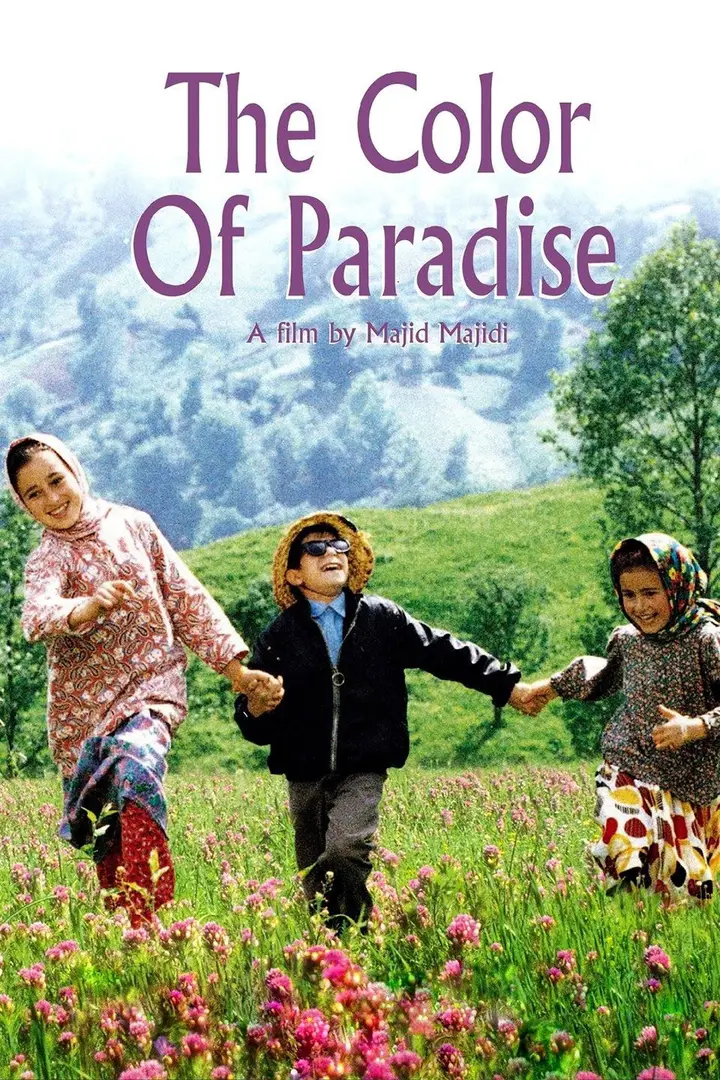
The Color of Paradise
Birdsong, flowing water and a blind child's extraordinary attentiveness illuminate a deeply humane portrait of love, pride and the beauty others overlook.
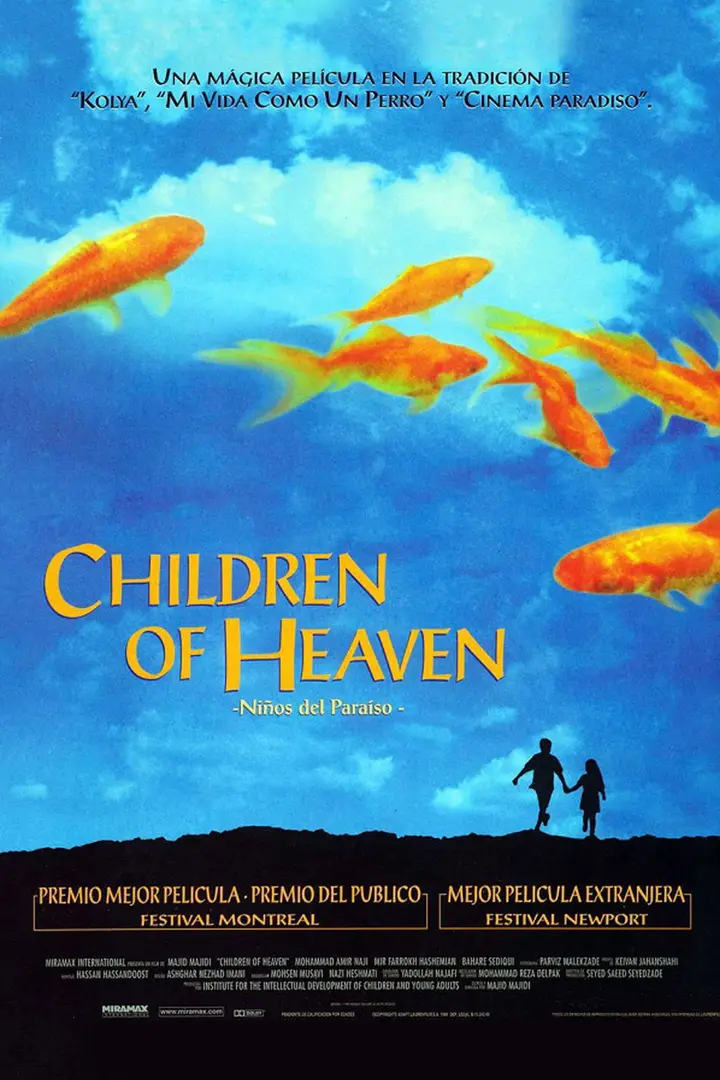
Children of Heaven
A tender Tehran childhood story of school streets, shared shoes, and two siblings trying to solve one small problem.

Whale Rider
A coastal coming-of-age story of Māori traditions, ocean landscapes, and a young girl connected to an ancient legacy.
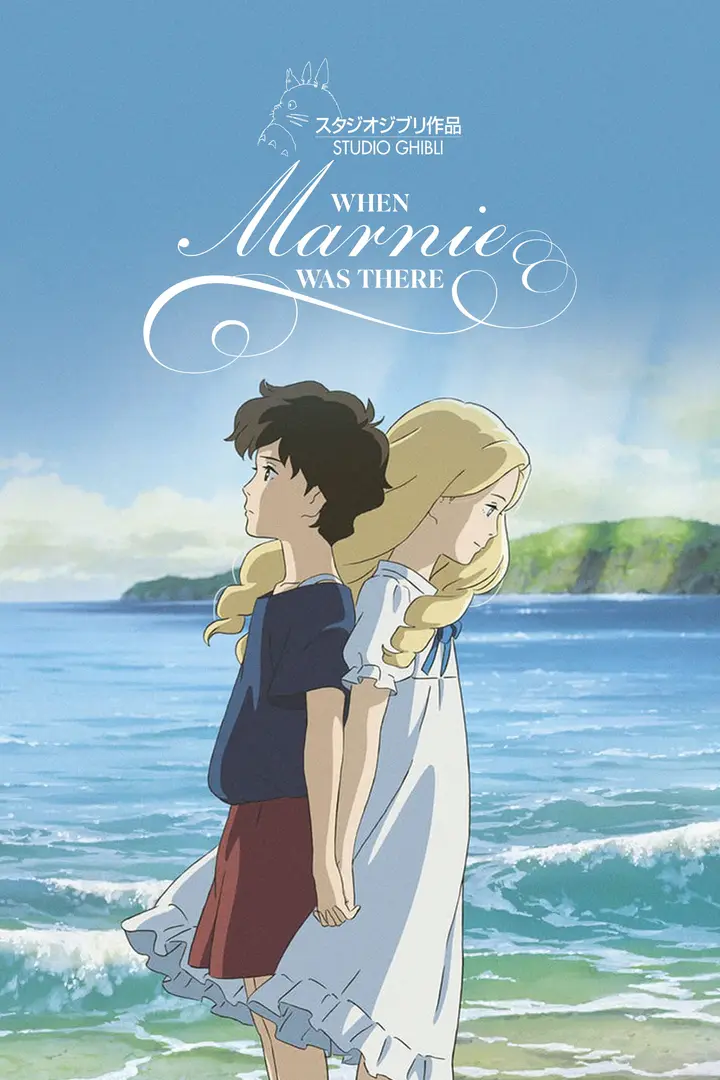
When Marnie Was There
A summer of friendship, memory, and self-discovery unfolds beside the quiet waters of rural Japan.