Editor’s Choice
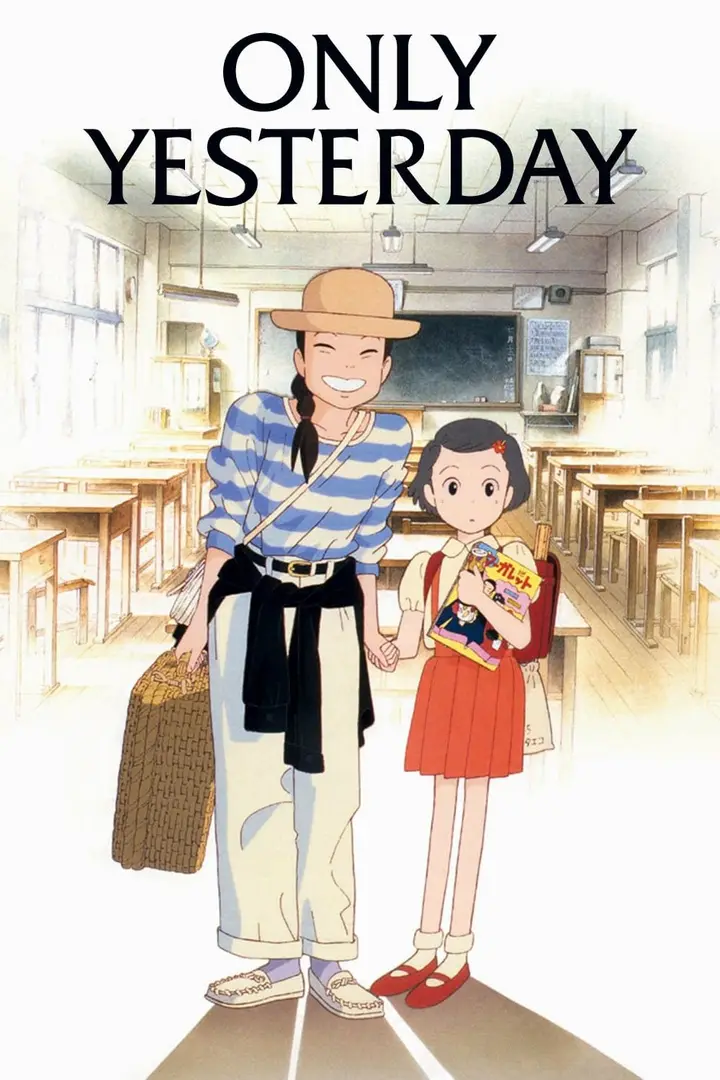
Only Yesterday
AgeMinimum 10Recommended 12+
A gentle, reflective story about the quiet distance that grows between childhood and adulthood, and the courage it takes to rediscover the person we once hoped to become.
Feeling emotionally disconnected from her repetitive life in Tokyo, 27-year-old Taeko travels to the Japanese countryside to spend time with relatives during the safflower harvest. Surrounded by slow rural routines, open landscapes and a gentler way of living, she begins revisiting vivid memories from her childhood in 1960s Tokyo. As past and present gradually intertwine, Taeko is forced to confront the quiet disappointments, insecurities and social expectations that shaped the adult she became.
- Release Year
- 1991
- Runtime
- 118 min
- Studio
- Studio Ghibli
- Format
- Anime
- Genre
- Animation, Drama, Romance
- Mood
- Calm, Emotional
- MPAA Rating
- PG
A train carries Taeko away from Tokyo and into the countryside, where shared meals, safflower fields, farm work, evening conversations, and long summer days unfold without urgency. Life follows a gentler rhythm, allowing ordinary moments to take on unexpected importance.
The countryside does not bring the memories back. It gives them room to be heard. Those memories arrive without warning. A classroom embarrassment, a family disagreement, the taste of pineapple, or a childhood misunderstanding returns with remarkable clarity. Isao Takahata gives the same care to moments most films would overlook, suggesting that the experiences shaping our lives are often the ones that seemed least important while they were happening.
Each memory adds another small piece to the person Taeko has become. The countryside offers Taeko something she has not felt for a long time. People work together, share everyday routines, and need what she can offer as much as they welcome who she is.
Surrounded by that acceptance, the lively, curious girl she once was begins to appear, not through dramatic change but through the comfort of belonging. Only Yesterday never searches for dramatic revelations or easy resolutions. It shows how ordinary days, shared work, and genuine acceptance can help someone feel at home in themselves again, leaving hope that some parts of us may simply have been waiting for the right place to return.
Why It Stands Out
Only Yesterday tells a coming-of-age story from the opposite end of life. Instead of asking how a child becomes an adult, it asks what adulthood remembers, carries, and leaves behind.
Few animated films trust ordinary memories enough to build an entire emotional journey from them. Some parts of ourselves return only after we find the place where they finally feel at home. Through everyday routines, shared work, and a community that welcomes Taeko without asking her to become someone else, the film reveals how the right environment can awaken qualities that seemed lost for years, allowing people to recognize themselves again with unexpected clarity and hope.
Parents’ Insight
The way children see themselves is shaped by everyday experiences as much as unforgettable ones. Conversations, embarrassment, affection, acceptance, and encouragement, become part of the inner voice they carry into adulthood. Feeling valued for who we are can influence a life as deeply as any lesson. The people who welcome us without asking us to become someone different often help us reconnect with qualities we thought had disappeared.
Editor’s Choice: Childhood memories, nature’s beauty and the courage to live freely
Parents’ Guide
What to know before you press play
Six things parents ask about, rated on the same scale for every film and series in the collection.
- Scary intensity
- None (0 of 5)
- Violence
- Mild (2 of 5)
- Language
- Minimal (1 of 5)
- Emotional intensity
- Mild (2 of 5)
- Sexual content
- None (0 of 5)
- Substance use
- Moderate (3 of 5)
Content notes
- Mature themes about adult life choices; a father slaps his daughter once; schoolboys tease girls about menstruation and try to look up their skirts; adults smoke.
Parent guidance
A slow, adult-oriented drama about career and life choices; best for older kids and teens. Taeko's father slaps her once across the face, schoolboys tease girls about their periods, and adults smoke.
Questions Parents Ask
What is Only Yesterday about?
Feeling increasingly disconnected from her routine life in Tokyo, Taeko Okajima travels to rural Yamagata to help relatives with the safflower harvest. Surrounded by quiet landscapes, shared work, and a slower pace of life, she finds herself unexpectedly revisiting memories from her childhood in 1960s Tokyo. As past and present gradually intertwine, Taeko begins to understand how ordinary moments, family expectations, and childhood experiences shaped her adult identity. Her journey becomes less about escaping her life than discovering where she truly feels at home.
What age is Only Yesterday suitable for?
The family disagreements read as sincere rather than sensational, rooted in Taeko's quiet reassessment of choices she made as a teenager against the pull of a more conventional adult life.
Is Only Yesterday scary?
- Emotional family disagreements
- Childhood embarrassment
- Her father slaps her once
- Themes of loneliness
- Horror elements
There is little reason to worry about frightening scenes or action. The one moment of physical harshness is brief: Taeko's father slaps her across the face over a small matter, which can be startling. Schoolboys also tease the girls about their periods. Otherwise the film explores emotionally mature subjects, including self-doubt, regret, social expectations, and uncertainty about adulthood, handled with warmth, honesty, and remarkable sensitivity.
Is Only Yesterday worth watching?
Only Yesterday is one of Studio Ghibli's most profound achievements, demonstrating that an animated film can find extraordinary meaning in ordinary memories and everyday life. Directed by Isao Takahata, Only Yesterday expands what animated storytelling can achieve. Rather than relying on fantasy, it discovers beauty in ordinary conversations, family meals, farm work, and forgotten childhood moments. The dual timeline unfolds with remarkable subtlety, allowing memories to emerge naturally instead of through dramatic revelations. Its understated animation perfectly captures changing seasons, rural landscapes, and the quiet emotions that often accompany reflection. For older viewers especially, the film becomes a deeply personal experience about identity, belonging, and the possibility of rediscovering parts of ourselves that never truly disappeared.
What is Only Yesterday based on?
Only Yesterday is based on the manga Omoide Poro Poro, written by Hotaru Okamoto and illustrated by Yuko Tone, first published in 1982. The adaptation preserves the quiet realism of the original while creating one of Studio Ghibli's most mature and contemplative films, expanding the manga's framing story into a fuller narrative.
Talk About It
Taeko’s safflower harvest awakens memories of school, family pressure, and childhood disappointment, helping her decide what kind of adult life feels authentic.
- Why do Taeko’s childhood memories return during her countryside trip?
- How does Toshio make space for Taeko to examine her own choices?
- Which childhood memory seems to shape adult Taeko most strongly?
- Would you choose city familiarity or uncertain rural work?
- What would you tell young Taeko after the pineapple disappointment?
- How does harvesting safflowers change her view of farm life?
- Why does Taeko sometimes speak about her younger self as another person?
- Taeko is drawn to rural life but is unsure whether it reflects a lasting choice or a temporary escape from Tokyo. What should she ask herself before deciding where she belongs?
Turn this film into a ready-to-use class discussion
Use the Teacher Resources already attached to this film. Choose the questions you want, then print, copy or share the result.
Similar Movies
Only Yesterday’s adult look back at childhood makes Millennium Actress and When Marnie Was There its closest memory-driven companions. Whisper of the Heart and From Up on Poppy Hill stay grounded in young lives, Wolf Children follows adulthood into parenthood, and My Neighbors the Yamadas makes family life comic.
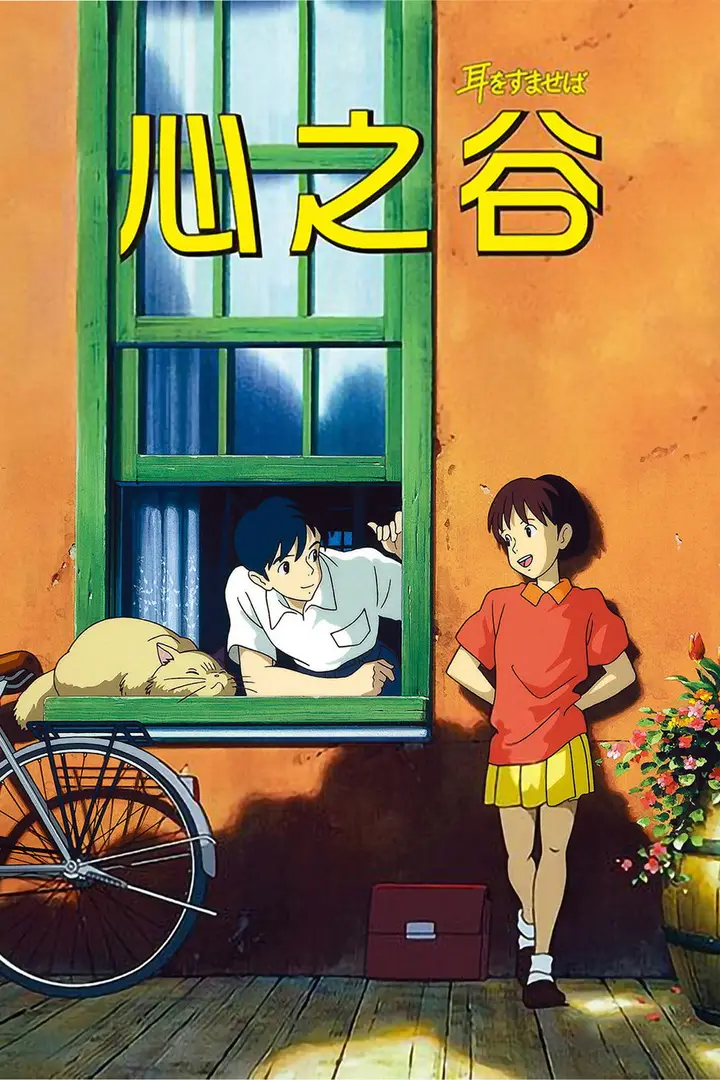
Whisper of the Heart
Ordinary streets, passing trains, and quiet afternoons form the backdrop for one of animation's most sincere celebrations of dreams, creativity, first love, and the exhilarating freedom of discovering who you want to become.
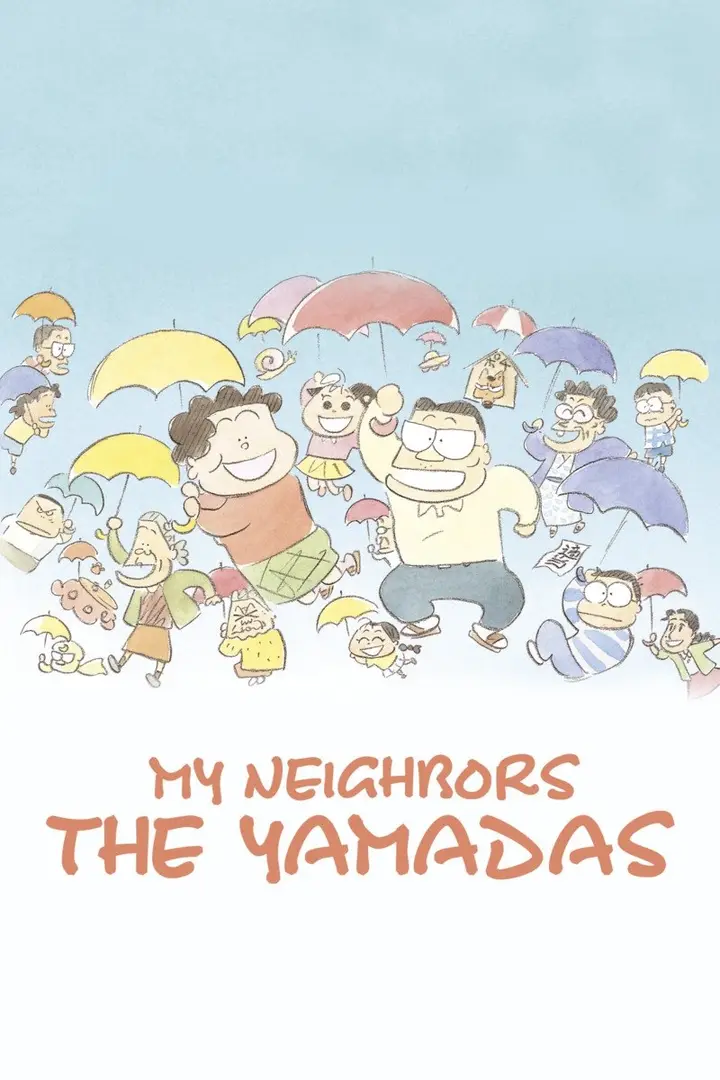
My Neighbors the Yamadas
A gentle animated portrait of family life, everyday discoveries, and the imperfect moments that create a lifetime of memories.
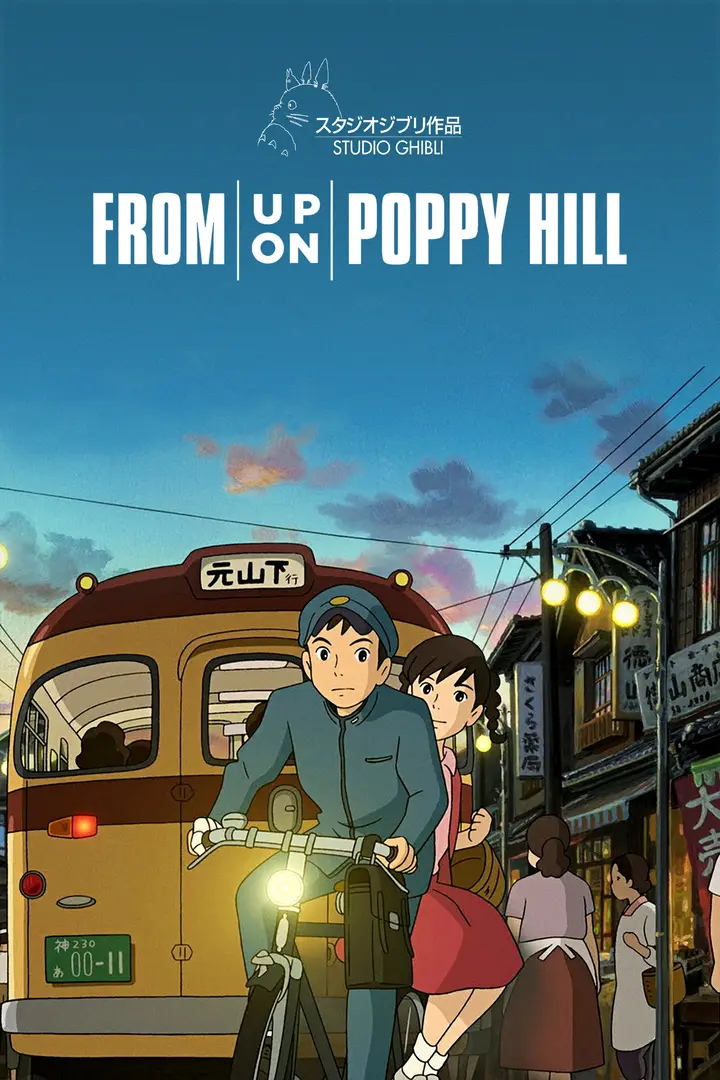
From Up on Poppy Hill
Sea breezes, youthful idealism, and quiet romance bring warmth to a story shaped by change and possibility.
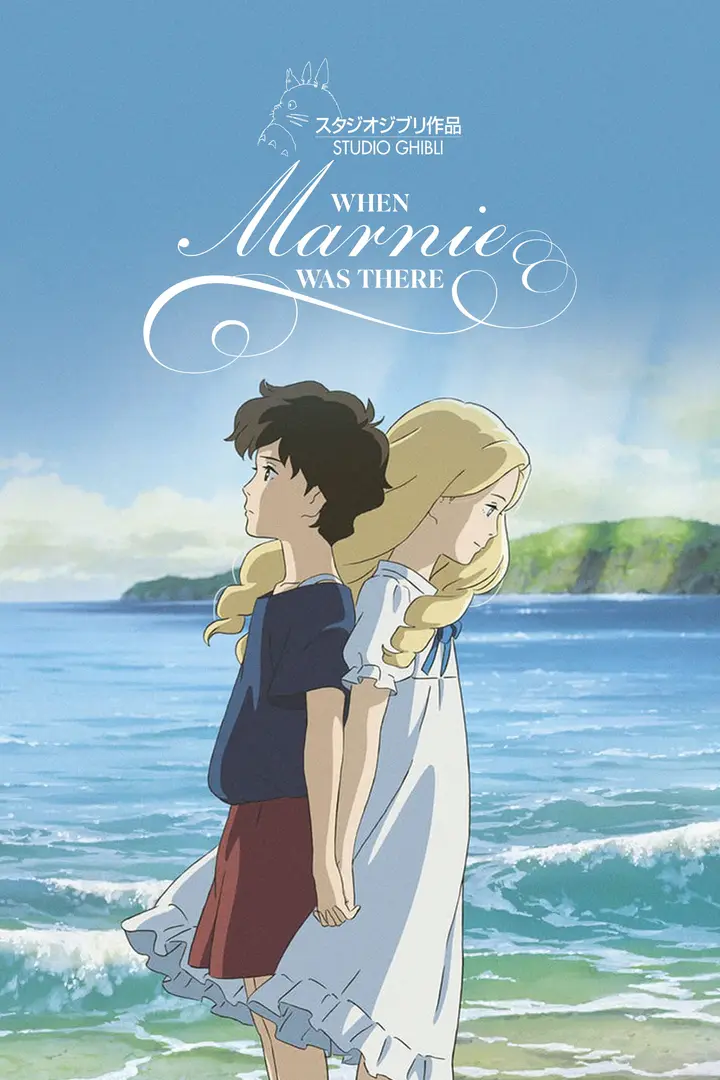
When Marnie Was There
A summer of friendship, memory, and self-discovery unfolds beside the quiet waters of rural Japan.
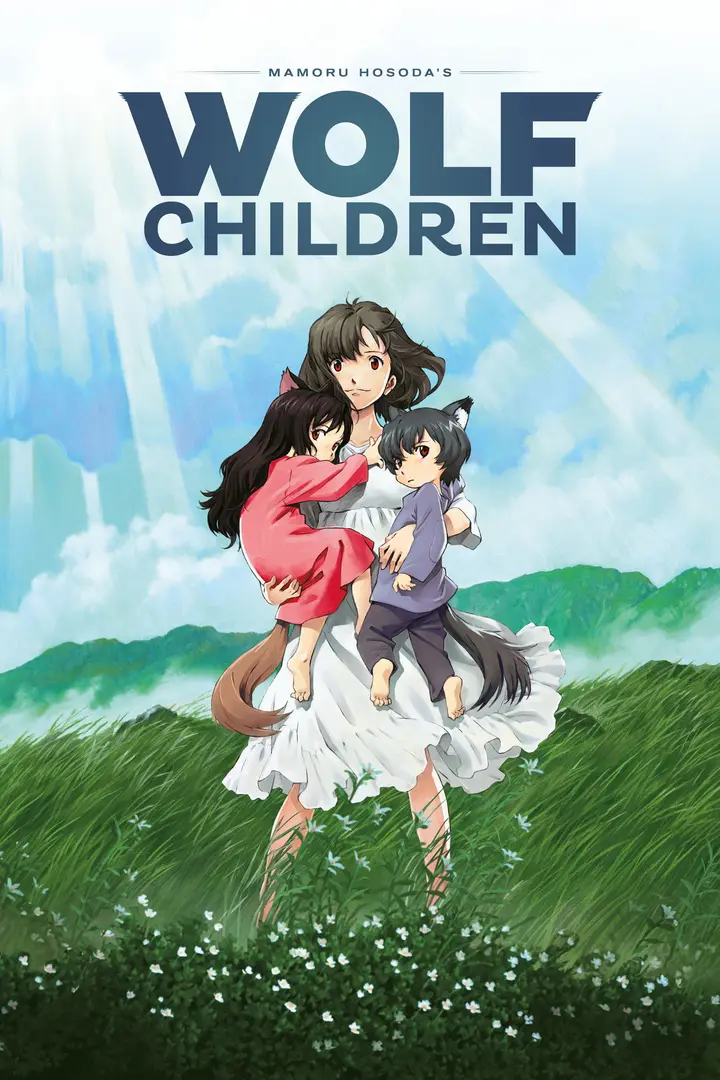
Wolf Children
A deeply tender and windswept story about motherhood, identity, growing up, and the painful beauty of loving someone enough to let them become themselves.
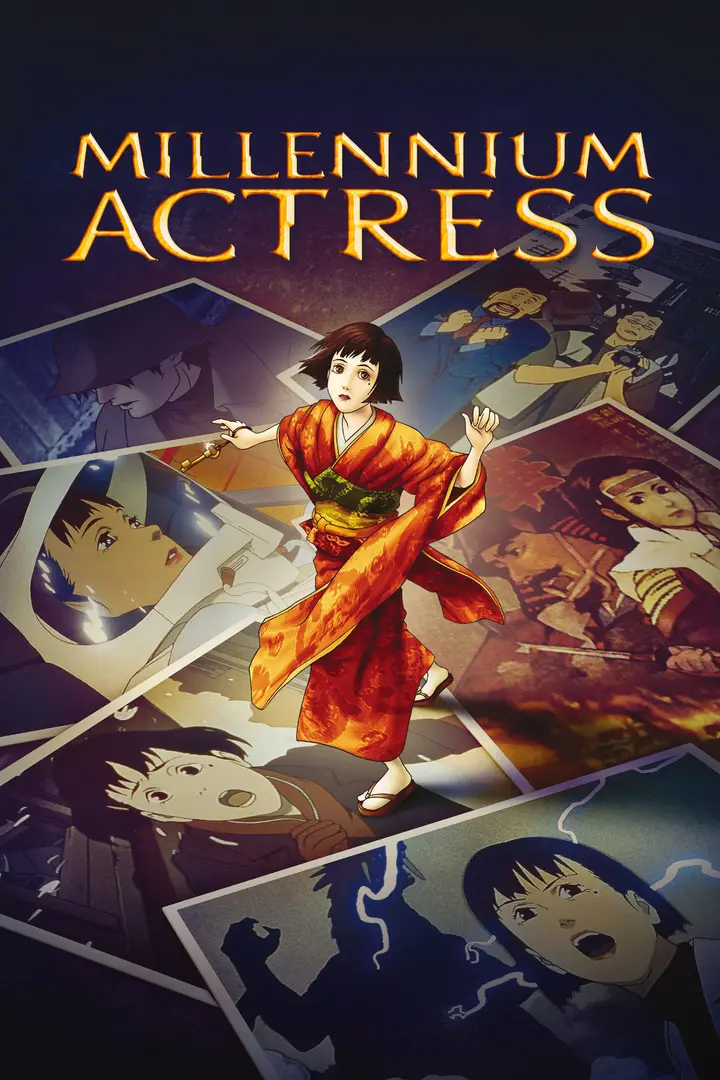
Millennium Actress
A dreamlike journey through memory, cinema, lost love, and the way entire lives can unfold inside a single story.