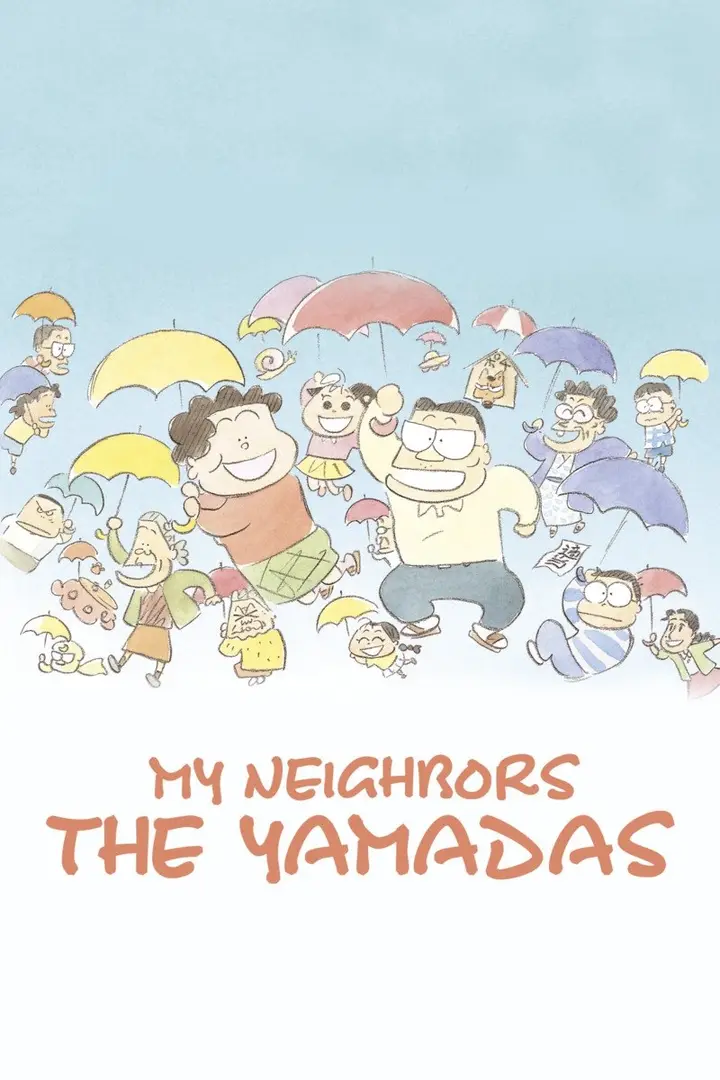
My Neighbors the Yamadas
AgeMinimum 5Recommended 6+
A gentle animated portrait of family life, everyday discoveries, and the imperfect moments that create a lifetime of memories.
Takashi and Matsuko Yamada share a home with their children, Noboru and Nonoko, and grandmother Shige. Their days bring forgotten errands, playful disagreements, small celebrations and moments of affection. Told through a series of connected episodes, the film finds comedy and insight in the family's routines, showing how ordinary experiences bring its members together.
- Release Year
- 1999
- Runtime
- 104 min
- Studio
- Studio Ghibli
- Format
- Anime
- Genre
- Animation, Comedy, Drama
- Mood
- Warm, Playful
- MPAA Rating
- PG
My Neighbors the Yamadas follows one family's arguments, mishaps, celebrations, and small triumphs through a series of short episodes. Takahata's comedy pays attention to the way family members interrupt, misunderstand, tease, and support one another. The Yamadas are imperfect and instantly familiar, which gives their ordinary conversations comic force.
The film's spare watercolor drawings are central to its character. Figures sit against open backgrounds, then shift into exaggerated expressions as a joke unfolds. That freedom allows brief incidents, from a forgotten responsibility to a household disagreement, to become complete miniature stories.
There is no single quest pulling the family from one scene to the next. The pleasure comes from recognizing personalities across many situations: a child's directness, a parent's frustration, a grandparent's sharp observation. Humor grows from timing, affection, and the friction of living together. The result portrays domestic life through precise details.
Why It Stands Out
My Neighbors the Yamadas is unlike most animated family films because it does not search for a grand adventure. Instead, it discovers beauty in the everyday experiences that families often overlook.
Its unique storytelling, artistic style, and emotional honesty make it a celebration of the small moments that become the memories people treasure most.
Parents’ Insight
The Yamadas never have a single dramatic turning point, just years of ordinary breakfasts and small disagreements that add up to an entire family. Meaning doesn't need to announce itself to matter.
Parents’ Guide
What to know before you press play
Six things parents ask about, rated on the same scale for every film and series in the collection.
- Scary intensity
- Minimal (1 of 5)
- Violence
- Mild (2 of 5)
- Language
- Minimal (1 of 5)
- Emotional intensity
- Minimal (1 of 5)
- Sexual content
- None (0 of 5)
- Substance use
- Mild (2 of 5)
Content notes
- None significant — a gentle episodic family comedy
Questions Parents Ask
What is My Neighbors the Yamadas about?
Rather than telling one continuous story, My Neighbors the Yamadas unfolds through a collection of loosely connected episodes following the Yamada family. Parents Takashi and Matsuko, grandmother Shige, teenage Noboru, young Nonoko, and the family dog experience the small triumphs, misunderstandings, celebrations, and frustrations that make up ordinary family life.
Shopping trips become unexpected adventures, household chores become comic battles, children test their parents' patience, and grandparents offer wisdom gathered over many years. Through gentle humor and keen observation, the film discovers that life's most memorable moments are often the smallest ones. Instead of dramatic conflicts, it celebrates the warmth, imperfections, and enduring love that hold families together every day.
What age is My Neighbors the Yamadas suitable for?
The very mild family disagreements are played with genuine warmth rather than exaggerated for comedy, resolving through the Yamadas' everyday bickering rather than any real conflict.
Is My Neighbors the Yamadas scary?
- Very mild family disagreements
- Graphic violence
- Frightening scenes
- Horror elements
- Peril
There are no genuinely frightening scenes. The film focuses entirely on everyday family life, presenting minor mishaps and humorous misunderstandings with warmth and gentle comedy.
Is My Neighbors the Yamadas worth watching?
My Neighbors the Yamadas is one of Studio Ghibli's most distinctive films, transforming ordinary family life into a warm, funny, and deeply human celebration of everyday moments. Unlike most animated features, Isao Takahata deliberately avoids grand adventures or dramatic plots. Instead, he discovers humor and beauty in ordinary routines that many families experience every day. Shopping, cooking, school, family meals, forgotten errands, and small misunderstandings become the heart of the film. Its watercolor-inspired visual style gives every scene the appearance of an illustrated sketchbook brought to life, perfectly matching the film's gentle tone. Beneath its comedy lies an affectionate reminder that family life is rarely perfect, yet its imperfections often become the moments we remember most. Few films celebrate everyday happiness with such honesty, warmth, and quiet wisdom.
What is My Neighbors the Yamadas based on?
My Neighbors the Yamadas is based on the manga comic strip Tonari no Yamada-kun, later retitled Nono-chan, written and illustrated by Hisaichi Ishii and first published in 1991. While remaining faithful to the comic's gentle humor and everyday situations, Isao Takahata adds emotional warmth, visual poetry, and a uniquely expressive watercolor animation style that gives the adaptation its own distinctive identity.
Talk About It
Takashi, Matsuko, Noboru, Nonoko, and Grandmother find comedy, frustration, and affection in meals, shopping, school, arguments, and everyday family misunderstandings.
- Which Yamada family mishap feels most familiar to you?
- How does Matsuko show care even when household plans go wrong?
- Would you enjoy a family outing that became completely disorganized?
- What makes Grandmother’s advice helpful or surprising?
- How do Takashi and Matsuko recover after ordinary disagreements?
- Which moment best captures Nonoko’s view of the adults?
- Why can small family problems become memorable stories?
- What keeps the Yamadas connected despite their different personalities?
Turn this film into a ready-to-use class discussion
Use the Teacher Resources already attached to this film. Choose the questions you want, then print, copy or share the result.
Similar Movies
The Yamadas' comic-strip family scenes find a close visual companion in Ernest & Celestine's watercolor world. Winnie the Pooh shares the episodic rhythm and everyday humor. Whisper of the Heart and The Children of Noisy Village look closely at ordinary childhood, while The Peanuts Movie and My Life as a Zucchini use distinct animation styles for stories about growing up.
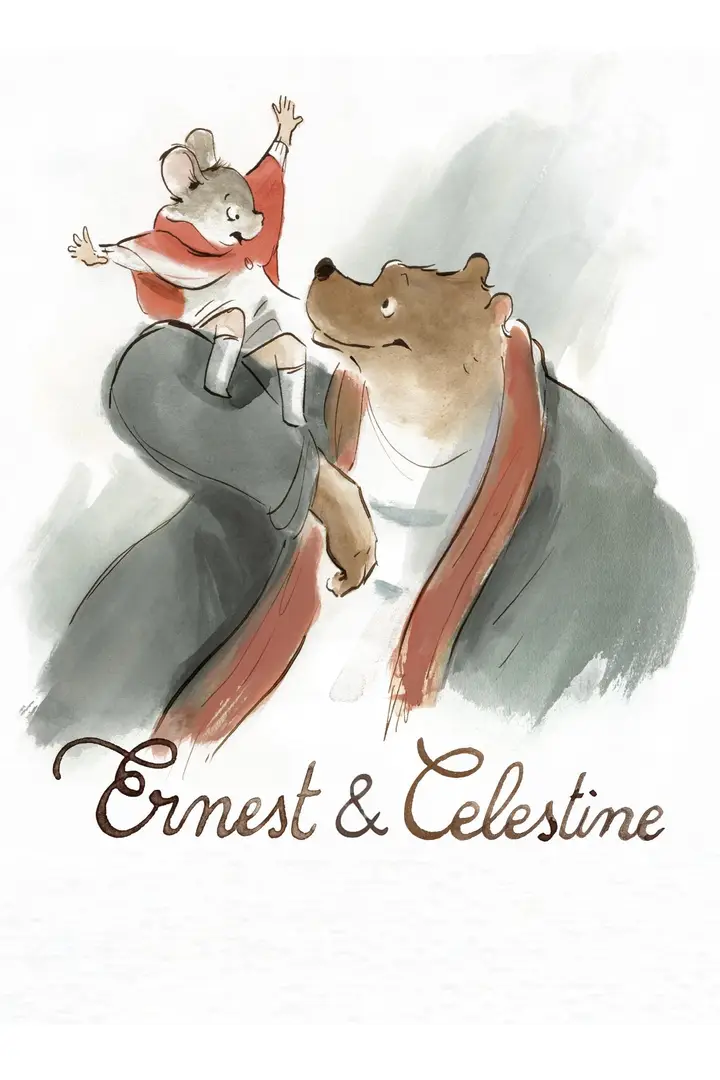
Ernest & Celestine
Watercolor beauty and delicate storytelling create a world of warmth and kindness, where friendship grows strong enough to overcome fear and bring very different worlds together.
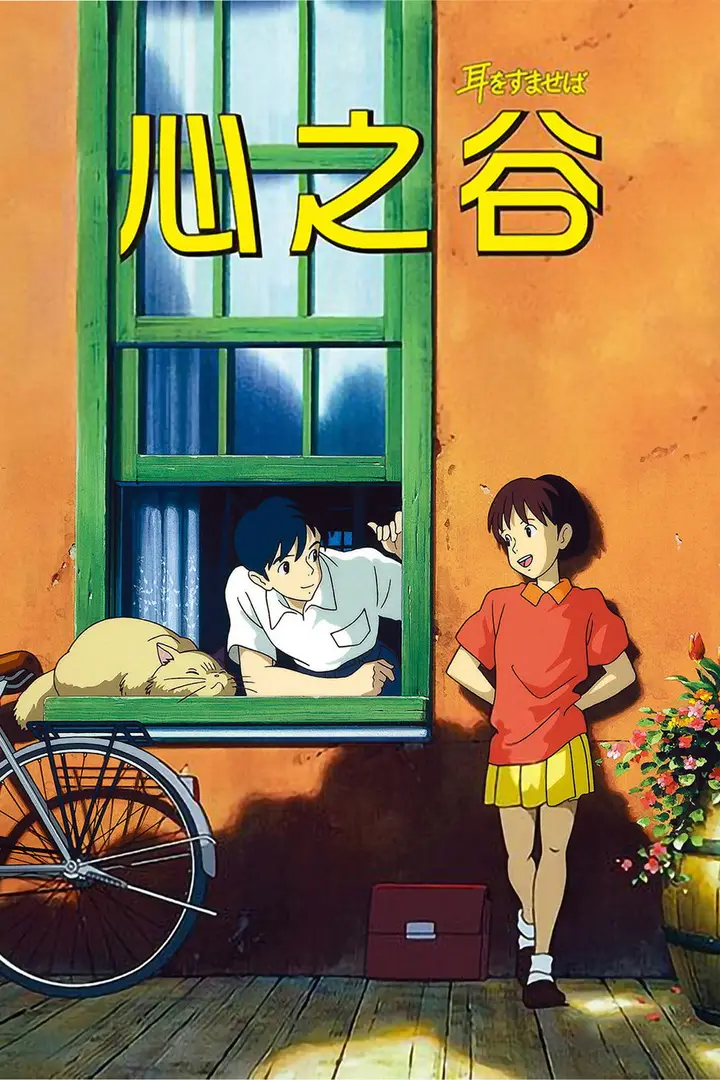
Whisper of the Heart
Ordinary streets, passing trains, and quiet afternoons form the backdrop for one of animation's most sincere celebrations of dreams, creativity, first love, and the exhilarating freedom of discovering who you want to become.

The Children of Noisy Village
A gentle Swedish childhood story with countryside warmth, playful adventures and the peaceful rhythm of family life, friendship and imagination.
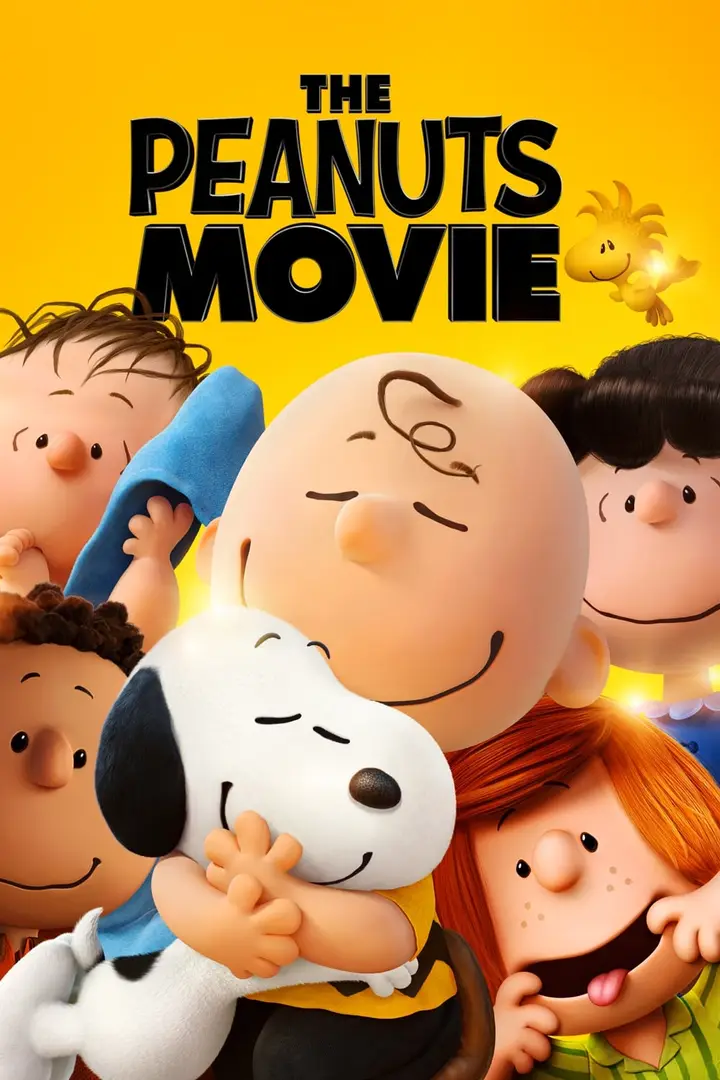
The Peanuts Movie
Timeless characters, joyful energy, and a heartfelt reminder that kindness matters more than success.
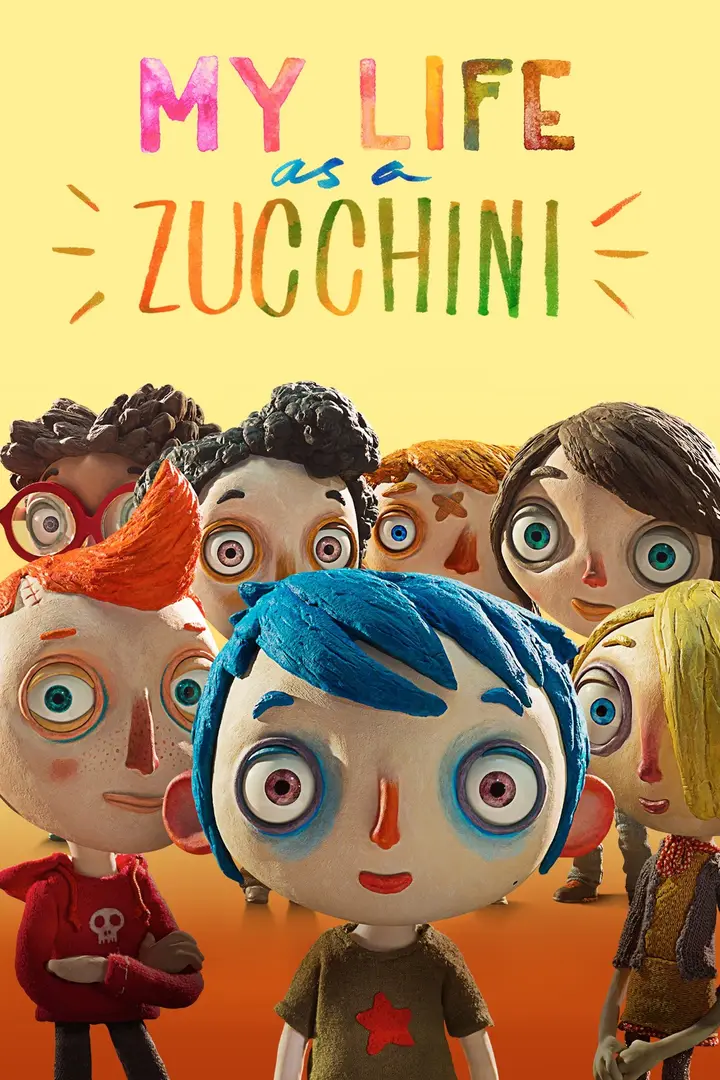
My Life as a Zucchini
A children's home, handmade stop-motion puppets and the tentative warmth of new friendships make this small, honest story of loss unexpectedly luminous.
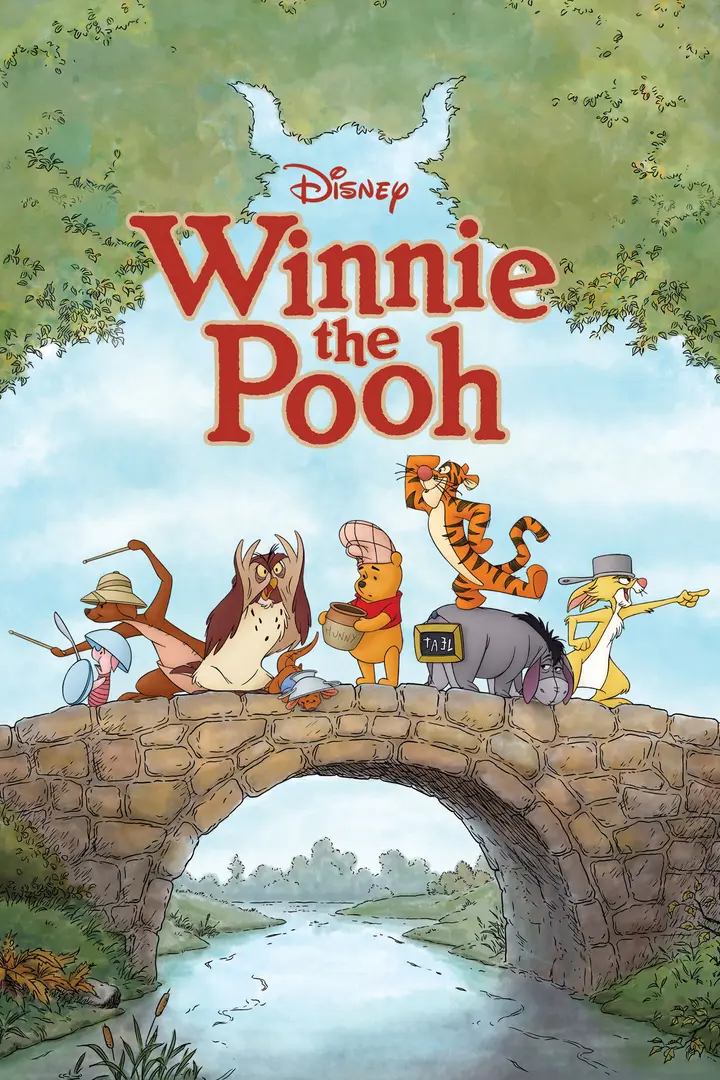
Winnie the Pooh
A gentle celebration of friendship, imagination, and life's small adventures.