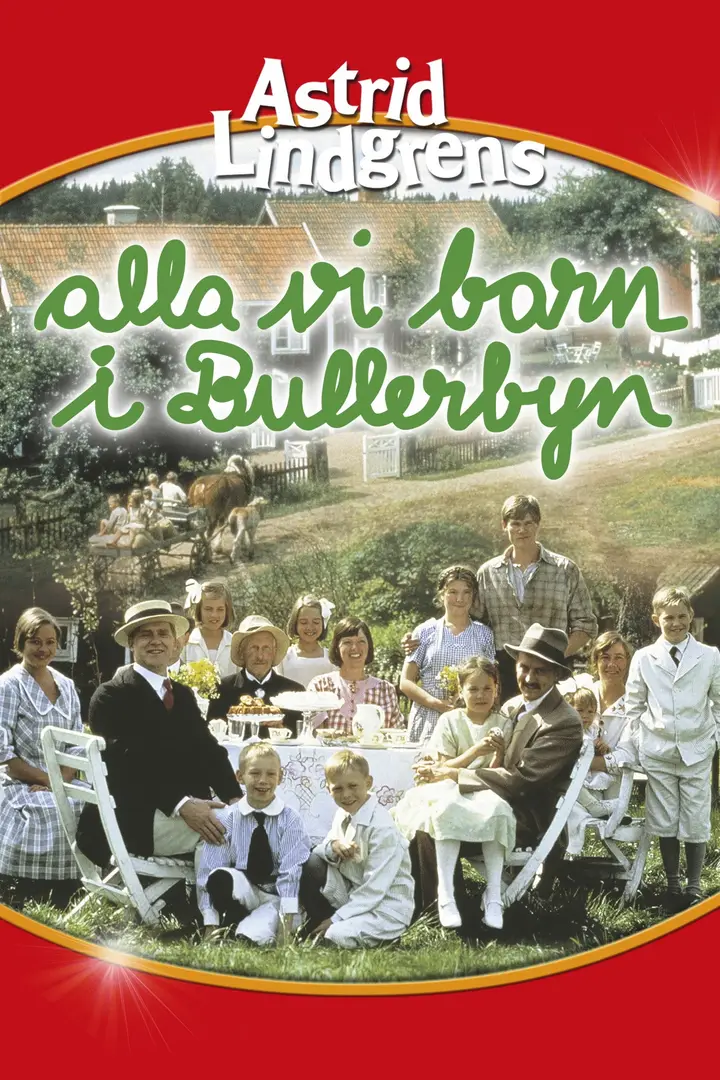
The Children of Noisy Village
AgeMinimum 5Recommended 5+
A gentle Swedish childhood story with countryside warmth, playful adventures and the peaceful rhythm of family life, friendship and imagination.
Set in a small Swedish village, the film follows Lisa and the other children of Noisy Village as they experience the rhythms of rural life through friendships, family traditions and everyday adventures. From school days and seasonal celebrations to imaginative games and small challenges, their world is shaped by curiosity, independence and the freedom of childhood.
- Release Year
- 1986
- Runtime
- 87 min
- Studio
- Svensk Filmindustri
- Format
- Live Action
- Genre
- Adventure, Comedy
- Mood
- Warm, Playful
- MPAA Rating
- Not Rated
Lisa lives with her family in Noisy Village, a rural community where a few farms sit close together and the children know the people around them well. The seasons provide the rhythm of life as school, chores, animals and outdoor play fill the children’s days.
The film finds its charm in the experiences that make childhood feel full: exploring nearby places, celebrating traditions, spending time with siblings and friends, and creating games from whatever the surroundings provide. A walk through the countryside, a family gathering or a small challenge can become memorable simply because the children experience it together.
The Swedish countryside shapes the atmosphere of the story. Fields, forests, farmhouses and changing seasons create a setting where children have space to explore and develop their independence. Its portrait of childhood grows through friendship, imagination and the freedom to discover the world close to home.
Why It Stands Out
Games, chores, and friendships fill the days of the children in Noisy Village. The film captures their inventive enjoyment of familiar places, letting everyday routines reveal how much adventure a close-knit childhood community contains.
Parents’ Insight
Lisa and her friends discover adventure in village games and everyday chores. Their experiences offer a starting point for discussing friendship, independence and the imagination that grows through cooperation and shared play.
Parents’ Guide
What to know before you press play
Six things parents ask about, rated on the same scale for every film and series in the collection.
- Scary intensity
- Minimal (1 of 5)
- Violence
- Mild (2 of 5)
- Language
- Mild (2 of 5)
- Emotional intensity
- Minimal (1 of 5)
- Sexual content
- None (0 of 5)
- Substance use
- Mild (2 of 5)
Content notes
- Very mild everyday mishaps
Questions Parents Ask
What age is The Children of Noisy Village suitable for?
Minimum age: 5. Recommended age: 5+. Everyday mishaps, minor sibling disagreements and old-fashioned rural situations create only brief uncertainty.
Is The Children of Noisy Village scary?
- Very mild everyday mishaps
- Graphic violence
The children occasionally quarrel, take small risks or become briefly worried during their adventures. The warm community setting and episodic structure resolve these moments quickly.
What is The Children of Noisy Village based on?
Lindgren also wrote the screenplay, drawing episodes from stories including The Children of Noisy Village and its related books. The film keeps the episodic structure and close observation of rural childhood found in the source material.
What is The Children of Noisy Village about?
Lisa, her brothers and their friends move between school, chores, games, village traditions and changing seasons. Rather than one large conflict, the film finds interest in friendship, imagination and the freedom of childhood within a close rural community.
Is The Children of Noisy Village worth watching?
It is a gentle family film for viewers who enjoy everyday childhood stories, outdoor play and a calm picture of rural community life. Lasse Hallström presents childhood through small events rather than dramatic plot turns, giving the film warmth and authenticity. Families accustomed to fast modern entertainment may find it slow, but its attention to friendship, seasons and ordinary joy is distinctive.
What order should you watch the Children of Noisy Village films in?
The Children of Noisy Village (1986) is the first of the 2 Children of Noisy Village films, so it is the place to start. Release order: 1) The Children of Noisy Village (1986, best from age 5); 2) More About the Children of Noisy Village (1987, best from age 6). Both have a full parents’ guide in The Family Film Collection.
Talk About It
Lisa and the other children of Noisy Village live on three neighboring farms in rural Sweden, where a walk between the houses, a seasonal celebration or an invented game is enough to fill a day. Told by Lisa looking back, the film has no villain and no crisis. Use it to discuss how much freedom children can be trusted with, and what makes an ordinary day worth remembering.
- Noisy Village is only a few farms standing close together. What can the children do there that would be harder in a town or a city?
- Lisa and her friends walk, explore and run errands with no adult nearby. How much of that freedom would work where you live, and why?
- The children invent games out of whatever is around them — fields, hay, animals, weather. Which of their games could you actually try?
- The story moves through a whole year of seasons and celebrations. Which season looked like the best one to be a child in Noisy Village?
- The children have real jobs to do with the animals and around the farms. Does having real work make their days better or worse?
- Almost nothing dramatic happens in this film. Did that make it less interesting to watch, or more?
- Lisa tells the story herself, looking back on it. How would the film feel different if one of the adults told it instead?
- The children of Noisy Village are also each other's only neighbors. What is good, and what is difficult, about having the same small group of friends all the time?
Turn this film into a ready-to-use class discussion
Use the Teacher Resources already attached to this film. Choose the questions you want, then print, copy or share the result.
Similar Movies
The Little Rascals and The Peanuts Movie match the pleasure of children creating their own social world. Heidi and Anne of Green Gables introduce a more pastoral, storybook feeling, but Winnie the Pooh offers the gentlest friendship-led alternative.
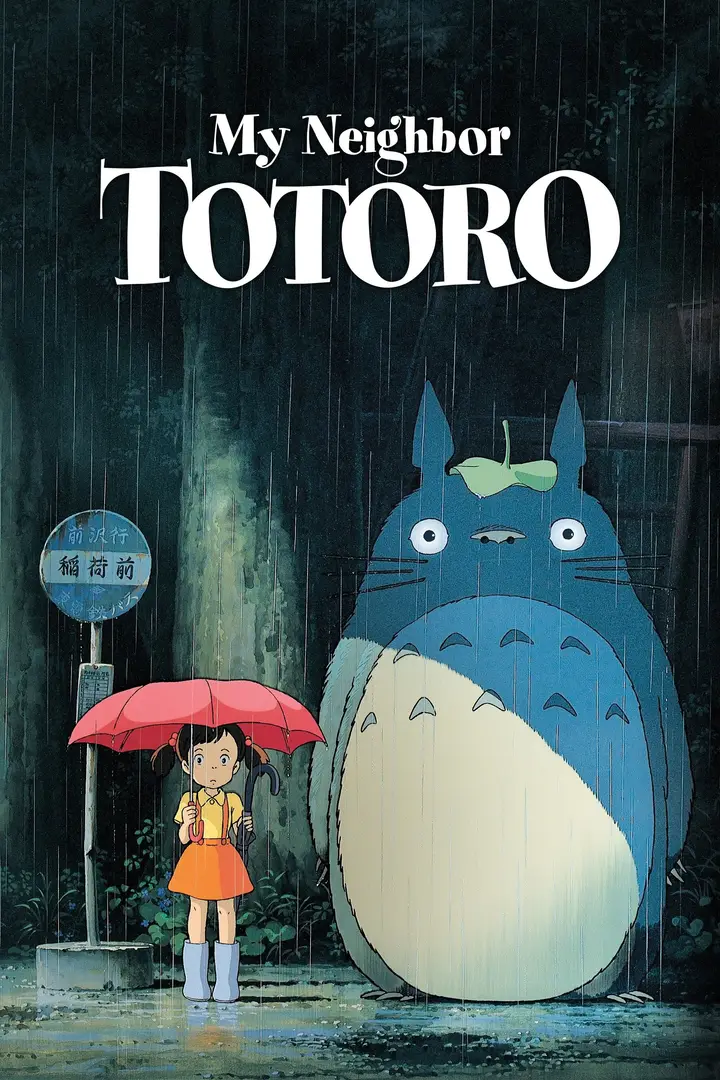
My Neighbor Totoro
Gentle humor, small discoveries, and the quiet rhythms of family life gradually become something magical in one of animation's most comforting childhood fantasies.
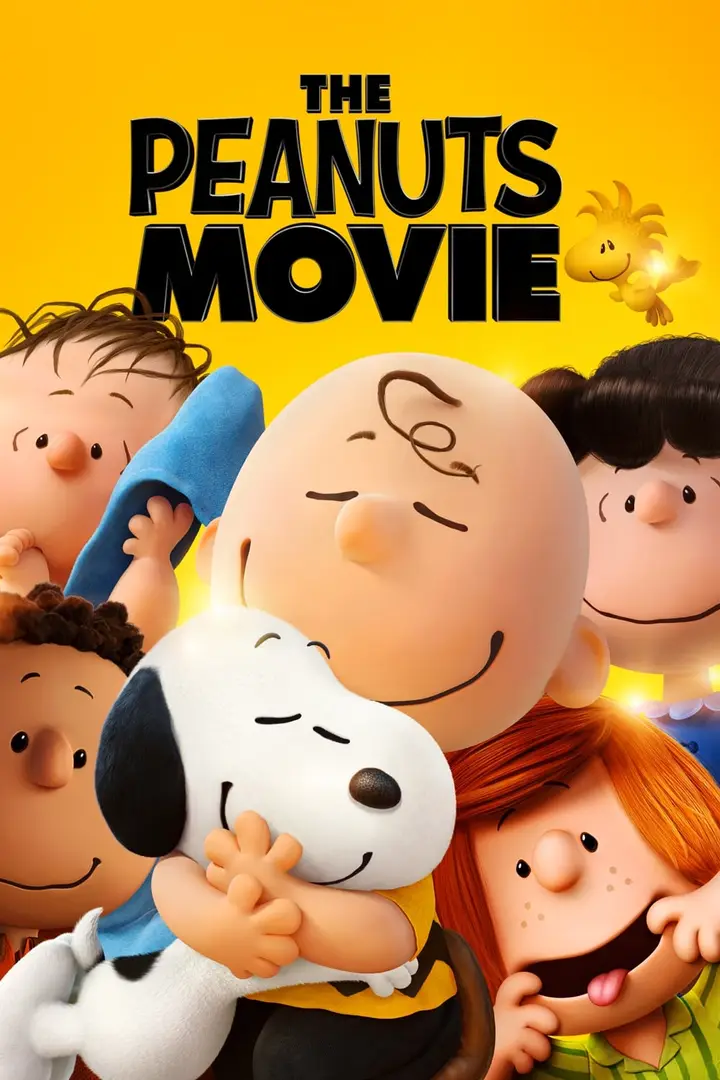
The Peanuts Movie
Timeless characters, joyful energy, and a heartfelt reminder that kindness matters more than success.
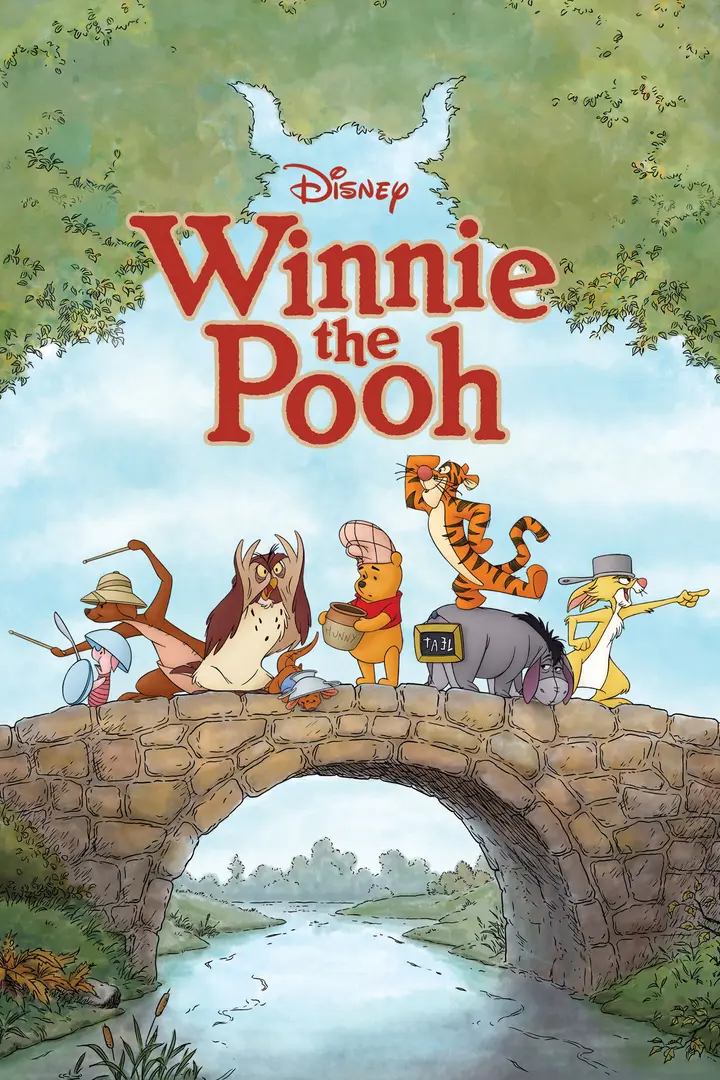
Winnie the Pooh
A gentle celebration of friendship, imagination, and life's small adventures.
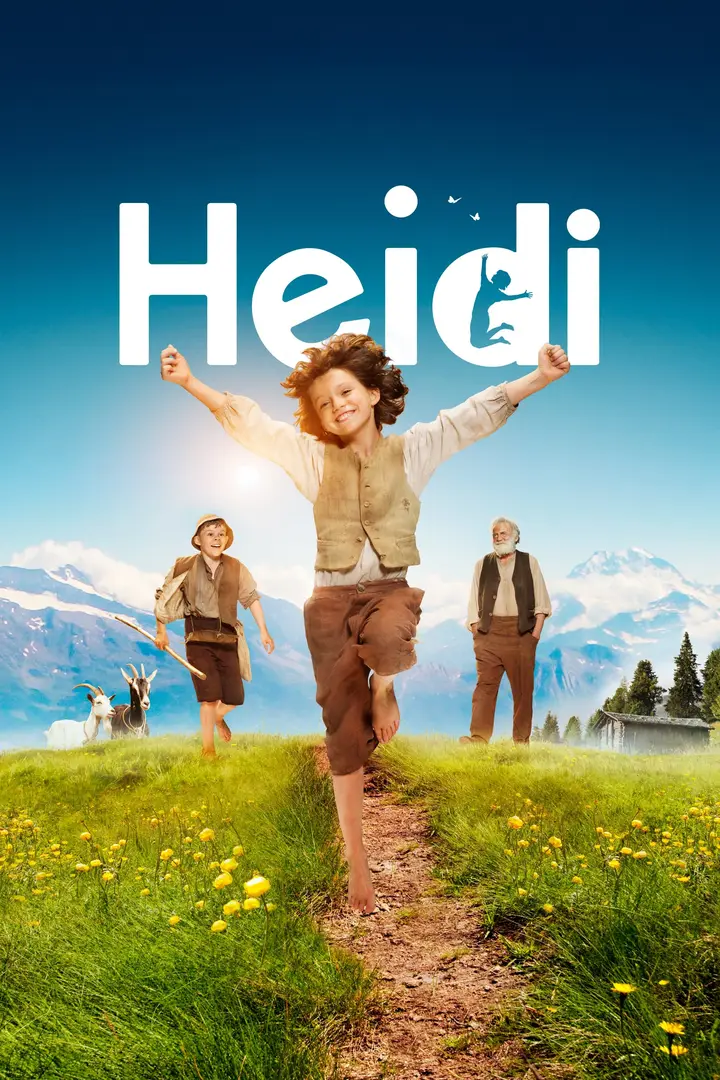
Heidi
Alpine meadows, mountain air and the gentle clash between freedom and formality give Heidi's world warmth, wonder and a longing for home.
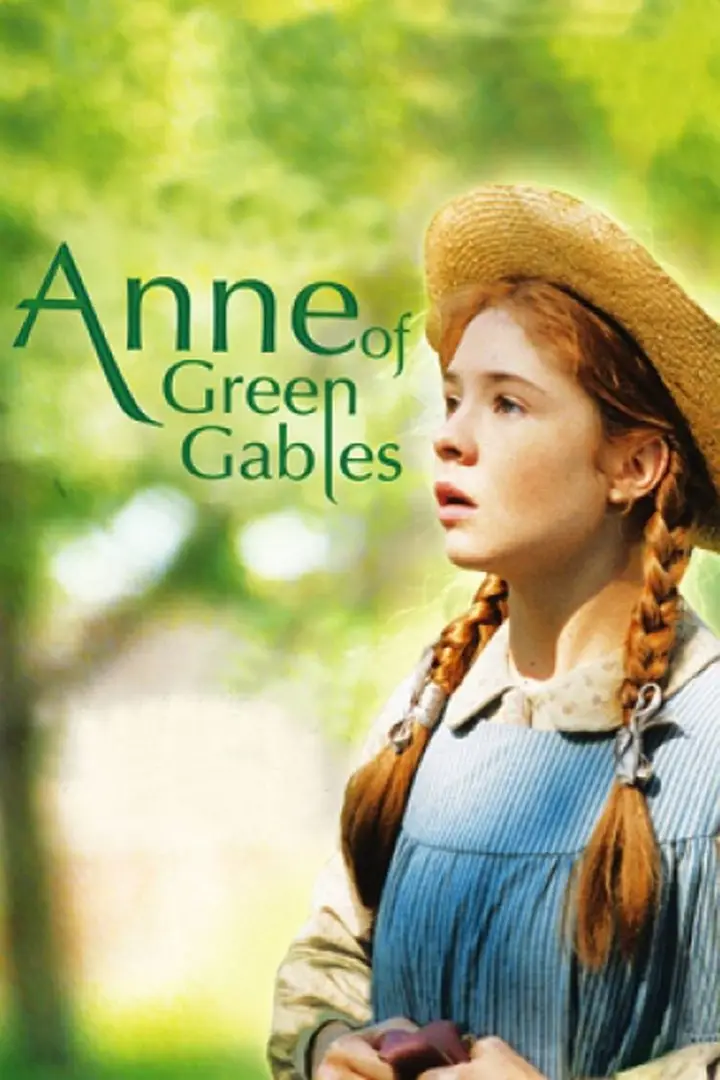
Anne of Green Gables
A gentle coming-of-age story of island landscapes, vivid imagination, and a spirited girl turning ordinary days into unforgettable adventures.
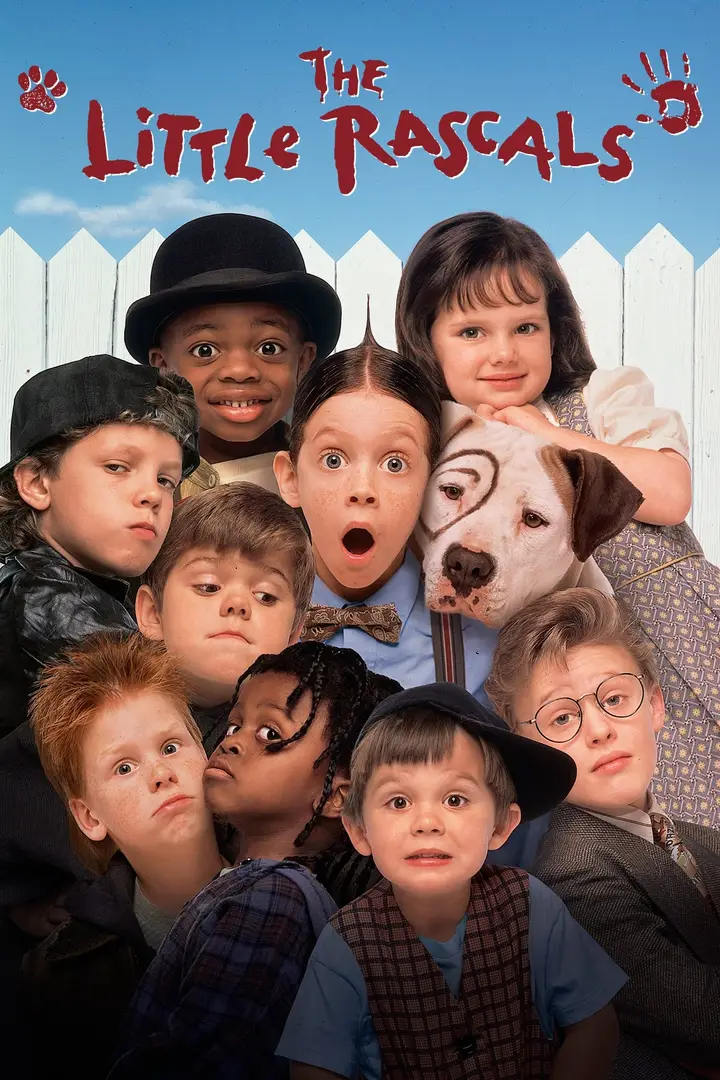
The Little Rascals
Sunny neighborhood streets, homemade inventions, clubhouse meetings, bicycle races, and the oversized adventures created by a group of children with their own rules.